Ag News Archives for 2026-11

Federal Judge Rejects Second Proposed Settlement in Oklahoma Poultry Pollution Lawsuit

A federal judge's refusal to set aside his previous judgment in Oklahoma's long-running poultry litter lawsuit has left eastern Oklahoma contract growers and rural communities facing months of additional legal and operational uncertainty.

In an order filed November 18 in the U.S. District Court for the Northern District of Oklahoma, Judge Gregory Frizzell denied a joint motion from Attorney General Gentner Drummond and six major poultry companies to vacate his December 2025 liability judgment. That ruling effectively blocks a nearly $44 million settlement reached in July 2026 between the state and Tyson Foods, Cargill, Cal-Maine, George's, Peterson Farms, and Simmons Foods.

Why the Court Rejected the Joint Motion

In his written opinion, Judge Frizzell stated that throwing out a final court judgment requires "exceptional circumstances" that neither the state nor the poultry integrators demonstrated. According to the court filing, Judge Frizzell concluded that replacing his December 2025 order with the July 2026 settlement would not serve the public interest, pointing to three main concerns.

First, the judge noted that the proposed agreement lacked strict caps on the total volume of poultry litter that can be applied as fertilizer across the Illinois River Watershed. Second, he characterized the settlement's oversight framework as "nebulous," finding that it lacked firm guardrails on how remediation funds would be administered. Third, Judge Frizzell stated that the settlement's seven-year window fell well short of the 30-year cleanup timeline ordered in his original judgment.

Judge Frizzell also wrote that the timing of the state's push to settle suggested "the influence of political pressures over substance," citing the nearly two-decade history of the litigation.

The Fight Moves to the 10th Circuit

With the district court refusing to vacate its original order, the case now rests squarely with the U.S. Court of Appeals for the 10th Circuit.

Attorney General Drummond and the poultry companies have the option to ask the 10th Circuit to overturn Judge Frizzell's November 18 ruling, throw out the December 2025 judgment, and allow the $44 million settlement to move forward. If the appellate panel declines to step in or affirms Judge Frizzell's decision, both sides will be locked back into a full appeal over the December 2025 liability ruling itself. While the 10th Circuit issued a temporary stay pausing enforcement of the judgment in August 2026 while appeals play out, the underlying order remains on the books.

What It Means for Oklahoma Producers

For family farms raising broilers in eastern Oklahoma, the ruling prolongs a high-stakes waiting game that directly affects farm contracts, litter management, and local economic stability.

Contract security remains top of mind for growers in the watershed. The rejected July 2026 settlement included specific protections barring integrators from using the lawsuit or settlement terms as grounds to cancel or refuse to renew contracts with eastern Oklahoma growers. Without that agreement in place, producers worry that severe court-ordered penalties could push integrators to reduce bird placements or shift processing capacity out of the region.

On-farm litter application rules also hang in the balance. If the 10th Circuit ultimately upholds Judge Frizzell's December 2025 judgment, growers will operate under a strict 30-year remediation program managed by a court-appointed special master. That mandate requires phased reductions in land-applied poultry litter within the watershed, which would force farmers to transport more litter out of the area at added expense.

Agricultural organizations, including the Oklahoma Farm Bureau, have voiced frustration over the setback, maintaining that the July settlement struck a workable balance between protecting water quality and keeping family poultry operations viable. State lawmakers representing eastern Oklahoma and farm leaders are now looking to the 10th Circuit for a timely resolution that gives producers clear rules to plan around.

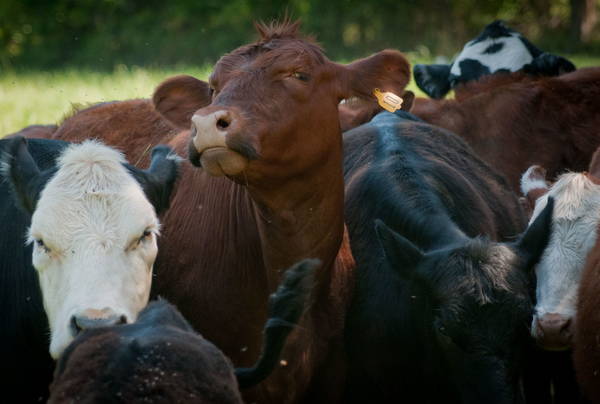
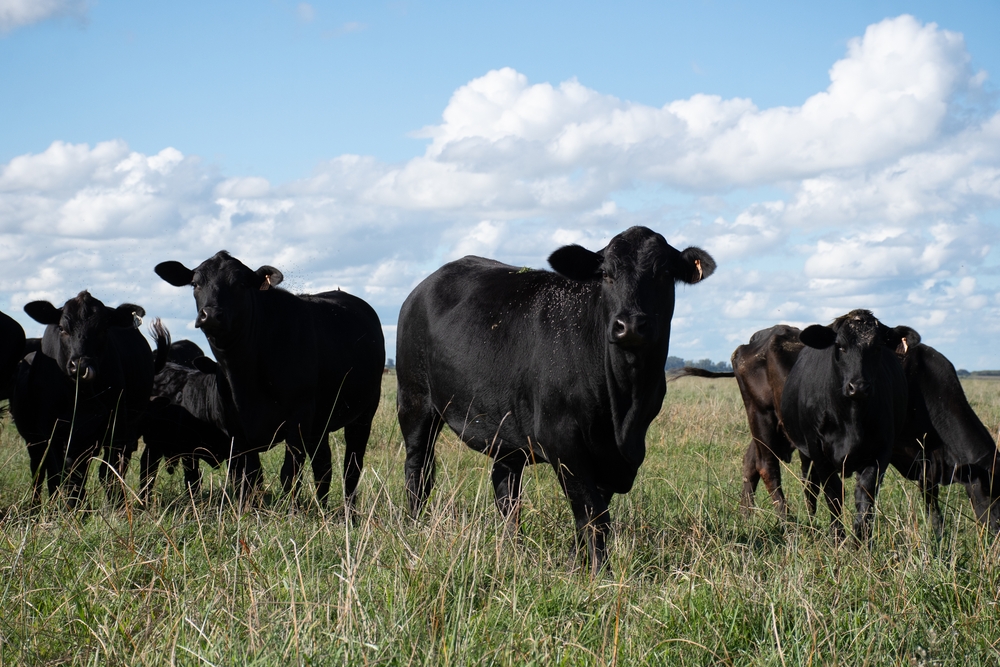
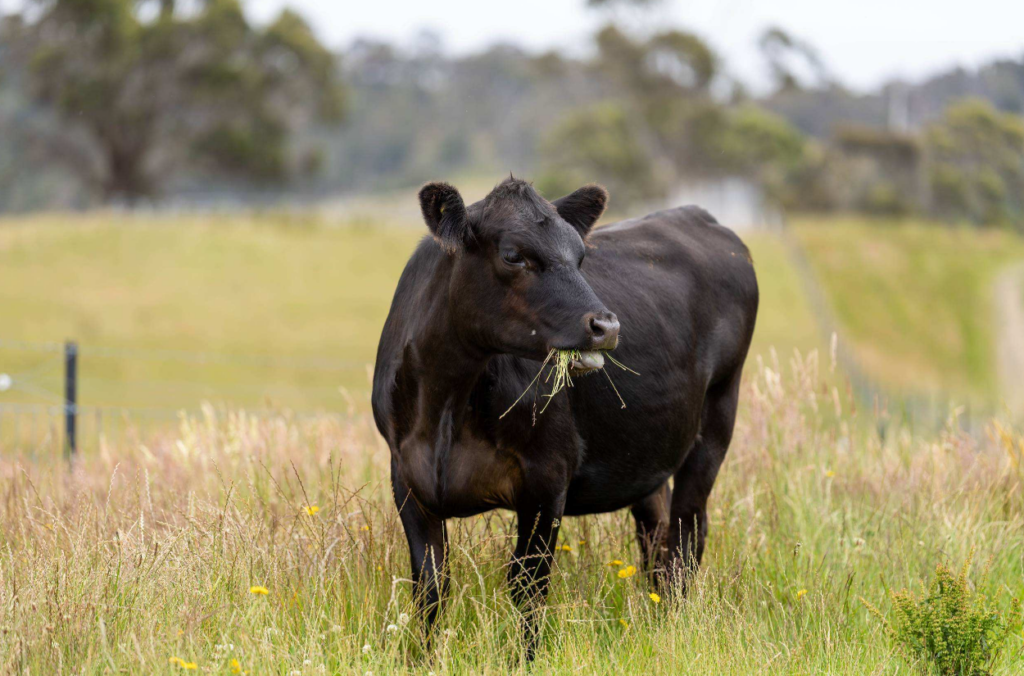
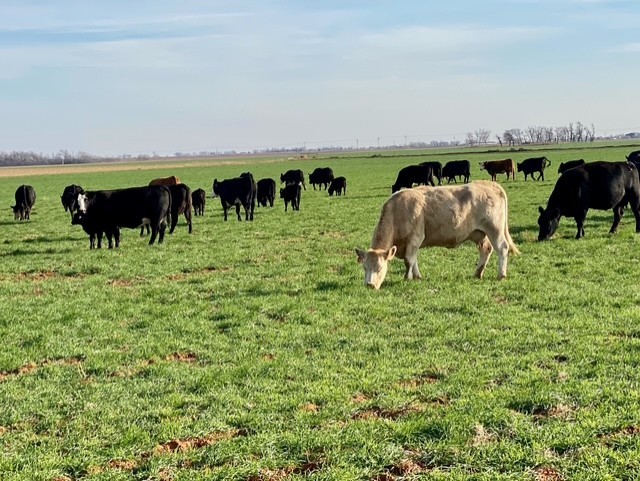
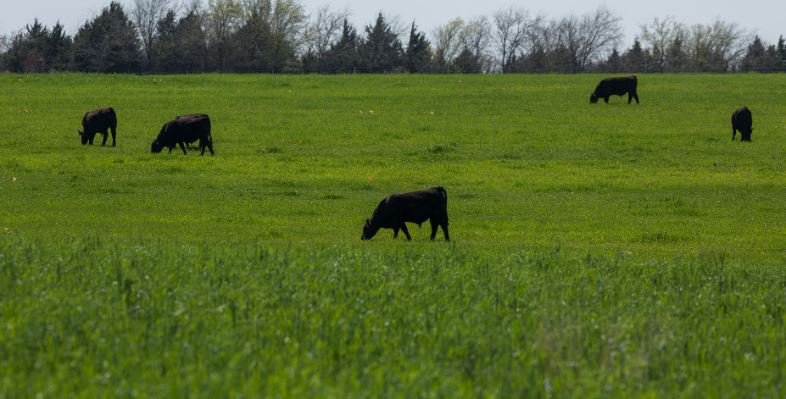
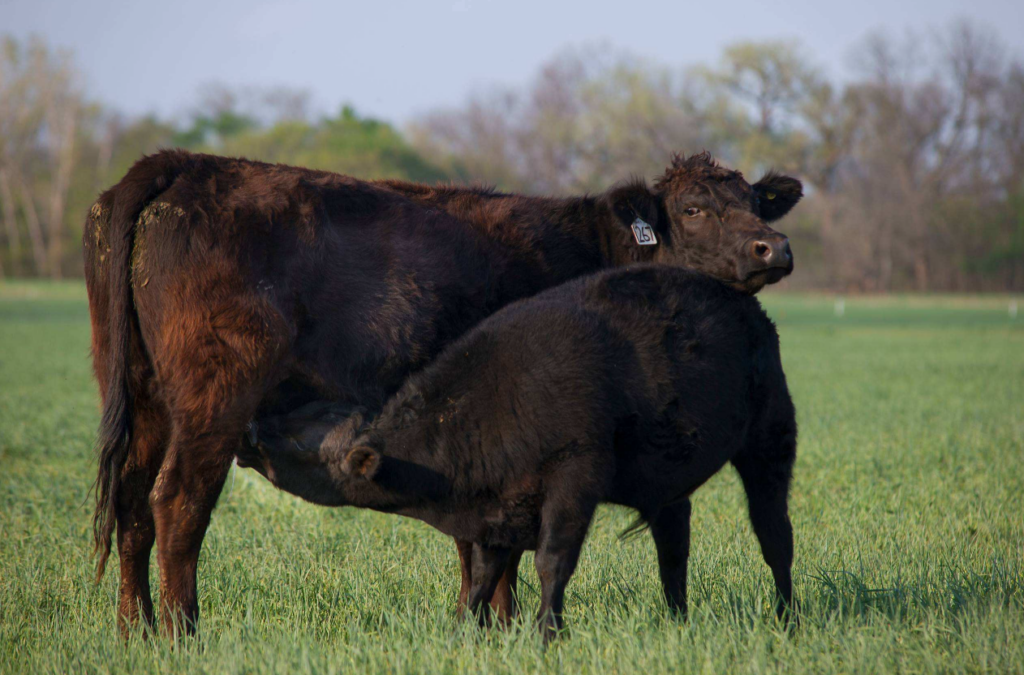
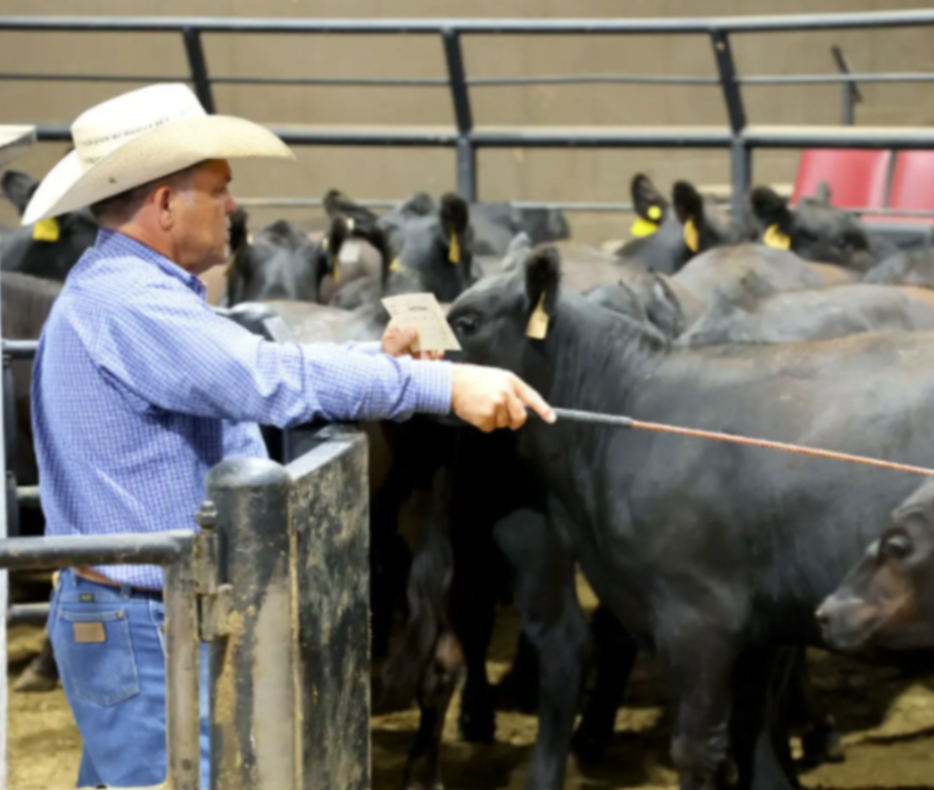
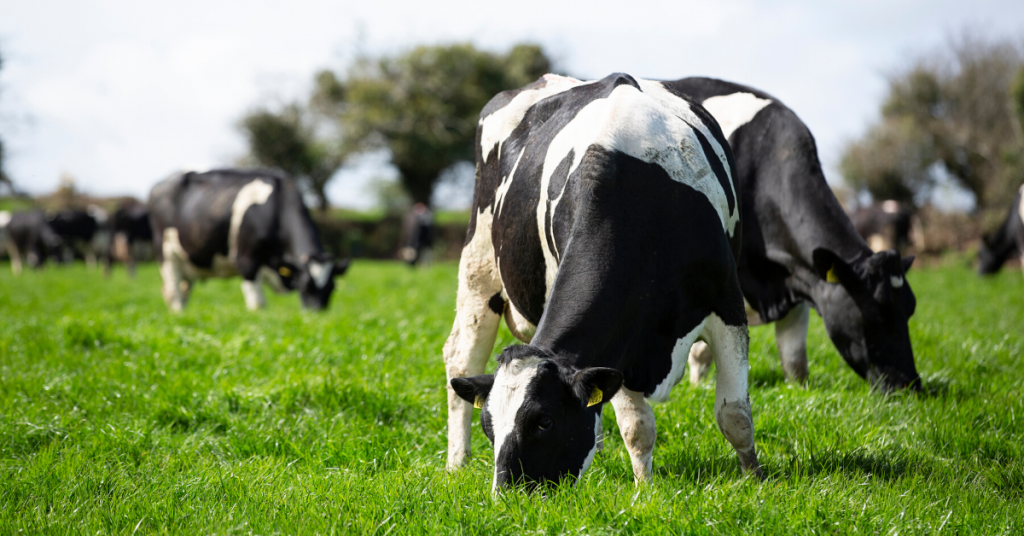
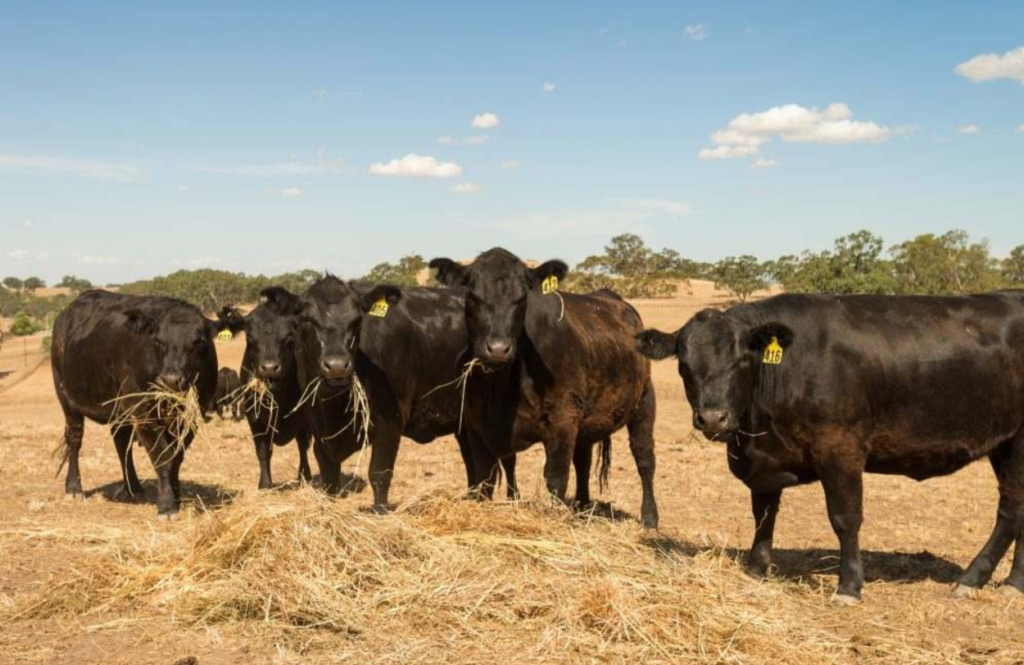
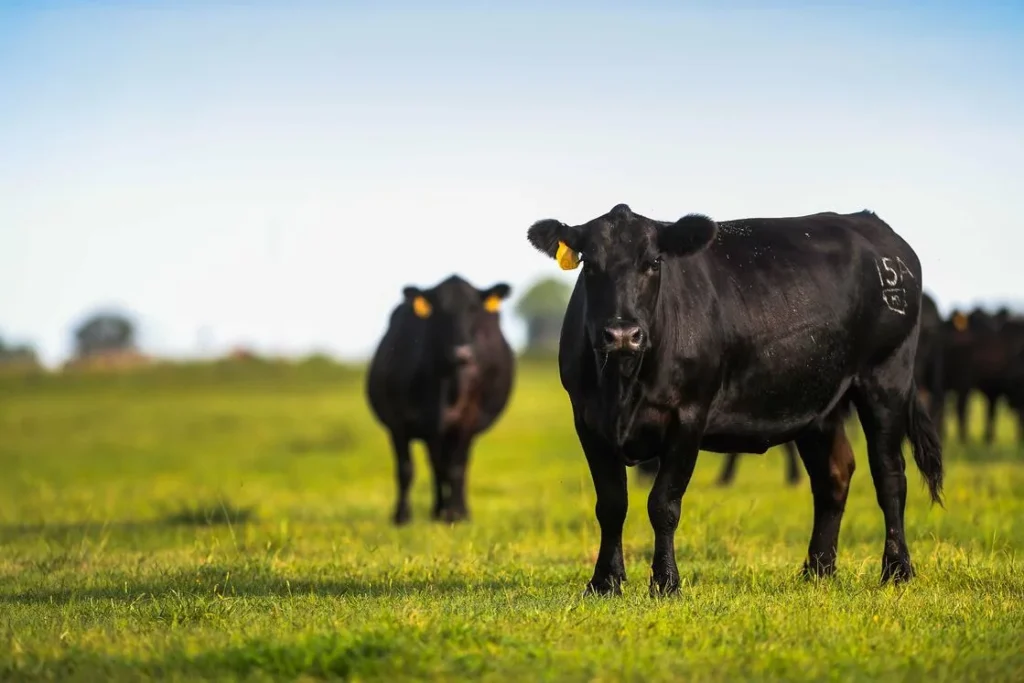
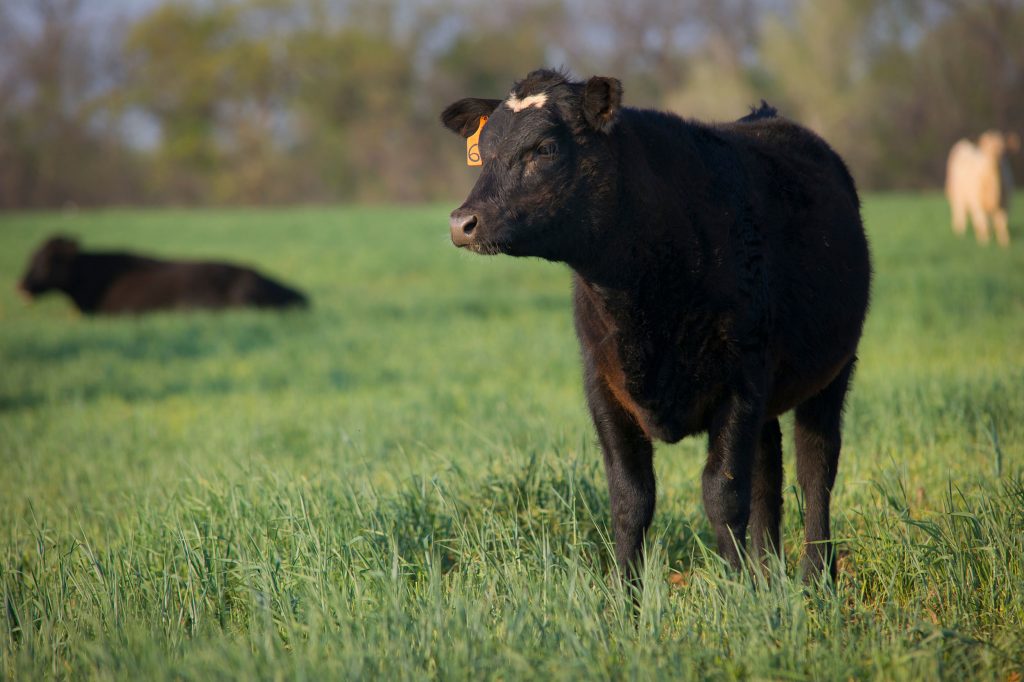
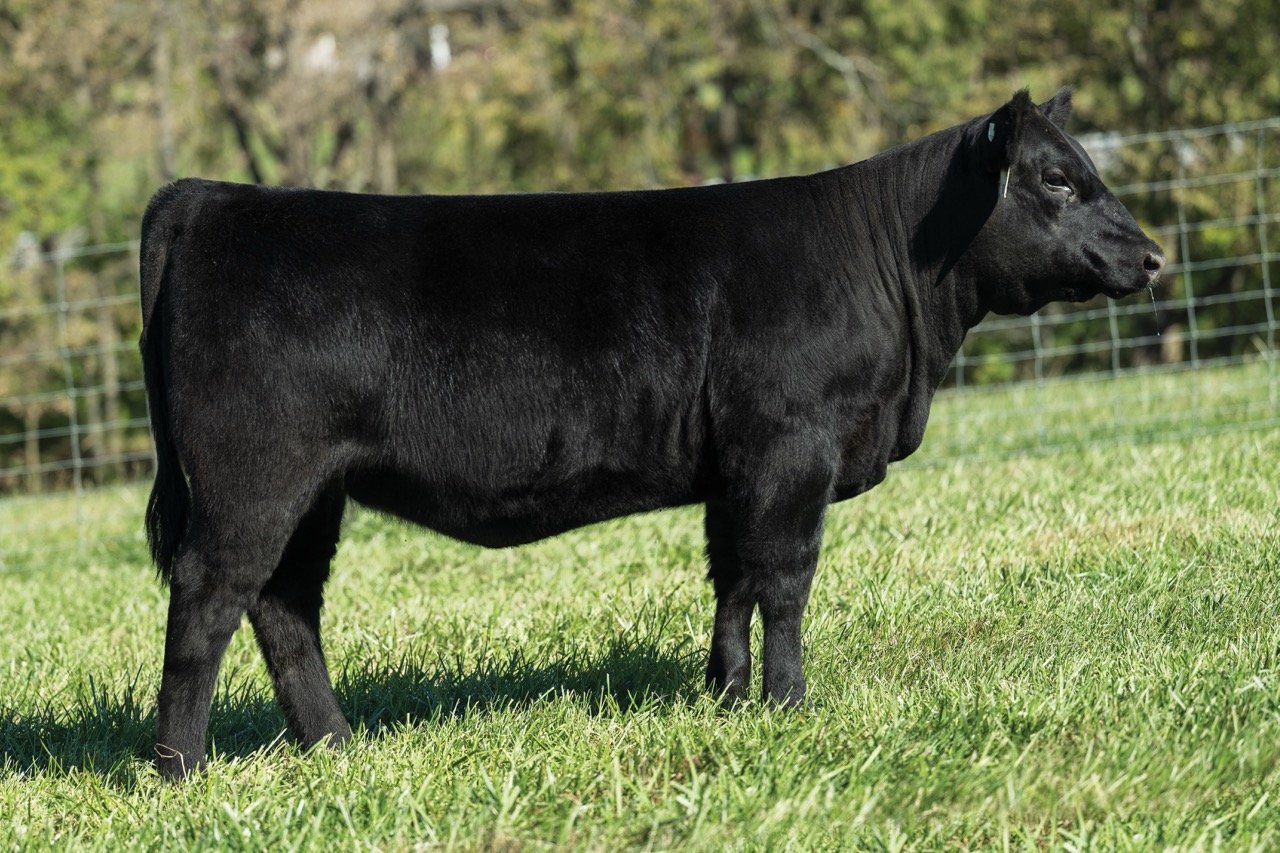
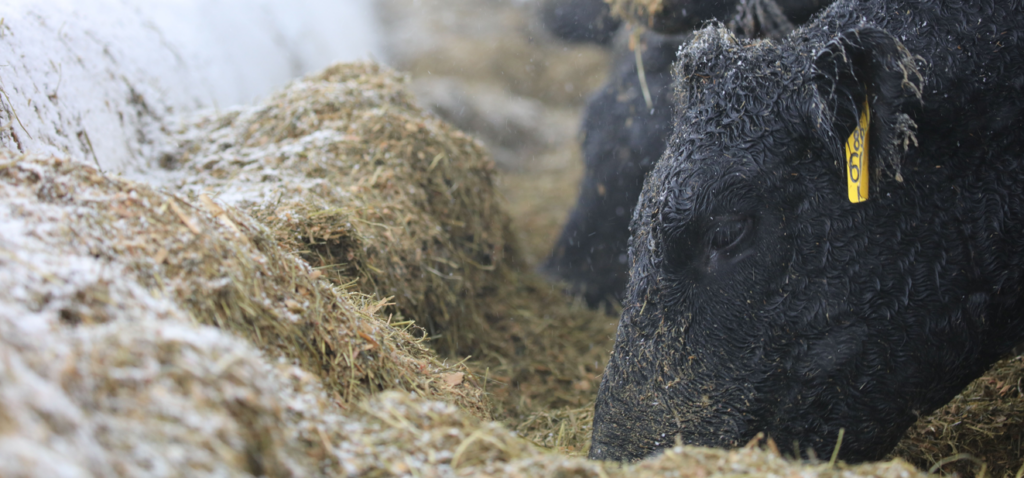
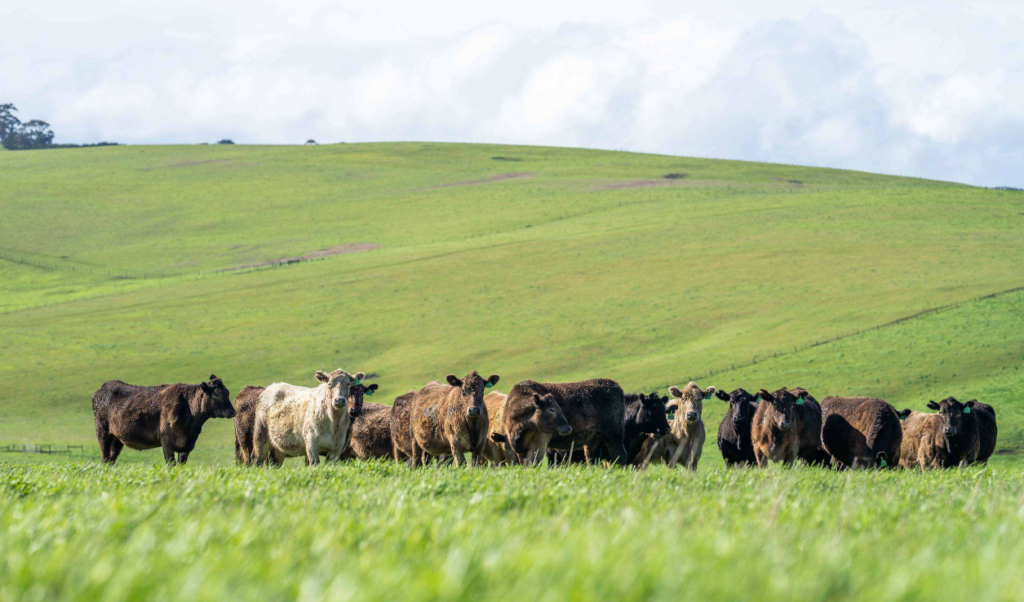
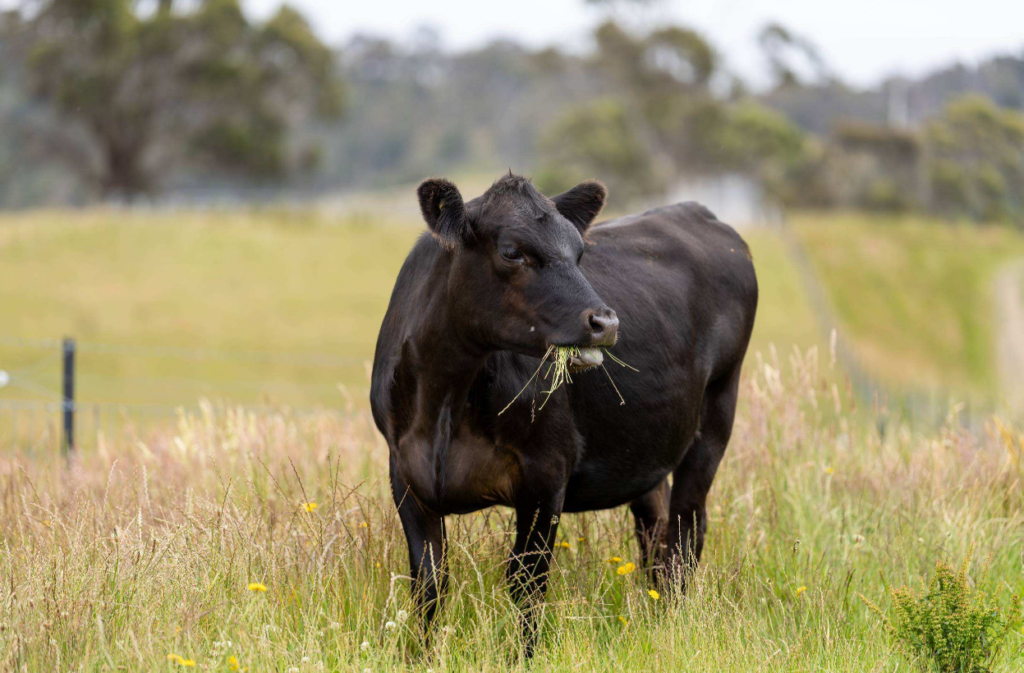
Cattle herd

USDA Puts Ranchers First with BRAND Approval, Securing American Beef Herd Retention

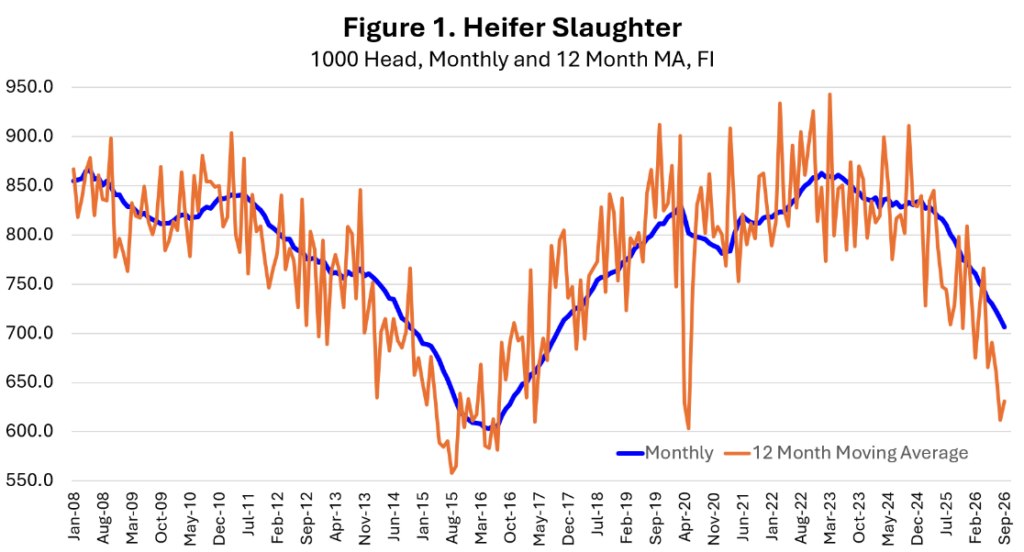
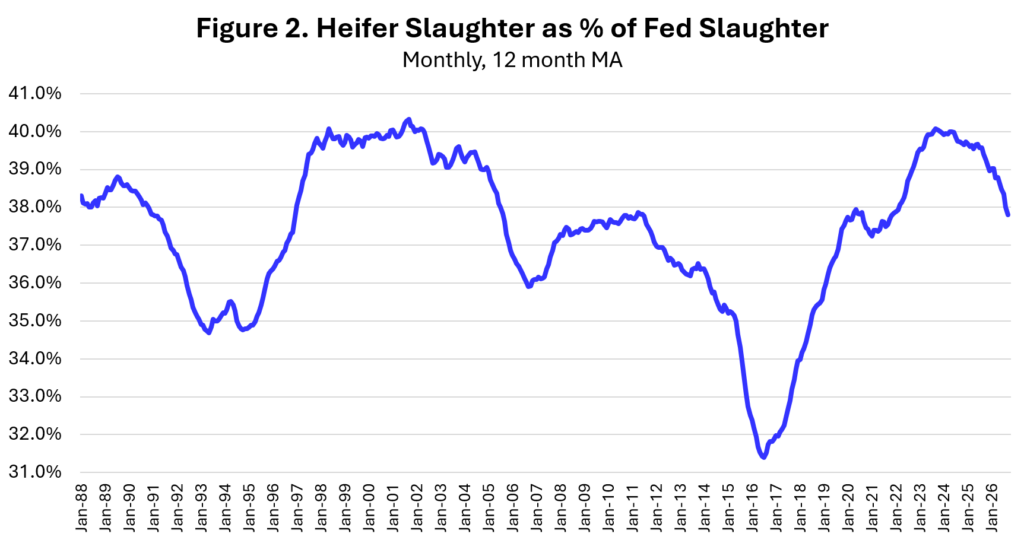
Today, U.S. Secretary of Agriculture Brooke L. Rollins announced the approval of the Beef Retention and National Development (BRAND) Endorsement, fulfilling the Trump Administration's continued commitment to support America's ranchers. BRAND is a key part of the Ranchers First Initiative, a broad set of actions to strengthen the Great American Cattle Herd and keep ranchers central to the nation's food supply and further builds upon the Plan to Fortify the American Beef Industry. The Livestock Risk Protection (LRP) Endorsement, a new coverage option developed under BRAND, will help ranchers manage the financial risk of retaining eligible heifers for breeding rather than selling them for slaughter. This coverage will protect the value of heifers during critical herd development years and help producers maintain and rebuild the nation's cattle herd. Additionally, Product of the USA labeling is now in all 50 states.

"As promised, President Trump and the Trump Administration are delivering for American ranchers. The approval of BRAND reinforces our commitment to ensuring our cattle producers have the tools and protections they need to manage risk, stay resilient and remain competitive" said Secretary of Agriculture Brooke L. Rollins. "America's ranchers work tirelessly to feed our nation. This action puts Ranchers First and will provide a sturdy safety net so they can continue doing what they do best: producing the high-quality beef that consumers depend on."

The endorsement is expected to be available to all ranchers in early 2027. USDA's Risk Management Agency (RMA) worked with a private submitter to develop BRAND coverage under LRP. The endorsement was reviewed and approved by the Federal Crop Insurance Corporation (FCIC) Board of Directors today. FCIC manages and oversees RMA programs, ensuring all Federal crop insurance coverage remains actuarially sound and is delivered in a fair and consistent manner.

About the Endorsement

On August 31, 2026, Secretary Rollins announced BRAND as an integral part of the Ranchers First Initiative.

Using the endorsement, ranchers will be able to insure the economic value of retaining a heifer for breeding. This will be a tool that gives ranchers the security to rebuild their herd, rather than forcing them to choose between today's cattle prices and tomorrow's beef supply.

Once available, policyholders will be able to obtain coverage for two consecutive years from a developing heifer to the first calf. Coverage periods range from 43 to 52 weeks and are intended to align with reproductive and herd-retention decisions.

Additional details will be announced for this endorsement once the program materials are available.

Learn more about current livestock risk management options available for ranchers.

More Information

RMA secures the future of agriculture by providing world class risk management tools to rural America through Federal crop insurance and risk management education programs. RMA provides policies for more than 130 crops and is constantly working to adjust and create new policies based on producer needs and feedback.

Contact a crop insurance agent to see how Federal crop insurance can meet the specific needs of your operation. Producers can learn more about crop insurance and the modern farm safety net at rma.usda.gov.

Building on a Record of Delivery for America's Ranchers

Since taking office, President Trump and Secretary Rollins have taken more than 44 aggressive actions for American cattle ranchers, providing the most support for the industry in a generation:

October 2025: Secretary Rollins, alongside the Departments of the Interior and Health and Human Services and the Small Business Administration, launched the Plan to Fortify the American Beef Industry, a whole-of-government commitment to the American rancher.
March 2026: USDA and the Department of the Interior signed a Memorandum of Understanding to expand grazing access and cut permitting delays on public lands.
June 2026: USDA launched the Small Processors Action Plan and opened a fourth round of the Meat and Poultry Processing Expansion Program with $60 million to expand American processing capacity.
June 2026: The U.S. Forest Service issued a Department-wide grazing directive protecting the roughly 23,000 permittees and lessees who depend on public rangelands.
June 2026: Secretary Rollins announced the Strengthening Processing for U.S. Ranchers (SPUR) Program, providing up to $500 million to independent and regional beef slaughter facilities.
June 2026: Secretary Rollins announced the $500 million Fertilizer Investment & Expansion for Long Term Domestic Supply (FIELDS) Program, to onshore domestic fertilizer production and lower prices for our farmers and ranchers.
2026: USDA launched and continues to expand awareness of the Product of USA label, so families can identify beef born, raised, harvested, and processed in the United States. Product of the USA (POTUSA) has now been adopted by more than 30 companies and brands available across all 50 states.


August 2026: USDA and Health and Human Services announced the Harvest to Hallways initiative to put more American-raised beef and local product into school meals.
November 2026: Secretary Rollins announces the approval and development of BRAND, securing tomorrow's herd for American ranchers.

For more information on the Trump Administration's actions to support America's ranchers, please visit usda.gov/ranchers-first.

Oklahoma Pecan Harvest Underway as Growers Assess Crop Quality

Oklahoma pecan growers are beginning to bring in this year's crop, with early reports pointing to a larger harvest than last year. However, harvest conditions have been uneven, and dry weather late in the growing season has raised questions about quality. B.W. Savage, president of the Oklahoma Pecan Growers Association, said in a conversation with associate farm reporter Carli Davenport that growers are encouraged by the number of nuts on trees but are watching closely to see how well those pecans filled out.

"It's pretty early in the harvest. So far, it's going pretty well. I mean, there is a lot of nuts this year," Savage said. "Really, the main factor right now is just the weather, it kind of withheld some rain on us there at the end, late August, September, when those kernels were trying to fill out."

Because of the lack of moisture during that important stage of development, Savage said some pecans may not have fully developed kernels. "So it's just going to be more than likely pretty spotty," he said. "Some of these pecans may not be filled out, but so far the market looks good. Everybody's pretty hopeful at this point."

Dry Weather Creates Questions About Pecan Quality

Savage said Oklahoma received good rainfall earlier in the growing season, which helped produce more pecans. This year's crop also follows a lighter production year, as pecan trees typically experience alternating on and off years. "Last year was our off year, so this year we had plenty of rain. So pretty a lot of nuts early," Savage said. "So really, it's just if it's going to fill out or not."

Recent rainfall has also temporarily slowed harvest activities for some producers. Savage said a slow, soaking rain left fields wet enough to keep some growers out of their orchards for several days. "On our farm, we're going to pick back up tomorrow, but we've been off the last two days," he said.

When comparing this year's crop with previous years, Savage expects production to be considerably better than last year, although quality remains the biggest concern. "Last year was so light. It will definitely be a better year than last year," Savage said. "As far as the amount of pecans, it's just again kind of back to those quality issues, thats what everyone's concerned about."

He explained that rainfall differences from one location to another have created inconsistent growing conditions across the state. "Your neighbor might have got three quarters of an inch, and you hadn't seen anything in, you know, 30, 40 days," Savage said. "So we are picking up those pockets where there is a good kernel fill. That's kind of what we're seeing right now."

Labor and Equipment Remain Challenges for Growers

Beyond weather, Savage said Oklahoma pecan producers continue to face challenges with labor availability. "Just kind of the typical things that we can't control. As far as obviously the weather, but the labor is a continual issue," he said.

He said industry supporters are working to address labor challenges through equipment improvements and automation. "Industry supporters are really trying to combat that with more equipment and better equipment, automating systems, as far as irrigation, things like that," Savage said.

However, he noted that much of Oklahoma's pecan industry is built around native pecan production, which can make some improvements more difficult to implement. "The Oklahoma grower is pretty well based around the native pecan. So there again, it's kind of hard to irrigate those guys," he said.

Oklahoma Pecan Growers Association Plans Annual Meeting

Looking ahead, Savage said the Oklahoma Pecan Growers Association will hold its annual meeting during the first week of June. The gathering will take place at Savage Equipment in Madill and will give producers an opportunity to connect and discuss industry developments. "It's just an opportunity for growers to get together, share some industry insights, kind of what's going on," Savage said.

He also highlighted opportunities available through the Chickasaw Nation, including microgrants through its AMP program.

Savage encouraged interested growers to contact their local Farm Service Agency office to learn more about eligibility. "Anyone in the Chickasaw Nation territory, it'll be available to them. And then anyone who is a Chickasaw Nation member, they can apply for that grant." he said.

Where Consumers Can Find Oklahoma-Grown Pecans

For consumers interested in purchasing locally grown pecans this season, Savage said there are several Oklahoma businesses and farms offering pecans throughout the state.

He recommended Miller Pecan on Route 66 in Afton, which he said has an impressive retail store for consumers in the Tulsa area.

Savage also mentioned Hoffman Farm in Stillwater and Mason's near Interstate 35 in the Oklahoma City area.

For consumers in southern Oklahoma, Savage said his operation also has a retail store in Madill.

He added that Pecan Farm may have a retail location in downtown Tulsa, although he was unsure of the exact details. "There's plenty," Savage said. "They're really kind of spotted all throughout the state."

Savage encouraged consumers to look for local options when purchasing pecans this year, noting that a quick online search can help them find a nearby source for Oklahoma-grown pecans.

Alpha-Gal Syndrome Raises Concerns for Farmers and Ranchers as Tick-Borne Cases Increase

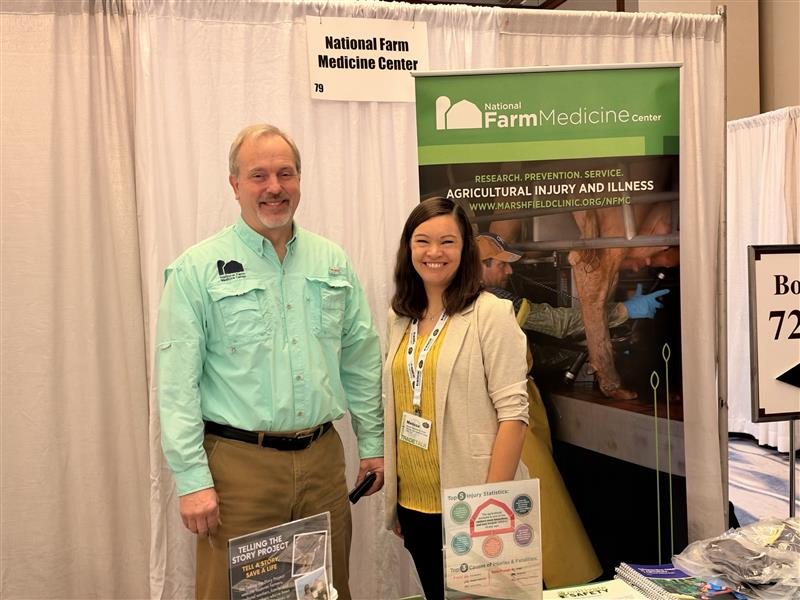
Alpha-Gal syndrome is becoming a growing concern for farmers and ranchers as tick bites lead to more diagnoses across the United States. Melissa Ploeckelman, Research Education Outreach Specialist with the Marshfield Clinic, recently discussed the condition with Farm Director KC Sheperd, highlighting how the allergy can affect not only a person's diet but also their ability to work around livestock.

"There was a great study done in Nebraska about the number of people that are being diagnosed with Alpha Gal from tick bites, and nearly half a million Americans are now diagnosed with alpha-gal," Ploeckelman said. "Which means they can't eat meat sometimes."

However, the effects can reach beyond food restrictions. Ploeckelman said people with Alpha-Gal syndrome can also experience reactions to animal dander, potentially making it difficult for them to work with livestock. "The other thing is their lifestyle; they can't work with their livestock because the dander can affect them," she said. "And we need to start talking about this and figuring it out because we love our farmers and we want them to be able to do what they do best, and that's work with their livestock."

Alpha-Gal Can Be Difficult to Diagnose

One of the biggest concerns Ploeckelman highlighted is how difficult it can be for patients to receive an accurate diagnosis.

She explained that symptoms can initially resemble common digestive problems, leading patients and physicians to overlook the possibility of Alpha-Gal syndrome. "A lot of times somebody goes in, they have a stomach ache, or maybe they have diarrhea, so they think okay, well, you might just maybe you ate something wrong," Ploeckelman said.

She noted that patients may be sent home without a diagnosis and have to make multiple trips to the doctor before the condition is identified. "It takes like three visits to a doctor to figure out what it is," she said. "And farmers do not have time, and they don't go to the doctor."

Ploeckelman said increased awareness among physicians could help shorten that process and make it easier for patients to recognize what is happening.

She also pointed to another finding that surprised her: symptoms tend to be more severe in females. "We do see that actually females have stronger symptoms and more severe symptoms," Ploeckelman said.

For farmers who suspect they may have Alpha-Gal syndrome, she recommended telling their physician about any known tick bites and specifically asking about testing for the condition. "If a farmer knows that they've been bit by a tick, then yes, mention that," she said. "Bring it up to your physician and say, 'Can you please check for alpha gal? See if that's the, see if that's what it is.'"

Keeping track of meals and symptoms can also help physicians identify a possible connection. "I recommend farmers actually have a notebook and write down what you ate and when did you feel sick?" Ploeckelman said. "Because that can help a doctor diagnose you."

Lone Star Ticks Linked to Alpha-Gal Syndrome

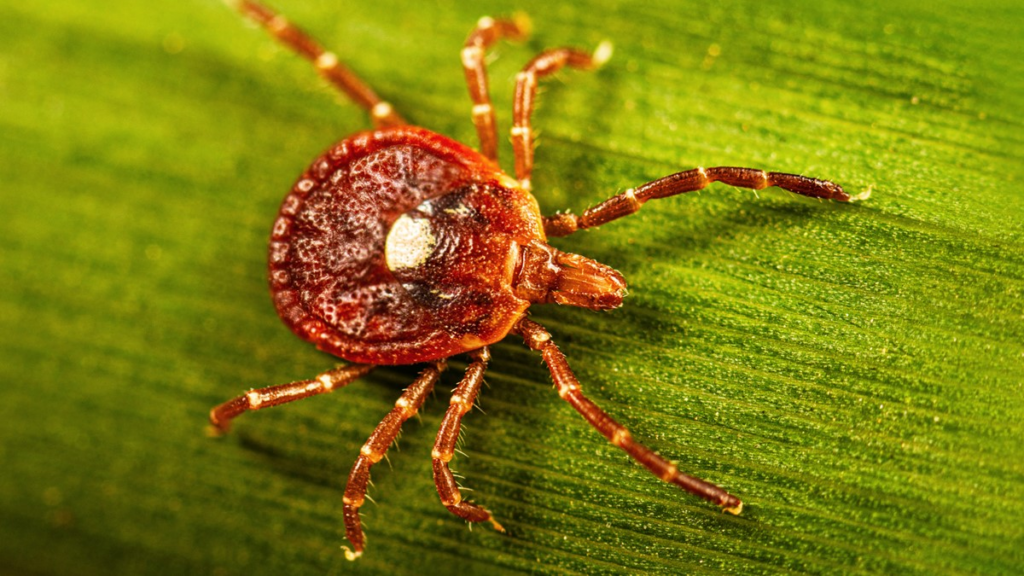
Ploeckelman explained that the Lone Star tick is the primary tick associated with Alpha-Gal syndrome, making tick identification an important part of understanding potential exposure.

Through the Marshall Clinic Research Institute, she said researchers have a citizen-science study that allows people to mail in ticks for identification.

While participants will not receive results showing whether a tick carried a particular disease, researchers can provide information about the tick's age, gender and type. "That's the other important thing is the type because it's the Lone Star tick that can give you this alpha gal," Ploeckelman said.

She added that keeping a tick after removal and taking it to a physician can be helpful. She also discussed the importance of removing ticks properly rather than attempting to burn them off. "A lot of farmers try to burn their ticks out," Ploeckelman said. "Oh, that is a bad idea. Please do not do that."

Instead, she recommended using tweezers to grasp the tick near its head and pull it out.

"When people try to burn it out with a match or a lighter, it does back itself out," she explained. "But before it backs out, it throws up everything in its system," Ploeckelman said that process can expose a person to illnesses or diseases the tick may be carrying.

Tick Prevention Important for Agricultural Workers

Farmers and ranchers can be particularly vulnerable to tick bites because of the amount of time they spend working outdoors in areas where ticks live.

Ploeckelman recommended several prevention practices, including wearing long pants and long sleeves, tucking pants into socks, and treating clothing with permethrin.

She also encouraged landowners to mow down long grasses in areas that are not being used for pasture or fields.

Another important step is checking for ticks every evening after spending time outdoors. "Just every night when you get in, do a tick check and make sure that you look at the most vulnerable places," she said. Those areas include around the waistband, armpits, ankles and hair.

Ploeckelman also noted that Lone Star ticks are becoming more prevalent in additional areas of the country.

She said milder winters may be contributing to their spread because ticks are less likely to die off during cold weather. "Now we have more mild winters, so we're not freezing off the ticks. They're not dying, so yeah, they can migrate further and they can spread faster because they can just reproduce and continue living," she said.

Symptoms Can Become More Severe Over Time

While digestive problems after eating red meat may be one of the more recognizable signs of Alpha-Gal syndrome, Ploeckelman emphasized that symptoms can vary significantly.

People may experience anything from mild nausea after eating to severe allergic reactions.

The condition can also affect individuals through exposure to animal dander, creating additional challenges for those who work closely with livestock.

Ploeckelman cautioned that allergic reactions can become more severe with repeated exposure. "If you notice that you're getting sick when you're eating proteins, the red meats, the venison, the beef, the pork, then you want to stop because it's just going to get worse the more you do it," she said.

Currently, there is no known cure for Alpha-Gal syndrome, although the condition can be diagnosed. Ploeckelman said researchers are continuing to learn more about the condition as diagnoses become more common. "We can diagnose it, but we do not have a cure yet," she said.

She added that Alpha-Gal syndrome is not necessarily a lifelong condition for everyone, but more research is needed to understand why some people recover and others continue experiencing symptoms.

Where to Learn More About Alpha-Gal Syndrome

Ploeckelman encouraged farmers and ranchers to learn more about Alpha-Gal syndrome and the risks associated with tick exposure.

The research article she discussed is available through the Journal of Agromedicine as an open-access publication. The study was led by Sean Cross of Nebraska.

Ploeckelman said increasing awareness among agricultural producers and medical professionals is an important step toward better recognition, diagnosis and understanding of Alpha-Gal syndrome.

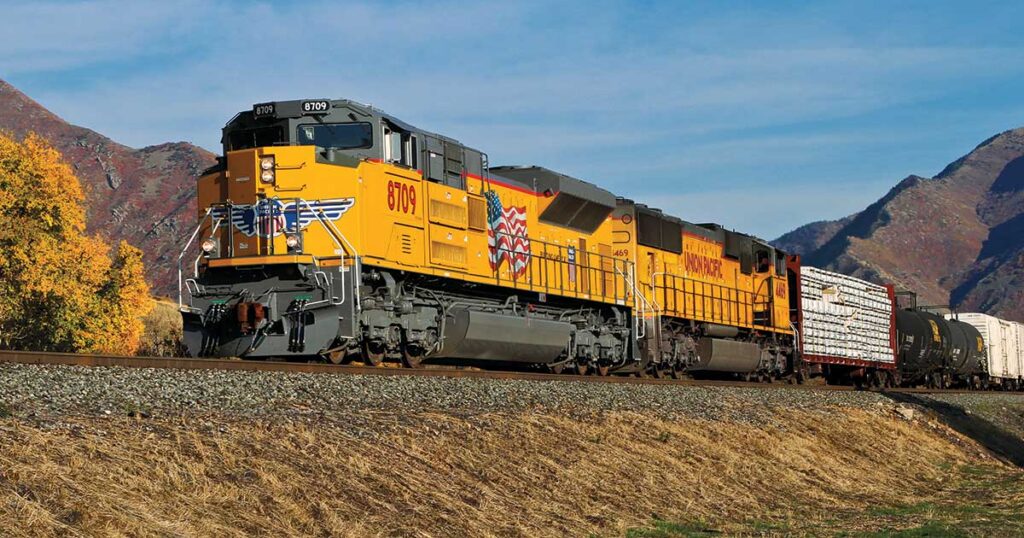
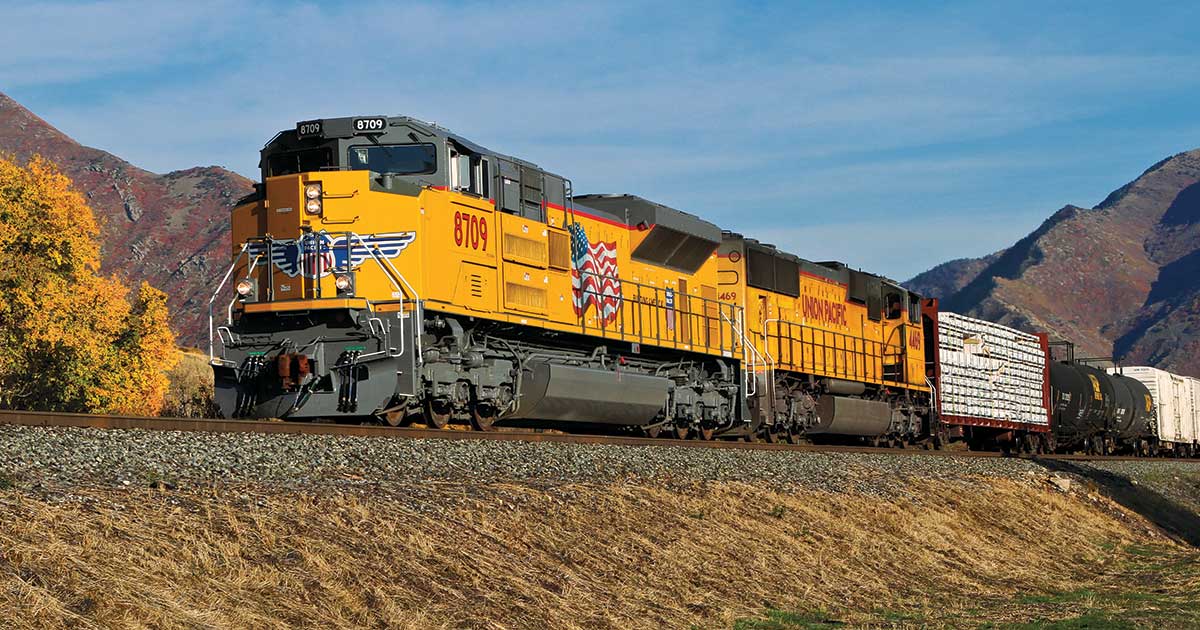
Union Pacific Train

Ag Retailers Oppose Union Pacific-Norfolk Southern Merger

The Agricultural Retailers Association has filed comments with the Surface Transportation Board (STB) opposing the proposed Union Pacific/Norfolk Southern (UP/NS) merger. 

"ARA members' request is straightforward: preserve the rail competition that remains and provide shippers with a common carrier obligation they can rely on. Agricultural shippers report higher transportation costs, less frequent and less predictable service, limited equipment availability, weak accountability, and few practical alternatives. A proposed merger of this scale should not be approved on promises alone,"ARA stated. "ARA respectfully requests that the Board deny the revised application."

ARA did not identify any specific member companies in its comments after UP CEO Jim Vena indicated that he would consider raising rates on shippers who opposed the merger.

"ARA does not ask the Board to draw any conclusion from that matter here. It does, however, reinforce why agricultural shippers should be able to provide candid information through their trade association without publicly identifying individual facilities, routes, rates, or commercial relationships,"ARA commented.

ARA's full comments can be accessed here.

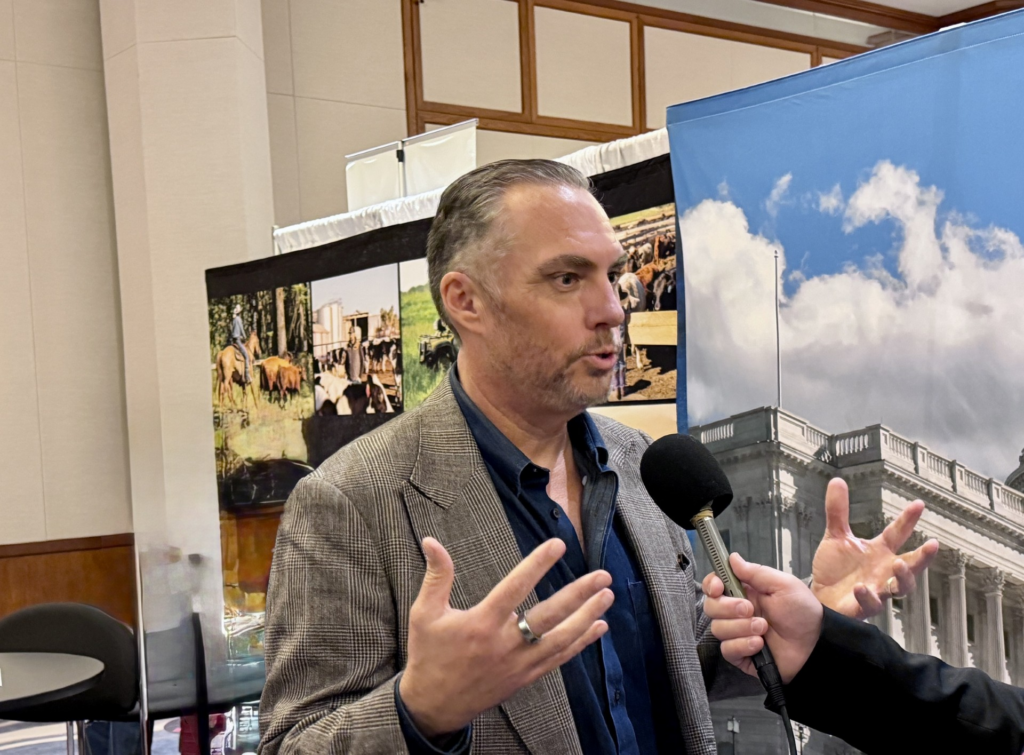
Ethan Lane Discusses Beef Prices, Political Pressure and NCBA's Priorities in Washington

In today’s Beef Buzz, senior farm and ranch broadcaster Ron Hays spoke with Ethan Lane, head of the Washington, D.C., office of the National Cattlemen’s Beef Association (NCBA), about the political debate surrounding beef prices, the impact of recent political rhetoric on cattle producers and how NCBA plans to work with a changing group of lawmakers in Washington.

Consumers Continue Choosing Beef Despite Higher Prices

Lane said the price of beef at retail had a role to play in the recent Senate race in Mississippi, where the Republican incumbent Cindy Hyde-Smith lost in a major upset to Democrat Scott Colom. He addressed comments made during the campaign about less expensive protein options and said consumers continue to demonstrate the value they place on beef. “I think the point that the senator was making is a solid one. It's one that I've made, perhaps a bit differently articulated than she did,” Lane said. Senator Elect Colom seized on the comments made by the incumbent and produced this commercial.

He emphasized that beef continues to hold a strong position with consumers, even with higher prices at the meat case. “Beef is in such high demand because it's worth it, because the quality is there, and because consumers are stepping up and buying it, even though there are cheaper proteins sitting in the meat case right next to them,” Lane said.

Lane added that consumers are choosing beef with their purchasing power, saying they choose beef 75% of the time with their protein dollar when shopping at the meat case. “Hey, White House, we don't need your help getting beef prices down. Consumers are fine with it, and they're paying it. They'll stop buying it when it gets too high for them,” Lane said. “But in the meantime, we have a product we're awfully proud of, and a relationship with consumers that we're just as proud of.”

Cattle Producers Have Paid the Price for Political Rhetoric

Lane also discussed the impact political messaging and headlines surrounding beef prices have had on cattle producers. He said producers have taken a financial hit as the industry has been caught up in the political conversation. “Cattle producers have absolutely footed the bill for this,” Lane said.

He pointed to political headlines, press conferences and what he described as heated media coverage, saying the financial consequences were felt directly at the sale barn. “The price for that was cattle producers taking a two, three, or $400 per head hit at the sale barn for their cattle, and that price was paid in real time,” Lane said. “And that's a shame for those producers around the country that had nothing to do with the political antics that were going on around the country.”

Lane said he believes voters across rural America recognized those concerns and expressed their frustration through the election results.

NCBA Preparing to Work With New Lawmakers

With a new group of lawmakers preparing to take office, Lane said NCBA is already seeing increased interest from elected officials wanting to hear directly from the cattle industry. “Our phone's ringing off the hook,” Lane said. “We have a lot of people interested in what the actual industry has to say. What cattle producers and 44 state affiliates across the country have on their mind right now.”

He explained that NCBA works through a policy process designed to bring together producers with different perspectives and production methods to find common ground. “Recognizing that we raise cattle in different ways all across the country, and that you have to create a forum for people to bring those ideas together and find some common ground,” Lane said.

He added that there is no single approach to raising cattle or selling beef that represents every producer. Lane said lawmakers coming into Washington have questions about beef prices and other industry issues, giving NCBA an opportunity to provide information and explain the priorities of cattle producers.

Changes in Washington Could Affect Industry Advocacy

Lane also addressed questions about NCBA's ability to communicate with the Trump administration after restrictions were placed on lobbyists accessing the White House complex. “They banned all the lobbyists from the administration, so I don't really know how that changes what we've been doing,” Lane said.

He said the organization is still evaluating what the restrictions could mean for access to administration officials and federal agencies.

In the meantime, Lane said NCBA will continue advocating for cattle producers through elected representatives and senators on Capitol Hill. “We'll certainly continue to push our message up on Capitol Hill with those elected representatives from across the country, and those senators, and certainly willing to sit at any table that will have us to represent the views of producers around the country,” Lane said.

He also highlighted the importance of the cattle industry's grassroots network, noting that producers regularly interact with lawmakers and administration officials through roundtables, state fairs and other events. “It's one of the greatest strengths that we have in a grassroots network like that,” Lane said. “You can't go far without running into one of us.”

Adapting NCBA's Message to a Changing Congress

Looking ahead to CattleCon and the next congressional session, Lane said NCBA will continue communicating the industry's priorities while adapting its approach to the lawmakers in office.

He said recent election results and market conditions have reinforced the importance of the information and policy positions NCBA has been sharing. “Whether people choose to listen to that or not is up to them, but I don't know that that's a change in strategy,” Lane said.

Lane noted that every two years brings a different group of lawmakers and priorities, requiring the organization to adjust how it communicates with Congress. “The only constant is change,” Lane said. “Every two years, we know we're going to be dealt a slightly different hand of cards than the one we're just wrapping up.”

Ultimately, Lane said lawmakers need to focus on the constituents they represent rather than simply the political dynamics inside Washington. “These folks are just trying to make sure they're doing right by the 700,000 constituents that they respectively represent, and the more they think about those 700,000 rather than the 435 they're serving with, the better off they're going to be,” Lane said.

The Beef Buzz is a regular feature heard on radio stations around the region on the Radio Oklahoma Ag Network and is a regular audio feature found on this website as well. Click on the LISTEN BAR above for today’s show and check out our archives for older Beef Buzz shows covering the gamut of the beef cattle industry today.

OSU Releases 2026 Animal and Food Sciences Research Summary

The 2026 Oklahoma State University Department of Animal and Food Sciences Annual Research Summary has been published and is now available online through OSU Extension. The report provides producers, industry partners, and other interested readers an opportunity to learn about research being conducted at OSU to address challenges and opportunities facing animal agriculture and the food industry.

The Research Summary includes 13 reports highlighting research conducted by OSU faculty, graduate students, and Extension professionals, often in collaboration with other universities, industry partners, and cooperating producers. These studies were conducted at OSU livestock research facilities, laboratories, and cooperating farms and ranches across Oklahoma.

The mission of our research program is to solve problems and capitalize on opportunities in animal agriculture, companion animals, and the food industry. Our research efforts range from fundamental scientific discovery to applied research designed to provide practical solutions that improve productivity, efficiency, and profitability for livestock producers.

The studies in this year's report address questions that directly affect Oklahoma beef cattle operations. Research topics include improving forage utilization and efficiency in beef cows, reducing feed costs through more accurate supplementation, winter wheat forage production, summer cover crops for stocker grazing, and comparisons of supplementation strategies. Other reports examine beef quality and processing, including opportunities to improve the marketability of dark-cutting beef.

An important part of the OSU research mission is providing graduate and undergraduate students with opportunities to participate in research addressing real-world problems. These students gain valuable experience while helping develop new information and technologies for animal agriculture.

Over the coming months, we will highlight several individual studies from this report in Cow-Calf Corner articles. We encourage producers to review the complete summary and explore research that may be useful in their own operations.

The 2026 Annual Research Summary for the Department of Animal and Food Sciences (P-1064) is available online at the OSU Beef Extension website (extension.okstate.edu/programs/beef-extension)

https://extension.okstate.edu/fact-sheets/2026-annual-research-summary-for-the-department-of-animal-and-food-sciences

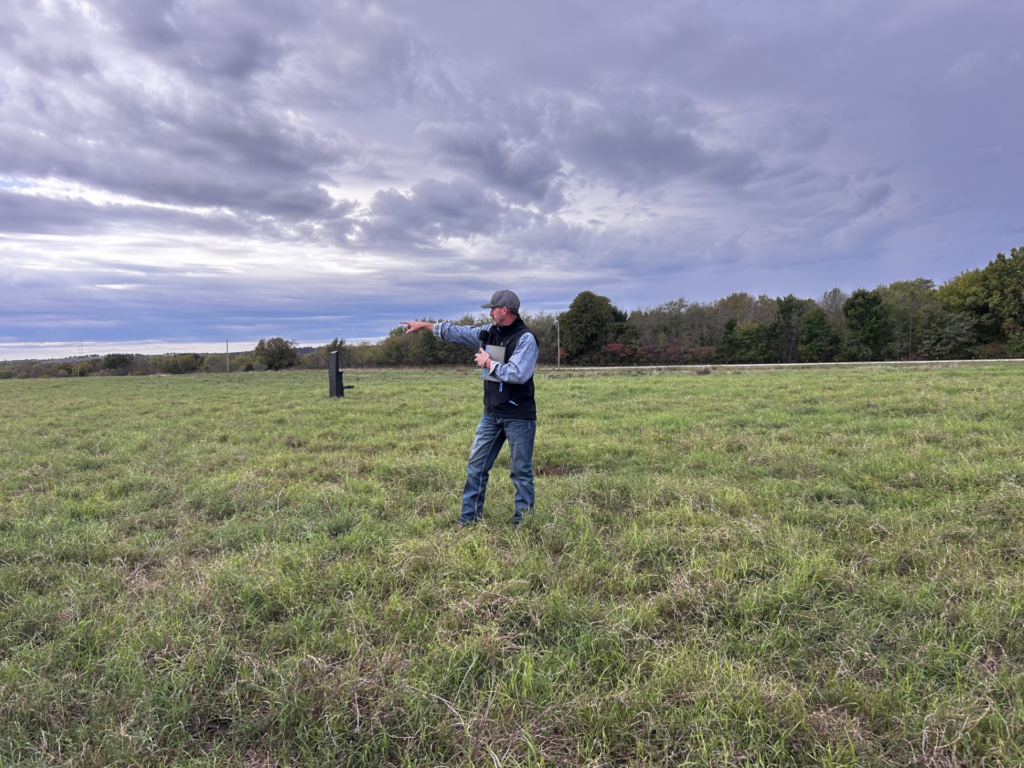
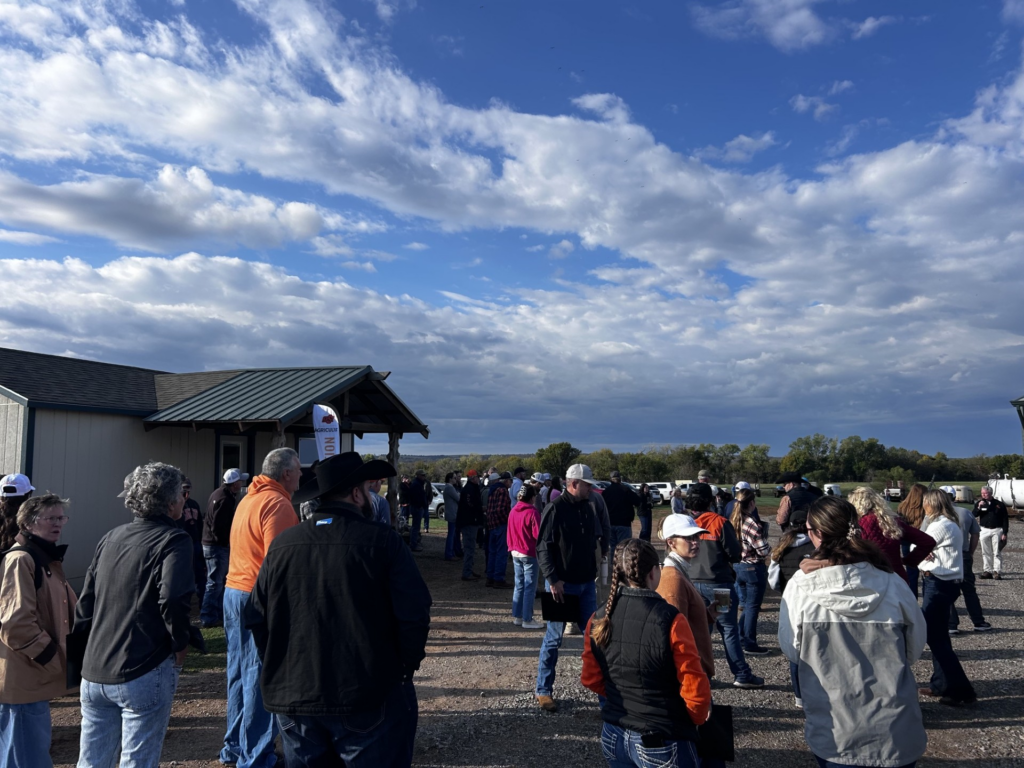
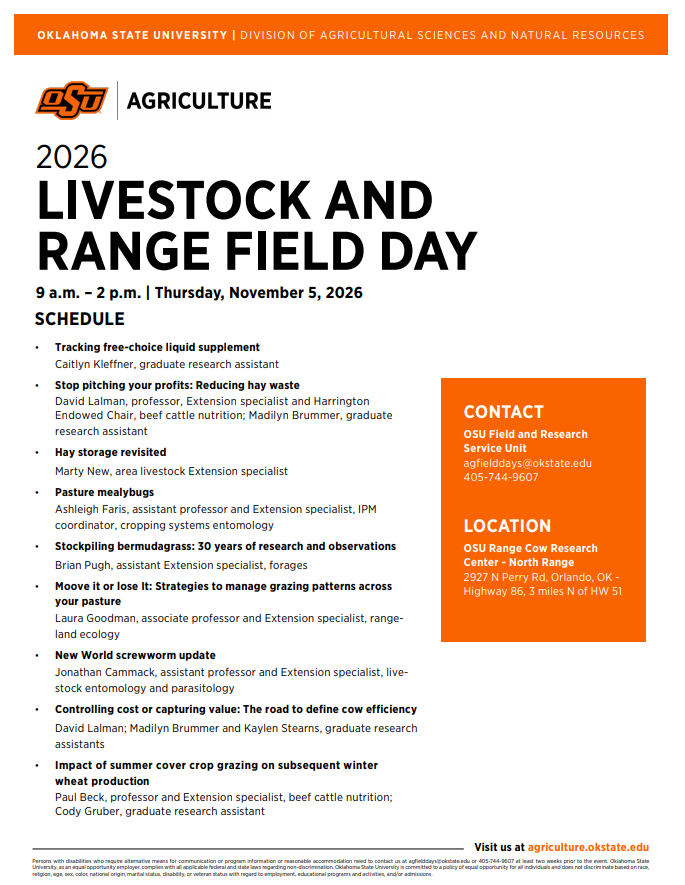
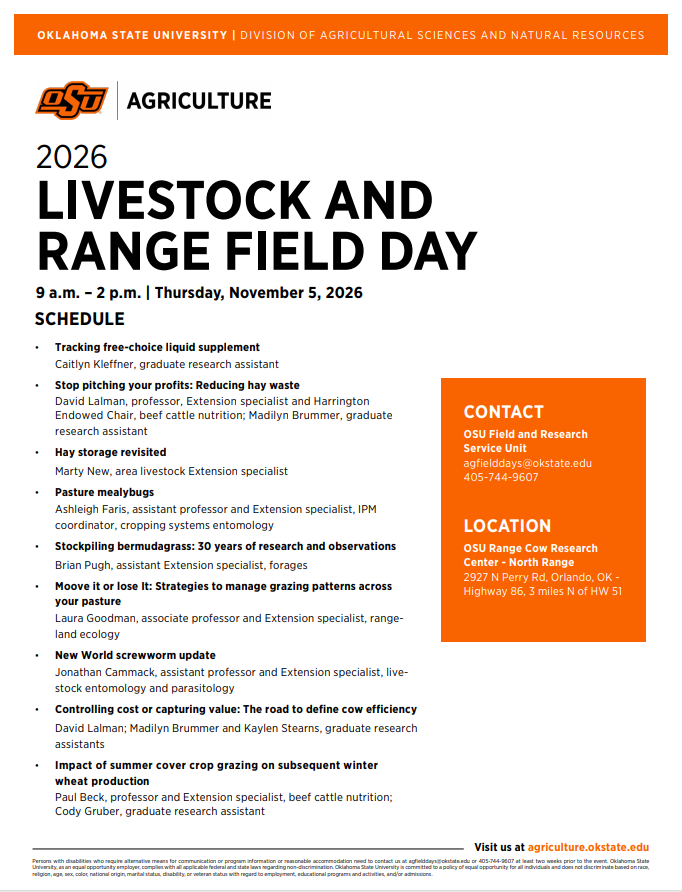
SunUpTV attended the 2026 Livestock and Range Field Day. See the video at https://www.youtube.com/watch?v=HvxDF2WPia4

Agricultural Data and Its Sovereignty

Modern farming increasingly relies upon technology for efficiency, productivity, and consistency. While producers create commodities, technology inherently creates data. Planters, combines, drones, and soil sensors constantly record yields, seed and chemical applications, field boundaries, and equipment performance. Much of this data flows to manufacturers, software platforms, and agribusiness firms. This raises a significant question of who owns this information and who has the right to use, sell, and benefit from it.

          One of the primary issues regarding agricultural data is ownership. Farmers generate the data, but terms-of-service agreements often give manufacturers and data platforms broad rights to utilize it, and often to outright own it. Another issue is secondary use: taking the information collected by a producer and repurposing it. For example, data collected to service a tractor can be sold or shared with third parties, such as input suppliers or commodity traders, who may gain a market advantage over the producer who actually created the data. Additionally, researchers at the University of Nebraska noted that sensors, GPS, and cloud technology are beneficial to producers, but they also create entry points for cyber threats (Simmons). 

Beyond the issue of data ownership, legal scholars have addressed "data sovereignty," defined as the right of producers to determine the conditions under which their data is collected, utilized, monetized, etc., independently of private contracts (Ruiz at 4.1). While in theory, all contracts are negotiable, producers often find themselves with little bargaining power for the utilization of technology integral to their operations. While the European Union has taken aggressive data privacy measures throughout the past decade, including the Data Governance Act, General Data Protection Regulation, and the EU Code of Conduct for Agricultural Data Sharing, the U.S. has not followed suit.

Prior to this year, no state or federal law specifically addressed ownership of or rights to agricultural data. Instead, voluntary industry commitments such as the 2014 Privacy and Security Principles for Farm Data created by the American Farm Bureau Federation along with commodity groups, farm organizations and agriculture technology providers serve as primary industry standards (Ag Data Transparent). Updated in 2024, these guidelines are entirely voluntary. These guidelines are implemented by Ag Data Transparent ("ADT"), an organization created to certify whether agriculture technology companies comply with these voluntary guidelines, which are rooted in the belief that producers should own the information originating from their operations Id.

Nebraska is the first and only state to-date which has enacted legislation addressing the ownership and use of agricultural data. Governor Jim Pillen signed the Agricultural Data Privacy Act (the "Act") on April 14, 2026, after it cleared Nebraska's legislature by unanimous vote. Neb. Rev. Stat. § 87-1401, et seq. It is the first law in the United States to establish ownership rights and safeguards for the wide range of data which producers generate. 

The Act treats agricultural data as proprietary business assets and declares that the producer (the owner, lessee, or renter of the land, livestock, device, or equipment that generates the data) owns such data. Controllers and processors receive only a nonexclusive right of control, limited to providing services, maintaining equipment, or processing data as the producer authorizes. Importantly, these nonexclusive rights do not include the right to sell the data. A sale requires the producer's express written consent, given through a disclosure which must be separate from the main terms of service. The Act provides exceptions to this requirement for disclosures to processors and affiliates, legal obligations, fraud and cybersecurity response, and transfers which the producer directs. The Act also requires reasonable security safeguards. Beginning January 1, 2027, new contracts must include a clause barring sales of agricultural data without consent. Notably, any contract term that waives the Act's protections is void. Id.

          Three other midwestern states, Missouri, Iowa and Colorado, recently saw proposed legislation aimed at protecting agricultural data, however, these bills have yet to successfully pass through their respective legislatures. (See MO HB 3409, IA HB 8407, and CO HB 26-1270). This issue spans not only across agronomy, equipment, and crops, but also livestock, employment, land, management, and more. This issue raises interesting questions among all agricultural sectors, including antitrust questions. 

As DNA analysis is becoming more and more critical to the livestock industry, the ownership and data sovereignty of DNA samples and resulting data is under increasing scrutiny. In June of 2026, the Texas Supreme Court denied an appeal from a purebred livestock producer claiming $30M in damages against a breed association for refusing to provide access to historic genetic samples intended to prove (or disprove) parentage of the plaintiff's herd. See American Akaushi Assoc., Inc., et al. v. Twinwood Cattle Co., Inc., No. 14-21-00701-CV (Tex. App. Feb. 11, 2025). Although the appellate court dismissed the claims primarily due to a previous contractual agreement in which the court found that the plaintiff already agreed to lay such claims to rest, the merits of this case and others like it reflect the contentious landscape for both those generating data, such as producers, and those processing and analyzing the data. While additional data protection laws are considered and developed, producers should continue maximizing existing legal tools to protect proprietary data. 

Outside of Nebraska's ag data privacy Act, contracts remain the primary tool for negotiating data ownership and use. A few practical steps can help ensure that producers know who has access to the data they generate and how it may be used. Producers should read all agreements in their entirety before signing, paying particular attention to provisions regarding data ownership, whether collected data can be sold or shared, and what happens to the data when the contractual relationship ends. Producers utilizing complimentary software may also find more negotiating power and greater data protections in paid subscriptions agreements. 

Before data privacy issues arise, producers should talk with their suppliers and providers and consult experienced legal counsel. It is imperative to not rely upon statements made by corporate representatives, but rather ensure that all terms and understandings are clearly stated within an enforceable written agreement.

Hardin Responds to Court's Rejection of Poultry Settlement

Rep. David Hardin, R-Stilwell, issued the following statement after a federal judge denied a motion to vacate a previous judgment to allow a proposed $44 million settlement in the long-running Illinois River Watershed poultry litigation.

"It's disappointing to see another setback in a case that has already gone on for more than 20 years," Hardin said. "This directly affects their livelihoods and the communities they call home. I remain hopeful that we can reach a resolution that protect our natural resources while providing some much-needed stability for the people who depend on poultry production."

U.S. District Judge Gregory Frizzell denied the motion to vacate the December 2025 judgment Wednesday. The Oklahoma Attorney General and six poultry companies may now appeal that decision to the 10th U.S. Circuit Court of Appeals. If appealed, the court could vacate the December 2025 judgement and approve the settlement . The settlement remains pending as legal proceedings continue

Regional Survey Evaluates Farmer Adoption of Precision Weed Management Technologies

Weed scientists at the University of Nebraska have launched a regional survey to assess how farmers and applicators view precision weed management technologies, and University of Illinois Extension Weed Scientist Aaron Hager is encouraging growers to participate.

The research project aims to determine farmer and applicator awareness and the practical utility of various precision tools, such as optical recognition spray systems. According to Hager, adoption rates vary widely depending on the individual and location, with some producers readily adopting optical sprayers while others remain reluctant to continue using them after trying the technology.

"Nobody's really done this before," Hager said. "We tend to hear different, I guess, scenarios depending on, you know, the person, the individual, the location. It would seem that some have readily adopted things like these optical sprayers, and others have tried them, but seem to be a little bit reluctant to continue to use them. And so the survey will try to assess, you know, how aware people are of these types of technologies."

The survey comes as growers across the Midwest continue to battle herbicide-resistant weeds. Hager noted that these ongoing resistance issues are forcing producers and retail applicators to consider a wider range of management options beyond traditional spraying, including late-season weed electrocution to reduce weed seed production.

"I think it really would shed light on, you know, some of the direction that, you know, farmers and applicators are willing to go as they continue to face increasing challenges, especially around herbicide resistance," Hager said. "It's not a problem that's necessarily going to get any easier to solve."

Hager added that current optical sprayers are likely just the first step. As imaging and recognition technologies improve, future systems could eventually identify and manage crops at the individual plant level—potentially referencing every seed dropped in a field to allow for targeted feeding or pest control applications.

"I think the future of the technology really hasn't really got many limits to it," Hager said.

For Oklahoma farmers and ranchers, these developments mirror urgent on-the-ground challenges across the Southern Plains and Midwest. Local producers are contending with aggressive, herbicide-resistant weeds—such as Palmer amaranth, waterhemp, kochia, Italian ryegrass, and cheatgrass—that increasingly threaten winter wheat, soybeans, cotton, and pastureland. In response, regional researchers and Oklahoma State University Extension specialists are advancing integrated weed management strategies that pair multi-mode herbicide rotations and stacked-trait crops with emerging precision technologies and free statewide resistance screening. As optical sprayers, targeted spot-application systems, and non-chemical alternatives like late-season weed electrocution gain traction across the Midwest and Southern Plains, input from Oklahoma growers and applicators is critical to ensuring these next-generation tools are practical and economically viable for regional operations.

The Weed Control Technology Survey aims to capture where farmers stand on these tools and identify the economic factors influencing their willingness to adopt new technology. Growers and applicators interested in participating can take the survey online at go.illinois.edu/weedcontrol.

What About Weeds? - OSU Extension
features an Oklahoma State University Extension weed management specialist discussing local weed control challenges and research relevant to Oklahoma producers.

Union Pacific Train

Ag Retailers Oppose Rail Merger

The Agricultural Retailers Association has filed comments with the Surface Transportation Board (STB) opposing the proposed Union Pacific/Norfolk Southern (UP/NS) merger. 

"ARA members' request is straightforward: preserve the rail competition that remains and provide shippers with a common carrier obligation they can rely on. Agricultural shippers report higher transportation costs, less frequent and less predictable service, limited equipment availability, weak accountability, and few practical alternatives. A proposed merger of this scale should not be approved on promises alone," ARA stated. "ARA respectfully requests that the Board deny the revised application."

ARA did not identify any specific member companies in its comments after UP CEO Jim Vena indicated that he would consider raising rates on shippers who opposed the merger.

"ARA does not ask the Board to draw any conclusion from that matter here. It does, however, reinforce why agricultural shippers should be able to provide candid information through their trade association without publicly identifying individual facilities, routes, rates, or commercial relationships," ARA commented.

ARA's full comments can be accessed here.

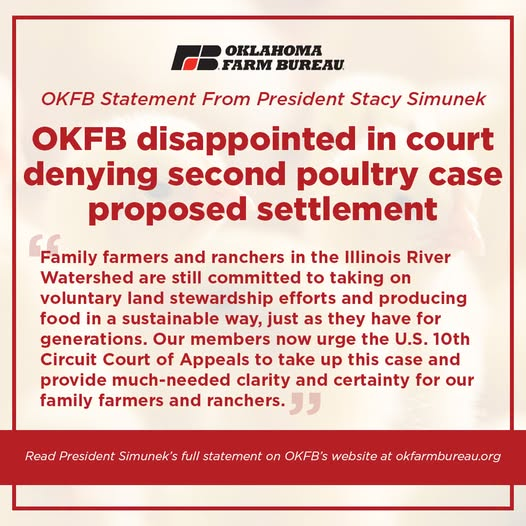
OKFB disappointed in court denying second poultry case proposed settlement

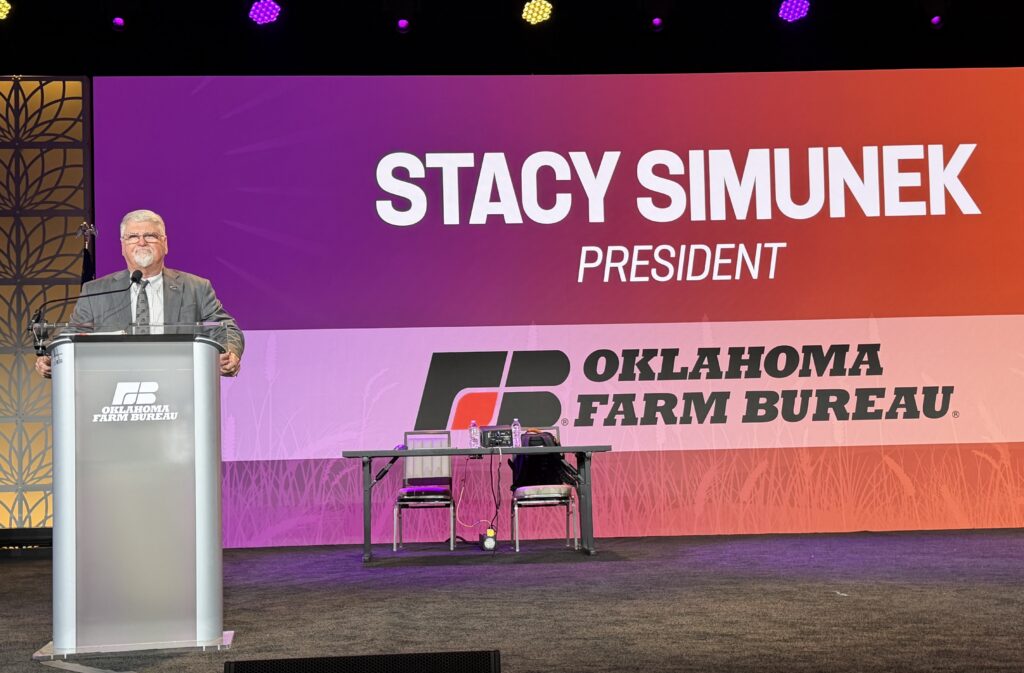
Oklahoma Farm Bureau President Stacy Simunek released the following statement after the U.S. District Court for the Northern District of Oklahoma rejected the state of Oklahoma's second negotiated settlement with poultry companies that would have settled charges against the companies in the decades-old State of Oklahoma v. Tyson Foods, Inc., et al., lawsuit regarding the application of chicken litter in the Illinois River Watershed.

"Oklahoma Farm Bureau members are disappointed that the U.S. District Court for the Northern District of Oklahoma rejected a second proposed settlement that the state of Oklahoma negotiated in good faith with the poultry companies after family poultry farmers have faced decades of uncertainty with the state's poultry case hanging over their heads.

"This negotiated settlement that the court denied would have provided a clear path forward to protect our shared natural resources, support family poultry producers and ensure the vibrance of local communities by ensuring poultry farms can continue to play an important role in the watershed by producing food for Oklahomans and people around our country.

"Family farmers and ranchers in the Illinois River Watershed are still committed to taking on voluntary land stewardship efforts and producing food in a sustainable way, just as they have for generations. Our members now urge the U.S. 10th Circuit Court of Appeals to take up this case and provide much-needed clarity and certainty for our family farmers and ranchers. Oklahoma Farm Bureau will continue to work with our members, legislators and all those affected by the ongoing litigation."

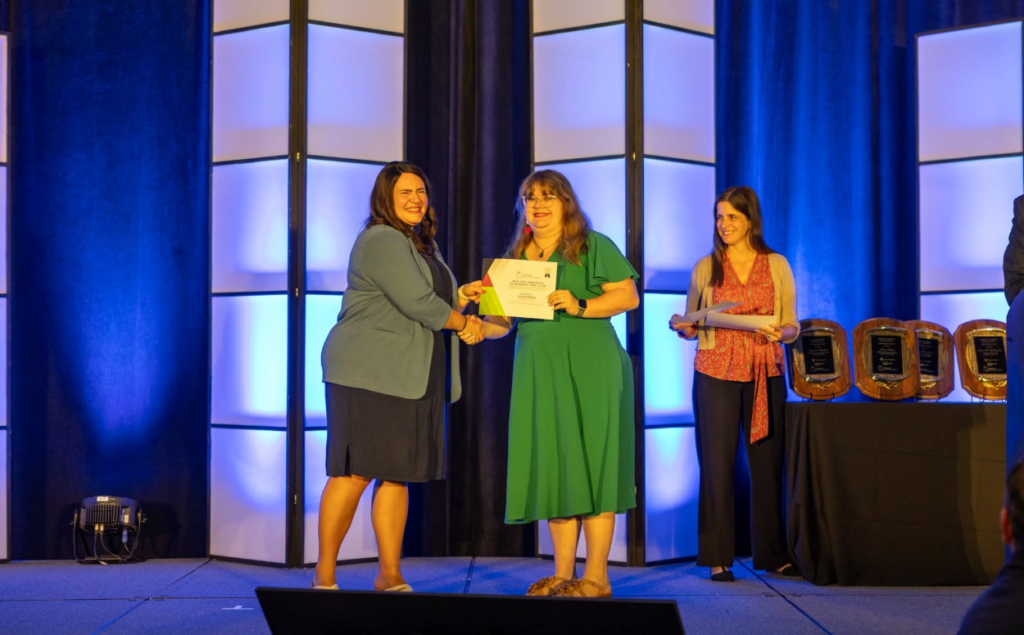
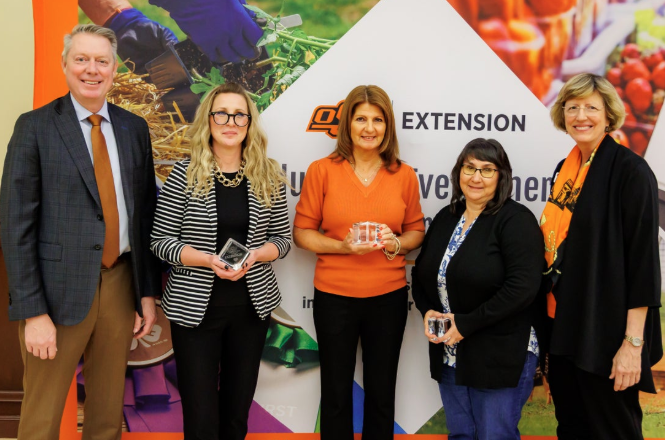
Ferguson College's Terry Receives Teaching Award

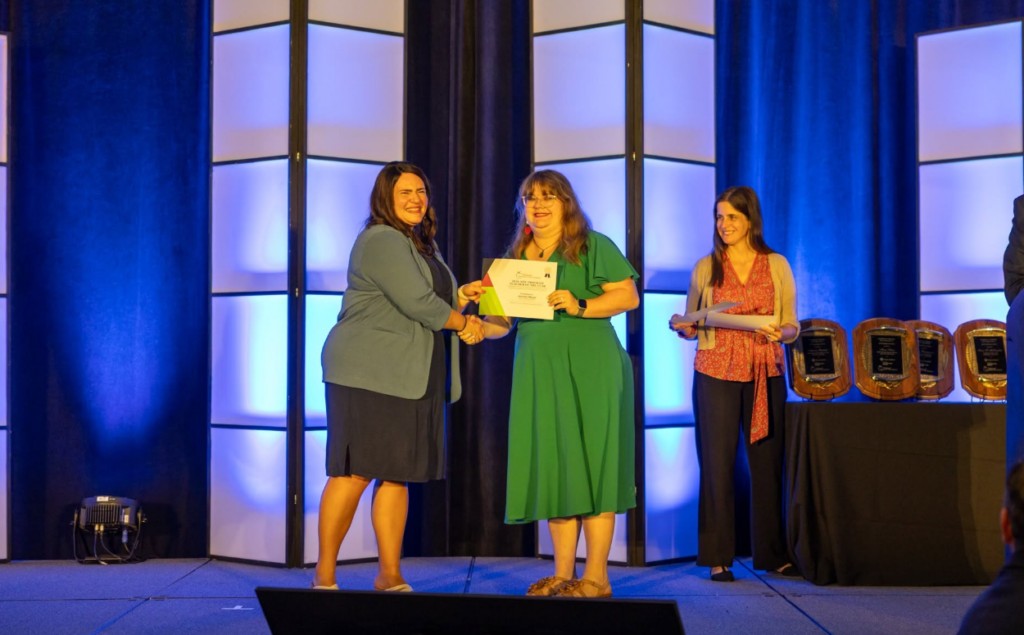
 Dr. Robert Terry Jr., the Rodger Howell Memorial Professor of Agricultural Education in Oklahoma State University's Ferguson College of Agriculture, was named a regional recipient of the Association of Public and Land-grant Universities' 2026 Excellence in College and University Teaching Award for Food and Agricultural Sciences. 

This national recognition is a partnership between the United States Department of Agriculture and APLU and is awarded to faculty members from public institutions in the U.S. who have demonstrated excellence in agricultural sciences teaching and student engagement.

For Terry, teaching is a family tradition. Growing up in Stillwater, Oklahoma, surrounded by educators and agriculture, he developed an early appreciation for the impact teachers can have on students. 

His involvement in FFA, particularly through public speaking and agricultural projects, helped shape his interest in education. However, it was the influence of his own teachers that inspired him to pursue a career in agricultural education. 

"Growing up around educators, I saw firsthand the influence teachers have on young people," Terry said. "My experiences in agricultural education and FFA only strengthened my interest in becoming a teacher."

Throughout his career, Terry has embraced both the science and artistry of teaching.

"Teaching is both an art and a science," he said. "The science gives us research-based principles to guide our instruction, but the art is how we bring those principles to life through passion, creativity and connecting with students."

Terry has taught undergraduate and graduate courses focused on the philosophies and foundations of agricultural education, encouraging students to explore the characteristics of effective teachers and develop their own approaches to instruction.

"I like to think about teaching methods as the teacher's toolbox," Terry said. "The more tools you have, the better you are as far as being able to connect and make the learning permanent." 

Terry emphasizes the importance of adapting teaching methods to meet the needs of different students, subjects and learning environments.

"We have all kinds of different challenges to face as educators, so we better develop a mastery of a variety of tools," he said. 

Terry's innovative approach to teaching, attention to student learning and commitment to excellence have made a lasting impact on countless students, said Dr. Cynda Clary, associate dean of the Ferguson College of Agriculture.

"He has a special ability to make learning meaningful through thought, creativity and care in every class he teaches," Clary said. "He always keeps student success at the center of his work."

As a professor preparing future educators, Terry said he hopes his students leave his classroom not only with knowledge but also with the skills and confidence to influence others. 

For Terry, some of the most rewarding moments in his career come after students leave his classroom and begin making an impact of their own.

One recent experience provided a powerful reminder, Terry said. A former student who graduated with an agricultural education degree in May returned to campus with six FFA members from the school where he now teaches. Watching the interaction between the new teacher and his students reinforced the significance of the profession. 

"I was impressed to see how those kids looked up to him, being less than a semester into his career," Terry said. "It's clear he's already developed a connection with those kids as their teacher. He's the person they look up to. He's embraced that role, and they've embraced him in that role. That was inspirational for me."

Terry said moments like these affirm the importance of preparing the next generation of educators who will continue shaping the future of agricultural education.

Terry credits much of his success to the support of his family, especially his wife, Anne, as his responsibilities extend far beyond the traditional classroom, including advising student organizations and leading study away and study abroad experiences. 

"My wife has been incredibly supportive of the extra hours. Teaching goes way beyond the classroom."

Reflecting on his career, Terry remains grateful to work at an institution that continues to elevate teaching alongside research and innovation.

"At OSU, we still believe teaching matters and students are important," he said. "We're an R1 research institution, great at creating knowledge and innovation, but this is still a place where teaching really matters."

The Ferguson College of Agriculture believes in the value of hands-on education and the importance of having a well-rounded student experience. The college's award-winning faculty members are dedicated to developing students and are passionate about adding value to the total educational experience. With 16 majors, a variety of study options and more than 60 student organizations, the college is committed to expanding minds and inspiring purpose. Learn more at agriculture.okstate.edu

STORY BY: Elisabeth Moser, master's student in agricultural communications

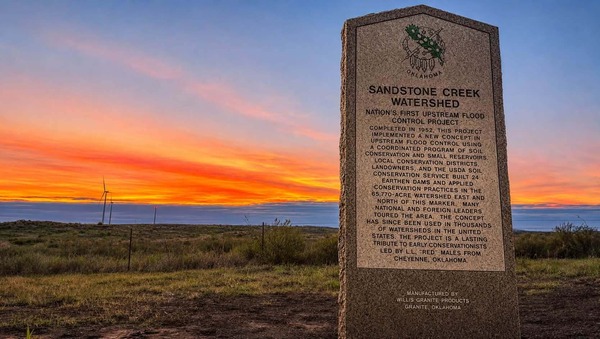
Sandstone Creek Historical Marker

New Historical Marker Dedicated to Sandstone Creek Watershed

On Tuesday, November 17, 2026, a new historical marker was dedicated by the Oklahoma Conservation Historical Society identifying Sandstone Creek Watershed as the nation's first upstream flood-control project. Completed in 1952, this project brought together local conservationists, landowners, conservation districts, and the USDA Soil Conservation Service (now known as the Natural Resources Conservation Service, or NRCS) to build 24 earthen dams across a 65,770-acre watershed between Cheyenne, Sayre, Elk City and Hammon.

Today, the Sandstone Creek Watershed project has grown to 42 flood-control dams, with 23 in Roger Mills County and 19 in Beckham County. This project initially began after an April 1934 storm resulted in tragedy, with 17 lives taken due to flooding around Hammon, Oklahoma. With 184 flood-producing storms occurring between 1920 and 1939, local leaders, including Lowell Lawrence "Red" Males, advocated for change. As a result, Sandstone Creek was the first watershed to complete its entire planned system of dams and conservation practices.

"We are grateful to the Oklahoma Conservation Historical Society for providing this dedication, recognizing and remembering a monumental win for our state. We are proud to carry on the legacy of Sandstone Creek and continue the work of the conservationists that came before us," said Tammy Sawatzky, OCC Director of Conservation Programs.

The Oklahoma Conservation Commission, along with local conservation districts within the watershed and partners like NRCS, actively manages, rehabilitates, and maintains the flood control dams, protecting approximately 4,700 acres of floodplain, 60 farms and ranches, reducing sediment by around 296,000 tons every year, and providing an estimated $356,500 in average annual benefits from reducing flood damage in the area.

Learn more about the history behind Sandstone Creek Watershed here: Sandstone Creek - Nation's First Small Watershed Project — Oklahoma Conservation Historical Society

Lankford Announces New State Director

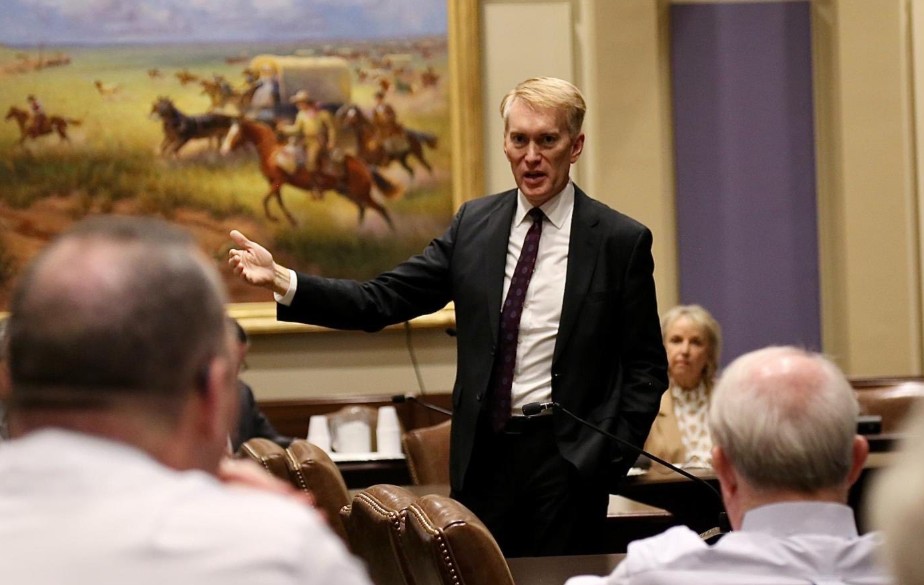
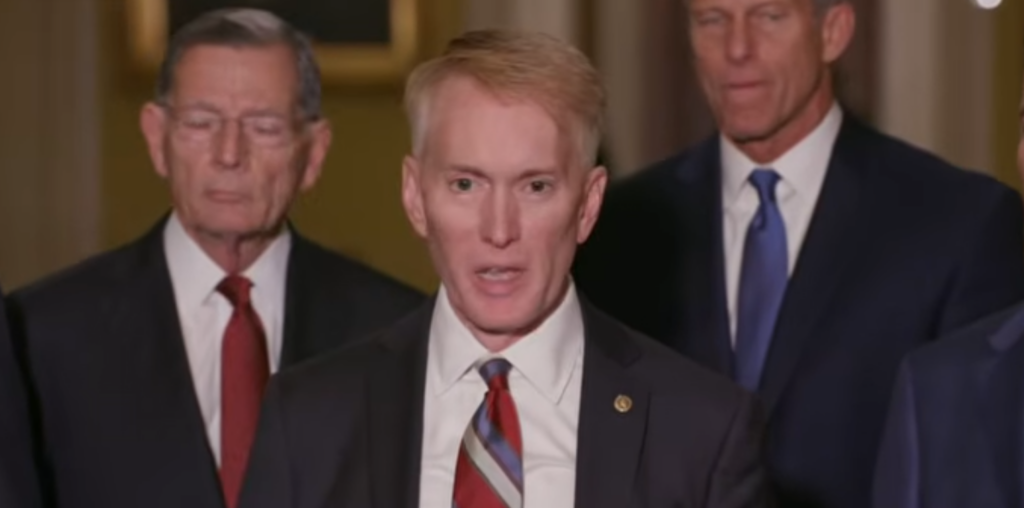
US Senator James Lankford (R-OK) today announced former Speaker of the Oklahoma House of Representatives Jeffrey W. Hickman, from Fairview, Oklahoma, will serve as State Director, overseeing the Senator's Oklahoma City and Tulsa field offices.

"I'm excited to have Jeff Hickman join our team as State Director," said Lankford. "He understands this state because he has lived it from the family farm to the state Capitol. Jeff's background will be an asset to our team and his heart to serve families will be a blessing for all Oklahomans. I'm grateful for his willingness to lead our fantastic state team."

Hickman most recently served as president and CEO of the Oklahoma Grain and Feed Association. He also recently completed a nine-year term on the Oklahoma State Regents for Higher Education. A fifth-generation farmer, Hickman continues to help run his family's operation near Dacoma and Cherokee in northwest Oklahoma.

"I'm grateful for the opportunity to continue serving Oklahomans in the role of State Director for Senator James Lankford," said Hickman. "Senator Lankford's state offices are staffed by dedicated field representatives and caseworkers who stay with a problem until it's solved. I look forward to supporting that work and making sure every Oklahoman who calls on our offices is heard and helped."

Background

Elected to the Oklahoma House of Representatives in 2004, Hickman served as Speaker of the House for three legislative terms, from 2014 to 2016. He spent seven years working in higher education at the University of Oklahoma, where he served as university press secretary, public affairs special projects coordinator, and as special assistant to the director of athletics.

Hickman earned his bachelor's degree in journalism with distinction from the University of Oklahoma. He and his wife, Jana, live in Fairview, Oklahoma, and have three children.

Electric Cooperatives Select Brent Howard as In-House General Counsel

The Oklahoma Association of Electric Cooperatives (OAEC) is pleased to welcome Brent Howard as its first in-house general counsel, bringing a wealth of legal experience, public service and deep-rooted connections to rural Oklahoma to the association representing the state's 30 electric cooperatives.

For Howard, joining the cooperative family is more than a career change. It's a natural extension of a lifetime spent rooted in rural Oklahoma, shaped by public service and connected to the people and communities electric cooperatives serve.

A fifth-generation Oklahoman, Howard was raised in southwest Oklahoma on the same farmland homesteaded by his great-great-grandfather, A.L. Howard, before statehood. His family's wheat, cattle and hay operation is powered by Southwest Rural Electric Association, where Howard has been a lifelong member and grew up attending the co-op's annual meetings. He has also served as contract attorney for Harmon Electric Association, headquartered in Hollis.

His connection to public service began early. Growing up, Howard watched both of his parents serve their community. His father balanced work on the family farm with eight years as a county commissioner, while his mother worked in a law office and served eight years as county treasurer. Some of Howard's earliest memories include stopping by the law office after school and piano lessons while his mother finished her workday. Those experiences helped plant the seed for what would become his career in law.

After graduating from small rural Navajo High School, where his class included just 44 students, Howard earned bachelor's degrees in economics and accounting from Oklahoma State University. He went on to earn his Juris Doctor from the University of Oklahoma College of Law and a Master of Laws (LL.M.) in Taxation from New York University.

After a short stint working for two law firms in Oklahoma City, Howard chose to return to southwest Oklahoma, establishing a law practice near his family's farm and the agricultural community he knew so well. His practice focused primarily on taxation, estate planning and business planning, giving him a firsthand understanding of the legal and financial challenges facing Oklahoma families, businesses and agricultural operations.

Howard also graduated from Class 16 of the Oklahoma Agricultural Leadership Program, where he met his wife, Jennifer. The two married in 2016.

His commitment to public service eventually led him to the Oklahoma Senate. After launching his campaign for Senate District 38 in 2017, Howard won election in 2018 and began serving the 57th Oklahoma Legislature.

During his eight years in the Senate, Howard focused on civil procedure, government oversight, rural development, water and resource management. He played a key role in some of the state's most consequential legislative discussions, including legislation addressing open meetings during the pandemic. He became chair of the Senate Judiciary Committee at the beginning of his fourth year and was named chief presiding officer of the Senate in his fifth year.

Howard considers one of his most meaningful contributions in Senate to be preventing harmful legislation from advancing. Throughout his tenure, he remained a strong friend and advocate of electric cooperatives, recognizing their vital role in powering lives and empowering communities across Oklahoma.

"Brent Howard is a man of integrity who fits naturally into the cooperative family," said Nicki Fuller, OAEC general manager and CEO. "We needed someone with his legacy of service, strong values and understanding of rural Oklahoma to help advocate for our electric cooperatives. His legal expertise, legislative experience and personal connection to the cooperative way of life make him an incredible asset to our organization. We are grateful he is bringing his talents to the cooperative movement full time."

After eight years in the Oklahoma Senate, Howard began considering what the next chapter of his career would look like. With his five-year-old daughter, Estelle, preparing to begin kindergarten, the opportunity to serve Oklahoma's electric

cooperatives offered a meaningful way to bring together his professional experience and lifelong commitment to rural communities.

"I'm truly looking forward to this new chapter," Howard said. "I have always been a champion of the rural way of life. This is an exciting time to join the electric cooperative family. I look forward to serving the cooperatives and helping shape policy surrounding large loads, technology and generation resources while protecting the quality of life in rural Oklahoma."

Howard and his wife, Jennifer, currently live in Altus with their daughter, Estelle. The family plans to relocate to the Oklahoma City metro area in the future.

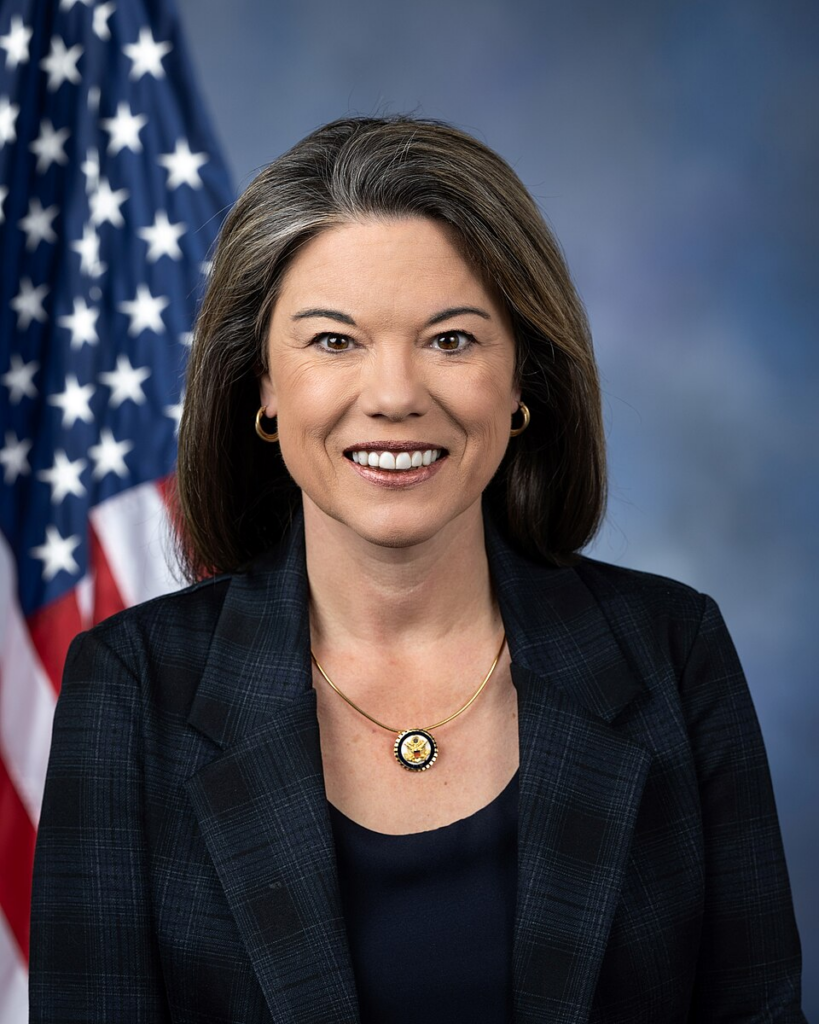
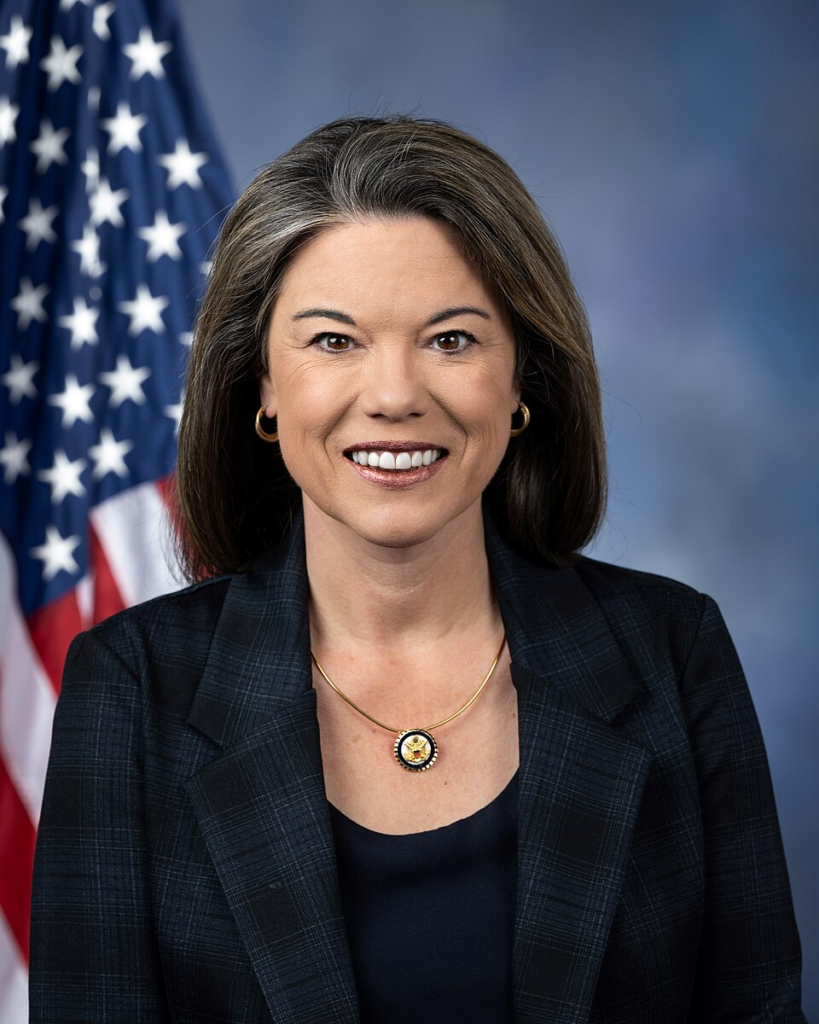
Ranking Member Angie Craig Opening Statement at Rural Development Hearing

Today, House Agriculture Committee Ranking Member Angie Craig (MN-02) delivered the following opening statement at a Subcommittee on Commodity Markets, Digital Assets, and Rural Development hearing entitled "Strengthening Rural America Through USDA Rural Development Programs and Partnerships." Watch the hearing here.

[As prepared for delivery.]

Thank you, Chairman Johnson and Ranking Member Davis, for holding today's hearing, and a thank you to our witnesses for being here today to discuss the power and promise of USDA Rural Development. I am especially excited to see Ms. Lori Blair here from my home state of Minnesota.

The United States Department of Agriculture touches every family in America. Whether you're a farmer growing food or a working parent trying to put dinner on the table – USDA programs and policies stretch from the farmgate to the grocery store shelf.

President Lincoln called it the "People's Department." Today, it is living up to that nickname. Anchored in its network of local offices,  USDA has one of the most widespread footprints of any federal department.  

USDA field offices and staff are present – and have roots – in almost every county, no matter how rural, no matter how geographically remote, no matter the population size.

USDA staff don't just work in rural America; they live there. They know their neighbors; they know the pressures and concerns of their local communities.

That makes USDA uniquely situated not only to understand and connect with, but also to help rural communities, whether it's providing technical assistance for farmers or helping someone afford their first home.

That is why I, and many of my colleagues, have forcefully opposed this administration's reorganization efforts, which courts have at least for now stayed on legal grounds. Whether it's relocating offices, closing offices or downsizing staff, this reorganization hurts rural America.

For the same reason, taking Rural Development away from USDA and placing it elsewhere, like the Small Business Administration, will undermine its mission and make it harder for farmers, rural business owners, working people and municipalities to access Rural Development programs.

We say that in rural America, "neighbors help neighbors." And yet, there are some in this country who would like to see our neighbors fired, our neighborhood offices closed and the experts that know the neighborhood issues outsourced to strangers hundreds of miles away.

The work USDA Rural Development does matters because the communities it serves matter. The people who live there are important. Abandoning them by downsizing vital staff and relocating USDA Rural Development programs sends the wrong message.

I look forward to hearing your testimony and to learning more about the amazing things you are doing in partnership with USDA RD.

Thank you again for being here today, and I yield back.

Oklahoma Cattlemen's Association Calls for Postponement of State Wind Lease Auctions

The Oklahoma Cattlemen's Association (OCA) is calling on the Oklahoma Commissioners of the Land Office (CLO) to postpone its December 7, 2026, auction of seven proposed wind energy leases encompassing approximately 169,000 acres of state trust land in Cimarron County.


In a letter to CLO Acting Secretary John Fischer and the five Commissioners, OCA expressed concerns regarding the proposed 55-year commercial leases and their potential impacts on existing agricultural operations, private property rights, and surrounding communities.


"Our concern is not with wind energy development itself. We have consistently defended the rights of private property owners to determine the best use of their land," said Ford Drummond, OCA President. "However, when the state considers committing this much land to 55-year agreements, it has a responsibility to thoroughly evaluate the consequences for agricultural producers and neighboring landowners." Of primary concern is how the proposed 55-year wind leases would interact with existing agricultural leases, which are limited to five-year terms. OCA questions how agricultural lessees will be protected when conflicts arise over property access, construction activities, infrastructure placement, compensation for damages, and future agricultural improvements.


OCA also raised concerns regarding the transmission infrastructure that may be necessary to deliver electricity generated by the proposed developments. Additional transmission lines could require easements across privately owned agricultural lands, potentially involving the use of eminent domain authority. OCA is requesting additional information regarding anticipated transmission routes, interconnection arrangements, and potential impacts on private landowners.


"Ranchers leasing state land make significant investments in their operations, yet they operate under five-year agreements while a wind developer could receive rights extending more than half a century," Drummond said. "We need to understand how those rights will coexist and whether additional transmission infrastructure could place private landowners in the position of having to defend their property rights."


The association also questioned whether Cimarron County and its residents would receive economic benefits proportionate to the impacts of the proposed developments.

ARA Files Formal Opposition to Proposed UP/NS Merger

The Agricultural Retailers Association has filed comments with the Surface Transportation Board (STB) opposing the proposed Union Pacific/Norfolk Southern (UP/NS) merger. 

"ARA members' request is straightforward: preserve the rail competition that remains and provide shippers with a common carrier obligation they can rely on. Agricultural shippers report higher transportation costs, less frequent and less predictable service, limited equipment availability, weak accountability, and few practical alternatives. A proposed merger of this scale should not be approved on promises alone,"ARA stated. "ARA respectfully requests that the Board deny the revised application."

ARA did not identify any specific member companies in its comments after UP CEO Jim Vena indicated that he would consider raising rates on shippers who opposed the merger.

"ARA does not ask the Board to draw any conclusion from that matter here. It does, however, reinforce why agricultural shippers should be able to provide candid information through their trade association without publicly identifying individual facilities, routes, rates, or commercial relationships,"ARA commented.

ARA's full comments can be accessed here.

OSU Extension Farm to You Program Brings Oklahoma Agriculture Into the Classroom

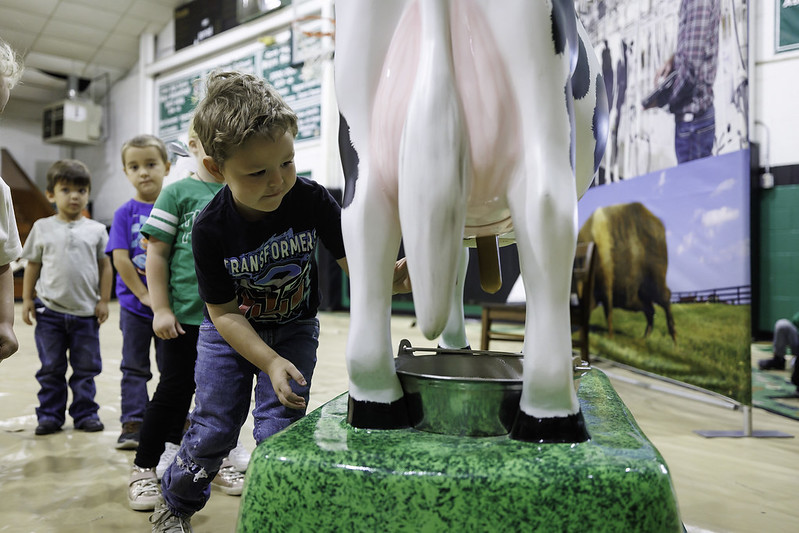
Photo by Mitchell Alcala, OSU Agriculture

The OSU Extension Farm to You program is helping Oklahoma elementary students better understand agriculture, food production and healthy living through hands-on activities that bring the farm directly to the classroom. OSU Extension 4-H Program Coordinator Bethany Effinger recently spoke with Associate Farm Reporter Carli Davenport about how the interactive exhibit introduces students to agriculture and the important role it plays in their everyday lives.

Designed for students in first through sixth grade, Farm to You is a structured, interactive exhibit featuring nine hands-on learning stations. Effinger said the program covers everything from Oklahoma agriculture and life on the farm to how food makes its way from the farm to the dinner table. "Farm to You is a structured, interactive exhibit that's designed for first through sixth grade students that brings the farm directly to the school," Effinger said. "Students get to visit nine hands-on learning stations and explore topics ranging from Oklahoma agriculture, life on the farm, how food gets from the farm to their plate, and then as well as nutrition and healthy living."

Hands-On Activities Make Agriculture Fun for Students

During the exhibit, students rotate through the nine stations in small groups, allowing them to participate in activities and learn from volunteers leading each station.

Students rotate in groups of about 6 to 10, with each station offering a different opportunity to explore agriculture, food and the human body.

Effinger said some of the activities give students a chance to experience farm life firsthand, while others help them understand nutrition and how their bodies use the food they eat. "Each station has its own activity, but to name a few, in the farmers' life station they get the opportunity to milk a mechanical cow," Effinger said.

At the farmers' market station, students work with food models to create a healthy plate. Another station focuses on oral health, where students get to sit on oversized teeth and learn how to brush and floss correctly.

The brain station also gives students an opportunity to play a game of telephone to demonstrate how the brain communicates with the rest of the body.

Connecting Students to Where Their Food Comes From

While the activities are designed to be fun and engaging, Effinger said the larger goal is to help students recognize how agriculture affects their everyday lives, even if they do not grow up on a farm or ranch.

She said many people do not fully understand where their food comes from or how agriculture plays a role in their daily routines. "So many people today do not know where their food is coming from, or even how agriculture is affecting them day to day," Effinger said. "This exhibit gives them the opportunity to learn about the industry that affects every part of their lives, whether they realize it or not."

By introducing agriculture at an early age, the program gives students an opportunity to make connections between the food they eat, the farmers who produce it and the industry that helps provide for their communities.

Teachers and Students Respond Positively to Farm to You

Effinger said the response from schools has been very positive, with students especially enjoying the interactive nature of the exhibit.

She added that volunteers also find the experience rewarding as they watch students learn and become more interested in the different topics throughout the day.

One thing that stands out to Effinger is how much students' favorite activities can vary. "The students love the hands-on activities, and then the volunteers tell us really how rewarding it is to watch the students learn throughout the day," Effinger said.

"One thing that surprises me the most is how different each student what they say their favorite station is," she added. "So some of them really love milking the mechanical cow, but a lot of the others enjoy sitting on the gigantic teeth in the mouth station or playing the game of telephone in the brain station." For Effinger, seeing students get excited about learning and leave with a better understanding of where their food comes from is one of the most rewarding parts of the program.

How Schools Can Host the OSU Extension Farm to You Exhibit

Schools interested in bringing Farm to You to their students have two ways to get started. Effinger said teachers can contact their local county OSU Extension office and work with local extension educators, or visit the program's website at farmtoyou.okstate.edu.

The website includes additional information about the exhibit, hosting requirements and a request form. An email contact is also available for schools with additional questions.

Effinger said schools must have an indoor space measuring at least 40 by 40 feet, with ceilings at least 11 feet high.

There is currently no cost for schools to host the Farm to You exhibit. However, the program does rely on volunteers to help set up and operate the stations. "We also rely on volunteers to teach the exhibit, so we require at least eight volunteers to set up the exhibit, and then 12 volunteers for exhibit day to help teach and man the stations," Effinger said.

Through its combination of agriculture education, nutrition lessons and interactive activities, OSU Extension's Farm to You program is giving students an opportunity to learn more about the industry that touches nearly every part of their lives.

Johnson Opening Statement at Subcommittee Hearing on USDA Rural Development Programs

House Agriculture Subcommittee onCommodity Markets, Digital Assets, and Rural Development Chairman Dusty Johnson (SD-At Large) delivered the following opening statement at today's hearing, "Strengthening Rural America Through USDA Rural Development Programs and Partnerships."

Remarks as prepared:

Good morning to the members of the Subcommittee on Commodity Markets, Digital Assets, and Rural Development, as well as members of the public who have joined us here today. Thank you to our witnesses for being here and for sharing your experience with USDA Rural Development programs and the partnerships that help make them work.

Agriculture can look quite different in my home state of South Dakota than it does elsewhere in the country, but one thing I've noticed in my travels is that there's just something special about a small town. Whether you're in South Dakota, North Carolina, or somewhere in-between, small towns are built around people who know their neighbors, look out for one another, and take pride in their communities. Those are the communities this committee is here to serve. 

Through its electric, water, business, and cooperative programs, USDA's Rural Development and its partners help make projects possible that might otherwise never get off the ground. That can mean bringing reliable electricity to a rural area, improving a community's drinking water or wastewater system, or helping a small business get the financing it needs to grow.  

These programs matter because rural communities do not always have the same access to financing, technical expertise, or resources as larger communities. USDA can help fill those gaps. And just as important, it relies on local partners who understand the needs of the communities they serve and know how to get projects across the finish line.

That's why the organizations represented here today are so important. U.S. Co-ops works to strengthen the cooperative business model across industries, helping rural businesses leverage collective ownership to build and retain wealth locally. The National Rural Electric Cooperatives Association provides reliable and affordable electricity to some of the most remote parts of the country, including places that might otherwise be difficult or costly to serve. The National Rural Water Association and Rural Community Assistance Partnership provide critical technical assistance to rural communities that lack the institutional knowledge to build rural water and wastewater systems from start to finish. Coastal Enterprises, from the state of Maine, provides essential financing to strengthen rural businesses and underserved communities, with a strong focus on their home state.

Rural Development is a success story. But that does not mean every program is working as well as it could or that every community's needs are being met. We should always be looking for ways to make these programs more effective, reduce unnecessary hurdles, and make sure federal resources are reaching the communities they are intended to help. 

The best ideas do not always come from Washington. Often, they come from the people working directly with rural communities, seeing the challenges firsthand, and figuring out what works. That is what we want to hear about today: what is working, where the gaps are, and how USDA can be a better partner to rural America. Thank you again to our witnesses for being here. I look forward to your testimony.

With that, Ranking Member Davis, I yield to you.

USDA Meteorologist Brad Rippey

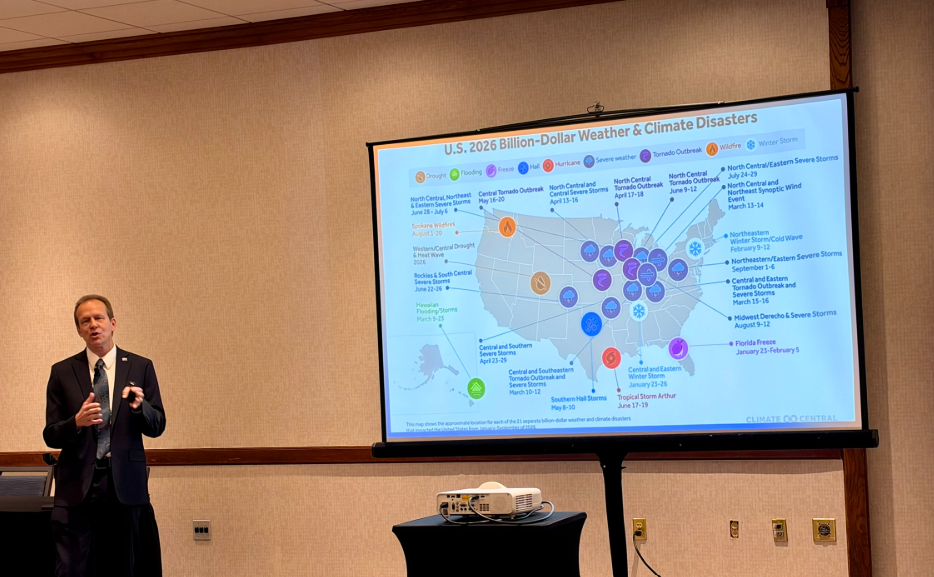
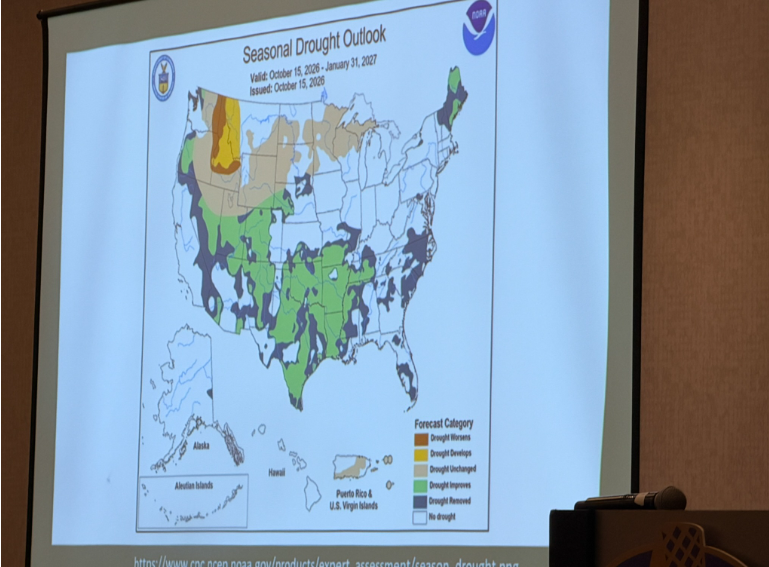
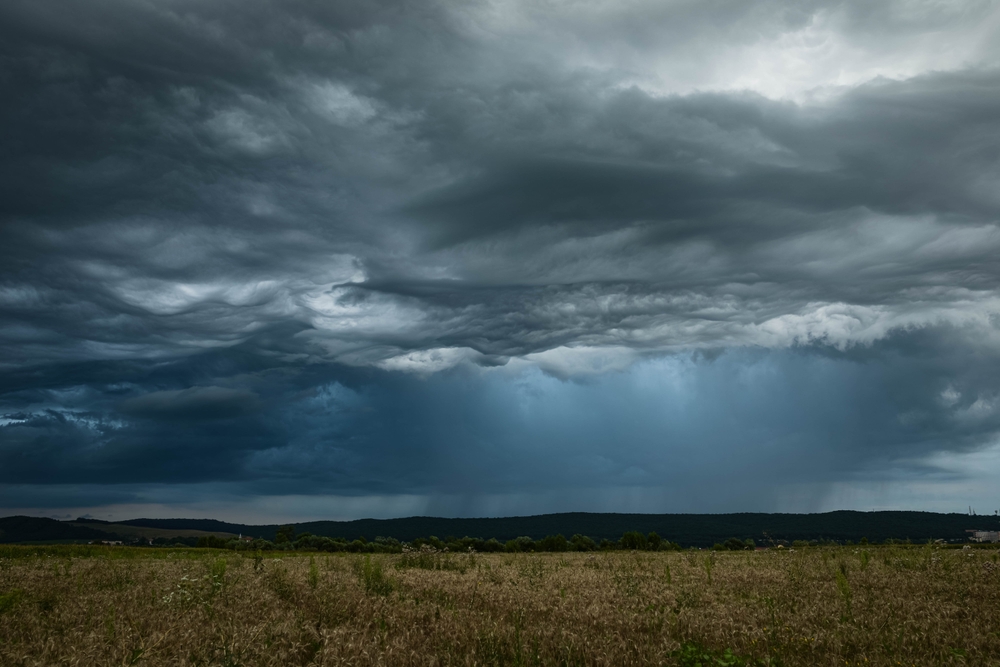
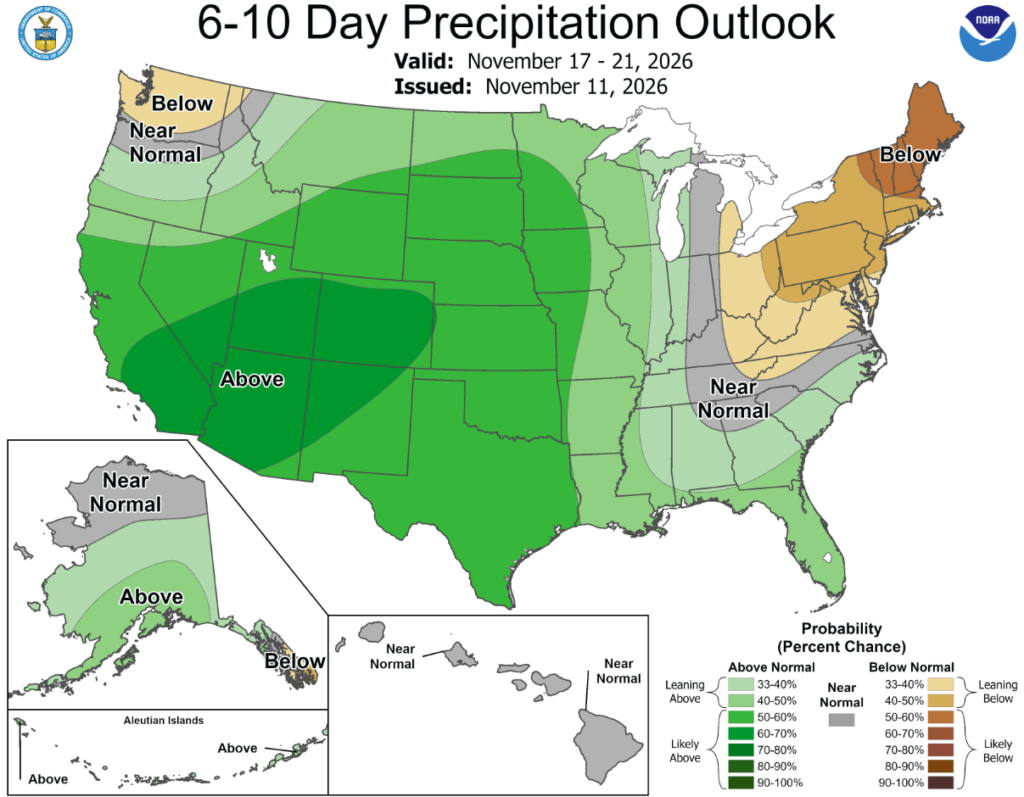
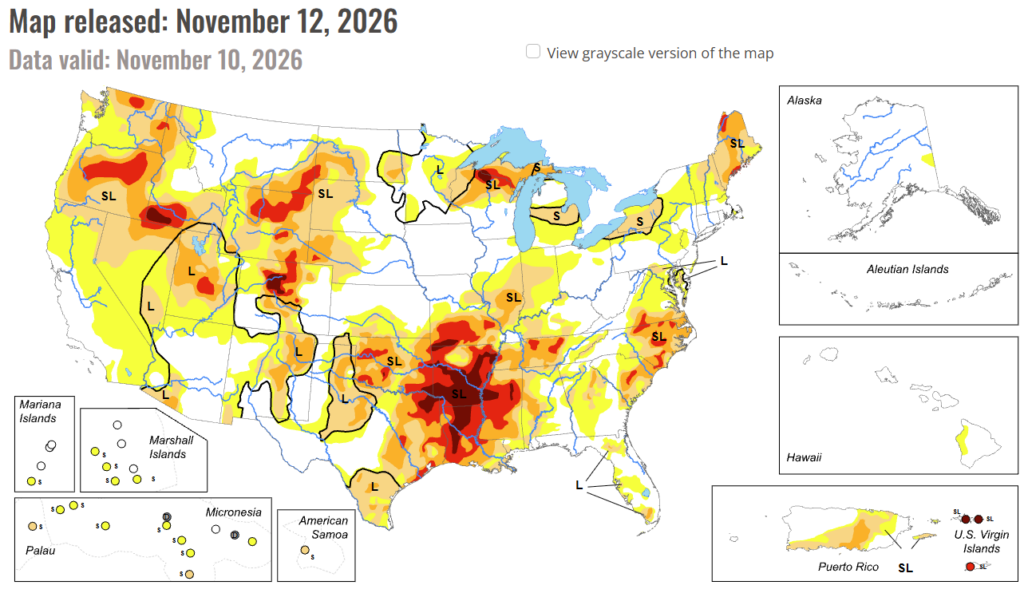
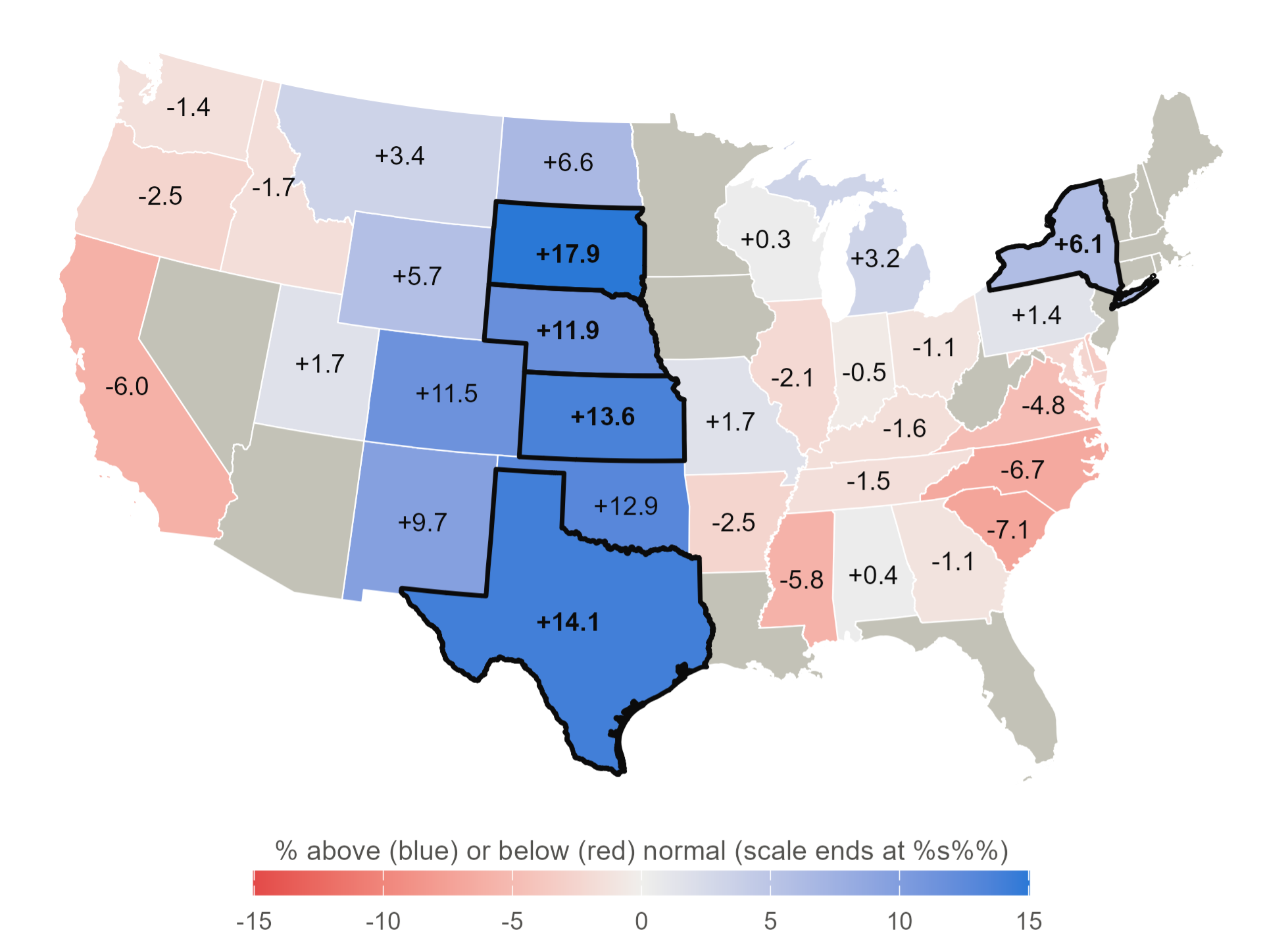
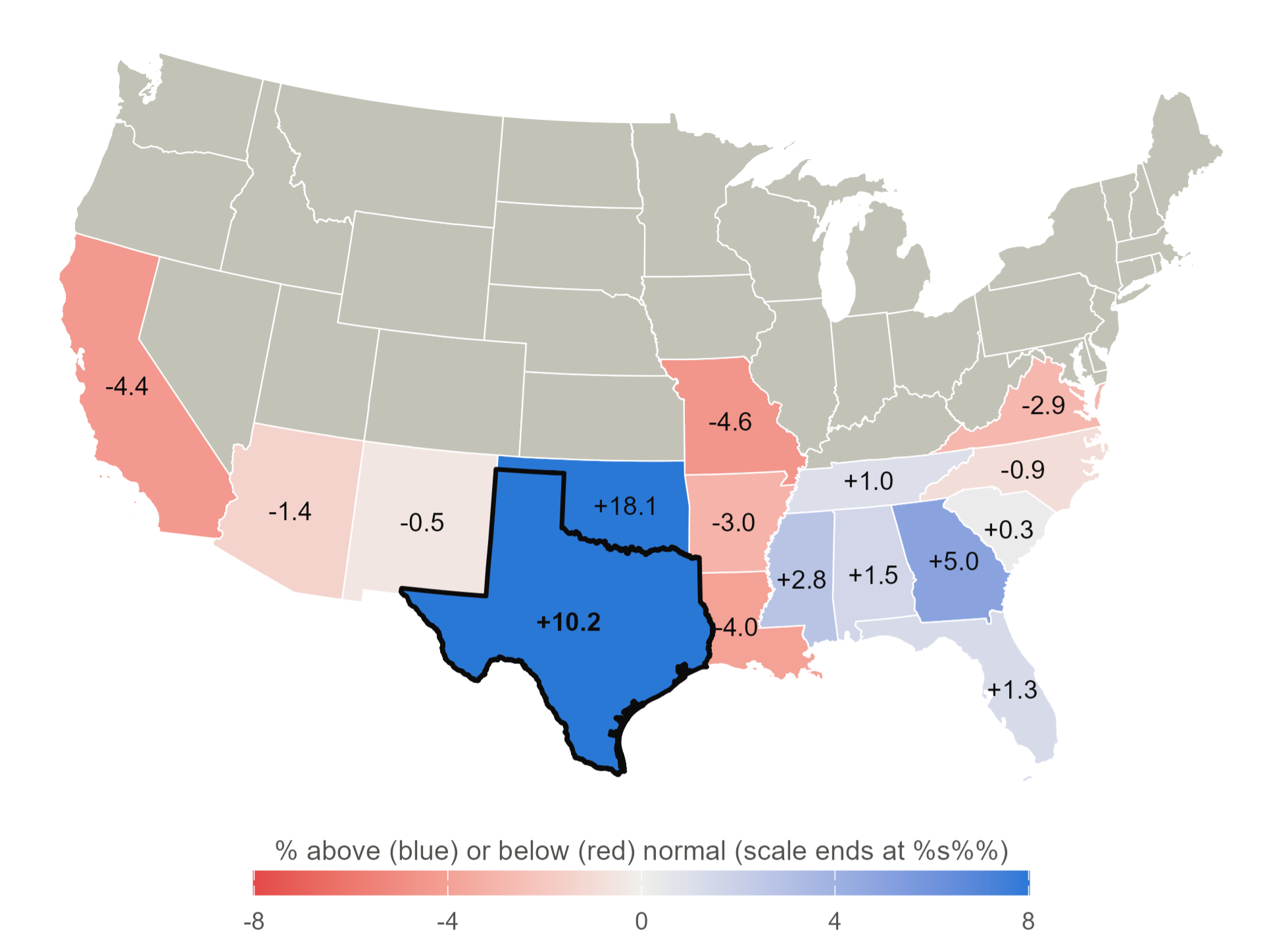
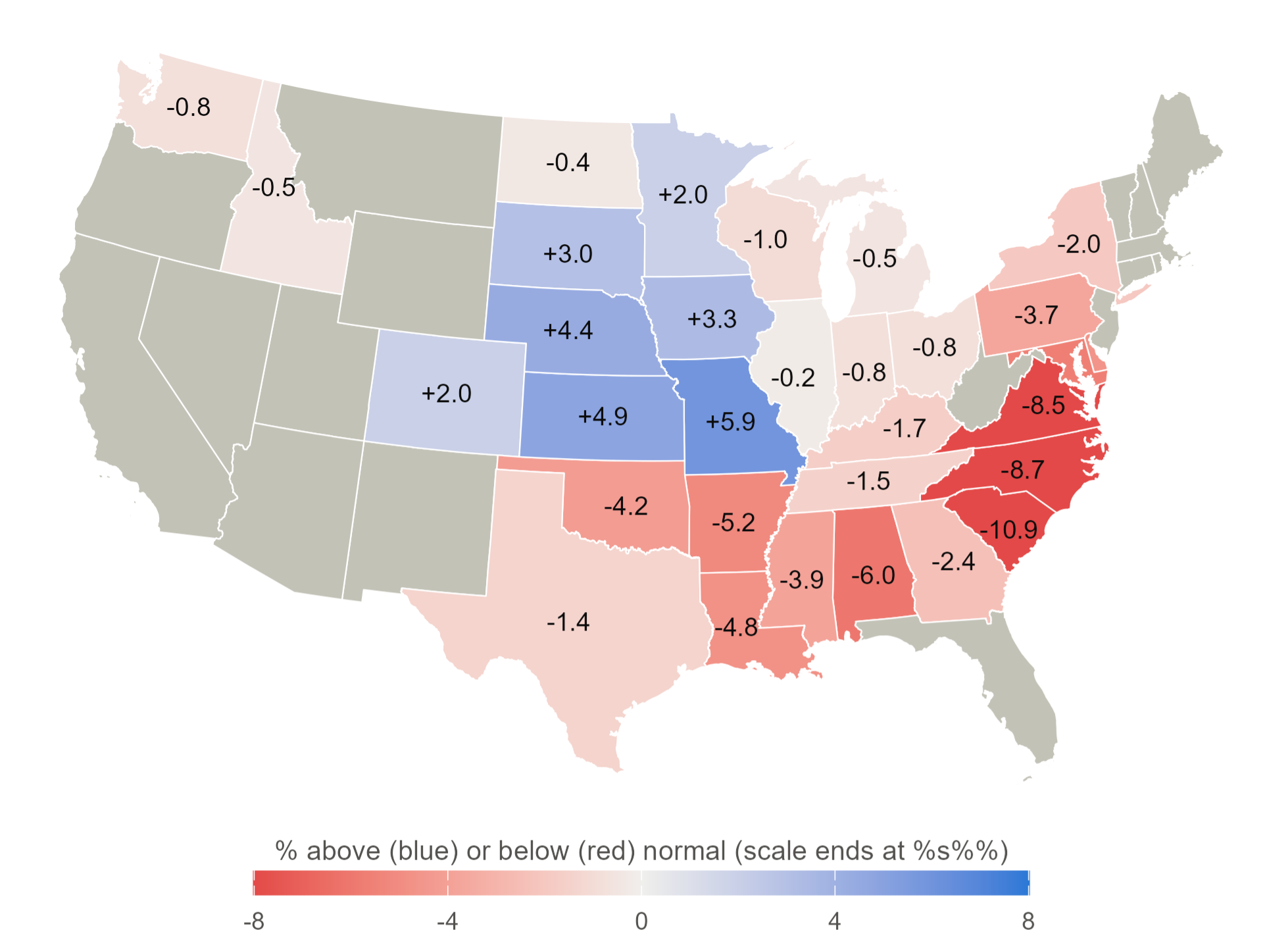
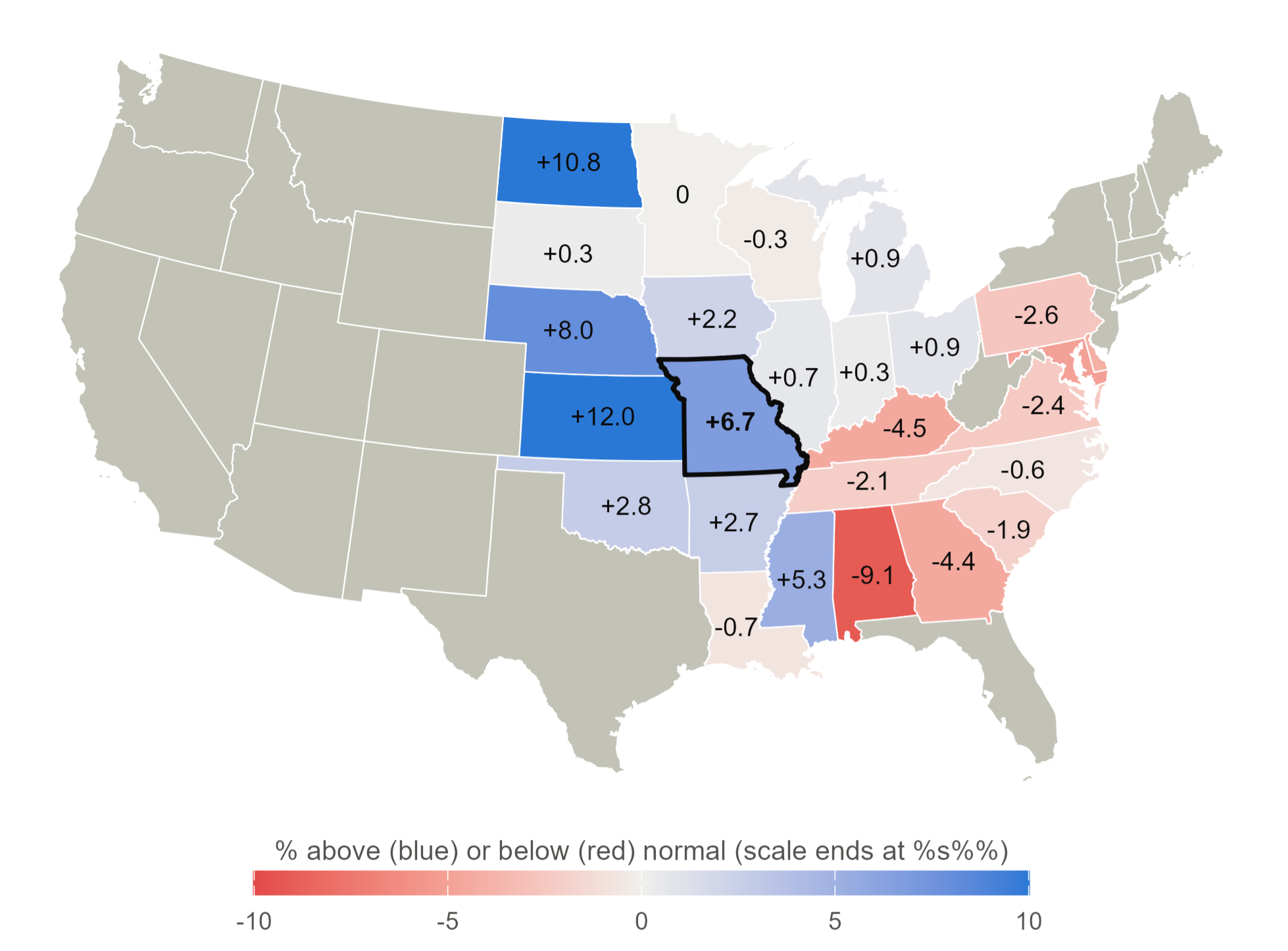
USDA Meteorologist Brad Rippey says Strong El Niño Brings Winter Moisture Relief and Spring Severe Weather Risks

Oklahoma ranchers and agricultural producers could soon see welcome relief from prolonged drought as a strong El Niño pattern takes hold across the Pacific, according to USDA Chief Meteorologist Brad Rippey. Speaking to farm broadcasters during the National Association of Farm Broadcasters (NAFB) Convention, Rippey outlined how shifting ocean temperatures are reshaping the U.S. weather outlook through the summer of 2027 while fielding questions on drought monitoring, pest pressures, extreme rainfall, and global crop impacts.

Rippey noted that the nation is emerging from a punishing stretch of weather that produced more than 20 billion-dollar disasters even before El Niño developed. Roughly two-thirds of those events were localized severe storms—including hail, derechos, high winds, and tornadoes—that shifted away from the traditional Great Plains "Tornado Alley" and concentrated across the Midwest.

"You can see there, a lot of those severe weather events—not on the Great Plains, not so much in the South, but really kind of shifted, as the Tornado Alley is not quite where it once was back across the Great Plains," Rippey said.

Over the past year, persistent drought covered more than 40 percent of the country for over 12 consecutive months, peaking at 63 percent last spring and fueling nearly 9.5 million acres of wildfires nationwide—just shy of the all-time record of 10.1 million acres. Those dry conditions pushed national winter wheat abandonment above 32 percent, the second-highest rate since the Dust Bowl era.

"I think we'll be a lot better this year with the moisture, with El Niño, and we'll see if we can get that number back below 20 percent for the first time since 2016," Rippey said. "I think it's possible given the moisture improvement that we're seeing across the Great Plains."

Conditions have already begun to turn around as El Niño pushes moisture from the southwest to the northeast. U.S. winter wheat ratings jumped from 44 percent good-to-excellent earlier in the season to 53 percent, marking the highest rating for this time of year since 2018.

With equatorial Pacific waters running 6 to 7 degrees Fahrenheit above normal at the surface and up to 20 degrees above normal at depth, Rippey said El Niño is expected to reach peak strength within weeks. While he dismissed the media label "Super El Niño" as a clickbait term, he noted there is a roughly two-in-three chance this event will rank among the strongest since 1950, alongside 1982–83, 1997–98, and 2015–16.

As atmospheric disruptions lag peak ocean warming by one to two months, Rippey expects a suppressed northern jet stream and an active, extended subtropical jet stream to steer frequent storms across Southern California, the Central and Southern Plains, and the Southeast. Nationally, drought coverage is projected to drop below 40 percent by the end of January 2027, with widespread drought improvement or eradication expected across the southern half of the country.

"Given the oceanic temperatures, until we see them starting to settle back down a little bit, we're probably going to stay pretty warm," Rippey said, noting that cold outbreaks across the northern U.S. will be weaker and shorter-lived than last winter, while dryness lingers across the Northern Rockies, Northern High Plains, Upper Midwest, and Great Lakes.

During an extended Q&A session with broadcasters from across the country, Rippey addressed several specific producer concerns heading into 2027:

  • Spring Severe Weather and Wildfire Relief: Asked by Farm Director KC Sheperd whether winter moisture will curb the wildfires that plagued Oklahoma and the Plains, Rippey said a wet winter from Nebraska southward should reduce spring wildfire risks. However, he warned that as El Niño winds down in late winter and early spring, the Southern Plains and Southeast face an elevated risk of flooding and severe thunderstorms—mirroring the active spring severe weather season of 1998.
  • Overwintering Pests and Crop Disease: Responding to questions about warm winter temperatures, Rippey cautioned that a lack of deep, prolonged freezes could prevent cold air from penetrating the soil to kill off insect populations. "You don't get enough cold air penetrating into the soil, and then you get a rash, a wave of pest issues in 2027," Rippey said, adding that persistent southwesterly winds could also carry fungal spores and crop diseases northward into the Corn Belt.
  • Summer "Flash Drought" Risks: While recent decadal trends favor a protective dip in the jet stream that could keep the Midwest cool during the 2027 growing season, Rippey warned that long-range forecasts face high uncertainty across the "spring barrier." He noted that past strong El Niños—such as 1983—were followed by rapid summer flash droughts during critical corn and soybean pollination windows, while the Pacific Northwest faces another hot, dry summer.
  • Extreme Downpours and Soil Absorption: Asked by broadcaster Gill Cunningham of Champaign, Illinois, why rain increasingly falls in heavy bursts rather than steady all-day events, Rippey explained that a warmer atmosphere holds more moisture. "A warmer atmosphere can hold more moisture, and it does tend, especially in the convective season, the summer season, to rain out more quickly," Rippey said. "How much actually reaches the soil and percolates in is less, so that does raise the risk of more drought even in times of normal precipitation."
  • Drought Monitor Delays and Vetted Data: When asked how producers can get faster drought designations in states like Oklahoma, Rippey praised Oklahoma State Climatologist Gary McManus as "the gold standard" while acknowledging that slight delays can occur between local conditions and national Drought Monitor updates. Rippey also urged broadcasters and farmers to avoid sensationalized social media weather maps and rely on vetted sources like the National Weather Service, USDA, and land-grant universities. "You've got to have a discerning eye when you look at stuff and just not believe everything you see," Rippey said.
  • Weather Balloon Cutbacks: Asked by Alan Watts of the Your Ag Edge Network in Kentucky about the restoration of off-hour weather balloon launches, Rippey confirmed that earlier cutbacks had temporarily reduced data feeding into computer forecast models, slightly affecting short-term accuracy, though he noted airplane wind and temperature reports help fill gaps over the Pacific.

Addressing global production, Rippey explained that because El Niño peaks during the Southern Hemisphere's summer growing season, its immediate agricultural impact will be felt strongest in South America. In Brazil, El Niño typically produces dry weather in the north and wet conditions in the south—a split that often balances out national soybean and corn yields—while Argentina is expected to see favorable growing conditions.

"From an agricultural standpoint, the answer is Brazil, because from the equator southward—or really from the entire part of Brazil southward—it is the growing season," Rippey said. "So for North America, and for the U.S. in general, most of the impacts are fall, winter, spring."

Ethan Lane Says Farm Bill 2.0 Faces Tough Road During Lame Duck Session

In today’s Beef Buzz, senior farm and ranch broadcaster Ron Hays spoke with Ethan Lane, head of the Washington, D.C., office of the National Cattlemen’s Beef Association (NCBA), during the 2026 National Farm Broadcasters Annual Meeting in Kansas City. The two discussed the possibility of moving a farm bill forward during the lame-duck session of Congress, the political landscape following the midterm elections and how recent enforcement actions involving the cattle industry may have affected voters in farm and ranch country.

Farm Bill 2.0 Faces an Uphill Battle

With lawmakers considering whether to take another run at completing a farm bill before the end of the year, Lane said the political environment in Washington makes the path forward difficult. “I continue to say what I've been saying for the last few years. It is a very tough environment. I might say it's even tougher now than it has been,” Lane said.

While some longstanding issues, including Supplemental Nutrition Assistance Program (SNAP) provisions, may be moving closer to resolution, Lane said there are still significant obstacles. “There's always a chance that they can get some things together,” Lane said. “It's a tough landscape, and there are not very many days left. And this process is a complicated one.”

Lane said there are still major disagreements surrounding the Senate version of the farm bill, including provisions that were not addressed during committee markup. “Beyond the poison pills already in the Senate draft, there's a whole host of stuff. You know, really crazy stuff that didn't get entertained in the committee markup,” Lane said.

He added that some lawmakers will want the opportunity to publicly address their disagreements, making it even harder to streamline the legislation and move it through Congress.

Lane also questioned how much motivation newly elected Democratic senators from traditionally agricultural states might have to reach an agreement before the balance of power shifts. “I don't know that I'd be anxious to give away the farm right now, knowing that there's a new day coming where they're going to be able to perhaps craft some of this stuff the way they would like to see it,” Lane said.

Midterm Elections Reflect Frustration in Farm Country

Hays also asked Lane about the significant political changes seen in the midterm elections and what those results could mean for agriculture moving forward.

Lane said he believes frustration with the White House and the current administration played a role in the election results, with some traditional Republican voters choosing not to participate or supporting moderate Democratic candidates. “What we saw in these midterm elections was a lot of frustration with the White House, a lot of frustration with Republicans in power right now, a lot of displeasure with the populism that we've seen from this administration,” Lane said.

He pointed to newly elected Democrats in traditionally Republican states, noting that some campaigned on positions that could appeal to more moderate voters.

Lane also said the economic pressures facing agriculture were part of the broader frustration reflected at the polls. “Across the board, a lot of voters clearly either were not willing to show up or not buying what the administration was selling here, and a pretty bad taste in the mouths of the farm economy across the country, I think, and that was reflected at the polls,” Lane said.

Immigration Enforcement Actions Draw Concern in Cattle Country

The conversation also turned to the Kansas Senate race and the impact of immigration enforcement activity in southwestern Kansas, particularly around packing plants and feedlots.

Lane questioned the decision to conduct enforcement actions at agricultural facilities without warrants while the cattle industry was also facing public pressure over high beef prices. “I don't really understand what the political calculus was there, but I do think that it probably cost them at the polls,” Lane said.

He explained that packing plants and feedlots are important parts of the agricultural economy in those communities, and disrupting those operations can have consequences for the people and businesses that depend on them. “When the backbone industry of an entire area is needlessly messed with, you know, for political points, shocking that the people in that area don't respond well at the polls,” Lane said.

Lane added that NCBA and others had raised concerns about the potential impact of those actions before the election. “Certainly, we sort of saw it and tried to point that out. That, hey, this is maybe not the smartest way to use your time right now,” Lane said. “But actions have consequences, and certainly that one did.”

The Beef Buzz is a regular feature heard on radio stations around the region on the Radio Oklahoma Ag Network and is a regular audio feature found on this website as well. Click on the LISTEN BAR above for today’s show and check out our archives for older Beef Buzz shows covering the gamut of the beef cattle industry today.

NASDA applauds Senate Agriculture Committee's favorable report of Greg Ibach nomination for USDA Under Secretary

Following the U.S. Senate Committee on Agriculture, Nutrition and Forestry's vote to favorably report Greg Ibach's nomination for USDA Under Secretary for Trade and Foreign Agricultural Affairs to a full Senate, National Association of State Departments of Agriculture CEO Ted McKinney released the following statement:

"We applaud the Committee for their swift action in moving Mr. Ibach's nomination to the full Senate. His extensive experience, from championing local farmers and agriculture businesses while leading the Nebraska Department of Agriculture, to strengthening the competitiveness of U.S. agriculture in global markets while serving as USDA Under Secretary for Marketing and Regulatory Programs, will be invaluable in expanding opportunities for U.S. producers and advancing science-based trade policies. We urge the Senate to quickly confirm Mr. Ibach's nomination."

NASDA submitted a letter on Nov. 9 to Senate Agriculture Committee leadership supporting Ibach's nomination.

Dobrinski Takes Majority Whip Position in House

Rep. Mike Dobrinski, R-Okeene, has been named the majority whip for the Oklahoma House of Representatives for the 61st Legislature.

In this position, Dobrinski will help maintain communication between House leadership and the House Republican Caucus, which is made up of 75 representatives elected to serve for the next two years.

The job of the whip includes explaining complexities of legislation, gauging interest and support for and counting votes on key legislation as it advances, maintaining party unity, and helping to orient and acclimate new members to the state Legislature.

"I am honored at the new opportunity to serve as majority whip for our 75-member Republican Caucus," Dobrinski said. "I look forward to working with our new members and those returning to serve their districts throughout Oklahoma. Speaker Hilbert and our leadership team is united in working with the Senate and Governor Mazzei for the benefit of advancing the great state of Oklahoma."

House Speaker Kyle Hilbert said, "Representative Dobrinski brings the needed experience for this role from his time on the whip team. I have full confidence in his ability to lead. Passing meaningful legislation takes a strong, unified caucus, and Mike will play a critical role in ensuring we have the support necessary to advance policies that make Oklahoma a better place."

Dobrinski was first elected to the Oklahoma House of Representatives in 2020. He has served as a deputy whip on the House leadership team and most recently served as chair of the House Utilities Committee, and on the following committees: Energy and Natural Resources Oversight, Appropriations & Budget Human Services and Transportation.

He also has served on the State Capitol Repair Expenditure Oversight Committee. He was appointed to the National Energy Council and completed the National Legislative Energy Horizons Institute, sponsored by the U.S. Department of Energy and the University of Idaho.

Dobrinski holds a Bachelor of Science in Business Administration from Oklahoma State University. He is a retired business owner, having owned and operated auto dealerships and restaurant businesses for more than 35 years in and near his hometown. He's also been involved in cattle ranching and farming.

Bigger Crop, Thinner Wallets: Brazil's Soybean Paradox

Brazil's farmers are under financial strain, yet its soybean crop keeps growing. Here is why, and what it means for U.S. growers.

Brazil is on track for another record soybean crop. Its farmers are also missing loan payments at a record rate. Both facts are true, and the gap between them holds a lesson for U.S. growers.

Start with scale. Brazil's National Supply Company (Conab) expects 6.7 billion bushels in 2026/27, nearly 50% more than the 4.6 billion bushels USDA expects from U.S. fields this year. Brazilian farmers will plant about 122 million acres of soybeans, up 1.4%. That is the smallest increase in 20 years; since 2007/08, area had grown at least 2% every season. Growth is slowing, not stopping. To see why, go back to the boom years of 2020-2022.

In 2020–2022, Brazilian farmers had the wind at their backs. Brazil's benchmark interest rate, the Selic, fell to 2%. The U.S.–China trade war steered Chinese buyers toward Brazil. In Mato Grosso, Brazil's largest soybean state, the cash price averaged about $14.60 per bushel in 2022 and topped $16 that March (Figure 1A). Flush with cash and cheap credit, farmers bought machinery, built storage, and bought or leased more land. 

Then the cycle turned. By late 2022, the Selic had climbed to 13.75%. Prices slid for three years. By 2025, the Mato Grosso average was about $9.30 per bushel, 36% below its 2022 level. Payments on boom-era machines did not fall with it, and neither did cash rents, so farmers who leased land at boom rents are among the hardest hit.

Why keep planting? Because cash costs and full costs are different things. The Mato Grosso Institute of Agricultural Economics (IMEA) puts 2026/27 operating costs at about $601 per acre, with an expected 56 bushels per acre. That sets the operating break-even near $7.94 per bushel and the full-cost break-even, which includes land and machinery, near $10.79 (Figure 1B). Early sales near $9.13 fell in between. A farmer may therefore keep planting if the price covers expenses that can still be avoided and financing is available, even if revenue does not cover depreciation and other costs. When a struggling farmer exits, another may take over the acreage.  The acres stay; the operator changes.

Figure 1. The price boom did not last

Note: Prices converted to dollars per bushel at each month's exchange rate (A) and at R$5.50 per dollar (B). Break-evens assume 56 bushels per acre. Sources: Agrolink (2026); Imea & Senar-MT (2026); Banco Central do Brasil (2026). 

Credit turned the boom into a squeeze (Figure 2). The Center for Advanced Studies on Applied Economics (Cepea) at the University of São Paulo finds that the average rate on rural loans to individuals nearly doubled from 2021 to 2025, to 12.2%, and interest now takes 11.4% of farm income. Defaults followed the squeeze. From 2021 to 2023, only about 1% of rural-loan balances were more than 90 days past due each September. By September 2026, the share was 8.7%, the highest in a decade, and 15.8% on loans at market rates.

Figure 2. Credit got expensive, and defaults followed

Note: Panel A shows the average interest rate on rural loans to individuals and their interest payments as a share of farm income. Panel B shows rural loans to individuals more than 90 days past due, as a share of the loan balance, each September from 2016 to 2026. Capped-rate loans carry government-set interest rates under the Plano Safra; market-rate loans are priced by lenders and track the Selic. Sources: Panel A, Cepea/Esalq-USP; Panel B, Central Bank of Brazil, as reported by Valor Econômico (November 16, 2026).

These are not habitual bad payers. At Banco do Brasil, the largest farm lender, three of every four delinquent farm borrowers are behind for the first time. Most of the money is owed by large, leveraged producers farming leased land: they held 54% of overdue balances but only 8% of problem contracts (Agroicone, 2026).

Brazil's safety net is also built differently from ours. It supports farmers mainly through subsidized loans under the Plano Safra, its annual farm-credit program, not through insurance. This year, even that credit is thinning: rural-credit disbursements fell 25.7% from July through October. Subsidized crop insurance covered only about 3% of planted area in 2025, compared with about nine in ten U.S. soybean acres, so an El Niño crop failure would hit farm balance sheets directly.

What does this mean for U.S. growers? First, Brazil's distress will not shrink its supply. If anything slows its exports, it will be roads, ports and a growing domestic crush, as discussed in an earlier Southern Ag Today article on Brazil's supply chain (Calil, 2026). Second, a weak real is not an automatic discount: basis, freight and costlier imported inputs absorb part of it. Third, China still decides much of the split in export share. Brazil supplied 74% of China's soybean imports in 2025, the United States supplied 15%. China's purchase pledge helps, but it is not a price floor. Fourth, watch fertilizer and machinery. If the cuts last, relief will come through Brazil's yields, not its acres.

Calil, Yuri. "Bigger Crop, Thinner Wallets: Brazil's Soybean Paradox." Southern Ag Today

Leaders from Farm to Table Unite to Call for New Farm Bill

The American Farm Bureau Federation, along with more than 400 organizations across food, agriculture, and rural America today called on leadership in the House and Senate to pass a bipartisan five-year farm bill by the end of the year.

In a letter, the organizations noted that work in the House and Senate this year has brought the farm bill closer to passing than at any point since the last farm bill expired in 2023, "Your leadership in finding a path forward to passing a new bipartisan farm bill will help Americans produce food, fiber, and fuel; feed families in need; voluntarily conserve land, water, and wildlife habitat; expand trade; advance research and innovation; and sustain rural jobs and communities nationwide."

The organizations emphasized that time is running out to take advantage of momentum in the House and Senate. "If Congress does not act this year, farmers, American communities, and the states that implement many of the farm bill programs will be waiting even longer for the certainty and support they desperately need. They cannot afford to wait. A farm bill written in 2018 was not designed to address today's challenges. Our coalition of farmers, ranchers, growers, foresters, mariners, agribusinesses, state governments, conservationists, researchers, nutrition and charitable food organizations, agricultural and rural lenders, irrigation districts, water management agencies, industrial users, hydropower providers, and public health organizations need the certainty and modernized programs that only a new farm bill can provide."

Read the full letter here.

Drought Monitor: Drought Conditions Remain Widespread Despite Recent Rainfall

To view the latest Oklahoma drought map, CLICK HERE.

Oklahoma continues to see a mixed picture when it comes to drought conditions, with recent rainfall offering some relief in parts of the state while dry conditions remain widespread. As the state moves deeper into November, the latest outlook brings some potential for additional moisture, though much of Oklahoma is still waiting on more consistent rainfall.

According to the Drought Monitor, exceptional drought has increased slightly this week, now covering 2.87% of the state compared to 2.52% last week.

Moderate to extreme drought conditions in the current period affect 84.59% of the state. At this point, 3.14% of the state has no drought conditions.

According to the 6-to-10-day precipitation outlook map, most of Oklahoma is leaning above a 33-40% chance of rain through November 21st, while southwestern Oklahoma is leaning above a 40-50% chance through that same date.

This past week's drought summary featured generally worsening drought conditions from the Mississippi River Valley to the Southeast and Middle Atlantic states. Meanwhile, more drought improvements were found from Southern California through the Four Corners region and into large portions of Texas and parts of Oklahoma. Additional targeted improvements occurred in the Olympic Peninsula of Washington State and parts of South Florida and the interior Northeast. Drought expansion also occurred in parts of the northern Rockies. Temperatures this past week were generally above average across the Northern Plains and Northern Rockies, with below average temperatures and dry conditions across the Southeastern U.S.

In the South: Texas saw another round of very heavy rainfall that impacted central to southeastern parts of the state. Rainfall amounts up to three to four inches or more fell along the Gulf Coast between Corpus Christi and Houston Metro. As a result, more categorical improvements to drought occurred, helping to alleviate the severe to extreme drought conditions over Southeastern Texas. One to two inches of rain also fell over Central Oklahoma helping to relieve drought conditions there as well. Unfortunately, the same cannot be said about Arkansas, Louisiana, and Mississippi, where exceptional drought conditions continue to spread. Mississippi saw a large expansion of exceptional drought across the central part of the state as the lack of rainfall continued to mount large precipitation deficits going back well over a year. Many parts of these three states require at least 20 to 30 inches of rain in a 3-month span in order to overcome the current drought conditions.

In the High Plains: Only targeted changes in drought classification were made over the High Plains states this past week. A small degradation occurred in the Northern Colorado Rockies with a couple small degradations in Eastern Kansas. The most noteworthy degradations were made in Northern and Northeastern Wyoming where well above average temperatures combined with a lack of precipitation led to an expansion of extreme drought as well as an introduction of exceptional drought in northeastern Wyoming. Very poor long-term drought indicators along with ground validation reports suggested the need to introduce this exceptional drought area.

In the West:  A series of storm systems affected coastal Washington, Oregon, and Northwestern California with heavy precipitation. The Olympic Peninsula in Northwestern Washington experienced over 15 inches of rain in a typically wet location, which was sufficient to reduce drought categories. With many streams running at near all-time flows for this time of year, more widespread drought improvements were made across Southeastern California, Southeastern Nevada, Northern Arizona, Southern and Eastern Utah, and New Mexico. The Southwestern reservoirs continued to experience more recharge this week, but at a slower rate than in previous weeks. The news was not all good in the West, however, as portions of Northwestern Montana and Northern Idaho saw the introduction of moderate drought due to the combination of temperatures 10 degrees or more above average with well below normal precipitation.

To view the 6-10 Day Precipitation Outlook Map, click here.

To view the 6-10 Day Temperature Outlook Map, click here.

To view the Monthly Drought Outlook Map, click here.

Yield Grade 4s and 5s Climb, supply chain seeing implications

In the past two weeks, cattle feeders have found themselves in a more defensive cash market position as the steer price averaged nearly $1/cwt. lower last week at $214.75/cwt. The second week of price declines followed a respectable price recovery into the mid-$220/cwt. range during October.

The heavy carcass theme continued to play out as data for the October's last week brought the average steer carcass weight to another record 995 lb. each. Heavy cattle are prevalent in the North where the bulk of the cash trade occurs, keeping prices on a lower trend for the area again last week.

Just as heavy cattle pressure cattle prices, boxed beef values have come under additional price pressure before Thanksgiving. In the past three years, cutout values posted varying degrees of upward momentum for the last week of October and the first week of November. The trend did not develop again in 2026, leaving the Comprehensive Cutout in a declining price pattern since the week of September 28. Through last week, the Comprehensive Cutout price fell $0.19/lb. or 5%.

Expana_11-18.png


Price spreads for carcass quality are within expected ranges in November, although mild narrowing of those spreads occurred last week. Following this summer's lows near $10/cwt., the USDA Prime cutout premium to Choice remains at $40/cwt. on a very strong seasonal increase.

The ribeye stands alone as the one subprimal beef item that is topping charts with recent record highs more than $16/lb., wholesale. To broadly describe it, the remaining Certified Angus Beef ® carcass cutout could be classified as having a lower price trend last week. Chuck and round items suffered most of the pressure as the focus on Thanksgiving pressured roast items to the backburner. Strip loins, sirloins —and, surprisingly, tenderloins—are all priced cheaper than a year ago. While tenderloins have found their expected fourth quarter increased price plateau, the current $17/lb. wholesale value is uncharacteristically $1/cwt. higher than the elevated ribeye price.

Ground beef values are in a seasonally anticipated lower price range, with ample supply of 90% lean trim adding pressure. As well, fat trim is priced the weakest of the components in the grind market.

Yield Grade 4s and 5s Climb


In the current era of smaller domestic calf crops, the beef industry's push to maintain a steady supply of beef for consumers has forced a few compromises. As the latest record-heavy steer carcass weights (995 lb.) were just confirmed for the last week in October, it's widely understood that increased pounds per head has been an overarching theme.

The unwanted baggage of the rapidly increasing percentage of Yield Grade 4 and 5 carcasses is a highly correlated outcome. While those outside of the feeding and packing sectors may be less familiar with these dynamics, end-users and consumers have undoubtedly seen increased proportions of kernel fat in ribeyes and more seam fat in other subprimal cuts.

Even as cattle feeders, responding to economic signals, watch YG 4s and 5s creep higher in their closeout data, they too may be unaware of the magnitude of these increases over the past few years. In the last decade, the combined categories of YG 4s and 5s has quickly ratcheted up from 11.5% in 2017, the brief period in which these fattest carcasses stepped backward. From 2017 to 2023, the average annual increase was 1% annually, with the largest jump of 2.6% in 2020, the Covid-19 backlog year.

While fed cattle supplies quickly tightened beginning in 2024, YG 4s and 5s jumped an enormous 12.1% in nearly three years, with the remaining two months of 2026 data yet to be recorded. A longer history dating back to 2000 shows a miniscule 2.2% of cattle graded in these combined categories. This fact may astonish those less experienced with this depth of history in carcass grading trends. Much has changed in grading technology and feeding technology in 26 years. It's worth noting that packers commissioned USDA yield grades on just 18% of fed cattle carcasses this year, opting instead to assign an equivalent through the same camera technology used by USDA graders.

A chart showing USDA Yield Grade 4 fed cattle percentages and discounts over time


As consumers have continued to respond positively to the elevated flavor and juiciness profile of more richly marbled beef, the supply chain has adapted as well. While genetically-driven marbling improvement has been a boon to consumer satisfaction, packers have encouraged elevated marbling by lowering, on average, their YG 4 and 5 grid discounts. Some include allowances for a share of YG 4s, at least, on their grids before penalties are imposed.

With leverage having strongly favored the feeding sector during the past two years and "pounds per shackle" in the packing plant a focus, the sharp uptick in external fat has created a shockingly large 23.2% YG 4 and 6.3% YG 5 balance of fed cattle produciton so far this year. As we compare costs of gain against much higher sales prices per pound feedyard arithmatic has shown this to be a profitable endpoint in the face of hisorically wide feeding margins. While this yield grade mix grows increasingly distasteful from an efficiency and red meat yield perspective, it's unreasonable to expect any different outcome. We must consider the economics driving the trend, not to mention the viability of an industry struggling to keep fed cattle tonnage high enough to maintain demand amid escalating beef prices.

A chart showing USDA Yield Grade 5 fed cattle percentages and discounts over time

As the U.S. beef supply chain ponders improvements to red meat yield measurement via advanced technology, we should consider potential shifts in the value proposition of external carcass fat in the future. These outcomes and timelines aren't especially clear today, yet if changes in carcass valuation lie ahead, imagining this future possibility deserves attention.

When consumers are polled on top attributes when buying beef, taste (by way of marbling-rich carcasses that provide the highest consumer satisfaction) is second—only to freshness. Beef suppliers should continue this quality focus in production, while being wise enough to consider potential adaptations. Rapidly evolving carcass composition and the probability of more precise red meat yield measurement urge us to pursue the best we can create in quality and yield. As it is today, economics will continue to drive the beef supply and shape outcomes.

Incoming State Superintendent Dr. Robert Franklin Names Rhonda Baker as Chief of Staff

The Oklahoma State Department of Education today announced that incoming State Superintendent of Public Instruction Dr. Robert Franklin has selected former state Rep. Rhonda Baker to serve as Chief of Staff in his administration, beginning in January 2027.

Baker brings a unique combination of classroom experience, legislative leadership and statewide education policy expertise to the position. Her appointment reflects Franklin's commitment to assembling a leadership team with firsthand experience in education and a shared vision for improving student outcomes across Oklahoma.

"Over the past year, our team has worked to restore stability, strengthen relationships and establish a foundation for continued progress at the State Department of Education," said State Superintendent Lindel Fields. "As we prepare for this transition, it is encouraging to see experienced education leaders stepping forward to serve. Rhonda brings valuable knowledge and a commitment to Oklahoma's students and educators. I look forward to supporting a smooth transition as the department enters its next chapter."

Franklin said Baker's appointment represents an important step in building a team prepared to address Oklahoma's educational challenges while creating new opportunities for students and schools.

"Oklahoma's students and educators deserve a leadership team that understands education from the classroom to the state level," Franklin said. "Rhonda brings that experience, along with a deep commitment to public service and a proven ability to bring people together. As we build our team, we are looking for leaders who will listen first, plan thoughtfully and work collaboratively to move Oklahoma education forward. I am excited about what we can accomplish together."

Baker served in the Oklahoma House of Representatives from 2016 to 2024, where she chaired the House Common Education Committee and served on the House Appropriations and Budget Subcommittee on Education. Before her legislative service, she spent nearly two decades teaching English at the middle school, high school and college levels.

Most recently, Baker has served as director of education for the Greater Oklahoma City Chamber, working to strengthen connections among education, workforce development and community partners. Her leadership has also extended beyond Oklahoma through service with the Southern Regional Education Board and the Southern Legislative Conference. In 2025, she received the Southern Regional Education Board's Jack Hill Champion of Education Award.

"I am honored to join Dr. Franklin's team and continue serving the students, families and educators of Oklahoma," Baker said. "I have seen firsthand the dedication of our teachers and school leaders, and I believe strongly in what we can accomplish when we work together around common goals. This is an opportunity to listen, build strong partnerships and help create a brighter future for every Oklahoma student."

Franklin will take office in January 2027. Additional leadership appointments and transition updates will be announced in the coming weeks.

USDA is Building a Healthier, More Resilient American Food System

Op-Ed by USDA Under Secretary for Farm Production and Conservation Richard Fordyce: Better health begins on Americans' plates. At USDA, we are working to ensure that the real, whole, nutrient-dense foods that our country's farmers and ranchers produce make it to American consumers, giving them more access to healthy choices. One of the primary ways we're Making America Healthy Again is by increasing producer access to regenerative agriculture.

Regenerative Agriculture is a conservation‑centered management approach to maximize the ecological potential of working lands through restoring and enhancing soil health and water management. As a lifelong farmer, I have always tried to use these kinds of common-sense conservation practices on the family farm in Missouri. Not only do these practices protect America's bountiful natural resources, but they also protect producers' bottom lines—helping to conserve valuable inputs like fuel, fertilizer and water. But no one wants to deal with red tape, endless paperwork and duplicative systems – problems that USDA's Regenerative Pilot Program is working to address.

Launched in 2025, the Regenerative Pilot Program returns USDA's Natural Resources Conservation Service to its roots—keeping working lands in working hands—and puts Farmers First. The producers I've spoken to on my visits throughout the country tell me they appreciate the new, streamlined application process that allows them to address their whole-farm resource concerns, saving them time and unnecessary hassle. Their feedback directly impacted our decision to increase financial assistance for the Regenerative Pilot Program from $700 million in fiscal year 2026 to $1 billion in fiscal year 2027. 

Rows of young corn
Whole-farm holistic conservation planning is the centerpiece of the Regenerative Pilot Program. Courtesy photo.

In its first year, the Regenerative Pilot Program invested $861 million in 5,190 contracts with producers, putting regenerative practices on 4.7 million acres of land.

Strong collaboration is essential for the continued success of this program, and input from our farmers and ranchers remains invaluable. We are also going to make sure that credit goes where credit is due. This program helps us to recognize and encourage everything that our producers proactively do to take care of the soil, water and land while putting food on our tables.

Dirt
Soil health and water management are the core principles in Regenerative Agriculture. Courtesy photo.

If you think the NRCS Regenerative Pilot Program might help your operation, come into your local field office and sit down with us. Together, we can find a solution that fits your farm as we strive to increase the productivity and prosperity of American agriculture and rural communities.

Livingston Named 2026 Young Breeder of the Year

The American Angus Association® has named Landi Livingston, Ellston, Iowa, as the 2026 Young Breeder of the Year. The award recognizes young Angus breeders who demonstrate leadership within the breed, active participation in Association programs and innovation within their operations.

For Livingston, the recognition reflects not only her own efforts, but the legacy of a family operation that has spent nearly a century investing in Angus cattle and the people who use registered Angus genetics. At Hoover Angus, Livingston is the fourth generation to help guide the operation established by her great-grandfather, Walt Hoover, in 1928. Today, the operation runs approximately 400 registered Angus cows across 2,300 acres in southern Iowa and markets around 100 bulls and 80 females annually through its production sale.

"I don't know that I ever considered doing anything else. I knew that my heart was in Angus," reflected Livingston after receiving the award. "I hope the people who helped get me here take this award as theirs because I have had an unbelievable amount of support, help and mentorship over the years; that's who really deserves the honor."

Alongside her parents, David and Joy McFarland, husband, Andrew, and children, Gwen and Ty, Livingston oversees genetic selection, marketing, customer relations and herd management. While committed to preserving the values that have sustained Hoover Angus for generations, she has also embraced new technologies and data-driven management practices designed to serve the operation's primary customers: commercial cattlemen.

That focus on customer success has guided Livingston's approach to breeding cattle. She emphasizes practical traits that impact profitability, including calving ease, growth, disposition and the ability to thrive in real-world production environments. Just as importantly, she helps customers understand the genetic tools available to them, serving as a trusted resource for producers evaluating EPDs (expected progeny differences) and indexes to make selection decisions.

"I've always been looking for, 'How can I make Hoover Angus better?' and ultimately, 'How can I make our customers and the beef industry better?'" said Livingston. "My passion is the genetic evaluation and the tools we use to achieve that."

Livingston has distinguished herself through her commitment to phenotypic data collection. Hoover Angus actively participates in AHIR's (Angus Herd Improvement Records) Inventory Reporting program, earning MaternalPlus® distinction. In addition, Hoover Angus herd has been recognized as a Gold level Data Driven Herd in the new program's first two years. These efforts help characterize both Livingston's cattle and the Angus breed, as a whole.

Beyond the ranch, Livingston remains committed to developing the next generation of agricultural leaders. She and her parents serve as local 4-H leaders, and Hoover Angus actively supports community events and youth activities. In 2026, Livingston's children attended their first National Junior Angus Show, an experience Livingston says reinforced the opportunities and connections the Angus family provides.

Through her leadership, stewardship and commitment to continuous improvement, Livingston is helping ensure the next generation of Angus genetics remains profitable, practical and relevant for commercial cattle producers. Her dedication to both tradition and progress embodies the spirit of the Young Breeder of the Year Award.

That Was Then; This is Now

In 1986, when families dined at their local steakhouse, they probably left dissatisfied and underwhelmed after eating a flavorless tough steak. The meal didn't give them much reason to give beef a second chance. Consumers weren't happy, and neither were cattle producers as lackluster interest in their product wasn't helping the bottom line.

Fast forward four decades and beef demand and satisfaction are at all-time highs. Today, beef is America's protein of choice for family milestones, casual celebrations, backyard BBQs and daily dinners, generating nearly $47 billion in sales over the past year.1 So, what changed?

Through the Beef Checkoff, cattle producers united to conduct research and improve beef's image. That investment led to positive changes in animal health, product quality and public perception. The cattle industry dove deep into understanding their end user and as consumer preferences changed over the years, so did production practices, creating a product that consumers demand.

Beef Checkoff-funded research such as the Beef Tenderness Survey has served as a guiding light to drive improvement and meet consumer expectations. In 1990, the first Beef Tenderness Survey found that beef demand was shrinking because the product was too tough, too fat and too inconsistent. The industry took note and made changes, which led to increased consumer satisfaction. In the following decade, beef tenderness increased 20%2 and by 2021, the Beef Tenderness Survey highlighted the greatest percentage of each cut falling into the very tender category for tenderness.3


Since the 1980s, satisfaction in beef's eating experience has steadily increased. Now, whether enjoying a steak at home or at a restaurant, more than 90% of consumers report a satisfying eating experience.4 That positive shift was made possible by producers' commitment to, and investment in, continuous improvement.

Research is also continuously conducted to identify consumer trends and preferences, noting important demand drivers such as convenience, versatility, taste and nutrition. The beef supply chain uses this information to provide consumers with the best eating experience, making them hungry for more.

National research funded by the Beef Checkoff is also supported by state investments through the Federation of State Beef Councils. Over the years, market research has helped state beef councils identify trends and consumer preferences in metropolitan and regional markets. This information guides promotion efforts, making sure producer dollars are used efficiently and effectively at the state and national levels.

"The Beef Checkoff and the Federation of State Beef Councils are rooted in research, and the work we do together is built on the foundation that research has established," said Travis Maddock, chair of the Federation of State Beef Councils and North Dakota cattle producer. "Eating experience is improving, safety is improving, and nutritional guidelines are incorporating whole foods like beef, all thanks to producer investments in research."


Whether focused on product quality, consumer market insights, safety or nutrition, research funded by the Beef Checkoff serves as the foundation for promotion, education and outreach, ultimately driving demand for beef. There's science behind how Beef. It's What's For Dinner. ads are designed and placed, and that science-based information comes from research.

1 Circana: Total US, Multi-Outlet+, 52-Weeks ending 9/6/26

2 Brooks, J.C., et al., National Beef Tenderness Survey–1998. Journal of Animal Science, 2000. 78(7): p. 1852-1860.

 3 Gonzalez, A.A., National Beef Tenderness Survey–2021: Assessment of Warner-Bratzler Shear Force and Consumer Panel Evaluation of Beef Steaks from U.S. Retail and Foodservice Establishments. 2022, Texas A&M University: https://oaktrust.library.tamu.edu/items/34674ca1-859b-4d39-b7fd-cb17413a0b32

 4 Consumer Beef Tracker January – December 2025. Analysis: National Cattlemen's Beef Association, a contractor to the Beef Checkoff.

Weighing the Costs and Benefits: OSU Agricultural Economists Break Down Data Center Growth in Rural Oklahoma

Data centers have become a frequent topic of debate across the country, but the facilities being planned today represent a dramatic shift from the infrastructure of decades past. Farm Director KC Sheperd visited with Oklahoma State University Agricultural Economics Assistant Professor McKenzie Boyce and OSU Agricultural Economics Professor Brian Whitacre, who also serves as the Neustadt Chair in Agricultural Economics, to evaluate what modern data centers mean for Oklahoma communities.

The Evolution to Hyperscale

While data centers have existed for decades, older facilities developed in the 1990s and 2000s were typically modest operations housed within ordinary commercial buildings. Today's landscape focuses on "hyperscale" facilities.

Whitacre pointed to Google's complex in Pryor, which arrived around 2008, as an early high-profile example of this shift. Development continues to expand, with Stillwater seeing a planned facility spanning 400 acres. While not every acre is occupied by buildings, developments of that magnitude significantly alter the look and feel of rural areas.

Local Benefits and Community Alignment

The incentive to host a data center largely centers on municipal revenue. Boyce explained that these facilities generate income through property taxes, payment in lieu of taxes (PILT) agreements, sales taxes, and utility franchise fees. These revenue streams expand local tax bases and fund public resources.

In addition, developers often fund required utility and infrastructure upgrades, creating broader public benefits, alongside substantial employment during the construction phase. Long-term operational staffing is comparatively smaller, but provides permanent positions with competitive wages.

Boyce emphasized that whether a data center is advantageous depends entirely on a community's individual economic goals. In Stillwater, for example, city leaders viewed the development as a strong fit because it aligned with their strategy: generating steady public revenue with a smaller number of higher-wage jobs rather than requiring thousands of new positions.

Power, Water, and Agricultural Concerns

Resource consumption remains the primary concern among agricultural producers and rural residents, specifically regarding electricity and water demands during ongoing drought conditions.

On the energy side, Whitacre noted Oklahoma's Consumer Ratepayer Protection Act serves as a proactive safeguard, requiring data centers to pay for their own electricity usage rather than passing costs on to existing consumers.

Water usage presents a more intricate challenge. Newer facility designs utilize closed-loop cooling systems that drastically cut consumption compared to systems standard only a few years ago. However, Whitacre stressed that municipal leaders must remain vigilant in contract negotiations, understanding utility capacity and building in protections if a developer's operational water demands exceed initial estimates.

Because agriculture relies heavily on water, questions of competing resources and prioritization during severe drought require local study. Researchers at OSU—including teams at the Water Resources Center—continue to examine drought vulnerabilities and explore alternative cooling methods such as recycled or non-potable water systems.

Guidance for Local Leaders

For rural municipalities weighing development proposals, OSU provides decision-making resources through its Extension network.

Boyce highlighted the OSU Extension website, which hosts fact sheets tailored to community leaders. Among these is a comprehensive guide featuring 130 key questions communities should ask before approving a project, along with a directory of OSU researchers and extension specialists studying resource management, utility planning, and rural economic development.

Data Collection Efforts Recognized at 2026 Angus Convention

The American Angus Association® recognized 299 herds as 2026 Data Driven Herds during the Angus Convention in Louisville, Ky., on Nov. 16. Now in its second year, the Data Driven Herd program recognizes herds for their commitment to the collection and submission of data on multiple traits to AHIR®. The number of herds who earned Gold, Silver or Bronze in 2026 was more than doubled that of the program's inaugural year.

"This program verifies to our customers that we are doing what we say," said John Pfeiffer, an Angus breeder whose participation in data collection goes back to the days data was collected on green sheets. Pfeiffer's operation was recognized as a Silver level Data Driven Herd in both 2025 and 2026. The former chairman of the Association's Board of Directors commends the program for adding value to the investment members have been making to better characterize phenotypes in both their herd and the Angus breed.

"We've got to think about more than just getting our cattle sold," explains Pfeiffer. "We've got to stand behind the product, and we've got to make sure it is what we say it is. And the best way to be successful at that is by pairing genomic testing with phenotypic data."

To earn Data Driven Herd Gold, Silver or Bronze, members submit data for 8, 10 or 12 traits, respectively, during the year. Each trait has a minimum required number of records, tailored both to the specific trait and to the individual herd's size. The minimums are determined by the herd's enrollment of females in AHIR's Inventory Reporting program.

"We have had tremendous uptake in the program over the last year," said Esther Tarpoff, director of performance programs for the Association. "The data collected by our members is a key part of ensuring our database continues to characterize the breed."

Along with recognizing longtime data collectors, the program encourages others to invest in data collection. In 2026, data submitted through the program represents a diverse cross-section of Angus producers from 37 states with herd inventory size ranging from six to more than 4,000 head.

Data Driven Herds are recognized annually at Angus Convention and may use the program's level logo in marketing and promotional efforts throughout the year. Members interested in earning 2027 recognition can begin collecting and submitting data now and will need to enroll in the Inventory Reporting program. For spring-calving herds, enrollment is open through Jan. 15, 2027. Fall-calving herd enrollment opens May 1, 2027.

2026 Gold Level Herds
2XL Cattle Company | Boone, IA
323 Ranch | Mocksville, NC
Adams Angus Farm | Union Springs, AL
Bar A Ranch LLC | Nashville, GA
Beaver Creek Farms LLC | East Berlin, PA
Bell Ranch | Mount Pleasant, TX
Bone Land & Cattle | Clinton, AR
Aaron & Rebecca Borror | Fort Rock, OR
Bradley 3 Ranch Limited | Memphis, TX
Branch View Angus | Hustonville, KY
Bremer Bros | Metropolis, IL
Brickyard Bulls LLC | Scottsville, VA
Erskine H. Cash II | York, PA
Castera Farm | Romance, AR
Cherne Angus | Guttenberg, IA
Russell & Susan Coon | Bethel, MO
Correia Livestock | Strathmore, CA
Jason Crowe | Irvine, KY
Dalebanks Angus Inc | Eureka, KS
Diamond J Cattle Farms | Glenwood, AR
Richard Dyar | Crossville, AL
Echols Angus Ranch | Caddo, TX
Robert Elliott & Sons | Adams, TN
Ellis Family Farms | Moneta, VA
Engelberg Angus Farm | Pocahontas, AR
Flickerwood Angus LLC | Jackson, MO
Frank-Hazelrigg Angus | Fulton, MO
Frey Angus Ranch | Granville, ND
Fuller Angus Ranch | Barnsdall, OK
Gartner - Denowh Angus Ranch | Sidney, MT
Gentry Homeplace Angus | King, NC
Grassy Valley Farm | Greeneville, TN
Green Garden Angus Farm | Ellsworth, KS
Griffis Farm Angus | Rockwood, TN
Highland Angus Farm | Cynthiana, KY
Hilton Farms | Coyle, OK
Hoover Angus Farm | Shannon City, IA
Jasper Ingalls | Pavillion, WY
Ipsen Cattle Company | Dingle, ID
Allen Johnston | Okemah, OK
Kinger Cattle Company | Oregon City, OR
Knoll Crest Farm Inc | Red House, VA
Kuhle Farms | Hazel Green, WI
LakeView Farms | Powhatan, AR
Locust Grove Beef Cattle | Peebles, OH
Francis Lueken & Son | Ferdinand, IN
J.D. Lunn Registered Angus | Burns, TN
Emily Madson | Lena, WI
Maples Stock Farm | Elkmont, AL
Marda Angus Farm | Lodi, WI
John Jay McCurry | Hutchinson, KS
Lynn McElhany | Republic, MO
McKean Bros LLC | Mercer, PA
McCloud Farms | Jayess, MS
Meinders Stock Farms | Buffalo Center, IA
Mill Brae Ranch LLC | Maple Hill, KS
Mogck & Sons | Olivet, SD
Montana Ranch LLC | Bigfork, MT
Morehead State Univ | Morehead, KY
NC Beef System | Reidsville, NC
Oak Hollow | Smiths Grove, KY
Otto Cattle Co | Ocheyedan, IA
Howard Page | Burlington, WV
Perkins Angus Ranch | Lorraine, KS
Poss Angus | Scotia, NE
Providence Angus Farm | Pamplin, VA
Rahe Family Angus | Bluffs, IL
Rawlings Farm | Summit Point, WV
Red Hill Farms | Lafayette, TN
River Corner Angus | Conestoga, PA
Rock Creek Angus | Paragould, AR
Rockin Riverbend Ranch | Ardmore, OK
Rocking M Farm | Mount Ayr, IA
Rockn D Ranch Inc | Junction City, OR
Joshua Sander | Macon, IL
Darrell J Stevenson | White Sulphur Springs, MT
Stewart Select Angus LLC | Greensburg, IN
Story Cattle Company | Flemingsburg, KY
Sydenstricker Genetics Inc | Mexico, MO
The 909 Ranch | Statesville, NC
Trio | Amarillo, TX
Triple L Farm | Monroe, NC
Reese Tuckwiller | Lewisburg, WV
Two Cedars Angus | Blanding, UT
W 3 Bar Ranch | Stillwater, OK
Wann Ranch | Poteau, OK
Weaver Family Angus | Verndale, MN
Wendel Livestock | Carrington, ND
Werner Family Angus | Diagonal, IA
Jimmy Williams | Denison, TX
Yon Family Farms | Ridge Spring, SC

2026 Silver Level Herds
Alcove Cattle Co | Blue Rapids, KS
Arntzen K7 Angus | Hilger, MT
Auburn Univ Teaching Herd | Auburn, AL
Aven Family Angus LLC | Georgetown, IN
Judson & Denise Baldridge | North Platte, NE
Bartlett Farms | Vinemont, AL
Basin Angus Ranch | Laurel, MT
Chad & Cassie Bontrager | New Paris, IN
Bub Ranch LLC | Koshkonong, MO
Callis Family Angus | Pleasureville, KY
Carson Family Farm LLC | Laurel Springs, NC
Circle V Angus Ranch | Omak, WA
Coleman Angus | Charlo, MT
Craven Angus Farm | Seagrove, NC
Dutch Creek Angus | Pleasureville, KY
Chad & Julie Ellingson | Saint Anthony, ND
William & Cheryl Fairbairn | Coatesville, PA
Flint Hill Corp | Copperopolis, CA
Todd Forwoodson | Wilburton, OK
Grayham's Angus | Henderson, AR
Daniel Greet | Ten Sleep, WY
Jody Grizzle | Pocola, OK
Johnnie Lee Grizzle | Pocola, OK
Jerry Gustin | Gloucester, VA
Neal & Marya Haverkamp | Bern, KS
P. Heberling & K. Love | Roseburg, OR
Henke Farms | Salisbury, MO
Frank & Marilyn Hinkson | Emporia, KS
Orval Hinrichsen | Hinton, IA
Joel & Bethany Johnston | Burwell, NE
K-Butterfield Livestock | Veteran, WY
Katie Colin Farm | Cartersville, GA
Kessler Angus | Athena, OR
Kleve Cattle Company | Wykoff, MN
Lance Larsen | Underwood, IA
Leachman Cattle LLC | Meriden, WY
Lower Forty Farms LLC | Cameron, SC
Chuck Madaris | Hope Hull, AL
Matthew Manbeck | Buchanan, VA
Matron Angus | LaPorte, IN
McClanahan Farm | Brooksville, KY
Messy Heifers Farm | Winchester, TN
Michigan State Univ | East Lansing, MI
Brooke & Ann Miller | Washington, VA
Mohnen Angus Farms | White Lake, SD
Adam Murray | Hamilton, VA
Nelson Angus Ranch | Salmon, ID
Megan Packham | Roseburg, OR
Jeffrey Parker | Enterprise, OR
Pennsylvania State Univ | University Park, PA
John H Pfeiffer Jr | Mulhall, OK
Pohlman Cattle Company | Hereford, TX
Potts Bros Farm | Jefferson, GA
Purdum Angus Farms | Lenox, IA
Red Bank Cattle Company LLC | Ovalo, TX
Mr & Mrs Jonathan Rhea | Madisonville, TN
Rippe Angus | Fairbury, NE
RR Rose Cattle Co | Woodward, OK
Sexton Family Farms | Dryden, VA
Show Me Prime Angus Ranch | Sarcoxie, MO
Shuffler Farm | Union Grove, NC
Sitz Angus Farm | Dillon, MT
Mike & Debra Sitz | Burwell, NE
Jade Spencer | Russell, IA
Thelma B Starner | Delta, CO
Evelyn & Diane Swingley | Days Creek, OR
Tehama Angus Ranch | Gerber, CA
Thomas Angus Ranch | Baker City, OR
Thomson Land & Livestock | Idaho Falls, ID
Whistling Winds Angus Inc | Hingham, MT
Windy Hill Meadows | Aviston, IL

2026 Bronze Level Herds
3:16 Cattle & Genetics LLC | Julesburg, CO
3C Cattle LLC | Stevensville, MT
AJC Angus | Holden, MO
April Valley Farms | Leavenworth, KS
Braden & Stacie Arntzen | Hilger, MT
Billy Ashe | Selmer, TN
Aspen Grove Ranch | Deer Lodge, MT
Marlin & Barbara Balk | Lacona, IA
Barrett Cattle | Grantville, KS
John Bennett | Kent, WA
Benoit Angus | Esbon, KS
Erich Beuerman | Cut Bank, MT
Black Diamond Angus | Baraboo, WI
Blacktop Farms Rep | Mitchell, SD
Boeckman Cattle Co | Holton, KS
Boyd Beef Cattle | May's Lick, KY
Jim & Sherry Brinkley | Milan , MO
Brookhouser T-Bone Angus | Brunswick, NE
Bruner Angus Ranch | Drake, ND
Buck Ridge Cattle Company | Rogersville, MO
Buckeye Creek Angus | Ashland, OH
Buford Farms | Neosho, MO
Chateau Cattle Co | Maryville, MO
Checkeridge | Appleton City, MO
Connealy Angus Ranch | Whitman, NE
Leslie Craft | Columbus, MT
Joseph Curtin | Stonington, IL
Dahlke Red Angus | Bagley, MN
Pam & Duane Davis | Westmoreland, KS
Diamond H Cattle Company | Whitesboro, TX
Diamond M Farms | Moss, TN
Tyrell & Kari Dieters | Mud Butte, SD
Donati Ranch | Oroville, CA
Dunsmore Farm | Weyers Cave, VA
Eggers Stock Farm | Jackson, MO
Jerry & Wanda Emerich | Mooers, NY
Finlay Farms | Quincy | IL
Flatland Acres | Shreve, OH
Franklin Family Farm | Scottsville, KY
Stacy C Gray | Craig, CO
Green Valley Farm | Fraziers Bottom, WV
H & H Cattle | Lane, OK
Hallstrand Angus | Prentice, WI
R A Hanrahan & Son | Cumming, IA
Harper Farm & Ranch | Lawton, OK
Harrell Ranch Angus | Baker City, OR
Mike Harris II | Yukon, OK
Heartstone Angus | Silver City, NM
Carson Hemmann | Kearney, NE
Justin Henefey | D'Hanis, TX
Edmund & Christine Hildenbrand | Huntingburg, IN
Holmes Farms | Wheaton, MO
Hopewell Farms Livestock LLC | Paris, MO
Horse Creek Angus LLC | Meriden, WY
Horsley Bros | Galva, IL
Hunter Farms | Sparta, TN
Huston Enterprises | Hermiston, OR
Jackie Johnson | Trinity, NC
Linda Johnson | Salina, KS
Grant Jones | Haigler, NE
Kaberlein Angus Ranch | Amite, LA
Kaija's Cattle Company | Palisade, MN
Kemp Angus Farm LLC | Martindale, TX
Kenny Angus | Schaller, IA
Ketel Farm | Lockridge, IA
Richard Kirkman | Siler City, NC
Kraus Angus Ranch | Milburn, NE
Larsen Angus | Holden, UT
Legacy Angus | Sterling, MI
Little Goose Ranch | Big Horn, WY
Little Sioux Angus | Quimby, IA
M & S Farm | Evensville, TN
Maplecrest Farms | Hillsboro, OH
Markota Angus Ranch LLC | Austintown, OH
Mike Mayfield | Pulaski, TN
McCumber Angus Ranch | Rolette, ND
Michael Joe McGuire | Brownsville, KY
James P McKenzie | Rural Retreat, VA
Miller Angus Cattle | Cody, NE
Jimmy Mitchell | Afton, TN
Monomoy | Warrenton, VA
Mountain View Farm | Gadsden, AL
Mt Rushmore Angus Ranch | Hermosa, SD
Kent Musfeldt | Coon Rapids, IA
Bill E New | Leavenworth, KS
Chase Ostrum | Fishtail, MT
Timothy I Overstreet | Moneta, VA
Paramore Farm | Notasulga, AL
Pratz Cattle Company | Stillwater, OK
Quaker Hill Farm | Louisa, VA
R A Brown Ranch | Throckmorton, TX
Raithel Angus | Meta,MO
Kolton L Reasy | New Enterprise, PA
Gary T or Kristine Reddin | Darby, MT
Regency Acres | Lambert, MT
Ridgeland Farms | Kings Mountain, KY
Ridings Ranch | Ravenna, TX
Michael Ripp | Delta, CO
Robertson Bros | Russell Springs, KY
Rocking MB Angus | Creston, CA
Rocking P Farm | Horner, WV
Sackmann Cattle Company | Warden, WA
Sandman Cattle Co | Maple Park, IL
Cody & Lindsay Sankey | Economy, IN
Schultz & Sons | Edwall, WA
E Bruce Shankle II | Polkton, NC
Shrewsberry Farm | Falls of Rough, KY
Sines Family Farm | Friendsville, MD
Bo Slovek | Philip, SD
Smith Angus Farms | Jamestown, TN
Justin & Sara Spickler | Glenfield, ND
Split Diamond Ranch | Whitehall, MT
Stastny Angus | Martell, NE
Kurt Strope | Westphalia, MO
Sweetgum Springs | Ben Wheeler, TX
The Rockin' Teepee Ranch | Millen, GA
Chris Throne | Lexington, GA
D & L Tomsheck Inc | Sunburst, MT
Tostenson Family Cattle | Highmore, SD
Triple O Farms | Amma, WV
Trojan Hill Farms | Bloomfield, IA
Twin Pines Stock Farm | Griswold, IA
Justin Craig Uhrig | New Underwood, SD
University of Illinois | Champaign, IL
University of Nebraska | Lincoln, NE
Uwharrie Ridge Farms | Asheboro, NC
Vanderstappen Angus Farm | Hebron, IL
Vision Angus | Amherst, CO
Waggoner Cattle Co LLC | Carthage, MS
Steven P Weaver | Dalton, OH
Welter Bro's Angus | Onslow, IA
Westar Angus LLC | Dent, MN
Fred S Wheeler | Knoxville, TN
Willer Timber Ridge Farm | Greencastle, IN
Edward & Lori Williams | Quitman, MS
Ramsey E Wood | Standish, CA
Woodall Angus Farm | Quality, KY
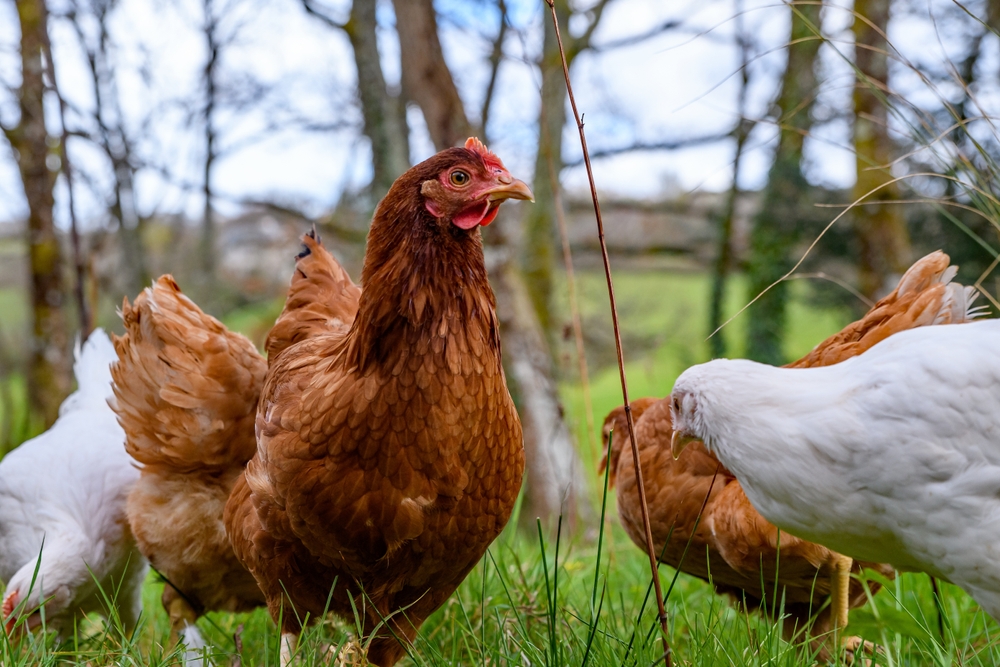
Consumer Demand in Response to Increased Beef Quality

Beef demand continues to outperform expectations. Although consumers have faced a variety of economic challenges that could have weakened beef demand (this year as compared to last), demand at both wholesale and retail has reached its highest level in more than 30 years. Even with fewer fed cattle going to harvest, increased carcass weights (steer carcass weights at 994 pounds at time of this writing) keep beef supplies relatively stable. That being said, the upward shift in beef quality, toward a more marbling-rich mix has been so significant that USDA Prime carcass tonnage is 25% greater than a year ago. The surge in Prime volume did, for many weeks this year, pull the price premium closer to that of Choice. Currently though, seasonal demand for middle meats has resulted in the Prime cutout premium widening to $40/cwt., wholesale. This is impressive given the significant increase in Prime carcass tonnage.

This month's Cattlefax analysis shows the Prime Cutout Demand Index as the highest, compared to the quality grades of USDA Choice and Select. In fact, Prime demand has charted a course several points higher than the previous three years. This is, by some margin, the most improved of the three, with USDA Select demand devastatingly lower, even as Select carcass tonnage is 31% smaller, year to date. Consumers continue to show positive buying response to the most quality-rich product mix the beef supply chain has ever offered.

The primary requirement to maintaining consumer demand is that beef is the protein of choice with regard to taste and overall eating satisfaction. It is also essential that supplies are abundant enough that U.S. consumers can afford to purchase their average 59 pounds of annual per capita consumption. More days on feed and heavier carcass weights have positively addressed both issues. This being the case, the increased percentage of carcasses grading upper two-thirds of Choice and Prime would not be occurring without the underlying (increased) genetic potential of modern cattle to marble.

The improved beef demand of 2026 could moderate in 2027 and beyond. However, it remains at levels that are supportive of prices for all classes of cattle. An argument can be made that the potential for lower energy, inflation, and interest rates will support beef demand in coming years. Furthermore, continued improvement in quality, taste, and consistency are all attributes that will support beef demand at all levels well into the future.

Reference: https://www.cattlefax.com/#!/news-landing/cattle/beef-demand-still-strong

Watch Mark Johnson, OSU Extension beef cattle breeding specialist, explain how important genomics can be for your herd from SunUpTV on November 14, 2026. https://www.youtube.com/watch?v=TIXuLkh7lxM

Cost of Thanksgiving Dinner Increases, Remains Below 2022 Record High

Cooking a Thanksgiving dinner for friends and family will cost more this year, marking the first overall increase in prices since a record high in 2022. The American Farm Bureau Federation's 41st annual Thanksgiving dinner survey provides a snapshot of the average cost of Thanksgiving staples that make up a classic holiday feast for 10, which is $58.63 or about $5.86 per person.

This is more than a 6% increase from 2025, but still $5.42, or 8.5%, less than a record-high cost of $64.05 in 2022.

The centerpiece on most Thanksgiving tables – the turkey – had the largest increase in price, which contributed to the overall cost increase. The average price for a 16-pound frozen turkey is $23.68. That is $1.48 per pound, up 10% from last year. Increased production costs and a recovering turkey population have caused prices to rise, but farmers are prepared to meet the demand of America's shoppers this season.

Farm Bureau volunteer shoppers checked prices the first week of November. Grocery stores often feature whole turkeys at even lower prices in the days leading up to Thanksgiving. According to the most recent USDA Agricultural Marketing Service data, the average per-pound feature price for whole frozen turkeys declined during the second week of November.

"The overall increase in our annual survey reflects the rising costs of getting food from the farm to your dinner table," said AFBF Deputy Chief Economist Faith Parum, Ph.D. "High diesel prices and a shortage of farm labor have taken a toll on the farm level of the food supply chain. But, looking at the big picture, America's families are still fortunate to spend a smaller percentage of their disposable income on food than almost anywhere else in the world."

The shopping list for Farm Bureau's informal survey includes turkey, stuffing, sweet potatoes, rolls, peas, cranberries, a veggie tray, and pumpkin pie with whipped cream, all in quantities sufficient for 10 servings.

A third of the ingredients in the survey declined in price, including the veggie tray, frozen pie crusts, frozen green peas and whipping cream. Low wheat prices helped bring down the cost of some items requiring flour. Veggie tray items like carrots and celery may be down because of a rebound from past shortages caused by severe weather and disease.

Items like cranberries, whole milk and dinner rolls increased in price. Cranberries are up 8.8%, whole milk up 8.6% and dinner rolls are up 7%. High fuel costs for harvesting and transportation have driven up production costs. Whole milk prices are higher, in part, because of an increased demand for powdered protein, which is made from milk. The cost of dinner rolls reflects increased costs in processing, packaging and transportation.

"Food prices are a real concern for America's families, including farm families, who pay the same grocery store prices and also face rising supply costs," said AFBF President Zippy Duvall. "With the struggling farm economy, action is needed to support the farmers who work every day to grow the food for America's families. They need strong farm policy, which begins with the farm bill. A shortage of farm workers only adds to the stress, making labor reform another top priority. We urge Congress to work together in a bipartisan manner and pass the farm bill and labor reform to ensure a full table for America's families beyond Thanksgiving."

In recognition of changes in Thanksgiving dinner traditions, the Farm Bureau price survey also includes an expanded menu of boneless ham, russet potatoes and frozen green beans. Adding these foods to the classic Thanksgiving menu increases the overall cost by $23.09, to a total of $81.72.

This year's national average cost was calculated using surveys completed with pricing data from all 50 states and Puerto Rico. Farm Bureau volunteer shoppers checked prices in person and online using grocery store apps and websites. They looked for the best possible prices without taking advantage of special promotional coupons or combined purchase deals.

The AFBF Thanksgiving dinner survey was first conducted in 1986. The informal survey provides a record of comparative holiday meal costs over the years. Farm Bureau's classic survey menu has remained unchanged since 1986 to allow for consistent price comparisons.

Individual Prices

  • 16-pound turkey: $23.68 or $1.48 per pound (up 10.1%)
  • 30-ounce can of pumpkin pie mix: $4.24 (up 1.9%)
  • 1 gallon of whole milk: $4.05 (up 8.6%)
  • 1-pound veggie tray (carrots & celery): $1.31 (down 3.7%)
  • Misc. ingredients to prepare the meal: $3.84 (up 6.4%)
  • 1 dozen dinner rolls: $3.81 (up 7%)
  • 2 frozen pie crusts: $3.28 (down 2.7%)
  • 1 pound of frozen peas: $1.99 (down 2%)
  • 12-ounce bag of fresh cranberries: $2.48 (up 8.8%)
  • Half pint of whipping cream: $1.84 (down 1.6%)
  • 3 pounds of sweet potatoes: $4.20 (up 5%)
  • 14-ounces of cubed stuffing mix: $3.91 (up 5.4%)

Regional Averages

AFBF analysis revealed regional differences in the cost of the meal. The cost for the classic meal was the most affordable in the South at $54.33, followed by the Midwest at $56.89, the West at $58.74, and the Northeast at $61.57. The expanded meal (classic meal plus boneless ham, russet potatoes and green beans) was the most affordable in the South at $76.91, the Midwest at $79.68, the West at $81.75, and most expensive in the Northeast at $86.62.

It's important to note that higher grocery prices don't necessarily translate to more money for farmers. USDA estimates that less than 6 cents of every dollar goes back to the farm. Even when higher retail prices lead to increased farm revenue, that can quickly disappear because of higher costs for production supplies like diesel and fertilizer.

Read a full analysis of the 2026 Thanksgiving dinner cost survey in a Farm Bureau Intel report here.

To download selected soundbites on the survey, click here.

AFBF also conducts an annual summer cookout survey in advance of the 4th of July holiday. Be sure to watch for that in late June 2027.

Industry leaders recognized with 2026 Angus Heritage Awards

The Angus breed's position as an industry leader was built by cattlemen and women who never stopped pursuing improvement. For more than 40 years, the Angus Heritage Award has recognized those individuals whose contributions have left a lasting mark on the breed through leadership, innovation and service. Their contributions continue to serve as the foundation for the breed's success today and into the future.

Each year, the Association honors a select group with the award during the Angus Convention Awards Dinner. This year, Angus breeders, their families and industry partners gathered in Louisville, Ky., on Nov. 14, to celebrate the 2026 honorees: Lou Ann Adams, St. Joeseph, Mo.; Everett Benoit, Esbon, Kans.; Roger Jacobs, Billings, Mont.; and Gary Parker (posthumously), Great Falls, Mont.

Lou Ann Adams | Missouri

In 1983, when Lou Ann Adams answered a blind ad in St. Joseph New-Press, little did she know it would lead to a 41-year career at the American Angus Association®. Retiring in 2025 as Chief Information Officer, Adams spent her career behind the scenes – just like she liked it. Angus breeders reaped the rewards through her years of dedication to innovative technology. She was instrumental in the development of AAA Login, the internal genetic evaluation, Angus.org and the Angus Mobile App. Adams started as a computer programmer working with punch cards and mainframe computers. She was promoted through the years, advancing as the technology did, and learning what Angus breeders valued – information to help them make decisions. Her insistence on thoroughness, accuracy and security has become the Angus standard.  

Learn more about Adam's impact on AngusTV.

Everett Benoit | Kansas

Everett Benoit of Esbon, Kansas is a respected Angus breeder whose focus on commercial customers and lifelong work ethic helped build Benoit Angus from a small herd of six Angus heifers into a nationally recognized seedstock operation. He and his wife, Bonnie Benoit, established a family farm in north-central Kansas, steadily growing their cattle and farming enterprise through hard work and careful selection decisions. Today, the family markets more than 150 bulls annually and is known for producing practical, high-performing Angus genetics for commercial cattlemen. Everett's commitment to quality, customer service and family leadership has shaped multiple generations and earned him recognition in the Angus breed and beyond.

Learn more about Benoit's impact on AngusTV.

Roger Jacobs | Montana

A trusted voice in the Angus industry, Roger Jacobs has spent nearly five decades connecting Angus breeders with customers through integrity, professionalism and an unwavering commitment to service. Jacobs began his career as an American Angus Association® regional manager before serving as an Angus Journal field rep. Those roles allowed him to build lasting relationships with breeders across the United States and Canada.

In 1983, Roger and his wife, Sandy, founded Jacobs Livestock Sales Inc. What began with just a few sales grew into one of the most respected sale management businesses in the cattle industry. Over the years, Jacobs has auctioneered and managed thousands of Angus sales. Whether on the auction block or behind the scenes, Jacobs is a steadfast advocate for Angus cattle and the people who raise them. His commitment to honesty, strong relationships and the long-term success of breeders has left a lasting impact on the breed and the wider beef industry.

Learn more about Jacob's impact on AngusTV.

Gary Parker (posthumously) | Montana

A man of conviction, drive and determination, Gary Parker earned a reputation as a tireless advocate for Angus genetics and breed advancement. Though he entered the cattle business later in life, the Montana-native made up for it with a voracious appetite for knowledge. While working for Stevenson-Basin Angus in the early 1980s, he became one of the breed's earliest champions of EPDs (expected progeny differences), helping promote their value to cattle producers.

After relocating to Wyoming and establishing Shamrock Angus, Parker encountered the challenges of raising cattle at high elevation. Searching for solutions, he partnered with Dr. Tim Holt, then a young, unknown researcher studying pulmonary arterial pressure (PAP) and High-Altitude Disease. Parker helped facilitate large-scale testing efforts and became one of the industry's strongest advocates for PAP evaluation. Today, Holt's research and recommendations are the trusted standard for managing cattle in high-altitude environments. Holt credits Parker's vision and persistence as instrumental in bringing awareness to the issue and advancing adoption throughout the Angus breed.
Learn more about Parker's impact on AngusTV.

To learn more about the Angus Heritage Award and past honorees, visit: https://www.angus.org/member-center/awards-and-recognition/heritage-award-winners

Elliot Dennis Examines Pressure on Box Beef Prices, Beef Demand and Growing Beef-on-Dairy Trend

In today's Beef Buzz, senior farm and ranch broadcaster Ron Hays speaks with University of Missouri livestock market economist Elliot Dennis about recent pressure across the beef market, including declining wholesale beef prices, changing consumer demand and the growing influence of beef-on-dairy cattle in the industry.

With cash cattle prices under pressure and Choice boxed beef values reaching their lowest levels since January 2026, Dennis explains some of the factors influencing the wholesale market and how changing supplies of imported lean trimmings are affecting beef demand.

Chuck and Rib Primals Carrying the Box Beef Market

Dennis says the wholesale beef cutout has been relatively stagnant, with the rib continuing to account for a significant portion of year-over-year value changes. However, unlike previous years, the chuck has also played an important role in supporting beef values. "When we think about year-over-year change, the rib has definitely been carrying a large portion of it," Dennis said. "And generally, we think what's the next cut that's going to carry it? Probably the loin. That's actually hasn't been the case this year."

Instead, Dennis says the chuck has helped support the market because of its use in ground beef production. Chuck meat can be ground into lean trimmings and blended with fattier trimmings to produce ground beef products such as 80/20.

However, that demand has softened as the industry has increased imports of lean beef trimmings from other countries. "The chuck market has definitely softened," Dennis said. "As we've started to come into the winter months, we're starting to see some of the market trying to figure out what that cutout should actually be as it tries to balance a lot of these imported trimmings into the market."

Consumer Beef Prices and Demand Remain Important Factors

While cattle producers and packers have both experienced price pressure, consumers are also seeing changes in beef prices.

Dennis says the latest all-fresh beef price data showed the lowest price since January 2026, following several months of volatility as different policies have been implemented to address beef affordability.

However, he says consumer demand continues to receive support from several factors, including research examining the influence of GLP-1 medications on protein consumption.

The Meat Demand Monitor, housed at Kansas State University and funded through beef checkoff dollars, has examined how GLP-1 use influences consumers' willingness to pay for beef. "What they found is that if a person uses GLP-1s, they're willing to pay more in dollars per pound across beef products," Dennis said.

He explained that while GLP-1 users may skip certain meals, they can be willing to spend more on the meals they do eat, particularly when it comes to protein. "If we're skipping breakfast as a GLP-1 user, on the meals that we are eating, we're actually spending a lot more money and willing to pay more, particularly for protein products," Dennis said.

Dennis added that beef quality and the overall eating experience have also helped support demand. "All of those things have been very positive and has continued to kind of support the beef market," he said.

Beef-on-Dairy Cattle Adding Another Dimension to the Industry

Dennis also discussed the growing influence of beef-on-dairy cattle, which he says has become an increasingly important part of the cattle feeding industry in 2026.

He attributes the growth to increased availability of dairy bull calves, driven in part by the use of sexed semen, along with expansion in the dairy herd. "Over really since the middle of 2025 and through this year, we've continually seen the dairy herd start to grow, which has ultimately meant more beef-on-dairy that's coming to the industry," Dennis said.

Looking ahead, Dennis says the trend could have important implications for cattle feeding profitability and how the industry evaluates red meat yields.

He noted that differences in red meat yields across cattle types will become an increasingly important consideration as beef-on-dairy animals make up a larger share of the cattle supply. "As we start to think about modifying the red meat yield equation, things like the beef-on-dairy is going to be a really interesting conversation as we start to think about how those animals kind of deposit meat and fat relative just to a traditional Angus breed," Dennis said.

The Beef Buzz is a regular feature heard on radio stations around the region on the Radio Oklahoma Ag Network and is a regular audio feature found on this website as well. Click on the LISTEN BAR above for today's show and check out our archives for older Beef Buzz shows covering the gamut of the beef cattle industry today.

Husband, wife, and two daughters in pasture

Understanding Land Appraisals: What They Are and When You Need One

When you are buying, selling, or financing rural property, one question always rises to the top: what is this land worth? A land appraisal provides that answer. It is a formal, written opinion of market value completed by a certified appraiser after inspecting the property and analyzing comparable sales.

Unlike a county tax assessment, a certified appraisal follows USPAP — the Uniform Standards of Professional Appraisal Practice — and are the federal guidelines required by lenders, courts, and the IRS. At Farm Credit of Western Oklahoma, our certified in-house appraisers bring deep knowledge of rural markets and agricultural land to every appraisal.

How Appraisers Determine Rural Land Value

Valuing raw or rural land requires a specialized approach. Appraisers rely on three approaches to value depending on the type of property.

Sales Comparison Approach

This is the primary method for vacant or rural land. Based on the theory of substitution, it assumes the value of a property is set by the price paid to acquire a substitute property of similar utility and desirability. Appraisers identify recent sales of similar parcels and adjust for differences such as:

  • Acreage
  • Location and road access
  • Zoning and land use
  • Utilities and improvements
  • Terrain and soil quality

Income Approach

Used for land that generates revenue — such as cropland, pasture, or timber — this method evaluates the income potential of the property.

Cost Approach

Typically used when a property includes structures or buildings, the Cost Approach is based on the theory of contribution. The Cost Approach employs the technique of summing all the land and building components.

When You Need a Land Appraisal

Not every land transaction requires a formal appraisal, but many key situations do. FCWO offers fee appraisals on a contract basis and works with other lenders and agencies to provide fee appraisals.

  • Getting a Land Loan
    • Lenders require a certified appraisal before approving raw land loans, construction loans, or land equity lines of credit.
  • Settling an Estate
    • The IRS requires a qualified appraisal to establish fair market value at the date of death. This determines estate taxes and sets the cost basis for heirs.
  • Pricing Land for Sale
    • While not mandatory, an appraisal removes guesswork and strengthens your negotiating position. It is especially valuable for unique or specialized parcels where comparable sales are limited.
  • Divorce, Bankruptcy, or Legal Proceedings
    • Courts typically require a USPAP-compliant appraisal when land value is part of a legal dispute.
  • Before Making an Offer as a Buyer
    • Buyers using financing will receive a lender-ordered appraisal. Cash buyers — especially for large or complex parcels — often order their own appraisal during due diligence.

The Advantage of In-House Appraisers

Appraisal wait times can be long in many rural markets. That's why Farm Credit of Western Oklahoma's in-house appraisal team is such a valuable resource.

Our certified appraisers:

  • Understand local land trends
  • Deliver timely, accurate valuations
  • Reduce delays in the loan process
  • Provide fee appraisals for borrowers and non-borrowers
  • Utilize current technology and software
  • FCWO has the largest database of rural land sales in Oklahoma
  • Multiple state certifications (Texas, Oklahoma, Kansas) and professional designations

With decades of combined experience in agricultural and rural land valuation, our team ensures you have the information needed to make confident decisions.

Your Land. Your Goals. The Right Value.

Whether you're financing a purchase, settling an estate, or preparing to sell, a certified land appraisal gives you clarity and confidence.

Farm Credit of Western Oklahoma is here to help you understand your land's true value — backed by local expertise and a team dedicated to rural communities.

Find your local branch to request an appraisal >>

Chairman Boozman Opening Statement in Hearing to Consider CFTC Nominees

The following is Chairman Boozman's opening statement as prepared for delivery:

"Good afternoon and welcome. It is my privilege to call this hearing to order to consider the nominations of Nathan Anonick and Matthew Rowland to be Commissioners of the Commodity Futures Trading Commission.

"We welcome both of you to the committee and congratulate you on your nominations. Thank you for your willingness to serve.

"The Commodity Futures Trading Commission has played a critical role in our agricultural economy for decades, but over time, the responsibilities of the agency have evolved far beyond its foundational mission of regulating grain futures. In addition to its agricultural roots, the commission now oversees not only platforms facilitating trading of corn and energy futures but is also tasked with regulating more modern financial tools like interest rate swaps and digital asset futures.   

"While these markets have evolved and expanded, the principles-based structure this commission was founded on has proven to be reliable and effective across commodities and products. 

"This is by design. The commission regulates the deepest, most liquid markets in the world, and is equipped with the flexibility needed to ensure these markets continue to operate effectively. 

"In recent years, financial products have become more retail facing, and as technology advances, we have seen increased participation in event contracts and in the digital asset space. Gone are the days of our derivatives markets only being utilized by sophisticated players.

"As both of you know very well from your time working on this committee, Congress recently contemplated a proposal for regulating the digital asset spot market. While the CLARITY Act did not pass the full Senate, the need for certainty in those markets remains significant. We are seeing an increasing number of Americans participating in digital asset markets, and without a comprehensive regulatory scheme, bad actors continue to go unchecked. 

"It is my hope that the commission continues to use its existing authority to help protect American consumers. I believe that the CFTC is the right regulator to oversee the digital asset spot market. The commission has the experience regulating commodities and commodity-based contracts and has the right regulatory approach to navigate emerging technologies. 

"My final note is this, should you be confirmed, you will be overseeing the markets that our farmers and ranchers use every day. Farm country is in crisis, and producers are being squeezed in every direction. They need every tool in their toolbox to manage their risk, including our futures markets. 

"I look forward to hearing from both of our nominees on their vision for the commission. I have said this before, the CFTC, like any agency, works best when there is a full slate of commissioners. Today is a step in that direction, and I look forward advancing these nominations in the near future." 

Texas Tech Livestock Judging Team Wins 10th National Championship

Texas Tech University's Livestock Judging Team captured its 10th national championship thanks to strong performances Monday (Nov. 16), finishing first at the 2026 North America International Livestock Exposition in Louisville, Kentucky.

The contest, regarded as one of the premier events in collegiate livestock judging, brings together students from across the country to evaluate livestock and demonstrate their ability to make sound decisions, analyze animal quality and defend their judgments before official judges.

More than two dozen teams, representing the nation's leading agricultural colleges, competed in the national contest. Students evaluated classes of market cattle, swine and other animals. Texas Tech finished first in oral reasons, first in performance classes, first in cattle and first in swine, helping secure its overall finish.

"This championship represents an exciting chapter in Davis College's history and a proud moment for our entire community," said Clint Krehbiel, dean of the Davis College of Agricultural Sciences & Natural Resources. "Our 10th National Livestock Judging Championship, and our first since 2016, reflects the hard work, resilience and commitment of our students and coaches. They are carrying forward a tradition of excellence while creating a legacy of their own. I congratulate everyone who contributed to this outstanding achievement."

Texas Tech's Livestock Judging program has a long history of national success, winning its first championship in 1934, just a few short years after the university opened.

The 2026 Texas Tech Livestock Judging Team earned high-team-overall honors at several major competitions, including the Fort Worth Stock Show and Rodeo, Houston Stock Show and Rodeo, San Antonio Stock Show, National Barrow Show and American Royal.

Livestock judging requires students to assess breeding and market classes of beef cattle, sheep, swine and goats. Competitors compare animals according to characteristics such as structure, muscling, balance and suitability for their intended purpose.

After evaluating each class, students deliver oral reasons explaining their rankings and defending their decisions. The process also requires critical thinking, clear communication and the ability to support conclusions under pressure.

Texas Tech's Livestock Judging Team includes 10 students, from Texas, Oklahoma, North Carolina, Georgia and Indiana. Member Matthew Ferrell from Georgia was recognized as an All-American for his academic and judging performance. The team is coached by Skyler Scotten, an assistant professor of practice, and graduate assistant Mason Allen.

The win is the latest example in Davis College's legacy of excellence, marking the college's fourth national title this year alone. In addition to livestock judging, Davis teams won wool judging in March, meats judging earlier this week, and meat science quiz bowl in June.

Ranking Member Klobuchar Opening Remarks at Nomination Hearing

U.S. Senator Amy Klobuchar (D-MN), Ranking Member of the Senate Committee on Agriculture, Nutrition, and Forestry, delivered the following opening statement at the Agriculture Committee nomination hearing of Nathan Anonick and Matthew Rowland to be Commissioners of the Commodity Futures Trading Commission.

A rough transcript of Klobuchar's full opening statement is available below and a video can be found here.

Senator Klobuchar: Well, thank you so much, Chairman Boozman, and I'm delighted to welcome our two nominees, Mr. Anonick and Mr. Rowland, and congratulate them both on their nominations. Both have worked closely with Members of this Committee, and we know firsthand their knowledge of the markets and the responsibilities of the CFTC.

I'd like to also welcome their guests today. Welcome to Mr. Anonick's wife, Nichole, and his daughter, Charlotte. Charlotte seems immersed in a book in the back on the workings of the CFTC, I'm sure. I just wanted to acknowledge she was a little bit of a moment here, and now she is like all studying up to assist you and pass you notes if you need it. Also, your parents, Patrick and Robin. Welcome also to Mr. Rowland's wife, Emily, and his children, who I just got to meet, Ryan and Tali, his parents Patrick and Cecilia, and his in-laws Linda and Elliot Goldberg. Always good to have the support of your in-laws.

The CFTC is an important regulator that has a fundamental responsibility to ensure that farmers, ranchers, and businesses can rely on fair, transparent, and well-functioning derivatives markets to manage risk. That responsibility is especially critical as producers confront rising input costs and market headwinds due to tariffs, the war, and continuing uncertainty in global markets.

But these markets are always changing, and the CFTC we are discussing today already faces challenges that have evolved substantially since Chairman Selig's nomination hearing a year ago. Prediction markets have expanded dramatically. The CFTC has asserted broad federal authority over a wide range of event contracts, even as federal courts have reached differing conclusions about whether these products fall within the Commodity Exchange Act. At the same time, novel products, including perpetual derivatives and contracts tied to individual stocks, are raising new questions about consumer protection.

I support innovation. But the CFTC's core mission – managing risk for farmers and ranchers – should always be at the center of its work. And the Commission must protect consumers by maintaining strong market safeguards, respecting state and tribal authority, and ensuring financial products under its authority are held to the protections that Congress established.

These are not abstract concerns. Farmers, businesses, and American consumers depend on markets where the rules are enforced fairly and no participant has an improper advantage. Which brings us to today's hearing.

For nearly a year, Chair Selig has been the Commission's sole member. Congress designed the CFTC to be a five-member, bipartisan, independent commission, not an agency governed by one individual.

The CFTC has challenging, important issues to tackle and it requires capable, experienced Commissioners from both sides of the aisle ready to work constructively from day one.

That's why we are glad that you have been both nominated together. Mr. Anonick and Mr. Rowland, you each bring valuable experience to this nomination. Mr. Anonick, your work for Chairman Boozman on CFTC and derivatives policy has given you a solid background for the role you take on if confirmed. And Mr. Rowland, your experience at the CFTC as a litigator in the enforcement division and a senior attorney in the General Counsel's office, as well as a detailee to this Committee and to me, provides a strong foundation for the work of a Commissioner. If you are both confirmed, it would not result in a complete five-member Commission, but adding both of your voices would provide different thought as intended by Congress in creating bipartisan, independent agencies like the CFTC.

I look forward to hearing how you would restore confidence in the Commission, strengthen its core oversight and enforcement mission, and ensure that American markets remain fair, competitive, and resilient.

Thank you again to both of you for being here and for your willingness to continue serving the American public in this new role. And I look forward to the discussion. 

Thank you, Mr. Chairman.

Growth of Sustainable Aviation Fuel May Create a Potential Market for Miscanthus and Switchgrass in the Southern U.S.

Sustainable aviation fuel (SAF) is a type of aviation fuel that is produced from renewable resources such as animal fats, vegetable oils, grasses, food waste, or agricultural residues. It can be directly used by existing aircraft by blending with conventional jet fuel. SAF has been gaining attention in the United States (U.S.) as European countries and the International Civil Aviation Organization have introduced more stringent environmental regulations. For instance, the European Union (EU)'s ReFuelEU Aviation Regulation requires aviation fuel suppliers at EU airports to supply increasing shares of SAF, from 2% in 2025 to 70% in 2050 (European Commission, n.d.). These regulations also affect U.S. airlines operating international flights from European airports. 

To help meet growing international demand for SAF, and to support rural economic development, the U.S. federal government has undertaken various initiatives to encourage domestic SAF production. For instance, the SAF Grand Challenge Roadmap Implementation Framework created by the U.S. Departments of Energy, Transportation, and Agriculture set the goal to produce 3 billion gallons of SAF per year by 2030 and 35 billion gallons per year by 2050 in the United States. Moreover, the One Big Beautiful Bill Act extended the $1/gallon tax credit supporting SAF to December 31, 2029. Currently, the 119th Congress is considering several bills that aim to strengthen support for SAF. As a result, the domestic production of SAF has increased dramatically, from about 5 million gallons in 2021 (USDOE, 2025) to 240 million gallons in 2025 (Bracmort, 2026). With continuing policy support and demand from the aviation industry, the production of SAF in the United States is expected to grow.

An Opportunity for Southern U.S. Farmers 

This increasing interest in SAF, both internationally and domestically, presents an opportunity for Southern U.S. farmers as biomass feedstock producers. Although most SAF in the United States is currently produced from used cooking oil, animal fats, or vegetable oils (Commercial Aviation Alternative Fuels Initiative, n.d.), high-yielding perennial grasses, such as miscanthus and switchgrass, are promising sources of biomass feedstock for large scale SAF production (U.S. Department of Energy, 2024). The Southern United States has a comparative advantage in producing these crops due to the relatively high yield potential and low land rent in the region. For instance, the yield of miscanthus and switchgrass in the South can reach about 11 and 6 short tons per acre, respectively—about 10-20% higher than yields in other regions (Miao and Khanna, 2014). 

Based on the yield potential of these grasses, row crop yields, and production cost information, a recent study by Miao et al. (2026) estimates that at a biomass price of around $80 per short ton, U.S. farmers, particularly farmers in the South, will find it profitable to supply sufficient feedstock for producing 3 billion gallons of SAF per year, which requires about 65 million tons of biomass annually. The production costs, including establishment costs as well as fixed and variable costs, are around $45 per ton per year. Miao et al. (2026) find that farmers who switch would be better off by up to 7% compared with growing conventional crops. 

Figure 1 shows that the projected miscanthus (Map A) and switchgrass (Map B) production at this price is located mainly in the South. Due to the high transportation cost of biomass, biorefineries are assumed to locate near the feedstock production area. Little production would be feasible in the Midwest at $80/ton because of the competition from corn and soybeans. Specifically, for miscanthus, the projected production is located mainly in Oklahoma, Kansas, Missouri, Kentucky, Tennessee, North Carolina, and Virginia. For switchgrass, the projected major producing states are the aforementioned states plus Texas, Mississippi, Alabama, Georgia, and South Carolina. 

Miao et al. (2026) further show that the projected major producing regions do not vary much with the hypothetical biomass procurement contract types between farmers and biorefineries. Whether it is a fixed-price contract (~$80/ton), a revenue-sharing contract (farmers receive about 35% of revenue from selling SAF), or a land-leasing contract (farmers receive about $180-$190/acre per year of rent from biorefineries), the producing areas are very similar to those shown in Figure 1. Crop insurance for bioenergy crops, if offered by the Risk Management Agency of the U.S. Department of Agriculture, can help farmers manage production risk and facilitate the establishment of the biomass supply chain. 

Why Might This Time Be Different?

One may recall that, back in the late 2000s and early 2010s, anticipated cellulosic biofuel development provided potential market opportunities for miscanthus and switchgrass. These opportunities did not materialize due primarily to the high costs of converting cellulosic biomass into fuels. Why might SAF be different this time? One major reason is that, unlike ground transportation, long-distance aviation has very limited alternatives to liquid fuels. For instance, the energy-to-weight ratio of lithium-ion batteries is only about 2% of that of jet fuel (Dalmia et al., 2022), making electric long-distance commercial aviation impractical in the near future.This limitation creates sustained demand for SAF. Moreover, commercial SAF production is already expanding, with the support from the aviation industry's commitments and U.S. government policy incentives.

However, the present technological reality for powering long-distance commercial aviation and recent SAF development do not naturally guarantee a market for perennial grasses. Currently, SAF production relies primarily on vegetable oils and animal fats, and technologies remain exploratory for the conversion of switchgrass and miscanthus into SAF at a commercial scale. To establish a reliable biomass market from which Southern farmers can benefit, it is essential to have economically viable biorefineries, appropriate procurement contracts, and risk management tools for biomass production. Nevertheless, while the challenges are real, so is the opportunity. 

Figure 1. Production distribution of miscanthus (Map A) and switchgrass (Map B) when biomass price is $80/ton (Source: Adapted from Figure 4 in Miao et al., 2026)

Miao, Ruiqing, Bijesh Mishra, Anand, Mohit, Madhu Khanna, and Fahd Majeed. 2026. "Growth of Sustainable Aviation Fuel May Create a Potential Market for Miscanthus and Switchgrass in the Southern U.S." Southern Ag Today

USMEF Honors Oklahoma Beef Council with Special Award at 50th Anniversary Conference

 The U.S. Meat Export Federation (USMEF) proudly announces the Oklahoma Beef Council as a recipient of its Heritage Partner Award, presented during the organization's 50th Anniversary Strategic Planning Conference. This award honors decades of unwavering support and collaboration from the Oklahoma Beef Council, whose dedication has played a pivotal role in advancing the U.S. red meat industry around the world.

"We are deeply grateful for the financial commitment, collaboration, and trust our partners have shown over the years," said John Hinners, USMEF Senior Vice President, Industry Relations. "Their contributions have helped shape our success and create lasting impact for the U.S. red meat industry. It is an honor to recognize their achievements during this 50th anniversary."

USMEF members from throughout the nation recently gathered in Palm Springs, Calif., for the organization's annual Strategic Planning Conference. The meeting attracted a record number of partners as USMEF celebrated its 50th anniversary.

USMEF Chair Jay Theiler, executive vice president of Idaho-based Agri Beef Co., welcomed the group by paying tribute to those who founded the organization a half-century ago.

"We all owe a debt of gratitude to the past leaders of USMEF for their vision of foresight, which made possible these 50 years of growth and success," Theiler said. "But to properly honor their legacy, we need to keep our eye on the future and continue to build on USMEF's strengths. One of our greatest strengths is our diverse membership, bringing many sectors of U.S. agriculture together to work toward a common goal."

USMEF President and CEO Dan Halstrom, who began his career as an exporter more than 40 years ago, echoed this theme, noting the enormous obstacles the U.S. meat industry faced decades ago, when access to global markets was severely limited and exports accounted for just a small fraction of total production and sales.

Mesa Arch

USDA to Host Tribal Advisory Committee Meeting on December 7

The U.S. Department of Agriculture (USDA) will host the next Tribal Advisory Committee meeting on December 7, 2026. Members of the public are invited to attend the Committee meeting in person alongside the Intertribal Agriculture Council's Annual Meeting in Las Vegas, Nevada, or virtually from 9:00 to 5:00 p.m. Pacific Time, with 2:00 to 3:30 p.m. Pacific Time reserved for public comment.

During this meeting, the Committee will formally welcome its new members, hear updates on USDA and U.S. Department of the Interior activities, and deliberate on potential recommendations. Information on this meeting, including virtual registration is available in the public meeting notice published in the Federal Register at https://www.federalregister.gov/public-inspection/2026-23356/hearings-meetings-proceedings-etc-tribal-advisory-committee.

Written public comment to inform Tribal Advisory Committee discussions may be submitted by December 3, 2026, at Tribal.Relations@usda.gov.

On October 23, 2026, USDA announced the appointment of four members to this Committee and the call for Committee member nominations through December 8.

Congress mandated USDA establish the Tribal Advisory Committee under the Agriculture Improvement Act of 2018 (2018 Farm Bill). This eleven-member Committee is tasked with providing advice to the Secretary of Agriculture on matters relating to Tribal and Indian affairs.

More information about Committee membership and previously submitted recommendations is available on the Tribal Advisory Committee webpage. The USDA Office of Tribal Relations provides oversight of this Committee pursuant to the 2018 farm bill and Federal Advisory Committee Act.

USDA is an equal opportunity provider, employer, and lender.

EPA Continues Cleanup of Radioactive Waste at Fansteel Metals Site in Oklahoma

U.S. Environmental Protection Agency (EPA) has begun the next phase of cleanup of radioactive waste and other contaminated material at the Fansteel Metals Superfund site near Muskogee, Oklahoma. This action will remove around 2,200 supersacks of radioactive material and contaminated soil from the former metals processing facility. Together with three previous removals, this action addresses the site's most immediate risks to human health and the environment while planning for long-term remediation continues.

"When companies do not properly handle and dispose of their hazardous waste, it's imperative that EPA and our partner agencies act quickly to secure threats to people's health and the environment," said Region 6 Administrator Scott Mason. "EPA appreciates the decisive action of Governor Stitt to prioritize the Fansteel Metals site for cleanup. We will continue to work with the state of Oklahoma, the Cherokee Nation, and the Muscogee (Creek) Nation to ensure immediate threats are minimized as we develop a long-term cleanup plan."

The Fansteel Metals site, covering about 110 acres inside the boundary of the Cherokee Nation, processed ore and slag containing radioactive material from 1957 to 2001 and disposed of waste material in unlined ponds and basins. Oklahoma Governor Kevin Stitt designated it as the state's highest priority cleanup in 2023, and EPA added the site to the National Priorities List of contaminated sites later the same year. EPA is consulting closely during cleanup with the Cherokee Nation and the nearby Muscogee (Creek) Nation, as well as the state of Oklahoma.

Removal of the contaminated material is vital to protecting human health and the environment by preventing offsite migration. While the site is surrounded by undeveloped land and commercial properties, the Arkansas River runs adjacent to the east and housing developments are about one-third of a mile south. Residents should heed security fencing and warning signs around the site to avoid exposure to radiation, radon gas and other hazardous substances. Removal work is expected to wrap up in Spring 2027.

For more information on the site, please see EPA's webpage.

Connect with the Environmental Protection Agency Region 6 on Facebook, X, Instagram, or visit our homepage.

House Oath of Office 2026

House Members Take Oaths of Office

The members of the Oklahoma House of Representatives took their oaths of office Tuesday, Nov. 17, 2026, in the House Chamber.

The oath was administered by the Honorable Dustin Rowe, chief justice of the Oklahoma Supreme Court. Three members will take their oaths at a later date.

In the 61st Legislature, the House will consist of 75 Republicans and 26 Democrats. There are 25 freshmen members.

Newly-elected Republicans include:

Chris White, House District 1
Scotty Stokes, House District 9
David Nelson, House District 16
Michael Brittingham, House District 19
Leah Longest, House District 26
Spencer Grace, House District 37
Madison Bolay, House District 38
Kinsley Jordan, House District 40
Toby Thompson, House District 47
Cole Stevens, House District 51
Heath Kufahl, House District 54
Sam Mitchell, House District 65
Sheila Dills, House District 69
Troy Talley, House District 81
Roberto Seda, House District 91
Newly-elected Democrats include:

Kathy Suttles, House District 64
Joe Watkins, House District 75
Kristina Gabriel, House District 77
Dalton Gau, House District 83
Jeffrey Perez, House District 84
Chelsey Branham, House District 85
Sam Wargin-Grimaldo, House District 92
Tegan Malone, House District 95
Herschel Brown, House District 99
Chaunté Gilmore, House District 100
Sheila Dills previously represented House District 69 from 2018-2022. Chelsey Branham previously represented House District 83 from 2018-2020. Sam Wargin-Grimaldo filled a vacancy in House District 92 and was sworn into the 60th Legislature in June.

The full House will officially convene for Organizational Day on Tuesday, Jan. 5, 2027, and the First Session of the 61st Legislature reconvenes on Monday, Feb. 1, 2027.

Balancing the Ledger: Dr. Rodney Jones on High Costs, Soft Prices, and the Resilience of Oklahoma Agriculture

Agricultural producers are navigating an increasingly complex financial landscape marked by rising operating expenses, volatile global markets, high costs, and softened crop commodity prices. In a recent discussion with Farm Director KC Sheperd, Dr. Rodney Jones of Oklahoma State University's Department of Agricultural Economics outlined the prevailing challenges facing the farm economy while pointing to the fundamental strengths keeping many operations afloat.

The Squeeze: High Costs and Soft Prices

The primary pressure currently felt in farm country comes down to the basics of operational cash flow. Rising inputs have escalated the cost of doing business, while revenues for grain producers have dropped significantly.

"Times are a little bit difficult, mostly driven by costs," Jones explained. "Fuel costs are high, fertilizer costs are high... the dollars that it takes to run a farm or ranch [are] just astronomical. And of course we've seen a little bit of a drop off, well really a significant drop off in especially crop commodity prices. That presents a little bit of a squeeze."

The broader market environment has also proven sensitive to non-fundamental shocks. Global conflict and policy communication continue to create sudden disruptions in trade and energy flows.

"All of the above have caused significant disruptions really just within the last six months or so," Jones noted. "Somebody tweets something about a change in policy... and that will throw a certain market into disruption." He cited broader geopolitical tensions, such as conflict in the Baltic region, the war in Ukraine affecting export and production facilities, and Middle Eastern friction disrupting oil flows, as compounding pressures on input and crop markets alike.

Strong Financial Foundations Offer Protection

Despite the current margin compression, Jones emphasized that producers entered this cycle in a stronger structural position than during past downturns. Robust liquidity reserves and built-up equity have provided an essential safety net.

"We came into this in very strong equity positions, very strong liquidity positions," Jones said. "So I'm confident that we're going to weather the storm, at least in the short run. It's always a question of how long this downturn will last."

Part of that endurance stems from an ingrained mindset across the sector.

"Farmers are eternally optimistic," Jones said. "We've just seen so many times that we've weathered bad time periods—financially difficult time periods—and then things have turned around, and of course everyone expects that to happen this time around."

The Oklahoma Perspective: Cattle and Climate

For Oklahoma specifically, diverse enterprise mixes provide some insulation. While crop margins remain tight, the livestock sector has delivered crucial support.

"For our Oklahoma producers, we're so reliant on the cow-calf sector and, you know, calf prices are high," Jones observed. He noted that while crop farming is challenging right now, diversified operations find that "the cattle are maybe offsetting that."

However, operating in the Southern Plains introduces unique environmental friction. Beyond economic pressures, local producers must continuously contend with erratic weather patterns.

"Everybody faces price challenges, everybody faces cost challenges," said Jones, reflecting on conversations with peers across the country. "But try combining that with the weather challenges that we face in Oklahoma, and you really do have a very challenging environment within which to run a farming operation."

The Road Ahead

Looking forward, Jones stressed that meaningful relief will require two key developments: a rebound in grain commodity values and an easing of input costs, particularly energy. Because world grain markets reflect global trade flows and international supply rather than regional output, local growers must wait for cyclical market adjustments to run their course.

When asked what catalyst could turn conditions around quickly, Jones pointed to international stabilization.

"Getting some of these global conflicts resolved or more stabilized... might settle these markets down a little bit," Jones said. "Even just the thought that maybe there won't be as big a chance of a disruption next week... I think that would be a big help."

ben hale western livestock

Ben Hale: Strong Demand for Grazing Cattle Drives Oklahoma Calf Market Higher

On Tuesdays, Senior Farm and Ranch Broadcaster Ron Hays visits with Ben Hale of Western Livestock Auctions as he talks about the latest in the markets and more. Established in 1995, Western has grown into a multi-generational family-owned and operated business and stands as a symbol of tradition, excellence, and a deep-rooted passion for the cattle industry. Western Livestock Auctions operates the Western Livestock Commission Firm, which sells cattle on Mondays and Tuesdays. They also operate the livestock auction markets in Woodward, Comanche, Waurika, and Knoxville, Iowa.

The calf market remained strong at Oklahoma National Stockyards this week, with prices climbing $10 to $20 higher as demand for grazing cattle continues to build. Hale said the 5,100-head run was slightly lighter than the previous week, likely due to rain, but buyer interest remained strong, particularly for cattle that could go straight to wheat pasture.

Hale said feeder steers sold better and activity was strong, while the heifer market was somewhat sluggish and lower. However, cattle with grazing potential brought considerably more money. With wheat pasture available across Oklahoma and Texas, Hale said, "Anything that remotely looked like a grazer was extremely active, quite a bit higher, and lots and lots of demand."

That demand is also narrowing the price spread between lighter calves and heavier yearlings. Hale noted that four- and five-weight steers are bringing prices that are not far off from seven- and eight-weight cattle on a per-head basis. While the strong market is providing good returns for cow-calf producers, it is creating challenges for buyers trying to make the numbers work. "These calf prices are good, and the yearling prices are good too. They're just not much spread on some of them," Hale said.

With cattle prices at elevated levels, Hale also sees Livestock Risk Protection (LRP) as an option for producers looking to protect their investment. He said uncertainty in the broader economy adds another layer of risk, making it important for producers to consider putting a floor under their cattle. "At these levels you want to put a bottom on it," Hale said, adding that protecting margins can help producers stay in business and continue another year.

Looking ahead, Hale expects strong interest in grazing cattle as Thanksgiving approaches and many sale barns take a break for the holiday. He said Oklahoma City will have another opportunity for producers to buy grazing cattle next week, while other markets begin winding down for Thanksgiving. With plenty of wheat ready for cattle, Hale expects buyers to remain active as they look to take advantage of the available grazing.

Hale can be contacted at 940-631-2333. Check out more about the marketing options that Western offers by clicking here.

Wheat Prices Drop Despite Strong Acreage Projections While Soybean Crush Hits Record High

In his Latest newsletter, OSU crop marketing specialist Todd Hubbs says Grain and oilseed prices reacted to USDA's reports last week and settled into narrow ranges for the remainder of the week except for wheat prices. Geopolitical events remain key market drivers with crop outcomes in South America coming to the fore over the next quarter.

Wheat Market Outlook: December HRW future prices moved another nine cents lower on Monday to close at $6.19 per bushel. Cash price stayed at a -55 to -70 basis across the state on prompt delivery. As shown in Figure 1, the July 2027 price closed at $6.35 per bushel, down eight cents on the day. Since September 1, July futures have lost over two dollars on weak export pace, optimism over Black Sea negotiations, good crop potential in the Southern Hemisphere, and positive expectations for the U.S. winter wheat crop. The prospect of the July contract nearing a bottom rest on the previously mentioned topics.

Next year's winter wheat crop has caught up on planting pace for this point in the year. USDA placed winter wheat planting at 92 percent for the week ending November 15, 2 percent below the five-year pace. At 84 percent planted, Oklahoma trails the average by 8 percent. Notwithstanding slower planting early this fall, July HRW prices continue to indicate that the market expects a good crop this marketing year.

Speculation on winter wheat acreage points toward higher acreage than last year given the prospective crop insurance price and conditions during the planting window across the Southern Plains. My models place Oklahoma acreage near 4.15 million acres, up from last year's 4.05 million acres. Winter wheat acreage near 33 million acres for the U.S. seems feasible, up from 31.2 million acres last year. The range around these forecasts is quite large and the initial estimate will come from the USDA's Winter Wheat Seedings report due out on January 12.

On the demand side, USDA lowered food usage by three million bushels in the last WASDE report. As shown in Figure 2, the first quarter of the marketing year came in lower from last year for hard red winter wheat and food usage was lowered one million bushels in the forecast for the HRW 2026-27 marketing year. Food usage remains flat for wheat in the U.S. with small deviations from year to year. Exports remain a key driver for wheat prices.

HRW exports sales remain behind pace to hit USDAs recently lowered 165 million bushels projection. While export sales ticked up over the last three weeks to average 3 million bushels per week, net sales need to total 2.5 million bushels per week for the remainder of the marketing year. Total commitments sit at 93 million bushels with outstanding sales making up 27 million bushels of the total through November 5. U.S. Gulf HRW export price has fallen to $7.74 cents per bushel at the end of last week, down from $8.64 on October 16. Gulf HRW prices reflect the competitive nature of world prices and increased exports are necessary to halt the price decline seen over the last three months. Southern Hemisphere crops were increased in the latest WASDE for Argentina and Australia. Argentinian wheat looks to be a competitive force over the near term and maintain downward pressure on export prices.

Soybean Market Outlook: January soybean future price closed on Monday at $12.29 per bushel, dropping a little over two cents from the open. Futures prices jumped almost forty cents after the USDA report releases last week. Nearby futures settled in a narrow band between $12.20 - $12.35 after the reports. Price moves over the near-term turn toward South American crop potential as we enter December. An uptick in volatility is a distinct possibility. Cash prices in Oklahoma varied between $11.65 - $11.85. The harvest crop insurance price, based on the November futures contract through October, is $12.63 per bushel, up from the $11.09 projected price for 2026.

Soybean harvest is complete across the country. U.S. percent harvested sits at 96 percent through November 15 with a scattering of states still lagging the five-year average. USDA's Crop Production report estimated U.S. soybean yield at 53.3 bushels per acre, up 0.2 bushels from October. As shown in Figure 3, the Northern Plains saw yield increases across the board with lower yield forecasts for Illinois and the Southern Plains. Lower yield in Kansas, Oklahoma, and Texas is not surprising given the conditions this crop year. A final yield estimate will be produced in January's Crop Production report. Expectation should not focus on the major change in soybean production in January.

The strong price moves higher related to increased export potential for the 2026-27 marketing year. USDA raised soybean exports by 25 million bushels to 1.72 billion bushels. Export sales data place marketing year exports at 67 percent of the current forecast, ten percent above the five-year average and helped to support the move higher on exports. Chinese total commitments sit at 611 million bushels. Commitments total 66 percent of the 25 million metric tons agreed to between Trump and Xi in a previous meeting. My expectations remain fixed with China not surpassing the agreed upon total by a significant margin unless an issue develops with the South American crops. Brazil remains on track for a 6.8-billion-bushel crop and U.S. soybean exports fading in the second half of the marketing year.

Crush forecast stayed at 2.78 billion bushels. The crush projection is reachable given crush capacity and strong margins. As seen in Figure 4, NOPA crush came in Monday morning and registered a record level of 234.2 million bushels for any month on the historical record. At that level of crush, NASS crush looks set to be 237.5 million bushels for the month of October. To hit USDA's projection, monthly crush needs to average 234 million bushels a month or approximately 7.7 million bushels per day for the remainder of the marketing year.

Soybean meal demand in export markets needs to pick up, but an expectation of strong meal demand remains in place. Soybean oil demand for biofuels is expected to remain strong given the requirements necessary to meet the 2027 renewable volume obligations. A significant amount of uncertainty is present due to political machinations surrounding the Renewable Fuels Standard. A detailed discussion of potential RFS demand and the uncertainty around it can be found in the link to this article: Rewriting the RFS Playbook: The Coming Battle over the 2027 Biomass-Based Diesel RVOs.

GeneMax Advantage Helps Commercial Angus Producers Make More Informed Herd Decisions

In today's Beef Buzz, senior farm and ranch broadcaster Ron Hays features comments with Kelli Retalik Riley, President of Angus Genetics about GeneMax Advantage, a genomic testing program designed to help commercial cattle producers make more informed decisions when selecting replacement females. By connecting commercial Angus females to the extensive American Angus Association database, the program gives producers another tool to evaluate genetics, identify valuable cattle and make progress toward their herd goals.

Riley said GeneMax Advantage was developed with commercial producers in mind, particularly those purchasing registered Angus bulls to use on their commercial females. It's a program developed by Zoetis in cooperation with Angus Genetics and Certified Angus Beef.

Connecting Commercial Cattle to Angus Genetics Data

Riley said Angus genetics influence approximately 80% of the nation's cow herd, making genomic testing an opportunity to bring more information to commercial producers. "When you think about what's special about GeneMax, it's really that tie into the American Angus Association database and being able to provide that really large commercial Angus benchmark population that we have available to us," Riley said.

She added that nearly 200,000 animals have been tested to help establish the commercial Angus benchmark population used in the program.

GeneMax Advantage also allows producers to connect the genetic information they see in registered Angus bulls with the genetics of their own commercial females. "You can be sitting at a bull sale on the bleacher seats and you can look at those Angus dollar values that you have on those registered Angus bulls and compare them back to your commercial females," Riley said. "I think that's just a really cool opportunity to make progress inside of your herd."

Identifying Valuable Replacement Females

Riley said GeneMax Advantage can be useful for producers whether they are buying or selling commercial heifers.

For producers purchasing replacement females, the test provides additional information to help identify cattle that fit their production goals and environment. That could include matching cow size to available resources or selecting for carcass characteristics when retaining ownership and marketing cattle on the rail. "It's really about how do I leverage those scores to be able to select the right commercial females for me more so than just knowing what sire they're out of," Riley said.

The program can also create opportunities for producers selling commercial females. Providing genomic information allows potential buyers to better evaluate the genetics behind the cattle and potentially identify females with traits they want to introduce into their own herds.

Matching Genomics With Phenotype

Riley said genomic testing gives producers another way to evaluate cattle beyond what they can see when looking at an animal.

She described the program as a way to look under the hood and help producers avoid relying too heavily on appearance or personal preferences when making replacement decisions. "We all have our favorites, and I think sometimes we can all get barn blind when it comes to some of those females that we really like or we think should be the next generation," Riley said.

Finding females that combine desirable physical characteristics with favorable genetics can help producers make more confident selection decisions. "If we find that one that matches the genetics with the phenotype that we like, you know, it's just one more tool in the toolkit to really help us make those decisions," Riley said.

She emphasized the importance of having that information early enough to make selection decisions before producers invest additional time and resources into keeping replacement females.

GeneMax Advantage Testing Costs $28 Per Animal

For producers interested in getting started, Riley said GeneMax Advantage costs $28 per animal.

She recommended collecting samples while cattle are already going through the chute, such as at weaning. Producers can submit hair samples, blood samples or tissue sampling units (TSUs).

Riley said TSUs work particularly well for many producers because they do not slow down processing and have a good success rate when submitted for genotyping.

She also encouraged producers to be strategic about which females they test rather than testing every animal in the group. "Maybe we don't need to test all of those, but we want to test a good two thirds of the females, knowing that we still want to use this information to cull off of," Riley said.

Ultimately, Riley said timing is important because genomic information is most valuable when producers can use it in their final replacement decisions. "Test early enough that you can use it in your final decision making," Riley said.

The Beef Buzz is a regular feature heard on radio stations around the region on the Radio Oklahoma Ag Network and is a regular audio feature found on this website as well. Click on the LISTEN BAR above for today's show and check out our archives for older Beef Buzz shows covering the gamut of the beef cattle industry today.

Senators Thompson, Murdock Celebrate Investment in Oklahoma's Ag Industry

Sen. Kristen Thompson, R-Edmond, is applauding more than $2.6 million in federal grants awarded to 10 Oklahoma meat processors. 

Funded through the U.S. Department of Agriculture's Meat and Poultry Processing Expansion Program (MPPEP), the grants will help Oklahoma meat processors to expand their capacity and create new and better markets. 

"Oklahoma agriculture is one of the largest driving forces behind our economy. When we strengthen local processing, we're strengthening the entire agricultural supply chain and ensuring more Oklahoma-raised products can be processed right here at home. This will give consumers greater access to clean, healthy food, while continuing to support and grow one of Oklahoma's most important industries."

Officials with the Oklahoma Department of Agriculture, Food and Forestry said, any time the state gets federal funding for Oklahoma's ag industry, it's a win for the entire state. 

Sen. Casey Murdock, R-Felt, who is also a farmer and rancher, said local processors are vital to Oklahoma's agricultural producers and play an important role in maintaining the state's food supply chain.

"It takes a lot of Oklahomans working together to get beef from a ranch to the dinner table, and local meat processors play a necessary role in that process. I'm glad the federal government is investing in homegrown processors who have deep roots in their communities. The benefits of increasing their output will resonate through the supply chain, from the ranchers raising cattle to the consumers buying hamburgers or steaks at the grocery store," Murdock said.

Senate Ag Committee Advances Oklahoma's John Grunewald To Farm Credit Admin Board

Under the leadership of Chairman John Boozman (R-AR), the U.S. Senate Committee on Agriculture, Nutrition, and Forestry advanced key nominees to the U.S. Department of Agriculture and the Farm Credit Administration Monday.

The committee favorably reported the following nominees to the Senate floor:

  1. The Honorable Gregory Ibach, of Nebraska, to be Under Secretary of Agriculture for Trade and Foreign Agricultural Affairs
  2. Mr. Carl Bednarski, of Michigan, to be a Member of the Farm Credit Administration Board
  3. Mr. John Grunewald II, of Oklahoma, to be a Member of the Farm Credit Administration Board 
  4. Mr. James Russell Middleton, of Virginia, to be a Member of the Farm Credit Administration Board

"I'm proud to support these nominees and I am confident their qualifications and experience have prepared them well to serve in these important roles at the U.S. Department of Agriculture and the Farm Credit Administration. I urge the Senate to swiftly confirm them so America's farmers, ranchers and agricultural community have the leadership and support they need to continue growing our nation's food, fuel and fiber," Boozman said. 

More Than 70 Agrifood Leaders Put Ideas for a National Food Strategy to the Test at Center for American Food Power Wargame

More than 70 leaders from across the food and agriculture sector last week took part in the 2026 Agrifood Innovation Wargame, hosted by the Center for American Food Power and led by Idealyst Innovation. The event, held November 11–12 in Washington, D.C., marks a major milestone in the Center's work to develop a national agrifood strategy for the 21st century.

Over two days, participants split into five teams. Each team worked through two problem sets covering different parts of the agrifood system and then paired up with another team to put its approaches to the test.

"Food and agriculture are as much a source of American power and influence as our diplomacy, our military and our economy, and the people in that room understand that better than anyone," said Brett Sciotto, CEO of Idealyst Innovation. "They took on some of the hardest problems facing American food and agriculture and then had their best thinking challenged by their peers. That was the whole point. We were there to surface new ideas, test our assumptions and get the tradeoffs on the table before decisions are made."

"We had farmers who are recognized nationally for how they run their businesses, policy experts with decades of experience both in and out of government, some of the best minds in ag finance and risk management, and leaders from every link in the value chain," Sciotto continued. "You don't often get that much expertise working on the same problems at the same time. And when the Center completes the National Agrifood Strategy, many of the people in that room will be the ones leading the way in putting it into action. Congratulations to the winners, Team Strong, and thank you to every participant who made the time to be part of this effort."

The intelligence from the wargame will inform the Food Power Council, the Center's advisory body of leaders from across the agrifood sector, as the Center works to write a national agrifood strategy by the end of 2027.

Next year's wargame will be held November 9–11, 2027. Organizations interested in joining the effort can learn more about the Center for American Food Power at https://www.idealystinnovation.com/americanfoodpower.

Agriculture Groups Urge Administration to Make American Ethanol a Priority in Maritime Fuel

Several leading agriculture groups are urging the Trump administration to make corn ethanol in maritime fuel a top U.S. objective as they meet with officials at the United Nation's International Maritime Organization, which is in the process of determining global standards for renewable maritime fuels.
 

The case was made in a letter sent today to top administration officials – including the secretaries of state, agriculture and energy –and signed by the National Corn Growers Association, Growth Energy, Fuels America and 21 state corn grower groups. The use of biofuels in maritime fuel would not only help the industry lower emissions, but the letter argues it would also develop an important market that could help farmers and bolster rural economies during tough economic times.

"Ethanol is made in farm communities across the country, where facilities buy grain from local growers, strengthen local corn prices, employ skilled workers, and anchor the tax base of small towns," the letter said. "Demand from shipping could put idle U.S. ethanol capacity to work without building new plants, and every gallon also yields distillers grains, a high-protein feed for American livestock. The value of this market would flow directly into farm income, local businesses, and the main streets of rural communities."

NCGA leaders have made it a top goal to open the maritime and aviation sectors for corn ethanol. Yet, a framework has not been established by the IMO to determine how carbon emissions for ethanol used in the maritime industry are measured, often referred to as a carbon score. The letter calls for a carbon score that recognizes the conservation practices American farmers are already adopting.
 

"Any alternative to the Net-Zero Framework should credit biofuels that cut emissions today and should not exclude U.S. agricultural feedstocks," the letter said.

The letter also asked that the U.S. delegation continue to use the expertise of USDA at IMO and support the port infrastructure needed to fuel ships with American ethanol.

More than 100 ships already in operation were built with the capability to run on methanol and can therefore run on ethanol with little to no modification. Leading global shipping lines have begun running vessels on ethanol, and in September a deep-sea vessel took the first ship-to-ship bunkering of 100% U.S. corn ethanol at a U.S. ports. Hundreds more alcohol-capable ships are on order and American ethanol is abundant, affordable, and produced at scale.


Read the Letter

cotton harvest john deere

Oklahoma Cotton Harvest Wrapping Up Amid Extreme Heat and Drought Challenges

As the growing season comes to a close across Oklahoma, cotton producers are finishing up fieldwork following a demanding year defined by severe weather. Farm Director KC Sheperd recently caught up with Oklahoma State University Extension Cotton Specialist Jenny Ebers to review harvest progress, crop conditions, and planning strategies for the upcoming season.

Harvest activity is well underway across the state, with some operations getting an earlier start than usual. According to the latest USDA NASS Crop Progress report, Oklahoma cotton harvest is approximately 51% complete, with 95% of bolls opening. While some early-maturing irrigated fields (such as those around the Fort Cobb area) were stripped early, a significant portion of the state's acreage is still being harvested or waiting on harvest aid treatments to finish out.

"Right now, I mean, everything's pretty well open and everyone that's going to harvest is should be fixing to start harvesting pretty soon if they haven't already," Ebers said. "So we're kind of wrapping up the end of the year here." She noted that early harvest operations began particularly around the Fort Cobb area, where growers who made a crop got into the fields quite a bit earlier.

Extreme weather served as the defining factor for the crop, with prolonged high temperatures amplifying the effects of dry conditions.

"Obviously the drought was big, that put a lot of pressure on our guys, but coupled with that drought was extreme heat," Ebers explained. "We accumulated a lot of heat units throughout this growing season, especially in July, August, and September. We live in Oklahoma, we're used to drought, we're used to growing cotton in little to no rain, but I think the heat unit accumulation is what really got us this year."

Because of the severe heat and water deficits, yield outcomes vary widely across operations. Ebers stated that yields are "kind of all over the place" and strongly tied to available moisture. Whether a field was irrigated and the total volume of irrigation applied largely dictated the final outcome. Reports on fiber quality are not yet available, though Ebers anticipates data will begin rolling in soon.

One silver lining of the prolonged hot, dry weather was reduced pressure from pests and weeds. Ebers observed that weed and insect pressure remained lower this year compared to seasons with more ambient moisture to fuel unwanted growth.

Regarding seed performance, definitive variety results are still pending. OSU Extension still has two replicate variety trials in the field, and performance insights will be shared once that harvest data is processed.

With market prices struggling to clear the 78-cent mark, Ebers encouraged producers to take a proactive approach to cost management as they prepare for the 2027 season. Decisions will depend on individual operational setups, but evaluating input expenses is critical.

"Might think about lowering our seeding rate, trying to save costs there," Ebers suggested. "Residual herbicides, I know it's an upfront cost, but they do save us some time and some money on some of those in-season herbicide applications, or they can, depending on how much rain we get after we apply those products. Just kind of thinking about being proactive and then maybe looking at where we can cut costs this year."

Reflecting on the grueling season, Ebers emphasized that poor results were not due to lack of effort on the part of growers.

"I think everybody did everything right this year, it's just Mother Nature beat us this year," Ebers said. "Unfortunately that does happen, but Oklahoma cotton producers are some of the most hardy folks that I've ever met. Just keep on keeping on, stay resilient."

Senate Democrats take oath

Senate Democrats take oath of office, continue service in the 61st Legislature

 Six members of the Senate Democratic Caucus were formally sworn in for another term during a ceremony held in the Senate Chamber on Monday. All were automatically reelected after being unopposed during the 2026 election cycle. They include Senate Democratic Leader Julia Kirt, D-Oklahoma City; Assistant Democratic Leader Carri Hicks, D-Oklahoma City; Democratic Caucus Chair Michael Brooks, D-Oklahoma City; Sen. Mary Boren, D-Norman; Sen. Nikki Nice, D-Oklahoma City; and Sen. Mark Mann, D-Oklahoma City.

Kirt, who is beginning her third term serving Senate District 30, said she was proud to welcome back returning caucus members and gratified by the strong connection these experienced Democratic lawmakers have with people in their districts.

"Continuing to work for the people of my district and focusing on solving problems people are facing everyday has been the honor of my life. I will continue to fight for people to have housing they can afford, great mental health care, a more responsive government and jobs that help their families thrive," Kirt said. "Senate Democrats are committed to finding real solutions that put people over politics, and we will continue to fight on behalf of our fellow Oklahomans."

Hicks is also starting her third term representing Senate District 40. An educator, she's focused on a range of initiatives to strengthen public education in Oklahoma, provided families with testing options for babies who may be at risk for rare diseases and expanded access for early detection of type 1 diabetes, and enacted a law to give thousands of families throughout the state justice and long-awaited answers in cold missing persons and homicide cases. Hicks is co-chair of the Legislative Diabetes Caucus.

"I am proud to work with my constituents and fellow members to create policy that can really make a difference in people's lives. I've enacted legislation to better support children with dyslexia, provided families with testing options for babies who may be at risk for diabetes, and expanded educational opportunities for our National Guard members," Hicks said. "I'm proud of the work we've done helping Oklahoma families finally get answers and justice in decades-old cold cases and that work will continue. I appreciate the citizens of Senate District 40 for their continued input and support, and I am grateful to be their voice in the Oklahoma Senate."

Brooks is an attorney representing Senate District 44 and in addition to serving as Chair of the Senate Democratic Caucus is Chair of the Oklahoma Legislative Latino Caucus. He thanked his constituents for returning him to the Senate to continue his service.

"Throughout the interim, I've continued to meet with my constituents about their concerns and worked to share these issues with my fellow members," Brooks said. "Oklahoma is one of the most dangerous states in the nation when it comes to domestic violence – my interim study on domestic violence courts showed us how other states are using this approach to better protect victims and end generational cycles of abuse. We'll also continue to hold government more accountable, work to increase transparency, and protect the rights of the people who have entrusted me to serve them. I look forward to continuing these efforts on behalf of SD 44 in the coming session."

Boren, an attorney and educator serving Senate District 16, is beginning her third term in the Oklahoma Senate. During the interim, she sought constituent input and led legislative discussions centered on Fourth Amendment rights and public access to legal information and materials through county law libraries. She's also championed greater support for professional women's sports in the state and worked to educate and elevate understanding of Oklahoma's Native American tribes, and their role in the state's past, present and future. Boren is the national co-chair of the American Irish Legislators Caucus.

"I'm honored and grateful to continue my service on behalf of Senate District 16," Boren said. "My work as an attorney and an educator has absolutely informed my approach to serving my constituents, and I'm proud to be their voice in the Senate. We must protect the rights of Oklahomans in our free society and ensure due process. I will continue to advocate all-of-the-above energy opportunities and sustainable agriculture practices that ensure these economic drivers will continue to thrive in a way that truly benefits all. I'll also continue to fight to invest public dollars in public education, with policies that support our public schools, colleges, universities, and CareerTechs."

Mann, who represents Senate District 46, served on the Oklahoma City Public Schools Board of Education and is a small business owner. He previously worked for the Oklahoma State Department of Education. Mann serves as co-chair of the Oklahoma Legislative Alzheimer's and Dementia Caucus.

"I want to thank the people of District 46 for their continued faith in my service. I'm proud of what we've accomplished to improve benefits for Oklahoma teachers after the birth or adoption of a child, as well as ensuring bereavement leave after a family loss. I'm really excited about our efforts to give Oklahomans access to the latest discoveries and innovations in Alzheimer's research and treatment," Mann said. "I look forward to working with my fellow caucus members as well as our colleagues across the aisle in the coming session to make our state healthier and more prosperous."

Nice took the oath of office as well, continuing her service representing Senate District 48. A former member of the Oklahoma City Council, Nice was also a prominent radio and television host in the Oklahoma City metro area. She has enacted her legislation modernizing how friends and families can contribute to children's college savings accounts, ensured grief-stricken parents have clear access to important information after a miscarriage or stillbirth, and promoted the expansion of child tax credits for Oklahoma families. Nice also serves as vice chair of the Oklahoma Legislative Black Caucus.

"I was born and raised in Senate District 48, and I'm humbled and grateful to be entrusted to continue serving my constituents," Nice said. "During the interim, I presented in-depth studies looking at ways to better protect vulnerable seniors, help honor our departed veterans, and create more opportunity for small agriculture producers in urban and rural areas alike –issues I plan to address in the 2027 session. I am excited to continue working with the people within our district, as well as my fellow legislators to build a more successful Oklahoma for all."

With the first session of the 61st Legislature fast approaching, members will now focus on preparing and filing legislation. Dec. 4 marks the deadline for requesting legislation, and Jan. 14 is the bill introduction deadline. Legislators will hold an organizational day on Jan. 5, then convene the 2027 legislative session on Feb. 1.

House Republicans Elect New Caucus Leadership for 61st Legislature

Oklahoma House Republicans this week elected their new caucus leadership for the upcoming 61st Legislature. The 75 Republicans maintain their supermajority in the House.

Newly elected caucus leadership includes:

  • Speaker Kyle Hilbert, R-Bristow, remains as Speaker of the House
  • Speaker Pro Tempore Anthony Moore, remains as Speaker Pro Tempore of the House
  • Rep. Denise Crosswhite Hader, R-Piedmont, Majority Caucus Chair
  • Rep. Neil Hays, R-Checotah, Majority Caucus Vice Chair
  • Rep. Jonathan Wilk, R-Goldsby, as Majority Caucus Secretary/Treasurer

"I am honored to continue serving the people of Oklahoma in this role," said Hilbert. "I recognize the weight of this responsibility and the work that lies ahead. There are significant challenges in our state and our responsibility is to take on those issues with a long-term vision, making meaningful progress today while laying the groundwork for a stronger Oklahoma for generations to come."

The Speaker of the Oklahoma House of Representatives is the body's chief presiding officer and is responsible for committee appointments, the flow of legislation and the management of the House budget and staff. The speaker also serves as an ex-officio voting member on all House committees.  

Hilbert, 32, is the youngest House speaker in Oklahoma state history. Hilbert was elected in 2016 to represent House District 29, which contains portions of rural Creek and Tulsa counties. He holds a bachelor's degree in agribusiness and a master's in business administration from Oklahoma State University, where he also served as Student Government Association President. 

The Speaker Pro Tempore of the Oklahoma House of Representatives acts as the presiding officer of the House in the Speaker's absence. This role also helps the Speaker manage the legislative agenda and coordinate House business.

"I am honored to have been elected by my colleagues to serve for a second term," Moore said. "I look forward to working with our new legislative leaders to promote a strategic, forward-thinking agenda with a vision to set the table for the long-term success of our great state."

This is Moore's second term as Speaker Pro Tempore and seventh year in office representing House District 57.

Wilk, a second term legislator, was a firefighter for 23 years prior to being elected to the House. During the 60th Legislature Wilk served as Vice Chair of the Transportation Policy Committee, as well as, served on the A&B Natural Resources subcommittee and Commerce and Economic Development Oversight Committee.

"I am honored to have the confidence of my fellow House Republicans to serve as Caucus Secretary and Treasurer," said Wilk. "I am grateful for the opportunity to continue working alongside my colleagues to advance policies that move Oklahoma forward and best serve our constituents."

Wilk succeeds Rep. Josh Cantrell, R-Kingston, as Majority Caucus Secretary/Treasurer.

Crosswhite Hader is in her ninth year of serving in the Oklahoma House. She previously served as Vice Chair of the Elections and Ethics Policy Committee, as well as, served on the Government Oversight, A&B Transportation Oversight Committee and Transportation Policy Committee. She is a fifth generation Oklahoman.

"I am grateful to have the opportunity to serve the House Republican Caucus, my district and the people of Oklahoma," Crosswhite Hader said. "I look forward to working with my colleagues toward a shared vision and dedication to the conservative principles Oklahomans value."

Crosswhite Hader succeeds Rep. Stan May, R-Broken Arrow as Majority Caucus Chair.

Hays has been a member of the Oklahoma House since 2022. In the 60th Legislature he was Vice Chair of Government Oversight, as well as, a member of the Banking, Financial Services and Pensions Committee, A&B Transportation Subcommittee, and Alcohol, Tobacco and Controlled Substances Committee.

"I appreciate the trust placed in me to serve in this role," Hays said. "With all of the statewide offices gaining new leadership, the House is in an incredible position to hit the ground running for this upcoming legislative session.

Hays succeeds Rep. Nick Archer, R-Elk City, as Majority Caucus Vice Chair.

Representatives will officially swear in on Tues., Nov. 16. The full House will formally vote on its next Speaker and Speaker Pro Tempore during Organizational Day on Jan. 5, 2027. The first session of the 61st Legislature convenes on Feb. 1.

USMEF Statement on Advancement of Greg Ibach's Nomination for USDA Under Secretary for Trade

The Senate Committee on Agriculture, Nutrition and Forestry voted to advance the nomination of Greg Ibach to serve as USDA under secretary for trade and foreign agricultural affairs. Ibach is a former director of the Nebraska Department of Agriculture and was USDA under secretary for marketing and regulatory programs during the first Trump administration.

U.S. Meat Export Federation (USMEF) President and CEO Dan Halstrom issued this statement:

Having worked closely with Greg Ibach for many years, USMEF thanks the committee for reporting favorably on his nomination. Ibach has been a true champion for agricultural trade at both the state and federal levels and he has seen firsthand the critical returns exports deliver to U.S. farmers and ranchers. He is tremendously well-qualified for this appointment and we urge his swift confirmation by the full Senate.

Ibach was the 2018 recipient of USMEF's most prestigious honor, the Michael J. Mansfield Award.

New Leadership elected to the American Angus Association® Board of Directors

American Angus Association® members gathered for the 143rd Convention of Delegates on November 16, in Louisville, Kentucky, to conduct annual business. Five members were elected to the board of directors. They are Scott Bush, Britton, S.D.; Steve Knoll, Hereford, Texas; Will McMillan, Newton, Miss.; Matt Perrier, Eureka, Kan.; and Doug Stevenson, Reed Point, Mont.

All five are first term directors. Directors can serve up to two, three-year terms on the board and, if elected to the executive team can serve an additional one-year term in office.

The delegation also elected new officers; Darrell Stevenson, White Sulphur Springs, Mont., president and chairman of the board, Smitty Lamb, Tifton, Ga., vice president and vice chairman of the board. Charles Mogck, Olivet, S.D., will serve as the treasurer for the 2027 fiscal year.

"The momentum we're seeing today – a 7% increase in registrations, strong demand for Angus genetics and record market prices – is a direct reflection of the confidence producers have in the future of the Angus breed," said Darrell Stevenson, newly-elected president and chairman of the American Angus Association® Board of Directors. "We are exceptionally well positioned to build on that success and remain the breed of choice in the beef industry."

Learn more about the elected directors in the below biographies:

Executive Team

President | Darrell Stevenson | Montana

Darrell Stevenson continues a family legacy of leadership within the Angus breed. Alongside his family, Darrell operates Stevenson Down T Angus Ranch near White Sulphur Springs, Montana, where they have built a reputation for genetic progress, customer success and global engagement. A longtime advocate for Angus genetics both domestically and abroad, Stevenson has helped expand international opportunities for Angus cattle while promoting the breed's value to producers around the world.

Vice President | Smitty Lamb | Georgia

Alongside his family, Smitty Lamb owns and operates Ogeechee Angus Farm in eastern Georgia, a seedstock operation that markets more than 100 bulls annually and hosts the Angus Female Southern Synergy Sale. A lifelong Angus breeder, Lamb combines his experience in agricultural commodities with a passion for genetic improvement, youth development and advancing opportunities for Angus breeders and their commercial customers.

Treasurer | Charles Mogck | South Dakota

Alongside his family, Charles Mogck owns and operates Mogck & Sons Angus in South Dakota, a seedstock operation that markets more than 120 bulls and 50 females annually. A third-generation Angus breeder, Mogck combines a background in agricultural finance with a commitment to genetic improvement, data collection and customer success. Through active participation in programs such as MaternalPlus® and Angus Herd Improvement Records (AHIR®), Mogck remains focused on producing practical, profit-driven genetics for commercial cattlemen and fellow Angus breeders.

New Directors

Scott Bush | South Dakota

It has been a longtime goal of Scott Bush to run for the Board of Directors. The Angus breed, association and its membership are key factors in what have built the foundation of his own family's operation, like many other generational Angus breeders.

Scott graduated in 1992 from South Dakota State University with a degree in animal science. 4-H roots ran deep in the Bush family. Scott grew up as an active member in 4-H and has enjoyed volunteering for the 4-H program.

In 1994 he married his wife, Jo. They have two children, Brittany and Tyler. Scott resides on his family's 142-year-old generational operation in Britton, S.D., where he works alongside his father and son. In 1926, Scott's great-grandfather purchased an Angus steer that became Grand Champion Steer at the South Dakota State Fair. Shortly after, they bought that steer's dam with a heifer calf at her side. To this day, that is the only female ever to be purchased.

Steve Knoll | Texas

Steve Knoll is a first-generation Angus breeder and has been raising Angus cattle for about 30 years. His seedstock operation, 2 Bar Angus, is 100% of his family's livelihood and has been a very fulfilling way of life.

Steve was raised on a small farm and ranch in the eastern Texas panhandle. Steve and his brother handled the wheat harvest. He went to a small country school with about 100 kids in 12 grades, continued his education at Clarendon College and received a bachelor's degree from West Texas A&M University.

After marrying his wife, Laura, in 1990, they moved to Hereford, Texas, where Steve went to work for Cargill. In 1997, Steve became a full-time farmer and rancher alongside Laura's dad. They purchased their first registered Angus in 1997. Steve and Laura have four children, two of whom help on the ranch along with their other side jobs, including swathing, baling, video production and cattle pictures, and a third child who helps part-time.

Will McMillan | Mississippi

For nearly five decades, Will McMillan has been a dedicated steward of the Angus breed, combining a commitment to quality seedstock production with years of servant leadership and advocacy. For Will, raising Angus cattle has always been more than a business — it's a family legacy. A lifelong resident of Newton, Miss., he has helped guide his family's operation from row crops, timber, and commercial cattle into a respected registered Angus seedstock.

A graduate of Mississippi State University, Will returned to the family farm after graduation in 1981, with his late wife, Jan. While continuing to build McMillan Angus, he also helped grow Progressive Solutions, LLC into one of the premier Integrated Vegetation Management companies.

Will is the father of two daughters, Amanda and Abby, and a proud grandfather of five. He enjoys any opportunity to share his love of agriculture, believing the greatest legacy he can leave is an enduring appreciation for faith, family, hard work and the values that have sustained both his family and the Angus industry for generations.

Matt Perrier | Kansas

Matt Perrier is a fourth-generation Angus breeder from Eureka, Kan. He and his wife, Amy, have five children, Ava, Lyle, Hannah, Henry and Hope. Along with his parents, Tom and Carolyn, they own and operate Dalebanks Angus in the southern Flint Hills. Matt's great-grandfather started the Angus herd in 1904.

Matt graduated with a degree in animal science from Kansas State University in 1996. Matt served on the NJAB, chairing the group in 1995-1996. After a stint in retail and foodservice promotions with the Pennsylvania Beef Council, Matt went to work for the American Angus Association as regional manager in Texas and New Mexico from 1997-2000. He then moved to Saint Joseph, Mo., where he was director of commercial and industry relations for the Association from 2001 until 2004.

In early 2004, Matt and Amy decided to return to Kansas to raise their family and continue Dalebanks to the next generation. Matt cherished his time with the Association and its members, but he and Amy felt called to return to the production side of the beef community.

Doug Stevenson | Montana

Doug Stevenson, along with his wife, Sharon, owns and operates Basin Angus Ranch near Reed Point, Mont. Doug received his bachelor's degree in agricultural business from Montana State University. He then continued his education, earning a law degree at the University of Montana. After a short time practicing law, in 1990, Doug and Sharon made the decision to return to the family ranch full-time to work alongside Doug's parents, Wayne and Marian.

In 2001, Doug and his cousin Darrell Stevenson were instrumental founders in the creation of ORIgen Genetic Services. Doug was elected as the first president and chairman of the ORIgen board of directors and has served in that capacity for two and a half decades.

Doug and Sharon have three daughters, Brittany, Leisa and Nicole. A highlight for Doug and Sharon is watching their five grandchildren, Paisley, Parker, Jamie, Liam and Callie, develop a love and passion for Angus cattle and agriculture.

NCGA Calls for Passage of Key Corn Legislation by Year's End

Members of Congress returned to the capitol today nearly a week after the American people voted in the midterm elections. In response to Congress' return, Michigan farmer and National Corn Growers Association (NCGA) President Matt Frostic released the following statement: 
 
"Voters sent a clear message on Nov. 3 that they want to see members of Congress work together and deliver for the American people.
 
"We urge Congress to act immediately to pass pending legislation that would allow for the year-round sale of E15. Such a move would help lower gas prices, bolster the rural economy and help reduce greenhouse gas emissions.  
 
"Corn growers also urge passage of farm bill legislation in Congress that would make USDA programs more effective, efficient and responsive through policy enhancements. The legislation passed by the Senate Ag Committee contains language allowing for year-round sale of E15.
 
"We hope Congress will ignore the many distractions that are so prevalent during lame duck sessions and demonstrate that they are here to make a difference for the American people. They can do that by focusing on getting policy items, like E15 and the farm bill, across the finish line and signed into law this year. Farmers cannot afford further delay."  

American Angus Association Closes Fiscal Year 2026 with Strong Growth Across the Beef Industry

The American Angus Association® closed 2026 fiscal year on Sept. 30, with strong momentum across its programs, services and affiliated entities, reflecting continued confidence in registered Angus genetics and the long-term value they create throughout the beef industry. With the largest year-over-year gain since 2006, registrations increased by more than 7%, surpassing 332,000 head; while member participation in performance programs, genomic testing and commercial initiatives continued to expand.

"The success we experienced this year is the result of decades of commitment from Angus breeders who have consistently invested in genetic improvement, data collection and creating demand for high-quality beef," said Mark McCully, chief executive officer of the American Angus Association. "Whether you look at the marketplace, the growth in registrations, the participation in commercial programs or the continued adoption of genetic tools, the message is clear: Angus producers continue to position themselves as leaders in the industry."

The 2026 cattle market will be remembered for record-setting cattle prices with registered Angus sales eclipsing $1 billion for the first time. Registered Angus bulls averaged $11,061, up 32% from the previous year, while females averaged $10,346, a 22% increase. Those investing in registered Angus genetics, saw a greater return on the investment when enrolling calves in the AngusLink® program. Enrolled calves earned an average premium of $21.07 per hundredweight, adding value in a market already rewarding quality genetics.

Those market signals come as consumer demand for premium beef remains strong. In 2026, USDA Prime production surpassed USDA Select production in multiple weeks, highlighting years of industry-wide progress in carcass quality. Certified Angus Beef® also surpassed 1.224 billion pounds of branded beef sales, marking the 11th consecutive year the brand has exceeded one billion pounds sold.

Genetic improvement remained a defining theme of the year. The Association recognized 299 herds through the Angus Herd Improvement Records (AHIR®) Data Driven Herd program, more than doubling participation in the program's second year and demonstrating members' continued commitment to characterizing the breed. The 82 million phenotypes collected over the years, are paired with more than two million genotypes—a milestone surpassed this summer—powering the largest single-breed genetic evaluation in the beef industry.

In part, thanks to the depth of genomic data collected, Angus Genetic Inc. (AGI®) was able to launch Parent Match, a new benefit for members testing with Angus GSSM or HD50K®; giving members a more streamlined way to identify parentage. Commercial producers sought additional tools to guide herd management and replacement decisions, indicated by the 139% growth in AGI's GeneMax® AdvantageTM testing over the fiscal year.

The reach of The Business Breed was also expanded through Angus Media which distributed 1.8 million sale books, postcards and brochures; generated more than 90 million page views on Angus.org; and delivered 41 million digital advertising impressions for members and advertisers.

The Angus Foundation awarded $452,000 in scholarships and generated $1.782 million in donations and grants to support youth, education and research initiatives. Meanwhile, the National Junior Angus Association® welcomed 684 exhibitors to the National Junior Angus Show in Louisville and hosted 167 attendees through its leadership conferences.

Regular and junior memberships were up closing the year at 21,928, underscoring the continued strength and engagement of the Angus community. Together, these milestones reflect an Association positioned to serve breeders, commercial cattlemen and consumers through the next chapter of the beef industry.

To read the Fiscal Year 2026 Annual Report, please visit: https://bit.ly/AAA_AnnualReport26

Thanksgiving Turkey Outlook: Supply Strong, Prices Stable Heading into the Holiday Season

Dennis Brothers writes in Southern Ag Today: As Thanksgiving approaches, many families are beginning to plan their holiday meals and wondering what this year's turkey prices will mean for their grocery budgets. While food prices remain elevated compared to pre-pandemic levels, current data suggest that turkey supplies are adequate and price increases for most consumers should remain modest.

One of the best indicators of Thanksgiving turkey availability is the amount of turkey currently held in cold storage. September 2026 cold storage inventories were slightly lower than the same month in 2025, although inventories were somewhat higher earlier in the summer. This pattern may simply indicate that turkey products began moving into retail channels earlier this year.

While current inventories remain below the average levels observed during the previous four years, supplies appear sufficient to meet holiday demand. Barring unexpected disruptions, consumers should not encounter turkey shortages this Thanksgiving.

Production Continues at Normal Levels

U.S. turkey production has remained relatively stable throughout 2026. Aside from a temporary decline during spring 2025, production levels have tracked closely with historical patterns and remain consistent with the past five years.

Stable production has helped maintain adequate supplies despite ongoing concerns about Highly Pathogenic Avian Influenza (HPAI). Commercial turkey operations experienced lower HPAI-related losses in 2025 than in 2024 and impacts during 2026 have been even smaller thus far.

However, producers remain watchful as the fall migration season progresses. Wild bird migrations have historically been associated with increased HPAI risk, and additional outbreaks could affect fresh turkey availability, as outbreaks tend to effect market age birds. That could place upward pressure on available frozen turkey prices.

Figure 1. Monthly U.S. Turkey Production, 2021-2026

Cutline: Turkey production has remained remarkably stable during 2026 and is comparable to production levels observed during the previous five years, suggesting ample supplies for the holiday season.

What Can Consumers Expect to Pay?

Wholesale market signals provide a mixed picture. Turkey breast prices have fallen sharply, down approximately 58% from the same period last year and near long-term average levels. This indicates that wholesale breast prices have largely returned to normal following unusually high pricing in 2025.

Conversely, wholesale prices for whole birds remain roughly 40% above historical averages. Retail price data suggest consumers may see mild increases compared with last year, but the changes are unlikely to significantly affect holiday budgets.

Retail Turkey Price Comparison

USDA Agricultural Marketing Service weekly advertised retail price survey, October 2026.

Product                                                    Oct. 2025Oct. 2026% Change$ Change 
Frozen whole turkey (16 lb.)$1.08/lb ($17.28)$1.23/lb($19.68)+13.9%+$2.40 
Frozen whole bone-in turkey breast (7 lb.)$1.26/lb($8.82)$1.36/lb($9.52)+7.9%+$0.70

Cutline: USDA retail survey data show moderate increases in advertised turkey prices compared with last year. A typical 16-pound frozen turkey costs about $2.40 more than in October 2025, while a 7-pound frozen turkey breast costs approximately $0.70 more.

Bottom Line

Current production, storage, and HPAI impacts indicate that turkey supplies should be sufficient for Thanksgiving 2026. Although retail prices are slightly higher than last year, the increases are relatively modest, amounting to less than $3 per turkey in most cases. In addition, many grocery retailers routinely feature turkey as a holiday promotional item, which could further reduce consumer costs. For most families, turkey availability and affordability should not be a major concern this Thanksgiving season.

Brothers, Dennis. "Thanksgiving Turkey Outlook: Supply Strong, Prices Stable Heading into the Holiday Season." Southern Ag Today

Senate Leaders Welcome New, Returning Senators During Swearing-In Ceremony

The Oklahoma Senate welcomed seven new members and 18 returning members of the Senate during a ceremonial swearing-in ceremony Monday in the Senate Chamber at the Oklahoma State Capitol.

Senate Pro Tem Lonnie Paxton, R-Tuttle, presided over the ceremony, officially welcoming the incoming members as they prepare to begin their service in the 61st Oklahoma Legislature. Each senator's new term will officially begin at 12:01 a.m. Wednesday, November 18.

"Every election is a reminder that the people of Oklahoma are placing their trust in us to deliver results, and we have a responsibility to make the most of that opportunity," Pro Tem Paxton said. "Whether they are new to the Senate or returning to continue their service, each member brings something valuable to the table. We have important work ahead of us, and I look forward to working together to build on our progress, tackle the challenges facing Oklahoma and keep our state moving in the right direction."

Senator Julia Kirt, D-Oklahoma City, who leads the Senate minority caucus, and was also sworn in today, said she is ready to work with her colleagues to make Oklahoma a better and more prosperous place.

"Welcome to the new members and thank you to those who return," Senator Kirt said. "I am grateful for them stepping up to serve and look forward to finding common ground to solve the biggest problems Oklahomans face."

The seven new Republican senators-elect include:

Curtis Erwin, R-Elgin
Justin Wood, R-Shawnee
Aaron Forst, R-Owasso
Tyler Herring, R-Yukon
Jon Painter, R-Oklahoma City
Rick Vernon, R-Altus
Jessica Winegeart, R-Calumet
The 18 returning Senators who won their elections, or who ran unopposed and will continue serving in the Senate are:

Chuck Hall, R-Perry
Ally Seifried, R-Claremore
Tom Woods, R-Westville
David Bullard, R-Durant
Bryan Logan, R-Paden
Bill Coleman, R-Ponca City
Todd Gollihare, R-Sapulpa
Kristen Thompson, R-Edmond
Grant Green, R-Wellston
John Haste, R-Broken Arrow
Brenda Stanley, R-Oklahoma City
Senator Jerry Alvord, R-Wilson
Senator Julia Kirt, D-Oklahoma City
Senator Michael Brooks, D-Oklahoma City
Senator Mary Boren, D-Norman
Senator Carri Hicks, D-Oklahoma City
Senator Nikki Nice, D-Oklahoma City
Mark Mann, D-Oklahoma City
The 61st Oklahoma Legislature will convene in February 2027.

Texas Tech Meat Judging Team Wins 17th National Championship

Texas Tech University's Meat Judging Team captured its 17th national championship Sunday (Nov. 15), finishing first at the 2026 International Intercollegiate Meat Judging Contest in Dakota City, Nebraska.

The team earned 4,296 points, the highest team score recorded at the national championship in the 100-year history of collegiate meat judging. Texas Tech finished 62 points ahead of its nearest competitor, marking the largest margin of victory reported in recent history. All four members of the marking team placed among the top 10 individual competitors and were named to the prestigious All-American team that recognizes academic and judging performance.

"We are incredibly proud of our students and coaches for this outstanding accomplishment," said Clint Krehbiel, dean of the Davis College of Agricultural Sciences & Natural Resources. "Earning a national championship is a tremendous achievement and a reflection of the team's commitment, discipline and dedication. Balancing coursework, campus involvement and early morning practices requires an extraordinary level of determination. Their hard work and perseverance have paid off, and we are excited to celebrate this well-deserved success."

The championship caps a successful season for the program, which earned several major competition victories and numerous individual honors.

Hosted by the American Meat Science Association (AMSA) at the Tyson Foods facility, the contest brought together approximately 100 students representing 15 universities. Considered the national championship of collegiate meat judging, the competition tests students' knowledge of meat science, carcass evaluation and industry standards.

Texas Tech's meat judging program has a long history of national success, winning its first championship in 1989.

Meat judging requires competitors to combine technical knowledge with precise evaluations of beef, pork and lamb carcasses and wholesale cuts. Students assess meat quality, determine the amount of usable product and evaluate carcasses against industry specifications. They also deliver written reasons to explain and defend their decisions.

Texas Tech's Meat Judging Team includes 17 students, most of whom are pursuing degrees in animal science. The roster also includes students studying agricultural communications and agricultural and applied economics, reflecting the interdisciplinary nature of the program.

Crop Progress: Winter Wheat Planting Reaches 84% in Oklahoma

In the latest Crop Progress report from USDA, U.S. Corn harvested stands at 88% and Soybeans harvested stands at 96%.

U.S. Cotton harvested stands at 77% and Sorghum harvested stands at 79%.

U.S. Winter Wheat planting now stands at 92%, compared to 89% one week ago U.S. winter wheat emerged is at 82%. In Oklahoma, wheat planting now stands at 84% compared to 77% a week ago, winter wheat emerged is at 66%.  Texas wheat planting is now at 84% compared to 82% one week ago, winter wheat emerged is at 74%.  Kansas is now at 96% planted compared to 92% one week ago, winter wheat emerged is at 86%.

Corn Statistics:

Oklahoma corn harvested is at 99%.

Kansas corn harvested is at 92%.

Texas corn harvested is at 100%.

Soybean statistics:

Oklahoma soybeans harvested stand at 58%.

Kansas soybeans harvested are at 87%.

Texas soybeans harvested are at 87%.

Cotton statistics:

Oklahoma cotton bolls opening are at 100%. Area harvested is at 57%.

Kansas cotton bolls opening are at 100%. Area harvested is at 61%.

Texas cotton bolls opening are at 91%. Area harvested is at 68%.

Sorghum statistics:

Oklahoma sorghum harvested is at 81%.

Kansas Sorghum harvested is at 69%.

Texas sorghum harvested is at 100%.

Agricultural Outlook Forum

Registration is Now Open for USDA's 103rd Agricultural Outlook Forum

The U.S. Department of Agriculture (USDA) today announced that registration is now open for the 103rd Agricultural Outlook Forum. The event will be held at the Crystal City Gateway Marriott on Feb. 18-19, 2027, and all Forum sessions will be livestreamed.

The Forum will feature a presentation on the 2027 outlook for the U.S. agricultural economy and trade by USDA Chief Economist Justin Benavidez and numerous other distinguished speakers. The program also includes 30 breakout sessions featuring more than 100 experts from government, industry and academia discussing topics including commodity and food price forecasts, farm income, and U.S. and global agricultural trade. For in-person attendees, exhibit booths will be hosted by USDA agencies highlighting their missions, recent USDA-funded innovations, and other key programs and activities.

USDA's Agricultural Outlook Forum is the Department's oldest and largest annual event. It began in 1923 as a way to distribute and interpret national forecasts for farmers. Since then, it has evolved into a unique platform where stakeholders from the agricultural sector gather each year to discuss current and emerging issues and trends shaping agriculture.

More than 1,600 people typically attend the Forum in person each year, along with more than 3,000 who participate virtually from across the United States and around the world.

For more information, visit the Agricultural Outlook Forum website.

Farmer Cooperatives Urge Congress to Finish the Farm Bill During Lame-Duck Session

The National Council of Farmer Cooperatives (NCFC) today called on congressional leaders to prioritize finishing a five-year farm bill before the 119th Congress adjourns, urging action during the lame-duck session. In a letter to Speaker Mike Johnson (R-La.), House Minority Leader Hakeem Jeffries (D-N.Y.), Senate Majority Leader John Thune (R-S.D.), and Senate Minority Leader Chuck Schumer (D-N.Y.), NCFC said farmer cooperatives, the farmer-owners who own them, and the rural communities they sustain need the certainty that only a five-year farm bill can provide.

Numerous provisions from the 2018 farm bill need to be updated and reauthorized, forcing farmer co-ops and their farmer-owners to make business decisions clouded by uncertainty.

"I would like to thank Chairman Thompson, Ranking Member Craig, Chairman Boozman, and Ranking Member Klobuchar for continuing to work on finishing a bipartisan farm bill," said Duane Simpson, president and CEO of NCFC. "Farmer co-ops are owned and governed by the farmers and ranchers they serve. They market their members' crops and livestock, supply the inputs and credit needed to run a farm, and invest in the processing that adds value and returns it to the farmer. Those farmer-owners cannot plan, invest, or hire with the rules of the road left unsettled."

"The House and Senate have built real momentum, and that momentum should not be lost," Simpson continued. "Once the remaining differences are resolved, we ask congressional leaders to bring a final farm bill to the floor before this Congress ends. NCFC and our farmer-owned cooperative members stand ready to help Congress finish the job."

A copy of the letter can be accessed HERE.

About NCFC

Since 1929, NCFC has been the voice of America's farmer cooperatives. Our members are regional and national farmer cooperatives, which are in turn composed of nearly 2,000 local farmer cooperatives across the country. NCFC members also include 17 state and regional councils of cooperatives. Farmer cooperatives allow individual farmers the ability to own and lead organizations that are essential for continued competitiveness in both the domestic and international markets.

America's farmer-owned cooperatives provide a comprehensive array of services for their members. These diverse organizations handle, process and market virtually every type of agricultural commodity. They also provide farmers with access to infrastructure necessary to manufacture, distribute and sell a variety of farm inputs. Additionally, they provide credit and related financial services, including export financing.

Senate Republicans Name Caucus Leadership Positions

The Oklahoma Senate Republican Caucus has selected leadership positions for the upcoming legislative session, renaming Senator Dave Rader as caucus chairman, and electing Senator John Haste as caucus vice chairman and Senator Warren Hamilton as majority whip.

Senate Pro Tem Lonnie Paxton, R-Tuttle, congratulated the newly selected leaders and said he looks forward to working with them as the Senate Republican Caucus prepares for the upcoming legislative session.

"I congratulate Senators Rader, Haste and Hamilton on their selection to these important leadership positions," Pro Tem Paxton said. "Each brings valuable experience, perspective and a strong commitment to serving the people of Oklahoma. Our caucus has important work ahead of us, and I am confident these senators will provide the leadership and direction we need as we continue working to move Oklahoma forward. It's an honor to work alongside them and our entire caucus."

All Senate committee chairmanships, vice chairmanships and committee assignments will be announced at a later date.

House Democratic Caucus Leadership Team for First Regular Session of the 61st Legislature

House Democratic Leader Melissa Provenzano, D-Tulsa, announced the Leadership Team for the House Democratic Caucus for the First Regular Session of the 61st Legislature today.

"I am honored to serve with such a diverse, smart, and compassionate team of Oklahomans in the House Democratic Caucus," said Leader Provenzano. "I am so thankful for the trust they have placed in me to lead this caucus as we continue our work to support everyday working Oklahoma families. Our incoming leadership team is looking forward to the upcoming session, and the Oklahoma House Democratic Caucus remains committed to representing all Oklahomans at the Capitol and finding real, common-sense solutions to the problems we face every day. We will not waste time taking advantage of this incredible opportunity. The work has already begun, and we look forward to doing the job Oklahomans entrusted us to do."

Oklahoma House Democratic Caucus Leadership Members:

House Democratic Caucus Leader Melissa Provenzano, D-Tulsa

Assistant House Democratic Caucus Leader Trish Ranson, D-Stillwater

House Democratic Caucus Chair Jared Deck, D-Norman

House Democratic Caucus Vice Chair Ellyn Hefner, D-Oklahoma City

House Democratic Caucus Floor Leader Andy Fugate, D-Del City

Assistant House Democratic Caucus Floor Leader Ellen Pogemiller, D-Oklahoma City

House Democratic Caucus Secretary Arturo Alonso-Sandoval, D-Oklahoma City

House Democratic Caucus Whip Ron Stewart, D-Tulsa

USDA Confirms Case of Highly Pathogenic Avian Influenza in an Oklahoma Dairy Herd

The United States Department of Agriculture's Animal and Plant Health Inspection Service (APHIS) has confirmed a case of Highly Pathogenic Avian Influenza (HPAI) in an Oklahoma dairy herd. While this detection marks an important development for the state's livestock industry, state and federal officials emphasize that the commercial milk supply remains safe.

According to agricultural officials, there is no concern regarding the safety of pasteurized milk or dairy products. Federal animal health requirements, combined with the standard pasteurization process, ensure that commercial dairy products remain safe for consumers.

In response to the confirmation, the Oklahoma Department of Agriculture, Food and Forestry (ODAFF) is urging Oklahoma dairy farmers to remain vigilant, enhance their biosecurity protocols and practices, and communicate regularly with their herd veterinarians.

Producers should closely monitor their herds for clinical signs of HPAI, which include:

  • A decline in feed intake
  • A decrease in milk yield
  • A drop in rumination
  • Thicker, concentrated, colostrum-like milk
  • Dehydration
  • Fever

HPAI is a serious, highly contagious disease that requires a rapid response—particularly because it is often fatal to chickens and poses a significant threat to poultry operations alongside dairy herds.

If an Oklahoma dairy farmer suspects a case of HPAI in their herd, they are urged to report it to ODAFF as soon as possible by calling 405-522-6141.

For general questions regarding HPAI, a 2-1-1 phone line is currently active and available 24 hours a day. If operators on the 2-1-1 line are unable to answer a specific question, they will connect the caller directly with an ODAFF employee for assistance.

Additional educational resources, biosecurity recommendations for dairy farms, testing guidelines for lactating dairy cattle at exhibitions, and guidance from organizations such as Oklahoma State Extension, the FDA, the USDA's Defend the Flock program, and the National Milk Producers Federation are available through ODAFF to help producers and the public stay informed.

HPAI IN DAIRY CATTLE

Highly Pathogenic Avian Influenza (HPAI) has been confirmed in dairy cattle in several states. There is no concern about the safety of pasteurized milk or dairy products. The commercial milk supply remains safe due to both federal animal health requirements and pasteurization.

It is recommended that Oklahoma dairy farmers enhance their biosecurity protocols and practices, communicate regularly with their herd veterinarian, and report any possible HPAI cases to ODAFF by calling 405-522-6141.

Cow-Calf Corner Dr Peel: Understanding Steer-Heifer Price Differences

Prices for 500-pound (M/L, No 1) steers and heifers set new records in 2026.  The spread between steer and heifer prices also reached record levels in nominal dollars (Table 1).  However, steer-heifer price spreads are most appropriately stated as a percent discount for heifers to steers.  The long-term average (2010-2025) percent discount for 500-pound heifers to steers in Oklahoma auctions is 12.7 percent; in other words, the heifer price averages 87.3 percent of the steer price. The percent discount is relatively stable but has ranged, as annual averages, from 10.3 to 14.7 percent (Table 1).  For the January – October period 2026, the average heifer discount has been 12.8 percent...very close to average.  But at record prices, the dollar value of the spread has averaged $62.95/cwt. (Table 1).

Figure 1 shows the 12-month moving average of the heifer discount from January 2010 – October 2026.  The monthly moving average has ranged from a low of 10.2 percent to a maximum of 15.1 percent.  The heifer discount demonstrates some cyclical behavior in Figure 1.  The discount was below average (dotted line) during low inventories and early herd expansion and above average through peak cattle inventories before dropping again most recently.

The steer-heifer price spread also has pronounced seasonal variation.  In Figure 2, the heifer discount is lowest in the summer months and highest in the winter.  This means that heifer prices increase relative to steers through the spring and are at the smallest discount in the summer before decreasing relative to steers in the fall and are at the biggest discount from November through January.

The current average heifer discount is consistent with minimal heifer retention.  The average heifer discount will likely decrease a bit more in the next one to two years with expected additional heifer retention. 

The Future Begins at CattleCon 2027

 CattleCon brings cattle producers, industry leaders and stakeholders together to conduct business, network and plan for the future. It is the perfect place for students of all ages to learn and lead. Exclusive discounts are available for students attending CattleCon 2027 in Nashville, Tennessee, Feb. 2-4, with business meetings beginning Feb. 1.

"CattleCon has something for everyone, and we hope the next generation starts their careers here," said National Cattlemen's Beef Association President Gene Copenhaver. "This is the best place for the future of our industry to begin their path to success."

The NCBA Trade Show covers nearly eight acres of displays and exhibits, where attendees can explore internships, job openings and career opportunities while engaging in meaningful conversations with agriculture professionals. A student rate is available for Full Registration. In addition, the first 125 FFA members and 125 4-H members to register receive complimentary One-Day Thursday Registration, courtesy of Culver's and Nationwide.

Collegiates are also invited to join American National CattleWomen for an engaging and educational session dedicated to shaping the future of the cattle and beef industries. During the Emerging Leaders event on Thursday morning, attendees can connect with industry leaders, gain valuable insights and explore exciting career and networking opportunities.

Cattlemen's College continues to be the premier education experience for cattle producers attending CattleCon. This year's live animal handling demonstrations and classroom sessions feature leading experts sharing information that can help improve profitability.

There are also numerous educational opportunities available on the NCBA Trade Show floor. Cattle Chats features 20-minute beef industry educational sessions. Attendees can stop in the Learning Lounge to enjoy informal, face-to-face talks. A new trade show feature, Corral Conversations, takes learning to the next level during in-depth discussions with industry experts. The Marquee Stage also returns featuring a variety of speakers tackling topics such as reproductive technologies, vaccination programs, ag lending and crop protection.

To receive free One-Day Thursday Registration, FFA members must use the code FFACULVERS, and 4-H members, 4HNW. In addition, children 12 and under receive free One-Day admission with a paid guardian. Invest in the future and register for CattleCon 2027 today at convention.ncba.org.

Double C Cattle Company is Reclaiming Oklahoma's Prairie with Prescribed Fire

When Chuck Coffey tells you about his family's award-winning ranching operation in southern Oklahoma, he begins with the grass.

"It's your plants that support everything, including the animals," says Chuck. "Grass comes first, cows second." 

The biggest obstacle to growing grass—and making a profit—on the Coffey's 30,000 acres of land in the Arbuckle Mountains is the spread of eastern redcedar. Woody species like eastern redcedar and ash juniper have taken over much of America's grasslands in the past century, due to fire suppression.

"The Southern Great Plains was never meant to be covered in brush. We're in true prairie—we should be covered in big blue stem, little bluestem, Indian grass and switchgrass," Chuck explains. "Cedar in Oklahoma is a nuisance and a scourge. It rapidly takes over a piece of land. And it has very little value for livestock or wildlife."

Chuck's lifelong mission is to restore his grasslands by getting rid of trees. His favorite tool? Fire. 

Chuck and his wife, Ruth, his two sons, Seth and Aaron, and his daughter, Sarah, have succeeded in reclaiming their prairie by using mechanical thinning, herbicide, and plenty of prescribed fire. 

"The Coffeys are one of the culture drivers when it comes to prescribed burns," says Tanner Swank, grassland biome program manager for Pheasants Forever and USDA's Natural Resources Conservation Service (NRCS) Working Lands for Wildlife partnership. "They've been fighting the good fight against woody plants for a long time."

Dense stands of cedar or juniper reduce the amount of forage available to livestock. These trees crowd out native grasses and wildflowers—bad news for ranchers' bottom lines.

Burnt tree
An eastern redcedar tree cleared by prescribed fire on the Coffeys ranch makes more space for grasses that feed livestock. Credit: Seth Coffey

"Nothing will grow under them because of the thick needle duff. Plus, that duff really causes problems with wildfires because it will burn for weeks without going out," says Seth Coffey.

Another downside of trees taking over prairies is they steal water from rangelands. Redcedars suck up precious groundwater with their roots, and their leaves capture rain before it can recharge groundwater. 

Up to 70% of raindrops that hit a cedar tree stay suspended in the leaves and evaporate into the air, which means it never makes it to their streams or aquifer.

Dense stands of redcedar also create pest problems. 

Seth notes the more cedars you have, the more parasites you have, including ticks, horseflies and mosquitoes. He noticed it while riding around the ranch— he says you never see a horsefly riding in the open range. 

Both Chuck and Seth are trained ecologists who take a scientific approach to rangeland management. Their strategy includes three key actions: first, they use bulldozers or chainsaws to remove trees in heavily infested areas. Then, they use prescribed burns to eliminate remaining brush and reinvigorate perennial plants. Finally, they follow up with herbicide applications to nix any seeds or seedlings the fire doesn't consume. 

Fire helps maintain grasslands. The three together help reclaim the prairie.

USDA's Farm Bill conservation programs provided the family with cost-share for other grassland conservation efforts, too. The Coffeys used innovative grazing strategies that foster healthy perennial grasses. They also developed 20 solar wells, which improve water quality in streams, and buffers their cattle herd during droughts.

Two men pouring concrete
New wells and water tanks funded in part by the NRCS help the Coffeys utilize their rangelands. Credit: Seth Coffey

The benefits from their conservation efforts extend beyond livestock. Their ranch is home to white-tailed deer, wild turkey, quail, jackrabbits, raptors, songbirds and—one of Chuck's favorite residents—the roadrunner. 

Chuck says cattle production and wildlife conservation go hand in hand. The Coffeys' philosophy is if it's good for wildlife, it's also really good for cattle.

Ruth and Chuck's grandchildren are the sixth generation of ranchers in the Coffey family. They are teaching them to continue the family's tradition of land stewardship so they will inherit healthy, productive grasslands—not cedar forests.

Oklahoma's Moisture Divide Widens Following Chilly Weekend Storm System

Oklahoma narrowly missed a major winter storm over the weekend, settling instead for a cold rain that brought localized relief to parts of the state while leaving eastern Oklahoma deeply entrenched in a growing moisture deficit, according to State Climatologist Gary McManus of the Oklahoma Mesonet and Oklahoma Climatological Survey.

McManus noted that temperatures were roughly 10 degrees shy of turning the system into a significant snowstorm. Instead, the storm delivered chilly rainfall across select pockets of the state, creating uneven totals across the Oklahoma Mesonet network:

  • 15 Mesonet sites recorded at least 1.5 inches of rain.
  • 18 sites received more than 1 inch of rain.
  • 35 sites logged less than a quarter of an inch, including seven locations that recorded zero measurable precipitation.

While parts of western Oklahoma continue to benefit from an active autumn pattern, the gap between the western and eastern halves of the state continues to widen as fall draws to a close. According to historical data spanning at least the past 100 years, the Oklahoma Panhandle is currently experiencing its 7th-wettest fall on record, and west-central Oklahoma is tracking its 9th-wettest fall. Conversely, southeast Oklahoma is enduring its 5th-driest fall in at least a century, while east-central Oklahoma ranks as its 25th-driest.

Consecutive days without significant rainfall continue to mount across eastern Oklahoma, compounding seasonal deficits for agricultural producers and water supplies in the region.

Looking ahead, McManus indicated that the next opportunity for precipitation arrives this upcoming weekend, though forecast models have been trending downward on expected totals. Additional moisture chances may emerge deeper into Thanksgiving week, offering a potential opportunity for broader relief before winter arrives.

To See More from Gary McManus on his mesonet ticker, click here:

Cabins

USDA Awards $5 Million to Strengthen Summer Camp Safety and Protect Children Nationwide

 U.S. Secretary of Agriculture Brooke L. Rollins announced today the awarding of a $5 million cooperative agreement with Safe Summers Foundation, an organization born out of the loss of 27 girls, "Heaven's 27" during flash floods at Camp Mystic in Hunt, Texas on July 4, 2025.

"Our hearts remain heavy for the children whose lives were tragically cut short and for the families who continue to bear this unimaginable loss," said Secretary of Agriculture Brooke L. Rollins. "Every parent should have confidence that their child is protected, and no family have to endure the devastation of a tragedy that could have been prevented. That is why I am proud to announce this five-million-dollar cooperative agreement to the Safe Summers Foundation to help youth camps implement new safety standards."

"When we lost our daughters at Camp Mystic, we made a commitment to ensure such a preventable tragedy never happens to another family," said Blake Bonner, Co-Founder, Safe Summers Foundation. "This significant investment moves us closer to keeping that promise. These funds will help camps across the country put real, life-saving safety measures in place before the next child ever arrives at summer camp. We are deeply grateful to the Secretary and the Administration for funding this shared mission."

USDA Rural Development is investing $5,000,000 in the Safe Summers Foundation's Safe Summers Fund which awards grants to youth camps that are committed to safety but may need financial or technical support to implement new safety standards.

Safe Summers Foundation keeps children safe through prevention, preparation, and protection while preserving the joy and tradition of summer camp. The foundation was launched by a coalition of parents of the 25 campers and two counselors who lost their lives while in the care of Camp Mystic in Hunt, Texas, during flash floods on July 4, 2025.

USDA Rural Development invests in rural America with programs to promote rural prosperity. These programs expand access to high-speed internet, electricity, and infrastructure, and support economic growth, healthcare, education, housing and other community essentials. Discover more investment details and historical data in the Rural Data Gateway and learn more about the agency at www.rd.usda.gov.

Texas Southwestern Cattle Raisers Special Rangers Recover $12.9 Million in Stolen Property

In today's Beef Buzz, senior farm and ranch broadcaster Ron Hays speaks with Clay McKinney, executive director of Law Enforcement and Brand Inspection Services for the Texas and Southwestern Cattle Raisers Association (TSCRA), about the association's Special Ranger program and its role in protecting cattle producers across Texas and Oklahoma. With livestock theft and agricultural equipment crimes continuing to affect ranchers, McKinney explains how the Special Rangers investigate these cases, work alongside local law enforcement and help producers protect their property.

Special Rangers Provide Law Enforcement Services to Ranchers

TSCRA has 27 Special Rangers assigned across Texas and Oklahoma, serving more than 19,000 association members. Commissioned by the Texas Department of Public Safety, the Special Rangers are peace officers with full arrest and search powers who specialize in agriculture-related crimes. "When a member calls us and needs our service, they have, in essence, a police force that comes and investigates that activity for them," McKinney said.

The program dates back to 1877, when cattlemen organized to combat livestock theft and cattle rustling. Today, the Special Rangers continue that mission with an experienced group of law enforcement professionals. "We're kind of picky, and a lot of times we get some really seasoned guys that have either been in Homeland Security or Texas Rangers, or Texas Parks and Wildlife, or even from a police department or sheriff's office that are very seasoned individuals," McKinney said.

Working With Law Enforcement Across Two States

While the Special Rangers provide specialized agricultural crime investigations, they also work closely with local, county and state law enforcement agencies.

McKinney said agencies frequently reach out when they need additional expertise investigating livestock theft or other agricultural crimes. "A lot of times, we will have those agencies contact us for our expertise and say, 'Hey, we've got this report. We've had 20 head of cattle missing. Would you jump on board with us and help us?' And of course, we do," McKinney said.

He added that cooperation between agencies is an important part of the program. "We'll assist, and they take the lead, or we'll take the lead and they assist. We do not care. We're there to help," McKinney said.

That work resulted in approximately $12.9 million in recovered property last year, according to McKinney's recent report to the association's directors.

Branding Livestock Helps Prevent Theft

One of the biggest challenges investigators face is identifying livestock that has been stolen or gone missing. McKinney encourages producers to brand their cattle and horses and maintain other forms of identification.

He said investigators can face significant setbacks when livestock has no brand or earmark, particularly when animals have been missing for several days. "It's not impossible, but it's an extreme setback for us to try to find those cattle," McKinney said.

Producers can also take steps to protect equipment and other valuable property. McKinney recommends keeping barns and saddle houses locked, making sure outdoor lighting works and installing motion-activated lights.

He also encourages ranchers to engrave identifying information, such as a driver's license number, on valuable equipment, saddles and trailers. "If we do find the saddle, we can positively ID it because your driver's license is underneath the skirt," McKinney said.

Be Aware of Opportunities for Livestock Theft

With cattle and horses carrying significant value in today's markets, McKinney said producers need to remain aware of their surroundings and the security of their livestock.

One situation that can create an opportunity for thieves is leaving cattle in a pen overnight, particularly near a farm-to-market road. "The crooks are watching all the time, and they see those cattle in there, and the front gate to the pasture is unlocked. They go get a trailer, come back, load them up, and they're gone," McKinney said.

He recommends returning cattle to a more secure pasture when possible or working them in pens that are away from the highway and out of public view.

How Producers Can Contact a Special Ranger

Producers who experience livestock theft or other agriculture-related crimes can find their district's Special Ranger through the TSCRA website at TSCRA.org. The website includes a map with each Special Ranger's photograph and contact information.

McKinney emphasized that producers do not have to be TSCRA members to contact a Special Ranger for assistance with a theft investigation.

Although membership helps support the program, the service is available to ranchers who need help protecting their livestock and property.

McKinney said the Special Ranger program remains one of the services TSCRA members value most, with many producers continuing their membership year after year because of the assistance it provides.

The Beef Buzz is a regular feature heard on radio stations around the region on the Radio Oklahoma Ag Network and is a regular audio feature found on this website as well. Click on the LISTEN BAR above for today's show and check out our archives for older Beef Buzz shows covering the gamut of the beef cattle industry today.

Interest in On-Farm Solar among Alabama Farmers

In recent years, solar energy has received growing attention in agriculture for its potential to diversify energy supplies, lower energy costs, and create additional farm income. But how interested are farmers themselves in installing solar panels on their farm operations? In 2025, we surveyed Alabama farmers regarding their (dis)agreement with the statement "I am interested in installing solar panels on my farm." We summarize their responses and note differences in interest in on-farm solar across stages of their farming careers and plans for the future of their farming operations.

Among the 258 farmers who responded to the question, approximately one in five respondents expressed interest in installing solar panels (Figure 1). More than half of the respondents expressed no interest in on-farm solar panels. About one-quarter of respondents remained neutral.

Figure 1. Respondents' interest in installing solar panels on their farms (n = 258)

We examined interest in installing solar panels by retirement and succession plans. We combined two questions to create this measure: one asked farmers whether they planned to retire from or quit farming in the next five years (Yes/No), and the other asked whether they had identified a potential successor to take over their farms (Yes/No). 

Figure 2. Respondents' interest in installing solar panels on their farms, by retirement and succession plans. Retiring refers to respondents who reported plans to retire within the next five years. 

We observed the lowest levels of interest (11%) among respondents who planned to retire and had identified a successor (Figure 2). Interest rose to 20% among retiring respondents without an identified successor, which is similar to those who were not planning to retire but had identified a successor. We saw the greatest interest (27%) with respondents who were not planning to retire and had not identified a successor. That is the only group in which fewer than half of respondents (43%) report being uninterested.

We were also interested in the age composition of these groups. The younger respondents (18-34 years old) expressed the highest interest (35%) (Figure 3), while respondents aged 65 or older had the lowest percentage (18%) expressing interest in on-farm solar. 

Figure 3. Respondents' interest in installing solar panels on their farms, by age group.

We examined solar interest across farm commodities, using respondents' report of their primary commodity, that is the single crop or livestock commodity of farm product that provided the most total farm sales in 2024. Interest in installing solar panels was relatively similar across commodities. Twenty-four percent of poultry producers expressed interest, compared to 21% of crop producers and 20% of beef cattle producers. However, only 34% of poultry producers expressed no interest, compared with 59% of crop producers and 58% of beef cattle producers.

Overall, the results suggest that interest in installing solar panels is limited among the survey respondents, with variation across different age groups and retirement and succession circumstances. These descriptive results do not inform us of the reasons behind these differences. The survey question also did not distinguish between installing solar panels for farm energy use and leasing farmland for larger-scale solar development. Respondents may therefore have interpreted the question differently. These different forms of solar development may involve multiple considerations, including cost of installation, energy needs, expected returns, land ownership, and the anticipated future of the farm, to name a few. Understanding how farmers weigh these considerations may help clarify when and why they view on-farm solar as a worthwhile investment.

Francois, Jean R., Kelli J. Russell, and Mykel R. Taylor. "Interest in On-Farm Solar among Alabama Farmers." Southern Ag Today 

Roll of Victory winners awarded at the 2026 Angus Convention

Angus cattle carry the tradition of excellence in the show ring, displayed across the country year after year. The American Angus Association® created the Roll of Victory (ROV) Show Program in 1984 to recognize show-winning animals, their sires, dams, breeders and owners on a per year basis.

The 2025-2026 ROV Show Heifer of the Year, BNWZ Saras Dream 4796; the ROV Bulls of the Year, M C Caesar 3109 and DS BNWZ Consultant 46; and the ROV Breeder of the Year, Prairie View Farms, were honored at the 2026 Association Awards Dinner on November 14 in Louisville, Kentucky. The awards dinner was part of Angus Convention. 

"The 2025 to 2026 ROV show program included 16 shows across the country. ogram continues to showcase the best Angus show cattle in the country as they compete for top honors every year," said Caitlyn Brandt, director of events and junior activities. "We congratulate the winners on their achievements."

The ROV season runs from June 1 through May 31, and the 16 shows consist of seven Super ROV shows and nine additional recognized shows. Points for these shows are accumulated within the season.

The ROV Show Heifer of the Year was BNWZ Saras Dream 4796 owned by Josie Phillips, Maysville, Kentucky. The heifer received grand champion honors at the 2025 American Royal and the 2026 Dixie National and received a division award at the 2026 Cattlemen's Congress.

Two bulls tied for ROV Show Bull of the Year, M C Caesar 3109 is owned by Clifford Bush & Sons, Britton, South Dakota; Seldom Rest Farms, Niles, Michigan; and Zach McCall, Greenville, Virginia. He received grand champion bull honors at the 2025 North American International Livestock Expo, the 2026 National Western Stock Show, the 2026 Dixie National and the 2026 Southwestern Exposition.

DS BNWZ Consultant 46 is owned by David and Lanas Smith, Boulder, Colorado; and Barry Nowatzke, Michigan City, Indiana. He received grand champion honors at the 2026 Western National Angus Futurity (WNAF), the 2025 American Royal Super, the Tennessee State Fair and the 2025 All-American Angus Breeders' Futurity.

The ROV Breeder of the Year is Prairie View Farms, Gridley, Illinois. Prairie View Farms earned 487 points across the 16 eligible shows throughout the year.

2025-2026 ROV Awards Winners Include:

• Show Bull of the Year (Tie)
    - M C Caesar 3109, owned by Bush, Clifford & Sons of Britton, SD; Seldom Rest
        Farms of Niles, MI; and Zach McCall of Greenville, VA
    - DS BNWZ Consultant 46, owned by David and Lanas Smith, Boulder, CO; and
        Barry Nowatzke of Michigan City, IN
• Show Heifer of the Year
     - BNWZ Saras Dream 4796, owned by Josie Brooks of Maysville, KY.
• Reserve Show Heifer of the Year
    - CLF Pin Up Gal 40M, owned by Tucker Bayer of Ringle, WI; and Kylee and Kyndal
       Sadler of Perkins, OK
• Sire of the Year
    - SCC SCH 24 Karat 838, owned by Stertzbach Cattle Co. of Louisville, OH; Tim
        Schaeffer Show Cattle of Hagerstown, IN; and Ryan and Bridgette Van Zee of
         Sioux Center, IA
• Reserve Sire of the Year
    - STAG Good Times 201 ET, owned by Prairie View Farms of Gridley, IL; Griswold
        Cattle Company of Stillwater, OK; and May Cattle Company of Mineral Point, WI
• Dam of the Year
    - DS/VS Jestress 1719, owned by Barry Nowatzke of Michigan City, IN; David Smith
        of Boulder, CO; and Vicki Smith of Lebanon, TN
• Reserve Dam of the Year
    - McCauley Willow J14, owned by Adam McCauley of Cynthiana, KY
• Dam of the Year (Embryo Transplant)
    - CCC Sara's Dream 5116, owned by Herbster Angus Farms of Falls City, NE; Austin
        and Kayden Nowatzke of Michigan City, IN
• Reserve Dam of the Year (Embryo Transplant)
    - Colburn Saras Dream 7027, owned by Rocking W Angus of Waterford, CA
• Breeder of the Year
    - Prairie View Farms of Gridley, IL
• Reserve Breeder of the Year
    - Seldom Rest Farms of Niles, MI
• Champion Junior Heifer Calf of the Year
    - Seldom Rest Cassandra 9N, owned by Mercedes Ferree of Sullivan, IN
• Reserve Champion Junior Heifer Calf of the Year
    - PVF Blackbird 5012, owned by Ashton Dillow of Villa Ridge, IL
• Champion Senior Heifer Calf of the Year (Tied)
    - SCC Phyllis 4110, owned by Adalynn Blankenship of West Burlington, NY
    - BNWZ Saras Dream 4796, Josie Phillips of Maysville, KY
• Champion Intermediate Heifer of the Year
    - Seldom Rest Pin Up Gal 4170, owned by Kayden Nowatzke of Michigan City, IN
• Reserve Champion Intermediate Heifer of the Year
    - Dameron Nellie 4101, owned by Cambria Cook of Clovis, CA
    - SCC Phyllis 450, owned by Hayden Hahn of Rocky Ridge, MD
• Champion Junior Female of the Year
    - JCC Lola 411, owned by Josie Phillips of Maysville, KY
• Reserve Champion Junior Female of the Year
    - BNWZ Saras Dream 4212, owned by Alli Perry of Fayetteville, TN
• Champion Senior Female of the Year
    - SULL Ellie 3655L, owned by Josie Phillips of Maysville, KY
• Reserve Champion Senior Female of the Year
    - PVF Missie 3184, owned by Chloe Boitnott of Carlock, IL
• Champion Junior Bull Calf of the Year
    - SSF Sanctuary 1175, owned by Piper Cates of Modoc, IN
• Reserve Champion Junior Bull Calf of the Year
    - Dajs Power Grid 834, owned by Katy Satree of Montague, TX, and The DLX LLC of
        Baker City, OR
• Champion Senior Bull Calf of the Year
    - Rhode High Roller 34, owned by Preston Rhode of Carlock, IL
• Reserve Champion Senior Bull Calf of the Year
    - Circle R Platinum 4082, owned by Circle R Angus of Alma, WV
• Champion Intermediate Bull of the Year
    - W/G Blue Moon M90, owned by Will Wright of Fayetteville, TN; Wilson – Good
        Cattle Company of Dora, MO; and HH Livestock of Pulaski, TN
• Reserve Champion Intermediate Bull of the Year
    - W G A Ghost 8M, owned by Holly Marsh of Earlville, IL, and Peterson Bros Cattle
        Co of Lee, IL
• Champion Junior Bull of the Year
    - DS BNWZ Consultant 46, owned by David and Lanas Smith of Boulder, CO; and
        Barry Nowatzke of Michigan City, IN
• Reserve Champion Junior Bull of the Year
    - CMFM Solid Gold M066, owned by Cross Creek Farms Inc of Brimfield, IL, and
        Circle M Farms of Rockwall, TX
• Champion Senior Bull of the Year
    - M C Caesar 3109, owned by Clifford Bush & Sons of Britton, SD; Seldom Rest
        Farms of Niles, MI; and Zach McCall, Greenville, VA
• Reserve Champion Senior Bull of the Year (Tied)
    - HB Expectation 3012, owned by Horsley Bros of Galva, IL, and Wilson – Good
        Cattle Company of Dora, MO
    - McCauley Kingsman 1L2, owned by Adam McCauley, KY
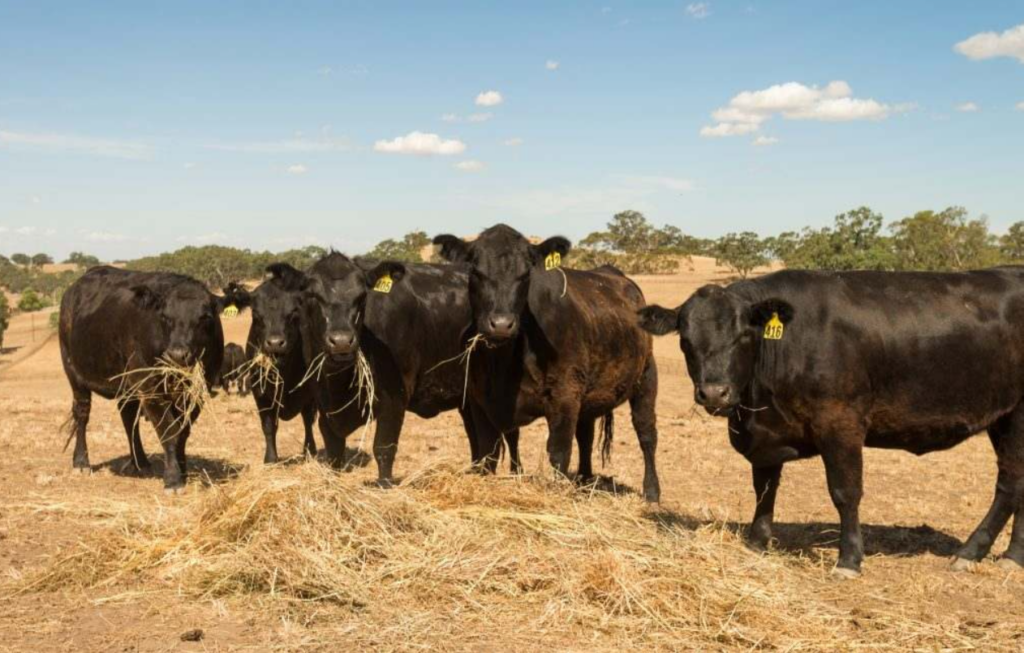
• Champion Get-of-Sire of the Year (Tied)
    - Cea Guns N Roses, owned by Elizabeth Rone of Courtland, MS
    - Musgrave Jumbo, owned by Musgrave Angus of Griggsville, IL: and Styles Angus
        Inc of Brentford, SD
    - Destinys Back In Black 320, owned by Morgan Hutchins of Pittsfield, and Sawyer
        Eastridge of Taswell, IN
• Junior Get-of-Sire of the Year (Tied)
    - Cea Guns N Roses, owned by Elizabeth Rone of Courtland, MS
    - Musgrave Jumbo, owned by Musgrave Angus of Griggsville, IL: and Styles Angus
        Inc of Brentford, SD
    - Destinys Back In Black 320, owned by Morgan Hutchinson of Pittsfield, and Sawyer
        Eastridge of Taswell, IN
• Reserve Junior Get-of-Sire of the Year
    - Montana Judgement 1038, owned by Vision Angus of Amherst, CO; Montana Ranch
        LLC of Bigfork, MT; and Mangell Inc of Madera, CA
• Cow/Calf Pair of the Year
    - McCauley Stormy L1, owned by Adam McCauley of Cynthiana, KY
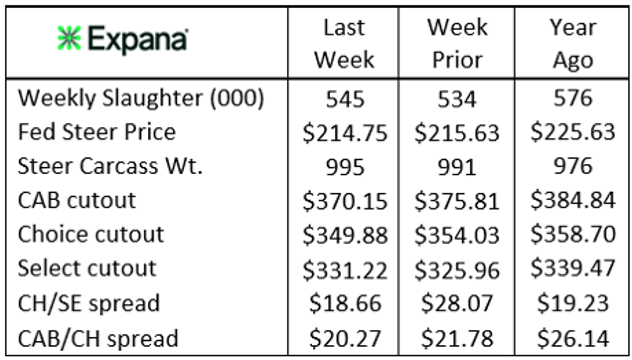
• Reserve Cow/Calf Pair of the Year
    - SE Rita K105, owned by Sawyer Eastridge of Taswell, IN


For more information about the rules and regulations behind the ROV Show Program, visit, https://www.angus.org/shows/rov.

Eathington Crowned 2027 Miss American Angus

Ella Eathington of Avon, Illinois, was crowned the 2027 Miss American Angus during the American Angus Association's annual convention in Louisville, Ky., on Nov. 14.

As Miss American Angus, Eathington will serve as a national ambassador for the Angus breed and the beef industry, representing the American Angus Association and the American Angus Auxiliary at cattle industry events, educational programs, shows and exhibitions throughout the coming year.

A University of Illinois student, Eathington is majoring in animal science on a pre-veterinarian track. She grew up in the National Junior Angus Association having watched her older siblings show before stepping in the ring herself at eight-years-old. Eathington's time in the show ring has provided a different perspective of the industry from her family's production operation at Eathington Angus. The two backgrounds will help Eathington represent the diverse background of the Angus breed throughout her year.

"I feel really grateful. I have such a strong support system; my family has helped me so much in preparing for this," said Eathington, moments after her crowning. "Hearing my name called, I was overwhelmed with gratitude."

The Miss American Angus program promotes the Angus breed while providing young women the opportunity to develop leadership, communication and advocacy skills. Contestants are evaluated on their knowledge of the beef industry, communication abilities, leadership experiences and commitment to representing Angus breeders.

"Miss American Angus has played an important role in sharing the value of the Angus breed with audiences across the country for generations," said Paige Wallace Arnold, American Angus Auxiliary. " As an Auxiliary, we believe it is one of the most valuable ways we can continue to develop young leaders of the breed and appreciate the generous sponsors who help make each Miss American Angus' year a success."

For more information about the Miss American Angus program and the American Angus Auxiliary, visit the American Angus Auxiliary website.

R-CALF USA Welcomes Remedy Phase in Lamb Import Case

 R-CALF USA today welcomed the advancement of the lamb meat global safeguard investigation to the remedy phase following the U.S. International Trade Commission's equally divided determination on injury. Under the safeguard process, a tie vote allows the case to proceed to the remedy phase, keeping open the opportunity for relief for America's sheep producers.

"This is an important step forward for the sheep producers who have watched imports take over their market while family operations disappear," said R-CALF USA CEO Bill Bullard. "Today's decision opens the door to relief that can give American producers an opportunity to rebuild."

R-CALF USA began this effort on August 3, 2023, when Protect American Lamb, then a project under its Sheep Committee, petitioned the Office of the U.S. Trade Representative for relief from injurious lamb and mutton imports and requested a global safeguard investigation. Producer endorsements, county resolutions and bipartisan congressional support followed. The Commission formally initiated the current lamb-meat investigation on July 13, 2026, at USTR's request.

The American Sheep Industry Association, Protect American Lamb (PAL), Cowboy Meat Company and R-CALF USA worked together to represent the domestic sheep industry. R-CALF USA also recognized attorney Charles Benoit of the Law Office of Charles Benoit, counsel for PAL and Cowboy Meat Company, for assisting R-CALF USA throughout the hearing process.

R-CALF USA and its domestic partners defended American sheep producers in an investigation whose parties included nine foreign governments and the European Union. Australia, New Zealand and the United Kingdom challenged the case for safeguard relief, while Chile and Spain sought exclusions for their exports or products. The domestic industry also faced formidable opposition from foreign producer and meat-industry organizations, including Meat & Livestock Australia, Sheep Producers Australia, Beef + Lamb New Zealand and the Meat Industry Association of New Zealand.

A global safeguard investigation under the Trade Act of 1974 examines whether increased imports are seriously injuring, or threatening serious injury to, a domestic industry. Commonly called a Section 201 investigation, it covers imports from all sources and can lead to temporary relief to help the industry adjust to import competition. It does not require proof of dumping, foreign subsidies or another unfair trade practice.

The statutory test is whether increased imports are a substantial cause of serious injury, or the threat of serious injury, to the domestic industry. Serious injury means significant overall impairment of the industry. Imports must be an important cause, no less important than any other individual cause. R-CALF USA's case addressed drought, production costs and other pressures while documenting the separate harm caused by imports.

R-CALF USA's October 8 prehearing brief traced how lost sales of American lamb meat reduce processors' purchases of domestic lambs and feeders' purchases from ranchers. Its October 23 posthearing brief reinforced that evidence, answered the Commission's questions and challenged arguments that imports merely filled a domestic supply shortage. Both briefs urged the Commission to include sheep growers and lamb feeders when evaluating injury to the domestic industry.

The posthearing brief cited Commission data showing that U.S. lamb consumption increased 17.3 percent from 2021 through 2025 while reported shipments made from domestic lamb fell 10.5 percent. Imports undersold domestic lamb in 144 of 154 quarterly product-price comparisons.

At the October 16 injury hearing, Carson Jorgensen, a Utah sheep rancher and chair of PAL, described processors asking him to lower his price to match imports. Michael Bardsley, representing John Espil Sheep Company and testifying for R-CALF USA, described losing established buyers and selling only half his lamb crop in fall 2022, receiving less than half the previous year's price per pound on those sales.

"The import price is the ceiling, and everything I can pay a rancher sits underneath it," testified Charlie Hollenbeck, president and CEO of Cowboy Meat Company in Forsyth, Montana.

The Commission's remedy hearing is scheduled for December 1, 2026. Its report and remedy recommendations are due to the President by January 11, 2027. After receiving that report, the President will make the final decision on whether to provide relief and, if so, its form and duration. Today's equally divided determination does not itself impose tariffs or quotas.

"We view this action as vitally important because the sheep industry is the canary in the coal mine for America's cattle industry," Bullard said. "Our cattle producers are suffering similar harm from imports, but their industry is not yet as far along the path of decimation as the sheep industry."

"If we can reverse the course of the domestic sheep industry, our chances of securing the reforms needed for the cattle industry are greatly enhanced," Bullard continued. "Restoring opportunities for American sheep producers can help show the way toward rebuilding both industries."

Editor's note: R-CALF USA will update this release as additional details become available from the USITC.

Hydro Community Rallies for Young Rodeo Champion Mayli Pollock with Benefit Feed and Auction

The Hydro community is coming together to support Mayli Pollock, daughter of Jake and Lynnsi Pollock, with a benefit Hamburger Feed, Silent Auction, and Live Auction on Saturday, November 21, 2026. All proceeds from the event will go toward Mayli Pollock's medical expenses.

Mayli Pollock

In April 2026, Mayli and her family learned she had a brain tumor, and she underwent surgery at OU Children's Hospital to have it removed. Following a September MRI that identified a small area of new growth, Mayli underwent a second successful surgery in October and is currently tumor-free. The next step in her recovery journey will be radiation treatments. With two surgeries, ongoing medical care, and upcoming treatments, the family faces significant medical and travel expenses.

Despite facing a major medical battle and missing several regular-season rodeos over the summer, Mayli put together an impressive season in the arena. Competing with the MRCA Rodeo, she finished Top 3 in Barrel Racing and Top 6 in Pole Bending, earning a spot among the Top 20 contestants. She was also honored with award buckles crafted by Tres-Rios Silver in memory of Aaron Custer—a special recognition nominated and voted on by Camp of Champions instructors.

Event Schedule and Location The Hamburger Feed and Silent Auction will take place from 5:00 p.m. to 8:00 p.m. on Saturday, November 21, at the Hydro Fairgrounds Community Building in Hydro, Oklahoma, with dinner served by donation. A live auction for select items will begin at 7:00 p.m.

Supporters who cannot attend in person can still participate by registering to bid online at the Entz Auction HiBid. You can check out the auction and get registered here:

Silent Auction and Donation Deadlines Those wishing to donate silent auction items must drop them off by Monday, November 16, to Ddee Haynes at Bokays in Hydro.

Auction items cover a wide variety of categories, including hay, hunts, stays, leather goods, sports items, jewelry, and decor, with additional items still being added. All items will be set out for in-person viewing during the event at the Hydro Community Building, though bidding will remain exclusively online.

Jackie Roberts Entz will keep bids updated during the event and assist attendees who prefer to check out using cash or check rather than paying online. Credit cards placed on file during online registration are used strictly as a verification tool and will not be automatically charged unless specifically requested by the buyer. Winning bidders can pay by cash, check, or credit card over the phone after the auction closes.

Winning items can be picked up that evening at the Hydro Community Building, or buyers may contact Jackie Entz at 405-880-0134 to arrange pick-up. Shipping is also available at the buyer's expense.

Pic Courtesy of Hydro Eakly Schools Facebook Page --Mayli Pollock finished an impressive Top 3 in Barrel Racing and Top 6 in Pole Bending, despite having to miss several regular-season rodeos over the summer.

Additional Ways to Support Direct financial contributions can be made to the Mayli Pollock Medical Expenses account at the Bank of Hydro (P.O. Box 7, Hydro, OK 73048). For additional event updates and the GoFundMe link, community members can follow the "Battle in the Saddle for Mayli Pollock" event page on Facebook.

Map of New World Screwworm Infestations in the United States

New World Screwworm Case Numbers Continue to Rise- 54 Cases Reported in November

November has proven to be the month with the most cases of New World Screwworm infestations in the United States thus far in 2026, with 53 domestic animal cases, 1 wildlife case as well as 2 flies caught in traps in the the state of New Mexico. The domestic animal cases have been spread over Texas, New Mexico and Arizona this month. There are currently 74 active cases in domestic livestock reported from late October into November.

One case that is still active in Texas was discovered November 5th in Mitchell County, Texas, which is about 150 miles south of the Red River and the Oklahoma State line. It's unlikely that an infestation will be found in Oklahoma here in 2026, now that we are having temperatures below 55 degrees across almost all of the state. Officials believe temperatures at that level make it very difficult to be active and lay eggs on a wound in an animal, domestic or wildlife.

The first cases of New World Screwworm were reported back on June third- with these latest cases- we now have 137 livestock, 2 wildlife and 7 trapped fly cases that have been reported in Texas, New Mexico and Arizona since that first case in June.

Most of the sterile flies that are being produced in Panama are being used on the US side of the border. The Map(see below) shows the latest dispersal polygon for those flies from the far southern tip of Texas all the way to western Arizona.

Polygon of Sterile Flies to fight New World Screwworm

In Mexico, the states that border the US from the Gulf of America to Arizona have a total of 357 active cases, with Mexican officials reporting 1,611 active cases in the entire country as of the weekend.

Click here for the latest confirmed case data from USDA's NWS website.

Dave Bruntz, New Chairman of USMEF, November 2026

USMEF Conference Concludes with Election of New Officers & Deep Dive into Export Market Development

The U.S. Meat Export Federation (USMEF) wrapped up its Strategic Planning Conference in Palm Springs on Friday with the election of Dave Bruntz, a corn, soybean and cattle producer from Friend, Neb., as the organization's new chair.(pictured above)

"It's an exciting time for the red meat industry and I am proud to serve as chairman of USMEF – looking forward to a great year," said Bruntz, a past chair of the Nebraska Corn Board and Nebraska Cattlemen.

Bruntz thanked his wife, Ann, and his brother and nephew with whom he farms, for giving him the flexibility to serve in agricultural leadership positions.

"They've supported me along the way because it wasn't just this past couple years being a USMEF officer team that has drawn me away from the farm. It's been kind of a lifetime of the cattlemen and corn board meetings, and things like that. But these things come back to benefit us manyfold, and I'm glad to give back because agriculture has been so good to us."

As members celebrated USMEF's 50th anniversary at the conference, Bruntz succeeded Jay Theiler of Idaho-based Agri Beef Co., who concluded his term as chair. USMEF's chair-elect for the coming year is Darin Parker, director of Salt Lake City-based exporter/distributor PMI Foods. Ross Havens, a cattle producer who serves as marketing coordinator for Nichols Farms in Bridgewater, Iowa, is USMEF vice chair. The newest USMEF officer is Gordon Spronk, DVM, a Minnesota veterinarian and partner in Spronk Brothers III, a multi-generational pork, corn and soybean-producing operation. Dr. Spronk, a past chair of the National Pork Board, will serve as USMEF secretary-treasurer.

Examining development of export markets in Asia, Latin America

Friday's closing session included a USMEF panel discussion on the evolution of meat exports to leading markets in the Asia Pacific and Latin America. The session focused on how some of the U.S. industry's largest export markets developed over time, the lessons USMEF has learned, and how those lessons can be applied to emerging markets. USMEF Director of Program Planning Ashley Gamon moderated the discussion, which included Vice President for Asia Pacific Jihae Yang, and Gerardo Rodriguez, regional director for Mexico, Central America and the Dominican Republic.

Yang and Rodriguez began by recapping conditions for the red meat trade when USMEF first began implementing market development efforts. Yang pointed out similarities between the Japanese and Korean markets, where U.S. beef initially found its place in premium foodservice, particularly upscale restaurants focusing on high-value cuts. Over time, market demand expanded into secondary cuts, and U.S. beef gained traction in mainstream retail chains.

While U.S. beef faced regulatory and market access barriers in Japan and Korea, it was warmly welcomed by restaurant operators as they saw highly profitable business opportunities. U.S. pork followed somewhat different paths in Japan and Korea, which had relatively high self-sufficiency rates for pork. This meant that while U.S. pork faced less government protectionism than beef, customer preferences initially leaned heavily toward domestic pork. But U.S. pork demand evolved over time for use in products that were tailored to the specific needs of processors, foodservice operators, retailers and consumers.

USMEF's Mexico City office opened in 1991, allowing the U.S. industry to prepare for the new era of trade that would be made possible through NAFTA. Prior to NAFTA, Rodriguez said Mexico imported very little red meat. The beef and pork available was domestic product sold in traditional markets. With little understanding of quality, consumers made purchases based solely on price or on the trusted advice of their butcher.

"Today, everything is different," said Rodriguez. "Sometimes you don't even see the butcher when you go to the store. Sometimes you don't even go to the store because you buy online, right? So now we look for other attributes, especially consistency, convenience, quality and nutrition."

Yang said development of key Asian markets goes through three major stages: market access, supply chain development and consumer demand development. While USMEF's role has evolved along with these stages, one of the most important strategies through each stage is to build strong partnerships with key customers.

"These opportunities are not always obvious at the time, as they require passionate USMEF staff with the foresight to identify emerging market trends, along with customers who are willing to take the first step," said Yang. "We don't just follow market demand. In many cases, we work with our customers to create new demand."

Yang also addressed the competitive challenges the red meat industry faces in many export markets.

"I want to emphasize that mature markets still require continued investment," Yang explained. "Just because a market is well-developed does not mean that demand will sustain itself. Competition is increasingly intense across all product categories. For beef, for example, we face growing competition in the Asia Pacific region from Australian wagyu and Japanese wagyu. For pork, we are competing with chilled domestic product and chilled pork from Canada and Mexico, along with lower-priced, frozen commodity product from Europe and Brazil."

USDA Foreign Agricultural Service update

USMEF members also heard on Friday from Mark Slupek, deputy administrator for global programs at the USDA Foreign Agricultural Service. Slupek praised the financial support USMEF receives from a diverse range of agricultural sectors.

"USMEF brings together a broad coalition that's deeply committed to expanding opportunities for U.S. agriculture around the world," Slupek said. "These industry contributions are an important consideration in USDA's funding decisions because they demonstrate a strong commitment to shared goals. Meaningful industry buy-in helps leverage federal resources and underscores a shared responsibility for achieving measurable results in export market development."

Slupek also updated USMEF members on the status of FY 2027 market development funds, noting that some implementation activities have been paused due to the Oct. 1 expiration of the current farm bill.

Thursday highlights included industry panel discussion, USMEF awards

On Thursday, USMEF members heard from a panel of industry experts on the challenges facing U.S. producers, processors and exporters, while also focusing on opportunities for future growth. Moderated by CattleFax CEO Randy Blach, the panel included National Pork Board CEO Dr. David Newman, Iowa Corn Promotion Board CEO Craig Floss and Interra International founder and CEO Steve Isaf. Yang also joined the panel, offering observations from key Asian markets.

Floss highlighted the key role feedgrain and oilseed producers play in supporting red meat exports, which are seen as a catalyst for growth for their largest customer – the livestock feeding sector. Newman had high praise for international customers of U.S. pork, noting the innovative product offerings he's observed when visiting foreign markets.

"We have to be ultra consumer-focused, and many of us in this room have traveled all over the world to different markets," Newman said. "How many pictures have you taken abroad of something in the meat case or in a plant that fascinated you, and made you think to yourself 'that's really innovative.'"

Long recognized as an industry trailblazer, Isaf was honored Thursday evening with USMEF's Distinguished Service Award. At the same ceremony, Iowa Governor Kim Reynolds was honored with USMEF's Michael J. Mansfield Award. More details on these awards are in this news release.

The conference kicked off Wednesday with remarks from USMEF President and CEO Dan Halstrom and the event's keynote speaker, global strategist and author Peter Ziehan. Highlights are available here .

Halstrom thanked USMEF members for their enthusiastic participation in the conference and for their steadfast support of USMEF's market development efforts.

"Seeing the record attendance and record number of funding partners that invested, in some cases, five or six people coming, I think that shows the extent that they have bought into our mission," Halstrom said. "While it's always great to see our members, this week was just through the roof."

The next meeting of USMEF members will be at the organization's Spring Conference, May 26-28 in Minneapolis.

The Recipe for a Safe Thanksgiving

As families across the country prepare for Thanksgiving, the U.S. Department of Agriculture's Food Safety and Inspection Service (FSIS) is reminding consumers to take simple steps that will keep their holiday meals safe and enjoyable.

"Thanksgiving is one of America's most cherished traditions, bringing family and friends together around the table," said USDA Under Secretary for Food Safety Dr. Mindy Brashears. "At USDA, we work year-round to help keep our nation's food supply safe. Food safety doesn't stop at the processing establishments that produce the food you eat. By following a few simple food safety steps at home, families can protect their loved ones and focus on what matters most — enjoying a safe and memorable Thanksgiving together."

Every year, USDA food safety specialists answer thousands of Thanksgiving questions through USDA's Meat and Poultry Hotline. From when to buy a turkey to how to thaw and cook it safely, you can find all the information you need, including interactive thawing and cooking calculator, on our Your Safe Thanksgiving Guide webpage.

Prepare a safe meal on Thanksgiving by following these four key Thanksgiving food safety steps:

1. Plan and Thaw Safely

Buying a fresh or frozen turkey is really a matter of personal preference, but as you plan for your holiday meal, it's helpful to keep a few important food safety considerations in mind.

  • If shopping one to two days before cooking: buy a fresh turkey. If there is a "best-by" or "use-by" date on the manufacturer's label, then you can keep fresh turkey, unopened, in the refrigerator until that date.
  • If shopping weeks in advance: buy a frozen turkey. Never thaw on the counter. Thaw frozen turkey in the refrigerator (24 hours for every 4 to 5 pounds) or in cold water (30 minutes per pound, changing water every 30 minutes).


2. Cook to 165 Degrees F

Use a food thermometer to check if your turkey is ready – it's the only way to know for certain that it has reached the safe minimum internal temperature of 165 degrees F. Check in all three of these places:

  • Thickest part of the breast
  • Innermost part of the wing
  • Innermost part of the thigh


For optimal safety and uniform doneness, cook stuffing separately. However, if stuffing is cooked inside the turkey, use a food thermometer to make sure the center of the stuffing also reaches a safe minimum internal temperature of 165 F.

3. Keep Foods Out of the "Danger Zone"

Bacteria grow quickly between 40 and 140 degrees F, also known as the food safety "Danger Zone," putting your family at risk for foodborne illness. To keep food safe:

  • Keep cold foods in the refrigerator or nestled over ice. Serve smaller portions and replenish them as needed to keep food at or below 40 degrees F.
  • Keep hot food in the oven, heated chafing dishes, warming trays, or slow cookers at or above 140 degrees F.
  • Follow the two-hour rule: Refrigerate perishables, prepared foods, and leftovers within 2 hours. Discard perishable foods left at room temperature for more than two hours.


4. Store Leftovers Safely

The joy of Thanksgiving continues with leftovers. By storing them properly, you can savor each comforting dish safely and happily in the days that follow.

  • Divide large portions into smaller containers for quicker cooling.
  • Refrigerated leftovers are safe for up to four days and can be frozen for longer storage. When kept continuously frozen at 0 degrees F or below, they remain safe indefinitely, although quality may decline over time.
  • Reheat leftovers to 165 degrees F before serving.


For more information about food safety, call the USDA Meat and Poultry Hotline at 1-888-MPHotline (1-888-674-6854) or email MPHotline@usda.gov. The hotline will be operating 8 AM to 2 PM ET on November 26, 2026 (Thanksgiving Day).

Access news releases and other information on FSIS' website at www.fsis.usda.gov/newsroom. Follow FSIS on X at @usdafoodsafety and USDA on Instagram @usdagov and Facebook.

Stockpiled Bermuda Grass Offers Oklahoma Cattle Producers a Way to Reduce Winter Hay Costs

Stockpiled Bermuda grass can help Oklahoma cattle producers reduce winter hay and supplementation costs while making better use of the forage already growing on their operations. During the Oklahoma State University Livestock Range and Field Day, OSU Extension Forage Specialist Brian Pugh spoke with Associate Farm Reporter Carli Davenport about how producers can prepare Bermuda grass for fall and winter grazing.

Pugh said one of the biggest advantages of stockpiling Bermuda grass is its potential to shorten the amount of time cattle producers need to feed hay and supplements during the winter. "I think probably the number one most important thing about stockpiled Bermuda grass is its ability to reduce the hay and supplementation season of our cow herds," Pugh said.

He explained that with input costs continuing to change, producers are looking for ways to make their operations more efficient. "With all the changes we're seeing in input costs, fuel, labor, machinery, that's the name of the game is making the cow do more of the work," Pugh said.

Preparing Bermuda Grass for Fall and Winter Grazing

For producers interested in stockpiling Bermuda grass, Pugh recommended starting with some of the better-quality ground on their operations.

He said soil testing can help producers identify fields that are more likely to respond well to fall stockpiling. "I would recommend they look at some of their better quality ground and base that on a soil test," Pugh said. "Typically, we see better response in fall stockpiling on that better quality soil."

Pugh also emphasized the importance of preparing the pasture before applying fertilizer. Producers should have their fields grazed short or mow hay meadows down before the end of August so they are ready for fertilization.

Having the pasture prepared allows producers to get started on the stockpiling process ahead of the fall and winter grazing season.

Stockpiled Bermuda Grass Can Improve the Bottom Line

Beyond reducing the amount of hay producers need to put up or purchase, Pugh said stockpiling Bermuda grass can provide meaningful savings on a per-cow basis. "We typically say for every day that we're going to be grazing a cow on stockpiled fertilized and stockpiled Bermuda grass, we're going to save about $1 per cow per day over your typical hay and supplement costs," Pugh said.

He described that savings as a significant opportunity for producers who are willing to let cattle harvest their own forage rather than relying as heavily on harvested hay and supplemental feed. "It's a huge change to their bottom line if they look at, again, making that cow go out and harvest her own forage," Pugh said.

How Long Will Stockpiled Bermuda Grass Last?

The length of time producers can graze stockpiled Bermuda grass depends heavily on fall weather conditions, forage production and stocking rates.

Under fairly average fall rainfall conditions, Pugh said producers stocking at approximately one acre per cow can expect around 45 to 60 days of grazing.

That estimate is based on applying 50 pounds of nitrogen per acre, which Pugh said can produce approximately one ton of forage per acre during the fall.

However, rainfall patterns can change how long that forage remains usable. "If we have wet falls, that forage quality goes down a little faster," Pugh said. "We need to use it a little quicker. We need to move through it quicker."

On the other hand, dry fall conditions and early winter weather can allow producers to stretch their stockpiled forage further. "If we have very dry falls and early winters, we may be able to last all the way into the end of January before we need to move to another forage resource or to hay and supplement," Pugh said.

Pugh Encourages Producers to Start Small

For producers who have not tried stockpiling Bermuda grass, Pugh recommended starting with a smaller field rather than immediately making a large investment across their entire operation.

He acknowledged that fertilizer costs can make the practice a difficult decision for producers, especially when the expense comes out of pocket during the fall.

However, he said producers can test the practice on a smaller scale before incorporating it into their overall grazing system. "What I would recommend that a producer does is don't start at one acre per cow. Maybe just take one small field, fertilize it in the fall, and prove to yourself first that it works," Pugh said.

Pugh noted that OSU has 30 years of research data demonstrating the benefits of stockpiled Bermuda grass. He has also worked with large-scale operations that have incorporated the practice into their annual grazing plans. "I've worked with producers all the way up to 1,200-cow herds that use stockpile Bermuda every year because it saves them so much money," Pugh said.

Ultimately, he encouraged producers to gain experience with the practice on a smaller scale before expanding. "I think the proof is always in the pudding for most producers," Pugh said. "So start small, prove to yourself that it works, and then go ahead and incorporate that into your grazing system at about an acre per cow."

USDA Expands Emergency Loan Eligibility for Producers Across Oklahoma, Texas, Colorado, and Arkansas

The U.S. Department of Agriculture (USDA) Farm Service Agency (FSA) has issued Secretarial natural disaster designations across multiple states, opening up emergency credit for agricultural producers recovering from severe drought and hail damage.

Because several primary disaster areas border Oklahoma, producers in seven Oklahoma counties are now eligible to apply for FSA emergency loans as contiguous counties, alongside farmers and ranchers in Colorado, Texas, Arkansas, Kansas, and New Mexico.

Emergency loans can be used to meet a variety of recovery needs, including replacing essential items such as equipment or livestock, reorganizing a farming operation, or refinancing certain debts. The FSA reviews all loan applications based on the extent of losses, available security, and repayment ability.

Drought Designations (Fast-Track) According to the U.S. Drought Monitor, the following designated counties suffered from a drought intensity value during the growing season of either D2 (Drought-Severe) for eight or more consecutive weeks, or D3 (Drought-Extreme) or D4 (Drought-Exceptional). The application deadline for both drought designations is June 21, 2027.

Colorado Impacted Area

  • Primary Counties Eligible (Colorado): Baca, Lincoln
  • Contiguous Counties Eligible:
    • Oklahoma: Cimarron
    • Colorado: Arapahoe, Bent, Cheyenne, Crowley, Elbert, El Paso, Kiowa, Kit Carson, Las Animas, Prowers, Pueblo, Washington
    • Kansas: Morton, Stanton
    • New Mexico: Union

Texas Impacted Area

  • Primary Counties Eligible (Texas): Collin, Cooke, Dallas, Denton, Ellis, Grayson, Montague, Parker, Tarrant, Upton, Wise
  • Contiguous Counties Eligible:
    • Oklahoma: Bryan, Jefferson, Love, Marshall
    • Texas: Clay, Crane, Crockett, Ector, Fannin, Glasscock, Henderson, Hill, Hood, Hunt, Jack, Johnson, Kaufman, Midland, Navarro, Palo Pinto, Reagan, Rockwall

Hail Designation A separate Secretarial disaster designation was issued due to hail damage, carrying an application deadline of June 27, 2027.

Arkansas and Oklahoma Impacted Area

  • Primary County Eligible (Arkansas): Crawford
  • Contiguous Counties Eligible:
    • Oklahoma: Adair, Sequoyah
    • Arkansas: Franklin, Madison, Sebastian, Washington

    More Resources  On farmers.gov, the Disaster Assistance Discovery Tool, Disaster Assistance-at-a-Glance fact sheet, and Loan Assistance Tool can help you determine program or loan options. To file a Notice of Loss or to ask questions about available programs, contact your local  USDA Service Center. 

    National Livestock Companies and Oklahoma National Stockyards to Host Annual All American Beef Battalion Benefit Auction

    The National Livestock Companies are pleased to announce their support, once again, for the All American Beef Battalion (AABB).

    On Monday, November 30th, the Oklahoma National Stockyards will auction a calf for the benefit of the AABB, along with National Livestock providing lunch for those in attendance. The AABB crew is bringing in their cooker and will be preparing a ribeye lunch. Lunch will begin at 11:00 a.m. and the actual sale will take place at approximately 12:30 p.m. in the sale arena of the Stockyards.

    The calf to be auctioned is again being donated by 3C Cattle Feeders and the Clyde Runyan family of Mill Creek, Oklahoma. A very special thanks go out to Penny, along with her sons Casey and Bear, who have donated the calf for 13 years. Clyde was with the 101st Airborne in Vietnam and always considered this as a privilege to be able to give back to the troops. Runyan passed away in 2019 and his family continues the legacy of donating the calf in his honor.

    This is the 16th year for the National Livestock companies to be involved in supporting the AABB. With the 2025 auction bringing in more than $51,000, contributors to this event have raised over $758,000 from the annual auction of a donated calf.

    Many organizations and individuals have joined together for this worthy cause each year. The efforts of many have made this successful and we thank all our partners and friends for their help. Through these auctions, approximately 76,000 troops have been fed an American ribeye steak upon their return home from deployment or prior to their deployment.

    Anyone may support this effort by calling 800-310-0220 and speaking with Debbie Wedel. If you are unable to attend but would still like to support the cause, you can call Debbie for your proxy bid or you may also visit the All American Beef Battalion web site (www.steaksfortroops.com) and make your donation. National Livestock will invoice bidders and contributors and will forward all funds to the AABB. All checks should be made payable to the All American Beef Battalion.

    About National Livestock

    The National Livestock companies are comprised of National Livestock Commission Association, Southern Oklahoma Livestock Auction, National Feeders Service, National Livestock Credit Corporation, and Livestock Risk Services. The National Companies also have significant investment in Superior Livestock Auction, LLC and OKC West Livestock Market, LLC. National is dedicated to providing first-class service in the areas of marketing, purchasing, and financing cattle operations. To learn more, please visit www.nationallivestock.com.

    About the AABB

    The AABB is comprised of a group of individuals involved in the United States Beef Cattle Industry who are working to support troops fighting the global war on terror. Part of their mission is to organize and sponsor steak feeds, entertainment, programs, meetings and projects with service members and their families while also fostering an appreciation and respect for our Armed Forces Military Service Members. Bill Broadie, founder of AABB in 2008 and a Vietnam Veteran, passed away in January of 2021. To learn more, visit www.steaksfortroops.com.

    USDA Reports Leave Grain Markets Moving Sideways as Oklahoma Growers Weigh Wheat and ARC/PLC Decisions

    Following the release of the latest USDA reports, Farm Director KC Sheperd caught up with Oklahoma State University Crop Marketing Specialist Todd Hubbs to break down what the numbers mean for grain markets, winter wheat pricing, and farm program decisions.

    While the World Agricultural Supply and Demand Estimates (WASDE) report did not deliver major surprises, Hubbs noted several adjustments across corn, soybeans, and wheat. The USDA lowered the national corn yield as expected, sparking a brief rally before prices flattened out. On the soybean side, the USDA raised export projections and maintained bullish biofuel numbers, leading to a strong run-up in beans that has since begun to pull back.

    For wheat, overall export totals remained unchanged, though the USDA shifted volume between classes—lowering Hard Red Winter (HRW) wheat exports by another 10 million bushels. Hubbs said the adjustment reflects the slower export pace caused by high U.S. Gulf prices relative to global competitors over the last few months. Meanwhile, increased wheat production estimates in Australia and Argentina continue to weigh on global prices.

    “There’s a lot of wheat in the Southern Hemisphere, and I think all these things are just keeping pressure in the market,” Hubbs said.

    With wheat prices facing seasonal pressure and spillover from corn, Hubbs said he leans toward holding onto remaining cash wheat rather than selling at current lows. Looking ahead, he is monitoring South American corn and soybean development, as well as winter wheat conditions across the Northern Hemisphere and ongoing geopolitical tensions in the Black Sea.

    For growers looking to price their 2027 wheat crop, Hubbs pointed to historical seasonal trends. Rallies typically occur as the crop emerges from winter dormancy in April and May before fading later in the year.

    “If you didn’t get that first big run-up to wait and see, I’d wait and see,” Hubbs said, noting that waiting until early spring also gives Oklahoma producers a clearer picture of their production potential.

    The USDA also dropped its season-average wheat price forecast to roughly $6.20, a move that could influence how Oklahoma growers approach Agriculture Risk Coverage (ARC) and Price Loss Coverage (PLC) elections. Hubbs said he expects the season-average price could drop another 10 to 15 cents before the marketing year concludes.

    “If we drop it even more, PLC might be coming into the picture a little bit,” Hubbs said, encouraging producers to consult OSU Extension specialist Amy Hagerman to run the numbers for their specific operations.

    On the input side, Hubbs offered little optimism for near-term relief on diesel prices, which continue to eat into Oklahoma basis levels. Tight refining capacity and geopolitical tensions involving Iran are keeping fuel costs elevated, though Hubbs noted that basis spreads could improve slightly by a nickel or a dime if prices ease.

    Overall, Hubbs expects grain markets to remain locked in a sideways trading pattern through the end of the year unless a major geopolitical event or South American weather issue sparks new volatility.

    “The data is in for our crops,” Hubbs said. “Until we can get some bullish information in the market, I think we’ll probably see that for a while through the end of the year.”

    AFT Releases Applications for Beef Grazing Network Champions

    American Farmland Trust (AFT) has released applications for experienced beef producers to serve as Grazing Champions in the Beef Grazing Network's Beef Producer Economic Resilience Initiative, a multi-year effort to plan and implement grazing management, producer-training, data sharing, market development, and producer-led coordination. The project centers on producer-to-producer learning and collaboration, as they often learn best from peers who have successfully implemented similar changes, and possess an operational understanding of the challenges faced during practice adoption.  

    Approximately 80 Grazing Champions will support a total of at least 620 producers, or Network Graziers, across at least 10 Mid-Atlantic and Southern states, who will join the network in upcoming years. Grazing Champions are experienced beef producers not only ready to improve their own operations, but eager to share their expertise with participating Network Graziers. Grazing Champions will first plan, train, implement, and share outcomes from their own operations. They will also then share their practical experience and support others as they develop and implement grazing management plans, adopt eligible practices, and collaboratively explore, support, and coordinate network participants into action groups that achieve greater marketing power and value.   

    "Up until now, the market for sustainably produced U.S. beef has been relatively small and localized in comparison to conventionally produced beef products, but consumer demand is growing across all scales, from local and direct sales to restaurants and institutions, grocery chains, and larger regional and national markets," said Dr. Bianca Moebius-Clune, AFT National Climate and Soil Health Director. "Producers can transition to meet these market expectations, but accessing those opportunities often requires scale, consistency, trusted relationships, and documentation that can be difficult to achieve alone. AFT is bringing producers together through the Beef Grazing Network to learn from one another, strengthen grazing systems, improve soil health and resilience, and work collaboratively to access markets that are usually difficult to reach independently. By working together, producers can capture more of the value they create while building more resilient operations." 

    Producers participating in the Beef Grazing Network will receive funding, training, technical assistance, peer-learning opportunities, and tools to support implementing grazing and other complementary practices to a common standard, and to coordinate access to markets that value these practices through producer-led networks. AFT intends to improve beef production through sound grazing practices, something that will directly benefit farmers. 

    "The foundation of quality beef begins beneath our feet," said Sarah Morton of Cattle Run Farm in Ruckersville, Virginia. "Well-managed grazing systems improve soil health, increase forage productivity, and support animal well-being. Farmers can produce healthier livestock, strengthen their operations, and leave the land better for the next generation."   

    Other farmers have also experienced the benefits of grazing first-hand.  

    "Bringing livestock back onto our century-old farm, after generations of tillage, is one of the best decisions I've made," said Darlene Goehringer of Pop's Old Place in Hurlock, Maryland. "Through grazing, I've seen the soil change, the forage improve, and even the ground feel a little more forgiving under my feet." 

    AFT will award grants of $17,000 to producers who implement grazing practices and data collection on their own operations, and a Grazing Champion supplement averaging $39,400. AFT also expects to provide group training and virtual support as resources to help participants develop or update their own grazing management plans and meet standards. Additional benefits will include access to farm management software that will serve to document, measure, and gain insights about grazing practices. Producers will also obtain access to AFT technical assistance to implement grazing improvements, biochar application, soil sampling, enhanced marketing, and networking with fellow producers.   

    AFT anticipates a staged application process with reviews on a rolling basis after applications open on November 12, 2026. The application process will close on January 31, 2027, or earlier if all spots are filled sooner, so selected Grazing Champions can onboard together. Virtual training will begin in March-April 2027 with in-person regional training to take place in early summer 2027.  

    Graziers nationwide are grateful for the partnership and optimistic about the future.  

    "Staying afloat in the cattle industry requires constant attention to detail and continued innovation," said Dan Glenn, Managing Director of Deep Grass Graziers in Fitzgerald, Georgia. "This requires a network of peer mentors, technical support, and strong self-analysis. We appreciate the private and public partners who help in this process." 

    In July 2026, AFT's Beef Grazing Network formally launched the Beef Producer Economic Resilience Initiative, part of USDA's Advancing Markets for Producers program. The $42-million project, with $30 million provided by NRCS, supports 700 beef producers across the Mid-Atlantic and South in their transition to profitable, resilient operations through sustainable grazing systems, reduced inputs and stronger market access. The network builds market power through producer-led mentorship, peer networking, and beef marketing groups, and is being implemented with support from producer leaders, technical partners, researchers, and market partners working together to strengthen the long-term viability of sustainable beef production. 

    Oklahoma Rancher Alan Jett Achieves 87% Prime Beef With Angus Genetics

    In today's Beef Buzz, senior farm and ranch broadcaster Ron Hays speaks with Alan Jett, owner and operator of Jett Ranch near Slapout, Oklahoma, about his family's efforts to increase carcass quality through Angus genetics. Earlier this year, Jett Ranch received the Certified Angus Beef Commercial Commitment to Excellence Award, recognizing the ranch's focus on producing high-quality beef. With recent cattle achieving 81% and 87% Prime on their kill sheets, Jett shares how a long-term breeding strategy has helped move his herd toward higher premiums.

    Jett Ranch Sees High Prime Results Through Angus Genetics

    Jett said the ranch's most recent cattle demonstrated just how far its genetics program has come. "Last two kill sheets have been 81 and 87 percent Prime," Jett said.

    The results came after years of gradually improving the herd. Jett originally operated a different cow herd but decided to begin investing in Angus bulls with stronger carcass genetics. Over time, the ranch continued to see improvements in quality grade while maintaining the functionality and fertility of its cows. "We just continued, kept getting more choice and more choice, and finally we hit 100% Choice," Jett said. "I still had a very functional, very viable, very fertile cow herd. You know, probably my cow herd was easy flesh and just as fertile as what I started with."

    As the percentage of Choice cattle increased, Jett began seeing more Prime carcasses and the additional premiums they could bring. "You had cattle bringing $15, $20 a hundred more for a Prime than a Choice, and it's kind of like, I want more of those," Jett said.

    Genetics Provide a Longer Marketing Window

    Jett said his approach to increasing Prime percentages centers on genetics rather than relying primarily on additional corn or feed. "My philosophy is, let's do it with genetics," Jett said. "One of those reasons, if we do it with genetics as opposed to corn, it gives us a bigger marketing window."

    His long-term goal is to reach 100% Prime while maintaining a 60- to 75-day marketing window. While he recognizes that is an ambitious target, he believes continued genetic improvement can help get the ranch there.

    The ranch's latest group of cattle reached 87% Prime after spending close to 200 days on feed. Jett said the decision to feed them longer was intentional, allowing the operation to better understand the cattle's potential and identify the right marketing window.

    Finding the Sweet Spot for Days on Feed

    Based on the latest results, Jett believes the ranch can adjust its feeding program to improve efficiency while still capturing strong carcass premiums. "I'm thinking that 170 days is the sweet spot," Jett said.

    He explained that not every animal needs the same amount of time on feed. Some cattle can be identified and marketed earlier, while others may need additional days to reach their genetic potential.

    Jett also noted that the latest group included more heifers, which contributed to a higher number of Yield Grade 4 carcasses. Moving those heifers through the feeding program sooner is one adjustment he plans to make moving forward.

    Prime Premiums Deliver Added Value Above Cash Market

    The financial results have reinforced Jett's decision to continue pursuing higher Prime percentages.

    He said the group that graded 87% Prime brought $349 per head above the Kansas cash market for that week. The previous group, which graded 81% Prime, brought $425 per head above cash. "The last set of cattle that I keep talking about, those cattle killed $349 over cash," Jett said. "The set before that with 81% Prime, those cattle killed $425 over cash. So yeah, there's some money in it."

    Those premiums demonstrate the potential value of producing cattle that meet higher quality specifications, particularly when backed by a consistent breeding and feeding strategy.

    Jett Encourages Producers to Develop a Breeding Plan

    For cattle producers interested in increasing Prime percentages in their own herds, Jett said success requires a long-term commitment to genetic selection and feeding management. "You got to be dedicated. You got to select bulls that will do it," Jett said.

    He added that artificial insemination can be an effective way to access the genetics needed to improve carcass quality without necessarily taking on the same costs associated with purchasing additional breeding bulls. "Main thing, you gotta get a breeding plan. You gotta be dedicated to it," Jett said. "And first off, you gotta be willing to feed cattle, you know, and you gotta be willing to feed them year after year after year. You can't just do it hit and miss."

    Jett continues to use Angus genetics to move his herd toward higher Prime percentages, with the ultimate goal of producing more premium beef while maintaining a productive and fertile cow herd.

    The Beef Buzz is a regular feature heard on radio stations around the region on the Radio Oklahoma Ag Network and is a regular audio feature found on this website as well. Click on the LISTEN BAR above for today's show and check out our archives for older Beef Buzz shows covering the gamut of the beef cattle industry today.

    Oklahoma Ag in the Classroom Expands Opportunities for Teachers and Students

    Oklahoma Ag in the Classroom is giving teachers and students new opportunities to bring agriculture into their classrooms through student challenges, educational activities, statewide programs, and more. Emily Ague, Ag in the Classroom State Coordinator, recently spoke with Associate Farm Reporter Carli Davenport about upcoming opportunities for educators and the organization's plans to host the 2027 National Ag in the Classroom Conference in Oklahoma City.

    Ague said one of the current opportunities is the Pizza Challenge, which gives students a hands-on way to learn about agriculture and the commodities produced in Oklahoma. "Pre-K through 12th grade teachers can get involved with that," Ague said. "You can have groups of students, or individual students, or even an entire class participate in that."

    "It's a great way to teach your students about agriculture and about commodities here in the state of Oklahoma," Ague said. Along with the Pizza Challenge, Ag in the Classroom is accepting applications for its Oklahoma Ag in the Classroom Teacher of the Year contest. Ague encouraged educators who incorporate agriculture into their lessons to consider applying.

    Oklahoma Ag in the Classroom Teacher of the Year

    Ague said the award is intended to recognize teachers who find ways to incorporate agriculture into traditional classroom subjects. She explained that, under the national award criteria, agricultural education teachers who teach agriculture every day do not qualify; Instead, the contest is open to other Pre-K through 12th grade teachers who bring agricultural lessons into their classrooms. "Basically, we just want those teachers who, even if they think they're doing simple things in their classroom, if they are incorporating an Ag in the Classroom lesson, or they're doing activities with their students, maybe it's once a week, maybe it's once a month, but they're trying to teach their students about agriculture," Ague said.

    She emphasized that teachers do not need to have an extensive agriculture curriculum to be considered. "We want those teachers to apply. We want them to show off what they're doing in their classroom," Ague said. Applications are available through the Oklahoma Ag in the Classroom website.

    Oklahoma to Host National Ag in the Classroom Conference in 2027

    Another major focus for the organization is preparing to host the 2027 National Ag in the Classroom Conference in Oklahoma City.

    Ague said Oklahoma has not hosted the national conference since 1998, making the upcoming event a significant opportunity to showcase the state's agriculture and culture to educators from across the country. "Oklahoma has not hosted the national conference since 1998. So it has been a really long time, and I think it's just an incredible opportunity for us to show off Oklahoma," Ague said.

    She said the conference will give attendees an opportunity to experience what Oklahoma has to offer, particularly those who have never visited the state. "We live here; we know how wonderful it is, and all the great things we have to offer," Ague said. "But I feel like so many of the people that come to our conference maybe haven't been to our state before and are going to see the wonderful agriculture, the culture we have here in Oklahoma, and I think it'll just be a great trip."

    Ague said organizers are planning for approximately 600 attendees from across the nation, including participants from Puerto Rico and the Virgin Islands.

    Upcoming Programs and Activities

    As the organization moves toward the end of 2026, Ague said several activities are planned throughout November and December.

    In addition to the Oklahoma Pizza Challenge, Ag in the Classroom is partnering with the Oklahoma Soybean Board on a soybean activity. "We also have kind of several other just events during November and December," Ague said. You can keep up with Ag In The Classroom through their website or social media to see any upcoming event or activity announcements.

    While the final months of the year tend to be a quieter period for the organization, Ague said the team is already looking ahead to a busy start to the new year. "That's kind of our quieter part of the year, but we'll definitely start out January boots on the ground," she said.

    How to Get Involved With Oklahoma Ag in the Classroom

    For teachers interested in participating in upcoming challenges, applying for the Teacher of the Year contest or learning more about available educational resources, Ague encouraged them to visit the Oklahoma Ag in the Classroom website.

    She said the website includes information about programs and activities, along with a way to contact the organization directly. "So all our information is there. You can contact us directly from the website if you need to ask any questions," Ague said. "Just go to the contact us button."

    Ague encouraged educators to reach out with questions and explore the opportunities available to bring agriculture into their classrooms.

    Stratford student wins $10,000 at OKFB's inaugural SAE CEO Challenge

    Arena Wells of the Stratford FFA chapter was named the winner Oklahoma Farm Bureau's first-ever SAE CEO Challenge pitch contest on Friday, Nov. 6, at the organization's 85th annual meeting in Oklahoma City.

    A partnership with Oklahoma FFA, the SAE CEO Challenge is a program designed to help students who have an existing entrepreneurship supervised agricultural experience program build their businesses while inspiring students who do not yet operate their own business enterprise to understand the importance of entrepreneurship while developing their business skills.

    The program combines a customized high-school classroom curriculum with the pitch contest held at OKFB's annual meeting, where six participants had the opportunity to pitch their supervised agricultural experience in front of a set of judges for the chance to win up to $10,000 for their SAE project.

    Wells won the inaugural contest with her company, Cranchy Co. Granola, a line of health-conscious granola made with local ingredients and free from refined sugars. Wells received the top prize of $10,000 to put toward expanding her SAE.

    Grace Coblentz of the Choteau-Mazie FFA chapter received second place and a $5,000 prize for her horticulture enterprise, Graceful Acres, and Leo Enlow of the Sapulpa FFA chapter received third place and a $1,000 prize for his auctioneering business, LEO Auction Services.

    The students who competed each submitted a business plan, pitch deck and other documents related to their recorded entrepreneurship SAE. Each participant gave a seven-minute pitch and fielded questions for an additional five minutes.

    The Oklahoma Farm Bureau Annual Meeting is the organization's largest gathering of farmers and ranchers every year. At the three-day convention, members vote on grassroots policy, elect leaders and award outstanding individuals. OKFB has a presence in all 77 Oklahoma counties and serves as the voice of agriculture and the rural way of life. To learn more about the 2026 OKFB Annual Meeting, visit okfb.news/meeting26.

    USPS Warns of Potential Post Office Closures as Oklahoma Leaders Push to Protect Rural Mail Service

    The U.S. Postal Service is warning that significant reductions in post offices and changes to certain mail services could be necessary without congressional action, renewing concerns among Oklahoma leaders about the future of reliable mail delivery in rural communities.

    During the November 10 meeting of the USPS Board of Governors, Postmaster General David Steiner outlined the agency's growing financial challenges and warned that difficult decisions could be ahead if Congress does not provide additional financial relief or reform the agency's obligations.

    The warning follows a reported $6.5 billion net loss for fiscal year 2026. USPS is also seeking approximately $2 billion in federal support and reimbursements as it works to address its financial position.

    Steiner indicated that without congressional action, the Postal Service may need to consider significant reductions in its network of post offices, along with changes to service standards for certain categories of mail, including Marketing Mail. The agency expects to develop more specific contingency plans during the first calendar quarter of 2027.

    While no specific Oklahoma post offices were identified for closure in Steiner's remarks, the possibility of widespread reductions raises particular concerns for rural communities where postal facilities often provide essential services.

    Oklahoma Leaders Previously Raised Concerns

    The latest warning comes just months after a group of Oklahoma lawmakers and community leaders called on the state's congressional delegation to prioritize rural mail service when evaluating nominees to the USPS Board of Governors.

    In July, State Reps. Nick Archer, Josh Cantrell, Daniel Pae and David Smith, along with the McAlester Area Chamber of Commerce, urged Oklahoma's U.S. senators to carefully evaluate nominees and ensure that rural communities would have a voice in decisions affecting postal operations.

    Their concerns centered on the importance of dependable mail delivery for farmers, ranchers, small businesses, seniors, veterans and families who may have limited alternatives to traditional postal services.

    For agricultural producers, reliable mail service remains important for business correspondence, financial documents, payments and other time-sensitive communications. In many rural Oklahoma communities, the local post office also serves as an important connection to essential services.

    State Rep. Nick Archer, R-Elk City, Majority Caucus Vice Chair, previously shared his family's experience with the loss of a rural post office.

    "Reliable rural mail service is deeply personal to me," Archer said in July. "My grandmother served as postmaster in Texola, Oklahoma, from 1987 until 2005. When she retired, the post office closed. I've seen firsthand what the loss of postal service means to a small rural community."

    Archer also emphasized the importance of dependable mail service for agricultural producers, small businesses, seniors receiving medications and families handling important documents.

    Congressional Action Could Determine Next Steps

    The Postal Service's financial outlook now places additional attention on Congress as lawmakers consider potential changes to the agency's funding and financial obligations.

    The nominations of Jeffrey Brodsky and William Gallo to the USPS Board of Governors are also pending before the full U.S. Senate after receiving committee approval in July.

    U.S. Sen. James Lankford serves on the Senate Homeland Security and Governmental Affairs Committee, which reviewed the nominations and has oversight responsibilities involving the Postal Service.

    For Oklahoma's rural communities, the developing financial situation highlights the importance of federal decisions that could affect the availability and reliability of postal services.

    Although USPS has not announced specific closures resulting from Steiner's latest warning, the agency's contingency planning could have implications for communities that depend heavily on their local post offices.

    Dr. Todd Hubbs, OSU

    USDA Reports Leave Grain Markets Moving Sideways as Oklahoma Growers Weigh Wheat and ARC/PLC Decisions

    Following the release of the latest USDA reports, Farm Director KC Sheperd caught up with Oklahoma State University Crop Marketing Specialist Todd Hubbs to break down what the numbers mean for grain markets, winter wheat pricing, and farm program decisions.

    While the World Agricultural Supply and Demand Estimates (WASDE) report did not deliver major surprises, Hubbs noted several adjustments across corn, soybeans, and wheat. The USDA lowered the national corn yield as expected, sparking a brief rally before prices flattened out. On the soybean side, the USDA raised export projections and maintained bullish biofuel numbers, leading to a strong run-up in beans that has since begun to pull back.

    For wheat, overall export totals remained unchanged, though the USDA shifted volume between classes—lowering Hard Red Winter (HRW) wheat exports by another 10 million bushels. Hubbs said the adjustment reflects the slower export pace caused by high U.S. Gulf prices relative to global competitors over the last few months. Meanwhile, increased wheat production estimates in Australia and Argentina continue to weigh on global prices.

    "There's a lot of wheat in the Southern Hemisphere, and I think all these things are just keeping pressure in the market," Hubbs said.

    With wheat prices facing seasonal pressure and spillover from corn, Hubbs said he leans toward holding onto remaining cash wheat rather than selling at current lows. Looking ahead, he is monitoring South American corn and soybean development, as well as winter wheat conditions across the Northern Hemisphere and ongoing geopolitical tensions in the Black Sea.

    For growers looking to price their 2027 wheat crop, Hubbs pointed to historical seasonal trends. Rallies typically occur as the crop emerges from winter dormancy in April and May before fading later in the year.

    "If you didn't get that first big run-up to wait and see, I'd wait and see," Hubbs said, noting that waiting until early spring also gives Oklahoma producers a clearer picture of their production potential.

    The USDA also dropped its season-average wheat price forecast to roughly $6.20, a move that could influence how Oklahoma growers approach Agriculture Risk Coverage (ARC) and Price Loss Coverage (PLC) elections. Hubbs said he expects the season-average price could drop another 10 to 15 cents before the marketing year concludes.

    "If we drop it even more, PLC might be coming into the picture a little bit," Hubbs said, encouraging producers to consult OSU Extension specialist Amy Hagerman to run the numbers for their specific operations.

    On the input side, Hubbs offered little optimism for near-term relief on diesel prices, which continue to eat into Oklahoma basis levels. Tight refining capacity and geopolitical tensions involving Iran are keeping fuel costs elevated, though Hubbs noted that basis spreads could improve slightly by a nickel or a dime if prices ease.

    Overall, Hubbs expects grain markets to remain locked in a sideways trading pattern through the end of the year unless a major geopolitical event or South American weather issue sparks new volatility.

    "The data is in for our crops," Hubbs said. "Until we can get some bullish information in the market, I think we'll probably see that for a while through the end of the year."

    Farmers Ask Leaders to Turn Words into Action on Labor Reform

    AFBF President Zippy Duvall today called on President Trump and congressional leaders to find a bipartisan pathway forward that stabilizes America's food supply by stabilizing the workforce behind it.

    "President Trump has - yet again - called for a reasonable solution to the labor crisis in America and new members of Congress, as well as long-time leaders, are joining the chorus. Farmers and ranchers applaud the renewed interest in reform. We stand ready to work with the president and Congress to ensure we have enough workers to deliver America's food supply," Duvall said.

    President Trump this week reiterated his call for reform that recognizes the contributions of workers, both domestic and foreign. Speaking on CBS’ “60 Minutes,” the president said, “I'd love to do something on immigration." He indicated previous policies may have been too tough, saying, “There is a large part of the country that think they should be allowed to stay ... if they're good people working in a landscape company or working in a hotel or doing something right ... and in some cases paying taxes ... and there's a large group of people think they should be allowed to stay. The deal would be we'd work something out and ... I think that's something that's actually doable.”

    This follows the president telling reporters in June 2025 that, "We can’t take farmers and take all their people and send them back because they maybe don’t have what they’re supposed to have …” The next day on Truth Social, the president posted, "we must protect our farmers."

    But American agriculture cannot afford to wait until next Congress, especially when we have a solution ready today. The Securing Agriculture’s Workforce Act (SAWA), introduced by House Agriculture Committee Chair GT Thompson, would modernize the H-2A program by expanding access to a year-round workforce and eliminating unpredictable swings in wage rates. SAWA builds on recommendations offered by Farm Bureau members who participated in the House Agriculture Committee’s Agricultural Labor Working Group.

    Duvall said, "This is the moment and opportunity for a significant bipartisan alliance to solve one of the greatest challenges facing farmers and ranchers. Farm Bureau is eager to work with Democrats and Republicans to address a shortage that has held back American agriculture, threatening our ability to deliver a reliable food supply to families everywhere. We can solve it together.”

    Beef in store

    Dan Halstrom Sees Growing U.S. Beef Export Opportunities in Africa and Beyond


    In today’s Beef Buzz, senior farm and ranch broadcaster Ron Hays continues his conversation with Dan Halstrom, president and CEO of the U.S. Meat Export Federation (USMEF), about emerging opportunities for U.S. beef exports in Africa, the importance of maintaining the U.S.-Mexico-Canada Agreement (USMCA), and the outlook for international beef demand heading into 2027. As USMEF celebrates its 50th anniversary, Halstrom says the next 50 years could bring significant opportunities for the U.S. meat industry. See parts one and two here.

    Africa Presents Growing Opportunities for U.S. Beef Exports

    With more than 50 countries across the continent, Halstrom believes Africa represents an important opportunity for long-term growth in U.S. beef exports. He points to the continent’s young population and expanding middle class as key factors that could drive demand for higher-quality imported beef in the years ahead. “Africa is probably the youngest demographic in the world,” Halstrom said. “Depending on who you talk to the average age is 19 years old, 20 years old.”

    He explained that as more of that population enters the workforce, starts families and gains spending power, demand for higher-quality food products could increase. “You just imagine 10 years from now the spending power that’s going to come, and the middle class that’s going to grow,” he said.

    While variety meats have traditionally provided an entry point into these markets, Halstrom said the long-term goal is to expand demand for U.S. muscle cuts.

    “That’s where we’re starting to see some evidence of folks wanting a better, higher-quality product that’s imported,” he said. “It starts with variety meats, but the real goal is muscle cuts, and we’re starting to see some progress there.”

    He pointed to Senegal as one example, where U.S. beef muscle cuts are being air freighted in for food service. “Yeah, we’re excited about the prospects. We’re just starting to scratch the surface today,” Halstrom said.

    Building a Stronger Supply Chain for U.S. Beef

    Expanding U.S. beef exports into Africa will require more than simply introducing new products. Halstrom said developing a stronger supply chain and educating consumers about the quality of U.S. beef will be important to growing the market.

    He explained that many consumers in these markets have limited experience with higher-quality imported beef, creating an opportunity to demonstrate the difference. “Our goal is the muscle cuts,” Halstrom said. “These countries don’t know what they don’t know.”

    He described how consumers may have a very different understanding of beef quality based on the products traditionally available to them. “You get U.S. beef, you know, get a chuck roll steak, for example, in their mouths, and they’re like, ‘This is beef,’” he said.

    Halstrom believes introducing consumers to U.S. beef quality and continuing to tell the industry’s story will be essential to building lasting demand. “I just think the opportunity is enormous, but we have to continue to push forward and tell our story,” he said.

    USMCA Remains Critical to Beef and Pork Exports

    Turning closer to home, Halstrom discussed the importance of maintaining the U.S.-Mexico-Canada Agreement as the United States works through negotiations with its North American trading partners.

    He emphasized that Canada and Mexico represent some of the most important export markets for the U.S. meat industry. “Over 40% of our pork exports go to the USMCA, and over 20% of our beef exports,” Halstrom said. “I would say there’s no region more important to what our business does.”

    He explained that the importance of the agreement extends beyond finished meat products, with the three countries operating through a highly integrated agricultural system. “It’s not just U.S. beef. It’s corn. It’s soybeans. It’s piglets from Canada coming down. It’s feeder cattle from Mexico coming up,” he said.

    “We’re so integrated, and it works so efficiently today from our perspective that this is, and I think a lot of other parts of the industry would agree, we have to protect that.”

    Reopening the Mexican Border Brings Greater Stability

    Halstrom also addressed the impact of the delay in reopening the U.S.-Mexico border to feeder cattle following concerns about New World screwworm.

    He said the extended closure created concerns about the potential for Mexico to expand its own cattle industry as an alternative to sending feeder cattle into the United States. “All we’re doing indirectly is incentivizing growing the cattle industry in Mexico as a competitor,” Halstrom said.

    While he acknowledged the need to protect the U.S. cattle industry from New World screwworm, he said reopening the border has helped restore confidence in the relationship. “But I think the fact that we’re reopened now, we’re getting back to some normalcy in that area,” he said. “We feel much better about it now.”

    Halstrom Optimistic About Beef Export Demand Through 2027

    Looking ahead through the remainder of 2026 and into 2027, Halstrom said he remains optimistic about international demand for U.S. beef.

    He pointed to continued strength in established markets, along with opportunities in emerging regions such as Central America and Africa. “With demand where it is, and as I said earlier, demand is off the charts in a lot of these countries, I think we’re very optimistic going forward,” Halstrom said.

    He recently traveled to Colombia, where he saw firsthand how far U.S. beef promotions have come in international markets. “Prime promotion, you know, on U.S. beef in Colombia. That, you know, 10 years ago, that was unheard of,” he said. “So it’s exciting to see this development.”

    USMEF Celebrates 50 Years and Looks Toward the Future

    As USMEF prepares to celebrate its 50th anniversary, Halstrom said the organization is looking beyond its history and focusing on the opportunities ahead.

    Founded in 1976, USMEF has spent five decades developing international markets for U.S. beef and pork.

    While the anniversary provides an opportunity to recognize the organization’s accomplishments, Halstrom said the future is what excites him most. “We’re really excited about the opportunity to celebrate that with our members,” he said. “But we’re going to celebrate the potential for the next 50. That’s really where it gets exciting.”

    The Beef Buzz is a regular feature heard on radio stations around the region on the Radio Oklahoma Ag Network and is a regular audio feature found on this website as well. Click on the LISTEN BAR above for today’s show and check out our archives for older Beef Buzz shows covering the gamut of the beef cattle industry today.

    Rep. Mike Dobrinski Sees Opportunity for Oklahoma Agriculture in Solar Development

    Mike Dobrinski

    Oklahoma Farm Report intern Haden Snelson spoke with state Rep. Mike Dobrinski at the Oklahoma Solar Summit in Stillwater on Friday about the opportunities and challenges facing agricultural producers as solar development continues to expand across the state.

    Dobrinski, R-Okeene, represents House District 59 in northwest Oklahoma. He discussed the potential benefits of combining solar energy production with traditional agricultural practices, an approach known as agrivoltaics.

    "I think that solar is very much needed," Dobrinski said. "We have embraced renewables in Oklahoma for the last 25 years with wind and solar."

    However, he noted that solar development presents different challenges than wind energy, particularly when it comes to the amount of land required for large-scale projects.

    Unlike wind turbines, which allow much of the surrounding acreage to remain in agricultural production, conventional solar installations can occupy significant portions of productive farmland.

    Dobrinski said agrivoltaics could provide a solution by allowing producers to continue grazing livestock or growing certain crops beneath and around solar panels.

    "That is a win-win for everyone," Dobrinski said, particularly for producers struggling financially to maintain their operations.

    He pointed to declining profitability in wheat production and recurring drought conditions in western Oklahoma as reasons producers are searching for alternative sources of income.

    "In my particular district, we're experiencing drought for the third time in five years," Dobrinski said, adding that Oklahoma's abundance of sunshine will likely continue attracting solar developers.

    Beyond agricultural opportunities, Dobrinski said Oklahoma lawmakers have explored establishing a regulatory framework for renewable energy projects similar to the permitting structure used by the oil and gas industry.

    "Obviously, landowner rights are first and foremost," Dobrinski said, explaining that Oklahoma's limited regulation has contributed to the state's attractiveness for renewable energy development.

    Although he has not observed significant abuses within the industry, Dobrinski believes additional oversight could improve transparency and public confidence.

    "I think everyone would feel more comfortable if we had a structure in place of minimal regulation," he said.

    One concern involves nondisclosure agreements, or NDAs, sometimes used during negotiations surrounding major development projects.

    Dobrinski introduced House Bill 2999 during the 2026 legislative session, which sought to prevent public officials from being required to sign nondisclosure agreements involving certain projects with significant local impacts.

    The legislation passed the Oklahoma House but did not advance through the Senate.

    Dobrinski said he remains uncertain whether lawmakers will revisit the issue, noting that some developers may voluntarily move away from those agreements.

    Despite concerns about land use and regulation, Dobrinski highlighted the economic benefits large solar developments can bring to rural communities, particularly through property tax revenue.

    He pointed to the Skeleton Creek project in Garfield County, which he described as an investment exceeding $500 million, as an example of the potential economic impact.

    Dobrinski said developments of that scale could provide substantial benefits to local school districts and county governments.

    However, he also expressed concern about Oklahoma's five-year ad valorem tax exemption for qualifying manufacturing facilities.

    Dobrinski served as the House author of Senate Bill 237, which would have ended eligibility for the exemption for solar generation facilities and battery energy storage systems beginning in 2028. Although the bill passed both chambers, it was pocket-vetoed by Gov. Kevin Stitt.

    Dobrinski said eliminating the exemption remains an important priority because of the potential tax revenue available to support public schools, health care, transportation and other community needs.

    Looking ahead, Dobrinski believes solar developers may need to reconsider traditional installation designs to better accommodate agricultural operations.

    He suggested raising solar panels higher off the ground to allow livestock to graze underneath while ensuring the structures can withstand Oklahoma's severe weather.

    He also stressed the importance of decommissioning and land reclamation requirements to protect property owners and communities if projects eventually cease operating.

    For Dobrinski, the growing interest in agrivoltaics represents an opportunity for Oklahoma to explore ways renewable energy and agriculture can coexist.

    "I'm just glad to be here, to have an opportunity to learn about the industry and the way it's developing," Dobrinski said, adding that he was encouraged by the excitement among producers attending the summit.

    Cattlemen's Column: Beyond the Headlines

    The beef industry has received increased attention from the Trump administration in recent months. Executive orders have been drafted, social media posts have gone viral and federal agencies have announced funding for programs, old and new.

    Once the dust finally settled, Texas & Southwestern Cattle Raisers Association and our members found ourselves asking whether these actions resulted in meaningful, lasting steps to strengthen the American beef industry, or if the attention would ultimately be temporary. We'd like to break down a few of the announcements and share where the association stands to help cut through the noise.

    On Aug. 21, President Trump declared 300,000 metric tons of ground beef were to be imported tariff-free for the next 90 days, with the assurance that the beef would be sold at 25% below current market prices. While the association supports making groceries more affordable for Americans, increasing beef imports is not the solution to higher retail prices. Forcing retail prices down only delays progress and injects instability into a market already working to correct itself. Thankfully, consumer beef demand remains strong. As the herd rebuilds, beef supplies will increase and prices will normalize, but it will take time.

    Ten days after that announcement, USDA released its Ranchers First Initiative, which includes five provisions for different beef industry sectors.

    Among them is the Beef Retention and National Development, or BRAND, endorsement, which would allow producers to insure the economic value of retaining a heifer for breeding for up to two years through the Livestock Risk Protection program. At enrollment, the policy establishes a protected value based on the heifer's expected slaughter value. If her projected or actual slaughter value later exceeds the value of retaining her as breeding stock, the policy would cover the difference, reducing the financial risk of retention.

    Texas & Southwestern Cattle Raisers Association has called for a comprehensive review of the Livestock Risk Protection program to include breeding stock coverage. Following market testing, we are hopeful that this option will become available to ranchers. We are committed to ensuring any enhancements to the LRP program strengthen risk protection for producers without increasing market volatility.

    Additionally through the Ranchers First Initiative,mUSDA will allow the Emergency Conservation Program, which provides financial and technical assistance to restore agricultural land and infrastructure damaged by disasters, to be used on acres enrolled in Grassland Conservation Reserve Program. Following wildfires and other natural disasters, landowners participating in Grassland CRP will have another tool to repair fences, restore land and recover grazing capacity while maintaining their CRP commitments after a disaster.

    USDA is also creating a SPUR Guaranteed Loan Program to expand and strengthen small and regional meat-processing capacity. The program will provide financing to support processor cooperatives, expand existing small businesses and help new or regional facilities increase processing capacity — creating more opportunities for cattle to be processed closer to where they are raised.

    In the Ranchers First Initiative, USDA pledged to work with other federal agencies to increase the purchase of American beef for federally supported food programs and institutions. The goal is to create additional demand for domestically raised and processed beef by directing federal purchasing toward American products, including beef served at military and veterans' facilities.

    USDA is also establishing an initiative focused on military veterans getting started in ranching, building on existing programs that provide access to financing, conservation assistance and risk-management tools. The initiative also calls for USDA to work with the Departments of Veterans Affairs and War to connect transitioning service members with agricultural careers, helping create pathways into ranching for those who may not inherit land or an existing operation.

    Not long after U.S. Secretary of Agriculture Brooke Rollins announced the Ranchers First Initiative, Trump released two executive orders on Sept. 4 focused on promoting fair competition in livestock markets and expanding market access for meat producers. An executive order directs federal agencies on how to exercise authority they already possess; it does not, on its own, change federal law or amend an act of Congress. The Sept. 4 orders focus on exercising existing authorities, directing agency action and identifying areas where additional congressional action may be needed.

    The orders direct USDA to strengthen enforcement of the Packers and Stockyards Act, increasing resources for investigating potentially unfair, deceptive or discriminatory practices. They also call for expanding interstate market opportunities, modernizing meat inspection, providing technical assistance to small processors and establishing a guaranteed loan program to help small and regional beef processors continue or expand operations.

    Without adequate packing capacity, the size of our industry is not determined by our ability to produce more cattle to meet a growing consumer demand, but by how many hooks are available. Texas & Southwestern Cattle Raisers Association supports expanded market access for producers, however, meat must be inspected properly to protect consumer trust in our product.

    The second order directs USDA to review its existing authority to establish mandatory country-of-origin labeling for beef and assess the potential economic impacts. USDA may pursue regulations where legally authorized or develop legislative recommendations for Congress. For producers, this means MCOOL is under formal review, but the order itself does not immediately establish mandatory labeling.

    Texas & Southwestern Cattle Raisers Association supports voluntary guidelines that will facilitate private, marketdriven efforts to label beef according to its country of origin.

    Throughout this landscape of executive orders, new initiatives and election-based rallies, you can count on this — our association will continue to promote meaningful change for cattle raisers and landowners.

    Dan Halstrom Sees Growing U.S. Beef Export Opportunities in Africa and Beyond

    In today's Beef Buzz, senior farm and ranch broadcaster Ron Hays continues his conversation with Dan Halstrom, president and CEO of the U.S. Meat Export Federation (USMEF), about emerging opportunities for U.S. beef exports in Africa, the importance of maintaining the U.S.-Mexico-Canada Agreement (USMCA), and the outlook for international beef demand heading into 2027. As USMEF celebrates its 50th anniversary, Halstrom says the next 50 years could bring significant opportunities for the U.S. meat industry. See parts one and two here.

    Africa Presents Growing Opportunities for U.S. Beef Exports

    With more than 50 countries across the continent, Halstrom believes Africa represents an important opportunity for long-term growth in U.S. beef exports. He points to the continent's young population and expanding middle class as key factors that could drive demand for higher-quality imported beef in the years ahead. "Africa is probably the youngest demographic in the world," Halstrom said. "Depending on who you talk to the average age is 19 years old, 20 years old."

    He explained that as more of that population enters the workforce, starts families and gains spending power, demand for higher-quality food products could increase. "You just imagine 10 years from now the spending power that's going to come, and the middle class that's going to grow," he said.

    While variety meats have traditionally provided an entry point into these markets, Halstrom said the long-term goal is to expand demand for U.S. muscle cuts.

    "That's where we're starting to see some evidence of folks wanting a better, higher-quality product that's imported," he said. "It starts with variety meats, but the real goal is muscle cuts, and we're starting to see some progress there."

    He pointed to Senegal as one example, where U.S. beef muscle cuts are being air freighted in for food service. "Yeah, we're excited about the prospects. We're just starting to scratch the surface today," Halstrom said.

    Building a Stronger Supply Chain for U.S. Beef

    Expanding U.S. beef exports into Africa will require more than simply introducing new products. Halstrom said developing a stronger supply chain and educating consumers about the quality of U.S. beef will be important to growing the market.

    He explained that many consumers in these markets have limited experience with higher-quality imported beef, creating an opportunity to demonstrate the difference. "Our goal is the muscle cuts," Halstrom said. "These countries don't know what they don't know."

    He described how consumers may have a very different understanding of beef quality based on the products traditionally available to them. "You get U.S. beef, you know, get a chuck roll steak, for example, in their mouths, and they're like, 'This is beef,'" he said.

    Halstrom believes introducing consumers to U.S. beef quality and continuing to tell the industry's story will be essential to building lasting demand. "I just think the opportunity is enormous, but we have to continue to push forward and tell our story," he said.

    USMCA Remains Critical to Beef and Pork Exports

    Turning closer to home, Halstrom discussed the importance of maintaining the U.S.-Mexico-Canada Agreement as the United States works through negotiations with its North American trading partners.

    He emphasized that Canada and Mexico represent some of the most important export markets for the U.S. meat industry. "Over 40% of our pork exports go to the USMCA, and over 20% of our beef exports," Halstrom said. "I would say there's no region more important to what our business does."

    He explained that the importance of the agreement extends beyond finished meat products, with the three countries operating through a highly integrated agricultural system. "It's not just U.S. beef. It's corn. It's soybeans. It's piglets from Canada coming down. It's feeder cattle from Mexico coming up," he said.

    "We're so integrated, and it works so efficiently today from our perspective that this is, and I think a lot of other parts of the industry would agree, we have to protect that."

    Reopening the Mexican Border Brings Greater Stability

    Halstrom also addressed the impact of the delay in reopening the U.S.-Mexico border to feeder cattle following concerns about New World screwworm.

    He said the extended closure created concerns about the potential for Mexico to expand its own cattle industry as an alternative to sending feeder cattle into the United States. "All we're doing indirectly is incentivizing growing the cattle industry in Mexico as a competitor," Halstrom said.

    While he acknowledged the need to protect the U.S. cattle industry from New World screwworm, he said reopening the border has helped restore confidence in the relationship. "But I think the fact that we're reopened now, we're getting back to some normalcy in that area," he said. "We feel much better about it now."

    Halstrom Optimistic About Beef Export Demand Through 2027

    Looking ahead through the remainder of 2026 and into 2027, Halstrom said he remains optimistic about international demand for U.S. beef.

    He pointed to continued strength in established markets, along with opportunities in emerging regions such as Central America and Africa. "With demand where it is, and as I said earlier, demand is off the charts in a lot of these countries, I think we're very optimistic going forward," Halstrom said.

    He recently traveled to Colombia, where he saw firsthand how far U.S. beef promotions have come in international markets. "Prime promotion, you know, on U.S. beef in Colombia. That, you know, 10 years ago, that was unheard of," he said. "So it's exciting to see this development."

    USMEF Celebrates 50 Years and Looks Toward the Future

    As USMEF prepares to celebrate its 50th anniversary, Halstrom said the organization is looking beyond its history and focusing on the opportunities ahead.

    Founded in 1976, USMEF has spent five decades developing international markets for U.S. beef and pork.

    While the anniversary provides an opportunity to recognize the organization's accomplishments, Halstrom said the future is what excites him most. "We're really excited about the opportunity to celebrate that with our members," he said. "But we're going to celebrate the potential for the next 50. That's really where it gets exciting."

    The Beef Buzz is a regular feature heard on radio stations around the region on the Radio Oklahoma Ag Network and is a regular audio feature found on this website as well. Click on the LISTEN BAR above for today's show and check out our archives for older Beef Buzz shows covering the gamut of the beef cattle industry today.

    Rain in Oklahoma's Weekend Forecast Likely to Miss Drought-Hit East as "Very Strong" El Niño Builds

    While steady rainfall over the past month has chipped away at drought conditions across much of western and central Oklahoma, eastern Oklahoma remains locked in a stubborn dry pattern, according to State Climatologist Gary McManus.

    Over the past 120 days dating back to mid-July, rainfall totals highlight a stark divide across the state. Parts of the far western Panhandle have recorded more than 13 inches of rain, while far southeast Oklahoma has received less than 4 inches—leaving that region nearly 12 inches below normal for the period. The prolonged deficit is also taking a visible toll on area lake levels across eastern and southeastern Oklahoma.

    More rain is in the forecast through the weekend, bringing welcome relief to parts of the state. However, McManus noted that the upcoming rainfall may largely miss the hardest-hit areas of eastern Oklahoma, leaving communities there looking toward next week for their next chance at meaningful moisture.

    Meanwhile, in the tropical Pacific, the developing El Niño—colloquially referred to as a "Super" El Niño—has officially crossed into the "very strong" category. According to data from the Climate Prediction Center (CPC), the three-month sea surface temperature anomaly reached +2.0°C for the August–October period, following steady increases from +1.0°C in May–July, +1.4°C in June–August, and +1.7°C in July–September.

    The CPC classifies El Niño strength using the following thresholds:

    • Strong: +1.5°C to less than +2.0°C
    • Very strong: +2.0°C or higher
    • Historic: +2.5°C or higher (exceeding the previous record)

    Updated CPC probabilities show a 100% chance of a very strong El Niño continuing through the October–December period, a 96% chance for November–January, and a 79% chance for December–February. However, the likelihood of the event reaching "historic" record-breaking levels during the late fall or early winter has dipped from roughly 83% in October's outlook to about 60%.

    "CPC is still expecting an extraordinary El Niño, but the forecast distribution has shifted downward enough to make a new record a bit less certain," McManus noted.

    McManus noted that the prolonged moisture deficit is clearly reflected in reservoir levels across eastern and southeastern Oklahoma, which point to a longer-lived drought in that part of the state. Current U.S. Army Corps of Engineers and state gauge readings show several major eastern and southeastern reservoirs sitting well below normal conservation pool elevations:

    • Broken Bow Lake: 589.88 feet, or 12.62 feet below its 602.5-foot full pool
    • Lake Tenkiller: 625.13 feet, or 6.87 feet below its 632-foot full pool
    • Hugo Lake: 400.24 feet, or 4.26 feet below its 404.5-foot full pool
    • Wister Lake: 473.85 feet, or 4.15 feet below its 478-foot full pool
    • Lake Eufaula: 581.47 feet, or 3.53 feet below its 585-foot full pool
    • Grand Lake O' the Cherokees: 742.02 feet, or 2.98 feet below its 745-foot full pool

    For Oklahoma's upcoming winter weather, McManus emphasized that whether the index ultimately peaks just below or just above the record threshold makes little practical difference. Both outcomes represent a powerful atmospheric forcing that is already influencing fall weather patterns via a tropical Pacific connection.

    "The strength of an El Niño doesn't mean the typical impacts will be stronger, but that the typical impacts will be more likely," McManus explained. While Oklahoma has not yet seen southern-track storm systems arriving every few days, the tropical connection has already begun to shape the state's fall moisture pattern. To read more from Gary McManus in his mesonet ticker, click here:

    Dan Halstrom Highlights South Korea's Growing Demand for U.S. Beef


    In today’s Beef Buzz, senior farm and ranch broadcaster Ron Hays speaks with Dan Halstrom of the U.S. Meat Export Federation about one of the biggest success stories for U.S. beef exports: South Korea. From rebuilding consumer confidence following BSE-related trade disruptions to growing online grocery sales, home meal replacements and a booming burger market, South Korea continues to offer opportunities for the U.S. beef industry. Part one of this conversation can be found here.

    Rebuilding South Korea’s Confidence in U.S. Beef

    Halstrom said South Korea was already one of the fastest-growing markets for U.S. beef exports in the early 2000s before the discovery of BSE in December 2003 disrupted trade.

    When access to the market was being reestablished in 2006 and 2007, U.S. beef also faced significant public protests. “There was actually a time where there was protests against U.S. beef back in 2006, 2007, when access was being reestablished for U.S. beef,” Halstrom said. “It was an animal health issue, not a food safety issue.”

    He explained that the controversy became tied to South Korean politics, with opposition groups using U.S. beef imports as an issue during a presidential election. “They also engaged the South Korean farmers, saying, you know, you’re gonna destroy them if you import your U.S. beef,” Halstrom said.

    The protests grew substantially, with as many as 150,000 people gathering at one point in downtown Seoul to protest U.S. beef.

    The U.S. beef industry and USMEF responded by shifting toward consumer education and rebuilding the reputation of American beef. “We spent years rebuilding our reputation and spent a lot of money and time on it,” Halstrom said. “But that investment paid off because now we’re looking at U.S. beef. The largest export market is Korea.”

    Online Grocery Shopping Creates New Opportunities

    One of the biggest changes Halstrom highlighted in South Korea is the rapid growth of online grocery shopping and home delivery. “I think Korea is the highest in the world,” Halstrom said. “You know, 30 to 40% of the consumer goods, including grocery, are sold online.”

    He said heavy traffic in major cities like Seoul has helped drive consumers toward online shopping, making home delivery an important part of everyday life. “It’s really amazing that they associate the quality, but still buying it online,” Halstrom said.

    Halstrom pointed to convenience, time savings and changing preferences among younger consumers as major factors behind the trend. He expects similar shopping habits to become more common in other international markets, including Taiwan and Mexico.

    For U.S. beef, the shift creates opportunities to reach consumers through new retail channels.

    Home Meal Replacements Expand Beef Demand

    Another growing trend in South Korea is home meal replacement, commonly referred to as HMR.

    Halstrom explained that these products are premade meals that consumers can purchase and prepare quickly at home while still enjoying a high-quality meal. “If you think of like a Costco or a Sam’s Club that has these pre-made dishes where you pick them up and take them home, and in 20 minutes you can microwave them or cook them, it’s something that’s quick but yet high quality,” Halstrom said.

    However, the scale of the HMR market in South Korea is significantly different from what American shoppers might expect.

    Halstrom compared U.S. warehouse stores, where prepared meals might occupy one section, with E-Mart stores in Korea. “You go into E Mart in Korea, and you might have 10 aisles. Five of the 10 are home meal replacement,” he said.

    Online shopping makes the process even more convenient, allowing consumers to browse prepared meals, select what they want and have the store deliver the products directly to their homes.

    U.S. beef products such as chuck rolls and short ribs can play a role in these meals, serving as ingredients in specialty prepared dishes.

    South Korea’s Burger Boom Adds Value to U.S. Beef

    Halstrom also discussed the growing popularity of burgers in South Korea, describing the trend as a relatively new opportunity in Asian markets. “Burgers are old news to the U.S. You know, this is 50 plus percent of our consumption, but it’s relatively new as a concept in especially in Asia,” Halstrom said.

    Rather than shipping primarily finished burger patties, much of the U.S. beef used for burgers is exported as subprimals and processed into burger blends within the destination country.

    Halstrom said these are often higher-end burgers made with cuts such as chuck rolls and briskets instead of traditional trim. “You might take a chuck roll and you might take a brisket and have a gourmet burger blend,” he said.

    He added that growing interest in American-style barbecue is also helping create opportunities for U.S. beef in international markets.

    Beyond expanding export volume, these products offer a chance to increase the value of individual beef cuts. “This is a good way to add value to some of these subprimals rather than just slicing them as you know for retail like you would normally think of,” Halstrom said.

    The Beef Buzz is a regular feature heard on radio stations around the region on the Radio Oklahoma Ag Network and is a regular audio feature found on this website as well. Click on the LISTEN BAR above for today’s show and check out our archives for older Beef Buzz shows covering the gamut of the beef cattle industry today.

    USMEF Conference Marks 50 Years of Red Meat Export Growth, but with Eyes Firmly on the Future

    members from throughout the nation gathered in Palm Springs, Calif., Wednesday for the organization's annual Strategic Planning Conference. The meeting attracted a record number of participants as USMEF celebrated its 50th anniversary.

    USMEF Chair Jay Theiler, executive vice president of Idaho-based Agri Beef Co., welcomed the group by paying tribute to those who founded the organization a half-century ago.

    "We all owe a debt of gratitude to the past leaders of USMEF for their vision of foresight, which made possible these 50 years of growth and success," Theiler said. "But to properly honor their legacy, we need to keep our eye on the future and continue to build on USMEF's strengths. One of our greatest strengths is our diverse membership, bringing many sectors of U.S. agriculture together to work toward a common goal."

    USMEF President and CEO Dan Halstrom, who began his career as an exporter more than 40 years ago, echoed this theme, noting the enormous obstacles the U.S. meat industry faced decades ago, when access to global markets was severely limited and exports accounted for just a small fraction of total production and sales.

    Halstrom highlighted Latin America as a shining example of how market access gains achieved through free trade agreements can pave the way for tremendous pork and beef export growth. He cited Central America, Colombia and the Dominican Republic as markets that were once extremely price-driven, but now consumers crave the quality, consistency and versatility of higher-value red meat cuts.

    "Look at the growth of U.S. pork exports into these markets in the last 15 years – it's just amazing," he said. "Pork to Colombia this year is on track to be over $400 million, and Central America could seriously touch $700 million. That's the fastest growing area in the world for pork. And when we look at beef, there was a time in the Dominican Republic when beef pricing made it tough to sell anything. But now there's a growing middle class with more spending power and a greater appreciation for quality."

    Halstrom also addressed the importance of developing new products – including protein snacks – that appeal to consumers whose top priority is convenience. He specifically cited recent success for U.S. pork in Mexico's convenience store sector.

    "Just a few years ago we had nothing going on in these stores," Halstrom explained. "But now there are eight different U.S. pork items at 22,000 Oxxo stores in Mexico and about 8,000 7-Elevens. This is exactly the sort of thing we need more of – value-added products that appeal to young consumers."

    USMEF members then heard from the event's keynote speaker, geopolitical strategist and author Peter Zeihan, who discussed global trade, energy security and the economic implications of lower birth rates and aging populations around the world.

    While noting that beef and pork exports have achieved tremendous success in north Asia, Zeihan explained that demographic trends in the region underscore the importance of market diversification for the U.S. meat industry.

    "In Japan, Korea and China, they now have three times as many people in their 50s as they have children," Zeihan said. "This is a market that is going to shrink – it has to shrink. Taiwan's the best of the batch, and it doesn't exactly look great."

    Zeihan cited Southeast Asia as a promising region for long-term growth, specifically highlighting Indonesia and Vietnam. He noted that U.S. trade officials are pursuing market access improvements in this region that could eliminate trade barriers for U.S. red meat, but warned that more resources may be needed for these efforts to be successful.

    "Here's a complication: the way the United States is now pursuing trade deals, framework agreements, sectorial agreements, things that don't have to go through Congress – they don't have to be ratified," Zeihan explained. "So why would [trading partners] abide by them? Any U.S. deal that is a framework or a sectoral deal has to be enforced every single day. The Office of the U.S. Trade Representative, at its height in post-war world, only had 300 staff. Now it's closer to 200. You know how many Australia has? Six thousand."

    The conference continues Thursday with a panel discussion featuring CattleFax CEO Randy Blach, National Pork Board CEO Dr. David Newman, Iowa Corn Promotion Board CEO Craig Floss, Interra International founder and CEO Steve Isaf and Jihae Yang, who oversees USMEF's operations in the Asia Pacific. The meeting will conclude on Friday with the election of a new USMEF officer team.

    Dr. Amanda Silva Highlights Broader Planting Windows and Late-Season Management for Oklahoma Wheat


    Oklahoma wheat producers have navigated a volatile start to the growing season, moving abruptly from severe drought and unseasonable September heat to localized downpours bringing up to 13 inches of rain. Despite the disrupted schedule, ongoing trials suggest that growers may have significantly more flexibility with their planting dates than previously assumed.

    In a recent interview with Farm Director KC Sheperd, Oklahoma State University Small Grains Extension Specialist Dr. Amanda Silva provided an update on crop progress, late planting implications, disease considerations, and fertility management.

    Challenging Start Gives Way to an Encouraging Fall

    The rapid swing in weather created an unpredictable start across Oklahoma. Producers initially faced exceptionally hot, dry soil conditions before excessive moisture forced widespread replanting in areas where seed washed out or flooded.

    “It’s been season, right? There is always something for us to deal with,” Dr. Silva noted. “It started, like you said, in a drought—very hot, way hotter than normal in September—then we got a lot of rain, and so a lot of folks were having to replant. But, you know, the way it’s shaping, I think it’s shaping to be a very good fall for us so far.”

    Rethinking the Late-Planting Window

    A common concern among growers forced into November planting is the potential sacrifice in grain yield. However, OSU’s multi-year research indicates that the traditional calendar window may be wider than long believed.

    “We always thought that as we delay planting, we are going to lose yield,” Dr. Silva explained. “We’ve been working on this late-planting wheat research for the past five years or so… and we’re seeing that it’s not always the case that as we delay planting, our grain yield is going to reduce.”

    Dr. Silva pointed out that October weather often dictates final performance. When early fall months are severely dry, waiting for favorable moisture into November or early December can result in comparable—or even superior—stands without penalizing yield, especially in regions like the Southwest.

    Additionally, delaying planting can offer protection against unpredictable late-spring freezes. When early-maturing varieties are planted too early in October, they develop ahead of schedule and risk freeze damage during heading. Delaying those varieties helps keep plant growth aligned with safer spring timelines.

    Wheat Seeding Rates and Fall Fertility

    For producers still putting seed in the ground, Dr. Silva advised maintaining standard grain-only seeding rates rather than unnecessarily increasing them.

    Key management points include:

    • Seeding Rates: Most Oklahoma grain-only producers seed around 900,000 seeds per acre (roughly 60 pounds or 1 bushel per acre). OSU trials show no significant yield benefit from increasing rates for late-planted wheat if this baseline is already being used.
    • Starter Fertilizer: Adequate phosphorus is critical for late-planted stands to accelerate root growth and promote tillering before winter dormancy.
    • Variety Characteristics: For late seeding, selecting varieties with strong tillering capacity helps compensate for shortened vegetative growth.
    • Seed-to-Soil Contact: Ensuring firm seed placement remains vital for uniform germination.

    Scouting for Stripe Rust and Pests

    Forecasts pointing to an El Niño pattern typically indicate cooler, wetter, and potentially snowier winter conditions in the Southern Plains. While extra moisture provides snow cover that insulates young wheat and helps build late biomass, it also alters disease risks.

    “With a very wet winter… we could start seeing disease like stripe rust much earlier than we are used to,” Dr. Silva cautioned. Persistent morning dew, combined with wind, can trigger early-season fungal development, making early spring scouting around February essential.

    Regarding fall insect pests, Dr. Silva reported that neither armyworms nor brown wheat mites have posed widespread threats across Oklahoma fields so far this season.

    Wheat Grazing and Winter Stand Establishment

    Dual-purpose wheat sown in late September and early October has established well. Dr. Silva estimated that many stocker operations will be able to turn cattle out onto pasture around Thanksgiving, provided canopy growth supports adequate grazing.

    For growers wrapping up planting operations, Dr. Silva emphasized that stand establishment is the single most critical factor to monitor. Ensuring that late-sown wheat develops sufficient tillers before full winter dormancy will directly determine next spring’s yield potential.

    Drought Monitor: Oklahoma Drought Conditions Persist as Rain Chances Increase Across the State

    Drought continues to be a concern across Oklahoma as dry conditions remain a challenge for farmers, ranchers and communities heading deeper into November. While the state could use more widespread moisture to help ease ongoing drought stress, the forecast is offering some hope for additional rainfall in the days ahead.

    According to the Drought Monitor, exceptional drought has increased slightly this week, now covering 2.52% of the state compared to .80% last week.

    Moderate to extreme drought conditions in the current period affect 86.40% of the state. At this point, 3.13% of the state has no drought conditions.

    According to the 6-to-10-day precipitation outlook map, all of Oklahoma is leaning above a 50-60% chance of rain through November 21st.

    This week’s drought picture featured a mixed bag of conditions with worsening drought in the lower Mississippi valley and the lower Great Lakes region. Meanwhile, prolific rainfall continued in parts of the Southwest, South, and Southeast, leading to significant drought improvement across southern and western Texas and parts of the Southern Appalachian region. Additional drought improvement was found over the western Great Lakes in Minnesota and Wisconsin and parts of the Upper Peninsula of Michigan. Despite little rainfall in the Four Corners region of the Southwest, additional improvements were made as a result of substantial rainfalls over the last several weeks, leading to tremendous flooding in some places and rapidly-filling reservoirs.

    In the South: The drought pattern continued to be quite polarized across the Southern States, with exceptional drought worsening across Arkansas, Louisiana, Mississippi, Southeastern Oklahoma, and Eastern Texas. According to the National Centers for Environmental Information, 20 to 30 inches of rainfall is required over the span of 3 months to end the exceptional drought in these states. In stark contrast, substantial rains fell in Southern and Western Texas resulting in one and two categorical reductions in drought intensity, especially over South Texas where up to 9 inches of rain fell. Significant drought relief occurred across much of Western and Central Tennessee where several inches of rain fell in some places this past week helping to reduce the extreme drought to some extent.

    In the High Plains: The High Plains States were the least active in terms of drought category changes this past week as little precipitation fell. With evaporation rates reduced this time of year, any worsening drought moves at a much slower pace. Only spotty drought improvements from rainfall occurred in Eastern South Dakota into Northeastern Nebraska, and Southwestern Kansas.

    In the West: Despite an overall lack of substantial rainfall in the West this past week, continued drought improvements were made across many states from Southeast Montana southward to New Mexico and westward to Southern California and Nevada. Near-record soil wetness has resulted from the recent weeks of tremendous El Niño-influenced rainfall. It hasn’t been all good news in the West, as some drought degradation was introduced in northern Idaho and northwestern Montana this past week.

    To view the 6-10 Day Precipitation Outlook Map, click here.

    To view the 6-10 Day Temperature Outlook Map, click here.

    To view the Monthly Drought Outlook Map, click here.

    Closing the Gap on Cotton Abandonment: The Case for a Harvest Incentive

    Bart Fischer and Joe Outlaw write in Southern Ag Today: We all know that production agriculture is notoriously risky, with crop insurance having become the cornerstone of the farm safety net.  While crop insurance will pay an indemnity once the actual yield or revenue on a farm falls below the guarantee, indemnities reach their maximum in cases when the crop is so poor that it's not worth harvesting—a situation known as abandonment. 

    While abandonment is a problem for all crops and all regions, it is particularly acute for cotton producers. Compounding the problem, if a cotton crop isn't worth harvesting, there are virtually no other options for extracting value from the crop. You can chop a poor corn crop for silage, or you can bale hailed out wheat for hay. None of these are viable options for cotton (and while some have tried grazing and baling, they are of limited value). Most failed cotton ends up simply being destroyed. And, while abandonment is a challenge for producers, it has huge implications for downstream industry as well, from harvest aid manufacturers to chemical applicators to custom harvesters to cotton gins, warehousers, and merchants.

    As noted in Figure 1, from 2016 to 2025, an annual average of 2.8 million unharvested acres of cotton accounted for 24% of planted acres. By contrast, for corn, approximately 8 million unharvested acres (i.e., not harvested for grain) accounted for 9% of planted acres.  However, an annual average of 6.4 million acres of silage closed 80% of that gap.  In other words, after accounting for silage, the net abandonment averaged just 1.8%.

    Figure 1. Unharvested Share of Planted Acres for Corn and Cotton

    Source: NASS QuickStats

    Historically, most of the concerns with abandonment have come at harvest. Crop insurance becomes a factor because a farmer will naturally compare the value of the crop against the cost of harvesting, and a sufficiently low crop insurance appraisal will tip the scales toward abandonment. Again, as noted above, there is no other alternative for salvaging value with cotton. In response, in the mid-1990s, USDA's Risk Management Agency (RMA) established the Cotton Harvest Incentive (CHI) pilot program for the 1995 and 1996 crop years in select counties in Texas. In general, the pilot allowed producers to exclude the crop they harvest from the production to count for purposes of calculating crop insurance indemnities.[1] RMA revised and extended the pilot program for the 1997, 1998, and 1999 crop years in the same counties. In our view, the approach to addressing late-season abandonment was sound, but the mechanics of the pilot were unnecessarily complicated and overly restrictive, completely undermining the incentive the pilot attempted to provide. Rather than trying to improve the pilot, RMA simply abandoned it starting with the 2000 crop year. 

    While abandonment at harvest has continued to be a problem over the last 26 years since the pilot was terminated, early-season abandonment has also become a major issue.  When we first started working on this issue back in 2024, we discovered that, on average across the United States from 2014 to 2023, 72% of the indemnities paid on Revenue Protection policies for cotton were for unharvested acres. As noted in Figure 2, a significant share of the indemnities were coming from loss situations that were at least materializing very early in the growing season (while acknowledging that this data related to the timing of the cause of loss and not necessarily the timing of indemnities). Regardless, it demonstrates the early-season pressure facing producers, in many cases due to lack of rainfall at/near planting.

    Figure 2. Revenue Protection Indemnities for Unharvested Cotton by Cause-of-Loss Month, 2014-2023

    While crop insurance is tailor made for situations where a producer does their absolute best to raise a crop and it simply never emerges from the ground, not all situations are that clear cut. For example, if a producer is facing the prospect of raising a crop in a tough production environment, they necessarily are also facing the prospect of having to harvest a mediocre crop (at best) that may barely cover the cost of harvest. Facing that prospect, if given a sufficiently low appraisal, they may choose to walk away from the crop at (or near) planting.  Further, if a grower is in a failing Enterprise Unit that has one or two farms that might make it to harvest, they may still choose to take an early appraisal and abandon the crop on those farms rather than trying to take those farms to harvest and also having to wait until the end of the growing season to receive an indemnity. 

    We've spent the last three years analyzing if a harvest incentive could help tip the scales toward maintaining a crop and taking it to harvest. In response, the National Cotton Council worked with USDA's Risk Management Agency (RMA) to develop a new Harvest Cost Endorsement (HCE) that would supplement a producer's underlying crop insurance policy.  While we will save the mechanics for another day, the bottom line is this: a grower that adds the HCE endorsement could go into the planting season knowing that if they end up with a disappointing crop that triggers a crop insurance indemnity, it would also begin triggering a supplemental indemnity to help offset the cost of harvest.  Naturally, if there is no cotton to harvest at all, the incentive would phase completely out (after all, we don't want to incentivize producers taking harvest equipment through the field just for the sake of collecting an indemnity).

    While some may argue this isn't a crop insurance issue, we would strongly disagree. In fact, we can easily envision a scenario where the HCE could end up saving taxpayers a considerable amount of money.  The premise is this: if cotton that is being abandoned is instead taken to harvest, would that sufficiently lower the indemnities being paid to offset (or more than offset) the cost of the incentive? While no one can truly know which way the scales will tip (because none of us know whether cotton that had been abandoned would have ended up making a crop), we suspect that the introduction of an incentive could significantly reduce the amount of crop insurance indemnities being paid for cotton (with the incentive instead encouraging producers to take the crop to harvest and sell it into the market). 

    Where do we go from here? Both the cotton industry and the U.S. Department of Agriculture have worked in good faith over the last two years to develop an HCE product that could be approved by the Federal Crop Insurance Corporation (FCIC) as soon as next week.  In our view, this issue has been begging for a solution for far too long. We would be remiss if we didn't note that the current proposal is being offered as a pilot.  By definition, a pilot is intended to be a vehicle for testing new concepts before committing to widespread adoption. While some might be tempted to simply resurrect the old CHI pilot, it would not meet the added challenge of addressing early-season abandonment. Further, while the temptation also exists to keep studying and tweaking, there is no substitute for the real-life laboratory of introducing a pilot and observing how it functions in the real world. Again, that is the entire point of a pilot. One thing we already know with certainty: if action is not taken soon, producers will be left waiting until 2028 at the earliest to pilot a new endorsement, and in the meantime we will keep paying crop insurance indemnities that we suspect could be avoided.

    Fischer, Bart L. and Joe Outlaw. "Closing the Gap on Cotton Abandonment: The Case for a Harvest Incentive." Southern Ag Today 

    Lankford to Seek HSGAC Ranking Member Position in 120th Congress

    US Senator James Lankford (R-OK) today announced he intends to seek the position of Ranking Member of the Senate Homeland Security and Governmental Affairs Committee (HSGAC) in the 120th Congress:

    "In the days ahead, I intend to ask my Republican colleagues on HSGAC for their support for me to be selected as Ranking Member next Congress. There is important work ahead on FEMA reform, the federal workforce, and making government operate more effectively and efficiently for the American people.

    "In many areas of government operation, HSGAC can operate in a bipartisan manner. Waste and inefficiency should not be a Republican or Democratic issue. Over the last decade on the Homeland Security Committee, I have worked across the aisle to improve emergency communications in federal buildings, strengthen the United States Postal Service, increase federal cybersecurity preparedness, government transparency, and the use of artificial intelligence. This Committee has a broad responsibility to make sure the federal government does its job well.

    "As the only Committee with broad oversight and subpoena authority across the federal government, we have an important responsibility to ask hard questions, get answers, and make sure government is working as it should. However, the job of any Ranking Member is to also push back on a majority that goes too far. There is important work done at the Department of Homeland Security by brave men and women and their efforts should not be hampered simply because of partisan politics. Oversight is responsible, but obstruction is unacceptable.

    "I look forward to serving with Senator Maggie Hassan in our new roles. We have worked together very productively on numerous occasions, most recently on our Prevent Government Shutdowns Act. Years ago, Dr. Tom Coburn of Oklahoma and Senator Tom Carper of Delaware worked together on this same Committee to do essential oversight and non-partisan work for the American people. I plan to work together when we can agree and be a fierce opposition if there is an attempt to undercut our nation's security. 

    "The Department of Homeland Security is the third-largest federal department, and its work touches the lives of Americans every day. From TSA and CISA to Border Patrol and the United States Coast Guard, the men and women of DHS work to keep America safe on our borders, at sea, and in our skies. I look forward to highlighting their work and making sure the Department is fulfilling its mission."

    Background

    Lankford has served on the Senate Homeland Security and Governmental Affairs Committee since 2015 and has spent more than a decade working on issues within its jurisdiction. He has served as Chairman of the Subcommittee on Regulatory Affairs and Federal Management and currently chairs the Subcommittee on Border Management, Federal Workforce, and Regulatory Affairs, where he has led oversight hearings on border security, federal workforce readiness, government operations, and regulatory accountability.

    Lankford has worked to make the federal government more accountable to the people it serves. He authored the Taxpayers Right-to-Know Act, which became law in 2021, and has worked on issues ranging from federal hiring and regulatory reform to cybersecurity andartificial intelligence.

    As Subcommittee Chairman, Lankford has also led oversight of border security and federal preparedness, including a 2025 hearing examining federal readiness ahead of the 2026 FIFA World Cup, 2028 Olympics, and America's 250th anniversary.

    Former Oklahoma Senator Tom Coburn served as Ranking Member of HSGAC from 2013 to January 2015.

    Drought Monitor: Oklahoma Drought Conditions Persist as Rain Chances Increase Across the State

    To view the latest Oklahoma drought map, CLICK HERE.

    Drought continues to be a concern across Oklahoma as dry conditions remain a challenge for farmers, ranchers and communities heading deeper into November. While the state could use more widespread moisture to help ease ongoing drought stress, the forecast is offering some hope for additional rainfall in the days ahead.

    According to the Drought Monitor, exceptional drought has increased slightly this week, now covering 2.52% of the state compared to .80% last week.

    Moderate to extreme drought conditions in the current period affect 86.40% of the state. At this point, 3.13% of the state has no drought conditions.

    According to the 6-to-10-day precipitation outlook map, all of Oklahoma is leaning above a 50-60% chance of rain through November 21st.

    This week's drought picture featured a mixed bag of conditions with worsening drought in the lower Mississippi valley and the lower Great Lakes region. Meanwhile, prolific rainfall continued in parts of the Southwest, South, and Southeast, leading to significant drought improvement across southern and western Texas and parts of the Southern Appalachian region. Additional drought improvement was found over the western Great Lakes in Minnesota and Wisconsin and parts of the Upper Peninsula of Michigan. Despite little rainfall in the Four Corners region of the Southwest, additional improvements were made as a result of substantial rainfalls over the last several weeks, leading to tremendous flooding in some places and rapidly-filling reservoirs.

    In the South: The drought pattern continued to be quite polarized across the Southern States, with exceptional drought worsening across Arkansas, Louisiana, Mississippi, Southeastern Oklahoma, and Eastern Texas. According to the National Centers for Environmental Information, 20 to 30 inches of rainfall is required over the span of 3 months to end the exceptional drought in these states. In stark contrast, substantial rains fell in Southern and Western Texas resulting in one and two categorical reductions in drought intensity, especially over South Texas where up to 9 inches of rain fell. Significant drought relief occurred across much of Western and Central Tennessee where several inches of rain fell in some places this past week helping to reduce the extreme drought to some extent.

    In the High Plains: The High Plains States were the least active in terms of drought category changes this past week as little precipitation fell. With evaporation rates reduced this time of year, any worsening drought moves at a much slower pace. Only spotty drought improvements from rainfall occurred in Eastern South Dakota into Northeastern Nebraska, and Southwestern Kansas.

    In the West: Despite an overall lack of substantial rainfall in the West this past week, continued drought improvements were made across many states from Southeast Montana southward to New Mexico and westward to Southern California and Nevada. Near-record soil wetness has resulted from the recent weeks of tremendous El Niño-influenced rainfall. It hasn't been all good news in the West, as some drought degradation was introduced in northern Idaho and northwestern Montana this past week.

    To view the 6-10 Day Precipitation Outlook Map, click here.

    To view the 6-10 Day Temperature Outlook Map, click here.

    To view the Monthly Drought Outlook Map, click here.

    Stitt honored with Distinguished Service to OKFB Award

    Gov. Kevin Stitt was recognized with the Distinguished Service to Oklahoma Farm Bureau Award on Saturday, Nov. 7, during the organization's 85th annual meeting in Oklahoma City.

    The award honors individuals who have made outstanding contributions to agriculture and the Farm Bureau organization.

    Stitt has been a voice for agriculture and rural Oklahoma as well as a steadfast partner to Oklahoma Farm Bureau throughout his eight years as Oklahoma's governor.

    "Standing with Oklahoma's farmers and ranchers has been one of the greatest privileges of the last eight years," Stitt said in a video address to OKFB members. "When I travel across this country and around the world, I love telling people that Oklahoma feeds the world, fuels the world and helps defend freedom around the world. Our farmers and ranchers are a big part of that story."

    Stitt's contributions to Oklahoma agriculture during his time as governor included defending Oklahoma agricultural producers from federal overreach, speaking up for poultry farmers in the wake of a federal court's decision in the state's decades-old lawsuit in the Illinois River Watershed and representing cattle producers through tumultuous pressures on cattle markets.

    "Gov. Stitt has understood the important work Oklahoma family farmers and ranchers take on to feed, clothe and fuel our fellow Oklahomans," said OKFB President Stacy Simunek. "He has been an ally for agriculture on critically important pieces of legislation while ensuring farmers and ranchers have reasonable regulations that allow us to be productive and efficient. Gov. Stitt has also been a steadfast friend of Farm Bureau, taking the time to meet directly with our members and learn how he can help rural Oklahoma thrive."

    The Oklahoma Farm Bureau Annual Meeting is the organization's largest gathering of farmers and ranchers every year. At the three-day convention, members vote on grassroots policy, elect leaders and award outstanding individuals. OKFB has a presence in all 77 Oklahoma counties and serves as the voice of agriculture and the rural way of life. To learn more about the 2026 OKFB Annual Meeting, visit okfb.news/meeting26.

    Clay Burtrum planting Wheat

    Dr. Amanda Silva Highlights Broader Planting Windows and Late-Season Management for Oklahoma Wheat

    Clay Burtrum Planting Wheat

    Oklahoma wheat producers have navigated a volatile start to the growing season, moving abruptly from severe drought and unseasonable September heat to localized downpours bringing up to 13 inches of rain. Despite the disrupted schedule, ongoing trials suggest that growers may have significantly more flexibility with their planting dates than previously assumed.

    In a recent interview with Farm Director KC Sheperd, Oklahoma State University Small Grains Extension Specialist Dr. Amanda Silva provided an update on crop progress, late planting implications, disease considerations, and fertility management.

    Challenging Start Gives Way to an Encouraging Fall

    The rapid swing in weather created an unpredictable start across Oklahoma. Producers initially faced exceptionally hot, dry soil conditions before excessive moisture forced widespread replanting in areas where seed washed out or flooded.

    "It's been season, right? There is always something for us to deal with," Dr. Silva noted. "It started, like you said, in a drought—very hot, way hotter than normal in September—then we got a lot of rain, and so a lot of folks were having to replant. But, you know, the way it's shaping, I think it's shaping to be a very good fall for us so far."

    Rethinking the Late-Planting Window

    A common concern among growers forced into November planting is the potential sacrifice in grain yield. However, OSU's multi-year research indicates that the traditional calendar window may be wider than long believed.

    "We always thought that as we delay planting, we are going to lose yield," Dr. Silva explained. "We've been working on this late-planting wheat research for the past five years or so... and we're seeing that it's not always the case that as we delay planting, our grain yield is going to reduce."

    Dr. Silva pointed out that October weather often dictates final performance. When early fall months are severely dry, waiting for favorable moisture into November or early December can result in comparable—or even superior—stands without penalizing yield, especially in regions like the Southwest.

    Additionally, delaying planting can offer protection against unpredictable late-spring freezes. When early-maturing varieties are planted too early in October, they develop ahead of schedule and risk freeze damage during heading. Delaying those varieties helps keep plant growth aligned with safer spring timelines.

    Wheat Seeding Rates and Fall Fertility

    For producers still putting seed in the ground, Dr. Silva advised maintaining standard grain-only seeding rates rather than unnecessarily increasing them.

    Key management points include:

    • Seeding Rates: Most Oklahoma grain-only producers seed around 900,000 seeds per acre (roughly 60 pounds or 1 bushel per acre). OSU trials show no significant yield benefit from increasing rates for late-planted wheat if this baseline is already being used.
    • Starter Fertilizer: Adequate phosphorus is critical for late-planted stands to accelerate root growth and promote tillering before winter dormancy.
    • Variety Characteristics: For late seeding, selecting varieties with strong tillering capacity helps compensate for shortened vegetative growth.
    • Seed-to-Soil Contact: Ensuring firm seed placement remains vital for uniform germination.

    Scouting for Stripe Rust and Pests

    Forecasts pointing to an El Niño pattern typically indicate cooler, wetter, and potentially snowier winter conditions in the Southern Plains. While extra moisture provides snow cover that insulates young wheat and helps build late biomass, it also alters disease risks.

    "With a very wet winter... we could start seeing disease like stripe rust much earlier than we are used to," Dr. Silva cautioned. Persistent morning dew, combined with wind, can trigger early-season fungal development, making early spring scouting around February essential.

    Regarding fall insect pests, Dr. Silva reported that neither armyworms nor brown wheat mites have posed widespread threats across Oklahoma fields so far this season.

    Wheat Grazing and Winter Stand Establishment

    Dual-purpose wheat sown in late September and early October has established well. Dr. Silva estimated that many stocker operations will be able to turn cattle out onto pasture around Thanksgiving, provided canopy growth supports adequate grazing.

    For growers wrapping up planting operations, Dr. Silva emphasized that stand establishment is the single most critical factor to monitor. Ensuring that late-sown wheat develops sufficient tillers before full winter dormancy will directly determine next spring's yield potential.

    Ground Water & Data Centers Educational workshop in Kingfsher County

    OWRC, in collaboration with @Oklahoma County OSU Extension Service and Kingfisher County Extension, will be hosting an educational session on Data Centers and Water Use – alongside a well water screening event on December 8, 2026. Learn more here: https://bit.ly/4crLw4W

    Can data centers affect your well water? Data centers are not usually supplied by private wells, but groundwater usage by municipalities supplying data centers could affect water availability in the aquifer that your well pulls from if their pumping significantly increases.

    Most data centers draw water from municipal water supplies, which are treated and safe for human consumption. Nationwide, nearly half – 48% in 2020 (USGS) – of public water supply is sourced from groundwater. In Oklahoma, 62% of public water supplies rely on groundwater.

    Locally, data centers can use a significant amount of water. For instance, the data center hub in Pryor, OK used ~1.4 billion gallons of water in 2025 (Google, 2026). However, nationwide, data center water use was estimated at 449 million gallons a day in 2021, or only 0.14% of total U.S. water consumption (Mytton, 2021). This number is growing, and the U.S. Department of Energy estimates that total annual on-site water consumption could double or even quadruple by 2028 (Shehabi et al., 2024).

    If you have concerns about a data center that could affect your well, you can establish a baseline by documenting depth to water and having a water sample tested through a state-certified lab.

    Learn more here: https://bit.ly/4feuyuf
    See interactive U.S. Data Center Map here: https://dcmap.us/?state=OK

    Article Courtesy of the Oklahoma Water Resources Center Facebook Page

    Cow Calf Corner Paul Beck: Frost and Prussic Acid Risks in Warm-Season Annuals

    Many of producers in Oklahoma are growing summer annual forage crops such as forage sorghums, sudangrass, or hybrid sorghum-sudangrass. There is also johnsongrass in many pastures this year. Several producers I have talked with plan to use these fields for stockpiled fall forage for cows or weaned calves. Other producers have planted small grains directly into the standing cover crops or crop residues have seen volunteer corn, sorghum, or sudangrass come up with the wheat.

    Prussic acid is found when susceptible plants are under stress from drought conditions or after a frost. At the Stillwater Mesonet station, the median date for the first hard freeze (28º F) is November 8. That date is past but there is no freeze forecasted through November 15. A pasture can be impacted by a light frost when the low is in the mid-30s, so prussic acid may already be an issue. 

    Stressed sorghum, johnsongrass, sorghum-sudagrass hybrids, or sudangrass accumulate compounds that release prussic acid when leaves are damaged by frost or chewed by cattle. Prussic acid is a form of cyanide that passes through the rumen wall into the bloodstream. Cyanide prevents the animal's tissues from using the oxygen carried by the blood. The blood can remain bright cherry red even as the animal suffocates. The symptoms of prussic acid poisoning are similar to those of nitrate poisoning, but in nitrate poisoning the blood loses its ability to carry oxygen and may turn chocolate brown. The symptoms include anxiety, weakness, labored breathing, and death. Often the first sign a producer sees is a dead animal.

    The plants that have the most issues with prussic acid poisoning are (in order of susceptibility) grain sorghum (most), johnsongrass, sorghum-sudan hybrids, and finally pure sudangrasses. Millets (such as pearl millet) and corn do not produce prussic acid, but both are nitrate accumulators.

    Prussic acid potential is higher in younger plants than older plants, higher in leaves than stems, and higher in upper leaves than lower leaves Even a light frost can damage leaves and release prussic acid while the rest of the plant remains green. Scout pastures for frost-damaged leaves and check near the base of tall plants for young shoots. This regrowth can be especially high in prussic acid.

    The pictures below show frost-damaged johnsongrass (top) and sorghum-sudangrass (bottom) that could cause prussic toxicity risk. These forages may cause death losses from prussic acid poisoning if consumed by livestock.

    What to do...

    • Do not allow animals to graze young plants or regrowth until plants reach 18 to 24 inches for sudangrass or 24 to 30 inches for sorghum-sudangrass.
    • After a light frost that damages leaves but plants remain alive, keep cattle off for at least 14 days. Count from the most recent frost. If new shoots appear, wait until the regrowth itself reaches grazing height, even if the older stems are already 30 inches tall.
    • After a killing freeze, keep cattle off the field for at least 7 days and until the plants are completely dry and brown. Drying may take 10 days or longer.
    • Harvesting a suspect stand for silage can reduce prussic acid levels. Allow the silage to ferment for at least 8 weeks and test it for prussic acid before feeding.

    Prussic acid can be an issue every year. Scout suspected pastures after a frost, checking for new shoots, and giving damaged forage time to dry can help prevent cattle losses.

    Resources:

    Prussic Acid Poisoning. Oklahoma State University Cooperative Extension Fact Sheet PSS-9204. https://extension.okstate.edu/fact-sheets/prussic-acid-poisoning

    Dr. Barry Whitworth explains how prussic acid poisoning occurs in cattle and how to keep your herd safe on SunUpTV form July 22, 2024. https://www.youtube.com/watch?v=Vn74idl7rds

    OCA Steer Carcass Challenge - Stillwater, Oklahoma - 11/13/26

    OCF Steer Carcass Challenge

    The Oklahoma Cattlemen's Foundation (OCF) Steer Carcass Challenge offers cattle producers, families, and industry supporters the opportunity to invest in the future of Oklahoma's beef industry while participating in a friendly and educational competition. Participants donate a steer to the OCF as a tax deductible charitable contribution. Donations directly support the OCF, helping provide scholarships, youth leadership opportunities, educational programming, and other initiatives that strengthen the next generation of Oklahoma agriculture.

    More than a competition, the Steer Carcass Challenge provides valuable information about how cattle perform beyond the pasture. Participants receive real world data that reflects feedyard performance, carcass merit, and overall profitability. The results offer insight into how management decisions, genetics, and nutrition influence the end product, allowing producers to better evaluate the strengths of their herd and make informed decisions for future breeding and management programs. Heifers are not allowed.

    Unified County organizations are also encouraged to participate in the OCF Steer Carcass Challenge. When a calf is entered under the official name of a Unified County organization, 50 percent of the net proceeds from the sale of that calf at harvest will be returned to the participating Unified County organization to support local programs, educational opportunities, and county activities. To ensure your county receives its share of the proceeds, please register the calf under the official name of the Unified County organization at the time of entry.

    OJCA Steer Carcass Challenge

    The Oklahoma Junior Cattlemen's Association (OJCA) Steer Carcass Challenge gives young cattle producers the opportunity to experience the beef industry beyond the show ring and pasture. Contestants follow their cattle through the feeding and harvest process, gaining firsthand knowledge of how management decisions impact feedyard performance, carcass quality, and overall value.

    The challenge serves as a valuable educational experience by helping OJCA members understand how their cattle actually feed out and perform on the rail. Participants receive detailed carcass data that demonstrates how genetics, nutrition, and management influence carcass characteristics, quality grade, yield grade, and profitability. These results provide a true reflection of how a herd finishes and the carcass fundamentals it possesses, giving young producers practical information they can use to improve their operations for years to come. Entries must be made as a pen of three steers. Heifers are not allowed.

    Unlike the OCF Steer Carcass Challenge, the OJCA Steer Carcass Challenge is not a charitable donation program. Participants pay an entry fee to cover the cost of the program, and once the steers are harvested and sold, all the proceeds from the sale of the animals are returned to the OJCA exhibitor. This allows participants to gain valuable educational experience while also receiving the market value of their steers.

    Click Here to Register and for more information.

    Oklahoma Producers Urged to Watch for Pasture Mealybugs as Pest Spreads in Southern Plains

    Pasture mealybugs are a growing concern for forage producers across the Southern Plains, and Oklahoma State University Extension specialists are encouraging producers to know what to look for as the pest spreads. Speaking with Associate Farm Reporter Carli Davenport at Oklahoma State University's Livestock, Range and Field Day, Dr. Ashleigh Faris, assistant professor and extension specialist at OSU, discussed how to identify pasture mealybugs, the damage they can cause and management options available to producers.

    Faris described the pasture mealybug as a very small, waxy insect that can be difficult to spot in a pasture. "The pasture mealybug is going to be a very small, waxy insect," Faris said. "They have fine hairs that protrude off the body when we're talking about the females and the nymphs."

    Female mealybugs are typically the most noticeable, while males are more elusive and have wings. Females can range from two to five millimeters in size and have an oval shape. "When we think about that waxy coat we have on them, sometimes you might first notice it actually on your pant leg or your boots when you're walking through a field because it can leave some of that coloration on your pants," Faris said.

    Pasture Mealybugs Have Been Identified in Texas

    Although the pest is now a concern in the United States, its exact introduction and movement into the region remain unclear.

    Faris said Texas producers and Extension specialists first began noticing the pasture mealybug in 2025. However, looking back through previous Extension reports and producer calls suggests the insect may have been present even earlier. "I mentioned earlier at the field day that Texas really first noticed this in 2025," Faris said. "But they started going back through and looking at some of the kind of comments and calls that they get as extension agents, and going out to different types of producers' fields." She said those records indicate the pest may have been present in South Texas as early as 2022.

    As producers monitor their pastures, Faris said identifying the insect early is important because the damage can resemble other common pasture stressors.

    Discoloration Can Be an Early Warning Sign

    One of the first signs producers may notice is a change in the color of the grass, often appearing in scattered spots throughout a field.

    However, Faris cautioned that discoloration alone does not necessarily mean pasture mealybugs are present. "When you notice those spots, you want to go out and check and see: okay, is there actually an insect out here, or is it possibly a nutrient deficiency, or is it possibly drought that's causing this discoloration?" Faris said.

    She explained that the symptoms can look very similar to other types of stress in forage, making it important to inspect affected areas rather than assume the pest is responsible.

    Another potential warning sign is honeydew, a sugary substance produced by piercing-sucking insects as they feed. Faris said the insects excrete excess water and nutrients, which can leave behind the substance. As it interacts with the environment, it eventually begins turning black in color.

    Nymphs Cause the Most Damage to Grass

    While producers should be aware of the different life stages of the pasture mealybug, Faris said the nymphs are typically responsible for the most damage.

    As the insects feed, they inject toxic saliva into the grass, weakening the plant and potentially making it more vulnerable to additional problems. "When they're feeding, they're injecting a toxic saliva, and what this also does to the grass is it's going to start to weaken the grass," Faris said.

    That weakened grass can become more susceptible to secondary infections from pathogens already present in the environment. "If there are other types of pathogens that are available in the environment, then you could possibly lose some of the grass due to the secondary infections from these pathogens," she said.

    Grazing and Hay Management Can Help Reduce Infestations

    Faris said Oklahoma producers can take several steps to manage pasture mealybugs using practices they may already have in place.

    Grazing management is one option. Reducing lush forage material can help limit the resources available to the insects and make the environment less favorable for them.

    Producers can also continue mowing or cutting pastures for hay, but Faris said hay storage deserves additional attention when dealing with an infestation.

    Research from Texas A&M has shown that pasture mealybugs can survive inside hay bales for an extended period after the forage is cut.

    Faris said preliminary research indicates it could take approximately seven weeks for the insects to die off after moisture is removed from the hay.

    That creates an additional consideration for producers deciding where to store harvested forage.

    "Do you store it at the edge of a field that possibly hasn't already been infested?" Faris said. "If that's the case, you probably want to keep your hay in an area to where it's not going to be interacting with new pasture that you're not going to be able to introduce the pest to."

    Careful hay storage can help reduce the risk of moving the pest from an infested area into previously unaffected pasture.

    OSU Monitoring Treatment Options for Pasture Mealybugs

    Chemical control options are another area of focus as Extension specialists continue evaluating ways to manage the pest.

    Faris said the product currently labeled for pasture mealybugs in Oklahoma is Safina and Scalis, which she said works well for lighter infestations. However, its effectiveness has limitations, particularly when dealing with heavier infestations.

    OSU is working to explore additional options, including pursuing a label extension for Centric 40 WG.

    "Centric 40 WG. It's not labeled for pasture, but it is something that tests out of Texas and Florida have shown to have good efficacy against some of those heavier infestations," Faris said.

    She also pointed producers toward a pasture mealybug fact sheet from Texas A&M AgriLife, which provides additional information about the pest and insecticide products that have demonstrated efficacy in research.

    As researchers continue learning more about the pest and its impact on forage production, Faris emphasized the importance of monitoring fields, identifying potential infestations and using management practices that can help limit its spread.

    For Oklahoma producers, recognizing the signs of pasture mealybugs and paying attention to grazing and hay management could be important steps in protecting forage resources.

    Pro Tem Paxton Officially Selected as Senate Republicans' Nominee for 61st Legislature

    Senate Pro Tem Lonnie Paxton, R-Tuttle, has been selected by his Republican colleagues to serve as their nominee for Senate Pro Tempore for the 61st Oklahoma Legislature.

    Pro Tem Paxton was unopposed for the Republican nomination during the Senate Republican Caucus' first meeting of the 61st Legislature today. He will stand for a formal vote of the full Senate during the Legislature's organizational day on Jan. 5. If elected, Pro Tem Paxton will continue leading the chamber through the 2027 and 2028 legislative sessions.

    Paxton was first elected Pro Tem by his Republican colleagues in 2024 and has since led the Senate's policy priorities and legislative operations.

    "I'm honored to have the continued confidence and support of my colleagues," Pro Tem Paxton said. "Serving as pro tem is a responsibility I take seriously, and I'm proud of what we've accomplished together. We have important work ahead of us, and I look forward to continuing to work alongside our members to advance policies that strengthen Oklahoma, protect taxpayers and create opportunities for our citizens. We have a tremendous group of senators who are committed to making Oklahoma a better place to live, work and raise a family. Our focus will remain on responsible budgeting, strengthening our economy, improving education and ensuring state government remains accountable to the people we serve."

    As Pro Tem, Paxton leads the Senate's 48-member chamber, oversees its legislative operations and helps guide the Senate's policy priorities. He also works closely with House leadership and the governor to advance the Senate's legislative agenda.

    Pro Tem Paxton represents Senate District 23, which includes portions of Canadian and Grady counties. He is a fifth-generation Oklahoman, businessman, farmer and rancher, and longtime volunteer firefighter from Tuttle. He and his wife, Misti, have been married for 35 years and have four adult children.

    Shrinking inland barge fleet, rising replacement costs could strain U.S. grain exports

    The U.S. inland waterway system is entering a period of structural tightening, which carries significant implications for grain transportation and the broader farm economy. Aging barges, rising construction costs and recurring low-water events on the Mississippi River are threatening to constrain grain transportation on the nation's most important agricultural export corridor.

    According to a new report from CoBank's Knowledge Exchange, the U.S. barge fleet is shrinking faster than it is being replaced. The report notes that without sustained investment in fleet replacement and waterway infrastructure, higher transportation costs could pressure farm margins, grain basis levels and U.S. export competitiveness.

    "The U.S. is facing a barge retirement wave," said Tanner Ehmke, lead grains and oilseeds economist with CoBank. "Tighter barge availability raises freight rates and weakens grain basis levels paid to farmers. When barge freight rises, elevators often bid less aggressively for grain because more of the export value is absorbed by transportation costs. Higher transportation costs also delay grain movement, forcing more grain into storage and widening basis and carries. Ultimately, that will lead to deferred grain shipments to relieve short-term pressure on freight demand."

    The U.S. inland barge fleet declined to 19,668 vessels in 2026, down nearly 7.6% over the past 10 years, according to Current Data LLC. At the same time, the average barge age has climbed to 17.6 years, which is up from 13.8 years in 2016. The typical lifespan of hopper barges used to transport grain is 25 to 30 years. While roughly 410 new barges are built annually, between 500 and 1,000 are retired each year. At current trends, the fleet is projected to shrink to 16,240 barges by 2035, a 17.4% decline from today's levels.

    Rising demand for U.S. exports will increase pressure on the Mississippi River inland barge system in the coming decade. USDA projects U.S. grain and oilseed exports will rise 9% by 2035, with the bulk of the increase coming from corn and soybeans.

    Escalating costs remain a major obstacle to fleet renewal. Steel is the single largest input in barge construction, and prices remain elevated due to strong domestic demand and long-standing Section 232 steel tariffs. U.S. steel plate prices remain significantly above global alternatives, increasing the cost of new vessel construction. Labor, fiberglass, financing and interest costs have also risen. As a result, the cost of a new hopper barge has climbed to roughly $1 million or more, up from roughly $650,000 a decade ago.

    Many barge operators continue to price transportation services based on older, fully depreciated vessels purchased at far lower costs. While freight rates have increased, they have not risen quickly enough to fully justify large-scale fleet replacement. Consequently, much of the industry's investment strategy remains focused on extending the life of existing assets rather than aggressively expanding the fleet.

    Low water levels and infrastructure risks

    The Mississippi River moves roughly half of all U.S. corn and soybean exports and one-third of wheat exports, according to USDA data. But successive years of low water levels have raised concerns about the continued viability of moving grain via barges. During periods of reduced river levels, barges cannot be loaded to full capacity and tow sizes are often reduced.

    Infrastructure challenges add another layer of risk. Aging locks and dams remain vulnerable to disruptions that can create significant delays and reduce system efficiency. While the U.S. Army Corps of Engineers continues dredging operations and maintenance efforts, the system requires ongoing investment.

    The recently proposed Water Resources Development Act of 2026 would provide more than $6 billion for ports, waterways and related infrastructure projects. If enacted, the legislation could help improve system reliability and accelerate critical upgrades.

    Ehmke said railroads provide some competition but cannot fully replace river barge capacity. Equipment constraints, terminal bottlenecks and export facility limitations restrict the rail system's ability to absorb displaced barge volumes. Barges also maintain a significant efficiency advantage in loading and unloading bulk commodities.

    "Barges remain the most efficient and cost-effective method of moving grain to export markets, but transportation costs are likely to continue increasing over time given the tightening fleet. Freight values are already above historical norms, even during periods that were traditionally considered off-season. It's a looming headwind for U.S. grain exports that's unlikely to subside any time soon."

    Read the report, Aging inland hopper barges, rising costs could strain U.S. grain exports.

    Farmers Ask Leaders to Turn Words into Action on Labor Reform

    AFBF President Zippy Duvall today called on President Trump and congressional leaders to find a bipartisan pathway forward that stabilizes America's food supply by stabilizing the workforce behind it.

    "President Trump has - yet again - called for a reasonable solution to the labor crisis in America and new members of Congress, as well as long-time leaders, are joining the chorus. Farmers and ranchers applaud the renewed interest in reform. We stand ready to work with the president and Congress to ensure we have enough workers to deliver America's food supply," Duvall said.

    President Trump this week reiterated his call for reform that recognizes the contributions of workers, both domestic and foreign. Speaking on CBS' "60 Minutes," the president said, "I'd love to do something on immigration." He indicated previous policies may have been too tough, saying, "There is a large part of the country that think they should be allowed to stay ... if they're good people working in a landscape company or working in a hotel or doing something right ... and in some cases paying taxes ... and there's a large group of people think they should be allowed to stay. The deal would be we'd work something out and ... I think that's something that's actually doable."

    This follows the president telling reporters in June 2025 that, "We can't take farmers and take all their people and send them back because they maybe don't have what they're supposed to have ..." The next day on Truth Social, the president posted, "we must protect our farmers."

    But American agriculture cannot afford to wait until next Congress, especially when we have a solution ready today. The Securing Agriculture's Workforce Act (SAWA), introduced by House Agriculture Committee Chair GT Thompson, would modernize the H-2A program by expanding access to a year-round workforce and eliminating unpredictable swings in wage rates. SAWA builds on recommendations offered by Farm Bureau members who participated in the House Agriculture Committee's Agricultural Labor Working Group.

    Duvall said, "This is the moment and opportunity for a significant bipartisan alliance to solve one of the greatest challenges facing farmers and ranchers. Farm Bureau is eager to work with Democrats and Republicans to address a shortage that has held back American agriculture, threatening our ability to deliver a reliable food supply to families everywhere. We can solve it together."

    Dan Halstrom Highlights South Korea's Growing Demand for U.S. Beef

    In today's Beef Buzz, senior farm and ranch broadcaster Ron Hays speaks with Dan Halstrom of the U.S. Meat Export Federation about one of the biggest success stories for U.S. beef exports: South Korea. From rebuilding consumer confidence following BSE-related trade disruptions to growing online grocery sales, home meal replacements and a booming burger market, South Korea continues to offer opportunities for the U.S. beef industry. Part one of this conversation can be found here.

    Rebuilding South Korea's Confidence in U.S. Beef

    Halstrom said South Korea was already one of the fastest-growing markets for U.S. beef exports in the early 2000s before the discovery of BSE in December 2003 disrupted trade.

    When access to the market was being reestablished in 2006 and 2007, U.S. beef also faced significant public protests. "There was actually a time where there was protests against U.S. beef back in 2006, 2007, when access was being reestablished for U.S. beef," Halstrom said. "It was an animal health issue, not a food safety issue."

    He explained that the controversy became tied to South Korean politics, with opposition groups using U.S. beef imports as an issue during a presidential election. "They also engaged the South Korean farmers, saying, you know, you're gonna destroy them if you import your U.S. beef," Halstrom said.

    The protests grew substantially, with as many as 150,000 people gathering at one point in downtown Seoul to protest U.S. beef.

    The U.S. beef industry and USMEF responded by shifting toward consumer education and rebuilding the reputation of American beef. "We spent years rebuilding our reputation and spent a lot of money and time on it," Halstrom said. "But that investment paid off because now we're looking at U.S. beef. The largest export market is Korea."

    Online Grocery Shopping Creates New Opportunities

    One of the biggest changes Halstrom highlighted in South Korea is the rapid growth of online grocery shopping and home delivery. "I think Korea is the highest in the world," Halstrom said. "You know, 30 to 40% of the consumer goods, including grocery, are sold online."

    He said heavy traffic in major cities like Seoul has helped drive consumers toward online shopping, making home delivery an important part of everyday life. "It's really amazing that they associate the quality, but still buying it online," Halstrom said.

    Halstrom pointed to convenience, time savings and changing preferences among younger consumers as major factors behind the trend. He expects similar shopping habits to become more common in other international markets, including Taiwan and Mexico.

    For U.S. beef, the shift creates opportunities to reach consumers through new retail channels.

    Home Meal Replacements Expand Beef Demand

    Another growing trend in South Korea is home meal replacement, commonly referred to as HMR.

    Halstrom explained that these products are premade meals that consumers can purchase and prepare quickly at home while still enjoying a high-quality meal. "If you think of like a Costco or a Sam's Club that has these pre-made dishes where you pick them up and take them home, and in 20 minutes you can microwave them or cook them, it's something that's quick but yet high quality," Halstrom said.

    However, the scale of the HMR market in South Korea is significantly different from what American shoppers might expect.

    Halstrom compared U.S. warehouse stores, where prepared meals might occupy one section, with E-Mart stores in Korea. "You go into E Mart in Korea, and you might have 10 aisles. Five of the 10 are home meal replacement," he said.

    Online shopping makes the process even more convenient, allowing consumers to browse prepared meals, select what they want and have the store deliver the products directly to their homes.

    U.S. beef products such as chuck rolls and short ribs can play a role in these meals, serving as ingredients in specialty prepared dishes.

    South Korea's Burger Boom Adds Value to U.S. Beef

    Halstrom also discussed the growing popularity of burgers in South Korea, describing the trend as a relatively new opportunity in Asian markets. "Burgers are old news to the U.S. You know, this is 50 plus percent of our consumption, but it's relatively new as a concept in especially in Asia," Halstrom said.

    Rather than shipping primarily finished burger patties, much of the U.S. beef used for burgers is exported as subprimals and processed into burger blends within the destination country.

    Halstrom said these are often higher-end burgers made with cuts such as chuck rolls and briskets instead of traditional trim. "You might take a chuck roll and you might take a brisket and have a gourmet burger blend," he said.

    He added that growing interest in American-style barbecue is also helping create opportunities for U.S. beef in international markets.

    Beyond expanding export volume, these products offer a chance to increase the value of individual beef cuts. "This is a good way to add value to some of these subprimals rather than just slicing them as you know for retail like you would normally think of," Halstrom said.

    The Beef Buzz is a regular feature heard on radio stations around the region on the Radio Oklahoma Ag Network and is a regular audio feature found on this website as well. Click on the LISTEN BAR above for today's show and check out our archives for older Beef Buzz shows covering the gamut of the beef cattle industry today.

    Ranking Member Klobuchar Opening Remarks at Nomination Hearing

    U.S. Senator Amy Klobuchar (D-MN), Ranking Member of the Senate Committee on Agriculture, Nutrition, and Forestry, delivered the following opening statement at the Agriculture Committee nomination hearing of Gregory Ibach to be Under Secretary of Agriculture for Trade and Foreign Agricultural Affairs, and for Carl Bednarski, John Grunewald II, and James Russell Middleton to be members of the Farm Credit Administration Board. 

    A rough transcript of Klobuchar's full opening statement is available below and a video can be found here. 

    Senator Klobuchar: Thank you very much, Mr. Chairman. Thank you for those kind words. 

    We have a lot of work to do, as you noted, in the next few months. We are going to continue to work on this Farm Bill. It's so important, as you noted. 

    I want to thank the nominees for being with us. I want to welcome you, Mr. Ibach, along with your wife, Teresa. And welcome to you, Mr. Grunewald, and your wife, Terrica. Is that right? Did I say it right? Okay, good. Also, as well as, Mr. Bednarski, thank you. A name almost as hard to say as mine. And your wife, Lisa. And finally, thank you, Mr. Middleton, for being here, and along with Renata, and your daughter Julia, and your son Jonathan.

    Before we get to the subject of today's hearing, I again wanted to reiterate my support for the work on a bipartisan Farm Bill which would meet the moment to address the many challenges facing families and farms across the country, including the tariffs and the war. 

    Our Democratic priorities remain resolving the initial two years of the SNAP cost shifts to states. We know that with the cost of groceries and other things, that this would be a very difficult situation. And we are not going to go into the mid-level error rate states, but the way this was set up, there is a reason that we want to get it fixed. And getting to year-round E15, major priority, funding very popular voluntary conservation programs, which are important to both sides of the aisle, and I appreciate the conversations that Senator Boozman and I have been having, as well as our staff, as well as with the House Ag Committee and leadership. I hope we can find a compromise that will return the Farm Bill to a bipartisan process and bring the votes that we need to get it over the finish line.

    So now to our nominees. Mr. Ibach, you have been nominated to serve as the Under Secretary for Trade and Foreign Ag Affairs, which oversees USDA's trade policy, promotion, and food security work. As noted by the Chairman, you'd be taking over for Luke Lindberg, who recently left USDA to lead the World Food Programme. I have been supportive, as we've talked about, of his work. 

    I know you bring a wealth of experience to this role as the former Under Secretary for Marketing and Regulatory Programs, as well as a long-time state director. You are also a farmer yourself with a real understanding of the importance of trade for American agriculture. 

    You are coming to the role at a challenging time. I have been clear on my views on this – the administration's tariffs have been very, very bad for farmers. These tariffs have increased input costs and put markets at risk that farmers have worked for decades to expand. And the on-again, off-again, ever-changing trade policy is making longtime trading partners look elsewhere for trade deals, which is concerning not only in the short term but the long term. 

    The top three countries targeted with tariffs – Mexico, Canada, our neighbors in Minnesota, and China – are also our top three ag export markets and account for half of all U.S. ag exports. Think about that. This is especially important in my state – we're the fourth largest state for ag exports, and more than one-third of our farm production is sold to customers abroad. 

    Our farmers have repeatedly said that they want trade – not aid. Unfortunately, we are seeing a lot of trade chaos and several rounds of ad hoc payments that are helpful – I acknowledge and I've said this – but they don't provide the long-term certainty, and even leave some growers out entirely.

    If confirmed, Mr. Ibach, it is my hope that you will leverage your experience to try and restore some sanity and stability to our trade policy along with the Secretary of Ag. 

    In addition, we also have before us three nominees to serve as board members of the Farm Credit Administration. The Farm Credit System ensures that rural communities and ag producers of all types and sizes have reliable access to credit. That mission is particularly crucial today as farmers face skyrocketing costs for fuel and other inputs, coupled with global market uncertainty that has created razor-thin margins. In the face of these challenges, FCA must work to help farmers keep feeding and fueling America and to find ways to open the door for the next generation of farmers. 

    If confirmed to the Farm Credit Administration Board, you will be responsible for ensuring the Farm Credit System and Farmer Mac are meeting their missions.

    I will also note that if you are all confirmed, it would restore the FCA board to full bipartisan capacity. Not a lot of boards can say that right now. And I hope this is the beginning of a shift back to normalcy for all independent boards and commissions across the government. 

    Mr. Grunewald, Mr. Bednarski, and Mr. Middleton, I appreciate the conversations I had with each of you. I believe you would each bring unique perspectives to the Board, drawing on a wealth of experience from careers in farm, the Farm Credit System, as a farmer and ag policy leader, and as a longtime civil servant who worked in Congress and at this regulator. 

    I look forward to hearing your testimony and today's discussion. 

    Thank you, Mr. Chairman. I yield back.

    USDA Reports Point to Muted Grain Price Action Amid Robust Global Stocks and Shifting U.S. Crop Numbers

    In the latest Newsletter from OSU's Todd Hubbs he says the release of USDA's Crop Production and WASDE reports on Tuesday saw NASS continue to vacillate on national corn yield and confirmed the underlying fundamental factors moving grain and oilseed markets recently. Global stocks for feed grains and wheat remain robust and point towards muted price action over the near term.

    Wheat Market Outlook: USDA projected increased wheat production and ending stocks for the world in November's WASDE report. Wheat prices moved higher after the reports on spillover support from corn and soybeans only to retreat in the face of the underlying data. USDA lowered exports on the hard red winter wheat balance sheet, confirming the recent slow pace. All wheat exports remained unchanged as white wheat export levels increased to make up for HRW and hard red spring wheat reductions. Black Sea export projections dropped once again due to a slow pace while Argentina and Australian exports moved higher on greater production. December HRW futures prices closed Monday up two cents at $6.34 per bushel. The July 2027 future price ended the day at $6.47, up two cents. Cash prices in Oklahoma still show basis at -55 to -70 under depending on location.

    The global wheat production forecast came in at 30.4 billion bushels with larger crops forecast for Australia, Argentina, and Turkey providing the majority of the 188 million bushels increase. Increased production for Southern Hemisphere crops confirms speculation on the conditions in those regions and sets up a competitive export environment over the next two quarters. Global ending stocks less China increased to 5.9 billion bushels as shown in Figure 1. While overall stocks are down slightly, major exporter stock levels are up year over year.

    The HRW balance sheet saw ending stocks increase 11 million bushels on lower exports for the marketing year. Total usage sits at 579 million bushels, down 198 million bushels from last marketing year. Supply is down 291 million bushels from last year; the lower usage and export levels fit with the global picture at present. HRW total commitments in the 2026-27 marketing year sit at 91 million bushels through October 29. HRW exports require 2.5 million bushels of net sales and shipments a week to meet USDA's 165-million-bushel forecast. Over the last month, HRW net sales averaged 2.6 million bushels per week. Gulf port prices for HRW continue to converge on prices seen from global competitors and recent weekly net sales picked up to average 3.4 million bushels per week over the prior fortnight. Increased production forecasts for southern hemisphere producers support the ten million bushels weaker export projection. Along with continued negotiations to the Black Sea dispute, major price rallies may be fleeting.

    The all-wheat price received was lowered ten cents in the WASDE to $6.20 per bushel. As shown in Figure 2, stocks to use relationships with final price received for a marketing year possess a definite if sporadic relationship. At present, the ratio suggests a price received near $6 for this marketing year and the potential for further deterioration remains acute given global wheat fundamentals and recent data on cash price received by farmers.

    Corn/Milo Market Outlook: The December corn future price closed on Monday at $4.49 per bushel, up ten cents on USDA reports. Cash prices in Oklahoma are $4.96 - $5.13. The minor price rally reflected the drop in production and subsequent adjustments to the balance sheet from the November reports. A continuation of the rally in the corn market seems unlikely given overall fundamentals taking shape around the globe. Crop developments in South America, particularly with the second corn crop in Brazil, provide the next major rally point looking forward.

    U.S. corn yield was projected at 179.6 bushels per acre in the November Crop Production report. Corn production totaled 15.9 billion bushels, down 150 million bushels. Corn yields in the high Plains, upper Midwest, and the eastern Corn Belt came in lower from last month with Illinois corn yield dropping 8 bushels per acre to 200 particularly standing out. The corn balance sheet saw total usage drop 50 million bushels on a 25 million bushel each lowering of exports and feed usage. U.S. ending stocks dropped 91 million bushels to 1.76 billion bushels and pushed the stocks to use ratio down to 10.8 percent. The ratio remains above the bullish indicator signal of 10 percent.

    Figure 3: Corn Ending Stocks for the World and the World without China by Marketing Year Global corn production was projected lower by 86 million bushels at 51.06 billion for 2026-27, with cuts for the United States outweighing increases for Brazil and Argentina. Global exports came in slightly down as lower exports out of Ukraine and the U.S. made up for increased export expectations out of Argentina. As shown in Figure 3, world ending stocks total 11.1 billion bushels, up approximately 60 million bushels. World ending stocks less China totaled 4.5 billion bushels, down 13 million bushels from last month but down 645 million bushels from last marketing year. Overall, the global picture changed moderately on the smaller U.S. crop with any deterioration in production prospects in South America setting up potential upside volatility next year.

    Milo production came in at 274 million bushels, down 16 million from last month and 163 million from last year. Yield was projected at 52.4 bushels per acre, down 2 bushels from last month. Figure 4 shows milo yield from the major producing states. Kansas, by far the largest producing state, dropped six bushels from last month and drove the lower national yield. Oklahoma, unexpectedly, increased six bushels per acre to 45.

    The milo balance sheet lowered exports by 35 million bushels for the 2026-27 marketing year from last month to 125 million. The slow start to the marketing year and lack of Chinese buying supports this move. Recent market rumors indicated potential milo buying but the actual sales and exports have yet to materialize. While exports were lowered, feed and residual usage for milo was raised 10 million bushels to 70 million despite a substantial drop in production. Both feed and ethanol usage for ethanol could see increases over the remainder of the marketing year without Chinese buying materializing. Ending stocks are currently projected at 34 million bushels, up from 26 million last month. Given the corn market situation, milo prices in Oklahoma appear set to remain below corn prices for the near future. Milo cash prices sit at $3.40 - $3.80 around Oklahoma with prices lower depending on location. Cash milo prices sit at -70 to -1.10 below nearby corn futures price across locations in Oklahoma.

    Lankford Reelected Senate Republican Leadership

    US Senator James Lankford (R-OK) today was reelected by his Senate Republican colleagues to continue serving as Vice Chair of the Senate Republican Conference for the 120th Congress.

    "I'm grateful to my Republican colleagues for their trust to serve as the Vice Chair of the Republican Conference," said Lankford. "The American people expect us to bring down the cost of living, protect their freedom, keep our communities safe, and solve the challenges we face as a nation. Next year, I will work with Democrats when we can find common ground, but I will fight tenaciously when Democrat proposals attempt to give the government the power to run our lives, drive up costs, or make our communities less safe. I am ready to get back to work for Oklahoma."

    You can watch his remarks following the leadership election HERE, and download it HERE.

    Background

    Lankford has served as Vice Chair of the Senate Republican Conference during the 119th Congress. He has served in the Senate since 2015 and in the House of Representatives from 2010 to 2014. During his service in the House of Representatives, he was elected Chairman of the House Republican Policy Committee from 2013 to 2014. He currently serves as Chair of the Senate Ethics Committee and is a member of the Homeland Security and Governmental Affairs Committee, the Senate Select Committee on Intelligence, and the Finance Committee.

    OSU Research Examines How Cattle Use Free-Choice Liquid Supplements

    Free-choice cattle supplements may be more efficiently utilized when cattle consume smaller amounts multiple times throughout the day, according to research presented at Oklahoma State University's Livestock Range and Field Day. Caitlyn Kleffner, an OSU graduate research assistant, studied cattle supplementation behavior to better understand how often animals visit self-fed liquid supplement feeders and how those visits could affect supplement utilization.

    Kleffner said in a conversation with associate farm reporter Carli Davenport that the research began with questions about how cattle were using the free-choice liquid supplementation system already being used to provide protein to mature cows and some heifers. "We are currently utilizing a free-choice liquid supplementation using a four-wheel lick tank to provide protein supplementation for our cows and some of our heifers," Kleffner said. "We were just curious about looking at the general behavior of how the cattle were utilizing the supplement."

    The research focused on whether cattle consumed large amounts of supplement in one visit or returned to the feeder multiple times throughout the day. "Overall objective was just to kind of characterize some of that supplementation visiting behavior, supplement seeking behavior," she said.

    Cattle Averaged Seven Supplement Visits Per Day

    One of the encouraging findings was that cattle consistently returned to the supplement feeder multiple times throughout the day.

    Kleffner said the animals averaged seven visits per day, although individual cattle varied in their visiting frequency. "Our animals were averaging seven visits per day, with an individual range of three visits all the way to nine visits," she said.

    She added that every animal in the study visited the feeder multiple times rather than relying on a single daily visit. "So although the animals did vary, all of them visited multiple times," Kleffner said.

    That behavior was particularly important because the study involved a urea-based liquid protein supplement. Urea is rapidly converted into ammonia once it enters the rumen, where rumen microbes utilize it. Because that process happens quickly, smaller, more frequent supplement meals may help provide a more consistent supply for rumen microbes.

    Kleffner explained that researchers wanted to see cattle returning to the feeder throughout the day rather than consuming one large amount at once. "You would hope to see a more continuous conversion of that urea, of that ammonia in the rumen," she said. "We're very happy to see that and that they were efficiently kind of utilizing that supplement the way we had hoped."

    What the Research Means for Cattle Producers

    For cattle producers using self-fed supplements, the findings offer insight into how animals naturally approach supplemental nutrition.

    Kleffner said free-choice supplementation can reduce the labor involved in providing cattle with supplemental feed while allowing animals to regulate their own supplement-seeking behavior. "With self-fed supplements there's less labor included, and the cows can kind of have the ability or have the behavioral characteristics to regulate themselves on their supplement-seeking behavior," she said.

    However, Kleffner emphasized an important limitation of the research: Researchers measured feeder visits, not the actual amount of supplement each animal consumed. "With this study, I can't directly say that the behaviors that we saw directly indicated differences in intake," she said. "We would like to assume that, but we can't definitively say that just because we didn't measure intake."

    Even without measuring individual intake, Kleffner said the visiting patterns were encouraging because they matched the behavior researchers hoped to see.

    For producers investing in self-fed supplements, understanding how cattle interact with those feeders could help provide a better picture of supplement utilization. "It's nice to know that those behaviors match what we would hope to see that could possibly reflect intake," Kleffner said.

    She added that multiple smaller visits throughout the day could help cattle make more efficient use of self-fed supplements and potentially improve the value producers receive from their supplementation investment. "Just knowing for producers that multiple smaller visits made by the animals can increase the efficiency utilization of those self-fed supplements for those cattle and have better utilization of the money they're putting into that supplement," Kleffner said.

    November WASDE Trims Corn Yield: How Much Can Yield Still Change by January?

    William E Maples writes in Southern Ag Today: The United States Department of Agriculture (USDA) released the November World Agricultural Supply and Demand Estimates (WASDE) report on Tuesday, November 10. The main question heading into the report was what USDA would do with yields, especially after a September revision to corn production was announced in late October. This article recaps the changes for corn, soybeans, cotton and rice, and then looks at how much yields have typically changed between November and the final estimates in January.

    November Report Recap

    USDA lowered its projected corn yield by 1.6 bushels to 179.6 bushels per acre. That reverses most of October's increase from 178.5 to 181.2 bushels and leaves the yield 3.4 bushels below USDA's initial May projection of 183 bushels. Production fell 141 million bushels to 15.9 billion bushels. USDA also trimmed exports and feed and residual use by 25 million bushels each, so ending stocks fell 91 million bushels to 1,758 million bushels. The season-average farm price was lowered 10 cents to $4.60 per bushel.

    Soybean yields were raised slightly, up 0.2 bushels to 53.3 bushels per acre, adding 12 million bushels of production. A 25 million bushel increase in exports more than offset the larger crop, and ending stocks fell 15 million bushels to 300 million bushels. The season-average price was raised 10 cents to $12.10 per bushel.

    USDA lowered the cotton yield by 15 pounds to 775 pounds per acre, cutting production by 260,000 bales to 13.18 million bales. Domestic use was lowered 100,000 bales and exports were unchanged at 12.3 million bales. Ending stocks fell 100,000 bales to 3.7 million bales. The season-average price was lowered 1 cent to 76 cents per pound.

    Rice changed little. The yield was lowered 4 pounds to 7,664 pounds per acre, while production was nearly unchanged at 157.6 million hundredweight, and ending stocks fell 100,000 hundredweight to 39.9 million hundredweight. The season-average price was lowered 10 cents to $15.10 per hundredweight, but long-grain price was unchanged at $14.00 per hundredweight.

    How Much Could Yields Change by January?

    November is the last yield estimate for corn, soybeans and rice until USDA's annual Crop Production summary in January; cotton gets one more forecast in December. Figure 1 shows how much the January yield has moved from the November estimate for each crop since 2000. For corn and soybeans, the direction of yield changes have been about 50/50. The January corn yield was adjusted higher in 12 years and lower in 13, with an average change of 1.4 bushels per acre in either direction. Soybeans were higher in 13 years and lower in 12, with an average change of 0.4 bushels in either direction.

    Even average-size moves can shift ending stocks. With 88.5 million harvested acres, each 1-bushel change in the corn yield changes production by 88.5 million bushels, so an average 1.4-bushel move up or down would shift corn ending stocks by roughly 125 million bushels. The largest corn revisions since 2000 were cuts of 3.8 bushels in 2020 and 2024, about 335 million bushels. For soybeans, a 0.4-bushel move is about 35 million bushels, more than 10% of projected ending stocks. Revisions have also been larger in recent years. Since 2020, corn revisions have averaged 1.9 bushels in either direction.

    Comparing yields to trend gives a slight hint on the direction of revisions. In years when the November corn yield was below trend, the January estimate raised it in 7 of 9 years. At 179.6 bushels per acre, this year's estimate is about 3% below the trend yield of roughly 185 bushels, which leans toward a small increase in January. Soybeans are near trend, so history offers no lean either way. Yield is not the only thing that can change. For the 2022 crop, USDA raised the January corn yield by 1 bushel but cut harvested area by 1.6 million acres, so production fell 200 million bushels. 

    Cotton has the largest historical revisions of the four crops, averaging 28 pounds per acre, or 3.3%, in either direction. Revisions have grown recently, averaging 64 pounds since 2020. This year's cotton yield is about 13% below trend, and short cotton crops have been raised in January in 10 of 15 years. However, a higher yield does not always mean more cotton. USDA lowered harvested area in 22 of the last 26 years as abandonment came into focus, thus production rose in only 8 of those years. For the 2023 crop, USDA raised the yield by 62 pounds but cut harvested area by 12%, so production fell 5%.

    Since 2000, the January rice yield has been raised in 15 of 26 years. The average change, up or down, has been 75 pounds per acre, about 1%. Like corn, this year's rice yield of 7,664 pounds is about 3% below trend, and below-trend rice crops have been raised in January in 8 of 13 years. With 2.06 million harvested acres, a 75-pound change in yield would change production by about 1.5 million hundredweight, close to 4% of projected ending stocks.

    While most of the 2026 yield story has been written, USDA will still make changes in January, and history shows those changes can be large enough to move ending stocks. For producers still holding unpriced grain or cotton, the January report is a known risk event. Now is a good time to review marketing plans and decide how much exposure to carry into that report.

    Figure 1. Yield Revisions from November to January

    Maples, William E. "November WASDE Trims Corn Yield: How Much Can Yield Still Change by January?" Southern Ag Today

    Veterans Day 2026 event

    Secretary Rollins Honors Veterans with Various Announcements at USDA

    In observance of Veterans Day and National Veterans and Military Families Appreciation Month, U.S. Department of Agriculture Secretary Brooke L. Rollins, U.S. Secretary of Veterans Affairs Douglas A. Collins, and U.S. Small Business Administration Administrator Kelly Loeffler held an event at USDA headquarters to reaffirm their commitment to the men and women who have served to keep our country safe.

    USDA celebrated the culmination of its "100 Hires in 100 Days" effort to recruit veterans and transitioning service members and military spouses into mission-critical careers that protect America's food supply, strengthen rural communities, and defend the nation's agricultural security. To date, USDA has hired more than 240 veterans and military spouses, more than doubling the original goal.

    USDA also announced in conjunction with the Department of War (DOW) and the U.S. Forest Service that a memorandum of understanding (MOU) to develop The Gold Star Trails Program. This joint initiative will establish a formal process for naming or renaming select Forest trails in honor of the U.S. Service member who made the ultimate sacrifice in service to our nation. By creating lasting places of remembrance on public lands, the program will provide Gold Star Families, fellow service members, and the public dedicated space to reflect on their profound service and sacrifice.

    "Equipping the USDA with mission-minded veterans who share a profound commitment to our nation has fundamentally strengthened our ability to protect American agricultural security. Our veterans understand what it means to defend a vital frontline and we are deeply honored to invite them to continue to serve in defense of our republic," said Secretary of Agriculture Brooke L. Rollins. "I am also proud to announce, in conjunction with the DOW and the U.S. Forest Service, we will honor those who paid the ultimate sacrifice. Our U.S. Gold Star families deserve the ability to find solace in our beautiful public lands that their loved ones gave everything to protect."

    USDA has also expanded its partnership with the U.S. Department of War's (DoW) SkillBridge Program, which allows eligible active-duty service members to spend up to their final 180 days of military service gaining valuable civilian work experience while continuing to receive full military pay and benefits. Through SkillBridge, USDA is actively recruiting transitioning service members for employment in cybersecurity, data and super intelligence, contracting, and more. USDA and DOW also partner to promote military spouse employment through the DoW SpouseWorks Program.

    "Veterans dedicated their lives to defending this nation, and now many are helping us feed it. Agriculture offers Veterans an opportunity to build businesses and support their families and communities," said Secretary of Veterans Affairs Doug Collins. "I'm proud to join Sec. Brooke Rollins and USDA to honor the Veterans who found a way to keep serving our country."

    "On the eve of Veterans Day and every day, the Trump Administration stands united in honoring our nation's heroes. At the Trump SBA, we are focused on putting our veterans first by expanding pathways for them to continue their selfless service to America, from entrepreneurship to federal contracting," said Small Business Administrator Kelly Loeffler. "I am grateful to Secretary Rollins for her dedication to both rural America and our veterans, and for recognizing the relationship between working our land and defending it. As the daughter of a veteran who is also a farmer, I am humbled by the opportunity to build our partnership for America's veterans – whether on the farm, on the factory floor, or on Main Streets across the country."

    Secretary Rollins also announced Richard Lopez as USDA's new Military Veterans Agricultural Liaison (MVAL). As MVAL, Lopez will advance veteran advocacy and facilitate veteran pathways to agricultural enterprises, helping veterans access loans, grants, resources to develop business plans, and navigate resources across USDA and the broader agricultural community. Mr. Lopez comes to this role from USDA Farm Service Agency where he served as Regional Beginning Farmer/Rancher Coordinator, where he helped veterans enter agricultural careers. Lopez served for eight years in the U.S. Army as an Intelligence Analyst and Staff Sergeant.

    USDA offers multiple pathways for military-affiliated talent to continue serving the American people while helping protect the nation's food supply, critical infrastructure, forests, and agricultural innovation. Veterans interested in education, entrepreneurship, and employment opportunities in agriculture can learn more at www.usda.gov/veterans.

    New Consumer Research: GLP-1 Users Put Protein First and Meat and Poultry Are Delivering

    A new report from the Meat Foundation and 210 Analytics finds consumers taking a GLP-1 are making protein, meat and poultry, a central part of how they eat.

    From the same author of the Power of Meat, Meat and the GLP-1 Mindset combines two national consumer surveys with Circana purchase data from households with verified GLP-1 prescriptions. The surveys and purchase data point in the same direction: GLP-1 consumers say protein matters, and their grocery purchases show it. Access the full report and a "Top 10" for free here.

    Key findings include:

    • A large and growing group of shoppers. 17.2% of adults aged 18 to 75 currently take a GLP-1, and 79% of them started within the past year. Another 11% expect to start within six months.
    • Protein comes first. 60% of GLP-1 consumers say getting enough protein is very important, compared with 50% of non-users. 51% say they're more focused on protein than five years ago (vs. 39% of non-users).
    • They're eating more meat and poultry. 34% of GLP-1 consumers say they eat meat and poultry more often than last year, compared with 21% of non-users.
    • Purchase data confirms it. GLP-1 households spend $10,442 a year on food and beverages, 8.8% more than other households. Even after adjusting for age and income, their meat spending stays above that of comparable households. Beef, ground beef and pork lead the way.
    • They prefer real food to alternatives. Every plant-based meat and dairy alternative under-indexes among GLP-1 households.
    • Convenience and taste still matter. Portable convenience foods like meat snacks are the strongest purchase signal in the GLP-1 grocery basket. GLP-1 consumers are also more interested than non-users in ready-to-eat (63% vs. 52%) and fully cooked (57% vs. 42%) meat and poultry. Purchases of indulgent foods remain above average.
    • They want guidance. 89% seek advice on what to eat while on the medication, and 87% say more information about GLP-1-friendly foods would influence what they buy. Only 23% currently turn to grocery stores or food brands for that advice.

    "GLP-1 consumers are telling us that protein matters, and their shopping carts back that up," said Julie Anna Potts, President and CEO of the Meat Institute. "Meat and poultry don't need to be reinvented for this consumer. They need to be explained clearly, offered in convenient formats and made easy to find. This research gives the meat and poultry industry a roadmap to do exactly that."

    "The data tells a compelling story: GLP-1s are changing the way people eat, but meat and poultry stay on the menu," said Anne-Marie Roerink, President of 210 Analytics. "Even after adjusting for age and income, beef, ground beef and pork remain above parity in GLP-1 households. These consumers are more intentional about protein, portions and meal occasions, and meat is firmly part of that equation."

    The report also identifies an opportunity. GLP-1 consumers want clear information about protein, low-carb options and nutrient density, but retailers and brands aren't yet a primary source for that advice.

    About the Research Meat and the GLP-1 Mindset was developed by the Meat Foundation and 210 Analytics and made possible by Cryovac Brand Food Packaging and Weber, Inc. It draws on:

    • A 210 Analytics survey of 521 GLP-1 consumers (August 2026)
    • The Power of Meat 2026 survey with a GLP-1 overlay of 459 consumers (September 2026)
    • Circana household panel data for the 52 weeks ending July 12, 2026

    The full report and a "Top 10" is available for free here.

    About the Meat Foundation
    The Meat Foundation is a 501 C3 non-profit organization dedicated to research, education, and scholarship. Its mission is to advance scientific understanding, cultivate future leaders, and support continuous improvement in the meat industry. In 2024, the Foundation for Meat and Poultry Research and Education (FMPRE) and the NAMI Scholarship Foundation merged under the new name, Meat Foundation. In addition to applied research and professional development programming, the Foundation awards merit-based scholarships annually to accomplished students pursuing education that will lead to a career in the meat industry.

    About the Meat Institute
    The Meat Institute represents the full community of people and companies who make the majority of meat American families rely on every day. The Meat Institute's hands-on regulatory and technical expertise, proactive advocacy, unique convening power, collaboration within and beyond animal agriculture, and sector-leading continuous improvement initiatives drive relationships and resources that ensure meat continues to be a vital, trusted pillar of healthy diets and thriving communities for generations to come. To learn more, visit: MeatInstitute.org.

    Cattle grazing

    USDA Proposes Federal Rule to Expand Access to Grazing Allotments for American Ranchers

    U.S. Secretary of Agriculture Brooke L. Rollins and U.S. Secretary of the Interior Doug Burgum today announced a USDA proposed rule to update grazing permit issuance, eligibility and qualifications, and revise grazing fee provisions to ensure consistent fee-setting across national forests and grasslands in 16 contiguous Western states providing a more seamless practice for America's Ranchers. This will benefit rural communities by supporting small and large ranching operations and create local jobs.

    The proposed rule aligns with the Administration's October 2025 USDA Plan to Fortify the American Beef Industry, the USDA-DOI MOU on advancing grazing on Forest Service and Bureau of Land Management lands, and subsequent grazing policy issued by Secretary Rollins and Under Secretary for Natural Resources and Environment Michael Boren.

    "I am proud to work with the Department of the Interior as we support hard working ranchers, the backbone of this country's history and a vital engine that drives economic vitality in rural communities, while putting healthy protein on American tables," said Secretary of Agriculture Brooke L. Rollins. "America's ranchers are tough professionals who care for the land and are proud of their tradition of stewardship that strengthens the fabric of this nation. This administration is focused on cutting red tape across the government so ranchers can uphold their legacy of feeding America and keeping our rangelands thriving for generations."

    "America's ranchers know how to manage the land. It's our job to make it easier for them to do it," said Secretary of the Interior Doug Burgum. "President Trump brought commonsense solutions back to the federal government, and he expects agencies to work together instead of creating more obstacles for American producers. By aligning our grazing rules, we're cutting red tape, giving ranchers more certainty and helping lower costs for families."

    The Forest Service allows livestock grazing on nearly 40% of the 193 million acres the agency manages.

    Managed grazing contributes to reducing dangerously dry, overgrown vegetation, lowering the risk of catastrophic, uncontrolled fire while providing for the financial well-being of ranching families and rural western communities. Grazing on Forest Service-managed lands contributes about 14,200 jobs and $645 million to the nation's gross domestic product annually, supporting agriculture-related sectors and private operations.

    Many of the proposed revisions are editorial, procedural, or intended to clarify existing requirements. Other changes align with the U.S. Bureau of Land Management regulations to better support grazing permittees who use lands managed by both agencies.

    The USDA proposed rule will be published in the Federal Register on Nov. 12, 2026, opening a 30-day comment period.

    Edinburg, Texas

    USDA Begins Hiring for Nation's Largest Facility to Combat New World Screwworm

     U.S. Secretary of Agriculture Brooke L. Rollins announced today that the U.S. Department of Agriculture (USDA) will begin hiring for 228 positions at the New World Screwworm (NWS) Sterile Fly Production Facility in Edinburg, Texas, starting this month. Those interested in the positions can apply online starting today at USAJobs.gov or can attend a hiring event in McAllen, Texas, from Nov. 17-19, 2026.

    "Protecting U.S. livestock and wildlife from New World Screwworm is a national security priority, and this new facility will drastically boost the availability of sterile flies – our most successful offensive capability to drive these serious pests away from our border," said Secretary of Agriculture Brooke L. Rollins. "The people filling these vital positions will serve at the front lines in our battle against this serious pest and help ensure that we again eradicate it from our country. Thanks to the speed of the Trump Administration and the support of the Department of War and the Army Corps of Engineers, this facility will open in record speed, nearly five years ahead of schedule."

    "The men and women of USDA's Animal and Plant Health Inspection Service are vital to defending our nation against invasive pests and diseases that could devastate the agricultural industry, and we need skilled professionals dedicated to this mission on our front lines," said Under Secretary for Marketing and Regulatory Programs Dudley Hoskins. "This hiring event gives people who may never have considered working in government an opportunity to join a mission worthy of the challenging work."

    The hiring event will be held at the Embassy Suites by Hilton McAllen Convention Center, 800 Convention Center Blvd. in McAllen, Texas; Nov. 17-19, 2026; from 8 a.m. to 8 p.m. CST each day. Hiring managers will be on site and conducting interviews during the event. For more information about this event, please visit https://www.aphis.usda.gov/careers/job-openings/now-hiring-texas-moore-air-base.

    The new facility housed at Moore Air Base in Edinburg, Texas, helps achieve a cornerstone of Secretary Rollins' five-pronged strategy (PDF, 1005 KB) to combat NWS, expanding the nation's domestic capacity to protect livestock, wildlife, and public health from this serious pest.

    The sterile insect technique is a sustainable, eco-friendly way to control insect pests by disrupting their ability to reproduce. In a biosecure environment, NWS flies are raised and sterilized using irradiation before being released in targeted areas. Because female screwworm flies mate only once, mating with sterile males results in eggs that do not hatch. Sterile flies are safe—because they can't produce larvae, they cannot cause harm. They pose no risk to animals or people.

    This technique, paired with surveillance, animal movement restrictions and education and outreach, has been the foundation of successful screwworm eradication efforts for decades.

    Construction will be completed at the Texas facility in April 2027. It will be the first U.S.-based sterile fly production facility and is anticipated to begin producing 100 million sterile flies per week in 2027 and approximately 300 million sterile flies per week once it is operating at full capacity. Currently, USDA funds two sterile fly production facilities in North America. The facility in Panama is the backbone of current efforts, producing 100 million sterile flies per week. The facility in Mexico opened in June 2026 and continues to ramp up production. It is expected to produce 100 million sterile flies per week once it has reached full capacity.

    Once fully operational, this expanded production network will provide the speed, scale, and domestic capability needed to rapidly counter any NWS threat—reducing risks to producers, protecting animal health, and strengthening the resilience of America's livestock industry.

    Fertile screwworms infest living tissue of warm-blooded animals and pose a threat to livestock and wildlife. However, they are not a food safety concern because they do not infest meat, fruits, vegetables, or other food sources.

    For more information about New World Screwworm and USDA's prevention efforts, visit Screwworm.gov.

    rain map

    Oklahoma Drought Faces Rain Chances Ahead as Climatologist Gary McManus Eyes Potential Shift in Weather Pattern

    Oklahoma producers and residents enjoying mild, pleasant afternoons may call it postcard-perfect, but state climatologists remind us that sunny skies carry a steep cost when dry conditions linger across the Southern Plains.

    Oklahoma State Climatologist Gary McManus pointed out the irony of celebrating dry, comfortable conditions during a dry spell, noting that while mild days feel welcome, the region's soil profile tells a different story.

    "It has been awesome weather, EXCEPT we need the rain," McManus wrote in an Oklahoma Mesonet update.

    Relief could begin trickling in as early as this weekend. While not expected to be a sweeping, drought-busting event, light rain and localized shower chances will offer a much-needed shot of moisture across parched pastures and emerging winter crops. McManus described the weekend prospects as modest, noting there is "nothing too major, but it is some moisture possibilities at least."

    Long-range models also hint at a more dynamic setup further out on the horizon. McManus noted that a stronger storm system could dig into the western United States and track eastward toward the Southern Plains, potentially bringing colder conditions alongside heavier precipitation.

    However, McManus cautioned against banking on long-range computer projections just yet, emphasizing that outlooks extending beyond 10 to 14 days remain firmly in "fantasycast territory."

    For Oklahoma farmers, livestock operators, and ranchers looking for drought relief, any moisture is welcome news. Whether the weekend showers deliver or the late-period storm materializes, rainfall remains the top priority to replenish stock ponds and subsoil moisture heading into late November. To read more from McManus on his mesonet ticker, click here:

    Ranking Member Angie Craig Criticizes USDA Reorganization, Lack of Transparency

    Today, House Agriculture Committee Ranking Member Angie Craig (MN-02) released the following statement in response to the Government Accountability Office (GAO) report titled "Department of Agriculture: Little Transparency on Whether Key Issues Were Analyzed Before Reorganization Decision." The report is in response to an August 6, 2025, request made by Ranking Member Craig and U.S. Senator Amy Klobuchar (D-MN), ranking member of the Senate Committee on Agriculture, Nutrition and Forestry.

    "This GAO report is a flashing red light for hardworking American farmers and the families they feed. USDA is one of our most important federal agencies, a cabinet-level department that supports America's agricultural leadership and food security," said Ranking Member Craig. "Overhauling USDA as outlined in Secretary Rollins' reorganization plan deserves scrutiny and oversight. Secretary Rollins and her underlings have stonewalled oversight and avoided being forthright with Congress and nonpartisan GAO staff. American farmers deserve transparency about what this plan means for program delivery and customer service. I call on Secretary Rollins and USDA to drop their efforts to undermine congressional oversight and be upfront with how reorganization decisions have been made."

    According to the report, "USDA did not respond to [GAO's] requests for information" on several critical points regarding the department's reorganization, demonstrating a flagrant disregard for good governance, transparency and accountability.

    Since the USDA unilaterally initiated its reorganization, which has since been stayed by the courts, it has shed around 20 percent of its workforce, leaving many regional and local offices un- or understaffed.

    Main Street Optimism Remains Steady, Uncertainty Declines in October

    The NFIB Small Business Optimism Index for October was 97.8, down 0.1 points from September and slightly below the 53-year average of 98.0. The Uncertainty Index fell 6 points from September to 84, the lowest level since December 2025.

    "There was little change in optimism among small businesses in October as owners navigated enduring challenges, though there were some encouraging developments," said NFIB Chief Economist Bill Dunkelberg. "Even with inflation pressures continuing to strain operations, more Main Street owners reported their businesses in good or excellent health, and actual sales improved. Looking ahead, continued strength in consumer spending will support economic growth, while persistent inflation, labor shortages, and policy risks will weigh on the small business outlook."

    "Oklahoma's small business owners continue to show remarkable determination, even as they face mounting economic pressures," said NFIB State Director Jerrod Shouse. "Entrepreneurs want to spend their time growing their businesses, serving customers, and creating opportunities in their communities, but rising costs and ongoing uncertainty make that increasingly difficult. Despite these challenges, Oklahoma's small business owners remain optimistic and committed to doing what they do best: driving local economies, creating jobs, and keeping Main Street strong."

    Key findings of the October survey include:

    ·       The percent of small business owners reporting the quality or availability of labor as their top operating problem decreased 1 point to 25%, making it the top reported issue for the fourth consecutive month. The current reading is 13 points above the historical average of 12%.

    ·       The second top issue in October was taxes, which rose notably from September. Twenty-one percent of small business owners reported taxes as their single most important problem, up 10 points from September and the highest level since May 2021.

    ·       Small business owners' self-evaluation of the health of their business shifted positively, with more reporting their business as excellent and good rather than fair. When asked to evaluate the overall health of their business, 15% rated it as excellent (up 2 points), 54% as good (up 6 points), 26% as fair (down 9 points), and 4% as poor (unchanged).

    ·       In October, expectations for better business conditions improved, after two months of deterioration. A net 8% (seasonally adjusted) of owners expect better business conditions over the next six months, up 2 points from September and still above its average.

    ·       Eleven percent (seasonally adjusted) reported that it is a good time to expand their business, up 4 points from September.

    ·       A seasonally adjusted 36% of all owners reported job openings they could not fill in the current period, up 4 points from September and 12 points above the historical average.

    ·       The two inventory components of the Optimism Index both downshifted, with the net percent with inventory "too low" falling 3 points to a net –3%, and planned inventory investments sliding 3 points as well to a net –1%.

    ·       Inflation pressures grew in October as both price measures increased. A seasonally adjusted net 33% of owners reported raising average selling prices (up 2 points), and a net 37% plan to increase prices, up 6 points from September and the highest level since July 2022.

    ·       In October, a net 13% of owners reported paying a higher interest rate on their most recent loan, up 5 points from September. This is the highest level since August 2024.

    As reported in NFIB's monthly jobs report, hiring activity increased among small businesses, with plans to create jobs rising 1 point to 18% (seasonally adjusted) and the percent of owners reporting hiring or trying to hire in October increasing 5 points to 56%. However, 86% of those hiring reported few or no qualified applicants for the positions they were trying to fill.

    In the words of NFIB member small business owners:

    "Our biggest hindrance to growth is finding quality employees." – Services, WV

    "Labor and fuel costs are the issues that keep me up at night. My customers continue to demand services, but I am having trouble keeping up. I have been unable to find reliable help (employees) for the last three years. I fear for the service industries." – Agriculture, IL

    "My cost of doing business goes up, but margins stay the same or are lower." – Services, CT

    "The climate for my business in our area of operation is remaining strong. We are maintaining a competitive presence with larger companies and those of similar sizes by shopping suppliers, providing timely service, and maintaining communication with our customers." – Construction, NC

    Click here to view the entire NFIB SBET Report.

    The NFIB Research Center has collected Small Business Economic Trends data with quarterly surveys since the fourth quarter of 1973 and monthly surveys since 1986. Survey respondents are randomly drawn from NFIB's membership. The report is released on the second Tuesday of each month. This survey was conducted in October 2026.

    Corn soy graph split

    Rich Nelson Breaks Down Neutral Wheat Balances, Corn Demand Risks, and Cattle Trade Dynamics

    Farm Director KC Sheperd sat down with Allendale's Rich Nelson to break down the latest World Agricultural Supply and Demand Estimates (WASDE) report from the USDA. While crop markets often brace for sharp surprises, Nelson characterized this month's updates as largely routine, offering critical perspectives across wheat, row crops, cotton, and livestock.

    Wheat Balance Sheets Hold Steady Amid Southern Hemisphere Harvest

    Nelson led the discussion by examining the wheat balance sheet, noting that the USDA held domestic figures steady.

    "As normal for this report, no changes or adjustments for U.S. wheat production, and that will also be the same on the December report," Nelson said, noting that any minor revisions will likely wait until the January annual summary.

    Export demand for U.S. wheat also saw no adjustments from the agency. "You can say that we've been running a clear deficit for quite a few weeks," Nelson explained. "The last two weeks, weekly export sales were surprisingly positive, so we can see exactly why USDA chose not to make any adjustments there."

    On the international front, Nelson pointed out modest production increases among competing exporters, particularly across the Southern Hemisphere as harvest progresses from October through December.

    "Even though these are not the largest producers that we have on the list, they are, for what they do produce, they generally export about 75% of production," Nelson said of exporters like Argentina and Australia. "So they are aggressive exporters, and any change in production is immediately seen on the export side of things."

    Nelson added that weather patterns have yet to derail regional output: "The main message though is no real impact from the El Niño story so far on wheat production. That may change perhaps as we look towards the coming months for India, which harvest in April, but for now at least, no real bullish El Niño damage here."

    Addressing whether global supplies feel too comfortable, Nelson noted that ongoing Black Sea disruptions have not driven sustained rallies for domestic producers.

    "The frustrating issue is even though Russia and Ukraine are running at deficits in exports, it's not yet a story which has given the U.S. a long-term lasting support," Nelson said, summarizing the report as "neutral for the U.S. side" while keeping eyes on broader international balances.

    Corn and Soybeans: Minor Supply Trims, Lingering Demand Questions

    Turning to feed grains, the USDA lowered domestic corn yield from 181.2 to 179.6 bushels per acre, finishing roughly 2% below starting trend lines. Soybean yields ticked up marginally by 0.2 bushels to 53.3 bushels per acre, standing 0.6% over starting trend. Domestic ending stocks contracted by roughly 100 million bushels for corn and 15 million bushels for soybeans.

    Despite the slight tightening in domestic stocks, Nelson voiced caution regarding the USDA's demand projections for corn.

    "If there was a surprise, and certainly one thing which we have been watching, is we're still a little concerned about USDA's demand numbers," Nelson stated. "As it stands, they did lower corn demand just a little bit, but keep in mind there is still a large deficit in needed corn export sales. So USDA more or less passed the buck on some negative information which may still be in front of us in a few months."

    Nelson added that historical precedent shows November WASDE reports rarely generate massive production shocks, noting that in 15 of the last 20 years, corn ending stock changes were held to 100 million bushels or less, while soybean adjustments stayed within 30 million bushels in 18 of the past 20 years.

    Cotton Faces Yield Cuts and Demand Resistance

    In the cotton sector, USDA trimmed domestic yields from 790 pounds per acre down to 775 pounds per acre, continuing a deficit compared to recent seasons (852 pounds and 892 pounds in prior years). Ending stocks dropped from 3.8 million bales to 3.7 million bales, while export projections were left untouched.

    Despite lower yields, cotton prices have faced stiff resistance near the 78-cent mark. Nelson attributed this ceiling to quiet export demand and harvest acre dynamics.

    "The main concern here is the fact that we do not yet have a nice, needed story which is really giving us a resurgence or change in the narrative," Nelson said. "Even with this year's yield decline, we are looking at a little more harvested acres than the prior two years."

    Livestock: Import Volumes Counter Lower Beef Output

    The livestock updates reflected shifting market fundamentals, particularly for beef producers watching post-peak pricing patterns. While U.S. beef production was trimmed by roughly 38 million pounds, higher imports more than offset the tightening supply.

    "USDA raises imports yet again by about 90 million pounds," Nelson said. "Keep in mind this import story is now 1.1 billion pounds over last year's import. And when you throw in the fact that exports for this year running about 200 million pounds under last year, this trade issue has kind of cautioned and eased and blunted a lot of the bullish argument here from lower production."

    Nelson emphasized that the cattle market has shifted away from the rapid rally witnessed from 2022 into early 2026. With additional border points opening for Mexican cattle imports and two consecutive months of slight consumer pushback on retail beef prices, attention turns to the bi-annual Cattle report in January to evaluate potential heifer retention and herd rebuilding.

    On the pork side, production expanded by approximately 40 million pounds, while cash hogs and wholesale cuts have slipped 27% to 32% lower compared to the same period last year.

    What to Watch Next

    Looking ahead, Nelson expects December's WASDE to remain quiet, focusing primarily on routine demand adjustments and South American row-crop progress. Market participants should mark January 12 on the calendar, when USDA releases its final annual production summary, winter wheat seedings, and quarterly Grain Stocks data covering September through November usage.

    Contact Allendale

    For more analysis, hedging strategies, or commodity market updates from Rich Nelson and the team at Allendale:

    You can also view the full reports here:

    -- Crop Production:

    -- World Agricultural Supply and Demand Estimates (WASDE): 

    U.S. PRODUCTION (Million Bushels) 2026-27
    NovAvgHighLowOct2025-26
    Corn15,89315,94416,20315,34416,03416,964
    Soybeans4,5744,6014,7254,5664,5624,261
    U.S. AVERAGE YIELD (Bushels Per Acre) 2026-27 (WASDE)
    NovAvgHighLowOct2025-26
    Corn179.6180.5185.5173.2181.2186.5
    Soybeans53.353.655.053.153.153.0
    U.S. HARVESTED ACRES (Million Acres) 2026-27
    NovAvgHighLowOct2025-26
    Corn88.588.588.688.188.590.9
    Soybeans85.985.985.985.585.980.4
    U.S. ENDING STOCKS (Million Bushels) 2026-27
    NovAvgHighLowOct
    Corn1,7581,8261,9561,6981,849
    Soybeans300336363280315
    Wheat743747769730740
    WORLD ENDING STOCKS (million metric tons) 2025-26
    NovAvgHighLowOct
    Corn308.3307.3307.9307.0307.2
    Soybeans125.0125.0125.3124.9124.9
    Wheat282.9281.8282.0281.6281.6
    WORLD ENDING STOCKS (million metric tons) 2026-27
    NovAvgHighLowOct
    Corn281.9281.5283.7280.0280.4
    Soybeans123.5125.3126.2124.4124.3
    Wheat280.8277.1278.6276.0276.0

    (c) Copyright 2026 DTN, LLC. All rights reserved.

    Chairman Boozman: Trade, Access to Credit Critical to American Agriculture

    U.S. Senate Committee on Agriculture, Nutrition, and Forestry Chairman John Boozman (R-AR) said filling key leadership positions at the U.S. Department of Agriculture and the Farm Credit Administration is critical to supporting farmers and ranchers facing economic challenges and getting a new Farm Bill across the finish line this year, as the committee considered four nominees Tuesday.

    The following is Chairman Boozman's statement as prepared for delivery:

    "Good morning and welcome. It is my privilege to call this hearing to order. Today we will consider the nominations of Mr. Gregory Ibach to be Under Secretary of Agriculture for Trade and Foreign Agricultural Affairs, and Mr. Carl Bednarski, Mr. John Grunewald II, and Mr. James Russell Middleton to be members of the Farm Credit Administration Board. 

    "I would like to take a moment to congratulate the Ranking Member on her recent election to serve as Minnesota's governor. I have enjoyed serving with you on this Committee, and we have accomplished some great things. Hopefully, together, we can get the Farm Bill across the finish line this year before you assume your new role. We wish you well, and you will be missed in the Senate. 

    "It's important that we have the personnel in place to support farmers, ranchers and producers and that's why considering these nominees is critical to our role.

    "Starting with the Under Secretary for Trade and Foreign Agricultural Affairs. We rely on this position to lead USDA's trade promotion programs and international food assistance work, as well as to ensure agriculture is prioritized in the administration's broader trade discussions. I've always said that trade is the lifeblood of agriculture, and we know that advancing market access for U.S. agriculture is more critical now than ever. 

    "On October 1, the investments we made in the farm safety net last summer took effect, injecting billions of dollars in year over year support to producers who are continuing to face high input costs and low commodity prices. That includes more than doubling funding for our trade promotion programs. Congress has also come together several times over the last two years to provide emergency economic support to our farmers, as we waited for these durable changes to be felt. I spent time last month visiting with Arkansas farmers, and it's clear that the situation in farm country remains dire.

    "That is why I remain committed to working with Ranking Member Klobuchar, and our House counterparts to advance a five-year farm bill before the end of the year. I also continue to advocate for a path forward for additional emergency assistance, and I appreciate Senator Hoeven's leadership on that as well.

    "But as we look ahead, we know U.S. agriculture must build demand, both here at home and abroad. Farmers continue to look for new markets and expand access to existing markets. For one, we're working to restore market access for our beef, in key markets like China. Additionally, several industries, such as rice, seafood, and specialty crops, are also looking for help to ensure a level playing field with imported products. The review of the USMCA agreement, which is so critical for agriculture, also remains ongoing. Mr. Ibach will play a key role in all of these efforts and more to ensure our producers have both a level playing field and long-term certainty.

    "International food assistance is another tool we have to expand market access. I am pleased the farm bill that was reported out of our committee in September would permanently transfer Food for Peace to USDA. I appreciate and am proud of Luke Lindberg, who is now leading the World Food Program in Rome, for his leadership on this important program, and look forward to working with Mr. Ibach to ensure the good work of Food for Peace continues. Mr. Ibach is deeply qualified to step into this role, and I am confident he will remain a champion for U.S. agriculture on a global stage.  

    "Also important to American agriculture is the Farm Credit Administration. Over the past several years, our nation's farmers and ranchers have faced significant economic headwinds, which has eroded equity, tightened credit conditions and led to more farm bankruptcies over the last year than we have seen since 2020. 

    "In my home state of Arkansas, farm bankruptcies are at levels not seen in a century, and we have the unfortunate distinction of leading the country in the number of bankruptcies. Many farmers have had to make the difficult decision to end farming operations that have been in their family for generations. 

    "According to USDA, farm sector debt is expected to increase 4.6 percent to reach $605.1 billion in 2026. Farm sector solvency is also forecast to worsen in 2026 relative to 2025, with debt forecast to grow at a faster rate than assets or equity. 

    "While key sector health indicators such as debt-to-asset and debt-to-equity ratios are not at levels seen during the 1980s Farm Crisis, the forecast is not encouraging. 

    "In order to pull out of this downturn and remain competitive in a global economy, our nation's producers will need access to adequate levels of credit.

    "While we made a significant investment of over $68 billion in the farm safety net through the Working Families Tax Cut Act, it has been eight years since we updated the Farm Service Agency's direct and guaranteed farm loan limits authorized in the Farm Bill.

    "This is another reason that we need to pass a full five-year Farm Bill before the end of the year so we can get to work with USDA and the nominees before us today once they are confirmed and sworn in at the Farm Credit Administration.

    "The Farm Credit Administration provides critical oversight of the Farm Credit System that so many producers count on. 

    "The Farm Credit System was created to provide a reliable, stable, and long-term source of credit in good times and bad for our nation's farmers and ranchers, and it is the Farm Credit Administration's job to ensure the safety and soundness of the Farm Credit System. 

    "I am confident that our nominees will serve America's farmers and ranchers well and do their best to protect the integrity of the Farm Credit System they are tasked with regulating. 

    "We welcome all of you to the committee and congratulate you on your nominations. Thank you for your willingness to serve."

    Click here to watch the opening statement

    Sirloin Club Congratulates Blayne Arthur and Jerry Renshaw as 2027 Oklahoma Youth Expo Show Honorees

    The Sirloin Club of Oklahoma has joined the agricultural community in celebrating Oklahoma Secretary of Agriculture Blayne Arthur and Jerry Renshaw, OYE Agricultural Mechanics Superintendent and former agricultural education instructor, on their selection as the 2027 Oklahoma Youth Expo Show Honorees. Known across the state and nation as "The Greatest Show," the Oklahoma Youth Expo relies on dedicated industry champions whose leadership opens doors for young agriculturalists.

    Both Secretary Arthur and Renshaw have demonstrated steadfast commitment to OYE and its expanding programs, providing countless opportunities for Oklahoma youth to develop skills, showcase their projects, and succeed inside and outside the show ring. Secretary Arthur continues to lead Oklahoma's agricultural landscape as Secretary of Agriculture, championing youth leadership and statewide agricultural initiatives.

    Alongside her, Renshaw brings a long legacy of mentorship and service through his years as an agricultural education instructor and his dedicated direction of the OYE Ag Mechanics competition.

    Both honorees will be officially recognized during the Oklahoma Youth Expo this coming March at State Fair Park in Oklahoma City, taking center stage prior to the Grand Drive.

    Post courtesy of the Sirloin Blub of Oklahoma's Facebook Page

    jamie glover family photo cropped

    Local Ag Leader Selected for Elite Women's Farm Credit Program

    This summer, Jamie Glover of Glover Cattle Company, a prominent agricultural leader, joined a cohort of 40 Farm Credit customers, employees and directors for the Advancing Women in Agriculture through Resilience & Distinction (AWARD) program — a leadership development experience held on the historic grounds of Gettysburg and launched in honor of the International Year of the Woman Farmer.

    Blending historical lessons in decision-making, legacy-building and resilience with modern leadership strategies, AWARD equips participants to return to their communities and operations with renewed purpose and power. Participants spent Sept. 1 through Sept. 3 strengthening leadership skills, learning from one another, and celebrating the role of the woman in American agriculture, all at the Gettysburg battlefield — a fitting place to reflect on courage and influence in times of change.

    Each attendee was nominated by their respective Farm Credit bank or association in recognition of their commitment to agriculture and demonstrated leadership.

    "These women are not only leaders in the fields they tend, but in the futures they cultivate," said Christy Seyfert, President & CEO of the Farm Credit Council. "We're proud to invest in their growth and amplify their stories."

    Jamie grew up in Newcastle, Okla., where a neighbor encouraged her and her brother to join 4-H and FFA and begin showing cattle.  Caring for their first two heifers sparked a passion for agriculture that grew into a lifelong career.  Today Jamie and her husband own and operate Glover Cattle Company in Newcastle, Okla., a cow-calf operation focused on raising and marketing show cattle and genetics nationwide.  They also operate Glover Genetics Center, helping producers maximize the quality and performance of their herds.

    "I am honored to have been selected to attend the AWARD program.  I hope through this experience I can hone my leadership skills and learn more about the areas where women may face challenges in this industry. I also look forward to bringing back what I have learned and sharing possible resources and ideas with agricultural partners in our state," said Jamie.

    Jamie's role on the ranch is multifaceted ranging from bookkeeping to feeding, calving, facilities upkeep, and general care of livestock.  She and her husband, Dustin, work together on donor and bull acquisition as well as decisions regarding breeding and keep-cull.

    "Jamie is a great example of the bright and capable women in Oklahoma agriculture and across the nation. We are proud of her accomplishments and honored to have her represent Farm Credit of Western Oklahoma at the AWARD program. Her dedication to her family, business, and the agricultural community reflects the leadership and resilience that this program celebrates. We look forward to seeing the impact she will continue to make in our industry and the knowledge she brings back to benefit agriculture in Oklahoma," said Greg Livingston, CEO of Farm Credit of Western Oklahoma.

    Crop Production: Oklahoma Forecast Shows Lower Yields in 2026

    The U.S. Department of Agriculture's National Agricultural Statistics Service (NASS) released its November Crop Production report, updating forecasts for major U.S. crops following a review of acreage and conditions as of November 1.  Weather impacts related to a strong El Niño further amplified during October, as a swath of wetness covered most areas west of a line from central Texas to Lake Superior, excluding northern California and the Pacific Northwest. Ongoing tropical activity over the eastern Pacific Ocean contributed to the enhanced precipitation, as remnant moisture associated with former Hurricanes Rachel, Simon, Trudy, and Vance was drawn northeastward in advance of various weather systems crossing the western United States. In the Four Corners region, two late-month periods of locally excessive rainfall, little over a week apart, led to some of the worst flooding in decades.


    Corn: The 2026 area harvested for grain is forecast at 88.5 million acres, unchanged from the previous estimate but down 3 percent from last year. Production for grain is forecast at 15.9 billion bushels, down 1 percent from the previous forecast and down 6 percent from last year. If realized, this would be the second highest production for grain on record for the United States. Based on conditions as of November 1, the yield is forecast at 179.6 bushels per acre, down 1.6 bushels from the previous forecast and down 6.9 bushels from last year's record high 186.5 bushels per acre. Record high yields are forecast in Arkansas, Iowa, Minnesota, Mississippi, Ohio, Tennessee, and Virginia. Ninety-five percent of the Nation's corn crop was mature by October 18, one percentage point behind the 5-year average. On October 25, fifty-six percent of the Nation's corn crop was rated in good to excellent condition. Seventy-four percent of the 2026 corn acreage had been harvested by November 1, three percentage points behind the 5-year average.

    Oklahoma corn stats:

    • Production: 45.57 million bushels
      • Down 23.0% from 59.17 million bushels in 2025
    • Yield: 93 bushels/acre
      • Down 23.8% from 122 bushels/acre last year
    • Harvested Area: 490,000 acres
      • Up 1.0% from 485,000 acres in 2025

    Kansas corn stats:

    • Production: 812.2 million bushels
      • Down 13.2% from 935.25 million bushels in 2025
    • Yield: 124 bushels/acre
      • Down 14.5% from 145 bushels/acre last year
    • Harvested Area: 6.55 million acres
      • Up 1.6% from 6.45 million acres in 2025

    Texas corn stats:

    • Production: 254.4 million bushels
      • Down 12.0% from 288.9 million bushels in 2025
    • Yield: 120 bushels/acre
      • Down 11.1% from 135 bushels/acre last year
    • Harvested Area: 2.12 million acres
      • Down 0.9% from 2.14 million acres in 2025

    Cotton: All cotton production is forecast at 13.2 million 480-pound bales, down 2 percent from the previous forecast and down 5 percent from 2025. Based on conditions as of November 1, yields are expected to average 775 pounds per harvested acre, down 15 pounds from the previous forecast and down 77 pounds from 2025. Upland cotton production is forecast at 12.8 million 480-pound bales, down 2 percent from the previous forecast and down 5 percent from 2025. Pima cotton production is forecast at 381,000 bales, down 1 percent from the previous month and down 6 percent from 2025. If realized, the forecasted yield will be a record high in Arkansas On November 1, ninety-two percent of the Nation's cotton acreage had bolls opening, three percentage points behind the 5-year average. Sixty-three percent of the acreage had been harvested, 9 percentage points ahead of the 5-year average. Ginnings totaled 3,701,850 running bales prior to November 1.

    Oklahoma cotton stats:

    • Production: 200,000 bales
      • Down 69.9% from 665,000 bales in 2025
    • Yield: 300 pounds/acre
      • Down 67.1% from 912 pounds/acre last year
    • Harvested Area: 320,000 acres
      • Down 8.6% from 350,000 acres in 2025

    Kansas cotton stats:

    • Production: 80,000 bales
      • Down 48.4% from 155,000 bales in 2025
    • Yield: 499 pounds/acre
      • Down 48.3% from 966 pounds/acre last year
    • Harvested Area: 77,000 acres
      • Unchanged from 77,000 acres in 2025

    Texas cotton stats:

    • Production: 4.143 million bales
      • Down 21.3% from 5.265 million bales in 2025
    • Yield: 507 pounds/acre
      • Down 19.4% from 629 pounds/acre last year
    • Harvested Area: 3.925 million acres
      • Down 2.3% from 4.019 million acres in 2025

    Soybeans: Production is forecast at a record 4.57 billion bushels, up less than 1 percent from the previous estimate and up 7 percent from last year. The forecasted yield, at a record 53.3 bushels per acre, is up 0.3 bushel from last year's final estimate. Acreage harvested for beans is forecast at 85.9 million acres, unchanged from the previous forecast but up 7 percent from last year. The November objective yield data for the 11 major soybean-producing States (Arkansas, Illinois, Indiana, Iowa, Kansas, Minnesota, Missouri, Nebraska, North Dakota, Ohio, and South Dakota) indicate a lower pod count compared with the previous year. Compared with final counts for 2025, pod counts are down in 6 of the 11 published States. Kansas showed the greatest decrease, down 358 pods per 18 square feet from the previous year. As of November 1, eighty-eight percent of the United States soybean acreage was harvested, 4 percentage points ahead of the 5-year average. At that time, harvest progress was at or ahead of the respective State 5-year average pace in 15 of the 18 States estimated in the Crop Progress report. If realized, the forecasted yield will be a record high in Arkansas, Delaware, Indiana, Iowa, Minnesota, Mississippi, Ohio, Pennsylvania, and Tennessee.

    Oklahoma soybean stats:

    • Production: 10.0 million bushels
      • Down 1.5% from 10.15 million bushels in 2025
    • Yield: 20 bushels/acre
      • Down 31.0% from 29 bushels/acre last year
    • Harvested Area: 500,000 acres
      • Up 42.9% from 350,000 acres in 2025

    Kansas soybean stats:

    • Production: 140.7 million bushels
      • Down 28.3% from 196.425 million bushels in 2025
    • Yield: 30 bushels/acre
      • Down 38.1% from 48.5 bushels/acre last year
    • Harvested Area: 4.69 million acres
      • Up 15.8% from 4.05 million acres in 2025

    Texas soybean stats:

    • Production: 2.945 million bushels
      • Up 2.3% from 2.88 million bushels in 2025
    • Yield: 31 bushels/acre
      • Down 3.1% from 32 bushels/acre last year
    • Harvested Area: 95,000 acres
      • Up 5.6% from 90,000 acres in 2025

    Sorghum: Production is forecast at 274 million bushels, down 6 percent from the previous forecast and down 37 percent from last year. Based on November 1 conditions, yield is forecast at 52.4 bushels per acre, 3.3 bushels below the previous forecast and 20.2 bushels below the 2025 yield of 72.6 bushels per acre. By November 1, ninety-six percent of the Nation's sorghum acreage was mature, 4 percentage points behind the 5-year average. Sixty-four percent of the acreage had been harvested at that time, 14 percentage points behind the 5-year average.

    Oklahoma sorghum stats:

    • Production: 15.3 million bushels
      • Down 34.9% from 23.49 million bushels in 2025
    • Yield: 45 bushels/acre
      • Down 22.4% from 58 bushels/acre last year
    • Harvested Area: 340,000 acres
      • Down 16.0% from 405,000 acres in 2025

    Kansas sorghum stats:

    • Production: 144.55 million bushels
      • Down 42.6% from 252 million bushels in 2025
    • Yield: 59 bushels/acre
      • Down 34.4% from 90 bushels/acre last year
    • Harvested Area: 2.45 million acres
      • Down 12.5% from 2.8 million acres in 2025

    Texas sorghum stats:

    • Production: 76.5 million bushels
      • Down 24.0% from 100.7 million bushels in 2025
    • Yield: 45 bushels/acre
      • Down 15.1% from 53 bushels/acre last year
    • Harvested Area: 1.7 million acres
      • Down 10.5% from 1.9 million acres in 2025

    USDA Encourages Farmers and Ranchers to Participate in 2026 County Committee Elections

    The U.S. Department of Agriculture (USDA) has begun mailing Farm Service Agency (FSA) county committee election ballots to eligible agricultural producers and landowners nationwide.

    Key Deadlines & Details

    • Ballot Return Deadline: Completed ballots must be postmarked or delivered in person to the local FSA county office by close of business on December 7, 2026.
    • Missing Ballots: Eligible voters who have not received a ballot can request one directly from their local FSA office.
    • Term of Office: Newly elected members take office on January 1, 2027.

    Why County Committees Matter

    FSA county committees consist of 3 to 11 local farmers and ranchers serving staggered three-year terms. Nationwide, more than 7,700 agricultural producers serve on these committees.

    Members make decisions regarding the local delivery of federal agricultural programs, including:

    • Disaster recovery assistance
    • Conservation programs
    • Commodity and price support initiatives
    • County office employment and local agricultural administration

    "Participating in county committee elections gives farmers and ranchers a direct role in ensuring that their local committee reflects the needs of their agricultural community. Strong local representation helps FSA better understand and respond to the needs of the producers we serve."

    — Bill Beam, FSA Administrator

    Voter Eligibility

    Elections are held by Local Administrative Area (LAA), with at least one seat up for election annually. To vote, an individual must:

    1. Reside in an active LAA: Live in an area holding an election this cycle.
    2. Participate or cooperate with USDA: Either participate in a USDA program or qualify as a "cooperating producer" (someone who has provided operational records to the FSA, even without receiving direct program benefits).
    3. Tribal Landowners: Every member of an American Indian tribe is considered an eligible agricultural landowner if the land is tribally owned or held in trust by the U.S. government, regardless of whether they personally cultivate commodities. Tribal landowners aged 18 and older can register to vote through their local FSA office.

    How to Find Your Election Area & Learn More

    NCGA Calls for Passage of Key Corn Legislation by Year's End

    Members of Congress returned to the capitol today nearly a week after the American people voted in the midterm elections. In response to Congress' return, Michigan farmer and National Corn Growers Association (NCGA) President Matt Frostic released the following statement: 
     
    "Voters sent a clear message on Nov. 3 that they want to see members of Congress work together and deliver for the American people.
     
    "We urge Congress to act immediately to pass pending legislation that would allow for the year-round sale of E15. Such a move would help lower gas prices, bolster the rural economy and help reduce greenhouse gas emissions.  
     
    "Corn growers also urge passage of farm bill legislation in Congress that would make USDA programs more effective, efficient and responsive through policy enhancements. The legislation passed by the Senate Ag Committee contains language allowing for year-round sale of E15.
     
    "We hope Congress will ignore the many distractions that are so prevalent during lame duck sessions and demonstrate that they are here to make a difference for the American people. They can do that by focusing on getting policy items, like E15 and the farm bill, across the finish line and signed into law this year. Farmers cannot afford further delay."  

    NAWG Sets Policy Priorities for Lame Duck Session at Fall Meeting

     The National Association of Wheat Growers (NAWG) brought together grower leaders from across the country last week in Albuquerque, New Mexico, for its annual fall meeting, jointly hosted with U.S. Wheat Associates.

    The meeting featured committee discussions, opportunities for collaboration, and leadership and professional development programming for growers interested in becoming more engaged in agricultural policy and advocacy. A key outcome of the meeting was establishing NAWG's policy priorities, which will guide the organization in the lame duck session of Congress and beyond.

    As lawmakers return to Washington, NAWG will be laser-focused on finishing the farm bill, securing additional economic and disaster assistance for wheat growers, and urging Congress to develop long-term solutions that address ongoing challenges facing the farm economy like inflation and input prices.

    "Another great fall meeting that brought together grower leaders from across the country to discuss the issues that matter most to wheat farmers," said NAWG CEO Sam Kieffer. "As we look toward the lame duck session, Congress must finally deliver a farm bill to rural America, enact much-needed economic and disaster assistance, and begin addressing the input cost crisis threatening farm families. Growers need certainty and open markets, and NAWG will continue advocating for bipartisan, commonsense solutions that create a brighter future for America's wheat growers."

    Growth Energy: Governors' Request Would Increase Fuel Costs, Hurt Farmers

    Growth Energy, the nation's largest biofuel trade association, criticized a recent request by oil state governors to the U.S. Environmental Protection Agency (EPA) to exempt their states from compliance with the Renewable Fuel Standard (RFS), a decades-old energy program that determines how much homegrown renewable fuel refineries must blend into the nation's fuel supply each year.

    "The request asks EPA to undo the historic work the Trump Administration has done to drive growth in American biofuels and rural communities across the U.S. If EPA were to grant these states the special treatment they're asking for, it would increase fuel prices—not lower them—by reducing the amount of ethanol being blended into America's fuel supply. As any driver can see when they drive past a station that offers E15 or E85, the more ethanol in a fuel, the more affordable it is."

    The RFS benefits consumers by supporting lower fuel prices and creates U.S. markets for farmers by providing a reliable market for their crops, which are used to produce renewable fuels like ethanol. American farmers are facing yet another year of financial challenges, and undermining RFS volumes now would make an already difficult economic situation even worse.

    "The President should not grant this request and should not break the promises he's made to rural America in order to further line the pockets of refiners that are already reporting record profits, made off the backs of American consumers and farmers," Skor added.

    U.S. Beef Export Demand Remains Strong Despite Lower Volumes and Market Volatility

    U.S. beef export demand remains strong through the first three quarters of 2026, even as export volumes face pressure from tighter supplies and market volatility. Dan Halstrom, president and CEO of the U.S. Meat Export Federation (USMEF), spoke with Senior Farm and Ranch Broadcaster Ron Hays after a presentation he made to the Oklahoma Beef Council about beef export performance, growing international demand for high-quality U.S. beef and expectations for the final quarter of the year.

    "Despite all the volatility, demand remains very, very strong," Halstrom said. "For the year we're down slightly on volume, but for the year we are even with a year ago on value."

    Taiwan, Mexico and Korea Contribute to Beef Export Performance

    Halstrom pointed to several international markets helping support U.S. beef export value. Taiwan continues to perform particularly well, with exports running at a record pace. "Taiwan, which is a very big chilled beef program market, 52 weeks of the year, where we have the dominating share in retail in Taiwan, 80% of the imported share is ours," Halstrom said.

    Taiwan's purchases are up more than 20% for the year, according to Halstrom. He also highlighted Mexico and Central America as important contributors. While Mexico is essentially steady with a year ago, Halstrom said that performance is encouraging given current beef prices.

    South Korea, the industry's largest export market, has experienced a decline. Halstrom explained that Australian beef benefited from a zero-duty quota earlier in the year, creating additional competition for U.S. beef.

    However, he expects the competitive situation to improve as the United States returns to a 25% duty advantage. "We will finish the year strong in Korea, and we'll be another 2.2 or 2.3 billion dollar year in Korea," Halstrom said.

    Despite tighter U.S. beef supplies, Halstrom said international buyers have not backed away from the product because of higher prices. "The thing I tell people is that we did not see anyone backing off from U.S. beef due to price," Halstrom said. "Now, lack of supply, you know, in certain times of the year because our supply is down a bit, is more the concern."

    International Buyers Showing Greater Demand for Prime Beef

    Another encouraging development for U.S. beef exports is the growing international appetite for higher-quality beef.

    Halstrom said Prime production is running at a record pace, accounting for approximately 15% of U.S. beef production this year. Demand for Prime beef is also expanding beyond traditional high-end markets such as Japan, South Korea and Taiwan.

    Markets including Mexico, Colombia and Guatemala are increasingly purchasing Prime beef and showing a willingness to pay for that quality. "To me, that's a major shift in not only appreciating our quality, but they're willing to pay for it," Halstrom said.

    He explained that international buying patterns, particularly in Mexico, have changed considerably over the years. "Today, that conversation is totally switched. They want choice, they want choice and higher, they want upper two thirds, they want CAB, and they want Prime," Halstrom said.

    Halstrom said buyers are also becoming more knowledgeable about the U.S. beef production system and are asking more detailed questions about the product. "The first question is not necessarily price," Halstrom said. "The first question might be: how's the moisture? When are we going to retain heifers? These buyers are getting more and more sophisticated, and trying to understand our process and why, because they like our quality."

    He also recalled how Mexican buyers once approached the market looking for discounted product, often calling at the end of the week to see what was left over. "That's the way they bought, and it's not anything like that today," Halstrom said. "They very much understand the quality and they appreciate it."

    Halstrom Optimistic About Fourth-Quarter Beef Exports

    Looking ahead, Halstrom expects international beef demand to remain strong through the final quarter of the year, particularly in Asian markets.

    He said South Korea could be a major contributor as U.S. beef regains its competitive advantage. The holiday season also typically provides additional support for beef exports.

    While market volatility and tighter domestic supplies remain challenges, Halstrom said the overall demand picture is encouraging. "I think the last quarter, especially in Asia with Korea, will be strong," Halstrom said. "Typically, the last quarter is strong anyway with the holidays and everything."

    Ultimately, Halstrom said the industry's challenges should not overshadow the strength of international demand for U.S. beef. "We might have a lot of challenges, but demand is not one of them," Halstrom said. "Demand is good."

    The Beef Buzz is a regular feature heard on radio stations around the region on the Radio Oklahoma Ag Network and is a regular audio feature found on this website as well. Click on the LISTEN BAR above for today's show and check out our archives for older Beef Buzz shows covering the gamut of the beef cattle industry today.

    AFT and Partners Publish Results of First National Biochar Farmers Survey

    American Farmland Trust (AFT) and partners from the American Biochar Institute, Cornell University, and the University of Nebraska-Lincoln have published the first-of-its-kind National Biochar Survey, to better help farmers and those who serve them understand who is using biochar, why they use it, how they apply it, what results they see, and what challenges still need to be solved for integrating biochar, a charcoal-like material made from waste biomass under high heat and low oxygen, into their agricultural operations.

    "When the right sustainably produced biochar is matched to the needs of the soil and production system, and integrated into soil health management systems, it can improve water dynamics, nutrient availability, soil carbon storage, yield, and yield stability. But until now, we knew very little about the farmers and ranchers actually using it," said AFT Climate and Soil Health Director Dr. Bianca Moebius-Clune. "We are excited to share this first national baseline survey that will allow us to track changes in adoption, results that users see, and needs as biochar supply and support systems for adoption grow." 

    AFT and its partners surveyed farmers across the United States through convenience sampling to better understand biochar use, experiences, and needs, and to identify opportunities to accelerate successful adoption. AFT received responses from 367 farmers across 45 states to the online 2025 survey, with 41 percent having used biochar while 59 percent were interested but had not yet applied it. 

    "What we heard is encouraging: four in five users plan to keep applying biochar," said Ellen Yeatman, AFT Social Science Analyst and the report's first author. "Farmers were motivated to use biochar to improve soil health, increase yields, and build drought resilience, and results largely followed. Users reported observing better soil water-holding capacity, more soil biological activity, and higher crop yields." 

    Several surveyed farmers praised the benefits of biochar on their soil health. "Biochar has helped build soil health," said one vegetable farmer responding from North Carolina, noting it had resulted "in plants better resisting soil-borne diseases and pathogens" on their farm. 

    Researchers found that availability and cost were key challenges faced by both biochar users and non-users. Non-users reported trouble getting financial and technical help nearly twice as often as farmers successfully using biochar. The survey results clearly showed where support is needed, from improving access to a reliable local supply of biochar and reducing its cost to providing practical application guidance so more farmers and ranchers can try biochar with confidence. 

    Peer-to-peer learning was the most reported source of biochar information among users, which highlights the potential value of accessible, farmer-led outreach – including farmer networks and demonstrations – to reach a broader range of farmers and to expand biochar awareness and knowledge.  

    Researchers also reported that farm size differed significantly between biochar users and non-users. Biochar users tended to operate smaller farms, less than 50 acres. Most users made their own biochar and applied it at low rates, under 1 ton per acre.  Open questions include how to make biochar economical and practical at larger scales and higher application rates. 

    Producers applied most biochar to fields growing vegetables, specialty crops (e.g., flowers, herbs, timber), and tree fruits. Researchers grouped responses by region to better understand the geographic spread of respondents, with the Northeast having the most survey responses and the Intermountain West-Great Plains region having the least from both biochar users and non-users. Respondents were highly educated, with 76 percent holding a degree beyond high school. 

    "We need to bridge a possible education gap when it comes to knowledge of biochar," said Ellen Yeatman. "It's critical that we make biochar information practical, accessible, and easy to evaluate to expose all farmers with a broader range of educational backgrounds." 

    The results of this survey further show AFT and partners that more technical and financial assistance is needed to foster continued biochar adoption in the future. AFT and the American Biochar Institute will continue to host Growing with Biochar trainings designed for researchers, technical service providers, farmers, biochar producers, and conservation planners to provide foundational knowledge on the science and field use of biochar to increase the availability of regionally specific technical guidance. Also, AFT and partners are gearing up to expand the Biochar On-Farm Demonstration Trial Network across the U.S. to continue to break down regional and national barriers to biochar adoption through access to financial and technical assistance, improved decision-support tools, trusted relationships established through peer-to-peer networks, and biochar supplier connections. 

    "We have known for years that farmers are interested in biochar, but until now, we had no idea how many were actually using it on their farm or had interest in integrating it alongside other conservation practices," said the Director of the New York Center for Organics Recycling and Education at Cornell University Dr. Deborah Aller. "While this survey only represents a fraction of US farmers, it is the first of its kind and helps inform future research, extension, and training efforts for farmers, technical service providers, and others."   

    Cow Calf Corner Mark Johnson: Genomics in Beef Replacement Heifer Selection

    One of the most economically significant decisions we make in a cow-calf operation is that of which heifers we select to develop as replacements. Replacement heifer selection and breeding decisions are challenging and impactful. The development of replacement heifers comes at a cost of both time and money. Replacement heifers selected this fall (from our spring born calves) are 24 months from returning on this investment. The current value at which heifers could be marketed now is lost for the opportunity to be developed as a cow. The next two years to properly develop, grow, breed, calve-out and get the heifer to promptly breed back will require additional feedstuffs, prudent nutritional decisions and labor.

    How do we hedge our bets to increase the accuracy of replacement heifer selection?

    Genomic testing informs decisions on replacement heifer selection by predicting genetic merit and lifetime productivity. This information can be obtained early in life to provide genetic values beyond what can be surmised from visual appraisal alone. For example, genomic testing results in:

    • genetic values for hard-to-measure (unseen) traits, expressed later in life, such as fertility, pregnancy rates, teat and udder conformation, calving ease, milk production, longevity, feed efficiency, and carcass merit.
    • Economic Indices combining genetic values for multiple traits into single, easy-to-use scores tailored to your herd's specific goals.
    • Cost savings. With input expenses on the rise, the realistic cost of developing a replacement heifer is $2,000 or more. Early DNA screening (costing about $15 to $40 per animal available from multiple sources) provides actionable information to be used in keep/cull decisions on young heifers prior to sinking time and feed into their development.
    • Confirmation of parentage and breed composition, allowing you to better manage mating decisions.

    Implementation begins with sample collection. Ear tissue or blood samples from heifer calves can be collected at birth or anytime thereafter. Submit the tissue to a service provider to obtain Genomic Expected Progeny Differences (GEPDs) and Economic Indices. Combine this genetic information with traditional visual appraisal in your decision making. Solving the mystery of which heifer calves hold the most genetic potential to become productive cows now, as opposed to later, offers a greater return from your resources. Genomic testing of commercial heifers serves as a readily available and cost effective means of improving the lifetime productivity of your cowherd. Additional information on providers of this service can be accessed at the links referenced below.

    Dr. Mark Johnson, OSU Extension beef cattle breeding provides an in-depth look at genotypes, selection, and mating and how genetic selection and mating strategies can strengthen your herd's long-term performance and profitability on SunUpTV. https://www.youtube.com/watch?v=bsGVAySqtfE&t=33s .

    References:

    https://beefgenetics.com/products/?utm_term=genemax%20advantage&utm_campaign=Brand&utm_source=adwords&utm_medium=ppc&hsa_acc=9073535188&hsa_cam=18322524361&hsa_grp=160037748360&hsa_ad=687226618684&hsa_src=g&hsa_tgt=kwd-2271098569395&hsa_kw=genemax%20advantage&hsa_mt=p&hsa_net=adwords&hsa_ver=3&gad_source=1&gad_campaignid=18322524361&gbraid=0AAAAAo6pSnPYley56lu8EHqJHneCuzeiV&gclid=EAIaIQobChMI09Wxy4v0lwMVsT7UAR05Ii6FEAAYASAAEgJEnvD_BwE

    https://www.angus.org/angus-media/angus-beef-bulletin/abb-articles/2025/04/female-foundations/genemax-advantage

    https://www.neogen.com/en/usac/solutions/igenity-profiles

    ASA Warns Against State Petitions that Threaten Domestic Soybean Markets

    The American Soybean Association is warning against requests from several states with large petroleum interests that are petitioning for a rollback of Renewable Fuel Standard volumes. These requests, if acted on, would strike a major blow to domestic U.S. soybean markets and rural economies more broadly.

    Several governors petitioned the Environmental Protection Agency to waive all 2027 RFS compliance for petroleum refiners in their states, arguing that it will lower fuel prices. However, national average costs of biofuel blends are lower than conventional petroleum fuels. At least one petition falsely claimed that a waiver would support agriculture and poultry producers, despite the economic benefits that strong renewable fuel demand provides to both industries and rural communities. Like all Americans, farmers are feeling the impact of the price at the pump and having to make difficult choices to remain in business. But make no mistake: undercutting the RFS by waiving compliance would result in a giveaway to refineries that are making record profits while U.S. agriculture would be left holding the bag. U.S. oil and gas companies have made a record $160 billion in profits since April, an over 175% increase compared to last year. At the same time, American farmers are struggling to support their farms and cannot afford another market loss.

    The RFS supports domestic energy production while supporting farmers. As a result of the current RFS volume obligations, domestic demand for U.S. soybeans has surged, biofuel production is booming, and soybean processors are investing billions of dollars here in the United States to increase capacity through plant expansions and new construction. This growth in domestic soybean processing creates jobs, improves local on-farm basis for farmers, and lowers the cost of soybean meal used by livestock producers as demand for soybean oil increases availability. Lower feed costs for animals translate into lower prices paid by consumers for meat, milk, and eggs.

    Biomass-based diesel provides a critical and growing domestic market for soybean oil, supporting soybean prices, rural jobs, and economic activity across the country. ASA urges the EPA to support U.S. farmers and the rural economy by denying these state petitions and maintaining the future integrity of the RFS.

    Fed Cattle Prices Slip Again This Fall

    Josh Maples and David Anderson Write In Southern Ag Today: Fed cattle prices have dropped the past few weeks. Negotiated live steer trade in the 5-area averaged about $216.50 per cwt last week, down $7 from the week before and $12 below the same week last year. CME Live cattle futures prices have also dropped. The December live cattle contract settled at $214.05 on November 6, down $17 from October 26, and the February and April 2027 contracts were down about the same.

    Some of the drop in cash prices is seasonal. Fed cattle prices are often weaker in the fall, including last year. The 5-area price peaked at $244 in late August 2025, fell to $212 by the end of November, and was back near $229 by late December 2025. This year's high came earlier, at $263 in mid-May, and most of the current decline was in place by early September. Prices mostly held in the $220s from September through October before the drop over the past two weeks. Last week's 5-area price was the lowest weekly price since last Thanksgiving. The early 2027 futures contracts carry only a small premium. February settled at $217 and April at $220 on November 6, about $3 to $6 over the December contract. 

    Supplies remain tight. Federally inspected cattle slaughter was 534,000 head last week and year-to-date slaughter is down 6.6 percent. While slaughter is lower than last year, record heavy steer dressed weights are offsetting some of the reduced slaughter.  Federally inspected steer dressed weights hit 994 pounds two weeks ago, up 15 pounds from last year.  

    Feedlot placements point to even fewer fed cattle available next year. September placements were 12 percent below last year, the fourth straight month of lower placements. Feeder cattle imports from Mexico resumed in late August and reached about 14,000 head the week ending October 31 which will add some cattle but is still short of what was typical before the closure. USDA expects first quarter 2027 beef production to be down about one percent from 2026, even with very large cattle weights.

    Another thing worth watching is the New World screwworm. USDA's dashboard showed 121 confirmed animal cases in the U.S. as of November 7 in Texas, New Mexico and Arizona, with 59 still active. The pace has picked up this fall with more than 30 new cases in the first week of November. Cattle account for about half of the cases. 

    Maples, Josh, and David Anderson. "Fed Cattle Prices Slip Again This Fall." Southern Ag Today 

    Ben Hale: Oklahoma Cattle Market Sees Stronger Calf Prices as Wheat Pasture Demand Picks Up

    On Tuesdays, Senior Farm and Ranch Broadcaster Ron Hays visits with Ben Hale of Western Livestock Auctions as he talks about the latest in the markets and more. Established in 1995, Western has grown into a multi-generational family-owned and operated business and stands as a symbol of tradition, excellence, and a deep-rooted passion for the cattle industry. Western Livestock Auctions operates the Western Livestock Commission Firm, which sells cattle on Mondays and Tuesdays. They also operate the livestock auction markets in Woodward, Comanche, Waurika, and Knoxville, Iowa.

    Hale said cattle numbers were about even with a year ago, but calf prices were significantly higher during the latest sale. Hale said he was surprised by how strong the market was, especially given the recent pressure on the feeder cattle board. "I didn't expect it to be that much higher, and it started out yesterday morning on fire, and it just grew as the day went on," Hale said. He added that feeder steers were particularly strong, while feeder heifers saw less activity.

    Hale said the stronger calf market is being supported by improved wheat pasture conditions across a large area of the Southern Plains. With favorable weather expected over the next couple of weeks and much of the wheat already planted and emerged, buyers are beginning to secure calves. "They're just what they want some. Not necessarily buy them all, but get me some a gooseneck or a pot, whatever you can get," Hale said. He also noted that the feeder cattle board gaining about $6 helped buyers pay more for calves.

    Looking ahead, Hale described cattle producers and buyers as cautiously optimistic, pointing to low placements and a continued limited supply of feeder cattle. He believes there could still be some upside in the feeder market but said stronger fed cattle prices are needed to support the rest of the market. "We just need to get this deal up," Hale said. He explained that recent declines in fed cattle prices have made it harder for feedlots to remain profitable, adding, "To get a lot of activity in it, we need the fat deal up, and these guys to quit losing money."

    Western Livestock has several sales scheduled this week, including approximately 2,800 head at Waurika, around 350 at Woodward, and 800 to 1,100 head at Comanche. Hale also expects another strong run at Woodward on Thursday. He said he does not anticipate a major increase in cattle numbers until colder weather arrives, adding that he does not see a freeze in the forecast over the next 10 days.

    Hale can be contacted at 940-631-2333. Check out more about the marketing options that Western offers by clicking here.

    Crop Progress: Oklahoma Winter Wheat Planting Jumps to 77%

    In the latest Crop Progress report from USDA, U.S. Corn harvested stands at 81% and Soybeans harvested stands at 92%.

    U.S. Cotton harvested stands at 71% and Sorghum harvested stands at 70%.

    U.S. Winter Wheat planting now stands at 89%, compared to 83% one week ago U.S. winter wheat emerged is at 76%. In Oklahoma, wheat planting now stands at 77% compared to 62% a week ago, winter wheat emerged is at 61%.  Texas wheat planting is now at 82% compared to 77% one week ago, winter wheat emerged is at 71%.  Kansas is now at 92% planted compared to 86% one week ago, winter wheat emerged is at 78%.

    Corn Statistics:

    Oklahoma corn harvested is at 96%.

    Kansas corn harvested is at 88%.

    Texas corn harvested is at 99%.

    Soybean statistics:

    Oklahoma soybeans harvested stand at 54%.

    Kansas soybeans harvested are at 78%.

    Texas soybeans harvested are at 85%.

    Cotton statistics:

    Oklahoma cotton bolls opening are at 95%. Area harvested is at 51%.

    Kansas cotton bolls opening are at 99%. Area harvested is at 39%.

    Texas cotton bolls opening are at 90%. Area harvested is at 65%.

    Sorghum statistics:

    Oklahoma Sorghum harvested is at 76%.

    Kansas Sorghum harvested is at 57%.

    Texas sorghum harvested is at 99%.

    AFR Youth Programs Provide Oklahoma Students With Opportunities to Explore Agriculture and Develop Leadership Skills


    American Farmers and Ranchers (AFR) youth programs are giving Oklahoma students opportunities to explore the many areas of agriculture while developing leadership, public speaking and career skills. From elementary school students to college-aged young adults, AFR Youth and Education Coordinator Cara Comstock says the organization offers a variety of programs designed to help young people discover their interests and find ways to make an impact in their communities. Comstock caught up with associate farm reporter Carli Davenport at a recent AG in the classroom meeting.

    “We provide a lot of different opportunities across the state for youth, really starting in that first grade lower elementary school, all the way up through college and beyond,” Comstock said. One of AFR’s featured programs is its annual Youth Leadership Summit, which is designed for incoming seventh through 12th graders. The summer program focuses on connecting students with agriculture and cooperative systems while helping them strengthen their leadership abilities. “That’s a program focused on incoming seventh through 12th graders to really connect them to agriculture and cooperative systems, and also help them utilize and develop their personal leadership skills,” Comstock said.

    Students also learn how to use those skills to make a difference beyond the classroom. “Theyre able to learn how they can take those skills and make a broader impact back in their home and community,” she said.

    The Youth Leadership Summit is a four-day, three-night camp hosted in Binger, Oklahoma. Registration is expected to open online in the spring, with a registration fee listed online.

    Comstock said AFR also wants to make sure financial barriers do not prevent students from participating. “If students need help covering that, we’re happy to help provide scholarships because we want every student to be able to experience that and gain those leadership skills,” Comstock said.

    In addition to the summer summit, AFR hosts events throughout the year that emphasize leadership and career development. Those opportunities include livestock handling, cattle grading, speech contests and poster contests.

    AFR Speech Contests Build Agricultural Knowledge and Public Speaking Skills

    One of the organization’s largest youth events is its annual speech contest, which gives students an opportunity to research agricultural topics, strengthen their industry knowledge and practice public speaking.

    AFR plans to host five area speech contests across Oklahoma, with the top contestants advancing to the state competition during the first weekend in December. Comstock said the organization expects approximately 600 contestants across the state’s contests.

    The competition is open to students in third through 12th grade. “That’s a really amazing opportunity for students in third through 12th grade to do research on agricultural topics, work on their agricultural knowledge, their public speaking skills, and then being able to answer questions over the topics that they’ve researched,” Comstock said.

    She said it is impressive to see the amount of research students put into their presentations and how effectively they communicate what they have learned. “It’s pretty phenomenal to see what those students can research, the information that they gain, and then how well they can articulate and speak on those topics that they’ve done their research on,” Comstock said.

    Emerging Agricultural Technologies Attract Student Interest

    As agriculture continues to evolve, Comstock said young people are finding opportunities to get involved in many different areas of the industry.

    Rather than seeing students gravitate toward one particular segment, she said their interests reflect the diversity of modern agriculture. “There’s just so many different emerging technologies in agriculture that there’s really something for everyone,” Comstock said.

    Some students are drawn to the science and technology side of the industry, including drones and GPS systems. Others are more interested in hands-on experiences and pursuing careers in livestock production. “Some students are more interested in the science and technology side, drones, GPS systems. Some students are really wanting to get back to kind of the roots and hands-on and go into production livestock,” she said.

    Comstock said AFR wants to expose students to the different opportunities available so they can discover where their interests and abilities fit within agriculture. “I think it’s just being able to provide all of those different opportunities, show students what’s available, and figure out what really fits their skill sets and their interest is really what students are most enjoying learning about diversity in agriculture,” Comstock said.

    Through its leadership summit, speech competitions and other educational events, AFR continues to introduce Oklahoma students to the many career paths available in agriculture while helping prepare the next generation of agricultural leaders.

    New study reveals impact of alpha-gal syndrome on health, work of farmers and ranchers

    The first peer-reviewed study of farmers and ranchers living with alpha-gal syndrome (AGS), a tickborne allergy to red meat, has been published in the Journal of Agromedicine.

    More than 200 farmers and ranchers across 26 states were surveyed on their experiences with tick bites, AGS awareness, symptoms and obtaining a diagnosis. Key findings included:

    • On average, individuals had three healthcare provider visits prior to diagnosis though some reported more than 10 visits.
    • The most common medical providers that diagnosed individuals with AGS were general practitioners and allergists.
    • Individuals were uniquely grouped into one of four AGS symptom classes and symptoms can differ by sex.

    "The purpose of this survey was to understand how this emerging allergy was impacting the farming and ranching community members with AGS by asking them questions about their work, their physical health and their mental health," said researcher Shaun Cross, Ph.D., assistant professor in the University of Nebraska Medical Center College of Public Health. "We received great feedback and are excited to share this information across a series of publications and stories."

    The article is open-access at this link, https://doi.org/10.1080/1059924X.2026.2729161

    The Journal of Agromedicine has been edited since 2004 by scientists and staff of the National Farm Medicine Center, Marshfield Clinic Research Institute, and receives philanthropic support through the Auction of Champions. The journal is published by Taylor and Francis.

    AGS is spreading

    In the United States, AGS is spread primarily through the bite of the lone star tick. In recent years the lone star tick has pushed out of its traditional range in the southeast United States and into areas previously too cold for them. Most of the survey respondents lived in Missouri and Oklahoma.

    Alpha-gal syndrome affects nearly half a million Americans, according to estimates from the Centers for Disease Control and Prevention. For farmers and ranchers who are in close contact with livestock every day, the allergy can be especially challenging.

    Cross said the research team heard from people who've had to hire more help, stop raising livestock or leave farming altogether.

    "The idea of a person shuttering down a farm that's been in their family for generations because of this new diagnosis, I can only imagine what that feels like," Cross said. "That has to be devastating for these farms."

    Difficult to diagnose

    The study also highlighted significant diagnostic hurdles faced by this high-risk occupational group, with participants reporting an average of nearly three medical provider visits before receiving an accurate diagnosis.

    "Three medical visits are costly and frustrating for the patient who is experiencing these symptoms," Cross said. "It is also a burden for farmers and ranchers in rural areas who have to drive far for medical treatment and lack access to medical specialists. Furthermore, time away from the operation is often difficult for farmers and ranchers."

    The study identified four distinct symptom clusters, with the most frequently reported symptoms including abdominal cramping, diarrhea, itchy skin, and nausea. Notably, women more often reported gastrointestinal discomfort, while men were more likely to fall into the mild symptom category.

    "This report contributes to the evolving AGS literature because even in a sample of 201, we provide evidence that the symptoms cluster in a pattern among those afflicted," Cross said. "We showed that diagnosis is easier when the symptom pattern looks like an allergy."

    National attention

    Already this work has received national attention as Cross was invited to present results of the study at the first National Convening on a National Strategy for Alpha-gal Syndrome, hosted by Food Allergy Research and Education (FARE), Oct. 27-28, in Washington, D.C. Cross emphasized the importance of recognizing the broader impacts of AGS in occupational health, particularly within rural and agricultural communities.

    "Farmers and ranchers are at an increased risk of exposure to ticks from working outdoors," Cross said. "It's crucial that healthcare providers, especially those in rural areas, are better equipped to recognize AGS symptoms and understand the unique occupational implications for these individuals.

    Alpha-gal is a molecule (galactose-α-1,3-galactose) that is naturally produced in the bodies of most mammals but not in people. It is also found in the saliva of some ticks, most commonly the lone star tick. When a tick bites, it can transfer alpha-gal from its saliva into a person's body. The body's natural defenses, or immune system, can identify alpha-gal as a threat and trigger an allergic reaction. Symptoms can range from mild to severe, and some may be life-threatening. Symptoms occur after people eat mammalian meat such as beef, pork, or venison or are exposed to other products made from mammals, including dairy and medications. Because of this, AGS is also sometimes known as red meat allergy or tick bite meat allergy.

    More than 110,000 suspected cases of AGS were identified in the United States between 2010 and 2022. However, cases of AGS are not nationally notifiable to CDC. The actual number of AGS cases in the United States is not known, but as many as 450,000 people may be affected. For more information on AGS, visit the CDC web page.

    Tours Following CattleCon 2027 Offer Unique Educational Experiences

     Learning opportunities don't end after the largest cattle industry event of the year comes to a close. CattleCon 2027 attendees are encouraged to stay a little longer to see Tennessee cattle country firsthand. Tours on Friday, Feb. 5, 2027, including a Grazing Management Workshop & Tour and Agricultural Tour, are available to add onto CattleCon 2027 registrations.

    "These exciting tours offer attendees the opportunity to connect with fellow producers and take home valuable insights to apply on their own operations," said NCBA President Gene Copenhaver. "Our industry is always changing, and this is a great way to prepare for the future."

    The immersive Grazing Management Workshop & Tour at Red Hill Farms in Lafayette, Tennessee, sponsored by Envu, focuses on practical grazing solutions including cover crops, winter feeding and cattle nutrition. Learn about adapting cow herds to their environment from farm owners and tour hosts Sarah and Bart Jones along with University of Tennessee genetics expert Dr. Troy Rowan. Each attendee receives a Grazing Management Workbook, allowing the opportunity to craft a personalized grazing plan, while better understanding the key components within it.

    The second tour option is the Agricultural Tour, which combines Tennessee agriculture, food production and local heritage. Spend the day with fellow producers and get an inside look at several iconic destinations that showcase the region's commitment to quality, innovation and tradition. Tour the North36 Farm, where premium Black Angus beef is raised from pasture to plate. Visit the Middle Tennessee AgResearch and Education Center at Lewisburg, home of the Tennessee Beef Heifer Development Program. Finally, explore the world-famous Jack Daniel's Distillery and discover the history, craftsmanship and production process behind Tennessee's most iconic whiskey brand. Please note that all attendees on this tour must be 21 years of age or older.

    Both tours include transportation and lunch. The Grazing Management Workshop & Tour is $150/person, and the Agricultural Tour is $225/person, and space is limited. Tours can be added to existing registrations or included during the registration process, based on availability.

    Invest in your future by attending CattleCon 2027, Feb. 2-4, in downtown Nashville, Tennessee, with business meetings beginning Feb. 1. For more information and to register, visit convention.ncba.org.

    USDA Encourages Farmers and Ranchers to Participate in 2026 County Committee Elections

    The U.S. Department of Agriculture (USDA) recently mailed Farm Service Agency (FSA) county committee election ballots to all eligible agricultural producers and private landowners across the country. Producers and landowners must return their completed ballots in person to their local FSA county office by close of business, or by mail and have them postmarked, by Dec. 7, 2026.  Eligible voters who do not receive a ballot in the mail can request one from their local FSA county office.
      
    "Participating in county committee elections gives farmers and ranchers a direct role in ensuring that their local committee reflects the needs of their agricultural community," said FSA Administrator Bill Beam. "By voting, producers give their local communities a strong voice when making decisions about federal farm programs that impact their operations. Strong local representation helps FSA better understand and respond to the needs of the producers we serve."
      
    Elections are occurring in certain Local Administrative Areas (LAA) for committee members. Producers can identify LAAs up for election through a geographic information system locator tool available at fsa.usda.gov/elections and can confirm their LAA by contacting their local FSA office. 

    Committee members make important decisions about how federal farm programs are administered locally, including delivery of FSA disaster recovery, conservation, commodity and price support programs, as well as county office employment and other agricultural issues. 

    To be eligible to vote in the county committee election, producers must participate or cooperate in a USDA program and reside in the LAA that is up for election this year. A cooperating producer is someone who has provided information about their farming or ranching operation to FSA, even if they have not applied or received program benefits.
      
    For purposes of FSA county committee elections, every member of an American Indian tribe is considered an agricultural landowner if the land on which the tribal member's voting eligibility is based is tribally owned or held in trust by the U.S. for the tribe, even if the individual does not personally produce a commodity on that land. Tribal agricultural landowners 18 years and older can contact their local FSA county office to register to vote.  

    Nationwide, more than 7,700 dedicated members of the agricultural community serve on FSA county committees. Each committee has three to 11 elected members who serve three-year terms, and at least one seat representing a LAA is up for election each year.

    Newly elected committee members will take office on Jan. 1, 2027.
     
    Visit fsa.usda.gov/elections for more information on county committee elections. To learn more about FSA programs, producers can contact their local USDA Service Center.   

    Drummond seeks ownership disclosures from companies behind Inola smelter

    Attorney General Gentner Drummond today asked a Rogers County judge to require the two companies behind the proposed heavy-industrial aluminum smelting complex in Inola to answer discovery requests about their ownership, including whether any public official or member of a public official's family holds a financial interest in the foreign investment behind the project.

    On Oct. 22, the same day Drummond filed a motion to begin discovery in the case, Vanity Fair published an excerpt from journalist Matthew Cole's forthcoming book under the headline "The Art of the Deal: Jared Kushner's Hacked Phone Revealed His Secret Negotiations – Including More Than $700 Million in Transfers." The excerpt reports that the rulers of Abu Dhabi and Saudi Arabia placed approximately $2 billion, beginning in 2017, into bank accounts for Jared Kushner, son-in-law of President Trump and at the time a senior advisor to the president. The excerpt says one of the accounts was held at First Abu Dhabi Bank, chaired by the brother of the United Arab Emirates president, and that the payments were made in exchange for Kushner advancing the Emirates' interests within the United States government.

    "These are allegations, not findings, and the State treats them as such," Drummond said in today's filing. "But they are serious allegations about the government that owns sixty percent of this project, and the State is entitled to find out whether they reach (the project). Defendants told the federal court that the venture was secured through a government-to-government partnership between the United States and the United Arab Emirates. The reports describe that same government paying a senior United States official, through a bank chaired by its ruler's brother, for his influence over United States policy. If any public official or member of a public official's family holds an interest in, or stands to benefit from, the Emirati investment behind the Inola smelter, that fact bears squarely on issues (that are a part of this case)."

    Today's filing adds requests asking the companies to identify their communications and agreements with Kushner and his investment firm, to state whether he or any affiliated entity holds an interest in or benefits from the project or its Emirati owners, and to identify the source of the funds behind the Emirati investment. It also broadens the State's requests to reach financial interests held by a public official's in-laws.

    Drummond filed suit in June to stop the smelter's development. Behind the project are two corporate ventures. Emirates Global Aluminium (EGA), a state-owned enterprise of the United Arab Emirates, holds a 60 percent controlling interest. Century Aluminum holds the remaining 40 percent.

    The proposed facility, Oklahoma Primary Aluminum, would be the largest primary aluminum production plant ever constructed in the U.S., with a planned capacity exceeding 750,000 metric tons of aluminum per year. Primary aluminum smelting generates hazardous waste streams, consumes significant amounts of electricity and water and is one of the most polluting heavy-industrial activities that exists. The process also causes fluoride to settle on hay and wreaks havoc on cattle, threatening Oklahoma's single largest agricultural sector. The smelter would occupy about 633 acres along the Verdigris River, within about three miles of Inola's schools, homes and farms in the Hay Capital of the World.

    The project is propelled by an extraordinary infusion of public money, including a federal award of up to $500 million and approximately $255 million in state performance-based rebates.

    Read today's filings.

    Cow-Calf Corner Dr. Peel: U.S. Beef Imports and Evolving Global Markets

    For the first nine months of 2026, U.S. beef imports are up 17.5 percent.  Australia remains the largest source of beef imports, with 22.8 percent of the year-to-date total, followed by Brazil (20.7 percent); Canada (15.3 percent); Mexico (12.3 percent); New Zealand (10.4 percent); and Uruguay (6.9 percent).  Smaller sources include Argentina (4.4 percent); Nicaragua (3.6 percent); and Paraguay (3.5 percent). 

    Total beef imports have increased sharply since 2023.  For the January – September period, total beef imports have increased 74.6 percent from 2023 to 2026.  There have also been significant regional shifts in the source of U.S. beef imports.  Figure 1 shows that 47.9 percent of 2023 beef imports originated in North and Central America (Canada and Mexico plus Nicaragua), declining to a 31.2 percent share in 2026.  Total beef imports from the region are up, however, by 13.6 percent over the period.

    U.S. beef imports from Australia and New Zealand had maintained a relatively constant share of total imports, dropping slightly from 35.5 percent in 2024 to 33.2 percent in 2026 (Figure 1).  Total imports from this region increased by 85.0 percent over the four years.

    The share of beef imports from South America (Brazil, Uruguay, Argentina and Paraguay) increased from 19.9 percent in 2023 to 34.7 percent in 2026 (Figure 1).  Total U.S. beef imports from the region have increased 205.1 percent in four years.  

    The latest September data shows that total monthly beef imports were up 49.7 percent year over year, with increases from all sources except Argentina.  Beef imports from South America were up 376.6 percent year over year (Figure 2). September was the first month of the special tariff-free beef import program announced by the President in late August.  The monthly allocation for September would have allowed up to 220.5 million pounds of beef imports with no over-quota tariff.  So how much additional beef did come in as a result of this program?

    This program primarily benefits Brazil and Paraguay.  Total September beef imports from the two countries was 165.822 million pounds.  The average monthly imports from Brazil and Paraguay from February through August (with tariffs in place) was 112.42 million pounds.  September was up by 53.4 million pounds over this average.  This would suggest that just 24.2 percent of the possible additional tariff-free allocation was imported.  Of course, it is impossible to know how much beef would have been imported in the absence of the policy but the increased imports due to tariff reductions appear to be far less than the total quantity allowed.  Additionally, September beef imports from Argentina (which has had its own special tariff-free deal this year) dropped in September to the lowest level in 14 months. Argentina, which displaced some beef imports from Brazil earlier this year, may now be displaced somewhat by Brazil and/or Paraguay.  These abrupt trade policy changes appear to have more impact on the mix of beef import sources than on the total amount of beef imports.    

    Derrell Peel, OSU Extension livestock marketing specialist, visits with SUNUP Host Lyndall Stout about the cattle industry and market topics he covered with panel guests Don Close and Ford Drummond at the 2026 Rural Economic Outlook Conference on SunUpTV from October 24, 2026. https://www.youtube.com/watch?v=nEGg20DKajw

    Bringing NASA Down to Earth: How Satellite Technology and the Acres App Are Shaping Modern Agriculture


    Space exploration technology has long played an unseen yet pivotal role in everyday farming operations. From the satellite navigation systems steering autonomous tractors to the weather forecasting models developed alongside NOAA, the boundary between space and the farm field continues to blur. Farm Director KC Sheperd recently sat down with Dr. Kent Martin, Professor of Agronomy at Northwestern, to discuss how NASA satellite data is being translated into practical, ground-level management tools for agricultural producers.

    “NASA has been involved in agriculture for a long time,” Dr. Martin noted. “NASA of course has the satellites that drive your tractors, has the weather prediction systems, interacts with NOAA, have the satellites that look at monitoring crops and vegetation and all these kind of things. So they’ve been doing that for a long time and continue to do it, even though we haven’t really necessarily recognized that they’re the ones who are behind the scenes.”

    Ground-Truthing and Producer Trust

    As researchers expand the application of satellite technology, developing actionable tools requires a crucial step known as “ground-truthing”. This process bridges the gap between orbital observations and the reality on the ground by collecting direct field data to train and calibrate satellites.

    However, bringing academic and federal research onto private land introduces understandable producer concerns regarding data privacy and stewardship. Dr. Martin stressed that safeguarding producer data remains the foundation of this work.

    “One of the big challenges is, as we develop a tool for a farmer, of course we will be capturing data that’s going to feed into that farmer’s tool, but we have to make sure 100% that data is handled very, very carefully,” Dr. Martin said. “Fully recognizing that the trust that farmers give NASA with their data is number one priority, and so making sure that all of that data is handled very, very carefully, that it’s never in the wrong hands. And we’ve done that. We’ve developed that procedure, that has been checked and approved, and so we are moving on to the next steps.”

    Moving Beyond Simple Imagery

    Satellite utilization in agriculture has rapidly evolved past standard, broad-scale aerial photos. Today, sensors can assess subtle ground shifts, water movement, and moisture levels both at the soil surface and deep within the root zone.

    These growing capabilities allow researchers to monitor changes in bare soil and vegetative growth to define precise field boundaries, confirm planting dates, track crop development, and enhance yield estimates. Beyond routine management, satellite tracking has proven vital for emergency response, disaster documentation, and crop insurance verification.

    “Anything from a flood event that occurred in Iowa with a guy on our team who needed to document that, and we were able to see it from satellite imagery where you could see corn laying on the ground and define these damaged areas and you could relate that back to a weather event—so in terms of crop insurance that became really important,” Dr. Martin explained. “All the way to other things like wildfires, where because we can look at vegetation, we can understand something about the fuel for the fire, we can integrate weather patterns, air movement in, how that might push a fire in a certain direction. We can stage first response people in certain areas to control that.”

    Translating Complex Data into the Acres App

    To make complex, multi-layered data accessible to producers and agronomists, researchers are packaging these capabilities into an upcoming mobile platform called the Acres app. Currently undergoing beta testing, the app is designed to serve as the user-friendly interface that turns raw satellite numbers into handheld decision-making tools.

    “The app is the interface from the raw data that’s too complex and cumbersome to ever make any sense of or ever actually use, to go into a tool that’s in your pocket,” Dr. Martin said.

    Initial rollouts will focus on foundational management components—such as yield prediction and nitrogen responsiveness—before expanding into specialized features like disease monitoring, insect progression tracking, and invasive species targeting for precision drone spraying.

    Dr. Martin shared that producer feedback remains essential to discovering practical applications researchers might overlook. “I’m the guy in the tractor who looks at the ground and goes, ‘I wonder.’ As I drive along, I see things that, you know, I’ve seen all my life, but I never really thought about. And I think that’s what we’re asking people to do is think about the possibilities that might be there.”

    Development of the Acres platform remains ongoing, with researchers expecting the initial version of the app to become functional and deploy with a targeted set of baseline tools in the first quarter of next year.

    Dr. Kent Martin talking about NASA

    Bringing NASA Down to Earth: How Satellite Technology and the Acres App Are Shaping Modern Agriculture

    Space exploration technology has long played an unseen yet pivotal role in everyday farming operations. From the satellite navigation systems steering autonomous tractors to the weather forecasting models developed alongside NOAA, the boundary between space and the farm field continues to blur. Farm Director KC Sheperd recently sat down with Dr. Kent Martin, Professor of Agronomy at Northwestern, to discuss how NASA satellite data is being translated into practical, ground-level management tools for agricultural producers.

    "NASA has been involved in agriculture for a long time," Dr. Martin noted. "NASA of course has the satellites that drive your tractors, has the weather prediction systems, interacts with NOAA, have the satellites that look at monitoring crops and vegetation and all these kind of things. So they've been doing that for a long time and continue to do it, even though we haven't really necessarily recognized that they're the ones who are behind the scenes."

    Ground-Truthing and Producer Trust

    As researchers expand the application of satellite technology, developing actionable tools requires a crucial step known as "ground-truthing". This process bridges the gap between orbital observations and the reality on the ground by collecting direct field data to train and calibrate satellites.

    However, bringing academic and federal research onto private land introduces understandable producer concerns regarding data privacy and stewardship. Dr. Martin stressed that safeguarding producer data remains the foundation of this work.

    "One of the big challenges is, as we develop a tool for a farmer, of course we will be capturing data that's going to feed into that farmer's tool, but we have to make sure 100% that data is handled very, very carefully," Dr. Martin said. "Fully recognizing that the trust that farmers give NASA with their data is number one priority, and so making sure that all of that data is handled very, very carefully, that it's never in the wrong hands. And we've done that. We've developed that procedure, that has been checked and approved, and so we are moving on to the next steps."

    Moving Beyond Simple Imagery

    Satellite utilization in agriculture has rapidly evolved past standard, broad-scale aerial photos. Today, sensors can assess subtle ground shifts, water movement, and moisture levels both at the soil surface and deep within the root zone.

    These growing capabilities allow researchers to monitor changes in bare soil and vegetative growth to define precise field boundaries, confirm planting dates, track crop development, and enhance yield estimates. Beyond routine management, satellite tracking has proven vital for emergency response, disaster documentation, and crop insurance verification.

    "Anything from a flood event that occurred in Iowa with a guy on our team who needed to document that, and we were able to see it from satellite imagery where you could see corn laying on the ground and define these damaged areas and you could relate that back to a weather event—so in terms of crop insurance that became really important," Dr. Martin explained. "All the way to other things like wildfires, where because we can look at vegetation, we can understand something about the fuel for the fire, we can integrate weather patterns, air movement in, how that might push a fire in a certain direction. We can stage first response people in certain areas to control that."

    Translating Complex Data into the Acres App

    To make complex, multi-layered data accessible to producers and agronomists, researchers are packaging these capabilities into an upcoming mobile platform called the Acres app. Currently undergoing beta testing, the app is designed to serve as the user-friendly interface that turns raw satellite numbers into handheld decision-making tools.

    "The app is the interface from the raw data that's too complex and cumbersome to ever make any sense of or ever actually use, to go into a tool that's in your pocket," Dr. Martin said.

    Initial rollouts will focus on foundational management components—such as yield prediction and nitrogen responsiveness—before expanding into specialized features like disease monitoring, insect progression tracking, and invasive species targeting for precision drone spraying.

    Dr. Martin shared that producer feedback remains essential to discovering practical applications researchers might overlook. "I'm the guy in the tractor who looks at the ground and goes, 'I wonder.' As I drive along, I see things that, you know, I've seen all my life, but I never really thought about. And I think that's what we're asking people to do is think about the possibilities that might be there."

    Development of the Acres platform remains ongoing, with researchers expecting the initial version of the app to become functional and deploy with a targeted set of baseline tools in the first quarter of next year.

    AFR Youth Programs Provide Oklahoma Students With Opportunities to Explore Agriculture and Develop Leadership Skills

    Pic credit of American Farmers and Ranchers Youth programs facebook page

    American Farmers and Ranchers (AFR) youth programs are giving Oklahoma students opportunities to explore the many areas of agriculture while developing leadership, public speaking and career skills. From elementary school students to college-aged young adults, AFR Youth and Education Coordinator Cara Comstock says the organization offers a variety of programs designed to help young people discover their interests and find ways to make an impact in their communities. Comstock caught up with associate farm reporter Carli Davenport at a recent AG in the classroom meeting.

    “We provide a lot of different opportunities across the state for youth, really starting in that first grade lower elementary school, all the way up through college and beyond,” Comstock said. One of AFR’s featured programs is its annual Youth Leadership Summit, which is designed for incoming seventh through 12th graders. The summer program focuses on connecting students with agriculture and cooperative systems while helping them strengthen their leadership abilities. “That's a program focused on incoming seventh through 12th graders to really connect them to agriculture and cooperative systems, and also help them utilize and develop their personal leadership skills,” Comstock said.

    Students also learn how to use those skills to make a difference beyond the classroom. “Theyre able to learn how they can take those skills and make a broader impact back in their home and community,” she said.

    The Youth Leadership Summit is a four-day, three-night camp hosted in Binger, Oklahoma. Registration is expected to open online in the spring, with a registration fee listed online.

    Comstock said AFR also wants to make sure financial barriers do not prevent students from participating. “If students need help covering that, we're happy to help provide scholarships because we want every student to be able to experience that and gain those leadership skills,” Comstock said.

    In addition to the summer summit, AFR hosts events throughout the year that emphasize leadership and career development. Those opportunities include livestock handling, cattle grading, speech contests and poster contests.

    AFR Speech Contests Build Agricultural Knowledge and Public Speaking Skills

    One of the organization's largest youth events is its annual speech contest, which gives students an opportunity to research agricultural topics, strengthen their industry knowledge and practice public speaking.

    AFR plans to host five area speech contests across Oklahoma, with the top contestants advancing to the state competition during the first weekend in December. Comstock said the organization expects approximately 600 contestants across the state's contests.

    The competition is open to students in third through 12th grade. “That's a really amazing opportunity for students in third through 12th grade to do research on agricultural topics, work on their agricultural knowledge, their public speaking skills, and then being able to answer questions over the topics that they've researched,” Comstock said.

    She said it is impressive to see the amount of research students put into their presentations and how effectively they communicate what they have learned. “It's pretty phenomenal to see what those students can research, the information that they gain, and then how well they can articulate and speak on those topics that they've done their research on,” Comstock said.

    Emerging Agricultural Technologies Attract Student Interest

    As agriculture continues to evolve, Comstock said young people are finding opportunities to get involved in many different areas of the industry.

    Rather than seeing students gravitate toward one particular segment, she said their interests reflect the diversity of modern agriculture. “There's just so many different emerging technologies in agriculture that there's really something for everyone,” Comstock said.

    Some students are drawn to the science and technology side of the industry, including drones and GPS systems. Others are more interested in hands-on experiences and pursuing careers in livestock production. “Some students are more interested in the science and technology side, drones, GPS systems. Some students are really wanting to get back to kind of the roots and hands-on and go into production livestock,” she said.

    Comstock said AFR wants to expose students to the different opportunities available so they can discover where their interests and abilities fit within agriculture. “I think it's just being able to provide all of those different opportunities, show students what's available, and figure out what really fits their skill sets and their interest is really what students are most enjoying learning about diversity in agriculture,” Comstock said.

    Through its leadership summit, speech competitions and other educational events, AFR continues to introduce Oklahoma students to the many career paths available in agriculture while helping prepare the next generation of agricultural leaders.

    Dr. Derrell Peel: Cattle Market Fundamentals Remain Strong Heading Into 2027

    In today's Beef Buzz, senior farm and ranch broadcaster Ron Hays spoke with Oklahoma State University livestock marketing specialist Dr. Derrell Peel about cattle market volatility, declining beef production, producer decisions on rebuilding herds and what the industry could expect heading into 2027. Despite a more turbulent second half of 2026, Peel says the underlying fundamentals supporting cattle prices remain strong.

    Cattle Market Volatility Follows Record First Half of 2026

    Peel said the cattle market started 2026 with record-setting prices across the board, but the second half of the year has brought considerably more volatility. "First half of the year we set new records across the board. Very strong first half," Peel said. "We've had a lot of volatility in the second half of the year."

    He explained that several challenges have continued to affect the market, although the fundamentals of cattle supplies have not changed significantly. "We're still trying to figure out for sure if we're at a bottom on inventories," Peel said. "What we do know is that beef production is falling. We're going to be down another four and a half percent or so in 2026."

    Peel added that the industry has managed to maintain more beef production than might have been expected because of heavier carcass weights. "Slaughter's down because of the inventory. We don't have the cattle. Obviously, carcass weights have gone up dramatically this year as well as the last two years," Peel said. "And yeah, we would have seen bigger declines had it not been for that."

    Producers Consider Rebuilding Their Herds

    As cattle prices remain historically strong, producers are beginning to consider what herd expansion could look like. Peel said producer expectations have been an important part of determining when the industry turns the corner in the cattle cycle. "It's been hard for producers to kind of come around to the idea that, you know, that we first of all we're going to have to save some heifers sooner or later," Peel said.

    He believes more producers are beginning to recognize the potential for a longer period of favorable cattle prices. "We're in basically the fourth year of high prices, and I think they've kind of come around to the idea that this thing's for real and It's got some legs. It's gonna be around for a while."

    However, drought conditions continue to complicate expansion decisions and can slow producers' plans to retain replacement heifers.

    Buying Bred Heifers Versus Raising Replacements

    For producers considering expansion, another important decision is whether to purchase bred heifers or develop replacement heifers from their own herds.

    Peel said the decision depends on each operation's financial situation, long-term goals and how quickly producers want to increase their numbers. "One of the issues with raising your own is you're starting from scratch, so it's quite a ways down the road. You're going to make a bunch of investment," Peel said.

    Purchasing bred heifers can provide a quicker opportunity to take advantage of the current market, but availability and prices are major considerations. "If you want to get in on this market right now, you've got to buy a bred heifer that can calve next spring, for example, and get you right in the market next year," Peel said.

    He noted that bred heifers are already expensive and could become even more costly as demand for replacements increases. "I think those heifers are going to get more expensive before it's all over with," Peel said. "So, you know, if you're going to do it, you probably want to do it sooner rather than later."

    Cattle Market Outlook Through the End of 2026

    Looking toward the remainder of 2026, Peel said uncertainty has contributed to the market's recent swings. He expects some of that volatility to settle, allowing prices to work back toward levels supported by the underlying fundamentals. "I think they just don't know what to expect at this point," Peel said.

    He expects the market to gradually work through the remainder of the year, although a full recovery could take longer. "I do look for this market to kind of grind through the rest of the year," Peel said. "We should see some recovery based on this last week."

    Peel added that producers may not see a complete recovery to what he considers fundamentally supported market levels until after the first of the year.

    Looking Ahead to Cattle Prices in 2027

    Peel expects beef production to decline again in 2027, although the decrease may not be as significant as the decline projected for 2026.

    He also expects carcass weights to remain high but believes they are nearing their limits.

    Looking ahead to the spring market, Peel said another round of stronger prices could push cattle prices beyond the records established in 2026. "I wouldn't be surprised if the spring of 2027 takes out the 2026 highs," Peel said. "I don't think we've seen the highest prices necessarily."

    For producers, he said decisions about expansion should also account for the condition of their land and available forage. "The market's in fundamentally good shape," Peel said. "And, you know, then it's going to be a question of kind of where are you physically as far as drought conditions, your forage base. Is your country in good shape? If it is, then I think you want to move forward with your long-term game plan."

    Beef Demand Remains Strong Despite Higher Prices

    While consumers continue to face higher beef prices, Peel said demand for beef remains robust.

    He acknowledged that some consumers are making adjustments and eating less beef because of the cost, but he has not seen indications of a significant shift away from the product. "We continue to see very robust consumer demand," Peel said. "Prices are high relative to other meats, and there's plenty of alternatives. So, I think it's obvious that consumers haven't wanted to turn away from beef."

    Peel said strong demand, combined with tightening supplies, should continue to support the cattle market as the industry moves into 2027. "I think we're going to go forward with both demand and supply going into 2027, supporting the market as it has."

    The Beef Buzz is a regular feature heard on radio stations around the region on the Radio Oklahoma Ag Network and is a regular audio feature found on this website as well. Click on the LISTEN BAR above for today's show and check out our archives for older Beef Buzz shows covering the gamut of the beef cattle industry today.

    Solar Grazing Allows Farmers to Raise Sheep While Maintaining Solar Energy Sites

    As solar energy development continues to expand, farmers and ranchers are finding new ways to keep agricultural land productive. Oklahoma Farm Report intern Haden Snelson spoke with American Solar Grazing Association (ASGA) President Chad Raines at the Oklahoma Solar Summit in Stillwater about how livestock grazing and solar energy production can work together.

    Raines explained that ASGA is a nationwide nonprofit organization founded by farmers to educate producers and solar developers about the benefits and practices of solar grazing.

    "We're an organization, you know, created by the farmers, for the farmers," Raines said.

    The association works with producers and solar companies to establish management practices and expectations for grazing livestock on solar facilities. Raines said the organization also participates in policy discussions and provides educational resources for those interested in getting involved.

    According to Raines, sheep have become the most common livestock used for solar grazing because of their size, temperament and ability to manage vegetation around solar panels.

    "Basically, my sheep are four-legged lawnmowers," Raines said. "They keep the grass down."

    He explained that solar grazing operations typically use rotational grazing methods, moving sheep between smaller sections of a solar facility to control vegetation growth. Electric fencing is often used to divide larger areas into manageable grazing paddocks.

    Rather than transporting livestock between different locations, Raines said sheep generally remain within a solar facility and rotate between sections as needed.

    Sheep also offer advantages over larger livestock when working around sensitive solar equipment.

    "They're fairly docile animals," Raines said, explaining that sheep are less likely to damage wiring or panels.

    He added that sheep tend to favor weeds, which can become a problem for solar operators when taller vegetation begins shading panels and interfering with energy production.

    Beyond vegetation management, Raines believes solar grazing can provide agricultural benefits for both livestock and pastureland.

    He said the partial shade provided by solar panels can help grasses retain moisture and remain green longer while also giving sheep relief from summer heat.

    For Raines, one of the biggest misconceptions surrounding solar development is that agricultural production must end when solar panels are installed.

    "You drive by, you may see the big solar arrays out off the interstate and think that, you know, we're losing farmland to solar. It's not the case," Raines said. "We're able to integrate both."

    He believes the industry has only begun exploring the possibilities of combining solar energy development with traditional agricultural practices.

    "We've just now scratched the surface of what can be done on solar," Raines said.

    As more solar facilities are developed, Raines hopes producers and landowners recognize that renewable energy infrastructure does not necessarily mean the end of agricultural activity.

    "So, when you drive by and you see the solar array out there, just think that agriculture is still going on," Raines said.

    Farm Bureau members, counties honored at OKFB's 85th annual meeting

    Oklahoma Farm Bureau honored the achievements and accomplishments of the organization's members during the past year at OKFB's annual awards banquet held Saturday, Nov. 7, at the Omni Hotel in Oklahoma City.

    Awards were presented to county Farm Bureaus for outstanding achievement in advocating for agriculture and Oklahoma's rural communities with Presidential Star Awards, the John I. Taylor Award, the Lewis H. Munn Award and more.

    Awards were also given to young farmers and ranchers, members of Oklahoma's agriculture community, and nine farm and ranch families who were recognized for upholding our state's richest agricultural traditions.

    Awards presented during the evening included:

    • John I. Taylor Award – Payne County Farm Bureau
    • Lewis H. Munn Award – Payne County Farm Bureau
    • YF&R Charles L. Roff Award – Mayes County Farm Bureau
    • YF&R Achievement Award – Logan and Brittany Hukill, Caddo County
    • YF&R Excellence in Agriculture Award – Tim Taylor, Craig County
    • County Excellence Awards – Comanche and Ottawa County
    • Distinguished Service to OKFB Award – Gov. Kevin Stitt
    • OKFB Champion Award
      • Sen. Tom Woods
      • Sen. Casey Murdock
      • Rep. David Hardin
      • Rep. Brad Boles
    • Presidential Star Awards
      • Six-Star Presidential Awards – Cherokee, Custer, Haskell, Mayes, Okmulgee, Ottawa and Payne County
      • Five-Star Presidential Awards – Alfalfa, Caddo, Comanche, Craig, Creek, Grant, Hughes, Kay, LeFlore, Love, Noble, Nowata, Washington and Washita County
      • Four-Star Presidential Awards – Garfield, Jackson, Kingfisher, Lincoln, Logan, Major, McClain, Muskogee, Okfuskee, Oklahoma, Pontotoc, Pottawatomie, Rogers, Seminole and Tulsa County
      • Three-Star Presidential Awards – Adair, Beckham, Cleveland, Coal, Cotton, Greer, Harper, Kiowa, Latimer, McCurtain, Osage, Pawnee, Pittsburg, Pushmataha, Roger Mills, Sequoyah, Stephens, Texas, Wagoner, Woods and Woodward County
    • District Farm and Ranch Families of the Year
      • District 1 – Meredith LeMaster and Bob Colburn, Beaver County
      • District 2 – Perry and Debbie Matz, Custer County
      • District 3 – Mike and Sharon Gorrell, Logan County
      • District 4 – Adam and Rachel Bohl, Comanche County
      • District 5 – Phil and Donna Cantrell, Haskell County
      • District 6 – Danielle and Nickolas Marlin, Mayes County
      • District 7 – Clint and Angie Mack, Garfield County
      • District 8 – Bennie and Valerie Cope, Pontotoc County
      • District 9 – Nancy and Mick German, Payne County

    To view photos of the award winners, visit Oklahoma Farm Bureau's Facebook page.

    The Oklahoma Farm Bureau Annual Meeting is the organization's largest gathering of farmers and ranchers every year. At the event, members vote on grassroots policy, elect leaders and award outstanding individuals. OKFB has a presence in all 77 Oklahoma counties and serves as the voice of agriculture and the rural way of life. To learn more, visit okfarmbureau.org.

    CHS Foundation Awards $4.5 Million in Grants to the National FFA Foundation

    The CHS Foundation recently announced grants totaling $4.5 million to the National FFA Organization, strengthening a longstanding partnership dedicated to developing the next generation of leaders, building agriculture's talent pipeline and advancing agricultural education.

    "CHS has been a steadfast partner to FFA for many years, and this commitment reflects their deep belief in the power of agricultural education," said Molly Ball, president of the National FFA Foundation and chief marketing officer of the National FFA Organization. "By investing in FFA members and the agriculture teachers who guide them every day, CHS is helping create meaningful pathways into agriculture and ensuring members have the support they need to succeed."

    The grants will help fund FFA programs in 15 states, including Colorado, Idaho, Illinois, Indiana, Iowa, Kansas, Minnesota, Montana, Nebraska, North Dakota, Oregon, South Dakota, Texas, Washington and Wisconsin, provide support for conferences and contests, connect students from all backgrounds with agricultural careers through the workforce development program, and support the National Association of Agricultural Educators in recruiting ag teachers and building strong local programs.

    "Agriculture's future depends on young people who are prepared to lead, innovate and solve problems, and FFA is where so many of them find that path," said Megan Wolle, president of the CHS Foundation. "By investing in members and the ag educators who mentor them, we're helping build a strong, skilled workforce that will carry agriculture forward for generations."

    The National FFA Organization is a school-based national youth leadership development organization of more than 1,053,847 student members as part of 9,591 local FFA chapters in all 50 states, Puerto Rico and the U.S. Virgin Islands.

    What Does a Strong El Niño Winter Mean for Next Year's Crop Yields?

    Grant Gardner and Matthew Dixon write in Southern Ag Today: Large-scale climate patterns can shift the odds toward wetter, drier, warmer, or cooler conditions over several months. For winter 2026‑27, all eyes are on El Niño, a phase of the El Niño-Southern Oscillation (ENSO) pattern in the equatorial Pacific that influences weather around the world. NOAA's Climate Prediction Center has an El Niño Advisory in place, with better than an 83 percent chance that a strong to very strong event holds through March and a similarly high chance that October through December will exceed the intensity of any El Niño since 1950 (NOAA-CPC, 2026). This article investigates what past strong El Niño winters have meant for the crop that followed.

    There have been nine strong El Niño winters since 1950 (NOAA-CPC, n.d.). This article analyzes eight of them, removing the 1982‑83 El Niño because the 1983 drought that followed was a significant outlier event. In each instance, the following year's crop yield is compared with a normal trend-line expected yield to estimate a potential yield impact. Figures 1 through 4 represent those average impacts as a percentage above or below normal (USDA-NASS, 2026). Blue states yielded better than normal, red states yielded worse. The outlined states are those where the difference is larger than the state's normal year-to-year swing would explain, the standard for calling a result statistically significant.

    The strongest impact shows up in winter wheat in the Plains (Figure 1). In the years after strong El Niño winters, wheat averaged about 18 percent above normal in South Dakota, 14 percent in Texas, 14 percent in Kansas, 13 percent in Oklahoma, 12 percent in Nebraska, and 12 percent in Colorado. South Dakota, Nebraska, and Texas were above normal in seven of the eight years. That fits expectations, since El Niño winters tend to bring above normal rain to the southern Plains and milder conditions to the north (Welch, 2025). NOAA's winter outlook for 2026‑27 shows the same pattern, with wetter than average odds across the southern tier and warmer than average odds across the north (NOAA, 2026). The 2024 crop was the last example, with winter wheat condition ratings well above average coming out of that El Niño winter (Welch, 2024). Outside those states, the gain is negligible. Wheat is flat through the Corn Belt and slightly negative in the Southeast, about 2 percent under normal in Kentucky and 7 percent under in the Carolinas.

    Cotton shows a similar impact in the same region (Figure 2). Texas averaged about 10 percent above normal in the years after these winters, above normal in six of the eight and steady across them, and it is the only cotton state where the gain is larger than normal variation would explain. Oklahoma averaged more, 18 percent, but three years carry it, 1958, 1973, and 2016, and without them the average is about 1 percent. Georgia averaged 5 percent above normal and Mississippi 3, both inside the normal swing, while California, Missouri, Louisiana, and Arkansas averaged 3 to 5 percent under. Texas grows 37 percent of the U.S. crop, much of it dryland on the High Plains, where a wet winter recharges the soil profile before planting.

    Corn is another story (Figure 3). No state stands out, but the map splits west from east. Missouri, Kansas, and Nebraska averaged 6 percent, 5 percent, and 4 percent above normal, while Illinois, Indiana, Ohio, and Kentucky came in within about 2 percent of normal and the Atlantic states ran 9 to 11 percent under. The South in general sees lower corn yields after strong El Niño winters, and the results are progressively worse moving east, but no state moves more than its normal year-to-year swing, making it a tilt in the odds rather than a number to plan around.

    Soybean impacts are mixed (Figure 4). Kansas averaged 12 percent above normal, North Dakota 11, Nebraska 8, and Missouri 7, though only Missouri's gain is larger than that state's normal year-to-year variation. Kentucky, Tennessee, and Alabama averaged 2 to 9 percent under normal, again inside the usual swing. For corn and soybeans, a strong El Niño winter is not a reason to move acres or budget a different yield in 2027.

    What has mattered for corn and soybeans shows up later. The El Niño pattern was gone by the following summer every time, and in three of the nine years (1973, 1998, and 2010) La Niña had taken hold by June, July, or August (NOAA-CPC, n.d.). Those summers hurt: U.S. corn averaged about 4 percent under normal, Kentucky corn 8 percent under, and Kentucky soybeans 8 percent under. That makes next spring's outlook worth watching, while insurance and input decisions are still open.

    While this El Niño is stronger than anything on record, the numbers above represent a direction, not a specific yield to budget. USDA will hold trend yields until the August surveys regardless of what the winter does (Gardner, 2026). The same winter that favors wheat and cotton in Texas and the southern Plains tends to work against corn in the Southeast, something to weigh on diversified southern acres. For now, southern Plains wheat and cotton growers may plan accordingly, with top-dress nitrogen, fungicide plans, and harvest and storage capacity set up for a better than normal crop, while corn and soybean growers have little reason to act before spring.

    Figure 1. Winter wheat in the year after a strong El Niño winter, the crop that grew through the winter. Percent above (blue) or below (red) a normal year for that state, averaged over eight El Niño winters. Outlined states stand out from normal variation; gray states grow little or no wheat.

    Source: USDA NASS; NOAA Climate Prediction Center.

    Figure 2. Cotton in the year after a strong El Niño winter, planted the following spring. Percent above (blue) or below (red) a normal year for that state, averaged over eight El Niño winters. Outlined states stand out from normal variation; gray states grow little or no cotton.

    Source: USDA NASS; NOAA Climate Prediction Center.

    Figure 3. Corn in the year after a strong El Niño winter, planted the following spring. Percent above (blue) or below (red) a normal year for that state, averaged over eight El Niño winters. Outlined states stand out from normal variation; gray states grow little or no corn.

    Source: USDA NASS; NOAA Climate Prediction Center.

    Figure 4. Soybeans in the year after a strong El Niño winter, planted the following spring. Percent above (blue) or below (red) a normal year for that state, averaged over eight El Niño winters. Outlined states stand out from normal variation; gray states grow little or no soybeans.

    Source: USDA NASS; NOAA Climate Prediction Center.


    References

    Gardner, Grant. "July 2026 WASDE: Acreage Moves in July, Yields Move in August." Southern Ag Today, July 15, 2026. https://southernagtoday.org/2026/07/15/july-2026-wasde-acreage-moves-in-july-yields-move-in-august/

    National Oceanic and Atmospheric Administration (NOAA). "El Nino Looms Large Over U.S. Winter Outlook." October 15, 2026. https://www.noaa.gov/news-release/el-nino-looms-large-over-us-winter-outlook

    National Oceanic and Atmospheric Administration, Climate Prediction Center (NOAA-CPC). "ENSO Diagnostic Discussion." October 8, 2026. https://www.cpc.ncep.noaa.gov/products/analysis_monitoring/enso_advisory/ensodisc.shtml

    National Oceanic and Atmospheric Administration, Climate Prediction Center (NOAA-CPC). "Oceanic Niño Index (ONI)." Accessed September 11, 2026. https://www.cpc.ncep.noaa.gov/data/indices/oni.ascii.txt

    U.S. Department of Agriculture, National Agricultural Statistics Service (USDA-NASS). "Quick Stats." Accessed September 11, 2026. https://quickstats.nass.usda.gov/

    Welch, J. Mark. "2026 Wheat Outlook." Southern Ag Today, December 17, 2025. https://southernagtoday.org/2025/12/17/2026-wheat-outlook/

    Welch, J. Mark. "An Early Look at 2024 Production Expectations for U.S. Wheat and Sorghum." Southern Ag Today, April 22, 2024. https://southernagtoday.org/2024/04/22/an-early-look-at-2024-production-expectations-for-u-s-wheat-and-sorghum/

    Gardner, Grant, and Matthew Dixon. "What Does a Strong El Niño Winter Mean for Next Year's Crop Yields?" Southern Ag Today 

    Stacy Simunek, President of Oklahoma Farm Bureau in Oklahoma City

    Oklahoma Farm Bureau Calls for Accountability as Economic Development Comes to the Country

    As grassroots delegates wrapped up the policy resolution sessions at the 2026 Oklahoma Farm Bureau (OKFB) Annual Meeting in downtown Oklahoma City, the message from the countryside was clear: Oklahoma agriculture welcomes economic development, but only with ironclad safeguards for natural resources, rural communities, and accountability.

    Speaking with Senior Farm and Ranch Broadcaster Ron Hays of the Oklahoma Farm Report, OKFB President Stacy Simunek highlighted the membership’s proactive approach to emerging industrial developments—including proposed data centers and an aluminum smelter planned near Inola—alongside landmark progress on statewide water policy.

    "In between the smelter, the data centers, and new industry coming out, I think we should be worried and concerned anytime we’ve got new industry coming into the area that we don’t know," Simunek said. "We want to make sure that they’re running properly by the rules and regulations that are out there. And I think that’s what we got across today in these resolutions: we don’t mind new industry coming in, as long as they’re doing it properly and by the rules."

    During the Data Center discussion, Delegates called for a "transparent, science based permitting process that protects agriculture and private property rights." They also approved resolutions designed to ensure state and local officials maintain strict transparency and regulatory oversight, ensuring industrial growth does not compromise rural safety.


    Doing the Homework on Aluminum Smelters

    A major point of anxiety for northeastern Oklahoma producers has been the environmental and livestock health implications of a proposed aluminum smelting facility in Rogers County. Rather than relying on rumors, Simunek launched a fact-finding mission to Kentucky to examine real-world impacts.

    Simunek reached out directly to the president of the Kentucky Farm Bureau, who farms just two miles from an operating aluminum plant.

    "My question to him was, 'Are you having the issues that we’re seeing?' I went through the issues that we were told we would have, and he said, 'Absolutely not,'" Simunek explained.

    Simunek arranged joint calls with University of Kentucky experts, including a veterinarian who cautioned producers against believing online misinformation, and a state veterinary pathologist who had actively pulled ground and tissue samples on the Kentucky Farm Bureau president's farm during an unrelated herd health investigation. The pathologist confirmed that testing showed zero evidence of fluoride contamination or related livestock toxicity. Furthermore, a major Tyson commercial feed mill operates between the plant and surrounding farms without issue.

    According to the Kentucky leadership, the economic impact helped revitalize an economically distressed region into one of the state's most prosperous, funding top-tier local schools and infrastructure.

    "In his opinion, it’s a very good neighbor," Simunek said. "There was no 'no' to these industries [in our resolutions]. We want to just make sure they’re safe to come to Oklahoma before they come."


    Unanimous Backing for Water Policy

    Water security remains another cornerstone issue for Oklahoma farmers and ranchers, driven by population growth and shifting regional demands between eastern and western Oklahoma.

    Following more than two years of work by OKFB’s dedicated water committee—which convenes up to six times annually—delegates unanimously adopted a comprehensive slate of water policy recommendations without objection from the floor.

    "Knowing that the body now has started to trust that water group and trust the opinions they’re bringing to them, that’s a good sign that we’re headed in the right direction," Simunek noted.

    Simunek emphasized that effective water management cannot rely on a one-size-fits-all mandate. He recently spent nearly a week studying the Ogallala and local groundwater dynamics in the Oklahoma Panhandle, as well as meeting with producers in Beckham County.

    "All the aquifers are a little different; all of them need something a little different," Simunek said. "I think we can get that done this year at the legislature season. I think there’s a path forward to start protecting our resources for our future."


    A High-Throttle First Year at the Helm

    Reflecting on his first full year holding the OKFB presidential gavel after succeeding Rodd Moesel, Simunek described his tenure as both grueling and deeply fulfilling.

    "It is the highest-stress job I’ve ever had, and the most rewarding at the same time," Simunek reflected. "We are busy all week, every week. It has not let down, and it’s because we’re out there protecting ag. We’re concerned about what’s coming in the future, and we’re not letting off the throttle... If we find a problem, we go to it to bring back answers for our members."

    Ag Secretary Blayne Arthur

    From Drought to Market Pressures, Blayne Arthur Delivers Optimistic Vision for Oklahoma Agriculture

    Addressing agricultural producers from across the state at the Oklahoma Farm Bureau’s 85th Annual Meeting on Friday afternoon, Oklahoma Secretary of Agriculture Blayne Arthur delivered a candid yet optimistic assessment of the state's agricultural landscape, reflecting on nearly eight years of leadership, navigating severe drought, and rallying support for the next generation of farmers and ranchers.

    Arthur opened by thanking her team at the Oklahoma Department of Agriculture, Food, and Forestry (ODAFF), emphasizing the deep alignment between agency staff and Farm Bureau membership.

    “Many of them are members of Farm Bureau, and they have served the state well for many, many years,” Arthur said, calling the past eight years a dynamic period marked by unexpected challenges and long-awaited breakthroughs.

    Expanding Processing and Rural Value

    Reflecting on her priorities since being appointed by Governor Kevin Stitt in 2019, Arthur noted that expanding in-state processing has been central to keeping Oklahoma agriculture competitive.

    “For decades, we produced the best quality commodities in the world, but we've shipped them other places to be processed,” Arthur told attendees. “Value-added ag is good for the state, good for rural Oklahoma, and we know that consumers will almost always choose local when they have the chance.”

    While celebrating strides made through initiatives like the Made in Oklahoma program, she stressed that expanding local processing remains an ongoing mission

    Tackling Economics and the Next Generation

    Arthur confronted the demographic and economic pressures confronting Oklahoma agriculture, pointing out that the average age of a producer in the state hovers around 57. High entry barriers and market volatility continue to deter young people from returning to family operations.

    “As my teenage daughter might say, the math isn't mathing when we look at the financial side of some of our ag operations,” Arthur noted, drawing nods and laughter from the crowd.

    She cited fluctuating commodity prices, shifting international markets, unpredictable weather, and limited capital access as persistent hurdles. To safeguard family farms, she underscored the urgency of risk management tools, responsive policymakers, and the passage of a comprehensive federal Farm Bill.

    Weathering Drought: Specific Prayers and Relief Funds

    Following another punishing season of record heat and severe drought, Arthur expressed gratitude to the Oklahoma Legislature, Governor Stitt, the Oklahoma Conservation Commission, and local conservation districts for maintaining momentum behind the Emergency Drought Commission.

    “Millions of dollars don’t go as far as we would like for them to when we spread them across 77 counties, but they do help,” she said, praising local offices for disbursing relief funds swiftly.

    Recalling a media interview during the height of the dry spell when she noted that all producers could do was pray for rain, Arthur thanked members for their prayers—adding a lighthearted caution after heavy downpours recently hit parts of western Oklahoma.

    “Our pastor at home is always encouraging us to be very specific in our prayers,” Arthur quipped. “So I think I might need to encourage some folks here in the room, maybe my friends in the Hydro area: when you're asking the Lord to send you rain, instead of all 11 inches in one day, let's be specific and spread it out over a couple of months.”

    The "Barnyard" Coalition and Grassroots Advocacy

    Arthur highlighted the collaborative culture that defines Oklahoma’s agricultural leadership—commonly dubbed "the barnyard"—where commodity organizations, state leaders, and grassroots advocates unite around shared goals.

    Highlighting her weekly Wednesday morning ag policy course at Oklahoma State University, which she co-teaches alongside Jam Lee Rowlett with support from OSU Vice President and Dean of Agriculture Jayson Lusk, Arthur described the pride of introducing out-of-state students to Oklahoma’s unified policy framework.

    She commended Farm Bureau members for taking time away from their daily chores, fields, and ranches to participate in resolutions and policy sessions in Oklahoma City.

    “I often say that you can pretend to care, but you cannot pretend to show up,” Arthur said. “And you all have chosen to leave your operation for several days so that you can show up to be a voice for agriculture.”

    Grounded Optimism

    Looking to the future, Arthur voiced confidence in the resilience of American agriculture, pointing to recent top honors earned by Oklahoma youth at the National FFA Convention as proof that the industry's leadership pipeline remains unmatched.

    She credited legislative backing for historic investments in veterinary medicine and agronomy, reinforcing Oklahoma’s position as a national leader in agricultural education and production.

    Closing on a personal note, Arthur reflected on the rural roots that keep her grounded amid international trade missions and statehouse deliberations.

    “I’m thankful every day that I wake up as an Oklahoman and have had the special luxury to raise my kids on a farm in a rural area down a dirt road that was actually muddy this morning,” Arthur said. “I believe in the future of agriculture, and truly believe the best is yet to come for our farmers and ranchers.”

    To watch Secretary Arthur give her full address you can click here: https://youtu.be/3HBDLSa5Egwhttps://youtu.be/3HBDLSa5Egw

    GACM graphic

    USDA Announces the Great American Christmas Market

    The U.S. Department of Agriculture (USDA) and U.S. Secretary of Agriculture Brooke L. Rollins today announced the launch of the Great American Christmas Market, a two-day holiday celebration on the National Mall that will bring together farmers, ranchers, artisans, and producers from across the country to showcase the very best of American agriculture and craftsmanship.

    As the culminating event of USDA's year-long commemoration of America's 250th anniversary, the market will feature a carefully curated collection of American-grown and American-made products that help create the sights, flavors, and traditions of Christmas celebrations nationwide.

    "Agriculture touches nearly every aspect of our daily lives, and nowhere is that more evident than during the Christmas season," said Secretary of Agriculture Brooke L. Rollins. "From the Christmas trees and wreaths in our homes, to the meals shared around family tables, to the thoughtful gifts crafted by American producers, agriculture is woven into our most cherished holiday traditions. The Great American Christmas Market is a celebration of the hardworking men and women who make those traditions possible and an opportunity for Americans to support the people and products that embody the spirit of Christmas and the strength of rural America."

    Visitors will experience the warmth and wonder of the holiday season while shopping for unique gifts and seasonal favorites. The market will encourage attendees to celebrate Christmas by choosing American-grown and American-made products that support rural communities and local businesses.

    Highlights of the Great American Christmas Market include:

    • Fresh Christmas trees, wreaths, garlands, and mini trees from American growers
    • Seasonal produce, artisan cheeses, and specialty foods perfect for holiday meals and entertaining
    • American-grown, American-made gifts including honey, preserves, lavender products, baked goods, handcrafted goods, and more
    • Premium meats and specialty products from American ranchers
    • Festive Christmas caroling and holiday entertainment throughout the market


    The Great American Christmas Market serves as the final chapter of USDA's contributions to America's 250th anniversary celebration, following the Great American State Fair and Great American Farmers Market earlier this year. Secretary Rollins will officially open the market by recognizing the farmers, ranchers, producers, and partners whose dedication helped bring America's 250th celebration to life.

    Event Details

    WHAT: Great American Christmas Market
    WHEN: Wednesday, December 2 and Thursday, December 3, 2026
    TIME: 3:00 p.m. – 9:00 p.m.
    WHERE: USDA Whitten Building on the National Mall
    1400 Jefferson Drive SW
    Washington, DC 20250
    (Smithsonian Metro)

    Call for Vendors

    USDA invites American producers to apply to participate in the Great American Christmas Market. Vendors offering American-grown or American-made holiday products, including Christmas trees, wreaths, winter produce, meats, cheeses, honey, preserves, baked goods, confections, wool blankets, handcrafted gifts, and other seasonal merchandise, are encouraged to apply.

    The Great American Christmas Market will provide a unique opportunity to showcase American products, connect with holiday shoppers, and celebrate the agricultural traditions that help make Christmas special for families across the nation.

    Apply Now

    State departments of agriculture and state animal health officials push for additional tools to protect dairy cattle against HPAI

    On Nov. 5, the National Association of State Departments of Agriculture and the National Assembly of State Animal Health Officials met with USDA and delivered a letter to urge the agency to authorize a voluntary national emergency vaccination framework for dairy cattle, as part of an integrated disease control strategy, in response to ongoing Highly Pathogenic Avian Influenza outbreaks.
     
    "The dairy industry must have effective tools to combat HPAI," NASDA CEO Ted McKinney said. "Current surveillance strategies like the National Milk Testing Strategy and premovement testing have been critical in early detection, but an integrated disease control strategy must go beyond biosecurity and movement controls and include veterinary countermeasures. That's why we are asking USDA to approve vaccines as an additional tool to help prevent and reduce the spread of HPAI in livestock."
     
    "HPAI continues to loom as a significant threat to animal health, our food supply and commerce," NASAHO President Dr. Alex Hamberg said. "Veterinary and state government leaders need every available tool to protect the agricultural economy in their states and empower their farmers in combating this virus to protect their dairy herds and poultry flocks. We are asking USDA for their support in helping our farmers."
     
    Since the initial spillover of HPAI from wild birds to dairy cattle in 2024, there have been over 1,200 dairy farms with confirmed cases in 20 states. Additionally, at least 17 states have experienced commercial poultry losses due to the spread of HPAI to the poultry from nearby infected dairy cattle. While the U.S. commercial milk supply remains safe for consumers, continued spread of the disease poses threats to supply chains, international market access, consumer confidence, agricultural stability and the economic viability of dairy and poultry farms. At a time when grocery prices are up, the risk of HPAI becoming an endemic disease in the U.S. amplifies concerns about the affordability of dairy, beef, eggs and poultry products.
     
    Currently, states and industries are continuing to implement an integrated disease control strategy that utilizes surveillance, biosecurity, movement management, animal identification and traceability. While vaccines should not replace these core measures, there is a clear and immediate need to include them as a voluntary countermeasure that state animal health officials may choose to utilize, alongside existing tools, to reduce disease spread and advance HPAI eradication in dairy cattle in the U.S.
     
    NASDA and NASAHO urge USDA to act now to authorize a voluntary national emergency vaccination framework as part of the integrated disease control strategy. By working together, states and USDA can strengthen public and animal health, protect the U.S. food supply, reduce disease transmission, preserve confidence in U.S. products in domestic and international markets, and advance the long-term goal of HPAI eradication in dairy cattle.

    Oklahoma Senator Casey Murdock

    Sen. Casey Murdock on Why Data Centers Could Offer An Economic Lifeline for Rural Oklahoma

    Facing economic decline, persistent drought, and rural school funding shortfalls across his northwest Oklahoma district, State Senator Casey Murdock believes the solution might just come in the form of data centers.

    In a recent conversation with Farm Director KC Sheperd, Murdock framed the rapid expansion of data centers not merely as a tech industry trend, but as an economic lifeline for rural towns and a critical frontier for national security.

    The issue took center stage after Murdock moved forward with an interim study in the Oklahoma Senate. According to Murdock, the initial speaker lineup proposed by a colleague felt overly tilted against the industry. When he insisted on adding experts to discuss economic upside and the geopolitical necessity of artificial intelligence, several scheduled critics backed out, prompting Murdock to hold the meeting anyway.

    “We’ve got to educate the public on the truth and what is really going on with data centers, not just the social media rhetoric,” Murdock said.

    A Shot in the Arm for Dying Towns

    Murdock’s district spans roughly 25.8% of the entire state's land area, yet is home to just 82,000 residents. In his home county of Cimarron, population density hovers at just one person per 1.5 square miles.

    “In the Panhandle and northwest Oklahoma, we’re losing businesses faster than we’re gaining them,” Murdock pointed out, citing the recent closure of the John Deere dealership in Boise City, historically one of the area’s anchor employers.

    While traditional manufacturing plants demand hundreds of workers—bringing immediate burdens on local housing, roads, and emergency services—data centers operate with a lean on-site staff while delivering an enormous tax base. According to Murdock, an average facility could yield upwards of $25 million annually in ad valorem property taxes. For counties operating on total annual budgets of around $2 million, that scale of revenue is transformative.

    Oklahoma's Bottom-Tier Ranking & The Per-Pupil Dilemma Education funding remained an inescapable backdrop throughout the conversation, with Sheperd pressing Murdock on a familiar frustration heard across recent campaign cycles: the state’s chronic ranking near the bottom in national education scorecards, often placing 49th or 50th in per-pupil spending and overall system performance. Rural districts feel that strain most acutely, stuck between shrinking local property tax bases and state funding formulas that struggle to make small schools solvent. While skeptics caution that new initiatives always promise to funnel money to education only for little to change at the classroom level, Murdock framed data centers as a completely different vehicle: localized ad valorem property tax dollars that bypass legislative red tape and go straight to the county level.

    Rescuing Hardesty and Unlocking High-Payer Teacher Salaries Under Oklahoma's tax code, roughly 80% of ad valorem collections flow directly to public schools. With a single 300-megawatt facility generating an estimated $12.5 million to $25 million annually, a rural district's tax base could expand ten-fold overnight. Murdock pointed directly to Texas County’s struggling Hardesty school district, where a proposed large-scale build just south of town could pull the district back from the edge of closure.

    “Hardesty schools is struggling—I’ve been expecting them to shut the doors at any time,” Murdock said. “The amount of tax revenue that’s going to come in, they could rebuild Hardesty schools... You’d be able to bring in paid teachers, get the right teachers in, good teachers, pay them a lot of money. That’s how it can help these rural counties.”

    Solving Panhandle Bottlenecks: Guymon and Hooker Beyond saving tiny schools from shutting down, Murdock argued the revenue could untangle a wider regional crisis across the Panhandle. Nearby Guymon Public Schools serves an unusually complex student body with sevearl languages spoken, pushing existing facilities to their limits. Meanwhile, Hooker Public Schools—which recently saw bond issues fail to build new facilities—has reached maximum capacity and can no longer accept transfer students coming in from Guymon. Injecting millions into Hardesty would fund brand-new elementary and high school facilities, creating regional capacity to relieve pressure across all three neighboring communities.

    The Policy Hurdle: "Starving" Neighboring Districts Murdock cautioned, however, that current state ad valorem rules create an equity dilemma: tax revenue is tethered strictly to the school district boundary where the facility is physically built. If one district receives an unprecedented $25 million windfall while another district ten miles down the road remains starved for cash, it risks creating extreme resource divides inside the same county. Murdock called on local superintendents, school boards, and county commissioners to get creative in negotiations before ground is broken to ensure data center tax windfalls lift all schools across the county rather than just one.

    Tackling Water and Noise Concerns from Data Centers

    Addressing common public pushback, Murdock pushed back on claims that modern facilities will drain local aquifers. While older data centers relied heavily on open evaporative cooling, modern designs increasingly employ closed-loop cooling systems mandated by state standards.

    “It is about the size of an Olympic-sized swimming pool is the water that they use in that system,” Murdock noted, explaining that recirculated water dramatically slashes regular municipal draw.

    As for noise complaints that have stalled developments in suburban areas, Murdock argued that a steady mechanical hum—often compared to an average refrigerator running at 50 decibels—virtually disappears when placed across miles of open prairie rather than next to residential fence lines.

    When asked whether massive data centers might displace traditional agriculture, Murdock treated it as a private property matter, comparing the choice to host a facility to decisions farmers routinely make between planting corn, wheat, or running cattle.

    “It’s a business decision for that farmer,” he said, noting that lease revenues can help multi-generational operations survive brutal drought cycles. “I’m not going to tell them what crop to plant or what breed of cows to run on their grass.”

    An AI Race with Global Stakes

    Beneath the local property tax debate lies a much larger fight: national defense. Murdock argued that whoever dominates artificial intelligence will effectively dictate the flow of global information.

    Murdock highlighted how state-controlled Chinese AI platforms actively scrub sensitive historical events like the Tiananmen Square protests or distort geopolitical borders. Without sufficient domestic data infrastructure to power American AI models, Murdock warned the country risks ceding control over future information networks to authoritarian adversaries.

    “This really isn’t a data center debate—it’s an AI debate,” Murdock said. “Whoever controls AI controls the world. We’ve got to have the data centers to accomplish that, and Oklahoma has a role to play.”

    OSU's Dr. Brett Carver

    OSU Wheat Breeding Program Advances Innovation: Dr. Brett Carver on New Genetics, Research Facilities, and Industry Growth

    Public wheat breeding has transformed dramatically over the last three decades, moving from simple open-market distribution to specialized licensing models, modern infrastructure planning, and tailored grain characteristics. Farm Director KC Sheperd recently sat down with Oklahoma State University wheat breeding specialist Dr. Brett Carver to discuss the evolution of OSU's breeding program, upcoming facility upgrades, and the next wave of varieties headed to growers.

    The Licensing Shift That Saved Public Breeding

    Reflecting on the biggest operational change throughout his tenure, Carver pointed directly to how university-developed genetics are brought to market. Prior to the late 1990s, varieties were developed with public funds and released without commercial protections.

    "In the old days, it was a very simple process," Carver said. "You pretty much gave it away, open market. And that did work for quite a while, but it would not have allowed public wheat breeding to continue. I think it would have had a short history. And I'm talking about back in the 1990s. That's when things really changed."

    The pivotal moment arrived with the rollout of Clearfield wheat technology, which required a structured commercial mechanism. That necessity led directly to establishing Oklahoma Genetics, Inc. (OGI) as a dedicated licensing partner.

    "It wasn't really about that time, it was that time," Carver said. "That really set us on a different course, where we had to go on that course. We could not have released a Clearfield wheat had we not set up a licensing partner, Oklahoma Genetics."

    Carver emphasized that licensing protected local seed producers from being severely undercut while building a reliable, self-sustaining financial foundation for university research.

    "Why would I go into plant breeding if we don't have a healthy seed industry?" Carver said. "Licensing allowed them to have an industry that they could compete and also make money, be profitable. And of course, the university. You take away that funding stream now, I'm not sure we would survive—the funding stream coming from OGI."

    Advancing the New Agronomy Center and Year-Round Greenhouses

    Momentum is accelerating for OSU's planned Agronomy Center, with groundbreaking targeted as early as this winter. Carver noted that moving forward with construction is essential to keep university agricultural research running alongside Veterinary Medicine's campus needs.

    "We get to look forward to breaking ground, because if we don't break ground, then how is Vet Med going to do the things they need to do?" Carver said. "We cannot just close shop and say, 'Okay, let's come back in another three years, reopen.' No, it's not going to happen that way. We have to continue the wheat breeding process each and every year, and so to do that, we have to get ground broke in the area where we're going to put these greenhouses."

    A key priority for Carver in designing the new facility is overcoming Oklahoma's severe summer heat, which currently sidelines greenhouses for half the calendar year.

    "Number one thing was, allow us to use a greenhouse more than, what, six months out of the year?" Carver said. "Even in Oklahoma, we can do better than that, where the temperature gets pretty hot in the summertime. Longer-term access to the greenhouse allows us to run a crossing program that's a little bit more aggressive and more robust."

    Carver explained that expanding beyond a single crossing cycle aligns OSU with premier winter wheat research standards.

    "Right now, we just get by," Carver said. "We try to get one cycle of crossing in, we do pretty good at that. It's getting more difficult, but relief is on the way, and that's what keeps pulling us along. The idea of maybe having two cycles, that's pretty common in winter wheat programs. We want to be in that space. And when we are, I think that allows us to be a little bit more resourceful. Resourcefulness is really about putting money where it counts."

    International Ties: Romanian Germplasm and 'Wyatt'

    While OSU actively partners with other land-grant institutions such as Kansas State University, Carver's program also reaches overseas. Early in his OSU career as a wheat geneticist, Carver discovered that germplasm originating from Eastern Europe adapted remarkably well to Oklahoma's environment.

    "Turkey wheat is the grandfather of hard red winter wheat, that came from Eastern Europe," Carver said. "So why can't we repeat—will we repeat that success of Turkey, not just once every 100 years? Let's do this every year."

    That insight prompted an ongoing germplasm exchange with breeders in Fundulea, Romania, leading to published academic research and field varieties.

    "We consummated an exchange with our partners in Fundulea, Romania, and sure enough, we keep that going," Carver said. "You see that in our common wheat varieties, the last one being Wyatt. That's one-half Romanian. That's a little bit unusual to see something from that far away being one-half of your parentage."

    Navigating Market Obstacles: Carbs, Fiber, and Wheat Protein

    Addressing shifting consumer preferences and anti-carbohydrate diet trends is another major focus for Carver. He noted that breeding can help reshape how wheat delivers energy.

    "We have to have energy, and energy comes from glucose," Carver said. "But on the other hand, maybe we can moderate that glucose a little bit, make that glucose not so readily digested in our digestive tract. And if we do that, then we turn wheat into a fiber source in addition to an energy source. We need to focus on that fiber source, and if we do, I think we're going to see a little bit of a turnaround."

    Carver also pointed out that wheat remains a primary source of dietary plant protein, even when misunderstood due to conversations surrounding gluten.

    "Grains being the leading source of plant-based protein in our diet, we don't call it protein," Carver said. "Unfortunately, it gets called gluten, and gluten has a sort of connotation that protein does not. I always remind people when I talk to them, 'Hey, we're talking about wheat protein. Protein is protein.'"

    Carver clarified that while individuals with celiac disease or severe sensitivities suffer adverse reactions because gluten protein fragments are not fully digested down to individual amino acids, wheat protein remains fundamentally nutritious for the general population.

    Pipeline Updates: First CoAXium Lines, High-Yielding Hard Red, and Blue Wheat

    When asked what is on the horizon for growers and millers, Carver highlighted several pipeline projects approaching commercial realization.

    "We already have approval from the CoAXium business, and that committee that allows us to say, 'Okay, we're going to go forward now with this proposal to the university,'" Carver said. "We have that approval from them to move with two CoAXium wheat varieties. These will be our first, and that's exciting. It really got started on this in 2015, 2018 really picked it up, and 2020 went full bore. This was all-out effort, and here we are in 2026 talking about it. That's pretty quick."

    Carver noted these two varieties will bring fresh genetic backgrounds to the herbicide-tolerant market.

    "We're looking at some very different genetics compared to what's out there now for CoAXium," Carver said. "Not that what's out there now is bad—it's very good, but we have some alternatives now, and you can see the OSU influence in this genetic background."

    Beyond CoAXium, OSU is preparing a dual-purpose hard red winter wheat and pushing further into specialty grains.

    "We're looking at another general-purpose, general-utility hard red winter wheat," Carver said. "It's got some Spirit Rider and Lone Rider parentage in that—really good yielding, good quality."

    Carver added that the program is also continuing its specialty grain work.

    "We'll continue this specialty grain breeding," Carver said. "We had the purple wheat. We can follow that with a blue wheat and take antioxidants to an even higher level than what we have in purple wheat, which is really just out of sight from hard red winter—totally different class. That's exciting to me, and real progress that took real effort, took real investments to get there."

    American Angus Association Highlights Angus Link, Genetic Tools and Strong Beef Demand Ahead of Annual Convention


    In today’s Beef Buzz, senior farm and ranch broadcaster Ron Hays spoke with Dr. Mark Johnson, American Angus Association board member from Orlando, Oklahoma, about the association’s upcoming annual convention, the success of its Angus Link program, and the growing demand for high-quality beef. With the annual meeting returning to Louisville, Kentucky, alongside the North American International Livestock Expo, Johnson says the association has several programs and opportunities to share with its membership.

    American Angus Association Prepares for Annual Convention

    Johnson, who has served on the American Angus Association board for two years, says the annual convention is an important opportunity for Angus breeders and members to come together, share information and discuss the direction of the industry. “We have a great convention planned this year,” Johnson said. “These things are always so beneficial to all of us to convene, talk, fellowship, get to share a lot of information, things that we’ve got going on at the association right now.”

    The convention is scheduled for November 13-16 in Louisville, Kentucky. Activities will include educational programming, business meetings, the election of new board members and the association’s annual banquet. Johnson says the convention also provides opportunities for interaction among breeders and other members of the Angus community.

    Angus Link Adds Value to Feeder Calves

    One program Johnson highlighted is Angus Link, which he described as a game changer for the cattle business.

    Angus Link allows producers to receive a genetic merit scorecard on a group of feeder calves without submitting DNA samples on those individual animals. “You have got a program there where you can get a genetic merit scorecard on a set of feeder calves to sell that does not require any DNA submission on those calves,” Johnson said.

    He explained that the enrollment process uses the registration numbers of the Angus sires responsible for the calves. The program also verifies the calves as Angus-sired.

    Johnson said approximately one million head of calves have gone through the program, with premiums averaging around $20 per hundredweight over the years. “It’s all about trying to add value back to that Angus producer,” Johnson said.

    He added that the program is designed to benefit not only Angus breeders but also their commercial bull-buying customers.

    Genetic Information Can Help Producers Select Replacement Heifers

    Johnson also discussed the GeneMax Advantage program, which provides genetic merit information on replacement females.

    The information gives producers another tool when making decisions about which heifers to retain as they replace cows or rebuild their herds. “The common currency of genetic values on those that is directly comparable to registered pedigreed animals, and very convenient tool,” Johnson said.

    Johnson believes having access to additional genetic information can help producers become more precise in their selection decisions. “If we really want to be more precise in selection of replacement heifers, as we look to replace cows or rebuild a cow herd, the GeneMax Advantage program, that genetic information we can get back on a set of replacement heifers that’s going to help us be more accurate in our selection has got a lot of benefit,” Johnson said.

    He noted that additional information about the program will be shared during the annual convention.

    Prime Beef Production and Certified Angus Beef Demand Continue Growing

    Johnson also pointed to strong consumer demand for beef, particularly higher-quality beef, as an encouraging sign for the cattle industry.

    He said the industry is producing more Prime beef, with demand for that quality grade exceeding demand for the other quality grades. “There was a time that we used to commonly talk about 1 to 2% of our harvest mix of beef cattle reaching quality grade Prime. We’re seeing that in double digits this year,” Johnson said.

    Johnson said the increased availability of Prime beef gives consumers more opportunities to try higher-quality products and is helping drive demand.

    He also highlighted the continued strength of Certified Angus Beef, noting that the brand has tremendous demand across the beef market. “It’s a tremendous demand for it and it is a driving force for the value of black-hided feeder cattle and registered Angus seed stock,” Johnson said.

    When discussing the Certified Angus Beef acceptance rate, Johnson agreed that the figure is around 37% this year, representing a high level of acceptance among cattle being evaluated for the program.

    Angus Genetics Helping Meet Consumer Demand

    Johnson said improvements in Angus genetics over the past two decades have helped increase the breed’s potential for marbling.

    He believes those genetic improvements are showing up in the marketplace, particularly as cattle are being fed longer and marketed at heavier weights. “If you look at genetic trend in Angus cattle, and you see what Angus breeders have accomplished in the last 20 or so years in terms of improving that genetic potential to marble, we are seeing that bear out in the marketplace,” Johnson said.

    With strong beef demand, continued interest in quality grades and opportunities to add value through genetic programs, Johnson said he remains optimistic about the cattle business. “As we think about the robust markets we’ve enjoyed, where our cow inventory is, where consumer demand is at for our product, and years to come, I believe we’re going to continue to see that,” Johnson said.

    The Beef Buzz is a regular feature heard on radio stations around the region on the Radio Oklahoma Ag Network and is a regular audio feature found on this website as well. Click on the LISTEN BAR above for today’s show and check out our archives for older Beef Buzz shows covering the gamut of the beef cattle industry today.

    USMEF News Release: USMEF Awards Honor Iowa Gov. Kim Reynolds, Export Trailblazer Steve Isaf


    The U.S. Meat Export Federation (USMEF) announced the latest recipients of its highest honors, the Michael J. Mansfield Award and the USMEF Distinguished Service Award. The awards will be presented Nov. 12 at the USMEF Strategic Planning Conference in Palm Springs, Calif.

    Gov. Kim Reynolds recognized as champion for agricultural production and trade

    Iowa Governor Kim Reynolds will receive the Michael J. Mansfield Award, established in recognition of the U.S. Senate majority leader and ambassador to Japan whose five decades of government service advanced U.S. trade relations throughout the world. With broad support from Iowa’s agricultural sectors, the USMEF Executive Committee selected Reynolds for her effective promotion of international trade opportunities and for being a steadfast advocate for livestock production.

    “Animal agriculture is such a powerful economic engine for Iowa and the entire United States, and our livestock producers must have the opportunity to capitalize on international demand,” Reynolds said. “It has been my honor to represent Iowa agriculture in key overseas markets and see firsthand the importance of promoting and differentiating our high-quality red meat products. So I greatly appreciate being recognized with this award, but I especially value the partnership our state agencies and agricultural organizations have had with USMEF for many years.”

    Reynolds also noted the importance of breaking down trade barriers and developing new markets for U.S. pork, beef and lamb.

    “It is great to see international consumers enjoying our red meat products, which is a testament to our farmers and ranchers and the high standards they maintain every day,” she said. “But I have also visited markets where these products lack access, and we must continue to work together to expand export opportunities for U.S. producers.”

    Isaf honored for decades of visionary industry leadership

    Steve Isaf, founder, chairman and CEO of Atlanta-based Interra International, will receive the USMEF Distinguished Service Award, which honors outstanding figures in the red meat industry who exemplify the exceptional, individual dedication responsible for the federation’s success.

    Isaf has spent more than four decades building demand for U.S. red meat around the world. He entered international trade in 1980, when American beef and pork had only a small presence in overseas markets. Building companies at every stage of his career, Isaf founded Global Marketing Associates in 1987 and merged it in 1994 with Berkshire Foods. In 2000, Isaf sold his Berkshire Foods shares and founded Interra International, which has since expanded into a multinational enterprise of 145 professionals, serving customers in more than 100 countries. Interra has operational centers in Atlanta, Shanghai, Paris and Monterrey, Mexico, as well as personnel in 10 other key locations.

    Isaf joined the USMEF Executive Committee in 2008 and later chaired its Exporter Committee before serving as USMEF chairman in 2014-15. While bringing a “frontline” perspective to the organization from his hands-on involvement in international markets, Isaf says he quickly developed a kinship with farmers, ranchers and those from other sectors of the meat industry.

    “After starting my own business, I came to realize that all the people raising livestock and feedgrains are entrepreneurs and individual business people, so I felt strongly that we were kindred spirits,” Isaf explained. “And especially in those early years, most of the packing plants were also entrepreneurial and family owned. So for me, being able to identify with these families, understand their struggles and recognize the financial and work commitments they have to make, is something that I greatly appreciate. It's so rewarding to have been part of this community and, hopefully, in some small way, to have made a difference for others.”

    Having attended his first USMEF meeting in 1986, Isaf advised anyone new to the export business to fully participate in the organization and make a personal commitment to its continued success.

    “In order for USMEF to gain from your experiences and for you to fully benefit from being a USMEF member, you need to be active and involved,” he said. “As our company has grown, we have team members working in different parts of the world, and they are very engaged with USMEF out in the field. Whether we are identifying clients, working through trade barriers or getting a container cleared at a foreign port, USMEF is there with help and advice. So I would suggest that anyone with an interest in the export of red meat be active in USMEF – not only to gain valuable information, but to also pass this experience and knowledge on to others.”

    Founded in 1976, USMEF will celebrate its 50th anniversary at the upcoming conference in Palm Springs. Agenda highlights and other details are available from the USMEF website. 

    Photos for use with this release: 

    Iowa Governor Kim Reynolds will receive USMEF's Michael J. Mansfield Award  

    Steve Isaf, founder, chairman and CEO of Interra International, will receive the USMEF Distinguished Service Award 

    2026 Ag in the Classroom Teacher of the Year Jennifer Meyer Brings Agriculture to First-Grade Students


    Agriculture education in Oklahoma classrooms is helping young students understand where their food, fiber and fuel come from, and 2026 Ag in the Classroom Teacher of the Year Jennifer Meyer is making those lessons a regular part of her first-grade classroom.

    Mrs. Meyer teaches first grade at Grove Elementary in Shawnee, Oklahoma. She recently completed her sixth year at Grove and has been teaching for a total of 16 years, including nine years at Strother.

    Through hands-on activities, classroom projects and food tastings, Mrs. Meyer works to introduce her students to agriculture and help them understand the role it plays in their everyday lives.

    When asked why she believes agriculture education is important for young students, Mrs. Meyer said even some of the most basic concepts about agriculture are not always understood.

    “I think it’s important because I teach first graders, and we just had our dairy cow announced. We adopted a cow through Discover Dairy, and most of them thought that we were going to adopt a boy calf,” Mrs. Meyer said. “They did not understand that dairy cows are the mothers, and the females are the ones that produce milk.”

    She said experiences like that demonstrate why students need opportunities to learn about agriculture at an early age. “Just even like basic things like, where does my milk come from? They need to know,” she said.

    Mrs. Meyer explained that understanding where food comes from also helps students recognize the work that goes into producing the products they find at the grocery store. “Everybody needs to know where their food and fiber and fuel come from,” she said. “If they know where their food comes from, they can understand, ‘Oh, this is all the hard work that came along to get it to the store where I buy it.’”

    Hands-On Agriculture Lessons Keep Students Engaged

    One of the ways Mrs. Meyer incorporates agriculture into her classroom is through special Ag fun Fridays, which give students something new to look forward to each week.

    She said the students have become so excited about the lessons that parents have even noticed their enthusiasm. “I’ve even had parents say, like, they had to come to school. They wouldn’t let me check them out early because they know that they’re going to have some new ag lessons,” Mrs. Meyer said.

    She added that students particularly enjoy lessons that allow them to taste different agricultural products. “We’ve tasted soybeans, we’ve tasted strawberries, and other things as well,” she said.

    Her classroom also features a hydroponic garden provided by the Soybean Board. Students have been watching their plants grow and are waiting for their tomatoes to ripen.

    The garden also includes jalapenos, which will give the class an opportunity to make salsa together. “We probably don’t like tomatoes and jalapenos by themselves, but if you make it into salsa and have that tortilla chip, they’re so excited to try that,” Mrs. Meyer said.

    Through activities like these, students can see how agricultural products are grown and how they become foods they recognize and enjoy.

    Mrs. Meyer Encourages Teachers to Start Small With Agriculture Education

    For teachers interested in bringing more agriculture into their classrooms, Mrs. Meyer recommends starting with the resources available through Oklahoma Ag in the Classroom.

    She encouraged educators to visit the Oklahoma Ag in the Classroom website or attend one of its training opportunities, where teachers can learn from others who are already incorporating agriculture into their lessons.

    Mrs. Meyer also emphasized that teachers do not need to be agricultural experts to get started.

    In fact, she said she continues to learn about agriculture alongside her students. “Even I didn’t know much about agriculture. I was kind of removed from that, from, you know, one generation, and it’s gone. And so I’m learning along with my students,” she said.

    When she discovers a subject that interests her, she enjoys bringing that excitement into the classroom and sharing it with her students. “If I find something that I’m passionate about,im able to bring it back and say, ‘Hey, class, guess what we’re going to learn about,’” Mrs. Meyer said.

    Her advice to other educators is to avoid feeling overwhelmed by the number of resources and lessons available. “Just pick one or two lessons to start with, or reach out to someone that uses Ag in the Classroom lessons, and just get involved that way,” she said. “Because you don’t have to do everything all the time.”

    “Just do one thing that works in your classroom, and then that kind of just grows from there,” Mrs. Meyer added. Through her work with first-grade students, Mrs. Meyer is helping build agricultural awareness at an early age, giving students a better understanding of the people, resources and work behind the food they eat every day.

    American Angus Association Highlights Angus Link, Genetic Tools and Strong Beef Demand Ahead of Annual Convention

    In today’s Beef Buzz, senior farm and ranch broadcaster Ron Hays spoke with Dr. Mark Johnson, American Angus Association board member from Orlando, Oklahoma, about the association’s upcoming annual convention, the success of its Angus Link program, and the growing demand for high-quality beef. With the annual meeting returning to Louisville, Kentucky, alongside the North American International Livestock Expo, Johnson says the association has several programs and opportunities to share with its membership.

    American Angus Association Prepares for Annual Convention

    Johnson, who has served on the American Angus Association board for two years, says the annual convention is an important opportunity for Angus breeders and members to come together, share information and discuss the direction of the industry. “We have a great convention planned this year,” Johnson said. “These things are always so beneficial to all of us to convene, talk, fellowship, get to share a lot of information, things that we've got going on at the association right now.”

    The convention is scheduled for November 13-16 in Louisville, Kentucky. Activities will include educational programming, business meetings, the election of new board members and the association's annual banquet. Johnson says the convention also provides opportunities for interaction among breeders and other members of the Angus community.

    Angus Link Adds Value to Feeder Calves

    One program Johnson highlighted is Angus Link, which he described as a game changer for the cattle business.

    Angus Link allows producers to receive a genetic merit scorecard on a group of feeder calves without submitting DNA samples on those individual animals. “You have got a program there where you can get a genetic merit scorecard on a set of feeder calves to sell that does not require any DNA submission on those calves,” Johnson said.

    He explained that the enrollment process uses the registration numbers of the Angus sires responsible for the calves. The program also verifies the calves as Angus-sired.

    Johnson said approximately one million head of calves have gone through the program, with premiums averaging around $20 per hundredweight over the years. “It's all about trying to add value back to that Angus producer,” Johnson said.

    He added that the program is designed to benefit not only Angus breeders but also their commercial bull-buying customers.

    Genetic Information Can Help Producers Select Replacement Heifers

    Johnson also discussed the GeneMax Advantage program, which provides genetic merit information on replacement females.

    The information gives producers another tool when making decisions about which heifers to retain as they replace cows or rebuild their herds. “The common currency of genetic values on those that is directly comparable to registered pedigreed animals, and very convenient tool,” Johnson said.

    Johnson believes having access to additional genetic information can help producers become more precise in their selection decisions. “If we really want to be more precise in selection of replacement heifers, as we look to replace cows or rebuild a cow herd, the GeneMax Advantage program, that genetic information we can get back on a set of replacement heifers that's going to help us be more accurate in our selection has got a lot of benefit,” Johnson said.

    He noted that additional information about the program will be shared during the annual convention.

    Prime Beef Production and Certified Angus Beef Demand Continue Growing

    Johnson also pointed to strong consumer demand for beef, particularly higher-quality beef, as an encouraging sign for the cattle industry.

    He said the industry is producing more Prime beef, with demand for that quality grade exceeding demand for the other quality grades. “There was a time that we used to commonly talk about 1 to 2% of our harvest mix of beef cattle reaching quality grade Prime. We're seeing that in double digits this year,” Johnson said.

    Johnson said the increased availability of Prime beef gives consumers more opportunities to try higher-quality products and is helping drive demand.

    He also highlighted the continued strength of Certified Angus Beef, noting that the brand has tremendous demand across the beef market. “It's a tremendous demand for it and it is a driving force for the value of black-hided feeder cattle and registered Angus seed stock,” Johnson said.

    When discussing the Certified Angus Beef acceptance rate, Johnson agreed that the figure is around 37% this year, representing a high level of acceptance among cattle being evaluated for the program.

    Angus Genetics Helping Meet Consumer Demand

    Johnson said improvements in Angus genetics over the past two decades have helped increase the breed's potential for marbling.

    He believes those genetic improvements are showing up in the marketplace, particularly as cattle are being fed longer and marketed at heavier weights. “If you look at genetic trend in Angus cattle, and you see what Angus breeders have accomplished in the last 20 or so years in terms of improving that genetic potential to marble, we are seeing that bear out in the marketplace,” Johnson said.

    With strong beef demand, continued interest in quality grades and opportunities to add value through genetic programs, Johnson said he remains optimistic about the cattle business. “As we think about the robust markets we've enjoyed, where our cow inventory is, where consumer demand is at for our product, and years to come, I believe we're going to continue to see that,” Johnson said.

    The Beef Buzz is a regular feature heard on radio stations around the region on the Radio Oklahoma Ag Network and is a regular audio feature found on this website as well. Click on the LISTEN BAR above for today’s show and check out our archives for older Beef Buzz shows covering the gamut of the beef cattle industry today.

    R-Calf Weekly Address-Cattle Market Turmoil Threatens America's Independent Producers

    Today, we'll examine what the recent cattle market swings mean for independent cattle feeders, for ranchers who sell them cattle, and for families buying beef.

    The central problem is straightforward. Feeders buy cattle and commit substantial money months before those animals are ready for slaughter. When selling prices fall, the bills associated with those cattle don't fall with them.

    And that is the financial squeeze now confronting independent feeders.

    Their challenge is managing the gap between costs already incurred and a selling price that remains uncertain. Even cattle prices that look high by historical standards can leave a feeder unable to cover those costs.

    USDA's current price-spread data show fed-steer prices falling from about $258 per hundredweight in May to $221 in September. That's a decline of more than fourteen percent.

    Yet the national average ground-beef price barely moved. The Bureau of Labor Statistics reported about $6.75 per pound in May and $6.79 in September.

    So cattle sellers received substantially less, while families continued paying essentially the same price for ground beef.

    The government had expressed a clear expectation of consumer relief. In August, the President expanded the lower-duty import quota for lean beef trimmings by 300,000 metric tons. The stated objective was to increase supplies and make ground beef more affordable.

    September's retail figures, covering the first month of that expansion, showed only modest relief from August's peak.

    Meanwhile, cattle feeders faced uncertainty about what their animals would bring when ready for market.

    On October 30 alone, December live-cattle futures dropped more than five dollars per hundredweight. Futures prices are different from actual cash sales, but a move like that shows how quickly the market's outlook can change.

    USDA's High Plains Cattle Feeding Simulator helps explain the exposure.

    Using a standard 750-pound feeder steer, the model estimated total expenses of about $3,093 per animal for cattle marketed in May. For cattle purchased in May and marketed in September, modeled expenses were about $3,252.

    That's roughly $160 more per animal in modeled expenses, even as finished-cattle prices were falling.

    Most of that increase came from the cost of purchasing the feeder animal. Those costs were committed months before the finished cattle were sold.

    Lower feeder-cattle prices would also hurt cow-calf producers and stockers, without reducing the costs of cattle already in feedlots. We need greater stability and predictability, meaning we need competitive cattle markets so every segment of the live-cattle supply chain has a fair opportunity to remain profitable.

    The USDA simulator is best used to show the direction of costs. Its recent selling-price and margin figures are inexplicably missing, so we can't use it as an exact measure of fall losses.

    But separate research confirms serious financial pressure. Kansas State estimated August losses of approximately $489 per steer in its cash-market feeding benchmark.

    That estimate assumes no hedging. Actual results vary, and hedging can reduce price risk, but it does not guarantee profitability. Repeated losses can drain working capital, weaken a feeder's borrowing position, and force difficult decisions about continuing in business.

    There is another development worth examining.

    USDA tracks the price difference between cattle and wholesale beef, and between wholesale beef and retail beef.

    From May to September, the packing-stage spread increased by about sixty-four cents per retail-equivalent pound. The wholesale-to-retail spread decreased by twenty cents.

    In other words, the widening overall spread occurred at the packing stage.

    These spreads must cover operating expenses. They are not measurements of net profit, and they cover Choice beef cuts collectively, rather than ground beef alone.

    Still, the finding warrants scrutiny. During the same period, USDA's estimated farmer share of the Choice-beef retail dollar fell from nearly fifty-six percent to about forty-nine percent.

    Our concern is the future of independent cattle feeding.

    When an independent feeder leaves the business, ranchers can lose a buyer. If those exits continue to accumulate, competition will be further weakened, leaving producers with fewer marketing opportunities.

    An affordable and dependable beef supply requires a domestic cattle industry that can keep producing.

    That means the USDA should be paying attention to the financial risks feeders are carrying today, examining how cattle prices move through the beef supply chain, and protecting the competition that gives independent producers a fair opportunity to remain in business.

    What can "Legally" be done about trespassers?

    Rusty Rumley writes in Southern Ag Today: A frequent question that I receive at the National Agricultural Law Center involves trespassers on agricultural property. What steps can, or should, a landowner take to deal with trespassers? The answer, like any good legal answer, always starts with the phrase "it depends." 

    First, there is a substantial difference in how the law treats adult trespassers and child trespassers. To learn more about child trespassers, there is a great Southern Ag Today article by Jesse Richardson available here. This article will instead focus on the adult trespassers. 

    A second issue is whether the person is just a trespasser or whether they are causing an immediate danger to the life of the landowner or other people on the property. We will focus this article solely on the trespassing issue, as there are many other resources on self-defense laws.

    Landowners owe trespassers on their property a legal responsibility, called a duty of care. The general duty of care is not to engage in willful or wanton misconduct that injures the trespasser. Basically, this boils down to not shooting them, again, this article assumes that self-defense is not an issue and not setting booby traps. 

    When presenting on this topic, a suburban or urban crowd asks why people would set up booby traps in the first place, and the rural crowds want to describe the innovative booby traps that they have devised over the years! Police response times tend to be much slower in rural areas because of the vast distances that law enforcement is expected to cover. Rural residents become frustrated after calling law enforcement multiple times about trespassers and law enforcement not having the ability to show up in time to catch the perpetrators. This frustration is often enhanced if the trespasser is poaching or committing theft. This frustration can lead to the landowners resorting to "self-help" which often involves booby traps in some form. 

    What is a booby trap? This depends on the facts surrounding the incident. Is an electric fence a booby trap?  It depends! A hotwire fence to keep cattle in a wheat field is a very common method of fencing and would not be considered a booby trap if it is being deployed as is typical in a given area. A chain-link fence that has 240 volts running through it is a different matter altogether! Both of these are electric fences, but the purpose behind them is what matters.

    What about dogs? A Pomeranian lap dog will likely never rise to the level of a booby trap because its sole purpose is to be a pet. An auto parts junkyard where pit bulls are kept, and they are released after closing and then penned back up before the junkyard opens, is different. Those dogs are there to deter or attack people that trespass after hours, so the law will likely treat them much differently than a small Pomeranian dog kept solely as a pet. The facts always matter in these types of cases.

    Why does this matter? If a landowner sets up a booby trap, such as a spring gun which is a firearm attached to a tripwire, and that booby trap goes off successfully, then the landowner could potentially be civilly and criminally liable for that action. This means that a landowner could face potential jail time for this action, and the trespasser (or their heirs at law) could, and likely would, sue the landowner for their personal injury damages. Additionally, booby traps are indiscriminate. They will go off whether the trespasser is twenty-eight years of age or eight years of age. 

    What can a landowner do instead? Technology has provided another option for rural landowners. Landowners can now buy game cameras to set up on their property that will send photos or videos directly to their smartphone when someone crosses over their property line. They can call law enforcement from the comfort of their bed immediately and, because they call them so quickly, the chances of catching the trespasser are higher. Landowners also have evidence that the police can use if the decision is made to bring charges against the trespasser. 

    Setting booby traps only increases the likelihood that the landowner will be sued or prosecuted themselves. It is frustrating to watch a trespasser come to one's property repeatedly, but the potential legal exposure of setting booby traps will likely greatly outweigh the value of property that the trespasser could be stealing.

    Rumley, Rusty. "What can "Legally" be done about trespassers?" Southern Ag Today

    Cow Calf Corner Paul Beck: Using Pelvic Area Measurements to Select Heifers Can Minimize Calving Difficulty

    Calving difficulty is a major issue for beef producers and is a primary problem that comes to mind when we are calving out first calf heifers. Difficulty during calving reduces calf vigor and sucking behavior. This in turn reduces colostrum intake and passive immune transfer resulting in increased calf death loss of 4 to 8-times greater than in uncomplicated births. Calving difficulty also has large impacts on the cow, reducing the cow's milk production and subsequent reproduction performance and increases the potential of losing the cow.

    The factors that affect calving difficulty include:

    • Calf birth weight – which is related to the length of gestation and the sex of the calf.
    • Body condition of the cow at calving – cows can be too thin or too fat as discussed in a previous Cow-Calf Corner article 'Supplementing Bred Heifers and Calving Difficulty' (https://extension.okstate.edu/programs/beef-extension/cow-calf-corner-the-newsletter-archives/2025/december-22-2025).
    • Inadequacies in heifer development that leads to calving heifers that are too small.
    • Pelvic area of the cow – the size of the birth canal limits the size of the calf that can be delivered.
    • Abnormal presentation of the calf at birth.

    The biggest cause of calving difficulty is a large calf at birth combined with cows with small birth canals. Pelvic area affects calving difficulty, independent of cow weight. Heifer weight and age and external dimensions of width of hooks and length of rump are not always good indicators of pelvic area or predictors of calving difficulty, so pelvic measurements are a good tool to cull heifer with a higher potential for calving difficulty.

    Based on research from the University of Nebraska (Deutscher, 1987, G87-895 Pelvic Measurements for Reducing Calving Difficulty, https://digitalcommons.unl.edu/cgi/viewcontent.cgi?article=1321&context=extensionhist) Pelvic measurements obtained before breeding of a heifer at 12 months of age can be divided by a factor or 2.1 to estimate the calf birth weight the heifer can deliver as a 2-year old at calving without substantial difficulty (Table1). For instance, a 600-pound heifer with a 160 cm2 pelvic area is expected to be able to deliver a 76-pound calf when she calves as a 2-year-old (160/2.1 = 76-pound calf). Pelvic area increases with the growth of the heifer. Pelvic area can also be measured during pregnancy checks, for an 18-month old heifers we use a factor of 2.7. So, an 800-pound heifer with a pelvic area of 205 cm2 at 18 months of age would be expected to deliver the 76 pound calf as a 2-year old (205/2.7 = 76 pound calf). The following table from Deutscher's 1987 University of Nebraska factsheet shows the pelvic area/birth weight ratios for differing heifer weights and ages to determine the calf birth weight she should be able to deliver.

    Pelvic area is only part of the equation, to reduce calving difficulty in heifers we need to:

    1. Use proven calving ease bulls to breed heifers.
    2. Grow and develop heifers to targeted weights before calving.
    3. Calve heifers at a minimum body condition score of 5.
    4. Measure pelvic area and cull heifers with abnormally small pelvic areas.

    Dr. Dan Stein Extension Beef Cattle Reproduction Specialist from the OSU Department of Animal and Food Sciences discussed 'Strategies to Consider when Implementing a Heifer Development Program' on a Rancher's Thursday Lunchtime Webinar from December 21, 2023. The recording is available at https://www.youtube.com/watch?v=V2KaODrSOpM&t=1s

    Resources:

    D. Stein. Strategies to Consider when Implementing a Heifer Development Program. Rancher's Thursday Lunchtime Webinar Series https://www.youtube.com/watch?v=V2KaODrSOpM&t=1s

    G. Deutscher. Pelvic Measurements for Reducing Calving Difficulty. University of Nebraska Lincoln Factsheet G87-895. https://digitalcommons.unl.edu/cgi/viewcontent.cgi?article=1321&context=extensionhist

    D. Patterson and W. Herring. Pelvic Measurements and Calving Difficulty. University of Missouri Extension Publication no. G2017, https://extension.missouri.edu/publications/g2017

    USW Board Focuses on Delivering Value in a Challenging Crop Year at Fall Joint Conference

    The U.S. Wheat Associates (USW) board of directors discussed how to continue strengthening demand for U.S. wheat and delivering value for producers during the USW/NAWG 2026 Fall Joint Conference in Albuquerque, New Mexico. The joint meeting with the National Association of Wheat Growers (NAWG) allowed both organizations to come together to discuss issues facing farmers and make plans to move the industry forward.

    "Even in a tight crop year, presence and service matter most," said USW President and CEO Mike Spier. "This meeting gave our farmer leaders an opportunity to examine how USW activities are helping to hold demand in key markets and build new markets for the future."

    During his report, Spier highlighted the organization's expanding global outreach, noting the organization conducted more than 315 activities in 65 countries in 2025/2026. That is more than double the activities conducted in 2018, helping reinforce the messages that U.S. wheat farmers continue to deliver value, reliability and quality advantages to world markets.

    Directors also received updates on global supply and demand trends, the value of export investment to farmers, the status of USDA Foreign Agricultural Service (FAS) funding, rail transportation and food assistance programs. The board also previewed a new supply chain video focused on transporting wheat on the Mississippi and Ohio rivers and heard an update from the North Asia Board Team.

    Mitch Skalicky, USW Regional Vice President for Mexico, Central America, the Caribbean and Venezuela, traveled to Albuquerque to join the board for the fall meeting. Skalicky provided an overview of market opportunities and challenges across the region, highlighting Mexico's position as a top U.S. wheat customer for 10 consecutive marketing years and reviewing market development activities conducted throughout the region. He was joined by Luis Cervera of IL Cereales, who shared the organization's "Wheat Everyday" initiative aimed at promoting wheat consumption and strengthening science-based communication about wheat and cereal foods throughout Latin America.

    The USW board of directors also took time to recognize Steve Wirsching, USW vice president and director of the West Coast Office director, who will retire at the end of December following a 34-year career.

    "From Portland to Santiago to Mexico City and back to Portland, Steve brought professionalism, technical expertise and a genuine commitment to wheat producers," Spier said. "He strengthened customer relationships, supported our overseas offices and helped customers around the world trust U.S. wheat. Please join us in congratulating Steve and thanking him for years of dedication and service."

    As the meeting concluded, the USW board of directors looked ahead to 2027 with a focus on sustaining market share, expanding demand opportunities and adapting to evolving customer needs through collaboration among growers, state wheat commissions, partner organizations like NAWG.

    2026 Ag in the Classroom Teacher of the Year Jennifer Meyer Brings Agriculture to First-Grade Students

    Agriculture education in Oklahoma classrooms is helping young students understand where their food, fiber and fuel come from, and 2026 Ag in the Classroom Teacher of the Year Jennifer Meyer is making those lessons a regular part of her first-grade classroom.

    Mrs. Meyer teaches first grade at Grove Elementary in Shawnee, Oklahoma. She recently completed her sixth year at Grove and has been teaching for a total of 16 years, including nine years at Strother.

    Through hands-on activities, classroom projects and food tastings, Mrs. Meyer works to introduce her students to agriculture and help them understand the role it plays in their everyday lives.

    When asked why she believes agriculture education is important for young students, Mrs. Meyer said even some of the most basic concepts about agriculture are not always understood.

    "I think it's important because I teach first graders, and we just had our dairy cow announced. We adopted a cow through Discover Dairy, and most of them thought that we were going to adopt a boy calf," Mrs. Meyer said. "They did not understand that dairy cows are the mothers, and the females are the ones that produce milk."

    She said experiences like that demonstrate why students need opportunities to learn about agriculture at an early age. "Just even like basic things like, where does my milk come from? They need to know," she said.

    Mrs. Meyer explained that understanding where food comes from also helps students recognize the work that goes into producing the products they find at the grocery store. "Everybody needs to know where their food and fiber and fuel come from," she said. "If they know where their food comes from, they can understand, 'Oh, this is all the hard work that came along to get it to the store where I buy it.'"

    Hands-On Agriculture Lessons Keep Students Engaged

    One of the ways Mrs. Meyer incorporates agriculture into her classroom is through special Ag fun Fridays, which give students something new to look forward to each week.

    She said the students have become so excited about the lessons that parents have even noticed their enthusiasm. "I've even had parents say, like, they had to come to school. They wouldn't let me check them out early because they know that they're going to have some new ag lessons," Mrs. Meyer said.

    She added that students particularly enjoy lessons that allow them to taste different agricultural products. "We've tasted soybeans, we've tasted strawberries, and other things as well," she said.

    Her classroom also features a hydroponic garden provided by the Soybean Board. Students have been watching their plants grow and are waiting for their tomatoes to ripen.

    The garden also includes jalapenos, which will give the class an opportunity to make salsa together. "We probably don't like tomatoes and jalapenos by themselves, but if you make it into salsa and have that tortilla chip, they're so excited to try that," Mrs. Meyer said.

    Through activities like these, students can see how agricultural products are grown and how they become foods they recognize and enjoy.

    Mrs. Meyer Encourages Teachers to Start Small With Agriculture Education

    For teachers interested in bringing more agriculture into their classrooms, Mrs. Meyer recommends starting with the resources available through Oklahoma Ag in the Classroom.

    She encouraged educators to visit the Oklahoma Ag in the Classroom website or attend one of its training opportunities, where teachers can learn from others who are already incorporating agriculture into their lessons.

    Mrs. Meyer also emphasized that teachers do not need to be agricultural experts to get started.

    In fact, she said she continues to learn about agriculture alongside her students. "Even I didn't know much about agriculture. I was kind of removed from that, from, you know, one generation, and it's gone. And so I'm learning along with my students," she said.

    When she discovers a subject that interests her, she enjoys bringing that excitement into the classroom and sharing it with her students. "If I find something that I'm passionate about,im able to bring it back and say, 'Hey, class, guess what we're going to learn about,'" Mrs. Meyer said.

    Her advice to other educators is to avoid feeling overwhelmed by the number of resources and lessons available. "Just pick one or two lessons to start with, or reach out to someone that uses Ag in the Classroom lessons, and just get involved that way," she said. "Because you don't have to do everything all the time."

    "Just do one thing that works in your classroom, and then that kind of just grows from there," Mrs. Meyer added. Through her work with first-grade students, Mrs. Meyer is helping build agricultural awareness at an early age, giving students a better understanding of the people, resources and work behind the food they eat every day.

    Beef Exports Edged Higher in September; Pork Still Trending Lower

    U.S. beef exports closed the third quarter on a positive note, with September volume increasing slightly from a year ago and value climbing 8%, according to data released by USDA and compiled by the U.S. Meat Export Federation (USMEF). Pork exports were below year-ago levels for the fifth consecutive month, due in part to a sharp decline in variety meat shipments.

    Led by another robust performance in Taiwan and year-over-year increases in South Korea and the Caribbean, September beef export value increased 8% to $712.4 million, while volume was up 1% to 81,310 metric tons (mt). September export value also increased to Japan, the Middle East and South America despite lower volumes, while shipments were below last year in volume and value to Mexico, Canada and Central America. Exports to China were above the minimal volume shipped a year ago, but remained far below the levels seen in previous years when U.S. beef had relatively strong access to the market.  

    Through the first three quarters of 2026, beef exports were steady with last year's value at just over $7 billion, while volume fell 6% to 802,460 mt.

    "Beef exports were once again encouraging in September, as global customers continue to show a powerful and loyal appetite for U.S. beef," said USMEF President and CEO Dan Halstrom. "While consumers everywhere are feeling the pinch of higher household expenses, they still prioritize high-quality protein in their daily diet. The U.S. beef industry is well-positioned to meet this need, providing the consistent value that consumers expect, in a wide range of markets. Economic situations in those markets also vary widely. For example, U.S. beef is certainly benefiting from Taiwan's strong economic performance."

    September pork exports totaled 216,353 mt, down 7.5% from a year ago, while value fell 13.5% to $591.3 million. Exports remain on a record pace to Central America, Colombia and the Dominican Republic, and September shipments were record-large to Cuba. September exports also increased year-over-year to Japan, Canada and Taiwan, but these results were offset by lower shipments to Mexico, China, Oceania and the ASEAN region.

    January-September pork exports remained slightly above last year's pace at 2.17 million mt (up 0.3%), but export value slipped 2% to $6.1 billion.

    "Global hog prices have come under intense pressure in recent months, and export value is feeling the impact of this situation," Halstrom said. "Domestic production has rebounded in various countries, including Mexico, and there is still a lingering impact from Mexico's suspension of U.S. pork variety meat exports earlier this year. While that impasse is now resolved, it takes time for the supply chain to recover. U.S. pork also still faces retaliatory tariffs in China, where overproduction is pressuring the market. In other regions, low-priced product from Brazil and Spain has reduced the competitiveness of U.S. pork."

    Led by Taiwan, Asian markets fuel relatively strong September beef exports

    Following a near-record performance in August, beef exports to Taiwan totaled 5,416 mt in September, up 23% from a year ago, while value soared 38% to $65.2 million. Through the first three quarters of the year, shipments to Taiwan were up 15% to 48,316 mt, while value climbed 20% to $580 million. With a strong finish, exports to Taiwan could reach new heights in 2026. The current full-year records for Taiwan are 64,818 mt valued at $748 million, both from 2022.

    September beef exports to leading value market Korea increased 9% from a year ago to 16,184 mt, while value was 14% higher at $159.4 million. Through September, exports to Korea were 7% below last year's pace at 165,276 mt, but slipped just 1% in value to $1.67 billion. As USMEF previously reported, Korea's beef import market was skewed this year due to importers' stockpiling of frozen Australian beef in anticipation of imports triggering Korea's higher safeguard tariff rate (24% versus the normal 5%). Korea's imports from Australia surpassed the safeguard threshold in late July, expanding opportunities for U.S. beef, which has zero-duty access under the Korea-U.S. Free Trade Agreement.

    Led by robust growth in the Dominican Republic, the Bahamas, the Netherlands Antilles, Leeward-Windward Islands, and Trinidad and Tobago, September beef exports to the Caribbean increased 19% from a year ago to 2,393 mt, with value soaring 43% to $29.3 million. Exports to the region closed the third quarter at 25,110 mt, up 8% from a year ago, while value climbed 26% to $292.2 million.

    Other January-September export results for U.S. beef include:

    • September beef exports to Japan increased slightly from a year ago in value ($123.6 million, up 1.5%) despite a 12% decline in volume (14,970 mt). Through September, exports to Japan were steady with last year's pace in value at $1.33 billion, while volume declined 8% to 166,449 mt. Japan remains slightly ahead of Korea as the leading volume destination for U.S. beef, while ranking second to Korea in value.
    • Beef exports to the Middle East achieved a 34% value increase in September at $26.7 million, despite a modest decline in volume (4,329 mt, down 2%). While variety meat exports to Egypt trended lower, the Gulf Region's demand for beef muscle cuts continued to rise, especially in the United Arab Emirates, driving the large increase in value. For January through September, beef exports to the Middle East were 10% below last year in volume (33,868 mt), but increased 5% in value to $183.6 million.   
    • September beef exports to Chile and Colombia increased significantly from a year ago in value, pushing export value to South America 13% higher to $11.1 million. Volume to the region was down 19% to 1,225 mt. Through the first three quarters of the year, exports to South America increased 5% to 15,052 mt, while value soared 24% to $129.7 million. Growth was led by Colombia, where shipments climbed 40% in volume (4,048 mt) and 73% in value ($42.7 million).
    • Beef exports to Mexico slowed in September, down 9% from a year ago in volume (15,369 mt) and 17% in value ($97.5 million). Through September, exports to Mexico were slightly ahead of last year's pace at 155,518 mt (up 1%) and steady in value at $974.9 million.
    • While well above the minimal volumes shipped last September, beef exports to China remained relatively low at 3,370 mt valued at $30.9 million. Exports have recovered modestly since China renewed plant registrations in May, but more than half of U.S. beef production remains ineligible for China due to plant suspensions.
    • Beef export value equated to $391.43 per head of fed slaughter in September, up 16% from a year ago. The January-September average was $426.60 per head, up 8%. Exports accounted for 11.7% of total September beef production, up from 10.9% a year ago. The January-September ratio was 12.7% of total production, down slightly from the same period last year.

    September bright spots for pork include CAFTA-DR region, Colombia, Cuba

    While Mexico remains by far the leading destination for U.S. pork exports, the remarkable growth run in Mexico has slowed in recent months. This is due to a combination of factors, including a rebound in domestic pork production and a slow recovery in pork variety meat volumes after exports of these products were suspended by Mexico from early May through mid-July. September exports to Mexico totaled 91,192 mt, down 14% from a year ago. Value declined 22% from last year's enormous total, but still reached $203.3 million.

    For January through September, exports to Mexico fell 5% below last year's record pace in volume (847,658 mt) and were 6% lower in value ($1.92 billion).

    Led by the second largest volume on record to Guatemala, as well as growth in Honduras, Costa Rica and Panama, September was another outstanding month for pork exports to Central America, which are on a record pace in 2026. September exports increased 25% in volume (16,916 mt) and 19% in value ($53 million), pushing January-September totals to 147,903 mt (up 12%) valued at $485.3 million (up 15%). These results moved Central America ahead of Canada and Korea as the fourth largest volume destination for U.S. pork in 2026, trailing only Mexico, China and Japan.

    After a slow start in 2026, Colombia's demand for U.S. pork has rebounded dramatically, totaling more than 10,000 mt each month since March. September exports to Colombia climbed 18% from a year ago to 11,292 mt, valued at $31.8 million (up 6%). Through the first three quarters of the year, exports were 6% above last year's pace in both volume (101,104 mt) and value ($292.4 million).

    Other January-September export results for U.S. pork include:

    • September pork exports to the Dominican Republic increased 3% from a year ago to 7,417 mt, though value declined 5% to $21 million. January-September shipments to the DR remained well above last year's record pace, increasing 20% in volume (79,840 mt) and 19% in value ($233.3 million).
    • Other Caribbean destinations also shined for U.S. pork in September, including record shipments to Cuba that reached 2,333 mt (up 144% from a year ago) valued at $5.6 million (up 81%). September exports also increased year-over-year to the Leeward-Windward Islands, Netherlands Antilles, Bahamas and Barbados.
    • Pork exports to Japan totaled 23,040 mt in September, up 6% from a year ago, though value fell 2% to $84.8 million. January-September exports to Japan increased 13% to 264,827 mt, with value up 7% to just over $1 billion.
    • Pork shipments to Canada have rebounded in 2026 and this trend continued in September, with exports up 4% from a year ago to 18,235 mt. Export value declined in September, falling 4% to $72.7 million. January-September exports to Canada climbed 6% to 139,035 mt, valued at $557 million (up 2%).
    • Pork exports to Taiwan continue to trend above last year's low totals, with September exports climbing 35% to 502 mt, valued at $1.4 million. January-September exports jumped 28% to 7,765 mt, valued at $17.3 million (up 14%).  
    • September pork exports to Korea were steady with last year's volume at 11,311, though export value slipped 8% to $38.1 million. Through September, exports to Korea were down 8% in volume (146,307 mt) and 7% in value ($477.1 million) from a year ago.
    • In China, where more than 70% of U.S. pork exports are variety meats, September exports were 19% below last year in volume (23,185 mt) and 33% lower in value ($46.4 million). Excess domestic supplies and retaliatory duties have dampened China's demand for imported pork, though January-September exports from the U.S. still managed a 6% increase over last year (when tariffs escalated to 172% in April and May) at 294,539 mt. Export value was down 7% to $607 million. 
    • Pork export value equated to $55.57 per head slaughtered in September, down 11% from  a year ago. January-September export value equated to $64.35 per head, down 1%. Exports accounted for 26.4% of total September pork production and 23.5% of muscle cuts, down from the respective year-ago ratios of 27.8% and 24%. For January through September, exports accounted for 29.6% of total production and 29.9% of muscle cuts, each essentially steady with the same period last year.

    Caribbean leads modest rebound for lamb exports

    September exports of U.S. lamb muscle cuts totaled 152 mt, up 17% from a year ago, while value increased 10% to $884,000. Led by growth in the Netherlands Antilles, exports to the Caribbean increased in September, offsetting lower shipments to Mexico.

    January-September lamb exports were down 9% from a year ago at 1,979 mt, but value increased 1% to $11.8 million. Exports trended higher to the Bahamas, Netherlands Antilles,  Leeward-Windward Islands, Costa Rica and Honduras, but declined to Mexico.  

    Complete January-September export results for U.S. pork, beef and lamb are available from USMEF's statistics web page. 

    Beef Exports Edged Higher in September; Pork Still Trending Lower

    U.S. beef exports closed the third quarter on a positive note, with September volume increasing slightly from a year ago and value climbing 8%, according to data released by USDA and compiled by the U.S. Meat Export Federation (USMEF). Pork exports were below year-ago levels for the fifth consecutive month, due in part to a sharp decline in variety meat shipments.

    Led by Taiwan, Asian markets fuel relatively strong September beef exports

    Led by another robust performance in Taiwan and year-over-year increases in South Korea and the Caribbean, September beef export value increased 8% to $712.4 million, while volume was up 1% to 81,310 metric tons (mt). September export value also increased to Japan, the Middle East and South America despite lower volumes, while shipments were below last year in volume and value to Mexico, Canada and Central America. Exports to China were above the minimal volume shipped a year ago, but remained far below the levels seen in previous years when U.S. beef had relatively strong access to the market.

    Through the first three quarters of 2026, beef exports were steady with last year's value at just over $7 billion, while volume fell 6% to 802,460 mt.

    "Beef exports were once again encouraging in September, as global customers continue to show a powerful and loyal appetite for U.S. beef," said USMEF President and CEO Dan Halstrom. "While consumers everywhere are feeling the pinch of higher household expenses, they still prioritize high-quality protein in their daily diet. The U.S. beef industry is well-positioned to meet this need, providing the consistent value that consumers expect, in a wide range of markets. Economic situations in those markets also vary widely. For example, U.S. beef is certainly benefiting from Taiwan's strong economic performance."

    September bright spots for pork include CAFTA-DR region, Colombia, Cuba

    September pork exports totaled 216,353 mt, down 7.5% from a year ago, while value fell 13.5% to $591.3 million. Exports remain on a record pace to Central America, Colombia and the Dominican Republic, and September shipments were record-large to Cuba. September exports also increased year-over-year to Japan, Canada and Taiwan, but these results were offset by lower shipments to Mexico, China, Oceania and the ASEAN region.

    January-September pork exports remained slightly above last year's pace at 2.17 million mt (up 0.3%), but export value slipped 2% to $6.1 billion.

    "Global hog prices have come under intense pressure in recent months, and export value is feeling the impact of this situation," Halstrom said. "Domestic production has rebounded in various countries, including Mexico, and there is still a lingering impact from Mexico's suspension of U.S. pork variety meat exports earlier this year. While that impasse is now resolved, it takes time for the supply chain to recover. U.S. pork also still faces retaliatory tariffs in China, where overproduction is pressuring the market. In other regions, low-priced product from Brazil and Spain has reduced the competitiveness of U.S. pork."

    Caribbean leads modest rebound for lamb exports

    September exports of U.S. lamb muscle cuts totaled 152 mt, up 17% from a year ago, while value increased 10% to $884,000. Led by growth in the Netherlands Antilles, exports to the Caribbean increased in September, offsetting lower shipments to Mexico.

    January-September lamb exports were down 9% from a year ago at 1,979 mt, but value increased 1% to $11.8 million. Exports trended higher to the Bahamas, Netherlands Antilles, Leeward-Windward Islands, Costa Rica and Honduras, but declined to Mexico.

    A detailed summary of the January-September export results for U.S. pork, beef and lamb, including market-specific highlights, is available from the USMEF website.

    For questions, please email Joe Schuele or call 303-547-0030.

    Food as medicine emerges as major growth platform for brands, retailers and ingredient suppliers

    Nutrition is becoming central to food industry growth strategies as consumers increasingly seek products that deliver measurable health benefits and companies invest in solutions that position food as an active contributor to health and wellness.

    According to a new report from CoBank's Knowledge Exchange, the emerging concept of "food as medicine" is gaining broad-based acceptance and reshaping how food and beverage brands, retailers and ingredient suppliers develop products, engage with consumers and create value.

    The CoBank report highlights a fundamental shift in consumer attitudes toward nutrition. For many years, healthier products were largely defined by what they excluded, such as sugar, calories, artificial ingredients and highly processed components. Today, consumers are increasingly looking for foods and beverages that proactively contribute to their well-being. Evidence-based claims related to protein, fiber, gut health, immunity and energy are gaining importance as consumers seek tangible functional benefits rather than simply cleaner labels.

    The concept of food as medicine is also gaining momentum because it aligns consumer interest in better health with broader healthcare and economic cost pressures. As chronic health conditions such as obesity, diabetes, cardiovascular disease and hypertension continue to affect large populations facing rising healthcare costs, diet-based interventions are gaining considerable traction.

    "Whether the movement reflects a broader consumer trend toward better health or a larger embrace of food as medicine as a concept, manufacturers, brands and retailers continue to invest in more nutritious ambitions," said Billy Roberts, food and beverage economist with CoBank. "Consumers no longer correlate their food choices with just some degree of impact on their overall health. Increasingly, they are seeking products they believe can improve their health in both the short and long term."

    The commercial opportunity is substantial. Market estimates place the global food-as-medicine sector at approximately $26.5 billion in 2025, with forecasts projecting double-digit annual growth through 2033. North America currently accounts for the largest share of the market and is expected to remain a leading region as demand for nutrition-based approaches to managing chronic health conditions continues to expand.

    A growing body of research supporting nutrition's role in improving health outcomes and reducing healthcare expenditures is fueling interest in the category. Numerous studies indicate that targeted dietary interventions can contribute to disease prevention and management, creating potential savings for consumers and healthcare systems while improving quality of life.

    Functional ingredients are playing an increasingly important role in enabling this transformation. Ingredient developers are investing in clinically supported compounds that address immune health, digestive wellness, microbiome support and other targeted health benefits. Demand is also rising for ingredients that can be incorporated into foods and beverages at effective dosages while maintaining desirable taste, texture and convenience.

    As a result, proprietary ingredient platforms, clinical validation and scalable supply chains are becoming strategic competitive advantages.

    However, scalability remains among the industry's most significant challenges. Delivering personalized nutrition solutions to large populations requires more than scientific innovation. Companies must also address supply chain capacity, ingredient availability, affordability, consumer education and regulatory considerations. Greater consumption of fruits, vegetables, whole grains and minimally processed foods may place additional demands on agricultural production, cold-chain infrastructure and distribution networks.

    Protein continues to stand out as one of the most influential nutrition priorities shaping consumer purchasing decisions. Food and beverage manufacturers are expanding investments in high-protein products as consumers associate protein with satiety, muscle support and sustained energy. Innovation in the category has accelerated, supported by growing patent filings, product launches and strong sales growth across protein-focused snacks and related categories.

    Fiber is emerging as another major area of opportunity. A significant share of consumers report actively seeking to increase fiber intake because of perceived benefits related to digestive health, blood glucose management, satiety and overall gut health. Brands that successfully incorporate meaningful amounts of fiber without compromising taste, texture or shelf stability are seeing encouraging consumer response.

    Roberts said health-focused nutrition is becoming a defining growth theme across the food and beverage landscape but cautioned that food as medicine has different implications for each segment of the industry.

    "Success will depend on the ability of brands, retailers and ingredient suppliers to combine science-backed health benefits with affordability, convenience and enjoyable consumer experiences. The strongest opportunities are likely to emerge where consumer demand, medical relevance, clinical evidence and scalable manufacturing capabilities intersect, positioning food as an increasingly important tool in supporting long-term health and wellness."

    Read the report, Food as medicine reshapes the grocery aisle.

    Do You Have Enough Hay to Make It Through Winter?

    As summer turns to fall, many horse owners begin thinking about hay supplies. While purchasing hay is a yearly reality for most horse owners, determining exactly how much hay to buy can feel overwhelming. Fortunately, a little math can help ensure you have enough forage to get your horses through the winter and avoid scrambling for hay when supplies are tight.
    Start with Your Horse's Daily Forage Needs
    A good rule of thumb is that horses consume between 2 and 2.5% of their body weight in feed each day, with most of that intake coming from forage. To build in a margin of safety and account for waste, many equine nutritionists recommend using 3% of body weight when estimating annual hay needs.
    For a 1,000-pound horse:

    • 3% of body weight = 30 pounds of hay per day
    • 30 pounds × 365 days = 10,950 pounds of hay per year

    That translates to approximately:

    • 5.5 tons of hay
    • 219 small square bales weighing 50 pounds each
    • 12 round bales weighing approximately 900 pounds each

    These estimates assume the horse is consuming hay year-round with little or no grazing available.

    Don't Forget to Adjust for Pasture
    Most horses have at least some access to pasture during the growing season. If pasture provides the majority of the horse's nutritional needs for part of the year, hay requirements can be reduced accordingly.
    For example, if your horse receives adequate pasture for 120 days each year:

    • 365 days – 120 grazing days = 245 hay-feeding days
    • 245 days × 30 pounds of hay per day = 7,350 pounds of hay

    This would reduce annual needs to approximately:

    • 147 small square bales (50 pounds each)
    • About 8 round bales weighing 900 pounds each

    Knowing approximately how many days your horses will rely on stored forage is one of the most important pieces of the hay-purchasing puzzle.

    Estimating Bale Weight Matters
    One challenge is that not all hay bales weigh the same. Small square bales may range from 30 to over 70 pounds, while round bales can vary dramatically depending on size, density, and forage type.
    As a rough guide:

    • 4-foot × 4-foot round bales often weigh 750-800 pounds
    • 4-foot × 5-foot round bales typically weigh 900-1,000 pounds
    • 5-foot × 6-foot round bales may weigh 1,100-1,200 pounds or more

    If possible, weigh a representative bale, ask the producer for average bale weights, or use a truck scale when purchasing hay. The more accurately you know bale weight, the more accurate your hay inventory calculations will be.

    Hay Waste Can Be Significant
    One reason many horse owners underestimate their hay needs is because they fail to account for waste. Hay losses occur both during storage and feeding.
    When round bales are stored outside, weathering can result in losses of up to 35% of the bale. The outer layer may become discolored, moldy, or unpalatable, leading horses to reject it.
    Feeding practices also influence waste.
    Research has shown:

    • Round bales fed without a feeder can experience over 50% waste.
    • Using a feeder can dramatically reduce losses.
    • Hay nets and other restrictive feeding systems may reduce waste to less than 10%.
    • Small square bales fed directly on the ground generally result in greater losses than hay fed in feeders.

    Reducing waste not only saves money but also decreases the amount of spoiled hay that eventually becomes mud, manure, and cleanup work.

    Feeding Hay Nets? Remove the Crust
    Many horse owners use hay nets over round bales to slow consumption and reduce waste. However, if hay has been stored outdoors and developed a weathered outer layer, that "crust" should be removed before applying a hay net.
    Without removing the weathered layer, horses cannot sort through the poor-quality forage as easily. In addition, mold and dust trapped in the outer layer can increase respiratory irritation when horses bury their noses into the bale.
    If you're using a hay net, start with clean, high-quality forage whenever possible.

    Is It Better to Buy Extra?
    In most cases, yes.
    Hay prices can fluctuate, weather can delay harvest, and pasture growth does not always occur on schedule. Purchasing a little more hay than your calculations indicate is often a wise insurance policy.
    Many nutritionists recommend maintaining at least a two-week surplus. Personally, having a month's worth of additional hay available tends to provide greater peace of mind. Extra hay can also be useful for slowly transitioning horses from old hay to new hay, or from hay back to pasture.
    Abrupt dietary changes increase the risk of digestive disturbances, including colic and laminitis. Having extra hay on hand allows for gradual transitions that support gut health.

    What If You're Running Short?
    If spring arrives and your hay inventory is dwindling faster than expected, don't panic.
    Several forage alternatives may help stretch remaining supplies, including:

    • Hay cubes
    • Hay pellets
    • Complete feeds
    • Forage extender products
    • Additional hay purchased from another source

    Whatever option you choose, make changes gradually. Most dietary transitions should occur over 10 to 14 days to allow the horse's digestive system and hindgut microbes time to adapt.

    A Simple Formula for Success
    Estimating hay needs doesn't have to be complicated. The basic formula is:
    Horse body weight × 3% × number of days on hay ÷ bale weight
    Then add a little extra for insurance.
    A few minutes spent doing hay math in the fall can prevent a lot of stress later in the year. With a realistic estimate, proper storage, and attention to waste, you'll be better prepared to keep your horses well-fed until green grass returns.


    Hay Calculator Example
    For a 1,000-pound horse:

    1. Body weight × 3% = 30 pounds of hay per day
    2. 30 pounds × 245 days on hay = 7,350 pounds needed
    3. 7,350 ÷ 50-pound bales = 147 small square bales

    Bottom line: Know your horse's weight, estimate how many days you'll be feeding hay, account for waste, and don't be afraid to buy a little extra. Your future self will thank you when the hay barn is still stocked and spring weather refuses to cooperate.

    What Does Lula's Reelection in Brazil Mean for U.S. Soybean Farmers?

    Authors: K. Aleks Schaefer Associate Professor of International Markets, Trade and Policy and Morgan Ritz, Master of International Agriculture Program, Oklahoma State University  write in Southern Ag Today: Brazilian President Luiz Inácio Lula da Silva's reelection surprised financial markets following a closely contested presidential election against Flávio Bolsonaro. The reaction was immediate. Brazilian stocks fell sharply, and the country's currency, the real, declined more than eight percent against the U.S. dollar.

    For U.S. farmers, those developments matter because Brazil is one of the United States' largest competitors in global agricultural markets, particularly for soybeans. Lula's reelection could affect that competition through two different channels: a weaker Brazilian currency (real) that makes Brazilian exports more competitive in the short run, and environmental policies that could influence how rapidly Brazilian agriculture expands over the longer run.

    The exchange rate effect is the more immediate concern. Soybeans are traded internationally in U.S. dollars, while Brazilian farmers pay many of their costs and measure their returns in Brazilian reais. When the real weakens relative to the dollar, each dollar earned from soybean exports translates into more reais.

    That can make exporting more attractive to Brazilian producers and allow Brazilian soybeans to remain profitable at lower dollar-denominated prices. For major importers such as China, that can make Brazilian soybeans more competitive relative to soybeans produced in the United States.

    This matters because Brazil's soybean sector has already expanded dramatically. As Figure 1 shows, both soybean acreage and production have increased substantially during the past decade.

    Figure 1. Soybean Acreage and Production in Brazil

    Source: Conab, Série Histórica – Soja and Safra 2026/27, 1º Levantamento

    Brazil produced a record soybean crop of roughly 6.6 billion bushels during the 2025-26 crop year, and production is expected to reach another record in 2026-27. Current estimates place the 2026-27 crop at approximately 186 million metric tons (6.8 billion bushels), according to USDA.

    This growth has not resulted from acreage alone. Brazil has also invested heavily in agricultural technology, transportation, storage, and other infrastructure. Nevertheless, continued increases in planted area have been an important part of Brazil's rise as an agricultural exporter.

    That brings up the second potential effect of Lula's reelection. Lula has made reducing deforestation a central part of his administration's environmental policy. When he returned to office in 2023, his government announced a goal of eliminating illegal deforestation in the Amazon by 2030. The government has expanded the use of satellite monitoring, enforcement against illegal logging and land clearing, and financial investigations aimed at identifying economic activity connected to illegal deforestation.

    Those efforts appear to be having an effect. Between 2025 and 2026, deforestation in Brazil's Cerrado fell nearly 24 percent, while Amazon deforestation fell nearly 42 percent. Both reached their lowest levels in their respective monitoring series. Figure 2 shows the longer-term pattern in Brazilian deforestation.

    Figure 2. Deforestation in Brazil Over Time

    Source: TerraBrasilis Prodes

    It would be tempting to conclude that stronger conservation policies will necessarily slow the growth of Brazilian soybean production. The relationship, however, is more complicated.

    Brazil has already shown that agricultural production can increase while Amazon deforestation declines. Soybean acreage can expand onto existing pasture or other agricultural land, farmers can increase yields, and production can grow in regions outside the Amazon. As a result, Lula's environmental policies do not necessarily imply that Brazilian soybean production will stop growing.

    Instead, the more important question may be whether Brazil can continue expanding agricultural output at its recent pace without relying on continued conversion of native vegetation.

    For U.S. soybean farmers, the near-term implications are clearer than the long-term ones. Brazil is already the United States' principal competitor in global soybean markets, and a weaker real makes that competition even tougher. Lula's conservation policies could eventually constrain some forms of agricultural expansion, but they are unlikely to reverse Brazil's emergence as an agricultural powerhouse.

    For now, U.S. soybean producers may therefore feel the effects of Brazil's election less through Brazilian politics themselves than through something much more familiar: the price of the Brazilian real.

    References

    Companhia Nacional de Abastecimento (Conab). (2026). Série histórica das safras: Soja [Data set]. Retrieved November 4, 2026, from https://www.gov.br/conab/pt-br/atuacao/informacoes-agropecuarias/safras/series-historicas/graos/soja

    Companhia Nacional de Abastecimento (Conab). (2026, October). Acompanhamento da safra brasileira de grãos: Safra 2026/27, 1º levantamento. https://www.gov.br/conab/pt-br/atuacao/informacoes-agropecuarias/safras/safra-de-graos/boletim-da-safra-de-graos

    Instituto Nacional de Pesquisas Espaciais (INPE). (2026). TerraBrasilis: PRODES deforestation monitoring [Data set]. Retrieved November 4, 2026, from https://terrabrasilis.dpi.inpe.br/

    Keske, J. (2026, October). A weaker real, a stubborn corn market and what U.S. farmers should watch now. Farm Progress. https://www.farmprogress.com/markets-and-quotes/a-weaker-real-a-stubborn-corn-market-and-what-u-s-farmers-should-watch-now

    Paraguassu, L., Boadle, A., Porter, M., & Ellis, A. (2023). Brazil's Lula unveils plan to stop deforestation in Amazon by 2030. Reuters. https://www.reuters.com/world/americas/brazils-lula-launches-plan-stop-deforestation-amazon-by-2030-2023-06-05/

    U.S. Department of Agriculture, Foreign Agricultural Service. (2026, October). Oilseeds: World markets and trade. https://apps.fas.usda.gov/psdonline/circulars/oilseeds.pdf

    Deputy Administrator Fotouhi Celebrates EPA's Kerr Laboratory's 60th Anniversary

    On Wednesday, October 28, 2026, U.S. Environmental Protection Agency (EPA) Deputy Administrator David Fotouhi celebrated the 60th anniversary of the agency's Robert S. Kerr Environmental Research Center in Ada, Oklahoma. For six decades, the Kerr Lab and generations of EPA scientists have worked to meet the challenges of protecting our nation's drinking water from pollution and safeguarding our soil and groundwater resources. Deputy Administrator Fotouhi was joined by Assistant Administrator of the Office of International Tribal Affairs Usha-Maria Turner, Associate Administrator of the Office of Applied Science and Environmental Solutions Teresa Booeshaghi, and U.S. House Appropriations Chairman Tom Cole (R-OK-4) to mark the historic day as EPA renewed its commitment to putting science at the forefront of the Agency's work.

    "As a proud Oklahoman, it was great to be back in the state to meet with stakeholders, EPA employees, elected officials, tribal leaders, and other federal partners. From EPA's premier ground water research center to the energy production and farms and ranches across the state, Oklahoma is uniquely positioned to meet the needs of our nation," said EPA Deputy Administrator Fotouhi. "EPA stands ready to help all Americans achieve cleaner air, land, and water, while growing our economy, and will continue to rely on the gold standard of science to do so."

    "With thriving, diverse industries; abundant natural resources; and even some of our nation's premier Brownfields programs, Oklahoma shows it's possible to protect the environment while promoting economic growth. EPA Region 6 will continue working with our state and local partners to ensure we continue delivering results across the board for the people of Oklahoma," said EPA Region 6 Administrator Scott Mason.

    The Kerr Lab celebration was part of a 3-day swing by the Deputy Administrator in Oklahoma to highlight EPA's commitment to advancing the gold standard of science, supporting our nation's agricultural, energy, and aerospace sectors, and cleaning up former contaminated areas for productive community use.

    Additionally, on Wednesday, Deputy Administrator Fotouhi toured Boeing's facility in Midwest City, Oklahoma. Boeing employs more than 3,700 people in the Midwest City area and modernizes aircraft for the U.S. military and international allies. The visit highlighted EPA's work to support Oklahoma's manufacturing economy through a more efficient and predictable air-permitting process. Deputy Administrator Fotouhi concluded the day by touring the site remediation work ongoing at Tinker Air Force Base. EPA is committed to continuing to work with its federal and state partners to find practical solutions that protect human health and the environment while also ensuring our nation's warfighters have what they need to be mission-ready.

    On Thursday, October 29, 2026, Deputy Administrator Fotouhi and Region 6 Administrator Mason visited Jensen Farms in El Reno, Oklahoma, to see first-hand the realities of running a diversified agricultural operation. The pair was joined by members of the Oklahoma Farm Bureau. Following the tour, both EPA officials participated in a roundtable to hear directly from farmers and ranchers about how federal requirements affect their operations and where EPA can help reduce unnecessary costs and obstacles. Topics of discussion included EPA's proposed new definition of "Waters of the United States" under the Clean Water Act and the agency's work to reduce the pesticide backlog and reverse Diesel Exhaust Fluid deratements.

    To conclude events on Thursday, Deputy Administrator Fotouhi and Regional Administrator Mason toured properties in Oklahoma City that have benefited from EPA's Brownfield Redevelopment program, including Scissortail Park, Fire Station #6, The Village at Walnut, and the First National Center. The tour highlighted how the city utilized several agency partnerships to address specific types of pollution at various properties and redeveloped the properties into usable areas for Oklahoma residents.  

    On Friday, October 30, 2026, Deputy Administrator Fotouhi and Regional Administrator Mason participated in a roundtable discussion with members of the Petroleum Alliance of Oklahoma to speak about EPA's latest announcement to revise the oil and natural gas regulations known as OOOOb/c. The proposal, if finalized, is expected to save $45 billion in costs to consumers and businesses, including families and small businesses operating marginal wells, and to unleash an estimated 210 million additional barrels of oil and 1.41 trillion cubic feet of natural gas. Alongside U.S. Representative Stephanie Bice (R-OK-5), the pair also discussed other actions the agency is taking to unleash American energy dominance.

    To conclude the trip, Deputy Administrator Fotouhi and Regional Administrator Mason met with Hamm Institute for American Energy Executive Director Jeff Starling to tour the institute's cutting-edge laboratory. This tour highlighted the high-tech facility that includes configurable well bores and specializes in applied energy research, helping to meet the nation's growing energy demands.

    Throughout the visit Deputy Administrator was joined by members of the Oklahoma Department of Environmental Quality, including meeting with Energy and Environment Secretary Chris Schinnerer.  

    American Royal Crowns First Livestock Show Champions at Its New Facility

    The American Royal hosted its 2026 Livestock Show at its new campus in Kansas City, Kansas, continuing a tradition that began in 1899. The show welcomed 2,835 exhibitors from 39 states and Canada, with 10,078 livestock entries.

    Market animal champions took center stage during the Royal Elite Drive, and the Junior Premium Livestock Auction raised $804,600 to support junior exhibitors.

    This year's market show champions were:

    Grand Champion Market Steer: Danica Prins of Iona, Minn.
    Reserve Champion Market Steer: Shay Rodgers of Searsboro, Iowa
    Grand Champion Market Goat: Caroline Sullivan of Greenfield, Ind.
    Reserve Champion Market Goat: Jaci Falkenstien of Oswego, Kan.
    Grand Champion Market Lamb: Sayde Allen of Elk City, Okla.
    Reserve Champion Market Lamb: Carson Nahrup of Loveland, Ohio
    Grand Champion Market Barrow: Saylor Norvell of Tuttle, Okla.
    Reserve Champion Market Barrow: Waverly Millard of Caldwell, Idaho

    The American Royal also recognized a Premier Junior Market Exhibitor in each species for achievement in the show ring and leadership in agriculture.

    Beef: Alizabeth Quick of Hudson, Colo.
    Goat: Jaci Falkenstien of Oswego, Kan.
    Sheep: Carson Nahrup of Loveland, Ohio
    Swine: Olivia Vorpagel of Adams, Minn.

    The following champions were named in the cattle, swine, sheep and goat breeding shows:

    Supreme Champion Open Bull: The Marvel Group and C&C Farms of Jefferson, Ga., exhibiting a Purebred Simmental
    Supreme Champion Open Female: Addyson Sweeney of Vinton, Iowa, exhibiting a Charolais
    Supreme Champion Junior Heifer: Finley Yocham of Sapulpa, Okla., exhibiting a Percentage Simmental
    Overall Breeding Gilt: Brody Everhart of Middletown, Ind., exhibiting a Dark Cross
    Reserve Breeding Gilt: Madilyn Norvell of Tuttle, Okla., exhibiting a Dark Cross
    Overall Wether Dam Ewe: Javen Sparks of Wilburton, Okla.
    Reserve Overall Wether Dam Ewe: Carson Nahrup of Loveland, Ohio
    Overall Champion Wether Dam Doe: Finley Yocham of Sapulpa, Okla.
    Reserve Overall Wether Dam Doe: Piper Unger of Carlisle, Ind.

    "The first livestock show at our new home offered a glimpse of what our completed campus will make possible for the American Royal and the livestock industry for years to come," said Pat Macy, CEO of the American Royal. "Behind each of these champions is months of hard work by these exhibitors with the support of their families. Their commitment was evident through the three weeks, and we congratulate them on their success."

    For more information about the American Royal and its livestock shows, visit americanroyal.com.

    OSU's Dr. David Lalman Explains How Grazing Can Help Producers Select More Efficient Replacement Heifers

    In today's Beef Buzz, senior farm and ranch broadcaster Ron Hays spoke with Oklahoma State University Extension Beef Cattle Specialist Dr. David Lalman about ways cattle producers can identify more efficient replacement heifers and manage the long-term cost of maintaining their cow herds. Lalman says one simple strategy involves turning prospective replacement heifers out on grass and measuring how much weight they gain. Part one of this conversation can be found here.

    Letting Heifers Graze Can Reveal Their Efficiency

    Lalman says producers can learn a lot about a heifer's future efficiency by measuring her performance following weaning. After a short preconditioning period, he recommends weighing prospective replacement heifers, turning them out on available forage for 70 to 100 days, and weighing them again. "That gain, post-weaning forage gain, turns out to explain a high percentage of their efficiency, and that's really all it takes," Lalman said.

    He says this approach can help producers identify females that have the ability to gain more weight without requiring additional feed.

    Lalman shared an example from an OSU research group of 55 heifers evaluated this past summer. "We had 55 heifers and one heifer gaining eight tenths of a pound a day and consuming 14.7 pounds of hay over a 90-day test," Lalman said. "There's another heifer in that group that's gaining two pounds a day, and guess what? Consuming exactly the same amount of hay over that long test period."

    "Phenomenal, and she's not eating anymore. She's not costing you anymore. So why wouldn't we do that?" he added.

    Lalman says identifying those differences can help producers select females that are more efficient and potentially less expensive to maintain over their lifetimes.

    Should Producers Develop Their Own Heifers or Buy Bred Females?

    Hays also asked whether producers are better off developing replacement females from their own herds or purchasing bred heifers, especially with the current investment required to buy females ready to calve.

    Lalman says the answer depends largely on the producer's resources, facilities and interest in managing replacement development. "Do they have an interest in and capability of first of all growing heifers?" Lalman said. "Do they have the forage resources or maybe pasture availability to add that stocking capacity to their operation?"

    He says some producers may also be interested in using reproductive technologies such as synchronization and artificial insemination to make more targeted genetic decisions. "We have the capability now, where people could use sex semen and maybe target their better cows with female semen. That's a really exciting concept," Lalman said.

    For producers without the facilities, feed storage, pasture capacity or interest in developing their own replacements, purchasing quality bred females can still be a good option. "There's a lot of benefit for those kind of folks to look for a good quality source of bred females and bring them into their operation," Lalman said.

    Retaining More Heifers Could Give Producers More Options

    Lalman said producers could identify the top-performing heifers through a grazing evaluation, keep the best females and use the proceeds from marketing the remaining heifers to purchase bred replacements.

    Lalman said he likes the idea of retaining more prospective replacements than a producer actually needs and allowing performance to help determine which females stay in the herd. "I think the idea of retaining more prospective replacements than you need is a really good one," Lalman said.

    He recommends developing those heifers at a moderate rate, targeting gains of around one to one-and-a-half pounds per day through the winter. The goal is to have them reach approximately 60% of their expected mature body weight by the beginning of breeding season.

    Producers can then expose the heifers to a bull or use artificial insemination before pregnancy-checking them following a breeding season of approximately 45 days. "Keep the ones that get pregnant early, and the ones that are open are going to make great profitable feeder heifers going to market," Lalman said.

    For spring-calving operations, he notes that marketing those open heifers could also line up with the traditional seasonal peak in feeder cattle prices during July and August.

    The Beef Buzz is a regular feature heard on radio stations around the region on the Radio Oklahoma Ag Network and is a regular audio feature found on this website as well. Click on the LISTEN BAR above for today's show and check out our archives for older Beef Buzz shows covering the gamut of the beef cattle industry today.

    OSU's Dr. Todd Hubbs

    OSU's Todd Hubbs Analyzes Post-Election Grain Markets, Input Costs, and Upcoming USDA Reports

    At the Rural Economic Outlook Conference in Stillwater, Farm Director KC Sheperd sat down with Oklahoma State University Extension crop marketing specialist Dr. Todd Hubbs to evaluate where agricultural markets stand following the federal elections, how global pressures are affecting local producers, and what to watch for in upcoming supply and demand reports.

    Despite the heightened political climate surrounding election week, Hubbs expressed that he does not anticipate immediate or drastic market swings resulting from the ballot box.

    "I don't see a lot changing from the election," Hubbs said. "I think this election is probably going to lead to some gridlock at the federal level, and that's not necessarily a bad thing or a good thing in my opinion—it's just less gets done. There'll be a lot of talk and a lot of hullabaloo around what's going to happen, but at the end of the day, you get a Republican as president and you get a Congress that's Democrat, so anything that does get through is going to be one heck of a compromise."

    Hubbs noted that political cycles repeat regularly, adding, "I know a lot of folks are probably either happy or sad, but I'm just sort of, yeah, this happens."

    Wheat Planting, Weather, and Current Grain Dynamics

    Looking across commodity markets, recent Southern Plains moisture has provided relief, allowing regional winter wheat planting to catch up.

    "We've seen some pressure, particularly in the wheat markets, running down," Hubbs explained. "I think our friendly weather here in the Southern Plains—our planting's caught up to pace pretty good. We're a little behind in Oklahoma, and around the state emergence looks good. We've got some moisture, which is really nice for us. I think the market's priced in probably a pretty decent crop for the winter wheat crop this year, and not a lot of change in acreage."

    Corn markets have flattened out as analysts await the upcoming USDA production estimates. While Hubbs views the national corn crop as somewhat smaller than current government forecasts suggest, he noted the disparity may not be wide enough to trigger a sharp rally.

    Soybeans, meanwhile, saw strong oil usage through August and September, with domestic crush margins remaining favorable alongside steady purchases from China. Hubbs observed that markets appear to be grinding sideways through a seasonal trough, with the potential for modest improvements if export demand accelerates.

    Geopolitical Pressures and Persistent High Input Costs

    Geopolitical developments continue to influence commodities, though Hubbs pointed out that energy costs and refining constraints remain the dominant headwind for domestic margins. High diesel prices, driven by refining limits, continue to elevate farm costs and eat into local basis.

    "I think our costs in the ag sector are still going to be high for the foreseeable," Hubbs stated. "Even if we solved the Iran problem tomorrow, the issue with diesel and refining and just the capacity to, you know, get the price back down, it's going to take a while to work through."

    He pointed out that while U.S. producers are feeling the pinch of high fuel, international prices in regions like the European Union have reached equivalent highs of $9 to $10 per gallon. On the export front, the Black Sea conflict continues, but the market has largely absorbed the initial risk premium as Russian shipments adapt through the Baltic and Azov seas.

    USDA Expectations and Producer Marketing Advice

    Turning to the upcoming World Agricultural Supply and Demand Estimates (WASDE), Hubbs expects mostly marginal balance sheet revisions rather than major shocks. However, he cautioned that wheat producers participating in USDA safety-net programs should monitor the projected season-average price.

    "I do think they're probably going to lower the price received for wheat," Hubbs cautioned. "They were at $6.30, but I'm looking at the data coming in and the marketing weights. The only reason I mention this is it matters for people thinking about ARC and PLC. I wouldn't be surprised if they took a dime or 15 cents out of that. If it sits with normal weights and how we market stuff for wheat through the crop year, it could be lower than that."

    For producers weighing cash sales, Hubbs recommended patience for those who missed earlier rallies, noting that local cash basis has remained comparatively steady despite high freight costs.

    "I feel like we're getting into some lows and settling out," Hubbs concluded. "Our basis here in Oklahoma has been relatively stable—not great, we had a horrible crop, but we've still got a pretty decent basis. With diesel the way it is, transportation is just eating our basis. I'm sort of in a wait-and-see mode if you're still looking to sell some cash wheat, and if you didn't get in on that rally that got us to an $8.11 crop insurance, I'm not pulling the trigger right now."

    Oklahoma Farmers Face Key ARC and PLC Enrollment Decisions as Deadline Approaches


    Oklahoma farmers face important ARC and PLC enrollment decisions this fall as USDA’s Farm Service Agency (FSA) works through a delayed enrollment process for the 2026 crop year and opens the window for 2027 elections. Dr. Hagerman gave an update at the Rural Economic outlook conference this week and said with new reference prices, updated base acres and more information available about this year’s harvest and grain markets, producers have several factors to consider before choosing between the two programs.

    Hagerman,an associate professor at Oklahoma State University, spoke with Oklahoma Farm Report associate farm reporter Carli Davenport about what farmers need to know before making their ARC and PLC elections, how the programs differ and which deadlines producers should keep in mind.

    “These are both safety net programs available through USDA Farm Service Agency,” Hagerman said. “They’re authorized under the Farm Bill, and even though we are under an expired Farm Bill currently this fall, these programs were actually reauthorized through 2031 in the One Big Beautiful Bill Act that in the summer of 2025.”

    Understanding the Difference Between ARC and PLC

    Hagerman explained that ARC, or Agricultural Risk Coverage, is a revenue protection program, while PLC, or Price Loss Coverage, provides protection when market prices fall below established reference prices.

    With ARC, USDA establishes a county-level yield and price at the beginning of the year to create a revenue guarantee. If the actual revenue for the harvested crop falls below that guarantee, producers may qualify for a payment.

    However, ARC payments are limited. “If revenue, actual revenue for the crop that’s harvested, falls below that revenue guarantee, it can trigger a payment, but there’s a maximum payment there,” Hagerman said. “It’s up to 12% of the guarantee, but no higher.”

    PLC works differently because it is based on the national marketing year average price rather than county-level revenue. “If actual price or actual marketing year average price falls below what we call a reference price, then PLC will pay the difference between those two, and it doesn’t have that 12% cap that ARC has,” Hagerman said.

    Delayed Enrollment Creates a Short Window for Decisions

    One of the biggest differences producers will notice this year is the timing of enrollment.

    Under normal circumstances, the election and enrollment process would begin before harvest. For the 2026 crop, that process would have started in fall 2025 and ended in spring 2026.

    However, the addition of new base acres through the One Big Beautiful Bill Act pushed the timeline back. “Because of this additional step of adding new base acres, which is a positive thing for producers who are able to do that, that’s pushed these deadlines for the 2026 crops specifically back into the fall,” Hagerman said.

    That delay means producers now have more information available when making their decisions, including a better understanding of county yields and where grain prices are headed.

    Hagerman also pointed out that producers received the higher of their ARC and PLC payments for the 2025 crop year as a one-time provision in the One Big Beautiful Bill Act.

    Looking ahead, farmers will need to make decisions for two different crop years in a relatively short period. “We’re going to have to make the election for the 2026 crop, the one that’s in the bin that we are currently in the marketing year on, but they’re also going to have to make the decision very shortly after that on their 2027 crop, which is the one that they’re planning for planting right now,” Hagerman said. “So it’s a very tight window of time that a lot of decisions have to be made.”

    What Should Farmers Consider Before Choosing ARC or PLC?

    When deciding which program makes the most sense for their operation, Hagerman encouraged producers to consider both county yields and current market conditions.

    Although USDA’s National Agricultural Statistics Service (NASS) will not release official county yield information until January, farmers can begin gathering information about how their county’s crop performed by talking with neighbors and local cooperatives. “We know a lot just from our neighbors about what that county average is going to be,” Hagerman said. “So talking to the co-op, talking to your neighbors, getting a feel for what that county average would be.”

    Market information is another important consideration, especially because producers are further along in the marketing year than they typically are when making these decisions.

    Hagerman used wheat as an example. The marketing year for the 2026 wheat crop ends May 31, 2027. By the December 11 enrollment deadline, producers will have already moved through much of that marketing year, meaning they should have a better understanding of how much grain has been sold and where the national marketing year average price could finish.

    “Most of that grain has been sold at this point, and that gives us a lot more information about where we’re at for that price that could trigger PLC and the kinds of movements that we would expect to happen in the next few months,” Hagerman said.

    She emphasized that the December deadline is particularly important because of current grain market activity. “There’s just a lot happening in grain markets right now.”

    Why Base Acres Matter in ARC and PLC Decisions

    Another important consideration for producers is understanding the difference between base acres and planted acres.

    Hagerman said base acres represent the historical production acreage associated with an operation, while planted acres reflect what a farmer actually plants in a particular year.

    For example, a producer may rotate crops or change what is planted on certain fields from year to year. Those changes affect planted acres, but they do not necessarily change the farm’s historical base acres. “That’s what you’re making your crop insurance decision on, which is another essential piece of your risk management portfolio,” Hagerman said of planted acres. “The other end of that then is this historic acreage, your base acres, and that’s what your ARC and PLC decision is based on is that historic acreage.”

    Understanding how many base acres an operation has for each crop is essential before making an election.

    New Wheat Reference Prices Could Make PLC More Attractive

    Hagerman said producers should also pay close attention to changes in reference prices under the updated legislation. This enrollment period marks the first time producers will be making their ARC and PLC elections using the new reference prices.

    For Oklahoma wheat producers, that change could be particularly important because wheat accounts for the majority of the state’s base acres.

    Hagerman explained that the previous wheat reference price was $5.50 per bushel, while the new reference price is $6.35 per bushel. “The current reference price is 6.35,” Hagerman said. “We’re really flirting kind of on either side of that 6.35 in the current marketing year, which means PLC could be attractive.”

    However, she said producers should weigh that price information against what happened with yields in their county, particularly in areas where drought may have affected wheat production.

    That means farmers need to consider both sides of the risk equation: the possibility of lower prices and the possibility of reduced yields. Hagerman said understanding the reference prices, knowing the operation’s base acres and paying attention to the marketing year for each crop are among the most important pieces of information producers need before making their decisions.

    Key ARC and PLC Enrollment Deadlines for Oklahoma Farmers

    Hagerman outlined two important enrollment periods producers need to have on their calendars.

    • December 11, 2026: Deadline for ARC and PLC election and enrollment for the 2026 crop year.
    • November 2, 2026, through March 2027: Enrollment and election window for the 2027 crop year.


    Missing the deadline does not necessarily mean producers who were previously enrolled will lose their existing election. Hagerman said there is an opportunity for an ARC or PLC election to roll over if the operation was enrolled in 2025.

    However, enrollment itself remains critical, particularly for producers who have newly allocated base acres. “If you were enrolled in either ARC or PLC, there is an opportunity that that election could roll over into the next year if you were enrolled previously,” Hagerman said. “But the enrollment’s really critical there that you’ve got that farm signed up for ARC or PLC because you don’t have that opportunity for enrollment if you haven’t done all of that paperwork to get it started.”

    She added that this is especially important for new base acres because those acres would not have had a 2025 enrollment associated with them.

    Hagerman encouraged producers to schedule an appointment with their local Farm Service Agency office and make sure all necessary paperwork is in place. That includes ensuring crop acreage reports have been filed. She noted that it is not too late to file those reports.

    Ultimately, Hagerman said producers should not wait until the last minute to begin working through their options. With two crop-year decisions coming in a relatively short window, understanding base acres, county yields, reference prices and marketing year timelines can help farmers make more informed risk management decisions.


    Drought Monitor: Exceptional Drought Drops Sharply Across Oklahoma

    To view the latest Oklahoma drought map, CLICK HERE.

    Exceptional drought in Oklahoma has taken a significant step backward this week, offering some relief after months of widespread dry conditions across the state. The latest improvement marks a notable shift in the drought picture, although much of Oklahoma continues to face lingering moisture deficits.

    According to the Drought Monitor, exceptional drought has decreased significantly this week, now covering 0.80% of the state compared to 7.10% last week.

    Moderate to extreme drought conditions in the current period affect 86.39% of the state. At this point, 3.12% of the stat has no drought conditions.

    According to the 6-to-10-day precipitation outlook map, Oklahoma is leaning below a 33-50% chance of rain through November 14th.

    The very wet fall continued across the southwest quarter of the contiguous U.S. to end October. Based on the additional heavy precipitation (more than 1 inch) from October 27-November 2 and a positive shift in the long-term metrics since September, a broad 1-category improvement was made to the Southwest and Great Basin. Although short-term drought has ended, lingering long-term drought remains designated for parts of these areas. The remnants of Hurricane Vance from the East Pacific brought drought-improving precipitation to western and central Texas. At the start of November, heavy precipitation prompted improvements to the Great Plains and Upper Mississippi Valley. Drought coverage continued its late summer and fall decline across Florida. Drought expanded and intensified for parts of the Lower to Middle Mississippi Valley, Ohio Valley, Mid-Atlantic, and New England. Alaska and Hawaii remain drought-free, while drought continues to improve across Puerto Rico.

    In the South:  The remnants of Hurricane Vance in the East Pacific brought heavy rainfall to western and central Texas. A 1-category improvement was made roughly to areas that received more than 1 to 1.5 inches of rainfall. Also, SPIs at various time scales were considered. The unusually wet fall continued in New Mexico where a broad 1-category improvement was necessary. Additional improvements may be needed in subsequent weeks to be more consistent with long-term metrics. Please note that short-term drought has ended for New Mexico. Near or more than one inch of precipitation supported improvements across the western third of Oklahoma. Since this precipitation occurred on November 2nd, additional improvements may be made to a greater coverage of Oklahoma next week once a full assessment of the latest metrics is completed. The D2, D3, and D4 coverage across Arkansas, Louisiana, Mississippi, and Tennessee is generally consistent with SPEIs at various time scales and soil moisture indicators. Impact reports from Mississippi include poor to very poor pastures along with dry farm ponds. The lack of precipitation the past two months (60-day deficits of more than 4 inches) coupled with above-normal temperatures (+6 to 10 degrees F since early September) has led to rapid intensifying drought across the Lower Mississippi Valley. Heavy precipitation (1.5 to 2 inches, locally more) resulted in a 1-category improvement to southwestern Tennessee and northern Mississippi, while a 1-category degradation was warranted for northeastern Tennessee.

    In the High Plains: Widespread precipitation (0.5 to 2 inches, locally more) resulted in 1-category improvements to the western third Colorado along with parts of the Northern to Central Great Plains. Recent precipitation and the "convergence of evidence" supported discontinuing the D3 in most of the Nebraska Panhandle.

    In the West: A low pressure system at an unusually low latitude for this time of year resulted in anomalously wet conditions across southern California and the Desert Southwest over Halloween weekend. During the past 60 days, precipitation has averaged well above normal (200 to 400%, or more) across southern California, southern Nevada, and most of Arizona and Utah. This fall wetness is related in part to the El Nino driven active tropical cyclone season in the East Pacific. Precipitation amounts of more than one inch prompted a 1-category improvement from Arizona north to Nevada, Utah and southeastern Idaho. Please note that short-term drought has ended for the Southwest and Great Basin. Despite multiple short-term metrics on the wet side, long-term drought of varying intensity persists across parts of these areas. Precipitation (0.5 to 1 inch, locally more) this past week led to small improvements for parts of Montana. Drought coverage and intensity remained steady for the Pacific Northwest and much of California.

    To view the 6-10 Day Precipitation Outlook Map, click here.

    To view the 6-10 Day Temperature Outlook Map, click here.

    To view the Monthly Drought Outlook Map, click here.

    What Does Lula's Reelection in Brazil Mean for U.S. Soybean Farmers

    In a Southern Ag Article today written by K. Aleks Schaefer Associate Professor of International Markets, Trade and Policy and Morgan Ritz, Master of International Agriculture Program, Oklahoma State University they talk about what an election can mean for Soybean farmers.  

    Brazilian President Luiz Inácio Lula da Silva's reelection surprised financial markets following a closely contested presidential election against Flávio Bolsonaro. The reaction was immediate. Brazilian stocks fell sharply, and the country's currency, the real, declined more than eight percent against the U.S. dollar.

    For U.S. farmers, those developments matter because Brazil is one of the United States' largest competitors in global agricultural markets, particularly for soybeans. Lula's reelection could affect that competition through two different channels: a weaker Brazilian currency (real) that makes Brazilian exports more competitive in the short run, and environmental policies that could influence how rapidly Brazilian agriculture expands over the longer run.

    The exchange rate effect is the more immediate concern. Soybeans are traded internationally in U.S. dollars, while Brazilian farmers pay many of their costs and measure their returns in Brazilian reais. When the real weakens relative to the dollar, each dollar earned from soybean exports translates into more reais.

    That can make exporting more attractive to Brazilian producers and allow Brazilian soybeans to remain profitable at lower dollar-denominated prices. For major importers such as China, that can make Brazilian soybeans more competitive relative to soybeans produced in the United States.

    This matters because Brazil's soybean sector has already expanded dramatically. As Figure 1 shows, both soybean acreage and production have increased substantially during the past decade.

    Figure 1. Soybean Acreage and Production in Brazil

    Source: Conab, Série Histórica – Soja and Safra 2026/27, 1º Levantamento

    Brazil produced a record soybean crop of roughly 6.6 billion bushels during the 2025-26 crop year, and production is expected to reach another record in 2026-27. Current estimates place the 2026-27 crop at approximately 186 million metric tons (6.8 billion bushels), according to USDA.

    This growth has not resulted from acreage alone. Brazil has also invested heavily in agricultural technology, transportation, storage, and other infrastructure. Nevertheless, continued increases in planted area have been an important part of Brazil's rise as an agricultural exporter.

    That brings up the second potential effect of Lula's reelection. Lula has made reducing deforestation a central part of his administration's environmental policy. When he returned to office in 2023, his government announced a goal of eliminating illegal deforestation in the Amazon by 2030. The government has expanded the use of satellite monitoring, enforcement against illegal logging and land clearing, and financial investigations aimed at identifying economic activity connected to illegal deforestation.

    Those efforts appear to be having an effect. Between 2025 and 2026, deforestation in Brazil's Cerrado fell nearly 24 percent, while Amazon deforestation fell nearly 42 percent. Both reached their lowest levels in their respective monitoring series. Figure 2 shows the longer-term pattern in Brazilian deforestation.

    Figure 2. Deforestation in Brazil Over Time

    Source: TerraBrasilis Prodes

    It would be tempting to conclude that stronger conservation policies will necessarily slow the growth of Brazilian soybean production. The relationship, however, is more complicated.

    Brazil has already shown that agricultural production can increase while Amazon deforestation declines. Soybean acreage can expand onto existing pasture or other agricultural land, farmers can increase yields, and production can grow in regions outside the Amazon. As a result, Lula's environmental policies do not necessarily imply that Brazilian soybean production will stop growing.

    Instead, the more important question may be whether Brazil can continue expanding agricultural output at its recent pace without relying on continued conversion of native vegetation.

    For U.S. soybean farmers, the near-term implications are clearer than the long-term ones. Brazil is already the United States' principal competitor in global soybean markets, and a weaker real makes that competition even tougher. Lula's conservation policies could eventually constrain some forms of agricultural expansion, but they are unlikely to reverse Brazil's emergence as an agricultural powerhouse.

    For now, U.S. soybean producers may therefore feel the effects of Brazil's election less through Brazilian politics themselves than through something much more familiar: the price of the Brazilian real.

    Eco-Friendly Ways to Repurpose Leftover Halloween Pumpkins in Oklahoma

    Once trick-or-treaters pack away their costumes, front porches across Oklahoma are left lined with softening jack-o'-lanterns and decorative gourds. Instead of hauling them to the curb for the municipal trash truck—where organic waste ends up decomposing in landfills and generating methane gas—there are practical, beneficial ways to put those post-holiday pumpkins to work right here in the Sooner State.

    Whether your goal is enriching local garden soil, treating livestock, or creating a nutritious meal, here is how Oklahomans can give leftover pumpkins a productive second life.

    1. Feed Oklahoma Livestock and Backyard Chickens

    Pumpkin flesh and seeds serve as a nutrient-dense, vitamin-packed supplement for farm animals. Chickens, goats, cattle, and pigs eagerly devour fresh pumpkins.

    • Backyard flocks: If you keep chickens, slice pumpkins in half or smash them open on the ground so birds can peck at the pulp and seeds.
    • Local farm donations: Many hobby farmers and small homesteads across Canadian, Cleveland, Logan, and Oklahoma counties actively collect clean, unpainted pumpkins for their herds. Check local agricultural bulletin boards or county community groups before dropping them off.
    • Safety note: Never feed animals pumpkins that have been coated in paint, glitter, hairspray, or chemical sealants, or any carved pumpkins showing dark, fuzzy mold.

    2. Enrich Your Soil with Composting

    Pumpkins are roughly 90% water and packed with nitrogen, making them an ideal "green" input for your home compost bin.

    • Speed up breakdown: Remove any leftover wax candles, glow sticks, or synthetic decorations. Cut or smash the pumpkin into smaller pieces to accelerate decomposition.
    • Balance the pile: Oklahoma autumn brings abundant fallen oak and pecan leaves ("brown" carbon materials). Layer chopped pumpkin chunks with dry leaves and yard trimmings to maintain a healthy carbon-to-nitrogen ratio and keep odors at bay.
    • Trench composting: If you do not maintain an active compost pile, simply dig a trench 8 to 12 inches deep in an empty garden bed, drop in crushed pumpkin chunks, and bury them. Earthworms and native microbes will break them down into rich soil by spring planting.

    3. Use Community Drop-Off and Pickup Programs

    If you live in an apartment or lack space for composting, regional organics collectors can divert your gourds from the landfill:

    • Central Oklahoma compost hubs: Programs like the Fertile Ground Cooperative in the Oklahoma City metro provide designated drop-off sites and seasonal collection drives for pumpkins, hay bales, and corn stalks.
    • City yard-waste facilities: Several municipal collection centers accept clean, organic yard waste and produce scraps during regular fall drop-off hours. Confirm with your city's solid waste department regarding specific rules for decorative gourds.

    4. Create Natural Feeders for Native Backyard Birds

    Oklahoma's migratory and resident birds—including chickadees, titmice, and finches—benefit from extra calories as autumn temperatures drop.

    • Slice a sturdy, uncarved pumpkin horizontally across the center.
    • Hollow out a shallow bowl in the base.
    • Thread heavy twine or sisal rope through holes punched on four sides and hang it securely from a tree limb or porch beam.
    • Fill the base with black-oil sunflower seed, native millet, and dried pumpkin seeds.

    5. Cook with Uncarved, Sound Pumpkins

    If your porch display featured whole, uncarved pie pumpkins or heirloom varieties (such as Long Island Cheese or Cinderella pumpkins), the flesh inside remains culinary-grade provided it hasn't experienced hard freezes or pests.

    • Make puree: Slice the pumpkin in half, scoop out the pulp and seeds, roast cut-side down at 400°F until tender, and blend the soft flesh into a smooth base for fall pies, breads, and seasonal soups.
    • Roast the seeds: Separate the seeds, rinse them clean of stringy pulp, toss with a touch of oil and sea salt, and toast in the oven at 300°F until crisp and golden brown.

    Disposal Guidelines to Keep in Mind

    Before putting any pumpkin to use, do a quick safety check:

    • Discard chemically treated gourds: Any pumpkin treated with bleach solutions, acrylic paint, glitter, or artificial gloss should be placed in standard household trash to prevent toxic exposure to wildlife, livestock, and garden soil.
    • Remove candles and matches: Wax drips, plastic tea-light cups, and matchsticks should be removed before composting or donating.

    Here's Some Places to Donate Pumpkins

    Oklahoma City Zoo Click to open side panel for more information frequently accepts post-holiday pumpkins through community drop drives and partnered compost stations.

    • Location: 2000 Remington Pl. in Oklahoma City.
    • Drop-off access: A community food-waste and compost drop bin (partnered with Fertile Ground) is located near the Rosser Conservation Education Center entrance.
    • Animal enrichment: Select years, the animal care staff requests sound, unpainted pumpkins for elephant, bear, and primate enrichment; always verify current animal intake guidelines with guest services before bringing items directly for animal feeding.

    Statewide Livestock and FFA / 4-H Ag Farms

    Beyond dedicated facilities, livestock operations across Oklahoma rely heavily on unpainted pumpkins as supplemental feed for cattle, swine, and sheep:

    • High school ag farms: High school FFA chapters and school show barns across Oklahoma (from Guthrie and Kingfisher to Broken Arrow and Shawnee) frequently collect pumpkins to feed exhibition livestock and club animals.
    • Local homesteads and livestock owners: Ranchettes, small-acreage goat farms, and pastured poultry keepers in rural pockets—such as along Route 66 or near towns like Hydro, Weatherford, El Reno, and Perkins—routinely post "pumpkin wanted" notices on local Facebook ag boards or farm swap pages.

    Record-high carcass weights recorded, Prime demand index up

    In recent weeks, average cash fed cattle prices have found a higher range slogging through the upward recovery seemingly necessary following the rout, with prices dropping precipitously from $235/cwt. in the first week of August to $219/cwt. three weeks later. The more recent range has been bidirectional, with averages spanning $224/cwt. to $228/cwt.

    Regionally, the range has been more dramatically spread as Iowa/Minnesota steers sold from $218/cwt. to $225/cwt. At the same time, the recently expanded "South Central" combined regional report shows a wide $220 to $230/cwt. price chasm.

    As record-large carcass weights hit the USDA ledger for the week of October 11, the anticipated increase toward the annual fall weight highs received an early shot in the arm. The single-week, 8 lb. jump to 994 lb. in steer carcass weights took out last March's record high by a margin of 5 added pounds per head.

    Volatility in Live Cattle futures sent contract prices careening lower beginning last Wednesday, culminating in $14 to $15/cwt. declines as of this Wednesday. Neither weaker boxed beef cutout values, nor record carcass weights, equate to enough bearish impetus to turn the market as forcefully lower as what has transpired. Heavy carcass weights tend to imply a lack of currentness in the feedlot sector, yet forecasted fed supplies into early 2027 indicate smaller head counts ahead.

    The boxed beef market reveals the absence of a mid-October price rally such as those seen in recent years. Elevated weekly harvest totals, plus average fed cattle carcass weights 18 lb. heavier than a year ago, have held net boxed supplies higher for the period. Seasonality has kept ground beef prices on a lower trajectory, and both 50% and 90% lean trim have found softer prices. Chuck and round items are pricing steady to weaker, with several round cuts at or below year-ago prices. Ribeye prices have weakened modestly but remain quite high with 4th quarter demand in full effect, holding value for small spot market available supplies at the top of the expected range. The loin primal cheapened last week, but strip loins are near last year's price for this period. Certified Angus Beef ® tenderloins at wholesale are a valuable item at $16.95/cwt. last week, yet much lower than their sky-high $20/cwt. valuation from a year ago.

    Record Weights Support Fed Cattle Decline


    Escalating fed cattle weights simply cannot be overlooked in the beef supply equation. Finished cattle weights, harvest throughput and feedlot currentness don't have the same relationship today as they did just a few years ago.

    A new record-high steer carcass weight was recorded for the week of October 11, setting the average for the week at 994 lb., 5 lb. heavier than the prior record high from last March. Yet, looking back to 2024, we see the start of a divergence between the number of cattle harvested and total hot carcass weight. After a brief re-set to lower average carcass weights following the pandemic disruptions, annual average weights have climbed a total of 68 lb. in three years.

    From a cattlemen's perspective this may raise questions, considering that increased tonnage would logically decrease prices. Yet record-high fed cattle prices recorded last May indicate that increased production per head has not simultaneously depressed prices. In fact beef demand this year has continued to outperform many expectations at higher retail price levels.

    Keeping beef at the center of the plate is key to maintaining consumer demand. Doing so requires that beef is, first and foremost, the preferred protein as a matter of taste and overall eating satisfaction. Second, supply needs to be abundant enough that U.S. consumers can afford to purchase their average 59 lb. annual per capita consumption. Heavier weights have directly and indirectly addressed both issues. Added production per head is self-evident, but added feedlot days have elevated carcass marbling as an indirect byproduct of the trend to push more weight per shackle at the packing plant.

    Line chart comparing fed cattle harvest and carcass tonnage from 2023 through 2026

    So far this year, weekly fed harvest throughput has trailed 2025 by 6.7%. Yet calculated fed carcass tonnage has been held a bit higher at just a 3.9% deficit. At the same time, the quality mix shift has been so significant that USDA Prime carcass tonnage is 25% greater than a year ago. Undoubtedly there are many more YG 4 and 5 carcasses in that mix than ideal, on the negative consequence side of the ledger.

    The surge in Prime volume did pull the price premium for those carcasses much closer to the Choice price for many weeks this year. This is especially true as compared to 2022-2023 when supplies were not as robust. Current seasonal demand for middle meat saw the Prime cutout premium widen again to a more familiar $40/cwt., wholesale. This is impressive given the significant increase in Prime carcass tonnage that's come about simultaneously. On a cut-by-cut basis, however, heavier carcass weights don't do much to increase the number of tenderloins available as head counts decline.

    This month's CattleFax analysis pins the Prime Cutout Demand Index as the highest among the quality grades, including USDA Choice and Select. In fact, Prime demand has charted a course several points higher than the previous three years. This is far and away the most improved of the three, with USDA Select demand devastatingly lower, even as Select carcass tonnage is 31% smaller, year to date. Consumers continue to respond to the most quality-rich product mix the beef supply chain has ever offered them.

    Inaugural Calf Welfare Auditor Training to Strengthen Producer Practices

    The Calf Care & Quality Assurance (CCQA) program today announced its first in-person welfare auditor certification course, set for Dec. 2-3 in Visalia, CA. This training will equip calf care specialists to assess farms and ranches that house dairy, beef, and beef on dairy youngstock for best management welfare practices.

    "With cull dairy cows and calves generating at least 20% of dairy farm income — and approximately 70% of U.S. dairy farmers breeding cows to beef semen — no one can deny the importance of the beef on dairy sector," said Gregg Doud, President & CEO of the National Milk Producers Federation. "CCQA is an opportunity to build a foundation of consumer trust in an exploding market".

    Over the summer, CCQA's calf facility audit received Professional Animal Auditor Organization (PAACO) accreditation. PAACO provides training and certification credentials for animal welfare auditors and audits for all sectors of food animal production.

    The CCQA audit tool complements the program's existing resources made with producer input, including a calf caretaker certification, protocol templates and facility self-assessments.

    Established in 2019, the program supports calf raisers in making thoughtful, informed management decisions that reflect their commitment to their animals, consumers and the broader industry.

    The CCQA program brings together expertise and support from the National Dairy Farmers Assuring Responsible Management (FARM) Program, managed by the National Milk Producers Federation (NMPF), and National Cattlemen's Beef Association's (NCBA) Beef Quality Assurance (BQA) program.

    The training is open to all individuals with relevant industry experience. To register, please contact bhamptonphifer@nmpf.org. More information about the CCQA program can be found at calfcareqa.org.

    Farm Country Spoke Up, Now Congress Must Deliver

    In response to yesterday's elections, National Farmers Union (NFU) President Rob Larew shared the following statement: 

    "This election season, family farmers and ranchers made themselves heard. At town halls, county fairs and kitchen tables, they told candidates exactly what's at stake: high fuel, fertilizer, seed, and feed costs; tight margins; monopoly control of our markets; and policy whiplash on tariffs and trade that makes it hard to plan for the next season, let alone the next generation.

    "Those concerns moved beyond the kitchen table. They were voiced in campaign ads, on debate stages, and in stump speeches across the country. Family farmers helped set the agenda. Now those who represent them must deliver. 

    "The campaigning is over, and the governing begins. Farmers have waited too long for a farm bill that reflects the realities we face today. In the remaining weeks of this Congress and into the next, we will work to modernize farm policy, strengthen the safety net, restore fairness and competition in the marketplace, and give the next generation a real shot at a future in agriculture. 

    "Farmers Union members will keep showing up and speaking out. When the new Congress gets to work, our voices will be in the room."

    For Whom the Drought Tolls: Extreme Heat, Drought Impact Quail Survey Numbers


    By Tell Judkins, Wildlife Biologist Over thirty-five years ago, the Oklahoma Department of Wildlife Conservation (ODWC) began conducting roadside surveys to monitor quail numbers across the state. In August and October, 81 routes of 20 miles in length are surveyed in all counties except Oklahoma and Tulsa, which are excluded due to urbanization.

    With few observations in general, these roadside surveys can have a wide degree of variability, but the consistency of the survey methodology over time allows us to interpret the information on a historical scale. These surveys give us an index of bird numbers, not an actual census.

    Several factors can impact the observability of birds along the route. August surveys give biologists an idea of breeding success, while October surveys reveal a glimpse of recruitment for the fall hunting season. Typically, August survey numbers are a less reliable hunting season predictor than October's, since some individuals will simply not survive through summer. Long-term and year-to-year trends are important for hunters and biologists alike. Survey numbers have cycled from the lowest recorded on these surveys in 2012 up to a peak in 2016 that quickly fell back to previous lows, rising again to near long-term averages this past season.

    Data are analyzed in two ways: by region (Figure 1, Table 1) and by ecoregion (Figure 2, Table 2). Looking at data both ways can enhance understanding about fluctuations in quail numbers.

    This year, the statewide average decreased by 51% from 4.54 quail per route in 2025 to 2.22 in 2026.

    The 2026 August surveys highlighted increases in quail numbers in all regions except the southeast. After about double the average number of days above 100 degrees F this summer, the October surveys told a different story: All regions except the northeast declined going into November (Table 1). Figures 4-10 below show the average survey results for each region for 1990-2026. A line showing the rolling 10-year average has been added to these figures to help visualize the changes and relationship over longer periods.

    When the statewide numbers are broken down by ecoregion, readers can see which areas are producing better or worse year-to-year (Table 2, Figure 3). The Cherokee Prairie of the northeast and the Southern High Plains of the Panhandle, both of which were least impacted by "exceptional" drought, did see an increased number of quail on the roadside surveys in October. Analyzing data this way shows primarily three of the nine ecoregions driving this year's statewide average: Southern High Plain, Cherokee Prairie and Rolling Red Plain.

    This year has seen the ups and downs that define Oklahoma's weather. The 2025-26 season kicked off with about 57% of the state in some level of drought. As the year continued, weather patterns brought timely rains that led to excellent conditions for early summer nesting. By July, drought had increased to about 65% of Oklahoma, rapidly intensifying during August to 100% of the state being in some level of drought — where it has remained since (Figure 13).

    A "Super El Niño" forecast was expected to bring precipitation this past summer, but it wasn't until the remnants of Hurricane Polo in late September that the state saw some relief from extreme drought. As of mid-October, 100% of the state remains in some level of drought and about 70% of the state is experiencing severe, extreme or exceptional drought levels (Figures 11-13). Current climate models forecast the current Super El Niño to peak in November, then begin shifting back to more normal conditions by spring.

    Brood reports seem to show that the nesting season started in early June with good early nest success. Overall age structure of observed bobwhites in the October surveys show 88.9% full grown, 9.4% three-fourths grown, and 1.7% half grown birds. This structure tends to relate with a strong early hatch but also indicates some level of nest success despite the extreme heat and drought this summer.

    No scaled quail were observed during the 2026 October surveys. There are only a few routes in Oklahoma with the opportunity to observe scaled quail. So, this is not a prediction of scaled quail abundance. ODWC biologists have received numerous scaled quail sighting reports in the Oklahoma Panhandle in 2026.

    ODWC is again collecting quail wings from public land hunters to better evaluate the quail population. Hunters who harvest a bird from select Wildlife Management Areas (WMAs) are asked to devote a few extra minutes to assist biologists by placing one wing into a provided envelope from each harvested quail (whichever is least damaged as long as only one wing per bird), fill out the envelope, and leave it in the wing survey box. WMAs with wing boxes will be Beaver River, Canton, Cimarron Hills, Cimarron Bluffs, Cooper, Cross Timbers, Drummond Flats, Ellis County, Fort Supply, Hulah, Kaw, Optima, Osage, Packsaddle, Pushmataha and Sandhills. Participation in this data collection effort provides vital information about nesting success/timing and helps improve overall management.

    In summary, hunters will likely find areas of fair quail numbers where habitat conditions are most favorable and drought had a lessened effect. Hunting may not quite be what it was at the last observed production peak or "boom" in 2016, but we expect hunters to find birds throughout the state. Quail season opens Nov. 14, 2026, and runs to Feb.15, 2027. Daily bag limit is 10 quail. For hunting resources and tips, go to https://www.wildlifedepartment.com/hunting/resources/quail.

    Additionally, the Oklahoma Wildlife Conservation Commission adopted new rules in 2025 that require nonresidents accessing certain Oklahoma public hunting and fishing areas to check in and out of that area via the GoOutdoorsOK app or GoOutdoorsOklahoma.com. Also, nonresident game bird hunters are required to possess a Nonresident Game Bird Permit if hunting any game birds on any WMA in Oklahoma. For more detailed regulations and other information, consult the Oklahoma Fishing and Hunting Guide online at wildlifedepartment.com/hunting/regs or in print wherever hunting and fishing licenses are sold.

    ODWC is asking out-of-state hunters traveling to Oklahoma this hunting season to inspect their hunting dogs carefully for injury, open wounds or fly larvae before entering the state. Especially if traveling from or through New World screwworm (NWS) Infested Zones or Adjacent Surveillance Zones.

    Ultimately, remember the outdoors is always open! Get out there; work some ground; trust your dogs and make a memory enjoying Outdoor Oklahoma!

    Statement from the Secretary of the State Election Board, Paul Ziriax

    More than 1 million Oklahoma voters cast their ballots on November 3 in the 2026 General Election. However, the total votes cast and turnout percentage for the 2026 General Election were down compared to the last two gubernatorial elections in 2022 and 2018. While the high turnout for early voting this year created optimism that participation numbers might exceed previous years, unfortunately, this did not equate to a high voter turnout overall.

    We are grateful for the voters who exercised their right to vote and appreciate the thousands of poll workers and election officials who worked hard to ensure that this election was free and fair.

    As election officials, we take every measure to ensure smooth and safe elections. However, we also understand that issues may arise. When that happens, our priority is to quickly resolve the matter and to alleviate any impact to our elections, but more importantly, to respond in a way that ensures fair and accurate elections. We owe that to our voters.

    Last night, two county election boards – Cleveland County and Comanche County – experienced technical issues that temporarily delayed the reporting of their election results on the OK Election Results site. We want to be clear that what occurred in those counties were separate issues, and were strictly related to the reporting of the results from the county election boards to the State Election Board, and not a problem with the results themselves.

    We are proud of the way our technical team, staff, and county election boards came together and responded on election night.

    In Cleveland County, the issue was resolved by utilizing a backup system to upload results. In Comanche County, the election results continue to be manually entered into the election results reporting system. Our technical team, staff, and county election board offices worked nonstop throughout the night and are still working as of today, Wednesday, November 4, to provide voters and candidates accurate results.

    While I understand the eagerness to have quick results, as election officials our objective is to ensure that every vote is counted and properly reported - because that is what Oklahomans have come to expect from elections here in Oklahoma. Our commitment to our voters is steadfast and we will not stop until all votes have been fully and accurately reported.

    County election results will be certified Friday after 5 p.m. State and federal election results will be certified on Tuesday, November 10.

    OSU's Justin Talley

    Screwworm Threat Demands Producer Vigilance: OSU Entomologist Dr. Justin Talley Outlines Livestock Risks, Biosecurity Protocols

    With nearly 100 cases confirmed since June, the pressure from New World screwworm populations continues to build along the southern border. Farm Director KC Sheperd recently sat down with Oklahoma State University Entomology Professor Dr. Justin Talley to examine the pest's current spread, its destructive life cycle, and the critical management steps livestock producers must take.

    "When it comes down to this pest, you know, we think we can get it under control and there's some natural life cycles that we get past, but really what's happening is this pest is going to be continually pressuring the U.S. because of the population in Mexico," Dr. Talley explained. "Until we get that population in Mexico reduced, it's always going to threaten."

    Recent spikes in activity have raised red flags across the Southwest. "The new cases in Arizona and New Mexico, it's popping up more frequently in the last two weeks, mainly because we have that pressure from Mexico and some other entities," Dr. Talley noted.

    Understanding Infested and Surveillance Zones

    To contain infestations, the USDA's Animal and Plant Health Inspection Service (APHIS) establishes specific control zones upon detecting a case. In areas such as southern New Mexico, these containment perimeters are expanding.

    "When we think about the infested zones, those are always set up by USDA-APHIS after a detection has occurred," Dr. Talley said. "That's essentially 12.4 miles of the actual infested zone, but they can connect. When we think about a map of New Mexico, most of the southern part of New Mexico is in an infested zone because they're all connecting."

    Beyond the core infested areas, officials implement adjacent and fly surveillance zones. In these surrounding regions, authorities place monitoring traps rather than conducting the intensive, mandatory animal inspections required within primary infested zones.

    A Rapid, Destructive Life Cycle

    The biology of the screwworm makes rapid detection vital. From egg to adult, the pest's entire developmental timeline spans only a few weeks.

    "The life cycle really starts off and, in total, is going to take about 21 days to go through a complete life cycle," Dr. Talley said. "Once a fly lays its eggs on an animal, or on a wound on an animal, they can hatch in about 10 hours. After that, it goes through three different instars, and again, that's what we're really concerned about because that's what's causing the infestation."

    lifecycle of screwworm fly

    Dr. Talley emphasized that the feeding larval stage inside an open wound lasts between seven to 10 days before the larvae drop into the soil to pupate for five to 10 days. The newly emerged adult flies then begin searching for mates and new hosts.

    The Centerpiece of Defense: Wound Management

    One of the largest hurdles in screwworm eradication remains locating and monitoring animals in rugged, isolated terrain.

    "One of our biggest challenges is getting eyes on animals in some pretty remote areas," Dr. Talley stated. "Even in Mexico where we're seeing a really big influx of this fly, it's in areas that are really isolated, remote, and we may not see these animals on a frequent basis. Once we get eyes on these animals, we can treat these animals. These animals can be moved out of an infested zone as long as they're inspected and treated properly."

    infestation of screworm

    Dr. Talley urged cattle producers to be thorough during herd checks, particularly regarding wounds that might easily be overlooked.

    "Think about looking on the underside of these animals," he said. "One of the most common areas that we see infestations of screwworms is the umbilicus area of calves. In fact, the very first detection in Texas was a three-day-old newborn calf in its umbilicus."

    Routine herd injuries, fence scratches, and even external parasites can serve as an open door for screwworms.

    "Even down to ticks: if ticks are in the ears of cattle, then we need to be concerned about screwworms because the screwworm will come in where that tick was feeding and establish itself," Dr. Talley cautioned. "It's all about wound management. If we limit the amount of wounds or we treat those wounds timely, then it reduces the impact of this fly."

    Overwintering and the Power of Sterile Insect Technique

    Because the screwworm is a tropical and subtropical insect, colder temperatures significantly suppress fly activity.

    "In general terms, the fly doesn't do well pretty much below 58 degrees," Dr. Talley noted. "So we usually use about 55 degrees or below—this fly is not going to be active and doing a lot."

    While sustained freezing temperatures can kill pupae in the top layers of unprotected soil, Dr. Talley warned against complacency. Microhabitats—such as warm river valleys or sheltered barn interiors—can allow the pest to survive through milder winters.

    Long-term suppression hinges on the Sterile Insect Technique (SIT), which relies on releasing sterilized male flies to mate with wild females, yielding unfertilized eggs.

    "Sterile insect technique is still the best way to control this fly," Dr. Talley said. "Essentially, it's using the biology of this fly to control it. This fly mates really just once; that's why when we sterilize male flies and release them and they mate with wild females, those females cannot reproduce."

    He highlighted that production efficiencies are increasing with male-only strains and operational facilities in Mexico and Panama, while a planned southern Texas facility will provide crucial future capacity. Tools like Dectomax also provide effective pharmaceutical support for treatment protocols.

    Rapid Response Protocols and Industry Stakes

    Should screwworms be detected within Oklahoma, regulatory agencies have established clear 72-hour notification and quarantine procedures.

    "We already have some things established with ODAFF and our state veterinarian," Dr. Talley explained. "Once that we identify our first screwworm in Oklahoma, the state veterinarian will contact the Secretary of Ag, and the Secretary of Ag will contact the Governor to let them know. Then after that, they're in communication with USDA-APHIS. APHIS will come in and help establish some of these infested zones, adjacent zones, and fly surveillance zones."

    Training programs are already in progress to prepare inspectors to assist livestock producers if an introduction occurs.

    The economic incentive to keep the pest at bay is staggering. Reflecting on historical eradication campaigns that stretched from the 1950s until final eradication around 2000–2001, Dr. Talley put the danger into financial perspective.

    "The U.S. cattle industry alone is getting a benefit of anywhere from $760 to almost $850 million a year by not having this fly," Dr. Talley emphasized. "And that's from the damage they cause, the treatments that you have to implement, as well as all the other regulatory things that come into play with this fly."

    All slides courtesy of Justin Talley's Presentation at the Ag Expo on the River

    Canola 2.0: Higher Yields, Biofuel Demand, and Modern Genetics Fuel an Oklahoma Comeback

    A decade after brilliant yellow canola fields were a common sight across Oklahoma between 2013 and 2015, the oilseed is poised for a major resurgence. In a recent interview, Farm Director KC Sheperd sat down with canola specialist John Fenderson—who retired from Bayer in 2023 before returning to help steer the crop's regional revival—to explore the emerging era of what agronomists are calling "Canola 2.0."

    According to Fenderson, modern canola production is far removed from the early iterations that frustrated growers years ago. Bolstered by advances in genetics and surging biofuel demand, canola is emerging as a powerful rotational partner for winter wheat.

    Biofuel Mandates and Policy Drive the Revival

    The renewed momentum behind canola is heavily backed by national energy transitions. While genetic improvements over the past 25 years have laid the foundation, market drivers are pushing the crop back into the spotlight.

    "I don't think people would be quite as excited about canola right now if we hadn't had some of these renewable fuel standards and the demand from the transportation industry that has a pretty high desire to move to sustainable fuels over the next 15 to 20 years," Fenderson explained. "The amount of consumption of biofuels that it's going to take to feed that market is substantial, so we really have a big need for it, and hopefully that provides a really good opportunity for Oklahoma and other Great Plains canola producers."

    Learning from "Canola 1.0": Swathing and Winterkill

    Reflecting on why canola acres dwindled after the mid-2010s, Fenderson pointed to significant harvest and agronomic hurdles that plagued earlier varieties.

    "A lot of farmers... the first thing that they all said: 'We don't want to swath it. We want to straight cut it,'" Fenderson said. Swathing required extra equipment, added operations, and exposed growers to high winds that could blow windrows into piles at the bottom of the field. "Those steps added cost to it, significant amount of cost. So that was one thing that they really, really did not like."

    Agronomic vulnerabilities also discouraged growers. Winter hardiness issues frequently wiped out entire crops. "A lot of times your canola would look great going into the winter period, and come February when it should be growing up, the field was totally brown," noted Fenderson, explaining that growing points historically elongated too high above the soil line, exposing plants to deadly winterkill. With approximately 75% of local ground managed under absentee landowners or sharecropping agreements, continuous crop failures drove both tenants and landowners away from the crop. The closure of local crush capacity, such as the Producers Cooperative Oil Mill (PCOM) facility, further strained farm margins with high freight costs to Kansas and Colorado.

    The Rotational Payoff for Wheat

    Today's varieties and management practices have turned canola into an effective rotational tool, delivering substantial yield bumps to subsequent wheat crops.

    "We've seen consistently probably 10 to 30 percent yield increases as wheat goes in behind canola," Fenderson stated.

    Beyond weed cleanup, recent soil testing revealed biological benefits beneath the surface. "One thing I looked into surprisingly was nematodes," Fenderson said, noting canola's natural nematicidal properties. "When I took soil samples after harvest from wheat and canola that was side-by-side, we saw an appreciable reduction in nematode numbers following canola versus what we did behind wheat."

    Furthermore, canola's deep taproot breaks up hard soil layers and disrupts weed and insect cycles, while its residue decomposes rapidly. "Nutrient cycling is much more rapid behind canola than it is behind wheat, so a lot of the nutrients that get tied up in wheat straw get released from canola," Fenderson added.

    Management Guidelines for First-Time Growers Looking At Canola

    For producers eyeing a trial run with canola, Fenderson stressed attention to detail during establishment and planning:

    • Herbicide Carryover: Canola is extremely sensitive to long-residual herbicides commonly applied to wheat, such as sulfonylureas. "You really have to watch what you do with your herbicide applications in wheat because most of the time... we're looking at it in a rotation with wheat," Fenderson warned, advising farmers to consult crop consultants and track plant-back restrictions diligently.
    • Soil pH: Low soil pH can quickly derail a stand. "Canola in general does not like low pH," Fenderson noted. "I would say if you're below 5.2, that you probably shouldn't be planting canola; you'll need to put some lime on it."
    • Seedbed Preparation: Because canola seed is very small, it requires a firm, shallow seedbed to prevent the seed from sifting too deep into loose dirt. "We want growers to think about growing canola almost like you were going to plant alfalfa," he advised, recommending stale, firm seedbeds and cautious nitrogen management to prevent lush, freeze-vulnerable growth before dormancy.
    • Hybrids vs. Open-Pollinated: While open-pollinated seed is cheaper, Fenderson encouraged looking at hybrid varieties. Though hybrids can run $15 to $20 more per acre, they often deliver a 5- to 10-bushel yield advantage and superior winter hardiness. "At $10 canola, it's pretty easy to see the economics of that," he said.

    Finding the Right Ground

    Geographically, Fenderson recommends targeting upland ground west of Interstate 35 for the best fit in Oklahoma.

    "Canola doesn't like wet feet," Fenderson pointed out, noting that higher-rainfall areas in eastern Oklahoma and heavy, poorly drained bottom ground present standing water risks. Similarly, extremely sandy soils can dry out too quickly before shallow-planted seeds emerge uniformly. Well-drained upland fields in traditional wheat acreage provide the most reliable environment for establishing an even stand and capturing the rotational benefits of the crop.

    David Lalman Shares Tips to Reduce Hay Waste and Protect Hay Quality

    In today's Beef Buzz, senior farm and ranch broadcaster Ron Hays speaks with Oklahoma State University Extension Beef Cattle Specialist Dr. David Lalman about reducing hay waste and proper hay storage. Lalman will be among the presenters at OSU's Livestock and Range Field Day on November 5 at the university's Range Cow Research Facility near Orlando, Oklahoma.

    Choosing the Right Hay Feeder Can Reduce Waste

    One of Lalman's topics will focus on reducing hay waste through different feeding methods and feeder designs. OSU will demonstrate several types of hay feeders during the field day, giving producers a chance to see how different options can affect the amount of hay cattle waste.

    Lalman said the most important consideration is choosing a feeder that keeps cattle from pulling hay out or allowing it to blow away. "Really, the main thing is just to use a style of feeder that minimizes the amount of hay that can either blow out or be drug out by the cows when they're consuming it," Lalman said. "That's where most of the waste comes from."

    For producers who prefer rolling hay bales out rather than using a feeder, Lalman said that approach also has advantages and disadvantages. "Other people might have the opportunity or the desire, the preference to roll hay out, and so we're going to talk about some research on that subject," he said. "And certainly, it is advantageous, but it has its drawbacks. You have to do that nearly every day if you're going to feed hay that way."

    Proper Hay Storage Makes a Difference

    Beyond feeding methods, Lalman said how hay is stored can have a major impact on its quality and the amount of usable forage producers have available over time.

    He said OSU research has identified several straightforward storage practices that can help producers protect their investment. "Things like lining your hay bales up the right way. That'll make a difference in making sure that they stay dry and the quality of the hay does not deteriorate too rapidly," Lalman said.

    One recommendation is to position hay bales north to south to improve exposure to sunlight and airflow. "You want that sun shining in the morning on one side of the bale, and you want it shining on the west side of the bale in the evening, and that dries it out and minimizes the rate of deterioration," he said.

    Lalman said hay can deteriorate significantly over the course of a year in an average Oklahoma weather year if it is not stored properly, particularly when bales are not placed in a well-drained area with good airflow.

    With good-quality hay bringing approximately $60 to $80 per bale in many locations, reducing waste and protecting hay quality can quickly translate into meaningful savings. "If you can minimize the hay loss on each of those bales, that adds up to some real money pretty quickly," Lalman said.

    OSU Research Looks at Cow Efficiency

    Lalman will also discuss cow efficiency, which he said is a major focus of OSU's current beef cattle research program. Researchers have spent six years collecting data on retained replacement heifers, looking at how efficiently individual animals consume forage and mineral.

    During the field day, producers will get to see a specialized system OSU uses to measure individual animal intake of long-stem grass hay. "We're testing those replacement heifers, yes, in a dry lot, but we have a specialized system that we'll show off on Thursday that measures or has the capability to measure individual animal long-stem grass hay intake," Lalman said.

    He explained that many traditional efficiency tests use processed mixed diets that include concentrated feeds and higher-quality forage than what commercial cows typically receive. "Most efficiency tests are done with some sort of a processed mixed diet with some concentrate and processed forage, a better-quality diet than our cows get to see most of the time," Lalman said.

    OSU researchers want to get closer to evaluating cattle under conditions that reflect how cows actually make a living in a pasture. "We'd rather be out in the pasture doing that work, but getting a big step closer to where that cow has to make her living," he said. Lalman said the research has already produced some interesting findings as OSU continues to learn more about identifying and developing efficient cows.

    The Beef Buzz is a regular feature heard on radio stations around the region on the Radio Oklahoma Ag Network and is a regular audio feature found on this website as well. Click on the LISTEN BAR above for today's show and check out our archives for older Beef Buzz shows covering the gamut of the beef cattle industry today.

    OSU Livestock and Range Field Day November 5

    Oklahoma State University will host the 2026 Livestock and Range Field Day on Thursday, November 5, from 9 a.m. to 2 p.m. at the OSU Range Cow Research Center – North Range, located three miles north of Highway 51 on Highway 86, near Orlando, Oklahoma.

    This field day will feature updates from OSU faculty, Extension specialists, and graduate students on current research and practical management strategies to improve the efficiency and profitability of beef cattle and forage production.

    With hay supplies and feeding costs remaining important concerns for cattle producers, David Lalman and Madilyn Brummer will discuss reducing hay waste, while Marty New will revisit hay storage practices. Brian Pugh will review 30 years of research and observations on stockpiling bermudagrass for fall and winter grazing.

    Other presentations will address tracking free-choice liquid supplement consumption, managing livestock grazing distribution across pastures, and recognizing pasture mealybug problems. Jonathan Cammack will provide an update on New World screwworm, an emerging concern for the U.S. livestock industry.

    David Lalman and graduate students will also discuss controlling costs versus capturing value in defining cow efficiency. Paul Beck and Cody Gruber will present research evaluating the effects of summer cover crop grazing on subsequent winter wheat production.

    The field day offers producers an opportunity to learn about ongoing OSU research and visit with faculty, specialists, and graduate students working on problems facing Oklahoma livestock producers.

    For additional information, contact the OSU Field and Research Service Unit at 405-744-9607 or agfielddays@okstate.edu.

    Will Supply or Demand Forces Drive Peanut Prices Post-Harvest?

    Nathan Smith writes in Southern Ag Today: Peanut farmers are in the middle of peanut harvest with over 50 percent of U.S. peanuts harvested.  Near-term needs should be covered due to a record carryover from the near-record 2025 crop of 3.55 million tons (8,400 tons shy of the 2017 record).  Harvest is a little behind average because of later plantings and a short stoppage in the Southeast due to Hurricane Isaias.  The October U.S. Department of Agriculture (USDA) Crop Production report projects total U.S. production to be 2.56 million tons, nearly a million tons (28%) less than 2025 (Figure 1).  The projected yield is about the same as last year at 3,766 pounds per acre.  Projected yields have fallen throughout the 2026 crop year due to hot and dry weather in parts of the peanut belt.  

    Consumption of peanuts may be described as fairly steady—compared to production from 2016 to 2024—ranging from a low of 2.96 million tons in 2018 to a high of 3.27 million tons in 2023 (Figure 1).   However, peanut disappearance dropped to a low of 2.83 million tons during the 2025/26 marketing year while supply jumped to an all-time high, according to the USDA October Oil Crops Outlook report.  Shelled edible peanut use was down across the board for peanut butter, candy, and snack categories, according to the August USDA Peanut Stocks and Processing report.  Total consumption in 2025/26 is estimated by USDA to be down by 13.3%, largely due to a seed and residual use that decreased by about 658,000 tons from 2024/25.  The seed and residual use estimate of 63,000 tons for the 2025/26 marketing year is a bit confusing, as it appears not to be enough to meet seed needs to plant 1.4 million acres in 2026.  The drop in consumption and record supply resulted in record carryover stocks for the 2026/27 marketing year, and the buyers of shelled peanuts are now waiting to see the size and quality of the 2026 crop. 

    Peanut farmers responded to lower spring contract prices by cutting acres by 28%. With peanut production expected to be the lowest since 2013, peanut prices for uncontracted peanuts are expected to rebound some in areas with a short crop. The global supply of peanuts is down, resulting in U.S. exports remaining about the same as last year.  Total U.S. consumption is projected to rebound to 3.1 million tons for the 2026/27 marketing year.  Domestic consumption, however, has yet to show an improvement.  The supply side has responded to low prices.  Farmers are hoping the demand side will respond with more consumption. 

    References:

     U.S. Department of Agriculture, Economic Research Service (USDA-ERS). "Oil Crops Outlook: October 2026." October 14, 2026. https://www.ers.usda.gov/publications/115629.

    U.S. Department of Agriculture, National Agricultural Statistics Service (USDA-NASS). "Crop Production." October 9, 2026. https://esmis.nal.usda.gov/publication/crop-production.

    U.S. Department of Agriculture, National Agricultural Statistics Service (USDA-NASS). "Crop Progress." November 2, 2026. https://esmis.nal.usda.gov/publication/crop-progress.

    U.S. Department of Agriculture, National Agricultural Statistics Service (USDA-NASS). "Peanut Stocks and Processing." August 26, 2026.  https://esmis.nal.usda.gov/publication/peanut-stocks-and-processing.

    Smith, Nathan. "Will Supply or Demand Forces Drive Peanut Prices Post-Harvest?" Southern Ag Today

    Mike Mazzei Elected Oklahoma Governor as Republicans Complete Statewide Sweep; Voters Reject State Questions


    Republican Mike Mazzei expanded his advantage in the race for Oklahoma governor late Tuesday night, anchoring a sweeping Republican performance across every statewide executive office on the ballot as returns reached 98% of precincts reporting.

    Introduced by outgoing Governor Kevin Stitt as Oklahoma’s 29th governor, Mike Mazzei addressed supporters at his election night watch party after an eventful evening marked by a false fire alarm and vote-reporting delays in Cleveland and Comanche counties. Mazzei expressed gratitude to his family, campaign team, volunteers, and the Stitt administration, and offered congratulations to fellow Republican candidates on their victories. He also shared his personal journey of overcoming tragedy through faith, recounting his recovery from a severe 2008 car accident that required 50 medical procedures over five years, citing Galatians 6:9 as a guiding message to never give up.

    Outlining his administration’s core policy priorities, Mazzei pledged to recruit a statewide literacy director modeled after Mississippi’s reading turnaround, eliminate Oklahoma’s state personal income tax, abolish property taxes for senior citizens and military veterans, and crack down on foreign illicit funds and Mexican drug cartels to enhance public safety. Before concluding, he returned to the microphone to announce breaking news that final Cleveland County tallies had officially arrived, confirming that Democratic opponent Cyndi Munson had conceded and called to congratulate him on his gubernatorial victory.

    With 98% of precincts counted statewide, Mazzei held 568,931 votes (51.98%), establishing a lead of nearly 67,000 votes over Democratic nominee Cyndi Munson, who stood at 502,046 votes (45.87%). A trio of independent candidates—Robert Brooks Sr. (11,405 votes, 1.04%), Jerry Griffin (7,298 votes, 0.67%), and Orlando Lynn Bush (4,852 votes, 0.44%)—split the remaining 2% of the vote, leaving Munson with virtually no mathematical path to erase the deficit with just 2% of precincts outstanding.


    Oklahoma's Congressional Delegation Stays Red But US House and Senate Turning Blue

    The color in Oklahoma politics did not change on Tuesday, but that can’t be said in many other states across the country. Oklahoma’s five House districts saw the GOP hold serve across the board, while Oklahoma Congressman Kevin Hern successfully made the transition from House to Senate, winning his Senate race with 57% of the the million votes cast in that race. He is expected to be sworn in as the next US Senator from Oklahoma November 10th once his election is certified.

    In the House races, Tom Cole, Frank Lucas and Josh Brecheen all won their respective contests with comfortable margins, while Stephanie Bice has apparently won reelection in the 5th District over Jena Nelson by just 3,000 votes. In the first District, Mark Tedford won the open seat vacated by Senator Elect Hern- Tedford winning by 10,000 votes over John Croisant.

    Oklahoma Farm Report’s Ron Hays talked on election night with Congressman Lucas, who is the senior member of the delegation, about the rough night that the GOP was having in other states, which means that the Oklahoma House members will be members of the minority party in the new session- and it may well mean that Senators Lankford and Hern will also serve in the Minority in 2027.


    Oklahoma's Congressional Delegation Stays Red But US House and Senate Turning Blue

    The color in Oklahoma politics did not change on Tuesday, but that can't be said in many other states across the country. Oklahoma's five House districts saw the GOP hold serve across the board, while Oklahoma Congressman Kevin Hern successfully made the transition from House to Senate, winning his Senate race with 57% of the million votes cast in that race. He is expected to be sworn in as the next US Senator from Oklahoma November 10th once his election is certified.

    In the House races, Tom Cole, Frank Lucas and Josh Brecheen all won their respective contests with comfortable margins, while Stephanie Bice has apparently won reelection in the 5th District over Jena Nelson by just 3,000 votes. In the first District, Mark Tedford won the open seat vacated by Senator Elect Hern- Tedford winning by 10,000 votes over John Croisant.

    Oklahoma Farm Report's Ron Hays talked on election night with Congressman Lucas, who is the senior member of the delegation, about the rough night that the GOP was having in other states, which means that the Oklahoma House members will be members of the minority party in the new session- and it may well mean that Senators Lankford and Hern will also serve in the Minority in 2027.

    Ron Hays talks with Congressman Frank Lucas Tuesday evening after winning relection.

    Several major media outlets have called the Democrats as the new majority in the House- and with Democrats flipping several Republican Senate seats by mid evening- including our neighbors both in Kansas and Texas- it seems very likely that the Senate will also hold a Democratic majority,

    "This has been a really tough night for Republicans across the nation, and when my neighbors, by two-thirds of the vote, send me back to represent them one more time, I'm very gratified, very appreciative, and very respectful of the responsibilities that entails," Lucas said. "Oklahoma is an exception to the rule across the country—just the conservative nature, the ag, energy, the small-town, Main Street business kind of state we are."

    The Race to Finish the Farm Bill in the Lame Duck

    With election results pointing toward Democrats reclaiming the majority in the U.S. House of Representatives for the upcoming 120th Congress beginning in 2027, Lucas made an immediate case for resolving unfinished agricultural policy before the current term expires.

    Lawmakers return to Washington within days for a post-election lame-duck session, facing must-pass appropriations measures and an overdue five-year farm bill. Lucas argued that both parties share an incentive to cross the finish line now.

    "We need to finish up the final details on the farm bill, and if we do that, then farm policy is essentially laid down for the next five years," Lucas stated.

    "I think it's in the best interest of everybody that we finish out this process," he continued. "The Democrats, by coming in as a new majority, need the plate to be clean so they can focus on their agenda... If we don't finish the farm bill and leave a number of issues spilling out into the next session, that just ties the hands of the new chairperson. They want a fresh start, and that's what I'm encouraging them to think about—work with Chairman Thompson, work with me, work with the present majority in the final weeks of this lame-duck session."

    Leadership Turmoil and Ag Committee Dynamics

    If Democrats assume the House gavel, the House Committee on Agriculture will face leadership reorganizations on both sides of the aisle.

    Lucas noted that Democrats will see a multi-way contest for the committee gavel, with contenders emerging from California, North Carolina, and Ohio—notably Rep. Shontel Brown (D-OH). Brown, who represents an urban district with no actual farmers, has primarily focused on nutrition programs.

    "Shontel's main focus on the committee has been the social nutrition programs," Lucas explained. "I understand and appreciate that's the issue amongst her constituents. But if you're chairman of the Ag Committee, whether you're Republican or Democrat, it's not just the consumption programs, but it's also the programs that raise the food and fiber. It's ag research, rural development, conservation, farm credit, crop insurance, price protection—all of these pieces that fit together."

    Lucas noted he has proactively mentored newer members like Brown on production realities, adding, "A chair has a big responsibility, and you can't just look at it from your own narrow district interest."

    On the Republican side, Lucas pointed out potential shifts depending on whether current Chairman Glenn "GT" Thompson of Pennsylvania can secure a waiver to serve as ranking member. If not, interested contenders include subcommittee leaders from Georgia and western Kansas.

    Veteran Statesman Anchors Oklahoma Ag Interests

    Regardless of how committee leadership reorganizes, Lucas—as the most senior member on both sides of the Agriculture Committee dais—emphasized that his role will center on bipartisan continuity and protecting production agriculture.

    "Having been a subcommittee chairman, ranking member, full committee chairman, and ranking member, I've worked really hard to develop a level of trust amongst both Republicans and Democrats," Lucas said, referencing his work shepherding landmark legislation like the 2014 Farm Bill. "When they came to discuss with me the nuances, the details, how it affected their district and the country as a whole, they knew I would give them an honest, straightforward answer. I believe I've earned a little respect, and I believe I'll probably need to use every bit of that in the coming two-year session."

    Looking toward the next Congress, Lucas cautioned that while partisan investigations may dominate the headlines in Washington, the farm sector requires lawmakers to keep their eyes on practical realities.

    "My role... is whoever winds up in charge, whichever person is the ranker and the chairman, is to work with them to make sure that good agricultural policy continues," Lucas said. "And you know, Ron, that means putting an Oklahoma perspective on that ag policy."

    Mike Mazzei Elected Oklahoma Governor as Republicans Complete Statewide Sweep; Voters Reject State Questions

    Republican Mike Mazzei expanded his advantage in the race for Oklahoma governor late Tuesday night, anchoring a sweeping Republican performance across every statewide executive office on the ballot as returns reached 98% of precincts reporting.

    Introduced by outgoing Governor Kevin Stitt as Oklahoma's 29th governor, Mike Mazzei addressed supporters at his election night watch party after an eventful evening marked by a false fire alarm and vote-reporting delays in Cleveland and Comanche counties. Mazzei expressed gratitude to his family, campaign team, volunteers, and the Stitt administration, and offered congratulations to fellow Republican candidates on their victories. He also shared his personal journey of overcoming tragedy through faith, recounting his recovery from a severe 2008 car accident that required 50 medical procedures over five years, citing Galatians 6:9 as a guiding message to never give up.

    Outlining his administration's core policy priorities, Mazzei pledged to recruit a statewide literacy director modeled after Mississippi's reading turnaround, eliminate Oklahoma's state personal income tax, abolish property taxes for senior citizens and military veterans, and crack down on foreign illicit funds and Mexican drug cartels to enhance public safety. Before concluding, he returned to the microphone to announce breaking news that final Cleveland County tallies had officially arrived, confirming that Democratic opponent Cyndi Munson had conceded and called to congratulate him on his gubernatorial victory.

    With 98% of precincts counted statewide, Mazzei held 568,931 votes (51.98%), establishing a lead of nearly 67,000 votes over Democratic nominee Cyndi Munson, who stood at 502,046 votes (45.87%). A trio of independent candidates—Robert Brooks Sr. (11,405 votes, 1.04%), Jerry Griffin (7,298 votes, 0.67%), and Orlando Lynn Bush (4,852 votes, 0.44%)—split the remaining 2% of the vote, leaving Munson with virtually no mathematical path to erase the deficit with just 2% of precincts outstanding.

    Cindy Byrd and Mike Mazzei

    Byrd Delivers Historic Blowout in Treasurer's Race

    The evening's widest margin of victory belonged to Republican Cindy Byrd in the race for State Treasurer. Byrd secured 764,276 votes (75.54%) against Libertarian challenger Kiefer Perry (247,536 votes, 24.46%), winning by more than 516,000 votes and surpassing a three-to-one margin. Her 75.5% share stood as the highest percentage and largest raw vote total of any candidate on the statewide ballot.

    Republican nominees maintained decisive margins across the rest of the executive slate:

    • Lieutenant Governor: Republican T.W. Shannon earned 631,975 votes (57.84%), leading Democrat Kelly Forbes at 460,609 votes (42.16%).
    • Attorney General: Republican Jon Echols captured 603,700 votes (55.38%) over Democrat Nick Coffey's 486,345 votes (44.62%).
    • Superintendent of Public Instruction: Republican Robert Franklin held a commanding lead with 717,318 votes (66.21%) against Democrat Jennettie Marshall's 366,095 votes (33.79%).
    • Commissioner of Labor: Republican Kevin West paced the three-way race with 607,066 votes (55.97%), leading Democrat Kevin Dawson (425,494 votes, 39.23%) and Libertarian Mike Hall (52,083 votes, 4.80%).
    • Insurance Commissioner: Republican Bob Sullivan drew 641,610 votes (59.17%) over Democrat Craig MacIntyre's 442,669 votes (40.83%).
    • Corporation Commissioner: Republican Brad Boles secured 633,091 votes (58.51%), outpacing Democrat Rhonda Eastman's 448,973 votes (41.49%).
    T.W. Shannon

    Voters Reject State Questions 845 and 847

    While the Republican slate dominated candidate races, voters expressed strong opposition to proposed constitutional amendments on the ballot:

    • State Question 845 (Judicial Nominating Commission Changes): The proposal to overhaul Oklahoma's Judicial Nominating Commission went down in a lopsided defeat, with "No" votes leading at 709,384 (72.54%) to 268,494 "Yes" votes (27.46%) at 93% reporting.
    • State Question 847 (Property Tax Increase Limits): A measure seeking to reduce annual statutory caps on property tax valuation increases failed, with "No" outpacing "Yes" 533,733 (54.20%) to 450,958 (45.80%) at 93% reporting.

    Voters Reject State Questions 845 and 847

    While Republicans enjoyed broad support in candidate races, voters showed strong skepticism toward proposed constitutional changes, rejecting both measures on the ballot:

    • State Question 845 (Judicial Nominating Commission Changes): The proposed amendment to overhaul the state's Judicial Nominating Commission faced overwhelming opposition. "No" votes led by a wide margin with 709,384 votes (72.54%) compared to 268,494 "Yes" votes (27.46%).
    • State Question 847 (Property Tax Increase Limits): A proposal designed to lower the annual caps on property valuation increases also trailed. "No" votes totaled 533,733 (54.20%), outpacing 450,958 "Yes" votes (45.80%).

    Oklahoma County Voters Reject 0.40% Jail Sales Tax

    At the local level, Oklahoma County voters decisively turned down a 25-year, 0.40% countywide sales tax intended to finance the construction, staffing, and operations of a new detention center and behavioral health facilities.

    With 100% of precincts reporting, the measure failed by a wide double-digit margin:

    • No: 139,181 votes (62.32%)
    • Yes: 84,143 votes (37.68%)

    Because the original $260 million could not cover the rest of the housing units and long-term operational costs, county commissioners put the 0.40% countywide sales tax on the ballot to raise hundreds of millions more to bridge the shortfall and avoid raising ad valorem property taxes.

    Voters rejected that tax proposal by a 62% to 38% margin, sending the project back to the drawing board and forcing the Board of County Commissioners and the Jail Trust to figure out how to finish or scale down the facility using only existing bond proceeds and reserve funds.

    Oklahoma County Rejects Jail Sales Tax

    At the local level, Oklahoma County voters decisively turned down a proposed 25-year, 0.40% sales tax to fund a new detention center.

    With 100% of precincts reporting, the measure failed by nearly 25 percentage points:

    • No: 139,181 votes (62.32%)
    • Yes: 84,143 votes (37.68%)

    Voters pushed back against providing a second revenue stream for the project after already approving $260 million in bonds in 2022. That initial funding was largely consumed by land acquisition, site planning, infrastructure, and inflation as total costs climbed past $800 million. The defeat leaves county commissioners and the Jail Trust back at square one, forced to scale back construction plans to fit within existing bond revenues.

    (story written at 10:30 pm on 11/3/26 and may be updates as 100% of the votes come in. We have heard there was an issue in Comanche County, so we are waiting to get that resolved)

    Cow Calf Corner Mark Johnson: Mineral Supplementation in Cow-Calf Operations

    Proper mineral and vitamin nutrition contributes to strong immune systems, improved reproductive performance, and calf weight gain. A properly balanced mineral program requires consideration of previous cow and calf mineral nutrition and current diet. Diets with mineral imbalances may cause poor animal performance, resulting in reduced profitability. Much like other nutritional requirements, mineral needs are dependent on forage mineral content, animal age, and stage of production. Knowing the animal's requirement is only one component in evaluating an animal's mineral status. Mineral needs also tend to be area specific and change with soil type, fertilization rates, rainfall, and other factors. An understanding of the need for minerals is necessary for making decisions about what and how much mineral to feed.

    As a general rule, Oklahoma forages do not have severe mineral deficiencies or high levels of mineral antagonists compared to forages in many other states. Mineral antagonists are those minerals that, when in high enough amounts, may block the availability of other minerals to the animal. That being said, forage mineral concentration is extremely variable and site-specific mineral problems in Oklahoma have been identified.

    Several general principles are evident relative to supplementing minerals to grazing beef cattle in Oklahoma. Almost all forage requires salt supplementation as a source of sodium. Summer native range and prairie hay require phosphorus supplementation. Most grasses common to Oklahoma are marginal to deficient in copper and zinc. It is apparent that good quality legume-based forages require very little if any mineral supplementation with the exception of zinc and salt, depending on the amount of this type of hay provided in the total diet. Lush growing forage and forage with a substantial legume component contains significantly higher concentrations of most minerals.

    The most common methods of providing supplemental minerals to cattle is through a protein/energy supplement or through a free-choice mineral supplement. Animal to animal variation in intake is greatest with free-choice mineral supplements. Some cattle consume no supplement, while others may consume as much as four or five times the intended daily amount. This variation is reduced considerably when minerals are incorporated into protein/energy supplements that are provided on a regular basis.

    Best Management Practices

    When feeding free-choice mineral supplement, keep mineral available year-around. Over time, this tends to reduce variation in daily intake. Typical loose, free-choice mineral mixes are designed for a 3-ounce to 4-ounce daily consumption per head. Consumption rates naturally fluctuate with the season (e.g., dropping from ~4.5 oz/day in April down to ~2 oz/day by June). Mineral feeder placement is important. Place mineral feeders near water sources, shaded areas, or loafing spots to encourage consistent daily intake. Keep white salt separated from free-choice mineral blends. Anaplasmosis control can be administered through free-choice mineral containing Chlortetracycline (CTC). This requires a valid Veterinary Feed Directive (VFD) from your veterinarian. Fly control can also be administered using a feed-through Insect Growth Regulator (IGR) incorporated into the mineral mix, which passes through the digestive tract into fresh manure to disrupt the horn fly life cycle. It is possible to use CTC and IGR in the same mineral formulation. Producers can utilize forage and water testing (such as through Oklahoma State University's Soil, Water and Forage Analytical Laboratory) or OSU cattle calculator software to evaluate specific herd needs. More detailed information on Vitamin and Mineral supplementation can be found in the fact sheets re ferenced below.

    References:

    https://extension.okstate.edu/fact-sheets/vitamin-and-mineral-nutrition-of-grazing-cattle

    https://extension.okstate.edu/fact-sheets/supplementing-beef-cows

    Choosing the right mineral supplement can be challenging for beef cattle producers. Dr. Dave Lalman, OSU Extension beef cattle specialist, shares practical tips on how to determine exactly what to supplement when using mineral feeders and  explains how forage quality, cattle requirements, and management goals influence mineral needs, and why a one-size-fits-all approach may not be effective on SunUpTV from January 24, 2026. https://www.youtube.com/watch?v=ttak4gEU3RU

    USDA Invests more than $2.6M in Oklahoma Meat Processors

    Recently, Vice President J.D. Vance and U.S. Department of Agriculture Secretary Brooke L. Rollins announced that processors in 40 states would receive $57 million through the Meat and Poultry Processing Expansion Program (MPPEP), this includes more than $2.6 million for ten Oklahoma processors to expand their capacity and create new and better markets.

    "Under President Trump, this administration is delivering for the men and women who feed our nation. Now that these funds are moving, ranchers will have more options close to home, more competition will return to the market, and more of the value of American-raised beef will stay in rural communties," said Secretary Rollins.

    "Today's announcement delivers on President Trump's promise on promoting fair competition in livestock markets and expanding market access for Oklahoma Producers," said Rural Development State Director for Oklahoma Zachary Swartz. "This investment promotes increased opportunities for our Oklahoma ranch communties, while ensuring the American family can continue to have fair pricing for American grown products at the dinner table."

    In Oklahoma, the following processors have received MPPEP grants:

    · QVM Co. LLC dba Quartz View Meat Co. will receive a $84,683 grant to replace aging, labor-intensive meat processing equipment with an Omet F9B ATSX ixer/tumbler, an Omet Automatic Hand MAS unit, and an AU700 Automatic Clipper. These equipment upgrades will automate mixing, handling, and packaging functions, reduce manual labor and production interruptions, improve product consistency and worker safety, and increase processing throughput within the existing facility and workforce. The project will help reduce the current processing backlog, improve operational reliability, and strengthen access to meat processing services for livestock producers in southwest Oklahoma and northwest Texas.

    · R&D Meats will receive a $181,124 grant to purchase a VC999 M-Series Rollstock Thermoformer and an Addfield TB LP Incinerator with Bin Tipper to increase processing capacity, improve operational efficiency, enhance food safety, and strengthen waste management. The thermoformer will improve packaging speed, consistency, shelf life, and throughput while expanding custom packaging capabilities and reducing production bottlenecks. The incinerator will provide a biosecure, on-site solution for disposing of animal byproducts, reducing landfill waste, lowering disposal costs, and supporting regulatory compliance.

    · Watson Farms Meat Processing and Market, LLC will receive a $211,994 grant to purchase a roll stock packaging machine, stuffer, and double clipper to increase processing efficiency, improve packaging quality, expand value-added meat production, and reduce waste. The project will enable the facility to produce 13 new value-added product lines, including snack sticks, sausage products, jerky, bacon, ham, and smoked meats, while providing retail-grade packaging that improves shelf life and product quality. The equipment will increase processing throughput, support growth in livestock processing volumes, and help local producers capture greater value from their livestock.

    · Rainey's Custom Butchering will receive a $245,760 grant to establish an integrated value-added processing and packaging system that increases operational efficiency, reduces waste, improves food safety, and expands production of consumer-ready meat products. Grant funds will be used to purchase steam-jacketed kettles, a roll stock packaging system, cooler/freezer equipment, a patty machine, freezer basket trucks, and related equipment. These investments will support production of bone broth, rendered tallow, lard, patties, and other value-added products while improving storage, packaging, workflow, and utilization of each animal processed.

    · Dennis Processing LLC will receive a $26,250 grant to strengthen local meat processing capacity, improve operational efficiency, and enhance facility resilience by purchasing a plastic and fiber drum truck, a chrome heavy-duty wire cart, and a backup generator. The equipment will improve the safe and sanitary movement of materials and products, reduce workflow bottlenecks, support waste handling and sanitation, and ensure uninterrupted operations during power outages. These upgrades will increase throughput, protect food safety and product integrity, reduce downtime, and enable the facility to provide more reliable processing services to local livestock producers and customers.

    · Cherokee Nation will receive a $127,500 grant to to purchase a rollstock packaging machine to improve packaging efficiency, increase processing capacity, and reduce production bottlenecks at its USDA-inspected meat processing facility. The equipment will automate and standardize packaging for beef, pork, lamb/goat, bison, and chicken products, including steaks, roasts, ground beef, bacon, bratwurst, snack sticks, and summer sausage. The investment will increase cattle processing capacity from six to eight head per day, improve food safety and product shelf life, and support continued growth while serving regional livestock producers and wholesale and retail customers.

    · Eastern Oklahoma State College will receive a $135,299 grant to increase meat-processing capacity, expand value-added product production, and enhance workforce training through its Meat Processing and Food Safety Lab. Grant funds will be used to purchase equipment including a filling and linking system, carcass splitting system, patty machine, meat slicer, labeling system, rail scale, freezer, ice machines, hog scalding and dehairing machine, and a Scantron scanner. These upgrades will improve processing throughput, product consistency, storage capacity, traceability, and student training while expanding services for livestock producers and custom-processing customers.

    · Whiskey Creek Cattle, LLC will receive a $499,526 grant to improve many elements of its processing line, ranging from slaughter to cutting to cooling to packaging, ultimately facilitating more access to high-quality processing for an additional 60 regional producers.

    · Osage Nation will receive a $426,612 grant to support the installation of processing and cold-storage equipment to address operational bottlenecks and improve the company's

    ability to produce finished goods on behalf of regional producers. As a result of this project, Osage Nation expects to nearly double its throughput and dramatically expand the number of value-added product lines it can create.

    · American Heritage Beef Company, LLC will receive $688,985 grant to improve their layout and efficiency of their processing floor while purchasing new equipment such as a cooler, a bandsaw, and a mixer/grinder. They expect to add 45 new producers to their network and create four new value-added product lines.

    USDA has awarded more than $200 million to independent businesses under the MPPEP program. These projects have created thousands of jobs across the country. Learn more about USDA's investments to strengthen the meat and poultry supply chain at usda.gov/meat.

    For more information on USDA Rural Development investments in rural America, visit the Rural Data Gateway. The Rural Data Gateway is an online tool that strengthens USDA Rural Development partnerships with rural people, entrepreneurs, government officials and Congress by making Rural Development's investment data accessible to the public. For more information about USDA Rural Development programs, visit http://www.rd.usda.gov.

    To subscribe to USDA Rural Development updates, visit the GovDelivery subscriber page.

    USDA Awards $51.9 Million to 29 Partnership Projects to Combat Feral Swine on American Agricultural Lands

    The U.S. Department of Agriculture (USDA) has awarded $51.9 million to 29 partnership projects in 13 states to help partners respond to the threat feral swine pose to American agriculture, landscapes and human and livestock health. The awarded projects are part of a broader $105 million investment for the Feral Swine Eradication and Control Pilot Program, where USDA's Natural Resources Conservation Service (NRCS) and USDA's Animal and Plant Health Inspection Service (APHIS) are working together to target feral swine.

    "Feral swine pose a threat to America's working lands, and through this program, we're bringing together America's agricultural producers and partners to combat feral swine and protect agricultural landscapes," said NRCS Chief Colton L. Buckley. "The selected projects will take critical steps to eradicate and control feral swine across the nation where their impact is creating the most harm."

    "Feral swine continue to inflict serious damage on America's farms, ranches, and natural resources, " said APHIS Administrator Kelly Moore. "APHIS looks forward to continuing to work with NRCS partners to augment and strengthen our efforts to eradicate and control feral swine populations for the benefit of agricultural and natural resources. Together, we can and will advance the eradication of feral swine and reduce the harm they cause to American farmers and the nation's natural resources."

    Projects were awarded in Alabama, Arkansas, California, Florida, Georgia, Louisiana, Mississippi, Missouri, North Carolina, Oklahoma, South Carolina, Tennessee and Texas. The funding for the projects was provided by the Working Families Tax Cuts Act, which delivers the largest long-term investment in NRCS conservation programs in decades.

    Selected Projects

    A few examples of projects include:

    Texas State Soil & Water Conservation Board (TSSWCB): Three projects were awarded across Baylor, Brown, Coleman, Fannin, Haskell, Knox, Lamar, Runnels and Red River counties. The projects' goals are to reduce the population of feral swine so it can be controlled by trained and equipped local landowners using practical, science-based information and coordinated management strategies. Over the five-year project period, TSSWCB expects to directly engage roughly 200 producers and affect approximately 1 million working acres.

    Alabama Soil & Water Conservation Committee (ASWCC): Four projects across Baldwin, Barbour, Bullock, Lamar, Mobile, Monroe, Pickens, Sumter and Wilcox counties were awarded to reduce feral swine populations and associated agricultural and natural resource damage. The projects expect to conduct activities on at least 100,000 acres, assisting producers and landowners to restore land damaged by feral swine.

    Louisiana Department of Agriculture & Forestry (LDAF): The focus of the awarded project will be 16.6 million acres across 27 parishes, spanning portions of the Red River Basin and Mississippi River Basin. This effort will help establish enhanced surveillance and trapping methods across diverse land uses, improve landowner participation through education and field-based instruction, conduct consistent natural resource damage assessments, and expand coordinated removal operations across the project area.

    Feral swine can have significant negative impacts on plant and wildlife habitats, soils, water quality, as well as other natural resources. Livestock and humans are also susceptible to diseases carried by feral swine.

    The partners selected to participate in the Feral Swine Eradication and Control Pilot Program will provide landowner assistance for restoration and on-farm trapping efforts and provide related services, like training. Funding for these services will be provided through grant agreements between partners and NRCS.

    All projects will be a collaborative and coordinated effort among the selected partner, NRCS and APHIS.

    More Information about the Pilot Program

    Since 2020, NRCS has invested $92.9 million in 63 projects as part of the Feral Swine Eradication and Control Pilot Program. These projects have assisted more than 6,700 landowners on almost 9 million acres to help reduce feral swine damage. Additionally, partners have conducted more than 800 events related to teaching trapping techniques to landowners.

    For more information on the program and to find pilot projects, visit NRCS's Feral Swine Eradication and Control Pilot Program webpage.

    For more than 90 years, NRCS has helped farmers, ranchers and forestland owners make investments in their operations and local communities to improve the quality of our air, water, soil, and wildlife habitat. NRCS uses the latest science and technology to help keep working lands working, boost agricultural economies, and increase the competitiveness of American agriculture. NRCS provides one-on-one, technical assistance and financial assistance and works with producers to help them reach their goals through voluntary, incentive-based conservation programs.

    For more information, visit https://www.nrcs.usda.gov.

    Corn and Soybean Markets Watch USDA Reports as Harvest Nears Completion

    Grain and oilseed prices focused on export markets, U.S. harvest, and expectations on USDA's next round of reports. Focus will turn to South American and Black Sea crop prospects as ample supplies from those regions over the course of the marketing year will place a damper on market rallies. Geopolitical events remain a key driver with major conflicts and trade issues maintaining significant uncertainty levels.

    Corn Market Outlook:

    As seen in Figure 1, the December corn future price closed on Monday at $4.48 per bushel, down less than a cent from Friday's close. Corn futures prices appear to have settled into the narrow range on par with prices seen in late July. A series of bearish USDA reports dropped prices over 75 cents since late September. The market awaits USDA's next yield estimate. Lower production prospects, while feasible, seem limited at this point. Even a two bushel drop per acre of corn yield nationally would not take prices back to previous levels.

    Corn harvest continues to close on the five-year average as the weather allowed further progress over the last week. At 74 percent, harvest pace sits three percent behind the average pace. Harvest in Iowa and Nebraska picked up the pace over the last week but still lag average pace. National corn yield at 181.3 bushels per acre appears to have settled into market expectations with trade analyst leaning a bit lower. Demand moves to the forefront for corn price over the near term. Ethanol and export demand remain key drivers for price setting over the near term.

    NASS released the September corn grind for ethanol usage on Monday. As shown in Figure 2, the 438-million-bushel estimate came in above last year by 3 million bushels. USDA currently projects corn usage for ethanol at 5.65 billion bushels, up over 100 million bushels from last marketing year. Corn usage of ethanol at that level implies approximately 474 million bushels a month for the remainder of the marketing year. For this to occur, ethanol blending rate needs to stay elevated, ethanol exports need to expand, and milo grind for ethanol production must fall. Ethanol blend rate from June through August averaged 10.85 percent, up from 10.45 percent during the same period in 2025. Ethanol exports closed the 2025-26 marketing year at 2.389 billion gallons, up from 2.135 in 2024-25 and a record level by a significant margin. Data from September and October place ethanol exports at a similar pace to the 2025-26 level. Milo usage for ethanol closed the 2025-26 marketing year at 118 million bushels. August milo grind totaled 6.1 million bushels, the lowest level since February 2025. The smaller milo crop places a reduced milo grind in the picture. Uncertainty on China's export demand will hang over this number on the milo balance sheet for the next two quarters. Larger corn usage for ethanol looks feasible at this point particularly due to high energy prices in the U.S. and around the globe supporting increased blending of biofuels.

    Corn export sales sit behind the pace to hit USDA's recently lowered forecast of 3,350 million bushels. Total commitments sit at 925 million bushels through October 22. Outstanding sales comprise 528 million bushels of the commitments. New crop sales need to equal 54 million bushels per week over the remainder of the marketing year to meet the forecast. Over the last two weeks, corn net sales averaged 55.7 million bushels per week. Expect corn sales to pick up in the coming months as U.S. corn supply becomes finalized and hits the market.

    Soybean Market Outlook:

    The November soybean future price closed on Monday at $12.05 per bushel, dropping a little over seventeen cents from the open. The harvest price is dropping into the range last seen in late July and early August of $11.70 - $12.10. USDA's yield projection of 53.1 bushels appears destined to be close to the final yield. Harvest picked up over the last two weeks and sat above the five-year average pace as October closed out.

    Soybean crush in September totaled 198.8 million bushels in USDA's latest crush report. At USDA's forecast of 2,780 million bushels, a monthly crush pace of 234.6 million bushels is necessary to reach the projection. At 7.7 million bushels per day for remainder of the marketing year, the forecast remains feasible given expanded capacity and strong margins. Last marketing year saw a daily crush rate of 7.25 million bushels. USDA's Fats and Oilseed Crush report showed soybean oil and meal extraction rate totaled 56.8 pounds per 60-pound bushel in September. Extraction at that level is exceptionally low and suggests an adjustment to the September report will occur from NASS. The soybean oil extraction rate totaled 11.62 pounds per bushel for the month, down from September 2025's total of 11.74 pounds. Last marketing year saw a soybean oil extraction rate of 11.6 pounds per bushel. Given the demand for soybean oil associated with biofuels, expect crush to remain robust.

    The EIA released feedstock usage for August biofuels production last week. Soybean oil for biofuel usage came in at 1.4 billion pounds as shown in Figure 4. While the total was down from July's massive 1.68 billion pounds, August usage eclipsed the August 2025 consumption by 359 million pounds. The last two months place marketing year levels at 14.9 billion pounds, slightly higher than USDA's current projection. Expect continued strong demand for soybean oil over the next marketing year as obligated parties attempt to meet volume obligations for the Renewable Fuels Standard.

    Soybean meal exports started the marketing year running a bit behind USDA's forecast of 22,700 thousand short tons. At 29 percent of marketing year totals through October 22, exports sit eight percent behind the average pace. It remains early in the marketing year and developments with South American crops will go a long way in determining if USDA's forecast materializes. Nearby soybean meal futures fell from $365 per ton on October 15 to close at $321 per ton yesterday. Strong crush and lower prices should make U.S. soybean meal competitive in the world market.

    Soybean exports are off to a good start this marketing year with Chinese buying supporting the recent growth in export sales. Total commitments through October 22 sat at 1,057 million bushels with outstanding sales making up 702 million bushels of the commitments. Chinese export commitments made up 548 million bushels of the total. Chinese buying is well into the 925-million-bushel (25 million metric tons) level agreed in prior trade negotiations. While recent sales have been supportive, USDA's 1,695-million-bushel projection still seems a prudent level given the potential for the Brazilian crop and uncertainty in geopolitical factors.

    Drought Grips Southern Cow Country Heading into Winter

    Josh Maples writes in Southern Ag Today: Drought has been a problem for beef cattle producers for nearly all of 2026. On the October 27 U.S. Drought Monitor map, 52 percent of the nation's beef cows were in areas of drought (D1 or worse), and about one-third (32 percent) were in severe drought or worse (D2-D4). These figures weight each county's drought conditions by its beef cow numbers from the 2022 Census of Agriculture. This year's drought stands out over the long run. The share of beef cows in severe drought or worse peaked at 49 percent in late April. That is the highest since the 2012-13 drought, when it reached 52 percent, and above the peaks of the 2006 and 2022 droughts (43 and 44 percent).

    The South is carrying much of this burden. The 13 states in the Southern Risk Management Education Center region hold about 13 million beef cows, or 45 percent of the U.S. total. Across those states, 65 percent of beef cows were in drought on October 27, up from 29 percent a year earlier. More than 90 percent of beef cows in Louisiana, Arkansas, Oklahoma and Mississippi were in drought, along with 77 percent in Texas and 67 percent in Tennessee. Conditions are better on the eastern edge of the region, where fewer than 20 percent of beef cows in Kentucky, Virginia and South Carolina were in drought.

    More than half of U.S. beef cows have been in drought in 29 of the 43 weeks so far this year. Severity has also been higher than usual. Through April and May, about one in five beef cows was in an area with extreme or exceptional drought (D3-D4). For cow-calf producers, drought heading into winter means less stockpiled forage and earlier hay feeding and also increases fuel use for feeding and moving cattle. USDA-FSA Livestock Forage Disaster Program payments can help eligible producers in drought areas. 

    Certainly, drought has impacted the ability of producers to expand their herds.  Drought has also led to higher production costs through increased feed purchases.  Recent hay price data has indicated some sharply higher hay costs leading into Fall.  El Niño might bring more rain this winter, but timing could be too late for much grass growth in some areas.  

     Maples, Josh. "Drought Grips Southern Cow Country Heading into Winter." Southern Ag Today

    Cross-state collaboration bolsters seed dealer's success

    By Candace Krebs, OKGenetics.com: Family history, loyalties and even seed genetics cut across state lines for Tim Turek, who grew up attending school in South Haven, Kansas.

    When his youngest daughter Rachel married recently, he was wearing a gold watch he received as an award for winning grand champion at the Kansas State Fair Wheat Show. He did it with an Oklahoma variety, Doublestop CL +.

    On November 7, when his alma mater Kansas State University hosts Oklahoma State for a football road game, he'll be cheering the purple. But that doesn't tell the full story. Two of his three daughters are OSU graduates who root for the Cowboys.

    Friendly rivalries aside, Turek's operation is an example of successful cross-state collaboration. As a certified seed dealer, he cooperates on research with OSU's precision nutrient management specialist, Dr. Brian Arnall; hires a consulting agronomist out of Oklahoma, Tyler Knight; and always has OSU varieties in his seed portfolio.

    He's in his second year of growing Orange Blossom CL+, the latest generation in OSU's Doublestop CL + line.

    "I've been very happy with it," he said. "I was particularly happy with how it did this past year, and I think it's going to be a good one. I feel like OSU is putting out some really good varieties lately."

    Crossing borders

    Turek's roots in the region go back to his great-great grandfather, who was on his way from Nebraska to Caldwell, Kansas, to make the Land Run when he died in an accident. His widow then settled the family on a farm near Renfrow, Oklahoma, but a year later she too lost her life while helping dig a well. Tim's great grandfather, only 12 at the time, persevered and eventually took over the farm from his older brother.

    "He was kind of a go-getter," Tim recalled while sitting in his office next to a truck scale and a row of grain bins.

    In the 1920s, banks in Western Kansas were calling around looking for young farmers willing to buy land out west for a dollar an acre.

    "Land around here was $40 an acre, so they could go out there and buy 40 acres for every acre they sold here. At the time, they didn't know there was water or oil and gas out there," he said.

    When the land they were leaving behind came up for sale, Turek's great-grandfather saw an opportunity. He made the move from Oklahoma, buying five quarters northwest of Caldwell that are still in the family today.

    Though no oil was discovered, it was still a good place to land. Arnall, a member of OSU's wheat improvement team, said grazing stockers isn't a priority in the area simply because the farmland is so good.

    "It's a high yielding environment typically," Arnall said.

    Turek, who is on the board of the Kansas Wheat Alliance and serves as vice president of the Kansas Association of Wheat Growers, cleans and sells around 45,000 bushels of seed wheat a year. His brother Greg is in the seed business too. Many of their customers come from Oklahoma and Texas, drawn by Kansas' strict certification standards.

    Turek and his neighbors appreciate the OSU breeding program's emphasis on flexibility, affordability and value. There's a trend in the industry now to require farmers to purchase new seed every year without the option to save it back for replanting.

    "That approach makes sense for varieties with specialty traits, such as herbicide tolerance or high gluten or fiber content," he said. "But it needs to be something that will pay for itself."

    In Kansas, industry leaders have elected to put "certified-seed-only" status on popular new KSU varieties for the first four years following their release. Turek isn't completely at peace with that decision, but acknowledges additional revenue streams are needed to support university programs.

    Covering the rising cost of management, labor, logistics, and inputs is a challenge for his operation too. To produce certified seed, he maintains storage bins, pays to bring in certified portable cleaners and sets up his own seed-treatment equipment, often working long days in 100-degree weather to prep the crop for planting.

    Selling wheat for seed is one way to add value. Selling it into specialty markets is another angle he's explored.

    Grain elevators in the area are willing to work with growers to collect and segregate identity-preserved wheat. The problem is market premiums often aren't high enough to offset the extra logistical costs, he said.

    "My life goal has always been to grow something somebody wants to buy and get out of the commodity space we're in," he said. "Grain Craft (a large milling company) had a program where they gave us a premium to plant preferred varieties, but it really wasn't enough to justify paying extra for the seed and jumping through all the logistical hoops. For now, we're being paid on bushels not quality. I don't know how we get past that."

    He supports efforts by OSU's chief wheat geneticist Dr. Brett Carver to target new markets, while working in collaboration with breeders and merchandizers in Kansas.

    In recent years, Carver introduced a new line of Ox wheats that enable commercial bakers to reduce or even eliminate vital wheat gluten as an additive in bread products.

    Turek learned more about the inner workings of the milling industry by attending a popular milling short course at KSU. Now he's waiting to see if changes in consumer demand and education will increase opportunities in the value-added market.

    Expanding diversification

    Just down the road from Turek's grain bins is the Barry Bones Research Farm, which is managed by the Turek family. It's named after owner Barry "Bones" Patton, an internationally renowned musician who plays an unusual percussive instrument traditionally made from cow bones.

    The farm is an important satellite location for Arnall's fertility research. One of his current trials is looking into the effectiveness of combining fungicide with nitrogen applications. Now in its second year, the trial would get a boost if the record-setting El Niño weather pattern in the Pacific delivers on its promise for a wet winter.

    That would be a significant change after several years of winter flash-droughts.

    "It sounds a little strange to say this but I'm actually worried about wet weather going forward," Turek admitted. "You get a big rain, and it can take a long time to dry out when the days are shorter and cooler and the ground has been worked down finer."

    There's still fall fieldwork to complete, and he's also thinking of the 300 cows he runs with his dad and brother.

    While wheat makes up around 65 to 70 percent of the operation, the farm has become more diversified over the years. In mid-October, Turek had just finished harvesting corn and sorghum and was waiting to cut soybeans. He also had one field of cotton, the first he'd ever grown. Though fall rains stimulated some regrowth, he still expected the cotton to yield about half of normal or around 500 pounds an acre.

    Canola planting had been delayed, but still resulted in excellent stands. "We scattered it shallow, hoping it would rain, and it did," he said. "We have some wheat up as well, mainly wheat pasture to graze our cattle."

    Earlier this year, he enrolled in a regenerative agriculture program that covered the cost of seed for a cover crop mix that included radishes, oats and hairy vetch. Now he's getting ready to turn cattle on it.

    "I like the looks of it," he said. "We'll graze it, then terminate it next spring and plant something else."

    One of the biggest concerns farmers have right now is the rising cost of fuel.

    When Turek's dad stopped by the office, he noted the price of diesel had gone up almost a dollar a gallon in just two days, representing thousands of dollars on every load.

    Farmers who want to lock-in prices have to pay up-front and be willing to move fast, Turek explained, but the financial risk is high in today's volatile economic environment. Regardless of the uncertainty, his dad recalled a piece of advice he'd received from his father years ago that helps explain what's kept the farm going, with Tim's daughter Paige now the sixth generation actively involved.

    "My dad always said, just go out there and keep working hard and things will get better."

    Optimism Grows in October as Current Conditions Improve

    Farmer sentiment improved in October, with the Purdue University-CME Group Ag Economy Barometer (AEB) Indexincreasing from 123 points in September to 126 points (see Figure 1). The Index of Current Conditions increased by 16 points, while the Index of Future Expectations dropped by 2 points (see Figure 2). High input costs remain the biggest concern. Despite this concern, the Farm Financial Performance Index increased from 90 to 94, and the Farm Capital Investment Index increased from 39 to 55 in October. The increase in the Index of Current Conditions coincided with the rollout of the USDA Agriculture Risk Coverage-County (ARC-CO) and Price Loss Coverage (PLC) payments in October. Continued concerns about the long-run policy environment, which will be further discussed below, are likely impacting producer expectations. The October barometer survey was conducted among 400 farmers across the country from October 12 to 16, 2026.

    Figure 1. Purdue/CME Group Ag Economy Barometer, October 2015-October 2026.

    Figure 1. Purdue/CME Group Ag Economy Barometer, October 2015-October 2026.

    Figure 2. Indices of Current Conditions and Future Expectations, October 2015-October 2026.

    Figure 2. Indices of Current Conditions and Future Expectations, October 2015-October 2026.

    Although the Farm Financial Performance Index rose from 90 to 94 in October, it remains below its 2026 peak of 103 reached in August. The Farm Capital Investment Index increased from 39 to 55, reaching its highest level since last December (see Figure 3). However, it is important to note that only 20% of respondents in October indicated that it was a good time to make investments in machinery and buildings.

    Figure 3. Farm Capital Investment Index, October 2015-October 2026.

    Figure 3. Farm Capital Investment Index, October 2015-October 2026.

    This month's survey included questions about farm resilience or the ability to withstand market shocks. Approximately 62% of respondents agreed or strongly agreed with the following statement: "We have a strong balance sheet" (see Figure 4). In January of this year, 76% of respondents indicated that they have a strong balance sheet. In a related question, 60% of respondents this month either agreed or strongly agreed that their farm had a solid working capital position (see Figure 5).

    Figure 4. Relative Strength of Farm Balance Sheet, October 2026.

    Figure 4. Relative Strength of Farm Balance Sheet, October 2026.

    Figure 5. Relative Strength of Farm Working Capital Position, October 2026.

    Figure 5. Relative Strength of Farm Working Capital Position, October 2026.

    The Short-Term Farmland Value Expectations Index declined by 1 point to 125 in October (see Figure 6), while the Long-Term Farmland Value Expectations Index fell by 6 points to 162. Alternative investments, interest rates, and inflation were cited as the three factors with the greatest influence on farmland values.

    Figure 6. Short-Term Farmland Value Expectations Index, January 2019–October 2026.

    Figure 6. Short-Term Farmland Value Expectations Index, January 2019–October 2026.

    Two questions in this month's survey gauged sentiment regarding the long-run policy environment. The first question asked respondents whether they expected the increased use of tariffs in the U.S. to strengthen or weaken the U.S. agricultural economy in the long run. Only 35% of respondents thought the increased use of tariffs would strengthen the long-run agricultural economy (see Figure 7). When this question was asked in previous surveys, between 49% and 70% of respondents indicated that tariffs would strengthen the U.S. agricultural economy in the long run.

    Figure 7. Expectations Related to the Increased Use of Tariffs by the U.S., April 2025-October 2026.

    Figure 7. Expectations Related to the Increased Use of Tariffs by the U.S., April 2025-October 2026.

    The second question that was used to measure sentiment regarding the long-run policy environment asked respondents whether they think the U.S. is headed in the "right direction" or on the "wrong track." The share of respondents who thought the U.S. was heading in the right direction averaged more than 60% from July 2025 to June 2026 but fell below 50% in both the September and October AEB surveys (see Figure 8).

    Figure 8. Are Things in the U.S. Today Headed in the Right Direction or on the Wrong Track?

    Figure 8. Are Things in the U.S. Today Headed in the Right Direction or on the Wrong Track?

    Wrapping Up

    Farmer sentiment increased from 123 to 126 in October due to an improvement in sentiment regarding current conditions. The Index of Current Conditions increased by 16 points, while the Index of Future Expectations dropped by 2 points. Respondents were more optimistic about their financial prospects and the investment environment. Despite the improvement in sentiment, the share of producers reporting a strong balance sheet declined from 76% in January to approximately 62% in October, suggesting that financial pressures remain.  

    Long-run policy concerns are mitigating optimism regarding long-term sentiment. Only 35% of respondents thought the increased use of tariffs by the U.S. would strengthen the agricultural economy in the long run. Likewise, less than 50% of respondents indicated that the U.S. is headed in the "right direction." Despite declines in both farmland value expectations indices, respondents remained optimistic about farmland values over the next five years.

    Arabian Horse Association Celebrates a Breakthrough Year for Members and the Arabian Horse, Sets Sights on a Bright 2027

    The Arabian Horse Association is celebrating a remarkable stretch of progress. In just six months, the Association has carried the story of the Arabian horse well beyond the traditional show ring, brought a bolder and more proactive voice to its national events, and launched seven priorities built to serve members, welcome newcomers and inspire the next generation of riders. And this is only the beginning.

    Telling a Bigger Story About the Arabian Horse

    The Arabian Horse Association is showing the world what Arabian owners have always known: the Arabian is a versatile, athletic and accessible partner for today's horse lovers. The Association's messaging now pairs the breed's celebrated heritage with its performance and modern relevance, spotlighting endurance, sport horse, dressage, hunter, western and recreational riding alongside the show ring. Families, young riders and newcomers are starting to see pathways in, supported by mentorship and education.

    Taryl O'Shea, CEO of the Arabian Horse Association, has led that charge as the Association's public voice, sharing the Arabian story through interviews, published articles, podcasts and media outreach focused on youth engagement, recreational riding, endurance, accessibility and the future of equestrian sport.

    "The Arabian is the logical choice for anyone who wants an equine partner, at every level and in every discipline," said O'Shea. "Whether you compete, ride for the joy of it, raise a family around horses or are meeting an Arabian for the very first time, there is a place for you with us. Our job is to make sure you find it."

    "You Belong": Opening the Door to Everyone

    The Association's "You Belong" campaign delivers a simple and powerful message: you do not have to compete in the show arena to be part of the Arabian horse community. The campaign reaches out to recreational riders, owners, enthusiasts, families and newcomers, and the Association is continuing to build on its early success.

    A 2026 National Tour to Remember

    This year, the Arabian Horse Association turned its national calendar into a showcase for the breed, using each national event to show the world what these horses can do and giving the public an opportunity to meet these amazing horses up close. The 2026 National Tour featured five championship events:

    • Youth & Mid Summer Nationals

    • Canadian Nationals

    • Sport Horse Nationals

    • Distance Nationals

    • The 60th anniversary of U.S. Nationals

    The Distance Nationals championship highlighted endurance and distance riding, disciplines at the heart of the breed's story. The 60th anniversary of U.S. Nationals honored six decades of tradition while looking boldly ahead to greater participation, a stronger community and the next generation of Arabian enthusiasts.

    "Sixty years of U.S. Nationals is a milestone worth celebrating," said O'Shea. "But the best way to honor that history is to support the owners, breeders, competitors, families and horses who will write the next sixty years."

    Seven Priorities Driving the Future

    Since May, the Association has set seven long-term priorities in motion. Together, they chart a clear and exciting course for the organization:

    • Member and digital experience. Making it easier and more rewarding for members to connect with the Association through technology, digital communication and accessible online resources.

    • Participation beyond the show ring. Creating new ways for recreational members, non-showing owners, families and enthusiasts to get involved, powered in part by "You Belong."

    • Growing demand for Arabians. Introducing and reintroducing the breed to new audiences, with clear and welcoming entry points for newcomers.

    • Youth pathways. Strengthening programs that attract, retain and mentor young riders, with a focus on education, leadership and family involvement.

    • Events for a modern audience. Building on the strength of Association events for competitors while growing them into standout spectator, educational and community experiences.

    • Partnerships and collaboration. Forging relationships with organizations, media, equestrian partners and stakeholders who share a passion for the Arabian horse.

    • Strengthening the Association for 2027 and beyond. Building a more connected, modern and accessible organization with stronger communication and broader participation.

    Bringing New Audiences to the Breed

    Programs such as Meet the Arabian, Heart Horse, breeder spotlights and barn tours are sharing the personal stories of the horses and people who make this community so special. Combined with the Discovery Farms program, these efforts are opening barn doors to new audiences and creating meaningful, hands-on ways to experience the Arabian horse.

    The Association is also strengthening the community from within through member re-engagement, educational opportunities and initiatives that celebrate the breed's rich history and enduring appeal. Activities surrounding the U.S. National Arabian & Half-Arabian Championship Horse Show, including recognition of The Black Stallion, gave enthusiasts and the broader public even more ways to connect with the people and traditions at the heart of the Arabian horse industry.

    2027: A Bright Road Ahead

    With strong momentum behind it, the Arabian Horse Association enters 2027 ready to expand Arabian horse ownership, strengthen the industry and create new opportunities for breeders, owners and enthusiasts to thrive. Planned priorities include:

    • Industry support. Exploring business development and educational resources for industry professionals.

    • Grassroots engagement. Expanding local, community-level opportunities to join the Arabian horse world.

    • Greater program reach. Bringing Meet the Arabian, Heart Horse and Discovery Farms to even more people.

    • Storytelling and outreach. Pairing powerful storytelling with broader media outreach and continued member engagement to introduce the Arabian horse to new generations.

    "These past six months proved just how many people want to be part of the Arabian horse story," said O'Shea. "We have built a strong foundation, and 2027 is going to be a bright year. Whether it is a first barn tour, a local event or a lifelong partnership with an Arabian, we are going to make it easier than ever for people to join us."

    About the Arabian Horse Association

    The Arabian Horse Association is a nonprofit breed association dedicated to the promotion and preservation of the Arabian, Half-Arabian and Anglo-Arabian horse. Serving owners, breeders, trainers, competitors and enthusiasts across the United States, the Association supports the industry through competition, education, registration, youth programs and community engagement initiatives. The Association produces nationally recognized competitions and administers more than $1.4 million in prize money annually while continuing to advance the future of the Arabian horse industry. For more information, visit https://www.arabianhorses.org/.

    Beef Demand Remains Historically Strong Despite Affordability Concerns, Tonsor Says

    In today's Beef Buzz, senior farm and ranch broadcaster Ron Hays features comments from Kansas State University Extension livestock market economist Dr. Glynn Tonsor, who recently discussed the latest Meat Demand Monitor and the broader outlook for beef demand and cattle markets.

    Tonsor said the latest October Meat Demand Monitor showed relatively little change from September, with some improvement in food service demand but a slight decline in retail demand.

    Consumer Financial Pressures Continue to Influence Meat Demand

    Tonsor said the October report showed that consumers continue to face varying financial circumstances, with more than one-third reporting that their finances have worsened over the past year. "In October, 19% of the public told us that finances are better than a year ago. 44% said they really haven't changed, and 37% said they're worse," Tonsor said.

    He noted those numbers have remained relatively consistent for three consecutive months.

    Tonsor said consumers who report being worse off financially are spending considerably less on food away from home and are including beef, pork and chicken in their meals less frequently than consumers who say their financial situations have improved. "The MDM keeps a monthly pulse on that, and I've regularly been interjecting that because there's a lot of interest in that point these days," he said.

    Beef Demand Remains Historically Strong Heading Into 2027

    Looking at the broader cattle market, Tonsor said 2025 was historically strong for consumer beef demand, and that strength carried into the beginning of 2026.

    While demand has experienced some ups and downs throughout the year, particularly as consumers deal with higher living costs and broader economic concerns, Tonsor said beef demand remains historically strong. "The most important thing I can impress on everybody is the public's valuing beef way more than they used to, and that's enabling higher beef prices and cattle prices than we otherwise would have expected," Tonsor said.

    He said consumer demand is only one piece of a much larger picture, pointing to changes in how fed cattle are marketed and sold, including the increased use of formula marketing and grid incentives.

    Tonsor said those industry adjustments have developed over decades and are interconnected with the strength of today's beef demand.

    Tonsor Encourages Producers to Look Beyond Market Sound Bites

    Tonsor also cautioned against oversimplifying the factors influencing today's cattle industry.

    He said there is considerable outside interest in understanding cattle production, marketing decisions and current cattle values, but those issues cannot be explained through a few simple talking points. "There's lots of connections about how and why we sell and produce cattle the way we do, why they are valued the way they are, and why we have the number of them we do," Tonsor said.

    He encouraged producers and others following the industry to consider the long-term developments that have shaped today's marketplace rather than focusing only on short-term explanations. "You miss some of the most important details that have developed over decades, not just minutes. Like we tend to treat them in sound bites," he said.

    The Beef Buzz is a regular feature heard on radio stations around the region on the Radio Oklahoma Ag Network and is a regular audio feature found on this website as well. Click on the LISTEN BAR above for today's show and check out our archives for older Beef Buzz shows covering the gamut of the beef cattle industry today.

    Ben Hale: Oklahoma Cattle Market Faces Pressure After Sharp Futures Drop, but Rebound Expected

    On Tuesdays, Senior Farm and Ranch Broadcaster Ron Hays visits with Ben Hale of Western Livestock Auctions as he talks about the latest in the markets and more. Established in 1995, Western has grown into a multi-generational family-owned and operated business and stands as a symbol of tradition, excellence, and a deep-rooted passion for the cattle industry. Western Livestock Auctions operates the Western Livestock Commission Firm, which sells cattle on Mondays and Tuesdays. They also operate the livestock auction markets in Woodward, Comanche, Waurika, and Knoxville, Iowa.

    Hale said the market at the Oklahoma National Stockyards was lower Monday, but held up better than expected following last week's sharp drop in cattle futures. Hale said the market was especially difficult for shorter-weaned yearlings, while longer-yearling cattle continued to sell well. "When the real long yearlings came in, we got along extremely well," Hale said. However, 60- to 90-day weaned yearlings were "sure sharply lower than a week ago," as buyers discounted them amid concerns about sickness and changing weather conditions.

    Hale said the recent weather changes have added to buyer caution, particularly with calves and shorter-weaned cattle moving into feedyards. "A 60-day weaned calf or a 45-day or 70-day looks great at home. But when you move him and stress him and then put him in the feedyard and that kind of stuff, he can change," Hale said. Those concerns also spilled over into the calf market, despite improved moisture conditions and plenty of wheat pasture available. Buyers are looking ahead to March and May when evaluating potential returns, and Hale said there is not much margin to work with. "They want a long hard yearling, and there's just, you know, we've had three months of low placements, and it showed yesterday."

    The sharp market decline also caused some producers to hold cattle back rather than bring them to market. Hale said Western Livestock ended up with approximately 4,800 head after some producers decided to wait and see what happened. Despite the recent setback, he remains optimistic about the fundamentals supporting cattle prices. "We're going to have lots of wheat, going to have lots of grazing, going to spread these calves out tighter numbers," Hale said. He added that cattle numbers remain tight overall and expects the market to eventually rebound. "You would think that the thing would have to rebound fundamentally where we're sitting, which I think we're sitting in a good spot, Ron."

    Looking ahead, Hale expects cattle markets to trade along for a while, with larger fall runs likely arriving around Thanksgiving or later. Western Livestock had sales scheduled throughout the week in Waurika, Woodward and Comanche, with another sale in Oklahoma City next Monday. Hale said some sales were delayed last week because of rain, and he expects more cattle to come to market once temperatures drop. "As soon as it freezes, we will see some numbers. How long they last, I don't know. But I do believe we got some big sales ahead of us this year."

    Hale can be contacted at 940-631-2333. Check out more about the marketing options that Western offers by clicking here.

    Daily Email for November 2nd

    Click here to see the latest Farm Email:  https://conta.cc/4ixTm1l

    Register for the weed science plot tour on Nov. 12

    Oklahoma State University Agriculture will host a Weed Research & Technology Plot Tour on Nov. 12. Oklahoma wheat producers are invited to come learn about wheat weed science research after fall planting. Producers will have the opportunity to view various seed treatments, seed safeners, fall-applied herbicide treatments, and cultural weed control strategies for robust crop establishment and to reduce weed pressures.

    Who: Oklahoma wheat producers

    What: Weed Research and Technology Plot Tour

    When: 10 a.m.-noon on Nov. 12

    Where: North Central Research Station in Lahoma, 1 mile west of Lahoma on Highway 60

    Registration is free. For more information, visit the Field Days website or email Liberty Galvin at lbgalvin@okstate.edu.

    Crop Progress: Oklahoma Wheat Planting Advances as Corn Harvest Nears Completion

    In the latest Crop Progress report from USDA, U.S. Corn harvested stands at 74% and Soybeans harvested stands at 88%.

    U.S. Cotton harvested stands at 63% and Sorghum harvested stands at 64%.

    U.S. Winter Wheat planting now stands at 83%, compared to 76% one week ago. In Oklahoma, wheat planting now stands at 62% compared to 51% a week ago.  Texas wheat planting is now at 77% compared to 70% one week ago.  Kansas is now at 86% planted compared to 80% one week ago.

    Corn Statistics:

    Oklahoma corn harvested is at 95%.

    Kansas corn harvested is at 86%.

    Texas corn harvested is at 97%.

    Soybean statistics:

    Oklahoma soybeans harvested stand at 43%.

    Kansas soybeans harvested are at 72%.

    Texas soybeans harvested are at 82%.

    Cotton statistics:

    Oklahoma cotton bolls opening are at 90%. Area harvested is at 32%.

    Kansas cotton bolls opening are at 97%. Area harvested is at 30%.

    Texas cotton bolls opening are at 87%. Area harvested is at 61%.

    Sorghum statistics:

    Oklahoma sorghum matured is at 100%. Sorghum harvested is at 71%.

    Kansas sorghum matured is at 92%. Sorghum harvested is at 49%.

    Texas sorghum matured is at 100%. Sorghum harvested is at 97%.

    Boyd Abigale 6093 to Sell as 2027 Angus Foundation Heifer Package

    Backed by generations of maternal consistency and one of the most proven cow families in the Boyd Beef Cattle program, Boyd Abigale 6093 has been selected as the 2027 Angus Foundation Heifer Package.

    The March 2026 female, donated by Boyd Beef Cattle, Mays Lick, Kentucky, will sell as the featured lot in the National Angus Bull Sale on Jan. 8, 2027, during Cattlemen's Congress in Oklahoma City, Oklahoma. Proceeds from the sale benefit the Angus Foundation and its mission of supporting education, youth and research initiatives that strengthen the Angus breed.

    Representing five generations of maternal genetics, Boyd Abigale 6093 combines proven cow power with the balanced genetic profile demanded by today's seedstock and commercial cattle industries.

    "There is really no guesswork," said Charlie Boyd. "She's backed by generations of females that have consistently done their job. When you have that kind of predictability behind a heifer, it gives a buyer a tremendous amount of confidence."

    The female traces to the influential Abigale cow family, one of the most established maternal lines within the breeding program. Anchoring the pedigree is Boyd Abigale 0001, a female whose influence continues to shape the herd more than a decade after her own show career. At 16 years of age, Abigale 0001 remains in production and has recorded more than 100 progeny, exemplifying the longevity and productivity the Boyd family strives to develop.

    Through her dam, Boyd Abigale 1105, the 2027 Angus Foundation Heifer Package female carries forward generations of maternal excellence while offering some of the newest genetics available from the Abigale lineage.

    "She represents the freshest genetics we have while blending the proven side of that cow family," said Blake Boyd. "We think she has a really bright future."

    The Boyd family believes the female embodies the breeding philosophy that has guided the operation for decades, combining visual quality, structural soundness and maternal function with the performance and carcass traits required by modern cattlemen.

    "We still fully believe in phenotype first, but respect and trust the data," Charlie said. "Since the beginning, we've tried to combine quality phenotype with really good EPDs, but never to the extremes."

    That balanced approach is reflected in Abigale 6093 - 2027 Foundation female. Charlie describes her as a complete package, offering the potential to generate replacement females, herd sires and future donors while bringing long-term value to a breeding program.
    "I think she's a rock-solid foundation for the buyer," he said. "She'll move the needle for the next program."

    Blake agrees, pointing to the female as a representation of both the program's future and the maternal principles on which it was built.

    "The female really paints the picture of the program here," Blake said. "The cow comes first while blending phenotype and genotype. The Abigale cow family has always been one of our most consistent families. We believe this female has the ability to make a lasting impact for whoever purchases her."

    The opportunity to own Boyd Abigale 6093 will come Friday, Jan. 8, 2027, when she sells as the lead-off lot in the National Angus Bull Sale at Cattlemen's Congress.

    The heifer package also includes an Advanced Reproductive Technology Package from Trans Ova Genetics; trucking to the buyer donated by Lathrop Livestock Transportation; and 30 days of mortality insurance donated by Jeanne Conover, Livestock Insurance Agent with Conover Auction Service.

    "The Boyd family's decision to donate one of the most promising females from a proven and influential cow family demonstrates their belief in giving back to the breed that has been a part of their family's legacy for generations," said Jaclyn Boester, Angus Foundation executive director. "By contributing genetics that represent decades of thoughtful breeding and selection, they are investing not only in today's Angus industry but also in the next generation of breeders."

    Funds generated through the sale will support Angus Foundation programs dedicated to youth leadership, educational opportunities, scholarships and research benefiting Angus breeders nationwide.
    For more information about the 2027 Angus Foundation Heifer Package, visit www.angus.org/foundation.

    About the Angus Foundation:
    Established as a 501(c)(3) organization in 1980, the Angus Foundation remains focused on its mission to support Angus education, youth, and research. The organization has distributed more than $5.3 million in youth scholarships since 1998 and has also invested more than $1.5 million in beef cattle research in the past decade. 

    For more information, contact the Angus Foundation at 816-383-5100.

    OSU Extension honors Heart of Extension award winners

    Oklahoma State University Extension honored three outstanding staff members at the recent Administrative Support Staff Biennial Conference awards luncheon with the Heart of Extension Award.

    This award recognizes up to three individuals who have excelled in demonstrating a heart for OSU Extension throughout their career by providing excellent customer service, creative problem-solving and teamwork. Awardees have also taken the initiative to identify projects on their own and look for ways to work more efficiently.

    "Support staff are absolutely vital in having county, district and state offices run smoothly and serving the public well. They are our clients' first positive impression of OSU Extension, and they model hearts for service," said Dr. Damona Doye, associate vice president of OSU Extension. "We are pleased to celebrate these individuals for their exemplary contributions."

    Recipients receive a $200 stipend and an engraved crystal cube paperweight to display in their office.

    Audra Price, Coal County administrative support specialist

    For more than three decades, Audra Price has been the heartbeat of the OSU Extension Coal County office. That consistent work ethic, along with her quality of service, adaptability and commitment to Extension, makes her truly exceptional.

    Kelsey Ratcliff, Southeast District area specialist of health disparities, said customer service is at the core of everything Price does.

    "She is the face of the office, the person community members trust and the one who handles concerns long before they reach anyone else," Ratcliff said. "If a problem can be solved, Audra solves it."

    Price's creative problem-solving skills are legendary. She single-handedly created the office's filing system, aligning it directly with civil rights procedures and ensuring compliance, clarity and consistency. She continues to take the initiative to learn new computer programs and master them because she knows the office depends on her. Price doesn't wait to be asked; she sees what needs to be done and does it.

    "Audra is, in every sense, the heart of Extension in Coal County," Ratcliff said. "Her stability, mentorship, kindness and deep institutional knowledge have shaped generations of staff and supported thousands of community members. Her service isn't only exemplary; it is foundational."

    Selina Wishall, Nowata County administrative support specialist

    With just over three years of service in the OSU Extension office in Nowata County, Selina Wishall has made an extraordinary impact on her colleagues not only in the county office, but in the Northeast District, too. She has become the heart of the office as she demonstrates what it means to serve others with compassion, professionalism, integrity and genuine care.

    Tara Martin, Nowata County district director and agriculture/4-H Youth Development specialist, said Wishall's positive attitude, willingness to help, and sincere concern for others have strengthened relationships within the community and elevated the office's reputation.

    "Customer service is where Selina truly shines, Martin said. "She has a remarkable ability to make every individual feel welcomed, respected and valued. Agriculture producers, county officials, OHCE members, fair board members, volunteers and community members know they can depend on her for accurate information and exceptional service."

    Wishall is also known for her ability to identify problems and develop creative solutions. She served on the Extension Finance Task Force during the statewide implementation of the credit card process. She was instrumental in developing processes that shaped the policies and procedures that continue to guide county offices today.

    "Selina Wishall demonstrates all of the qualities The Heart of Extension Award recognizes," Martin said. "Her compassion cannot be taught. Her dedication cannot be measured by a job description. Her impact is reflected in the trust she has built with our clientele, the respect she has earned from her colleagues and the countless ways she quietly makes Extension stronger each day."

    Susan Stepp, Marshall County executive administrative support specialist

    In Marshall County, Susan Stepp is the first point of contact in the OSU Extension office. She assures that every person who walks through the door, whether a 4-H member, parent, volunteer or community partner, feels welcomed.

    Amanda Lewis, OSU Extension educator in family and consumer sciences for Marshall/Johnston counties, said Stepp continually demonstrates exceptional creativity and problem-solving skills.

    "In the face of ongoing staffing challenges, she proactively stepped in to coordinate events, organize logistics and ensure program quality," Lewis said. "She consistently finds ways to overcome obstacles, whether by reorganizing workflows, identifying alternative solutions or leveraging available resources to meet program needs."

    Throughout her 18-year career, Stepp has been a collaborative and supportive team member who contributes to every aspect of the office's success. She works seamlessly with educators, volunteers and leadership, stepping in wherever needed without hesitation. Lewis said her dedication to teamwork goes beyond the borders of Marshall County.

    "She travels to other counties to train and mentor new support staff, and she's behind the scenes of area and district events, creating marketing materials, taking registrations and organizing everything from paperwork to people to ensure the events run smoothly," she said. "Susan continually looks for ways to improve processes, demonstrates initiative and acts without requiring direction. Her impact on our office cannot be overstated. She embodies the spirit of Extension through her reliability, compassion and unwavering work ethic."

    Common Ed Chair Named OROS Legislator of the Year

    House Common Education Committee Chair Rep. Dick Lowe, R-Amber, has been named the 2026 Legislator of the Year by the Organization of Rural Oklahoma Schools (OROS).

    OROS presented Lowe with the award during its annual conference on Oct. 23, recognizing his continued commitment to advocating for rural Oklahoma schools throughout his time in the Legislature.

    "I'm honored to receive this recognition from an organization that has spent more than four decades standing up for rural education in Oklahoma," Lowe said. "Rural schools are often the heart of the communities they serve and help sustain the future of our towns. I'm committed to making sure rural students have the same opportunities to succeed as students anywhere in Oklahoma, and I'll continue working to ensure our rural schools have the support they need to do that."

    OROS is a non-profit dedicated to supporting and promoting the interests of rural school districts in Oklahoma. The organization now includes more than 320 rural school districts as members.

    Lowe, a former agriculture teacher, has served as chair of the House Common Education Committee since 2024.

    Oklahoma Voter Registration Numbers Show Gains Ahead of the General Election

    The State Election Board has released its official pre-election voter registration report, with voter registration showing gains ahead of the General Election and steady growth for all three recognized parties in Oklahoma (Republican, Democratic, and Libertarian), as well as Independents.

    More than 2.4 million voters are registered to vote in Oklahoma. This year's report showed a net increase of more than 49,567 registered voters since January 15 and a net increase of nearly 9,110 since September 30. The State Election Board's official pre-election voter registration statistics show the total number of registered voters to be the largest electorate to date since Oklahoma began tracking voter registration statistics.

    Oklahoma's voter registration statistics show that registered Republicans make up 53.11% of Oklahoma's registered voters, while Democrats make up 25.56% of the state's registration. Independents represent the third largest group of registered voters in the state, making up 20.37% of voter registration totals. Libertarians consist of nearly one-percent of the state's registration at 0.97%, but numbers continue to steadily increase each year.

    "I am excited to see Oklahomans exercising their right and registering to vote, but we need to keep up the momentum. I encourage all registered voters to take the next step and get out and vote," said Paul Ziriax, Secretary of the State Election Board. 

    Total Registered Voter as of Nov. 1, 2026

    • 2,455,735

    Net change in voter registrations since January 15, 2026

    • Total Voters: +49,567
    • Republicans: +21,998
    • Democrats: +18,316
    • Libertarians: +372
    • Independents: +8,881

    Comparison of Registered Voter Percentages

    As of November 1, 2026, Republicans are 53.11% of registered voters, while Democrats are 25.56%, Independents are 20.37%, and Libertarians are 0.97%. 

    On January 15, 2026, Republicans were 53.29% of registered voters, while Democrats were 25.32%, Independents were 20.42%, and Libertarians were 0.97%. 

    As of November 1, 2022, Republicans were 51.19% of registered voters, while Democrats were 29.95%, Independents are 18.00%, and Libertarians were 0.86%. 

    On January 15, 2022, Republicans were 50.60% of registered voters, while Democrats were 31.41%, Independents were 17.18%, and Libertarians were 0.81%.

    Comparison of Official Nov. 1 Pre-Election Statistics (Total Registered Voters)

    • 2022: 2,295,906
    • 2018: 2,120,843
    • 2014: 2,022,456

    Official November 1 voter registration statistics by county and district and historical voter registration statistics can be found on the State Election Board website.

    Dr. Mindy Brashears Meat Processing Capacity Push: USDA Programs Boost Oklahoma Ag


    Oklahoma livestock producers facing persistent processing bottlenecks have new federal avenues for expansion and technical support, according to USDA Under Secretary for Food Safety Dr. Mindy Brashears. Sitting down with Farm Director KC Sheperd, Dr. Brashears highlighted key USDA initiatives aimed directly at resolving processing constraints, expanding interstate commerce, and building the next generation of meat inspection professionals.

    Pics courtesy of Mindy Brashears facebook page

    A graduate alumna of Oklahoma State University, Dr. Brashears recently visited with Oklahoma agricultural leaders and Oklahoma Secretary of Agriculture Blayne Arthur to hear firsthand the critical issues challenging cattle country. Topping the list was the urgent need for expanded harvest and fabrication facilities so ranchers can consistently get animals to market.

    “One of the biggest concerns in this space is a lack of processing capacity,” Dr. Brashears explained. “We want to make sure that our ranchers have the ability to get their cattle or other species to the harvest facilities and then be able to get their product to the market to provide food for our American families.”

    Funding and Loan Guarantees for Processing Infrastructure

    To confront these bottlenecks, USDA has rolled out targeted programs designed to assist state agencies, universities, associations, and independent processors:

    • $50 Million Meat Inspection Standup Program: This funding is available to states, state departments of agriculture, universities, and industry associations to cover training, technical assistance, and inspection enhancements.
    • Expanding Market Reach via Talmadge-Aiken and CIS: While Oklahoma already operates a state meat inspection program and utilizes the Talmadge-Aiken (TA) program—enabling state-inspected products to cross state lines under federal guidelines—states can also tap funds to establish Cooperative Interstate Shipment (CIS) agreements. Under CIS, the federal government reimburses participating states for up to 60 percent of program expenses while facilitating interstate commerce.
    • SPUR Loan Program (SPUR 2.0): Backed by USDA Rural Development, the program offers a 90 percent government loan guarantee tailored for processors looking to build, expand, upgrade facilities, or purchase commercial processing equipment.

    Addressing concerns about federal red tape, Dr. Brashears emphasized that local Rural Development field offices are structured to guide independent locker plants and agricultural producers through the application process step by step.

    “We’re really working on cutting that red tape—and on the food safety side, we say we’re cutting the red tape and not lowering our food safety standards,” Dr. Brashears said. “You really start out at your local Rural Development office. They work with our ranchers and farmers every day, understand these guaranteed loan programs, and can walk individuals through on a step-by-step basis.”

    Approved commercial lenders partnering with USDA Rural Development then assist processors in securing financing through the finish line.

    Dr. Mindy Brashears on Addressing the Meat Inspector and Veterinary Shortage

    Processing throughput also hinges on having adequate inspection personnel on the plant floor. Dr. Brashears noted that USDA has taken proactive measures to expand inspector recruitment, retention, and field-level training across both state and federal jurisdictions:

    • Hands-On Training and Mentorship: In addition to virtual learning, USDA has established an in-person Center for Food Safety training hub in Urbandale, Iowa, coupled with a mentorship model pairing veteran field inspectors side-by-side with incoming recruits.
    • Recruitment for Food Safety Specialists: USDA actively recruits college graduates holding bachelor’s or master’s degrees in food science, animal science, and meat science to serve as consumer safety inspectors with expertise in HACCP and pathogen mitigation.
    • Veterinary Staffing Pipelines: As the federal government’s largest employer of veterinarians, USDA continues targeted outreach and recruitment partnerships with veterinary colleges nationwide to fill vital supervisory roles.

    For Oklahoma agricultural producers and local processors seeking to expand harvest capacity or tap into guaranteed loan programs, Dr. Brashears recommended contacting their nearest USDA Rural Development service center as the immediate first step.

    Multimillion-dollar Campaign Against US Pork Producers Traced to Silicon Valley and Animal Rights Network

    A new RealClearInvestigations (RCI) report links a $40 million campaign against a congressional fix to California's Proposition 12 to Silicon Valley wealth, animal rights activists, and a network of philanthropic organizations operating behind groups that present themselves as voices for American farmers.

    In "The Bacon Wars: Pig Farmers Battle Tech Barons Over Animal Welfare," James Varney examines the money, leadership and advertising behind the farm bill attack campaign. At the center is the American Meat Producers Association (AMPA), which has announced a $30 million effort opposing the Save Our Bacon provision that would correct Prop. 12 in the farm bill.

    The investigation reveals a stark contrast with the campaign's claims of representing farmers and raises these central questions: Who is paying for the campaign? Whose interests does it represent? And what are the consequences for American farmers and consumers?

    Key findings:

    1. Silicon Valley "tech barons" and Effective Altruism funders are financing the fight.

    RCI traces major financial support to some of Silicon Valley's largest fortunes and the Effective Altruism movement, whose followers use philanthropy to advance causes they believe will produce long-term good. Coefficient Giving, formerly Open Philanthropy and founded by Facebook co-founder Dustin Moskovitz and Cari Tuna, gave $10 million to the Navigation Fund, which is among AMPA's funders.

    An internal Navigation Fund memo obtained by RCI called the effort "the biggest fight we've ever waged in Congress."

    1. American "Meat Producers" Association's financial records tell a different story from its farmer branding.

    RCI reports that AMPA operates through three entities: a 501(c)(3), a 501(c)(4) that is not required to publicly disclose its donors, and a political action committee. On Oct. 2, the PAC received $3 million from AMPA's 501(c)(4), accounting for more than 97% of all money raised by the PAC. Public filings to date identify only one donor whose reported occupation is "farmer," and who contributed just $1,000.

    The records also show that 12 days after the $3 million transfer, AMPA President Holly Bice said its donors had been "individual Americans stepping up to give independent farmers a voice" and that she expected filings to show donations from farmers and meat companies. The next PAC filing disclosed the 501(c)(4)'s $3 million contribution but only the one farmer contribution and no contribution from a meat company.

    Public records reveal that another farmer in a recent AMPA political attack ad has spent years organizing against modern livestock production, including campaigns targeting Iowa farms.

    1. Animal rights activists are deeply embedded in the campaign's leadership and financing.

    RCI reports that Bice is neither a farmer nor a meat producer and previously lobbied for Animal Wellness Action and the Humane Society Legislative Fund. The Navigation Fund is led by longtime animal advocacy leader David Coman-Hidy, while its leadership also includes a former senior vice president of Mercy For Animals.

    As RCI makes clear, animal rights activists and "tech barons" are leading the fight to keep the California Prop. 12 mandate in place nationwide.

    1. The network also includes a commercial interest in Proposition 12-compliant pork.

    AMPA's Maryland incorporation filing names Phil Gatto, CEO of California-based premium meat company True Story Foods, as one of its three founding directors. True Story Foods sells Proposition 12-compliant pork, identifies Russ Kremer—another farmer featured by AMPA—as a partner, and hired Bice as its Washington lobbyist.

    As RCI describes it, AMPA's public face features farmers specializing in luxury meat products, while its financial backing is tied to Silicon Valley executives.

    1. The campaign's claims of Chinese influence contrast sharply with the public record — while California consumers are paying more for pork.

    AMPA and allied groups have spent millions on ads accusing pork producers and members of Congress of serving Chinese corporate interests. RCI reports that those accusations cited small, publicly disclosed contributions from HAMPAC, a federally registered political action committee funded by eligible U.S. employees of Smithfield Foods, not China. Records reviewed by RCI show Sen. Chuck Grassley has received $7,000 from HAMPAC since 2009, Sen. Roger Marshall received $1,000 in 2018 and Rep. Ashley Hinson received $1,250 in 2023 — amounts dwarfed by the tens of millions raised for the campaign attacking supporters of Save Our Bacon legislation.

    Meanwhile, North Dakota State University research referenced by RCI found that pork prices in California increased an average of 20% following Proposition 12's implementation, costing consumers an estimated $353 million while pork consumption fell 16%.

    In comments to RCI, the National Pork Producers Council said, "A $30 million advertising campaign built on character attacks and misleading claims says far more about the people funding it than it does about the American farmers and members of Congress it is targeting."

    Read the full investigation: The Bacon Wars: Pig Farmers Battle Tech Barons Over Animal Welfare, James Varney, RealClearInvestigations, Oct. 30, 2026.

    Winter Consignment Auction Offers Hay Equipment, Cattle Supplies and More for Oklahoma Producers

    As Oklahoma farmers and ranchers prepare for winter, Ken Carpenter Auction and Realty is gearing up for its winter consignment auction, featuring hay equipment, cattle supplies, vehicles, used building materials, and other items for agricultural operations. Speaking with Oklahoma Farm Report associate farm reporter Carli Davenport, Carpenter said consignments are already coming in from multiple states as the cooler weather brings new opportunities for buyers and sellers. “Oh man, we’re expecting a lot of good stuff,” Carpenter said. “We’ve had some good rains, and we’re out there today, starting to take stuff.”

    Carpenter said consignments include individual items, sheet metal, cattle equipment, vehicles, trucks and personal property from estates.

    Hay Equipment and Cattle Supplies Available for Producers

    The winter consignment auction will offer several items that could help farmers and ranchers prepare for colder weather and manage their livestock operations. “We’re going to have some hay equipment,” Carpenter said. “Hay feeding equipment, hay rings, feed troughs.”

    The auction will also feature used metal from large barn companies in Oklahoma City, giving producers another option for building shelters and improving facilities for their livestock. “If they need to build a shelter for their animals, we’ll have some really good used metal,” Carpenter said.

    With winter approaching, these supplies could provide producers with additional options for maintaining their operations and preparing for seasonal feeding and shelter needs.

    Online Bidding Expands Opportunities for Buyers and Sellers

    Carpenter encouraged farmers and ranchers with unused equipment to consider consigning it to the auction. Through an online bidding platform, the company can reach buyers beyond the local area. “If they’ve got some equipment they haven’t used and they need to get rid of it, this is a great way to get your equipment marketed worldwide,” Carpenter said.

    He explained that the company uses HiBid to facilitate online bidding, allowing buyers to participate without spending an entire day at an in-person auction. “It’s made your time more valuable because you can bid online,” Carpenter said.

    Buyers can visit KenCarpenterAuction.com or HiBid to register and place bids. The platform also allows bidders to enter a maximum bid, with the computer automatically bidding on their behalf as needed. “You can go do whatever you want. Put your max bid in there, and the computer can automatically bid for you,” Carpenter said. “And that way, you don’t waste time standing at an auction all day.”

    Carpenter said online bidding has expanded the company’s reach over the past decade, connecting sellers with more potential buyers than an in-person auction alone. For producers looking to sell equipment before winter arrives, Carpenter said the upcoming auction offers an opportunity to market items that are no longer needed.

    Estate Auctions Offer Opportunities for Farmers and Ranchers

    In addition to consignment auctions, Carpenter regularly handles estate auctions throughout central Oklahoma, providing opportunities for farmers, ranchers and other buyers to find equipment and supplies for their operations.

    Past estate auction offerings have included cattle panels, tractors, backhoes and other farm equipment, along with household furniture, kitchen items, garden equipment and yard tools. Carpenter said the company regularly works with a variety of estates, giving buyers opportunities to find items they may need.

    “We’ve got these every week,” Carpenter said.

    Carpenter also works with families who are settling an estate and may be interested in holding an auction of their own. He said his team can meet with families at no cost to discuss their options and explain how the company can help with the process.

    To learn more about current and upcoming estate auctions, buyers can visit Ken Carpenter Auction and Realty’s website or follow the company on Facebook for auction listings and updates.

    Carpenter Offers Help With Estate Auction Planning

    For families settling an estate, Carpenter said his company offers an opportunity to discuss auction services without an upfront meeting cost or a public announcement that the family is considering an auction. “We will come meet with you at no cost,” Carpenter said. “We won’t tell anybody we’re meeting with you, and if it works for you, we’d be glad to help.”

    He said families can contact the company by phone or text, send a message through Facebook, or reach out through the company’s website.

    Those interested in discussing estate auction services can call or text Ken Carpenter Auction and Realty at 405-620-1524.

    As the winter season approaches, Carpenter said the company expects to continue bringing together buyers and sellers through both consignment and estate auctions, offering opportunities for producers to find needed equipment or market items they no longer use.

    R-Calf Weekly Address-A Growing Lamb Market, a Shrinking American Industry

    America's sheep producers are losing ground in their own market, even as Americans consume more lamb. That's the central problem we asked the U.S. International Trade Commission to confront in our posthearing brief on lamb imports. 

    We're asking the Commission to recognize the injury to our domestic industry, include sheep growers and feeders in its analysis, and find that increased imports are a substantial cause of that injury. 

    Australia tells a different story. Its government argued that drought and other longstanding problems reduced American production, and imports simply filled the resulting supply gap. Representatives of Australia's lamb industry also argued that imports help sustain demand and keep the domestic market supplied. 

    Our response begins with what is actually happening in the marketplace. 

    From 2021 through 2025, the Commission's data show U.S. lamb consumption grew more than 17 percent. Yet domestic sales of American lamb fell more than 10 percent. Our producers lost sales volume and market share while their lamb market was expanding. 

    And we presented evidence that imports replaced American lamb that was available to sell. 

    Superior Farms testified that a major retail customer switched to cheaper imports even though Superior could meet that customer's needs. Another processor explained that import prices limited what he could bid to ranchers. 

    Our witness, sheep producer Michael Bardsley, described established buyers who stopped buying or could no longer make a bid. His operation sold only half its lamb crop in the fall of 2022, receiving less than half the previous year's price per pound on those sales. 

    Those experiences show how a lost meat sale reaches all the way back to the ranch. 

    The Commission's pricing evidence reinforces that testimony. Imports undersold domestic lamb in 144 of 154 quarterly product-price comparisons. That is a pattern of lower prices, backed by accounts of customers switching to imported supplies. 

    We also challenged the argument from Australia's industry representatives that growers and feeders should be excluded. Their attorney said the investigation should cover processors alone. 

    We argued that the law recognizes competition between products at different stages of processing. A live market lamb becomes lamb meat. When imported meat replaces meat from an American lamb, the rancher can lose a buyer or receive a lower bid. We asked the Commission to include the people raising those animals when it evaluates the damage.

    DMI Publishes 2025 Annual Report Highlighting Checkoff Results

    Dairy Management Inc. (DMI), which manages the national dairy checkoff, has published its 2025 Annual Report, providing farmers and importers with a comprehensive look at strategies, results and financial investments.

    The report, available at DairyCheckoff.com, highlights checkoff efforts to grow dairy demand, strengthen consumer trust, expand global opportunities and advance science and innovation on behalf of the dairy farmers and importers who fund the program.

    "Dairy farmers and importers make an investment in the checkoff every day. They deserve to understand how those dollars are being used and the results they are helping make possible," said Marilyn Hershey, a Pennsylvania dairy farmer and chair of DMI. "Transparency and accountability are fundamental to earning and maintaining that trust. Our annual report is one way we can clearly show where we are investing, what we are accomplishing and how the checkoff is working to create opportunities for dairy."

    The report shows continued progress across several areas of the checkoff's work in 2025.

    Partnerships with leading foodservice, retail and dairy companies resulted in more than 30 new dairy-focused product launches during the year and generated 516 million additional milk-equivalent pounds through key partnerships. Partners also continued investing more than $1 billion annually in dairy marketing.

    Consumer-focused efforts also produced measurable results. The checkoff's "We Are Family" e-commerce campaign generated nearly $70 million in additional dairy sales over two years, including a 3.41% sales lift during the 2025 campaign period. The Undeniably Dairy digital platform reached 6.1 million users, while the First 1,000 Days initiative reached 60,000 healthcare professionals with dairy nutrition messaging.

    Globally, U.S. dairy exports reached $9.63 billion in 2025, a 15% increase from the previous year and just shy of the record set in 2022. Strategic international partnerships helped generate approximately 1.5 billion additional milk-equivalent pounds of export volume while expanding opportunities for U.S. dairy in established and emerging markets.

    The report also details checkoff investments in nutrition research, sustainability and farmer engagement. More than 10,000 farmers and advisers have accessed the Dairy Conservation Navigator, while Making Every Drop Count content generated 17.4 million views in 2025, a 39% increase from 2024.

    Financial information provides farmers and importers with additional visibility into checkoff funding. The 2025 Dairy Checkoff Unified Plan audited financial report stated $264.3 million in program revenues and the same amount in expenditures across reputation, innovation, exports, sustainability, farmer and community relations, strategic intelligence and other areas.

    "Our responsibility is not only to put farmer and importer dollars to work strategically, but also to clearly communicate what that investment is delivering," Hershey said. "This report helps connect those investments to results and demonstrates how the checkoff is working every day to build a stronger future for dairy."

    To learn more about your national dairy checkoff, visit DairyCheckoff.com or to reach us directly, send an email.

    NCBA Cattle Recordkeeping Booklets Now Available

    The 2027 Redbook from the National Cattlemen's Beef Association is now available. The pocket-sized booklet can help cattle producers effectively and efficiently record their daily production efforts by simplifying recordkeeping, which can enhance profitability and reduce stress levels.

    In addition to Beef Quality Assurance (BQA) practices and proper injection technique information, the 2027 Redbook includes current information about the judicious use of antibiotics in cattle, fitness for transport, and how to build a biosecurity plan. Additional pages have been added to this updated version providing plenty of room to record calving activity, herd health, pasture use, cattle inventory, body condition, cattle treatment, AI breeding records and more. It also contains a calendar and notes section.

    Redbooks can be purchased online at https://store.ncba.org/. Customization, including adding a company logo on the cover, is available in quantities of 100 books or more. For more information on custom orders, contact Grace Webb at gwebb@beef.org or (303) 850-3443.

    Texas & Southwestern Cattle Raisers Association announces 2027 Young Cattlemen's Conference opportunities

    Texas & Southwestern Cattle Raisers Association today opened the application for the 2027 National Cattlemen's Beef Association's Young Cattlemen's Conference.

    The Young Cattlemen's Conference is hosted by National Cattlemen's Beef Association in partnership with state affiliates. Nominees from across the U.S attend the 8-day day program, set for May - June 2027, focused on developing young leaders in the beef industry.

    Attendees will begin the program in Denver, traveling to Nebraska, Ohio and Washington, D.C. Producers and professionals will increase their knowledge of all segments of the industry while expanding their professional network. The Young Cattlemen's Conference has proven success in developing beef industry leaders with more than 1,000 graduates from the program.

    Texas & Southwestern Cattle Raisers Association will select up to three applicants to attend the summer 2027 conference. Applicants must be 25 to 50-years-old, active and a current member of Texas & Southwestern Cattle Raisers Association and National Cattlemen's Beef Association.

    Applications are due Nov. 30, 2026. Interviews will be held in December via Zoom. Additional details including submission instructions are accessible at https://tscra.org/what-we-do/leadership-development-foundation/.

    Cow-Calf Corner Dr. Peel: Heifer Dynamics

    Two components are necessary for cyclical herd rebuilding: decreased beef cow culling and increased heifer retention.  Decreased cow culling is mostly about slowing herd liquidation and stabilizing cow inventory at the cyclical low.  From that point, increased heifer retention provides the means to expand beef cow inventories.  The first part of that process is in place.  Beef cow culling dropped from a record high of 13.19 percent in 2022 to a projected record low of 7.35 percent in 2026.   Current projections are for 2026 beef cow slaughter to be down over 48 percent from the 2022 levels. 

    However, the heifer retention component has been very slow to develop.  Both the January and July 2026 Cattle reports showed a slight increase in beef replacement heifers...but not enough to suggest herd growth.  In fact, four years of decreased cow culling means that more old cows in the herd will have to be replaced relatively soon.  It appears that a minimum of 200,000 head of beef replacement heifers are likely to be needed in the next year just to maintain the current herd. The January data showed an increase of 41.7 thousand head and the July report showed a 100 thousand head increase in beef replacement heifers...neither is enough to indicate herd rebuilding.

    Between the semi-annual inventory data, the best indication of heifer dynamics is weekly and monthly slaughter data.  Through the first three quarters of 2026, heifer slaughter is down over 11 percent year over year; down more than twice as much as steer slaughter is down.  Figure 1 shows that heifer slaughter is decreasing faster recently.  The sharp drop in monthly heifer slaughter (orange line) in the last couple of months may be a stronger indication of heifer retention. 

    Both beef and dairy heifers are included in heifer slaughter data.  The decrease in heifer slaughter could reflect heifer retention in either or both sectors.  The July inventory data showed an increase in both beef and dairy replacement heifers.  There are indications that both sectors are trying to retain replacement heifers, and both could be contributing to decreased heifer slaughter. 

    Additionally, heifer slaughter is down, in part, simply because there are less cattle being slaughtered and less cattle to slaughter.  Figure 2 provides a relative comparison of heifer slaughter as a percent of total fed cattle slaughter.   A decrease in this percentage indicates that heifer slaughter is decreasing faster than the general decrease in cattle slaughter.  On average, heifer slaughter has been 37.8 percent of fed slaughter for the past twelve months, down from the peak of 40.1 percent in late 2023. 

    All in all, there are indications of a modest increase in heifer retention in 2026, perhaps accelerating late in the year.  Nevertheless, prospects for herd growth going into 2027 remain limited with growth beyond 2027 yet to be confirmed.

    Dr. Mindy Brashears

    Dr. Mindy Brashears Meat Processing Capacity Push: USDA Programs Boost Oklahoma Ag

    Oklahoma livestock producers facing persistent processing bottlenecks have new federal avenues for expansion and technical support, according to USDA Under Secretary for Food Safety Dr. Mindy Brashears. Sitting down with Farm Director KC Sheperd, Dr. Brashears highlighted key USDA initiatives aimed directly at resolving processing constraints, expanding interstate commerce, and building the next generation of meat inspection professionals.

    Pics courtesy of Mindy Brashears facebook page

    A graduate alumna of Oklahoma State University, Dr. Brashears recently visited with Oklahoma agricultural leaders and Oklahoma Secretary of Agriculture Blayne Arthur to hear firsthand the critical issues challenging cattle country. Topping the list was the urgent need for expanded harvest and fabrication facilities so ranchers can consistently get animals to market.

    "One of the biggest concerns in this space is a lack of processing capacity," Dr. Brashears explained. "We want to make sure that our ranchers have the ability to get their cattle or other species to the harvest facilities and then be able to get their product to the market to provide food for our American families."

    Funding and Loan Guarantees for Processing Infrastructure

    To confront these bottlenecks, USDA has rolled out targeted programs designed to assist state agencies, universities, associations, and independent processors:

    • $50 Million Meat Inspection Standup Program: This funding is available to states, state departments of agriculture, universities, and industry associations to cover training, technical assistance, and inspection enhancements.
    • Expanding Market Reach via Talmadge-Aiken and CIS: While Oklahoma already operates a state meat inspection program and utilizes the Talmadge-Aiken (TA) program—enabling state-inspected products to cross state lines under federal guidelines—states can also tap funds to establish Cooperative Interstate Shipment (CIS) agreements. Under CIS, the federal government reimburses participating states for up to 60 percent of program expenses while facilitating interstate commerce.
    • SPUR Loan Program (SPUR 2.0): Backed by USDA Rural Development, the program offers a 90 percent government loan guarantee tailored for processors looking to build, expand, upgrade facilities, or purchase commercial processing equipment.

    Addressing concerns about federal red tape, Dr. Brashears emphasized that local Rural Development field offices are structured to guide independent locker plants and agricultural producers through the application process step by step.

    "We're really working on cutting that red tape—and on the food safety side, we say we're cutting the red tape and not lowering our food safety standards," Dr. Brashears said. "You really start out at your local Rural Development office. They work with our ranchers and farmers every day, understand these guaranteed loan programs, and can walk individuals through on a step-by-step basis."

    Approved commercial lenders partnering with USDA Rural Development then assist processors in securing financing through the finish line.

    Dr. Mindy Brashears on Addressing the Meat Inspector and Veterinary Shortage

    Processing throughput also hinges on having adequate inspection personnel on the plant floor. Dr. Brashears noted that USDA has taken proactive measures to expand inspector recruitment, retention, and field-level training across both state and federal jurisdictions:

    • Hands-On Training and Mentorship: In addition to virtual learning, USDA has established an in-person Center for Food Safety training hub in Urbandale, Iowa, coupled with a mentorship model pairing veteran field inspectors side-by-side with incoming recruits.
    • Recruitment for Food Safety Specialists: USDA actively recruits college graduates holding bachelor's or master's degrees in food science, animal science, and meat science to serve as consumer safety inspectors with expertise in HACCP and pathogen mitigation.
    • Veterinary Staffing Pipelines: As the federal government's largest employer of veterinarians, USDA continues targeted outreach and recruitment partnerships with veterinary colleges nationwide to fill vital supervisory roles.

    For Oklahoma agricultural producers and local processors seeking to expand harvest capacity or tap into guaranteed loan programs, Dr. Brashears recommended contacting their nearest USDA Rural Development service center as the immediate first step.

    Oklahoma Severe Weather Threat Emerges as Record October Warmth Dent Drought

    A dynamic late-autumn storm system is threatening Oklahoma with severe weather and tornadoes, closely following an exceptionally warm October that delivered significant, albeit uneven, drought relief across the state.

    According to State Climatologist Gary McManus with the Oklahoma Mesonet and Oklahoma Climate Survey, conditions across the region are mirroring spring patterns rather than typical November weather. Atmospheric instability and strong wind shear are setting the stage for thunderstorms capable of producing large hail, destructive winds, and tornadoes.

    Severe Weather Outlook and Timeline

    The Storm Prediction Center has placed portions of Oklahoma under an Enhanced Risk (Level 3 of 5), indicating a 10% probability of a tornado occurring within 25 miles of any given point in the risk zone.

    An intensifying system tracking out of the Southwest is colliding with unseasonably warm, humid air over Oklahoma. A sharpening dryline in western Oklahoma serves as the lifting mechanism for storm initiation.

    The progression of storms is expected along the following timeline:

    Western Oklahoma: Severe activity is projected to initiate between 4 p.m. and 6 p.m. Central Oklahoma: Storms are expected to track into central counties between 6 p.m. and 9 p.m. Eastern Oklahoma: Severe hazards will persist eastward through the late evening and overnight hours.

    Initial storm development may remain discrete, favoring supercells capable of producing large hail, damaging winds, and tornadoes. North-central Oklahoma into southern Kansas faces the greatest tornado threat, where low-level wind fields near sunset could support strong tornadoes of EF2 intensity or higher. If storms quickly congeal into a linear complex, damaging straight-line winds will become the primary threat, though embedded tornadoes will remain possible. With early November sunsets, residents are urged to maintain multiple reliable methods for receiving overnight warnings.

    October Climate Summary: Widespread Rains Trim Drought

    The severe threat follows an October characterized by heavy localized downpours that provided the state's first sustained relief since flash drought expanded in August.

    Preliminary Oklahoma Mesonet figures indicate a statewide average precipitation of 4.42 inches for October, which is 1.06 inches above normal and ranks as the 25th-wettest October since records began in 1895.

    Corridors from west-central into central Oklahoma recorded rainfall totals between two and four times their monthly normal, generating surpluses of 6 to 9 inches. Hinton led Mesonet locations with 11.96 inches, including 8.71 inches on Oct. 14. An observing network site near Hydro recorded a monthly total of 15.98 inches, bolstered by 11.00 inches on Oct. 14—the fourth-highest single-day October rainfall total on record in Oklahoma. Conversely, far southeastern and eastern areas missed the heaviest precipitation, with Valliant recording just 1.02 inches for the month.

    The heavy runoff caused flash flooding, washing out sections of Route 66 near Hydro and temporarily closing U.S. 81 and State Highway 3 in Kingfisher County.

    Despite the localized flooding, the rainfall significantly aided reservoir levels and soil profiles. Lake Arcadia rose approximately 6 feet between Oct. 13 and Oct. 19, while Lakes Hefner and Overholser each rose roughly 5 feet, returning both to near-normal pool elevations. Soil moisture improvements extended up to two feet below the surface across western and central sections of the state.

    The U.S. Drought Monitor reflected these gains: Combined extreme and exceptional drought dropped from 55% coverage in late September to 26% by late October. Exceptional drought shrank from 24% to 7%. Moderate to severe drought continues to affect 87% of the state, as eastern areas and reservoirs like Lugert-Altus lag behind in recovery.

    Persistent Heat Positions 2026 for Records

    Despite significant rainfall, temperatures remained far above seasonal norms. The statewide average temperature for October finished at 67.0°F—5.7°F above average—marking the fifth-warmest October on record.

    When paired with September, the two-month period established a new record for Oklahoma's warmest September–October stretch, averaging 74.8°F (7.8°F above normal). Every climate division in the state registered its warmest September–October on record.

    For the year to date, the statewide average temperature from January through October stands at 68.5°F, which is 5.0°F above normal and 2.1°F higher than the previous record pace set in 2012. The season's first freeze was recorded on Oct. 16 across western Oklahoma, with Kenton, Eva, and Hooker dropping to freezing or lower.

    October State Climate Statistics

    Statewide Average Temperature: 67.0°F (5.7°F above normal; 5th-warmest October since 1895) Temperature Extremes: Monthly high of 96°F at Fairview on Oct. 13; monthly low of 27°F at Beaver, Eva, and Hooker on Oct. 17 Heat Index Peak: 105°F at Broken Bow on Oct. 13 Wind Chill Minimum: 19°F at Eva on Oct. 17 Location Averages: Highest monthly average at Idabel (70.0°F); lowest at Boise City (60.7°F) Statewide Average Precipitation: 4.42 inches (1.06 inches above normal; 25th-wettest October since 1895) Precipitation Extremes: Monthly maximum of 15.98 inches near Hydro; minimum of 1.02 inches at Valliant

    November Climate Outlook

    The Climate Prediction Center outlook for November points toward continued drought improvement. Supported by an active southern storm track driven by El Niño, the forecast favors above-normal precipitation statewide. Temperatures are tilted toward warmer-than-average conditions across northern Oklahoma, with equal chances of above-, near-, or below-normal temperatures across southern portions of the state. To see more from Gary McManus on his mesonet ticker, click here:

    AFT Expands National Soil Health Demonstration Trial Network with nearly $5 Million from USDA

    The United States Department of Agriculture (USDA) Natural Resources Conservation Service (NRCS) is awarding American Farmland Trust (AFT) nearly $5 million over five years through its Conservation Innovation Grants On-Farm Trials program to help expand AFT's national network into a coordinated Soil Health Management Systems (SHMS) Network. Working with 35 trial host farms across 14 states in five regions, and more than 20 partners, the project will demonstrate and evaluate biochar application and its performance when integrated with complementary soil health practices on working farms. Through farmer-led trials, technical and financial assistance, decision-support tools, and peer networks, the project will help farmers and ranchers adopt systems that fit their operations, while generating regionally relevant soil, water, economic, and social data.  

    "Biochar has the potential to build more resilient agroecosystems by improving soil health, stabilizing and increasing yield and profitability, increasing beneficial microbial communities, improving soil water availability, and providing an efficient means to immediately improve degraded soils, particularly in high disturbance and water-limited systems," said AFT Climate and Soil Health Director and Principal Investigator Dr. Bianca Moebius-Clune. "And when low-value biomass, like forest debris, is turned into biochar, that can also reduce wildfire risk for communities while benefiting both ecosystems and farm resilience. But farmers and ranchers want to see how new practices perform on farms like theirs before they invest in significant change." 

    The project builds AFT's existing biochar and cover crop trial networks in eight states (California, Illinois, Kentucky, Maine, Massachusetts, Nebraska, New York, and Washington) into a coordinated national 2.0 Soil Health Management Systems Network, expanding into Arizona, Maryland, North Carolina, Texas, Virginia, and Wisconsin.  

    "This network puts locally adapted, biochar-integrated soil health systems to the test across diverse U.S. production systems and connects farmers with each other through peer networks. To address adoption barriers, AFT and partners will continue to develop coordinated soil health transition support. We do that through on-farm trials, trainings and resources, decision support tools, supply chain connections, and a network that expands access to technical and financial assistance, so that healthy soil becomes the norm, not the exception. This vision is what we call a New Conventional Agriculture: profitable, resilient farming built on healthy soil across all agricultural systems," Moebius-Clune said.  

    The project will demonstrate and evaluate the integration of biochar within full SHMS transitions, including practices such as clover living mulch and other cover cropping opportunities, reduced disturbance, microbial inoculation, compost, manure management, agroforestry, diversified rotations, and livestock integration for resilience to water limitations, and improved nutrient and water management. The network will particularly focus on opportunities to tackle challenges in water-limited and high-disturbance systems, including potatoes, sweet potatoes, peanuts, cotton, leafy greens and other vegetables, corn, soybeans, wheat, almonds, dairy, and forages.  

    Over five years, the network will collect more than 1,500 soil samples along with yield, economic, water, soil microbial, and nutrient density data. Trial hosts will receive financial assistance, including a net-returns guarantee that protects them if a trial reduces their income. The network will engage in at least 100 events, including hosting 20 field days and regional Growing with Biochar trainings, and will publish at least 30 practical resources, from case studies to decision tools to the next National Biochar Survey; the baseline survey report will be out shortly. AFT's Prosperity Partners team of certified Technical Service Providers will help at least 20 additional farmers and ranchers put biochar to work through NRCS conservation programs, and 5 to 20 partner-led trials will further extend the network. In all, the project expects to reach 3,000 to 5,000 farmers, ranchers, and agricultural advisors.  

    The USDA NRCS Conservation Innovation Grants On-Farm Trials program award agreement is anticipated to be in place by spring 2027, with new trials to be established from fall 2027 to fall 2028. Partners and supporters include the American Biochar Institute (ABI), Cornell University, University of Louisville, University of Nebraska – Lincoln, Virginia State University, USDA Agricultural Research Service, Dry Farming Institute, Kilimo, Momentum Ag, Lactalis USA (exploring biochar integration into Stonyfield® supplier farm dairy systems), EarthOptics (soil mapping), a growing number of biochar producers (Olympic Biochar, Qualterra, Standard Biocarbon, NY Carbon, Soil Carbon Innovations, PyroNexus, BiocharXchange, Plantd, Cold Steppe, and (Re)wilding Biochar Co.), microbial inoculant producers, Edacious (nutrient density testing services), Salt River Project (biochar from forest-thinning biomass), and Virginia Department of Forestry. More partners are expected to join as the network grows.
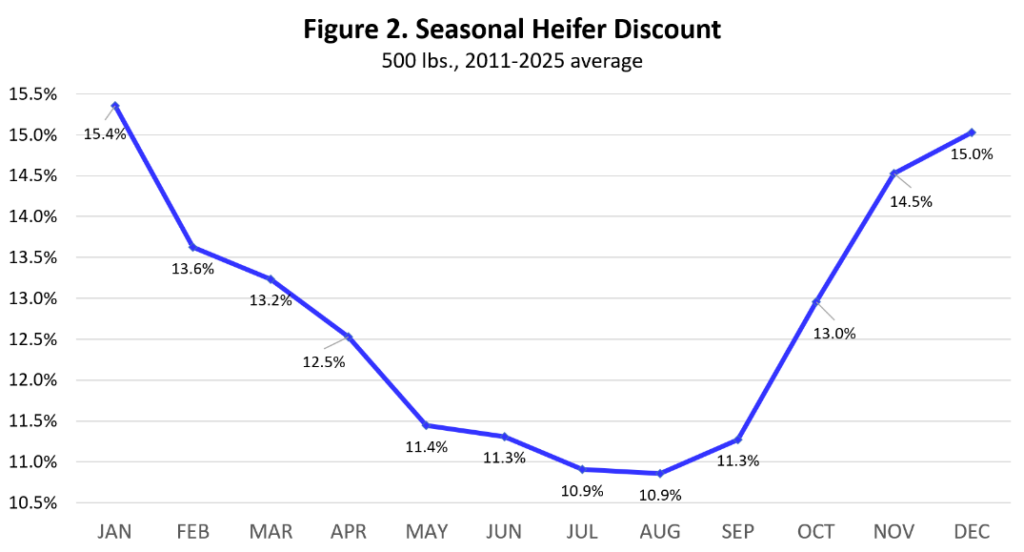
    Partners agree that farmers need to see evidence close to home and recognize the network's value in the evidence it will generate to enable farm-adapted change.   

    "Biochar shows real promise for soil health, but farmers want to see how it performs on working farms close to home, alongside the practices they already use," said American Biochar Institute Executive Director Myles Gray. "This network will generate that evidence across regions and farm types, and it gives ABI the practical, farm-tested data we need to build sound standards and markets that farmers and ranchers can trust."  

    "The Dry Farming Institute is very excited for this soil health network to go through," said Dry Farming Institute Executive Director Dr. Gabrielle Roesch-McNally. "We are deeply interested in how biochar applications can improve soil water-holding capacity and support farmers to thrive with less water." 

    "Biochar and integrated soil health systems hold real promise for farmers, but adoption depends on proof," said EarthOptics CEO Lars Dyrud. "Growers need trusted, regionally relevant data showing what works on their ground and what it means for their bottom line. EarthOptics is proud to partner with American Farmland Trust to bring consistent, defensible soil intelligence across this national network, turning field-level data into insights that help farmers make confident decisions about resilience and profitability."   

    "We are excited to continue our partnership with American Farmland Trust, combining on-farm research, precision agriculture, biochar, and nitrogen management to improve profitability and sustainability for Nebraska growers. Our four large-scale trials, totaling 20 acres, will demonstrate these practices under real farming conditions," said Dr. Guillermo Balboa, Nebraska Project Lead, University of Nebraska–Lincoln.  

    "I'm thrilled to see the USDA supporting this AFT initiative to develop and evaluate evidence-based solutions to healthier soils. Our research group at the University of Louisville is proud to partner with AFT to work on how biochar's benefits to soil can be enhanced even further by microbial inoculation," said Dr. Natalie Christian, Associate Professor of Biology, University of Louisville.  

    "As American producers navigate unprecedented soil health challenges, we must leverage every tool we have to provide practical, research-driven solutions. Virginia State University is excited to partner with American Farmland Trust to evaluate biochar-integrated soil health management systems and help producers address these challenges," said Dr. Tiffany Carter of Virginia State University's College of Agriculture.  

    "Salt River Project is proud to partner with American Farmland Trust to explore how biochar can improve soil health, enhance water resilience and support a sustainable future for agriculture in Arizona," said Elvy Barton, Senior Manager of Water and Forest Sustainability at Salt River Project.  

    "Cold Steppe is proud to partner with American Farmland Trust, the nation's leader in protecting farmland and promoting sound farming practices for more than four decades. We look forward to serving the farmers in AFT's network and to showing how biochar, built into full soil health management systems, can help keep working lands in working hands through improved economics and agronomics," said Matt Freniere, Co-Founder and President of Cold Steppe.  

    "It is so important for suppliers like NY Carbon to be involved in these long-term field trials as it gives us a chance to prove out our model of utilizing local Hudson Valley biomass waste by upcycling it into a valuable soil amendment along with guidance from the brilliant researchers at Cornell University and the national reach and dedication of American Farmland Trust to build resilient soils and sustainable food systems that farmers can rely on," said NY Carbon Director of Business Development and Product Bill Hilgendorf.   

    Michael Kelsey: Oklahoma Cattle Producers Prepare for a Busy 2027 Legislative Session

    In today's Beef Buzz, senior farm and ranch broadcaster Ron Hays continues his conversation with Oklahoma Cattlemen's Association Executive Vice President Michael Kelsey about building relationships with newly elected lawmakers, priorities for the 2027 legislative session and the importance of agriculture having a voice in state policy decisions.

    OCA Works to Build Relationships Before Elections

    As Oklahoma prepares for a new group of lawmakers, Kelsey says building relationships before election day is an important part of the Oklahoma Cattlemen's Association's strategy.

    He says the organization works to connect with candidates early rather than waiting until they take office. "We just try as best we can to not build a relationship after an election," Kelsey said. "We try to build relationships before the election."

    Kelsey says those relationships are important for developing policy, holding individual and group meetings, and inviting candidates to OCA events throughout the state.

    He adds that the organization does not wait until the legislative session begins in February to start working with elected officials. "It's key to develop those relationships, and that started a long time ago, both for us and for NCBA as well," Kelsey said.

    Property Rights, Water and Taxes Among Legislative Priorities

    Looking ahead to the 2027 legislative session, Kelsey expects several issues to receive attention at the Capitol.

    Private property rights will be an important discussion, particularly as Oklahoma considers projects involving data centers, solar farms and the proposed Inola aluminum smelter. "Private property rights are again going to take a very important role in how data centers, things of that nature," Kelsey said.

    Property taxes are also a concern Kelsey says lawmakers are hearing from constituents. He pointed to State Question 847 as one factor that could influence how legislators approach property tax policy.

    Water will remain another major issue for Oklahoma agriculture. "Water, we know, is going to be a major discussion point. Will be for the rest of my life, certainly my career, and my life, our lives, because it's just such a precious resource," Kelsey said.

    Tax policy is also on the radar, with Kelsey noting that the outcome of the governor's race could influence the direction of future discussions.

    While he does not necessarily expect major tax policy changes during the next session, he anticipates lawmakers will begin addressing broader tax proposals. "We're gonna have a busy session, Ron," Kelsey said.

    Oklahoma Agriculture Looks Ahead to New Governor

    Kelsey says OCA feels good about the agricultural leadership already established in the Oklahoma House and Senate, pointing to Speaker Kyle Hilbert and Senate President Pro Tem Lonnie Paxton as strong supporters of agriculture.

    He says the organization looks forward to working with their leadership teams and the Legislature as a whole. "We've got good leadership there, so I think we can rely upon that we're going to have good discussions. We're going to have some sensible policy, but it's going to be talked about," Kelsey said. "We need to be at the table and need to be representing agriculture as a whole."

    However, Kelsey says the next governor will also have an important role in shaping the future of Oklahoma agriculture through the appointment of a new secretary of agriculture.

    He praised current Secretary of Agriculture Blayne Arthur's leadership and says OCA hopes that level of leadership will continue under the next administration. "The new governor will establish the secretary of agriculture, and that is a key, key, key position for us in Oklahoma agriculture," Kelsey said.

    Kelsey says that position will be especially important as the state addresses animal disease concerns, petition initiatives and other issues affecting farmers and ranchers over the next four to eight years.

    The Beef Buzz is a regular feature heard on radio stations around the region on the Radio Oklahoma Ag Network and is a regular audio feature found on this website as well. Click on the LISTEN BAR above for today's show and check out our archives for older Beef Buzz shows covering the gamut of the beef cattle industry today.

    Dairy Farmers Welcome EPA Decision to Close Out Two-Decade-Old Air Emissions Study

     The National Milk Producers Federation (NMPF) welcomed the U.S. Environmental Protection Agency's announcement that it will not finalize air emissions estimating methodologies under the 2005 Animal Feeding Operations Air Compliance Agreement, and that it will move to terminate the agreement. The decision ends more than 20 years of uncertainty for the dairy farms and other livestock operations that volunteered for the National Air Emissions Monitoring Study (NAEMS).

    "Dairy farmers signed up for this study in good faith two decades ago, and they've been waiting ever since to find out what it would mean for their farms," said Gregg Doud, president and CEO of NMPF. "You can't measure a handful of farms years ago and use those numbers to set expectations for thousands of other farms. We appreciate EPA following the data and giving farmers a clear, final answer."

    In comments filed last year, NMPF told EPA that its draft dairy emissions models were built on monitoring data from only five dairies. NMPF's technical analysis found that the models produced per-cow emission estimates that swung dramatically with herd size, predicted negative emissions in below-freezing weather, and offered no way to account for the advances in feed, genetics, manure management and emissions control that dairy farmers have adopted since the data were collected.

    EPA's announcement reflects many of these concerns. The agency concluded the data are too old and too limited to support reliable methods and no longer reflect current barn designs, herd sizes and manure practices.

    "There's a saying in our industry: when you've seen one dairy farm, you've seen one dairy farm," said Clay Detlefsen, senior vice president and staff counsel at NMPF. "That's why this approach was never going to work. Farms vary too much from one another and change too much over time. We're grateful to EPA staff for their professionalism over the years, and we look forward to continued collaboration on practical, science-based approaches."

    U.S. dairy farmers have a long record of continuous environmental improvement, and NMPF will keep working with EPA, USDA, land-grant universities and its member cooperatives to build on that progress.

    EPA's decision marks the second win for dairy farmers in the last week. On Oct. 29, USDA announced $165.5 million in Section 32 dairy purchases, which NMPF welcomed as timely support for demand during a difficult stretch for milk prices.

    Oklahoma Voters Head to Polls Tomorrow for Major Statewide Races, Ballot Questions and Local Issues

    Oklahoma voters will head to the polls Tuesday, November 3, to decide several major statewide offices, a U.S. Senate seat, congressional and legislative races, two state questions, and a number of local issues, including a proposed sales tax to help fund a new Oklahoma County jail.

    The 2026 general election will determine Oklahoma's next governor, lieutenant governor, attorney general, and several other statewide officials. Voters will also weigh in on proposed constitutional changes involving property taxes and the state's judicial selection process.

    Governor and Statewide Offices

    With Governor Kevin Stitt completing his second term, Oklahoma voters will select a new governor.

    Republican Mike Mazzei, a former state senator, faces Democrat Cyndi Munson, a former state representative. Independent candidates Robert Brooks, Orlando Lynn Bush and Jerry Griffin are also on the ballot.

    Other statewide races include:

    • Lieutenant Governor: Republican T.W. Shannon and Democrat Kelly Forbes.
    • Attorney General: Republican Jon Echols and Democrat Nick Coffey.
    • State Superintendent: Republican Robert Franklin and Democrat Jennettie Marshall.
    • State Treasurer: Republican Cindy Byrd and Libertarian Kiefer Perry.
    • Labor Commissioner: Republican Kevin West, Democrat Kevin Dawson and Libertarian Mike Hall.
    • Insurance Commissioner: Republican Bob Sullivan and Democrat Craig MacIntyre.
    • Corporation Commissioner: Republican Brad Boles and Democrat Rhonda Eastman.

    U.S. Senate and Congressional Races

    Oklahoma voters will also choose a new U.S. senator following Markwayne Mullin's departure from the Senate to serve as U.S. Secretary of Homeland Security.

    Republican Congressman Kevin Hern faces Democrat N'Kiyla Jasmine Thomas, Libertarian Sevier White, and independents Ron Meinhardt and Curtis Stinnett.

    All five Oklahoma seats in the U.S. House of Representatives are also up for election.

    The congressional races include:

    • District 1: Republican Mark Tedford and Democrat John Croisant.
    • District 2: Republican Josh Brecheen, Democrat Brandon Wade and independent Ronnie Hopkins.
    • District 3: Republican Frank Lucas and Democrat Suzie Byrd.
    • District 4: Republican Tom Cole, Democrat Mitchell Jacob and independent Rocco Bonacci.
    • District 5: Republican Stephanie Bice, Democrat Jena Nelson, and independents Robert P. Henri and Austin Nieves.

    Voters in various districts will also select members of the Oklahoma House of Representatives and State Senate.

    Two State Questions on the Ballot

    Oklahoma voters will decide two proposed amendments to the state Constitution.

    State Question 845 — Judicial Nominating Commission

    This proposal would change the rules governing Oklahoma's Judicial Nominating Commission, which helps select nominees for judicial vacancies.

    The changes would include allowing commission members to serve two consecutive six-year terms, adjusting appointments to reflect current congressional districts, and removing certain political party and attorney-related restrictions.

    A yes vote would approve the changes. A no vote would leave the current constitutional provisions in place.

    State Question 847--Property Tax Valuations

    This could have a direct impact on Oklahoma farmers, ranchers and other property owners by reducing the amount that property valuations can increase annually for tax purposes.

    Under current Oklahoma law, the annual increase in taxable property valuations is capped at 3 percent for homesteads and agricultural land and 5 percent for other real property. If approved, State Question 847 would lower those limits to 1.75 percent for homesteads and agricultural land and 4 percent for other properties beginning in 2027.

    For agricultural producers, the measure could provide additional protection against rising property valuations during years when farm income is affected by drought, higher production costs or fluctuating commodity and livestock prices.

    The Oklahoma Farm Bureau has endorsed State Question 847, arguing that agricultural producers can experience financial losses while the taxable value of their land continues to increase.

    The proposal would also establish a tiered system of valuation caps for qualifying homeowners age 65 and older, based on household income.

    However, the measure has raised concerns among public school officials and local governments that rely on property tax revenue to fund education, roads, emergency services and other operations.

    The Oklahoma Tax Commission has projected approximately $45.78 million in reduced revenue for local taxing jurisdictions in the next fiscal year if the measure passes, compared with existing law.

    Supporters say the proposal would provide greater predictability for property owners and help limit future tax increases. Opponents argue that slower growth in property valuations could reduce funding for local services, particularly in rural communities.

    State Question 847 would not directly reduce existing property tax rates or guarantee a lower tax bill. Instead, it would limit how quickly property valuations used to calculate taxes could increase.

    A yes vote would approve the lower valuation growth limits, while a no vote would maintain the current system.

    Opponents of State Question 847 argue that lowering property valuation caps would reduce future revenue growth for public schools, county governments, CareerTech programs and other local services. They point out that the measure would not actually lower existing property tax bills and could make it more difficult for communities to fund school construction, roads and emergency services. Critics also warn that school districts and local governments may need to increase property tax millage rates to meet existing bond obligations, potentially offsetting savings for property owners. The Oklahoma Tax Commission estimates the measure could reduce revenue to local taxing jurisdictions by approximately $45.78 million in the next fiscal year compared with current law.

    Oklahoma County Jail Sales Tax Proposal

    Oklahoma County voters will decide whether to approve an additional 0.4 percent sales tax to help fund the construction, operation and maintenance of county detention, diversion and mental health facilities.

    The proposed tax would add four cents to a $10 taxable purchase and would remain in effect for approximately 25 years.

    County officials are seeking additional funding after construction costs for a new jail increased substantially beyond the $260 million bond package approved by voters in 2022.

    Supporters say the additional revenue is needed to complete the new facility, address longstanding safety and infrastructure problems at the current jail, and provide adequate funding for future operations. They argue that the existing jail is outdated and that a replacement is necessary to improve conditions for inmates, detention officers and the community.

    Opponents question why voters are being asked to approve another tax after already authorizing $260 million in bonds for the project. Critics have raised concerns about escalating construction costs, financial oversight and the additional tax burden on residents. Some argue that county officials should reconsider the project's size and cost or explore other funding options before asking taxpayers for more money.

    The estimated cost of Oklahoma County's new jail has climbed to approximately $860 million, more than three times the $260 million in bonds voters approved in 2022. County officials are now seeking a 0.4 percent sales tax to help close the construction funding gap and pay for ongoing jail operations. The proposed tax is expected to generate approximately $70 million annually over 25 years.

    A yes vote would approve the additional sales tax, while a no vote would reject it.

    The proposal will appear only on ballots in Oklahoma County.

    Judicial Retention and Local Elections

    In addition to candidate races and state questions, voters will decide whether to retain several Oklahoma appellate judges and Supreme Court justices.

    Depending on where they live, voters may also see county offices, local propositions and other races on their ballots.

    When and Where to Vote

    Election Day is Tuesday, November 3, with polls open from 7 a.m. to 7 p.m.

    Voters must provide an acceptable form of identification or follow the state's provisional ballot procedures.

    Because ballots vary by county and legislative district, voters are encouraged to review their sample ballots and verify their polling locations through the Oklahoma State Election Board's OK Voter Portal at oklahoma.gov/elections/ovp.html

    ELECTION DAY VOTING

    Voters are encouraged to make a plan to vote. Polls are open from 7 a.m. to 7 p.m. on Election Day. Lines at the polls are typically longest early in the morning, during lunchtime, and after 5 p.m. If turnout is heavy at your precinct, be prepared for possible wait times.

    State Election Board Secretary Paul Ziriax encouraged voters to be courteous to precinct officials and other voters waiting in line. "We want all voters to have a positive experience at the polls. We ask that voters please be patient as precinct officials work to process voters and help those who may need additional assistance, such as first-time voters or those with disabilities." The State Election Board said all eligible voters in line by 7 p.m. on election night will be permitted to vote.

    VERIFY POLLING PLACE

    All voters should confirm their polling place before heading to the polls. Voters can confirm their polling place using the OK Voter Portal or by contacting their County Election Board or the State Election Board. The State Election Board reminds voters that you must vote at your assigned polling place on Election Day.

    BE PREPARED

    Study the candidates and issues before going to the polls. View your sample ballot using the OK Voter Portal. You can also use the portal to find your polling place. The election list is available on the State Election Board website.

    PROOF OF IDENTITY

    Oklahoma law requires every voter who votes in person to show proof of identity before receiving a ballot.

    There are three ways to show proof of identity under the law (only one proof of identity is required):

    1. Show a valid photo ID issued by the State of Oklahoma, federal government or a federally-recognized tribal government; or
    2. Show the free voter identification card issued by the County Election Board; or
    3. Sign an affidavit and vote a provisional ballot. (If the information on the affidavit matches official voter registration records, the ballot will be counted after Election Day.)

    If your identification card has an expiration, the expiration date must fall after the date of the election.

    Product of USA label

    Secretary Rollins Announces 8 Additional Companies Joining USDA's Product of USA Label Initiative

    U.S. Secretary of Agriculture Brooke L. Rollins today announced that 8 additional meat and poultry companies have adopted USDA's voluntary Product of USA (POTUSA) label, building on the strong momentum behind the Trump Administration's efforts to help consumers easily identify products that are truly born, raised, harvested, and processed in the United States. With today's announcement, more than 30 companies have committed to the label since USDA launched its nationwide campaign earlier this year.

    As more processors adopt the Product of USA label, American families heading to the grocery store or local supplier this holiday season can shop with greater confidence that when they purchase products bearing the claim, they are directly supporting American farmers, ranchers, processors, and rural communities.

    "From the pasture to the dinner table, American families deserve to know that their food is American through and through. And as of today, 8 more companies are adding the Product of USA label to their product," said Secretary of Agriculture Brooke L. Rollins. "Every company that adopts the Product of USA label is standing with our ranchers, our processors, and our rural communities. Now available in all 50 states, families can gather around the table this holiday season and be able to choose meat and poultry raised right here in America. Under President Trump's leadership, USDA will keep working every day to put American farmers and ranchers first."

    The newest companies to adopt USDA's Product of USA label include:

    • Mesorah Farms - Pennsylvania
    • KJ Poultry – New York
    • Strauss Brands – South Carolina
    • Legacy Maker Farms – Indiana
    • Demkota Ranch Beef – South Dakota
    • Delta Pride Catfish – Mississippi
    • Eel River Organic Beef – California
    • Krogman Home Grown Meats – Illinois


    The continued expansion of the Product of USA label complements President Trump's and Secretary Rollins' broader strategy to strengthen America's livestock industry by supporting independent ranchers, family farmers, and domestic meat and poultry processors. By creating new market opportunities for products that are fully American from pasture to plate, USDA is helping producers and processors compete, grow, and meet rising consumer demand for American-raised meat.

    The Product of USA initiative also complements USDA's Strengthening Processing for U.S. Ranchers (SPUR) Program, a $500 million investment to help eligible small- and mid-sized beef processors preserve and expand domestic processing capacity and the recently announced SPUR 2.0 Guaranteed Loan program supporting American meat and seafood. Together, these efforts are strengthening America's supply chain, expanding opportunities for U.S. producers, and increasing consumer access to high-quality American-raised products.

    USDA continues to receive strong interest from processors across the country, with additional companies expected to adopt the Product of USA label in the coming months as consumer demand for authentic American-produced meat and poultry continues to grow.

    An Updated Outlook for Interest Rates in 2026 and 2027

    Andrew Wright writes in Southern Ag Today: Earlier this year, an article in Southern Ag Today titled The Outlook for Interest Rates in 2026 examined how interest rates might change in 2026 based on the Federal Open Market Committee's (FOMC) Summary of Economic Projections. This article reviews those early-2026 projections, compares them with the FOMC's actual policy decisions, and discusses what changes in the economic environment might mean for interest rates in 2027. 

    Table 1 summarizes the economic projections of the twelve FOMC members at the December 2025 and March 2026 meetings. At the start of the year, most FOMC members believed a federal funds rate between 2.9% and 3.6% was the appropriate path for 2026. At the time, the FOMC's target range for the federal funds rate was 3.5%- 3.75%, implying a single quarter-point rate cut in 2026 was likely. However, at its September meeting, the FOMC raised the federal funds rate target range by a quarter point to 3.75%-4.0%. In addition, the FOMC's September Summary of Economic Projections indicated that most members now favored a federal funds rate between 4.0% and 4.4% in 2026 (Table 2).

    Two factors likely explain the change in the FOMC's monetary policy path. First, the FOMC's composition changed this year. In May, Kevin Warsh replaced Jerome Powell as the Chair of both the Federal Reserve and the FOMC. At the same time, four regional Federal Reserve bank presidents rotated off the committee, and four new presidents joined, as is standard practice each year. The addition of five new members may have shifted the board's composition, leading to a more hawkish stance on inflation. 

    The second factor likely influencing the FOMC's decisions this year is the trajectory of inflation in 2026, as shown in Figure 2. In January, annual inflation in the Personal Consumption Expenditures (PCE) index, the FOMC's preferred measure of inflation, was 2.73%. By August, annual inflation had risen to 3.45% due to higher tariffs, the Middle East conflict, and resulting increases in input and energy costs across multiple sectors of the economy (FOMC 2026). These events put pressure on the FOMC to reverse course and raise the federal funds rate.

    What does this mean for the final two months of 2026 and into 2027? The most likely scenario is higher rates, at least in the short term. If the FOMC's September projections are accurate, a quarter-point increase at its December meeting would not be unexpected. The long-term outlook is less certain. According to the September summary, the median projection is for the federal funds rate to hold steady at 4.1% next year. How the FOMC manages monetary policy will depend on inflation's trajectory and the economy's strength. If the U.S. economy shows signs of a recession, the FOMC may feel compelled to lower rates.

    If the FOMC raises the federal funds rate in December and keeps the target rate between 4.0% and 4.25% in 2027, expect higher agricultural loan rates as well. Agricultural rates rose in the third quarter of 2026, possibly in anticipation of the committee's September decision. Figure 2 offers insight into where agricultural rates may end up next year. For most of 2025, the FOMC held the federal funds rate steady between 4.25% and 4.5%. At the same time, long- and intermediate-term agricultural rates were near 8.0%, while short-term rates were closer to 8.5%. The actual rate a borrower receives will depend on their relationship with the lender and their perceived creditworthiness; however, as producers begin planning for 2027, they should expect to pay higher interest rates on operating loans next year.  

    Table 1. Summary of FOMC Committee Member Projections, December 2025 and March 2026

     Median (%)Central Tendency (%)1Range (%)
     DecemberMarchDecemberMarchDecemberMarch
    Change in Real GDP2.32.32.1 – 2.52.2 – 2.52.0 – 2.62.1 – 2.7
    Unemployment Rate4.44.44.3 – 4.44.3 – 4.54.2 – 4.64.3 – 4.6
    PCE Inflation2.42.72.3 – 2.52.6 – 3.12.2 – 2.72.3 – 3.3
    Federal Funds Rate3.43.42.9 – 3.63.1 – 3.62.1 – 3.92.6 – 3.6
    1 The central tendency represents the range of projections, excluding the 3 highest and 3 lowest values.

    Table 2. Summary of FOMC Committee Member Projections, September 2026

     Median (%)Central Tendency (%)1Range (%)
     202620272026202720262027
    Change in Real GDP2.32.42.2 – 2.42.2 – 2.62.1 – 2.62.0 – 2.9
    Unemployment Rate4.14.14.1 – 4.24.0 – 4.24.0 – 4.34.0 – 4.5
    PCE Inflation3.72.33.5 – 3.72.2 – 2.52.9 – 3.82.0 – 2.6
    Federal Funds Rate4.14.14.1 – 4.43.6 – 4.43.9 – 4.43.1 – 4.4
    1 The central tendency represents the range of projections, excluding the 3 highest and 3 lowest values.

    Figure 1. Agricultural Loan Rates, Q1 2023 – Q3 2026

    Figure 2. Annual Personal Consumption Expenditures Index (measure of Inflation) compared to the Federal Funds Rate, January-August 2026

    US Pork Producers Express Gratitude for Long-awaited EPA Data Decision

    For more than 20 years, hog and other livestock farmers have lived with uncertainty over what new federal permitting or reporting requirements could result from an emissions study conducted nearly two decades ago. 


    In a regulatory win for pork producers and other farmers, the Environmental Protection Agency announced it will not finalize those emissions-estimating methodologies and will move to end obligations set under a 2005 agreement. After reviewing data collected from 2005-2007, EPA determined the data are too old and too limited to support reliable methods, noting that farm designs, production practices and technologies have changed significantly in the years since.


    The National Pork Producers Council has long pushed for this decision, and America's pork producers applaud the Trump administration and EPA Administrator Lee Zeldin for bringing certainty to the country's farmers by concluding the data are insufficient to support reliable methods. Producers are also thankful for the efforts of Small Business Administrator Kelly Loeffler in listening to the concerns of America's small business family farmers on this matter.
     

    NPPC President Rob Brenneman, a farmer from Washington County, Iowa, said, "This move confirms what farmers have long known: Every farm is different, and there is no one-size-fits-all model to apply to them. Each farm should be judged on its own factors, including its location, its practices, its animals and its people. We're grateful to EPA for listening to the farmers who feed this nation."


    In 2005, EPA entered into an Air Compliance Agreement with livestock and poultry farms and launched the National Air Emissions Monitoring Study to collect data the agency planned to use to develop methods for estimating emissions from farms. Scientists under both Republican and Democratic administrations have criticized the study, with farmers concerned over how those methods ultimately could have affected their operations under federal air regulations if finalized.


    Ron salutes our daily email sponsors!

    Upcoming Events

    November

    S M T W T F S
    1 2 3 4 5 6 7
    8 9 10 11 12 13 14
    15 16 17 18 19 20 21
    22 23 24 25 26 27 28
    29 30          

    Visitor Polls

    Do you like the new website?
    Add a Comment
    (Fields are Optional)

    Your email address is never published.