The National Association of State Departments of Agriculture issued the following statement regarding the U.S. Environmental Protection Agency's and U.S. Department of the Army's announcement of a final rule on Waters of the United States:
"The EPA's latest rule on defining "waters of the United States" is a statement of federal overreach that ignores states' authority to regulate intrastate water quality and the Clean Water Act's statutory mandate for cooperative federalism. In turn, although we recognize EPA's attempt at clarifying through a roster of exemptions, its rule ignores the voices of nearly all in American agriculture who have long been seeking clarity on this issue, especially regarding the debate over what is and is not a navigable water," NASDA CEO Ted McKinney said.
"Farmers are committed to being responsible stewards of the land and water that they use to grow food, and the effectiveness of WOTUS should be taken with the same seriousness," McKinney said.
As NASDA previously stated in multiple sets of comments and input throughout this regulatory process, the Clean Water Act establishes limits on federal jurisdiction and the role of the federal government to regulate interstate commerce, thus recognizing the role of states in regulating non-navigable waters.
Further, the release of this ruling ahead of the U.S. Supreme Court ruling on Sackett v. EPA wastes tremendous federal, state and private sector resources as the decision of SCOTUS will invariably shift water regulations across the United States yet again significantly. This is in stark contrast to the comments previously made by Administrator Regan to the U.S. House Appropriations Subcommittee on Interior and the Environment that the EPA's rule would "be in a position to respond and adjust to the Supreme Court ruling."
Today, the Environmental Protection Agency (EPA) and the United States Army Corps of Engineers released their final definition of "Waters of the U.S." (WOTUS). Following the announcement, Chairman-elect of the House Committee on Agriculture, Rep. Glenn "GT" Thompson, issued the statement below:
"Since day one of the Biden Administration, America's farmers, ranchers, and producers have fallen under constant attack: burdensome regulation, record inflation, high input costs, the politicization of crop protection tools, supply chain disruptions, and now an egregious government land grab.
The final WOTUS rule issued today by the Biden Administration is another step in the wrong direction. Simply recognizing long-standing agriculture exemptions that have been too narrowly applied for decades does not make up for, once again, plunging our rural communities into ambiguity.
Finally, the timing of the rule is questionable given the fact that the Supreme Court is due to rule on a case related to WOTUS regulations in the coming months. I am concerned this action will only result in continuing the regulatory whiplash."
The last drought monitor map for 2022 is here! Ho Ho Oh No......
It's the Holiday Season! A time for joy and time for cheer...that is unless you live in Kansas and Oklahoma and have taken a look at the last drought monitor map for 2022 (remember, the darker the color, the drier it is).
I don't know how to say this, but when it comes to drought, the folks in Western and Southern Kansas are definitely not having a pleasant end to the year. The drought picture is also starting to move into more negative territory throughout Oklahoma as well—it seems that we may have gotten a little coal in our drought stocking this year along with our neighbor to the north.
On a personal note, take a look at the dark blotch in Oklahoma just right at the break of the Central and Western parts of the state:
For those of you unfamiliar with Oklahoma geography, that smaller dark blotch straddles Blaine and Kingfisher Counties...right where I live.
Yay me!!! I promise I was good this year but somehow, when it comes to drought, we were put on the naughty list.
If you want a little more information on what is going on drought wise in Kansas you can catch the podcast we did with Matthew Sittel the Kansas Assistant State Climatologist earlier this month. You can also check out the blog we wrote earlier this year about what assistance is currently available from USDA and how to contact their local USDA service center for more information.
Also be on the lookout for more of our "voices from the drought" videos over the next few weeks. We hope to have them edited and posted shortly after the first of the year. If you want to check out our first two videos in this series you can find them (and our other videos) here.
Here is hoping that in 2023 we can start writing about how to deal with too much rain!
"The WOTUS rule published today by the U.S. Environmental Protection Agency and the U.S. Army Corps of Engineers, although an earnest attempt to address a longstanding issue, will greatly amplify uncertainty for America's farmers and ranchers, as federal regulators will be making case-by-case determinations based on highly subjective factors. While the rule does reel-in some of the dramatic regulatory overreach seen in the 2015 rule published during the Obama administration, it would still bring significant acreage that was not subject to regulation prior to 2015 under federal jurisdiction. It is especially unfortunate that this action has been taken while the Supreme Court continues deliberations on a WOTUS case heard this fall, since a decision in that case may once again require changes to the rule.
"NCFC and the farmer-owned cooperatives we represent remain fully committed to federal, state and local efforts to work with agriculture to protect surface water quality throughout the US. We do not believe the provisions in this rule will help us work together towards that critical goal."
About NCFC
Since 1929, NCFC has been the voice of America's farmer cooperatives. Our members are regional and national farmer cooperatives, which are in turn composed of nearly 2,000 local farmer cooperatives across the country. NCFC members also include 26 state and regional councils of cooperatives. Farmer cooperatives allow individual farmers the ability to own and lead organizations that are essential for continued competitiveness in both the domestic and international markets.
America's farmer-owned cooperatives provide a comprehensive array of services for their members. These diverse organizations handle, process and market virtually every type of agricultural commodity. They also provide farmers with access to infrastructure necessary to manufacture, distribute and sell a variety of farm inputs. Additionally, they provide credit and related financial services, including export financing.
American Farm Bureau Federation President Zippy Duvall commented today on EPA's issuance of yet another Waters of the United States Rule, which will replace the Navigable Waters Protection Rule.
"AFBF is extremely disappointed in the EPA and Army Corps of Engineers' new Waters of the United States Rule. Farmers and ranchers share the goal of protecting the nation's waterways, but they deserve rules that don't require a team of attorneys and consultants to identify 'navigable waters' on their land. EPA has doubled down on the old significant nexus test, creating more complicated regulations that will impose a quagmire of regulatory uncertainty on large areas of private farmland miles from the nearest navigable water.
"Even more puzzling is the administration's insistence on moving forward with a new rule while the Supreme Court is about to issue a decision on the scope of the Clean Water Act. A ruling in the Sackett case could send WOTUS back to the drawing board, so it makes no sense for EPA to issue a rule that will only cause more disruption and uncertainty.
"We appreciate the agencies' attempt to provide needed clarifications of the prior converted cropland exclusion and exemptions for irrigation ditches and stock ponds, but the overall rule is still unworkable for America's farm families. The back and forth over water regulations threatens the progress made to responsibly manage natural resources and will make it more difficult for farmers and ranchers to ensure food security for families at home and abroad."
Congressman Frank Lucas (OK-03) released the following statement today after the U.S. Environmental Protection Agency (EPA) and U.S. Army Corps of Engineers announced a final rule revising the definition of "Waters of the United States"- or WOTUS:
"I am extremely discouraged by the EPA's actions regulating wetlands and waters in a manner inconsistent with the Clean Water Act," said Congressman Frank Lucas (OK-03). "During this time when increased agriculture production and growth are critical, the rule fails to provide certainty for America's farmers and ranchers. Furthermore, the Biden Administration's contradictory rule ensures lengthy litigation surrounding the scope of federal regulatory authority of our nation's waterways will continue with confusion and regulatory uncertainty. Oklahoma's farmers, ranchers, and landowners have demonstrated their responsible stewardship of the land for generations, and I will continue to stand with my colleagues on both sides of the aisle in opposition to the continued inconsistent interpretation of WOTUS and the Clean Water Act."
In 2015, the Obama Administration's WOTUS Rule significantly expanded the definition of "waters of the United States" and gave the federal government authority to regulate almost any waters; including streams, ditches, ponds, and creeks.
In 2020, the Navigable Waters Protection Rule (NWPR), finalized by the Trump Administration, revised the definition of WOTUS and reversed this overreach, bringing back a balance between federal and state jurisdiction under the Clean Water Act.
Following his inauguration on January 20th, 2021, President Joe Biden signed Executive Order 13990 which directed federal agencies to review all existing regulations, orders, guidance documents, policies, and any other similar agency actions promulgated, issued, or adopted between January 20, 2017, and January 20, 2021, including the Navigable Waters Protection Rule.
Under the direction of Executive Order 13990, on June 9th, 2021, the EPA and the U.S. Department of the Army announced their intent to revise the definition of WOTUS. Lucas strongly opposed the Biden Administration's Order.
In June of 2021, Lucas joined a bicameral Western Caucus letter expressing serious concerns with the Biden Administration's decision to remand the 2020 Navigable Waters Protection Rule (NWPR) and reopen the definition of "Waters of the United States."
In November of 2021, following the announcement of the Biden Administration's proposed rule, Lucas stated the EPA's action's revising WOTUS would "dismantle the clarity, certainty, and common sense understanding that came with the Trump Administration's Navigable Waters Protection Rule." Lucas has long been a supporter of community-led, voluntary conservation efforts and was proud to cosponsor a resolution that expressed the sense of the House of Representatives that clean water is a national priority and that the NWPR should be maintained.
Listen to KC Sheperd talk with Zach Carlson about creating a more agile and resilient food system.
At the American Seed Trade Association's booth at the National Association of Farm Broadcaster's convention in Kansas City, Farm Director KC Sheperd, visited with the Agronomy Manager at Sound Agriculture, Zach Carlson. Sheperd and Carlson talk about how Sound Ag aims to create a more agile and resilient food system.
"Sound Ag is a company that is based in science, and obviously, trying to really be a sustainability kind of company that has products that help with the reduction of synthetic fertilizers and inputs for farmers," Carlson said.
Carlson talked about Sound Ag's product, SOURCE, which works with the microbes already present in the soil, and the equipment in use, to give crops more access to nitrogen and phosphorus.
"SOURCE is a biochemistry full year applied kind of product that activates the microbes in the soil to fix nitrogen out of the atmosphere and then also solubilize the phosphorus that is tied up based upon different soil characteristics, mostly pH, that does cause that," Carlson said.
Compared to more traditional methods, Carlson said SOURCE is unique because it goes against expensive synthetic fertilizers by activating those microbes in the soil.
"The space that SOURCE and Sound Agriculture is in, we are really on the kind of tip of the sphere on where to go with how these different tools are all going to come to this space," Carlson said.
Sound Ag is invested in using what is already in the soil to the producer's benefit and reducing synthetic nitrogen. Sound Ag, Carlson added, is not registered in all 50 states, but they are registering on many different crops.
"Corn and beans were kind of our baseline," Carlson said. "Now, we are expanding into wheat, cotton, alfalfa, and grass hay. Definitely more to come on that front."
SOURCE for wheat and cotton in Oklahoma, Carlson said, will be on sale at a limited release in 2023. Producers can visit sound.ag to find a dealer near them.
Ron Hays talks new WOTUS Rule with Mary-Thomas Hart of NCBA
Click here to listen to audio
Today, the National Cattlemen's Beef Association (NCBA) issued the following statement on the Biden administration's finalized Waters of the U.S. (WOTUS) rule.
"For too long, farmers and ranchers have dealt with the whiplash of shifting WOTUS definitions. Today, the Biden administration sought to finalize a WOTUS definition that will protect both our nation's water supply and cattle producers across the nation." said NCBA Chief Counsel Mary-Thomas Hart. "While the rule retains longstanding, bipartisan WOTUS exclusions for certain agricultural features, it creates new uncertainty for farmers, ranchers, and landowners across the nation."
NCBA previously called for the Environmental Protection Agency (EPA) to retain agricultural exclusions for small, isolated, and temporary water features that commonly appear on farms and ranches. These exclusions have broad support and were included in WOTUS rules under both Republican and Democratic administrations. The rule fails to clearly exempt isolated and ephemeral features from federal jurisdiction and relies on "case-by-case" determinations to assess whether a feature is federally regulated. Today's rule is a far cry from the regulatory certainty provided by the Navigable Waters Protection Rule, creating a significant and costly burden for agricultural producers.
"The timing of this rule could not be worse," added Hart. "The Supreme Court is currently considering Sackett v. EPA, which will provide much-needed clarity related to the WOTUS definition. Today's final rule seeks to directly preempt ongoing Supreme Court litigation, leaving farmers and ranchers with more questions than answers."
Oklahoma Farm Report's Ron Hays spoke with Hart about the group's reaction and you can hear their conversation by clicking on the LISTEN BAR above.
Ron Hays talks new WOTUS Rule with Mary-Thomas Hart of NCBAclick to play audio or right-click to download
Texas & Southwestern Cattle Raisers Association (TSCRA) President Arthur Uhl today released a statement in response to the Biden Administration's final Waters of the United States (WOTUS) rule.
"For years we have been at the mercy of unclear and ever-changing federal regulations of surface water on our private property. Rather than creating a clear definition of WOTUS that defines what bodies of water fall under federal jurisdiction, the Environmental Protection Agency (EPA) only further exacerbated the problem. While the new rule creates limited exceptions for agriculture, the changes still fall woefully short of addressing the concerns raised by landowners to the EPA. The WOTUS has damaging effects to the beef industry, delaying, obstructing, and hindering our ability to raise beef, steward our land, and support our local economies. Landowners must now implement the unclear framework of this rule, or risk being fined thousands of dollars per day for noncompliance."
Today, the United States Environmental Protection Agency (EPA) and the U.S. Army Corps of Engineers announced the final "Revised Definition of 'Waters of the United States'". The rule will take effect 60 days after it is published in the Federal Register.
"The National Association of Wheat Growers (NAWG) is deeply concerned that the EPA and U.S. Army Corps rushed to get this revised definition out prior to the end of the year instead of waiting for the decision in the Sackett case before the Supreme Court," said NAWG CEO, Chandler Goule. "While we continue reviewing the final rule, since the rulemaking process was announced last year, NAWG has stressed that farmers need clarity regarding jurisdiction, recognize important agricultural water features, and more long-term certainty from the courts and administrations."
In April 2022, NAWG filed an amicus brief with other agriculture groups in the Supreme Court case, which is examining the scope of federal jurisdiction as a Water of the United States under the Clean Water Act.
NAWG will be reviewing the regulation in more detail in the coming days. For more information, visit the EPA website.
Today, the National Cattlemen's Beef Association (NCBA) issued the following statement on the Biden administration's finalized Waters of the U.S. (WOTUS) rule.
"For too long, farmers and ranchers have dealt with the whiplash of shifting WOTUS definitions. Today, the Biden administration sought to finalize a WOTUS definition that will protect both our nation's water supply and cattle producers across the nation." said NCBA Chief Counsel Mary-Thomas Hart. "While the rule retains longstanding, bipartisan WOTUS exclusions for certain agricultural features, it creates new uncertainty for farmers, ranchers, and landowners across the nation."
NCBA previously called for the Environmental Protection Agency (EPA) to retain agricultural exclusions for small, isolated, and temporary water features that commonly appear on farms and ranches. These exclusions have broad support and were included in WOTUS rules under both Republican and Democratic administrations. The rule fails to clearly exempt isolated and ephemeral features from federal jurisdiction and relies on "case-by-case" determinations to assess whether a feature is federally regulated. Today's rule is a far cry from the regulatory certainty provided by the Navigable Waters Protection Rule, creating a significant and costly burden for agricultural producers.
"The timing of this rule could not be worse," added Hart. "The Supreme Court is currently considering Sackett v. EPA, which will provide much-needed clarity related to the WOTUS definition. Today's final rule seeks to directly preempt ongoing Supreme Court litigation, leaving farmers and ranchers with more questions than answers."
Today, the U.S. Environmental Protection Agency (EPA) and the U.S. Department of the Army (the agencies) announced a final rule establishing a durable definition of "waters of the United States" (WOTUS) to reduce uncertainty from changing regulatory definitions, protect people's health, and support economic opportunity. The final rule restores essential water protections that were in place prior to 2015 under the Clean Water Act for traditional navigable waters, the territorial seas, interstate waters, as well as upstream water resources that significantly affect those waters. As a result, this action will strengthen fundamental protections for waters that are sources of drinking water while supporting agriculture, local economies, and downstream communities.
"When Congress passed the Clean Water Act 50 years ago, it recognized that protecting our waters is essential to ensuring healthy communities and a thriving economy," saidEPA Administrator Michael S. Regan. "Following extensive stakeholder engagement, and building on what we've learned from previous rules, EPA is working to deliver a durable definition of WOTUS that safeguards our nation's waters, strengthens economic opportunity, and protects people's health while providing greater certainty for farmers, ranchers, and landowners."
"This final rule recognizes the essential role of the nation's water resources in communities across the nation," said Assistant Secretary of the Army for Civil Works Michael L. Connor. "The rule's clear and supportable definition of waters of the United States will allow for more efficient and effective implementation and provide the clarity long desired by farmers, industry, environmental organizations, and other stakeholders."
This rule establishes a durable definition of "waters of the United States" that is grounded in the authority provided by Congress in the Clean Water Act, the best available science, and extensive implementation experience stewarding the nation's waters. The rule returns to a reasonable and familiar framework founded on the pre-2015 definition with updates to reflect existing Supreme Court decisions, the latest science, and the agencies' technical expertise. It establishes limits that appropriately draw the boundary of waters subject to federal protection.
The final rule restores fundamental protections so that the nation will be closer to achieving Congress' goal in the Clean Water Act that American waters be fishable and swimmable, and above all, protective of public health. It will also ensure that the nation's waters support recreation, wildlife, and agricultural activity, which is fundamental to the American economy. The final rule will cover those waters that Congress fundamentally sought to protect in the Clean Water Act—traditional navigable waters, the territorial seas, interstate waters, as well as upstream water resources that significantly affect those waters.
Accompanying the issuance of the final rule, the agencies are also releasing several resources to support clear and effective implementation in communities across America. Today, a summary of 10 regional roundtables was released that synthesizes key actions the agencies will take to enhance and improve implementation of "waters of the United States." These actions were recommendations provided during the 10 regional roundtables where the agencies heard directly from communities on what is working well from an implementation perspective and where there are opportunities for improvement. The roundtables focused on the geographic similarities and differences across regions and provided site specific feedback about the way the scope of "waters of the United States" has been implemented by the agencies.
Today, the agencies are also taking action to improve federal coordination in the ongoing implementation of "waters of the United States." First, EPA and Army are issuing a joint coordination memo to ensure the accuracy and consistency of jurisdictional determinations under this final rule. Second, the agencies are issuing a memo with U.S. Department of Agriculture to provide clarity on the agencies' programs under the Clean Water Act and Food Security Act.
Background On June 9, 2021, EPA and the Department of the Army announced their intent to revise the definition of "waters of the United States" to better protect our nation's vital water resources that support public health, environmental protection, agricultural activity, and economic growth. On Nov. 18, 2021, the agencies announced the signing of a proposed rule revising the definition of "waters of the United States."
The Clean Water Act prohibits the discharge of pollutants from a point source into "navigable waters" unless otherwise authorized under the Act. "Navigable waters" are defined in the Act as "the waters of the United States, including the territorial seas." Thus, "waters of the United States" is a threshold term establishing the geographic scope of federal jurisdiction under the Clean Water Act. The term "waters of the United States" is not defined by the Act but has been defined by the agencies in regulations since the 1970s and jointly implemented in the agencies' respective programmatic activities.
Listen to Ron Hays talk with Jimmy Emmons about improving soil carbon levels.
Over the decades, U.S. farmers and ranchers have significantly reduced soil carbon levels in farm and rangeland. Senior Farm and Ranch Broadcaster, Ron Hays, is talking with Jimmy Emmons, who is a rancher, farmer, and Oklahoma Conservation Commission's Soil Health Mentoring Coordinator, about the value of improving soil carbon levels.
"Most of the prairie region from here to the north was somewhere between seven and 14 percent soil organic matter, originally," Emmons said. "Most of our country here in Oklahoma is less than one percent."
Every percent of soil organic matter can hold around 20,000 gallons of water, Emmons said, depending on the soil.
"We see a lot of ponding, terraces full of water," Emmons said.
Many producers think their water is ponding because they have received good rains, Emmons said, but in most cases, it is because their soil is not allowing that water to infiltrate. By practicing good stewardship such as minimizing tillage, grazing management, and more, Emmons said, producers can help their soil rebound and begin putting more carbon back into the ground.
"Once you really get a full system in place and really manage that, you can do a lot in three to five years," Emmons said.
After over ten years of putting effort into increasing carbon levels in his soils, Emmons said he has reached eight to 12 inches per hour of water infiltration. In 2010, Emmons said his water infiltration was measured to be half an inch per hour.
If the entire state of Oklahoma participated in better soil stewardship, Emmons said, a lot could be gained when big rainfall events come around. Water would be better stored, he added, and aquifers and ponds would be refilled with clean water rather than silt, chemicals, and fertilizer.
"That is the thing we have really got to work on and understand how that system's approach really works," Emmons said.
Originally, Emmons said the prairies consisted of many different animals, such as bison, deer, elk, and more species continuously moving and grazing. These species would come through and move on, giving that ground a long rest period, rather than grazing in the same spot until it was bare.
"Rest period is very important for multiple things," Emmons said. "First of all, when you bite off grass- forage- the roots recede with the top growth, so you have fewer roots to be working in the ground for you, and you also have less canopy to be absorbing sunlight and photosynthesis. As you eat that off, you want to give that time to rebound and regrow."
The Beef Buzz is a regular feature heard on radio stations around the region on the Radio Oklahoma Ag Network and is a regular audio feature found on this website as well. Click on the LISTEN BAR for today's show and check out our archives for older Beef Buzz shows covering the gamut of the beef cattle industry today.
Listen to KC Sheperd talk with Kevin McNew about what Farmers Business Network can do for producers.
At the 2022 National Association of Farm Broadcasters conference in Kansas City, Farm Director, KC Sheperd, got the chance to speak with the Chief Economist and Head of Research for the Farmers Business Network, Kevin McNew about how Farmers Business Network aids farmers in making the best decisions for their operations.
"At Farmers Business Network we are about returning margin to the farm, and my job as head of data analytics is to understand what are their best choices, whether it is buying inputs, or navigating these complex markets that they are facing," McNew said.
Because the drought has persisted for so long, and La Nina is persisting into the winter, McNew said he does not see much reprieve any time soon.
"But I do think that is going to be supported, especially as we turn our attention to South America's growing season where they are probably going to struggle with the onset of La Nina in the winter," McNew said. "I do think corn markets are going to stay very supported, wheat is going to stay a little bit supported, although I think wheat farmers are probably going to come back pretty strong in '23 across the country with more wheat acreage."
McNew said 2023 will be a challenging year, but it can be a profitable year for farmers, especially if they can manage the rising costs of fertilizer and chemicals.
"I think those will probably stabilize in 2023," McNew said. "We are seeing chemical prices start to come down a little bit. Nitrogen based fertilizer probably won't give us much relief here as we go into '23, but I think crop prices are going to stay elevated."
Margins for farmers should be good, McNew said, they just need to be managed appropriately. Going forward, McNew said he is urging farmers to pay attention to what is going on with interest rates.
"The cost of money has gotten so high with inflation and interest rates moving up," McNew said. "If you are storing physical grain, that may be something you want to reconsider. We have basis levels for corn and wheat that are exceptionally because of the drought in the western plains so maybe let go of some of that grain that is sitting in physical storage to free up some of that cash and pay down operating notes."
Three key financial statements and how they can guide your regenerative ranch into a bright New Year
If you've been waiting for a sign it's time to deal with the shoebox of receipts piled in the corner of your office or shop or on the kitchen table ... this is it.
Dan Childs and Jason Bradley, two agriculture economic consultants at the Noble Research Institute, say that to end your financial year well, most of the work should already be done.
"Don't wait until the end the year to cram it all in," Bradley says.
To make the most of your end-of-year tax consultation meeting, be prepared with updated income/expense records, then use this final month of the year to reflect, recalibrate and look toward a more regenerative future on your farm or ranch.
These three financial statements are the building blocks for successful financial strategies.
KEEP AFTER IT, LITTLE BY LITTLE
If your tendency is to let receipts and statements stack up until the end of the year, make 2023 the year you ask for help to start a new habit.
Set a goal to update your income and expense report at least on a monthly basis; aim to review operational goals quarterly or every six months. Write down your marketing plan each year, but be prepared to adjust as reality unfolds. If tracking and recording all this feels daunting, consider asking your accountant, banker or trusted adviser to set short, intermittent meetings throughout the year for check-ins.
"Having that meeting set where you know you need to have all your information ready, even just for the first few months, might be enough to get your feet under you and get you in the habit of tracking the data," Bradley says. "It gets easier if you just keep at it."
He likens it to simple household chores.
"We all know that if we load the dishwasher after every meal, or wash a few dishes every day, it's way easier than waiting until the end of the week and facing that big mountain in a full sink. That's when it feels overwhelming, and you just want to walk away," Bradley says.
Find ways to make record-keeping a small habit so it doesn't become a big burden at the end of the year. Many accounting systems now come with apps or cloud-based sharing software, so your records are accessible on your smart phone.
If that's the case, use small pockets of time – waiting for the feed truck to warm up, sitting in a drive-through line or in a medical waiting room, for instance – when you might otherwise scroll through social media or respond to texts. Instead, use it as a small window to categorize expenses on your mobile Quicken or QuickBooks app.
When you're in the office, start small and set a specific time – say, five minutes before you eat lunch. Or set a goal to enter three to five data points while the first pot of coffee brews each morning. These little bits of time add up if you keep at them consistently, and the small bits of data will add up to paint a powerful picture of your ranch's financial fitness.
1. REVIEW YOUR PROFIT AND LOSS STATEMENT; MANAGE FOR TAXABLE INCOME
Take stock of your income and expense reports in December and prepare to have a thoughtful conversation with your accountant concerning any additional expenses or income you anticipate in the financial year. Evaluate your taxable income so far, and make a plan to adjust accordingly.
Your profit/loss statement, also known as an income statement or statement of earnings, tracks basic revenue and expenses over a specific time period, typically a fiscal year.
If you're a new producer or are in the process of transitioning your operation toward a more regenerative model, make an honest evaluation of what kinds of tax implications those changes might have.
Are you shifting a calving season to sync more closely with resource needs? Moving from a year-round herd to custom grazing? Need to purchase a no-till drill? Now is the time to identify those production goals and changes and decide how they will impact your income and cash flow. Do you need to stock up on cover crop seed now? Sell old drills to release capital for reallocation to new equipment?
Only a tax professional can offer the kind of legal guidance you might need in these decisions. Remember, tax codes may change from year to year, so be sure your decisions are in line with the most current requirements.
2. REVIEW NET WORTH STATEMENTS; SET OPERATIONAL GOALS FOR THE FUTURE
Tracking profit and loss is the baseline for managing a business, but if you want to move to a more regenerative model that intentionally balances people, profit and planet, it's time to take those goals into consideration with your accounting.
"Your basic financial accounting asks, 'Are we doing things right?'" Childs says. "What we want to think about next is more managerial accounting. It asks, 'Are we doing the right things?'"
A net worth statement, also referred to as a balance sheet, considers the bigger picture of your ranch's financial health. It incorporates assets, liabilities and any shareholder equity.
"Assessing a net worth statement is really the gold standard way of asking, 'How are we progressing financially?'" Childs says.
He prefers to review this statement at the start of a new year and use it as a vantage point from which to set goals for the year ahead.
Make an honest evaluation of this statement with your CPA, banker, or financial adviser, Childs suggests, "then use that to help forecast a realistic financial goal of X amount of profit for 2023."
It's simple, but powerful, the economists note, for business owners to not only set profitability goals, but to write those goals down and keep them in a place where you can regularly review them.
Forbes magazine notes that fewer than 20% of people consistently write their goals down, even though "people who very vividly describe or picture their goals are anywhere from 1.2 to 1.4 times more likely to successfully accomplish their goals than people who don't."
3. REVIEW CASH FLOW STATEMENT; USE ENTERPRISE ACCOUNTING AS BUILDING BLOCKS
Your cash flow statement, in simplest terms, illuminates where money comes into the business and where money is spent. This measures the business's ability to generate cash to pay debts, fund operating expenses and more. While your cash flow statement is going to evaluate the ranch's financial footing as a whole, it can also be used as a starting point for more detailed enterprise accounting.
Your ability to focus on each individual cash-generating opportunity offers a clear picture of which enterprises on the ranch are most profitable.
"This is where you can start looking at your big goals and then ask, 'Which enterprises on the ranch are going to contribute to hitting that goal?'" Bradley says.
Enterprise accounting allows a manager to ask powerful questions, such as: Can we shave a little off the overheads on this enterprise or can be get better margins on that enterprise? If we got better return here, could we reinvest that to improve over there?
"If you're really concerned about addressing profitability, this is where you need to go," Childs says. "Your knowledge of your enterprise profitability is very powerful in building an accurate operational plan."
The bottom line, Bradley says, is that the best way to achieve success is to plan for it.
The American Farm Bureau Federation will present its highest honors, the Distinguished Service Award and the Farm Bureau Founders Award, to former AFBF Executive Vice President Dale Moore and former North Carolina Farm Bureau President Larry Wooten, respectively, during the 2023 American Farm Bureau Convention, Jan. 6-11 in San Juan, Puerto Rico.
AFBF established the Distinguished Service Award in 1928 to honor individuals who have devoted their careers to serving the national interest of American agriculture. Established in January 2017, the American Farm Bureau Federation's Founders Award for exemplary leadership, service or contributions to Farm Bureau is presented in recognition of outstanding achievements and work in the interest of Farm Bureau.
Moore, a Kansas native raised on a family farm, has been a champion for agriculture in the public and private sectors for more than 40 years. His influential and accomplished career included stints on Capitol Hill, at several agricultural trade associations and at the U.S. Department of Agriculture, where he served under four secretaries. His tenure included helping shape seven farm bills starting in 1985 through the current legislation enacted in 2018. His early work in Washington included more than a dozen years in various staff positions for the House Agriculture Committee and on the personal staff of former Sen. Pat Roberts (R-Kans.) when he was in the House of Representatives.
"When I stop and think about all the success, the joys, the blessings I've had in my career, I can't put enough chairs around the table to see all the people who were an important part of that process," Moore said.
Most recently, Moore was executive vice president at AFBF from 2018-2022, after serving as vice president of public affairs, deputy executive director for public policy, and manager of the agriculture and trade policy team for the organization. At AFBF, he was well-known for both his encyclopedic knowledge of historical farm policy and its implications for farmers and ranchers, and his mentorship of young staff new to D.C. and agriculture.
"Coming from rural Kansas and the opportunities he's had to serve in so many different areas representing agriculture have been such a benefit to all of us, particularly American Farm Bureau," said Rich Felts, immediate past president of Kansas Farm Bureau.
Wooten's Farm Bureau career spans more than 50 years, starting when he was a farmer member and later president of Pender County (North Carolina) Farm Bureau. At NCFB, he served on several committees including Young Farmers & Ranchers, Tobacco Advisory and Resolutions. From 1994-1999, he served as assistant to the president (administrator) at NCFB. In 1999, he was elected president of NCFB, a position he held until 2019 while also serving as president of all corporations and affiliates. Under Wooten's leadership, NCFB grew to more than 577,000 family memberships.
A commitment to developing agriculture leaders for the future is a hallmark of Wooten's career, including support for collegiate Farm Bureau, YF&R and other leadership development programs. "I think this is what separates Farm Bureau from a lot of other ag organizations," Wooten said. "We've made a conscious effort to develop leadership for the future."
Wooten's international experience includes extensive travel in Europe, Africa and South America promoting trade and U.S. agriculture. He also chaired AFBF's Trade Advisory Committee. His additional AFBF leadership experience includes serving on the AFBF board of directors during his tenure as NCFB president, and as a member and chair of the national YF&R committee.
Shawn Harding, current president of NCFB, praised Wooten's team-oriented leadership style. "He has the ability to make everyone feel a part of the team and a part of the vision of what we are doing," Harding said. Wooten led NCFB during several legislative and policy successes, including the initiation of the Tobacco Buyout Program and the passage of state laws protecting farmers' right to farm, among many others.
Moore was nominated by the Kansas Farm Bureau for the DSA. Wooten was nominated by North Carolina Farm Bureau for the Founders Award. A national Farm Bureau committee selected each of the winners.
Jimmy and Jake Carter are father and son owners of Southern Belle Farm in McDonough, Georgia. Since the farm's establishment in 1938, the Carters have expanded it to grow many kinds of seasonal produce and now they welcome thousands of students and families each year to visit, learn about agriculture and participate in fun activities.
The Carters recently sat down with American Farm Bureau Federation President Zippy Duvall to talk about how they got into agritourism and how their mission has evolved beyond education.
Southern Belle Farm's attractions started as an opportunity to teach the public about agriculture. Now, the Carters also take pride in providing experiences for families to share that create bonds and memories.
"We're all guilty of sitting down at the dinner table and looking down at our phones. We think we're spending time with our family but we're not really with them. That's why we create an experience that families can enjoy doing together," Jake said.
Southern Belle Farm welcomes over 500,00 people each year from all over the world to enjoy activities like wagon rides, watching the racing pigs, sliding down the Giant Tunnel Slide and more. Guests can also taste sweet treats like strawberry shortcake and apple cider donuts.
Each year, Southern Belle Farm adds a new attraction for its guests. They are committed to providing meaningful experiences for the many families that come to visit.
Listen to KC Sheperd talk with Eric Woofter about new innovations in the seed industry.
At the American Seed Trade Association's booth at the National Association of Farm Broadcaster's convention in Kansas City, Farm Director, KC Sheperd, got the chance to visit with Eric Woofter, CEO of Star Seed, about new innovations in the seed industry going forward.
Woofter said Star Seed is known for its cover crops, native grasses, and farm seed.
"Anything that is a niche seed, Star Seed handles," Woofter said. "The big thing we look for right now is making sure we are doing a great job supplying quality seed that is noxious weed free."
Conservation agriculture has improved significantly over the years, Woofter said, so it is exciting to see the way farming is changing.
"Most of our producers, farmers, and ranchers right now- they are great stewards of the land, and they are changing," Woofter said. "That is what makes this a good thing to be in."
Regarding cover cropping, Woofter said he is excited about the many possibilities available during this time.
"We are really cognizant about what has been going on with water quality," Woofter said. "As we start to see our lakes and stuff maybe deteriorate a little bit, we want to be part of that. We want to be part of that patch to fix some things. Not that we have done a bad job, we can just do better."
Woofter said the American Seed Trade Association is promoting a lot of plant breeding.
"Cover crops are changing," Woofter said. "We are trying to go to areas where the seed is more specific. Things in southern Oklahoma to northern Oklahoma are a big difference. The moisture level, all those things, even east to west. So, trying to make sure that we have the correct seed for the correct area is a big part of this."
Going forward, Woofter said Oklahoma may see some drought-tolerant fescue grass seed varieties from overseas.
"Oklahoma has been on that verge of a lot of different types of grasses for that," Woofter said. "We have seen that, and we think it is a neat thing where these fescues can actually go dormant in the heat, and then they wait for rain, and here comes the green."
Instead of having wheat as a rotational crop, Woofter said fescue grass provides an option for a more permanent grass that can handle various conditions.
Listen to Ron Hays visit with Blayne Arthur about the 2023 Cattlemen's Congress.
Senior Farm and Ranch Broadcaster, Ron Hays, is back visiting with the Oklahoma Secretary of Agriculture, Blayne Arthur, about the upcoming national cattle show, Cattlemen's Congress, from the perspective of those in the show cattle industry.
Aside from being Secretary of Agriculture for Oklahoma, Arthur is also a "show mom."
"My kids are both very active in exhibiting cattle and really like it," Arthur said. "My husband is, of course too, and we do get the chance to travel to what we consider all the big shows."
Arthur said having the chance to travel with her family and compete at many national shows such as Kansas City, Louisville, and Denver has made them even more proud of Cattlemen's Congress.
"We feel like we have had a chance to go to a lot of those national shows and see what they do well and see the caliber of exhibitors and animals that exhibit there, and we know that Cattlemen's Congress is top tier," Arthur said. "People bring out their best stuff."
Many people in the show cattle industry, Arthur said, are bringing their best to Cattlemen's Congress.
"The thing we see here in Oklahoma is that you have got a livestock event put on by livestock people," Arthur said. "I think that is why so many people certainly were pleased that first year to see it."
The Oklahoma Youth Expo team that helps put on Cattlemen's Congress, Arthur said, is very thoughtful because many of them are involved in the livestock industry.
"When you decide when check-in is going to be, how you are going to get trucks and trailers through the facilities, even just the response in the Oklahoma City community- they welcome these people to Oklahoma," Arthur said.
Those in the show industry, Arthur said, can tell the difference between how other shows are operated, and Cattlemen's Congress is run from a showmen's perspective.
"The numbers in the junior show are incredible, and I think that shows that it is a family-friendly event in a family-friendly environment that they are really highlighting in showcasing those juniors," Arthur said.
Cattlemen's Congress has focused on highlighting junior exhibitors in different ways, Arthur said, including on social media.
"Even though the open show part is certainly a big deal, we have got to be bringing these junior exhibitors along because they are the future of so many of these operations and the future of agribusiness," Arthur said.
Arthur said there is no question that in 2023, many are choosing to exhibit their cattle at Cattlemen's Congress, and that is something to be proud of.
The Beef Buzz is a regular feature heard on radio stations around the region on the Radio Oklahoma Ag Network and is a regular audio feature found on this website as well. Click on the LISTEN BAR for today's show and check out our archives for older Beef Buzz shows covering the gamut of the beef cattle industry today.
Below, listen to Ron and Secretary Arthur's complete conversation in podcast form about Cattlemen's Congress.
Drought conditions are at a standstill in Oklahoma this week compared to last week's numbers. Each drought category remains the same as last week's percentages.
Exceptional drought- 11.65 percent
Extreme drought or worse - 56.13 percent
Severe drought or worse - 80.92 percent
Moderate drought or worse - 89.73 percent
Abnormally dry or worse- 98.18 percent
At the start of the calendar year, 95.08 percent of the state was in abnormally dry conditions or worse. Since that period, conditions have increased by at least three percentage points.
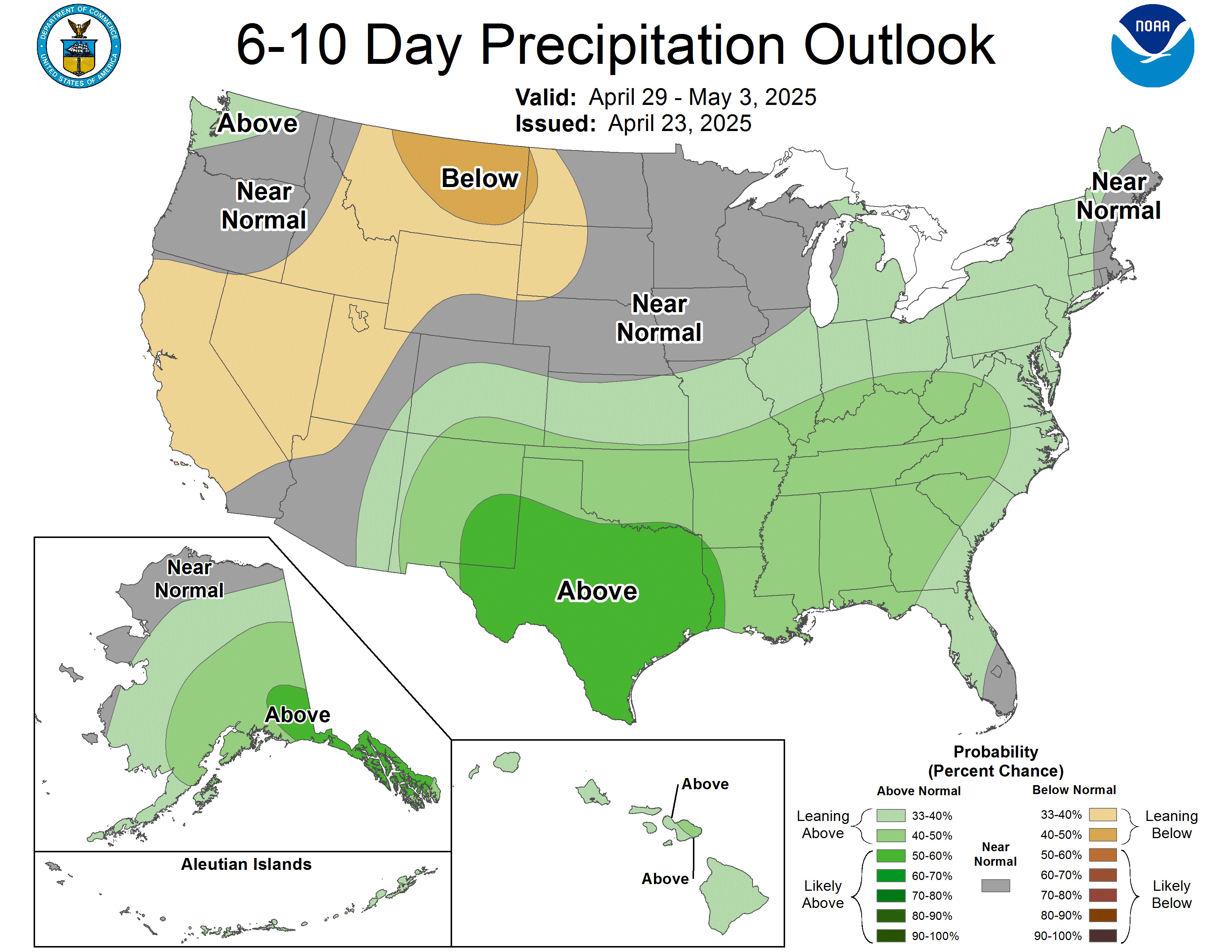
According to the 6–10-day precipitation outlook map, the majority of Oklahoma stands at a "near normal" percent chance of precipitation through January 7. The far western edge of the panhandle is leaning above a 33-40 percent chance of rain, and the southwest part of the state is leaning below a 33-40 percent chance of precipitation.
To view the United States Drought Monitor Report, click here.
According to the latest U.S. drought monitor report, a powerful low-pressure trough developed in the upper levels of the atmosphere over the eastern contiguous U.S. (CONUS) during this U.S. Drought Monitor (USDM) week (December 21-27). At the surface, the trough was associated with a strong cold front that poured frigid arctic air into the U.S. east of the Rockies. Daytime maximum temperatures in the northern Plains were well below zero degrees Fahrenheit, with minimum temperatures colder than 20 below zero, at the peak of the cold wave. Bismarck, North Dakota, registered minus 10 for a high and minus 20 for a low on December 21 and 22; the high was below zero for 4 consecutive days and below freezing for at least 2 consecutive weeks. Williston, North Dakota, recorded minus 17 for a high and minus 29 for a low on December 20. The freezing arctic air spread to the Gulf of Mexico and East coasts, and even breeched the Rocky Mountain chain to reach the Pacific Northwest. The high temperature at Tupelo, Mississippi, was only 18 degrees with a low of 4 on December 23. Rain, freezing rain, and snow accompanied the arctic front as it swept east and south. An inch or more of precipitation fell across parts of the Gulf Coast and from the Appalachians to East Coast when the front tapped Gulf and Atlantic moisture. Some parts of the Mid-Atlantic and Northeast states received over 2 inches of precipitation, while an inch or more occurred over the lee sides of the Great Lakes, largely in the form of heavy lake effect snow. Buffalo, New York, officially measured 50.3 inches of snow from December 23-26, but much more snow fell in other favored leeside areas. Locally up to half an inch of precipitation occurred from the northern Plains to Upper Mississippi Valley. But the northwesterly flow was otherwise dry, so large parts of the Great Plains, Mississippi Valley, and Ohio Valley to Gulf Coast received less than half an inch of precipitation to no precipitation. The arctic blast froze soils across much of the Great Plains to Upper Mississippi Valley. Any precipitation that fell was not able to penetrate the frozen ground to increase soil moisture, so much of this region had no change in USDM status. In reaction to the eastern trough, an upper-level ridge developed over the western CONUS. This kept weekly temperatures near to warmer than normal from California to the Four Corners states, but it also kept much of the West dry. The exception was northern California to the Pacific Northwest and parts of the central and northern Rockies, where Pacific fronts brought areas of rain and snow. Two inches or more of precipitation fell in coastal areas and in the northern Rockies, with up to ten inches in parts of western Washington. Meanwhile Hawaii and Puerto Rico had a mostly drier-than-normal week while drier- and colder-than-normal weather dominated Alaska. The deep freeze and dry weather resulted in status quo conditions for much of the country. Drought or abnormal dryness expanded in parts of the Midwest, Colorado, and Puerto Rico, while contraction occurred in a few areas in the Southeast, East Coast, Wisconsin, Colorado, and Washington.
In the Southern Plains, this week was drier than normal across all of the South region. Around half an inch of rain fell over parts of southern Mississippi and southeast Louisiana. Otherwise, weekly precipitation totals were less than a tenth of an inch, with large parts of Texas and Oklahoma receiving no precipitation. Much of the region has been wet during the last 2 months, but dry conditions dominate at longer time scales. The cold and dry conditions this week locked moisture conditions in place, so no change was made to the USDM depiction in the South.
In the High Plains, most of the High Plains region received less than half an inch of precipitation. Pockets of half to 1 inch of precipitation were found over North Dakota and the mountains of Colorado and Wyoming. The precipitation was above normal in parts of all of the High Plains states, but late December is in the dry season for much of the region and normals are low. With the entire region experiencing a deep freeze this week, little change was made to the USDM depiction. The exception was Colorado, where D0 expanded in south central counties due to low snowpack and 1- to 4-month precipitation deficits, and D0-D1 contracted in north central counties based on precipitation surpluses at the 1-week to 3-month time scales.
In the West, pacific frontal systems brought rain and snow to coastal areas of the West, from northern California to Washington, and to parts of the Rockies. Two to 5 inches of precipitation fell along the coastal and Cascade ranges, with up to 10 inches locally in Washington. Amounts ranged up to 2 inches or more in the northern Rockies. Pockets of up to 1 inch of precipitation were found over the central Rockies, but for the states further south, southern California, and the intermountain basin, little to no precipitation occurred. Since this is the wet season in the Pacific Northwest, the heavy precipitation this week resulted in month-to-date totals that were barely above normal in some areas, and 3-month precipitation totals were still below normal across most of the Pacific Northwest. Very dry SPI values were still evident at the 6-month time scale in spite of this week's precipitation. Soils were saturated and real-time and 7-day stream levels rose significantly in response to the rain, but 28-day streamflow levels, which are more relevant for drought monitoring, were still very low as of the Tuesday morning valid date of this USDM. Snow depth increased at some sites in northern Washington and the Idaho to Colorado mountains, but most locations in the Pacific Northwest experienced no change or a decrease in snow depth. Reservoirs in Oregon continued very low across the state, with some of the large reservoirs (e.g., Owyhee, Warm Springs, Prineville, Howard Prairie) less than 15% full. Most of the reservoirs across the Pacific Northwest saw very little change in reservoir levels since the beginning of the month. D1 was pulled back in those parts of Washington that had the heaviest precipitation and reflected improvement at 1- to 3-month time scales, but most of the D1 and the D0 were kept in place across the Pacific Northwest to reflect the aggregate indicators and conditions at all time scales. The bulk of the precipitation that fell in California occurred near the end of the USDM week. This precipitation, and the precipitation that followed after the Tuesday morning valid time, will be evaluated in next week's USDM. No change was made to the rest of the West region outside of Washington.
To view the 6-10 Day Precipitation Outlook Map, click here.
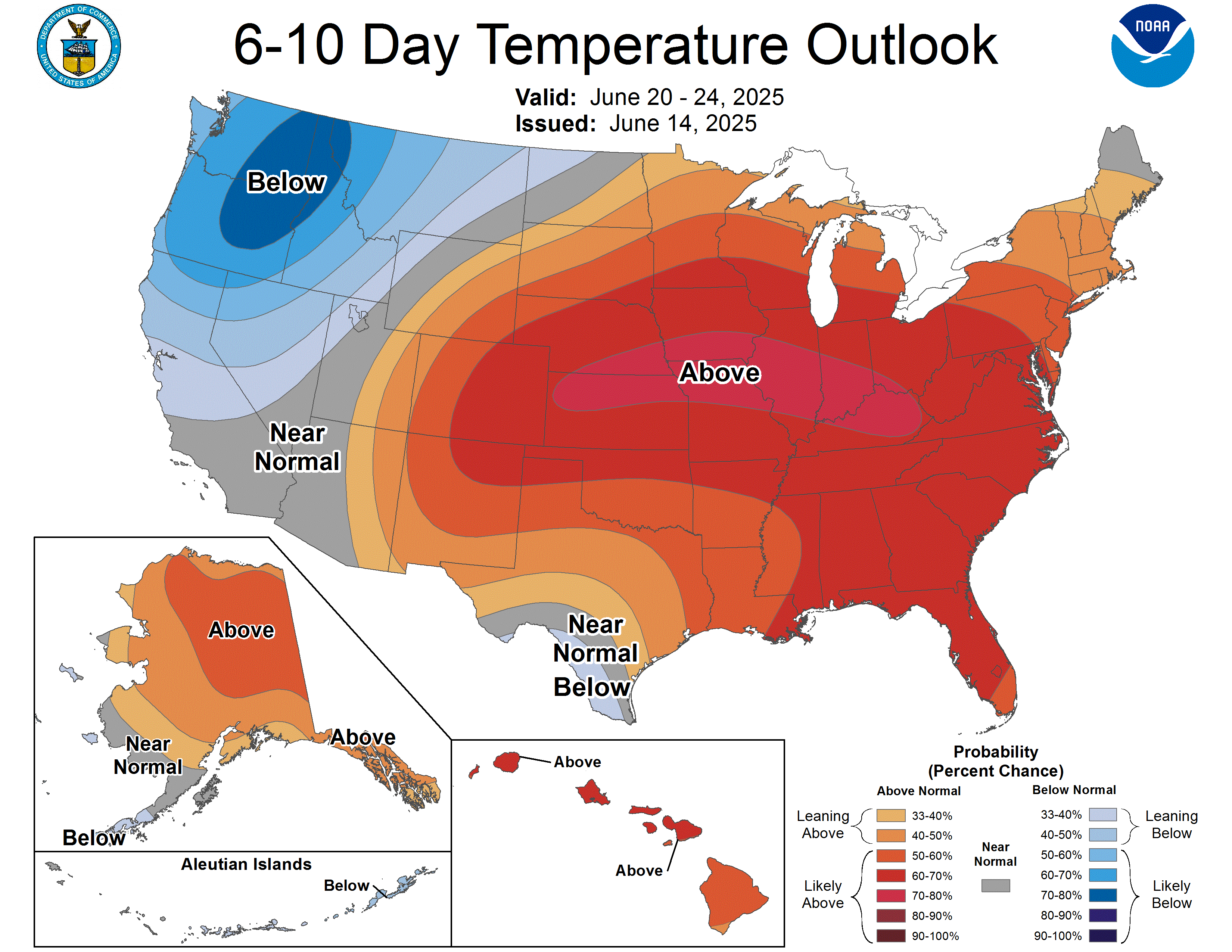
To view the 6-10 Day Temperature Outlook Map, click here.
To view the Monthly Drought Outlook Map, click here.
Listen to Cheyenne Leach talk with Tim Swanson about what CHS can do for ag producers.
Radio Oklahoma Ag Network Intern, Cheyenne Leach, got the chance to visit with Sales and Development Manager at CHS Inc., Tim Swanson, at the National Association of Farm Broadcasters Convention in Kansas City. Leach and Swanson talk about Swanson's role within CHS, and services CHS can provide to producers.
"We really take pride in working with the growers," Swanson said. "We are a farmer-owned company. Just all aspects. We have different energy divisions, grain divisions- I am on the agronomy division."
Swanson said he recently moved over the wholesale side of CHS, but he still interacts with growers often to bring them the best products to help them succeed in all that they do. One way that Swanson says CHS provides farmers with tools to help them do better each year, he said is Agellum- a full-farm planning and management solution from CHS.
Agellum integrates, aggregates, and activates a farm's unique data from machinery apps, equipment, and more to empower better agronomic and economic decisions through planning, analysis, and collaboration.
"Agellum is our farm planning platform," Swanson said. "It is really that file cabinet of everything that is going on in the field or on the farm. We can build farm plans from beginning to end and just really lay out our intentions and where we want to end up."
On the agronomy side, Swanson said CHS has assets spread out throughout the country with the intention of anticipating what products growers will need, such as fertilizers, and crop protection products.
How you graze and supplement cattle during dry spells can have long-lasting economic and ecological effects on your ranch.
Wintering cattle during drought on a regenerative ranching operation may not be as simple as buying more feed and hay.
Each decision producers make can have lasting effects on their operation — both economically and ecologically — according to Clark Roberts, Noble ranch manager. Making a knee-jerk decision about managing your cow herd during drought may affect your ranch's long-term sustainability.
Instead, Roberts encourages cattlemen and cattlewomen to think long-term when managing their cow herds and keep the larger picture of their land's management in mind.
"Make sure that whatever you're doing, you keep your ecological and economic thresholds in mind when managing through drought," he says. "Focusing on one and not the other can get you into trouble pretty quickly."
Roberts shares five things he considers before making winter management decisions, especially during drought.
CONSIDER CULLING
The No. 1 thing Roberts thinks about going into winter after times of drought might be the toughest pill for producers to swallow — culling. After spending time improving their cow herd, ranchers are often reluctant to cut strings with their animals, but he says it's often for the best.
After lower-performing animals, Roberts suggests culling younger, unproven animals first, such as stockers, calves or replacements, which often have a higher sale value. But any time ranchers are culling their herd, he says cattle should be looked at as employees, and the ranch land should be viewed as the company. This means that cattle producers should keep only the highest-performing "employees" who do their job each year with no micromanaging or extra inputs.
"If you try and hold on to too many employees during a recession (drought), you're eventually going to go under," Roberts says. "It's not sustainable."
And just as companies can hire employees to fill positions post-recession, ranchers can buy back cattle after a drought. Roberts encourages producers not to let fears of future prices keep them from culling hard during hard times.
Ranchers need to be agile and flexible to be profitable, so if the market for replacements is high when it is time to rebuild the herd, he encourages landowners to be patient or even look for other revenue streams that may be sustainably generated from their ranch.
"Don't be married to your animals; focus on your land," Roberts says. "Because at the end of the day, you're not going to raise livestock if your land can't support it."
"Don't be married to your animals; focus on your land," Roberts says. "Because at the end of the day, you're not going to raise livestock if your land can't support it.""Clark Roberts
Clark Roberts is a ranch facility manager for Noble Research Institute.
KNOW THE QUALITY AND QUANTITY OF YOUR FORAGES
Once you've considered beefing up your culling criteria, Roberts says it is vital to know the quantity and quality of forage you have available on your ranch.
"First, assess how much forage you actually have," he says. "That will be your first step in knowing what your animals demand and matching your demand with your forage supply. Then from there, take a forage sample, so you have an idea of the nutrient content of your pasture. That's going to help you determine what your cattle need to maintain themselves."
Forage samples can be evaluated through the local extension office to help ranchers calculate what supplementation will be needed to winter the cow herd. Testing forages during droughts is important, because the stressful growing season impacts the forage quality more drastically.
"Pay attention to your forage quality," Roberts says. "You might have to, in some instances, start supplementing for protein and energy a little bit sooner because the plants are already stressed through the drought and going into the dormant season already. Those plants' forage quality will be poor because they've been stressed, and they're trying to survive themselves."
Roberts notes stockpiled grasses will often lose nutrients over the winter. So, ranchers should use their forage test results as a starting point when designing winter supplements and rations for their cow herd. Good old-fashioned stockmanship — such as keeping tabs on cattle's body condition and manure scores — will continue to guide ranchers throughout the winter, especially as cows' nutritional demands continue to evolve throughout their gestation.
KNOW YOUR ANIMAL'S DEMANDS
"Your livestock are going to have different nutritional needs depending upon where they are physiologically and in terms of gestation," Robert says.
Nutritional needs will vary greatly within the herd based on cow size, stage of gestation (i.e., spring-calvers vs. fall-calvers), dry matter intake and even environmental factors like temperature. To correctly figure their cow herds' nutritional demands, ranchers must first understand all of the above factors and use these to determine their herd's requirements. A quick internet search can provide producers with charts to do just that — they provide nutrient requirements, average intakes and even environmental adjustments. All that's left is the math.
Roberts often starts with how many pounds of forage a single cow would consume per day. For this example, he uses an easy, round number. If a 1,000-pound cow is expected to consume 3% of her body weight in forages each day, then ranchers can figure that cow will consume 30 pounds of forage per day. By combining the daily average forage consumption with the results of the forage quality tests, producers can see what nutrients they will need to supplement that cow to meet her daily nutritional requirements for her gestational stage.
"If you're comfortable doing percentages and figuring, you can run through all the numbers that way," Roberts says, noting that the math is easier than it seems at first glance. "But it might be easier to reach out to a nutritional expert or someone who can help you put together feed rations based upon the forage quality that you have in your pasture."
BALANCE YOUR ENERGY AND PROTEIN
Regardless of who runs the figures when creating a winter supplement plan for a herd, balance is crucial. In particular, the balance between crude protein and total digestible nutrients, which provide energy, is essential.
"You've got to make sure that there's a good balance of protein and energy in the diet," Roberts says. "The animal can't utilize protein without the energy to use it."
Suppose ranchers only focus on the crude protein side of their ration equation. In that case, they can find themselves feeding what they thought was an adequate amount of protein to complement their stockpiled grasses, only to have their cattle fall short of the energy needed to use the protein.
If you're feeding too much protein relative to TDN, then you might be overfeeding protein and costing yourself money, he says. "You might be spending too much on protein and not getting enough energy."
KEEP IN MIND THE LONG-TERM EFFECTS OF FEEDING HAY
While at first glance it might seem more straightforward to simply purchase hay to fill in the gaps left by drought-stressed grasses, Roberts cautions ranchers to keep the bigger picture in mind. Bringing in hay may inadvertently introduce invasive species to your diverse, native rangeland. In addition, feeding hay may throw off the balance of soil aggregates if cattle stomp and defecate on certain areas too long.
"I don't like having to feed hay as a substitute feed, because the drought doesn't just affect you in the year of the drought. It's going to affect you the following year, too, due to plant recovery," he says. Culling your herd to avoid having to feed hay as a replacement due to lack of adequate forage is better for the land.
If, after reviewing your ranch's operation and finding outsourced hay to be a viable option, be mindful of the hay you bring in and how you feed it to help your ranch's land bounce back more quickly.
As Roberts says, every decision a rancher makes must be economical and ecological, especially in times of drought.
Listen to KC Sheperd talk with Cary Sifferath about growth in the U.S. grain industry.
At the National Association of Farm Broadcasters convention in Kansas City, Farm Director, KC Sheperd, visited with the Vice President for the U.S. Grains Council, Cary Sifferath.
Sifferath said the U.S. Grains Council is always working to identify where they need to be to develop new frontier markets for today and 10 to 15 years from now.
"We just opened up our new office in New Delhi, India, to cover that South Asia market, and we are quite excited about that," Sifferath said. "India has been a good market for U.S. ethanol exports already and trying to crack open that India market for other grain, whether corn and sorghum or DDGS."
Other countries around India, Sifferath said, are also being covered by the office in New Delhi.
Because of drier conditions in many areas of the U.S., Sifferath said many international customers have had to be reassured that the grain they need will be available. Low water levels in rivers such as the Mississippi River, Sifferath said, have also been an issue because a significant amount of grain is moved down those rivers to reach the export market.
Sifferath also talked about what the U.S. Grains Council would like to see in the upcoming farm bill.
"There are two big marketing programs," Sifferath said. "The Market Access Program, MAP, and the Foreign Market Development, FMD programs within USDA."
The MAP and FMD programs, Sifferath said, allow the U.S. Grains Council to have nine international offices worldwide, and people on the ground outside of those offices. Those two programs, Sifferath added, allow the U.S. Grains Council to stretch membership payments and use those funds to work all over the world.
"There is already a movement afoot to double those programs because it has been stagnant," Sifferath said. "They have been basically level for the last 10, 12, 15 years now."
After 26 years of dedication to Oklahoma crop producers, Dr. Tom Royer, Oklahoma State University professor of entomology and plant pathology, announced his retirement. Dr. Royer has been an excellent source of information for producers across the state for many years.
Below, listen to Dr. Royer give an insect update on last week's SUNUP, or CLICK HERE to view.
Listen to Ron Hays visit with Blayne Arthur about the 2023 Cattlemen's Congress.
Senior Farm and Ranch Broadcaster, Ron Hays, is visiting with Oklahoma Secretary of Agriculture, Blayne Arthur, about the development and growth of Cattlemen's Congress.
Looking back on the first year of Cattlemen's Congress (2020), Arthur said there were many moving pieces to make the show come together. After the cancellation of the National Western Stock Show, the Fort Worth Stock Show, and others, many cattle producers were left with no place to showcase their cattle after plenty of hard work.
Thankfully, Arthur said, the state of Oklahoma has a governor who was supportive of the show and willing to help turn plans into action.
"You can start moving all these pieces, but it was still a very, kind of uncertain time," Arthur said.
Many individuals came together to offer Cattlemen's Congress to the livestock industry, Arthur said, and the people of Oklahoma City worked hard to bring it all together in a short time frame to give cattlemen across the United States an option to showcase their genetics.
"It was a pretty monumental task to have that happen, and I don't know that any of us would have imagined it becoming an annual event," Arthur said.
Falling somewhere in the middle of the National Western and Fort Worth Stock Shows, decision-makers worked hard to ensure that Cattlemen's Congress would be a competitive national show with many opportunities for attendees to gain exposure.
"That is why you see, certainly, the bull portion of Cattlemen's Congress, you see the show portion, you see the sales, but then also there is a fat steer show, and prospect show," Arthur said. "All of those pieces kind of came together because folks were gearing animals towards a certain date, and those shows weren't going to happen."
Cattlemen's Congress is a top-tier event, Arthur said, and has continued to create that exposure for those in the cattle industry even after its pilot year.
"We in Oklahoma, of course, feel like we have some of the best cattle producers and some of the best cattle that you will find, but you want to bring the best folks of everywhere to realty highlight that," Arthur said. "
Listen to Ron and Secretary Arthur's complete conversation in podcast form about Cattlemen's Congress!
The Beef Buzz is a regular feature heard on radio stations around the region on the Radio Oklahoma Ag Network and is a regular audio feature found on this website as well. Click on the LISTEN BAR for today's show and check out our archives for older Beef Buzz shows covering the gamut of the beef cattle industry today.
On today's Cow-Calf Corner, Oklahoma State University Livestock Market Economist, Dr. Derrell Peel talks about the data in the latest USDA Cattle on Feed Report.
The final USDA Cattle on Feed report for the year shows that feedlot inventories continue to decrease. The December 1 total of cattle in feedlots was 11.673 million head, down 2.6 percent year over year and the third consecutive monthly year over year decrease in 2022 (Figure 1). November placements were down 2.1 percent year over year; a bit larger than expected, but still down for the third consecutive month. Feedlot marketings in November were about as expected, up 1.2 percent year over year.
Drought pushed more cattle into feedlots earlier this year and kept feedlot totals higher for longer. Monthly inventories from February through June of 2022 were not only higher year over year but were at record monthly levels in the cattle on feed data series that began in 1996.
Figure 2 shows the seasonal variation in feedlot inventories in recent years. Feedlot inventories typically peak in the late fall or winter and reach a seasonal low in late summer/early fall. The five-year average from 2016-2020 in Figure 1 (red line) shows that feedlot numbers peak in December on average and are seasonally low in September. However, in 2021 and 2022, the seasonal peak has been in February with the low in August (Figure 1). In the past five years, the variation from the seasonal peak to the seasonal low has been about 890,000 head, or about 8 percent of the average annual feedlot total.
Figures 1 and 2 may also be showing changes that will be very important in the coming year. Feedlot inventories decreased from November to December. This may signal that the seasonal peak is already in place, although it is too early to be sure. The last time that December feedlot inventories were lower than November occurred in 2016. In that instance, feedlot inventories decreased in December and January before jumping higher to a belated peak in June 2017. I believe it is unlikely that feedlot inventories will move higher anytime in 2023 and the November 2022 total may be the peak for many months. Time will tell.
Listen to Cheyenne Leach talk with Stephanie Gable and Keith Vodrazka about Evoia and climate-smart ag.
Radio Oklahoma Ag Network Intern, Cheyenne Leach, got the chance to visit with the Director of Business Development at Evoia, Keith Vodrazka, and the Evoia Commercialization Lead, Stephanie Gable, about how Evoia is paving the way for innovative and climate-friendly agriculture.
"Evoia is a startup company in the bio-stimulant space," Vodrazka said. "Our focus is to bring simple solutions inspired by nature to growers. We intend to do that, and we are going to do that by harnessing the benefits of fire in a way that is sustainable and environmentally friendly."
Evoia Commercialization Lead, Stephanie Gable said it is important to make sure that farmers who have been doing the same practices for decades to keep their soil and environment healthy continue to do so, but improve upon those skills as time goes on.
"We are seeing lots of changes happen on the global front, from climate change to population increases, and farmers can't keep doing what they have been doing in the past, so they have to look for different solutions," Gable said. "Evoia has had the chance to actually put forward a solution that is based in nature, and that gives it an extra benefit."
Evoia offers a product called AmpliFYR™, which is a proprietary seed treatment for row crops that increases seedling root and shoot growth, improves seedling vigor, and enhances the ability of the seedling to tolerate abiotic stress. As a result, the use of AmpliFYR™ leads to a more consistent, uniform, and vigorous establishment of the crop, increasing the potential of higher crop yields.
Vodrazka said AmpliFYR™ is an easy-to-use liquid formulation that is a liquid biochar extract that uses beneficial compounds to help plants establish better and withstand stress better, and ultimately give the grower a better return for their investment.
Regarding the best approach for the climate-smart agriculture method, Gable said farmers need to understand the available new technology, how it performs in their environment and how it can be improved.
"Taking that technology, whether it is a seed treatment or a method of application or a tillage practice, and really putting it to use in their farm," Gable said said. "We know that every farm is different, but trying to make sure you have that date, you have that information, and you are not afraid to try new things."
Oklahoma Farm Bureau members ages 35-50 are encouraged to attend the second-annual Generation Bridge Winter Conference January 27-28, 2023, at the Hilton Garden Inn and Conference Center in Edmond.
The conference will provide a chance for farmers and ranchers across the state to network with fellow agriculturalists, grow their professional and leadership skills and learn more about the industry.
Generation Bridge serves as a stepping stone after Young Farmers and Ranchers with an opportunity for members to get involved in OKFB beyond the county level as they work to develop connections across the state, expand their knowledge of Farm Bureau and create lasting memories.
Attendees will have the opportunity to hear from industry leaders, attend sessions and much more.
Attendees must register online for the conference by January 13. Hotel rooms are available at the Hilton Garden Inn in Edmond for $114 per night and can be booked by calling the hotel at (405) 285-0900.
To listen to this episode of the AFBF's Podcast on advocacy in the new year, click here.
Smith: Resolutions are all about making a point to do something in the upcoming year. Isabella Chism chairs the American Farm Bureau Federation's Women's Leadership Committee and talks about why agricultural advocacy should be among the top resolutions for 2023.
Chism: If the landscape alone doesn't tell you that we need to be advocating for agriculture than we need to look around at some of our farm families that are struggling because of higher input costs, supply chain issues with getting parts for equipment that may be older or maybe not even available, as well as other things. And if we don't talk about our story and what's happening to us and to our neighbors, then no one else is going to do that.
Smith: She says advocating for agriculture is vital because ag is a small part of the country's population. There are a lot of ways farmers and ranchers can get involved in advocacy.
Chism: All the way down to the youngest children in school taking an ag literate book to school. We can have our legislators read books throughout the season that they're running for election and reelection and get them some free media exposure because they're reading an ag-accurate book that we gave them to read and created the opportunity for them.
Smith: Advocacy will be even more important in the new year as 48 percent of the new congress has never been through a farm bill process before.
Chism: This gives us as farmers the opportunity to be the lead voice, but we have to step up and offer our opinion, not wait to be asked our opinion. Then once we get a farm bill, it's critical that we continue to push toward the things that we need and being realistic in the expectation, living with what we have, trying to make it better, and not always just complaining about what isn't there, but pushing toward that end with a logical result in mind.
Oklahoma's annual student enrollment for public schools increased for the second year in a row during the 2022-23 school year. Oklahoma State Department of Education (OSDE) data shows 701,258 public school students enrolled in Pre-K through 12th grade, up from 698,696 in 2021-22 and 694,113 in 2020-21.
Enrollment is approaching the 2019-20 count of 703,650.
"Oklahoma families recognize the value of their local public schools, and with good reason," said State Superintendent of Public Instruction Joy Hofmeister. "Our public schools are consistently implementing the Ready Together Oklahoma plan and other strategies to help students succeed in the wake of challenges spurred by the global pandemic. As enrollment steadily increases, it is important that the state Legislature ensure our educators are well-prepared to provide a high-quality education."
Tulsa Public Schools remains the largest district in the state with 33,871 students this school year, followed by Oklahoma City Public Schools with 33,245 students.
The largest districts in the state include:
Tulsa 33,871
Oklahoma City 33,245
Epic Charter School 28,478
Edmond 26,190
Moore 24,632
Broken Arrow 20,115
Putnam City 18,905
Norman 15,786
Union 14,890
Lawton 13,979
Enrollment counts do not include district-sponsored charter schools.
Demographic information shows little change in the racial and ethnic makeup of public school students in Oklahoma. Hispanic, American Indian, Black, Asian, Hawaiian/Pacific Islander and students who are two or more races make up 55 percent of statewide enrollment and 45 percent of students are white. Hispanic/Latino students make up 20 percent of enrollment, 11 percent of students are Native American or Alaska Native, 8 percent are African American and 2 percent are Asian. Less than 1 percent of students are Hawaiian or Pacific Islander and 13 percent reported being two or more races.
First snow of the winter and cattle are searching for forage.
In today's Cow-Calf Corner, Mark Z. Johnson, Oklahoma State University Extension Beef Cattle Breeding Specialist, looks back on the cattle industry in 2022.
Ahh, the year of 2022! It was full of challenges for those of us in the cattle business. Drought, high input cost, excessive heat ....... and more drought! As much as I would like to dismiss and forget the past year there are too many lessons to learn from 2022 that can make us better at the cattle business in the future to just dismiss. If the past year did not test your resilience and resourcefulness ........ you must not have owned any cattle! As we look forward to 2023 and the opportunities that lie ahead, this week I reflect on what we can learn from 2022.
The cattle business is based on having an available forage base that cattle can graze and turn into beef. The key to profitability is to find a long-term balance of input expenses and production levels. Without grazable forage, finding that balance is next to impossible.
Prepare for drought when you are getting normal rainfall. Prepare for normal rainfall while you are in a drought. If you can manage to accomplish this it prepares your operation to survive and positions you to financially capitalize on the opportunities that will present themselves in the form of low cattle inventories.
Cattle are adaptive creatures. Although "you can't starve a profit into a cow" it is amazing what the ruminant digestive system can convert. If you are willing to do the math, know your cattle's nutritional needs and are willing to try something new, there are innovative ways to maintain your cows.
Proper culling methods to reduce inventories leave you with a better cowherd.
It's not just the cattle, remember to care for the soil and plants.
The tough years can make you a better manager if you remember the lessons of 2022. I remain steadfast in my belief that good markets await those who can manage through this.
Since I started writing for Cow-calf Corner, I am frequently asked "how do you pick your topics each week?" The "easiest" part of 2022 was picking a topic because it seemed there was critical need for information addressing a new crisis each week. Would it pay to fertilize Bermudagrass? Preventing heat stress? Culling criteria? Early preg checking? Would it pay to turn your weaned calves into yearlings with no wheat? I may not have been able to provide a "silver bullet" answer but tried to address what you were dealing with on a weekly basis to provide help.
Happy New Year and best of luck to cattlemen and women in 2023!
One-party Democratic rule in Washington has led to several unprecedented crises in our country and around the globe. However, next week, lawmakers will return to Washington, D.C. where the U.S. House of Representatives will begin a new legislative session with Republicans in the majority. With this new majority, we can work on policies to address the real issues that are hurting our country and the American people.
First, Republicans plan to secure the southern border that President Joe Biden and Democrats have almost completely abandoned. When he assumed office, President Biden inherited a border that was secure and kept Americans and our nation safe. Because of his policies and executive actions, however, the president has created the most troubling humanitarian, security and health crisis at our southern border in our nation's history. He also created a fentanyl crisis that has led to more than 14,000 pounds of poisonous and deadly fentanyl being seized at our southern border in the last year.
This coming year, House Republicans plan to enact policies to secure the southern border and combat the current enormous levels of illegal immigration. These policies include fully funding effective border enforcement strategies, infrastructure and advanced technology to prevent illegal crossings and trafficking by cartels, ending catch-and-release loopholes, requiring proof of legal status to get a job and reinstating the successful Remain in Mexico program. Until our border is secure, every community in America is a border city.
Next, throughout the two years since President Biden was elected as president, Americans have felt the inflationary burden caused by Democrats' damaging economic policies and out-of-control spending levels. Democrats' inflationary tax has caused families across the country to pay more for just about everything including food, energy and other necessities. In fact, the Bureau of Labor and Statistics' November Real Earnings Report confirmed that inflation is still outpacing Americans' wage growth. In the new Congress, we will curb Democrats' wasteful spending that has put us in this position, work to reduce our national debt and work to enact policies that will allow Americans and American businesses to prosper.
Prices at the pump and utility costs are also included in the high prices Americans are currently enduring. According to the November Consumer Price Index report, energy costs are up 13 percent, and according to the National Energy Assistance Directors Association, households are expected to pay the highest energy costs in 10 years this winter. On day one of Joe Biden's presidency, he launched his war on American energy when he killed the Keystone XL pipeline, which could have been supplying 830,000 thousand barrels of oil per day from Canada to U.S. refineries. Today, President Biden wrongly continues to beg dictators and foreign adversaries for oil instead of using the resources we have here at home.
When President Biden assumed office, he inherited a country that was energy independent and even an energy exporter. Today, the president is sitting on over 4,700 pending applications for permits to drill. In addition, President Biden and House Democrats' so-called Inflation Reduction Act spends more than $350 billion on failed Green New Deal initiatives and includes an American energy tax. In the coming year, House Republicans will pursue an all-of-the-above American energy strategy to restore North American energy independence and reduce fuel and energy prices for the American people.
Finally, the new House Republican majority plans to bring accountability and oversight back to Congress. First, the president and his administration must answer questions on the disastrous withdrawal from Afghanistan that resulted in the deaths of 13 American service members, the resurgence of the Taliban in the region and the billions of dollars of military equipment that was left behind. House Republicans will also investigate the origins of COVID-19 and hold the Chinese Communist Party accountable for its part in covering up the initial outbreak, which led to its uncontrollable spread around the globe and then denying investigators full access to critical sites and facilities to determine how the virus first spread.
Members of Congress will certainly have much to work on this Congress. However, the new Republican House majority is ready to put the American people first and I look forward to working with my colleagues on the issues affecting every American.
Listen to Ron Hays talk with Derrell Peel on the upcoming USDA Cattle Inventory Report.
Senior Farm and Ranch Broadcaster, Ron Hays, is back visiting with Oklahoma State University Livestock Market Economist, Dr. Derrell Peel, about the cattle inventory report, which will be released by the USDA at the end of January.
"It is pretty clear that total female slaughter in 2022 was over 51 percent of all of the cattle that we slaughtered, and we have not been over 50 percent since 1986," Peel said. "Clearly, we have pulled the cow herd down, we have pulled heifer numbers down, which limits our ability to regrow that herd, should we get the opportunity to do that."
At a minimum, Peel said the beef cow herd will drop 2.5 percent.
"I really think it will probably be three percent or perhaps even a little bit over 3 percent for a year-over-year decrease in that beef cow herd when USDA gives us the numbers," Peel said.
The heifer side may be the most significant factor going forward, Peel said, because not many replacement heifers have been held back to rebuild herds.
"Even if we get the chance to stop liquidating, we are still in a drought right now, and we don't know when that is going to change," Peel said. "Assuming that at some point, drought conditions improve, and we might try to think about rebuilding the herd, I don't think we have many replacement heifers to work with."
In summary, Peel said beef production is going to drop significantly in 2023.
"If, in fact, if the drought conditions let us start to rebuild, that will actually make that supply drop even more dramatic because in the short run we are going to save a lot of heifers and we are going to cut cow culling," Peel said. "If the drought continues, then we will continue to see some level of culling, but it won't be as high as in 2022, because we simply don't have as many animals. We have already culled a lot of them."
The year 2022 is ending on a strong note, Peel said, with higher cattle prices. Those higher prices, Peel added, will most likely continue into 2023.
"Producers will have, from a revenue standpoint, certainly more opportunities," Peel said.
High cost of production input costs, Peel said, are to continue through 2023 along with the possible continuation of drought issues.
The Beef Buzz is a regular feature heard on radio stations around the region on the Radio Oklahoma Ag Network and is a regular audio feature found on this website as well. Click on the LISTEN BAR for today's show and check out our archives for older Beef Buzz shows covering the gamut of the beef cattle industry today.
Canines could potentially detect disease that is the greatest challenge to the cattle industry
Guadalupe Ceja, a doctoral student under Courtney Daigle, Ph.D., takes nose swabs from cattle at the McGregor Research Center. (Texas A&M AgriLife photo by Aiden Juge)
A Texas A&M AgriLife researcher is taking a page out of human disease research to see if dogs might be able to sniff out bovine respiratory disease, BRD, one of the largest health challenges for the feedlot cattle industry.
She works with BRD expert John Richeson, Ph.D., from West Texas A&M University in Canyon, and dog training expert Nathan Hall, Ph.D., from Texas Tech University. Hall specializes in canine olfaction, otherwise known as a dog's sense of smell, and Richeson supplied the first set of nasal swabs from cattle used in the pilot study.
Canine olfactory capacity has been successfully used to detect and diagnose human diseases, and this team is looking to expand that success. For BRD, Daigle said their pilot testing helped illuminate what training, equipment and other parameters are needed to increase the rate of accurate predictability.
Now the team is starting their second study, utilizing cattle at the Texas A&M McGregor Research Center in Central Texas and guard dogs from the prison in Huntsville.
Bovine respiratory disease effects on the industry
Daigle said this technology could revolutionize how antimicrobial treatment is applied in commercial beef production. Currently, cattle health is evaluated at the group level, resulting in mass administration of antimicrobials to an entire group, irrespective of individual animal health status.
— BRD is a leading worldwide cause of cattle morbidity and mortality due to the lack of reliable testing and limited vaccine efficacy.
— Cattle with BRD are challenging to identify and diagnose.
"We propose that appropriately trained dogs will accurately and rapidly predict BRD risk in individual cattle, and communicate that information to humans in real time, resulting in a targeted approach to controlling BRD using antimicrobials," she said.
This research could catalyze a paradigm shift in how feed yards use antimicrobials. Producers will utilize the dogs' superior olfactory system for chute-side disease detection.
"A well-trained dog and handler positioned near the chute creates a scenario where the dog can quickly and calmly evaluate restrained cattle and signal a diagnostic decision to the handler," Daigle said. "Metaphylactic application would then transition from group application to implementation on an individual animal basis."
Treating only the animals that the dogs indicate truly need intervention would reduce drug cost and use compared to the current methods. Additionally, this will demonstrate that the livestock industry is demonstrating improved antimicrobial stewardship and promoting cattle welfare, while providing the global population with high-quality protein.
The pilot study
Knowing that dogs can identify humans and animals affected by a variety of diseases based on scent, Daigle's team set out to determine if the canines' olfactory systems can distinguish between patterns of volatile organic compounds produced by healthy tissue versus tissue infected with BRD.
Runnels, at top, and Cheaps, lower, were trained over seven months to discriminate nasal swabs collected from cattle at the McGregor Research Station that developed bovine respiratory disease symptoms. (Texas A&M AgriLife photo by Aiden Juge)
In the pilot study, two dogs were trained in a series of stages over seven months to discriminate between nasal swabs collected upon arrival at the feedlot from cattle that developed signs of BRD within 20 days and swabs from cattle that did not develop BRD signs within three months at the feedlot.
After sample collection, the cattle were monitored for three months. Samples were classified as positive if the source animal was treated for BRD at least three times or died after at least one treatment for BRD within 20 days of arrival.
Results and refinement
Daigle said in the pilot study, the results were just slightly above chance for the dogs sniffing out nasal swabs from positive-testing cattle.
Samples were placed in jars in three base stations and then the dogs were allowed to sniff them to see if they could detect any positive samples. (Texas A&M AgriLife photo by Courtney Daigle)
Because of the complexity of BRD pathogenesis, if detection is reliant on a pathogen-specific odor, BRD may be more challenging than other diseases for dogs to detect, the team concluded. In the pilot study, they determined that varying field conditions, seasons and sex scent differences may have influenced the overall outcome, thus limiting the accuracy with which BRD could be diagnosed.
Because of these uncertainties, conducting further research with increased control of sample quality, more precise timing of sample collection relative to sickness, and greater sample uniformity is needed, Daigle said.
In this second round, two new dogs will be selected, and samples were taken from cattle that are homogenous in breed, sex and origin. The team collected both nasal and saliva samples to evaluate the impact of the sample type on detection accuracy.
"If these dogs can discriminate between samples from sick and healthy cattle under highly controlled conditions, then producers could have another tool in their cattle-management toolbox when it comes to detecting BRD," Daigle said. "Also, these results may catalyze further research that could examine what compounds are responsible for those scent differences, leading to the development of sensors for BRD."
Story written by Kay Ledbetter, Communications Coordinator for Texas A&M AgriLife.
Tue, 27 Dec 2022 05:25:11 CST
As senator Jim Inhofe ends his decades of service to Oklahoma in Washington- his Senate office has prepared several releases related to his efforts in championing various sectors- including what he has done on behalf of farmers and ranchers in the state.
U.S. Sen. Jim Inhofe (R-Okla.) was first elected to Congress in 1986 and has served in the Senate since 1994. As a member and past chair of the Senate Environment and Public Works Committee, Inhofe has been a staunch advocate for farmers and ranchers through his work to stop excessive regulations, support rebuilding the nation's crumbling infrastructure, protecting investments in agriculture research and innovation and promoting policies that help create jobs and economic prosperity. He led the legislative charge against the flawed and unlawful Obama-era Waters of the United States (WOTUS) rule and has been a leading voice on Capitol Hill for bringing a common-sense, science-based approach to the regulatory process.
Sen. Inhofe's Most Notable Congressional Feats
Some of Inhofe's most notable congressional feats for agriculture include fighting against burdensome regulations during the Obama Administration, including the Spill Prevention, Control and Countermeasure (SPCC) rule for farmers and the Waters of the United States (WOTUS) rule. Inhofe also helped secure a limited commercial expansion to farm trucks facing burdensome regulations when they cross state lines – a multi-year effort with members of the Oklahoma delegation and Sen. Merkley (D-Ore.).
In addition, Inhofe supported farmers in northwest Oklahoma during the wake of devastating wildfires, secured multiple wins in the 2018 Farm Bill, advocated for funding for agricultural research at Oklahoma State University and supported livestock producers through the passage of the SALE Act and the Relief for Producers Act in the FY2021 omnibus appropriations law.
Over the years, Sen. Inhofe has been honored with numerous awards to recognize his works:
Sen. Inhofe's Agricultural Awards
Inhofe has been awarded the "Friend of Farm Bureau" award from American Farm Bureau Federation in the 104th, 106th, 108th, 109th, 110th, 111th, 112th, 114th, 115th and 117th Congress.
2001: Agricultural Retailers Association "Legislator of the Year"
2003: National Rural Water Association "Green Key Environmental Award"
2004: National Association of Chemical Distributors "Legislator of the Year"
2005: 2005 Distinguished Service to Oklahoma Agriculture award; Oklahoma Farm Bureau "Lifetime Achievement Award"; Oklahoma Pork Council Distinguished Service Award; Samuel Roberts Noble Foundation "Pioneer Award in Agriculture & Plant Science"
2006: Animal Enterprise Protection Coalition Award for Outstanding Leadership 2006; Samuel Roberts Noble Foundation "Pioneer Award in Agriculture & Plant Science"
2007: U.S. Fish and Wildlife Service Conservation Legislator of the Year; Oklahoma Peanut Producer Appreciation for the Commodity Assessment, Protection and Reform Act
2009: American Farm Bureau Federation Golden Plow Award (Inhofe is the only member of Congress to receive this award for 2009. It is AFBF's highest award for a member of Congress.)
2010: Honored by the Oklahoma State Legislature in Senate Concurrent Resolution 37 for Accomplishments in Agriculture (The SCR passed the state Senate on February 2nd, 2010 and passed the state House on February 8th, 2010.); American Agri-Women's "Champion of Agriculture Award"
2018: American Farm Bureau Federation Distinguished Service Award (It is AFBF's highest award presented to any individual.)
Timeline of Senator Inhofe's Accomplishments for Agriculture
1995
Cosponsored S.1086 – American Family-Owned Business Act: A bipartisan bill exempting small family farms and businesses from federal estate taxes.
Cosponsored S.191 – Farm, Ranch, and Homestead Protection Act of 1995: A bill to amend the Endangered Species Act to prohibit new determinations of endangered species or critical habitats until the ESA was reauthorized.
Cosponsored S.275: A bill to establish a moratorium on wetlands designations until passage of 1995 farm bill.
Cosponsored S.490: A bill to amend the Clean Air Act to exempt agriculture-related facilities from certain permitting requirements.
Cosponsored S.647: A bill to amend the Forest and Rangeland Renewable Resources Planning Act of 1974 to require phasing-in of species population or revisions to land and resource management plans.
Cosponsored S.794: Minor Use Crop Protection Act of 1995: Amends the Federal Insecticide, Fungicide, and Rodenticide Act (FIFRA) to decrease regulations on minor use of pesticides on an animal or commercial agricultural crop or site.
Cosponsored S.843 – Food Stamp Flexibility Act of 1995: Amends the Food Stamp Act of 1977 to restructure the existing food stamp program as a block grant program with a state mandate for work by beneficiaries.
Cosponsored S.852 – Public Rangelands Management Act of 1995: "To provide for uniform management of livestock grazing on federal land, and for other purposes."
Cosponsored S.1166 – Food Quality Protection Act of 1995: "To amend the Federal Insecticide, Fungicide, and Rodenticide Act, to improve the registration of pesticides, to provide minor use crop protection, to improve pesticide tolerances to safeguard infants and children, and for other purposes."
Cosponsored S.1491 – Antimicrobial Pesticide Registration Reform Act of 1995: "To reform antimicrobial pesticide registration, and for other purposes."
1996
Cosponsored S.1541 – Agricultural Reform and Improvement Act of 1996: This omnibus 1996 farm bill revised and simplified direct payment programs for crops and eliminated milk price supports through direct government purchases, among other reforms. It became Public Law on April 4, 1996.
Cosponsored S.1661: "A bill to specify that states may waive certain requirements relating to commercial motor vehicle operators under chapter 313 of title 49, United States Code, with respect to the operators of certain farm vehicles, and for other purposes."
Cosponsored S.1743 – Temporary Emergency Livestock Feed Assistance Act of 1996: A bipartisan bill to provide temporary assistance for certain livestock producers, obligate specified funds for 1996 livestock feed emergencies, and report on the use of certain commodity reserves for livestock assistance.
Cosponsored S.1755: "A bill to amend the Federal Agriculture Improvement and Reform Act of 1996 to provide that assistance shall be available under the noninsured crop assistance program for native pasture for livestock, and for other purposes."
Cosponsored S.Con.Res.63: "A concurrent resolution to express the sense of Congress that the Secretary of Agriculture should dispose of all remaining commodities in the disaster reserve maintained under the Agricultural Act of 1970 to relieve the distress of livestock producers whose ability to maintain livestock is adversely affected by disaster conditions existing in certain areas of the U.S."
1997
Cosponsored S.181 – Family Farm Alternative Minimum Tax Relief Act of 1997: A bill to amend the Internal Revenue Code to reduce taxes on farmers by making the alternative minimum tax inapplicable to specified farm property installment sales.
Cosponsored S.1090: A bill that authorizes states that issue commercial motor vehicle licenses to waive any requirement to obtain such a license for operators of custom harvesting farm machinery or employees of farm-related service industries.
Cosponsored S.1879: A bill to permanently extend income averaging for farmers, a tax policy to balance a farmers' income tax burden over several years to reduce the impact of lean and bounty years.
1998
Sponsored S.2361 – Disaster Mitigation Act of 1998: A bipartisan bill to mitigate the amount of damage caused by natural disasters as well as streamline the process when federal disaster assistance is needed.
1999
Sponsored S.880 – Chemical Safety Information Site Security and Fuels Regulatory Relief Act: This bill removed propane from the potential regulation from EPA which would have placed new and unreasonable bureaucratic rules on all agriculture. It became Public Law on August 5, 1999.
Cosponsored S.Amdt.1516 to S.Amdt.1499: As a cosponsor of Senate Amendment 1516 to the Agriculture, Rural Development, Food and Drug Administration, and Related Agencies Appropriations Act, 2000, Inhofe strove to provide stability in the United States agricultural sector and promote adequate availability of food and medicine abroad by requiring congressional approval before the imposition of any unilateral agricultural or medical sanction against a foreign country or foreign entity. The Agriculture, Rural Development, Food and Drug Administration, and Related Agencies Appropriations Act, 2000 became Public Law with this amendment on October 22, 1999.
Arranged Oklahoma Agriculture Summit: In coordination with Oklahoma Congressman Frank Lucas, Inhofe arranged a public forum in El Reno in September 1999 to solicit a solutions-based discussion of agricultural issues from leading Oklahoma farm and banking representatives. This special hearing allowed direct input from all sectors of Oklahoma's farm community, prompting renewed efforts to address immediate crop insurance and emergency aid priorities as well as longer term goals.
Cosponsored S.185: "To establish a Chief Agricultural Negotiator in the Office of the United States Trade Representative." This bill established the position of Chief Agricultural Negotiator to conduct trade negotiations and enforce trade agreements relating to U.S. agricultural products and services. It passed the Senate on November 3, 1999.
Cosponsored S.315 – Selective Agricultural Embargoes Act of 1999: "Amends the Agricultural Trade Act of 1978 to direct the president, if he or she takes action to embargo the export under an export sales contract of an agricultural commodity to a country that is not part of an embargo on all exports to the country, to report to the Congress, not later than five days after imposing the embargo, on the reasons for such embargo and its proposed duration. Sets forth congressional procedures for termination of the embargo."
Cosponsored S.1464 – Regulatory Openness and Fairness Act of 1999: This bill would have ensured that the EPA did not unnecessarily disrupt American agriculture, industry and foreign trade if it made changes regarding pesticides or tolerance levels to pesticide residues under the Food Quality Protection Act of 1996. It would require EPA to compile a transition analysis report to explain the results of its decision along with the certainty of its results before it recommends or mandates the revocation of an acceptable tolerance level of a particular pesticide.
Cosponsored S.1580 – Risk Management for the 21st Century Act: A bipartisan bill to reform crop insurance programs and other risk management tools in order to better assist farmers.
Sponsored S.1691 – Disaster Mitigation Act of 1999: A bipartisan bill to fund federal programs for pre-disaster mitigation and streamline disaster relief administration.
Cosponsored S.1771 – Food and Medicine for the World Act: A bipartisan bill to prohibit the president from imposing a unilateral agricultural or medical sanction against a foreign country, except in certain cases, unless the president has made a specified report to Congress not less than 60 days before the imposition of the sanction and the Congress has enacted a joint resolution approving the report.
2000
Sponsored S.1627 – NRC Fairness in Funding Act of 2000: A bill to amend the Omnibus Budget Reconciliation Act of 1990 to extend through FY 2005 the authority of the Nuclear Regulatory Commission (NRC) to assess and collect user fees and annual charges.
Cosponsored S.1155 – National Uniformity for Food Act of 2000: A bill to prohibit any state or political subdivision from establishing or maintaining in interstate commerce a requirement for dietary supplement and food labeling or food adulteration that is not identical to specific Food, Drug, and Cosmetic Act provisions.
Cosponsored S.1762 – Small Watershed Rehabilitation Act of 2000: "A bill to amend the Watershed Protection and Flood Prevention Act to authorize the Secretary of Agriculture to provide financial assistance to an eligible local organization to cover a portion of the total costs incurred for the rehabilitation of structural measures originally constructed as part of a covered water resource project."
2001
Cosponsored S.1538 – High Plains Groundwater Resource Conservation Act: "Amends the Food Security Act of 1985 to direct the Secretary of Agriculture in FY 2002 through 2011 to provide cost-share payments, incentive payments, and technical assistance to eligible producers (persons who are engaged in livestock or agricultural production) who enter into contracts with the Secretary through a High Plains Aquifer Groundwater Conservation Incentives Program."
2002
Voted for 2002 Farm Bill: Responding to the concerns expressed by Oklahoma farmers, Inhofe voted for the comprehensive Farm Bill that was signed into law by President Bush in May 2002. The bill provides a safety net for our farmers with policies that provide for certainty in today's volatile agricultural market. The bill was also designed to end the annual cycle of ad hoc "emergency" disaster payments that farmers had required, and that Inhofe had consistently supported, in recent years.
Supported Protection of Property Rights: As the second ranking Republican on the Senate Environment & Public Works Committee, Inhofe was a leader in the fight to protect farmers' private property rights, through proper oversight and reform of federal regulations dealing with such issues as endangered species, wetlands, clean air and clean water. He voted against the proposal to force landowners to forfeit their water rights to the government in order to participate in the Conservation Reserve Program.
Opposed Reduction in Payment Limitation: During consideration of the Senate Farm Bill in 2002, Inhofe voted against the proposal to cut the yearly limitation on farm payments from $500,000 to $275,000. Such a reduction would have especially hurt Oklahoma cotton farmers.
Supported Opening Foreign Markets: Supported giving the president trade promotion authority to broaden international market opportunities for our producers, processors, wholesalers and retailers.
2003
Sponsored S.930 – Emergency Preparedness and Response Act of 2003: A bill to amend the Robert T. Stafford Disaster Relief and Emergency Assistance Act to require the Secretary of Homeland Security to establish a program to provide assistance to states to enhance the ability of state and local first responders to respond to all hazards. Limits the Federal share to 75% of eligible costs, with an increase to 90% for an economically distressed recipient.
2004
Sponsored S.2866 – Commodity Assessment, Protection, and Reform Act: Giving Oklahoma farmers the ability to change their contributions to state-administered commodity marketing and research programs. The Oklahoma Peanut Commission expressed its formal appreciation for his effective leadership on the passage of this bill. It became Public Law on December 21, 2004.
2005
Supported Oklahoma's Livestock Industry: In 2005, Sen. Inhofe secured the passage of a Senate resolution delaying the importation of Canadian cattle until stronger health safety measures against BSE (mad cow disease) were implemented. Sen. Inhofe also authored a letter with Congressman Frank Lucas (R-Okla.) directly asking the U.S. Department of Agriculture to delay its plan to reopen the border to Canadian cattle. Because of the threat of BSE from Canadian cattle, some countries banned imports of U.S. beef and cattle, an action severely injuring Oklahoma livestock producers. Sen. Inhofe's actions on behalf of the cattle industry helped lead to the reopening of Japanese markets in 2006.
2006
GAO Report on USDA Conservation Programs: In 2006, GAO released a report, requested by Inhofe, overviewing incentives and disincentives for landowners to participate in USDA programs that benefit threatened and endangered species. The report outlined several reasons regarding landowners' choice not to participate in those programs in time for their reauthorization within the Farm Bill the following year.
2007
S.Amdt.1602 to S.Amdt.1502 – Senate Amendment 1602 to the Energy Independence and Security Act of 2007: Inhofe's amendment provided transitional assistance for farmers who plant dedicated energy crops for a local cellulosic refinery. This amendment was agreed to in Senate on June 21, 2007, but, unfortunately, it was removed from the final bill before it became Public Law on December 19, 2007.
Cosponsored S.165 – Livestock Assistance Act of 2007: Sen. Inhofe cosponsored S. 165 to aid farmers and ranchers who were severely impacted by blizzards and ice storms in 2006.
Cosponsored S.807 – Agricultural Protection and Prosperity Act of 2007: Sen. Inhofe cosponsored this bipartisan bill to ensure that Oklahoma farmers and ranchers were not faced with federal liability for the reasonable use of fertilizers.
Cosponsored S.1716: Sen. Inhofe cosponsored S. 1716, which passed by unanimous consent and was signed into law shortly thereafter to ensure aid is properly allocated to livestock producers affected by wildfire, drought and other natural disasters.
Supported the Farm Bill: In December 2007, Sen. Inhofe voted in favor of the Senate Farm Bill, which included provisions he championed to provide transitional assistance to farmers to produce bioenergy crops, address poultry waste in an economically and environmentally sustainable way and designate the Illinois River Watershed as one of the priority areas for regional water programs.
2008
Introduced S.3271: Sen. Inhofe and fellow Oklahoma Sen. Tom Coburn introduced this bill to ease restrictions on farm vehicles transporting goods across state lines - a problem faced by a number of farmers in Oklahoma and around the country.
Cosponsored S.3337: Sen. Inhofe cosponsored S. 3337 to reinstate critical feed use (CFU) program to give farmers access to grazing lands in times of severe drought, after some lost access to the program following litigation by special interest groups.
Supported the Farm Bill: On May 15, 2008, Sen. Inhofe voted in favor of the conference report to the 2007 Farm Bill and voted in favor of the bill again on May 22 in order to override a presidential veto. The bill maintained provisions Sen. Inhofe championed to support farmers producing bioenergy crops and to address poultry waste.
Fought against harmful Lieberman-Warner Climate Bill: In his role as Ranking Member of the Environment and Public Works Committee, Sen. Inhofe worked to protect Oklahoma's agriculture interests by fighting against the America's Climate Security Act (Liberman-Warner), which would have been economically devastating to Oklahoma and the nation. In his battle to oppose the bill, Sen. Inhofe highlighted a study showing the bill would have imposed a significant increase on production costs for eight major crops. The bill failed a procedural vote on June 6, 2008.
Supported Farmers Suffering from Drought: In the summer of 2008, Sen. Inhofe and other members of the Oklahoma delegation wrote a letter to the United States Department of Agriculture (USDA) supporting a disaster designation for several counties in Northwest Oklahoma, thereby making farm operators in those counties eligible for special assistance through USDA. USDA granted the request on July 17, 2008.
2009
Cosponsored S.527: A measure that would prevent federal agencies from enacting cap-and-trade regulations through the Clean Air Act. The bill would amend the Clean Air Act to prohibit the issuance of permits for any carbon dioxide, nitrogen oxide, water vapor or methane emission resulting from biological processes associated with livestock production. The legislation passed as part of H.R. 2996 which is now Public Law 111-88 on October 30, 2009.
Cosponsored S.1375: To amend the Agricultural Credit Act of 1987 to reauthorize State mediation programs, extending the authorization of appropriations through FY2015 for state mediation programs.
Cosponsored S.1553: To direct the Secretary of the Treasury to mint/issue gold and silver coins in commemoration of the National Future Farmers of America Organization and the 85th anniversary. Surcharges received from the sale of the coins would be paid to the National Future Farmers of America Foundation in Indianapolis for the creation of an endowment to enhance and expand programs that encourage the development of leadership skills, personal growth and career success through agricultural education and the Future Farmers of America.
Rural Water Funding through Departments of Agriculture and Interior: Inhofe lead one letter and joined another urging appropriators to support rural water funding through the Departments of Interior and Agriculture, respectively.
Initiated S.639 – Legislation to Help Farm Truck Drivers: Inhofe re-introduced common sense bipartisan legislation with Sens. Jeff Merkley (D-Ore.) and Tom Coburn (R-Okla.) to address a problem faced by a number of farmers and ranchers in Oklahoma and around the country when they drive their goods across state lines.
Advocated for Oklahoma Priorities through Appropriations: Inhofe helped secure funding for various agriculture initiatives in Oklahoma, including for research at OSU.
2010
Opposed Burdensome EPA Regulations: Inhofe joined twenty-one colleagues in a letter to the EPA voicing strong opposition to EPA's efforts to impose unparalleled regulation on dust which would harm farmers and ranchers.
Grain Inspection, Packers, and Stockyards Administration (GIPSA) Rule: Inhofe wrote to the USDA to request a 120-day extension in the public comment period to USDA's amended regulations under the Packers and Stockyards Act, expressing concern over the proposed changes and scope of the government regulation. Inhofe wanted to ensure that stakeholders had sufficient information and time to understand the implications of the regulations. The letter resulted in the USDA agreeing to extend the comment period.
Risk Management Agency: Inhofe wrote to the Risk Management Agency at USDA concerning the standard reinsurance agreement renegotiation. As a result of the letter, the Risk Management Agency at USDA conducted additional negotiations.
S.Res.430: A resolution commending the members of the 45th Agri-Business Development Team of the Oklahoma National Guard for their efforts to modernize agriculture and sustainable farming practices in Afghanistan as well as their dedication and service to the United States.
S.Res.452: A resolution expressing the sense of the Senate that the president should insist on increased access to Japanese markets by U.S. exporters of beef and beef products. This resolution was strongly supported by agricultural and cattlemen's organizations throughout the country.
2011
Cosponsored S.1561 – The Charitable Agriculture Research Act: To amend the tax code to allow for the creation of a new type of charitable, tax-exempt organization entitled Agricultural Research Organizations (AROs). AROs would spur new agricultural research, leveraging private dollars to create charitable partnerships between universities and private entities to strengthen and improve American agriculture.
Supported Watershed and Flood Prevention Programs: Sen. Inhofe cosponsored an amendment to transfer $8 million to watershed and flooding prevention programs under the Fiscal Year 2012 appropriations bill for Agriculture, Rural Development, FDA and related agencies. The measure passed without objection by a voice vote and the appropriations bill was signed into Public Law 112-55 that December.
EPA extension of implementation timeline for amended SPCC rule: Inhofe led a bi-partisan effort with 32 other senators requesting the extension of the implementation timeline for the amended Spill Prevention, Control and Countermeasure (SPCC) rule for farmers, requiring that certain facilities develop and implement oil spill prevention, control, and countermeasures. EPA extended the compliance date until May 2013.
Grain Inspection, Packers, and Stockyards Administration (GIPSA) Rule: Inhofe continued to oppose the USDA's efforts to impose burdensome regulations on farmers under the Packers and Stockyards Act, including working with a coalition of lawmakers to block funding for the rule in the FY2012 USDA appropriations, thereby securing a major victory for Oklahoma's livestock producers.
Opposed Burdensome Department of Labor (DOL) Regulations: In September 2011, the DOL proposed a new rule governing the regulations of child labor on agriculture operations, which was expansive and a severe overreach. Inhofe began his opposition to this rule in October 25, 2011, working with 31 senators requesting additional time to comment on the regulation. Sen. Inhofe continued to work on repealing the rule until on April 26, 2012, when the Department of Labor pulled the proposal.
Requested USDA to reduce or eliminate fees to Conservation Reserve Program participants who participate in emergency grazing and haying during severe droughts: Inhofe was able to get USDA Secretary Vilsack to allow grazing for a month after end of FY 2011 which prevented the fee from being asses for FY 2011 and 2012, for areas hit by the drought.
2012
Supported Legislation to Help Farm Truck Drivers: Sen. Inhofe supported an amendment to the 2012 Highway Bill to provide a limited commercial exemption to farm trucks facing burdensome federal regulations when they cross state lines - a problem faced by a number of farmers and ranchers in Oklahoma and around the country when transporting their crops from the farm to the marketplace. Inhofe had been working with Sen. Merkley (D-Ore.) and members of the Oklahoma delegation on this issue since 2009. The amendment passed by unanimous consent and was included in the final highway bill.
Amendments to the Farm Bill: Sen. Inhofe offered multiple amendments to the 2012 Farm Bill to reign in the EPA –including through exempting certain farmers from Spill Prevention, Control, and Countermeasure (SPCC) regulations for above-ground oil storage tanks and clarifying the scope of the Clean Water Act – as well as an amendment to impose fiscal responsibility on the Food Stamp program. Sen. Inhofe voted against the final bill due to the inclusion of welfare programs that were unrelated to farming and because the bill was designed to help support the crops of only a few states.
Introduced S.3559 – to amend the EPA's Spill Prevention, Control and Countermeasure (SPCC) rule: Sen. Inhofe and Sen. Pryor (D-AR) introduced a bill to exempt most farmers from the EPA's burdensome SPCC rule, which would require farmers with oil and gas tanks on their farms to hire a certified professional engineer to design a SPCC Plan. In 2011, EPA extended the compliance deadline for the rule to 2013, following a bipartisan letter led by Sen. Inhofe to this end.
Introduced S.3602 – The Food Stamp Restoration Act: to convert the Food Stamp program from a mandatory program into a discretionary one and giving states power to the states to run and design it.
2013
Supported Funding for Water Infrastructure for Rural Communities: Sen. Inhofe introduced an amendment to the Water Resources and Development Act to ensure small, rural communities have access to Water Infrastructure Finance and Innovation Act (WIFIA) financing by allowing communities of less than 25,000 residents to apply for WIFIA loans on projects with a cost of five million dollars or more without authorizing any additional government spending. The amendment was adopted by unanimous consent.
Cosponsored S.427: Sen. Inhofe cosponsored S. 427, the Sensible School Lunches Act to provide school districts with greater flexibility to meet the nutritional needs of all students.
Introduced S.496 – to amend the EPA's Spill Prevention, Control and Countermeasure (SPCC) rule: Inhofe led five senators in once again introducing a bill to exempt most farmers from the EPA's burdensome SPCC rule, which would require farmers with oil and gas tanks on their farms to hire a certified professional engineer to design a SPCC Plan. In 2011, EPA extended the compliance deadline for the rule to 2013, following a bipartisan letter led by Sen. Inhofe.
Introduced Amendment delaying Implementation of EPA's SPCC Rule: Sen. Inhofe successfully offered an amendment to the Fiscal Year 2013 Continuing Resolution prohibiting the EPA from enforcing the SPCC rule against farmers until later that year.
Supported Amendment exempting Farmers from EPA's SPCC Rule: Sen. Inhofe supported an amendment to the Water Resources and Development Act exempting certain farmers from the EPA's burdensome SPCC Rule, which passed by unanimous consent and was included in the final bill.
Questioned EPA's Authority to Retroactively Enforce SPCC Rule on Farmers: Sen. Inhofe and Sen. Pryor (D-Ark.) sent a letter to EPA expressing concern with the EPA's intent to retroactively enforce the SPCC rule despite bicameral and bipartisan congressional support to delay implementation and ultimately exempt much of the agriculture industry from it. This was sent after reports that EPA planned to being retroactively enforcing the rule starting on September 23 of that year.
Cosponsored S.1280 – The Charitable Agriculture Research Act: To amend the tax code to allow for the creation of a new type of charitable, tax-exempt organization entitled Agricultural Research Organizations (AROs). AROs would spur new agricultural research, leveraging private dollars to create charitable partnerships between universities and private entities to strengthen and improve American agriculture.
2014
Introduced Amendment to Allow Horse Slaughter Plants: Sen. Inhofe introduced an amendment to the omnibus spending bill that would strike a provision of the bill blocking the USDA from inspecting horse slaughter plants and thereby effectively banning those facilities in the United States.
2015
Supported Passage of the Charitable Agriculture Research Act: This bill, which Inhofe cosponsored to support private agricultural research efforts together with land grant universities, was signed into law as part of the Consolidated Appropriations Act, 2016 (P.L. 114-113).
Supported Agriculture Research: Sen. Inhofe supported the inclusion of $350 million for the National Institute of Food and Agriculture, which funds advanced research, education, and public outreach projects at land-grant universities across the nation – including Oklahoma State University and Langston University – in the Consolidated Appropriations Act, 2016 (P.L. 114-113).
Dietary Guidelines: Sen. Inhofe joined 29 senators in sending a letter to the Obama administration expressing concerns that the Dietary Guidelines Advisory Committee ignored peer-reviewed and published scientific evidence in recommending that "lean meat" be removed from what is considered a healthy diet. Inhofe supported the inclusion of Section 734 of H.R. 2029, which was enacted in P.L. 114-113, and required that the Dietary Guidelines for Americans be based on significant science and limited in scope to nutritional, dietary information.
Cosponsored S.110 – National Forest System Trails Stewardship Act: To direct USDA to publish a national strategy to significantly increase the role of volunteers and partners in trail maintenance.
Sponsored S.1805 – School Lunch Price Protection Act of 2015: To prevent School Food Authorities (SFAs) from being forced to raise meal prices when a school's program is financially solvent, a federal mandate known as Paid Lunch Equity.
Cosponsored S.Res.232: A resolution expressing the sense of the Senate that August 30, 2015, be observed as "1890 Land-Grant Institutions Quasquicentennial Recognition Day."
Cosponsored S.Res.349: A resolution congratulating the Farm Credit System of the celebration of its 100th anniversary.
2016
Inclusion of Price Protection Provision in School Lunch Reauthorization: A provision mirroring Sen. Inhofe's School Lunch Price Protection Act, which blocked mandatory price increases on school lunches, was included as a part of the Child Nutrition, Integrity and Access Act of 2016 as reported by the Senate Agriculture Committee in January 2016.
GMO Labelling (S.764): Sen. Inhofe supported legislation to ensure that Oklahoma's agricultural producers had a clear and straightforward national bioengineered food disclosure standard for consumers to be informed by facts, free from bias of activist organizations. This bill was signed into P.L. 114-216 on July 29th, 2016.
Revising USDA's SNAP Rule: On Aug. 2, Inhofe joined 46 senators in sending a letter to USDA expressing concerns with its rule impacting the eligibility requirements for retailers participating in the Supplemental Nutrition Assistance Program (SNAP). The rule would have changed food stocking requirements for stores accepting SNAP benefits. Complying with the new rule would be too costly and burdensome for small neighborhood stores, drugstores and convenience stores in many rural areas to meet, meaning they could no longer accept SNAP benefits. However, because of Inhofe's advocacy, the final rule did not include the most onerous aspects of those changes.
Preventing Overregulation of Farmers and Ranchers by OSHA: The Occupational Safety and Health Administration (OSHA) issued a unilateral reinterpretation of existing rules on July 22, 2015, that would have applied strict federal regulations for fertilizer storage to all agriculture retailers without any direction from Congress. OSHA's new bureaucratic requirements would have added tens of thousands of dollars in costs to individual facilities. In response, Inhofe included language in the Labor Appropriations bill that prohibited the rule from being enforced. On Sept. 23, the federal courts struck the rule, preventing it from moving forward.
Watershed Rehabilitation: At Inhofe's request, the Agriculture Appropriations bill included $12 million for the USDA's Small Watershed Program, which is responsible for maintaining over 11,000 flood control structures nationwide.
2017
Supporting Farmers in Northwest Oklahoma: Inhofe was instrumental in supporting farmers affected by wildfires in Northwest Oklahoma in the spring of 2017. Sens. Inhofe and Lankford worked to ensure affected individuals had information about available USDA programs to assist them in the aftermath of the wildfires. Inhofe met with several hundred Oklahoma farmers and ranchers affected in northwest Oklahoma after touring areas damaged by the fires in his twin engine plane.
Agricultural Research Service (ARS) Centers: Sen. Inhofe worked with the whole Oklahoma delegation to highlight the value of the research efforts at all three of Oklahoma's ARS centers to Oklahoma producers in three separate letters to the Senate and House Appropriations Committees. Inhofe was able to secure funding to ensure all three centers would remain open and continue to serve Oklahoma's farmers, ranchers and rural communities.
2018
Introduced Wildfire Regulatory Relief Act: Sens. Inhofe and Udall (D-N.M.) to improve federal wildfire disaster response, specifically for the agricultural community. In March of 2017, devastating wildfires in northwest Oklahoma destroyed hundreds of miles of fencing and other farming and ranching equipment. The Wildfire Regulatory Relief Act would address the unique concerns farmers, ranchers and rural communities face after a wildfire.
Flexible Agricultural Repayments and Modifying Schedules (FARMS) Act and the Farmers of Tomorrow Act: Inhofe and Udall (D-N.M.) introduced two bills to strengthen the next generation of farmers and ranchers by reducing the burden of student loan debt and making capital easier to obtain so new farmers can buy land, equipment or livestock. The two bills aim to attract younger generation to farming and shore up the future of farming and ranching in the United States, where the number of new farmers continues to decline and the average age of farmers continues to rise.
Amendments to the Farm Bill: Inhofe introduced several amendments to the 2018 Farm Bill, the Agriculture Improvement Act. Amendments included efforts to restore fiscal accountability to the Supplemental Nutritional Assistance Program (SNAP); giving banks greater regulatory flexibility after a disaster declaration (similar to the Wildfire Regulatory Relief Act); and protecting farmers and ranchers if dealers become insolvent during the purchase and resale of livestock – this amendment was also introduced as the SALE Act alongside several other Republican members.
Supported Final Passage of the Farm Bill: Inhofe voted in favor of the conference report to the 2018 Farm Bill, which made reforms sought by Inhofe to address waste and fraud in the food stamps program and included the following provisions he advocated for –
Wildfire Regulatory Relief Act: legislation to make it possible for cattle to graze on Conservation Reserve Program (CRP) lands after a wildfire.
Farmers of Tomorrow Act: legislation to strengthen the next generation of farmers and ranchers by reducing the burden of student loan debt and making capital easier to obtain so new farmers can buy land, equipment or livestock.
Emergency Conservation Program Payments Legislation: gave USDA the authority to offer landowners the option to be paid upfront a portion of the fair market value of property damaged in natural disasters such as wildfires.
Small Watershed Rehabilitation Program: $50 million annually to help rehabilitate aging flood control dams nationwide, including the over 2,107 flood control dams protecting farms and ranches across Oklahoma.
SALE Act: Directing the Secretary of Agriculture to conduct a study on the feasibility of establishing a livestock dealer statutory trust. The outcome of this study would support Inhofe's SALE Act, which directs USDA to create a livestock dealer statutory trust.
Praised new Supplemental Nutrition Assistance Program (SNAP) Rule: Inhofe praised President Trump and Secretary of Agriculture Sonny Perdue for taking steps to strengthen work requirements for SNAP by updating regulations on state waivers. Inhofe fought for and secured reforms to the 2018 Farm Bill that empowered President Trump to take this action.
Cosponsored S.2421 – Fair Agricultural Reporting Method (FARM) Act: To amend the Comprehensive Environmental Response, Compensation and Liability Act of 1980 to exempt air emissions from animal waste at a farm from specified release notification requirements, recordkeeping requirements and associated penalties.
Cosponsored S.2663 – Agriculture Creates Real Employment (ACRE) Act: To protect ranchers, farmers and livestock markets from burdensome federal overregulation.
2019
Cosponsored S.382 – Chronic Wasting Disease Transmission in Cervidae Study Act: To require the Animal and Plant Health Inspection Service and the U.S. Geological Survey to contract the National Academy of Sciences to study the predominant pathways and mechanisms of the transmission of chronic wasting disease in wild, captive, and farmed populations of deer, elk, reindeer and moose populations in the United States.
Cosponsored S.2025, Agricultural Trucking Relief Act: To expand the definition of an "agricultural commodity" to include horticultural and aquacultural products, promote consistency across all federal and state agencies and ease regulatory burdens on the trucking industry.
Joined Effort to Lower Indian Pecan Tariffs: Inhofe joined Sen. David Perdue and 10 other senators in sending a letter encouraging U.S. Trade Representative Robert Lighthizer to prioritize a reduction in pecan tariffs as the Trump administration continued trade negotiations with India. Oklahoma is consistently ranked top five in pecan production nationwide, producing about 5% of the country's total pecan production each year.
2020
Introduced S.3419 – SALE Act of 2020: Inhofe introduced this bill along with eight bipartisan senators to address the problem of dealer payment default. Quick turnaround between the purchase and resale of cattle by a dealer can often leave the rancher who originally owned the cattle with little recourse if a dealer defaults on a purchase—the livestock has often already been resold. The SALE Act would establish dealer statutory trusts, mimicking existing packer statutory trusts, for the purpose of ensuring that cattle sellers receive payment should a livestock dealer become insolvent.
Joined Effort to Urge USDA to Assist Cotton Industry in Wake of Coronavirus: Inhofe joined a letter from 21 senators to U.S. Department of Agriculture (USDA) Secretary Sonny Perdue—led by Sens. John Boozman (R-Ark.) and Mark Warner (D-Va.)—that noted while all sectors of the agricultural economy were impacted by Coronavirus public health crisis, the U.S. cotton industry has been particularly hard hit during this time, making the need for assistance all the more urgent. Their letter encouraged USDA to work with the cotton industry so that needed aid could be delivered in a timely manner.
Held Virtual Town Halls with Oklahoma Ag Groups on COVID-19 Resources: Inhofe held virtual town halls throughout the spring of 2020 with the Oklahoma Farm Bureau, the Oklahoma Cattlemen's Association and the Oklahoma Pork Council on the COVID-19 response and resources available for families, individuals, small businesses and agriculture producers across the state. Specifically, they discussed the Trump administration's efforts to alleviate hardships in the agriculture sector via the Coronavirus Food Assistance Program.
Joined letter Supporting Rural Electric Cooperatives: Inhofe joined a letter to the Small Business Administration and the Treasury to ensure that rural electric cooperatives, as private corporate business concerns operating on a cooperative basis, be considered eligible recipients under the Paycheck Protection Program (PPP). The following month, Treasury clarified that rural electric cooperatives with less than 500 employees were eligible for PPP.
Urged USDA to Support Chicken Producers: Inhofe joined a letter to United States Department of Agriculture (USDA) highlighting the severe impacts of COVID-19 on the U.S. chicken industry and requesting direct assistance for chicken growers and continued support for processing facilities.
Cosponsored S.4152 – Flexible Financing for Rural America Act of 2020: Inhofe cosponsored this bill to make it possible for rural electric cooperatives and telecommunications providers to refinance their Rural Utilities Service (RUS) debt at lower interest rates.
Introduced S.4155 – RELIEF for Producers Act of 2020: In July 2020, Inhofe introduced the RELIEF for Producers Act along with several other members to support producers faced with euthanizing their livestock and poultry due to COVID-19, provide resources for animal health laboratories as they develop solutions to defend against emerging animal disease spread and give additional authority to the U.S. Department of Agriculture Secretary through the existing Commodity Credit Corporation Charter to deal with removal and disposal of livestock for any public health emergency moving forward. This bill was supported by many stakeholders in the agriculture industry, including the Oklahoma Secretary of Agriculture, the Oklahoma Pork Council Executive Director and the Oklahoma Farm Bureau.
Introduced S.4235 – Agricultural Security Risk Review Act: Inhofe and Sen. Tillis (R-N.C.) introduced the Agricultural Security Risk Review Act, legislation that would formally place the United States Department of Agriculture (USDA) Secretary as a member of the Committee on Foreign Investment in the United States (CFIUS). The Agricultural Security Risk Review Act ensures that CFIUS is operating effectively and efficiently to determine if a transaction, including agricultural, threatens to impair the national security of the United States.
Joined Letter urging Flexibility for School Meals: Inhofe joined U.S. Sen. Pat Roberts (R-Kan.), Chairman of the U.S. Senate Committee on Agriculture, Nutrition, and Forestry, in sending a letter to U.S. Agriculture Secretary Sonny Perdue to urge the Department to continue providing flexibilities to schools and sponsoring organizations for school meals and child nutrition during the ongoing COVID emergency.
Passage of the SALE Act and RELIEF for Producers Act: Both the SALE Act – to establish dealer statutory trusts – and the RELIEF for Producers Act – to require the USDA to provide reimbursements for producers that had to euthanize their hogs due to COVID-related supply chain disruptions – were signed into law in December 2020 as part of the Fiscal Year 2021 omnibus and COVID relief bill (P.L. 116-260). From July-October 2021, USDA began accepting applications for its Pandemic Livestock Indemnity Program, which implemented the RELIEF for Producers Act.
Waters of the United States (WOTUS): Rural states, like Oklahoma, were severely harmed by the regulatory overreach of the WOTUS rule under the Obama administration, which required farmers and landowners to spend tens of thousands of unnecessary dollars to determine if they needed to obtain a federal permit to make improvements to their land. After leading the multi-year charge to oppose the burdensome Obama-era WOTUS rule, Sen. Inhofe praised the Trump administration's efforts to repeal and replace the WOTUS rule with a standard that brought much needed clarity to Oklahoma and its agriculture communities.
2021
Cosponsored S.978 – Flexible Financing for Rural America Act: Inhofe once again cosponsored the Flexible Financing for Rural America Act. The United States Department of Agriculture's (USDA) Rural Utilities Service (RUS) charges penalties when borrowers refinance their loans. S. 978 would allow electric cooperatives and rural telecom providers to take advantage of 2021's lower interest rates and refinance RUS loans at those market rates without penalty.
Cosponsored S.1755 – Agriculture Security Risk Review Act: Inhofe once again cosponsored the Agriculture Security Risk Review Act. This bill would place the USDA Secretary as a member of the Committee on Foreign Investment in the United States (CFIUS), thereby ensuring that CFIUS is operating effectively and efficiently to determine if a transaction, including agricultural, threatens to impair the national security of the United States. This is especially important as we see foreign ownership of U.S. farmland and agricultural businesses increase.
Transport of Agricultural Commodities: Inhofe joined a letter to the Federal Maritime Commission expressing concerns with reports of refusal by ocean carriers to transport certain containerized shipments of US agricultural commodities and urging the FMC to continue to investigating reports of those unreasonable practices.
Supported Chicken Growers: Inhofe joined a letter requesting the United States Department of Agriculture (USDA) to expedite the rulemaking process to administer direct payment to contract chicken growers, pursuant to the Fiscal Year 2021 omnibus, which allowed chicken growers to be eligible for Coronavirus Food Assistance Program (CFAP) payments. In May 2020, Inhofe had engaged with former Secretary Sonny Purdue to request that USDA provide direct assistance for chicken farmers impacted by COVID-19. In January 2021, Inhofe joined the Senate Chicken Caucus.
New Swine Inspection Rule: In June 2021, Inhofe joined two separate letters – one to Agriculture Secretary Vilsack and another to Department of Justice Acting Solicitor General Prelogar– requesting that the United States Department of Agriculture (USDA) and Department of Justice (DOJ), respectively, act to defend USDA's New Swine Inspection System (NSIS) rule, which allowed pork processors to establish maximum line speeds, after a U.S. district court vacated this portion of the NSIS rule. In November 2021, USDA announced that it would allow certain pork processors to apply for a trial allowing them to operate at an increased speed for up to one year.
Supporting Wheat Exports: Inhofe joined a letter led by Senator Marshall (R-Kan.) urging U.S. Ambassador to Iraq Matthew Tueller to work to increase U.S. wheat exports to Iraq during a downtown in Iraq's domestic wheat production.
Opposing the Vaccine Mandate: Inhofe signed letters regarding mask and vaccine mandates at the United States Department of Agriculture (USDA). In September, Inhofe joined a letter to the Food Safety and Inspection Service (FSIS) regarding FSIS's mask mandate on meat packing and poultry processing plants. A few months later, in November, Inhofe joined a letter to USDA asking that it drop the vaccine mandate for its employees to ensure that USDA is able to fulfill its mission to support farmers and ranchers.
Protecting American Farmers and Ranchers: Inhofe joined a letter led by Agriculture Committee Ranking Member John Boozman (R-Ark.) to United States Trade Representative Katherine Tai and Agriculture Secretary Tom Vilsack requesting an initiation of a World Trade Organization dispute settlement case addressing India's ongoing noncompliance with domestic support requirements for rice, wheat, and other agriculture commodities – thereby placing American rice and wheat producers at a disadvantage.
2022
Signed Letter to Pres. Biden regarding fertilizer prices: Inhofe signed a letter to President Biden expressing concern regarding record-high fertilizer prices facing American farmers before spring planting season and urging the president to consider available options to lower the cost of fertilizer.
Supported Market Access: Inhofe signed a letter urging United States Trade Representative Katherine Tai and Agriculture Secretary Tom Vilsack to include market access commitments as part of the Indo-Pacific Economic Framework and any other U.S. trade agreement, thereby supporting American agricultural producers and other exporters.
Urging Biden Nominee for Agricultural Trade Negotiator to Support U.S. Producers: Inhofe joined 18 Senate colleagues in sending a letter, led by Sens. Tim Scott (R-S.C.) and John Boozman (R-Ark.), to Doug McKalip, President Biden's nominee to be the United States Trade Representative's (USTR) chief agricultural negotiator. The senators pointed out the Biden administration's disastrous trade policies that have weakened America's farmers and ranchers, and they urged McKalip, if confirmed, to seek market access agreements that support U.S. agricultural producers.
Supported Pecan Growers: Inhofe signed a letter requesting assistance from United States Trade Representative Katherine Tai in remedying burdensome tariffs facing the pecan industry and thereby expanding export market opportunities.
Senator Inhofe became a member of the Senate 4-H Caucus and the Senate FFA Caucus.
Tue, 27 Dec 2022 05:01:58 CST
As senator Jim Inhofe ends his decades of service to Oklahoma in Washington- his Senate office has prepared several releases related to his efforts in championing various sectors- including what he has done on behalf of farmers and ranchers in the state.
U.S. Sen. Jim Inhofe (R-Okla.) was first elected to Congress in 1986 and has served in the Senate since 1994. As a member and past chair of the Senate Environment and Public Works Committee, Inhofe has been a staunch advocate for farmers and ranchers through his work to stop excessive regulations, support rebuilding the nation's crumbling infrastructure, protecting investments in agriculture research and innovation and promoting policies that help create jobs and economic prosperity. He led the legislative charge against the flawed and unlawful Obama-era Waters of the United States (WOTUS) rule and has been a leading voice on Capitol Hill for bringing a common-sense, science-based approach to the regulatory process.
Sen. Inhofe's Most Notable Congressional Feats
Some of Inhofe's most notable congressional feats for agriculture include fighting against burdensome regulations during the Obama Administration, including the Spill Prevention, Control and Countermeasure (SPCC) rule for farmers and the Waters of the United States (WOTUS) rule. Inhofe also helped secure a limited commercial expansion to farm trucks facing burdensome regulations when they cross state lines – a multi-year effort with members of the Oklahoma delegation and Sen. Merkley (D-Ore.).
In addition, Inhofe supported farmers in northwest Oklahoma during the wake of devastating wildfires, secured multiple wins in the 2018 Farm Bill, advocated for funding for agricultural research at Oklahoma State University and supported livestock producers through the passage of the SALE Act and the Relief for Producers Act in the FY2021 omnibus appropriations law.
Over the years, Sen. Inhofe has been honored with numerous awards to recognize his works:
Sen. Inhofe's Agricultural Awards
Inhofe has been awarded the "Friend of Farm Bureau" award from American Farm Bureau Federation in the 104th, 106th, 108th, 109th, 110th, 111th, 112th, 114th, 115th and 117th Congress.
2001: Agricultural Retailers Association "Legislator of the Year"
2003: National Rural Water Association "Green Key Environmental Award"
2004: National Association of Chemical Distributors "Legislator of the Year"
2005: 2005 Distinguished Service to Oklahoma Agriculture award; Oklahoma Farm Bureau "Lifetime Achievement Award"; Oklahoma Pork Council Distinguished Service Award; Samuel Roberts Noble Foundation "Pioneer Award in Agriculture & Plant Science"
2006: Animal Enterprise Protection Coalition Award for Outstanding Leadership 2006; Samuel Roberts Noble Foundation "Pioneer Award in Agriculture & Plant Science"
2007: U.S. Fish and Wildlife Service Conservation Legislator of the Year; Oklahoma Peanut Producer Appreciation for the Commodity Assessment, Protection and Reform Act
2009: American Farm Bureau Federation Golden Plow Award (Inhofe is the only member of Congress to receive this award for 2009. It is AFBF's highest award for a member of Congress.)
2010: Honored by the Oklahoma State Legislature in Senate Concurrent Resolution 37 for Accomplishments in Agriculture (The SCR passed the state Senate on February 2nd, 2010 and passed the state House on February 8th, 2010.); American Agri-Women's "Champion of Agriculture Award"
2018: American Farm Bureau Federation Distinguished Service Award (It is AFBF's highest award presented to any individual.)
Timeline of Senator Inhofe's Accomplishments for Agriculture
1995
Cosponsored S.1086 – American Family-Owned Business Act: A bipartisan bill exempting small family farms and businesses from federal estate taxes.
Cosponsored S.191 – Farm, Ranch, and Homestead Protection Act of 1995: A bill to amend the Endangered Species Act to prohibit new determinations of endangered species or critical habitats until the ESA was reauthorized.
Cosponsored S.275: A bill to establish a moratorium on wetlands designations until passage of 1995 farm bill.
Cosponsored S.490: A bill to amend the Clean Air Act to exempt agriculture-related facilities from certain permitting requirements.
Cosponsored S.647: A bill to amend the Forest and Rangeland Renewable Resources Planning Act of 1974 to require phasing-in of species population or revisions to land and resource management plans.
Cosponsored S.794: Minor Use Crop Protection Act of 1995: Amends the Federal Insecticide, Fungicide, and Rodenticide Act (FIFRA) to decrease regulations on minor use of pesticides on an animal or commercial agricultural crop or site.
Cosponsored S.843 – Food Stamp Flexibility Act of 1995: Amends the Food Stamp Act of 1977 to restructure the existing food stamp program as a block grant program with a state mandate for work by beneficiaries.
Cosponsored S.852 – Public Rangelands Management Act of 1995: "To provide for uniform management of livestock grazing on federal land, and for other purposes."
Cosponsored S.1166 – Food Quality Protection Act of 1995: "To amend the Federal Insecticide, Fungicide, and Rodenticide Act, to improve the registration of pesticides, to provide minor use crop protection, to improve pesticide tolerances to safeguard infants and children, and for other purposes."
Cosponsored S.1491 – Antimicrobial Pesticide Registration Reform Act of 1995: "To reform antimicrobial pesticide registration, and for other purposes."
1996
Cosponsored S.1541 – Agricultural Reform and Improvement Act of 1996: This omnibus 1996 farm bill revised and simplified direct payment programs for crops and eliminated milk price supports through direct government purchases, among other reforms. It became Public Law on April 4, 1996.
Cosponsored S.1661: "A bill to specify that states may waive certain requirements relating to commercial motor vehicle operators under chapter 313 of title 49, United States Code, with respect to the operators of certain farm vehicles, and for other purposes."
Cosponsored S.1743 – Temporary Emergency Livestock Feed Assistance Act of 1996: A bipartisan bill to provide temporary assistance for certain livestock producers, obligate specified funds for 1996 livestock feed emergencies, and report on the use of certain commodity reserves for livestock assistance.
Cosponsored S.1755: "A bill to amend the Federal Agriculture Improvement and Reform Act of 1996 to provide that assistance shall be available under the noninsured crop assistance program for native pasture for livestock, and for other purposes."
Cosponsored S.Con.Res.63: "A concurrent resolution to express the sense of Congress that the Secretary of Agriculture should dispose of all remaining commodities in the disaster reserve maintained under the Agricultural Act of 1970 to relieve the distress of livestock producers whose ability to maintain livestock is adversely affected by disaster conditions existing in certain areas of the U.S."
1997
Cosponsored S.181 – Family Farm Alternative Minimum Tax Relief Act of 1997: A bill to amend the Internal Revenue Code to reduce taxes on farmers by making the alternative minimum tax inapplicable to specified farm property installment sales.
Cosponsored S.1090: A bill that authorizes states that issue commercial motor vehicle licenses to waive any requirement to obtain such a license for operators of custom harvesting farm machinery or employees of farm-related service industries.
Cosponsored S.1879: A bill to permanently extend income averaging for farmers, a tax policy to balance a farmers' income tax burden over several years to reduce the impact of lean and bounty years.
1998
Sponsored S.2361 – Disaster Mitigation Act of 1998: A bipartisan bill to mitigate the amount of damage caused by natural disasters as well as streamline the process when federal disaster assistance is needed.
1999
Sponsored S.880 – Chemical Safety Information Site Security and Fuels Regulatory Relief Act: This bill removed propane from the potential regulation from EPA which would have placed new and unreasonable bureaucratic rules on all agriculture. It became Public Law on August 5, 1999.
Cosponsored S.Amdt.1516 to S.Amdt.1499: As a cosponsor of Senate Amendment 1516 to the Agriculture, Rural Development, Food and Drug Administration, and Related Agencies Appropriations Act, 2000, Inhofe strove to provide stability in the United States agricultural sector and promote adequate availability of food and medicine abroad by requiring congressional approval before the imposition of any unilateral agricultural or medical sanction against a foreign country or foreign entity. The Agriculture, Rural Development, Food and Drug Administration, and Related Agencies Appropriations Act, 2000 became Public Law with this amendment on October 22, 1999.
Arranged Oklahoma Agriculture Summit: In coordination with Oklahoma Congressman Frank Lucas, Inhofe arranged a public forum in El Reno in September 1999 to solicit a solutions-based discussion of agricultural issues from leading Oklahoma farm and banking representatives. This special hearing allowed direct input from all sectors of Oklahoma's farm community, prompting renewed efforts to address immediate crop insurance and emergency aid priorities as well as longer term goals.
Cosponsored S.185: "To establish a Chief Agricultural Negotiator in the Office of the United States Trade Representative." This bill established the position of Chief Agricultural Negotiator to conduct trade negotiations and enforce trade agreements relating to U.S. agricultural products and services. It passed the Senate on November 3, 1999.
Cosponsored S.315 – Selective Agricultural Embargoes Act of 1999: "Amends the Agricultural Trade Act of 1978 to direct the president, if he or she takes action to embargo the export under an export sales contract of an agricultural commodity to a country that is not part of an embargo on all exports to the country, to report to the Congress, not later than five days after imposing the embargo, on the reasons for such embargo and its proposed duration. Sets forth congressional procedures for termination of the embargo."
Cosponsored S.1464 – Regulatory Openness and Fairness Act of 1999: This bill would have ensured that the EPA did not unnecessarily disrupt American agriculture, industry and foreign trade if it made changes regarding pesticides or tolerance levels to pesticide residues under the Food Quality Protection Act of 1996. It would require EPA to compile a transition analysis report to explain the results of its decision along with the certainty of its results before it recommends or mandates the revocation of an acceptable tolerance level of a particular pesticide.
Cosponsored S.1580 – Risk Management for the 21st Century Act: A bipartisan bill to reform crop insurance programs and other risk management tools in order to better assist farmers.
Sponsored S.1691 – Disaster Mitigation Act of 1999: A bipartisan bill to fund federal programs for pre-disaster mitigation and streamline disaster relief administration.
Cosponsored S.1771 – Food and Medicine for the World Act: A bipartisan bill to prohibit the president from imposing a unilateral agricultural or medical sanction against a foreign country, except in certain cases, unless the president has made a specified report to Congress not less than 60 days before the imposition of the sanction and the Congress has enacted a joint resolution approving the report.
2000
Sponsored S.1627 – NRC Fairness in Funding Act of 2000: A bill to amend the Omnibus Budget Reconciliation Act of 1990 to extend through FY 2005 the authority of the Nuclear Regulatory Commission (NRC) to assess and collect user fees and annual charges.
Cosponsored S.1155 – National Uniformity for Food Act of 2000: A bill to prohibit any state or political subdivision from establishing or maintaining in interstate commerce a requirement for dietary supplement and food labeling or food adulteration that is not identical to specific Food, Drug, and Cosmetic Act provisions.
Cosponsored S.1762 – Small Watershed Rehabilitation Act of 2000: "A bill to amend the Watershed Protection and Flood Prevention Act to authorize the Secretary of Agriculture to provide financial assistance to an eligible local organization to cover a portion of the total costs incurred for the rehabilitation of structural measures originally constructed as part of a covered water resource project."
2001
Cosponsored S.1538 – High Plains Groundwater Resource Conservation Act: "Amends the Food Security Act of 1985 to direct the Secretary of Agriculture in FY 2002 through 2011 to provide cost-share payments, incentive payments, and technical assistance to eligible producers (persons who are engaged in livestock or agricultural production) who enter into contracts with the Secretary through a High Plains Aquifer Groundwater Conservation Incentives Program."
2002
Voted for 2002 Farm Bill: Responding to the concerns expressed by Oklahoma farmers, Inhofe voted for the comprehensive Farm Bill that was signed into law by President Bush in May 2002. The bill provides a safety net for our farmers with policies that provide for certainty in today's volatile agricultural market. The bill was also designed to end the annual cycle of ad hoc "emergency" disaster payments that farmers had required, and that Inhofe had consistently supported, in recent years.
Supported Protection of Property Rights: As the second ranking Republican on the Senate Environment & Public Works Committee, Inhofe was a leader in the fight to protect farmers' private property rights, through proper oversight and reform of federal regulations dealing with such issues as endangered species, wetlands, clean air and clean water. He voted against the proposal to force landowners to forfeit their water rights to the government in order to participate in the Conservation Reserve Program.
Opposed Reduction in Payment Limitation: During consideration of the Senate Farm Bill in 2002, Inhofe voted against the proposal to cut the yearly limitation on farm payments from $500,000 to $275,000. Such a reduction would have especially hurt Oklahoma cotton farmers.
Supported Opening Foreign Markets: Supported giving the president trade promotion authority to broaden international market opportunities for our producers, processors, wholesalers and retailers.
2003
Sponsored S.930 – Emergency Preparedness and Response Act of 2003: A bill to amend the Robert T. Stafford Disaster Relief and Emergency Assistance Act to require the Secretary of Homeland Security to establish a program to provide assistance to states to enhance the ability of state and local first responders to respond to all hazards. Limits the Federal share to 75% of eligible costs, with an increase to 90% for an economically distressed recipient.
2004
Sponsored S.2866 – Commodity Assessment, Protection, and Reform Act: Giving Oklahoma farmers the ability to change their contributions to state-administered commodity marketing and research programs. The Oklahoma Peanut Commission expressed its formal appreciation for his effective leadership on the passage of this bill. It became Public Law on December 21, 2004.
2005
Supported Oklahoma's Livestock Industry: In 2005, Sen. Inhofe secured the passage of a Senate resolution delaying the importation of Canadian cattle until stronger health safety measures against BSE (mad cow disease) were implemented. Sen. Inhofe also authored a letter with Congressman Frank Lucas (R-Okla.) directly asking the U.S. Department of Agriculture to delay its plan to reopen the border to Canadian cattle. Because of the threat of BSE from Canadian cattle, some countries banned imports of U.S. beef and cattle, an action severely injuring Oklahoma livestock producers. Sen. Inhofe's actions on behalf of the cattle industry helped lead to the reopening of Japanese markets in 2006.
2006
GAO Report on USDA Conservation Programs: In 2006, GAO released a report, requested by Inhofe, overviewing incentives and disincentives for landowners to participate in USDA programs that benefit threatened and endangered species. The report outlined several reasons regarding landowners' choice not to participate in those programs in time for their reauthorization within the Farm Bill the following year.
2007
S.Amdt.1602 to S.Amdt.1502 – Senate Amendment 1602 to the Energy Independence and Security Act of 2007: Inhofe's amendment provided transitional assistance for farmers who plant dedicated energy crops for a local cellulosic refinery. This amendment was agreed to in Senate on June 21, 2007, but, unfortunately, it was removed from the final bill before it became Public Law on December 19, 2007.
Cosponsored S.165 – Livestock Assistance Act of 2007: Sen. Inhofe cosponsored S. 165 to aid farmers and ranchers who were severely impacted by blizzards and ice storms in 2006.
Cosponsored S.807 – Agricultural Protection and Prosperity Act of 2007: Sen. Inhofe cosponsored this bipartisan bill to ensure that Oklahoma farmers and ranchers were not faced with federal liability for the reasonable use of fertilizers.
Cosponsored S.1716: Sen. Inhofe cosponsored S. 1716, which passed by unanimous consent and was signed into law shortly thereafter to ensure aid is properly allocated to livestock producers affected by wildfire, drought and other natural disasters.
Supported the Farm Bill: In December 2007, Sen. Inhofe voted in favor of the Senate Farm Bill, which included provisions he championed to provide transitional assistance to farmers to produce bioenergy crops, address poultry waste in an economically and environmentally sustainable way and designate the Illinois River Watershed as one of the priority areas for regional water programs.
2008
Introduced S.3271: Sen. Inhofe and fellow Oklahoma Sen. Tom Coburn introduced this bill to ease restrictions on farm vehicles transporting goods across state lines - a problem faced by a number of farmers in Oklahoma and around the country.
Cosponsored S.3337: Sen. Inhofe cosponsored S. 3337 to reinstate critical feed use (CFU) program to give farmers access to grazing lands in times of severe drought, after some lost access to the program following litigation by special interest groups.
Supported the Farm Bill: On May 15, 2008, Sen. Inhofe voted in favor of the conference report to the 2007 Farm Bill and voted in favor of the bill again on May 22 in order to override a presidential veto. The bill maintained provisions Sen. Inhofe championed to support farmers producing bioenergy crops and to address poultry waste.
Fought against harmful Lieberman-Warner Climate Bill: In his role as Ranking Member of the Environment and Public Works Committee, Sen. Inhofe worked to protect Oklahoma's agriculture interests by fighting against the America's Climate Security Act (Liberman-Warner), which would have been economically devastating to Oklahoma and the nation. In his battle to oppose the bill, Sen. Inhofe highlighted a study showing the bill would have imposed a significant increase on production costs for eight major crops. The bill failed a procedural vote on June 6, 2008.
Supported Farmers Suffering from Drought: In the summer of 2008, Sen. Inhofe and other members of the Oklahoma delegation wrote a letter to the United States Department of Agriculture (USDA) supporting a disaster designation for several counties in Northwest Oklahoma, thereby making farm operators in those counties eligible for special assistance through USDA. USDA granted the request on July 17, 2008.
2009
Cosponsored S.527: A measure that would prevent federal agencies from enacting cap-and-trade regulations through the Clean Air Act. The bill would amend the Clean Air Act to prohibit the issuance of permits for any carbon dioxide, nitrogen oxide, water vapor or methane emission resulting from biological processes associated with livestock production. The legislation passed as part of H.R. 2996 which is now Public Law 111-88 on October 30, 2009.
Cosponsored S.1375: To amend the Agricultural Credit Act of 1987 to reauthorize State mediation programs, extending the authorization of appropriations through FY2015 for state mediation programs.
Cosponsored S.1553: To direct the Secretary of the Treasury to mint/issue gold and silver coins in commemoration of the National Future Farmers of America Organization and the 85th anniversary. Surcharges received from the sale of the coins would be paid to the National Future Farmers of America Foundation in Indianapolis for the creation of an endowment to enhance and expand programs that encourage the development of leadership skills, personal growth and career success through agricultural education and the Future Farmers of America.
Rural Water Funding through Departments of Agriculture and Interior: Inhofe lead one letter and joined another urging appropriators to support rural water funding through the Departments of Interior and Agriculture, respectively.
Initiated S.639 – Legislation to Help Farm Truck Drivers: Inhofe re-introduced common sense bipartisan legislation with Sens. Jeff Merkley (D-Ore.) and Tom Coburn (R-Okla.) to address a problem faced by a number of farmers and ranchers in Oklahoma and around the country when they drive their goods across state lines.
Advocated for Oklahoma Priorities through Appropriations: Inhofe helped secure funding for various agriculture initiatives in Oklahoma, including for research at OSU.
2010
Opposed Burdensome EPA Regulations: Inhofe joined twenty-one colleagues in a letter to the EPA voicing strong opposition to EPA's efforts to impose unparalleled regulation on dust which would harm farmers and ranchers.
Grain Inspection, Packers, and Stockyards Administration (GIPSA) Rule: Inhofe wrote to the USDA to request a 120-day extension in the public comment period to USDA's amended regulations under the Packers and Stockyards Act, expressing concern over the proposed changes and scope of the government regulation. Inhofe wanted to ensure that stakeholders had sufficient information and time to understand the implications of the regulations. The letter resulted in the USDA agreeing to extend the comment period.
Risk Management Agency: Inhofe wrote to the Risk Management Agency at USDA concerning the standard reinsurance agreement renegotiation. As a result of the letter, the Risk Management Agency at USDA conducted additional negotiations.
S.Res.430: A resolution commending the members of the 45th Agri-Business Development Team of the Oklahoma National Guard for their efforts to modernize agriculture and sustainable farming practices in Afghanistan as well as their dedication and service to the United States.
S.Res.452: A resolution expressing the sense of the Senate that the president should insist on increased access to Japanese markets by U.S. exporters of beef and beef products. This resolution was strongly supported by agricultural and cattlemen's organizations throughout the country.
2011
Cosponsored S.1561 – The Charitable Agriculture Research Act: To amend the tax code to allow for the creation of a new type of charitable, tax-exempt organization entitled Agricultural Research Organizations (AROs). AROs would spur new agricultural research, leveraging private dollars to create charitable partnerships between universities and private entities to strengthen and improve American agriculture.
Supported Watershed and Flood Prevention Programs: Sen. Inhofe cosponsored an amendment to transfer $8 million to watershed and flooding prevention programs under the Fiscal Year 2012 appropriations bill for Agriculture, Rural Development, FDA and related agencies. The measure passed without objection by a voice vote and the appropriations bill was signed into Public Law 112-55 that December.
EPA extension of implementation timeline for amended SPCC rule: Inhofe led a bi-partisan effort with 32 other senators requesting the extension of the implementation timeline for the amended Spill Prevention, Control and Countermeasure (SPCC) rule for farmers, requiring that certain facilities develop and implement oil spill prevention, control, and countermeasures. EPA extended the compliance date until May 2013.
Grain Inspection, Packers, and Stockyards Administration (GIPSA) Rule: Inhofe continued to oppose the USDA's efforts to impose burdensome regulations on farmers under the Packers and Stockyards Act, including working with a coalition of lawmakers to block funding for the rule in the FY2012 USDA appropriations, thereby securing a major victory for Oklahoma's livestock producers.
Opposed Burdensome Department of Labor (DOL) Regulations: In September 2011, the DOL proposed a new rule governing the regulations of child labor on agriculture operations, which was expansive and a severe overreach. Inhofe began his opposition to this rule in October 25, 2011, working with 31 senators requesting additional time to comment on the regulation. Sen. Inhofe continued to work on repealing the rule until on April 26, 2012, when the Department of Labor pulled the proposal.
Requested USDA to reduce or eliminate fees to Conservation Reserve Program participants who participate in emergency grazing and haying during severe droughts: Inhofe was able to get USDA Secretary Vilsack to allow grazing for a month after end of FY 2011 which prevented the fee from being asses for FY 2011 and 2012, for areas hit by the drought.
2012
Supported Legislation to Help Farm Truck Drivers: Sen. Inhofe supported an amendment to the 2012 Highway Bill to provide a limited commercial exemption to farm trucks facing burdensome federal regulations when they cross state lines - a problem faced by a number of farmers and ranchers in Oklahoma and around the country when transporting their crops from the farm to the marketplace. Inhofe had been working with Sen. Merkley (D-Ore.) and members of the Oklahoma delegation on this issue since 2009. The amendment passed by unanimous consent and was included in the final highway bill.
Amendments to the Farm Bill: Sen. Inhofe offered multiple amendments to the 2012 Farm Bill to reign in the EPA –including through exempting certain farmers from Spill Prevention, Control, and Countermeasure (SPCC) regulations for above-ground oil storage tanks and clarifying the scope of the Clean Water Act – as well as an amendment to impose fiscal responsibility on the Food Stamp program. Sen. Inhofe voted against the final bill due to the inclusion of welfare programs that were unrelated to farming and because the bill was designed to help support the crops of only a few states.
Introduced S.3559 – to amend the EPA's Spill Prevention, Control and Countermeasure (SPCC) rule: Sen. Inhofe and Sen. Pryor (D-AR) introduced a bill to exempt most farmers from the EPA's burdensome SPCC rule, which would require farmers with oil and gas tanks on their farms to hire a certified professional engineer to design a SPCC Plan. In 2011, EPA extended the compliance deadline for the rule to 2013, following a bipartisan letter led by Sen. Inhofe to this end.
Introduced S.3602 – The Food Stamp Restoration Act: to convert the Food Stamp program from a mandatory program into a discretionary one and giving states power to the states to run and design it.
2013
Supported Funding for Water Infrastructure for Rural Communities: Sen. Inhofe introduced an amendment to the Water Resources and Development Act to ensure small, rural communities have access to Water Infrastructure Finance and Innovation Act (WIFIA) financing by allowing communities of less than 25,000 residents to apply for WIFIA loans on projects with a cost of five million dollars or more without authorizing any additional government spending. The amendment was adopted by unanimous consent.
Cosponsored S.427: Sen. Inhofe cosponsored S. 427, the Sensible School Lunches Act to provide school districts with greater flexibility to meet the nutritional needs of all students.
Introduced S.496 – to amend the EPA's Spill Prevention, Control and Countermeasure (SPCC) rule: Inhofe led five senators in once again introducing a bill to exempt most farmers from the EPA's burdensome SPCC rule, which would require farmers with oil and gas tanks on their farms to hire a certified professional engineer to design a SPCC Plan. In 2011, EPA extended the compliance deadline for the rule to 2013, following a bipartisan letter led by Sen. Inhofe.
Introduced Amendment delaying Implementation of EPA's SPCC Rule: Sen. Inhofe successfully offered an amendment to the Fiscal Year 2013 Continuing Resolution prohibiting the EPA from enforcing the SPCC rule against farmers until later that year.
Supported Amendment exempting Farmers from EPA's SPCC Rule: Sen. Inhofe supported an amendment to the Water Resources and Development Act exempting certain farmers from the EPA's burdensome SPCC Rule, which passed by unanimous consent and was included in the final bill.
Questioned EPA's Authority to Retroactively Enforce SPCC Rule on Farmers: Sen. Inhofe and Sen. Pryor (D-Ark.) sent a letter to EPA expressing concern with the EPA's intent to retroactively enforce the SPCC rule despite bicameral and bipartisan congressional support to delay implementation and ultimately exempt much of the agriculture industry from it. This was sent after reports that EPA planned to being retroactively enforcing the rule starting on September 23 of that year.
Cosponsored S.1280 – The Charitable Agriculture Research Act: To amend the tax code to allow for the creation of a new type of charitable, tax-exempt organization entitled Agricultural Research Organizations (AROs). AROs would spur new agricultural research, leveraging private dollars to create charitable partnerships between universities and private entities to strengthen and improve American agriculture.
2014
Introduced Amendment to Allow Horse Slaughter Plants: Sen. Inhofe introduced an amendment to the omnibus spending bill that would strike a provision of the bill blocking the USDA from inspecting horse slaughter plants and thereby effectively banning those facilities in the United States.
2015
Supported Passage of the Charitable Agriculture Research Act: This bill, which Inhofe cosponsored to support private agricultural research efforts together with land grant universities, was signed into law as part of the Consolidated Appropriations Act, 2016 (P.L. 114-113).
Supported Agriculture Research: Sen. Inhofe supported the inclusion of $350 million for the National Institute of Food and Agriculture, which funds advanced research, education, and public outreach projects at land-grant universities across the nation – including Oklahoma State University and Langston University – in the Consolidated Appropriations Act, 2016 (P.L. 114-113).
Dietary Guidelines: Sen. Inhofe joined 29 senators in sending a letter to the Obama administration expressing concerns that the Dietary Guidelines Advisory Committee ignored peer-reviewed and published scientific evidence in recommending that "lean meat" be removed from what is considered a healthy diet. Inhofe supported the inclusion of Section 734 of H.R. 2029, which was enacted in P.L. 114-113, and required that the Dietary Guidelines for Americans be based on significant science and limited in scope to nutritional, dietary information.
Cosponsored S.110 – National Forest System Trails Stewardship Act: To direct USDA to publish a national strategy to significantly increase the role of volunteers and partners in trail maintenance.
Sponsored S.1805 – School Lunch Price Protection Act of 2015: To prevent School Food Authorities (SFAs) from being forced to raise meal prices when a school's program is financially solvent, a federal mandate known as Paid Lunch Equity.
Cosponsored S.Res.232: A resolution expressing the sense of the Senate that August 30, 2015, be observed as "1890 Land-Grant Institutions Quasquicentennial Recognition Day."
Cosponsored S.Res.349: A resolution congratulating the Farm Credit System of the celebration of its 100th anniversary.
2016
Inclusion of Price Protection Provision in School Lunch Reauthorization: A provision mirroring Sen. Inhofe's School Lunch Price Protection Act, which blocked mandatory price increases on school lunches, was included as a part of the Child Nutrition, Integrity and Access Act of 2016 as reported by the Senate Agriculture Committee in January 2016.
GMO Labelling (S.764): Sen. Inhofe supported legislation to ensure that Oklahoma's agricultural producers had a clear and straightforward national bioengineered food disclosure standard for consumers to be informed by facts, free from bias of activist organizations. This bill was signed into P.L. 114-216 on July 29th, 2016.
Revising USDA's SNAP Rule: On Aug. 2, Inhofe joined 46 senators in sending a letter to USDA expressing concerns with its rule impacting the eligibility requirements for retailers participating in the Supplemental Nutrition Assistance Program (SNAP). The rule would have changed food stocking requirements for stores accepting SNAP benefits. Complying with the new rule would be too costly and burdensome for small neighborhood stores, drugstores and convenience stores in many rural areas to meet, meaning they could no longer accept SNAP benefits. However, because of Inhofe's advocacy, the final rule did not include the most onerous aspects of those changes.
Preventing Overregulation of Farmers and Ranchers by OSHA: The Occupational Safety and Health Administration (OSHA) issued a unilateral reinterpretation of existing rules on July 22, 2015, that would have applied strict federal regulations for fertilizer storage to all agriculture retailers without any direction from Congress. OSHA's new bureaucratic requirements would have added tens of thousands of dollars in costs to individual facilities. In response, Inhofe included language in the Labor Appropriations bill that prohibited the rule from being enforced. On Sept. 23, the federal courts struck the rule, preventing it from moving forward.
Watershed Rehabilitation: At Inhofe's request, the Agriculture Appropriations bill included $12 million for the USDA's Small Watershed Program, which is responsible for maintaining over 11,000 flood control structures nationwide.
2017
Supporting Farmers in Northwest Oklahoma: Inhofe was instrumental in supporting farmers affected by wildfires in Northwest Oklahoma in the spring of 2017. Sens. Inhofe and Lankford worked to ensure affected individuals had information about available USDA programs to assist them in the aftermath of the wildfires. Inhofe met with several hundred Oklahoma farmers and ranchers affected in northwest Oklahoma after touring areas damaged by the fires in his twin engine plane.
Agricultural Research Service (ARS) Centers: Sen. Inhofe worked with the whole Oklahoma delegation to highlight the value of the research efforts at all three of Oklahoma's ARS centers to Oklahoma producers in three separate letters to the Senate and House Appropriations Committees. Inhofe was able to secure funding to ensure all three centers would remain open and continue to serve Oklahoma's farmers, ranchers and rural communities.
2018
Introduced Wildfire Regulatory Relief Act: Sens. Inhofe and Udall (D-N.M.) to improve federal wildfire disaster response, specifically for the agricultural community. In March of 2017, devastating wildfires in northwest Oklahoma destroyed hundreds of miles of fencing and other farming and ranching equipment. The Wildfire Regulatory Relief Act would address the unique concerns farmers, ranchers and rural communities face after a wildfire.
Flexible Agricultural Repayments and Modifying Schedules (FARMS) Act and the Farmers of Tomorrow Act: Inhofe and Udall (D-N.M.) introduced two bills to strengthen the next generation of farmers and ranchers by reducing the burden of student loan debt and making capital easier to obtain so new farmers can buy land, equipment or livestock. The two bills aim to attract younger generation to farming and shore up the future of farming and ranching in the United States, where the number of new farmers continues to decline and the average age of farmers continues to rise.
Amendments to the Farm Bill: Inhofe introduced several amendments to the 2018 Farm Bill, the Agriculture Improvement Act. Amendments included efforts to restore fiscal accountability to the Supplemental Nutritional Assistance Program (SNAP); giving banks greater regulatory flexibility after a disaster declaration (similar to the Wildfire Regulatory Relief Act); and protecting farmers and ranchers if dealers become insolvent during the purchase and resale of livestock – this amendment was also introduced as the SALE Act alongside several other Republican members.
Supported Final Passage of the Farm Bill: Inhofe voted in favor of the conference report to the 2018 Farm Bill, which made reforms sought by Inhofe to address waste and fraud in the food stamps program and included the following provisions he advocated for –
Wildfire Regulatory Relief Act: legislation to make it possible for cattle to graze on Conservation Reserve Program (CRP) lands after a wildfire.
Farmers of Tomorrow Act: legislation to strengthen the next generation of farmers and ranchers by reducing the burden of student loan debt and making capital easier to obtain so new farmers can buy land, equipment or livestock.
Emergency Conservation Program Payments Legislation: gave USDA the authority to offer landowners the option to be paid upfront a portion of the fair market value of property damaged in natural disasters such as wildfires.
Small Watershed Rehabilitation Program: $50 million annually to help rehabilitate aging flood control dams nationwide, including the over 2,107 flood control dams protecting farms and ranches across Oklahoma.
SALE Act: Directing the Secretary of Agriculture to conduct a study on the feasibility of establishing a livestock dealer statutory trust. The outcome of this study would support Inhofe's SALE Act, which directs USDA to create a livestock dealer statutory trust.
Praised new Supplemental Nutrition Assistance Program (SNAP) Rule: Inhofe praised President Trump and Secretary of Agriculture Sonny Perdue for taking steps to strengthen work requirements for SNAP by updating regulations on state waivers. Inhofe fought for and secured reforms to the 2018 Farm Bill that empowered President Trump to take this action.
Cosponsored S.2421 – Fair Agricultural Reporting Method (FARM) Act: To amend the Comprehensive Environmental Response, Compensation and Liability Act of 1980 to exempt air emissions from animal waste at a farm from specified release notification requirements, recordkeeping requirements and associated penalties.
Cosponsored S.2663 – Agriculture Creates Real Employment (ACRE) Act: To protect ranchers, farmers and livestock markets from burdensome federal overregulation.
2019
Cosponsored S.382 – Chronic Wasting Disease Transmission in Cervidae Study Act: To require the Animal and Plant Health Inspection Service and the U.S. Geological Survey to contract the National Academy of Sciences to study the predominant pathways and mechanisms of the transmission of chronic wasting disease in wild, captive, and farmed populations of deer, elk, reindeer and moose populations in the United States.
Cosponsored S.2025, Agricultural Trucking Relief Act: To expand the definition of an "agricultural commodity" to include horticultural and aquacultural products, promote consistency across all federal and state agencies and ease regulatory burdens on the trucking industry.
Joined Effort to Lower Indian Pecan Tariffs: Inhofe joined Sen. David Perdue and 10 other senators in sending a letter encouraging U.S. Trade Representative Robert Lighthizer to prioritize a reduction in pecan tariffs as the Trump administration continued trade negotiations with India. Oklahoma is consistently ranked top five in pecan production nationwide, producing about 5% of the country's total pecan production each year.
2020
Introduced S.3419 – SALE Act of 2020: Inhofe introduced this bill along with eight bipartisan senators to address the problem of dealer payment default. Quick turnaround between the purchase and resale of cattle by a dealer can often leave the rancher who originally owned the cattle with little recourse if a dealer defaults on a purchase—the livestock has often already been resold. The SALE Act would establish dealer statutory trusts, mimicking existing packer statutory trusts, for the purpose of ensuring that cattle sellers receive payment should a livestock dealer become insolvent.
Joined Effort to Urge USDA to Assist Cotton Industry in Wake of Coronavirus: Inhofe joined a letter from 21 senators to U.S. Department of Agriculture (USDA) Secretary Sonny Perdue—led by Sens. John Boozman (R-Ark.) and Mark Warner (D-Va.)—that noted while all sectors of the agricultural economy were impacted by Coronavirus public health crisis, the U.S. cotton industry has been particularly hard hit during this time, making the need for assistance all the more urgent. Their letter encouraged USDA to work with the cotton industry so that needed aid could be delivered in a timely manner.
Held Virtual Town Halls with Oklahoma Ag Groups on COVID-19 Resources: Inhofe held virtual town halls throughout the spring of 2020 with the Oklahoma Farm Bureau, the Oklahoma Cattlemen's Association and the Oklahoma Pork Council on the COVID-19 response and resources available for families, individuals, small businesses and agriculture producers across the state. Specifically, they discussed the Trump administration's efforts to alleviate hardships in the agriculture sector via the Coronavirus Food Assistance Program.
Joined letter Supporting Rural Electric Cooperatives: Inhofe joined a letter to the Small Business Administration and the Treasury to ensure that rural electric cooperatives, as private corporate business concerns operating on a cooperative basis, be considered eligible recipients under the Paycheck Protection Program (PPP). The following month, Treasury clarified that rural electric cooperatives with less than 500 employees were eligible for PPP.
Urged USDA to Support Chicken Producers: Inhofe joined a letter to United States Department of Agriculture (USDA) highlighting the severe impacts of COVID-19 on the U.S. chicken industry and requesting direct assistance for chicken growers and continued support for processing facilities.
Cosponsored S.4152 – Flexible Financing for Rural America Act of 2020: Inhofe cosponsored this bill to make it possible for rural electric cooperatives and telecommunications providers to refinance their Rural Utilities Service (RUS) debt at lower interest rates.
Introduced S.4155 – RELIEF for Producers Act of 2020: In July 2020, Inhofe introduced the RELIEF for Producers Act along with several other members to support producers faced with euthanizing their livestock and poultry due to COVID-19, provide resources for animal health laboratories as they develop solutions to defend against emerging animal disease spread and give additional authority to the U.S. Department of Agriculture Secretary through the existing Commodity Credit Corporation Charter to deal with removal and disposal of livestock for any public health emergency moving forward. This bill was supported by many stakeholders in the agriculture industry, including the Oklahoma Secretary of Agriculture, the Oklahoma Pork Council Executive Director and the Oklahoma Farm Bureau.
Introduced S.4235 – Agricultural Security Risk Review Act: Inhofe and Sen. Tillis (R-N.C.) introduced the Agricultural Security Risk Review Act, legislation that would formally place the United States Department of Agriculture (USDA) Secretary as a member of the Committee on Foreign Investment in the United States (CFIUS). The Agricultural Security Risk Review Act ensures that CFIUS is operating effectively and efficiently to determine if a transaction, including agricultural, threatens to impair the national security of the United States.
Joined Letter urging Flexibility for School Meals: Inhofe joined U.S. Sen. Pat Roberts (R-Kan.), Chairman of the U.S. Senate Committee on Agriculture, Nutrition, and Forestry, in sending a letter to U.S. Agriculture Secretary Sonny Perdue to urge the Department to continue providing flexibilities to schools and sponsoring organizations for school meals and child nutrition during the ongoing COVID emergency.
Passage of the SALE Act and RELIEF for Producers Act: Both the SALE Act – to establish dealer statutory trusts – and the RELIEF for Producers Act – to require the USDA to provide reimbursements for producers that had to euthanize their hogs due to COVID-related supply chain disruptions – were signed into law in December 2020 as part of the Fiscal Year 2021 omnibus and COVID relief bill (P.L. 116-260). From July-October 2021, USDA began accepting applications for its Pandemic Livestock Indemnity Program, which implemented the RELIEF for Producers Act.
Waters of the United States (WOTUS): Rural states, like Oklahoma, were severely harmed by the regulatory overreach of the WOTUS rule under the Obama administration, which required farmers and landowners to spend tens of thousands of unnecessary dollars to determine if they needed to obtain a federal permit to make improvements to their land. After leading the multi-year charge to oppose the burdensome Obama-era WOTUS rule, Sen. Inhofe praised the Trump administration's efforts to repeal and replace the WOTUS rule with a standard that brought much needed clarity to Oklahoma and its agriculture communities.
2021
Cosponsored S.978 – Flexible Financing for Rural America Act: Inhofe once again cosponsored the Flexible Financing for Rural America Act. The United States Department of Agriculture's (USDA) Rural Utilities Service (RUS) charges penalties when borrowers refinance their loans. S. 978 would allow electric cooperatives and rural telecom providers to take advantage of 2021's lower interest rates and refinance RUS loans at those market rates without penalty.
Cosponsored S.1755 – Agriculture Security Risk Review Act: Inhofe once again cosponsored the Agriculture Security Risk Review Act. This bill would place the USDA Secretary as a member of the Committee on Foreign Investment in the United States (CFIUS), thereby ensuring that CFIUS is operating effectively and efficiently to determine if a transaction, including agricultural, threatens to impair the national security of the United States. This is especially important as we see foreign ownership of U.S. farmland and agricultural businesses increase.
Transport of Agricultural Commodities: Inhofe joined a letter to the Federal Maritime Commission expressing concerns with reports of refusal by ocean carriers to transport certain containerized shipments of US agricultural commodities and urging the FMC to continue to investigating reports of those unreasonable practices.
Supported Chicken Growers: Inhofe joined a letter requesting the United States Department of Agriculture (USDA) to expedite the rulemaking process to administer direct payment to contract chicken growers, pursuant to the Fiscal Year 2021 omnibus, which allowed chicken growers to be eligible for Coronavirus Food Assistance Program (CFAP) payments. In May 2020, Inhofe had engaged with former Secretary Sonny Purdue to request that USDA provide direct assistance for chicken farmers impacted by COVID-19. In January 2021, Inhofe joined the Senate Chicken Caucus.
New Swine Inspection Rule: In June 2021, Inhofe joined two separate letters – one to Agriculture Secretary Vilsack and another to Department of Justice Acting Solicitor General Prelogar– requesting that the United States Department of Agriculture (USDA) and Department of Justice (DOJ), respectively, act to defend USDA's New Swine Inspection System (NSIS) rule, which allowed pork processors to establish maximum line speeds, after a U.S. district court vacated this portion of the NSIS rule. In November 2021, USDA announced that it would allow certain pork processors to apply for a trial allowing them to operate at an increased speed for up to one year.
Supporting Wheat Exports: Inhofe joined a letter led by Senator Marshall (R-Kan.) urging U.S. Ambassador to Iraq Matthew Tueller to work to increase U.S. wheat exports to Iraq during a downtown in Iraq's domestic wheat production.
Opposing the Vaccine Mandate: Inhofe signed letters regarding mask and vaccine mandates at the United States Department of Agriculture (USDA). In September, Inhofe joined a letter to the Food Safety and Inspection Service (FSIS) regarding FSIS's mask mandate on meat packing and poultry processing plants. A few months later, in November, Inhofe joined a letter to USDA asking that it drop the vaccine mandate for its employees to ensure that USDA is able to fulfill its mission to support farmers and ranchers.
Protecting American Farmers and Ranchers: Inhofe joined a letter led by Agriculture Committee Ranking Member John Boozman (R-Ark.) to United States Trade Representative Katherine Tai and Agriculture Secretary Tom Vilsack requesting an initiation of a World Trade Organization dispute settlement case addressing India's ongoing noncompliance with domestic support requirements for rice, wheat, and other agriculture commodities – thereby placing American rice and wheat producers at a disadvantage.
2022
Signed Letter to Pres. Biden regarding fertilizer prices: Inhofe signed a letter to President Biden expressing concern regarding record-high fertilizer prices facing American farmers before spring planting season and urging the president to consider available options to lower the cost of fertilizer.
Supported Market Access: Inhofe signed a letter urging United States Trade Representative Katherine Tai and Agriculture Secretary Tom Vilsack to include market access commitments as part of the Indo-Pacific Economic Framework and any other U.S. trade agreement, thereby supporting American agricultural producers and other exporters.
Urging Biden Nominee for Agricultural Trade Negotiator to Support U.S. Producers: Inhofe joined 18 Senate colleagues in sending a letter, led by Sens. Tim Scott (R-S.C.) and John Boozman (R-Ark.), to Doug McKalip, President Biden's nominee to be the United States Trade Representative's (USTR) chief agricultural negotiator. The senators pointed out the Biden administration's disastrous trade policies that have weakened America's farmers and ranchers, and they urged McKalip, if confirmed, to seek market access agreements that support U.S. agricultural producers.
Supported Pecan Growers: Inhofe signed a letter requesting assistance from United States Trade Representative Katherine Tai in remedying burdensome tariffs facing the pecan industry and thereby expanding export market opportunities.
Senator Inhofe became a member of the Senate 4-H Caucus and the Senate FFA Caucus.
Texas & Southwestern Cattle Raisers Association (TSCRA), the largest and oldest livestock association based in Texas, announced former White House Press Secretary and Fox News host Dana Perino will headline the 2023 Cattle Raisers Convention & Expo® in downtown Fort Worth March 24-26. Perino, who served as the 26th White House Press Secretary under President George W. Bush, will address how the public is being affected by the current political climate, drawing from her personal experience in politics and her rich background in the cattle industry. In addition to Perino, the 2023 Cattle Raisers Convention & Expo® will offer can't-miss opportunities for landowners, ranchers, farmers, and wildlife managers, including:
• More than 30 hours of educational programming • More than 250 exhibitors inside the expo hall • Youth-specific contests and events • Saturday night dinner and dance, followed by a late-night party
Guests can reserve their seat to see Perino and other well-known speakers at the 2023 Cattle Raisers Convention & Expo® beginning Jan. 1. For more information about registration, visit www.cattleraisersconvention.com.
Ron Hays Beef Buzzes with Derrell Peel on the Latest COF
Oklahoma State University Extension Livestock Market Economist Dr. Derrell Peel says that the final Cattle on Feed Report of 2022 was generally in line with what the pre report guesses were.
Perhaps the only discrepancy was a slightly higher placement number than the average per report guess. Still, the report showed fewer cattle on feed, lighter placements and stronger marketings.
Cattle and calves on feed for the slaughter market in the United States for feedlots with capacity of 1,000 or more head totaled 11.7 million head on Dec. 1, 2022. The inventory was 3% below December 1, 2021, USDA NASS reported on Friday.
Placements in feedlots during November totaled 1.93 million head, 2% below 2021. Net placements were 1.87 million head. During November, placements of cattle and calves weighing less than 600 pounds were 540,000 head, 600-699 pounds were 465,000 head, 700-799 pounds were 405,000 head, 800-899 pounds were 290,000 head, 900-999 pounds were 135,000 head, and 1,000 pounds and greater were 90,000 head.
Marketings of fed cattle during November totaled 1.89 million head, 1% above 2021. Marketings were the highest for November since the series began in 1996.
Peel says that the December report was the third month in a row for placements less than a year ago- as well as on feed numbers under year ago as well. He says it took longer to get to this place than he had expected- but drought has finally produced cattle numbers that will stay smaller than what the market really wants for the immediate future.
As for marketings- it was what the trade expected but still a historic number. The marketing data of Friday's COF report showedd in the month of November, there were 1,891,000 head marketed - which is the largest November marketing that the COF report has seen since it began in 1996. The market's most recent matter of concern has been whether or not current throughput speeds will be aggressive enough to allow feedlots to maintain currentness. The Friday numbers suggest the market should be able to remain current into the new year.
Dr. Peel foresees tighter cattle numbers which will result in higher cattle prices and will provide cattle producers leverage over the packers in 2023 and perhaps 2024 as well. The wildcard is how long drought will remain in place in the southern and central plains.
To review the complete December Cattle on Feed report- click here.
The Beef Buzz is a regular feature heard on radio stations around the region on the Radio Oklahoma Ag Network and is a regular audio feature found on this website as well. Click on the LISTEN BAR for today's show and check out our archives for older Beef Buzz shows covering the gamut of the beef cattle industry today.
Oklahoma State University Extension Livestock Market Economist Dr. Derrell Peel says that the final Cattle on Feed Report of 2022 was generally in line with what the pre report guesses were.
Perhaps the only descrepancy was a slightly higher placement number than the average per report guess. Still, the report showed fewer cattle on feed, lighter placements and stronger marketings.
Cattle and calves on feed for the slaughter market in the United States for feedlots with capacity of 1,000 or more head totaled 11.7 million head on Dec. 1, 2022. The inventory was 3% below December 1, 2021, USDA NASS reported on Friday.
Placements in feedlots during November totaled 1.93 million head, 2% below 2021. Net placements were 1.87 million head. During November, placements of cattle and calves weighing less than 600 pounds were 540,000 head, 600-699 pounds were 465,000 head, 700-799 pounds were 405,000 head, 800-899 pounds were 290,000 head, 900-999 pounds were 135,000 head, and 1,000 pounds and greater were 90,000 head.
Marketings of fed cattle during November totaled 1.89 million head, 1% above 2021. Marketings were the highest for November since the series began in 1996.
Peel says that the December report was the third month in a row for placements less than a year ago- as well as on feed numbers under year ago as well. He says it took longer to get to this place than he had expected- but drought has finally produced cattle numbers that will stay smaller than what the market really wants for the immediate future.
As for marketings- it was what the trade expected but still a historic number. The marketing data of Friday's COF report showedd in the month of November, there were 1,891,000 head marketed - which is the largest November marketing that the COF report has seen since it began in 1996. The market's most recent matter of concern has been whether or not current throughput speeds will be aggressive enough to allow feedlots to maintain currentness. The Friday numbers suggest the market should be able to remain current into the new year.
Dr. Peel foresees tighter cattle numbers which will result in higher cattle prices and will provide cattle producers leverage over the packers in 2023 and perhaps 2024 as well. The wildcard is how long drought will remain in place in the southern and central plains.
To review the complete December Cattle on Feed report- click here.
The Beef Buzz is a regular feature heard on radio stations around the region on the Radio Oklahoma Ag Network and is a regular audio feature found on this website as well. Click on the LISTEN BAR for today's show and check out our archives for older Beef Buzz shows covering the gamut of the beef cattle industry today.
Ron Hays Beef Buzzes with Derrell Peel on the Latest COF
Listen to KC Sheperd talk with Lance Rezac about the latest innovations in the U.S. soybean industry.
KC Sheperd, Farm Director, is visiting with the Director of the United Soybean Board and U.S. Soybean Export Council, Lance Rezac, about innovation within the U.S. soybean industry.
Rezac said he recently traveled to Kenya with the U.S. Soybean Export Council to help promote U.S. soy on the trade mission.
"They had a ban on GMO in Kenya," Rezac said. "Wouldn't buy it, couldn't let their farmers plant it, and they elected a new president, and the second day in office, he said, 'I am a scientist, I am going with the science, and we are going to lift our GMO ban,'"
U.S. soy is working on a number of new, innovative things, Rezac said, one of those being a biodegradable plastic made out of soybean oil.
"I think that could be a really big market for soybean oil," Rezac said. "Everybody in the country wants soybean oil to replace petroleum oil, and we could do it if we had the supply, but you know, there is such a huge demand."
Rezac said soybean oil is also being used in artificial turf, Goodyear tires, and Sketchers shoes. Soybeans are a versatile crop, Rezac added.
"Anything you can make with petroleum oil, I believe you can make with soybean oil," Rezac said.
Rezac farms in northeast Kansas said soybeans in the area yielded about half of a regular crop due to dry conditions.
"It just didn't rain in August at all for us," Rezac said. "I drove through western Kansas in August, and those guys out there are in really bad shape. There is a big grain deficit area out there. During harvest, they were trying to get grain shipped west just so that feedlots have their feed."
Soybeans are tough and versatile, Rezac said, but they cannot go without rain.
Ron Hays Beef Buzzes with Kara Lee of CAB About BQA
The Certified Angus Beef program is all about delivering a great eating experience to consumers- and part of that experience is letting them know that the Angus cattle that meet the standards for the CAB program have been raised the right way. Oklahoma Farm Report's Ron Hays talked about that with the CAB's Director of Producer Engagement, Kara Lee. Kara says that one way to let consumers know that cattle are being raised in a humane, sustainableway is when the producers raising the cattle are BQA certified.
Lee says that CAB's consumer research shows that when consumers hear the word Sustainability as it relates to CAB and the cattle involved- they think of words like animal care and animal welfare. They ask CAB what the brand is doing to be committed to animal care.
She believes that the producers raising cattle for the CAB program are committed to the well being of the cattle- because if the animals are having too many bad days- those animals won't qualify for the CAB program.
The Certified Angus Beef Program has turned to the BQA program- Beef Quality Assurance- as a way to show consumers that producers are doing right by the land and doing right by the cattle.
Kara Lee says that CAB has started a campaign to remind producers that the BQA program helps deliver a positive message to consumers. She says they are calling the program "Cut the Bull." "We said Cut the Bull because if a consumer believes that any of our producers don't care about their cattle- we know that's bull." Lee adds that a producer can get BQA certified and cut through the bull of any uncertainty consumers might have- allowing producers to get credit of taking care of their animals in the right way- which she adds that cattlemen and cattlewomen are already doing every single day.
CAB has set up a website Cut the Bull.Info that explains why they believe that producers who are willing to be BQA certified help the brand sell the consumer on the concept that CAB beef is not delicious but also is beef they can be confident has been raised the right way.
The Beef Buzz is a regular feature heard on radio stations around the region on the Radio Oklahoma Ag Network and is a regular audio feature found on this website as well. Click on the LISTEN BAR for today's show and check out our archives for older Beef Buzz shows covering the gamut of the beef cattle industry today.
click to play audio or right-click to download
The Certified Angus Beef program is all about delivering a great eating experience to consumers- and part of that experience is letting them know that the Angus cattle that meet the standards for the CAB program have been raised the right way. Oklahoma Farm Report's Ron Hays talked about that with the CAB's Director of Producer Engagement, Kara Lee. Kara says that one way to let consumers know that cattle are being raised in a humane, sustainableway is when the producers raising the cattle are BQA certified.
Lee says that CAB's consumer research shows that when consumers hear the word Sustainability as it relates to CAB and the cattle involved- they think of words like animal care and animal welfare. They ask CAB what the brand is doing to be committed to animal care.
She believes that the producers raising cattle for the CAB program are committed to the well being of the cattle- because if the animals are having too many bad days- those animals won't qualify for the CAB program.
The Certified Angus Beef Program has turned to the BQA program- Beef Quality Assurance- as a way to show consumers that producers are doing right by the land and doing right by the cattle.
Kara Lee says that CAB has started a campaign to remind producers that the BQA program helps deliver a positive message to consumers. She says they are calling the program "Cut the Bull." "We said Cut the Bull because if a consumer believes that any of our producers don't care about their cattle- we know that's bull." Lee adds that a producer can get BQA certified and cut through the bull of any uncertainty consumers might have- allowing producers to get credit of taking care of their animals in the right way- which she adds that cattlemen and cattlewomen are already doing every single day.
CAB has set up a website Cut the Bull.Info that explains why they believe that producers who are willing to be BQA certified help the brand sell the consumer on the concept that CAB beef is not delicious but also is beef they can be confident has been raised the right way.
The Beef Buzz is a regular feature heard on radio stations around the region on the Radio Oklahoma Ag Network and is a regular audio feature found on this website as well. Click on the LISTEN BAR for today's show and check out our archives for older Beef Buzz shows covering the gamut of the beef cattle industry today.
Ron Hays Beef Buzzes with Kara Lee of CAB About BQA
Agriculture Secretary Tom Vilsack released the following statement today after the U.S. Senate and U.S. House passed the fiscal year 2023 Omnibus Appropriations bill, sending to President Biden's desk several crucial investments to advance the U.S. Department of Agriculture's (USDA) priorities for rural America:
"As we wrap up a successful year advancing USDA's priorities to build more, new and better markets for producers, tackle food and nutrition insecurity, and ensure wealth is created and stays in rural communities, I'm pleased that Congress has come together to pass the Omnibus bill that delivers some resources crucial to continuing our work on behalf of the American people.
"This funding package will support USDA's operations and wide reach into every community across the nation and help make USDA more efficient, effective, and better equipped to advance racial justice, equity and opportunity for the customers we serve. With increases in agricultural research and investments in Rural Development, this Administration will continue to prioritize economic development and growth in rural America, and put producers at the heart of solutions to climate change, including through our Partnerships for Climate-Smart Commodities initiative, infrastructure, and fairer, more resilient food systems.
"I'm particularly excited to see the creation of a permanent, nationwide summer EBT to ensure kids receive healthy meals year-round. We will also be able to continue carrying out our critical wildfire suppression and management work, through additional funds for fire suppression and extension of the firefighter pay cap waiver, and support producers grappling with climate disasters through new disaster assistance funds. The bill provides increases for food safety and research, as well as several increases for rural housing programs to fund all expiring rental assistance contracts, for multi-family housing construction and rehabilitation and an expansion of the Tribal Housing Relending Demonstration program. The bill fully funds nutrition programs at a critical time when these programs are all the more important as inflation has increased the cost of groceries for American families.
"I also want to thank the Senate for taking action on nominees crucial to USDA's mission, including Alexis Taylor, Under Secretary for Trade and Foreign Agricultural Affairs; Jose Emilio Esteban, Ph.D. as Under Secretary for Food Safety and Doug McKalip, who is departing USDA, but will serve in a crucial role as the Chief Agricultural Negotiator at the Office of the U.S. Trade Representative.
"USDA is ready to hit the ground running in 2023 to keep expanding our economy from the bottom up and middle out and ensure that rural communities, farmers, ranchers, and producers are empowered with the tools necessary to thrive."
Congressman Tom Cole (OK-04), Vice Ranking Member of the House Appropriations Committee, released the following statement after the U.S. House of Representatives passed the Senate Amendment to H.R. 2617, the fiscal year 2023 omnibus appropriations package. Cole opposed the $1.7 trillion legislation.
"This bill contains many provisions I am supportive of such as the needed and substantial increase in defense spending, as well as increases for pandemic preparedness, career training and early education programs and local projects that would benefit the Fourth District of Oklahoma," said Cole. "However, I am disappointed by how a deal was reached on this massive legislation. Crafted mostly by House Democratic leadership and the Senate behind closed doors, this is simply out of regular order. In fact, the Senate did not even pass a single bill out of committee. Had they followed regular order, there certainly might have been more bipartisan support for this package. This is not how elected lawmakers should work for the American people."
Cole made extensive remarks during the House Rules Committee's consideration of the legislation. Video of his remarks available here and transcript here.
Below is a statement from Chairman David Scott on Congressional passage of the Consolidated Appropriations Act of 2023: "I am pleased that both the House and the Senate have been able to negotiate and pass the Fiscal Year 2023 appropriations bill ahead of the 118th Congress. It was a pleasure to have worked alongside my House and Senate Agriculture Committee colleagues in order to ensure additional legislative priorities such as the Growing Climate Solutions Act, the SUSTAINS Act, and the Pesticide Registration Improvement Act of 2022 (PRIA V) were included within these provisions to fund the government," said Chairman David Scott.
"Additionally, I am pleased that the agreement includes the $100 million in critical funding to help alleviate some of the losses experienced by cotton merchandisers that I advocated for and worked hard to include. I would also like to thank the Senate Agriculture Committee and the House Education and Labor Committee for their important work to establish a permanent Summer EBT program for eligible children," Chairman David Scott continued.
"Each of these provisions included in the omnibus are so vitally important to ensuring the wellbeing of the American people. Today's passage of the omnibus spending bill will ensure that our American agricultural security will remain intact," Chairman David Scott added
Today, the House of Representatives passed the Fiscal Year (FY) 2023 Omnibus Appropriations Bill (H.R. 2617) by a vote 225 to 201. Yesterday, the Senate passed the legislation with 68 to 29 vote. The bill now goes before the President to be signed into law. The omnibus package includes several provisions supported by the National Association of Wheat Growers including disaster aid, the Growing Climate Solutions Act, pesticide reauthorization, and other items that support agriculture and rural America.
"We appreciate Congress coming together to pass the omnibus to fund the federal government for the rest of FY 2023. We are grateful to see $3.7 billion in disaster aid for the calendar year 2023 and the registration review deadline extensions for PRIA and FIFRA be included in this legislative package," said NAWG CEO, Chandler Goule. "Throughout 2022, large areas across Texas, Oklahoma, Kansas and Colorado have been experiencing extreme to exceptional drought, according to the US Drought Monition, and the relief provided in the omnibus can help wheat growers with relief as they navigate these harsh weather conditions. Lastly, glad to see the Growing Climate Solutions Act be included in this year-end package, which NAWG has supported as it provides a credible source of information for growers looking to participate in voluntary carbon markets."
Programs and funding that specifically benefit wheat growers include:
Disaster Aid: The Disaster Relief Supplemental Appropriations Act includes $3.74 billion for crop and livestock losses in the calendar year 2022. In early December, NAWG and other commodity organizations requested disaster aid be included in a FY 2023 Omnibus package.
Pesticides: The Pesticide Registration Improvement Act (PRIA) which allows pesticide registrants to pay registration fees to helps pesticides get through the registration process faster. The EPA's Office of Pesticide Policy (OPP) also received $140 million, the highest funding since 2010. Finally, the Federal Insecticide, Rodenticide, and Fungicide Act (FIFRA) was amended to extend the deadline for EPA to conduct registration reviews of existing products.
Growing Climate Solutions Act: The Growing Climate Solutions Act will provide growers with a resource for information on voluntary carbon markets and technical assistance providers and verifiers related to those market programs. In addition, an advisory committee at USDA, comprised of a majority of farmers, ranchers and forest landowners, will provide recommendations to the Secretary on the carbon markets and related work.
Sponsoring USDA Sustainability Targets in Agriculture to Incentivize Natural Solutions (SUSTAINS) Act: The omnibus also includes SUSTAINS Act, which encourages private sector partnerships for agriculture sustainability by allowing businesses to invest in conservation practices in geographic regions of their choice—and allows for matching USDA funds.
Research Programs: The bill provides $3.45 billion – $175 million above the fiscal year 2022 enacted level – for agriculture research programs, including the Agricultural Research Service (ARS) and the National Institute of Food and Agriculture (NIFA).
Marketing Programs: The bill provides $237 million, $11 million above the fiscal year 2022 enacted level and $4.7 million above the request, to facilitate the movement of agriculture products and open market opportunities.
International Food Assistance Programs: The bill includes $2.2 billion for international food aid and to promote U.S. agricultural exports overseas. This includes $1.75 billion for Food for Peace grants and $243 million for the McGovern-Dole International Food for Education and Child Nutrition program.
NAWG looks forward to working with Members of Congress to continue advocating for wheat growers across the nation. More details can be found in the summary document and the full bill can be found here.
Congress passed legislation today that will fund the government through September 2023 and allocate millions of dollars to support key agricultural initiatives.
The bill funds several of the National Corn Growers Association's (NCGA) top priorities, including research to address aflatoxin, a mycotoxin that has been costly to U.S. corn growers, disaster mitigation efforts and climate change initiatives.
"We are very pleased to see that Congress and the president have prioritized programs that are important to corn growers," said NCGA Vice President of public policy Brooke S. Appleton. "We are appreciative of our allies who made sure these important initiatives were included in this legislation."
One of the biggest wins for corn growers was the allocation of $1 million to fund aflatoxin research through NCGA's Aflatoxin Mitigation Center of Excellence, in conjunction with Texas A&M. Aflatoxin can cost corn growers between $52.1 million to $1.68 billion in annual losses, according to a 2016 study.
The development was praised by state corn grower leaders.
"For years, the Aflatoxin Mitigation Center of Excellence has provided funding to projects focused the mitigation and amelioration of aflatoxin in corn," said Texas Corn Producers Executive Director David Gibson. "Having Congress recognize the severity of this issue by providing additional funding through the Agricultural Research Service via appropriations is a tremendous step forward in our efforts."
The funding bill also continues ad hoc programs that aid farmers reeling from adverse weather conditions.
It includes $3.74 billion to extend the U.S. Department of Agriculture's Emergency Relief Program to assist producers who suffered losses due to natural disasters in 2022, including drought.
Also included in the package was an agreement between House and Senate leaders on the Growing Climate Solutions Act and the SUSTAINS Act. The Growing Climate Solutions Act directs USDA to establish a program to register entities that provide technical assistance and verification for farmers, ranchers and foresters who participate in voluntary carbon markets with the goal of providing information and confidence to producers.
The SUSTAINS Act would allow corporations and other private entities to contribute funding for conservation projects and authorizes USDA to match the donations.
The new law also includes two important pesticide provisions. It reauthorizes the Pesticide Registration Improvement Act of 2022, which includes an increase in registration and maintenance fees to support a more predictable regulatory process and provides important resources for farmworker safety and health care provider training, in addition to other services that advance the safe and effective use of pesticides. Additionally, it requires EPA to comply with numerous registration process improvements to access additional funding levels and requires manufacturers to phase-in bilingual labels on pesticides products over the next 8 years.
The legislation extends the deadline for EPA to complete registration review decisions.
EPA is facing a significant backlog of pesticide registrations due to a variety of factors over the past several years, which has potential implications for continued access to numerous crop protection tools. The agency will be allowed to continue its registration review work through October 1, 2026, as a result of this extension.
President Biden is expected to sign the legislation by December 23.
Today, Congressman Frank Lucas (OK-03) released the following statement after the U.S. House of Representatives passed the Senate Amendment to H.R. 2617- the Consolidated Appropriations Act of Fiscal Year 2023, otherwise known as the omnibus spending bill. Lucas opposed the legislation.
"The 117th Congress has proven to be the most irresponsible and spendthrift in recent history. Since winning control of the House, Senate, and White House, Speaker Pelosi and Washington Democrats have recklessly spent more than $3 trillion outside of the normal appropriations process. At a time when Americans' biggest concern is inflation and the amount of spending coming out of Washington, Congress is failing to craft and abide by a responsible fiscal agenda.
"The process through which this legislation came into being is as deeply disappointing as the end product. The omnibus government funding bill passed today is imperfect and a reflection of a broken legislative process. Congress' inability to transparently draft and responsibly pass spending bills on time with measured debate has plagued both the U.S. Senate and House for far too long. Major changes in law and the spending of government funds deserves thoughtful debate- without it Congress cannot be responsible stewards of the American taxpayers' money. The American people seem to agree, this is no way to govern in a democracy. I hope, and look forward to in the Republican Majority, to returning to regular order and prioritizing the crafting of a responsible, conservative fiscal agenda."
In a time of volatility, managing risk remains a priority for farmers and ranchers, and new analysis from the American Farm Bureau Federation examines several farm bill risk management tools included in Title I, explaining their impact and importance to farmers. The analysis is part of a Market Intel series dedicated to farm bill programs, designed to inform discussions about renewing the farm bill.
"Title I of the farm bill, known as the commodity title, has provided certainty and predictability to eligible producers by reauthorizing and improving commodity, marketing loan, sugar, dairy and disaster programs," economist Shelby Myers explains in this analysis, which is the third Market Intel focused on Title I. This article breaks down the Price Loss Coverage (PLC) and Agriculture Risk Coverage (ARC) programs, which provide risk management coverage based on price and revenue targets for farmers and ranchers growing commodities.
"Farmers and ranchers face risk every day," said AFBF President Zippy Duvall. "It's just part of the job. And we're price takers, not price makers, so we can't adjust prices to absorb losses. That's why Congress authorized tools to help manage that risk, so the folks who keep our country fed, clothed and fueled can focus on growing their crops, taking care of their livestock, and being good stewards of the land and water we are entrusted with."
The analysis provides historical perspective, including changes made in the 2018 farm bill to reauthorize and strengthen the PLC and ARC price and revenue programs for crop years 2019-2023. These programs were created in the 2014 farm bill to provide shallow-loss risk management coverage to producers of covered commodities.
Myers concludes in the analysis that one factor remains consistent as farmers and ranchers faced unprecedented circumstances in recent years: the need for a variety of risk management options, such as ARC and PLC, that fit farmers' and ranchers' unique situations. Risk management tools like these are vital to farmers and ranchers being able to mitigate the unpredictable nature of farming.
To read the Farm Bill Title I Commodity Programs Market Intel, click here.
Read more of the AFBF Farm Bill Market Intel series articles here.
To have AFBF Market Intel articles delivered to your inbox, subscribe here.
The Biden Administration, through the Office of the United States Trade Representative (USTR), issued a scathing rebuke of the World Trade Organization's (WTO's) recent ruling against the United States. The WTO ruled the U.S. violated international trade rules by requiring products from Hong Kong, China to be labeled as products of China. The U.S. imposed this labeling requirement in response to the People's Republic of China's action to erode Hong Kong, China's autonomy and the democratic and human rights of its people, an action the USTR stated was a threat to the national security interests of the United States.
According to a statement by USTR spokesperson Adam Hodge, the U.S. strongly rejects the WTO's ruling and does not intend to remove the labeling requirement; the WTO has no authority to second-guess the United States' ability to respond to a threat to its security and will not cede its judgment over matters involving national security to the WTO; and the WTO is in need of fundamental reform.
"We fully agree with and appreciate the Biden Administration's summary dismissal of the WTO's authority to interfere with the United States' sovereign right to protect its security interests," said R-CALF USA CEO Bill Bullard adding, "And we believe the WTO committed the same contemptuous overreach when it ruled against the United States' ability to require a country of origin label (COOL) on imported beef."
Bullard said the relevance of the WTO in today's geopolitical environment "is finally being called into question at the highest levels of our government, and it's happening frequently." He pointed to a very similar rebuke against the WTO made earlier this month when the USTR expressed the 'need to fundamentally reform the WTO dispute settlement system' and stated, 'The United States strongly rejects the flawed interpretation and conclusions' of the WTO's ruling against the U.S. on its imposition of Section 232 measures on steel and aluminum, an action the United States took to protect its steel and aluminum industries from unfair imports.
Bullard also pointed to another scathing rebuke of the WTO by the USTR this summer when the WTO was described as a 'broken system that emboldens Members to litigate for the sake of litigation' and, as now, the Biden Administration called for 'meaningful WTO reform.'
"The overreach and misconduct of the WTO is the only reason Americans are deprived of COOL labels that would inform them of where their beef comes from," Bullard said. "And this too is a national security issue as undifferentiated beef imports are threatening the economic viability of America's cattle farms and ranches, which are among America's most important food sources."
Earlier this year, R-CALF USA issued white papers to Congress and the Administration. The first paper reinforces the appropriateness of USTR's strong rejections of the WTO's overreaching rulings and the second paper explains how Congress can reinstate mandatory COOL for beef through negotiation. "We fully support USTR's ongoing efforts to protect the United States' critical interests and to meaningfully reform the WTO. We will continue urging both USTR and Congress to work together to swiftly enact mandatory COOL for beef," Bullard concluded.
Angus University to hold an educational event at Cattlemen's Congress.
Breeding season is an imperative time for cattlemen and women, and you need your bulls performing at their best. Angus University will host an educational session about bull reproductive success during Cattlemen's Congress at the Oklahoma City Fairgrounds Wednesday, Jan. 4 at 9 a.m. in the Super Barn Sale Arena. This session will provide attendees with key concepts to ensuring bulls service their herd as efficiently as possible.
"With bull buying season on the horizon, making the purchase is just the first step," said Mark McCully, American Angus Association chief executive officer. "We're excited to provide education from an industry expert to seedstock and commercial cattlemen alike to ensure those bulls remain healthy and fertile once they enter your pastures."
The one-hour event will feature Dr. Randall Spare, president of Ashland Veterinary Center, Inc., who will share best management practices to maintain bull fertility. Attendees will also have the opportunity to ask questions during a social session following the presentations at the Angus booth.
"Last year's session about bull buying strategies provided attendees with answers to their biggest bull buying questions and the ability to select bulls with confidence," McCully said.
"We're looking forward to building upon that concept and help breeders achieve optimal bull reproductive success."
As important as knowing your bull buying strategy is, holding the keys to bull reproductive success ensures your investment stands the test of time. Angus University is the source for industry-leading education. Can't make it to Oklahoma City for the education session? Sign up to join us for a Q&A session with Dr. Spare at bit.ly/BullReproductiveSuccess.
What do you know about Reindeer? Spoiler alert–they're great at adaptation.
While habitat improvement is, more often than not, one of the multiple benefits generated by climate-smart agriculture practices, the wildlife issue has yet to be discussed nearly enough in our blogs. In an effort to rectify this oversight and with the holidays drawing ever closer, we would like to take this opportunity to provide you with information about the wildlife species most often associated with this holiday season....the reindeer.
You may be asking yourself, just what does all this have to do with climate change, extreme weather, and how it impacts agriculture and rural communities in Kansas, Oklahoma, and Texas? Well, it's an example of how adaption (in this case, nature's adaptation of a species to the cold and frozen conditions of its environment) can help individuals deal with challenging natural resource issues.
While not native to the Southern Plains, the animal species known as the reindeer (more commonly referred to as caribou in North America) are native to the Arctic tundra and forests of Greenland, Scandinavia, Russia, Alaska, and Canada. Reindeer were first associated with Santa Clause around the 1820s, but reindeer had been associated with the season for long before that, pre-dating Christmas itself.
These creatures were believed to symbolize creativity, resourcefulness, safe journeying, and endurance through travels. Because of this, it would seem only natural for them to become associated with an individual who travels all around the world to deliver presents.
Reindeer have two layers of coat. An underneath layer that is woolly and warm and a top layer of hair that is hollow. These air-filled hairs create an important layer of insulation so the reindeer can keep warm. The hollow hair also allow reindeer to swim well, as they help keep them buoyant. Reindeer are covered in hollow hair from their noses to their feet with split hooves that are able to distribute their weight better. These hooves also have hair that give them more of a grip on frozen land and water.
Reindeer really do have rosy red noses – that is, if you look at them under thermal imaging. Researchers got reindeer to exert energy on a treadmill and then looked at their bodies using a thermal camera to see which areas had the most blood. The thermal images showed that the nasal area looked bright red under the infrared spectrum. Reindeer have 25 per cent more capillaries (little blood vessels) in their noses than humans do. This is to help keep this vulnerable area warm in freezing conditions. These external blood vessels also help to regulate internal body temperature because reindeer can't sweat.
Both the males and females grow antlers—the only deer species to do so. Male reindeers shed their antlers in late autumn. Females, however, shed their antlers in spring. This fact has led to much debate over whether Santa's reindeer are male or female. Since Santa's reindeer have antlers during the northern hemisphere's winter Christmas period, it could very well be that Rudolph and all the other reindeer are female!
Unlike most mammals, reindeer can see ultraviolet (UV) light. This is handy, since UV light can temporarily burn the eyes of humans and other mammals (this is what causes snow blindness—not good if you're a reindeer). Reindeer eyes have also adapted to make sense of the snowy landscape by looking for things that absorb UV light. Things that absorb UV light appear black to them in the otherwise white surroundings. Since lichen (small plants that reindeer eat to survive the winter) absorb UV, this adaptation helps reindeer find food. This also helps reindeer avoid predators since urine and fur also absorb ultraviolet light.
These are just few fun facts about these amazing creatures.
Maybe we all can learn a little bit from Santa's helpers about how adapting to changing conditions can help us better deal with whatever Mother Nature throws our way. Maybe taking a little time to consider how you can better prepare you operation for droughts, floods, fires and freezes can help you better deal with extreme weather changes. If you're interested in ideas about what to do, you can check out the USDA Climate Adaptation workbook here or you can contact your local USDA Service Center for more information.
Who knows? Maybe like Rudolph you'll go down in history too.
Merry Christmas and Happy Holidays from all of us here at the USDA Southern Plains Climate Hub
Yesterday, the U.S. Department of Agriculture announced the projects receiving funding from its National Institute of Food and Agriculture's Bioproduct Pilot Program. The innovative soy project run by Soylei Innovations of Ames, Iowa, is included in the chosen proposals. The project, supported by ASA and its farmer-leaders, transforms high oleic soybean oil into thermoplastic rubber for pavements.
Soy-based asphalts have the potential to create new markets and repair millions of miles of roads across the country, especially in areas populated by traditionally underserved communities. This is especially important in rural areas where high-quality transportation infrastructure is crucial for moving soybeans from farms to market. The Soylei project speaks to the core mission of the Bioproduct Pilot Program, which was designed to spur economic activity in the nation's rural areas while lowering commercialization risks associated with bringing biobased products to market.
In a media release from ASA, president Daryl Cates (IL) commented on the merits of the project and ASA's involvement, saying, "This soy bioproduct has layers of potential, including extending how long road repairs for existing surfaces can last and providing a less costly paving solution nationwide—something even more important in rural communities where tax revenues for road paving and maintenance budgets are scant. We are very proud to have supported both development of the Bioproduct Pilot Program and this soy asphalt project, specifically."
The NIFA Bioproduct Pilot Program is a two-year program authorized and funded by the Infrastructure Investment and Jobs Act. ASA worked with Senator Mike Rounds (SD) and South Dakota Soy to encourage its inclusion in the legislation. Soy states, universities, and USB were all involved in the steps to get this project selected. Read additional details on that process in ASA's media release, linked above. More on Soylei Innovations and the other awardees' projects can be found here
Listen to KC Sheperd talk to Paul Pittman about the value of investing in rural America.
KC Sheperd, Farm Director is visiting with the Chairman and CEO of Farmland Partners, Paul Pittman, talking about how investing in farmland means investing in rural America and the people who fuel the world.
"Farmland Partners is a real estate investment trust," Pittman said. "We are traded on the New York Stock Exchange. We own about 160,000 acres spread across the country in about 20 different states and we rent that land to local farmers who operate the land for us."
Farmland values are very strong, Pittman said, and that is driven by the fact that it is a good long-term investment but also reasonably high commodity prices for the last couple of years. Farmer profitability is up, he added, which helps those high farmland values.
"The big driver of farmland values is farmers themselves," Pittman said. "Most of the transactions are done by farmers, and they are frankly the ones paying top-dollar. We as an investor are frankly not in the market very much right now because we think prices have gotten very strong, so we tend not to be acquiring as much as we used to."
For 2023, Pittman sees prices holding where they are.
"I doubt they continue to go up as aggressively as they did in 2020 and 2021 and 2022, but I don't think they are going to come down very much," Pittman said. "It is a very good and valuable asset, it is obviously won a very strong inflation environment, and farmland values are always going to go up when inflation is high."
Farmland is largely being lost to development of some sort, Pittman said, whether that is solar development, wind development or regular urban development of real estate.
"I don't think that trend is going to change," Pittman said. "It is frankly an ever-growing population, and the cities are growing, and they are going to take more and more land as that happens."
On the Farmland Partners website, Pittman said visitors can see photos and maps of most of the assets they own and read about the company's financial characteristics.
Americans don't seem concerned about holiday spending. An October Gallup poll reported that we intend to spend 6-8% more on holiday gifts in 2022. The average of $932 was just $10 off the 2019 high of $942. Just over half plan to spend about the same amount as last year, while 17% plan to spend more and 26% plan to spend less.
This is somewhat surprising given that consumer confidence inched up at the end of 2022 but still rivaled 1980 levels. Inflation slowed and unemployment dropped in the third quarter of 2022, but inflation remains well above average. The Federal Reserve has increased its interest rates six times this year with another hike expected before the end of 2022. Companies, including retailers usually adding holiday employees, announced layoffs throughout the fall, and the National Retail Federation expected seasonal hiring to decrease by 10-33% relative to 2021.
A Deloitte study produced results similar to the Gallup poll, noting that after inflation, that money is expected to buy nine gifts rather than last year's 16. Holiday spending plans are rosier than expectations for household financial expectations for 2023 in the Deloitte data. Holiday spending tends to trend with November unemployment and consumer sentiment (see chart). Holiday spending is a reflection of 2022 experiences as much as 2023 expectations. But, really, no one wants to give up holiday memories, many of which include gifting. In other news, don't forget to turn in your Ag Census form. Might be a fun way to spend time waiting for the kids to go to sleep on Christmas Eve or between bowl games. Filling it out while contemplating year-end business spending may economize on your holiday time.
Author: Rebekka Dudensing Professor and Extension Specialist, Associate Vice President for Economic Development and Community Impact
March futures rallied after struggling to find direction the past month, closing with gains four out of the five trading sessions this week. Cotton went into the weekend up slightly before rallying on Monday. The upward action on Monday had traders scratching their heads because of the bearish macroeconomic news we have been hearing recently. The sharp rise continued into Tuesday, with main influences coming from a weak U.S. dollar and technical buying taking place. Wednesday held a triple-digit trading range but ended up settling relatively unchanged. The market reversed course and headed downward after the release of a shockingly weak Export Sales Report. March futures settled limit down at 84.30 cents per pound on Thursday, December 22. Although Thursday finished off the highs of the week, March futures still finished the week with overall gains of 327 points. Total open interest decreased 4,586 contracts to hit 194,328.
Outside Markets
After last week's economic news that dampened markets, the beginning of this week looked promising for stocks. Outside markets were moving upwards until stronger than expected economic data was released and stocks ended up having another week of losses. Early in the week, the Bank of Japan took on a more hawkish stance and it looked like consumer confidence was rebounding by hitting an 8-month high, with the index increasing to 108.3 this month, both helping boost markets. By Thursday, however, the U.S. GDP came in at 3.2% and personal consumption was measured at 2.3%, both higher than what was expected. Initial Jobless Claims were also lower than forecasted, with 216,000 claims having been reported. These numbers show an economy that continues to grow, which means the Fed can keep on the hawkish path. The various economic news also meant the U.S. Dollar Index was mixed this week but ended on a bullish note.
Export Sales
The U.S. Export Sales Report for the week ending December 15 came as a bearish surprise to many traders. After weeks of dismal sales that would keep the market relatively unchanged, Thursday's disappointing report immediately sent prices down when net sales reductions of 87,800 Upland bales were reported for the 2022/23 crop year and a dismal 1,000 bales for the 2023/24 crop year. Sales were made to Vietnam for 37,200 Upland bales, India for 9,000 bales, and Pakistan for 6,800 bales, but all were more than offset by cancellations. China was the primary culprit of the cancellations with a net total of 144,400 bales cancelled. This is the largest number of purchases that China has cancelled in years. Pima sales of 1,500 bales were made and 8,100 bales were exported.
The Week Ahead
Outside markets will continue to be a key point for traders until activity picks back up in the cotton market after the holidays. As usual, traders will keep their eyes on ginning data, classing reports and the Export Sales Report for cotton specific news. We hope our readers have a warm and joyful holiday spent with family and friends. Merry Christmas
In the Week Ahead
Friday (December 23) at 2:30 p.m. Central – Commitments of Traders
Friday (December 30) at 7:30 a.m. Central – Export Sales Report
Friday (December 30) at 2:30 p.m. Central – Cotton On-Call
Chairman-elect of the House Committee on Agriculture, Rep. Glenn "GT" Thompson (R-PA), issued the following statement congratulating Representative David Scott (D-GA) for being elected by the House Democratic Caucus to serve as Ranking Member of the committee for the 118th Congress:
"I'd like to congratulate Representative Scott for being elected to serve as Ranking Member of the House Committee on Agriculture for the 118th Congress. I have always considered Rep. Scott a dear friend and statesman and have enjoyed working alongside him to address the needs of our farmers, ranchers, and producers. I am eager to hit the ground running in the new Congress and build on our bipartisan progress to advance a timely Farm Bill and tackle the pressing issues facing America's agriculture industry."
The Missouri Corn Growers Association (MCGA) applauds recent actions by Gov. Mike Parson that add Missouri to a long list of states requesting year-round E15. Nine other states, including Ohio, Iowa, Illinois, Kansas, Minnesota, Nebraska, North Dakota, South Dakota, and Wisconsin, have asked EPA to initiate the rulemaking that would allow E15 to be sold from April through June.
Pres. Joe Biden announced an emergency waiver this spring to allow E15 to be sold during this summer driving season in response to high gas prices. That waiver, however, only applied to 2022. The effort launched by Midwest governors aims to enact a permanent solution for year-round E15 in their respective states.
"Allowing E15 sales to continue this past summer helped extend tight fuel supplies and provided Missouri drivers with lower-priced options at the pump during a period of record high fuel prices and turmoil in the world energy market," Gov. Parson said in his Dec. 21 letter to EPA Administrator Michael Regan. "However, it is clear that relying on emergency waivers for year-round sales of E15 is not a long-term solution for Missouri's fuel retailers, farmers and ethanol producers, consumers, or the environment. Thus, I am joining other Midwest states in seeking a permanent solution to allow year-round E15 and further reduce emissions."
The Clean Air Act allows governors to notify EPA that they wish to reject the use of the 1-psi waiver for E10 in their states. If granted, this would result in E10 and E15 being on equal regulatory footing in the summer months. The original multi-state request is now under official review by the White House Office of Management and Budget. Federal legislation has also been introduced that would supersede the state-specific requests.
"This is a huge win for all Missourians," notes MCGA CEO Bradley Schad. "Once finalized, this action by Gov. Parson would allow retailers across the state to fully utilize infrastructure investments and provide drivers with year-round, economical, cleaner-burning fuel while providing additional markets for a renewable fuel grown and refined here in Missouri."
Schad continues, "Farmers understand the importance of community and helping one another through hard times. By expanding clean and low-cost ethanol choices at the pump, we can help address this nation's long-term energy needs and support rural economies here in Missouri and across the country. We thank the governor for his steadfast support of commonsense solutions, Missouri's farmers, and the citizens of this great state."
The U.S. Senate confirmed Dr. Jose Emilio Esteban as Under Secretary for Food Safety. NASDA CEO Ted McKinney released the following statement regarding Dr. Esteban's confirmation.
"Dr. Esteban is a remarkable scientist, and perhaps even more important, he is an exceptional communicator when it comes to helping others understand the science behind our food. The U.S. Department of Agriculture needs knowledgeable and experienced leaders at the helm like Dr. Esteban to navigate our food system's current challenges and implement bipartisan solutions. We thank the U.S. Senate for confirming Dr. Esteban and for seeing the strengths he brings to the agriculture and food industry."
NASDA also authored a letter of support for Dr. Esteban prior to his confirmation.
Following almost two years without a Chief Agricultural Negotiator in the Office of the United States Trade Representative (USTR), the U.S. Senate has confirmed Doug McKalip to fill the position.
"We are pleased that the Senate voted to confirm this nomination," said National Corn Growers Association Vice President of public policy Brooke S. Appleton. "We look forward to working with Mr. McKalip as we address Mexico's looming decree that would ban imports of biotech corn."
McKalip has worked on agricultural policy and trade for over 28 years. He most recently served as senior advisor to USDA Secretary Tom Vilsack. The position is charged with conducting and overseeing international negotiations related to trade in agricultural products.
The U.S. Grains Council offered this reaction to the Senate's confirmation of Doug McKalip as Chief Agricultural Negotiator at the Office of the U.S. Trade Representative (USTR):
"We welcome and are very much looking forward to working with Doug McKalip in his pivotal role. Combining his extensive international experience and more than 28 years of government service at the USDA, his strong background in farm and trade policy and his knowledge of biotechnology will be very helpful to advance trade priorities and open markets for U.S. corn, sorghum, barley and co-products."
American Farm Bureau Federation President Zippy Duvall commented today on the Senate confirmation of Doug McKalip to serve as Chief Agricultural Negotiator at the Office of the U.S. Trade Representative.
"The American Farm Bureau Federation is pleased that, after several months of delay, Doug McKalip was finally confirmed as chief agricultural negotiator for USTR. Doug has proven he is more than qualified for the position with more than three decades of agricultural experience.
"There is much work to be done. Current disagreements over exports to Mexico and potential new trade relationships with the European Union and Great Britain require the leadership Doug brings to the position. We look forward to working with him to create more opportunities for America's farmers and ranchers to feed families around the globe."
"NCBA extends our congratulations to Doug McKalip on his confirmation as Chief Agricultural Negotiator in the Office of the U.S. Trade Representative. NCBA is pleased that the Senate confirmed such a qualified nominee who can now get to work promoting new trade opportunities that benefit American cattle producers," said NCBA Vice President of Government Affairs Ethan Lane. "We look forward to working closely with Mr. McKalip in his new role."
The Senate also confirmed Dr. Jose Emilio Esteban to an Under Secretary position at USDA.
"NCBA congratulates Dr. Jose Emilio Esteban on his confirmation as USDA Under Secretary for Food Safety. Dr. Esteban's role is critical for ensuring consumer confidence in the beef industry. Dr. Esteban has an extensive background in food safety through his work with the Centers for Disease Control and Prevention and USDA, and we are pleased that the Senate confirmed such a highly qualified nominee. NCBA has worked closely with Dr. Esteban in his position as Chairman of the Codex Committee for Food Hygiene and we look forward to future collaboration in his new role," said Lane.
U.S. Meat Export Federation (USMEF) President and CEO Dan Halstrom issued this statement:
USMEF congratulates Ambassador McKalip on his confirmation and thanks the U.S. Senate for taking this action. With the U.S. currently engaged in negotiations with several key trading partners, filling this important position was absolutely essential. We look forward to working with Ambassador McKalip and wish him well in his new role at USTR.
U.S. Wheat Associates (USW) and the National Association of Wheat Growers (NAWG) are very glad that the U.S. Senate has confirmed Doug McKalip to fill the position.
"Mr. McKalip's work in conservation, with the Animal and Plant Health Inspection Service, and recent negotiations with the Mexican government on biotech issues match up perfectly with some of the most important agricultural trade barriers," said USW President Vince Peterson. "He is well prepared for this position, and we look forward to working with him to open and grow overseas markets for U.S. wheat,"
"Congratulations to Doug McKalip for filling this critical role," said NAWG CEO, Chandler Goule. "I know Doug very well from his decades of public service at the USDA, and he will be an absolute asset to USTR, wheat growers and the ag community. With half the wheat grown in the United States destined for foreign markets, it is essential we have these key trade roles filled and we look forward to having Doug advocate for U.S. wheat farmers."
The National Milk Producers Federation (NMPF) and the U.S. Dairy Export Council (USDEC) today welcomed the U.S. Senate's confirmation of Doug McKalip as chief agricultural negotiator in the Office of the U.S. Trade Representative (USTR).
"The role of the agriculture ambassador is critical to elevating U.S. agricultural priorities within USTR and with our trading partners," said Jim Mulhern, president and CEO of NMPF. "Today's Senate confirmation of Doug ensures that American dairy farmers will be strongly represented at the negotiating table as the U.S. pursues full implementation of USMCA dairy terms and engages in trade discussions with Indo-Pacific partners and others. Doug understands the value that comprehensive trade agreements have brought to American farmers and ranchers, and we encourage him to be a vocal advocate for new agricultural market access opportunities."
"USDEC commends the U.S. Senate for taking an important step today in confirming Doug McKalip to serve as U.S. agriculture's top trade official," said Krysta Harden, president and CEO of USDEC. "Doug's impressive career as a public servant working on a wide breadth of agricultural issues brings a wealth of knowledge and expertise to this key role. We believe he will serve as an advocate for a forward-leaning trade policy agenda that brings tangible results to U.S. dairy producers, processors and workers throughout the dairy supply chain."
"These two votes cap off months of advocacy by ASA and other agricultural groups to see McKalip and Taylor confirmed to key agricultural trade positions. Their responsibilities within those roles, and how they work with farmers to help us with trade, markets and more, are essential to our day-to-day jobs out on the farm—and touch every farm state in the country," said Daryl Cates, American Soybean Association president and soybean farmer from Illinois.
The U.S. Senate has delivered another Christmas gift to soy growers! Doug McKalip, President Biden's nominee to serve as Chief Agricultural Negotiator for the Office of the U.S. Trade Representative, has been confirmed to the post. This, on the heels of the Senate's Dec. 21 confirmation of Alexis Taylor as USDA's Under Secretary for Trade and Foreign Agricultural Affairs, is great news for agriculture.
"These two votes cap off months of advocacy by ASA and other agricultural groups to see McKalip and Taylor confirmed to key agricultural trade positions. Their responsibilities within those roles, and how they work with farmers to help us with trade, markets and more, are essential to our day-to-day jobs out on the farm—and touch every farm state in the country," said Daryl Cates, ASA president and soybean farmer from Illinois.
ASA thanks the Senate for its work to confirm both McKalip and Taylor before the clock started over on the nomination process. Soy farmers and staff at ASA look forward to working with both of these qualified individuals as we advance U.S. soy in the global marketplace.
Senator James Lankford (R-OK) joined Senators Roger Marshall, M.D. (R-KS), Jerry Moran (R-KS), and Jim Inhofe (R-OK) along with Representatives Tracey Mann (KS-01), Jake LaTurner (KS-02), Ron Estes (KS-03), Markwayne Mullin (OK-02), Frank Lucas (OK-03), and Stephanie Bice (OK-05) to officially introduce a Congressional Review Act (CRA) joint resolution of disapproval in their respective chambers to strike down the Biden Administration's recent listing of the lesser prairie-chicken (LPC) under the Endangered Species Act (ESA). If the CRA resolution is enacted, the measure would prevent the listing from having any force or effect.
"The Endangered Species Act is being used as a tool for a federal takeover of energy, agriculture, and commerce in my great state," said Lankford. "Oklahoma energy, agriculture, and construction companies have cooperated with the federal process to recover the Lesser Prairie-Chicken and prevent its listing under the Endangered Species Act. Now Fish & Wildlife is moving to list the Chicken under the Act, which would create new requirements—no longer voluntary—for Oklahomans and other states. I remain opposed to listing the Chicken under the ESA, which is why I'm standing up with our neighbors in Kansas and elsewhere against this rule."
"The decision to list the lesser prairie-chicken as threatened will negatively impact crucial industries in our state and place unnecessary restrictions on farmers, ranchers and energy producers," said Moran. "Kansas and surrounding states have contributed millions of public and private dollars to successfully conserve the habitat area and increase the population of the bird. Listing of the lesser prairie-chicken will harm our state's wildlife conservation efforts in the future by removing any incentive for similar local efforts."
"I was extremely disappointed to learn the Fish and Wildlife Service has decided to list the Lesser Prairie Chicken under the Endangered Species Act (ESA)," Inhofe said. "I have emphasized time and again the harm this listing will have on Americans, especially those in our agriculture and oil and gas industry. The reality is that this listing is also entirely unnecessary due to successful conservation efforts benefiting the LPC and its habitat. I am glad to join my colleagues in introducing a resolution that would overturn the unnecessary listing of the LPC under the ESA."
"I refuse to sit idly by while the United States Fish and Wildlife Service imposes burdensome regulations on producers with no input from Congress," said Mann. "The designation of the lesser prairie-chicken as a threatened species in places like Kansas is unacceptable. This resolution calls for an absolute refusal of this rule, which should have no force or effect until Congress is consulted. At a time when inflation is at a 40-year high and families are struggling to fuel their cars while keeping food on their tables, we should be working to eliminate barriers for the agriculture and energy sectors, not hamstringing hardworking Americans with government overreach. Since this rule threatens the livelihoods of the men and women who feed, fuel, and clothe us all, I hope that all my colleagues in Congress will join me in refusing to accept it."
"Agriculture and energy producers in Kansas are already suffering from the Biden Administration's failed policies and burdensome government regulations," said LaTurner. "The decision by Washington bureaucrats to designate the lesser prairie-chicken as an endangered species is completely unnecessary as landowner and state-level efforts to restore the LPC habitat have been successful. All this reckless listing will do is create additional red tape making it more difficult for hard-working Kansans to succeed."
"Time and again we've seen the Biden administration assert their overreaching and burdensome regulations on the lives of hardworking Kansans. The recent classification of the lesser prairie-chicken is another example of using Washington bureaucrats to dictate how Kansans live and work. The farmers, ranchers and energy producers of the Midwest have made great strides in conserving our land and protecting our natural resources. Now it's necessary for Congress to rein in these out-of-control regulators and restore the rights of Kansas ranchers and energy producers," said Estes.
"Once again, the federal government is playing its 20-year back-and-forth game, re-listing the Lesser Prairie Chicken as "endangered" under the Endangered Species Act," Mullin said. "I firmly believe that the radical environmentalists are doing all they can to hinder energy independence and production in Oklahoma. We do not need the federal government interfering in state business — this is not a one size fits all solution. Our farmers, ranchers, and domestic producers deserve better."
"I am extremely frustrated at the actions of the U.S. Fish and Wildlife Service listing the Lesser Prairie-Chicken under the Endangered Species Act," said Lucas. "The Fish and Wildlife Service's listing of the Lesser Prairie-Chicken creates an unnecessary and burdensome layer of regulation on Oklahoma's agriculture and oil and gas industry, despite strong conservation efforts by farmers, ranchers, and landowners in Oklahoma and other states. In fact, the extensive conservation measures that were developed by states, landowners, and industry stakeholders has benefited the Lesser Prairie-Chicken and the population of the species has increased by more than 50 percent since the Fish and Wildlife Service began their process. I'm proud to join my colleagues across Oklahoma and Kansas in introducing this legislation to strike down the Biden Administration's illogical action's listing the Lesser Prairie-Chicken under the Endangered Species Act."
Senior Farm and Ranch Broadcaster, Ron Hays, is back visiting with the Chief Executive Officer of the Cattlemen's Beef Promotion Board, Greg Hanes, about the digital promotion of beef. Hays and Hanes talk about the domestic marketing efforts of the cattle industry through digital advertising.
"That is kind of the exciting thing about some of these new mediums that you can use to reach consumers is that you can get almost real-time data on it, see how it is working, and adjust the messaging or where it is delivered, or maybe the target of who it is being delivered to," Hanes said. "Those have become very effective in reaching and sending that message."
Part of the reason beef demand has remained strong, Hanes said, is because buyers in the Beef Checkoff's target audience are receiving the message more often and becoming loyal purchasers of beef.
Beef is top of mind heading into the holiday season, Hanes said, so utilizing digital promotion such as national television coverage on the Hallmark Channel, or featuring the checkoff's spokesperson, Tony Romo, in commercials is an effective marketing technique to connect with consumers.
One of the checkoff's biggest challenges, Hanes said, is explaining the "ins and outs" of the Beef Checkoff to beef producers.
"We have got 880,000 beef producers out in the country and how do you get out there and explain it," Hanes said. "This program has been around for 37 years and so people who were around when that started, they have kind of grown up, and you've got new generations coming in behind that who weren't there when the program started and didn't have to fight that fight"
There is misinformation, Hanes said, about what the Beef Checkoff can and cannot do, so it is a challenge to clear up some of those misconceptions for those who don't know.
"We have a newsletter that goes out quarterly, it is a print newsletter, called 'The Drive,'" Hanes said. "You can go to our website, drivingdemandforbeef.com and register for that. There is an email version of that as well, but that really gives you updates on what the checkoff is doing, how the checkoff works, so I think it really helps producers get a better feel for what that dollar that they are contributing does."
The Beef Buzz is a regular feature heard on radio stations around the region on the Radio Oklahoma Ag Network and is a regular audio feature found on this website as well. Click on the LISTEN BAR for today's show and check out our archives for older Beef Buzz shows covering the gamut of the beef cattle industry today.
Ron Hays Beef Buzzes with Greg Hanes, CEO of the Cattlemens Beef Board
Here's a story from A Barnyard in Bethlehem many years ago- courtesy of Brandon Baumgarten:
It was Christmas. The cows were out again and it was my job to bring them back to the barn. As a local rancher in Bethlehem, it's important I keep my livestock right where they need to be. Somehow something in the sky had lit up, out of the blue and had spooked them. It sounded like singing and loud praises to God. It was the brightest light one could imagine.
Then, I noticed the shepherds who work for me were missing and my sheep were scattered all over the place. "If only they would do their job, things would be much easier. " I thought to myself. Where could they be that's more important than taking care of the livestock I pay them to feed? One by one, I had to pick those sheep up and bring them back to the barn as well. There was a lot of work for me to do that Christmas night.
But it didn't end there. Soon I realized my horses were thirsty. So, I went to find the manger I used to water them, but I could not find it. Someone must have taken it and this was not the time to be messing with a rancher. If there was any night where everything was missing or seemed to go wrong, that night was it. After l gave up looking for the shepherds, locating all my livestock, and finding the manger. I went back through the barn in my disgust and went to call it a day. As I turned off all the lights and locked up all the doors, I noticed the back door was creeped open just a bit. "Great. Just what I need." I thought to myself sarcastically. "Another interruption to my night. Probably another animal got out again." I continued to think to myself. As I went to close the door, I looked out and suddenly saw something that caught my attention.
What I saw was a man and his wife sitting on my hay. There surrounding the couple was a herd of my cattle who were lowing. Then I saw my shepherds I employ, singing songs of praise and celebrating with the couple.
Then to my surprise, I saw in the center of them all-a baby who had just been born. As he slept peacefully there, I soon saw where my missing manger went. It had become his temporary crib and I didn't mind that at all. I could tell: There was something special about this child, more special than anything I had seen before.
I watched for awhile and took the whole scene in. Then quietly closed the door and went about my night. As I left, I knew something wonderful had happened that Christmas evening. As a rancher I've seen a lot of life born in my stable. But nothing comes close to that one special Christmas night, when my cows got out and Christ the King was born in the barn.
Although this story is meant to make you think of another perspective of the nativity, there is an underlying truth. During the Christmas season, it is easy to get caught up in the interruptions and distractions that we forget the true reason for the season. The hustle and bustle of shopping, cooking, gift wrapping, cleaning, and more can all become distractions from the main focus of Christ. Take some time with your family this year to thank God for sending His Son and to focus on what Christmas is all about. Merry Christmas to you! Whatever you do, don't forget what happened many years ago in a Barnyard in Bethlehem.
-A Barnyard in Bethlehem by Brandon Baumgarten
Here's a story from A Barnyard in Bethlehem many years ago- courtesy of Brandon Baumgarten:
It was Christmas. The cows were out again and it was my job to bring them back to the barn. As a local rancher in Bethlehem, it's important I keep my livestock right where they need to be. Somehow something in the sky had lit up, out of the blue and had spooked them. It sounded like singing and loud praises to God. It was the brightest light one could imagine.
Then, I noticed the shepherds who work for me were missing and my sheep were scattered all over the place. "If only they would do their job, things would be much easier. " I thought to myself. Where could they be that's more important than taking care of the livestock I pay them to feed? One by one, I had to pick those sheep up and bring them back to the barn as well. There was a lot of work for me to do that Christmas night.
But it didn't end there. Soon I realized my horses were thirsty. So, I went to find the manger I used to water them, but I could not find it. Someone must have taken it and this was not the time to be messing with a rancher. If there was any night where everything was missing or seemed to go wrong, that night was it. After l gave up looking for the shepherds, locating all my livestock, and finding the manger. I went back through the barn in my disgust and went to call it a day. As I turned off all the lights and locked up all the doors, I noticed the back door was creeped open just a bit. "Great. Just what I need." I thought to myself sarcastically. "Another interruption to my night. Probably another animal got out again." I continued to think to myself. As I went to close the door, I looked out and suddenly saw something that caught my attention.
What I saw was a man and his wife sitting on my hay. There surrounding the couple was a herd of my cattle who were lowing. Then I saw my shepherds I employ, singing songs of praise and celebrating with the couple.
Then to my surprise, I saw in the center of them all-a baby who had just been born. As he slept peacefully there, I soon saw where my missing manger went. It had become his temporary crib and I didn't mind that at all. I could tell: There was something special about this child, more special than anything I had seen before.
I watched for awhile and took the whole scene in. Then quietly closed the door and went about my night. As I left, I knew something wonderful had happened that Christmas evening. As a rancher I've seen a lot of life born in my stable. But nothing comes close to that one special Christmas night, when my cows got out and Christ the King was born in the barn.
Although this story is meant to make you think of another perspective of the nativity, there is an underlying truth. During the Christmas season, it is easy to get caught up in the interruptions and distractions that we forget the true reason for the season. The hustle and bustle of shopping, cooking, gift wrapping, cleaning, and more can all become distractions from the main focus of Christ. Take some time with your family this year to thank God for sending His Son and to focus on what Christmas is all about. Merry Christmas to you! Whatever you do, don't forget what happened many years ago in a Barnyard in Bethlehem.
Its been a busy Holiday season at the Oklahoma Department of Agriculture, Food, and Forestry! Last week, Dr. Rod Hall was filming his annual video giving Santa's reindeer permission to enter Oklahoma when a special guest dropped by...
Looks like Santa is Getting Ready! Click on the Link Below to see the full video and Story!
Today, Congressman Frank Lucas (OK-03) released the following statement on the passing of his friend and former Oklahoma Department of Transportation Secretary Gary Ridley:
"It is with sadness that I and all of Oklahoma mourn the loss of such a selfless Oklahoman, Gary Ridley. From working with Gary on the major crosstown Expressway project in Oklahoma City when I was first elected to Congress to the countless projects all across the Third District of Oklahoma, Gray Ridley was a shining example of a true public servant who cared about the quality of his work and the positive impact it would have on our transportation system, and the people of our great state and country.
"Gary leaves a lasting legacy for the professionals at the Oklahoma Department of Transportation and those whose lives he impacted throughout his dedicated career. My sympathies and prayers are with his wife Eula and his entire family during this sad time."
Senate President Pro Tem Greg Treat today released the following statement following the passing of former Oklahoma Department of Transportation Secretary Gary Ridley.
"The state was fortunate to have Gary Ridley. His dedication and commitment to the state Department of Transportation led to the historic transformation of roads and bridges in Oklahoma. When he took over as secretary of transportation, we were ranked near last for deficient roads and bridges. Because of his foresight and the projects he set in motion, we are now ranked in the top five for best roads and bridges. In addition to his blue collar work ethic, Secretary Ridley was a genuine person who was a stranger to no one. I consider myself fortunate to say I knew him as a colleague and a friend. My wife Maressa and I ask Oklahomans to keep Secretary Ridley and his family in their thoughts and prayers."
Congressman Tom Cole (OK-04) released the following statement after learning of the passing of former Oklahoma Department of Transportation Secretary Gary Ridley.
"It was with great sadness I heard of the passing of former Oklahoma Secretary of Transportation Gary Ridley. He was not only a superb public servant but a good personal friend.
"Gary served multiple Oklahoma governors as a career professional at the Oklahoma Department of Transportation. He rose through the ranks to serve as Secretary of Transportation for governors of both parties. At the peak of his career of public service, he was regarded by many, including me, as the finest state director of transportation in America.
"Gary was exceptionally able and professional. He was bipartisan in his style and incorruptible as a person and a public official. Thanks to him and the standards he set for his department, Oklahoma's roads and highways are safer and better located and maintained than at any time in our state's history. And the safety measures he pioneered and instituted have saved the lives of countless Oklahomans.
"I first met and worked with Gary as a state legislator in the late 1980s. We continued to interact during my time as Secretary of State in the Keating Administration of the 1990s and as a member of Congress since 2003. I never had a meeting with Gary in which I didn't learn something. And he never asked me to do anything other than help provide Oklahomans the best transportation system possible with the resources that were available at the federal, state and local levels.
"Gary Ridley was a wise, far-seeing and splendid servant to the people of Oklahoma both as a public official and a private consultant. He served them selflessly and ably for many decades. I will miss him greatly. The people of Oklahoma and the career professionals at the Oklahoma Department of Transportation will miss him even more."
"NCFC is profoundly disappointed that the Senate chose not to vote on an amendment that would have added the Affordable and Secure Food Act to the omnibus funding bill. This is a lost opportunity for Congress to have addressed the labor crisis in agriculture that threatens the economic survival of farms and ranches across the country. Producers will enter the new year facing a continued shortage of skilled workers combined with spiraling wage costs in the H-2A program. This failure to act will have long-term consequences that will impact agricultural policy for years to come.
"At the same time, we would like to recognize the tremendous leadership shown on this issue by members of Congress who understand the gravity of the situation and who have had the political courage to tackle this issue head-on, including Senator Michael Bennet, Congressman Dan Newhouse, and Congresswoman Zoe Lofgren. We look forward to working with them and others in the coming Congress to find a path forward on ag labor reform."
Thu, 22 Dec 2022 10:48:59 CST
The latest Drought Monitor shows just slight changes to the drought numbers across the state of Oklahoma.
Starting with Exceptional drought- 11.65 percent of the state remains in the D4 drought category- virtually the same as the 11.65 percent number of a week ago.
In the Extreme Drought or worse category (D3)- this week's 56.13 percent is slightly less than the 57.35 percent of last week.
The Severe Drought or worse category (D2) shows 80.92 percent which is down a little over 2 percentage points from the 83.45 percent last week
The Moderate Drought or worse category(D1) stands at 89.73 percent versus 90.18 percent. It's interesting to note that Oklahoma has been in moderate drought or worse for all of 2022- as the start of the calendar year had the state at 90.17 percent in the D1 or worse category.
Finally, the Abnormally Dry or worse category (D0) is at 98.18 percent versus 98.45 percent last week for Oklahoma.
According to the summary developed for this week's Monitor- in the south that includes Oklahoma, Texas, Louisiana and Arkansas- Moderate to heavy rain fell this week across the eastern half of the south region, roughly to the east of Interstate 35 in Texas and Oklahoma. Due to increasing streamflow and soil moisture, and decreasing precipitation deficits, improvements were made across much of the eastern half of the region, including a small part of eastern Oklahoma, much of Arkansas, east Texas, Louisiana, Mississippi and Tennessee. In parts of Texas that missed out on the rains, degradations were made in a few spots where precipitation deficits, and in some cases streamflow deficits, mounted. Widespread severe, extreme and exceptional drought continued across much of central and western Oklahoma and the Texas Panhandle.
Click here for the US Drought Monitor Map as released Thursday morning, December 22nd.
Click here for the Oklahoma Drought Monitor as released Thursday morning, December 22nd.
A new report compiled by the American Farm Bureau Federation lays out priorities, principles and recommendations for dairy policy reform.
The Farm Bureau Dairy Working Group, comprised of 12 dairy farmer representatives (three from each of the four Farm Bureau regions), explored options for strengthening the dairy industry through the 2023 farm bill and modernizing the current Federal Milk Marketing Order system. AFBF also received input from a first-of-its-kind industry-wide Federal Milk Marketing Order Forum held in Kansas City, Missouri, in October 2022. The forum was hosted and led by AFBF.
When FMMOs were last reformed in 2000, the U.S. exported less than 5% of annual milk production, compared to 18% today. Per capita milk consumption has grown in the United States by almost 10%, but there are almost 50% fewer dairy operations now than in 2003.
"America's dairy farmers continue to meet the challenges of growing demand for milk products, even while the number of dairy farmers in the United States continues to shrink," said AFBF President Zippy Duvall. "The recommendations put forth by the 2022 Dairy Working Group convey the needs of dairy farmers across the country. The report provides guidance to USDA as the department prepares for future hearings to modernize the FMMO system and to lawmakers as they begin drafting the next farm bill."
The report reflects the consensus of Dairy Working Group members and informs AFBF's grassroots policy development process.
Priorities for FMMO reform include:
Return the Class I mover to a "higher-of" formula;
Increase Class I differentials to reflect changes in the marketplace;
Make cost surveys mandatory and audited by USDA;
Tighten pooling provisions;
Update make allowances routinely with mandatory cost surveys;
Expand the number of products used in USDA's pricing survey;
Simplify milk checks; and
Use modified block voting instead of bloc voting.
Non-FMMO priorities include:
Increase catastrophic margin levels within the Dairy Margin Coverage program;
Clarify AFBF production history policy within the Dairy Margin Coverage program;
Support premium alfalfa milk cost updates within Dairy Margin Coverage;
Support a change in dietary guidelines to include whole milk and full-fat dairy products; and
Shift jurisdiction of food programs for children in schools (including milk) to the Committee on Agriculture.
Access to high-speed broadband internet service in rural Oklahoma has long been a top issue for Farm Bureau members. From conducting daily household tasks to streaming television, and from attending Zoom meetings and accessing important software updates on farming equipment, the ability to connect to high-speed broadband is crucial for Oklahomans living in both urban and rural areas.
From now until Jan. 13, 2023, Oklahomans have the unique opportunity to take part in helping Oklahoma's case for expanded broadband access through a coverage map recently released by the Federal Communications Commission.
The map shows internet service options for residential and commercial addresses across the state and nation. The Oklahoma Broadband Governing Board, created by the state legislature in 2022, is encouraging Oklahomans to check their address and verify the accuracy of the service listings.
Mike Fina, the chairman of the OBGB, said the FCC map is accessible and functional, but it is not an accurate indication of available service in Oklahoma.
"The problem is, up to now, only the industry has put in their data," Fina said. "It looks like we are well-covered, but those of us who understand rural Oklahoma know that we are not covered at all."
The OBGB has the opportunity to distribute nearly $1.5 billion in state and federal funding to expand broadband infrastructure in Oklahoma, but much of this money will be determined by the final FCC map.
"The way they determine the (funding amount) is based on the number of unserved Oklahomans we have," Fina said. "That map is our initial glimpse of what Oklahoma looks like when it comes to served and unserved areas."
The Oklahoma Broadband Office will collect information from around the state but is asking Oklahomans to help. Residents can simply enter their address in the FCC map and view the available services listed. If inaccuracies are found, Fina encourages residents to take action and report them through the map's coverage challenge tool.
"We'll do a bulk challenge for everything that will be a little more formal than what the everyday citizen does, but I think it's important that people get out to do this process because it helps us have a better idea of what is happening," he said.
Fina, who comes from a family of dairy farmers in Collinsville, knows firsthand the challenge of keeping the family farm alive and understands the important role high-speed broadband access can play in the continued vibrance in rural Oklahoma.
There are many technological opportunities available that can improve agriculture and save the family farm, but they are not accessible without high-speed internet, he said. This is where the broadband funding can help.
"If we do our job right and really focus on rural Oklahoma with these dollars, that is going to be an incredible by-product of our effort," he said.
Fina said it is crucial for all people – both rural and urban – to understand the importance of bringing high-speed broadband to rural Oklahoma.
"Those of us who now live in the city and go to the grocery store need to understand that, if we want to continue to have reasonable prices and milk in the refrigerated section, this is really important for rural Oklahoma," he said.
Although metropolitan areas like Oklahoma City and Tulsa have comparable internet coverage to similarly sized cities around the country, very few internet service providers have ventured into rural Oklahoma.
"No state has focused on rural broadband before," Fina said. "The reason for that is until now, it has been the ISPs that have really had any interest in getting broadband anywhere in the state. They look at rural Oklahoma and say, 'we just can't afford to do it.'"
The high cost of infrastructure is the primary reason rural Oklahoma has not seen better coverage, he said.
"The problem is when you get into rural Oklahoma and our agricultural communities, everybody lives so far apart that it is hard to get fiber into those homes," Fina said. "When you get spread out and every house is a mile apart, it is really expensive to get that infrastructure out there."
Fina said many residents in these areas must turn to wireless solutions for internet access, but the options are limited.
"It is all a business decision for (service providers), and if they cannot afford to get the infrastructure out to those parts of Oklahoma, they are not going to do it without some kind of incentive," he said.
Thanks to the funding the Oklahoma Broadband Office hopes to receive, Fina is optimistic that they will be able to encourage and assist service providers in expanding broadband infrastructure in rural Oklahoma.
"That is a big part of why we are really focused (on rural Oklahoma)," Fina said. "For once we can try to catch up."
The state legislature gave the OBGB five years to bring high-speed broadband access to all Oklahomans; therefore, it is crucial to finish the FCC map project as it will serve as a guide to the broadband board's efforts in the coming years.
Once funding is allocated after the map is complete, the Oklahoma Broadband Office and the broadband board plan to work with partners across the state, including rural co-ops and other internet service providers.
But Oklahomans will not see members of the OBGB digging rights-of-way. Rather, the broadband office's primary role will be to distribute funding to their partners to implement the necessary infrastructure.
"It is going to be a partnership with a lot of different entities in order to get us to our end goal," Fina said.
The OBGB is also working with the Oklahoma Broadband Office to create a map similar to the FCC's, but with a specific focus on Oklahoma.
"When we get to the final map, it will be our scoreboard to see how well we did with these (funding) dollars," Fina said. "Ultimately, what it is going to be for the most basic user is that they will be able to identify their house and understand what is available to them."
Fina said improved access to high-speed broadband will bring more people to rural Oklahoma and will make the entire state stronger.
"There are three things killing rural Oklahoma," he said. "It is the lack of educational opportunities, lack of economic opportunities and lack of healthcare. Broadband, although it does not fix all three of those, helps our rural communities get back on level footing."
With modern-day technology and appliances – including farming equipment – relying on a strong wi-fi signal, access to high-speed service is crucial, but current rural broadband is not fast enough to keep up with the modern world, Fina said.
"If we don't get rural Oklahoma into the modern world, we are going to keep falling farther behind," he said.
Fina said he believe the agriculture industry will greatly benefit from improved broadband access, especially as agricultural technology and robotics advance.
"Farming is going to benefit greatly from the advancement in robotics, but (broadband) is the foundation for all of those things," he said. "If we want to bring that to Oklahoma farms, we have got to get the high-speed broadband out there."
To learn more about verifying your broadband service through the FCC map, visit okfb.news/BroadbandMap.
Sen. Nathan Dahm, R-Broken Arrow, filed legislation on Wednesday to end the unnecessary and potentially harmful practice of setting clocks forward and back every year.
"As we pass through the shortest day of the year, let's not forget the feds steal an hour from us each year with their daylight saving Ponzi scheme only to give it back later," Dahm said. "It's time we end this archaic practice in our state."
Senate Bill 69 would create Central Daylight Time (CDT) in Oklahoma, ending the practice of turning clocks back an hour in November and then setting them forward an hour in March, keeping the extra hour of daylight all year long.
"There is a plethora of research indicating these arbitrary time changes can have long-term negative effects on sleep quality," Dahm said. "This in turn increases the risk of health problems such as heart attacks, depression, and fatigue."
A number of states have passed measures to end the practice, but federal legislation allowing the change seems to have stalled in the U.S. House of Representatives.
"Many states have already passed legislation to make Daylight Saving Time permanent," Dahm said. "In a typical show of Washington incompetence, bipartisan federal legislation allowing the changes has stalled in the House after passing the Senate. Oklahoma should join these states in order to keep the pressure on the feds to do something."
As the days become shorter and farmers and ranchers wrap up their last bales of the year, it's tempting to want to put away equipment for the long winter in haste. However, going the extra mile and adding one final step to your hay season could extend the life and performance of your baler. To help, we've put together a checklist of tips that could help save you time and money, come spring. ✓ Clear the clutter
Remove any leftover mesh wrap roll or twine and store in a dry area.
Disconnect the monitor and store inside for the winter.
✓ Refresh
Replace any broken pickup teeth to be ready for next season.
Check for loose bolts and nuts and tighten, if necessary.
Inflate the tires to a pressure a little higher than usual.
Slack the belts and check lacing pins - starting fresh next season with new pins in the lacing is a good idea.
Blow off your machine with a leaf blower or air compressor and then power wash down completely, clearing all dirt and chaff.
✓ Grease up
With all implements lowered to the ground, coat any exposed hydraulic cylinder piston rods with grease.
Apply grease to machine areas where bare metal will rust.
Apply grease to pivot areas.
✓ Store away
Cover hydraulic tips, if possible, and make sure they are hung off the floor or ground.
Store the machine indoors in a dry area protected from sunlight and extreme weather conditions. If the machine must be stored outdoors, cover it with a waterproof tarpaulin.
For added protection, jack the machine up and place blocks under the front and rear axles so that all four tires are off the ground.
By following this simple checklist, you'll be well on your way to getting a jumpstart on the new hay season next spring. Still have concerns? Bring your baler into your local Kubota dealership for a winter service inspection.
As you winterize, please also keep in mind that Kubota has proven our commitment to the hay and forage segment by offering a two-year standard limited warranty across the entire hay tools line, including Kubota balers*. In addition to balers, we offer a wide range of hay tools from disc mowers, disc mower conditioners, tedders and rakes, to wrappers – all supported by authorized Kubota dealers nationwide.
For more information on Kubota Hay and Farm Implements and limited warranty, including maintenance and service, contact your local Kubota dealer.
Awarded almost $2.2 billion in grant funds in Fiscal Year 2022.
Supported USDA's Strategic Goals
Investing in climate resilience and U.S. agriculture's ability to be part of the climate solution.
Prioritizing consistent access to safe, nutritious food for all Americans.
Developing more and better markets for U.S. agricultural producers.
Building stronger rural economies.
Ensuring underserved groups can more fully access and participate in USDA programs and services
Managed new funds totaling almost one-third of the NIFA budget.
Funding sources
American Rescue Plan Act
Infrastructure Investment and Jobs Act
Inflation Reduction Act
Implemented Bioproduct Pilot Program to support research studying the benefits of using materials derived from covered agricultural commodities to manufacture construction and consumer products. Increasing production, distribution and sale of biobased products will spur growth in rural economies while reducing the risks of bringing biobased products to the market. Additionally, it will help foster a circular economy where resources can be extracted, consumed and reused in a sustainable manner.
Added a new program area priority to the AFRI Foundational and Applied Science Request for Applications (RFA) to spur development and implementation of climate-smart agricultural or forestry practices that will reduce greenhouse gas emissions and create positive economic, environmental and social impacts.
Released an updated Climate Adaptation and Resilience Plan, outlining how NIFA will combat climate change and its threat to U.S. food and agriculture. Implementation is currently underway and includes program changes and attention to environmental justice.
Achieved a significant milestone in the Small Business Innovation Research (SBIR) program. Extramural research expenditures for research and development activities reached $1 billion, mandating the creation of a new parallel effort, the Small Business Technology Transfer (STTR) program. Both SBIR and STTR programs are focused on developing innovative solutions to pressing problems that can then be commercialized as new products and services or as improvements to existing ones.
Strengthened the infrastructure and shored up the nation's food supply chain – especially in meat and poultry production and processing via American Rescue Plan Meat & Poultry Agriculture Workforce Training program. These investments will enhance equity and capacity across the food supply chain by supporting meat and poultry research, education and training at the local level. Workforce training will increase the resiliency and competitiveness of local and regional supply chains and support the industry's urgent need for highly skilled talent to meet labor demands across the country.
Provided $5 million for Extension Risk Management Education and Sustainable Agriculture Research Education. These programs will support development of meat and poultry processing training and educational materials for place-based needs, particularly relevant to small- or medium-sized farmers and ranchers.
Offered competitive funding to support meat and poultry processing workforce development at community colleges through the AFRI Education & Workforce Development RFA.
Established funding for Centers of Excellence at 1890 Land-grant Universities and educational programs at 1994 Land-grant Colleges, Alaska Native and Hawaiian Native Institutions, Resident and Insular Areas, and Hispanic-serving Institutions to develop or enhance existing meat and poultry processing training programs. This funding is critical to our and our partners' efforts to prepare students for careers in the food, agriculture and natural resources sciences.
Assisted more than 1,400 students, worked with 66 new technologies, and conducted 86 training workshops through these centers.
Mobilized an agency-wide NIFA Nutrition Security Team that includes more than 80 staff. This team coordinates and promotes NIFA's more than $200 million investments in research, education, Extension, and innovation to advance USDA's goal to tackle food and nutrition insecurity.
Within AFRI
Added nutrition to the AFRI Extension, Education, and USDA Climate Hubs Partnership (A1721).
Improved integration of nutrition security into the AFRI Sustainable Agricultural Systems (A9201) and ensuring a better dissemination of this RFA among key climate and nutrition communities.
Assisted with the integration of nutrition security into the AFRI rapid response (A1712) extreme weather events across food and agriculture.
Reviewed other AFRI priority areas in plant and animal systems to integrate a consistent nutrition security perspective.
Used Outside of AFRI
Used American Rescue Plan funding to expand the impact of the Gus Schumacher Nutrition Incentive Program (GusNIP) to increase consumption of fresh produce and improve health and nutrition in low-resource communities.
Distributed up to $40 million through GusNIP grants and program enhancements. Participants redeemed more than $20 million in nutrition incentives and reported increased fruit and vegetable intake and improvements in food security.
Provided education and training for underserved communities through NIFA's Expanded Food and Nutrition Education Program (EFNEP). EFNEP is the nation's first nutrition education program for low-income populations and remains at the forefront of nutrition education efforts to reduce nutrition insecurity of low-income families and youths today.
The U.S. Department of Agriculture has announced projects that will be funded through its National Institute of Food and Agriculture's Bioproduct Pilot Program, and the news is good not only for the soy industry, but also rural areas where road repair can be costly and all too short term. USDA's $9.5 million investment in sustainable U.S. bioproduct manufacturing will fund research and development of value-added products from agricultural commodities, including soy.
The innovative soy project, run by Soylei Innovations of Ames, Iowa, transforms high oleic soybean oil into thermoplastic rubber for pavements, and has had the support of ASA and its farmer leaders.
Daryl Cates, American Soybean Association president and a soy grower, commented on the merits of the project and ASA's involvement, saying, "This soy bioproduct has layers of potential, including extending how long road repairs for existing surfaces can last and providing a less costly paving solution nationwide—something even more important in rural communities where tax revenues for road paving and maintenance budgets are scant. We are very proud to have supported both development of the Bioproduct Pilot Program and this soy asphalt project, specifically."
The NIFA Bioproduct Pilot Program is a two-year program that was authorized and funded by the Infrastructure Investment and Jobs Act. ASA worked with Senator Mike Rounds (SD) and South Dakota Soy to encourage its inclusion in the legislation.
ASA has supported soy asphalt innovations including this project and others being led in Iowa, and similarly, asphalt projects in additional soy states. Many of the projects, like those selected for the Bioproduct Pilot Program, maximize a two-prong, company/university partnership approach to innovation: Iowa State University, through the backing of the United Soybean Board and Iowa Soy, contributed heavily to the Soylei project. Soy-based asphalts have been piloted for some time on Iowa's highways, and this program provides Soylei and Iowa State additional resources to further scale up development of soy-based asphalts.
The Soylei project speaks to the core mission of the Bioproduct Pilot Program, which was designed to spur economic activity in the nation's rural areas while lowering commercialization risks associated with bringing biobased products to market. According to USDA's release, "The program's exploration into bioproducts accelerates USDA's efforts to develop circular bioeconomies, where agricultural resources are harvested, consumed, and regenerated in a sustainable manner." The program aligns with the administration's efforts to promote biotechnology and biomanufacturing. More on Soylei Innovations and the other awardees' projects can be found here.
Governor Kevin Stitt signed Executive Order 2022-34 on Wednesday declaring a State of Emergency for all 77 Oklahoma counties due to severe winter weather.
The winter storm is expected to include a mix of freezing rain, snow, strong wind, and low temperatures across the state beginning Wednesday, which could result in power outages and hazardous road conditions.
The Executive Order temporarily suspends requirements for size and weights permits of oversized vehicles transporting materials and supplies used for emergency relief and power restoration.
Executive Order 2022-34 is in effect for 7 days, and can be read in full here.
Below is a statement from House Agriculture Committee Chairman David Scott following the confirmation of Alexis Taylor to be Under Secretary of Agriculture for Trade and Foreign Agricultural Affairs:
"Whether growing up on her family's farm, serving her country in the military, or her current role as Director of the Oregon Department of Agriculture, Alexis Taylor's life experiences have prepared her well for this position," said Chairman David Scott.
"Her previous experience on Capitol Hill working for Members of the House and Senate Agriculture Committees, along with her time as Deputy Under Secretary for Farm and Foreign Agricultural Services, offers her unique insight into international and domestic farm policy and I am confident she will be able to advance U.S. agriculture across the globe in her new role as Under Secretary of Agriculture for Trade and Foreign Agricultural Affairs. Congratulations to Under Secretary Taylor on her confirmation – I look forward to seeing her accomplishments on behalf of our food and agriculture industry," Chairman David Scott continued.
U.S. Senators Debbie Stabenow (D-Mich.), Chairwoman of the U.S. Senate Committee on Agriculture, Nutrition, and Forestry, and John Boozman (R-Ark.), the Committee's Ranking Member, today announced that the U.S. Senate confirmed Ms. Alexis Taylor, of Iowa, to be Under Secretary for Trade and Foreign Agricultural Affairs at the U.S. Department of Agriculture.
"Ms. Taylor has spent her career as a dedicated public servant working for American agriculture. Throughout this process, she has proven that she understands trade and agriculture and will be an invaluable asset to USDA as they help farmers and rural communities recover from the pandemic," said Chairwoman Stabenow.
"Alexis Taylor has a long history in agricultural trade that will make her a great asset to our farmers and ranchers in this role at USDA. I am confident she will work to increase export market access for our farmers and ranchers while working to ensure our international partners abide by the spirit of our existing trade agreements. I am pleased that the Senate moved to confirm her for the Under Secretary for Trade position before Congress adjourned and look forward to working with her as she oversees this important mission at USDA," said Ranking Member Boozman.
The committee held a hearing to consider this nominee on Thursday, September 22, 2022.
American Farm Bureau Federation President Zippy Duvall commented on today's Senate confirmation of Alexis Taylor as USDA undersecretary for trade and foreign agricultural services.
"I'm confident Alexis Taylor will do a great job in this important role at USDA and I'm pleased she was finally confirmed. Her previous experience at USDA, on Capitol Hill and leading a state department of agriculture are solid preparation for what will be a big job.
"Trade is critically important to U.S. agriculture, and we need a strong advocate on the world stage and capable leader for the USDA staff who serve as our eyes and ears around the globe. Alexis will be both. Our team at AFBF looks forward to working with her to pursue new and expanded market opportunities for our agricultural products.
"I urge the Senate to move quickly to confirm Doug McKalip as chief agricultural trade negotiator at USTR, too. It's critical for U.S. agriculture to be well represented in trade negotiations and dispute resolution discussions, and this vacancy puts us at a disadvantage."
The American Soybean Association is elated that the Senate has confirmed Alexis Taylor to be USDA's Under Secretary for Trade and Foreign Agricultural Affairs.
Following her nomination in May, Stephen Censky, CEO of ASA, said of Taylor, "Alexis has a depth of knowledge about agricultural trade and public policy, and her background, experience, and network will serve her well in this post. U.S. soy growers look forward to welcoming her back to USDA and working with her on issues facing soybean exports." We are extremely hopeful President Biden's other lingering appointee, Doug McKalip, will likewise be confirmed this week during the final lame duck hours.
National Association of State Departments of AgricultureCEO Ted McKinney released the following statement regarding her confirmation.
"Alexis will continue to lead U.S. agriculture to further heights in her new role as she advocates for opportunities to extend the reach of American grown products around the world," McKinney said. "Alexis brings experience, character and a deep understanding of how regulations across the globe matter for individuals in local communities."
McKinney also thanked the U.S. Senate for confirming Under Secretary Taylor and filling this valuable position. "Alexis' work as Under Secretary of Agriculture for Trade and Foreign Agricultural Affairs is needed now more than ever as increasing trade is an important element to alleviating supply chain challenges and curbing inflation. We know her efforts are sure to have a meaningful impact on consumers and families nationwide."
U.S. Meat Export Federation (USMEF) President and CEO Dan Halstrom issued this statement:
USMEF thanks the U.S. Senate for its confirmation of Alexis Taylor, who will be a tremendous asset to USDA and a champion for U.S. agriculture. USMEF had many opportunities to work with Ms. Taylor in her previous roles at USDA and she brings an exceptionally strong background and track record to this key position.
The U.S. Grains Council offered this reaction to the Senate's confirmation of Alexis Taylor as USDA Trade Undersecretary:
The U.S. Grains Council welcomes the U.S. Senate's confirmation of Alexis Taylor to serve as the U.S. Department of Agriculture (USDA) Under Secretary for Trade and Foreign Agriculture Affairs.
Alexis has a strong background in agriculture from growing up on a farm in Iowa and also has a deep knowledge of trade issues from her time on Capitol Hill and with USDA in previous roles. We look forward to working with her to promote American agriculture.
National Cattlemen's Beef Association (NCBA) Vice President of Government Affairs Ethan Lane released a statement following the confirmation of Alexis Taylor as Under Secretary for Trade and Foreign Agricultural Affairs in the U.S. Department of Agriculture (USDA):
"NCBA congratulates Alexis Taylor on her confirmation as USDA Under Secretary for Trade and Foreign Agricultural Affairs. We have worked closely with Ms. Taylor in her previous roles at USDA and on Capitol Hill, and she is a proven advocate for farmers and ranchers. We look forward to partnering with Ms. Taylor to open new markets to American beef and help U.S. cattle producers see even more benefit from trade."
"The National Association of Wheat Growers applauds the confirmation of Alexis Taylor to this key role, and I personally congratulate her for this historic appointment," said NAWG CEO Chandler Goule. "I have worked with Alexis for over 15 years, and I know the agriculture industry will benefit immensely from her expertise. She is a widely recognized leader on agriculture policy and has the domestic and international experience to help navigate U.S. agriculture through growing global changes and help expand markets for U.S. agricultural products. We appreciate the Senate's bipartisan support of Alexis and look forward to working with her."
The National Milk Producers Federation (NMPF) and U.S. Dairy Export Council (USDEC) commended the Senate's confirmation of Alexis Taylor to the position of USDA's Under Secretary of Trade and Foreign Agricultural Affairs.
"We are extremely pleased that the Senate has confirmed Ms. Taylor," said Jim Mulhern, president and CEO of NMPF. "Her dedication and experience make her the perfect choice to serve American dairy producers and cooperatives' goals of expanding access to international markets through this crucial role. We look forward to working together in ensuring agricultural export opportunities are included in the Indo-Pacific Economic Framework and other trade initiatives, in ensuring USMCA is fully and fairly implemented, and in tackling barriers to U.S. dairy exports in markets around the world. "
The National Corn Growers Association (NCGA) applauded the U.S. Senate for approving the nomination of Alexis Taylor today as undersecretary for trade and U.S. agricultural affairs at USDA.
"This is an exciting development," said NCGA Vice President of public policy Brooke S. Appleton. "Getting Alexis's confirmation through the Senate has been one of our top priorities, as she is someone with a deep understanding of agricultural issues and is widely respected by policymakers on both sides of the aisle. Approval of this nomination comes at a pivotal time for us as we work to address a pending decree that would block biotech corn imports into Mexico."
Taylor, who most recently served as the director of the Oregon Department of Agriculture, has worked as a policy expert on ag issues for several members of Congress and managed the U.S. Department of Agriculture's Farm and Foreign Agricultural Services.
An Iraq veteran, Taylor grew up in Iowa on her family's 160-year-old farm.
Wed, 21 Dec 2022 16:25:50 CST
On Wednesday, Congressman Frank Lucas (OK-03) U.S. Senators Roger Marshall, M.D., Jerry Moran (KS), James Inhofe (OK), and James Lankford (OK), along with U.S. Representatives Tracey Mann (KS-01), Jake LaTurner (KS-02), Ron Estes (KS-03), Markwayne Mullin (OK-02), and Stephanie Bice (OK-05) officially introduced a Congressional Review Act (CRA) joint resolution of disapproval in their respective chambers to strike down the Biden Administration's recent listing of the lesser prairie-chicken (LPC) under the Endangered Species Act (ESA).
"I am extremely frustrated at the actions of the U.S. Fish and Wildlife Service listing the Lesser Prairie-Chicken under the Endangered Species Act," said Congressman Lucas. "The Fish and Wildlife Service's listing of the Lesser Prairie-Chicken creates an unnecessary and burdensome layer of regulation on Oklahoma's agriculture and oil and gas industry, despite strong conservation efforts by farmers, ranchers, and landowners in Oklahoma and other states. In fact, the extensive conservation measures that were developed by states, landowners, and industry stakeholders has benefited the Lesser Prairie-Chicken and the population of the species has increased by more than 50 percent since the Fish and Wildlife Service began their process. I'm proud to join my colleagues across Oklahoma and Kansas in introducing this legislation to strike down the Biden Administration's illogical action's listing the Lesser Prairie-Chicken under the Endangered Species Act."
If the CRA resolution is enacted, the measure would prevent the listing from having any force or effect.
"The recent listing of the lesser prairie-chicken is terrible for Kansas' economy but great for the climate activists who have way too much influence over President Biden. Private property in the LPC range might as well be federal lands if this egregious policy goes into effect," said Senator Marshall. "While high inflation is the greatest challenge facing our nation, this listing will increase financial difficulties for the Kansans who raise cattle for your hamburgers and drill oil for your gasoline. This President says lowering costs is a priority, but yet again he is making decisions that will do the exact opposite."
"The decision to list the lesser prairie-chicken as threatened will negatively impact crucial industries in our state and place unnecessary restrictions on farmers, ranchers and energy producers," said Sen. Moran. "Kansas and surrounding states have contributed millions of public and private dollars to successfully conserve the habitat area and increase the population of the bird. Listing of the lesser prairie-chicken will harm our state's wildlife conservation efforts in the future by removing any incentive for similar local efforts."
"I was extremely disappointed to learn the Fish and Wildlife Service has decided to list the Lesser Prairie Chicken under the Endangered Species Act (ESA)," Senator Inhofe said. "I have emphasized time and again the harm this listing will have on Americans, especially those in our agriculture and oil and gas industry. The reality is that this listing is also entirely unnecessary due to successful conservation efforts benefiting the LPC and its habitat. I am glad to join my colleagues in introducing a resolution that would overturn the unnecessary listing of the LPC under the ESA."
"The Endangered Species Act is being used as a tool for a federal takeover of energy, agriculture, and commerce in my great state," said Senator Lankford. "Oklahoma energy, agriculture, and construction companies have cooperated with the federal process to recover the Lesser Prairie Chicken and prevent its listing under the Endangered Species Act. Now Fish & Wildlife is moving to list the Chicken under the Act, which would create new requirements—no longer voluntary—for Oklahomans and other states. I remain opposed to listing the Chicken under the ESA, which is why I'm standing up with our neighbors in Kansas and elsewhere against this rule."
"I refuse to sit idly by while the United States Fish and Wildlife Service imposes burdensome regulations on producers with no input from Congress," said Rep. Mann. "The designation of the lesser prairie-chicken as a threatened species in places like Kansas is unacceptable. This resolution calls for an absolute refusal of this rule, which should have no force or effect until Congress is consulted. At a time when inflation is at a 40-year high and families are struggling to fuel their cars while keeping food on their tables, we should be working to eliminate barriers for the agriculture and energy sectors, not hamstringing hardworking Americans with government overreach. Since this rule threatens the livelihoods of the men and women who feed, fuel, and clothe us all, I hope that all my colleagues in Congress will join me in refusing to accept it."
"Agriculture and energy producers in Kansas are already suffering from the Biden Administration's failed policies and burdensome government regulations," said Rep. LaTurner. "The decision by Washington bureaucrats to designate the lesser prairie-chicken as an endangered species is completely unnecessary as landowner and state-level efforts to restore the LPC habitat have been successful. All this reckless listing will do is create additional red tape making it more difficult for hard-working Kansans to succeed."
"Time and again we've seen the Biden administration assert their overreaching and burdensome regulations on the lives of hardworking Kansans. The recent classification of the lesser prairie-chicken is another example of using Washington bureaucrats to dictate how Kansans live and work. The farmers, ranchers and energy producers of the Midwest have made great strides in conserving our land and protecting our natural resources. Now it's necessary for Congress to rein in these out-of-control regulators and restore the rights of Kansas ranchers and energy producers," said Rep. Estes.
"Once again, the federal government is playing its 20-year back-and-forth game, re-listing the Lesser Prairie Chicken as "endangered" under the Endangered Species Act," Rep. Mullin said. "I firmly believe that the radical environmentalists are doing all they can to hinder energy independence and production in Oklahoma. We do not need the federal government interfering in state business — this is not a one size fits all solution. Our farmers, ranchers, and domestic producers deserve better."
On June 15, 2021, Congressman Lucas joined his colleagues in expressing deep concern regarding the U.S. Department of Interior's actions proposing to list the Lesser Prairie-Chicken under the ESA. "The citizens of our states have long strived to protect wildlife and provide for livestock in the region. This area is still home to some of the most open and rural land in the country today. Pushing forward with relisting the LPC under the Endangered Species Act would adversely impact our constituents and their voluntary conservation efforts," wrote the lawmakers.
On June 28, 2021, Congressman Lucas and Senator Inhofe led a group of their colleagues in requesting at least a six-month extension to the comment period for the proposed listing of the LPC.
Senior Farm and Ranch Broadcaster, Ron Hays, is visiting with the Chief Executive Officer of the Cattlemen's Beef Promotion Board, Greg Hanes, about beef demand in 2022 and forward.
"If you look at the demand out there for beef, we are at a 30-year high," Hanes said. "To me, I think that really shows testament to what the checkoff is doing."
The Checkoff is designed to convince consumers to choose beef over other proteins, Hanes said, and there has been success even amid inflation.
"That demand for beef continues to stay strong even at those higher prices," Hanes said.
International demand for beef, Hanes said, has set records once again this year.
"Last year, there was over 10.6 billion dollars of beef exported," Hanes said. "We are on pace to exceed that again this year."
Drought has been a big challenge for producers, Hanes said, but hopefully, that will lift for producers soon. One of the big issues being faced by cattle producers, Hanes said, is the question of sustainability.
"That scenario where the people who don't necessarily like beef are really trying to leverage and put out that beef is causing all the global warming and that it is not good for the environment," Hanes said. "The checkoff has been doing so much research in that area that really, I think we have got a quiver full of arrows that we are really getting out there and shooting that information out to show that is not the case."
The Beef Checkoff, Hanes said, was involved in Climate Week, and having factual information about the sustainability of the beef industry is essential, so being at those functions is important.
"You are starting to see more and more articles now debunking that myth that beef is submitting all of these greenhouse gasses and is one of the main culprits of change, so I think that is important that we keep going forward with that," Hanes said.
One of the beef industry's biggest challenges, Hanes said, is the cattle cycle.
"With the drought, we have had a lot of liquidation, so the checkoff dollars coming in- the stream has been pretty consistent, but once we start rebuilding the herd, which we think will be happening next year, those dollars reduce as people are holding the cattle back."
Hanes said the Beef Checkoff wants to be sure there is a plan going forward to ensure that programs benefitting cattle producers can continue to be funded at adequate levels.
"We have been working on that, and I think we have got some strategies to kind of keep that going as well," Hanes said.
The Beef Checkoff, Hanes said, focuses on education, research, and promotion.
"Research is one of those areas that producers do not necessarily hear a lot because it is not front and center and not that marketing or the education that is out there all the time," Hanes said. "But it is key because the results from all this education come out and become key components and pieces of the promotion and marketing efforts."
The producers making funding decisions on how checkoff dollars are used, Hanes said, understand that research is a key component of the programs funded by the Beef Checkoff.
The Beef Buzz is a regular feature heard on radio stations around the region on the Radio Oklahoma Ag Network and is a regular audio feature found on this website as well. Click on the LISTEN BAR for today's show and check out our archives for older Beef Buzz shows covering the gamut of the beef cattle industry today.
Cattle producers need to follow recommended livestock-care checklists to mitigate significant dangers that arctic blasts bring to animal health and production, said Oklahoma State University experts.
Ranchers might not typically think about frozen water sources during a mild winter, for example.
So it's important to remember that cattle in southern Great Plains states are relatively naïve when it comes to the presence of ice in the field, said David Lalman, OSU Extension beef cattle specialist and holder of the university's Harrington Endowed Chair in Animal Science.
"Calves, yearlings and young cows may never have experienced ice-covered water sources, so they're more likely than older cattle to walk into the middle of a pond as a group," he said. "Breakthroughs can be a disaster and possibly even fatal. Keep the water open or move them to a less risky situation such as an automatic water tank."
Other OSU Extension cold-weather recommendations include:
Make sure cattle have access to as much hay as they want to eat. Ruminal fermentation helps keep the animals warm. Hungry cattle do not create as much heat from fermentation.
Provide feed concentrate supplements every day, if possible.
Feed cattle beside or in a grove of trees or some other windbreak that is large enough for all the animals gathered. The better the windbreak, the lower the animal?s cold stress.
If there is no natural windbreak available near a water source, a quick and simple one can be made by placing a line of round bales of straw or low-quality hay where cattle can bed down.
Ensure cattle have unrestricted access to unfrozen water. If water intake is limited, hay intake is reduced and ruminal fermentation is affected.
Feed cattle relatively close to their water source, if possible. Cattle naturally want to stay out of frigid winds. The farther away the water source, the longer they will wait to get a drink.
Cattle will eat snow to meet their water needs. However, it takes time for livestock to learn this strategy. The learning curve can result in physical distress.
Research indicates cattle consume 105% to 110% of predicted intake when temperatures drop below 22 degrees Fahrenheit and up to 125% of predicted intake when temperatures drop below 5 degrees. For wind chills of minus-20 degrees or lower, feed intake may be reduced because cattle are reluctant to leave sheltered areas.
"Extremely cold weather is one time that producers should not be overly concerned with waste when rolling out hay across the pasture, because cattle may take advantage of it as bedding and this will provide some relief from the extreme temperatures," said Paul Beck, OSU Extension beef cattle specialist and holder of the university's Dennis and Marta White Endowed Chair in Animal Science.
A video segment of Beck providing additional insights about cold-weather cattle care is available by clicking on the play button in the video box below.
Bedding is beneficial in helping to keep cattle insulated from snow or frozen ground and can help protect cow udders from frostbite and contamination. Breeding bulls should be moved indoors, if possible. Producers have too much money invested to risk frostbitten testicles in their breeding sires, which can result in reduced fertility.
Beck cautioned producers to take extra care when breaking ice on frozen ponds. If possible, do not do it alone. Have somebody on hand to render aid if the ice-chopper falls in. Keep a first-aid kit readily accessible and a hot thermos of coffee, tea or similar warm drink. If cutting through an ice-covered farm pond seems too risky, haul in water for the cattle.
Fact sheets detailing additional research-based information about best management practices for cattle operations are available online and through OSU Extension county offices.
As we prepare for Christmas with our family and friends this year, please enjoy this Christmas poem from one of our fellow Farm Broadcasters, Mark Oppold of the Mark V Media Group in Camdenton, Missouri; give it a listen..
The American Farm Bureau Federation will honor 24 county Farm Bureaus at its 104th Convention in San Juan, Puerto Rico, Jan. 6-11. The selected winners participated in the County Activities of Excellence program and demonstrated a commitment to offering quality programming to their counties. Attendees can learn more about these winning programs during the trade show at convention.
"These county Farm Bureaus have demonstrated incredible leadership in their communities by providing programs and services that are improving the lives of their members and those around them," said AFBF President Zippy Duvall.
The winners (listed by state and county Farm Bureau) are:
California
Shared Stewardship, Modoc. Employment and volunteering initiative that ensured completion of local forest projects.
Florida
Taste of (Volusia), Volusia. A farm-to-table social for members and the public to taste and learn about local products.
Illinois
Concentrate on Agriculture,DeKalb. A farm memory game for kindergarten students created by farmers and early childhood experts.
Rural Route Safety Days, McLean. An opportunity for new drivers to see farm machinery up close and learn about sharing the road safely.
Party for the Pollinators, Cook. A community pollinator garden, community event, educational event and informational presentations teach urban consumers about the connection between pollinators and our food system.
Farmer's Mental Health: Cultivating Healthy Minds, Bureau, Marshall-Putnam and Stark. Partnership with a local hospital and development of resources to promote farmer mental health through breakfasts, podcast interviews and an educational video.
FarmDocs, Champaign. An educational experience for first-year medical students to visit a farm and learn about farm safety issues.
Maryland
Soil Smart Farm Day,Frederick. One-day tour of four agricultural operations attended by the county executive and county council members as well as elected state government representatives. Attendees learned about agriculture firsthand.
Michigan
Thanks-4-Giving, Berrien. Partnership with county 4-H clubs and local Collegiate Farm Bureau to provide food baskets for a Thanksgiving meal for local families in need.
Ohio
Check Your Engine, Carroll, Jefferson, Harrison & Tuscarawas. Partnership with the county's Alcohol Drug Awareness and Mental Health Services Board and OSU Extension agents to provide mental health training to people who interact with farmers regularly.
Youth Development through County Fair Showmanship Event, Wood. Pee-Wee Beef Showmanship contest for children 5 to 8 years old includes mentoring from older students.
Amish Safety Day, Geaugu. Partnership with local authorities to promote a new road safety program for slow moving vehicles of the Amish community.
A Therapy Benefit for Farmers, Clinton. Partnership with BetterHelp.com to increase access to mental health resources for farmers.
Historic 1920s Farm Bureau Office Project, Fulton. Creation of a 1920s Farm Bureau office as part of a Living Historical Village. The exhibit also helps visitors learn about why Farm Bureau remains relevant today.
Farm-to-Table Experience and Policy Development, Lucas. The annual membership meeting included a policy development session and dinner prepared by local food vendors.
Farm State of Mind, Pike. A free dinner for members to learn about mental health issues and available resources.
Storytime with a Farmer, Fayette. An event for farmers to read agricultural books to children at the local library.
Meat your Local Butcher, Gallia. An opportunity for members to meet three local butchers and learn from a meat science professional at the local university.
Farm Bureau Goes to Market, Scioto. A series of free educational events for kids at local farmers' markets.
Farm Safety Awareness, Crawford. A farm safety campaign that included signage, reflective stickers and a social media campaign.
Pennsylvania
Farm-to-Table Gala, Mifflin. Local farmers came together to put on an event showcasing the availability of local products.
Texas
Reindeer Feed Store, Montgomery. Connected Christmas to agriculture by teaching kids and adults about nutrients needed for a healthy reindeer's diet.
Farm Bureau Fred, Cherokee. Members used a cardboard character inspired by Flat Stanley to share educational content about agriculture in a fun and engaging manner.
Meet and Greet at County Fair, Angelina. Youth and their families connected with board members and learned about Farm Bureau and local agriculture.
Listen to KC Sheperd talk with Mike Martin about how Protect the Harvest works to preserve American agriculture.
KC Sheperd, Farm Director, got the chance to visit with the Chief Communications Officer for Protect the Harvest, Mike Martin, about preserving American agriculture.
"The organization was founded in 2011 by Forrest Lucas of Lucas Oil," Martin said.
The mission of Protect the Harvest is to protect Americans' freedoms and way of life by supporting agriculture, land use, hunting and fishing, animal ownership, and animal welfare. PTH protects these freedoms by responding to laws, regulations, or misinformation that would negatively impact animal welfare, and animal ownership, restricting our rights and limiting our freedoms.
"He founded it because he recognized that there are all kinds of threats to agriculture, personal property rights, hunting, fishing, and outdoor recreation," Martin said. "He wanted to preserve that and ensure that it continues going forward for generations to come."
Some of the threats that PTH is focusing on right now, Martin said, relate to animal rights extremist groups, environmental extremist groups, regulation, foreign conflict and drought.
"All kinds of factors that put a lot of pressure on agriculture to produce food, fiber, and fuel for not only America and Americans but for much of the world," Martin said.
Martin said PTH works hard to support the agriculture community in every aspect, whether it is California's Proposition 12 or proposed Waters of the U.S. regulations.
"We have been very successful recently with litigation," Martin said. "We supported a court case in New York state whereby an animal rights group wanted to declare an elephant at the Bronx Zoo a human being and give that elephant human rights, which has implications for everybody from pet owners to zoos, rodeos, circuses, livestock producers, and poultry producers."
On June 14, 2022, Martin said New York's highest court ruled that the elephant was not a human being.
"Nevertheless, it was the right decision, and it is now a decision that will be cited by other states and other court cases that are brought by animal rights extremists in that type of atmosphere for that reason," Martin said.
Martin also talked about the PTH's stance on California's Proposition 12.
"Right now, we have got a brief in the Proposition 12 case in California that was just heard on October 11 by the U.S. Supreme Court- decision pending early 2023," Martin said. "We are hoping that will be the right decision to prevent extra territoriality on the part of California encroaching on other states through the Commerce Clause of the U.S. Constitution."
Overall, Martin said the goal of PTH is to allow farmers to promote and support what farmers and ranchers do best, which is produce food, fiber and fuel for people.
"What we are trying to do is increase awareness about the threats to everybody who eats or everybody who wears clothes and everybody who uses fuel," Martin said. "We do that through a variety of ways, but the most important aspect of this is increasing awareness. There are so many people in the United States who do not know how their food is produced, do not know how hard farmers and ranchers work on a daily basis- 24 hours a day in some cases- to produce that food or that fiber or fuel."
Jon Doggett, a forceful and highly successful advocate for agriculture during his 35-year career as a lobbyist and chief executive, is preparing to depart the National Corn Growers Association at the end of the month.
While Doggett has said it's not a retirement, he has indicated he will use his free time to explore some of his passions, including spending more time with his grandchildren and kayaking.
Those who have worked closely with Doggett say his legacy will live on in the nation's capital.
"Anyone who knows anything about agriculture and Washington knows that Jon is one of the best lobbyists and leaders in the city," said NCGA President Tom Haag. "He has left his mark through tremendous policy accomplishments, such as the passage of the Renewable Fuels Standard and through his mentorship of up-and-coming lobbyists and leaders in Washington."
Doggett began his career in 1987 as a legislative aide to the late Rep. Ron Marlenee (R-Mont.). After an 11-year stint at the American Farm Bureau Federation, Doggett came to NCGA in 2002 as a vice president of public policy. He would later take the helm of the organization, beginning his tenure as CEO in 2018.
The Washington he leaves is very different than the one he entered in the 80s. While the three-martini lunch was long gone at the time, vestiges of the Mad Men era lived on. Offices were still male-dominated, minorities and women rarely held positions of political power and business etiquette still resembled aspects of the 60s. For example, people smoked cigarettes openly in their offices, something unheard of today.
Doggett spent his career working to change much of that culture, throwing his support behind up-and-coming female professionals and working to create an office culture that was friendly to groups that had historically faced discrimination.
"Jon didn't just push his staff to be better; he pushed NCGA to be better," said former NCGA staffer Lesly Weber McNitt, who is now senior staff for the U.S. House Agriculture Committee. "He fought for a better maternity leave policy, and I was the first employee to benefit from the improved maternity leave policy when I had my daughter. As a result, I was a better mom and a better employee."
Those working with Doggett say he is as smart as he is blunt.
"Jon is effective because he is an excellent visionary and tactician," said Haag. "He also isn't afraid to tell you what he thinks. You don't have to worry about groupthink when Jon's in the room."
Staffers have noted that Doggett is known for keeping a coffee cup on his desks that reads: "I could agree with you, but then we would both be wrong."
The agricultural community has benefitted from his direct style. For example, when tariffs were placed on fertilizer imports in 2021 at the behest of two major fertilizer companies, Doggett wrote a scathing op-ed taking fertilizer executives to task for their actions. Publication of the op-ed marked a turning point in the debate on the issue and was a topic of discussion amongst top executives at the fertilizer companies.
He has spent the majority of his career fighting tooth and nail for ethanol. This year, an op-ed by Doggett touting the benefits of ethanol was published on the Fox Business website. In the piece, Doggett highlighted how important ethanol is to America's energy security.
Doggett was one of the first people to hear from Secretary Vilsack after the USDA leader traveled to Mexico City in late November to meet with President Andrés Manuel López Obrador over a promised decree to end imports of biotech corn. The trip, which was widely applauded by the agricultural community, came after NCGA had called on the Biden administration to act.
"Jon gets things done because he knows people and understands how Washington works," said Haag. "There will never be another Jon Doggett."
The program sends U.S. faculty and professionals to serve as expert consultants on curriculum, faculty development, institutional planning and related subjects at academic institutions abroad for two to six weeks. Recipients are selected based on academic and professional achievement, demonstrated leadership in their field and their potential to foster long-term cooperation between institutions in the U.S. and abroad.
"Dr. Bruce Noden is especially deserving of the Fulbright Specialist award. His research has a significant impact on public health in this region," said Justin Talley, entomology department head. "He has developed a sustainable research program that involves fellow scientists, graduate students, and undergraduate students, and his mentorship to both colleagues and students has left lasting impressions that have remained constant throughout his career."
Through his research, Noden has demonstrated the role that Eastern Red Cedar plays in expanding and increasing both ticks and mosquitoes. His research in Eastern Red Cedar areas shows there is a higher probability of encountering an infected mosquito that can transmit West Nile Virus.
Noden will complete a project at the University of Namibia in Namibia, a country in southern Africa in January and February. He willfocus on developing a group of specialists who can address tick and mosquito disease concerns.
"This Fulbright award is catalyzing this focus by providing ample time to renew collaborations with old colleagues and develop relationships with new researchers already active in the field," Noden said. "I am excited about receiving this award as it provides an opportunity to link what I'm currently doing in Oklahoma with a part of the world I've worked in before. The environmental concerns between the two regions are very similar, both involving the impacts of woody plant encroachment, in addition to regional issues like malaria."
OSU Ag Research is Oklahoma's premier research and technology development agency in agriculture, natural resources and the life sciences.
National Sorghum Producers is pleased to announce Double Team™ Sorghum Cropping Solution has joined the NSP Industry Partner program as a sponsor.
"Double Team™ Sorghum is a critical tool among herbicide-tolerant sorghums, providing farmers critical weed control technology," NSP Industry Relations Director Jamaca Battin said. "Double™ Team Sorghum is a collaboration between S&W Seed Company and ADAMA US who were long time supporters of the National Sorghum Producers. We look forward to continuing to partner together under the Double Team™ brand on behalf of sorghum farmers."
Double Team™ Sorghum joins NSP as a Contributor level sponsor. Double Team™ Sorghum, with FirstAct™ herbicide, empowers farmers to eliminate profit- and yield-robbing grass weeds in their sorghum crop using a combination of unique trait hybrids with unparalleled over-the-top herbicide control.
"S&W Seed Company and ADAMA are happy to have the Double Team™ Sorghum brand support National Sorghum Producers," S&W Seed Company Product Marketing Manager, Americas Scott Staggenborg said. "NSP provides crucial support to the sorghum industry, and Double Team™ Sorghum looks forward to our ongoing relationship."
Support from industry partners like Double Team™ Sorghum helps NSP better advocate, promote and defend sorghum farmers and the industry. For more information about the NSP Industry Partner program, contact Jamaca Battin at jamaca@sorghumgrowers.com, or visit SorghumGrowers.com/industry-partners.
In this special episode of the podcast we visit with Matthew Sittel, Assistant State Climatologist in Kansas. Mr. Sittel talks to us about the Kansas Mesonet system, the current drought impacting his state, and the weather forecast for Kansas moving forward over the next few weeks and months.
The final of three qualifying events for the World Livestock Auctioneer Championship (WLAC) will be hosted by Windsor Livestock Auction Co., Inc. in Windsor, Mo., on January 4, 2023.
Opening ceremonies will commence at 12:00 p.m. (CT), with the awards presentation following the competition. A total of 48 contestants will compete for a top 10 placing, granting them a spot in the semifinals for the 2023 WLAC at Arcadia Stockyard in Arcadia, Fla.
Each qualifying event is a live sale where each contestant auctions at least 8 drafts of livestock (traditionally cattle) to actual bidders. Contestants are judged on clarity and quality of their chant, professionalism, ability to catch bids/conduct the sale and how likely the judge would be to hire the auctioneer.
Contestants competing are Cinch Anderson, John Day, Ore.; Jared Anstine, Holden, Mo.; Jeremy Anstine, Holden, Mo.; Chris Arnaman, Cameron, Mo.; Neil Bouray, Webber Kan.; Leon Caselman, Long Lane, Mo.; Spencer Cline, Kingston, Ark.; Gary Crawley, Kiowa, Okla.; Cody Davis, Garnett, Kan.; Ryan Dean, Roland, Okla.; Eric Drees, Caldwell, Idaho; Dean Edge, Rimbey, Alberta; Steve Goedert, Dillon, Mont.; Cody Hanold, Brighton, Ill.; Jacob Hills, Ridgeway, Wis.; Travis Holck, Lake Crystal, Minn.; Joshua Houston, Bell Buckle, Tenn.; Michael Imbrogno, Turlock, Calif.; Brennin Jack, Virden, Manitoba; Tanner Jessup, Iola, Kan.; Rex Lasyone, Winnfield, La.; Kyle Layman, North Platte, Neb.; Cody Manspile, Lexington, Va.; Jacob Massey, Petersburg, Tenn.; Tilon Mast, Auburn, Neb.; Justin Mebane, Bakersfield, Calif.; Daniel Mitchell Cumberland, Ohio; Justin Moore, Barnesville, Ohio; Lee Morris, Pikeville, Tenn.; Kyle Mueller, Cassville, Wis.; Bill Nance, Sheldon, Mo.; Mark Oberholtzer, Loyal, Wis.; Sixto Paiz, Portales, N.M.; Ross Parks, New Concord, Ohio; Mason Plumly, Somerton, Ohio; Austin Schaben, Dunlap, Iowa; Jim Settle, Arroyo Grande, Calif.; Barrett Simon, Rosalia, Kan.; Robert Strickler, Banco, Va.; Lonnie Stripe, Humeston, Iowa; J.R. Sullivan, Quitman, Ark.; Andrew Sylvester, Wamego, Kan.; Clayton Taylor, Washburn, Mo.; Brooks Thompson, Prague, Okla.; Marshal Tingle, Nicolasville, K.Y.; Benjamin Weber, Lone Jack, Mo.; Tim Yoder, Montezuma, Ga.; and Zack Zumstein, Marsing, Idaho.
The public may attend the livestock auction and competition free of charge. It will also be streamed live on the Livestock Marketing Association's Facebook page. Qualifying events are balanced across LMA membership. The World Livestock Auctioneer Championship will be held in conjunction with the LMA Annual Convention June 7-10, 2023. More details can be found on lmaweb.com/Events/WLAC/2023-wlac-event
U.S. Department of Agriculture scientists are developing new tests and tools to identify and track the COVID virus and its variants in wild and domestic animals.
USDA's Animal and Plant Health Inspection Service (APHIS) is currently implementing a $300 million provision in the American Rescue Plan Act to monitor susceptible animals for the COVID virus. Through this initiative, APHIS is partnering with USDA's Agricultural Research Service (ARS) on five research projects to improve understanding of the virus and to help USDA accomplish its goal of building an early warning system to potentially prevent or limit the next zoonotic disease outbreak or global pandemic.
"This investment ensures we are taking the steps necessary to safeguard our nation's animal health—and further, public health," said Agriculture Secretary Tom Vilsack. "Scientific research undergirds USDA's programs and policies. The new tools and data generated from this research will provide the insights necessary to accelerate our understanding of the COVID virus and help us build a more resilient national capacity to address future disease threats."
Two of the projects call for developing easy-to-use field tests to quickly identify COVID infection in wildlife and domestic animals. In two other projects, field and laboratory studies will determine how long the virus persists in deer and whether deer or elk can serve as an intermediate animal host in which COVID virus can survive in the wild and potentially mutate into new variants. The fifth project is developing a cell line model that will let researchers better predict which animal species may act as hosts or reservoirs for COVID virus.
Through these and other efforts, USDA is working to implement a risk-based, comprehensive, integrated disease monitoring and surveillance system domestically, and enhance collaborations with national, regional, and global One Health partners to build additional capacity for zoonotic disease surveillance and prevention.
USDA touches the lives of all Americans each day in so many positive ways. In the Biden-Harris Administration, USDA is transforming America's food system with a greater focus on more resilient local and regional food production, fairer markets for all producers, ensuring access to safe, healthy, and nutritious food in all communities, building new markets and streams of income for farmers and producers using climate smart food and forestry practices, making historic investments in infrastructure and clean energy capabilities in rural America, and committing to equity across the Department by removing systemic barriers and building a workforce more representative of America. To learn more, visit www.usda.gov.
Compared to the last report: The little hay that hay growers still have left is either contracted or going toward their long-lasting customers. While the producers are taking care of those long-time customers causing buyers to rely on Emergency Assistance for Livestock, Honey Bees, and Farm-raised Fish, or ELAP. The ELAP services have allowed people to receive affordable delivery costs as they buy hay all across the country.
Also, these services have allowed hay brokers to get affordable hay delivered for some customers that do not have hay contacts. Prices do continue to rise along with the demand.
As we look at the Oklahoma Mesonet Drought Monitor we are at 11.64 percent in exceptional drought, 57.35 percent in an extreme drought, 83.45 percent in severe drought, 90.18 percent in moderate, 98.45 percent in abnormally dry conditions, and 1.55 percent that has no drought conditions are located in Adair County.
The Oklahoma Pork Council announced its annual donation to the Regional Food Bank of Oklahoma's Pork for Packs program in the amount of $10,000.
"We are so grateful to have the support of the Oklahoma Pork Council and the pork producers they represent in the fight against hunger," said Stacy Dykstra, chief executive officer of the Regional Food Bank. "It takes all of us working together to help end hunger."
Pork for Packs utilizes donated hogs from Oklahoma 4-H and FFA members to create protein sticks for the Food for Kids backpack program for elementary students. This innovative program was started by the Regional Food Bank in 2003 when they recognized the need to help supplement children's diets when the school lunch program was unavailable.
The program provides chronically hungry children with backpacks filled with non-perishable, kid-friendly food including the protein sticks to sustain them throughout weekends and school holidays.
Between the Regional Food Bank and the Community Food Bank of Eastern Oklahoma, the program serves 596 schools in all 77 Oklahoma counties, providing backpacks to more than 35,000 chronically hungry children each week.
The monetary donation will assist in processing 28,572 pork sticks.
"Giving back to our local communities has become second nature for Oklahoma pig farmers," said Kylee Deniz, Oklahoma Pork Council executive director. "With the rising cost of protein, we see the need more now than ever. Our farmers are honored to play a role in ensuring no child goes to bed hungry, and we are proud of the Oklahoma 4-H and FFA members who make the program possible by donating their animals."
Pork for Packs is a collaboration between the Oklahoma Pork Council, Oklahoma Farm Bureau Foundation for Agriculture, Oklahoma Farm Bureau, Regional Food Bank and the Community Food Bank of Eastern Oklahoma.
Oklahoma is the fourth hungriest state in the nation. Most people served by the Regional Food Bank are chronically hungry children, seniors living on limited incomes and hardworking families struggling to make ends meet.
For information about donating your show pig to next year's Pork for Packs, contact the Oklahoma Pork Council.
A collaboration with the Mayo Clinic, adding more cheese to chicken sandwiches and sparking a virtual butter board craze are among the highlights that solidified the dairy checkoff's mission of growing sales and trust in 2022 on behalf of America's dairy farmers and importers.
"This was a year when our commitment to making every drop count was on full display," said Dairy Management Inc.'s Barbara O'Brien, who celebrated her first year as CEO at October's joint annual meeting. "We made bold moves, explored new territories for growth and brought respected partners to the table and this work is paying off. This year has set the stage for continued momentum and success in 2023."
The checkoff's five-year collaboration with the Mayo Clinic will build upon National Dairy Council's (NDC) century-long legacy of delivering research-based proof points of dairy's role related to health and wellness. NDC and Mayo will explore research and consumer outreach efforts to improve public health and advance dairy's benefits, including the role dairy foods (including full-fat dairy) may play in cardiovascular and metabolic conditions.
DMI's longtime strategy of working with foodservice category leaders continued with a new partnership announcement with Raising Cane's to address growth opportunities for chicken and cheese in the fast-growing QSR channel. O'Brien said there's huge upside as roughly 3 billion chicken sandwiches are produced by the top five U.S. chains every year, but about 2.3 billion do not feature a slice of cheese. Raising Cane's is a popular destination for Gen Z consumers (ages 9 to 24) and the partnership also will focus on dairy-based beverages, sides and sauces.
The checkoff also made powerful impacts in the social media world. DMI assembled a "Dairy Dream Team" consisting of chefs, recipe developers, "foodies," gamers and lifestyle influencers who have a combined 25 million social media followers. They are joined by another 100-plus influencers who work with state and regional checkoff teams and are tasked with presenting unique recipes and ways dairy can be enjoyed by consumers, particularly youth.
One of this strategy's successes was the "butter board" craze that became a viral sensation. A "Dream Team" member produced a TikTok video that featured multiple sticks of soft butter mixed with other ingredients, such as vegetables, in a fashion similar to a charcuterie board. The video generated millions of views and coverage from some of the country's largest news and entertainment outlets.
But that was not the only social media breakthrough moment. In October, DMI announced it is continuing its partnership with Jimmy Donaldson – aka "MrBeast" – who is one of the most subscribed-to YouTube personalities. He has more subscribers than Justin Bieber, Ariana Grande and Ed Sheeran combined and a video he produced following his visit to a North Carolina dairy touting farmers' environmental stewardship and animal care practices became the No. 1 trending video on all of YouTube and had more than 3 million views and thousands of comments within 24 hours. Donaldson also incorporates dairy messages into his popular Minecraft gaming platform.
The checkoff's impact also was felt in markets outside of the U.S., thanks to efforts from the checkoff-founded U.S. Dairy Export Council. U.S. dairy exports are on record pace this year, which is remarkable given the challenges the industry has faced. Shipping issues – high costs, port congestion, unreliable scheduling – have made things tough for exporters. China, the largest dairy importer in the world, has experienced an economic and dairy import slowdown due to its zero-tolerance policy on COVID-19 and high inventories. Inflation hasn't helped, either.
Yet, despite these challenges, U.S. dairy export value after the first 10 months of this year stood at $8.08 billion, eclipsing last year's record of $7.75 billion set over 12 months. Through the first 10 months of 2022, U.S. dairy export volume was equivalent to 18 percent of U.S. milk produced.
Other checkoff highlights from 2022 include:
The second-year launch of Undeniably Dairy's "Reset Yourself with Dairy" campaign series helped reach youth audiences. The work features humorous content appearing on Gen Z channels, which generated more than 255 million views to help grow the relevance of dairy's wellness benefits.
More than 7,500 Taco Bell restaurants nationwide rolled out a dairy-based coffee creamer and a Cinnabon Delights® Coffee drink created by dairy checkoff food scientists. The vanilla creamer replaces a non-dairy product and was used in the checkoff-created Mango Whip Freeze and Island Berry Freeze beverages that appeared on a limited basis. The chain also relaunched the checkoff-created Grilled Cheese Burrito, which features more than 2.5 ounces of cheese and sour cream.
The checkoff continued its role of convener and worked to secure additional funds that help farmers and the industry advance their focus on continuous improvement to help dairy meet its 2050 Environmental Stewardship Goals. The work offers science-based proof points, which will help set the record straight regarding dairy's part in a sustainable food system. Seventy partner organizations engaged in environmental research and implementation and $37.7 million in grants and partnership support has been raised to support the U.S. Dairy Net Zero Initiative. Additionally, 388 farms are involved in environmental research and implementation projects to support the environmental goals.
O'Brien reiterated how dairy remains a "powerhouse category" and pointed to 2021 per capita consumption figures from USDA that saw historic gains to 667 pounds of total dairy (milkfat, milk equivalent basis), a 15-pound increase over the last three years. She also said 96 percent of U.S. households contain dairy and it remains the No. 1 food-related aisle at retail with sales and traffic surpassing snacks, fresh fruit, carbonated soft drinks, bakery and meat categories.
"Consumers again are showing they have a strong loyalty to the nutritious and delicious dairy products that are made possible thanks to the hard work of our nation's dairy farm families," O'Brien said. "There is great momentum for the category and the checkoff is driven to explore ways we can continue finding new innovations and strategies that will keep dairy on top."
For more information about the dairy checkoff, visit www.usdairy.com
The National Milk Producers Federation (NMPF) and U.S. Dairy Export Council (USDEC) commend the U.S. Trade Representative's announcement today that it is filing a new request for dispute settlement consultations with Canada in order to expand the scope of the second U.S.-Mexico-Canada Agreement (USMCA) dairy dispute to include additional elements necessary to ensure that Canada fully complies with its USMCA obligations.
The initial USMCA dispute panel, launched by the United States in May 2021, found Canada in violation of USMCA's tariff-rate quota (TRQ) provisions by reserving most of its preferential dairy TRQs for Canadian processors. In March 2022, Canada released its revised approach to USMCA TRQs, which still violated the USMCA, by providing inequitable advantages to Canadian dairy processors and failing to administer TRQs in a manner to ensure full use of TRQs as intended by USMCA. This prompted USTR to request formal consultations with Canada over the measures, the first step in bringing a second case before a USMCA dispute settlement panel.
Today's actions are the culmination of months of painstaking work to evaluate the strongest basis for the United States' case and find the best approach to bring Canada into compliance given its persistent violations.
"We thank USTR and USDA for their diligence in working to ensure that American dairy producers have the market access promised under USMCA. NMPF is committed to doing everything it can to support the case," stated Jim Mulhern, president and CEO of NMPF. "At the end of the day, if Canada continues to flagrantly flout its obligations, the U.S. government has to be ready with retaliatory measures that make the Canadian government reconsider its actions." "It is deeply unfortunate that Canada simply refuses to honor the full terms of our agreement," said Krysta Harden, president and CEO of USDEC. "USMCA is a fair deal that was thoroughly negotiated and agreed to by the Canadian government. The U.S. dairy community is thankful the administration and Congress have taken Canada's violations seriously and are fighting for full export benefits that the American dairy industry earned."
Weekly, Oklahoma State University Extension Beef Cattle Nutrition Specialist Paul Beck offers his expertise on the beef cattle industry. This is a part of the weekly series known as the "Cow-Calf Corner." Today, he talks about preparing for colder temperatures.
Temperatures have been pretty nice for this time of year; however, we are predicted to get some extreme cold next week for Christmas. Cows tend to lose their acclimation to cold weather when we have a series of nice thermoneutral days. Condition of cows and their hair coat can play a large part in their tolerance to colder conditions. Cows in good body condition, those with body condition scores of 5 to 6, with good thick winter hair coats have a lower critical temperature around 32° Fahrenheit. Thin cows with thinner hair coat are at more risk with lower critical temperatures of around 40° F, while cows with wet haircoat have lower critical temperature of 59° F. For each degree below the lower critical temperature energy requirements increase by 1%. With wind chills down to expected to get below 0° F, maintenance energy requirements will increase by up to 30 to 40%.
When cows get below their lower critical temperature and get into cold stress, they can adapt by increasing feed consumption to increase their basal metabolic rate and increase heat of fermentation. Research indicates cattle consume 105% to 110% of predicted intake when temperatures drop below 22 degrees F and up to 125% of predicted intake when temperatures drop below 5 degrees. When acute cold stress occurs from a storm front moving in quickly cows can have a 50% cut in intake through grazing behavior changes and water intake decreases. So along with the increase in maintenance energy requirements the temperature reductions, decreased intake puts them in even more of an energy deficiency. For wind chills of minus-20 degrees or lower, feed intake may be reduced because cattle are reluctant to leave sheltered areas.
This week's arctic blast can create significant dangers for animal health and production. OSU Extension cold-weather recommendations include:
Make sure cattle have access to as much hay as they want to eat. Ruminal fermentation helps keep the animals warm.
If increasing concentrate supplementation rates to help offset energy deficiencies it is best to provide feed concentrate supplements every day.
Feed cattle beside or in a grove of trees or some other windbreak that is large enough for all the animals gathered. The better the windbreak, the lower the animal's cold stress.
If there is no natural windbreak available near a water source, a quick and simple one can be made by placing a line of round bales of straw or low-quality hay where cattle can bed down.
Ensure cattle have unrestricted access to unfrozen water. If water intake is limited, hay intake is reduced and ruminal fermentation is affected.
Feed cattle relatively close to their water source. The farther away the water source, the longer they will wait to get a drink.
Unrolling low-quality hay as bedding will provide some relief from the extreme temperatures.
Paul Beck discusses management of cattle in cold weather on SunUpTV from February 6, 2021
Cattle producers need to follow recommended livestock-care checklists to mitigate significant dangers that arctic blasts bring to animal health and production, said Oklahoma State University experts.
Ranchers might not typically think about frozen water sources during a mild winter, for example.
So it's important to remember that cattle in southern Great Plains states are relatively naïve when it comes to the presence of ice in the field, said David Lalman, OSU Extension beef cattle specialist and holder of the university's Harrington Endowed Chair in Animal Science.
"Calves, yearlings and young cows may never have experienced ice-covered water sources, so they're more likely than older cattle to walk into the middle of a pond as a group," he said. "Breakthroughs can be a disaster and possibly even fatal. Keep the water open or move them to a less risky situation such as an automatic water tank."
Other OSU Extension cold-weather recommendations include:
Make sure cattle have access to as much hay as they want to eat. Ruminal fermentation helps keep the animals warm. Hungry cattle do not create as much heat from fermentation.
Provide feed concentrate supplements every day, if possible.
Feed cattle beside or in a grove of trees or some other windbreak that is large enough for all the animals gathered. The better the windbreak, the lower the animal?s cold stress.
If there is no natural windbreak available near a water source, a quick and simple one can be made by placing a line of round bales of straw or low-quality hay where cattle can bed down.
Ensure cattle have unrestricted access to unfrozen water. If water intake is limited, hay intake is reduced and ruminal fermentation is affected.
Feed cattle relatively close to their water source, if possible. Cattle naturally want to stay out of frigid winds. The farther away the water source, the longer they will wait to get a drink.
Cattle will eat snow to meet their water needs. However, it takes time for livestock to learn this strategy. The learning curve can result in physical distress.
Research indicates cattle consume 105% to 110% of predicted intake when temperatures drop below 22 degrees Fahrenheit and up to 125% of predicted intake when temperatures drop below 5 degrees. For wind chills of minus-20 degrees or lower, feed intake may be reduced because cattle are reluctant to leave sheltered areas.
"Extremely cold weather is one time that producers should not be overly concerned with waste when rolling out hay across the pasture, because cattle may take advantage of it as bedding and this will provide some relief from the extreme temperatures," said Paul Beck, OSU Extension beef cattle specialist and holder of the university's Dennis and Marta White Endowed Chair in Animal Science.
A video segment of Beck providing additional insights about cold-weather cattle care is available by clicking on the play button in the video box below.
Bedding is beneficial in helping to keep cattle insulated from snow or frozen ground and can help protect cow udders from frostbite and contamination. Breeding bulls should be moved indoors, if possible. Producers have too much money invested to risk frostbitten testicles in their breeding sires, which can result in reduced fertility.
Beck cautioned producers to take extra care when breaking ice on frozen ponds. If possible, do not do it alone. Have somebody on hand to render aid if the ice-chopper falls in. Keep a first-aid kit readily accessible and a hot thermos of coffee, tea or similar warm drink. If cutting through an ice-covered farm pond seems too risky, haul in water for the cattle.
Fact sheets detailing additional research-based information about best management practices for cattle operations are available online and through OSU Extension county offices.
Several Ag Groups have reacted favorably to the inclusion of the Growing Climate Solutions Act and the SUSTAINS Act within the 2023 Omnibus Bill.
American Farm Bureau Federation President Zippy Duvall commented today on the unveiling of the 2023 omnibus bill, which contains several pieces of legislation that will help farmers and ranchers meet sustainability goals.
"AFBF commends lawmakers for including several important pieces of legislation in the 2023 omnibus bill to support the role farmers and ranchers play in sustainability and recognize the hardships caused by natural disasters.
"The revised versions of the Growing Climate Solutions Act and the SUSTAINS Act will help farmers work with USDA on climate-smart practices for voluntary, market-driven programs. Additionally, reauthorizing the Pesticide Registration Improvement Act will ensure a framework remains in place allowing farmers to continue growing healthy crops while using fewer natural resources.
"Much needed disaster relief is also included and will provide important aid to farmers whose crops and livestock have been devastated by severe weather including drought, wildfires and hurricanes.
"Farm Bureau stands ready to continue working with both parties on the many other critical issues facing farm and ranch families."
The National Milk Producers Federation (NMPF) today commended Congress for including the Growing Climate Solutions Act and the SUSTAINS Act in its final fiscal year 2023 budget package. These measures will help dairy farmers seek additional sustainability opportunities as they work to fulfill the dairy sector's voluntary, producer-led goal of becoming greenhouse gas neutral or better by 2050.
"Environmental markets and conservation programs have the potential to meaningfully assist dairy producers as they work to meet their 2050 environmental stewardship goals," said NMPF president and CEO Jim Mulhern. "The Growing Climate Solutions Act and the SUSTAINS Act will strengthen these important tools."
The Growing Climate Solutions Act, authored by Senate Agriculture Committee Chairwoman Debbie Stabenow, D-MI, and Senator Mike Braun, R-IN, passed the Senate last June on a bipartisan vote of 92-8. The legislation would enable USDA to register technical service providers that help farmers implement stewardship practices that can generate credits on environmental markets. In turn, producers will be better positioned to participate in these important markets. Reps. Abigail Spanberger, D-VA, and Don Bacon, R-NE, have introduced companion legislation in the House.
The SUSTAINS Act, authored by House Agriculture Committee Chairman-elect Glenn 'GT' Thompson, R-PA, passed the House Agriculture Committee in May on a bipartisan voice vote. The measure would allow private sector funds to supplement existing funding for farm bill conservation programs, which are continuously oversubscribed. The bill is an innovative approach to boosting funding for USDA conservation programs, which provide important technical assistance to dairy farmers for a variety of stewardship practices.
In addition to the sponsors of both bills, committee leaders Rep. David Scott, D-GA, and Sen. John Boozman, R-AR, also played important roles in finalizing the bipartisan package.
"We commend the leaders of the Agriculture Committees – Senators Debbie Stabenow and John Boozman and Reps. David Scott and GT Thompson – for working together to fashion this bipartisan agreement on agricultural climate legislation," Mulhern said. "We look forward to working with them and their colleagues to build on this progress in the new year."
A Statement from Chuck Connor of the National Council of Farmer Cooperatives
"I applaud the inclusion of both the Growing Climate Solutions Act and the SUSTAINS Act in the omnibus appropriations bill under consideration by Congress. I would especially like to recognize the leadership of the chief sponsors of each bill—Senator Debbie Stabenow (D-Mich.) and Representative Glenn Thompson (R-Pa.)-in getting these bills included in this end-of-year package. This action affirms Congress's support for programs and projects to promote climate-smart agricultural practices that are voluntary, science-based, and incentive-focused."
A group of faculty, staff and administrators from Oklahoma State University Agriculture were among the winners announced earlier this month at a special University Awards Convocation ceremony on campus.
OSU President Kayse Shrum and OSU Provost Jeanette Mendez recognized award recipients in 23 different categories.
"I am extremely proud of our faculty and staff who received awards during this year's University Awards Convocation," said Thomas G. Coon, vice president and dean of OSU Agriculture. "Nominated by their peers, these award winners go above and beyond what is expected of them and make significant contributions to not only OSU Agriculture, but also the university. Their achievements and accomplishments bring distinction to OSU Agriculture."
Brett Carver, a regents professor and wheat geneticist in the department of plant and soil sciences, was awarded the Eminent Faculty Award for his contributions to instruction and service, namely for his work in wheat variety development with the OSU Wheat Improvement Team.
Ravi Jadeja, associate professor in the department of animal and food sciences, received the Distinguished Early Career Faculty Award. The distinction is based on the award of tenure within the past three years and acknowledges the recipient's demonstration of strong potential for their contributions to the university, their profession's research, creative activity, Extension and/or outreach.
The Leave the Ladder Down Award was presented to Cynda Clary, associate dean of the Ferguson College of Agriculture, for her mentorship and encouragement of others to reach their fullest potential.
The following individuals from OSU Agriculture were also honored at the event.
Newly Appointed Regents Professors
This honorary title is awarded to faculty judged by peers to have made outstanding contributions to their discipline through accomplishments in instruction, research, scholarship, Extension and/or outreach.
This award recognizes faculty who have shown unusually significant achievement in their field of research. Awardees receive a $2,000 permanent stipend.
Ning Wang — Department of biosystems and agricultural engineering
Regents Distinguished Teaching Award
This award recognizes faculty who have shown unusually significant achievement in the instruction of students for an extended number of years. Awardees receive a $2,000 permanent stipend.
Danielle Bellmer— Department of biosystems and agricultural engineering
Career Champion Award
This award recognizes a faculty or staff member who has championed career development and readiness by encouraging, fostering and promoting opportunities for students.
Karen Hickman— Environmental science undergraduate program
Dr. Howard J. Ship Jr. Inclusive Excellence Staff Award
This award is presented annually to a staff member who exemplifies extraordinary service and outstanding achievements in advancing the culture of diversity, equity and inclusion at OSU. The recipient receives a one-time stipend of $1,500.
This award recognizes a faculty member with a strong commitment to engaged, online teaching and student success. Criteria focus on evidence of a nominee's use of effective and innovative online teaching practices resulting in student engagement, student satisfaction, use of effective methods of assessment of student learning, and demonstration of a commitment to fostering the academic success of online students. The award includes a $2,000 stipend.
Tyson Ochsner— Warth Distinguished Professorship in Agronomy
Yong Cheng — Sirny Memorial Professorship Fellow in Agricultural Biochemistry
Award for Academic Excellence in Academic Program Assessment
This award, with a $500 stipend, recognizes academic program assessment individuals or teams who demonstrate innovation, excellence and dedication to program outcomes assessment planning, reporting and implementation.
This award, with a $2,500 stipend, is presented to a faculty member who is judged to bring students a better understanding and appreciation of the American economic system.
Eric DeVuyst— Department of agricultural economics
Advising Excellence Award
This award provides institutional recognition for outstanding academic advising by faculty and staff.
Also this fall, three individuals from OSU Agriculture received the OSU Staff Distinguished Service Award. The award recognizes the recipients' hard work, dedication and contributions to the overall success of the university.
Jana Moore — Department of biosystems and agricultural engineering — second place
Karen Smith — Robert M. Kerr Food and Agricultural Products Center — finalist
Melissa Dunn — Department of natural resource ecology and management — finalist
The National Milk Producers Federation (NMPF) today commended Congress for including the Growing Climate Solutions Act and the SUSTAINS Act in its final fiscal year 2023 budget package. These measures will help dairy farmers seek additional sustainability opportunities as they work to fulfill the dairy sector's voluntary, producer-led goal of becoming greenhouse gas neutral or better by 2050.
"Environmental markets and conservation programs have the potential to meaningfully assist dairy producers as they work to meet their 2050 environmental stewardship goals," said NMPF president and CEO Jim Mulhern. "The Growing Climate Solutions Act and the SUSTAINS Act will strengthen these important tools."
The Growing Climate Solutions Act, authored by Senate Agriculture Committee Chairwoman Debbie Stabenow, D-MI, and Senator Mike Braun, R-IN, passed the Senate last June on a bipartisan vote of 92-8. The legislation would enable USDA to register technical service providers that help farmers implement stewardship practices that can generate credits on environmental markets. In turn, producers will be better positioned to participate in these important markets. Reps. Abigail Spanberger, D-VA, and Don Bacon, R-NE, have introduced companion legislation in the House.
The SUSTAINS Act, authored by House Agriculture Committee Chairman-elect Glenn 'GT' Thompson, R-PA, passed the House Agriculture Committee in May on a bipartisan voice vote. The measure would allow private sector funds to supplement existing funding for farm bill conservation programs, which are continuously oversubscribed. The bill is an innovative approach to boosting funding for USDA conservation programs, which provide important technical assistance to dairy farmers for a variety of stewardship practices.
In addition to the sponsors of both bills, committee leaders Rep. David Scott, D-GA, and Sen. John Boozman, R-AR, also played important roles in finalizing the bipartisan package.
"We commend the leaders of the Agriculture Committees – Senators Debbie Stabenow and John Boozman and Reps. David Scott and GT Thompson – for working together to fashion this bipartisan agreement on agricultural climate legislation," Mulhern said. "We look forward to working with them and their colleagues to build on this progress in the new year."
Listen to KC Sheperd talk with Tom Worth about the USDA's Economic Research Service.
At the National Association of Farm Broadcasters conference in Kansas City, Farm Director, KC Sheperd visited with the Director of the Resource and Rural Economics Division (RRED) at USDA, Economics Research Service, Tom Worth, about findings from the reports ERS publishes.
"At the Economic Research Service, or ERS, we anticipate trends and identify emerging issues in the area of agriculture, food, resources and rural America," Worth said. "We do a number of reports and data products that are available on our website to everyone."
A popular report Worth talked about, called "Rural America at a Glance" looks at population, migration, employment, and industry in rural America.
"It provides a 'bird's eye view' of the 46 million Americans who live in rural America," Worth said. "There are several findings in this year's report. One of them is that rural America is- the population is declining."
Worth said that from to 2020 is the first decade where the rural population decreased. Within that decrease, he added, there is a five percent decrease in people under the age of 18 and a similar decrease in people of working age from 18 to 64.
"However, there was an increase in the population 65 years of age and older that the increase was not enough to offset the decrease of younger people, so there was an overall decrease in rural America," Worth said.
From 2020 to 2021, Worth said the trend reversed, and there was an increase in the rural population due to migration from metro areas to non-metro or rural areas, but the largest share of that migration were wasle 65 years of age or older.
"So, that leads to another finding in the report that rural America is aging, and in 2021, for the first time, the percentage of the population that is 65 years of age or older exceeded 20 percent or one in five," Worth said. "Just for comparison, if you go back to 2010, 16 percent of the rural population was 65 years or older."
Another report that comes out each year called "America's Farms and Ranches at a Glance," Worth said, found that 98 percent of America's farms are family farms.
The Bioproduct Pilot Program seeks to study the benefits of using materials derived from covered agricultural commodities for manufacture of construction and consumer products. Image courtesy of NIFA.
The U.S. Department of Agriculture (USDA) today announced an investment of $9.5 million to support the scale-up of sustainable bioproduct manufacturing in the United States. Three successful projects are funded through USDA's National Institute of Food and Agriculture's (NIFA) Bioproduct Pilot Program, which funds research and development of value-added products from agricultural commodities.
Authorized and funded by the Infrastructure Investment and Jobs Act, the Bioproduct Pilot Program presents a unique opportunity to spur economic activity in the nation's rural areas while lowering commercialization risks associated with bringing biobased products to market. The program's exploration into bioproducts accelerates USDA's efforts to develop circular bioeconomies, where agricultural resources are harvested, consumed, and regenerated in a sustainable manner. This pilot program also supports the objectives outlined in President Biden's recent Executive Order on Advancing Biotechnology and Biomanufacturing for a Sustainable, Safe, and Secure American Bioeconomy.
"Adopting a more circular economy ensures that wealth and other economic benefits in the form of jobs and other opportunities are created, and stay, in rural communities," said Agriculture Secretary Tom Vilsack. "We must support and incentivize practices like these, because it's what consumers want — and what farmers, and our planet, need."
The three awardees are:
Virginia Polytechnic Institute and State University, for a project that proposes to convert food waste into biodegradable, polyhydroxyalkanoate (PHA)-based bioplastics that can be used for a variety of consumer plastics, including flexible and rigid packaging and containers for food and beverages.
University of Illinois Urbana-Champaign, for a project that proposes to convert swine manure and other organic feedstocks into biobinders for asphalt that increase the quality of recycled asphalt pavements. If commercialized, benefits include reduced landfill waste, reduced disposal costs for asphalt and food waste, and low-cost products.
Soylei Innovations, of Ames, Iowa, for a project that proposes to transform high oleic soybean oil into thermoplastic rubber for pavements, which has the potential to extend repair longevity for existing surfaces. Low-cost paving solutions are particularly important in rural and underserved communities where road paving and maintenance budgets are underfunded due to a reliance on local tax revenues.
"Each of the recommended projects includes collaborations with universities and companies that can bridge the gap between invention and the marketplace as well as produce stronger and more effective outcomes," said Dr. Dionne Toombs, acting director of the USDA National Institute of Food and Agriculture (NIFA), the agency administering the awards. "All three of them also have compelling benefits that advance environmental justice and spur economic opportunity for underserved communities."
Passed by Congress and signed into law by President Biden in November 2021, the Infrastructure Investment and Jobs Act is a transformative, historic investment for America to rebuild the physical infrastructure of our country, grow the economy for decades to come, create good-paying union jobs, and better position the U.S. to compete in a global economy.
USDA touches the lives of all Americans each day in so many positive ways. In the BidenHarris Administration, USDA is transforming America's food system with a greater focus on more resilient local and regional food production, fairer markets for all producers, ensuring access to safe, healthy and nutritious food in all communities, building new markets and streams of income for farmers and producers using climate-smart agriculture and forestry practices, making historic investments in infrastructure and clean-energy capabilities in rural America, and committing to equity across the Department by removing systemic barriers and building a workforce more representative of America. To learn more, visit www.usda.gov.
Retail meat prices have increased to record high levels over the last year and a half, like many other items. But, unlike other goods, beef, pork, and chicken prices have some unique market characteristics affecting their prices. This SAT article examines retail beef, pork, and chicken prices that are part of the monthly Consumer Price Index (CPI).
Retail pork prices really began to increase in March 2021. Since then pork prices have increased from $4.17 per pound to $5.05 in October 2022. The latest CPI report, issued last week, reported retail pork prices in November at $4.95 per pound. For the first time this year, the retail price was below the prior month. The average pork price remains above last year, however. High feed costs, disease issues, and a lack of hog producer profits have kept pork production below a year ago. Wholesale prices, as measured by the pork cutout value have, generally, been below 2021 most of the year.
Retail chicken prices have declined for the last 2 months since hitting a high of $1.89 in September. November's average price was $1.84 per pound well above the $1.58 of last November and the 5-year average November price of $1.50. High wholesale chicken cut prices led to increased production earlier this year and now wholesale prices are at or below the five-year average.
Like pork prices, retail average Choice beef prices began to increase in March 2021. They increased from $6.48 in March to a record $7.90 in October 2021. Since then, retail Choice beef prices have been flat to slowly declining, falling to $7.37 in November. In contrast to pork and chicken, beef prices have been lower than last year since August. Drought has forced herd culling which has kept beef production higher than in 2021. The Choice boxed beef cutout has been lower than in 2021 most of the year.
Monthly average retail meat prices have been slow to respond to lower wholesale prices this year. Several months of declining beef prices have made beef relatively less expensive than other meats. Falling wholesale prices will allow some room for retail prices to decline further in 2023. The effect of higher interest rates and tightening budgets for many consumers may change consumer purchasing patterns and allow for further retail price declines in the new year.
With the 2022 cash crop harvest in the books, producers who planted cover crops may benefit from taking time to learn about special programs and insurance considerations in their area. To help, the Center for Rural Affairs has released a series of resources outlining cover crop initiatives, as well as guidelines for maintaining crop insurance when implementing this conservation practice.
Cover crop adoption has gained momentum, with a 50% increase in acres reported from 2012 to 2017. In addition, approximately one-third of acres planted to a cover crop received financial assistance to support implementation in 2018.
"Farmers across the Midwest are increasingly planting cover crops to control erosion and improve soil health," said Kalee Olson, policy associate at the Center. "Financial assistance and information on how cover crops may affect crop insurance coverage are important tools for interested producers."
Each guide in the series explains cover crop cost-share initiatives on federal, state and local levels, as well as those available through private organizations. Among these recommendations are the Conservation Stewardship Program and Environmental Quality Incentives Program from the U.S. Department of Agriculture's (USDA) Natural Resources Conservation Service.
In addition to cost-share incentives, the guides provide an overview of crop insurance premium discounts, such as the USDA's Pandemic Cover Crop Program and state-based opportunities. The resources also include information on cover crop termination and reporting guidelines to ensure farmers remain compliant with crop insurance regulations.
"It's important that a strong connection exists between crop insurance and conservation, so that farmers can invest in our natural resources without fear of losing an important federal safety net," Olson said.
The guides are available in English and Spanish at cfra.org/publications. For more information, email Olson at kaleeo@cfra.org or call 402.687.2100 ext. 1022.
Advanced technology used in the construction of Oklahoma State University's New Frontiers Agricultural Hall creates a unique hands-on learning experience for students.
The Hilti JAIBOT is a semi-automated anchor/hanger point layout and drilling robot and is the first of its kind to be used in Oklahoma, said Danny Hancock, project manager of Platinum Mechanical and a 1993 graduate of OSU-IT. The robot arrived at the New Frontiers construction site in November and will be used on the site for about three months.
"This technology utilizes the project's model created in Building Information Modeling or BIM to more accurately lay out the anchor points, which are areas where anchors will be located to hold piping or duct systems," Hancock said.
Using digital plans to accurately mark and drill holes, the Hilti JAIBOT helps remove potential risks that come with overhead installation. With the ability to operate the robot on the ground, away from the drilling, fall hazards or risk of exposure to concrete silicate are reduced, making construction safer for the workers.
With the advancement of this technology and the excitement of the JAIBOT being used, it's important for students to have the opportunity to take what they have learned in the classroom and see it applied on-site, Hancock said.
"It's critical for students to connect actual installation with their classroom training, so they can see the byproduct of what they were taught," he said. "Physically seeing something done has a better chance of making an impression that they will likely never forget."
Zane Moneypenny, a construction management student at OSU-IT who participated in the tour, said watching this type of technology on a construction site and seeing what all goes into it is amazing.
"It was a big eye-opener," Moneypenny said. "Being able to take what we have learned in the classroom and see first-hand the technology used in the field is a huge benefit, especially on a project like this one."
The site visit is one example of how the New Frontiers construction project provides hands-on learning for students. In January, a group of construction management students from OSU-Stillwater will tour the New Frontiers Agricultural Hall construction site and watch the Hilti JAIBOT in action.
The New Frontiers campaign was launched in January 2020 to build a new state-of-the-art facility for OSU Agriculture. The New Frontiers Agricultural Hall, expected to open in fall 2024, further advances teaching, research and Extension efforts that are critical to the state's economy, citizens' safety and quality of life. By advancing OSU Agriculture and its programs, New Frontiers is fostering innovation to help feed the world.
Whether buying Christmas presents, purchasing a new car or shopping for food, everyone is feeling the pinch of inflation. Grocery prices have increased 21% (from January 2020 to August 2022), and retail fat and oil prices have increased 30% — with soybean oil a key ingredient in frying and baking, including its use in margarine, cooking oils and salad dressings. Pair its foodservice popularity with how soy oil is used for biofuel production, which has quadrupled over the past decade, and it's no wonder soy oil is a hot topic right now. But a new study only adds to evidence that U.S.-grown soybeans are well suited for people looking to cook, fuel up or find other sustainable solutions.
The United Soybean Board partnered with Purdue University on a Food and Fuel study to evaluate whether the increased use of soybean oil in biofuels has contributed to the rising retail prices of food products for consumers.
One key element missing from this equation is that only one-fifth of the soybean is oil: the vast majority of the soybean is meal used as a high-quality protein in animal diets. This expanded crush for oil to meet biofuel demand creates increased availability for meal, driving down the price of animal protein products. This partially offsets the growth of oil and bakery prices, leaving the overall "food at home" portion of the Consumer Price Index (CPI) essentially unchanged. This can be attributed to meat prices representing a larger share of the CPI than fats and oils.
"The economic model we created links the farm supply of soybeans to retail demand for various food products. What we found, after assessing the impact of rising soybean oil demand on prices at the grocery store, was little change to the CPI," said Jayson Lusk, food and agricultural economist at Purdue University. "While the increased demand for biofuels pushed up retail prices for oil between 0.16% and 4.41% across different categories, retail animal product prices for dairy, beef, pork, chicken and eggs declined between -0.01% and -0.16%."
A 20% increase in the quantity of soybean oil demanded for use in biofuels generates the following price impact breakdown (all else equal):
Soybean oil increase of 0.16% in retail price for frying and baking, 0.82% in retail margarine price, 4.41% in salad/cooking oil and 0.16% in other oil-containing food items.
Animal protein decrease of 0.16% in retail egg prices, 0.13% in retail chicken prices, 0.06% in retail pork prices, 0.02% in retail dairy prices and 0.01% in retail beef prices.
"Research continues to support our industry philosophy that U.S. Soy has the unique ability to solve two existential challenges: food security and renewable energy. Further, this study shows the increase in biofuels has had limited impact on inflation at the grocery store," said Mac Marshall, USB vice president of market intelligence. "It's also important to keep in mind many factors contribute to rising food prices, such as energy and transportation costs, higher wage rates and supply chain disruptions, not to mention drought in the Western U.S. and the Russia-Ukraine war."
The United States Department of Agriculture's Economic Research Service estimates that for every $1 consumers spend on food, only about $0.14 is a result of the cost of raw farm commodities, implying $0.86 is a result of other post-farm factors such as transportation, processing, packaging and retail costs.
Click here to access the full study – Food and Fuel: Modeling Food System Wide Impacts of Increase in Demand for Soybean Oil – or visit Jayson Lusk's blog for a recap of the findings. About United Soybean Board: United Soybean Board's 77 volunteer farmer-leaders work on behalf of all U.S. soybean farmers to achieve maximum value for their soy checkoff investments. These volunteers create value by investing in research, education and promotion with the vision to deliver sustainable soy solutions to every life, every day across the three priority areas of Infrastructure & Connectivity, Health & Nutrition, and Innovation & Technology. As stipulated in the federal Soybean Promotion, Research and Consumer Information Act, the USDA Agricultural Marketing Service has oversight responsibilities for USB and the soy checkoff. For more information on the United Soybean Board, visit unitedsoybean.org.
Our hard-working elves in the Department of Corn-Related Christmas Affairs (DCRCA) have released the very certified, most official and doubly cross-checked the NCGA Nice Listof 2022:
Today, the National Conservation Foundation (NCF) announced names of the seven participants selected to participate in the third cohort of the Next Generation Leadership Institute (NGLI).
NGLI was launched in August of 2019 as a year-long program to advance conservation leadership. Created in response to a high demand for leadership instruction for conservation district leaders facing the challenges of a changing world, NGLI was established to provide conservation professionals with the tools to become national leaders through personal, civic, and organizational leadership development.
The 2023 cohort participants include:
Daryl Donohue - Kansas
Eric Hanson - South Dakota
Craig Myers - North Carolina
Angela Rosol - Iowa
Dawn Salcito - Arizona
Donald Stephens - Oklahoma
Michael Stewart - South Carolina
NGLI participants will meet for training sessions throughout the year, with a capstone session at the 2024 National Association of Conservation Districts (NACD) Annual Meeting in San Diego, CA. NGLI's curriculum will equip leaders with skills and resources related to personal, civic, and organizational leadership development.
This comprehensive training will help participants prepare to meet the future needs of natural resources management, helping them to increase their capacity to navigate and manage complex conservation challenges – both current and future – at the national level.
The cohort will convene for their first session at the 2023 NACD Annual Meeting from February 11-15, 2022 in New Orleans, LA. Visit the NCF website for more information about the 2023 cohort.
President Shrum, Members of the Board of Regents, faculty, staff, distinguished guests, parents, and – most importantly—the Class of 2022. Thank you for your warm welcome and the invitation to be with you.
I find it hard to believe any of you would have been here to listen to my speeches in SGA Senate years ago, but I promise you these next 15 minutes will be nothing like those speeches or the political ads you were inundated with for these last two years.
As a proud member of the Oklahoma State University community, I am honored to be here to deliver the 132nd Fall Commencement address. And with this month marking the 40th anniversary of my own graduation from Oklahoma State I am personally very humbled to be a part of this wonderful occasion.
As you will soon learn, graduating from this prestigious institution will open countless doors for you throughout your life.
As an OSU alumnus, I am proud to be one of the first to congratulate you and your families on this celebratory occasion.
To reach this day, students have had the support of families, friends, faculty, and in some cases unknown strangers in our communities. I thank those who have sacrificed to make this moment possible.
As a father myself to two Oklahoma State graduates, it is a glorious day when your child graduates from college- and a really great day for your bank account.I know the Class of 2022 will join me in thanking you for your love and support.
As soon-to-be alumni of Oklahoma State University, I hope you cherish the memories you made here in Stillwater. You've worked hard to reach this milestone.
You will leave with lifelong friends and fond memories of Homecoming, being thrown into Theta Pond, and enjoying long nights out on the Strip with friends.
I am sure the same deep philosophical discussions are happening at George's, Eskimo Joe's, and Stonewall. I can not speak to the details of those discussions, but I remember them being very thoughtful.
You were fellow Cowboys with legendary wrestling coach John Smith.
You were fellow Cowboys with Lindy Waters, Cade Cunningham, and their revered leader, Coach Mike Boynton.
You had the unique experience of christening O'Brate Stadium and joining President George W. Bush for the ceremonial first pitch.
I know we'll all remember Bedlam in 2021- although I did not join you on the field after the game.
And I know you will remember all the cramming you did at Edmon Low.
To those of you graduating with high honors, academic awards, and distinctions, I say to you, "well done." And for those of you who might have received a "C" or two: rest assured you, too, can be a Member of Congress one day.
All jokes aside, I know we all appreciate that wonderful quality about Oklahoma State, that whether you come from the most rural area, the inner city or anyplace in-between, OSU remains true to the modern land-grant mission by preparing students for unimaginable success.
While your studies and extracurriculars will leave a lasting impression and provide you with countless stories to share throughout your life, one thing you should always be proud of is where you've come from and the lessons you have learned along the way as you aspire to achieve great things.
I say that because I have been in many of your shoes.
You see, I am the product of rural western Oklahoma. My parents were children of the Great Depression and Dust Bowl. Across the semi-arid, windy, and often draught-stricken landscape that my family has called home for over five generations, it was the prairie that allowed the expansive landscape to weather all types of drought cycles. Its tangled roots held the topsoil in place, preventing it from blowing away, and turning our expansive blue skies brown and black.
But what many of our grandparents- or in your case great grandparents- did not know was the long-term effects of tilling that so called "last frontier in agriculture."
Sod busting lead to impressive harvests but when the rain stopped, the once productive land became hardpan fields and dust clouds and transformed the landscape for generations.
The decade-long drought unmistakably shaped the lives of many across Oklahoma- including, my late parents.
Shaped by the adversity of both the Great Depression and the Dust Bowl, my parents were quick to learn the value of a day's work.
Hard work came before sunrise and long after sunset as they helped tend to the homestead.
Their purpose came from the act of caring for the land and raising what they could with what they had to provide for their families, neighbors, and embracing the responsibilities of what came with calling the breadbasket of America home.
That sense of community, helped create a feeling of certainty and belonging during uncertain times. This was bolstered by the knowledge that a family member or neighbor would do anything in their power to help you or your family day or night.
These are values that were instilled in me as a young boy in Durham, Crawford, and Roll communities.
And they are the foundations upon which of our beloved university was founded.
Oklahoma State University was born out of the vision that public land be given to states to provide for the higher education and betterment of its people. The Morrill Act, passed by Congress on July 2, 1862, and signed by President Abraham Lincoln, established the land-grant university system.
This revolutionary piece of policy guaranteed that no longer would receiving a higher education be reserved for the privileged few. Land-grant institutions lifted an entire new class of citizens and put them on a path toward the American Dream.
These uniquely American institutions equipped students with the tools and knowledge necessary to solve some of society's most challenging issues- both then and now.
The three pillars of a land-grant university: instruction, research, and Extension have allowed generations to serve the public, with Oklahoma State University's pioneering spirit having long helped pave the way for new discoveries.
Throughout its history, Oklahoma State has solved problems. We've responded to the needs of our state's farmers during the Dust Bowl with innovative soil conservation techniques and has continued serving farmers and ranchers well with its world-class wheat genetics program.
Through the leadership of President Shrum, we are working to solve the problem of rural health care.
And through the leadership of many in the engineering school and with the launch of OSU's new Oklahoma Aerospace Institute for Research and Education, we are equipping the next generation of manned and unmanned aerospace professionals, leveraging their innovation to support America's national security drone strategy.
Oklahoma State's deep commitment to our original land-grant mission and working to apply it to today's problems will ensure Oklahoma's brightest orange continues to be a steward of learning and opportunity.
I would be remiss if I did not thank the long line of university leaders, professors, and mentors who laid the foundation for students like you and I.
Leaders like Oliver Willham who established the OSU Foundation, which has gone on to elevate the impact of OSU through advanced educational opportunities; Leaders like Burns Hargis who ushered in new investments and helped provide transformative resources not just for Oklahoma State but for the entire state of Oklahoma; Leaders like Dr. Daryll Ray who was a personal mentor of mine as my ag econ policy professor, and who represents all the professors and mentors we've shared during our time here on campus.
Because of mentors and leaders like President Willham, President Burns Hargis, and Dr. Ray, a young man from Roger Mills County, Oklahoma, who graduated high school with a class of 40, was able to grow up to be a Member of Congress.
Remember, the size of your hometown does not have to determine the size of your dreams.
Ultimately, you are all the reason why Oklahoma State will be the preeminent land-grant institution. Your innovation, your discoveries, your wealth of knowledge and generosity to give back to OSU will help make our university a better place for generations to come.
You are all examples that OSU is and will for generations to come be THE preeminent land-grant university.
Now that you are a graduate of Oklahoma State, you are a part of the engine that will continue to drive investment in the university.
I believe, now more than ever, Oklahoma and our nation need graduates of land-grant universities. You are the ones who will go on to educate students, serve our communities, solve problems, and improve our understanding of the world around us.
Going forward, I challenge you to always remember what it means to be a Cowboy.
Remember to challenge yourself, intellectually and never stop learning.
Be a good steward of your community and always be of service to your neighbors.
Be a good steward of resources as we work together to enhance the quality of life, economic prospects, and outcomes for our fellow Oklahomans- and the rest of the globe.
I want to thank you for letting me share this special day with you. I hope that there will come a time for you to return to OSU, as I did today, to reflect on how the mission of Oklahoma State University helped define you and the aspirations of your youth.
Congratulations again to the Class of 2022 for becoming a graduate of the Oklahoma State University. May God bless you- and Go Pokes!
For more news about OSU celebrating the 145th commencement, click here.
Tue, 20 Dec 2022 08:00:43 CST
Ron Hays Beef Buzzes with Dr. Derrell Peel- Click on the Listen Bar above
As 2022 comes to an end, Extension Livestock Market Economist Dr. Derrell Peel looks at the global 2022 Beef Picture- and then offers some predictions of how things may unfold in 2023.
Global beef production is forecast to decrease slightly in 2023. Beef production decreases in the U.S. and European Union will more than offset increasing beef production in Australia and modest increases in Mexico and India. Changes in beef production and consumption will impact global beef exports and imports in the coming year.
Brazil is expected to remain the largest beef exporter with beef production increasing slightly in 2023. Brazil beef exports are limited by decreased beef imports in China. Beef exports from Brazil are significantly higher than the next three exporters. Australia, after drought in recent years decreased cattle numbers and beef production, is now in rebuilding mode. Cattle prices are falling from historically high levels in Australia and beef exports are forecast to increase, helping Australia regain the number two spot. The U.S., number two beef exporting country in 2022 with record or near-record exports, will likely see exports decrease with declining beef production, higher beef prices and a continued strong dollar. The U.S. will likely drop to fourth place, a position it has frequently occupied in recent year. India is the remaining top four beef exporter with steady exports expected in 2023. India exports large quantities of water buffalo meat (carabeef) to low-end markets in Indonesia and Malaysia.
China/Hong Kong is the largest beef importing country in the world since 2018 and will be the largest by a factor of two in 2023. Prior to the rapid growth in China/HK imports in recent years, the U.S was the largest beef importing country for many years. Beef imports in China/KH may decrease in 2023 for the first time ever as the country struggles with a recession and continued zero-Covid controls. The U.S. may see beef imports increase modestly as beef production falls and supplies of processing beef drop sharply. Rising U.S. beef prices and the strong dollar will further attract beef into the U.S. from other markets. Canada has been a major exporter of beef into the US- especially here in 2022 with drought in Australia limiting the amount of processing beef available. The number three and four beef import markets, Japan and South Korea, are expected to see minor increases in beef imports in 2023.
As for 2023 domestically- Dr. Peel says that the end of 2022 has set the US beef cattle industry up for higher cattle prices, high costs of gain with input prices pushing higher- and the hope that producers who can keep control on those input costs will reap the benefits of more profitability. The continuing unknown- how roughly will cattle producers be treated by the forces of drought in the new year.
Listen to the comments in today's Beef Buzz from Dr. Peel that he shared this week with Samantha Bennett of the K-State Radio Network.
The Beef Buzz is a regular feature heard on radio stations around the region on the Radio Oklahoma Ag Network and is a regular audio feature found on this website as well. Click on the LISTEN BAR for today's show and check out our archives for older Beef Buzz shows covering the gamut of the beef cattle industry today.
Ron Hays Beef Buzzes with Dr. Derrell Peelclick to play audio or right-click to download
As 2022 comes to an end, Extension Livestock Market Economist Dr. Derrell Peel looks at the global 2022 Beef Picture- and then offers some predictions of how things may unfold in 2023.
Global beef production is forecast to decrease slightly in 2023. Beef production decreases in the U.S. and European Union will more than offset increasing beef production in Australia and modest increases in Mexico and India. Changes in beef production and consumption will impact global beef exports and imports in the coming year.
Brazil is expected to remain the largest beef exporter with beef production increasing slightly in 2023. Brazil beef exports are limited by decreased beef imports in China. Beef exports from Brazil are significantly higher than the next three exporters. Australia, after drought in recent years decreased cattle numbers and beef production, is now in rebuilding mode. Cattle prices are falling from historically high levels in Australia and beef exports are forecast to increase, helping Australia regain the number two spot. The U.S., number two beef exporting country in 2022 with record or near-record exports, will likely see exports decrease with declining beef production, higher beef prices and a continued strong dollar. The U.S. will likely drop to fourth place, a position it has frequently occupied in recent year. India is the remaining top four beef exporter with steady exports expected in 2023. India exports large quantities of water buffalo meat (carabeef) to low-end markets in Indonesia and Malaysia.
China/Hong Kong is the largest beef importing country in the world since 2018 and will be the largest by a factor of two in 2023. Prior to the rapid growth in China/HK imports in recent years, the U.S was the largest beef importing country for many years. Beef imports in China/KH may decrease in 2023 for the first time ever as the country struggles with a recession and continued zero-Covid controls. The U.S. may see beef imports increase modestly as beef production falls and supplies of processing beef drop sharply. Rising U.S. beef prices and the strong dollar will further attract beef into the U.S. from other markets. Canada has been a major exporter of beef into the US- especially here in 2022 with drought in Australia limiting the amount of processing beef available. The number three and four beef import markets, Japan and South Korea, are expected to see minor increases in beef imports in 2023.
As for 2023 domestically- Dr. Peel says that the end of 2022 has set the US beef cattle industry up for higher cattle prices, high costs of gain with input prices pushing higher- and the hope that producers who can keep control on those input costs will reap the benefits of more profitability. The continuing unknown- how roughly will cattle producers be treated by the forces of drought in the new year.
Listen to the comments in today's Beef Buzz from Dr. Peel that he shared this week with Samantha Bennett of the K-State Radio Network.
The Beef Buzz is a regular feature heard on radio stations around the region on the Radio Oklahoma Ag Network and is a regular audio feature found on this website as well. Click on the LISTEN BAR for today's show and check out our archives for older Beef Buzz shows covering the gamut of the beef cattle industry today.
Vive Crop Protection is excited to announce the final close of investments in its Series C financing round, adding Co-operators, iSelect, and the Jim Richardson Family Office, to its current investor base. Each of these investor groups are strategically focused on the development of next-generation agriculture technology.
"The addition of Co-operators and iSelect along with continued support from existing investors has given Vive the opportunity to accelerate its product pipeline and make a real impact on more acres," says Darren Anderson, CEO of Vive Crop Protection. "We are very excited to have these investors onboard and can't wait to see the positive impact they will bring to Vive."
The financing round was led by Emmertech and included participation from the Cibus funds and existing investors Business Development Bank of Canada (BDC), Export Development Canada (EDC), and Urbana Corporation. Vive also secured debt financing from Silicon Valley Bank (SVB) to provide both working and growth capital in support of its continued expansion.
Vive will leverage the funding round to continue the acceleration of its commercial deployment of next-generation Precision Chemistry™ solutions into new North American markets while advancing its research and development pipeline. Vive's proprietary Allosperse® delivery technology is a nanoscale, polymer-based delivery system that improves the targeting and performance of both conventional and biological active ingredients, enhancing farmers ROI and sustainability profile.
A Word from Investors
"As one of the largest farm insurers in Canada, we are committed to supporting the development of tools and solutions that will help the Canadian agricultural sector thrive," says Dan Watchorn, Vice President, Commercial and Farm Insurance at Co-operators. "As a limited partner of Emmertech, we view this as an impactful opportunity to collaborate by co-investing in Vive, as they introduce their innovative technology to the Canadian market. We believe Vive's products represent the future of farming practices and have the potential to facilitate the production of greater yields, increased efficiency, and lower emissions which is in alignment with Co-operators commitment to sustainability." "At iSelect we see a strong crossover between technology companies like Vive Crop Protection and product companies in our portfolio (ex. Vestaron, Kula Bio, Holganix) that are working to deliver biological solutions that both improve farmer profitability and environmental sustainability," says David Yocom, Principal at iSelect Fund. "We believe that Vive can serve as both a potential partner to companies in our portfolio today & in the future, while developing its own products that directly align sustainability and economics for farmers."
Dr. Derrell Peel, Oklahoma State University Extension Livestock Marketing Specialist, offers his economic analysis of the beef cattle industry as part of the weekly series known as the "Cow Calf Corner" published electronically by Dr. Peel and Mark Johnson. Today, Dr. Peel talks about the feeder cattle markets.
Feeder cattle auctions in Oklahoma are winding down for 2022, with many auctions closed for the remainder of December. USDA-AMS issued the final Oklahoma weekly auction summary for the year this past week. Figure 1 shows the 2022 average prices for M/L, No. 1 steers, along with the weekly maximum and the final prices for mid-December. Feeder prices at the end of the year (green line) are at the annual maximum in December for steers under 550 pounds and above 850 pounds. Prices for steers from 550-850 pounds were at the maximum in August/September but are above the annual average at the end of the year. In general, feeder cattle markets are finishing 2022 strong with momentum going into the new year.
Oklahoma remains in significant drought with the latest Drought Monitor showing that over 98 percent of the state is abnormally dry (D0) or in some stage of drought (D1-D4). The drought caused significant changes in the timing of feeder cattle marketings in Oklahoma in the second half of the year. Figure 2 shows the changes in weekly feeder cattle volume from mid-July through mid-December. Weekly volumes were larger year over year from July through mid-October and have been mostly smaller since. From July to mid-October, the cumulative additional weekly feeder volume was up an average of 18 percent, totaling over 71,000 additional head of feeder cattle marketed in auctions during this period. The year over year decreases since mid-October have reduced the cumulative total by about half, meaning that the total feeder cattle auction volume in the second half of 2022 is up over 35,000 head at the end of the year, with all of that increase occurring prior to mid-October. Smaller auction volumes since mid-October are no doubt contributing to the strong feeder prices at the end of the year.
Feeder numbers are expected to remain low going into 2023. Stocker numbers on wheat pasture are well below normal suggesting that there will not be a large "wheat pasture" run of feeders into March or for graze-out into May. On January 31, 2023, USDA-NASS will release the annual Cattle report, which will provide cattle inventory numbers and confirm the status of state and national cattle numbers. The report is expected to confirm that significant drought liquidation occurred in 2022 leading to sharply tighter cattle supplies in 2023. Derrell Peel, OSU Extension livestock marketing specialist, says the cattle markets are ending 2022 on a strong note on SunUpTV from December 3, 2022.
Derrell Peel, OSU Extension livestock marketing specialist, says the cattle markets are ending 2022 on a strong note on SunUpTV from December 3, 2022.
"I applaud the inclusion of both the Growing Climate Solutions Act and the SUSTAINS Act in the omnibus appropriations bill under consideration by Congress. I would especially like to recognize the leadership of the chief sponsors of each bill—Senator Debbie Stabenow (D-Mich.) and Representative Glenn Thompson (R-Pa.)--in getting these bills included in this end-of-year package. This action affirms Congress's support for programs and projects to promote climate-smart agricultural practices that are voluntary, science-based, and incentive-focused."
Joplin Regional Stockyards
Joplin, Missouri
Feeder and Stocker Auction, December 19, 2022
Receipts
This Week- 9,019
Last Week- 7,306
Year Ago- 5,146
Special Note: This is the last feeder sale of the year at JRS. The next feeder sale will be Monday, January 2nd, 2023. This Wednesday,
December 21st will be the last slaughter/replacement sale for the year.
**CLOSE**
Compared to last week feeder steers traded 5.00-8.00 lower. Feeder heifers traded 2.00-5.00 lower. Supply was heavy with good demand.
Supply included: 100% Feeder Cattle (61% Steers, 37% Heifers, 2% Bulls). Feeder cattle supply over 600 lbs was 65%.
Click on the PDF Link below to view the complete report from USDA Market News- or click here for the report online.
Tue, 20 Dec 2022 05:18:50 CST
Oklahoma National Stockyards
Feeder and Stocker Auction, December 19, 2022
Receipts
This Week- 7,800
Last Week- 10,590
Year Ago- No Sale
Special Note: *** The Oklahoma National Stockyards will be closed for the Holidays December 26, 2022 thru January 06, 2023. The first sale
back will be on Monday January 09, 2023. ***
*** Close ***
Compared to last week: Feeder steers under 800 lbs. steady to 4.00 higher; few over 800 lbs. mostly steady. Feeder heifers steady in a light
test. Steer calves 4.00-8.00 higher. Heifer calves steady to 4.00 higher. Demand good for all classes as the 2022 sale season comes to a close.
Single digit temperatures and sub zero wind-chills are expected towards the end of the week. Supply included: 100% Feeder Cattle (49%
Steers, 1% Dairy Steers, 47% Heifers, 3% Bulls). Feeder cattle supply over 600 lbs was 46%.
Click on the PDF Link below to view the complete report from USDA Market News- or click here for the report online.
Click here: 05202_OklahomaNational12192022.pdf
Many Americans prioritize sharing their time, talents and expertise in local communities, with about one in four volunteering each year, according to surveys. This includes Farm Bureau farmer and rancher leaders, who serve on governing boards and committees at local, state and national levels.
Several newly appointed volunteers will provide leadership beginning in 2023 as farmer and rancher members of the American Farm Bureau Federation's Promotion & Education and Young Farmers & Ranchers committees.
"Engaging with consumers and elected leaders to build trust while sharing agriculture's story and advancing leadership skills are important foundations of national program committee work," said AFBF President Zippy Duvall. "We welcome these newly appointed Farm Bureau members."
Duvall announced the appointment of the following members to the P&E Committee to two-year terms starting in April: Heidi Cooper, Massachusetts (turkeys, chickens, beef cattle, hogs and sheep); Julie Stephenson, Michigan (seed and commodity production of corn, soybeans and wheat, and fresh market produce); Nate Schlief, North Dakota (beef cattle, hay/feed); and Lynn Leahy, Wisconsin (potatoes). Alan Clark, Idaho (beef cattle, alfalfa, malt barley and wheat) was reappointed for a two-year term.
Ten individuals representing qualifying Farm Bureau Promotion & Education states make up the P&E Committee. Its mission is to develop and centralize resources that inspire and equip Farm Bureau to convey the significance of agriculture.
Duvall announced the appointment of the following members to the YF&R Committee for the 2023-2025 term beginning in February: Kevin Lussier, Florida (beef cattle, dairy cattle and cheese production); Kaylee Heap, Illinois (pumpkins, squash, gourds, flowers, mums, soybeans and corn); Joe and Katelyn Packard, Michigan (dairy cattle, corn, alfalfa, wheat and forage crops); Jason and Caitlin Keck, Minnesota (beef cattle, hay, corn, soybeans and produce); Andrew and Clarissa Cauthorn, Missouri (corn, soybeans, wheat, alfalfa and beef cattle); Sophia Lilly, North Carolina (wine grapes, blueberries and figs); Jonathan and Alyssa Zucker, Ohio (corn and soybeans); and Ben and Haily Sand, Wisconsin (rye, corn, soybeans, sweet corn, pumpkins and squash).
The YF&R Committee is made up of 16 positions representing all regions of the U.S. An individual or couple may hold each committee appointment. Committee members are responsible for program planning, which includes the coordination of YF&R competitive events during AFBF's convention each January, and the Harvest for All program.
Listen to KC Sheperd talk with Matt Olson about advancing farm technology.
KC Sheperd, Farm Director is visiting with the manager for Precision Ag, Matt Olson, talking about John Deere products and future of automated machines.
"There is definitely never a dull moment working at John Deere, and it is for sure a privilege to be associated with this great company and be able to talk to you and your listeners about all the exciting things we are doing to help them on their farm," Olson said.
Olson said he is thankful for U.S. producer's ability to accomplish a bountiful harvest this year despite many headwinds. While many farmers dealt with some challenging weather conditions this year, Olson said it was a good opportunity to look at the data that came from machines used to farm and reflect on that data to make decisions for 2023.
"Technology is constantly evolving and one thing that we say is that it has never been as fast as it is today, and it will never be this slow ever again," Olson said. "So, that is a great way to think about the journey we are on and for sure, we are progressing towards an increasingly automated machine, and we have access to a lot of data, whether it is the farm itself or the machine and how it is performing."
With new technology, Olson said there are so many opportunities for a farmer to really take control and look at ways that they can tighten their farm up even better than they are already doing today.
"Farmers that are in business today have earned that right through intense focus on the bottom line, Olson said. "This technology and the equipment that we bring from John Deere is really designed for farmers, in mass, is that we have something for everyone."
When a farmer already has existing John Deere equipment or other brands of equipment, Olson said Precision Ag wants to make sure that they work with those farmers to identify where their farm needs are to ways of adding incremental value to their farm and the equipment that they already have.
"For sure, I love talking to them about selling them a brand-new piece of machinery, but the best thing for their farm and their bottom line may be just enhancing the equipment they already have," Olson said.
Over the next five years, Olson said John Deere is having conversations based around data and Increasing levels of automation of the equipment.
"In 2022, at the consumer electronic show, we introduced to the market our plans to be bringing a fully autonomous 8R tractor and a chisel plow to the marketplace," Olson said.
Some farmers are interested in upgrading to these products, and some would prefer to stick to the machinery they already have and improve on that, Olson said, and both those types of customers are correct.
"For those folks that are looking to take that next step in autonomy, we are going to have something here in the near future that they can actually go to their dealer and talk about and purchase," Olson said.
This journey to a fully autonomous machine, Olson said, is just a few steps away. Olson said that in order for farmers to ensure that their operations are progressing with the new technologies, they can easily bite off a small piece at a time.
"We want customers to always be able to say, 'I do business with John Deere because nothing runs like a Deere,'" Olson said.
Superior Livestock Auction hosted their video auction live on December 15th from the Superior Livestock Auction Studio in Hudson Oaks, Texas. Cattle producers offered over 33,650 head of calves, yearlings and bred stock from 22 states for this auction. Cattle were sold on contract to deliver immediately through September 2023. Superior Livestock went live with the auction at 8 a.m. CDT. The December 15th Video Auction was broadcast in HD on SLA-TV, Dish Network Ch. 997 and streamed on Superior Livestock Auction's Click to Bid website. Region 3/4/5/6 Feeder Steers opened the auction on a higher trend with aggressive bidding on all weights at $4 to $7 higher. Feeder Heifers were no surprise following suit at $4 to $10 higher.
Regions 1 & 2 also had a good offering of Feeder Steers and Heifers demanding prices $5 to $12 higher than our last auction.
Beef Dairy Crosses also found higher levels $10 to $12 dollars higher than our last auction.
Weaned calves in regions 1 & 2 were in strong demand with moisture over much of the winter grazing areas. We witnessed prices on light calves $15 to $20 higher.
Region 3/4/5/6 also ranged higher at levels $5 to $10 higher with some moving out at $20 higher.
Superior Livestock's next offering is our Video Auction on January 5th at 8 a.m. CT live from our Superior Livestock Studio in Hudson Oaks, Texas. Then, tune into our Weekly Video Auction at 10 a.m. CDT followed by our Monthly Holstein Steer auction at 11 a.m. CT live from our studio in Hudson Oaks, Texas. The consignment deadline for the January 5th Video Auction is Wednesday, December 21st & the deadline for our January 12th Weekly & Holstein Steer Auction is Tuesday, January 10th. Be sure and visit www.superiorlivestock.com to view the online auction catalog. For a buyers' number or more information on becoming a consignor please call the Hudson Oaks office at 800-422-2117.
Top Lots:
REGION 3, 4, 5, 6 FEEDER STEERS & HEIFERS:
Hubbell Ranch, Quemado, NM. 39 Feeder Steers @ 610#/ 43 Feeder Heifers @ 570# $8.00/CWT Back. VAC 60, Superior Verified, NHTC, Verified Natural Beef, Veg. Fed Approved, Beef CARE Certified, Out of Angus cows by Angus (Connealy bloodlines) bulls. 100% Black hided. $190.50, Dec 27-30 Del.
D&D Land Co., Texarkana, TX. 140 Feeder Steers @ 700#. Angus, Angus cross, Charolais cross & English Exotic cross. Most showing none to 1/8 Brahman influence, few up to 1/4. $179.00, Dec 19-Jan 6 Del.
Dennis Cattle Co., Grady, NM. 175 Feeder Steers @ 725#. VAC 60, Superior Verified, NHTC, Verified Natural Beef, Veg. Fed Approved, Owner Certified Natural Plus, Superior Progressive Genetics, Out of reputation home raised Angus & a few BWF cows by reg. Express Ranches, R.A. Brown & Pohlman Black Angus bulls. 100% Black hided. $194.00, Dec 29-30 Del.
Dennis Cattle Co., Grady, NM. 80 Feeder Heifers @ 600#. VAC 60, Superior Verified, NHTC, Verified Natural Beef, Veg. Fed Approved, Owner Certified Natural Plus, Superior Progressive Genetics, Out of reputation home raised Angus & a few BWF cows by reg. Express Ranches, R.A. Brown & Pohlman Black Angus bulls. 100% Black hided. $220.00, Dec 29-30 Del.
O. Robertson, Malakoff, TX. 67 Feeder Steers @ 750#. Out of Angus & Angus cross cows by Profit Maker Angus (Northern origin) bulls. 100% Black or BWF. Top set of Texas Angus cross strs. $185.75, Dec 26-Jan 4 Del.
Taylor Jones/Lenore Barber, Arnett, OK. 55 Feeder Steers @ 775#. Superior Progressive Genetics, Out of Angus & Angus Hereford cross cows by Little Robe Black Angus & Messner Hereford bulls. 34 BWF or Black Motley Face, 4 RWF or Red Motley Face, balance solid Black. 2020 strs graded 95% Choice or higher & gained 3.5# per day. $180.50, Dec 19-24 Del.
Ball Ranch, Pawhuska, OK. 210 Feeder Steers @ 800#. VAC 60, Out of Angus, Angus cross & some Brangus cows by reg. Horned Hereford & reg. SimAngus bulls. Some carrying up to 1/8 ear or less, handful could show up to 1/4. Pred. Black hided. Could be 3-4 Brindle. $187.00, Dec 19-23 Del.
Ball Ranch, Pawhuska, OK. 221 Feeder Heifers @ 700#. VAC 60, Out of Angus, Angus cross & some Brangus cows by reg. Horned Hereford & reg. SimAngus bulls. Some carrying up to 1/8 ear or less, handful could show up to 1/4. Pred. Black hided. Could be 3-4 Brindle. $180.00, Dec 19-23 Del.
Hubbell Ranch, Quemado, NM. 44 Feeder Steers @ 840#/ 14 Feeder Heifers @ 800# $8.00/CWT Back. VAC 60, Superior Verified, NHTC, Verified Natural Beef, Veg. Fed Approved, Beef CARE Certified, Out of Angus cows by Angus (Connealy bloodlines) bulls. 100% Black hided. $199.00, Dec 27-30 Del.
D&D Land Co., Texarkana, TX. 54 Feeder Steers @ 900#. Angus cross, Charolais cross & English Exotic cross w/a few up to 1/4 ear. $170.00, Dec 19-Jan 6 Del.
Brumley Cattle, Hereford, TX. 130 Feeder Steers @ 825#. VAC 60, Superior Verified, Black Angus Verified Beef, NHTC, Verified Natural Beef, Veg. Fed Approved, Owner Certified Natural Plus, Superior Progressive Genetics, BQA Certified, Beef CARE Certified, Out of Angus & Angus Plus cows by reg. Express Ranches & 44 Farms Black Angus bulls. 100% Black hided. $210.00, Dec 28 Del.
Brumley Cattle, Hereford, TX. 130 Feeder Heifers @ 750#. VAC 60, Superior Verified, Black Angus Verified Beef, NHTC, Verified Natural Beef, Veg. Fed Approved, Owner Certified Natural Plus, Superior Progressive Genetics, BQA Certified, Beef CARE Certified, Out of Angus & Angus Plus cows by reg. Express Ranches & 44 Farms Black Angus bulls. 100% Black hided. $207.00, Dec 28 Del.
Ware Farms, Bovina, TX. 238 Feeder Steers @ 800#. VAC PRECON, Superior Progressive Genetics, Out of Black Angus cows by RA Brown & 44 Farms Angus & Dudley Bros. Hereford bulls. 100% Black & BWF. 1/8 or less Brahman influence. $184.00, Dec 19-30 Del.
Ware Farms, Bovina, TX. 62 Feeder Heifers @ 850#. VAC PRECON, Red Angus FCCP, Owner Certified Natural Plus, Out of Black & Red Angus cows by Red Angus bulls. 1/8 or less Brahman influence. $190.00, Dec 19-30 Del.
Pamperien Farms, Nixa, MO. 78 Feeder Heifers @ 650#. VAC 45, Angus, a few Angus Hereford cross & very few Red or Angus Charolais cross. Approx. 90% Black. $180.00, Dec 20-Jan 5 Del.
REGION 1 & 2 FEEDER STEERS & HEIFERS:
Odle Livestock, Brush, CO. 58 Feeder Steers @ 800#. VAC PRECON, Black Angus & Black Angus cross. $183.00, Dec 20-Jan 5 Del.
Brackett Livestock, Inc., Rogerson, ID. 30 Feeder Steers @ 850#/ 42 Feeder Heifers @ 820# $5.00/CWT Back. Superior Progressive Genetics, Out of Black Angus cross & a few Red Angus cross cows by 44 Farms, Riverbend, Sitz Upward & sons of Leachman Prophet Black Angus (Dollar profit over $20,000 & in top 2% Feedlot value) bulls. Approx. 75% Black hided. Approx. 50% home raised. $178.00, Dec 19-23 Del.
Dan Filippini, Battle Mountain, NV. 58 Feeder Steers @ 900#. Superior Verified, NHTC, Verified Natural Beef, Veg. Fed Approved, Superior Progressive Genetics, approx. 50% Black hided, balance Red & RWF. Sired by Wedel & Leachman Red Angus & Leachman Red & Black Stabilizer bulls. Approx. 1/8 Brangus cross. $186.00, Dec 19-29 Del.
Vesco Ranches, Winnemucca, NV. 65 Feeder Steers @ 910#. VAC 60, Superior Verified, Black Angus Verified Beef, NHTC, Verified Natural Beef, Veg. Fed Approved, Superior Progressive Genetics, Verified Grassfed, 100% Black hided. Sired by Riverbend (Top Game, Imprint, Consensus, Boulder & Namesake) & 44 Farms (Rampage & High Five) Black Angus bulls. Bulls purchased are in top 10% of breed in Marb, top 5% REA, top 20% $W & top 35% $Beef of Angus breed. $202.50, Dec 19-28 Del.
Matt Laws, Fort Morgan, CO. 59 Feeder Steers @ 950#. Superior Verified, NHTC, Verified Natural Beef, Veg. Fed Approved, Owner Certified Natural Plus, Superior Progressive Genetics, Out of pred. Red Angus & a few Red Angus Simmental cross cows by reg. Croissant & Cross Diamond Red Angus bulls. $179.00, Jan 5-20 Del.
Odle Livestock, Brush, CO. 65 Feeder Heifers @ 750#. VAC 60, Red Angus FCCP (w/Dangle Tag), NHTC, Verified Natural Beef, Veg. Fed Approved, Owner Certified Natural Plus, Superior Progressive Genetics, Beef CARE Certified, Out of Red Angus & Red Angus cross cows by reg. Ludvigson, 5L & Red River Red Angus bulls. May be replacement prospects, none kept. $195.00, Dec 20-Jan 5 Del.
Drywell Ranch, Mud Butte, SD. 55 Feeder Heifers @ 875#. VAC 45+, Superior Verified, BQA Certified, Beef CARE Certified, Black Angus. Net Worth, Connealy Thunder & Grass Maker bloodlines. $174.00, Dec 19-23 Del.
BEEF DAIRY CROSSES:
LJ Beef, Syracuse, KS. 120 Beef Dairy Cross Steers @ 400#. VAC PRECON, Superior Verified, Superior Progressive Genetics, BQA Certified, Out of Holstein cows AI'd to SimAngus & Angus bulls. Resolve tested number 1, Chieftain tested number 2 & Connealy Home Grown tested number 6 in our eco feed test. Some w/White under belly, head, socks & tip on tail. $232.00, Apr 1-May 1 Del.
LJ Beef, Syracuse, KS. 120 Beef Dairy Cross Heifers @ 400#. VAC PRECON, Superior Verified, Superior Progressive Genetics, BQA Certified, Out of Holstein cows AI'd to SimAngus & Angus bulls. Resolve tested number 1, Chieftain tested number 2 & Connealy Home Grown tested number 6 in our eco feed test. Some w/White under belly, head, socks & tip on tail. $214.00, Apr 1-May 1 Del.
S-D Feeders, Syracuse, KS. 154 Beef Dairy Cross Steers @ 650#. VAC 60, Superior Verified, NHTC, Superior Progressive Genetics, BQA Certified, Out of Holstein cows AI'd to reg. Angus (44 Second Act X811, Quaker Hill Royal Flush, Quaker Hill Disciple, Quaker Hill Big Stuff, 2 Bar Mile High & Quaker Hill Chieftain) & Cowboy SimAngus bulls. Bred for muscling. Some w/White under belly, head, socks & tip on tail. $208.00, Aug 1-Sep 1 Del.
S-D Feeders, Syracuse, KS. 154 Beef Dairy Cross Heifers @ 650#. VAC 60, Superior Verified, NHTC, Superior Progressive Genetics, BQA Certified, Out of Holstein cows AI'd to reg. Angus (44 Second Act X811, Quaker Hill Royal Flush, Quaker Hill Disciple, Quaker Hill Big Stuff, 2 Bar Mile High & Quaker Hill Chieftain) & Cowboy SimAngus bulls. Bred for muscling. Some w/White under belly, head, socks & tip on tail. $188.00, Aug 1-Sep 1 Del.
Trinity Feedyard LLC, Rising City, NE. 74 Beef Dairy Cross Steers @ 650#. VAC 60, BQA Certified, Out of pred. Holstein w/a few Holstein cross cows AI'd to reg. Angus (KCF Bennett Spitfire, DPL Revived & KCF Bennett Blast) bulls selected for growth, feed efficiency & carcass yield & quality. 100% Black hided, some w/white under belly, head, socks & tip on tail. No Jersey. $198.00, Jan 1-20 Del.
Trinity Feedyard LLC, Rising City, NE. 74 Beef Dairy Cross Heifers @ 645#. VAC 60, BQA Certified, Out of pred. Holstein w/a few Holstein cross cows AI'd to reg. Angus (KCF Bennett Spitfire, DPL Revived & KCF Bennett Blast) bulls selected for growth, feed efficiency & carcass yield & quality. 100% Black hided, some w/white under belly, head, socks & tip on tail. No Jersey. $183.00, Jan 1-20 Del.
Wildcat Dairy LLC, Fort Morgan, CO. 160 Beef Dairy Cross Steers @ 630#. VAC 60, Superior Verified, Black Angus Verified Beef, NHTC, Superior Progressive Genetics, Out of 100% Holstein cows by 100% reg. Black Angus (Baldridge Fame, KCF Bennett Spit Fire & Connealy Archie) bulls. Alta Genetics. 100% AI sired. $187.00, Dec 26-Jan 14 Del.
Wildcat Dairy LLC, Fort Morgan, CO. 160 Beef Dairy Cross Heifers @ 630#. VAC 60, Superior Verified, Black Angus Verified Beef, NHTC, Superior Progressive Genetics, Out of 100% Holstein cows by 100% reg. Black Angus (Baldridge Fame, KCF Bennett Spit Fire & Connealy Archie) bulls. Alta Genetics. 100% AI sired. $174.00, Dec 26-Jan 14 Del.
TD Beef, Amarillo, TX. 585 Beef Dairy Cross Steers @ 685#. VAC PRECON, Superior Verified, NHTC, Superior Progressive Genetics, Out of Holstein cows AI'd to Angus bulls. Purchased to be 50% ABS InFocus, 50% Genex. $180.00, Dec 19-22 Del.
TD Beef, Amarillo, TX. 90 Beef Dairy Cross Heifers @ 585#. VAC PRECON, Superior Verified, NHTC, Superior Progressive Genetics, Out of Holstein cows AI'd to Angus bulls. Purchased to be 50% ABS InFocus, 50% Genex. $180.00, Dec 19-22 Del.
REGION 1 & 2 WEANED CALVES & CALVES ON COWS:
Sharon Rhoads, Tuscarora, NV. 343 Weaned Str Calves @ 415#. VAC 45, Ranchers Connecting Ranchers, NHTC, Verified Natural Beef, Veg. Fed Approved, Owner Certified Natural Plus, Superior Progressive Genetics, Out of Red Angus, Black Angus & a few Angus cross cows by Lorenzen Red Angus (past 15 yrs) & Mori Black Angus (Jet Black, Tahoe, Discovery bloodlines) bulls. Approx. 80% Black hided, balance Red, RWF & a few mixed colors. $270.00, Dec 17-22 Del.
Sharon Rhoads, Tuscarora, NV. 260 Weaned Hfr Calves @ 385#. VAC 45, Ranchers Connecting Ranchers, NHTC, Verified Natural Beef, Veg. Fed Approved, Owner Certified Natural Plus, Superior Progressive Genetics, Out of Red Angus, Black Angus & a few Angus cross cows by Lorenzen Red Angus (past 15 yrs) & Mori Black Angus (Jet Black, Tahoe, Discovery bloodlines) bulls. Approx. 80% Black hided, balance Red, RWF & a few mixed colors. $240.00, Dec 17-22 Del.
C Lazy T Cattle/J-Y Ranch, Blackfoot, ID. 65 Weaned Str Calves @ 475#/ 60 Weaned Hfr Calves @ 450# $20.00/CWT Back. VAC 60, Superior Verified, NHTC, Superior Progressive Genetics, BQA Certified, Out of Black Angus, BWF & a few Red or RWF cows by Black Angus bulls. Calves approx. 90% Black & BWF, 10% Red, RWF or Charolais cross. $228.50, Dec 20-31 Del.
Lytle Ranches, Pioche, NV. 58 Weaned Str Calves @ 570#/ 40 Weaned Hfr Calves @ 500# $15.00/CWT Back. VAC 45, Out of Black Angus & BWF cows by Black Angus bulls. Head counts are approximate, depending on sort. 100% Black hided. $199.00, Dec 16-23 Del.
Rocking Lazy J Angus Ranch, Hayes Center, NE. 85 Weaned Str Calves @ 525#. VAC 60, Superior Progressive Genetics, Out of pred. Angus (Net Worth) cows by 50% Fink Beef Genetics (Super Duty & Resource) & 50% Gardiner reg. Angus (Ashland & Quantum) bulls. $230.00, Dec 19-31 Del.
Peters & Sons Farm LTD, Idalia, CO. 77 Weaned Str Calves @ 550#. VAC 45, Superior Verified, NHTC, BQA Certified, Out of Red Angus & Black Angus (Pharo genetics) cows by Lapp Hereford bulls. Pred. May born. Red, RWF, Black, BWF & 2 Hereford marked. $206.00, Dec 16-23 Del.
Robert Ryland, Tryon, NE. 200 Weaned Str Calves @ 575#. VAC 60, Red Angus Allied Access, NHTC, BQA Certified, Beef CARE Certified, Red Angus & RWF. Sired by registered Red Angus & Red Angus Simmental bulls. Approx. 90% Red hided, balance Black. $208.00, Dec 19-22 Del.
Eaton Cattle Co. LLC, Maywood, NE. 50 Weaned Str Calves @ 675#/ 30 Weaned Hfr Calves @ 600# $10.00/CWT Back. VAC 60, Superior Verified, NHTC, Superior Progressive Genetics, Out of Black Angus & Black Angus cross cows by Baldridge & Schurrtop Black Angus bulls. 100% Black hided. $190.00, Dec 28-31 Del.
Bar X Ranch, Paradise Valley, NV. 80 Weaned Str Calves @ 730#. VAC 45, Ranchers Connecting Ranchers, NHTC, Verified Natural Beef, Veg. Fed Approved, Owner Certified Natural Plus, Superior Progressive Genetics, BQA Certified, Out of Black Angus & BWF cows by Barker Cattle & 44 Farms Angus bulls. $181.00, Dec 17-22 Del.
Cole Ranch Hay & Livestock LLC, Durango, CO. 66 Weaned Str Calves @ 780#. VAC 60, Superior Progressive Genetics, Out of pred. Angus & SimAngus based cows by high elevation, low PAP SimAngus (Nightride & Avatar bloodlines) bulls. All Black & BWF with 1 Red. Can make 100% Black hided. $180.00, Dec 26-30 Del.
Quad View Ranch LLC, St. Francis, KS. 70 Weaned Str Calves @ 770#. VAC 45+, Superior Progressive Genetics, Out of Red Angus base cows by reg. Red Angus (Schuler & Leachman) & a few high percentage Red Angus Composite bulls. 100% Red hided. $185.00, Dec 19-23 Del.
Quad View Ranch LLC, St. Francis, KS. 75 Weaned Hfr Calves @ 710#. VAC 45+, Superior Progressive Genetics, Out of Red Angus base cows by reg. Red Angus (Schuler & Leachman) & a few high percentage Red Angus Composite bulls. 100% Red hided. $172.00, Dec 19-23 Del.
Glenn Cattle Co., Fort Morgan, CO. 210 Weaned Str Calves @ 650#. VAC 45, Red Angus FCCP (w/Dangle Tag), NHTC, Verified Natural Beef, Veg. Fed Approved, Owner Certified Natural Plus, Superior Progressive Genetics, BQA Certified, Out of Red Angus & a few Red Angus cross cows by Cross Diamond (Bertrand, NE) Red Angus bulls. $202.00, Jan 10-20 Del.
Glenn Cattle Co., Fort Morgan, CO. 195 Weaned Hfr Calves @ 625#. VAC 45, Red Angus FCCP (w/Dangle Tag), NHTC, Verified Natural Beef, Veg. Fed Approved, Owner Certified Natural Plus, Superior Progressive Genetics, BQA Certified, Out of Red Angus & a few Red Angus cross cows by Cross Diamond (Bertrand, NE) Red Angus bulls. $210.00, Jan 10-20 Del.
John & Jhona Bell, Paradise Valley, NV. 97 Weaned Str Calves @ 485#. VAC 45, Superior Verified, NHTC, Superior Progressive Genetics, BQA Certified, Out of Angus cross & Charolais cross cows by DeBruycker Charolais & KG Ranch Black Angus bulls. Charolais, Black, BWF & a few Red. $233.50, Dec 27-Jan 3 Del.
John & Jhona Bell, Paradise Valley, NV. 108 Weaned Hfr Calves @ 440#. VAC 45, Superior Verified, NHTC, Superior Progressive Genetics, BQA Certified, Out of Angus cross & Charolais cross cows by DeBruycker Charolais & KG Ranch Black Angus bulls. Charolais, Black, BWF & a few Red. $216.00, Dec 27-Jan 3 Del.
REGION 3, 4, 5, 6 WEANED CALVES & CALVES ON COWS:
Lyda Cattle Co. LLC, Fort Stockton, TX. 159 Weaned Str Calves @ 485#. VAC 60, Superior Progressive Genetics, Out of Angus & Angus Brangus cross cows with top Angus genetics (New Design 878, New Design 1407, Midland, Connealy, EXT, Mytty In Focus & Final Answer) bulls. Mytty In Focus or Final Answer bulls have exclusively influenced the bull battery for 15 yrs. Black hided. $238.50, Dec 20 Del.
Lyda Cattle Co. LLC, Fort Stockton, TX. 110 Weaned Hfr Calves @ 475#. VAC 60, Out of Angus & Angus Brangus cross cows with top Angus genetics (New Design 878, New Design 1407, Midland, Connealy, EXT, Mytty In Focus & Final Answer) bulls. Mytty In Focus or Final Answer bulls have exclusively influenced the bull battery for 15 yrs. Pred. Black hided, 1 Red. $204.00, Dec 20 Del.
Bray Angus Farms, LLC, Paris, TX. 200 Weaned Str Calves @ 500#. VAC 45, Superior Progressive Genetics, Out of Brangus & Brangus cross cows by Angus (Gardiner & 44 Farms bloodlines) bulls. $233.50, Dec 20-22 Del.
Bray Angus Farms, LLC, Paris, TX. 200 Weaned Hfr Calves @ 475#. VAC 45, Superior Progressive Genetics, Out of Brangus & Brangus cross cows by Angus (Gardiner & 44 Farms bloodlines) bulls. $202.00, Dec 20-22 Del.
Buryl Baty, Sulphur, LA. 95 Weaned Str Calves @ 515#/ 0 Weaned Hfr Calves @ 540# $15.00/CWT Back. VAC 45+, Out of Charolais & Brahman cross cows by Brangus, Charolais & Angus bulls. $193.00, Dec 26-30 Del.
Gilbert Ranch, Hardesty, OK. 76 Weaned Str Calves @ 550#. VAC 60, Superior Verified, NHTC, Verified Natural Beef, Veg. Fed Approved, Owner Certified Natural Plus, Out of commercial Angus & Angus cross cows by reg. Angus bulls. $215.00, Dec 17-24 Del.
Gilbert Ranch , Hardesty, OK. 61 Weaned Hfr Calves @ 500#. VAC 60, Superior Verified, NHTC, Verified Natural Beef, Veg. Fed Approved, Owner Certified Natural Plus, Out of commercial Angus & Angus cross cows by reg. Angus bulls. $195.00, Dec 17-24 Del.
Matt Anderson Cattle, Crockett, TX. 80 Weaned Str Calves @ 575#/ 0 Weaned Hfr Calves @ 575# $14.00/CWT Back. VAC 45, Superior Verified, NHTC, Verified Natural Beef, Veg. Fed Approved, BQA Certified, Beef CARE Certified, Out of Black & Red Angus cross cows by Double Creek Black Angus bulls. Calves carrying pred. 1/8 or less Brahman influence. Very few carrying 1/4. 100% Black hided. $195.00, Dec 17-31 Del.
LA D.P.S. & C Prison Enterprises, Baton Rouge, LA. 80 Weaned Str Calves @ 600#. VAC 60, Out of Brangus, Braford & a few Brahman cross cows by approx. 70% Black Angus & balance Hereford bulls. Few Yellow calves out of Charolais cross cows. $184.00, Dec 21-23 Del.
Lonnie Dowden, Hartville, MO. 84 Weaned Str Calves @ 650#. Angus, Angus Hereford cross, a few Angus Charolais cross & a few Red Angus. Approx. 90% Black. Pred. sired by Circle A Angus bulls. $200.00, Dec 20-30 Del.
Lonnie Dowden, Hartville, MO. 84 Weaned Hfr Calves @ 650#. Angus, Angus Hereford cross, a few Angus Charolais cross & a few Red Angus. Pred. sired by Circle A Angus bulls. Approx. 90% Black hided. $180.00, Dec 19-27 Del.
BC Cattle & C&B Cattle, Kurten, TX. 77 Weaned Str Calves @ 650#. VAC 60, Superior Verified, NHTC, Verified Natural Beef, Veg. Fed Approved, Owner Certified Natural Plus, Superior Progressive Genetics, Out of Brangus & Braford type cows by 44 Farms & Express Ranches Angus bulls. 100% Black hided. $191.00, Jan 3-17 Del.
BC Cattle & C&B Cattle, Kurten, TX. 84 Weaned Hfr Calves @ 600#. VAC 60, Superior Verified, NHTC, Verified Natural Beef, Veg. Fed Approved, Owner Certified Natural Plus, Superior Progressive Genetics, Out of Brangus & Braford type cows by 44 Farms & Express Ranches Angus bulls. 100% Black hided. $192.50, Jan 3-17 Del.
Choctaw Ranches, Durant, OK. 77 Weaned Str Calves @ 675#. VAC 60, Superior Progressive Genetics, Out of Angus (44 Farms & Express Ranches) cows by 44 Farms, Express Ranches & Gardiner Angus bulls. 100% Black hided, few BWF. Buyers option on 1 Charolais cross. $191.50, Dec 19-30 Del.
Rocking H Ranch, Washington, TX. 70 Weaned Str Calves @ 700#. VAC 60, Out of Angus Plus, Brangus & some Baldy cows by Mound Creek Brangus bulls. Pred. 1/4 or less Brahman influence, small percentage up to 3/8. $174.00, Dec 20-27 Del.
Kennedy Farms, Wagoner, OK. 63 Weaned Str Calves @ 725#. VAC 60, Out of Angus & Angus cross cows by reg. SimAngus (MCM Top Grade & CCR Cowboy Cut bloodlines) bulls. Pred. Black hided & 3 Red hided. $206.00, Dec 16-23 Del.
Roubidoux Ranch, Plato, MO. 100 Weaned Str Calves @ 500#. VAC 45, Angus, Angus cross, Red Angus, Red Angus cross & Angus Charolais cross. Few with a touch of ear. $226.00, Dec 26-Jan 5 Del.
Roubidoux Ranch, Plato, MO. 105 Weaned Hfr Calves @ 475#. VAC 45, Angus, Angus cross, Red Angus, Red Angus cross & Angus Charolais cross. Few with a touch of ear. $206.00, Dec 26-Jan 5 Del.
Ben Borden, Farlington, KS. 49 Weaned Str Calves @ 510#/ 27 Weaned Hfr Calves @ 485# $15.00/CWT Back. VAC 45 & VAC PRECON, Angus, Angus cross, Red Angus, some Exotic cross & English cross. May be a few showing 1/8 Brahman influence. $200.00, Dec 26-30 Del.
Willie Greve, Neches, TX. 90 Weaned Hfr Calves @ 525#. Superior Progressive Genetics, Out of Angus cross cows by Jorgensen Angus bulls. 100% Black hided. $195.00, Dec 26-Jan 6 Del.
BC Cattle & C&B Cattle, Kurten, TX. 45 Weaned Str Calves @ 615#/ 28 Weaned Hfr Calves @ 575# $10.00/CWT Back. VAC 60, Superior Verified, NHTC, Verified Natural Beef, Veg. Fed Approved, Owner Certified Natural Plus, Superior Progressive Genetics, Out of Brangus & Braford type cows by 44 Farms & Express Ranches Angus bulls. 100% Black hided. $193.00, Jan 3-17 Del.
McNew Farms, Bucyrus, MO. 168 Weaned Hfr Calves @ 625#. VAC 45 & VAC PRECON, BQA Certified, Angus & Angus cross, balance Charolais cross or Red, depending on sort. Approx. 75% Black or BWF. $175.00, Dec 19-28 Del.
Doyle & Melissa Williams, Lake Butler, FL. 77 Weaned Str Calves @ 675#/ 0 Weaned Hfr Calves @ 600# $8.00/CWT Back. VAC 60, Out of Angus cows by ZWT Ranch Black Angus bulls. 100% Black & BWF. No ear. $181.00, Jan 3-18 Del.
Circle R Farms, Jay, OK. 70 Weaned Hfr Calves @ 700#. VAC 45+, Superior Progressive Genetics, Out of Angus, SimAngus, Hereford Angus cross & some Red Angus cross cows by Angus, SimAngus & some Judd Ranch Balancer bulls. High percentage Black, balance good English type Red & may be some Charolais or Charolais cross. $170.00, Jan 5-20 Del.
VCH Ranch LLC, Kerens, TX. 40 Steer Calves @ 435#/ 50 Heifer Calves @ 435# $20.00/CWT Back. VAC 34+, Out of Angus cross, Brangus & a few Charolais cows sired by Black Angus bulls. Approx. 95% Black & 5% Charolais & Red. Pred. 1/8 ear, few with 1/4. $218.50, Dec 17-19 Del.
Watkins Citrus & Cattle, Avon Park, FL. 94 Steer Calves @ 525#/ 0 Heifer Calves @ 515# $10.00/CWT Back. VAC 34+, Superior Progressive Genetics, Out of English cross & Brahman cross cows by Town Creek Brangus bulls. Approx. 95% Black. $177.50, Dec 28-Jan 10 Del.
Ute Creek Cattle Co., Bueyeros, NM. 120 Steer Calves @ 725#. VAC 34+, Owner Certified Natural Plus, Superior Progressive Genetics, BQA Certified, Out of reputation Angus cows (& a few BWF) AI'd by GAR Ashland, GAR Optimum & Patriarch & cleaned up by high performance Gardiner Black Angus bulls. Clean up bulls carry double the breed average for Marbling. ANGUS LINK SCORES: 165 BEEF, 143 FEEDLOT & 166 GRID. $190.50, Dec 22-31 Del.
BRED STOCK:
Rocking A Ranch, Mullinville, KS. 48 Bred Cows @ 1100#. Angus, BWF & Brockle Face cows bred to Livingston Angus bulls turned in 4/25/22. Coming 3 yr olds with second calf. $1675.00, Dec 19-31 Del.
Miller Ranch Dylan Miller, Burwell, NE. 45 Bred Heifers @ 1025#. Superior Progressive Genetics, Black Angus (maternal genetics Schaff & Baldridge-SAV Renown, Payday & Baldridge Alternative) hfrs AI'd to Baldridge Endeavor. Ultrasounded & will be preg checked. Start calving approx. 3/8/23 for approx. 10 days. Corn stocks available for 2 months. Can extend delivery until the first of January. Calves will qualify for Prime Pursuits by back. $2050.00, Dec 19-21 Del.
Hansen 77 Ranch LLC, North Platte, NE. 53 Bred Heifers @ 1025#. Superior Progressive Genetics, 3/4 Red Angus & 1/4 Judd Ranch Gelbvieh Red Angus cross (Daigger Orr & Cross Diamond genetics) hfrs AI'd to ABS Profit Maker (4-star calving ease. EPDs: 0.8 BW, 67 WW & +99 YW) bull. Start calving approx. 2/5/23 for approx. 15 days. Preg check 14 days prior to delivery. 100% Red hided. $1790.00, Jan 9-12 Del.
Ivey Enterprises, Inc., Oxford, NE. 50 Bred Heifers @ 1050#. Superior Progressive Genetics, Angus & Angus cross hfrs AI'd to ABS Ruggles Charisma 0643. Genetics on hfrs back to Colemon Angus, Connealy Angus, Mohnen Angus, McCumber Angus & Schaff Angus Valley. AI'd 4/10-12/22. Ultrasounded 35 days after AI. Re-check 12/1-5/22. 100% Black hided, maybe a couple BWF, depending on sort. $1800.00, Dec 16-21 Del.
Rough Diamond Ranch, Elwood, NE. 35 Bred Heifers @ 1150#. Angus (Connealy genetics) & Angus cross BWF (Hoffman Hereford) hfrs AI'd to Select Sires Deer Valley Brigade 81247 & cleaned up with Cross Diamond & Hueftle Red Angus bulls. AI'd 4/24/22 & cleaned up for approx. 40 days. Start calving approx. 2/3/23. Preg checked 7/21/22 & will be re-checked prior to delivery. 20 BWF & 15 Black hided. $2000.00, Dec 19-22 Del.
Bridger Creek Ranches, Inc., Reed Point, MT. 45 Bred Heifers @ 950#. Superior Progressive Genetics, BQA Certified, Red Angus bred to Green Mtn Red Angus bulls for 10+ yrs. Bulls in 6/15 to 8/19/22. Start calving approx. 3/24/23 to mid-May. EPDs rank top 10-25% for ProS, GM, WW, YW, ADG, MARB, CW & REA. Calves qualify for Top Dollar Angus: top 25% for 2 generations of growth & carcass. Calves sold 9 yrs/SLA. Hfrs typically purch. as replacements. Service sires are top 35% CED with pressure on lower actual BW $1600.00, Dec 26-30 Del.
Nearly 250 farm groups, co-ops and agribusinesses representing a broad cross section of American agriculture today called on Senate leadership to act on legislation to address the labor crisis faced by farmers, ranchers and growers across the country. The groups urged that the Senate act before the end of the year to approve the Affordable and Secure Food Act, introduced by Senator Michael Bennet (D-Colo.).
"Sen. Bennet's legislation provides stability for our existing workers and makes key reforms to the H-2A program, the visa program producers use to hire legal temporary workers to supplement the available U.S. workforce," the letter states. "While the bill is not perfect, it provides a significant step forward by providing access to guest workers for many sectors in the industry and will account for real cost savings for farmers and consumers across the country."
The letter also notes that the ag labor crisis faced by farmers has only deepened in the past year and the impact has expanded across the agriculture sector, before concluding, "[t]he country cannot afford for the Senate to miss this opportunity to provide stability to both farmers and farmworkers. We implore the Senate to pass legislation to address our agricultural workforce challenges and ease inflationary pressure on food costs for all Americans."
In Cow-Calf Corner, Mark Johnson invites Glenn Selk back to Cow-Calf Corner to discuss the most important ruminant animals of the season: Santa's reindeer on SunUpTV.
It is the most wonderful time of the year! In today's Cow-Calf Corner, Glenn Selk, Oklahoma State University Emeritus Extension Animal Scientist & Mark Z. Johnson, Oklahoma State University Extension Beef Cattle Breeding Specialist address the age-old questions of what permits Reindeer to pull Santa's sleigh all over the globe on Christmas eve.
Have you ever wondered how Santa's reindeer can make that monumental journey on Christmas Eve? Let's look into some key facts about reindeer that may help us understand how they transport Ole St. Nick on his appointed rounds over the world. First of all, historians report that reindeer have been domesticated by humans for over 5,000 years. Since Santa himself is no spring chicken, we can assume that they have worked together for quite a while. They should not have any trouble finding their way around. There is no need to worry about them getting lost. We do know that reindeer are like ruminants. They are like cattle in this regard. They have four compartments to their stomach. Of course Santa gets them filled up with hay before he leaves the North Pole, so they should have plenty of feed stored in the four compartments to make it all around the globe. Also, cattle nutritionists have known for years that hay digests more slowly than grain, therefore the big meal that the reindeer eat before the journey should last even longer. Or just like your mom says, "It'll stick to their ribs!". As for drinking water, that should be no problem whatsoever. In their homeland the water is all frozen so they are used to getting the moisture they need by eating snow. So as the sleigh is parked on snowy rooftops in cold weather cities, the reindeer can take on the moisture they need if they get thirsty.
How do they keep warm while flying around on Christmas Eve? The fur that they have is very thick and can hold a lot of air. The "blanket" of insulation combining fur and air helps keep them warm in even the coldest of climates. Plus flying around Christmas night in many areas of the world that are warmer than they have at home should not be a problem.
How do they fly? Well that's a tougher question, and we really do not have that one completely answered. However, let's look at what we do know about them. Reindeer are amazingly fast runners on the ground. A newborn baby reindeer at one day of age can out run the fastest person on earth. By the time that they are fully grown it is hard to tell what speeds that they could reach. Next remember those huge antlers. Antlers of adult male reindeer can be as much as 4 feet long! Just think about it. Each reindeer has 2 sets; that's 8 feet of antlers and with eight reindeer (or nine if we count Rudolph on foggy nights) that is 64 to 72 feet of total antler span. A typical small airplane only has about 20 - 30 feet of wingspan. Certainly it seems feasible those eight reindeer running that fast with all that antler span could get off the ground.
There are a couple of myths about reindeer that we should clear up. You have probably heard the poem that says that they have tiny reindeer feet. Actually they have a very wide large hoof that they use at home to dig through the snow to find grass and moss to eat. You've got to think that those wide hooves would come in handy for sliding to rather sudden stops on the small landing sites that Santa has to work with on Christmas Eve. And you've probably heard the song about "up on the house top click, click, click". Well it is true that reindeer do make a clicking sound as they walk. They have a tendon that snaps over a bone joint and makes a clicking sound on every step. These are just a few facts about Santa's Reindeer. Maybe this will help us understand that age-old mystery that occurs every Christmas.
The event held at Cattlemen's Congress will allow the Angus family to celebrate and honor its history.
The year 2023 marks 150 years since the first Angus bulls arrived in America. In 1873, George Grant settled in Victoria, Kansas with four Angus bulls from Scotland. To kick off this historical milestone, the Angus Foundation will host a 150 Years of Angus celebration during Cattlemen's Congress at 5 p.m. on Friday, January 6. The doors to the Cattlemen's Bar in Barn 3 at the Oklahoma City Fairgrounds will open at 4:30 p.m. for the event.
The evening of Angus fellowship will feature door prizes and auction items to benefit the Foundation's mission, food and refreshments and the announcement of the 2023 Angus Herdsman of the Year. All are welcome to join the celebration and enjoy time spent with the Angus family. There is no RSVP required or ticket necessary.
"We are excited to host Angus breeders and friends for an evening to celebrate the great history of our breed at Cattlemen's Congress," said Jaclyn Boester, Angus Foundation executive director. "We're proud of the Angus legacy built over the past 150 years, and we know through the work of the Foundation and our supporters, the future looks just as promising."
The evening's auction will feature several exciting lots, including an African Hunt donated by Numzaan Safaris, a Two-Night Wine Country Getaway for Six donated by Little Vineyards Family Winery and a Live Oak Plantation Experience and Quail Hunt donated by Circle G Angus Ranches. Funds raised through the auction items will benefit the Angus Fund, which provides unrestricted support for the Foundation's mission of furthering Angus education, youth and research. The Foundation supports a diverse set of efforts focused on ensuring a bright future for the breed. Academic scholarships, leadership conferences, cutting-edge research and funding for the National Junior Angus Board are among the many programs sustained by the Angus Fund. For more information about the Angus Foundation, visit www.AngusFoundation.org.
The Foundation encourages the Angus family to join them for this enjoyable evening celebrating the breed. To read more about the event and featured auction items, visit bit.ly/150YearsofAngus.
Tastes change – often quickly and sometimes drastically. It's exciting to learn about the next big thing in the food industry. Last year, interactive foods and celebrity food collaborations were all the hype as numerous brands hopped on the bandwagon.
Whether it's an innovative cooking method or a convenient way to enjoy bread and butter, upcoming trends can be hard to predict, but creativity is always on the rise.
Andrea Graves, business planning and marketing specialist, said there is a lot of potential for new markets in the food industry.
"Food manufacturers should pay attention to food trends for it can open up new markets for their products and gain new customers," Graves said. "Staying informed has the potential to make them a lot of money."
Check out the top 10 trends for 2023, according to FAPC:
Steam Ovens: Steam ovens, also known as combination or smart ovens, are used to preserve moisture and nutrients of food without the need for oil or butter. Cooking with steam is a healthy alternative to a microwave and a great way to prepare just about anything.
Butter Boards: It's no surprise charcuterie boards are a crowd-pleasing and top-ranked appetizer, but meats and cheeses aren't the only popular ingredients. Butter boards are the latest trend where a layer of softened butter is spread on a wooden tray. The layer of butter is then garnished with garlic, spices and herbs. Bread is served alongside the butter.
Pasta Alternatives: Chickpeas, lentils and pulses are becoming more popular in plant-based pasta recipes. Low-carb dishes such as spaghetti squash, zucchini pasta and sweet potato pasta are health-conscious pasta alternatives.
Food Delivery Robots: Food technology has dramatically changed the food industry. Before the pandemic, food delivery robots were less popular, but with an increase in contactless food delivery demands, robots are becoming more common for delivering food across college campuses and cities. In 2023, delivery services will be challenged to adapt and provide sustainable solutions that reduce waste and pollution.
Dates: As a rich source of protective plant compounds, dates are showing up more and more in commercial products and as a staple ingredient. Enjoy dates as a snack, on their own, or find them used as a natural sweetener in the form of syrups and sauces. Food influencers are quick to share recipes of chocolate-covered or stuffed dates, and the creativity will continue in the new year.
Adventurous Dining: After cooking at home throughout the pandemic, everyone is relishing the fact that indoor restaurant dining is back. A massive rise in dining that offers an experience is expected in the coming year. Dinner theater restaurants are one experience that can spice up a meal.
Pickle-Flavored Foods: When exploring a grocery store, it is common to find a variety of pickle-flavored snacks, ranging from potato chips to candy. Some of the most dill-icious pickle-flavored foods include pickle pistachios, salsa and popcorn seasoning. In 2023, more products are predicted to hit the shelves for pickle lovers everywhere.
Meal Subscriptions: While the food delivery trends are constantly changing, food delivery subscription services are one trend that will keep growing for years to come. Delivery subscriptions are popular because they offer convenience for busy families and provide a variety of choices with hundreds of meal options. In a competitive market, prices are becoming more affordable.
Avocado Oil: The nutty flavor and buttery texture of avocado oil has made it a staple in pantries for years. As an alternative to olive oil, avocado oil is finally going mainstream in packaged products across the board. In 2023, this household staple is making its way into salad dressings, mayo, chips and more.
Dirty Soda: Carbonated drinks have become a craze on social media and are predicted to fizz into the new year. The trend originates in Utah and consists of soda, cream and flavored syrup or some type of sweetener. There are endless ways to customize this sweet drink to your liking, and shops specializing in dirty soda are popping up in states like Texas, Oklahoma and Arizona.
FAPC, a part of OSU's Division of Agricultural Sciences and Natural Resources, helps to discover, develop and deliver technical and business information that will stimulate and support the growth of value-added food and agricultural products and processing in Oklahoma.
Listen to Ron Hays talk with Dr. John Davidson on Liver Flukes in cattle.
Senior Farm and Ranch Broadcaster, Ron Hays, is talking with the Senior Associate Director, Cattle Professional Services John Davidson with Boehringer Ingelheim, Dr. John Davidson about liver flukes being of great concern for cattle producers in the United States.
"The liver fluke is not new," Davidson said. "What is new, is we are learning more about changes to the geographical distribution of that organism.
Historically, Davidson said this parasite would be found in low-land, and marsh-type country.
"That would be the gulf coast of the United States from Texas to Florida," Davidson said.
After recently working with veterinarians and sampling native cattle from Missouri, Oklahoma, and Kansas, Davidson said cases of bovine liver fluke were found present.
"The liver fluke not only needs to be part of the surveillance in the herds when we suspect something is not right with weaning weights or reproductive performance, but it is also a part of the potential treatment and prevention through deworming strategies in the fall of the year," Davidson said.
Regarding treatment and response to liver fluke in cattle herds, Davidson said the liver fluke is only susceptible to a few available drugs.
"One is the ingredient in the combination product which is Ivomec Plus," Davidson said. "There is an oral white wormer, Albendazol, that is also effective against the liver fluke, but the injectable product would be one that is convenient, and not historically given in some parts of the country where we now think the fluke is present."
These drugs, Davidson said, are only effective against the adult stage of the liver fluke only.
"You have to be strategic about using the product when it is effective where the parasite you are treating and targeting is actually vulnerable and susceptible to the drug," Davidson said.
Exposure changes throughout the year based on the season, Davidson said, so cattle producers should take this into consideration when making additions to their herd health program.
Testing the herd to see what parasites are present in them before and after treatment, Davidson said, is an effective method against liver flukes that he recommends.
"I am a fan of following up to make sure things are working the way that you expect them to," Davidson said.
The Beef Buzz is a regular feature heard on radio stations around the region on the Radio Oklahoma Ag Network and is a regular audio feature found on this website as well. Click on the LISTEN BAR for today's show and check out our archives for older Beef Buzz shows covering the gamut of the beef cattle industry today.
Despite calls from Congress to hold off on announcing any new Waters of the U.S. regulation until the Supreme Court has ruled on the Sackett v. EPA case in which EPA's reach under the Clean Water Act is being litigated, the Environmental Protection Agency is expected to release its updated Waters of the U.S. (WOTUS) regulation next week. Since the release of its proposed rule in December of 2021, the EPA has reportedly received over 120,000 public comments and conducted 10 regional round tables.
The EPA rule is not expected to be much of an improvement over the Obama Administration's sweeping regulation that roped virtually any water into EPA's regulatory powers whenever the agency determined there was a "significant nexus" between that water and a water that is clearly governed under the Clean Water Act (i.e., navigable and interstate waters and adjacent wetlands). If all of the justices who made up the plurality opinion in the Rapanos case are joined by at least two of the three justices subsequently appointed to the bench by Republican presidents, the reach of the Clean Water Act would be paired back to its original bounds. However, during oral argument, Chief Justice John Roberts and Justice Brett Kavanaugh appeared to be wavering.
Bitterly Cold weather is headed this way and is expected to roll in late Wednesday night. According to State Climatologist, Gary McManus it won't be as long or severe as the February 2021 Deep Freeze Event, but we will see very low temperatures and even lower wind-chills.
McManus says there probably won't be much snow, "there is a bit of a chance for some accumulating snow across northern and eastern Oklahoma that could cause some travel disruptions, but any sort of travel in this type of cold with wind chills down into the -10s to -20s level will be dangerous. Even in light snow with winds blowing 30-50 mph with higher gusts, ground blizzard conditions could be experienced, which would make travel dangerous."
McManus is expecting extremely cold temperatures on Thursday and it will get even colder on Friday, but this cold weather event will be short-lived.
McManus says the forecast could still change, "We're still three days away from all this, the forecast can still change just a bit...not only for the better but also for the worse." So just stay weather aware.
2322 Mac Davis Lane, Lubbock, Texas, 79401, United States
Several Great speakers are on the agenda including Tyne Morgan, Mark Messura, John Kriesel and more! There will also be breakout sessions:
Cotton U BREAKOUT BLOCKS • Session 1: Legislative Affairs of the Industry — Robbie Minnich, Washington DC Operations Lead for National Cotton Council • Weed Control — Peter Dotray, Ph.D., TTU Rockwell Chair of Week Science, joint appointment with Texas A&M AgriLife Research and Extension Service
To register and book your hotel rooms, click here:
Small and underserved agricultural producers are facing the impacts of climate change head on. With limited resources, these producers have the most to gain from leveraging the growing market demand for agricultural goods produced in a sustainable, climate-smart way. That's why expanding opportunities for small and underserved producers is a key goal of Partnerships for Climate-Smart Commodities.
In this new interactive map, USDA share a handful of the 141 projects that are working to expand markets, leverage greenhouse gas benefits of climate-smart production, and provide meaningful benefits to producers, especially small and underserved producers.
National Farmers Union joined a press conference held by Colorado U.S. Senator Michael Bennet (D-Colo.), with U.S. Representatives Dan Newhouse (R-Wash.), Salud Carbajal (D-Calif.), and David Valadao (R-Calif.) supporting a plan to reform the H-2A visa program through introduction of the Affordable and Secure Food Act (ASFA).
The legislation addresses the need to lower the cost of food and securing our nation's food supply by reforming the H-2A Temporary Agricultural Worker program. Changes to the program would give farm workers and farmers greater certainty and stability by expanding the number of H-2A visas to year-round jobs, modernizing the application process, creating a more stable wage rate, and ensuring critical protections for farm workers.
In support of the bill, NFU President Rob Larew said, "NFU has heard repeatedly from our members that our current agricultural labor laws are broken. We need a farm workforce policy that actually works for everyone and this bill from Senator Bennet does just that. We're proud to support this legislation and will work with Senator Bennet to push it forward."
U.S. Department of Agriculture (USDA) Rural Development Oklahoma State Director Kenneth Corn announced today that USDA is investing more than $378,000 to expand access to housing, equip schools with necessary transportation, and fund city infrastructure. In total, USDA is investing more than $102 million across 263 projects across the United States which will create economic opportunities and improve the lives of hundreds of thousands of people in rural America.
The investments are part of the Biden-Harris Administration's commitment to ensure that people living in rural America have equitable access to the infrastructure and economic opportunities they deserve.
"For far too long there has been a lack of investment in our rural communities across Oklahoma," Corn said. "These communities make up the backbone of our American agricultural economy and thanks to the leadership of President Biden, Vice President Harris, and Agriculture Secretary Vilsack we are seeing a renewed commitment to my neighbors across Oklahoma, who have been previously left behind, by providing critical funding for our local schools, access to affordable and safe housing and essential city infrastructure needs. Our Administration understands that the best path to a strong economy is by reinvesting in our rural and tribal communities regardless of what our fellow Oklahomans background or financial status may be."
The funding will benefit hundreds of thousands of people in 47 states and American Samoa. It reflects the many ways USDA Rural Development addresses economic development, infrastructure and social service needs for rural residents and communities.
For example, the projects in Oklahoma will fund:
Tushka Public Schools is receiving a $75,000 to purchase one 71 passenger school bus. This air-conditioned bus will provide more storage and comply with the new COVID-19 regulations allowing for a safe distance between passengers while traveling to and from school and school activities. This project will greatly increase the safety and mobility of the school's transportation.
Tuskahoma Public Schools is receiving a $75,000 to purchase one 30 passenger bus, one SUV, 65 laptops and new networking equipment. This district currently has only one working school bus to complete all bus routes and does not have any vehicles for the staff. These vehicles will allow the district to increase their bus routes and also make meal deliveries in the event of another pandemic situation that moves the school to distance learning. The laptops will be used by students during the distance learning days.
Tahlequah Habitat for Humanity is receiving $100,000 to assist 10 very-low income homeowners, which will entail a variety of home repairs and improvement projects for owner-occupied homes in Cherokee County.
The City of Heavener is receiving $128,900 to renovate the old city hall and masonic lodge. The building was acting as a community center but is currently unusable due to needing extensive repairs. Once repaired, the three-story building will be used to teach drama, music, dance, and fine arts. There will be mental therapy services offered for children with various mental health issues. The renovation will also bring the building up to current Americans with Disabilities Act compliance.
USDA touches the lives of all Americans each day in so many positive ways. Under the leadership of the Biden-Harris Administration, USDA is transforming America's food system with a greater focus on more resilient local and regional food production, fairer markets for all producers, ensuring access to safe, healthy and nutritious food in all communities, building new markets and streams of income for farmers and producers using climate-smart food and forestry practices, making historic investments in infrastructure and clean energy capabilities in rural America, and committing to equity across the Department by removing systemic barriers and building a workforce more representative of America. To learn more, visit https://www.rd.usda.gov/ok.
March cotton futures had a week of two-sided trading ranges, but overall remained relatively unchanged for the week ending Thursday, December 15. After last week's bearish WASDE report, downward pressure on prices started the week. On Tuesday, macroeconomic data took over and cotton prices reversed and touched the limit before settling with triple digit gains. Cotton was trading higher Wednesday before the interest rate increase was announced. Once news of the increase was received, cotton prices went back down for a small loss. Thursday was another sideways day of trading, and March futures ended the week at 81.03 cents per pound, up just 18 points for the week. Total open interest ended the week at 198, 914 contracts, up 3,450 and the highest level since mid-November.
Outside Markets
Outside markets had a busy, data-driven week. On Friday, the Producer Price Index (PPI) came in stronger than expected, showing a 0.3% month-over-month rise, hinting that the economy might not be slowing down as much as expected and sending markets down. Come Monday, traders were anticipating the Consumer Price Index (CPI) reading and how much the Fed was going to increase interest rates. On Tuesday, CPI fell more than what was expected, revealing a month-over-month rise of 0.1% and a year-over-year increase of 7.1%, which was below the 7.3% that was expected. Equities reacted positively to the sign of a cooling economy, but still closed off their highs for the day in anticipation of the interest rate increase. On Wednesday, interest rates were raised 50 basis points, the smallest increase that has been put into effect since May. Although the increase was not as steep as has been implemented previously, the Feds comments after were still hawkish for the economy, and outside markets settled well off the highs for the week. Retail sales in the U.S. also declined 0.6% month-over-month, worse than the 0.1% forecasted. While this was the biggest drop seen in 11 months, the seasonally adjusted reading is still the second highest that it has ever been, showing that sales have not completely fallen apart. Initial jobless claims fell to 211,000, an 11-week low and another sign the labor market is not slowing as anticipated. Between hawkish Fed comments, weaker Retail Sales data, and low jobless claims, outside markets finished the week sharply lower. Lastly, the U.S. Dollar Index hit a five-month low before rallying upon the weaker than expected economic news.
Export Sales
The U.S. Export Sales report showed trivial sales for the week ending December 8. Net sales of 18,600 Upland bales were reported for the 2022/23 crop year and 28,200 bales for the 2023/24 crop year. The biggest buyer for the week was South Korea, who purchased 17,900 Upland bales, followed by China with 10,900 bales, and Mexico with 4,600 bales. Cancellations were more pronounced on this report as well, with net cancellations of 47,500 bales for the week. Shipments were similar to what was reported last week, with 141,900 Upland bales exported. Lastly, Pima sales of 1,300 bales were booked for this crop year, with a total of 3,800 bales shipped.
The Week Ahead
Markets have been moving fast and furious the past few weeks, with both fundamental and outside data getting the chance to be the driving force. After the excitement observed recently, next week should be a relatively light week for both the cotton market and outside markets. With outside markets having so much sway recently, traders will keep their focus on them. Additionally, the usual attention will be on ginning data, classing reports and the Export Sales Report for cotton specific news.
In the Week Ahead
Friday at 2:30 p.m. Central – Commitments of Traders
Thursday at 7:30 a.m. Central – Export Sales Report
With roots in farm country, one Congressional freshman says she wants to find common ground in Washington.
When she is sworn in on January 3, 2023, Congresswoman-Elect Nikki Budzinski will be tasked with representing the interests of farmers in a vast swath of the state, all the way from Champaign to Springfield to just north of St. Louis.
It's the heart of corn country, and she knows that agriculture will factor heavily in many of the issues she will have to address in Washington.
But Budzinski, a Democrat, also represents an evenly-divided constituency that previously elected a Republican to the seat.
And she recognizes that it's more important than ever to build bridges, find common ground and strive toward bipartisanship in the Capitol.
In this episode, we ask the newly-elected Congresswoman what she sees as the biggest issues that growers face today, how she's planning to go to bat for America's farmers, and what it's like going to a place like Washington as a Congressional freshman.
Listen to Dr. Rosslyn Biggs talk about cattle care during winter weather.
Senior Farm and Ranch Broadcaster, Ron Hays, is featuring comments from Oklahoma State University Extension Veterinary Specialist, Dr. Rosslyn Biggs, talking about taking care of cattle during the cold weather.
"Now is the time to really start those preparations for that cold weather," Biggs said.
Although many areas received some rainfall last week and this week, Biggs said the state is still in a drought situation, so many are short on forage and hay.
"We need to be having preparations ready to go for those animals and particularly thinking about those that are spending the majority of their time outside," Biggs said. "Making sure we have got hay and feed ready to go. Don't forget water- that is a big one."
Regarding the amount of roughage needed to get through the winter, Biggs said it is highly variable depending on the size of the cow.
"We want to keep those protein and energy thresholds ready to go for those animals and keep them running in the cold," Biggs said.
Healthwise, Biggs said it is critical to keep an eye on the young and the old cattle that may be slightly compromised. When it comes time to calve out, Biggs said there should be plans in place to manage those calves in particular, because they are not able to thermoregulate.
"They need to get dry, and they need to get dry quick, and they need to get that colostrum in them so they can really thrive in these conditions," Biggs said.
The Cattle Comfort Index, Biggs said is a great resource to reference for producers trying to figure out in what circumstances they may need to put more effort into factors such as shelter.
"The shelter component of it becomes really important in my mind for those that are not able to move comfortably," Biggs said. "We are thinking about, again, young and old or immunocompromised. We may want to separate those groups out and those that are not going to be able to access that hay and feed as readily as others."
The temperature extremes often seen in Oklahoma, Biggs said, can be withstood by livestock as long as they are fed well enough. As cattle start to congregate around hay supplies or sheltered areas in the winter, Biggs said there is more potential for respiratory illness to transfer from one group to another.
"We do want to think about those biosecurity measures, particularly if we are bringing new individuals onto the operation, or if your neighbors are rotating cattle through, that we can see those," Biggs said.
The Beef Buzz is a regular feature heard on radio stations around the region on the Radio Oklahoma Ag Network and is a regular audio feature found on this website as well. Click on the LISTEN BAR for today's show and check out our archives for older Beef Buzz shows covering the gamut of the beef cattle industry today.
Listen to KC Sheperd talk with Craig Meeker about 2023 Farm Bill and the Climate-Smart Ag Grant
At the National Association of Farm Broadcasters convention in Kansas City, Farm Director KC Sheperd visited with National Sorghum Producers board of directors Chairman Craig Meeker, about the Climate-Smart Ag Grant received by NSP and what they would like to see in the 2023 Farm Bill.
"National Sorghum Producers is excited to talk about the climate-smart ag grant that we got from USDA," Meeker said. "It is 65 million dollars, and it is going to cover five states- Colorado, Kansas, New Mexico, Oklahoma, and Texas."
The Climate-Smart Ag Grant, Meeker said, will return dollars back to the farm gate. He added that many of those dollars that will return to the farm gate are new dollars that will be returned to farmers and producers who can choose between different practices- many of which they may already be practicing in their operations.
"It is going to help us define and find new markets that will pay a premium for the sorghum grain that they raise on their farm because of the practices that they already utilize to raise their crop," Meeker said.
Meeker said National Sorghum Producers understand how important 2022 disaster assistance will be for many producers because of the drought.
"We are looking forward to having that process move forward for 2022 disaster assistance," Meeker said.
Regarding the 2023 Farm Bill, Meeker said the NSP would like to see a robust safety net.
"We would love to see some new baseline dollars and get reference prices up to where they are with the cost of production, and just, again, reiterate how much we want to make sure that our farmers have a robust safety net," Meeker said.
Listen to KC Sheperd talk with Bob Rodenberger as he gives his weekly update of the cattle markets.
KC Sheperd, Farm Director, is back talking with Bob Rodenberger, a partner with Stockman Oklahoma Livestock Marketing, as he gives the latest on the cattle markets.
Rodenberger said the cattle market this week was excellent.
"We are selling cattle, I'd say, 20 dollars higher than a year ago- stockers and feeders," Rodenberger said. "Killing cow market is staying completely still. Still seeing a good run of killing cows. People are still culling cows, we had about 500 cows there at Apache, and I thought we'd be back down in the 200s."
With more wheat pasture available to graze than anticipated, Rodenberger said many people are buying cattle to turn out. For those buying heifers, Rodenberger said they need to make sure they can support them until this time next year.
"We've still got to make a hay crop- we've still got to cut hay in June and July," Rodenberger said.
A multi-state research project headed by Randy Raper, assistant director of Oklahoma State University Ag Research, recently received the National Excellence in Multistate Research Award. The project studies the use of drones in agriculture. (Photo by Todd Johnson, OSU Agricultural Communications Services)
By Alisa Boswell-Gore
A multi-state collaborative project studying the use of unmanned aircraft systems in agriculture was recently awarded the 2022 National Excellence in Multi-state Research Award.
The award, allocated by the Southern Association of Agricultural Experiment Station Directors, recognizes a collaborative research project among multiple institutions for demonstrating high standards of scientific quality, research relevance to a regional priority, multi-state collaboration on the problem's solution and professional leadership in the conduct of the project.
The complex and expensive technology limits the capacity of a single university. The coordinated effort of this committee has shared the workload and reduced duplication to lower some of those costs," said Randy Raper, assistant director of Oklahoma State University Ag Research and administrative advisor on the project. "This project has identified reliable, cost-effective and user-friendly drone platforms and sensors for monitoring and managing stressors in agriculture and natural resources."
Remote sensing with drones provides a new way of characterizing landscapes, individual plants and animals, and their various stressors. However, regulations, costs, and limited research and education have prevented the widespread use of drones for agriculture and natural resources.
Prior research focused on drone use in a single field or with a specific crop or stressor. With a diversity of experts in multiple states, this five-year project tested drones in a wide variety of real-world agricultural situations, which resulted in developing hardware/software systems and protocols that maximize data accuracy for capturing plant canopy reflectance, plant height and plant canopy temperature. Other areas of collaborative research within the project included:
Discovering how pests and disease can be detected by aerial drones before economic yield loss thresholds are reached.
Integrating weather with crop data to develop predictive models for data-based production management decisions and maximize resources.
Targeting production practices that contribute to surface water issues through responsible application of chemicals and improvement of off-target effects.
"The first phase of the project created relationships and established a foundation that allowed the project to continue," Raper said.
New drone-based strategies are addressing many issues in agriculture, he added. Some researchers developed drones to scout for pests and apply targeted treatment in fruit, nut and row crops. Others designed drone systems to monitor plant water stress and help manage pastured livestock by assessing forage quality, detecting stray herds and creating 3D renderings of animals to calculate market value. The project's drones are also being used to evaluate the responses of various genes related to crop stressors and to identify plants for crop breeding programs. This is critically important as the climate changes and pests adapt to current control methods, Raper said.
"To maximize resilience and productivity, researchers, farmers and natural resource managers need to know how plants and animals – and landscapes as a whole – are affected by changing environmental conditions and other stressors," he said. "This knowledge enables them to respond quickly to stressors with appropriate, targeted mitigation tactics. This knowledge also guides researchers as they breed plants and animals and develop better management practices."
The team of researchers from more than two dozen institutions has developed a digital logbook for drone operations with features for a variety of users. They have also created fact sheets to help stakeholders understand the regulations and licensing required for drone use. Workshops on risk management for current and potential drone users are available as well as Extension programs, materials and digital resources like websites, videos and datasets. Project members have produced over 100 peer-reviewed publications.
"Over the years, this group's multi-state, multi-disciplinary research and outreach have helped overcome barriers and accelerate broader use of drones in agriculture and natural resources," Raper said. "By efficiently collecting large amounts of data, drone use can result in better decision making, greater advances in plant and animal breeding, and more profitable and sustainable management."
The Southern Association of Agricultural Experiment Station Directors is one of five regional associations with responsibility for facilitating cooperation of regional and national research supported in part by the Multistate Research Fund, a federal appropriation authorized by the Hatch Act.
OSU Ag Research is Oklahoma's premier research and technology development agency in agriculture, natural resources and the life sciences.
Last Thursday, ASA and Plains Cotton Growers, Inc., argued before the D.C. Circuit Court of Appeals on American Soybean Association v. EPA (D.C. Cir. 20-1441). The two groups urged the court to clarify jurisdictional rules under the Federal Insecticide, Fungicide, and Rodenticide Act and to require the Environmental Protection Agency to use the best available science when evaluating dicamba pesticide registrations and potential impacts to species protected under the Endangered Species Act.
The groups filed the lawsuit against EPA in November 2020 on the five-year registration for the use of dicamba on dicamba-tolerant soybeans and cotton. Growers argued EPA's flawed approach led the agency to impose arbitrary and overly burdensome buffers and application cutoff dates, which have harmed grower operations. The agency's arbitrary requirements have forced many growers to take land out of agricultural production, prevented their ability to use important practices like double-cropping, and made it more difficult to control damaging herbicide-resistant weeds, among other harms. "Growers need herbicides like dicamba to protect crops and maintain important conservation practices, for example, reduced tillage. By failing to use good science and data, EPA is unnecessarily making the farmer's job harder and hurting our bottom line," said ASA Director Alan Meadows (TN) in a statement from the organization. "We are hopeful the court will agree and require the agency to redo these assessments using the science and data it has available."
Listen to Kim Anderson give his weekly analysis of the commodity markets.
This Week on SUNUP is Oklahoma State University Extension grain market economist Kim Anderson. During this week's edition, Anderson talks about the many things going on in the markets this week, which he says is uncommon for this time between Thanksgiving and Christmas.
"There is a lot going on this week," Anderson said. "I think the number one thing that we are paying attention to is we got some moisture. The moisture is not evenly distributed around, but I think we can get some excitement with that.
The dollar declined this week, Anderson said, which is good news for exports.
"Our exports have been a little weak over the last month or so," Anderson said. "We need those exports to pick up."
Wheat prices bottomed out, Anderson said, with about $1.25 coming off, putting them below 8 dollars, but they are back above eight dollars now.
Anderson also talked about how Russia and Ukraine have the potential to impact the markets more in the near future.
"The fighting is still going on, but Russia- the reports are that Russia is waiting for the ground to freeze, and then they are going to have a big offensive, and the war is expected to escalate," Anderson said. "I think the market is going to be nervous until we see what goes on when we get into the winter and when we have the winter going on between Russia and Ukraine."
This week on SUNUP
Amanda Silva, OSU Extension small grains specialist, says the wheat crop is generally smaller so far this growing season, which makes it vulnerable to harsh temperature changes.
Wes Lee, OSU Extension Mesonet agricultural coordinator, predicts cold weather is on its way for the holidays. State climatologist Gary McManus says recent rains over the past month have helped, but a lot more is needed.
Kim Anderson, OSU Extension grain marketing specialist, discusses how world grain production impacts prices here in the U.S.
Mark Johnson, OSU Extension beef cattle breeding specialist, explains forage budgeting with non-traditional sources of hay.
Tom Royer, OSU Extension entomologist, gives a pest update, and we thank him for his years of service as he enters retirement.
Groups ask court to vacate unscientific rule, restore safe ag uses of chlorpyrifos
The American Soybean Association and 19 other agricultural groups argued before the Eight Circuit Court of Appeals on Dec. 15 in Red River Valley Sugarbeet Growers Association, et al. v. Michael Regan, et al. (Eighth Cir. 22-1422). The groups urged the court to reinstate chlorpyrifos tolerances that the Environmental Protection Agency has found safe. EPA arbitrarily revoked those safe tolerances for chlorpyrifos, which effectively ended agricultural uses of the important pesticide. The decision has inflicted enormous costs on thousands of farmers across the country and undermined their ability to protect their crops from devastating insect pests.
At the heart of the lawsuit is EPA's arbitrary and capricious rule revoking all chlorpyrifos tolerances despite finding on multiple occasions that at least 11 high-benefit crop uses, including for soybeans, could be maintained safely. To attempt to justify this unscientific, unlawful rule, EPA has attempted to contort its statutory obligations under the Federal Food, Drug and Cosmetic Act.
Daryl Cates, ASA president and a soybean grower from Columbia, Illinois, said, "Farmers rely on federal regulators to follow the law. Congress wrote pesticide laws the way they did to provide growers access to the tools they need to be successful and to ensure those tools can be used safely and effectively. When EPA violates the law and refuses to follow its own science to inappropriately deny access to safe, important tools, there needs to be accountability to protect the nation's farmers and our operations."
The groups are asking the court to vacate the revocation of the tolerances for the safe uses and remand with instructions for EPA to enter the corresponding safety findings based on the available science-based evidence. They are hopeful the court will rule on this matter in the coming months.Joining the lawsuit are: Red River Valley Sugarbeet Growers Association; U.S. Beet Sugar Association; American Sugarbeet Growers Association; Southern Minnesota Beet Sugar Cooperative; American Crystal Sugar Company; Minn-Dak Farmers Cooperative; American Farm Bureau Federation; American Soybean Association; Iowa Soybean Association; Minnesota Soybean Growers Association; Missouri Soybean Association; Nebraska Soybean Association; South Dakota Soybean Association; North Dakota Soybean Growers Association; National Association of Wheat Growers; Cherry Marketing Institute; Florida Fruit and Vegetable Association; Georgia Fruit and Vegetable Growers Association; Gharda Chemicals International, Inc.; National Cotton Council of America.
Carlos Suarez, U.S. Grains Council manager for sustainability, policy and innovation (third from right), took part in the Collaboration Platform on Agriculture in Brussels, Belgium, earlier this month. The event aimed to enhance collaboration on topics including sustainability, climate and agri-food exchanges
Earlier this month, the U.S. Department of Agriculture's (USDA's) Acting Under-Secretary for Trade and Agricultural Affairs Jason Hafemeister led a delegation of more than 20 U.S. stakeholders to participate in the Collaboration Platform on Agriculture (CPA) in Brussels, Belgium. The CPA is a joint initiative between the European Union (EU) and the United States, which aims to reinforce dialogue and enhance collaboration on agricultural issues, including sustainability, climate and agri-food exchanges.
During the December CPA meeting, participants had the opportunity to exchange views and best practices related to sustainable agriculture and the bilateral policy outlook.
The Council was represented at the event by Carlos Suarez, U.S. Grains Council's (USGC) manager for sustainability, policy and innovation, who had the opportunity to present alongside Ramon Armengol, president of European Agri-Cooperatives (Cogeca); Amandine Legros, EU representative for the global alliance of Geographical Indications (OriGIn); and Constance Cullman, president and CEO of the American Feed Industry Association (AFIA).
"Council participation in the Collaboration Platform on Agriculture was very important to ensuring that European policymakers, regulators, farmers and supply chain stakeholders adequately understand the commitment of U.S. corn farmers to sustainability," Suarez said.
During the panel on how to jointly address U.S. and EU common challenges, Suarez highlighted the willingness of U.S. corn farmers to engage with supply chain stakeholders on sustainability and how the Council is leading the charge in helping communicate the strong institutional framework and sustainable practices that underpin U.S. corn production.
Suarez also took advantage of the opportunity to let participants know about the upcoming launch of the U.S. Corn Sustainability Assurance Protocol (CSAP), stressing its importance as a new tool for international stakeholders to better understand corn production practices.
"The Council expects the CSAP to provide the foundations for engaging in productive dialogue with international governments, corporations and end-customers on sustainable production practices related to corn," Suarez said. Going forward, the Council will continue to leverage bilateral and multi-stakeholder platforms such as the CPA to further develop and position U.S. corn and corn co-products in strategic markets.
Leaders of a local pork producing company, Seaboard Foods, delivered more than 1,725 pounds of pork to a variety of Oklahoma City-based charity organizations this holiday season.
The generous pork donations were part of Oklahoma pig farmers' viral donation campaign known as the Give-A-Ham Challenge.
Joe Locke, senior director of operations at Seaboard Foods, led his company's coordinated giving efforts after being challenged by fellow Oklahoma Pork Council board member Dr. Scott Carter.
The pork products were distributed among four local charity organizations serving Oklahomans in need, including: the City Rescue Mission, Boys and Girls Club of Oklahoma County, Homeless Alliance and Pivot, Inc.
"The generosity of the Oklahoma pork industry and their willingness to step up and support the needs of their local communities is so special to witness," said Kylee Deniz, Oklahoma Pork executive director. "Pig farmers consider it a great honor to provide the Oklahoma City metro area with nutritious pork this holiday season."
Each day, the City Rescue Mission serves three hot meals to individuals and families experiencing homelessness.
"We are incredibly grateful to Seaboard Foods and the Oklahoma Pork Council for their generosity," said Erin Goodin, president and CEO of the City Rescue Mission. "We received 1,000 pounds of pork, which will feed more than 2,500 people. This donation provides a basic need to those we serve and restores hope, knowing that our community cares. Thank you for caring about our neighbors."
Madison Beeson, development coordinator for the Boys and Girls Club of Oklahoma County said with recent inflation, finding healthy, affordable meals has been more challenging.
"We are incredibly thankful for Seaboard Foods and the Oklahoma Pork Council's generous donation of pork tenderloins to our organization," Beeson said.
Oklahoma City Homeless Alliance Director of Development Carrie Sauer said the organization serves breakfast and lunch to an average of 250 people who are experiencing homelessness and food insecurity every weekday.
"When Oklahoma Pork reached out, we were blown away by their generosity and eagerness to help,"
Sauer said. "There are a lot of Oklahomans who are struggling right now, and with this support, we will be able to provide more high-quality protein with the meals we prepare in our Day Shelter kitchen."
As a leader at Seaboard Foods and a proud pig farmer, Locke said feeding our neighbors is natural.
"With one in eight Oklahomans struggling with hunger, we are always ready to lend a hand," Locke said.
All 11 members of the Oklahoma Pork Council Board of Directors will donate hams in their local communities to keep the generosity going and plan to tap friends and colleagues to also accept the challenge.
In addition to the Seaboard Foods pork donation, Locke also encouraged Prairie Fresh® customer, Homeland Stores, to participate in the challenge, which will continue until Christmas Eve.
Share your own giving story on social media using #GiveAHam and #OklahomaPork, or by visiting okpork.org/giveaham to commit to giving this holiday season.
Listen to KC Sheperd talk with NCGA's Tom Haag about the nation's corn industry.
Farm Director, KC Sheperd, sat down with the President of the National Corn Growers Association, Tom Haag, and talked about the state of the corn industry in the U.S. and the nation's corn crop.
The most important thing Haag said he would like to see regarding the 2023 Farm Bill, is to protect crop insurance.
"It is that safety net the American farmer needs in his toolbox in order to keep going," Haag said.
The dispute on biotech corn exports to Mexico, Haag said, has been a priority for NCGA as far as communicating the importance of avoiding disruption to U.S. corn exports. NCGA has asked the Biden Administration to repeal plans by Mexico to block imports.
According to a press release by NCGA, the dispute centers around Mexico's President Andrés Manuel López Obrador's decree that would end imports of corn grown using biotech and certain herbicides by 2024.
NCGA has strongly encouraged USTR to file a dispute under the agriculture chapter of USMCA, which calls for cooperation between members on an individual government's regulation of imports. An op-ed by Haag was recently published in The Hill, a newspaper widely read by Washington policymakers and decision-makers. Corn grower leaders also continue raising the issue with lawmakers and major media outlets.
"Their ag secretary believes that the GMO- we are going to continue to buy this, but their president says no," Haag said.
Remaining bipartisan and working with different parties is difficult, Haag said, but it is critical regarding matters such as the writing of the 2023 farm bill.
Haag also talked about this year's corn crop in the midst of the drought.
"These genetics we have right now- it is amazing what they do, because we thought we would be using crop insurance this year," Haag said.
Due to different environmental conditions, various varieties of corn are grown all over the U.S., Haag said, but among the diversity, he has seen genetics improve each year even against harsh weather conditions.
The National Council of Farmer Cooperatives (NCFC) today applauded legislation introduced by Senator Michael Bennet (D-Colo.) that would address the labor crisis being faced by farmers and ranchers across the country. The bill, titled the Safe and Affordable Food Act, provides stability for our existing workers and makes key reforms to the H-2A program, the visa program producers use to hire legal temporary workers to supplement the available U.S. workforce.
"American agriculture is being threatened to its very core by labor shortages and skyrocketing labor costs. You simply cannot call yourself a friend of the American farmer and not be involved in fixing this problem," said NCFC President and CEO Chuck Conner at a press conference announcing the legislation this morning. "The legislation being proposed by Senator Bennet this morning is a compromise, but it represents a huge win for American agriculture with real and tangible help to the American farmer, rancher, and grower. It should be passed immediately."
Conner urged the Senate to pass the bill before the end of the year, since without action this Congress, ag labor reform will be off the table for years to come while the labor crisis and its devastating impact on farmers continues.
"No one from either side of the political aisle disagrees on the solution to this problem," Conner concluded. "Why wait? Do not delay! Act now in support of American agriculture!"
When cattlemen and women gather in Oklahoma City for Cattlemen's Congress, Jan. 1-16, 2023, to showcase and market their elite cattle genetics, they will also have three opportunities to receive their Beef Quality Assurance (BQA) certification or re-certification and attend a special Commercial Cattlemen's Luncheon for free. BQA training and certification is common sense cattle management that helps the industry produce better beef while demonstrating its commitment to good animal care.
In the Super Barn Sales Arena at the Oklahoma City Fairgrounds, the Oklahoma Beef Council will host three seminars with lunch taught by OSU staff, including two seminars from 11:00 a.m.to 12:30 p.m. on Tuesday, January 3 and Tuesday, January 10. On Thursday, January 5, cattle producers can attend a BQA seminar from 10:00 a.m.to 11:30 a.m. All who attend and complete their certification will receive a free ticket to the Commercial Cattlemen's Luncheon.
According to Heather Buckmaster, executive director for the Oklahoma Beef Council, "This is a wonderful opportunity for cattle producers to achieve their BQA certification, have lunch, visit with their peers, attend a wonderful trade show and see some of the best cattle in the U.S."
There is no cost to attend the event, however, registration is required at www.oklabeef.org/bqa.
BQA certification is valid for three years. If your last BQA training occurred prior to 2019, your BQA certification could be expired. Beef producers are encouraged to attend to keep their BQA certification current. For those unable to attend training in person, BQA certification is also available online at www.bqa.org.
Beef Quality Assurance is a nationally coordinated, state implemented program that provides systematic information to U.S. beef producers and beef consumers of how common-sense husbandry techniques can be coupled with accepted scientific knowledge to raise cattle under optimum management and environmental conditions. BQA guidelines are designed to make certain all beef consumers can take pride in what they purchase – and can trust and have confidence in the entire beef industry.
Wheat Letter shares just some of the ways USW has been working recently to build a preference for U.S. wheat in an ever more complex world wheat market. For example, USW Beijing participated in the USDA FAS "Discover U.S. Baking Ingredients and Trends" hybrid virtual promotion in August 2022. The purpose was to raise Chinese bakers' awareness of the nutrition, health benefits, taste, and versatility of U.S. baking ingredients. The FAS ATO in Beijing and 10 USDA Cooperators sponsored the activity partnering with the China Association of Bakery and Confectionery Industry.
Lauding Nutritious, Delicious U.S. Baking Ingredients in China
USW Beijing participated in the USDA Foreign Agricultural Service (FAS) "Discover U.S. Baking Ingredients and Trends" hybrid virtual promotion in August 2022 (activity banner in the photo above). The purpose of this activity was to raise Chinese bakers' awareness of the nutrition, health benefits, taste, and versatility of U.S. baking ingredients. The FAS Agricultural Trade Office (ATO) in Beijing and 10 USDA Cooperators with products ranging from wheat, dried fruit and nuts to dairy sponsored the activity partnering with the China Association of Bakery and Confectionery Industry.
ATO Beijing reported the activity reached an audience of over 2.5 million netizens in China through social media platforms and
over 200,000 real-time viewers through livestreaming. There was also in-store promotions at leading bakery houses in Beijing where "consumers warmly welcomed the new products featuring U.S. baking ingredients," ATO Beijing reported. Additionally, ATO Beijing strengthened connections with baking associations and businesses and generated trade leads with this activity. Read more here.
USW Beijing Technical Specialist Ting Liu and Marketing Specialist Kaiwen Wu played direct roles representing the essential quality of flour from U.S. wheat in the events. In the three full marketing years since the trade war ended, China has imported a total of more than 168 million bushels (4.58 million metric tons) of U.S. hard red winter (HRW), hard red spring (HRS), soft white (SW) and soft red winter (SRW) wheat, and have already imported almost 23 million bushels of U.S. wheat in the current marketing year that ends May 31, 2023.
Helping a Mexican Baker Expand Sales
In a technical support activity demonstrating to Mexican bakers how to extend their product lines using U.S. wheat flour, USW Mexico City enlisted Baking Consultant Didier Rosada to conduct an in-depth, multi-day workshop for one of the top three baking groups in Mexico. The commercial baker selected their best 25 master bakers to learn how to produce internationally recognized sourdough, functional breads, and savory breads for retail bakery sales. Rosada also demonstrated how to standardize pre-fermentation and natural sourdough processes to optimize production efficiency, products consistency, and quality in every store.
"Baking is changing in a good way," Rosada said. "At my bakery, my process is as natural as possible, with long fermentation time, like it used to be done, to bring back the flavor profile of a good bread, its shelf life and texture, etc. And U.S. wheat classes are perfect for that. I am using a flour that is almost 100 percent hard red winter or sometimes combined with hard red spring wheat."
Mexico is the leading importer of U.S. wheat in the world.
Healthier Wheat Foods for Older Taiwanese Consumers
USW Taipei collaborated with the Department of Food and Beverage Management of Shih Chien University (USC) to conduct workshops on Chinese Wheat Food for the Elderly in October 2022. Chinese wheat foods are popular but a survey by the university indicated that more than 60% of elderly Taiwanese are not satisfied with the healthiness of the products.
USW Taipei Country Director Boyuan Chen and Technologist Wei-lin Chou invited well-known Taiwanese chefs to teach methods for making healthy handmade noodles, pan-fried stuffed buns, silk thread rolls, and pan-fried sweet potato pastry as well as steamed breads using U.S. wheat white flour and whole wheat flour. The 40 participants included teachers, students, and long-term elderly care community volunteers who made pan-fried stuffed buns for the elderly just after the workshop.
U.S. wheat imports by Taiwan have averaged 43.2 million bushels (1.18 million metric tons) of HRS, HRW and SW per year since 2017/18.
Continuing Milling Education Interrupted by COVID in Korea
USW Seoul had started to educate Food Technology undergraduate students at Won Kwang University about the fundamentals of U.S. wheat and flour milling technology in 2018. USW Seoul Food/Bakery Technologist Shin Hak (David) Oh resumed that effort this year. The goal is to give these future industry professionals a better understanding of why flour products from U.S. wheat make superior quality ingredients for Korean wheat foods. The early exposure to U.S. wheat and the value-added technical support from USW also builds future productive relationships.
On average the past five marketing years, South Korean millers have imported about 56.7 million bushels (1.54 million metric tons) of U.S. HRW, HRS, SW and SRW wheat per year.
USW Baking Technogist Shin Hak Oh lecturing to Korean food industry students on U.S. wheat and milling technology
U.S. Soft Wheat Best for Cookies, Cakes
USW Cape Town sent six participants from a large South African food company to a specialty soft wheat flour course at the Wheat Marketing Center in Portland, Ore., earlier in 2022. The course focused on cookies, crackers, and cakes made with flour from SRW and SW compared to flour from local and imported hard wheat that is used in South Africa. The participants also visited local grocery stores to gain insight into the many, varied U.S. products made from soft wheat flours.
USW Cape Town Regional Director Chad Weigand accompanied the food industry professionals to the course. He said participants were very impressed with the course results and comparative product quality, and he expected the company to begin testing products made with U.S. soft wheat flour.
Read more here about the South African wheat market.
The National Association of State Departments of Agriculture has been awarded $925,000 through the United States Department of Agriculture Foreign Agricultural Service Emerging Markets Program. The Emerging Markets Program helps organizations promote exports of U.S. agricultural products to developing countries with strong growth potential.
"We are excited for NASDA members to engage in critical discussions to support global market development and strengthen bilateral trade relationships," NASDA CEO Ted McKinney said.
NASDA will use this funding to conduct market research in emerging markets in Southeast Asia and Africa and organize outbound trade missions for state department of agriculture leaders to learn about the markets and engage in discussions with relevant parties in each country.
"NASDA members understand how important it is to spread the message about the value and quality of U.S. products and the benefits of innovation around the world. The first step in earning strong trading partners is establishing open communication and stewarding international relationships," McKinney said. "We are appreciative of our partnership with USDA FAS that now enables us to embark on this mission and champion the federal government's vision for international trade."
The research will be used to develop reports on the perception of U.S. agriculture, consumer preferences, and non-tariff barriers to market access. NASDA will sponsor up to five members on outbound trade missions to the selected countries where they will have discussions with government officials, industry leaders, and agricultural producers. The goal is to identify non-tariff barriers, establish partnerships with groups in the region, and strengthen relationships that will increase market access for U.S. agriculture.
U.S. Department of Agriculture (USDA) Rural Development Oklahoma State Director, Kenneth Corn today announced that USDA is investing more than $500,000 in critical infrastructure to combat climate change and expand access to clean energy for people across rural Oklahoma. USDA also announced the Department will be making an additional $300 million available for the Rural Energy for America Program Available in the coming days, $250 million of which was made possible by President Biden's historic Inflation Reduction Act.
"The Biden-Harris Administration is committed to tackling climate change head on in rural Oklahoma by making investments in our economic and renewable energy infrastructure," Corn said. "The Administration continues to lead the way by showing how committing to renewable energy in rural Oklahoma can not only strengthen our economy, but also deliver impactful climate change results as well. These investments underscore our President's commitment to continue delivering on his promise to provide funding and critical resources and ultimately improve our economic prosperity and climate security for our rural and tribal communities across Oklahoma."
In total USDA is investing more than $285 million through the Rural Energy for America Program. This program helps farmers, ag producers and entrepreneurs purchase and install renewable energy systems and make energy efficiency improvements. It reflects the many ways USDA Rural Development helps agricultural producers and rural small businesses lower energy costs.
Some examples in Oklahoma include:
• Lake Holdings, LLC will use a $125,000 grant to purchase and install energy efficient improvements to 32 broiler grower houses. Lake Holdings LLC is an agricultural producer located in Jay, Oklahoma. The project will replace 199,333 kilowatt hours (kWh), a 53 percent energy reduction for the agricultural producer.
• Woodshed of Buffalo Ranch, LLC will use a $142,500 grant to purchase and install a 291 kilowatt (kW) solar array. Woodshed of Buffalo Ranch, LLC is a locally owned convenience store and truck stop in Afton, Oklahoma. The project generates 467,181 kilowatt hours (kWh) per year, which is enough energy to power 43 homes.
• Ultimate Air Stillwater, LLC., will use a $34,212 grant to install an 85 kilowatt (kW) solar array. Ultimate Air Stillwater LLC. is a locally owned rural small business in Stillwater, Oklahoma. The project generates 119,946 kilowatt hours (kWh) (87 percent of the company's energy use) per year, which is enough energy to power 11 homes.
USDA also announced today that it will make $300 million available under the Rural Energy for America Program to expand renewable energy and support energy-efficiency projects for people living in rural America. This funding includes $250 million provided by the Biden-Harris Administration's historic legislative package known as the Inflation Reduction Act. The deadline to apply for grants is March 31, 2023. Applications for technical assistance grants are due Jan. 31, 2023. Applications for loan guarantees are accepted year-round.
Interested applicants are encouraged to contact the Oklahoma State USDA Rural Development Energy Coordinator well in advance of the application deadlines to discuss their project and ask any questions about the REAP program or the application process. Stakeholders can also email the Oklahoma State Office for more information at: okbusiness@usda.gov.
"People in rural America are on the front lines of climate change, and our communities deserve investments that will strengthen our Country's resilience," Vilsack said. "President Biden has created a roadmap for how we can tackle the climate crisis and expand access to renewable energy infrastructure, all while creating good-paying jobs and saving people money on their energy costs. These investments underscore the Biden-Harris administration's commitment to providing funding and resources to rural people and communities across the country to help drive economic security and prosperity."
USDA is making 844 investments through the Rural Energy for America Program. This program helps farmers, ag producers and entrepreneurs purchase and install renewable energy systems and make energy efficiency improvements. It reflects the many ways USDA Rural Development helps agricultural producers and rural small businesses lower energy costs.
These funds will help people living in 46 states. Some examples include:
Pennsylvania's Meadow Ridge Farms, LLC will use a $98,500 grant to purchase and install a 187-kilowatt (kW) ground-mount solar energy system. Meadow Ridge is a poultry operation that has been providing fertile eggs for flu vaccine production for more than 10 years. This project is expected to save the farm approximately $17,000 per year and replace 247,071 kilowatt hours (kWh) per year, which is enough energy to power 22 homes annually.
In Alabama, H & E Farms, LLC will use a $10,140 grant to install a new oxygen monitoring system which will control pond aeration systems for five catfish production ponds. This system will optimize the pond aeration process by introducing computer controllers into the process. The new system will allow the farm to reduce its energy consumption by 35 percent. This is the equivalent of 56,160 kWh and 878 gallons of diesel fuel per year, which is enough to power five homes and fuel one vehicle for a year.
Marzen Family Farms, LLC., will use a $16,000 grant to install a more energy-efficient grain drying system for drying corn on the grain and livestock farm near Stacyville, Iowa. This project is expected to save $8,122 in energy costs per year and 119,570 kWh of energy per year (57 percent of previous use), which is enough energy to power 11 homes.
USDA also announced today that it will make $300 million available under the Rural Energy for America Program to expand renewable energy and support energy-efficiency projects for people living in rural America. This funding includes $250 million provided by the Biden-Harris Administration's historic legislative package known as the Inflation Reduction Act. The deadline to apply for grants is March 31, 2023. Applications for technical assistance grants are due Jan. 31, 2023. Applications for loan guarantees are accepted year-round.
Interested applicants are encouraged to contact their local USDA Rural Development State Energy Coordinator (PDF, 511 KB) well in advance of the application deadlines to discuss their project and ask any questions about the REAP program or the application process. Additional information on the required materials and how to apply for the REAP program are available in the Dec 15, 2022, Federal Register (PDF, 291 KB).
Background:
The Rural Energy for America Program investments announced today reflect the goals of the Biden-Harris Administration's Inflation Reduction Act.
In August, Congress passed the Biden-Harris Administration's historic legislative package known as the Inflation Reduction Act to reduce energy costs for families and create thousands of good-paying jobs for people across rural America. The Inflation Reduction Act represents the largest single investment in rural electrification since the passage of the Rural Electrification Act in 1936.
The Act provides funding to USDA Rural Development to help eligible entities purchase renewable energy and zero-emission systems and make energy-efficiency improvements that will significantly reduce energy costs and greenhouse gas emissions. For example, it provides:
Up to $1 billion for RUS loans for renewable energy infrastructure; up to $2.025 billion for the RBCS Rural Energy for America Program (REAP), with $303 million set aside for underutilized technologies and technical assistance.
Up to $500 million in RBCS grants for infrastructure improvements to blend, store or distribute biofuels. This includes installing, retrofitting or upgrading dispensers for ethanol at retail stations as well as home heating oil distribution centers.
Up to $9.7 billion for RUS to offer loans, grants, loan modifications and other financial assistance to support the purchase of renewable energy systems, zero-emission systems and carbon capture systems.
This commitment to cleaner energy will help USDA Rural Development provide resources to reduce climate pollution and ensure that rural people and their communities have access to a clean, secure energy supply to keep people and economies prepared for the future.
Under the Biden-Harris Administration, Rural Development provides loans and grants to help expand economic opportunities, create jobs and improve the quality of life for millions of Americans in rural areas. This assistance supports infrastructure improvements; business development; housing; community facilities such as schools, public safety and health care; and high-speed internet access in rural, Tribal and high-poverty areas. For more information, visit www.rd.usda.gov. If you'd like to subscribe to USDA Rural Development updates, visit our GovDelivery subscriber page.
The Oklahoma Association of Conservation Districts, in partnership with the Oklahoma Conservation Commission, the Oklahoma Black Historical Research Project, the Choctaw Nation Conservation District, the Muscogee (Creek) Nation Conservation District, and the Oklahoma Department of Forestry was awarded a $4.9 million grant. Secretary Thomas Vilsack of the United States Department of Agriculture made the announcement on Monday December 12th.
The "Building Climate Success by Empowering Humans to Care for our Natural Resources" project is a five year collaborative effort to assist Oklahoma farmers and ranchers with adopting climate smart practices by providing financial and technical assistance. The project focuses on enrolling a minimum of 10,000 acres and 125 agriculture producers in the program.
"This project is unique in that it will be farmer/rancher led through the creation of an advisory committee that mimics the locally led process used by conservation districts for over 80 years," said Sarah Blaney, Executive Director of the Oklahoma Association of Conservation Districts, "We are also particularly proud to note that we will be investing $3.6 million in direct financial assistance to producers. 75% of all funding will be reserved for historically underserved and/or socially disadvantaged farmers and ranchers."
"The Building Climate Success by Empowering Humans to Care for our Natural Resources project is the next step in our collaborative effort with the conservation districts of Oklahoma to provide assistance to small farmers/ranchers on conservation," said Willard Tillman, Executive Director of the Oklahoma Black Historical Research Project.
The outreach and education components will be provided by OACD, OBHRPI, while the lead technical partner will be the Oklahoma Conservation Commission.
"Oklahoma was one of the first states in the nation to launch a voluntary, locally led carbon sequestration project. This effort is the continuation of our most recent work to provide farmers and ranchers with the knowledge they need about soil and water conservation to make the best decisions for the resiliency of their operations. Our team of experts has worked closely with the partners of this project in the past and we are excited to continue our partnership through this newest program," said Trey Lam, Executive Director of the Oklahoma Conservation Commission.
USDA is investing $3.1 billion in 141 pilot project across the nation to expand and create new markets for American farmers/ranchers to grow commodities in a climate smart way. The Partnerships for Climate-Smart Commodities by USDA will reach 60,000 farms and affect 25 million acres of working land.
Taylor Sheridan will speak during the Opening General Session of the 2023 Cattle Industry Convention & NCBA Trade Show in New Orleans on February 1. Sheridan will join NCBA President Don Schiefelbein, a Minnesota cattle producer, for a conversation about ranch life.
"My passion for the ranching lifestyle has inspired me to write stories that are rich in history, led by complex characters, and focus on family dynamics," said Sheridan. "I'm looking forward to joining you at the cattle industry's largest event."
Sheridan is an Academy Award®-nominated writer and actor as well as a member of the Texas Cowboy Hall of Fame. A Texas native himself, Sheridan excels in the Western horse performance industry as an avid supporter and competitor in reining and cutting. He also owns and operates two Texas ranches including the legendary 6666 or Four Sixes Ranch, a 2015 Environmental Stewardship Award Program regional winner, and Bosque Ranch. Sheridan recently launched Four Sixes® Ranch Brand Beef which retails beef sourced from 6666 and a network of ranches. While the Dutton family continues their personal and business struggles in Season 5 of "Yellowstone," Sheridan has brought prequels "1883" and "1923" to life.
Whether attending for one day or participating in the entire event, a variety of registration options are available at convention.ncba.org.
Listen to Ron Hays visit with Hannah Thompson-Weeman about keeping track of animal activist groups.
Senior Farm and Ranch Broadcaster, Ron Hays, is back talking with the Animal Agriculture Alliance president and CEO, Hannah Thompson-Weeman, about staying up to date with the movement of animal activist groups.
"We have profiles on nearly 200 or probably more than 200 at this point- different organizations that are targeting animal agriculture in one way or another," Thompson-Weeman said. "We do monitor those groups extensively, including issuing reports from national animal rights conferences. We have issued several of those reports to our members from the past year."
One major trend from those reports to be mindful of, Thompson-Weeman said, is the focus on legislation.
"Groups are talking about starting at the very local level to get legislation introduced and move that along to set a precedent that they can expand that would really impact our ability to do business," Thompson-Weeman said.
Additionally, Thompson-Weeman said there is a lot of pressure on restaurant, retail, and food service brands.
"They know that if they can get a household name, restaurant, retail brand, to adopt a policy for their animal supply chain, that is going to have a big impact," Thompson-Weeman said. "They are really upping the ante on pressuring those restaurant, retail, food service brands by going after investors, issuing scorecards, social media campaigns, going to executives' private homes to protest, and a lot of extreme measures to push those brands into adopting policies that will impact their animal protein supply chain."
Activist groups, Thompson-Weeman said, are showing a large amount of concern around the sustainability of the food supply chain.
"In addition to farm security and being mindful of these issues, we also recommend being proactive in developing relationships," Thompson-Weeman said. "
Putting a face on animal agriculture in your community, Thompson-Weeman said, can be of great benefit if a situation with one of these activist groups arises. A strategy Thompson-Weeman referenced is the "trust bank." Each time a producer has a positive interaction with someone in their community regarding their operation, that is a deposit into their "trust bank account."
"If there ever is an issue or something going on in your industry and you need the community to trust you that you are doing the right thing, you have got a deposit- a balance built up to draw against," Thompson-Weeman said. "If you have done nothing proactive, you are going to be over-drafting from the beginning, and you don't have that goodwill built up."
Building these relations now, Thompson-Weeman said, is critical because waiting until an issue arises will be too late.
"We are always optimistic about animal protein," Thompson-Weeman said. "People love it, protein is hot, and consumption trends are strong. These activist groups might be successful at getting their negativity out there, but they have not been successful at turning people away from healthy, affordable, sustainable meat, poultry, dairy and egg."
The Beef Buzz is a regular feature heard on radio stations around the region on the Radio Oklahoma Ag Network and is a regular audio feature found on this website as well. Click on the LISTEN BAR for today's show and check out our archives for older Beef Buzz shows covering the gamut of the beef cattle industry today.
According to the Oklahoma Mesonet, there are increased odds of below-normal temperatures next week and possibly on Christmas.
According to the latest drought monitor report, in Oklahoma, exceptional drought is down quite a bit from last week at 11.64 percent. Last week's percentage was 19.88.
Extreme drought or worse is down from last week's 64.01 percent, now at 57.35 percent.
Severe drought or worse has dropped slightly from last week's 85.98 to now 83.45.
Moderate drought or worse has also dropped slightly from last week and is now at 90.18 percent. Last week was at 91.21 percent.
Abnormally dry conditions have dropped from last week's 99.97 percent to 98.45 percent.
According to the 6–10-day precipitation outlook map for Oklahoma, the entire state, aside from the panhandle is leaning below a 33-40 percent chance of precipitation through December 24. The panhandle is sitting at "near normal" probability for receiving some moisture.
To view the United States Drought Monitor Report, click here.
According to the latest U.S. drought monitor report, while much of the contiguous U.S. is still experiencing drought or abnormal dryness, several storm systems dropped large amounts of precipitation over the past week in the form of rain or snow, especially in California and from eastern Oklahoma through Tennessee. Since some of this precipitation fell near the Tuesday morning data cutoff, more analysis of the early week precipitation will be performed next week, when more data is available to analyze changes to ongoing drought conditions. In parts of the Great Lakes, Southeast, and northwest Kansas that missed out on recent precipitation, drought or abnormal dryness developed or worsened.
In the Southern Plains, northern parts of the region, from central and eastern Oklahoma eastward through Tennessee, widespread moderate to heavy rain fell, leading to widespread improvements to ongoing drought and abnormal dryness. In central Oklahoma and north Texas, given that some of this rain fell near the data cutoff, more changes may be made next week as more data becomes available. Wetter recent weather led to improvements in surface conditions and precipitation deficits in central and west-central Texas, leading to some improvements in ongoing drought there. Due to recent heavy rainfall, severe drought areas in southwest Arkansas and near the Louisiana/Mississippi border were removed. A few localized spots in the eastern half of Texas saw conditions worsen after missing out on recent rains. Most of the region saw above-normal temperatures this week, with large portions of central and eastern Texas, Louisiana, and Mississippi seeing readings at least 15 degrees above normal.
In the High Plains, heavier rains accumulated Monday night into early Tuesday in parts of southeast Kansas, leading to some improvements in the drought situation there as precipitation deficits lessened. Dry weather continued in parts of northwest Kansas, where soil moisture deficits and long-term precipitation deficits continued to worsen. A few small changes (one improvement and one degradation) were made in southeast Colorado and adjacent northeast New Mexico, where surface conditions changed in tandem with recent precipitation or lack thereof. Elsewhere, conditions did not change much across the region. Snow and rain that fell Monday night and Tuesday morning from northeast Colorado into Nebraska and southern South Dakota will be analyzed further next week for possible improvements to ongoing drought. Temperature anomalies for the week varied from north to south across the region, with below-normal temperatures occurring in most of North Dakota, while near- or slightly above-normal temperatures were more common in Colorado and Kansas.
In the West, widespread improvements to ongoing drought occurred across parts of the West region this week, due to copious amounts of rain or snow. Hefty rainfall amounts in some of the coastal mountain ranges of California caused high streamflow, which lessened precipitation deficits and led to localized improvements. Widespread improvements occurred in parts of the central Sierra Nevada range, where heavy snow fell and added to a healthy early-season snowpack. Recent rain and snow also improved conditions in parts of Arizona, Nevada, Utah, Idaho, southwest Montana, and near the Columbia River along the Arizona/Washington border. Despite recent precipitation, a small part of southwest Oregon saw abnormal dryness develop where precipitation and soil moisture deficits mounted. Temperatures across the West region were generally near or a bit below normal, with the exceptions of New Mexico and eastern Montana, which had above- and below-normal temperatures, respectively.
Looking ahead, according to forecasts from the National Weather Service (NWS) Weather Prediction Center, as the weekend progresses into early next week, most areas east of the Rocky Mountains may expect near- or slightly below-normal temperatures. Meanwhile, a much-colder-than-normal airmass should build into the northern Great Plains. Widespread precipitation is forecast for the Great Lakes region through Monday evening, and from the southern Appalachians into the Northeast.
From December 20-28, the NWS Climate Prediction Center outlooks suggest that this cold airmass will spill into parts of the central and eastern U.S., where high confidence forecasts of below-normal temperatures exist. In parts of California and Nevada, forecasts lean toward above-normal temperatures during this period, especially from December 22-28. Precipitation forecasts lean toward above-normal precipitation for the Northern Rockies, Pacific Northwest, Northern Great Plains, and Northeast from December 20-28. Drier-than-normal weather is favored in the Desert Southwest, Southern Great Plains, and the Ohio and Tennessee River valleys. For Alaska, above-normal precipitation is favored in the southern part of the state, while below-normal precipitation is favored in the northern part of the state. The temperature forecasts vary more between the 6-10 and 8-14 day periods, but generally, below-normal temperatures are more likely in eastern Alaska, while the Aleutian Islands are more likely to see warmer-than-normal temperatures.
To view the 6-10 Day Precipitation Outlook Map, click here.
To view the 6-10 Day Temperature Outlook Map, click here.
To view the Monthly Drought Outlook Map, click here.
Report highlights company efforts to formalize sustainability function and governance through an outcome-based approach
CHS, the nation's leading farmer-owned cooperative, has released the 2022 CHS Sustainability Report, describing the company's approach to sustainability and highlights of some of its sustainability initiatives.
"CHS is integrating sustainability into our core businesses and creating opportunities for owners and customers," said President and CEO Jay Debertin. "In 2022, we added dedicated leaders and support resources and formalized our sustainability business function. We also focused on developing the internal governance and processes needed to execute long-term success related to environmental and social factors."
The actions taken by CHS will help the company reduce impact on the planet, respond to opportunities related to enhanced sustainability and continue to build a better future for the farmers and ranchers who own the cooperative system.
In 2022, CHS added Megan Rock as vice president, sustainability and innovation and chief sustainability officer (CSO). "As we formalize our sustainability function, we will continue to develop our efforts in environmental, social, and corporate governance (ESG) programs through a dedicated climate director and by expanding our innovation team, as technology advancements will play a key role in long-term success for CHS and our owners," said Rock.
CHS will place an emphasis on helping owners and other stakeholders understand the company's approach to ESG reporting, including providing definitions and interpretations in the 2022 CHS Sustainability Report. The company is also exploring technologies that impact supply chain automation, real-time soil sensing and traceability in row crops as part of its sustainability efforts.
Rock added, "CHS is committed to working closely with cooperative owners, customers and other stakeholders on developing an outcome-based approach to sustainability that leads to a stronger cooperative system, one that is able to feed the world through sustainable business practices that protect and preserve our limited resources."
U.S. Agriculture: Seeds of Growth Through Innovation
Join us on February 23-24, 2023 at USDA's largest annual gathering — the 2023 Agricultural Outlook Forum.
With the theme "U.S. Agriculture: Seeds of Growth Through Innovation," the Forum will focus on the role of innovation in driving agricultural growth while ensuring sustainability.
More than 30 sessions and 100 agriculture leaders and subject matter experts will discuss key issues impacting the sector.
Participants can attend the Agricultural Outlook Forum in person or virtually. Registration is required for both virtual and in-person attendance. There is no cost to attending the Forum virtually. For more information, see the Forum's Program at a Glance.
Compared to the last report: Hay growers have started to focus on their longtime customers. Taking care of those long-time customers is causing buyers to rely on Emergency Assistance for Livestock, Honey Bees, and Farm-raised Fish, or ELAP.
The ELAP services have been allowing people to receive affordable delivery costs as they buy hay all across the country. Also, these services have allowed hay brokers to deliver affordable hay for some customers who do not have those hay contacts. Prices do continue to rise along with the demand.
Good news rain has moved across the State of Oklahoma, which is preparing us for the 2023 harvest for all types of crops, but, we all are still in some sort of drought. As we look at the Oklahoma Mesonet Drought Monitor, we are at 19.88 percent in exceptional drought, 64.01 percent in extreme drought, 85.98 percent in severe drought, 91.21 percent in moderate, and 99.97 percent in abnormally dry conditions.
There is a new blog post out at the Southern Plains Perspective by Clay Pope. Read below!
The good news on the drought just keeps on coming.
I know, I know—we have gotten some rain recently in the region, and drought conditions have significantly improved in Texas (although Kansas is REALLY taking it on the chin, and Oklahoma is still behind overall on moisture; check out the last weeks' drought monitor map here for more information). It's easy for drought to drop off everyone's mind when we get a little moisture. Some of us tend to forget that we are still suffering from overall dry conditions throughout a significant portion of the country. We want to move on to other things. It is, after all, the Holiday Season. It's time for good cheer, not gloomy blogs about bad weather conditions.
Well, before we move on to holly, candy canes, and visions of sugar plumbs, I want to remind you that we are still struggling through an overall historically dry period and a rare triple-dip La Nina weather event and this dry weather is having a measurable impact on those celebrations we are all looking forward to over the next few weeks.
Recent reports have noted that dry conditions have cost California agriculture over $3 billion in losses, including significant reductions in vegetable crops. This in turn, has helped lead to a 40% jump in vegetable prices over the course of the late fall. That means that the green bean casserole you are making to take to Grandma's house and the black-eyed peas you will eat on New Year's Day will cost you more than they did last year.
And it doesn't stop there—If you bought a Turkey on Thanksgiving, you already know that the cost of that bird was roughly 17% higher than last year, thanks in part to the drought (you can read more about that here). If you are cost conscience, I might suggest beef for your holiday feast since the prices for most cuts are currently down thanks largely to increases in the overall beef supply generated by the record sell-off of cattle this year.
And finally, if you're not worried about food, check out what you had to pay for that live tree in your living room. According to recent reports, the American Christmas Tree Association says consumers can expect to pay as much as 25% more for a tree this year due largely to the drought. Some tree producers in the Pacific Northwest have seen losses of young seedlings as high as 90%.
Ho Ho Ho.
I apologize for writing such an "upper" of a column so close to what is supposed to be a season of joy. Everyone should enjoy their Holidays. At the same time, we should remember that the challenges that we faced in 2022 have not all gone away. Keep that in mind as we move toward the New Year.
Also remember to keep in touch with your local USDA Service Center to see what help is available on either the Federal or State level.
To view this blog post at the Southern PlainsPerspective, click here.
To view more blog posts and content at the Southern Plains Perspective, click here.
U.S. farmers not only planted and harvested a large crop successfully in 2022, but they also rolled out some impressive yields in the National Corn Growers Association's (NCGA) National Corn Yield Contest despite an array of weather challenges.
The National Corn Yield Contest is now in its 58th year and remains NCGA's most popular program for members.
"Corn plays an incredibly important role in so many aspects of life in America and abroad," said Lowell Neitzel, chair of NCGA's Member and Consumer Engagement Action Team. "This contest offers a unique opportunity for all farmers to take part in the innovation and creativity that move our industry forward. Contest winners, at the national and state levels, find new ways to excel while using a variety of techniques. Ultimately, the data generated and insights found by farmers and input providers enable U.S. farmers to continue to meet the future demand for critical food, feed, fuel and fiber."
The 27 national winners in 9 production categories had verified yields averaging 340.7245 bushels per acre, compared to the projected national average of 172.3 bushels per acre nationwide.
For more than half a century, NCGA's National Corn Yield Contest has provided corn growers with the opportunity to compete with their colleagues to grow the most corn per acre, helping feed and fuel the world. This has given participants not only the recognition they deserved but the opportunity to learn from their peers.
Please visit ncga.com/NCYC for the complete list of 2022 National and State winners.
Students from Oklahoma and Alabama universities take home top prizes
December 14, 2022 –Students from Oklahoma State University and Auburn University took home the top prizes in the Animal Agriculture Alliance's 2022 College Aggies Online scholarship program. Participants reached more than 8.5 million people online and in their local communities over the course of the nine-week competition. More than $18,000 was awarded in scholarships to students and clubs.
College Aggies Online is an initiative of the Alliance that connects college students, industry experts, and social media-savvy farmers to engage online about current and emerging issues facing the animal agriculture community. Throughout the competition, students learn how to spread positive, factual information about agriculture and tell their personal stories while actively developing their professional communication skills. In the club division, students host farm tours, campus events, food drives and more to engage with their peers about agriculture.
"This year's College Aggies Online participants had the opportunity to connect and learn from 14 different mentors representing all facets of animal agriculture," said Emily Solis, Alliance manager, communications and content. "Thanks to the support of mentors and students' determination to share agriculture's story, the reach of this year's program more than doubled last year's. We continue to be impressed by the impact that these students make in their online and campus communities."
The overall winners from the individual division are:
First place, $2,500 scholarship: Alexis Main, Oklahoma State University, and Taylor Sondgeroth, Auburn University
Second place, $1,000 scholarship: Morgan Elia, California Polytechnic State University, and Breanna Selsor, Iowa State University
Third place, $500 scholarship: Sheridan Wilson, University of Nebraska-Lincoln, and Isabel Murillo, Oklahoma State University
The overall winners from the club division are:
First place, $2,500 scholarship: Louisiana State University Les Voyageurs
Second place, $1,000 scholarship: University of Georgia Dairy Science Club
Third place, $500 scholarship: Modesto Junior College Young Farmers
Overall individual and club winners will be recognized at the Alliance's 2023 Stakeholders Summit, set for May 4-5 in Arlington, Virginia. Throughout the competition, students also earned smaller scholarships for having the best social media posts, blog posts, infographics, and more. Alexis Main was awarded the "Social Media Rockstar Award" for having the best social post media post in this year's program.
Individuals who earn at least 1,500 points and clubs that submit at least three events are eligible for the "Excellence Award." This year's individual recipients are Morgan Elia, Alexis Main, Breanna Selsor, and Taylor Sondgeroth. Louisiana State University Les Voyageurs, University of Georgia Dairy Science Club, and Modesto Junior College Young Farmers each received the "Excellence Award" in the club division.
CAO would not be possible without the generous support of our sponsors. 2022 sponsors include: Dairy Management Inc., National Pork Industry Foundation, CHS Foundation, Bayer, National Corn Growers Association, U.S. Poultry and Egg Association, Institute for Feed Education and Research, Domino's Pizza Inc., Ohio Poultry Association, Culver Franchising System, LLC, National Chicken Council and Pennsylvania Beef Council.
Thu, 15 Dec 2022 03:15:32 CST
OKC West Livestock Auction - El Reno, OK
Wed Dec 14, 2022
AUCTION
This Week 10,473
Last Reported 10,427
Last Year 12,614
Special Note: : *** The OKC West Livestock Auction with be closed for the Holidays December 19-30th. The first sale back will be on Monday January 2, 2023. ***
Compared to last week: Feeder steers and heifers traded 1.00-3.00 higher. Demand good for feeders. Several large strings of yearlings were on offer. Steer and heifer calves under 550 lbs sold mostly 3.00-5.00 higher, over 550 traded fully steady. Demand remains good for light weight grazing cattle as more moisture fell over the weekend and at the start of the week. Supply included: 100% Feeder Cattle (59% Steers, 0% Dairy Steers, 38% Heifers, 3% Bulls). Feeder cattle supply over 600 lbs was 59%.
FEEDER CATTLE
STEERS - Medium and Large 1 (Per Cwt / Actual Wt)
Head Wt Range Avg Wt Price Range Avg Price
51 321-348 342 235.00-247.50 237.53
10 335 335 270.00 270.00 Thin Fleshed
23 389 389 245.00 245.00
24 352 352 255.00 255.00 Fancy
42 378-381 380 250.00-272.50 267.18 Thin Fleshed
92 408-441 424 220.00-232.50 224.35
45 405-448 425 240.00-252.00 246.10 Fancy
158 456-480 473 217.00-228.00 223.84
26 470 470 240.00 240.00 Fancy
19 490 490 227.50 227.50 Thin Fleshed
221 500-546 529 203.00-222.00 212.23
60 558-578 567 200.00-210.00 206.82
117 600-649 623 182.50-195.00 187.70
235 601-639 617 175.00-184.00 180.34 Unweaned
40 692 692 184.50 184.50
18 663 663 175.00 175.00 Unweaned
775 704-749 716 175.00-190.00 181.11
70 707-747 717 161.00-168.00 165.18 Unweaned
552 760-799 774 168.50-180.50 177.70
70 766 766 185.00 185.00 Thin Fleshed
570 805-848 824 175.50-179.00 176.47
328 829 829 183.75 183.75 Fancy
100 857-875 874 168.50-171.50 171.26
194 911 911 172.00 172.00
60 960 960 171.50 171.50 Thin Fleshed
For the complete market report from USDA Market News click on the PDF link below:
Click here: 05192_OKC_West_El_Reno_12152022.pdf
Listen to KC Sheperd talk with Brian Whitacre about broadband in Oklahoma.
Farm Director, KC Sheperd, is visiting with Oklahoma State University's Brian Whitacre, talking about some exciting news and opportunities for broadband in Oklahoma.
Recently, Whitacre said, the national broadband map has been updated to include household and business locations and the list of internet providers that offer service to each location.
"Now, we finally have a map where you can go in and actually find your house, your barn, and see what providers are supposedly providing service at that location," Whitacre said.
The new map will be used to help determine each state's share of the Broadband Equity, Access Deployment's $42.45 billion program funds. Organizations and individuals are encouraged to review the map for accuracy and submit challenges to the data.
"The more households that show up on the map in Oklahoma that do not have service, the more money we are going to get," Whitacre said. "So, we want everybody with terrible connection to go in there and just verify that the data does show they have a bad connection."
By visiting the FCC National Broadband Map, Whitacre said individuals can type in any address in the entire county, and a list of every provider that claims to offer service to your location will appear.
If a provider that does not offer service to your location is on that list, Whitacre said, individuals, can "challenge" that claim.
"If they say they offer service and you know they don't, that is something you need to challenge," Whitacre said.
Individuals should not only record their quality of connection in their home but also in other places on their property, such as a barn or warehouse.
"The way the map was built, is it is only counting residences or businesses," Whitacre said. "They are basically overlooking any kind of ag structure."
Whitacre also gave an update on the Oklahoma Broadband Office.
"We are still on the search for an executive director of that broadband office," Whitacre said. "We do have an interim executive director in place, we have got some of what I understand are good candidates- I am actually not part of the search, but we do hope to have a final executive director in place in early 2023, and everything that we have seen to date looks like we are going to get a good chunk of that 40 billion dollars that is set aside for the nation."
Whitacre said Oklahoma is expecting to receive about 1.5 billion dollars of the nation's Broadband Equity, Access Deployment program funds.
"We are probably not going to start handing those grants out until late 2023, but the providers are excited, and they are thinking about what areas they want to serve," Whitacre said.
Digital equity grants are also being awarded to each state, Whitacre said, and Oklahoma's plan was accepted, so the state should be receiving funds to put forth a long-term plan to help Oklahomans take advantage of internet soon.
The final day for individuals to fill out their information in the FCC National Broadband Map, Whitacre said, is January 13, 2023.
Planning for your ranch's succession ensures the legacy you want to leave for your land. Here are seven steps to consider.
As Benjamin Franklin famously said, "Nothing is certain except death and taxes." And most ranchers don't like to discuss either. But having a ranch succession plan in place can ensure the future of your land and legacy when you're no longer at the helm.
While estate planning is what makes sure your assets are passed on to the desired recipients, succession planning is the road map to transitioning a business to the next generation, according to Dan Childs, Noble Research Institute senior agricultural consultant.
And as Jason Bradley, agricultural economics consultant for the institute, notes, succession planning is especially vital to the legacy regenerative ranchers hope to leave.
"I think of the story of the old man who plants trees knowing he will never sit in the shade of those trees," Bradley says. "Ranchers want to better the land so they can pass on something that they helped rebuild and rejuvenate."
When it comes to ranch succession planning, often the biggest mistake people make is waiting until it is too late. So, Childs and Bradley offer seven things to consider now as you delve into succession planning to help cement your legacy.
1. BE WILLING TO THINK ABOUT YOUR LEGACY
Childs sees more ranchers procrastinate when it comes to thinking about their legacy and succession plans than with any other task. Yet, it is an essential exercise for ranch owners.
"What is the legacy ranchers want to leave behind?" asks Childs. "Decisions made and correctly documented will minimize and hopefully eliminate any potential conflict by the heirs. Generally, it is the desire to bless the heirs rather than burden them."
Without such plans, Childs has seen families and ranches splintered. And the first step to creating a plan is to ponder what you want your ranch's legacy to be. While Bradley and Childs wish they could provide more concrete answers, succession planning is hardly a one-size-fits-all process; it is an individual exercise. Your ranch's future hinges on your vision for it and your ability to plan.
2. HAVE TOUGH CONVERSATIONS
Once you've outlined your vision for your ranch's future, it is time to have some hard conversations. As Bradley notes, ranchers are notoriously private, yet communication is key during succession planning. Topics like personal finances need to be on the table — but not the family table.
"The dining room table isn't the best place to have these meetings," Bradley says.
Childs adds that these aren't conversations to have over the holidays, either. Succession-planning conversations are best held in a neutral location, often off-site, with a team of succession-planning professionals there to moderate. (See Assemble a knowledgeable team below.)
"When you get started, you're going to have some hard conversations," Bradley says. "It's not an easy conversation to have; having someone there who is experienced can help navigate these types of conversations."
Conversations such as equal versus equitable shares of the family business can be challenging to have with on-farm and off-farm heirs. Yet, they're invaluable to the future of the ranch. And topics as straightforward as "Who is next in line?" should not be overlooked.
"You have to have a conversation about it," Childs says. "Who is interested? Who wants to do it?"
3. IDENTIFY THE SUCCESSOR
Identifying a successor is one of the first steps of ranch succession planning, Childs says. Often, ranchers hope to pass the business on to a family member, but that is not always the best solution or even possible. If no heirs are interested in the ranch, then succession might mean transferring the ranching business to a young gentleman or woman down the road with a similar ranch management mindset.
"It doesn't necessarily have to be a family member," Childs says.
Once the successor is identified, Bradley reminds ranchers to have a formal transition plan in place to help the chosen successor learn the business and gradually take over ownership and responsibility, rather than suddenly being handed the reins of a ranch they don't know how to manage.
Bradley saw a great example of one such plan on a trip abroad. There, a farmer and his son had a clear succession timeline. Although the son had always worked on the family's operation, the succession plan clearly outlined a timeline during which his interest in and decision-making on the farm increased. As the son gained more responsibility and began to manage different parts of the farm, he gained a greater understanding of the business. The succession plan culminated in a retirement party for the father, which symbolized the son's official ownership of his new role and a successful transition of power to the farm's employees.
4. DELVE INTO YOUR BUSINESS'S PROFITABILITY
Nearly as important as identifying the successor is ensuring that the business can financially support the next generation. Ranch owners must be transparent with their heirs regarding the business's profitability and liabilities before the transition.
"In this profitability exercise, determine the size of the estate tax obligations on the estate," Childs says. "If we are surprised by a sizable estate tax obligation, that could jeopardize the financial success of the operation."
Since most agricultural businesses have more assets than cash, they can be more vulnerable to estate tax obligations.
5. ASSEMBLE A KNOWLEDGEABLE TEAM
Agricultural succession professionals can help business owners facilitate hard conversations and assist in understanding laws, tax obligations and financial concerns. Such a team may include CPAs, bank officials, attorneys and management consultants.
But, as Childs reminds us, ensure your team is competent in agricultural business, as farms and ranches often have unique circumstances.
6. REVISIT YOUR PLANS
Creating a ranch succession plan doesn't mean you're finished. Childs recommends revisiting the plan after tax and estate law changes or when the owners, heirs or successors experience life events, such as:
Births
Deaths
Marriages
Health events
Acquisition of new property
Sale of significant ranch assets.
Beyond this, Bradley suggests revisiting the plan every three years even if there are no life events.
7. START TODAY
Ultimately, Childs and Bradley want to emphasize that there is no time like the present to begin this process.
"Know the size of your estate, and start developing a succession plan today," Childs says.
"You're not going to live forever," Bradley says. "So start planning today."
Fed cattle prices found a stable range in the past three weeks after making the $3/cwt. upward leap the week of Thanksgiving. Last week's negotiated cash trade was on a smaller weekly head count and packers kept a lid on the upward price momentum. The weekly average of $155.65/cwt. was 65-cents under the prior week, which was the highest price realized in 2022.
Higher trending fed cattle values this year have culminated in the latest 10.6% year-over-year increase in fed cattle cost to packers. At the same time the comprehensive carcass cutout is 9% cheaper than a year ago. Analysts currently estimate packer margins at a loss in a range from $73/cwt. to $115/cwt. These estimates are based on cash spot market values and don't account for risk management postions or contracts.
The bottom line is that, logically, packers will be less likely to push production schedules to the extent that they have in the weeks and months preceeding the estimated dip below their production breakeven. Easing off the pace both pushes back on escalating cattle prices while pulling upward on wholesale boxed beef values. Saturday slaughter is a determining factor in modern weekly production volume, making this the most obvious point where the pace will be trimmed as cattle supplies tighten.
The volatility in daily carcass cutout values has recently been given much attention. Indeed, the seasonal pattern for the month of December is for Choice cutout values to break 4.5% lower from Dec. 1 through the third week of the month. This December started with a $253.57/cwt. Choice price subsequently dipping to the $242.65/cwt. low on Dec. 6. However, this has been followed by a rally back to $260.33/cwt this past Tuesday morning. Many cuts bottomed to 52-week lows last week in an amazing bidirectional pricing scenario where ribs and tenderloins have provided total carcass value lift, despite faltering wholesale prices across much of the carcass.
RIB AND TENDERLOIN DEFY GRAVITY
The CAB carcass cutout price has remained resilient into the middle of December, giving up only $5.41/cwt. or 1.9% in the past month. The Choice cutout, for comparison's sake, has held on in similar fashion, down just 2.5% in the same period. These facts alone are not fascinating on their own since these trends match those seen a year ago.
What is surprising is the vast contrast that stands between the rally in both rib and tenderloin prices compared to most other cuts from the beef carcass. Starting with the CAB ribeye, spot market prices have increased 28.5% since the week of October 10. This is similar to the 2020 price pattern. There again, not terribly exciting. But there's more.
Let's turn to CAB tenderloin prices. This coveted gem has climbed a whopping 35% from the week of September 19 through last week. That gain is a shock to the system given that the average inflation on tenderloins was just 5.9%, on average, for the past three years.
On the other side of the coin there were 15 items in last week's CAB cutout report that were at 52-week price lows. The list included some expected items, such as most of the round cuts. However, some of these items represent popular, high-eating quality cuts that simply are not high-demand items for December. These include strip loins, tri tips, briskets and skirts. Quality steak items like the teres major and flat iron are not technically at a 52-week low, but are certainly in that territory. CAB grinds have traded in a much steadier range over the past couple of months.
Very strong December spot market rib and tenderloin values are effectively propping up total carcass values at this time. Once the final throes of last-minute holiday demand for those two items is behind us, the likelihood is great that their lofty values will deflate rapidly. This will, in turn, be quickly reflected in a recoil to lower cutout values for a few weeks. One must realize that very tight supplies of these items can reflect very high prices on a limited volume of sales.
The rib primal of the carcass represents about 11.4% of total carcass weight and currently 23.7% of total carcass value. Rib value stands to decline by 25% by year's end if the seasonal demand decline happens as it has in the past.
Today, the National Cattlemen's Beef Association (NCBA) opened the application for public policy internships for the fall 2023 semester. This internship program is conducted in conjunction with the Public Lands Council (PLC) and offers interns an opportunity to support the advocacy work of NCBA and PLC in Washington, D.C.
"This is a unique internship experience for students who are interested in learning how NCBA and PLC represent livestock producers in our nation's capital," said NCBA and PLC Associate Director of Operations Justyn Tedder, manager of the internship program. "Interns work directly alongside NCBA and PLC staff to advocate for producers, attend meetings on Capitol Hill, communicate updates to our members, and conduct research to further our policy priorities. Interns become a part of our team and many of our past interns have gone on to successful careers in the beef industry or government."
Interns will have the opportunity to engage with NCBA and PLC staff on several fronts including policy, communications, and membership, and will work closely with the lobbying and regulatory teams to advance policies important to the beef and sheep industries. Duties may include participating in lobbying efforts, reviewing Federal Register notices, participating in meetings with government agencies, collaborating with congressional and agency staff, and performing other duties as assigned.
Successful applicants have a minimum GPA of 3.0, be available for the duration of the internship (September 2023 – December 2023) in Washington, D.C., and have excellent research, writing, and communication skills. Applications are available on NCBA's website and are due by Friday, March 24, 2023. Questions about the internship program may be directed to Justyn Tedder (jtedder@beef.org).
The presidents of 23 state corn grower groups, joined by the president of the National Corn Growers Association, sent a letter to President Biden today calling for him to take additional steps to address the pending decree by Mexico that would block imports of biotech corn.
The letter encouraged the president to raise the issue during upcoming trade talks and to file a dispute under the United States-Mexico-Canada Agreement if Mexico doesn't act expeditiously to withdraw the decree.
"Corn farmers are right now in the process of making planting decisions for next spring, and any additional uncertainty in the market affects their ability to appropriately respond to multiple market signals," the corn grower leaders said. "If the decree is not completely withdrawn by the established deadline, we ask that your administration initiate a case under USMCA."
The letter is in response to a promise by President López Obrador to end imports of biotech corn beginning in early 2024. Ninety percent of corn grown in the U.S. is biotech corn.
Mexico's Foreign Secretary Marcelo Ebrard plans to visit Washington this week to discuss the issue ahead of a planned meeting on trade between Biden, President Andrés Manuel López Obrador and Prime Minister Justin Trudeau in early January.
The state corn grower leaders urged Biden to raise the issue at the meeting.
"Because the stakes for farmers and rural America are so high, we are calling on you to make this issue a critical part of your January 9th meeting with President López Obrador and Prime Minister Justin Trudeau," the letter says.
The letter also detailed specific actions the president could take in the coming days.
"We are also asking that you empower Ambassador Katherine Tai to work with Secretary Vilsack to set a firm, quick timeline with Mexico to withdraw the decree or initiate a case under the biotechnology provisions of the U.S-Mexico-Canada Trade Agreement (USMCA), and that you do so without agreeing to a ban of any form of biotech corn, including white corn that is used for human consumption," the group noted.
The letter also emphasized the science supporting the safe use of biotech corn.
"Decades of science show that biotech corn is safe for use," the letter says. "Growers plant biotech corn, which is reviewed by the U.S. Food and Drug Administration and regulatory agencies around the world, because it saves money, reduces the use of insecticides and lowers carbon emissions. This technology also allows corn growers to plant seeds that are resistant to severe weather conditions caused by climate change."
The letter notes that the ban would have an impact on the Mexican people, noting a recently released study showing that it could lead to increased food insecurity in the country – especially among the working class – for whom corn is a major staple.
U.S. Department of Agriculture Secretary Tom Vilsack traveled to Mexico City in late November to meet with President López Obrador about the issue, a development that was widely praised by corn growers. Vilsack emphasized during that meeting that minus a reasonable agreement, the U.S. would take action, including filing a complaint under USMCA. Corn growers have since pushed the administration for faster action.
A new survey of more than 150 equipment manufacturing companies released today by the Association of Equipment Manufacturers (AEM) warns that U.S. equipment manufacturers continue to face supply chain issues and a persistent labor shortage nearly three years after the onset of the pandemic.
AEM surveyed 179 equipment manufacturing executives on the causes of supply chain disruptions and bottlenecks, and the impact it has on production, lead times and profit margins. The survey also asked about availability of components and optimal inventory levels, and queried executives about solutions to address these supply chain challenges.
Nearly all respondents (98 percent) still face supply chain issues, with more than half of respondents (58 percent) experiencing continuously worsening supply chain conditions. The two driving factors of current supply chain disruptions are workforce shortages and access to intermediate components for production.
"Far too many equipment manufacturers still feel the impact of the COVID-19 pandemic and supply chain disruptions on operations, lead times on components, labor force participation, and financial performance," said Kip Eideberg, AEM's senior vice president of government and Industry relations. "The impact of this supply chain crunch is only worsened by nation-wide workforce shortages seen across country, which is particularly noticeable on our shop floors."
"AEM continues to survey our member company executives to better understand how they are impacted by continued high inflation, strained supply chains, and global instability, and to provide elected officials with the data points they need to move legislation that will revitalize U.S. manufacturing and bolster U.S. global competitiveness," Eideberg continued. "Republicans and Democrats can take immediate action by extending R&D expensing, enacting meaningful permitting reform, removing tariffs on a range of critical components, and reaching a bipartisan agreement on the debt ceiling."
AEM conducted this survey in October 2022. Executives from 179 equipment manufacturing companies completed the survey, including 112 original equipment manufacturers and 56 component manufacturers.
The survey's key findings include:
Nearly all respondents (98 percent) are still facing supply chain issues.
Six-in-ten equipment manufacturers are experiencing continuously worsening supply chain conditions.
The two driving factors of the disruption are workforce shortages and access to intermediate components for production.
Six-in-ten equipment manufacturers are still having issues in workforce recruitment and retention.
Year to date, equipment manufacturers are seeing an average of 12 percent production loss, and are forecasting a slightly lower, but still significant production loss of 8.2 percent in 2023. This production loss is especially critical when many equipment manufacturers are fully sold out for 2023.
Year to date, equipment manufacturers are seeing an average of 8.6 percent profit margin loss and are forecasting a 6.4 percent profit margin loss in 2023.
Lead times continue to be an obstacle. While lead times understandably increased during the pandemic, they have only continued to grow as things stabilized, jumping from an average of 2 (2.42) months in 2019, to 7 months (6.92) in 2022.
Due to this supply chain crunch, certain parts remain difficult to acquire. In the agriculture sector, the most sought-after component are tracks (and their included components); only 27 percent of inventory is available of that component which the manufacturer would deem optimal for their manufacturing operations. In both agriculture and construction sectors, its semiconductors and chips, with an average of 44 percent optimal inventory available across both sectors.
There is no single solution to ongoing supply chain disruptions.
Equipment manufacturers of all sizes continue to utilize a multitude of responses to try and overcome ongoing supply chain disruptions. Responses include increasing inventory and supplier base, more vertical integration of supply chains, certifying alternative suppliers and focusing more attention on supply chain reliability over price.
Listen to Ron Hays talk with Hannah Thompson-Weeman about animal agriculture headwinds
Senior Farm and Ranch Broadcaster, Ron Hays, is talking with the Animal Agriculture Alliance president and CEO, Hannah Thompson-Weeman. Hays and Thompson-Weeman talk about headwinds in animal agriculture as we advance to 2023.
"One of the biggest concerns we have at the alliance coming out of this year is a recent court case in Utah involving Direct Action Everywhere (DxE)," Thompson-Weeman said. "DxE is one of the most extreme animal rights organizations out there. They are known for breaking in, and stealing animals- what they call 'rescue,' and they did face charges finally for the first time at the end of late last year dealing with the theft of a goat back in 2018 from a farm in North Carolina."
In the case of stealing the goat from the North Carolina farm, Thompson-Weeman said DxE was found guilty of breaking in and stealing that animal.
"There was a second case in a different incident involving the death of two piglets from a Smithfield facility in Utah, and that case happened just a few weeks ago- last month- and in that instance, after quite a long deliberation and a week-long trial, the jury found them not guilty," Thompson-Weeman said. "They were able to make an emotional argument and speak unfortunately very compellingly about how it was an emergency once they got into the barns and saw these conditions, they had to 'rescue' these piglets, and unfortunately, they were able to convince the jury that what they were doing, they thought was the right thing."
After DxE's victory in successfully stealing from the Smithfield facility in Utah, Thompson-Weeman said the organization now has more momentum to continue to make offense.
"We believe they are going to up the ante, there is going to be more break-ins, more theft, so producers really have to be vigilant, and this case has really upped the ante on their efforts," Thompson-Weeman said.
The most important thing the agricultural community can do in these times, Thompson-Weeman said is to be beyond reproach.
"Making sure that we are crossing our T's and dotting our I's when it comes to animal agriculture welfare, sustainability, being good neighbors, and not having any vulnerabilities that these groups can try to exploit," Thompson-Weeman said. "Doing the right thing, every single time no matter who is watching."
At the end of the day, if animals are being used for any purpose, Thompson-Weeman said these animal rights organizations do not believe there is any way for that to be done ethically or responsibly.
Thompson-Weeman urges producers to take steps to make their farms or facility a harder target for these organizations. Motion sensor lighting, gates, locks, and being very vigilant in hiring processes can be critical for preventing an attack from one of these organizations.
The Supreme Court's decision on California's Proposition 12 could determine what may be ahead for animal agriculture in the years to come.
"Legislation has been a massive strategy for certain activist groups," Thompson-Weeman said. "They want to pass laws that will restrict the production methods that producers are able to use and it's under the guise of animal welfare, but what it is about is banning widespread practices that are used across the industry in order to use efficiency and drive-up cost."
When Proposition 12 was voted on in California- citizens voting "yes" put in place a state law that could restrict pork, egg, and veal producers, both in California and outside the state, in how they may produce products for sale inside California.
"The entire industry, I think, should be watching for the result of that Supreme Court case," Thompson-Weeman said. "Their decision, I believe, is anticipated in early 2023, and the decision they make definitely will have an influence on additional pieces of legislation."
The Beef Buzz is a regular feature heard on radio stations around the region on the Radio Oklahoma Ag Network and is a regular audio feature found on this website as well. Click on the LISTEN BAR for today's show and check out our archives for older Beef Buzz shows covering the gamut of the beef cattle industry today.
The Ecosystem Services Market Consortium (ESMC), US Cotton Trust Protocol, Manulife Investment Management, and Forum for the Future announce the launch of an Eco-Harvest pilot project in Alabama, Arkansas, Texas, and Tennessee. This project will work with cotton farmers to generate high quality carbon and greenhouse gas credits on over 2,300 acres. Cotton producers targeted for enrollment include those implementing conservation practices such as nutrient management, reduced tillage, and cover crops. Once producers are enrolled in ESMC's Eco-Harvest program, ESMC quantifies credits and arranges third party credit verification by a global certification body, SustainCERT. Corporate buyers can purchase these verified credits to help meet their supply chain sustainability targets.
The project will apply ESMC's Eco-Harvest streamlined programming to support cotton farmers' transition to regenerative agriculture using financing provided by the Cotton Foundation. US Cotton Trust Protocol (US CTP) and Manulife Investment Management are working separately as enrollment specialists helping their network of cotton producers through ESMC eligibility requirements, sign up, and crop data entry into the Eco-Harvest Digital Platform.
Participating farmers, who may be new to private voluntary ecosystem markets linked to conservation practice adoption, will develop knowledge on and the ability to participate in markets. ESMC capacity building will allow for continued expansion for cotton growers to participate in ESMC's Eco-Harvest program. In the future, this project plans to enroll Black, Indigenous, and People of Color (BIPOC) farmers to ensure ESMC's program builds capacity to enroll producers who may encounter barriers to participation in agricultural carbon markets.
"We are excited about Eco-Harvest program expansion into new regions and new crops like cotton," ESMC's Executive Director Debbie Reed said. "With collaborators US Cotton Trust Protocol, Cotton Incorporated, Manulife Investment Management, and Forum for the Future, we can ensure this program works first and foremost for the agricultural producers, and ensure they are rewarded for the value and the outcomes of their work adopting conservation practices. We will quantify improved outcomes in our science-based, standards-based Eco-Harvest program, sell the credits to corporate buyers, and pay producers. This pilot will expand our program to producers that have been traditionally left out of agricultural market programs and other opportunities."
Sandra Seru, Managing Director for Forum for the Future Americas, said: "Forum for the Future sees this pilot as an exciting opportunity to work with partners, ESMC, Manulife Investment Management and USCTP to understand how ecosystem service markets can support the transition to just and regenerative agriculture systems by helping to de-risk the transition for growers. ESMC brings a robust monitoring, reporting, and verification system to enable farm communities to financially benefit from the positive climate, water, and biodiversity benefits they deliver, while USCTP has built an incredible network of trusted relationships with growers and technical expertise on regenerative cotton systems. Manulife Investment Management's participation enabled this pilot to be deployed across significant acreage to ensure the pilot delivers meaningful results. In addition to supporting conventional growers, this pilot will diagnose and design solutions to address barriers to participation for BIPOC farm communities and smaller farmers. We'll be paying attention to challenging trade-offs and consider how ecosystem services need to sit alongside other financial tools to ensure a transition to regenerative agriculture that allows farm communities to mitigate risk and thrive long-term." Brandon Lewis, Director, Sustainability, at Manulife Investment Management, said, "Implementation of sustainable agriculture practices, including cover cropping, carries significant upfront costs that can be prohibitive for our tenants. We seek to support them in the transition by providing training, information, and financial support through the generation of soil carbon credits. We're excited to be partnering with ESMC and Forum for the Future – organizations also dedicated to the development of ecosystem marketplaces – to support large scale transition to regenerative agriculture."
The Missouri Corn Growers Association and Missouri Corn Merchandising Council are continuing the longstanding tradition of awarding seven deserving students $1,000 scholarships in 2023. Applications for the Missouri Corn Scholarship Program are now available for high school seniors and college juniors pursuing a degree in agronomy or related area of agriculture.
"Missouri Corn is always looking to the future," said Missouri Corn Scholarship Committee Chairman Brice Fischer of Rich Hill, Mo. "Whether it be research and developing new avenues to sell corn, or investing in students pursuing an agricultural degree, the board is committed to moving the corn industry forward. By supporting our young leaders, we are strengthening the future, not just for corn farmers, but all of agriculture."
Applications for the 2023 Missouri Corn Scholarships are available for download at www.mocorn.org under the Resources tab. Interested students can also call the Missouri Corn office at (800) 827-4181 to request an application. To be eligible, students must submit an application, official high school or college transcript, and at least one letter of recommendation to the Missouri Corn office by Feb. 10, 2023.
High school senior applicants must be Missouri residents from a Missouri farm or rural area. They must plan to attend a two- or four-year Missouri college or university and major in agronomy or agriculture-related field. The scholarship funds will apply toward the freshman year of college expenses for high school winners.
College applicants must also be Missouri residents from a Missouri farm or rural area, and currently a junior enrolled in a Missouri four-year college or university majoring in agronomy or agriculture-related field. The scholarship funds will apply toward the senior year of expenses for college winners.
The Missouri Corn Scholarship Committee will review the applications, and recipients will be notified by mail on or before April 15, 2023. To learn more about Missouri Corn programs, visit www.mocorn.org.
Listen to Reagan Calk's conversation with Earl Ward about feeding through the winter.
Associate Farm Editor, Reagan Calk, got the chance to visit with the OSU Extension Northeast Area Livestock Specialist, Earl Ward, about efficiently feeding livestock through the winter.
Ward said it is important for producers to identify which supplement works best for the hay or standing forage available to them. Choosing the wrong supplement will only cost producers extra money, he added, to completing a thorough forage analysis by allowing experts to evaluate that supplement cost and poundage of supplement.
Because of limited rainfall this year, Ward said many producers cannot go off of numbers they have used in the past. Ward recommends beginning to look at options such as restricting hay consumption and utilizing a supplement if cost allows.
A typical cow will eat about 30 pounds of dry matter per day, Ward said, so if a cow is restricted to around 15 pounds of dry matter per day while adding the rest back with concentrates, the cow's visceral organs will shrink.
"Her liver is also going to shrink, which is a big expenditure for our energy, so if we can reduce the amount of energy the liver uses, then we are reducing the cow's nutrient requirements," Ward said. "We are giving her the same amount of nutrients, but now her nutrient requirement is lower, so we might be able to capitalize on that and get a little bit better gains with the same amount of feed."
The way that a producer feeds their hay is also important, Ward said, because it can make a difference in maximizing the value of each bale by decreasing waste.
Logan County livestock producer Marka Acton braves the elements to ensure her cattle have access to quality hay in a bale feeder. (Photo by Todd Johnson, OSU Agricultural Communications Services)
"The research study from OSU back in 2011 is looking at different styles of bale feeders and how much waste comes from that," Ward said. "What we have seen is, if we see a modified cone style or something that is definitely sheeted around the bottom, we really reduce that amount of waste that the cows waste per bale."
An open-bottom hay feeder, Ward said, will lose about 20 percent of a bale. In years like this, he added, that is money down the drain.
Limiting the amount of time cows have access to round bales open in the pasture, Ward said, is another way to get the most out of each bale.
"What we have seen is in about a two-hour period, if every cow had access to round bales, that we could restrict them to about those 15 pounds of dry matter per head, per day," Ward said. "It is probably going to take more management, but that management is what is going to save you money by the time we get to the end of winter."
Without testing forage quality, it can be easy to overfeed or underfeed cattle. Hence, OSU Extension provides free consultation to aid producers in making management decisions with the help of research.
"We have a county office in every county in the state," Ward said. "So whatever county you live in, look up OSU Extension in that county, and you can go there, and there should be an ag educator that is in that county."
OSU Extension also has area specialists in livestock, agronomy, and more to help producers access resources to aid them in their operations through research-based information.
"OSU Extension is free to everybody, so bring your stuff in, and we can help give you advice and try to help save pennies per head per day which is going to help save you maybe a couple thousand by the time we get to the end of winter," Ward said.
To read more about taking steps to maximize available hay in cattle operations from OSU, click here.
On today's Cow-Calf Corner, Barry Whitworth, DVM, OSU Eastern Oklahoma Area Food/Animal Quality and Health Specialist talks about the importance of Vitamin A.
According to Dr. Greg Hanzlicek, with the Kansas State Veterinary Diagnostic Laboratory (KSVDL), Kansas had an unusually high number of stillbirth cases and weak born calves in the spring of 2019. After many laboratory tests, it was concluded that the problem stimmed from a lack of energy, protein, Vitamin A, or combinations of all of these.
Research has shown that low vitamin A levels during pregnancy are associated with abortions, stillbirths, and weak born calves. In addition to playing an important role in reproductive efficiency, vitamin A is essential for vision, bone growth, and maintaining epithelial tissue such as skin and hooves.
Animals obtain vitamin A from consuming green forage and/or the addition of vitamin A supplements to the diet. Lush green pastures contain high amounts of vitamin A. As plants mature and during times of drought, the amount of vitamin A decreases. In general, animals obtain adequate amounts of vitamin A by grazing green forage. Animals grazing green pastures will build a healthy store of vitamin A in the liver. When vitamin A is in short supply, the stores in the liver prevent deficiencies. According to Dr. Lalman, Extension Beef Cattle Specialist Oklahoma State University, the stores should last 2 to 4 months during times of deficiency.
Preventing vitamin A deficiency depends on producers being attentive to the environmental conditions that favor low vitamin A levels in forage. During these times, producers need to supplement the diet with vitamin A. Producers need to be aware that Vitamin A supplements degrade rapidly, so vitamin A supplements should not be stored for long periods of time. In addition to vitamin A supplementation, research indicates that diets low in protein result in poor absorption of vitamin A. It is important that producers ensure that the rations have sufficient protein levels. Lastly, since colostrum contains high levels of vitamin A, producers need to ensure that newborns obtain adequate amounts of colostrum at birth.
Most of Oklahoma had below average rainfall for the year of 2022. This resulted in pasture quality decreasing earlier than normal. Due to this year's lack of green forage, liver stores of vitamin A may be inadequate for the animal's needs. Producers need to ensure that the diets of their cattle have adequate amounts of vitamin A, energy, and protein.
In the video below, Dr. Dave Lalman, OSU Extension beef cattle specialist, answers questions from producers and offers advice about vitamin A deficiencies in livestock on SunUpTV.
The Texas & Southwestern Cattle Raisers Association Disaster Relief Fund (TSCRA DRF) today announced donations to 37 volunteer fire departments in wildfire disaster declared counties in Texas. The donations, totaling $182,000, support resources, equipment, and training for volunteer fire departments to ensure the departments can quickly and more efficiently suppress rangeland wildfires.
"Volunteer fire departments are the first line of defense when catastrophic wildfires occur and have a critical role in protecting rangeland, communities and cattle raisers alike," said TSCRA President, Arthur Uhl. "We are proud to provide funds that can have a long-term impact on rural communities and the agriculture industry as a whole."
The donations to selected volunteer fire departments by the TSCRA DRF were made possible through contributions from individuals and businesses across the U.S. and follow donations to affected ranchers earlier this spring. This support comes after more than 650,000 acres of rangeland burned throughout the state of Texas earlier this year, impacting thousands of cattle producers.
"When natural disasters hit Texas, the agriculture and rural community come to each other's aid," Uhl said. "We continue to be amazed by the generosity of our members, partners and friends and are proud to offer support to those who need it most."
The TSCRA DRF is a 501(c)(3) organization that provides emergency, short-term financial assistance to meet a variety of needs related to natural disasters. The fund offers supplemental relief for losses sustained due to natural disasters, and is open to all ranchers, landowners or others regardless of membership status at Texas & Southwestern Cattle Raisers Association. All contributions are tax-deductible. If you wish to donate to TSCRA DRF, please visit tscra.org/disaster-relief-fund/.
After five years of outreach and education by farm groups, a new poll shows increased awareness and willingness to talk about the opioid crisis among rural adults, compared to 2017. Sixty percent say adults in their community are more aware of the crisis than they were five years ago, and nearly 8 in 10 adults (77%) report feeling comfortable having a conversation about opioids.
However, survey results also reveal that more rural adults believe there is a higher rate of opioid misuse in rural communities than in the rest of the country (urban and suburban areas), compared to five years ago. The percentage of rural adults who say they know someone who is or has been addicted to opioids or prescription painkillers remains close to half.
"The opioid crisis has been a dark cloud over farming communities for far too long, which is why AFBF joined with NFU five years ago in a quest to address one of the most difficult problems faced by our members," AFBF President Zippy Duvall said. "We are pleased this new poll shows encouraging signs when it comes to reducing stigma and feeling prepared for tough conversations about addiction, but it also shows that we have more work to do. We remain committed to working with NFU and other partners to advance a healthy farm state of mind."
To help increase awareness of mental healthcare resources, AFBF and NFU have consistently worked to publicize and compile useful material to help address rural stress, mental health challenges and opioid misuse.
"As farmers and ranchers, we are proud to look out for our families and neighbors. Collectively we need to continue to educate ourselves about the impacts of mental health and opioid use in our communities," NFU President Rob Larew said. "We must continue to reduce the stigma to connect our loved ones with health care and treatment they may need. I thank AFBF for being a teammate on this project, and the survey results show what is possible when farm organizations work together."
While survey responses indicate that 40% of rural adults say it is easy for someone in their community to access a large amount of prescription opioids without a medical need, this is a six-percentage point decrease from 2017.
Survey results also reinforced the need for systemic solutions to the opioid crisis, including increased access to addiction treatment programs and increased access to mental healthcare, as well as monitoring how much and how often doctors prescribe painkillers.
The survey of 2,000 rural adults was conducted by Morning Consult in October. Additional survey results are available here.
Earlier today, Congressman Frank Lucas (OK-03) appeared on Bloomberg Crypto to discuss the bipartisan House Financial Services Committee hearing related to the collapse of digital asset trading platform FTX.
"I wish I could say that, but clearly this is a multibillion-dollar mess that's going to continue. When Mr. Ray pointed out to us that the bookkeeping system was rudimentary, off the shelf, small business software being used to manage a multibillion-dollar enterprise; when he discussed the lack of strong board management in the various enterprises; the ability of the CEO to loan himself money out of the company, it was horrifying. But that's what this hearing is about. Get to the bottom of the mess so we can figure out how to make sure from Congress' perspective this doesn't happen again."
Current crypto environment:
"I've always been a little suspicious of crypto, not so much from the perspective of the professional investors, but there are a lot of little people out there who put their money into this, who've been pulled in. I said in 32 of my town meetings this summer, only invest the money you don't need. It's the Wild West right now in crypto. Unfortunately, there was a gunfight, and the investors may have lost."
On regulators:
"I was Chair of the Ag Committee when we had Former Senator Corzine under oath about his debacle. CFTC is a proactive entity. You come to them with ideas and concepts, they proactively make rules and regulations. Securities and Exchange Commission is a reactive group, they come in after the fact. It's two different cultures, two different perspectives. We'll see when all this sorts out. Incoming Chairman of the Financial Services Committee, Patrick McHenry, is very focused on bringing order to the crypto industry. We'll see what form that takes, but it will involve both Ag and Financial Services, and we've got to make sure that this kind of a mess can't happen again."
....
"You saw the fundamental disagreement. Part of my colleagues on the Committee believe that crypto should not exist and essentially should be banned. Part of my colleagues on the Committee believe it is the future of commerce, the standard of currency. I'm not sure where we fall yet in that process, but crypto is not going away. But it's taken a big old hit, thanks to the folks at FTX."
OSU researchers install a TV white space transmitter and antenna on a cell phone tower in southwest Oklahoma to deliver broadband service. The project involves a partnership with Pioneer Telephone Cooperative based in Kingfisher, Oklahoma. (Photo by Todd Johnson, OSU Agricultural Communications Services)
The Federal Communications Commission has updated its national broadband service map with a detailed list of internet providers available at both household and business locations. The Oklahoma Broadband Office strongly encourages the public to review the map for accuracy and submit challenges to the data if needed by Jan. 13, 2023.
Challenge information collected through Jan. 13 will be used to determine each state's share of the $42.45 billion provided by the Broadband Equity, Access and Deployment Program. Brian Whitacre, Oklahoma State University Extension specialist in agricultural economics, said challenge responses will be critical to the amount of grant money Oklahoma receives for broadband upgrades.
"The Oklahoma Broadband Office expects that many eligible locations are not accurately depicted on the map, including agricultural facilities that could use broadband," said Whitacre, who also serves as chair of the Oklahoma Broadband Expansion Council.
The FCC broadband map provides service details for homes, businesses, schools, churches, libraries or any other location where internet service is available. Type in the address and check the location's provider information. Select Availability Challenge if the service listed is not offered or Location Challenge if the data is missing or incorrect.
Broadband map users should note there are two options listed for service at a location: Fixed and Mobile (cellular) Broadband. Any location on the map that currently does not have access to a fixed connection with speeds of at least 25 megabits per second download and 3 megabits per second upload will be classified as unserved and will be targeted for improvement.
"The current version of the map shows that over 98% of all Oklahoma locations had access to these speeds," said Whitacre. "I hope Oklahomans with poor broadband service will take advantage of this chance to document their situation."
The FCC's urgent request for public review of the broadband map will determine the reliability of current broadband service and activate billions of dollars in new federal funding to improve the state's high-speed network.
FCC Broadband Resources
Watch a video on how to submit an availability challenge.
Share the FCC toolkit with stakeholders in counties and communities.
For more information about the broadband map challenge or broadband service in Oklahoma, contact Brian Whitacre at 405-744-9825 or brian.whitacre@okstate.edu.
OSU Extension uses research-based information to help all Oklahomans solve local issues and concerns, promote leadership and manage resources wisely throughout the state's 77 counties. Most information is available at little to no cost.
Pork variety meat exports were particularly strong in October at 55,271 metric tons (mt) – up 33% from a year ago and the second largest volume on record. Pork variety meat export value was record high at $126.2 million, up 29%.
While growth was driven primarily by record volume exports to China/Hong Kong (up 51% from a year ago), exports also increased significantly to Mexico (the largest since early 2020) and Japan (the largest since 2018). October exports also trended higher to Central America, the Caribbean and Colombia.
Other stats for 2022 U.S. pork export performance:
October pork export value equated to $63.87 per head slaughtered, up 14% from a year ago.
Exports accounted for 28.3% of total October pork production.
Key Markets in Value and Volume 2022 YTD Compared to 2021
County Line Beef, owned by Alex Morcom and Stephen Morcom of Central High, donated beef to the Ronald McDonald House Charity in Oklahoma City.
County Line Beef donated more than 40 pounds of beef to the Ronald McDonald House Charity in Oklahoma City, Okla. Owners of County Line Beef, Alex and Stephen Morcom delivered the beef recently. County Line Beef, located near Central High, Oklahoma, is a member of the Oklahoma Cattlemen's Association.
The Ronald McDonald House Charity in Oklahoma City allows families with seriously ill or injured children to stay together and near the medical care they need. Helping an ill child fight their illness takes a big enough emotional toll on a family. Adding a financial strain can make it almost too much to bear.
The Houses offer all the comforts of home.
"We're honored to contribute nutritious beef and share a part of our livelihood with these families," said Alex Morcom, County Line Beef. "The relief that the Ronald McDonald House provides is invaluable and any role that we can play in supporting them and our community is a privilege."
Because cattlemen care, OCA is helping coordinate beef donations to the OKC and Tulsa Ronald McDonald Houses. Each Ronald McDonald House uses 2-3 beefs per year. Let us know if you'd like to help feed families going through a tough time by emailing cdanielson@okcattlemen.org or calling the OCA office at 405-235-4391.
The OCA is the trusted voice of the Oklahoma Cattle Industry. OCA is the only voice that speaks solely for the cattlemen of Oklahoma and represents beef producers in all 77 counties across the state. The OCA officers, board of directors and membership encourages you to join us in our advocacy efforts to ensure less government intervention, lower taxes and a better bottom line. For more information about OCA membership, the theft reward program or activities call 405-235-4391 or visit www.okcattlemen.org.
Rep. Rick West, R-Heavener, has refiled a bill that would grant students attending 4-H programs an excused absence from school so their grades will not be adversely affected.
House Bill 1006 would prohibit schools from marking students with an unexcused absence if they are participating in 4-H activities approved by the county 4-H educator. The student would be required to provide documented proof of their participation and must be given the opportunity to make up any missed work.
"I've heard from numerous parents that their children are being penalized when they miss school for a 4-H event," West said. "Yet, they can play all the sports they want and be excused from class and given the chance to make up assignments. I just want there to be a level playing field for all students. 4-H is a terrific organization that serves students across the state of Oklahoma, teaching them leadership skills, agriculture and livestock and so much more."
West said because 4-H is not considered a school activity, participants have to rely on the goodwill of their individual schools or school boards to determine if they will be counted with an excused or an unexcused absence when they attend leadership programs, livestock shows, judging contests or one of the many other activities offered. This bill ensures across-the-board protection for these students.
West last year ran House Bill 2991, which contained the same language. It received a 75-15 vote in the House and passed the Senate Education Committee but did not advance to a hearing by the full Senate. West said he's going to find out why that happened and work to overcome that hurdle this year.
In 4-H programs, young students and teens complete hands-on projects in areas like health, science, agriculture and civic engagement. They receive guidance from educators and adult mentors and are encouraged to take on proactive leadership roles. Youth experience 4-H in every county and parish in the country through in-school and after-school programs, school and community clubs and 4-H camps. Oklahoma 4-H is delivered by OSU Extension — with offices based in all 77 counties.
U.S. economic forecast darkens as efforts to tamp down persistent inflation continue
The U.S. economy still has considerable momentum and is not currently on the verge of recession. However, economists have never been more pessimistic and there are very legitimate reasons for concern. Over the past half century, inflation above 5% has never been tamed without incurring a recession. That portends a painful yet necessary chain of events will unfold in 2023, according to a comprehensive year-ahead outlook report from CoBank's Knowledge Exchange.
"As financial conditions continue to tighten, we expect the U.S. economy will steadily soften through the first half of 2023, ushering in a brief, modest recession," said Dan Kowalski, vice president of CoBank's Knowledge Exchange. "The unemployment rate could rise as high as 5%, indirectly leading to a decline in consumer spending. Without this softening in the labor market and the associated slowing of wage gains and spending, it will be difficult to stabilize prices."
The CoBank 2023 outlook report examines several key factors that will shape agriculture and market sectors that serve rural communities throughout the U.S.
Global Economy: No Escaping This Slowdown
After two years defined by a strong economic rebound from the pandemic, the global economy will sputter in 2023. A persistent energy crisis in Europe, China's messy exit from zero-COVID and higher interest rates globally will reduce world economic growth to a crawl. Europe, likely already in recession, will muddle through the winter with sufficient energy supplies. China, much less impacted by Russia's invasion of Ukraine, will continue to struggle with the impacts of COVID. Greater Asia will be negatively impacted by sliding global demand for goods. Emerging markets will keep the global economy growing in 2023 as advanced economies collectively will be stagnant and could even shrink.
U.S. Economy: Some Pain is Necessary
The labor market remains very tight, consumers are still spending aggressively, and corporate profit margins have hit record levels despite high inflation. If a recession is coming, it will take several months for these factors to reverse course, delaying any potential recession until at least Q2 2023. Even then, it is unclear how readily businesses would lay off workers after experiencing such extreme staffing challenges over the past two years. The structural loss of more than 2 million workers since 2020 is contributing to higher inflation for both goods and services. However, the void that their exit has left could also cushion the economy from the worst of a downturn in 2023.
Monetary Policy: More Tough Decisions Ahead
The Federal Reserve's job will not get any easier in 2023. In nine months, the Fed has raised its federal funds rate from zero to more than 4%. Now, as some economists argue that inflation is falling and the Fed has done enough, Chair Powell and the Federal Open Market Committee will make even tougher decisions about when to halt rate increases. The trickiest aspect of the Fed's inflation fight is that there is no playbook or rule of thumb to tell the Fed when to pause rate hikes. The Fed's preferred inflation measure, the personal consumption expenditures index, has fallen from its peak of 7% to 6%. That's still much too high for the Fed's comfort and Chair Powell has said that there is greater risk in stopping too early than raising rates for too long.
U.S. Government: Unique Midterm Results Muddy Farm Bill's Path
The 118th Congress will convene in January marking the official beginning of the Farm Bill reauthorization effort. With a Sept. 30 sunset for the current Farm Bill, Congress will have just nine months to complete the enormous task of passing the next bill. As the reauthorization gets underway, a number of themes are anticipated; however, they differ significantly by party. Some interest groups are lined up to address consolidation in farming and agribusiness. Other groups will push policies to direct more resources to small and beginning producers. Ultimately, the Senate will have the upper hand in this debate and the policies that arise in the bill will impact agriculture for the next decade to come.
U.S. Agricultural Economy: Farm Margins Will Tighten
Despite the global pandemic and a steady barrage of disruptive challenges, the U.S. agricultural economy has fared quite well for the last three years. However, in 2023 producers and related industries will begin to show financial strains. A relentless series of adversities including skyrocketing production costs, steeply higher interest rates and weakening demand will increasingly pressure farm income and margins. The ongoing drought and increasing political tensions with China — the U.S.'s largest agricultural export market — present additional downside risk. China has made it clear that it would like to minimize its dependence on imports of U.S. agricultural products, adopting a "buy only if we have to" attitude.
Grain, Farm Supply & Biofuels: Momentum Builds for Biofuels
Grain elevators and merchandisers face a mixed picture for the year ahead. The good news for U.S. farmers is that global grain and oilseed supplies are exceedingly tight. Ukrainian grain production and exports are still below average, providing underlying support for grain prices. Ag retailers begin 2023 on strong financial footing but face several challenges. Labor shortages and rising wages will negatively impact margins. Wholesale fertilizer costs will rise during the first half of 2023 as cooperatives absorb higher barge and rail costs and compete with export markets for limited supply. The outlook for biofuels is very strong, supported by positive policy and demand tailwinds from 2022. Ethanol will benefit from greater usage of E15 and growing demand for corn oil.
Animal Protein: Production to Moderate Despite a Tailwind of Enthusiasm
Most U.S. animal protein industry segments have posted phenomenal financial performance over the past three years. However, this era of broad profitability will likely come to an end in 2023. The high costs of feed, labor and construction support the prevailing cautionary attitude toward expanding animal production. Add in climate uncertainties, ESG pressures, and increasing energy costs, and it's likely that 2023 will be a year when major market participants pause, reflect and consolidate. On the demand side, consumers are reeling from rapidly declining real wages, a trend that's likely to continue well into 2023.
Dairy: Milk Supplies to Gradually Grow as Demand Base Shifts
After a year of stronger profits that allowed producers to pay down debt, dairy producer margins will come under pressure in 2023. Despite record-high milk prices earlier in 2022, herd expansion has been minimal among the major exporting countries and this trend is expected to continue in 2023. Dairy product prices will eventually moderate in response to the gradual growth in global milk supplies. Meanwhile, economic weakness and resurging COVID infections in China, the top dairy-importing country, threaten to destabilize global dairy demand. Domestic demand for U.S. dairy products, particularly higher-priced brands, will face headwinds as consumers trim grocery spending.
Specialty Crops: Drought, Labor Shortages, Strong U.S. Dollar Among Headwinds
Specialty crop growers and processors face a multitude of headwinds in 2023. Costs of water, labor, fertilizer and other inputs are rising while a strong U.S. dollar and weakening global economy drag on the U.S.'s ability to sell products abroad. California in particular faces worsening conditions with the highest diesel prices and farm wages in the U.S. amidst a worsening drought. The drought has lifted the price of water to record highs as La Niña conditions persist into a third straight year. Tight labor availability will require growers to lean harder on H-2A workers or adopt more automation in the field. Despite the headwinds, growers and processors will benefit from falling costs of shipping containers and fewer delays at ocean ports.
Rural Electricity: Time to Look Beyond Yesterday's Energy Crisis Playbook
The global oil shocks of the 1970s had a profound and wide-ranging impact on energy use, and today's energy crisis foreshadows a similar response. The collective response to the 1970s crisis led to innovative policy measures, paving the way for greater energy security. These measures largely included dramatic conservation and fuel diversity but also funded moonshot projects for renewable development. Surging energy prices, caused in large part by the Russian invasion of Ukraine, are yielding similar levels of policy intervention today. And the initial seed investments made a half-century earlier are opening doors to greater opportunities for market substitution.
Rural Communications: Crosscurrents Set the Stage for the Rural Communications Market
The rural communications market is heading into 2023 with numerous crosscurrents. The increasing importance of broadband helps insulate the industry against economic weaknesses. However, new headwinds are emerging from a weakening economy, tightening capital markets and aggressive network build activity across a wide range of market actors. The biggest risk to network builds in 2023 will be the tight labor market and ongoing supply chain issues. This is of particular concern for smaller broadband operators who are competing against the larger national telecommunications companies for resources.
CoBank is a cooperative bank serving vital industries across rural America. The bank provides loans, leases, export financing and other financial services to agribusinesses and rural power, water and communications providers in all 50 states. The bank also provides wholesale loans and other financial services to affiliated Farm Credit associations serving more than 76,000 farmers, ranchers and other rural borrowers in 23 states around the country.
CoBank is a member of the Farm Credit System, a nationwide network of banks and retail lending associations chartered to support the borrowing needs of U.S. agriculture, rural infrastructure and rural communities. Headquartered outside Denver, Colorado, CoBank serves customers from regional banking centers across the U.S. and also maintains an international representative office in Singapore.
The following is a brief analysis by Krista Swanson, the lead economist for the National Corn Growers Association.
The United States Department of Agriculture released the December World Agricultural Supply & Demand Estimates (WASDE) report on Friday. Most United States grain and oilseeds estimates were unchanged from last month. Citing slow sales and shipments through early December and competition from other exporters, the USDA lowered corn exports for the 2022/23 marketing year by 75 million bushels resulting in an equivalent increase in projected ending stocks with no other changes on the corn balance sheet.
To dig into USDA's assessment of slow sales, here is a look at corn export sales so far this marketing year. With data through Week 14 of the marketing year, weekly exports for 2022/23 are represented by the solid blue line. Exports to date in this year are notably trailing last year and the five-year average pace represented by the blue dashed and dotted lines. The export projection of 54.6 MMT in the November WASDE was very close to the 5-year average of 54.8 MMT, providing a good illustration of a pace to hit the export target. The lower projection of 52.71 MMT in the December WASDE is still beyond current pace, but this early in the marketing year there is time for a rebound in corn exports. Exports to China in 2022/23, represented by the solid red line, are ahead of last year and the previous five-year average as shown by the dashed and dotted red lines. China's actions early in the week to lift COVD-19 restrictions may help bolster demand for corn and other commodities that use corn.
The marketing-year average farm price was also lowered by ten cents to $6.70 per bushel, with no changes made to acreage or yield. Given the projected yield of 172.3 bushels per acres, the change translates to a $17.23 per acre decline in expected revenue for farmers.
Listen to Reagan Calk talk to Trey Lam about the latest work of the Oklahoma Conservation Commission.
Associate Farm Editor, Reagan Calk, is talking with the Executive Director of the Oklahoma Conservation Commission Trey Lam, about what the OCC has in store for 2023, including an update on emergency drought relief funds.
"We really have a lot of exciting projects and programs going on," Lam said. "One of our main focus areas is soil health. We are building a team of consultants to go out and work with conservation districts and farmers and ranchers to implement conservation practices on the ground around regenerative agriculture."
The OCC has a pilot program in Lincoln County, Lam said, which is an unpaved roads program where experts help to consult with county commissioners and their foreman on how to maintain unpaved roads to reduce erosion. There may also be a grant program available to these counties, Lam said, to possibly implement one conservation project in their county.
Regarding the round of drought relief applications that were due the day after Thanksgiving, Lam said drought relief is what the OCC has been working on the most.
"There is 20 million dollars in the drought fund that has been allocated out to conservation districts across the state," Lam said. "We had over 6,000 applicants apply and we were able to find over 2,000 of those and actually allocate that money to folks."
So far, Lam said, over 800,000 dollars have been allocated for drought relief in the state since the application period that closed in November.
"We expect the pace of those payments to pick up," Lam said. "There is probably still another 30 million dollars' worth of need out there, and that is a gigantic number, but this drought has been so severe and so quick that livestock producers especially have really been suffering."
There is still about 4 million dollars for the drought commission to consider, Lam said, and whether more funds are made available will be up to the legislature.
"I really think beyond saving the livestock producers this time, it is just going to be a longer-term approach that will allow them to weather the next drought better because we know the next drought is coming; it is just a matter of time," Lam said.
Listen to Ron Hays visit with Jarold Callahan about superior genetics at Cattlemen's Congress
Senior Farm and Ranch Broadcaster, Ron Hays, is back with the Chairman of the Cattlemen's Congress board of directors and president of Express Ranches, Jarold Callahan. Hays and Callahan talk about the genetics on display at Cattlemen's Congress.
This year's Cattlemen's Congress will take place December 31, 2022, through January 14, 2023, at the Oklahoma City fairgrounds.
Callahan said the genetics on display throughout the entire show will be nothing short of outstanding. Because of the tools and technology that have become available in the cattle industry in the last 15 years, Callahan said quality in the cattle industry has increased greatly.
"The tools are really outstanding now, so you are seeing more rapid genetic progress all the time and it is really fun, and it is really fascinating to watch it develop and grow," Callahan said. "The cattle of today certainly are much better. They should be, and we are making huge strides in the cattle industry in the U.S."
Not only live animals will be sold at Cattlemen's Congress, Callahan said, but also semen and embryos.
"Some of the sales here will actually feature what they call 'frozen genetics,'" Callahan said. "Those will be embryos, that will be semen out of top bulls, breeding interests, and breeding shares out of top bulls. The opportunity to avail yourself of superior genetics has never been greater, so as we look at the future, I think that a lot of the genetics that will be for sale and featured in the sales here will be the genetics that really make a huge difference as we go down the road in the beef cattle business."
Callahan said Cattlemen's Congress is a good opportunity for cattle producers to come to evaluate and compare cattle and make decisions based on what they need to change or want to change in their operation. Producers also will have the chance to converse with other cattle producers about their operations and genetics, he added.
"There is a wide range of breeds and there is a wide range of genetics within those breeds, so I would encourage them to avail themselves of that opportunity to come and look and see if there is something they feel benefits their program at a price they are comfortable with," Callahan said.
The Beef Buzz is a regular feature heard on radio stations around the region on the Radio Oklahoma Ag Network and is a regular audio feature found on this website as well. Click on the LISTEN BAR for today's show and check out our archives of older Beef Buzz shows covering the gamut of the beef cattle industry today.
Results help farmers prioritize amid pricey input environment, says LG Seeds agronomist
Planning and preparation for the 2023 growing season are underway, and still-elevated fertilizer costs have farmers taking a close look at their fertility plans. "Farmers need to prioritize fields and determine which ones to focus on and which ones they can cut back rates on until fertilizer costs ease," says Greg Peters, an Iowa-based LG Seeds agronomist.
"Fields with low to very low fertility ratings typically deliver the biggest payback on fertilizer applied," he explains, adding that farmers can likely get by with a maintenance program or a cutback in rates on fields with high or very high fertility.
Soil testing should guide fertility management "Soil testing is No. 1 when it comes to fertility management," Peters says. "These tests give you a good idea of what's occurring in the field and what nutrients you need to focus on."
He recommends sampling fields in grids at least every three to four years. "How many acres farmers get per sample is the biggest thing," Peters says. "The more samples pulled, the better the representation of the field."
Many areas of the Corn Belt faced dry weather from pollination into harvest, so Peters cautions farmers to review results carefully. "Dry conditions can affect soil test readings," he says, detailing that dryness can skew readings on soil pH, phosphorus and potassium lower than they actually are.
November rains likely improved the situation for farmers in Peters' area, "but those who pulled samples in October should be aware that their soil test levels may come in lower than they actually are." If possible, he advises farmers to compare their latest soil test results to previous ones to identify any major deviations or shifts that don't make sense.
If manure is part of a farmer's fertility plan, Peters urges them to sample it. "Manure can vary so much in terms of nutrient content," he says. "Knowing what you have can help you stretch that fertility source as far as possible."
Consider a starter fertilizer Peters says an in-furrow application of starter fertilizer can benefit low-fertility fields. He also recommends that in-furrow starter application for higher-fertility fields where a farmer might be cutting back on fertilizer.
But Peters also acknowledges the environment has a major influence on a crop's response to fertilizers applied with the planter. Peters details the best response comes when the weather is cool and wet.
Micronutrients and tissue sampling can help fine-tune fertility An increasing number of farmers are considering what can be done from a micronutrient standpoint to improve soil fertility. "We have quite a few people who are starting to use a post application of micronutrients like boron, zinc, magnesium and manganese," Peters says. In southwest Iowa, he says boron and zinc are generating the biggest responses.
When making those post applications of micronutrients, it's important to consider the forecast. "The plant itself is not designed to take nutrients in through the foliage. We need moisture after an application to wash it off the plant into the soil."
A growing number of farmers are also using tissue sampling to fine-tune soil fertility. An initial skeptic of tissue sampling, Peters says advances in equipment and variable rate technology have made him a believer in using tissue test data to manage soil fertility more precisely.
Balanced, fertile soils are critical to the profitability of your farm. Reach out to your local LG Seeds agronomist for support in making the most of each acre on your farm.
U.S. Department of Agriculture Secretary Tom Vilsack announced an additional $325 Million for 71 projects funded through the Partnerships for Climate Smart Commodities program. This second pool of funding was focused on innovative projects that develop and expand market opportunities for small and historically underserved producers. USDA's total investment in the Climate Smart Commodities program is over $3.1 billion for 141 selected projects.
The Michigan Association of Conservation Districts, the Arizona Association of Conservation Districts, and the Oklahoma Association of Conservation Districts were named as lead partners. The California Association of Resource Conservation Districts, the Southern California Resource Conservation District, Washtenaw County Conservation District, Monroe Conservation District, Lenawee Conservation District, Muscogee Creek Nation Conservation District, Choctaw Nation Conservation District, Prince George's County Soil Conservation District, and Van Buren County Conservation District were included as major partners in other pilot projects.
"NACD, conservation districts, and their associations are thrilled to support USDA's goals of advancing equity, inclusion, and access to growing climate-smart markets," said NACD CEO Jeremy Peters. "We are pleased that the Climate Smart Commodities partnerships support local leadership, partnerships, and collaborations. This is a key strategy for empowering producers and developing innovative long-term climate solutions that work for the community."
USDA's latest investment will facilitate creation of meaningful market opportunities for small and underserved producers and play a significant role in bolstering local communities and economies. NACD applauds USDA for its historic investments in climate-smart agriculture, forestry, and ranching.
Mark Z. Johnson, Oklahoma State University Extension Beef Cattle Breeding Specialist
Mark Johnson, Oklahoma State University Extension Beef Cattle Breeding Specialist, offers herd health advice as part of the weekly series known as the "Cow Calf Corner" published electronically by Dr. Peel, Mark Johnson, and Paul Beck. Today, Johnson is talking about how producers can determine how much hay they will need to make it through the winter.
Determining how much forage cows will eat on a per day and per month basis for the duration of winter always requires a little "cowboy math". Chapter 16 of the eighth edition of the OSU Beef Cattle Manual is an excellent reference for estimating intake and the nutritional requirements of dry and lactating beef cows. This year, with many "non-traditional" sources of hay such as soybean, milo, cotton and corn fields that were turned into hay out of dire necessity, requires a little additional math to make a good estimate. Making the best estimation of how much hay you will need over the next few months still requires a feed analysis test. The information gained through an analysis, like TDN (energy content) and Crude Protein serve as a guide of two things: 1) how much cows will consume, and 2) how much they will need of a specific hay (or feed supplement) to meet their nutritional requirements.
For example, a 1300 pound, dry cow in the last trimester of pregnancy requires 13.3 pounds of TDN and 1.84 pounds of energy per day. A hay testing with 54% TDN and 7.5% Crude protein consumed at 1.9% of her body weight results in a daily dry matter intake of 24.5 pounds of dry matter. This intake of this hay will meet her daily needs without additional supplementation.
If we consider how much actual hay we need to provide each day a few more items need to be taken into consideration:
Hay isn't all dry matter. Assuming our hay is 90 – 93% dry matter (or 7-10% water). Taking this into account adds another 2-3 pounds of hay per day "as fed".
Hay will be wasted. Depending on quality of the hay, weather, type of hay feeder used or feeding method, cows will waste 6 – 20% of each bale fed. If you are feeding a non-traditional hay there may be more sorting by cows. Specifically, the bottom end of the corn or sorghum stalk is very low in nutrient quality, cows will sort out most of this portion and intake will be very low. In the past few weeks, I am hearing estimates from producers feeding cornstalk hay that up to 30-40% of the bale is stalks which cows will not eat. This needs to be taken into consideration. Assuming 20% of each bale is wasted, it adds another 7-8 pounds of hay per day "as fed". After taking dry matter content and waste into account we are looking at 34-35 pounds of hay per day needed.
What else should you consider? What does each bale weigh and how much is spoiled? If you have purchased hay by tonnage, it is easy to calculate the average weight of each bale. Rule of Thumb for estimating how much spoilage per bale: approximately 1/3 of the bale weight of a 5 ½ foot diameter round bale is in the outer 6 inches. Even 2-3 inches of spoilage on the bottom side of the bale can equal a substantial loss.
Hay is highly valuable and in short supply. Use these guidelines to estimate at how much you need to be providing per cow per day and extend it over the winter to decide how much hay inventory is enough.
One final point, feeding waste can be reduced! Open bottom round bale feeders can have up to 30% waste, sheeted bottom feeders can reduce this to 20%. Cone feeders can reduce the waste to less than 10%.
Gardeners who enjoy seeing the brightly colored flowers and shrubs in the landscape during the warm summer months have the added benefit of observing birds as these feathered friends eat berries, insects and nectar.
Now that cold weather has arrived, birds may be sparse in the landscape. Gardeners can continue enjoying birdwatching by providing food, water and shelter to attract more birds, said David Hillock, Oklahoma State University Extension consumer horticulturist.
"Birds in the landscape can bring a lot of enjoyment for the whole family. Always keep the birds in mind when planning your landscape," he said. "Food and water are readily available throughout the spring and summer, but it can be slim pickings for birds in the winter months."
During the winter, birds' natural food supply is dead or dormant, so it's important for homeowners to provide high-calorie, high-fat foods that will help keep birds well-fed throughout the season. Suet, peanuts, sunflower seeds, peanut butter and Nyjer (thistle) are all good options.
"Be sure to match the feeder and the seed to the type of birds you want to attract. Smaller birds such as chickadee, tufted titmouse and finch prefer the tube feeders while larger birds including cardinals and blue jays prefer hopper or platform feeders," he said. "Some birds like the morning dove eat seed from the ground."
Don't limit the food offerings to seed and suet. Fruit feeders are a great way to provide needed energy for birds. Load them with wedges of oranges, apples or sliced bananas.
Water is important for birds because they not only drink it, but also clean their feathers with it. Clean feathers insulate much better against the cold than dirty feathers. A birdbath adds visual interest to the landscape and provides a watering hole for the birds.
"In addition to food and water, birds also need shelter from the harsh elements and predators. Something as simple as a pile of broken branches, prunings or other plant material can provide needed shelter," Hillock said. "Bird houses and bird roost boxes are good options for protection, too, especially when placed out of the northern wind. Gardeners can help by providing nesting materials such as yarn, scraps of cloth or even dryer lint for the birds to use as insulation."
Watching birds in the landscape can be an educational opportunity for the whole family. Check out a bird book from the library and see how many different species can be found in the neighborhood.
OSU Extension uses research-based information to help all Oklahomans solve local issues and concerns, promote leadership and manage resources wisely throughout the state's 77 counties. Most information is available at little to no cost.
ASA Welcomes Melanie Fitzpatrick as Executive Director of State & Industry Relations
The American Soybean Association is pleased to announce Melanie Fitzpatrick will join its senior management team Jan. 3. Fitzpatrick, who most recently worked as vice president of The Center for Food Integrity and Look East Public Relations, will fill the vacancy of Bill Schuermann, who retired this month after 15 years serving soy in the role.
At CFI, Fitzpatrick led strategic oversight for a variety of food and agriculture accounts including livestock genetics, crop input manufacturing, life sciences companies, food retail, national food service chains, agriculture finance, global livestock and poultry entities, row crop organizations and more.
"We were impressed with Melanie's diverse professional portfolio and enthusiasm for the agriculture industry," said Stephen Censky, ASA chief executive officer. "Continuing to grow our organization is imperative to achieving its goals and better serving our soybean farmer members and other industry stakeholders. We believe Melanie will succeed in leading our state and industry relations initiatives in support of soy's policy missions."
Fitzpatrick is no newcomer to either agriculture or soy specifically, having worked two years for Indiana Soybean Alliance—and concurrently for Indiana Corn Marketing Council and Indiana Corn Growers Association—before CFI/Look East. Prior, she was the U.S. utilization director at Smithbucklin for the United Soybean Board. Fitzpatrick also served three years as development manager for the National Corn Growers Association. She earned an MBA from Webster University in St. Louis, Missouri, and a journalism degree from the University of Missouri, Columbia.
As a key member of ASA's senior management team, the Executive Director of State & Industry Relations contributes heavily to the organization's big picture strategic goals; creates strategies and actionable plans for funding to support ASA's functions; and develops alliances with soy state affiliates, agribusiness partners and allied industries to strengthen the organization's long term relations.
Fitzpatrick, who will work in the ASA St. Louis office, rounds out the policy organization's senior team, joining CEO Censky and Christy Seyfert, Executive Director of Government Affairs (D.C. office); Wendy Brannen, Senior Director of Marketing and Communications (D.C. office); Scott Gerlt, Chief Economist; Brian Vaught, Chief Financial Officer; Abby Podkul, Director of Meetings and Conventions; and Gena Perry, Executive Director of ASA's World Initiative for Soy in Human Health.
Tue, 13 Dec 2022 03:23:57 CST
Joplin Regional Stockyards
AUCTION
This Week 7,306
Last Reported 10,522
Last Year 9,922
Special Note: JRS will a special replacement cattle sale this Wednesday, December 14th, at 4:30 pm. This will follow the regular slaughter/replacement sale which begins at 9:00 am.
**CLOSE**
Compared to last week feeder steers traded steady to 5.00 higher. Feeder heifers traded steady to 4.00 higher. Supply was heavy with very good demand. Supply included: 100% Feeder Cattle (61% Steers, 35% Heifers, 4% Bulls). Feeder cattle supply over 600 lbs was 53%.
FEEDER CATTLE
STEERS - Medium and Large 1 (Per Cwt / Actual Wt)
Head Wt Range Avg Wt Price Range Avg Price
13 321-333 329 230.00-255.00 236.57
47 355-388 373 229.00-250.00 235.32
80 406-448 430 207.00-230.00 217.81
40 400-418 403 235.00-247.00 244.23 Thin Fleshed
85 452-493 474 209.00-222.00 213.68
258 503-545 515 197.00-215.00 208.32
17 506-532 521 199.00-210.00 203.40 Value Added
123 554-598 576 195.00-207.00 199.52
12 565 565 201.00 201.00 Value Added
166 603-648 621 181.00-188.00 184.55
145 600-601 601 195.00-197.00 196.83 Fancy
9 613 613 184.00 184.00 Value Added
80 655-684 666 181.00-182.50 182.04
192 700-736 712 177.00-180.00 179.28
35 711 711 181.00 181.00 Value Added
80 754-781 764 178.00-182.50 180.03
373 818-832 820 180.25-184.00 180.66
116 860-865 861 176.00-178.00 176.59
150 907 907 180.00 180.00
For the complete market report from USDA Market News click on the PDF link below:
Click here: 05185_JoplinRegional12132022.pdf
Listen to KC Sheperd talk with Jon Fort and Cathy Blair about the All-American Beef Battalion.
Farm Director, KC Sheperd, attended the 11th annual All-American Beef Battalion benefit in the Oklahoma National Stockyards, where a calf is auctioned off each year to raise funds to aid military service members and their families through the AABB. The calf auctioned at this year's benefit was donated by 3C Cattle Feeders and the Clyde Runyan family of Mill Creek, Oklahoma.
The All-American Beef Battalion is a group of individuals involved in the U.S. beef cattle industry working to support service members and their families- both past and present. To date, the AABB has served over 400,000 steaks in 26 different states across America.
During the event, Sheperd got the chance to speak with the Senior Vice Chairman of the AABB, Jon Fort, and the Secretary and Treasurer of AABB, Cathy Blair.
The AABB shows its appreciation for past and present service members, Fort said, by serving them a ribeye steak at no cost.
"Our first event was April 26th of 2008 in Olathe, Kansas," Fort said.
That first event was daunting, Fort said, and beforehand he wondered how they would cook enough for 450 people, but it was a great success for a great cause.
"We have been rolling ever since," Fort said.
Secretary and Treasurer of AABB, Cathy Blair, said that each dollar raised goes directly to purchasing what is needed to say thank you to the troops. Individuals that help with AABB events, she added, are all volunteers.
Ag Secretary Blayne Arthur on hand to support the AABB
"We are unique because we are serving them a nice-sized steak and everything that goes with it," Blair said.
Each year, Fort said a 700-800lb steer or heifer is donated and auctioned off. Last year, Fort said they raised close to $62,000.
"We will finish this year feeding a little over 430,000, and we will have been in 28 states," Fort said.
At the time of publication, the total so far is at $65,000 plus. We will update you with the final total as soon as we receive it.
The Food and Agriculture Climate Alliance (FACA) congratulates the second group of organizations selected to receive funding through USDA's Partnerships for Climate-Smart Commodities Program.
The projects announced today will provide meaningful opportunities for small and underserved producers to participate in innovative climate programs. One of FACA's key tenets is ensuring federal climate programs offer equitable opportunities for all farmers, ranchers and forest owners. We commend USDA for structuring the Partnerships for Climate-Smart Commodities Program in an inclusive manner consistent with our recommendations and core principles.
FACA supports a voluntary, incentive-based approach to advance the deployment of climate-smart practices on working lands. We look forward to working with USDA and Congress on future opportunities that share this vision.
U.S. Department of Agriculture (USDA) Rural Development Oklahoma State Director, Kenneth Corn today announced that the Oklahoma State Office is now accepting Rural Business Development Grant (RBDG) Applications. An RBDG is a competitive grant, which is designed to aid small and emerging private businesses in rural Oklahoma. Assistance can be purchasing or renovating real estate, purchasing equipment, or providing technical assistance and training. Applicants must submit their grant package to the Oklahoma State Office no later than Feb. 28, 2023, by 4:30 p.m.
"These grants can be used by towns, nonprofits, tribal communities, institutes of higher education and others, which can be used to improve the economic impact in rural and tribal communities across Oklahoma," Corn said. "It is anticipated that the Biden-Harris Administration will be able to award approximately $46 million in these grant opportunities to help grow small businesses and improve the economic welfare of rural and tribal communities. While these are highly competitive grants, I would recommend any organization who qualifies to work with our State Office to apply as we work together to improve and strengthen our economic impact in Oklahoma."
Mondays, Dr. Derrell Peel, Oklahoma State University Extension Livestock Marketing Specialist, offers his economic analysis of the beef cattle industry. This analysis is a part of the weekly series known as the "Cow Calf Corner" published electronically by Dr. Peel and Mark Johnson. Today, Dr. Peel talks about global beef production.
Global beef production is forecast to decrease slightly in 2023. Beef production decreases in the U.S. and European Union will more than offset increasing beef production in Australia and modest increases in Mexico and India. Changes in beef production and consumption will impact global beef exports and imports in the coming year. Brazil is expected to remain the largest beef exporter with beef production increasing slightly in 2023. Brazil beef exports are limited by decreased beef imports in China. Beef exports from Brazil are significantly higher than the next three exporters.
Australia, after drought in recent years decreased cattle numbers and beef production, is now in rebuilding mode. Cattle prices are falling from historically high levels in Australia and beef exports are forecast to increase, helping Australia regain the number two spot. The U.S., number two beef exporting country in 2022 with record or near-record exports, will likely see exports decrease with declining beef production, higher beef prices and a continued strong dollar. The U.S. will likely drop to fourth place, a position it has frequently occupied in recent year. India is the remaining top four beef exporter with steady exports expected in 2023. India exports large quantities of water buffalo meat (carabeef) to low-end markets in Indonesia and Malaysia.
China/Hong Kong is the largest beef importing country in the world since 2018 and will be the largest by a factor of two in 2023. Prior to the rapid growth in China/HK imports in recent years, the U.S was the largest beef importing country for many years. Beef imports in China/KH may decrease in 2023 for the first time ever as the country struggles with a recession and continued zero-Covid controls. The U.S. may see beef imports increase modestly as beef production falls and supplies of processing beef drop sharply. Rising U.S. beef prices and the strong dollar will further attract beef into the U.S. from other markets. The number three and four beef import markets, Japan and South Korea, are expected to see minor increases in beef imports in 2023.
Rather than a typical editorial, let us shift from the anger and struggle in our world to a focus on the only One who can calm the storm and give real Christmas cheer. Would you join me in prayer?
Lord, we come to You with grateful hearts because we know You provide every good gift. You give wisdom when we ask for guidance, You give mercy when we ask for a new start You give protection when we are afraid, and You give hope when we humble ourselves and pray. You are the One who meets our needs. Most of all, thank You for sending Your only Son, whose birth we celebrate in this season, to deliver us from our sin and give us the opportunity to receive Your indescribable gift of forgiveness and salvation. Thank You.
Please help our family to not get lost this December in the packages and prices, yet forget the reason we have so much to celebrate this Christmas.
Father, please comfort all the people who are away from their families this Christmas, especially those who are serving our nation in distant lands. Help us to hold our families tightly, knowing that they are Your gift.
Our nation is drifting and troubled in so many ways. People are struggling, frustrated, and hurting. I pray they could see You as the source of truth, light, and life. The Christmas story reminds me again, that Your ways are so radically different than mine, but Your way is always right.
This world needs good examples of joy, peace, and contentment in this season. Please guide me, and remind me that I should not just wish that there were more good role models but that I would be a good role model.
Bring us together as a nation and heal the unreconciled wounds in our communities.
Please bless our local, state, and national leaders and their families. Though we do not always agree, we pray that You would guide our leaders in Your truth and bless them so that our state and nation would be a blessing to others. I pray for their strength, faithfulness, integrity, and purpose.
Teach me how to love and serve people of all backgrounds, knowing that every person is created in Your image. You came to the first Christmas in humility. Help me to live in humility as well knowing that You require that I do justice, love mercy, and walk humbly with God (Micah 6:8). You have met my needs so that I can meet the needs of others.
While some celebrate this season, others deeply grieve. Be near to the broken-hearted and save those who feel crushed (Psalm 34:18). Remind people who are alone that You are always with them.
I pray that anyone who does not know You feels the warmth of Your presence in their heart this season and is filled with the joy that only You can provide.
Guest Contributor: Rachel Bush - Private Lands Conservation Programs Manager with Pheasants Forever, Inc. and Quail Forever
The National Corn Growers Association (NCGA) has partnered with Pheasants Forever and Quail Forever for the second year to help increase pollinator habitat on agricultural lands. Pheasants Forever and Quail Forever is a non-profit conservation organization with a 40-year history of working with private landowners to help them meet their on-farm habitat goals. With over 250 field staff providing technical assistance to farmers, ranchers, and other private landowners in 35 states, they are the experts in creating high-quality habitat.
Creating high-quality pollinator habitat benefits more than just bees and butterflies. Many species of birds, including upland species like pheasants and quail, along with other wildlife species benefit from these areas, too. In addition, a well-planned pollinator habitat can increase biodiversity, sequester carbon, and reduce erosion which, in turn, leads to greater on-farm sustainability.
We are encouraging NCGA members to reach out to their local Pheasants Forever staff here to get started on creating high-quality pollinator habitat on your farm. Along with technical assistance on where and what to plant, Pheasants Forever and Quail Forever staff will assist you in navigating cost-share and incentive-based programs to help you establish pollinator habitat.
Listen to KC Sheperd talk with Dean Meyer about what is up next for U.S. meat exports.
The U.S. Meat Export Federations strategic planning conference took place last month in Oklahoma City, where they named Dean Meyer the new Chairman. Meyer is a corn, soybean, and livestock producer from Rock Rapids, Iowa.
Farm Director KC Sheperd caught up with Meyer, who said the conference provided great information that brings something to everyone wanting to learn.
"Whether it's the international staff that's presenting or just intelligence from the market here, I appreciate those conferences, and I hope we can continue," Meyer said.
Meyer said a meeting in person after not having the luxury to do so because of COVID-19 has made things much easier.
"We can have evening conversations, the hallway talk, and there's so much to be gained from that alone," Meyer said. "I learned so much from those on the other side of the sector, being a producer and visiting with the traders and the packers and then the international staff."
Meyer said it resonates more when the international staff can come to the U.S. and tell their story.
"Just like it does when we go into their countries and tell our story, and that's the beauty of the U.S. Meat Export Federation," Meyer said. "We've got the best staff in the world working in those countries. And then, we can go as a nine-sector group and present what we produce. And in Southeast Asia, that's what they want. They don't just want our high-quality product. They want the story behind it."
As USMEF enters the new year, Meyer said the U.S. is coming off some great export years, but the challenge will be production numbers.
"Our biggest challenge is going to be production numbers on the beef side," Meyer said. "Of course, domestic consumption is still most important, but how can USMEF take these underutilized cuts and variety of meats, promote them in these international markets, and even switch cuts sometimes in markets."
The international markets, Meyer said, have been very receptive and want what the U.S. has to offer.
"When you have countries like Japan that are 38 percent self-sustainable, they want our product, and they're going to take the products we send," Meyer said. "They trust our product, they know the story behind it, and I think pushing on in that direction where we've got to shift gears a little bit and promote some of the other cuts and some of the countries that mean most to us."
Listen to Ron Hays talking with Jarold Callahan about the 2023 Cattlemen's Congress.
Senior Farm and Ranch Broadcaster, Ron Hays, is visiting with the Chairman of the Cattlemen's Congress board of directors and president of Express Ranches, Jarold Callahan.
Regarding last year's show, Callahan said he was pleased with how everything came together.
"The sales were fantastic, the participation was really good, and it just continued to grow," Callahan said.
The show exhibitors, Callahan said, enjoyed the hospitality of Oklahoma City, and the convenience of the fairground's location. Cattlemen's Congress, he added, has received the support of the governor's office, the mayor's office, and those in the retail and livestock sector surrounding Oklahoma City.
"We have had a lot of support for it, and it has been extremely successful," Callahan said.
Entries for the show are up this year, Callahan said, at over 10,000 head of cattle entered.
"We wanted a cattle show for cattle people, and we invite all the cattle producers and Oklahoma's surrounding states to come and look at the cattle, participate in the sales and watch the events," Callahan said. "It is a great place to mingle."
The trade show is phenomenal, Callahan said, and it sold out in vendor space again this year. There is something for everyone, Callahan added, as visitors can look at equipment, livestock, and various goods throughout the trade show.
"We are continually trying to improve," Callahan said.
The goal of this event, Callahan said, is to be enjoyable, educational, and economically rewarding for those who come.
"We have tried to learn from all the other shows and try to tailor this to make it as seamless and easy, yet as competitive and well-ran as we can do it," Callahan said. "I think we have been pretty successful."
The Beef Buzz is a regular feature heard on radio stations around the region on the Radio Oklahoma Ag Network and is a regular audio feature found on this website as well. Click on the LISTEN BAR for today's show and check out our archives of older Beef Buzz shows covering the gamut of the beef cattle industry today.
State Climatologist Gary McManus says a storm system is approaching from the West, "That system will drag a cold front through the state that will not only help propagate storms eastward through the state but also bring us back down to actual winter!"
McManus says we will see the coldest weather around the Christmas Holiday, and as far as snow, it still doesn't look like much of a possibility, but we may see some more moisture, "We do have some moisture in place, and while not much, it should help provide the fuel necessary for big storms later tonight into the morning tomorrow. And we will see more moisture returning north as the southerly winds kick up in response to the approaching storm system. The system should provide yet another dose of drought relief for much of the main body of the state. "
The Biggest threat for Severe Weather is across the High Plains, "As for the severe weather threat itself, look for the possibility of a tornado or two out across the High Plains as the storms just get going, and then the possibility of those usually-weak/usually-brief (BUT NOT ALWAYS) embedded tornadoes within the line that is forecast to march across the state. And as is usually the case, all severe hazards are possible across the state's western half."
McManus says to be Weather aware, especially across Western and Central Oklahoma, especially overnight.
To read more from Gary McManus on his Mesonet Ticker, click here:
Holiday giving season is under way, and NMPF's National Dairy Leadership Scholarship Program is a worthy beneficiary for anyone who cares about a better industry future, explains Nicole Ayache, who leads the program at NMPF, in the latest Dairy Defined podcast. The scholarship supports graduate students, enrolled in master's or doctoral programs, who are actively pursuing dairy related fields of research that directly benefit milk marketing cooperatives and the U.S. dairy industry at large. To learn more about it or to donate, just go to NMPF's home page, nmpf.org, and click on the blue bar.
"As we look at the last 10 years or so of recipients, all of those recipients have stayed within agriculture," said Ayache, who also serves as NMPF's vice president for environmental stewardship and sustainability and leads the FARM Program's Environmental Stewardship initiative. "In research, academia, allied industry, whatever it might be, those individuals have stayed within agriculture, and the majority within dairy itself. So we do believe that the scholarships we are awarding are really fulfilling our goal, which is to support the future of dairy."
There is a new blog post out at the Southern Plains Perspective, by Clay Pope. Read below!
I thought I had a great idea in mind for my blog this week....I'm not kidding. But, as with all the best-laid plans of mice and men, they often go awry (and so did my blog idea). So here I am digging around for ideas to write about at the last minute
I came across all kinds of "positive" climate-smart ag/soil health/conservation type headlines that I thought I might share.
Summary—"In a discovery that has repercussions for everything from domestic agricultural policy to global food security and the plans to mitigate climate change, researchers recently announced that the rate of soil erosion in the Midwestern US is 10 to 1,000 times greater than pre-agricultural erosion rates. These newly discovered pre-agricultural rates, which reflect the rate at which soils form, are orders of magnitude lower than the upper allowable limit of erosion set by the U.S. Department of Agriculture (USDA)."
–Always nice to see that we are losing topsoil at an alarming rate....
Summary—"A Kansas State professor says climate change could be costing farmers opportunities in carbon markets. Dr. Chuck Rice says rainstorms are increasing in frequency and intensity leading to soil erosion and carbon sequestration issues. "Cover is extremely important, otherwise you're going to lose the carbon and the soil nutrients and it's going to go downstream."
–Again, loss of soil and the depletion of soil health has impacts across the board, both for the environment and producers' bottom lines....
Summary—"Climate extremes cause significant winter wheat yield loss and can cause much greater impacts than single extremes in isolation when multiple extremes occur simultaneously. Here we show that compound hot-dry-windy events (HDW) significantly increased in the U.S. Great Plains from 1982 to 2020. These HDW events were the most impactful drivers for wheat yield loss, accounting for a 4% yield reduction per 10 h of HDW during heading to maturity. Current HDW trends are associated with yield reduction rates of up to 0.09 t ha−1 per decade and HDW variations are atmospheric-bridged with the Pacific Decadal Oscillation. We quantify the "yield shock", which is spatially distributed, with the losses in severely HDW-affected areas, presumably the same areas affected by the Dust Bowl of the 1930s. Our findings indicate that compound HDW, which traditional risk assessments overlooked, have significant implications for the U.S. winter wheat production and beyond."
–Another study results in another story about how our changing climate is causing and will continue to cause serious challenges for agriculture producers....
I could go on and on, but I hate to be a "Debbie downer."
The good news is that not every headline I found was depressing. In fact, here is one ray of light that I would like to share...
Summary—"NRCS is asking for public input through a Federal Register request for information on implementation of more than $19 billion provided by the Inflation Reduction Act (IRA). NRCS is asking for comments on how to target program benefits, quantify impact, and improve program delivery and outreach, especially for underserved producers. Comments are due Dec. 21, 2022. NRCS will identify immediate changes that can be made in fiscal year 2023 and will continue to identify and adopt additional changes in future years."
— As I wrote in an earlier blog, a lot is happening in the climate-smart ag/soil health/conservation space, especially with the injection of funds that NRCS received this fall when the President signed into law Senate Concurrent Resolution 14 (2021-22), better known as the Inflation Reduction Act (IRA) of 2022. The appropriation made possible by this act resulted in a huge investment in conservation programs that has the potential to do a lot of good in the countryside and help with the challenges mentioned in the stories above. It also means a lot of additional activity and workload at our local USDA Service Centers and the need for input from local stakeholders to help ensure that these dollars are spent where they are needed most.
The good news on this is two-fold...first, more help is coming. There will soon be more resources for climate-smart ag practices through programs like EQIP and CSP and additional technical assistance through NRCS. Second, USDA is looking for input from farmers, ranchers, and other stakeholders on how best to make this happen.
Now would be a good time for producers to look at the Federal Register Notice on the request for information from NRCS and reach out to their local USDA service centers to see what they can do to prepare for this new funding when it finally becomes available (as well as to check out what help already exists).
When it comes to climate change and agriculture, the news can sometimes seem overwhelming. It's good to remember that not all of it is bad. Help is available.
To view this blog post at the Southern Plains Perspective, click here.
To view more blog posts and content at the Southern Plains Perspective, click here.
MC is a voluntary risk management program that offers protection to dairy producers when the difference between the all-milk price and the average feed price (the margin) falls below a certain dollar amount selected by the producer.
"We recognize this is a busy time of year with many competing priorities, so we've extended the DMC enrollment deadline to ensure every producer who wants coverage for 2023 has the opportunity to enroll in the program," said Farm Service Agency (FSA) Administrator Zach Ducheneaux. "Early projections indicate DMC payments are likely to trigger for the first eight months in 2023. We all know that markets fluctuate, sometimes at a moment's notice and sometimes with no warning at all, so now's the time to ensure your operation is covered. Please don't let this second chance slide."
Nearly 18,000 operations that enrolled in DMC for 2022 have received margin payments for August and September for a total of $76.3 million. At $0.15 per hundredweight for $9.50 coverage, risk coverage through DMC is a relatively inexpensive investment.
DMC offers different levels of coverage, even an option that is free to producers, aside from a $100 administrative fee. Limited resource, beginning, socially disadvantaged, and military veteran farmers and ranchers are exempt from paying the administrative fee, if requested. To determine the appropriate level of DMC coverage for a specific dairy operation, producers can use the online dairy decision tool.
Supplemental DMC
Last year, USDA introduced Supplemental DMC, which provided $42.8 million in payments to better help small- and mid-sized dairy operations that had increased production over the years but were not able to enroll the additional production. Supplemental DMC is also available for 2023. The enrollment period for 2023 Supplemental DMC is also extended to Jan. 31, 2023.
Supplemental DMC coverage is applicable to calendar years 2021, 2022 and 2023. Eligible dairy operations with less than 5 million pounds of established production history may enroll supplemental pounds.
For producers who enrolled in Supplemental DMC in 2022, the supplemental coverage will automatically be added to the 2023 DMC contract that previously established a supplemental production history.
Producers who did not enroll in Supplemental DMC in 2022 can do so now. Producers should complete their Supplemental DMC enrollment before enrolling in 2023 DMC. To enroll, producers will need to provide their 2019 actual milk marketings, which FSA uses to determine established production history.
DMC Payments
FSA will continue to calculate DMC payments using updated feed and premium hay costs, making the program more reflective of actual dairy producer expenses. These updated feed calculations use 100% premium alfalfa hay rather than 50%.
USDA touches the lives of all Americans each day in so many positive ways. Under the Biden-Harris administration, USDA is transforming America's food system with a greater focus on more resilient local and regional food production, fairer markets for all producers, ensuring access to safe, healthy and nutritious food in all communities, building new markets and streams of income for farmers and producers using climate smart food and forestry practices, making historic investments in infrastructure and clean energy capabilities in rural America, and committing to equity across the Department by removing systemic barriers and building a workforce more representative of America. To learn more, visit usda.gov.
USDA is an equal opportunity provider, employer and lender.
Listen to KC Sheperd and Rich Nelson discuss the Latest WASDE report.
USDA on Friday lowered export demand for corn by 75 million bushels (mb), raising ending stocks in the process. They also dropped corn export demand to 2.075 billion bushels (bb), down 75 mb from November. That raised ending stocks to 1.257 bb. USDA released the monthly World Agricultural Supply and Demand Estimates (WASDE) for December and beyond the move with corn exports, there were few changes in domestic numbers
Farm Director, KC Sheperd spoke with Rich Nelson at Allendale and he said World Wheat ending stocks were slightly lowered, "267.8 million tonnes last month to 267. There were a few changes for competitors. Australia's crop was raised 2.1 mt to now 36.6, in line with the Australian government's forecast. Argentina saw a production decline of 3 mt to now 12.5 and Canada was lowered 1.2 to now 33.8. Though Ukraine's production was not lowered today their exports were raised by 1.5 from last month"
Nelson said looking ahead we should see some 'rockstar' reports after the first of the year, "Our discussion on grains is kind of simple. If we do geta 1-3 million acre increase for corn and and trend yields, then certainly you have stocks of 1.7 billion bushels or higher, and a futures price decline down to $4.00 or so."
Nelso said the big story next year will be what the Livestock numbers show, especially on the beef side, "We mentioned beforehand, beef declines are going to be seen certainly for q2 and beyond. USDA is calling for a 7- 9% Production decline in those quarters. So in terms of trade discussion beef will certainly be the focus here next year."
Ukraine's production was lowered at 4.5 mmt to 27 mmt. Yet, USDA raised Ukraine's exports 2 mmt to 17.5 mmt.
The December monthly USDA report is typically a quieter one for market impact. Production changes are reserved for next month. We are generally only seeing changes for US demand and world updates on this report.
The next monthly report is due January 12. This includes production revisions to the completed 2022 harvest via the Annual Production Summary, implied September – November feed/residual usage via the quarterly Grain Stocks and the first estimate of fall winter wheat acreage via the Winter Wheat Seedings report. These changes, along with new demand adjustments, are rolled into the monthly WASDE report. Of note, though new crop wheat acreage is released on that separate report, USDA will not include any new crop numbers on the WASDE until May.
USDA estimates U.S. wheat ending stocks at 571 mb, unchanged from November's estimate. It is still the lowest U.S. ending wheat stocks in 15 years.
U.S. wheat use is estimated at 1.87 bb, also unchanged.
Wheat exports were estimated at 775 mb, unchanged from November. USDA estimates the farmgate price of wheat at $9.10, down 10 cents from last month.
Wheat world ending stocks were estimated at 267.3 mmt, a decrease from 267.8 mmt.
USDA estimates global wheat production at 780.6 mmt, down from 782.7 mmt.
Wheat production in Australia was estimated at 36.6 mmt, an increase from 34.5 mmt.
USDA estimates wheat production in Russia at 91 mmt, unchanged last month. Ukraine wheat production also was unchanged at 20.5 mmt.
Wheat exports from Russia were estimated at 43 mmt, an increase from 42 mmt last month, while USDA estimates Ukraine exports at 12.5 mmt, an increase from 11 mmt in November.
CORN
The export change was the major adjustment for corn numbers.
Production for the 2022-23 corn crop was held at 13.930 bb, a three-year low. USDA also maintained the yield at 172.3 bushels per acre (bpa).
Total supply was held at 15.357 bb with the rise in production.
Feed and Residual also at 5.3 bb. Total domestic use was 12.025 bb.
Ethanol use was also unchanged at 5.275 billion bushels, despite some possibilities that USDA would lower demand there as well.
USDA lowered corn export demand to 2.075 bb, down 75 mb from November.
Total use came in at 14.100 bb. That put ending stocks at 1.257 bb, up 75 mb with the adjustment on export demand.
The farmgate price was pegged at $6.70 per bushel, down 10 cents from November.
Globally, USDA lowered 2022-23 beginning stocks by .59 million metric tons (mmt) to 307.09 mmt. Total production was lowered 6.53 mmt, to 1,161.86 mmt. Global ending stocks for 2022-23 were lowered 2.36 mmt to 298.4 mmt.
Brazil's production was held firm at 126 mmt for 2022-23. Argentina was held at 55 mmt as well. USDA lowered Russia's production by 1 mmt to 14 mmt. Ukraine's production was lowered at 4.5 mmt to 27 mmt. Yet, USDA raised Ukraine's exports 2 mmt to 17.5 mmt.
SOYBEANS
USDA made no changes to the soybean supply and demand balance sheet in December.
USDA left soybean production unchanged at 4.346 bb with a national average yield of 50.2 bpa.
On the demand side, 2022-23 crushing were left at 2.245 bb, exports at 2.045, seed use at 102 bb and residual at 22 bb. Ending stocks were left unchanged at 220 mb. That national average farm gate price was $14 per bushel.
Globally, soybean ending stocks for 2022-23 increased 0.5 mmt to 102.71 million metric ton, reflecting slightly higher beginning stocks and production, primarily in India and Ukraine. USDA also sees slightly higher exports.
Twenty-four members of the U.S. House of Representatives Ways and Means Committee sent a letter today to Ambassador Katherine Tai, calling on her to act to resolve a lingering trade dispute with Mexico over biotech corn imports. Reps. Adrian Smith (R-Neb.) and Dan Kildee (D-Mich.) led the bipartisan effort.
"We have been working closely with Congress on this issue, and it's inspiring to see congressional champions from both parties faithfully taking up the mantle," said National Corn Growers Association (NCGA) President Tom Haag. "These members of Congress are now looking to Ambassador Tai to uphold the integrity of USMCA."
The letter is the latest development and response from U.S. officials as the ag community braces for the fallout if President Andrés Manuel López Obrador follows through with a promise to ban biotech corn shipments beginning in early 2024. Ninety percent of U.S. corn is biotech corn.
NCGA has been sounding the alarm on this issue for months. USDA Secretary Tom Vilsack traveled to Mexico City last week to meet with President López Obrador. During the meeting, the secretary told the Mexican president that absent an acceptable resolution on the issue the U.S. would consider all options, including "taking formal steps to enforce our legal rights under the USMCA."
NCGA has been asking the Biden administration to set a timeline for negotiations and to move forward with a formal complaint under USMCA if the reasonable solution is not reached.
In addition to Reps. Smith and Kildee, those signing the letter included Reps. Jodey Arrington (R-Texas), Vern Buchanan (R-Fla.), Danny Davis (D-Ill.), Suzan DelBene (D-Wash.), Ron Estes (R-Kan.), Dwight Evans (D-Penn.), Drew Ferguson (R-Ga.), Kevin Hern (R-Okla.) Mike Kelly (R-Penn.), Ron Kind (D-Wis.), David Kustoff (R-Tenn.), Darin LaHood (R-Ill.), Carol Miller (R-W.Va.), Gregory Murphy (R-NC), Jimmy Panetta (D-Calif.), Bill Pascrell (D-NJ), Stacey Plaskett (D-Virgin Islands), Jason Smith (R-Mo.), Terri Sewell (D-Ala.), Lloyd Smucker (R-Penn), Thomas Suozzi (D-N.Y.) and Mike Thompson (D-Calif.).
The American Soybean Association and Plains Cotton Growers, Inc., argued before the D.C. Circuit Court of Appeals on Dec. 8 in American Soybean Association v. EPA (D.C. Cir. 20-1441). The two groups urged the court to clarify jurisdictional rules under FIFRA and to require the Environmental Protection Agency to use the best available science when evaluating dicamba pesticide registrations and potential impacts to species protected under the Endangered Species Act.
The groups filed the lawsuit against EPA in November 2020 on the five-year registration for the use of dicamba on dicamba-tolerant soybeans and cotton. Growers argued EPA's flawed approach led the agency to impose arbitrary and overly burdensome buffers and application cutoff dates, which have harmed grower operations. The agency's arbitrary requirements have forced many growers to take land out of agricultural production, prevented their ability to use important practices like double-cropping, and made it more difficult to control damaging herbicide-resistant weeds, among other harms.
Alan Meadows, American Soybean Association Regulatory Committee Chairman and a soybean grower from Halls, Tennessee, said, "Growers need herbicides like dicamba to protect crops and maintain important conservation practices, for example, reduced tillage. By failing to use good science and data, EPA is unnecessarily making the farmer's job harder and hurting our bottom line. We are hopeful the court will agree and require the agency to redo these assessments using the science and data it has available."
"Producers need a vast array of tools at their disposal as they strive to maintain a healthy crop while also adopting conservation practices as good stewards of the land," said Kody Bessent, Plains Cotton Growers Chief Executive Officer. "A nationwide arbitrary cutoff date imposed by EPA could prevent a grower from making a timely application of weed control product, negatively affecting their bottom line."
ASA and PCG are asking the court to remand these portions of the registration back to EPA for reconsideration with the direction to use the science and data available to the agency. The groups are hopeful the court will rule on this matter in the coming months.
It was a busy week in the Livestock Market this week. Oklahoma National Stockyards started the week with 14,000 cattle. Bob Rodenberger at Stockman's livestock Auction said with the Oklahoma Angus Association Sale offerings at Oklahoma national stockyards, they saw cattle sell higher, "We've seen what premium cattle do. I saw a set of fancy six-weight cattle out of a reputable Angus herd bring $2.10/pound. Pretty much all the five-weight cattle in the program were bringing $2.05-$2.10. Four-weight cattle bring in $2.30 to $2.40 per pound. So I mean, we've got an excellent market."
Rodenberger said the market looks best for calves that are weaned that are looking to turn out on wheat. He says those calves are bringing $150/head more now than they were a month ago, "If you held onto your calves, it's paid off. If you held onto them long term waiting for wheat and got wheat, it will pay off because you can put these cattle out and leave them out till May with a pretty good spread and make some money." Rodenberger says Apaches' last sale of the year is Next Thursday, while Oklahoma National Stockyards has two remaining sales. For the rest of the year, he says we will probably see just a season average for this time of year but says it will be interesting to see what happens in the beef market in the next fourth months.
Listen to KC Talk with Bob Rodenberger at Stockman's Livestock Auction about this week's sales and markets.
House Agriculture Committee Chairman David Scott issued the statement below following USTR's announcement regarding beef safeguard provisions of the U.S.-Japan Trade Agreement:
"Japan is a top export destination for U.S. beef and today's announcement marks an important development for the U.S. beef industry. The exchange of letters formalizes the updated beef safeguard mechanism agreement that Japan approved in November, allowing our beef producers to expand their export opportunities and meet Japanese demand for high-quality U.S. beef," said Chairman David Scott.
"International trade is critical for our producers, and this announcement is a further indicator of the Biden Administration's commitment that we continue to engage with our trading partners to find additional avenues for American agricultural products in foreign markets," Chairman David Scott continued.
The U.S. Department of Agriculture today announced the names of individuals who will hold senior staff positions in Washington, D.C.
Katie Zenk has been promoted to Deputy Under Secretary for Marketing and Regulatory Programs
Most recently, Zenk served as Chief of Staff for USDA's Marketing and Regulatory Programs (MRP). Prior to joining USDA in 2021, she held several positions with the U.S. House of Representatives Committee on Agriculture, and served in several roles with Land O'Lakes, Inc. Zenk is a native of Danube, Minn., and holds a bachelor's degree in applied economics from the University of Minnesota-Twin Cities, a master's degree in agricultural economics from Purdue University, and a master's degree in business administration from Indiana University. In her new role, Zenk will divide portfolios with current Deputy Under Secretary Mae Wu who will continue in her current role.
Sanah Baig has been promoted to Deputy Under Secretary for Research, Education, and Economics
Baig joined the Biden-Harris Administration in 2021 as the Chief of Staff for USDA's Research, Education, and Economics (REE) Mission Area. Prior, she worked in the nonprofit sector as Chief of Staff for global research institution Good Food Institute and as Program Director for the National Association of Counties. During the Obama-Biden Administration, she held several appointments over six years, including as an Advisor in the Office of the Secretary, Special Advisor in Rural Development, and Confidential Assistant in the Marketing and Regulatory Programs (MRP) mission area. Baig is proud to have started her career as an intern at the Agricultural Research Service (ARS) and to be graduate of the University of Virginia.
Lanon Baccam has been promoted to Senior Advisor in the Office of Communications
Since joining the Biden-Harris Administration in January 2021, Baccam has served as the Director of Scheduling and Advance. Previously, he served as the Deputy State Director for Iowa during the Biden-Harris general election campaign. He also served as an appointee in the Obama-Biden Administration, including as Deputy Under Secretary for Farm and Foreign Agricultural Services and USDA's Military Veteran Agriculture Liaison. Baccam is the son of Tai dam refugees and an Army National Guard Veteran who served in Operation Enduring Freedom in Afghanistan. He holds a bachelor's degree in politics and economics from Drake University.
Tien Nguyen has been promoted to Director of Scheduling and Advance in the Office of the Secretary
Nguyen joined the Biden-Harris Administration in 2021 as the Deputy Director of Scheduling and Advance in the Office of the Secretary. Prior to joining USDA, she garnered over ten years of advance experience, including on numerous presidential campaigns and in the Obama-Biden Administration. Nguyen has also worked in marketing and public relations for international startups and Fortune 500 companies, as well as consulted for nonprofits and government organizations. The daughter of Vietnamese coffee farmers, she immigrated to Colorado as a child and was the first of her family to attend college. Nguyen graduated from Colorado College with a Bachelor of Arts in International Political Economy and a minor in Asian Studies.
Juan Bautista Dominguez has been promoted to Deputy Director of Advance in the Office of Communications
Dominguez joined USDA as the Advance Lead in the Office of the Secretary in 2021. He has several years of operational field logistics and communications experience and has held numerous leadership positions on Gubernatorial, U.S. Senate and Presidential races. In addition, Dominguez has served in senior advisor capacities for national and international non-profit organizations focused on health care reform, climate change and economic development. A graduate of Vassar College, he is a first generation Spanish bilingual American of Argentine heritage who grew up in the Garden State.
Lauren Atzenbeck has been promoted to Deputy Director of Scheduling in the Office of the Secretary
Since joining USDA in January 2021, Atzenbeck has held positions as the Scheduler in the Office of the Secretary and as the Special Advisor to the Chief of Staff. Prior, she worked for the Biden-Harris Coordinated Campaign in Colorado and the U.S. Senate Committee on Rules and Administration. Atzenbeck has also worked for the Offices of Senator Mark Udall and Senator Richard Durbin. She holds a law degree from the University of Colorado Law School and bachelor's degrees in Political Science and Business Administration from the University of Northern Colorado.
Steffanie Bezruki has been promoted to Chief of Staff for the Under Secretary of Rural Development
Bezruki joined USDA in January 2021 as Chief of Staff for the Rural Business-Cooperative Service (RBCS). Prior to her tenure at USDA, she served in a variety of leadership positions on Capitol Hill including most recently as Legislative Director for Congresswoman Abby Finkenauer and, previously, as Senior Policy Advisor for Congresswoman Cheri Bustos. Her policy areas of focus included agriculture, rural development, health care, and issues impacting small businesses. Bezruki is originally from Central Illinois and holds a bachelor's degree from University of Illinois at Urbana-Champaign.
Jimmy Dahman has been promoted to Chief of Staff for the Rural Business-Cooperative Service
Dahman has served as the Special Assistant to the Under Secretary of USDA Rural Development since 2021. Prior to joining USDA, Dahman spent ten years organizing for causes and candidates across the country, which included serving as the Coordinated Campaign Director for the Biden-Harris campaign in Ohio. In 2017, he founded and operated a civic engagement non-profit organization that helped constituents engage with their elected representatives. He holds a bachelor's degree from Kent State University in Northeast Ohio.
During the holiday season, families prepare festive dinners and gather with friends. In grocery stores across the U.S., people will fill their shopping carts with delicious and nutritious foods developed by animal and plant breeders at land-grant universities from southern region states.
Scientists at 15 of these universities work to improve food quality while enhancing its nutritional value and production efficiency. From protein-packed rice to longer-lasting potatoes to domestically grown vanilla and a better-tasting blackberry, southern plant breeders are ensuring that Americans' holiday tables are filled with tasty and nutritious foods. The following research contributes to these advancements:
Oklahoma State University: Wheat
The Oklahoma State University Wheat Improvement Team is breeding wheat varieties with exceptionally high gluten quality, excellent yield and reliable disease resistance. New lines are being bred to maximize the strength of gluten. Higher gluten quality could increase profitability for producers, and when combined with high disease resistance, it could increase yields.
Louisiana State University AgCenter: Sweet Potatoes
Consumption of sweet potatoes has more than doubled in a few short years. One constant with the Louisiana State University sweet potato breeding program is the demand for varieties with superior yield and quality. Sweet potatoes are an expensive crop to produce, but they are profitable when environmental and pest management issues are properly managed. LSU researchers are continuously working to produce high-yielding, consistent varieties.
Fort Valley State University: Beef Cattle
Fixed-time artificial insemination provides a practical and feasible option for ranchers because 100% of a herd can be inseminated at a predetermined time. Fort Valley State University showed that both inseminator and sire affected the pregnancy rates and birth outcomes after AI in beef cattle.
University of Georgia: Lettuce
Lettuce and other similar vegetables are a common source of foodborne illnesses. E. coli threatens both public health and a U.S. industry valued at more than $2 billion annually. To address this threat, researchers at the University of Georgia Center for Food Safety are preparing to launch a study on E. coli colonization from a new angle –the microbiome of lettuce. The new study will look at lettuce microbes for food safety solutions.
Texas A&M AgriLife: Spinach
Spinach, one of the most popular, nutrient-rich staple vegetables, has notoriously high pesticide residues when conventionally grown. To create an organic alternative that grows more spinach for less input, a Texas A&M AgriLife plant systems physiologist is developing varieties with an improved nutraceutical profile and nitrogen-use efficiency. This will enhance the productivity and quality of the spinach variety and potentially lower costs for organic spinach.
University of Arkansas: Blackberries
Ponca, a new blackberry variety from the University of Arkansas, offers the pinnacle of flavor from one of the world's leading public blackberry breeding programs. Ponca is the 20th blackberry from the fruit breeding program of the division's Arkansas Agricultural Experiment Station.
Clemson University: Fruit
Clemson University in Charleston, South Carolina, is conducting a multistate fruit production study that addresses high priorities within the crosscutting research areas of agricultural production, processing, distribution, genetic resource development and manipulation, integrated pest management, and economic development and policy. The economic viability of growers will be enhanced through an improved selection of rootstocks that leads to greater production efficiency and improved fruit quality.
Mississippi State University: Rice
Mississippi State University scientists have released the new high-performing rice variety Leland, which is resistant to blast disease, the most prevalent rice disease in the world. Its outstanding overall grain quality meets the preferences of millers, exporters and consumers, both in the U.S. and abroad. In a grain quality evaluation test, Leland was one of only two among 17 upcoming or released varieties evaluated that garnered near-universal acceptance.
University of Florida: Vanilla
A University of Florida plant geneticist has developed a tool to unlock the traits that pinpoint a vanilla variety that produces an abundance of beans, grows efficiently and sustainably, and tastes good.
These projects are just a few examples of the work that is underway at land-grant universities in the southern U.S. Scientists are conducting research and outreach focused on conserving the region's natural resources to identify solutions to sustainably feed a growing global population.
Listen to Ron Hays talk with Glynn Tonsor about trends in meat demand
Senior Farm and Ranch Broadcaster, Ron Hays, is visiting with Kansas State University Extension Livestock Market Economist, Dr. Glynn Tonsor about recent trends in the meat demand survey he oversees.
Tonsor said the most recent demand survey that he helps oversee at Kansas State shows consumers are backing away slightly when it comes to purchasing red meat.
When we look at grocery store retail demand in November, meat demand was down versus October, and unfortunately also lower than it was a year earlier in November of 2021," Tonsor said.
Flipping over to food service demand and meals consumed away from home, Tonsor said demand in November was up from October, but beef and pork meals demand metrics are down from the year prior.
"Overall, we continue to see consumers kind of tightening their financial belt, as we have described," Tonsor said. "Inflation, while it is coming down a little bit, from the latest read that we are getting, is still above wage growth, so the average resident in the U.S. is falling behind financially, and we are seeing that hit the meat category."
Eating at home, Tonsor said, is a good tactic to save money.
"For lunch and dinner, the percentage that said they had those meals at home in November, was up from October," Tonsor said.
Tonsor also talked about options for those who want to keep meat in their diet while saving money.
"One can think about trading from steak to ground, or maybe from porkchop to ham and so on and so forth depending on what prices you are seeing at different times," Tonsor said.
Individuals can still keep meat proteins in their diet, Tonsor said, by simply switching to a less expensive cut.
"The good news is, general interest in protein in the diet is actually pretty strong," Tonsor said. "We added some questions here in November that about one-third of the population, nationally, says they intentionally include protein to their diet to help meet their personal fitness goals, whether that is jogging or muscle strengthening exercises."
Nearly half of millennials- those born in between 1981 and 1996- are more likely to eat protein to achieve their fitness goals, Tonsor said, and only about 16 percent of baby boomers are likely to do so.
"The millennial group is a large group- their buying power continues to grow, and they are going to be here for the foreseeable future as customers," Tonsor said.
The Beef Buzz is a regular feature heard on radio stations around the region on the Radio Oklahoma Ag Network and is a regular audio feature found on this website as well. Click on the LISTEN BAR for today's show and check out our archives of older Beef Buzz shows covering the gamut of the beef cattle industry today.
The American Farm Bureau Federation is looking for your vote. Chad Smith has more on the People's Choice Pup Contest.
The American Farm Bureau Federation is looking for your vote. Chad Smith has more on the People's Choice Pup Contest
Voting is open right now for People's Choice Pup sponsored by the American Farm Bureau Federation. Terri Moore, vice president of communications at AFBF, says voters can choose their favorite among five finalists for the title of People's Choice pup. "It's part of our Farm Dog of the Year larger competition. And there are official judges for the official Farm Dog of the Year and all that, but People's Choice Pup is just a fun way to let anyone engage in the competition. And really it's a great connection between agriculture and the public because everyone loves their pets, and they love to see photos of pets, so it's a great way to kind of introduce them to the fact that dogs do play an important role on the farm."
Voting is open to anyone from rural and urban area, and there's just a few days left to cast your vote. Again, cast your votes by Sunday, December 11, at fb.org.
The U.S. labor market continues to add jobs and support wage growth. This may give the Federal Reserve more room to continue to aggressively increase interest rates to tame inflation. For this reason, financial markets turned lower after the positive job report.
Effects of rising interest rates on economic growth are lagged, so concerns remain about the outlook for growth into 2023. Nonetheless, reports regarding spending during the critical Thanksgiving weekend were generally stronger than expected.
The National Retail Federation (NRF) reported that there were 196.7 million holiday shoppers in stores and online between the Thursday of Thanksgiving (November 24th) and the following Monday. Dollar volume data for in-store sales on Black Friday (day after Thanksgiving) are not available, but online spending was reported to be +2.3% higher year-over-year. On Cyber Monday, the Monday following Thanksgiving, which has become important for online spending, Adobe reported that sales were +5.8% higher.
Spending figures in dollar terms are affected by price changes. Inflation may have pushed prices higher, but retailers facing inventory accumulation and potentially weaker consumer demand have been offering discounts. Despite the swirl of price-related effects, consumers were more active than was feared.
For the entire holiday season, the NRF forecast consumer spending would be +6-8% higher year-over-year. For comparison, holiday spending growth was +13.5% in 2021 and was +9.3% higher in 2020. Before COVID, the U.S. was in a period of slower economic growth, and holiday spending was +1.9% in 2018 and +3.6% in 2019.
This year, the strength of the labor market and accumulated savings are supporting spending growth. In addition, concerns about a future slowdown may be pulling spending forward in time. Depending on how much the economy may slow in 2023 and how many purchases are pulled forward, there could be a pullback in the new calendar year.
Employment: The U.S. economy was estimated to have added +263,000 jobs in November, near the levels posted over the past four months. Revisions to figures from the last two months were mixed (September -46,000 to +269,000, October +23,000 to +284,000). The current 12-month average is +408,000. Wages increased +5.1% year-over-year, which is near most values registered after the initial shock of COVID.
The unemployment rate was unchanged at 3.7%, which is low by historical standards. Initial claims for unemployment insurance, a proxy for layoffs, have been trending higher. However, recent weekly values have held below 250,000. Readings below 300,000 claims are associated with job growth.
Consumer Confidence & Spending: The Conference Board's Index of Consumer Confidence decreased in November (-2.0 points, from 102.2 to 100.2). The index held to levels near 110 in late 2021 in the first quarter of 2022 but dropped to levels closer to 100 more recently. The drop in confidence followed the outbreak of war in Europe and the rise in gasoline prices.
Overall consumer spending increased +0.5% month-over-month in October. Year-over-year, overall spending increased +1.8%. Consumer spending on apparel increased +0.1% month-over-month and was +0.8% higher year-over-year. Since March 2021, consumer spending on clothing has been relatively flat. However, it has been holding at levels about +25% higher than the same months in 2019.
Consumer Prices & Import Data: Retail prices for garments decreased -0.5% month-over-month in October. Year-over-year, retail apparel prices were +4.6% higher. Compared to the average before COVID (2019 calendar year), clothing prices were +1.5% higher.
Import prices, as represented by the cost per square meter equivalent (SME) of cotton-dominant apparel, were $4.27/SME in seasonally-adjusted terms for October. This is the highest value on record, and it follows a near-record low posted in March 2021 ($2.97/SME).
In terms of square meter equivalence (seasonally-adjusted), import volumes were down -17% year-over-year in October and have been negative year-over-year for each of the past four months of data (since July). This followed record volume in April. Imports remained elevated through June. Since then, shipments have been trending sharply lower. The volume in October was below the lower end of the general range that bound imports for most of the past decade (excluding months severely affected by COVID).
Gross Receipts to the Treasury for the past year set a new record high for the sixth consecutive month, but falling energy prices raise concerns about future collections, State Treasurer Randy McDaniel announced today.
Twelve-month gross receipts through November are $17.36 billion, up by $2.44 billion, or 16.3 percent, from the prior 12 months. However, the monthly tax collections on oil and gas production fell below $160 million for the first time since April.
"The overall results continue to be strong," said Treasurer McDaniel. "While lower fuel prices at the pump are providing needed relief for consumers, the slowdown in demand and drop in commodity prices will impact collections in the future."
Compared to last November, the economic results for the month are positive. November collections of $1.31 billion are up by $120.9 million, or 10.1 percent, from November 2021. All major revenue streams reflect growth. Sales and use tax collections continue to exceed the rate of inflation, growing 10.5 percent compared to the same month of last year.
The monthly Oklahoma Business Conditions Index fell significantly in November. This index, produced by Creighton University, decreased from 51.3 in October to 39.8. It has not been below 50 since November 2020, indicating a forecast for economic contraction during the next three to six months.
Other indicators
As measured by the Consumer Price Index, the U.S. Bureau of Labor Statistics (BLS) reports the annual inflation rate at 7.7 percent in October. The energy component of the index is up 17.6 percent over the year. The food index rose by 10.9 percent.
The Oklahoma unemployment rate in October was reported as 3.4 percent by the BLS. That is up from 3.2 percent in September. The U.S. jobless rate was listed as 3.7 percent in October, up by two-tenths of a percentage point from September.
November collections
November 2022 collections compared to gross receipts from November 2021 show:
Total monthly gross collections are $1.31 billion, up by $120.9 million, or 10.1 percent.
Gross income tax collections, a combination of individual and corporate income taxes, generated $369.1 million, up by $32.0 million, or 9.5 percent.
Individual income tax collections are $351.4 million, an increase of $34.7 million, or 11 percent.
Corporate collections are $17.7 million, down by $2.8 million, or 13.6 percent.
Combined sales and use tax collections, including remittances on behalf of cities and counties, total $593.3 million – up by $56.2 million – or 10.5 percent.
Sales tax collections total $500.4 million, an increase of $43 million, or 9.4 percent.
Use tax receipts, collected on out-of-state purchases including internet sales, generated $92.9 million, an increase of $13.2 million, or 16.6 percent.
Gross production taxes on oil and natural gas total $150.7 million, an increase of $35.7 million, or 31.1 percent.
Motor vehicle taxes produced $67 million, up by $0.4 million, or 0.6 percent.
Other collections composed of some 60 different sources including taxes on fuel, tobacco, medical marijuana, and alcoholic beverages, produced $134.1 million – down by $3.4 million, or 2.5 percent.
The medical marijuana tax produced $4.3 million, down by $512,192, or 10.6 percent from November 2021.
Twelve-month collections
Combined gross receipts for the past 12 months compared to the prior period show:
Gross revenue totals $17.36 billion. That is $2.44 billion, or 16.3 percent, above collections from the previous 12 months.
Gross income taxes generated $6.03 billion, an increase of $864.2 million, or 16.7 percent.
Individual income tax collections total $5 billion, up by $646.3 million, or 14.8 percent.
Corporate collections are $1.03 billion, an increase of $218 million, or 26.7 percent.
Combined sales and use taxes generated $6.84 billion, an increase of $670.3 million, or 10.9 percent.
Gross sales tax receipts total $5.8 billion, up by $537.7 million, or 10.2 percent.
Use tax collections generated $1.05 billion, an increase of $132.6 million, or 14.5 percent.
Oil and gas gross production tax collections generated $1.94 billion, up by $875.5 million, or 82 percent.
Motor vehicle collections total $875 million, an increase of $13.2 million, or 1.5 percent.
Other sources generated $1.67 billion, up by $14.4 million, or 0.9 percent.
Medical marijuana taxes generated $55.4 million, down by $10.9 million, or 16.4 percent.
About Gross Receipts to the Treasury
The monthly Gross Receipts to the Treasury report, developed by the State Treasurer's Office, provides a timely and broad view of the state's economy.
It is released in conjunction with the General Revenue Fund report from the Office of Management and Enterprise Services, which provides information to state agencies for budgetary planning purposes. The General Revenue Fund, the state's main operating account, receives less than half of the state's gross receipts with the remainder apportioned to other state funds, remitted to cities and counties, and paid in rebates and refunds
A delegation recently took part in the first-ever USDA agricultural trade mission (ATM) to Madrid, Spain. While there, the group met with Spanish and Portuguese importers, while also visiting facilities, like the dairy pictured, to get a better look at agricultural methods and techniques used in Spain.
The first-ever U.S. Department of Agriculture (USDA) agricultural trade mission (ATM) to Madrid, Spain, took place last week, allowing potential Spanish and Portuguese importers to discuss U.S. grain purchasing specifics and network with U.S. Grains Council (USGC) staff and members.
USGC-sponsored member-representatives in the delegation included Mark Wilson, USGC corn sector director; Verity Ulibarri, USGC secretary-treasurer; and Jim Massey, USGC sorghum sector director.
"Our presence in the trade missions, Spain in particular, shows our desire to enhance our relationships with good trading partners and to continue to be a consistent option and resource for feed grains, their co-products and a partner in research and market development," Ulibarri said.
"Our delegation received a better understanding of the overall political, economic and commercial climate, especially related to agriculture, which enhanced our knowledge of the needs of their market. Our interactions with producers, end-users and others in their value chain revealed what Spain and similar countries must work through to achieve all aspects of sustainability, which was an eye-opening experience for us."
During the mission, the group visited with Iberian pork and fighting bull producers to learn about fattening techniques, visited a dairy and took part in several educational and business-to-business sessions.
"The ATM was very enlightening about the European Union's Farm to Fork program and how it will impact the farmers and ranchers in Spain, as well as the consumers," Wilson said.
In the past year, the Council has welcomed several teams consisting of buyers from Spain and Portugal to the United States to witness the sorghum value chain in action, in addition to holding a Corn Harvest Quality Report rollout event in Spain to showcase the quality of the U.S. commodity. The Council plans to continue to involve Spanish buyers in its sorghum programming, while also promoting corn and high protein corn co-products in pig diets throughout the country. "As the world's sixth-largest feed market, it's important to have a substantial footprint in Spain," said Reece Cannady, USGC assistant regional director – Middle East and Europe. "With the help of USDA FAS Madrid, we have some wonderful partners that should take us into future projects that will include various feeding trials and promotional events."
Listen to Kim Anderson's full report on the commodity markets!
This Week on SUNUP is Oklahoma State University Extension grain market economist Kim Anderson. During this week's edition, Anderson gives his latest update on the commodity markets.
In the last week and a half, Anderson said a dollar was knocked off wheat prices, bringing them down to around $7.90. One month ago, Anderson said wheat prices were at $9.50, so those prices have dropped quite a bit since then.
Corn has been moving sideways over the last several months, Anderson said, and was down about 30 cents this week.
Soybeans are having a good uptrend, Anderson said, but they have been moving sideways for the past few weeks. Much of that uptrend can be credited to China buying U.S. soybeans, Anderson added.
There is not much that goes on in the market between Thanksgiving and Christmas, Anderson said, and there are fewer buyers on the market during that time period.
"Right now, is a very good time to plan for that 2023 marketing year and figure out how you are going to use these scarce resources to maximize the profit, the return, to your farming enterprise," Anderson said.
This week, SUNUP brings you the show from LeFlore County.
Dave Lalman, OSU Extension beef cattle specialist, answers questions from producers and offers advice about vitamin A deficiencies in livestock.
Wes Lee, OSU Extension Mesonet agricultural coordinator, discusses the maximum air temperature for November. State climatologist Gary McManus looks back at the rainfall totals for 2022.
We learn about the first-ever Oklahoma Quality Beef Network Sale in far Eastern Oklahoma. Brian Freking, Southeast Area Livestock Specialist, and Paul Vining, OQBN coordinator, talk about launching the program in LeFlore County. We'll also hear from a producer who's new to the program, as well as the owner of the LeFlore County Livestock Auction.
In Cow-Calf Corner, Mark Johnson, OSU Extension beef cattle breeding specialist, shows us the best ways to store hay this winter.
Kim Anderson, OSU Extension grain marketing specialist, suggests adjusting your selling strategy from one-thirds to one-fifths.
In Naturally Speaking, Dwayne Elmore, OSU Extension wildlife specialist, looks at how drought is impacting Oklahoma wildlife.
The North American Meat Institute (Meat Institute) today released the following statement from Meat Institute President and CEO Julie Anna Potts regarding the House Republican Conference's election of U.S. Representative Glenn "GT" Thompson (R-PA-15) to serve as Chairman of the House Agriculture Committee for the 118th Congress.
"Chairman Thompson has been an outspoken supporter of the meat and poultry industry and we congratulate him on his selection by his colleagues to serve as Chairman of the House Agriculture Committee," says Meat Institute President and CEO Julie Anna Potts. "He will provide strong leadership as the Congress tackles a new Farm Bill and we look forward to working with him in his new role."
The North American Meat Institute is the leading voice for the meat and poultry industry. The Meat Institute's members process the vast majority of U.S. beef, pork, lamb, and poultry, as well as manufacture the equipment and ingredients needed to produce the safest and highest quality meat and poultry products.
Congressman Tom Cole (OK-04), member of the House Appropriations Subcommittee on Defense, released the following statement after the U.S. House of Representatives passed legislation that reflects the bipartisan, bicameral agreement reached on the James M. Inhofe National Defense Authorization Act (NDAA) for Fiscal Year 2023. With Cole's support, the bill passed the House this evening by a vote of 350-80. The legislation authorizes funding for our nation's military personnel, readiness and operations, research, procurement and includes provisions that support the missions at Tinker Air Force Base in Midwest City and Fort Sill in Lawton, which are both located in the Fourth District of Oklahoma. Critical to the success of our military, this legislation also includes $45 billion more in authorized defense spending than President Joe Biden requested in his budget.
"This NDAA reflects a strong commitment to our men and women in uniform and our national security, and I am proud that lawmakers finally came together to send this important legislation to the president's desk," said Cole. "By authorizing $858 billion for Department of Defense, military construction and energy programs, this rightly calls for the resources needed to rebuild our military might to keep pace with the unprecedented Chinese military expansion and modernization. This includes appropriately constraining the president's proposed drawdown of E-3 AWACS aircraft before its more modern replacement, the E-7, is ready, made possible by the collective work of Oklahoma's congressional delegation. To pair with this policy approach, I am also working to ensure funds are final in the fiscal year 2023 defense appropriations to accelerate the procurement and fielding of the new, upgraded platform, the E-7, to ensure a smooth and timely transition.
"The funding authorized by this NDAA importantly keeps up with and counteracts the damaging impact our nation's runaway 40-year high inflation has had on military readiness, Department of Defense buying power and service members and their families. Not only does this include a 4.6 percent pay raise for service members, but it also allows additional funds for skyrocketing costs of housing, food and necessities at military commissaries, fuel and construction equipment, materials and labor.
"I am fully supportive of this bill's commitment to countering our adversaries through military modernization. It focuses our investment on modern weapon systems capable of penetrating denied operating environments such as China, establishes a National Hypersonic Initiative to accelerate the development of hypersonic missiles and keep pace with Chinese and Russian programs and accelerates funding for the modernization of our nuclear triad infrastructure upgrades and plutonium pit and high explosives production. It also helps to deter Chinese aggression and win the fight on future battlefields by focusing on investment on the research, development and procurement of modernized capabilities.
"I am also proud to see that this NDAA ensures our military and industrial bases are ready to face any challenge by allowing for military construction and improvements to military family housing projects in the U.S. and around the world and codifying the rapid acquisition authority to quickly procure and sustain technologies needed to meet urgent operational requirements. It also ensures we have the personal we need to fight our adversaries and continue important projects by rescinding the COVID-19 vaccine mandate on all active duty and reserve service members and ends separations for failure to take the COVID-19 vaccine.
"Additionally, this NDAA provides several important oversight tools to Americans and lawmakers. It requires quarterly briefings to Congress on Department of Defense support for the Department of Homeland Security at the southern border and a report on National Guard efforts to counter the flow of narcotics, human trafficking and transnational criminal organizations. It also prohibits the Secretary of Defense from modifying the scope of medical care at military medical treatment facilities without first notifying Congress and requires the Department of Defense, Department of State and USAID Inspectors General to regularly carry out comprehensive reviews and audits of assistance provided to Ukraine. Moreover, it reinforces the rights of parents of children attending Department of Defense schools to review curriculum, instructional materials and disciplinary policies.
"Finally, I am sincerely thankful to Senator Jim Inhofe for his work this year in crafting this legislation and throughout his entire tenure as United States Senator and the top Republican on the Senate Armed Service Committee. It has been an honor to work with this fierce protector of defense issues over the years and observe his relentless advocacy on behalf of America and Oklahoma's defense priorities, which has certainly put our country in a better place."
Congressman Frank Lucas (OK-03) released the following statement after the U.S. House of Representatives passed the James M. Inhofe National Defense Authorization Act for Fiscal Year 2023. Lucas supported the legislation.
"One of the most important duties of Congress is to provide for the security of our nation. Today, the House continued its 62-year tradition of passing a bipartisan agreement that supports America's service men and women and strengthens our national security.
"The National Defense Authorization Act not only focuses investment on the research, development, and procurement of modernized weapons but it continues Congress' strong support of our service members and retirees. The legislation also rescinds the COVID-19 vaccination mandate amid the Defense Department's recruiting shortage. To counteract the effects of historic inflation, the National Defense Authorization Act provides a 4.6 percent pay raise for service members and expands benefits for military spouses and families. We owe an immense debt to America's military men and women and the families who serve supporting them.
"I applaud House Armed Services Committee Republican Leader Mike Rogers for his tireless work helping draft critically important legislation that keeps America safe. But specifically, I'd like to thank and honor Senate Armed Services Republican Leader Jim Inhofe for his decades of service to America and Oklahoma."
During its annual meeting in St. Louis this week, the American Soybean Association elected the leaders who will guide the organization through the coming year's top advocacy priorities, including the much-anticipated 2023 Farm Bill, among other policy issues.
Daryl Cates (IL), who previously served as ASA vice president, will serve as 2023 ASA president. Cates is a fourth-generation farmer, raising soybeans, corn, wheat, and double crop beans on his family operation. He's been on the ASA board since 2018.
Immediate past president Brad Doyle (AR) moves to the role of ASA chairman. Former chairman Kevin Scott (SD) rotates off the nine-member executive committee and retires from the board.
The ASA board elected Josh Gackle (ND) as ASA vice president, a role that puts him in line to serve as the association's president in 2024.
In addition, the board elected Caleb Ragland (KY) as ASA secretary; Scott Metzger (OH) as treasurer; and Dave Walton (IA), Alan Meadows (TN), Ronnie Russell (MO), and Jered Hooker (IL) as at-large members of the executive committee.
In addition to Scott, ASA bid farewell to and celebrated the efforts of several other directors who retired this week, including Jerry Bambauer (OH); Gerry Hayden (KY); Brian Kemp (IA); Willard Jack (MS); Matt Stutzman (MI); and Ron Moore (IL). Moore served as ASA president in 2017, and Hayden served as WISHH chair from 2020-22. ASA welcomed 13 new directors who began their nine-year terms, including John Fleming (NC); Janna Fritz (MI); Elaine Gillis (IN); Rusty Goebel (OH); Tanner Johnson (WI); Jeff King (KY); John Mark Looney (MS); Jim Martin (IL); Jordan Scott (SD); Jimmie Lee Shaw (SC); Justin Sherlock (ND); Pat Swanson (IA); and Russell Wolf (MO).
"NMPF thanks Secretary Vilsack and USDA's Farm Service Agency for extending the deadline for Dairy Margin Coverage Program signup to Jan. 31. With input costs at record highs and early projections showing possible DMC payments for the first eight months of 2023, it's imperative that producers have time to consider their coverage needs and make choices that best fit their operations and risk-management plans.
"Farmers also should use this extended DMC signup period to consider USDA's full suite of risk-management options, all supported by NMPF. While DMC is designed to promote stable revenues and protect against financial catastrophe for small and medium-sized producers, other options including the Dairy Revenue Protection (DRP) program and the Livestock Gross Margin for Dairy Producers (LGM-Dairy) program, both of which were revamped in the 2018 Farm Bill at NMPF's urging, provide important and effective risk management. "NMPF also thanks USDA for giving farmers who did not sign up for supplemental DMC coverage in 2022 based on updated production levels another opportunity to do so this year. Finally, producers should keep in mind that USDA is developing a separate milk loss program that was provided for in legislation enacted last year. The program reimburses dairy producers of all sizes for milk dumped on account of disasters that occurred in 2020 and 2021. NMPF is working with USDA as it develops the initiative."
Listen to Ron Hays talk with John Riles about the 29th Tulsa Farm Show.
At the 2022 Tulsa Farm Show, Senior Farm and Ranch Broadcaster, Ron Hays, visited with John Riles with Midwest Farm Shows. Hays and Riles talk about how far the show has come, as Riles' family began the show 29 years ago.
For the 29th year, the Tulsa Farm Show is being held at Expo Square's SageNet Center, hosted by Midwest Farm Shows, on December 8-10. Parking and admission to the show are free, and the show is open from 9 a.m. to 5 p.m. on Thursday-Friday and 9 a.m. to 4 p.m. on Saturday.
The Tulsa Farm Show was started by John Riles' father, Riles said, and the show has grown significantly since.
"We started out doing kind of row-crop farming shows in the upper Midwest," Riles said. "The big challenge is getting big equipment and getting a facility that was large enough, big enough doors- you know, you are always limited by the size of the doors and the layout of the facility- and I think my father and one of his associates came down here and got a look at his facility and thought, 'wow, this is made for what we do.'"
At first, the Expo Square's SageNet Center, Riles said, was a little daunting at first because of its large size.
"I remember the show took up maybe a third of this upper level, maybe even less than that," Riles said.
Over the years, Riles said, they have filled up the entire upper level and received great support from the community.
"It has worked out just as they planned," Riles said.
This year's show, Riles said, is featuring over 300 exhibitors. Many of which, he added, have been at the show for nearly every year.
Some events at this show that Riles is excited about include horsemanship clinics by Craig Cameron, livestock equipment demonstrations, a daily $1000 show bucks drawing, and more.
In 2020, due to COVID-19, Riles said the Tulsa Farm show was delayed until February, but challenges certainly came into play for exhibitors, especially those from different countries such as Canada.
Some exhibitors during that time period, Riles said, had a space rented, but could not access any equipment to put into their space.
"That affected maybe the last two years," Riles said. "We are starting to get past that. It is still a bit of a challenge, so you know, our plan is to kind of push back. We have more exhibitors this year than last year."
Operating shows in several different states, Riles has been able to experience the aftermath, firsthand, of getting back to normal in terms of filling up show capacity after the impacts of COVID-19.
"We did everything we could to push through with our events," Riles said.
Riles said he is fortunate enough to produce the majority of Midwest Farm Show events in states that have been more progressive in working back to "normal" after the COVID-19 regulations.
"We are blessed to be in Oklahoma and some of the other states that were a little bit more aggressive in trying to keep business and commerce rolling along," Riles said.
Dairy has been a longtime partner of athletics due to the nutritional benefits of milk, yogurt, cheese, and other dairy products that help players perform their best. Since entering the virtual world of video games in 2021 as the Official Nutrition Partner of Complexity Gaming dairy's digital game is stronger than ever. Staking its claim in the world of esports, also known as electronic sports – a form of competition where professional esports athletes play games against each other online – dairy now has an extended platform to interact with a broader audience.
Making a move into the esports space was the natural next step to better market dairy to the next generation by meeting them where they're spending time — in the digital world. Gen Z, who are individuals born after 1996, are digital natives who have never experienced life without cell phones or internet access. This constant need for virtual connection has driven Gen Z to consider gaming as more than a hobby, but a lifestyle. In fact, 96 percent of Gen Z games, and 46 percent watch esports, giving way to another channel of marketing opportunities.
With a focus on better reaching Gen Z consumers to extend nutrition education, Dairy MAX has announced a new partnership with OpTic, one of the most winning esports organizations in the world. This partnership will allow collaboration at live and virtual events, integrated social media campaigns, and video content showcasing esports pros and gaming personalities testing dairy's benefits on their cognitive performance and opportunities for students to compete and learn.
To further the work in esports, Dairy MAX and Gaming Community Network (GCN), recently held the Fuel Up to Play 60 Madden NFL 23 Open Tournament, an online EA SPORTS competition for students in the Dallas Cowboys' viewing area. The free tournament tested middle and high school students' gaming skills for a chance to live like the Dallas Cowboys for a day. The tournament also educated the youth gaming community on the importance of fueling their bodies with healthy foods, so they have the energy to perform at their highest level.
"For more than 100 years, dairy farmers have been focused on youth health and wellness, starting with feeding kids in schools," said Mike Konkle, CEO, Dairy MAX. "For the past decade, we've worked closely with traditional sports - most notably with the NFL through our Fuel Up to Play 60 program - to help teach kids and their families that performing at your best starts with eating right.
The grand prize winner of the Fuel Up to Play 60 Madden Open Tournament, Quiterence Cotton is a 7th-grade student at Dr. Frederick Douglass Todd Sr. Middle School in Dallas. Cotton's school was awarded a branded breakfast cart for having the most students registered for the tournament, courtesy of the Hubert Company. The breakfast cart makes it incredibly easy for students to get breakfast on the go, increasing the likelihood that they will eat this important meal. Cotton also won free Whataburger for a year and in addition to ultimate bragging rights, he will become an honorary Dallas Cowboys player for a day, which allows him to sign a team "contract" and attend a Dallas Cowboys game and practice.
House Agriculture Committee Chairman David Scott issued the following statement congratulating Congressman Glenn "GT" Thompson on his selection to serve as next Chairman of House Agriculture Committee:
"I want to congratulate my friend Congressman Glenn "GT" Thompson on his selection by House Republicans to serve as Chairman of our great House Agriculture Committee," said Chairman David Scott.
It has been the honor of a lifetime for me to serve as the chairman of the House Agriculture Committee, and I am deeply appreciative of the support and friendships of each Member of the House Agriculture Committee. As I prepare to hand the gavel over to Mr. Thompson, I wish him the best in this role. I am encouraged by the bipartisan work we have accomplished together, particularly around our shared interest in broadband and access to USDA programs for our new and small producers. Heading into the 2023 Farm Bill, I am hopeful and prayerful that the collegial spirit will continue and that the Agriculture Committee will be able to deliver a farm bill with strong Republican and Democratic bipartisan support," Chairman David Scott continued.
Listen to Ron Hays talk with Chelsea Good about Livestock Mandatory Reporting.
Senior Farm and Ranch Broadcaster, Ron Hays, is back with Vice President, Government and Industry and Affairs at the Livestock Marketing Association, Chelsea Good, talking about the Livestock Mandatory Reporting.
Livestock Mandatory Reporting was first passed into law by congress back in 1999. A final rule was put into place in December of 2000. Since that time, LMR has been reauthorized several times- most recently in 2015. The Livestock Mandatory reporting expired in September of 2020, but since that time it been put on the backburner by congress.
The most recent continued resolution in September approved it for another few months until December 16, when it is set to expire.
Good said, this is a program that needs to be reauthorized.
"I would love a full five-year reauthorization of Livestock Mandatory Price Reporting," Good said. "That has become challenging, partly because there are so many other ideas out there in the livestock space, that some people see LMR as a potential vehicle to try and tack other ideas onto."
When Good visited Washington, D.C., recently, she met with the majority and minority staff of both the ag house and senate. Those individuals, Good said, are committed to making sure LMR stays reauthorized.
"I think a full reauthorization, for a long period of time though, might be a way down the road," Good said. "We are probably going to see appropriations, riders on that topic, at least in the short term."
Turning the page to a majority of Republicans in the U.S. House of Representatives, Good talked about what that means for animal agriculture.
"I think a big difference is the Democrats have had both the House, Senate, and the Whitehouse for the last few years," Good said. "That changes with the Republicans getting the House. That leads to probably slower moving on policy topics. I think we are going to see some gridlock, honestly, in the next couple of years."
Traditionally, Good said agriculture has been a bipartisan topic, and she has seen and heard commitments on both sides of the aisle in the Senate and the House to achieve a bipartisan farm bill.
"I remain hopeful that we will have some productivity in those areas where people can agree," Good said.
While there is usually not a livestock title in the farm bill, Good said, there are items in the farm bill that impact the livestock industry.
"Our ask as LMA, as some of the things we are working on right now, like allowing markets to owner-invest in packers, or we are working on a prompt payment topic just because the mail service has gotten so slow that we want to incentivize more electronic payment," Good said. "We want to see those move as stand-alone bills in the short term, even prior to the farm bill, but if they are not done by the time the farm bill rolls around, we will certainly have those as part of the farm bill conversation.
The Beef Buzz is a regular feature heard on radio stations around the region on the Radio Oklahoma Ag Network and is a regular audio feature found on this website as well. Click on the LISTEN BAR for today's show and check out our archives of older Beef Buzz shows covering the gamut of the beef cattle industry today.
National Sorghum Producers is proud to announce the winners of the 2022 Sorghum Yield Contest, including Bin Buster winner Winsome Farms, Brant & Amy Peterson from Stanton County, Kansas, with the top yield in the contest at 245.8 bushels per acre.
"National Sorghum Producers congratulates the winners of the 2022 sorghum yield contest," NSP Board of Directors Chairman Craig Meeker said. "Despite a challenging growing season, there are impressive top-end yields scattered across the nation. We congratulate the winners and look forward to recognizing them at the 2023 Commodity Classic in Orlando."
Top yields are highlighted in three different categories ranging from the eastern to western U.S. regions, plus an overall food grade winner. The 2022 first place national winners of the NSP Sorghum Yield Contest are Winsome Farms, Brant & Amy Peterson from Stanton County, Kansas, in the Irrigated West category with a yield of 245.8 bushels per acre - Channel 6B95; Jeffrey Barlieb from Warren County, New Jersey, in the Irrigated East category with a yield of 203.35 bushels per acre - Pioneer 84G62; Dylan Knoll from Charles Mix County, South Dakota, in the Dryland Tillage West category with a yield of 209.32 bushels per acre - Pioneer 89Y79; Walters Farms from Clark County, Illinois, in the Dryland Tillage East category with a yield of 184.21 bushels per acre - Dekalb DKS38-16; Duever Farms from Marshall County, Kansas, in the Dryland No-Till West category with a yield of 180.19 bushels per acre - Pioneer 84G62; Billy H Bowers Farm Trust from Davidson County, North Carolina, in the Dryland No-Till East category with a yield of 218.2 bushels per acre - Pioneer 84G62; and JnL Farms from Appanoose County, Iowa, as the Food Grade division winner with a yield of 156.87 bushels per acre - Richardson G37.
"The results of this year's contest show just how resilient sorghum can be," Meeker added. "The Bin Buster yield is six times the 2022 national average yield this year and one of the top 10 yields on record in the contest. While the drought had significant impacts on many of our growers this season, we are really proud of the overall results and commend these growers for outstanding yield achievements."
The national winners will be recognized further in March 2023 during Commodity Classic in Orlando.
For the first time, our national broadband map has been updated to include actual household and business locations, along with the list of internet providers that offer service to each location. This map is important in that it will be used to help determine each state's share of the Broadband Equity, Access Deployment's $42.45 billion program funds. Organizations and individuals are encouraged to review the map for accuracy and submit challenges to the data.
Below is a snapshot of a portion of the city of Pawnee. Most households are shown as either having broadband available (green) or not (red), BUT some buildings do not have any "dots" and could be examples of missed locations. You can submit either a "Location Challenge" (missing or incorrect locations) or an "Availability Challenge" (service listed is not actually offered).
The Oklahoma Broadband Office expects that many eligible locations are not accurately depicted in the map, including agricultural facilities that could use broadband. Note that there are options to look at "Fixed Broadband" and "Mobile (cellular) Broadband" at the top right.
Please take the time to check your address, and share with others in your area who are concerned about poor broadband access. There are resources below (flyers, posters, social media posts) to help.
As beef advocates we can all agree that beef is a classic centerpiece of the holiday season, and no matter how you ring in the season, or who you spend it with, beef is always a crowd-pleaser. As the holidays continue this month consumers are going to be looking for inspiration for their holiday table. Now is a great time to inspire and encourage consumers to choose beef as their preferred centerpiece of the holiday season!
Consumers will be turning to Facebook, YouTube and Pinterest to find recipe inspiration according to our consumer market research. So we encourage you to let that information inform your advocacy efforts this month as you to continue sharing flavorful beef recipes to help make the holidays special with beef. Below are a few ideas to get you started.
Share your favorite family dishes, traditions, or how beef is part of your holiday celebrations
And here's a couple of delicious recipes to get you started!
RIB ROAST WITH HORSERADISH SAUCE
INGREDIENTS:
1 beef Ribeye Roast Bone-In (2 to 4 ribs), small end, chine (back) bone removed (6 to 8 pounds)
Salt
Roasted Fennel (recipe follows) (optional)
Seasoning:
2 tablespoons coarsely ground mixed peppercorns (black, white, green and pink)
1 tablespoon minced garlic
2 teaspoons vegetable oil
Horseradish Sauce:
1/2 cup whipping cream
3 tablespoons finely chopped fresh fennel bulb
3 tablespoons finely grated fresh horseradish
1 teaspoon finely chopped fresh fennel fronds
1/8 teaspoon salt
COOKING:
Heat oven to 350°F. Combine seasoning ingredients; press evenly onto all surfaces of beef roast.
Place roast, fat side up, in shallow roasting pan. Insert ovenproof meat thermometer so tip is centered in thickest part of beef, not resting in fat or touching bone. Do not add water or cover. Roast in 350°F oven 2-1/4 to 2-1/2 hours for medium rare; 2-1/2 to 3 hours for medium doneness.
Prepare Roasted Fennel, if desired.
Meanwhile, prepare Horseradish Sauce. Beat cream in medium bowl just until soft peaks form; do not overbeat. Add fennel bulb, horseradish, fennel fronds and salt; mix well. Cover and refrigerate until ready to serve.
Remove roast when meat thermometer registers 135°F for medium rare; 145°F for medium. Transfer roast to carving board; tent loosely with aluminum foil. Let stand 15 to 20 minutes. (Temperature will continue to rise about 10°-15°F to reach 145°F for medium rare; 160°F for medium.)
Carve roast into slices; season with salt, as desired. Serve with horseradish sauce and roasted fennel, if desired.
Roasted Fennel: Trim off and discard fronds and stems from 4 large fresh fennel bulbs (about 3-1/2 pounds) to within 1 inch of bulbs. Cut each bulb lengthwise into quarters. Place on metal baking sheet. Drizzle with 2 tablespoons olive oil; toss gently to coat, keeping fennel pieces intact. Season with 1/2 teaspoon salt; arrange cut side down. About 2 hours before roast is done, place fennel in lower third of oven. Roast for 1-3/4 to 2 hours or until tender and lightly browned, turning and rearranging once.
Heat 1/2 teaspoon oil in large nonstick skillet on medium-high heat until hot. Combine salt and 1/4 teaspoon pepper. Press evenly onto all surfaces of beef Tenderloin Roast. Place roast in skillet; brown evenly. Remove roast from skillet.
Heat oven to 425°F. Place mushrooms and shallot into food processor; pulse on and off about 10 times until finely chopped. Do not over process. Heat remaining 1/2 teaspoon oil in same skillet over medium-high heat until hot. Add mushrooms and shallot; cook 4 to 6 minutes until tender and all liquid is evaporated, stirring often. Add wine; cook 2 to 3 minutes until all liquid is evaporated. Stir in mustard, thyme, remaining 1/4 teaspoon pepper. Cook 2 to 3 minutes. Remove from skillet to medium bowl; cool.
Line rimmed baking sheet with aluminum foil and place in oven. Unfold pastry dough on lightly floured cutting board. Roll pastry out to 12 by 9-inch rectangle; lay dough with shortest edge toward you. Spread mushroom mixture onto pastry dough, leaving 1/2-inch border around edge of dough. Place roast in center of mushrooms. Fold pastry dough neatly around roast, stretching dough if necessary. Cut off excess pastry dough; press to seal overlapping edges. Remove baking sheet from oven and dust lightly with flour. Place pastry-wrapped roast, seam-side down, on baking sheet. Cut 4 (2-inch) vents in top of pastry.
Bake in 425°F oven 35 to 50 minutes or until golden brown and instant-read thermometer inserted into center of roast registers 135°F for medium rare; 150°F for medium. Transfer Beef Wellington to carving board. Let stand 10 minutes. (Temperature will continue to rise about 10°F to reach 145°F for medium rare; 160°F for medium.) Carve into slices and serve with your favorite vegetables.
According to the Oklahoma Mesonet, the state sees a couple more chances of rainfall into the weekend and early next week.
In Oklahoma, exceptional drought is up just slightly from last week's 19.77 and is now at 19.88.
Extreme drought or worse is unchanged from last week at 64.01 percent.
Severe drought or worse is unchanged from last week at 85.98 percent.
Moderate drought or worse is unchanged from last week at 91.21 percent.
Abnormally dry or worse conditions are unchanged from last week at 99.97 percent.
According to the 6-10 day precipitation map for Oklahoma, through December 17, the majority of the state is leaning above a 33-40 percent chance of precipitation. The state's southeast corner is leaning above a 40-50 percent chance of precipitation.
To view the United States Drought Monitor Report, click here.
According to the latest U.S. drought monitor report, this week saw an active storm pattern across much of the Western U.S. as well as another round of isolated heavy rainfall across portions of the South and Southeast. Out West, several rounds of Pacific moisture streamed into the region bringing heavy rains to the lower elevations of the Pacific Coast Ranges and snowfall to the higher elevations of the Sierra Nevada, Klamath Mountains, Cascades, northern Great Basin, and the central and northern Rockies. For the multi-day storm event, the heaviest snowfall accumulations were observed in the Sierra Nevada where up to four feet was observed including at the Central Sierra Snow Lab, which reported a 7-day snowfall total of 48.8 inches. Moreover, the storms boosted basin-wide snow water equivalent (SWE) to well above normal levels in the Sierra Nevada drainage basins and basins across the Intermountain West and Pacific Northwest, according to the National Resources Conservation Service (NRCS) SNOTEL network. Along the Central California coast in the Santa Lucia Range (south of Monterey), 7-day rainfall accumulations ranged from 4 to 11+ inches—helping to reduce longer-term precipitation deficits (past 24 months) that ranged from 8 to 20+ inches after this week's storms. In the Desert Southwest, locally heavy rainfall was observed in southern Arizona and west-central New Mexico in association with sub-tropical moisture that moved into the region on Saturday with isolated areas receiving 2 to 3+ inches of rain. The rainfall improved soil moisture levels and helped to boost precipitation totals during the past 12-month period to normal to above-normal levels across much of the southern portion of Arizona. In the Northern Plains, light snowfall (2 to 6 inches) was observed in the Dakotas and eastern Montana in addition to the passage of an Arctic front early this week, which dropped temperatures into the single digits in North Dakota. In the Midwest, a wintery mix of rain, freezing rain, and snow impacted southern Wisconsin while light-to-moderate snowfall accumulations (2 to 6 inches) were observed in Minnesota and Upper Peninsula Michigan. In the Interior Deep South, locally heavy showers (2-to-4-inch accumulations) brought some relief to drought-affected areas of northern Alabama and Georgia as well as southeastern Tennessee, and southwestern North Carolina. In the Northeast, light-to-moderate snowfall accumulations (1 to 4 inches) were observed last week with the heaviest accumulations in Upstate New York. In Maine and New Hampshire, strong winds and shower activity (1 to 2 inches) impacted the region last week causing power outages in areas of Maine. In the South and Southeast, locally heavy rainfall was observed across a west-to-east band extending from northern Mississippi to northern Georgia. The storms helped to reduce short-term precipitation deficits (past 30-60 days) in some areas and boosted streamflows and soil moisture to above-normal levels.
In the Southern Plains, improvements to drought-related conditions were made on the map in areas of Arkansas, Mississippi, and Tennessee in response to rainfall over the past 30-day period. Elsewhere, some minor degradations occurred in South Texas and the Oklahoma Panhandle. Across the western portion of the region, generally dry conditions prevailed, while the eastern half saw rainfall accumulations ranging from 1 to 4+ inches with the highest totals logged in northeastern Mississippi and southern Tennessee. Average temperatures for the week were generally above normal (1 to 10 deg F) with the greatest anomalies observed in the Trans Pecos region of Texas and along the central Gulf Coast Region. In contrast, eastern Oklahoma, Arkansas, and Tennessee experienced average temperatures that were near to slightly below normal.
In the High Plains, improvements were made in northwestern Colorado and Wyoming. In Wyoming, recent storms delivered beneficial snowfall to the Teton and Wind River ranges leading to reduction in areas of Moderate Drought (D1). Moreover, the drainage basins in those ranges, the Snake Headwaters and Upper Green, were reporting SWE percentage of median levels of 129% and 114%, respectively. Additionally, areas of Moderate Drought (D1) were reduced in northwestern Colorado in response to improving conditions from recent storms and above-normal snowpack conditions including in the White-Yampa Basin (122% of median). In Kansas, continued dry conditions led to minor expansion of areas of Extreme Drought (D3) and Exceptional Drought (D4) in western Kansas. Looking at the past 9-month period in the western half of Kansas, precipitation deficits ranged from 3 to 12+ inches. For the week, average temperatures were mainly below normal, with the greatest departures (10 to 15 deg F below normal) observed in North Dakota and north-central Wyoming. In terms of precipitation, the region was generally dry, although some significant mountain snowfall was observed in western Wyoming and in the Rockies of Colorado, while lesser accumulations were reported in areas of the Dakotas.
In the West, back-to-back storm systems delivered significant rainfall accumulations to the lower elevations of California, Oregon, and Washington as well as heavy mountains snows to the Sierra Nevada, Klamath Mountains, and areas of the Cascades. Moreover, moderate-to-heavy snowfall accumulations were observed in the ranges of the northern Great Basin and the central and northern Rockies. The beneficial rains from the storms led to some minor improvements on the map along the Central Coast of California where rainfall totals exceeded 10 inches in isolated areas of the Santa Lucia Range. Elsewhere in California, no changes were made on the map this week. However, some targeted improvements are likely next week after a more thorough assessment of the impact of the storms in juxtaposition to the significant longer-term precipitation deficits across the state. Nonetheless, California's snowpack is off to a positive start with the California Cooperative Snow Surveys reporting (12/6) statewide SWE at 171% of normal, with the Northern Sierra at 156%, Central Sierra 160%, and Southern Sierra 203% of normal. In the Southwest, some improvements were made on the map in drought-affected areas in southern Arizona in response to this week's round of subtropical moisture that delivered locally heavy rains—improving soil moisture and streamflow conditions. In the Intermountain West, improvements were made on the map in areas of Extreme Drought (D3) in central and eastern Nevada as well as in Utah where conditions have improved during the past 6-month period across various indicators including soil moisture, streamflows, shallow groundwater, and precipitation. In southwest Montana, recent snowfall and overall improving conditions on various drought metrics led to removal of areas of Moderate Drought (D1) on the map. For the week, the northern half of the region experienced cooler-than-normal temperatures (2 to 20 deg F below normal) with the greatest departures observed along the northern border with Canada.
Looking ahead, the NWS WPC 7-Day Quantitative Precipitation Forecast (QPF) calls for moderate-to-heavy precipitation accumulations (including heavy snowfall accumulations) ranging from 2 to 4+ inches (liquid) across much of the Cascades of Oregon and Washington, Klamath Mountains, Coast Ranges of Northern California, and the Sierra Nevada Range-similar to last week's QPF for the West Coast region. In the Intermountain West, 1-to-2-inch (liquid) accumulations are expected in the Rocky Mountains of Colorado, while lesser accumulations are expected in the Wasatch Range of Utah and the ranges of central and northern Idaho. Elsewhere in the conterminous U.S., another round of heavy precipitation accumulations is expected in Arkansas, southern Missouri, northern Mississippi, and eastern portions of Kentucky and Tennessee (3-to-5+-inches liquid). In areas of the Midwest and Northeast, accumulations are expected to be generally <1-inch. The CPC 6-10-day Outlooks call for a moderate-to-high probability of above-normal temperatures for the eastern half of the conterminous U.S. with near-normal temperatures across much of the Plains states, while the Western U.S. is forecasted to be below normal. In terms of precipitation, above-normal precipitation is expected across most of the conterminous U.S. except for western Texas and areas of New Mexico.
To view the 6-10 Day Precipitation Outlook Map, click here.
To view the 6-10 Day Temperature Outlook Map, click here.
To view the Monthly Drought Outlook Map, click here.
Rain showers have been falling the past few days, and we have seen some pretty good rain totals across the state.
Unfortunately, most of the Panhandle still missed out on the rain. State Climatologist Gary McManus said, "The Drought Monitor continues with way too much color on it, from the yellow (Abnormally Dry conditions...which is NOT a drought designation on the intensity scale) to D4 (Exceptional drought...1-in-50 to 1-in-100 year event)."
However, he says Good progress has been made across the Southeast third, as well as into Central Oklahoma with 60 days with repeated bouts of significant rainfall.
While it's been a blessing to see the rain, McManus says we also have to consider the last 365 days, "Which goes back to just when this drought was intensifying rapidly in the face of an incredibly warm, dry, and windy December 2021 (warmest on record by over 5 degrees, 10 degrees above normal)."
McManus says while the topsoils have improved, the subsoil is still looking pretty dry.
Looking at the ponds and lakes across the state, we have seen a little bit of progress with the primary reservoirs in Oklahoma, but most are still showing deficits, "So while we will see more improvements in the Drought Monitor next week, not all areas have seen equal relief. The good news is we have a couple more chances for rain in the next week, this weekend, and again early next week, but the bad news (ain't there always?) is those chances don't look so great for those that need it the most. Including Goodwell."
More rains are on the way that will hopefully bring more relief to many of the hardest drought areas in the state.
To read more from Gary McManus on his Mesonet Ticker click here:
Yesterday, the House Republican Steering Committee elected Congressman Glenn "GT" Thompson (PA-15) as Chairman of the House Committee on Agriculture for the118th Congress. Mr. Thompson will be the first Chairman from Pennsylvania in nearly 170 years. After the vote, Mr. Thompson issued the following statement:
"I am honored to lead the Committee on Agriculture and build on the accomplishments of the past two years as Ranking Member. The political landscape in Washington may be fractured, but as Chairman, I will prioritize the needs of our producers and rural communities—the backbone of this country. We will keep our foot on the gas to deliver principled solutions, robust oversight, and a Farm Bill that is responsive to the needs of the country's farmers, ranchers, and foresters."
The Oklahoma House of Representatives High School Page Program is now accepting applications for the First Regular Session of the 59th Legislature, announced Rep. Brian Hill, R-Mustang.
Every year, hundreds of students from across the state have the opportunity to take part in the House High School Page Program at the State Capitol in Oklahoma City. Through the program, students have a chance to view the legislative process up close and gain experience working in state government.
Pages are assigned for one week, Monday through Thursday, during the legislative session, which constitutionally runs from the first Monday in February through the last Friday in May.
Students serving as a Page work in the House Chamber during daily session, assist representatives and House staff with tasks and take part in the House Page Mock Legislature on the floor of the House Chamber.
Hotel accommodations and chaperones are provided for all students. House Pages are transported to and from the Capitol daily and are closely supervised at all times.
"I look forward to working with the intelligent, motivated Oklahoma students who will serve as pages this session," Hill said. "This front row seat to state government is a deeply engaging learning process that leaves students inspired to become more involved in their communities."
Interested high school juniors and seniors may visit https://okhouse.gov/Pages/Index.aspx to submit an application or contact their state representative for more information.
Labor demands continue to tax the bottom lines of farmers and ranchers, with rising wage rates and record usage of the H-2A visa program. Meaningful reforms to the federal government's guest worker program must be a priority for Congress by the end of the year.
The American Farm Bureau Federation, along with more than 350 other food and farm organizations that are part of the Ag Workforce Coalition, sent a letter urging the Senate to pass legislation to address the nation's agricultural workforce challenges before the end of the 117th Congress. The House of Representatives has passed a farm labor reform bill, but the legislation needs improvements to adequately address pressing needs facing agriculture.
"Without immediate action by the Senate, the federal government's outdated policies and broken immigration system are forcing many farmers to consider whether they can continue in labor-intensive agriculture," the groups say in the letter. "The country cannot afford for the Senate to miss this opportunity to provide stability to both farmers and farmworkers."
Recent analysis from AFBF economists indicates that costs associated with farm labor will add to the ever-expanding list of factors straining the farm economy in 2023. In fact, a recent AFBF Market Intel, Examining the 2023 AEWR, states some farmers and ranchers could see an increase in farm labor costs of up to $2 per hour for each employee.
"Unlike in 2021, every farm labor region and state experienced a higher average wage rate in 2022 and will subsequently have a higher Adverse Effect Wage Rate in 2023," Senior Economist Veronica Nigh explains in the Market Intel. "The Appalachian II region (Kentucky, Tennessee and West Virginia) had the smallest increase in terms of dollar per hour and percentage, with a 37 cents per hour or 2.7% increase. Florida had the largest percentage increase – 15.5%. The Lake region (Michigan, Minnesota and Wisconsin) had the largest increase in dollar terms – $1.97 per hour. Once again in 2022, California had the highest overall wage rate at $18.65 per hour."
This data is important to farmers and ranchers who access the H-2A visa program, which saw its highest-ever utilization rate in 2022.
"It is also worth noting that in addition to strong growth in the number of certified positions in fiscal year 2022, there was also a 15% increase in the number of H-2A applications filed. This suggests that the universe of operations that are utilizing the program is also growing, rather than the growth coming strictly from existing operations," Nigh explains in Another Year of Explosive H-2A Growth.
With rising input costs across the board, but not necessarily rising prices for their products, farmers and ranchers will yet again have to grapple with how to make ends meet in 2023, but Congress can help ease the burden by passing meaningful farm labor reform before the end of 2022.
Full text of the Ag Workforce Coalition's letter to Senate leadership is available here.
To read the Market Intel on the Farm Labor Report, click here. To read the Market Intel on H-2A usage, click here.
To have AFBF Market Intels delivered to your inbox, subscribe now.
USB elects new Chair, Executive Committee and announces Tom Oswald Legacy Award.
Farmer-leaders of the United Soybean Board (USB) elected Meagan Kaiser from Missouri as 2023 Chair and nine additional farmer-leaders to serve on the Executive Committee during the USB December Meeting in St. Charles, Missouri.
"During my tenure at United Soybean Board, I'm proudest of our achievements in engagement for infrastructure investments," said USB Chair Meagan Kaiser from Bowling Green, Missouri. "As we've seen production and transportation challenges brought on by drought this past growing season, farmers' investments to the checkoff are more critical than ever in enhancing resilience on the farm, building preference for U.S. Soy and providing a reliable supply to our customers. I'm impressed with the strategic direction of our board, and I look forward to working as a collaborative leader alongside our farmer-leaders who represent more than 30 states."
The newly elected USB Executive Committee includes:
Meagan Kaiser, Chair — Missouri
Steve Reinhard, Vice Chair — Ohio
Ed Lammers, Secretary — Nebraska
Philip Good, Treasurer — Mississippi
Matt Gast — North Dakota
April Hemmes — Iowa
Gary Berg — Illinois
Brent Gatton — Kentucky
Belinda Burrier — Maryland
Laurie Isley — Michigan
Also recognized at USB's December Meeting is the new Tom Oswald Legacy Award to honor an individual, organization or group that has left an indelible mark on the soybean industry. The award honors the late Tom Oswald, who served on the Executive Committee and Chair of the Audit & Evaluation Committee, and he was a steadfast champion of the soy checkoff, serving for eight years. Nominations are open online and will close on Jan. 10, 2023. Farmer-leaders will announce the award recipient in March 2023 at Commodity Classic in Orlando, Florida.
Tom Oswald served as a powerful advocate for soybean farmers. Tom always asked the question, "How do we make it better-er?" — meaning the extra steps, thoughts and efforts put forward to go beyond the expectation and provide the best possible outcome. Inspired by his impactful strides for progress within this industry, his persistent accountability in thinking strategically about how the checkoff can bring value back to the farm and his passion for sustainability earning him the nickname "No-Till Tom," this award is ideally suited to honor his legacy.
"Tom would ask questions that made you think — questions that you had maybe thought about but just didn't want to speak up," said USB Past Chair Ralph Lott. "And Meagan, as our new Chair, shares a very similar outlook in challenging the status quo and bringing big ideas that accomplish real results for our soybean farmers. I have an immense fondness for this organization and appreciate your friendship and the support you gave me as your Chair."
Kaiser brings significant experience and first-hand knowledge of USB's strategic focus. She previously served as Strategic Plan Task Force Chair and oversaw a nearly 20-member committee that created the current strategic plan that prioritizes sustainable soy solutions for global and domestic customers while ensuring value and profitability for U.S. soybean farmers. Approved at the 2021 USB July Meeting with unanimous support, the Strategic Plan Task Force served a critical role in creating the plan, engaging farmer-leaders and value chain partners and ensuring it reflected the future state of the industry.
Kaiser previously served as Vice Chair, leading the Value Alignment Committee in addition to treasurer and various other appointments within the organization.
"Meagan's commitment to USB bodes well for what's ahead under her leadership to make 2023 a memorable year for the checkoff," said USB CEO Polly Ruhland. "This past year, growth in renewable diesel, investments in climate smart agriculture, challenges across our infrastructure ecosystem and global conflicts tested the capability of U.S. agriculture. Our farmer-leaders are dedicated to moving strategically sound projects forward that generate a lasting ROI for our soybean growers."About United Soybean Board: United Soybean Board's 77 volunteer farmer-leaders work on behalf of all U.S. soybean farmers to achieve maximum value for their soy checkoff investments. These volunteers create value by investing in research, education and promotion with the vision to deliver sustainable soy solutions to every life, every day across the three priority areas of Infrastructure & Connectivity, Health & Nutrition, and Innovation & Technology. As stipulated in the federal Soybean Promotion, Research and Consumer Information Act, the USDA Agricultural Marketing Service has oversight responsibilities for USB and the soy checkoff. For more information on the United Soybean Board, visit unitedsoybean.org.
For the 9th time in its 31-year history, the annual National No-Tillage Conference is returning to St. Louis. It's hosted by No-Till Farmer, one of several properties operated by Wisconsin-based agricultural publisher Lessiter Media.
The event will be held January 10-13 at the Hyatt Regency St. Louis Arch Hotel in St. Louis, Missouri. The content covers myriad topics in no-till, including equipment, cover crops, intercropping, economic analyses, soil analysis, fertilizing methods and more.
Among the experts presenting are the highest-yielding farmers on the planet, including legendary no-tillers Russell Hedrick of North Carolina, David Hula of Virginia, Randy Dowdy of Georgia, Ray Archuleta of Missouri, and many more.
Highlights of the program include:
14 General Sessions — covering an abundance of proven no-tilling ideas and strategies.
45 Roundtables — informal, moderated peer-to-peer discussions on specific no-till topics.
Innovator of the Year Inductions — the 2022 recipients of the best-in-class program are recognized for their positive impact on no-till systems: Dan Forgey of South Dakota; Ray Archuleta of Missouri; Yetter Mfg. of Illinois; and Cedar Creek Farmers of Wisconsin.
Workshop: "How to Trim Fertilizer Costs Without Reducing Yields" — Russell Hedrick and Lance Gunderson dive into new testing methods to determine crop nutrient needs, and what nutrient credits can be taken to reduce cost and increase ROI. Hedrick is the operator of JRH Grain Farms in the foothills of Hickory, N.C. Known as one of the most progressive young farmers in the country, he was the first farmer using regenerative practices to win the North Carolina Corn Yield Contest. Gunderson's reviews of more than 100,000 soil samples provide insight into how soil health results relate to management in regenerative systems.
Workshop: "Raising Every No-Till Acre" — Two of the highest-yielding farmers on the planet explore the latest developments they see in land preparation, soil fertility, equipment, seed, and agronomics. David Hula has set new corn records at the 400-, 500- and 600-bushel mark. Randy Dowdy has set world records in soybean yields and also for achieving 500-bushel corn and 100-bushel soybeans in the same year.
OKC West Livestock Auction - El Reno, OK
Wed Dec 7, 2022
AUCTION
This Week 10,427
Last Reported 9,698
Last Year 13,769
Compared to last week: Feeder steers traded 2.00-4.00 higher. Feeder heifers sold mostly steady on limited comparable sales. Demand good for feeders. Steer calves sold 8.00-12.00 higher, instances to as much as 15.00 higher. Heifer calves traded 6.00-10 higher. Demand very good again this week for light weight cattle suitable for grazing. Supply included: 100% Feeder Cattle (58% Steers, 0% Dairy Steers, 39% Heifers, 2% Bulls, 1% Dairy Heifers). Feeder cattle supply over 600 lbs was 57%.
FEEDER CATTLE
STEERS - Medium and Large 1 (Per Cwt / Actual Wt)
Head Wt Range Avg Wt Price Range Avg Price
20 277-295 278 250.00 250.00
There is a new blog post out at the Southern Plains Perspective by Clay Pope. Read Below!
How has the 2022 drought affected your forage production in the Southern Plains? That's the question the USDA Southern Plains Climate Hub and the National Drought Mitigation Center (NDMC) are asking agriculture producers in the region to help answer.
By taking a short survey developed by NDMC, livestock producers can provide information that will help drought researchers evaluate forage monitoring and prediction programs such as the existing Grass-Cast tool at USDA.
Grass-Cast is an on-line tool that combines soils information, vegetation data and past weather conditions to create a current soil water profile. It then adds in potential future weather scenarios to forecast how much grass could be expected to grow on rangelands by the end of the growing season. Forecasts are updated with actual weather data every two weeks. (we have written about grass cast before—you can read that earlier blog here or listen to a podcast we did with Dannele Peck, one of the developers of Grass-Cast waaayyyyy back in 2019 here.)
Researchers want to know where Grass-Cast works well and where it doesn't so they can improve its effectiveness in assisting farmers and ranchers in managing animal needs and forage supply. By providing information through this survey, producers can help ensure that researchers have the information they need to determine the accuracy of the Grass-Cast tool. These kinds of tools can be of real value, but only if they represent real conditions on the ground–that's why the Hub and the National Drought Mitigation Center are asking livestock producers in the region to help out.
Anyone who manages or monitors rangeland, whether they currently use Grass-Cast or not can provide information in this survey. All survey results are confidential and will only be used to inform the evaluation of the tool.
October exports of U.S. pork were the largest in more than a year and beef export volume also increased from a year ago, according to data released by USDA and compiled by the U.S. Meat Export Federation (USMEF).
Pork exports reached 238,198 metric tons (mt) in October, up 5% from a year ago and the largest since June 2021. Pork export value increased 13% to $697.3 million, the highest since May 2021. For January through October, pork exports were 12% below last year at 2.18 million mt, valued at $6.26 billion (down 8%).
USMEF President and CEO Dan Halstrom noted that the October pork results were bolstered by outstanding growth in variety meat exports, which set a new value record at $126.2 million. Export volume was the second largest on record at more than 55,000 mt.
"The recent rebound in pork variety meat exports is tremendous news for the U.S. industry on a few different fronts," Halstrom said. "While exports to China have regained momentum, our ongoing efforts to diversify destinations for pork variety meats are definitely paying dividends. Larger shipments also reflect an improved labor situation at the plant level, which has helped increase the capture rate for variety meat items."
October beef exports totaled 125,466 mt, up 8% from a year ago. Export value was $929.8 million, down 3% from the large total reported in October 2021. In the first 10 months of 2022, beef export value increased 18% from last year's record pace to reach $10.05 billion – topping $10 billion in a single year for only the second time. January-October export volume was 1.25 million mt, up 4% from a year ago.
"The October results were remarkable considering the headwinds facing U.S. beef, especially in our large Asian markets," Halstrom said. "Key currencies such as the Japanese yen and Korean won had sunk to their lowest levels in decades versus the U.S. dollar, which obviously affected importers' buying power. COVID lockdowns in China were also a concerning factor, especially for buyers in the foodservice sector. But despite all that, U.S. beef still performed very well in Asia and achieved solid growth in North America and the Middle East. With some recent improvement in exchange rates, beef exports are well-positioned to surpass last year's records."
Variety meat growth buoys October pork exports
Pork variety meat exports, which averaged nearly $10 per head slaughtered in 2021, were particularly strong in October at 55,271 mt – up 33% from a year ago and the second largest volume on record. Export value was record high at $126.2 million, up 29%. While growth was driven primarily by record exports to China/Hong Kong (37,499 mt, up 51% from a year ago), exports also increased significantly to Mexico (11,941 mt, the largest since early 2020) and Japan (1,225 mt, the largest since 2018). October exports also trended higher to Central America, the Caribbean and Colombia. For January through October, global exports of U.S. pork variety meat totaled 426,232 mt, down 5% from a year ago (when pork variety meat exports reached the third highest annual total on record), valued at $1.03 billion (down 1% from last year's record pace).
For pork and pork variety meat exports, October was another terrific month for leading market Mexico. While exports increased modestly in volume (84,915 mt, up 1% year-over-year), export value to Mexico reached a record $203.1 million – up 41% from a year ago. For January-October, exports increased 11% from a year ago in volume (781,717 mt) and 17% in value ($1.63 billion). Mexico's demand for U.S. pork has remained very strong amid efforts to attract additional suppliers to the market. In May, Mexico temporarily suspended import duties on pork, beef and chicken from all eligible suppliers, leading to an increased presence of European pork. In mid-November, Mexico opened to pork from approved plants in the Brazilian state of Santa Catarina, provided that it goes directly into further processing.
October pork exports to China/Hong Kong climbed 37% from a year ago to 57,345 mt, valued at $141.3 million (up 39%). While driven in large part by strengthening demand for variety meat (see above), pork muscle cut exports to the region also increased 16% to 19,846 mt, valued at $54.1 million (up 37%). Though coming too late to impact October exports, China's easing of some COVID restrictions is expected to eventually provide a boost for consumer demand, especially in the country's beleaguered foodservice sector.
Other January-October results for U.S. pork exports include:
October exports to South Korea increased 25% year-over-year to 12,535 mt, while value climbed 26% to $43.7 million. This pushed January-October totals to 145,506 mt, up 5% from a year ago, while value increased 13% to $510.9 million. Earlier this year, Korea opened a 70,000 mt, duty-free quota for imported pork in an effort to ease consumer prices. But the impact on Korea's competitive landscape has been minimal because imports from the U.S., the European Union and Chile already enter at zero duty. The move mainly benefited imports from Canada, Mexico and Brazil.
October pork exports to the ASEAN region reached 4,700 mt, up 11% from a year ago, while value soared 47% to $15.9 million. In the Philippines, which accounted for most of this growth, President Ferdinand Marcos Jr. is still weighing whether to extend the executive order that has reduced duties on imported cuts for the past 18 months. Without an extension, Philippine tariff rates will return to normal levels – among the highest in the world at 30% in-quota and 40% out-of-quota – at the beginning of 2023. Despite a recent uptick in demand from the ASEAN, January-October exports to the region were still 47% below last year at 44,512 mt, valued at $131.1 million (down 41%).
October exports to the Dominican Republic reached 7,218 mt, up 45% from a year ago, while export value increased 59% to $21.8 million. January-October exports to the DR already set annual records, with volume totaling 65,856 mt, up 39% from a year ago, while value increased 42% to $174.7 million. The DR temporarily suspended import duties on red meat and poultry in June, heightening competition in the pork market. But the decree suspending these import duties has expired, which means the U.S. is once again the only major pork supplier with duty-free access. Imports from other major suppliers are subject to the DR's most-favored-nation rate of 25%.
Pork exports to Colombia are on a record pace in 2022 but have faced significant headwinds in the fourth quarter, including a slumping Colombian peso. Exports took a step back in October, with shipments declining 32% from last year's large totals in both volume (8,009 mt) and value ($21.4 million). Through October, exports to Colombia remained 4% above last year at 86,136 mt, with value up 3% to $207 million. It will be difficult, however, for shipments to match last year's large volumes in November and December.
October pork export value equated to $63.87 per head slaughtered, up 14% from a year ago. This pushed the January-October average to $60.18 per head, down 5%. Exports accounted for 28.3% of total October pork production, up from 26.5% a year ago, while the ratio for muscle cuts increased slightly to 23.4%. The January-October ratios were 27.1% and 23.4%, down from 29.7% and 26.1%, respectively, in the first 10 months of 2021.
Beef exports weather exchange rate storm to remain on record pace in 2022
Demand for U.S. beef in China/Hong Kong remained resilient in October, increasing significantly from a year ago despite China's COVID-related travel restrictions and periodic lockdowns in several major metropolitan areas. China/Hong Kong was the leading destination for U.S. beef in October at 26,170 mt, up 21% from a year ago, while value climbed 19% to $240.8 million. January-October exports to the region increased 23% to 243,198 mt, while value was up 32% to $2.23 billion. China/Hong Kong is now the second highest value destination for U.S. beef, trailing only South Korea. It is the third largest volume market behind Japan and Korea, but trails Korea by less than 1,000 mt.
Despite a very weak month for the Korean won, October beef export volume to Korea still increased 10% from a year ago to 24,183 mt. But export value definitely reflected the exchange rate pinch, declining 6% to $199.4 million. Through October, exports to Korea were 4% above last year's record pace at 244,052 mt, while value was 20% higher at $2.32 billion – just short of the full-year record ($2.38 billion) reached in 2021. While the won has strengthened to some degree since October, the economic situation in Korea remains fragile. Over the past two weeks, Korean businesses have dealt with a nationwide trucker strike that has slowed cargo movement and created significant supply chain disruptions.
October beef exports followed a similar pattern in Japan, where the yen was also in a deep slump versus the U.S. dollar. Shipments to Japan totaled 23,600 mt, up slightly from a year ago, but export value sank 18% to $163.4 million. Beef variety meat exports (mainly tongues and skirts), which had declined sharply in August and September, rebounded to 4,492 mt (up 12%) but remained lower than a year ago in value ($40.9 million, down 12%). Despite a significant decline in 2022 export volume (46,141 mt through October, down 13%), Japan is still the leading value destination for U.S. beef variety meat exports at $462 million – an increase of 19% over last year's record pace. Through October, beef and beef variety meat exports to Japan totaled 260,318 mt, down 4% from a year ago, while export value increased 5% to just over $2 billion.
Other January-October results for U.S. beef exports include:
October was another strong month for beef exports to the ASEAN, where shipments to the Philippines and Cambodia have already set annual records and exports to Singapore and Thailand are on a record pace. For January through October, exports to the region increased 18% from a year ago to 55,845 mt, while value soared 61% to $400 million. October exports to the Philippines reached 3,251 mt, more than five times last year's low volume, while value quadrupled to $20.2 million. For the first 10 months of the year, exports to the Philippines increased 79% to 21,879 mt, while value climbed 132% to $147.3 million. U.S. beef faces significant tariff disadvantages in the region, making this growth even more impressive.
Led by a rebound in Japan and growth in Mexico, Egypt, China, the ASEAN, Korea and Canada, October exports of beef variety meats totaled 25,118 mt, up 12% from a year ago, while export value increased 8% to $105 million. Through October, variety meat exports were slightly above last year in volume (250,521 mt, up 1%) while soaring 22% in value to $1.05 billion.
Surging demand in the foodservice and hospitality sectors has driven beef exports higher to the Middle East, where January-October shipments reached 56,259 mt, up 10% from a year ago, while export value jumped 52% to $256.7 million. In Egypt, the leading destination for U.S. beef livers, a strong October pushed January-October exports slightly above last year at 40,155 mt, while value soared 38% to $78.6 million. For beef muscle cuts, export growth was driven by sharply higher shipments to the United Arab Emirates, Kuwait, Qatar, Saudi Arabia and Egypt.
Beef exports to Canada reached 9,332 mt in October, up 20% from a year ago, while export value increased 12% to $67.4 million. Through October, exports to Canada were 3% above last year's pace at 87,501 mt, while value increased 14% to $706.4 million.
While beef exports to Taiwan remain on a record pace in 2022, October shipments declined year-over-year for the second consecutive month – falling 12% to 4,373 mt, while value was down 22% to $46.1 million. But through the first 10 months of the year, exports to Taiwan were still up 8% to 56,152 mt, valued at $651.6 million (up 22%).
October beef export value equated to $424.82 per head of fed slaughter, down 3% from a year ago, but the January-October average was still up 17% to $459.50. Exports accounted for 15.3% of total October beef production and 13.1% for muscle cuts only, up from 14.3% and 12.4%, respectively, in October 2021. The January-October ratios were a record high at 15.4% and 13.2%. These were up from 15% and 12.8%, respectively, a year ago.
October exports of lamb muscle cuts trend higher
Exports of U.S. lamb muscle cuts edged higher year-over-year in October at 202 mt, up 18%. Export value totaled $1.26 million, also up 18%. Through October, lamb muscle cut exports increased 67% to 1,878 mt, valued at $11.11 million (up 60%). This growth has been driven mainly by the Caribbean, led by the Netherlands Antilles, Dominican Republic and Bahamas. But in October, exports were bolstered by larger shipments to Canada and Taiwan.
Complete January-October export results for U.S. pork, beef and lamb are available from USMEF's statistics web page.
Paul Beck, Oklahoma State University Extension specialist in beef nutrition, said there are several ways concentrate feed can be used to meet a cow's nutrient requirements. Although these other feed resources are available, all feed costs are high and will require additional labor and management for a winter feeding program.
Producers can incorporate the following strategies with concentrate feed:
Limit feeding hay by unrolling or distributing hay in measured amounts to meet daily needs, then providing concentrate feed to supplement for deficient nutrients.
Provide a total mixed ration of hay and concentrate mixed at an amount that only supports the required nutrients.
Provide free-choice hay and feed a lower-energy supplement in an amount that will reduce hay intake.
Beck said in all scenarios, it is best to feed cows their supplement and hay at the same time each day. Reducing hay amounts and limiting the time cattle have access to hay will result in very low hay waste, as well as daily feeding processed hay in a total mixed ration. Feeding free-choice hay with high supplement levels will result in high levels of hay waste and sorting.
"Concentrate feeding levels required to reduce hay intake will need to be over 0.7 to 1% of body weight of dry matter or more, so a 1200-pound cow will need to be fed up to13 to 14 pounds of feed a day," Beck said. "This can be fairly low in energy to meet the cow's requirements."
Producers can also request assistance from OSU Extension educators in evaluating their current feeding practices through a feeder calibration clinic, featured on OSU Extension's agriculture television show, SUNUP. For more information, contact Dana Zook, OSU Extension west district area livestock specialist, at 580-237-7677 or dana.zook@okstate.edu.
OSU Extension uses research-based information to help all Oklahomans solve local issues and concerns, promote leadership and manage resources wisely throughout the state's 77 counties. Most information is available at little to no cost.
If you get a phone call or text message warning there may be fraudulent activity on your account, take a moment and pause: The fraud may very likely be the alarming call or message itself.
Fraudsters are hoping, in your panic, you will click on a link that can potentially download malware or trick you into revealing information such as your date of birth, Social Security number, passwords and other personal details that can be used to steal your cash or identity.
Fake callers pretending to be from legitimate businesses like Amazon, Apple and other name-brand companies was the top scam reported by users of BeenVerified's free reverse-call service that tracks potentially fraudulent spam call numbers. These business imposter scams account for 15.1% of all categorizable complaints we fielded this past year.
But romance scams are now on the rise—14.3% of complaints in 2022 were victims of romance scammers, up from 10% in 2021. It's an alarming trend: Victims of romance scams reported much higher monetary losses to BeenVerified compared to all other categories of phone and text scams. One victim revealed anonymously on our reverse-phone lookup platform the following:
This person got my email address from a dating site ... took $97k and is still asking for more every month. Says will marry me when he gets back. Said [cash] got stuck as the bank held his money....
For this study, BeenVerified analyzed more than 165,000 scam calls and texts reported in the past three years. Our study shows 2022 saw a profusion of scam angles that dwarf the years that preceded the pandemic, in particular a growing number of cons that target the customers of peer-to-peer payment services and classified ad platforms that connect users directly with each other.
Users of Facebook Marketplace and P-2-P cash transfer apps Zelle and PayPal were among the fastest-growing targets of scams the past year, along with crypto and romance scammers that use WhatsApp, the popular phone and text messaging app.
"Scams that show fast growth are worth our attention, as they often become scams that dominate in years to come," said Robert Lowry, the vice president of security at BeenVerified.
Common tactics across scam types
No matter the new schemes and approaches that fraudsters develop, there are common themes and tactics used across phone and text scam categories:
Scammers depend on fear tactics. Many scams cause you to drop your guard and, in a moment of panic, click dodgy links or reveal personal information such as date of birth, account numbers and passwords.
Scammers also use greed and wishful thinking. We've seen a rise in free money, sweepstakes and other prize scams the past year, where winners are promised rich rewards but first must pay taxes or fees before receiving their winnings.
Scammers feed off the lonely. Romance scams saw the highest amount of cash stolen according to victim reports to BeenVerified.
Scammers follow the news. As the Biden administration introduced Student Debt Relief to qualified borrowers, a profusion of new scams promising bogus student-loan relief proliferated this year. Throughout the pandemic, scammers showed themselves to be avid followers of the news. During the early days of lockdowns in 2020, scammers quickly pivoted to delivery scams as the home-delivery industry skyrocketed. In 2021, when cryptocurrency value exploded, get-rich-quick schemes around Bitcoin began to proliferate.
Scammers often traffic in gift cards. If anyone asks for payments in gift cards, walk away fast—gift cards are often favored by criminals because of their difficulty to trace.
BeenVerified's Scam Call Complaint Monitor analyzed complaints from users who used our free reverse-number lookup tool and opted to self-report details of unsolicited calls and text messages. Complaints were recorded from all 50 states from Oct. 12, 2019, through Oct. 12, 2022.
The fastest growing scams in the past year
1. Facebook Marketplace scams
Reported Facebook Marketplace scams grew 184.8% the past year. There were many instances where sellers reported losing products to scammers who sent fake checks or other bogus cash for "payments," as well as buyers who sent full cash or deposits but never received the product.
Google Voice verification scams. Gaining access to your Google Voice account—or creating a fraudulent account in your name—is the gist of the Google Voice scam. The scammer asks for your phone number and a six-digit one-time verification code, then potentially hijacks your account and personal information. Never trust anyone who asks you to share any one-time verification code.From the BeenVerified Scam Call Monitor: Facebook Market listing. Tried to change my Google Voice account by asking me to verify a 6-digit code.
Rental scams. Fake owners list a property for rent, then take deposits or cash for "background credit checks." This number scammed $150 for application fees for a house I desperately wanted to better the lives of my kids. Using a Redacted name who is out of Georgia. Met on Facebook Marketplace
2. Zelle scams
User complaints related to Zelle scams grew 86% the past year, the second-highest rise. Zelle is an online digital payment service that allows you to transfer money to and from bank accounts. Zelle transactions are encrypted, making it difficult for anyone to hack an ongoing transaction. But as it's a peer-to-peer direct-payment provider, Zelle scam victims are unlikely to recover lost cash.
Rental scams. Rental scammers tend to bait victims with fake listings on Facebook Marketplace, then defraud them using Zelle as a common payment method. Scammer - pretended to rent an apartment - showed the apartment - took $3k [through] Zelle. Scheduled to meet at the apartment but no show. This person is stealing people's money by offering rental properties that he doesn't own. He unfortunately took $1790 from my husband and I via Zelle.
Pet scams. Like rental scams, criminals post pets for sale online only to dupe victims out of cash and deposits. I Zelled $700 to buy a pug puppy from Odessa, Texas. Once they verified they received the money they are no longer in contact with me. This phone number is related to a scam due to us sending $1000 through Zelle. We purchased two puppies and did not receive them.
3. Tax/IRS scams
Scams from bogus IRS officials claiming victims owe back taxes has been a perennial threat, but this year fraudulent tax claims grew 55.4% with a few new wrinkles:
Bogus tax-debt relief Capitalizing on pandemic-era government payments, we saw reports of scams that falsely claim a new Biden administration program promising tax-debt forgiveness. I got a voicemail from Redacted saying her name was Mary Lopez and talked about a tax debt program that was part of a Biden initiative. Note: I don't have and have never had any tax debt...He states he is an agent with the Empowerment Program with the federal government. He wants to grant monies to people in need, but they need to pay a tax fee between $450 to $1000 and shipping costs prior to receiving the money.
False claims of owing taxes on recently purchased products Fraudsters typically bait victims with false claims of purchases of big-ticket items on their account. In a new update to an old script, this fraud uses small dollar claims of unpaid taxes to lure victims into clicking dodgy links.Your parcel #YJL8876S containing the following products: 1.PS 5. Cannot be delivered until the outstanding tax has been paid. Current outstanding balance: $2.01. Additional info: RedactedDid not click link... Your parcel #YJL8276S which includes the following products: 1.Samsung Smart TV. Cannot be approved for delivery until your outstanding tax balance have been paid. Current outstanding balance: $1.32. More info: Redacted
4. WhatsApp scams
Scams involving WhatsApp rose 32.1% the past year. WhatsApp, the internationally popular free phone and text messaging app owned by Facebook parent company Meta Platforms, Inc., appears to be a growing gateway for romance and sextortion scams, as well as fake cryptocurrency investment opportunities.
Sextortion In these scams, fraudsters initiate contact, sometimes prompting victims to share intimate photos, only to then be blackmailed to give money or they will release damaging information.This person asked for a sugar baby relationship from TikTok and then progressed to WhatsApp. They stole 50 dollars from me and tried to blackmail me for more money.Joined a dating site called Plenty of Fish. This person claiming to be named Linda contacted me. I gave "her" my number. We talked on WhatsApp. This number I searched is the number this Linda is using on the app to message me. I later received a phone call about someone acting as if they are with the police and that I was speaking to a 15-year-old. This person is a scammer using a spoof number. Don't give out phone numbers to people.
Romance scamsVictims groomed for romance scams often have conversations that start on one site then move to WhatsApp. Fraudsters often purport to be military and/or working overseas.Started on Facebook and then WhatsApp and asked for money twice, asked for me to get them a phone, asked me to send it to Nigeria and then wanted me to make payments to help unlock their inheritance ... I foolishly sent them $50 twice through cash app.Only uses WhatsApp for communication and lied about being a veteran from the US Navy and scammed [me]out of sending fake checks to ... an "orphanage." She claims to be Redacted but the police reports say that her identity is fake.Claims to be ER doctor in the Army stationed in Aleppo, Syria. Is a scammer who keeps asking for Apple/iTunes gift cards... He uses this number on WhatsApp.
Crypto scamsReceive an invitation from the cryptocurrency Insider Discussion Group. Lead you to earn 1K-28K per day. Reply number '1' and click the link to join. Redacted
5. Paypal scams
PayPal-related scams grew 31.8% this past year. In some cases, victims reported scams where cash was sent by PayPal, but the product was never sent. But most victims cited bogus fraud claims and fake Bitcoin purchases related to PayPal.
Fraudulent chargesThis man fraudulently billed $600 to my Paypal account - there is NO question about it.
Fake fraud claimsReceived email from a fake account showing my name as sender. Bogus charge of $755. I don't have a PayPal account.Got a text message from this number stating, "Your order worth $998 has been placed from Amazon using your PayPal account. If you did not place this order call PayPal on toll-free number 18886975042." I immediately checked my Amazon account and did not see any orders in that amount. I then checked my PayPal account and there were no charges that showed up.
Bogus Bitcoin purchasesFake Paypal number - trying to get personal info to use paypal to buy BitcoinReceived an email from PayPal that my order was confirmed. Item Bitcoin. $614.93
Listen to Ron Hays talk with Jeff Koscelny about Bayer WestBred
Senior Farm and Ranch Broadcaster, Ron Hays, visited with Bayer WestBred's Jeff Koscelny about wheat seed varieties at Bayer WestBred.
Because 2022 was a tough year for anyone producing seed in the wheat industry, Koscelny said many of WestBred's seed suppliers planted optional acres to ensure they there was enough supply.
"We have done a lot of work to make sure that we are moving supply around, so if we have got extra in southern Kansas, we are moving it to Oklahoma and trying to make sure farmers can always purchase WestBred," Koscelny said.
Koscelny talked about the traits that wheat producers are looking for in 2023.
"Yield is always king," Koscelny said. "Looking for that yield, that standability, that disease tolerance in eastern Oklahoma and drought tolerance in the western Oklahoma market and certainly just looking for who has performed the best."
A few new products are coming out, Koscelny said, and those are in production now and will be available next fall. Among the traits that these new products will focus on, Koscelny said, are yield, test weight, protein, and diseases such as Stripe Rust.
"Bayer really is committed to wheat and cereals," Koscelny said. "Always been a core part of their business from a crop protection perspective."
The best way to showcase WestBred's crop protection products, Koscelny said, is by having great genetics.
"We are investing a lot in innovation and bringing new genetics to the market that really give you that that yield potential," Koscelny said.
Protecting the yield is a big focus, too, Koscelny said, because that yield potential can be lost every day if not protected.
"We are very proud of our portfolio," Koscelny said. "We have the package."
Listen to Ron Hays talk with Chelsea Good about LMA's part in solving marketplace issues for cattle producers.
Senior Farm and Ranch Broadcaster, Ron Hays, is visiting with Vice President, Government and Industry and Affairs at the Livestock Marketing Association, Chelsea Good, about improving the marketplace for cattle producers.
"I think that the livestock sector has been more on center stage in Capitol Hill the last two years than they have been my entire career- probably my entire lifetime," Good said. "There are a lot of eyes on the livestock sector."
Livestock auctions, Good said, are the fairest and most transparent way to get true price discovery.
"I think it is a good, healthy thing that we have got our local livestock auctions spread across the United States, and we still have that working for us," Good said. "I will say that there are some things on Capitol Hill that our association is trying to get some tweaks on. We do believe that you need to have really good oversight of the packers, especially since there are only four major packers that have 85 percent of the fat cattle marketplace."
It is frustrating for producers, Good said, that people want to see more local and regional packers. Still, an outdated law makes it so that a livestock auction owner cannot invest in a local or regional packer.
"That is not right, and we want to be part of the solution in adding more packers and adding more competition," Good said. "We should have the ability to do that."
Regarding legislation on these issues, Good said there have been bills introduced in the house and the senate.
"House members Vicky Hartzler of Missouri and Jimmy Panetta of California are leading the house version- it is the A-PLUS Act," Good said. "In the senate, it is Senator Ernst of Iowa and Luján of New Mexico. A good bipartisan effort, just to allow a livestock auction owner to invest in a packer that processes less than 2,000 head of cattle a day. We still wouldn't allow people to invest in the top ten largest, but for those more local, regional-sized packers, we think that markets could be part of the solution in adding more competitors into the marketplace there."
Good said LMA is in favor of the cattle contract library.
"I have been able to see some versions of the pilot," Good said. "I think there is still quite a bit of work to do by USDA there. The vision of the cattle contract library is, without knowing names and individuals, you get a good idea of what some of these contracts look like between feed yards and packers."
The way that USDA has it framed up right now, Good said, is you get a report of the base prices, and then a separate report of different premiums and discounts.
"That is not super helpful because you can't tie those two things together," Good said. "We think USDA needs to work harder to be able to do summaries of actual contracts so that producers out there can see what some of these deals look like."
The Beef Buzz is a regular feature heard on radio stations around the region on the Radio Oklahoma Ag Network and is a regular audio feature found on this website as well. Click on the LISTEN BAR for today's show and check out our archives of older Beef Buzz shows covering the gamut of the beef cattle industry today.
In today's Cow-Calf Corner, Addie Womack, OSU Department of Animal and Food Sciences Graduate Research Assistant talks about the proper way to handle cattle.
An old cowboy once told me "If you work cattle like you gotta be done quick, it takes all day; but if you work like you got all day, you get done quick."
Animal welfare is a major concern when it comes to agriculture production. When employees are properly trained and understand cattle behaviors, they continue to safely handle animals over their careers. This ensures the safety of the animals we are entrusted to care for as well as personnel. Whether it's in the feedlot or on the pasture, cattle management practices are important for the animals and employees. I will go over some basic tips that will hopefully turn your mindset on cattle-handling from a list of rules and quick-fix solutions to long term habits.
One of the first steps to implementing good management practices is understanding how the cattle think. We can keep their stress levels low if we build a working facility that they understand, one that works with the movements they naturally want to make. They also do not like drastic light changes on either end of the spectrum. They do not want to walk from a dark and shaded place straight into sunlight or vice versa. It affects their vision and could induce stress. There are many other factors going into facility design that can positively affect the cattle-working experience.
Many people working with cattle like the use of sticks or flags to assist them in moving cattle. While these items are not bad when used properly, they can often become a crutch and be misused. My opinion is that it is better to use these as little as possible. In the outside environment that most cattle are in there are so many uncontrollable factors; distractions, weather, and even insects. These factors can all affect the cattle's stress level the day you chose to work with them. However, the more comfortable and trusting the cattle are of you the less the distractions will bother them. We will never be able to take away all distractions but we can learn how to better control our cattle.
A seemingly counter-intuitive concept that has proven itself true is the slower you work, the faster the job gets done. A common practice in cattle working is to bring as many people possible and work as quickly as you can to get the job done. There are reasons for this thought process; cattle can get too hot, may be away from water or their calves for too long. However, forcing the cattle to move quicker than they want to or are able to move, will often result in employees or cattle getting injured, ultimately slowing down progress. Take your time using only as many employees are actually needed and the job will get done quicker, smoother, and with less stress. Another point for efficiency is for everyone to have clearly assigned duties and to stick to their assignment ensuring nothing gets missed while the animal is in the chute.
Most importantly in low-stress cattle handling, keep your employees calm to ensure cattle are calm. Be aware of their behavior, as it can be a tale-tell sign of their stress level. Understanding cattle should be important to all employees working with animals in the agriculture industry. Our goal is that the public is confident that we ensure the safety of all animals we work with.
Below, watch Southeast Area Livestock Specialist, Brian Freking as he covers low-stress cattle handling on SunUpTV from January 29, 2022.
Alyson Friesen, Arnett, Okla., has earned the National Junior Angus Association's (NJAA) Bronze and Silver awards, according to Caitlyn Brandt, events and junior activities director of the American Angus Association® in Saint Joseph, Mo.
Friesen is the 18-year-old daughter of Lisa Friesen and attends Arnett Public School and is a member of the NJAA and the Oklahoma Junior Angus Association where she has served as royalty and currently serves as director.
She has participated in state, regional and national shows. At the National Junior Angus Show (NJAS), Friesen participated in quiz bowl contest and the All-American Certified Angus Beef® Cook-Off. She also participated in the 2016 mentoring program.
The Bronze and Silver awards are the first two levels of the NJAA Recognition Program that began in 1972. Junior Angus breeders must apply for the awards, then meet point requirements in many areas of participation before receiving the honors. Applicants are evaluated in areas of junior Angus association activities and leadership, participation in showmanship, contests and shows, using performance testing to improve their herd and their progress in producing and merchandising Angus cattle.
The NJAA promotes the involvement of young people in raising Angus cattle, while also providing leadership and self-development opportunities for the nearly 4,500 active members nationwide.
ExoPolymer, Inc., a winner of the Consider Corn Challenge II, recently announced a new partnership with CP Kelco, which takes ExoPolymer's technology one step closer to commercialization. The partnership with CP Kelco will help ExoPolymer scale up production of a polysaccharide-based biopolymer. ExoPolymer is creating a new profile of customizable, polysaccharide-based hydrocolloids that are domestically produced by microbial fermentation using corn sugar as a feedstock. These new hydrocolloids will meet the growing needs and performance gaps in the healthcare, personal care, food, pharmaceutical and energy industries.
"We are thrilled to see one of our previous Consider Corn Challenge Winners, Derek Wells and ExoPolymer, continue to reach key milestones in becoming closer to commercialization," said NCGA Director of Market Development Sarah McKay. "This is our hope for all of our winners and is the goal of the contest. We want to help bring to light some of the great research that's happening out there using corn as an industrial feedstock, which in turn increases corn demand."
In addition to the assistance from the NCGA, ExoPolymer raised Seed funding from the Investment Group of Santa Barbara to help with early research for targeted markets. They also received funding from the USDA through a Small Business Innovation Research (SBIR) grant.
If all 15 winners of the Consider Corn Challenge I, II & III reached full commercialization with products available in the marketplace, the potential for additional corn demand could be approximately 3.4 billion bushels.
NCGA will be announcing rules for a fourth Consider Corn Challenge in the coming months.
Listen to KC's conversation with Blayne Arthur about a proud day for Oklahoma Ag.
At the Governor's Mansion on December 6, the Oklahoma State University, NOC and Tuttle FFA livestock judging teams were all recognized for winning national championships this year. KC Sheperd, Farm Director, attended the event and got the chance to visit with Ag Secretary Blayne Arthur, and the Northern Oklahoma College livestock judging coach Jennifer Bedwell, about this outstanding group of youth and young adults.
"Today we were able to recognize our Tuttle FFA livestock judging team, the NOC livestock judging team, and Oklahoma State livestock judging team, because this year, they were all national champions," Arthur said. "In our research, there has never been another time a state has had those win the senior college, junior college, and the FFA contest."
Ag Secretary Blayne Arthur
Arthur said it is a very proud day for Oklahoma and everyone in agriculture. To have all three wins, she added, is an impressive feat.
"There is no doubt these are the student leaders that we want to be legislators or run state agencies or run for public office, and so all the skills they are learning are just going to help us be better in all that we do," Arthur said. "Really, the exciting thing is, we have recruited these students from other states in the U.S., and we want them to stay here in Oklahoma."
Listen to KC talk with Jennifer Bedwell about the NOC program, and plans for future advancement.
As coach of the NOC livestock judging team, Bedwell explained the hard work that these students put in, and said she is proud to be part of it all.
"Livestock judging has its challenges in the fact that our gym or our practice field is traveling to people's property, so we travel all across the country to try to get as many classes and as many preparatory classes," Bedwell said. "What those are is four animals. You place them from best to worst, and then at certain times ,there are 12 classes that you do that, and then of those 12 classes, you basically construct a set of oral reasons about a minute and a half long explaining why you placed it the way you did."
Northern Oklahoma College Livestock Judging Team Members
It is one of the most self-humbling acts that you can do, Bedwell said, because you have to prepare yourself for a moment where you are wrong.
"We have been very fortunate that my students have not had many moments this fall where they have been wrong because they have been able to have so much success," Bedwell said.
Regarding Secretary Arthur's comments on the futures of these students and how they might have a future in representing Oklahoma or their native states one day, Bedwell said it is humbling to know she had the chance to be a part of their lives.
Listen to all 4 members of the Tuttle Livestock Judging team, Brody Scroggins, Laney Harriman, Destyn Emerson, & Chyann Emerson. Their advisor is C. L. McGill, talk about some of their favorite moments of the yearTuttle FFA Livestock Judging Team Members
Farmer sentiment was unchanged in November as the Purdue University-CME Group Ag Economy Barometer Index came in at a reading of 102, the same as in October. There was however a slight shift in underlying sentiment as the Index of Current Conditions declined 3 points this month to a reading of 98 while the Index of Future Expectations rose 2 points to 104. This month's survey was conducted the week following the November U.S. elections but, unlike the period immediately following the two most recent presidential elections, there did not appear to be a noticeable sentiment swing attributable to the election outcomes. The Purdue University-CME Group Ag Economy Barometer sentiment index is calculated each month from 400 U.S. agricultural producers' responses to a telephone survey. This month's survey was conducted from November 14-18, 2022.
The Farm Financial Performance Index improved modestly this month to 91, up 5 points from last month, but that still left the index 14% below its year ago level of 106. The relatively weak index reading is attributable to the fact that more producers continue to say they expect their farms' financial performance to be worse this year than last year compared to those who expect better performance. However, nearly half (45%) of producers say they expect financial performance this year to match 2021's. Combined, this means that over two-thirds (68%) of producers say they expect financial performance in 2022 to match or exceed that of the prior year, providing a more positive perspective than that provided by the index examined in isolation. Concerns about high input costs continue to weigh on producers' minds with 42% of respondents in this month's survey citing that as their top concern in the year ahead. Just over one-fifth (21%) of respondents chose rising interest rates as a top concern while input availability and declining commodity prices were chosen as a top concern by 14% of respondents.
The Farm Capital Investment Index dropped back to its record low of 31 in November. This month's decline of 7 points pushes the reading back to its September level, erasing the modest rise in the index that took place in October. It's become increasingly clear that the index is capturing the perception among producers that this is not a good time to make large investments because prices for farm machinery and construction are high. This month just 10% of respondents said now is a "good time" to make large investments while 79% said it was a "bad time". Among the nearly 80% of respondents who said now is a "bad time" to make large investments, almost half (47%) chose "rising prices of farm machinery and new construction" as the primary reason for their perspective.
The Long-Term Farmland Value Index held steady this month with a reading of 144 while the short-term index declined slightly to a reading of 129, 4 points lower than last month. Although farmland auction results in the Corn Belt continue to set new record highs, both farmland value indices are well off the highs established in fall 2021. Survey results indicate farmers are less bullish about future farmland values than a year ago. Looking behind the indices to the raw responses to the survey questions reveals a noticeable uptick in the percentage of respondents who think farmland values could weaken. When asked to look ahead one year, 12% of respondents this month said they expect values to decline compared to just 4% who felt that way a year ago. Among producers who expect farmland values to rise over the next 5 years, over half (52%) chose non-farm investor demand as the primary reason for their optimism.
Given the sharp rise in energy prices that's taken place this year, this month's survey asked producers how they've responded to the increase in their costs. Just over a fourth (27%) of this month's respondents indicated they've made changes in their operation because of rising energy prices. When queried further regarding the changes they've implemented, responses were quite varied. The top response chosen by one-third of those making changes was reduced tillage followed by reduced nitrogen rates and/or changed application timing which was chosen by 24% of respondents. Increased use of no-till was chosen by 11% of respondents while 8% said they reduced crop drying. Respondents who chose the "other" category when responding were asked to specify what change they made. Farmers listed a variety of specific changes with two of the more common ones being the use of solar panels and contracting fuel needs.
Wrapping Up
Farmer sentiment was unchanged in November compared to October, with the Ag Economy Barometer Index remaining at 102. The Farm Financial Performance Index rose 5 points this month and just over two-thirds of respondents said they expect their farms' financial performance in 2022 to equal or exceed that of the prior year. A large majority of farmers think high prices for farm machinery and new construction make now a bad time to make large investments in their farming operations. Although most producers expect farmland values to rise over both the next 12 months and the next five years, the percentage of producers who think values will decline in the year ahead has been rising. Looking ahead to 2023, producers continue to cite high input costs as their number one concern. Finally, just over one- fourth of respondents said they've made changes in their farm operation in response to a sharp rise in energy costs.
351 agricultural trade associations, agribusinesses and farmer co-ops today urged Senate action on an agriculture labor reform bill before the end of the year. The call came in a letter to Senate leadership in both parties that was copied to all 100 Senators.
"Sen. Michael Bennet (D-CO) and Sen. Mike Crapo (R-ID) are working on legislation to provide stability for our existing workers and make key reforms to the H-2A program, the visa program farmers use to hire legal workers to supplement their U.S. workforce. The House has passed legislation already and it is time now for the Senate to act before the end of the year," the groups said. "The House bill is not perfect and needs improvements. The Senators are working to address many of those concerns and provide stability to farmers across the country. Without immediate action by the Senate, the federal government's outdated policies and broken immigration system are forcing many farmers to consider whether they can continue in labor-intensive agriculture."
The letter noted that reform is especially critical since the inability of producers to find the workers they need to harvest crops and care for animals is hurting domestic agricultural production and helping to contribute to food price inflation. Action is especially critical now since next year will bring a new Congress with a change in committee leadership. This means that the process must start anew, delaying a solution to this problem for several years that farmers across the country can ill afford.
About NCFC Since 1929, NCFC has been the voice of America's farmer cooperatives. Our members are regional and national farmer cooperatives, which are in turn composed of nearly 2,000 local farmer cooperatives across the country. NCFC members also include 26 state and regional councils of cooperatives. Farmer cooperatives allow individual farmers the ability to own and lead organizations that are essential for continued competitiveness in both the domestic and international markets.
America's farmer-owned cooperatives provide a comprehensive array of services for their members. These diverse organizations handle, process and market virtually every type of agricultural commodity. They also provide farmers with access to infrastructure necessary to manufacture, distribute and sell a variety of farm inputs. Additionally, they provide credit and related financial services, including export financing.
It's currently Raining across parts of the state, and hopefully, we will see more rain on the way. State Climatologist Gary McManus says we should see our first rains today and into tomorrow and then another system for Friday and Saturday, and yet another on Monday
McManus said even though this does just look like a rain event, being that it is December, there's always a chance for frozen temps, so that will be something to keep an eye on.
McManus says the coldest air will hit us next week, "That'll have to be watched, but we do see cooler weather as we get later into next week regardless."
To read more from Gary McManus on his Mesonet Ticker, click here:
Listen to Ron Hays visit with Michael Formica about more on Proposition 12.
In this episode of Beef Buzz, Senior Farm and Ranch Broadcaster, Ron Hays, is back with the Chief Legal Strategist for the National Pork Producer's Council, Michael Formica, talking more about the ramifications of California's Proposition 12.
California's Proposition 12 is aimed to mandate that in order to sell pork products in the state of California, they must be produced to the standards proposed by the state. This is not a product safety issue, but a preference for how animals are treated.
The newest member of the U.S. Supreme Court, Ketanji Brown Jackson, proposed a solution to the issue by suggesting that pork producers label their product regarding how it was produced. Formica said this idea was not well-liked by the promotors of Proposition 12.
"They don't really like that approach because that is an indication that they are likely going to lose this," Formica said.
Once the decision is made by the Supreme Court, Formica said they will be back at the district court for a trial.
"We are going to have to have a trial over this," Formica said. "So, we will have the experts come in and talk about the harm that is being incurred on farms to the supply chain, and how disruptive this really is. That is going to take another year or so. We will try our hardest to keep Prop 12 from going into effect."
At the same time, Formica said, animal rights groups are pushing Proposition 12. These groups are incredibly well funded, Formica added.
"They are formidable opponents, so step two is going to be the trial, and they are going to continue coming at us and what we need is this clear road map from the Supreme Court," Formica said.
Aside from Proposition 12, Formica said there are a few more ballot initiatives surfacing in other states, such as Arizona, Colorado, Oregon, and Washington.
"We expect to see them in 2024," Formica said.
The state of New Jersey, Formica said, has introduced a new animal housing statute that will be up for debate in the legislature.
"While we are fighting this in the courts, NPPC is also running around in the country, and we are engaging in all of these states," Formica said. "They are primarily states where we don't have pork producers, so that is a challenge to us because we don't have state staff."
Formica said an answer from the Supreme Court can most likely be expected by the first quarter of 2023.
The Beef Buzz is a regular feature heard on radio stations around the region on the Radio Oklahoma Ag Network and is a regular audio feature found on this website as well. Click on the LISTEN BAR for today's show and check out our archives of older Beef Buzz shows covering the gamut of the beef cattle industry today.
Effective Jan. 1, 2023, the Pork Checkoff rate will reduce by 5 cents to $0.35 per $100 of value. This change is a result of a resolution passed by voting delegates at the 2022 Pork Industry Forum.
Pork Checkoff payments are collected for all pigs sold with a change of ownership. This includes sales of weaned pigs, breeding age animals and at the final market destination. The Pork Checkoff is mandated by the Pork Promotion, Research, Consumer Information Act.
Payments received by NPB for pigs sold on or after the first of the year will reflect the reduced rate.
The rate change was a recommendation of the Pork Industry Vision Task Force – a group of 19 leaders from NPB, NPPC and various state associations – to ensure the pork industry's long-term success.
Other recommendations from the task force included:
→ Create a joint producer-led working group of state leaders (NPB and NPPC) that conducts annual industry planning, prioritizes issues, identifies risks and develops action plans.
→ Invest in shared resources (within the criteria of the separation agreement) to develop and implement a more fully coordinated marketing strategy and communications plan for the industry overall.
→ Form a new joint industry task force in 2022 to ensure the industry is equipped to address issues and opportunities at the state, regional and grassroots level. The task force shall report annually to the voting delegates at Pork Forum.
→ Establish a culture and operational framework that ensures the most efficient and effective use of producer funding.
NPB will provide a report on the progress of these recommendations to the delegate body before the 2023 Pork Forum, which is scheduled for March 8-10 in Orlando.
NPB's 2023 priorities and budget have been developed based on the rate reduction.
Listen to Ron Hays talk with Norma Ritz Johnson about adding value for sorghum producers.
Senior Farm and Ranch Broadcaster, Ron Hays, is visiting with the Executive Director of the United Sorghum Checkoff, Norma Ritz Johnson, about adding value for sorghum producers.
Johnson said 2022 has been a tough year for sorghum producers.
"We absolutely have seen a dramatic decrease in yield," Johnson said. "In fact, according to what USDA has pegged in their most recent report, that is 43 bushels per acre, which is just incredibly low."
That 43 bushels per acre, Johnson said, is a low that has not been hit since 1964.
"Sorghum generally doesn't require a lot of water and that is why it is generally planted in some of our more water-limited areas, and so naturally, those are some of the ones that are going to suffer first and maybe even longest in a drought situation," Johnson said.
Of course, lower yields and production impact resources for the Sorghum Checkoff Program.
"We are still seeing pretty high prices, and basis jumps around depending on what region you are talking about, but we have got to have a crop to sell," Johnson said. "Fortunately, we sell all of the sorghum that we grow and have for the past several years."
The world wants sorghum, Johnson said, and there are many different uses for the crop. The sorghum industry, Johnson said, remains non-GMO, which has been valuable in creating more markets and revenue for sorghum producers.
"For the processors that are looking for that or the consumers that are looking for that, sorghum offers a solution as a non-GMO product in those markets," Johnson said.
Sorghum is naturally gluten-free, Johnson said, which also helps with marketing.
"We are beginning to communicate on a much better level with consumers about the nutritional value of sorghum," Johnson said. "We were fortunate to be able to being on board a registered and licensed dietitian last year and she has really helped us to talk on that consumer level about the nutritional value of sorghum."
One serving of sorghum, Johnson said, can achieve 30 percent of the daily protein requirement and around 30 percent of the daily fiber requirement.
"It is astronomical, the daily requirement that is fulfilled in your magnesium and other trace nutritional factors," Johnson said.
With increasing conversations about agriculture and food's role in health, Johnson said sorghum has a particular role to play in that area.
"The world is discovering sorghum," Johnson said. "We are beginning to see that exponential growth, and it is a good problem to have that we can't always keep up with it."
As the need for more sorghum production increases, Johnson said the checkoff is focusing on communicating with producers about the role sorghum can play in their cropping systems.
"We have long known sorghum was sustainable," Johnson said. "Now, it is a matter of documenting the case for that and also coming up with sustainable production practices that offer more value to the producer."
The Sorghum Checkoff is investing in research, Johnson said, that is aimed at solving sorghum production challenges.
"For instance, we just launched a 1.6-million-dollar five-year project that is going to look at the architecture of the sorghum plant from root to tip," Johnson said. "Physiology of the sorghum plant is something that has not been looked at in modern history. So, this is almost a first-of-its-kind effort."
Voting for the 2023 American Angus Association Herdsman of the Year opens December 15 and closes January 5. Pictured is 2023 Herdsman of the Year candidate, Miles Shout of Express Ranches.
While the life of a herdsman is one many dream about, the reality of the job is more physically and mentally challenging than most realize. To recognize those in the Angus family committed to ranching day in and day out, The American Angus Association® created the annual Herdsman of the Year Award. It honors Angus enthusiasts who dedicate themselves to the management, decision making and improvement of a specific herd.
This year, the events and education committee approved a new process of electing the Herdsman of the Year recipient. Candidates were selected by a committee consisting of past winners of the award and the Events and Education Committee Chair. In addition to the new selection process, a new, online voting system will be used to tabulate the winner. Voting will be conducted starting December 15 and all votes must be submitted by noon Thursday, January 5 (CST). To be eligible to vote, exhibitors must have entered at least one of the following shows in 2022: Cattlemen's Congress, National Western Stock Show, Western National Angus Futurity, Atlantic National, American Royal or NAILE. These exhibitors will receive an email with a unique login and password from the Election Runner platform to vote. Only one vote per member code will be allowed. Nominated for this year's award are Tyler Cates and Cortney Hill-Dukehart Cates, Sunrise Sunset Farm; Jeff and Kathi Creamer, Lazy JB Angus; Miles Shout, Express Ranches; and Dillon Stertzbach, Stertzbach Cattle Company.
Read more about the nominees and prepare to cast your vote December 15, 2022 through January 5, 2023.
Miles Shout | Express Ranches
Miles Shout hails from Oklahoma where he began working at Express Ranches in January 2000 and currently serves as their Yukon Cattle Manager. His role includes involvement in all aspects of the ranch's daily operations. Express Ranches holds six sales yearly and exhibits cattle at all major stock shows throughout the country.
Miles and his wife, Amy, have three children; Madison, Maddox and Mason, who are all extensively involved in 4-H and FFA activities and exhibit livestock at a national and state level. Miles and his wife enjoy giving back to the youth programs which helped establish where they are today.
"It is rewarding to see our kids follow that same path," Shout said. He has built his and his family's life in this industry and is grateful for his children's shared love for the cattle. Miles said his devotion to the Business Breed isn't just because of the cattle, but more so the people who raise them.
"The Angus breed is the business breed," Shout said. "Being at Express for the timeline I have under the mentoring and leadership of Jarold Callahan has taught me a lot about this great breed of cattle. However, ultimately, it is the people and the breed association involved with Angus cattle that make it what it is."
Shout said it's an honor to be considered for an award of this caliber. "It is an extreme honor to be selected as a finalist for this award and I am humbled to be considered," Shout said.
Tyler Cates and Cortney Hill-Dukehart Cates | Sunrise Sunset Farm
Tyler and Cortney Hill-Dukehart Cates own and operate Sunrise Sunset Farm in Modoc, Indiana. Their herd consists of approximately 75 head of registered Angus and they aim to breed and produce quality show cattle. They annually market their cattle through their spring online sale and fall Star Search Sale at the farm.
Cortney's involvement in the Angus industry began in 1997 when she became a member of the NJAA. In 2002, she was crowned Miss American Angus and went on to be elected president of the American Angus Auxiliary in 2013. Cortney currently serves as co-chair of the Miss American Angus Contest and chairman of the Indiana Royalty contest. She is a member of the Atlantic National and Indiana Angus Association board of directors and sits on the Indiana Preview Show Committee.
Tyler, a third generation Shorthorn breeder, became involved in Angus breed when he and Cortney started dating fifteen years ago. He quickly embraced the Angus breed, started making the breeding decisions and now continuously works to grow and improve their herd. Together through the years, they have served as junior advisors to the Indiana Junior Angus Association. The couple bred the 2022 Angus ROV Show Heifer of the Year as well as partnered and exhibited the 2022 Reserve ROV Show Bull of the Year.
As a product of Angus junior programs, Cortney said the plethora of opportunities the breed offers future generations is bar none.
"As the parents of an eight-year-old, we are excited for her to have the opportunity to be involved in the NJAA and develop friendships and enjoy the experiences this organization provides," Cortney said. "No other organization offers the opportunities, programs and resources that the Angus breed provides for its youth and membership."
The couple credits Angus dominance in the industry and the opportunities it provides future generations as their drive to remain involved.
"Angus is the most dominant breed in the cattle industry and on the forefront of providing technology and resources that are an invaluable asset to the breeder to improve the quality of our cattle," Cortney said. "We have a passion for the Angus breed and strive to contribute to its advancement."
Jeff and Kathi Creamer | Lazy JB Angus
Jeff and Kathi Creamer own and operate Lazy JB Angus in Montrose, CO. The couple took over management of the operation from Kathi's father in 1999 but had been assisting since 1984. Kathi was born into the Angus breed, served as the 1974 Colorado Angus Queen, competed and placed in the Top 15 of the 1975 National Junior Angus Showmanship Contest and held many state offices in the Colorado Junior Angus Association and her local 4-H club. This, all while fitting and clipping cattle for prestigious Angus operations around the country. Jeff's love for the Angus breed was fostered through his marriage to Kathi. Prior to their union, Jeff was actively involved in his local 4-H and FFA organizations in Laurel, NE.
The couple manages over 300 registered Angus cows with a focus on artificial insemination, embryo transfer and PAP testing. They are most passionate about high-altitude genetics and bridging the gap between the show ring and the other registered and commercial sectors of the industry. Jeff and Kathi, along with their adult children, market 60 bulls annually through their spring bull sale, 15 to 20 show heifers through an online sale in the fall as well as private treaty and frozen genetic sales throughout the year. Their roles include everything from breeding, feeding, marketing, shearing, daily show cattle care, secretarial work, irrigation, harvesting hay, fencing and anything else that needs to be done on the ranch. Their ranch is entirely family-owned and operated with no other full-time employees.
Jeff and Kathi have held numerous leadership positions, served as Annual Convention of Delegates voting delegates or alternates since 2005 and raised many ROV animals of the year. They have also had numerous grand and reserve champions at Super ROV shows including but not limited to the National Western Stock Show, Western National Angus Futurity and the Atlantic National.
The couple said their sincere passion for Angus cattle and forward progress in the industry keeps them driven to push the envelope.
"We love our job! The Angus breed provides us with the tools and support that enable us to pursue our goals. Goals of being among the best seedstock operations in the world, a source for productive, functional livestock and seeing Lazy JB Angus genetics intertwined into every
Angus herd in the U.S. in some fashion," Kathi said. "Over the past 37 years, we have experienced the ever-changing trends of the show ring and the breed, but what hasn't changed is the quality of Angus cattle, the versatility of the Angus cow, the support of those involved in the breed and the continuous demand for Angus genetics."
For the Creamers, family and Angus cattle drive their motivation.
"This breed provides us with a purpose for rising each morning and an opportunity to work side by side with our children in a genuine family-owned and-operated business," Kathi said.
Dillon Stertzbach | Stertzbach Cattle Company
Dillon Stertzbach serves as the herdsman of Stertzbach Cattle Company (SCC), a family-owned and operated business Dillon's parents, Bruce and Amie, started in 2004. Prior to starting their own herd, the Stertzbaches were the herdsmen at Champion Hill, making Dillon a lifelong Angus affiliate.
SCC breeds and exhibits Angus cattle on the state, regional and national levels. SCC has been honored to have a female hold the title of grand or reserve champion at every national show across the country. At the 2021 All-American Angus Breeder's Futurity, SCC was selected as Master Breeder.
Stertzbach said his love for the industry, love of competition and love for people keep him driven to stay involved in the Angus breed.
"I truly love the Angus industry; the competitiveness of this breed drives me to work hard plus the connections made in this industry are second to none," Stertzbach said. "Our valuable customers' relationships make me strive to have our cattle looking the best they can. Seeing our genetics throughout the industry continuing to create top cattle for our customers is pretty special to my family and me."
The Association's 2023 Herdsman of the Year will be announced January 6 at the Angus Foundation's 150 Years of Angus Celebration held in conjunction with Cattlemen's Congress. The event will be held at the Cowboy Bar in Barn 3 with doors opening at 4:30 p.m. and is free for all to attend. It will feature a group of exciting auction and raffle items, food, refreshments and Angus family camaraderie. Visit www.angus.org for more information.
"Many livestock producers aren't aware that certain financial assistance programs exist, so the main motivation behind putting the handbook together was to provide a ready reference that gives them the basic information of what's available, so they know what questions to ask and who to ask," Hagerman said. "Then they can go talk to the USDA or their county Extension offices to get the information and programs they need."
The handbook is a price risk management tool with the following program sections:
Insurance
Disaster
Price risk
Futures and options
Livestock producers face a variety of risks, and they have had few tools at their disposal for managing risk, said Bart Fischer, co-director of the Agricultural and Food Policy Center at Texas A&M University and lead author of the book.
"An example would be what we have been living this fall with the drought. Going into a drought, producers have a few different risks that they know their livestock operation faces," Hagerman said. "One is the risk of not having enough grass for the operation. What programs are available that can help offset some of the losses they've experienced associated with lower grazing? There's a disaster program associated with that issue when looking back into the summer, and there are programs looking forward into the future for where things might end up."
The handbook was released by the Agricultural and Food Policy Center at Texas A&M University. For a hard copy, contact Hagerman at amy.hagerman@okstate.edu.
The book was also authored by Justin Benavidez, assistant professor and Texas A&M AgriLife Extension Service economist at the Texas A&M AgriLife Research and Extension Center in Amarillo. Learn more about the new publication in Agrilife Today.
OSU Extension uses research-based information to help all Oklahomans solve local issues and concerns, promote leadership and manage resources wisely throughout the state's 77 counties. Most information is available at little to no cost.
Today, the National Cattlemen's Beef Association (NCBA) welcomed the release of a final rule from the U.S. Department of Agriculture (USDA) to stand up the Cattle Contract Library Pilot Program. This program was authorized following NCBA's engagement with Congress on the Consolidated Appropriations Act of 2022.
"We are pleased that USDA listened to feedback from stakeholders like NCBA while crafting the final rule on the Cattle Contract Library Pilot Program. We are hopeful that this pilot program will strike an appropriate balance between offering cattle producers additional insight into the market while also protecting their proprietary business information," said NCBA Senior Director of Government Affairs Tanner Beymer. "A Cattle Contract Library is just one of many tools NCBA has advocated for to help producers make informed business decisions and capture the most value possible for their cattle."
NCBA has long advocated for market transparency tools and worked closely with congressional leaders like Senator John Hoeven (R-ND) to secure congressional authorization to launch this pilot program. NCBA staff have worked closely with USDA to provide feedback throughout the testing phase of the program, and we look forward to continued engagement and evaluation as the pilot program launches.
U.S. Department of Agriculture (USDA) Secretary Tom Vilsack today announced that the Department is investing $981 million to help create new and better market opportunities and expand essential services for rural people, businesses and entrepreneurs in 47 states, Guam and the Virgin Islands.
"Rural people provide the everyday essentials our country depends on," Vilsack said. "Under the leadership of President Biden and Vice President Harris, USDA is dedicated to helping people through job creation and expansion of entrepreneurial opportunities in the rural places they live. The partnerships we're announcing today demonstrate USDA's commitment to advocating for rural business owners and building brighter futures for everyone in rural America."
The funding will help keep resources and wealth made by rural people right at home through affordable financing and technical assistance. It will help rural Americans start businesses and allow small business owners to grow. It will also open the door to new economic opportunities for communities and people who historically have lacked access to critical resources and financing.
For example:
In Alabama, the West Dallas Water Authority will use a $268,000 loan and a $788,000 grant through the Water and Waste Disposal Loan Guarantee Program to make improvements to the utility's water system. These improvements will provide clean and modern water service to 69 homes and one church, removing the need for residents to depend on individual water wells. The improvements will also add fire hydrants, increasing fire protection in the area. This project will benefit 3,488 rural residents in Dallas County.
In Iowa, Woodbury County REC will use a $1,500,000 loan and a $300,000 grant through the Rural Economic Development Loan and Grant Program to construct a new medical clinic for Moville Area Medical Clinic Inc. in Woodbury County. This facility will increase patient access, assist medical professionals in delivering quality healthcare, and promote employment and economic development in this rural area. This investment will also create 12 new jobs.
In Idaho, Arsiero Air will use a $4,498,000 loan through the Rural Business and Industry Loan Guarantees Program to purchase a K-1200 heavy lifting helicopter to expand their timber harvesting operations. The project will play a critical role in allowing Arsiero Air to access timber in otherwise inaccessible locations, and thereby allowing the completion of new and existing timber harvesting contracts. The project will create 18 new jobs.
The awards are being made in Alabama, Alaska, Arizona, Arkansas, California, Colorado, Delaware, Florida, Georgia, Hawaii, Idaho, Illinois, Iowa, Kansas, Kentucky, Louisiana, Maine, Maryland, Massachusetts, Michigan, Minnesota, Mississippi, Missouri, Montana, Nebraska, Nevada, New Hampshire, New Jersey, New Mexico, New York, North Carolina, North Dakota, Ohio, Oklahoma, Oregon, Pennsylvania, Rhode Island, South Carolina, South Dakota, Tennessee, Texas, Utah, Vermont, Washington, Wisconsin, West Virginia, Wyoming, Guam and the Virgin Islands.
USDA touches the lives of all Americans each day in so many positive ways. In the Biden-Harris Administration, USDA is transforming America's food system with a greater focus on more resilient local and regional food production, fairer markets for all producers, ensuring access to safe, healthy and nutritious food in all communities, building new markets and streams of income for farmers and producers using climate-smart food and forestry practices, making historic investments in infrastructure and clean-energy capabilities in rural America, and committing to equity across the Department by removing systemic barriers and building a workforce more representative of America. To learn more, visit www.usda.gov.
Under the Biden-Harris Administration, Rural Development provides loans and grants to help expand economic opportunities, create jobs and improve the quality of life for millions of Americans in rural areas. This assistance supports infrastructure improvements; business development; housing; community facilities such as schools, public safety and health care; and high-speed internet access in rural, tribal and high-poverty areas. For more information, visit www.rd.usda.gov.
U.S. Senator Debbie Stabenow (D-Mich.), Chairwoman of the U.S. Senate Committee on Agriculture, Nutrition, and Forestry, today released the following opening statement at a hearing titled "Farm Bill 2023: Research Programs." A live video of the hearing is available here.
Stabenow's statement, as prepared for delivery, follows:
Welcome to Under Secretary Jacobs-Young and our panel of expert witnesses. I appreciate you all being here today as we review the U.S. Department of Agriculture's research, extension, and related programs ahead of the 2023 Farm Bill. Before the Thanksgiving holiday, Ranking Member Boozman and I held the first in a series of hearings here in D.C. focused on our shared goal: Passing another bipartisan Farm Bill. With respect to the Research title, I look forward to working with Senator Booker and Senator Braun, the chair and ranking member of the subcommittee, and with every member of this Committee.
On our agenda today is a topic of great importance – agriculture research, extension, and education. We can't have a thriving economy if we don't make things and grow things, and agriculture research helps us do exactly that. Just last month, the United Nations estimated that the world population surpassed 8 billion people. That's 8 billion people who need access to safe, nutritious, and affordable food. Innovation through agriculture research is central to global food security. Thanks to the progress achieved through research, we can boost the profitability and resiliency of our farms while adapting to and mitigating the climate crisis. It's our incredible extension and education systems that deliver valuable research findings into the hands of farmers, consumers, and communities.
Through the support of this Committee, USDA's research agencies are advancing cutting-edge science and rigorous economic analysis on behalf of our farmers and ranchers. In the 2018 Farm Bill, members of this Committee secured much-needed investments in USDA's agricultural research programs. That includes $185 million for the Foundation for Food and Agriculture Research, which leverages public investments with private funds to address real-world issues facing our farmers and ranchers. We secured investments for our organic farmers, as well as reauthorized the Specialty Crop Research Initiative, benefiting Michigan's many cherry, blueberry, and asparagus growers.
And for the first time, we authorized the Urban, Indoor, and Emerging Agriculture Initiative. The 2018 Farm Bill also benefitted our land-grant universities, like my alma mater, Michigan State University, and the University of Arkansas. Land-grant universities are vital partners in conducting agriculture research, delivering cooperative extension, and training the next generation of leaders in the food and agriculture sector. Investments in research and extension are essential. Demand for these Farm Bill programs continues to outpace the available resources, and yet, in recent years, funding for public agriculture research here in the U.S. has declined.
Meanwhile, China has quintupled its investment in public agriculture research since 2000 and now invests twice as much as the U.S. does. As our farmers work to tackle the climate crisis, navigate constantly changing markets, and feed a growing global population, investments in agriculture research and trustworthy economic data will only become more important. I look forward to hearing testimony from Under Secretary Jacobs-Young and our panel of stakeholders.
The U.S. is facing an alarming shortfall of veterinarians to treat livestock and poultry in rural areas, threatening public health, food safety, and economic growth in communities that depend on agriculture, according to a new report commissioned by Farm Journal Foundation.
More than 500 counties across the U.S. have shortages of food animal veterinarians, according to the report, authored by Cornell University's Dr. Clinton Neill. Today, only about 3-4% of new veterinary school graduates pursue livestock or other food-animal practice areas, a stark decline from 40 years ago when about 40% of graduates specialized in this area. Shortages stem from several factors, including high levels of education debt that have outpaced potential earnings, especially in the rural U.S. This is encouraging more veterinarians to pursue companion animal practices and work in urban and suburban areas where incomes are often higher.
"The decline in food animal veterinarians in rural areas heightens concerns for a number of risks, including food safety threats, animal disease outbreaks, the potential passing of animal diseases to human populations, and decreasing rural economic growth," Dr. Clinton Neill said. "In essence, veterinarians protect the whole of the human and animal population, so it is critical that we have a strong pipeline of practitioners to work in rural areas."
Without enough food animal veterinarians and reliable access to the services they provide, 3.7 million livestock jobs are at stake, according to the report. Veterinary shortages apply to both the private sector, where practitioners work with individual farming businesses, as well as the public sector, where veterinarians are needed for animal disease surveillance, food safety inspection, and ensuring animal welfare. Many U.S. government agencies employ veterinarians, but high levels of debt, as compared to potential income, are a major barrier for new graduates as they consider entering the field.
The report highlights a number of solutions that the U.S. government could deploy to improve the long-term sustainability of the rural veterinary workforce. These solutions include:
Strengthening existing debt repayment programs. This should include expanding funding for the Veterinary Medicine Loan Repayment Program (VMLRP) and overhauling its application criteria to enable more veterinarians to participate.
Expanding programs that offer business support. This should include increasing the funding and scope of the Veterinary Services Grant Program (VSGP), and establishing low-interest business loans for food animal private practices.
Funding and establishing programs to support a strong pipeline of veterinary students. This could include support for schools to enhance training opportunities and recruit more students from rural backgrounds, and targeting students in post-secondary education to increase retention.
"Veterinarians are a critical part of our agricultural supply chain, helping to keep our food system safe and protect public health," said Tricia Beal, Chief Executive Officer of Farm Journal Foundation. "This report makes critical recommendations for how to solve this pressing issue and create a stronger, more sustainable veterinary workforce to serve rural communities."
The National Corn Growers Association (NCGA) thanks BASF for 15 years of partnership in offering scholarships to outstanding undergraduates who plan to use their degrees to benefit the agriculture sector. Through the five William C. Berg Academic Excellence in Agriculture Scholarships offered through the BASF and NCGA partnerships, industry and association come together to foster the bright young minds which will help find solutions, tools, and support that create a bright future for U.S. corn farmers.
"Their consistent support for this scholarship demonstrates the deep commitment of BASF to fostering the next crop of talented leaders in ag," said Lowell Neitzel, chair of NCGA's Member and Consumer Engagement Action Team. "These scholarships aid bright young minds pursuing careers in ag, but they pay back dividends for corn farmers. The innovative thinking, dedication and talent scholarship winners bring will provide generations of critical growth in our industry."
Renamed to honor Ohio grower and scholarship judge Bill Berg in 2013, the scholarships provided through this program have assisted over 70 students already. It will continue to do so, awarding five scholarships for the fall 2022 academic semester.
For more information about the William C. Berg Academic Excellence in Agriculture Scholarships, as well as additional scholarship opportunities offered by NCGA and its state affiliates, click here.
Oklahoma Farm Bureau members are encouraged to check and verify the listed broadband internet service available in their areas on a coverage map recently released by the Federal Communications Commission.
The Oklahoma Broadband Office is encouraging all Oklahomans to check the services available at their address for accuracy to ensure the state will receive the grant money needed to provide adequate high-speed internet access to all of Oklahoma.
"We have reason to believe that some of the information listed on the site, especially in rural areas, is not accurate," said Kirk Martin, interim director of the Oklahoma Broadband Office, in a press release on Dec. 1. "In many cases, the map lists service that is simply not available."
To verify service in your area, enter your address in the FCC Broadband Map and check the listed coverage options. If you believe the listed information is inaccurate, click "Availability Challenge" to dispute the listing(s).
The map covers residential and commercial addresses, as well as schools, churches and libraries.
The Oklahoma Broadband Office stressed the importance of accurate listings as the finalized map will determine how much money will be distributed to each state for broadband expansion. Currently, the office plans to invest more than $1 billion in both federal and state funding.
"If the final map contains bad information, thousands of Oklahomans could be left out," Martin said in the release.
The deadline to verify service is January 13, 2023.
Oklahoma has launched an aggressive effort to ensure fast and affordable broadband internet service is available throughout the state and the Oklahoma Broadband Office is a key component.
Created by the Legislature in May 2022, the office is on a five-year mission to develop and administer grant programs to make affordable, high-speed internet available to all Oklahomans. It also coordinates efforts throughout the state to ensure broadband expansion is conducted effectively and efficiently.
This effort builds on previous work to connect the entire state with the economy of the 21st Century. The benefit to families, farms, businesses, and communities is this generation's equivalent to the impact of rural electrification nearly 100 years ago.
American Farmers & Ranchers (AFR) wrapped up its annual fall speech contest series Saturday Dec. 3 at Oklahoma State University (OSU) in Stillwater.
This marks the 77th year of the statewide contest. The event has gone through many changes over the years but has always maintained its central agricultural theme. Varying by grade level, this year's speech categories are AFR/OFU, Agricultural Policy, Agribusiness, Natural Resources, and Agri-Science.
Nearly 500 students will compete in AFR district speech contests this fall, resulting in more than 160 finalists advancing to the state contest. At the state level, the top three competitors in each category receive cash awards.
"Public speaking is one of the most valuable skills young people can gain for their future careers," said AFR Cooperative President Scott Blubaugh. "We are honored to host the 77th Annual AFR Speech Contest, which has a long-standing tradition of fostering professionalism and confidence in Oklahoma's youth."
The AFR Annual Speech Contest is just one of many AFR Youth Program traditions. The organization also hosts a youth leadership summit, statewide scholarships, livestock judging and grading competitions, and many other development opportunities. For more information on this contest or other AFR Youth Program projects, contact AFR Youth Development Coordinator Tailor Atkinson at (405)218-5566 or tailor.atkinson@afrmic.com.
AFR Cooperative is a membership services organization established in 1905 as Oklahoma Farmers Union. AFR provides educational, legislative and cooperative programs across the state and serves as a watchdog for Oklahoma's family farmers and ranchers and rural communities. The organization is actively supportive of the state's agricultural industry and rural population with membership consisting of farmers actively involved in production agriculture and non-farmers adding their voice in support of AFR principles.
Listen to Farm Director KC Sheperd & AFR President Scott Blubaugh talk about the 77th Annual Speech Contest.
Mark Johnson, Oklahoma State University Extension Beef Cattle Breeding Specialist, offers herd health advice as part of the weekly series known as the "Cow Calf Corner" published electronically by Dr. Peel, Mark Johnson, and Paul Beck. Today, Johnson is talking about hay storage.
Proper hay storage is always important. This year, with limited amounts of harvested forage available and record high prices, it is worth discussing some simple storage practices that can lead to less spoilage. First, one of the few upsides to the drought of the past few months is that there has been very little precipitation falling on hay stored outside. Precipitation, air temperature and humidity all lead to more spoilage in big bales. Twine wrapped bales are more subject to spoilage than net wrapped. Greater bale density leads to less spoilage. That being said, keep the following in mind when considering how your hay is stored.
Storage Site and Elevated Storage
Select a site on higher ground that is not shaded and is open to air flow to enhance drying conditions. The site should be well drained to minimize moisture absorption into the bottom of bales. Ground contact leads to more bale spoilage. When practical keep bales off the ground using low cost surplus materials like old pallets, fence posts, railroad ties and tires. Another option is a six inch layer of coarse ground rock. Anything that can be done to maximize drainage and minimize moisture within and around the storage site will be beneficial.
Orientation
Bails should be stored in rows, butted end-to-end, and oriented in a north/south direction. Avoid stacking three rows of hay in a triangle shape. This formation leads to more spoilage, particularly in the two bottom rows. North/south orientation combined with at least three feet between the rows permits good sunlight penetration and airflow, allowing for faster drying. Vegetation between the rows should be mowed.
Covers and Barns
Large round bales stored outside with plastic or canvas usually sustain much less spoilage compared to unprotected bales. If barn storage is an option, this is the best method. Dry matter losses in round bales stored for up to nine months in an enclosed barn should be less than two percent.
Summary
All forages packaged in large round bales benefit from protection and proper storage practices. Producers are encouraged to consider the cost to benefit ratio of providing this protection. Factors to consider include the value of hay, projected in storage losses, local environmental conditions, the cost of providing protection and how long the hay will be in storage before it is fed. At the very least it may be worthwhile to restack or re-orient your hay supply according to the best practices described. Further details for estimating storage losses can be found in the fact sheet referenced below.
Reference: Oklahoma State University Extension Fact Sheet: BAE-1716
In the video below, Dr. Mark Johnson has advice to consider before purchasing hay on SunUpTV from November 26, 2022.
The National Livestock Companies are pleased to announce their support, once again, for the All American Beef Battalion (AABB).
On Monday, December 12th, the Oklahoma National Stockyards will auction a calf for the benefit of the AABB, along with National Livestock providing lunch for those in attendance. The AABB crew is bringing in their cooker and will be preparing a ribeye lunch. Lunch will begin at 11:00 a.m. and the actual sale will take place at approximately 12:30 p.m. in the sale arena of the Stockyards.
The calf to be auctioned is again being donated by 3C Cattle Feeders and the Clyde Runyan family of Mill Creek, Oklahoma. A very special thanks go out to Penny, along with her sons Casey and Bear, who have donated the calf for 9 years. Clyde was with the 101st Airborne in Vietnam and always considered this as a privilege to be able to give back to the troops. Runyan passed away in 2019 and his family continues the legacy of donating the calf in his honor.
This is the 11th year for the National Livestock companies to be involved in supporting the AABB. With the 2021 auction bringing in more than $61,500, contributors to this event have raised over $517,500 from the annual auction of a donated calf.
Many organizations and individuals have joined together for this worthy cause each year. The efforts of many have made this successful and we thank all our partners and friends for their help. Through these auctions, approximately 51,000 troops have been fed an American ribeye steak upon their return home from deployment or prior to their deployment.
Anyone may support this effort by calling 800-310-0220 and speaking with Debbie Wedel. If you are unable to attend but would still like to support the cause, you can call Debbie for your proxy bid or you may also visit the All American Beef Battalion web site (www.steaksfortroops.com) and make your donation by PayPal. National Livestock will invoice bidders and contributors and will forward all funds to the AABB. All checks should be made payable to the All American Beef Battalion.
Tue, 06 Dec 2022 04:34:22 CST
Click here to listen to audio
Tulsa is set once-again to host Oklahoma's largest indoor farm show December 8, 9 & 10, 2022. The annual event brings area farmers and ranchers to the SageNet Center at Expo Square to view the latest in agricultural & ranching technology. Show Sponsor, Oklahoma Farm Bureau, along with more than 300 exhibitors will feature thousands of agricultural products, ranching equipment, and services, making the Tulsa Farm Show one of the country's premier agricultural events and the largest show of its kind under one roof.
Oklahoma Farm Report's Ron Hays talked with Show Manager Scott Guttormson who tells him "We are excited to be hosting the 29th Annual Tulsa Farm Show, once again. This is a great end of year event for the areas farm and ranch community and exhibitors are eager to get in front of customers. As always, the show is free for attendees and there is always plenty of free parking. It's going to be a great 29th Annual Tulsa Farm Show." You can hear Ron and Scott talk about the 2022 Tulsa Farm Show by clicking on the Listen Bar above.
Ag producers and ranchers from Oklahoma, Kansas, Missouri, Arkansas and Texas regularly make the Tulsa Farm Show part of their end-of-year activities. Attendees enjoy free admission and plenty of free on-site parking. The SageNet Center is main expo facility at Tulsa's Expo Square, the area's premier event complex and host of the Tulsa State Fair. The facility is one of the largest and most versatile exhibit halls in the country, with over 350,000 square feet of available exhibit space. As one of the largest clear-span buildings in the world, it is well-suited for big equipment and large exhibits and provides easy access for exhibitors and attendees.
Great Events at the Show
In addition to exhibits, many events, demonstrations, competitions, test drives, performances, and prize drawings are popular attractions at the show.
Craig Cameron, renowned natural horse trainer, will provide daily horsemanship seminars and interact with attendees throughout the show. Craig's entertaining and interactive demonstrations have been a Tulsa Farm Show favorite for the past 27 years. Country singer, Rusty Rierson, will also be performing daily acoustic music sets each day of the show.
Livestock management is also a key focus of the show and cattle producers can see the new products put to the test in side-by-side demonstrations. Ten brands of cattle chutes will be demonstrated with live cattle and moderated by experienced livestock industry experts. The demos will occur twice daily in the southwest corner of the SageNet Center, adjacent to the Behlen Country exhibit.
Daily Prize Drawings
Prize drawings are always popular at the Tulsa Farm Show. A $1000 Showbucks drawing will be held at 1:00pm daily. The winner must be present to win. Showbucks can be used currency to purchase products and services from any farm show exhibitor. Spartan Mowers is also hosting a Test Drive and Win promotion, with the chance to win a new Spartan Mower. Attendees who take a test drive of a zero-turn mower will be included in the drawing held at 3:00pm Saturday afternoon. The winner does not need to be present to win.
Additional details and a full event schedule can be found at www.TulsaFarmShow.com along with an interactive show floor plan, sponsored by Stewart Martin Equipment. The Tulsa Farm Show runs December 8, 9 & 10, 2022 at the SageNet Center (located at Expo Square, home of the Tulsa State Fair). Admission and parking are free.
Ron Hays talks wabout the 29th Tulsa Farm Show with Scott Guttormsonclick to play audio or right-click to download
Tue, 06 Dec 2022 04:33:59 CST
Click here to listen to audio
Tulsa is set once-again to host Oklahoma's largest indoor farm show December 8, 9 & 10, 2022. The annual event brings area farmers and ranchers to the SageNet Center at Expo Square to view the latest in agricultural & ranching technology. Show Sponsor, Oklahoma Farm Bureau, along with more than 300 exhibitors will feature thousands of agricultural products, ranching equipment, and services, making the Tulsa Farm Show one of the country's premier agricultural events and the largest show of its kind under one roof.
Oklahoma Farm Report's Ron Hays talked with Show Manager Scott Guttormson who tells him "We are excited to be hosting the 29th Annual Tulsa Farm Show, once again. This is a great end of year event for the areas farm and ranch community and exhibitors are eager to get in front of customers. As always, the show is free for attendees and there is always plenty of free parking. It's going to be a great 29th Annual Tulsa Farm Show." You can hear Ron and Scott talk about the 2022 Tulsa Farm Show by clicking on the Listen Bar above.
Ag producers and ranchers from Oklahoma, Kansas, Missouri, Arkansas and Texas regularly make the Tulsa Farm Show part of their end-of-year activities. Attendees enjoy free admission and plenty of free on-site parking. The SageNet Center is main expo facility at Tulsa's Expo Square, the area's premier event complex and host of the Tulsa State Fair. The facility is one of the largest and most versatile exhibit halls in the country, with over 350,000 square feet of available exhibit space. As one of the largest clear-span buildings in the world, it is well-suited for big equipment and large exhibits and provides easy access for exhibitors and attendees.
Great Events at the Show
In addition to exhibits, many events, demonstrations, competitions, test drives, performances, and prize drawings are popular attractions at the show.
Craig Cameron, renowned natural horse trainer, will provide daily horsemanship seminars and interact with attendees throughout the show. Craig's entertaining and interactive demonstrations have been a Tulsa Farm Show favorite for the past 27 years. Country singer, Rusty Rierson, will also be performing daily acoustic music sets each day of the show.
Livestock management is also a key focus of the show and cattle producers can see the new products put to the test in side-by-side demonstrations. Ten brands of cattle chutes will be demonstrated with live cattle and moderated by experienced livestock industry experts. The demos will occur twice daily in the southwest corner of the SageNet Center, adjacent to the Behlen Country exhibit.
Daily Prize Drawings
Prize drawings are always popular at the Tulsa Farm Show. A $1000 Showbucks drawing will be held at 1:00pm daily. The winner must be present to win. Showbucks can be used currency to purchase products and services from any farm show exhibitor. Spartan Mowers is also hosting a Test Drive and Win promotion, with the chance to win a new Spartan Mower. Attendees who take a test drive of a zero-turn mower will be included in the drawing held at 3:00pm Saturday afternoon. The winner does not need to be present to win.
Additional details and a full event schedule can be found at www.TulsaFarmShow.com along with an interactive show floor plan, sponsored by Stewart Martin Equipment. The Tulsa Farm Show runs December 8, 9 & 10, 2022 at the SageNet Center (located at Expo Square, home of the Tulsa State Fair). Admission and parking are free.
Ron Hays talks about the 29th Tulsa Farm Show with Scott Guttormsonclick to play audio or right-click to download
AUCTION
This Week 10,522
Last Reported 10,063
Last Year 10,441
**CLOSE**
Compared to last week feeder steers traded steady to 5.00 higher with the following exceptions. 20 head of 391 lb. steers traded at 260.00 and 294 head of 858 lb. steers traded at 187.50. Feeder heifers traded steady with 22 head averaging 431 lbs. traded from 190.00-196.00. The offering included over 900 drafts. Supply was heavy with very good demand. Supply included: 100% Feeder Cattle (58% Steers, 39% Heifers, 3% Bulls). Feeder cattle supply over 600 lbs was 49%.
FEEDER CATTLE
STEERS - Medium and Large 1 (Per Cwt / Actual Wt)
Head Wt Range Avg Wt Price Range Avg Price
9 328-336 331 237.50-245.00 240.04
35 370-399 388 225.00-247.50 236.05
20 391 391 260.00 260.00 Fancy
AUCTION
This Week 14,000
Last Reported 6,254
Last Year 17,068
*** Close ***
Compared to last week: Feeder steers and heifers unevenly steady. Demand moderate to good. Steer calves 4.00 - 7.00 higher, with instances 12.00 higher. Heifer calves over 450lbs. unevenly steady, under 450lbs 15.00 - 20.00 higher. Demand good for most calves. Several attractive, Oklahoma National Stockyard annual Oklahoma Angus Association Sale offerings. Supply included: 100% Feeder Cattle (62% Steers, 36% Heifers, 2% Bulls). Feeder cattle supply over 600 lbs was 45%.
FEEDER CATTLE
STEERS - Medium and Large 1 (Per Cwt / Actual Wt)
Head Wt Range Avg Wt Price Range Avg Price
9 268-293 276 232.00-247.00 241.70
Today the Agricultural Retailers Association (ARA) recognized Gary Vogen, vice president of corporate and regulatory affairs at Yara North America, with the ARA Distinguished Service Award during the ARA Conference & Expo.
"Gary has served on the ARA Board of Directors for several years and acts as an insightful resource when the ARA policy team reaches out for input to inform our advocacy efforts on a variety of issues," says ARA President and CEO Daren Coppock. "Gary's leadership has benefited our industry in important ways as board chair of ResponsibleAg through its strategic transition in order to better meet the needs of ag retail facilities across the nation."
Selected by the ARA Executive Committee, the ARA Distinguished Service Award honors individual members of the association who work to make the industry better for everyone as they exceed the traditional responsibility of supporting the ag retail industry.
Yara North America offers a wide range of products that come from a variety of manufacturing facilities. From the start in 1946 until today, the company's main focus has been to be a leading crop nutrition solutions provider specializing in nitrogen fertilizers and industrial products.
Learn more about the ARA Conference & Expo on the website or on ARA's social media.
Specialty crops including fruits, vegetables and nuts make up almost one-third of total crop sales in the United States, but a large number of specialty crop acres remain uninsured. American Farm Bureau Federation economists examined specialty crop coverage in the latest Market Intel, and found that more than 80% of the acreage of hazelnuts, kiwifruit, strawberries and lettuce remain uncovered through the Federal Crop Insurance Program or Noninsured Crop Disaster Program, while more than 50% of walnut, pecan, peach, squash, sweet corn, watermelon, pumpkin, cucumber and pepper acreage lacks coverage.
The Market Intel explains that this lack of coverage "shifts pressure to ad hoc disaster assistance programs which require frequent congressional authorization and lack uniformity and timeliness in producers' abilities to benefit. They often overlook many causes of losses or qualifying provisions necessary to benefit these vulnerable growers."
Since 2000, risk management participation has increased in most specialty crop categories. For instance, among fruits, nuts and trees, insured 2022 liabilities reached $15 billion, a $12 billion increase since 2000. Other specialty crop categories, such as nursery crops, have seen a decline in participation.
AFBF has made expanding insured commodities to include specialty crops one of its priorities for the 2023 farm bill.
AFBF President Zippy Duvall said, "America's farmers are blessed with the ability to grow diverse and abundant foods across the country. With that diversity comes a unique set of risks not widely experienced in conventional row crop production. The 2023 farm bill should recognize those differences and offer programs that provide the same protections regardless of what a farmer chooses to grow."
Listen to KC Sheperd talk with Chris Bliley about improving ethanol access in the U.S. and the mission of Growth Energy.
KC Sheperd, Farm Director, is visiting with Growth Energy's Senior Vice President of Regulatory Affairs, Chris Bliley, about efforts in the ethanol industry to improve access to E15 all across the country.
"We saw the sort of unrest in Europe, and we saw what is happening with gas prices, and really biofuels have been a big solution," Bliley said. "We saw a big uptake in E15- 35 percent increase, saving consumers up to a dollar per gallon, and we are looking for a strong RBO (Renewable Volume Obligations) volume to come out here in a couple of weeks."
The Inflation Reduction Act, Bliley said, has tremendous update potential for Growth Energy, with the clean fuel production credit and sustainable aviation fuel as well.
Regarding the recent midterm election results, Bliley said Growth Energy works extensively with both the Republican and Democrat parties.
"We are a solution, certainly with this administration as they talk about climate, but we also are a solution to address energy security and certainly agriculture as well," Bliley said. "We are going to continue to work with champions of both parties and really work on ways that we can continue to increase the use of biofuels across the country, be that nationwide E15 so that consumers can continue to access not only that savings, but the greenhouse gas benefits as well."
Bliley also talked about some misconceptions regarding biofuels.
"There are a number of myths that we are constantly trying to correct," Bliley said. "For a lot of people, I don't think they realize that virtually every gallon of gasoline that you buy today in the U.S. contains at least ten percent ethanol. We are at nearly 3,000 stores selling E15."
Bliley said people misconstrue that E15 can only be sold to flex-fuel vehicles, but E15 is approved for all 2001 and newer vehicles, which he said is virtually every car on the road today.
"Our plans continue to innovate, and farmers continue to innovate," Bliley said. "As any ag producer will tell you, we are getting more and more grain out of the same land."
For 2023, Bliley said he sees many tremendous opportunities ahead, and he is looking forward to a strong volume of renewable fuels.
Challenges for the biofuel industry, Bliley said, continue to be criticism from the oil industry and having to refute biofuel myths.
"Clearly, we are good for the environment," Bliley said. "We are nearly a 50 percent greenhouse gas reduction continuing to get to net-zero, but there are a lot of people and detractors who claim otherwise."
E15 is in 31 states today, Bliley said and can be sold in all but two states.
"We are continuing to build the market," Bliley said. "We are in 3,000 locations and continuing to build that."
We hope that the next three weeks or so go by very quickly for you and your students! During the business of this time of year, take a minute to check out our lessons about Christmas trees!
Yes, there is an agricultural connection to Christmas trees. Our agency is the Oklahoma Department of Agriculture, Food, and Forestry!
Fun Fact!! There are Christmas tree farms in all 50 states in the USA!
Here's a few MORE fun facts:
Most Christmas trees are grown on tree farms. They are considered an agricultural product. For every Christmas tree harvested, three seedlings are planted in its place.
There are close to 15,000 farms growing Christmas trees in the US and over 100,000 people are employed full or part-time in the industry.
Until the 1930s, most Christmas trees grew wild in the forest or in abandoned fields. Early tree farming took place mostly on poor and marginal soils where some conifers could still thrive. Today almost all Christmas trees are cultivated as a specialty crop on farms suited for their production.
In the US there about 1 million acres dedicated to tree farming. Each acre provides enough oxygen for 18 people.
Tree farms reduce the amount of carbon dioxide in the air and help counter-balance global warming.
Scotch pine and Virginia pine are the two most common species grown for Christmas trees in Oklahoma.
Christmas trees grown and purchased in Oklahoma for use in Oklahoma stay fresh longer.
Thirty-four to 36 million Christmas trees are produced in the US each year, and 95 percent are shipped or sold directly from Christmas tree farms.
It takes an average seven years to grow a Christmas tree to the standard retail sale height of six feet.
Their basic production characteristics make Christmas tree beneficial to the environment, to people and to animals. A broad network of roots holds the soil, and a continuous cover of grass between rows prevents surface erosion by water and wind.
As a long term crop, trees allow a natural build-up of bird and animal populations.
Like all plants, conifers growing for eventual harvest as Christmas trees remove carbon dioxide from the atmosphere as they grow and produce oxygen as a byproduct. One acre of Christmas trees produces enough exygen for 18 people.
Discarded Christmas trees left in the yard provide welcome shelter for chickadees, nuthatches and other small birds. Redecorate the trees with treats for the birds - strings of popcorn, cranberries, suet balls stuffed with sunflower seeds, peanuts and chunks of coconut, apples, balls of peanut butter mixed with oatmeal flakes and pieces of stale cakes and cookies. Don't forget to take off the tinsel. It can make the birds sick.
Christmas trees are biodegradable, which means they will break down and become part of the soil again. The branches and needles make great mulch in home gardens, especially for plants that like acid soil. The nutrients contained in an old tree might one day end up as part of a new Christmas tree in the future.
The idea of decorating an evergreen tree as part of winter solstice celebrations comes from many lands and cultures. Coniferous trees have needle-like leaves and produce cones. These trees do not lose their needles in the fall. The needles drop off a little at a time during the year, especially in late summer. Although the trees remain green, they are not growing in the wintertime.
Plants that remain green in the winter remind us that spring will return, and once again the land will be lush and productive.
Through Ag in the Classroom you will find Christmas Tree Lessons for Grades PreK-5th grade. Students can learn about the history of Christmas tree farms and Christmas tree markets. They will create handmade Christmas trees that imitate the geometry found in nature. Older students can learn how artificial Christmas trees became popular and explore the advantages and disadvantages of using natural or artificial trees.
Ground beef will feed 450 Bolivar area families as food prices are highest in 40 years and more than 34 million Americans are food insecure.
In a year with nearly 70 percent of American families living paycheck to paycheck due to high inflation, organizations and individuals that distribute food to those in need are being strained to their limits. Recognizing the increasing food needs of many Americans this holiday season, Forrest and Charlotte Lucas are donating all the beef from one of their Lucas Cattle Co. animals for Share Your Christmas food baskets distributed December 14 and 15 by the Polk County Christian Social Ministries (PCCSM) in Bolivar, Mo.
"We are seeing more and more Americans needing help to feed themselves and their families, and we want to help where we can," said Charlotte Lucas, co-owner of Lucas Cattle Co. "Forrest and I feel blessed in so many ways, and one way we can help is by donating all the beef from one of our cattle to provide Bolivar area families with safe, nutritious, delicious ground beef during the holidays. All of us at Lucas Cattle Co. are truly happy we could help brighten the holidays for so many people who enjoy meals made from our beef."
PCCSM's 2022 Share Your Christmas is its 39th annual food basket distribution, with nearly 1,100 people from qualifying families receiving food gifts in 2021. Approximately 100 volunteers organize and conduct the Share Your Christmas distribution, which will take place on December 14 and 15 at the First Assembly of God Church activities building in Bolivar, Mo.
PCCSM's Share Your Christmas program is in collaboration with the Springfield Livestock Marketing Center, Polk County Cattlemen's Association, Glenn's Bull Rental (Walnut Grove, Mo.) and Lucas Cattle Co.
Mondays, Dr. Derrell Peel, Oklahoma State University Extension Livestock Marketing Specialist, offers his economic analysis of the beef cattle industry. This analysis is a part of the weekly series known as the "Cow Calf Corner" published electronically by Dr. Peel and Mark Johnson. Today, Dr. Peel talks about the feeder cattle markets.
Oklahoma feeder cattle auction prices jumped sharply the week after Thanksgiving. Calf prices, in particular, were $10-$15/cwt. higher and all classes were $6-$10 higher after Thanksgiving. Several factors contributed to the strength in feeder prices. Improving Feeder futures prices, a stronger fed cattle market and limited supplies of feeder cattle all combined to push prices higher.
Oklahoma feeder auction volumes have been smaller five of the past six weeks after being higher year over year all summer and early fall. The volume of feeder cattle in Oklahoma auctions last week was down 19.4 percent compared to the same week last year. In the 16 weeks from July 1 through mid-October, the cumulative extra feeder cattle volume over last year totaled 71.397 head. Since mid-October, feeder volumes have been bringing the cumulative total since July 1 down to 52,808 head. In other words, the cumulative total of increased early sales of feeder cattle still far exceeds the reduction in the past six weeks. Smaller volumes will likely persist for the rest of the year at least.
I have driven across much of the state in recent weeks and it appears that most winter wheat is up with stands that vary from spotty to good. The final USDA Crop Progress report of 2022 was issued the end of November and showed that 95 percent of Oklahoma wheat is up, equal the same week last year and one point higher than the five-year average. The condition of Oklahoma wheat was rated at 12 percent very poor; 12 percent poor; 45 percent fair; 30 percent good and just one percent excellent. This shows that the stands are rather lackluster and almost none are grazable or will be before the end of the year. Depending on moisture and temperature conditions through December, some wheat may grow enough for turnout after January 1. All in all, wheat grazing will be very limited and most grazing that does occur will be used to supplement forage supplies for animals on hand.
Cattle slaughter and beef production are tightening in the final weeks of the year. Total weekly beef production was down 1.0 percent in the most recent weekly data. This is the largest weekly decline in weekly beef production since the first few weeks of the year. The expectations are to begin seeing consistent week over week decreases in beef production. The most recent weekly data showed the continuing contrast in steer and heifer slaughter. Steer slaughter was down 6.4 percent compared to the same week last year, while heifer slaughter was up 4.6 percent. Combined steer plus heifer slaughter was down 2.1 percent, contributing to the decrease in weekly beef production. Total steer plus heifer slaughter is up 0.8 percent for the year to date.
Beef production in 2022 has also been boosted by increased cow slaughter. Beef cow slaughter is up 12.1 percent year over year for the year to date. However, beef cow slaughter has been up only about three percent the past two weeks, suggesting that herd liquidation may be slowing down. For the year to date, cull cow and bull beef production has been up 4.1 percent year over year. Going forward into the new year, heifer and cow slaughter should decline thereby allowing total slaughter and beef production to decrease.
Below, listen to Derrell Peel discuss the livestock markets on SunUpTV from December 3, 2022.
Listen to KC Sheperd talk with Troy Marshall about the 2022 Ag Census.
KC Sheperd, Farm Director, is visiting with Troy Marshall with USDA's National Agricultural Statistics Service, talking about the November Ag Census and how taking the time to complete the census can substantially benefit producers in the U.S.
The Census of Agriculture, taken only once every five years, looks at land use and ownership, operator characteristics, production practices, income, and expenditures. For America's farmers and ranchers, the Census of Agriculture is their voice, their future, and their opportunity.
The first part of the census, Marshall said, went out at the end of November. This first part, he added, informed recipients that the census is coming soon and gave them the option to respond online.
There will be a questionnaire, Marshall said, that will be mailed out in the middle of December, so if people want to fill out a hard copy, they will have the opportunity to do so soon.
"We want to accommodate everybody, where they want it to be," Marshall said. "There is a great online tool that we put together that kind of helps walk you through it and makes sure that you don't forget something, or helps to add some of those acres up for you as you go through, so it kind of moves along with you just like some of those other forms that you are used to and a lot of the other places that you may buy stuff from online or stuff like that."
Later on, those who have still not filled out and sent back the census, Marshall said, will be contacted on the phone to encourage them to fill it out and help them with any questions they may have.
"When you look at the Census of Ag, it is something that goes back in time all the way back to George Washington," Marshall said. "The real reason that we started the Census of Agriculture- George Washington was really looking for food. He knew food was very important, and he knew that was something that was going to be very important to the troops, so he wanted to know where that food was."
Transitioning forward many years later, the census continues to allow producers to show the nation the value and importance of agriculture and can influence decisions that will shape the future of U.S. agriculture.
"It is so important because this is the most comprehensive piece of ag information that we have," Marshall said. "We collect everything from, of course, acres harvested in productions, inventories, expenses, different economic indicators, demographics, we look at different land practices, land usage- we even ask about internet usage."
Internet is a big part of the farming community, Marshall said, so it is important to know what type of internet access producers are utilizing in their day-to-day operations.
"There are a lot of different funds that are being generated and sent that way to help improve these practices," Marshall said.
Information collected in the census, Marshall said, can be used to benefit producers through farm bills. This information, he added, is used to make decisions in individual counties all the way up to Washington, D.C.
"We can use this data to show the importance of agriculture," Marshall said. "This is ag producers' voice to be able to tell that story of ag, and the Census of Ag is that way to do it."
The Cowboy Christmas parade was held over the weekend in the Oklahoma City Stockyards. The Festivities kicked off with the legendary Longhorns leading the parade.
The Fun also included equestrian groups, music, antique cars, community groups, the Shriners on their Hotwheels, pageant royalty, the famous Cowboy Santa, and much more! The Christmas parade is a great opportunity for folks to visit the stockyards and find some excellent Christmas gifts while shopping in locally owned stores. The Oklahoma Opry performers were on hand to provide live entertainment along with the Made in Oklahoma Market.
The Radio Oklahoma Ag Network was super excited to sponsor the event!
Now that the parade is over, the Stockyards hopes you will continue to join this holiday season for the best in shopping, eating and entertainment. Plan your time in Stockyards City using our Holiday Gift Guide. You can also Plan your time in Stockyards City using our directory. You'll find places to eat, shop, and enjoy! Thanks again to everyone who came out to the parade!
Biochar is a charcoal-like substance made from pyrolyzing organic materials, such as agricultural and forest waste, often co-produced with renewable energy. Pyrolysis, the most common technology employed to produce biochar, converts organic materials under low-oxygen and high-temperature conditions (400 – 600ºC) into highly stable carbon compounds that remain in soils for hundreds to thousands of years. Biochar's highly stabilized carbon-rich composition enables it to boost the benefits of other soil health practices, and to build productive, high functioning, resilient soils. Furthermore, biochar sequesters carbon in the long-term and reduces GHG emissions.
"This white paper demonstrates a clear need for coordinated efforts in both the public and private sectors and the creation of innovative partnerships to resolve the research and innovation gaps that have limited the widespread application of biochar to agricultural soils," said LaKisha Odom, Ph.D., FFAR soil health scientific program director. "I am especially excited about the research roadmap and collaboration opportunities that are possible."
"Biochar, together with its biofuel coproduct, has great potential to build healthy soils, strengthen rural economies and remove carbon from the atmosphere," said Steve Thompson, NCAT executive director. "But that potential will be realized only with concerted action to close knowledge gaps, develop markets and implement supportive policy. The convening and this report point the way."
"A coordinated effort is needed to resolve the research, development and policy gaps that have limited the widespread adoption of sustainable, fit-for-purpose biochar amendments for diverse agricultural soils," said Rachel Seman-Varner Ph.D., AFT senior soil health and biochar scientist of AFT's Climate Initiative. "The convening event and this white paper brought together scientific, industry and policy experts to identify gaps that need to be addressed to move this practice forward as a synergistic tool in the soil health and climate-smart toolbox."
The paper also supports the use of sustainably sourced organic waste products and outlines the potential to include bioenergy crops to simultaneously generate biofuels and biochar for application to farm, ranch, and forest lands. Recordings of the convening event and the paper are also available on the Farmland Information Center page, Convening on Biochar Research and Commercialization. A companion paper that summarizes research, stakeholder action, and policy recommendations for a coordinated strategy to support a pyrolysis biochar bioenergy industry will be released by AFT and NCAT in early 2023.
Experience Eight Acres of Exhibitors, Displays and Education
New Orleans has a lot of nicknames, including The Big Easy, Crescent City, NOLA and Paris of the South, but no matter what you call it, the Birthplace of Jazz will host the NCBA Trade Show as part of the 2023 Cattle Industry Convention. More than eight acres of exhibitors, displays and educational experiences will welcome attendees, Feb. 1-3.
The NCBA Trade Show offers cattle producers opportunities to network, learn, shop, dine and connect with friends, both old and new. It is a solutions center featuring more than 350 exhibitors that can help producers with animal health products, equipment, irrigation technology, software, trailers and so much more. In addition to finding the right product or service to solve any problem, there are a variety of educational opportunities within the show.
New in 2023, Cattle Chats will feature 20-minute beef industry educational sessions, with special spotlight sessions focusing on sustainability. Attendees can also stop in the Learning Lounge to enjoy informal, face-to-face talks in an intimate setting right on the trade show floor. Industry leaders will tackle topics such as ranch succession, effective probiotics, deworming protocols, animal welfare and tax trends.
The popular Stockmanship & Stewardship Demonstration Arena returns with stockmanship experts Dr. Ron Gill and Curt Pate providing low-stress cattle handling demonstrations, Beef Quality Assurance educational sessions, industry updates and facility design sessions. Interactive discussions will show how producers can shape consumer perceptions of beef and how the principles presented have significant economic and "quality of life" benefits when applied in a cattle enterprise.
The Chutes and Scales Showdown offers a side-by-side comparison of equipment where producers can watch cattle run through chutes then get hands-on experience. This is an opportunity to get up close and personal with some of the top manufacturers in the industry, learn about new technology on both manual and hydraulic chutes and find the right piece of equipment to fit your ranch needs.
The trade show experience continues each afternoon with food and fun. Wednesday's welcome reception will celebrate 125 years of NCBA, Thursday's Sippin' in the Big Easy reception will feature Louisiana-inspired whiskey and foods, and Friday's Pups & Suds Yappy Hour will help attendees wind down with some furry friends.
Recognized by Trade Show Executive magazine as one of the top 100 trade shows in the United States, the NCBA Trade Show is the largest of its kind for the cattle industry. A variety of registration options are available including trade show only and single day tickets, which include show access, lunch, receptions and educational activities. For more information and to register and reserve housing, visit convention.ncba.org.
This new virtual center will accelerate research on diet-related chronic diseases, including cancer. A long-term goal of the center is to translate research into impactful solutions that improve public health and wellbeing, particularly in underserved communities.
"ASCEND will bring together scientists, partner organizations, and communities to develop and deliver science-based solutions that improve the health and well-being of all Americans, particularly in underserved communities," said Agriculture Secretary Tom Vilsack. "The virtual center will connect existing resources, including people and programs, to leverage expertise and increase coordination and cooperation."
USDA is enhancing its research focus on precision nutrition science to allow us to better understand the needs of underserved communities. This research complements our programmatic efforts to advance food and nutrition security – which means consistent and equitable access to healthy, safe and affordable foods essential to optimal health and well-being.
As part of today's announcement, USDA convened a panel of experts that discussed the role that nutrition plays in improving overall health and reducing risks for diet-related chronic diseases.
According to the World Cancer Research Fund, 30-50% of all cancer cases are preventable by following a healthy diet and lifestyle. USDA is applying an equity lens to our ongoing and new research as we work to understand the connections between diet and diseases like cancer across different populations.
USDA touches the lives of all Americans each day in so many positive ways. In the Biden-Harris Administration, USDA is transforming America's food system with a greater focus on more resilient local and regional food production, fairer markets for all producers, ensuring access to safe, healthy and nutritious food in all communities, building new markets and streams of income for farmers and producers using climate-smart food and forestry practices, making historic investments in infrastructure and clean-energy capabilities in rural America, and committing to equity across the Department by removing systemic barriers and building a workforce more representative of America. To learn more, visit www.usda.gov.
Listen to Ron Hays visit with Michael Formica as he gives an update on Proposition 12.
Senior Farm and Ranch Broadcaster, Ron Hays, is visiting with the Chief Legal Strategist for the National Pork Producer's Council, Michael Formica, as he gives an update on California's Proposition 12 and how it impacts more than just the pork industry.
Nearing the end of phase one of the Proposition 12 debate, Formica said the goal is not only to discard Proposition 12, but also to ensure that similar ballot initiatives do not come up in the future.
"So, we will get a decision from the Supreme Court," Formica said. "I think we are in pretty good shape, but you never know until they rule. Once that happens, we will likely be sent back down to a lower court where we will have a trial over Proposition 12, hopefully with a test from the Supreme Court that this lower court will apply, and then future courts will also be able to apply that."
As other animal rights challenges appear, Formica said hopefully, there will be clear instructions from the Supreme Court on how to handle those.
Because implementing Proposition 12 would take protein off the market in California, Formica said many Californians have concerns.
"They not only love to eat pork, but they love to eat pork as the basis for nutrition for their family in California," Formica said. "It is difficult for farmers; it is really a human rights issue in California if you can't feed your family."
The main concern with Proposition 12, Formica said, is that it introduces the question of if California can reach out across the country and tell farmers who have no connection to California how to run their farms.
Formica also talked about what stood out most to him during Proposition 12 discussions.
"I think the thing that was most interesting to me was, especially with Justice Ketanji Brown Jackson- so, the newest Justice to the court, she was replacing Justice Stephen Breyer, who was very liberal from California," Formica said. "We had an expectation she was going to be liberal, but she came across as almost the most hostile to this."
Across the board, Formica said none of the Justices seemed eager to be in a situation with moral battles going on between states.
"Justice Kagan said we need to lower the temperature in this country," Formica said. "We can't have states fighting over all sorts of battles. You can do what you want to do in your state, but when you leave your state, you can't tell people who live elsewhere how to live their lives."
The Beef Buzz is a regular feature heard on radio stations around the region on the Radio Oklahoma Ag Network and is a regular audio feature found on this website as well. Click on the LISTEN BAR for today's show and check out our archives older Beef Buzz shows covering the gamut of the beef cattle industry today.
State Climatologist Gary McManus says we are 20 days away from Christmas and that there is a chance that SOMEONE in the US will see some Snow this Christmas. Still, probably NOT in Oklahoma, "Most places in Oklahoma have what could aptly be termed "negligible" odds for a white Christmas. We see zilch for not only Oklahoma but most of the Southern U.S. So right now, based on climatology, you generally have a 5-10% chance across the northern half of the state for a White Christmas (at least an inch of snow on the ground."
McManus says this week's weather is all over the place because we're just oscillating back and forth before and after cold fronts around 50 degrees or so, with it being colder one day and warmer the next. McManus says we can expect warm temperatures today, but a cold front is expected to move through, " We can't seem to match up the really cold air with the moisture to give us something a bit more memorable other than cold rain (which is welcome nonetheless). Heavy rains are possible across SE OK."
McManus says we've also seen a decent dose of Rain across Southern Oklahoma.
To read more from Gary McManus on his Mesonet Ticker, click here:
Each week, Beltway Beef brings you the latest policy news affecting the U.S. cattle and beef industry. Hear from subject-matter experts, producers, and industry leaders on the topics that impact the business viability of farms and ranches across the country.
On this episode, Associate Director of the Public Lands Council and NCBA Natural Resources Sigrid Johannes joins to discuss the Fish and Wildlife Service's listing of the lesser prairie chicken under the Endangered Species Act (ESA). Johannes explains how voluntary conservation efforts by cattle producers have protected lesser prairie chicken habitat and how the bird enjoys habitat achieved through cattle grazing. She unpacks some of the highly restrictive language in the portion of the rule that applies to the northern states in the species' range, and what NCBA is fighting to change. Finally, Johannes explains how the Fish and Wildlife Service should improve their process for ESA listings by following science-based guidelines.
With Congress's "lame-duck" session underway and last month's elections almost fully settled, it's clear how quickly political fortunes can turn and conventional wisdom can be upended.
The Congress that's seated next month will have a Democratic-led Senate, regardless of the outcome in the Georgia run-off, and a Republican-led House of Representatives. That's after an election cycle in which Republicans achieved a narrow House majority but fell short of the red wave that many pundits expected. It's yet another cycle where actual voters didn't behave as predicted. In 2020, Republicans made solid gains in the House despite President Biden's victory. And of course, everyone knows just how significantly the biggest upset of 2016 has affected American life.
These realities of uncertain futures and fast-changing fortunes only reinforce a principle central to the National Milk Producers Federation's policy successes: We strive to be a studiously, emphatically, bipartisan organization. We believe in tangible, lasting gains for our members, which comes through successes that can't be undone by an executive order or tempt an out-of-power party to overturn it the next time it's in power again. The paths we chart in farm bills, the durable regulatory certainties we strive for our members, and the goals we pursue as the policy voice of dairy farmers and their cooperatives do not waver based on short-term political gains. We take a longer view of building bridges, not burning them, and of fostering positive relationships on both sides of the aisle rather than succumbing to toxic Washington partisanship.
This approach affords us confidence in our opportunities both in the current lame-duck session and in the upcoming 118th Congress. Immigration reform, a decades-long priority for our members, is gaining intense attention as the current Congress attempts to smooth the path for the next one. Thanks to our strong relationships on both sides of the aisle, we're hopeful that the approach we endorsed in the imperfect, but essential, Farm Workforce Modernization Act can be improved in the Senate and signed into law. We're working overtime to make it happen – you can get involved too by visiting the Call-to-Action found on our website.
At the same time, we're confident that the sustainability gains we made in last August's Inflation Reduction Act, including a critical new investment tax credit for methane digesters, can be furthered in the next Congress. Even though the larger bill was passed by the narrowest of partisan votes, our tax credit proposal had strong bipartisan support in both the House and Senate on its way to being signed into law. New Republican leadership undoubtedly will have its own approach to issues such as sustainability, and divided government always presents challenges when building the consensus needed to build bipartisan solutions.
But we also know that we have strong relationships with critical dairy advocates like incoming House Agriculture Committee Chairman Glenn "GT" Thompson of Pennsylvania, Senate Agriculture Committee Chairwoman Debbie Stabenow of Michigan, and others. And that puts our priorities and goals in a good position to advance in the next Congress as lawmakers work on issues ranging from the 2023 Farm Bill to trade policy and supply chain challenges.
Such lasting success only comes from the mutual respect and strong relationships we've built – and continue to build -- in both parties. At a time when trust in Washington is low and fatigue over bitter partisanship is high, we're excited for what lies ahead. We know we can make a difference for dairy because we've done it, are doing it, and will do so in the future regardless of the partisan alignment at any given time. Whatever twists the policy road may take, we're well-prepared to travel it because of our own principles of service and progress. That would have been the case regardless of whatever the electoral outcomes watched so closely in November had turned out to be. That's behind us now. It's time to focus on the months ahead.
Chickens have been domesticated for thousands of years across Asia, Europe, and now the Americas. As a result of selective breeding for desirable characteristics, such as for egg or meat production, they are not as robust as their wild ancestors. Modern chickens are generally more susceptible to environmental stress and diseases. So, keeping chickens healthy, especially in Florida, can be a challenge.
The most important way to keep chickens healthy is with regular access to clean drinking water and high quality feed. While this might sound obvious, chickens have a habit of contaminating their drinking water and ruining or wasting their feed. Set a routine and check on your chickens daily.
Ensure they have the aforementioned clean water and feed, check gaps predators could access, and assess the health of each bird. Chickens that are listless, limping, losing feathers, have nasal discharges, "sneezing", behaving unusually, or have abnormal droppings should be quarantined and carefully assessed. Chickens can acquire a lot of diseases and the best way to keep them healthy is to prevent problems from occurring in the first place. Vaccination for common viruses is a cheap and effective way to prevent viral diseases which are often spread via mosquitoes or wild birds.
If bedding material is present, remove it before it becomes excessively dirty or covered in droppings. Make sure that rain does not pool around the coop and create mud that can lead to unhealthy birds. Protect chickens, especially chicks, from the environment: excess sun, wind, rain, cold and heat. A good quality coop can protect chickens at night from both predators and environmental stress. A coop with "windows" can be covered in screen mesh to prevent mosquitoes from feeding on the chickens throughout the night.
Healthy chickens will be more productive and less costly if these simple steps are taken to prevent problems before they occur. If the goal is to raise chickens for meat or eggs, a chicken's productivity entirely depends on keeping it healthy.
KC Sheperd hears from Oklahoma Wheat Commissions Mike Schulte about the Wheat show awards, and AFR President Scott Blubaugh about the AFR Speech Contest Awards.
Picture courtesy of Elgin FFA, Bonham Eslick was State Champion in Intermediate Agriscience. Coy Davidson was State RunnerUp in Intermediate Natural Resources
District winners gathered at Oklahoma State University's Student Union this weekend to compete for state scholarship prizes in the 77th Annual AFR speech contest. Farm Director KC Sheperd was asked to be one of the judges and caught up with AFR President Scott Blubaugh to talk about this year's competition: "This is our state championship here at Oklahoma State. We've had five district conferences around the state, and the winners come here and compete for the state title, so the very best kids are here today."
The Contest has several divisions with five different areas, including AFR/OFU, Ag Policy, Natural Resources, Agriscience, and Agribusiness. Blubagh said it's very rewarding to watch these kids grow into these speeches, "You know, the first time they give the speech, and they struggle with it, and then you see them a few years later where they are polished and competing at really a national level."
Blubaugh said this Contest has a long history to AFR, "77 years ago, our forefathers came up with the idea that we needed to teach advocacy to our children and our young people so they can speak on behalf of agriculture. And what better way to do it than teach your own kids? So that's how this started 77 years ago, and now we have nearly 1000 students. FFA, 4H students, and homeschool kids compete in our Contest each year. And this was the grand finale today." Winners are awarded scholarships in each division.
As we look into the New year, Blubaugh said AFR will be coming together this week to talk policy where they will begin working on priorities for 2023, "We have 20 policy committee members coming in throughout the state representing our four districts, and they will spend the next three months working on policy and developing that for our convention in February."
Blubaugh said they will also start thinking about the 2023 farm bill and are happy to have Frank Lucas back on the Ag Committee again, "We are grateful that we have Frank back again because his experience is very valuable, and there's just so many folks now on the Ag committee that have that urban-tie, and they don't have the farm background or the farm-tie." But, even with Congressman Lucas back on the Ag Committee, Blubaugh said it would be tough with a divided congress and a white house to complete a farm bill this year.
At the state level, Blubaugh said he expects this session to be significantly different, "It looks like our work will be on the defense this year to try and keep bad things from happening."
To hear the Complete conversation between KC and Scott Blubaugh, click or tap below, and Congratulations to all of the AFR Speech contest winners!
Senate President Pro Tempore Greg Treat today announced Republican committee leadership roles and assignments for the upcoming the 59th Oklahoma Legislature that begins in February.
"I have full faith in these individuals to develop ideas to advance our state," Pro Tem Treat said. "I appreciate their willingness to accept these positions on behalf of their constituents and all Oklahomans. They will work collectively with their colleagues to look at issues, study them and take action on meaningful reforms to make Oklahoma a more prosperous state. I'm honored to serve alongside these talented and dedicated public servants."
The following is a full list of GOP committee chairmen, vice chairmen and committee assignments. A list of room numbers, meeting days and times will be updated and available on the website soon.
Agriculture and Rural Affairs
Senator Chris Kidd, R-Waurika, Chair
Senator Chuck Hall, R-Perry, Vice Chair
Senator Jerry Alvord, R-Wilson
Senator Grant Green, R-Wellston
Senator Warren Hamilton, R-McCurtain
Senator Darcy Jech, R-Kingfisher
Senator Lonnie Paxton, R-Tuttle
Senator Cody Rogers, R-Tulsa
Senator Tom Woods, R-Westville
Tourism and Wildlife
Senator Dave Bullard, R-Durant, Chair
Senator Roland Pederson, R-Burlington, Vice Chair
Senator Micheal Bergstrom, R-Adair
Senator Nathan Dahm, R-Broken Arrow
Senator Tom Dugger, R-Stillwater
Senator Jessica Garvin, R-Duncan
Senator Todd Gollihare, R-Kellyville
Senator Dewayne Pemberton, R-Muskogee
Senator Blake Stephens, R-Tahlequah
Finance
Senator Dave Rader, R-Tulsa, Chair
Senator Brent Howard, R-Altus, Vice Chair
Senator Julie Daniels, R-Bartlesville
Senator Chuck Hall, R-Perry
Senator John Michael Montgomery, R-Lawton
Senator Casey Murdock, R-Felt
Senator Paul Rosino, R-Oklahoma City
Senator Rob Standridge, R-Norman
Senator Brenda Stanley, R-Midwest City
Senator Jack Stewart, R-Yukon
Senator Roger Thompson, R-Okemah
Business and Commerce
Senator Bill Coleman, R-Ponca City, Chair
Senator Kristen Thompson, R-Edmond, Vice Chair
Senator George Burns, R-Pollard
Senator John Haste, R-Broken Arrow
Senator Shane Jett, R-Shawnee
Senator Joe Newhouse, R-Tulsa
Senator Dana Prieto, R-Tulsa
Senator Adam Pugh, R-Edmond
Senator Ally Seifried, R-Claremore
Senator Darrell Weaver, R-Moore
Education
Senator Adam Pugh, R-Edmond, Chair
Senator Ally Seifried, R-Claremore, Vice Chair
Senator Micheal Bergstrom, R-Adair
Senator Julie Daniels, R-Bartlesville
Senator Grant Green, R-Wellston
Senator Casey Murdock, R-Felt
Senator Lonnie Paxton, R-Tuttle
Senator Dwayne Pemberton, R-Muskogee
Senator Dave Rader, R-Tulsa
Senator Kristen Thompson, R-Edmond
Retirement and Insurance
Senator John Michael Montgomery, R-Lawton, Chair
Senator Shane Jett, R-Shawnee, Vice Chair
Senator Bill Coleman, Ponca City
Senator Tom Dugger, R-Stillwater
Senator Jessica Garvin, R-Duncan
Senator Warren Hamilton, R-McCurtain
Senator Dana Prieto, R-Tulsa
Senator Tom Woods, R-Westville
Judiciary
Senator Brent Howard, R-Altus, Chair
Senator Todd Gollihare, R-Kellyville, Vice Chair
Senator David Bullard, R-Durant
Senator Julie Daniels, R-Bartlesville
Senator Chuck Hall, R-Perry
Senator Darcy Jech, R-Kingfisher
Senator Jack Stewart, R-Yukon
Senator Darrell Weaver, R-Moore
Aeronautics and Transportation
Senator John Haste, R-Broken Arrow, Chair
Senator Jerry Alvord, R-Wilson, Vice Chair
Senator George Burns, R-Pollard
Senator Nathan Dahm, R-Broken Arrow
Senator Chris Kidd, R-Waurika
Senator Joe Newhouse, R-Tulsa
Senator Cody Rogers, R-Tulsa
Senator Paul Rosino, R-Oklahoma City
Senator Brenda Stanley, R-Midwest City
Senator Blake Stephens, R-Tahlequah
Veterans and Military Affairs
Senator Brenda Stanley, R-Midwest City, Chair
Senator Warren Hamilton, R-McCurtain, Vice Chair
Senator Todd Gollihare, R-Kellyville
Senator Shane Jett, R-Shawnee
Senator Chris Kidd, R-Waurika
Senator Lonnie Paxton, R-Tuttle
Senator Roland Pederson, R-Burlington
Senator Ally Seifried, R-Claremore
Senator Jack Stewart, R-Yukon
Rules
Senator Julie Daniels, R-Bartlesville, Chair
Senator Lonnie Paxton, R-Tuttle, Vice Chair
Senator Micheal Bergstrom, R-Adair
Senator David Bullard, R-Durant
Senator Bill Coleman, R-Ponca City
Senator Jessica Garvin, R-Duncan
Senator John Haste, R-Broken Arrow
Senator Brent Howard, R-Altus Senator Darcy Jech, R-Kingfisher
Senator Chris Kidd, R-Waurika
Senator John Michael Montgomery, R-Lawton
Senator Adam Pugh, R-Edmond
Senator Dave Rader, R-Tulsa
Senator Paul Rosino, R-Oklahoma City
Senator Brenda Stanley, R-Midwest City
Senator Roger Thompson, R-Okemah
JCAR
Senator Micheal Bergstrom, R-Adair, Chair
Senator Julie Daniels, R-Bartlesville, Vice Chair
Senator Jerry Alvord, R-Wilson
Senator David Bullard, R-Durant
Senator Bill Coleman, R-Ponca City
Senator Nathan Dahm, R-Broken Arrow
Senator Jessica Garvin, R-Duncan
Senator Grant Green, R-Wellston
Senator Dewayne Pemberton, R-Muskogee
Senator Darrell Weaver, R-Moore
Health and Human Services
Senator Paul Rosino, R-Oklahoma City, Chair
Senator John Haste, R-Broken Arrow, Vice Chair
Senator Julie Daniels, R-Bartlesville
Senator Chuck Hall, R-Perry
Senator John Michael Montgomery, R-Lawton
Senator Dewayne Pemberton, R-Muskogee
Senator Dana Prieto, R-Tulsa
Senator Adam Pugh, R-Edmond
Senator Rob Standridge, R-Norman
Senator Brenda Stanley, R-Midwest City
Energy and Telecommunications
Senator Lonnie Paxton, R-Tuttle, Chair
Senator Grant Green, R-Wellston Vice Chair
Senator David Bullard, R-Bullard
Senator Brent Howard, R-Altus
Senator Shane Jett, R-Shawnee
Senator Chris Kidd, R-Waurika
Senator Joe Newhouse, R-Tulsa
Senator Dave Rader, R-Tulsa
Senator Tom Woods, R-Westville
Public Safety
Senator Darcy Jech, R-Kingfisher, Chair
Senator Bill Coleman, R-Ponca City, Vice Chair
Senator George Burns, R-Pollard
Senator Nathan Dahm, R-Broken Arrow
Senator Tom Dugger, R-Stillwater
Senator Todd Gollihare, R-Kellyville
Senator Roland Pederson, R-Burlington Senator Blake Stephens, R-Tahlequah
Senator Kristen Thompson, R-Edmond
General Government
Senator Jessica Garvin, R-Duncan, Chair
Senator Jack Stewart, R-Yukon, Vice Chair
Senator Jerry Alvord, R-Wilson
Senator Micheal Bergstrom, R-Adair
Senator Warren Hamilton, R-McCurtain
Senator Casey Murdock, R-Felt
Senator Cody Rogers, R-Tulsa
Senator Ally Siefried, R-Claremore
Senator Darrell Weaver, R-Moore
Appropriations
Senator Roger Thompson, R-Okemah, Chair
Senator Chuck Hall, R-Perry, Vice Chair
Senator George Burns, R-Pollard
Senator Tom Dugger, R-Stillwater
Senator John Haste, R-Broken Arrow
Senator Brent Howard, R-Altus
Senator Darcy Jech, R-Kingfisher
Senator John Michael Montgomery, R-Lawton
Senator Joe Newhouse, R-Tulsa
Senator Dana Prieto, R-Tulsa Senator Adam Pugh, R-Edmond Senator Dave Rader, R-Tulsa
Senator Paul Rosino, R-Oklahoma City
Senator Blake Stephens, R-Tahlequah
Senator Kristen Thompson, R-Edmond
Senator Tom Woods, R-Westville
The Subcommittees on appropriations are as followed:
Senator James Lankford (R-OK) was joined by Senators Jim Inhofe (R-OK) and Ted Cruz (R-TX) to introduce a bill to amend the National Trails System Act to designate Route 66 as a National Historic Trail. Importantly, this bill incorporates important safeguards to ensure no future potential harm to energy development projects occur as a result of the designation.
"Oklahomans know well the value Route 66 has had on tourism, transportation, and culture in our state," said Lankford. "I think most people assume Route 66 has already received any and all historic designations and protections it needs at this point due to its longstanding popularity as a fixture of American culture, but it still has one more national recognition left: the Registry of Historic Trails. I'm glad to partner with Senator Inhofe to add it to the Registry of Historic Trails for our nation and ensure doing so is a blessing for those who live and work near the Route, rather than a burden."
"Oklahoma is home to the longest drivable stretch of 'America's Main Street,' which earned its name from decades of connecting small businesses and rural communities with visitors from around the country," said Inhofe. "Museums from Clinton to Elk City to Chandler highlight the impact of this road as a representation of American pioneer values. I am proud to re-introduce this bill with vital protections for energy infrastructure, alongside Sens. Lankford and Cruz that will ensure Route 66 receives the recognition it deserves as a National Historic Trail."
"The great state of Texas is proud to be home to part of the iconic Route 66, and I am proud to work with Senator Inhofe to designate this highway as a historic trail," said Cruz. "Adding this designation will ensure not only that this highway's impact is fully recognized, but will also safeguard the US energy industry, which is vitally important to Texas."
Route 66, also known as the Will Rogers Highway, is more than 2,400 miles long, stretching from Chicago, Illinois, to Santa Monica, California, and crossing through eight states. In Oklahoma, Route 66 runs for over 400 miles through Tulsa and Oklahoma City.
Andy Baumeister of Goldthwaite, Texas, was named champion at the 2023 World Livestock Auctioneer Championship (WLAC) qualifying event at Longview Livestock in Longview, Texas. A total of 30 contestants competed for a top ten placing, granting them a spot in the 2023 WLAC semifinals at Arcadia Stockyard in Arcadia, Fla.
"As a kid, I was just infatuated with auctioneers and horse sales, actually," Baumeister said. "We had a local horse sale that was once a month, and I think I was probably 12 or 13 when I went and got to sell for a bit. Once I got older, I would go and help every month, and then went to Missouri Auction School when I was 21."
Baumeister and his family currently own and operate Lampasas Cattle Auction in Lampasas, Texas, where he sells regularly. He says that winning the qualifier in his home state is a wonderful feeling.
"I wasn't expecting this," Baumeister said. "I was just hoping to make the top 10. I've gotten hooked coming to these things, and I love it. The lifelong friends that we've met through this contest are great."
A live cattle sale took place, with the market's regular buyers and sellers in the seats. Auctioneer contestants were judged on the clarity and quality of their chant, presentation, ability to catch bids/conduct the sale and how likely the judge would be to hire the auctioneer. Judges for the qualifying event were livestock market owners, managers, dealers and/or allied industry members from across the nation.
Individuals advancing to the semifinals with Baumeister are Shannon Davis, Winnsboro, Texas; Runner Up Champion Justin Dodson, Welch, Okla.; Lane Marbach, Victoria, Texas; Reserve Champion Brandon McLagan, Elmer, Mo.; Troy Robinett, Decatur, Texas; Ethan Schuette, Washington, Kan.; Jeff Showalter, Broadway, Va.; Seth Waldroup, Westminster, S.C.; and Curtis Wetovick, Fullerton, Neb.
Other contestants who competed were Gary Crawley, Kiowa, Okla.; Keelan Dunn, Bowie, Texas; Cody Hanold, Brighton, Ill.; Kirby Hill, Paris, Texas; Travis Holck, Lake Crystal, Minn.; Calvin Hollis, Mannford, Okla.; Michael Imbrogno, Turlock, Calif.; Takoda Kiser, Wytheville, Va.; Jonathan Lopinto, Amite, La.; Tilon Mast, Auburn, Neb.; Justin Mebane, Bakersfield, Calif.; Bill Nance, Sheldon, Mo.; Tate Rainey, Sweetwater, Texas; Luke Schubert, Brainerd, Minn.; Barrett Simon, Rosalia, Kan.; Dustin Smith, Jay, Okla.; Brooks Thompson, Prague, Okla.; Scott Twardowski, Swanville, Minn.; Tim Yoder, Montezuma, Ga.; and Zack Zumstein, Marsing, Idaho. The final WLAC qualifying event will be held at Windsor Livestock Auction Co., Inc. in Windsor, Mo., on January 4, 2023.
Offerings will sell at Cattlemen's Congress and the National Western Stock Show.
The Angus Foundation announced its plans to offer four elite heifer pregnancies, along with the Angus Foundation Heifer Package, in January 2023. The pregnancies will sell in Oklahoma City during Cattlemen's Congress at the Bases Loaded, Denim and Diamonds, and Angus at the Congress sales, and in Denver at the Angus Foundation Female Sale at the National Western Stock Show. Lathrop Livestock Services has also donated complimentary trucking of the females. Funds raised by the pregnancies further the Foundation's mission to support Angus education, youth and research.
"We are thrilled to offer such an exciting set of heifer pregnancies in the month of January," said Jaclyn Boester, Angus Foundation executive director. "We're thankful for the generosity of the breeders who have donated these pregnancies and their commitment to the Foundation's mission."
In addition to the pregnancies, the Angus Foundation Heifer Package will sell at the National Angus Bull Sale, Jan. 6, 2023 in Oklahoma City during Cattlemen's Congress. The 2023 Angus Foundation Heifer Package is being donated by Coleman Angus of Charlo, Montana. The heifer, Coleman Chloe 173 (AAA+*20076459), is the highest $M valued Coleman Chloe female in the ranch's herd and is backed by a pedigree represented by the operation's most notable cow families. She is due to calve to Coleman Full Deck 118 on January 20, 2023. The heifer package also includes an Advanced Reproductive Technology Package from Trans Ova Genetics, trucking to the buyer donated by Lathrop Livestock Services and 30 days of mortality insurance donated by Liberty Specialty Markets.
For more information about the heifer pregnancies or the Angus Foundation Heifer Package, contact Boester at JBoester@Angus.org. To learn more about the Angus Foundation, visit www.AngusFoundation.org.
Listed below are the heifer pregnancies.
Donated by: Brinkley Angus — Milan, Missouri and Lazy H Ranch — Hays, Kansas Sire: 1955517 — Connealy Clarity Dam: 18141005 — KCF Miss Fortress B398 Sale: Bases Loaded, Jan. 3 — Oklahoma City, Oklahoma
Donated by: Big Timber Cattle Company — Lithia, Florida Sire: 20060473 — Poss Winchester Dam: 20049638 — BIG Salvation of T276 B138 Sale: Denim & Diamonds, Jan. 4 — Oklahoma City, Oklahoma
Donated by: Williams Angus — Gray, Tennessee Sire: 19597261 — Poss Deadwood Dam: 18861105 — Powell Erica 7312 Sale: Angus at the Congress, Jan. 5 — Oklahoma City, Oklahoma
Listen to Kim Anderson give an overview of what goes into junior wheat show projects. Listen to Mike Schulte talk about the junior wheat show's value to 4-H and FFA students.
Associate Farm Editor, Reagan Calk, attended the 2022 Oklahoma 4-H/FFA Junior Wheat Show Awards, where the top 25 students from both 4-H and FFA were recognized. Following the awards ceremony, Reagan visited with Mike Schulte with the Oklahoma Wheat Commission and OSU's Dr. Kim Anderson about the event.
Anderson said the first year he was involved in the state wheat show was in 1983.
"This show was designed to improve wheat quality and to show our youth how wheat varieties and how managing wheat production impacts flour milling quality and how it creates value for the wheat industry," Anderson said.
The FFA and 4-H students that participate in this program, Anderson said, start in the summer by selecting the variety of wheat and the field they want to plant their wheat in. They plant the wheat in the fall, and he added on at least 5 acres.
"They manage that wheat throughout the growing season, harvest it, and they will pick and clean five pounds of wheat," Anderson said. "It will be judged by Dr. Brett Carver at Oklahoma State University for production and for visual appearance, then it is milled at Oklahoma State University, baked into bread, and the bread is judged."
The top 25 4-H entrees and the top 25 FFA entries are all entered into the milling and baking contest. The top five 4-H and FFA participants receive scholarships.
This contest, Anderson, teaches students how to select the wheat varieties that will grow the best and produce the best flour.
"They learn the value of taking a clean product- a milling product to the market," Anderson said.
Mike Schulte, Executive Director of the Oklahoma Wheat Commission, said that each year, over 16,000 dollars in scholarships are awarded to those top five 4-H and top five FFA winners.
Students competing in this contest focus on the agronomic traits of their crop, Schulte said, as well as the traits that millers and bakers will look for within the domestic and international market. Through this project, Schulte said competitors must learn important decision-making skills such as implementing a fertilizer management plan, how they will harvest their wheat crop, and soil management.
"It is really exciting because you see kids, maybe, that grow up on wheat farms that really focus on the agronomic side of things and want to make those management decisions that are going to make them successful if they plan on coming back to the farm, or it at least sparks the idea of maybe they can do this, or they do want to come back to the farm and be in agriculture," Schulte said.
Schulte said the contest also opens the door for students to consider career options in agriculture on the end-use quality side.
"There is also an economic portion of it," Schulte said. "They do write reports on their management decisions. That is all factored into the decisions they make, so there are several different areas or opportunities that they can learn experiences from with this competition that show them the possibilities that exist in the world of agriculture.
Although there was not much moisture to work with this year, Schulte said the projects did well.
"We had a large number of varieties from all over the state, so you know, we had students from southwest Oklahoma where maybe the environments were harsher because of severe drought in those regions that did very well and that made it in the top 25 and top 10," Schulte said.
American Farm Bureau Federation President Zippy Duvall commented today on President Biden's signing of legislation to avert a disastrous rail strike.
"AFBF applauds Congress and President Biden for working together to avert a rail strike. High diesel prices, a truck driver shortage, and low water levels on the Mississippi River have already made shipping conditions difficult. A rail strike would have had a devastating effect on the American economy, especially as families grapple with higher prices caused by inflation.
"Farmers rely on trains to transport food and feed, and they also depend on the rails to bring important supplies like fertilizer back to the farm, which is why AFBF urged Congress and the president to find a solution to the rail worker impasse. Their bipartisan efforts will help ensure farmers can continue delivering food from their farms to families across the country."
Congressman Tom Cole (OK-04) announced the names of high school students from the Fourth District of Oklahoma that he has nominated for potential appointment to one of America's military academies. The United States service academies provide for the undergraduate education and training of commissioned officers for the United States Armed Forces. The academies that receive congressionally nominated students include the U.S. Air Force Academy, the U.S. Merchant Marine Academy, the U.S. Military Academy at West Point and the U.S. Naval Academy.
The nomination process is highly competitive. Applicants are evaluated for academic performance and standing, including class rank, SAT/ACT scores and school records. Other criteria considered by Congressman Cole and the recommendation panel includes athletics, physical fitness, extracurricular activities, recommendations and leadership potential. Upon congressional nomination, students become eligible for consideration to receive an appointment to the service academy (or academies) to which they applied.
"This is certainly an impressive list of America's next generation of leaders, and I am honored to nominate them for potential appointment to one of our nation's esteemed military academies," said Cole. "Their desire to answer the call to serve our nation is truly inspiring. Regardless of where these students' paths take them after high school, they undoubtedly have a bright future ahead of them."
The list below includes the names, hometowns and high school information of the students, as well as the academies to which they have been nominated. Note that applications are still being considered by the selection committees for potential admission at the various academies. Many of the students received nominations to multiple academies.
U.S. Air Force Academy
Matthew Aguilar, Lawton – MacArthur High School
Mikel Bel Alvis, Norman – Culver Academies
Alayna Cecrle, Oklahoma City – Westmoore High School
Grant Gober, Midwest City – Carl Albert High School
Owen Kinzer, Moore – Moore High School
Makenzie Lehman, Blanchard – Community Christian School
Harrison Powers, Norman – Norman High School
Avery Walls, Blanchard – Blanchard High School
U.S. Military Academy at West Point
Zachary Alldredge, Lawton – Cache High School
Mikel Bel Alvis, Norman – Culver Academies
Makenzie Lehman, Blanchard – Community Christian School
Ian Leroux, Lawton – MacArthur High School
U.S. Naval Academy
Matthew Aguilar, Lawton – MacArthur High School
Mikel Bel Alvis, Norman – Culver Academies
Riley Amsler, Midwest City – Mount St. Mary High School
Jackson Clark, Norman – Academy of Classical Christian Studies
Makenzie Lehman, Blanchard – Community Christian School
Today, Clean Fuels Alliance America criticized the Environmental Protection Agency's proposed Renewable Fuel Standard volumes for 2023 and beyond for undercutting investments in biodiesel and renewable diesel capacity. The minor increases for biomass-based diesel volumes in 2023, 2024 and 2025 are below the industry's existing production and ignore the clean fuels industry's significant investments in new capacity. The volumes provide no additional space for sustainable aviation fuel and short-circuit the nation's goals to cut carbon emissions.
"EPA's overdue set proposal significantly undercounts existing biomass-based diesel production and fails to provide growth for investments the industry has already made in additional capacity, including for sustainable aviation fuel. The volumes EPA is proposing for 2023, 2024 and 2025 ignore the more than 3 billion gallons currently in the market and fail to take into account the planned growth of the clean fuels sector," said Clean Fuels Vice President of Federal Affairs Kurt Kovarik.
EPA's data from the RFS program show that the U.S. market reached 3.1 billion gallons of biomass-based diesel in 2021 and already 2.9 billion gallons through October 2022, with two months still to go. The Energy Information Administration's Short Term Energy Outlook, which informs EPA's decisions on annual RFS volumes, currently projects a 500-million-gallon increase in biodiesel and renewable diesel consumption for 2023. EIA has also projected 2.4. billion gallons of added renewable diesel capacity coming online by 2024 and calculated another 1.8 billion gallons in announced planned capacity.
"The biodiesel and renewable diesel industry has already made considerable investments in production capacity and distribution infrastructure that will come online by 2025. The soybean and canola industries have invested more than $4 billion to bring additional feedstock capacity online over the next several years," Kovarik continued. "EPA's proposed biomass-based diesel volumes undercut those investments."
EPA's proposed biomass-based diesel volumes for 2023 and beyond:
Clean Fuels appreciates EPA's final rule creating a pathway to produce renewable diesel, jet fuel, heating oil, naphtha, and liquefied petroleum gas (LPG) from canola oil, which will generate even more biomass-based diesel and advanced biofuel gallons for the program. The approval enables a more diverse feedstock supply for the clean fuels industry. But the potential growth is not accounted for in the proposed volumes.
Clean Fuels supports EPA's proposed alternative compliance method to document points of origin for used cooking oil supplies under separated food waste plans. This method will allow small producers to continue using a low-carbon feedstock and rely on documentation from used cooking oil aggregators.
"The clean fuels industry is meeting and exceeding all of the statutory factors that EPA is supposed to consider when setting volumes," Kovarik added. "Our industry's growth can generate new jobs and increase economic opportunities for growers, fuel producers and other economic sectors. Increasing production of clean fuels improves U.S. energy security, lowers diesel fuel prices, and generates carbon and emission reductions today that are necessary to meet future national environmental goals."
Recently, Clean Fuels published a new study, "Economic Impact of Biodiesel on the U.S. Economy 2022," conducted by LMC International. The study finds that based on 2021 market data, the biodiesel and renewable diesel industry produced 3.1 billion gallons and generated $23.2 billion in economic activity, while supporting 75,200 jobs paying $3.6 billion in annual wages in the United States. For every 100-million-gallon increase in domestic clean fuel production, the direct, indirect and induced economic activity increases by $1.09 billion and U.S. jobs grow by 3,185. The largest economic and employment benefits occurred in the farming, oilseed processing, and fuel production sectors.
The study further calculates that producing 6 billion gallons of clean fuels in the United States would increase overall economic activity from the current $23.2 billion to $61.6 billion and support 187,003 jobs earning $8.8 billion in wages. The construction of additional capacity would increase economic activity by an added $4.3 billion and support an additional 144,500 related temporary jobs earning $5.8 billion in wages. When setting RFS volumes, EPA must consider the infrastructure and rate of future commercial production for advanced biofuels like biodiesel, renewable diesel and SAF. According to the Energy Information Administration, biodiesel and renewable diesel capacity is already 750 million gallons higher in 2022 compared 2021. EIA's Short Term Energy Outlook projects availability of 3.9 billion gallons of biodiesel and renewable diesel in 2023. Further, USDA's successful Higher Blends Infrastructure Incentive Program has already supported infrastructure investments for an additional 1 billion gallons of biodiesel. Congress has made a strong commitment to continue infrastructure grants through 2030.
Although the Christmas tree takes center stage in many homes for holiday decorations, the poinsettia is also a popular addition to seasonal décor. There is no other plant that symbolizes Christmas like the poinsettia.
With over 100 varieties available, there's a poinsettia that will fit almost any holiday style. Traditional red is a popular color, but these plants are also available in other colors such as yellow, pink, orange, white and variegated. It's estimated that more than 2 million of these potted plants will be sold this year which, makes the poinsettia the largest potted flower crop grown in the United States.
David Hillock, Oklahoma State University Extension consumer horticulturist, said the poinsettia is native to Mexico and is called the Flower of the Holy Night due to its resemblance to the Star of Bethlehem.
"According to Mexican lore, a young child named Pepita didn't have a gift for baby Jesus. All she had to offer was a hand-picked bouquet of weeds," he said. "Angels felt compassion for the girl, and after she placed the flowers at the nativity on Christmas Eve they transformed the weeds into beautiful red flowers. Legend says this is why red and green are the colors of Christmas today."
Why are poinsettias the Christmas flower in the United States? That's due to an accidental discovery by Joel Roberts Poinsett, who was the first U.S. Ambassador to Mexico in 1828. Poinsett saw the red flowers when visiting Mexico and was so impressed by the beauty of the plant he sent cuttings to his home in South Carolina. The cuttings were propagated and named Mexican Fire Plant and later shared with botanical gardens and growers across the country.
However, it was because of Paul Ecke and his ingenuity that the poinsettia really took off. He discovered a technique that caused seedlings to branch, resulting in a fuller plant. Today, poinsettias are the most popular Christmas plant, as well as the best-selling potted plant in both the U.S. and Canada.
"With proper care, your holiday poinsettia can last throughout the season and beyond. Overwatering is detrimental to the plant, so don't be heavy-handed when it comes to moisture," Hillock said. "The soil should feel dry to the touch and the pot should feel light when lifted. You don't want it to get too dry, though, as this will cause the bracts to wilt. Make sure the pot has good drainage to help avoid root rot."
Place the plant near south-, west- or east-facing windows, but avoid areas near heating vents, cold drafts, fireplaces or space heaters.
"Once the holidays are over and the other decorations have been stored away until next year, transplant the poinsettia to a larger pot. Add some all-purpose fertilizer and watch it grow," he said. "With proper care, the poinsettia will be around for the next holiday season."
OSU Extension uses research-based information to help all Oklahomans solve local issues and concerns, promote leadership and manage resources wisely throughout the state's 77 counties. Most information is available at little to no cost.
Listen to KC's full conversation with Bob Rodenberfer as he gives a livestock market update.
KC Sheperd, Farm Director, is back talking with Bob Rodenberger, a partner with Stockman Oklahoma Livestock Marketing, as he gives the latest on the livestock markets and what he is hearing from producers in the state.
Recent rains across the state, Rodenberger said, have increased producer morale and increased buyer activity. Many people are having some success with getting wheat up out of the ground, Rodenberger said, and that means more wheat pasture cattle are being turned out.
"The market has been good everywhere," Rodenberger said. "Oklahoma City, Monday, the calf market is outstanding, and the feeder market is good. Thursday, we saw that follow-through. Good calf market. Good feeder market."
Rodenberger said the cow market is still good, and there is a good salvage market based on what he normally sees this time of year. Demand has yet to slow down, he added.
"If you've got calves or cattle that you are holding that you've got wheat pasture for, or you are getting ready for grass next spring- whatever it is- you've got a high dollar," Rodenberger said.
For those who are holding over cattle, Rodenberger said to pay attention to what they could lock in if they took those prices today, because anything can happen.
"There are tools out there to lock in a bottom to put profit in your pocket today and not gamble on some political or pandemic deal," Rodenberger said.
From many producers, Rodenberger said he is hearing they plan on selling half of their calves due to only having enough wheat for half of their calf crop.
"They've got to either fill up the feeder or sell them," Rodenberger said.
The American Farm Bureau Foundation for Agriculture has awarded $10,000 in grants to recognize the exceptional efforts of 10 county Farm Bureaus and their agricultural literacy programs. Additionally, the Foundation has awarded $15,000 in scholarships to 10 educators who exemplify excellence in engaging students to learn where their food comes from.
The grants and scholarships are funded through the White-Reinhardt Fund for Education, which acknowledges communities and educators who are engaging with students on the fundamental role of agriculture in the everyday lives of all Americans.
"Teaching the next generation of learners where their food comes from is a tremendous responsibility, and these programs and educators do an outstanding job with such an important task," said Daniel Meloy, executive director of the Foundation. "I'm honored that the Foundation can acknowledge their impressive commitment to ensuring children across the country know the impact agriculture has on each of us."
Grants are awarded twice a year, in the spring and fall. State and county Farm Bureaus may apply for $1,000 grants in support of education programs for grades K-12 in order to create new ag literacy programs or expand existing programs. Organizations and schools can work with their local Farm Bureau to apply for the grants, which are available on a competitive basis.
Additionally, the Foundation has awarded scholarships valued at $1,500 each to 10 educators to help offset the cost of attending the National Ag in the Classroom Conference. The Foundation will also cover the registration cost of attending the conference for the educators selected.
The White-Reinhardt Fund is a project of the Foundation that sponsors scholarships and grants in cooperation with the American Farm Bureau Women's Leadership Committee. The fund is named in honor of Berta White and Linda Reinhardt, two former committee chairwomen.
Spring 2023 White-Reinhardt Grant Recipients
Banks County Farm Bureau, Georgia
Banks County Elementary is one of 25 schools in the state of Georgia participating in a three-year pilot program that allows students to participate in a garden-growing learning experience. One challenge that the school faces is timing and students not being able to see the outcome of their planting before school lets out for the summer. To help expedite the plant growing process, the grant will fund grow lights for their classrooms and Ag Lab, small and large seed starter containers for transplanting, and provide them the opportunity to plant seeds and monitor growth in the classrooms.
Bond County Farm Bureau, Illinois
Bond County Farm Bureau will use the grant funds to engage students in a three-week project teaching them the life cycle of a chicken. In this project, students will observe eggs through an incubation process as well as read books and do activities to help them gain information about the different parts of an egg and their purpose.
Barrow County Farm Bureau, Georgia
In alignment with The Pillars of Ag Literacy – A Planning Tool, A Framework for Learning, A Starting Point, and A Guide to Measure Success – the students at Kennedy Elementary School of Barrow County, Georgia, will learn how farmers raise and care for chickens. Using the grant funds, Kennedy Elementary's goal is to engage all eight of their kindergarten classes in incubating and raising chicks, learning the business of selling eggs, and being introduced to different jobs raising poultry and its importance in the community.
Carroll County Farm Bureau, Virginia
In Carroll County, Virginia, the White-Reinhardt mini-grant will be used to provide 60 home-schooled students, 30 children alongside their parents and families, and 70 additional classrooms with access to the selected state book and the Carroll County A-B-C book. This program will strengthen student and family understanding of the relationship between agriculture and food, fiber, and energy through reading and an interactive farm display. This program will be presented by the Carroll County Farm Bureau Ladies' Committee and their FFA chapter.
Jackson County Farm Bureau, Georgia
West Jackson Elementary School has developed an innovative aquaponics system to show environmental stewardship and sustainability in their community. While their system is meant to use fish-produced waste bacteria and convert it into nutrients for plants, they've come across a challenge with their filtration system, which they seek to overcome using their mini-grant. West Jackson plans to replace their filter system, purchase new floating foam boards, replace their previously used goldfish with Blue Nile tilapia, and once the system is stable, they will add plants to grow and share with their community.
Kerr County Farm Bureau, Texas
Kerr County, Texas, students will use their grant funds to create a "Learning Garden" and "Learning Coop," and to build a fence to keep youth safe while they enjoy the outdoors. Through the Kerr 4-H Live, Learn, and Grow Outdoor Educational Program, students will be able to learn how to prepare soil, plant seeds, harvest, and overall learn where food comes from, how to market and sell it to earn a living, and how to provide for their families.
Muskegon County Farm Bureau, Michigan
Muskegon County is holding a Career Ag-xploration event in 2023 and seeks to use its grant funds to connect students and their families with employers around Muskegon County to learn more about agribusiness. They will purchase 15 Michigan Commodity Facts, further their partnership with the Agribusiness Talent Council, and give away books such as "How Did That Get in My Lunchbox?," "Full of Beans: Henry Ford Grows a Car," and "The Beeman" to the top four schools that participate in the Career Ag-xploration event.
Marion County Farm Bureau, South Carolina
The Pee Dee Academy Farm of Marion County, South Carolina, is in the second year of its agriculture program, and it has expanded its reach from 11th and 12th graders to all high school students and sixth graders who may be interested in agriculture and raising farm animals. Pee Dee Academy has six raised garden beds sponsored by Clemson Extension and has two potbelly pigs, a donkey, four boar goats and five breeds of chickens; they will use their grant funds to buy signage for the plants and animals. The signage will explain the different plants in their respective seasons and will provide information on animal breeds and how to care for them.
Buffalo County Farm Bureau, Wisconsin
Buffalo County Farm Bureau of Wisconsin is working with the Independence School District to develop the school grounds' neighbor-adjacent farmland into wetland and dryland ecosystem outdoor education areas. They wish to use their grant to purchase quality signage, placed in high-traffic areas to provide student and community awareness and knowledge of the symbiotic relationship between local agriculture and local ecosystems.
Vermilion Parish Farm Bureau, Louisiana
Vermilion Parish of Louisiana will use its grant funds to purchase a hydroponics kit for each elementary school in the parish, totaling 11 schools and they also hope to provide a small cart for each growing system to be brought from classroom to classroom. The goal of their project is to not only expose students to other methods of agriculture and how those methods and technology can positively impact production but also to create a strong relationship between all of the elementary schools' teachers and the county's Ag in the Classroom program.
The U.S. Department of Agriculture appoints 19 U.S. soybean farmers to serve on the United Soybean Board and reappoints 24 directors for an additional term.
The U.S. Department of Agriculture announced the appointment of 19 new farmer-leaders to serve on the United Soybean Board (USB). In addition, 24 farmer-leaders were reappointed. Forty-six leaders and alternates will serve three-year terms, and one new appointed member will serve a one-year term. Leaders will be sworn in for service during the USB December Meeting in St. Charles, Mo.
"We are thrilled about this group of directors joining us, whether they are new or returning farmer-leaders," said Ralph Lott, USB Chair and farmer from New York. "Each of them offers different expertise and industry insights that will assist with making strategic checkoff investments to benefit all U.S. soybean farmers now and looking at what's ahead."
The soy checkoff provides significant value to farmers by continuing to fund programs that build preference for U.S. soybeans across the country and throughout the world. Authorized by the Soybean Promotion, Research and Consumer Information Act, the checkoff is composed of 77 members representing 29 states, in addition to the Eastern and Western regions. The number of seats on the board and farmer representation is based on bushels produced in each of the production regions. Members must be soybean farmers nominated by a Qualified State Soybean Board.
"I look forward to the diverse perspectives these farmer-leaders will bring to our board. Together, we will work to create value for U.S. soybean farmers through strategically designed research, education and promotion programs," said Meagan Kaiser, USB Vice Chair and Missouri farmer.
Newly appointed farmer-leaders include:
Arkansas – Dustin Henson, Paragould
Illinois – David Wessel, Chandlerville
Illinois – Dwayne R. Anderson, Lynn Center
Indiana – Matthew Chapman, Springport
Iowa – Robb Ewoldt, Davenport
Iowa – Brent Renner, Klemme (1-year term)
Louisiana – Joseph Boudreaux, Port Barre
Maryland – R. Travis Hutchison, Cordova
Michigan – Dennis J. Gardner, Croswell
Michigan – Carla Schultz, Mayville
Minnesota – Thomas F. Frisch, Dumont
Mississippi – Matthew Guedon, Natchez
Nebraska – Victor Bohuslavsky, Seward
New Jersey – Patrick Giberson, Pemberton
New York – Jason E. Swede, Piffard
Oklahoma – Brent A. Rendel, Miami
South Dakota – Dawn Scheier, Salem
Wisconsin – Sara R. Stelter, Wautoma
Western Region – Rod Hahn, Yuma, Colorado
Reappointed farmer-leaders include:
Delaware – Cory Atkins, Seaford
Indiana – Donald Andrew Wyss II, Fort Wayne
Kansas – Kurt Maurath, Oakley
Kansas – Lance Rezac, Onaga
Kentucky – Barry Lee Alexander, Cadiz
Minnesota – Gene Stoel, Lake Wilson
Mississippi – Jerry Slocum, Coldwater
Missouri – Neal W. Bredehoeft, Alma
Missouri – Meagan Kaiser, Bowling Green
Nebraska – Edward Lammers, Hartington
North Carolina – Reginald H. Strickland, Mount Olive
North Dakota – Matthew Gast, Valley City
North Dakota – Ryan Richard, Horace
North Dakota – Darren Kadlec, Pisek
Ohio – Steve Reinhard, Bucyrus
Ohio – Charles W. Bayliss, West Mansfield
Pennsylvania – John Harrell, Lebanon
South Dakota – Michael McCranie, Claremont
Tennessee – Don Willis, Hillsboro
Tennessee – Steve May, Hurricane Mills
Virginia – Susan A. Watkins, Sutherland
Wisconsin – Nancy Kavazanjian, Beaver Dam
Wisconsin – Tony Mellenthin, Eau Galle
Eastern Region – J. Nicholas Kercheval, Harpers Ferry, West Virginia
Newly appointed alternates include:
Delaware – Robert L. Emerson III, Middletown
New York – Seth Pritchard, Canandaigua
Eastern Region – Mark H. Kable, Charles Town, West Virginia
Western Region – Ross Watermann, Vona, Colorado
To see USDA's Notice of Trade about appointments, click here. To learn more about key investments made on behalf of U.S. soybean farmers, sign up for the Soy Hopper newsletter at unitedsoybean.org/newsletter.
About United Soybean Board: United Soybean Board's 77 volunteer farmer-leaders work on behalf of all U.S. soybean farmers to achieve maximum value for their soy checkoff investments. These volunteers create value by investing in research, education and promotion with the vision to deliver sustainable soy solutions to every life, every day across the three priority areas of Infrastructure & Connectivity, Health & Nutrition, and Innovation & Technology. As stipulated in the federal Soybean Promotion, Research and Consumer Information Act, the USDA Agricultural Marketing Service has oversight responsibilities for USB and the soy checkoff. For more information on the United Soybean Board, visit unitedsoybean.org.
Today, National Cattlemen's Beef Association (NCBA) CEO Colin Woodall released a statement following the signing of H.J. Res. 100 to avert disruptions in rail service:
"America's cattle producers are grateful for the bipartisan effort that prevented disruptions in critical rail service across the country. A rail shutdown would have been disastrous to our supply chain, and would have interrupted the essential feed, fuel, and fertilizer shipments cattle producers need. We are pleased that this joint resolution was swiftly passed by Congress and signed into law."
Why marbling matters for beef demand, and how it all depends on production management at the ranch. By Lauren Mosher, Certified Angus Beef intern
The growing availability of USDA Prime allows grocery stores to purchase more higher-quality product for their shoppers. "Select may be cheaper for the grocery store, but consumers notice that taste difference," USPB's Brian Bertelsen said.
Quality starts long before feedyard rations reach the bunk, and it weighs heavily on the bottom line. Brian Bertelsen, vice president of field operations for U.S. Premium Beef LLC (USPB), discussed marbling's impact on grid marketing at the Certified Angus Beef (CAB) annual Feeding Quality Forum.
"Quality is not a recent trend, but instead a long-term trend," Bertelsen said. With a Choice-Select spread of $12/cwt. in 2020 and $18.50/cwt. in 2021 (the highest in 10 years), the numbers speak for themselves. Prime percentages keep growing, averaging 10% in recent years, but rewards on the grid are actually larger. Our industry is supplying a higher quality product, with better eating satisfaction and consumer demand drives that higher premium in the wake of increased supply. Historically, most Prime is purchased by restaurants. When supplies increase, it allows for wider retail availability.
Bertelsen elaborated, due to decreasing percentage of Select in the industry from 37% to 14% in just six years, the industry has pushed retailers to purchase less Select, and instead buy higher quality meat. "Select may be cheaper for the grocery store, but consumers notice that taste difference," he said.
What does that demand all come down to? Marbling.
"You can use EPDs (expected progeny differences) to build genetic potential—but then you have to manage the animal to express that," Bertelsen said.
Summarizing individual animals marketed on the USPB grid, sorted by Yield Grade, showed that as Yield Grade increases so does carcass weight, marbling and total dollars per head on the grid.
Specifically, producers must carefully manage body condition scores, herd health, docility, calving season and colostrum. To tweak it even further, bull calves should be castrated early and once weaned, fed grain-based growing rations.
While the calories in corn enhance marbling, the key management component is targeting an optimal end weight or body fatness, he said. That's where partnering with a seasoned cattle feeder becomes critical. Summarizing individual animals marketed on the USPB grid, sorted by Yield Grade, showed that as Yield Grade increases so does carcass weight, marbling and total dollars per head on the grid.
Bertelsen noted that marbling continues to influence the grid and adds to the bottom line.
In the 2021 packer survey conducted by CAB, premiums from cattle qualifying for CAB reached $182 million, or more than $3 million per week paid to producers. The top reason cattle don't qualify for the brand has always been insufficient marbling.
In search of those premiums, cattlemen may wonder if it's possible to meet the specification on marbling by feeding cattle longer. Bertelsen said it definitely helps.
"Cattle with the most genetic potential are the ones we 'ought to feed longer," Bertelsen said. "If an additional three weeks on feed is the line between achieving a higher quality grade, those extra days will increase total value because we're adding marbling, carcass weight and total dollars per head."
Marbling has the biggest effect on the price per pound of a carcass on a grid, but ribeye size and backfat are the best indicators for muscling and leanness. For cow-calf producers, it's a balance between carcass quality and maternal traits, Bertelsen said.
And that balance comes down to personal preference, genetics and the market.
"How long we feed them depends on the potential for the animal and market conditions, or premiums on the grid," Bertelsen said. "If cattle producers are willing to change their mindset, there can be significant increases in total income through feeding to the proper endpoint and marketing on a value-based grid."
Taking the time to fine-tune marbling potential affects the cattleman's bottom line and consumer demand, he concluded.
Listen to Ron Hays visit with Ethan Lane about Improving Marketing Options for Cattle Producers.
Senior Farm and Ranch Broadcaster, Ron Hays, is visiting with the Vice President of Government Affairs at the National Cattlemen's Beef Association, Ethan Lane, about today's beef business climate.
"Producers don't know where the next hit is going to come from, right, we see prices finally start to recover, we see them recover faster than we would expect because of that herd liquidation, and then you have input costs come in, and take that profit right back out of the transaction again," Lane said. "It is disheartening, I think, for a lot of producers around the country that feel like they have done everything right, they have worked on their genetics, they have improved their herds, they are making more on their cattle, and they are still not making a profit."
After enduring many hits over the last several years, Lane said he is hopeful that cattle producers can expect to see some packing plants in the future that are producer-focused.
"Some of those business models of those new packing plants that are much more producer focused, are really working more with producers to make sure more of that beef dollar gets back to the ranch gate," Lane said.
While hook space in the country is not an issue, Lane said there needs to be more diversified options for producers to market into. NCBA and USDA, Lane said, have both been focusing on some of the smaller packing plants to give cattle producers more options.
"There are areas where you can have a lot of impact without a really big facility, so the next question is, how do you keep that facility competitive with a 5,000-head facility in the middle of the country that has every efficiency benefitting them, and that connection with local consumers, keying into some of those locally raised products, and making those connections with our end users is a big part of that," Lane said.
Lane said that not every producer wants to get on Instagram and create their own brand and push that brand 24 hours a day. Some producers just want to raise cattle, sell them, and make money, he added.
"There needs to be opportunities for both, and we think some of these investments that are being made are creating a lot of different opportunities like that, and that is the goal," Lane said.
The Beef Buzz is a regular feature heard on radio stations around the region on the Radio Oklahoma Ag Network and is a regular audio feature found on this website as well. Click on the LISTEN BAR for today's show and check out our archives older Beef Buzz shows covering the gamut of the beef cattle industry today.
State Climatologist Gary McManus says December is presenting a strange weather pattern with lots of chances for rain "Over the next week or so with lots of moisture wrapping around high pressure in South Texas and swinging up this way from the SW."
McManus says don't get your hopes up for snow, though, "There won't be any snow through the period, even though we're getting deeper into December. There's just too much warm-ish air around at the surface and the mid-levels to allow us any frozen fun like that. " McManus says we will see a couple of cold fronts, the first one tonight, then another mid-week, "The latter of which could produce some freezing rain up in N OK, but not like a huge cataclysmic ice storm since it will still quickly warm up above freezing."
While we do certainly need the rain, McManus says we do need the rain the worst in the Northwest half of the state where the longer-term deficits are still present.
Even though we could see some possible showers in the short term, McManus says the long-term outlook is not ideal for rain.
McManus said snow is starting to populate the model output about 10-15 days out, and he will keep an eye on that as it gets closer.
"I thank Congress for taking swift action to prevent a potentially crippling national rail shutdown by sending to the President's desk legislation that adopts the Tentative Agreement between railroad workers and operators. A rail shutdown would have had significant and long-lasting effects on American food and agriculture and would have been devastating to the nation's economy. Under President Biden's leadership, U.S. farmers and ranchers, as well as American consumers, can breathe a sigh of relief that the trains will stay on track to deliver food, inputs, raw materials, and other essential items across the nation.
"Our work doesn't stop here. This Administration will continue to make progress on fostering economic growth and strengthening supply chains, and supporting workers who deserve protections in the workplace."
Growth Energy's CEO Emily Skor issued the following statement after the Senate approved a bill to avert a nationwide rail strike. With yesterday's approval by the House of the same legislation, the bill now heads to President Biden's desk for signature, meaning the threat of a strike has been eliminated for the foreseeable future:
"American ethanol producers can rest easy tonight knowing that the rail strike that's threatened their ability to plan for the last several weeks has been successfully averted. While we've always supported a voluntary solution, we're glad to see Congress and the Administration recognize the seriousness of the matter and the danger a strike posed to the American economy. Every industry would've been harmed but the ethanol industry is especially reliant on rail for its operations—nearly 70% of U.S. ethanol production is moved by rail, filling more than 400,000 carloads annually—so the economic harm would've been especially severe for our industry.
"No one wants to see American motorists cut off from a vital supply of lower-cost, lower-carbon fuels due to an avoidable rail strike. Today, thanks to the swift action by both chambers of Congress and the Biden Administration, no one will have to."
Fri, 02 Dec 2022 05:22:08 CST
The Senate has passed a bill to avert a nationwide rail strike that would have been catastrophic to the U.S. economy. The joint resolution passed 80-15 and codifies an agreement that was brokered by the Biden administration in September but was rejected by some of the unions.
The votes Thursday by the Senate came swiftly for the chamber where one senator can often force procedural moves to slow down a bill. The Senate voted Thursday afternoon 80-15 (with one senator voting "present") to require the 12 railroad unions to accept a contract and avoid a potential railroad strike on Dec. 9. The bill now goes to President Joe Biden who had called on Congress to act on Monday.
The Association of American Railroads, representing the businesses that would shut down, had stated a rail strike would cost the U.S. economy $2 billion a day.
Farm groups had been concerned about the impact for the movement of grain, fertilizer, ethanol and other products if the workers actually walk out. They were among hundreds of business groups that also had called on Congress to act.
"We are extremely relieved that Congress took action to head off a strike that would have had serious consequences for America's farmers, who are grappling with an increase in input costs and barge rates due to severe drought conditions on the Mississippi River," said NCGA President Tom Haag. "Today's actions are an excellent example of Congress working together to get things done on behalf of the American people."
The National Cattlemen's Beef Association says the ag industry couldn't afford a shutdown and Congressional intervention was needed "in order to keep this rail strike from occurring and keep goods and services moving across the country at the speed of commerce." Cattle producers rely on rail service to transport essential feed, fuel, and fertilizer.
The House also passed the measure with bipartisan support. The bill now heads to the President's desk for signature.
An amendment to add seven days of paid sick leave, which narrowly passed the U.S. House, was rejected by the Senate.
Fri, 02 Dec 2022 04:26:03 CST
David Gammill, Vice-Chairman, Oklahoma Wheat Commission; Dr. Thomas Coon, Vice President, Dean and Director of DASNR; Clayton & Tara Fisher, parents; Blayne Arthur, Oklahoma Secretary of Agriculture; Becky Bedwell, Blaine County 4-H Educator and Keith Kisling, Chairman, Oklahoma Wheat Research Foundation present Emery Fisher 4-H Champion and Grand Champion awards for winning the 2022 State 4-H/FFA Junior Wheat Show overall. Photo Credit: Todd Johnson, Oklahoma State University
Emery Fisher, daughter of Clayton and Tara Fisher, was awarded the overall grand champion award showing her Doublestop CL Plus variety in the 2022 Oklahoma 4-H/FFA Junior Wheat Show. Fisher placed 4th in production and milling and 12th in baking, earning her the title of 1st place as the 4-H champion, and overall grand champion of the 4-H/FFA Junior Wheat Show. Fisher is from the Okeene 4-H chapter.
Tanner Otto, son of Chad and Bonnie, was awarded 1st place and FFA champion showing his Doublestop CL Plus variety in the 2022 Oklahoma 4-H/FFA Junior Wheat Show. Otto placed 3rd in production and milling and 14th in baking, earning him the awards. Otto is a member of the Ponca City FFA chapter.
Fisher, a member of the Okeene 4-H club in Blaine County, received $3000 in scholarship monies for the 1st place and Champion win. Emery also won $750 premium from Oklahoma Genetics Inc (OGI) for winning 1st place and then Grand Champion overall in the competition with the Doublestop CL Plus variety. Emery also received a $500 premium for being 4-H champion and grand champion from WestBred® and received an additional $350 premium for 1st place and Grand Champion from the Oklahoma Wheat Research Foundation, along with a $22.50 premium for production, milling, bake contest and trophy.
Otto, a member of the Ponca City FFA in Kay County, received $3000 in scholarship monies for his accomplishments with his Doublestop CL Plus variety. Tanner also won a $500 premium from Oklahoma Genetics Inc (OGI) for winning 1st place and FFA Champion with the Doublestop CL Plus variety and a $250 premium for being FFA champion from WestBred®. In addition, he received $100 premium for 1st place from the Oklahoma Wheat Research Foundation, along with a $27.50 premium for production, milling, bake contest and trophies.
It turned out to be a great night for the OSU Wheat Breeding Program, as both the 4-H and FFA Division champions won with the OSU variety Doublestop CL Plus.
Kevin Frazier; David Gammill, Vice-Chairman, Oklahoma Wheat Commission; Dr. Thomas Coon, Vice President, Dean and Director of DASNR; Chad & Bonnie Otto, parents; Blayne Arthur, Oklahoma Secretary of Agriculture; Keith Kisling, Chairman, Oklahoma Wheat Research Foundation and Caleb Horne, FFA NW Vice-President present Tanner Otto his champion awards for winning 1st place and overall champion in the FFA Division in the 2022 State 4-H/FFA Junior Wheat Show. Photo credit: Todd Johnson, Oklahoma State University.
FFA Junior Wheat Show winners were:
1st place and FFA Champion - Tanner Otto - Ponca City FFA - Doublestop CL Plus
2nd place - Ryder Klaassen - Hydro-Eakly FFA - Doublestop CL Plus
3rd place - Ashlee Purvine - Thomas-Fay-Custer FFA - Doublestop CL Plus
4th place - Colten Dillingham - Drummond FFA - Doublestop CL Plus
5th place - Destry Swaim - Okeene FFA - Doublestop CL Plus
6th place - Rebecca Purvine - Thomas-Fay-Custer FFA - Doublestop CL Plus
7th place - Ryder Klaassen - Hydro-Eakly FFA - Smith's Gold
8th place - Grant Robison - Okeene FFA - Strad CL Plus
9th place - Brant Strader - Fairview FFA - Green Hammer
10th place - Destry Swaim - Okeene FFA - Strad CL Plus
11th place - Colby Kokojan - Drummond FFA - Doublestop CL Plus
12th place - Kenna Estes - Cleveland FFA - Doublestop CL Plus
13th place - Brant Strader - Fairview FFA - Doublestop CL Plus
14th place - Sutton Squires - Hobart FFA - Doublestop CL Plus
15th place - Hudson Squires - Hobart FFA - Doublestop CL Plus
16th place - Caleb Warner - Hydro-Eakly FFA - Doublestop CL Plus
17th place - Kaelyn Kokojoan - Drummond FFA - LCS Julep
18th place - Kaelyn Kokojoan - Drummond FFA - Doublestop CL Plus
19th place - Grant Robison - Okeene FFA - Doublestop CL Plus
20th place - Parker Payne - Thomas-Fay-Custer FFA - Doublestop CL Plus
21st place - Avery Fisher - Okeene FFA - Doublestop CL Plus
22nd place - Marlee Pecha - Timberlake FFA - Green Hammer
23rd place - Bryer Roberts - Okeene FFA - Doublestop CL Plus
24th place - Rylee Glazier - Lomega FFA - Strad CL Plus
25th place - Lillian Roush - Arapaho-Butler FFA - Smith's Gold
4-H Junior Wheat Show winners were:
1st place & Grand Champion - Emery Fisher - Okeene 4-H - Doublestop CL Plus
2nd place - Clinton Chaney - Medford 4-H - Green Hammer
3rd place - Jayce Rose Schultz - Okeene 4-H - Doublestop CL Plus
4th place - Kendra Dillingham - Drummond 4-H - Doublestop CL Plus
5th place - Evyn Strader - Fairview 4-H - Doublestop CL Plus
6th place - Taylor Otto - K-Pals 4-H - Doublestop CL Plus
7th place - Baylea Robison - Okeene 4-H - Strad CL Plus
8th place - Brayson Roberts - Okeene 4-H - Doublestop CL Plus
9th place - Tyler Sawyer - Okeene 4-H - Doublestop CL Plus
10th place - Logan Chance - Okeene 4-H - Doublestop CL Plus
11th place - Clinton Chaney - Medford 4-H - WB4515
12th place - Landon Poe - Okeene 4-H - Doublestop CL Plus
13th place - Luke Poe - Okeene 4-H - Smith's Gold
14th place - Bryson Sawyer - Okeene 4-H - Doublestop CL Plus
15th place - Davin Budy - Alva 4-H - Smith's Gold
16th place - Baylea Robison - Okeene 4-H - Doublestop CL Plus
17th place - Bryson Sawyer - Okeene 4-H - Doublestop CL Plus
18th place - Mia Forman - Lomega 4-H - LCS Photon AX
19th place - Mia Forman - Lomega 4-H - Doublestop CL Plus
20th place - Evyn Strader - Fairview 4-H - Showdown
21st place - Logan Chance - Okeene 4-H - Green Hammer
22nd place - Remington Farney - Burlington 4-H - Smith's Gold
23rd place - Tyler Sawyer - Okeene 4-H - Green Hammer
24th place - Breck Failes - Cherokee 4-H - Strad CL Plus
25th place - Kenley Krows - Seiling 4-H - Doublestop CL Plus
The Oklahoma Wheat Commission works to promote greater utilization of wheat in both domestic and international markets through research, market development, and public education. Five wheat producers representing designated districts across the state serve as the Oklahoma Wheat Commission's board of directors. Current officers are Michael Peters, Chairman, Okarche; David Gammill, Vice-Chairman, Chattanooga; Don Schieber, Secretary-Treasurer, Ponca City; R.J. Parrish, Hunter, member and Jerry Wiebe, Hooker, member.
Emery Fisher, daughter of Clayton and Tara Fisher, was awarded the overall grand champion award showing her Doublestop CL Plus variety in the 2022 Oklahoma 4-H/FFA Junior Wheat Show. Fisher placed 4th in production and milling and 12th in baking, earning her the title of 1st place as the 4-H champion, and overall grand champion of the 4-H/FFA Junior Wheat Show. Fisher is from the Okeene 4-H chapter.
Tanner Otto, son of Chad and Bonnie, was awarded 1st place and FFA champion showing his Doublestop CL Plus variety in the 2022 Oklahoma 4-H/FFA Junior Wheat Show. Otto placed 3rd in production and milling and 14th in baking, earning him the awards. Otto is a member of the Ponca City FFA chapter.
Fisher, a member of the Okeene 4-H club in Blaine County, received $3000 in scholarship monies for the 1st place and Champion win. Emery also won $750 premium from Oklahoma Genetics Inc (OGI) for winning 1st place and then Grand Champion overall in the competition with the Doublestop CL Plus variety. Emery also received a $500 premium for being 4-H champion and grand champion from WestBred® and received an additional $350 premium for 1st place and Grand Champion from the Oklahoma Wheat Research Foundation, along with a $22.50 premium for production, milling, bake contest and trophy.
Otto, a member of the Ponca City FFA in Kay County, received $3000 in scholarship monies for his accomplishments with his Doublestop CL Plus variety. Tanner also won a $500 premium from Oklahoma Genetics Inc (OGI) for winning 1st place and FFA Champion with the Doublestop CL Plus variety and a $250 premium for being FFA champion from WestBred®. In addition, he received $100 premium for 1st place from the Oklahoma Wheat Research Foundation, along with a $27.50 premium for production, milling, bake contest and trophies.
FFA Junior Wheat Show winners were:
1st place and FFA Champion - Tanner Otto - Ponca City FFA - Doublestop CL Plus
2nd place - Ryder Klaassen - Hydro-Eakly FFA - Doublestop CL Plus
3rd place - Ashlee Purvine - Thomas-Fay-Custer FFA - Doublestop CL Plus
4th place - Colten Dillingham - Drummond FFA - Doublestop CL Plus
5th place - Destry Swaim - Okeene FFA - Doublestop CL Plus
6th place - Rebecca Purvine - Thomas-Fay-Custer FFA - Doublestop CL Plus
7th place - Ryder Klaassen - Hydro-Eakly FFA - Smith's Gold
8th place - Grant Robison - Okeene FFA - Strad CL Plus
9th place - Brant Strader - Fairview FFA - Green Hammer
10th place - Destry Swaim - Okeene FFA - Strad CL Plus
11th place - Colby Kokojan - Drummond FFA - Doublestop CL Plus
12th place - Kenna Estes - Cleveland FFA - Doublestop CL Plus
13th place - Brant Strader - Fairview FFA - Doublestop CL Plus
14th place - Sutton Squires - Hobart FFA - Doublestop CL Plus
15th place - Hudson Squires - Hobart FFA - Doublestop CL Plus
16th place - Caleb Warner - Hydro-Eakly FFA - Doublestop CL Plus
17th place - Kaelyn Kokojoan - Drummond FFA - LCS Julep
18th place - Kaelyn Kokojoan - Drummond FFA - Doublestop CL Plus
19th place - Grant Robison - Okeene FFA - Doublestop CL Plus
20th place - Parker Payne - Thomas-Fay-Custer FFA - Doublestop CL Plus
21st place - Avery Fisher - Okeene FFA - Doublestop CL Plus
22nd place - Marlee Pecha - Timberlake FFA - Green Hammer
23rd place - Bryer Roberts - Okeene FFA - Doublestop CL Plus
24th place - Rylee Glazier - Lomega FFA - Strad CL Plus
25th place - Lillian Roush - Arapaho-Butler FFA - Smith's Gold
4-H Junior Wheat Show winners were:
1st place & Grand Champion - Emery Fisher - Okeene 4-H - Doublestop CL Plus
2nd place - Clinton Chaney - Medford 4-H - Green Hammer
3rd place - Jayce Rose Schultz - Okeene 4-H - Doublestop CL Plus
4th place - Kendra Dillingham - Drummond 4-H - Doublestop CL Plus
5th place - Evyn Strader - Fairview 4-H - Doublestop CL Plus
6th place - Taylor Otto - K-Pals 4-H - Doublestop CL Plus
7th place - Baylea Robison - Okeene 4-H - Strad CL Plus
8th place - Brayson Roberts - Okeene 4-H - Doublestop CL Plus
9th place - Tyler Sawyer - Okeene 4-H - Doublestop CL Plus
10th place - Logan Chance - Okeene 4-H - Doublestop CL Plus
11th place - Clinton Chaney - Medford 4-H - WB4515
12th place - Landon Poe - Okeene 4-H - Doublestop CL Plus
13th place - Luke Poe - Okeene 4-H - Smith's Gold
14th place - Bryson Sawyer - Okeene 4-H - Doublestop CL Plus
15th place - Davin Budy - Alva 4-H - Smith's Gold
16th place - Baylea Robison - Okeene 4-H - Doublestop CL Plus
17th place - Bryson Sawyer - Okeene 4-H - Doublestop CL Plus
18th place - Mia Forman - Lomega 4-H - LCS Photon AX
19th place - Mia Forman - Lomega 4-H - Doublestop CL Plus
20th place - Evyn Strader - Fairview 4-H - Showdown
21st place - Logan Chance - Okeene 4-H - Green Hammer
22nd place - Remington Farney - Burlington 4-H - Smith's Gold
23rd place - Tyler Sawyer - Okeene 4-H - Green Hammer
24th place - Breck Failes - Cherokee 4-H - Strad CL Plus
25th place - Kenley Krows - Seiling 4-H - Doublestop CL Plus
The Oklahoma Wheat Commission works to promote greater utilization of wheat in both domestic and international markets through research, market development, and public education. Five wheat producers representing designated districts across the state serve as the Oklahoma Wheat Commission's board of directors. Current officers are Michael Peters, Chairman, Okarche; David Gammill, Vice-Chairman, Chattanooga; Don Schieber, Secretary-Treasurer, Ponca City; R.J. Parrish, Hunter, member and Jerry Wiebe, Hooker, member.
David Gammill, Vice-Chairman, Oklahoma Wheat Commission; Dr. Thomas Coon, Vice President, Dean and Director of DASNR; Clayton & Tara Fisher, parents; Blayne Arthur, Oklahoma Secretary of Agriculture; Becky Bedwell, Blaine County 4-H Educator and Keith Kisling, Chairman, Oklahoma Wheat Research Foundation present Emery Fisher 4-H Champion and Grand Champion awards for winning the 2022 State 4-H/FFA Junior Wheat Show overall. Photo Credit: Todd Johnson, Oklahoma State University.
Emery Fisher, daughter of Clayton and Tara Fisher, was awarded the overall grand champion award showing her Doublestop CL Plus variety in the 2022 Oklahoma 4-H/FFA Junior Wheat Show. Fisher placed 4th in production and milling and 12th in baking, earning her the title of 1st place as the 4-H champion, and overall grand champion of the 4-H/FFA Junior Wheat Show. Fisher is from the Okeene 4-H chapter.
Tanner Otto, son of Chad and Bonnie, was awarded 1st place and FFA champion showing his Doublestop CL Plus variety in the 2022 Oklahoma 4-H/FFA Junior Wheat Show. Otto placed 3rd in production and milling and 14th in baking, earning him the awards. Otto is a member of the Ponca City FFA chapter.
Fisher, a member of the Okeene 4-H club in Blaine County, received $3000 in scholarship monies for the 1st place and Champion win. Emery also won $750 premium from Oklahoma Genetics Inc (OGI) for winning 1st place and then Grand Champion overall in the competition with the Doublestop CL Plus variety. Emery also received a $500 premium for being 4-H champion and grand champion from WestBred® and received an additional $350 premium for 1st place and Grand Champion from the Oklahoma Wheat Research Foundation, along with a $22.50 premium for production, milling, bake contest and trophy.
Otto, a member of the Ponca City FFA in Kay County, received $3000 in scholarship monies for his accomplishments with his Doublestop CL Plus variety. Tanner also won a $500 premium from Oklahoma Genetics Inc (OGI) for winning 1st place and FFA Champion with the Doublestop CL Plus variety and a $250 premium for being FFA champion from WestBred®. In addition, he received $100 premium for 1st place from the Oklahoma Wheat Research Foundation, along with a $27.50 premium for production, milling, bake contest and trophies.
It turned out to be a great night for the OSU Wheat Breeding Program, as both the 4-H and FFA Division champions won with the OSU variety Doublestop CL Plus.
Kevin Frazier; David Gammill, Vice-Chairman, Oklahoma Wheat Commission; Dr. Thomas Coon, Vice President, Dean and Director of DASNR; Chad & Bonnie Otto, parents; Blayne Arthur, Oklahoma Secretary of Agriculture; Keith Kisling, Chairman, Oklahoma Wheat Research Foundation and Caleb Horne, FFA NW Vice-President present Tanner Otto his champion awards for winning 1st place and overall champion in the FFA Division in the 2022 State 4-H/FFA Junior Wheat Show. Photo credit: Todd Johnson, Oklahoma State University.
FFA Junior Wheat Show winners were:
1st place and FFA Champion - Tanner Otto - Ponca City FFA - Doublestop CL Plus
2nd place - Ryder Klaassen - Hydro-Eakly FFA - Doublestop CL Plus
3rd place - Ashlee Purvine - Thomas-Fay-Custer FFA - Doublestop CL Plus
4th place - Colten Dillingham - Drummond FFA - Doublestop CL Plus
5th place - Destry Swaim - Okeene FFA - Doublestop CL Plus
6th place - Rebecca Purvine - Thomas-Fay-Custer FFA - Doublestop CL Plus
7th place - Ryder Klaassen - Hydro-Eakly FFA - Smith's Gold
8th place - Grant Robison - Okeene FFA - Strad CL Plus
9th place - Brant Strader - Fairview FFA - Green Hammer
10th place - Destry Swaim - Okeene FFA - Strad CL Plus
11th place - Colby Kokojan - Drummond FFA - Doublestop CL Plus
12th place - Kenna Estes - Cleveland FFA - Doublestop CL Plus
13th place - Brant Strader - Fairview FFA - Doublestop CL Plus
14th place - Sutton Squires - Hobart FFA - Doublestop CL Plus
15th place - Hudson Squires - Hobart FFA - Doublestop CL Plus
16th place - Caleb Warner - Hydro-Eakly FFA - Doublestop CL Plus
17th place - Kaelyn Kokojoan - Drummond FFA - LCS Julep
18th place - Kaelyn Kokojoan - Drummond FFA - Doublestop CL Plus
19th place - Grant Robison - Okeene FFA - Doublestop CL Plus
20th place - Parker Payne - Thomas-Fay-Custer FFA - Doublestop CL Plus
21st place - Avery Fisher - Okeene FFA - Doublestop CL Plus
22nd place - Marlee Pecha - Timberlake FFA - Green Hammer
23rd place - Bryer Roberts - Okeene FFA - Doublestop CL Plus
24th place - Rylee Glazier - Lomega FFA - Strad CL Plus
25th place - Lillian Roush - Arapaho-Butler FFA - Smith's Gold
4-H Junior Wheat Show winners were:
1st place & Grand Champion - Emery Fisher - Okeene 4-H - Doublestop CL Plus
2nd place - Clinton Chaney - Medford 4-H - Green Hammer
3rd place - Jayce Rose Schultz - Okeene 4-H - Doublestop CL Plus
4th place - Kendra Dillingham - Drummond 4-H - Doublestop CL Plus
5th place - Evyn Strader - Fairview 4-H - Doublestop CL Plus
6th place - Taylor Otto - K-Pals 4-H - Doublestop CL Plus
7th place - Baylea Robison - Okeene 4-H - Strad CL Plus
8th place - Brayson Roberts - Okeene 4-H - Doublestop CL Plus
9th place - Tyler Sawyer - Okeene 4-H - Doublestop CL Plus
10th place - Logan Chance - Okeene 4-H - Doublestop CL Plus
11th place - Clinton Chaney - Medford 4-H - WB4515
12th place - Landon Poe - Okeene 4-H - Doublestop CL Plus
13th place - Luke Poe - Okeene 4-H - Smith's Gold
14th place - Bryson Sawyer - Okeene 4-H - Doublestop CL Plus
15th place - Davin Budy - Alva 4-H - Smith's Gold
16th place - Baylea Robison - Okeene 4-H - Doublestop CL Plus
17th place - Bryson Sawyer - Okeene 4-H - Doublestop CL Plus
18th place - Mia Forman - Lomega 4-H - LCS Photon AX
19th place - Mia Forman - Lomega 4-H - Doublestop CL Plus
20th place - Evyn Strader - Fairview 4-H - Showdown
21st place - Logan Chance - Okeene 4-H - Green Hammer
22nd place - Remington Farney - Burlington 4-H - Smith's Gold
23rd place - Tyler Sawyer - Okeene 4-H - Green Hammer
24th place - Breck Failes - Cherokee 4-H - Strad CL Plus
25th place - Kenley Krows - Seiling 4-H - Doublestop CL Plus
The Oklahoma Wheat Commission works to promote greater utilization of wheat in both domestic and international markets through research, market development, and public education. Five wheat producers representing designated districts across the state serve as the Oklahoma Wheat Commission's board of directors. Current officers are Michael Peters, Chairman, Okarche; David Gammill, Vice-Chairman, Chattanooga; Don Schieber, Secretary-Treasurer, Ponca City; R.J. Parrish, Hunter, member and Jerry Wiebe, Hooker, member.
AUCTION
This Week 4,406
Last Reported 2,955
Last Year 4,845
Compared to the last sale two weeks ago: Feeder steers and heifers mostly steady. Steer calves mostly steady with instances of 10.00 higher on the thinner fleshed better quality calves. Heifer calves steady to 4.00 higher .Demand moderate to active. Quality average. Supply included: 100% Feeder Cattle (50% Steers, 39% Heifers, 10% Bulls). Feeder cattle supply over 600 lbs was 49%.
FEEDER CATTLE
STEERS - Medium and Large 1 (Per Cwt / Actual Wt)
Head Wt Range Avg Wt Price Range Avg Price
7 311-325 318 230.00-242.00 236.48
9 308 308 230.00 230.00 Unweaned
30 357-388 379 234.00-252.00 243.37
5 398 398 250.00 250.00 Unweaned
Senator James Lankford (R-OK) today released the following statement after he voted in favor of the current rail contract negotiation. After three years of negotiations, rail unions and rail carriers are currently deadlocked. Now, a potential strike looms next week if negotiations do not conclude, which would severely disrupt our economy and make the American people collateral damage of this labor dispute.
"There are no good options available for Congress in the current rail labor negotiations," said Lankford. "A rail strike will make millions of Americans collateral damage just a few weeks before Christmas, but a vote to confirm a union leadership negotiated deal that the union members did not agree to is also a terrible option. Fuel, agricultural products, water treatment, household chemicals, cars, packages, and much more will be severely impacted by a rail strike, which would hurt families across Oklahoma and our nation. I spoke directly with rail workers in Oklahoma who want a better work-life balance and more control of their own schedule. Most Americans do not understand and would never be willing to live the difficult and unpredictable work schedule that rail workers face. Thankfully, today's vote is not the last word. Rail workers have already set up new negotiations in a short 18 months, which will give them an opportunity to get their union leadership focused on negotiating the issues that the workers care most about."
"These proposed actions, including multi-year mandates and the introduction of regulatory changes by the EPA, will support the growth of biofuel industry into the future, and I look forward to EPA's ongoing dialogue with the industry on the capacity to meet the projected demand," said Chairman David Scott.
"I want to thank the Biden Administration and EPA Administrator Regan for continuing their work to get the RFS back on track, and for their faith in our biofuels industry that it can continue to play a role in reducing our carbon emissions and lowering fuel prices." Chairman David Scott continued.
Listen to OSU's Kim Anderson talk about the commodity markets on SUNUP.
This Week on SUNUP is Oklahoma State University Extension grain market economist Kim Anderson. During this week's edition, Anderson talks about what is happening in the markets during this time between Thanksgiving and Christmas.
There are many factors impacting the market, Anderson said, such as Covid in China, the value of the dollar, the war in Russia and Ukraine, and the weather.
The value of the dollar, Anderson said, has gone from about 112 to 106, improving prices on the world market.
"I think people are realizing we have got to start watching the weather," Anderson said. "The weather is a major factor I think the market is going to start concentrating on."
Specifically, in the wheat markets, Anderson said a gentle downtrend started around the first of October.
"You had prices up as high as $9.50; they are down now around $8.60," Anderson said. "Over the last couple of weeks, they have been sneaking lower. We have been talking about a sideways pattern in those wheat prices, but if you will look over the entire time period, we have got a little downtrend going on there."
Australia and Argentina are around halfway through their harvest, Anderson said, which is near expectations. Weather problems in Australia continue, he added, with flooding making it hard to move some of that wheat into the market.
Exports for wheat are relatively strong, Anderson said, and stocks are tight.
"Then you have got the U.S. winter wheat conditions, which are bad, but they have improved a little bit over the last couple of weeks," Anderson said.
This week on SUNUP:
Paul Beck, OSU Extension beef cattle specialist, discusses the nutrient quality of using crop residue as hay.
Wes Lee, OSU Extension Mesonet agricultural coordinator, shows how the recent rain impacted soil conditions. State climatologist Gary McManus predicts more drier weather is on the way.
Derrell Peel, OSU Extension livestock marketing specialist, says the cattle markets are ending 2022 on a strong note.
The American Angus Auxiliary National Officers and Regional Directors at the Auxiliary Breakfast held during the 2022 Angus Convention in Salt Lake City, Utah. Pictured left to right are: Stacy Erdmann, ND; Cindy Worthington, CA; Deanna Hofing, IN; Tonya Rae Theis, KS; Karla Knapp, IA; Julie Conover, MO; Megan Ahern, TX; Valerie Trowbridge, PA; and Christy Perdue, NC.
Organization welcomes new leadership, celebrates history and camaraderie at Angus Convention.
For 70 years, the American Angus Auxiliary has offered Angus enthusiasts the opportunity to work together to provide educational, promotional and social programs and activities. Each year, Auxiliary members gather at Angus Convention to educate members, discuss future efforts and raise funds for Angus generations to come. The Auxiliary held their Annual Meeting, Miss American Angus competition and Auxiliary Breakfast in conjunction with the 2022 Angus Convention in Salt Lake City, Utah.
"Angus Convention is a great way for the Auxiliary directors, committee chairs, past presidents and membership to gather annually to look back at our year of progress," said Deanna Hofing, American Angus Auxiliary 2021-2022 president. "It allows us to connect with our members, establish new friendships and socialize with the Angus industry." During the Auxiliary Annual Meeting, members elected new directors, officers and voted on changes to by-laws said Hofing.
A complete list of the 2022-2023 officers and directors follows.
President – Julie Conover, Missouri
President Elect – Karla Knapp, Iowa
Secretary/Treasurer – Tonya Rae Theis, Kansas
Advisor – Deanna Hofing, Indiana
Region 1 – Cindy Worthington, California
Region 2 – Megan Ahern, Texas
Region 3 – Stacy Erdmann, North Dakota
Region 4 – Christy Perdue, North Carolina
Region 5 – Rebecca Knott, Indiana
Region 6 – Valerie Trowbridge, Pennsylvania
In the Miss American Angus competition, five young ladies underwent a written quiz, an interview and presented a speech to a panel of judges. This year's contestants included Allison Davis, Tennessee; Alexis Koelling, Missouri; Lizzie Schafer, Illinois; Kelsey Theis, Kansas; and Hailey Jentz, Wisconsin. The 2022 Miss American Angus, Mary Wood, concluded her reign by crowning Kelsey Theis as her successor.
Through the past year of the 70th anniversary, the Auxiliary honored their work and the dedication of women before them to strengthen their organization and its devotion to Angus youth. In final celebration, this year's Auxiliary highlight was the auctioning of a CJ Brown painting, which included depictions of 29 notable Angus cow families and all 68 past presidents. The original painting sold for $8,000, along with five custom artist proofs which totaled $5,100.
"Our 70th year was a fantastic time to celebrate the Auxiliary's achievements. I am thankful, grateful and humbled by having the opportunity to be the 70th anniversary president," Hofing said. "This year was the first time we participated in the National Junior Angus Show tailgate party, the first time we were able to provide $20,000 in scholarships and the first year of the Miss American Angus advocacy program."
Looking forward, the Auxiliary plans to continue providing juniors ample learning and leadership opportunities in the future.
"The Auxiliary has a bright future with the ladies who are now leading and will lead in future years," Hofing said. "As times and culture changes, the Auxiliary will have to change as well to stay relevant and forward thinking for the juniors."
The 2022 Angus Convention was held Nov. 4-7, 2022 in Salt Lake City, Utah. For more news and information about Angus Convention, visit www.angusconvention.com. To learn more about the American Angus Auxiliary, visit www.angusauxiliary.com/.
The U.S. Cattlemen's Association (USCA) is pleased to announce a panel discussion of two leading voices for a competitive agricultural marketplace at the 15th Annual Meeting & Cattle Producer's Forum this December 10 in Nashville, TN.
Michael B. Kades, Deputy Assistant Attorney General in the Antitrust Division at the Department of Justice (DOJ) and Andy Green, Senior Advisor for Fair and Competitive Markets at the U.S. Department of Agriculture (USDA) will participate in a panel discussion led by USCA Senior Policy Advisor Jess Peterson.
On January 3, 2022, President Joe Biden issued an Action Plan for a Fairer, More Competitive, and More Resilient Meat and Poultry Supply Chain. The DOJ and USDAplayed influential roles in carrying out the directives of that plan. USCA looks forward to learning more on the implementation of the four core strategies outlined in the Action Plan, along with other updates related to antitrust enforcement in the agriculture industry.
The Environmental Protection Agency has released its draft "set" rule, which sets annual biofuel blending targets under the Renewable Fuel Standard. This announcement, including proposed Renewable Volume Obligations for 2023, 2024, and 2025, is deeply disappointing for the biofuels industry and threatens the integrity of the RFS by significantly dialing back annual increases in volume obligations.
Congress created the RFS program starting in 2005 "to reduce greenhouse gas emissions and expand the nation's renewable fuels sector while reducing reliance on imported oil." However, this latest decision by EPA does not seem to support that intention and could leave farmers and biofuels industry partners who have invested in the government's goal in the lurch.
"America's farmers have committed to the renewable fuels industry while continuing to provide the feed and food our country and other countries must have. Billions of dollars have gone into building and growing the infrastructure needed to support this industry. And our president has made a clear commitment to mitigating climate change and lowering greenhouse gas emissions—the very tenets of the RFS," said Brad Doyle, ASA president and soy grower from Arkansas.
"And, yet, this draft rule slams the brakes on progress being made in biofuels investment and growth. Instead of continuing to support available, low-emission plant-based fuel sources, EPA has changed course and seemingly is ignoring the major investments in and consumer demand for biomass-based diesel and other biofuels that exists right now," Doyle continued.
Soy farmers were heartened by EPA's 2022 volume target—which included the highest-ever number for total renewable fuels and specifically for biomass-based diesel (BBD) since the renewable fuel standard was created—and were hopeful EPA would stay the course on a rising trajectory.
This year's new set rulemaking process is the first in which Congress no longer specifies RFS volume targets, providing EPA more flexibility in the decision. However, since 2013 EPA has been able to raise BBD requirements above the one billion gallon minimum set in statute.
This chart demonstrates the about-face EPA has made in terms of reaffirming its commitment to BBD. Even more, EPA has proposed halting any growth for advanced biofuels outside of BBD and cellulosic biofuels. The multi-year set rule was intended to provide more certainty for the biofuels industry and encourage investment and innovation. Contrarily, these very insignificant volume increases for 2023-2025 realistically could not only stifle growth but also jeopardize the existing biofuels industry. Through a consent decree submitted by EPA and Growth Energy, EPA is required to release the final set rule by June 14, 2023. EPA will solicit public comment on the proposed rule and hold a public hearing in January.
Animal ag community encouraged to be aware of key activist trends including "undercover videos," marketing campaigns targeting human emotion, and legislative pressure.
The Animal Agriculture Alliance has concluded its release of reports from five prominent animal rights extremist conferences held over the course of 2022. The conferences included: Humane Society of the United States' Taking Action for Animals (TAFA) Conference (held July 16-17), The Rancher Advocacy Program's (RAP) Summit (held July 30), Animal Place's Farmed Animal Conference E-Summit (FACES) (held September 16-18), Animal Legal Defense Fund's (ALDF) Animal Law Symposium (held September 24), and ALDF and the Center for Animal Law Studies' Animal Law Conference (held November 4-6).
The key claims and takeaways from these events included the following: animal rights activists aim to advance the interest of animals through the legal system by utilizing "undercover videos" as evidence in court; activists believe the marketing of plant-based products and promotion of animal rights needs to speak to the emotions of the consumer rather than the intellectual messaging that currently compares alternatives to meat, milk, poultry, and eggs; and activists are pressuring elected officials to include animal rights in their political campaigns in order to bring their cause to the legislature.
"Animal rights extremist organizations are becoming increasingly more persistent in attacking the animal agriculture community through various channels, including pressuring our restaurant, retail and foodservice customers, targeting the public with misleading emotional campaigns and using the legal system," said Hannah Thompson-Weeman, Alliance president and CEO. "Releasing reports from major activist conferences allows our members and the broader animal agriculture community to be well-informed of emerging tactics so that they can take steps to safeguard their livelihoods from potential extremist threats."
At several of the conferences, animal rights activists were encouraged to involve themselves more politically to bring attention to the movement. Connie Spence, founder of the Agriculture Fairness Alliance, stated at the RAP Summit, "Why are we not telling our own to literally run for a position? We are so intelligent at the breadth of detail that we have to give when it comes to our full story about veganism." Jane Velez-Mitchell, founder of UnchainedTV, countered Spence's suggestion by claiming that a more aggressive approach would be the only way to get through to legislators. She added, "How do we appeal to them? One is money and one is fear." Assemblyman Dan Benson of New Jersey's 14th District echoed Spence's statement to attendees at ALDF's Animal Law Conference by asserting, "You have got to run for office. You've got to work on campaigns... it is another way groups can really get the ear of staff." He also encouraged attendees to be present during both the legislative and budgeting sessions of the legislature. While only the former session can pass laws, Benson reminds attendees to "never forget, funding drives a lot of the policy," insinuating that activists should push for the funding of projects that would further the interests of the animal rights movement.
Several sessions from the conferences focused on consumer outreach and the strategic marketing of the animal rights movement. Miyoko Schinner, founder and CEO of Miyoko's Creamery, spoke at ALDF's Animal Law on using more emotional tactics to promote plant-based foods, stating stated, "I have been a vegan for almost 40 years, and my whole life has been around activism through food, and that's really how I've tried to touch people—trying to reach their hearts through their stomachs." Monica Chen, executive director of the Factory Farming Awareness Coalition, explained to FACES attendees that this tactic can also be brought to the classroom. She stated, "When we do our lessons, we target the audience's emotions by creating a story about the suffering and destruction that factory farming causes, and students are now primed for us to help them connect the story of factory farming to the story of who they are." By targeting children, Chen adds that these lessons taught early in childhood development help to "foster the social disapproval around the consumption of animal products while normalizing plant-based foods."
Extremist groups continue to rely on "undercover videos" to bring attention to their cause, as discussed in various conference sessions. At HSUS' TAFA Conference, Sharon Nunez, president of Animal Equality, stated, "[Undercover] investigations are a foundational aspect of our work as we bring light to the darkness of factory farming." She added that in the eyes of the animal rights community, there is "nothing more powerful" or as revered as an "undercover investigator." Mimi Brody, director of federal affairs for the Humane Society Legislative Fund, echoed this thought, rallying attendees to "break through and garner attention on Capitol Hill. A compelling undercover investigation and resulting media coverage can make all the difference." Caitlin Foley, staff attorney for Animal Legal Defense Fund, told attendees at ALDF's Animal Law Symposium, "Our job as animal lawyers and advocates is to use the industry's misdeeds as an opportunity to talk about what they're doing and sensitize the public to what this industry really is all about." She encouraged supporters to utilize social media to reach consumers with these videos and use them as tools to convince viewers to eliminate meat, milk, poultry, and eggs from their diets. She added, "Media attention to animal welfare has negative effects on the demand for meat, so increasing media attention to animal welfare issues triggers consumers to actually purchase less meat, rather than reallocate expenditures to competing products."
All 2022 animal rights activism conference reports, which include personal accounts of speaker presentations and general observations, are available to Alliance members in the Resource Center on the Alliance website. The Alliance website also includes reports from previous years' animal rights conferences. Media wishing to obtain copies of the full report, or for all other inquiries, please contact Emily Solis, manager of communications and content, at esolis@animalagalliance.org.
The U.S. Environmental Protection Agency today released proposed renewable fuel volume requirements under the Renewable Fuel Standard for 2023, 2024 and 2025, proposing annual growth in volumes. The RFS requires annual volumes of renewable fuels, such as ethanol, be used in the fuel supply to reduce emissions, expand and diversify the fuel supply, improve energy security and lower costs.
"We are pleased with EPA's forward-looking approach of annual increases in the proposal," said National Corn Growers Association President Tom Haag. "EPA clearly recognizes that renewable fuels like ethanol play a critical role in cutting greenhouse gas emissions, increasing U.S. energy independence and providing long-term relief to consumers at the pump. With continued pressure on energy security and costs and the need to accelerate carbon emission reductions, biofuels can contribute even more, and we will make that case to EPA for the final volumes."
For 2023, EPA's proposal includes an implied 15 billion gallons for conventional ethanol, which increases to 15.25 billion gallons for both 2024 and 2025. EPA also followed through on proposing to restore the remaining 250 million gallons from a prior court decision for 2023. EPA did not propose a specific update for lifecycle GHG assessments of biofuels but instead will take further comment and review options for a future update. Such an update is overdue and necessary to accurately reflect the shrinking carbon footprint of today's ethanol, and NCGA will continue urging EPA to adopt the Department of Energy's data-driven assessment.
The 2023-2025 proposal is EPA's first RFS volume rule based on qualitative environmental, economic and agriculture factors listed in the statute, rather than specific volumes in law, which afforded EPA greater latitude in proposing these annual requirements within certain guardrails. As such, EPA builds on the strong baseline of the 2022 RFS volumes, which included the full statutory 15 billion gallons for ethanol, providing for future growth with this proposal.
NCGA will submit detailed comments to EPA on the proposal, and EPA has agreed to finalize the RFS volumes by June 2023.
Today the Agricultural Retailers Association (ARA) recognized a group of top performers and emerging leaders as part of its Rising Stars award program at the 2022 ARA Conference & Expo.
Through participation in the ARA Conference educational sessions and networking events such as the Chairman's Reception, ARA Rising Stars expanded their network to include industry thought leaders such as ARA board members and learned new approaches to apply to their work.
"Each year we look forward to recognizing a new class of Rising Stars for their impactful work in the ag retail industry," says ARA President and CEO Daren Coppock. "We hope these top performers will remain engaged with ARA as we work together to advance our industry for years to come."
The Rising Stars program, sponsored by Atticus, is a meaningful way for ARA member companies to nominate emerging leaders to be recognized for their work in front of hundreds of industry professionals and to explore new ways to hone their leadership skills.
"The professionals selected as Rising Stars are wholly committed to the ag retail industry and the success of their customers," said Randy Canady, Atticus founder and CEO. "More than ever, we need strong leaders who embrace tough choices, decisively deliver, and seek better ways to get things done. This year's Rising Stars bring talent and passion to the industry, and we look forward to their continued success."
The theme of this year's Rising Stars award program is "Leading with Purpose" and many this year's participants created videos telling their unique perspectives. Jessi Vance-Hintz was named the winner of the video contest by Atticus. View her winning video.
As part of the program, each Rising Star also completed the ARA NAVIGATOR 360° online leadership assessment to identify their own strengths and areas to improve as it relates to their company's unique needs. Developed specifically for agricultural leaders by NuVue, LLC, this ARA tool empowers organizations to thrive in challenging times through developing effective leadership.
ARA knows that when employees are challenged and engaged in their own professional development, companies are more likely to retain a higher number of high achieving employees to tackle the challenges facing our industry. Nominations are accepted annually from late spring until early fall and are open exclusively to ARA members.
Renowned artist, songwriter and humanitarian Big Kenny Alphin will surely inspire attendees as general session keynote speaker during the 2023 American Farm Bureau Convention. Big Kenny – along with his counterpart John Rich – shares his heart, soul and artistry in the spectacular partnership of Big & Rich. He will speak about his philanthropic outreach efforts to end hunger during the afternoon general session at the convention on Sunday, Jan. 8, in San Juan, Puerto Rico.
"Reflecting on progress, celebrating achievements and hearing from leaders who have made a difference for agriculture are all part of the 2023 American Farm Bureau Convention," said AFBF President Zippy Duvall. "We're also excited about spending time with Big Kenny Alphin. We look forward to hearing about his inspiring commitment to ending hunger both in local communities here in the U.S., and globally."
While "big" is an apt description of both Big Kenny's towering stature and his colossal in-the-spotlight charisma, it also describes the vast sweep of his humanitarian contributions, powerfully demonstrated through his Love Everybody Foundation, which aims to "highlight the good, inspire greatness and encourage mutual responsibility for the betterment of humankind." Big Kenny does much more than just play benefits and sign checks. He bears powerful witness to a compassionate mission that knows no borders in quests for long-term solutions and sustainability.
Virtual and In-person Convention Registration
The convention will be held Jan. 6-11, 2023, in San Juan, Puerto Rico, with Duvall giving his annual address to Farm Bureau members during the opening general session on Sunday morning, Jan. 8.
In-person and virtual registration options are available. Virtual-only registration includes convention keynote speeches by Big Kenny, Duvall and Bert Jacobs; select workshops; and Cultivation Center Stage presentations (town hall-style workshops covering a variety of topics). View the high-level convention agenda here. Learn more and register here.
Big Kenny grew up on a cattle farm in Culpeper, Virginia, as the youngest of four children. He sang in church choir and played the saxophone. Following a move to Nashville in the late eighties, he was signed as a songwriter. After five years of penning lyrics and melodies for others he was inked to Hollywood Records as a solo artist.
As Warner Bros. recording artists, Big & Rich debuted with the triple platinum album "Horse of a Different Color." Over time, dozens of Grammy, ACM, CMA and CMT Music Award nominations followed with collections like "Comin' to Your City," "Between Raising Hell and Amazing Grace," "Hillbilly Jedi" and "Gravity" – which included three consecutive Top 10 hits – and their most recent collection, "Did It For The Party," which debuted at number one on the sales charts.
One of Big Kenny's most treasured honors was being named the second U.S. recipient of the African Children's Choir Malaika Award, for his work in the Sudan on behalf of Africa's most vulnerable children.
Today, the National Cattlemen's Beef Association (NCBA) announced support for the Senate version of the Protect Farmers from the SEC Act, a companion bill to legislation that was previously introduced in the House of Representatives by Rep. Frank Lucas (R-OK).
"The Securities and Exchange Commission's overly broad rulemaking has the potential to increase burdens on cattle producers by requiring data that is impossible to provide," said NCBA Chief Counsel Mary-Thomas Hart. "NCBA is proud to support the Protect Farmers from the SEC Act because it ensures that federal regulators do not overstep their jurisdiction and it protects cattle producers from additional government red tape. We thank Senators Boozman and Braun for their focus on this issue."
The Protect Farmers from the SEC Act excludes agriculture from reporting scope 3, or supply chain, greenhouse gas emissions under the Securities and Exchange Commission's proposed climate disclosure rule. While the rule is aimed at large publicly traded companies, agricultural operations could be subjected to additional reporting as part of the supply chain for public restaurants and retailers.
Below is a statement from House Agriculture Committee Chairman David Scott regarding congressional action to avert a rail strike:
"Reliable rail access is vital to our food and agriculture supply chain, which delivers critical products to every American. As a supporter of workers, I sympathize with the concerns raised by the rail union members," said Chairman David Scott.
"I hoped that the railroads and their unions would be able to come together without the need for Congress to intervene. Unfortunately, it has become clear that Congressional action must be taken to avoid a national rail shutdown. Without taking this action, agriculture and the American people would suffer tremendous hardship. I am hopeful that the Senate will pass both resolutions to protect U.S. economic stability and maintain a transportation system with adequate worker benefits so we can ensure a safe, reliable, and globally competitive agriculture industry," Chairman David Scott continued.
Attention Oklahoma farming friends: Subscribe to highplainsjournal now through December 31, and 25% of your subscription costs will be donated to Oklahoma Ag in the Classroom. Make sure to select Agriculture in the Classroom at checkout.
A new study has revealed that Sonic is the most popular fast-food restaurant in Oklahoma
The study, conducted by price-tracking experts at Pricelisto <https://www.pricelisto.com/menu-prices/mcdonalds> , analysed Google US data for the most popular fast-food restaurants based on search interest and popularity over the past 12 months.
According to the results, the top three fast-food restaurants in the state of Oklahoma are:
* Sonic
* Mcdonalds
* Arbys
Sonic
Sonic, known for its use of carhops on roller skates, provides a drive in service where the core products include the "Chili Cheese Coney", "Sonic Cheeseburger Combo", "Sonic Blasts", "Master Shakes", and "Wacky Pack Kids Meals." This ease of access, carhop experience and diverse menu, is what makes Sonic a popular choice for many in Oklahoma.
Mcdonalds
Mcdonalds is the biggest fast-food chain in the world, of the 40,000 restaurants worldwide, 14,000 are located in America. The average distance to a Mcdonalds in America is 3 miles so it's no surprise that due to its ease of access that it is one of the most popular and googled fast food restaurants in Oklahoma.
Arbys
Arbys is the second largest sandwich store in America. Arby's is most famous for their classic roast-beef sandwiches, but their menu is broad and there is something for everyone. Because of the vast range of meats and fillings, Arby's provides a personal experience that any American can enjoy which is why it is so popular in Oklahoma.
A spokesperson for Pricelisto <https://www.pricelisto.com/menu-prices/mcdonalds> commented, "Fast food has become a staple of many Americans daily lives. Over a quarter of American adults eat fast food daily and therefore there is such a huge number of fast-food branches spread across the states.
With the QSR (quick service restaurant) industry being worth over $250 billion in America, it's easy to understand why corporations are so eager to take advantage of Americans' love of fast food.
However, the vast array of cuisine available means that Americans have a fantastic choice of dining experiences to enjoy, and not all are the typical unhealthy stereotypes that come to mind when you hear fast food. Everything is okay in moderation and a balanced lifestyle can be achieved while still enjoying these popular cuisines."
Listen to Joel Haggard talking U.S. Beef Imports into China.
Senior Farm and Ranch Broadcaster, Ron Hays is featuring comments from the United States Meat Export Federation's Senior Vice President for the Asian Pacific, Joel Haggard, about selling U.S. beef into China in the midst of Covid-zero policies and shutdowns.
Covid-zero policies have impacted demand in China, Haggard said, because people cannot travel and must stay at home.
"It restricts their mobility," Haggard said. "I would say the largest impact has been on restaurants, so in these lockdowns, restaurants are often told to shut down, and that takes out that food service component from demand."
Overall demand has been resilient, Haggard said, but it would be more ideal if everything opened back up. Because of limited mobility for the people of China due to these lockdowns, Haggard said food service has gotten creative.
"In terms of eCommerce and delivery, China is one of the most advanced in the world," Haggard said. "They got fantastic tech there, they built out the supply chains for E-commerce out beyond the top-tier cities into the fifth-tier cities, so we now have a much larger supply chain network for our products to make it out to even the smaller fourth and fifth tier towns."
While these lockdowns have hindered the ability of the United States to sell as many pounds of beef as they would like to China, Haggard said there is still a lot of demand out there on a per capita basis in the Chinese population. The Chinese beef consumption per household, Haggard added, is rising quickly.
"20 years ago, beef was kind of a novelty, it was kind of a luxury, but now I think it is starting to be integrated into the daily diet," Haggard said.
Haggard believes beef consumption will continue to rise in China, and with limited opportunities and space to grow beef production, imports from the United States could fill a prominent role. The Chinese are also buying less pork on the international market, Haggard added, as their appetite for U.S. beef grows.
"We came into this year knowing that pork imports were not going to be like they were the last couple of years because of that herd rebuild," Haggard said. "Beef imports, it is a steady curve upward. That is due to the increase in consumption, also increase in household consumption of beef, which in turn has been stimulated by more beef sales at retail."
This spike in at-home beef consumption, Haggard said, can be credited to a few factors, such as familiarization with how to cook beef and multiple E-Commerce channels.
Chinese consumers want beef that is tender and has good marbling, Haggard said, so grain-fed beef has become a popular product.
"Marbling has become something that consumers seek out, and that is grain-fed beef," Haggard said.
The Beef Buzz is a regular feature heard on radio stations around the region on the Radio Oklahoma Ag Network and is a regular audio feature found on this website as well. Click on the LISTEN BAR for today's show and check out our archives older Beef Buzz shows covering the gamut of the beef cattle industry today.
December has arrived, along with some colder temperatures to be expected within the next week. Most of the state does see a little break on Friday and Monday with highs above 60 degrees.
In Oklahoma, exceptional drought is unchanged from last week's percentage, at 19.7 percent.
Extreme drought or worse is at 64.01 percent, down slightly from last week's percentage of 64.46.
Severe drought or worse is now at 85.98 percent, down from last week's percentage of 87.88 percent.
Moderate drought or worse has dropped from last week's percentage of 97.68 to 91.21 percent.
Abnormally dry or worse dropped down from last week's 100 percent to this week's 99.9 percent.
According to the 6–10-day precipitation map for Oklahoma, through December 10, the southeastern part of the state is leaning above a 40-50 percent chance of precipitation. The far southwest corner of the state up through the central region and into that northeast corner can expect to lean above a 33 to 40 percent chance of precipitation. The panhandle stands at a near-normal chance of precipitation.
According to the latest U.S. drought monitor report, this week saw areas of moderate to heavy rainfall along the central and western Gulf Coast region as well as areas further inland in the eastern half of Texas, southeastern Oklahoma, and southwestern Arkansas. In these areas, targeted improvements were made in drought-affected areas. Additionally, an outbreak of severe weather, including severe thunderstorms with tornadoes and wind damage, impacted areas of the South (Louisiana, Mississippi, and Alabama) overnight on Tuesday (Nov 29), resulting in severe damage and loss of lives reported. In the Southeast, isolated heavy rainfall accumulations led to improvements on the map in areas of Alabama, Georgia, and North Carolina. Elsewhere in the Southeast, short-term dryness over the past 90 days led to expansion of areas of severe drought in the Florida Panhandle, where rainfall deficits ranged from 3 to 9+ inches. In the Northeast, only minor changes were made on the map in areas of eastern Massachusetts and Rhode Island in response to precipitation shortfalls during the past 30–60-day period as well as below-normal streamflow activity and lack of groundwater recharge in areas of Cape Cod. In the Midwest, areas of moderate drought expanded in southern Michigan and northern Illinois where short-term precipitation deficits are negatively impacting soil moisture and streamflow levels. In the High Plains, generally dry and warmer-than-normal temperatures (2 to 10+ deg F above normal) prevailed across much of the region during the past week. Out West, drought-related conditions improved in areas of Arizona, New Mexico, Nevada, Washington, Colorado, Wyoming, and Montana. In terms of snowpack conditions in the region, the Natural Resources Conservation Service (NRCS) SNOTEL network is currently reporting the following region-level (2-digit HUC) snow water equivalent (SWE) percentages of median for the date (Nov 29): Pacific Northwest 134%, California 135%, Great Basin 157%, Lower Colorado 152%, Upper Colorado 98%, Rio Grande 76%, Arkansas-White-Red 66%, Missouri 101%, and Souris-Red-Rainy 81%. Looking back at the last several months, the contiguous U.S. experienced its 8th warmest September-October period on record since 1895 in terms of average temperatures (+2.2-deg F anomaly) and maximum temperatures (+2.6 deg F), according to NOAA National Centers for Environmental Information (NCEI). Precipitation in the contiguous U.S. during the September-October 2022 period ranked as the 11th driest (-1.14-inch anomaly).
To view the United States Drought Monitor Report, click here.
In the Southern Plains, improvements were made across areas of the eastern half of Texas, southeastern Oklahoma, western Arkansas, and southern Mississippi where locally heavy rainfall accumulations (3 to 8+ inches) were observed. Despite this week's rainfall in portions of Texas, streamflows in the Hill Country remain below normal with numerous gauging stations reporting levels in the bottom 10th percentile, according to the USGS. In terms of reservoir storage in Texas, monitored water supply reservoirs statewide are currently 69.9% full, according to Water Data for Texas. Some low reservoir storage levels are currently being observed in the western half of the state, including at Medina Lake (west of San Antonio) which is currently 6.7% full. According to NOAA NCEI, the South Climate Region experienced its 13th driest (-2.34-inch anomaly) September-October period on record, with Louisiana observing its 6th driest (-4.35–inch anomaly) for the contemporaneous period.
In the High Plains, on this week's map, improvements were made on the map in the greater Denver-Boulder area of Colorado and in portions of eastern Wyoming in response to above-normal precipitation in the short-term. Elsewhere in the region, no changes were made on the map. For the week, average temperatures were well above normal across the Northern Plains with average temperatures ranging from 2 to 10+ deg F above normal. However, the warmer temperatures melted the portions of the snow in areas of North Dakota allowing for beneficial percolation of meltwater into the still-unfrozen soils. According to NOAA NCEI, the Great Plains Region saw its 9th warmest (+3.0-deg F anomaly) and 8th driest (-1.4-inch anomaly) September-October on record. Statewide, Wyoming experienced its 3rd warmest (+4.2-deg F anomaly) and Colorado its 8th warmest (+3.1 deg F anomaly) September-October period on record.
In the West, some minor changes were made on the map in southeastern Arizona, southern New Mexico, east-central Nevada, and north-central Montana. In east-central Nevada, areas of Extreme Drought (D3) were reduced in White Pine County in response to improving conditions following above-normal precipitation during the monsoon season as well as from above-normal SWE levels currently observed in the Schell Creek and Snake ranges. Likewise, in southeastern Arizona and southwestern New Mexico, above-normal precipitation during the monsoon season as well as over the past several months led to the removal of areas of Severe Drought (D2). Further to the north in Montana, above-normal precipitation since the beginning of the Water Year (Oct 1), led to reduction of areas of Extreme Drought (D3). In terms of snowpack conditions across the region, near-normal to above-normal SWE levels are being reported across the basins of the Sierra Nevada, Great Basin ranges, Cascades, Northern Rockies, Wasatch, and areas of the Central Rockies. Further south, the basins of Southwest Colorado and the Rio Grande are currently below normal. For the week, average temperatures continued to be cooler than normal (2 to 10 deg F below normal) across much of the region except for areas of Northern California, Montana, and eastern portions of Colorado and Wyoming. Overall, much of the region was dry this week, however, some significant snowfall accumulations were observed in Pacific Northwest mountain ranges including the Olympics, Cascades, and Blue Mountains of northeastern Oregon. Likewise, snowfall was observed this week in the Wasatch Range as well as the Northern and Central Rockies, with additional mountain snow forecasted to impact areas of the West this week. According to NOAA NCEI, the September-October 2022 period was the warmest (+4.3-deg F anomaly) on record for the Rockies and Westward Region, 3rd warmest for the West Climate Region (includes California and Nevada) (+4.8-deg F anomaly), and warmest on record for the Northwest Climate Region (+5.5-deg F anomaly).
Looking ahead, NWS WPC 7-Day Quantitative Precipitation Forecast (QPF) calls for moderate-to-heavy precipitation accumulations (including heavy snowfall accumulations) ranging from 2 to 5+ inches (liquid) across much of the Cascades of Oregon and Washington, Klamath Mountains, Coast Ranges of Northern California, and the Sierra Nevada Range. In the Intermountain West, 1 to 3+ inch (liquid) accumulations are expected in central and northern Idaho ranges as well as in the Teton Range of Wyoming. Elsewhere in the conterminous U.S., heavy precipitation accumulations are expected in Kentucky and Tennessee (3 to 5+ inches liquid) as well as in areas of the Northeast including New York, New Hampshire, and Maine. The CPC 6-10-day Outlooks call for a moderate-to-high probability of above-normal temperatures for the South, Southeast, and Mid-Atlantic regions, while much of the West, Plains, and Midwest are expected to be cooler than normal. Precipitation is forecasted to be above normal across the Pacific Northwest, Northern California, and across much of the Eastern Tier. Below-normal precipitation is expected in Florida.
To view the 6-10 Day Precipitation Outlook Map, click here.
To view the 6-10 Day Temperature Outlook Map, click here.
To view the Monthly Drought Outlook Map, click here.
From tractors and drones to chemicals, farmers are known to get quite a few drop-ins from industry representatives making inquiries. But today, it's Kent Johnson, a third-generation farmer from Clemons, Iowa, who has a question for his visitor.
"What new chemistries are you going to bring to help us?"
As he surveys his land – acres of corn and soybeans nestled right in the heart of Iowa – he sees weeds like waterhemp and Palmer Amaranth become more prolific, while others like foxtail manage to evade pesticide applications. He pays close attention to these trends because he knows without proper management, weeds can quickly spiral out of control, out-competing crops for valuable space, nutrients, and water. These dynamics, set against growing public concern for the chemical tools that are critical to keeping his operation running sustainably, have him worried.
"I know it's a costly endeavor for companies to create new herbicide chemistries," Johnson says. "And the last thing I want to see is for us to lose any of the existing tools in our weed management toolbox. Because if we do, since there's nothing really replacing them, we're going to be in a sad shape. It's no different than when I'm working on a piece of equipment. If you take one of my tools away, I'm going to have one hand tied behind my back. As far as weed control, lack of tools is going to lead to harvestability issues and reduced yield."
A Growing Gap
Johnson's family farm is one of more than two million farms in the United States. These growers have the biggest job on Earth – according to estimates compiled by the United Nations, 60 percent more food will be needed by 2050 when the population is expected to top 9.8 billion. The stakes are high, and made harder by factors such as environmental challenges, climate change and shifting weed pressures that test farmers' skills and resilience daily.
Despite the best efforts and forward-thinking practices of growers like the Johnson family, weeds continue to evolve, and herbicide innovation has struggled to keep up.
Dr. Bryan Young, a weed science professor at Purdue University, explains that herbicides weren't used until the 1900s and quickly became valuable tools. "In the 1800s and early 1900s, weed control was cultural and mechanical. When herbicide technology became available, growers switched to these methods as they required fewer people and were more effective. They could cover more acres and do so more easily than with other methods. And, as we were coming out of the Dust Bowl and reducing tillage practices, herbicides provided a manner to control weeds that didn't disturb the soil."
Herbicides quickly became the main tool for many growers to manage weeds. However, with a limited number of herbicides on the market, it wasn't long before weed resistance entered the scene. Like bacteria that become resistant to antibiotics, weeds can become unaffected by herbicides and new chemistries are needed to control them. Today weeds have evolved resistance to 21 of the 31 known herbicide sites of action and to 165 different herbicides. The last differentiating new herbicide mode of action was introduced in 1989, more than 30 years ago.
This dynamic leaves a huge void for growers, and it has Johnson worried. He explains, "We have many weed species, and because of that, we need many products to stay diversified and avoid creating additional resistance problems."
"The biggest challenge is that we don't have resistance to a single herbicide; we have resistance to multiple modes of action," Young adds. "What herbicides are left? We're on a herbicide treadmill and hoping for the next herbicide active ingredient to come along."
Herbicide Innovations are on the Horizon
And so, the quest for new herbicides continues. While many companies have decreased their investment in herbicide research, BASF has dived head first into the challenge to meet growers' needs.
"The strategy is to keep existing modes of action effective, and also keep developing new modes of action. That way, farmers have the most enduring options to control weeds and effectively manage resistance" says Padma Commuri, head of R&D in North America for BASF Agricultural Solutions. "We have a long-standing expertise and understanding of herbicide chemistries and their modes of action, and we apply that to overcome resistance with modifications to known chemistries and to discover new ones." This expertise is behind their leading position in the market, where BASF offers 11 different modes of action- the most in the industry.
One of those existing tools that is important to keep in the toolbox are the PPO herbicides, or protoporphyrinogen oxidase inhibiting chemistries. They play a major role in weed management programs by clearing fields of yield-robbing weeds before crop seeds are nestled into the soil. But some weeds are growing resistant to PPO herbicides, stubbornly remaining in the field to siphon away resources from crops even after they're treated.
BASF aimed its discovery engine at PPOs to preserve this essential mode of action. Incorporating several tweaks to traditional PPO-herbicides, they developed Tirexor® herbicide, which provides strong control of herbicide-resistant weeds, even PPO-resistant ones. To follow that, they are advancing another new PPO chemistry that will help keep this essential mode of action in the toolbox.
"All the chemistries we develop must pass a high bar with respect to their safety, their impact on the environment and their effectiveness" says Peter Weinert, Vice President of Herbicides Marketing for BASF, whose team is responsible for managing BASF's current herbicide active ingredients and new innovations. "Our modes of action that are registered already today meet those criteria, which is why they are essential for farmers managing weed resistance. This high bar of criteria, at the same time, creates a big challenge, and is why new modes of action are not frequently brought to market."
Although the discovery and regulatory process is complex, Commuri sees cause for optimism. She is particularly excited about a recent addition to the herbicide pipeline that will improve weed management options for farmers into the future. "We've got an entirely new mode of action to bring to farmers. And not only that, but we are also developing it with a herbicide tolerant trait," adds Commuri. The new herbicide trait will be developed and available in a herbicide tolerant stack in collaboration with Corteva Agriscience.
"It is our goal to put multiple herbicide innovations in the hands of growers, so that they can meet their production goals while conserving their land for future generations to come," said Weinert. "It takes the coordination of chemistries with traits and new technologies to control resistant weeds and that's why our long-term strategy approaches farmer challenges from multiple angles."
Committed to Sustainability
Johnson isn't only a farmer; he's also a consumer.
"I eat the food that we grow as much as anybody else. I do everything possible to keep a very safe level of products on our crops and away from our water table. Sustainability to me means leaving things better than I found them, and that's what I work towards every day."
As part of creating a better future, sustainability practices are always on display at the Johnson farm. They utilize cover crops to prevent erosion and to keep weed pressure down. This method also helps them use herbicides strategically; fewer passes with the sprayer means less opportunities to create chemical resistance, saving the valuable herbicide technology for where it's most needed.
"Our soil is our number one resource and not depleting it in any way, shape or form is a top priority," said Johnson. "From seed coatings to herbicides and insecticides, I'm trying to make sure that no matter what we do, we are building rather than depleting."
Kent Johnson's experience reflects the reality that most farmers are facing today. More than ever, they need to balance increasing complexity – managing resources, people, technology, climate and uncertainty - in order to produce enough food, fuel and fiber in an economically sound way.
With an eager eye towards new weed management innovations on the horizon, Johnson remains optimistic and committed to working and preserving his family's farmland.
Farming is fundamental to provide enough healthy and affordable food for a rapidly growing population while reducing environmental impacts. Working with partners and agricultural experts, and by integrating sustainability criteria into all business decisions, we help farmers to create a positive impact on sustainable agriculture. That's why we invest in a strong R&D pipeline, connecting innovative thinking with practical action in the field. Our portfolio comprises seeds and specifically selected plant traits, chemical and biological crop protection, solutions for soil management, plant health, pest control and digital farming. With expert teams in the lab, field, office and in production, we strive to find the right balance for success — for farmers, agriculture and future generations. In 2021, our division generated sales of €8.2 billion. For more information, please visit www.agriculture.basf.com or any of our social media channels.
About BASF
BASF Corporation, headquartered in Florham Park, New Jersey, is the North American affiliate of BASF SE, Ludwigshafen, Germany. BASF has more than 16,700 employees in North America and had sales of $25.9 billion in 2021. For more information about BASF's North American operations, visit www.basf.com/us.
At BASF, we create chemistry for a sustainable future. We combine economic success with environmental protection and social responsibility. Around 111,000 employees in the BASF Group contribute to the success of our customers in nearly all sectors and almost every country in the world. Our portfolio comprises six segments: Chemicals, Materials, Industrial Solutions, Surface Technologies, Nutrition & Care, and Agricultural Solutions. BASF generated sales of €78.6 billion in 2021. BASF shares are traded on the stock exchange in Frankfurt (BAS) and as American Depositary Receipts (BASFY) in the U.S. Further information at www.basf.com.
Managing risk is an essential part of a successful agricultural operation, and crop insurance is one way for farmers and ranchers to do so. However, for some specialized operations crop insurance choices are not always clear.
Two new resources from the Center for Rural Affairs describe coverage options available for small and organic operations—the Micro Farm program and Contract Price Option, respectively.
"These resources are designed for the small or organic farmer who is wondering if they are getting the best coverage, or if coverage is available for them at all," said Kate Hansen, policy associate with the Center. "These are two options that reflect specialized operations' needs."
The Micro Farm program insures the expected revenue of an agricultural operation, and is designed with small ones in mind. The coverage protects against loss of revenue from commodities grown or purchased for resale during the insurance period.
"With Micro Farm, all agricultural commodities are reported together, and there are no reporting requirements for expenses or expected yields or values for individual commodities," Hansen said.
Operations eligible for Micro Farm must make less than $350,000 in approved annual revenue, with no more than 50% of total revenue coming from commodities purchased for resale.
For producers growing or transitioning to organic crops, the Contract Price Option can be used to better cover a crop's value.
"This option allows producers with written contracts from buyers to protect their crops based on their contracted price rather than the price set by the U.S. Department of Agriculture's Risk Management Agency (RMA)," Hansen said. "Adding it on has the potential to really improve a producer's coverage."
The Contract Price Option is only available for acres under contract. Acres with and without contracts can still be insured under the same policy, but those acres not under contract will be factored into a weighted average at the price established by RMA.
To learn more about these programs, view and download the Center's "Whole Farm Revenue Protection: Micro Farm" and "Strengthening Organic Coverage: Contract Price Option" publications at cfra.org/publications.
Farmers with questions about crop insurance are invited to reach out to the Center for Rural Affairs for one-on-one support. Contact Kate Hansen at kateh@cfra.org or 515-215-1294. The fact sheets and one-on-one support are available in English and Spanish.
Commissioner Amanda Beal reflects on her state's opportunities at "A Taste of the States: Miami" tradeshow hosted by the NASDA – USDA partnership to elevate small to medium sized food and beverage business in the international marketplace.
By Maine Commissioner of Agriculture, Conservation and Forestry Amanda Beal
State departments of agriculture serve as the primary champions for U.S. export promotion of food products
– and for good reason. Market expansion helps everyone. Offering more choices at the grocery store, supermarket or restaurant expands revenue for our farms and food businesses and can positively impact the communities and places where the farm products are grown, including those who harvest, process, package and present a great product.
The Maine Department of Agriculture, Conservation and Forestry supports and advocates for Maine agriculture and promotes Maine farm products across the state, country and globe. Maine is committed to helping farmers, suppliers and buyers use the Real Maine promotional program to reach new markets. The promotional program underwrites and offers a training experience for national and international trade event exhibit opportunities, like NASDA's "A Taste of the States: Miami" pavilion at the Americas Food and Beverage trade show. Opportunities like these turn into invaluable business-to-business networking connections.
Dozens of Maine brands have participated in the Americas Food & Beverage Show and other trade shows. Shows like Americas Food & Beverage provide value in the form of new customers and new markets. This show serves as a short-term venue to meet hundreds of buyers and other export industry representatives. Without the show, these audiences would have otherwise been out of reach. We're thankful Maine brands like Atlantic Sea Farms, Maine Crisp, and Del Conte Sauces were able to exhibit at the 2022 "At Taste of the States: Miami." Having diverse opportunities for market access – for all scales of operations – is key to maintaining resilient food and agriculture sectors of our economy.
Exhibitors at the A Taste of the States: Miami show projected over $18 million in sales, 88 of whom project sales to a new country.
A Taste of the States: Miami entrepreneurs showcasing with Maine also receive coaching and are matched by NASDA with potential buyers at the event. The different levels of collaboration support a resilient economic sector, which can be ready to meet the demand for delicious, high-quality foods and farm products from Maine and across the U.S. In total, NASDA hosted 155 exhibitors for A Taste of the States: Miami. In Maine, like other states across the country, we take great pride in our farmers and the care they take to produce food in ways that enhance our communities and our state as a whole. The work they do on behalf of all of us is commendable and important, and we appreciate NASDA's leadership and advocacy on many fronts in support of our agricultural producers.
Today the Agricultural Retailers Association (ARA) concluded its first full day of the 2022 ARA Conference & Expo with more than 600 ag retail industry professionals in attendance.
The opening general session keynote speaker and geopolitical strategist Peter Zeihan shared his message on World of the Future to bring attendees up-to-date developments from the Russia-Ukraine war and what it all means for us as Americans, for the global industry of agriculture, and for US-based farmers.
"Our industry cannot escape the impact of the war in Ukraine and other geopolitical events, so it was necessary we started today off with an update from a top geopolitical expert like Peter Zeihan," says ARA President & CEO Daren Coppock. "While we are already experiencing challenges stemming from the conflict, it was eye-opening to hear more about what the future may hold for agriculture."
Later in the day Margy Eckelkamp, editor of The Scoop, and Brett Sciotto, founder & CEO of Aimpoint Research®, took the main stage to share their keynote message, Farmer of the Future. They shared new research findings from Aimpoint and Farm Journal that shed light on who our future farmer-customer will be and how they will drive changes in ag retail.
"As trends like consolidation and technological innovation continue to change the dynamics in our industry, we must be looking ahead to collect the critical tools and knowledge needed to meet the needs of farmers for years to come," says ARA Board Chair Ian McGregor with The McGregor Company.
After the general session concluded, the new Expo Live theater premiered with three back-to-back energetic presentations from ICL Growing Solutions, Taranis, and Esri. ARA's Expo Live is an energizing approach to discovering the newest innovations in products, technologies, and services available to the ag retail industry.
Later in the afternoon, attendees participated in two breakout sessions. The first was a panel focused on Technology of the Future, featuring industry leaders from AgVend, TELUS Agriculture, Raven Industries, Upstream Ag Insights, Bushel, and Prassack Advisors. Panelists candidly discussed what new innovations might come from other industries to agriculture, and what might ag retailers be doing in 5 or 10 years that we have not yet started.
Peter Zeihan continued his message from this morning in a second breakout session to answer questions about the root of developments as they relate to ag retailers specifically.
The day concluded with another networking reception in the Expo to encourage relationship building across the industry and to showcase the leading products, services and programs.
Learn more about the ARA Conference & Expo on the website or on ARA's social media.
Thu, 01 Dec 2022 04:47:42 CST
The U.S. Department of Agriculture (USDA) is enhancing crop insurance for silage sorghum producers by converting the Silage Sorghum Pilot Endorsement to permanent and allowing written agreements. These changes will take effect beginning with the 2023 crop year.
"The designation of the crop insurance endorsement for silage sorghum as a permanent policy and the ability to request written agreements will be welcome news for producers in the High Plains region," said James Bellmon, Director of Risk Management Agency's (RMA) Regional Office in Oklahoma City. "Our producers will appreciate another risk management tool that can help them better manage their risk and protect them against unforeseen challenges."
RMA has offered the silage sorghum endorsement for several years as a pilot with positive feedback from producers. On Aug. 18, 2022, the Federal Crop Insurance Corporation (FCIC) Board of Directors approved the changes, making the endorsement permanent and allowing written agreements so producers outside of the targeted pilot area could purchase coverage.
This endorsement attaches to the Coarse Grains Crop Provisions and extends actual production history coverage for dual-purpose sorghum varieties grown for silage. Silage sorghum is an alternative to corn as feed. Silage sorghum has several benefits for producers, such as being drought tolerant and requiring less irrigation water than other crops.
Silage sorghum is grown on non-irrigated and irrigated acres in the High Plains region. The Silage Sorghum Endorsement is currently available in select counties in Colorado, Kansas, New Mexico, Oklahoma, and Texas. Impacted states served by the RMA Oklahoma Regional Office are New Mexico, Oklahoma, and Texas. Nationally, silage sorghum producers purchased 440 policies to protect nearly $29 million in liabilities in 2022.
The policy provisions will be posted on the RMA website by Nov. 30, 2022.
Crop insurance is sold and delivered solely through private crop insurance agents. A list of crop insurance agents is available at all USDA Service Centers and online at the RMA Agent Locator. Learn more about crop insurance and the modern farm safety net at rma.usda.gov.
The U.S. House passed a bill Wednesday to avoid a nationwide railway strike but with a split vote from Oklahoma's Representatives.
The resolution passed on a vote of 290-137 and Reps. Tom Cole and Frank Lucas were among the 79 Republicans who supported the measure. Reps. Stephanie Bice, Markwayne Mullin and Kevin Hern opposed the measure and were joined by 126 other Republicans in the House along with 8 Democrats
Rep. Hern issued a statement following the vote explaining that over decades in business, he successfully navigated numerous contract negotiations without the federal government's interference.
"Just last month, Biden was bragging about his mediation over a new deal; now, the White House is begging Congress to fix it. It's not Congress' job to clean up the Biden Administration's messes. A rail strike would impact every single American – no one wants it to come to that. However, these nonbinding resolutions will not get any party closer to an agreement."
Two votes were taken by the House including the House Joint Resolution 100 which was passed on the 290-137 vote. A second vote was taken on House Concurrent Joint Resolution 119 to correct the first resolution. All five Oklahoma Representatives opposed the second resolution.
OKC West Livestock Auction - El Reno, OK
Wed Nov 30, 2022
AUCTION
This Week 9,698
Last Reported 9,428
Last Year 10,400
Compared to the last sale 11/16-17/22: Feeder steers and heifers traded mostly steady. Demand moderate to good. Steer and heifer calves sold 8.00-12.00 higher with instances sharply higher as much as 16.00-20.00 higher. Demand very good for all classes. Cattle quoted as Value Added sold as part of the Oklahoma Quality Beef Network program. Recent rains has increased buyer activity. Quality saw bulk of the sale binging attractive to very attractive. Supply included: 100% Feeder Cattle (57% Steers, 40% Heifers, 0% Cows, 3% Bulls). Feeder cattle supply over 600 lbs was 51%
FEEDER CATTLE
STEERS - Medium and Large 1 (Per Cwt / Actual Wt)
Head Wt Range Avg Wt Price Range Avg Price
6 315 315 230.00 230.00
25 348 348 260.00 260.00 Fancy
53 363-390 377 217.50-240.00 231.53
11 380 380 260.00 260.00 Thin Fleshed


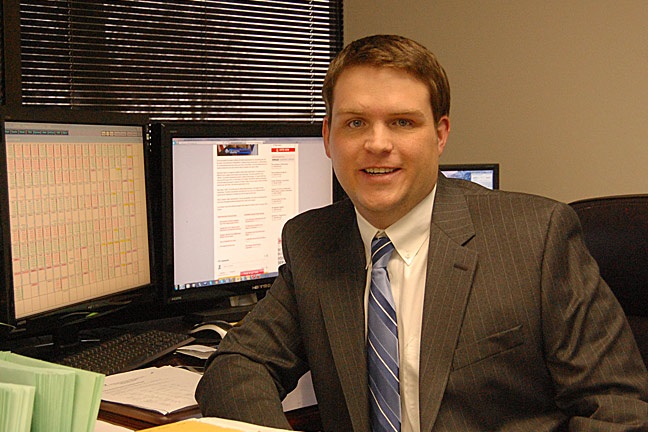


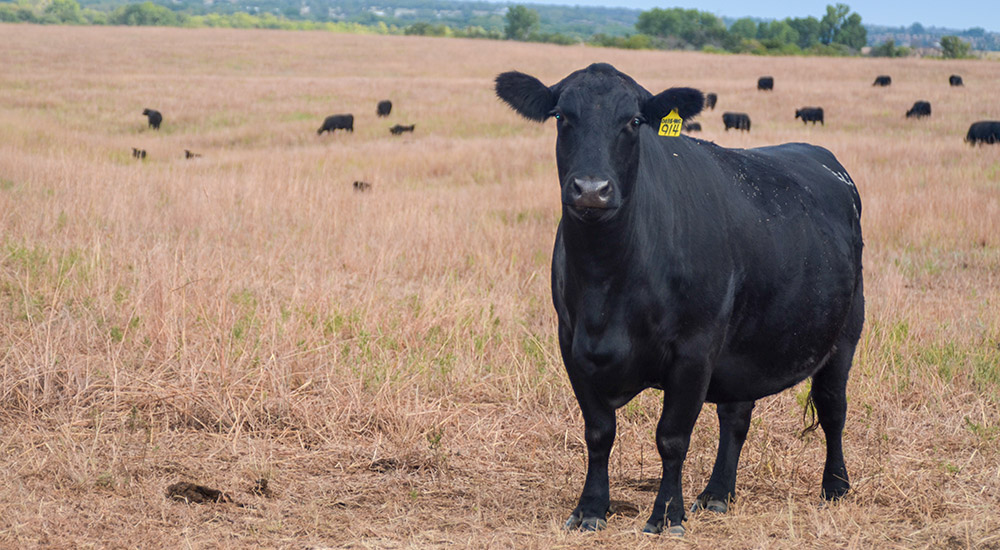


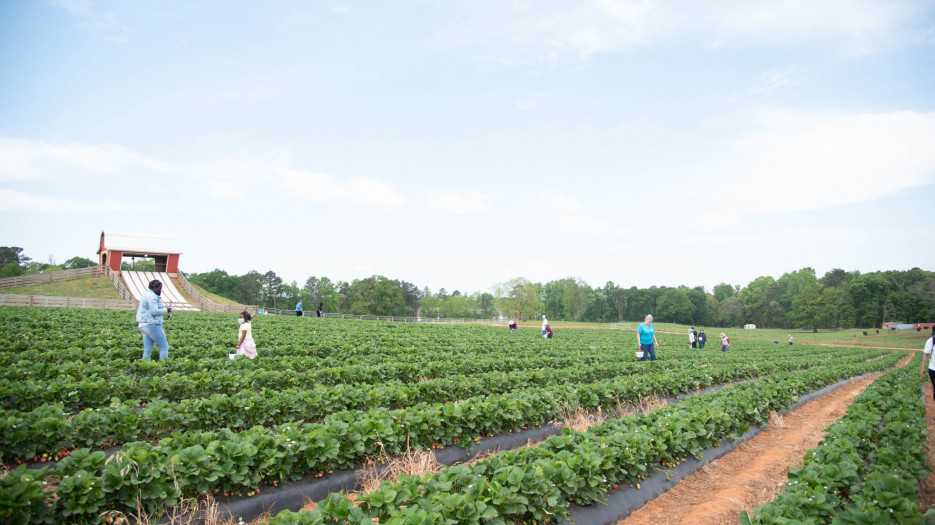
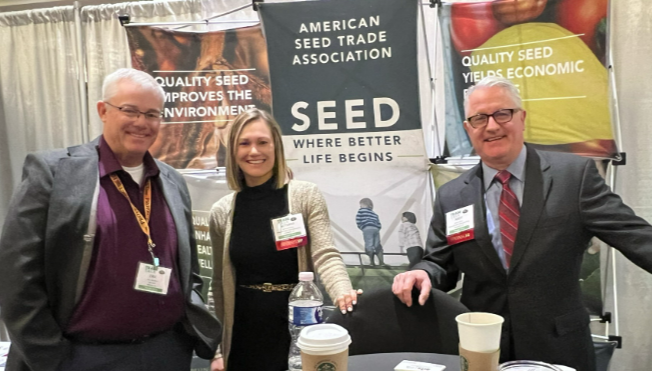
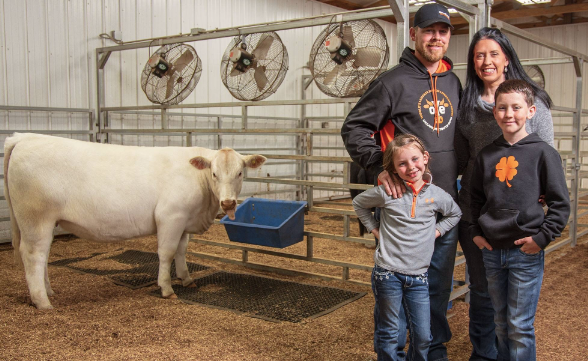
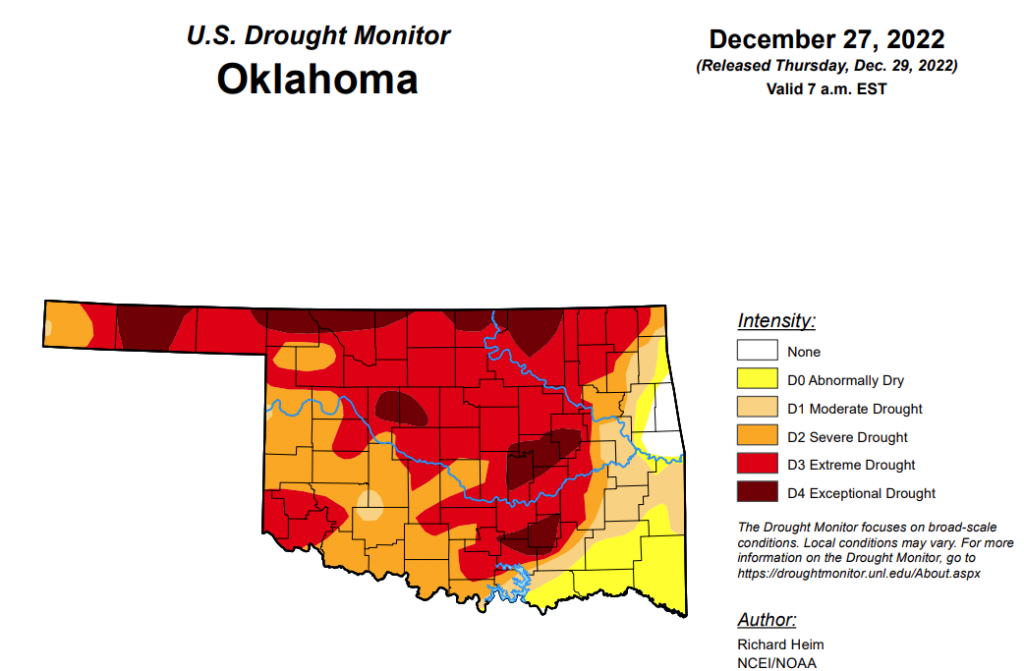
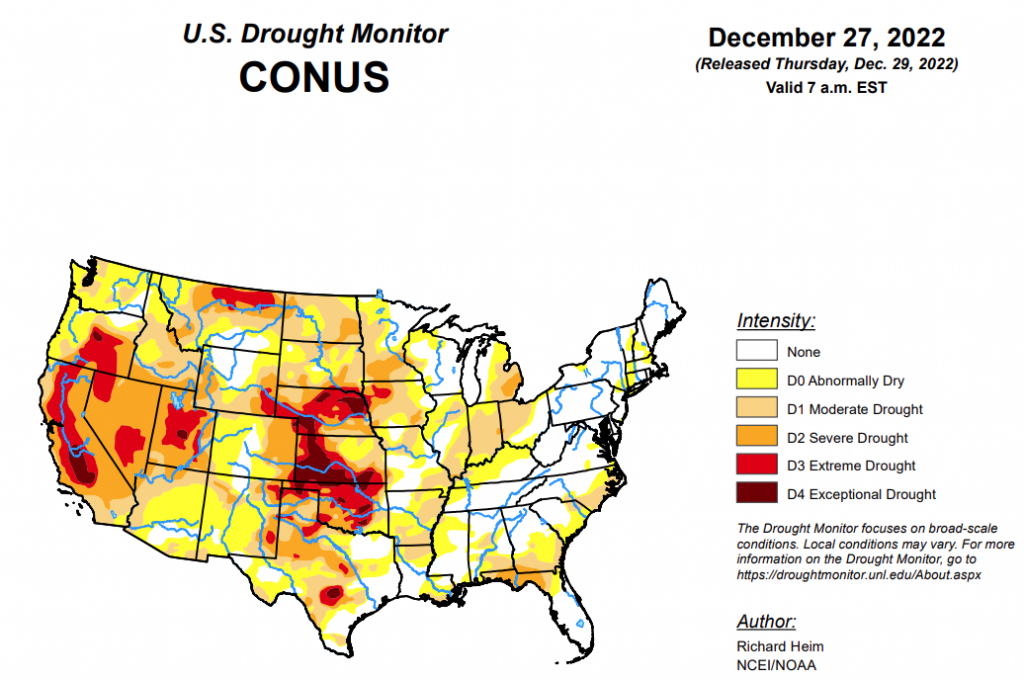
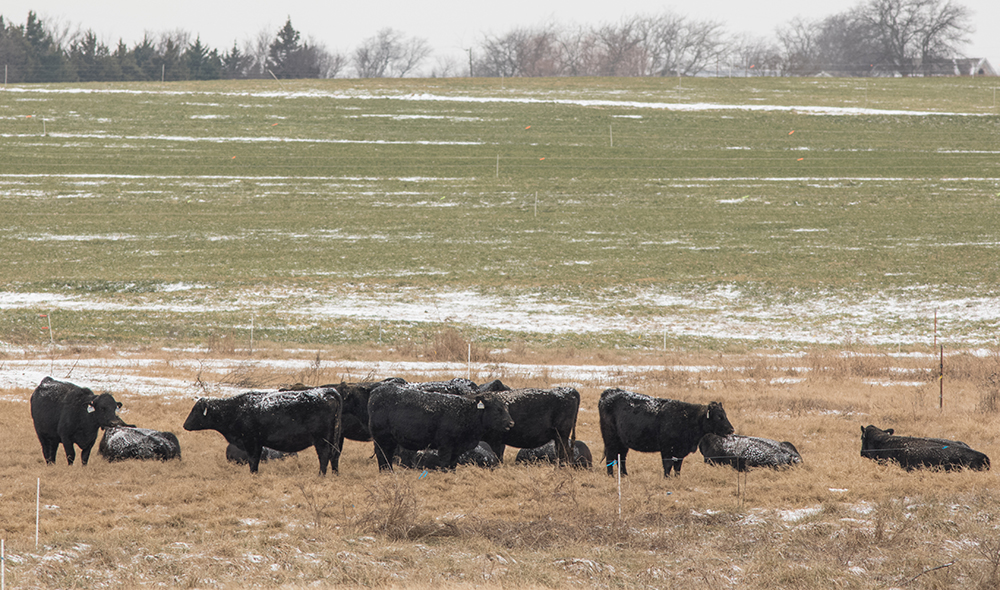


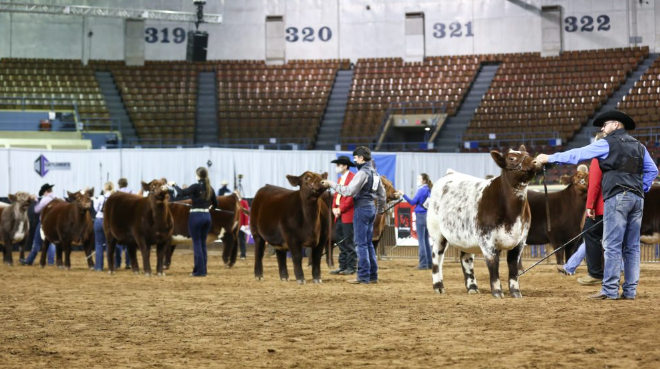
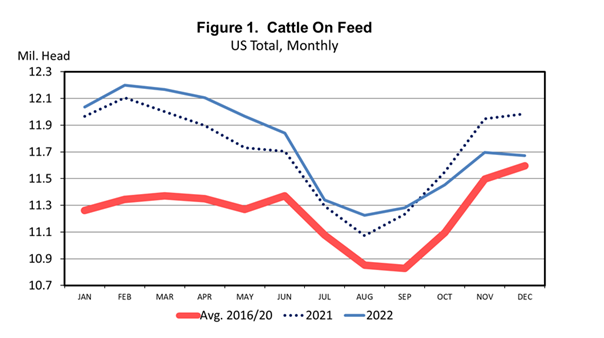
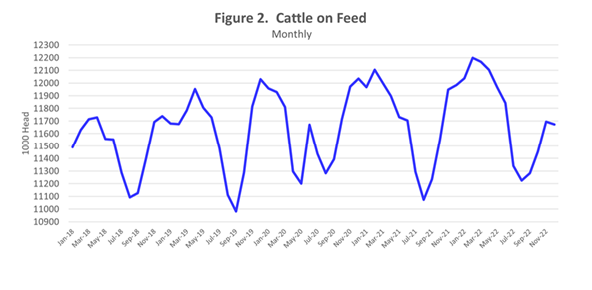
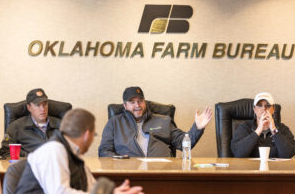
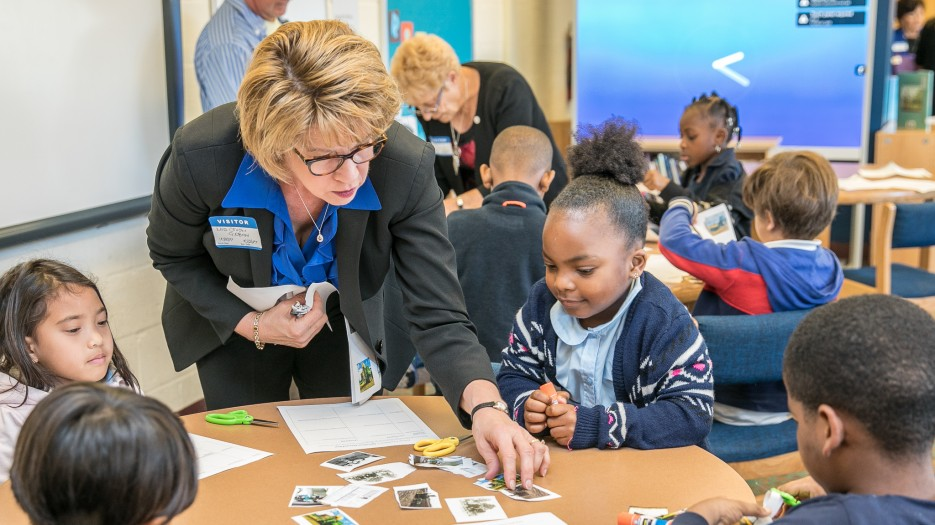

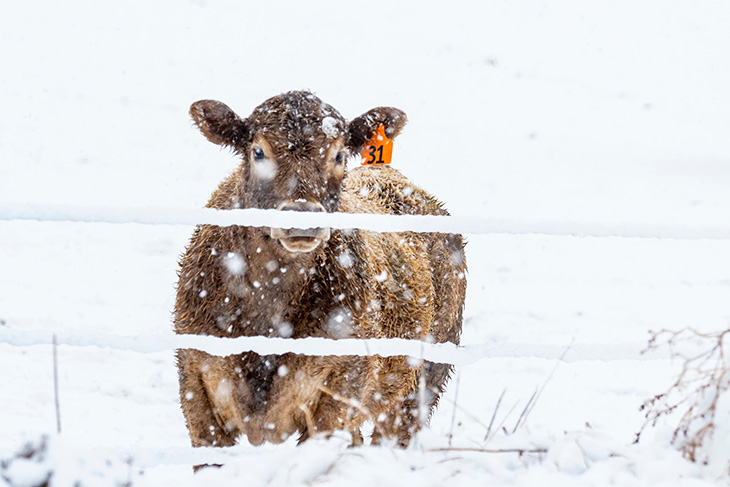
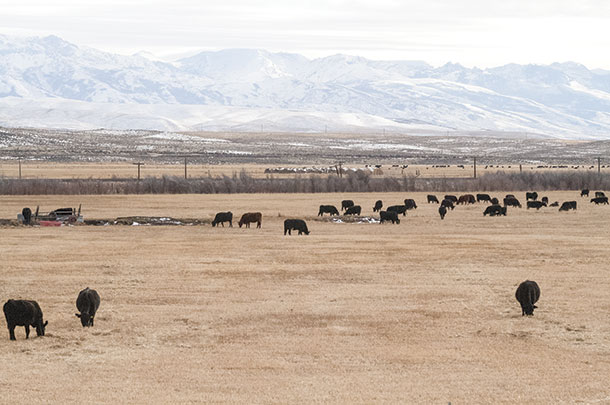
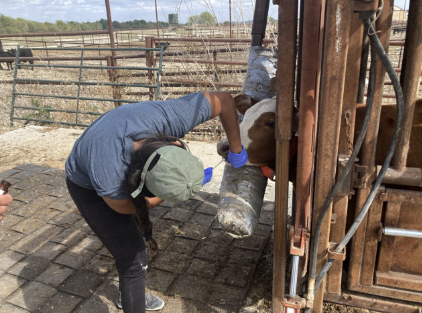
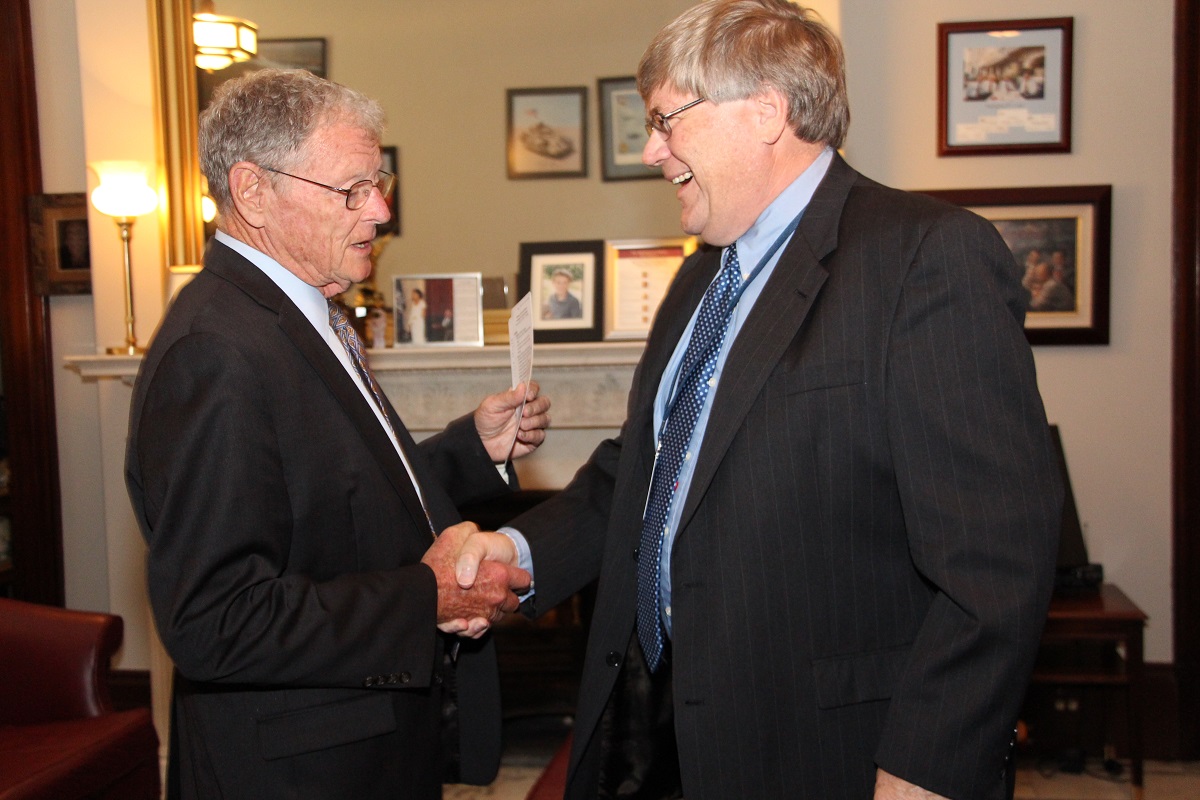 As senator Jim Inhofe ends his decades of service to Oklahoma in Washington- his Senate office has prepared several releases related to his efforts in championing various sectors- including what he has done on behalf of farmers and ranchers in the state.
U.S. Sen. Jim Inhofe (R-Okla.) was first elected to Congress in 1986 and has served in the Senate since 1994. As a member and past chair of the Senate Environment and Public Works Committee, Inhofe has been a staunch advocate for farmers and ranchers through his work to stop excessive regulations, support rebuilding the nation's crumbling infrastructure, protecting investments in agriculture research and innovation and promoting policies that help create jobs and economic prosperity. He led the legislative charge against the flawed and unlawful Obama-era Waters of the United States (WOTUS) rule and has been a leading voice on Capitol Hill for bringing a common-sense, science-based approach to the regulatory process.
Sen. Inhofe's Most Notable Congressional Feats
Some of Inhofe's most notable congressional feats for agriculture include fighting against burdensome regulations during the Obama Administration, including the Spill Prevention, Control and Countermeasure (SPCC) rule for farmers and the Waters of the United States (WOTUS) rule. Inhofe also helped secure a limited commercial expansion to farm trucks facing burdensome regulations when they cross state lines – a multi-year effort with members of the Oklahoma delegation and Sen. Merkley (D-Ore.).
In addition, Inhofe supported farmers in northwest Oklahoma during the wake of devastating wildfires, secured multiple wins in the 2018 Farm Bill, advocated for funding for agricultural research at Oklahoma State University and supported livestock producers through the passage of the SALE Act and the Relief for Producers Act in the FY2021 omnibus appropriations law.
Over the years, Sen. Inhofe has been honored with numerous awards to recognize his works:
Sen. Inhofe's Agricultural Awards
Inhofe has been awarded the "Friend of Farm Bureau" award from American Farm Bureau Federation in the 104th, 106th, 108th, 109th, 110th, 111th, 112th, 114th, 115th and 117th Congress.
2001: Agricultural Retailers Association "Legislator of the Year"
2003: National Rural Water Association "Green Key Environmental Award"
2004: National Association of Chemical Distributors "Legislator of the Year"
2005: 2005 Distinguished Service to Oklahoma Agriculture award; Oklahoma Farm Bureau "Lifetime Achievement Award"; Oklahoma Pork Council Distinguished Service Award; Samuel Roberts Noble Foundation "Pioneer Award in Agriculture & Plant Science"
2006: Animal Enterprise Protection Coalition Award for Outstanding Leadership 2006; Samuel Roberts Noble Foundation "Pioneer Award in Agriculture & Plant Science"
2007: U.S. Fish and Wildlife Service Conservation Legislator of the Year; Oklahoma Peanut Producer Appreciation for the Commodity Assessment, Protection and Reform Act
2009: American Farm Bureau Federation Golden Plow Award (Inhofe is the only member of Congress to receive this award for 2009. It is AFBF's highest award for a member of Congress.)
2010: Honored by the Oklahoma State Legislature in Senate Concurrent Resolution 37 for Accomplishments in Agriculture (The SCR passed the state Senate on February 2nd, 2010 and passed the state House on February 8th, 2010.); American Agri-Women's "Champion of Agriculture Award"
2018: American Farm Bureau Federation Distinguished Service Award (It is AFBF's highest award presented to any individual.)
Timeline of Senator Inhofe's Accomplishments for Agriculture
1995
Cosponsored S.1086 – American Family-Owned Business Act: A bipartisan bill exempting small family farms and businesses from federal estate taxes.
Cosponsored S.191 – Farm, Ranch, and Homestead Protection Act of 1995: A bill to amend the Endangered Species Act to prohibit new determinations of endangered species or critical habitats until the ESA was reauthorized.
Cosponsored S.275: A bill to establish a moratorium on wetlands designations until passage of 1995 farm bill.
Cosponsored S.490: A bill to amend the Clean Air Act to exempt agriculture-related facilities from certain permitting requirements.
Cosponsored S.647: A bill to amend the Forest and Rangeland Renewable Resources Planning Act of 1974 to require phasing-in of species population or revisions to land and resource management plans.
Cosponsored S.794: Minor Use Crop Protection Act of 1995: Amends the Federal Insecticide, Fungicide, and Rodenticide Act (FIFRA) to decrease regulations on minor use of pesticides on an animal or commercial agricultural crop or site.
Cosponsored S.843 – Food Stamp Flexibility Act of 1995: Amends the Food Stamp Act of 1977 to restructure the existing food stamp program as a block grant program with a state mandate for work by beneficiaries.
Cosponsored S.852 – Public Rangelands Management Act of 1995: "To provide for uniform management of livestock grazing on federal land, and for other purposes."
Cosponsored S.1166 – Food Quality Protection Act of 1995: "To amend the Federal Insecticide, Fungicide, and Rodenticide Act, to improve the registration of pesticides, to provide minor use crop protection, to improve pesticide tolerances to safeguard infants and children, and for other purposes."
Cosponsored S.1491 – Antimicrobial Pesticide Registration Reform Act of 1995: "To reform antimicrobial pesticide registration, and for other purposes."
1996
Cosponsored S.1541 – Agricultural Reform and Improvement Act of 1996: This omnibus 1996 farm bill revised and simplified direct payment programs for crops and eliminated milk price supports through direct government purchases, among other reforms. It became Public Law on April 4, 1996.
Cosponsored S.1661: "A bill to specify that states may waive certain requirements relating to commercial motor vehicle operators under chapter 313 of title 49, United States Code, with respect to the operators of certain farm vehicles, and for other purposes."
Cosponsored S.1743 – Temporary Emergency Livestock Feed Assistance Act of 1996: A bipartisan bill to provide temporary assistance for certain livestock producers, obligate specified funds for 1996 livestock feed emergencies, and report on the use of certain commodity reserves for livestock assistance.
Cosponsored S.1755: "A bill to amend the Federal Agriculture Improvement and Reform Act of 1996 to provide that assistance shall be available under the noninsured crop assistance program for native pasture for livestock, and for other purposes."
Cosponsored S.Con.Res.63: "A concurrent resolution to express the sense of Congress that the Secretary of Agriculture should dispose of all remaining commodities in the disaster reserve maintained under the Agricultural Act of 1970 to relieve the distress of livestock producers whose ability to maintain livestock is adversely affected by disaster conditions existing in certain areas of the U.S."
1997
Cosponsored S.181 – Family Farm Alternative Minimum Tax Relief Act of 1997: A bill to amend the Internal Revenue Code to reduce taxes on farmers by making the alternative minimum tax inapplicable to specified farm property installment sales.
Cosponsored S.1090: A bill that authorizes states that issue commercial motor vehicle licenses to waive any requirement to obtain such a license for operators of custom harvesting farm machinery or employees of farm-related service industries.
Cosponsored S.1879: A bill to permanently extend income averaging for farmers, a tax policy to balance a farmers' income tax burden over several years to reduce the impact of lean and bounty years.
1998
Sponsored S.2361 – Disaster Mitigation Act of 1998: A bipartisan bill to mitigate the amount of damage caused by natural disasters as well as streamline the process when federal disaster assistance is needed.
1999
Sponsored S.880 – Chemical Safety Information Site Security and Fuels Regulatory Relief Act: This bill removed propane from the potential regulation from EPA which would have placed new and unreasonable bureaucratic rules on all agriculture. It became Public Law on August 5, 1999.
Cosponsored S.Amdt.1516 to S.Amdt.1499: As a cosponsor of Senate Amendment 1516 to the Agriculture, Rural Development, Food and Drug Administration, and Related Agencies Appropriations Act, 2000, Inhofe strove to provide stability in the United States agricultural sector and promote adequate availability of food and medicine abroad by requiring congressional approval before the imposition of any unilateral agricultural or medical sanction against a foreign country or foreign entity. The Agriculture, Rural Development, Food and Drug Administration, and Related Agencies Appropriations Act, 2000 became Public Law with this amendment on October 22, 1999.
Arranged Oklahoma Agriculture Summit: In coordination with Oklahoma Congressman Frank Lucas, Inhofe arranged a public forum in El Reno in September 1999 to solicit a solutions-based discussion of agricultural issues from leading Oklahoma farm and banking representatives. This special hearing allowed direct input from all sectors of Oklahoma's farm community, prompting renewed efforts to address immediate crop insurance and emergency aid priorities as well as longer term goals.
Cosponsored S.185: "To establish a Chief Agricultural Negotiator in the Office of the United States Trade Representative." This bill established the position of Chief Agricultural Negotiator to conduct trade negotiations and enforce trade agreements relating to U.S. agricultural products and services. It passed the Senate on November 3, 1999.
Cosponsored S.315 – Selective Agricultural Embargoes Act of 1999: "Amends the Agricultural Trade Act of 1978 to direct the president, if he or she takes action to embargo the export under an export sales contract of an agricultural commodity to a country that is not part of an embargo on all exports to the country, to report to the Congress, not later than five days after imposing the embargo, on the reasons for such embargo and its proposed duration. Sets forth congressional procedures for termination of the embargo."
Cosponsored S.1464 – Regulatory Openness and Fairness Act of 1999: This bill would have ensured that the EPA did not unnecessarily disrupt American agriculture, industry and foreign trade if it made changes regarding pesticides or tolerance levels to pesticide residues under the Food Quality Protection Act of 1996. It would require EPA to compile a transition analysis report to explain the results of its decision along with the certainty of its results before it recommends or mandates the revocation of an acceptable tolerance level of a particular pesticide.
Cosponsored S.1580 – Risk Management for the 21st Century Act: A bipartisan bill to reform crop insurance programs and other risk management tools in order to better assist farmers.
Sponsored S.1691 – Disaster Mitigation Act of 1999: A bipartisan bill to fund federal programs for pre-disaster mitigation and streamline disaster relief administration.
Cosponsored S.1771 – Food and Medicine for the World Act: A bipartisan bill to prohibit the president from imposing a unilateral agricultural or medical sanction against a foreign country, except in certain cases, unless the president has made a specified report to Congress not less than 60 days before the imposition of the sanction and the Congress has enacted a joint resolution approving the report.
2000
Sponsored S.1627 – NRC Fairness in Funding Act of 2000: A bill to amend the Omnibus Budget Reconciliation Act of 1990 to extend through FY 2005 the authority of the Nuclear Regulatory Commission (NRC) to assess and collect user fees and annual charges.
Cosponsored S.1155 – National Uniformity for Food Act of 2000: A bill to prohibit any state or political subdivision from establishing or maintaining in interstate commerce a requirement for dietary supplement and food labeling or food adulteration that is not identical to specific Food, Drug, and Cosmetic Act provisions.
Cosponsored S.1762 – Small Watershed Rehabilitation Act of 2000: "A bill to amend the Watershed Protection and Flood Prevention Act to authorize the Secretary of Agriculture to provide financial assistance to an eligible local organization to cover a portion of the total costs incurred for the rehabilitation of structural measures originally constructed as part of a covered water resource project."
2001
Cosponsored S.1538 – High Plains Groundwater Resource Conservation Act: "Amends the Food Security Act of 1985 to direct the Secretary of Agriculture in FY 2002 through 2011 to provide cost-share payments, incentive payments, and technical assistance to eligible producers (persons who are engaged in livestock or agricultural production) who enter into contracts with the Secretary through a High Plains Aquifer Groundwater Conservation Incentives Program."
2002
Voted for 2002 Farm Bill: Responding to the concerns expressed by Oklahoma farmers, Inhofe voted for the comprehensive Farm Bill that was signed into law by President Bush in May 2002. The bill provides a safety net for our farmers with policies that provide for certainty in today's volatile agricultural market. The bill was also designed to end the annual cycle of ad hoc "emergency" disaster payments that farmers had required, and that Inhofe had consistently supported, in recent years.
Supported Protection of Property Rights: As the second ranking Republican on the Senate Environment & Public Works Committee, Inhofe was a leader in the fight to protect farmers' private property rights, through proper oversight and reform of federal regulations dealing with such issues as endangered species, wetlands, clean air and clean water. He voted against the proposal to force landowners to forfeit their water rights to the government in order to participate in the Conservation Reserve Program.
Opposed Reduction in Payment Limitation: During consideration of the Senate Farm Bill in 2002, Inhofe voted against the proposal to cut the yearly limitation on farm payments from $500,000 to $275,000. Such a reduction would have especially hurt Oklahoma cotton farmers.
Supported Opening Foreign Markets: Supported giving the president trade promotion authority to broaden international market opportunities for our producers, processors, wholesalers and retailers.
2003
Sponsored S.930 – Emergency Preparedness and Response Act of 2003: A bill to amend the Robert T. Stafford Disaster Relief and Emergency Assistance Act to require the Secretary of Homeland Security to establish a program to provide assistance to states to enhance the ability of state and local first responders to respond to all hazards. Limits the Federal share to 75% of eligible costs, with an increase to 90% for an economically distressed recipient.
2004
Sponsored S.2866 – Commodity Assessment, Protection, and Reform Act: Giving Oklahoma farmers the ability to change their contributions to state-administered commodity marketing and research programs. The Oklahoma Peanut Commission expressed its formal appreciation for his effective leadership on the passage of this bill. It became Public Law on December 21, 2004.
2005
Supported Oklahoma's Livestock Industry: In 2005, Sen. Inhofe secured the passage of a Senate resolution delaying the importation of Canadian cattle until stronger health safety measures against BSE (mad cow disease) were implemented. Sen. Inhofe also authored a letter with Congressman Frank Lucas (R-Okla.) directly asking the U.S. Department of Agriculture to delay its plan to reopen the border to Canadian cattle. Because of the threat of BSE from Canadian cattle, some countries banned imports of U.S. beef and cattle, an action severely injuring Oklahoma livestock producers. Sen. Inhofe's actions on behalf of the cattle industry helped lead to the reopening of Japanese markets in 2006.
2006
GAO Report on USDA Conservation Programs: In 2006, GAO released a report, requested by Inhofe, overviewing incentives and disincentives for landowners to participate in USDA programs that benefit threatened and endangered species. The report outlined several reasons regarding landowners' choice not to participate in those programs in time for their reauthorization within the Farm Bill the following year.
2007
S.Amdt.1602 to S.Amdt.1502 – Senate Amendment 1602 to the Energy Independence and Security Act of 2007: Inhofe's amendment provided transitional assistance for farmers who plant dedicated energy crops for a local cellulosic refinery. This amendment was agreed to in Senate on June 21, 2007, but, unfortunately, it was removed from the final bill before it became Public Law on December 19, 2007.
Cosponsored S.165 – Livestock Assistance Act of 2007: Sen. Inhofe cosponsored S. 165 to aid farmers and ranchers who were severely impacted by blizzards and ice storms in 2006.
Cosponsored S.807 – Agricultural Protection and Prosperity Act of 2007: Sen. Inhofe cosponsored this bipartisan bill to ensure that Oklahoma farmers and ranchers were not faced with federal liability for the reasonable use of fertilizers.
Cosponsored S.1716: Sen. Inhofe cosponsored S. 1716, which passed by unanimous consent and was signed into law shortly thereafter to ensure aid is properly allocated to livestock producers affected by wildfire, drought and other natural disasters.
Supported the Farm Bill: In December 2007, Sen. Inhofe voted in favor of the Senate Farm Bill, which included provisions he championed to provide transitional assistance to farmers to produce bioenergy crops, address poultry waste in an economically and environmentally sustainable way and designate the Illinois River Watershed as one of the priority areas for regional water programs.
2008
Introduced S.3271: Sen. Inhofe and fellow Oklahoma Sen. Tom Coburn introduced this bill to ease restrictions on farm vehicles transporting goods across state lines - a problem faced by a number of farmers in Oklahoma and around the country.
Cosponsored S.3337: Sen. Inhofe cosponsored S. 3337 to reinstate critical feed use (CFU) program to give farmers access to grazing lands in times of severe drought, after some lost access to the program following litigation by special interest groups.
Supported the Farm Bill: On May 15, 2008, Sen. Inhofe voted in favor of the conference report to the 2007 Farm Bill and voted in favor of the bill again on May 22 in order to override a presidential veto. The bill maintained provisions Sen. Inhofe championed to support farmers producing bioenergy crops and to address poultry waste.
Fought against harmful Lieberman-Warner Climate Bill: In his role as Ranking Member of the Environment and Public Works Committee, Sen. Inhofe worked to protect Oklahoma's agriculture interests by fighting against the America's Climate Security Act (Liberman-Warner), which would have been economically devastating to Oklahoma and the nation. In his battle to oppose the bill, Sen. Inhofe highlighted a study showing the bill would have imposed a significant increase on production costs for eight major crops. The bill failed a procedural vote on June 6, 2008.
Supported Farmers Suffering from Drought: In the summer of 2008, Sen. Inhofe and other members of the Oklahoma delegation wrote a letter to the United States Department of Agriculture (USDA) supporting a disaster designation for several counties in Northwest Oklahoma, thereby making farm operators in those counties eligible for special assistance through USDA. USDA granted the request on July 17, 2008.
2009
Cosponsored S.527: A measure that would prevent federal agencies from enacting cap-and-trade regulations through the Clean Air Act. The bill would amend the Clean Air Act to prohibit the issuance of permits for any carbon dioxide, nitrogen oxide, water vapor or methane emission resulting from biological processes associated with livestock production. The legislation passed as part of H.R. 2996 which is now Public Law 111-88 on October 30, 2009.
Cosponsored S.1375: To amend the Agricultural Credit Act of 1987 to reauthorize State mediation programs, extending the authorization of appropriations through FY2015 for state mediation programs.
Cosponsored S.1553: To direct the Secretary of the Treasury to mint/issue gold and silver coins in commemoration of the National Future Farmers of America Organization and the 85th anniversary. Surcharges received from the sale of the coins would be paid to the National Future Farmers of America Foundation in Indianapolis for the creation of an endowment to enhance and expand programs that encourage the development of leadership skills, personal growth and career success through agricultural education and the Future Farmers of America.
Rural Water Funding through Departments of Agriculture and Interior: Inhofe lead one letter and joined another urging appropriators to support rural water funding through the Departments of Interior and Agriculture, respectively.
Initiated S.639 – Legislation to Help Farm Truck Drivers: Inhofe re-introduced common sense bipartisan legislation with Sens. Jeff Merkley (D-Ore.) and Tom Coburn (R-Okla.) to address a problem faced by a number of farmers and ranchers in Oklahoma and around the country when they drive their goods across state lines.
Advocated for Oklahoma Priorities through Appropriations: Inhofe helped secure funding for various agriculture initiatives in Oklahoma, including for research at OSU.
2010
Opposed Burdensome EPA Regulations: Inhofe joined twenty-one colleagues in a letter to the EPA voicing strong opposition to EPA's efforts to impose unparalleled regulation on dust which would harm farmers and ranchers.
Grain Inspection, Packers, and Stockyards Administration (GIPSA) Rule: Inhofe wrote to the USDA to request a 120-day extension in the public comment period to USDA's amended regulations under the Packers and Stockyards Act, expressing concern over the proposed changes and scope of the government regulation. Inhofe wanted to ensure that stakeholders had sufficient information and time to understand the implications of the regulations. The letter resulted in the USDA agreeing to extend the comment period.
Risk Management Agency: Inhofe wrote to the Risk Management Agency at USDA concerning the standard reinsurance agreement renegotiation. As a result of the letter, the Risk Management Agency at USDA conducted additional negotiations.
S.Res.430: A resolution commending the members of the 45th Agri-Business Development Team of the Oklahoma National Guard for their efforts to modernize agriculture and sustainable farming practices in Afghanistan as well as their dedication and service to the United States.
S.Res.452: A resolution expressing the sense of the Senate that the president should insist on increased access to Japanese markets by U.S. exporters of beef and beef products. This resolution was strongly supported by agricultural and cattlemen's organizations throughout the country.
2011
Cosponsored S.1561 – The Charitable Agriculture Research Act: To amend the tax code to allow for the creation of a new type of charitable, tax-exempt organization entitled Agricultural Research Organizations (AROs). AROs would spur new agricultural research, leveraging private dollars to create charitable partnerships between universities and private entities to strengthen and improve American agriculture.
Supported Watershed and Flood Prevention Programs: Sen. Inhofe cosponsored an amendment to transfer $8 million to watershed and flooding prevention programs under the Fiscal Year 2012 appropriations bill for Agriculture, Rural Development, FDA and related agencies. The measure passed without objection by a voice vote and the appropriations bill was signed into Public Law 112-55 that December.
EPA extension of implementation timeline for amended SPCC rule: Inhofe led a bi-partisan effort with 32 other senators requesting the extension of the implementation timeline for the amended Spill Prevention, Control and Countermeasure (SPCC) rule for farmers, requiring that certain facilities develop and implement oil spill prevention, control, and countermeasures. EPA extended the compliance date until May 2013.
Grain Inspection, Packers, and Stockyards Administration (GIPSA) Rule: Inhofe continued to oppose the USDA's efforts to impose burdensome regulations on farmers under the Packers and Stockyards Act, including working with a coalition of lawmakers to block funding for the rule in the FY2012 USDA appropriations, thereby securing a major victory for Oklahoma's livestock producers.
Opposed Burdensome Department of Labor (DOL) Regulations: In September 2011, the DOL proposed a new rule governing the regulations of child labor on agriculture operations, which was expansive and a severe overreach. Inhofe began his opposition to this rule in October 25, 2011, working with 31 senators requesting additional time to comment on the regulation. Sen. Inhofe continued to work on repealing the rule until on April 26, 2012, when the Department of Labor pulled the proposal.
Requested USDA to reduce or eliminate fees to Conservation Reserve Program participants who participate in emergency grazing and haying during severe droughts: Inhofe was able to get USDA Secretary Vilsack to allow grazing for a month after end of FY 2011 which prevented the fee from being asses for FY 2011 and 2012, for areas hit by the drought.
2012
Supported Legislation to Help Farm Truck Drivers: Sen. Inhofe supported an amendment to the 2012 Highway Bill to provide a limited commercial exemption to farm trucks facing burdensome federal regulations when they cross state lines - a problem faced by a number of farmers and ranchers in Oklahoma and around the country when transporting their crops from the farm to the marketplace. Inhofe had been working with Sen. Merkley (D-Ore.) and members of the Oklahoma delegation on this issue since 2009. The amendment passed by unanimous consent and was included in the final highway bill.
Amendments to the Farm Bill: Sen. Inhofe offered multiple amendments to the 2012 Farm Bill to reign in the EPA –including through exempting certain farmers from Spill Prevention, Control, and Countermeasure (SPCC) regulations for above-ground oil storage tanks and clarifying the scope of the Clean Water Act – as well as an amendment to impose fiscal responsibility on the Food Stamp program. Sen. Inhofe voted against the final bill due to the inclusion of welfare programs that were unrelated to farming and because the bill was designed to help support the crops of only a few states.
Introduced S.3559 – to amend the EPA's Spill Prevention, Control and Countermeasure (SPCC) rule: Sen. Inhofe and Sen. Pryor (D-AR) introduced a bill to exempt most farmers from the EPA's burdensome SPCC rule, which would require farmers with oil and gas tanks on their farms to hire a certified professional engineer to design a SPCC Plan. In 2011, EPA extended the compliance deadline for the rule to 2013, following a bipartisan letter led by Sen. Inhofe to this end.
Introduced S.3602 – The Food Stamp Restoration Act: to convert the Food Stamp program from a mandatory program into a discretionary one and giving states power to the states to run and design it.
2013
Supported Funding for Water Infrastructure for Rural Communities: Sen. Inhofe introduced an amendment to the Water Resources and Development Act to ensure small, rural communities have access to Water Infrastructure Finance and Innovation Act (WIFIA) financing by allowing communities of less than 25,000 residents to apply for WIFIA loans on projects with a cost of five million dollars or more without authorizing any additional government spending. The amendment was adopted by unanimous consent.
Cosponsored S.427: Sen. Inhofe cosponsored S. 427, the Sensible School Lunches Act to provide school districts with greater flexibility to meet the nutritional needs of all students.
Introduced S.496 – to amend the EPA's Spill Prevention, Control and Countermeasure (SPCC) rule: Inhofe led five senators in once again introducing a bill to exempt most farmers from the EPA's burdensome SPCC rule, which would require farmers with oil and gas tanks on their farms to hire a certified professional engineer to design a SPCC Plan. In 2011, EPA extended the compliance deadline for the rule to 2013, following a bipartisan letter led by Sen. Inhofe.
Introduced Amendment delaying Implementation of EPA's SPCC Rule: Sen. Inhofe successfully offered an amendment to the Fiscal Year 2013 Continuing Resolution prohibiting the EPA from enforcing the SPCC rule against farmers until later that year.
Supported Amendment exempting Farmers from EPA's SPCC Rule: Sen. Inhofe supported an amendment to the Water Resources and Development Act exempting certain farmers from the EPA's burdensome SPCC Rule, which passed by unanimous consent and was included in the final bill.
Questioned EPA's Authority to Retroactively Enforce SPCC Rule on Farmers: Sen. Inhofe and Sen. Pryor (D-Ark.) sent a letter to EPA expressing concern with the EPA's intent to retroactively enforce the SPCC rule despite bicameral and bipartisan congressional support to delay implementation and ultimately exempt much of the agriculture industry from it. This was sent after reports that EPA planned to being retroactively enforcing the rule starting on September 23 of that year.
Cosponsored S.1280 – The Charitable Agriculture Research Act: To amend the tax code to allow for the creation of a new type of charitable, tax-exempt organization entitled Agricultural Research Organizations (AROs). AROs would spur new agricultural research, leveraging private dollars to create charitable partnerships between universities and private entities to strengthen and improve American agriculture.
2014
Introduced Amendment to Allow Horse Slaughter Plants: Sen. Inhofe introduced an amendment to the omnibus spending bill that would strike a provision of the bill blocking the USDA from inspecting horse slaughter plants and thereby effectively banning those facilities in the United States.
2015
Supported Passage of the Charitable Agriculture Research Act: This bill, which Inhofe cosponsored to support private agricultural research efforts together with land grant universities, was signed into law as part of the Consolidated Appropriations Act, 2016 (P.L. 114-113).
Supported Agriculture Research: Sen. Inhofe supported the inclusion of $350 million for the National Institute of Food and Agriculture, which funds advanced research, education, and public outreach projects at land-grant universities across the nation – including Oklahoma State University and Langston University – in the Consolidated Appropriations Act, 2016 (P.L. 114-113).
Dietary Guidelines: Sen. Inhofe joined 29 senators in sending a letter to the Obama administration expressing concerns that the Dietary Guidelines Advisory Committee ignored peer-reviewed and published scientific evidence in recommending that "lean meat" be removed from what is considered a healthy diet. Inhofe supported the inclusion of Section 734 of H.R. 2029, which was enacted in P.L. 114-113, and required that the Dietary Guidelines for Americans be based on significant science and limited in scope to nutritional, dietary information.
Cosponsored S.110 – National Forest System Trails Stewardship Act: To direct USDA to publish a national strategy to significantly increase the role of volunteers and partners in trail maintenance.
Sponsored S.1805 – School Lunch Price Protection Act of 2015: To prevent School Food Authorities (SFAs) from being forced to raise meal prices when a school's program is financially solvent, a federal mandate known as Paid Lunch Equity.
Cosponsored S.Res.232: A resolution expressing the sense of the Senate that August 30, 2015, be observed as "1890 Land-Grant Institutions Quasquicentennial Recognition Day."
Cosponsored S.Res.349: A resolution congratulating the Farm Credit System of the celebration of its 100th anniversary.
2016
Inclusion of Price Protection Provision in School Lunch Reauthorization: A provision mirroring Sen. Inhofe's School Lunch Price Protection Act, which blocked mandatory price increases on school lunches, was included as a part of the Child Nutrition, Integrity and Access Act of 2016 as reported by the Senate Agriculture Committee in January 2016.
GMO Labelling (S.764): Sen. Inhofe supported legislation to ensure that Oklahoma's agricultural producers had a clear and straightforward national bioengineered food disclosure standard for consumers to be informed by facts, free from bias of activist organizations. This bill was signed into P.L. 114-216 on July 29th, 2016.
Revising USDA's SNAP Rule: On Aug. 2, Inhofe joined 46 senators in sending a letter to USDA expressing concerns with its rule impacting the eligibility requirements for retailers participating in the Supplemental Nutrition Assistance Program (SNAP). The rule would have changed food stocking requirements for stores accepting SNAP benefits. Complying with the new rule would be too costly and burdensome for small neighborhood stores, drugstores and convenience stores in many rural areas to meet, meaning they could no longer accept SNAP benefits. However, because of Inhofe's advocacy, the final rule did not include the most onerous aspects of those changes.
Preventing Overregulation of Farmers and Ranchers by OSHA: The Occupational Safety and Health Administration (OSHA) issued a unilateral reinterpretation of existing rules on July 22, 2015, that would have applied strict federal regulations for fertilizer storage to all agriculture retailers without any direction from Congress. OSHA's new bureaucratic requirements would have added tens of thousands of dollars in costs to individual facilities. In response, Inhofe included language in the Labor Appropriations bill that prohibited the rule from being enforced. On Sept. 23, the federal courts struck the rule, preventing it from moving forward.
Watershed Rehabilitation: At Inhofe's request, the Agriculture Appropriations bill included $12 million for the USDA's Small Watershed Program, which is responsible for maintaining over 11,000 flood control structures nationwide.
2017
Supporting Farmers in Northwest Oklahoma: Inhofe was instrumental in supporting farmers affected by wildfires in Northwest Oklahoma in the spring of 2017. Sens. Inhofe and Lankford worked to ensure affected individuals had information about available USDA programs to assist them in the aftermath of the wildfires. Inhofe met with several hundred Oklahoma farmers and ranchers affected in northwest Oklahoma after touring areas damaged by the fires in his twin engine plane.
Agricultural Research Service (ARS) Centers: Sen. Inhofe worked with the whole Oklahoma delegation to highlight the value of the research efforts at all three of Oklahoma's ARS centers to Oklahoma producers in three separate letters to the Senate and House Appropriations Committees. Inhofe was able to secure funding to ensure all three centers would remain open and continue to serve Oklahoma's farmers, ranchers and rural communities.
2018
Introduced Wildfire Regulatory Relief Act: Sens. Inhofe and Udall (D-N.M.) to improve federal wildfire disaster response, specifically for the agricultural community. In March of 2017, devastating wildfires in northwest Oklahoma destroyed hundreds of miles of fencing and other farming and ranching equipment. The Wildfire Regulatory Relief Act would address the unique concerns farmers, ranchers and rural communities face after a wildfire.
Flexible Agricultural Repayments and Modifying Schedules (FARMS) Act and the Farmers of Tomorrow Act: Inhofe and Udall (D-N.M.) introduced two bills to strengthen the next generation of farmers and ranchers by reducing the burden of student loan debt and making capital easier to obtain so new farmers can buy land, equipment or livestock. The two bills aim to attract younger generation to farming and shore up the future of farming and ranching in the United States, where the number of new farmers continues to decline and the average age of farmers continues to rise.
Amendments to the Farm Bill: Inhofe introduced several amendments to the 2018 Farm Bill, the Agriculture Improvement Act. Amendments included efforts to restore fiscal accountability to the Supplemental Nutritional Assistance Program (SNAP); giving banks greater regulatory flexibility after a disaster declaration (similar to the Wildfire Regulatory Relief Act); and protecting farmers and ranchers if dealers become insolvent during the purchase and resale of livestock – this amendment was also introduced as the SALE Act alongside several other Republican members.
Supported Final Passage of the Farm Bill: Inhofe voted in favor of the conference report to the 2018 Farm Bill, which made reforms sought by Inhofe to address waste and fraud in the food stamps program and included the following provisions he advocated for –
Wildfire Regulatory Relief Act: legislation to make it possible for cattle to graze on Conservation Reserve Program (CRP) lands after a wildfire.
Farmers of Tomorrow Act: legislation to strengthen the next generation of farmers and ranchers by reducing the burden of student loan debt and making capital easier to obtain so new farmers can buy land, equipment or livestock.
Emergency Conservation Program Payments Legislation: gave USDA the authority to offer landowners the option to be paid upfront a portion of the fair market value of property damaged in natural disasters such as wildfires.
Small Watershed Rehabilitation Program: $50 million annually to help rehabilitate aging flood control dams nationwide, including the over 2,107 flood control dams protecting farms and ranches across Oklahoma.
SALE Act: Directing the Secretary of Agriculture to conduct a study on the feasibility of establishing a livestock dealer statutory trust. The outcome of this study would support Inhofe's SALE Act, which directs USDA to create a livestock dealer statutory trust.
Praised new Supplemental Nutrition Assistance Program (SNAP) Rule: Inhofe praised President Trump and Secretary of Agriculture Sonny Perdue for taking steps to strengthen work requirements for SNAP by updating regulations on state waivers. Inhofe fought for and secured reforms to the 2018 Farm Bill that empowered President Trump to take this action.
Cosponsored S.2421 – Fair Agricultural Reporting Method (FARM) Act: To amend the Comprehensive Environmental Response, Compensation and Liability Act of 1980 to exempt air emissions from animal waste at a farm from specified release notification requirements, recordkeeping requirements and associated penalties.
Cosponsored S.2663 – Agriculture Creates Real Employment (ACRE) Act: To protect ranchers, farmers and livestock markets from burdensome federal overregulation.
2019
Cosponsored S.382 – Chronic Wasting Disease Transmission in Cervidae Study Act: To require the Animal and Plant Health Inspection Service and the U.S. Geological Survey to contract the National Academy of Sciences to study the predominant pathways and mechanisms of the transmission of chronic wasting disease in wild, captive, and farmed populations of deer, elk, reindeer and moose populations in the United States.
Cosponsored S.2025, Agricultural Trucking Relief Act: To expand the definition of an "agricultural commodity" to include horticultural and aquacultural products, promote consistency across all federal and state agencies and ease regulatory burdens on the trucking industry.
Joined Effort to Lower Indian Pecan Tariffs: Inhofe joined Sen. David Perdue and 10 other senators in sending a letter encouraging U.S. Trade Representative Robert Lighthizer to prioritize a reduction in pecan tariffs as the Trump administration continued trade negotiations with India. Oklahoma is consistently ranked top five in pecan production nationwide, producing about 5% of the country's total pecan production each year.
2020
Introduced S.3419 – SALE Act of 2020: Inhofe introduced this bill along with eight bipartisan senators to address the problem of dealer payment default. Quick turnaround between the purchase and resale of cattle by a dealer can often leave the rancher who originally owned the cattle with little recourse if a dealer defaults on a purchase—the livestock has often already been resold. The SALE Act would establish dealer statutory trusts, mimicking existing packer statutory trusts, for the purpose of ensuring that cattle sellers receive payment should a livestock dealer become insolvent.
Joined Effort to Urge USDA to Assist Cotton Industry in Wake of Coronavirus: Inhofe joined a letter from 21 senators to U.S. Department of Agriculture (USDA) Secretary Sonny Perdue—led by Sens. John Boozman (R-Ark.) and Mark Warner (D-Va.)—that noted while all sectors of the agricultural economy were impacted by Coronavirus public health crisis, the U.S. cotton industry has been particularly hard hit during this time, making the need for assistance all the more urgent. Their letter encouraged USDA to work with the cotton industry so that needed aid could be delivered in a timely manner.
Held Virtual Town Halls with Oklahoma Ag Groups on COVID-19 Resources: Inhofe held virtual town halls throughout the spring of 2020 with the Oklahoma Farm Bureau, the Oklahoma Cattlemen's Association and the Oklahoma Pork Council on the COVID-19 response and resources available for families, individuals, small businesses and agriculture producers across the state. Specifically, they discussed the Trump administration's efforts to alleviate hardships in the agriculture sector via the Coronavirus Food Assistance Program.
Joined letter Supporting Rural Electric Cooperatives: Inhofe joined a letter to the Small Business Administration and the Treasury to ensure that rural electric cooperatives, as private corporate business concerns operating on a cooperative basis, be considered eligible recipients under the Paycheck Protection Program (PPP). The following month, Treasury clarified that rural electric cooperatives with less than 500 employees were eligible for PPP.
Urged USDA to Support Chicken Producers: Inhofe joined a letter to United States Department of Agriculture (USDA) highlighting the severe impacts of COVID-19 on the U.S. chicken industry and requesting direct assistance for chicken growers and continued support for processing facilities.
Cosponsored S.4152 – Flexible Financing for Rural America Act of 2020: Inhofe cosponsored this bill to make it possible for rural electric cooperatives and telecommunications providers to refinance their Rural Utilities Service (RUS) debt at lower interest rates.
Introduced S.4155 – RELIEF for Producers Act of 2020: In July 2020, Inhofe introduced the RELIEF for Producers Act along with several other members to support producers faced with euthanizing their livestock and poultry due to COVID-19, provide resources for animal health laboratories as they develop solutions to defend against emerging animal disease spread and give additional authority to the U.S. Department of Agriculture Secretary through the existing Commodity Credit Corporation Charter to deal with removal and disposal of livestock for any public health emergency moving forward. This bill was supported by many stakeholders in the agriculture industry, including the Oklahoma Secretary of Agriculture, the Oklahoma Pork Council Executive Director and the Oklahoma Farm Bureau.
Introduced S.4235 – Agricultural Security Risk Review Act: Inhofe and Sen. Tillis (R-N.C.) introduced the Agricultural Security Risk Review Act, legislation that would formally place the United States Department of Agriculture (USDA) Secretary as a member of the Committee on Foreign Investment in the United States (CFIUS). The Agricultural Security Risk Review Act ensures that CFIUS is operating effectively and efficiently to determine if a transaction, including agricultural, threatens to impair the national security of the United States.
Joined Letter urging Flexibility for School Meals: Inhofe joined U.S. Sen. Pat Roberts (R-Kan.), Chairman of the U.S. Senate Committee on Agriculture, Nutrition, and Forestry, in sending a letter to U.S. Agriculture Secretary Sonny Perdue to urge the Department to continue providing flexibilities to schools and sponsoring organizations for school meals and child nutrition during the ongoing COVID emergency.
Passage of the SALE Act and RELIEF for Producers Act: Both the SALE Act – to establish dealer statutory trusts – and the RELIEF for Producers Act – to require the USDA to provide reimbursements for producers that had to euthanize their hogs due to COVID-related supply chain disruptions – were signed into law in December 2020 as part of the Fiscal Year 2021 omnibus and COVID relief bill (P.L. 116-260). From July-October 2021, USDA began accepting applications for its Pandemic Livestock Indemnity Program, which implemented the RELIEF for Producers Act.
Waters of the United States (WOTUS): Rural states, like Oklahoma, were severely harmed by the regulatory overreach of the WOTUS rule under the Obama administration, which required farmers and landowners to spend tens of thousands of unnecessary dollars to determine if they needed to obtain a federal permit to make improvements to their land. After leading the multi-year charge to oppose the burdensome Obama-era WOTUS rule, Sen. Inhofe praised the Trump administration's efforts to repeal and replace the WOTUS rule with a standard that brought much needed clarity to Oklahoma and its agriculture communities.
2021
Cosponsored S.978 – Flexible Financing for Rural America Act: Inhofe once again cosponsored the Flexible Financing for Rural America Act. The United States Department of Agriculture's (USDA) Rural Utilities Service (RUS) charges penalties when borrowers refinance their loans. S. 978 would allow electric cooperatives and rural telecom providers to take advantage of 2021's lower interest rates and refinance RUS loans at those market rates without penalty.
Cosponsored S.1755 – Agriculture Security Risk Review Act: Inhofe once again cosponsored the Agriculture Security Risk Review Act. This bill would place the USDA Secretary as a member of the Committee on Foreign Investment in the United States (CFIUS), thereby ensuring that CFIUS is operating effectively and efficiently to determine if a transaction, including agricultural, threatens to impair the national security of the United States. This is especially important as we see foreign ownership of U.S. farmland and agricultural businesses increase.
Transport of Agricultural Commodities: Inhofe joined a letter to the Federal Maritime Commission expressing concerns with reports of refusal by ocean carriers to transport certain containerized shipments of US agricultural commodities and urging the FMC to continue to investigating reports of those unreasonable practices.
Supported Chicken Growers: Inhofe joined a letter requesting the United States Department of Agriculture (USDA) to expedite the rulemaking process to administer direct payment to contract chicken growers, pursuant to the Fiscal Year 2021 omnibus, which allowed chicken growers to be eligible for Coronavirus Food Assistance Program (CFAP) payments. In May 2020, Inhofe had engaged with former Secretary Sonny Purdue to request that USDA provide direct assistance for chicken farmers impacted by COVID-19. In January 2021, Inhofe joined the Senate Chicken Caucus.
New Swine Inspection Rule: In June 2021, Inhofe joined two separate letters – one to Agriculture Secretary Vilsack and another to Department of Justice Acting Solicitor General Prelogar– requesting that the United States Department of Agriculture (USDA) and Department of Justice (DOJ), respectively, act to defend USDA's New Swine Inspection System (NSIS) rule, which allowed pork processors to establish maximum line speeds, after a U.S. district court vacated this portion of the NSIS rule. In November 2021, USDA announced that it would allow certain pork processors to apply for a trial allowing them to operate at an increased speed for up to one year.
Supporting Wheat Exports: Inhofe joined a letter led by Senator Marshall (R-Kan.) urging U.S. Ambassador to Iraq Matthew Tueller to work to increase U.S. wheat exports to Iraq during a downtown in Iraq's domestic wheat production.
Opposing the Vaccine Mandate: Inhofe signed letters regarding mask and vaccine mandates at the United States Department of Agriculture (USDA). In September, Inhofe joined a letter to the Food Safety and Inspection Service (FSIS) regarding FSIS's mask mandate on meat packing and poultry processing plants. A few months later, in November, Inhofe joined a letter to USDA asking that it drop the vaccine mandate for its employees to ensure that USDA is able to fulfill its mission to support farmers and ranchers.
Protecting American Farmers and Ranchers: Inhofe joined a letter led by Agriculture Committee Ranking Member John Boozman (R-Ark.) to United States Trade Representative Katherine Tai and Agriculture Secretary Tom Vilsack requesting an initiation of a World Trade Organization dispute settlement case addressing India's ongoing noncompliance with domestic support requirements for rice, wheat, and other agriculture commodities – thereby placing American rice and wheat producers at a disadvantage.
2022
Signed Letter to Pres. Biden regarding fertilizer prices: Inhofe signed a letter to President Biden expressing concern regarding record-high fertilizer prices facing American farmers before spring planting season and urging the president to consider available options to lower the cost of fertilizer.
Supported Market Access: Inhofe signed a letter urging United States Trade Representative Katherine Tai and Agriculture Secretary Tom Vilsack to include market access commitments as part of the Indo-Pacific Economic Framework and any other U.S. trade agreement, thereby supporting American agricultural producers and other exporters.
Urging Biden Nominee for Agricultural Trade Negotiator to Support U.S. Producers: Inhofe joined 18 Senate colleagues in sending a letter, led by Sens. Tim Scott (R-S.C.) and John Boozman (R-Ark.), to Doug McKalip, President Biden's nominee to be the United States Trade Representative's (USTR) chief agricultural negotiator. The senators pointed out the Biden administration's disastrous trade policies that have weakened America's farmers and ranchers, and they urged McKalip, if confirmed, to seek market access agreements that support U.S. agricultural producers.
Supported Pecan Growers: Inhofe signed a letter requesting assistance from United States Trade Representative Katherine Tai in remedying burdensome tariffs facing the pecan industry and thereby expanding export market opportunities.
Senator Inhofe became a member of the Senate 4-H Caucus and the Senate FFA Caucus.
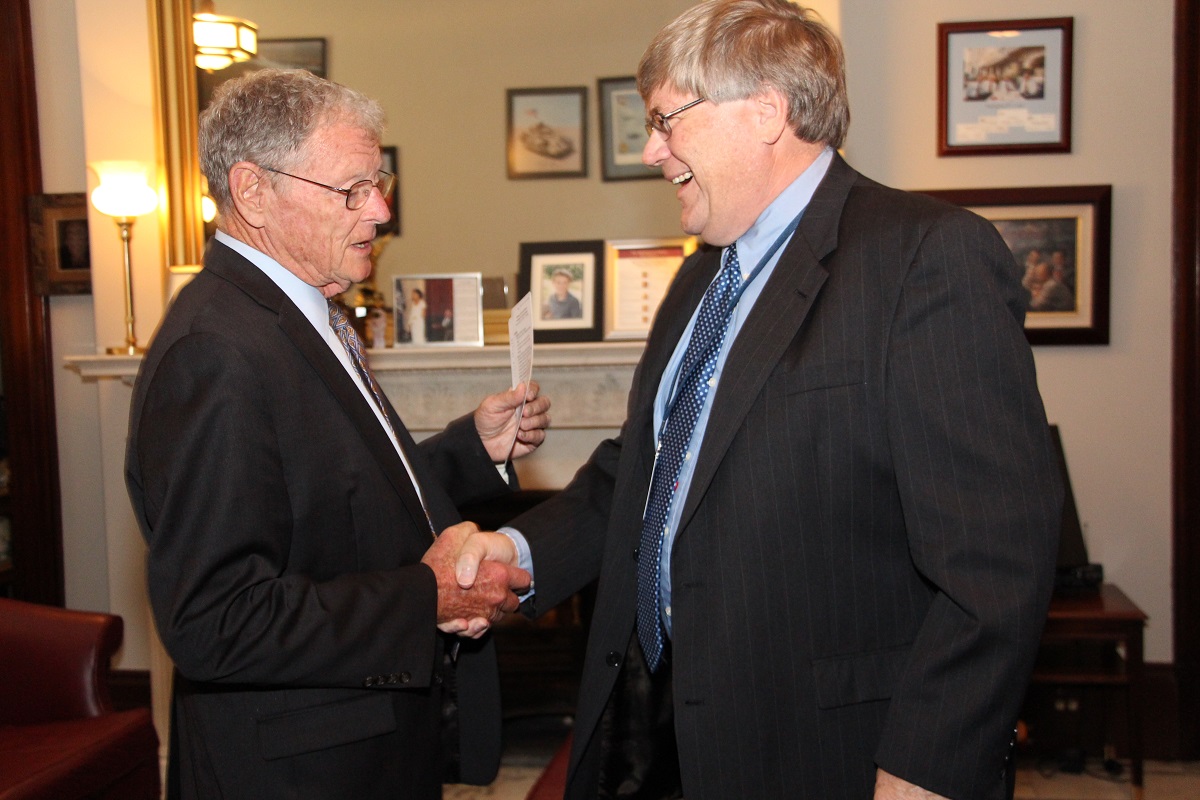 As senator Jim Inhofe ends his decades of service to Oklahoma in Washington- his Senate office has prepared several releases related to his efforts in championing various sectors- including what he has done on behalf of farmers and ranchers in the state.
U.S. Sen. Jim Inhofe (R-Okla.) was first elected to Congress in 1986 and has served in the Senate since 1994. As a member and past chair of the Senate Environment and Public Works Committee, Inhofe has been a staunch advocate for farmers and ranchers through his work to stop excessive regulations, support rebuilding the nation's crumbling infrastructure, protecting investments in agriculture research and innovation and promoting policies that help create jobs and economic prosperity. He led the legislative charge against the flawed and unlawful Obama-era Waters of the United States (WOTUS) rule and has been a leading voice on Capitol Hill for bringing a common-sense, science-based approach to the regulatory process.
Sen. Inhofe's Most Notable Congressional Feats
Some of Inhofe's most notable congressional feats for agriculture include fighting against burdensome regulations during the Obama Administration, including the Spill Prevention, Control and Countermeasure (SPCC) rule for farmers and the Waters of the United States (WOTUS) rule. Inhofe also helped secure a limited commercial expansion to farm trucks facing burdensome regulations when they cross state lines – a multi-year effort with members of the Oklahoma delegation and Sen. Merkley (D-Ore.).
In addition, Inhofe supported farmers in northwest Oklahoma during the wake of devastating wildfires, secured multiple wins in the 2018 Farm Bill, advocated for funding for agricultural research at Oklahoma State University and supported livestock producers through the passage of the SALE Act and the Relief for Producers Act in the FY2021 omnibus appropriations law.
Over the years, Sen. Inhofe has been honored with numerous awards to recognize his works:
Sen. Inhofe's Agricultural Awards
Inhofe has been awarded the "Friend of Farm Bureau" award from American Farm Bureau Federation in the 104th, 106th, 108th, 109th, 110th, 111th, 112th, 114th, 115th and 117th Congress.
2001: Agricultural Retailers Association "Legislator of the Year"
2003: National Rural Water Association "Green Key Environmental Award"
2004: National Association of Chemical Distributors "Legislator of the Year"
2005: 2005 Distinguished Service to Oklahoma Agriculture award; Oklahoma Farm Bureau "Lifetime Achievement Award"; Oklahoma Pork Council Distinguished Service Award; Samuel Roberts Noble Foundation "Pioneer Award in Agriculture & Plant Science"
2006: Animal Enterprise Protection Coalition Award for Outstanding Leadership 2006; Samuel Roberts Noble Foundation "Pioneer Award in Agriculture & Plant Science"
2007: U.S. Fish and Wildlife Service Conservation Legislator of the Year; Oklahoma Peanut Producer Appreciation for the Commodity Assessment, Protection and Reform Act
2009: American Farm Bureau Federation Golden Plow Award (Inhofe is the only member of Congress to receive this award for 2009. It is AFBF's highest award for a member of Congress.)
2010: Honored by the Oklahoma State Legislature in Senate Concurrent Resolution 37 for Accomplishments in Agriculture (The SCR passed the state Senate on February 2nd, 2010 and passed the state House on February 8th, 2010.); American Agri-Women's "Champion of Agriculture Award"
2018: American Farm Bureau Federation Distinguished Service Award (It is AFBF's highest award presented to any individual.)
Timeline of Senator Inhofe's Accomplishments for Agriculture
1995
Cosponsored S.1086 – American Family-Owned Business Act: A bipartisan bill exempting small family farms and businesses from federal estate taxes.
Cosponsored S.191 – Farm, Ranch, and Homestead Protection Act of 1995: A bill to amend the Endangered Species Act to prohibit new determinations of endangered species or critical habitats until the ESA was reauthorized.
Cosponsored S.275: A bill to establish a moratorium on wetlands designations until passage of 1995 farm bill.
Cosponsored S.490: A bill to amend the Clean Air Act to exempt agriculture-related facilities from certain permitting requirements.
Cosponsored S.647: A bill to amend the Forest and Rangeland Renewable Resources Planning Act of 1974 to require phasing-in of species population or revisions to land and resource management plans.
Cosponsored S.794: Minor Use Crop Protection Act of 1995: Amends the Federal Insecticide, Fungicide, and Rodenticide Act (FIFRA) to decrease regulations on minor use of pesticides on an animal or commercial agricultural crop or site.
Cosponsored S.843 – Food Stamp Flexibility Act of 1995: Amends the Food Stamp Act of 1977 to restructure the existing food stamp program as a block grant program with a state mandate for work by beneficiaries.
Cosponsored S.852 – Public Rangelands Management Act of 1995: "To provide for uniform management of livestock grazing on federal land, and for other purposes."
Cosponsored S.1166 – Food Quality Protection Act of 1995: "To amend the Federal Insecticide, Fungicide, and Rodenticide Act, to improve the registration of pesticides, to provide minor use crop protection, to improve pesticide tolerances to safeguard infants and children, and for other purposes."
Cosponsored S.1491 – Antimicrobial Pesticide Registration Reform Act of 1995: "To reform antimicrobial pesticide registration, and for other purposes."
1996
Cosponsored S.1541 – Agricultural Reform and Improvement Act of 1996: This omnibus 1996 farm bill revised and simplified direct payment programs for crops and eliminated milk price supports through direct government purchases, among other reforms. It became Public Law on April 4, 1996.
Cosponsored S.1661: "A bill to specify that states may waive certain requirements relating to commercial motor vehicle operators under chapter 313 of title 49, United States Code, with respect to the operators of certain farm vehicles, and for other purposes."
Cosponsored S.1743 – Temporary Emergency Livestock Feed Assistance Act of 1996: A bipartisan bill to provide temporary assistance for certain livestock producers, obligate specified funds for 1996 livestock feed emergencies, and report on the use of certain commodity reserves for livestock assistance.
Cosponsored S.1755: "A bill to amend the Federal Agriculture Improvement and Reform Act of 1996 to provide that assistance shall be available under the noninsured crop assistance program for native pasture for livestock, and for other purposes."
Cosponsored S.Con.Res.63: "A concurrent resolution to express the sense of Congress that the Secretary of Agriculture should dispose of all remaining commodities in the disaster reserve maintained under the Agricultural Act of 1970 to relieve the distress of livestock producers whose ability to maintain livestock is adversely affected by disaster conditions existing in certain areas of the U.S."
1997
Cosponsored S.181 – Family Farm Alternative Minimum Tax Relief Act of 1997: A bill to amend the Internal Revenue Code to reduce taxes on farmers by making the alternative minimum tax inapplicable to specified farm property installment sales.
Cosponsored S.1090: A bill that authorizes states that issue commercial motor vehicle licenses to waive any requirement to obtain such a license for operators of custom harvesting farm machinery or employees of farm-related service industries.
Cosponsored S.1879: A bill to permanently extend income averaging for farmers, a tax policy to balance a farmers' income tax burden over several years to reduce the impact of lean and bounty years.
1998
Sponsored S.2361 – Disaster Mitigation Act of 1998: A bipartisan bill to mitigate the amount of damage caused by natural disasters as well as streamline the process when federal disaster assistance is needed.
1999
Sponsored S.880 – Chemical Safety Information Site Security and Fuels Regulatory Relief Act: This bill removed propane from the potential regulation from EPA which would have placed new and unreasonable bureaucratic rules on all agriculture. It became Public Law on August 5, 1999.
Cosponsored S.Amdt.1516 to S.Amdt.1499: As a cosponsor of Senate Amendment 1516 to the Agriculture, Rural Development, Food and Drug Administration, and Related Agencies Appropriations Act, 2000, Inhofe strove to provide stability in the United States agricultural sector and promote adequate availability of food and medicine abroad by requiring congressional approval before the imposition of any unilateral agricultural or medical sanction against a foreign country or foreign entity. The Agriculture, Rural Development, Food and Drug Administration, and Related Agencies Appropriations Act, 2000 became Public Law with this amendment on October 22, 1999.
Arranged Oklahoma Agriculture Summit: In coordination with Oklahoma Congressman Frank Lucas, Inhofe arranged a public forum in El Reno in September 1999 to solicit a solutions-based discussion of agricultural issues from leading Oklahoma farm and banking representatives. This special hearing allowed direct input from all sectors of Oklahoma's farm community, prompting renewed efforts to address immediate crop insurance and emergency aid priorities as well as longer term goals.
Cosponsored S.185: "To establish a Chief Agricultural Negotiator in the Office of the United States Trade Representative." This bill established the position of Chief Agricultural Negotiator to conduct trade negotiations and enforce trade agreements relating to U.S. agricultural products and services. It passed the Senate on November 3, 1999.
Cosponsored S.315 – Selective Agricultural Embargoes Act of 1999: "Amends the Agricultural Trade Act of 1978 to direct the president, if he or she takes action to embargo the export under an export sales contract of an agricultural commodity to a country that is not part of an embargo on all exports to the country, to report to the Congress, not later than five days after imposing the embargo, on the reasons for such embargo and its proposed duration. Sets forth congressional procedures for termination of the embargo."
Cosponsored S.1464 – Regulatory Openness and Fairness Act of 1999: This bill would have ensured that the EPA did not unnecessarily disrupt American agriculture, industry and foreign trade if it made changes regarding pesticides or tolerance levels to pesticide residues under the Food Quality Protection Act of 1996. It would require EPA to compile a transition analysis report to explain the results of its decision along with the certainty of its results before it recommends or mandates the revocation of an acceptable tolerance level of a particular pesticide.
Cosponsored S.1580 – Risk Management for the 21st Century Act: A bipartisan bill to reform crop insurance programs and other risk management tools in order to better assist farmers.
Sponsored S.1691 – Disaster Mitigation Act of 1999: A bipartisan bill to fund federal programs for pre-disaster mitigation and streamline disaster relief administration.
Cosponsored S.1771 – Food and Medicine for the World Act: A bipartisan bill to prohibit the president from imposing a unilateral agricultural or medical sanction against a foreign country, except in certain cases, unless the president has made a specified report to Congress not less than 60 days before the imposition of the sanction and the Congress has enacted a joint resolution approving the report.
2000
Sponsored S.1627 – NRC Fairness in Funding Act of 2000: A bill to amend the Omnibus Budget Reconciliation Act of 1990 to extend through FY 2005 the authority of the Nuclear Regulatory Commission (NRC) to assess and collect user fees and annual charges.
Cosponsored S.1155 – National Uniformity for Food Act of 2000: A bill to prohibit any state or political subdivision from establishing or maintaining in interstate commerce a requirement for dietary supplement and food labeling or food adulteration that is not identical to specific Food, Drug, and Cosmetic Act provisions.
Cosponsored S.1762 – Small Watershed Rehabilitation Act of 2000: "A bill to amend the Watershed Protection and Flood Prevention Act to authorize the Secretary of Agriculture to provide financial assistance to an eligible local organization to cover a portion of the total costs incurred for the rehabilitation of structural measures originally constructed as part of a covered water resource project."
2001
Cosponsored S.1538 – High Plains Groundwater Resource Conservation Act: "Amends the Food Security Act of 1985 to direct the Secretary of Agriculture in FY 2002 through 2011 to provide cost-share payments, incentive payments, and technical assistance to eligible producers (persons who are engaged in livestock or agricultural production) who enter into contracts with the Secretary through a High Plains Aquifer Groundwater Conservation Incentives Program."
2002
Voted for 2002 Farm Bill: Responding to the concerns expressed by Oklahoma farmers, Inhofe voted for the comprehensive Farm Bill that was signed into law by President Bush in May 2002. The bill provides a safety net for our farmers with policies that provide for certainty in today's volatile agricultural market. The bill was also designed to end the annual cycle of ad hoc "emergency" disaster payments that farmers had required, and that Inhofe had consistently supported, in recent years.
Supported Protection of Property Rights: As the second ranking Republican on the Senate Environment & Public Works Committee, Inhofe was a leader in the fight to protect farmers' private property rights, through proper oversight and reform of federal regulations dealing with such issues as endangered species, wetlands, clean air and clean water. He voted against the proposal to force landowners to forfeit their water rights to the government in order to participate in the Conservation Reserve Program.
Opposed Reduction in Payment Limitation: During consideration of the Senate Farm Bill in 2002, Inhofe voted against the proposal to cut the yearly limitation on farm payments from $500,000 to $275,000. Such a reduction would have especially hurt Oklahoma cotton farmers.
Supported Opening Foreign Markets: Supported giving the president trade promotion authority to broaden international market opportunities for our producers, processors, wholesalers and retailers.
2003
Sponsored S.930 – Emergency Preparedness and Response Act of 2003: A bill to amend the Robert T. Stafford Disaster Relief and Emergency Assistance Act to require the Secretary of Homeland Security to establish a program to provide assistance to states to enhance the ability of state and local first responders to respond to all hazards. Limits the Federal share to 75% of eligible costs, with an increase to 90% for an economically distressed recipient.
2004
Sponsored S.2866 – Commodity Assessment, Protection, and Reform Act: Giving Oklahoma farmers the ability to change their contributions to state-administered commodity marketing and research programs. The Oklahoma Peanut Commission expressed its formal appreciation for his effective leadership on the passage of this bill. It became Public Law on December 21, 2004.
2005
Supported Oklahoma's Livestock Industry: In 2005, Sen. Inhofe secured the passage of a Senate resolution delaying the importation of Canadian cattle until stronger health safety measures against BSE (mad cow disease) were implemented. Sen. Inhofe also authored a letter with Congressman Frank Lucas (R-Okla.) directly asking the U.S. Department of Agriculture to delay its plan to reopen the border to Canadian cattle. Because of the threat of BSE from Canadian cattle, some countries banned imports of U.S. beef and cattle, an action severely injuring Oklahoma livestock producers. Sen. Inhofe's actions on behalf of the cattle industry helped lead to the reopening of Japanese markets in 2006.
2006
GAO Report on USDA Conservation Programs: In 2006, GAO released a report, requested by Inhofe, overviewing incentives and disincentives for landowners to participate in USDA programs that benefit threatened and endangered species. The report outlined several reasons regarding landowners' choice not to participate in those programs in time for their reauthorization within the Farm Bill the following year.
2007
S.Amdt.1602 to S.Amdt.1502 – Senate Amendment 1602 to the Energy Independence and Security Act of 2007: Inhofe's amendment provided transitional assistance for farmers who plant dedicated energy crops for a local cellulosic refinery. This amendment was agreed to in Senate on June 21, 2007, but, unfortunately, it was removed from the final bill before it became Public Law on December 19, 2007.
Cosponsored S.165 – Livestock Assistance Act of 2007: Sen. Inhofe cosponsored S. 165 to aid farmers and ranchers who were severely impacted by blizzards and ice storms in 2006.
Cosponsored S.807 – Agricultural Protection and Prosperity Act of 2007: Sen. Inhofe cosponsored this bipartisan bill to ensure that Oklahoma farmers and ranchers were not faced with federal liability for the reasonable use of fertilizers.
Cosponsored S.1716: Sen. Inhofe cosponsored S. 1716, which passed by unanimous consent and was signed into law shortly thereafter to ensure aid is properly allocated to livestock producers affected by wildfire, drought and other natural disasters.
Supported the Farm Bill: In December 2007, Sen. Inhofe voted in favor of the Senate Farm Bill, which included provisions he championed to provide transitional assistance to farmers to produce bioenergy crops, address poultry waste in an economically and environmentally sustainable way and designate the Illinois River Watershed as one of the priority areas for regional water programs.
2008
Introduced S.3271: Sen. Inhofe and fellow Oklahoma Sen. Tom Coburn introduced this bill to ease restrictions on farm vehicles transporting goods across state lines - a problem faced by a number of farmers in Oklahoma and around the country.
Cosponsored S.3337: Sen. Inhofe cosponsored S. 3337 to reinstate critical feed use (CFU) program to give farmers access to grazing lands in times of severe drought, after some lost access to the program following litigation by special interest groups.
Supported the Farm Bill: On May 15, 2008, Sen. Inhofe voted in favor of the conference report to the 2007 Farm Bill and voted in favor of the bill again on May 22 in order to override a presidential veto. The bill maintained provisions Sen. Inhofe championed to support farmers producing bioenergy crops and to address poultry waste.
Fought against harmful Lieberman-Warner Climate Bill: In his role as Ranking Member of the Environment and Public Works Committee, Sen. Inhofe worked to protect Oklahoma's agriculture interests by fighting against the America's Climate Security Act (Liberman-Warner), which would have been economically devastating to Oklahoma and the nation. In his battle to oppose the bill, Sen. Inhofe highlighted a study showing the bill would have imposed a significant increase on production costs for eight major crops. The bill failed a procedural vote on June 6, 2008.
Supported Farmers Suffering from Drought: In the summer of 2008, Sen. Inhofe and other members of the Oklahoma delegation wrote a letter to the United States Department of Agriculture (USDA) supporting a disaster designation for several counties in Northwest Oklahoma, thereby making farm operators in those counties eligible for special assistance through USDA. USDA granted the request on July 17, 2008.
2009
Cosponsored S.527: A measure that would prevent federal agencies from enacting cap-and-trade regulations through the Clean Air Act. The bill would amend the Clean Air Act to prohibit the issuance of permits for any carbon dioxide, nitrogen oxide, water vapor or methane emission resulting from biological processes associated with livestock production. The legislation passed as part of H.R. 2996 which is now Public Law 111-88 on October 30, 2009.
Cosponsored S.1375: To amend the Agricultural Credit Act of 1987 to reauthorize State mediation programs, extending the authorization of appropriations through FY2015 for state mediation programs.
Cosponsored S.1553: To direct the Secretary of the Treasury to mint/issue gold and silver coins in commemoration of the National Future Farmers of America Organization and the 85th anniversary. Surcharges received from the sale of the coins would be paid to the National Future Farmers of America Foundation in Indianapolis for the creation of an endowment to enhance and expand programs that encourage the development of leadership skills, personal growth and career success through agricultural education and the Future Farmers of America.
Rural Water Funding through Departments of Agriculture and Interior: Inhofe lead one letter and joined another urging appropriators to support rural water funding through the Departments of Interior and Agriculture, respectively.
Initiated S.639 – Legislation to Help Farm Truck Drivers: Inhofe re-introduced common sense bipartisan legislation with Sens. Jeff Merkley (D-Ore.) and Tom Coburn (R-Okla.) to address a problem faced by a number of farmers and ranchers in Oklahoma and around the country when they drive their goods across state lines.
Advocated for Oklahoma Priorities through Appropriations: Inhofe helped secure funding for various agriculture initiatives in Oklahoma, including for research at OSU.
2010
Opposed Burdensome EPA Regulations: Inhofe joined twenty-one colleagues in a letter to the EPA voicing strong opposition to EPA's efforts to impose unparalleled regulation on dust which would harm farmers and ranchers.
Grain Inspection, Packers, and Stockyards Administration (GIPSA) Rule: Inhofe wrote to the USDA to request a 120-day extension in the public comment period to USDA's amended regulations under the Packers and Stockyards Act, expressing concern over the proposed changes and scope of the government regulation. Inhofe wanted to ensure that stakeholders had sufficient information and time to understand the implications of the regulations. The letter resulted in the USDA agreeing to extend the comment period.
Risk Management Agency: Inhofe wrote to the Risk Management Agency at USDA concerning the standard reinsurance agreement renegotiation. As a result of the letter, the Risk Management Agency at USDA conducted additional negotiations.
S.Res.430: A resolution commending the members of the 45th Agri-Business Development Team of the Oklahoma National Guard for their efforts to modernize agriculture and sustainable farming practices in Afghanistan as well as their dedication and service to the United States.
S.Res.452: A resolution expressing the sense of the Senate that the president should insist on increased access to Japanese markets by U.S. exporters of beef and beef products. This resolution was strongly supported by agricultural and cattlemen's organizations throughout the country.
2011
Cosponsored S.1561 – The Charitable Agriculture Research Act: To amend the tax code to allow for the creation of a new type of charitable, tax-exempt organization entitled Agricultural Research Organizations (AROs). AROs would spur new agricultural research, leveraging private dollars to create charitable partnerships between universities and private entities to strengthen and improve American agriculture.
Supported Watershed and Flood Prevention Programs: Sen. Inhofe cosponsored an amendment to transfer $8 million to watershed and flooding prevention programs under the Fiscal Year 2012 appropriations bill for Agriculture, Rural Development, FDA and related agencies. The measure passed without objection by a voice vote and the appropriations bill was signed into Public Law 112-55 that December.
EPA extension of implementation timeline for amended SPCC rule: Inhofe led a bi-partisan effort with 32 other senators requesting the extension of the implementation timeline for the amended Spill Prevention, Control and Countermeasure (SPCC) rule for farmers, requiring that certain facilities develop and implement oil spill prevention, control, and countermeasures. EPA extended the compliance date until May 2013.
Grain Inspection, Packers, and Stockyards Administration (GIPSA) Rule: Inhofe continued to oppose the USDA's efforts to impose burdensome regulations on farmers under the Packers and Stockyards Act, including working with a coalition of lawmakers to block funding for the rule in the FY2012 USDA appropriations, thereby securing a major victory for Oklahoma's livestock producers.
Opposed Burdensome Department of Labor (DOL) Regulations: In September 2011, the DOL proposed a new rule governing the regulations of child labor on agriculture operations, which was expansive and a severe overreach. Inhofe began his opposition to this rule in October 25, 2011, working with 31 senators requesting additional time to comment on the regulation. Sen. Inhofe continued to work on repealing the rule until on April 26, 2012, when the Department of Labor pulled the proposal.
Requested USDA to reduce or eliminate fees to Conservation Reserve Program participants who participate in emergency grazing and haying during severe droughts: Inhofe was able to get USDA Secretary Vilsack to allow grazing for a month after end of FY 2011 which prevented the fee from being asses for FY 2011 and 2012, for areas hit by the drought.
2012
Supported Legislation to Help Farm Truck Drivers: Sen. Inhofe supported an amendment to the 2012 Highway Bill to provide a limited commercial exemption to farm trucks facing burdensome federal regulations when they cross state lines - a problem faced by a number of farmers and ranchers in Oklahoma and around the country when transporting their crops from the farm to the marketplace. Inhofe had been working with Sen. Merkley (D-Ore.) and members of the Oklahoma delegation on this issue since 2009. The amendment passed by unanimous consent and was included in the final highway bill.
Amendments to the Farm Bill: Sen. Inhofe offered multiple amendments to the 2012 Farm Bill to reign in the EPA –including through exempting certain farmers from Spill Prevention, Control, and Countermeasure (SPCC) regulations for above-ground oil storage tanks and clarifying the scope of the Clean Water Act – as well as an amendment to impose fiscal responsibility on the Food Stamp program. Sen. Inhofe voted against the final bill due to the inclusion of welfare programs that were unrelated to farming and because the bill was designed to help support the crops of only a few states.
Introduced S.3559 – to amend the EPA's Spill Prevention, Control and Countermeasure (SPCC) rule: Sen. Inhofe and Sen. Pryor (D-AR) introduced a bill to exempt most farmers from the EPA's burdensome SPCC rule, which would require farmers with oil and gas tanks on their farms to hire a certified professional engineer to design a SPCC Plan. In 2011, EPA extended the compliance deadline for the rule to 2013, following a bipartisan letter led by Sen. Inhofe to this end.
Introduced S.3602 – The Food Stamp Restoration Act: to convert the Food Stamp program from a mandatory program into a discretionary one and giving states power to the states to run and design it.
2013
Supported Funding for Water Infrastructure for Rural Communities: Sen. Inhofe introduced an amendment to the Water Resources and Development Act to ensure small, rural communities have access to Water Infrastructure Finance and Innovation Act (WIFIA) financing by allowing communities of less than 25,000 residents to apply for WIFIA loans on projects with a cost of five million dollars or more without authorizing any additional government spending. The amendment was adopted by unanimous consent.
Cosponsored S.427: Sen. Inhofe cosponsored S. 427, the Sensible School Lunches Act to provide school districts with greater flexibility to meet the nutritional needs of all students.
Introduced S.496 – to amend the EPA's Spill Prevention, Control and Countermeasure (SPCC) rule: Inhofe led five senators in once again introducing a bill to exempt most farmers from the EPA's burdensome SPCC rule, which would require farmers with oil and gas tanks on their farms to hire a certified professional engineer to design a SPCC Plan. In 2011, EPA extended the compliance deadline for the rule to 2013, following a bipartisan letter led by Sen. Inhofe.
Introduced Amendment delaying Implementation of EPA's SPCC Rule: Sen. Inhofe successfully offered an amendment to the Fiscal Year 2013 Continuing Resolution prohibiting the EPA from enforcing the SPCC rule against farmers until later that year.
Supported Amendment exempting Farmers from EPA's SPCC Rule: Sen. Inhofe supported an amendment to the Water Resources and Development Act exempting certain farmers from the EPA's burdensome SPCC Rule, which passed by unanimous consent and was included in the final bill.
Questioned EPA's Authority to Retroactively Enforce SPCC Rule on Farmers: Sen. Inhofe and Sen. Pryor (D-Ark.) sent a letter to EPA expressing concern with the EPA's intent to retroactively enforce the SPCC rule despite bicameral and bipartisan congressional support to delay implementation and ultimately exempt much of the agriculture industry from it. This was sent after reports that EPA planned to being retroactively enforcing the rule starting on September 23 of that year.
Cosponsored S.1280 – The Charitable Agriculture Research Act: To amend the tax code to allow for the creation of a new type of charitable, tax-exempt organization entitled Agricultural Research Organizations (AROs). AROs would spur new agricultural research, leveraging private dollars to create charitable partnerships between universities and private entities to strengthen and improve American agriculture.
2014
Introduced Amendment to Allow Horse Slaughter Plants: Sen. Inhofe introduced an amendment to the omnibus spending bill that would strike a provision of the bill blocking the USDA from inspecting horse slaughter plants and thereby effectively banning those facilities in the United States.
2015
Supported Passage of the Charitable Agriculture Research Act: This bill, which Inhofe cosponsored to support private agricultural research efforts together with land grant universities, was signed into law as part of the Consolidated Appropriations Act, 2016 (P.L. 114-113).
Supported Agriculture Research: Sen. Inhofe supported the inclusion of $350 million for the National Institute of Food and Agriculture, which funds advanced research, education, and public outreach projects at land-grant universities across the nation – including Oklahoma State University and Langston University – in the Consolidated Appropriations Act, 2016 (P.L. 114-113).
Dietary Guidelines: Sen. Inhofe joined 29 senators in sending a letter to the Obama administration expressing concerns that the Dietary Guidelines Advisory Committee ignored peer-reviewed and published scientific evidence in recommending that "lean meat" be removed from what is considered a healthy diet. Inhofe supported the inclusion of Section 734 of H.R. 2029, which was enacted in P.L. 114-113, and required that the Dietary Guidelines for Americans be based on significant science and limited in scope to nutritional, dietary information.
Cosponsored S.110 – National Forest System Trails Stewardship Act: To direct USDA to publish a national strategy to significantly increase the role of volunteers and partners in trail maintenance.
Sponsored S.1805 – School Lunch Price Protection Act of 2015: To prevent School Food Authorities (SFAs) from being forced to raise meal prices when a school's program is financially solvent, a federal mandate known as Paid Lunch Equity.
Cosponsored S.Res.232: A resolution expressing the sense of the Senate that August 30, 2015, be observed as "1890 Land-Grant Institutions Quasquicentennial Recognition Day."
Cosponsored S.Res.349: A resolution congratulating the Farm Credit System of the celebration of its 100th anniversary.
2016
Inclusion of Price Protection Provision in School Lunch Reauthorization: A provision mirroring Sen. Inhofe's School Lunch Price Protection Act, which blocked mandatory price increases on school lunches, was included as a part of the Child Nutrition, Integrity and Access Act of 2016 as reported by the Senate Agriculture Committee in January 2016.
GMO Labelling (S.764): Sen. Inhofe supported legislation to ensure that Oklahoma's agricultural producers had a clear and straightforward national bioengineered food disclosure standard for consumers to be informed by facts, free from bias of activist organizations. This bill was signed into P.L. 114-216 on July 29th, 2016.
Revising USDA's SNAP Rule: On Aug. 2, Inhofe joined 46 senators in sending a letter to USDA expressing concerns with its rule impacting the eligibility requirements for retailers participating in the Supplemental Nutrition Assistance Program (SNAP). The rule would have changed food stocking requirements for stores accepting SNAP benefits. Complying with the new rule would be too costly and burdensome for small neighborhood stores, drugstores and convenience stores in many rural areas to meet, meaning they could no longer accept SNAP benefits. However, because of Inhofe's advocacy, the final rule did not include the most onerous aspects of those changes.
Preventing Overregulation of Farmers and Ranchers by OSHA: The Occupational Safety and Health Administration (OSHA) issued a unilateral reinterpretation of existing rules on July 22, 2015, that would have applied strict federal regulations for fertilizer storage to all agriculture retailers without any direction from Congress. OSHA's new bureaucratic requirements would have added tens of thousands of dollars in costs to individual facilities. In response, Inhofe included language in the Labor Appropriations bill that prohibited the rule from being enforced. On Sept. 23, the federal courts struck the rule, preventing it from moving forward.
Watershed Rehabilitation: At Inhofe's request, the Agriculture Appropriations bill included $12 million for the USDA's Small Watershed Program, which is responsible for maintaining over 11,000 flood control structures nationwide.
2017
Supporting Farmers in Northwest Oklahoma: Inhofe was instrumental in supporting farmers affected by wildfires in Northwest Oklahoma in the spring of 2017. Sens. Inhofe and Lankford worked to ensure affected individuals had information about available USDA programs to assist them in the aftermath of the wildfires. Inhofe met with several hundred Oklahoma farmers and ranchers affected in northwest Oklahoma after touring areas damaged by the fires in his twin engine plane.
Agricultural Research Service (ARS) Centers: Sen. Inhofe worked with the whole Oklahoma delegation to highlight the value of the research efforts at all three of Oklahoma's ARS centers to Oklahoma producers in three separate letters to the Senate and House Appropriations Committees. Inhofe was able to secure funding to ensure all three centers would remain open and continue to serve Oklahoma's farmers, ranchers and rural communities.
2018
Introduced Wildfire Regulatory Relief Act: Sens. Inhofe and Udall (D-N.M.) to improve federal wildfire disaster response, specifically for the agricultural community. In March of 2017, devastating wildfires in northwest Oklahoma destroyed hundreds of miles of fencing and other farming and ranching equipment. The Wildfire Regulatory Relief Act would address the unique concerns farmers, ranchers and rural communities face after a wildfire.
Flexible Agricultural Repayments and Modifying Schedules (FARMS) Act and the Farmers of Tomorrow Act: Inhofe and Udall (D-N.M.) introduced two bills to strengthen the next generation of farmers and ranchers by reducing the burden of student loan debt and making capital easier to obtain so new farmers can buy land, equipment or livestock. The two bills aim to attract younger generation to farming and shore up the future of farming and ranching in the United States, where the number of new farmers continues to decline and the average age of farmers continues to rise.
Amendments to the Farm Bill: Inhofe introduced several amendments to the 2018 Farm Bill, the Agriculture Improvement Act. Amendments included efforts to restore fiscal accountability to the Supplemental Nutritional Assistance Program (SNAP); giving banks greater regulatory flexibility after a disaster declaration (similar to the Wildfire Regulatory Relief Act); and protecting farmers and ranchers if dealers become insolvent during the purchase and resale of livestock – this amendment was also introduced as the SALE Act alongside several other Republican members.
Supported Final Passage of the Farm Bill: Inhofe voted in favor of the conference report to the 2018 Farm Bill, which made reforms sought by Inhofe to address waste and fraud in the food stamps program and included the following provisions he advocated for –
Wildfire Regulatory Relief Act: legislation to make it possible for cattle to graze on Conservation Reserve Program (CRP) lands after a wildfire.
Farmers of Tomorrow Act: legislation to strengthen the next generation of farmers and ranchers by reducing the burden of student loan debt and making capital easier to obtain so new farmers can buy land, equipment or livestock.
Emergency Conservation Program Payments Legislation: gave USDA the authority to offer landowners the option to be paid upfront a portion of the fair market value of property damaged in natural disasters such as wildfires.
Small Watershed Rehabilitation Program: $50 million annually to help rehabilitate aging flood control dams nationwide, including the over 2,107 flood control dams protecting farms and ranches across Oklahoma.
SALE Act: Directing the Secretary of Agriculture to conduct a study on the feasibility of establishing a livestock dealer statutory trust. The outcome of this study would support Inhofe's SALE Act, which directs USDA to create a livestock dealer statutory trust.
Praised new Supplemental Nutrition Assistance Program (SNAP) Rule: Inhofe praised President Trump and Secretary of Agriculture Sonny Perdue for taking steps to strengthen work requirements for SNAP by updating regulations on state waivers. Inhofe fought for and secured reforms to the 2018 Farm Bill that empowered President Trump to take this action.
Cosponsored S.2421 – Fair Agricultural Reporting Method (FARM) Act: To amend the Comprehensive Environmental Response, Compensation and Liability Act of 1980 to exempt air emissions from animal waste at a farm from specified release notification requirements, recordkeeping requirements and associated penalties.
Cosponsored S.2663 – Agriculture Creates Real Employment (ACRE) Act: To protect ranchers, farmers and livestock markets from burdensome federal overregulation.
2019
Cosponsored S.382 – Chronic Wasting Disease Transmission in Cervidae Study Act: To require the Animal and Plant Health Inspection Service and the U.S. Geological Survey to contract the National Academy of Sciences to study the predominant pathways and mechanisms of the transmission of chronic wasting disease in wild, captive, and farmed populations of deer, elk, reindeer and moose populations in the United States.
Cosponsored S.2025, Agricultural Trucking Relief Act: To expand the definition of an "agricultural commodity" to include horticultural and aquacultural products, promote consistency across all federal and state agencies and ease regulatory burdens on the trucking industry.
Joined Effort to Lower Indian Pecan Tariffs: Inhofe joined Sen. David Perdue and 10 other senators in sending a letter encouraging U.S. Trade Representative Robert Lighthizer to prioritize a reduction in pecan tariffs as the Trump administration continued trade negotiations with India. Oklahoma is consistently ranked top five in pecan production nationwide, producing about 5% of the country's total pecan production each year.
2020
Introduced S.3419 – SALE Act of 2020: Inhofe introduced this bill along with eight bipartisan senators to address the problem of dealer payment default. Quick turnaround between the purchase and resale of cattle by a dealer can often leave the rancher who originally owned the cattle with little recourse if a dealer defaults on a purchase—the livestock has often already been resold. The SALE Act would establish dealer statutory trusts, mimicking existing packer statutory trusts, for the purpose of ensuring that cattle sellers receive payment should a livestock dealer become insolvent.
Joined Effort to Urge USDA to Assist Cotton Industry in Wake of Coronavirus: Inhofe joined a letter from 21 senators to U.S. Department of Agriculture (USDA) Secretary Sonny Perdue—led by Sens. John Boozman (R-Ark.) and Mark Warner (D-Va.)—that noted while all sectors of the agricultural economy were impacted by Coronavirus public health crisis, the U.S. cotton industry has been particularly hard hit during this time, making the need for assistance all the more urgent. Their letter encouraged USDA to work with the cotton industry so that needed aid could be delivered in a timely manner.
Held Virtual Town Halls with Oklahoma Ag Groups on COVID-19 Resources: Inhofe held virtual town halls throughout the spring of 2020 with the Oklahoma Farm Bureau, the Oklahoma Cattlemen's Association and the Oklahoma Pork Council on the COVID-19 response and resources available for families, individuals, small businesses and agriculture producers across the state. Specifically, they discussed the Trump administration's efforts to alleviate hardships in the agriculture sector via the Coronavirus Food Assistance Program.
Joined letter Supporting Rural Electric Cooperatives: Inhofe joined a letter to the Small Business Administration and the Treasury to ensure that rural electric cooperatives, as private corporate business concerns operating on a cooperative basis, be considered eligible recipients under the Paycheck Protection Program (PPP). The following month, Treasury clarified that rural electric cooperatives with less than 500 employees were eligible for PPP.
Urged USDA to Support Chicken Producers: Inhofe joined a letter to United States Department of Agriculture (USDA) highlighting the severe impacts of COVID-19 on the U.S. chicken industry and requesting direct assistance for chicken growers and continued support for processing facilities.
Cosponsored S.4152 – Flexible Financing for Rural America Act of 2020: Inhofe cosponsored this bill to make it possible for rural electric cooperatives and telecommunications providers to refinance their Rural Utilities Service (RUS) debt at lower interest rates.
Introduced S.4155 – RELIEF for Producers Act of 2020: In July 2020, Inhofe introduced the RELIEF for Producers Act along with several other members to support producers faced with euthanizing their livestock and poultry due to COVID-19, provide resources for animal health laboratories as they develop solutions to defend against emerging animal disease spread and give additional authority to the U.S. Department of Agriculture Secretary through the existing Commodity Credit Corporation Charter to deal with removal and disposal of livestock for any public health emergency moving forward. This bill was supported by many stakeholders in the agriculture industry, including the Oklahoma Secretary of Agriculture, the Oklahoma Pork Council Executive Director and the Oklahoma Farm Bureau.
Introduced S.4235 – Agricultural Security Risk Review Act: Inhofe and Sen. Tillis (R-N.C.) introduced the Agricultural Security Risk Review Act, legislation that would formally place the United States Department of Agriculture (USDA) Secretary as a member of the Committee on Foreign Investment in the United States (CFIUS). The Agricultural Security Risk Review Act ensures that CFIUS is operating effectively and efficiently to determine if a transaction, including agricultural, threatens to impair the national security of the United States.
Joined Letter urging Flexibility for School Meals: Inhofe joined U.S. Sen. Pat Roberts (R-Kan.), Chairman of the U.S. Senate Committee on Agriculture, Nutrition, and Forestry, in sending a letter to U.S. Agriculture Secretary Sonny Perdue to urge the Department to continue providing flexibilities to schools and sponsoring organizations for school meals and child nutrition during the ongoing COVID emergency.
Passage of the SALE Act and RELIEF for Producers Act: Both the SALE Act – to establish dealer statutory trusts – and the RELIEF for Producers Act – to require the USDA to provide reimbursements for producers that had to euthanize their hogs due to COVID-related supply chain disruptions – were signed into law in December 2020 as part of the Fiscal Year 2021 omnibus and COVID relief bill (P.L. 116-260). From July-October 2021, USDA began accepting applications for its Pandemic Livestock Indemnity Program, which implemented the RELIEF for Producers Act.
Waters of the United States (WOTUS): Rural states, like Oklahoma, were severely harmed by the regulatory overreach of the WOTUS rule under the Obama administration, which required farmers and landowners to spend tens of thousands of unnecessary dollars to determine if they needed to obtain a federal permit to make improvements to their land. After leading the multi-year charge to oppose the burdensome Obama-era WOTUS rule, Sen. Inhofe praised the Trump administration's efforts to repeal and replace the WOTUS rule with a standard that brought much needed clarity to Oklahoma and its agriculture communities.
2021
Cosponsored S.978 – Flexible Financing for Rural America Act: Inhofe once again cosponsored the Flexible Financing for Rural America Act. The United States Department of Agriculture's (USDA) Rural Utilities Service (RUS) charges penalties when borrowers refinance their loans. S. 978 would allow electric cooperatives and rural telecom providers to take advantage of 2021's lower interest rates and refinance RUS loans at those market rates without penalty.
Cosponsored S.1755 – Agriculture Security Risk Review Act: Inhofe once again cosponsored the Agriculture Security Risk Review Act. This bill would place the USDA Secretary as a member of the Committee on Foreign Investment in the United States (CFIUS), thereby ensuring that CFIUS is operating effectively and efficiently to determine if a transaction, including agricultural, threatens to impair the national security of the United States. This is especially important as we see foreign ownership of U.S. farmland and agricultural businesses increase.
Transport of Agricultural Commodities: Inhofe joined a letter to the Federal Maritime Commission expressing concerns with reports of refusal by ocean carriers to transport certain containerized shipments of US agricultural commodities and urging the FMC to continue to investigating reports of those unreasonable practices.
Supported Chicken Growers: Inhofe joined a letter requesting the United States Department of Agriculture (USDA) to expedite the rulemaking process to administer direct payment to contract chicken growers, pursuant to the Fiscal Year 2021 omnibus, which allowed chicken growers to be eligible for Coronavirus Food Assistance Program (CFAP) payments. In May 2020, Inhofe had engaged with former Secretary Sonny Purdue to request that USDA provide direct assistance for chicken farmers impacted by COVID-19. In January 2021, Inhofe joined the Senate Chicken Caucus.
New Swine Inspection Rule: In June 2021, Inhofe joined two separate letters – one to Agriculture Secretary Vilsack and another to Department of Justice Acting Solicitor General Prelogar– requesting that the United States Department of Agriculture (USDA) and Department of Justice (DOJ), respectively, act to defend USDA's New Swine Inspection System (NSIS) rule, which allowed pork processors to establish maximum line speeds, after a U.S. district court vacated this portion of the NSIS rule. In November 2021, USDA announced that it would allow certain pork processors to apply for a trial allowing them to operate at an increased speed for up to one year.
Supporting Wheat Exports: Inhofe joined a letter led by Senator Marshall (R-Kan.) urging U.S. Ambassador to Iraq Matthew Tueller to work to increase U.S. wheat exports to Iraq during a downtown in Iraq's domestic wheat production.
Opposing the Vaccine Mandate: Inhofe signed letters regarding mask and vaccine mandates at the United States Department of Agriculture (USDA). In September, Inhofe joined a letter to the Food Safety and Inspection Service (FSIS) regarding FSIS's mask mandate on meat packing and poultry processing plants. A few months later, in November, Inhofe joined a letter to USDA asking that it drop the vaccine mandate for its employees to ensure that USDA is able to fulfill its mission to support farmers and ranchers.
Protecting American Farmers and Ranchers: Inhofe joined a letter led by Agriculture Committee Ranking Member John Boozman (R-Ark.) to United States Trade Representative Katherine Tai and Agriculture Secretary Tom Vilsack requesting an initiation of a World Trade Organization dispute settlement case addressing India's ongoing noncompliance with domestic support requirements for rice, wheat, and other agriculture commodities – thereby placing American rice and wheat producers at a disadvantage.
2022
Signed Letter to Pres. Biden regarding fertilizer prices: Inhofe signed a letter to President Biden expressing concern regarding record-high fertilizer prices facing American farmers before spring planting season and urging the president to consider available options to lower the cost of fertilizer.
Supported Market Access: Inhofe signed a letter urging United States Trade Representative Katherine Tai and Agriculture Secretary Tom Vilsack to include market access commitments as part of the Indo-Pacific Economic Framework and any other U.S. trade agreement, thereby supporting American agricultural producers and other exporters.
Urging Biden Nominee for Agricultural Trade Negotiator to Support U.S. Producers: Inhofe joined 18 Senate colleagues in sending a letter, led by Sens. Tim Scott (R-S.C.) and John Boozman (R-Ark.), to Doug McKalip, President Biden's nominee to be the United States Trade Representative's (USTR) chief agricultural negotiator. The senators pointed out the Biden administration's disastrous trade policies that have weakened America's farmers and ranchers, and they urged McKalip, if confirmed, to seek market access agreements that support U.S. agricultural producers.
Supported Pecan Growers: Inhofe signed a letter requesting assistance from United States Trade Representative Katherine Tai in remedying burdensome tariffs facing the pecan industry and thereby expanding export market opportunities.
Senator Inhofe became a member of the Senate 4-H Caucus and the Senate FFA Caucus.

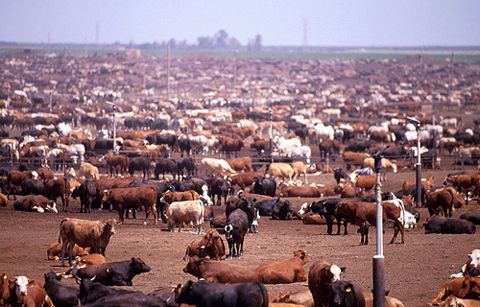
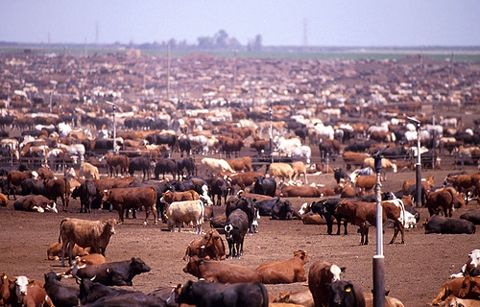
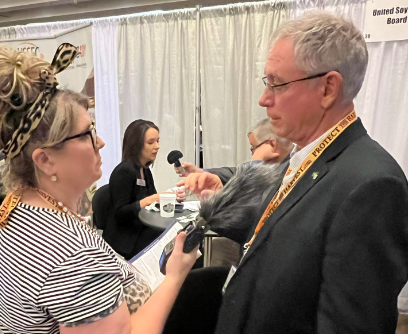
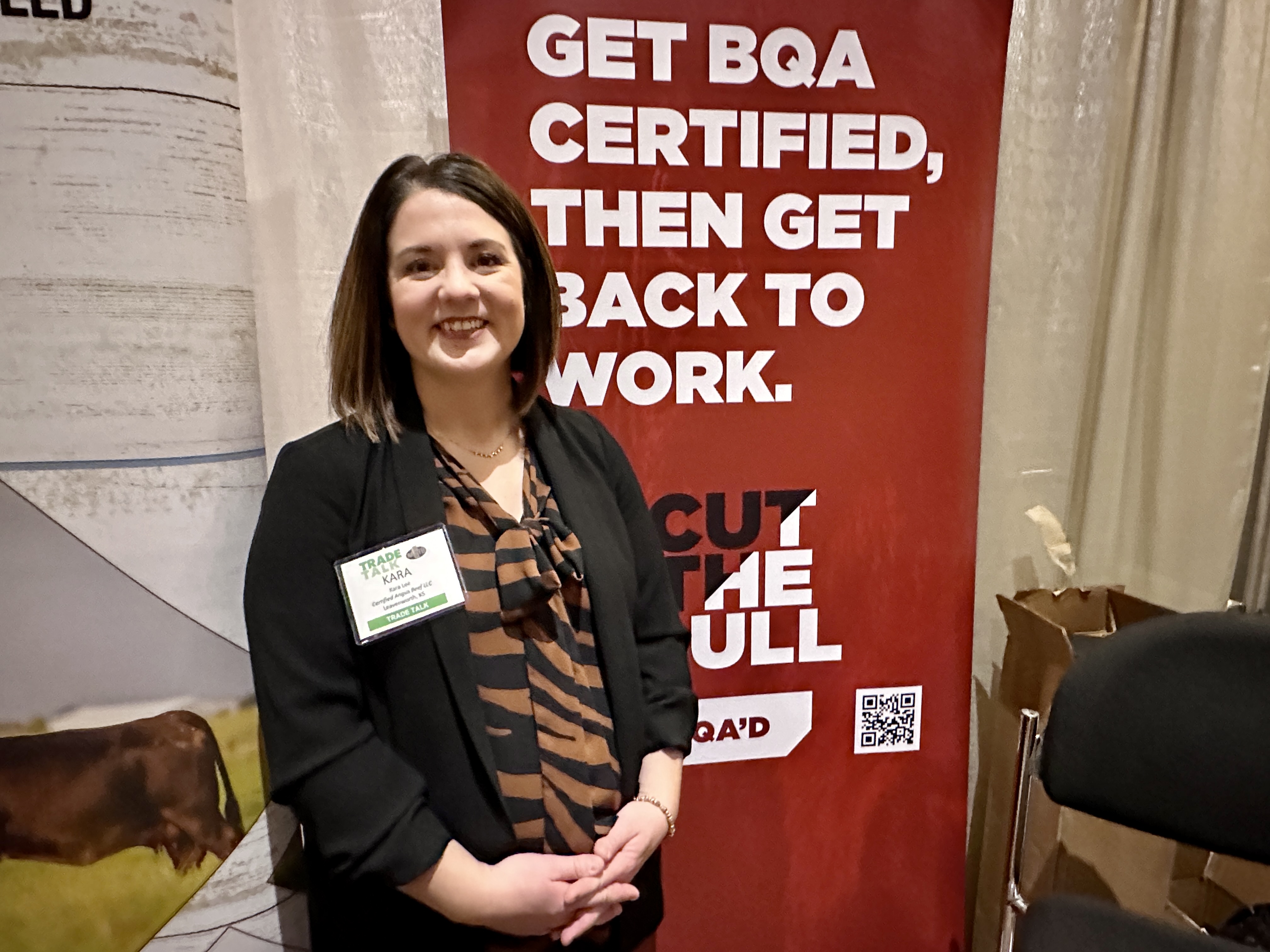
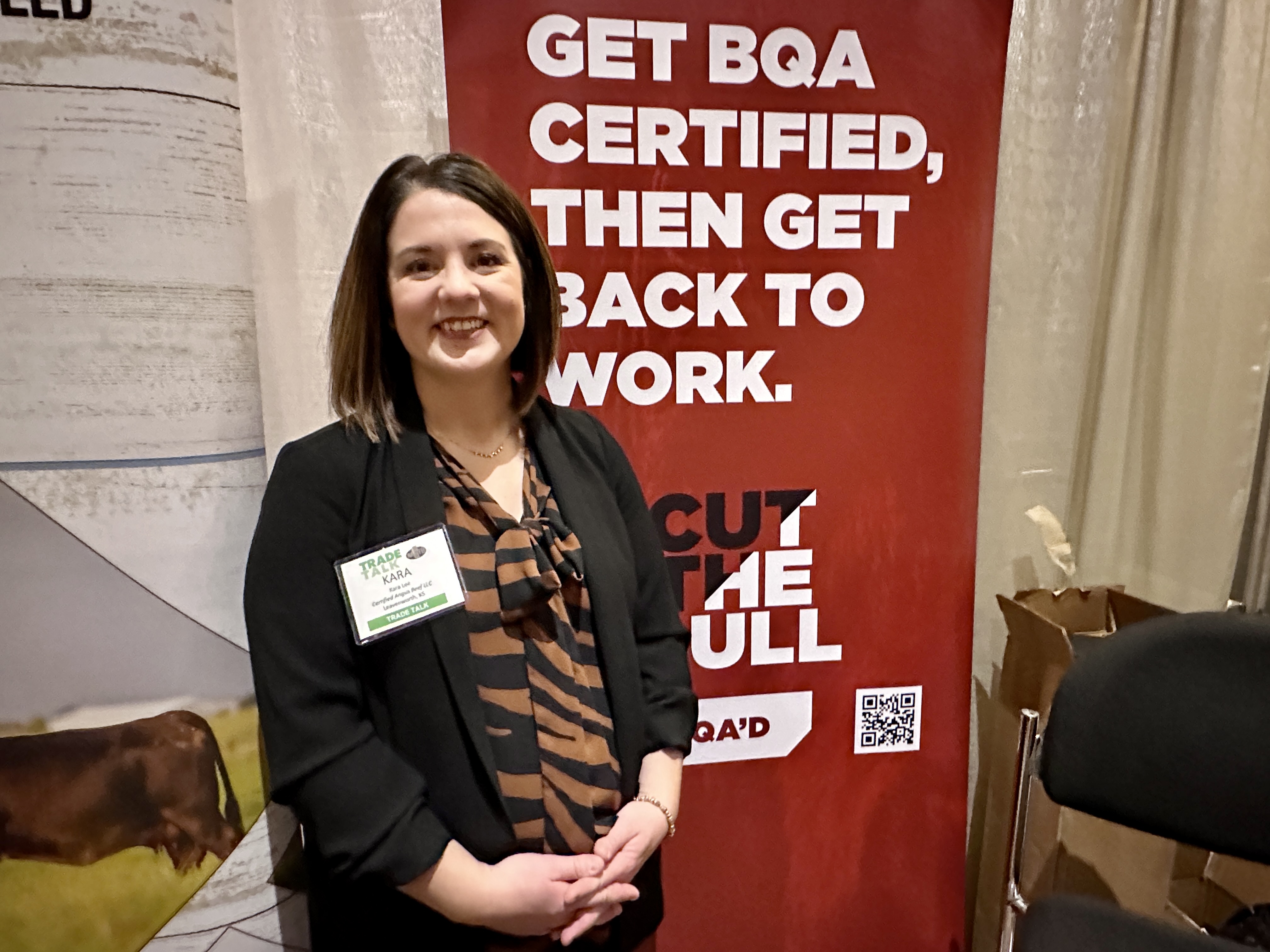
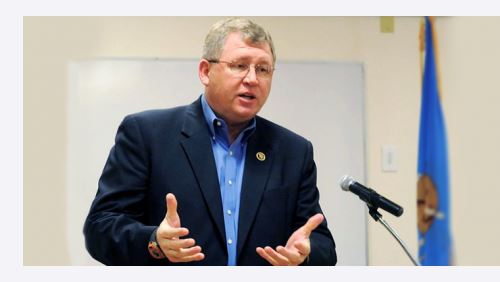

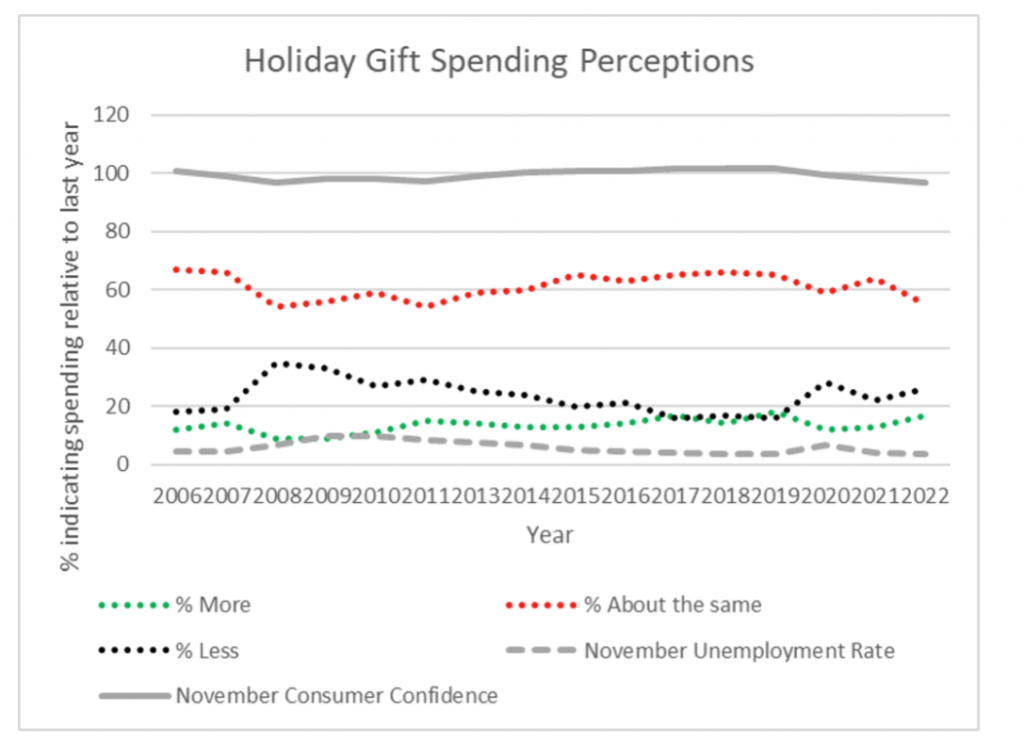
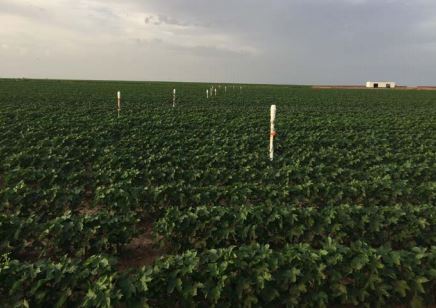
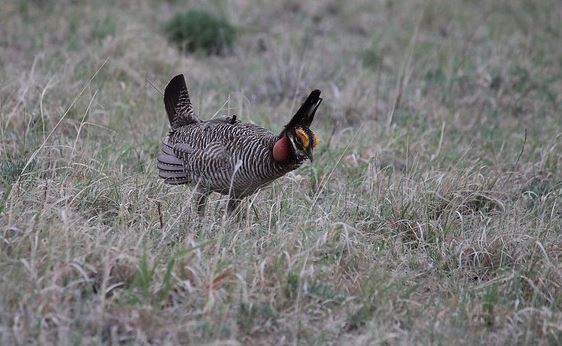
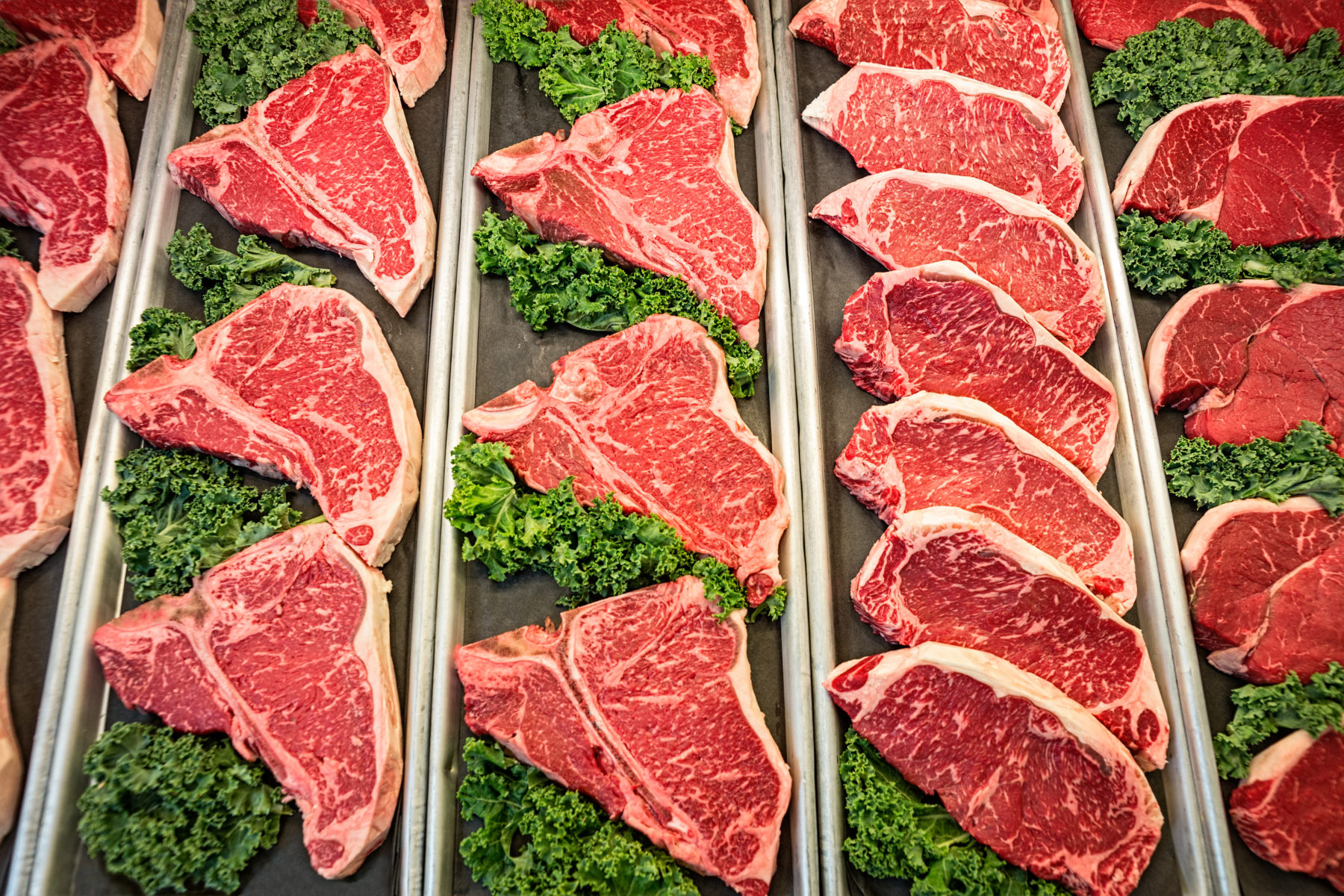
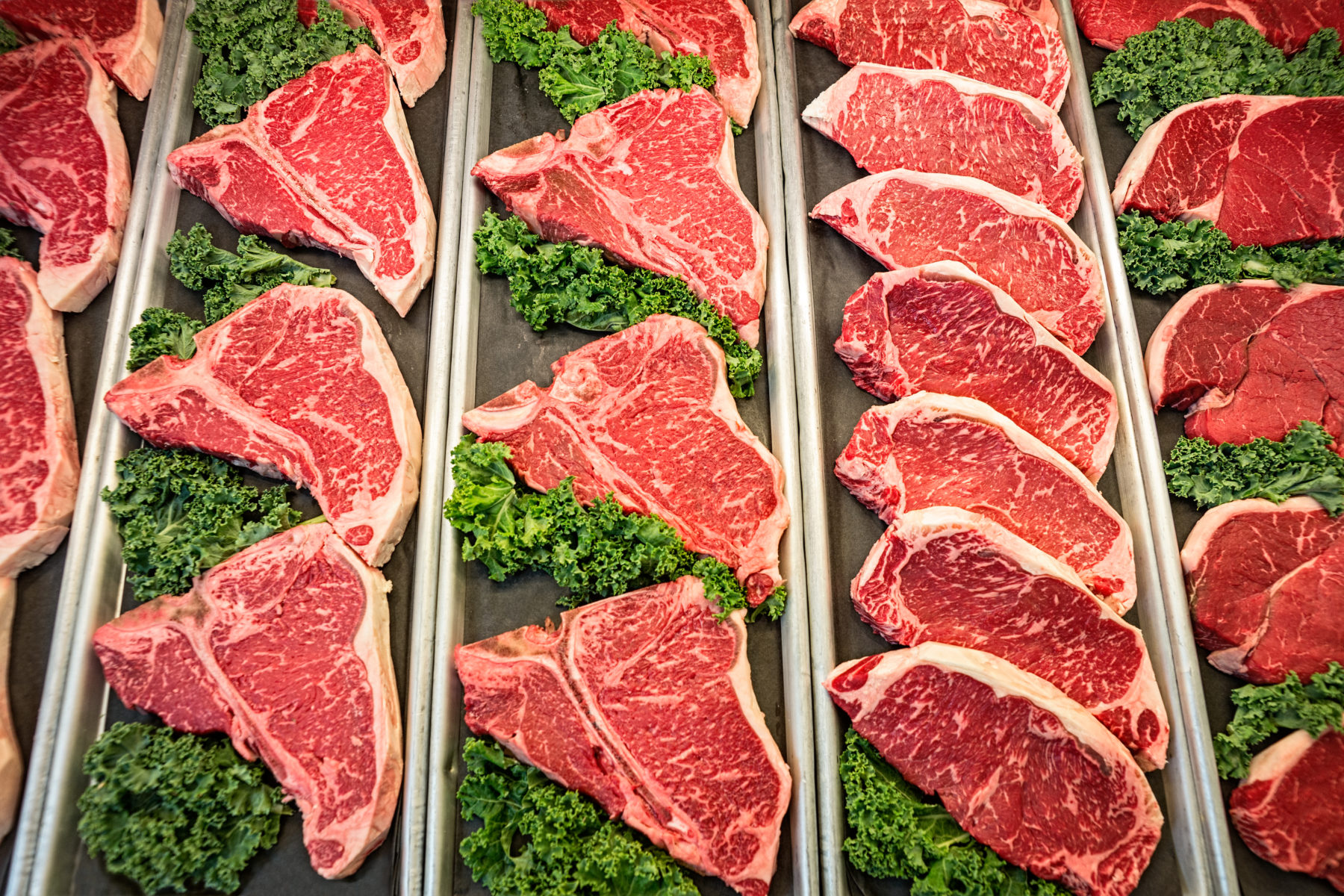
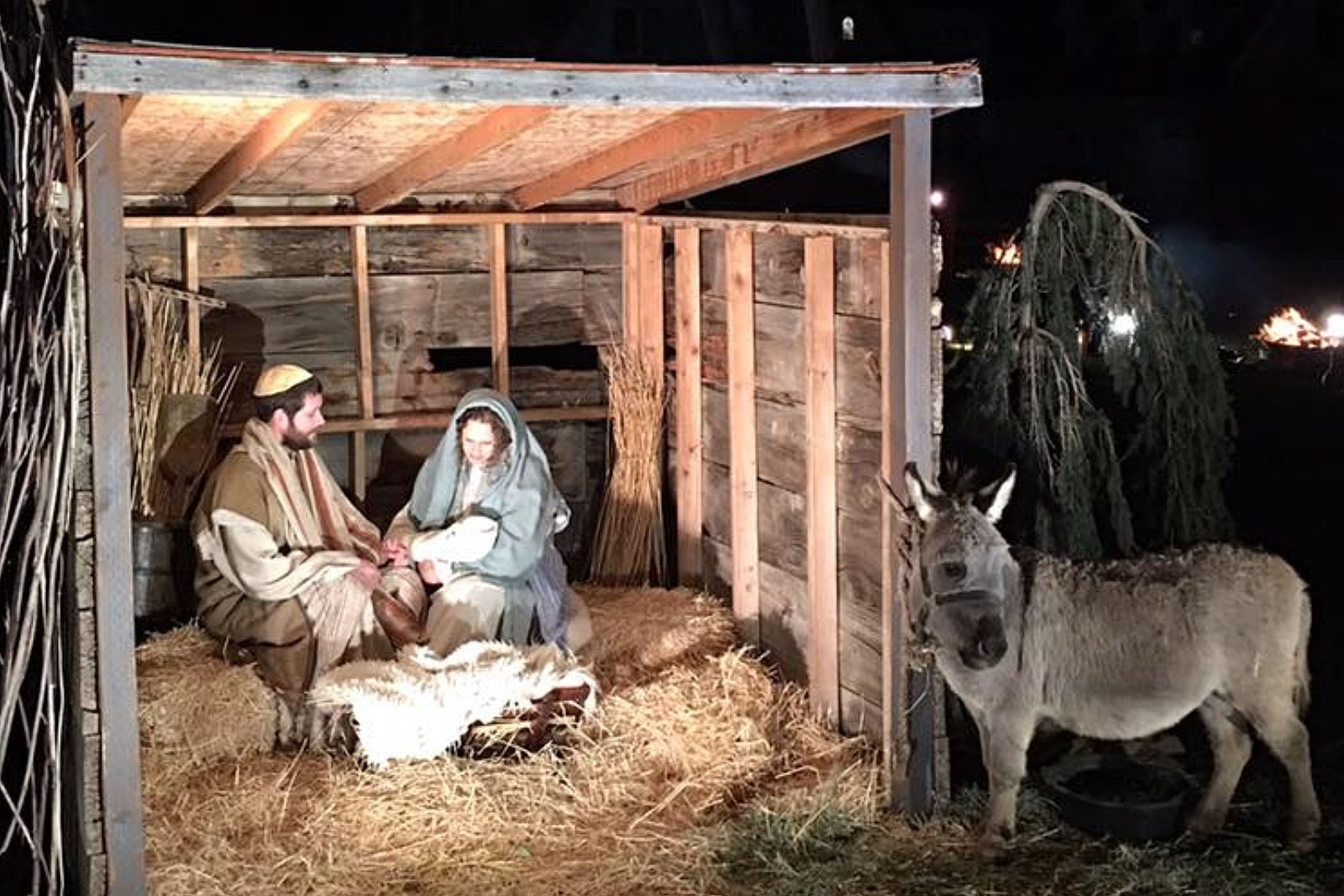
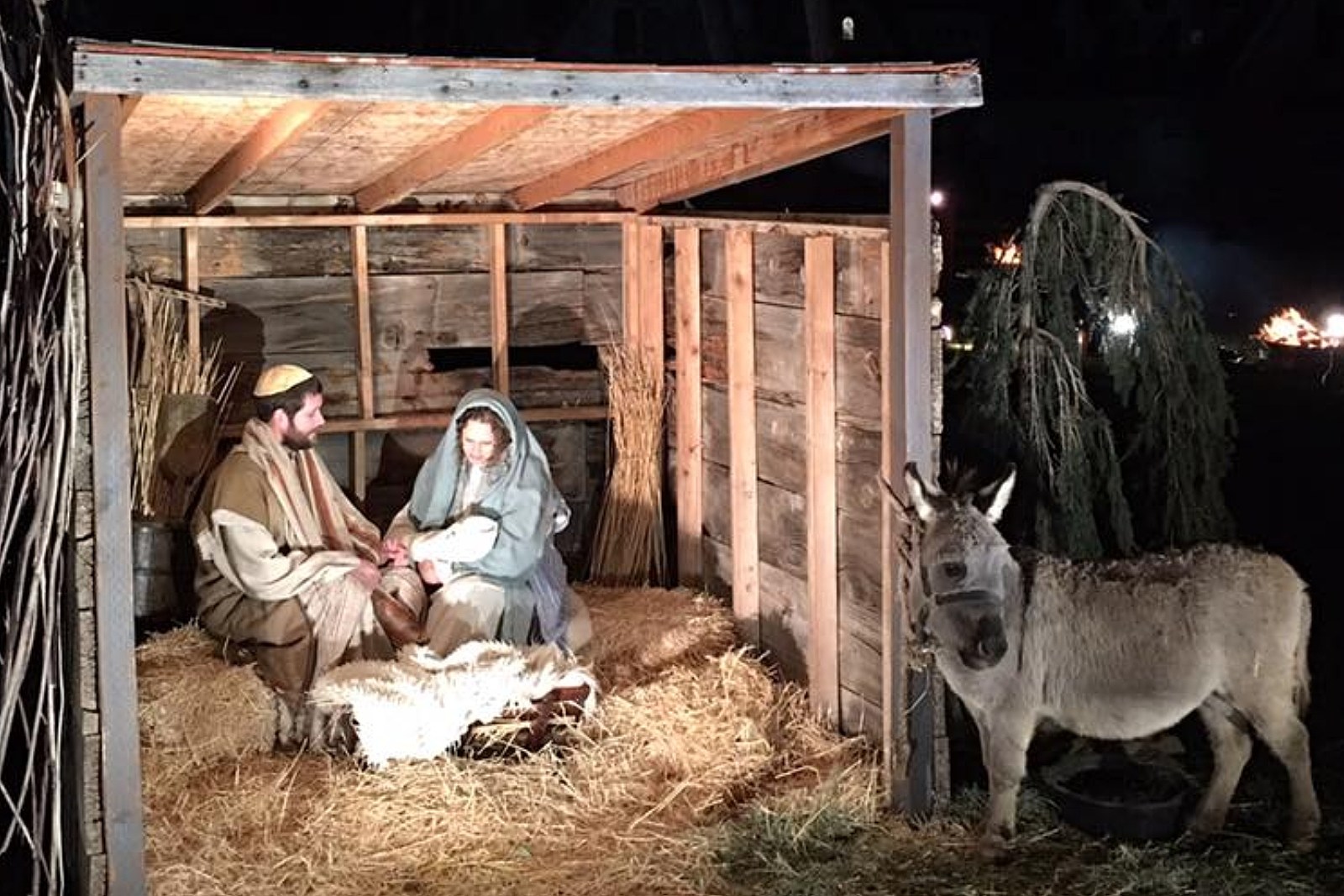
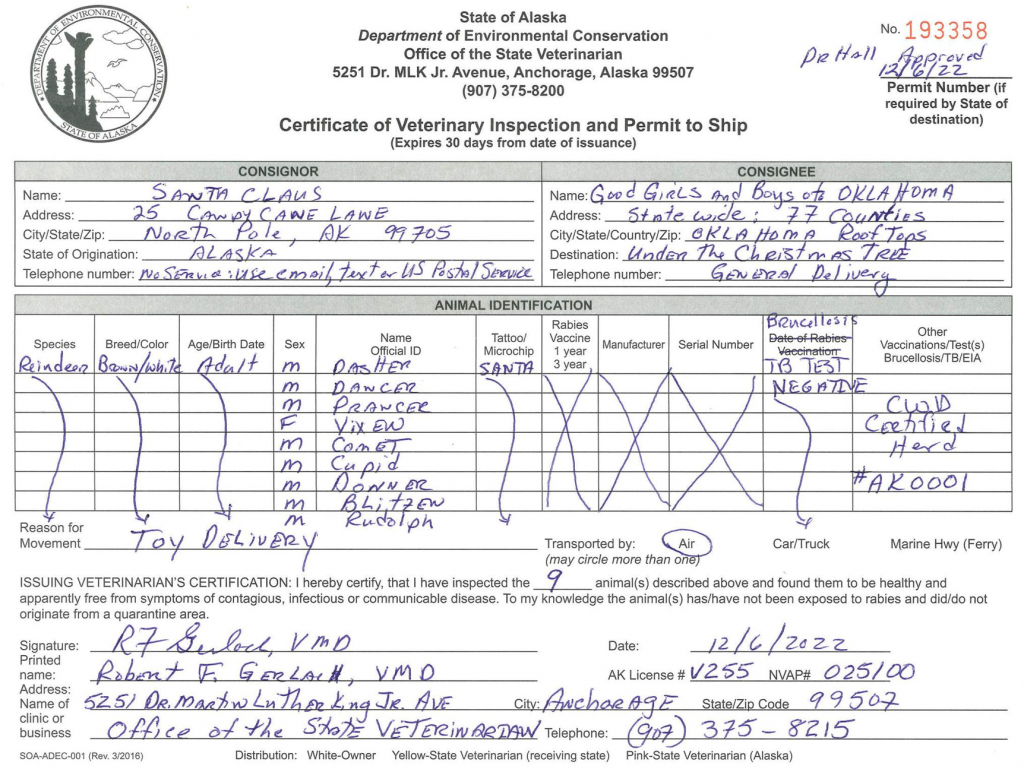
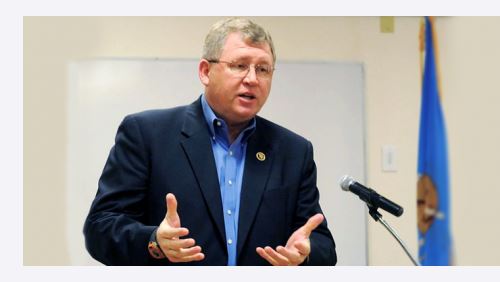
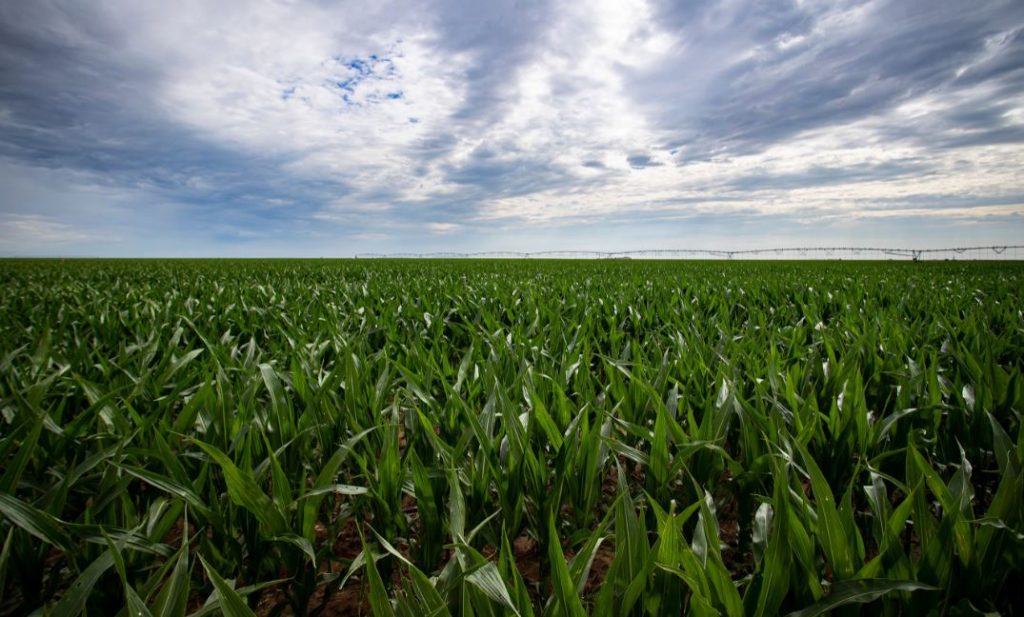
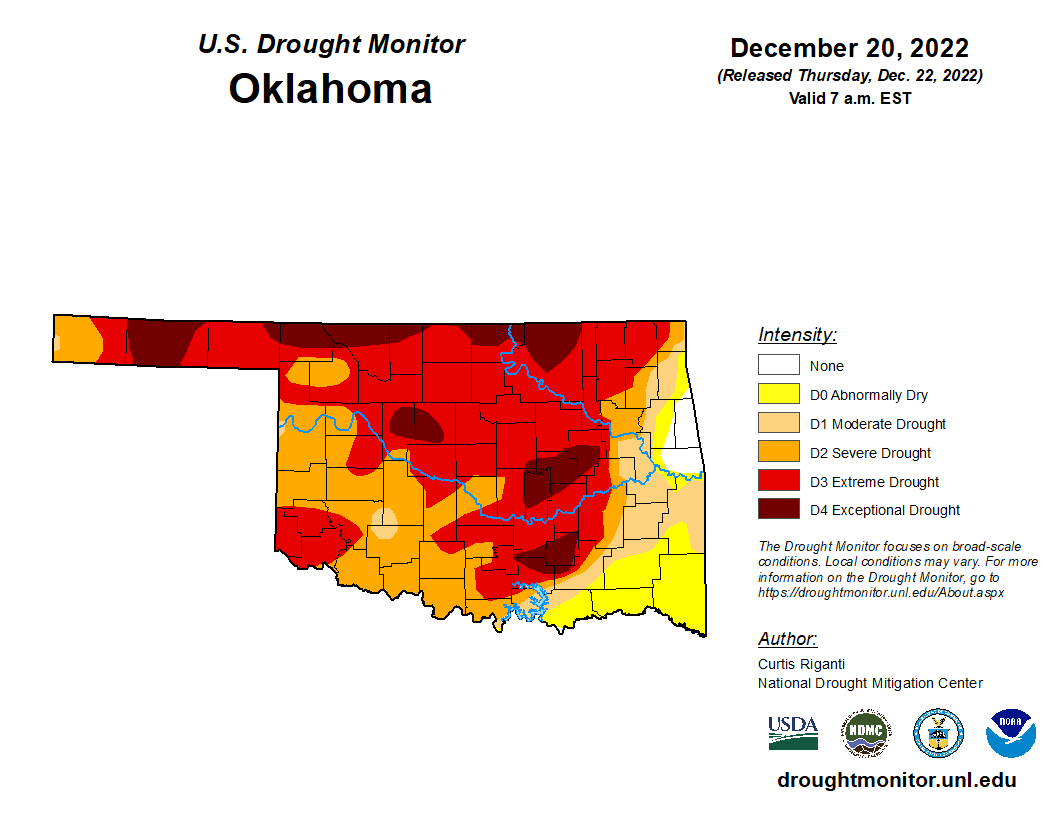 The latest Drought Monitor shows just slight changes to the drought numbers across the state of Oklahoma.
Starting with Exceptional drought- 11.65 percent of the state remains in the D4 drought category- virtually the same as the 11.65 percent number of a week ago.
In the Extreme Drought or worse category (D3)- this week's 56.13 percent is slightly less than the 57.35 percent of last week.
The Severe Drought or worse category (D2) shows 80.92 percent which is down a little over 2 percentage points from the 83.45 percent last week
The Moderate Drought or worse category(D1) stands at 89.73 percent versus 90.18 percent. It's interesting to note that Oklahoma has been in moderate drought or worse for all of 2022- as the start of the calendar year had the state at 90.17 percent in the D1 or worse category.
Finally, the Abnormally Dry or worse category (D0) is at 98.18 percent versus 98.45 percent last week for Oklahoma.
According to the summary developed for this week's Monitor- in the south that includes Oklahoma, Texas, Louisiana and Arkansas- Moderate to heavy rain fell this week across the eastern half of the south region, roughly to the east of Interstate 35 in Texas and Oklahoma. Due to increasing streamflow and soil moisture, and decreasing precipitation deficits, improvements were made across much of the eastern half of the region, including a small part of eastern Oklahoma, much of Arkansas, east Texas, Louisiana, Mississippi and Tennessee. In parts of Texas that missed out on the rains, degradations were made in a few spots where precipitation deficits, and in some cases streamflow deficits, mounted. Widespread severe, extreme and exceptional drought continued across much of central and western Oklahoma and the Texas Panhandle.
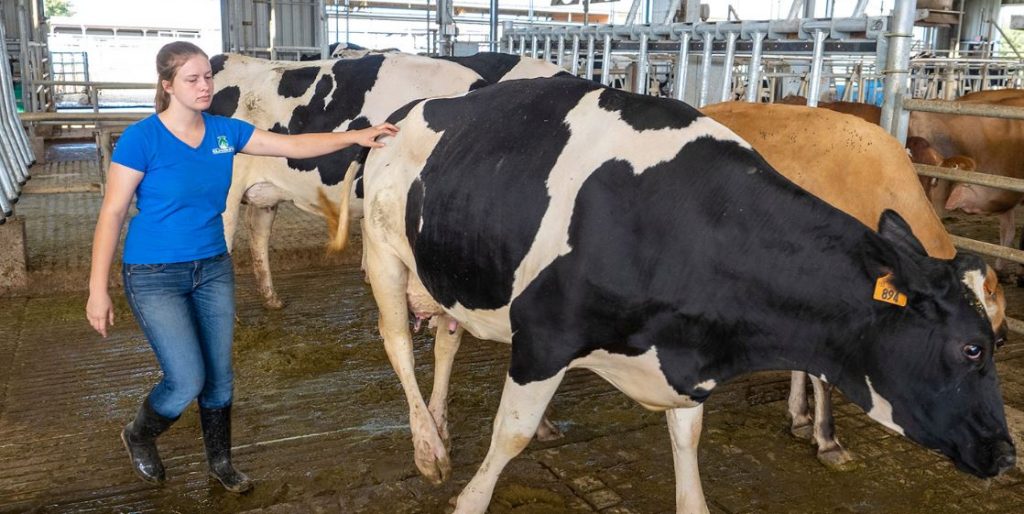

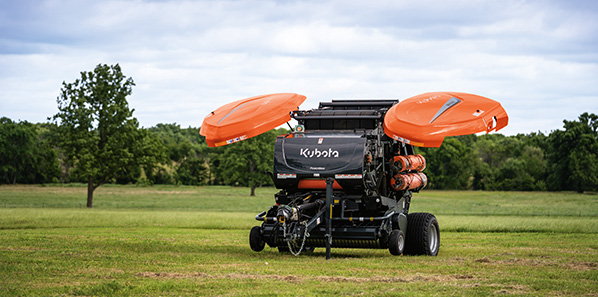
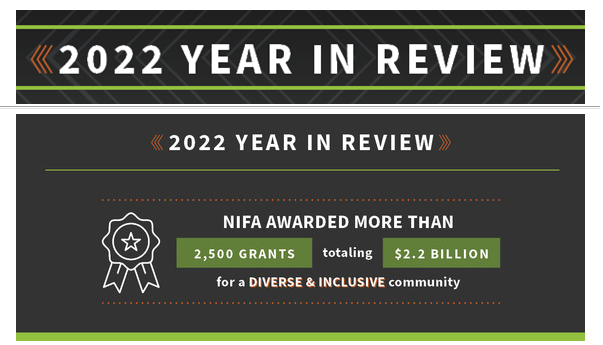
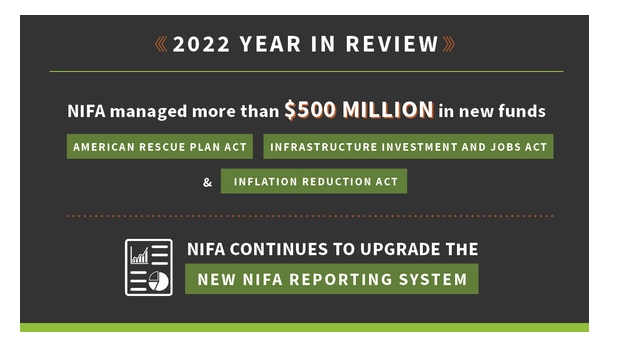
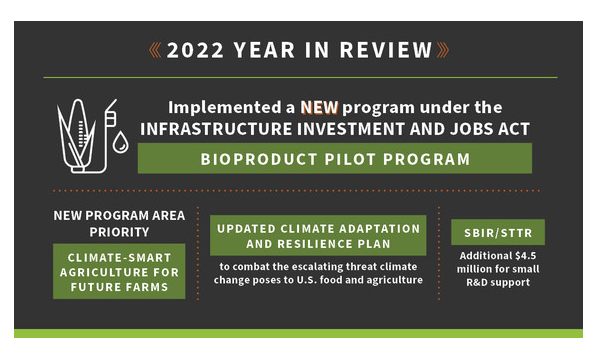
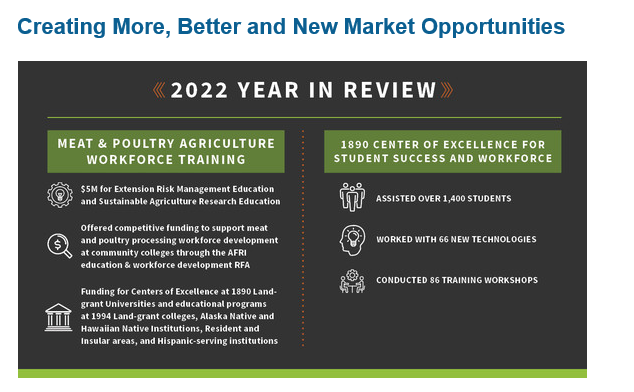
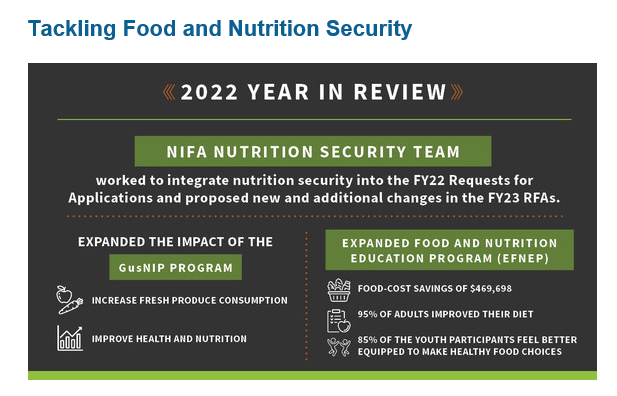
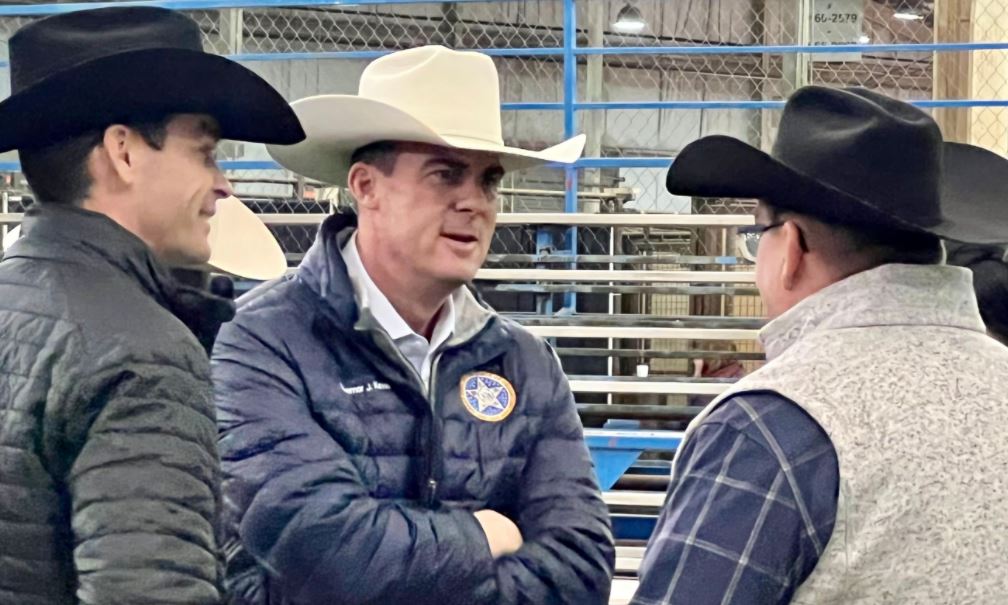
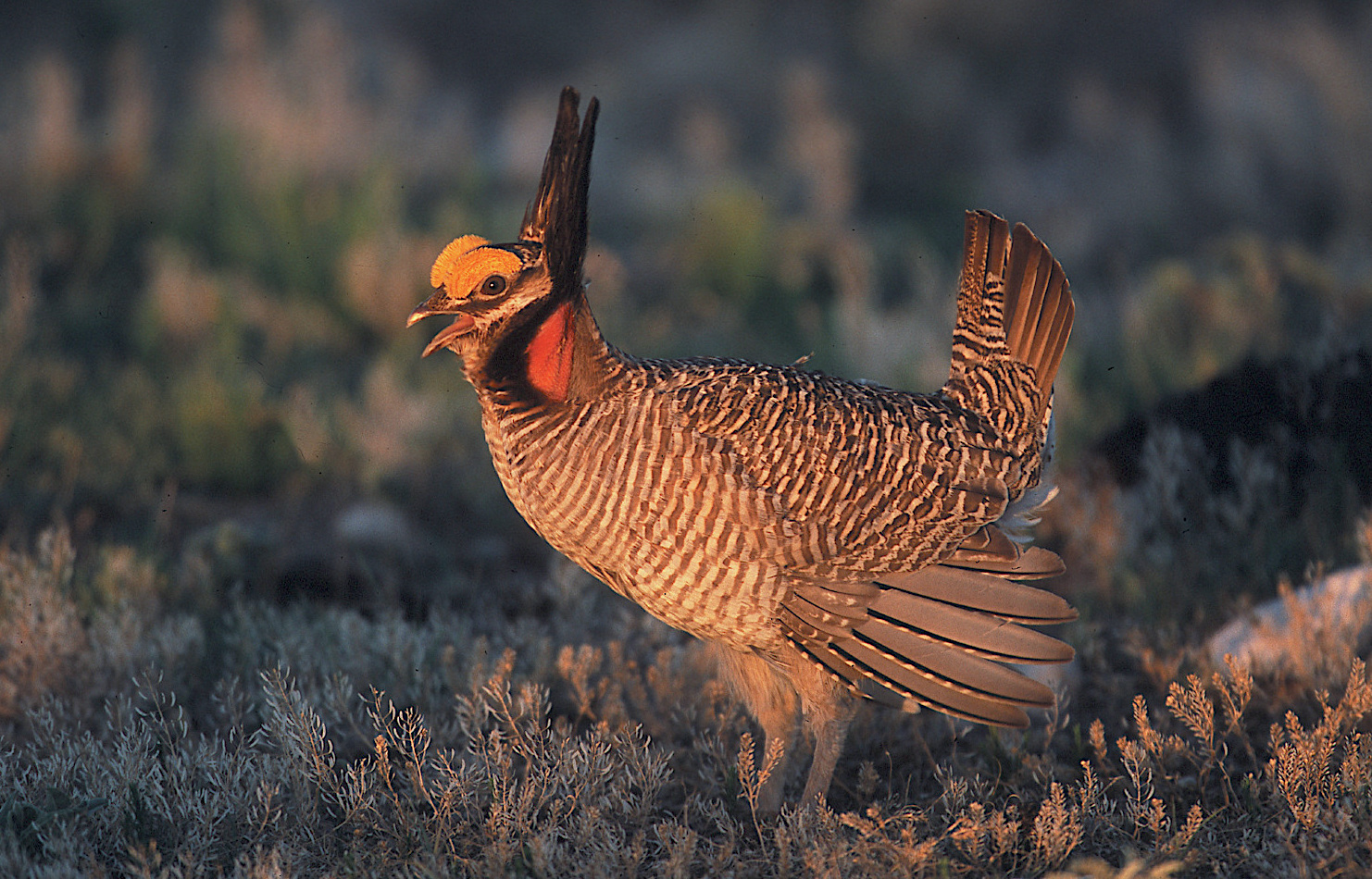 On Wednesday, Congressman Frank Lucas (OK-03) U.S. Senators Roger Marshall, M.D., Jerry Moran (KS), James Inhofe (OK), and James Lankford (OK), along with U.S. Representatives Tracey Mann (KS-01), Jake LaTurner (KS-02), Ron Estes (KS-03), Markwayne Mullin (OK-02), and Stephanie Bice (OK-05) officially introduced a
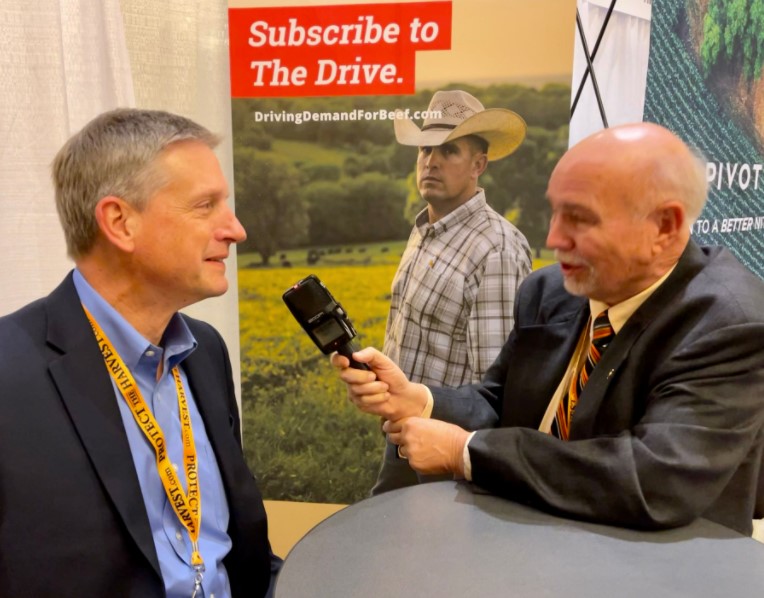
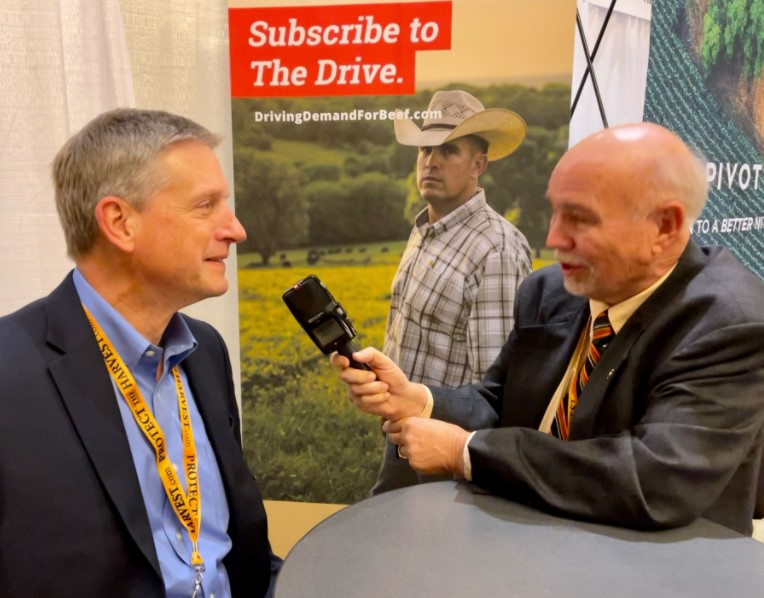
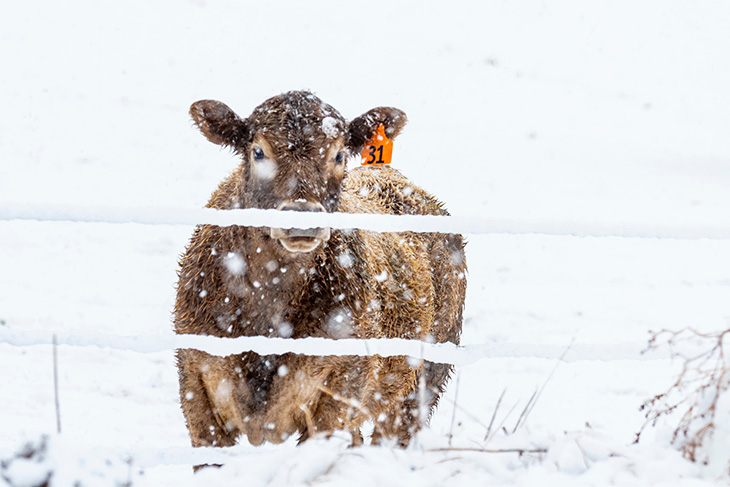
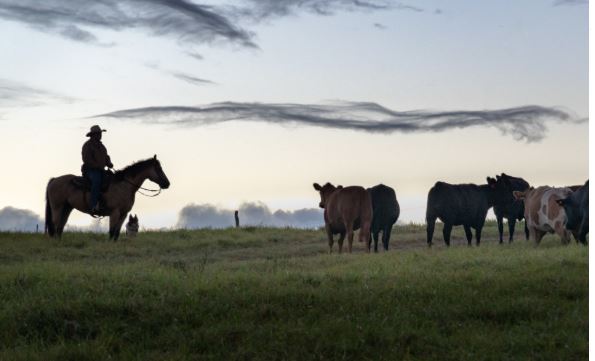
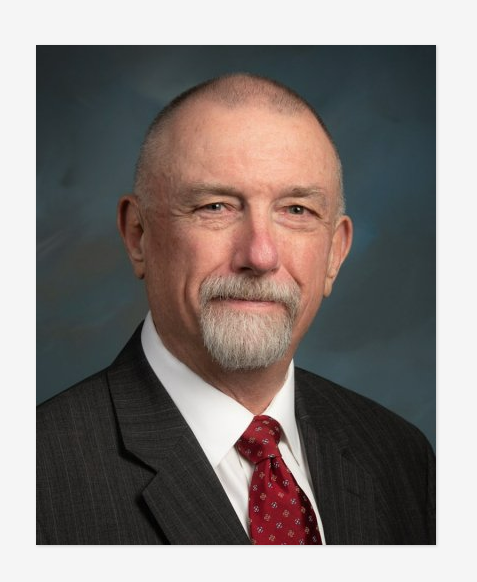

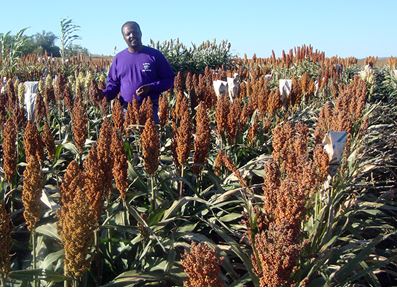

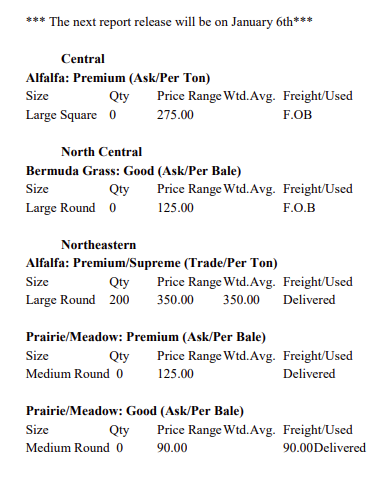
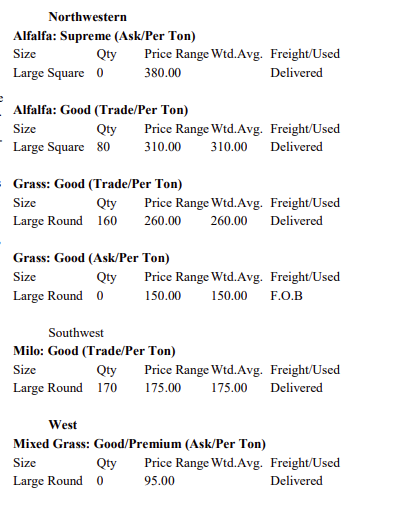
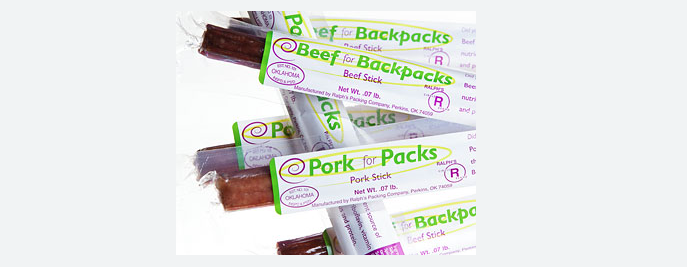

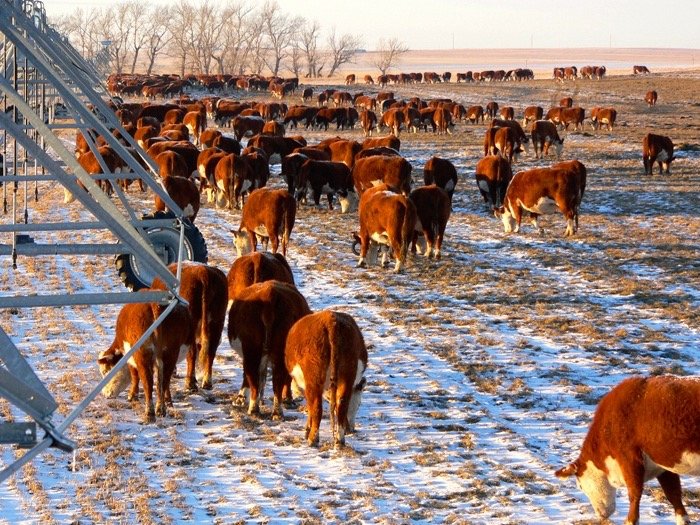
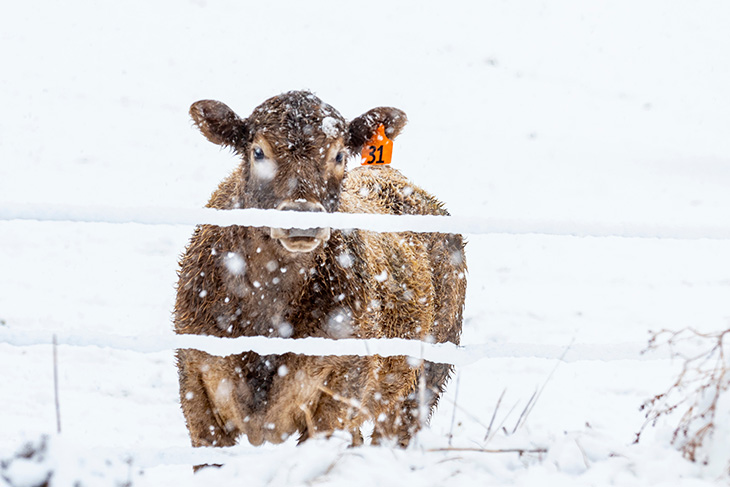
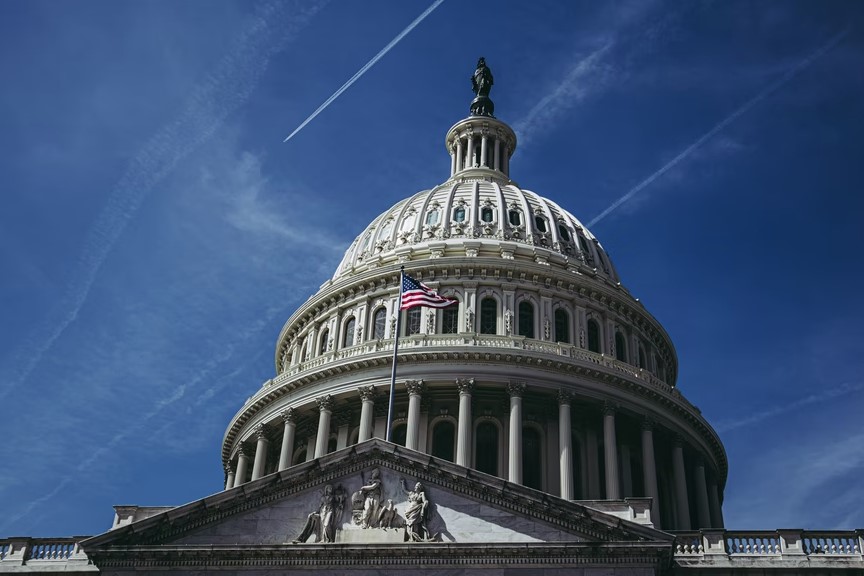
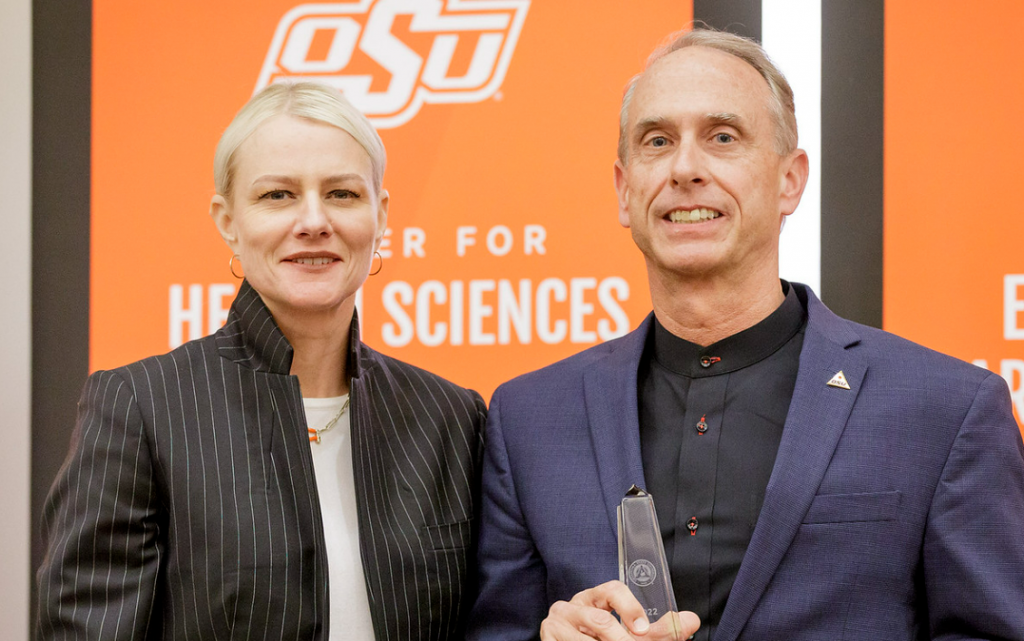
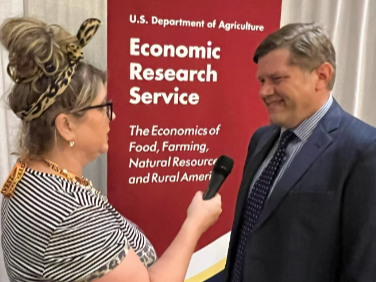

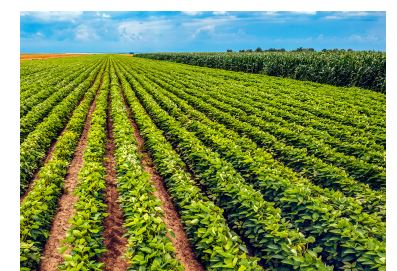
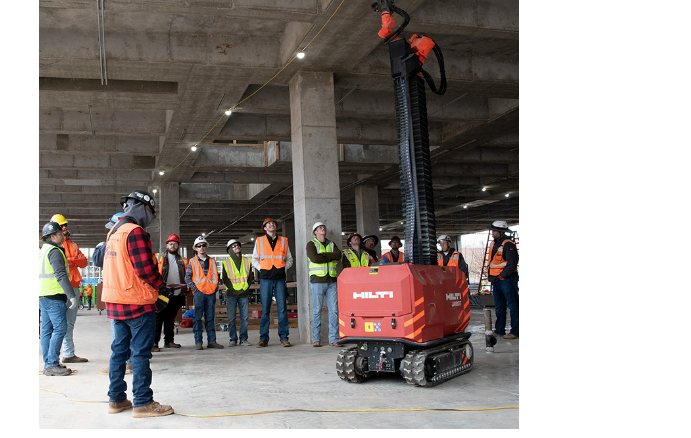
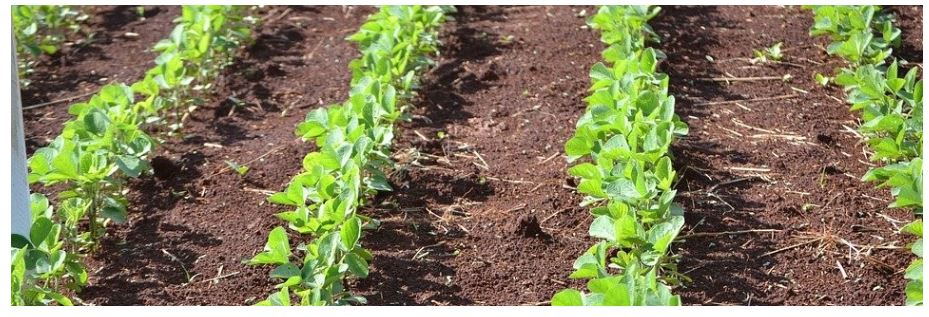
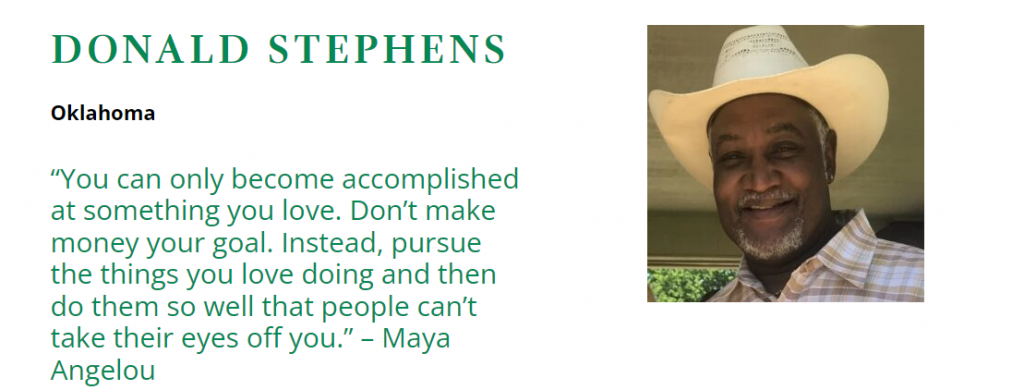
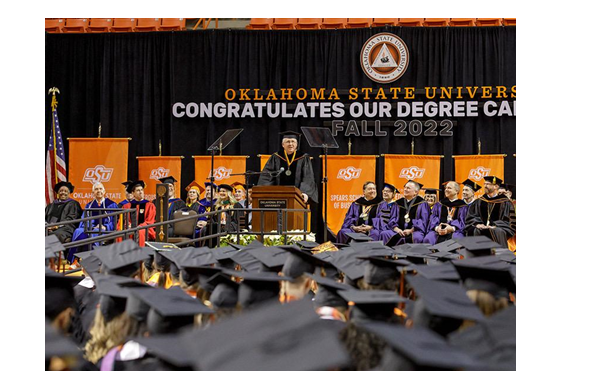
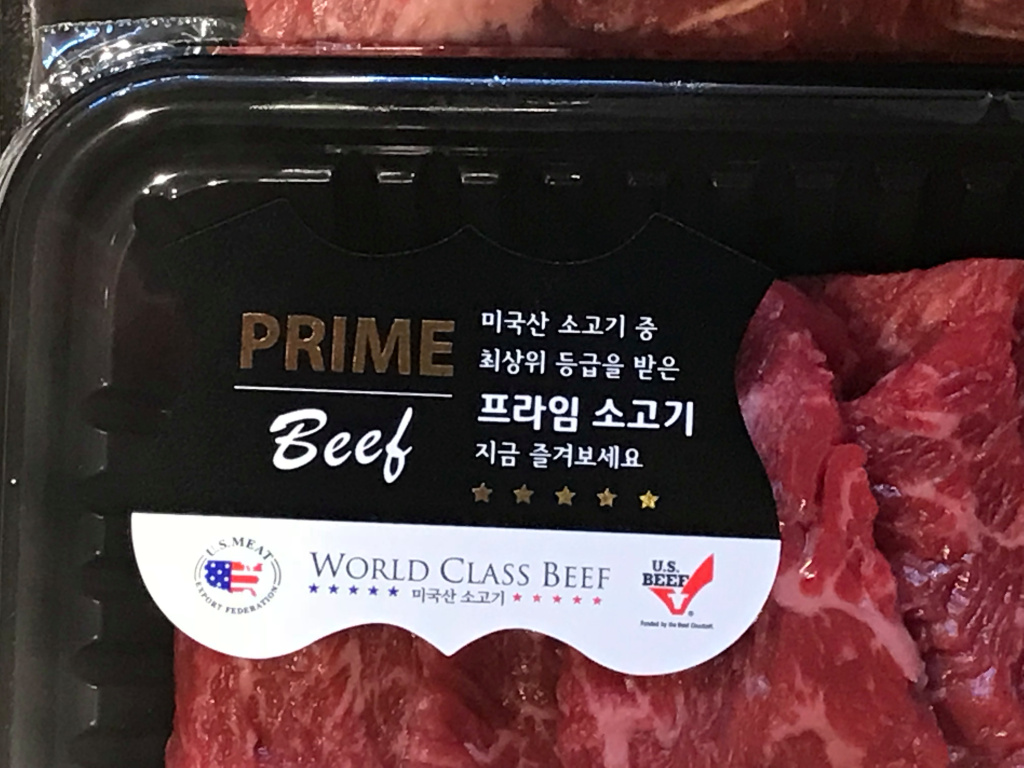 Ron Hays Beef Buzzes with Dr. Derrell Peel- Click on the Listen Bar above
As 2022 comes to an end, Extension Livestock Market Economist Dr. Derrell Peel looks at the global 2022 Beef Picture- and then offers some predictions of how things may unfold in 2023.
Global beef production is forecast to decrease slightly in 2023. Beef production decreases in the U.S. and European Union will more than offset increasing beef production in Australia and modest increases in Mexico and India. Changes in beef production and consumption will impact global beef exports and imports in the coming year.
Brazil is expected to remain the largest beef exporter with beef production increasing slightly in 2023. Brazil beef exports are limited by decreased beef imports in China. Beef exports from Brazil are significantly higher than the next three exporters. Australia, after drought in recent years decreased cattle numbers and beef production, is now in rebuilding mode. Cattle prices are falling from historically high levels in Australia and beef exports are forecast to increase, helping Australia regain the number two spot. The U.S., number two beef exporting country in 2022 with record or near-record exports, will likely see exports decrease with declining beef production, higher beef prices and a continued strong dollar. The U.S. will likely drop to fourth place, a position it has frequently occupied in recent year. India is the remaining top four beef exporter with steady exports expected in 2023. India exports large quantities of water buffalo meat (carabeef) to low-end markets in Indonesia and Malaysia.
China/Hong Kong is the largest beef importing country in the world since 2018 and will be the largest by a factor of two in 2023. Prior to the rapid growth in China/HK imports in recent years, the U.S was the largest beef importing country for many years. Beef imports in China/KH may decrease in 2023 for the first time ever as the country struggles with a recession and continued zero-Covid controls. The U.S. may see beef imports increase modestly as beef production falls and supplies of processing beef drop sharply. Rising U.S. beef prices and the strong dollar will further attract beef into the U.S. from other markets. Canada has been a major exporter of beef into the US- especially here in 2022 with drought in Australia limiting the amount of processing beef available. The number three and four beef import markets, Japan and South Korea, are expected to see minor increases in beef imports in 2023.
As for 2023 domestically- Dr. Peel says that the end of 2022 has set the US beef cattle industry up for higher cattle prices, high costs of gain with input prices pushing higher- and the hope that producers who can keep control on those input costs will reap the benefits of more profitability. The continuing unknown- how roughly will cattle producers be treated by the forces of drought in the new year.
Listen to the comments in today's Beef Buzz from Dr. Peel that he shared this week with Samantha Bennett of the K-State Radio Network.
The Beef Buzz is a regular feature heard on radio stations around the region on the Radio Oklahoma Ag Network and is a regular audio feature
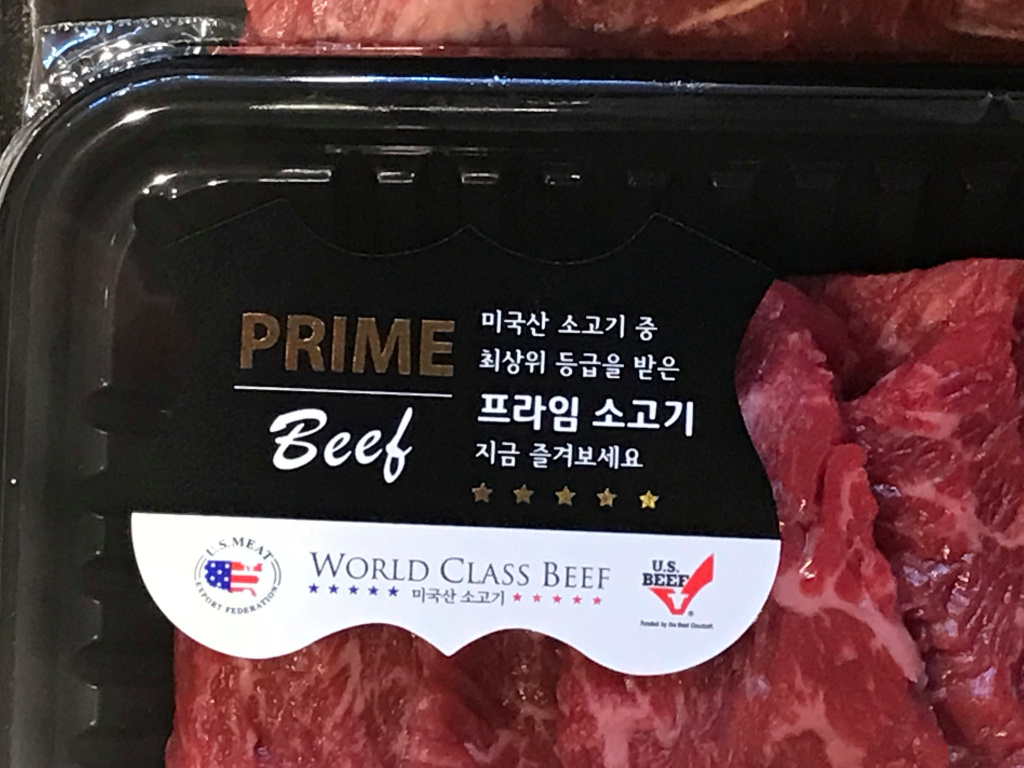
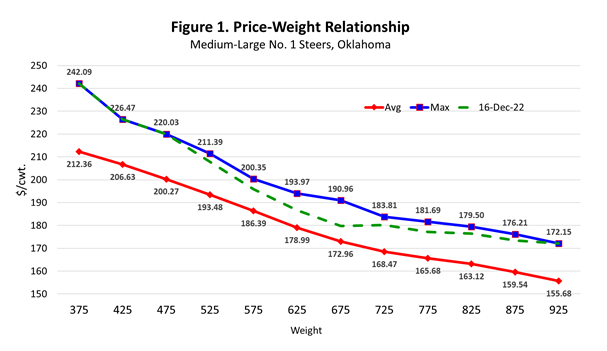
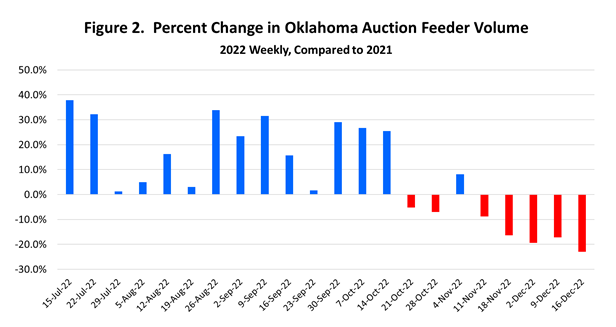
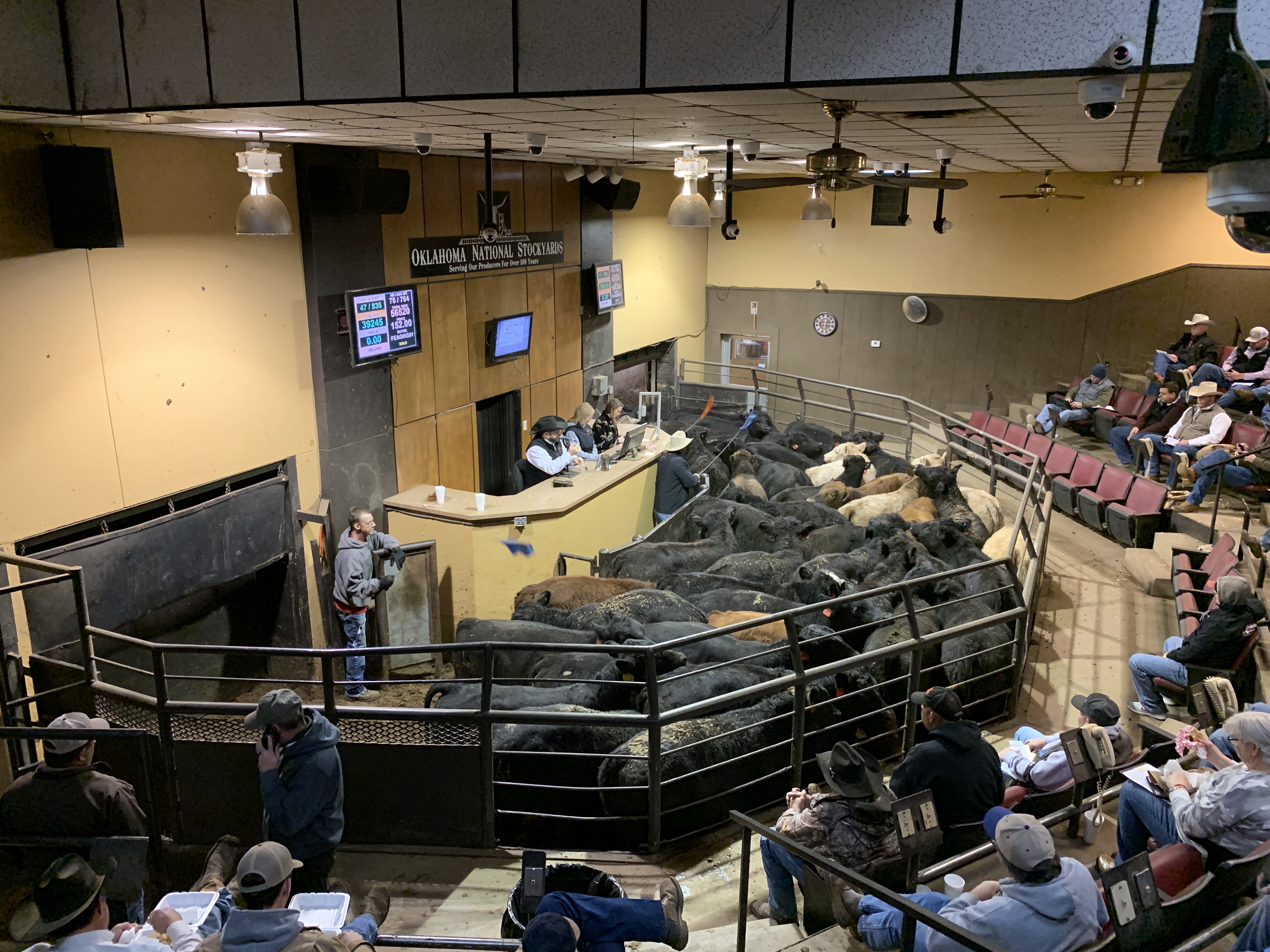 Oklahoma National Stockyards
Feeder and Stocker Auction, December 19, 2022
Receipts
This Week- 7,800
Last Week- 10,590
Year Ago- No Sale
Special Note: *** The Oklahoma National Stockyards will be closed for the Holidays December 26, 2022 thru January 06, 2023. The first sale
back will be on Monday January 09, 2023. ***
*** Close ***
Compared to last week: Feeder steers under 800 lbs. steady to 4.00 higher; few over 800 lbs. mostly steady. Feeder heifers steady in a light
test. Steer calves 4.00-8.00 higher. Heifer calves steady to 4.00 higher. Demand good for all classes as the 2022 sale season comes to a close.
Single digit temperatures and sub zero wind-chills are expected towards the end of the week. Supply included: 100% Feeder Cattle (49%
Steers, 1% Dairy Steers, 47% Heifers, 3% Bulls). Feeder cattle supply over 600 lbs was 46%.
Click on the PDF Link below to view the complete report from USDA Market News- or



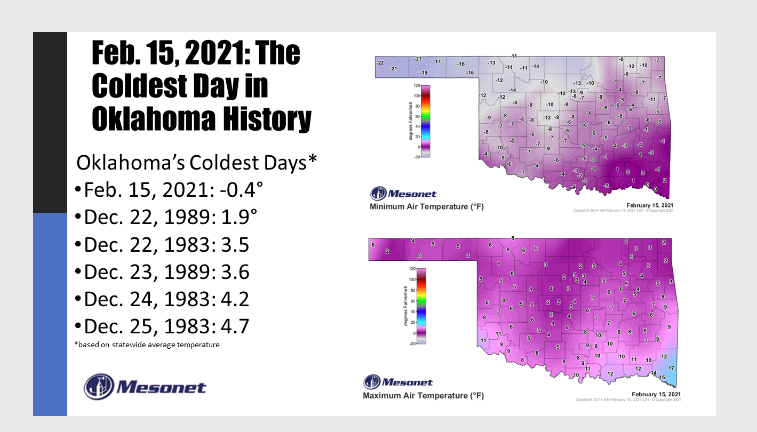
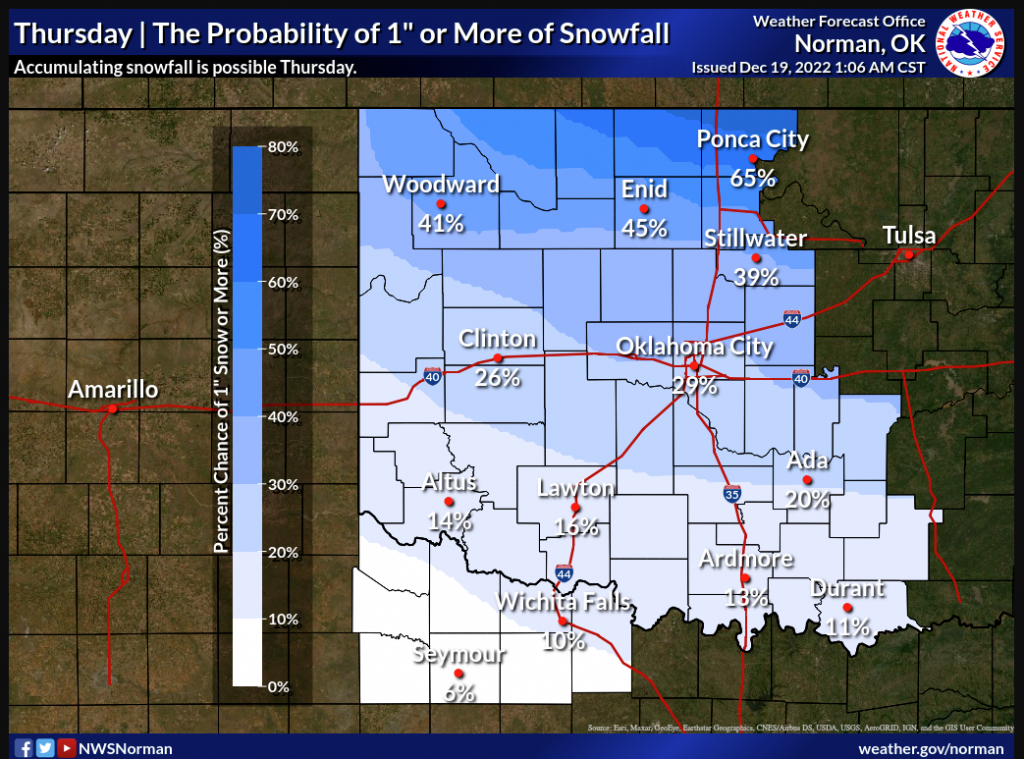
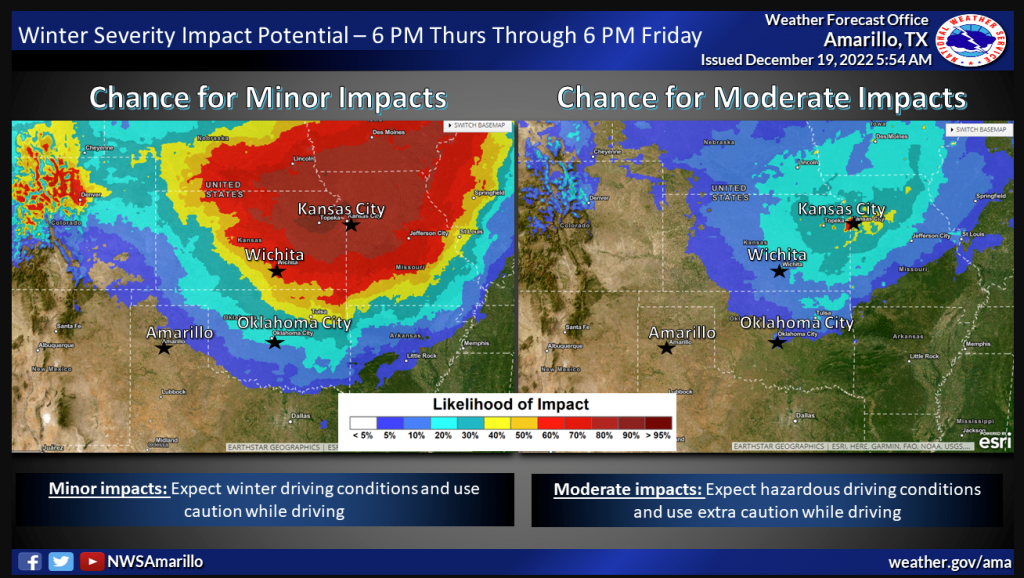
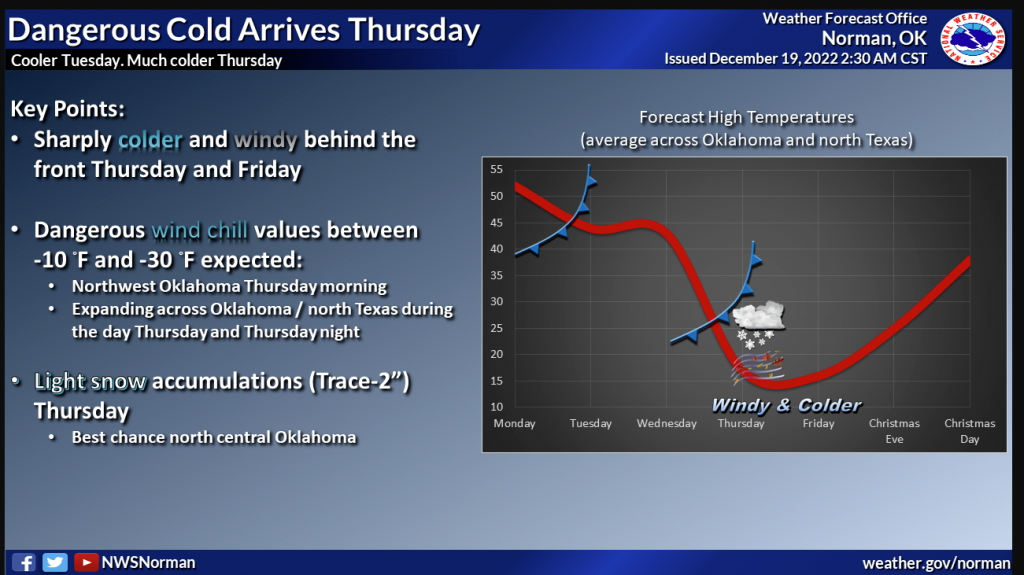
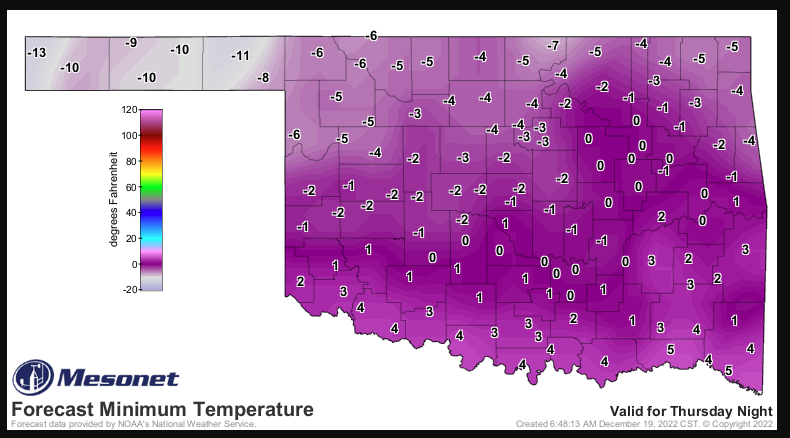

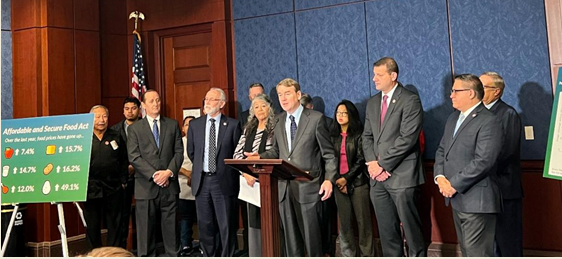
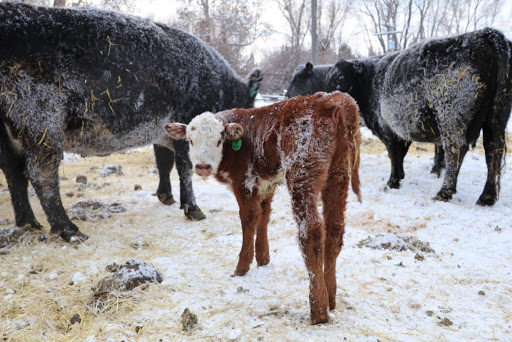
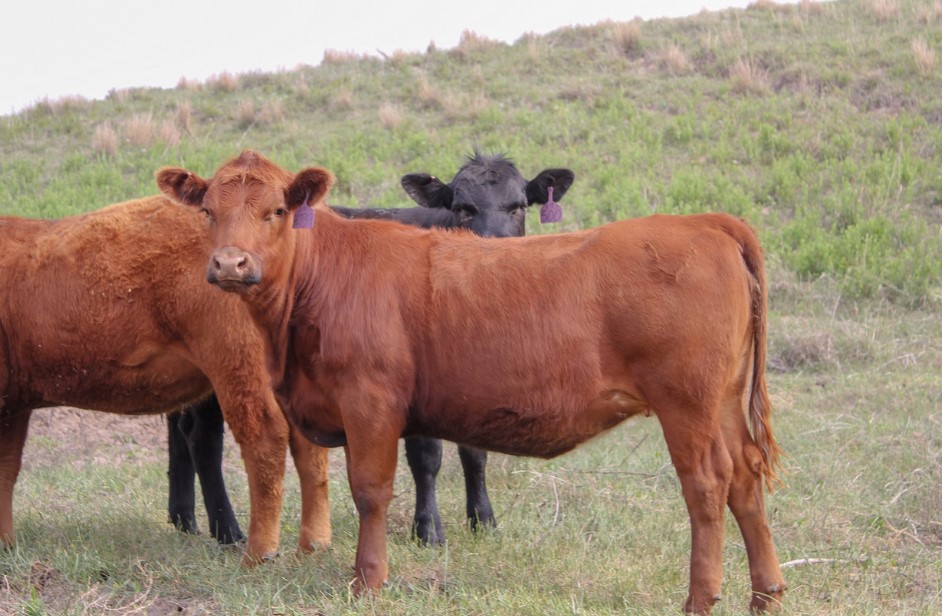

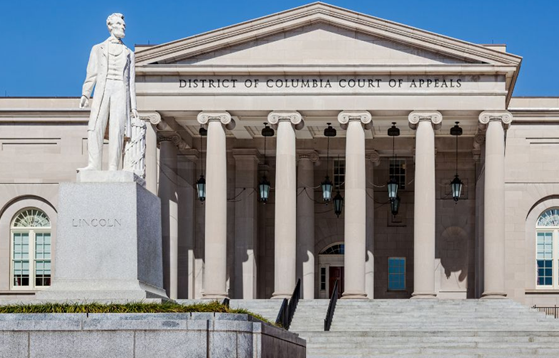
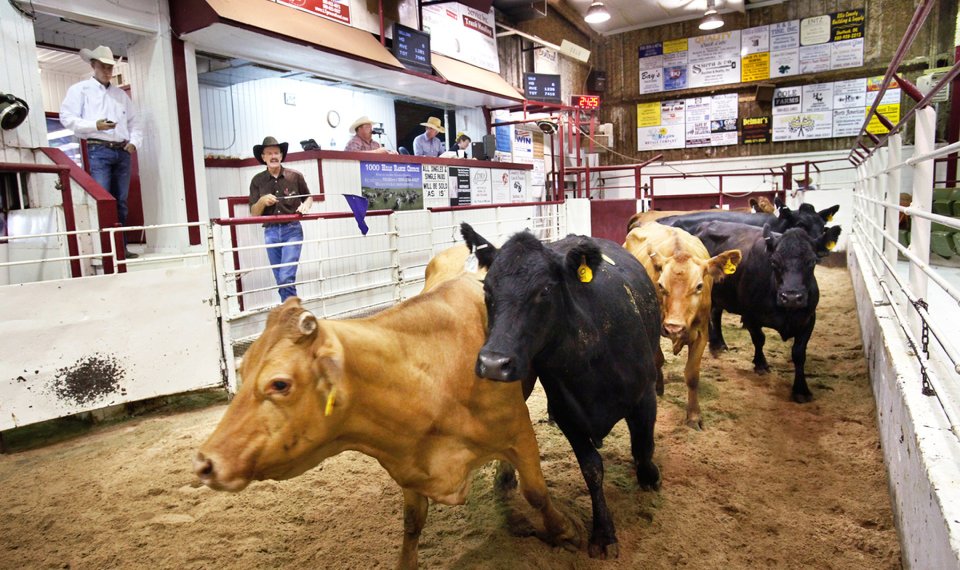 Woodward Livestock Auction Feeder Cattle - Woodward, OK
Thu Dec 15, 2022
AUCTION
This Week 2,922
Last Reported 4,965
Last Year 2,674
Special Note: There will be a cow and bull sale at Woodward livestock on Dec. 20th. Next feeder cattle sale will be Jan. 5th. , 2023.
Compared to last week: Feeder steers mostly steady. Feeder heifers steady to 5.00 higher. Steer calves 5.00 to 10.00 higher with instances of 15.00 higher. Heifer calves 8.00 to 10.00 higher. Demand moderate to active. Quality average. Supply included: 100% Feeder Cattle (46% Steers, 49% Heifers, 5% Bulls). Feeder cattle supply over 600 lbs was 37%.
FEEDER CATTLE
STEERS - Medium and Large 1 (Per Cwt / Actual Wt)
Head Wt Range Avg Wt Price Range Avg Price
4 275 275 250.00 250.00
25 318-344 336 235.00-275.00 262.20
5 310-335 325 200.00-240.00 215.26 Unweaned
53 351-396 368 237.00-265.00 255.90
70 416-447 431 231.00-241.00 236.40
52 427 427 267.00 267.00 Thin Fleshed
3 416 416 217.00 217.00 Unweaned
53 460-499 480 216.00-228.00 222.78
15 460-468 464 244.00 244.00 Thin Fleshed
70 501-540 513 200.00-225.00 216.78
50 511 511 244.00 244.00 Thin Fleshed
6 515 515 194.00 194.00 Unweaned
137 556-589 577 182.00-211.00 191.18
15 558-561 560 185.00-198.00 188.45 Unweaned
63 605-642 618 173.00-186.00 179.48
42 625-640 628 170.00-170.50 170.39 Unweaned
124 650-698 673 171.00-185.00 181.61
21 670-693 673 166.00-182.00 179.65 Unweaned
19 713-726 720 171.00-177.50 172.78
56 734 734 167.00 167.00 Unweaned
62 750-798 772 175.00-181.00 179.17
8 803-823 813 174.00-176.00 175.01
10 875-879 877 171.00-173.00 172.00
4 1002 1002 158.00 158.00
For the complete market report from USDA Market News click on the PDF link below:
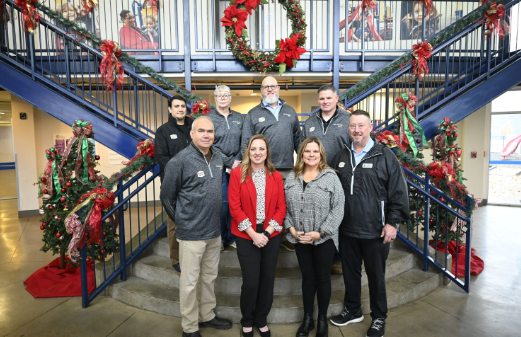
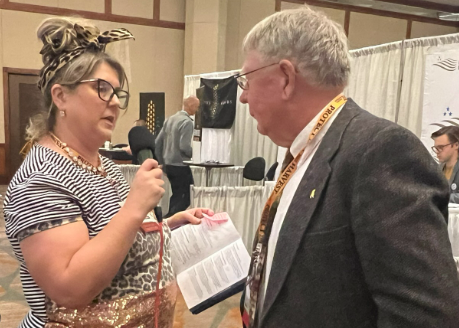

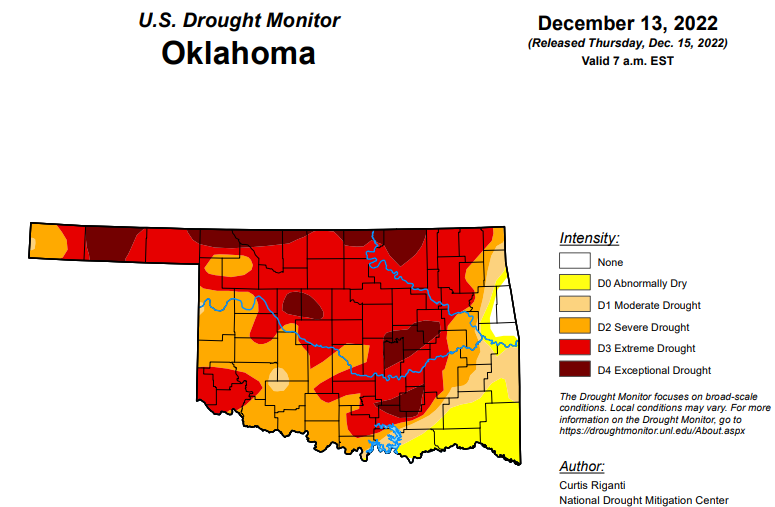
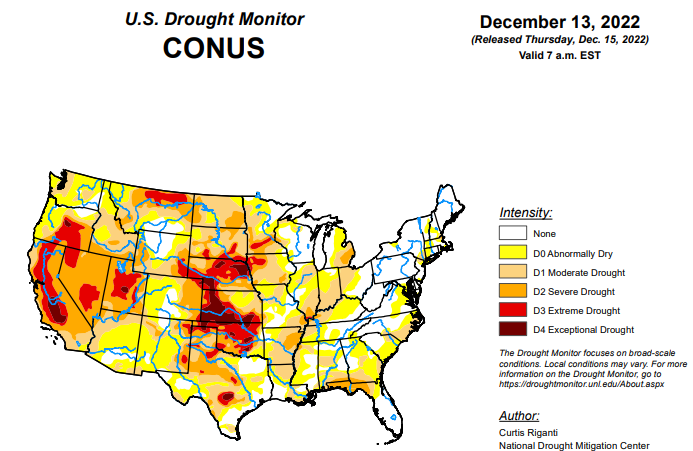

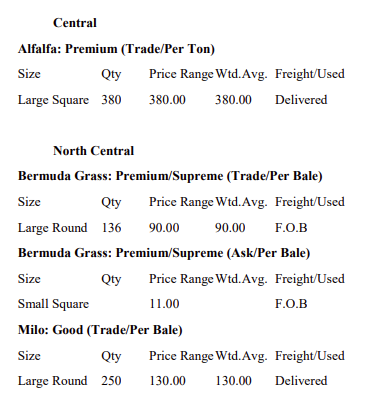
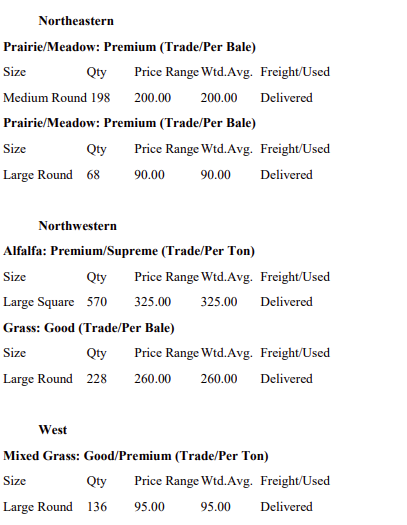

 College Aggies Online is an initiative of the Alliance that connects college students, industry experts, and social media-savvy farmers to engage online about current and emerging issues facing the animal agriculture community. Throughout the competition, students learn how to spread positive, factual information about agriculture and tell their personal stories while actively developing their professional communication skills. In the club division, students host farm tours, campus events, food drives and more to engage with their peers about agriculture.
 OKC West Livestock Auction - El Reno, OK
Wed Dec 14, 2022
AUCTION
This Week 10,473
Last Reported 10,427
Last Year 12,614
Special Note: : *** The OKC West Livestock Auction with be closed for the Holidays December 19-30th. The first sale back will be on Monday January 2, 2023. ***
Compared to last week: Feeder steers and heifers traded 1.00-3.00 higher. Demand good for feeders. Several large strings of yearlings were on offer. Steer and heifer calves under 550 lbs sold mostly 3.00-5.00 higher, over 550 traded fully steady. Demand remains good for light weight grazing cattle as more moisture fell over the weekend and at the start of the week. Supply included: 100% Feeder Cattle (59% Steers, 0% Dairy Steers, 38% Heifers, 3% Bulls). Feeder cattle supply over 600 lbs was 59%.
FEEDER CATTLE
STEERS - Medium and Large 1 (Per Cwt / Actual Wt)
Head Wt Range Avg Wt Price Range Avg Price
51 321-348 342 235.00-247.50 237.53
10 335 335 270.00 270.00 Thin Fleshed
23 389 389 245.00 245.00
24 352 352 255.00 255.00 Fancy
42 378-381 380 250.00-272.50 267.18 Thin Fleshed
92 408-441 424 220.00-232.50 224.35
45 405-448 425 240.00-252.00 246.10 Fancy
158 456-480 473 217.00-228.00 223.84
26 470 470 240.00 240.00 Fancy
19 490 490 227.50 227.50 Thin Fleshed
221 500-546 529 203.00-222.00 212.23
60 558-578 567 200.00-210.00 206.82
117 600-649 623 182.50-195.00 187.70
235 601-639 617 175.00-184.00 180.34 Unweaned
40 692 692 184.50 184.50
18 663 663 175.00 175.00 Unweaned
775 704-749 716 175.00-190.00 181.11
70 707-747 717 161.00-168.00 165.18 Unweaned
552 760-799 774 168.50-180.50 177.70
70 766 766 185.00 185.00 Thin Fleshed
570 805-848 824 175.50-179.00 176.47
328 829 829 183.75 183.75 Fancy
100 857-875 874 168.50-171.50 171.26
194 911 911 172.00 172.00
60 960 960 171.50 171.50 Thin Fleshed
For the complete market report from USDA Market News click on the PDF link below:
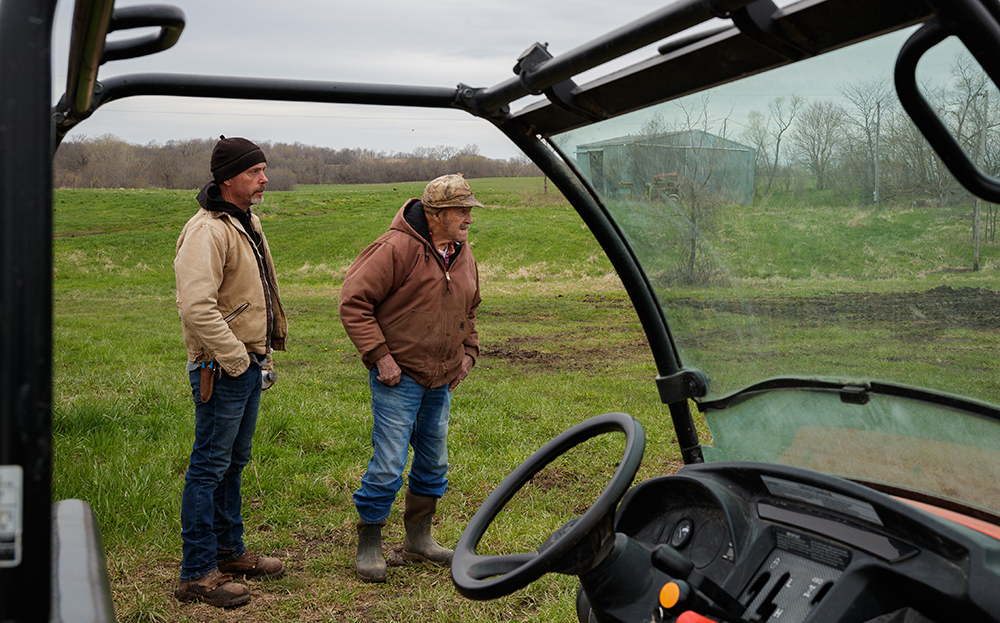


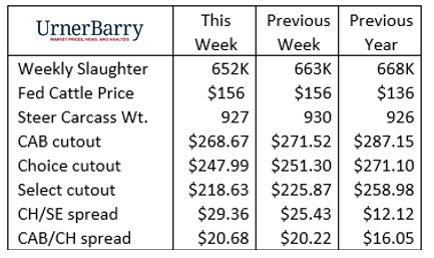
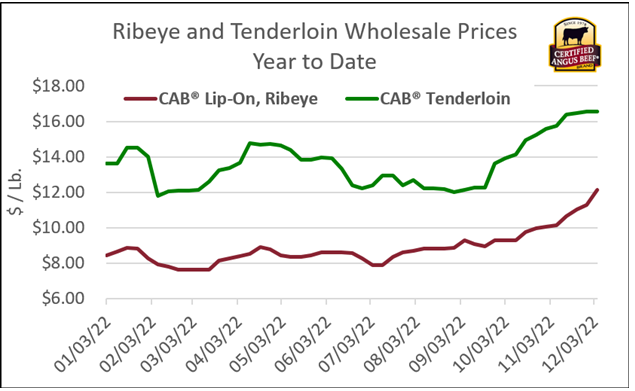
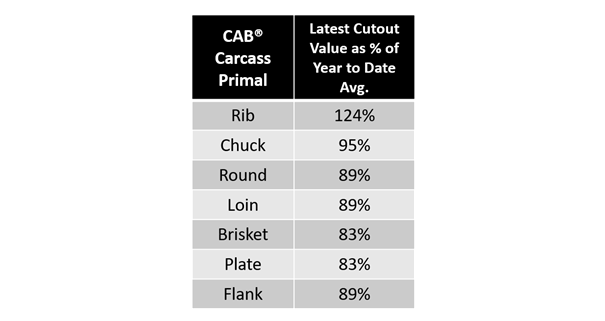


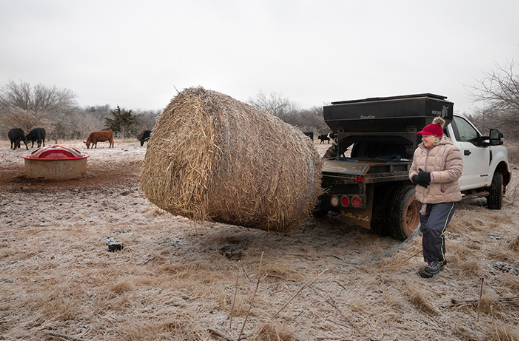
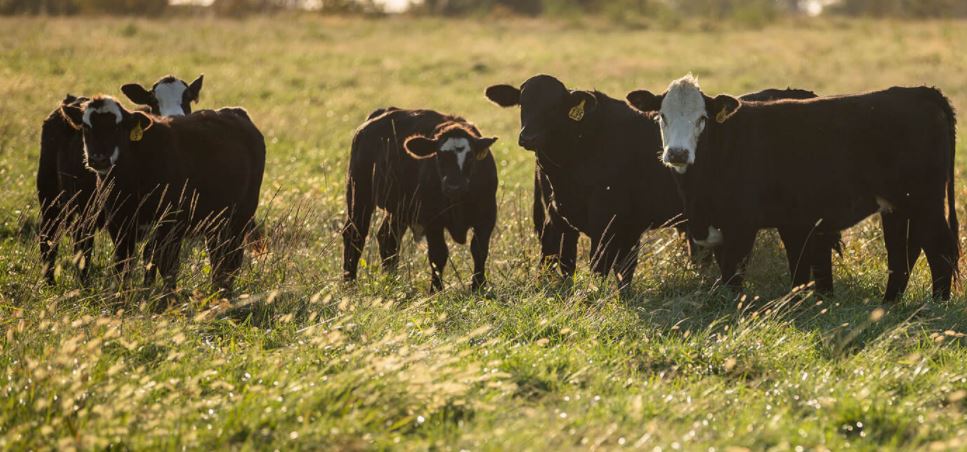
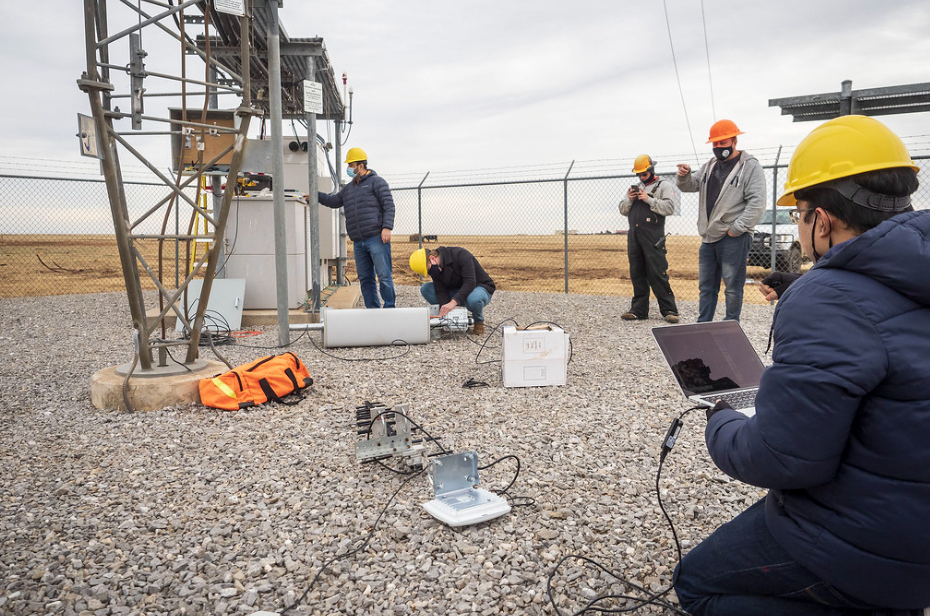
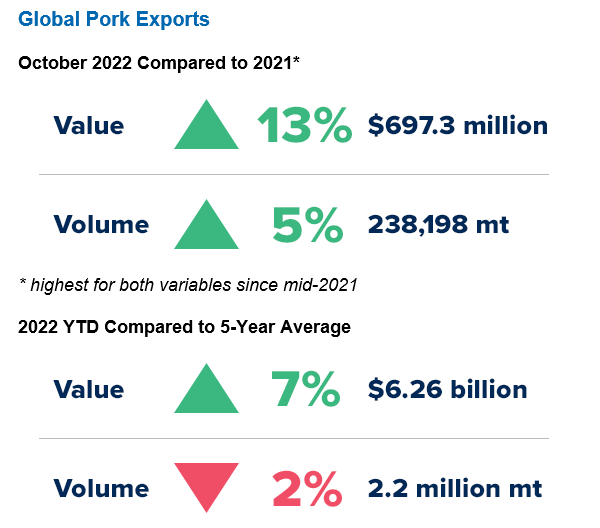
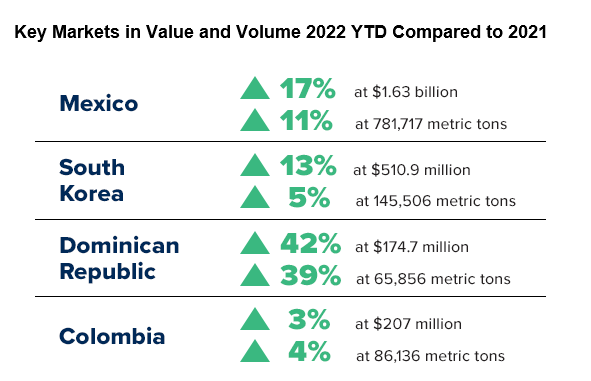
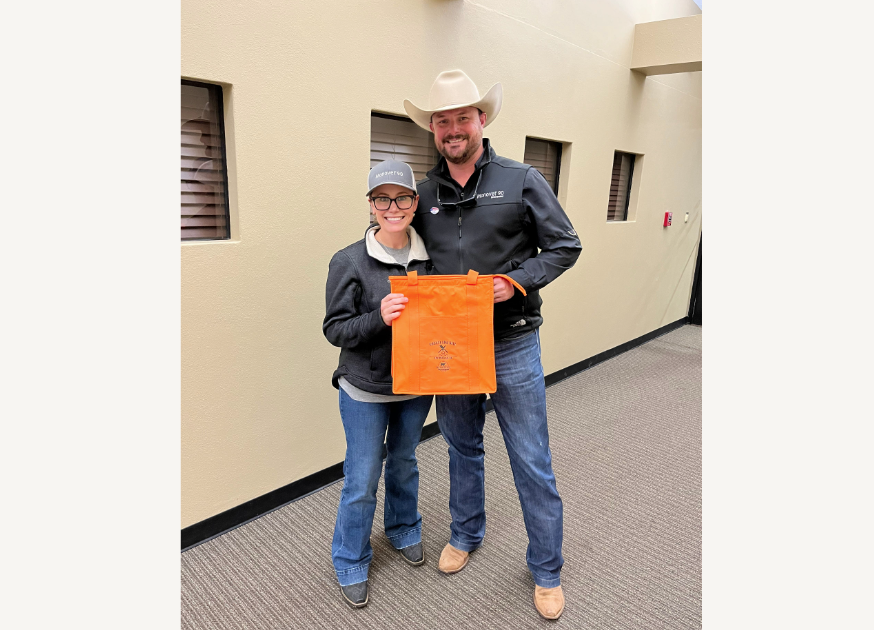

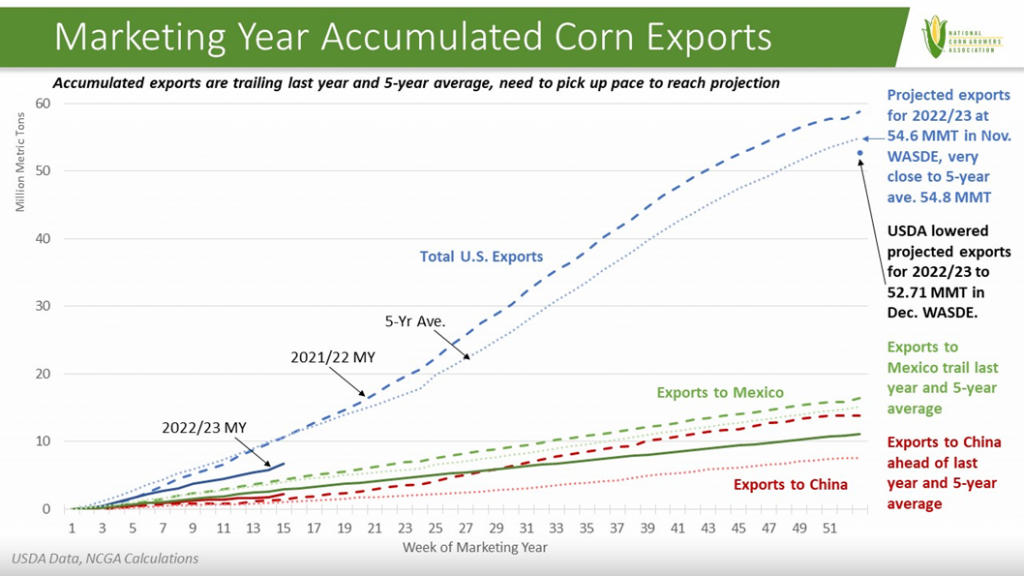
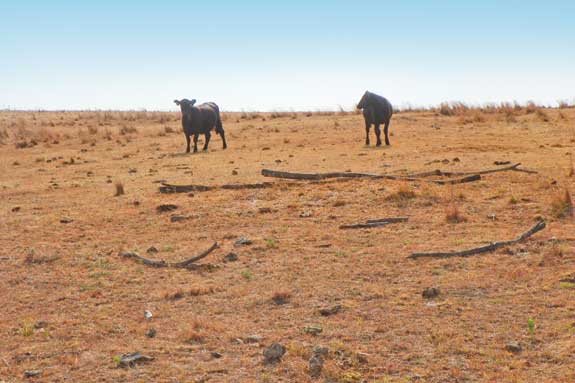
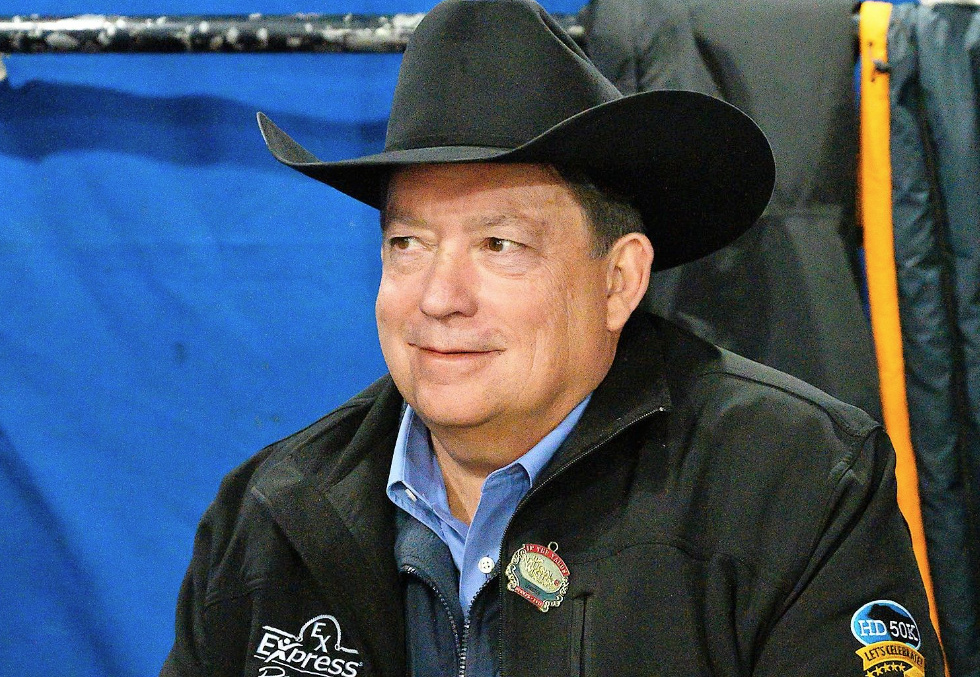

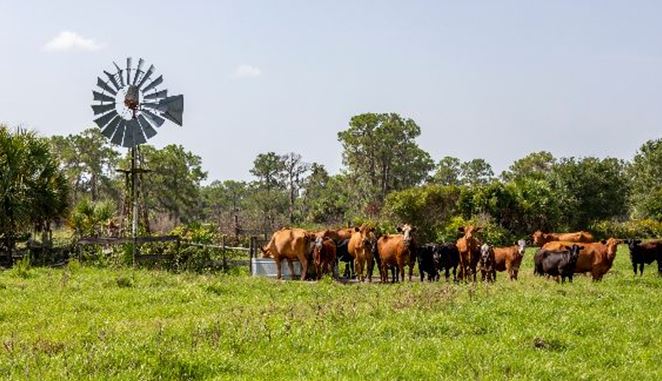
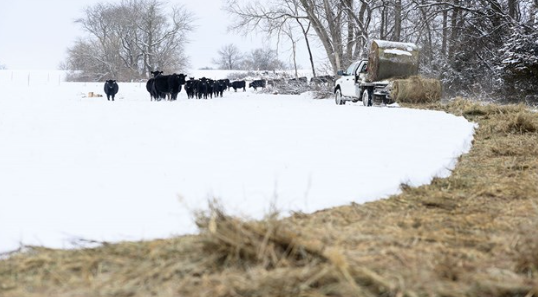
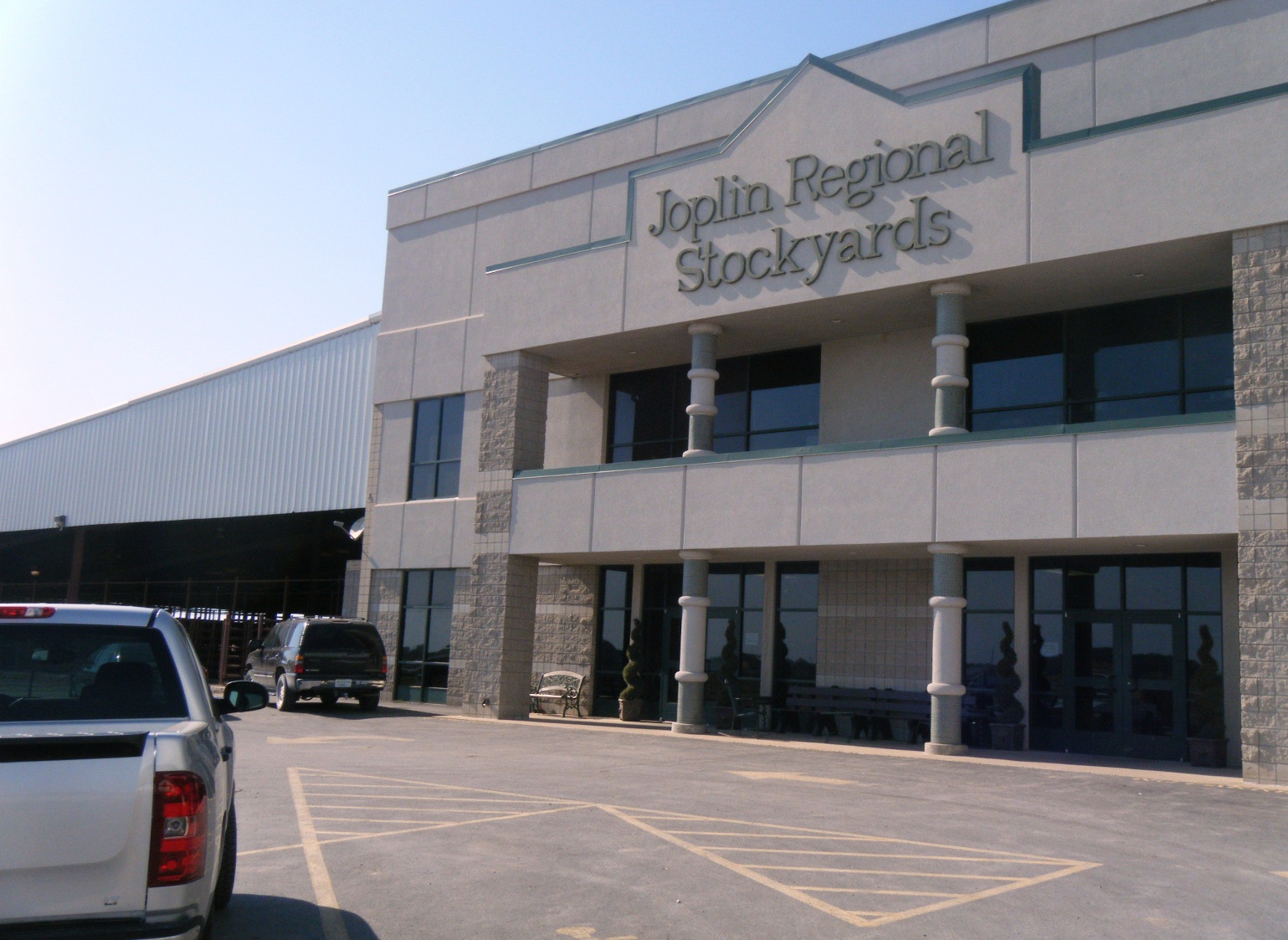 Joplin Regional Stockyards
AUCTION
This Week 7,306
Last Reported 10,522
Last Year 9,922
Special Note: JRS will a special replacement cattle sale this Wednesday, December 14th, at 4:30 pm. This will follow the regular slaughter/replacement sale which begins at 9:00 am.
**CLOSE**
Compared to last week feeder steers traded steady to 5.00 higher. Feeder heifers traded steady to 4.00 higher. Supply was heavy with very good demand. Supply included: 100% Feeder Cattle (61% Steers, 35% Heifers, 4% Bulls). Feeder cattle supply over 600 lbs was 53%.
FEEDER CATTLE
STEERS - Medium and Large 1 (Per Cwt / Actual Wt)
Head Wt Range Avg Wt Price Range Avg Price
13 321-333 329 230.00-255.00 236.57
47 355-388 373 229.00-250.00 235.32
80 406-448 430 207.00-230.00 217.81
40 400-418 403 235.00-247.00 244.23 Thin Fleshed
85 452-493 474 209.00-222.00 213.68
258 503-545 515 197.00-215.00 208.32
17 506-532 521 199.00-210.00 203.40 Value Added
123 554-598 576 195.00-207.00 199.52
12 565 565 201.00 201.00 Value Added
166 603-648 621 181.00-188.00 184.55
145 600-601 601 195.00-197.00 196.83 Fancy
9 613 613 184.00 184.00 Value Added
80 655-684 666 181.00-182.50 182.04
192 700-736 712 177.00-180.00 179.28
35 711 711 181.00 181.00 Value Added
80 754-781 764 178.00-182.50 180.03
373 818-832 820 180.25-184.00 180.66
116 860-865 861 176.00-178.00 176.59
150 907 907 180.00 180.00
For the complete market report from USDA Market News click on the PDF link below:
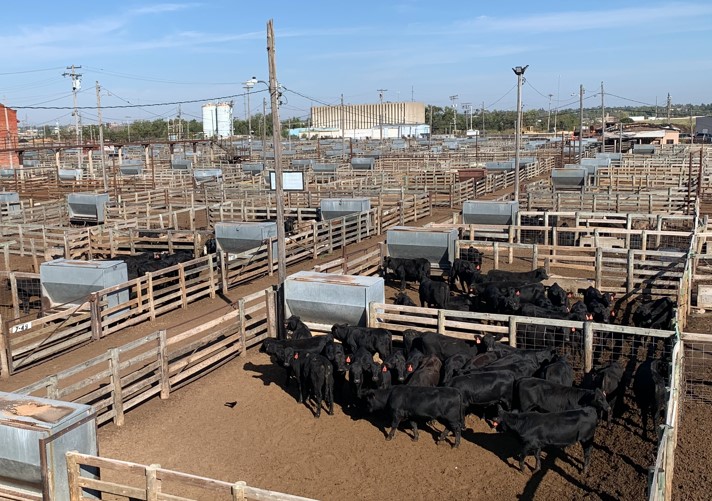 Oklahoma National Stockyards
Mon Dec 12, 2022
AUCTION
This Week 10,700
Last Reported 13,925
Last Year 14,695
*** Close ***
Compared to last week: Feeder steers and heifers unevenly steady, with instances 5.00 - 8.00 higher. Steer calves unevenly steady. Heifer calves 3.00 - 5.00 lower. Demand moderate to good. Quality average to attractive. Supply included: 100% Feeder Cattle (57% Steers, 40% Heifers, 3% Bulls). Feeder cattle supply over 600 lbs was 44%.
FEEDER CATTLE
STEERS - Medium and Large 1 (Per Cwt / Actual Wt)
Head Wt Range Avg Wt Price Range Avg Price
6 267 267 253.00 253.00
55 310-348 331 240.00-257.00 249.74
94 350-393 373 223.00-245.00 235.50
131 402-446 432 214.00-237.00 224.64
38 409-424 418 245.00-249.00 246.44 Thin Fleshed
301 453-498 471 205.00-234.00 217.20
20 462-474 466 236.00-240.00 238.58 Thin Fleshed
227 505-548 522 193.50-207.00 200.17
231 508-544 526 214.00-224.00 219.44 Thin Fleshed
134 550-595 569 189.00-202.00 194.69
419 601-640 623 182.00-196.00 187.89
184 641-642 642 200.00-202.00 200.37 Fancy
25 616 616 204.00 204.00 Thin Fleshed
17 622 622 177.00 177.00 Unweaned
381 650-696 672 175.00-185.00 178.88
147 700-749 733 175.00-188.25 181.01
280 725-749 726 190.75-198.00 191.02 Fancy
142 756-798 775 171.00-181.50 176.38
256 763-789 786 183.50-185.50 183.70 Fancy
45 806-837 827 172.00-180.00 176.28
25 810 810 188.75 188.75 Fancy
61 864 864 177.50 177.50
67 909-948 913 163.00-173.75 172.58
13 965 965 173.00 173.00
For the complete market report from USDA Market News click on the PDF link below:
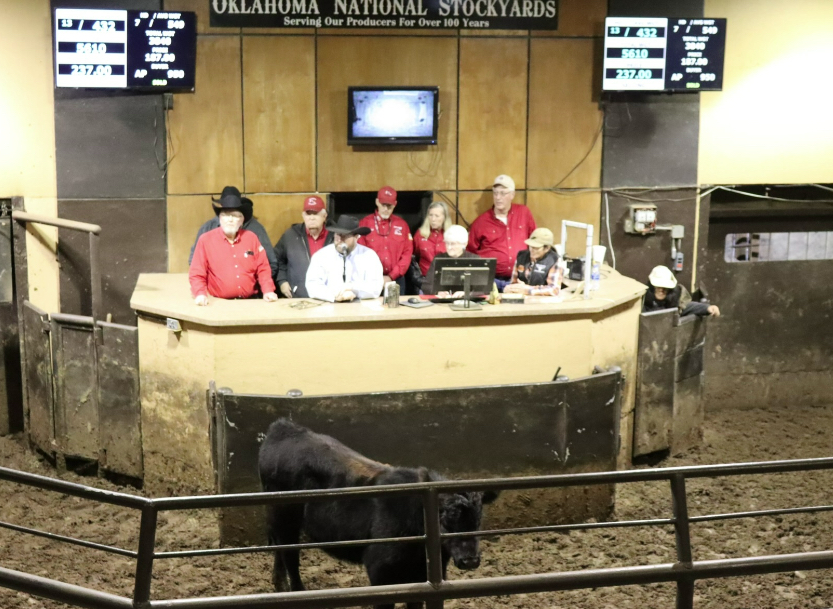
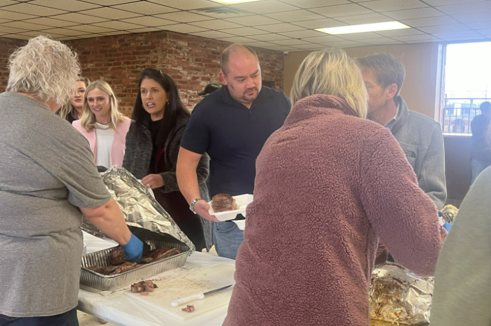

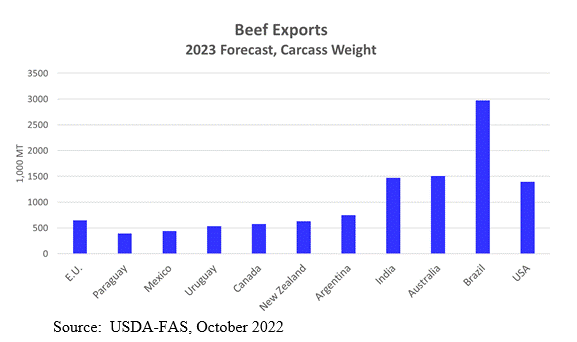
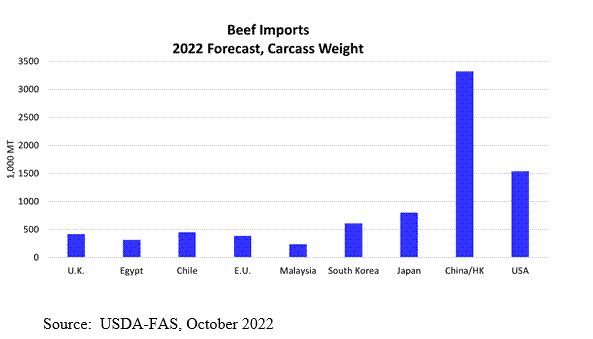
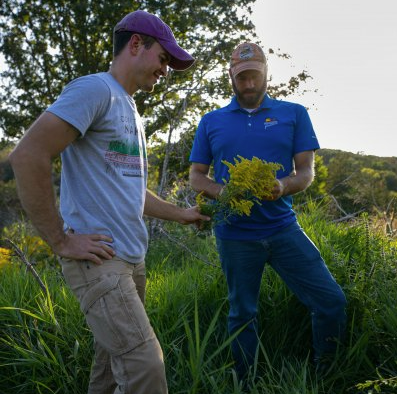
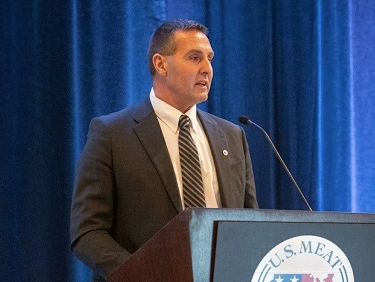
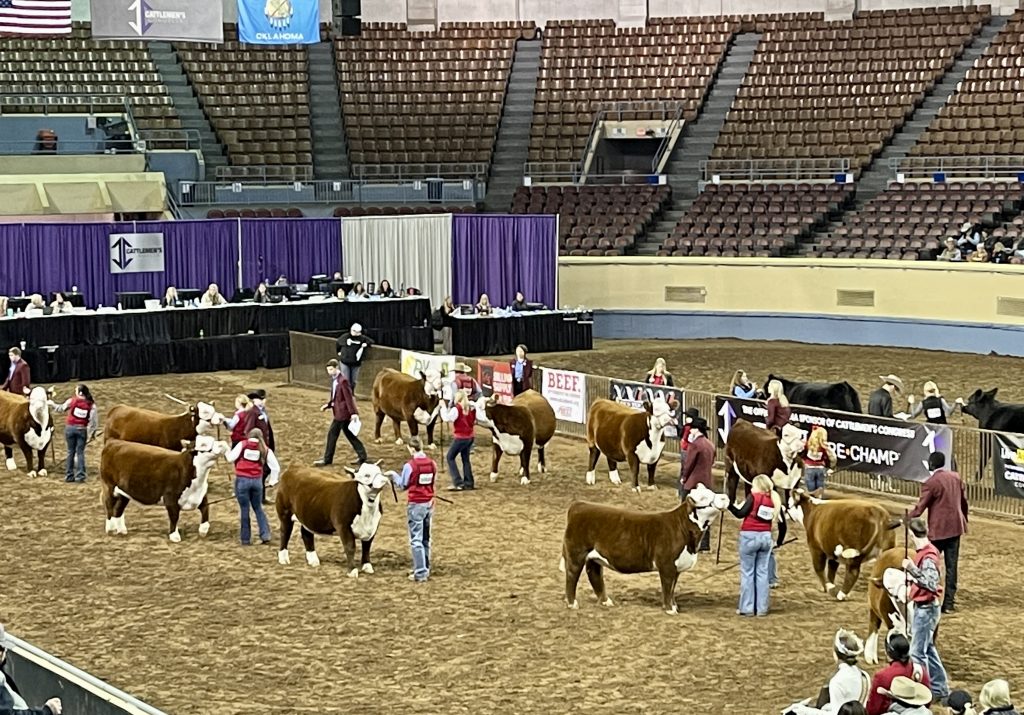
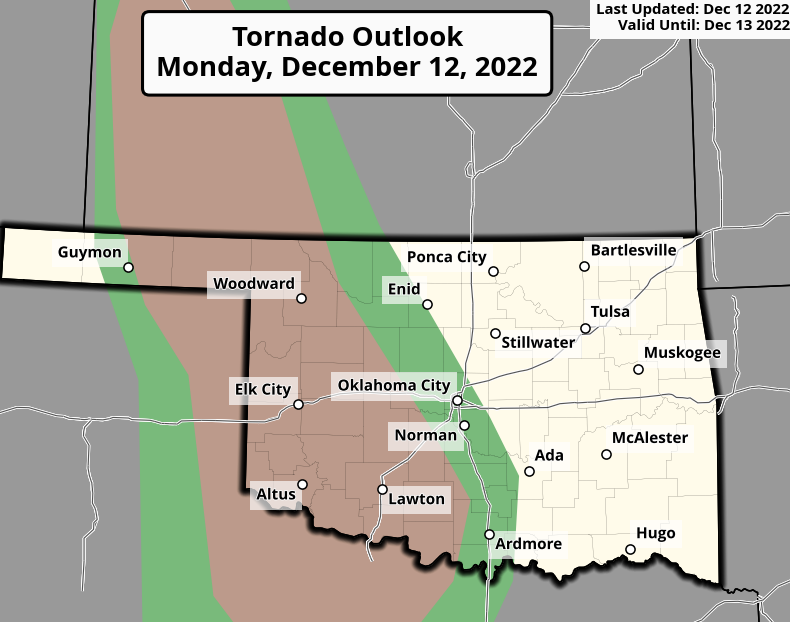
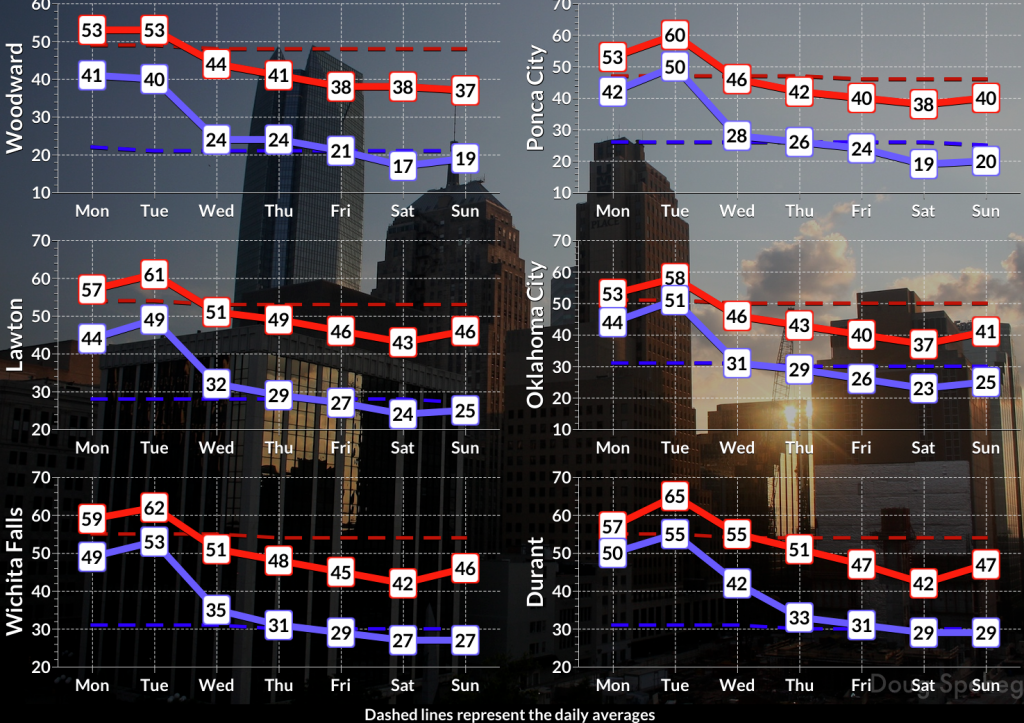
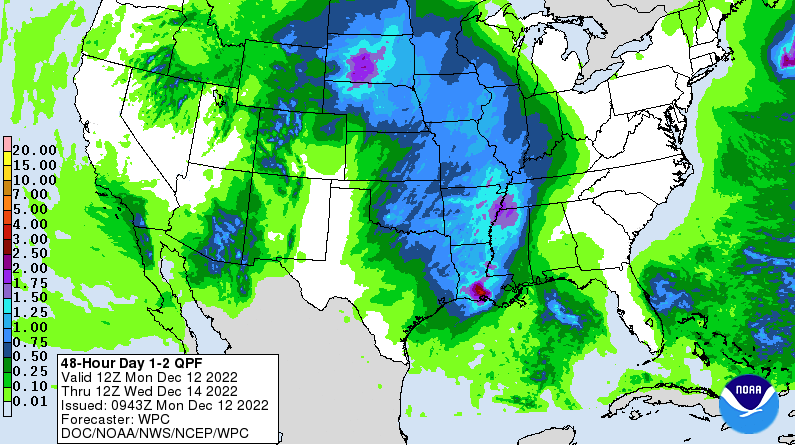
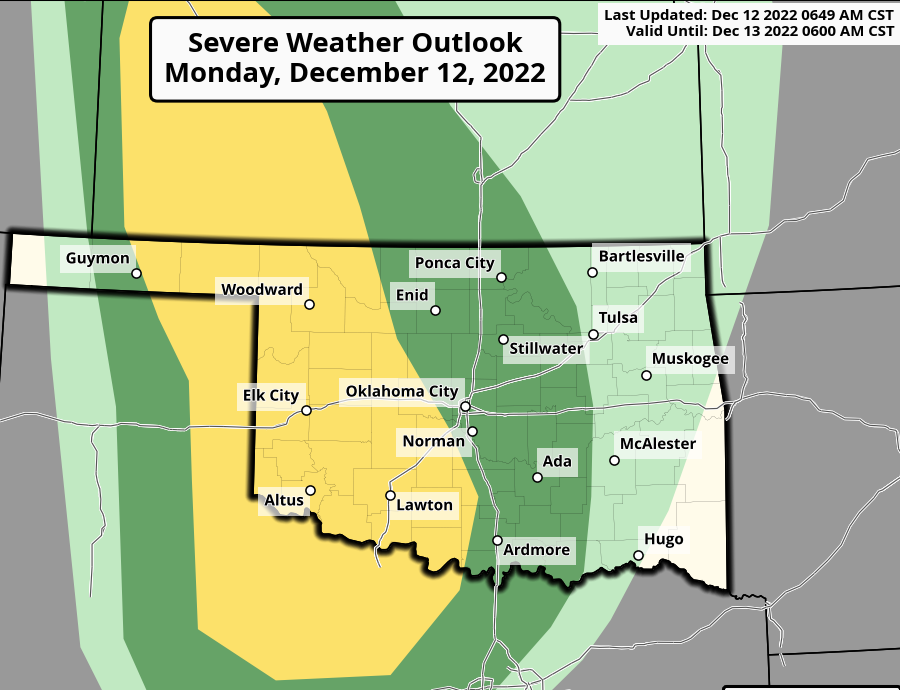
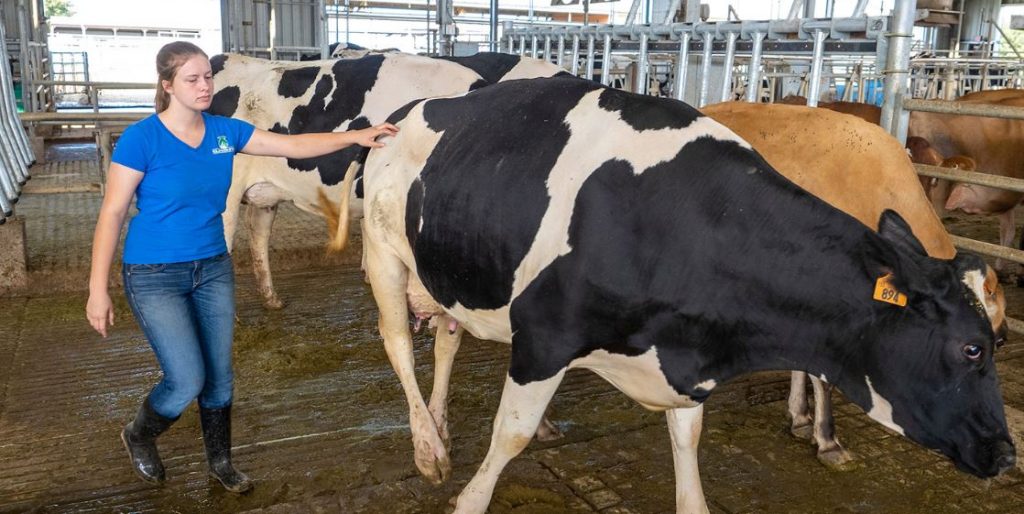
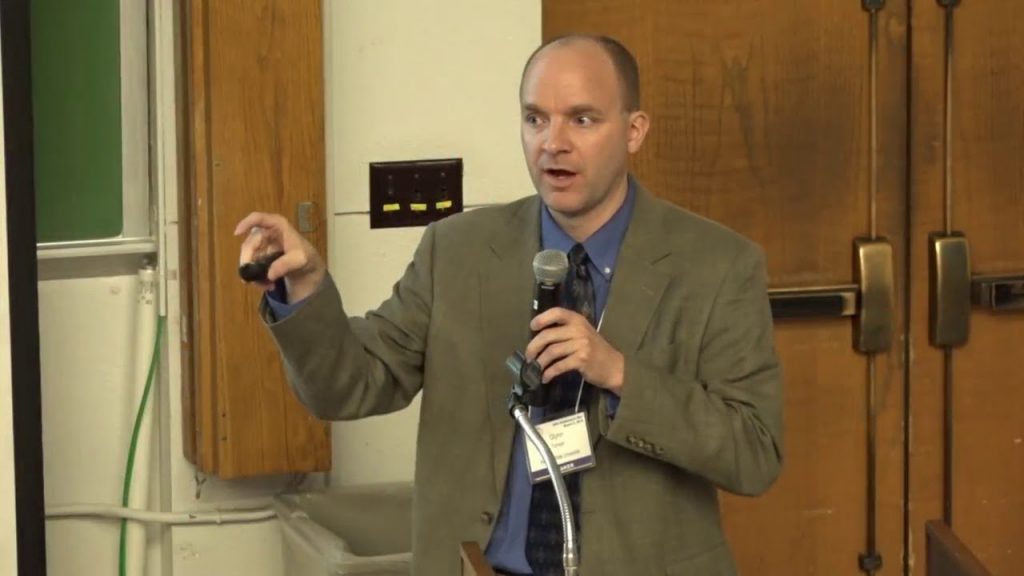

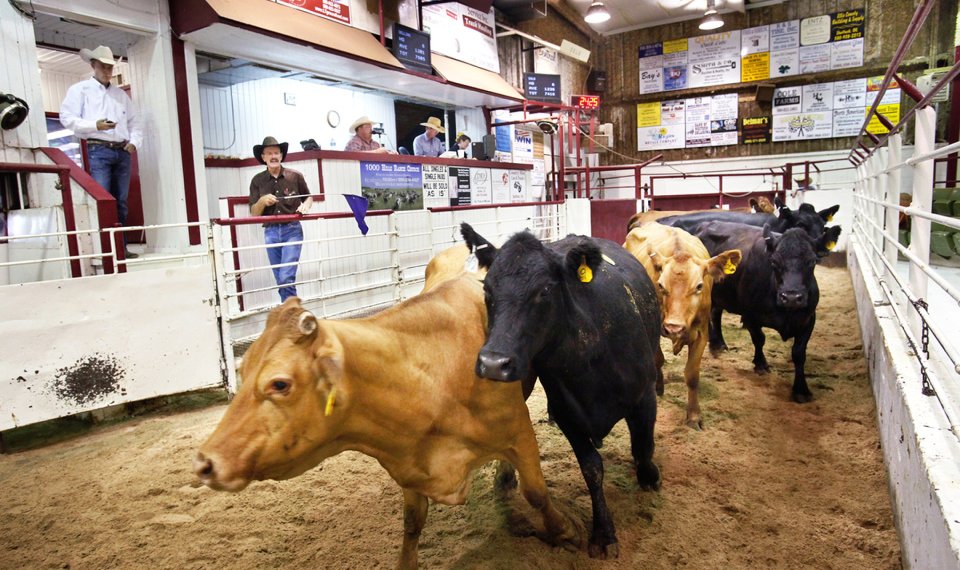
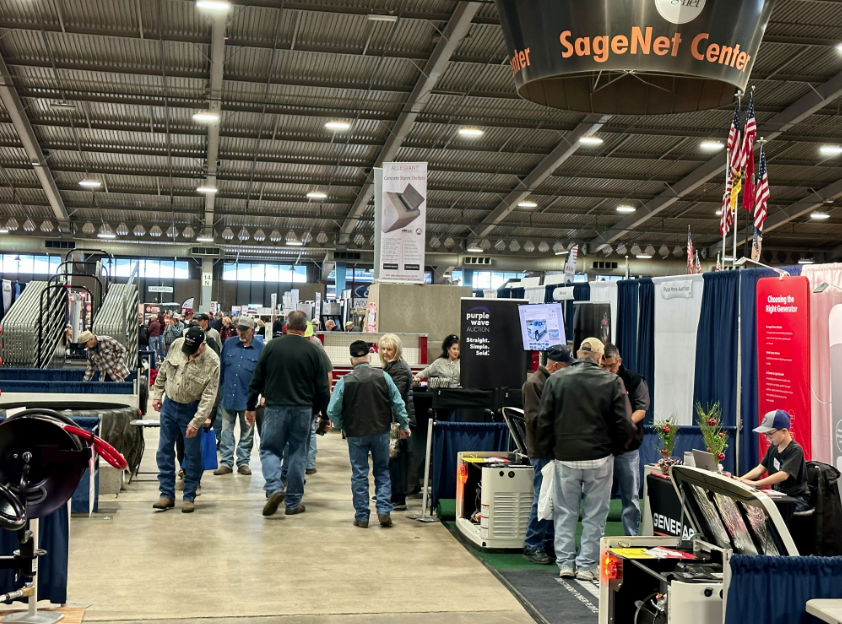
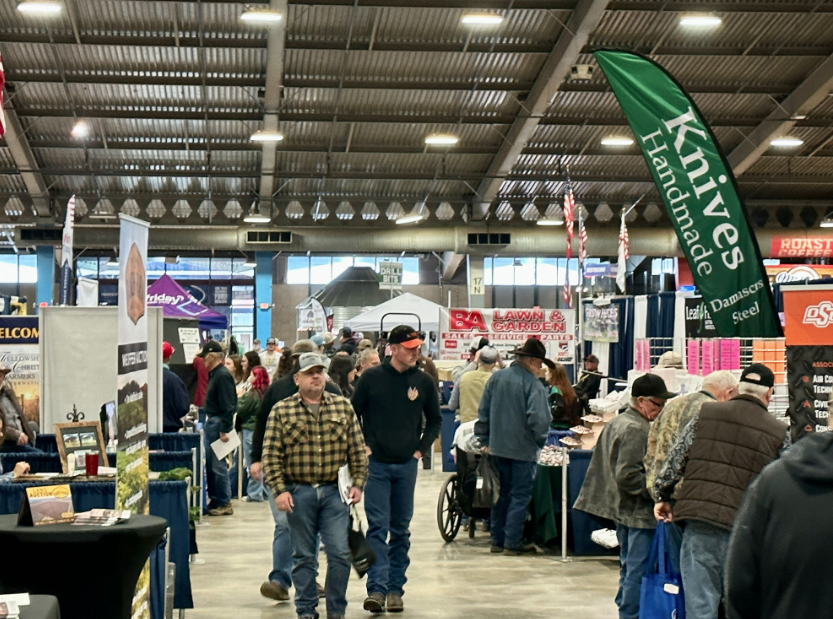


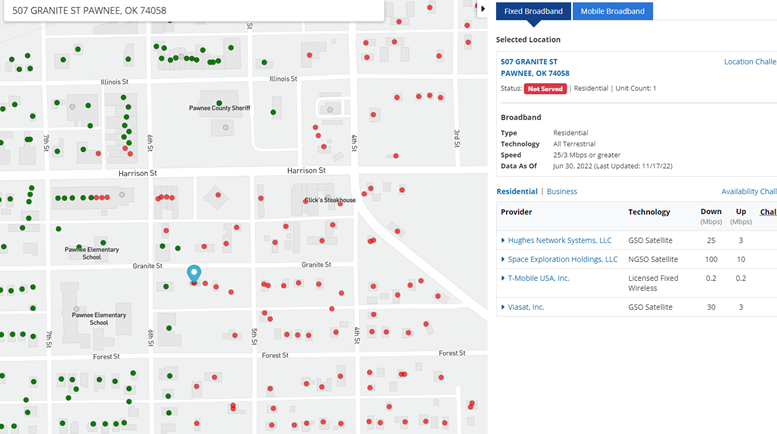
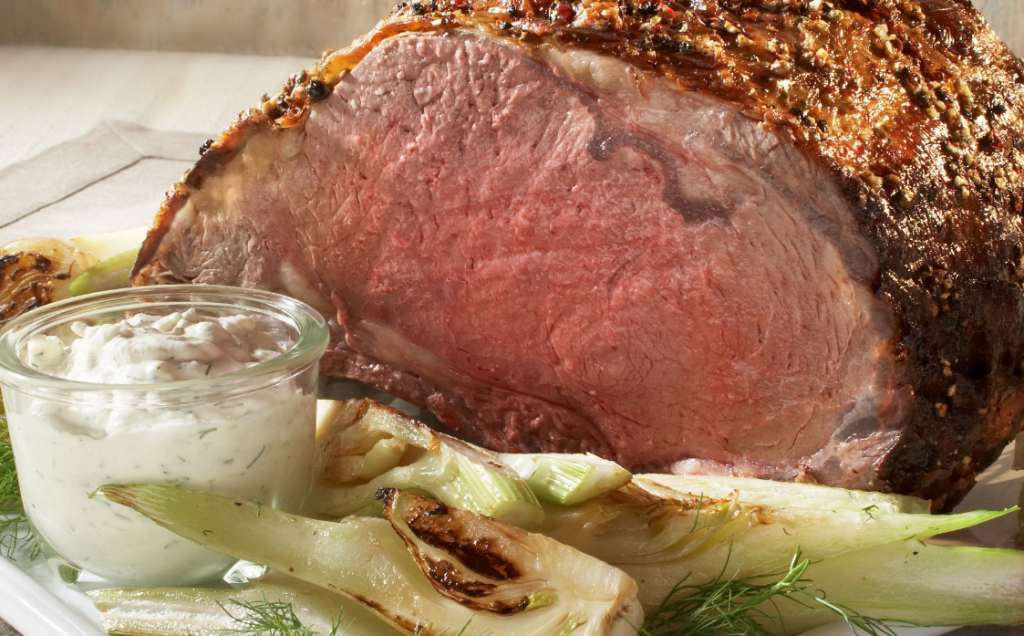
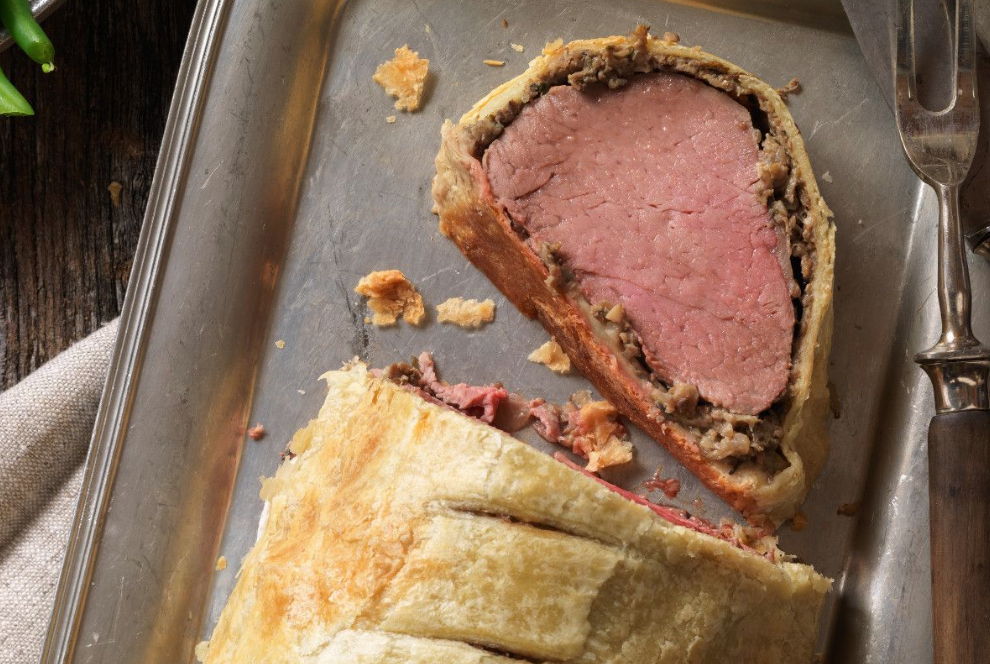
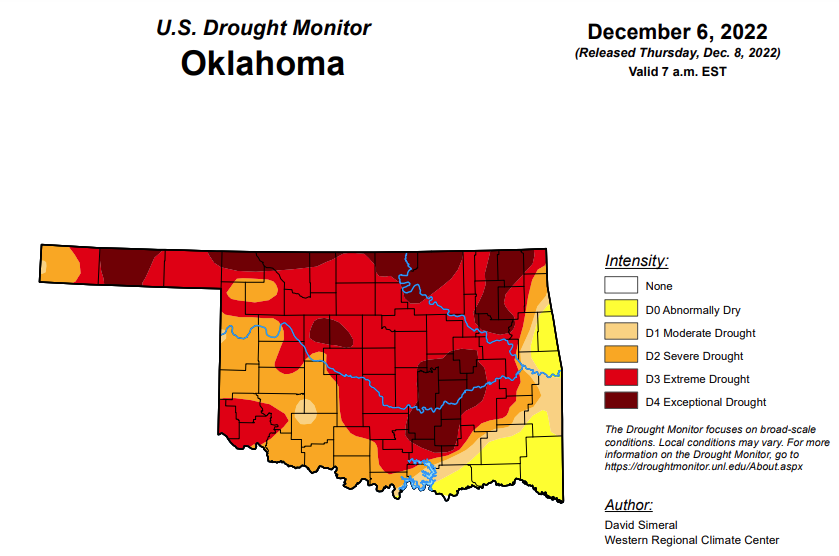
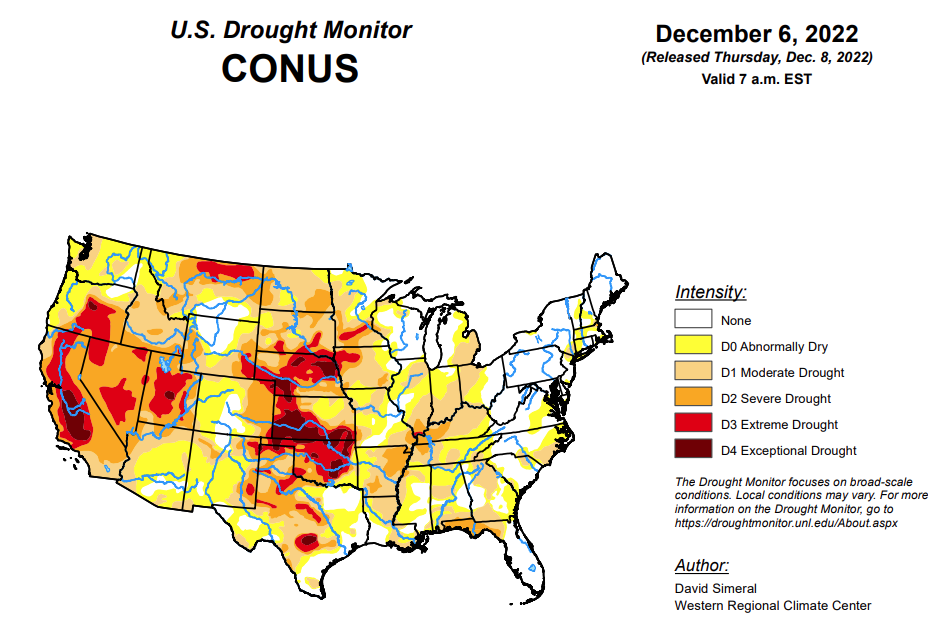
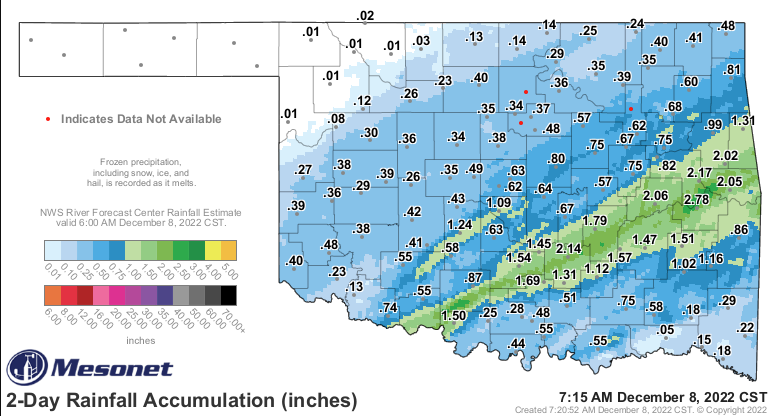
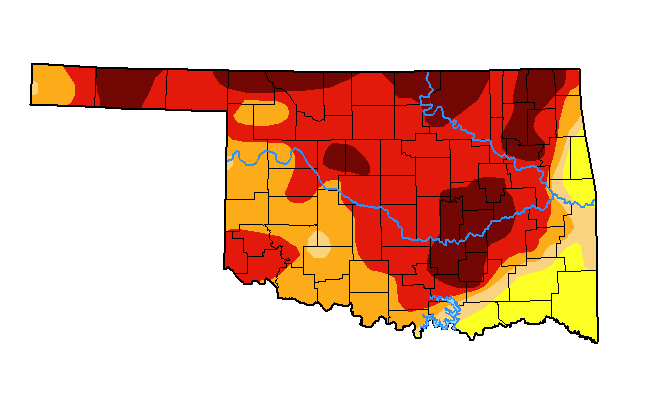
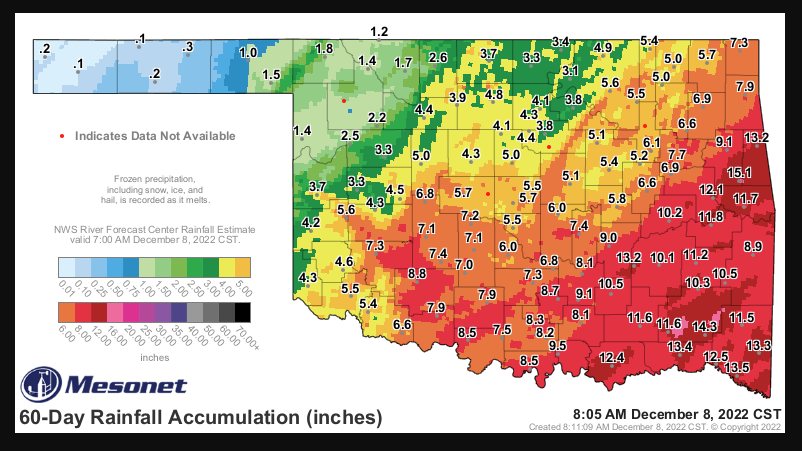
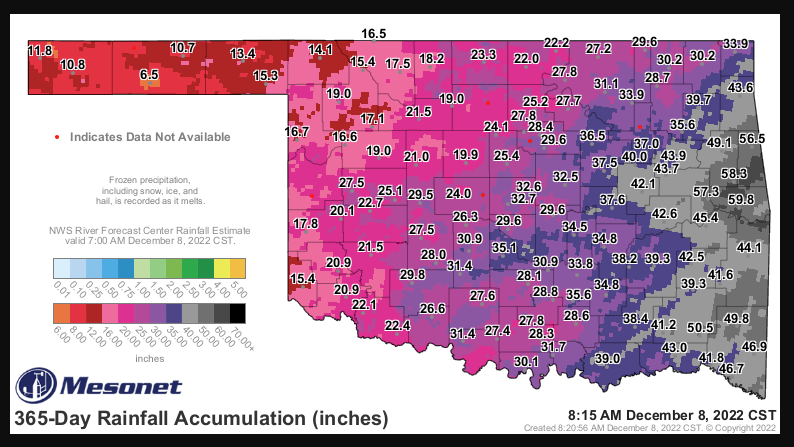
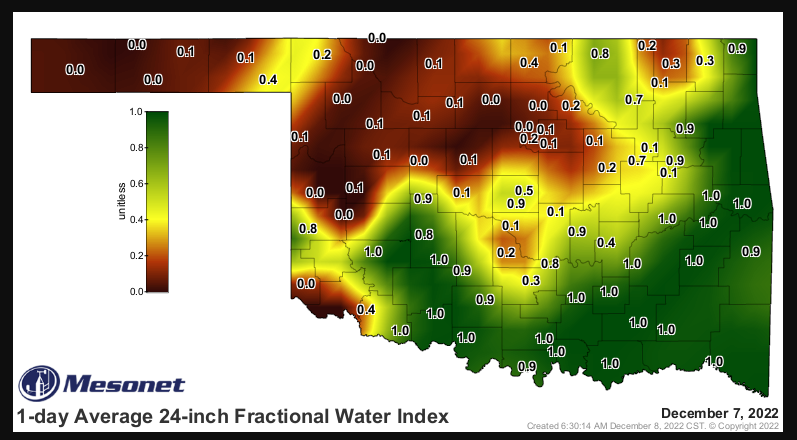
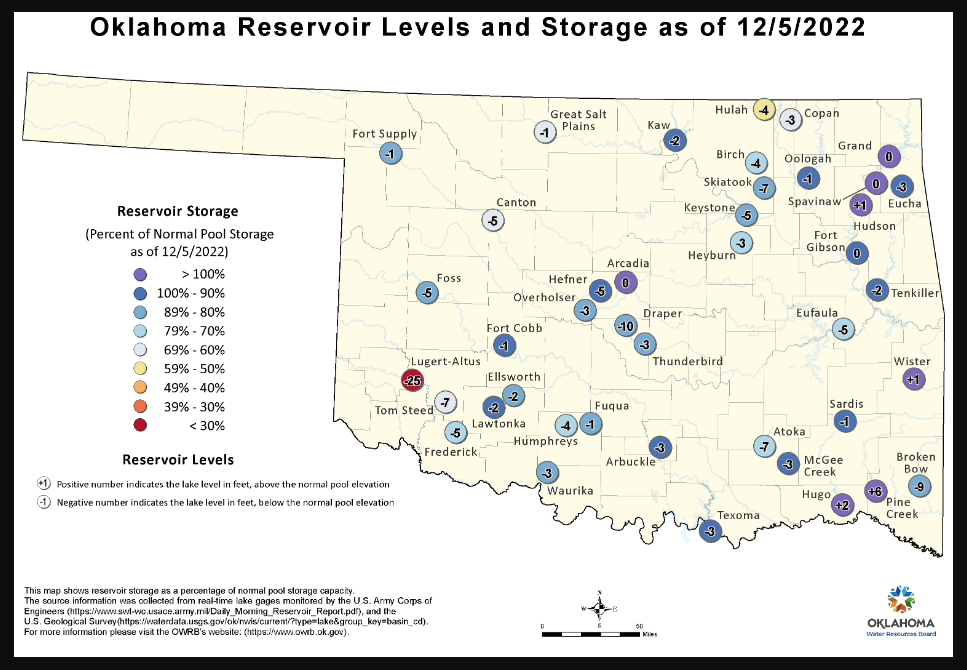
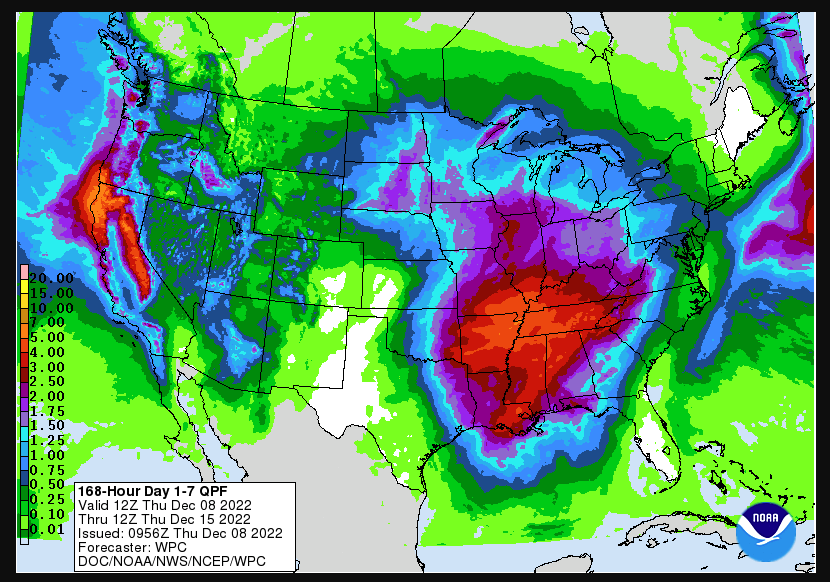
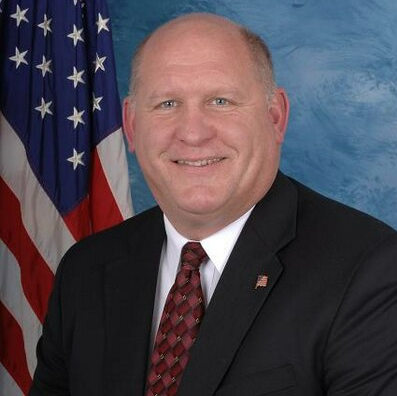
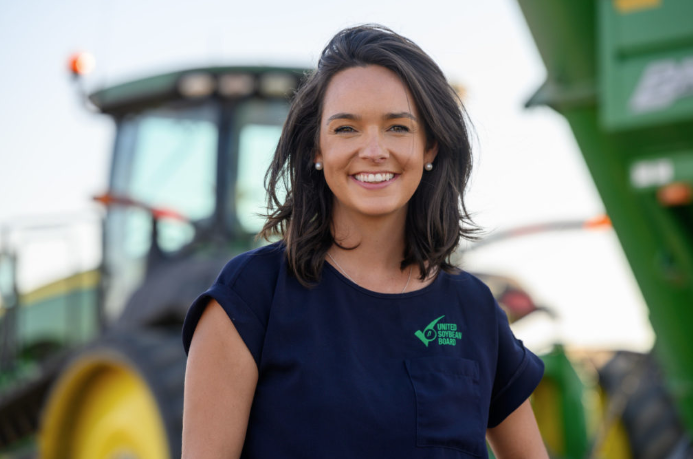
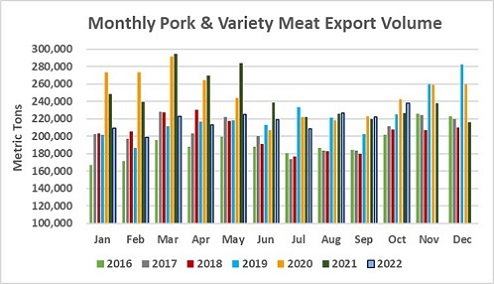
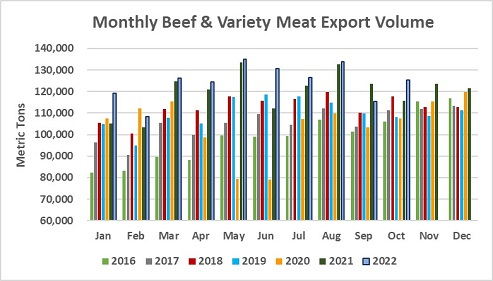
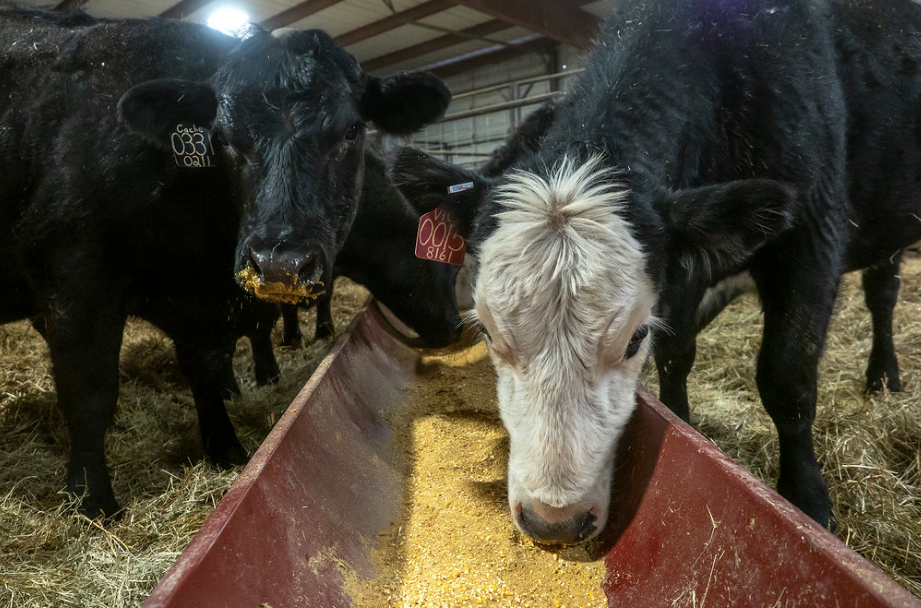

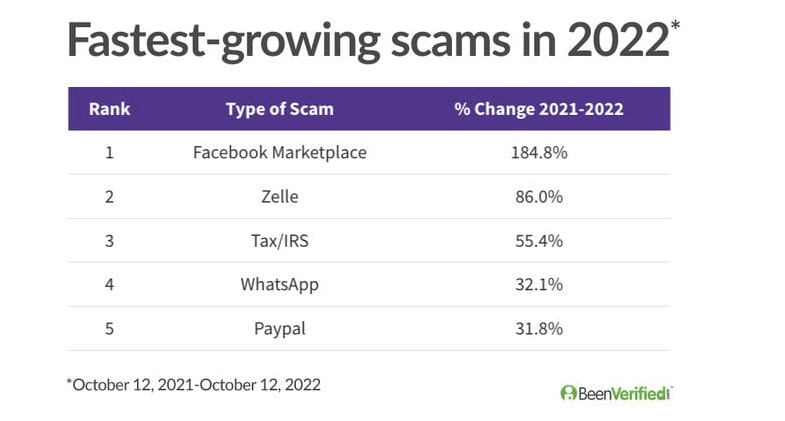

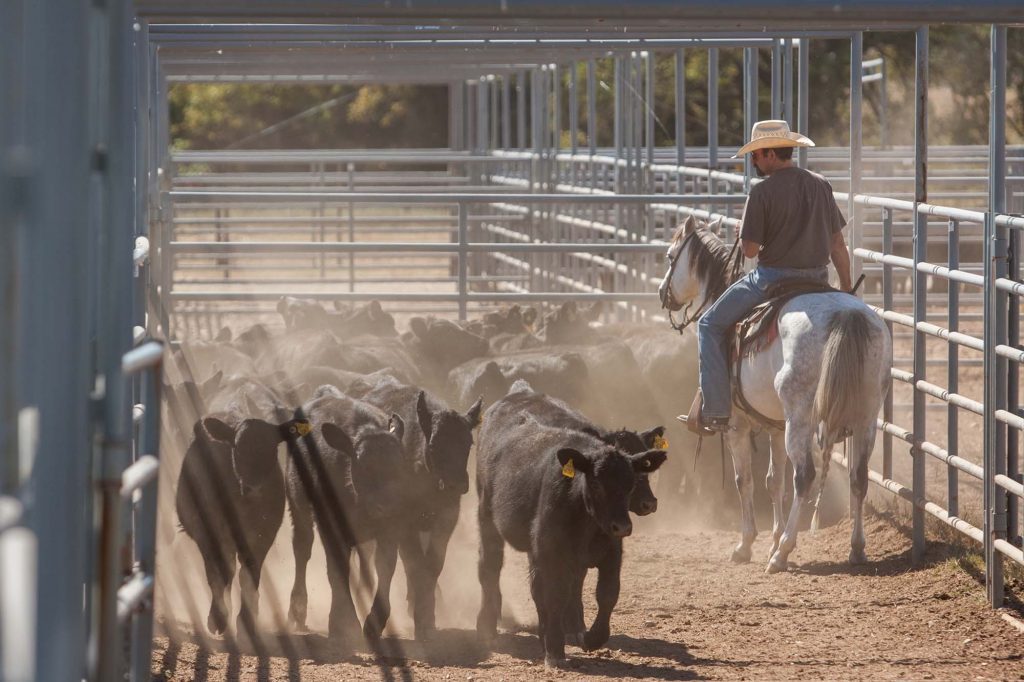
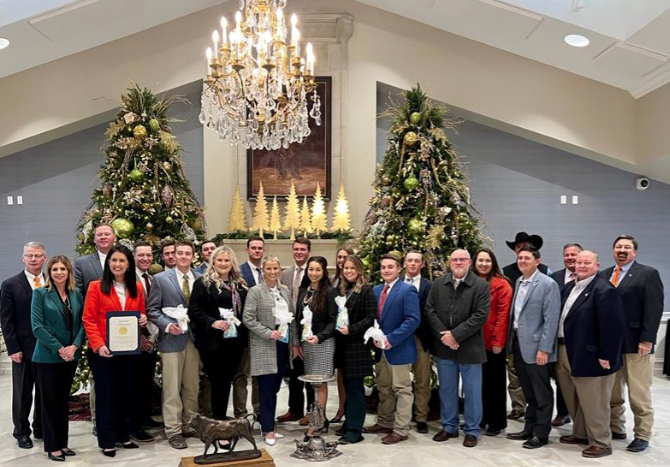
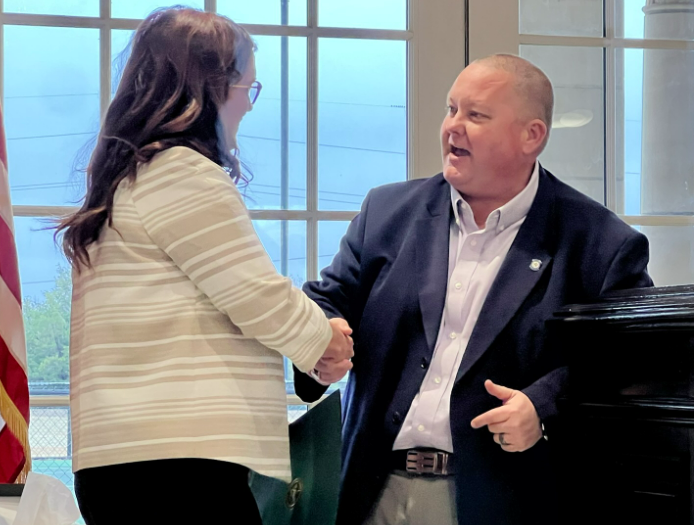
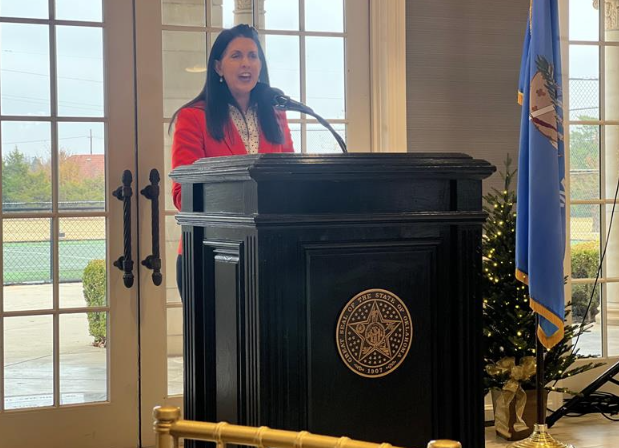
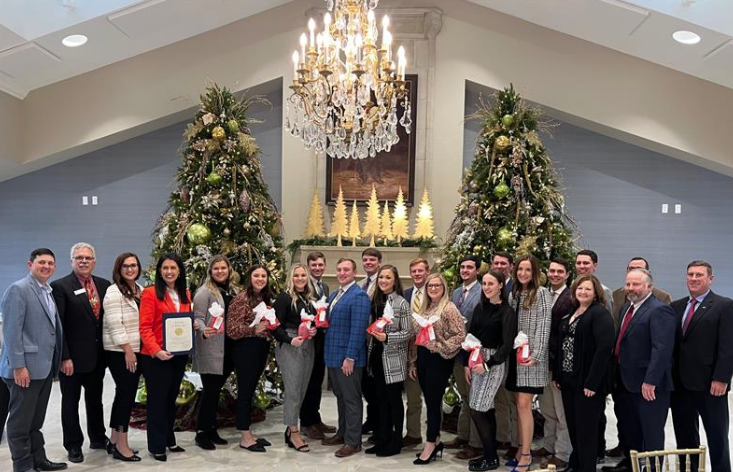
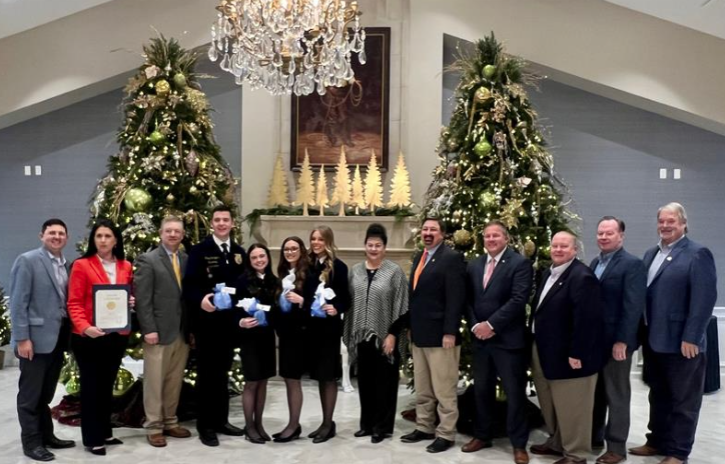
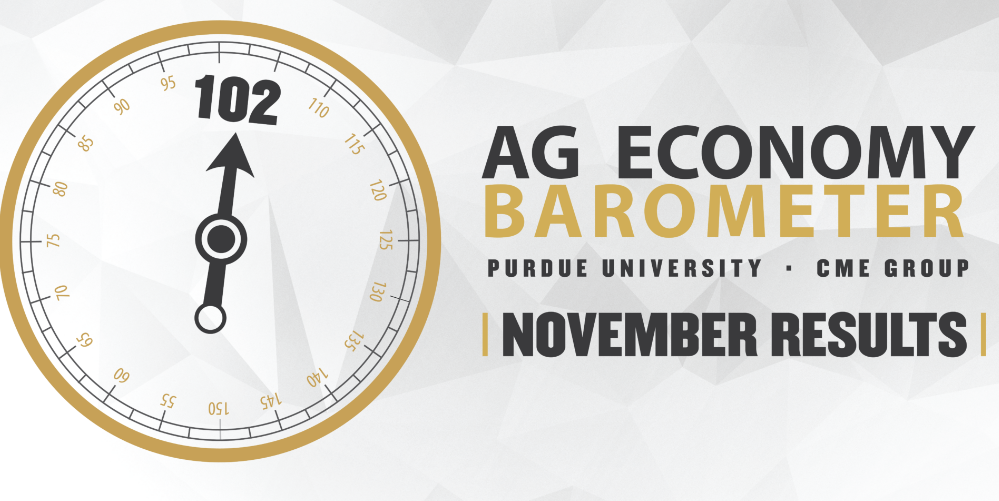
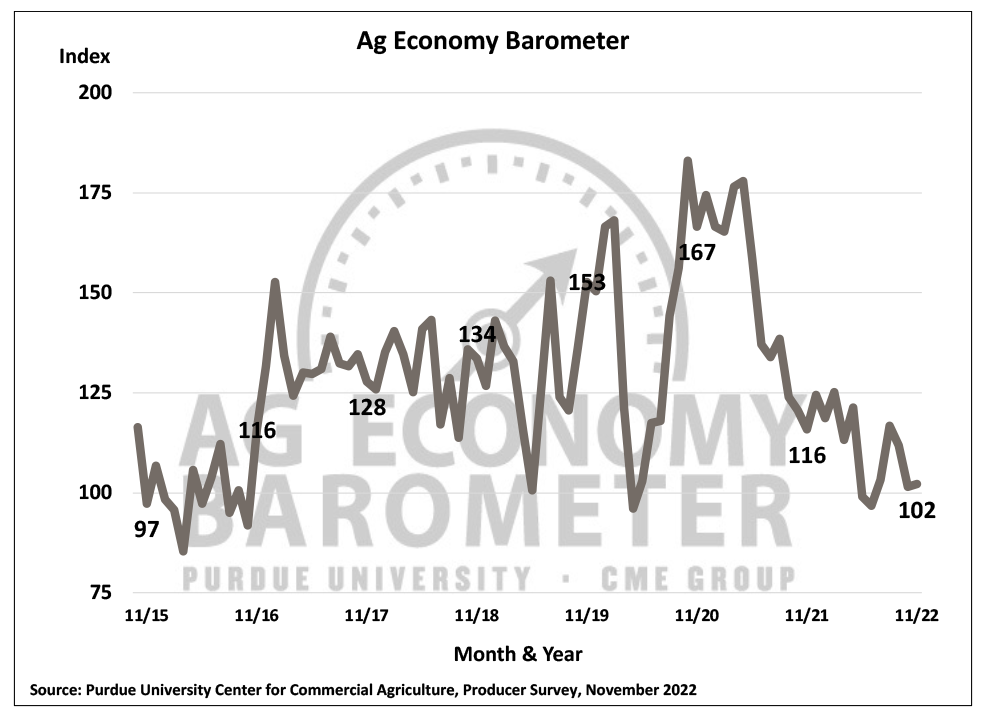
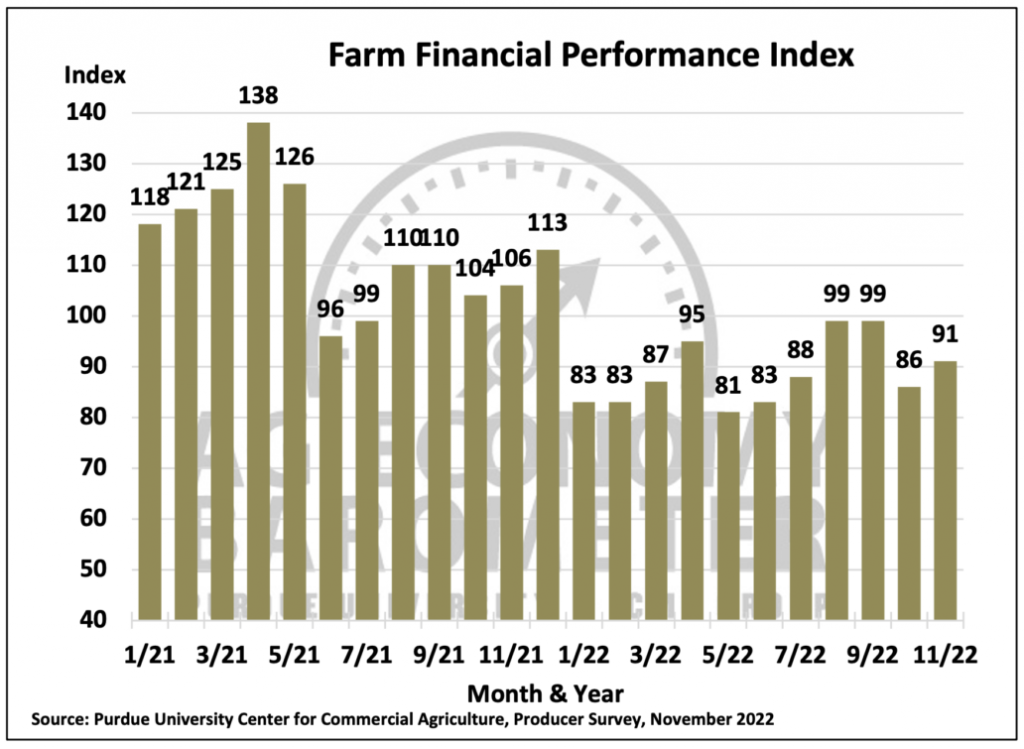
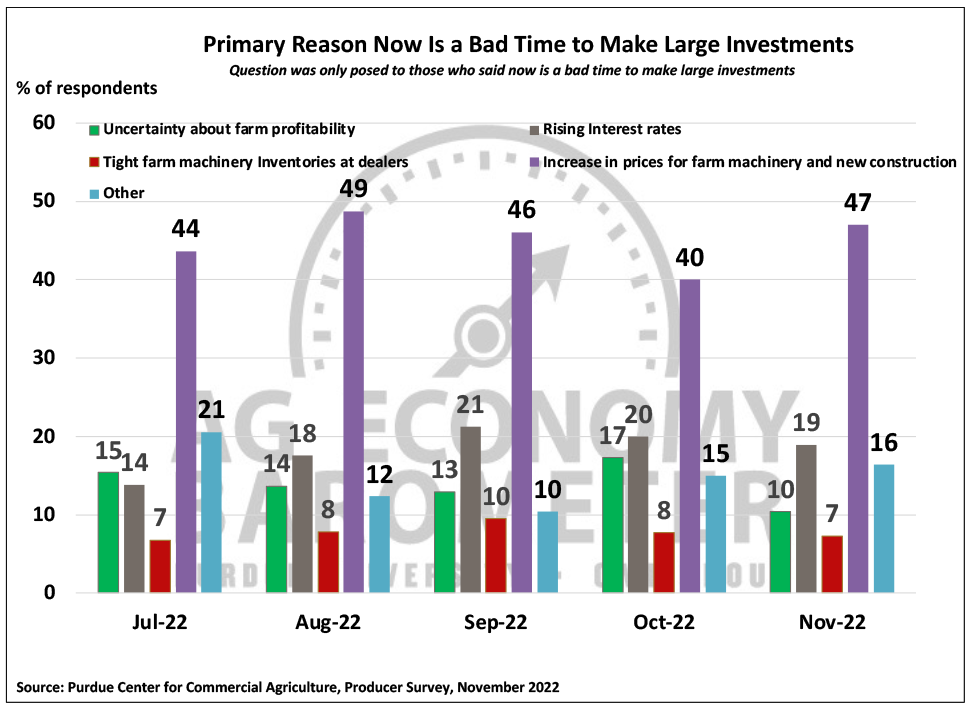
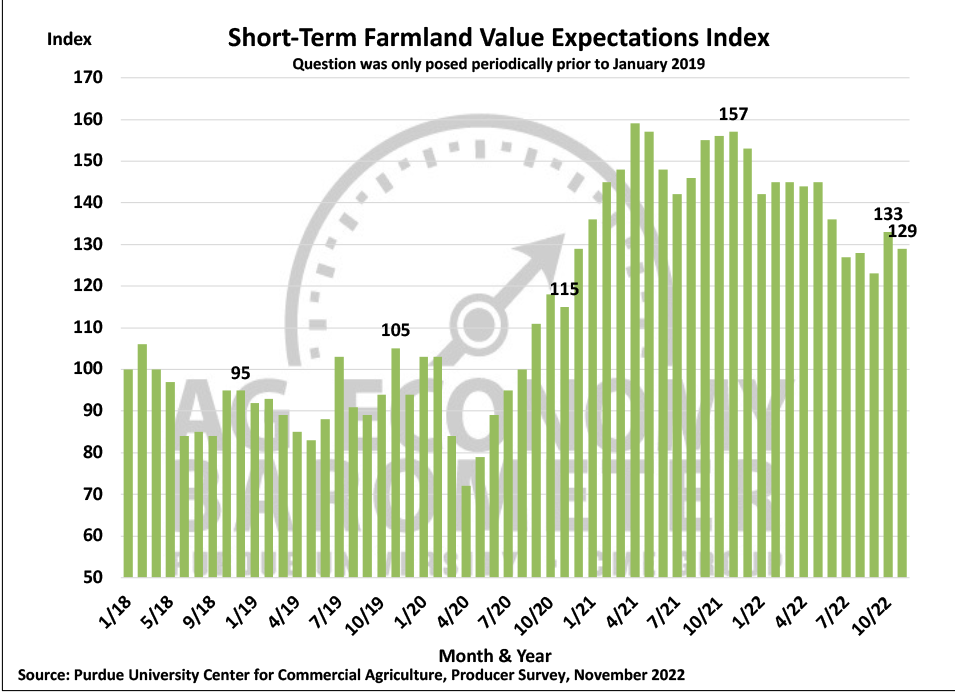
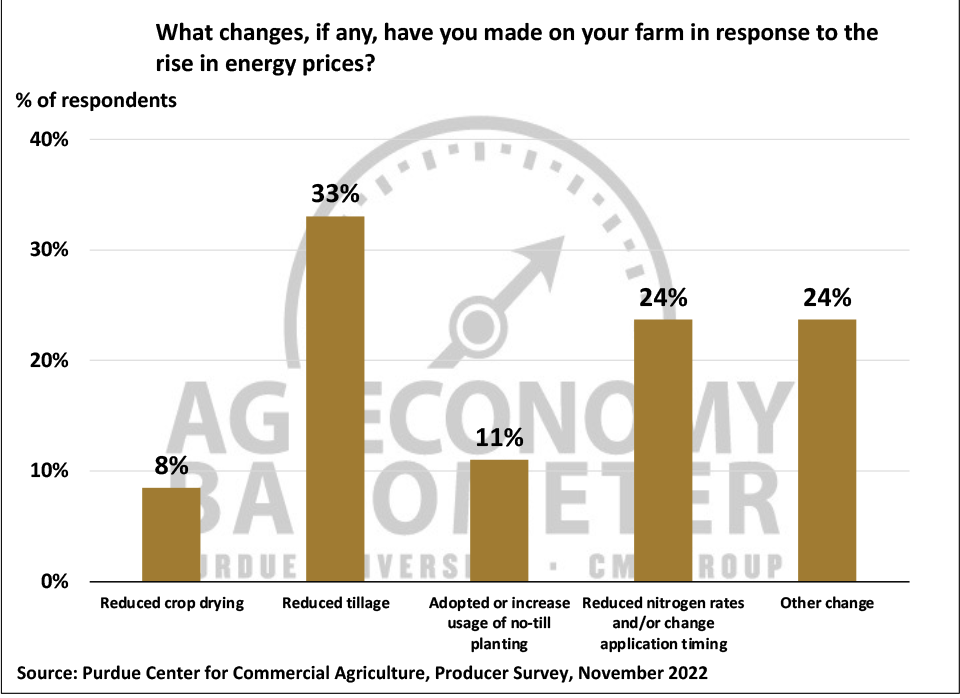
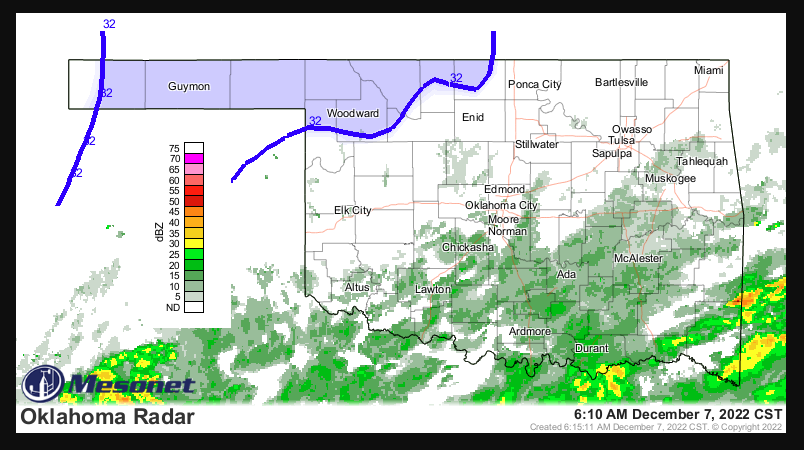
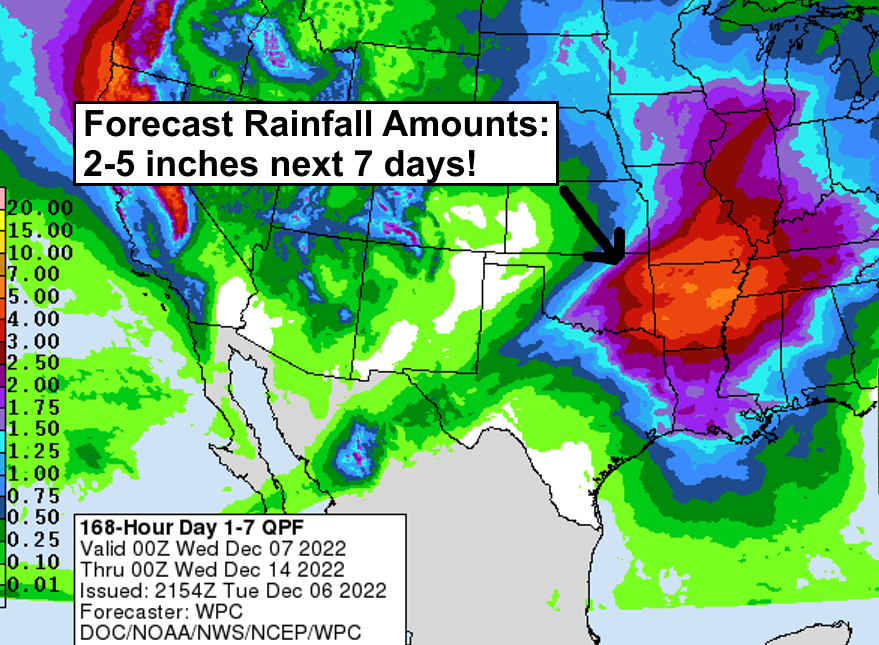
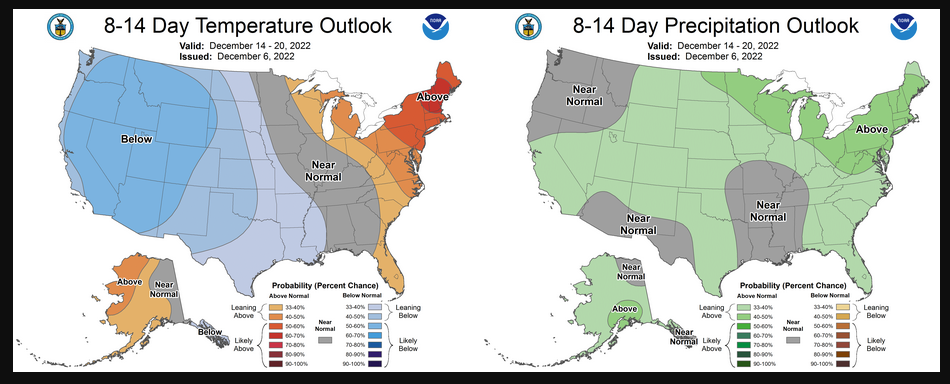
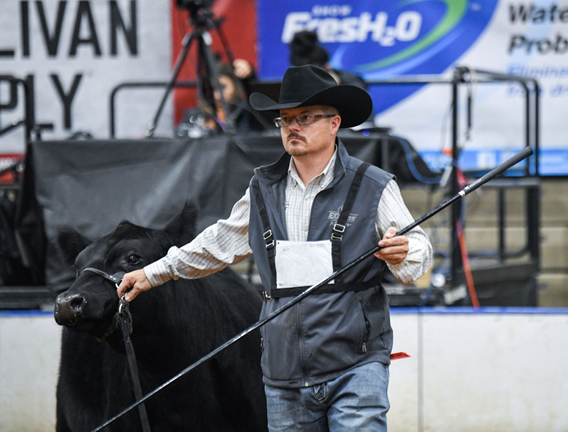
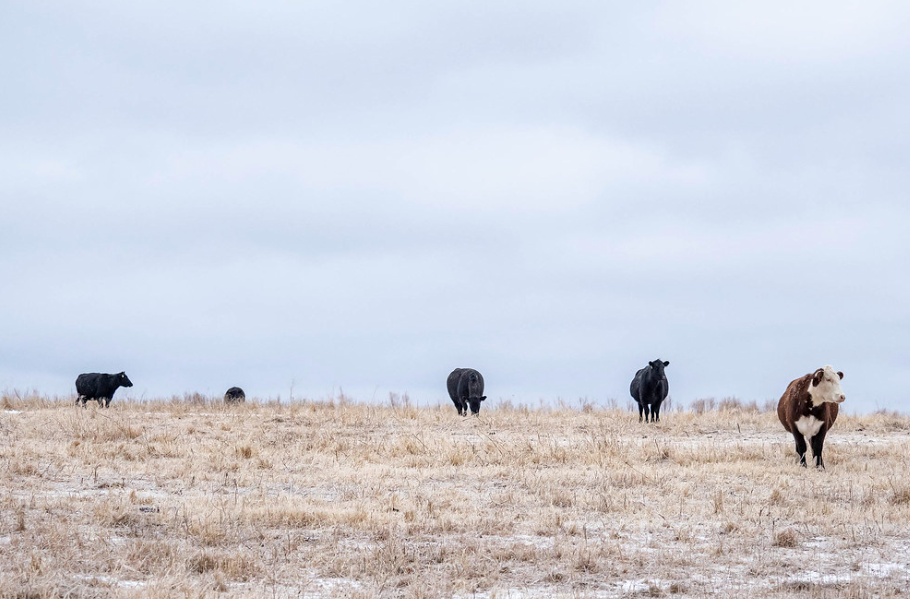
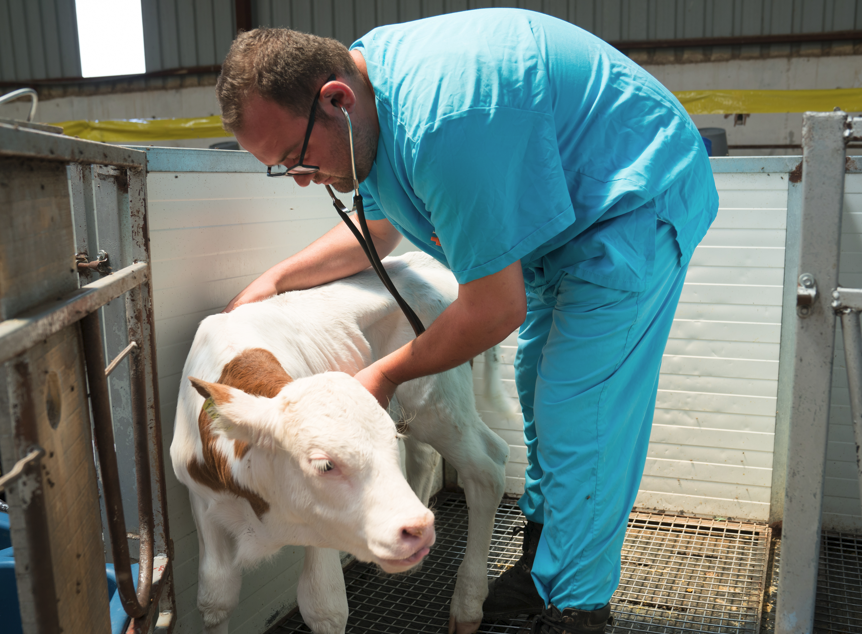

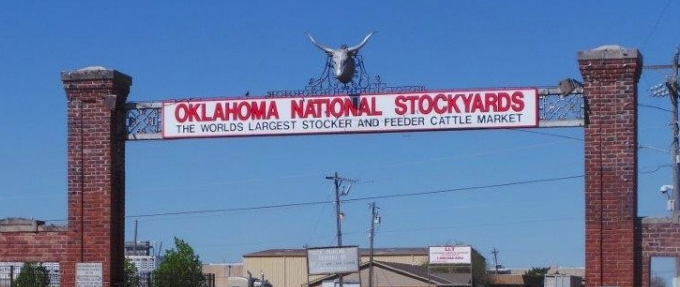
 Livestock management is also a key focus of the show and cattle producers can see the new products put to the test in side-by-side demonstrations. Ten brands of cattle chutes will be demonstrated with live cattle and moderated by experienced livestock industry experts. The demos will occur twice daily in the southwest corner of the SageNet Center, adjacent to the Behlen Country exhibit.
Daily Prize Drawings
Prize drawings are always popular at the Tulsa Farm Show. A $1000 Showbucks drawing will be held at 1:00pm daily. The winner must be present to win. Showbucks can be used currency to purchase products and services from any farm show exhibitor. Spartan Mowers is also hosting a Test Drive and Win promotion, with the chance to win a new Spartan Mower. Attendees who take a test drive of a zero-turn mower will be included in the drawing held at 3:00pm Saturday afternoon. The winner does not need to be present to win.
Additional details and a full event schedule can be found at

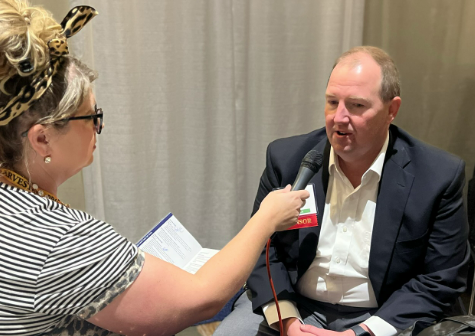
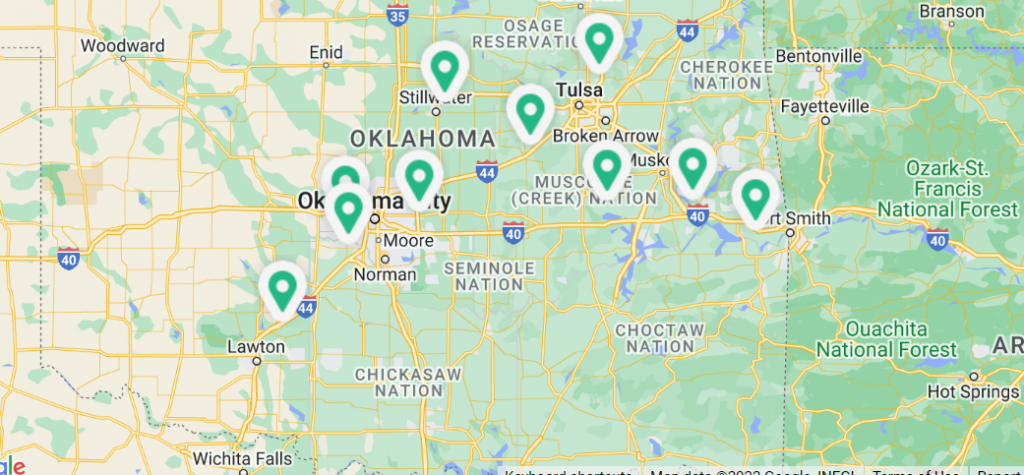
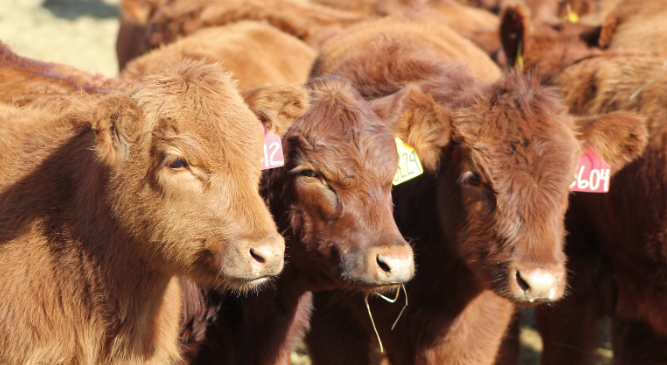

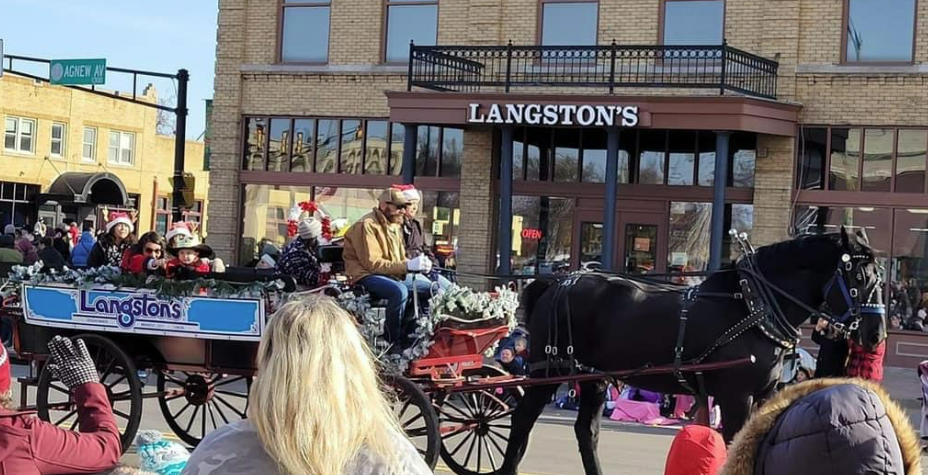
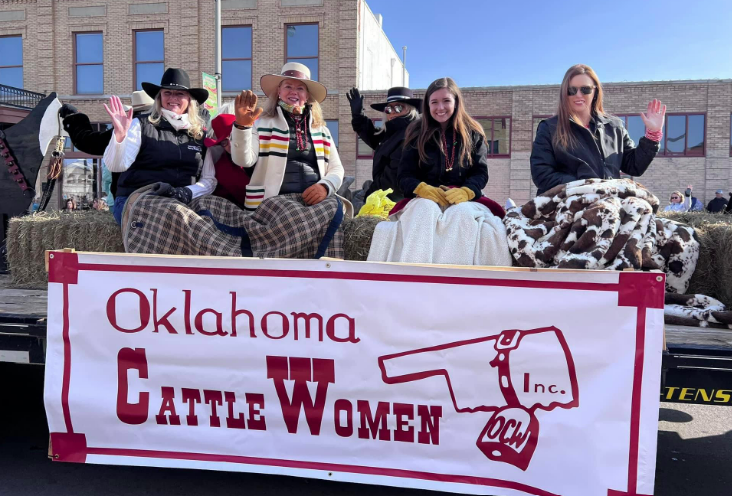
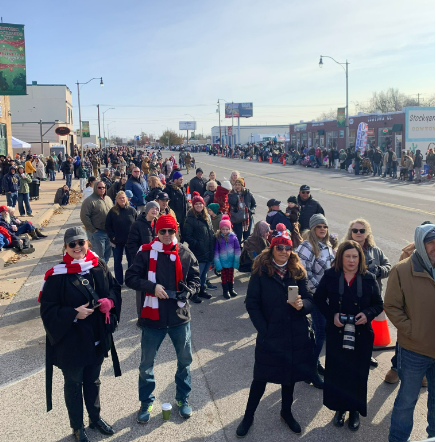
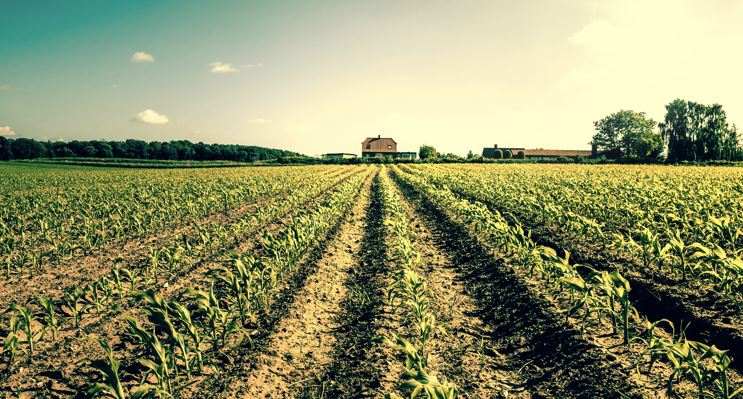
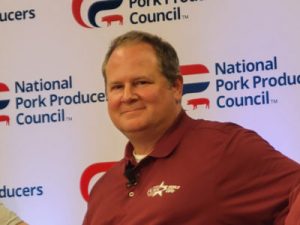
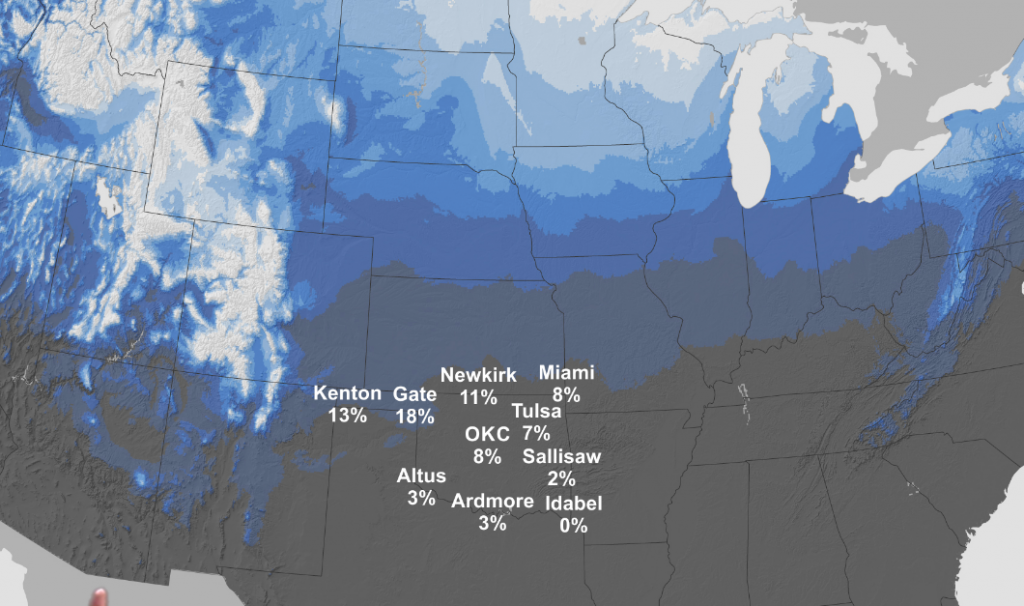
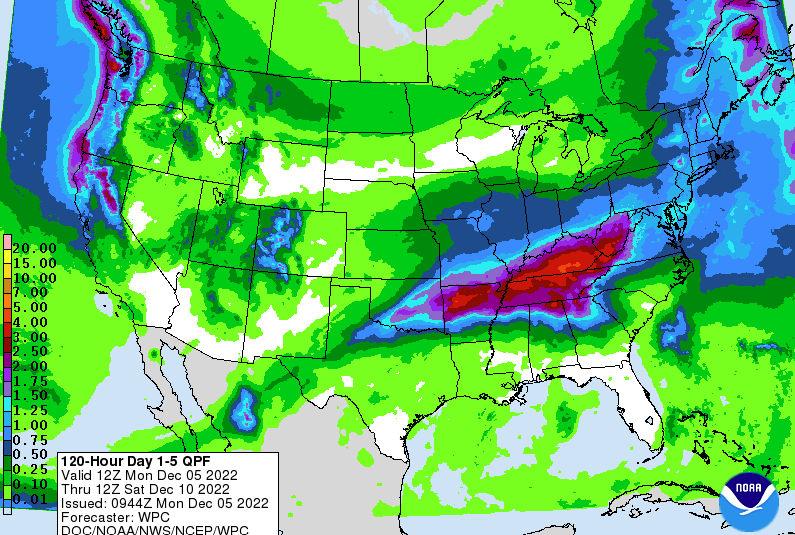
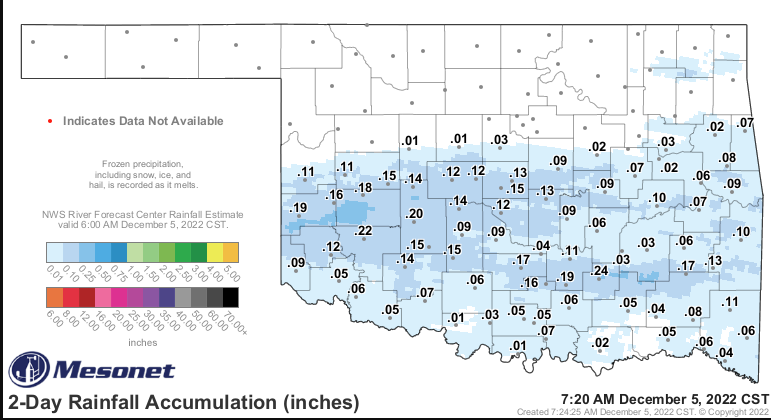
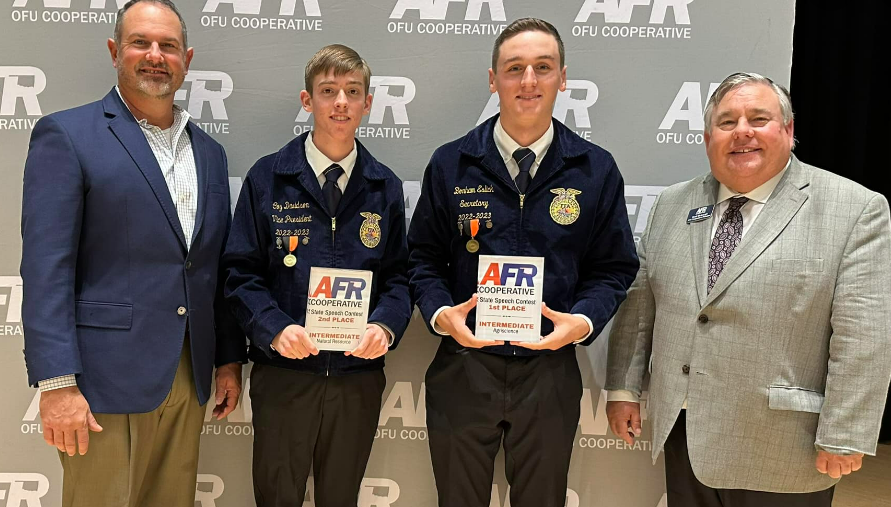



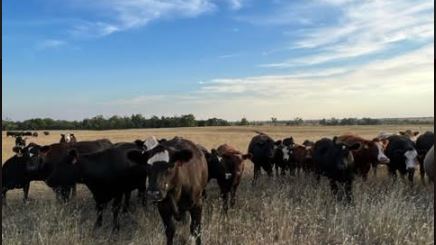
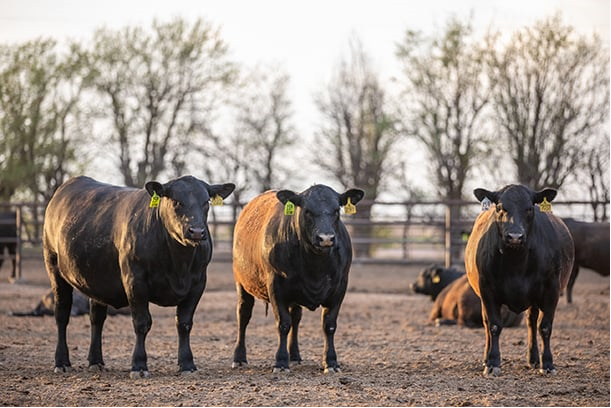
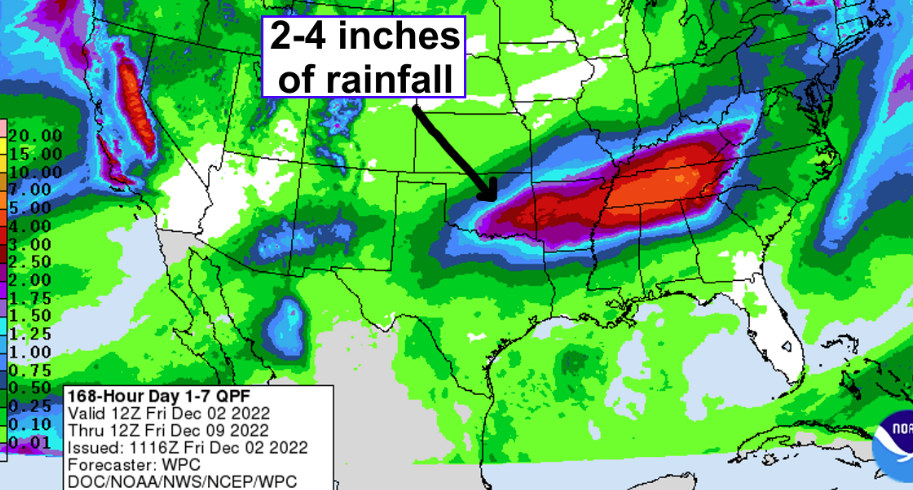
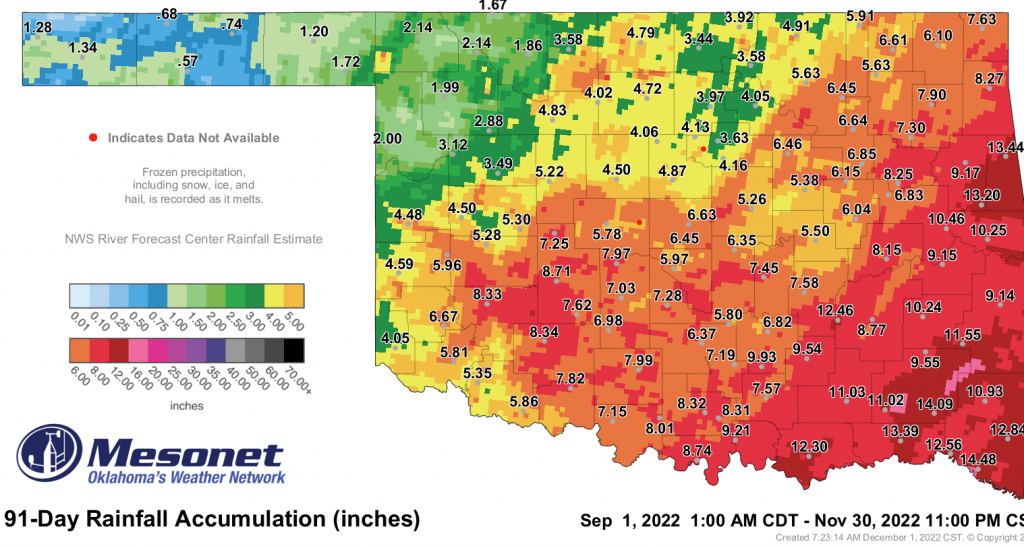
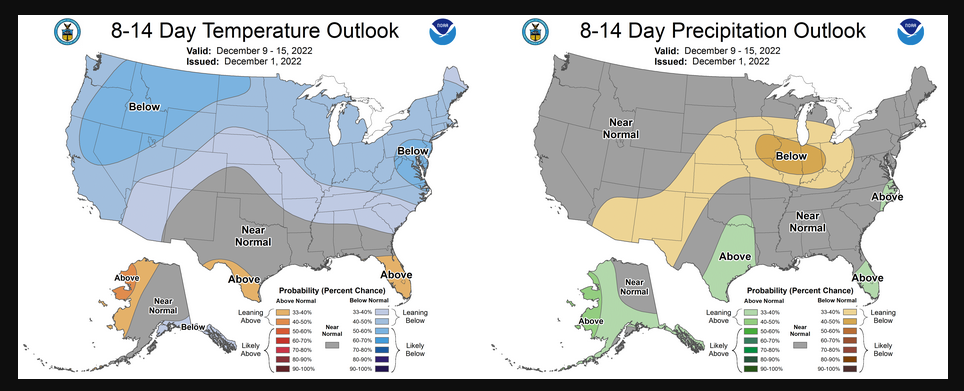
 The Senate has passed a bill to avert a nationwide rail strike that would have been catastrophic to the U.S. economy. The joint resolution passed 80-15 and codifies an agreement that was brokered by the Biden administration in September but was rejected by some of the unions.
The votes Thursday by the Senate came swiftly for the chamber where one senator can often force procedural moves to slow down a bill. The Senate voted Thursday afternoon 80-15 (with one senator voting "present") to require the 12 railroad unions to accept a contract and avoid a potential railroad strike on Dec. 9. The bill now goes to President Joe Biden who had called on Congress to act on Monday.
The Association of American Railroads, representing the businesses that would shut down, had stated a rail strike would cost the U.S. economy $2 billion a day.
Farm groups had been concerned about the impact for the movement of grain, fertilizer, ethanol and other products if the workers actually walk out. They were among hundreds of business groups that also had called on Congress to act.
"We are extremely relieved that Congress took action to head off a strike that would have had serious consequences for America's farmers, who are grappling with an increase in input costs and barge rates due to severe drought conditions on the Mississippi River," said NCGA President Tom Haag. "Today's actions are an excellent example of Congress working together to get things done on behalf of the American people."
The National Cattlemen's Beef Association says the ag industry couldn't afford a shutdown and Congressional intervention was needed "in order to keep this rail strike from occurring and keep goods and services moving across the country at the speed of commerce." Cattle producers rely on rail service to transport essential feed, fuel, and fertilizer.
The House also passed the measure with bipartisan support. The bill now heads to the President's desk for signature.
An amendment to add seven days of paid sick leave, which narrowly passed the U.S. House, was rejected by the Senate.
 David Gammill, Vice-Chairman, Oklahoma Wheat Commission; Dr. Thomas Coon, Vice President, Dean and Director of DASNR; Clayton & Tara Fisher, parents; Blayne Arthur, Oklahoma Secretary of Agriculture; Becky Bedwell, Blaine County 4-H Educator and Keith Kisling, Chairman, Oklahoma Wheat Research Foundation present Emery Fisher 4-H Champion and Grand Champion awards for winning the 2022 State 4-H/FFA Junior Wheat Show overall. Photo Credit: Todd Johnson, Oklahoma State University
Emery Fisher, daughter of Clayton and Tara Fisher, was awarded the overall grand champion award showing her Doublestop CL Plus variety in the 2022 Oklahoma 4-H/FFA Junior Wheat Show. Fisher placed 4th in production and milling and 12th in baking, earning her the title of 1st place as the 4-H champion, and overall grand champion of the 4-H/FFA Junior Wheat Show. Fisher is from the Okeene 4-H chapter.
Tanner Otto, son of Chad and Bonnie, was awarded 1st place and FFA champion showing his Doublestop CL Plus variety in the 2022 Oklahoma 4-H/FFA Junior Wheat Show. Otto placed 3rd in production and milling and 14th in baking, earning him the awards. Otto is a member of the Ponca City FFA chapter.
Fisher, a member of the Okeene 4-H club in Blaine County, received $3000 in scholarship monies for the 1st place and Champion win. Emery also won $750 premium from Oklahoma Genetics Inc (OGI) for winning 1st place and then Grand Champion overall in the competition with the Doublestop CL Plus variety. Emery also received a $500 premium for being 4-H champion and grand champion from WestBred® and received an additional $350 premium for 1st place and Grand Champion from the Oklahoma Wheat Research Foundation, along with a $22.50 premium for production, milling, bake contest and trophy.
Otto, a member of the Ponca City FFA in Kay County, received $3000 in scholarship monies for his accomplishments with his Doublestop CL Plus variety. Tanner also won a $500 premium from Oklahoma Genetics Inc (OGI) for winning 1st place and FFA Champion with the Doublestop CL Plus variety and a $250 premium for being FFA champion from WestBred®. In addition, he received $100 premium for 1st place from the Oklahoma Wheat Research Foundation, along with a $27.50 premium for production, milling, bake contest and trophies.
 Kevin Frazier; David Gammill, Vice-Chairman, Oklahoma Wheat Commission; Dr. Thomas Coon, Vice President, Dean and Director of DASNR; Chad & Bonnie Otto, parents; Blayne Arthur, Oklahoma Secretary of Agriculture; Keith Kisling, Chairman, Oklahoma Wheat Research Foundation and Caleb Horne, FFA NW Vice-President present Tanner Otto his champion awards for winning 1st place and overall champion in the FFA Division in the 2022 State 4-H/FFA Junior Wheat Show. Photo credit: Todd Johnson, Oklahoma State University.
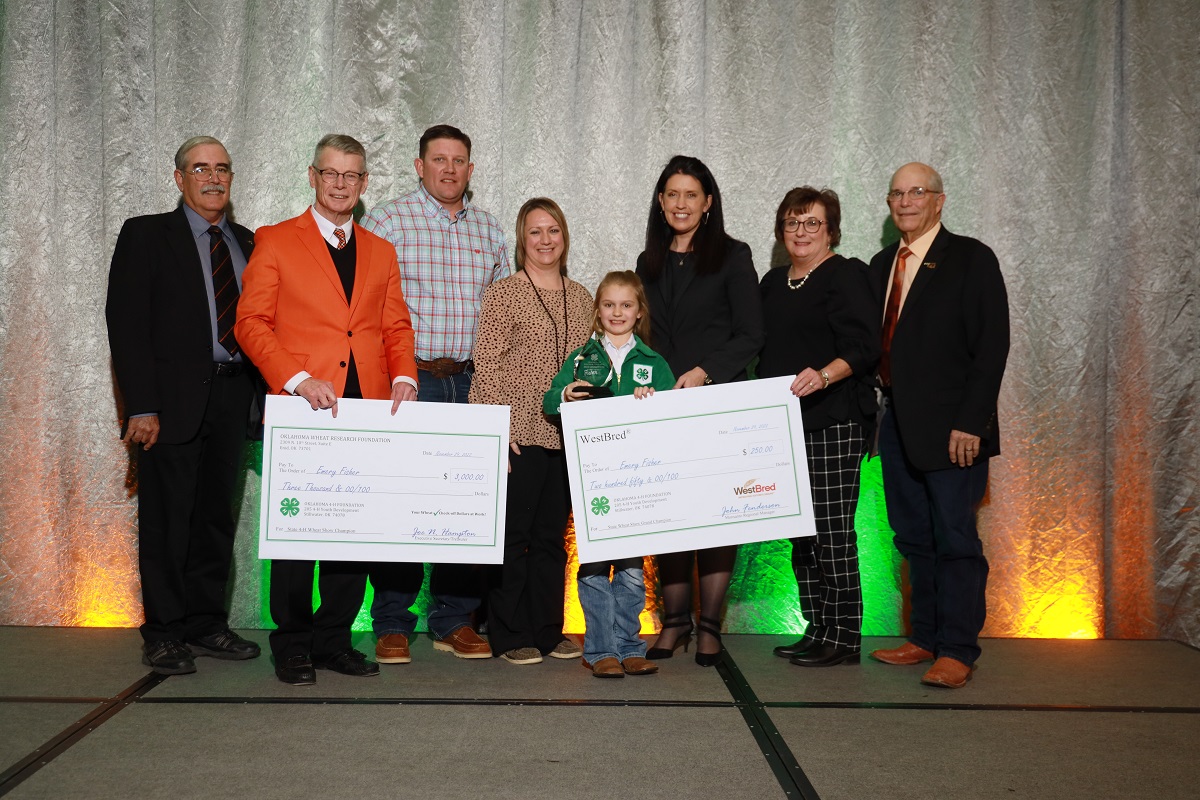
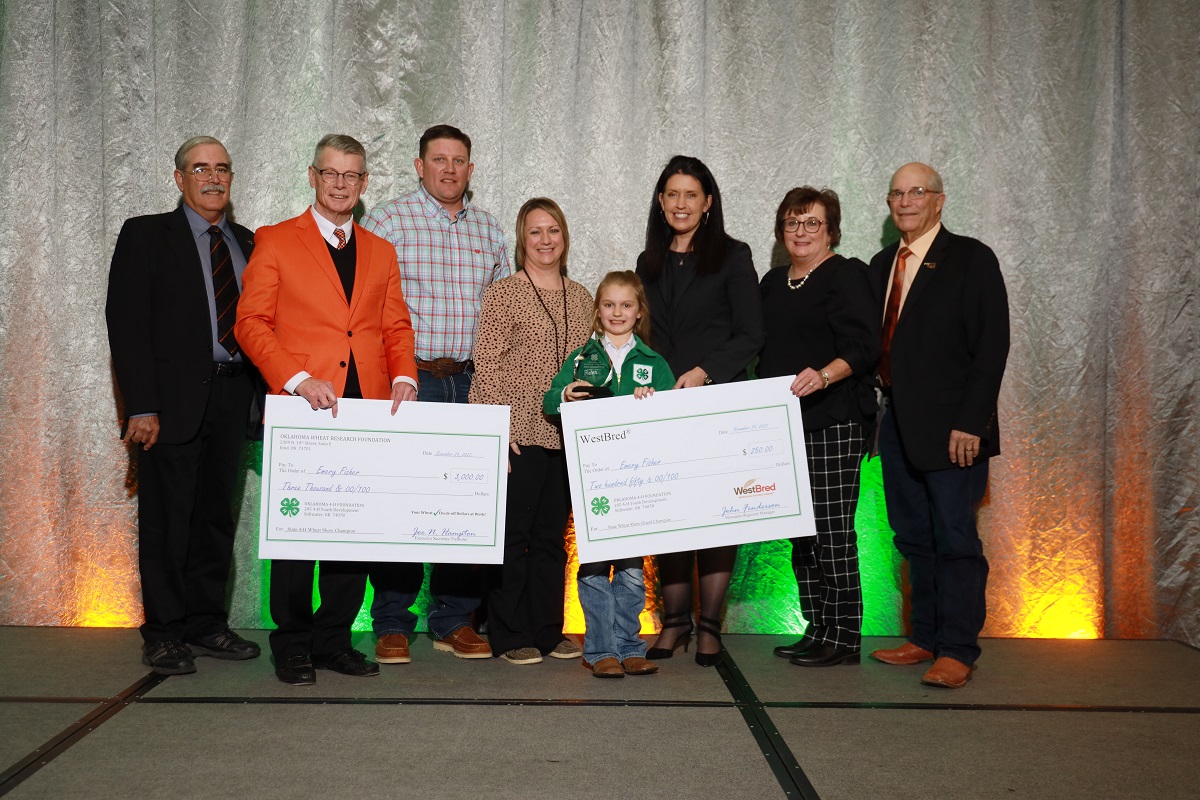
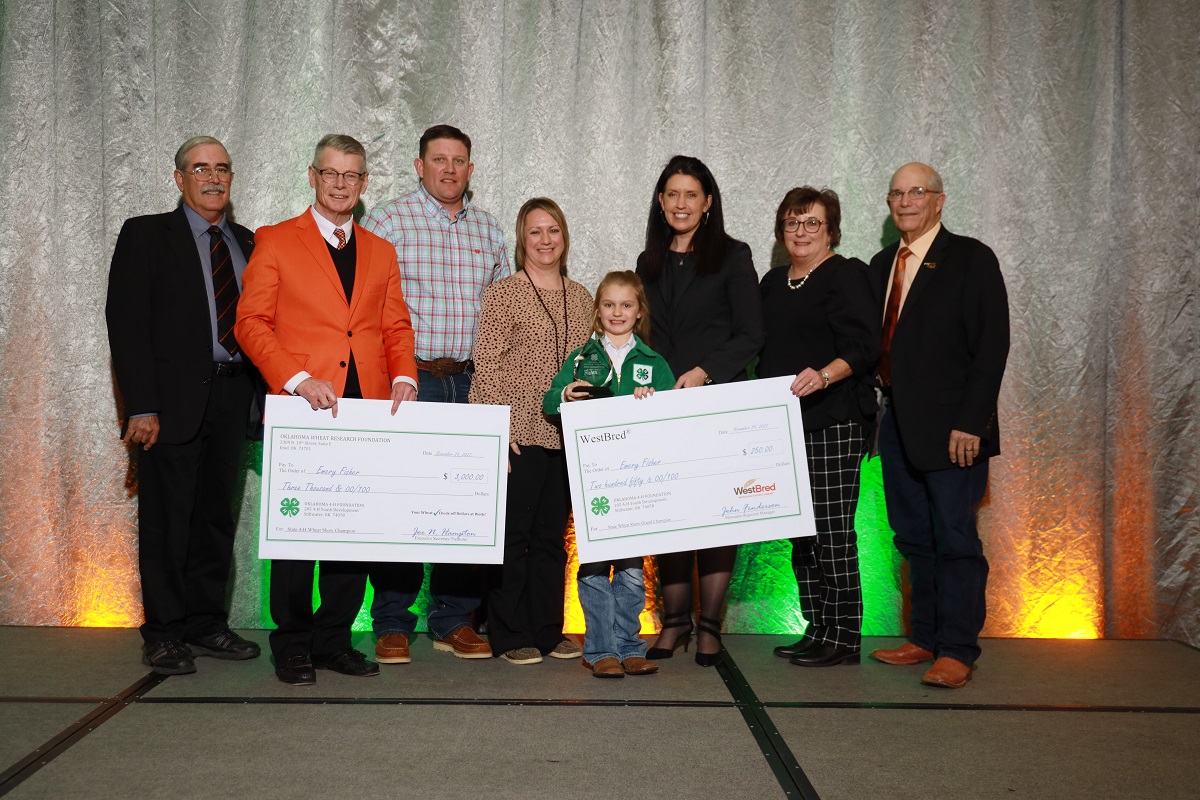 David Gammill, Vice-Chairman, Oklahoma Wheat Commission; Dr. Thomas Coon, Vice President, Dean and Director of DASNR; Clayton & Tara Fisher, parents; Blayne Arthur, Oklahoma Secretary of Agriculture; Becky Bedwell, Blaine County 4-H Educator and Keith Kisling, Chairman, Oklahoma Wheat Research Foundation present Emery Fisher 4-H Champion and Grand Champion awards for winning the 2022 State 4-H/FFA Junior Wheat Show overall. Photo Credit: Todd Johnson, Oklahoma State University.
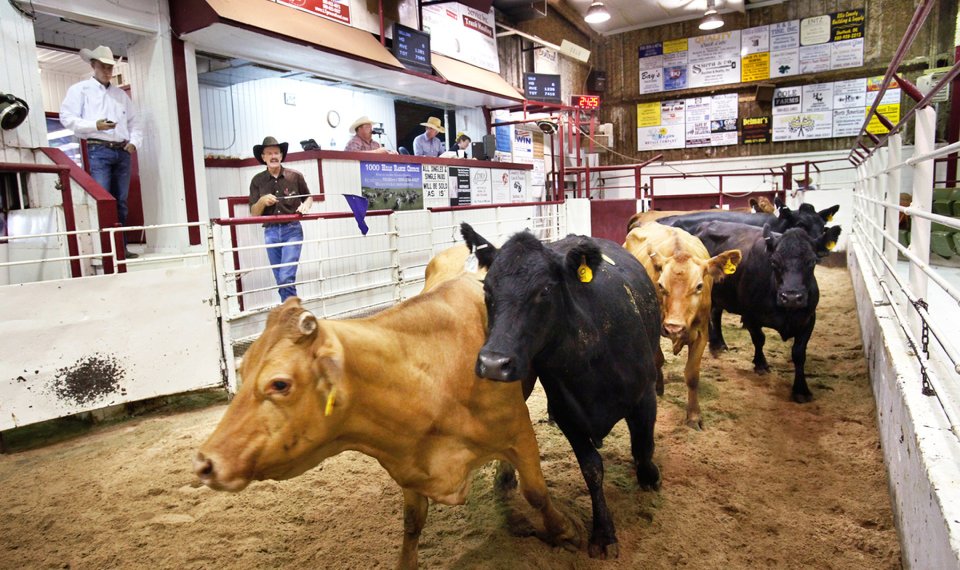
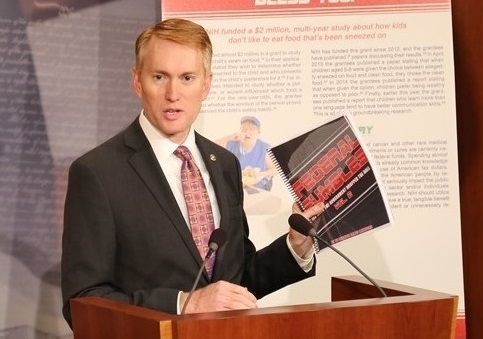
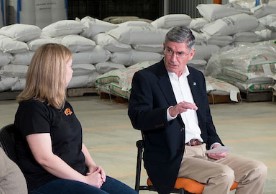
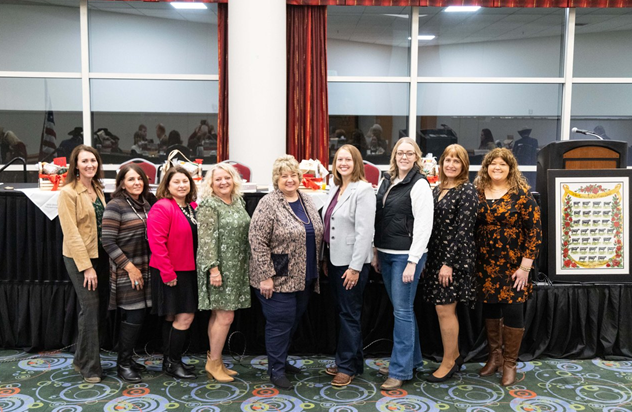

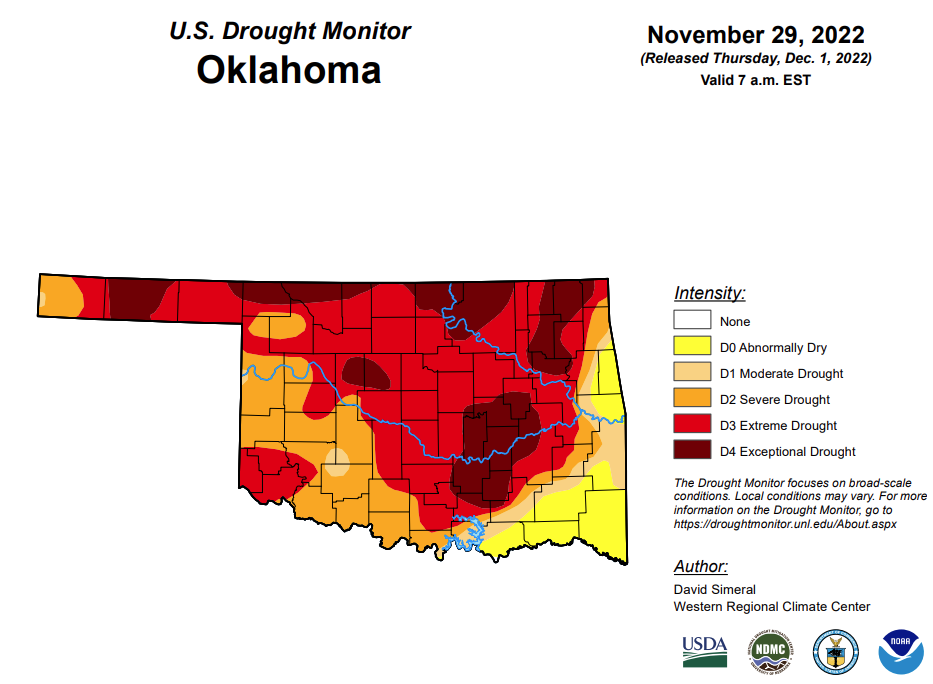
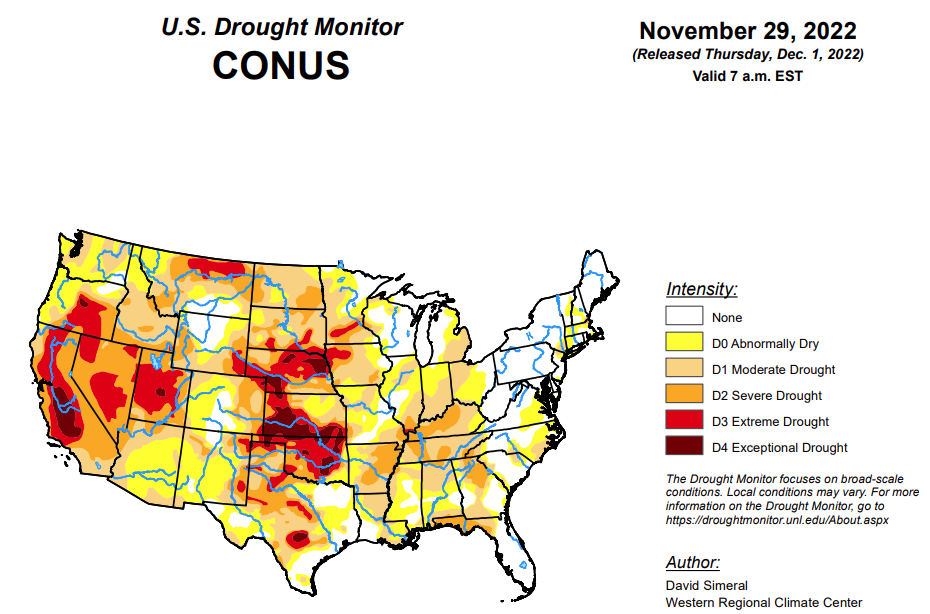


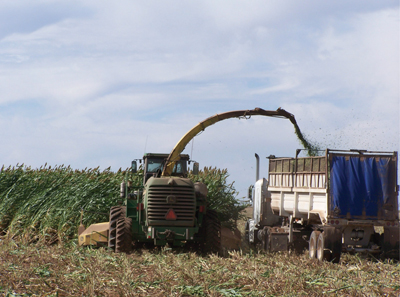 The U.S. Department of Agriculture (USDA) is enhancing crop insurance for silage sorghum producers by converting the Silage Sorghum Pilot Endorsement to permanent and allowing written agreements. These changes will take effect beginning with the 2023 crop year.
"The designation of the crop insurance endorsement for silage sorghum as a permanent policy and the ability to request written agreements will be welcome news for producers in the High Plains region," said James Bellmon, Director of Risk Management Agency's (RMA) Regional Office in Oklahoma City. "Our producers will appreciate another risk management tool that can help them better manage their risk and protect them against unforeseen challenges."
RMA has offered the silage sorghum endorsement for several years as a pilot with positive feedback from producers. On Aug. 18, 2022, the Federal Crop Insurance Corporation (FCIC) Board of Directors approved the changes, making the endorsement permanent and allowing written agreements so producers outside of the targeted pilot area could purchase coverage.
This endorsement attaches to the Coarse Grains Crop Provisions and extends actual production history coverage for dual-purpose sorghum varieties grown for silage. Silage sorghum is an alternative to corn as feed. Silage sorghum has several benefits for producers, such as being drought tolerant and requiring less irrigation water than other crops.
Silage sorghum is grown on non-irrigated and irrigated acres in the High Plains region. The Silage Sorghum Endorsement is currently available in select counties in Colorado, Kansas, New Mexico, Oklahoma, and Texas. Impacted states served by the RMA Oklahoma Regional Office are New Mexico, Oklahoma, and Texas. Nationally, silage sorghum producers purchased 440 policies to protect nearly $29 million in liabilities in 2022.
The policy provisions will be posted on the RMA website by Nov. 30, 2022.
Crop insurance is sold and delivered solely through private crop insurance agents. A list of crop insurance agents is available at all USDA Service Centers and online at the RMA Agent Locator. Learn more about crop insurance and the modern farm safety net at