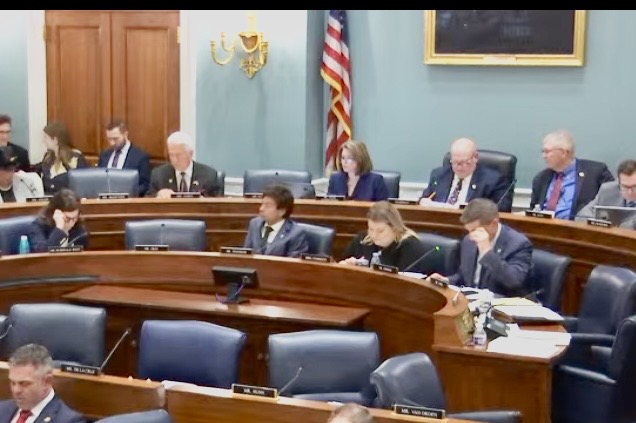
Today, the House of Representatives passed the Farm, Food, and National Security Act of 2026, with a final vote of 224-200. Now the bill moves to the U.S. Senate for consideration.
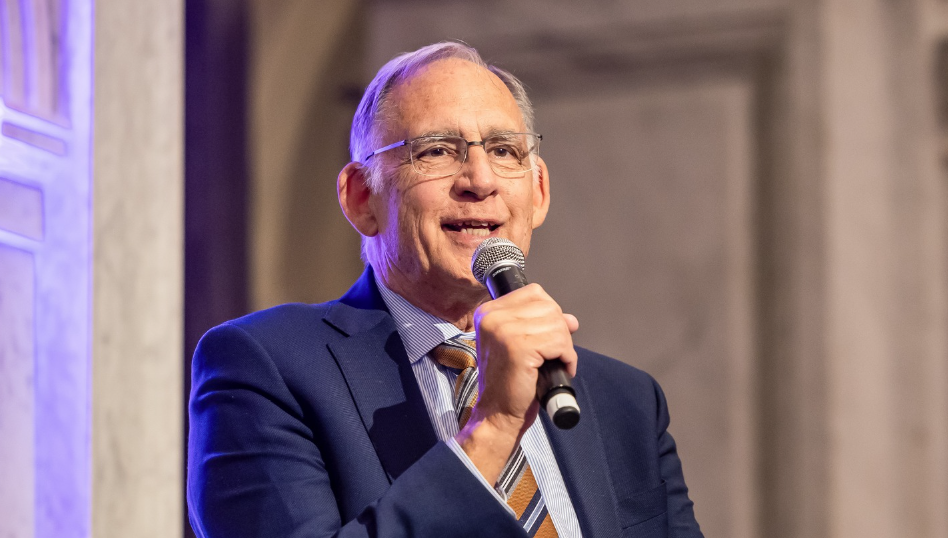
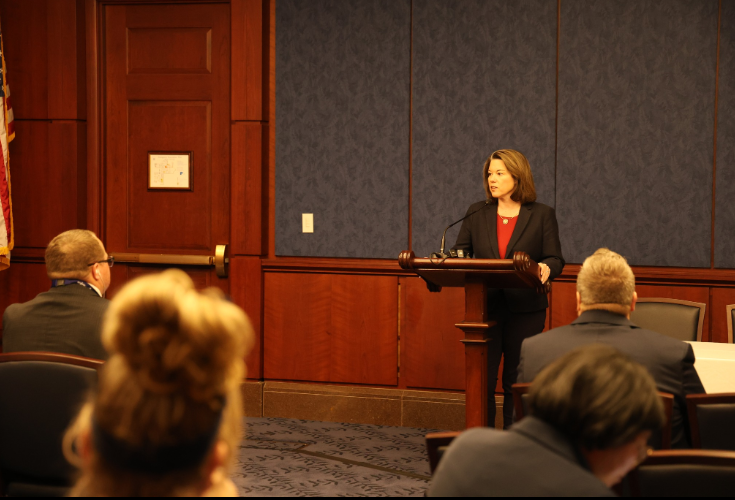
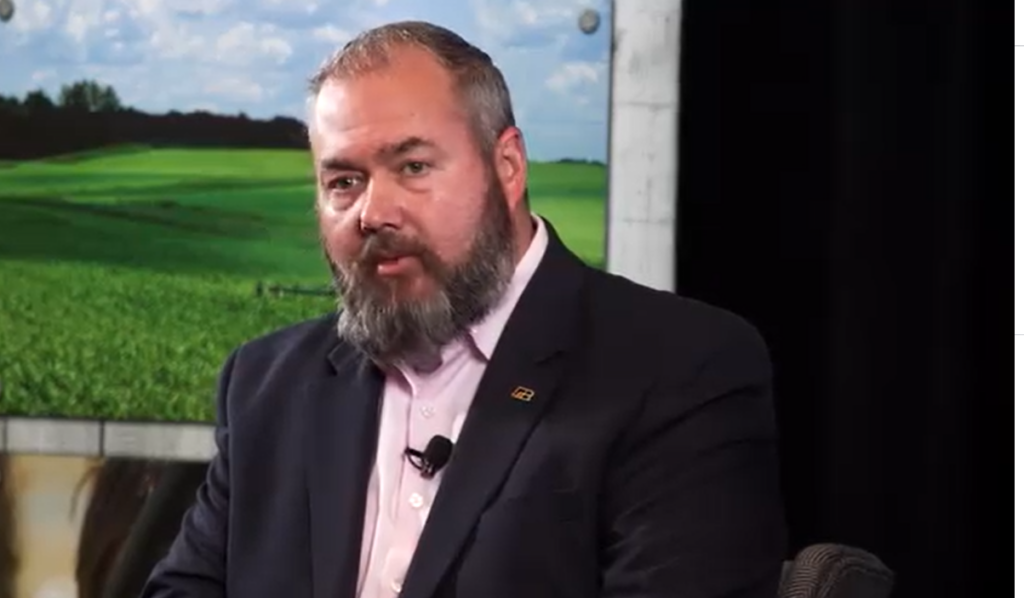
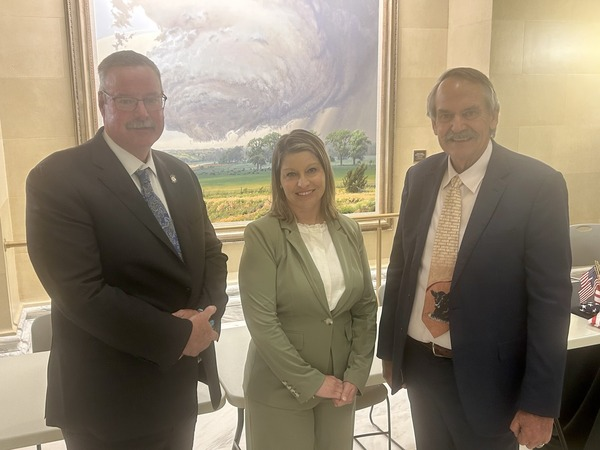
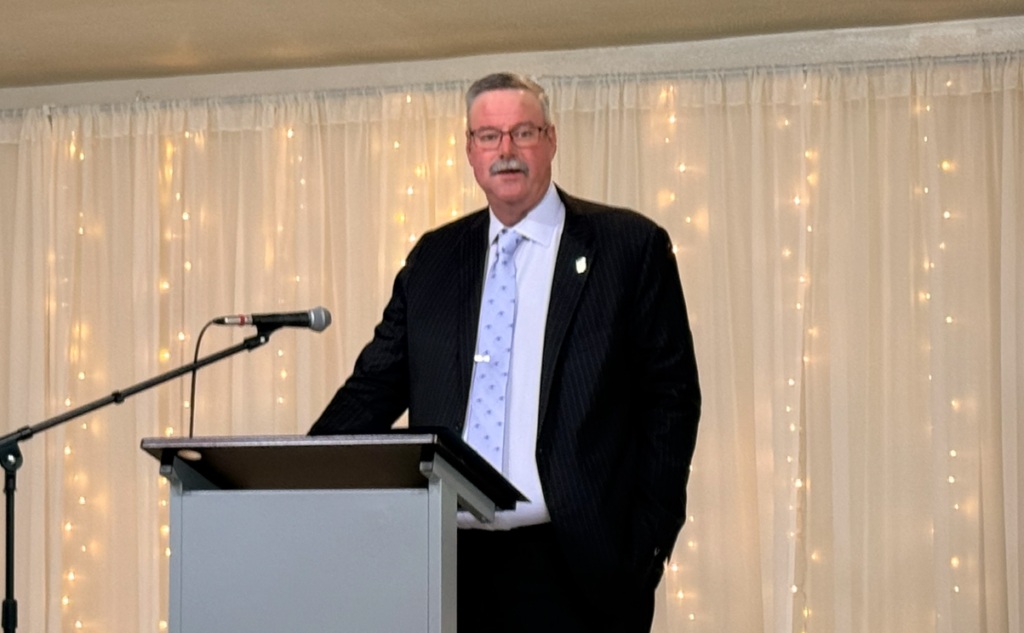
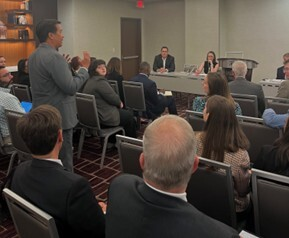
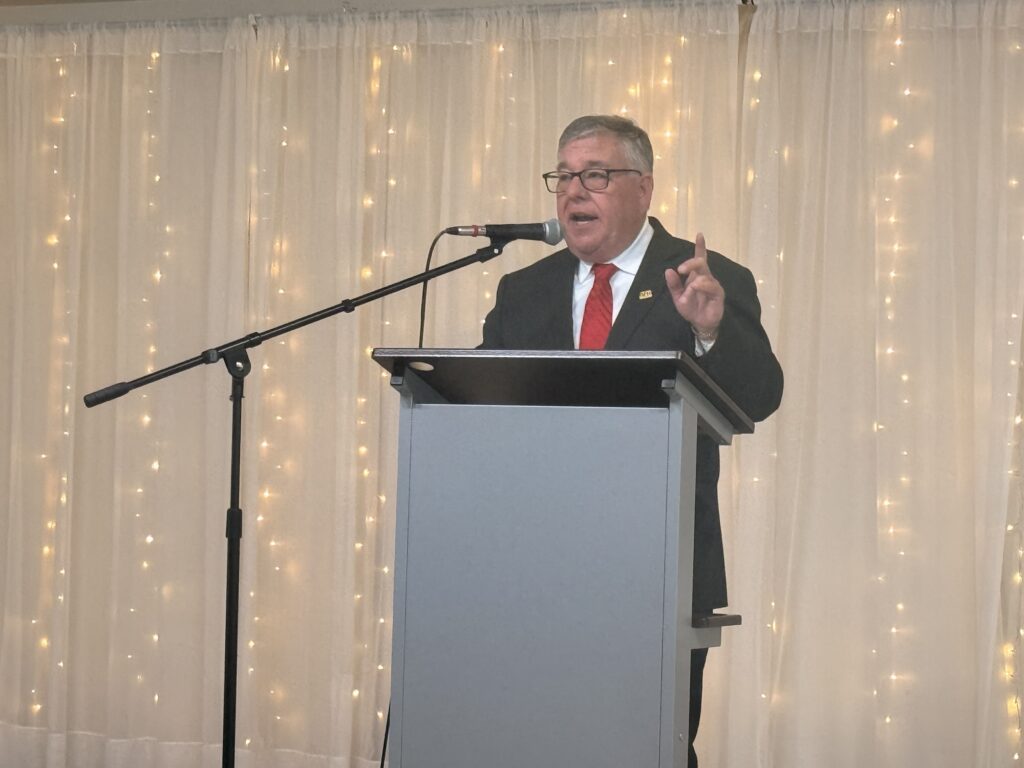
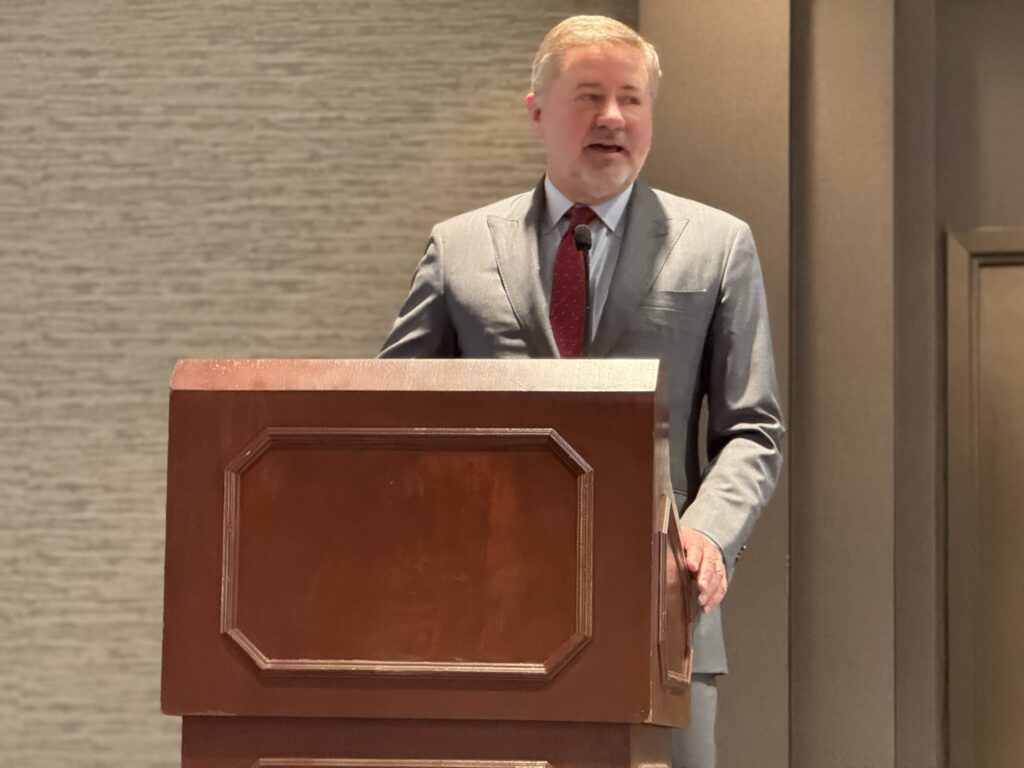
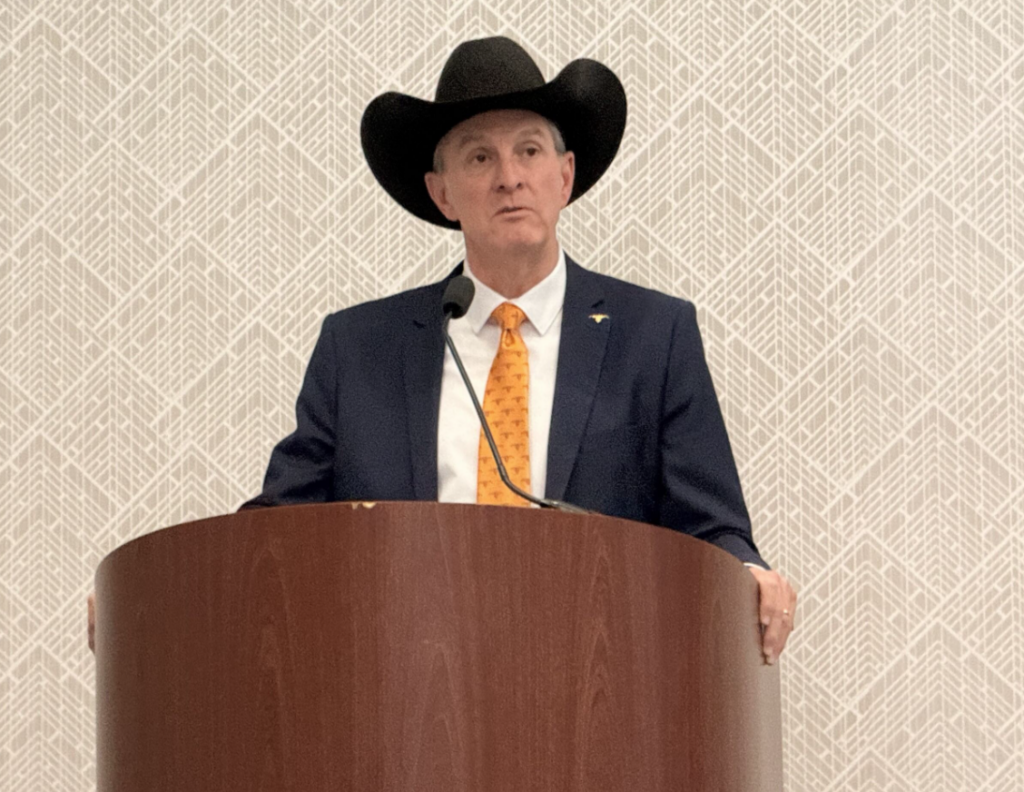
The National Association of Farm Broadcasters recently convened in Washington, D.C., for its annual Washington Watch event, where Senator John Boozman addressed the farm broadcasters during a critical window for agricultural policy. In an extensive 17-minute address, Boozman detailed the complex legislative maneuvers required to secure a bipartisan Farm Bill, emphasizing that the current economic climate for producers is "deteriorating" at a rate that demands immediate action rather than further delays.
Boozman, serving as the Chairman of the Senate Agriculture Committee, framed the upcoming months as a "weeks rather than months" timeline for committee markups. He noted that while the House Agriculture Committee advanced an 802-page version of the bill in early March, the Senate's path depends entirely on achieving bipartisan consensus. He was candid about the financial headwinds facing the industry, pointing out that interest expenses alone have surged by more than 70 percent over the last four years, creating a "cost-of-production crisis" that the outdated 2018 safety net is no longer equipped to handle. The path forward involves several critical steps to ensure the bill reaches the President's desk before the September 30 deadline.
A significant portion of the Senator's remarks focused on the "patchwork of regulations" threatening the stability of the interstate commerce system. Boozman expressed deep concern about California's Proposition 12 and similar state-level mandates that impose production standards on farmers outside their own borders. While he acknowledged the difficulty of finding a compromise—mentioning a potential "grandfathering" clause for existing state laws to prevent future disruptions—he admitted that reaching an agreement with Senate Democrats on this issue remains one of the most significant hurdles to a final package.
The Senator also touched on the broader rural infrastructure components of the bill, moving beyond traditional commodity programs. He highlighted the need to adjust federal loan limits to reflect the realities of inflation and the massive capital requirements of contemporary farming. Boozman argued that without these adjustments, young and beginning farmers would be priced out of the industry entirely. He also underscored the role of rural broadband and healthcare access, stating that these are not "bonuses" but essential tools for reversing the population decline in rural America.
Trade and market access were also high on the Senator's priority list. He discussed a recent bipartisan letter sent to the U.S. Trade Representative regarding the upcoming six-year review of the USMCA. Boozman emphasized that Mexico and Canada remain the top markets for American corn, wheat, and soy, and that any modern Farm Bill must protect the science-based, rules-based commitments of these agreements. He warned that trade volatility, combined with rising input costs, could lead to a credit crunch for producers if a stable, long-term policy isn't enacted by the end of the year.
The Senator's transparency with the NAFB is vital for keeping rural communities informed as these high-stakes negotiations continue. Boozman concluded by urging the broadcasters to continue sharing the "real-world stories" of farmers who are struggling with high fertilizer costs and predatory interest rates, noting that these personal narratives are often more persuasive to his colleagues than raw economic data. The Senator remains optimistic that a "win-win" solution can be found, provided both parties prioritize the safety and security of the American food supply over partisan disagreements.
Tom Cole Votes in Favor of the Farm, Food, and National Security Act of 2026: Today, Congressman Tom Cole (OK-04) released the following statement after voting in favor of the Farm, Food, and National Security Act of 2026, which reauthorizes, modernizes, and improves key Department of Agriculture programs through 2031: "Agriculture is truly the heart of America – and as a lifelong Oklahoman, I know this firsthand. In fact, Oklahoma ranks first in the nation in the production of rye, third in the nation in the production of wheat, fifth in the production of cattle, pecans and grain sorghum, tenth in peanuts, and twelfth in watermelon. It is clear: Oklahoma's farmers, ranchers, producers, and growers are essential to not only our state, but to our entire country," said Congressman Cole. "In return, as the representative for over 13,000 farms and ranches in the Fourth District alone, I will always fight to ensure they are not neglected in Congress. Today, in passing the Farm, Food and National Security Act of 2026, we did just that," said Congressman Cole. "This legislation focuses on practical policy for farm country. It will help to keep family farms in business, competition thriving, and grocery shelves stocked. This bill maintains America's position as a global agriculture leader – because food security is national security. It provides farmers with the protection and stability they need to maintain healthy crops and produce, as well as streamlines working lands conservation programs and prioritizes responsible management of federal forests. Furthermore, it enacts these commonsense policies all while remaining budget neutral and prioritizing integrity and transparency," said Congressman Cole."The Farm, Food, and National Security Act of 2026 was must-pass legislation, and I am proud to have helped push it across the finish line with my vote today. I also want to thank my good friend, fellow Oklahoman, and former Chairman of the House Committee on Agriculture, Congressman Frank Lucas, for all he did to secure these important provisions vital to Oklahoma. We must always ensure that those who put food on our tables and fuel the American people are not left behind," said Congressman Cole.
Wins for Oklahoma in the Farm, Food, and National Security Act of 2026
Increases loan guarantee to $50 million for the Rural Energy for America Program and ensures that projects using underutilized renewable energy technologies, such as distributed wind projects, are highlighted.
Protects and enhances conservation programs like the Environmental Quality Incentives Program and the Conservation Stewardship Program, supporting Oklahoma's 84 conservation districts.
Updates essential watershed programs that so many Oklahomans rely on to maintain and improve the over 2,100 watershed flood control dams in Oklahoma.
Increases funding for the Market Access Program and Foreign Market Development Program so that our producers can more easily tap into trade expansion.
Authorizes state and tribal led local food purchasing programs to increase the purchase of local foods, growing local economies.
Reauthorizes critical rural development programs that invest in economic development, job creation, technical assistance, and utility services.
Reauthorizes vital water infrastructure programs such as the Rural Water and Wastewater Circuit Rider Program. This program supports the over 3,000 technical assistance visits that Oklahoma Rural Water Association circuit riders carry out each year.
Incorporates middle mile infrastructure into the ReConnect Rural Broadband Program, improving access to rural areas and lowering costs for users and providers.
Reauthorizes important research, extension, and education activities that our land-grant universities, such as Oklahoma State University, Langston University, and College of the Muscogee Nation, rely on to produce innovative and cutting-edge research.
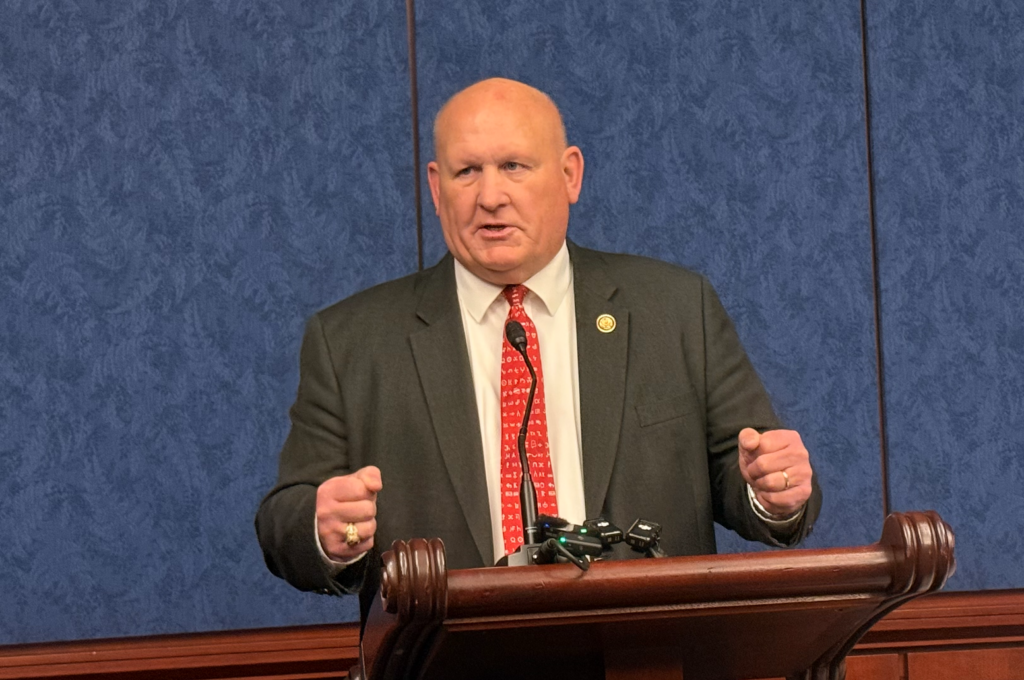
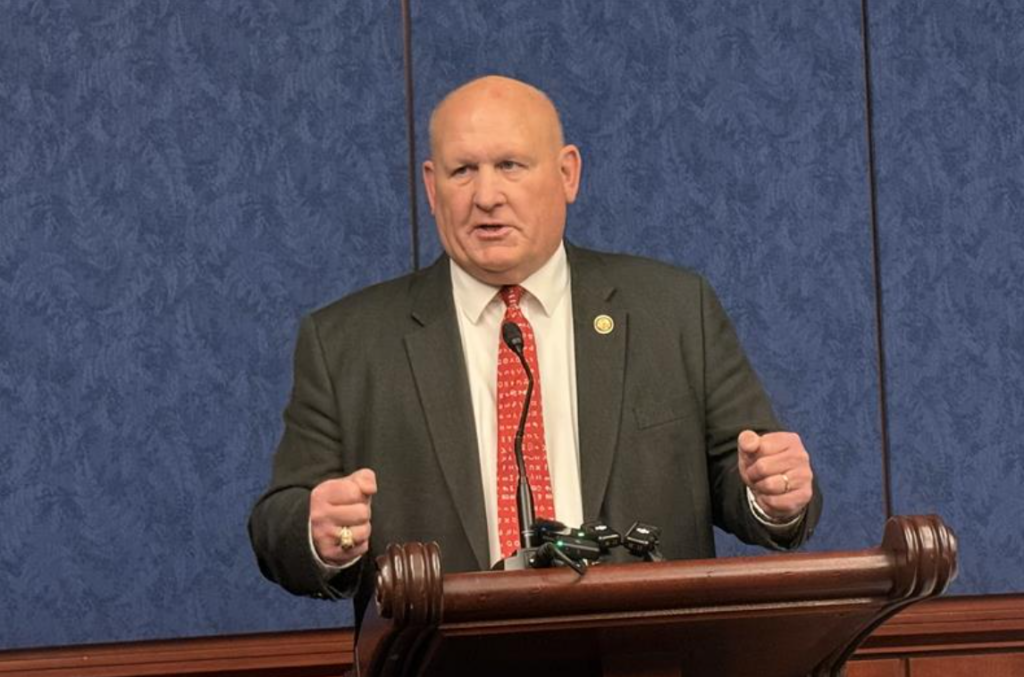
Chairman Thompson Commends House Passage of 2026 Farm Bill: The House of Representatives passed the Farm, Food, and National Security Act of 2026 this morning with a final vote of 224-200. House Committee on Agriculture Chairman Glenn "GT" Thompson (PA-15) issued the following statement today commending the passage of this critical legislation: "Working in Congress on behalf of our nation's farmers, ranchers, and rural communities is an honor — even when the work requires debating the farm bill through the night," Chairman Thompson said. "I can think of no more important work than championing the Farm, Food, and National Security Act of 2026, and I am extremely pleased to see this bill pass out of the House of Representatives with a strong bipartisan vote. "It is clearer every day that farm country needs updated policy that reflects current challenges, and the 2026 farm bill fills that gap. I look forward to seeing Chairman Boozman and the Senate make progress on this important legislation so we can get the Farm, Food, and National Security Act of 2026 sent to President Trump's desk as soon as possible. "I especially want to thank all parties who were involved in the negotiations that allowed the farm bill to proceed to the floor and secure a future vote on year-round E15. Members of the Biofuels Caucus are tireless champions for rural America, and I look forward to joining them May 13 in advancing that important legislation." Background: With a vote of 14 Democrats in favor, the Farm, Food, and National Security Act of 2026 obtained the highest number of votes from the minority party on a House farm bill since 2008. Similarly, with over 96% of the GOP Conference voting in favor, this is the highest level of Republican support for a House farm bill in history, affirming the commitment of House Republicans to rural America.
Congressman Kevin Hern (OK-01) released the following statement after voting in support of the Farm, Food, and National Security Act, also known as the Farm Bill: "Our farmers, ranchers, and agricultural producers work incredibly hard, and they deserve certainty as they continue to put food on our tables and drive our economy. The Farm Bill delivers real win for the Oklahoma agricultural industry, ensuring they have the tools necessary to provide for our communities and the stability to plan for the current and future demands at home and abroad. I'm proud to support this critical legislation and the hardworking men and women who keep America running."
U.S. Senator Amy Klobuchar (D-MN), Ranking Member of the Senate Committee on Agriculture, Nutrition, and Forestry, led her fellow Democrats on the committee in releasing the following statement on the passage of the House Farm Bill. "We have been clear that the Farm Bill must address the needs of American farmers and families. With a five-year high in small farm bankruptcies, the Farm Bill must address rising input costs, provide new opportunities for domestic markets, and fight for a trade agenda that works for everyone. Senate Democrats are committed to ensuring all states are treated equally by delaying the new SNAP cost shifts and addressing the needs of farm country. We look forward to working with Senate Republicans on a bipartisan Farm Bill that can be successful on the Senate floor." Along with Klobuchar, the Democrats on the Senate Agriculture Committee include Sens. Michael Bennet (D-CO), Tina Smith (D-MN), Dick Durbin (D-IL), Cory Booker (D-NJ), Ben Ray Luján (D-NM), Raphael Warnock (D-GA), Peter Welch (D-VT), John Fetterman (D-PA), Adam Schiff (D-CA), and Elissa Slotkin (D-MI). The Republican Budget Bill passed last summer included a cost shift of SNAP benefits and program costs to states with error rates above 6 percent, but which also rewarded the highest error rate states with a delay of the cost shift. Final error rates for 2025 will be announced at the end of June.
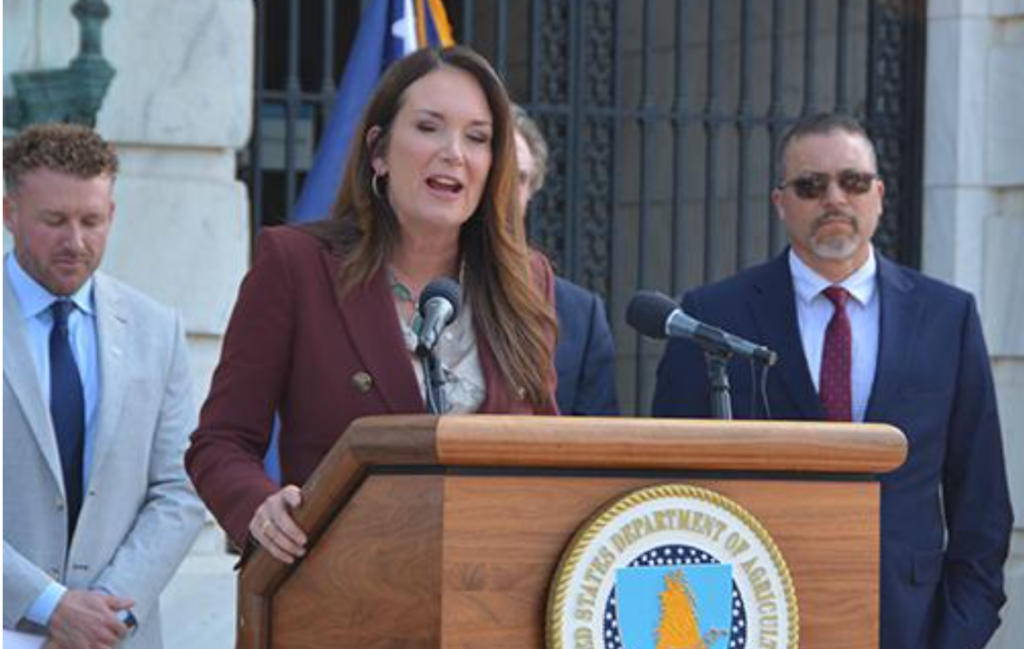
Today, the U.S. Department of Agriculture's (USDA) Food, Nutrition, and Consumer Services mission area announced its intention to introduce the Food and Nutrition Administration. This shift will include a reorganization and relocation, all to move program leadership and staff from Washington, D.C. to hub and program compliance locations across the U.S. This shift in customer service will not disrupt program execution nor any endeavor to eliminate fraud, waste, and abuse across USDA's 16 nutrition assistance programs.
"On my first day leading the People's Department, I shared several commitments to our state, tribal, territory, and local government partners, including prioritizing customer service and infusing each nutrition program with new energy and vision," saidSecretary Brooke L. Rollins. "This reorganization is designed with those commitments in mind. I look forward to working with our partners as we continue to nourish children and families in need through nutrition programs that not only are provided by America's farm families, but programs that pave a pathway to better health and economic stability."
"This reorganization is long overdue," said Deputy Secretary Stephen A. Vaden. "The Food, Nutrition, and Consumer Services mission area has not had a Senate-confirmed Under Secretary in nearly two decades, and the shift to the Food and Nutrition Administration will better align with other benefit programs administered across the federal government. This reorganization also reduces duplicative management and complexity within the agency, better prioritizes State service and participant needs, and expands the Department's presence to fight fraud, waste, and abuse."
"As part of this reorganization, we are changing our structure from regional offices to Hubs that will offer improved program support across the nation," saidDeputy Under Secretary Patrick Penn. "This new structure will enhance our customer service to the millions of families reliant on these programs and allow for greater employee and partner collaboration."
As part of this effort, the FNA Administrator will remain in Washington, D.C., along with a small footprint to be responsive to Congress, interagency needs, regulatory work, and policy coordination.
Programmatically, the Supplemental Nutrition Assistance Program will be relocated to Indianapolis, IN; the Child Nutrition Programs will be relocated to Dallas, TX; the Supplemental Nutrition and Safety Programs will be relocated to Kansas City, MO; and research programs will be relocated to Raleigh, NC. The fifth Hub in Denver, CO, will serve as the Emergency Management and Continuity of Operations location. Lastly, retailer operations and compliance will be across four offices: Atlanta, GA; Los Angeles, CA; Dallas, TX; and New York, NY.
These actions will realign the Department's focus to the States who administer USDA nutrition programs, the households who benefit from them, and the taxpayers who fund them.
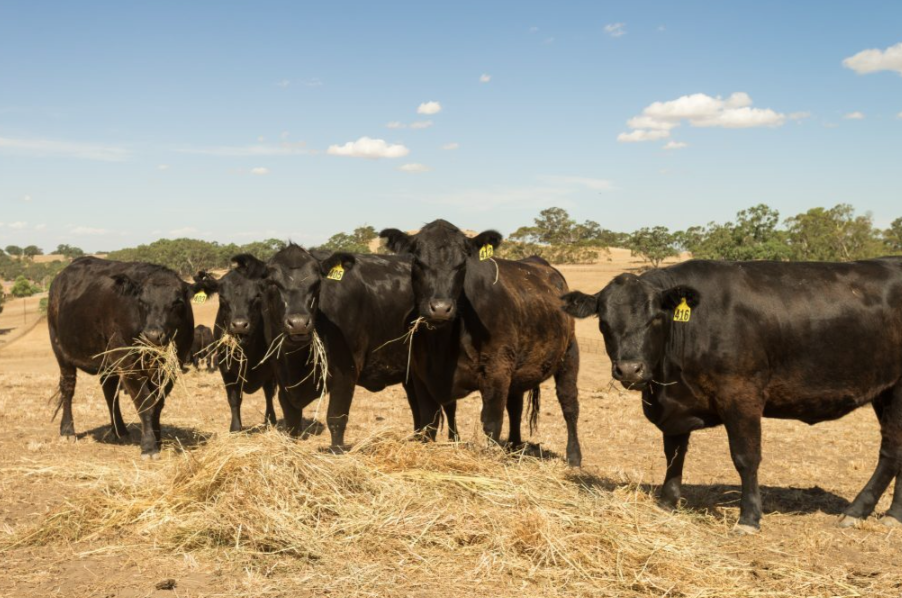
Thirteen students paired with Angus ranches across the United States will be expanding their knowledge of the cattle industry this year as part of the Angus Foundation's 2026 Angus/Talon Youth Educational Learning Program.
The program's internships are the legacy of the late Camron "Cam" Cooper of Talon Ranch, Twin Bridges, Montana. Cooper established the Angus/Talon Youth Educational Learning Program Endowment Fund in 2009 to offer educational experiences for undergraduate students pursuing agricultural degrees.
"The Talon internship empowers students with practical, hands-on experience that not only builds their technical skills but also deepens their passion for the cattle industry," said Jimmy Stickley, donor coordinator for the Angus Foundation. "By working alongside respected Angus breeders, interns gain invaluable insights into ranch management, genetics and animal health, preparing them for successful careers."
Allen Hill | Yon Family Farms
Studying natural sciences at West Texas A&M University, Allen Hill brings a background in agriculture and livestock production from Bonanza, Oregon, to Yon Family Farms in Ridge Spring, South Carolina, this summer. Hill's passion for the cattle industry was shaped through involvement in FFA, 4-H, livestock judging and athletics; experiences that helped develop his leadership skills, work ethic and dedication.
Yon Family Farms is a family-owned operation managed by Kevin and Lydia Yon alongside their three children. Founded in 1996, the operation has grown from 100 head of Angus females into a forage-based program utilizing more than 5,000 acres and maintaining approximately 1,200 registered cows and 200 commercial cows. Known for producing high-quality cattle, the Yon's host both spring and fall production sales, marketing hundreds of registered bulls and females each year to progressive commercial cattlemen across the country.
Lucy Flynn | Audley Farm
Originally from Ducor, California, Lucy Flynn brings a passion for agriculture and livestock production from her family's fifth-generation cattle ranch in the Central Valley to Audley Farm this summer. Flynn will graduate in May from the University of Wyoming with a degree in Agricultural Communications and a minor in Farm and Ranch Management. During her time at UW, she has competed on the rodeo team, further strengthening her connection to the livestock industry.
Nestled at the northernmost edge of the Shenandoah Valley, Audley Farm is a 3,000-acre estate defined by rolling pastures, rich history and sweeping views of the Blue Ridge Mountains. Uniquely excelling in both horses and cattle, Audley is home to world-class Thoroughbred breeding, purebred Angus cattle and premium beef sales. With a legacy that traces back to Sir Barton, America's first Triple Crown winner, Audley Farm continues a tradition of quality, stewardship and innovation while honoring its historic roots and shaping the future of agricultural.
Ava Kerns | Mead Farms
A sophomore majoring in agricultural studies at Iowa State University, Ava Kerns is gaining hands-on experience in purebred cattle production this summer at Mead Angus, based in Barnett, Missouri. Raised on her family's cow-calf and row crop operation in Edgewood, Iowa, Kerns also has firsthand farm-to-table experience through her family's ownership and operation of the Edgewood Locker meat processing plant.
Led by Alan Mead and family, Mead Angus has a legacy dating back to 1942 and is recognized for producing practical, performance-driven Angus cattle. The operation emphasizes fertility, growth, genomics and sound maternal traits, while standing behind its cattle through a commitment to customer success. Through its proven breeding program and performance-tested bull sales, Mead Angus continues a long tradition of positively impacting commercial cattle operations across the country.
Brittanie Smith | Double M Ranch
An animal science and sustainable agriculture major at East Texas A&M University, Brittanie Smith is spending the summer gaining hands-on experience at Double M Ranch near Harrison, Nebraska. Originally from Slocomb, Alabama, Smith said she is eager to learn from a large-scale Angus operation while building relationships with producers across the industry.
Owned by Mike and Margaret Smith, Double M Ranch is a family-centered operation known for its Angus program and diverse ranching approach. Running approximately 600 head, the operation combines cattle production with artificial insemination (A.I.) and crop production typical of a working ranch in the Nebraska Panhandle. Built around functional cattle and hands-on management, Double M Ranch focuses on raising Angus cattle that perform in real-world conditions.
Keala George | Wye Angus
A student at Iowa State University majoring in animal science with a pre-veterinary emphasis, while also pursuing a minor in agricultural business and earning a beef certificate, Keala George is spending her summer at Wye Angus. Raised on an Angus cow-calf operation in southern Wisconsin, George developed a love for the breed at an early age and has since built her own small herd of Angus and Red Angus females. With plans to attend veterinary school and focus on animal medicine, she said she is eager to gain insight into Wye Angus' unique genetics throughout her internship.
Wye Angus is managed by the Maryland Agricultural Experiment Station within the University System of Maryland, which oversees the herd's daily operations and its role in advancing beef cattle research. Since the herd was gifted to the university, animals exceeding research needs have been made available to the public through an annual production sale held each April since 1978.
Samuel Jordan | Henning Farms/Blueprint Genetics
A freshman at Redlands Community College in El Reno, Oklahoma, pursuing an associate degree in animal science, Samuel Jordan is spending his summer gaining experience at Henning Farms and Blueprint Genetics in Janesville, Wisconsin. Raised in Savannah, Missouri, on his family's registered Angus cow-calf operation, Jordan developed a passion for livestock production at an early age. Jordan's growing involvement in his family's embryo transfer program sparked an interest in reproductive technologies, leading him to seek hands-on experience in donor and recipient management, as well as ET and IVF procedures.
Henning Farms is a family-run Angus operation with more than 15 years of experience producing high-quality cattle with elite phenotype, proven cow families and practical value for the beef industry. Known for nationally competitive Angus cattle, the operation continues to grow through both cattle production and a supporting hay and silage enterprise. Also based in Janesville, Blueprint Genetics LLC is a donor housing and ET/IVF service operation established in 2017. The business provides advanced reproductive services to help progressive seedstock producers maximize genetic potential. Recognized for its high-quality cattle care, customer service and proven results, Blueprint Genetics plays a key role in advancing genetic progress within the beef cattle industry.
Candace Lein | Bar 69 Angus
A junior majoring in animal science at Iowa State University, Candace Lein is spending her summer gaining hands-on experience at Bar 69 Angus near Belle Fourche, South Dakota. Originally from Almond, Wisconsin, Lein grew up on her family's 450-head dairy farm and has been actively involved in 4-H since third grade. Her involvement in the program helped foster a passion for the beef industry, leading her family to establish an 80-head cow-calf operation. Following graduation, Lein plans to pursue a master's degree in ruminant nutrition.
Owned by Craig and Deb Kukuchka, Bar 69 Angus is a family-centered ranch focused on raising practical Angus cattle suited to their environment and real-world ranch conditions. Since relocating to South Dakota from Montana in 1988, the Kukuchka family has built a respected program grounded in cow families, sound dispositions and maternal functionality. In addition to the Angus herd, the family also manages a large sheep operation, reflecting a diversified, hands-on approach rooted in stewardship and hard work.
Colby Grayson | Basin Angus Ranch
A student at East Texas A&M University, Colby Grayson of Dekalb, Texas, is spending the summer gaining hands-on experience at Basin Angus Ranch in Reed Point, Montana. Raised around Angus and Brangus cattle, Grayson has been involved in agriculture since an early age through work on his family's ranch and exposure to a wide range of farming and ranching operations.
Owned and operated by Doug and Sharon Stevenson, Basin Angus Ranch carries forward a long-standing Angus legacy in central Montana. Established in 1972, the ranch is widely respected for producing functional, maternally sound cattle backed by influential cow families and proven genetics. With deep family involvement and a focus on cattle suited for real-world ranch conditions, Basin Angus Ranch remains a trusted name within the Angus breed.
Bryce Hoeltzel | Nelson Angus Ranch
A student at Kansas State University, Bryce Hoeltzel is spending his summer gaining hands-on experience at Nelson Angus Ranch in Salmon, Idaho. Originally from Olsburg, Kansas, Hoeltzel helps operate an Angus-based cow-calf operation with his family, which is where he developed an interest in seedstock production. At Kansas State, he is an active member of both the livestock judging team and the meat animal evaluation team.
Nelson Angus Ranch is a multigenerational Angus operation rooted in Clyde Nelson's original registered Angus herd and now operated by Steve Herbst and family. Located in the rugged, high-elevation country of central Idaho, the ranch is known for producing functional seedstock through annual production sales, with an emphasis on genomics and PAP testing. Centered on practical Angus genetics, family involvement and service to western cattle producers, Nelson Angus Ranch has built a respected reputation within the breed.
Evan Foust | Vision Angus
A student at the University of Wisconsin–Platteville majoring in agricultural business with an emphasis in marketing and communications, Evan Foust is spending his summer gaining hands-on experience at Vision Angus in Amherst, Colorado. Originally from Bernard, Iowa, Foust has an interest in the livestock industry and agricultural marketing.
Led by Brent and Tina Vieselmeyer, Vision Angus is a family-centered program recognized for balanced, predictable Angus genetics and a focus on maternal quality. The operation emphasizes sound structure, performance and cattle that function well in real-world commercial settings. With a hands-on, team-based approach to breeding decisions, Vision Angus has built a program centered on customer service, functional cattle and long-term consistency.
Nate McGarry | TWG Ranch
A sophomore at Iowa State University majoring in animal science, Nate McGarry is spending his summer gaining hands-on experience at TWG Ranch near Elizabeth, Illinois. Originally from DeWitt, Iowa, McGarry grew up on his family's row crop and small cow-calf operation.
TWG Ranch is a growing Angus operation built around practical, high-quality cattle and long-term genetic value. Home of the Woodhill Farms herd, the ranch utilizes proven cow families, genomically enhanced EPDs, DNA testing, artificial insemination, embryo transfer and ultrasound technology to develop cattle with longevity, structural integrity and real-world usefulness.
Hunter Bloodworth | Koupal Angus
A senior majoring in animal science with a concentration in livestock production, Hunter Bloodworth is spending his summer gaining hands-on experience at B&B Koupal Angus near Dante, South Dakota. A resident of Wilcox County, Georgia, Bloodworth was raised on his family farm and represents the fifth generation involved in a commercial cow-calf operation.
Led by Bud and Bernie Koupal, B&B Koupal Angus is part of a multigenerational ranching legacy built on the foundation of the Koupal Angus program. The operation is known for producing practical, functional Angus cattle backed by proven cow families, with an emphasis on maternal strength, structural soundness and consistency. Centered on hard work, good cattle and service to fellow cattlemen, B&B Koupal Angus continues to carry the family tradition forward in South Dakota.
Lindsey Washburn | Bruner Angus
A sophomore at the University of Wyoming majoring in ranch management and agricultural leadership, Lindsey Washburn is spending her summer gaining hands-on experience at Bruner Angus Ranch. Originally from Elsie, Michigan, Washburn grew up on her family's sixth-generation crop farm, where working alongside her parents shaped both her work ethic and passion for agriculture. While still in high school, she launched her own freezer beef business, 821 Cattle Co., starting with 10 head and finishing cattle for direct-to-consumer sales within her local community.
Bruner Angus Ranch of Drake, North Dakota, is a fourth-generation family operation founded in 1952 by the late Frankie and Cecilia Bruner. What began with 25 Angus cows has grown into a registered cow-calf program of approximately 400 head, along with 100 commercial cows used as recipients in an extensive embryo transfer program. The ranch utilizes synchronized A.I., embryo technologies and feed efficiency to maximize genetic progress. Today, multiple generations of the Bruner family remain actively involved in all aspects of the operation, from daily cattle care and herd management to marketing and sales.
About the Angus Foundation. Established as a 501(c)(3) organization in 1980, the Angus Foundation supports Angus education, youth and research. Since 1998, the organization has distributed more than $5 million in youth scholarships and has invested more than $4 million in beef cattle research during the past decade. For more information, contact the Angus Foundation at 816-383-5100.
Farm Bureau Applauds House Passage of Farm Bill: American Farm Bureau Federation President Zippy Duvall commented today on the House of Representatives vote to pass the Farm, Food, and National Security Act of 2026. "Farmers and ranchers applaud the House of Representatives for passing a new, modernized farm bill. We appreciate Chairman G.T. Thompson's leadership to get this done. After three years of extensions and eight years since a farm bill was passed, we're grateful the House found a bipartisan path forward. Important updates to research and conservation, as well as increased loan limits and clarity on interstate commerce, will help farmers survive today's challenges and give them the tools to thrive in the future. "We urge the Senate to follow the House's lead and move this important bipartisan legislation forward. Food security is national security, and investing in America's farmers and ranchers is an investment in America's families. We all benefit from a reliable and affordable food supply."
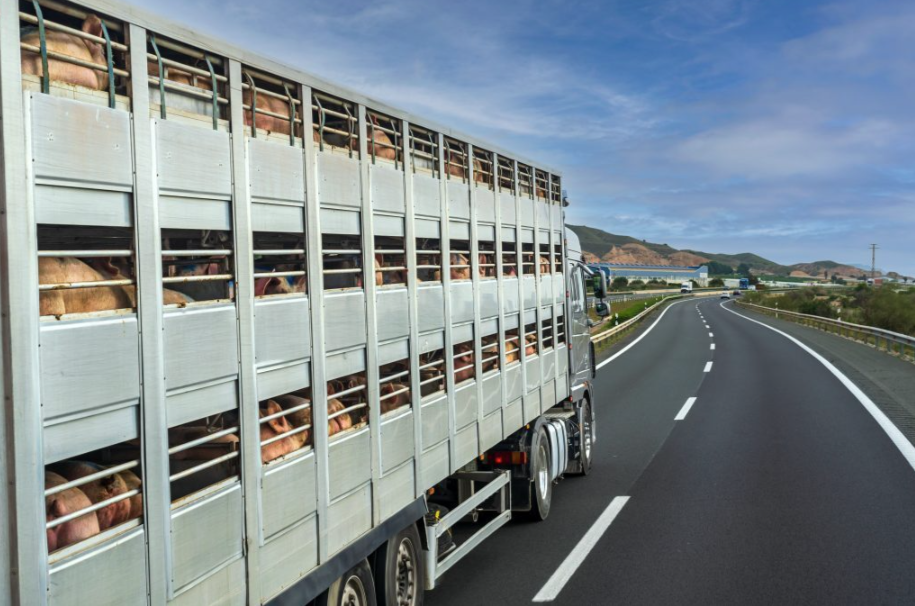
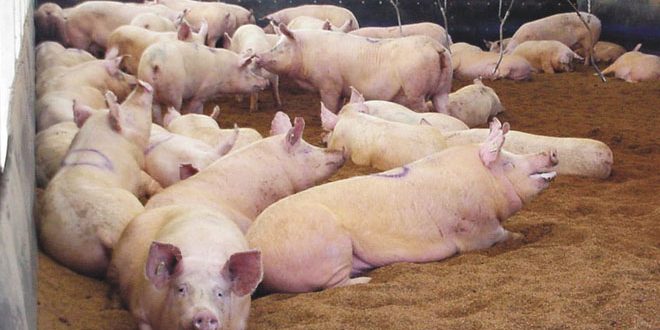
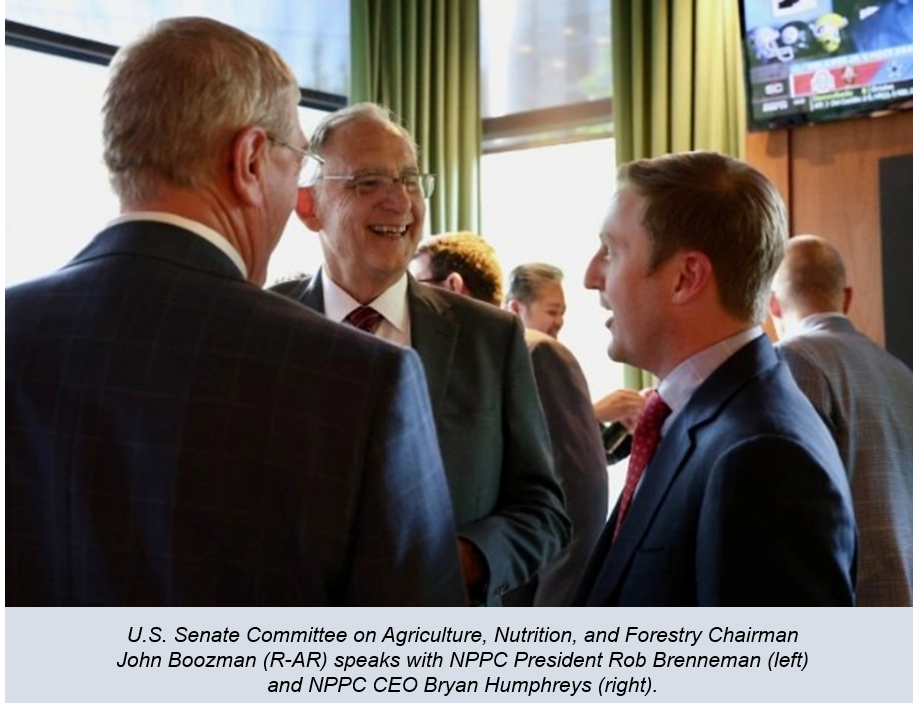
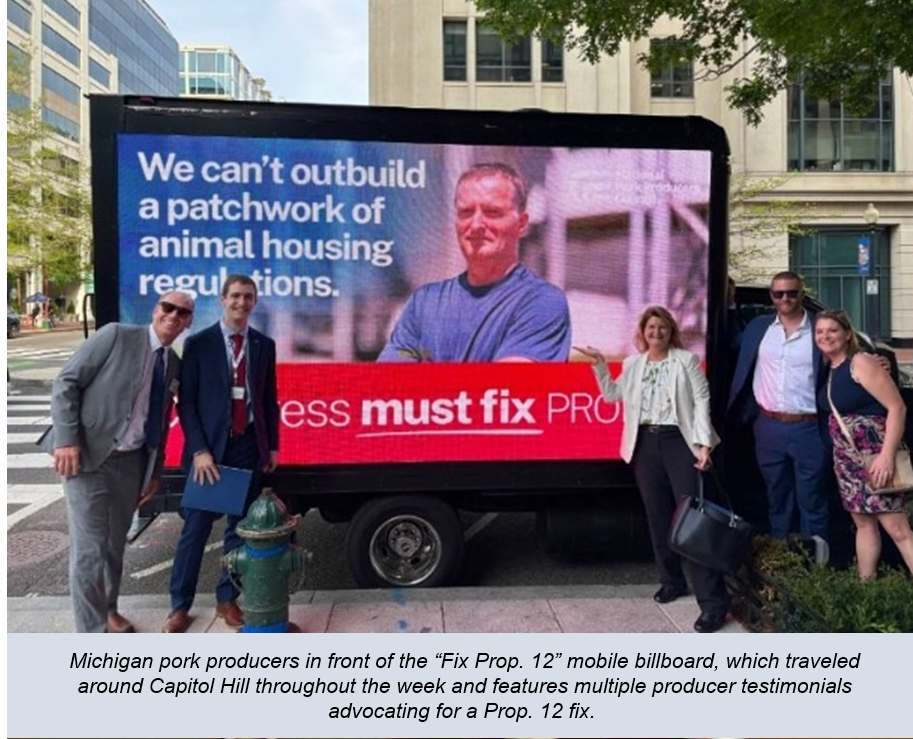
National Pork Producers Council: America's 60,000-plus pork producers of all sizes, from all states, celebrated House passage of the 2026 Farm Bill. On an impressive, bipartisan 224-200 vote, the Farm, Food, and National Security Act of 2026 included 100% of the National Pork Producers Council's policy requests—including a very significant section that provides much-needed relief from the misguided California Proposition 12. "Today's House farm bill passage is a testament to the power of rural America when we stand up for our farms and future generations with a unified voice," said Rob Brenneman, NPPC president and pork producer from Washington County, Iowa. "We wholeheartedly thank our champions—House Agriculture Committee Chairman GT Thompson, Rep. Ashley Hinson, and others—for not backing down from the fight for what is right for rural America. He and congressional supporters on both sides of the aisle heard our plea to help America's pork producers. Now, we look to the Senate to follow suit and pass this farm bill for us and others in agriculture without delay." Without Prop. 12 relief in the final farm bill, pork producers face a patchwork of state animal housing laws that hurts small farmers the hardest, takes away veterinarians' choices, increases the cost of food, and undermines states' rights.
In addition to a Prop. 12 fix, the 2026 Farm Bill also accomplished all additional pork producer priorities, including:
Funding and converting the Feral Swine Eradication and Control Pilot Program into a full program.
Increasing funding for critical agricultural trade promotion programs, including the Market Access Program, Foreign Market Development Program, E. Kika de la Garza Emerging Markets Program, Technical Assistance for Specialty Crops, and Priority Trade Fund.
Requiring USDA to report how changes to or expiration of the U.S.-Mexico-Canada Agreement will affect agriculture.
Establishing the Agricultural Trade Enforcement Task Force to better identify and overcome trade barriers.
Expanding the Animal Health Protection Act to include improving animal disease traceability.
Allowing the establishment of additional training centers and programs under the Beagle Brigade Act.
Requiring thorough documentation on USDA's ability to protect producers from significant economic losses due to a foreign animal disease outbreak.
Capping administrative expenses for the National Animal Disease Preparedness and Response Program and the National Animal Health Laboratory Network, allowing a higher percentage of funds to be used for research.
Requiring USDA to conduct research and development on a policy to insure pork producers against financial losses from a catastrophic disease.
NPPC and the thousands of pork producers it represents again express their thanks to the House Agriculture Committee and the full House of Representatives for passing this critical piece of legislation.
NMPF Applauds House Farm Bill Passage, Urges Senate to Take Action: From NMPF President & CEO Gregg Doud: "NMPF commends lawmakers who today stood up for farmers by passing legislation that's critically important for dairy producers. "The House-passed 2026 Farm Bill supports the farm safety net, preserves existing conservation programs that include opportunities for dairy and livestock producers, bolsters trade promotion programs while protecting common food names, recognizes the important role of dairy in nutrition, and supports animal health programs. All of these are important priorities to dairy farmers and the broader industry, and we appreciate the leadership shown by House Agriculture Committee Chairman GT Thompson and other dairy champions to get this legislation through the House. "We look forward to the Senate taking up the farm bill without delay. At a time where farmers face unprecedented challenges, Congress needs to provide the stability of a five-year, comprehensive farm bill. We will work with leaders in both chambers, from both parties, to get a farm bill signed into law."
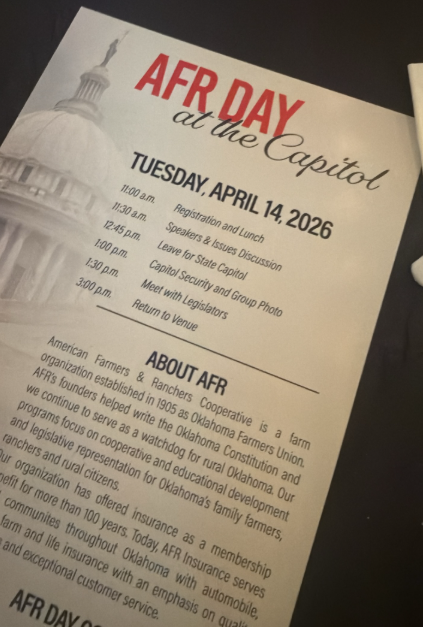
American Farmers & Ranchers Cooperative President Scott Blubaugh released the following statement after the U.S. House of Representatives passed the Farm, Food and National Security Act of 2026: "It has been a long road to getting a farm bill passed out of the House; I applaud Chairman Thompson's efforts to get us one step closer to providing long-needed certainty for Oklahoma's farmers, ranchers and rural communities. "The legislation includes several beneficial provisions, such as increased guaranteed loan limits, transparency requirements for commodity checkoffs, and an agricultural equipment exemption from emission standards. Unfortunately, the bill also omits several key issues, such as mandatory country-of-origin labeling and repeal of mandatory electronic identification, that would have a broad, positive impact on farmers and ranchers. "Current legislation continues to fall short of providing the farm safety net we need for today's farming economy and to provide a path forward for future farming generations. I look forward to seeing if the Senate will address some of the remaining concerns as we work toward a farm bill that will serve Oklahoma agriculture." About American Farmers & Ranchers/Oklahoma Farmers Union: AFR is a membership services organization established in 1905 as Oklahoma Farmers Union. AFR provides educational, legislative and cooperative programs across the state and serves as a watchdog for Oklahoma's family farmers and ranchers and rural communities. The organization is actively supportive of the state's agricultural industry and rural population with membership consisting of farmers actively involved in production agriculture and non-farmers adding their voices in support of AFR principles.
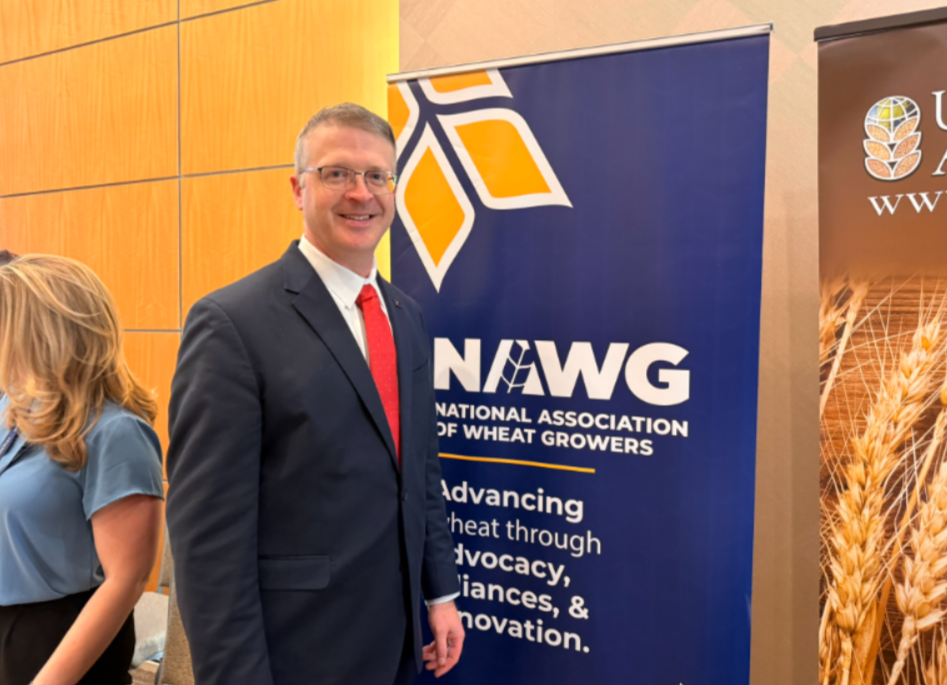
Today, the House of Representatives passed the Farm, Food, and National Security Act of 2026 (H.R. 7567). In response, National Association of Wheat Growers (NAWG) President Jamie Kress issued the following statement: "NAWG appreciates Chairman Thompson's leadership in advancing this critical legislation. The Farm, Food, and National Security Act of 2026 delivers meaningful improvements that will provide certainty for farmers, expand market opportunities, and reinforce the vital role our nation's farmers play in both food security and national security. "This bill reflects many of wheat farmers' top priorities from modernizing farm credit and safeguarding international food aid programs to enhancing export competitiveness. These provisions will help ensure America's wheat farmers can remain resilient and globally competitive. We urge the Senate to act quickly to advance this legislation and deliver a strong, bipartisan farm bill to the President's desk." The Farm, Food, and National Security Act of 2026 includes several key NAWG priorities, including:
Modernizing the Farm Credit Title to ensure continued access to affordable, reliable financing.
Permanently transferring Food for Peace to USDA to protect in-kind food aid and strengthen long-term demand for U.S. commodities.
Integrating the Supplemental Agricultural Trade Promotion Program into the Market Access Program (MAP) and Foreign Market Development Program (FMD) to bolster export market development and global competitiveness.
Reauthorizing the U.S. Grain Standards Act to ensure fair pricing and maintain international market confidence.
Reauthorizing the Conservation Reserve Program (CRP) to preserve critical conservation tools while helping stabilize farm income.
Directing NRCS to study and report on the use of winter wheat as a cover crop, supporting innovation, soil health, and resource conservation.
American Soybean Association Applauds House of Representatives for Advancing 2026 Farm Bill: The American Soybean Association applauds Chairman Glenn "GT" Thompson and the House of Representatives for passing the Farm, Food, and National Security Act of 2026. The five-year farm bill passed with a bipartisan vote of 224-200. "At a time when U.S. soybean farmers need certainty more than ever, the 2026 Farm Bill offers a myriad of tools and programs to help the agricultural industry navigate changing market dynamics and ongoing farm production and economic challenges," said Scott Metzger, ASA president and soybean farmer from Ohio. "ASA is grateful for the leadership of Chairman Thompson as he championed this legislation and built a bipartisan coalition of farm state advocated to advance this critical farm bill." The bill contains provisions supported by ASA, including a transfer of Food for Peace authority to USDA, conservation program funding, the Plant Biostimulant Act, increased access to credit programs, funding for precision agriculture, reauthorization of the Biobased Markets (BioPreferred) Program and Biorefinery Assistance Program, and addresses federal issues caused by state-level animal welfare initiatives. ASA looks forward to working with leaders in the Senate to keep this momentum going to pass a farm bill.
NASDA applauds passage of bipartisan farm bill: National Association of State Departments of Agriculture CEO Ted McKinney issued the following statement after the U.S. House of Representatives passed H.R. 7567, the Farm, Food, and National Security Act of 2026. "NASDA applauds the House of Representatives and congratulates Chairman Glenn 'GT' Thompson and members of the House Agriculture Committee for passing the bipartisan farm bill," McKinney said. "This legislation supports farmers, ranchers and consumers and provides economic growth for rural communities. NASDA stands ready to continue collaboration to advance this critical legislation." H.R. 7567 prioritizes provisions that strengthen local food purchasing programs, enhance international market opportunities, reauthorize the three-legged stool for foreign animal disease prevention and preserve the viability of the Specialty Crop Block Grant Program. These measures reflect key priorities of state departments of agriculture, reiterated in NASDA's letter to the House of Representatives, and reinforce the importance of a unified farm bill that supports U.S. farmers, ranchers and consumers. NASDA will use this momentum as it works with the leadership of the Senate Agriculture Committee to introduce its version of the farm bill. The goal remains the same: to sign a bipartisan farm bill into law that advances American agriculture and supports the continued production of food, fiber and fuel that communities depend on.
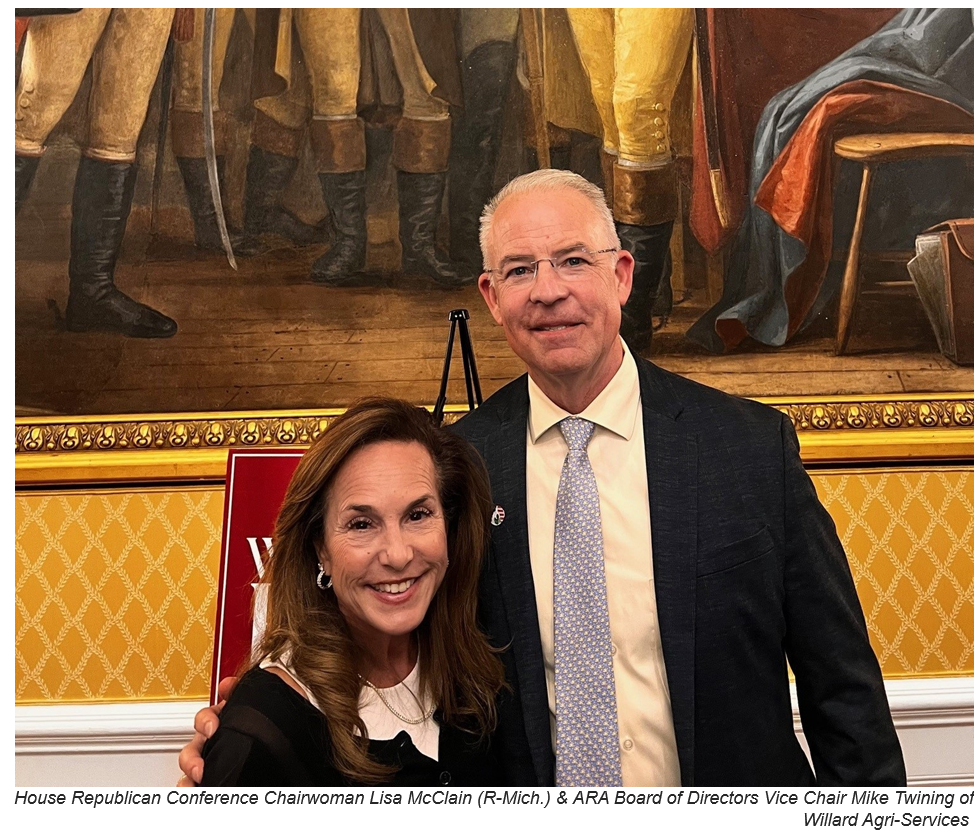
Agricultural Retailers Association Releases Statement After House Farm Bill Passage, Urges Continued Support for Science-Based Policy: The Agricultural Retailers Association (ARA) President & CEO Daren Coppock today released the following statement after the House passage of the Farm, Food, and National Security Act of 2026 (Farm Bill). "ARA applauds the House for advancing the Farm Bill, which delivers certainty for farmers, strengthens rural economies, and helps keep food affordable. However, ARA strongly opposes the Luna amendment, which replaces a science-based federal pesticide framework with unpredictable jury-driven outcomes. By weakening EPA-approved label preemption, the amendment exposes the agricultural supply chain to conflicting standards, expanded liability, and higher costs - threatening crop protection access, public health, and food affordability," Coppock said.
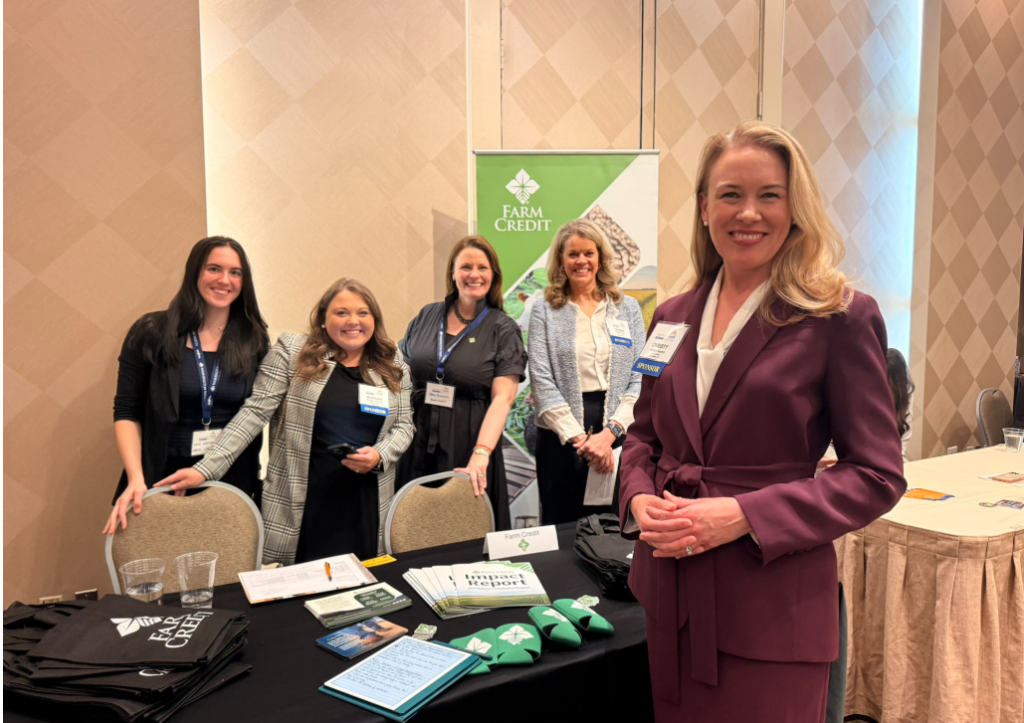
Farm Credit Statement on House Passage of Farm Bill: Farm Credit Council President and CEO Christy Seyfert made the following statement after the U.S. House of Representatives passed the Farm, Food, and National Security Act of 2026. "Farm Credit thanks the House for its bipartisan passage of the Farm, Food, and National Security Act of 2026. This is a critical step toward delivering a full, five-year Farm Bill for the benefit of farmers, ranchers and rural communities across the country. "The Farm Bill strengthens the tools producers need to navigate rising input costs, tighter margins and increasingly volatile markets. It includes bipartisan provisions to modernize Farm Service Agency (FSA) loan limits and programs, expand access to credit for young and beginning producers and strengthen rural communities by offering additional financing options for essential community facilities like hospitals and community care centers. "We urge the Senate to continue this momentum and act quickly to pass a strong Farm Bill so it can be signed into law this year. A complete Farm Bill benefits all Americans."
National Council of Farmers Cooperatives: The National Council of Farmer Cooperatives (NCFC) today praised the U.S. House of Representatives for passing the Farm, Food, and National Security Act of 2026 (H.R. 7567), a critical five-year farm bill reauthorizing key agricultural programs. "Today's House vote is a hard-won and long-overdue step forward for American agriculture," said Duane Simpson, President and CEO of NCFC. "Farmers and ranchers have been operating under a lapsed and repeatedly extended farm bill since 2023. That uncertainty has taken a toll on producers across the country. House passage is an important step in ending that." "Farmer cooperatives are on the front lines of production agriculture — providing grain marketing, input supply, credit, and risk management to millions of farm families," said Simpson. "A strong, durable farm bill is foundational to everything they do. We thank Chairman Thompson and the House Agriculture Committee for their persistence in bringing this legislation across the finish line, and we call on Senate Agriculture Committee Chairman Boozman and the full Senate to move forward with urgency."
Farm Bill Passes House: Missouri Farm Bureau President Garrett Hawkins Statement Available: "A modern, updated Farm Bill is long overdue, and today's vote comes at a critical moment for America's farmers and ranchers. For too long, producers have been operating under outdated economic policy while facing rising input costs, market uncertainty and increasing regulatory pressure. "Passage of a new Farm Bill provides much-needed certainty and strengthens the risk management tools, conservation programs and rural investments that agriculture depends on to remain competitive. We appreciate the investments made through the OBBB, but Congress must finish the job with these critical improvements and updates. "Thank you to everyone who worked to get this bill across the finish line in the House. This is a major milestone for American agriculture and an important step forward for farm families, rural communities, and the broader food supply chain that we all rely on. Now, our focus shifts to the Senate, where we look forward to delivering a strong Farm Bill for families across America."
National Sorghum Producers Thank House for Farm Bill Passage, Urge Senate to Act: National Sorghum Producers (NSP) today expressed appreciation to the U.S. House of Representatives for passing a long-awaited farm bill and urged the Senate to act quickly to advance the legislation. NSP specifically thanked House Agriculture Committee Chairman Glenn "GT" Thompson, R-Pa., for his leadership in moving the bill forward and working to deliver meaningful support for America's farmers. The House-passed bill includes important updates to the farm safety net and risk management tools that better reflect current economic conditions, providing much-needed support and certainty for sorghum producers. The legislation also takes a critical step by making the transfer of Food for Peace to the U.S. Department of Agriculture permanent, strengthening the connection between American farmers and global food assistance programs while reinforcing the use of U.S.-grown commodities. "America's farmers need certainty, and we appreciate the House taking this important step forward," said NSP Chair Amy France, a farmer from Scott City, Kan. "We thank Chairman Thompson and House leaders for their work to advance a farm bill that recognizes the challenges producers are facing today." While applauding House passage, NSP noted that nationwide, year-round access to E15 was not included in the final bill. NSP emphasized that year-round E15 remains a top priority and a critical opportunity to expand domestic demand for sorghum, strengthen rural economies and provide more affordable fuel options for consumers. "Year-round E15 is one of the most immediate actions Congress can take to support farmers and rural communities," France said. "We are watching ongoing discussions around standalone legislation and urge Congress to move quickly to get this across the finish line." NSP called on the Senate to build on the House's progress by advancing the farm bill without delay while also prioritizing standalone action on year-round E15. "We are grateful for the progress made in the House and stand ready to work with the Senate to move this bill forward," France said. "At the same time, we continue to urge swift action on E15 to deliver additional market opportunities for producers."
Corn Growers Praise Farm Bill Movement, Demand Action on E15: The U.S. House of Representatives today passed the Farm, Food, and National Security Act (H.R. 7567). Ag leaders in the House indicated that a vote on a bill to expand year-round consumer access to fuels with 15% ethanol blends, or E15, would be voted on in a couple of weeks. In response to these developments, Ohio farmer and National Corn Growers Association President Jed Bower released the following statement: "We are pleased to see that the House passed the Farm Bill. The legislation includes important provisions in the conservation, trade, credit, rural development, research and energy titles. USDA programs are important to the success of corn farmers and rural communities, particularly as our growers face their fourth year of net losses and struggle with high input costs. We applaud Chairman GT Thompson for shepherding this legislation toward passage. "We look forward to working with our allies in Congress over the next two weeks to secure passage of the E15 legislation. Thanks to continued efforts on this issue from our biofuel champions, Speaker Johnson promised a vote on E15, and we refuse to allow a handful of multi-million and multi-billion-dollar energy companies to derail our efforts. Allowing the year-round sale of E15 would help our growers by expanding ethanol sales while also saving consumers money at the pump at a time when fuel prices are on the rise. "We are deeply appreciative of Rep. Michelle Fischbach and the 40 bipartisan co-sponsors, including House Rural Domestic Energy Council Co-Chairs Randy Feenstra (R-Iowa) and Stephanie Bice (R-Okla.), who proposed this legislation and continue to fight for a floor vote. We also want to thank specifically Reps. Angie Craig (D-Minn), Nikki Budzinski (R-Ill), Eric Sorensen (D-Ill.), Sharice Davids (D-Kan.) and Shontel Brown (D-Ohio) for their support. We are confident that when the vote is held, the E15 bill will have strong support from members on both sides of the aisle."
NCBA Encouraged by House Passage of Farm Bill: Today, the House passed the Farm, Food, and National Security Act of 2026 with bipartisan support. National Cattlemen's Beef Association (NCBA) Senior Vice President of Government Affairs Ethan Lane thanked the House for passing the Farm Bill and urged Senate action: "Thank you to Chairman GT Thompson, House leadership, and members from both parties for listening to real farmers and ranchers and passing the Farm Bill through the House. Instead of caving to attacks on the livestock industry from shell activist groups that impersonate real producers, a bipartisan group of lawmakers advanced a bill that will provide certainty and important policy fixes for cattle country. We look forward to engaging with the Senate to advance this Farm Bill to the president's desk."
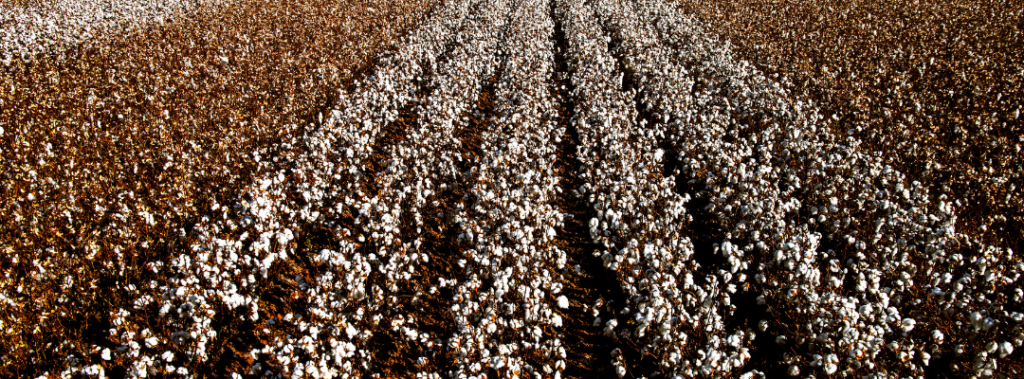
National Cotton Council Commends House Passage of Farm, Food, and National Security Act of 2026: The National Cotton Council applauds House passage of the Farm, Food, and National Security Act of 2026, or Farm Bill 2.0, and continues to urge strong bipartisan support of this important legislation as it moves to the Senate. "We appreciate Speaker Johnson, Chairman Thompson, and House leadership for their work in moving this critical bill forward," said NCC Chairman Nathan Reed. "At a time when cotton producers and other farm families are facing sustained price pressure, high input costs, and continued market uncertainty, this bill makes key progress in strengthening the farm safety net, improving risk management tools, supporting research, promoting trade, and investing in the long-term success of rural America." The NCC is disappointed by the adoption of an amendment led by Rep. Anna Paulina Luna. Crop protectants remain critical tools for weed and pest control in U.S. cotton production, and it is imperative to have access to the agricultural inputs necessary to maintain productivity and competitiveness. NCC looks forward to Senate action on the bill and urges Congress to also advance the Buying American Cotton Act (BACA), which would strengthen demand for U.S.-grown cotton and support the domestic manufacturing jobs that depend on it. The Council appreciates the bipartisan work that has gone into developing this legislation and stands ready to work with House and Senate leadership to secure final passage this year.
National Association of Conservation Districts Applauds House Farm Bill Passage: Today, the U.S. House of Representatives passed the Farm, Food, and National Security Act of 2026 (H.R. 7567) with bipartisan support. The Act supports key programs, under Title II, that conservation districts help deliver each day, such as the Environmental Quality Incentives Program (EQIP), Conservation Stewardship Program (CSP), Regional Conservation Partnership Program (RCPP), Agricultural Conservation Easement Program (ACEP), and Conservation Reserve Program (CRP). These voluntary, locally led, and incentive-based programs help America's producers protect soil health, improve water quality, enhance wildlife habitat, and strengthen working lands. "Today's passage marks a crucial step towards Farm Bill reauthorization," saidNational Association of Conservation Districts (NACD) President Gary Blair."We applaud Chairman Thompson and members of the House Committee on Agriculture on navigating this bill through the House and reinforcing the importance of conservation investments." The bill heads to the Senate next. "We urge the Senate to pass a bipartisan Farm Bill this year," said NACD Chief Executive Officer Jeremy Peters. "Long-term authorization is critical to provide the certainty and continuity our nation's producers need to protect our natural resources and keep working lands productive." NACD welcomes the opportunity to work with the Senate Committee on Agriculture, Nutrition & Forestry to continue to advance voluntary, locally led, and incentive-based conservation in the Farm Bill.
Texas & Southwestern Cattle Raisers Association President Stephen Diebel released a statement today on the passage of the Farm, Food, and National Security Act of 2026 out of the U.S. House of Representatives: "The Farm, Food, and National Security Act of 2026 delivers much needed measures for the agriculture community. While the One Big Beautiful Bill provided critical investments and tax provisions for cattle raisers, ensuring farm bill legislation is up to date with the current ranching and farming environment is critical for the longevity of the industry. We're grateful to lawmakers who understand the importance of safeguarding both the legacy and health of United States agriculture."
This morning, the House voted on their draft of the Farm Bill, TheFarm, Food, and National Security Act of 2026 (H.R. 7567), in the first floor vote on the Farm Bill in eight years. The National Young Farmers Coalition (Young Farmers) expresses deep disappointment with the House bill, which passed 224 to 200. The House Farm Bill fails to deliver the meaningful investments and programmatic changes needed to support the new generation of farmers and ranchers. While the legislation includes several provisions that reflect years of advocacy from young farmers, the overall package falls short of what is required to address the urgent challenges facing agriculture today. At a time of rising farm bankruptcies, increasing barriers to land and capital, soaring fuel and input prices, and intensifying climate pressures, this bill offers only incremental steps instead of the bold action needed to keep farmers on the land. "The House proposal is ultimately shortsighted, offering young and beginning farmers breadcrumbs when what is needed is a comprehensive commitment to their success in agriculture," said Vanessa Garcia Polanco, Government Relations Director with Young Farmers. "Young farmers are asking for a Farm Bill that actually improves conditions on the ground—one that expands access to land, strengthens pathways to credit, and invests in resilient local food systems. This bill does not meet that moment." The Coalition emphasizes that a strong Farm Bill must be rooted in a true bipartisan farm and nutrition coalition, one that recognizes the interconnectedness of agricultural viability and food access. By failing to fully invest in both farmers and nutrition programs, the House bill risks deepening inequities and undermining long-term food system resilience. "This bill lacks foresight into what is truly needed to build a sustainable future for food and agriculture. Young farmers are tired of having their needs ignored—we deserve a Farm Bill that recognizes our continued contributions to a system that consistently attempts to leave us behind," said Michelle A.T. Hughes, Executive Director of Young Farmers. "We urge the Senate to take a different approach: lawmakers must come together across party lines and make meaningful investments in the new generation of farmers so that they can continue feeding our country." As the Farm Bill process moves forward, the National Young Farmers Coalition calls on the Senate to center bipartisanship and prioritize policies that deliver real, lasting impact for young farmers and ranchers across the country.
House Passes Farm Bill, R-CALF USA Highlights Producer Wins and Ongoing Policy Fights: The U.S. House of Representatives today passed H.R. 7567, the Farm, Food, and National Security Act of 2026, advancing several provisions impacting American cattle producers. Among the provisions included is the PRIME Act, led by Rep. Thomas Massie, R-Ky., which expands opportunities for local processing and direct-to-consumer sales. The bill also includes an amendment led by Rep. Victoria Spartz, R-Ind., requiring the U.S. Department of Agriculture to publicly post financial information related to commodity checkoff programs, including audit reports and ongoing updates. Additional provisions include Rep. Harriet Hageman's, R-Wyo., Grasslands Grazing Act to align National Grasslands grazing permits with those on other federal lands. The bill also includes an amendment, led by Rep. Paul Gosar, R-Ariz., and cosponsored by Reps. Eli Crane, Andy Biggs, and Juan Ciscomani, all R-Ariz., revising USDA standards for confirming livestock depredations by Mexican wolves. The bill also includes an amendment led by Rep. Greg Steube, R-Fla., and cosponsored by Rep. Mike Haridopolos, R-Fla., to prohibit China, Russia, Iran and other foreign adversaries from purchasing American farmland. "While we're pleased that the House Farm Bill contains some provisions beneficial to America's cattle farmers and ranchers, we still have a long way to go to meaningfully incentivize the rebuilding of our decimated cowherd inventory. Congress can still accomplish this in the Farm Bill process so our focus will now turn to the Senate," said R-CALF USA CEO Bill Bullard. An additional amendment led by Hageman to repeal the U.S. Department of Agriculture's electronic identification mandate was considered but failed on the House floor by a vote of 69–355. The proposal to restore mandatory country-of-origin labeling for beef, led by Hageman and cosponsored by Reps. Ro Khanna, D-Calif., and Lauren Boebert, R-Colo., was not made in order by the House Rules Committee and was not allowed a vote on the House floor. "The enactment of mandatory country-of-origin labeling for beef is our primary goal for the Farm Bill, so we're disappointed the House leadership wouldn't even allow House members to vote on this widely popular consumer measure," Bullard added. The Senate is expected to take up its version of the Farm Bill in the coming months.
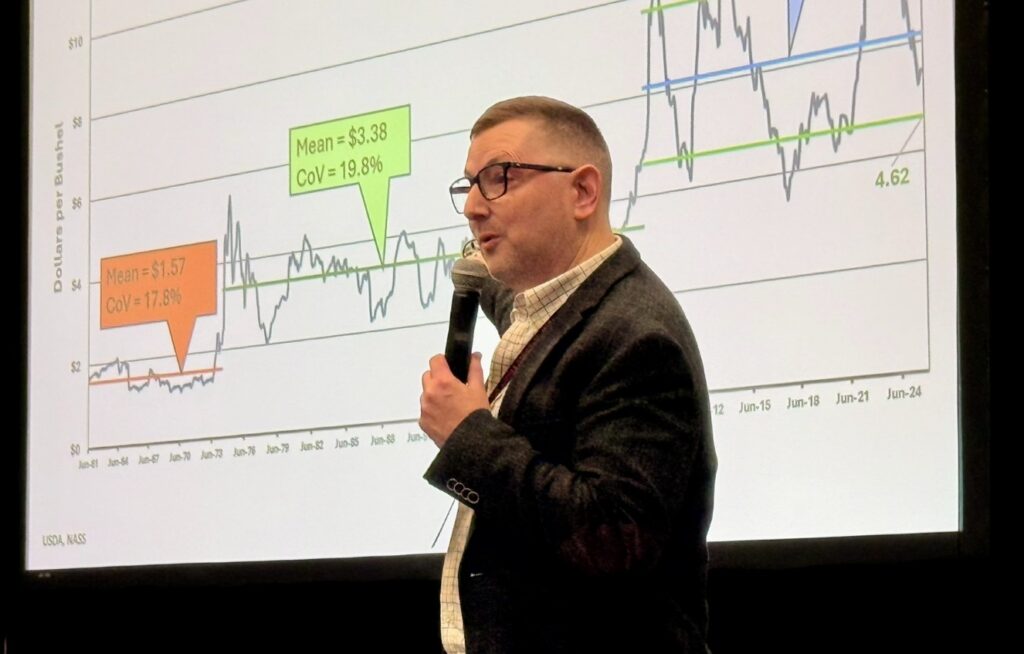
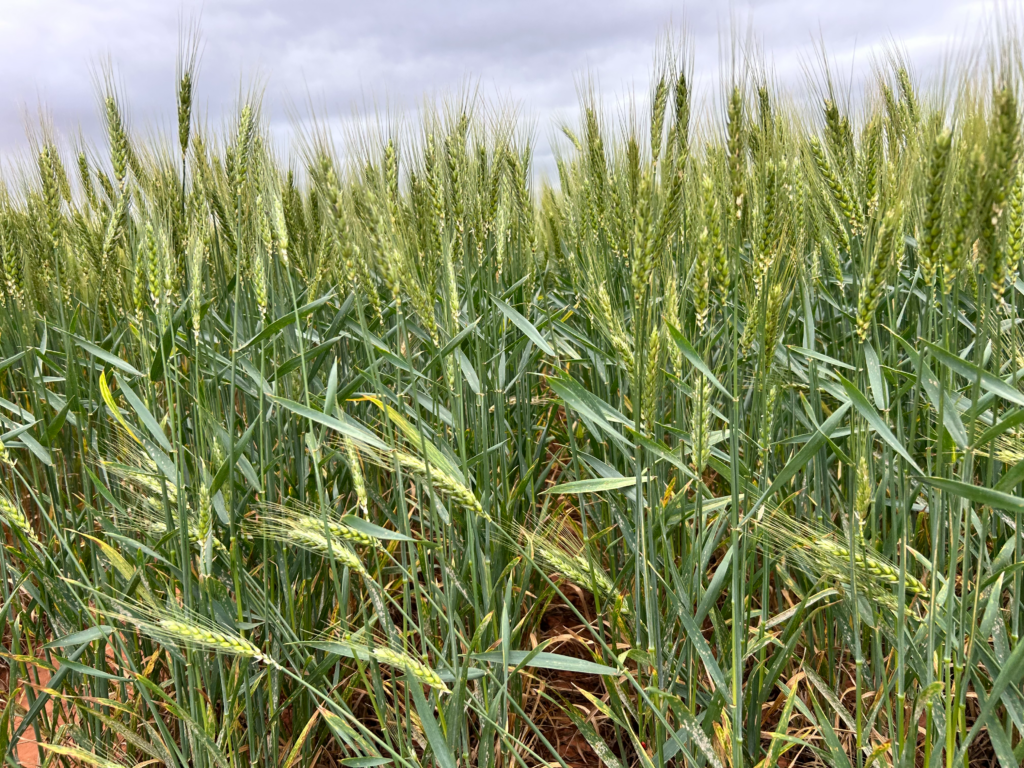
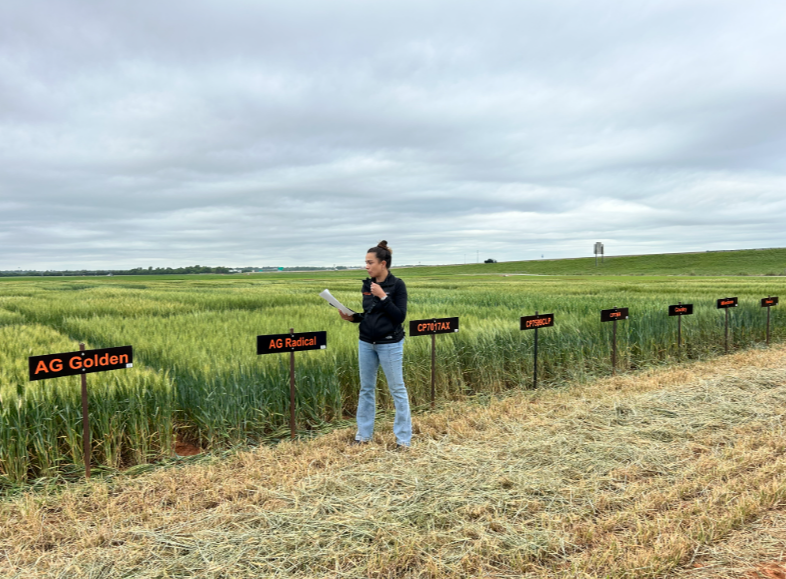
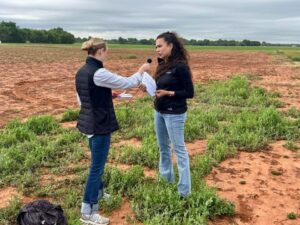
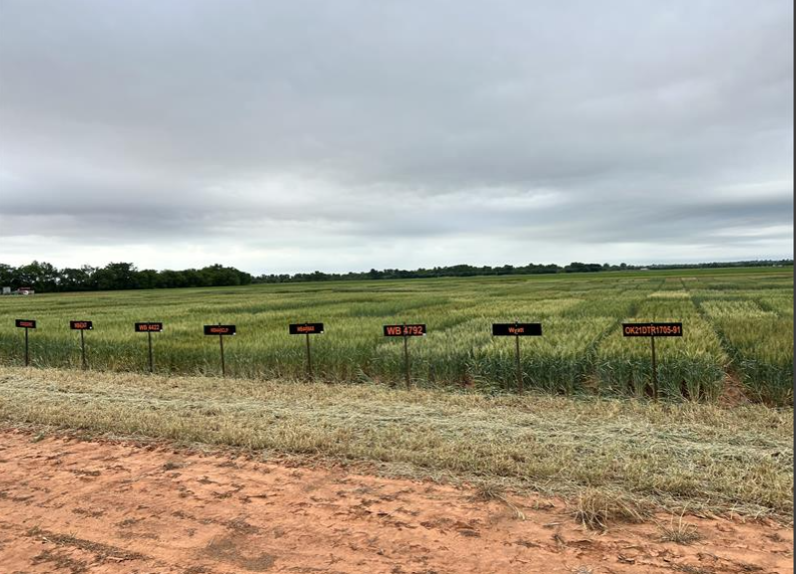
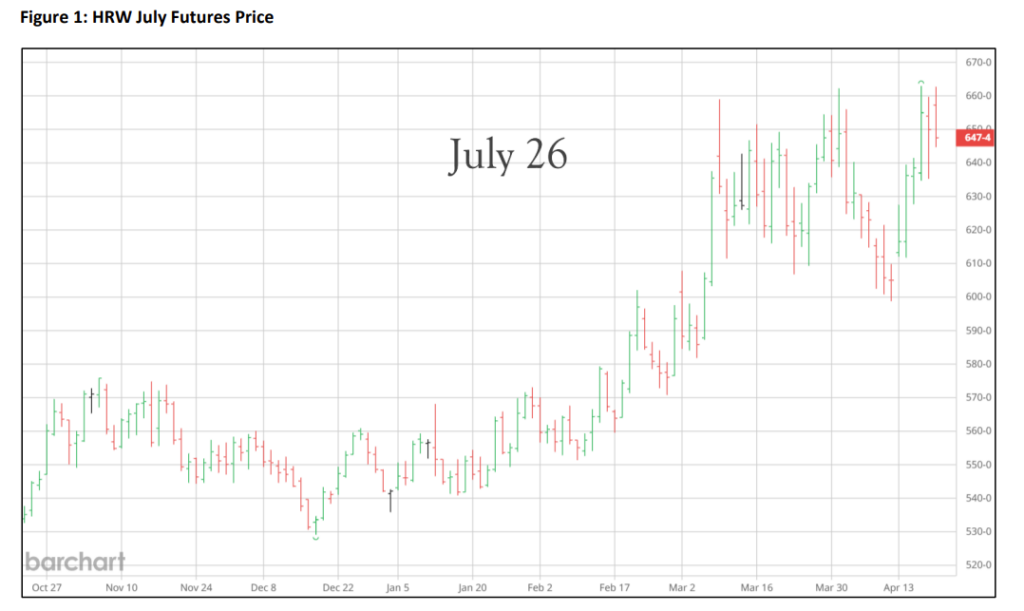
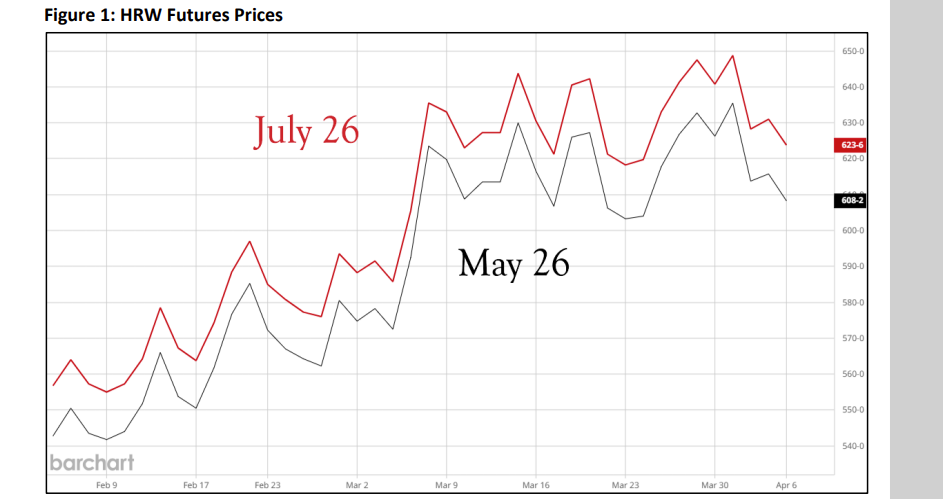
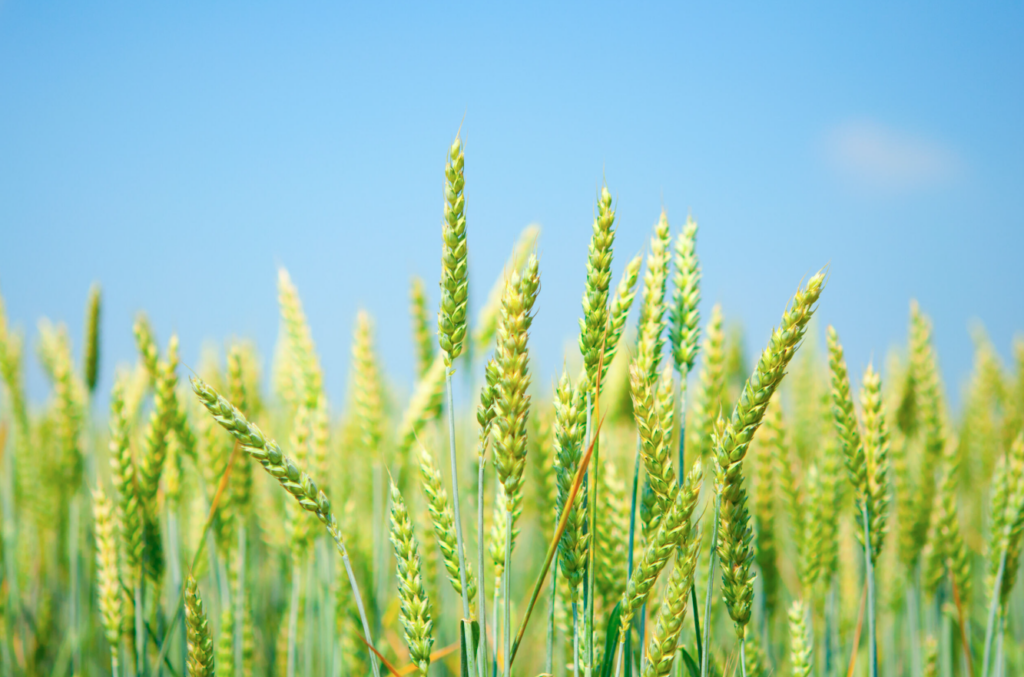
The hard red winter wheat markets are currently experiencing significant volatility, driven by geopolitical conflicts and challenging weather conditions across the Plains. In a recent discussion with Farm Director KC Sheperd, Oklahoma State University's Todd Hubbs highlighted the rapid price swings, noting that the July contract for Hard Red Winter Wheat (HRW) recently climbed above $7.00, peaking near $7.18 before retreating toward $6.91. Hubbs emphasized that this instability is likely to persist as the market reacts to shifting crop projections and global tensions.
Wheat Crop Conditions and Heading
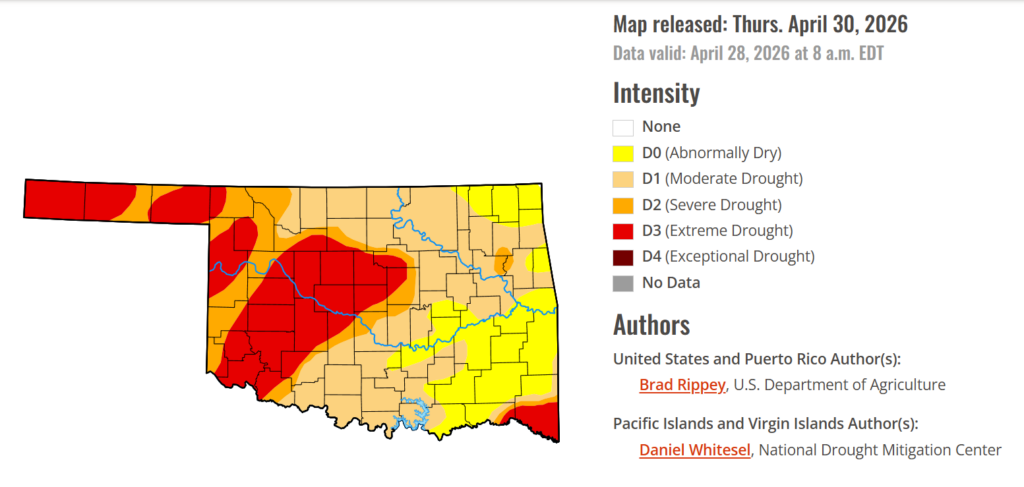
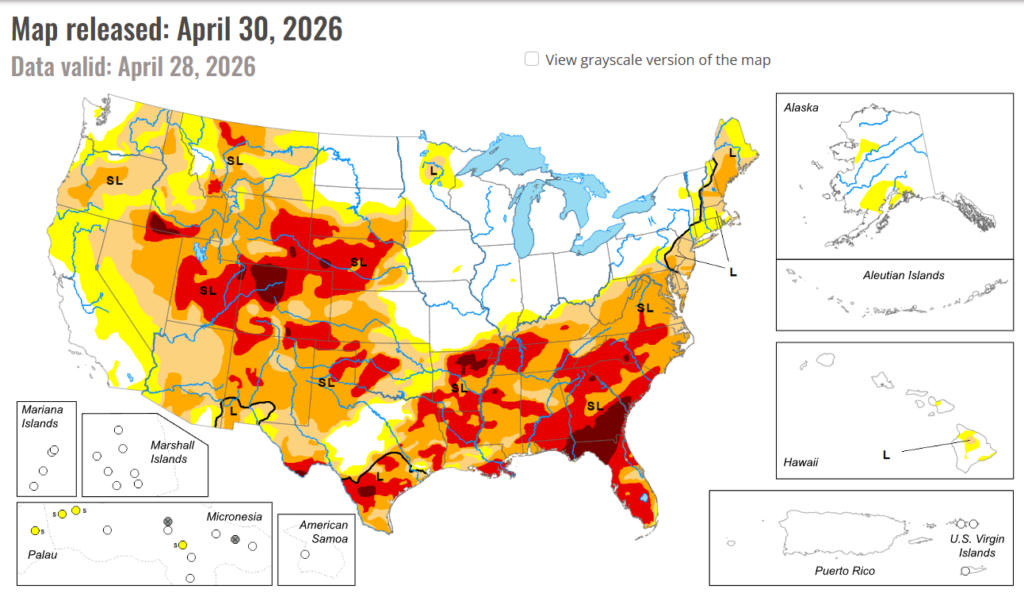
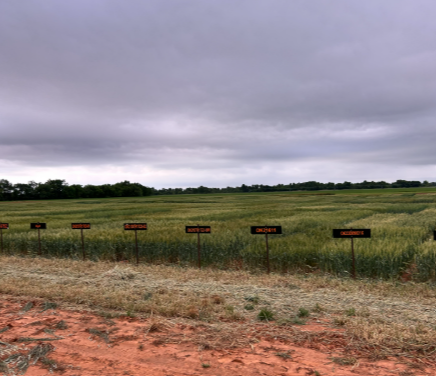
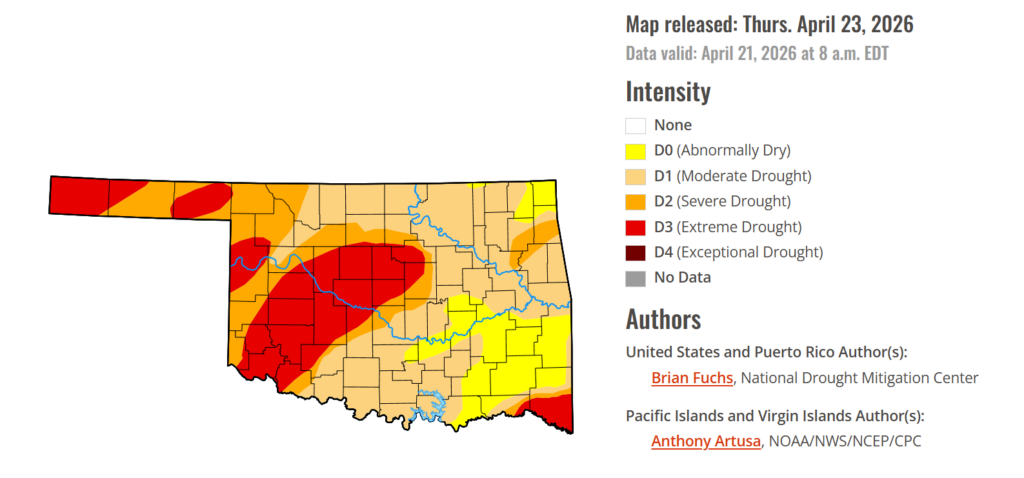
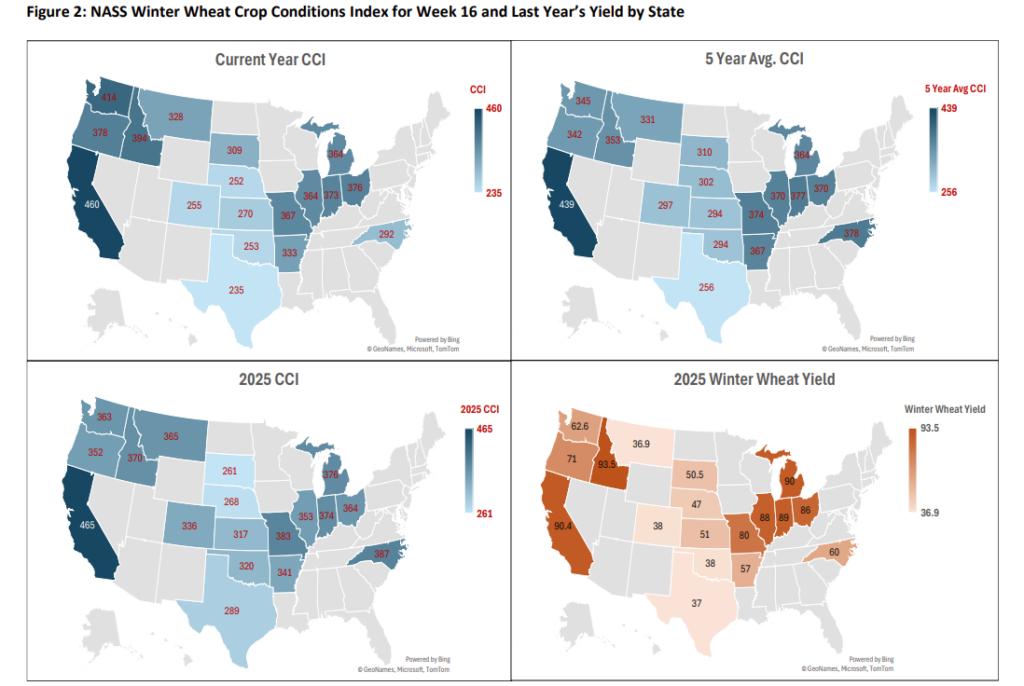
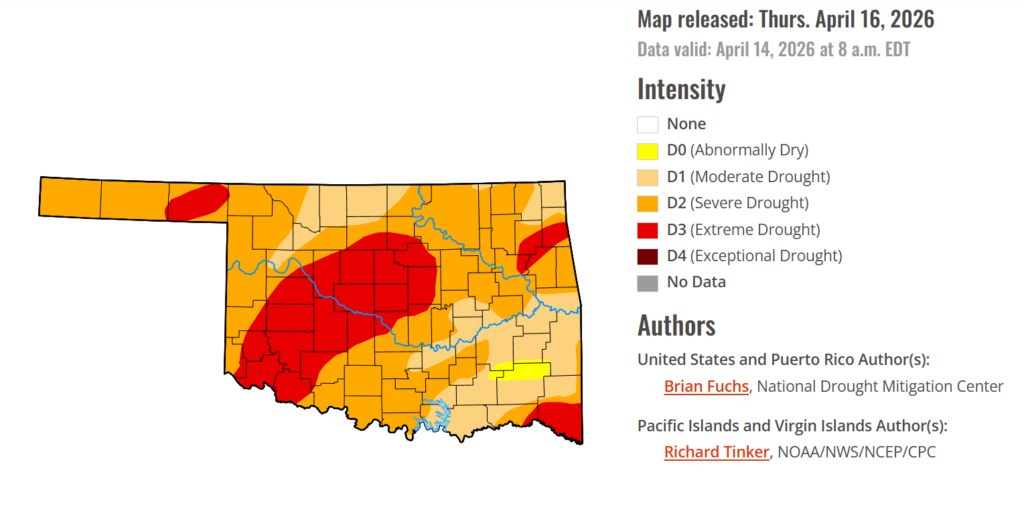
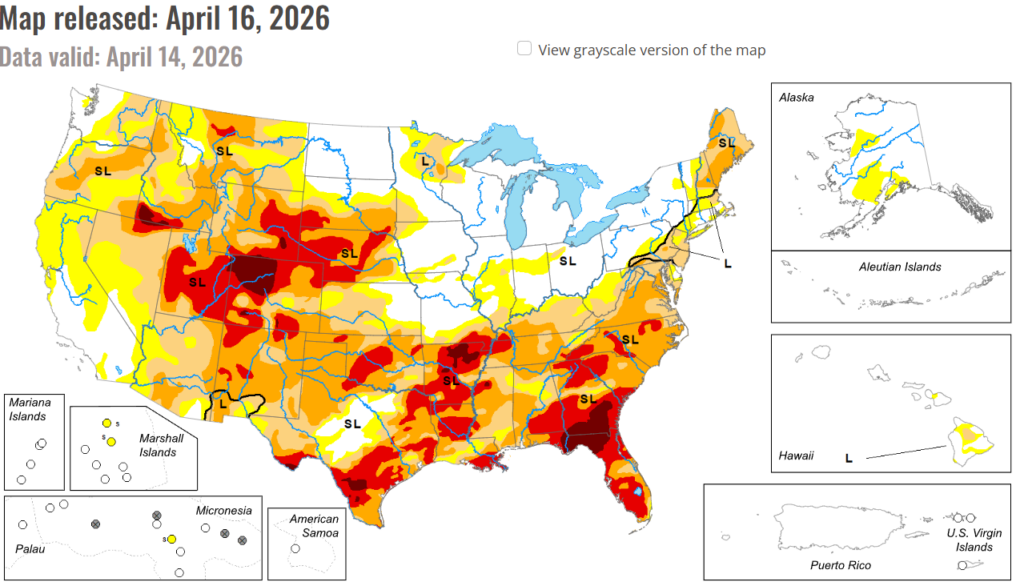
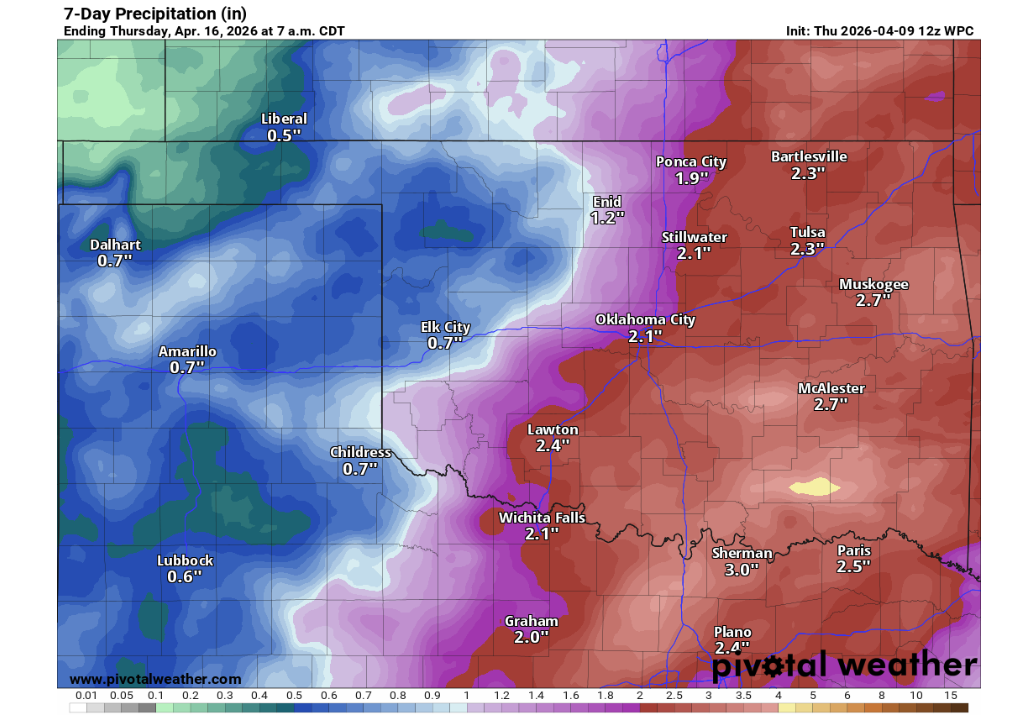
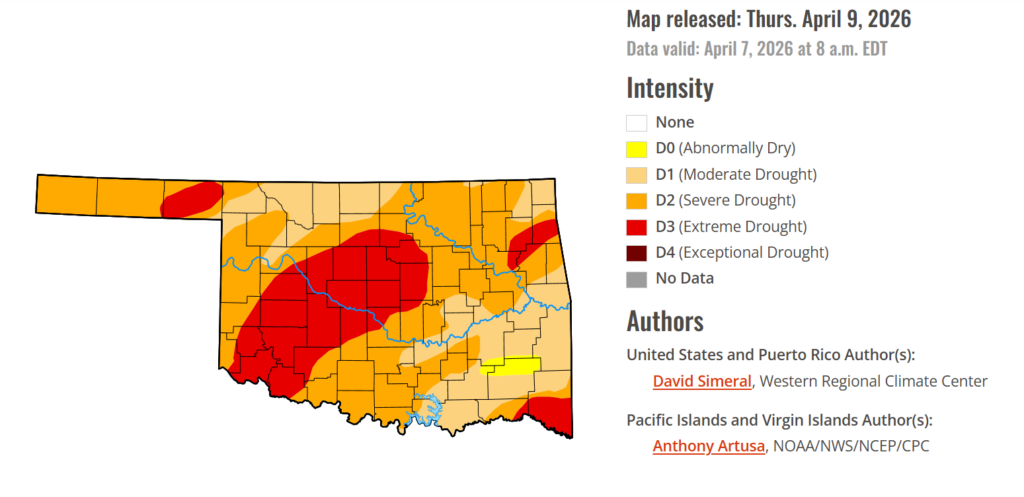
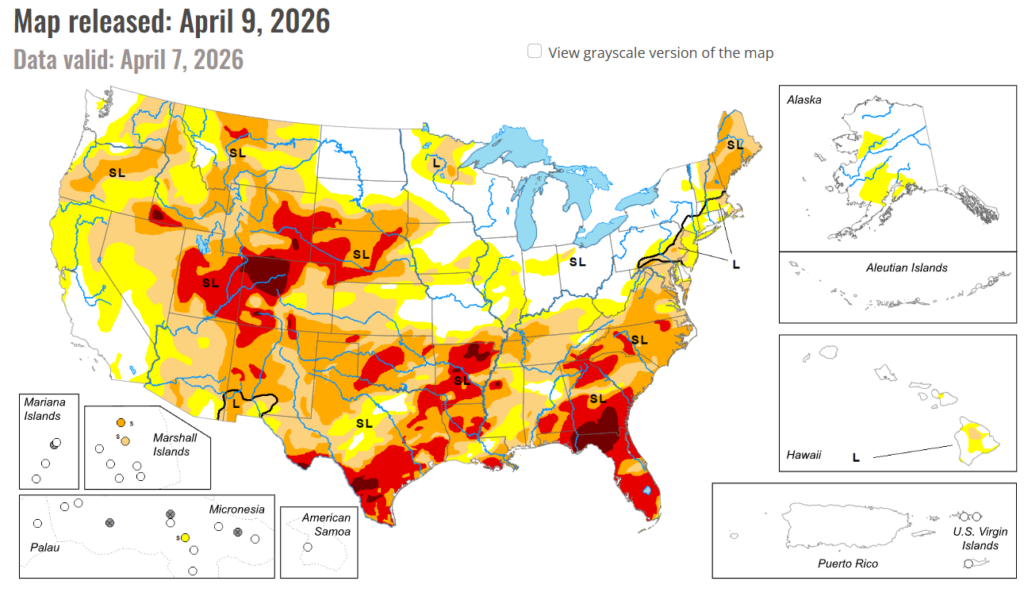
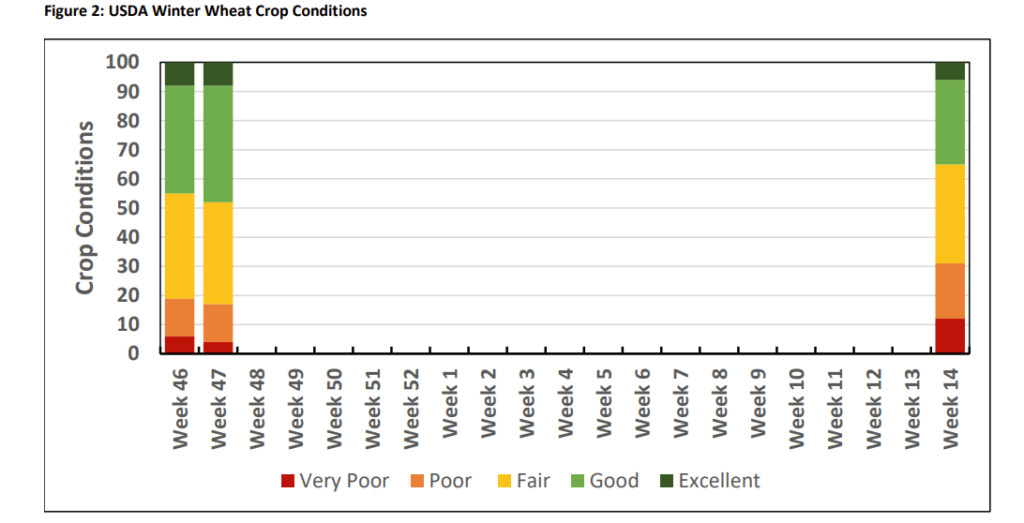
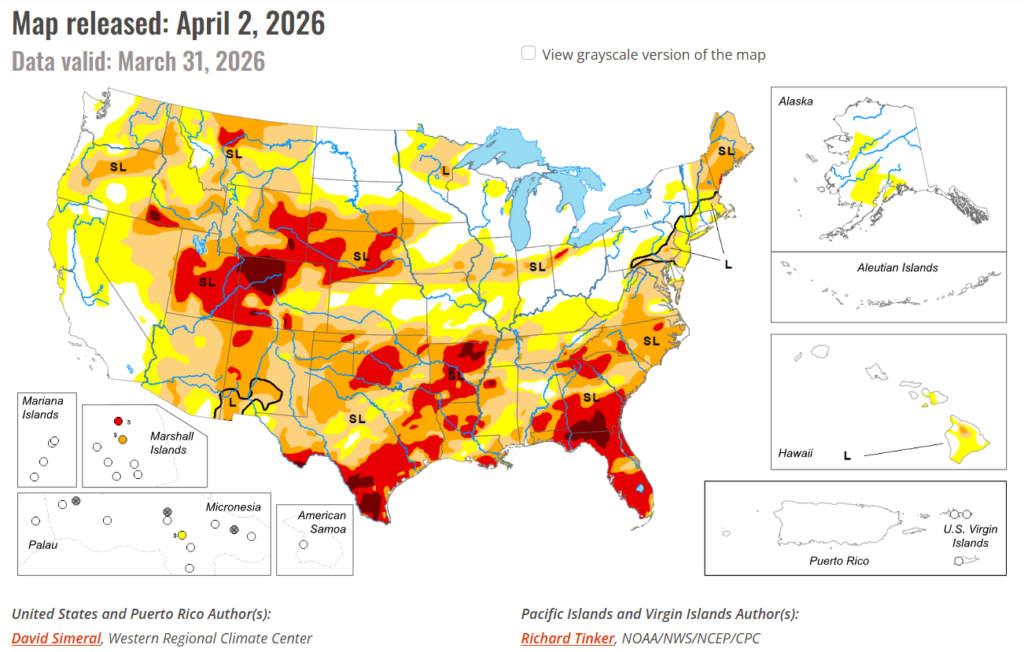
The impact of ongoing drought is becoming increasingly visible in USDA condition reports for key growing states like Kansas, Oklahoma, and Texas. Hubbs noted that the wheat crop is developing rapidly, with a significant portion already heading.
"We've seen wheat heading... it's accelerated. It really looks like we're a couple weeks ahead here in Oklahoma... and that has implications for yield, size, and general quality."
In Oklahoma, approximately 43% of the wheat crop is already considered headed. While some areas north and east of I-35 show decent potential, conditions remain spotty and generally worsen further west. Hubbs expressed concern that despite the recent price rallies, a serious loss in yield is expected across most HRW producing states.
Corn and Soybeans Outlook
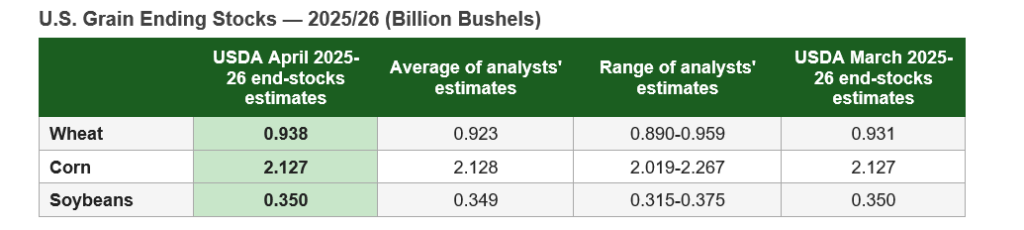
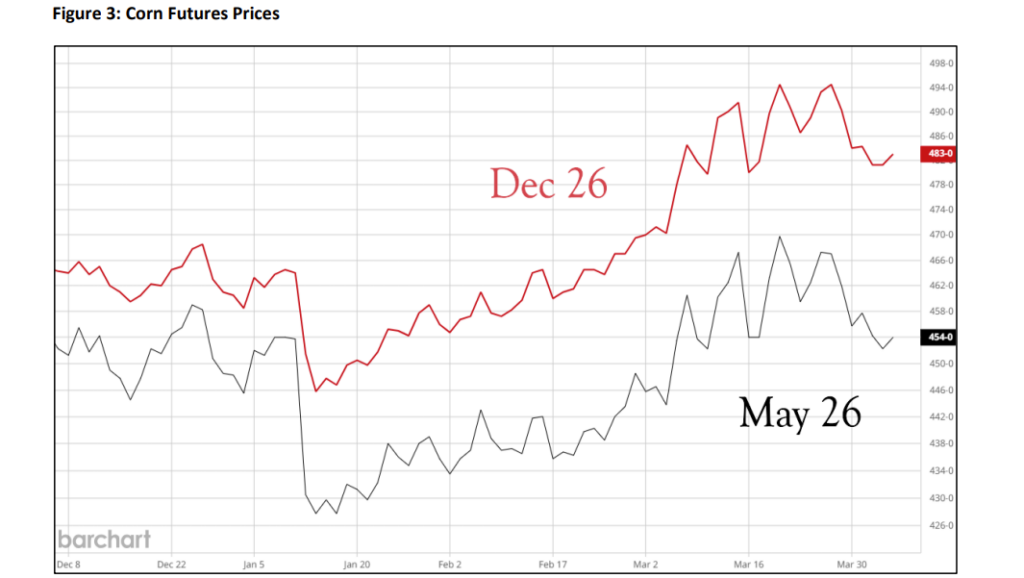
Unlike the wheat market, corn and soybeans have remained relatively stable. The U.S. continues to move corn at a high volume, maintaining its position as a provider of the world's cheapest corn despite high energy and transportation costs.
Export Strength: Hubbs anticipates the USDA may raise export numbers again due to strong global demand.
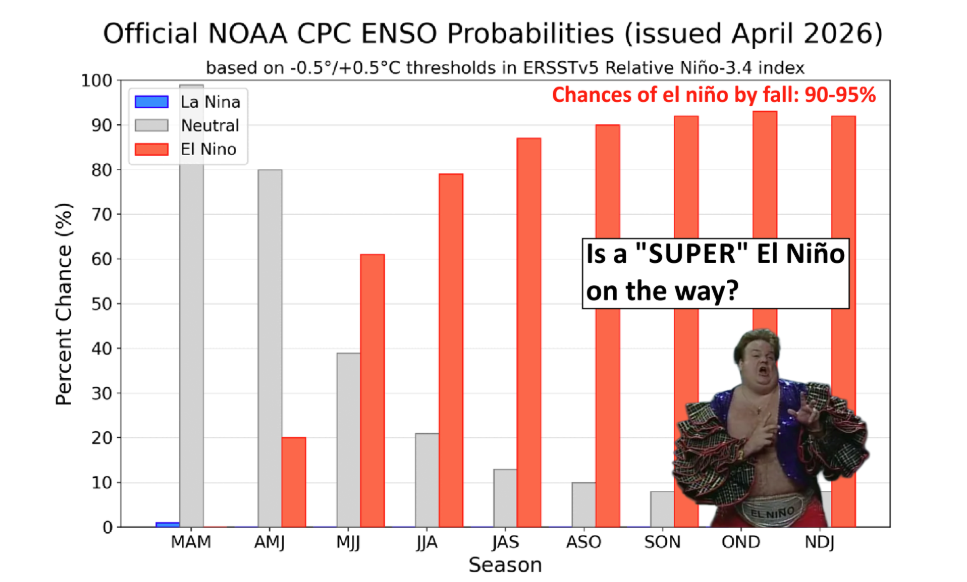
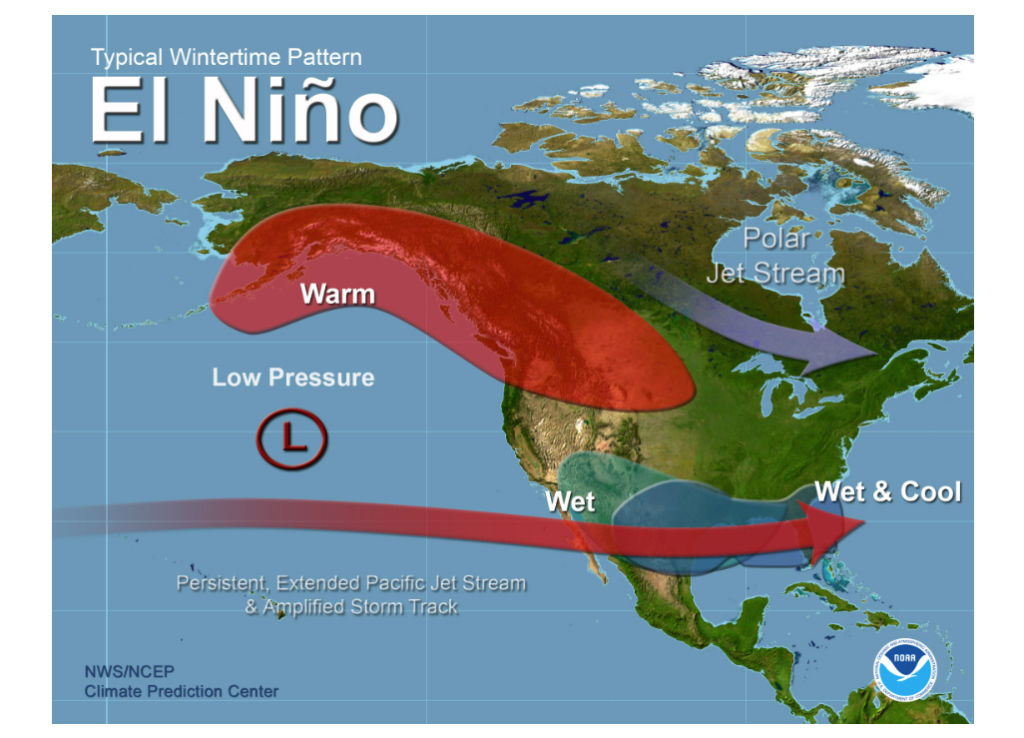
Weather Premium: A serious weather premium has not yet been built into December corn prices, though uncertainty remains regarding the "Super El Niño" patterns discussed earlier in the year.
Acreage Uncertainty: The market is still waiting for clearer data on total planted acres and initial yield estimates.
The E15 Debate and Consumer Demand
The conversation also turned to the potential impact of E15 (15% ethanol blend) legislation. While lawmakers on Capitol Hill suggest this could be a major win for corn producers, Hubbs offered a more cautious perspective, noting that the bill allows for the blend but does not mandate it.
"E15's a nice idea; people have to buy it. It's not mandated... I don't see us like rocketing up in consumption of E15 even if this goes through."
Hubbs pointed out that significant infrastructure investment would be required for service stations to expand E15 offerings. Furthermore, consumer preference remains a hurdle, particularly in states like Oklahoma where E0 (ethanol-free gas) remains popular.
Market Strategy for Producers
With volatility "off the charts," Hubbs advises producers to be prepared to act when prices hit profitable levels. He noted that while there may be room for prices to run depending on how the crop finishes, timing the absolute top of the market is nearly impossible.
"If you get these rallies above seven and you think, 'Okay, I could sell it... you've got to have that bid in there to let it click over and sell it. I think in these prices, you probably won't regret selling your crop."
Producers are encouraged to stay mindful of upcoming trade policy milestones, such as the USMCA review scheduled for July, which could introduce further uncertainty into the markets.
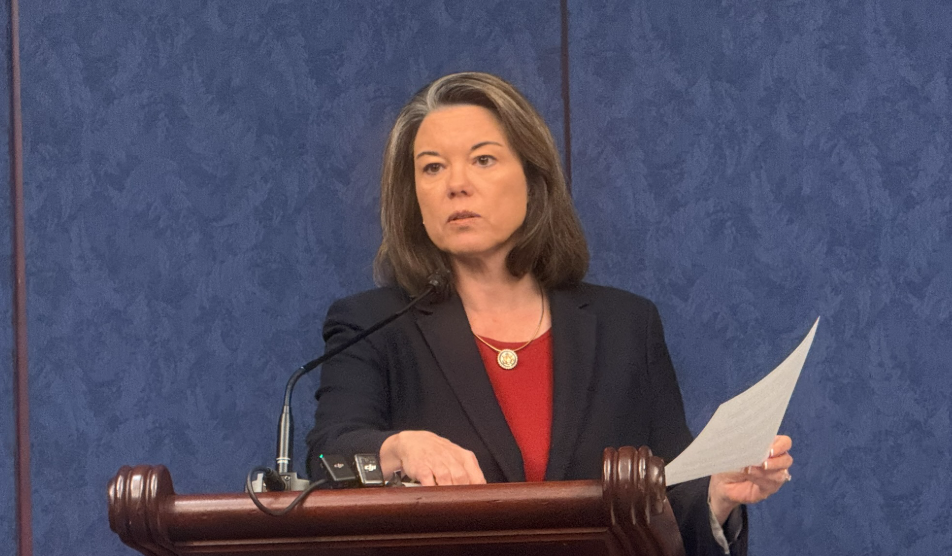
During the Washington Watch event in Washington, D.C., Democrat Angie Craig addressed members of the National Association of Farm Broadcasters to discuss the current legislative landscape. Representative Angie Craig expressed significant concerns regarding the proposed Farm Bill and its potential impact on the agricultural community and food assistance programs.
Challenges Facing Modern Farmers
Representative Craig highlighted the rising costs that continue to burden farmers across the country, citing several key areas of financial strain:
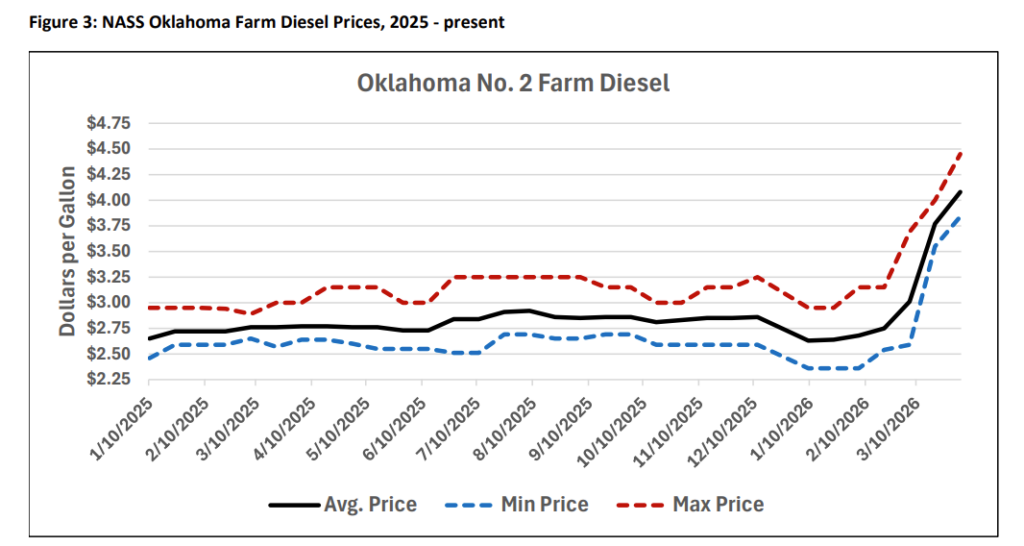
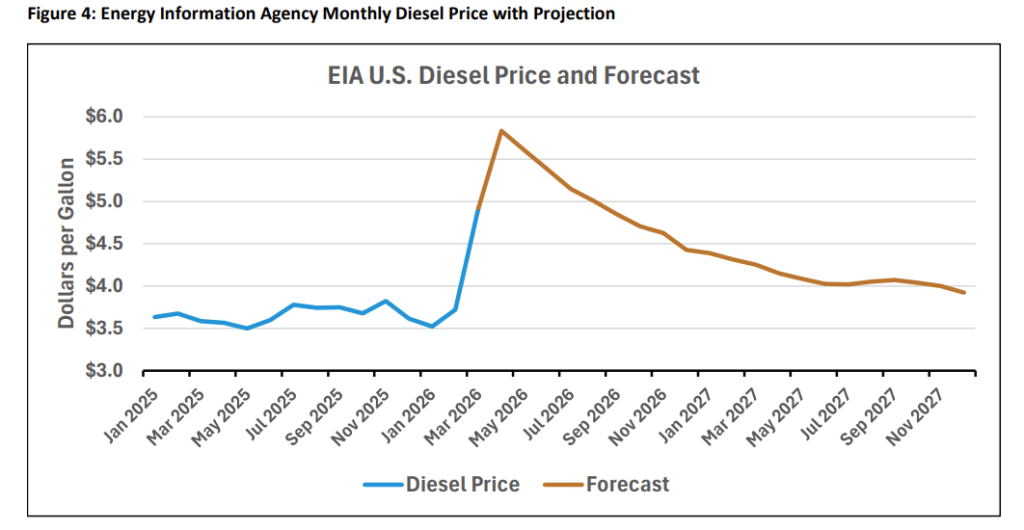
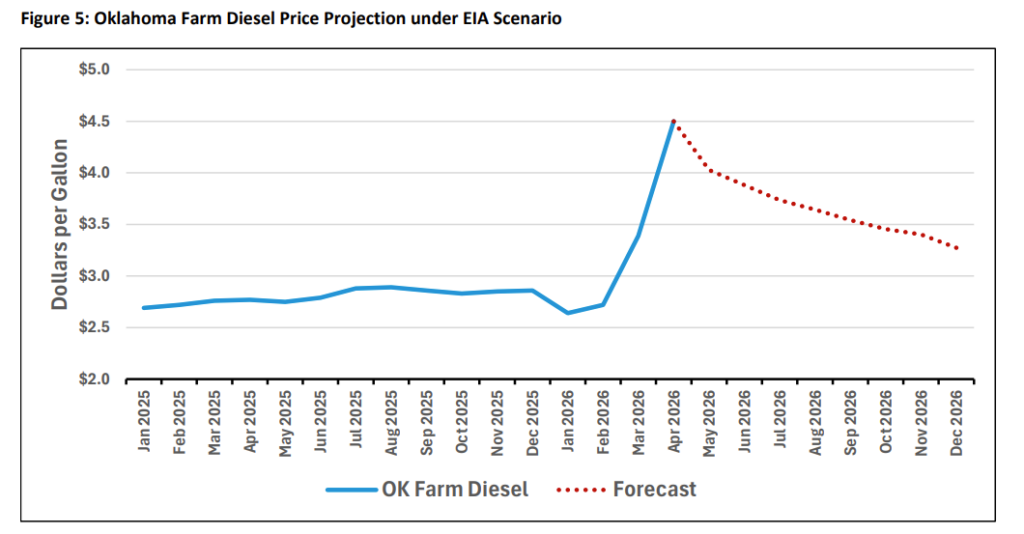
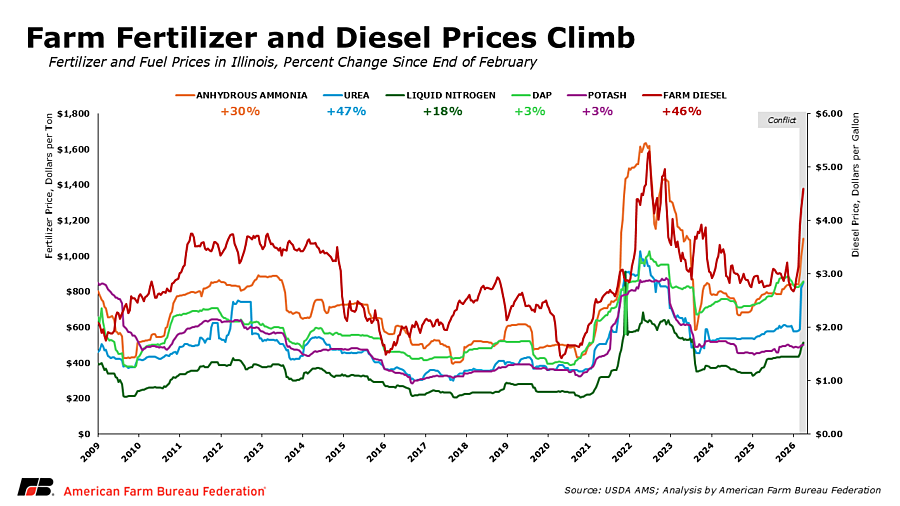
Input Costs: Increased prices for fertilizer, diesel, seed, and utilities.
Infrastructure and Labor: Rising costs for machinery and difficulty in finding affordable labor.
Market Volatility: Commodities prices that remain below desired levels and the loss of international markets, specifically China, to competitors like Brazil and Argentina due to tariffs.
The Impact of SNAP Funding Reductions
A central point of Craig's address was the proposed $187 billion cut to the Supplemental Nutrition Assistance Program (SNAP). She argued that these reductions are an "unfunded mandate" to the states and noted that:
An estimated 3.4 million Americans have already lost access to SNAP benefits.
The cuts come at a time when grocery costs are at record highs.
She disputed the claim that those losing benefits are finding high-paying jobs, citing reports from the Brookings Institution and Hamilton.
Representative Craig further defended the necessity of SNAP by challenging the narrative that the program has grown too quickly. She pointed out that for those who qualify, the benefit averages only about $6.20 per day, which breaks down to roughly $2.00 per meal. In her view, providing this level of support is essential, especially as food pantries and shelters report record-high demand nationwide. She emphasized that the program was never intended to be permanent for most—noting that many recipients are only eligible for three months—but serves as a critical safety net for vulnerable individuals, such as a farmer she knows whose body is worn out from a lifetime of labor. For Craig, the program is a matter of basic fairness and food security amid high inflation.
Craig addressed the program's efficiency, countering claims of systemic "waste" by clarifying the nature of error rates. She explained that error rates are often misunderstood, as they include both underpayments and overpayments rather than reflecting fraud or mismanagement. Furthermore, she argued for the broad necessity of the program, suggesting that in an ideal policy environment with a significantly higher minimum wage, perhaps the program wouldn't be needed; however, given the current economic reality, she believes the support should be accessible to those struggling to afford basic necessities. By highlighting the record-high demand at food shelves, she underscored her position that SNAP remains a vital, lean, and necessary component of American food security.
Legislative Disagreements and Bipartisanship
Representative Craig voiced her frustration over the lack of bipartisanship in the current House version of the Farm Bill. She noted that only about 10% of what the committee Democrats asked for was included in the base text.
She expressed a desire for a return to the "Hunger and Farm Coalition" that has traditionally moved farm bills across the finish line. Despite the current friction, Craig remains optimistic that the Senate version of the bill may offer a more balanced, bipartisan approach that delays cost-shifts to states.
Ethanol and Energy Policy
The Representative also touched upon energy policy, specifically Year-round E15. While she authored a bill in 2022 to support year-round E15, she expressed a preference for the Sorensen Amendment, which she believes would be more fiscally responsible by addressing small refinery exemptions.
Concerns for the Next Generation
Reflecting on the 1980s farm crisis that affected her own family, Craig shared her deep concern for young and beginning farmers. She noted that those in the business for less than 10 years are struggling to secure loans for planting seasons due to high interest rates and the lack of accumulated capital.
Today Craig released the following statement after the House passage of the Farm, Food, and National Security Act of 2026 (Farm Bill) "American farmers and working people are struggling to make ends meet. Whether it's twice as expensive to fill up your tractor or twice as expensive at the grocery checkout, Americans can feel how tariffs, war with Iran and massive cuts to food assistance are making hard economic times even worse. The so-called farm bill that passed the House today does nothing to resolve high input costs, lost markets, surging food prices or provide a single penny in economic assistance to struggling family farmers. "That said, thanks to the tremendous work of House Democrats, we defeated the Republican effort to shield pesticide companies from legal liability when their chemicals make consumers sick. "Now, our hope turns to the Senate, where I encourage Democratic and Republican members to work together to deliver for farmers and working people. America needs a bipartisan, five-year, 12-title farm bill that meets the moment. The farmers who feed, fuel and clothe our country need our support, not lip service."
Yesterday, Representative Frank D. Lucas (OK-03) delivered remarks on the House floor advocating for farmers by imploring his colleagues to vote in support of the Farm, Food, and National Security Act of 2026.
Remarks as prepared for delivery:
Thank you, Mr. Speaker.
I'm pleased to stand here today to offer my enthusiastic support of the Farm, Food, and National Security Act of 2026.
As the former Chairman of this committee, I have been down this road before and while passing a comprehensive farm bill is never easy, the rewards can be seen in tangible ways in every facet of our communities.
They can be seen not just on the farm, but in the grocery stores, universities, fire stations, community facilities, and rural hospitals across our country.
To my colleagues who will cast their vote tomorrow, whether you represent a top agriculture district, small towns, or a booming metropolis, the policies in this bill affect you.
This bill will ensure that American farmers can continue to raise the food and fiber that ultimately finds its way into your home, and it will ensure that the next generation can continue that legacy.
I urge my colleagues to vote yes with me on final passage, and I want to thank Chairman Thompson for bringing forth this bill today.
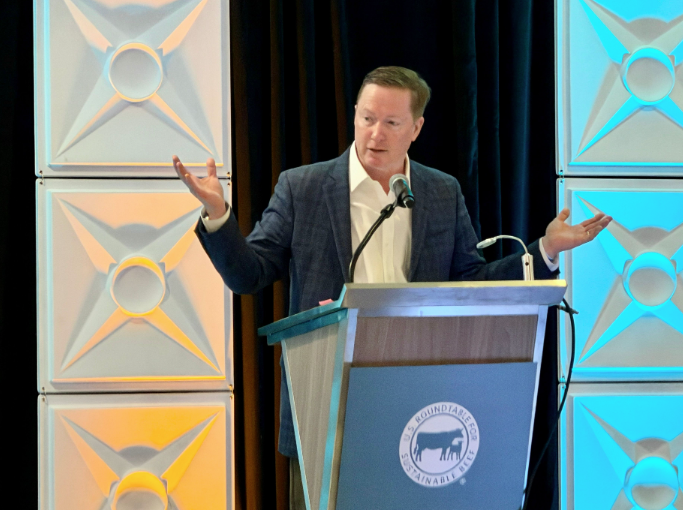
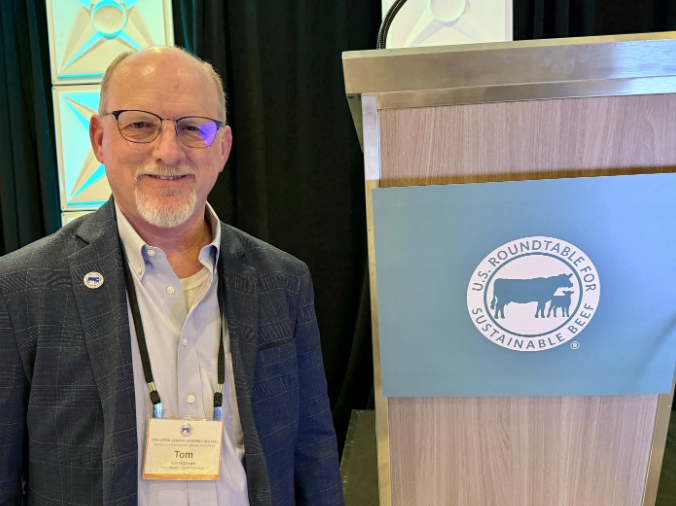
In today's Beef Buzz, senior farm and ranch broadcaster Ron Hays speaks with Adam Putnam, CEO of Ducks Unlimited after he presented a keynote address at the General Assembly Meeting of the US Roundtable for Sustainable Beef. Putnam contends strong partnerships between conservation groups and cattle producers are creating real opportunities for both agriculture and wildlife.
A "Win-Win" for Ranchers and Wildlife
Putnam, a fifth-generation rancher, says the connection between cattle production and conservation is already well established on working lands.
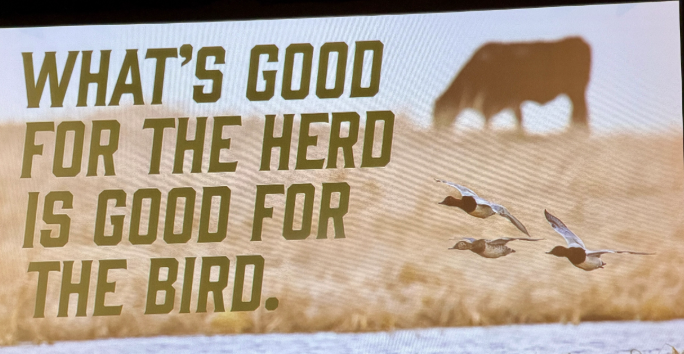
"It's 100% a win win," Putnam said. "I'm a fifth generation rancher myself. I know how good the stewardship ethic is on America's ranches. I know that what's good for the herd is good for the bird and a whole lot of other wildlife as well."
He emphasized that collaboration across the supply chain is becoming increasingly important as sustainability expectations grow.
"The opportunity for this roundtable to share the knowledge of the producer all the way up the supply chain is incredibly important, as they're under greater pressure to deliver on sustainability."
Why Real-World Perspective Matters
Putnam made it clear that meaningful progress starts with understanding what producers face on the ground—not from a distance.
"It really begins with communication and getting out there and having people get their boots dirty and see what these producers are going through," he said. "Not just have somebody from New York or Minneapolis or Chicago dictating policy when they've never set foot on a ranch or been in a feed lot or a stockyard."
He added that successful collaboration depends on identifying practical opportunities.
"You have to see exactly what these producers are going through and what their pressure points are, and know where the low hanging fruit is... and where we're asking them to do something that's just impossible to deliver."
Partnerships on the Land
From wetlands protection to grazing systems, Putnam says Ducks Unlimited is finding common ground with cattle producers across different regions.
"Partnerships on protecting wetlands, partnerships on easements where it makes sense for that rancher in high-growth states... protecting that land from development," he said.
In prairie regions, he noted that conservation and cattle production often go hand in hand.
"Where we have healthy grazing lands, grasslands, rangelands, you have healthy duck populations," Putnam said. "There's tremendous opportunities for us to expand our work with the beef industry."
Addressing Avian Influenza Through Habitat
Putnam also highlighted the organization's focus on highly pathogenic avian influenza (HPAI) and how habitat plays a role in managing its spread.
"We track HPAI very closely, and we're investing in some additional science and monitoring of that that I think the ag industry will benefit from," he said.
One key strategy is reducing bird concentration through better habitat distribution.
"One of the ways to limit and manage the spread of HPAI is to have abundant habitat that allows birds to spread out," Putnam explained. "You really see a big problem... where you have a heavy concentration of birds in one spot."
He believes advancements in tracking could improve response efforts.
"If we can watch a hurricane born off the coast of Africa and know where it's going to hit a week later, it seems like we could use some better technology to track HPAI."
Shared Values Between Hunters and Ranchers
Putnam says the roots of Ducks Unlimited—founded by hunters—align closely with the values of farmers and ranchers.
"We're proud of our waterfowling heritage and the fact that hunters are investing in conservation... so their kids and grandkids can hunt," he said.
He sees that same long-term mindset in agriculture.
"It's identical to farmers who are working the land... raising livestock on the land, and doing it in a way that is healthy, so that their children and grandchildren have the opportunities to do the same."
That overlap continues to strengthen relationships in rural America.
"The Venn Diagram of hunters and farmers and ranchers is a pretty clean one," Putnam said. "It is all about building trust and relationships... being able to sit on the tailgate and identify ways that we can support them and enhance their profitability by also improving wildlife outcomes."
The Beef Buzz is a regular feature heard on radio stations around the region on the Radio Oklahoma Ag Network and is a regular audio feature found on this website as well. Click on the LISTEN BAR above for today's show and check out our archives for older Beef Buzz shows covering the gamut of the beef cattle industry today.
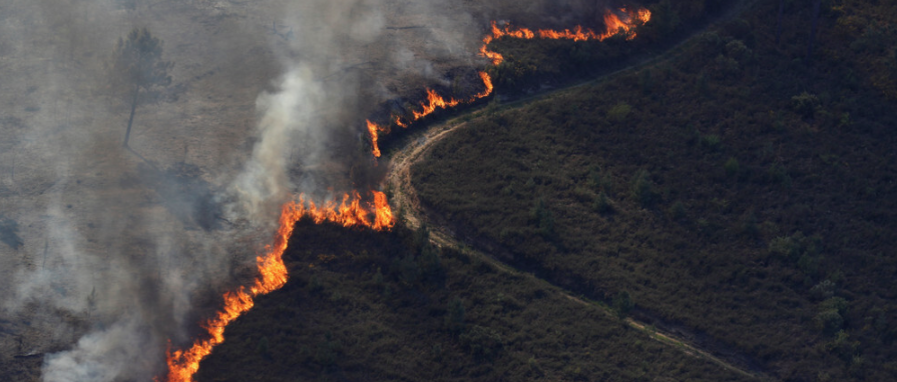
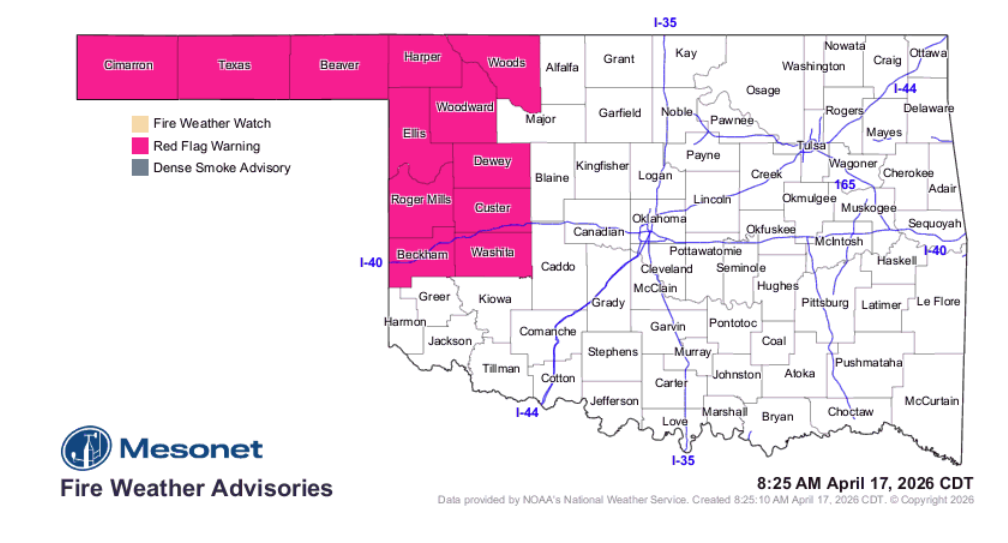
U.S. Secretary of Agriculture Brooke L. Rollins today issued a new Secretarial Memorandum (PDF, 882 KB) and letter (PDF, 932 KB) directing the U.S. Department of Agriculture's Forest Service to heighten national wildfire readiness, accelerate community-focused risk reduction, and strengthen firefighter health and safety for the 2026 fire year.
"Under President Trump's leadership, we have continuously implemented major reforms restoring active forest management, returning the Forest Service to a world‑leading forestry and fire management organization, and modernizing wildfire response and improving coordination across federal agencies. This fire season we are prepared to continue our full suppression strategy to suppress fire starts quickly to protect our forests and rural communities," said Secretary Rollins. "This memorandum ensures the entire Department is aligned, prepared and focused on responding quickly and effectively to protect communities and the natural resources Americans depend on. Proper forest management remains central to this effort – reducing wildfire risk, strengthening rural economies, providing affordable, high‑quality lumber for American homes, and preserving the nation's landscapes for generations to come."
The 2026 Secretarial Memorandum advances President Trump's directives to streamline federal wildfire prevention and response, building on progress made under the 2025 Executive Order on Empowering Commonsense Wildfire Prevention and Response. It directs all USDA Mission Areas to maintain full qualification readiness, surge staffing capacity and streamlined contracting support for wildland fire operations. It also directs the Forest Service to modernize performance measures for hazardous fuels work and work with federal partners to remove barriers to prescribed fire and increase occupational health and safety for firefighters. The memo reaffirms that USDA is ready for the 2026 fire season and will continue to be driven by public and firefighter safety as the top priority.
USDA enters the 2026 fire season with the strongest and most coordinated wildland firefighting capability in the world. The Forest Service can mobilize more than 28,000 wildfire responders and over 22,000 contracted resources across 2,500 vendors. The Department also manages the majority of the federal firefighting aviation fleet including helicopters and airtankers nationwide. USDA continues to work closely with federal partners, state and tribal governments and local fire departments to ensure a unified, aggressive and highly coordinated approach to wildfire management.
"Wildfire response is a shared responsibility, and USDA will remain vigilant," said Forest Service Chief Tom Schultz. "Our firefighters are prepared, our agencies are coordinated, and we will continue doing everything we can to protect communities and the people who defend them."
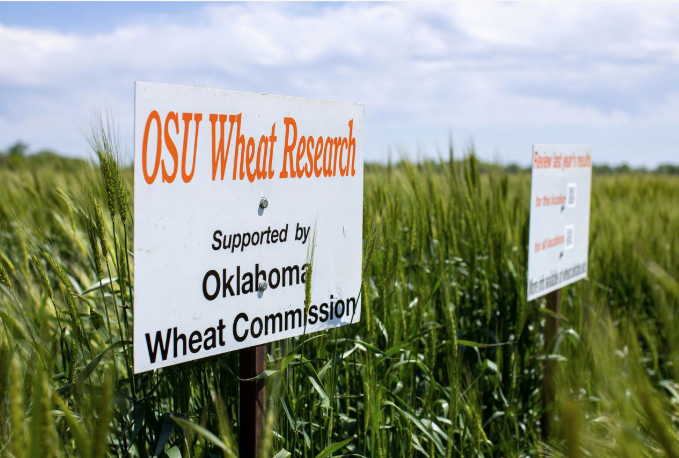
The Oklahoma House of Representatives voted unanimously in favor of Senate Bill 2159 today to designate wheat as the State Crop of the State of Oklahoma. Having now cleared both chambers with unanimous support, the bill now advances to the governor's desk for final review.
The bill, by Senator Roland Pederson, R-Burlington, was passed in the House Wednesday, coinciding with Ag Day at the Capitol festivities.
"Seeing this bill pass on Ag Day is incredibly meaningful as we celebrated one of Oklahoma's most vital industries," Pederson said. "Wheat is a key part of our state's agricultural economy and plays a big role in supporting our rural communities. On a day dedicated to agriculture, this designation underscores the importance of wheat and the producers behind its success across the state."
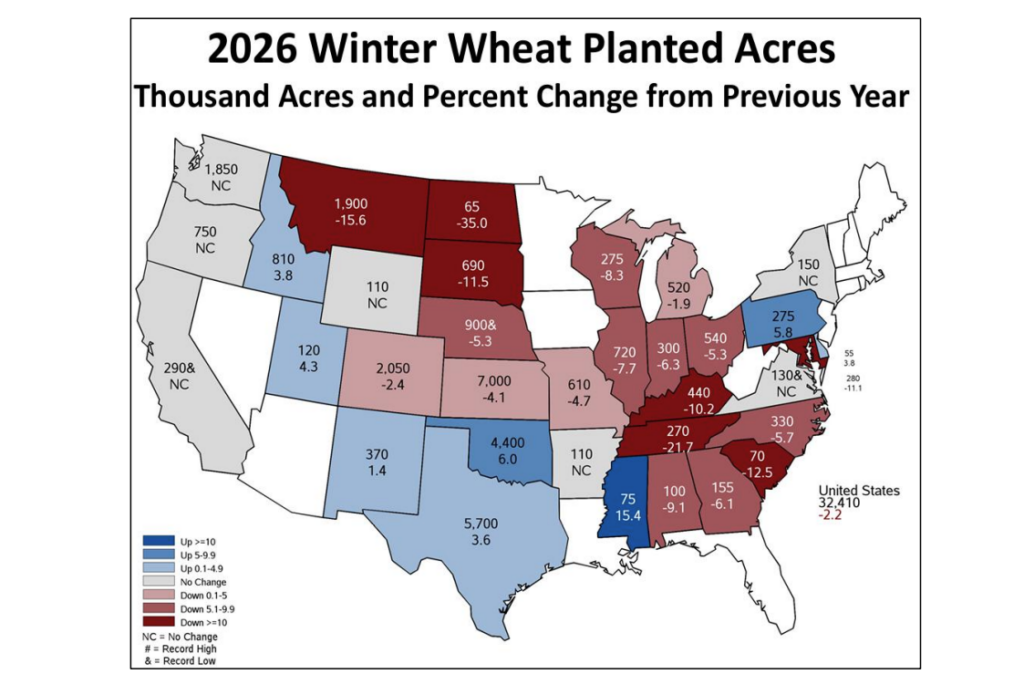
Oklahoma ranks second in the United States in annual winter wheat production and third overall in total wheat bushels harvested each year, with most of that production concentrated in the central and western parts of the state.
"Harvesting wheat myself, I know the amount of work put in by producers to build Oklahoma's wheat industry into one that is strong and nationally recognized," Pederson added. "I extend immense gratitude to my colleagues in both the Senate and House for unanimously advancing this measure, putting it one step closer to becoming law and formally recognizing the hard work, dedication, and legacy of wheat farmers across our state."
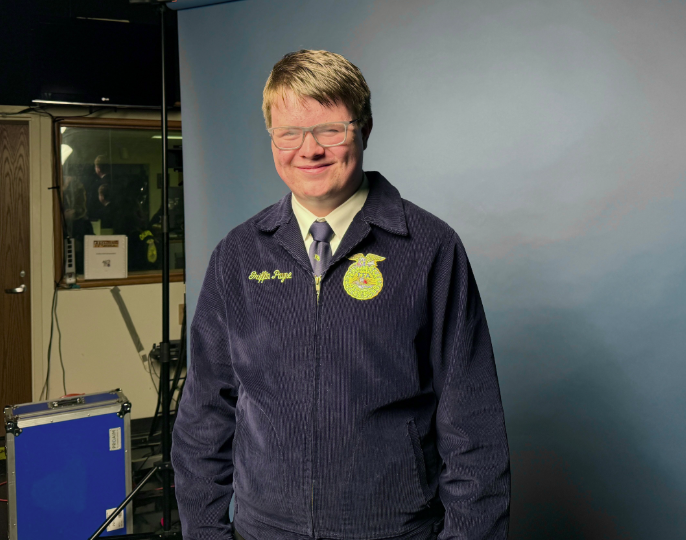
SB 2159 was requested by and crafted in collaboration with the Burlington FFA Chapter. Pederson worked closely with chapter members and their advisor to shape the legislation honoring Oklahoma wheat farmers, whose efforts have contributed to the state's national reputation for premier wheat production and research.
Pederson also noted the significance of naming wheat the state crop for his district. Senate District 19 includes Enid, known as the "Wheat Capital of the United States," and other northwest Oklahoma communities that boast significant grain storage capacity.
Rep. Dillon Travis, R-Maramec, carried the bill in the House of Representatives, securing the final legislative approval needed to send the measure to the governor's desk.
Following the governor's approval, SB 2159 will take effect Nov. 1
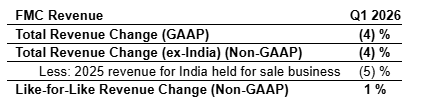
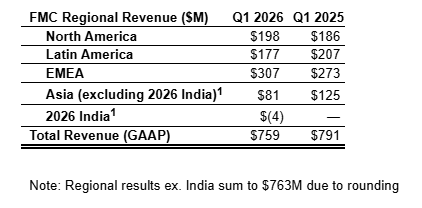
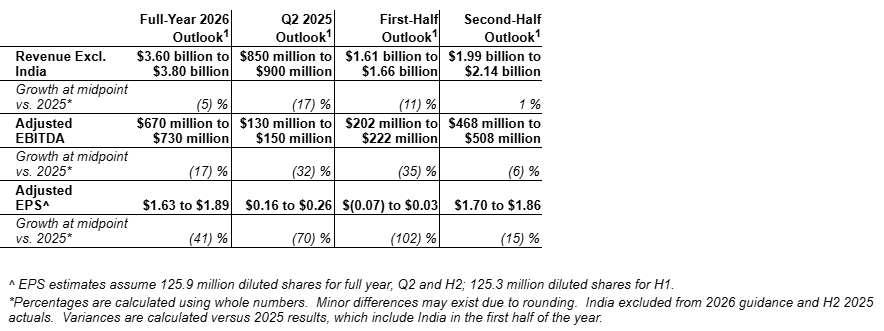
FMC Corporation (NYSE:FMC) today reported first quarter 2026 revenue of $759 million, down 4 percent versus first quarter 2025. First quarter 2026 revenue, excluding India, was $762 million, down 4 percent versus first quarter 2025, which included India. On a GAAP basis, the company reported a loss of $2.25 per diluted share in the first quarter, a decrease of $2.13 versus first quarter 2025. First quarter adjusted loss per diluted share of $0.23 was down 41 cents versus first quarter 2025.
First quarter sales of $762 million, excluding India, were above the midpoint of guidance and 4 percent lower than the prior year. The removal of India represented a 5 percent sales headwind. Price declined 6 percent, in line with expectations, driven by lower pricing to diamide partners, pricing actions on branded Rynaxypyr® products and a competitive market for legacy core products – particularly in Latin America. Foreign currency was a tailwind of 5 percent. Volume improved 2 percent, driven by strong growth in EMEA and North America. New active ingredient sales doubled year-over-year. Plant Health grew 6 percent.
GAAP net loss in the first quarter declined $266 million primarily due to tax charges related to an increase in valuation allowances. Lower sales, higher restructuring costs and higher interest expense also contributed to the loss during the first quarter. FMC first quarter Adjusted EBITDA was $72 million, a decrease of 40 percent from the prior-year period, driven by lower pricing and unfavorable costs. The cost increase was driven by tariffs as well as unfavorable raw material costs.
On a GAAP basis, cash from operations was negative $601 million, a decline of $56 million versus 2025, primarily driven by lower Adjusted EBITDA. Free cash flow was negative $628 million, a decline of $32 million versus Q1 2025 primarily due to lower cash from operations, partially offset by lower capital expenditures.
Strategy Update
FMC is making strong progress on its 2026 operational priorities, which are strengthening the balance sheet through targeted debt reduction of approximately $1 billion, improving the competitiveness of its core portfolio, managing the post-patent transition for Rynaxypyr® active, and driving growth of new active ingredients including Isoflex® active, fluindapyr and Dodhylex® active. In parallel, the Board-authorized evaluation of strategic alternatives announced in February 2026 is progressing, and multiple options are being evaluated. There can be no assurance that the process will result in any transaction. The company does not intend to comment further at this time, except as it may do so in the ordinary course in connection with its upcoming earnings call, or if it determines that further disclosure is appropriate or necessary.
Full Year Outlook1
The company reaffirms its full-year 2026 revenue, Adjusted EBITDA, Adjusted EPS and free cash flow guidance ranges. Full year 2026 revenue guidance1 is $3.60 billion to $3.80 billion, a decline of 5 percent at the midpoint versus prior year1. Price is expected to be lower by mid-single digits mainly due to Rynaxypyr® active, which is consistent with the company's post-patent strategy. Excluding India, volume is expected to be up modestly as increases in branded Rynaxypyr® active and new active ingredients are largely offset by reduced diamide partner orders and declines in the legacy core portfolio. India represents a 2 percent headwind1. FX is expected to be neutral. Sales of new active ingredients are expected to be between $300 million and $400 million, representing growth of over 75 percent at the midpoint versus prior year.
Adjusted EBITDA is expected to be $670 million to $730 million, a decline of 17 percent versus prior year as lower price and an FX headwind are partially offset by volume growth and favorable costs. EPS is expected to be $1.63 to $1.89, a decrease of 41 percent versus prior year, primarily due to lower Adjusted EBITDA and, to a lesser extent, increased interest expense. Free cash flow is expected to be negative $65 million to $65 million.
Second Quarter and H2 Outlook1
Second quarter revenue is expected to be in the range of $850 million to $900 million, a decline of 17 percent at the midpoint compared to second quarter 2025, primarily due to lower volume to diamide partners and the removal of India. The India inclusion in prior year represents a 5 percent headwind. Price is expected to decline mid-single digits due to competitive pressure and planned pricing actions for Rynaxypyr® in line with the post-patent strategy. FX is expected to be a low-single digit tailwind. Adjusted EBITDA is forecasted to be in the range of $130 million to $150 million, a decline of 32 percent versus the prior year as lower sales are partially offset by favorable costs. FMC expects Adjusted EPS to be in the range of $0.16 to $0.26 in the second quarter, which represents a 70 percent decrease at the midpoint versus second quarter 2025, due to lower Adjusted EBITDA as well as higher interest expense to a lesser degree.
The midpoint of first-half guidance implies a second-half sales increase of 1 percent versus prior year. Price is expected to be a mid-single digit headwind, driven by competitive market conditions for core portfolio products and pricing actions to support the branded Rynaxypyr® active strategy. Lower price and a minor FX headwind are expected to be more than offset by volume growth, driven primarily by increased sales of products with new active ingredients.
Second-half Adjusted EBITDA is expected to decrease 6 percent as lower price and a minor FX headwind are partially offset by higher volume and favorable costs. Second-half Adjusted EPS is expected to decline 15 percent compared to second half 2025, due to lower Adjusted EBITDA, higher tax, and higher interest expense.
Supplemental Information
The company will post supplemental information on the web at https://investors.fmc.com, including its webcast slides for tomorrow's earnings call, definitions of non-GAAP terms and reconciliations of non-GAAP figures to the nearest available GAAP term.
Always read and follow all label directions, restrictions and precautions for use. Products listed here may not be registered for sale or use in all states, countries or jurisdictions. FMC and the FMC logo are trademarks of FMC Corporation or an affiliate.
The U.S. Department of Agriculture (USDA) is establishing a second national deadline for agricultural producers and landowners to apply for fiscal year 2026 assistance in the Agricultural Conservation Easement Program (ACEP) through the Natural Resources Conservation Service (NRCS). The new deadline for entities to apply is May 29, 2026. NRCS is providing up to $200 million in funding for the application period for agricultural land easements.
"At NRCS, we are putting Farmers First by actively working to preserve and protect America's agricultural land for future generations," said NRCS Chief Aubrey J.D. Bettencourt. "Through voluntary conservation easements, and strategic partnerships, we are committed to slowing the loss of productive farmland and keeping working lands in the hands of farmers and ranchers."
The One Big Beautiful Bill Act (OBBBA), signed by President Trump on July 4, 2025, delivers the largest long-term investment in NRCS conservation programs in decades, delivering over $4 billion in ACEP funding. NRCS began implementation this year.
While NRCS accepts applications on a continuous basis, NRCS uses application cutoff periods to assess and rank applications based on their potential conservation impact. NRCS is offering a second national application period for ACEP Agricultural Land Easements with a May 29, 2026, application deadline. A complete Agricultural Land Easement application only requires the following:
Completed form NRCS-CPA-41A, "Parcel Sheet for Entity Application for an Agricultural Land Easement (ALE) Agreement",
Proof of ownership,
Written pending offer,
Map or geospatial boundary of proposed easement (NRCS provides an online tool to help you create this map with a geospatial boundary), and
Documented access to the easement.
Landowners are encouraged to complete FSA-related eligibility paperwork with their local Farm Service Agency county office as soon as possible.
Through conservation programs, NRCS provides technical and financial assistance to help producers and landowners make conservation improvements on their land that benefit natural resources, build resiliency, and contribute to the nation's broader effort to improve natural resource conditions on America's private lands.
Agricultural Conservation Easement Program (ACEP)
ACEP helps landowners, land trusts, and other entities protect, restore, and enhance wetlands; protect the agricultural viability and related conservation values of eligible land by limiting nonagricultural uses of that land that negatively affect the agriculture and conservation values; and protect grazing and related conservation values by restoring or conserving eligible land.
Agricultural land easements provide cost-share assistance to eligible entities to acquire easements from qualifying landowners, preserving agricultural use, including grazing, and protecting associated conservation values on eligible land.
How to Apply
Entities and landowners interested in fiscal year 2026 funding should apply through NRCS at their local USDA Service Center. All applications must be received by May 29, 2026, to be considered in the second round of funding for fiscal year 2026. Funding is provided through a competitive process. NRCS will hold applications received after this date and consider them for subsequent rounds, as funding permits. Interested applicants can view additional state's ranking dates online.
More Information
To learn more about NRCS programs, producers can contact their local USDA Service Center.
As we approach Mental Health Awareness Month (May), I've been thinking a lot about the weight so many farmers and ranchers are carrying right now. Farming is rewarding work, but it can also feel overwhelming. Markets shift overnight. Weather can wipe out months of hard work. Costs keep climbing. Too often, the stress builds quietly while we keep pushing forward, because that's just what farmers do.
That's why Farm Bureau continues to invest in resources that support the wellbeing of farm families and rural communities. And this Mental Health Awareness Month, we're unveiling a new resource dedicated to helping farmers consider how to respond to stress before it reaches a breaking point. It's called the Farm State of Mind Checklist: Weathering the Storm.
Unpredictability, financial pressure and isolation can take a toll on farmers and ranchers and their families.
The checklist was shaped by the experiences of farmers and ranchers, along with guidance from mental health professionals. It's built around simple, practical reminders that can help people take small steps toward managing stress, preventing burnout, and finding clarity during difficult seasons.
Weathering the Storm, One Step at a Time
One thing I've learned over the years is that mental health conversations do not have to start with big speeches or perfect answers. Sometimes they start with small actions. That's the idea behind this checklist.
The first reminder is to nourish yourself. Farmers are good at taking care of crops, livestock and equipment, but we are not always good at taking care of our own physical wellbeing. Getting enough rest, staying hydrated, and fueling your body matters.
The checklist also encourages people to move. Physical activity has always helped clear my mind, whether that means walking the farm, working outside, or throwing the ball with my dog, Ziggy.
Another reminder is to unplug. In agriculture, it can feel like there is no off switch. But stepping away from the stress of the farm for even a short time can make a difference.
It also encourages people to pause. That might mean prayer, quiet reflection, or taking a moment to breathe before jumping into the next challenge.
And maybe most importantly, it reminds us to connect and share. For me, that lesson became especially clear after losing my first wife, Bonnie, to cancer. The support of my family, friends, and community helped carry me through some of the hardest days of my life. None of us are meant to weather these storms alone.
Supporting Mental Health in Rural America
I'm so proud of Farm Bureau's work through the Farm State of Mind Alliance, which brings together some of the largest membership organizations serving the farm community nationwide to reduce the stigma around mental health in rural communities and connect farm families with support and resources. One resource available through Farm State of Mind is Togetherall, a 24/7 online peer-to-peer community where farmers and ranchers can talk anonymously with others who understand what they're going through. Farmers can also access counseling support, life coaching and professional consultations through Togetherall. These services are completely free to farm families across the country.
Sometimes the hardest part is taking that first step. That's why I encourage farmers and ranchers to check out Farm State of Mind and sign up for a Togetherall account before hitting a breaking point. Having those resources already at your fingertips can make all the difference on the hard days.
These resources matter because stress in agriculture is real. Unpredictability, financial pressure and isolation can take a toll on farmers and ranchers and their families. And with USDA projecting farm income this year to be $48 billion below the highs we saw in 2022, many farm families are carrying even more financial strain and uncertainty into an already difficult season.
But we know the strength of rural communities is real, too. When farmers check in on one another, share their stories and encourage each other to seek support, it reminds each of us that we are not alone. Sometimes a conversation can make all the difference.
This Mental Health Awareness Month, I encourage you to take a few moments to check in on yourself and the people around you. Share the Farm State of Mind Checklist with a friend or neighbor. Start a conversation. Reach out if someone is struggling. And if you need support yourself, know there are people ready to listen and help. No one should have to weather the storm alone.
House Committee on Agriculture Chairman Glenn "GT" Thompson (PA-15) delivered the following remarks today on the House floor as debate began on the Farm, Food, and National Security Act of 2026.
Remarks as prepared:
I rise today in strong support of the Farm, Food, and National Security Act of 2026.
It is more evident than ever that rural America needs a new farm bill now — not next year or next Congress. Producers are operating under the third consecutive farm bill extension, and the simple truth is that the policies of 2018 are no match for the challenges of 2026.
It is time to get this critical legislation done.
I have said it before, and I will say it again, because it's important: This bill was not written in Congress. It was written out in the fields and pastures of our great nation while the agriculture committee held over 150 listening sessions.
We went to farmers, ranchers, and rural communities, and we asked them what they needed from Congress. Every provision in this bill is directly informed by what we learned in these listening sessions.
Today, you will hear some opposing comments made that this is a partisan bill, and even more on what's NOT in the bill. I would like to remind everyone of the facts: This bill is filled with good policy that is also overwhelmingly bipartisan. Upon introduction, the Farm, Food, and National Security Act included or drew upon 150 bipartisan marker bills.
During the Committee's 22-hour markup, over 100 amendments were offered and debated, with the 46 adopted split evenly between Republicans and Democrats. It passed Committee with strong bipartisan support. And it enjoys the endorsement of over 500 agricultural stakeholder groups.
I am asking Congress to join the hardworking men and women who feed, fuel, and clothe our country in supporting this farm bill. Now is not the time to turn our backs on rural America.
Today, House Agriculture Committee Ranking Member Angie Craig (MN-02) delivered the following floor speech as the House debated the Republicans' so-called "skinny" farm bill on the floor.
[As prepared for delivery.]
Thank you, M. Speaker. I rise in opposition to this bill, and I yield to myself such time as I may consume.
At kitchen tables across the country, millions of Americans – seniors, working parents and farmers – are wondering how they are going to pay the bills or not lose money this planting season.
From tariffs that have cost our farmers' markets, to a war that has increased the cost of fertilizer and diesel, farmers are struggling to hold onto that 3rd or 4th generation farm.
The so-called "skinny" farm bill in front of us today does nothing to stop these losses or to help offset the $54 billion in losses farmers have had to absorb. Worst yet, it doesn't fix any of the underlying policy choices by Republicans and this administration that caused the problems in the first place.
It turns a blind eye to the farmers calling for emergency economic assistance so they can afford to keep planting. It locks in the $187 billion cut to food assistance that Republicans made in their Big Ugly Bill – putting more pressure on struggling Americans at a time when the cost of groceries and healthcare continues to grow.
That's what the farm bill doesn't do: it doesn't lower costs, it doesn't help save one family farm from bankruptcy – which is up nearly 50% since this administration took office.
So, what does this so-called farm bill attempt to do? Protect the world's largest pesticide companies from lawsuits, cut farm conservation programs by $1 billion and overturn the will of voters in states nationwide that set specific animal welfare and food standards for themselves.
Putting the harmful policies aside, the political calculos on this should be easy.
Do we want to lower costs for farmers and working people – or do we want to protect pesticide companies and lock in cuts to food assistance even when grocery prices are spiking?
Do we want to pass a farm bill that delivers for farmers on the verge of bankruptcy and families going hungry? Or do we want to sit on our hands and then make excuses?
I urge my colleagues to reject this version of the farm bill and force Republicans back to the table to negotiate a true bipartisan bill that prioritizes the cost-of-living crisis in this country, and I reserve the balance of my time.
To view the latest Oklahoma drought map, CLICK HERE.
Drought in Oklahoma is starting to tell two very different stories depending on where you look across the state. In the east, recent rounds of rain are steadily easing conditions, nudging some areas out of deeper drought and back into lower tiers, while in western Oklahoma, the situation is moving in the opposite direction as extreme drought continues to expand its footprint. Even with better rain chances in the short-term outlook, the divide is growing more noticeable, with relief building in the east and intensifying stress gripping the west.
According to the latest Oklahoma Drought Monitor report, exceptional drought remains at 0 percent, unchanged from the start of the calendar year.
Moderate to extreme drought conditions in the current period indicate that 80.63% of the state is affected by drought, down 5 points from last week. Southeastern Oklahoma is seeing drought conditions ease, with areas shifting into the lower drought tier of abnormally dry conditions.
Extreme Drought conditions have increased this week by 4.24%, covering 30.08% of the state, affecting a majority of western Oklahoma.
According to the 6-to-10-day precipitation outlook map, Oklahoma is leaning above a 33-40% chance of precipitation through May 9th, while the westernmost tip of the panhandle is leaning above a 40-50% chance.
Rain continued to bypass the central and southern High Plains, leaving rangeland, pastures, and winter wheat in desperate need of moisture. Farther east, however, showers and thunderstorms continued to ease drought across the eastern Plains, extending into the mid-South and Mississippi Delta. Some of the heaviest rain, accompanied by locally severe thunderstorms, fell from eastern Kansas into the lower Midwest. The remainder of the Midwest also received some precipitation, although some of the region's wettest areas in the Great Lakes States got a break from the excessive rain that had led to pockets of record flooding earlier in the month. In contrast, much of New England and northern sections of New York were cool and dry. Elsewhere, unsettled, showery weather prevailed in the West, mainly north of a line from central California to the central Rockies, boosting topsoil moisture, delivering high-elevation snow, and reducing irrigation demands. However, any precipitation did not fundamentally change a mostly bleak Western water-supply outlook for the remainder of the spring into the summer of 2026.
In the South: Late in the drought-monitoring period, significant rain overspread portions of the South, resulting in broad reductions in drought intensity. Some of the heaviest rain fell from eastern sections of Oklahoma and Texas into portions of Arkansas, Mississippi, and northern Louisiana. Still, more rain will be needed to ensure full drought recovery, since many of the hardest-hit areas had slipped into extreme to exceptional drought (D3 to D4) in recent weeks. Meanwhile, western sections of the South—including western Oklahoma and western Texas—remained critically dry, leading to poor rangeland, pasture, and winter wheat conditions, as well as a chronically elevated wildfire threat. Statewide, winter wheat in Texas was rated 56% very poor to poor on April 26, along with 45% in Oklahoma.
In the high Plains: Precipitation delivered drought relief to some areas, including parts of southern South Dakota and eastern sections of Nebraska and Kansas. Still, by April 26, topsoil moisture—as reported by the U.S. Department of Agriculture—was rated at least 40% very short to short in all the region's states, except North Dakota, and led by Colorado (95%). Winter wheat continued to struggle due to drought and recent freezes, with 65% of Nebraska's crop rated in very poor to poor condition on April 26, along with 54% in Colorado and 41% in Kansas. Drought continued to generally worsen in eastern Colorado and western sections of Kansas and Nebraska.
In the West: Any changes in the West were mostly minor and mixed, as cooler weather prevailed and spotty precipitation occurred. In most areas, Western precipitation did not alter bleak water-supply prospects, since most of the mountain snowpack has already melted, except in the northern Rockies. Already in late April, fears of an hydroelectricity generation crisis in the Colorado River Basin have led the Department of Interior to start sending water from Flaming Gorge Reservoir downstream to Lake Powell to help boost water levels. The Department of Interior also indicated that water normally destined for Lake Mead, farther downstream, would be held in Lake Powell. Despite overall lack of impact on Western supplies, any precipitation was largely welcomed, due to positive impacts such as a boost in topsoil moisture and a reduction in irrigation demands. In fact, enough precipitation has recently fallen to warrant a slight reduction in drought intensity in a few areas, including parts of western Colorado, northeastern Oregon, and southeastern Washington.
To view the 6-10 Day Precipitation Outlook Map, click here.
To view the 6-10 Day Temperature Outlook Map, click here.
To view the Monthly Drought Outlook Map, click here.
During the month of April, the Radio Oklahoma Ag Network and Oklahoma Farm Report are spotlighting the 17 Area Stars of Oklahoma FFA, who are among the highest achievers in the organization.
The stars come from the four areas in four categories – Star in Ag Placement, Star in Agriscience, Star in Agribusiness, and Star in Agricultural Production.
This week, we spotlight the three area stars in Agricultural Placement in 2026.
One Star Finalist featured in the coming days from each of the categories will be named the State Star Award Winner during the 100th Oklahoma State FFA Convention, which will take place on May 5th and 6th in Tulsa, Oklahoma.
We continue our coverage of the 2026 Oklahoma FFA Star Award Finalists today with Jacob Boswell of the Boswell FFA representing the Southeast area.
Building a Cow Herd from the Ground Up
Joel Parker of the Cherokee FFA chapter got his start in the cattle business with a simple opportunity from his family. "My dad gave me a couple of old cows—'dinosaur cows' is what I like to call them—and that's how I really got started."
From there, Parker turned his supervised agricultural experience into a true cow-calf operation. Beginning his sophomore year, he retained his own replacement heifers and steadily expanded his herd. "Everything I own, I've calved out as heifers," he said.
That foundation has allowed him to build a self-sustaining program, where each generation of cattle is raised from within his own herd.
Learning Lessons the Hard Way
Like many young producers, Parker says some of his biggest lessons came through challenges. One early setback came when using the wrong type of bull on his heifers. "I used a neighbor's bull that really wasn't a heifer bull... I didn't know that, but I figured it out."
Since then, he's taken a more strategic approach—studying EPDs and investing in his own bull to better manage genetics. "You just got to stick with it. It's not always going to go perfectly as planned... one day it will go perfectly."
Those experiences have shaped his confidence and decision-making as he continues to grow his operation.
FFA Success and a Future in Agriculture
Parker's FFA career has been just as active as his cattle project. He credits the organization with helping shape his path in agriculture. "PENNA 3 is kind of what got me to become the cattleman I am today."
Among his highlights, Parker was part of a state champion livestock cattle handling team and also advanced to the national level with a proficiency award.
In addition to cattle, he's developed skills in ag mechanics, even turning a small shop project into a side business. "This year alone, I've made 52 bale rings... and I'm supposed to make 40 more by the end of the school year."
Looking ahead, Parker plans to stay close to home and continue building his operation rather than attending a traditional college. "That's what I want to do—is farm and ranch... and take classes through OSU Extension."
With a steadily growing herd and a clear vision for the future, Parker is focused on becoming a full-time operator in the cow-calf industry—built from the ground up through his own hard work.
This year's 17 Area Stars will each be recognized on stage in the fifth general session of the 100th Oklahoma FFA Convention May 6th in Tulsa and each will receive a plaque and $500 cash award co-sponsored by the Blue and Gold Sausage Co., Sirloin Club of Oklahoma, Masonic Charity Foundation, McDonald's of Oklahoma, Davis Farms, The Chickasaw Nation, Oklahoma Farm Bureau and the Noble Research Institute.
The Star in each category will each receive $29,484 in scholarships or capital grant funds through a $3.2 million gift from the Carl C. Anderson Trust. The late Carl C. Anderson, after whom the State Star awards are now named, was born in Naples, Oklahoma, in 1911. One of 10 children, he dropped out of high school to earn money and support his family. From those modest beginnings, the Anderson Corp. grew across the country as well as in Canada and South America.
Our coverage of the 2026 Oklahoma FFA Association State Convention is sponsored by Oklahoma Farm Bureau, proud to support the young men and ladies of the Oklahoma FFA as they strive for excellence in all they do. Oklahoma Farm Bureau- We Are Rural Oklahoma.
April 27, 2026] Today, the Oklahoma Cattlemen's Association (OCA) announced the teams that will be competing in the 42nd Annual OCA Ranch Rodeo on August 14 -15 at the Lazy E Arena in Guthrie, Okla. The OCA Ranch Rodeo consists of twelve ranch teams of 'real ranch' cowboys that compete in five different events mirroring many of the activities of daily ranch life.
The 2026 participating ranches include: A Bar Ranch, Claremore; Barron-Highsmith Cattle Co. & Short Ranches, Oologah; Drummond Land & Cattle Co., Pawhuska; Stuart Ranch, Waurika; Daube Cattle Co. & 3C Cattle Co., Ardmore; McPhail Land & Cattle Co., Medicine Park; Zibell Ranch & Bailey Land & Cattle, Barnsdall; Gray G Bar Ranch, Shidler; Creason Cattle, Balko; Lazy Rafter Slash Ranch, Lenapah; Trentman Ranch & Steirwalt Ranch, Pawhuska and Shidler; Slash K Cattle Co., Walters.
The competition is fierce, but the cowboys do not take home much more than bumps and bragging rights. They participate with one goal: to support the Children's Health Foundation (CHF).
"The Oklahoma Cattlemen's Association's Ranch Rodeo has a close relationship with the Children's Health Foundation for over twenty years raising funds to help benefit the hospital and the children and their families," said Kent Trentman, OCA Ranch Rodeo Committee Chair.
The event has affectionately been called 'Cowboys Helping Kids' because of the OCA's long-standing relationship with CHF. CHF funds children's medical research and treatment for children right here in Oklahoma. The funds raised for CHF in Oklahoma stay in Oklahoma.
"We've hosted many 'Miracle Children' over the years and met their families. Those connections make our mission real and heart-felt for the participating cowboys and the committee that works to coordinate the event," Trentman said.
The OCA is the trusted voice of the Oklahoma Cattle Industry and works to protect and empower Oklahoma cattlemen today, to serve tomorrow. OCA is the only voice that speaks solely for the cattlemen of Oklahoma and represents beef producers in all 77 counties across the state. The OCA officers, board of directors and membership encourages you to join us in our advocacy efforts to ensure less government intervention, lower taxes and a better bottom line. For more information about OCA membership, theft reward program or activities, call 405-235-4391 or visit www.okcattlemen.org.
Today, U.S. Environmental Protection Agency (EPA) announced the availability of approximately $80 million through the Sewer Overflow and Stormwater Reuse Municipal Grant program to help communities address stormwater and sewer infrastructure needs. These grants will strengthen systems that safely capture and manage stormwater to help prevent contaminants, including untreated sewage, from polluting nearby waterways. The agency will provide funding from both fiscal years 2025 and 2026 to states, which will be awarded to communities across the country.
"Stormwater and sewage systems are critical for managing pollution to keep our nation's waterways clean and support healthy people, economic growth, and thriving ecosystems," said EPA Assistant Administrator for Water Jess Kramer. "This $80 million investment will help states upgrade stormwater management systems to address the threat of aging and inadequate infrastructure."
Stormwater can be a significant source of water pollution and a public health concern. It can collect various pollutants, including trash, chemicals, oils, and dirt/sediment, and convey them to nearby waterways. When mixed with domestic and industrial wastewater in combined sewers, stormwater can also contribute to combined sewer overflows during heavy storm events.
Safely and effectively managing stormwater to reduce pollution before it reaches local waterways is essential. However, the cost to construct, operate, and maintain stormwater infrastructure can be significant, which can strain wastewater systems and their customers, especially in small and financially distressed communities. The agency's Sewer Overflow and Stormwater Reuse Municipal Grant program will prioritize projects for small and/or financially distressed communities. Under the existing regulations, state grantees are not required to contribute cost shares for projects located in small and/or financially distressed communities.
Regional Allotments for Fiscal Year 2025 and Fiscal Year 2026
A bill that would remove countervailing duties from phosphate fertilizer imports from Morocco was introduced today in the U.S. Senate and the U.S. House of Representatives.
Sen. Marshall (R-Kan.) sponsored the legislation, entitled the Lowering Input Costs for American Farmers Act, and it is co-sponsored by Sens. Chuck Grassley (R-Iowa), Cindy Hyde-Smith (R-Miss.) and Joni Ernst (R-Iowa) with Congresswoman Mariannette Miller-Meeks (R-Iowa) and Ashley Hinson (R-Iowa) sponsoring the legislation in the House.
"Corn farmers have been consistently vocal about the negative impact of duties on imported fertilizers," said Ohio farmer and National Corn Growers Association President Jed Bower. "We applaud these members of Congress – long-time farmer allies – for taking action to address one of the issues that is causing a hike in fertilizer costs."
Phosphate fertilizer is an essential input for modern crop production, used predominantly for growing corn, soybeans, cotton, and other agricultural commodities. In the last five years, corn farmers have paid record and near-record highs to purchase phosphate following government action that cut off imported supplies.
In 2020, the Commerce Department, acting on a petition filed by Mosaic Company, imposed duties on phosphate fertilizers imported from Morocco and Russia. Mosaic claimed at the time that unfairly subsidized foreign companies were flooding the U.S. market with fertilizers and selling the products at extremely low prices. The petition was supported by J.R. Simplot.
Corn growers have been critical of the process used to determine the duties, which led to inaccurate calculations. Further, the outsized impact of restricting phosphate imports has negatively affected farmers across the United States. This year, the duties are being examined under a sunset review process that will determine if the duties should continue.
The duties have had major effects on the phosphate fertilizer market. At least one Moroccan company halted shipments of phosphate fertilizers into the U.S., which led to price hikes and shortages, saddling farmers with a hardship that has only worsened in recent weeks with the conflict in the Middle East.
The U.S. farm economy is currently navigating a period of significant strain as producers across the country face a combination of falling commodity prices and record-high input costs. In a recent conversation with Farm Director KC Sheperd, Ryan Yates, Managing Director of Government Affairs for the American Farm Bureau, highlighted the urgent concerns farmers are raising as they prepare for the upcoming growing seasons.
Rising Costs and Diminishing Returns
Producers are entering their third or fourth consecutive crop cycles under conditions where profitability is increasingly difficult to achieve. The primary drivers of this instability include:
Market Volatility: Declining commodity prices are squeezing profit margins.
Inflationary Pressures: Farmers are dealing with record-high costs for essential inputs, including seed, chemicals, diesel, and fertilizer.
Economic Uncertainty: Yates described the current state of the U.S. farm economy as being in a "tough spot," mirroring broader global agricultural trends.
The Role of Federal Policy and Regulation
A central theme in stabilizing the U.S. farm economy is the need for smart federal policy and regulatory relief. Yates emphasized that while regulation is a necessary part of the industry, many farmers feel burdened by current requirements from agencies such as the Department of the Interior, USDA, and EPA.
The American Farm Bureau is actively advocating for "realistic modernization" of regulations to ensure they do not hinder the daily operations of ranchers and farmers. Furthermore, Yates noted that many of the systemic issues facing agriculture require legislative changes rather than just regulatory shifts.
Looking Toward the 2026 Farm Bill
With the House slated to move forward with a Farm Bill vote, there is a renewed sense of urgency in Washington. The industry is currently operating under the framework of the 2018 Farm Bill, which Yates argued no longer reflects the realities of the modern agricultural world.
"Congress needs to get it right. They need to get a bill done; they owe it to the American people."
The Farm Bureau is pushing for a strong, bipartisan bill that addresses long-term resiliency. Yates expressed optimism regarding the bill's progress, citing the successful bipartisan vote in the House Agriculture Committee led by Chairman Thompson.
Bridging the Knowledge Gap
Beyond specific legislation, a major priority for the Farm Bureau remains educating lawmakers and the general public. Yates observed a significant lack of knowledge regarding how food is produced and where it comes from, which often leads to conflicts in federal policy. By fostering a better understanding of the intricacies of farming and ranching, the organization hopes to create a more supportive environment for the U.S. farm economy.
In the high-stakes environment of the nation's capital, Alan Tank, a veteran ag and food entrepreneur, investor, and farmer, is sounding a call for strategic unity. Speaking at Washington Watch, Tank provided a deep-dive analysis into the Farm, Food, and National Security Act of 2026 (H.R. 7567), emphasizing that the road to a final signature at the White House is paved with bipartisan cooperation.
Tank's perspective is informed by a career spent at the intersection of production agriculture and global investment. He noted that while the bill cleared the House Agriculture Committee with a 34-17 vote, the real test begins as the legislation moves to the House floor this week with over 360 proposed amendments hanging in the balance.
The 60-Vote North Star
For Tank, the legislative math is the most critical factor. He highlighted that the "buy-in" from seven Democrats during the committee phase was not just a minor win, but a necessary signal for the Senate.
"We had a couple of Democrats sign on to this in committee, so if we can get this passed with some bipartisanship in the House, that's a good indication that we can get the 60 votes we need in the Senate."
This "60-vote" threshold is the pivot point for the entire agricultural industry. Without it, the bill faces a Senate filibuster, potentially leaving producers stuck with the outdated 2018 policy during a period of record-low farm profitability.
Addressing the "Crisis in Profitability"
Tank's commentary underscored a harsh reality: many states, including Washington, are seeing farm profitability hit rock bottom. The 2026 Farm Bill aims to counter this through several key pillars:
Strengthening the Safety Net: Enhancing risk management tools for specialty crops and updating "base acres" to reflect modern planting realities.
Fueling Rural America: Provisions for year-round E15 sales are being championed to provide energy independence and a stable market for grain producers.
Infrastructure and Innovation: The bill includes significant investments in rural broadband (raising speeds to 50/25 Mbps) and precision agriculture to help farmers lower input costs.
The Battle of the Amendments
As Farm Director KC Sheperd covers the event, the focus shifts to the "amendment gauntlet." Over 360 amendments have been filed, covering everything from the Buy American Seafood Act to highly contentious debates over California's Proposition 12 and state-level animal welfare standards. Tank's concern is maintaining the core coalition that advanced the bill out of committee without letting "culture-war-adjacent" issues derail the progress.
Alan Tank highlighted a fundamental shift in the 2026 legislation, moving beyond traditional production to focus on the entire "food pyramid." He explained that while historical farm bills focused primarily on the base—bulk commodities and calories—this new framework integrates nutrition, health, and consumer transparency as national security priorities. By aligning farmer incentives with the nutritional needs of the public, Tank noted that the bill aims to create a more resilient food system that supports both the economic health of rural America and the physical health of the global consumer.
A Call for Urgency
Tank's message to the industry is one of focused action. With the House Rules Committee meeting this week to set the terms for the floor debate, the agricultural sector is at a crossroads. As Tank noted, a bipartisan "green light" from the House is the only way to ensure the Senate takes the bill seriously before the legislative calendar runs out.
Farm Director KC Sheperd continues to track these developments live from Washington, D.C., as the industry waits to see if the House can maintain the unity Alan Tank believes is vital for the future of American agriculture.
Farm Bill Heads to House Floor This video provides a detailed look at the 800-page "Farm Bill 2.0" draft and the legislative hurdles it faces, which aligns with Alan Tank's discussion on the House floor vote.
Farm policy debates are reaching a critical stage in Washington, and House Agriculture Committee Chairman Glenn 'GT' Thompson says the 2026 Farm Bill is moving through one of the busiest legislative weeks of the year. Speaking with farm broadcasters, Thompson outlined where the bill stands, addressed key amendment fights, and discussed issues ranging from E15 fuel policy to farmer assistance and pesticide regulations.
Thompson said the legislation was shaped by producers across the countryside, noting it was "written not in Washington, but around the countryside and pastures and barnyards and tool sheds."
The following topics reflect the general questions Chairman Thompson was asked during the discussion, along with his responses to each issue.
E15 and Prop 12 Included in Farm Bill Debate
Asked about E15 and California's Proposition 12, Thompson said he expects lawmakers to vote on both issues and voiced support for addressing Prop 12 within the Farm Bill.
Thompson argued that one state should not be able to dictate livestock production standards for producers in other states. He said the bill's language dealing with Prop 12 remains in the current version and he supports keeping it there. "It's a states' rights issue because one state can't be able to dictate to other states," Thompson said. "The language... is in the baseline of the bill."
On year-round E15, he said House leadership chose to move the issue separately for now, though it could later be combined with the Farm Bill.
No Pushback on E15 Jurisdiction
Thompson said he has seen no significant resistance over E15 being handled outside the Agriculture Committee. "I've been very clear. It does not fall under the jurisdiction of the Agriculture Committee. It falls under Energy and Commerce," he said.
Even so, he said he strongly supports year-round E15 because it would benefit farmers, lower fuel costs for consumers, and provide environmental gains. "It'll be good for farmers, good for the environment, good for consumers. Bring down the price of gas," Thompson said.
Amendments and Rules Process
With more than 140 amendments reportedly filed, Thompson acknowledged early concern that changes could derail momentum for the bill. However, he said he has made clear that any amendment should help gain votes for the Farm Bill rather than lose support.
"I had that concern from the beginning," he said. "Any amendments need to add votes to the farm bill, not take votes away."
He said members on both sides of the aisle have offered constructive ideas, but his guiding principle is that amendments must strengthen the bill's chances of passage.
Farm Labor Reform Could Come Next
Once the Farm Bill advances, Thompson said agricultural labor reform is a top priority. He said lawmakers are preparing draft language to modernize the H-2A visa program.
"I'm looking forward to a public release of draft language for reform to really a food security bill — reformed H-2A program," Thompson said. He expects a public discussion draft to be released for several weeks of stakeholder feedback before formal introduction. Thompson added he hopes to unveil the bill with bipartisan backing.
Year-Round E15 Stand-Alone Bill
On whether E15 should move separately or be attached to another package, Thompson said that was a strategic decision made by House leadership and the Rules Committee. He said there is broad bipartisan interest in year-round E15 and he trusts leadership chose the most effective route forward.
"That was a tactical decision that was made, I think, between rules and leadership," he said. "There's a lot of interest on both sides of the aisle in year-round E15." He added that lawmakers could still merge legislation later if needed.
Additional Farmer Assistance Needed Soon
On further economic assistance for producers, Thompson said farmers need near-term relief while broader Farm Bill provisions are implemented. "We need a bridge to get to that part," he said. "It's challenging, it's very difficult, and it has been for some time."
Without action, he warned, "I think we're facing more bankruptcies... food insecurity... and economic harm."
USMCA Review Process
On the future of the U.S.-Mexico-Canada Agreement, Thompson said he expects the trade pact to remain intact but likely updated through the review process. He praised the agreement as a major achievement and said agriculture remains a priority in ongoing discussions.
"I don't see USMCA kept intact — not unchanged," he said. "Overall, I think USMCA was a really good achievement." He said agriculture remains a priority in those talks, though issues like Canada's dairy supply management system still need attention.
Comparing Today's Farm Economy to the 1980s Crisis
Asked about comparisons to the 1980s farm crisis, Thompson said every era has different root causes. He stressed today's challenges include input costs, fertilizer dependence, supply chain vulnerabilities, and global competition.
"The best thing to do when we're addressing a problem is to do a root cause analysis," he said. He pointed to fertilizer dependence, supply chain weaknesses, and trade infrastructure as issues that must be addressed now. "We learned from COVID that we need to make our food supply chain more resilient," Thompson said.
Monsanto Case and Pesticide Provisions
Asked about the Monsanto Supreme Court case and pesticide language in the Farm Bill, Thompson said the provision is centered on labeling standards and science-based regulation.
"This is just a labeling bill," he said. "This is about making sure that we put science before emotion."
He defended the Environmental Protection Agency's review process and said labels are critical for proper storage, application, and cleanup.
"If you're a bad actor and you lie and you mislead the EPA and the consumer, I hope you are sued," Thompson said.
Dairy Management Inc. (DMI) today announced the formal launch of its search for a new president and chief executive officer, following the announced planned retirement of CEO Barbara O'Brien later this year.
The DMI Board of Directors has engaged ZRG Partners, a top ten global talent advisory firm, to support a comprehensive and inclusive search process aimed at identifying a dynamic leader to guide the organization into its next chapter of growth and impact.
The search marks an important milestone in DMI's leadership transition, which was initiated earlier this year as part of a deliberate and well-planned succession process designed to ensure continuity and long-term success for the dairy checkoff.
"We are approaching this search from a position of strength, with a clear strategy, strong momentum and a deep commitment to delivering results," said Marilyn Hershey, a Pennsylvania dairy farmer and chair of the DMI Board of Directors. "The board is focused on identifying a leader who will build on that foundation—someone who can continue to unite the U.S. dairy community, accelerate innovation and drive relevance and growth in both domestic and global markets."
The next CEO will be responsible for advancing DMI's mission to increase dairy sales, drive innovation and build trust in dairy products and the farm families behind them. This includes oversight of the national dairy checkoff and its related organizations, including National Dairy Council, U.S. Dairy Export Council and Innovation Center for U.S. Dairy.
O'Brien will continue to serve as president and CEO through the completion of her term, working closely with the board and leadership team to support a seamless transition and continued execution of DMI's strategic priorities.
DMI encourages qualified candidates and industry leaders interested in the role to direct inquiries, nominations and applications to Melissa Oszustowicz, Managing Director at ZRG at moszustowicz@zrgpartners.com.
The board expects to conduct a thorough and thoughtful search process and will provide updates as appropriate.
For more information on how the dairy checkoff is driving sales and building trust, visit www.dairycheckoff.com.
In today's Beef Buzz, senior farm and ranch broadcaster Ron Hays features comments from farm director KC Shepards ' conversation this week at Washington Watch with the Executive Director of Government Affairs for the National Cattlemen's Beef Association Sigrid Johannes, who says the cattle industry must stay focused on preparation and coordination as concerns grow over the continued northward movement of the New World screwworm in Mexico.
Florida Restrictions Raise Industry Concerns
One of the latest developments involves Florida imposing added screening, testing, and veterinary certificate requirements on cattle moving from several South Texas counties.
Johannes said while states have authority to make their own decisions, inconsistent regulations could create serious logistical problems. "That's a decision that their state Animal Health Department made, and it is, of course, their prerogative to do so."
She added that NCBA has spent nearly two years working toward coordinated national discussions and regional agreements between states. "The main thing that we're trying to avoid here... we are very concerned about a regulatory patchwork emerging that makes it really difficult to move cattle interstate, because that's the biggest thing that's going to slow down the supply chain."
Johannes said those disruptions could affect producers trying to move cattle and complicate beef movement throughout the supply chain. "There's a lot of parts of the country where those state animal health officials are talking to each other, and they're figuring out, if not one total agreement, then at least regional agreements that encompass a couple states."
She called those cooperative efforts positive because they help minimize confusion and unnecessary barriers.
Cases Near the Border Continue to Climb
While no New World screwworm detections have occurred in the United States, Johannes said the recent rise in cases in northern Mexico deserves close attention. "So far, we haven't had any detections in the U.S. I think that's really important to stress."
Still, she acknowledged growing concern over how close some new cases are to the border. "In the last two weeks, we've had three more detections reported. Two of them have been in dogs that are about 90 miles from the border, and one has been in a one-month-old calf that is only about 62 miles from the border."
Johannes said the pest has steadily advanced since late 2024. "Since November of 2024, this thing has been marching steadily north. It hasn't really suffered too many setbacks in its progress."
Hope for the Best, Plan for the Worst
Johannes emphasized that preparation should not be mistaken for panic. "What I've been telling everybody, and what I'm going to stick to here, is we have to hope for the best and plan for the worst."
She said industry leaders should be ready in the event of a domestic detection rather than relying entirely on Mexico to contain the pest. "It is not an admission of defeat to say that we need to be ready for a domestic detection. It's really just planning ahead."
Are Sterile Flies Enough?
Currently, the primary suppression effort depends on sterile flies produced in Panama. Johannes said the question is less about total fly numbers and more about deployment density. "If we can keep dropping them just in that area, 115 million will get the job done."
However, if the infestation spreads geographically, those same fly numbers become less effective. "If it breaks loose from there and starts to cover a bigger and bigger geographic area, the density of the fly drops decreases, and that's when we start to see a decrease in efficacy."
She credited USDA APHIS for continuously adjusting treatment zones to maintain effective coverage.
Why the Sterile Fly Strategy Still Works
Johannes said the sterile insect technique remains the industry's most proven defense. "We know it works because we've seen it over and over again."
She noted it was the same tool used to eradicate screwworm decades ago. "At the end of the day, it eradicated it last time, we believe it will eradicate it this time."
The current challenge, she said, is simply supply. "We're just running low on flies right now."
More Production Capacity Is Coming
Johannes said additional sterile fly production is expected from a facility in Mexico later this year, with a major new USDA operation planned in South Texas by 2027.
"At that point, our arsenal will be very full of flies, and we'll be prepared to deal with this on any scale, at any level across the southern United States."
The Beef Buzz is a regular feature heard on radio stations around the region on the Radio Oklahoma Ag Network and is a regular audio feature found on this website as well. Click on the LISTEN BAR above for today's show and check out our archives for older Beef Buzz shows covering the gamut of the beef cattle industry today.
The agricultural landscape is reaching a critical turning point as producers across the country await the passage of Farm Bill 2.0, a legislative package designed to modernize financial tools for the next generation of farmers. In a recent conversation, Farm Director KC Sheperd sat down with Christy Seyfert, President and CEO of the Farm Credit Council, to discuss how updated credit policies and increased loan limits are essential to providing long-term certainty for rural America.
Modernizing Credit for a Strained Economy
As the House of Representatives prepares to take up the Farm, Food, and National Security Act of 2026, the focus has shifted toward the "Credit Title." According to Seyfert, the world and the agricultural economy have shifted drastically since the last full reauthorization in 2018. Producers are currently navigating a "rollercoaster" of rising input costs, labor shortages, and market volatility.
"Since 2023, America's farmers and rural communities have been left in limbo without a full, five-year farm bill," Seyfert noted during the discussion. "For three years, only temporary extensions and aid packages have existed to fill the gaps of an evolving—and increasingly strained—agricultural economy."
Key Provisions in the New Legislation
The proposed Farm Bill 2.0 aims to streamline the financial resources offered by the USDA to better reflect modern operating costs. This includes significant updates to the Farm Service Agency (FSA) direct and guaranteed loan limits.
Easier Qualifications: Simplifying the process for beginning farmers to access capital.
Faster Processing: Modernizing the loan approval process to reduce wait times.
Increased Limits: Raising loan ceilings to ensure producers can survive economic downturns and expand operations.
"The financial resources offered by USDA must be modernized to reflect today's structure and costs of growing the food that fuels our nation," Seyfert explained. "These changes will allow lenders to use every tool in their toolbox to respond quickly to the needs of producers."
Strengthening Rural Infrastructure
Beyond individual farm loans, the dialogue between KC Sheperd and Seyfert highlighted the importance of supporting the communities where producers live. The bill contains provisions that would allow Farm Credit to finance essential rural community facilities, such as hospitals and childcare centers.
"Rural Americans deserve access to high-quality local facilities, just like their peers in urban and suburban neighborhoods," Seyfert stated. She emphasized that the bill encourages partnerships between Farm Credit and community banks to boost these vital investments.
A Call for Immediate Action
With the U.S. House expected to vote on the bill this week, the message from Farm Credit is clear: the industry cannot afford more delays. The approval by the House Agriculture Committee in March was a necessary first step, but the goal remains signing the bill into law before the end of the year.
"The next step is simple, and necessary: the House must pass the bipartisan Farm, Food, and National Security Act of 2026," Seyfert concluded. "The stakes could not be higher. Congress must act now, because no one can afford to wait longer for 'Farm Bill 2.0.'"
Fertilizer is a significant input in the production of row crops for farmers that can quickly disrupt previously calculated break-even levels and marketing decisions. Since the production of fertilizer – especially nitrogen fertilizer – depends on natural gas, it is also very closely tied to oil market activities. There has been much attention in the news about the conflict in the Middle East, the blockage of the Strait of Hormuz, and oil prices. The lack of oil flowing through the Strait is affecting oil markets throughout the world and raising concerns about how farmers will be affected.
Farmer Pre-booking of Fertilizer
To better understand the challenges faced by farmers, the American Farm Bureau Federation (AFBF) conducted a survey of farmers throughout the U.S. from April 3-11. The AFBF survey asked about fertilizer and fuel purchasing and potential impacts from the recent price increases. Respondents in the Southern region reported the lowest percentage of all respondents who pre-booked fertilizer, at 19%, compared to the high of 67% in the Midwest. This means that proportionately more farmers in the South are now facing higher-than-expected input costs as planting approaches. The increase in break-even prices means farmers need to reevaluate what constitutes a "good" marketing opportunity. A price target that looked feasible during the winter may not cover updated input costs. Prior sales also need to be evaluated in this context. Bushels priced earlier in the winter, based on lower cost expectations, may now be insufficient to cover higher input costs.
Farm Input Price Trends
While the recent spike in fertilizer and diesel prices has created additional challenges, it is also important to understand the broader context of these prices over time. The U.S. Department of Agriculture's Agricultural Marketing Service collects prices for several fertilizer and other input products in Alabama. The minimum and maximum price of each product has been reported weekly since October 2017. The area between the minimum and maximum price depicts the range in prices that farmers pay in Alabama. Figures 1 and 2 show the price ranges for urea and farm diesel.
There are two important observations to be made from these price charts. First, changes in the lowest price are not always the same as changes in the highest price. Thus, it is important for farmers to look for where they can find the best price or to consider strategies to obtain lower prices. Carefully planning the purchase (or pre-purchase) of inputs can help farmers obtain lower prices.
Second, while prices toward the end of 2025 had decreased from the peak in early 2022, they still had not returned to pre-2021 levels. This is true for both the inputs shown in Figures 1 and 2, as well as for inputs that have not seen major price increases since the start of the war, such as ammonium nitrate, DAP, and potash. Before the current price increases, we started to see the range between the lowest and highest prices shrink, a potential sign that markets were stabilizing at that time. The current increase may not maintain that trend, and seeing the bigger picture helps inform future expectations.
Takeaway Message
It is important to maintain focus on the broader issues in the farm economy. While the prices of urea and diesel have risen significantly since the end of February, simply correcting that increase will not address the longer-term issues at hand. Farmers have faced higher prices for inputs since the increases in 2021, compared to prices from late 2017 to early 2021. Given the volatility in fertilizer prices, discipline will be required in marketing decisions going forward.
Will Maples noted in a recent Southern Ag Today article that knowing cost of production to estimate breakeven costs should be the starting point for determining pricing goals as part of a pre-harvest marketing plan. When the pricing of inputs changes, it is advisable to watch those breakeven costs and maintain flexibility in marketing activities.
Farmers might also consider splitting intended sales into smaller portions and committing those bushels as price opportunities and cost estimates evolve. Thinking about sales in smaller units, such as 5,000 bushels, allows producers to remain more flexible in their marketing decisions. This approach provides the ability to adjust as conditions change.
Farmers should also have a plan for any unpriced grain that could be placed into storage. With increases in break-even costs, farmers may choose to store grain at harvest or may be forced to sell to meet cash flow or loan obligations. For Southern producers, this situation may be more challenging. The region generally has less on-farm storage capacity and, as noted earlier, fewer producers pre-booked fertilizer. Together, the factors discussed increase the need for farmers to pay careful attention to their marketing plan and maintain flexibility in their risk management strategies.
Figure 1. Urea: Quarterly Price Range in Alabama, 2017-2026
Data source: USDA-AMS. Alabama Production Cost Report (Weekly).
Figure 2. Farm Diesel: Quarterly Price Range in Alabama, 2017-2026
Today, the U.S. Department of Agriculture (USDA) announced an expanded partnership with the Export-Import Bank of the United States (EXIM) to increase domestic agricultural production and exports, while reducing the agricultural trade deficit. Alongside this partnership, USDA is formally launching the Financial Assurance to Revitalize Markets, or FARM, Initiative, a comprehensive effort to strengthen and modernize its export credit guarantee program in support of U.S. agricultural competitiveness.
The FARM Initiative serves as the umbrella for a series of program improvements and activities designed to enhance access to emerging markets, increase certainty for exporters and lenders, and ensure that U.S. agriculture remains a reliable and resilient partner in global trade. The new USDA-EXIM partnership brings together USDA's export financing programs and EXIM's role as the official export credit agency of the United States. By coordinating these tools, both agencies aim to create new opportunities for American farmers and agricultural producers, expand available financing and credit programs, and support increased sales of U.S. agricultural products overseas.
"Since January 20, 2025, President Trump has initiated the most aggressive foreign trade agenda in American history. The President and his entire trade team have traveled the world to successfully negotiate over two dozen trade deals, expanding unprecedented market access for American farmers and ranchers. Over the last four years, our trade agenda favored foreign competitors over America's farmers, ranchers, and producers. This led to a $50 billion projected agricultural trade deficit, when under President Trump we had a surplus. In the last year we cut this in half with corn exports up 29%, ethanol exports up 11%, and dairy exports up 15%," said U.S. Secretary of Agriculture Brooke L. Rollins. "This new partnership between USDA and EXIM is exactly the new thinking and the comingling of the brightest minds in government that is needed to fully utilize every single available resource to boost ag exports, improve the ag economy, and return to an era of long-term stability and profitability in rural America."
"American agriculture is a foundation of our national strength and for too long, U.S. producers were forced to compete on an uneven playing field. Under President Trump's leadership, we're changing that," said Export-Import Bank Chairman John Jovanovic. "By pairing EXIM's export credit tools with USDA's GSM-102 guarantees, we're delivering a stronger, more coordinated approach to export financing—reducing risk, opening new markets, and putting more American-grown products in the hands of buyers worldwide."
Under Secretary for Trade and Foreign Agricultural Affairs Luke J. Lindberg announced both the FARM Initiative and the USDA-EXIM partnership during the EXIM 2026 Annual Conference in Washington, D.C.
"USDA and EXIM share an interest in promoting agricultural exports and reclaiming the United States' status as the breadbasket to the world," said Under Secretary Lindberg. "Through the FARM Initiative and this historic partnership with EXIM, we are working to build a new golden age of the American farmer."
The FARM Initiative builds on Secretary Rollins' and Under Secretary Lindberg's announcement in September 2025 outlining a renewed commitment to expanding trade finance opportunities for American farmers, ranchers, and agribusinesses. On February 3, 2026, as an early action under FARM, USDA introduced expanded financing options under the Export Credit Guarantee Program (GSM-102), including a new 18-month repayment option that allows eligible buyers to make a single payment at the end of the term instead of installments. Today, USDA is advancing additional enhancements under FARM by expanding global banking participation to widen access to trade finance and for higher-risk markets, offering 100 percent coverage for payment guarantees so U.S. exporters can confidently pursue new opportunities.
EXIM will complement the $5.5 billion authorized under GSM-102 with its export credit insurance programs, significantly increasing both the scale and mix of export financing tools available to promote U.S. agricultural exports. The FARM Initiative will also include extensive outreach to stakeholders and participants to improve usability, promote market awareness, and ensure these tools effectively support American agriculture.
Immediate Resources for Producers and Agribusinesses
EXIM's Export Credit Insurance provides competitive credit terms to foreign buyers while helping protect U.S. exporters against nonpayment. USDA's GSM-102 program reduces financial risk for American exporters, guaranteeing credit to encourage commercial financing for the sale of U.S. products. Working Capital Loan Guarantees ensure businesses have the cash flow to fulfill larger export orders and move their products into international markets.
To learn more about USDA's export market and financing programs, visit www.fas.usda.gov/programs.
During the month of April, the Radio Oklahoma Ag Network and Oklahoma Farm Report are spotlighting the 17 Area Stars of Oklahoma FFA, who are among the highest achievers in the organization.
The stars come from the four areas in four categories – Star in Ag Placement, Star in Agriscience, Star in Agribusiness, and Star in Agricultural Production.
This week, we spotlight the three area stars in Agricultural Placement in 2026.
One Star Finalist featured in the coming days from each of the categories will be named the State Star Award Winner during the 100th Oklahoma State FFA Convention, which will take place on May 5th and 6th in Tulsa, Oklahoma.
We continue our coverage of the 2026 Oklahoma FFA Star Award Finalists today with Jacob Boswell of the Boswell FFA representing the Southeast area.
For some FFA members, a project starts small and grows into something much bigger over time. That has certainly been the case for Jacey Jaxton Staggs of the Purcell FFA Chapter, whose supervised agricultural experience has developed into a diversified registered seedstock cattle operation with long-term goals already in sight.
Staggs said his project now includes 37 registered cows made up of Charolais, Red Angus, and Black Angus genetics. "This project is a registered seed stock operation where I have 37 registered cows that are split between breeds of Charolais, Red Angus, and Black Angus."
He said the operation first began with Charolais cattle during his sixth-grade year. "My main choice for the Charolais was I like the white cows. So that was where I started, and then from there, it's just grown to so much more learning opportunities."
Building a More Diversified Herd
As his experience grew, Staggs said he recognized the value of adding multiple breeds to strengthen the program. "I realized I wanted to have more of a diversified operation as well, and that was what really caused me to grow."
He explained that Red Angus cattle were added in part because of their adaptability in Oklahoma's climate. "They're more efficient in terms of the heat because they're not black hided. They stay a little cooler."
Black Angus also remained part of the herd because of his history showing them. "I started out showing Black Angus, and I never got rid of them." The result has been a herd designed around both practicality and opportunity, blending maternal strength, marketability, and adaptability.
Learning Management, Safety, and Family Teamwork
Beyond genetics, Staggs said one of the biggest lessons from the project has been livestock handling and safety. He prefers working cattle horseback whenever possible. "I utilize my horse as much as possible. It helps me when I'm moving cattle, working with them and sorting them. It helped me create a slower, calmer, safer environment."
He added that both cattle and horse respond better in that setting than when machinery is used. The project has also become a family effort, with support from multiple generations. "It was mainly my father and grandfather when we first started out. Now it's a family operation, where I have everybody within my family coming to help at all times."
Staggs said working styles may differ, but the family has learned how to combine ideas efficiently. "We've really been able to compromise and figure out where our differences align and how we can make them all work together."
Big Goals Beyond High School
Staggs already has clear plans for the future. He hopes to expand his registered herd to 150 to 200 head, then add a commercial cow-calf operation alongside it. "My goal is to be able to grow my registered herd to around 150 to 200 registered animals. And then after that, I want to focus on growing a commercial cow calf operation on the side."
He also plans to attend Murray State College, major in general agriculture, and pursue a career as an ag insurance agent. Looking back on his FFA experience, Staggs said he hopes younger students understand the organization offers opportunities for everyone.
"FFA is not just for farmers, that anybody can get involved and anybody can do it." "There's something we can find for anybody within this organization."
This year's 17 Area Stars will each be recognized on stage in the fifth general session of the 100th Oklahoma FFA Convention May 6th in Tulsa and each will receive a plaque and $500 cash award co-sponsored by the Blue and Gold Sausage Co., Sirloin Club of Oklahoma, Masonic Charity Foundation, McDonald's of Oklahoma, Davis Farms, The Chickasaw Nation, Oklahoma Farm Bureau and the Noble Research Institute.
The Star in each category will each receive $29,484 in scholarships or capital grant funds through a $3.2 million gift from the Carl C. Anderson Trust. The late Carl C. Anderson, after whom the State Star awards are now named, was born in Naples, Oklahoma, in 1911. One of 10 children, he dropped out of high school to earn money and support his family. From those modest beginnings, the Anderson Corp. grew across the country as well as in Canada and South America.
Our coverage of the 2026 Oklahoma FFA Association State Convention is sponsored by Oklahoma Farm Bureau, proud to support the young men and ladies of the Oklahoma FFA as they strive for excellence in all they do. Oklahoma Farm Bureau- We Are Rural Oklahoma.
Castration remains one of the most important management practices in beef production, yet the timing and method continue to generate discussion among producers. Castration is a key component of calf preconditioning programs, which are designed to reduce stress, improve health, and enhance performance after calves leave the ranch of origin. Allowing adequate healing time following castration and other procedures is essential to realizing the benefits of preconditioning.
One consistent recommendation across research and veterinary guidance is to castrate calves as early in life as practical. Younger calves generally experience less stress, fewer complications, and recover more quickly than older, heavier animals. Early castration is also associated with reduced risk of sickness, less shrink, and improved overall health during the receiving and backgrounding phases. In addition, performing the procedure when calves are small typically requires less labor and reduces safety risks for both cattle and handlers. From both an animal welfare and management standpoint, earlier is better.
Bulls typically grow slightly faster and produce leaner carcasses than steers due to the effects of testosterone after the bull reaches puberty. However, those advantages come after the normal weaning time and with tradeoffs. Bull carcasses generally exhibit increased toughness, less marbling and are more likely to result in dark cutters. The quality advantages of steers drives market demand for steers and consistent premiums compared to bulls.
Recent data suggest steers commonly sell for $6 to $15 per hundredweight more than comparable bull calves. For a fresh weaned calf, that can be a difference of $50 to 100 per head or more, which quickly adds up across a calf crop.
Selecting the appropriate castration method depends largely on calf size, labor availability, and management preferences. Surgical castration is fast and reliable, but it creates an open wound and carries risk of bleeding or infection. Elastrator banding uses a small latex band for young light bull calves and other banding methods that use a larger robust bands for bigger calves are bloodless alternatives to surgery. These banding methods restrict blood flow but require careful technique to avoid incomplete castration and may increase the risk of tetanus if proper vaccination protocols are not followed.
Pain management is another consideration receiving increasing attention from both producers and consumers. Surgical castration causes more immediate, short-term pain, while banding results in less acute but longer-lasting discomfort. Veterinary-approved pain mitigation strategies, such as anti-inflammatory medications or local anesthetics, can help reduce stress and improve animal welfare when feasible.
Ultimately, there is no single "best" method for every operation. The most successful programs match the castration method to calf size, perform the procedure early in life whenever possible, and allow adequate recovery time before marketing. Done correctly, castration remains a foundational management practice that supports calf health, carcass quality, and long-term profitability in the beef industry.
Reference: P. Vining, P. Beck, and K. Raper. 2026. A beef cattle producer's guide to castration methods. OSU fact sheet. AFS-3176.
The National Pork Producers Council, representing America's 60,000-plus pork producers of all sizes, applauds the House Rules Committee for keeping intact the Farm Bill 2.0, specifically language that provides regulatory relief for farmers across the country.
"Pork producers thank Chairwoman Virginia Foxx and Chairman GT Thompson for standing up for our livelihoods," said NPPC President Rob Brenneman, a pork producer from Washington, Iowa. "We will continue to fight for our freedom to farm, and we urge the full House to support the Farm Bill 2.0."
The Oklahoma State University Ferguson College of Agriculture Alumni Society Board recently recognized three alumni with the Early Career Achievement Awards.
Bennett receives Ferguson College of Agriculture Early Career Achievement Award
Jeremy Bennett earned his bachelor's degree in environmental science in 2011 and his master's degree in agricultural economics in 2013. Today, Bennett serves as Avangrid's manager of policy, regulations and markets within the Midcontinent Independent System Operator footprint, the regional electric grid operator serving 15 Midwest states.
Walker receives Ferguson College of Agriculture Early Career Achievement Award
Jana Walker earned a master's degree in agricultural economics in 2014. While a student in the Ferguson College of Agriculture, Walker served as a graduate research assistant in the Department of Agricultural Economics. Today, Walker is a certified public accountant serving rural communities across northwest Oklahoma.
Lindenmayer receives Ferguson College of Agriculture Early Career Achievement Award
Jessica Lindenmayer earned her master's degree in entomology and plant pathology in 2015 and her doctorate in entomology in 2019. Today, Lindenmayer serves as the global field research and development coordinator for stored products and PCO at Trécé Inc., where she leads multi-year research studies in commercial facilities and collaborates with industry, university and government partners.
The Oklahoma Senate today unanimously passed legislation from Sen. Grant Green, R-Wellston, to protect Oklahomans from higher utility costs as a result of the growing number of data centers across the state.
The Senate passed an amended version of House Bill 2992, the Data Center Consumer Ratepayer Protection Act of 2026, that adds greater transparency requirements and community input for new developments.
"This legislation makes it abundantly clear that all developments that would put significant strain on Oklahoma's electric grid must cover their own costs," said Green, chair of the Senate Energy Committee. "Under no circumstances should Oklahoma families, farmers, ranchers and small business owners be left footing the bill."
The measure requires "large load" users — including data centers, artificial intelligence facilities, and cryptocurrency mining operations — to cover their share of electricity and infrastructure costs. It also directs the Corporation Commission and other regulators to ensure Oklahomans and local businesses aren't paying unfair rates driven by these new users' significant energy demands.
Similarly, all electric suppliers would be required to establish separate billing terms and conditions for these large energy customers.
Before passing HB 2992, Green amended the measure to include stronger community protections and greater transparency of future "large load" developments by requiring advance notice of possible projects and a public meeting for developers to hear from nearby residents and answer questions.
"As data centers continue to spring up in rural Oklahoma, these transparency requirements ensure that farmers and ranchers aren't blindsided by a massive new development next door," Green said. "Local landowners deserve to know what's going on and have a seat at the table before any land sales are finalized for these projects."
The bill requires large energy users or their developers to give 60 days' notice before buying land for a project. That notice must go to the Corporation Commission, local county commissioners and property owners within five miles of the site and be published in a local newspaper for two straight weeks with details of a public meeting. Entities that fail to follow those requirements would be fined.
HB 2992 now returns to the House, where Rep. Brad Boles, R-Marlow, is the primary author.
At least 30 additional senators and representatives have signed on as co-authors, reflecting broad bipartisan support for this bill across the Legislature.
In today's Beef Buzz, senior farm and ranch broadcaster Ron Hays continues his conversation from yesterday with Tom McDonald, who was recently named chairman of the U.S. Roundtable for Sustainable Beef for the coming year. McDonald says the organization has grown into an important voice for the cattle industry by bringing all segments of the supply chain together to solve challenges collaboratively.
Built on Trust and Producer Leadership
McDonald said the roundtable was formed during a time of outside pressure on the beef business, but members worked to create trust and common goals. "We came together under pressure, and it took a while for the round table to establish and build that trust."
He said one of the group's most important principles is allowing each segment of the industry to define sustainability on its own terms. "We said every segment will define their segment. In other words, you don't have one end of the chain telling the other end of the chain what they're going to do."
McDonald added that structure helps prevent outside groups from dictating production practices. "We're trying to prevent that outside influence from dictating how we do business."
Research and Protecting Grazing Lands
Looking ahead to his year as chairman, McDonald said one of his top priorities is expanding the organization's research collaborative. "We're really focusing on a research collaborative that involves multiple universities, multiple funding sources to really get at improving the knowledge about beef sustainability."
He also said the group is studying grassland conversion and ways to help producers keep grazing acres in production. "We've got a task force that's working on defining that, looking for incentives to help producers economically be able to keep grazing lands in grazing lands."
Sharing Beef's Story with Consumers
McDonald said membership continues to grow among food service, retail, and food companies that want to work directly with producers. He believes that creates new opportunities to tell agriculture's story. "We always talk about we need to tell our story."
He said many people still do not understand how efficient U.S. cattle production has become. "Most people don't understand we're the most efficient cattle industry in the world, and we want people to understand and actually feel good about eating U.S. beef."
The Beef Buzz is a regular feature heard on radio stations around the region on the Radio Oklahoma Ag Network and is a regular audio feature found on this website as well. Click on the LISTEN BAR above for today's show and check out our archives for older Beef Buzz shows covering the gamut of the beef cattle industry today.
Farm Director KC Sheperd is in Washington, D.C. this week as part of the National Association of Farm Broadcasters' annual meeting with lawmakers and agricultural groups, where one of the key issues being discussed is the growing pressure facing wheat producers. Farmers across wheat country are dealing with a difficult combination of drought stress, rising input costs, and uncertain production prospects, even as wheat prices begin to show some improvement. National Association of Wheat Growers CEO Sam Kieffer said Oklahoma's challenges are part of a much broader problem stretching across major wheat-producing states.
Wheat Country Feeling the Pressure
Kieffer said dry weather continues to weigh heavily on the crop and recent USDA reports have reflected the worsening outlook. "It's not just Oklahoma. That's a lot of other states, but wheat country is struggling with rain."
He added that conditions have steadily declined in recent weeks.
"The USDA crop progress report comes out again today, and it's not good. We've just been in downhill decline for the last four weeks." While some fields are still showing promise, he said production potential remains highly uneven.
"There are still some patches of pretty good wheat that we're seeing, but it's patchy, for sure." Kieffer described one Oklahoma producer's situation as an example of the challenges many growers face. "A little more than half of his crop just saw the insurance adjuster, and he's hoping for a half crop on his remaining acres."
Rising Costs Still Hurting Growers
Even with stronger wheat prices, Kieffer said many farmers are still under financial pressure because expenses remain so high. "The story over the last several years has been inputs. Inputs are exponentially out of control."
He pointed to fertilizer as one of the biggest concerns. "Fertilizer prices are now just through the roof." According to Kieffer, current price gains are tied more to fears of smaller supplies than to improved profitability on the farm. "The price recovery that we're seeing on wheat is a reaction to the anticipation of a lower crop."
Safety Nets and Farm Bill Progress
Kieffer said federal farm programs remain critical after several years of financial losses in wheat country. "The safety nets are extremely important."
He noted many wheat farmers have faced repeated losses. "Probably the fourth straight year of losses in wheat country on every acre planted."
Kieffer said recent legislative efforts could provide much-needed help and praised movement on the House Agriculture Committee bill. "There are a lot of good things in there for all of agriculture, including wheat growers."
Marketing Depends on Having Wheat to Sell
With wheat prices improving, some growers may be considering sales opportunities. But Kieffer said that depends on whether producers actually have grain available. "If you have it."
For new crop marketing, he said there are still too many unknowns. "There's still a lot of unanswered questions as to how much will be there. It's dry... and farming is gambling every time."
The 2026 Oklahoma Denim Ball, hosted by the Oklahoma Cotton Council, was held March 27-28 at the National Hotel in downtown OKC. With strong attendance, meaningful recognition, and continued support for the cotton industry, those involved noted is as the best year yet.
For seven years, the Denim Ball has continued to bring together producers, industry leaders, and supporters from across the region for a weekend of fellowship, networking, and fundraising.
Festivities began Friday evening with a Happy Hour followed by a lively "Party in The Vault," setting the tone for a weekend focused on connection and celebration. Saturday's Morning Social at OKC Tap House provided attendees with an opportunity to gather for lunch, enjoy an open bar, and participate in interactive activities adding a fun and engaging element to the weekend.
The highlight of the event took place Saturday evening at The National, OKC, where over 230 guests from Oklahoma and Texas gathered for the 2026 Oklahoma Denim Ball. During the evening, honorees Merlin Schantz and Harvey Schroeder were formally inducted into the Oklahoma Cotton Hall of Fame, recognizing their lasting contributions and impact on the cotton industry.
In addition to celebrating industry leaders, the Denim Ball serves as an important fundraiser for the Committee for the Advancement of Cotton (CAC), the political action committee of the National Cotton Council. Funds raised during the event help support advocacy efforts and policies that benefit cotton producers and the agricultural community as a whole.
"We are incredibly grateful for the support shown by our sponsors, attendees, and volunteers," said Charity Martin, Director for the Oklahoma Cotton Council and Denim Ball Coordinator. "The success of this event reflects the strength of our cotton community and our shared commitment to its future."
The Oklahoma Cotton Council extends its sincere appreciation to all sponsors, donors, and participants who helped make this year's Denim Ball a success
NATSO, representing America's travel centers and truck stops, SIGMA: America's Leading Fuel Marketers, and the National Association of Convenience Stores (NACS) commended Rep. Mike Carey (R-Ohio) for introducing the bipartisan "Biodiesel Tax Credit Extension Act of 2026."
The "Biodiesel Tax Credit Extension Act of 2026" would extend the $1 per gallon biodiesel tax credit through 2029 at the blender level. Taxpayers would be able to choose between claiming the Biodiesel Tax Credit or the '45Z' Clean Fuel Production Credit. The bipartisan legislation is co-sponsored by U.S. Representatives Salud Carbajal (D-Calif.), Lou Correa (D-Calif.), Jim Costa (D-Calif.), Ashley Hinson (R-Iowa), Dusty Johnson (R-S.D.), Mike Kelly (R-Pa.), Darin LaHood (R-Ill.), Tracey Mann (R-Kan.), Mariannette Miller-Meeks (R-Iowa) and Claudia Tenney (R-N.Y.).
Extending the Biodiesel Blenders' Tax Credit would immediately incentivize fuel retailers nationwide to buy and blend more gallons of biodiesel, helping to stabilize fuel supply options and mitigate fuel costs for consumers. Geopolitical instability in the Middle East has introduced significant uncertainty into global oil markets, placing upward pressure on fuel prices.
NATSO, SIGMA and NACS urge Congress to quickly enact the "Biodiesel Extension Act of 2026," implementing a concrete step Congress can take to lower costs for truck drivers and consumers. "The Biodiesel Blenders' Tax Credit is a tried and true, consumer-oriented policy with tangible benefits that include lower operating costs for businesses, higher crop demand for farmers, and decreased household expenses for Americans," said David Fialkov, Executive Vice President of Government Affairs for NATSO and SIGMA. "We commend Representative Carey and other Members of Congress for recognizing the critical role that renewable diesel and biodiesel play in ensuring stable fuel supplies while offering consumers a more affordable alternative to conventional fuel by supporting an extension of the Biodiesel Blenders' Tax Credit. We urge Congress to extend this successful policy as soon as possible."
"NACS appreciates the leadership of Representative Carey and Members of Congress in supporting renewal of the Biodiesel Blenders' Credit, which is critical to securing a viable future for advanced renewable fuels," said NACS Deputy General Counsel Matt Durand. "With fuel prices putting continued pressure on consumers, this legislation reflects a proven approach to boosting domestic production while helping reduce costs at the pump, and Congress should act quickly to advance it." A recent report titled, "Tax Credit Impact on U.S. Biofuels," conducted by leading energy research and analytics firm GlobalData found that when the $1 per gallon Biodiesel Tax Credit was in place, between 50 percent and 70 percent of the credit value passed through the supply chain to the benefit of consumers and farmers.
When fuel retailers pay less to buy and blend biofuel, they can pass savings on to customers in the form of lower fuel prices. The simple structure of the $1 per gallon Biodiesel Blenders' Tax Credit provided transparency into the value across the supply chain that allowed fuel retailers to access savings and extend those benefits to consumers.
The Biodiesel Tax Credit also lowered the cost of all consumer goods moved by truck by lowering fuel costs for commercial trucking fleets. When the Biodiesel Tax Credit was in place, $0.60 per gallon in value reached the downstream diesel supply chain.
NATSO, SIGMA and NACS urge Congress to enact the Biodiesel Tax Credit Extension Act of 2026 as quickly as possible and look forward to working with lawmakers to advance policies that ensure fuel retailers can offer fuel supply options at the lowest possible price to consumers.
The USDA Livestock Slaughter 2025 Summary was released last week and showed U.S. red meat production declined about 2 percent in 2025 from 2024 levels. Beef production was the main driver of the overall decrease in red meat supplies at 3.6 percent below 2024. Pork production was 0.8 percent lower than in 2024, while lamb production was essentially flat. An observant reader will notice that lamb production is such a small portion of total red meat production that it does not readily show up on the attached chart of total red meat supplies.
Digging deeper into beef production and cattle slaughter highlights the impact of larger harvest weights on beef supply. Commercial cattle slaughter totaled 29.8 million head, down 6 percent from 2024. However, average live weights increased by 33 pounds. The rise in live weights provided some offset to the smaller number of cattle moving through processing plants in 2025. Average live weights have increased by 67 pounds since 2023.
The mix of steers, heifers, and cows as a proportion of total cattle slaughter shifted somewhat in 2025, although not in a way that would suggest herd expansion. Steers comprised 49.7 percent of total federally inspected cattle slaughter, up from 48.6 percent in 2024. That is not to say that more steers were slaughtered, but, as fewer cows were culled, steers made up a larger percentage of total cattle slaughter. Heifers made up 31.7 percent of cattle slaughter, down slightly from 32 percent the previous year. Cull cows represented 17 percent of total slaughter, down from 17.8 percent in 2024. Within the cull cow total, 53 percent were dairy cows, up from 49 percent in 2024.The April Cold Storage report from USDA provides a snapshot of meat supplies in freezers at the end of March. Total red meat in cold storage was down 2 percent from a year ago, with beef inventories declining 3 percent. Pork in cold storage was up 2 percent from last year, while poultry supplies were down 5 percent year over year. Within the poultry category, chicken inventories were down 3 percent, while turkey in cold storage was down 9 percent from last year.
As warmer weather arrives and households begin spring cleaning indoors and out, Petland urges pet owners to take extra precautions to protect their animals from seasonal hazards. Veterinary experts caution that common cleaning and planting practices can expose pets to toxic plants, lawn chemicals, and unsafe outdoor environments.
Popular spring plants - such as lilies, tulips, daffodils, and azaleas - pose serious health risks to pets if ingested. According to veterinarians and animal poison control experts, plant toxicity remains one of the most frequent causes of pet poisoning during the spring season. Symptoms can range from mild stomach issues to severe organ damage.
In addition, fertilizers, herbicides, and pesticides used in lawn care can be harmful to pets who touch freshly treated areas. The Centers for Disease Control (CDC) advises keeping animals away from chemical applications until surfaces are completely dry and safe, typically 24–72 hours after treatment.
Creating a safe outdoor space for your pet is critical. If possible, pet owners should designate chemical-free areas for play and toileting, ensure access to shade and fresh water, and supervise pets to prevent exposure to hazardous plants or substances. "Pet owners should be alert for signs such as vomiting, diarrhea, excessive drooling, lethargy, difficulty breathing, or skin irritation," said Sarah Hettinger, DVM, Petland veterinarian. "If you notice any of these symptoms after your pet has been outdoors or exposed to plants or chemicals, contact your veterinarian or a poison control center immediately. Early intervention can make a significant difference."
To learn more, pet owners are encouraged to ask their veterinarian, or to consult resources provided by the AKC that includes poison control links, and information about toxic and safe substances for pets. Taking precautions now will help to ensure safe and healthy spring and summer outdoor enjoyment for you and your pet. Visit petland.com for more pet-related safety and health information.
On Tuesdays, Senior Farm and Ranch Broadcaster Ron Hays visits with Ben Hale of Western Livestock Auctions as he talks about the latest in the markets and more. Established in 1995, Western has grown into a multi-generational family-owned and operated business and stands as a symbol of tradition, excellence, and a deep-rooted passion for the cattle industry. Western Livestock Auctions operates the Western Livestock Commission Firm, which sells cattle on Mondays and Tuesdays. They also operate the livestock auction markets in Woodward, Comanche, Waurika, and Knoxville, Iowa.
Cattle trade opened the week on solid footing at the Oklahoma National Stockyards, where receipts totaled around 6,500 head and prices were mostly steady. Hale said the run included a wide mix of cattle. "We had a good catch. Had a lot of yearlings, and a lot of big yearlings. And then we had some new crop calves, and then several light long-weaned yearlings as well." He added that, "The market sure looks steady some places, maybe a little bit better," with the main softer spot being "the seven-weight steer deal."
Hale said Monday's sharply higher live and feeder cattle futures were a major topic of discussion among buyers and sellers. "We kind of thought we might have that feeder deal might be higher," he said, noting the cash market was still steady to stronger.
After recent gains, he said some pullback was expected, adding, "Don't really know what made it run like that. Just glad it did." Looking ahead, Hale said many producers remain cautious because of ongoing drought, but others are hopeful where rain has improved pasture conditions. "The ones that got the rain, and it would look like weve got more coming, they're still pretty optimistic about turning some of these things out."
As for the rest of the week, Hale expects solid offerings at other Western Livestock markets. He said there should be "a pretty good run" at Waurika with around 500 cows expected, while Comanche is set for "a pretty decent run." He also pointed to strong consignments lined up for Woodward later in the week, including "several bigger deals there" along with another good cow run. Hale added that much of the market outlook now depends on whether futures can maintain recent momentum, saying, "Hopefully we can hold this rally."
Hale can be contacted at 940-631-2333. Check out more about the marketing options that Western offers by clicking here.
Bermudagrass, an introduced forage, is very important to Oklahoma cow-calf operations. Bermudagrass has some highly beneficial characteristics. Yield, persistence, nutritional value, timing of growth and production, tolerance to heavy grazing, responsiveness to fertilization and resistance to herbicides. A key benefit of Bermudagrass is the potential to support higher stocking rates than native range. When properly managed (for weed control and fertilization) and in response to adequate rain, Bermudagrass has the potential to be highly productive. On the downside, Bermudagrass requires these inputs on an annual basis in order to achieve maximum productivity. The chart below shows the linear response of bermudagrass production relative to Nitrogen applied.
Relationship of Bermudagrass Yield to Nitrogen Fertilization
This chart can be used to manage fertilizer inputs in order to meet target goals for production. With a recent spike in the cost of fertilizer, use the chart to budget and plan for your grazing or hay needs this summer. Timely application of fertilizer is critical to capitalize on the production potential of Bermudagrass pastures to achieve the production levels needed. Getting fertilizer applied ahead of spring rains and summer heat will increase the impact of Nitrogen fertilizer on Bermudagrass productivity.
During the month of April, the Radio Oklahoma Ag Network and Oklahoma Farm Report are spotlighting the 17 Area Stars of Oklahoma FFA, who are among the highest achievers in the organization.
The stars come from the four areas in four categories – Star in Ag Placement, Star in Agriscience, Star in Agribusiness, and Star in Agricultural Production.
This week, we spotlight the three area stars in Agricultural Placement in 2026.
One Star Finalist featured in the coming days from each of the categories will be named the State Star Award Winner during the 100th Oklahoma State FFA Convention, which will take place on May 5th and 6th in Tulsa, Oklahoma.
We continue our coverage of the 2026 Oklahoma FFA Star Award Finalists today with Jacob Boswell of the Boswell FFA representing the Southeast area.
Young agricultural leaders often build their futures one project at a time, and for Jacob Eastwood, that foundation has been built through cattle, leadership, and a strong family work ethic. The Boswell FFA member was recently recognized as an area star in ag production, reflecting years of hands-on experience in the livestock industry.
Building a Cow-Calf Operation
Eastwood said his supervised agricultural experience project centers on owning 19 head of commercial cows in a cow-calf operation he runs alongside his father. "So I own 19 head of commercial cows," Eastwood said. " I run a cow-calf operation with my father."
His project goes beyond simply owning cattle. Eastwood explained that calves are weaned and then retained until they reach around 800 pounds, allowing the family to add value before marketing them. Daily chores include feeding yearlings grain rations and supplying cows with alfalfa and grass hay through the winter months. "In the winter, you'll wake up about 8 a.m. and start feeding our yearlings," he said. "We feed them about eight pounds apiece every day."
Learning Patience and Livestock Skills
Through the project, Eastwood said he has learned how to handle livestock more effectively and understands the value of calm, efficient cattle management. "Make sure you have good facilities and just stay calm," he said. "That is one of the biggest things I see people get wrong. The calmer you can stay, the calmer it keeps them."
He credited much of his success to the support of his father and family, who have helped him grow both his herd and his confidence.
Leadership Through FFA
Eastwood's FFA career began early when he joined as an eighth grader and immediately stepped into chapter leadership. He said he first served as sentinel and has since been chapter president for four years. "Through that, bringing me up, I've learned how to be a better leader," he said.
Beyond cattle production, Eastwood stays active in livestock judging, showing heifers, steers, and hogs, and building ag mechanics projects. After graduation, he plans to attend Murray State College before transferring to Oklahoma State University to pursue a degree in veterinary medicine. "I hope to keep growing my operation after I get out of college," Eastwood said.
This year's 17 Area Stars will each be recognized on stage in the fifth general session of the 100th Oklahoma FFA Convention May 6th in Tulsa and each will receive a plaque and $500 cash award co-sponsored by the Blue and Gold Sausage Co., Sirloin Club of Oklahoma, Masonic Charity Foundation, McDonald's of Oklahoma, Davis Farms, The Chickasaw Nation, Oklahoma Farm Bureau and the Noble Research Institute.
The Star in each category will each receive $29,484 in scholarships or capital grant funds through a $3.2 million gift from the Carl C. Anderson Trust. The late Carl C. Anderson, after whom the State Star awards are now named, was born in Naples, Oklahoma, in 1911. One of 10 children, he dropped out of high school to earn money and support his family. From those modest beginnings, the Anderson Corp. grew across the country as well as in Canada and South America.
Our coverage of the 2026 Oklahoma FFA Association State Convention is sponsored by Oklahoma Farm Bureau, proud to support the young men and ladies of the Oklahoma FFA as they strive for excellence in all they do. Oklahoma Farm Bureau- We Are Rural Oklahoma.
The National Pork Producers Council and the American Farm Bureau Federation, representing more than 5 million members, led a coalition urging Congress to provide regulatory certainty for farmers across the country forced to comply California Proposition 12—and the impending patchwork of differing state laws that could ultimately impact prices for consumers.
Taking their concerns directly to congressional leadership, a coalition of nearly 400 agricultural groups sent a letter to Speaker of the House Mike Johnson (R-LA) and Democratic Leader Hakeem Jeffries (D-NY), detailing robust arguments opposing the extraterritorial state law.
The massive problems caused by Prop. 12 cannot be solved via regulation or executive order—it is solely Congress' authority and responsibility to provide a solution, as noted in the 2023 U.S. Supreme Court decision.
Prop. 12 has created uncertainty across rural America, especially on small and medium-sized farms, as they have less financial ability to retrofit barns to comply with the restrictive law.
There is significant bipartisan willingness to fix Prop. 12. o Trump administration Secretary of Agriculture Brooke Rollins said, "[Proposition 12] is not just affecting California. It's affecting multitudes of other states, multitudes of other parts of the ag community, including our hog family farms." o Biden administration Secretary of Agriculture Tom Vilsack said, "California's Proposition 12 is not a narrow issue, nor is it a regional one. It goes to the heart of whether farmers across the country can operate under consistent, responsible, science-based standards—or be subject to a shifting patchwork of mandates they cannot control and cannot afford. When I served as Secretary of Agriculture the Supreme Court of the United States made clear, resolving these interstate challenges is the responsibility of Congress. I encouraged Congress to act then, and I am again encouraging Congress to act now. The farm bill presents a clear and immediate opportunity to provide that certainty and uphold the principles that have long sustained American agriculture and the affordability of our food supply."
Laws like Prop. 12 do not improve animal welfare and lack scientific evidence. o The American Veterinary Medical Association said, "the arbitrary housing requirements in Prop 12 do not objectively improve animal welfare and may unintentionally cause harm."
Prop. 12 sets the stage for an unworkable 50-state patchwork of laws. o A proposal in Oklahoma would increase housing requirements beyond Prop. 12. This means that pork producers nationwide, regardless of whether they have converted to be Prop. 12-compliant, would yet again be out of compliance to access another state market.
Farmers' costs to house their animals are increasing. o Multiple university studies show that constructing new, Prop. 12-compliant barns can cost 25-40% more per sow than other housing styles, not including the estimated 15% higher operating costs per pig caused by reduced productivity.
Prop. 12 is responsible for declining food affordability as grocery story pork prices are skyrocketing. o North Dakota State University economists found that since Prop. 12 was implemented, prices for covered products in California have increased nearly 20% on average.
Prop. 12 leads to pork industry consolidation, as smaller farms close their doors because of the regulatory burdens and high costs of complying with Prop. 12.
The 2026 House Farm Bill protects everyone's freedom to farm while also allowing states to act independently by allowing laws that regulate practices and impact commerce within their borders. California's Proposition 12 goes beyond those protections and dictates practices in other states.
NPPC and almost 400 other agricultural groups stand up for the rights of all pork producers, regardless of size, and call on Congress to pass the House Farm Bill with a Prop. 12 fix.
AFBF economists analyzed the impact of state laws on interstate commerce in a recent Market Intel. Read it here.
According to the latest crop progress report released on April 27th, 2026, Oklahoma's winter wheat headed is at 43%, while winter wheat conditions are rated 14% good to excellent, 45% very poor to poor, and 41% fair.
Kansas winter wheat headed is at 43% winter wheat crop is ranked 23% good to excellent, 36% fair, and 41% poor to very poor.
Texas winter wheat crop is at 12% good to excellent, 32% fair, and 56% poor to very poor, while winter wheat headed for the state is at 65%.
Nationally, winter wheat condition ranks 30% Good to excellent, 35% fair, and 35% poor to very poor. Winter wheat headed nationally currently sits at 34%.
Corn Statistics
Kansas corn planted sits at 29% this week, compared to 37% a year ago. Kansas corn emerged is at 11%
Texas corn planted is at 71% this week, down from 73% a year ago. Texas corn emerged is at 64%
Nationally, corn planted is at 25%, and corn emerged is at 7%
Soybean statistics:
Kansas soybeans planted are at 15% this week.
Nationally, soybeans planted are at 23% this week, and soybeans emerged are at 8%
Cotton statistics:
Kansas cotton planted is at 3% this week.
Texas cotton planted is at 20% this week, even with a year ago.
Nationally, cotton planted sits at 16%.
Sorghum statistics:
Oklahoma sorghum planted is at 7% this week, compared to 15% a year ago
When someone says engineering, most people likely envision someone who designs machinery or buildings, but graduating engineers also step into a wide variety of careers, from food and agriculture, healthcare and manufacturing to technology, research, design, operations and management.
Oklahoma State University Department of Biosystems and Agricultural Engineering seniors demonstrated this diversity Friday during the annual Senior Design event, in which graduating seniors demonstrate their research projects for OSU faculty and staff, stakeholders and the general public.
"This is always a proud moment in the academic year," said Mari Chinn, biosystems and agricultural engineering department head. "Senior projects challenge our students to draw from their years of coursework, think critically, navigate team and interpersonal relationship dynamics, develop confidence with their skills and realize their potential in a safe space before they embrace the next steps in their career."
Most of the team projects not only gave students experience in research and design but also in working with industry partners.
"It's challenging but valuable," said senior Sarah Spring, who was part of the Cashew Crew design team. "You're balancing rigorous academic work with a sponsor who may not yet know what criteria they need. You often have to work with them through that process."
"A big part is learning how to communicate engineering concepts to people without engineering backgrounds," added teammate Eric Renner.
Payden Ferguson, owner of Padiano's Kitchen of Broken Arrow, is an OSU alumnus with a working relationship with OSU's Food and Agriculture Products Center and the team's sponsor. He approached the university for help with upscaling his cashew production. Padiano's has become popular for its Crackshews (roasted, seasoned cashews), but the business struggles to keep up with growing demand with its current technology.
"It's very similar to real-world engineering - open-ended problems, shifting expectations and finding a solution everyone can agree on within time constraints," said Cashew Crew team member Eli Reynolds.
"Initially, we focused on roasting and coating processes to identify equipment that could scale up production," Spring said. "After a site visit, we noticed quality defects and decided to investigate ingredient replacements, specifically binding agents.
At the end of the fall 2025 semester, after working under the supervision of faculty advisor Tim Bowser, the team presented recommendations on binding agents and equipment options to Ferguson, proposing full-scale solutions, such as machines that will both roast and coat cashews at a faster rate, and more budget-friendly, partial-scale solutions, such as machines that roast at a faster rate with separate machinery for coating. The Cashew Crew won the Top Biosystems Engineering Presentation award at Friday's event.
Following graduation, Spring will be working for an ingredients and flavor consulting company headquartered in Beloit, Wisconsin, while Reynolds pursues medical school. Renner will work on optimizing dry goods storage and process flow for Calvin Foods in Siloam Springs, Arkansas.
The following are other projects highlighted at the Senior Design event on Friday:
Team name: DJR Implements
Team members: Harrison Frazier, Doug Harshbarger and Jacksen Ketner
Industry sponsor: LL Implements
Faculty advisor: John Long
Research: Customized hopper and seed metering system for a variable no‑till drill
Small-scale farmers using walk-behind tractors often lack access to affordable precision planting equipment that can handle a wide range of seed sizes. Existing commercial systems are typically designed for larger tractors, making them cost-prohibitive and incompatible with compact no-till drills. The DJR Implements team worked on designing a hopper and seed metering system that can be easily mounted on LL Implements', an Oklahoma-based agricultural equipment company, prototype no-till drill, which is compatible with walk-behind two-wheel tractors. Fluted roller and seed plate designs were developed and tested to evaluate performance in planting a wide variety of seed types.
Team name: Erosion Erasers
Team members: Kami Blythe, Jaycee Greening, Tatumn Kennedy and Eli Wood
Sponsors and faculty advisors: Ali Mirchi and Sara Alian
Research: Stillwater Creek streambank stabilization
This project addressed streambank instability along Stillwater Creek in Stillwater, with a focus on severe erosion near the Country Club Road bridge crossing. The Erosion Erasers team surveyed the project site and combined this information with satellite data to generate accurate elevations and geometry. The processed geometry was put into the Hydrologic Engineering Center's River Analysis System (HEC-RAS) for hydrologic modeling. The model was used to analyze flow depth, velocity, shear stress and the potential transportation of sediment. Shear stress is a force that causes parts of a material to slide past each other in opposite directions (sliding a deck of cards or using scissors to cut paper). This provided a practical approach for evaluating options for streambank stability. Educational outreach was developed to communicate the proposed restoration strategies to the community.
Team name: The Hedge Fund
Team members: Garrison Green, Brady Holzapfel and Cara McWilliams
Industry sponsor: Jim Curl
Faculty advisor: Tim Bowser
Research: Pneumatic press to evaluate hedge apple processing
The hedge apple (Maclura pomifera) is a widely distributed but underused fruit native to the south-central United States. It contains bioactive compounds, such as pomiferin and osajin, with antioxidant and antimicrobial properties with potential applications in human and veterinary topical treatments. Despite its promising chemical profile, commercial use remains limited due to insufficient processing data and the lack of standardized extraction methods that can preserve the bioactive compounds while producing consistent juice yields.
This project focused on the design, fabrication and evaluation of a small-scale pneumatic pressing system to support continued testing of hedge apple material properties and juice extraction performance. The pneumatic press is designed to provide controlled and repeatable compressive forces, enabling evaluation of pressure, time and yield efficiency.
Team name: Sustainalight
Team members: Jayden Barbere, Kylie Daum, Dulce Gallardo-Owens and Gillian Queller
Sponsor: OSU Office of Sustainability and OSU Facilities Management
Faculty advisor: Scott Frazier
Research: Sustainable lighting solution
Construction of the Central Marketplace at Oklahoma State University created lighting challenges in areas adjacent to the construction site. When on-grid power was removed from the area to allow for safe deconstruction of pre-existing infrastructure and construction of a new building, the area became extremely underlit. This case prompted consideration of other low-lit areas on the OSU campus. Insufficiently illuminated areas on campus pose potential safety concerns for students, staff and faculty. OSU Facilities Management and the Office of Sustainability partnered with the team to investigate methods to resolve areas of insufficient lighting on campus using renewable energy. A solar-based solution was designed, prototyped and tested to assess lighting intensity, coverage area and duration under a wide range of conditions.
In addition to engineering design projects, the Department of Biosystems and Agricultural Engineering also provides real-world experiences to its Agricultural Systems Technology students through its senior capstone course. The following projects will be showcased this week, highlighting the program's goal of implementing existing technology to advance agriculture and food production operations and practices:
Team name: Autodrone
Team members: Derek DeGroot, Chloe Stafford, Hercules Gonsalves and Nick Stratman
Sponsor: Dr. John Long's Precision Ag Extension Program
Faculty advisor: John Long
Research: Multiple drone management
The Autodrone team worked with drones to maximize efficiency in the agriculture industry by enabling multiple drones to autonomously complete any given task. This will help the producer save time to allocate to other jobs.
Team name: FarmSim
Team members: Luke Ackerley, Ben Ridder and Mason Harris
Sponsor: Dr. John Long's Precision Ag Extension Program
Faculty advisor: John Long
Research: Yield monitor simulation
The FarmSim team worked on developing a live yield-monitoring simulator with the goal of creating a college-level classroom demonstration of how live yield monitoring technology works and demonstrating concepts like yield mapping, GPS data collection/calibration and field variability.
OSU Ag Research is Oklahoma's premier research and technology development agency in agriculture, natural resources and the life sciences.
Governor Kevin Stitt announced the appointment of Tyler Schnaithman to the Oklahoma State Board of Agriculture, representing District 1, pending confirmation by the Oklahoma State Senate.
Schnaithman is a farmer and rancher who was raised in Garber, Oklahoma. He graduated from Oklahoma State University in May 2017 with a degree in Agricultural Economics. Schnaithman returned home after graduation to continue his family's farming and ranching operation. Today, he farms with his older brother, Travis, and his dad, Lee, and remains committed to preserving and growing their family's legacy for the next generation.
"Tyler knows Oklahoma agriculture because he lives it every day," said Governor Stitt. "He comes from a strong farming and ranching background. He understands the importance of protecting our agricultural economy. He is exactly the kind of leader who will help keep Oklahoma a Top 10 Agriculture State. I am proud to appoint him to the State Board of Agriculture."
Schnaithman and his wife, Loryn, met through agriculture and FFA at a leadership conference in Washington, D.C. They have four children, Sutton, Baker, Truett, and Tripp. He is also active in Oakwood Christian Church of Enid and enjoys spending time with family and friends, going to the lake, and playing ball with his kids.
"As a 5th generation producer, I've always been extremely passionate about agriculture and its future. I'm grateful for the opportunity to serve the northwest region of Oklahoma on the State Board of Agriculture," said Schnaithman.
The State Board of Agriculture consists of five members appointed by the Governor and confirmed by the Senate. Schnaithman is succeeding Joe Farris.
Today, House Agriculture Committee Ranking Member Angie Craig (MN-02) delivered the following opening statement as the House Rules Committee considers sending the Republicans' so-called "skinny" farm bill to the House floor. Watch her opening remarks here.
[As prepared for delivery.]
Thank you, Chair Foxx and Ranking Member McGovern.
I wish we were here today to debate the finer points of a bipartisan, five-year, 12-title farm bill. Because that is what farmers and working people desperately need right now.
Tariffs and trade wars have closed American farmers out of markets, costing them an estimated $54 billion and counting.
Farmers are also dealing with higher costs of farm inputs like fuel, fertilizer, seeds and labor.
Farm bankruptcies are up nearly 50 percent. We lost 15,000 farms in the United States last year. Farmers need an end to the trade wars. They need economic assistance to stay afloat. They need input costs to come down.
Yet, the bill before us today does not address any of those problems.
This bill does not lower input costs. It does not help regain or expand export markets. It does not expand domestic markets. It does not stabilize fertilizer or diesel prices. It does not offer a single penny in farm aid.
The Republicans call this a "skinny farm bill" – and maybe that's because they know there's not enough meat on the bone, nor is it a real farm bill. Most of the funding for crop insurance and other important titles was funded through reconciliation. It's a dangerous precedent that my Republican colleagues have set.
Farm country needs a full, five-year, 12-title, robust farm bill that helps solve their biggest problems. Not a "skinny" farm bill that leaves so many questions unanswered and so many problems unsolved. And we will be right back here in a year if the administration continues the bad policies that are impacting farm country.
While farm country is hurting, so are many other parts of America. This farm bill leaves working people, children and seniors behind by refusing to help address the food affordability crisis.
Trump's tariffs will cost the average American household $2,500 this year, up from $1,700 last year. That's well more than the small tax refunds middle-class Americans are reportedly seeing this year.
Does this bill help make life more affordable? No. In fact, it locks in place the $187 billion cut to SNAP made in reconciliation.
Ensuring America's elderly and children can afford food in a time of rising costs was one of Democrats' top priorities for the farm bill. It was dismissed by Republicans – ignored, just like the biggest problems in farm country are ignored by this bill.
USDA says that more than 3 million Americans have already been kicked off food assistance thanks to the $187 billion in cuts that this farm bill locks in. And now we are hearing reports that the Majority may be coming after more SNAP cuts in a future reconciliation bill.
Are you kidding me? That is anything but a bipartisan process.
To make matters worse, this bill sides with multi-billion-dollar pesticide companies over our neighbors by barring local and state governments from setting health and safety standards for certain products, and depriving people hurt by pesticides from having their day in court.
It cuts the nation's most popular farm conservation program, EQIP, by $1 billion.
It preempts Prop 12, which set food quality and animal welfare standards in California and will have far-reaching consequences and roll back hundreds of state laws across the country, red and blue alike.
This bill is not ready for prime time, folks. It can be much improved, and it should be reworked to solve the biggest challenges facing family farmers.
I encourage this panel to vote "no." The Senate is beginning its own negotiations, and my hope is that they send us a more bipartisan solution that actually meets the needs of America's family farmers and working people.
Thank you. I look forward to answering your questions.
House Committee on Agriculture Chairman Glenn "GT" Thompson (PA-15) delivered the following statement today in front of the Rules Committee as it considered the Farm, Food, and National Security Act of 2026.
Statement as prepared:
Thank you, Chairwoman Foxx, Ranking Member McGovern, and Members of the committee. I appreciate the opportunity to come before you today concerning the farm bill.
First, I would like to acknowledge the loss the agriculture committee has experienced this year. Doug LaMalfa and David Scott were friends, brothers in the Lord, and staunch advocates for rural America. We miss them dearly, but we are proud to honor them in the farm bill this year by naming programs in their memory. Their legacies will live on in the David A. Scott 1890s Scholarship Program and the Doug LaMalfa Rural Schools Act.
The Farm, Food, and National Security Act of 2026 is years in the making. Producers have operated under an extension of 2018 policy since 2023. This cannot continue.
Producers are currently facing some of the toughest times in the farm economy since the 1980s farm crisis, and the simple fact is that 2018 policies are no match for 2026 challenges.
This bill is unique because it wasn't written in Washington — it was written out in the fields and pastures of our great nation. We visited 43 states and one territory while holding over 150 farm bill listening sessions. This is in addition to the countless hearings and meetings we held with producers in DC.
Through these efforts, we heard a lot of different needs, but everyone agreed on one thing: Congress needed to get to work and pass a new farm bill.
As of today, over 500 stakeholder organizations have expressed public support for the Farm, Food, and National Security Act of 2026. I would like to say that again — 500 organizations support this bill.
That number alone shows how worthy this bill is of our time. Stakeholders across the country and throughout the entire agricultural supply chain support the 2026 farm bill, and they are counting on us to bring it home.
The Farm, Food, and National Security Act of 2026 is also a bipartisan bill, and that is by design. We are not playing political games with the future of rural America. We are focused on policy that threads the needle of responsible spending and meaningful impact back home.
Today, you will hear some comments against the bill from my Ranking Member, and I respect her views and her right to express them.
However, opposition from my Ranking Member does not change the fact that this is a bipartisan farm bill.
Seven Democrats on the Agriculture Committee voted for this bill last month after a markup that lasted over 22 hours and included debate on over a hundred amendments.
Adopted amendments during markup were split evenly between Republicans and Democrats.
And when you consider the almost 200 marker bills that were incorporated into the base text of the farm bill, 82 percent were bills with bipartisan cosponsors.
These are facts. Loud opposition from a select few does not change them.
I have great respect for the Chairwoman, the Ranking Member, and the Members of this committee. I trust that you all will work in good faith to ensure the farm bill debate is a fair, informed, and worthy one.
Before us, we have an opportunity to do some real good for rural America. Thank you once again for the opportunity to come before you today.
On Friday, U.S. Environmental Protection Agency (EPA) Administrator Lee Zeldin published an op-ed in The Hill highlighting how the agency is promoting advanced recycling technology to undo plastic waste in a safe, economically friendly way that protects our environment and repurposes its raw materials for productive use. Under President Trump's leadership, EPA is doing our part to advance this incredible technology and Power the Great American Comeback by cutting unnecessary regulatory burdens and delivering clarity necessary for industry to build with confidence.
"Plastic is in practically everything, from packaging to products to clothing and furniture. It is a cheap, durable technology that improves health and food safety, has made countless products more affordable and accessible, and provides lightweight efficiency that has greatly improved modern infrastructure. Plastic underpins supply chains across health care, automotive, construction, food, and consumer goods, making it an indispensable driver of manufacturing and economic growth.
"In 2023, the plastics industry employed more than 660,000 workers across 45 states and Puerto Rico, paying out more than $46 billion in wages in 2023. More than 13,500 plastics facilities operated in nearly every corner of the country, generating $358 billion in gross output, a figure that had grown by more than 26 percent since 2017.
"Unfortunately, what makes plastic so useful also makes it persistent, leaving traces in our oceans, soils, and even the air we breathe. In 2018, the U.S. generated 35.7 million tons of plastic waste, accounting for more than 12 percent of all municipal solid waste. Of that amount, 27 million tons ended up in landfills, where it could sit for centuries without breaking down.
"And it is cheaper to make new plastic than it is to produce recycled plastic, which puts a damper on recycling efforts. However, a promising new technology is changing this trajectory.
"Advanced recycling offers something conventional recycling never could — a way to truly undo plastic, breaking it apart piece by piece until nothing remains but the raw materials from which it was originally made. One of the most significant forms of this technology is pyrolysis, a process that uses high heat in a zero-oxygen environment to chemically dismantle plastic and convert it into pyrolysis oil — a material that is identical, or nearly identical, to oil refined directly from crude.
"In other words, plastic isn't just being reused — it is being unmade and reborn as a valuable raw material all over again.
"I saw the potential of this emerging technology in person when I visited ExxonMobil's Advanced Recycling operations at their Baytown Complex in September. Exxon has turned 50,000 tons and counting of hard-to-recycle plastic waste — which would have otherwise been incinerated or headed to landfills — into useful raw materials.
"Despite being at the forefront of advanced recycling innovation, America risks falling dangerously behind in the race to build it out. The U.S. currently operates fewer than 10 advanced recycling facilities. Rather than growing, that number is shrinking as closures continue to accelerate.
"The world is moving on this, and quickly. Europe, which already has at least twice as many advanced recycling facilities as the U.S., is projected to have 65 by 2030. It is on track to lead the global market in revenue. And the Asia-Pacific region is emerging as the fastest-growing market for advanced recycling technology, with projected revenues of $7.3 billion by 2030.
"If America does not invest in scaling this technology now, it stands to lose not just an environmental opportunity, but an enormous economic opportunity as well.
"The good news is that the appetite for investment is already here. Nearly 90 potential advanced recycling facilities are ready to be built across the U.S. The bad news is that they are being held back by regulatory uncertainty. One major problem is the outdated classification of pyrolysis as incineration under the Clean Air Act — a designation that was never designed with this technology in mind and does not reflect what it actually does.
"Inconsistent state-level frameworks have further compounded the problem. Only 25 states have advanced recycling-specific regulations, and the remainder default to solid waste classifications that subject the process to unnecessarily burdensome rules. Clearing these hurdles will allow us to continue to safeguard the environment while ensuring regulations are updated to match the reality of a 21st century technology.
"That is exactly what the Trump EPA is doing. As part of our Powering the Great American Comeback initiative, EPA is cutting unnecessary regulatory reporting burdens and delivering the clarity that industry needs to build with confidence.
"We are taking a fresh look at the rules governing pyrolysis and other advanced recycling processes and asking whether they are working as intended. Our offices of Air and Radiation and Chemical Safety and Pollution Prevention are actively engaging with industry stakeholders at every level to chart a clear and constructive path forward.
"The results of that work are already taking shape. EPA is currently accepting public comments on a rule that would recognize advanced recycling as manufacturing under the Clean Air Act rather than waste management. That may sound like a small technical change, but it makes an enormous difference.
"Under the current rules, advanced recycling facilities face the same restrictions as incinerators and landfills, making them costly and difficult to build. By changing that classification, we would free companies to invest and build with confidence, while still holding them to strong environmental standards. This common-sense fix could unleash the full potential of advanced recycling in America, turning a promising idea into a booming industry.
"Advanced recycling could add more than 173,000 jobs and nearly $13 billion in annual payroll to our economy, delivering on President Trump's promise to bring good-paying manufacturing jobs back home. Under Trump, EPA is committed to making America a leader in this emerging technology."
Dairy product prices have continued to gain strength even as milk production grew 2.9% on a liquid basis in February. While milk supplies weighed on markets in 2025, new processing capacity coming online in early 2026 has funneled milk towards product production. Even as dairy product production grows, demand is growing for most products, both domestically and abroad.
Butter, cheese, and dry whey showed growth in both domestic use and exports in February. Despite recent focus on high-protein products, butter had a particularly strong month, with exports up 94% and domestic use up 15% year-over-year. Healthy demand for dairy products is supporting commodity prices at the CME, with all except dry whey posting monthly gains in March. Nonfat dry milk (NFDM) reached record levels in mid-April as high protein products competed for skim solids. DMC margins improved slightly from January, settling at $8.46/cwt for February, and recent price rallies in commodity prices are expected to boost margins in the coming months.
GRAPH OF THE MONTH
American consumers are seeking out higher-protein products like cottage cheese and Greek yogurt, sending less milk to dryers (see March's Graph of the Month). That in turn is tightening availability of NFDM and contributing to record high NFDM prices. With over 70% of NFDM typically exported, the U.S. now sits significantly above EU and NZ pricing. If U.S. sales to these markets begin to ease, prices are likely to follow. Yet even if prices eventually decline, thanks to the strength and pull of protein in products like yogurts, cottage cheese and beverages, NFDM prices should be firmer than the last several years, even if today's altitude is unlikely to be maintained indefinitely.
The Dairy Market Report is produced by the National Milk Producers Federation and Dairy Management, Inc.
The Oklahoma Wheat Commission will hold an election to fill the District I board seat opening. The election will be held Tuesday, May 12, 2026, commencing at 1 p.m. at the Grant County Expo Center; located at 412 Sixth Street, Pond Creek, Oklahoma. District I consists of Alfalfa, Garfield, Grant and Major counties.
All wheat producers within District I boundaries who are actively engaged in wheat production, have marketed wheat, and have paid a check-off fee and left that fee with the Commission for the current marketing year (June 1, 2025-May 31, 2026) are eligible to vote. It will be the responsibility of the producer to prove their eligibility to vote by providing a dated grain elevator receipt including the producer's name and amount of wheat sold, and a driver's license or some other form of identification.
Candidates wishing to run in the election must be at least 25 years old, a resident of Oklahoma, engaged in growing wheat in the district in the state for at least five years and must derive a substantial portion of his/her income from growing wheat.
Three nominations will be made at the election, from which the Oklahoma Secretary of Agriculture will appoint one person to serve a five-year term with the Oklahoma Wheat Commission.
Lunch will be served at 12:00 noon and is sponsored by the Oklahoma Wheat Growers Association.
All producers planning to vote should bring all documentation required and must be checked in at the
polling booth by 1:00 p.m. when the voting process begins.
Every wheat producer in the district is urged to participate in this important election. For further information, contact the OWC office at (405) 608-4350.
For the first time in more than five years, U.S. beef can once again be shipped to the United Kingdom duty free under a new trade framework. U.S. Meat Export Federation President and CEO Dan Hallstrom said the agreement creates a major opportunity for American producers by establishing a 13,000-metric-ton zero-duty quota for U.S. beef. Hallstrom noted exports to the UK were valued at $30 million to $40 million in 2024 and 2025, but believes that could grow to $150 million to $200 million once the agreement is fully implemented.
To celebrate the renewed partnership, USMEF is hosting trade events this week in London, including gatherings with importers and exporters and a showcase of U.S. beef at a prominent steakhouse. Hallstrom said food service remains the key entry point for building consumer demand, with hopes of expanding further into retail markets. He added the new agreement offers a chance to grow current sales and regain trade lost since Brexit.
The U.S. Department of Agriculture (USDA) is announcing $52 million to help state and tribal governments encourage private landowners to allow public access to their land for hunting, fishing and other wildlife-dependent recreation through the Voluntary Public Access and Habitat Incentive Program (VPA-HIP). USDA's Natural Resources Conservation Service (NRCS) is accepting applications through June 8, 2026 on Grants.gov for this program that benefits landowners and the public.
"The Voluntary Public Access and Habitat Incentive Program is a critical source of funding for increasing public access to private lands for hunting and fishing, while also supporting farmers and contributing to habitat conservation efforts," said NRCS Chief Aubrey J.D. Bettencourt. "This program is about opportunities for landowners and the public."
The One Big Beautiful Bill Act (OBBBA) restored funding for the Voluntary Public Access and Habitat Incentive Program (VPA-HIP). OBBBA strengthens the ability of NRCS to support farmers, ranchers, and partners in tackling conservation challenges at the landscape scale.
States and tribal governments may apply to use VPA-HIP grant funding to create new or expand existing public access programs or provide incentives to improve habitat on land enrolled in their public access programs.
For example, through previous awards:
Arizona Fish and Game Department opened 4.8 million acres of private and land-locked public lands in Arizona for public use. Missouri Department of Conservation enrolled 30,000 acres into the Missouri Outdoor Recreation Access Program to increase and enhance wildlife habitat for small game and other wildlife species on private land in the state. Washington Department of Fish and Wildlife offered 75,000 acres to the public for hunting wild turkey, pheasant and big game, at no cost to the user. These acres are spread over six large counties. VPA-HIP is a competitive grants program available to state and tribal governments. Projects may last up to three years. Projects can receive up to $3 million, and project sponsors can use up to 25% of funds to provide incentives to landowners to improve wildlife habitat on enrolled public access program lands.
See the notice on Grants.gov for information on how to apply. For more information on VPA-HIP visit the NRCS website.
For more than 90 years, NRCS has helped farmers, ranchers and forestland owners make investments in their operations and local communities to improve the quality of our air, water, soil, and wildlife habitat. NRCS uses the latest science and technology to help keep working lands working, boost agricultural economies, and increase the competitiveness of American agriculture. NRCS provides one-on-one, personalized advice and financial assistance and works with producers to help them reach their goals through voluntary, incentive-based conservation programs. For more information, visit nrcs.usda.gov.
Leaders of Dairy Management Inc. (DMI), the National Dairy Promotion and Research Board (NDB) and the United Dairy Industry Association (UDIA) announced newly elected officers who will help guide national dairy checkoff strategies and programs aimed at protecting and growing dairy sales.
"I'm honored and excited to continue working alongside dairy farmers nationwide to strengthen demand and build new opportunities for our industry," said Marilyn Hershey, a Cochranville, Pa., farmer who was re-elected chair of DMI. "Together, our boards play a critical role in guiding investments and ensuring the checkoff delivers meaningful value for farmers and importers."
DMI, which manages the national checkoff program, is co-funded by NDB and UDIA. In addition to Hershey, other DMI officers elected are:
· Vice Chair – Mary Kraft, Fort Morgan, Colo.
· Secretary – Roger Fluegel, Visalia, Calif.
· Treasurer – Becky Nyman, Hilmar, Calif.
The NDB elected the following officers:
· Chair – Lolly Lesher, Bernville, Pa.
· Vice Chair – Marv Post, Volga, S.D.
· Secretary – Arlene VanderEyk, Tulare, Calif.
· Treasurer – Gail Klinkner, Viroqua, Wis.
The 37-member NDB, formed in May 1984 under the authority of the Dairy Production Stabilization Act of 1983, carries out coordinated promotion and research programs to help build demand and expand domestic and international markets for dairy products.
UDIA officers elected during the 2025 joint annual meeting of UDIA, NDB and the National Milk Producers Federation are:
The UDIA is a federation of state and regional dairy farmer-funded promotion organizations that provide marketing programs developed and implemented in coordination with its members. The UDIA is overseen by a board comprised of dairy farmers elected by respective local and regional boards of UDIA member organizations.
The Noble Research Institute is preparing to host its annual Pecan Strategy Research workshop from Wednesday, May 5, to Friday, May 7, at its campus in Ardmore, Oklahoma. Farm Director KC Sheperd recently sat down with Laura Putman of the Noble Research Institute to discuss the ongoing Pecan Strategy Research and the collaborative nature of this upcoming event, which brings together producers and industry experts.
Researching Soil Health and Productivity
The workshop is the culmination of ongoing research that tracks approximately 22 producers across a 600-mile range, stretching from South-Central Texas to Northern Oklahoma. Putman explained to Sheperd that the project aims to assess soil health, ecosystem resilience, and profitability through a variety of management practices.
Regarding the core mission of the research, Putman mentioned, "Our aim is to assess soil health, ecosystem resilience, and profitability through a continuum of management practices. Specifically, in a pecan orchard". She noted that the study seeks to answer a fundamental question: "Do healthier soils contribute to healthier trees and in turn make healthier nuts?".
Putman, who has a background in research, noted that industry variability has been a primary takeaway. "One thing I can learn just by contributing both those worlds into one is that not one situation is the same as the other," Putman said. "So, it all depends on what's going on, as you said, with the weather and in your world. So, you learn something new every day. You can't have a prescription for everything".
Workshop Highlights and Expert Panels
The three-day event is designed to foster a closer collaboration between producers and scientists. Putman explained to Sheperd that the goal is to bridge the gap between field observation and scientific data. "This event is basically fostering a collaboration with producers and scientists," Putman said. "So we're really trying to connect the questions that these producers have about how we can give them the science behind what's really happening".
The schedule includes:
Producer Panels: Featuring Troy Swift of Swift River Pecans, Shannon Ivey of Rio Bravo Farms, and Eric Perner of Double P Ranch and REP Provisions.
Expert Presentations: Insights from specialists at Noble, Texas A&M, Texas State University, and Auburn University.
Orchard Tours: A tour of Noble's managed orchards to see demonstrations of management principles in action.
Key Topics for Growers
The workshop will address several critical areas of orchard management and economics:
Data-driven orchard management: Utilizing soil testing, leaf sampling, and nut nutrient analysis to guide decisions.
The science behind soil moisture: Understanding the water cycle and how it contributes back to the tree.
Livestock integration: Exploring the benefits of incorporating livestock into pecan operations.
Putman told Sheperd that because the study range is so wide, the environmental pressures vary significantly. "The people in the southernmost part of our study are going through the most severe drought, and then, you know, we're just getting five or six inches on top of us right now. So it can vary very badly," Putman said.
Expanded Educational Opportunities
Beyond the Pecan Strategy Workshop, Noble Research Institute continues to offer a variety of educational opportunities for those in the agricultural industry. Putman highlighted that the research being conducted feeds directly into the broader curriculum provided by the institute.
"We are doing a lot of this research, you know, to help feed into some of the courses that Noble provides, and I think that's also a great place to check out some things that other people might be interested in or might not know that we offer in terms of education," Putman said. She noted that Noble frequently hosts events in which experts in livestock, soil health, and water management share their knowledge.
As total beef production falls and beef prices increase to record levels, demand for ground beef increases. In 2025, a 3.6 decrease in beef production was offset by increased net beef imports to hold total per capita beef consumption steady with the previous year. Per capita beef consumption for 2025 was estimated at 59.8 pounds per person. Total beef production thus far in 2026 is down 6.2 percent and is expected to be down 3 - 4 percent annually for the year with per capita beef consumption declining despite additional beef imports this year.
A breakdown of beef consumption shows that per capita supplies of ground beef increased in 2025 to the highest level since 2004. Ground beef supplies were estimated at 28.6 pounds per person, up 0.61 pounds per person. Remaining beef consumption (carcass) was estimated at 31.2 pounds, down 0.44 pounds per person (Figure 1).
Figure 2 shows that ground beef currently makes up the highest percentage of total beef consumption back to 2003 and is probably at a record level in the U.S. Ground beef consumption has increased simultaneously with record ground beef prices. This happens because ground beef is still the beef product that consumers turn to when beef prices generally rise. Since 2022, the average wholesale price across 39 beef products has been an increase of over 44 percent. However, wholesale ground beef prices have increased over 57 percent over the same period.
The challenges of meeting ground beef demand are substantial. Ground beef utilizes fatty trimmings from fed cattle and lean trimmings from cull cows and other sources. Total cow slaughter decreased 28.7 percent from 2022 through 2025, leading to a 24.8 percent decrease in nonfed beef production. This is the primary source of lean processing beef used in ground beef mixtures. There are a multitude of ways to prepare ground beef mixtures but a ratio of seven pounds of 90 percent lean to one pound of 50 percent lean is representative of a common 85 percent lean ground beef mixture. This means that seven pounds of cull cow-type beef is required for each pound of trimmings from fed steers and heifers. Fed carcasses produce 150-250 pounds of trim, which means that the lean trim from three to four cull cows is needed to utilize all of the fatty trimmings from each fed carcass. Not enough cow beef is available and lean supplies are routinely supplemented by imported lean. Over the past 20 years, an average of 25 percent of total trim used for ground beef has been from imported beef. In 2025, imported trim accounted for an estimated 38.7 percent of total ground beef trim, leading to the domestic lean share of trim at the lowest level in more than 20 years, currently 61.3 percent (Figure 3). Increased imported trim in the current market is important to support the value of fatty trimmings from fed cattle.
Maintaining the ground beef market is critical in the current situation. Consumer demand for ground beef is high and the ability of beef to be competitive with other proteins depends on ground beef - and fast food demand for hamburgers, in particular.
Derrell Peel explains why beef prices are rising and what it means for consumers, ranchers, and the overall cattle market on SunUpTV from April 27, 2026. https://www.youtube.com/watch?v=Buc9eWwR3Ow
The National Council of Farmer Cooperatives (NCFC) today announced the hiring of Danielle Griffin as Communications Manager, effective April 27, 2025. Griffin joins NCFC as the organization launches a new strategic plan with enhanced advocacy communications as a core goal.
"Danielle brings exactly the kind of strategic communications experience we need as NCFC moves into this next chapter," said NCFC President and CEO Duane Simpson. "Her track record of translating complex policy and mission-driven content into compelling public narratives will be invaluable as we work to amplify the voice of America's farmer cooperatives."
In her new role, Griffin will help implement a unified cooperative messaging narrative and expand NCFC's social media presence, website, thought leadership, and media engagement.
Background
Griffin brings roughly seven years of strategic communications experience across mission-driven organizations. At the Veterans Health Administration (VHA), she managed social media, led email marketing, pitched press stories, and oversaw VHA's flagship annual publication. At the Georgia Symphony Orchestra, she served as a one-person communications operation spanning web management, graphic design, board engagement, and event promotion. She also brings freelance experience in social media strategy and brand development.
Griffin holds a B.S. in Public Relations and an M.A. in Integrated Global Communications from Kennesaw State University in Kennesaw, Ga.
"Danielle stood out throughout our search for her ability to connect with audiences and communicate complex ideas in ways that resonate," said Justin Darisse, NCFC Vice President for Strategy and External Affairs. "She understands that communications is not just about what you say—it's about how you build relationships and trust over time. We're thrilled to have her on the team."
About NCFC
Since 1929, NCFC has been the voice of America's farmer cooperatives. Our members are regional and national farmer cooperatives, which in turn consist of more than 1,600 local farmer cooperatives across the country. NCFC members also includes state and regional councils of cooperatives. Farmer cooperatives allow individual farmers the ability to own and lead organizations that are essential for continued competitiveness in both the domestic and international markets.
America's farmer-owned cooperatives provide a comprehensive array of services for their members. These diverse organizations handle, process and market virtually every type of agricultural commodity. They also provide farmers with access to infrastructure necessary to manufacture, distribute and sell a variety of farm inputs. Additionally, they provide credit and related financial services, including export financing.
Oklahoma cattle producers looking to manage winter feed costs may find one of their best tools already in the field. According to Oklahoma State University Extension Forage Specialist Brian Pugh, in a recent conversation with associate farm reporter Carli Davenport, small-grain grazing systems are a valuable option for adding gain to stocker cattle, stretching forage supplies, and reducing reliance on expensive purchased feed.
Matching Small Grains to Producer Goals
Pugh explained that many producers across Oklahoma use small grains such as wheat, oats, barley, rye, and triticale for fall and winter grazing. Some operations graze the crop and later harvest grain, while others dedicate the acres strictly to forage use.
"The majority of the state where we're grazing small grains, those producers are using that grain in the fall to put gain on cattle," Pugh said. "They may harvest that as grain, but there are quite a few forage producers too that are going to strictly graze out that forage." He said one key advantage is that different species produce forage at different times of the year, helping producers fill seasonal gaps.
Lowering Winter Feed Bills
With hay and supplemental feed often representing major winter expenses, Pugh said small-grain forage systems can make a significant economic difference. "When we look at systems that are very economically efficient, those are systems that rely much less on purchased supplements or hay," Pugh said. "These small grain forages really make a dent in the amount of supplemental protein and energy that we have to buy for those cows."
He added that they also help reduce the amount of hay that must be purchased or baled on-farm.
Timing Matters for Winter Grazing Success
Pugh said producers should first identify when they need forage most before selecting a species or variety. "If they're needing forage early in the winter, say late fall, November or December, they need to pick species and varieties that are good at getting out of the ground and producing that forage early," Pugh said. "That tends to be the barley and oat varieties."
For operations with stockpiled warm-season grass available into midwinter, later-producing options may fit better. "Then we could look at some of the more traditional varieties of wheat or something like cereal rye or triticale," he said.
Long-Term Focus on Perennial Forages
While annual small grain systems will continue to serve an important role, Pugh believes the future may include greater emphasis on longer-lasting perennial forage systems that spread establishment costs over many years.
"I think what we will see long term is we need to start having more reliance on perennial forages," Pugh said. "How do we become more efficient with these perennial forages to reduce our cost up front?" Even so, he noted annual forages will likely remain especially valuable in western Oklahoma, where some cool-season perennial options are less practical.
McDonald said he is honored to step into the leadership role after being involved since the group's beginning. "I'm excited to lead the organization," McDonald said. "I've been involved with the U.S. Roundtable since its inception. This is the U.S. Roundtable for Sustainable Beef's 11th year."
He added that the group will continue focusing on solutions that work for cattle producers and the full beef supply chain. "We want to keep beef sustainability profitable, practical and continue to produce the safe, wholesome beef that our consumers are looking for."
Bringing the Entire Beef Chain Together
McDonald said the organization was formed to unite every segment of the beef business so they could better understand each other's challenges. "Ten or fifteen years ago, we were getting all of these demands thrown at us, and we didn't talk the same language," he said. "We didn't understand each other's pressures and opportunities."
He noted the Roundtable includes members from producers, auction markets, feedyards, packers, processors, retailers, food service, academia, allied industry and non-government organizations."Collaboration is where, number one, you get to know each other, and then you build trust," McDonald said. "As you discuss and collaborate about the issues, you find out what the other side really needs."
What Sustainability Means to Beef Producers
McDonald said sustainability often gets misunderstood, but for the beef business it comes down to balance and efficiency. "Sustainability is about the three-legged stool—environmentally sound, socially responsible and economically viable," he said. "You have to have all three of those components before something is sustainable."
He said in practical terms, that means taking care of people, caring for livestock, protecting resources and staying profitable.
McDonald said "We all want to do what's right for our people, for the environment, for the livestock, and we want to do it in a way that's profitable."
The Beef Buzz is a regular feature heard on radio stations around the region on the Radio Oklahoma Ag Network and is a regular audio feature found on this website as well. Click on the LISTEN BAR above for today's show and check out our archives for older Beef Buzz shows covering the gamut of the beef cattle industry today.
In the first article of this series, we explored how farmers describe their relationships with lenders, identifying three general types of relationships: trusting and collaborative, strained and tense, and transactional and unstable. In this second article, we focus on the challenges that can disrupt or strain relationships. Drawing on 74 interviews with 98 farmers and ranchers across four states (Alabama, Kansas, Montana, and North Carolina), findings indicate that turnover, mergers, and financial pressures contribute to disruption, while concerns over trust and financial vulnerability affect how farmers engage with their lenders.
Turnover, Mergers, and Institutional Changes
"They had a lot of turnover lately, so I don't know who I'm working with as well as I used to." – Kansas livestock, row crop, and forage producer
Farmers frequently described turnover and institutional changes as key sources of instability in their lender relationships. Changes in loan officers at their lending institution required farmers to repeatedly rebuild relationships, reestablish credibility, and explain the details and goals of their operation. Repeated transitions to a new lender limited farmers' ability to develop long-term trust and familiarity, which many farmers viewed as essential to a good lender relationship.
Broader institutional shifts, including mergers and acquisitions, further contributed to instability in the relationship. In many of these merger cases, institutional priorities shifted away from agriculture lending, leaving farmers feeling less understood and supported. According to the 2025 Ag Lender Survey Report from the American Bankers Association and Farmer Mac, lenders anticipate a 27% turnover rate among agricultural lending staff over the next five years, reinforcing the likelihood of ongoing disruption and repeated need for relationship-building.
Fear, Trust, and Financial Vulnerability
"They're gonna look at numbers for access for capital. They have to– they're regulated by that, and that's their obligation." – Alabama livestock producer
Farmers are uncomfortable sharing detailed personal and financial information with lenders they do not know or trust. They recognize that lenders prioritize financial performance and risk management in accordance with their institutional goals, which can raise concerns about whose specific interests were being served. This awareness makes some farmers hesitant to disclose information, especially during financial hardships. Fear of judgement, mistrust of lender's motives, and a sense of vulnerability often shape how farmers interact with their lenders, creating a cautious guarded approach.
During periods of financial stress, these feelings are heightened. Farmers may limit the information they share, which reduces the opportunities for lenders to offer support, advice, and problem solving. Oftentimes the relationships become transactional or constrained, leaving farmers feeling at risk. Acknowledging the farmer's mindset in these situations is essential for improving and fostering a more supportive, transparent relationship.
Conclusion
Farmer-lender relationships play an important role in agricultural operations, but they are often shaped by continuity, confidence, and risk. Turnovers, mergers, and institutional changes can disrupt relationships, requiring farmers to continuously rebuild relationships and limit the development of long-term confidence in their lenders. At the same time, farmers' awareness of lenders' financial and regulatory obligations can make them more cautious, especially in times of financial stress. Feelings of uncertainty and vulnerability may limit open communication, reducing the opportunity for the lender to understand and support operations.
While strong, collaborative partnerships are highly valued, they can be hard to build and maintain in an ever-changing lender environment. Strained relationships can have consequences for the farmer including missed opportunities for guidance, support, and improved financial decisions. Recognizing these dynamics emphasizes the value of fostering continuity, building confidence, managing risk, and strengthening the relationship as a whole to the benefit of both farmer and lender.
References
American Bankers Association & Federal Agricultural Mortgage Corporation (Farmer Mac). (2025). 2025 Ag Lender Survey Report. Released November 12, 2025. American Bankers Association; Farmer Mac. Summary available online.
Authors: Gracen Briges, Kelli Russell, and Mykel Taylor Southern Ag Today
Holcomb was recognized during the association's 2026 annual meeting in Louisville, Kentucky, earlier this year.
"It's both a blessing and a challenge to receive this award at this point in my career," Holcomb said. "I'm so thankful that my peers have deemed my work worthy of recognition, but I also feel the challenge to continually prove that I deserve the award."
The SAEA Lifetime Achievement Award honors individuals for sustained contributions to scholarship, outreach and leadership in agricultural economics. Holcomb said the recognition reflects nearly three decades of applied research and Extension work, much of it conducted through FAPC.
Roy Escoubas, director of the Robert M. Kerr Food and Agricultural Products Center, said Holcomb's impact reaches far beyond campus.
"Rodney has spent nearly three decades ensuring that applied economics remains central to food and agribusiness decision-making," Escoubas said. "His work has helped entrepreneurs launch businesses, supported established processors through periods of change and strengthened the long-term competitiveness of Oklahoma's value-added food industry. This recognition reflects not only his scholarship, but his lasting impact on the people and businesses we serve."
Holcomb said his efforts through FAPC have focused on ensuring that economic insight remains central to food industry innovation.
"I believe the award reflects my Extension work through OSU's Robert M. Kerr Food and Agricultural Products Center," he said. "The value-added agribusiness decision aids, fact sheets and workshops we've developed over the years have contributed meaningfully to the profession and to the industry we serve."
Throughout his career, Holcomb has emphasized interdisciplinary research, outreach and teaching focused on the food industry, adapting alongside changing consumer preferences, technologies and regulatory requirements.
"It's always been my goal to add a 'dollars and sense' angle to the work of the FAPC faculty and staff," he said. "In the end, regardless of the science and technology, a new product or new business must make economic sense."
Among the initiatives he considers most representative of his long-term impact are the Basic Training: A Guide to Starting Your Food Business workshop – now in its 26th year – and his involvement in establishing VAP Inc., a farmer-owned frozen dough manufacturing facility in Alva, Oklahoma, which continues to operate 25 years after its founding. He also helped launch Plains Grains Inc., which today represents the entire U.S. hard red winter wheat production region and annually maps crop quality profiles.
Holcomb credits colleagues and students as central to his career.
"I've been blessed to work with undergraduate and graduate students from all over the world," he said. "In many cases, they taught me more than I taught them. Their excitement about the work helped me keep excited about various projects over the years."
He also emphasized the importance of professional engagement within the association.
"Watching them share their work, collaborating with them on projects and asking them for advice truly set the stage for my career," he said.
Recognized alongside Holcomb were Ron Rainey of the University of Arkansas and Dr. Lal Almas of Prairie View A&M University. Holcomb described sharing the stage with Rainey as one of the most meaningful aspects of the honor.
"Honestly, the best part of the award was knowing he and I would share the stage and the recognition," he said.
Looking ahead, Holcomb said the constantly evolving food industry continues to motivate his work. He noted that key challenges and opportunities for agricultural economics in the southern United States will likely center on changing trade policies, shifts in farm ownership structures and evolving regional food production patterns.
Holcomb has served at OSU for 29 years and remains actively engaged in applied research and Extension programming focused on strengthening Oklahoma's food and agribusiness sector.
The Robert M. Kerr Food and Agricultural Products Center, a part of OSU's Division of Agricultural Sciences and Natural Resources, helps to discover, develop and deliver technical and business information that will stimulate and support the growth of value-added food and agricultural products and processing in Oklahoma.
Stewardship is a deeply engrained value among dairy farmers that's also good for economic success, NMPF's Nicole Ayache says in the latest Dairy Defined Podcast.
Ayache, who leads the National Dairy FARM (Farmers Assuring Responsible Management) Programs' Environmental Stewardship initiative, notes how sound management of resources and a focus on efficiency has boosted dairy productivity and bottom lines, even as it reflects the dedication of the farmers themselves to serving consumers.
"A lot of stewardship is about efficiency" – but it's also more than that, Ayache said. "Anyone who chats with farmers know that because you can hear every time you talk to them about their farm and their choices, you can hear their passion for the animals and the land and their care and the nutrition they provide to our country and the world."
You can find and subscribe to the Dairy Defined podcast on Apple Podcasts and Spotify under the podcast name "Dairy Defined."
Media outlets may use clips from the podcast on the condition of attribution to the National Milk Producers Federation.
PORTFOLIO PERFORMANCE, DIVERSIFICATION, AND STRATEGY
March portfolio yielded 3.69%, up from 3.62% last year, with a weighted average maturity of 736 days.
Total assets under management of $17.2 billion, down $200 million in comparison to March 2025.
Total portfolio contained 67.1% in U.S. Treasurys, 0.4% in U.S. government agencies,
19.6% in money market mutual funds, 11.6% in mortgage-backed securities, 0.4% in certificates of deposit,
and 0.7% in state and foreign bonds, comprising the balance of funds invested.
TOTAL FUNDS INVESTED
Funds available for investment at market value include the State Treasurer's investments at $11,574,076,190. State Agency balances in OK Invest at $3,719,250,815, American Rescue Plan investments at $668,656,697, and the Oklahoma Capitol Improvement Authority Legacy Fund at $1,127,131,926, Oklahoma Capital Assets Maintenance and Protection Fund at $124,133,660 for a total of $17,213,249,289.
MARKET CONDITIONS
Treasury yields rose across all maturities in March as markets responded to a significant jump in inflation, escalating geopolitical uncertainty in the Middle East, and a sharp rebound in energy prices. The 2-year Treasury yield ended the month at 3.80%, up 42 basis points from February month-end, while the 10-year Treasury yield rose 38 basis points to close at 4.32%. The 3-month yield edged up 2 basis points to 3.68%, and the 30-year yield climbed 30 basis points to 4.91%. The yield curve flattened modestly between the 2-year and 10-year periods, with the short end rising more sharply than longer maturities, while the front end remained comparatively stable. The overall shift in yields reflected growing market concern about rising inflationary pressures and geopolitical uncertainty rather than slowing economic momentum.
Equity markets declined broadly with the Dow Jones Industrial Average falling 5.38% for the month, while the S&P 500 and the Nasdaq Composite declined 5.09% and 4.75%, respectively. Mounting investor concern over the economic consequences of sweeping tariff policies, rising energy prices linked to Middle East conflict, and the prospect of a more prolonged period of elevated inflation weighed heavily on all three indices. Year to date, the Dow was down 3.58%, the S&P 500 declined 4.63%, and the Nasdaq Composite dropped 7.11%.
The Federal Open Market Committee (FOMC) held its March meeting voting 11-1 to hold the federal funds rate at 3.50% - 3.75%. The minutes noted heightened uncertainty over the economic outlook, citing the conflict in the Middle East as a source of sharp energy price increases and near-term inflation pressures. The vast majority of participants judged progress toward the 2% objective to be slower than previously anticipated, and the inflation risk running persistently above target increased. The Committee stands prepared to adjust its policy stance as appropriate if conditions were warranted.
ECONOMIC DEVELOPMENTS
Labor market conditions partially recovered in March. According to the Bureau of Labor Statistics (BLS), nonfarm payroll employment increased by 178,000, following a decline of 133,000 in February, with gains concentrated in health care (+76,000), construction (+26,000), and transportation and warehousing (+21,000). The unemployment rate declined to 4.3%, from February's 4.4%. Federal government employment continued to decline, falling 18,000 in March and bringing total federal job losses to 355,000, or 11.8%, since reaching a peak in October 2024. Average hourly earnings rose 0.2% month over month and 3.5% year over year. The labor force participation rate edged down to 61.9%. January payrolls were revised upward by 34,000 while February payrolls were revised downward by 41,000, resulting in a combined net downward revision of 7,000 positions.
The Consumer Price Index rose 3.3% year over year in March, up from 2.4% in February, according to the BLS. The Core CPI, which excludes food and energy, rose 0.2% from February and increased to 2.6% year over year, up from the 2.5% pace recorded in February. On a monthly basis, the all-items index surged 0.9%, driven primarily by a 10.9% jump in energy prices, with gasoline prices rising 21.2% and accounting for nearly three-quarters of the monthly headline increase. The sharp monthly acceleration represented a meaningful reversal from the gradual disinflation trend observed in prior months, with inflation now running further above the Federal Reserve's 2% target.
The Producer Price Index for final demand increased 0.5% month over month in March, matching the 0.5% pace recorded in February, and bringing the year-over-year increase to 4.0%, the largest 12-month advance since February 2023. According to the BLS, the March increase in producer prices was driven by a 1.6% advance in final demand goods, led by a rise in gasoline prices, while indexes for diesel fuel, jet fuel, home heating oil, meats, and primary basic organic chemicals also increased. Final demand services were unchanged for the month. The index for final demand, less food, energy, and trade services rose 0.2% during the month and 3.6% year over year, the largest 12-month advance since November 2025.
Retail sales advanced in February 2026. According to the U.S. Census Bureau, advance estimates of retail and food services sales totaled $738 billion, up 0.6% from January 2026 and up 3.7% from February 2025. January 2026 sales were revised to $734 billion, a decline of 0.1% from the prior month. Retail trade sales rose 0.6% month over month and 3.5% year over year. Non-store retailers posted strong year-over-year growth of 7.5%, while food service and drinking places rose 5.2% from February 2025, reflecting continued resilience in consumer spending in those categories.
The housing sector softened in March. According to the National Association of Realtors, existing home sales declined 3.6% month over month to a seasonally adjusted annual rate of 3.98 million units. Unsold inventory rose 3.0% to 1.36 million units, representing 4.1 months of supply, up from 3.8 months in February. On a year-over-year basis, existing home sales fell 1.0%, while the median existing home sales price rose 1.4% to a record $408,800 for the month of March. NAR Chief Economist Dr. Lawrence Yun noted that housing inventory remained below historical norms and that lower consumer confidence and softer job growth continued to restrain buyer activity.
Real GDP increased at an annualized rate of 0.5% in the fourth quarter of 2025, according to the third estimate released by the U.S. Bureau of Economic Analysis, a downward revision of 0.2% points from the second estimate and a significant deceleration from the 4.4% pace recorded in the third quarter. Consumer spending and investment were the primary contributors to growth, while government spending and exports declined. Despite the deceleration in the pace of growth, the overall economy continued to expand, reflecting continued but moderating resilience in economic activity.
During the month of April, the Radio Oklahoma Ag Network and Oklahoma Farm Report are spotlighting the 17 Area Stars of Oklahoma FFA, who are among the highest achievers in the organization.
The stars come from the four areas in four categories – Star in Ag Placement, Star in Agriscience, Star in Agribusiness, and Star in Agricultural Production.
This week, we spotlight the three area stars in Agricultural Placement in 2026.
One Star Finalist featured in the coming days from each of the categories will be named the State Star Award Winner during the 100th Oklahoma State FFA Convention, which will take place on May 5th and 6th in Tulsa, Oklahoma.
We continue our coverage of the 2026 Oklahoma FFA Star Award Finalists today with Jacey Treadwell of the Oologah FFA representing the Northeast area.
For many FFA members, supervised agricultural experience projects become the foundation for future goals, and that has certainly been the case for Jacey Treadwell of the Oologah FFA Chapter. Recognized as one of the area's stars in ag production, Treadwell has built a hands-on goat operation while balancing the demands of school and FFA competition.
Focused on High-Quality Genetics
Treadwell said her SAE centers on goat production, where she raises and breeds high-quality Boer goats while also utilizing Spanish, Nubian, and Kiko recipient does. Over time, she adjusted the direction of her project after learning more about herd health and management.
"I learned that Boer goats are not the hardiest animals out there," Treadwell said. "They're a little bit easy to get sick and have lots of problems."
Because of that, she shifted from simply expanding numbers through live breeding to emphasizing donor-quality does and embryo transfer into recipient females. That change allowed her to focus on stronger genetics and a more efficient breeding program.
Daily Care and Lessons in Responsibility
Running the project requires steady daily attention. Treadwell said when she gets home, she begins feeding, checks each pasture, watches for health concerns, and makes sure every goat comes up to eat.
"Juggling my breeding season and my kidding season, while I'm still a high school student, gets a little challenging," she said.
She added that fencing and hot wire help keep the goats contained, while plenty of pasture space gives them room to move.
Looking Ahead to OSU
Treadwell hopes to continue her goat operation on a smaller scale while attending Oklahoma State University, where she plans to major in nursing. She said her experience assisting with kidding season has sparked an interest in labor and delivery.
After college, she hopes to continue growing the program she started years ago after buying her first show goat with money she earned working cattle. Treadwell credited her family and ag teachers for helping her along the way.
This year's 17 Area Stars will each be recognized on stage in the fifth general session of the 100th Oklahoma FFA Convention May 6th in Tulsa and each will receive a plaque and $500 cash award co-sponsored by the Blue and Gold Sausage Co., Sirloin Club of Oklahoma, Masonic Charity Foundation, McDonald's of Oklahoma, Davis Farms, The Chickasaw Nation, Oklahoma Farm Bureau and the Noble Research Institute.
The Star in each category will each receive $29,484 in scholarships or capital grant funds through a $3.2 million gift from the Carl C. Anderson Trust. The late Carl C. Anderson, after whom the State Star awards are now named, was born in Naples, Oklahoma, in 1911. One of 10 children, he dropped out of high school to earn money and support his family. From those modest beginnings, the Anderson Corp. grew across the country as well as in Canada and South America.
Our coverage of the 2026 Oklahoma FFA Association State Convention is sponsored by Oklahoma Farm Bureau, proud to support the young men and ladies of the Oklahoma FFA as they strive for excellence in all they do. Oklahoma Farm Bureau- We Are Rural Oklahoma.
Active cases of New World Screwworm in the two Mexican states that border Texas in the far southern tip of that state are exploding. Over the past week in the state of Tamaulipas, active cases have jumped from 63 to 116. This state borders the Gulf of America to the east and Texas to the north- near Brownsville. Most cases in Tamaulipas are over a 100 miles from the US border.
Much closer are the increasing cases being reported in Neuvo Leon, where the latest case found in a 7 day old calf was just sixty miles from the US Border. Nuevo Leon reported two active cases as of April 15th- the latest reports(as shown in the map above) up through April 22nd have jumped to 8.
Both states are in the polygon that extends just over the border into the United States where the 100 million sterile flies being produced in Panama are being released.
Mexican authorities reported a thirteen percent jump in total active cases over the past week within 400 miles of the US- from 1,295 active cases up through April 15th to now 1,469 cases up through April 22nd. USDA is watching on both sides of the Rio Grande River- over 7,100 traps are monitored by the USDA on both sides of the U.S.-Mexico border.
Florida Demands Screenings and Treatment of Animals From South Texas
These latest reports near the US border have resulted in Florida announcing restrictions on importation from south Texas to Florida of any warm blooded animal coming out of six south Texas counties. Texas Ag Commissioner Sid Miller offered the following statement after the Florida emergency rule was released:
"Florida's move is understandable. With the growing threat of New World screwworm, and as ground zero of America's last outbreak a decade ago, they're acting to protect their state. This isn't a distant risk, and their heightened biosecurity makes that clear.
"The impacts of New World screwworm are already here. The extended halt on cattle movement from Mexico alone is straining supply chains, cutting into Texas meatpacking capacity, and pushing prices higher for families nationwide. And let's be clear; this threat isn't going away anytime soon.
"While USDA works to build a sterile fly facility and coordinates with Mexico, we cannot afford to wait years for a single solution. We need every available suppression tool in play, now. Our livestock, wildlife, pets, and consumers don't have time to spare."
"Florida's emergency rule imposes temporary controls on animals entering the state from designated "high-risk" areas to prevent the spread of New World screwworm. The rule applies to livestock and other animals originating from six South Texas counties: Zapata, Jim Hogg, Starr, Hidalgo, Webb, and Brooks."
Florida Commissioner of Ag Wilton Simpson announced ""Today we are taking aggressive action to further protect Florida and our agricultural producers from the real threat of the New World Screwworm,. We know how costly and dangerous this pest can be to our agricultural industry if it takes hold, and we will use every tool at our disposal to protect our state. We're also calling on Florida's producers, veterinarians, and animal health professionals to remain aware and act quickly if they suspect something unusual."
The First of Many Stringent Rules Now in Place for Cattle Coming from Areas Considered High Risk for NWS
The emergency rule imposes the following temporary restrictions on the importation of animals originating from high-risk counties:
Import Requirements: Except where more stringent requirements are adopted herein, all animals being imported into Florida from a high-risk county must meet the movement requirements in Chapter 5C-3, F.A.C.
All warm-blooded animals originating from a high-risk county being imported into Florida must be accompanied by an Official Certificate of Veterinary Inspection (OCVI) documenting that all animals listed on the OCVI have been inspected and found free of contagious and infectious disease and pests, including NWS. No alternative movement documents will be accepted in lieu of an OCVI.
The OCVI must include the statement, "All animals listed on the OCVI have been inspected and are free from screwworm larvae infestation."
The OCVI is valid for no more than 7 days from the date of veterinary inspection.
All warm-blooded animals that have wounds that are not infested with NWS larvae can be imported into Florida provided that the following requirements are met:
Any animal with a wound must be treated using an effective treatment. The effective treatment must be administered by or directly overseen by an authorized representative or licensed veterinarian. The effective treatment for NWS must be administered in accordance with the following:
Oral or injected treatments must be administered no less than 12 hours and no more than 14 days prior to entry into Florida.
Systemic, topical treatments must be administered no less than 72 hours and no more than 14 days prior to entry into Florida.
In addition to receiving a systemic effective treatment, all animals with non-infested wounds must have the wounds topically treated with a product effective against NWS. The wound location and treatment must be documented on the OCVI
The emergency rule currently applies to the following U.S. counties:
Zapata County, Texas
Jim Hogg County, Texas
Starr County, Texas
Hidalgo County, Texas
Webb County, Texas
Brooks County, Texas
Check out the current list of active cases of New World Screwworm now being monitored in Mexico:
Oklahoma State University President Jim Hess announced Friday the appointment of Dr. Richard Prather, DVM, as dean of the College of Veterinary Medicine, effective June 30.
Prather brings four decades of veterinary practice experience and extensive relationships across Oklahoma's veterinary, agricultural and industry communities as the college prepares to build a transformational $329 million teaching hospital. The facility will replace the current 40-year-old hospital and position OSU among the nation's premier veterinary programs.
Prather, who earned his Doctor of Veterinary Medicine degree from OSU in 1986, owned and operated Ellis County Animal Hospital in Shattuck, Oklahoma, with his wife, Dr. Angie Prather, DVM, for more than 30 years, providing mixed animal veterinary services to ranchers, producers and pet owners across northwest Oklahoma. His practice served major cow-calf operations, stocker and feedlot enterprises, equine breeding operations and small animal clients across the region.
Throughout his career, Prather has demonstrated a commitment to veterinary education, hosting more than 60 veterinary students from 10 different universities in his practice and serving on the OSU CVM Admissions Committee.
Statement from Oklahoma Cattlemen's Association about new OSU CVM Dean :
"The Oklahoma Cattlemen's Association congratulates Dr. Prather for his appointment as the new Dean for the OSU Veterinary School. Dr. Prather's experience in private practice and his passion for the future of veterinary medicine are a great combination to lead the OSU Veterinary School. We commend OSU President Hess for selecting Dr. Prather to this important position. OCA stands ready to work with Dr. Prather as he leads the Veterinary School."
Prather's extensive practice experience, combined with his service on numerous industry advisory boards and professional leadership roles, positions him to strengthen the connections between the college and practitioners, producers and policymakers across the state. He has previously served as secretary of the OSU Veterinary Medicine Authority and as an executive committee member of Production Animal Consultants and district director for the Oklahoma Veterinary Medical Association.
"Dr. Prather represents the kind of leader we need at this transformational moment for Oklahoma State's veterinary medicine program," Dr. Hess said. "He brings deep roots in Oklahoma and a strong understanding of the challenges facing rural veterinary practice. Combined with a strong leadership team, Dr. Prather will make sure our veterinary college serves Oklahoma's needs while striving for national prominence."
Prather was named an OVMA Food Animal Practitioner of the Year and has received an FFA Honorary State Farmer Degree. He has also served on food animal advisory boards for Virbac Corporation, Elanco Animal Health and Bayer Animal Health, bringing practitioner perspectives to industry partners developing products and services for working veterinarians.
"This is a profound honor and a tremendous responsibility," said Prather, who will serve as the CVM's 11th full-time dean. "The people of Oklahoma have made a generational investment in veterinary medicine through a new teaching hospital. My commitment is to empower our talented faculty, staff and students to ensure we honor that investment by training veterinarians who will serve communities across Oklahoma. As someone who has practiced in rural Oklahoma for four decades, I've seen the critical role veterinary medicine plays in protecting our food supply, supporting our agricultural producers and strengthening rural economies.
"This is a pivotal time for rural Oklahoma, and I will strive to bring all the resources of our land-grant university's purpose to bear to connect the college with the communities it serves. I look forward to building partnerships that connect the college's expertise with the communities that depend on us."
State leaders voiced their support for Prather's appointment and reaffirmed the critical connection between the mission of OSU veterinary medicine and rural livelihoods, as well as the livestock and agricultural stakeholders.
"The Oklahoma Legislature's investment in veterinary medicine represents a generational commitment to our state's agricultural economy and the future of animal health," said Oklahoma Speaker of the House Kyle Hilbert, an OSU alumnus. "Dr. Prather understands the critical role veterinary medicine plays in rural Oklahoma communities. His appointment ensures that as we build this world-class facility, we remain focused on training veterinarians who will serve all of Oklahoma, especially our rural areas where the need is greatest."
"Veterinary medicine is absolutely critical to Oklahoma's agricultural economy and the future of our state," said Oklahoma Secretary of Agriculture Blayne Arthur, an OSU alumna who served on the search committee. "Dr. Prather understands the vital connection between veterinary medicine and agriculture because he's lived it for four decades serving Oklahoma's livestock producers.
"His deep relationships across our state's agricultural community and his proven leadership through the Veterinary Medicine Authority make him the right person to lead the college at this pivotal time. Oklahoma's investment in this new teaching hospital recognizes that a strong veterinary program is essential infrastructure for our agricultural sector and rural communities."
Prather's immediate priorities will include engaging in the design and planning of the new teaching hospital, strengthening relationships with referring veterinarians and clinical service clients and working with college stakeholders to identify strategic priorities that position the program for long-term excellence.
Today, Representative Frank D. Lucas (R-OK-03) released a list of resources for those affected by the tornado damage in Enid, OK, around Vance Air Force Base.
"I am heartbroken to see the devastating tornado damage around Vance Air Force Base in Enid," said Congressman Lucas. "I am grateful that there have been no fatalities, and I have been in touch with Mayor David Mason for the last several hours. My office is available to support those hurting from the damage in any way that we can."
The American Red Cross shelter remains open at 111 W. Purdue Ave, Enid, OK 73701 for those who are in need of care.
If your home or business was impacted by the tornado damage, please report the damage to damage.ok.gov.
To search for local support, including financial assistance, food pantries, medical care, and other free or reduced-cost help, please visit Be a Neighbor.
The National Cattlemen's Beef Association (NCBA) and its nationwide network of state affiliates concluded its 2026 Legislative Conference this week, bringing together cattle producers from across the country to advocate for policy solutions that strengthen America's cattle industry and rural communities. Throughout the conference, producers met with federal officials and engaged directly with policymakers on Capitol Hill to ensure the voice of cattle producers is heard in Washington.
"NCBA's Legislative Conference is where grassroots policy meets action," said NCBA President Gene Copenhaver, a Virginia cattle producer. "Our members traveled to Washington to share real-world perspectives from their operations and reinforce why strong, commonsense policies are essential to keeping family farms and ranches viable for the next generation. From protecting animal health to advancing regulatory reform, NCBA members are leading the charge on behalf of the entire cattle industry."
During their time in Washington, NCBA members emphasized several top policy priorities, including:
Delisting the gray wolf and passing the Pet and Livestock Protection Act
Advancing passage of a new Farm Bill
Supporting funding for research, management, and control of the Longhorned tick and the diseases it carries
In addition to Capitol Hill meetings, NCBA members participated in discussions with key federal agencies. Producers met with officials from the U.S. Department of Agriculture (USDA), including the Food Safety and Inspection Service, Animal and Plant Health Inspection Service, and Agricultural Marketing Service, as well as representatives from the Food and Drug Administration Center for Veterinary Medicine and the Environmental Protection Agency. U.S. Treasurer Brandon Beach addressed attendees, discussing the impact of the Working Families Tax Cuts and economic support for rural America. Producers also received a demonstration of new tools from the USDA Agricultural Marketing Service designed to enhance transparency and market opportunities within the cattle industry.
The Legislative Conference is a cornerstone of NCBA's grassroots advocacy efforts, connecting cattle producers through NCBA and its state affiliates with policymakers in Washington, D.C. This producer-led engagement reinforces the organization's role as the definitive voice of the U.S. cattle industry and ensures real-world perspectives from cattle operations are part of the policy process.
U.S. Secretary of Agriculture Brooke L. Rollins today in Missouri announced the U.S. Department of Agriculture (USDA) is maximizing disaster assistance support for producers by issuing a second Supplemental Disaster Relief Program (SDRP) payment to eligible producers who have approved program applications for losses due to natural disasters in calendar years 2023 and 2024. USDA's Farm Service Agency (FSA) has already provided $6.7 billion in SDRP payments to eligible producers. Additionally, USDA is extending the program deadline to give producers and FSA more time to address any program application changes that could impact payments. The original April 30 deadline has been extended to Aug. 12, 2026, for SDRP Stage 1 and Stage 2.
Initial SDRP payments were factored at 35%, but after further analysis, USDA is increasing the payment factor to 70%, meaning producers with approved applications will receive an additional 35% of their calculated SDRP payment. Future SDRP payments will also be made using a 70% payment factor.
"President Trump is the most pro-farmer President of our lifetime, and through his leadership, the Administration is supporting farmers through unprecedented international market access, lowered taxes, and improvements to the farm safety net with the Working Families Tax Cuts. By extending the program deadline and making available this additional payment, we are continuing to put farmers first during this difficult farm economy," said Secretary Brooke Rollins. "To help secure the economic viability of disaster-impacted farmers, we're taking deliberate steps to provide stronger, more meaningful financial support for our nation's agricultural producers."
Over the past year, the Trump administration and USDA, under the leadership of Secretary Rollins, have supported U.S. farmers and ranchers with over $17.9 billion in supplemental disaster assistance mandated by Congress in the American Relief Act, 2025. To date, USDA has provided over $6.7 billion in SDRP payments, $9.3 billion through the Emergency Commodity Assistance Program and nearly $1.9 billion through the Emergency Livestock Relief Program.
Additionally, through recent efforts to provide economic relief as the Trump administration works to open new markets, FSA has made over $10 billion in payments, to date, through the Farmers Bridge Assistance program with more assistance on the way for specialty crop producers. Since 2025, through permanent programs, FSA has provided over $2.0 billion in disaster assistance, $5.3 billion in commodity price support, $3.1 billion in safety net assistance, and $685 million through conservation programs.
All in all, this administration has put Farmers First with over $39.1 billion in economic support needed to recover from market and weather-related financial hardships beyond their control, protect our natural resources and keep their operations moving forward.
SDRP Stage 1
The first stage, announced in July 2025, remains available to producers who received an indemnity under crop insurance or the Noninsured Crop Disaster Assistance Program (NAP) for eligible crop losses due to qualifying 2023 and 2024 natural disaster events.
SDRP Stage 2
Stage 2 of SDRP covers eligible crop, tree, bush and vine losses that were not covered under Stage One program provisions, including non-indemnified (shallow loss), uncovered and quality losses.
Eligibility
Eligible losses must be the result of natural disasters occurring in calendar years 2023 and/or 2024. These disasters include wildfires, hurricanes, floods, derechos, excessive heat, tornadoes, winter storms, freeze (including a polar vortex), smoke exposure, excessive moisture, qualifying drought, and related conditions.
To qualify for drought-related losses, the loss must have occurred in a county rated by the U.S. Drought Monitor as having a D2 (severe drought) for eight consecutive weeks, D3 (extreme drought), or greater intensity level during the applicable calendar year.
FSA is establishing block grants with Connecticut, Hawaii, Maine, and Massachusetts that cover crop losses; therefore, producers with losses on land physically located in these states are not eligible for SDRP program payments.
Joe Popplewell, a longtime Oklahoma pork producer and former president of the Oklahoma Pork Council, is the first Oklahoman elected to the National Pork Producers Council board of directors, bringing state-level experience to national policy work. Popplewell and Senior Farm and Ranch Broadcaster Ron Hays talked about lifetime of service to the pork industry and this most recent opportunity to serve at the national level- click on the listen bar above to listen to their conversation.
"As I woke up that Friday morning after being elected, I thought to myself, 'What have I done?'" Popplewell said, calling the role "a challenge and a lot of responsibility." He said he ran to ensure Oklahoma producers have a voice in Washington. "We have people in those positions. ... It is time for me to run and time for me to get active and represent Oklahoma nationally."
Top of Mind- Fixing Prop 12
Popplewell identified the Prop 12 issue — California's animal housing law — as a top priority. "The Supreme Court has pushed it back to say if this is going to be challenged or dealt with, it needs to be done legislatively, which is why we're trying to get the fix in with the Farm Bill," he said, stressing the need to avoid "patchwork across states" and secure a national solution. The NPPC has rolled out a lengthy statement sharing a variety of statements in favor of fixing Prop 12.
The Farm Bill itself is a central vehicle for several industry goals, Popplewell said, including strengthened foreign animal disease prevention. He praised bipartisan support for the US SHIP program and broader biosecurity efforts: "I was very pleased to hear ... that we had full support from Oklahoma legislators to support that US SHIP program, which is a huge deal to help us prevent—try and prevent—foreign animal disease."
Adequate Labor for Pork Farms and Trade Policy Help Push Pork Exports
Workforce shortages and trade also topped Popplewell's list of concerns. "We've always been challenged with farm workforce," he said, urging Congress to ease access to labor. On trade, he noted the importance of Canada and Mexico markets under USMCA, calling them "so critical" given the high share of U.S. pork exports that move to those partners.
Reflecting on his first full board meeting in Washington, Popplewell said hearing other states' challenges underscored the need for unified action. He also praised the NPPC staff: "I am amazed every time I go to DC, the young people that are out there that are so incredibly bright and leading these different directives ... we know we're in good hands."
Popplewell's election signals deeper Oklahoma engagement in national pork policy as producers press for legislative solutions on consumer-driven state rules, stronger biosecurity and workforce relief while defending access to key export markets.
Local livestock auction yards have been around since about the time cattle were first introduced as a commercialized American food source and they are the epitome of a robustly competitive market. Cattle sellers watch as their cattle enter the ring while several cattle buyers bid to the call of the auctioneer, and the highest bidder takes the cattle home. The sales transactions are transparent.
The robustly competitive and transparent livestock auction yards typically sell lighter weight or feeder cattle, which will go back to grass or to a grow yard or a finishing feedlot, depending on their weight. Cows and bulls are likewise typically sold under such competitive and transparent conditions.
The benchmark price for feeder cattle is based on their expected future value when they are fed to their optimal slaughter weight and sold to a beef packer for slaughter. This means that the market between the feedlot and the packer is critically important to every cattle producer who sells cattle, regardless of the cattle's age or weight.
Put another way, lower fed cattle prices translate to lower feeder cattle prices, and vice versa, even when feeder cattle are sold under the livestock auction yards' competitive conditions.
That livestock auction yards have persisted throughout history is a testament to the cattle industry's deep-rooted preference for competitive and transparent markets.
Unfortunately, though, the cattle industry's vigilance in preserving competitive and transparent markets for their feeder cattle was not carried forward to what is arguably the most important market for the entire cattle industry – the fed cattle cash market. That market has changed radically over the past century, and even more so during the past two decades.
A century ago, fed cattle were sold at stockyards, but over time stockyards became irrelevant as beef packers began purchasing fed cattle directly from feedlots. When there were many feedlots and many packers, this new system was still considered competitive.
But beginning a bit over a generation ago, the many packers soon became only a few, which increased their market power and their ability to create a new marketing system that circumvented competition.
The handful of packers soon became market gatekeepers, deciding who did and who did not have timely access to the market. This created a new risk for fed cattle sellers, known as market access risk. The packers who subjected cattle sellers to this new market access risk then leveraged that risk to entice more and more cattle sellers to enter agreements to market their cattle without establishing a competition-based price in return for guaranteed, timely access to the market when their fed cattle were ready to sell.
2005 was the last year that over half of all fed cattle were sold in the competitive cash market. Ten years later, in 2015 when the cattle market inexplicably collapsed, the competitive cash market had shrunk to a historical low – fewer than 23% of fed cattle were sold in the competitive cash market. Most of the cattle were sold under commitment agreements that did not contain a negotiated price. These agreements are known as formula pricing arrangements.
And here's the anticompetitive part. Using their leverage to entice cattle sellers to forego the competitive cash market in return for timely market access, the packers shifted large volumes of cattle out of the competitive cash market and into formula pricing arrangements. But under those arrangements, the packers pegged the base price of cattle to the average cash market price determined within a particular marketing region.
This shrank the cash market to an ultra-thin level, too thin to establish a competitive price for the cattle that remained. Yet, it is the average price discovered in the ultra-thin cash market that becomes the base price for the majority of cattle committed under the formula pricing scheme.
This means the packer-contrived formula pricing scheme incentives the packers to lower the average price of cattle sold in the cash market, because doing so lowers the price of all the cattle they purchase.
This unambiguous incentive to lower the cash market price makes formula pricing arrangements inherently anticompetitive. And, clearly, packers can lower whatever average cash market price is built into their formula priced cattle. They can simply avoid the cash market for a week or more to reduce competition, which would lower the average cash market price; they can purchase only the lowest quality cash cattle, which would lower the average cash price; or they can purchase cattle in a different marketing region to avoid running up prices in the cash market to which their formula cattle are tied. And now you know how the packers have weaponized cattle purchasing.
At the recent Chickasha Field Day, producers gathered to evaluate the performance of various wheat varieties and discuss the significant disease pressure impacting Oklahoma's wheat crop this season. Associate Farm Reporter, Carli Davenport, spoke with Dr. Amanda Silva, Associate Professor and Extension Specialist at Oklahoma State University, about the current state of the crop and the challenges facing growers as they head toward harvest.
While a wide variety of varieties are showing promise at the Chickasha Field Day location, Dr. Silva noted that final performance remains to be seen.
"We have many varieties looking really good here today," Dr. Silva said. "It's hard to know how they are going to do until the end of the season, but we can definitely see here today how they are doing, especially against leaf rust."
Identifying Disease and Environmental Stress
The 2026 season has brought a complex mix of viral and fungal issues to the forefront. Dr. Silva highlighted a severe leaf rust infestation at the research site and noted that producers across the state are dealing with multiple symptoms that can often be difficult to distinguish without careful scouting.
"This year, we are having a lot of viral diseases out there," Dr. Silva explained. "Wheat streak mosaic is out there, barley yellow dwarf—now moving up with all these conditions, all this dew in the crop, we are seeing some leaf rust."
She cautioned that yellowing in the fields might not always point to a single cause, making management a challenge at this stage of the growing season.
"If they're seeing yellowing in their fields, it could be wheat streak mosaic, barley yellow dwarf, it could be coming from drought, it could be coming from some mite infestations that we had early on," Dr. Silva said.
Crop Progress and Outlook
The latest crop progress reports indicate a difficult year for Oklahoma wheat, with 45 percent of the crop ranked as poor to very poor. Dr. Silva observed that the crop in many areas is ahead of its typical schedule due to early-season conditions.
"In some varieties, we are already at soft dough," Dr. Silva said. "It's ahead of schedule. It was so dry."
While recent moisture has provided some relief, Dr. Silva noted that it may be too late for a dramatic turnaround in yield potential, though the rain is vital for maintaining the current stand and aiding grain fill.
"I think this moisture is just going to help us to keep what we have," Dr. Silva said. Hopefully, it helps us to fill in the grain in those spikelets that are already out there. But turning around dramatically, it would be very hard at this point, but hopefully, we have the moisture that to hold up things that are looking good so far."
A bipartisan coalition supports a farm bill that protects American farmers (and families seeking affordable food) from California's overreach—but a handful of House members want to strip it out. They're making claims that don't match the record.
Meanwhile, America's 60,000-plus pork producers need immediate relief from a disastrous patchwork of differing state laws spurred by California Proposition 12, a state law that forces pork producers outside the state's borders to comply with arbitrary animal housing requirements.
Experienced farmers, credible veterinarians, the president of the United States, and state and federal government officials on both sides of the aisle continue to speak up and defend the freedom to farm by fixing California's misguided Prop. 12.
President Donald Trump:
"...Article I, Section 8 of the Constitution plainly states that Congress – not individual states – has the power to regulate commerce 'among the several States.' For many years, this provision has been understood to block efforts by individual states to regulate interstate trade in ways that are discriminatory or burdensome. I will use all authority under the Constitution and U.S. law to stop efforts by California – or other states – that hurt American farmers in other states..."
U.S. Agriculture Secretary Brooke Rollins: Prop. 12 "...is not just affecting California. It's affecting multitudes of other states, multitudes of other parts of the ag community, including our hog family farms."
"When those ideas, and those rules, and those laws begin to impact other states in such a negative way, that is not what our founders intended. That is not constitutional, and it is not OK."
"California has the right to do what California wants to do, but the minute that crosses the border and starts to compromise in such a significant way our pork producers, we need to act."????
"This war against consumer choice and against our farmers forces Californians and those who receive those goods across the country to buy more expensive eggs and pork. California's actions under Proposition 12 fly in the face of federal jurisdiction and regulation over food production and safety..."
Former U.S. Agriculture Secretary Tom Vilsack: "Every state has the right to regulate the activities of farmers within their state borders. Where there's disagreement is whether states have the right or the ability to extend their view about how livestock should be raised to farmers in other states."
"At some point in time, somebody's got to provide some degree of consistency and clarity otherwise you're just inviting 50 different states to do 50 different iterations of [Prop. 12]. Farmers don't need the chaos; they need clarity and certainty."?
"If we don't take this issue seriously, we're going to have chaos in the marketplace."
USDA Deputy Secretary Stephen Vaden: "This internal protectionism is what led to the demise of the Articles of Confederation. If one state can block products from another state, the country ceases to function as a unified national market."
Senate Agriculture Committee Chairman John Boozman (R-AR): "Agriculture needs to stick together ... to get this done."
Sen. Chuck Grassley (R-IA): "California's Proposition 12, along with Massachusetts' Question 3, are based on arbitrary, nonsensical standards and have resulted in a harmful patchwork of regulations across the 50 states. They're a threat to Iowa, which leads the nation in pork production, and to farmers and consumers across this country. Consistent with its authorities under the Commerce Clause, it's time for Congress to solve this problem by passing legislation. Our bill will end California's war on breakfast and make sure delicious Iowa pork can be sold everywhere."
Sen. Joni Ernst (R-IA): "Proposition 12 is dangerous and arbitrary overregulation that stands in direct opposition to the livelihoods of Iowa pork producers, increases costs for both farmers and consumers, and jeopardizes our nation's food security."
Sen. Roger Marshall (R-KS): "The United States is constantly faced with non-tariff trade barriers from protectionist countries, which hurts American agriculture's access to new markets. The last thing we need is for states like California imposing its will on ag-heavy states like Kansas with regulations that will also restrict our ability to trade among the states. Midwest farmers and ranchers who produce our nation's food supply should not be hamstrung by coastal activist agendas that dictate production standards from hundreds of miles away."
House Agriculture Committee Chairman Glenn "GT" Thompson (R-PA): "The data shows that both producers and consumers are facing significant cost increases due to Prop 12.?It begs the question – if producers are paying more, and consumers are paying more, who is winning?"
House Agriculture Committee Ranking Member Angie Craig (D-MN): "Any true representative of farm country knows that Prop 12 is a concern for producers on both sides. We cannot ignore the questions and challenges Prop 12 raises. Even the Biden administration's Ag Secretary said we need to treat this issue seriously to ensure stability in the marketplace. I agree that we cannot have 50 states with 50 different regulatory frameworks because of the significant challenges it would present to producers, but I believe that there are ways to avoid that situation."
Former House Agriculture Committee Chairman David Scott (D-GA): "We have a substantial burden on our interstate commerce and the implications that this may have on the producers."
Rep. Don Davis (D-N.C.): "We need a long-term solution that does not disadvantage eastern North Carolina producers or others and potentially put some out of business. I work with anyone, to be clear, anyone on this committee to come up with that fix and a workable solution. But for us to not address this, I believe would be a fatal mistake–fatal mistake for our pork producers."
Rep. Shomari Figures (D-AL): "But this is where state rights—one state's rights—run up against the rights of companies that reside and operate in other states. It runs up against their ability to make a living... Some decisions should be left to the states, who know their own agricultural realities best."
Rep. Ashley Hinson (R-IA): "California's Proposition 12 and Massachusetts' Question 3 pose a major threat to family farms and food security—both in Iowa and across the country."
Rep. Randy Feenstra (R-IA): "For too long, Iowa's hog farmers have faced growing uncertainty because of California's egregious Proposition 12. This unfair mandate has imposed costly, unscientific regulations on pork producers across the country – even though California produces less than one-tenth of one percent of the nation's hogs."
Iowa Governor Kim Reynolds: "With Proposition 12, California has set out-of-touch, arbitrary requirements for how producers should operate their farming businesses. California activists now claim to know what's best for the producers who have raised livestock from generation to generation."
Florida Governor Ron DeSantis: "You also have the situation where a state like California could adopt something like Proposition 12, and that ends up having a devastating impact in Iowa because of the size of California's market. I don't think California should be able to dictate how people are producing pork. I mean, that's just not good for the economy. It's not the way the system was designed to work. And I want states to be able to make their own decisions, but when they're trying to do things that have an effect outside their state, well, that's a different beast there. And I think what they've done -- they do these initiatives, people don't even know what they're voting on. They have no sense of how that would impact people who are actually in the industry. It's just kind of a thing that someone gets on the ballot, it sounds good, so they do it. That is not the way you do policy, particularly. And you don't want any industry, agriculture or others, to be at the mercy of the whims of the state like California, like that is just not going to work for this country."
American Veterinary Medical Association: "The arbitrary housing requirements in Prop 12 do not objectively improve animal welfare and may unintentionally cause harm."
American Association of Swine Veterinarians: "The ballot initiative does not objectively improve animal welfare. In fact, in some cases, it may compromise animal welfare."
California's Department of Food and Agriculture: "Animal confinement space allowances prescribed in the Act are not based in specific peer-reviewed published scientific literature or accepted as standards within the scientific community to reduce human food-borne illness, promote worker safety, the environment, or other human or safety concerns."
Ruben Guerra, Latin Business Association Chairman: "The impacts of Proposition 12 are devastating our Latino businesses and families across California. With pork prices soaring up to 41% higher than the rest of the country and more than one in three Latino adults already living in food-insecure households, this misguided law is creating unintended food insecurity in our communities."
Lilly Rocha, Latino Restaurant Association Executive Director: "It would be one thing if the regulations imposed on pork producers were based on data and scientific research. But it's not. We've had a great pork industry forever. Why do we need to change a good thing all of a sudden? It makes no sense. It seems to be regulation stemming from a social agenda, not a scientific one."
In addition, a coalition of agricultural associations representing millions of members are urging Congress to fix Prop. 12. Click here to read the letter.
A historic highlight reel shared soon after opening remarks did more than offer past perspective for U.S. wheat farmers and Taiwanese millers and bakers celebrating the 60th anniversary of U.S. Wheat Associates' (USW) Taipei Office.
It set a path forward. And it provided a whole set of new mileposts.
"We saw 60 years of partnership in five minutes, but the photos and memories of our predecessors working together quickly made it clear how and why we have a strong relationship," Hsien-teh "Daniel" Lai, Chairman of the Taiwan Flour Mills Association (TFMA), said, pointing out that it's been the people from both countries who have made things work over the years. "In Taiwan, we see the work U.S. Wheat does, the services it provides to our industry professionals. Also, importantly, we have gotten to know the U.S. wheat farmer through U.S. Wheat, and we value that greatly."
More than 100 U.S. wheat farmers and Taiwanese millers and bakers celebrated the 60th anniversary of USW Taipei Office.
Before Lai and USW Chairman Jim Pellman traded opening remarks, Raymond Greene, director of the American Institute in Taiwan, welcomed more than 100 people to the day-long celebration with words of praise for both sides of the six decades-long trade partnership. Greene shared with the audience an appreciation for the work that has been done on both sides of the proverbial trade table.
Pellman, who grows wheat in North Dakota, spoke of his admiration for Taiwan's approach to doing business, comparing the commitment required by millers and bakers to his own job.
"Farming is not an easy profession, but it teaches hard work, patience, preparation and persistence," Pellman explained. "Good and hard lessons learned are balanced when I travel to countries like Taiwan and witness the incredible products made with the wheat we have grown with care."
"I want to thank all of you in this room today that are part of this incredible process from farm to table. As you watch your own business margins carefully, so do we as wheat farmers spend a lot of time thinking about how to sustain our business operations, especially as our children join us on our farm. I am proud that my sons own their own land and farm alongside me."
Taiwan millers and bakers helped USW celebrate the 60the anniversary of its Taipei Office.
Mike Carstensen, USW Secretary-Treasurer and Washington wheat farmer, also mingled among the audience, which included members of TFMA, the China Grain Products Research and Development Institute (CGPRDI), bakery and noodle association representatives and members of other agricultural cooperators.
"As a farmer, it means a lot to meet the people who buy our wheat, use our wheat and consume food products made with our wheat," Carstensen said. "I can imagine that the kinds of conversations I have with Taiwan's millers and bakers today are very similar to conversations that have taken place for the past 60 years. Many things in the world have changed over that time. But the basics of how we get things done together are still the same."
Along with Pellman and Carstensen, 10 other U.S. wheat farmers joined USW staff for the anniversary event. A half-dozen representatives from state wheat associations also were present from the wheat producing states of North Dakota, Washington, Idaho, Oregon, Minnesota and California.
Government officials from both the U.S. and Taiwan were present, as were representatives of companies that export and import U.S. wheat.
To recognize the Taiwan industry, USW staff members presented awards to several companies and organizations as a way of recognizing ongoing partnerships.
State wheat associations exchanged gifts with members of the Taiwan industry during the anniversary celebration.
Yi-I Huang, USW's country director in Taiwan, served as moderator of the celebration. Huang also presented awards and offered thoughts on the magical 60-year milestone.
"We must work to preserve what has been built for us, do what we can to make it even better," Huang said. "We are grateful for our partners in the Taiwan food and milling businesses. We are also grateful for the U.S. wheat farmers who attended the anniversary, and those back in the U.S. preparing to harvest or plant their crops. It's the most important part of the U.S. wheat supply chain."
USW President and CEO Mike Spier was the featured speaker, presenting a broad look at the past 60 years, while also sharing goals and thought for the future.
"It was U.S. wheat farmers who reached out through our legacy organization, Western Wheat Associates, in the early 1960s to build new partnerships in Taiwan and opened the first office here in Taipei in 1966," Spier told the audience. "This work together in these early years forged the strong relationship between U.S. wheat farmers and Taiwanese flour millers that we enjoy today."
Spier continued by looking forward, saying it is always nice to take a glance back – but that U.S. Wheat and American producers constantly focus on the future.
"One truth is certain – the trade relationship between U.S. wheat farmers and Taiwan's millers and bakers is of the utmost importance," he said. "Our work together is far from complete. Celebrating 60 years of working side by side, our wheat farmers are proud of what we have built together and excited about the future. As we look ahead, we are confident that this relationship will continue to grow – strengthened by trust, shared values and a common commitment to quality.
State lawmakers who represent the Enid area this morning issued the following statement after a powerful tornado struck Enid and Vance Air Force Base. Reports show at least 10 people were injured and homes were destroyed in a neighborhood on the south side of Enid.
Reps. Chad Caldwell, R-Enid, Mike Dobrinski, R-Okeene, Carl Newton, R-Cherokee, and John Pfeiffer, R-Orlanda, all represent a portion of Enid or the surrounding area.
"We are praying for those affected and thankful there are no casualties, according to early reports," the lawmakers said in a joint statement. "We know, however, that the loss of a home or damage to a business can be life-altering. We also know that Oklahomans will rise to help their neighbors and there will be support in the days, weeks and months ahead as recovery takes place. We're thankful to all of our courageous first responders and to city, county and state personnel who worked tirelessly overnight to account for everyone. We're grateful, as well, to our amazing meteorologists who issued early warnings and alerts and who stay on the air through these storms to keep Oklahomans safe and informed. Their actions likely saved countless lives."
The lawmakers said there are reports of damage to Vance Air Force Base, including to perimeter structures and downed electrical lines, which is causing a loss of water supply. OG&E crews worked after the storm to restore service.
The Grey Ridge Estate, directly east of the base and across U.S. Highway 81 was largely destroyed. Local emergency medical personnel searched and recovered all residents, and injuries were not serious, according to reports. The hope is for residents to be allowed back into the area today to begin to recover personal property.
The representatives also report that linemen were out as soon as possible after the tornado to begin to restore service and minimize additional loss. It is reported the governor will tour the damaged area this afternoon along with city and county officials.
The 75th Annual National Land & Range Judging Contest is set to transform the El Reno area into a hub of excitement and excellence as over 1,000 of the nation's brightest 4-H and FFA students converge from more than 37 states. From May 5th through May 7th, high school students will not only compete for top honors but also connect with sponsors and leaders in conservation, soil science, and sustainability. This landmark event offers a front-row seat to the next generation of environmental leaders in action.
While the main competition will be held on May 7th, practices are scheduled for May 5th and May 6th. All media are invited to attend, cover, and experience the event firsthand.
National Land and Range Judging Contest
What: The nation's top 4-H and FFA students will put their expertise to the test by evaluating land for farming, range management, and home development. These real-world challenges showcase skills that directly connect to future careers in environmental management, natural resource conservation, agriculture, and construction. Expect action-packed demonstrations, dynamic teamwork, and inspiring stories of youth leadership.
Who: An anticipated 1000 4-H and FFA students and over 200 coaches from 37+ states will attend the National Land and Range Judging Contest. The Oklahoma Association of Conservation Districts (OACD) is the primary host with sponsorship from USDA-Natural Resources Conservation Service and 30+ additional sponsors.
When: Canadian County Expo Center & Event Center | May 7th, 2026 (Practices scheduled for May 5-6)
Where: The official contest site remains a secret until contest day, so no one has an unfair advantage. Each year, a different farm, ranch, company, organization, or agency hosts the contest site on its land near the Oklahoma City metro area. While practice site locations are known in advance, the national competition site is revealed the morning of May 7. Media are invited to join the caravan departing from the Expo Center (CCEC) (3001 Jensen Rd E., El Reno, OK, 73036) to the competition site. An awards ceremony is scheduled for the evening of May 7th at the CCEC arena.
Three new works of public art were dedicated Thursday in Wellston on the iconic U.S. Route 66 where it intersects with the I‑44/Turner Turnpike. The pieces celebrate the community, the Mother Road, and Oklahoma's enduring role as a crossroads of culture and connection. The public event also marked the ribbon cutting of the newly reconstructed $48 million Turner Turnpike bridge above Route 66.
"On behalf of the Trump Administration and U.S. Department of Transportation, I'm proud to be here in Oklahoma to celebrate historic Route 66. What started as a patchwork of roads became one of the most iconic transportation corridors in the world — and helped lay the groundwork for the Interstate Highway System," said Sean McMaster, Administrator of the Federal Highway Administration. "Projects like this bridge replacement and the new Route 66 landmark in Wellston show how we're honoring the past while delivering modern, safer infrastructure."
The celebration brought community members, artists, and municipal, state and federal leaders for the dedication and photo opportunity at the site. The event is part of the early Route 66 centennial festivities planned across Oklahoma this year and coincided with the second annual national Mother Road Summit in Oklahoma City, which welcomed Route 66 leaders from eight states.
"Route 66 is more than a highway, it's a symbol of American freedom, innovation and opportunity. And nowhere is that spirit more alive than right here in Oklahoma," said Lt. Gov. Matt Pinnell. "As we kick off the centennial celebration, I am so proud to see leaders and Route 66 enthusiasts across the state stepping up to showcase our communities, culture and experiences that make Oklahoma the heart of the Mother Road. This is a once-in-a-generation opportunity to drive tourism, support local economies and tell our Route 66 story to the world."
The new bridge construction replaced a 74-year-old structure and was built to accommodate the six lanes planned for the Turner Turnpike. SH-66 was repaved and a new scenic turnout with four parking spots allowing easy access to the new artwork and providing a safe location for motorists to stop and explore this iconic location.
"ODOT is proud to claim our State Highway Commissioner, Cyrus Avery, as the 'Father of Route 66,'" said Transportation Secretary and ODOT Executive Director Tim Gatz. "This moment honors the Mother Road's legacy and our commitment to connecting communities, preserving history and building a safe future for our state's transportation system. It allows us to reflect on where we've been and where we're going together."
The largest artwork, You Are Here, marks the midpoint of Oklahoma's nearly 400‑mile stretch of Route 66. The 23‑foot‑tall sculpture of a map pin was unveiled as a bold new landmark visible both day and night. Its dynamic imagery celebrates Route 66, Wellston, and Oklahoma as both a pathway for movement and a place of gathering and connection. The sculpture is constructed of carbon steel pipe and square tubing and includes colorful, translucent polycarbonate artwork panels with scenes of the Mother Road. You Are Here was designed by Joseph O'Connell of Creative Machines.
Harvest and Highway, a wall‑mounted artwork installed along the newly reconstructed Turner Turnpike bridge, was also recognized. Stretching the length of one bridge wall, the brightly colored, powder‑coated metal panels honor Wellston's agricultural heritage and land through five elemental themes central to the community's identity: corn, wheat, roads, water, and earth. Harvest and Highway was designed by Cliff Garten Studio.
The artworks were commissioned through the Oklahoma Arts Council's Art in Public Places program in partnership with the Oklahoma Department of Transportation.
A third installation, Relics and Reed by Helen and Will Arts, was underway at the time of the unveiling and will ultimately include 17 steel vignettes incorporating imagery of wheat, native plants, and automobile iconography in tribute to the surrounding landscape and the legacy of Route 66.
"The Oklahoma Arts Council is proud to leverage its public art expertise and resources to support these iconic, large-scale works, which will anchor the statewide Route 66 Public Art Trail," Oklahoma Arts Council Executive Director Amber Sharples said. "Public art plays a vital role in distinguishing Oklahoma as a place defined by memorable experiences and a dynamic and evolving landscape. These installations will create lasting impressions for the many travelers journeying along the Mother Road during its centennial year and well into the future."
With these additions, Oklahoma adds a new stop — and three pieces of public art — to the Oklahoma Route 66 Public Art Trail, which features more than 10 artworks in communities along the state's drivable miles of Route 66 and helps ensure the historic highway's appeal for the next century.
Motorists will be able to enjoy these new amenities both day and night thanks to the addition of dynamic LED lighting on the new Turner Turnpike bridge. The lighting will be visible from the Mother Road below the turnpike.
"We are so proud to highlight the partnerships that mark this intersection of the state's original turnpike with historic Route 66 as a new must-see destination for those traveling the Mother Road for decades to come," OTA Executive Director Joe Echelle said. "The care and planning by the partner agencies and the community to bring us to this day exemplifies the Oklahoma Standard."
During the month of April, the Radio Oklahoma Ag Network and Oklahoma Farm Report are spotlighting the 17 Area Stars of Oklahoma FFA, who are among the highest achievers in the organization.
The stars come from the four areas in four categories – Star in Ag Placement, Star in Agriscience, Star in Agribusiness, and Star in Agricultural Production.
This week, we spotlight the three area stars in Agricultural Placement in 2026.
One Star Finalist featured in the coming days from each of the categories will be named the State Star Award Winner during the 100th Oklahoma State FFA Convention, which will take place on May 5th and 6th in Tulsa, Oklahoma.
We continue our coverage of the 2026 Oklahoma FFA Star Award Finalists today with Brayden Cowan of the Thomas Fay Custer FFA representing the southwest area.
Hard work, family tradition, and long-term goals are all part of the story for Brayden Cowan of the Thomas-Fay-Custer FFA Chapter, one of this year's area stars in ag production. Cowan has built a growing cow-calf operation while also staying active in school athletics and preparing for a future in agriculture.
Growing an 18-Head Cow-Calf Herd
Cowan said his supervised agricultural project is an 18-head cow-calf operation that began when he was just nine years old alongside his two younger brothers. Over time, the brothers split the herd, and Cowan continued building his own cattle business.
"My project is a cow calf operation, I started this operation when I was nine years old with my two younger brothers, and then... I was able to build it up to what it is today now."
Today, the herd runs on 160 leased acres of grass pasture. Cowan said his family's cattle background inspired him to stay involved, and he now focuses primarily on Angus cattle. "I believe the market's a little bit better for them... I just like the black cattle."
Balancing Athletics and Daily Chores
Like many FFA members, Cowan balances a packed schedule. Between school, track practice, football, and cross country, livestock chores still have to get done each day.
"I wake up, I go to school, and then track practice takes up a lot of the afternoon. However, I do come back, and then I feed these cattle." He said each cow receives two and a half pounds of cubes daily, with hay added when needed. One of the biggest challenges has been managing time while staying committed to sports and the cattle project. "Cross country took up all Saturdays, and then football took up most of the afternoon."
Looking Ahead to a Career in Agriculture
Cowan said planning ahead helps him stay organized and grounded. His future plans include attending Northwestern Oklahoma State University to earn a degree in Plant and Soil Science. "I plan on becoming an agronomist after that." He also plans to continue the cattle operation as a side project before eventually taking over the family ranch in the future.
This year's 17 Area Stars will each be recognized on stage in the fifth general session of the 100th Oklahoma FFA Convention May 6th in Tulsa and each will receive a plaque and $500 cash award co-sponsored by the Blue and Gold Sausage Co., Sirloin Club of Oklahoma, Masonic Charity Foundation, McDonald's of Oklahoma, Davis Farms, The Chickasaw Nation, Oklahoma Farm Bureau and the Noble Research Institute.
The Star in each category will each receive $29,484 in scholarships or capital grant funds through a $3.2 million gift from the Carl C. Anderson Trust. The late Carl C. Anderson, after whom the State Star awards are now named, was born in Naples, Oklahoma, in 1911. One of 10 children, he dropped out of high school to earn money and support his family. From those modest beginnings, the Anderson Corp. grew across the country as well as in Canada and South America.
Our coverage of the 2026 Oklahoma FFA Association State Convention is sponsored by Oklahoma Farm Bureau, proud to support the young men and ladies of the Oklahoma FFA as they strive for excellence in all they do. Oklahoma Farm Bureau- We Are Rural Oklahoma.
McAlister's Deli is raising a glass of its famous Sweet Tea to the people who keep our communities moving. In celebration of Teacher Appreciation Week and Nurse Appreciation Week, McAlister's is offering educators and healthcare workers a free tea on us at participating locations nationwide.
From May 4 – 8, teachers and nurses are invited to stop by their local McAlister's and enjoy one complimentary Sweet or Unsweet Tea – no purchase necessary – as a token of appreciation for the impact they make both inside and outside the classroom and clinic.
For decades, McAlister's has served as a go‑to gathering place in local communities—where families meet after school events, coworkers unwind after long shifts, and neighbors come together over craveable food and sweet tea. This offer is a small but heartfelt way to say thank you to the teachers shaping young minds and the nurses caring for us every day.
The leader of the National Corn Growers Association today called out several major companies trying to derail legislation that would allow for the year-round sale of fuels with 15% ethanol blends, also referred to as E15. The proposed legislation, which enjoys the support of most of the petroleum industry, would also reform parts of the small refinery exemption program under the Renewable Fuel Standard.
"There is a tiny minority of major energy corporations – like Delek U.S. Inc., Cenovus Energy, CVR Energy, HF Sinclair, Parr Pacific Holdings and Suncor Energy Inc. – that are masquerading as small refineries to get Renewable Fuel Standard exemptions they don't need," said Ohio farmer and NCGA President Jed Bower. "Their greedy actions are holding up legislation that would help farmers who are struggling during tough economic times."
Under the Renewable Fuel Standard, smaller refineries can ask for exemptions from blending fuel with ethanol, if they can demonstrate that compliance causes economic hardship. However, many so-called smaller refineries have sought exemptions over the years while also boasting multi-million or billion-dollar profits.
This statement comes as NCGA and a broad coalition of farm, ethanol, and petroleum groups are pushing for an amendment to the Farm Bill that would remove an antiquated regulatory barrier in the Clean Air Act, allowing for the sale of E15 during the summer months.
Bower also noted that the actions of the corporations are keeping gas prices higher for America's drivers.
"E15 saves consumers money at the pump, which is particularly important during the summer months," Bower noted. "So, these billion-dollar companies are putting their interests above hard-working Americans trying to make ends-meet."
The House is set to consider the amendment next week.
During his testimony, Sullivan detailed how combinations of regulatory actions, litigation, and land-use decisions, driven through government agencies, public-private partnerships, and environmental groups, are increasingly being used in ways that threaten the viability of family ranching operations, restrict production, and erode private property rights.
"Across the country, we are seeing the same pattern of land taken through eminent domain, grazing reduced, and operations pushed out through what can only be described as death by a thousand cuts," Sullivan said.
Sullivan urged lawmakers to closely examine how these pressures are being applied to ensure that policies, programs, and federal funding do not contribute to the erosion of private property rights or the loss of domestic production.
Citing multiple cases, including federal and state enforcement actions and ongoing disputes across the West, Sullivan argued these reflect a broader shift toward centralized control of land and resources, threatening agricultural production, rural communities, and national food security.
As part of his testimony, Sullivan called on the committee to investigate Washington state's actions affecting the King Ranch, which was fined more than $250,000 and stripped of its state grazing leases over disputed wetland allegations.
That request follows formal comments submitted last week by R-CALF USA, raising concerns about a proposed transfer of more than 12,000 acres of state grazing land tied directly to the King family's operation. In those comments, R-CALF USA stated that proceeding with the transfer before adjudication of the underlying allegations "would be at best opportunistic and at worst sinister."
"I appreciate Chairman Comer and the committee's attention to this issue and urge continued oversight to ensure policies and enforcement actions do not undermine independent producers or private property rights," Sullivan said. "We will continue fighting to push back against actions that restrict production and threaten the future of American agriculture."
On April 27, the United States Supreme Court will hear oral arguments in Durnell v. Monsanto, a case brought by a Missouri plaintiff who alleges that exposure to the herbicide Roundup and its active ingredient, glyphosate, caused him to develop non-Hodgkin's lymphoma. The case is one of thousands filed over the past decade against Monsanto Company (now owned by Bayer) by plaintiffs claiming that Roundup use caused cancer and that Monsanto failed to warn consumers of the risk. Bayer argues that these state law claims are preempted by federal pesticide law and should be dismissed. After years of litigation, that question is now before the Supreme Court, and its ruling could affect not only Roundup-related cases but also future lawsuits involving other pesticides.
Roundup is among the most widely used herbicides in the United States. Since the 1990s, it has been central to Monsanto's "Roundup Ready" system, which pairs glyphosate-resistant seeds with herbicide application to allow spraying during growing seasons. Roundup has also been widely used in home and municipal landscaping.
Since 2015, tens of thousands of lawsuits have been filed against Bayer alleging that Roundup caused cancer. These cases are typically brought under state products liability law, particularly failure to warn claims. Bayer has consistently argued that such claims are preempted by federal law. Only a small number of cases have gone to trial, and outcomes have varied widely. Some juries have ruled in Bayer's favor, while others have awarded plaintiffs damages exceeding $2 billion. Federal appellate courts are divided: the Third Circuit has held that federal law preempts these claims, while the Ninth and Eleventh Circuits have held that it does not.
The plaintiff in Durnell filed suit in Missouri state court in 2019. A jury found that Monsanto failed to warn him of potential health risks and awarded $1.25 million in damages. The Missouri Court of Appeals affirmed the verdict, rejecting Bayer's preemption argument. The Missouri Supreme Court declined to review the case, bringing the matter to the U.S. Supreme Court.
At the center of the dispute is the Federal Insecticide, Rodenticide, and Fungicide Act (FIFRA), the primary federal law governing pesticide regulation. Under FIFRA, pesticides must be approved by the Environmental Protection Agency (EPA) before being sold or distributed. The EPA must determine that a pesticide will not cause "unreasonable adverse effects" on the environment, defined as risks to human health or the environment balanced against the product's benefits. This evaluation includes assessing potential carcinogenicity.
FIFRA also defines the role of states in regulating pesticides. It prohibits states from imposing labeling or packaging requirements that are "in addition to or different from" federal requirements. It further bans the sale of "misbranded" pesticides, meaning products whose labels lack necessary warnings to protect health and the environment.
Failure to warn is a state law tort commonly raised in products liability cases. It does not allege that a product is defective, but that the manufacturer failed to provide adequate warnings or instructions. To succeed, a plaintiff must show both that warnings were insufficient and that the risk was known or reasonably knowable at the time.
The Supreme Court addressed FIFRA preemption once before in Bates v. Dow Agrosciences LLC. There, the Court held that state labeling requirements are preempted if they impose obligations "in addition to or different from" FIFRA. However, state law claims are not preempted if they are equivalent to and consistent with FIFRA's prohibition on misbranding.
Bayer relies on Bates to argue that the plaintiff's claim is preempted because it would effectively require adding a cancer warning to Roundup's label. Bayer contends that complying with a state judgment would force it to alter federally approved labeling, which FIFRA prohibits.
The plaintiff argues the opposite, insisting that his claim parallels FIFRA's misbranding provisions and is therefore not preempted. Citing Bates, he maintains that state law claims consistent with federal misbranding standards remain valid.
The case includes a notable twist. Unlike many similar lawsuits, the plaintiff bases his failure to warn claim not on product labels but on Monsanto's marketing materials from the 1990s and 2000s. He alleges that advertisements portrayed Roundup as completely safe, showing users applying it in shorts and tee shirts. Because FIFRA governs labeling rather than marketing, the plaintiff argues that his claim falls outside the scope of federal preemption.
Bayer disputes this distinction, asserting that regardless of how the claim is framed, resolving it would still require changes to product labeling, bringing it within FIFRA's preemptive scope.
At this point, it is difficult to predict how the Supreme Court will rule. An amicus brief from the Office of the Solicitor General supports Bayer's position, while advocacy groups such as the Make America Healthy Again movement back the plaintiff. Whatever the outcome, the Court's decision is likely to have far-reaching consequences, shaping pesticide regulation and influencing thousands of ongoing and future cases.
Today, Invest in Our Land Executive Director Rebecca Bartels issued the following statement in response to a letter led by Representative Dan Newhouse (R-WA), signed by 14 other House Members, to Richard Fordyce, the Undersecretary of Agriculture for Farm Production and Conservation, asking the U.S. Department of Agriculture (USDA) to address understaffing at the Natural Resources Conservation Service (NRCS) and Farm Service Agency (FSA).
"We applaud Rep. Dan Newhouse and the 14 Members of Congress who signed this letter and are standing up for America's farmers and ranchers. This is exactly the kind of leadership that producers across the country need right now.
"America's farmers and ranchers are facing punishing economic headwinds — from high input costs and volatile commodity prices to extreme weather and growing uncertainty about the future. Federal conservation programs are among the most effective, proven, and popular tools they have to cut costs, boost productivity, and build the resilience they need to survive. But those programs only work if NRCS has the staff to deliver them — and right now, they don't.
"More than 500 farmers recently signed a letter making exactly this point. Farmers across the country are already telling us that their local NRCS offices are understaffed and overburdened. As indicated by the letter, Congress is now hearing the message as well. NRCS has already lost 22 percent of its workforce, and producers are feeling the consequences every single day. The administration's budget proposal would make a bad situation dramatically worse — sharply cutting discretionary funding for Conservation Technical Assistance and leaving most states with fewer than ten NRCS employees tasked with performing the critical work of walking farms, writing conservation plans, and delivering these programs on the ground.
"We urge USDA to heed the call from Rep. Newhouse and his colleagues, address this staffing crisis immediately, and ensure that farmers who need help can actually get it."
Proposed cuts to NRCS staff who provide conservation technical assistance to producers in a number of key agricultural states are shown below:
State
2026
2027
Cut
Arkansas
56
8
-86%
South Dakota
53
8
-85%
Iowa
52
8
-85%
Pennsylvania
43
6
-86%
Georgia
43
6
-86%
Louisiana
37
5
-87%
Colorado
42
6
-86%
Minnesota
38
6
-84%
ABOUT INVEST IN OUR LAND Invest in Our Land is a nonpartisan organization committed to amplifying the voices of American farmers and ranchers and ensuring they have the tools and support they need to implement conservation practices that strengthen their operations, safeguard our natural resources, and secure the future of U.S. agriculture. Learn more at investinourland.org.
In today's Beef Buzz, senior farm and ranch broadcaster Ron Hays speaks with Executive Director Samantha Werth who says one of the biggest strengths of the U.S. Roundtable for Sustainable Beef is bringing every segment of the beef supply chain together—from producers to retailers and food service companies. Hays was on the ground at the 2026 USRSB General Assembly Meeting this week in Clearwater, Florida.
Bringing the Industry Together
Werth said the organization's value comes from its ability to unite people facing different challenges across the supply chain. "It is the convening power of being able to bring producers all the way to retail, food service companies," Werth said. "It really gives you a look across what people are dealing with on the supply chain, and an opportunity as a producer to share your story and help to really ground the supply chain in realities of what everyday production is."
She said that producer perspective is critical in conversations that otherwise may happen far from the ranch gate.
From Talk to Action
Looking back to the group's start in 2015, Werth said one early accomplishment was helping the industry define sustainability together rather than allowing outside pressure to dictate the conversation. "The roundtable has really created a space to have meaningful discussions and turn those meaningful discussions into impactful actions," she said.
Werth noted the organization launched industrywide sustainability goals in 2022 and is now seeing new task forces and research efforts grow from those goals. "We're really moving into a phase of action," she said.
Keeping Working Lands Working
Werth also pointed to grazing land loss as a major issue for the cattle business. "We know that grazing land conversion is a major issue here in the U.S.," she said. "We are losing grazing lands to urban development, woody encroachment, row crop production... at an alarming rate."
She said that creates an opportunity for the supply chain to work together in support of producers. "How do we actually support producers being able to keep their working lands working?"
Why Producers Should Engage
Werth said producers who participate gain direct access to companies and decision-makers they might not otherwise reach. "It's such an opportunity to make sure your voice is heard in a space that normally you wouldn't have access to," she said.
She added that long-term sustainability simply means maintaining a resilient beef industry for generations to come. "We want to make sure we have beef in 10, 2050, 100 years."
Werth said her hope after this year's assembly meeting is renewed involvement from cattle producers and industry leaders alike. "We need good people who have the experience and the expertise. We need them at the table."
The Beef Buzz is a regular feature heard on radio stations around the region on the Radio Oklahoma Ag Network and is a regular audio feature found on this website as well. Click on the LISTEN BAR above for today's show and check out our archives for older Beef Buzz shows covering the gamut of the beef cattle industry today.
Today, U.S. Environmental Protection Agency (EPA) is providing updated, science-backed guidance for the destruction and disposal of per- and polyfluoroalkyl substances (PFAS). The updated interim guidance reflects the most recent data available and is designed to give states, utilities, waste handlers, and local communities the information they need to manage these chemicals safely and protect human health.
"Keeping Americans safe from PFAS exposure is a top priority and a key part of the Trump EPA's unwavering commitment to Make America Healthy Again,"said EPA Administrator Lee Zeldin. "This updated guidance identifies approaches to manage PFAS waste using the best available gold-standard science, so communities across the country can be confident that these chemicals are being managed, disposed of and destroyed in ways that safeguard their health and their environment."
PFAS are widely used, long-lasting chemicals that break down very slowly over time. Because of their persistence in the environment, they should be destroyed or disposed of in a safe way that mitigates risks to nearby communities. EPA continuously reviews the latest data on destruction and disposal techniques to identify approaches that best protect human health and the environment. EPA's updated guidance recommends technologies with the lowest potential for releasing PFAS to the environment based on site-specific conditions, including three existing technologies that stand out for having lower potential for environmental release of PFAS than other technologies:
Using Class I underground injection wells for long-term waste storage.
Disposing PFAS in Resource Conservation and Recovery Act regulated hazardous waste landfills.
Using hazardous waste combustors that operate under specific conditions to destroy PFAS and minimize harmful byproducts and air emissions.
EPA and other government, academic, and private sector institutions are working simultaneously to advance innovation, develop new technologies and methods, and better understand PFAS destruction. To support these developments, EPA's updated guidance also includes a new technology evaluation framework to assess the safety and effectiveness of emerging tools. In support of EPA's commitment to unparalleled transparency, the agency encourages technology developers and researchers to generate and publicly release data consistent with the principles of gold-standard science.
EPA will accept comments on the interim guidance for 60 days following publication in the Federal Register. Comments will be used to help inform a future update of this guidance and can be submitted to the public docket at Regulations.gov, Docket ID: EPA-HQ-OLEM-2020-0527.
Background
Administrator Zeldin has been fighting PFAS contamination since his time in Congress, where he helped found the PFAS Congressional Taskforce and supported legislation to fund community cleanup efforts. As a representative from Long Island, an area heavily affected by PFAS contamination, he has seen firsthand how these chemicals can impact families and communities. In February 2026, EPA announced the agency's accomplishments in the first year of the Trump Administration's second term.
During President Trump's first term, EPA convened a two-day National Leadership Summit on PFAS in Washington, D.C. that brought together more than 200 federal, state, and local leaders from across the country to discuss steps to address PFAS.
In 2019, the Trump EPA announced the PFAS Action Plan. This historic plan responded to extensive public interest and input the agency received and represented the first time EPA built a multi-media, multi-program, national communication and research plan to address an emerging environmental challenge like PFAS. EPA's Action Plan identified both short-term solutions for addressing these chemicals and long-term strategies that will help provide the tools and technologies states, tribes, and local communities need to provide clean and safe drinking water to their residents and to address PFAS at the source—even before it gets into the water. Find more information about President Trump's first-term successes on PFAS.
U.S. Department of Agriculture Rural Development Oklahoma State Director Zachary Swartz announced today that the Trump Administration will invest more than $9.7 million in community and infrastructure projects across rural Oklahoma.
"President Trump and Agriculture Secretary Brooke Rollins know that our Oklahoma farm and ranch communities deserve the very best support USDA can provide to keep these communities thriving," said Swartz. "That is why the Trump Administration is fighting to ensure American taxpayer dollars are being spent on programs that are essential for the very survival of our rural communities. There is no better example of this than right here in Oklahoma where those USDA funds being applied to vital water infrastructure and community programs in the communities needed in Oklahoma."
The funding is provided through USDA Rural Development's Community Facilities and Water and Environmental Programs. These programs provide affordable funding to develop crucial community facilities and water infrastructure in rural Oklahoma communities.
Investments in rural Oklahoma include:
· College of the Muscogee Nation - $251,959 grant to purchase equipment to assist the college staff
· Sequoyah County Rural Water District No. 8 - $131,000 grant to provide emergency assistance and repair water lines destroyed during a recent storm
· Eastern Shawnee Tribe of Oklahoma - $30,000 grant for engineering report assistance for a future water infrastructure project
· Ottawa County Rural Water District No. 5 - $3,848,000 grant to replace 10 miles of outdated water lines experiencing high-water loss
· Delaware County Rural Water District No. 12 - $4,000,000 grant and $1,400,000 loan to replace a well and make water distribution system improvements
· Craig County Rural Water District No. 3 - $135,000 grant to provide emergency assistance and repair water lines destroyed during a recent storm Learn more online at www.rd.usda.gov, subscribe to GovDelivery updates, and follow us on X at RD_Oklahoma.
The U.S. Department of Agriculture's Research, Education, and Economics (REE) Mission Area today announced a reorganization and leadership restructuring to better align its work with USDA priorities, improve operational efficiency, and deliver results more effectively for American farmers, ranchers, and producers.
This effort refocuses REE's structure on mission delivery—streamlining operations, strengthening leadership accountability, and positioning resources closer to the agricultural communities USDA serves. The updated structure will be guided by five core principles: strengthening leadership accountability, reducing organizational complexity, ensuring consistency across agencies where appropriate, leveraging emerging tools and technologies, and aligning clearly with USDA's priorities.
"At USDA, we are putting farmers first," said Secretary Brooke L. Rollins. "This reorganization ensures our research, data, and innovation efforts are focused where they matter most: delivering real results for the men and women who feed, fuel, and clothe this country. By streamlining operations and moving resources closer to the ground, we are making USDA more responsive, more efficient, and better equipped to support American agriculture. This move puts our research institutions outside of the beltway and closer to the land grant universities with talent pipelines who will lead the research and solve the problems facing the future of American agriculture. This is about strengthening our USDA research focus and improving the services the agricultural economy relies on."
This is about execution and accountability," said Deputy Secretary Stephen A. Vaden. "We are aligning our workforce and infrastructure with the Department's core mission, reducing unnecessary complexity, and ensuring every function is positioned to deliver results. These changes will strengthen coordination across REE agencies and improve our ability to serve farmers and ranchers efficiently and effectively."
"Science is most effective when it's connected to the people and places it's meant to serve," said Under Secretary for Research, Education, and Economics and Chief Scientist Dr. Scott Hutchins. "This effort strengthens our ability to deliver actionable research, trusted data, and innovative solutions by aligning our teams more closely with agricultural producers across the country. It ensures our work remains relevant, responsive, and grounded in the needs of American farmers."
As part of this effort, REE agencies will relocate certain positions currently based in the National Capital Region (NCR) to locations across the country, bringing research closer to our stakeholders. The Economic Research Service (ERS) and National Institute of Food and Agriculture (NIFA) employees will be relocating some positions from the NCR to their offices in Kansas City. In addition, ERS and NIFA positions that were moved to Kansas City in 2019 and have since sprawled across the country will be relocated to Kansas City, as originally intended.
The National Agricultural Statistics Service (NASS) will be relocating some positions located in the NCR, as well as some positions outside the NCR, to St. Louis or other NASS offices. NASS will also be maintaining a field presence to continue to collect information and provide vital statistical services to American farmers and ranchers.
The Agricultural Research Service (ARS) will begin decommissioning the Beltsville Agricultural Research Center (BARC) and relocating research programs to facilities across the country better aligned with regional agricultural needs. BARC currently includes more than 400 buildings, many of which are outdated or underutilized, and requires significant deferred maintenance and ongoing investment. Transitioning these programs will allow USDA to modernize its research footprint, improve safety, and better connect researchers with the producers they serve. ARS has evaluated its nationwide footprint to identify locations best suited to absorb ongoing research, ensuring continuity while increasing opportunities for collaboration with farmers and industry partners.
The Office of the Chief Scientist will continue to provide scientific leadership across USDA while upholding the highest standards of research integrity and advancing critical priorities. REE's Business Center will expand its role in supporting mission-critical operations, streamlining administrative functions and improving efficiency across agencies.
Together, these actions strengthen USDA's ability to deliver practical, science-based solutions directly to producers by reducing administrative burden, improving coordination, and ensuring resources are aligned with the needs of American agriculture.
The Oklahoma Legislature has approved $40 million in state funding to create the Agronomy Discovery Center at Oklahoma State University's Agronomy Research Station in Stillwater.
This comprehensive modernization will enhance OSU's agronomy research enterprise — from its world-renowned wheat breeding program to its nationally recognized turfgrass science program and broader crop and soil research — and strengthen Oklahoma's $42 billion agricultural economy.
The investment, along with private support, will fund construction to expand one of the nation's most prominent public crop breeding programs. In addition to research, the new center will be home to related OSU Extension and Ferguson College of Agriculture academic programs.
"This investment by the Oklahoma Legislature is a profound vote of confidence in Oklahoma State University and in the farmers, ranchers and rural communities who depend on our research," OSU President Jim Hess said. "The Agronomy Discovery Center will give our world-class scientists the facilities they deserve and ensure Oklahoma remains at the forefront of agricultural innovation for generations to come. Together, with our new veterinary medicine hospital, OSU is building the infrastructure to lead the nation in both agriculture and animal health."
The approval of the Agronomy Discovery Center follows the Oklahoma Legislature's investments in 2023 and 2025 to support the construction of a new $329 million OSU College of Veterinary Medicine teaching hospital, which will be among the most advanced veterinary education and research facilities in the country. Together, the two investments reflect a sustained legislative commitment to cementing OSU as a national leader in the agricultural and life sciences.
University officials expressed gratitude to the Oklahoma Legislature for its confidence in OSU and its recognition of the critical role agricultural research plays in Oklahoma's economy.
"We appreciate Speaker Hilbert, Senate Pro Tem Paxton, appropriation chairs Sen. Chuck Hall and Rep. Trey Caldwell, Sen. Roland Pederson and the entire Oklahoma Legislature for their leadership and their investment in Oklahoma's future," Dr. Hess said. "This decision will pay dividends for the state of Oklahoma and our citizens for decades."
The Agronomy Discovery Center project will replace outdated infrastructure with state-of-the-art research greenhouses, a research and education center with modern laboratory facilities, equipment storage and additional research support space.
"The Agronomy Discovery Center represents a critical investment in the future of agriculture and food innovation," said Jayson Lusk, OSU vice president for agricultural programs and dean of the Ferguson College of Agriculture. "Modernizing the Agronomy Research Station allows us to advance research that improves crop performance, sustainability and quality, outcomes that matter not only to farmers and rural economies but to the entire agricultural value chain. From millers and bakers seeking consistent, high‑quality grain to consumers who expect safe, affordable and nutritious food, this work connects the field to the final product. The Agronomy Discovery Center strengthens our ability to meet what today's markets demand while preparing agriculture for what the future will require."
The facility will support a broad portfolio of agronomic research. The Stillwater station serves as a focal point for a number of OSU research initiatives, with crop production, wheat and turfgrass breeding, soil fertility, weed science and forages making up the predominant areas of study.
The economic case for the investment is substantial:
OSU's Wheat Improvement Team has delivered $78 million in returns to Oklahoma farmers over the past 16 years, with investments returning more than $8 for every dollar spent.
Oklahoma's agricultural industry contributes $42 billion annually to the state economy, with wheat production exceeding 110 million bushels in 2024 — ranking Oklahoma No. 5 nationally for wheat production.
Oklahoma farmers produced $606 million worth of wheat for milling, with an estimated $424 million of that coming from varieties developed by the OSU Wheat Improvement Team.
OSU wheat varieties are developed to support dual-purpose production for livestock forage, generating an additional 300 million pounds of beef each year, worth more than $600 million to Oklahoma ranchers.
Since 2000, OSU has commercialized 43 varieties that account for more than 70% of all wheat acres planted in Oklahoma, approximately 10% of all wheat acres planted across the United States and two of the top three wheat varieties grown in Texas.
The Agronomy Discovery Center has already attracted strong support from Oklahoma Genetics Inc., the Oklahoma Wheat Commission and private donors. The State Legislature has tasked OSU Agriculture to raise $10 million in order to receive the $40 million in state funding. OSU is actively pursuing additional private fundraising and federal appropriations to complement the state investment, and architectural planning is underway.
This investment is about ensuring Oklahoma agriculture stays strong, competitive and innovative for the future," said Oklahoma Secretary of Agriculture Blayne Arthur. "The research conducted at Oklahoma State University directly impacts farmers, ranchers, consumers and rural communities across our state. By modernizing this facility, we are strengthening the tools and resources our producers rely on every day and reinforcing Oklahoma's leadership in feeding and fueling the world."
In today's Beef Buzz, senior farm and ranch broadcaster Ron Hays speaks with agricultural economist and professor at Oklahoma State University, Dr. Shannon Ferrell, who says ranch families across the country are recognizing that succession planning can no longer wait.
"It's been overwhelmingly positive. I think we've really hit a chord, because people are recognizing this has been an issue for all time, but they really see in the horizon of the next 20 years that the issue is going to become very acute." He adds that with cattle markets strong, many producers see now as the right time to begin planning.
More Than Passing Down the Herd
Ferrell says many ranchers focus first on transferring cattle and genetics to the next generation, but the real picture is much larger. "Your herd doesn't operate in isolation. There are so many other assets, so many other business relationships, and so many other family relationships that all have to be coordinated with that transition as well."
He says producers often underestimate the value they have built over decades. "You've spent a lifetime developing the unique genetic fingerprint of your herd, and that's a business value in itself."
According to Ferrell, succession means preserving not only cattle and land, but also the purpose behind the operation. "It's not just the how of the ranching, it's the why of the ranching."
Teaching the Next Generation the "Why"
Ferrell says agriculture families usually do a strong job teaching practical skills, but sometimes overlook the bigger mission. "We do a really good job of teaching the next generation how... but so often we don't talk about the why."
He says younger family members need to understand why past decisions were made, what goals shaped the herd, and how they can continue—or redirect—that vision moving forward.
Oklahoma Workshops Coming This Fall
Ferrell says he is partnering with Noble Research Institute on a statewide series of succession workshops beginning this fall, with sessions planned in Guymon, Woodward, Ardmore, Claremore, and Lawton.
The one-day workshops will cover foundational planning topics, followed by deeper two-day sessions in spring 2027. "We hope people bring multiple generations of their family and go through both workshops so they can really dive into the transition issue." He says families bringing more generations may receive discounted registration rates.
First Step: Take Inventory
For ranch families feeling overwhelmed, Ferrell says the process begins simply. "The answer always is, we'll just take one step." That first step, he says, is to know exactly what the operation includes.
"Do your inventory, round up all your stuff, round up all your accounts, round up all your people, round up all your business relationships, and just kind of lay that out in front of you."
The Beef Buzz is a regular feature heard on radio stations around the region on the Radio Oklahoma Ag Network and is a regular audio feature found on this website as well. Click on the LISTEN BAR above for today's show and check out our archives for older Beef Buzz shows covering the gamut of the beef cattle industry today.
Oklahoma producers are facing a complex landscape as they head into the 2026 growing season, characterized by intense market fluctuations and environmental stress. In a recent interview, KC Sheperd, Farm Director for the Radio Oklahoma Ag Network, sat down with Oklahoma State University crop marketing specialist Todd Hubbs to discuss why many are navigating high volatility and hard red winter wheat projections with cautious skepticism. As geopolitical tensions simmer and drought conditions persist across the Southern Plains, Hubbs provided a deep dive into what is driving prices and what producers should expect in the coming weeks.
The Rollercoaster of Wheat Futures
The Hard Red Winter (HRW) wheat market has been defined by sharp rallies followed by swift retreats, a pattern Hubbs suggests is tied to both global unrest and technical trading floors. The July contract has recently teased the upper limits of its current range.
"Hard Red Winter's on a rally today, we're getting back up in those 660 ranges, which on the July contract, which we've tended to get up there, KC, and then turn around and go the other direction," Hubbs noted.
He attributed this movement to a combination of factors that show no signs of stabilizing. "Everything's still responding to geopolitical tensions and a little bit of weather because the crop here in the Southern Plains isn't looking great," he explained. "I think we're seeing a little bit of support from weather and just the general uncertainty around what's going on in the Strait of Hormuz".
Skepticism Over Crop Conditions
While other commodities like corn have remained relatively flat, wheat has seen significant action due to deteriorating conditions in the field. Hubbs admitted that even as an analyst, it is difficult to remain optimistic when looking at the actual data from the Plains.
"We've seen a little more action in wheat, and I think it's because the crop—particularly our Hard Red Winter wheat crop—is looking... everybody's getting skeptical about the yield and acreage coming out of that, including myself," Hubbs stated.
Despite occasional reports of "hope" in the fields, Hubbs warned against making judgments from the window of a pickup truck. He emphasized that the reality on the ground is often much grimmer than what is visible from the road.
"I'm guilty of this—the 60-mile-per-hour crop review. As you drive by, you think, 'That looks pretty good.' But when I've talked to people, when you get out in the field... it is very spotty," he said. "Oklahoma's out in the western part of the state just can't seem to get any rain in any timely manner, and I think that crop's in trouble".
The Surge in Oilseeds and Biofuels
Beyond the wheat fields, a significant shift is occurring in the oilseed sector. Hubbs highlighted a "bullish movement" in feedstocks associated with biofuels, driven by finalized renewable volume obligations.
"The one... of the most important things going on in the oilseed space is we've started to see the feedstock like soybean oil, canola oil, tallow—anything associated with biofuels—has really started to take off," Hubbs explained. "Nearby soybean oil futures prices are over 70 cents a pound. This thing could get really non-linear because we're behind on production necessary to meet the RVOs this year".
Diesel Prices and Economic Warning Signs
As producers prepare for spring planting and field days, the cost of farm diesel remains a primary concern. While some projections suggest a peak in prices, Hubbs expressed concern that any downward movement might be for the wrong reasons.
"The Energy Information Agency—they're expecting April to be a top for us this year and it to gradually fade away for the rest of the year. I think some of that might be wishful thinking; some of that is demand destruction, which... that's not good," Hubbs warned.
He elaborated that if prices fall because demand is cratering, it signals broader economic trouble. "If you think prices are coming down because general demand's going down, that's not a good sign for the economy. It's particularly true over in the EU and in East Asia".
Advice for Producers
With the Chickasha Wheat and Forage Field Day on the horizon, Hubbs urged producers to stay current with their marketing plans, even amidst production risks. He suggested that the current price levels might be approaching a ceiling.
"If you think you're going to have some bushels and they're not covered through some kind of crop insurance or something, I think maybe... we get up in this mid-660 range for July... I can't see us—it's going to be hard to bust through that, in my opinion," Hubbs advised.
He concluded by reminding producers that the market is currently rewarding those who pay attention to the tightening basis. "I think this area of the futures might be a top. Start thinking about it... because we've seen in a lot of locations in Oklahoma the basis starting to tighten up a bit for July on the expectation of this crop having problems".
On Tuesday, April 20, 2026, the Senate Committee on Agriculture and Wildlife unanimously passed Governor (J. Kevin) Stitt's nomination of Jessica Wilcox to serve as the Area 1 Commissioner for the Oklahoma Conservation Commission, to serve a five-year term ending on June 30, 2031. Jessica Wilcox will succeed Area 1 Commissioner Dan Herald. The motion will now go to the Senate Floor for confirmation by the full Senate.
Jessica Wilcox serves as a director for the Major County Conservation District in Fairview, Oklahoma, and has served on the board since 2018. In addition to running a full-service Crop Insurance Agency, Jessica and her husband, Clint, rotate crops, including wheat, canola, milo, soybeans, and run a few head of cattle on their farm near Fairview.
Jessica grew up on a highly diversified farm in East Central Oklahoma producing corn, soybeans, wheat, hay, cattle, spinach, greens, sweet corn, and other produce. After studying plant and soil sciences, agricultural business, and agriculture economics at Oklahoma State University, Jessica has worked to be the best steward of our soil and water resources in her fields and beyond.
"The Oklahoma Conservation Commission (OCC) is excited that Governor Stitt's nomination of Jessica Wilcox moved through the Senate Agriculture Committee," said Trey Lam, Executive Director of the OCC. "Not only does Jessica have a great deal of knowledge on agriculture issues, but her service on the Major County Conservation District board and her involvement in conservation programs and community outreach make her an excellent fit to serve on the Conservation Commission. I look forward to working with Jessica to conserve, protect, and restore Oklahoma's soil and water."
Dan Herald has served on the Oklahoma Conservation Commission board since 2021. He has also served as a longtime Texas County Conservation District Director and the Oklahoma Association of Conservation Districts' Vice President. We are grateful for Dan's continued commitment to conservation in Oklahoma and wish him the best of luck with all of his future endeavors.
Jessica Wilcox will be sworn in as the Area 1 Commissioner at the regularly scheduled Commission meeting on Wednesday, July 1, 2026, held at the Agriculture Building, 2800 N. Lincoln Blvd., Oklahoma City, OK, 73105, at 9:30 am. This meeting is open to the public.
Hosted at Five Star's flour milling facility in Suez from March 28 to April 2, the workshop was a "hands on" training – and that is exactly what the bakers were looking for.
"Bakers want to touch and smell, and when we work our hands need to be busy, so the U.S. wheat training was perfect combination of learning by doing," said Rehab Hosny, a baking consultant for Willows Egypt who praised USW and Five Star for the level of engagement during the workshop. "The two trainers shared important information about flour made with U.S. wheat, showed us how to mix, divide, shape and bake it, then allowed us to join in and do those things ourselves."
USW Milling and Baking Specialist Zakaria Jallali answers questions from Egyptian bakers during the HRS workshop in Suez.
Rosada, Cruz Impressed with Bakers
The "two trainers" Hosny speaks of are Master Baker Didier Rosada, a USW consultant, and his partner Katherine Cruz. Rosada and Cruz lead technical seminars and educational initiatives for USW offices around the world to support exports of all six U.S. wheat classes.
Rosada was impressed by the curiosity of the Egyptian bakers.
"They had many, many very good questions and they really wanted to be engaged in each stage of the baking process," Rosada said. "It was easy to see they want their end products to be the best. They want their customers to be impressed with their baked goods. So, there were specific one-on-one questions, and a lot of notetakings. They wanted to learn, and we were able to show them how U.S. HRS can work for them."
Tarik Gahi, Assistant Regional Technical Director and Administration Manager in USW's Casablanca Office, assists during the workshop.
Egypt An Important Market
Egypt, along with other countries in the Middle East/North African (MENA) region, also imports U.S. hard red winter (HRW), soft white (SW), and soft red winter (SRW) wheat. The region is composed of more than 30 countries, and as a result has a wide variation of needs among flour milling operations.
"We promote all classes of U.S. wheat across the region, but baked goods in the Egyptian market demand for higher protein, so this workshop was designed to show bakers the advantages of baking with HRS," said Tarik Gahi, USW assistant regional technical director and administration manager in the USW Casablanca Office. "For this workshop, we invited industrial bakers, artisanal bakers, chiefs and bakers from retail bakeries. They produce several types of finished products, and the workshop helped them meet the goals of their respective businesses.
Gahi noted that private mills in Egypt have purchased more than half a million metric tons of U.S. HRS wheat over the past four years – 70% of that was procured by the Five Stars Group, evidence that USW's engagement and marketing strategy in Egypt has been effective.
Along with Gahi, USW was represented at the workshop in Egypt by Regional Vice President for Europe and the MENA Regions Ian Flagg, Egypt-based Marketing Consultant Nihal Habib and Milling and Baking Specialist Zakaria Jallali.
The Egyptian bakers participating in USW's workshop pause for a group photo at the Five Star flour milling facility.
Continued Engagement by USW
Last May, a USW Board Team that included wheat farmers from Arizona, Idaho and Nebraska toured flour mills, a pasta factory and an industrial bakery in Egypt – a key supplier to African and Middle Eastern countries.
And four years ago, a trade team from Egypt, Morocco, Algeria and Oman spent time learning about hard red winter wheat production, visiting research facilities and meeting with leading wheat researchers as part of a 12-day tour of Idaho, Kansas and North Dakota
Gahi said the recent baking workshop is part of USW's ongoing effort to promote U.S. wheat in Egypt.
"U.S. wheat has a good and dependable partner in the Five Star Group, and we plan to do many more activities in the future," he said. "We are surveying the bakers that participated in this workshop to see what they want to learn and how we can help them in these kinds of activities."
To view the latest Oklahoma drought map, CLICK HERE.
Oklahoma saw a slight improvement in drought conditions this week, with statewide drought numbers edging lower compared to last week. Southeastern Oklahoma continues to see conditions improve as drought classifications subside, offering some relief in an area that has dealt with persistent dryness. Even with that progress, producers across the state are still counting on timely rainfall in the weeks ahead to help stabilize pasture conditions and give the struggling wheat crop a much-needed boost.
According to the latest Oklahoma Drought Monitor report, exceptional drought remains at 0 percent, unchanged from the start of the calendar year.
Moderate to extreme drought conditions in the current period indicate that 85.74% of the state is affected by drought, down 13 points from last week. Southeastern Oklahoma is seeing drought conditions ease, with areas shifting into the lower drought tier of abnormally dry conditions.
Extreme Drought conditions have decreased this week by .41%, covering 25.84% of the state, affecting mainly Blaine, Tillman, Pottawatomie, Seminole, McClain, Garvin, Stephens, Kiowa, Washita, Delaware, Ottawa, Mayes, Cherokee, McCurtain, Oklahoma, Canadian, Kingfisher, Cimmaron, Beaver, and parts of surrounding counties.
According to the 6-to-10-day precipitation outlook map, most of Oklahoma is leaning above a 33-40% chance of precipitation through May 2nd, while southeastern Oklahoma is leaning above 40-50% through the same date.
The week was highlighted by a band of above-normal precipitation extending from south Texas into eastern Oklahoma, Missouri, Illinois, Michigan, and southern Wisconsin. Many areas in this swath received greater than 150% of normal precipitation, with some locations exceeding 400% for the week. From the Ohio Valley south into the Southeast, conditions remained quite dry, with little to no precipitation recorded across most of the region. The West was also largely dry, with only coastal areas of California and parts of the Pacific Northwest recording above-normal precipitation. Northern portions of the Northeast received rain, with areas from western New York into Maine recording 200% or more of normal precipitation. Temperatures were near normal to slightly below normal across the West, with departures of up to 5°F below normal in some areas. Portions of the central Plains, Midwest, Northeast, and Mid-Atlantic experienced above-normal temperatures, with departures of 5–10°F above normal. Temperatures in the Southeast were near to slightly above normal, with cooler conditions in the Florida Panhandle.
In the South: Temperatures were above normal across northern and eastern areas, with departures of 2–6°F. Across Texas, temperatures transitioned to below normal in southern and western areas, with departures of 2–6°F below normal. The heaviest rainfall occurred from central to southern Texas into central and eastern Oklahoma, where totals reached 150–400% of normal. Elsewhere, conditions were mostly dry, including the Texas and Oklahoma Panhandles, and much of Arkansas, Louisiana, Mississippi, and Tennessee. Where rainfall was sufficient in Texas and Oklahoma, drought conditions improved or were removed. However, drought intensified across Mississippi, where nearly the entire state experienced a full category of degradation and is now 100% in drought. Extreme drought expanded in eastern Arkansas and northern and southern Louisiana, with moderate drought increasing in southern Louisiana. Severe and extreme drought expanded across western Tennessee, while moderate drought increased in the east. Tennessee is now also fully in drought.
In the high Plains: The region was mostly dry, with isolated rainfall in far southeast Nebraska, northern and southeast Kansas, and small areas of Colorado and North Dakota. Temperatures were generally above normal, with the warmest departures in southeast Nebraska and eastern Kansas. Dryness and a warm spring led to widespread degradation. Extreme drought expanded across central and western Nebraska and into northwest Kansas. Severe drought expanded in central and southwest Kansas, with new extreme drought in far southwest Kansas. Degradation continued across the plains of Wyoming and Colorado, with expansion of moderate to extreme drought. Extreme drought was also introduced in southern South Dakota. Some improvements occurred in southeast Kansas, where moderate drought and abnormally dry conditions were reduced due to recent rainfall.
In the West: Precipitation was mixed. Parts of central to northern California, western Oregon and Washington, much of Idaho, and isolated areas in Montana, Utah, and Colorado recorded above-normal precipitation. However, most of the region remained drier than normal. Temperatures were generally cooler than normal, with northern Nevada experiencing departures of up to 6°F below normal. Southern California and Arizona saw the warmest conditions, with temperatures up to 6°F above normal. Drought conditions worsened across much of Nevada, with expansion of abnormal dryness to severe drought. Severe drought expanded into northwest Utah, while moderate to severe drought increased in western and southern Arizona. Severe drought also expanded in western Wyoming, and extreme drought was introduced in southwestern Montana. Oregon and Washington saw slight expansion of abnormally dry to moderate drought, with a small increase in severe drought in southwest Oregon. Southern California also experienced expansion of abnormally dry conditions. Impacts are becoming more evident as snowpack has largely melted, and early runoff may contribute to future water supply issues.
During the month of April, the Radio Oklahoma Ag Network and Oklahoma Farm Report are spotlighting the 17 Area Stars of Oklahoma FFA, who are among the highest achievers in the organization.
The stars come from the four areas in four categories – Star in Ag Placement, Star in Agriscience, Star in Agribusiness, and Star in Agricultural Production.
This week, we spotlight the three area stars in Agricultural Placement in 2026.
One Star Finalist featured in the coming days from each of the categories will be named the State Star Award Winner during the 100th Oklahoma State FFA Convention, which will take place on May 5th and 6th in Tulsa, Oklahoma.
We continue our coverage of the 2026 Oklahoma FFA Star Award Finalists today with Zach Allen of the Guthrie FFA representing the northwest area.
From a birthday mower to a growing business, Zach Allen has turned an early work ethic into a standout FFA success story. The Guthrie FFA member has built his lawn care company from the ground up, learning firsthand what it takes to run and expand a business.
Built From the Age of 10
Zach Allen, also known as Zachary Allen, is the owner and operator of A to Z Lawn Care, a business he says began when he received his first mower for his 10th birthday. What started with mowing his family's home and rental properties quickly turned into something bigger.
"I realized some of these people were just handing out some money to us," Allen said. "That's something I was like, hey, I could turn this into a business." Since then, he has continued adding customers and growing the operation into a full lawn care service.
Managing Growth and Big Goals
Allen says the business is now fully in his hands, and one of the biggest lessons has been learning how to manage people. He currently has seven employees working for him.
"One thing I've had to learn was employee management," Allen said. "Trying to get them to show up and kind of trying to manage them has been one difficult thing, but we're still learning."
Customer service is another priority. He says they stay in touch with customers, welcome feedback, and use social media to stay connected. Looking ahead, Allen says one major goal is reaching $100,000 in revenue next year.
FFA Success and Future Plans
Allen's FFA journey began in eighth grade. Since then, he has competed nationally multiple times, earning top finishes in agriscience and business proficiency events. One of his favorite memories was standing on the national stage.
"It really just excites them and shows how they can do it," Allen said of younger students watching his success. "I started from when I was real little and just been building ever since."
Allen has also been accepted to Oklahoma State University, where he plans to pursue a business degree with a focus on finance. He hopes to continue growing A to Z Lawn Care in both Guthrie and Stillwater.
This year's 17 Area Stars will each be recognized on stage in the fifth general session of the 100th Oklahoma FFA Convention May 6th in Tulsa and each will receive a plaque and $500 cash award co-sponsored by the Blue and Gold Sausage Co., Sirloin Club of Oklahoma, Masonic Charity Foundation, McDonald's of Oklahoma, Davis Farms, The Chickasaw Nation, Oklahoma Farm Bureau and the Noble Research Institute.
The Star in each category will each receive $29,484 in scholarships or capital grant funds through a $3.2 million gift from the Carl C. Anderson Trust. The late Carl C. Anderson, after whom the State Star awards are now named, was born in Naples, Oklahoma, in 1911. One of 10 children, he dropped out of high school to earn money and support his family. From those modest beginnings, the Anderson Corp. grew across the country as well as in Canada and South America.
Our coverage of the 2026 Oklahoma FFA Association State Convention is sponsored by Oklahoma Farm Bureau, proud to support the young men and ladies of the Oklahoma FFA as they strive for excellence in all they do. Oklahoma Farm Bureau- We Are Rural Oklahoma.
American Farm Bureau Federation President Zippy Duvall commented today on the passing of Representative David Scott (D-Ga.).
"I'm deeply saddened to hear of the passing of Representative David Scott. Throughout his five decades of public service at the state level and then in Congress, Representative Scott kept the well-being of others at the center of his efforts. I had the pleasure of getting to know David during his time in the Georgia Assembly, and our relationship grew during his tenures as the ranking member and chair of the House Agriculture Committee.
"He was committed to improving conditions for America's farmers and was willing to reach across the aisle to get the job done. My prayers are with his family during this difficult time, and for the communities he served."
House Committee on Agriculture Chairman Glenn "GT" Thompson (PA-15) issued the following statement today on the passing of Rep. David Scott (GA-13), a former chairman of the committee:
"My condolences go out to former Chairman Scott's family, friends, and the people of Georgia. Mr. Scott was a friend, a brother in the Lord, and an institution on the House Committee on Agriculture. His legacy will live on in the policy he shaped over the years, including the 1890s Scholarship Program. Penny and I were very sad to hear the news of his passing, and I know he will be missed in the halls of Congress."
Ranking Member Angie Craig Statement on the Passing of Rep. David Scott- House Agriculture Committee Ranking Member Angie Craig (MN-02) released the following statement.
"Our hearts go out to Congressman and former Chairman David Scott's wife, Alfredia, family, friends and staff. He was a strong voice for Georgia's farmers, hungry veterans and young people – who he helped shape into the next generation of agricultural leaders through his fierce advocacy for the 1890s Scholarship Program at historically Black colleges and universities. The House Agriculture Committee will remember him for his strong faith, kindness and dedication to our nation's farmers and working people. May his memory be a blessing."
Farm Credit Council Statement on Passing of Congressman David Scott- Farm Credit Council President and CEO Christy Seyfert released the following statement regarding the passing of former House Agriculture Committee Chairman David Scott:
"Farm Credit is deeply saddened to learn of the passing of Congressman David Scott, who represented Georgia's 13th Congressional District," said Farm Credit Council President & CEO Christy Seyfert.
As the former chair of the House Agriculture Committee, David Scott was a steadfast champion for American agriculture, farmers and rural communities. He was a strong supporter of Farm Credit and helped shape agricultural policy throughout his distinguished career. We honor his lasting commitment to support the next generation of farmers. We extend our deepest gratitude for his service and our sincere condolences to his family."
Trends in animal rights movement activity will be front and center at the Animal Agriculture Alliance's 2026 Stakeholders Summit. The event, set for May 5-7 in Kansas City, Mo., is themed "High Steaks: Navigating Pressure on Animal Protein." Registration for the in-person event is open through May 1. By popular demand, a recording-only pass is now available for those unable to attend live. Register or purchase a recording pass here.
"Monitoring the activities of adversarial groups remains at the forefront of the Alliance's work," said Abby Kornegay, director, issues and engagement. "Part of this includes sharing key findings and insights to keep agriculture stakeholders informed – and there's no better place to learn more than the annual Summit."
When farms are targeted by physical intrusions, cyber incidents, or viral misinformation, the impact can be immediate and overwhelming. During a fireside chat at the 2026 Summit, agricultural futurist Andrew Rose, cybersecurity strategist Kristin King, and farmer Jonathan Lawler will share firsthand experiences navigating crisis and recovery. Through candid discussion, the session will explore how awareness, decisive leadership, and coordinated response can turn moments of disruption into resilience, equipping attendees with practical insights to recognize threats early, respond effectively, and rebuild trust across their operations and communities.
Following the fireside chat, a panel of speakers will address activism pressure bubbling under the radar. This session will spotlight emerging and less visible activism fronts that create real operational, legal, and reputational risk for animal agriculture. Challis Hobbs, executive director at Fur Commission USA, will share practical approaches to preparedness and on-farm security amid growing scrutiny of farming practices within the fur community. Kosher and halal expert Joe Regenstein, PhD, will examine legal and regulatory pressure following increased interest in religious processing practices. Tom Albert, government affairs lead at the Zoological Association of America, will share the overlap in activism pressure impacting zoos and aquariums—highlighting why early awareness and proactive risk management matter.
A recording pass has been made available to purchase for those who are not able to attend the 2026 Summit in person. Session recordings will be posted within two weeks after the event and will only be available to registered attendees and recording pass holders.
Get involved:
Help us bring fresh perspectives to the table at the 2026 Summit. Invite a friend to join the conversation by referring someone who's never attended Summit before. Both parties need to be registered and will be entered to win a $100 gift card. More details here.
The 2026 Summit would not be possible without the support of sponsors, including U.S. Poultry & Egg Association, Farm Journal, Meatingplace, Watt, Cargill, Perdue Farms, Zoetis, American Feed Industry Association, Dairy Farmers of America, U.S. Soy, Agri-Pulse Communications, Inc., Amick Farms, Aviagen, CoBank, Dairy MAX, Farm Credit Council, Mountaire Farms, National Pork Board, National Pork Producers Council, American Farm Bureau Federation, American Lamb Board, Cal-Maine Foods, Cobb-Vantress, LLC, Empirical, Hendrix Genetics, National Chicken Council, North Carolina Farm Bureau, Progressive Dairy, Trans Ova Genetics, Tyson Foods, United Egg Producers, Vivayic, Eggland's Best, and Eocene Environmental Group.
Check the Summit website for the most up-to-date information. You can also follow the hashtag #AAA26 for periodic updates about the event on social media. For general questions about the Summit, email summit@animalagalliance.org or call (703) 562-5160.
"FDA's continued failure to enforce its own rules on the proper labeling of plant-based alternative products is a public health problem, plain and simple. Milk and dairy products supply 13 essential nutrients, including three that continue to be identified as nutrients of public health concern: calcium, potassium, and vitamin D. But plant-based imitation products that are not nutritionally equivalent to real milk and do not deliver dairy's unique nutrient package for too long have been allowed to imply to consumers that they are just like the real thing, creating a public health problem that FDA commissioners have acknowledged over the past decade.
"The DAIRY PRIDE Act directs FDA to enforce dairy standards of identity, which were developed to promote honesty and protect consumers. Through the standards of identity, dairy terms, including "milk", "cheese" and "yogurt," have come to carry distinct meaning in the minds of consumers, with built-in expectations for nutritional values. By not enforcing these standards, FDA has allowed plant-based imitators to prey on consumers' expectations while delivering nutritionally inferior products.
"It's high time FDA makes it easier for consumers to navigate the choices they face in the grocery aisles; the DAIRY PRIDE Act is an important step in the right direction. Dairy farmers and their cooperatives thank Reps. John Joyce and Josh Riley for their bipartisan leadership in finding solutions through this critical legislation."
Note: Last night, Reps. John Joyce, R-PA, and Josh Riley, D-NY, reintroduced the bipartisan DAIRY PRIDE Act in the House of Representatives. The legislation would deem food products that are making inaccurate claims about milk content "misbranded" and require FDA to issue guidance for nationwide enforcement of mislabeled imitation dairy products within 90 days.
Senators Amy Klobuchar (D-MN), Ranking Member of the Senate Committee on Agriculture, Nutrition, and Forestry, Martin Heinrich (D-NM), Ranking Member of the Senate Committee on Energy and Natural Resources, and Jeff Merkley (D-OR), Ranking Member of the Senate Appropriations Subcommittee on Interior, Environment, and Related Agencies are leading 32 of their colleagues in raising strong concerns about the reorganization of the U.S. Forest Service to the U.S. Department of Agriculture.
"We write with strong concerns regarding the announced reorganization of the U.S. Forest Service (USFS)," wrote the Senators. "While we have expressed support for improving the operations of the USFS, we believe the reorganization announced on March 31, 2026, may lead to additional capacity and workforce reductions throughout the agency, harming its ability to deliver on its mission."
"The USFS is charged with managing the 193 million-acre National Forest System (NFS), performing world-class forestry research, and delivering forestry assistance to improve the management of the more than 800 million acres of public and private forestlands across the country, including over 141 million acres of urban forests in our cities and towns," the Senators continued. "After the deep cuts over the previous year, a 2025 survey by the Partnership for Public Service found that the USFS was significantly worse at fulfilling stakeholder needs and providing quality service than a year earlier. In addition, the sweeping changes being proposed – potentially impacting more than 6,500 employees – combined with the thousands of employees already lost through deferred resignation programs threatens to further erode the agency's ability to complete its mission."
Along with Klobuchar, Heinrich, and Merkley, the letter was signed by Senators Angela Alsobrooks (D-MD), Tammy Baldwin (D-WI), Richard Blumenthal (D-CT), Cory Booker (D-NJ), Catherine Cortez Masto (D-NV), Tammy Duckworth (D-IL), Dick Durbin (D-IL), John Fetterman (D-PA), Ruben Gallego (D-AZ), Kirsten Gillibrand (D-NY), Maggie Hassan (D-NH), Mazie Hirono (D-HI), Tim Kaine (D-VA), Mark Kelly (D-AZ), Andy Kim (D-NJ), Angus King (I-ME), Ben Ray Luján (D-NM), Ed Markey (D-MA), Alex Padilla (D-CA), Gary Peters (D-MI), Bernie Sanders (I-VT), Brian Schatz (D-HI), Adam Schiff (D-CA), Chuck Schumer (D-NY), Jeanne Shaheen (D-NH), Elissa Slotkin (D-MI), Tina Smith (D-MN), Chris Van Hollen (D-MD), Mark Warner (D-VA), Raphael Warnock (D-GA), Peter Welch (D-VT), and Ron Wyden (D-OR).
We write with strong concerns regarding the announced reorganization of the U.S. Forest Service (USFS). While we have expressed support for improving the operations of the USFS, we believe the reorganization announced on March 31, 2026, may lead to additional capacity and workforce reductions throughout the agency, harming its ability to deliver on its mission.
The USFS is charged with managing the 193 million-acre National Forest System (NFS), performing world-class forestry research, and delivering forestry assistance to improve the management of the more than 800 million acres of public and private forestlands across the country, including over 141 million acres of urban forests in our cities and towns. After the deep cuts over the previous year, a 2025 survey by the Partnership for Public Service found that the USFS was significantly worse at fulfilling stakeholder needs and providing quality service than a year earlier. In addition, the sweeping changes being proposed – potentially impacting more than 6,500 employees – combined with the thousands of employees already lost through deferred resignation programs threatens to further erode the agency's ability to complete its mission.
Given changes to the USFS in the last year and its ongoing, critical work, it is unclear how the announced reorganization will improve the USFS's ability to deliver on its statutory responsibilities, including mitigating wildfire risk, executing forest and watershed restoration projects, and increasing trail maintenance. In addition, given the potential for an active and extreme wildfire season the USFS should prioritize preparing for such a wildfire season rather than hastily executing a reorganization that will impact large swaths of its agency. It is likely that this sort of disruption will have lasting impacts on forest management as a whole, and wildfire preparedness and response, specifically.
This reorganization also jeopardizes the world-class research the USFS produces to improve management of the NFS, assist public and private forest landowners with insect and disease outbreaks, and spur innovative approaches to managing wildfire. The hundreds of USFS Research & Development (R&D) scientists and experienced staff located at the 57 R&D facilities the administration plans to close need to be on the ground in geographically-based federal research facilities. For example, it is impossible to study loblolly pine, redwoods, and 'ohi'a lehua outside of their ecosystems. While the USFS indicated within the proposed reorganization that the NFS and R&D mission areas will be reconfigured but largely maintained, the President's Fiscal Year 2027 budget proposes eliminating funding for both these functions of the USFS. For example, the reorganization plan proposes closing 57 R&D facilities while maintaining 20, yet the President's Fiscal Year 2027 budget proposes fully eliminating funding for USFS R&D altogether. These conflicting proposals only create confusion and underscore the chaos the reorganization could have on critical research across the country.
Given the importance of this issue, we request responses to each of the following questions no later than May 1, 2026.
1. Has the USDA analyzed how the announced USFS reorganization will improve the USFS's ability to plan and execute timber sales, issue special use permits, and engage in public-facing recreation activities like the issuance of recreation passes?
2. What is the USDA timeline for implementing the multiple prongs of the USFS reorganization announced on March 31? Please provide a detailed description of the various steps and required notices when all the changes are expected to occur.
3. Please describe the notification USFS afforded unions representing USFS employees subject to reorganization and relocation and how the USFS is considering collective bargaining agreements in planning and executing the USFS reorganization.
4. What data-based criteria did the USDA use to analyze the selection of a new USFS Headquarters in Salt Lake City?
5. Will staff in Washington Office positions that already report to a different duty station be required to physically relocate to Salt Lake City?
6. Of the Washington Office and Regional Office (RO) staff subject to reorganization, how many will be reorganized under State Offices, the Operations Service Centers, and individual forest units? Please provide numbers for each.
1. Under the reorganization plan, the Region 6 (Portland, OR), Region 8 (Atlanta, GA), and Region 9 (Milwaukee, WI) offices will not be converted to Operations Service Centers or State Offices. How will staff assigned to these ROs be relocated?
2. What will be the function of the new State Offices and Operations Service Centers? Does the USFS have a plan to communicate the functions of these offices to avoid confusion among USFS staff and nonfederal partners regarding these new offices?
7. The March 31 announcement indicates the USFS will keep 20 R&D facilities open, close 57 R&D facilities, and the USFS is further evaluating whether to keep open or close the remaining R&D facilities not on either list.
1. What criteria is the USFS using to determine whether these remaining R&D facilities should be open or closed?
2. Please provide a list of the remaining R&D facilities that are not subject to closure as part of the March 31 announcement.
3. For staff in the 57 R&D facilities subject to closure, how will the USFS determine where they will be transferred? Will R&D facilities slated for closure be reassessed for remaining open if suitable space cannot be found in appropriate geographic areas for the research activities?
4. What specific steps are being taken to ensure that R&D work is not interrupted because of these closures?
The USFS serves a key role in supporting local economies, stewarding natural resources, and performing world-class research. The workforce reductions over the last year have already diminished the USFS's ability to deliver its mission and the recently announced USFS reorganization could further exacerbate those losses. We look forward to your timely response on this important matter.
The Oklahoma Panhandle drought has become a tale of two states, as State Climatologist Gary McManus points to a calendar that has essentially been frozen for five months. While much of Oklahoma has begun to see a recovery in soil moisture thanks to recent spring rains, the far northwest corner remains trapped in a significant dry spell that dates back to the holidays. To find the last "good" rain in parts of the Panhandle, you have to look back to November 20, when Hooker recorded a whopping 0.28 inches, and Eva one-upped them with 0.32 inches. Boise City snuck in a few days later on November 23 with 0.26 inches, but the trend is clear: the last time the region saw measurable moisture, most residents were still thawing out their Thanksgiving turkeys.
Click to check your area
A 120-Day Divide
A look back at the last 120 days reveals just how dry it has been out west compared to the rest of the state. While eastern and central Oklahoma have begun to recover with recent moisture, the Panhandle has largely been left behind. This lack of precipitation has created a stark divide in Oklahoma's climatological health, leaving the High Plains waiting for the same seasonal relief felt elsewhere.
Severe Threats Without the Relief
The weather pattern is turning active again this week, bringing the possibility of severe storms and the rain that typically accompanies them. However, the forecast carries a frustrating irony for the Panhandle. Despite the chance for storms today and through the weekend, the five-day rainfall forecast shows no significant accumulation for the area.
McManus says the maps indicate that the atmosphere may be "messing" with the region—offering the threat of severe weather without the benefit of a soaking rain.
Weekend Outlook and Changing Maps
As the risk maps evolve through Sunday, the potential for severe weather remains on the table, but the outlook for drought relief is grim. These forecasts can and likely will change as the systems move through the state, but the core problem remains: the dryline continues to tease the Panhandle without delivering.
At this stage, it appears unlikely that the significant rainless streak in the Panhandle will break this week, or perhaps even the next. For a region that hasn't seen a productive rain since the dressing was on the table in November, the wait for a true spring turnaround continues.
To read more from State Climatologist Gary McManus, click here;
In today's Beef Buzz, senior farm and ranch broadcaster Ron Hays speaks with Andy Holloway, who says it's not too late to register for the 2026 Hemphill County Beef Conference set for next Tuesday and Wednesday in Canadian Texas. Holloway says interest remains strong, with a record-setting trade show and producers coming from across the country.
Record Trade Show and Broad Attendance
Holloway said the conference has already attracted participants from 17 states, with more registering daily. He added that "there will be 130 trade show exhibitors," marking a new record for the event. He said the gathering has continued to grow into a destination for cattle producers from many segments of the industry.
Reflecting on last year's turnout, Holloway noted, "We had people from Australia, Canada, Ireland and South Africa," adding that 24 U.S. states were represented. He said the conference now draws mostly cow-calf producers, but also dairies involved in beef-on-dairy, stocker cattle operators and some feedyard participants.
Regenerative Agriculture Headlines the Program
This year's theme focuses on how beef cattle fit into regenerative agriculture. Holloway said, "We've got an amazing group of speakers for two days" covering topics ranging from pasture management and increased stocking rates to genetics and marketing concepts.
Among featured speakers, Holloway highlighted Troy Applehans of CattleFax, saying producers come "far and wide" for market outlooks. He also pointed to John Haskell of Ranchonomics and Dr. Jason Rowntree of Michigan State University, whose work centers on regenerative agriculture.
More Than a Conference
Holloway believes the event has endured because of strong community support and shared passion for the cattle business. "I love beef cattle, and I love the people in the beef cattle business," he said. "The whole community, the whole area, has gotten into it."
He added that networking is one of the biggest draws. "People are so busy these days... they don't even have time to talk to their neighbors." Along with education and fellowship, attendees can also expect barbecue, prime rib and steaks fresh off the grill. "We eat good, we network, we have fun. We learn a lot."
The Beef Buzz is a regular feature heard on radio stations around the region on the Radio Oklahoma Ag Network and is a regular audio feature found on this website as well. Click on the LISTEN BAR above for today's show and check out our archives for older Beef Buzz shows covering the gamut of the beef cattle industry today.
The Payne County OSU Extension Office will host its annual Pasture Tour on Wednesday, June 3, offering local producers an opportunity to learn about current pasture management strategies and emerging research impacting cattle operations.
The registration deadline is Thursday, May 28, and lunch will be provided.
To register, visit: 2026 Payne County Pasture Tour Registration – Fill out form
This year's tour will feature 3 stops on the west side of the county, including locations along Highway 51 West and areas west and north of Lake Carl Blackwell. A detailed map and specific location information will be shared closer to the event date.
The tour will include multiple stops highlighting practical, research-based approaches to pasture improvement and livestock efficiency. Topics will include prescribed fire and herbicide integration for post-fire weed control, bermudagrass pasture reclamation and fertility management, and the use of aerial drone technology for woody plant control.
Participants will also receive an update on ongoing cattle forage efficiency research, with insights into cow performance and grazing system efficiency. Interactive learning opportunities, including a Producer Cattle Contest and Plant ID Contest, will be incorporated throughout the tour to encourage hands-on engagement.
The Pasture Tour is designed for cattle producers, landowners, and anyone interested in improving pasture productivity and the sustainability of the livestock industry. Continuing education units (CEUs) for pesticide applicators will be available for select sessions.
This program is generously sponsored by OK AgCredit, Cimarron Valley Co-op, Stillwater Milling Company, and Cushing Veterinary Clinic.
For registration information or questions, contact Jennifer Patterson, Payne County Extension Educator, at jennifer.k.patterson@okstate.edu or 405-747-8320.
As the 2026 cotton planting season gets underway, growers are facing a complex landscape defined by high input costs and fluctuating crop prices. To provide practical guidance, Cotton Incorporated's Ed Barnes and Gaylon Morgan shared a comprehensive toolkit of resources—ranging from artificial intelligence to soil science—designed to help producers protect their bottom line during the latest "Cotton and Coffee" seminar.
Thinking Outside the Box with AI and Economic Tools
Ed Barnes, Senior Director of Agricultural and Environmental Research, kicked off the discussion by urging growers to embrace "strategic thinking" through non-traditional means. He specifically highlighted the potential of Artificial Intelligence (AI) to serve as a sounding board for farm management.
Strategic AI Use: Barnes recommended using tools like ChatGPT, Claude, or Gemini in "deep thinking" modes to brainstorm economic risk mitigation. While not a replacement for agronomists regarding herbicide rates, AI can help evaluate complex scenarios, such as managing high-acreage farms under tight margins.
New Profitability Tool: A new "beta" economic tool developed in collaboration with the University of Arkansas allows growers to input state and county-level data to visualize their break-even points. This tool factors in lint percentage and cottonseed value, helping farmers identify which fields are most likely to be profitable at specific price points.
Weather Outlook and Irrigation Precision
The climate outlook for the early season appears relatively stable. Barnes noted that the transition from La Niña to a neutral phase, followed by a rapid move toward El Niño, generally bodes well for much of the Cotton Belt.
ENSO Phases: Historically, neutral phases are favorable for the Southeast and manageable for Texas. The expected El Niño is projected to arrive after the critical planting window, potentially avoiding the cool, wet conditions that can delay starts in the East.
Irrigation Management: With water being a primary yield driver, growers are encouraged to use apps like CropFit (best suited for areas east of the Mississippi) to refine irrigation timing, ensuring every drop contributes to the final yield.
Planter Precision and Plant Population
Optimizing equipment and seed counts can lead to significant savings. Barnes highlighted that high-speed planting technologies not only increase field capacity but often provide more uniform stands and consistent seed depth.
Regarding population, research suggests cotton is remarkably resilient.
"You could go as low as 15,000 evenly spaced cotton plants per acre and not really hurt your yield," Barnes noted. However, he warned that yields "fall off a cliff" below that number, making uniform spacing critical if seeding rates are reduced.
Seed Quality and Variety Selection
Dr. Gaylon Morgan, Director of Agricultural Research, emphasized that variety selection is perhaps the most impactful decision a grower makes.
The Yield Gap: Data from 2024 trials across the belt showed a 192-pound-per-acre difference between top-performing varieties and "middle-of-the-pack" options. At 75 cents per pound, that equates to nearly $192 per acre in lost potential revenue.
Seed Vigor: Morgan advised growers to look beyond the standard "warm germ" results. While cool germination tests are undergoing research to improve their consistency as predictors of stand establishment, asking seed companies for additional vigor data can help determine which varieties are best suited for early-season planting.
Nutrient Efficiency: Crediting the "Soil Bank Account"
With nitrogen prices spiking, Morgan suggested that many growers might be sitting on a "bank account" of nitrogen already in their soil.
The 50% Rule: In trials conducted from 2020 to 2024 across 142 sites, 50% of the locations were non-responsive to added nitrogen, meaning the soil already contained enough nitrates and ammonium to maximize yield.
Soil Testing: Growers are encouraged to perform deep soil nitrate tests. Crediting existing nitrogen from crop rotations (like peanuts or soybeans) and organic matter mineralization can significantly reduce fertilizer bills without sacrificing the 40 pounds of nitrogen needed for the first bale.
Weed Management and Emerging Technology
Starting clean remains the golden rule of weed management. Morgan highlighted that pre-emergence herbicides are a "really good investment" because they are relatively inexpensive and face very little resistance compared to post-emergence options.
See-and-Spray Economics: While "See-and-Spray" technology is gaining traction, Morgan provided a reality check on the economics. For single-tank systems, herbicide costs generally need to exceed $10 per acre—and require coverage of 13,000 to 20,000 acres—to see a positive return on investment.
Cover Crops: Utilizing cover crop biomass for weed suppression can reduce the number of herbicide passes required, provided the biomass is managed effectively.
Conclusion
As the season progresses, growers can find more detailed resources, including the "Cotton Specialist Corner" podcast and the "Focus on Cotton" webcasts, via the Cotton Cultivated website. By combining traditional agronomic wisdom with new digital tools, producers can navigate the economic challenges of 2026.
Earth Day unites all Americans in our common goal of protecting our environment and conserving it for centuries to come. The Trump EPA is working non-stop to Power the Great American Comeback, adhere to gold standard science, keep within our statutory authority, and reaffirm our commitment to providing clean air, land, and water for ALL Americans. I encourage each of you to get out and enjoy the natural beauty that America has to offer, and never waiver in your commitment to protect our environment." said Deputy Administrator Fotouhi.
EPA employees across our nation work every day to deliver on our core mission so Americans can enjoy the cleanest air, land and water for generations to come.
View and share the Deputy Administrator's message on X, Facebook, Instagram or YouTube. For tools, resources, and history on Earth Day and the EPA, visit www.epa.gov/earthday, and follow the Deputy Administrator, EPA and our regional offices on social media to see how EPA is celebrating today.
During the month of April, the Radio Oklahoma Ag Network and Oklahoma Farm Report are spotlighting the 17 Area Stars of Oklahoma FFA, who are among the highest achievers in the organization.
The stars come from the four areas in four categories – Star in Ag Placement, Star in Agriscience, Star in Agribusiness, and Star in Agricultural Production.
This week, we spotlight the three area stars in Agricultural Placement in 2026.
One Star Finalist featured in the coming days from each of the categories will be named the State Star Award Winner during the 100th Oklahoma State FFA Convention, which will take place on May 5th and 6th in Tulsa, Oklahoma.
We continue our coverage of the 2026 Oklahoma FFA Star Award Finalists today with Rylan Arnold of the Madill FFA representing the southeast area.
Young entrepreneurs are finding real-world success through FFA projects that turn hands-on skills into growing businesses. For Rylan Arnold of the Medill FFA, that opportunity came through the dirt work industry he had known since childhood.
Building "On the Level" From Experience
Arnold said he got his start through an eighth-grade placement SAE, working for local excavation businesses and learning the trade firsthand. "I've been in the dirt work industry my whole life," he said. "I started my eighth-grade placement SAE working for Mortensen and Gravel and Hale Excavating."
As he gained experience, Arnold saw a chance to create something of his own. "I seen the opportunity to start my own business," he said. After visiting with his ag teacher and parents, they launched On the Level Dirt Work and Property Improvement.
A Business With Something New Every Day
Arnold's project centers on dirt work, grading, and property improvement jobs that can change from one day to the next. He explained that one day might involve final grading, while another could mean building roads, preparing pads, or washing concrete in a neighborhood.
That variety has helped him grow professionally. "I've really learned how to just talk to people," Arnold said, noting that customer communication is one of the biggest lessons he has gained. He also said adaptability is essential because "stuff's always changing," especially when weather can quickly affect outdoor work in Oklahoma.
Bigger Goals Ahead
Arnold plans to continue expanding the business over time. "I plan on growing my business into more when I have more money saved up," he said, adding that he hopes to buy additional equipment at auctions when the time is right.
His next step is attending Southeastern Oklahoma State University to pursue an environmental safety degree while also working toward a CDL so he can haul more equipment. Even during college, Arnold said the business will remain part of his future. Through FFA, he hopes younger students see what is possible when hard work and opportunity come together.
This year's 17 Area Stars will each be recognized on stage in the fifth general session of the 100th Oklahoma FFA Convention May 6th in Tulsa and each will receive a plaque and $500 cash award co-sponsored by the Blue and Gold Sausage Co., Sirloin Club of Oklahoma, Masonic Charity Foundation, McDonald's of Oklahoma, Davis Farms, The Chickasaw Nation, Oklahoma Farm Bureau and the Noble Research Institute.
The Star in each category will each receive $29,484 in scholarships or capital grant funds through a $3.2 million gift from the Carl C. Anderson Trust. The late Carl C. Anderson, after whom the State Star awards are now named, was born in Naples, Oklahoma, in 1911. One of 10 children, he dropped out of high school to earn money and support his family. From those modest beginnings, the Anderson Corp. grew across the country as well as in Canada and South America.
Our coverage of the 2026 Oklahoma FFA Association State Convention is sponsored by Oklahoma Farm Bureau, proud to support the young men and ladies of the Oklahoma FFA as they strive for excellence in all they do. Oklahoma Farm Bureau- We Are Rural Oklahoma.
Superior Livestock Auction hosted their Gulf Coast Classic video auction live April 16 & 17 from The Natchitoches Events Center in Natchitoches, Louisiana. Cattle producers sold 57,077 head of calves, yearlings and bred stock totaling 498 lots from 23 states for this offering. Strong buyer participation from several bidders throughout the auction resulted in 131 different successful buyers. Cattle were sold on contract to deliver immediately through November 2026. Superior Livestock went live with the auction at 8 a.m. CT. The Gulf Coast Classic video auction was broadcast in HD on SLA-TV YouTube, Dish Network Ch. 997 and streamed on Superior Livestock Auction's Click to Bid website.
Recent rains and an increased demand for slaughter cattle created an upwardly trending market report despite various outside pressures. Regions 3/4/5/6 Feeder Steers and Feeder Heifers saw increased demand selling at $5-$8 higher than last test. Feeders from Regions 1 & 2 were only lightly tested but saw steady demand to $5 higher. Calves from the same regions were also only lightly tested but also remained steady. Calves from Louisiana and Florida were the highlight of the offering, bringing on average $100 per cwt higher than last year. Beef on Dairy Crosses were well received at record prices. A robust Bred Stock section was met with strong buyer demand.
Superior Livestock's next offering is our Video Auction, Thursday, April 30th. Be sure to visit www.superiorlivestock.com to view the online auction catalog. For a buyer's number or more information on becoming a consignor please call the Hudson Oaks office at 800-422-2117.
Top Lots:
REGION 3/4/5/6 FEEDER STEERS & HEIFERS:
Detrick Cattle Co., Ames, OK. 70 Feeder Steers @ 750#. Black Angus & Black Angus cross. 100% Black hided. $405.00, Aug 5-25 Del.
Smith Farms Scottie Smith, Dunnville, KY. 68 Feeder Steers @ 775#. VAC 60, Legacy Verified, NHTC, Verified Natural Beef, Veg. Fed Approved, Owner Certified Natural Plus, Other, BQA Certified, Out of Angus base cows by Werning Farms & Bulls of the Bluegrass Simmental bulls. 100% Black hided. $396.00, Apr 21-May 3 Del.
Hillwood Land & Cattle Co., Fort Worth, TX. 62 Feeder Steers @ 805#. VAC 60, Superior Verified, AngusLink/Angus Verified, NHTC, Superior Progressive Genetics, BQA Certified, Angus. Out of 44 Farms influenced cows exclusively by 44 Farms Angus bulls. A few BWF depending on sort. $395.00, Apr 27-May 4 Del.
Mike Rothrock, Crockett, TX. 58 Feeder Steers @ 835#. VAC 60, Superior Verified, AngusLink/Angus Verified, NHTC, Verified Natural Beef, Veg. Fed Approved, Owner Certified Natural Plus, Superior Progressive Genetics, Out of Gardner Angus Plus cows (Fireball & Hometown bloodlines) top & bottom. 100% Black hided with a few Red tint. $387.00, May 1-20 Del.
Smith Cattle Co., Bedias, TX. 60 Feeder Steers @ 850#. VAC 60, Superior Verified, NHTC, Verified Natural Beef, Veg. Fed Approved, Owner Certified Natural Plus, Superior Progressive Genetics, Out of Brangus & Braford type cows by Gardiner Angus bulls. Approx. 95% Black, 5% Red & Red tinted. $375.00, May 1-15 Del.
Doug Bixenman Farms, Grinnell, KS. 64 Feeder Steers @ 850#. Black Angus & Red Angus cross. Approx. 85-90% Black hided, 8 Red & several Baldy & Brockle Face. $389.00, Apr 20-May 1 Del.
Mike Rothrock, Crockett, TX. 57 Feeder Steers @ 925#. VAC 60, Superior Verified, AngusLink/Angus Verified, NHTC, Verified Natural Beef, Veg. Fed Approved, Owner Certified Natural Plus, Superior Progressive Genetics, Out of Angus Plus cows w/Gardiner bloodlines (Fireball & Hometown) top & bottom. 100% Black hided w/a few Red tint. $366.00, Apr 20-30 Del.
Tyler & Kristina Hills, Colby, KS. 135 Feeder Steers @ 925#. Red Angus & Black Angus cross. Approx. 65% Red hided & 35% Black hided $379.00, Apr 22-May 2 Del.
Zachary Woods, Norwich, KS. 180 Feeder Steers @ 975#. English, English cross & English Continental cross. Approx. 80% Black or BWF. $355.00, Aug 20-Sep 10 Del.
Olson Ranch, Waynoka, OK. 160 Feeder Heifers @ 725#. VAC 60, Superior Progressive Genetics, Out of Angus, Angus cross, Red Angus & Red Angus cross cows by Black Angus or Holton Cattle Co. Red Angus bulls. Approx. 107 Black & 53 Red hided, before sort. $375.00, Apr 25-May 1 Del.
Smith Farms Scottie Smith, Dunnville, KY. 70 Feeder Heifers @ 750#. VAC 60, Legacy Verified, NHTC, Verified Natural Beef, Veg. Fed Approved, Owner Certified Natural Plus, Other, BQA Certified, Out of Angus base cows by Werning Farms & Bulls of the Bluegrass Simmental bulls. 100% Black hided. $397.00, Apr 21-May 3 Del.
John Wright, Enid, OK. 60 Feeder Heifers @ 825#. VAC 60, Superior Progressive Genetics, Out of pred. Angus & Angus cross (BWF) by reg. Angus bulls (Connealy Final Product (4), Impression & Consensus bloodlines). 100% Black hided. $359.50, May 1-15 Del.
Tyler & Kristina Hills, Colby, KS. 120 Feeder Heifers @ 800#. Blacknose Charolais. 100% Buckskin, Blonde & Gray. 90% are home raised. $360.00, May 4-10 Del.
REGION 1 & 2 FEEDER STEERS & HEIFERS:
Ellison Ranching Co., Elko, NV. 312 Feeder Steers @ 850#. VAC 45, Samson, NHTC, Superior Progressive Genetics, Angus & Angus cross sired by KG Ranch & Sitz Angus bulls (sons of KG Justified, High Regard, Sitz Asset, Upward & Riverbend Good Book) & 44 Farms AI sires. Pred. Black & BWF with a few Red. $376.00, May 18-22 Del.
Ellison Ranching Co., Elko, NV. 312 Feeder Steers @ 850#. VAC 45, Samson, NHTC, Superior Progressive Genetics, Angus & Angus cross sired by KG Ranch & Sitz Angus bulls (sons of KG Justified, High Regard, Sitz Asset, Upward & Riverbend Good Book) & 44 Farms AI sires. Pred. Black & BWF with a few Red. $376.00, May 18-22 Del.
Brady Baan Hofman, Corsica, SD. 130 Feeder Steers @ 930#. VAC 60, Owner Certified Natural Plus, BQA Certified, Out of Black Angus & Angus cross cows by T&E Angus, Bruns Ranch, Black Angus & Black SimAngus bulls. Black hided. No Red hided on load. $370.00, Apr 24-May 8 Del.
Red Path Cattle LLC, Banner, WY. 65 Feeder Heifers @ 750#. VAC 34+, Earth Claims, NHTC, Verified Natural Beef, Veg. Fed Approved, Superior Progressive Genetics, Verified Grassfed, Out of Red Angus cows by reg. Red Angus bulls. 100% Red hided. Replacement quality. $392.50, Sep 24-Oct 1 Del.
Prewitt Land & Livestock, Fairview, MT. 62 Feeder Heifers @ 835#. VAC PRECON, 100% Angus. All BWF. Sired by Sorenson Hereford bulls. Top sort from approx. 100 BWF hfrs. $370.00, May 1-10 Del.
BEEF DAIRY CROSSES:
Keith Martin, Smithsburg, MD. 180 Beef Dairy Cross Steers @ 250#. VAC PRECON, BQA Certified, Out of Holstein cows by Angus bulls. $940.00, Jun 22-Jul 24 Del.
REGION 1 & 2 WEANED CALVES:
AL Feeders & Farms, Axtell, UT. 84 Weaned Str Calves @ 600#. BQA Certified, Angus, Angus cross, Red Angus cross & Charolais cross. Approx. 80% Black hided. $434.00, May 11-20 Del.
AL Feeders & Farms, Axtell, UT. 84 Weaned Hfr Calves @ 600#. BQA Certified, Angus, Angus cross, Red Angus cross & Charolais cross. Approx. 80% Black hided. $407.00, May 11-20 Del.
Esplin Livestock LLC, Mount Carmel, UT. 86 Weaned Hfr Calves @ 570#. VAC 60 & VAC PRECON, Approx. 80-85% Black & BWF, balance Red & Charolais cross. No Hereford. $437.50, Apr 20-30 Del.
REGION 3/4/5/6 WEANED CALVES & CALVES ON COWS:
Cetam LLC, Okeechobee, FL. 145 Weaned Str Calves @ 330#/ 0 Weaned Hfr Calves @ 320# $35.00/CWT Back. VAC 60, Out of English cross & Brahman cross 1st calf hfrs by 100% Angus bulls. Few off colored calves, possibly Smut & dark Red, no more than 10-15 hd. $685.00, May 15-30 Del.
Adams Ranch, Inc., Fort Pierce, FL. 300 Steer Calves @ 350#/ 0 Heifer Calves @ 300# $35.00/CWT Back. VAC 24, Owner Certified Natural, Out of Adams Ranch reputation English cross & Brahman cross 1st calf hfrs by Adams Ranch ABEEF (1/4 Red Angus, 1/4 Gelbvieh & 1/2 Braford) bulls. 1/4 or less Brahman influence. Pred. solid Red, small % RWF. $677.50, May 4-15 Del.
Agricultural Prod. Ent. Inc., Mt. Pleasant, TX. 125 Weaned Str Calves @ 400#. VAC 45, Superior Progressive Genetics, Red Angus, Red Angus cross, some Angus & Angus cross. Some show ear. $615.00, Apr 20-23 Del.
Rollins Ranches, Okeechobee, FL. 220 Steer Calves @ 450#. VAC 24, Superior Verified, CARE Certified, Out of reputation English cross & Brahman cross cows by outstanding Black Angus bulls. May be a few Red Angus strs, if needed. $559.00, May 18-Jun 12 Del.
Gary Taylor, Grapeland, TX. 105 Steer Calves @ 465#/ 0 Heifer Calves @ 465# $25.00/CWT Back. VAC 34+, Superior Verified, AngusLink/Angus Verified, NHTC, Verified Natural Beef, Veg. Fed Approved, Superior Progressive Genetics, BQA Certified, CARE Certified, Out of Black hided Angus & Brangus cross cows by 44 Farms Black Angus bulls. Carrying 1/8 or less Brahman influence. 100% Black hided. 70 day calving window. $570.00, Jun 15-Jul 3 Del.
McManus Farms, Montgomery, LA. 100 Steer Calves @ 500#/ 0 Heifer Calves @ 490# $25.00/CWT Back. VAC 34+, Owner Certified Natural Plus, Superior Progressive Genetics, Out of pred. F1 Braford, Brangus & a few Brahman cross cows by 90% Schiefelbein Angus & 10% 44 Farms Angus bulls. 100% Black & Black Motley Face. $552.50, Jul 25-Aug 10 Del.
Seminole Tribe of Florida, Inc., Okeechobee, FL. 89 Steer Calves @ 550#. VAC 34+, Ranchers Connecting Ranchers, Superior Progressive Genetics, BQA Certified, Out of Brangus cows by NextGen Charolais, Brangus & NextGen Beefmaster bulls. $475.00, Jul 20-31 Del.
Cason Land & Cattle, Coushatta, LA. 93 Steer Calves @ 550#/ 0 Heifer Calves @ 525# $25.00/CWT Back. VAC 34+, Superior Progressive Genetics, Out of Angus cross, Brangus & Brahman cross cows by The Branch Ranch Brangus bulls. Calves will carry up to 3/8 Brahman influence. Approx. 95% Black hided with 1-2 Charolais cross, depending on sort. $522.50, Sep 1-30 Del.
Threeton Farms, Springfield, LA. 80 Steer Calves @ 625#/ 0 Heifer Calves @ 600# $20.00/CWT Back. VAC 34+, Out of crossbred cows by Angus bulls. Approx. 95% Black hided. $452.50, Jul 15-31 Del.
Broken Horn Cattle Co. Tyler Barton, Hope, AR. 160 Steer Calves @ 625#/ 0 Heifer Calves @ 600# $20.00/CWT Back. VAC 34+, Superior Progressive Genetics, Out of F1 Brangus, F1 Braford & Brahman cross cows by Charolais bulls. Will be a few SimAngus sired calves. Calves will carry pred. 1/4 Brahman influence, few up to 3/8. $450.00, Sep 1-15 Del.
Runyon Cattle Co., Ozan, AR. 40 Weaned Str Calves @ 740#/ 29 Weaned Hfr Calves @ 740# $20.00/CWT Back. VAC 45, Out of Angus cross, crossbred & Brangus cows by Balancer bulls. , Jul 13-23 Del.
Richerson Farms, Alexandria, LA. 77 Steer Calves @ 650#/ 0 Heifer Calves @ 630# $20.00/CWT Back. VAC 34, Out of English, Exotic cross & Brahman cross cows by Charolais & Angus bulls. $432.50, Sep 1-15 Del.
JCW Cattle Co., Crockett, TX. 240 Steer Calves @ 650#/ 0 Heifer Calves @ 625# $20.00/CWT Back. VAC 34+, Owner Certified Natural Plus, Superior Progressive Genetics, Out of Angus cross, Brangus cross & Braford cows by 44 Farms & Gardiner Angus bulls. 100% Black hided w/a few Red tinted. $430.00, Aug 17-31 Del.
T.L. Roach Ranch, Clarendon, TX. 117 Steer Calves @ 650#. VAC 24, Superior Progressive Genetics, Out of Northern influence, reputation Black Angus cows by Bradley 3 & Nipp Charolais bulls. 100% Charolais cross. $447.50, May 12-27 Del.
T.L. Roach Ranch, Clarendon, TX. 127 Heifer Calves @ 625#. VAC 24, Superior Progressive Genetics, Out of Northern influence, reputation Black Angus cows by Bradley 3 & Nipp Charolais bulls. 100% Charolais cross. $372.50, May 12-27 Del.
Carrie Allison, Eureka, KS. 76 Weaned Str Calves @ 650#. Superior Progressive Genetics, Out of Angus & Angus cross cows by Ohlde bulls. 100% Black hided. $451.00, Apr 27-May 15 Del.
Rafter Diamond Ranch Kathy Roberts, Grenville, NM. 50 Weaned Str Calves @ 765#. VAC 60, Superior Verified, AngusLink/Angus Verified, NHTC, Superior Progressive Genetics, Other, Out of Black Angus cows by Reverse Rocking R (low PAP tested), Connealy Patent, Express Ranches Confidence Plus & Gardiner bulls. 100% Black hided. ***Product of the USA***. GMS Beef Score 147, Feedlot 139 & Grid 141. $387.00, Apr 27-May 2 Del.
BRED STOCK:
Barry Squires, Carnegie, OK. 48 Bred Heifers @ 1050#. Other, Angus & Angus Plus bred hfrs from top Central TX genetics. Quality sorted by phenotype, with non qualifiers sent to KS feedyard (+$80 grid). Developed on grass to mid 700# with full vet program. AI bred 12/1/25 to indsutry leading ABS Dynamic (BW 68, WW 887, YW 1260, CED +15). Preg checked 4/3/26. Start calving approx. 9/1/26. $4850.00, Apr 20-21 Del.
Curt Akin, Davidson, OK. 20 1st Calf Hfr Pairs @ 1400#. Northern origin 1st calf hfrs (100% Black hided with 2 Black Baldy & 2 Black Motley Face) with Angus calves AI'd by ABS Patriarch bull. Calves born 1/26. Cows EID 840 tagged. Cows & calves in this lot have orange tags. $6000.00, May 1-15 Del.
On April 16, 2026, U.S. Environmental Protection Agency (EPA) Administrator Lee Zeldin launched the Water Reuse Action Plan (WRAP) 2.0 to harness the power of water reuse for American industry, the artificial intelligence (AI) future, and American energy dominance while strengthening public health protections and safeguarding the nation's water resources.
EPA Administrator Lee Zeldin:"The Trump EPA is proving every day that protecting the environment and growing the economy go hand in hand. Water reuse has never been more important. WRAP 2.0 builds on the strong foundation established during President Trump's first term and unleashes the power of American ingenuity to advance prosperity and make America the global AI leader, while supporting public health, strengthening water resources, and Making America Healthy Again."
EPA Deputy Administrator David Fotouhi: "In the years since the original WRAP was launched, our nation's water needs have changed rapidly. WRAP 2.0 is a comprehensive strategy that will target ways we can reuse water resources to strengthen key sectors of our economy while protecting human health and the environment. Thanks to collaborative partnerships across government and industry, we are developing innovative solutions and charting a course of transformational progress for American businesses, families, and communities."
EPA Assistant Administrator for Water Jess Kramer:"Water reuse supports American prosperity while protecting water resources for communities across the country. I am thrilled that WRAP 2.0 is bringing together a unique group of public and private leaders from American industry, technology companies, the energy sector, the water sector, and government. By working together to strategically reuse water for specific purposes, WRAP 2.0 will multiply water's benefits to deliver innovative solutions for all Americans."
Senator Mike Rounds (R-SD):"America's AI leadership depends on us moving quickly in the development of new AI infrastructure. I applaud President Trump and Administrator Zeldin's constant efforts to maintain and grow our global leadership and unleash American AI dominance. As water use for AI becomes an increasing topic of discussion, it's critical that we tackle it head on and WRAP 2.0 is a major leap forward in strengthening our water resources for AI, for farmers, and for all Americans."
Council on Environmental Quality (CEQ) Chairman Katherine Scarlett:"With President Trump's leadership, the Water Reuse Action Plan 2.0 revitalizes successful partnerships and collaboration to accelerate water reuse in the United States. Through this plan, the Trump administration will help provide Americans access to clean and safe drinking water while promoting job growth and innovation."
Assistant Secretary of the Army for Civil Works Adam Telle:"The Army Civil Works program and the Army Corps of Engineers is critically important to our great nation, and we can't do our job without our partnership with the tremendous leaders we have at the EPA in Administrator Zeldin, David Fotouhi, and Jess Kramer. It is a feature of the Trump Administration to have this kind of collaboration across agencies. Water is a finite resource, and we all have vital roles to play coordinating and collaborating across the interagency in order to ensure we don't fail the American people."
U.S. Chamber of Commerce President and CEO Suzanne Clark:"Water is essential to growing our economy— from powering critical AI and energy infrastructure to determining where a business can expand. The Chamber is proud to partner with the EPA on the launch of WRAP 2.0, which advances industry-led approaches to secure a reliable water supply for our nation's future. We look forward to working with our members and Administrator Zeldin to implement this important initiative."
Alliance for Chemical Distribution President and CEO Eric R. Byer:"The Alliance for Chemical Distribution applauds the announcement of the Water Reuse Action Plan 2.0., marking a step toward increased collaboration between industry and state and federal partners. Reliable access to water is key to the safe and efficient production, distribution, and use of chemicals that are essential to Americans' everyday lives. WRAP 2.0 will enhance efficiency, promote sustainability, and aid in maintaining the reliability of the chemical distribution supply chain."
Amazon Web Services (AWS) Head of Energy and Water for the Americas Brandon Oyer:"Amazon is helping lead the data center industry in expanding the use of reclaimed water for cooling, operating 22 facilities with reclaimed water today, with plans to expand to nearly 100 U.S. locations by 2030. As part of our commitment to be water positive by 2030, we're working closely with local communities and investing to upgrade their treatment facilities and build reclaimed water systems that take pressure off drinking water, improve local water systems, and generate new long-term revenue for these communities. The EPA's National Water Reuse Action Plan 2.0 is an important step toward removing barriers and scaling this infrastructure nationwide, which supports jobs, strengthens water security, and ensures the country is equipped to power American innovation, including AI."
American Forest & Paper AssociationVice President of Public Policy Paul Noe:"WRAP 2.0 is an important step toward strengthening water resources while supporting economic growth. We appreciate Administrator Zeldin, Assistant Administrator Kramer, and the EPA team's leadership on water reuse, an approach already central to pulp and paper manufacturing, where water can be reused 10 times or more in the production process."
American Petroleum Institute (API) Vice President Holly Hopkins:"We welcome EPA's continued focus on advancing solutions to expand water reuse and recycling. This is an area of active innovation for the U.S. oil and natural gas industry, where improved data, operational practices, and emerging technologies are strengthening long-term water management across producing regions."
Environmental Council of the States (ECOS) Executive Director Ben Grumbles:"ECOS supports the continued federal focus and effort by U.S. EPA and others to advance water reuse, including assisting states and pursuing opportunities in the industrial and energy sectors."
Ground Water Protection Council Executive Director Dan Yates:"The WRAP has been one of the most successful EPA endeavors of the last decade by fostering collaborative, non-regulatory action on water reuse and helping make sure marginal quality waters can be brought to bear for local, state, and national resource needs. We support EPA's ongoing commitment to reuse through WRAP 2.0."
Grundfos USA Country President Anell Sims:"Grundfos congratulates EPA, Administrator Lee Zeldin, Assistant Administrator Jess Kramer, and all our partners, including the WateReuse Association and the Water Environment Federation, for working together to launch this important next step at a time when water reuse has never been more important. WRAP 2.0 is focused on harnessing innovation and scale to ensure that now, more than ever, water is not wasted. From data centers to agriculture, AI to industrial use, finding better ways to manage water helps American communities thrive, businesses grow and improves affordability for families."
International Association of Plumbing and Mechanical Officials (IAPMO)Executive Vice President Dain Hansen:"The EPA's Water Reuse Action Plan 2.0 highlights the growing importance of diversified water strategies to strengthen resilience and protect public health. The plumbing industry plays a critical role in advancing these solutions, including through the safe deployment of alternate water sources such as rainwater and stormwater. Leveraging consensus-based standards, third-party certification, and a trained workforce will be essential to ensure these systems are implemented safely, efficiently, and at scale. IAPMO looks forward to working with EPA and partners to advance practical, standards-driven approaches that expand water reuse while safeguarding fit-for-purpose water quality."
International Desalination and Reuse Association (IDRA) President John Freedman:"The International Desalination and Reuse Association applauds U.S. EPA for its leadership in developing the Water Reuse Action Plan 2.0, an initiative that reflects growing global momentum toward resilient water management through the scaling of water reuse. As water challenges increasingly transcend borders, efforts like this demonstrate the importance of leadership, collaboration, and knowledge sharing in advancing resilient and circular water systems worldwide. IDRA remains committed to working alongside stakeholders across government, business, and industry—both in the United States and internationally—to accelerate water reuse through innovation, the exchange of expertise, and forward-looking technologies."
Micron Technology Executive Vice President for Global Operations Manish Bhatia:"As demand for advanced memory grows, so does the responsibility to manage water in our manufacturing process wisely. Micron is focused on protecting our water resources and has a commitment to achieve 75% water conservation through onsite reuse and recycling efforts as well as water restoration projects in the communities we operate by 2030. WRAP 2.0 reinforces the kind of innovation‑driven partnership between government and industry that enables U.S. technology leadership and economic growth while safeguarding local water supplies."
National Association of Home Builders (NAHB) Chairman Bill Owens:"NAHB applauds EPA Administrator Zeldin's release of the next version of EPA's Water Reuse Action Plan 2.0, a multifaceted strategy promoting innovative water reuse practices and technologies to ensure the communities NAHB members build have access to safe, reliable, affordable, and sustainable water sources now and in the future."
National Oceanic Atmospheric Administration (NOAA) Deputy Administrator and Assistant Secretary of Commerce for Oceans and Atmosphere and Tim Petty:"NOAA is proud to partner with EPA to kick off the next chapter of the Administration's Water Reuse Action Plan. As a member of the water subcabinet, I know how vital water is to Americans' livelihoods, the economic activities of our coastal communities, and the health of our nation. I look forward to the continued implementation of new technologies and visionary strategies for safe, efficient water reuse that will tangibly benefit the American people."
National Rural Water Association (NRWA) CEO Matt Holmes: "Water reuse is a critical component to ensuring America's water supply remains sustainable well into the future. NRWA stands ready to partner with the EPA and the sector as WRAP 2.0 is implemented to protect human health and the environment while strengthening the economy."
Produced Water SocietyVice President Rajendra Ghimire: "Energy security in the 21st century will be defined as much by water as by hydrocarbons. WRAP 2.0 reflects a necessary pivot toward integrated water-energy strategies. Produced water at scale in basins like the Permian represents one of the largest untapped water resources in the United States. Unlocking its value is not just an environmental imperative, but a strategic lever for energy resilience, industrial growth, and economic competitiveness."
Simplot Vice President of Environmental and Regulatory Affairs Alan Prouty:"At Simplot, we not only work at our sites to continuously improve water efficiency and reuse, but we recognize that healthy, thriving watersheds are central to all the work we do, including farming, food production, and to the communities that we live in. Also, we want to work with key partners to improve water availability and quality. That's why EPA's Water Reuse Action Plan 2.0 is important as they want to work with industry to achieve these objectives. This includes streamlining the permitting of water reuse for the food sector."
TETRA Technologies Inc. President and Chief Executive Officer Brady Murphy:"TETRA welcomes the release of the Water Reuse Action Plan 2.0 and its focus on collaboration and practical, science-based pathways to expand water reuse. As water demand continues to grow, WRAP 2.0 underscores the importance of evaluating produced water as a potential resource—when safeguards are in place. Solutions like TETRA Oasis Total Desalination Solution show how advanced treatment can help responsibly unlock that potential."
The Water Research Foundation CEO Peter Grevatt:"The Water Research Foundation is excited to join with EPA and so many terrific partners to leverage our extensive portfolio of water reuse research to advance the safe practice of water reuse in communities in the US and around the globe."
U.S. Water Alliance CEO Mami Hara:"Water reuse is an essential part of our nation's One Water future. By forging pathways to expand water reuse in industrial and energy processes, especially at data centers, EPA builds on the water sector's great work implementing the first WRAP. These efforts underscore the essential nature of water infrastructure in driving the US economy."
Veralto Senior Vice President and Chief Segment Officer for Water Quality Melissa Kapity:"We applaud the launch of EPA's Water Reuse Action Plan and the important progress it represents. Water reuse is critical in protecting one of our most vital resources, and we're committed to partnering with government and industry to turn innovation into real‑world, sustainable solutions."
Veolia Executive Vice President of Government Affairs in North America and former Assistant Administrator for Water at EPA Dave Ross:"America's thriving economy and growing population need a reliable, affordable supply of high-quality water for the future, and water reuse has to be part of the solution. EPA's first Water Reuse Action Plan accelerated the adoption of water reuse in the United States through the power of collaborative partnerships. As a global leader in water reuse, Veolia is pleased to partner with EPA on several new initiatives in WRAP 2.0 to scale the deployment of industrial reuse and develop the workforce necessary to enhance our nation's environmental security through better water management."
Water Environment FederationExecutive Director Ralph Exton:"The adoption of water reuse is critical to ensuring a sustainable and prosperous future. Reuse connects municipal, industrial, and agricultural water needs and is essential to building drought resilience, protecting the environment, and supporting economic growth. WEF is eager to partner with EPA and other stakeholders through WRAP 2.0 to advance innovative, reliable water reuse solutions across industries."
WateReuse Association President and Director of Tucson Water John Kmiec:"The WateReuse Association and its members are looking forward to working alongside EPA, federal partners, utilities, communities, and industry leaders across the country to advance this important initiative. Water reuse improves resilience in the face of uncertainty. And it helps ensure that our economy has the dependable water resources needed to grow and compete."
WateReuse Association Executive Director Bruno Pigott:"WateReuse Association is proud to have helped design and implement the original Water Reuse Action Plan, and partner on this latest update. Water reuse is an essential tool to empower American industry, protect public health, and preserve our natural resources. We are grateful to the U.S. Environmental Protection Agency for its continued leadership on reducing barriers to water reuse across the country."
Xylem Senior Director of Government and Industry Relations Josh Mahan: "The Water Reuse Action Plan 2.0 underscores that scaling water reuse will depend on advanced, connected, and data-driven systems while supporting economic growth, industry, and emerging technologies. Xylem is proud to support this national effort by helping utilities and communities deploy innovative treatment, monitoring, and digital solutions that enable smarter decisions and maximize the value of every drop."
The House is moving toward a full floor vote on the Farm, Food, and National Security Act of 2026 (H.R. 7567), which passed out of the House Committee on Agriculture with bipartisan support on March 5, 2026. House Agriculture Committee Chairman Glenn "GT" Thompson has expressed confidence that the bill will reach the House floor before May 1, 2026.
Chairman Thompson described the Farm Food and National Security Act of 2026 as completing what was started in last summer's "One Big Beautiful Bill," which addressed roughly 20% of a farm bill — primarily commodity title investments of $55-56 billion. The new legislation covers the remaining 80% of needed farm policy updates.
This measure is nicknamed Farm Bill 2.0 or in some cases, the "skinny farm bill."
Here is where the process stands as of the beginning of this week:
Committee Approval: The House Agriculture Committee advanced the bill with a 34-17 vote, featuring support from all Republicans and seven Democrats.
Floor Consideration: The House Rules Committee is considering the bill, with a possible House floor vote expected by the last week of April 2026.
Key Provisions: The bill focuses on strengthening farm safety nets, increasing investments in rural communities, and enhancing conservation, while including measures that limit local government restrictions on agricultural equipment and address foreign ownership of farmland.
Controversies & Hurdles: The legislation faces challenges over proposed cuts to SNAP (food assistance), provisions that would overturn state-level animal welfare standards (like California's Prop 12), and efforts to protect pesticide manufacturers from lawsuits.
Next Steps: After House passage, the bill must be reconciled with a yet-to-be-introduced Senate version, a process that is expected to face a long path to final passage.
The 2018 farm bill is currently under an extension until September 30, 2026, creating pressure to pass this new legislation before that deadline.
Beyond the Farm Bill itself, Chairman Thompson is pushing for a separate package of emergency farmer aid to help producers navigate rising input costs, fertilizer price spikes, and energy cost increases driven by ongoing geopolitical uncertainty.
Thompson said he has been engaged in conversations with USDA Ag Secretary Brooke Rollins since before the first tranche of aid was distributed, making clear that additional funding is needed — particularly for specialty crop growers.
On the question of dollar figures, Chairman Thompson said the Senate has been discussing a package in the range of $15 billion, with roughly $10 billion targeted at row crops. But Thompson is pushing for more — in the neighborhood of $20 billion or higher — to ensure specialty crop farmers and the forest products industry are not left behind. He specifically called for $200 million to help preserve sawmill infrastructure, arguing that without viable timber markets, proper forest management becomes impossible.
Senate Bill 1788 by Sen. Adam Pugh and House Speaker Kyle Hilbert was signed by the Governor today at a special ceremony held at John Rex Elementary. In attendance was State Superintendent Lindel Fields, who expressed strong support for the bipartisan legislation.
"This is one of the strongest, most comprehensive literacy reform efforts in the country," Fields said. "It reflects a thoughtful, collaborative process and a clear commitment to ensuring every child in Oklahoma has the opportunity to read and succeed."
The legislation establishes clear expectations for early literacy while prioritizing targeted interventions and supports to help students meet those expectations. Students will receive additional assistance through evidence-based instruction, literacy coaching, and expanded resources designed to accelerate reading proficiency.
Fields emphasized that the strength of the bill lies in its balanced approach, providing meaningful support for students and educators while using retention only as a last resort.
"What stands out is the intentional focus on support," Fields said. "This bill invests in literacy coaches, targeted interventions, and high-quality teacher training so we can meet students where they are and help them grow. Retention is not the goal, rather a last resort after the right supports have been put in place."
Fields also recognized the individuals who worked behind the scenes to develop the legislation.
"This didn't happen by accident," Fields said. "From our team at the State Department of Education, Melissa Algrim invested hundreds of hours in this work, and Jennifer Monies worked for months helping bring this together. Their dedication made this possible."
The legislation is modeled after the Mississippi Literacy-Based Promotion Act, often referred to as the "Mississippi Miracle."
While optimistic about the impact of the legislation, Fields noted that successful implementation will be critical moving forward.
"The bill gets signed today, but the real work starts tomorrow morning," Fields said. "Over the next several weeks, we will be standing up this program, building out supports, preparing our educators, and ensuring the systems are in place to implement this well. We have a strong framework, the right investments, and a clear plan - now we're ready to get to work."
Asian longhorned ticks were first documented in the state in 2024, with confirmed cases in Craig and Mayes Counties. With ticks present in bordering states like Arkansas and Missouri, producers in the northeast corner of Oklahoma should remain vigilant.
"Sequoyah County up to Ottawa County, that range of six to eight counties in that corner of the state is where producers should be looking," Cammack said.
But what's so concerning about these ticks? There are several reasons, Cammack said. Asian longhorned ticks are a non-native species, meaning Oklahoma doesn't necessarily have natural control options present in its environment.
This species also reproduces asexually through parthenogenesis, meaning females can lay eggs without the added challenge of finding a mate. This allows tick populations to explode quickly, and in states with established populations, thousands of Asian longhorned ticks can be present on a single animal.
"For this time of year, this is when we expect to see that nymphal stage that's been hiding in the leaf litter," Cammack said. "They start to come out, be active and look for a host animal to feed on."
There are plenty of treatment options available. Products labeled for tick control are effective against this species. Based on published research, Cammack recommends treating animals in the spring as the most effective time. As producers prepare cattle for pasture, using a synthetic pyrethroid and spraying it onto the animal where ticks are visible is effective.
"As long as you've got a pyrethroid or some other product labeled for managing ticks in general, what we've seen from laboratory studies is that they are effective for Asian longhorned ticks," Cammack said.
Horn flies
As the weather continues to warm up into the summer months, horn flies will also become a problem for cattle across the state. As Cammack explains, the southeast portion of Oklahoma is the first to begin dealing with the flies, which slowly start moving north throughout the summer.
Horn fly season usually peaks in July and August. One of the best things producers can do right now is provide animals with a feed-through insect growth regulator, which is readily available at any local feed store.
"Get a mineral block or mineral tub that's got some sort of insect growth regulator in it," Cammack said. "That way, the cattle are going to consume that mineral and that pesticide product is going to pass through the digestive tract and end up in the manure."
When horn flies do arrive and lay eggs in the manure, the pesticide present in it will kill the larvae, Cammack explained.
Insecticide ear tags are another effective way to deal with horn flies. The trick is applying them at the proper time of year, Cammack explained.
"Everyone wants to do it during spring break when they've got the extra help that might be home from school," he said. "That's typically a little too early. Most ear tags are going to give about 3-4 months of control, depending on how hot it is."
Ideally, producers should wait until the end of May or the beginning of June to maximize the benefits of the ear tags and align with the peak season.
For more area-specific recommendations for livestock pest management, Cammack said to reach out to your local county OSU Extension office.
"The Ag educator in each county is going to have great recommendations for what works in that local environment," he said.
Agricultural producers across Oklahoma and four neighboring states are now eligible for federal assistance following a Secretarial natural disaster designation by the United States Department of Agriculture. This designation triggers the availability of emergency credit through the Farm Service Agency for producers grappling with the impacts of severe and extreme drought.
Emergency Loan Provisions
The USDA Farm Service Agency utilizes these designations to extend emergency loans to farmers and ranchers recovering from natural disasters. These funds are designed to cover a variety of recovery needs, including:
The replacement of essential equipment or livestock.
The reorganization of farming operations to improve sustainability.
The refinancing of specific existing debts.
FSA determines loan eligibility and amounts based on the physical or production losses sustained by the operation, the security available for the loan, and the applicant's projected repayment ability.
Drought Intensity Thresholds
The designations were fast-tracked based on the U.S. Drought Monitor, which tracked counties meeting specific intensity criteria during the growing season. Eligibility was triggered by counties experiencing:
D2 (Severe Drought) for at least eight consecutive weeks.
D3 (Extreme Drought) or D4 (Exceptional Drought) at any point during the season.
Impacted Areas and Deadlines
The disaster declarations cover two primary triggers, each with specific geographic reaches and application deadlines.
Triggering Disaster #1 (Deadline: December 21, 2026) This declaration impacts Oklahoma, Arkansas, Kansas, Missouri, and Texas.
Contiguous Oklahoma Counties: Atoka, Brayan, Coal, Creek, Ellis, Garfield, Haskell, Johnston, Latimer, Le Flore, Logan, Love, McIntosh, Major, Marshall, Murray, Nowata, Okfuskee, Okmulgee, Payne, Rogers, Sequoyah, Tulsa, and Woodward.
Out-of-State Contiguous Counties: Includes counties in Arkansas (Benton, Crawford, Little River, Polk, Sevier, Washington), Kansas (Cherokee, Labette), Missouri (McDonald, Newton), and Texas (Bowie, Childress, Clay, Collingsworth, Hardeman, Hemphill, Lamar, Montague, Red River, Wheeler, Wichita, Wilbarger).
Triggering Disaster #2 (Deadline: December 15, 2026) This declaration impacts Oklahoma, Kansas, and Texas.
The U.S. Cotton Trust Protocol (Trust Protocol) today announced that Under Armour, Inc. (NYSE: UA, UAA), a global leader in athletic performance apparel, footwear, and accessories, has joined its membership, strengthening efforts to advance more responsible, transparent cotton sourcing in the United States.
This membership reflects Under Armour's commitment to supporting the U.S. cotton farmers who help bring its products to life. Through the Trust Protocol, the brand gains access to verified, field-level data across key environmental metrics, including water use, greenhouse gas emissions, soil health, and land use.
As a tangible step in the membership, Under Armour will pilot the use of cotton tracked through the Trust Protocol this Fall, in all graphic tees within their Freedom collection. A line dedicated to supporting and honoring military personnel, veterans, and first responders.
"Under Armour believes performance starts with the materials we choose. Where and how our cotton is grown matters," said Aaron Driggers, Director of Sustainability at Under Armour. "We are thrilled to join the U.S. Cotton Trust Protocol and strengthen our ability to build better products for athletes while advancing transparency across our supply chain."
The Trust Protocol is a voluntary, field-level sustainability and traceability program for U.S. Cotton distinguished by its measurable, verifiable approach to fostering responsible cotton production and driving ongoing improvements across key sustainability indicators. The framework enables Under Armour to track progress over time and validate improvements across critical environmental indicators.
"We are pleased to welcome Under Armour, a brand with a strong commitment to innovation and a global reach, to the Trust Protocol," said Dr. Gary Adams, President of the U.S. Cotton Trust Protocol. "Under Armour is building its legacy on performance and technical excellence and embodies the spirit of consistent improvement that drives athletes. The Trust Protocol's data-driven approach directly aligns with those values and will help the brand strengthen its commitment to sustainable sourcing."
On Tuesdays, Senior Farm and Ranch Broadcaster Ron Hays visits with Ben Hale of Western Livestock Auctions as he talks about the latest in the markets and more. Established in 1995, Western has grown into a multi-generational family-owned and operated business and stands as a symbol of tradition, excellence, and a deep-rooted passion for the cattle industry. Western Livestock Auctions operates the Western Livestock Commission Firm, which sells cattle on Mondays and Tuesdays. They also operate the livestock auction markets in Woodward, Comanche, Waurika, and Knoxville, Iowa.
Another strong week at the Oklahoma National Stockyards reflected continued demand for cattle across Oklahoma, with auction activity staying active and prices holding firm in most classes. Hale said the market was "pretty well steady," noting some heavier nine- and ten-weight cattle may have been "a little bit softer," but overall it remained "a real, real good market on the grazing cattle the feeder cattle and heifers as well."
Hale said quality remained solid, though the yards are beginning to see more new crop calves entering the pipeline. He explained there were "a lot of soft calves" along with others that had been "30 or 40 days weaned," giving buyers a range of options. That mix likely influenced some grazing cattle values, especially among unweaned or short-weaned calves, but he emphasized the market stayed highly competitive with "lots and lots of demand on pretty well the feeders and the calves."
Recent rainfall has also helped fuel buyer interest in certain parts of the state. Hale said producers with improved pasture conditions are eager to add stockers, cows, or pairs. "The ones that have had the rain, they are very optimistic," he said, adding that many are "calling wanting to buy cows or find something to turn out on the grass they got." Even with historically high replacement costs, he said many operators are adapting to current price levels and continuing to buy.
Looking ahead, Hale pointed to several upcoming sales around the state, including a special cow sale in Waurika featuring around 700 cows. He also reported strong movement in regional markets, with large runs recently at Woodward, Comanche, and other auction barns. Summing up the broader trade, Hale said simply, "All markets have been good everywhere."
Hale can be contacted at 940-631-2333. Check out more about the marketing options that Western offers by clicking here.
Behind every Oklahoma wheat field is a story most people never get to see.
This year, that story has included dry planting conditions, drought, heat, grazing pressure and difficult decisions for farm families across the state. In places like Cotton County, some wheat has taken hit after hit — but it is still standing, still trying, and still telling the story of Oklahoma agriculture at its toughest.
This week's Oklahoma Wheat Crop Update is a reminder that wheat is more than a crop. It is the product of research, resilience, and hard work from the people who raise it. Every rain matters. Every field matters. Every choice a producer makes can mean the difference between loss and a harvest.
For those who grow it, this update reflects reality. For everyone else, it is a chance to better understand what Oklahoma farmers are facing and why their work matters to all of us.
OSU's Todd Hubbs writes in his weekly market letter: Commodity markets remain sensitive to outcomes in the Middle East. Weather issues are starting to move to the forefront as spring planting gets underway. As has been stated over the last few weeks, expect higher volatility in agricultural markets over the near term with large price swings possible on any given day depending on the news. This week's newsletter provides a brief update on farm diesel prices.
Wheat Market Outlook
Hard red winter wheat markets in Oklahoma reflect the impact of weather on this year's crop. July basis has strengthened in most locations across Oklahoma over the last month. Depending on the location, basis has moved 5–10 cents for harvest contracts. Crop conditions and geopolitical considerations will drive prices over the near term.
Table 1: Oklahoma cash hard red wheat prices select locations
Date
Pond Creek (May)
Pond Creek (July)
Weatherford (May)
Weatherford (July)
23-Mar
$5.28 (-75)
$5.68 (-50)
$5.23 (-80)
$5.48 (-70)
31-Mar
$5.60 (-75)
$5.99 (-50)
$5.61 (-75)
$5.84 (-65)
6-Apr
$5.33 (-75)
$5.74 (-50)
$5.33 (-75)
$5.59 (-65)
13-Apr
$5.28 (-75)
$5.72 (-45)
$5.33 (-70)
$5.57 (-60)
20-Apr
$5.60 (-75)
$6.03 (-45)
$5.65 (-70)
$5.88 (-60)
Futures prices in HRW moved sharply higher last week on weather issues and the rally grew as technical trading came to dominate. News of a potential resolution with Iran saw prices fall at the end of last week only to recover slightly on Monday. The veracity of statements about the conflict will remain central to price movements.
July HRW futures closed at $6.47 on Monday after climbing last week to a high not seen since this time last year. The July contract is witnessing the most volume at this point in the marketing year and continually moving with news out of the Middle East and weather announcements. May HRW contract prices closed at $6.35 and sits in the upper part of the $6.02–$6.50 range prices have been bouncing around in since early March.
Crop Conditions
Indicators of winter wheat crop conditions continue to show the potential for a poor crop this year. Last Thursday's drought readings for April 14 placed 68 percent of the winter wheat crop in various levels of drought with expansion in the extreme drought category to 11 percent. USDA crop conditions remain poor despite recent precipitation events moving through the southern plains.
The percentage of the national crop rated poor or very poor came in at 33 percent. The crop conditions index nationally moved five points lower to 290, well below the five-year average of 316. Oklahoma's poor and very poor categories tallied 45 percent. Areas growing predominantly hard red winter wheat—Kansas, Oklahoma, Colorado, and Texas—are seeing particularly poor conditions. At this point, it is hard to imagine yields not suffering dramatically given the reported conditions across HRW areas.
Demand and Exports
Demand remains on pace to hit USDA's forecast. Export sales data for HRW places total commitments at 317 million bushels through April 9. All wheat export sales data shows total commitments for wheat equal 896 million bushels. Commitments sit slightly above the average pace for this time of the marketing year while exports are tracking on normal pace at 84 percent.
Farm Diesel Outlook
The onset of the conflict in Iran and subsequent shutting of the Strait of Hormuz created an energy price shock rarely witnessed on global markets. Diesel markets around the globe have been particularly impacted. Farm diesel in Oklahoma moved higher as higher world prices drew diesel out of the U.S. onto world markets.
Average farm diesel prices in Oklahoma rose from $3.01 to $4.08 dollars per gallon between March 6 and April 3. Since the last report, prices moved higher with price reports near $4.50. Like most energy shocks, a long tail looks probable for energy prices with gradual relief over the remainder of the year if the conflict gets settled soon.
EIA's latest projections see diesel prices peaking in April and gradually falling for the remainder of the year, assuming a prompt resolution to the conflict. However, prices are not expected to return to previous levels by the end of 2027. An expectation of elevated prices is in place through fall with prices staying above $3 per gallon and not falling below $4 per gallon until late June.
In today's Beef Buzz, senior farm and ranch broadcaster Ron Hays speaks with Hugh Aljoe, who says the Noble Research Institute has sharpened its mission around helping farmers and ranchers improve grazing land resiliency and ranch profitability.
Noble's New Focus: Land Health and Profitability
Aljoe said Noble has shifted its efforts to deliver measurable results for producers, especially those managing grazing land. "We've changed our focus to where we're going to center our efforts around results for the farmers and ranchers," Aljoe said. "So that they can have land that becomes more resilient... but also on profitability as well."
He said the goal is twofold: improve the land resource while also strengthening the producer's bottom line.
Stocking Rate Is the Key Management Tool
With drought concerns lingering across the Southern Plains, Aljoe said Noble teaches producers to closely monitor forage production and adjust cattle numbers accordingly. "We estimate forage production across the entire operation every month," he said. "If we see that things are trending differently... then we start adjusting our stocking rate."
When forage supplies were abundant this winter, Noble added cattle. As conditions trend drier, those extra animals may be removed to keep stocking rates within carrying capacity. "Stocking rate's the real key," Aljoe said. "Part of that stocking rate is knowing what your carrying capacity is."
He added that carrying capacity changes every year and every season, making regular monitoring essential.
Cutting Feed Costs Through Grazing Management
Aljoe also discussed Noble's decision to greatly reduce hay feeding on its southern Oklahoma ranches by grazing year-round and carefully allocating forage. "We figure we can graze year round," he said. "Some of the big expenses we had were hay and feed."
Instead of feeding stored hay through winter, Noble stockpiles grass during the growing season and portions out one to two days of grazing at a time. He compared it to feedyard ration management. Aljoe said lowering feed costs has significantly improved profitability. "If we look at what cattle producers averaged... about $900 to $950, well ours is closer to double that," he said.
National Reach Through Regenerative Ranching
Aljoe said Noble has expanded far beyond its earlier local service area and now seeks national impact through education centered on regenerative ranching principles. "We're going out to all parts of the country," he said. "Working with nature more and making sure we're planning for the profit."
He noted that while principles apply broadly, specific practices must be adapted regionally through partnerships with local organizations. Aljoe said the ultimate goal is to help ranchers build resilience in both their land and their business so operations can be passed to the next generation.
The Beef Buzz is a regular feature heard on radio stations around the region on the Radio Oklahoma Ag Network and is a regular audio feature found on this website as well. Click on the LISTEN BAR above for today's show and check out our archives for older Beef Buzz shows covering the gamut of the beef cattle industry today.
One of the realities of beef production in Oklahoma is dealing with significant fly populations. The Oklahoma beef cattle industry loses millions of dollars each year due to external parasites. Blood loss, irritation and annoyance lead to reduced levels of performance due to flies. Horn flies, Stable Flies, house flies or horse flies must be controlled. With an abundance of early spring warmth, recent rains, humidity and warmer temperatures most of Oklahoma now serves as an ideal breeding ground for these annoying pests that rob profit potential from beef operations.
Horn flies are the most significant external parasites of cattle causing an estimated $1.8 billion impact on the cattle industry as a whole annually. Although this fly is small and feeds from the back down the side and onto the belly of cattle it is the sheer numbers of these flies on a per animal basis that cause stress to cattle. Considering that an individual horn fly will feed on an animal 25 times per day, they will certainly cause significant stress. In a cow – calf system, horn flies on the cow negatively impact weaning weights due to that stress causing decreased milk production. This is further compounded by the number of flies on the calf.
Stable flies are usually a problem in cattle from March through early May and typically decrease with higher temperatures from June through August (with consistent temperatures above 90°F.) In a typical year, there are two distinct peaks of stable fly populations with one occurring in early April and another one occurring in late September. The stable fly preferably feeds on the front legs of cattle and occasionally on the belly. Their bite is very painful to cattle causing significant behavioral reactions such as leg stomping, bunching and standing in water for long periods to avoid the bites. One of the preferred breeding sites for stable flies are old hay feeding areas that never dry out and retain moisture for several months. A typical ring/round bale feeding area can provide sufficient habitat for approximately 60,000 stable flies per week. Treatment thresholds for stable flies are 10 flies per animal when observing just the front legs of animals. These numbers will cause significant stress to cows and calves.
Horn flies and stable flies are on cattle herds across Oklahoma. This means cattle are dealing with both fly pests and that rely on blood meals as their main food resource. Cattle will need some relief from the biting activity from these fly pests now and the quickest method are insecticides applied directly to the animals.
For stable flies, it is best to find their breeding habitats (hay feeding areas) and clean them up or pull some type of implement through those areas so they can dry out. Consider that a hay feeding area may not look conducive for fly development but if you walk on that area and there is moisture seen beneath your feet then it can support stable fly development. For an insecticide application, the best method is to spray the legs, brisket and belly areas with a product that is labeled for on-animal use. Since cattle will get their legs wet from laying in pastures or walking through water then applying the insecticide with a diesel oil as the carrier will persist a little longer than one applied with water. Cattle producers will have to use a product that can be mixed with diesel and utilize a sprayer with pumps designed for diesel not water.
For horn flies, there are many different options to control this pest. One of the most popular applications for horn fly control are pour-on products. If using a pyrethroid pour-on be sure that it is synergized with piperonyl butoxide (PBO). The synergist inhibits enzymes that insecticide resistant flies can develop to detoxify the insecticidal compound. Insecticide impregnated ear tags are still a viable option for longer horn fly control but operators will need to rotate the type of product used every year to limit insecticide resistance. Rotating products is not based on trade names but by the chemical class the product belongs in. For instance, a product can be in three broad chemical classes based on its mode of action (the manner in how it kills the fly based on target site) and products labeled for on-animal applications are either pyrethroids, organophosphates, or macrocylic lactones. Veterinarians or country extension personnel can help identify which chemical class a product belongs based on the active ingredient listed on the product label if assistance is needed to identify the chemical class. Sprays are still a good option to provide some relief to cattle with heavy horn fly infestations and the spray should be applied as a course spray that is directed at the backs, sides and belly of the animal.
Insect growth regulators (IGR) that are fed through mineral are a very good option when combined with other control applications whether it be ear tags, pour-ons or sprays but producers will need to monitor consumption to be sure that the herd is averaging ~4 oz. / hd/ day to prevent flies from developing from the manure pats. Self-application devices such as oilers can be effective if you make it a force use system or put multiple oilers out to ensure the whole herd is treated properly. A typical force use system is setting it up where cattle have to go under the oiler to get to water or a feed area. Regardless of the type of insecticide application chosen it is important to get cattle treated to provide some relief and reduce stress from biting flies.
Pic courtesy of Texas A&M Agrilife Extension FB page
Agriculture Secretary Brooke Rollins recently highlighted a significant advancement in American agriculture with the groundbreaking of a new sterile fly production facility at Moore Air Base in Texas. This collaborative effort between the U.S. Department of Agriculture (USDA) and the Army Corps of Engineers is a pivotal component of the USDA's strategy to combat the encroaching New World Screwworm from Mexico.
Strengthening Domestic Defenses
Secretary Rollins emphasized the importance of this facility, noting that it represents a major investment in safeguarding the nation's livestock and the producers who sustain the country. Historically, the United States has relied on a production facility in Panama to manage this pest. Rollins expressed that establishing a domestic production site is crucial to ensuring future generations do not have to face the threats posed by the screwworm on U.S. soil.
Technological and Economic Impact
The new facility in South Texas is not only a defensive measure but also a significant economic and technological undertaking.
Employment: The project is expected to require approximately 400 employees.
Innovation: In addition to sterile fly production, the defense strategy includes the use of innovative genetic technology to control the pest population.
Capacity: Once completed, this plant is projected to be the largest and most capable of its kind.
Timeline for Completion
While the project is a massive undertaking involving substantial infrastructure investment, it is moving forward steadily. The facility is currently estimated to be 12 to 18 months away from starting production, with full completion anticipated by 2027. This initiative underscores a proactive approach to biosecurity and the long-term protection of the American agricultural industry.
Last year was an interesting year for the cattle industry, which came with its own set of rewards and challenges for cattle producers. The first quarter of 2026 has not fallen short of keeping things interesting, for lack of a better term. Continued drought conditions, rising input costs due to the Iran war, and uncertainty as to how long high market prices will last are all contributing to the slow movement towards rebuilding the cow herd.
As of April 14, 2026, the U.S. Drought Monitor indicated that 100% of the Southeast is experiencing some level of drought, with 75% of the region experiencing severe or extreme drought. Areas of exceptional drought are occurring in the Florida Panhandle and in South Georgia. Prolonged drought conditions combined with the unusual freezing temperatures at the beginning of the year have resulted in stressed forages and weed emergence. Compensating for limited forages makes it challenging to maintain an existing herd's nutritional requirements, further hindering the decision to increase herd numbers. We have officially transitioned from La Nina into an ENSO-neutral pattern that is expected to quickly move into El Niño this summer, hopefully bringing some much-needed rain soon.
In addition to drought conditions, fertilizer and fuel costs have risen well above year ago levels due to the Iran war. Average diesel fuel prices in April are 55% higher than in April 2025, with prices reaching over $6.00/gallon in some areas. March prices in the Southeast for potash, UAN, and urea, were 5%, 52%, and 50% higher year over year, respectively. Increases in fertilizer costs will influence decisions on how much fertilizer to purchase this year, potentially resulting in reductions in forage quality and yield. Without adequate forage and with increases in input costs, the thought of increasing herd numbers moves to the back of the line.
Cattle prices, with the exception of a few corrections at the start of the year, are continuing to hold strong. Prices the week of April 13th for 500–600-pound steer calves in the Southern Plains were 31% higher than April 2025 and 128% higher than the 5-year average. Strong consumer demand and tightening supplies are supporting high prices and will eventually encourage retention and expansion. Decisions have already been made to stabilize by holding more heifers back this year as we saw in the USDA Cattle Inventory report. But rising costs and forage availability could prolong the shift from stabilizing to rebuilding if the resources are not there to support the growth. Nonetheless, another year of profitable returns to cow-calf producers is expected amidst another "interesting" year in the cattle industry.
The Center for Rural Affairs and 22 organizations from across the country are asking Congress to support rural small businesses as lawmakers consider funding for 2027.
On Monday, the groups, representing 17 states, sent a letter to the chairmen and ranking members of the House and Senate Agriculture Appropriations Subcommittees requesting $5 million for the Rural Microentrepreneur Assistance Program (RMAP). This funding request comes ahead of lawmakers' efforts to pass a full budget for the U.S. Department of Agriculture (USDA) out of the subcommittee, one of the first steps in the annual appropriations process that determines funding for the federal government.
According to the letter, RMAP provides much-needed support for business owners and entrepreneurs who are rebuilding rural main streets. Through RMAP, direct loans and grants are provided to Microentrepreneur Development Organizations, such as the Center for Rural Affairs, who then provide technical assistance and microloans of $50,000 or less to business owners.
"RMAP is the only federal program that finances the capitalization of microloan revolving loan funds that exclusively serve rural areas," the letter said. "This provides support to microentrepreneurs that are unable to obtain adequate capital from commercial credit or other federal, state, or local programs at reasonable rates and terms."
Kalee Olson, senior policy manager with the Center, said that, while important, loan funds are only one piece of the puzzle.
"The value of the technical assistance that accompanies RMAP loans can not be overstated," she said. "By offering training on topics such as business planning, accounting, and marketing, intermediary lenders help ensure loan recipients are successful long after the loan has been repaid."
Since RMAP's inception in 2008, the program has been used to support rural businesses in 45 states, plus the District of Columbia and Puerto Rico. This widespread interest demonstrates the program's value and impact nationwide.
"RMAP comes at an extremely low cost when put in perspective of the entire USDA budget," Olson said. "But the loans and training have an outsized impact on microbusinesses and the communities they serve, bringing economic opportunity and vitality to rural areas."
During the month of April, the Radio Oklahoma Ag Network and Oklahoma Farm Report are spotlighting the 17 Area Stars of Oklahoma FFA, who are among the highest achievers in the organization.
The stars come from the four areas in four categories – Star in Ag Placement, Star in Agriscience, Star in Agribusiness, and Star in Agricultural Production.
This week, we spotlight the three area stars in Agricultural Placement in 2026.
One Star Finalist featured in the coming days from each of the categories will be named the State Star Award Winner during the 100th Oklahoma State FFA Convention, which will take place on May 5th and 6th in Tulsa, Oklahoma.
We continue our coverage of the 2026 Oklahoma FFA Star Award Finalists today with McKenzie Boyer of the Purcell FFA representing the northeast area.
FFA students across Oklahoma are building real-world skills through hands-on projects, and for some, those experiences are rooted right at home on the family farm.
FFA members across Oklahoma continue finding creative ways to turn their agricultural backgrounds into real-world business experience, and McKenzie Boyer of the Claremore FFA chapter is doing exactly that through a custom-fed beef enterprise built around her family's cattle operation.
Turning Family Resources into a Beef Business
Boyer says she comes from a sixth-generation farming and ranching family in northeast Oklahoma. Growing up around cattle inspired her to create a project that used the livestock and knowledge already available to her.
"I have developed my own custom fed beef operation where I use the purebred Hereford steers from my herd, put them into my feeding operation, and then sell them retail or sell them to customers," Boyer said. Her business focuses on taking Hereford steers from the family herd, feeding them out, and marketing beef directly to local consumers.
Managing Cattle and Educating Consumers
Boyer says she currently manages around 20 Hereford steers during the season. Her regular responsibilities include making sure cattle have continuous access to feed, water, hay, and mineral, along with refilling feeders each weekend. "I refill their feeders every weekend to make sure they have fresh feed," she said.
She says one of the most rewarding parts of the project has been helping consumers better understand the food supply and offering a local source of beef. "Food is a really big part of agriculture, and it's really important for people to learn where their food has come from," Boyer said. "Being able to be one of those local connections... that's really what I have taken away from it."
Big Goals Ahead
Boyer credits her parents for helping her balance school, FFA, and cattle responsibilities, calling the operation a true family effort. "It is really just a family unit and learning how to operate with them," she said.
After high school, Boyer plans to attend Oklahoma State University to double major in agricultural communications and animal science, then pursue a law degree focused on agricultural law at the University of Arkansas. She says she also hopes to continue the beef business and stay involved in the family farm for years to come.
This year's 17 Area Stars will each be recognized on stage in the fifth general session of the 100th Oklahoma FFA Convention May 6th in Tulsa and each will receive a plaque and $500 cash award co-sponsored by the Blue and Gold Sausage Co., Sirloin Club of Oklahoma, Masonic Charity Foundation, McDonald's of Oklahoma, Davis Farms, The Chickasaw Nation, Oklahoma Farm Bureau and the Noble Research Institute.
The Star in each category will each receive $29,484 in scholarships or capital grant funds through a $3.2 million gift from the Carl C. Anderson Trust. The late Carl C. Anderson, after whom the State Star awards are now named, was born in Naples, Oklahoma, in 1911. One of 10 children, he dropped out of high school to earn money and support his family. From those modest beginnings, the Anderson Corp. grew across the country as well as in Canada and South America.
Our coverage of the 2026 Oklahoma FFA Association State Convention is sponsored by Oklahoma Farm Bureau, proud to support the young men and ladies of the Oklahoma FFA as they strive for excellence in all they do. Oklahoma Farm Bureau- We Are Rural Oklahoma.
We are THRILLED to begin registration for our annual state summer conference! This year there is a small registration fee of $35 dollars for the day. We are at a bigger venue with more room to spread out and more space in those fantastic breakout sessions.
We cannot wait for you to join us for the best day of "Cultivating Ag Literacy". You don't want to miss out on all the fun! Tell your friends and register together. See you there!!
According to the latest crop progress report released on April 20th, 2026, Oklahoma's winter wheat headed is at 30%, while winter wheat conditions are rated 10% good to excellent, 45% very poor to poor, and 45% fair.
Kansas winter wheat headed is at 15% winter wheat crop is ranked 24% good to excellent, 35% fair, and 41% poor to very poor.
Texas winter wheat crop is at 14% good to excellent, 31% fair, and 55% poor to very poor, while winter wheat headed for the state is at 30%.
Nationally, winter wheat condition ranks 30% Good to excellent, 37% fair, and 33% poor to very poor. Winter wheat headed nationally currently sits at 20%.
Corn Statistics
Kansas corn planted sits at 17% this week, compared to 25% a year ago. Kansas corn emerged is at 3%
Texas corn planted is at 65% this week, down from 68% a year ago. Texas corn emerged is at 59%
Nationally, corn planted is at 11%, even with a year ago, and corn emerged is at 4%
Soybean statistics:
Kansas soybeans planted is at 7% this week.
Nationally, soybeans planted is at 12% this week.
Cotton statistics:
Texas cotton planted is at 16% this week, compared to 15% a year ago.
Nationally, cotton planted sits at 11%.
Sorghum statistics:
Oklahoma sorghum planted is at 2% this week, compared to 4% a year ago
On Thursday, April 16, U.S. Environmental Protection Agency (EPA) Administrator Lee Zeldin launched the Water Reuse Action Plan (WRAP) 2.0, to harness the power of water reuse for American industry, the artificial intelligence (AI) future, and American energy dominance while strengthening public health protections and safeguarding the nation's water resources.
Here are the three things you need to know about WRAP 2.0:
It advances water reuse to help make America the AI capital of the world. WRAP 2.0 prioritizes reliable water supplies for data centers and semiconductor manufacturing—critical infrastructure for AI—ensuring the U.S. can scale innovation without straining freshwater resources.
It strengthens cooperative federalism through partnerships. The plan empowers states and local leaders while aligning federal agencies and industry partners, using collaboration and existing authorities to accelerate water reuse solutions nationwide.
It protects the environment while growing the economy. By turning wastewater into a dependable resource, WRAP 2.0 lowers costs for industry, supports energy and manufacturing expansion, and reduces environmental discharge, delivering both economic growth and clean water for Americans.
The announcement was made at an event at EPA headquarters and featured remarks from Administrator Zeldin, EPA Deputy Administrator David Fotouhi, EPA Assistant Administrator for Water Jessica Kramer, U.S. Senator Mike Rounds (R-SD), Council on Environmental Quality (CEQ) Chairman Katherine Scarlett, U.S. Chamber of Commerce President and CEO Suzanne Clark, and Assistant Secretary of the Army for Civil Works Adam Telle. Following the press conference, Assistant Administrator Kramer led a panel discussion on the future of water reuse under WRAP 2.0, which featured:
Deputy Administrator Fotouhi;
Veolia North America Executive Vice President Dave Ross;
Simplot Vice President of Environmental and Regulatory Affairs Alan Prouty;
Data Center Coalition President and CEO Josh Levi;
Loudoun Water Executive Director of Operations and Maintenance Kendra Sveum; and
AECOM Global Water Chief Executive Beverley Stinson.
On April 20, 2026, U.S. Environmental Protection Agency (EPA) Administrator Lee Zeldin named Teresa Booeshaghi Associate Administrator of the Office of Applied Science and Environmental Solutions (OASES). OASES coordinates the agency's science enterprise, ensuring consistency across the program offices responsible for carrying out EPA's statutory obligations, further advancing gold standard science and strengthening technical assistance to state and local partners.
In this role, Booeshaghi will advance EPA's core mission of protecting human health and the environment. She joins OASES from the Office of Land and Emergency Management (OLEM), where she has served as Deputy Assistant Administrator for Policy since May 2025.
"Teresa Booeshaghi brings the leadership and hands-on policy experience OASES needs at the helm," said Administrator Zeldin. "She has spent her career protecting human health and the environment on the front lines at the state level, and she will be a tremendous leader."
"I'm grateful to Administrator Zeldin for the opportunity to build on the excellent scientific work already underway at EPA," said Associate Administrator Booeshaghi. "OASES was designed to be practical and rooted in gold-standard science to solve real challenges for program and regional offices and meet emerging issues with rigorous data. That's the work I'm eager to get started on."
Teresa Booeshaghi brings with her an impressive track record of scientific and environmental leadership and a wealth of policy expertise. Prior to her leadership in OLEM, Teresa spent over two decades at the Florida Department of Environmental Protection (FDEP), where she was a leading force in advancing environmental protection and regulatory compliance across the state. With hands-on experience at labs from Virginia to Florida, Teresa has leveraged her scientific background to lead environmental cleanup, waste management, and emergency response programs at both state and federal levels. Teresa has broad expertise in emergency operations, including environmental recovery following natural disasters and advancing responses to emerging contaminants like PFAS.
What happened: NPPC held its spring Legislative Action Conference, with more than 100 pork producers from 23 states in Washington, D.C., to lobby their congressional members on issues of importance to the U.S. pork industry, primarily California Proposition 12.
Before meeting with their lawmakers, producers heard a panel discussion on the 119th Congress, policy priorities, and the upcoming midterm elections from Kirsten Chadwick, a partner with Fierce Government Relations, and Anne MacMillan, chief strategy officer with public affairs firm Invariant. The talk was moderated by NPPC Vice President of Government Affairs Maria C. Zieba.
During their Capitol Hill visits, producers urged lawmakers to take action on the following issues:
Farm Bill 2.0 – Quickly approve a new farm bill that includes a provision that fixes the problems caused by Prop. 12.
United States-Mexico-Canada Agreement – Urge the Trump administration to maintain market access for U.S. pork during the mandatory USMCA review in July.
U.S. Swine Health Improvement Plan – Support funding and establish a federal advisory committee for the US SHIP, which helps enhance biosecurity, advance animal traceability, and improve disease surveillance.
Farm workforce – Expand the H-2A visa program to allow year-round agricultural workers as a way to address a farm labor shortage.
Why it matters: NPPC's biannual legislative fly-in is an important opportunity for its pork producer members to help advance various issues of importance to the U.S. pork industry and for policymakers to learn about the many benefits the industry provides in their districts, states, and throughout the country.
The landscape of international trade is showing significant promise as the U.S. Meat Export Federation (USMEF) reports a strong upward trend in global export growth. USMEF President and CEO Dan Halstrom recently sat down with Farm Director KC Sheperd to discuss the positive momentum seen in the last several months, particularly when excluding the unique challenges currently faced in the Chinese market. While China remains a primary focus for regaining access, other regions such as South Korea, Japan, Taiwan, Central America, and Colombia are demonstrating robust demand for U.S. beef and pork.
Diversification and Emerging Markets
A strategic shift toward market diversification is currently underway, with the USMEF investing in newer regions to ensure long-term stability and expansion. This strategy involves not only strengthening ties with mainstay Asian partners but also exploring opportunities in emerging markets like the West and South Africa.
Market Synergy: Halstrom noted that Japan, Korea, Taiwan, and China often share similar product interests, meaning that when China is active, it tends to "raise all tides" for the region.
Latin American Strength: Beyond the mainstay Asian markets, the momentum in Central America and Colombia remains a standout success story.
African Expansion: Variety meats remain the entry point in Africa, with huge potential in Egypt, Angola, and Morocco.
Long-term Vision: The ultimate goal in emerging regions like Senegal is to move from food service into retail with higher-end muscle cuts.
"Strategically, we are looking as an industry to diversify in the sense of growing these markets, but also investing in some of these newer regions."
"Mexico—we don't usually think of Mexico as an emerging market, but there's some things going on in Mexico in certain sectors that are new for U.S. beef."
"The real opportunity is muscle cuts long term... It usually starts at food service and then expands to retail, and that's always our goal at USMEF."
Navigating Tight Supplies and High Prices
Despite tight cattle supplies and higher prices, international demand remains exceptionally solid. The USMEF is successfully promoting alternative cuts that offer value in a high-price environment, such as items from the round complex and short plates, which are utilized heavily in Asian Yakiniku and BBQ formats.
"It's a very educated buyer base. These buyers know why the price is high. Their questions today are: what do you think about heifer retention? How soon will the cycle happen where we see an expansion of supply?"
"Short plate is a wonderful example. You've got a lot of the Asian markets that use short plate as center of the plate for barbecue—Yakiniku, etc."
"Demand's never been better for U.S. beef even at higher prices. I think there's a real appreciation for the quality of our product, the taste experience, and the fact that we're differentiated from a lot of global competitors."
Dark Horse Markets and Regional Success
When discussing potential surprises in the global market, Halstrom pointed toward Latin American regions that continue to innovate with U.S. products.
"The Latin American markets continue to—I don't want to say surprise—but they continue to amaze me. Guatemala, or all of Central America for that matter, but Guatemala would be the really good example."
"Peru has done some amazing things. They're a big variety meat market, but they're doing a lot of case-ready SKUs featuring U.S. variety meats. Really, really innovative stuff."
USMEF Spring Conference in Oklahoma City
The USMEF is set to return to Oklahoma City for its Spring Conference from May 20th to May 22nd at the Omni Hotel. Following a highly successful meeting in the city in 2022, the federation is eager to engage with its strong local membership, including the Oklahoma Beef Council and the Oklahoma Farm Bureau.
The conference will feature:
Government Representation: Oklahoma Secretary of Agriculture Blane Arthur will deliver the welcome remarks.
CAFTA-DR Focus: A dedicated breakout session will explore the history and future growth potential of the Central American Free Trade Agreement.
Expert Insights: Dr. Darryl Peel and Dr. Neville Speer will join breakout sessions to discuss the competitive landscape of beef and pork in both domestic and international markets.
Global Presence: Approximately 22 international staff members from regions like Japan, Korea, Africa, and South America will be on-site to provide first-hand market intelligence.
"It's one thing to read stuff and listen to stuff, but to hear it in person and hear what they're dealing with—what their headwinds and tailwinds might be—is the beauty of our meetings."
"One of the tailwinds is that our product is so unique, and the taste experience and the appreciation for our quality really—I don't want to say it makes their jobs easy because they are not easy jobs—but it certainly is one of the big selling points."
The conference is an ideal time to see how Oklahoma's agricultural products are being positioned on the world stage. Registration and hotel booking information are currently available through the official USMEF website.
Agricultural lenders play a key role in farm operations. According to the USDA ERS, about 60% of midsize farms and 75% of large farms carry debt, highlighting the importance of the farmer-lender relationship. But how do farmers portray these relationships? We conducted 74 in-depth interviews with 98 farmers and ranchers in four states (Alabama, Kansas, Montana, and North Carolina). Interview participants included midsize and large-scale operations producing a diverse range of crop and livestock products. Participants' description of their lender relationships tended to fall into three types: trusting and collaborative, strained and tense, and transactional and unstable. Here's what they told us.
Trusting and Collaborative Relationships
Farmers described a wide range of positive relationships and experiences with their lenders, often emphasizing trust. Many characterized their relationships as "good," "very good," or even "great." In most cases, lenders were described as partners, advisors, and collaborators invested in the farm or ranch operation's well-being. Farmers emphasized the importance of transparent, open communication, as one farmer explained, "I want them to tell me if I'm being dumb [in] a decision I'm making." Long-term relationships were common. One producer described his long-term relationship, "I've had the same one since I got a checkbook when I was in high school." Others noted the importance of responsiveness, one farmer noting he could "pick up the phone and call 'em even if it's after hours at night." Many reported that they were willing to pay a slightly higher interest rate for a lender with an understanding of agriculture.
Strained and Tense Relationships
Some farmers shared examples of lender interactions that made them feel especially tense or stressed, often related to the bank's financials being prioritized over understanding the realities of farming. As one farmer explained, "I just know that they're a salesman. They're just trying to sell me money," and another added, "They're out for themselves." These situations often created a fear of denial or being judged, especially during financially difficult years. And as one pointed out, sometimes the lending institutions were also part of the stress, not a solution to it, stating, "They came calling for money earlier than I expected." These negative relationships clearly added management constraints, uncertainty, and increased stress.
Transactional and Unstable Relationships
Other farmers described relationships that were neither positive nor negative. One farmer stated, "At the end of the day, it's business strategy – not a relationship." This group of producers was less concerned with relationships than with interest rates and tended to have minimal interactions with their banks as a strategy. However, drawbacks to this type of non-relationship were often acknowledged. A producer explained, "We switched 10 years ago for better interest rates, and I've had three different lenders in those 10 years." Following the best interest rate led to having to constantly build a working relationship with a new lender. A second group cited lender turnover as the reason for having transactional or transitional relationships with their lender. Frequent personnel changes can leave ranchers and farmers constantly working to build trust with a newly hired lender. One farmer explained, "The problem I've had lately is a lot of loan officers are retiring, and it's kind of making everything chaotic." Even with capable new lenders, farmers expressed a cautious attitude with short relationships and little understanding of their specific agricultural operation. Regardless of the cause, the lack of long-term familiarity created uncertainty when making farm management decisions.
The Bigger Picture
The experiences of farmers and ranchers we interviewed reveal the importance of the lender relationship in farm management decisions. We learned that trust, communication, and a thorough understanding of agriculture in farmer-rancher/lender relationships are just as important as (if not more than) access to capital for farmers and ranchers. Strong, collaborative relationships can and do reduce uncertainty and help agricultural producers navigate the challenges of short and long-term planning. One farmer summed up her relationship with her lender by stating, "They have treated us unlike any other banking entity. They treated us like people and not numbers." Other relationships that lack understanding or personal connection can create additional stress, uncertainty, and cautious decision-making. Recognizing these relationship dynamics helps highlight what farmers value most in their lenders.
Authors: Gracen Briges, Kelli Russell, and Mykel Taylor, Southern Ag Today
During the month of April, the Radio Oklahoma Ag Network and Oklahoma Farm Report are spotlighting the 17 Area Stars of Oklahoma FFA, who are among the highest achievers in the organization.
The stars come from the four areas in four categories – Star in Ag Placement, Star in Agriscience, Star in Agribusiness, and Star in Agricultural Production.
This week, we spotlight the three area stars in Agricultural Placement in 2026.
One Star Finalist featured in the coming days from each of the categories will be named the State Star Award Winner during the 100th Oklahoma State FFA Convention, which will take place on May 5th and 6th in Tulsa, Oklahoma.
We continue our coverage of the 2026 Oklahoma FFA Star Award Finalists today with Carli Thomas of the Purcell FFA representing the central area.
FFA students across Oklahoma are building real-world skills through hands-on projects, and for some, those experiences are rooted right at home on the family farm.
FFA members across Oklahoma continue to turn their passions into real-world businesses, and for Carli Thomas of the Purcell FFA, that passion is using photography to tell agriculture's story the right way. Through her agribusiness project, Thomas has built a photography business focused on producers, farmers, and FFA exhibitors while creating branding content for farms and ranches.
A Business Built Around Agriculture's Image
Thomas said her business started with a goal of producing high-quality photos, but it quickly grew into something bigger. She realized agriculture is often misunderstood or poorly represented online, and she wanted to help change that.
"I run a photography business where I work with producers, farmers, and FFA kids, just capturing their project," Thomas said. "I do a lot of branding for farms, and just representing agriculture the right way is really the heart behind what I do."
She hopes to expand that mission even further after college by eventually launching a marketing agency that serves producers across Oklahoma.
Capturing the Bond Behind the Banner
One of Thomas's favorite parts of the business has been photographing livestock exhibitors and their animals. She said while many people only see banners and championships, the real story happens in the barn long before show day.
"My favorite thing that I've done is capturing the bond between a livestock showman and their animal," Thomas said. "When you see the personality and the smiles, that truly is special."
She added that working with livestock can sometimes be more challenging than people because, as she joked, "there's no direct communication."
FFA Shaping the Future
Thomas said her path into agriculture was unique. After being adopted into a family deeply rooted in agriculture, she became involved in FFA in middle school and discovered opportunities through showing cattle, livestock judging, and public speaking. Today, she serves as chapter president and plans to attend Oklahoma State University, where she will double major in agricultural business and agricultural communications.
"I want to make sure every time I'm putting something out on the internet, I'm doing my best to share agriculture's story to the world," Thomas said.
This year's 17 Area Stars will each be recognized on stage in the fifth general session of the 100th Oklahoma FFA Convention May 6th in Tulsa and each will receive a plaque and $500 cash award co-sponsored by the Blue and Gold Sausage Co., Sirloin Club of Oklahoma, Masonic Charity Foundation, McDonald's of Oklahoma, Davis Farms, The Chickasaw Nation, Oklahoma Farm Bureau and the Noble Research Institute.
The Star in each category will each receive $29,484 in scholarships or capital grant funds through a $3.2 million gift from the Carl C. Anderson Trust. The late Carl C. Anderson, after whom the State Star awards are now named, was born in Naples, Oklahoma, in 1911. One of 10 children, he dropped out of high school to earn money and support his family. From those modest beginnings, the Anderson Corp. grew across the country as well as in Canada and South America.
Our coverage of the 2026 Oklahoma FFA Association State Convention is sponsored by Oklahoma Farm Bureau, proud to support the young men and ladies of the Oklahoma FFA as they strive for excellence in all they do. Oklahoma Farm Bureau- We Are Rural Oklahoma.
Global beef consumption in 2026 is projected at 59.5 million metric tons (mmt), down 1.4 percent year over year, largely due to decreased beef consumption in China. Global beef consumption has increased an average of 0.8 percent annually in the last 46 years, from the 1980 level of 42.4 mmt. The U.S. is the largest beef consuming nation, accounting for 22.4 percent of total global beef consumption in 2026. The U.S. has averaged 23.3 percent of global beef consumption since 1980.
China/HK is the second largest beef consuming country, with total consumption more than doubling in the past 25 years. Brazil is the number three beef consuming country, followed by the E.U. at number four. Typically, large beef producing countries are also large beef consuming countries.
Chin/HK is the largest beef importing country, having moved ahead of the U.S. in in 2017 (Figure 2). Beef imports in China/HK have increased sharply since 2013, and especially after 2018, with beef imports supplementing domestic beef production to rapidly increase beef consumption in China/HK (Figure 3). The next three beef importing countries: Japan, South Korea and the E.U. combined are less than the U.S. (Figure 2).
Figure 4 shows the rapid increase China/HK beef imports as a share of global total imports, pushing China/HK ahead of the U.S. since 2017. The U.S. share of global beef imports has remained relatively steady for many years.
China/HK is certainly the major driver of global beef trade. Recent tariff rate quotas (TRQ) announced by China will have ripple effects on all global beef markets.
Arizona dairy farmer Robert T. Van Hofwegen and his sons are taking dairy farming to the next level, promoting sustainable, cost-efficient farming in a place where it's necessary.
Paloma Dairy in Gila Bend, AZ, has been producing high-quality milk since its founding in 2006. It's managed by Robert and his four sons: Allan, Robert Jr., Arie and Kyle.
The farm participates in the National Dairy FARM Environmental Stewardship Program to measure and monitor its data. It uses energy audits and FARM data to shape capital investments and business strategies. "You know, we call ourselves dairymen, but it's agribusiness – business in capital letters," said the elder Van Hofwegen.
The Van Hofwegens also own Sunset Farms, where they grow alfalfa, corn silage, wheat, barley and cotton across 7,000 acres for their feed supply. The farm implements conservation practices, using everything from effective water management to Artificial Intelligence innovations.
"I feel privileged and honored to see that there's interest in broad aspects of the business from my four sons, but our bottom-line product that we produce is liquid milk. Every day," Robert said.
To view this and other stories in our Farmer Focus series, check out NMPF's Sharing Our Story page.
The fed cattle market has been on an exceptionally bullish trend for the past two weeks. As if the wildly aggressive $10/cwt. price increase two weeks ago wasn't enough, last week's trade featured yet another $3/cwt. jump to the amazement of most market participants. CME Live Cattle contract values led last week's optimism, emboldening cattle feeders to hold a firmer asking price despite the major upswing the week prior. The week's resulting $248.68/cwt. steer price was highlighted at the top end of the range with $252/cwt. quotes in the northern feeding region. This week's market promises to hold further strength as April Live Cattle contracts were valued at $252/cwt. Wednesday morning. Small cash trade volume had already been recorded at $248/cwt. live with additional $390/cwt. dressed on Tuesday. The strong cattle market has run counter to wholesale boxed beef cutout values, as this week started on a lower-price trend, with Choice boxes down $10/cwt. on Urner Barry's quote and $5/cwt. on USDA's report.
The resumption of processing at the JBS – Greeley, Colo., plant last Tuesday held promise for those looking for a larger national fed cattle harvest for the week. Reality set in by week's end as packers collectively pulled the federally inspected total head count lower to 512K head, down 4%, with a fed cattle total of 414K head, down 3%. Packer margins have raced backward from decently positive to roughly $200/head negative in the past few weeks. Spring holidays are lined up in the near future, with increased seasonal volume set to keep the supply chain on edge, as fulfilling large retail volumes requires larger headcounts. Beef demand appears to remain healthy, and a mid-April downturn in cutout values is not uncommon. Last year's Choice cutout ran up 18% from April 15 through the end of June. Cutout values are 12-15% higher than a year ago.
Heavy Cattle Challenges
The nation's carcass marbling achievement has never been richer, as USDA data reports the latest record-high USDA Prime share at 15.55% of fed cattle. Year to date, the Prime grade has recorded weekly values of 14% or higher. With USDA Choice giving incremental ground to the growing Prime category, the two grades combine to chart a record 88.1% for the first quarter. In contrast, USDA Select carcasses comprised a new record-low 8% of fed carcasses during March. Historic highs in marbling outcomes logically suggest that the Certified Angus Beefbrand would similarly capture record volumes of Angus-type carcasses, given the brand's focus on quality and its Modest 00 (Premium Choice) or higher marbling requirement. The importance of marbling among the brand's 10 carcass specifications can't be overstated. Several million Angus-type carcasses (often more than 2 million annually) have been evaluated using detailed data since 2012, revealing that 82% to 95% of carcasses failing to meet brand requirements did so due to insufficient marbling. Consequently, the greatest opportunity for improvement or failure in CAB certification rates lies within the marbling specification. However, in the midst of record-high nationwide marbling outcomes, the brand's certification rate in March fell to 37% of eligible carcasses – less than impressive in contrast to 41.8% in March 2025. As confusing as this seems, current feedlot economics tell the rest of the story. Cheap corn, increased days on feed and temperate feeding weather combined to push average carcass weights to new heights in March. Twenty-pound leaps in year-over-year weight increases have been a hallmark of the past two years. But the trend since December has held weights to a higher plane than ever. This means that average steer carcasses in the 980+ lb. range yield a record proportion surpassing the brand's 1,100 lb. upper limit. Our 2025 annual data review indicated that, of the eligible carcasses failing to meet brand standards, 14.5% of the cause was due to carcasses exceeding 1,100 lb., a significant increase from 8.6% in 2024. It's a safe bet that this carcass weight fallout rate was higher than 14.5% in the first quarter this year, given that steer weights have not dropped below 981 lb., year to date.
Longer feedlot stays have also generated a steady increase in external carcass fat in recent years. This was highlighted by the 2025 uptick to 9.8% of certification failures in the dataset exceeding the maximum allowable 1-inch backfact thickness. Fallout from excess backfat was basically unchanged, in the 7-8% range, from 2022 to 2024, but will likely be reported higher again in 2026 if first-quarter finished weights are any indication. In March 2025, the brand adjusted the upper limit for ribeye area from 16 to 17 sq. inches. The move aligned with the evolving cattle supply and resulted in cutting the brand's fallout rate due to oversized ribeyes in half in the 2025 analysis. Feedlot economics continue to reward heavier weights, urging cattle feeders to add days as they try to offset the high cost of feeder cattle with a favorable cost of gain. This has yielded unprecedented Prime carcass percentages in grid payment summaries, while simultaneously pressuring CAB carcass acceptance in the last two months. Despite these recent challenges, marbling remains the driver in the brand's ability to add value to a greater proportion of Angus-type cattle.
The Farm Credit Council is among 338 agricultural organizations supporting swift advancement of Farm Bill 2.0, which was recently approved with a bipartisan vote by the House Committee on Agriculture. The letter, led by the Farm Credit Council, was sent to House Speaker Mike Johnson, Leader Hakeem Jeffries, and all members of the U.S. House of Representatives today.
"Farmers, ranchers and agribusinesses have been operating under Farm Bill policies written in 2018, and the landscape has changed significantly since that time," said Farm Credit Council President & CEO Christy Seyfert. "Simply put, agriculture and rural America cannot continue to manage the challenges of 2026 with the solutions from 2018. This letter reflects the strong interest of agricultural constituencies in all 50 states in completing the Farm Bill this year."
Smithfield Foods (Nasdaq: SFD), a leader in packaged meats and fresh pork products with a diverse portfolio of iconic brands, today announced a new integrated agency team designed to accelerate market presence, deepen consumer connection and product innovation across its portfolio of brands including Smithfield, Nathan's, Eckrich, Farmland, Armour, Farmer John, Kretschmar, Carando and Margherita.
Smithfield has assembled a coalition of best-in-class partners to amplify its industry leading brand strategy. As part of this effort, Leo Chicago joins as creative agency of record and LaForce as lead communications partner, working alongside existing agencies Kelly Scott Madison Media and Mars United Commerce, who will continue leading media and commerce marketing, respectively.
"This is an exciting moment for our brands," said Brendan Smith, chief marketing officer at Smithfield Foods. "We have long been part of how people prepare, gather and share meals. This partnership builds on that legacy while accelerating creative momentum, expanding how our brands show up where consumers live, play and shop, and strengthening Smithfield's leadership in innovation across the categories and markets we serve."
Building on strong brand momentum and evolving consumer demand, Smithfield is aligning creative, media, communications and commerce under one unified strategy to accelerate growth. This integrated approach expands how its brands connect with consumers, and brings high-quality, center of the plate offerings and delicious ingredients to everyday moments.
Farm Credit of Western Oklahoma is launching a new event designed to help producers prepare for the future of agriculture while gaining practical insight from leaders across the industry.
Speaking with associate farm reporter Carli Davenport, Greg Livingston, President and CEO of Farm Credit of Western Oklahoma, said the upcoming AgNext Summit grew out of the organization's longtime work with young farmer groups across western Oklahoma.
"We have been gathering together young farmer groups for a number of years here in western Oklahoma with the mindset of determining important issues to them at their local level," Livingston said.
Those groups have traveled to Washington, D.C., meeting with elected officials, federal agencies, and agricultural organizations including NCBA, Farm Bureau, USDA, and others. Livingston said the summit became a natural next step after participants encouraged Farm Credit to create a larger educational event for the next generation of producers.
"This was their idea that we helped them with, and they're going to be involved in this summit as well introducing speakers," he said.
Investing in the Next Generation
Livingston said focusing on young, beginning, and small producers is critical because they represent the future of agriculture in the region.
"That's our future customers," Livingston said. "We've got to get an opportunity to get in front of the young and upcoming producers and customers that will be taking over the farming and ag operations around our area."
He added that building relationships now is an important part of helping those future producers succeed. "It's important to put a face with a brand," he said.
Full Day of High-Level Content
The AgNext Summit will feature six speakers covering a range of timely agricultural topics.
Among them will be Tyler Norvell of Norvell Consulting, who will discuss Oklahoma legislative issues and upcoming elections. Randy Blach, CEO of CattleFax, will provide an outlook on cattle markets and the cattle industry. Climatologist Matt Makens will speak on weather trends and what they could mean for agriculture.
Dr. Bart Fischer will deliver an update on federal agricultural policy, including developments related to the farm bill. Additional sessions from Farm Credit experts will focus on fraud prevention, succession planning, farm transition, and estate planning. "It's going to be a really, really packed day with a lot of content that's vitally important to all of our farmers and ranchers," Livingston said.
Why Attend
Livingston said producers of all sizes can benefit from the information being shared. "This is information that's very important to all of our producers, whether big or small," he said. "These are industry experts that are highly energized and professionals in their field."
The inaugural AgNext Summit will be held Friday, May 1, at the Express Ranches Clydesdale Barn in Yukon. The event begins at 10 a.m. and runs until approximately 4 p.m. Lunch will be provided, and attendees will also be eligible for door prizes. Attendance is free. Producers can register through Farm Credit of Western Oklahoma.
US Senator James Lankford (R-OK) today released the following statement marking the 31st anniversary of the tragic bombing of the Alfred P. Murrah Federal Building in Oklahoma City on April 19, 1995.
"On April 19, 1995, our nation experienced the deadliest act of domestic terrorism in American history at the Alfred P. Murrah Federal Building in Oklahoma City. What began as a normal day was shattered by violence, forever changing our community, the families who lost loved ones, and those who survived," said Lankford. "Today, we gather to remember those who were lost, those who survived, and those who were changed forever. Thirty-one years later, we have not forgotten, and we will not forget. As Oklahomans, we understand the damage caused by violence and anger. We also know our responsibility to set the example, to speak out, to reject violence, and to choose hope and healing. I encourage every American to take time to reflect, to pray for the families and first responders, and to honor the 168 lives lost."
You can watch his remarks HERE and view his video with Rep. Stephanie Bice (R-OK-05) in front of the seedling from the Survivor Tree planted last year on the US Capitol Grounds HERE.
Oklahoma State University Extension Livestock Market Economist Dr. Derrell Peel talked Friday with Senior Farm and Ranch broadcaster Ron Hays about the USDA's April cattle-on-feed report which shows a modest tightening in supply. "Placements in March were 92.7% of last year and marketings were 94.5%, which gives us an April 1 on‑feed inventory at 99.5% of last year," Peel said.
The results were largely in line with market expectations. "There's no big surprise in this — it leans a little bit on the bullish side of both placements and marketings, but neither were outside the range," he said. Peel noted placements sat at the low end of the trade range while marketings were near the high end.
On Feed Numbers Continue Long Term Decline
The April 1 figure marks the 17th consecutive month of year‑over‑year declines in on‑feed inventory. "We're not down very much, only about a half a percent, but it does make this the 17th consecutive month that the on‑feed number has been down," Peel said. "The bottom line is we are moving less cattle through the system — we don't have as many cattle and it shows up as reduced throughput in the feedlots."
On the quarterly heifer breakout, Peel highlighted only modest change. "The heifer percentage came in at 37.3% — down slightly from last year and about the long‑run average," he said. "Heifer slaughter is declining and replacement‑heifer inventories are up slightly, so we're seeing a little heifer retention, but it's very minimal and very slow."
Peel acknowledged processing shifts from recent plant closures but said they haven't fundamentally altered the supply picture. "Plant closings cause a lot of shifting around, but they haven't changed the overall situation that much," he said.
Looking Ahead- Peel Worries About Drought and Consumer Demand for Beef
Drought and fuel prices are key risks he's watching. "It's a looming dark cloud — if we go another 45 or 60 days without significant moisture, we'll probably start to see impacts develop pretty quickly," Peel warned. On fuel and geopolitical pressure, he added: "Prolonged high gasoline prices are a bigger threat — they can erode consumer incomes and eventually force lower beef demand."
Despite uncertainties, Peel said producers generally remain upbeat about current prices but nervous about multiple risks. "Producers are enjoying the markets we're in, especially cow‑calf operators, but there's a lot of nervousness — packing infrastructure, border issues, pests, geopolitics — a lot of shoes that may drop," he said.
The Beef Buzz is a regular feature heard on radio stations around the region on the Radio Oklahoma Ag Network and is a regular audio feature found on this website as well. Click on the LISTEN BAR above for today's show and check out our archives for older Beef Buzz shows covering the gamut of the beef cattle industry today.
Today, U.S. Secretary of Agriculture Brooke L. Rollins and Lieutenant General William H. "Butch" Graham, U.S. Army Corps of Engineers (USACE) commanding general, led the groundbreaking for the new sterile fly production facility at Moore Air Base in Edinburg, Texas. USDA is partnering with USACE to construct this facility, which is a cornerstone of Secretary Rollins' five-pronged strategy (PDF, 1005 KB) to combat New World Screwworm (NWS), expanding the nation's domestic capacity to protect livestock, wildlife, and public health from this serious pest.
"Breaking ground on this facility marks a major investment in safeguarding America's livestock and the producers who feed this nation. This puts NWS sterile fly production in American hands, so we do not have to rely on other countries for the best offensive measure to push screwworm away from our borders," said Secretary Rollins. "The New World Screwworm threatens the health of our herds, the stability of rural economies, and the resilience of our supply chain. President Trump and his entire cabinet is committed to leveraging every resource necessary to contain this pest, protect American agriculture, and ensure the long-term security of our food supply chain."
"Thank you to President Trump and Secretary Rollins for your leadership in helping mitigate the spread of the dangerous New World screwworm," said Senator Cornyn. "I am glad to be in the Rio Grande Valley today for the groundbreaking of the sterile fly production facility, which will combat this parasite from spreading throughout the Lone Star State. Texas ranks first in the nation in cattle production, and I will keep working with Secretary Rollins to ensure Texas ranchers and farmers are supported and protected from this pest."
"Today's groundbreaking is a historic moment for South Texas, and I am thrilled to see this $750 million investment officially begin to take shape for our farmers and ranchers," said Representative De La Cruz. "I am incredibly proud to have helped secure this facility and appreciate Secretary Rollins' commitment to protecting Texas agriculture from the threat of the New World Screwworm. Together, we are taking a vital step to protect our cattle industry and keep our local agricultural community thriving."
"Our mission at USACE is to deliver engineering solutions, with our partners, to secure our Nation, strengthen our economy, and reduce disaster risk," said LTG Graham. "That's why we're proud to deliver an engineering solution to the New World Screwworm, which represents a direct threat to our nation's livestock, our food security, and our economy. This new, modern facility is the critical infrastructure we need to secure a defensive line against the New World Screwworm for generations to come."
"The work here today would not be possible without the hardworking Animal Plant Health Inspection Service (APHIS) employees here at USDA. Our partnership with the Army Corps of Engineers is essential, and we are deeply grateful for their unwavering commitment," said Under Secretary Hoskins. "Together, we are building a modern, resilient capability right here at home—one designed to safeguard U.S. agriculture by countering this threat with speed, scale, and scientific precision."
USACE is providing engineering, design, construction management, and contract oversight for the project, ensuring the facility meets the highest standards for biosecurity, reliability, and long‑term operational readiness.
The new facility is being built with an aggressive timeline designed to quickly expand the nation's sterile fly production capacity:
Initial operational capability targeted for November 2027, reaching production of 100 million sterile flies per week.
Construction continues immediately beyond initial operations to scale full production capacity to 300 million sterile flies per week.
USDA and USACE have slashed red tape, securing expedited procurement, and eliminating other barriers.
Together, USDA and USACE will oversee installation, and commissioning of specialized systems that will make this facility operable on time, delivering the critical sterile flies we need to continue to defeat this pest.
This aggressive schedule reflects USDA's commitment to protecting America's producers. A sterile fly production facility plays a crucial role in NWS prevention and response. In a biosecure environment, NWS flies are raised and sterilized using irradiation before being released in targeted areas. Because female screwworm flies mate only once, mating with sterile males results in eggs that do not hatch. Sterile insect technique, paired with surveillance, animal movement restrictions, and education and outreach, has been the foundation of successful screwworm eradication efforts for decades; USDA has defeated this pest before and using these proven methods, USDA will do so again.
This new state-of-the-art facility will complement USDA's ongoing production of 100 million sterile flies per week at the Panama-based COPEG facility. USDA has also invested $21 million to support modernization of Mexico's Metapa, MX facility, expected to be operational in summer 2026.
Once fully operational, this expanded production network will provide the speed, scale, and domestic capability needed to rapidly counter any NWS threat—reducing risks to producers, protecting animal health, and strengthening the resilience of America's livestock industry.
For more information about New World Screwworm and USDA's prevention efforts, visit Screwworm.gov.
The Agricultural Retailers Association (ARA) Board of Directors Vice Chair, Mike Twining of Willard Agri-Services, represented ag retailers at a roundtable hosted by House Republican Conference Chairwoman Lisa McClain (R-Mich.) and U.S. Representatives Rob Wittman (R-Va.) and Steve Womack (R-Ark.), to discuss how the Working Families Tax Cuts (WFTC) are delivering relief for families and workers as we conclude the 2025 tax season.
"When farmers struggle, independent ag retailers like our business feel it immediately. Fortunately, provisions in the One Big Beautiful Bill, and particularly the Working Families Tax Cuts, have been a huge risk mitigator for our business and our customers. These expensing and investment incentives have lowered the upfront cost of investing in durable machinery, production facilities, and other necessary equipment,"Mike Twining shared.
"This roundtable was a great reminder of who Republicans are fighting for," Chairwoman McClain said."We heard directly from hardworking Americans, parents, and small business owners who are seeing real relief because House Republicans fought for the Working Families Tax Cuts. We delivered bigger refunds, bigger paychecks, and more breathing room for the people who work hard every day and deserve to keep more of what they earn."
Several provisions from the One Big Beautiful Bill (OBBB) and WFTC outlined below provide tangible relief to ag retailers:
100% Immediate Expensing (Bonus Depreciation): This provides immediate write-offs for major investments like custom application rigs, blending towers, or fleet vehicles, freeing up cash for innovation and growth.
Section 199A Pass-Through Deduction: This lowers the effective tax rate for private, family-owned retail businesses, ensuring they remain competitive with large corporations and have the liquidity to fund growth, local research and trials, and reinvest in their local communities.
Elimination of Federal Tax on Overtime Pay: This makes "peak season" staffing significantly easier by providing a massive incentive for employees to take on the extra hours needed during planting and harvest.
Section 174 R&D Expensing: This lowers the financial risk of developing new biological and agronomic tools, precision software, or soil health testing protocols tailored to the local territory.
Increased Standard Deduction: This functions as a broad stabilizer of the rural economy, ensuring the community and customer base have a stronger financial foundation.
Enhanced Child Tax Credit (CTC): This improves the retention of a reliable, multi-generational workforce by making rural life more affordable for young families.
Expanded Section 179 Expensing: This provides a permanent, predictable planning tool for annual equipment needs, ensuring the business can maintain a modern fleet regardless of market cycles. See Mike Twining's full testimony at the roundtable here.
A living piece of Oklahoma history is taking root in the heart of the nation's capital, standing as a testament to the "Oklahoma Standard" and the enduring spirit of a state that refused to be broken. On the grounds of the United States Capitol, a sapling from Oklahoma City's famed Survivor Tree is now flourishing, serving as a permanent memorial to those lost and affected by the April 19, 1995, bombing of the Alfred P. Murrah Federal Building.
The original Survivor Tree, an American elm, became a global icon of resilience after it miraculously survived the blast despite being shredded, scorched by fire, and pelted with glass. Against all odds, the tree leafed out the following spring, becoming a symbol of hope for a grieving community.
A Growing Legacy in D.C.
Standing before the young tree, U.S. Senator James Lankford and U.S. Representative Stephanie Bice marked a year since the sapling was first planted on the Capitol grounds. The planting took place on the 30th anniversary of the bombing as a way to ensure the story of Oklahoma's resilience is shared with the millions who visit Washington, D.C..
Remarkable Growth: Since its planting in 2025, the sapling has grown to approximately 14 feet tall.
Spring Awakening: The tree is currently beginning to leaf out for the 2026 spring season, mirroring the resilience of its parent tree decades ago.
Strategic Placement: It is situated on the Capitol lawn, surrounded by majestic 100-year-old oaks, where a plaque tells its story to every passerby.
The Oklahoma Standard on National Display
The presence of the tree in Washington serves as a bridge between the Oklahoma City National Memorial and the seat of the federal government. For Senator Lankford and Representative Bice, the sapling is more than just a plant; it is a reminder to the nation that resilience and community can overcome even the darkest moments.
As the 31st anniversary of the bombing approaches, the sapling stands tall and healthy, ensuring that the survivors, first responders, and families are never forgotten by the nation.
Stephen Diebel, Texas & Southwestern Cattle Raisers Association president, alongside U.S. Secretary of Agriculture Brooke Rollins, U.S. Senator John Cornyn and Congresswoman Monica De La Cruz, today attended the groundbreaking of the USDA Animal Plant Health Inspection Service (APHIS) sterile fly production facility at Moore Airfield Base.
Texas & Southwestern Cattle Raisers Association was well represented at the announcement and communicated the association's support for the facility and the importance of protecting the U.S. beef herd.
"Ensuring the United States has the tools to combat New World screwworm is essential," Diebel said. "As Texans and cattle producers, we applaud the commitment from the Trump Administration for the sterile fly dispersal facility at Moore Airfield Base, which reinforces our ability to defend herd health, food security and the economy from the consequences of an incursion."
The production facility, a critical piece to USDA's sweeping five-pronged plan, was provided funding by the Trump Administration in June 2025. Since then, the fly has continued its northward migration out of Central America with the northernmost case detected 90 miles south of the Texas-Mexico border. The facility will be capable of producing up to 300 million sterile flies per week.
"Expanding sterile fly production through the right resources, infrastructure and coordination has remained a key priority for Texas & Southwestern Cattle Raisers Association," Diebel said. "We are committed to supporting federal actions to combat this threat and appreciate the leadership of Secretary Rollins and the entire Trump Administration in addressing the needs of Texas and U.S. agriculture." This February, Texas & Southwestern Cattle Raisers Association participated in the grand opening of the dispersal facility at Moore Airfield Base. Currently, USDA-APHIS is releasing approximately eight million sterile flies along Texas' southern border. Building and expanding facilities in Texas and Mexico is critical as the strategy is not only to push the pest south but to fully eradicate
Agriculture Secretary Brooke Rollins speaking outside USDA headquarters on April 15. Rollins told lawmakers Thursday she wants to increase the credit limit under the Commodity Credit Corp. USDA uses the fund to pay for safety net programs and ad-hoc assistance for farmers. (DTN photo by Chris Clayton)
According to DTN, Agriculture Secretary Brooke Rollins told lawmakers Thursday she wants Congress to increase the $30 billion annual limit on Agriculture Department spending under a line of credit at the Treasury Department through the Commodity Credit Corporation, a wholly owned government corporation Congress created in 1933 to provide aid to farmers when needed.
Rollins has used the CCC to provide aid to farmers who are suffering from low commodity prices and high input costs as well as for programs traditionally funded through the CCC.
Rollins told the House Agriculture Appropriations Subcommittee she favors an increase in the $30 billion annual limit USDA's authority to spend when she was responding to a question about farm aid from Rep. Scott Franklin, R-Fla.
Rollins testified before the subcommittee at a hearing on President Trump's fiscal year 2027 budget request for the Agriculture Department and the Food and Drug Administration.
After the hearing, she also pointed out to DTN that the CCC will be used to provide money for farmers under the programs covered in the One Big Beautiful Bill Act. The OBBBA increased subsidies for crop farmers under Title 1 of the farm bill and for crop insurance.
Rollins said she believes the $30 billion limit has been in place for about 30 years and needs to be increased.
Rollins also said she has been working with Senate Agriculture Appropriations Chairman John Hoeven, R-N.D., about the request. After the hearing, she also told The Hagstrom Report she has been working with Congress for a year on the request.
She said here request is not in Trump's budget request for the Agriculture Department.
In an email, Hoeven told DTN, "We appreciate Secretary Rollins' leadership and will continue working with her to ensure that the CCC has the funding necessary to respond to the needs of farm country."
"As chairman of Ag Approps, we've worked to ensure the availability of CCC funding in the past and will continue working with USDA to ensure this important tool is available to help our farmers and ranchers going forward," Hoeven said.
Rep. Sanford Bishop, D-Ga., the ranking member on the House Agriculture Appropriations Subcommittee, told DTN he was not surprised at her proposal because the CCC has reached its limit in the past.
Asked if she was speaking about the annual replenishment for the CCC, Rollins said she wants the limit increased. She declined to say how much of an increase she wants, but that she will be "happy with any increase." She said she would work with Congress to achieve the increase through the appropriations process or through another legislative vehicle.
Congress set up the line of credit so the Agriculture secretary has access to borrowing authority to aid farmers as problems arise. The Agriculture secretary has almost unlimited authority to decide how to use the money to address farmers' problems.
During the Obama administration when Democrat Tom Vilsack was Agriculture secretary, a Republican-led Congress restricted use of the funds, but after President Trump was elected to his first term, Congress removed the restrictions at the request of then-Agriculture Secretary Sonny Perdue.
Republicans in Congress also pressed to restrict the Agriculture secretary's use of CCC funds with farm bill language in the Biden administration after Vilsack used $3 billion for climate-smart commodity programs.
During the hearing, Rollins responded to questions from many members of the committee. Republicans praised USDA while Democrats criticized the proposed cuts, especially for the Special Supplemental Nutrition Assistance Program for Women, Infants and Children.
Crop and animal production can be an inherently dangerous field, with the Bureau of Labor Statistics estimating, in 2024, over 23,000 nonfatal injuries and approximately 300 fatal injuries associated with the industry. Workers' compensation is a type of insurance purchased by employers that compensates employees for injuries sustained on the job. State law generally dictates which employers must obtain workers' compensation coverage, with varying requirements across the country. Some states, like Alabama, Georgia, and Tennessee, exempt employers of farm laborers from the state workers' compensation requirements. Other states, like Maryland and Florida, only require some agricultural employers to purchase workers' compensation policies.
While the state normally determines which employers are required to purchase workers' compensation, the federal government has weighed in when employers utilize federal programs like the H-2A visa program. Under the H-2A program, employers are required to purchase workers' compensation coverage regardless of state law requirements or exemptions. The H-2A program is jointly administered by three federal agencies – U.S. Department of State, U.S. Department of Labor (DOL), and U.S. Citizenship and Immigration Services. The H-2A program is authorized under the Immigration and Nationality Act.
H-2A Program
The H-2A program allows employers to fill temporary seasonal agricultural jobs with foreign workers. To participate in the H-2A program, the job must be seasonal in nature, so jobs typically filled by H-2A workers include planting and harvesting crops and some livestock care and handling. The dairy and poultry industries typically cannot utilize the H-2A program because those are seen as year-round industries. However, there have been efforts in Congress to allow these year-round industries to access the program.
The U.S. Department of Agriculture has provided a website outlining all the steps and costs associated with participating in the H-2A Program. One of the steps, among many, the employer must complete is filing the Form ETA-790A with the U.S. Department of Labor. The application form is then sent to the State Workforce Agency for approval or rejection. The form requires employers to certify that they "agree to provide workers' compensation insurance coverage in compliance with State law covering injury and disease arising out of and in the course of the workers' employment. If the type of employment for which the certification is sought is not covered by or is exempt from the State's workers' compensation law, the employer agrees to provide, at no cost to the worker, insurance covering injury and disease arising out of and in the course of the worker's employment that will provide benefits at least equal to those provided under the State workers' compensation law for other comparable employment." So, if a state agricultural exemption applies to the employer but the employer is utilizing workers through the H-2A program, that employer would be required to purchase workers' compensation or other comparable insurance coverage despite the state law exemption.
A certifying officer (CO) at DOL and the State Workforce Agency will review the submitted forms and either approve or reject the application. Prior to DOL issuing the temporary agricultural labor certification, under DOL regulations, the "employer must provide the CO with proof of workers' compensation insurance coverage meeting the requirements [outlined above], including the name of the insurance carrier, the insurance policy number, and proof of insurance for the entire period of employment, or, if appropriate, proof of State law coverage."[1]
When an employer has both H-2A workers and domestic workers, workers' compensation or comparable insurance benefits must be provided to all employees. An employer is prohibited from offering domestic workers less benefits than H-2A workers.[2]
The landscape of American agricultural commerce is shifting back toward global dominance. Farm Director KC Sheperd recently spoke with USDA Trade Undersecretary Luke Lindberg about the administration's aggressive efforts in securing new trade deals and the remarkable 42% reduction in the agricultural trade deficit achieved in just one year.
Reclaiming the Global Market
For decades, the United States was defined by its agricultural trade surplus, exporting more high-quality food and fiber than it imported. However, Lindberg noted that the administration inherited a historic $50 billion deficit. Correcting this imbalance has required a rapid pivot toward proactive diplomacy and market promotion.
"It's been a key priority for both the Secretary and for me, and the President, to reduce that trade deficit and get it back to a trade surplus. We're pleased one year later that we have knocked 42% off of that trade deficit. It's now at $29 billion."
Lindberg expressed optimism that this trajectory will continue as more agreements move from the ink-on-paper stage to actual product movement at the ports.
A Departure from Recent Stagnation
A major component of the current strategy involves filling a void left by the previous four years. Lindberg was candid about the lack of progress prior to 2025, noting that the demand for fresh opportunities among American producers had reached a boiling point.
"The President, after four years of zero trade agreements under President Biden, the number one thing that I was asked for when I was coming into this capacity as Undersecretary was new market access. Everybody wanted new market access."
In contrast to that period of stagnation, Lindberg highlighted that the administration has moved forward on agreements with partners representing more than half of the world's population and global GDP. This rapid expansion is designed to ensure that American farmers are no longer sidelined while competitors move into emerging markets.
Opening Doors for Oklahoma Beef
For producers in Oklahoma, the standout achievement is the U.S.-UK Economic Prosperity Agreement. For decades, the United Kingdom remained an elusive market for American beef due to complex trade barriers. The new agreement has fundamentally altered that dynamic, providing 13 times more market access through improved quota allowances.
Lindberg shared a recent success story from his visit to Nebraska, where he watched the first shipments of American beef being prepared for British consumers.
"Just was with Omaha Packing last week in Nebraska... and heard that they were the first packing house to get their beef sold into the United Kingdom with packages arriving last week as well. Great story—and again, all of their beef born, raised, processed right here in the United States of America."
Strategic Focus on Vietnam and the "World as Our Oyster"
The USDA is also looking westward to Vietnam, a market that Lindberg describes as "growing and dynamic." While the U.S. maintains a massive overall trade deficit with Vietnam, agriculture is the spearhead for balancing that relationship.
Last year saw record-breaking sales to Vietnam in several key categories:
Cotton
Tree Nuts
Wheat
Corn
There is additional excitement about renewable fuels, as Vietnam implements an E10 ethanol blend and aims for E20. Lindberg noted that these developments present a "huge opportunity" to add more points to the board for American corn growers.
From Market Access to Market Share
As the USDA transitions from opening doors to filling shelves, Lindberg emphasized that the government cannot do it alone. He issued a direct call to action for farm groups and individual producers to engage in the process.
"The biggest opportunity for us to win, for us to get more sales done... is for farmers and farm groups to get in the business of going out there and helping build these relationships. We've provided millions in new funding to groups like the U.S. Soybean Export Council and the U.S. Meat Export Federation to get their products marketed."
Ultimately, Lindberg believes the most effective sales tool is the producer. He noted that international buyers are more interested in hearing from the person who raised the crop or the cattle than from a government official.
"These buyers don't want to buy products from guys like me. They want to talk to the cattle rancher who raised the beef and knows and understands why it's the highest quality. My call to farmers and ranchers is: we're doing the hard work of getting the access opportunities to become real, we just need you to show up there with us."
This week, Congressman Brecheen and Congresswoman Stephanie Bice introduced H.Res. 1164, which requires transparency from any Member of Congress who uses Treasury payments for personal legal settlements. This resolution demands Member accountability by requiring Members to present themselves on the House floor within 30 days of notification if they have used federal funds in a settlement.
Current cosponsors include Representatives Barry Moore (R-AL), Buddy Carter (R-GA), Michael Cloud (R-TX), and Paul Gosar (R-AZ).
The full text of the legislation can be read here.
The Washington Examiner wrote an exclusive on this legislation, which you can read here.
"This resolution is in response to earlier legislation introduced by Nancy Mace that would have released information based on mere allegation rather than by any set standard, such as when a Member enters into a settlement with an alleged victim. For that reason, I could not, in good conscience, vote for the Mace resolution and immediately began working with Congresswoman Bice to come up with a commonsense solution to this problem.
By implementing this commonsense reform, Members will have to publicly admit the amount of the settlement and the reason for it, and whether they have reimbursed the federal Treasury. This resolution will ensure that taxpayer dollars are not used to quietly resolve instances of Congressional misconduct without public accountability. My further hope is that, with sunshine being the greatest disinfectant, voters will stop electing people who are morally bankrupt and count on a lack of transparency to hide sexual misconduct.
Members who fail to present themselves within the 30-day period will be suspended or removed from all committee assignments and leadership positions," said Congressman Josh Brecheen.
"This type of good governance legislation ensures that members who are found personally liable and use taxpayer dollars to settle a lawsuit cannot hide their actions. The American people deserve to know whether their lawmakers have been accused of sexual assault, harassment, or other violations of the Congressional Accountability Act. I want to thank Rep. Brecheen and the other original cosponsors for working with me in a thoughtful manner on this resolution, which provides transparency while also protecting the identity of the victims." said Congresswoman Stephanie Bice.
As the final months of 2025 unfolded, Oklahoma State University Extension educators were far from finished with their work. Throughout the state, they were helping families rise out of poverty, organizing gatherings for cancer survivors and visiting food pantries to prepare for Thanksgiving. Educators dedicated eight months to planning a field day while quietly tracking the careers of the young leaders they had influenced years earlier. Although the scope of their work varied by county, their commitment remained consistent: to meet people where they are and trust their efforts would yield results.
Eight months of planning meetings and site visits later, the Prescribed Fire Workshop and Field Day drew more than 100 participants to the Okmulgee County Fairgrounds on Sept. 10. The day began with classroom instruction on fire behavior and burn planning and culminated in a live afternoon demonstration on a site the partners had collaboratively prepared. Outreach from the event reached more than 22,000 people, and a feature story ran in Farm Talk News across a four-state region.
For Lofton, it was her first major agricultural program. It also became the foundation for Project Good Fire, known in Mvskoke as "nyhaytv ace," meaning "Good Fire," a long-term initiative rooted in culturally informed land stewardship within the Muscogee Nation.
In Woods County, family and consumer sciences educator Susan Holliday took on one of Extension's most challenging missions by helping people climb out of poverty with dignity and practical tools. After partnering with local nonprofit Bridge2Hope, Holliday became certified to teach "Getting Ahead in a Just Gettin' By World," a 16-week curriculum focused on resource-building, goal setting and understanding the systemic patterns that keep families stuck.
The program's commitment is significant. Holliday organized free childcare and weekly meals prepared by community volunteers to ensure that financial constraints and logistical challenges wouldn't prevent anyone from joining. Although some participants had to drop out, a dedicated core group remained, including a mother and daughter who attended every session and successfully graduated.
In Garvin County, family and consumer sciences educator Julie Selman added a new dimension to her programming by piloting a six-week cancer survivorship program at the Pauls Valley library. Developed by the Stephenson Cancer Institute, the curriculum covered nutrition, physical activity, emotional wellness and long-term care planning. What made the program effective was the opportunity it provided for survivors to come together and share their experiences.
Participants left feeling more informed and more confident in managing their health. The pilot's strong showing has positioned it for potential statewide expansion, a testament to what can happen when research-based programming meets a community ready for it.
Kay County family and consumer sciences educator Lisa Robinson demonstrated that Extension's reach extends to the most practical corners of daily life. During a November food pantry cooking demonstration, Robison prepared a holiday meal using only shelf-stable, dollar-store ingredients with a recipe she called "Turkey in a Bag."
The exercise was straightforward, but its impact was immediate. One participant had already resigned herself to skipping a traditional Thanksgiving altogether because the cost felt out of reach. By the end of the demonstration, she had changedher mind.
"This looks wonderful, and I think this is what we will be having for Thanksgiving," she said.
It was a small moment by most measures, but for Robinson, it captured the meaning of the work: not to solve every problem at once, but to shift what feels possible.
In McClain County, 4-H educator Emily Dumas has spent years quietly building one of Oklahoma's most productive youth leadership pipelines. The Southeast District Action Team, established in 2005, was created to give ambitious 4-H members a platform to develop leadership skills before stepping into district officer, state ambassador and state council roles. In recent years, the program had seen a dip in interest, but a strategic revitalization turned that around. This year, 35 youth applied to join the team, the highest number in the program's history.
The long-term results speak for themselves. Dumas, alongside fellow advisors Greg Owen and Kacie Jasper, worked with state staff to track the achievements of former team members. Past participants have gone on to hold more than 50 Southeast District Officer positions, earn 28 State 4-H Ambassador designations, serve as 40 State 4-H Officers and produce four State 4-H Presidents. The program has also generated 170 State Record Book and Scholarship recipients, 120 Oklahoma 4-H Key Club inductees and five State 4-H Hall of Fame honorees.
"These outcomes highlight the significant role the Southeast District Action Team plays in cultivating leadership excellence within Oklahoma 4-H and the Southeast district," Dumas said.
These five accounts are among 132 success stories submitted by OSU Extension educators for the fourth quarter of 2025, each one a reminder that even in winter, growth continues.
OSU Extensionuses research-based information to help all Oklahomans solve local issues and concerns, promote leadership and manage resources wisely throughout the state's 77 counties. Most information is available at little to no cost.
Oklahomans are facing a complex and dangerous weather setup today as a strong cold front, a dryline, and a low-pressure system converge to create a "triple point" of severe potential. State Climatologist Gary McManus indicates that this combination will trigger a variety of hazards across the state, ranging from life-threatening storms to heightened fire conditions.
Severe Storms and Tornado Potential
The area near the intersection of the cold front, dryline, and surface low is under an enhanced risk for severe weather. Forecasters are particularly concerned about "bigtime" hail, with the potential for stones reaching the size of softballs.
As the day unfolds, the risk for significant tornadoes (EF2 or greater) will increase from Northwest into Central Oklahoma. These threats will emerge from two different storm modes:
Supercells: Developing off the dryline during the afternoon.
QLCS (Quasi-Linear Convective System): Storms forming along the front later in the evening, capable of producing quick spin-up tornadoes and damaging winds.
The timing for these developments spans from early this afternoon through tomorrow morning, progressing from Northwest to Southeast Oklahoma.
Fire Weather and High Winds
While eastern and central parts of the state brace for storms, Western Oklahoma remains under a Red Flag Fire Warning. To the west of the dryline, conditions remain critically dry, keeping fire danger heightened.
Adding to the volatility, extreme winds are expected both ahead of and behind the cold front. Wind gusts could exceed 50 mph across the region, complicating travel and increasing the risk of rapid wildfire spread.
Panhandle Freeze and State Outlook
As the system clears out over the weekend, the Oklahoma Panhandle is expected to see a sharp drop in temperatures, with freezing conditions likely.
Every part of the state faces some level of risk today, whether from wildfires, massive hail, tornadoes, or severe straight-line winds. Residents are encouraged to remain weather-aware as this system moves through.
During the month of April, the Radio Oklahoma Ag Network and Oklahoma Farm Report are spotlighting the 17 Area Stars of Oklahoma FFA, who are among the highest achievers in the organization.
The stars come from the four areas in four categories – Star in Ag Placement, Star in Agriscience, Star in Agribusiness, and Star in Agricultural Production.
This week, we spotlight the three area stars in Agricultural Placement in 2026.
One Star Finalist featured in the coming days from each of the categories will be named the State Star Award Winner during the 100th Oklahoma State FFA Convention, which will take place on May 5th and 6th in Tulsa, Oklahoma.
We continue our coverage of the 2026 Oklahoma FFA Star Award Finalists today with Brylee Pritchard of the Elk City FFA representing the Southwest area.
FFA students across Oklahoma are building real-world skills through hands-on projects, and for some, those experiences are rooted right at home on the family farm.
Generations of agricultural tradition, a passion for gardening and an eye for innovation have helped one western Oklahoma FFA member turn a lifelong interest into a thriving agribusiness project.
Building a Business from Plasticulture
Brylee Pritchard of the Elk City FFA Chapter is one of the area stars in agribusiness, recognized for her supervised agricultural experience project, Pritchard Plastic Culture.
Pritchard described plasticulture as a gardening system built around raised beds, drip irrigation and plastic mulch designed to make gardening easier and more productive.
"It eliminates 100% of weed competition within the row, eliminates 50% or more of your water usage, and it also keeps water in the ground for up to two weeks longer than it would without it," Pritchard said. "So it just makes it a little bit easier, saves you money, and it's just overall more relaxing."
Her business installs and manages these garden systems while also producing crops of her own. She grows tomatoes, peppers, okra, corn, cucumbers, squash, watermelons, cantaloupe and, in some years, pumpkins and gourds. "I turned what I loved into a business," she said. "Now I love doing this business."
Lessons Learned in Western Oklahoma Weather
Pritchard said years of working in western Oklahoma conditions taught her how important setup and management can be. "One of the biggest lessons I have learned is where I place my gardens," she said. "I place them facing north and south so the wind can't get under and rip it up."
She also said plasticulture can be especially valuable during dry years because irrigation can be carefully controlled. "With the drip irrigation, you can control the water completely," Pritchard said. "It makes it easier to control your environment for your plants."
To combat pests and wildlife, she has adapted with fencing, noise makers and other deterrents, while silver plastic mulch helps reduce insect pressure.
FFA Opened New Doors
Pritchard said FFA has given her confidence, leadership opportunities and experiences she may not have found otherwise. "First and foremost, the biggest thing, it has made me more confident in myself," she said. "I'm now a co-host on a talk show at my local radio station, and without FFA, I wouldn't be able to do that."
She credited her parents, teachers and mentors for pushing her to succeed and helping her stay focused. After graduation, Pritchard plans to attend Southwestern Oklahoma State University and pursue a career as a NICU nurse.
This year's 17 Area Stars will each be recognized on stage in the fifth general session of the 100th Oklahoma FFA Convention May 6th in Tulsa and each will receive a plaque and $500 cash award co-sponsored by the Blue and Gold Sausage Co., Sirloin Club of Oklahoma, Masonic Charity Foundation, McDonald's of Oklahoma, Davis Farms, The Chickasaw Nation, Oklahoma Farm Bureau and the Noble Research Institute.
The Star in each category will each receive $29,484 in scholarships or capital grant funds through a $3.2 million gift from the Carl C. Anderson Trust. The late Carl C. Anderson, after whom the State Star awards are now named, was born in Naples, Oklahoma, in 1911. One of 10 children, he dropped out of high school to earn money and support his family. From those modest beginnings, the Anderson Corp. grew across the country as well as in Canada and South America.
Our coverage of the 2026 Oklahoma FFA Association State Convention is sponsored by Oklahoma Farm Bureau, proud to support the young men and ladies of the Oklahoma FFA as they strive for excellence in all they do. Oklahoma Farm Bureau- We Are Rural Oklahoma.
Even as the cattle industry is watching the northward movement of the New World Screwworm, Uncle Sam and the industry as a whole is ramping up its defense against the pest with a combination of new production facilities and innovative genetic technology, according to Sigrid Johannes of the National Cattlemen's Beef Association. In this latest edition of the Beef Buzz, Senior Farm and Ranch Broadcaster Ron Hays features more of her comments from the webinar produced by the NCBA this week. Listen to part one of this conversation from the April 15th Beef Buzz-available here.
Johannes outlined the current status of sterile fly production efforts designed to combat the advancing New World Screwworm that re-emerged in Central America in June 2021, breaking through barriers in Panama and spreading rapidly northward to reach Mexico by late 2024. The latest number of animals infested with the larvae and considered to be active cases in Mexico has hit 1295 as of April 16th.
Three-Facility Strategy Taking Shape
The defense strategy centers on three key sterile fly production facilities. The COPEG facility is currently operational, while the Metapa facility is expected to come online within months. A third facility in Moore, South Texas, remains 12 to 18 months away from production but promises to be the largest and most capable when completed in 2027.
"That's going to give us a really powerful inventory, a really high inventory of sterile insects to work with, certainly enough to cover that 300 to 400 million figure for covering the entirety of our border with Mexico," Johannes explained.
The South Texas facility represents a massive undertaking, requiring an estimated 400 employees and significant infrastructure investment. Johannes noted that sterile fly production is "very space-intensive, water-intensive, they take a lot of power, they smell really terrible so it's hard to locate them near residential areas."
Modular Units Take Backseat to Major Facilities
While modular production units housed in biosecure trailers generated interest as a potential stopgap measure, Johannes clarified that USDA resources are now focused primarily on the large-scale South Texas facility rather than the smaller modular approach.
"Nobody is counting on those to produce a significant number of flies anymore," she said, noting that while the technology remains worth investigating, it cannot match the scale and timing needed for current threats.
Revolutionary NovoFly Technology Shows Promise
Perhaps the most significant development is USDA's Agricultural Research Service work on "NovoFly," a genetically modified sterile fly technology currently under EPA review for approval.
The innovation addresses a key inefficiency in current sterile fly programs. Traditional methods produce equal numbers of male and female sterile flies, but only males effectively suppress wild populations since females mate only once while males can mate multiple times.
NovoFly flies contain a protein that kills female flies after release, effectively doubling the efficiency of each batch. "From that 200 million batch, I'm left with 100 million flies—the same amount that I was going to release into the environment before—but now they are all male, and they are all sterilized," Johannes explained.
This technology could double the effectiveness of sterile fly releases, representing a significant advancement in screwworm control capabilities as the industry prepares for potential northward migration of the pest.
The Beef Buzz is a regular feature heard on radio stations around the region on the Radio Oklahoma Ag Network and is a regular audio feature found on this website as well. Click on the LISTEN BAR above for today's show and check out our archives for older Beef Buzz shows covering the gamut of the beef cattle industry today.
Oklahoma State Senator Casey Murdoch recently sat down with Farm Director KC Sheperd to discuss the legislative landscape surrounding Oklahoma agricultural protections. Murdoch emphasized that his primary focus remains safeguarding the land rights and freedoms of rural Oklahomans amidst increasing challenges from frivolous lawsuits and urban expansion into rural areas.
Glyphosate and Crop Protection Tools
A major issue for agriculture, Murdoch said, is the ongoing debate over glyphosate and continued access to tools like Roundup. He pointed to legislation he supported aimed at limiting what he described as "frivolous lawsuits" tied to the herbicide and protecting its availability for farmers.
He noted that without access to this technology, the state could face devastating production losses.
Economic Consequences: These losses would ripple through the economy, affecting food prices and the cost of gain at feed yards.
Legislative Action: Murdoch introduced legislation to protect companies like Bayer from frivolous lawsuits that threaten the continued availability of essential agricultural products.
"You look at our Roundup Ready corn, our Roundup Ready beans," Murdoch said, stressing the scale of production impacts if access were lost. He warned that without glyphosate, "it'd be about 82% loss of production with beans and about 60% loss of production in corn," adding that such losses would ripple through the entire food system. "That affects food prices, that affects cost of gain prices at feed yards," he said, emphasizing, "we've got to have it."
Rural Property Rights and Growing Tensions
Murdoch also spoke at length about what he views as a growing conflict between traditional agricultural communities and newcomers moving into rural areas. He said some new residents relocate seeking space and quiet, but then attempt to change how rural life operates.
"We're under attack in rural America," Murdoch said, explaining that conflicts often arise when people "move in next to a feed yard and they gripe about the smell... or the dust or the loud tractor sounds." He argued this pressure is driving discussions about zoning laws, which he strongly opposes.
"We don't need zoning laws in rural Oklahoma," he said. Murdoch added that property rights must remain central, saying, "If I want to build a barn on my piece of property and paint it pink with purple polka dots, that's my business."
Livestock Transportation and Emergency Response
Murdoch highlighted legislation aimed at improving responses to livestock transportation accidents, noting that thousands of cattle are moved across highways daily and that incidents can become chaotic—especially in urban areas.
He said his proposal allows the Oklahoma Department of Agriculture to set clearer guidelines for handling livestock in a wreck situation. "It lets the Department of Ag promulgate rules on how a truck wreck is to be handled," Murdoch said, explaining that proper planning helps prevent animal welfare issues and misinformation after accidents.
Modernizing Agricultural Statutes
The Senator also addressed a request bill from the Oklahoma Department of Agriculture intended to streamline state statutes regarding milk production. Following a USDA and FDA audit, it was recommended that Oklahoma consolidate various milk laws—covering everything from goats to other mammals—under a single statute. However, Murdoch noted that the bill faced unexpected hurdles due to misinformation spread on social media, including claims that the legislation would harm small-scale operations like donkey dairies.
Murdoch warned that failing to pass the bill could have jeopardized Oklahoma's Grade A status, which is essential for shipping milk products out of the state. He expressed deep concern that emotional social media posts could jeopardize a major industry, noting that when someone can influence policy through propaganda and lies, it is a scary situation for agriculture. The situation became so volatile that leadership was forced to pull the bill from the Ag Committee to ensure it could be passed through an alternative route, saving the state's dairy sector.
On April 16, the USDA Foreign Agricultural Service (FAS) announced the 2026 America First Trade Promotion Program (AFTPP) funding allocations, which are key investments aimed at advancing U.S. agricultural exports.
U.S. Meat Export Federation (USMEF) President and CEO Dan Halstrom issued this statement:
USMEF greatly appreciates the Trump administration's efforts to expand U.S. agricultural exports through reciprocal trade agreements and other critical negotiations. But resources are also needed to capitalize on these agreements, and investments under the America First Trade Promotion Program will make it possible to further diversify our red meat export destinations and grow U.S. market share across the world.
When global opportunities expand for U.S. red meat, this translates to higher returns for farmers and ranchers and the entire U.S. supply chain. USMEF looks forward to continued collaboration with FAS to ensure successful implementation of the AFTPP, which is an excellent addition to USDA's lineup of foreign market development programs.
The U.S. Grains & BioProducts Council offered the following response to the announcement:
"The U.S. Grains & BioProducts Council thanks USDA Secretary Brooke Rollins and Undersecretary Luke Lindberg and their team at FAS for the generous allocation. We will use it to grow and defend market share in established and emerging markets around the world for U.S. corn, sorghum, barley and their co-products, including our market development expansion of grain exports in the form of renewable bioethanol. AFTPP will help us drive global exports of our products and expand our reach to overseas destinations that were previously restricted under other market development grants. This will allow the highest amount of flexibility in finding homes for the products our U.S. farmers and producers offer, ultimately contributing to national prosperity that leads to a safer, stronger and more prosperous future for American agriculture."
U.S. Soy Welcomes $14 Million in New USDA Trade Development Funding to Drive Global Export Demand
"This AFTPP funding is a welcome and especially timely opportunity coming just as new trade agreements are opening doors, and diversifying demand for U.S. Soy in international markets," said Mike McCranie, USSEC Board Chair and South Dakota farmer. "USSEC is eager to turn that momentum and this new investment into export sales and measurable returns for U.S. soybean farmers."
"For soybean farmers, demand is everything," said Scott Metzger, ASA President and Ohio farmer. "This funding helps strengthen long-term market access and ensures U.S. Soy remains competitive in a global marketplace, keeping American farmers at the forefront of growing global demand."
"The AFTPP funding supports WISHH and U.S. Soy to capitalize on years of market development efforts in developing and emerging markets," said Morey Hill, WISHH Chair and Iowa farmer. "This funding will allow WISHH to launch new and innovative programs with partners who are eager to try U.S. Soy."
Today, the U.S. Department of Agriculture's Foreign Agricultural Service announced additional support for American farmers and producers through the America First Trade Promotion Program to help expand export markets for U.S. food and agricultural products.
Thanks to the Working Families Tax Cuts, starting in fiscal year 2027, USDA will have an additional $285 million annually in supplemental funding that it will use to support flagship FAS market development programs like the Market Access Program and Foreign Market Development Program. The AFTPP funding awarded today is a precursor to the funding provided under the Working Families Tax Cuts, providing important investment for USDA's market development programs and building for successes to come.
"USDA's market development programs have a proven record of delivering for our farmers, ranchers and producers," said Under Secretary for Trade and Foreign Agricultural Affairs Luke J. Lindberg. "Partnering with industry opens new doors for trade, strengthening our position in the global marketplace and advancing the Trump Administration's priority of keeping American agriculture competitive, resilient and ready to meet growing global demand."
One of USDA's top priorities is creating new and better market opportunities for producers. This includes strengthening U.S. agriculture's presence in existing markets and opening new market opportunities by ensuring that high-quality U.S. agricultural and food products reach all corners of the world. AFTPP provides the funding necessary to capitalize on the negotiated agreements with trading partners through increased market opportunities to sell the bountiful and exceptional U.S. agricultural products produced by our millions of hardworking American farmers, ranchers and producers.
FAS will provide funding to 55 nonprofit organizations and cooperatives through AFTPP. As part of the USDA market development program portfolio, AFTPP is designed to help exporters leverage these market opportunities and ensure continuity of relationships and trust. It is a complement to USDA's other export promotion programs and will be an important resource to our key stakeholders before the Working Families Tax Cuts funding becomes available.
U.S. Senators Amy Klobuchar (D-MN), Steve Daines (R-MT), John Boozman (R-AK), and Raphael Warnock (D-GA.) led a letter to U.S. Trade Representative (USTR) Jamieson Greer emphasizing the importance of the U.S.-Mexico-Canada Agreement (USCMA) for American farmers ahead of the Agreement's six-year joint review and urging improved market access and certainty for American producers.
"The United States is currently the world's largest agricultural exporter, with total agricultural exports valued at $176 billion in 2024. Since the Agreement's entry-into-force, U.S. agricultural exports have increased substantially, particularly to Canada and Mexico. For many states, Canada and Mexico represent the largest and second-largest export markets. The market access achieved under USMCA is a critical component of the success of American agriculture and contributes to our secure food supply chain and to the global competitiveness of U.S. producers. Bulk commodities, like wheat, corn, and oilseeds, maintain a strong trade surplus with Canada and Mexico. Farmers, ranchers, processors, and exporters throughout the supply chain have been broadly supportive of USMCA and the certainty it provides.
...American family farmers and ranchers depend on the certainty afforded by a stable Agreement. The integrated supply chains facilitated by streamlined compliance requirements, effective rules governing food safety measures, and intellectual property protections have allowed the U.S. to build a fortified trading network here in the Western Hemisphere. Our close proximity to dependable markets based on rules-based, science-driven commitments from our trading partners is critical for domestic producers.
...As preparations begin for the upcoming joint review process, we encourage continued engagement with Congress, farmers, and ranchers to ensure the agreement is improved to support U.S. agriculture and maintain strong market access for American producers," they wrote in the letter.
Read the full letter HERE.
Senators Mike Crapo (R-ID), Michael Bennet (D-CO), Chuck Grassley (R-IA), Tina Smith (D-MN), Thom Tillis (R-NC), Mark Warner (D-VA), John Cornyn (R-TX), Catherine Cortez Masto (D-NV), Roger Marshall (R-KS), Peter Welch (D-VT), Todd Young (R-IN), Chris Coons (D-DL), John Barrasso (R-WY), Dick Durbin (D-IL), Marsha Blackburn (R-TN), Tammy Duckworth (D-IL), James Lankford (R-OK), John Hickenlooper (D-CO), Mitch McConnell (R-KY), Jacky Rosen (D-NV), Tim Sheehy (R-MT), Adam Schiff (D-CA), Joni Ernst (R-IA), Elissa Slotkin (D-MI), Kevin Cramer (R-ND), Jeff Merkley (D-OR), Ted Budd (R-NC), Cindy Hyde-Smith (R-MI), Jon Husted (R-OH), Jerry Moran (R-KS), Pete Ricketts (R-NE), Jim Justice (R-WV), Roger Wicker (R-MI), Tommy Tuberville (R-AL), John Hoeven (R-ND), Ted Cruz (R-TX), and Deb Fischer (R-NE) joined Daines, Klobuchar, Boozman, and Warnock in sending the letter.
Statements of Support:
"The USMCA has been a true success story for U.S. soybean farmers, increasing market access in both Canada and Mexico while ensuring critical cross-border trade remains unhindered," ASA greatly appreciates the leadership of Senator Daines, Klobuchar, and Boozman in leading this letter to USTR and shining a bipartisan spotlight on the importance of USMCA to American farmers and ranchers." – Scott Metzger, Ohio soybean farmer and President of the American Soybean Association.
"We are greatly appreciative of our allies in the Senate for supporting the renewal of USMCA, which is vital to the U.S. economy and an important economic engine for rural America. Renewing the agreement builds on the president's success, and we encourage its extension due to the vast benefits to U.S. agriculture." – Bryan Goodman, spokesperson for the Agricultural Coalition for USMCA.
"Canada and Mexico are the two of largest markets for American corn growers, and USMCA has been vital to making that happen. We are deeply appreciative of these senators for taking the initiative and sending this letter highlighting the importance of this agreement to America's farmers." – Ohio corn grower and National Corn Growers Association President Jed Bower.
"USMCA is essential for U.S. wheat farmers. It keeps key markets open, ensures fair treatment, and gives producers the stability we need to stay competitive. Mexico continues to be the largest buyer of U.S. wheat, highlighting just how important this agreement is to our industry. NAWG thanks Senators Klobuchar, Boozman, and Daines for leading this effort and for continuing to highlight how critical USMCA is for farmers and rural America." – Jamie Kress, NAWG President and Idaho farmer.
Equipped with brand new retail and U.S. Department of Agriculture data reinforcing California Proposition 12's detrimental impacts on both producers and consumers, 105 American pork producers from 23 states took to Capitol Hill, advocating for their livelihoods with federal lawmakers.
Researchers at the North Dakota State University Agricultural Risk Policy Center found that Prop.12-driven price increases have persisted, even two years after the law was fully implemented. On average, prices for covered products are 20% higher due to Prop. 12, calculated by comparing price increases in California to the rest of the United States. Specifically, Prop 12 has driven prices for pork loins up 32%, ribs 22%, shoulders 16%, and bacon 16%, according to the latest data.
Furthermore, California consumers have paid $350 million more for pork products while their consumption of pork has significantly declined due to Prop. 12. As food affordability worsens, Prop. 12 continues to create uncertainty on the farm and is driving an untenable state-by-state patchwork of animal housing laws.
NPPC applauds the bipartisan Farm, Food, and National Security Act of 2026 (commonly referred to as the Farm Bill 2.0) which gives assurances to family farms across the country by not allowing one state to determine farming practices for producers outside its state's borders.
"We're all singing from the same songbook – real pork producers of all sizes. We need relief from a patchwork of state animal housing laws, which will surely be the nail in the coffin for a number of farms across the country," said NPPC President Rob Brenneman, a pork producer from Washington, Iowa. "The mission is clear: We need Congress to exercise their authority and fix Prop. 12."
A coalition of millions of agricultural producers and members has called on Congress to stop one state from forcing its laws on agricultural producers across the country.
Veterinarians are also opposed to Prop. 12. The American Veterinary Medical Association says Prop. 12 does "not objectively improve animal welfare and may unintentionally cause harm."
The National Pork Producers Council and the 60,000+ farms it represents will continue leading the charge for producers to run their businesses free from out-of-state regulations.
The National Association of Conservation Districts (NACD) submitted a letter signed by over 200 national and local organizations to leaders of the U.S. House and Senate Appropriations Committees yesterday requesting $1.05 billion for the U.S. Department of Agriculture (USDA) Natural Resources Conservation Service's (NRCS) Conservation Operations account in Fiscal Year 2027.
With approximately 70% of our nation's lands in private ownership, achieving landscape scale conservation goals requires the voluntary cooperation of the farmers, ranchers, and forest stewards who manage these lands each day. Conservation Operations supports critical programs used by communities nationwide, including soil survey, snow survey, water supply forecasting, and plant material centers. It also funds Conservation Technical Assistance (CTA), the backbone of America's voluntary, locally led conservation system that provides for free, one-on-one, science-based guidance to producers across the country.
CTA is often where the conservation journey begins. It allows farmers, ranchers, and forest stewards to connect with a technical assistance provider who can help them address a natural resource concern on their lands. Some producers implement practices on their own; others go on to enroll in programs like a Farm Bill or a state-level financial assistance program. Without CTA, many producers would have nowhere to turn.
"America's farmers and ranchers are facing real pressures. Tight margins, an uncertain economy, and the growing strain of issues like drought, flooding, wildfire, and soil losses on their operations," said NACD President Gary Blair. "Conservation Technical Assistance meets producers where they are, with practical, science-based support that helps them protect their land and livelihoods. This model works because it's locally led. Conservation districts and NRCS field staff know their communities, understand the land, and help producers build lasting resilience. This funding keeps that help accessible in every community."
Demand for conservation assistance continues to grow, even as NRCS's capacity to deliver it has been tested. Field offices in local communities have absorbed significant staffing losses. Conservation Operations sustain the network of expertise and trust that producers rely on when they walk through the door.
"Technical Assistance is how conservation gets done," said NACD Chief Executive Officer Jeremy Peters. "It's how producers get a conservation plan, learn to manage for soil health, and find the right path forward for their land and operation regardless of whether they're seeking financial assistance. Without adequate funding, that support disappears and producers are left without the assistance they need."
The letter urges Congress to maintain its long-standing, bipartisan commitment to Conservation Operations and ensure that appropriated funds are utilized to provide critical technical assistance to producers in a timely manner.
The current wheat market rally is gaining significant momentum, with prices surging to their highest levels since early 2025. Farm Director KC Sheperd sat down with Todd Hubbs, OSU crop marketing specialist, to discuss how this rally is being fueled by poor crop conditions and persistent weather challenges across the Southern Plains. Hubbs notes that the market is finally adjusting to the reality of the domestic crop, providing a much-needed boost for Oklahoma producers.
Weather Impacts on Wheat Prices
The primary driver behind the current market strength is the adverse weather that has plagued the wheat crop. Hubbs noted that the July contract recently topped out in the mid-$6.60 range, a level not seen in months.
"I think, you know, the market's starting to reflect the poor crop conditions that we've seen come out of USDA and just in general everything those of us who live in the South Plains have been experiencing over the last few months."
Hubbs described the current state of the Oklahoma wheat crop as "spotty," with significant variability depending on local rainfall. While some fields look promising, others just a few miles away have suffered.
"If you took winter wheat yield sub-50 bushels an acre nationally, you know, you're taking a bit of a wheat—a good chunk of the wheat crop down. So I think that's what we're seeing right now."
Advice for Producers: Pricing Strategies
With prices at these levels, Hubbs suggests that producers consider pricing some of their crop, especially those with crop insurance or a clear understanding of their production potential.
"The last time we got up here, it retreated... now is the time I'd think, you know, price something. If you've got crop insurance 85%... you could price some at this."
He also emphasized the importance of staying current with market bids, as volatility can lead to rapid price swings.
"Keep your bids current. You know, we see these big rallies, sometimes they're overnight. If you had a speculative bid you want to put in... maybe not put them on the rounds... maybe like $6.28 instead of $6.30. People tend to always bid on the evens, right? The zeros and fives."
Impact on Corn and Soybeans
While wheat is leading the charge, other commodities like corn and soybeans are also seeing some upward movement, though it remains more muted. Hubbs pointed out that geopolitical tensions and fluctuations in the oil market are playing a role in the broader commodity space.
"I think wheat's dragging everything a bit higher; we're seeing a little bit of strength today across everything... right now, it's wheat that's moving strong and I like that a lot for us here in Oklahoma."
Looking Ahead to Spring Planting
As the spring planting season approaches, there is often speculation about acreage shifts between crops. However, Hubbs remains skeptical of major changes in Oklahoma.
"These people are professionals and they're going to plant the crop. You know, you have to have something in the ground to be in the game... I expect people to plant. There's going to be a lot of speculation on fading 95.3 million acres of corn; I'll take it with a grain of salt until I see it."
Fertilizer costs continue to be a significant factor in planting decisions. Nitrogen prices have risen substantially, but Hubbs believes many producers may have already locked in a portion of their needs.
"Nitrogen, I think on a per-pound basis we've seen it run up... some places over 25 cents a pound... I think a lot of folks already had some bought. Now maybe not everything they needed... Farmers aren't—I don't want to say it, but yeah, there's probably a little bit more locked in than what we're seeing in the media."
Ben Schulz has joined the Oklahoma Farm Bureau field services team as the new southwest field representative.
In his position, Schulz will serve as a liaison between 13 county Farm Bureaus in southwestern Oklahoma and the OKFB home office. He will work to connect Farm Bureau members and leaders with the organization's programs, activities and advocacy efforts while sharing news and information from southwestern Oklahoma members with the rest of the organization.
A native of Altus, Schulz is a third-generation family farmer who was born and raised helping his family grow cotton, wheat, milo and corn. He was active in both 4-H and FFA growing up and learned about Farm Bureau at a young age through his dad, who himself worked as OKFB's southwestern field representative in the early 2000s.
"As a farmer myself, I look forward to serving the counties and members in Southwest Oklahoma to promote Farm Bureau, agriculture, and the rural way of life in our state," Schulz said.
Schulz is a graduate of both Western Oklahoma State College in Altus and Oklahoma State University in Stillwater where he earned an associate degree in agricultural science and a bachelor's degree in agribusiness, respectively. He comes to OKFB after working at a local cooperative in Altus and time spent in land surveying.
Schulz and his wife have two children and reside in Altus.
Today, House Agriculture Committee Ranking Member Angie Craig (MN-02) delivered the following opening statement at a full committee hearing titled "For the Purpose of Receiving Testimony from the Honorable Michael S. Selig, Chairman, U.S. Commodity Futures Trading Commission." Watch the full hearing here.
[As prepared for delivery.]
Thank you, Mr. Chairman. And thank you, Chairman Selig, for being here today.
I'm grateful for the chance to discuss the work of the Commodity Futures Trading Commission in the critical areas of consumer protection, market integrity and the stability of our financial system.
For fifty years, the CFTC has been the cop on the beat for America's derivatives markets – markets that touch everything from the price of groceries and gas to how our farmers manage risk out in the field.
But today, CFTC's responsibilities and markets have expanded and become more complex than ever in just the last few years. Digital assets and prediction markets have opened new horizons – and created new risks – and we cannot expect the agency to keep up if Congress doesn't set the appropriate rules and regulations as well as give it the staffing, the funding and the tools it needs to do its job well.
Let me start with something that should be uncontroversial: The CFTC needs to be fully staffed. We are asking a relatively small agency to oversee enormous, technologically sophisticated markets that operate at the speed of light, and in some quarters, 24 hours a day.
The agency's workforce is stretched too thin to meet the demands placed upon it. And without a sufficient staff, the CFTC simply cannot provide the rigorous oversight that consumers and market participants need.
That includes having a full five commissioners in place, as Congress intended, to ensure that consumers come first, and nonpartisan norms are maintained without being tainted by unnecessary politics.
That brings me to the second point: The CFTC needs full, stable funding. Just last year, we heard from industry leaders and commercial end users of traditional commodities markets – farmers, ranchers, cooperatives – that stagnant or insufficient funding at the CFTC undermines market certainty and raises risks across the system. And that was before digital assets and events‑contract markets exploded in use.
Today, the CFTC is effectively the nation's primary regulator of two of the fastest‑growing and most volatile markets in the country: digital commodity trading and event‑based prediction markets. These markets are global, complex and technologically advanced – and can be accessed by bad actors using nothing more than a smartphone.
The CFTC needs the tools, staff and capacity to respond quickly in this new environment and to hold bad actors accountable.
We've all watched the growth of event‑prediction platforms –
markets where people can wager on outcomes ranging from March Madness to geopolitical crises. In recent months, we've even seen alleged insider trading on platforms like Polymarket, and other offshore entities, where individuals reportedly made enormous profits betting on political events, including a coup in Venezuela and Trump's war in Iran.
When people can gamble on war or political instability – and potentially use nonpublic or sensitive information to do it – that crosses a line. We also need a full review of whether these platforms violate local and state gaming laws, and keep in mind the unique role that Tribal governments play in this space as well.
This is exactly why we need strong rules, regulations, clear guardrails and consumer protections, and why we need the CFTC fully equipped to enforce those protections. Consumers operating in fast‑moving digital assets markets or prediction platforms deserve transparency, fairness and safety. They deserve a referee who's on the field – not one sitting on the sidelines because Congress didn't fund the agency adequately.
At the end of the day, protecting consumers and maintaining market integrity is not a partisan issue. It's not an industry issue. It's a stability issue, a fairness issue, and frankly, a basic responsibility of this Committee.
So my message today is straightforward: If we want safe markets – if we want innovation without exploitation, if we want risk‑management tools that serve Main Street as well as Wall Street – then we must give the CFTC the staff, the funding, and the clear statutory authority it needs to do its job and we need a CFTC committed to protecting consumers first.
I want to thank Chairman Selig again for being here today. I look forward to the discussion, and with that, Mr. Chairman, I yield back.
House Committee on Agriculture Chairman Glenn "GT" Thompson (PA-15) delivered the following opening statement at today's full committee hearing, "For the Purpose of Receiving Testimony from the Honorable Michael S. Selig, Chairman, U.S. Commodity Futures Trading Commission."
Remarks as prepared:
Good morning and welcome to our first hearing with Mike Selig, the Chairman of the Commodity Futures Trading Commission (CFTC).
Congratulations on your confirmation, Chairman Selig. We are looking forward to a robust conversation today about your agenda for the CFTC.
As we discussed at our reauthorization hearing in December, it is a transformative time for the Commission and for financial markets broadly.
The Commission has many new questions to grapple with, including: the integration of digital assets and blockchains, the increasing participation of retail customers, the growing prevalence of integrated business models, and the harmonization of rules between financial regulators, to name a few.
As it does so, Congress gave the CFTC an explicit statutory purpose to promote "responsible innovation." It is the only financial regulator with such a mandate.
At the same time, the core mandate of the Commission remains unchanging: to protect commodity markets and their participants with a system of effective self-regulation overseen by the Commission. This is what we know today as "principles-based regulation."
I look forward to the Chairman providing us with his views on these many policy issues, as well as his plans for agency operations, enforcement priorities, and reauthorization legislation.
While the rise in prediction markets has created an innovative new class of financial derivatives, it has also spawned significant confusion and debate about the role and authority of the Commission.
On the one hand, the Commodity Exchange Act is clear: the Commission's authority is broad and deep. The definitions of commodity and swap are sweeping, and the Commission's authority over transactions on registered exchanges is complete and exclusive.
As we learned from Dr. Sandor at our 50th Anniversary hearing last year, the original framers of the CFTC were intentional in providing the Commission with broad definitions and exclusive jurisdiction.
But understanding the Commission's jurisdiction is not the end of the public policy questions which we must consider.
Many members have raised important questions about the rules for trading event contracts and the appropriateness of certain contracts to be listed for public trading.
Importantly, the Commission has significant tools currently at its disposal to address many of these concerns.
The Chairman has already issued guidance and has committed to issuing a rulemaking using those tools. I look forward to discussing those actions further today.
Where the Commission's authority is found to be insufficient to meet its mandate to support responsible innovation and protect market participants, we will consider legislation as may be appropriate.
But first, the Committee must understand if such gaps exist.
Today's hearing is another step in that process. The Chairman's testimony will help our Members to further understand the law and the Commission's authorities.
Prediction markets are important and newsworthy — however, they are not the only issue before the Commission.
Chairman Selig's announced agenda for the year is a busy one, touching on a broad cross-section of issues important to the derivatives industry and the American public. I look forward to exploring it in detail today.
I want to thank the Chairman again for coming today. We look forward to your testimony.
With that, I will yield to Ranking Member Craig for her opening statement.
During the month of April, the Radio Oklahoma Ag Network and Oklahoma Farm Report are spotlighting the 17 Area Stars of Oklahoma FFA, who are among the highest achievers in the organization.
The stars come from the four areas in four categories – Star in Ag Placement, Star in Agriscience, Star in Agribusiness, and Star in Agricultural Production.
This week, we spotlight the three area stars in Agricultural Placement in 2026.
One Star Finalist featured in the coming days from each of the categories will be named the State Star Award Winner during the 100th Oklahoma State FFA Convention, which will take place on May 5th and 6th in Tulsa, Oklahoma.
We continue our coverage of the 2026 Oklahoma FFA Star Award Finalists today with Madilyn Bishop of the Stillwater FFA representing the Central area.
FFA students across Oklahoma are building real-world skills through hands-on projects, and for some, those experiences are rooted right at home on the family farm.
What began as a simple question about how often eggs really need to be turned in an incubator has grown into five years of detailed agriscience research for Madilyn "Maddie" Bishop. The Stillwater FFA member has built an impressive record of poultry-based studies focused on egg freshness, fertility, and the use of technology in animal science.
From Turning Eggs to Extending Freshness
Bishop said her agriscience journey began in eighth grade when she questioned a common poultry practice. "I wanted to know how often we needed to turn the chicken eggs in the incubator," she said. "They turn their eggs up to four times every hour, but I wanted to know if that was really necessary."
That early project launched a deeper interest in research. In later years, she shifted toward food systems and egg preservation, studying ways to keep eggs fresh longer. "One was I chose chitosan powder, and I wanted to see if it could actually work... keeping them fresh for longer," Bishop said.
She later tested three protective coatings—beeswax, mineral oil, and paraffin wax. "I found that the beeswax and mineral oil could, in fact, keep the eggs fresh for longer," she said.
Advanced Research on Egg Fertility
As her projects advanced, Bishop moved into animal science and reproductive research. During her junior year, she studied whether respiration rate could help determine fertility in eggs. "I tested the five-minute respiration rate of these fertile and infertile eggs, and I found that it definitely can," she said.
Her senior project expanded even further into power and technical systems, using advanced tools to evaluate fertility detection. "I used respiration rate sensors, and then I used a live spectrometer and a thermography camera to see how these different tools can affect this egg fertility and if it can detect egg fertility," Bishop said.
She added that the project explores technology that had not previously been tested in this exact way.
Leadership, Learning, and Looking Ahead
Beyond research, Bishop has grown as a leader through FFA. A first-generation member with no deep agricultural background, she said she found her place early through leadership contests and public speaking. "I started by doing opening and closing ceremonies, and I fell in love with it, with public speaking, and then agriscience," she said.
Now serving as Stillwater FFA president, Bishop leads a chapter of more than 250 members while encouraging younger students to explore agricultural careers. "We've had a speaker... every single month that has an agriculture background and is working in agriculture right now," she said. "To get them really excited about there's other careers in agriculture that's not just a farmer."
Looking ahead, Bishop plans to attend Oklahoma State University and major in agribusiness and animal science with an emphasis on reproduction. "For sure, I am planning on continuing," she said. "My senior year project has never been done before, and so I plan on getting that one out there."
This year's 17 Area Stars will each be recognized on stage in the fifth general session of the 100th Oklahoma FFA Convention May 6th in Tulsa and each will receive a plaque and $500 cash award co-sponsored by the Blue and Gold Sausage Co., Sirloin Club of Oklahoma, Masonic Charity Foundation, McDonald's of Oklahoma, Davis Farms, The Chickasaw Nation, Oklahoma Farm Bureau and the Noble Research Institute.
The Star in each category will each receive $29,484 in scholarships or capital grant funds through a $3.2 million gift from the Carl C. Anderson Trust. The late Carl C. Anderson, after whom the State Star awards are now named, was born in Naples, Oklahoma, in 1911. One of 10 children, he dropped out of high school to earn money and support his family. From those modest beginnings, the Anderson Corp. grew across the country as well as in Canada and South America.
Our coverage of the 2026 Oklahoma FFA Association State Convention is sponsored by Oklahoma Farm Bureau, proud to support the young men and ladies of the Oklahoma FFA as they strive for excellence in all they do. Oklahoma Farm Bureau- We Are Rural Oklahoma.
Today, U.S. Secretary of Agriculture Brooke L. Rollins alongside U.S. Secretary of Commerce Howard Lutnick, U.S. Secretary of the Interior Doug Burgum, White House National Economic Council Director Kevin Hassett, Alaska Senator Dan Sullivan, and Maine Senator Susan Collins announced the creation of the new U.S. Department of Agriculture (USDA) Office of Seafood. This first of its kind office will prioritize customer service and ease of navigation for American seafood cultivators, producers, and processors to access USDA programs.
"President Trump is the first President to recognize fisherman for the essential work they do to sustain our food supply," said Secretary Rollins. "With the launch of the USDA Office of Seafood, we are honoring decades of hard work on the water and opening the door to new opportunities, stronger support, and a brighter future for the seafood industry. Today's announcement, in addition to the historic tax cuts and investments in rural America made possible through the priorities and provisions in the Working Families Tax Cuts, is truly a new chapter for America's fishermen."
"The Department of the Interior is thrilled to support the establishment of the first-ever Seafood Office at the Department of Agriculture - an initiative that puts the people who help feed America first," said Secretary Burgum. "American fishermen are the backbone of coastal economies and a vital part of our nation's food security. By improving coordination across agencies, the Seafood Office will ensure these fishermen can fully access the tools and programs they need to thrive."
"The Trump Administration is committed to supporting American fishermen, strengthening our coastal communities, and ensuring families have access to affordable high-quality American seafood," said Secretary Lutnick. "When our fishermen win, America wins."
"Fishing is the very foundation of Maine's heritage. Today, the seafood industry in our region generates more than $5 billion in income and supports hundreds of thousands of jobs, in addition to providing a nutritious food supply, delicious restaurant meals, and sustaining entire coastal communities," said Senator Collins. "I appreciate that USDA is recognizing our fishermen as farmers of the sea and establishing the Office of Seafood. The creation of this office is a long overdue, essential step to expanding seats at the table for our hardworking fishing families, who are a key piece of our nation's history and our future as well."
"Alaska's fishermen deserve the same federal attention, resources, and risk management tools afforded to America's incredible farmers," said Senator Sullivan. "The new USDA Office of Seafood—an action I've been strongly advocating for over the past decade—opens the door to that opportunity. This office is going to benefit everybody: all of Alaska's fishermen, our small businesses, and our many coastal and Interior communities from across the state. I thank Secretary Rollins and Secretary Lutnick for working closely with me and my team over the past year to fully understand the challenges facing our fishermen and coastal communities and for taking meaningful action on their behalf. With this new office, we're going to build a stronger partnership between USDA, Department of Commerce, the entire Executive Branch, and our fishermen, so they can continue to do what they do best: sustainably harvesting the freshest and healthiest wild seafood in the world."
Fifty years ago this week, the Magnuson-Stevens Fishery Conservation and Management Act—the primary law governing marine fisheries in U.S. federal waters—was signed into law, providing the fishing industry with long-term economic stability. However, for years, fishermen across the country have been struggling to navigate programs at USDA that can help support their businesses.
With the creation of the USDA Office of Seafood, the Federal government now enters a new era of seafood policy where American fishermen will be recognized by USDA as a key part of the U.S. food supply.
One of the primary roles of the new USDA Office of Seafood will be coordinating across USDA agencies to ensure fishermen are integrated into USDA programs and working alongside the U.S. Department of Commerce and other Federal partners to revitalize the American seafood industry.
Today's action supports USDA's implementation of President Trump's Executive Order 14276, Restoring American Seafood Competitiveness. The USDA Office of Seafood will play an important role in coordinating with the U.S. Department of Commerce in the development of the America First Seafood Strategy to promote production, marketing, sale, and export of U.S. fishery and aquaculture products and strengthen domestic processing capacity.
For additional information, email seafood@usda.gov or visit www.usda.gov/seafood.
The Oklahoma House of Representatives today passed legislation that would submit a measure for a statewide ballot to give Oklahomans the lowest fixed cap on property tax increases in the entire country for homestead properties.
The measure, Senate Joint Resolution 39, proposes amendments to the Oklahoma Constitution that would lower the caps on annual increases in the fair cash value of property and create a tiered system to better protect seniors from rising property taxes. The proposal will be submitted to voters at a statewide election on August 25, 2026.
Under the proposal, the current caps on annual increases in fair cash value would be reduced beginning in tax year 2027. The cap for homestead property and agricultural land would decrease from 3 percent to 1.75 percent, while the cap for all other real property would decrease from 5 percent to 4 percent.
"This ballot question would give Oklahomans the lowest fixed rate cap on personal property in the nation," said House Speaker Kyle Hilbert, R-Bristow, who is the House author. "Oklahomans deserve real protection against the rapid rise in the value of their homes for tax purposes. At a time when families are already struggling to keep up with the cost of inflation, property taxes shouldn't rise at the same pace as everything else."
The resolution also updates Oklahoma's existing "senior freeze" by establishing a tiered cap structure for homestead property owned by seniors age 65 and older, based on household income relative to the median income in their county.
Hilbert said the proposal is designed to provide broad property tax stability while directing the strongest protections to seniors with lower incomes.
"Seniors often live on a fixed income, so tax relief for them ensures they are not priced out of their homes," said Hilbert. "This senior freeze is tiered so it does not disincentivize work, but also gives older Oklahomans much-needed tax relief."
The Livestock Risk Protection Plan (LRP) provides protection against price declines for feeder cattle, fed cattle, and swine. A Southern Ag Today article from August 2025 (USDA's Livestock Risk Protection Program Use Keeps Increasing) outlined LRP participation among cattle producers. The previous article highlighted increased LRP participation following USDA changes to LRP and improvement in market prices for feeder and live cattle. In terms of number of head of cattle, LRP participation increased 25% from 2023 to 2024 and 21% from 2024 to 2025.
LRP policies run on a fiscal year starting July 1 and ending June 30. With less than 3 months to go in the fiscal year 2026, this article serves as an update on LRP participation considering the expectation of sustained (and rising) cattle prices in 2026. The projected strong price forecast for cattle is driven by historically low cattle inventories and the anticipation of a slow herd rebuilding process, reduced supply of fed cattle for slaughter, and sustained beef demand.
The expectation of sustained or higher cattle prices begs the question: do producers continue to utilize (and pay premiums for) LRP to protect against price declines when a price decline seems unlikely? So far in FY2026, there are 5.93 million head covered by LRP policies compared to 6.03 million at this time in FY2025 – 1.65% fewer head. It seems cattle producers are on track to utilize LRP for roughly the same number of head as last year, showing producers are willing to spend money on an LRP policy to reduce downside risk and establish a price floor despite the well-supported expectation 2026 will see sustained, and even higher, cattle prices.
Toxin exposure can cause rapid life-threatening events in livestock. Cattle can encounter toxins from many sources. The most common route of toxin exposure is ingestion. It is beneficial to think about what the herd is eating and drinking, as well as the sources, distribution, storage, and handling of each. Animals typically have a natural aversion to toxic plants due to palatability, however, in times of scarcity, such as drought, livestock may consume plants previously left untouched.
As drought conditions continue, producers may find themselves operating outside of the norm, using previously unused pastures or incorporating new management techniques. Changes to a routine may increase the risk of toxin exposure. It is important to assess potential hazards as changes develop.
As with most herd health issues, preventative measures are the best way to save livestock and money. Knowing and understanding all aspects of an operation is important so problems can be identified before they happen and can be tracked down quickly when they occur. Adding toxicity considerations to biosecurity plans can help prevent issues.
When assessing sources of exposure, consider dividing the potential routes into three categories: pasture exposure, water sources, and feed sources.
Regular evaluations of pastures and current conditions can mitigate toxin exposures. Producers should consider what grasses and other plants make up pastures. Certain plants can be toxic during times of rapid growth or stress, and there are management strategies that can mitigate risk. For instance, if prussic acid is a concern due to young Johnson grass growth, ensure cattle are recently fed before turning out and ideally avoid these pastures altogether. Herbicide application may also increase palatability of some toxic plants. Tree and shrub trimmings should not be fed as many toxic plants may be used for landscaping purposes. Additionally, cattle can encounter other toxins on pasture, such as lead from improper disposal of vehicle batteries.
Water can also serve as a source of toxins. Contamination can be the water source itself or the re-use of containers or tanks for water previously for other things, like fertilizer application.
Similar to water, feed storage containers and distribution methods should all be considered as potential sources of exposure. Feed storage conditions should be regularly evaluated to prevent mold growth.
When any animal is exposed to a toxin, clinical signs are typically observed as a rapid onset of severe symptoms. Although there are many ways toxins affect the body, toxic changes are more quickly seen in the nervous system. The following clinical signs may suggest toxin involvement:
o Multiple animals affected with similar signs or similar disease progression
o Sudden death
o Abortions or unexpected loss of pregnancies
o Animals of different ages affected
o Recent management changes as they relate to water/feed/nutrition
o Neurologic signs (ex. seizures, convulsing, behavioral changes, or death)
o Multiple organ systems affected
o No clear infectious pattern (typically no fever)
If toxin exposure is suspected, remove the source of the contamination by moving cattle from the location or cease feeding the suspected ingredient. A veterinarian should be contacted to collect samples for submission to a diagnostic laboratory. The laboratory will typically advise which samples to take and testing availability. The suspected source of the toxin should always be submitted if available. Prevention of toxin exposure and rapid mitigation are important keys to avoiding life-threatening livestock events.
*Dr. Adelle Crofford is a 2026 OSU College of Veterinary Medicine graduate and is pursuing a toxicology residency at Kansas State University.
The cattle industry is watching closely as New World screwworm cases continue pushing north through Mexico, with the nearest confirmed detection now less than 100 miles from the United States. During a webinar on April 15th hosted by National Cattlemen's Beef Association, Sigrid Johannes, Senior Executive Director of Government Affairs, offered an extensive update on the outbreak, current response efforts and why sterile fly production remains the key line of defense. In today's Beef Buzz, Senior farm and ranch broadcaster Ron Hays highlights Johannes comments.
Johannes said the situation has advanced significantly since the pest first crossed from Guatemala into southern Mexico. "As of today, Mexico has registered more than 20,000 total cases in this outbreak since it first hopped the border from Guatemala to southern Mexico," Johannes said.
She added that roughly 1,240 of those remain active. "That means the rest have been inactivated, either through treatment or through the animal dying."
Majority of Cases in Cattle, But Other Species Impacted
Johannes said cattle have accounted for the majority of infections, but the outbreak has spread across multiple species. "The vast majority of those have shown up in bovines," she said. "They have also had quite a few cases in equines, and then they've had a somewhat minor or negligible amount in dogs, cats, some wildlife, humans, unfortunately, and birds."
That wide host range is one reason livestock leaders remain concerned about continued northward movement.
Closest Detection Now in Nuevo León
Johannes told webinar participants the closest known case to the United States is now in the Mexican state of Nuevo León. "We have actually had one more recent detection roughly 90 miles south of the U.S. border," she said.
The case involved a dog, not cattle, but Johannes said it still raises concern. "This was a dog that was reported in the Mexican state of Nuevo León, with pretty advanced larva, so it implies that they've got some kind of problem there."
She said officials do not yet know whether the animal traveled from another region, but current evidence points to a local issue. "Closest case now is roughly 90 miles south of the U.S.-Mexico border in a dog in Nuevo León, not in a cow."
Editor's note- one day after the report of the dog mentioned by Johannes, the Mexican government reported a seven-day-old calf with larvae in Nuevo Leon as well. That case is currently classified as active.
Sterile Fly Program Still the Strongest Tool
Johannes said the sterile insect technique continues to be the most effective strategy available to suppress and reverse the outbreak. "This has been and remains our most powerful tool for pushing back this pest away from the border," she said.
Current production is centered in Panama through the longtime partner facility there. "They produce anywhere from 100 to 115 million sterile insects a week," Johannes said.
While that output is critical, she noted it falls short of what was required when the United States eradicated screwworm decades ago. "When the United States was eradicating screw worm from our borders the last time, in the late '60s, we needed anywhere from 300 to 400 million flies per week."
Johannes said that means the industry still faces a production deficit if an aggressive response becomes necessary inside the United States.
More Capacity Coming in Mexico and Texas
Johannes said USDA-backed efforts are underway to increase production in Mexico by converting an existing fruit fly facility in Chiapas. "They expect that facility will be producing sterile flies in July of this year," she said, while noting government timelines can shift.
Even a few million additional flies per week would be a welcome boost during the summer months. She also highlighted progress at a South Texas site selected by USDA. While it is not yet producing flies, Johannes said dispersal capabilities are already complete.
"That's not insignificant. That's not nothing," she said. Johannes explained that if a U.S. detection occurred tomorrow, relying solely on insects shipped from Panama would create logistical challenges.
"It would be pretty difficult to get them from Panama to the United States at the chilled temperature that they need to be at, and then drop them out there and see them perform to peak efficiency." With a Texas facility in place, aircraft can land, rechill insects, organize dispersal patterns, and redeploy quickly where needed.
Preventive Action Already Reaching Texas
Johannes also addressed questions about sterile fly release zones that now extend slightly into South Texas. "That is not in response to a Texas case of screw worm," she said. "That is a preemptive measure, a proactive measure, to try and get ahead of the front line of this fly as it continues to advance north."
She emphasized current fly releases inside Texas are intended to stop movement before the pest reaches livestock operations north of the border. "It doesn't mean that we think there's flies there today," Johannes said. "It means that we're trying to keep the fly out of there."
Johannes said the South Texas production facility is expected to begin producing sterile flies about a year from now. Until then, cattle producers and animal health officials will continue monitoring movement in northern Mexico closely as they work to prevent New World screwworm from reentering the United States.
The Beef Buzz is a regular feature heard on radio stations around the region on the Radio Oklahoma Ag Network and is a regular audio feature found on this website as well. Click on the LISTEN BAR above for today's show and check out our archives for older Beef Buzz shows covering the gamut of the beef cattle industry today.
To view the latest Oklahoma drought map, CLICK HERE.
Oklahoma's drought picture remains stubbornly locked in place, with nearly the entire state still dealing with some level of dryness as spring planting season moves forward. While extreme drought continues to grip many counties, forecasters are offering a bit of encouragement with better rain chances showing up across parts of the state in the days ahead. For producers and rural communities alike, the next round of moisture could make an important difference.
According to the latest Oklahoma Drought Monitor report, exceptional drought remains at 0 percent, unchanged from the start of the calendar year.
Moderate to extreme drought conditions in the current period indicate that 98.77% of the state is affected by drought, unchanged from last week.
Extreme Drought conditions have remained unchanged this week, covering 26.25% of the state, affecting mainly Blaine, Tillman, Pottawatomie, Seminole, McClain, Garvin, Stephens, Kiowa, Washita, Delaware, Ottawa, Mayes, Cherokee, McCurtain, oklahoma candiaian, Kingfisher, and parts of surrounding counties.
According to the 6-to-10-day precipitation outlook map, eastern Oklahoma is leaning above a 40-50% chance of precipitation through April 25th, while western Oklahoma is leaning above a 33-40% chance through that same date.
Much of the country continued to experience above-normal temperatures in April. During the last week, the warmest temperatures were over the southern Midwest and into the central Plains, where departures were 9°F or greater. California and portions of the Southeast into the Mid-Atlantic were near normal to slightly below normal. Dryness has continued in the Southeast, portions of the South, the Northeast, and much of the High Plains. The greatest precipitation occurred in the Great Basin, northern California, central and west Texas, northeast Kansas, and across much of Michigan and Wisconsin, where spring thunderstorms developed within an active weather pattern, mainly over the Midwest.
In the South: Precipitation was mixed across the region. Oklahoma and much of central and western Texas received more than 150% of normal precipitation. Farther east, eastern Arkansas and Louisiana saw light precipitation, while areas farther west and into Tennessee remained mostly dry. Temperatures were above normal across much of the region, with only southern Texas, southern Louisiana, and eastern Mississippi near or below normal. The greatest departures occurred in western Oklahoma and the Texas Panhandle, where temperatures were 12–15 degrees above normal. Drought expanded and intensified across much of Tennessee, with moderate and severe drought expanding statewide and a new area of extreme drought developing in the northwest. In Mississippi, moderate and severe drought expanded across eastern and southern areas, with extreme drought expanding in the northwest. Arkansas remained dry, with extreme and exceptional drought expanding in both northern and southern areas. Louisiana saw expansion of extreme drought across much of the south, as well as central and northern areas. Moderate and severe drought also expanded across southern portions of the state. Oklahoma remained largely unchanged, with only minor expansion of severe drought in the panhandle. The most significant improvements occurred in Texas, where much of central, southern, and southeastern portions of the state saw a full-category improvement in drought conditions. However, severe drought expanded in parts of the panhandle.
In the high Plains: Temperatures were mostly above normal, with only eastern North Dakota and northeast South Dakota near or below normal. The greatest departures occurred in central Kansas, where temperatures were 12–15 degrees above normal. Above-normal precipitation was observed in southwest and northern North Dakota. Kansas experienced the most active weather, with southwest and eastern areas of the state and southeast Nebraska recording above-normal precipitation. Some areas of northeast Kansas received more than 400% of normal precipitation. These rains led to improvements in abnormally dry and moderate drought conditions across southeast Nebraska and northeast Kansas. Some areas of eastern Nebraska and south-central Kansas also saw improvements. Extreme drought expanded across southwest Nebraska and northwest Kansas, while severe drought expanded across southwest Kansas. The plains of eastern Colorado experienced nearly a full-category degradation, with expansion of moderate, severe, and extreme drought.
In the West: Warmer-than-normal temperatures dominated the region this past week. Departures were 6–8 degrees above normal across most of Utah, Colorado, and Wyoming. Only the Sierra Nevada area and northern California were near to slightly below normal. Precipitation was mixed, with parts of northern California, northern Nevada, eastern Oregon, southern Utah, eastern and western New Mexico, southwest Idaho, and eastern Washington receiving above-normal precipitation. The lack of snowpack will continue to impact the region in the coming months. Earlier-than-normal snowmelt, below-normal seasonal totals, and increased liquid precipitation are contributing to hydrological impacts. Changes this week included improvements in moderate drought in northeastern California and expansion of moderate and severe drought in southern Arizona. Southern Idaho into northern Nevada saw expansion of severe, extreme, and exceptional drought, while severe drought expanded across eastern and northern New Mexico.
To view the 6-10 Day Precipitation Outlook Map, click here.
To view the 6-10 Day Temperature Outlook Map, click here.
To view the Monthly Drought Outlook Map, click here.
For the second time, Mexican officials have confirmed New World Screwworms in Nuevo León, Mexico, less than one hundred miles from Laredo, Texas. The latest case status map show three active cases in the Neuvo León area, approximately 90 miles from the United States. The most recent case was a seven day old calf- and USDA reports that sterile flies are being used in that area where the case was detected. Along the coast south of Brownsville, in the state of Tamaulipas, there are multiple cases reported in the last week in bovine, equine and swine. Again- sterile flies are being dropped in that hot zone for the screwworm.
These most recent cases have prompted Texas Agriculture Commissioner Sid Miller to urge livestock producers to remain vigilant. Miller described the pest as an immediate threat to Texas livestock and the broader food supply, warning that the situation requires urgent attention from producers and government agencies.
"The New World screwworm is not some distant problem. It is a direct and imminent threat to Texas, and we are treating it that way," Miller said in a statement.
He said that while the U.S. Department of Agriculture has taken steps to respond, the spread of the pest has not yet been contained, raising concerns about its potential impact on the livestock industry.
Miller called on producers to closely monitor their animals and report any unusual signs as quickly as possible, emphasizing that early detection is critical to preventing wider outbreaks. "There is zero margin for delay when it comes to screwworm," he said.
State officials are working with federal, state and local partners to address the situation, though Miller said additional efforts are needed to stop the spread at its source.
The New World screwworm, a parasitic fly whose larvae feed on living tissue, was eradicated from the United States decades ago through a sterile insect technique. That approach remains central to current control efforts.
The PDF below is the latest reports of New World Screwworms as reported by Mexico:
As Americans mark Tax Day, R-CALF USA is pointing to recent estate tax relief as a step forward while reaffirming its support for further reform of the federal estate tax, commonly referred to as the "death tax."
In legislation passed in 2025, known as the One Big Beautiful Bill Act, Congress, with support from the administration, included provisions that increased the estate tax exemption to $15 million per individual, or $30 million per couple, and removed the previously scheduled sunset of that exemption. As a result, most family ranches below those thresholds are not subject to the tax when transferring assets to the next generation.
R-CALF USA President Dave Hyde released the following statement:
"R-CALF USA has long supported repealing the death tax because of the financial burden it can place on family ranches, which too often forces families to break up parts of the operation or sell off assets to pay a tax bill.
"While these changes in the One Big Beautiful Bill didn't fully repeal the tax, they are a step in the right direction and help independent producers keep their operations intact when passing them on.
"That said, tax relief is only one piece of the puzzle. Independent cattle producers continue to face serious challenges in the marketplace, especially when it comes to competition, transparency and trade. These issues require long-term solutions, and addressing them remains critical to ensuring independent producers can stay in business and remain competitive.
"Policies that reduce or eliminate the burden of the death tax help keep independent producers on the land and in business, and that is an important part of securing the future of our industry."
Today, members of both the National Cattlemen's Beef Association (NCBA) and Iowa Cattlemen's Association (ICA) participated in a Tax Day press conference hosted by Speaker of the House Mike Johnson. This event focused on the Working Families Tax Cuts included in the One Big Beautiful Bill (OBBB). The legislation expanded the estate tax exemption, commonly referred to as the Death Tax, and also enacted permanent increases to the Section 199A Small Business Deduction and Section 179 Deduction, and restored 100 percent Bonus Depreciation.
"The expanded estate tax relief and permanent small business provisions included in the Working Families Tax Cuts provide greater certainty and help ensure that family-owned cattle operations can be passed on to the next generation. These provisions also give producers more flexibility to reinvest in their businesses and plan for the future," said NCBA president and Virginia cattle producer Gene Copenhaver.
NCBA, with support from its nationwide network of state affiliates including ICA, has advocated for Death Tax relief and long-term tax code stability for years. ICA President Craig Moss and Iowa cattle producer Justin Robbins participated in the event and detailed how the tax provisions in the OBBB will support their operations.
"The Iowa Cattlemen's Association is appreciative of the tax relief delivered for Iowa's cattle producers through the Working Families Tax Cuts. This progress reflects the strong advocacy of the National Cattlemen's Beef Association working alongside Congress to deliver real results for producers," said ICA president and Iowa cattle producer, Craig Moss.
The conference is geared toward women of all experience levels involved in agriculture across the state. The registrationdeadline is May 21, and the conference costs $35. Lunch will be provided. Hands-on workshops and demonstrations featuring agricultural professionals and producers will be shared during the one-day conference.
"We hope attendees walk away with practical knowledge and skills that are truly relevant to their lives," said Crystal Shipman, OSU Extension director for Latimer County. "We recognize that women in agriculture often approach tasks differently than men, and that's a strength. Our sessions are designed with that in mind, offering methods that work for women in real-world farm and ranch settings."
Session topics this year include farm-fresh butter-making, greenhouse management, meat safety and handling, small-animal hoof trimming, weed identification and much more.
Entering its fourth year, the AgricultHER conference has made a massive impact across the state. A way to connect rural women with value education, resources and networking opportunities, past participants reported a 108% increase in knowledge about workshop topics, and 96% said they planned to implement something they learned in their operations.
"Watching women lift each other up never gets old," Shipman said. "That energy is something special every single year."
The program is geared toward seasoned producers, individuals beginning to work in agriculture or those interested in the industry. This year's keynote speaker, Sheri Glazier, the Dirt Road Dietitian, will focus on health and safety on family farms, tying directly into the conference's mission.
"We want every woman to leave feeling better equipped, not just for their operation, but for their family, too," Shipman said.
The conference is designed specifically for busy, rural women who may be unable to travel and attend conferences in big cities, Shipman said. The event has a "come as you are" atmosphere, with no pressure or pretense, allowing attendees to feel comfortable being themselves.
"AgricultHER helps break down that barrier by making those connections feel approachable and comfortable," Shipman said. "We want every woman to leave knowing she has a network of experts she can confidently reach out to for help when she needs it."
For more information, contact Shipman via email at crystal.shipman@okstate.edu or phone at 918-465-3349.
OSU Extension uses research-based information to help all Oklahomans solve local issues and concerns, promote leadership and manage resources wisely throughout the state's 77 counties. Most information is available at little to no cost.
Yesterday, at a roundtable with water sector leaders in Washington, D.C., U.S. Environmental Protection Agency (EPA) Assistant Administrator for Water Jess Kramer kicked off an effort to refresh the agency's Water Workforce Initiative. Originally launched in 2020, this initiative coordinates resources across government and industry to more effectively bolster water sector careers and to reach the next generation of water protection specialists.
"Clean and safe water keeps our families healthy and our economy strong, and water workers are essential to making that happen. They are the true heroes of their communities," said EPA Assistant Administrator for Water Jess Kramer. "EPA is committed to stepping up collaborative efforts that grow the water workforce through tangible actions that bring new talent into the water sector while investing in current workers to grow their abilities."
The water sector, including drinking water and wastewater systems, is facing widespread shortages of qualified workers due to expected retirements. This comes at a time when new investments are needed to address the nation's aging water infrastructure. Additionally, new technical and scientific skillsets are needed to operate and maintain modern systems, implement cybersecurity best practices, and address new challenges.
EPA is kicking off an effort to revitalize the 2020 Water Workforce Initiative. This effort will map out the agency's efforts to work collaboratively with the water sector to support the nation's water workforce. By connecting individuals to jobs in the drinking water and wastewater sectors, providing critical training, and expanding public awareness about the benefits of careers providing vital water services, EPA will help the water sector meet current and future needs while creating good-paying jobs. Developing apprenticeship programs, labor standards, education programs, and other resources will ensure a strong pipeline of workers and high-quality jobs.
"The National Rural Water Association commends the EPA for making the water workforce challenge a top priority. Small and rural drinking water and wastewater utilities not only create economic opportunities and promote public heath but play a critical role in our national security," said NRWA CEO Matt Holmes. "NRWA is committed to working alongside EPA and the entire water sector to ensure an adequate pipeline of water operators for generations to come."
"Water is the lifeblood of society and must be elevated in the national dialogue. That includes raising the profile of water careers as essential to our economy and addressing the structural risk in our water workforce over the next decade," said Veolia Executive Vice President of North America Dave Ross. "Veolia is committed to growing and training that workforce and is actively working with several strategic partners to make that happen. We are thankful for EPA's leadership and renewed focus on this critical issue and look forward to collaborating with the agency on its Water Workforce Initiative."
"A strong water workforce is essential to protecting our waterways and public health. But in recent years, many clean water agencies have faced significant retirement rates and are having trouble finding and retaining workers," said National Association of Clean Water Agencies CEO Adam Krantz. "NACWA applauds U.S. EPA for its attention to elevating water workforce needs and helping ensure a pipeline of talent. Clean water workers play essential, meaningful roles, and can enjoy challenging, dynamic careers as utilities continue to evolve. NACWA is pleased to continue collaborating with U.S. EPA to support water workforce development."
"Water is at the core of resilient communities with strong economic engines and a high quality of life, and to maintain essential water services, we are dependent on people who are dedicated to making a positive impact on their community," said CEO of The Water Tower Melissa Meeker. "We applaud EPA's commitment to supporting water utilities by investing in the next generation water workforce and are proud of our role in furthering this commitment."
"As the current workforce in the water industry begins to age out, we must figure out how to recruit and maintain workers in an industry so vital to American," said Lisa Fought with the Rural Community Assistance Partnership. "RCAP is excited to continue partnering with the EPA to provide meaningful learning and development opportunities for all sectors in the water workforce, ranging from operations to management and finance, and we appreciate EPA's commitment to this endeavor."
One way EPA supports the water workforce is through the Innovative Water Workforce Development Grant Program. Since the program's inception in 2018, this grant program has invested more than $13 million in the expansion of public awareness about job opportunities in the water sector. Funding availability for the next round of grants will come later this year.
Qualifying cotton farmers and their families gathered in Lubbock, Texas, on April 9 to celebrate FiberMax® cotton yield achievements as part of BASF's FiberMax One Ton Club™, a long-standing tradition now in its 21st year. The club recognizes cotton farmers who produce FiberMax cotton yields of one ton or more in a given year. In total, 42 farming operations made this year's club following the 2025 growing season and were recognized at the annual banquet.
Kendall and Ruthie Holdeman of Saragosa, Texas, achieved the highest 2025 yield with 2,647 pounds of cotton per acre. The club also continues to draw multi-year winners, including Eric and Christy Seidenberger of Garden City, Texas, who have now qualified for the club 19 times, and Duwane and Bonnie Billings of Seagraves, Texas, who have qualified 18 times.
Both new FiberMax cotton varieties that were introduced for the 2025 growing season (FM 757AXTP and FM 814AXTP1) were used by farmers who achieved this year's One Ton Club status. The next generation of BASF cotton varieties continue to deliver high yield potential while providing the consistency and quality farmers have come to expect over the last 20 years.
The club's annual banquet culminates with a sweepstakes drawing for a two-year lease on a Ford® Super Duty® F-350 Lariat® truck. This year's winners were Peyton and Kim Wilde of Lubbock, Texas.
"The One Ton Club represents the dedication, resilience and innovation that define our cotton‑growing communities, and it's an honor to celebrate the farmers who reach this remarkable milestone each year," said Bryan Perry, Head of U.S. Seeds & Traits for BASF Agricultural Solutions. "BASF is committed to helping cotton farmers doing the biggest job on Earth and helping push the boundaries of what's possible in the field."
Many cotton farmers have qualified for the One Ton Club over its 21-year history, and a growing number have become multi-year winners. Of the 42 farming operations that made the club this year, 23 were repeat winners. One Ton Club standouts who received special awards for their 2025 performance include:
Highest yield: Kendall and Ruthie Holdeman of Saragosa, Texas, harvested an average of 2,647.4 pounds per acre with FM 814 AXTP.
Highest gross value: Kendall and Ruthie Holdeman of Saragosa, Texas, achieved the highest gross value of $1,523.58 with FM 814 AXTP.
Most acres: H Bar H Farms of Dalhart, Texas, planted 3,426 acres to FM 765AX.
Highest loan value: Loren C Pratt Family Partnership of Wellton, Arizona, achieved the highest loan value of $0.5788 with FM 868AX.
To qualify for the FiberMax One Ton Club, growers must produce a minimum of 2,000 pounds of ginned cotton per acre on a minimum of 20 acres planted with 100% FiberMax cotton from January 1 to December 31 of the given year. The FiberMax One Ton Club is open to growers in Alabama, Arizona, Arkansas, California, Georgia, Kansas, Louisiana, Mississippi, Missouri, New Mexico, North Carolina, Oklahoma, South Carolina, Tennessee, Texas and Virginia. Growers must provide an accurate and complete qualification form and gin recap sheets to verify 2,000 pounds per acre yields. See full details for qualification.
To view the complete list of 2025 winners and learn more about the FiberMax One Ton Club, visit FiberMax.com/OTC.
1Availability of cottonseed containing the Axant™ Flex technology for the 2026 growing season and beyond is subject to many factors, and such seed may not be available in all cotton-growing areas. Commercial sales of cottonseed containing the Axant Flex technology is subject to stewardship obligations, which may include among other requirements or restrictions on where the crop resulting from such seed may be sold, transferred, and/or exported. BASF does not guarantee any publicized results, and each grower is solely responsible for farming management practices and decisions, including, without limitation, selecting seed best suitable for the intended growth and use under grower's local conditions. Currently, Alite ISO herbicides has a registration pending for use on cotton containing the Axant Flex technology, but due to unforeseen delays outside of BASF's control, the timing of such registrations is uncertain. As of the date of this publication, Alite ISO herbicide is not registered for use on cotton containing the Axant Flex technology and is not available for sale. BASF is working to obtain these registrations but cannot guarantee that registrations will occur in time for application. This information is provided for educational purposes only and is not intended to promote the sale of these products. Any sale of these products after registration is obtained shall be based solely on the EPA approved product label, and any claims regarding product safety and efficacy shall be addressed solely by the label. Additional state restrictions may apply. Crops not containing a gene expressing an HPPD protein will not be tolerant of Alite ISO herbicide.
About BASF's Agricultural Solutions division
Everything we do, we do for the love of farming. Farming is fundamental to provide enough healthy and affordable food for a rapidly growing population, while reducing environmental impacts. That's why we are working with partners and experts to integrate sustainability criteria into all business decisions. With €919 million in 2024, we invest in a strong R&D pipeline, combining innovative thinking with practical action in the field. Our solutions are purpose-designed for different crop systems. Connecting seeds and traits, crop protection products, digital tools and sustainability approaches, to help deliver the best possible outcomes for farmers, growers and our other stakeholders along the value chain. With teams in the lab, field, office and in production, we do everything in our power to build a sustainable future for agriculture. In 2024, our division generated sales of €9.8 billion. For more information, please visit www.agriculture.basf.com or our social media channels.
Oklahoma severe weather remains at the forefront of agricultural concerns as the state navigates a record-breaking spring and eyes a potential transition to a "Godzilla" El Niño. Farm Director KC Sheperd recently spoke with State Climatologist Gary McManus to break down erratic rainfall patterns, the persistent drought in the Northwest, and what shifting Pacific Ocean temperatures mean for the months ahead.
A Record-Breaking Spring
The state has already seen a historic start to the year, tying the January record with five tornadoes and shattering previous marks in March. McManus noted that while Oklahomans are accustomed to volatile conditions, the frequency this year has been notable.
"It's been a pretty active spring so far," McManus said. "Just never a dull moment in Oklahoma".
The Rainfall Lottery
For producers, the recent weather has been a game of "haves and have-nots." While a swath of the state from the Southwest through the Northeast has received beneficial moisture—some areas seeing up to 9 inches—other regions remain parched.
The Winners: Areas from Grandfield through Ada and up to Jay have seen significant relief.
The Losers: Northwest Oklahoma remains in dire condition, with some areas receiving less than a tenth of an inch of rain in recent days.
The Trade-off: McManus highlighted that in Oklahoma, moisture often comes with a price. "If you want rainfall, you're probably going to get that severe weather too," he remarked.
The Rise of "Godzilla" El Niño
As the state moves out of a "triple-dip" La Niña—which fueled years of drought—all eyes are on the developing El Niño. Forecasters are currently tracking a 90% chance of development, with a 50% chance it could reach "strong to super-strong" status, often nicknamed a "Godzilla" event.
"El Niño famously brings the southern tier of the United States, including Oklahoma, cooler than normal and wetter than normal conditions," McManus explained. He noted that while the impacts are primarily felt from late fall through early spring, the sheer amount of warm water under the Pacific surface suggests a significant event is brewing.
Drought Monitor Discrepancies
McManus also addressed farmers' frustrations with the U.S. Drought Monitor, which can sometimes seem "behind" real-time conditions. He explained that the map is essentially a snapshot of conditions as of Tuesday morning, meaning heavy rains on a Wednesday won't appear until the following week.
Furthermore, the monitor relies heavily on drought index values rather than immediate visual impacts. "They don't use the impacts that we're seeing by and large... it's going by those drought index values," McManus said, noting that this can complicate the triggering of aid programs like the LFP (Livestock Forage Program).
The Week Ahead
While the drought remains critical in the Northwest, McManus offered a glimmer of hope for the rest of April and May, Oklahoma's wettest month. However, immediate relief may be interrupted by a sharp cold front following a high-risk severe weather window.
"Friday looks like maybe the highest risk categories we've seen for the year thus far," McManus warned, though he noted a more tranquil, cooler weekend with lows in the 30s and 40s is expected to follow.
To read more from Gary McManus on his mesonet ticker, click here:
Today is the first Tax Day since H.R. 1, the Working Families Tax Cuts, was signed into law last July, and corn grower leaders are reflecting on the beneficial tax provisions included in the legislation.
"We are appreciative that several tax provisions in the Working Families Tax Cuts were permanently extended to the benefit of the nation's corn growers," said Ohio farmer and National Corn Growers Association President Jed Bower. "The certainty that comes with these tax provisions is extremely helpful as we navigate some really tough economic times."
NCGA played an active role in successfully advocating for key tax and farm safety net provisions, which were signed into law in July 2025. The now permanent federal tax provisions include the qualified business income deduction, 100% bonus depreciation and the higher estate tax exemption. The bill also extended the Clean Fuel Production or "45z" Credit, which incentivizes use of biofuels in sustainable aviation fuel.
Bower said the law tackled many of the organization's previous tax priorities, allowing grower leaders to focus on policies that will help grow the agriculture economy.
"Now that we have the stable foundation with federal tax policy, corn farmers can continue working with Congress on policies that will build immediate and long-term demand growth for corn and ethanol," Bower said. "These policies include a tax incentive for biobased materials that would expand domestic manufacturing and year-round E15, which would help improve corn prices and save Americans money at the pump."
A Palestine man was arrested following an investigation by Texas & Southwestern Cattle Raisers Association Special Ranger Cliff Swofford into the theft of horses from a Montague County livestock auction.
Jordan Antonio Rivera, 18, was arrested April 9 in Anderson County on a warrant obtained by Special Ranger Swofford. He was charged with theft of livestock, a third-degree felony.
The case began in January 2026 after Rivera purchased four horses through an online auction at Bowie Livestock Auction. Rivera used PayPal to complete the purchase, arranged for the horses to be picked up and later disputed the charges, stopping payment after the animals had been released.
During the investigation, Swofford obtained evidence and witness statements indicating Rivera's involvement. Records from Rivera's phone and PayPal account, along with text messages to associates regarding the horses, led to the issuance of a warrant and the filing of charges.
Texas & Southwestern Cattle Raisers Association would like to thank the Montague County District Attorney's Office, Montague County Sheriff's Department, and Texas Game Wardens Oscar Henson and Brandon Thacker for their assistance in the investigation.
Oklahoma wheat producers are facing one of the toughest seasons in recent memory as drought, freeze damage and pests continue to drag down the 2026 hard red winter wheat crop across the Southern Plains.
Schulte: "I've Never Seen It This Bad"
Speaking with senior farm and ranch broadcaster Ron Hays, Executive Director of the Oklahoma Wheat Commission. Mike Schulte said conditions across Oklahoma — and much of Kansas and Texas — are among the worst he has seen during his time with the commission.
"It's just really not," Schulte said when asked if this is a favorable crop year. "Unfortunately, it's really probably not going to be a favorable crop for the southern plains of the United States."
He added, "I myself, in my tenure at the commission, have never seen it this bad." Schulte said the combination of prolonged dryness since November and multiple cold snaps hit an already stressed crop hard.
"Just because of the lack of moisture from November up until this point, it really created hardship for the crop," he said. "So it was so stressed when we got a couple of those cold snaps. Certainly we do see freeze damage in the field."
He said producers are also seeing lost tillers and poor recovery in grazed wheat fields. "This is a year where it just did not recover very well from the grazing situation," Schulte said.
Poor Ratings, Pest Pressure and Insurance Claims
According to Schulte, USDA recently rated Oklahoma's crop just 10% good to excellent, while 48% fell into the poor-to-very poor category. "It's really just been a role reversal of where we have been the last two years," he said, noting much stronger ratings at this same point in both 2024 and 2025.
Beyond weather stress, Schulte said insects and mites are adding more pressure statewide. Central Oklahoma producers are dealing with greenbugs and bird cherry oat aphids, southwest Oklahoma has seen brown wheat mites, while western counties and the Panhandle are battling wheat curl mite issues.
"In many instances, producers have been trying to weigh the options of even if they need to treat for those issues because the crop's looking so poor," Schulte said.
He added that many farmers have already turned fields over to insurance adjusters, especially in southwest and central Oklahoma. "There are many regions where probably half of the crop has already been turned in to be disastered out," he said.
Tough Economics and Looking Ahead
With rising input costs and very low yield expectations, Schulte said many growers had little choice but to abandon some acres. "They really didn't have a decision," he said. "There wasn't really any reason for them with the high input costs that we're dealing with right now."
Some early reports suggest yields as low as three to four bushels per acre. "When they say the break-even point's eight to 10 bushels, it would be really hard to do that right now and make it make sense," Schulte said.
Even so, Schulte said producers are hoping late-April moisture can help areas of central and north central Oklahoma still hanging on. "As we move forward, we're just hoping to get this one behind us, and hoping to look forward to a better year ahead next year," he said.
Wheat Plot Tours Begin April 20
Schulte also reminded producers that Oklahoma State University wheat variety plot tours begin April 20 in Walters and continue through May 22 in Miami.
American Farm Bureau Economist Faith Parum writes that farmers cannot afford all of their fertilizer needs.
Rising input costs tied to the conflict in the Middle East are adding strain to an already challenging farm economy. To better understand how global fertilizer market disruptions are affecting producers during spring planting, the American Farm Bureau Federation conducted a Fertilizer Availability Survey of farmers and ranchers across the country. More than 5,700 farmers responded to the survey, which was conducted April 3 through April 11.
Regional Differences Reflect Crop Mix and Supply Exposure
Survey responses show the closure of the Strait of Hormuz is affecting regions across the United States differently because crop production systems and fertilizer needs vary.
Midwestern producers – often relying on a corn-and-soybean rotation – reported higher pre-booking rates, with 67% securing fertilizer earlier in the season. Given these crop rotations, pre-booking is more common in the Midwest, where fertilizer needs are typically larger, and purchasing decisions are often made well ahead of planting. As a result, a larger share of Midwestern farmers reported being able to secure the inputs they need before recent price increases. Even with higher pre-booking rates, nearly one in three Midwestern farmers still report entering the season without securing all of their fertilizer needs.
In contrast, producers in other regions are more likely to purchase fertilizer closer to application, increasing exposure to in-season price volatility during periods of market disruption. Nineteen percent of southern farmers pre-booked fertilizer this crop year. Southern producers often grow crops such as cotton, rice, soybeans, corn and peanuts that rely heavily on applied nutrients and can be particularly sensitive to changes in fertilizer costs. Pre-booking rates are similarly limited in other regions, with just 30% of farmers in the Northeast and 31% in the West securing fertilizer ahead of the season.
Smaller farms reported substantially lower fertilizer pre-booking rates than larger operations across every region, suggesting greater exposure to recent price volatility during the spring purchasing window. In the Midwest, 49% of farms with 1–499 acres pre-booked fertilizer, compared to 77% of farms with 500–2,499 acres and 76% of farms with 2,500+ acres. The gap was even more pronounced in the Northeast, where only 24% of the smallest farms pre-booked fertilizer, compared to 35% of mid-sized farms and 67% of the largest operations. Similar patterns appeared in the South (16% for 1–499 acres vs. 28% for 2,500+ acres) and West (25% vs. 54%). Because smaller farms are less likely to secure fertilizer ahead of the season, they are more exposed to in-season price increases, which can make it harder to afford full application rates and increase the risk of reduced yields and tighter margins in 2026.
Farmers in the Southern region reported the greatest difficulty securing fertilizer, with 78% unable to afford all needed inputs this season. Producers in the Northeast and West also reported significant challenges, with 69% and 66%, respectively, unable to afford all required fertilizer, compared to 48% in the Midwest. When producers cannot afford full fertilizer application rates, they may reduce nutrient use or shift acreage decisions, both of which increase the risk of lower yields and reduced production potential in the 2026 crop year.
Fertilizer Impact by Commodity
Pre-booking behavior varies significantly across commodities. Nearly half of soybean producers reported pre-booking fertilizer (49%), followed by barley (47%), corn (44%), and wheat (42%) growers. Lower pre-booking rates among cotton (13%) and peanuts (9%), both crops grown in the southern U.S., suggest greater farm exposure to in-season price volatility.
Affordability concerns are even more pronounced when viewed by commodity. More than 80% of rice, cotton and peanut producers reported they cannot afford all required fertilizer, highlighting the vulnerability of these production systems to input cost shocks. Over half of all commodities report not being able to afford all fertilizer needs this year.
Farm Financial Health Remains Under Pressure
According to the survey, 94% of respondents reported their financial situation has worsened or remained the same since last year, while only 6% reported improvement. Poor financial conditions going into this growing season impacted planting and purchasing decisions, and as a result, rapidly changing fertilizer and fuel market price volatility impacted farmers across the country in different ways – as confirmed by our survey.
Spring planting decisions depend heavily on access to fertilizer and diesel fuel, both of which have been impacted by geopolitical risks that have disrupted global markets. Since the escalation of tensions in the Middle East, nitrogen fertilizer prices have risen more than 30%, while combined fuel and fertilizer costs have increased roughly 20% to 40%. Urea prices have increased by 47% since the end of February, marking the largest month-to-month percentage increase in the price of urea. These increases are occurring when many producers were already facing tight margins for many consecutive years.
Fuel is a major operating expense during spring planting, affecting machinery operation, fertilizer transport and irrigation. As energy markets tightened following the closure of the Strait of Hormuz, diesel and gasoline prices increased significantly, raising costs across nearly every stage of production. Farm diesel prices have risen 46% since the end of February, marking the largest month-to-month percentage increase in diesel prices over the period.
Higher energy prices also increase the cost of producing nitrogen fertilizer, which relies heavily on natural gas as feedstock. Together, these overlapping increases in fuel and fertilizer expenses help explain why more than 90% of farmers surveyed reported that their financial conditions have worsened or remained the same since last year.
Key Takeaways
Fertilizer pre-booking rates varied significantly by region, with just 19% of Southern producers reporting fertilizer purchases secured ahead of the season, compared to 30% in the Northeast, 31% in the West and 67% in the Midwest, reflecting differences in planting decision timelines and exposure to recent price increases.
Fertilizer affordability challenges are most acute in the South and Northeast but remain a concern for farmers across all regions. Around 70% of respondents report being unable to afford all the fertilizer they need.
Farm diesel prices have increased 46% since the end of February, raising costs for fieldwork, fertilizer transport and irrigation during both planting and growing seasons.
Nearly six in 10 farmers report worsening finances, reflecting rising fertilizer and fuel costs during spring planting and underscoring the urgent need for immediate economic assistance to keep farms gates open.
Bottom Line
Fuel and fertilizer markets are the most volatile since Russia's invasion of Ukraine, and the duration of disruptions in the Middle East and closure of the Strait of Hormuz will ultimately determine farm production expenses in the months ahead – a variable that significantly impacts farm margins given historically low crop prices. While the United States is the world's largest producer of oil and natural gas, fuel and fertilizer markets remain globally interconnected.
Countries exposed to instability in and around the Persian Gulf account for roughly 49% of global urea exports and about 30% of global ammonia exports. Because these products are essential for crop production, disruptions in the region can influence fertilizer availability and prices well beyond the Middle East.
Survey results suggest many farmers are already adjusting fertilizer purchases and application decisions in response to rising costs. If disruptions persist, these adjustments could affect yields, acreage decisions and overall production potential in the 2026 crop year. The first opportunity to see how farmers reacted will come with USDA's May World Agricultural Supply and Demand Estimates (WASDE) report, followed by the June 30 Acreage report.
Domestic Food Production Security is National Security
The administration has announced plans to help ensure the safe passage of fuel shipments through key global shipping lanes. Expanding these protections to include agricultural input supplies such as fertilizer should also be a priority given their importance to food production and national security.
Given the worsening financial conditions on the farm, support is building for additional economic aid for farmers in any upcoming legislation to help offset economic hardships made more challenging by recent increases in fertilizer and fuel prices.
The beef industry is currently experiencing a tug-of-war between biological efficiency and market signals that reward heavier carcass weights. Recent Rancher's Thursday webinar sessions (https://extension.okstate.edu/programs/beef-extension/ranchers-thursday-lunchtime-series/tug-of-war-in-the-cattle-industry) highlighted the growing tension in the beef industry between the market driven feeding for heavier carcass weights, selection for increased growth and efficiency, and the economic realities of maintaining larger cows.
Carcass weights are increasing largely because feedyards are keeping cattle on feed longer and marketing systems reward pounds of carcass weight. At the same time, cow size has increased in turn raising maintenance requirements and forage demand.
Speakers also discussed the biological factors behind heavier carcasses. Growth in finishing cattle remains relatively linear even at heavier weights, and modern marketing systems favor carcass-based pricing. There are market incentives that encourage feeding cattle to heavier endpoints, including low cattle numbers, relatively inexpensive feed, and reduced discounts for heavy weight and yield grade 4 carcasses. These conditions can improve gross revenue at the feed lot but also increase days on feed and reduce feed efficiency.
Bigger cows are not necessarily more efficient cows. Cow size is closely related to feed intake, so selecting for larger mature size without considering forage resources can reduce stocking flexibility and increase production risk, particularly during drought or periods of high feed costs. Matching cow type to the ranch environment remains one of the most important management decisions producers make.
Ultimately, long-term profitability of beef production depends on balancing genetics, nutrition, and available resources across the entire production system. Producers who align cow size, stocking rate, and marketing strategy with their forage base are better positioned to remain resilient in volatile markets and challenging weather conditions.
Efficiency should drive replacement and management decisions. The most profitable cowherds are those that fit their environment and optimize performance from pasture to packer.
In today's Beef Buzz, senior farm and ranch broadcaster Ron Hays continues to feature comments from Dr. Bob Weaber of Kansas State from his presentation in the OSU Thursday Ranchers Lunchtime Series on the Tug of War in the Cattle Industry. Part one of the conversationis available here. In todays addition, Weaber outlined why producers should focus not only on carcass traits, but on creating productive, long-lasting mama cows.
Genetics Alone Won't Solve Every Trait
Weaber said producers need to understand the difference between additive genetics—traits improved through selection tools like EPDs—and non-additive genetics, or heterosis.
"We think about the relationship between the additive and non-additive genetic effects," Weaber said. "They're sort of inverse in terms of our ability to capture them across trait complexes."
When it comes to reproduction and fertility, Weaber said direct genetic progress can be slower. "Our ability to directly improve those through additive selection tools like EPDs, not zero, but it would be relatively low," he said. "Typically, heritability is in the 10% range, which means that 10% of the difference we observe between individuals is due to genetics transmissible from parent to offspring. Ninety percent of it then is due to environment."
That makes heterosis especially valuable in maternal traits. "We observe significant improvement in the performance of crossbred cows in fertility and longevity relative to their straight bred counterparts under a similar production environment," Weaber said.
Carcass Traits Are Different
While maternal traits respond strongly to heterosis, Weaber said carcass traits tell another story. "If we go to the far end of the chain and look at the effect of genetics on carcasses, relatively high heritability," he said. "In fact, marbling, one of the most highly heritable traits we have available for selection, has low to zero heterosis effects."
That means producers should think strategically about where to use each tool. "So we need to think about then, how do we leverage these two different sources of genetic merit in our breeding scheme and leverage them to the best of our ability?" Weaber said.
Keep Heterosis in the Cow Herd
Weaber emphasized that the greatest economic value of crossbreeding comes from the cow herd itself. "About two thirds of the economic benefit of a crossbreeding system comes from having crossbred cows," he said. "That should help us focus then our effort and emphasis on maintaining a crossbred cow herd."
If producers want to make breed-composition changes, he said it should happen in the calf crop rather than the replacement females. "If we are going to make changes in breed composition that reduces heterosis, we do that in the calf product, not on the maternal side or replacement side," Weaber said.
The Dollars of Heterosis
Dr. Weaber also shared a real-world example using a 100-cow herd over a 10-year period, comparing straight breeding versus crossbreeding. "The heterosis effects are sort of small, single-digit percentage numbers," he said. "While individually may not seem like a lot, they add up, right? And so collectively, have a big impact in our system."
Using modest assumptions, Weaber said crossbreeding improved calf survival, added pounds at weaning, and significantly increased pounds weaned per cow exposed. "If you figure out the dollars, then the crossbreeding bit here is worth about $460 per cow per year," Weaber said. "That's $460 not on the cow's lifetime. That's per cow per year."
The Beef Buzz is a regular feature heard on radio stations around the region on the Radio Oklahoma Ag Network and is a regular audio feature found on this website as well. Click on the LISTEN BAR above for today's show and check out our archives for older Beef Buzz shows covering the gamut of the beef cattle industry today.
During the month of April, the Radio Oklahoma Ag Network and Oklahoma Farm Report are spotlighting the 17 Area Stars of Oklahoma FFA, who are among the highest achievers in the organization.
The stars come from the four areas in four categories – Star in Ag Placement, Star in Agriscience, Star in Agribusiness, and Star in Agricultural Production.
This week, we spotlight the three area stars in Agricultural Placement in 2026.
One Star Finalist featured in the coming days from each of the categories will be named the State Star Award Winner during the 100th Oklahoma State FFA Convention, which will take place on May 5th and 6th in Tulsa, Oklahoma.
We continue our coverage of the 2026 Oklahoma FFA Star Award Finalists today with Harley Holman of the Garber FFA representing the Northwest area.
FFA students across Oklahoma are building real-world skills through hands-on projects, and for some, those experiences are rooted right at home on the family farm.
FFA members often build projects that teach responsibility and science, but some go far beyond the show barn. For Harley Holman of the Garber FFA, a cattle genetics project has grown into research that could help families affected by a rare inherited disorder.
Holman, one of the area stars in agriscience, said her project focuses on Maple Syrup Urine Disease and its connection to Hereford cattle genetics.
From Hereford DNA Testing to a Medical Partnership
"My project is over my research regarding Maple Syrup Urine Disease within Hereford cattle and newborns," Holman said. She explained that the project began in 2022 when the Hereford Association required DNA testing for certain disorders. After that, researchers from UMass Medical Center contacted her about two females in her herd that were carriers of the disease strain closest to the human version.
"Ever since then, I've been partnered with them in hopes that we could eventually form and create a cure within the human mutation," she said. Holman said her role centers on the livestock side of the research. She helps care for the cattle involved and works to locate other breeders with carrier females or bulls that can provide genetics for future study.
Raising Awareness About a Rare Disease
Holman said learning about the condition has been eye-opening, both for cattle producers and families.
"I think just learning more about this disease has been fascinating to me," she said. "Knowing it can affect my herd... but it's also been eye-opening seeing within humans what's most common and why it's most common in certain communities."
She noted that many people do not realize newborns are screened for the disorder shortly after birth.
In people, she said the disease prevents proper protein digestion and can lead to severe complications such as brain swelling and organ failure if unmanaged. In cattle, affected calves may die within 72 hours of birth.
FFA Foundation and Future Plans
Holman credits FFA for helping shape her journey. "I started FFA in eighth grade, and truly it is home to me," she said. "It has been a great sense of community for me." She also thanked her ag teachers and her mother for supporting the project.
Looking ahead, Holman plans to attend Oklahoma State University, major in agricultural communications, minor in animal science, and pursue a career in embryology.
Most importantly, she plans to stay involved in the research. "It's one of those things, knowing that I am playing a part to save the human race and supporting families affected by Maple Syrup Urine Disease," Holman said. "I'm not going to let go of it."
This year's 17 Area Stars will each be recognized on stage in the fifth general session of the 100th Oklahoma FFA Convention May 6th in Tulsa and each will receive a plaque and $500 cash award co-sponsored by the Blue and Gold Sausage Co., Sirloin Club of Oklahoma, Masonic Charity Foundation, McDonald's of Oklahoma, Davis Farms, The Chickasaw Nation, Oklahoma Farm Bureau and the Noble Research Institute.
The Star in each category will each receive $29,484 in scholarships or capital grant funds through a $3.2 million gift from the Carl C. Anderson Trust. The late Carl C. Anderson, after whom the State Star awards are now named, was born in Naples, Oklahoma, in 1911. One of 10 children, he dropped out of high school to earn money and support his family. From those modest beginnings, the Anderson Corp. grew across the country as well as in Canada and South America.
Our coverage of the 2026 Oklahoma FFA Association State Convention is sponsored by Oklahoma Farm Bureau, proud to support the young men and ladies of the Oklahoma FFA as they strive for excellence in all they do. Oklahoma Farm Bureau- We Are Rural Oklahoma.
The National Cotton Council (NCC) welcomes the U.S. Department of Agriculture's (USDA) recent announcement regarding payments under the 2026 Pima Agriculture Cotton Trust Fund and the 2026 Agriculture Wool Apparel Manufacturers Trust Fund.
"We appreciate USDA's action to carry out the Pima Cotton Trust Fund as authorized," said NCC Chairman Nathan Reed. "These payments provide important support for eligible manufacturers and for the use of Pima cotton in textile and apparel goods produced here in the United States."
Established under Section 12314 of the 2014 Farm Bill, the Pima Cotton Trust Fund is authorized through 2031 and funded at $16 million annually through the Commodity Credit Corporation. The program is intended to reduce the economic injury to domestic manufacturers resulting from tariffs on cotton fabric that are higher than tariffs on certain apparel articles made from cotton fabric.
By law, payments under the Pima Cotton Trust Fund are distributed as follows:
25 percent to one or more nationally recognized associations established for the promotion of Pima cotton for use in textile and apparel goods;
25 percent to yarn spinners of Pima cotton that produce ring-spun cotton yarns in the United States; and
50 percent to manufacturers that cut and sew cotton shirts in the United States and certify that they used imported cotton fabric in the preceding year.
March 15 of each year is the application deadline for the Pima Cotton Trust, and the law mandates trust payments by April 15 through 2031. Additional information on these programs is available at www.fas.usda.gov/programs.
Today is the first Tax Day since H.R. 1, the Working Families Tax Cuts, was signed into law last July, and corn grower leaders are reflecting on the beneficial tax provisions included in the legislation.
"We are appreciative that several tax provisions in the Working Families Tax Cuts were permanently extended to the benefit of the nation's corn growers," said Ohio farmer and National Corn Growers Association President Jed Bower. "The certainty that comes with these tax provisions is extremely helpful as we navigate some really tough economic times."
NCGA played an active role in successfully advocating for key tax and farm safety net provisions, which were signed into law in July 2025. The now permanent federal tax provisions include the qualified business income deduction, 100% bonus depreciation and the higher estate tax exemption. The bill also extended the Clean Fuel Production or "45z" Credit, which incentivizes use of biofuels in sustainable aviation fuel.
Bower said the law tackled many of the organization's previous tax priorities, allowing grower leaders to focus on policies that will help grow the agriculture economy.
"Now that we have the stable foundation with federal tax policy, corn farmers can continue working with Congress on policies that will build immediate and long-term demand growth for corn and ethanol," Bower said. "These policies include a tax incentive for biobased materials that would expand domestic manufacturing and year-round E15, which would help improve corn prices and save Americans money at the pump."
On Tax Day, National Sorghum Producers applaud President Trump for delivering meaningful tax relief to farmers through the Working Families Tax Cut in the One Big Beautiful Bill Act.
The legislation strengthens the financial outlook for family farms by maintaining the 20 percent pass-through deduction, increasing the estate tax exemption to $15 million per individual and restoring 100 percent bonus depreciation for farm equipment. These provisions provide farmers with greater flexibility to invest in their operations, manage costs and plan for the future.
"Sorghum farmers appreciate President Trump's leadership in advancing tax policies that support agriculture and rural communities," said NSP Chair Amy France, a farmer from Scott City, Kan. "These updates help ensure family farms can keep more of what they earn, reinvest in their operations and pass their farms on to the next generation."
As producers continue to face tight margins and rising input costs, these tax provisions offer timely support and reinforce the long-term viability of U.S. agriculture.
National Sorghum Producers will continue working to ensure farmers can fully utilize these updates and that they remain strong for generations to come.
National Farmers Union, American Farmland Trust, National
Association of State Departments of Agriculture and National Sustainable Agriculture Coalition today led an agricultural coalition letter urging Congress to include funding for local and regional procurement of domestically produced agricultural products in any upcoming farmer economic relief package.
As family farmers and ranchers continue to face severe economic pressure driven by market volatility, rising costs, trade disruptions, and extreme weather, the groups emphasized that additional assistance will be necessary.
The letter argues that Congress should pair near-term relief with investments that build stronger domestic markets and create reliable demand for American-grown products.
"Local and regional supply chains are not only a cornerstone of rural economic resilience—they are essential to national food security," the letter states.
The coalition pointed to bipartisan, bicameral legislation already introduced in Congress, including the Strengthening Local Food Security Act (S.2338) and the Local Farmers Feeding Our Communities Act (H.R. 4782), as models for implementation.
The groups also highlighted USDA's previous Local Food Purchase Assistance and Local Food for Schools programs as proof that the approach works. Those programs helped states, Tribes, and territories purchase approximately $850 million in locally grown food from over 15,000 farmers and ranchers, strengthening regional supply chains and expanding market opportunities for
small and mid-sized producers. Together, these programs stimulated nearly $1.6 billion in economic activity.
"Family farmers are squeezed by low prices, rising costs, and deep uncertainty. Investing in local and regional food procurement isn't just good policy — it's how we keep family farms viable and rural communities strong," said Rob Larew, President of National Farmers Union.
"Congress has an opportunity to deliver both immediate relief and long-term resilience by including funding for local and regional food procurement in their upcoming farmer assistance package," said John Piotti, President and CEO of American Farmland Trust. "These investments create reliable demand for farmers and ranchers, provide nutritious food to communities across the country, keep more dollars circulating in rural communities, and help ensure that American agriculture can thrive well into the future."
"NASDA members are advocating for Congress to include robust funding for procurement of regionally produced food in any upcoming farmer economic relief package," NASDA CEO Ted McKinney said. "Strategic investments in these programs directly support small and medium-sized American farmers and ranchers, strengthen local and regional supply chains and expand access to a variety of nutritious foods in communities across the country. Prioritizing procurement of local products can help deliver meaningful economic relief to U.S. farmers while advancing food security, improving nutrition outcomes and building a more resilient food system for the future."
"Reliable markets are foundational to farmers' success - now is the moment to ensure that any agricultural economic relief package invests in stable domestic markets that will support farmers both today and well into the future," said Mike Lavender, Policy Director for NSAC. "Congress can spur federal investments in locally-led procurement that will open market opportunities for small and mid-sized farmers - supporting their financial resilience, and solidifying their connectivity to their local communities."
On Tuesday, the full House took up and quickly passed with no debate HB4054 that will provide $40 million for capital improvements for the OSU Agronomy Farm in Stillwater. The measure was adopted by a 66 to 27 vote. The authorization request now will be considered by the full Senate on Thursday- and if approved- heads to the desk of Governor Kevin Stitt for his signature.
HB4054 was considered in committees in both the House and Senate on Monday afternoon- passing the Joint Committee on Appropriations and Budget Committee 21 to 2. It moved on and was approved a couple of hours later Monday night in the Senate Joint Committee on Appropriations and Budget 20 to 1.
According to the language in the measure, "the Oklahoma Capitol Improvement Authority is authorized to utilize available funds from the Legacy Capital Financing Fund created by Section 187B of Title 73 of the Oklahoma Statutes, in the amount of Forty Million Dollars ($40,000,000.00) for the benefit of Oklahoma State University to construct, refurbish, or expand facilities related to the study and practice of agronomy."
"The work conducted at the Agronomy Research Station really matters, greatly affecting both producers and consumers throughout Oklahoma and beyond," said Dr. Jayson Lusk, vice president and dean of OSU Agriculture. "We are doing state-of-the-art research, but we are doing it in antiquated facilities. The Agronomy Discovery Center will provide the infrastructure we need to compete in the modern era and achieve our mission of feeding the world.
Nearly everything a person buys comes with an instruction manual. There are directions on how to put it together, how to operate it and maybe even some safety guidelines.
For Oklahomans who have been hesitant to try gardening because they don't know how, think of Oklahoma State University Extension as a gardening instruction manual. There are literally hundreds of informational resources available to give novice gardeners step-by-step instructions to growing flowers, fruits and vegetables, trees, grass and more. Plus, the friendly folks at all 77 OSU Extension county offices are more than happy to answer questions and offer advice.
One of the newest gardening tools is a free app developed by OSU Extension called Plant-It-OK. Available for iOS and Android devices, the app can help novice gardeners make wise plant choices to increase the likelihood of success, said David Hillock, OSU Extension consumer horticulturist.
"The app currently focuses on landscape plants, with a robust list of about 275 plants, including native plants and others adapted to Oklahoma's diverse climate," he said. "Plant-It-OK is ideal for homeowners, gardeners and landscapers."
Even the most seasoned poker player sometimes needs an ace in the hole, and the Plant-It-OK app helps gardeners get a winning hand. With recommendations for trees, shrubs, perennials, ornamental and turf grasses, ground covers, vines and annuals, the app comes in clutch for making informed gardening decisions.
The app also includes links to hundreds of OSU Extension fact sheets offering research-based information on a wide range of gardening topics. One of the most popular fact sheets is the Oklahoma Garden Planning Guide. It's chock-full of valuable information about site selection, planning and tips. Another popular fact sheet is the Landscape Maintenance Schedule.
For more than half a century, "Oklahoma Gardening" has aired on OETA, providing audiences with an intimate look at gardening – from how-to segments and landscape design, to pest control and growing and cooking homegrown vegetables.
Casey Hentges, host of "Oklahoma Gardening," said people who want to learn about gardening can gain a lot of knowledge by watching the show.
"The show offers something for gardeners of all levels," she said. "We have new shows that air every Saturday at 11 a.m. and Sunday at 3 p.m., plus we encourage gardeners to subscribe to the 'Oklahoma Gardening' and 'Oklahoma Gardening' Classics YouTube channels to find topics geared toward specific interests. We also offer great gardening information on Facebook and Instagram."
Beginning gardeners may find this segment on five easy vegetables to grow full of useful information to help make gardening efforts successful.
"No matter what you want to grow, you'll find information on it on our website, social media platforms and YouTube channels," Hentges said. "Gardening is the top leisure activity, and OSU Extension offers various ways to help develop gardening skills."
Anyone interested in growing vegetables can also check out OSU Extension's first self-paced online Vegetable Gardeningcourse. The course consists of 12 30-minute modules designed to give gardeners a deeper understanding of vegetable gardening. Taught by Brenda Sanders, module topics include assessing the garden, choosing the garden site, soil basics, crops and garden planning, garden layout, soil preparation and equipment, planting the garden, tending the garden, fall gardening and season extension, pest management, production tips and harvest hints, and resources.
There is a $50 registration fee for the Vegetable Gardening online course. It's easy to set up an account to register.
One more ace in the hole to help new gardeners is Oklahoma Proven, a plant evaluation program developed at OSU in 1999. Each year, researchers choose an annual, a perennial, a shrub and a tree that have proven to grow well in Oklahoma's diverse climate. All of the plant profiles from each year are available on the Oklahoma Proven website.
This is a great tool for beginning gardeners who aren't familiar with what plants grow well in Oklahoma. Growing plants that are well-adapted to this area can lead to greater gardening success.
"I encourage all gardeners, especially beginning gardeners, to use these various resources, and especially their OSU Extension county office," Hillock said. "Check to see if there's a local Master Gardeners program in the county. Our Master Gardeners are a wealth of information and are always eager to share their expertise."
With the spring planting season right around the corner, count on OSU Extension for gardening expertise.
The U.S. Cotton Trust Protocol announced today that Walmart, a global retail powerhouse, has joined the program. Walmart's membership marks an important moment for the retail industry, significantly scaling the impact of sustainable cotton sourcing and reinforcing the company's focus on regeneration and transparency in its supply chain.
As a member of the Trust Protocol, Walmart will gain access to aggregated, verifiable data on sustainability practices from U.S. cotton growers and have the ability to track the movement of U.S. Cotton and Protocol Cotton through its supply chain. This aligns with Walmart's ambition to source more sustainable cotton and its broader ambition to help more sustainably manage, protect and/or restore at least 50 million acres of land and 1 million square miles of ocean by 2030.
"At Walmart, we are committed to providing our customers with quality products that are not only affordable but also produced in a way that is responsible and sustainable," said Jerome Del Porto, Head of Corporate Sustainability at Walmart. "Joining the U.S. Cotton Trust Protocol is another step in our journey to continue driving meaningful change within our own supply chain and the industry at large."
Established in 2020, the Trust Protocol is the voluntary, science-based sustainability program and traceability platform for U.S. cotton that provides quantifiable and verifiable goals and measurement. The program collects field-level data across six key sustainability metrics—land use, soil health, water management, greenhouse gas emissions, energy use, and fiber quality—which is aggregated, then verified by an independent third party. By underpinning U.S. cotton's sustainability progress with sophisticated data collection and offering full supply chain transparency through its traceability platform, the Trust Protocol provides brands and retailers like Walmart the critical assurances they need to be confident they are sourcing more sustainably grown cotton. Other members include Amazon, Macy's Inc., Levi's, and URBN.
"We welcome Walmart to the Trust Protocol, recognizing the reach and influence their membership will extend in advancing sustainable cotton sourcing practices," said Gary Adams, President of the U.S. Cotton Trust Protocol. "This collaboration directly strengthens our mission to drive continuous improvement and foster greater transparency in the supply chain."
Today, U.S. Environmental Protection Agency (EPA) Assistant Administrator for Water Jess Kramer launched a new initiative called PFAS OUTreach—or PFAS OUT. This new effort proactively works with communities and water systems to reduce exposure to PFOA and PFOS in drinking water, years ahead of compliance with federal regulatory requirements. The initiative is central to EPA's commitment to protecting Americans from PFAS contamination and advancing President Trump's Make America Healthy Again agenda.
"Protecting Americans from exposure to PFAS in drinking water is a priority for EPA. That's why I'm thrilled to launch the PFAS OUT initiative to help water systems accelerate actions to reduce exposure to PFOA and PFOS," said EPA Assistant Administrator for Water Jess Kramer. "These contaminants are well studied, their health impacts are well understood. Through PFAS OUT, EPA will help protect public health by—for the very first time—proactively engaging with water systems, states, and other partners to address drinking water contamination."
PFAS OUT is a proactive outreach initiative to provide information on resources, including funding and technical assistance, to drinking water systems with PFAS challenges. This outreach will provide practical, interactive location-specific resources, including webinars and information, on how to access funding and technical assistance to address PFAS.
EPA aims to directly engage about 3,000 drinking water systems nationwide that have known challenges with PFOA and PFOS, ensuring they are aware of the support available to them (approximately 2% of water systems). All water systems will be able to access PFASOUT resources and can secure technical assistance through EPA's Real WaterTA.
Small, rural, and disadvantaged water systems often have fewer resources to navigate complex contamination challenges. PFAS OUT is specifically designed to ensure these communities are not left behind, helping every affected system reduce exposure now and position itself for full compliance with enforceable drinking water standards in the coming years.
This initiative reflects EPA's commitment to cooperative federalism, a core pillar of Administrator Zeldin's Powering the Great American Comeback Initiative, by working hand-in-hand with states, utilities, and local partners to deliver durable, science-based solutions that protect public health.
This is just the latest action EPA is taking to ensure that all Americans can rely on safe drinking water. On April 2, 2026, the agency announced a landmark set of actions to safeguard the nation's drinking water from microplastics, pharmaceuticals, forever chemicals, and dozens of other contaminants—delivering on the Trump administration's promise to Make America Healthy Again.
EPA released the draft Sixth Contaminant Candidate List for public comment. This critical tool drives research, funding, and future decisions on regulating emerging threats in public water systems under the Safe Drinking Water Act. The draft CCL 6 includes four contaminant groups—microplastics, pharmaceuticals, per- and polyfluoroalkyl substances (PFAS), and disinfection byproducts—as well as 75 chemicals and nine microbes that may be found in drinking water.
The U.S. Department of Agriculture announces payments under the 2026 Pima Agriculture Cotton Trust Fund and the 2026 Agriculture Wool Apparel Manufacturers Trust Fund. The U.S. textile industry has historically enjoyed strong support and assistance from the U.S. Government; however, various trade agreements and other unfair practices during the last 20 years have resulted in a decline not just in textiles, but across domestic manufacturing in general.
Currently, U.S. fabric and clothing manufacturers must comply with a tariff inversion — a tariff policy that reduces the cost of moving production overseas and exporting finished goods back into the United States compared with importing fabric and manufacturing domestically. The annual Pima Cotton and Wool trust payments provide financial support to U.S. companies equal to the benefits manufacturers would receive if duty reductions remained in effect, allowing them to grow payrolls, increase production, and regain market share.
"U.S. textile companies produce world-renowned quality products and employ a highly skilled workforce," said Deputy Secretary of Agriculture Stephen A. Vaden. "These payments strengthen our domestic manufacturers and ensure a fair playing field for American textiles, helping rebuild this important industry. More American companies should take advantage of this program and manufacture more of the clothing we all wear here in the U.S.A."
Section 12314 of the 2014 Farm Bill established the Pima Cotton Trust, which USDA administers. The Pima Cotton Trust is currently funded through 2031 with $16 million in Commodity Credit Corporation funds each year.
The purpose of the Pima Cotton Trust is to reduce the economic injury to domestic cotton manufacturers resulting from tariffs on cotton fabric that are higher than tariffs on certain apparel articles made of cotton fabric.
The law mandates payments under the Pima Cotton Trust as follows:
25 percent to one or more nationally recognized associations established for the promotion of Pima cotton for use in textile and apparel goods.
25 percent to yarn spinners of Pima cotton that produce ring-spun cotton yarns in the United States.
50 percent to manufacturers that cut and sew cotton shirts in the United States and that certify that they used imported cotton fabric in the preceding year.
Section 12315 of the 2014 Farm Bill established the Wool Trust, which USDA also administers. The Wool Trust is currently funded through 2031 with up to $30 million in CCC funds per year.
The purpose of the Wool Trust is to reduce the injury to domestic manufacturers resulting from tariffs on certain wool fabric that are higher than tariffs on certain apparel articles made of wool fabric.
The Wool Trust provides four types of payments:
Payments to manufacturers of certain worsted wool fabrics.
Monetization of the wool tariff-rate quota.
Duty compensation payments for wool yarn, wool fiber and wool top.
Refunds of duties paid on imports of certain wool products.
March 15 of each year is the application deadline for the Pima Cotton Trust, and March 1 of each year is the application deadline for the Wool Trust. The law mandates trust payments by April 15. More information about these programs is available at www.fas.usda.gov/programs.
Farm policy, property taxes, water rights and rural priorities were all front and center as Oklahoma Farm Report Farm Director KC Sheperd visited with Scott Blubaugh, president of AFR, during AFR Day at the Capitol.
Blubaugh said the annual event is one of the organization's most important opportunities to connect grassroots members directly with lawmakers. "This is our legislative day that we do each year, where we bring our grassroots members in from all over the state, all 77 counties, to come here and advocate on behalf of our 60,000 members statewide," Blubaugh said. "This is an exciting day, and we've got great attendance here today."
He added that AFR members were eager to discuss the issues that matter most to farm and ranch families. "I'm excited to be able to talk about the issues that are most important to our grassroots members," he said.
Key Lawmakers and Guests Join the Event
Blubaugh said several notable guests were scheduled to speak during the day's activities, including legislative leaders and a congressional candidate. "We have the agriculture chairman, Senator Murdock, coming in," he said. "We also have Senator Green, who is the chairman of the Energy Committee."
He also highlighted Mark Tedford, a Tulsa-area state representative seeking Oklahoma's open congressional seat. "Mark Tedford, who is actually running for Congress, will also be here," Blubaugh said. "We work with Mark Tedford a lot on our insurance issues, and he's always a great champion for insurance in Oklahoma."
AFR's Priority Issues at the Capitol
When asked what members would be discussing with lawmakers, Blubaugh outlined a broad list of concerns. "We've got quite a few items on the agenda," he said. "The ban on fake meat, lab grown meat, that would be one. The right to repair your own farm equipment would be one."
He added that AFR members were also focused on taxes, insurance and water policy. "We also have property tax issues that we're very concerned about," Blubaugh said. "We have two bills that we're very concerned about in insurance that we'll work on, and a water metering bill."
That water measure, he explained, deals with irrigation meters. "There is a bill proposed out that's running on water metering, irrigation water meter, and so those are going to be kind of our main issues that we're going to talk about out at the Capitol."
Grassroots Voices Matter
Blubaugh said direct conversations between constituents and legislators can carry more weight than traditional lobbying efforts. "There's nothing better than grassroots politics, and there's nothing more powerful than grassroots politics," he said. "When the people from all over the state come out and talk, it makes a difference up here."
He said lawmakers often hear from professional advocates daily, but hometown voices stand out. "These legislators are used to talking to lobbyists all day long," Blubaugh said, "but it's a lot different when folks from back home come up and talk to them. It means a lot more to them."
Property Tax Relief Requires Balance
On the issue of property taxes, Blubaugh said lawmakers must balance relief for landowners with the need to fund local services. "The thing we have to be careful about is we still have to fund our public schools," he said. "We still have to fund our county government."
He acknowledged frustration over rising taxes but said reforms must be measured. "While nobody likes to pay property taxes, we do have those responsibilities," Blubaugh said. "We have to be very careful."
He predicted some movement this session, including higher exemptions and caps on valuation increases. "I think there'll probably be a raise in the exemptions on homestead exemption this year," he said. "I think there'll be some caps put on agriculture increases that maybe only 1% per year could go up."
Blubaugh said steep increases in recent years have created real hardship. "In some of these counties, we've just seen tremendous increases over the last few years," he said, "making it really putting people in a bind, making it unaffordable to own their home."
Data Centers and Water Use Draw Concern
Another growing concern is the rapid expansion of AI-related data centers and their potential impact on water and electric systems. "The data centers are a big, big issue all over the country," Blubaugh said. "They seem to be everywhere. I think it's a little bit like the Wild West right now."
He said AFR supports slowing the process until the state better understands the long-term effects. "There is a bill up we will be advocating for today that puts a moratorium on data centers for five years," Blubaugh said, "so we can have a study."
That review, he said, should focus on infrastructure demands. "The state can do a study on just what impact it will actually have on our electric grids here, and our water usage," he said. "Because I understand these things use a lot of water."
Blubaugh noted Oklahoma's water resources vary by region. "In Oklahoma, we have plenty of water at east, but not so much in the west," he said. "So it'd be a big deal."
Over the years I have seen many grazing operations in many parts of the country. I have seen places that never seem to grow as much grass as they should, and I have seen places that always seem to have lots of grass. Likewise, I have seen places that have been hurt by the extreme weather of the past several years, and I have seen places that have tolerated the extreme weather quite well. The places that have lots of grass and are doing well don't necessarily have better soil or get more precipitation, and they may not be stocked lighter or rested more days per year. So what is the difference? Roots and the effects that management has on the roots.
I've always kind of known that grazing management affects roots, but it was made crystal clear to me this past summer when I was introduced to some work published by F.J. Crider in 1955. Through several experiments using various perennial grasses, he showed the effects that forage removal has on root growth.
In one experiment, Crider showed that when more than half of the forage is removed from a plant, root growth stops within the first day or two afterward and stays stopped from six to 18 days, with an average of 11 days. In the real world, this means if cattle have the opportunity to graze more than half of the top growth of a grass, at an interval less than 11 days, the roots never get to recover. If the roots don't recover, then eventually neither will the top.
In another experiment, Crider showed the effect that a single removal of top growth, in 10 percent increments, has on root growth. When 40 percent or less of the forage is removed, 0 percent of the roots stop growing. When 50 percent or more of the forage is removed, an increasing percentage of the roots stop growing. When 90 percent of the forage is removed, 100 percent of the roots stop growing (Table 1). In other words, leaving more than half of the forage any time a plant is grazed during the growing season allows the roots to continue to grow. If the roots keep growing, so should the forage.
Not only did higher percentages of forage removed result in greater percentages of roots that stopped growing, the higher percentages of forage removed also resulted in greater lengths of time before the roots resumed growth. Thirty-three days after top growth removal, plants with 80 and 90 percent of their forage removed still had a portion of their roots that had not resumed growth.
In a companion experiment, Crider showed how repeated removal of forage affects root growth. Like the previous experiment, removal of a percentage of top growth, in 10 percent increments, was done. However, in this experiment, forage was repeatedly removed to the height of the initial removal three times per week for five weeks. This time, 33 days after initial top growth removal, plants where 50 percent or more of their forage was removed still had a portion of their roots that had not resumed growth, and none of the roots had resumed growth on the plants with 70 percent or more of their forage removed.
So removing half or more of the forage at a time stops root growth whether cattle graze rotationally or continuously. However, leaving half or more of the forage allows root growth to continue uninterrupted. If the roots grow more, the forage grows more; in the long run, more forage will come from the half that is grazed.
In this week's Oklahoma Wheat Commission crop update, Ashleigh Faris with Oklahoma State University shares what wheat producers need to be watching right now across the state.
Faris walks through current field conditions, including increasing aphid and mite activity, overall pest pressure, and how ongoing drought is continuing to impact crop development.
With Oklahoma wheat rated just 10 percent good to excellent and 48 percent poor to very poor, timely scouting and informed decisions are critical. Tune in for a clear, research-based update designed to help you stay ahead of issues in your fields. Share this update with fellow producers so they know what's showing up across Oklahoma and what to keep an eye on next.
Today, U.S. Environmental Protection Agency (EPA) Administrator Lee Zeldin, U.S. Secretary of the Department of Interior (DOI) Doug Burgum, and U.S. Secretary of the Department of Energy (DOE) Chris Wright participated in a groundbreaking ceremony for the Northeast Supply Enhancement (NESE) Pipeline. This pipeline, of Williams Companies, will transport natural gas from Pennsylvania into New York City and Long Island, providing affordable and reliable energy for millions of Americans while meeting the growing energy demands of the region.
President Trump and his National Energy Dominance Council worked across party lines to secure the necessary permits for this project from the states of New York and New Jersey last fall. NESE is an expansion of Williams' Transco pipeline system across Pennsylvania, New Jersey, and New York that will add 400,000 dekatherms per day of capacity. This is enough energy to serve the equivalent of 2.3 million homes. NESE remains on track to be in service by the fourth quarter of 2027.
"Breaking ground on the NESE pipeline marks a massive milestone for millions of New Yorkers seeking access to reliable, affordable natural gas. Delivering natural gas from Pennsylvania to New York City and Long Island will lower costs while helping to meet the growing energy demand of this region," said EPA Administrator Lee Zeldin. "I, like so many New Yorkers, am extremely grateful for President Trump's leadership, along with his National Energy Dominance Council, for getting the permits necessary to allow this project to advance. We celebrate this incredible accomplishment and will continue pursuing every way possible to make life more affordable for all Americans."
"While China has outpaced American electricity production, past administrations put our energy and national security at risk by burying America's Balance Sheet under red tape," said Secretary of the Interior Doug Burgum. "Under President Donald J. Trump, we're reversing course with projects like the NESE pipeline to unleash American Energy Dominance, lower costs for American consumers, and restore a strong, reliable grid. This project alone is expected to lower electricity bills by $6 billion over the next 15 years and stimulate up to $1.8 billion in economic development. That's a huge win for American families!"
"For decades, poor political choices obstructed the building of energy infrastructure, leading to higher energy costs for millions of Americans. President Trump promised to lower energy costs and to get America building again — that is exactly what the groundbreaking of the NESE pipeline will accomplish," said Secretary of the Department of Energy Chris Wright. "This project is a win-win: natural gas is a reliable, low-cost, clean burning option for New Yorkers to heat and power their homes and businesses. President Trump, Secretary Burgum, Administrator Zeldin and I will continue fighting to build more energy infrastructure so that all Americans have access to affordable, reliable and secure American energy."
"When government, labor, and industry pull in the same direction, there's nothing we can't accomplish, and NESE is a $1 billion direct investment in the American worker," said Williams Companies CEO Chad Zamarin.
Up next on the priority list: getting Constitution Pipeline approved to allow many New England residents to tap into the same abundant resources, especially during brutally cold winter months. This project has been blocked by Democrats in Albany, restricting many Americans from accessing the jobs, resources, and lower energy costs that will come with this vital project.
Oklahomans are waking up to a heavy, humid atmosphere as the state prepares for significant Oklahoma severe storms and a giant hail risk today. State Climatologist Gary McManus noted the shift in the air this morning, remarking that it already feels like the peak of storm season. "One of THOSE days, when you wake up in the morning, go outside and your glasses fog over," McManus said. "You can smell it, you can feel it, you can almost taste all that moisture in the air. Almost feels like May."
Severe Threats and Level 3 Enhanced Risk
The Storm Prediction Center has upgraded portions of the state to an "Enhanced" risk, which is a level 3 out of 5 on their scale. This change is driven primarily by the potential for very large, destructive hail. While the storms may remain scattered, those that do develop are expected to be intense.
"There's a good chance somebody's getting a new roof today," McManus warned. "That threat of the giant hail is the reason SPC upgraded that portion of the state from 'slight' to 'enhanced.' It'll also put knots in your noggin faster than you can rub them, so keep that in mind so you can keep your mind."
Dryline Dynamics and Tornado Potential
As a weak wave moves overhead, storms are expected to fire along and to the east of a dryline currently visible in Northwest Oklahoma. These storms will have a highly unstable environment to work with, leading to concerns about "havoc and mayhem" starting in the late afternoon and continuing into the evening. While hail is the primary concern, McManus noted a chance of tornadoes as well.
Conversely, the area to the west of the dryline faces a completely different set of hazards. "While that's all going on to the east of the dryline, we continue with big-time fire danger to the west and a Red Flag Fire Warning in far Northwest Oklahoma and the Panhandle," McManus said.
Safety and Preparation
As the situation evolves, residents are encouraged to stay weather-aware and check in on family members. Farm Director KC Sheperd reminds listeners to have multiple ways to receive warnings and to ensure their severe weather safety plans are ready to be put into action.
McManus emphasized the importance of looking out for others and your animals.
For the latest updates on the changing forecast, stay tuned to your local National Weather Service office and your favorite media sources throughout the evening.
To read more from State Climatologist Gary McManus on his mesonet ticker, click here:
On Tuesdays, Senior Farm and Ranch Broadcaster Ron Hays visits with Ben Hale of Western Livestock Auctions as he talks about the latest in the markets and more. Established in 1995, Western has grown into a multi-generational family-owned and operated business and stands as a symbol of tradition, excellence, and a deep-rooted passion for the cattle industry. Western Livestock Auctions operates the Western Livestock Commission Firm, which sells cattle on Mondays and Tuesdays. They also operate the livestock auction markets in Woodward, Comanche, Waurika, and Knoxville, Iowa.
Markets across Oklahoma opened the week with stronger momentum, according to Ben Hale, as Oklahoma National Stockyards sold just under 5,000 head Monday. Hale said feeder cattle were "higher again by five bucks," while heifers were up "$10 to $15," and calves were mostly steady to slightly better on quality offerings. He added that demand was "very strong on all classes" with active bidding regardless of what kind of cattle producers brought to town.
Hale credited recent rains across central Oklahoma and north Texas for lifting confidence in the countryside. While far western areas missed some moisture, he said, much of the region is now in much better shape. "The attitude seems to be very good," Hale said, noting the combination of grass growth, full ponds, and strong cattle prices has quickly changed producer outlooks. "It's just unbelievable how fast this country can change."
That improved outlook is also supporting stronger interest in cows and pairs. Hale said buyers are even considering older bred cows and pairs because supplies remain tight and the calf market is rewarding producers who can keep cows in production. "If you got one in there I just can't quite get rid of, I have to wait till next year... I think it's really paying off doing that now," he said. With calf values where they are, Hale noted older cows may still be worth another calf or two if grass is available.
At Woodwards sale, Hale expected more than 1,000 cows, including around 400 to 450 pairs and bred cows in a special offering. He also said Waurika would have around 2,000 head this week, while Comanche was set for another strong run of feeder cattle. Summing up the impact of recent moisture, Hale said, "You can go from don't think you're gonna be able to hang on to now we're maybe needing some more, because this grass grows quick."
Hale can be contacted at 940-631-2333. Check out more about the marketing options that Western offers by clicking here.
Grain markets continue to reflect the ample supply available around the globe with volatility emerging on an event driven basis due to geopolitics, weather, and trade. As the markets move into spring planting season, an expectation of recent price dynamics continuing seems a reasonable assumption given the uncertainty in place. Farm Director KC Sheperd notes that these shifts remain critical for Oklahoma producers as the season progresses.
Wheat Outlook
USDA's WASDE report provided slightly bearish to neutral information for wheat markets last week. Prices moved lower in hard red winter wheat contracts after the release of the data. On Monday, HRW futures contracts popped higher on geopolitical issues as the Iran war negotiations fell apart and the U.S. announced intentions to blockade the Strait of Hormuz. KC hard red winter wheat prices jumped yesterday to close at $6.03 in the May futures contract with basis in Oklahoma strengthening slightly and ranging from 70 to 75 cents below the May contract. July futures prices closed at $6.16, up 11 cents. July HRW price still sits in the lower end of the $6.05 - $6.60 range seen since the onset of the conflict. Expect more volatility. July contract basis narrowed a bit as well to 40-50 cents under in many locations of Oklahoma.
On the domestic balance sheet, the WASDE report lowered seed usage by one million bushels on lower acreage from the Prospective Plantings report. Imports were increased by five million bushels on pace thus far in the marketing year. Projected ending stocks came in at 938 million bushels, up seven million from last month. The changes were not a surprise to the market and did not change expectations for demand during the remainder of the marketing year.
Exports remained at nine hundred million bushels. All wheat export sales data through April 2 shows total commitments at 892 million with 149 million bushels constituting outstanding sales. Hard red winter wheat export sales data has commitments at 316 million bushels with 44 million of outstanding sales. Exports remain on pace for current forecasts on the marketing year.
The global picture from the WASDE report increased world wheat stocks to 10.4 billion bushels, an increase of 244 million bushels from last month. Most of this increase in ending stocks (174 million bushels) came from India due to a larger than expected stocks total in the last national report. Larger projected crops in the EU, Argentina, and Russia led to the production increase of 75 million bushels. The Argentinian crop increased marginally to 1.025 billion bushels. The Russia crop totaled 3.32 billion bushels, up an additional thirty million bushels. Production in major exporters is up to 13.35 billion bushels on the trade year with exports down marginally to 8.15 billion bushels.
The growth in stocks driven by India provides marginal impact to the global trade picture with recent sales to Bangladesh reported and much of the wheat remaining in country. The growth in ending stocks outside of China and India during the trade year reflect reduced exports from Ukraine, a slight increase in U.S. stocks, and a plethora of marginal changes around the world. Expect wheat prices to reflect weather and geopolitical events over the near term.
Yesterday's crop progress report reflected weather developments with the winter wheat crop on the Plains. Conditions saw the excellent category fall one point while the poor category increased by one. This resulted in the crop condition index commonly used in industry falling from 298 to 295. On a state level, Oklahoma's crop conditions showed marginal improvements as the very poor and poor categories fell six points to 48 percent. Kansas conditions deteriorated from the previous week with very poor and poor conditions increasing to 32 percent from 24 on the week ending April 5. Weather models continue to forecast 2-3 inches of rain along similar routes previous systems have traversed across the Southern Plains over the next two weeks.
Soybean Outlook
Soybean May futures prices continue to move in a narrow range seen since mid-March. May contract price closed at $11.62 yesterday coming off the range highs to close out last week. The prospect of May prices moving out of the $11.55- $11.80 seem unlikely over the near term. November prices have gradually ground higher since mid-March and closed yesterday at $11.50, down eight cents from Friday. Since biofuel policy saw some closure in the uncertainty surrounding policy implementation, soybean prices look set to focus on geopolitical issues, trade uncertainty, and weather. Cash prices in Oklahoma for delivery came in at $10.67 - $10.72 around the state.
USDA raised crush 35 million bushels and lowered exports by an offsetting amount to keep ending stocks at 350 million bushels. At 2.61 billion bushels, the increase in soybean crush expectations reflects the soybean crush pace through the first half of the marketing year. Monthly crush levels averaged over 222 million bushels per month through February and totaled 1.33 billion bushels. A monthly pace of 212 million bushels per month is necessary to hit the expanded crush total for the marketing year. Due to differences in days per month, the actual monthly totals will vary over the remainder of the marketing year, but the ability to hit 1.275 billion bushels over the last six months is very feasible.
Exports being lowered to 1.535 billion bushels reflects the recent pace and expectations of intense competition out of South America. Export sales data places soybean export pace at 90 percent of the new forecast, which is behind the average pace of 95 percent of commitments at this point in the marketing year. Brazilian exports continue to ramp up with March estimates at 533 million bushels, slightly behind last year's level. Brazilian exports in April are forecast at 580 million bushels, up 54 million bushels from last April. USDA left major exporter production levels for the 2025-26 marketing year unchanged with an increase of Brazilian exports to 4.22 billion bushels. The international picture for soybeans changed little in the last WASDE.
Soybean meal supply increased on the change in crush by 800 thousand short tons. All the increase in soybean meal supply went into domestic usage as recent data reflects the strong usage of meal inside the U.S. Soybean meal exports stayed at 19,400 thousand short tons as export data places pace right on track to hit that total.
The adjustment to soybean crush saw USDA increase soybean oil production and reduce imports to place supply up 360 million pounds. Domestic usage other than biofuels saw 300 million pounds added to the usage total with the other 60 million pounds of supply going to ending stocks. Soybean oil use for biofuels remains flat at 14 billion pounds.
The growth in crush is related directly to expectations of a bullish policy around biofuels usage that has happened with the release of the renewable volume obligation late last month. Despite that, the ability to hit the 14 billion pounds remains tentative given the slow start to the marketing year under all the policy uncertainty. Current EPA data shows that soybean oil usage for biofuels needs to average approximately 1.355 billion pounds per month for the remainder of the marketing year to reach targets. Every month would be a new record for soybean oil usage for biofuels. Biomass-based diesel production needs to pick up to meet the mandates put forth in the Renewable Fuels Standard. Soybean oil prices climbing above 65 cents per pound reflects this reality.
As covered last week, in recent years there has been a significant increase in the percentage of fed cattle in the US reaching the USDA Quality Grade of Prime. This level of quality is driven primarily by the degree of marbling in the ribeye at the 12th-13th rib interface of a beef carcass. Historically speaking, the beef industry routinely saw 1 – 2% of the youngest maturity groups of fed cattle reaching the Prime Quality Grade. March, 2026 ended with 15% of the monthly harvest mix grading USDA Prime and only 8% grading Select. Of the 73 – 74% grading Choice, more are shifting into the upper two-thirds of Choice, the standard that needs to be reached for quality based, premium, branded beef products like Certified Angus Beef.
The Quality Grade of Prime indicates the highest level of tenderness, juiciness and flavor of cooked beef. Thereby, Prime indicates the greatest likelihood of a satisfying eating experience. It is apparent consumers have responded favorably to improving beef quality. The beef industry is experiencing greater demand for Prime and the upper two-thirds of Choice. Greater supply of the higher quality product has permitted more consumers to try it. Consumers like it and are willing to spend more to enjoy it. The phenomenon has increased demand and value across the entire beef industry.
Marbling is a high heritability trait and selection pressure applied to Marbling EPDs has resulted in an increased genetic potential of the US cattle population to reach this level of quality. There is no doubt that the modern norm of finishing cattle longer and to heavier weights has helped to tap this genetic potential. That being said, the additive genetic potential had to be bred in before it could be tapped.
The chart below shows the significant increase in average Marbling EPD by birth year in the Angus breed over the past half century.
This serves as an example of what can be accomplished when we use the modern tools available to make genetic change. Selection tools such as EPDs, genomic testing, selection indexes and genetic merit scorecards make identifying high marbling genetics more dependable and more valuable than ever before. Selection for increased marbling has been driven by economics. Because marbling increases the value of carcasses and genetic potential for increased marbling increases the value of feeder cattle and breeding stock without raising production cost, cattle breeders and producers are incentivized for select for it.
Mark Johnson explains how the percentages of Prime, Choice, and Select beef have evolved and why these changes matter for today's producers on SunUpTV from April 11, 2026. https://www.youtube.com/watch?v=F-igSPVDGfw
During the month of April, the Radio Oklahoma Ag Network and Oklahoma Farm Report are spotlighting the 17 Area Stars of Oklahoma FFA, who are among the highest achievers in the organization.
The stars come from the four areas in four categories – Star in Ag Placement, Star in Agriscience, Star in Agribusiness, and Star in Agricultural Production.
This week, we spotlight the three area stars in Agricultural Placement in 2026.
One Star Finalist featured in the coming days from each of the categories will be named the State Star Award Winner during the 100th Oklahoma State FFA Convention, which will take place on May 5th and 6th in Tulsa, Oklahoma.
We continue our coverage of the 2026 Oklahoma FFA Star Award Finalists today with Bella Muncy of the Red Oak FFA representing the Southwest area.
FFA students across Oklahoma are building real-world skills through hands-on projects, and for some, those experiences are rooted right at home on the family farm.
Students often discover their path through FFA in unexpected ways, and for Bella Muncy of the Red Oak FFA Chapter, that journey led from public speaking to an award-winning agriscience project centered around one of Oklahoma's most recognizable fundraiser staples—Blue and Gold sausage. Her project combined food science, consumer preference research, and hands-on meat processing experience while helping answer an interesting question: Does sausage texture matter to buyers?
Testing a New Twist on a Familiar Favorite
Muncy said her agriscience project began after encouragement from her advisor to branch out beyond speech contests. "We were cooking up our Blue and Gold sausage, and I was like, bingo," she said.
With help from an Oklahoma Farm Bureau agriscience grant and Eastern Oklahoma State College's meats lab, Muncy created two different sausage products using separate grind sizes. One was the traditional coarse grind commonly associated with Blue and Gold sausage, while the other was a finer grind more similar to ground beef.
She then conducted a consumer survey where participants sampled both versions and selected their preference. "I'd make those two and then make a survey and do a social science experiment with people testing the two different options and see which one people prefer more," she explained.
Results That Defied Her Hypothesis
Muncy expected older consumers to prefer the traditional coarse texture, while younger consumers might lean toward the finer version. Instead, both age groups preferred the finer-ground sausage.
"My above 40 group did actually prefer the finer ground sausage by a whopping 55%," she said. "My younger generation... preferred the finer ground as well."
The results showed that even longtime supporters of a classic product may be open to updated versions when taste and texture appeal to them.
Lessons Learned and Looking Ahead
Beyond the data, Muncy said the experience taught her patience and adaptability while working in a meats lab for the first time.
"It was definitely a trial and error to make the grind that I wanted and to make it perfect," she said. "So definitely a lot of patience."
This fall, Muncy plans to attend Oklahoma State University to major in agricultural education, with a minor in multimedia journalism or agricultural communications. She hopes to become either an ag teacher or a news reporter.
She also wants younger students to know agriculture has room for everyone. "FFA is for everyone," Muncy said. "You don't have to grow up on a farm; you can be just like me and live in town and be an Aggie."
This year's 17 Area Stars will each be recognized on stage in the fifth general session of the 100th Oklahoma FFA Convention May 6th in Tulsa and each will receive a plaque and $500 cash award co-sponsored by the Blue and Gold Sausage Co., Sirloin Club of Oklahoma, Masonic Charity Foundation, McDonald's of Oklahoma, Davis Farms, The Chickasaw Nation, Oklahoma Farm Bureau and the Noble Research Institute.
The Star in each category will each receive $29,484 in scholarships or capital grant funds through a $3.2 million gift from the Carl C. Anderson Trust. The late Carl C. Anderson, after whom the State Star awards are now named, was born in Naples, Oklahoma, in 1911. One of 10 children, he dropped out of high school to earn money and support his family. From those modest beginnings, the Anderson Corp. grew across the country as well as in Canada and South America.
Our coverage of the 2026 Oklahoma FFA Association State Convention is sponsored by Oklahoma Farm Bureau, proud to support the young men and ladies of the Oklahoma FFA as they strive for excellence in all they do. Oklahoma Farm Bureau- We Are Rural Oklahoma.
In today's Beef Buzz, senior farm and ranch broadcaster Ron Hays features comments from Dr. Bob Weaber of Kansas State from his presentation in the OSU Thursday Ranchers Lunchtime Series on the Tug of War in the Cattle Industry. Dr. Weaber believes the future of the cow-calf business depends on building a more efficient, productive mama cow—one that fits the environment, breeds back consistently, and produces pounds that pay.
For producers facing rising costs, tighter margins, and continued discussion about bigger carcasses versus larger cows, Weaber says profitability still comes back to fundamentals inside the cow herd.
Genetics and Management Must Work Together
Weaber says longevity and maternal strength are never created by genetics alone.
"Improvement of cow longevity and maternal performance ultimately, is a function of both genetics and environment."
While he is trained as an animal breeder, Weaber says management decisions remain just as important because they determine how cattle perform in the real world. "I'm an animal breeder by training, but I haven't lost the importance of management and environment."
That real-world performance is what matters most in a commercial setting. "That's phenotype that pays the bills, right?"
He says producers can improve cow performance through better genetics and better management—but poor decisions in either area can hurt the herd just as quickly. "We can improve an animal's phenotype in terms of either cow longevity or maternal performance by improving both of those things, and we can also decrease fitness and performance by affecting both of those things."
Because of that, replacement heifer development deserves careful attention. "We have to be careful and intentional in what we do as we build replacement heifers."
Building Better Replacements Starts With Bull Selection
Weaber says much of the long-term direction of the cow herd starts with the sires used to generate replacement females. "From a genetics perspective, it comes to making sure that we select the right bulls to go into those replacement female genetics."
He says producers should remember there are two major sources of genetic improvement available to them. "We can think about really two sources of genetic variation that are influential in beef cows."
The first is additive genetics—traits passed from parents to offspring and measured through EPDs and indexes. "The additive component. EPD is in selection index that models transmission of genetics from parent to offspring."
The second is heterosis, or hybrid vigor, which Weaber says remains one of the most valuable and underused tools in commercial production. "The other component is non additive, or heterosis effects."
Weaber adds "I seldom pass an opportunity to talk about cross breeding and heterosis as a value contributor to cow efficiency and profitability."
Calf Crop Percentage Drives Profitability
Weaber says producers often underestimate how much money can be gained simply by improving reproductive performance. "The number of calves that we get on the ground relative to the number of cows we turned out with bulls previous breeding season has a big impact on revenue stream and ultimately profitability in the cow calf operation."
He offered a practical example using a 100-cow herd. Moving from an 83 percent weaning rate to 90 percent means seven more calves to sell.
"That's seven calves, right?" At today's values, those added calves can make a significant difference. "Maybe to the tune of about $15,000, $16,000 of additional revenue just off those seven calves at a weaning endpoint."
Weaber says small improvements in herd benchmarks often create major downstream returns. "Those modest changes in inventory based numbers manifest themselves as pretty significant revenue differences downstream."
Pounds Pay the Bills
No matter how cattle are marketed, Weaber says pounds and head count remain the ultimate drivers of income. "No matter how you sell calves, gross pay weight drives the bus, right?"
He says negotiating price matters, but producers must first have calves and pounds available to market. "We can negotiate price, but if I don't deliver head and pounds to the market space, I never get paid for them."
That is why he encourages measuring output on a whole-herd basis, not just looking at individual weaning weights. "Things like weaning weight per cow exposed, for example, versus actual weaning weights." He says measurements that account for open cows, losses, and missed opportunities provide much better benchmarks than gross averages alone.
Right-Sizing the Cow Herd
Weaber also says mature cow size must match the available forage and resources. "Managing cow body weight as a proxy for maintenance requirement and resource utilization is critical."
Larger cows often require more feed and can reduce the number of cows a ranch can carry. Right-sized females can improve stocking density and overall returns. "It clearly favors increasing stocking density at a cow calf operation to improve profitability."
He adds that matching cow size to the environment also helps body condition and fertility. "We know there's a direct link between body condition score and expected reproductive performance of those cows."
Crossbred Cows Still Offer Big Advantages
As producers evaluate breeding systems, Weaber says crossbreeding should remain a serious consideration, especially on the maternal side. "Cross breeding is a tool that's well researched and well documented and has important contributions to our beef selection system."
While straightbred concentration may fit some terminal carcass-focused programs, he says commercial cow herds still gain major advantages from hybrid vigor. "Certainly at the Cow Level, crossbred cows have some huge advantages in terms of system level productivity that we need to capture."
The Beef Buzz is a regular feature heard on radio stations around the region on the Radio Oklahoma Ag Network and is a regular audio feature found on this website as well. Click on the LISTEN BAR above for today's show and check out our archives for older Beef Buzz shows covering the gamut of the beef cattle industry today.
Today the Oklahoma House of Representatives showed its overwhelming, bipartisan support for legislation strengthening the state's Strong Readers Act, giving teachers additional training and support and ensuring students can read by the third grade.
Senate Bill 1778 includes early identification of reading deficiencies through consistent, statewide screening; targeted intervention grounded in the science of reading; clear communication with parents about their child's reading progress and available at-home supports; accountability measures to ensure students demonstrate reading ability before advancing to the next grade; giving 2nd graders the option of taking the state test; expanded teacher training and classroom support to improve instruction outcomes; new requirements and accountability for colleges of education preparing our state's future teachers; a new funding formula that supports all students, while also giving additional funds to students who need more help and rewarding schools seeing growth; and creates a revolving fund to encourage public-private partnerships.
"Before third grade, students learn to read. After third grade, they read to learn. When that transition does not happen, the consequences compound quickly and follow students for life," said House Speaker Kyle Hilbert, R-Bristow and author of the bill. " We want to talk about career pathways and dream jobs for our students, but our children will be perpetually underemployed if they cannot read. I am proud of the House members who supported this important legislation today and I believe we will look back to this moment years from now and know this is when we made the decision to do better for all Oklahoma students."
To support this reform, the Legislature is making targeted investments to strengthen teacher preparation and student literacy. The budget includes over $43 million for reading instruction and interventions in schools, $5 million in supplemental investment for teacher training academies this summer, and $5 million in ongoing annual funding for teacher training programs. In addition, the state will invest over $5 million in reading at home initiatives and dedicated funding for math and reading screeners to help educators identify and address student learning needs earlier.
The legislation has received bipartisan support, largely because the statistics around Oklahoma's reading levels are alarming. In 2015, Oklahoma students performed near the national average in reading. Today, we trail peer states by more than a full grade level. Based on Spring 2025 testing, just 27 percent of Oklahoma third graders are reading at or above grade level.
The bill passed the House floor with a bipartisan vote of 87-5. The Senate will now consider the proposed amendments before the legislation moves to the governor's desk for final consideration.
Current OSU Wheat Breeding Facilities in Stillwater
The Oklahoma Legislature has not included funding for the new Agronomy Research Station (Agronomy Discovery Center) in the general state budget passed here in April. However, there is still an active effort this week to secure this funding through a standalone bill before the 2026 legislative session adjourns.
HB4054 was considered in committees in both the House and Senate on Monday afternoon- passing the Joint Committee on Appropriations and Budget Committee 21 to 2. It moved on and was approved a couple of hours later Monday night in the Senate Joint Committee on Appropriations and Budget 20 to 1. The Oklahoma Farm Report has been told it should be considered by the full House as early as Today (Tuesday)
According to the language in the measure, "the Oklahoma Capitol Improvement Authority is authorized to utilize available funds from the Legacy Capital Financing Fund created by Section 187B of Title 73 of the Oklahoma Statutes, in the amount of Forty Million Dollars ($40,000,000.00) for the benefit of Oklahoma State University to construct, refurbish, or expand facilities related to the study and practice of agronomy."
"The work conducted at the Agronomy Research Station really matters, greatly affecting both producers and consumers throughout Oklahoma and beyond," said Dr. Jayson Lusk, vice president and dean of OSU Agriculture. "We are doing state-of-the-art research, but we are doing it in antiquated facilities. The Agronomy Discovery Center will provide the infrastructure we need to compete in the modern era and achieve our mission of feeding the world.
According to the latest crop progress report released on April 13th, 2026, Oklahoma's winter wheat headed is at 17% compared to 3% a week ago, while winter wheat conditions are rated 10% good to excellent, 48% very poor to poor, and 42% fair.
Kansas winter wheat crop is ranked 32% good to excellent, 36% fair, and 32% poor to very poor.
Texas winter wheat crop is at 54% good to excellent, 31% fair, and 15% poor to very poor, while winter wheat headed for the state is at 40%.
Nationally, winter wheat condition ranks 32% Good to excellent, 34% fair, and 34% poor to very poor. Winter wheat headed nationally currently sits at 11%.
Corn Statistics
Kansas corn planted sits at 9% this week, compared to 10% a year ago.
Texas corn planted is at 63% this week, up from 62% a year ago.
Nationally, corn planted is at 5% compared to 4% a year ago.
Soybean statistics:
Kansas soybeans planted is at 2% this week.
Nationally, soybeans planted is at 6% this week.
Cotton statistics:
Texas cotton planted is at 11% this week compared to 8% a year ago.
Nationally, cotton planted sits at 7%.
Sorghum statistics:
Oklahoma sorghum planted is at 1% this week.
Nationally sorghum planted is at 13%.
Days suitable for field work per week:
Oklahoma: 5.5
Kansas: 5.7
Texas: 5.2
topsoil moisture condition:
Oklahoma: 29% very short, 35% short, 34% adequate, and 2% surplus
Kansas: 28% very short, 32% short, 36% adequate, and 4% surplus
Texas: 24% very short, 38% short, 35% adequate, and 3% surplus
Subsoil moisture condition:
Oklahoma: 26% very short, 44% short, 29% adequate, and 1% surplus
Kansas: 21% very short 36% short 41% adequate, and 2% surplus
Texas: 30% very short, 40% short, 28% adequate, and 2% surplus
The U.S. Department of Agriculture (USDA) announced that Continuous Conservation Reserve Program (CRP) offers can be submitted during a second batching period that runs through May 1, 2026. Additionally, USDA reminds producers and landowners of the upcoming April 17, 2026, deadline for both the Farmer Bridge Assistance (FBA) program and the General Conservation Reserve Program (CRP) Signup 66. USDA's Farm Service Agency (FSA) has already made over $9.4 billion in FBA payments to row crop producers in response to temporary trade market disruptions and increased production costs. Landowners and producers still have time to submit General CRP offers to convert highly erodible land or environmentally sensitive acreage to vegetative cover to improve water quality, prevent soil erosion and enhance wildlife habitat.
"I know spring is a busy time for farmers and ranchers with field work preparations, planting and calving season underway, and it's easy to miss important FSA program deadlines. Please take a minute to check in with your local county office regarding upcoming deadlines," said FSA Administrator Bill Beam. "Don't miss out on these valuable economic support programs because putting Farmers First means making sure you have every opportunity to strengthen your operations and manage financial risk."
Continuous CRP Signup 65, Second Batching Period
The first Continuous CRP batching period closed on March 20, 2026. Since acreage remains available, FSA is opening a second batching period and will consider Continuous CRP offers submitted by interested agricultural producers and landowners between March 23, 2026, and May 1, 2026. Offers to re-enroll expiring CRP continuous acreage will be accepted on a first-come, first-served basis. New acreage offered in continuous CRP practices will be considered for acceptance on a first-come, first-serve basis if they support USDA conservation priorities including but not limited to practices that address water quality, such as filter strips and grass waterways, and practices that restore native ecosystems or target specific resource concerns.
Continuous CRP participants voluntarily offer environmentally sensitive lands, typically smaller parcels than offered through General CRP including wetlands, riparian buffers, and varying wildlife habitats. In return, they receive annual rental payments and cost-share assistance to establish long-term, resource-conserving vegetative cover.
CRP is USDA's flagship conservation program, providing financial and technical support to agricultural producers and landowners who place unproductive or marginal cropland under contract for 10-15 years and who agree to voluntarily convert the land to beneficial vegetative cover to improve water quality, prevent soil erosion and support wildlife habitat. The Continuing Appropriations, Agriculture, Legislative Branch, Military Construction and Veterans Affairs, and Extensions Act, 2026, extends FSA's authority to administer CRP through Sept. 30, 2026.
Farmer Bridge Assistance April 17, 2026, is the deadline to submit completed FBA applications. Pre-filled applications are available online to producers with a Login.gov account who timely filed their 2025 crop acreage report for eligible commodities. Producers who have a Login.gov account can access and submit their pre-filled application from fsa.usda.gov/fba. Additionally, producers can also request their pre-filled FBA application from their FSA county office.
General CRP Signup 66
General CRP offers must be submitted by April 17, 2026.
General CRP offers are submitted through a competitive bid process. USDA is close to the 27-million-acre statutory cap with 1.9 million acres available for all CRP enrollments this fiscal year, making enrollment competitive. USDA is focused on accepting the acres that can best deliver real, lasting benefits to soil, water and wildlife.
After the enrollment period closes, General CRP offers are ranked and scored by FSA, using nationally established environmental benefits criteria. USDA will announce accepted offers once ranking and scoring for all offers is completed. In addition to annual rental payments, approved General CRP participants may also be eligible for cost-share assistance to establish long-term, resource-conserving vegetative cover.
Assistance for Specialty Crop Farmers
As a reminder, FSA has reopened the 2025 crop acreage reporting period required for specialty crop producers who want to apply for the Assistance for Specialty Crop Farmers (ASCF) program. Specialty crop producers now have until April 24, 2026, to report 2025 acres to FSA. Announced by U.S. Secretary of Agriculture Brooke L. Rollins on Feb. 13, the ASCF program is designed to help address market disruptions, elevated input costs, persistent inflation, and market losses from foreign competitors engaging in unfair trade practices that impede exports.
More Information To meet upcoming program deadlines, producers should contact their local FSA county office to make an appointment for assistance.
Thanks to the Working Families Tax Cuts, USDA is able to provide $175 million per year for SCRI, more than double the previous amount of $80 million per year. The Working Families Tax Cut also increased the total funding available for SCBGP and SCMP from $85 million per year to $100 million per year starting in FY2026.
"The Working Families Tax Cuts provided the largest investment in American agriculture, including boosting support for America's specialty crop producers. At a time when more Americans are demanding whole, nutritious foods aligned with the new Dietary Guidelines for Americans, at USDA we are ensuring the farmers who grow these foods have the tools necessary to continue their operations," said Secretary Brooke Rollins. "It's thanks to members of Congress like Tom Barret that Michigan specialty crop producers and those around the country will be able to use these boosted investments."
"I was proud to deliver tax relief and real investments for Michigan agriculture in the Working Families Tax Cuts Act, including in research, education, and marketing for our state's many specialty crops," said Congressman Tom Barrett. "I'm grateful to Secretary Rollins for launching the next round of funding here in Michigan, where our farmers produce more than 300 agricultural commodities, and our scientists lead the way in agricultural research. These investments will ensure Michigan farms stay on the cutting edge as they grow crops to feed America and the world."
The National Institute of Food and Agriculture (NIFA) is tasked with implementing SCRI which provides funding for research and extension projects to address the most critical challenges faced by the domestic specialty crop industry. For the first time ever, the Notice of Funding Opportunity (NOFO) for SCRI will set aside at least $20 million to fund research and development into mechanization and automation technologies for the specialty crop industry to help reduce labor costs.
Both SCBGP and SCMP are implemented by the Agricultural Marketing Service (AMS) and provide funding for innovative projects designed to enhance the competitiveness of specialty crops through marketing, education, and research. Funds for SCBGP are distributed to States and territories by the Agricultural Marketing Service based on a formula that considers both specialty crop acreage and production value while SCMP funds are awarded on a competitive basis to States as well as local governments, Indian tribes, institutions of higher education, or nonprofit organizations residing in nonparticipating States.
Earlier this year, USDA also announced the availability of $1 billion to support the specialty crop industry through the Assistance for Specialty Crop Farmers (ASCF) program.
The Oklahoma State University Division of Agricultural Sciences and Natural Resources has announced the 2026 Wheat and Forages Field Day, scheduled for Friday, April 24. The event will take place from 9 a.m. to 1 p.m. at the South Central Research Station located at 1105 E. Iowa Ave. in Chickasha, Oklahoma.
The program is designed to provide producers and industry professionals with the latest updates on small grain production, genetics, and market trends. The schedule features a comprehensive look at the current wheat landscape, beginning with a wheat variety trial and a demonstration of the wheat rover.
Research and Breeding Innovations
A significant portion of the day will focus on the development of new genetics and variety performance. Amanda Silva, associate professor and Extension specialist for small grains, will lead discussions on wheat variety trials. Participants will also gain insight into candidate lines currently in the OSU pipeline, presented by Brett Carver, professor and wheat breeding and genetics chair, and assistant professor Meriem Aoun.
Further deep dives into specialized genetics will include:
CoAXium Wheat Genetics: An overview of the OSU elite nurseries presented by Brett Carver and Jeff Wright, OFSS coordinator of production operations.
Small Grains for Forages: State forages specialist Brian Pugh will discuss the utilization of small grains in forage systems.
Management and Marketing
In addition to plant breeding, the field day will address critical management and economic factors. Steve Phillips, the Nutrients for Life Foundation professor of soil fertility, will present on nitrogen management specifically for dual-purpose wheat systems. To help producers navigate the economic environment, assistant professor and Extension specialist Todd Hubbs will provide a wheat market overview.
Registration and Contact Information
Those interested in attending are encouraged to register by April 17. For more information or to register, individuals can visit agriculture.okstate.edu.
For specific inquiries or to request reasonable accommodations for disabilities, contact the OSU Field & Research Service Unit at 405-744-9607 or via email at agfielddays@okstate.edu. Requests for accommodations should be made at least two weeks prior to the event.
A Texas & Southwestern Cattle Raisers Association Special Rangers investigation has resulted in the arrest of a 24-year-old Jacksboro man for theft of livestock involving 43 head of cattle in Young and Archer counties.
Will Tackett was arrested April 8, by Special Ranger Cliff Swofford and charged with theft of livestock, a third-degree felony.
The investigation began in February 2026 after a report that cattle owned by a former employer had been unlawfully sold. During the investigation, Swofford gathered evidence and witness statements indicating Tackett took possession of 43 head of yearling heifers and steers between Jan. 5 and Feb. 23.
Authorities determined Tackett transported the cattle to a sale barn and sold them without authorization, receiving more than $87,000 in proceeds.
Swofford, along with Special Ranger Zach Havens, interviewed Tackett, who confessed to the theft.
The case remains under investigation.
Texas & Southwestern Cattle Raisers Association would like to thank the Young County District Attorney's Office, Texas Game Warden Josh Espinoza and the Jacksboro Police Department for their assistance in this case.
The latest FAS-USDA report on "Livestock and Poultry: World Markets and Trade" shows global beef production at 61.563 million metric tons (mmt), down 1.1 percent from 2025.
Beef production is projected to decrease in the top four beef producing countries: Brazil, U.S., China and the E.U., as well as in Argentina (Figure 1). Beef production is projected to increase in India, Mexico, and Canada.
Brazil surpassed the U.S. as the largest beef producing country in 2025 and is projected higher in 2026. Figure 2 shows the shares of global beef production for each of the top five beef producers since 1980. Brazil has shown the most dramatic growth in beef production over many years, along with China and India. The European Union has decreased, as has the U.S. as a share of global beef production. Since 1980, global beef production has increased 43.4 percent, and average increase of 0.8 percent per year.
Figure 3 shows projected 2026 beef exports for the major beef exporting countries. Total beef exports are expected to decrease 0.8 percent from the record 2025 global beef exports. Global beef exports have increased by 205 percent since 1980, an average of 2.7 percent annually.
Shares of global beef exports have been quite volatile over time (Figure 4). Prior to 2004, Australia was consistently the largest beef exporter. Brazil grew rapidly after 1998 and overtook Australia from 2004-2010. Between 2011 and 2017, Australia, Brazil and India were all jockeying to be the dominant beef exporter, with India the largest in 2014 and 2016 and Australia the largest fractionally in 2015. Since 2018, Brazil has dominated global beef exports with a growing share exceeding 30 percent in 2025. The U.S. has varied from the second to the fourth largest beef exporter since 1980.
Derrell Peel explains why all cattle slaughter is down and what it means for producers and the beef industry on SunUpTV from April 11, 2026. https://www.youtube.com/watch?v=XgHDqSD84Do
The 2026 cotton season is rapidly approaching, and Oklahoma producers are closely monitoring environmental conditions as they prepare to take the field. Oklahoma State University (OSU) Cotton Extension Specialist Jenny Dudak recently joined Farm Director KC Sheperd to share critical management strategies and outlooks for the upcoming crop. As soil moisture remains a top priority across the state, Dudak highlighted the importance of timing, temperature, and technology in securing a successful harvest.
Evaluating the 2026 Season Outlook While the calendar has turned to April, the current environmental conditions are still fluctuating. Dudak noted that while high temperatures are starting to appear, the state is still experiencing cool spells that could hinder early growth.
"Obviously we're still a little bit too cool to go ahead and pull the trigger in most of the state, but I mean I do am hopeful for another good year," Dudak said. "Hopefully these rains that are, you know, on the forecast will bring us some moisture. It's direly needed all over the state."
Despite the need for moisture, Dudak is encouraged by recent USDA surveys suggesting that Oklahoma's cotton acreage may be slightly higher than last year. This follows a highly successful 2025 harvest rate, providing a positive momentum heading into the 2026 cotton season.
Temperature and Soil Moisture: The Planting Dilemma One of the most significant challenges for producers is deciding when to plant based on the balance between soil moisture and ambient temperature. Dudak emphasized that air temperatures, particularly nighttime lows, play a vital role in seedling health.
The 60°F Rule: Soil temperatures should be at a minimum of 60°F for safe planting.
Optimal Conditions: Highs above 80°F and lows in the 60s are ideal for accumulating DD60s (degree days).
The Cold Shock Risk: Planting into moisture when lows are below 50°F can severely damage seeds as they begin to imbibe water.
"It's really absorbing that water that's around it and that makes it extremely susceptible to the negative effects from cold temps," Dudak explained. "We want to give those seedlings the best chance of a healthy and rapid growth to avoid early season damage."
Managing Herbicide-Resistant Weeds Weed management remains a cornerstone of a productive cotton operation. Dudak's advice for managing resistant varieties without "breaking the bank" centers on the strategic use of residuals.
"Residuals, residuals, residuals," Dudak emphasized. "And also rotating those modes of action, especially ones that you spray over top... making sure we're holding some of those weeds back before they, you know, come out of the ground."
She also reminded producers that timing is everything when it comes to post-emergence applications. Spraying when weeds are small ensures that herbicides are effective, rather than merely damaging the weed and allowing it to continue growing.
Technology and Variety Selection As producers look toward the future, technology such as drones and variable-rate irrigation continues to gain interest. While these tools are more prevalent in states like Alabama or California, Dudak noted that research is ongoing within the OSU system to see how they best fit the Oklahoma landscape.
Regarding variety selection for the 2026 cotton season, Dudak observed that many producers are returning to the Dicamba label for weed control flexibility.
"It's really just based on producer to producer really... some of it comes from loyalty to seed brand, some of it comes from what did well on their farm last year," she said. "Also a big part of that decision is what technology they would like to use."
Advice for Producers Dudak's final message to Oklahoma cotton growers was one of preparation and vigilance. Ensuring a good stand early on is the best way to set a "yield ceiling" for the rest of the year.
"Making sure that our stands look good once we get some of those plants emerging... making sure we're staying on top of that," Dudak concluded. "Just ensuring that we keep those plants protected and healthy from pests or other environmental factors early... but then also praying for rain throughout the year because I do know that we need that direly too."
During the month of April, the Radio Oklahoma Ag Network and Oklahoma Farm Report are spotlighting the 17 Area Stars of Oklahoma FFA, who are among the highest achievers in the organization.
The stars come from the four areas in four categories – Star in Ag Placement, Star in Agriscience, Star in Agribusiness, and Star in Agricultural Production.
This week, we spotlight the three area stars in Agricultural Placement in 2026.
One Star Finalist featured in the coming days from each of the categories will be named the State Star Award Winner during the 100th Oklahoma State FFA Convention, which will take place on May 5th and 6th in Tulsa, Oklahoma.
We continue our coverage of the 2026 Oklahoma FFA Star Award Finalists today with Avery Kinney of the Oologah FFA representing the Northwest area.
FFA students across Oklahoma are building real-world skills through hands-on projects, and for some, those experiences are rooted right at home on the family farm.
Young agricultural leaders are tackling complex questions that impact livestock health, food production, and the future of farming—and Avery Kinney of the Oologah FFA chapter is doing exactly that through a wide-ranging agriscience project built around animal welfare and practical solutions.
Research Focused on Animal Health and Stress
Kinney says her projects center on reducing bacterial contamination, lowering animal stress, and improving livestock welfare in sustainable ways.
"My projects focus on your bacterial contamination and your ability to reduce your animals stress and improve their overall welfare," Kinney said. "My main goal is to make sure they're naturally able to sustain their biological foundation of life."
She explained that her work looks at using more natural preventative products and improving environments for animals so they can stay healthier without relying solely on medications.
Testing Five Species for Real-World Answers
Kinney's research spans multiple species, including pigs, sheep, chickens, cattle, and goats. She said she intentionally chose a broad range of livestock so she could gain hands-on experience with animals commonly found in agriculture, especially because she hopes to become an agricultural teacher.
"I wanted to make sure I had hands-on experience with all the livestock that are commonly used within the agricultural industry," Kinney said.
Among the many studies she conducted, she examined eggshell permeability in chickens, compared indoor and outdoor environments' effects on pH levels in pigs, studied the use of UV radiation to kill bacteria in dirty barns, and evaluated products marketed to reduce stress in livestock.
She also found that some higher-priced bacterial treatment products did not outperform less expensive options.
"All of these bacterial products, you're paying more for the same experience," she said.
Kinney added that one of her favorite projects involved freshly weaned heifers, where veterinarians and community members helped as cattle were worked through the chute.
"That was the most fun agriscience project, and messing with them was such a learning experience," she said.
Leadership Through FFA and Looking Ahead
Beyond research, Kinney is heavily involved in FFA leadership and competition. She currently serves as president of the Oologah FFA chapter after previously serving as chaplain. She also competes in ag issues, prepared public speaking, veterinary science, and coaches the vet science team.
Still, she says her favorite areas are agriscience and showing lambs.
Looking ahead, Kinney hopes to continue her studies through Oklahoma State University's Freshman Research Scholars Program and expand her research into natural treatments that could benefit both animals and others facing health challenges.
She also enjoys encouraging younger FFA members to get involved.
"I love just pumping them up," Kinney said. "They're teaching me, and I'm showing an interest in them, just really provokes their interest in participating."
This year's 17 Area Stars will each be recognized on stage in the fifth general session of the 100th Oklahoma FFA Convention May 6th in Tulsa and each will receive a plaque and $500 cash award co-sponsored by the Blue and Gold Sausage Co., Sirloin Club of Oklahoma, Masonic Charity Foundation, McDonald's of Oklahoma, Davis Farms, The Chickasaw Nation, Oklahoma Farm Bureau and the Noble Research Institute.
The Star in each category will each receive $29,484 in scholarships or capital grant funds through a $3.2 million gift from the Carl C. Anderson Trust. The late Carl C. Anderson, after whom the State Star awards are now named, was born in Naples, Oklahoma, in 1911. One of 10 children, he dropped out of high school to earn money and support his family. From those modest beginnings, the Anderson Corp. grew across the country as well as in Canada and South America.
Our coverage of the 2026 Oklahoma FFA Association State Convention is sponsored by Oklahoma Farm Bureau, proud to support the young men and ladies of the Oklahoma FFA as they strive for excellence in all they do. Oklahoma Farm Bureau- We Are Rural Oklahoma.
In today's Beef Buzz, senior farm and ranch broadcaster Ron Hays speaks with Theo Beaumont of Halter, who says the company is helping ranchers rethink grazing management through virtual fencing technology.
Beaumont explains Halter uses a solar-powered GPS collar placed on cows that allows producers to contain and move cattle without a traditional fence. "We use a combination of sound, vibration and there's electric pulse to contain your cows, but also to move them as well," Beaumont said.
A Blank Canvas for Grazing Management
Beaumont says producers should think of virtual fencing as a way to redesign their ranch without the cost of building a permanent cross fence.
"Take your farm or your ranch, make it a blank canvas in your mind, then give yourself an unlimited fencing budget," Beaumont said. "That might be you want to rotationally graze a little bit more, you don't want to put more capital into cross fencing, or you want to slew cattle from a certain area. That's what these collars enable."
He says the system allows ranchers to draw grazing boundaries directly from a phone app. Producers can see the location of every collared cow, create pasture shapes, and allocate acreage with precision.
"You can select a group of cows, draw the new shape that they're going to be contained within just on your phone," Beaumont said. "You can get really precise on where you want those cows grazing."
Built Around Stockmanship
Beaumont stresses the collars are not meant to replace good cattle handling, but to support it.
"This is definitely no replacement for stockmanship," he said. "All of the movement of your cows within a pasture, though, can be done with Halter."
He says the collars are designed to work calmly with cattle using low-stress principles. Audible cues guide animals away from boundaries, while vibration is used as positive reinforcement to move them toward fresh feed.
"We want really nice, calm cows," Beaumont said. "We're using this really good positive reinforcement to move them, not a negative reinforcement."
Growing Use Across the United States
Halter first launched in New Zealand and has expanded into the U.S. market, where Beaumont says adoption continues to grow.
"We're live in 24 states across the western U.S.," he said. "One of the really cool areas in states like Oklahoma has been a lot of the winter grazing management, swath grazing, bale grazing, strip grazing through the winter as we're trying to manage input cost of hay."
Beaumont says producers interested in learning more can search Halter virtual fencing online and connect with local representatives to discuss whether the system fits their operation.
The Beef Buzz is a regular feature heard on radio stations around the region on the Radio Oklahoma Ag Network and is a regular audio feature found on this website as well. Click on the LISTEN BAR above for today's show and check out our archives for older Beef Buzz shows covering the gamut of the beef cattle industry today.
A top priority of the second Trump administration is to enforce immigration laws, including mass deportations. Since the size of the undocumented population is likely at least 10 million people (Gutierrez-Li, 2025), the removal of a significant number of undocumented individuals could have economic effects on industries that have historically employed them. Such industries include agriculture, construction, and hospitality (Gutierrez-Li, 2026). In the case of farming, foreign workers represent around two thirds of the labor force, with undocumented workers accounting for around 40% of hired crop laborers (USDA, 2026), making agriculture particularly susceptible to immigration policies.
While the production of row crop commodities is highly mechanized, specialty crop agricultural operations common in the Southeast and the West Coast are still heavily reliant on a dependable workforce. Incidentally, undocumented individuals are concentrated in states like California, Florida, Washington, Georgia, and North Carolina (Table 1), where labor-intensive agriculture is prevalent. Despite the recent intensification in immigration enforcement, the reality is that there has already been a reduction in the inflow of undocumented workers to the agricultural sector for several years. Tightening labor markets and a diminishing supply of undocumented workers have led to significant growth in the number of H-2A visas issued each year, which constitute the only legal channel for bringing foreign agricultural workers to the United States. Since the early 90s, the H-2A program has been gaining popularity among agricultural producers, to the point that more than 300,000 H-2A visas were issued by the U.S. government in 2024 (Figure 1).
Table 1. Unauthorized Immigrant Population by Top Ten States of Residence, 2018–2020 and 2022
State
2018
2019
2020
2022
California
2,640,000
2,620,000
2,410,000
2,600,000
Texas
1,950,000
1,950,000
1,900,000
2,060,000
Florida
680,000
650,000
610,000
590,000
New Jersey
460,000
390,000
400,000
490,000
Illinois
460,000
440,000
370,000
420,000
New York
600,000
510,000
370,000
410,000
North Carolina
360,000
340,000
360,000
360,000
Georgia
390,000
360,000
360,000
340,000
Washington
310,000
330,000
340,000
340,000
Arizona
340,000
330,000
340,000
290,000
Other/unknown
3,380,000
3,200,000
3,040,000
3,090,000
Total
11,570,000
11,110,000
10,510,000
10,990,000
Source: Gutierrez-Li, A (2025) with data from the U.S. Department of Homeland Security Office of Homeland Security Statistics, population estimates, referenced in Baker and Warren (2024).
Despite the rapid growth in the demand for H-2A workers, there are reasons to think that the program is far from solving agricultural labor shortages. Farmers and industry groups have repeatedly cited that while they value the ability to hire H-2A workers as needed, the high costs associated with doing so have limited the number they can afford. However, at the end of 2025, several changes were made to the H-2A program. First, the data source to calculate the minimum wages changed. Second, two categories of wages were created. One for the five standard occupational class codes covering field and livestock workers, and another for all other standard occupational class codes. Third, two different wage rates were introduced, based on skill level (I and II). Fourth, a reduction in wages paid by employers if housing is provided. Altogether, these changes led to significant reductions in the minimum wages paid to H-2A workers across most states, which will likely result in a significant increase in the program's utilization.
Figure 1. H-2A Visas Issued by the U.S. Government: 1992-2024
Increasingly strict immigration policies that reduce the number of undocumented farmworkers may well be offset by a comparable rise in the number of H-2A workers, leaving the net impact on the farm labor supply of both policies somewhat unnoticeable. Combined, the policies of the second Trump Administration could reduce the share of undocumented workers in agriculture, which would generally be positive. However, the significant short-run reductions in H-2A workers' wages will likely disincentivize investment in automation, leaving employers vulnerable to future changes in wage policies following political cycles.
The National FFA Organization is proud to announce that members, alumni and supporters across the country raised more than $1.6 million during this year's Give FFA Day on Thursday, February 26. Each of the 52 state associations participated, with supporters contributing thousands of individual gifts, demonstrating the nationwide impact and reach of the FFA community. The money raised this year reflects the continued momentum of Give FFA Day, building on more than $1.4 million in 2024 and another $1.6 million raised in 2025.
Give FFA Day is an opportunity to support local, state and national programs impacting more than one million FFA members across the country through charitable giving. Some highlights include:
· John Deere contributed $50,000 through a matching gift program
· More than half (52%) of the money raised went back to state efforts
· 100 of the organization's iconic blue jackets were donated
· More than 100 National FFA employees supported the effort with personal donations of at least $5
The National FFA Organization is a school-based national youth leadership development organization with the mission of helping students develop their leadership skills and explore career paths in agriculture.
"We are incredibly grateful for the overwhelming support shown during this year's Give FFA Day," said Kimberly Coveney, senior manager of individual giving, National FFA Foundation. "Our alumni, donors and friends again demonstrated their deep commitment to the future of agriculture and the leadership development of FFA members across the country. This generosity plays a vital role in expanding opportunities for students, and every gift helps open doors for members to grow their skills, pursue their dreams and continue strengthening the future of our industry."
As part of this year's Give FFA Day, the National FFA Organization introduced ChapterBoost, a crowdfunding opportunity for donors to make an immediate impact by selecting local FFA chapters to support in their hands-on learning, leadership development and agricultural education efforts. As part of Give FFA Day, $7,000 was donated to ChapterBoost and counted toward the final Give FFA Day total. The ChapterBoost program is available year-round, so supporters can continue investing in chapters whenever they feel inspired.
Other Give FFA Day donations go toward ensuring students receive their FFA blue jackets, helping cover travel costs for leadership and career experiences, supporting programs and events, and providing resources for agricultural educators. Supporters who missed Give FFA Day can still contribute to FFA programs and student opportunities throughout the year by visiting FFA.org/Give. Next year's Give FFA Day will be on Thursday, February 25, 2027.
The National FFA Organization is a school-based national youth leadership development organization of more than 1,042,245 student members as part of 9,407 local FFA chapters in all 50 states, Puerto Rico and the U.S. Virgin Islands.
Junior Angus members traveled to Reno, Nev., to compete in the 2026 Western Regional Junior Angus Show, March 28. Luke Lemenager, Hudson, Ill., evaluated the 96 owned females, 25 bred-and-owned females, nine bred-and-owned bulls, 15 steers and 14 phenotype and genotype females before selecting champions.
Hadley Harrison, Montague, Calif., showed the grand champion owned female that first claimed junior champion. TR Envious Blackbird M4155 is a March 2024 daughter of SCC SCH 24 Karat 838.
PVF Proven Queen 5053 captured reserve grand champion owned female. Cambria Cook, Clovis, Calif., showed the March 2025 daughter of BLC/MLA Omega 2258 that first won junior calf champion – division 1.
Atley Kleinman, Wentworth, Mo., led the third place overall owned female. Bar S Saras Dream 5814 is the March 2025 daughter of RW Timeless 304 and first won reserve junior calf champion – division 1.
The fourth place overall owned female was PVF Blackbird 5012. Ashton Dillow, Villa Ridge, Ill. owns the February 2025 daughter sired by PVF Marvel 9185. She first claimed junior calf champion – division 2.
Caroline Sankey, Economy, Ind., showed the fifth place overall owned female. Sankeys Saras Dream 5000 is the January 2025 daughter sire of STAG Good Times 201 ET. She first won reserve junior calf champion – division 2.
Hannah Harrison, Montague, Calif., led the grand champion bred-and-owned female, HL Forever Lady 2403. The June 2024 daughter of STAG Good Times 201 ET first won intermediate champion.
Gohr Saras Dream 4044 won reserve grand champion bred-and-owned female for Fallon Gohr, Madras, Ore. She is the April 2024 daughter of Colburn Primo 5153 and first won junior champion.
Cutter Scasta, Madill, Okla., led the third place overall bred-and-owned female. Scasta Lazy JB Zena 5028 is the March 2025 daughter of Silveiras Forbes 8088. She first won junior calf champion.
The fourth place overall bred-and-and owned female was 4M Princess 2552. Kasey Meyer, Blue Hill, Neb. owns the April 2025 daughter of BNWZ Dignity 8017. She first won reserve junior calf champion.
Peyton Wood, Montague, Calif., showed the fifth place overall bred-and-owned female. WCC Winnie 2450 is the November 2024 daughter of PVF Marvel 9185 and first claimed senior calf champion.
Gohr G Bar S Style 5018 received grand champion bred-and-owned bull for Fallon Gohr, Madras, Ore. He is the January 2025 son of Silveiras Style 9303 and first won junior calf champion.
Lane Toledo, Visalia, Calif., showed the reserve grand champion bred-and-owned bull. Toledo Cadillac Ranch 5114 is a February 2025 son of Toledo Cadillac Ranch 2143 and first claimed reserve junior calf champion.
4M Dignity 580 received grand champion steer honors for Jett Clark, Lecompton, Kan. He is the February 2025 son of BNWZ Dignity 8017.
Drew McCurry, Hutchinson, Kan., showed the reserve grand champion steer. Bar S Timeless 5822 is a May 2025 son of RW Timeless 304.
Mckinley Stoller, Palisade, Neb., showed the grand champion female in the phenotype and genotype portion of the show. Bear Mtn Eisa Erica 4543 is the January 2024 daughter of Bear Mtn Justice.
Adysen Davis, Elk Grove, Calif., led the reserve grand champion female in the phenotype and genotype portion of the show. Vintage Lucy 5271 is the February 2025 daughter of 44 Faithful 2764.
The 2026 National 4-H Conference officially commenced today in Crystal City, Virginia, bringing together more than 300 delegates from across the United States and its territories. Running through April 15, this annual working conference provides an intensive, multi-day civic engagement experience for students aged 15 to 19. This year's gathering is specifically designed to explore the critical intersection of agriculture, technology, and policy, with a heavy emphasis on how artificial intelligence can shape the future of rural communities.
A Focus on Artificial Intelligence and Rural Innovation
While the conference maintains a broad scope, Jaye Hambley, the administrator of the USDA's National Institute of Food and Agriculture (NIFA), noted that the 2026 event leans distinctly toward artificial intelligence and high-tech solutions. Delegates are tasked with exploring how emerging agricultural careers can better align with the evolving needs of rural areas.
"The student participants will research and recommend ways for local leaders, educators, and industry partners to prepare young people for essential high-tech roles. A primary goal of these discussions is to determine how AI can strengthen career pathways and ensure a thriving future for the rural American economy."
The Peer-Led Briefing Process
The National 4-H Conference is unique for its peer-led structure, which prioritizes youth voices in federal decision-making. Throughout the week, delegates work in groups to address specific "challenge questions" provided by federal partners.
This research phase culminates in a formal 45-minute briefing, during which students present their policy recommendations directly to federal agency officials. This direct interaction allows 4-H members to practice leadership while influencing real-world policy.
A Legacy of Leadership
The conference holds a storied place in American history, dating back to 1927 when it was known as the National 4-H Club Camp. In those early days, delegates famously slept in tents on the National Mall in front of the USDA building.
The event evolved into its current formal conference structure in 1958, shifting its focus toward:
Professional development
Civic engagement
The "Learn, Practice, and Apply" model of leadership
In addition to policy briefings, the 2026 schedule includes a youth career fair, community service projects, and networking events intended to build social and cultural competence. The ultimate objective is for these young leaders to return to their home states equipped to implement positive change in their local communities, informed by the insights gained in Crystal City.
Oklahoma State University Extension is partnering with Trihydro to present a free, two-day workshop about forever chemicals, waste, water and wastewater, air and biosolids.
The 6th Annual PFAS and Emerging Contaminants Workshop Biosolids, Water and Wastewater, Air and Waste workshop is geared toward those who want to learn more about PFAS science and other emerging contaminants regulations, health effects, assessment, remediation, research and legal aspects, said Keima Borsuah, OSU Extension assistant state specialist with the Solid Waste Management Program. Professionals in wastewater, landfill, waste, environment, water, agriculture, and other industries associated with PFAS are encouraged to attend.
"PFAS is officially known as Per- and Polyfluoroalkyl Substance, but is more widely known as forever chemicals, which are substances that demonstrate high resistance to degradation," Borsuah said. "These chemicals are found in almost every home because they are used in various products, including stain-resistant carpeting, food packaging, waterproof clothing, non-stick cookware and even firefighting foam. They are used due to their intense durability and inability to break down easily."
These chemicals remain in the environment and have been associated with a variety of health concerns, including autoimmune disorders, low birth weight, reproductive problems, weakened childhood immunity, endocrine disruption and an increased risk of certain cancers.
The workshop will take place from 9 a.m. to 6 p.m. on May 6 and 9 a.m. to 4 p.m. on May 7 at the Hamm Energy Institute, 300 NE 9th St., in Oklahoma City. The workshop will also be available online. This event is free, but registration is required to get an accurate meal count. In-person registration will close when room capacity is met.
Topics covered in the workshop include:
Status of federal PFAS/Emerging Contaminant regulations for water, waste, biosolids and contaminated sites
Oklahoma regulations and perspectives
Legal aspects of PFAS management
Human health and environmental impacts of PFAS exposure
Methods for PFAS characterization and compliance monitoring
Recommendation technologies/strategies for treating emerging contaminants
PFAS presence and management in biosolids research
Microplastics
For additional workshop information, contact Borsuah at 405-744-9827 or keima.kamara@okstate.edu.
The U.S. economy has continued to perform reasonably well despite a growing constellation of warning signs. Buoyed by an escalating stock market in January and February and massive investments in artificial intelligence, U.S. GDP likely grew above 2% in the first quarter as the unemployment rate held around 4.3% and consumers maintained spending growth above 2%. However, surging energy costs and extreme volatility in oil markets resulting from the ongoing Middle East conflict could shift the trajectory of the U.S. economy for the remainder of the year.
Despite historic levels of domestic oil production, U.S. fuel prices still react quickly to disruptions abroad, especially in the Middle East, the world's leading region for proven oil reserves and spare production capacity. Increased exports of premium-priced U.S. light, sweet crude oil has created tight domestic links to the global market, meaning jumps in global replacement costs quickly flow through to U.S. pump prices.
According to a new quarterly report from CoBank's Knowledge Exchange, rural communities are hit harder by rising gasoline and diesel prices because fuel is a larger and less flexible part of daily life and the local economy. Longer driving distances, limited public transportation and heavy reliance on diesel intensive activities like farming, freight and construction mean price spikes show up quickly in household budgets and business costs.
"Higher diesel prices also raise the cost of moving food and goods into rural areas, pushing up local prices and amplifying the economic hit compared with urban areas that have more alternatives and competition," said Teri Viswanath, lead power, energy and water economist with CoBank. "More broadly, the effects of the closure of the Strait of Hormuz and the stepped-up attacks on energy infrastructure in the Persian Gulf could be long-lasting and have probably not been fully priced into U.S. consumer markets."
U.S. Economy
Despite persistent signs of a weakening labor market — declining job openings, weak wage growth and minimal job creation — the broader economy has continued to trudge forward like a tractor in low gear. But rising energy costs will boost headline inflation by about 1% in the coming few months. The longer-term effects of higher energy costs will be felt throughout the year as higher transportation and input costs work their way into every segment of the economy. While higher income and asset-rich households can absorb higher energy costs, the bottom half of earners with less savings are caught between rising inflation and shrinking wage growth. Many consumers will have no choice but to reduce discretionary spending, particularly in the retail goods, food service and hospitality categories.
U.S. Government Affairs
Farm and rural advocates continue their calls for swift and urgent action on a new farm bill, more aid and trade certainty. The 2026 Farm Bill passed the House Agriculture Committee on a bipartisan vote in March after over 20 hours of debate. Committee Chairman Glenn "GT" Thompson, R-Pa., hopes to continue to secure support from his most conservative Republicans, and to increase the number of House Democrats supporting the bill to ensure House passage when Congress reconvenes in mid-April. The so-called "skinny" farm bill contains over 800 pages of program and policy improvements that will be of assistance in the current agriculture economy. These programs were last updated in 2018, when the last farm bill was written.
Grains, Farm Supply & Biofuels
Volatility in the energy markets provided grain farmers with new marketing opportunities, driving grain and oilseed prices up late last quarter. Soybean prices rose 11.8%, driven by the soybean oil rally. Corn prices climbed 4% and wheat prices rose 21.5%. USDA's Prospective Plantings report indicated farmers will increase soybean acres by 4% compared to last year while slashing corn and spring wheat acres. Corn demand remains resilient, but planted acreage is set to fall to 95.3 million acres, down 3.8% year-over-year as farmers eye more profitability with soybeans. U.S. farmers plan to drastically cut wheat acres, which are projected to fall to the lowest since recordkeeping began in 1919.
Improved commodity prices are not anticipated to offset higher input and production costs. Fuel and fertilizer prices have increased 20% to 40% since the Iran conflict began, leaving buyers who delayed decisions more exposed. Ongoing supply chain disruptions for urea could re-create 2022-level fertilizer prices without 2022 crop price support. USDA had expected fuel, lube and electricity expenses to ease, but the sharp increase in diesel prices following the onset of the Iran war could add $2,000 in fuel costs per farmer and hundreds of thousands more for grain elevators.
The long-awaited renewable volume obligations under the Renewable Fuel Standard were announced on March 27, clearing an outlook that had been clouded in uncertainty for months. Biomass-based diesel was the biggest winner with a 62% increase over last year's mandated level, although nuances of the final rule will limit the upside potential for domestic feedstocks, particularly soy oil. The EPA also adjusted its RVO to account for a 70% reallocation of previous small refinery exemptions. While the EPA issued E15 summertime waivers starting May 1, legislative action on a permanent solution remains stalled.
Animal Protein & Dairy
Meat and poultry products continue to resonate with consumers. Strong demand, especially for beef, is prompting optimism for the protein sector. Lower feed costs remain a favorable tailwind for livestock producers. However, cattle feeders are beginning to feel an outsized impact of further herd contraction. Cattle supplies remain limited and any herd growth over the next few years will occur slowly.U.S. hog margins remain firmly in the black. Iowa State University estimates indicate February marked the 23rd consecutive month of profitability for farrow-to-finish margins. Broiler markets are under pressure as ample supplies of meat and slow-moving markets form a headwind to margins nearby. However, more chicken features and promotions in the months ahead should boost disappearance.
For decades, U.S. dairy markets have been balanced for butterfat with excess protein destined for the export market. But the tide has turned and America may be structurally short on dairy protein moving forward. The changing dynamics between U.S. butterfat and protein production will cause more price fluctuation as dairy processors look to balance products in both domestic and international markets. As the transition unfolds, there will be more market volatility ahead. Dairy farmers and processors should consider hedging opportunities when market prices look favorable and cover expenses because small product movements could significantly move prices.
Cotton, Rice & Sugar
Cotton prices forged a mild recovery last quarter rising 8.9% alongside price recoveries in other commodities driven largely by speculators hedging against inflation following the tumult in Iran. U.S. farmers indicated they plan to increase cotton acreage in 2026, defying expectations for reductions as cotton farmers struggle with profitability versus other crops. Cotton acres in the U.S. are expected to rise to 9.64 million, up 3.9% year-over-year. Cotton demand remains soft as consumers pull back on apparel spending with a rebound in inflation threatening to further erode disposable income.
Total U.S. rice acreage is set to plunge to its lowest level in five years as farmers struggle with exceedingly high production costs. Rice prices have floundered compared to other commodities as Indian supplies flood the world market. Rough rice prices managed to rebound last quarter, rising 14.6% on expectations of reduced acreage in the U.S. and around the world while speculative money flow brought additional price support. USDA forecasts long-grain rice acreage in the U.S. will drop 22% from last year, falling to the lowest since 1983 as farmers in the southern U.S. shift acres primarily to soybeans.
Sugar prices continue to struggle under the weight of global oversupply and eroding consumer demand. Widespread use of GLP-1 medications for weight loss is contributing to reduced sugar consumption. U.S. raw sugar prices ended the quarter 4.5% higher, lagging the recovery in other commodities. Midwest refined white sugar prices remain at multi-year lows. World sugar prices continue to be pressured by higher exports from India and Brazil as both countries divert sugar from ethanol production to the export market. U.S. sugarbeet acreage is expected to see a modest reduction in 2026, falling 1.5% year-over-year and dropping to the lowest level since 1982 with sugar prices at multi-year lows.
Food & Beverage
Higher prices and increasingly cost-conscious consumers continue to take a toll on restaurant and retail grocery sales. The sagging numbers have prompted activist investors to play a more prominent role in corporate decision making. In packaged food and beverage, activists have emphasized structural efficiency and simplification, targeting reductions in overhead, SKUs and brands through divestitures. The restaurant sector has also seen considerable activism, most often encouraging closures or divestitures. These efforts come as consumers adjust to higher prices for gas and other goods and services amidst moderate wage growth, which has prompted a shift away from dining out to more at-home meals.
Power & Digital Infrastructure
The U.S. natural gas market is entering a fundamentally different era defined by global integration, structurally higher price floors and increased exposure to geopolitical and infrastructure risk. While domestic supply remains abundant, the forces shaping future U.S. prices extend far beyond North American natural gas-directed production and weather. At the core of this shift is the growing role of LNG exports in domestic price formation. The U.S. has become the world's largest LNG exporter, effectively importing global volatility into what was once a largely domestic market. For utilities and large gas consumers, long term planning, hedging strategies and rate design must adapt to this new reality — one in which U.S. natural gas is no longer insulated, predictable or cheap by default.
AI-related capital expenditures are reaching unfathomable levels as Amazon, Microsoft, Meta and Google race to build next-generation technologies. U.S. hyperscalers spent an estimated $400 billion in 2025 and expectations are that close to $700 billion will be spent this year. The highly concentrated nature of this capital spend — and the outsized impact it's having on financial markets — is fueling concerns that any slowdown could burst the proverbial AI bubble. Those concerns have merit, but a closer look at the profitability of this spend and the shareholder value it's creating suggests this cycle has yet to play out. And while risks exist, today's market lacks the excess capacity and frothy valuations of the dot-com era.
Read The Quarterly. Each CoBank Quarterly provides updates and an outlook for the Macro Economy and U.S. Agricultural Markets; Grains, Biofuels and Farm Supply; Animal Protein; Dairy; Cotton and Rice; Specialty Crops; Food & Beverage industries and Rural Infrastructure.
In a recent ruling from the bench in a Virginia Circuit Court case, the judge made a surprising finding on the signage requirements under the Virginia Agritourism Activity Act. The language in the Virginia Act is identical to the language in many similar acts across the country. The court found that to meet the notice requirements under the Act, a separate sign must be placed at each separate agritourism activity, necessitating dozens of signs or more in many instances.
In Angel v. Leesburg Animal Park, LLC, Case No.: CL23005507-00 (Loudoun County, Virginia Circuit Court 2026), the plaintiff filed suit after injuring her hand on a slide on the farm. The defendant raised the defense of the Virginia Agritourism Activity Act. However, the plaintiff argued that the signage, one sign inside the gift shop and another at the outside entrance, failed to comply with the notice requirements of the Act. Instead, the plaintiff claimed, a sign should be placed at each and every separate agritourism activity. In this particular case, more than a dozen signs would be required.
The Virginia Act, like many others, states that, "[e]very agritourism professional shall post and maintain signs that contain the notice specified [in this act]. The sign shall be placed in a clearly visible location at the entrance to the agritourism location and at the site of the agritourism activity." Virginia Code Ann. § 3.2-6402. In a March 10, 2026, ruling from the bench, the judge agreed with the plaintiff and ruled that the defendant's failure to post signs at each separate agritourism activity disqualified it from the protection of the act.
Although this ruling surprised many agricultural lawyers, at least one other case appears to agree with this ruling. In Bayne v. Carleton Farm, Inc., 25 Wash. App.2d 1042 (Wash. Ct. App. 2023). In 2023, the Washington Court of Appeals determined that, because there was no evidence showing where the sign was placed, there was also no proof that the sign was intended for individuals participating in the specific agritourism activity (a slide). Bayne at *6. The language in the Washington State statute (RCWA 4.24.835) is identical to the language in the Virginia statute.
The rulings in the Virginia and Washington State cases indicate that agritourism operators must place a separate sign at the entrance to the facility and at the location of each agritourism activity. The Virginia case is binding only in the Circuit Court of Loudoun County, Virginia. The Washington Court of Appeals opinion is binding only in Washington State. However, the reasoning of these opinions may lead courts in other states to rule similarly. Agritourism operators should consider placing the required warning signs at each agritourism activity to ensure that the state act protects the activity. As one agricultural lawyer stated, "signs are cheap, lawsuits are not."
During the month of April, the Radio Oklahoma Ag Network and Oklahoma Farm Report are spotlighting the 17 Area Stars of Oklahoma FFA, who are among the highest achievers in the organization.
The stars come from the four areas in four categories – Star in Ag Placement, Star in Agriscience, Star in Agribusiness, and Star in Agricultural Production.
This week, we spotlight the three area stars in Agricultural Placement in 2026.
One Star Finalist featured in the coming days from each of the categories will be named the State Star Award Winner during the 100th Oklahoma State FFA Convention, which will take place on May 5th and 6th in Tulsa, Oklahoma.
We continue our coverage of the 2026 Oklahoma FFA Star Award Finalists today with Faith Wright of the Stratford FFA representing the central area.
FFA students across Oklahoma are building real-world skills through hands-on projects, and for some, those experiences are rooted right at home on the family farm.
Two Projects, One Broad Skillset
Faith Wright explains that her supervised agricultural experience has centered around both livestock production and direct-to-consumer sales.
"I have had two major ag projects. One was working for a diversified livestock production farm, and then the other is working at a fruit and vegetable roadside stand in the Stratford area."
Her work on the livestock side exposed her to a wide range of responsibilities and species, giving her a well-rounded foundation in animal agriculture.
"Working at the livestock farm, I learned how to process broiler chickens and care for a variety of animals, from sheep, cattle, chickens, dogs, cats, water buffalo, you name it."
That kind of diversified operation required adaptability and independence, as she often worked solo. "With the livestock production, I was working by myself a lot of times."
Finding a Passion at the Peach Stand
While the livestock experience built technical skills, Wright found herself drawn to the customer interaction and fast-paced environment of the roadside stand—especially during peach season.
"Working at the roadside stand, I mainly work in the stand selling directly to the consumer and the customers, selling fruits and vegetables, and just getting to work with customers every day."
That daily connection made a lasting impression.
"I have kind of stuck to the peaches and the fruit stand more because I get to talk to people every day... the livestock don't talk back."
Her work centers heavily around Stratford's well-known peach production, which comes with its own set of challenges tied to Oklahoma's unpredictable weather.
"We've had lots of years where we have a good crop, but then thanks to the Oklahoma weather, we have lots of late freezes and hail storms and tornadoes that make it really hard for us to get a crop sometimes."
Still, the reward of a successful season makes the effort worthwhile—especially during the town's annual celebration.
"It is a joy when we do get a crop, because we have a big festival in July that we sell our peaches at."
The stand also draws visitors from far beyond the local community.
"I've had people from New York come by and talk to us. It's definitely one of the joys of my job is to get to talk to those people from all across the state and the nation."
Looking Ahead in Agriculture
Wright credits a strong support system for helping her succeed, including her agricultural education instructor and family.
"My ag teacher, who's also my dad, I get to work a lot of times with him, and then also my bosses have helped me a lot throughout the past couple years."
Looking forward, she hopes to continue building both sides of her project.
"Hopefully I will get to do both. Hopefully I'll be able to grow my own herd of diversified livestock, but also I will continue peach production and continue working at the roadside fruit stand."
Her involvement in FFA has grown alongside her project, spanning everything from competitions to leadership development.
"I've always been involved in FFA and 4-H... starting in eighth grade, I started doing opening ceremonies, giving speeches, meat judging and then also land judging, which I've been really fond of lately."
Next, Wright plans to attend Oklahoma State University to study agricultural business, keeping her future rooted in the industry that has already given her such a diverse and meaningful start.
This year's 17 Area Stars will each be recognized on stage in the fifth general session of the 100th Oklahoma FFA Convention May 6th in Tulsa and each will receive a plaque and $500 cash award co-sponsored by the Blue and Gold Sausage Co., Sirloin Club of Oklahoma, Masonic Charity Foundation, McDonald's of Oklahoma, Davis Farms, The Chickasaw Nation, Oklahoma Farm Bureau and the Noble Research Institute.
The Star in each category will each receive $29,484 in scholarships or capital grant funds through a $3.2 million gift from the Carl C. Anderson Trust. The late Carl C. Anderson, after whom the State Star awards are now named, was born in Naples, Oklahoma, in 1911. One of 10 children, he dropped out of high school to earn money and support his family. From those modest beginnings, the Anderson Corp. grew across the country as well as in Canada and South America.
Our coverage of the 2026 Oklahoma FFA Association State Convention is sponsored by Oklahoma Farm Bureau, proud to support the young men and ladies of the Oklahoma FFA as they strive for excellence in all they do. Oklahoma Farm Bureau- We Are Rural Oklahoma.
In today's Beef Buzz, senior farm and ranch broadcaster Ron Hays speaks with Clay McKinney, who serves as Executive Director of Law Enforcement, Brand and Inspection Services for the Texas and Southwestern Cattle Raisers Association, about the vital role Special Rangers play in protecting ranchers and their livestock.
A Specialized Force Protecting Ranchers
McKinney says the association represents a wide membership base, noting, "we have over 19,000 members that we represent... in Texas and Oklahoma." A key part of that service is the Special Rangers—an elite, highly trained group focused specifically on agricultural crime.
"We have 27 special Rangers that are assigned to Texas and Oklahoma. We are commissioned peace officers with full arrest and search powers," McKinney explains. "When a member calls us and needs our service, they have in essence, a police force that comes and investigates that activity for them."
The program has deep roots in ranching history. "We started in 1877 essentially started with cattlemen... losing so many cattle to rustlers," he says, adding that today's Rangers remain "an elite group specifically trained for agriculture-related crime."
Experience, Technology, and Partnerships
Building that kind of force takes experience. McKinney notes, "We're kind of picky, we get some really seasoned guys that have either been in homeland security or Texas Rangers or sheriff's office, and they fit in with us extremely well."
While the mission remains similar, tools have evolved. "This is my 41st year in law enforcement... I started out when we were handwriting reports, and now it's come a long way," he says, pointing to how "technology has really improved."
The Special Rangers also work closely with local law enforcement. "A lot of times, we will have those agencies contact us for our expertise 'we've had 20 head of cattle missing, would you jump on board with us?'" McKinney says. "We'll assist, and they take the lead or we'll take the lead... we're there to help."
Preventing Theft and Recovering Losses
The scope of cases is broad. "We work with ranchers, anything from missing cattle, missing horses, livestock, trailers, tractors—anything agriculture-related," McKinney says.
Those efforts pay off. "I think we're at $12.9 million in property we recovered last year," he reports.
Still, prevention is key. McKinney emphasizes identification: "Try to brand your horses and cattle it's an extreme setback for us to try to find those cattle" if they're unmarked.
He also encourages simple security measures: "Check the barns... make sure they're locked... lights are working... motion-activated lights are cheap these days." For equipment, "take an engraver... put your DL number in there somewhere so if we do find the saddle, we can positively ID it."
And ranchers should stay alert. "The crooks are watching all the time," he warns, especially when cattle are left in accessible pens overnight. "Always try to put the cattle back... or work in a pen that's not accessible to the highway."
A Trusted Resource for the Industry
Even with rising livestock values—"the cattle market... and the horse industry... are extremely expensive right now"—McKinney says the Special Rangers remain a dependable line of defense.
The program continues to earn strong support from producers. "We have a very faithful membership... and we do a survey, and they say, 'we come back for the special rangers and the service that they provide us.'"
And importantly, help is available when it's needed. Ranchers can locate their nearest ranger through the association's website, and as McKinney makes clear, assistance isn't limited to members—they're there to help protect the industry as a whole.
The Beef Buzz is a regular feature heard on radio stations around the region on the Radio Oklahoma Ag Network and is a regular audio feature found on this website as well. Click on the LISTEN BAR above for today's show and check out our archives for older Beef Buzz shows covering the gamut of the beef cattle industry today.
The Southern Plains Grasslands Summit is set to make its Oklahoma debut in Alva from May 27-29, 2026, serving as a critical hub for landowners facing the rapid spread of invasive species. This landmark event, hosted at the newly completed Salt Fork Event Center, aims to equip producers with the technical and financial tools necessary to protect Oklahoma's rangelands. Farm Director KC Sheperd sat down with Trey Lam, Executive Director of the Oklahoma Conservation Commission, and Kay Decker to discuss how this summit will address the "green ice age" threatening the state's agricultural productivity.
The Economic Toll of the Eastern Red Cedar
A primary focus of the three-day event is the aggressive expansion of the Eastern Red Cedar, a species that is fundamentally altering the Oklahoma landscape. Trey Lam noted that the state is currently losing ground to this invasive brush at a staggering rate.
"What we've found is that the life and productivity of these grasslands has really been affected, and it's a huge economic and environmental impact on the state of Oklahoma," Lam explained. "It's only getting worse by the brush is growing at a 7% percent rate expansion per year, so the whole state is under kind of what we call a green wave, of kind of like a green ice age where eventually we're going to lose a huge economic driver for the state".
The physical impact on the land is immediate and devastating, particularly regarding water resources. Lam pointed out that these trees act as massive straws, sucking the life out of the soil.
"Basically the trees, where they're dense, they capture the water as it falls. A lot of it doesn't make it to the ground," Lam said. "And then what does, they're an evergreen so they pull water out of the ground on a continuous basis and basically, when you measure the soil moisture underneath these trees, it's pretty close to zero".
Comprehensive Programming for Producers
Kay Decker detailed the extensive curriculum planned for the summit, which is designed to provide actionable intelligence for cattlemen and conservationists alike. The programming is divided into three specialized tracks: Ranching and Working Lands, Wildlife and Biodiversity, and Conservation Resource Management.
"We've got a wide variety of speakers coming, presenters," Decker stated. "Dr. Trey Malone from Purdue University... is going to talk to us about farm business strategies in an age of noise using AI to help make decisions where everything sounds and feels urgent".
The summit will also feature deep dives into state-level policy and historical land changes.
"At noon, we are having a panel discussion with Trey Lam, representative Mike Dobrinski from Okeene, and Adam Ray... They're going to talk about the legislation that has been passed for the Terry Peach Watershed and Eastern Red Cedar Program," Decker noted. "Then we'll follow that with a talk from Dr. Karen Hickman from OSU... she's going to talk about Eastern Red Cedar through the generations and how that has changed the landscape and the productivity of their property".
Field Tours and Community Integration
The event concludes with hands-on field tours on May 29, allowing participants to see conservation success stories firsthand. One tour will visit the Salt Plains Wildlife Refuge, while another focuses on legacy ranches in Southern Woods County.
"One of those ranches has been practicing conservation and a variety of strategies for over 30 years," Decker shared. "And the other one has been much more recent in its approach to conservation, but they're doing some great things nonetheless".
Even the local community is getting involved, with the Alva Beer Company creating a custom "Grasslands Beer" for the social mixer held in a historic International Harvester building. Decker emphasized that the summit is designed to be accessible to all producers.
"I do have some scholarships available for producers; all they need to do is give me a call or send me an email and I'm happy to work with them on that," Decker added. "We are offering continuing education credits through Northwest Tech Center here in Alva for credit in ranch management and conservation strategies".
Oklahoma Cattlemen's Association (OCA) President, Ford Drummond, and National Cattlemen's Beef Association (NCBA) President, Gene Copenhaver, released the following statement after the U.S. District Court for the Northern District of Oklahoma's rejection of the state of Oklahoma's negotiated settlement with four poultry companies in the decades-old State of Oklahoma v. Tyson Foods, Inc., et al.,lawsuit regarding the application of chicken litter in the Illinois River Watershed.
"Cattle producers across Oklahoma and the Illinois River Watershed are greatly disappointed by the U.S. District Court's rejection of a settlement between Oklahoma poultry producers and the state of Oklahoma. The decades-old lawsuit relies on outdated information and fails to consider the adoption of nutrient management plans, increased efficiencies, and the adoption of voluntary conservation practices" said Ford Drummond, OCA President.
While OCA and NCBA do not directly represent parties to the litigation, the ripple effect of this decision will reach far beyond the gates of Oklahoma broiler operations. Not only does this decision deal a death blow to poultry farmers across the state, but will severely impact all of Oklahoma agriculture, and any livestock operation that manages manure.
"The District Court's holding creates significant economic risk for farmers and ranchers throughout the Illinois River Watershed, while also diminishing faith in the nutrient management plan as a reliable tool for environmental compliance and regulatory protection," said Gene Copenhaver, NCBA President.
NCBA and OCA will continue to work hard on behalf of all cattle producers who find themselves impacted by this decision and are prepared to support the appeal of the U.S. District Court's decision to the 10th Circuit Court of Appeals.
At the Woodward Livestock market on April 9th, a total of 1,430 head were sold. Compared to last week: Feeder steers steady to 5.00 higher. Feeder heifers 8.00 to 12.00 higher. Steer and heifer calves 10.00 to 20.00 higher with most of the light calves being unweaned. Demand was moderate.
Choice boxed beef closed Thursday at $381.09, up $1.43 from Wednesday, while Select was $381.57, down $0.70, narrowing the spread to -0.48. Movement increased with 145 loads, compared to 122 loads on Wednesday.
In the primals, the rib moved higher to $525.02 from $519.00. The chuck was slightly higher at $320.74 versus $320.60, and the round improved to $322.09 from $319.38. The loin was lower at $510.05 compared to $511.34, while the brisket was steady to slightly lower at $345.61 versus $345.80. The plate strengthened to $302.53 from $298.72, and the flank moved higher to $218.63 from $215.07.
In a recent discussion between Oklahoma State University's Dr. Todd Hubbs and Farm Director KC Sheperd, the focus centered on the current state of grain markets and how international instability is driving commodity prices. Dr. Hubbs noted that the markets have been characterized by an "up and down" trajectory, largely driven by shifting news about international conflicts and global economic developments. This volatility is expected to persist as long as geopolitical uncertainties remain unresolved.
Geopolitical Tension and Market Volatility
Dr. Hubbs emphasized that grain markets for commodities like corn and wheat have been trending higher, acting as an inflation hedge amid energy shocks that are rippling through the global economy. He observed that investment funds are reacting rapidly to the news cycle.
"It's just a lot of geopolitical volatility, which I think is probably going to be the norm," Dr. Hubbs said. "How this turns out is anybody's guess. I'm not optimistic, but I hope I'm wrong".
He further explained that until these conflicts are resolved in a concrete way, the market will remain reactive. "Most of our ag commodity prices like corn, wheat, soybeans were already up there a little bit—but all of them moved higher, sort of like an inflation hedge," Dr. Hubbs noted. "Energy prices create inflation across the board because everything's linked to energy, and I think you see funds moving in and out depending on how they think this war's going to turn out".
The WASDE Report and International Impacts
The conversation also touched upon the latest World Agricultural Supply and Demand Estimates (WASDE) report. While Dr. Hubbs described the domestic side as relatively "boring," the international numbers told a different story regarding global stocks.
"Internationally, it looked really bad because ending stocks went up over 6 million metric tons, but most of that was from India," Dr. Hubbs explained. "They had a lot more stocks than people thought. That's a 226 million bushel increase in ending stocks, but 177 of that's India. I don't expect India's wheat to hit the world market".
Regarding Russia, he noted a slight bearish trend. "Russia's crop got raised slightly—not even 36 million bushels—and their exports are up a little bit. I think they might have to push that a little higher before it's all said and done".
Weather Patterns and Winter Wheat Outlook
As an avid watcher of weather models, Dr. Hubbs shared his concerns regarding the Oklahoma wheat crop and the transition into a strong El Niño pattern.
"We've had a rough winter here in Oklahoma on our wheat," Dr. Hubbs said. "I think we've probably lost some acres. For the 26-27 crop on winter wheat, I think the gap from planting to harvest will be a little higher than normal. I think we've probably lost some yield, which is going to come out as it iterates forward".
He added that while some fields in Oklahoma may already be past the point of recovery, the broader market will soon shift its focus to spring planting. "A spring rally is going to center on what the weather is like here and the planting of the spring crops, in particular corn," Dr. Hubbs noted. "If it looks like corn's going to go in timely and we're going to hit maybe 95-plus million acres, another big corn crop on the horizon... I think that caps rallies in the grains".
Strategic Marketing for Producers
For producers navigating these volatile grain markets, Dr. Hubbs recommends a disciplined approach to marketing rather than trying to time the market's absolute peak.
"As always, you need to set up your marketing plan," Dr. Hubbs advised. "It's going to be volatile, and this is why it's so hard to do this right now. Down 12 cents one day, up 10 cents the next day; you'll see these major up-and-down rallies and the volatility is off the charts".
He concluded by suggesting that producers keep their targets realistic. "If you know a price that you think is profitable, set your target, keep your bids in. Start thinking about what bid I could take and how much I would be willing to sell right now, and keep your bids current is what I would recommend," Dr. Hubbs said.
The Oklahoma House of Representatives today approved the general appropriations bill for Fiscal Year 2027, delivering the largest investment in education in state history while also strengthening funding for mental health services, health care and other core state priorities.
The general appropriations bill serves as the foundation of the state budget, establishing the framework for funding state agencies. This also includes a $232 million increase for common education, supporting teacher pay raises and investing in initiatives that strengthen early literacy and ensure students build a solid foundation in math; the biggest investment in education in state history.
The budget also increases funding for the Department of Mental Health to support efforts with the ongoing consent decree, the Oklahoma Healthcare Authority for increased Medicaid utilization and the Department of Human Services for Advantage waiver, changes to the SNAP program and child care teacher recruitment and retention.
House Speaker Kyle Hilbert, R-Bristow, and House Appropriations and Budget Chairman Trey Caldwell, R-Faxon, released the following statements after the measure passed the House floor by a vote of 76-18.
"This budget reflects our commitment to investing in Oklahoma's future while remaining responsible stewards of taxpayer dollars," Hilbert said. "By making historic investments in education while maintaining a disciplined approach to spending, this plan focuses on the core priorities that matter most to Oklahomans and ensures we are using public funds wisely."
"We started working on this budget in July of 2025 and I have had open office hours that began in February so members could talk through their requests and hesitations," Caldwell said. "I have made it my mission to make this budget process the most transparent in state history. Every detail of this budget is about making Oklahoma better than it was the year before. There is never a perfect budget, but I am certain that this moves our state forward."
"Oklahomans expect us to lead, and that means coming to the table with solutions," Hilbert said. "Throughout this process, leadership has remained focused on delivering a responsible budget that protects services without unnecessary spending increases."
In celebration of the International Year of the Woman Farmer initiative, the American Farm Bureau Federation's Women's Leadership program, together with a strong coalition of U.S. agrifood system stakeholders, will host a landmark national gathering to honor the vital role women play in agriculture and the supply chain.
Registration is open for the International Year of the Woman Farmer ACE (Advocate, Cultivate, Empower) Summit, which will take place in Washington, D.C., June 1–3. The summit is open to all women farmers from across the country, regardless of Farm Bureau membership.
This signature event will empower, equip and connect women farmers, ranchers and agribusiness professionals. Through skill-building sessions, high-impact networking and leadership-focused programming, attendees will strengthen their voices and leadership within the agricultural community.
"The ACE Summit is our premier gathering for agricultural leaders," said Isabella Chism, chair of AFBF's Women's Leadership Committee. "I love this summit because it's a chance to take a deep breath, meet new people and sharpen my skills. Farmers don't take breaks often enough and this is a golden opportunity to invest in yourself."
A limited number of attendees may register for an optional "Women in Ag Day on Capitol Hill" experience, which includes one of the following: advocacy visits on Capitol Hill, industry tours or independent sightseeing, followed by a Congressional Reception celebrating the International Year of the Woman Farmer. Learn more and register by May 6 here.
The release of the April World Agricultural Supply and Demand Estimates (WASDE) has provided the market with a clearer picture of the 2025/26 marketing year, signaling a shift toward more comfortable supply levels. Farm Director KC Sheperd sat down with Rich Nelson, Chief Strategist at Allendale, to provide an April WASDE analysis that goes beyond the balance sheets. While the report pointed to growing supplies for several major commodities, Nelson suggests that the market is now entering a phase where domestic demand and South American production revisions will dictate the next move for prices
Corn and Soybeans: Watching the Balance Sheet
A primary driver for the upcoming report remains the production numbers coming out of Brazil and Argentina. For months, the USDA has maintained a more conservative outlook on crop reductions compared to local agencies like CONAB. Nelson indicates that the gap between these estimates may finally begin to close.
"The market is really looking for the USDA to catch up with some of the private and local estimates we've seen out of South America," Nelson noted. "We've seen significant stress on the Brazilian second-crop corn. If the USDA trims these production numbers, it could tighten the global balance sheet more than some expect."
Regarding soybeans, the focus remains on domestic crush and the impact of renewable diesel. "The crush numbers have been strong, and while the USDA has been slow to move, the underlying demand is there," Nelson added. "We are seeing a market that is trying to find its footing after a heavy harvest, and any downward revision in global stocks will be viewed as a win for the bulls."
Wheat: Stability Amid Global Competition
The wheat market enters the April report with relatively stable domestic expectations, though global competition remains a concern. Nelson pointed out that while U.S. ending stocks have remained steady around 915 to 926 million bushels, the real story is international.
"Wheat supplies have loosened slightly on the global stage, but we are watching the export pace from Russia and Ukraine closely," Nelson explained. "For the U.S. producer, the question is whether we can maintain our current price floor. We haven't seen major changes in domestic food use, so the market is really waiting for a supply-side shock that hasn't materialized yet."
Cotton: Searching for a Bottom
The cotton market has been characterized by a "long-term downtrend," and the April report is expected to show whether that trend has any hope of leveling off. Nelson observes that the market is currently searching for a firm bottom amid rising ending stocks and lowered export views.
"Cotton producers are facing a tough environment right now," Nelson said. "We've seen ending stocks drift higher—now sitting around 4.4 to 4.5 million bales—which is significantly larger than what we saw over the last two years. Until we see a shift in the export viewpoint or a significant change in global consumption, the market remains under pressure."
Livestock: Beef Imports and Production Shifts
On the livestock front, the conversation centered on the USDA's recent adjustments to beef production and the dramatic spike in imports. The agency previously added nearly 200 million pounds to its 2026 production estimate, but the import side of the ledger tells a more complex story.
"The USDA made a massive jump in their view on beef imports—up 100 million pounds in just one month," Nelson explained. "This adjustment suggests that U.S. consumers will see similar beef availability in 2026 as they did in 2025. Effectively, this removes the immediate expectation of a supply drop, which may take some of the 'heat' out of the market. We are likely looking at these higher prices sticking around for the next three to four years rather than a quick spike and drop."
Market Sentiment and Positioning
Entering the report, managed money remains heavily short in the grain markets. Nelson believes this positioning makes the market sensitive to any "bullish surprises" that might emerge from the data, especially if South American numbers are revised downward.
"The funds are carrying a significant short position," Nelson said. "In a neutral-to-bullish scenario, where we see even modest cuts to global ending stocks, we could see a quick round of short-covering. This isn't necessarily the report that starts a new bull market, but it could certainly prevent further significant slides as we move into the North American planting season."
Oklahoma State University Extension is offering an online course to help horse owners understand their animals' psychological well-being.
"Many horse owners are comfortable assessing a horse's physical and biological needs but struggle to effectively identify affective or emotional states," said Kris Hiney, OSU Department of Animal and Food Sciences associate professor and Extension specialist for horses. "Researchers or scientists can evaluate stress through heart rates or hormone concentrations, but owners have to rely on behavior."
RAiSE – Recognizing Affective States in Equine – is a self-paced, interactive online course designed to help participants understand the importance of affective states to horses' daily lives, how they express their emotions, better recognize abnormal states and pain, and how to make management adjustments based on affective states.
Readings paired with quizzes and interactional activities allow participants to identify those states and compare their horses' behaviors, Hiney said.
"The course is very interactive," she said. "It is based on real-world application, so it's easy for participants to carry what they learn directly into their barns."
The RAiSE course was created by equine specialists with more than 70 years of combined industry experience and is designed for people of all experience levels interacting with horses.
Hiney collaborated with Kathy Anderson from the University of Nebraska, Colleen Brady from Purdue University, and Amber Wells and Joan York from OSU to create the course.
As an OSU graduate student in animal science, Wells was instrumental in helping create the course as part of her master's program, Hiney said. She now works as a customer success associate at Vetcove.
"I'm incredibly grateful to have collaborated with such an inspiring and driven group of women," Wells said. "We designed the course to help horse owners better recognize and respond to their horses' emotional states and make more informed decisions about their care. I'm excited to see the course's participant pool continue to grow and make a meaningful impact on equine welfare and management."
Participants can register online or contact Kris Hiney for more information. Special group pricing and partnership opportunities are available.
As the state enters a volatile spring pattern, the latest Oklahoma Severe Weather Outlook indicates a multi-day window for potential storms and much-needed moisture. According to State Climatologist Gary McManus, the atmospheric setup begins with marginal severe weather risks in the Panhandle and northern Oklahoma tonight, before shifting across the northern half of the state on Friday and into western Oklahoma by Saturday. While these initial rounds may bring hail and high winds, the primary benefit for many will be the potential for heavy rainfall.
Severe Potential Ramps Up
The forecast becomes increasingly complex heading into early next week. McManus notes that the Storm Prediction Center (SPC) risk maps for the four-to-eight-day period are already highlighting the region.
"The SPC risk maps for the 4-8 period are pinging our area already, which can often be a sign of significant severe weather being possible," McManus said. He cautioned, however, that these long-range outlooks are subject to change. "The forecast can and probably WILL change as we get closer to those days, and not always for the better!"
Drought Deficits Persist
Despite recent precipitation, the state remains gripped by a significant moisture deficit. Currently, 99% of Oklahoma is still classified in drought. While last week's rains provided a slight reprieve, McManus emphasizes that a single event cannot undo two-thirds of a year of dryness.
"You can't end 8 months of deficits with one week's rainfall, after all," McManus said. "But we did knock it down a bit and left it vulnerable to another closely-timed rainfall event like we might see over the next week. We can't keep doing the weeks between events deal."
The Shift to El Niño
Looking beyond the immediate storm threats, the tropical Pacific is undergoing a major transition. After years of drought-fueling La Niña conditions, the Pacific has settled into an ENSO-neutral state, but a shift toward El Niño appears imminent. The Climate Prediction Center (CPC) currently estimates a 60–62% chance of El Niño developing by mid-summer 2026, with those odds climbing as the year progresses.
McManus points out that by the October-November-December (OND) period, there is a 93% chance of El Niño being present. The strength of this event remains the primary variable, with current data suggesting a 23% chance of a "very strong" event.
"Now if El Niño does take hold—and especially if it strengthens—it would have broad implications heading into late 2026 and early 2027," McManus said. "For the southern U.S., including Oklahoma to some degree, El Niño winters often tilt the odds toward a more active storm track and wetter conditions."
Historical Context and Future Impacts
A strong El Niño has historically brought record-breaking moisture to the region. McManus referenced the "Godzilla" El Niño of 2015-16, which coincided with the wettest month and year in Oklahoma history. While ENSO patterns "load the deck" for certain weather outcomes, the exact timing of the storm track remains the deciding factor.
Farm Director KC Sheperd notes that for Oklahoma's agricultural producers, the transition away from La Niña is a welcome development, as it traditionally signals a break from the persistent dry patterns that have plagued the state over the last two years.
"What we're NOT looking at is La Nina, supposedly, which is the best news of all!" McManus said.
To read more from State Climatologist Gary McManus on his mesonet ticker, click here:
The National Sorghum Foundation is now accepting applications for its 2026–2027 academic scholarships for college students pursuing degrees in agriculture.
"Our industry depends on the next generation stepping into leadership roles," said Foundation Chair Jeff Dahlberg, Ph.D. "This program helps support students who are ready to contribute to the future of sorghum and agriculture."
Bruce Maunder Memorial Scholarship This scholarship honors Bruce Maunder, a lifelong advocate and researcher in the sorghum industry. Maunder dedicated 37 years of his life to sorghum and crop improvement and inspired a new generation along the way. Applicants must be sophomores through seniors and enrolled in agriculture-based degree programs.
Darrell Rosenow Memorial Scholarship Darrell Rosenow revolutionized hybrid sorghum in the United States, spending more than 40 years as a sorghum plant breeder. Students must be sophomores through seniors enrolled in agriculture-based science programs related to agronomy, plant pathology, entomology, and/or plant breeding with an emphasis on sorghum.
Bill Kubecka Memorial Scholarship A leader in the sorghum industry for more than two decades, Bill Kubecka created a legacy of dedication and service to the industry he loved. In addition to the tuition award, this scholarship includes travel expenses for the selected student to attend the National Sorghum Producers' annual legislative fly-in. Undergraduate sophomores through seniors, graduate students, and law school students are eligible to apply. Applicants must be enrolled in a curriculum related to agricultural economics, agricultural policy, or agricultural law.
Each scholarship is valued at $1,500, and the application window is open now through June 1, 2026.
As one of the fastest-growing sectors in clothing and textiles, Athleisure is a big opportunity for ag.
With a record corn crop to move, the corn industry is on the hunt for new and innovative uses for America's crop.
And one solution may be found in one of the fastest-growing sectors of the clothing and textiles sector—athleisure wear.
The popular clothing style—yoga pants, joggers, hoodies and more—combines high fashion with high functionality and comfort, and has been gaining in popularity for years.
But as with any product that is sourced from petrochemicals, there is an opportunity to replace the oil-based feedstock with one that is sourced from corn.
And at Qore, a joint venture between Cargill and HELM, they're working on making this a possibility.
So in this episode, we talk to Andrea Vanderhoff, Director of Technology and Sustainability at Qore, to learn more about how their QIRA technology is opening new avenues for corn-based products to penetrate the textiles market, including in athleisure wear.
And, NCGA Director of Outputs and Measurements Harley Janssen joins us as well to talk about the potential impacts and benefits for the corn industry.
To learn more about Qore and QIRA, visit www.myqira.com.
To view the latest Oklahoma drought map, CLICK HERE.
According to the latest Oklahoma Drought Monitor report, exceptional drought remains at 0 percent, unchanged from the start of the calendar year.
Moderate to extreme drought conditions in the current period indicate that 98.77% of the state is affected by drought, unchanged from last week.
Extreme Drought conditions have subsided this week, now covering 26.56% of the state, a 8.52% decrease from a week ago, affecting mainly Blaine, Tillman, Pottawatomie, Seminole, McClain, Garvin, Stephens, Kiowa, Washita, Delaware, Ottawa, Mayes, Cherokee, McCurtain, oklahoma candiaian, Kingfisher, and parts of surrounding counties.
According to the 6-to-10-day precipitation outlook map, a large majority of Oklahoma is leaning above a 40-50% chance of precipitation while the panhandle is leaning above a 33-40% chance through April 18th.
This U.S. Drought Monitor (USDM) week saw degradations across the areas of the West, Southeast, and Mid-Atlantic, while rainfall during the past week led to improvements in drought-affected areas of the South, Plains, and Midwest. In the Midwest, widespread improvements were made after another round of precipitation during the past week leading to removal of areas of drought on the map in Iowa, Missouri, Illinois, Indiana, and Ohio. In these areas, precipitation totals ranged from 2 to 5 inches. Similarly, significant rainfall was observed in portions of Texas, Oklahoma, and Louisiana leading to targeted improvements. Out West, generally dry conditions prevailed across much of the region, although modest precipitation totals were observed in areas of the Pacific Northwest, Northern California, Intermountain West, and Southwest with the highest totals logged in California. Despite the much-needed precipitation, conditions deteriorated on the map in Oregon, California, Nevada, Wyoming, Montana, and New Mexico. In the Hawaiian Islands, conditions have improved significantly during the past two months due to historic rainfall events observed across the island chain. Elsewhere, dry conditions continued across much of the Southeast and Mid-Atlantic, leading to degradation in conditions from Virginia to Florida. According to the latest U.S. temperature and precipitation analysis by NOAA's Center for Environmental Information, March 2026 was the warmest March on record for the contiguous U.S. (CONUS) with average temperatures reaching 9.4 °F above the 20th-century average. For the month, 1,432 counties observed their single warmest March day on record (1950-present). Moreover, the April 2025 to March 2026 period was the warmest 12-month span recorded for CONUS since 1895. In terms of precipitation, the January to March period was the driest on record for CONUS, breaking the previous record set in 1910. Coming into April, mountain snowpack conditions remain well below normal despite this week's precipitation across the higher elevations of the Cascades, Sierra, and Rockies. According to the Natural Resources Conservation Service (NRCS) SNOw TELemetry (SNOTEL) network (April 7), region-level (2-digit HUC) snow water equivalent (SWE) values (percent of median) are as follows: Pacific Northwest 50%, Missouri 58%, Upper Colorado 26%, Great Basin 18%, Lower Colorado 17%, Rio Grande 13%, and Arkansas-White-Red 10%. In California, statewide snowpack is 16% of normal (April 7), with the Southern Sierra at 27%, Central Sierra at 19%, and Northern Sierra at 5%.
In The South: On this week's map, improvements were made in drought-affected areas of Texas, Oklahoma, Louisiana, and Arkansas, while areas of Tennessee saw degradations. In terms of precipitation during the past week, moderate to heavy rainfall accumulations (ranging from 3 to 6 inches) were observed in Texas, Oklahoma, and isolated areas of Louisiana. In Arkansas, some beneficial rains fell in the far-western portion of the state, which led to a boost in streamflow conditions. However, dry soils and significant precipitation deficits remain across the state with the NDMC CMOR tool showing many new impact reports during the past week. Looking at climatological rankings for the past 60-day period (February 7 to April 7), record to near-record dryness was observed in the region, including in Del Rio, TX (driest on record; -1.98 inches), Monticello, AR (4th driest; -5.7 inches), and Monroe, LA (7th driest; -6.69 inches). In Texas, Water for Texas (April 7) reports statewide reservoirs at 74% full, with eastern reservoirs in good condition while many western and southern reservoirs remain below normal. Average temperatures for the week were above normal across the region (2 to 12+ °F).
In the southeast: During the past week, dry conditions prevailed across most of the region, except for some isolated light-to-moderate rainfall accumulations (1 to 3 inches) observed in southern Florida, southwestern Georgia, and southern Alabama. On the map, drought expanded and intensified across much of the region including in Virginia, the Carolinas, Georgia, and Florida. In southern Georgia and northern Florida, areas of Exceptional Drought (D4) expanded in response to continued dryness, very poor soil moisture and hydrologic conditions. Impacts are being reported in northern Florida, Georgia, and South Carolina, according to the National Drought Mitigation Center's (NDMC) Conditions Monitoring Observer Reports (CMOR) tool. According to data from the Southeast Regional Climate Center's Climate Perspectives tool, the past two months (February 7 to April 7) have been very dry across areas of the region, with near-record dryness observed in the following locations: Gainesville, FL (2nd driest; -4.7 inch departure); Tallahassee, FL (4th driest; -6.13 inches); Savannah, GA (3rd driest; -4.36 inches); Montgomery, AL (2nd driest; -4.34 inches); North Charleston, SC (5th driest; -3.93 inches); and Charlotte, NC (7th driest; -2.85 inches). In terms of average temperatures for the week, above-normal temperatures (5 to 15 °F) were observed across the entire region, with Virginia experiencing the greatest departures.
In the West: Conditions continued to deteriorate in the region with degradations made across southern Oregon, Northern California, southwestern Montana, northwestern Wyoming, and New Mexico. Despite some precipitation falling across the mountain ranges of the region this week, the snowpack conditions remain extremely poor with the remaining snowpack primarily restricted to the highest elevations. In Colorado, NRCS is reporting statewide SWE at the lowest on record. Historically, median peak SWE in Colorado occurs on April 8, however, this year peak SWE occurred on March 8. In Washington state, the Department of Ecology issued a statewide emergency drought declaration as projected water supplies are expected to be well below normal levels. In the Colorado River Basin, Lake Powell is 24% full, while Lake Mead is 33% full, according to the U.S. Bureau of Reclamation. Across areas of the Far West, very dry conditions were observed during the past 30-day period (March 7 to April 7), with record to near-record dryness at the following locations: Eugene, OR (10th driest; -2.57 inches); Medford, OR (9th driest; -1.38 inches); Crescent City, CA (2nd driest; -5.58 inches); Mount Shasta, CA (driest on record; -5.35 inches); San Francisco, CA (5th driest; -2.34 inches); Santa Cruz (driest on record; -3.13 inches); Monterey, CA (3rd driest; -2.8 inches), and San Diego, CA (driest on record; -1.24 inches).
To view the 6-10 Day Precipitation Outlook Map, click here.
To view the 6-10 Day Temperature Outlook Map, click here.
To view the Monthly Drought Outlook Map, click here.
In today's Beef Buzz, senior farm and ranch broadcaster Ron Hays continues his conversation with Greg Hanes, Chief Executive Officer of the Cattlemen's Beef Promotion Board, who says tighter cattle supplies are forcing the industry to get more strategic with every checkoff dollar.
Stretching Checkoff Dollars in a Tight Cycle
With the U.S. beef cow herd sitting at a 75-year low, Hanes says fewer cattle means fewer dollars flowing into the checkoff program—and that's creating real challenges.
"Yeah, that's a huge challenge for us," Hanes said. "As you know, the checkoff has been around for 40 years. It was $1 40 years ago, and it's still $1, and so we've lost that impact just from inflation."
On top of that, reduced cattle numbers are tightening collections even further. "With lower cattle numbers, actual dollars coming in are also impacted," he explained. "So when we were having a little better cycle, collecting more, we were able to actually manage that so that we can kind of spread that out over multiple years."
That planning is now helping sustain programs. "As collections are tighter, I think we're going to be able to release some of that and keep those programs at a fairly steady level, at least for the next few years," Hanes said. "And then hopefully we're coming out of it and kind of building back up again over time."
He adds that outside factors are also affecting revenue streams. "Even now you have the southern border closed because of screwworms, so those dollars that used to come in from imported cattle... aren't coming in now."
Technology Helps Do More with Less
Despite the financial pressure, Hanes says technology is helping the Beef Board stay effective—even with fewer resources.
"One of the positive things though is that with the technology that we have now, we're also able to be a lot more efficient and very targeted in some of these activities and programs," he said. "So we can still do a lot of these with less money and be as effective."
Digital marketing in particular has become a powerful tool. "We can pinpoint the specific type of consumer... at a location where they're buying or purchasing the product, and they see those messages," Hanes said. "That can actually have a very positive impact—and again, very targeted, which is much more cost effective."
That includes reaching consumers at the point of purchase. "They can be walking toward a supermarket... and suddenly they've had that message that comes in, 'hey, check out this recipe,'" he said. "The consumers are seeing, this is easy to prepare, this is nutritious, and then they can buy it right there on the spot."
Communicating Value Back to Producers
One ongoing challenge is helping cattle producers understand where their checkoff dollars are going—since they aren't the target audience for promotions.
"We're not targeting cattle ranchers or producers, because we're assuming that they love eating beef anyway," Hanes said. "So they're not going to see those messages when they go to the store."
That can lead to misunderstandings. "We hear things like, 'well, I don't see anything... what's the checkoff doing?' Well, they're not the target," he explained.
To bridge that gap, Hanes encourages producers to stay informed through available resources. "We've got the Drive newsletter that anyone can sign up for... it really gives you great updates on the different programs, items that are happening, and the impacts that they have," he said.
Looking Ahead to the Next Funding Cycle
Even in the middle of the current fiscal year, planning is already underway for the next round of checkoff investments.
"We're going to be putting out notice for proposals... probably in the next month or so," Hanes said. "Those will go out to the contractors. They'll be building these programs and submitting those."
From there, the process becomes highly competitive. "They'll all be reviewed by our producer committees then we'll go in for the funding request session in September, where the operating committee will actually make those funding decisions."
And demand for funding always exceeds supply. "Typically, we have maybe 37, 38 million to allocate to programs. We'll have 10, 12, 13 million more in requests," Hanes said. "So we're definitely not able to fund all these programs."
The Beef Buzz is a regular feature heard on radio stations around the region on the Radio Oklahoma Ag Network and is a regular audio feature found on this website as well. Click on the LISTEN BAR above for today's show and check out our archives for older Beef Buzz shows covering the gamut of the beef cattle industry today.
Youth Spring Turkey Season arrives this weekend (April 11-12) across all of Oklahoma. Hunters 17 and younger will have the first chance to harvest a gobbler during these two days ahead of the regular spring turkey season, which will run from April 16 to May 16 statewide. Bag limit is one tom turkey.
Based on the latest reports from the field, many areas are seeing more birds on the landscape than in recent years. But extremely dry conditions in the west seem to have held bird numbers steady in many of those areas.
The Oklahoma Department of Wildlife Conservation is wrapping up a 4.5-year, $2 million research effort with Oklahoma State University to investigate wild turkey populations in southwestern and southeastern Oklahoma. Researchers are examining nesting success, nesting site characteristics and cause-specific mortality of poults and hens, along with genetic health studies.
Wild turkey research continues in western Oklahoma with live trapping and data collection. At the end of February, 67 turkeys with GPS transmitters were being tracked, and 20 additional birds had been tagged with leg bands. The western team recorded six turkey mortalities during February, all resulting from predation.
In southeastern Oklahoma, researchers have tied GPS locations to nesting data and collected land cover information to learn about hens' selection of tree cover throughout the reproduction phases of pre-laying, laying and incubation.
Hunters wanting to support researchers studies, along with ODWC's conservation and management efforts, can simply purchase a hunting license, whether they intend to hunt or not. Each hunting license sold secures federal matching funds at a rate many times the price of the license, giving ODWC more resources to fund wildlife conservation activities.
Meanwhile, for hunters who are hoping to harvest a tom turkey this year, several ODWC biologists in the field have shared reports from their regions in this year's Gobbler Report.
NORTHWEST REGION
Report by Weston Storer, Northwest Region Wildlife Supervisor
Current gobbler activity: Toms are currently grouped up with hens. Toms are strutting and gobbling while establishing dominance.
Condition of habitat: Conditions have been extremely dry for most of northwest Oklahoma and the Panhandle counties. At this current time green up is limited and food availability could become scarce if rainfall doesn't come soon. Late rains last year have provided good nesting and escape cover in many areas that are not overgrazed.
Reports from landowners or scouting hunters: Landowners and hunters are reporting stable if not higher numbers of turkeys throughout most of northwestern Oklahoma. Panhandle county bird numbers are only stable at best this year.
WMA best bets:Canton WMA, Sandhills WMA, Fort Supply WMA and Cooper WMA all provide opportunities for finding a tom on public land. Lands enrolled in the Oklahoma Land Access Program also provide some excellent opportunities for pursuing turkeys in the northwest region.
Tips for success: Scouting the areas you intend to hunt greatly increases your odds of success. Stay as long as you possibly can in the field. Lots of mid-day gobblers harvested each year in the northwest region.
Mistakes to avoid: Be still! Give the toms plenty of time to come into your calls. Don't overcall at the birds, especially on public land.
Opening-day expectations: Turkey numbers in the northwest continue to rise but are not anywhere near the numbers from 10 years ago. On a positive note, we are seeing more turkeys this year than the past several years. Toms should be gobbling and answering calls on opening day as long as weather permits. As most years, the public lands will be busy, so plan to stay the duration. Be courteous to other hunters and don't forget to introduce a new turkey hunter to the great outdoors of Oklahoma.
SOUTHWEST REGION
Report by Marcus Thibodeau, Southwest Region Senior Biologist
Current gobbler activity: Turkey activity is increasing across the region. Gobblers are actively strutting, gobbling, and following hens as breeding season progresses.
Condition of habitat: This portion of the state has experienced drought conditions. Recent rainfall has improved habitat conditions, particularly in wheat fields, which remain shorter than average and are creating favorable strutting areas.
Reports from landowners or scouting hunters: Landowner reports align with current field observations. Turkey activity is steady, with peak movement and gobbling occurring primarily during the midmorning hours.
Tips for success: 1. Review WMA-specific regulations and department issued maps prior to hunting. 2. Plan to hunt throughout the day, as turkey activity continues to increase beyond currently observed morning hours. 3. Consider passing on jakes and bearded hens to support ongoing turkey population recovery efforts.
Mistakes to avoid: 1. Overcalling and leaving as area too soon. Gobblers may not respond when hunting pressure is in full swing patience is key. 2. Trespassing or ignoring posted WMA signage. Always know property lines and pay attention to WMA signage.
Opening-day expectations: Hunters should expect active gobblers that are frequently with hens. With improving habitat, weather and turkey activity, success will often favor patient hunters.
CENTRAL REGION
Report by Jay Rouk, Wildlife Senior Biologist
Current gobbler activity: Record warm temperatures have turkey flocks well established into breeding groups. Gobblers can be heard gobbling from the roost and, on calm days, into mid-morning. Gobblers are strutting in their lekking zones in the mornings until the temps warm up. Hens have been reported moving in patterns that would indicate they are establishing nest sites.
Condition of habitat: The warmer temps have promoted the rapid advance of spring plants. Many trees have already leafed out, and most fields are green with both cool and warm season grasses. Most wheat fields are lush but are on the verge of becoming too tall to be useful to turkeys.
Reports from landowners or scouting hunters: Turkey numbers seem to have increased this year by a slight margin. Toms have been heard gobbling in roost areas. Reports have lately increased of turkeys crossing the road or sighted out in fields.
WMA best bets:Kaw WMA, near the Kansas border, has considerable ag production which usually attracts a fair number of turkeys. Deep Fork WMA has a useful blend of uplands and remote river bottoms which can be rewarding to those willing to explore the area. The area is within reasonable driving distance of both Tulsa and Oklahoma City. Hickory Creek WMA is traditionally a good choice for south-central hunters.
Tips for success: 1. Scout ahead of time to learn the daily patterns of the turkeys in your hunting area. Position yourself so that your calls are persuading them to move in a direction they commonly travel. It helps to know of, and avoid, obstacles between you and the turkeys. 2. Many gobblers are too preoccupied with hens in the early morning to respond to calls. However, once hens move to nesting activities, gobblers are easier to call. This tactic works especially well in the late morning before it gets too hot. 3. The warm temperatures have promoted the emergence of ticks. Take necessary precautions such as tick repellents and tick resistant clothing. Tick bites can lead to serious medical issues.
Mistakes to avoid: 1. Hunters get spotted by the turkey. Turkeys have excellent color vision. They will see your skin, your eyes blink, your fingers wiggle, and certainly spot you moving through the woods. 2. Not hunting or staying on location long enough. Turkeys are cautious but also curious. Many times they take quite a bit of time to investigate something of interest. 3. Becoming discouraged by other hunters. Turkey hunting requires persistence. It may take several attempts or days to experience a hunt with a cooperative bird and no interference from others.
Opening-day expectations: Opening day is very exciting and usually starts off with the greatest number of hunters in the field of any time. This can be frustrating as multiple hunters are pursuing the same bird(s). Hunters need to be courteous to others and understand that everyone wants to experience success. Remember that knowledge and possibly a great amount of persistence will be needed to bag a bird.
NORTHEAST REGION
Report by JD Ridge, Wildlife Senior Biologist
Current gobbler activity: Reports from across the region indicate good gobbling activity. Birds are spreading out and strutting toms with hens, as well as single or small groups of birds, are being observed.
Condition of habitat: Habitat conditions are fair to good across the region. Spring green-up is in full swing and bugs are plentiful. Nesting habitat looks good as well.
Reports from landowners or scouting hunters: Some landowners and hunters are reporting seeing and hearing good groups of birds. Most are reporting an increase from last year with a good share of jakes and jennies being observed in some parts of the region.
WMA best bets: The region has several WMAs offering turkey hunting opportunities. Cherokee PHA continues to be a good option and should offer good hunting opportunities. Regulations vary among WMAs so it's a good idea to check the Oklahoma Fishing and Hunting Regulations before going afield.
Tips for success: Scout: Get out early mornings before season and listen. Weekdays usually see less hunting pressure. Plan to hunt all day if you can and don't overlook afternoons. All indications are that ticks are doing quite well, so don't forget your tick repellent!
Mistakes to avoid: 1. Moving too much. A turkey's eyesight cannot be overstated. 2. Not familiarizing with the terrain. Birds can "hang up" on natural or man-made features like drainages, thickets, fencelines, etc., so scout and plan accordingly. 3. Giving up too quickly. If a responding tom quits gobbling, he may be sneaking in so be patient.
Opening-day expectations: Bird numbers appear to be a little better than in recent years. Expect plenty of hunting pressure on public land but opportunities are out there. Get out and enjoy the Oklahoma springtime. Above all, be safe and have fun!
SOUTHEAST REGION
Report by Eric Suttles, Southeast Region Wildlife Supervisor
Current gobbler activity: Turkey gobbling activity is elevated due to a mild winter and early spring. Flocks have dispersed and toms have been observed displaying for hens in open areas and mature woodlands.
Condition of habitat: Habitat conditions around the region are very good. Local WMAs have recently had controlled burns and or other habitat improvement project over the winter. Previous years have provided substantial growth, resulting in ample cover. Vegetation is greening up quickly, and early insect emergence is supporting strong food availability.
Reports from landowners or scouting hunters: Habitat conditions around the region are very good. Local WMAs have recently had controlled burns or other habitat improvement projects over winter. Previous years have provided substantial growth, resulting in ample cover. Vegetation is greening up quickly, and early insect emergence is supporting strong food availability.
WMA best bets: Several WMAs in the region should provide excellent opportunities for the youth season. Honobia Creek WMA, Three Rivers WMA and Herron Family WMA are all strong options for hunters willing to walk. These areas are leased from timber companies and offer extensive acreage and quality hunting. Access requires a Land Access Permit, which supports lease costs and maintains public hunting opportunities. The permit costs $100 for residents and $200 for nonresidents. Please note that Herron Family WMA is open to residents only.
Tips for success: 1. Be patient, as moving too quickly can lead to missed opportunities and frustration. 2. Remain quiet, as excessive calling may cause birds to hesitate or become wary. 3. Be informed, as understanding the landscape can help position you for success.
Mistakes to avoid: 1. The most common mistakes are a lack of patience, excessive calling and insufficient preparation. Frequently calling while moving through an area for a short period before leaving seldom results in success.
2. More often than not, a bird will not gobble as it approaches and will instead move in quietly and undetected. Be ready and always observing.
3. Attempting to sneak up on a bird is a strategy that seldom results in success; it is more effective to position yourself where the bird is likely to go rather than moving directly toward it.
Opening-day expectations: Birds are expected to be active and responsive to calls. With many participants enjoying the outdoors and the excitement of turkey hunting, please prioritize safety and courtesy.
––––––––––––––––––––––––
Oklahoma's spring turkey season bag limit is one bearded turkey per hunter statewide. While bearded hens are technically legal to harvest, hunters should avoid taking bearded hens and only target the toms.
Hunters have access to hundreds of thousands of acres of public lands open to wild turkey hunting. In addition, the Oklahoma Land Access Program (OLAP) offers walk-in access to private lands leased by the wildlife department.
Please review the Oklahoma Fishing and Hunting Regulations (pages 30-31) before entering OLAP walk-in areas. Regulations signs are posted at parking/entrance areas. It is the hunter's responsibility to consult regulations prior to use.
Residents aged 18-63 and all nonresidents must now have a Land Access Permit to access OLAP properties. To get one, go to GoOutdoorsOklahoma.com and search for "Land Access Permit" under Licensing.
To find out about license requirements, field tagging, E-check, and other turkey hunting requirements, consult the current Oklahoma Fishing and Hunting Regulations found online at wildlifedepartment.com, on the Go Outdoors Oklahoma free mobile app for Apple or Android devices, or in print across the state wherever hunting and fishing licenses are sold.
During the month of April, the Radio Oklahoma Ag Network and Oklahoma Farm Report are spotlighting the 17 Area Stars of Oklahoma FFA, who are among the highest achievers in the organization.
The stars come from the four areas in four categories – Star in Ag Placement, Star in Agriscience, Star in Agribusiness, and Star in Agricultural Production.
This week, we spotlight the three area stars in Agricultural Placement in 2026.
One Star Finalist featured in the coming days from each of the categories will be named the State Star Award Winner during the 100th Oklahoma State FFA Convention, which will take place on May 5th and 6th in Tulsa, Oklahoma.
We continue our coverage of the 2026 Oklahoma FFA Star Award Finalists today with Griffin Payne of the Thomas Fay Custer FFA representing the southwest area.
FFA students across Oklahoma are building real-world skills through hands-on projects, and for some, those experiences are rooted right at home on the family farm.
For many young people in agriculture, success starts with hands-on experience—and for Griffin Payne of the Thomas-Fay-Custer FFA chapter, that experience stretches from pasture to processing, giving him a rare, full-circle view of the beef production chain.
A Full-Circle SAE: From Farm to Meat Case
Griffin Payne's supervised agricultural experience (SAE) is rooted deeply in his family's operation, combining traditional cattle production with a meat processing business. "My placement SAE consists of my work at my family's farm and my family's meat company," Payne explained. "Ever since I can remember, I've helped on the farm, and in recent years, in 2020, the family built a meat company to vertically integrate the two together."
That integration is a key part of what makes his project unique. Payne isn't just raising cattle—he's involved in every stage of production, all the way to the finished product. "I love being able to see the cattle that the farm raises all the way through, and I can see the meat that the cattle produced," he said.
Through this setup, Payne gains a comprehensive understanding of how livestock move through the production system, from daily care and management on the farm to processing and final preparation at the meat facility.
A Day in the Life: Hard Work Across Two Operations
Balancing school with two labor-intensive operations takes commitment. Payne described a typical day as one that doesn't stop when the school bell rings. "Every day, I go to school, and then after school, I'm able to get off, and I go to the farm," he said. "And then also, if there's no work to be done at the farm, I go to the meat company."
His responsibilities vary depending on the day and the needs of the operation. At the farm, that can include general livestock care, while at the processing facility, his role becomes more technical and demanding. "I help in processing or the kill floor—and basically just whatever the meat company or farm needs, that's what I'm doing," Payne said.
While he admits some days can be tough, he's embraced the challenge. "Some days it's a little too much, but we get through those hard days," he said.
Payne credits his family as the foundation of his knowledge and success. "My parents and my siblings helped, and basically my dad has taught me everything I know, and then my mom has taught me everything I know at the meat company," he shared.
Looking Ahead: Blending Agriculture and Accounting
As Payne looks to the future, he plans to continue building on both sides of his experience—production and business. "Yes, I do," he said when asked if he plans to stay involved in both the farm and meat company after graduation.
His next step includes pursuing higher education, with a focus on strengthening the financial side of the operation. "I plan to attend college for accounting... and use that financial knowledge to run the farm and meat company," Payne said. "I want to get my CPA... and I kind of want to follow my dad's footsteps."
In addition to his project, Payne has also been active in FFA competitions, particularly enjoying tractor driving and land judging.
This year's 17 Area Stars will each be recognized on stage in the fifth general session of the 100th Oklahoma FFA Convention May 6th in Tulsa and each will receive a plaque and $500 cash award co-sponsored by the Blue and Gold Sausage Co., Sirloin Club of Oklahoma, Masonic Charity Foundation, McDonald's of Oklahoma, Davis Farms, The Chickasaw Nation, Oklahoma Farm Bureau and the Noble Research Institute.
The Star in each category will each receive $29,484 in scholarships or capital grant funds through a $3.2 million gift from the Carl C. Anderson Trust. The late Carl C. Anderson, after whom the State Star awards are now named, was born in Naples, Oklahoma, in 1911. One of 10 children, he dropped out of high school to earn money and support his family. From those modest beginnings, the Anderson Corp. grew across the country as well as in Canada and South America.
Our coverage of the 2026 Oklahoma FFA Association State Convention is sponsored by Oklahoma Farm Bureau, proud to support the young men and ladies of the Oklahoma FFA as they strive for excellence in all they do. Oklahoma Farm Bureau- We Are Rural Oklahoma.
OKC West in El Reno had a two day run of 7,880 on Tuesday and Wednesday, April 7th and 8th. That compared to 9,998 last week.
Compared to last week: Feeder steers over 850lbs 6.00-12.00 higher, under 850lbs steady to 5.00 higher. Feeder heifers steady to 5.00 higher. The feeder market was stout throughout all classes of cattle: Thin fleshed cattle sold outstandingly well, fleshy cattle brought number 1 money, and brahma cross cattle brought enough money to almost top last week's market. Steer calves over 500lbs steady to 5.00 higher, under 500lbs 25.00-30.00 higher, conservatively. Heifer calves 15.00-20.00 higher. The calf market has been confusing over the past few weeks, but Tuesday it turned outright erratic.
Buyers had "got to have them" orders for fly weight cattle, while 500-600lbs were only modestly higher. Calf quality was plain throughout the sale. The best quality was on unweaned calves. Most of Oklahoma received a good rain last week and now grass fever has arrived.
OKC West Manager Bill Barnhart offers his thoughts of this week's markets: "After generous rains across most of the trade area stocker weights took another jump higher eclipsing some all time highs. Despite plenty of global turmoil feeders surged ahead too on a nice run of cattle Wednesday. Spots were up to 15.00 higher also eclipsing some record highs.
"Quite a Spring we are having! Fats sold sharply higher last week as we head into grilling season and peak beef demand. Oddly, Select grade has temporarily overtaken Choice in price underlining the big demand for grinding product."
The long-standing battle over the Illinois River Watershed took a dramatic turn on Wednesday as Oklahoma state leaders and poultry producers face a new wave of uncertainty. In an interview on Wednesday afternoon with senior farm broadcaster Ron Hays, State Republican Representative David Hardin of Sallisaw detailed the fallout from a federal court's decision to reject hard-won settlement agreements. Click here for the Wednesday morning ruling from Gregory Frizzell.
A Decades-Old Shadow
The "poultry lawsuit," originally filed in 2005, has loomed over eastern Oklahoma for more than 20 years. For local farmers, it hasn't just been a legal battle; it's been a constant threat to their family legacies. Representative Hardin, who represents many of these producers, noted that the uncertainty has left families in "limbo," unsure if they can continue operating from one season to the next. In fact, it's more than limbo for several poultry growers- as Rep Hardin says he has been told that 17 contracts have been cancelled by poultry companies on Wednesday after the latest ruling from the judge.
The Rejected Settlements
Earlier this year, Attorney General Gentner Drummond reached settlement agreements with major poultry integrators, including Tyson Foods and Cargill. These agreements, totaling over $25.5 million, were designed to provide:
A Remediation Fund: Financial resources for conservation and water quality improvements.
Stability for Growers: A framework that allowed integrators to remain in Oklahoma, ensuring contract poultry farmers could keep their jobs.
Environmental Oversight: Clear rules for the removal and management of poultry litter.
However, the U.S. District Court for the Northern District of Oklahoma recently rejected these settlements. The court's decision effectively keeps the decades-old litigation alive, much to the frustration of the agricultural community.
The "Lose-Lose" Scenario
During his interview with Hays, Representative Hardin emphasized the high stakes of this legal stalemate. He warned that without these settlements, the risk of bankruptcy for local producers is no longer a "possible" outcome—it is happening now.
"These lawsuits can take a generational farm or somebody starting out and bankrupt them in just a matter of months," Hardin said. He pointed out that the ripple effect extends far beyond the farm gate:
Loss of Tax Revenue: Countless counties depend on ad valorem taxes from these operations.
Funding Cuts: Schools, sheriffs' departments, and local infrastructure rely on the economic stability provided by the poultry industry.
Job Losses: If integrators pull out of Oklahoma due to the legal climate, the associated jobs in feed mills, hatcheries, and processing plants could vanish.
A Call for Legislative Action
Faced with the court's rejection, Representative Hardin is urging the Attorney General to consider withdrawing the lawsuit entirely to prevent further economic devastation.
"I realize the Attorney General's Office has a job to do," Hardin noted, "but some of these lawsuits need to be looked at by the legislature and look at the possible effects." He is currently working on drafting language for next year's legislative session to place "guardrails" on such litigation, ensuring that future legal actions don't inadvertently dismantle the state's rural economy.
Looking Ahead
For the families in the Illinois River Watershed, the fight continues. While environmental stewardship remains a priority, Representative Hardin insists it must be balanced with the economic reality of raising food. As he told Ron Hays, the goal is to find a path that protects Oklahoma's water without sacrificing the very people who have followed every rule and regulation to keep their farms alive.
SB722- All About Making a Point
Earlier this week, Hays also talked with Rep Hardin about SB722 that he introduced in the House Ag Committee meeting held on Monday. Listen to this conversation by clicking on the audio bar below:
Hardin explained the proposal he offered to the House Ag Committee on Monday aimed to highlight a growing concern tied to litigation brought by the Oklahoma Attorney General's Office. "The original measure that I ran yesterday basically said that if the Department of Agriculture has to enforce rules or regulations that were imposed by a court in a lawsuit that was filed for the state of Oklahoma by the Attorney General, and that they as a result of enforcing those rules or regulations, any agriculture entity that would have to file bankruptcy, the Oklahoma State Department of Ag would have to make them whole," he said.
Lawsuits and Their Ripple Effects
Hardin emphasized that the goal was to draw attention to the broader consequences of legal action against agricultural companies—especially the ongoing poultry-related case.
"So the point of the bill was to bring attention to what's going on with our ag community, and with this lawsuit in particular, but others that may be coming down the line," he said.
He warned that the fallout from such lawsuits could be severe and far-reaching.
"These lawsuits...can take a generational farm, or somebody that's starting a farm and put their life into it and bankrupt them, you know, in just a matter of months, which is what's happening right now," Hardin said.
Importantly, he stressed that producers often bear the burden despite following the rules.
"Absolutely, you know, they followed the rules that state of Oklahoma makes, they follow them as strictly as possible that they can," he said. "And as of no fault of theirs...you put these producers, these farmers, you put them into bankruptcy."
Rural Communities at Risk
Hardin outlined the cascading economic impact that could follow if farms are forced out of business.
"The counties are going to lose that valorem tax, the commissioners are going to lose funding in their county. The sheriff's going to lose funding. The schools are going to lose funding," he said. "The jobs that are associated with that industry could very well perish too. So it's a lose, lose situation for everybody in that case, except the attorney."
Looking Ahead to Legislative Solutions
After discussion in committee, Hardin chose to hold the bill for further work rather than push it forward.
"as we went on there were a lot of questions," he said. "The last thing I wanted to do was to put our Oklahoma Department of Agriculture in jeopardy...trying to make some of these entities whole probably would exceed the state budget."
Still, he made it clear this issue is far from over.
"Absolutely, we do need to look at this and try to put some guardrails," Hardin said. "I realize the Attorney General's Office has a job to do and I want them to do that job. But...some of these lawsuits need to be looked at by the legislature and look at the possible effects."
Hardin says work is already underway on future legislation.
"So yeah, we are looking at putting some language together for next year," he said.
As discussions continue, the focus remains on balancing legal accountability with the long-term sustainability of Oklahoma agriculture.
Oklahoma Farm Bureau President Stacy Simunek released the following statement after the U.S. District Court for the Northern District of Oklahoma rejected the state of Oklahoma's negotiated settlement with four poultry companies that would have settled charges against the companies in the decades-old State of Oklahoma v. Tyson Foods, Inc., et al., lawsuit regarding the application of chicken litter in the Illinois River Watershed.
"Oklahoma Farm Bureau members are greatly disappointed by the U.S. District Court's rejection of the negotiated settlement between four poultry companies and the state of Oklahoma in the decades-old poultry lawsuit.
"The settlements that were negotiated in good faith and then rejected by the court would have provided a workable path forward to ensure clean water in the watershed for all Oklahomans while providing a way for our contract poultry farmers to continue their critical job of raising food.
SenatorTom Woods, R-Westville, issued the following statement after a federal judge declined to approve proposed settlement agreements between the State of Oklahoma and poultry companies following two decades of litigation in Oklahoma v. Tyson.
"This decision is incredibly disheartening as it puts the future of Oklahoma's poultry industry, and the livelihoods of many Northeast Oklahoma families, once again at risk.
"I have heard directly from poultry producers across our region about the challenges, stress, financial strain, and uncertainty they have faced while navigating this prolonged lawsuit. The proposed settlements would have offered security and stability to these farmers after more than 20 years.
"Without resolution, many poultry growers will again be forced to make difficult decisions about the future of their farms, which will ultimately result in ceased operations in the state and detriment to our local economies.
"I will continue to stand with our farmers in this fight and remain committed to defending the livelihoods of our poultry producers and the interests of rural economies. Our communities need a clear and decisive resolution, and I am calling for this matter to be put to bed once and for all, providing the certainty and fairness Oklahoma producers deserve."
Oklahoma Governor Kevin Stitt: "My heart goes out to the poultry growers in Eastern Oklahoma. The uncertainty they face is unimaginable, and it was preventable if Attorney General Drummond had simply withdrawn from this 20-year-old Democrat lawsuit."
Boxed beef values moved lower again on Wednesday, with Choice down $3.08 to $379.66 and Select down $4.06 to $382.27, narrowing the spread to -2.61 on 122 loads. The market has now been lower in 5 of the last 6 sessions, with boxed beef down $15.83 since March 31.
Across the primals, values were mostly weaker compared to Tuesday. The rib dropped to $519, while the loin declined to $511.34 and the round fell to $319.38. The chuck eased to $320.60, while the plate was nearly steady at $298.72 and the flank slipped to $215.07. The brisket was the only primal to show strength, rising to $345.80. Notably, the Choice rib was $30.67 cheaper than Select, reflecting continued pressure in the premium end of the market.
Senior farm and ranch broadcaster Ron Hays has talked several times this week with Oklahoma State Representative David Hardin of Sallisaw, who is raising concerns about the real-world impact this decades old lawsuit could have on Oklahoma agriculture and rural communities.
At the Oklahoma House Agriculture Committee this week, Hardin brought forward a reworked version of Senate Bill 722—not with the intention of passing it, but to spark conversation. That conversation has taken a turn in the wrong direction as Judge Gregory Frizzell on Wednesday has thrown out the settlement deal put together by Oklahoma Attorney General Gentner Drummond. Hardin was quick to react:
"The Attorney General and his team worked to bring forward settlement agreements that would have provided a clearer path forward in this case. Those agreements reflected months of negotiation and an effort to bring stability to a situation that has remained unresolved for far too long.
"With the court declining to move those agreements forward, the uncertainty surrounding this case continues, and it's being felt most by the families who rely on poultry production to make a living.
"In eastern Oklahoma, poultry growers are family operations that have made significant investments and taken on real financial risk. Without long-term certainty, many of them are now facing difficult decisions about whether they can continue operating.
"At this point, I believe it is appropriate to reevaluate the direction of this case. I am urging the Attorney General to consider withdrawing the lawsuit so we can prevent further economic strain on rural communities and avoid pushing more families to the brink."
Hardin explained the proposal he offered to the House Ag Committee on Monday aimed to highlight a growing concern tied to litigation brought by the Oklahoma Attorney General's Office. "The original what I ran yesterday basically said that if the Department of Agriculture has to enforce rules or regulations that were imposed by a court in a lawsuit that was filed for the state of Oklahoma by the Attorney General, and that they as a result of enforcing those rules or regulations, any agriculture entity that would have to file bankruptcy, the Oklahoma State Department of Ag would have to make them whole," he said.
Lawsuits and Their Ripple Effects
Hardin emphasized that the goal was to draw attention to the broader consequences of legal action against agricultural companies—especially the ongoing poultry-related case.
"So the point of the bill was to bring attention to what's going on with our ag community, and with this lawsuit in particular, but others that may be coming down the line," he said.
He warned that the fallout from such lawsuits could be severe and far-reaching.
"These lawsuits...can take a generational farm, or somebody that's starting a farm and put their life into it and bankrupt them, you know, in just a matter of months, which is what's happening right now," Hardin said.
Importantly, he stressed that producers often bear the burden despite following the rules.
"Absolutely, you know, they followed the rules that state of Oklahoma makes, they follow them as strictly as possible that they can," he said. "And as of no fault of theirs...you put these producers, these farmers, you put them into bankruptcy."
Rural Communities at Risk
Hardin outlined the cascading economic impact that could follow if farms are forced out of business.
"The counties are going to lose that valorem tax, the commissioners are going to lose funding in their county. The sheriff's going to lose funding. The schools are going to lose funding," he said. "The jobs that are associated with that industry could very well perish too. So it's a lose, lose situation for everybody in that case, except the attorney."
Looking Ahead to Legislative Solutions
After discussion in committee, Hardin chose to hold the bill for further work rather than push it forward.
"as we went on there were a lot of questions," he said. "The last thing I wanted to do was to put our Oklahoma Department of Agriculture in jeopardy...trying to make some of these entities whole probably would exceed the state budget."
Still, he made it clear this issue is far from over.
"Absolutely, we do need to look at this and try to put some guardrails," Hardin said. "I realize the Attorney General's Office has a job to do and I want them to do that job. But...some of these lawsuits need to be looked at by the legislature and look at the possible effects."
Hardin says work is already underway on future legislation.
"So yeah, we are looking at putting some language together for next year," he said.
As discussions continue, the focus remains on balancing legal accountability with the long-term sustainability of Oklahoma agriculture.
Back to Judge Frizzell Denying the AG's Motions
The judge showed no interest in allowing the proposed settlement between Drummond and the Poultry Companies. He said there is nothing in the deals that shows pollution of the watershed will end: "Settling defendants have presented no evidence that run-off from land-applied poultry waste has ceased to be a source of phosphorous, causing injury to the IRW waters such that the objectives of the Judgment — abatement of the nuisance and compliance with federal law — have been achieved."
In the order, Frizzell lists additional reasons for denying the settlements:
The proposed settlements don't "limit the application of poultry waste to reduce phosphorus runoff in the Illinois River Watershed."
They aren't long enough to remove legacy phosphorus in the watershed.
The proposed "Monetary Relief Fund" in the settlements doesn't provide enough money for remediation.
Under the proposed settlements the defendants would pay no penalties to the Oklahoma DEQ Revolving Fund for their violations.
The proposed judgements don't assure that the amount of poultry waste applied in the watershed will decrease.
Their structures are unworkable because two of the defendants have not settled and due to differences between the settlements.
The proposed settlements don't properly fund the duties of the special master.
Oklahoma's attorney fees and costs would not be subject to judicial review. Although Drummond said in a Feb. 27 hearing that the state could not use more than 50% of the money from the companies on attorney fees, Frizzell noted that limit is not laid out in the settlement agreements.
The proposed judgements contain releases of nonparty contract growers who were under contracts with the defendants and this beyond the scope of the case and the court lacks jurisdiction.
Although there is concern of the economic harm to contract growers in the watershed, it's too speculative to justify a finding of exceptional circumstances.
We're excited to announce a new extension program for this year. The Oklahoma Grazing School will be held May 11–12, 2026, in Lane, Oklahoma.
The Oklahoma Grazing School is co-designed with input from university researchers, Extension specialists, NRCS and local conservation district personnel, and experienced ranchers. This two-day workshop will provide hands-on, research-based training on sustainable and profitable grazing practices.
Key topics will include:
► Grazing basics and grazer's math
► Grazing system design (rotational-management intensive grazing)
► Forage selection, establishment, and pasture renovation
► Soil health and fertility
► Electric fencing and water delivery systems for managed grazing systems
► Forage quantity estimates and carrying capacity determination
► Matching livestock with forage resources
► Economics of grazing systems
► Integrating technology (e.g., grazing apps)
► Mixed species grazing
The format will blend classroom instruction, field demonstrations, and peer-to-peer learning. Participants will receive printed material, access to digital resources and continued support through an online support community.
The Oklahoma Grazing School will take place at the OSU Wes Watkins Agricultural Research and Extension Center in Lane, Oklahoma (10777 State Hwy 3, Lane, OK 74555).
The registration fee is $250, which covers course materials, a grazing stick, two lunches, breaks, and one dinner. Enrollment is limited to the first 50 participants.
Persons with disabilities who require alternative means for communication or program information or reasonable accommodation need to contact Michael Trammell at michael.trammell@okstate.edu or 580-332-7011at least two weeks prior to the event.
Join us for the first Cattlemen's Webinar of 2026 featuring Dr. Julia Herman, beef cattle specialist veterinarian, and Sigrid Johannes, senior executive director of Government Affairs.
Dr. Herman will break down what New World Screwworm is, how it affects livestock, and the treatment and management options producers need to know.
Sigrid Johannes will provide a regulatory update and outline what changes may impact producers in the months ahead. This webinar will equip you with the knowledge and action needed to stay prepared and protect your herd.
National Farmers Union President Rob Larew released the following statement in response to the proposed settlement agreement reached between John Deere and the U.S. District Court for the Northern District of Illinois regarding right-to-repair claims.
"When critical equipment breaks down, farmers must be able to make timely repairs themselves or work with a trusted independent mechanic. This settlement underscores the urgent need for federal right-to-repair laws that permanently guarantee farmers access to repair tools on fair and reasonable terms. Truly durable solutions will help secure a stronger, more independent future for family farmers, ranchers and rural communities across the country.
"Our work isn't done, and we will continue pushing for a federal law that guarantees farmers the right to repair."
CAB Bite host, Lindsay Graber Runft, discusses the common question, "Is it really Angus?" with podcast guests, John Stika and Mark McCully.
Ever wondered how Certified Angus Beef (CAB) got its start—or how the brand continues to drive demand for Angus genetics today? The CAB Bite podcast will answer those questions and more. In 20 minutes or less, listeners will get an extra "bite" of news, insights and practical takeaways. The podcast launched in April, with the first three episodes now available.
Podcast host, and CAB director of producer communications, Lindsay Graber Runft welcomes guests from the brand and across the beef community to talk about all things CAB and high-quality beef production.
New episodes will be launched on an ad hoc basis, as part of the brand's growing communications efforts to connect cattle producers with valuable news and information. The short-form podcast aims to give the beef community an up-close, behind-the-scenes look at CAB and its supply chain.
CAB president, John Stika and American Angus Association® chief executive officer, Mark McCully, are among the first podcast guests, with podcast topics covering the brand's inception, CAB's live animal specification and international production in Uruguay.
The CAB Bite podcast can be found at www.CABcattle.com/podcast and on all major podcast platforms. About the Host Lindsay Graber Runft leads efforts to build awareness in the beef supply chain and guides the brand's voice in the cattle market. She works closely with the brand communications and production teams to build strategic relationships with partners in the beef industry. Lindsay is a fifth-generation cattle producer and lives on her family's cow-calf ranch in Kansas. Alongside her husband, Cody, they're raising three kids who are already looking forward to being the next generation at the ranch.
U.S. corn farmers are facing growing uncertainty around fertilizer affordability and access, with concern mounting well beyond the current planting season, according to new survey results released today by the National Corn Growers Association (NCGA).
Findings from two nationwide surveys conducted in late March reveal that while many growers secured fertilizer supplies for the 2026 crop before recent global disruptions intensified, anxiety about fertilizer pricing and availability is rapidly accelerating—particularly for the 2027 crop year.
"Fertilizer prices were high even before the war in Iran began," said Jed Bower, Ohio farmer and NCGA President. "Added market stress due to the Strait of Hormuz closure has only intensified an already difficult situation, particularly as we look towards 2027."
For every farmer expressing greater concern about fertilizer prices and availability for 2026, nearly two farmers report heightened concern for 2027, the surveys found, underscoring that today's market volatility is already shaping decisions well beyond this season.
Retail fertilizer prices rose following the onset of conflict in the Middle East, a critical hub for global fertilizer trade. While prices remain below their 2022 peaks, affordability has deteriorated because corn prices are much lower today. On a "currency of corn" basis, farmers now need 185 bushels of corn to purchase one ton of urea, the highest level on record.
Beyond rising costs, farmers are increasingly worried about whether fertilizer will be available when they need it. Global shipping disruptions and reports of curtailed fertilizer production in several countries are tightening supplies and heightening uncertainty across markets.
To make matters worse, two multi-billion-dollar fertilizer companies based in the United States – Mosaic Corporation and J.R. Simplot – have pushed for continuation of countervailing duties on phosphate fertilizers imported from Morocco, resulting in higher prices and a stoppage of fertilizer shipments from that country.
While near-term supplies for spring 2026 appear relatively stable for many producers, survey responses make clear that concern intensifies looking ahead. Fertilizer supply chains operate on long timelines, and disruptions today could compound into tighter supplies later this year—precisely when farmers begin securing inputs for the 2027 crop.
"Fertilizer purchasing decisions are forward-looking," the report notes, "and today's uncertainty is already influencing how growers view the risks of the next crop cycle."
Many articles published by Southern Ag Today reference the futures market. Given its importance, it is worth taking a step back to review what a futures market is and why it matters for agriculture. Futures markets are one of the most important tools available to row crop producers for managing price risk. At their core, futures markets allow buyers and sellers to agree today on a price for a commodity that will be delivered at a future date. This differs from the cash (or spot) market, where commodities are bought and sold for immediate delivery.
While futures markets have existed in various forms throughout history, the modern agricultural futures market began in Chicago in the late 1800s. It developed to address a core challenge in agriculture: sharp seasonal price swings. At harvest, abundant supplies pushed prices lower, while tighter supplies later in the marketing year drove prices higher. This made planning difficult for both producers and buyers. Early forward contracts helped, but still carried risk, as they were customized and depended on both parties honoring the agreement. Standardized futures contracts, traded on exchanges such as the Chicago Board of Trade, created a more reliable system with greater certainty of performance.
In simple terms, a futures contract is a standardized agreement to buy or sell a specific quantity of a commodity at a set future date. Each contract defines the delivery time, quantity, and quality of the commodity. For example, a December corn futures contract represents 5,000 bushels of #2 Yellow corn for delivery in mid-December. The only element not specified is price, which is determined through trading on the exchange.
Because price is determined through trading, futures markets play a central role in price discovery. Prices in these markets reflect the collective expectations of buyers and sellers for future supply and demand conditions. New information, such as changes in weather, yield expectations, exports, or policy, are quickly incorporated into futures prices. As a result, futures markets provide a transparent and forward-looking estimate of commodity values. For producers, these prices serve as a key reference point when making marketing decisions and evaluating potential profitability.
One important point is that trading a futures contract does not involve the exchange of the physical commodity. Instead, what is being traded is the obligation to deliver or receive the commodity at a future date. These obligations can be offset prior to delivery. For example, a producer who sells a futures contract is guaranteeing delivery at a future date. The producer can then offset that position by later buying that same futures contract. Because positions can be offset, most futures trades do not result in physical delivery. This structure also allows individuals without direct access to the commodity to participate in the market. These participants, known as speculators, play an important role by providing liquidity and taking on the price risk of hedgers.
Hedgers are individuals who buy or sell the underlying commodity and use futures markets to manage price risk. Row-crop producers fall into this category, as they produce the commodities underlying these contracts. For them, the futures market is a risk management tool rather than a speculation tool.
Consider a soybean producer in May who plans to sell at harvest. That producer faces the risk of prices falling before October. By selling a November soybean futures contract in May, the producer can establish a price level. At harvest, the producer sells soybeans in the cash market and buys back the futures contract. Gains or losses in the futures position offset changes in the cash price, helping stabilize revenue. While the details of hedging are beyond the scope of this article, many Extension resources across the Southern Region provide additional guidance for using futures markets to manage price risk.
For producers, the key is understanding how futures prices relate to local cash prices and how those signals can be used in a marketing plan. While no strategy guarantees the best price, using futures alongside tools such as forward contracts, crop insurance, and storage can help reduce downside risk and create more consistency in revenues. Taking time to understand how these markets work can put producers in a stronger position to make informed marketing decisions throughout the year.
Three free, unwanted pesticide disposal events are planned to help Oklahomans continue to properly dispose of pesticides. Unwanted pesticides are unusable as originally intended for various reasons, including those that are left over or no longer registered in Oklahoma, those that lack labels or those that contain chemicals that are no longer identifiable.
Farmers, ranchers, commercial and non-commercial applicators, pesticide dealers and homeowners may bring up to 2,000 pounds of pesticides to the drop-off sites for proper disposal at no charge. A fee is required if the amount of pesticide exceeds 2,000 pounds. Pesticide dealers are required to pre-register due to the potential for large quantities to be brought in from multiple dealers or locations. Participants are asked to bag all leaking or broken containers to prevent spills. Limit bagged solid material to 50 pounds per bag.
The free events will take place, rain or shine, at:
8 a.m. to 1 p.m., April 28, Sequoyah County Fairgrounds, 464101 E. 1070 Rd., Sallisaw
8 a.m. to 1 p.m., April 29, Lincoln County Fairgrounds, 1023 W. 15th St., Chandler
8 a.m. to 1 p.m., April 30, Roger Mills County Fairgrounds, 300 Fair Barn Rd., Cheyenne
Since 2006, more than 1.597 million pounds of pesticides have been properly disposed of during the Unwanted Pesticide Disposal Days, preventing the chemicals from running into rivers, streams, landfills, storm drains and illegal roadside dumps. People cleaning out garages, barns and storage buildings can use this opportunity to safely dispose of old pesticides. It is unlawful to bury, burn or discard a pesticide or its container in a manner inconsistent with instructions found on the label.
Participants must transport their pesticides to one of the collection sites. Pick-up services are not available. Read these safe transportation tips before bringing chemicals to the drop-off site. Remember, only pesticides will be accepted at the sites. No fertilizer, paint, oil, etc., will be taken.
For more information, visit the OSU Pesticide Safety Education Program website or contact Charles Luper, OSU Extension associate, at 405-744-5808.
During the month of April, the Radio Oklahoma Ag Network and Oklahoma Farm Report are spotlighting the 17 Area Stars of Oklahoma FFA, who are among the highest achievers in the organization.
The stars come from the four areas in four categories – Star in Ag Placement, Star in Agriscience, Star in Agribusiness, and Star in Agricultural Production.
This week, we spotlight the three area stars in Agricultural Placement in 2026.
One Star Finalist featured in the coming days from each of the categories will be named the State Star Award Winner during the 100th Oklahoma State FFA Convention, which will take place on May 5th and 6th in Tulsa, Oklahoma.
This week, our coverage of the 2026 Oklahoma FFA Star Award Finalists begins with Agricultural Placement competitor Parker Simic of the Garber FFA chapter representing the Northwest Area.
FFA students across Oklahoma are building real-world skills through hands-on projects, and for some, those experiences are rooted right at home on the family farm.
Starting Small, Growing Responsibility
For Garber FFA member Parker Simic, his Ag Placement project has grown alongside him throughout his high school career. What started with basic responsibilities as a freshman has turned into a much deeper role in the operation today.
Parker Simic's agricultural placement project is rooted in his family's farming operation, where he has been actively involved since his freshman year. Over time, he has taken on increasing responsibility, starting with basic maintenance and working his way up to operating equipment during planting and harvest. Today, his role includes running the grain cart, assisting alongside the combine, and handling day-to-day equipment upkeep—especially during the winter months.
A Family Operation at the Core
That progression reflects years of hands-on learning, much of it guided by family. Simic says the opportunity came directly from his dad, and it quickly became something more than just a task—it became a long-term passion.
"My dad walked up to me one day and said, 'You want to come out and help out with the family farm?'". "I said absolutely. So since that day, I've been helping out, it's just been a thing that I've always been doing."
Life on the Farm
Day-to-day responsibilities vary with the seasons, but they all contribute to keeping the operation running smoothly. Winters are often spent in the shop, while summers mean long days in the field during harvest.
"Most of the time during winter, fixing up equipment, and in summer, when doing harvest, I'm in the grain cart, operating that mainly all day long," Simic explained.
Looking Ahead
Looking ahead, Simic plans to build on those experiences through further education before returning home to continue the family legacy.
"I plan on going to NOC and getting an associate's degree in precision ag, and then possibly continuing at OSU... and then coming back to the farm and farming alongside my brother, grandpa and dad," he said.
Influences and Life Lessons
He credits his father as the biggest influence on his project and his future in agriculture.
"The biggest help... would have to say would be my dad. He's the one who really got all this started," Simic said.
With a foundation built on hard work, family support, and years of practical experience, Simic says he's not just preparing for a career—he's preparing for a lifetime in agriculture.
"I plan on farming with my brother for the remaining years of my life," he said.
This year's 17 Area Stars will each be recognized on stage in the fifth general session of the 100th Oklahoma FFA Convention May 6th in Tulsa and each will receive a plaque and $500 cash award co-sponsored by the Blue and Gold Sausage Co., Sirloin Club of Oklahoma, Masonic Charity Foundation, McDonald's of Oklahoma, Davis Farms, The Chickasaw Nation, Oklahoma Farm Bureau and the Noble Research Institute.
The Star in each category will each receive $29,484 in scholarships or capital grant funds through a $3.2 million gift from the Carl C. Anderson Trust. The late Carl C. Anderson, after whom the State Star awards are now named, was born in Naples, Oklahoma, in 1911. One of 10 children, he dropped out of high school to earn money and support his family. From those modest beginnings, the Anderson Corp. grew across the country as well as in Canada and South America.
Our coverage of the 2026 Oklahoma FFA Association State Convention is sponsored by Oklahoma Farm Bureau, proud to support the young men and ladies of the Oklahoma FFA as they strive for excellence in all they do. Oklahoma Farm Bureau- We Are Rural Oklahoma.
In today's Beef Buzz, senior farm and ranch broadcaster Ron Hays speaks with Cattlemen's Beef Promotion Board CEO Greg Hanes, who says the long-term investment of checkoff dollars is continuing to pay off as beef demand remains strong—even in the face of higher prices.
Building Demand Through Long-Term Investment
Hanes says the current fiscal year is already showing positive returns, thanks in part to seasonal campaigns and years of consistent messaging.
"I think, you know, we had the holiday season that was part of this fiscal year, so there was a lot of really good activities reaching out to consumers during that season... really pushing again, kind of that messaging with the beef, it's what's for dinner."
He adds that today's demand isn't just the result of recent campaigns, but a culmination of long-term strategy.
"This is impact from years and years of checkoff promotions that are driving that demand," Hanes said. "If you look at demand for the product, that is what we have right now—your prices are high, and consumers are wanting to pay that for beef."
Beef's Position in the Protein Conversation
As dietary guidelines evolve and more products compete in the protein space, Hanes says beef continues to stand apart.
"You look at healthy, nutritious food... not processed... what's the best product? You know, one ingredient beef," Hanes said. "Just the nutrition you get from it, the taste, you know, the quality of the story behind it, I think, really is resonating with the consumers now."
He emphasizes that now is not the time to slow down promotion efforts.
"Now is not the time to take our foot off the gas... we've got to keep pushing that and just drive that as far as we can," he said.
Helping Consumers Stretch Their Dollar
Even with strong demand, Hanes acknowledges that consumers are mindful of price—and that's where beef's versatility comes into play.
"I think that's the beauty about beef. It's not just one cut or two cuts," Hanes said. "We have a multitude of different cuts that we can use."
He points to ground beef as a key option for budget-conscious families.
"You also look at ground beef, which is super versatile... pretty cost effective, even with higher prices, so many different ways that you can prepare it," Hanes said. "No matter what your tastes are, it's convenient."
Hanes adds that introducing consumers to underutilized cuts can also help stretch value without sacrificing quality.
"You can buy them, it's very reasonable, and you still get that taste and the quality, and the nutrition that you get with beef," he said.
Keeping Momentum Moving Forward
With strong consumer demand and a favorable nutritional narrative, Hanes says the industry is in a good position—but continued effort is key.
"I think we've got to leverage that and keep pushing that forward," Hanes said.
As the checkoff continues investing in research and promotion, the goal remains clear: maintain momentum and keep beef front and center on the plate.
The Beef Buzz is a regular feature heard on radio stations around the region on the Radio Oklahoma Ag Network and is a regular audio feature found on this website as well. Click on the LISTEN BAR above for today's show and check out our archives for older Beef Buzz shows covering the gamut of the beef cattle industry today.
Farmer sentiment improved in March as the Purdue University-CME Group Ag Economy Barometer (AEB) Index rose from 116 points in February to 127 (see Figure 1). The Current Conditions Index increased by 6 points, while the Future Expectations Index increased by 14 points (see Figure 2). The Future ExpectationsIndex this month was still 12 points below last year's December index, and 16 points below last year's March index. The percentage of respondents who cited high input costs as their biggest concern increased from 44% to 46% this month. However, the percentage of respondents who think the U.S. is headed in the "right direction" and who expect land prices to be higher five years from now also increased. The March barometer survey was conducted among 400 farmers across the nation from March 16-20, 2026.
Figure 1. Purdue/CME Group Ag Economy Barometer, October 2015-March 2026.
Figure 2. Indices of Current Conditions and Future Expectations, October 2015-March 2026.
Approximately 18% of respondents indicated that their farm operations were better off in March than they were a year ago. Looking ahead 12 months, 18% expected worse financial performance, compared to 20% who expected better financial performance. The Farm Capital Investment Index rose by 3 points to 53 (see Figure 3). However, only 4% of survey respondents indicated that they plan to increase farm machinery purchases in the upcoming year.
Figure 3. Farm Capital Investment Index, October 2015-March 2026.
This month's survey included questions about inflation and interest rate expectations. Approximately 39% of respondents expected inflation for consumers to be above 3% (see Figure 4). When asked whether the U.S. prime interest rate would be lower, about the same, or higher 12 months from now, 34% of respondents indicated that interest rates would be lower, while 16% said interest rates would be higher.
Figure 4. Expected Rate of Inflation during the Next 12 Months, March 2026.
Periodically, the monthly survey includes questions concerning the leasing of farmland for solar energy production. In this month's survey, 12% of producers said that within the last six months, they had discussed leasing farmland they own for solar energy production (see Figure 5). Lease rates varied considerably, with approximately 21% of reported lease rates above $1,500 per acre. Fifty-six percent of respondents reported that contract offers included an escalator clause, with the most commonly reported range being 2% to 3% per year. Overall, 5% of March survey respondents said that either they or one of their landowners had signed a solar lease.
Figure 5. Percentage of Respondents that have Actively Engaged in Solar Projects, March 2026.
The Short-Term Farmland Value Expectations Index increased from 123 to 125 (see Figure 6), and the long-term index increased from 150 to 159 this month. Alternative investments, net farm income, and interest rates were cited as the three factors having the greatest influence on farmland values.
Figure 6. Short-Term Farmland Value Expectations Index, January 2019–March 2026.
As in the last few months, producers were asked whether the U.S. is headed in the "right direction" or on the "wrong track". The percentage of producers who indicated the U.S. is headed in the "right direction" increased from 59% in February to 65% in March (see Figure 7).
Figure 7. Are Things in the U.S. Today Headed in the Right Direction or on the Wrong Track?
Wrapping Up
Farmer sentiment increased from 116 in February to 127 in March. The increase in sentiment for future expectations was larger than the corresponding increase in sentiment for current conditions. In March, the percentage of producers who expected good times in the next five years was 37%, which is 12% lower than the share reported in March 2025. There continues to be a large disparity in expectations between crop and livestock producers. Approximately 31% of respondents expected good times for crop producers, while 63% expected good times for livestock producers.
Overall, the March results suggest that while producers report improved sentiment, concerns about input costs increased. A higher percentage of respondents indicated that U.S. policy is headed in the right direction, and a higher percentage expected land values to increase in the next five years, pointing to more optimism regarding long-run sentiment.
Beaver County Livestock had a run of 6,945 on April 7th- compared to 7,696 a week ago.
Compared to last week: Feeder steers 2.00 to 5.00 higher. Feeder heifers steady to 5.00 higher. Steer and heifer calves 5.00 to 10.00 higher. Demand moderate to active. Quality average to attractive.
OKC West reported 2,050 head of calves on Tuesday, April 7, 2026.
Compared to last week: Steer calves over 500lbs steady to 5.00 higher, under 500lbs 25.00-30.00 higher, conservatively. Heifer calves 15.00 to 20.00 higher. The market has been confusing over the past few weeks, but today it turned outright erratic. Buyers had "got to have them" orders for fly weight cattle, while 500-600lbs were only modestly higher. Quality was plain throughout the sale. The best quality was on unweaned calves. Most of Oklahoma received a good rain last week and now grass fever has arrived.
Boxed beef values moved lower on Tuesday, with Choice dropping $5.30 to $382.74 and Select down $2.04 to $386.33, pushing the Choice/Select spread further negative to -$3.59. Loads increased to 155.
Compared to Monday, all primals were lower, led by the rib which declined from $538.00 to $522.53. Chuck eased from $325.99 to $321.79, round slipped from $329.04 to $324.77, and loin fell from $523.08 to $517.11. Brisket was nearly steady at $341.58 versus $341.95, while plate edged down from $299.52 to $298.89 and flank was slightly lower at $217.97 compared to $218.09.
Attorney General Gentner Drummond today called on a federal court to quickly accept the hard-fought settlements totaling more than $31 million to clean up poultry litter pollution in the Illinois River Watershed. Every day without a ruling, he warned, risks unraveling agreements that took months of good-faith negotiations to reach.
The proposed settlements with Cargill, George's, Peterson Farms and Tyson are uncontested, but the district court has yet to approve them or issue any ruling. Without such a ruling, the terms of the settlement are not in effect yet.
"Cargill, George's, Peterson Farms and Tyson did the right thing. They came to the table and worked hard to reach agreements that will deliver real remediation to the Illinois River Watershed. The court owes it to the people of Oklahoma to approve these agreements without delay," said Drummond. "The door to a fair and reasonable settlement remains open to the hold-out defendants, Simmons and Cal-Maine, as well. Their co-defendants found a path forward. They should too."
To protect the settlements, Drummond filed in two federal courts today. In the U.S. District Court for the Northern District of Oklahoma, the State filed a notice urging the court to act on the pending settlements. In the Tenth Circuit Court of Appeals, the State filed an opposition to a motion by the settling defendants that could, if granted broadly, allow Simmons and Cal-Maine to pause their own obligations in the case.
Drummond also put the district court on notice that if the settling defendants' motion results in any relief for Simmons and Cal-Maine, Oklahoma will have no choice but to withdraw all pending settlements entirely. Should that happen, all defendants – including those who negotiated in good faith – would be forced back into full, active litigation.
The State of Oklahoma v. Tyson Foods litigation was originally filed in 2005 to address decades of phosphorus runoff from poultry litter that has polluted the Illinois River Watershed. In December 2025, U.S. District Judge Gregory Frizzell issued a final judgment finding all defendants jointly liable and ordering a 30-year court-supervised remediation program.
USDA's Research, Education, and Economics Under Secretary Dr. Scott Hutchins today announced the launch of the USDA National Proving Grounds Network for AgTech (NPG-Ag), a nationwide initiative designed to rigorously evaluate agricultural technologies under real-world U.S. farming and ranching conditions.
"Agricultural research in the United States has long supported the development of practical solutions that improve farm and ranch productivity while strengthening rural economies; indeed, innovation has been our competitive edge and ensured food security since the nation's founding 250 years ago," said Under Secretary for Research, Education, and Economics Dr. Scott Hutchins. "By establishing a coordinated national research network to objectively validate new and emerging technologies, especially digital and AI-driven technologies, we are helping ensure row crop, specialty crop, and livestock producers all have access to reliable performance data for their investment decisions with a goal to accelerate adoption of AgTech innovations. Moreover, we fully expect that NPG-Ag will expand and facilitate the development and application of emerging technologies across the public and private sector to uniquely benefit U.S. agriculture."
The initiative has been designed to thoroughly test and validate both existing and emerging tools under real-world production conditions, ultimately providing farmers and ranchers with trusted, practical insights that they can rely upon when making technology-investment decisions.
American farmers and ranchers are facing real pressures, and they need confidence that new technologies will deliver tangible value on the ground—whether through lower input costs, reduced labor demands, or greater overall efficiency. The NPG‑Ag delivers a targeted solution to this agricultural challenge, meeting today's demands and preparing for tomorrow's needs. This effort is designed to accelerate the U.S. farmer's confidence to adopt innovations that improve profitability and strengthen the long-term resilience and competitiveness of American agriculture. The NPG-Ag will also provide farmers with trusted, data-driven information on technology performance and economic return, helping reduce investment risk and support more informed decisions. Moreover, the network will support the collaborative development of emerging technologies so that U.S. farmers and ranchers are the first to benefit.
The initiative will be spearheaded by USDA's Agricultural Research Service (ARS), working in coordination with other USDA research agencies. Grand Farm, a North Dakota-headquartered AgTech ecosystem and innovation testbed, will serve as the USDA's National Program Manager, alongside land-grant universities across the country that will serve as primary research and testing partners.
"ARS has long played a vital role in driving productivity gains and strengthening the global competitiveness of U.S. agriculture by delivering scientific solutions to our nation's most pressing agricultural challenges," said ARS Administrator Joon Park. "ARS has established a new Director of Digital Agriculture to position the agency for the AI and digital agriculture era—and to support the responsible adoption of novel innovations. This position will help empower our scientists, programs, and external partners to develop, adopt, evaluate, and deploy emerging technologies that enhance public–private innovation and accelerate the research-to-farmer pipeline. As the lead for USDA's NPG-AgTech, ARS remains firmly committed to ensuring that emerging technologies are rigorously evaluated through a transparent, science-based process supporting their adoption."
Agricultural technology companies are invited to enroll their commercial and pre-commercial products with Grand Farm when the request for products is opened to the public. For more information, please visit the USDA National Proving Grounds Network for AgTech website
Today, the U.S. Department of Agriculture (USDA) announced the creation of the USDA Guidance Portal. This interactive tool — a searchable, indexed database — contains guidance issued by the Department and its agencies.
"Over the last several months, the Department has inventoried tens of thousands of pages of guidance documents, purged the outdated, and encapsulated the remaining into a single, searchable database — restoring and improving the portal the Biden administration deleted," said Deputy Secretary Stephen Alexander Vaden. "Today's announcement delivers on Secretary Rollin's commitment to action in February's Farmer and Rancher Freedom Framework, and the Trump Administration's commitment to transparency. The Department will continually update this portal and agency websites to ensure that it reflects current operations across the 29 agencies and staff offices impacted."
Today's Ag Perspectives Podcast features a Hall of Famer that has helped thousands of livestock producers in the southwest get top dollar for their animals through his sixty plus years at the Oklahoma National Stockyards. Oklahoma Farm Report's Ron Hays sat down with Tom Gilliam at the market known as the "World's Largest Stocker and Feeder Cattle Market" just a month ahead of his 90th birthday and talked with him about growing up in southwest Oklahoma, graduating from Oklahoma State University and starting his life's work at one of the Commission Firms at the Oklahoma National Stockyards.
The story of Tom Gilliam's career at the Oklahoma National Stockyards began in 1959 at the Farmers Commission Company. For the modest sum of $100 a week, Gilliam's first role was far from glamorous: he was responsible for washing the manure from the hog pens.
Opportunity knocked just a few months into his tenure when the company's veteran hog salesman fell ill. Asked if he could step into the role, Gilliam didn't hesitate. He accepted the challenge, even though it meant he had to continue washing the pens while taking on the responsibilities of a salesman—all for the same $100 a week. From there, he moved on to Interstate Commission and moved over from hog buying to cattle.
Today, U.S. Secretary of Agriculture Brooke L. Rollins announced the U.S. Department of Agriculture (USDA) has finalized a rule modernizing the National Environmental Policy Act (NEPA) regulations. This Final Rule adopts the changes introduced in the Interim Final Rule published on July 3, 2025, which consolidated seven agency-specific NEPA regulations into a single, department wide framework, reducing the overall volume of regulations by 66 percent. This major action is also a linchpin in Secretary Rollins' broader Deregulatory Agenda for U.S. Agriculture and Consumers.
"Since last July, agencies at USDA have shown they can reduce environmental review timelines by up to 80%. These faster, more efficient reviews are saving the Department millions in taxpayer dollars," said Secretary Rollins. "Those savings benefit the American people, and quicker reviews mean the loans, critical infrastructure, and forest health projects our farmers, ranchers, and rural communities depend on can move forward sooner. USDA is proud to help advance President Trump's vision of a government that serves its citizens, beginning with cutting unnecessary bureaucratic overreach."
"NEPA is a procedural statute meant to ensure the government considers reasonable environmental analysis before making a final decision," said Deputy Secretary Vaden. "It has morphed into the greatest roadblock to everything from protecting our National Forests from devastating wildfires to constructing much needed roadways. With this reform, we return NEPA to its intended role of requiring analysis and unleash the ability of USDA to once again get the American people's work done."
For years, USDA agencies observed how overregulation turned the NEPA process into a form of bureaucratic overreach that hindered American innovation, eliminated jobs, and increased costs for Americans. The changes in the Final Rule restore USDA's NEPA implementation to its core purpose: ensuring federal agencies consider environmental impacts while maintaining the flexibility needed for efficient permitting and faster delivery of critical USDA services and funding relied on by farmers, ranchers, loggers, and rural communities.
These updates support implementation of Executive Order 14154, Unleashing American Energy, and follow the Council on Environmental Quality's April 2025 recession of its NEPA implementing regulations, which formed the basis of USDA's previous rules. Together, these changes reinforce USDA's commitment to focusing on real-world results and prioritizing substance over process, addressing the harm caused by decades of unnecessarily lengthy and cumbersome NEPA reviews.
Attorney General Gentner Drummond has named Carolyn Thompson to serve as the agency's chief of staff.
Thompson has been the Attorney General Office's director of government affairs since January 2023. From 2014 through 2022, she served as deputy chief of staff and chief of government affairs for the Oklahoma State Department of Education. In addition, Thompson served in the offices of Oklahoma's Speaker of the House and the Lieutenant Governor.
"I am excited for the opportunity to serve Attorney General Drummond and the office in a new role," she said. "This agency does tremendous work for the people of Oklahoma and I'm proud to be a part of it. I look forward to the challenges ahead."
As springtime seasonal allergens like pollen and mold increase, pet owners may notice their dogs or cats showing signs of discomfort. Petland, dedicated to pet health education and responsible pet care, encourages owners to stay alert to these changes and to take proactive steps to support their pets' wellbeing. According to the American Veterinary Medical Association (AVMA), common symptoms of seasonal allergies in pets include excessive scratching, licking, red or inflamed skin, ear infections, watery eyes, and even respiratory issues such as sneezing or coughing.
While mild symptoms can often be managed at home, such as wiping paws after outdoor walks, regular bathing, and maintaining clean indoor air, more severe reactions require prompt veterinary attention. Petland urges pet owners to recognize symptoms and their warning signs that require timely veterinary care.
"Pet owners should seek veterinary care quickly if they notice persistent scratching that leads to skin irritation or ulceration, ear infections, significant hair loss, or any signs of breathing difficulty," said Dr. Sarah Hettinger, Petland veterinarian. "These symptoms can indicate a more serious allergic response or secondary infection that needs medical treatment."
Seasonal allergies often occur at the same time each year and may worsen with increased exposure to environmental irritants. Dogs typically show skin-related symptoms such as itching, licking, scratching, and chewing while cats may exhibit more respiratory signs.
Dr. Hettinger added, "Some pets are 'non-seasonally' affected and display allergy symptoms year-round, while the trigger may vary each season. Distinguishing between food allergies and environmental allergies can be challenging; however, a thorough discussion with your veterinarian, combined with appropriate diagnostic testing can help differentiate between the two."
Petland also recommends taking practical steps to help minimize allergen exposure at home, including frequently cleaning living spaces, using filtered air purifiers, grooming pets regularly, and limiting outdoor activity during high pollen days. Year-round flea, tick and heartworm prevention is recommended to minimize allergies from ectoparasites – a parasite that lives on the exterior of its host.
Early recognition and proactive care can significantly improve a pet's comfort and overall wellbeing, helping them stay healthy through every season. By combining veterinary guidance with everyday preventative care, Petland is committed to helping pets live healthier, more comfortable lives.
The Robert M. Kerr Food and Agricultural Products Center at Oklahoma State University will host a series of second-quarter workshops to help Oklahoma food and agricultural businesses start, scale and strengthen their operations, with a particular emphasis on produce safety training.
A key offering this quarter is the Produce Safety Alliance Grower Training Course, scheduled for April 22 and offered virtually. The course provides standardized, Food and Drug Administration-recognized training for fruit and vegetable growers and satisfies requirements outlined in the Food Safety Modernization Act Produce Safety Rule.
The training covers produce safety practices, Good Agricultural Practices and the co-management of natural resources and food safety. It is offered in collaboration with the Oklahoma Department of Agriculture, Food and Forestry.
"At least one supervisor or responsible party on a farm must complete food safety training that meets FDA requirements," said William McGlynn, a horticultural processing specialist with FAPC. "This course helps producers meet that standard while strengthening on-farm food safety practices."
The Produce Safety Alliance training reflects FAPC's broader commitment to supporting Oklahoma's food and agricultural businesses with practical, applied expertise – a focus central to its Built for What's Next initiative.
Additional workshops scheduled this quarter include:
Playing in the Dough – April 15, Stillwater A hands-on sourdough workshop led by FAPC's milling and baking specialist. Participants will learn techniques for producing artisan bread in a personalized, small-group setting.
Homemade Food Freedom Act Workshop – May 14, Stillwater A full-day training covering Oklahoma's cottage food law, including allowed foods, labeling requirements, food safety fundamentals and regulatory considerations.
Meat Mastery Training Program – May 18 through June 19 A five-week, hands-on workforce development program focused on live animal handling, slaughter, fabrication, value-added processing and food safety fundamentals.
Basic HACCP Workshop – June 2-3 A two-day International HACCP Alliance-accredited course covering the development and implementation of Hazard Analysis Critical Control Points plans.
Internal Auditor Course – June 10 A one-day course focused on conducting internal audits using Global Food Safety Initiative standards to verify food safety systems and identify areas for improvement.
Sanitation in the Food Industry – June 12 A comprehensive workshop covering food-borne pathogens, sanitation practices, environmental monitoring, allergen control and facility design.
Food Defense and Food Fraud Workshop – June 16 A course designed to help food industry professionals identify vulnerabilities, assess risks and implement mitigation strategies related to intentional adulteration and economically motivated fraud.
"These workshops are designed to meet businesses where they are – whether they are starting, scaling or strengthening their operations," said Andrea Graves, FAPC business and marketing specialist. "Each training provides practical, applied guidance that supports long-term success in Oklahoma's food and agricultural sectors."
Registration information, including costs and course details, is available on FAPC's website. at food.okstate.edu. Updates on FAPC's modernization efforts and new capabilities are shared through FAPC social media channels and the Food Files podcast.
The Robert M. Kerr Food and Agricultural Products Center at Oklahoma State University supports the growth of value-added food and agricultural businesses through technical assistance, research and educational programs that drive economic impact across the state.
Since the Trump administration took office, there has been a flurry of activity on the international trade front. Early in 2025, President Donald Trump announced reciprocal tariffs on several countries that brought world leaders to the negotiating table. These actions sparked an increase in trade headlines, bringing both opportunities and challenges for the beef market.
Of note is a trade agreement-in-principle with the United Kingdom, which would give U.S. beef more access to the country's lucrative market. Trump also signed reciprocal trade deals with Malaysia and Cambodia, as well as a framework trade deal with Thailand, that will require all three countries to address tariff and non-tariff barriers on U.S. imports. Trump also announced a similar deal with Vietnam, which has been levied with a tariff rate of 20% on exports to the U.S.
These are important moves for U.S. beef. High tariff rates on our product imposed by these four countries have made competition difficult with beef exporters including Australia and New Zealand. Now, with lower tariffs, American ranchers are provided greater opportunity to capture market share and demand for high-quality beef cuts.
Beyond these four countries, new trade deals have also emerged with North Macedonia and Taiwan. Taiwan plans to eliminate or reduce its average 17% tariff on virtually all traded goods, including beef, and streamline processes for exporting U.S. beef products. Likewise, Northern Macedonia agreed to eliminate customs duties for all U.S. industrial and agricultural goods, which historically has had a tariff rate close to 13%.
Texas & Southwestern Cattle Raisers Association supported Trump's renegotiation of the North American Free Trade Agreement into the vastly improved U.S.-Mexico-Canada Agreement during his first term. USMCA modified NAFTA to reflect modern economic needs, protecting unrestricted duty-free beef access established under NAFTA. In return, this agreement allowed our industry to build Canada and Mexico into perennial top-five beef export markets. USMCA will be up for a joint review starting in July, when the U.S., Canada and Mexico will decide whether to extend the agreement for another 16 years.
Along with the whirlwind of trade headlines came the announcement that the U.S. will increase beef imports from Argentina to 80,000 metric tons, expanding the supply of lean trim used in grind in the U.S. market.
While Texas & Southwestern Cattle Raisers Association supports trade and understands that marketing high-quality U.S. beef to increase value requires imported lean trim, safety and protection must remain top of mind. Importing beef from a country where foot-and-mouth disease is present could pose a serious threat to the U.S. herd — and potentially undermine efforts to rebuild our nation's cattle inventory. Our association voiced our concerns and encouraged the administration to consider long-term solutions that preserve herd health, incentivize domestic beef production expansion and protect the livelihoods of American ranchers.
In late February, the U.S. Supreme Court ruled that the use of the International Emergency Economic Powers Act to impose broad tariffs was unconstitutional, which invalidated IEEPA-based tariffs affecting multiple beef trading partners. This ruling does not, however, impact the previously negotiated trade agreements in place from last year.
While considerable attention given to international partnerships brings both positive and negative sentiments, cattle producers benefit from trade overall. Successful negotiation of these trade deals and expanded market access are essential for a prosperous future for years to come.
As the April 15 deadline approaches, agricultural producers face unique financial hurdles that distinguish their operations from standard small businesses. For many, the central question of the season is determining when to handle filings independently and when to seek professional expertise. According to Mark Steber, Chief Tax Officer at Jackson Hewitt, the stakes are exceptionally high for the agricultural community due to ag tax complexity. . In a recent discussion with Farm Director KC Sheperd, Steber emphasized that because taxes represent a producer's single largest financial transaction, relying on general software or "mostly right" guesses can lead to significant financial leakage.
The Risks of DIY Filings
While DIY tax software is popular, Steber warns that agricultural tax law is a "narrow niche" that generalist platforms often fail to navigate. He notes that unless a producer has undergone extensive training and dedicated significant time to keeping up with tax law updates, they are essentially "rolling the dice" with their livelihood.
"Taxes are complicated, and they're high risk, high opportunity cost if you mess it up. If you get it mostly right, and you leave something else off, the IRS won't call you to send you more money. You just absorb that cost. That's the true cost of not preparing to do your taxes adequately."
Mark Steber
Steber points out that the IRS is primarily focused on ensuring that all income is reported, rather than on ensuring that taxpayers have claimed every available credit or election. If a farmer misses a deduction for equipment, livestock, or a home office, that money stays with the Treasury.
Managing Deadlines and Extensions
For producers who find themselves behind schedule as the deadline nears, an extension is a common safety net, but it comes with a major caveat. Steber reminds taxpayers that while an extension grants more time to file paperwork, it does not extend the time to pay.
"The extension is largely and only for the filing of paperwork. It does not extend the due date of the money if you owe the IRS cash. They want that money, predominantly all of it, by midnight on the 15th."
Failure to pay the estimated balance by the deadline can result in penalties and compounded interest, adding a "pound of flesh" to an already stressful season.
Essential Record-Keeping for Producers
To make the process smoother, Steber suggests that farmers organize their documentation into three specific "buckets" rather than worrying about complex administrative systems. This organized approach helps a tax professional identify benefits that a generalist might overlook.
The Revenue Bucket: All incoming funds, including crop sales, livestock sales, grants, and loans (noting that these are all treated differently).
The Outflow Bucket: All expenses, classified by whether they are immediate expenses, capital investments, or debt repayments.
The "Other" Bucket: A catch-all for life changes, new equipment questions, or potential niche deductions.
"Some of the most complicated rules are associated with farmers and producers. If you try to navigate those with AI or a search engine, you're just running risk. A trusted, trained, experienced tax professional can help you navigate all the complex rules, keep more of your money, and invest that back into your farm."
Amending Past Mistakes
If a producer receives a late document, such as a 1099 for a disaster payment, after they have already filed, Steber notes that the "point of no return" is further away than most think. Taxpayers generally have three years to amend or perfect a return to claim a missed benefit. However, the IRS also has that same three-year window to audit for missed income.
Steber's final advice to the agricultural community is to stay vigilant against "hucksters and gamesters" who appear during deadline season and to prioritize accuracy over speed. By establishing a relationship with a professional who understands the specific terminology and depth of agricultural tax code, producers can ensure they aren't paying more than their fair share.
For producers ready to tackle their taxes of the current season, Mark Steber and the Jackson Hewitt team offer several resources to get started. You can visit their website at jacksonhewitt.comto access free tax tips, comprehensive document checklists, and educational videos specifically designed for small business owners and self-employed individuals. If you prefer a face-to-face consultation, the site features an office locator to help you find a local Tax Pro who can provide a "promise of accuracy" and a trusted guarantee. You can also reach them toll-free at 1-800-234-1040 to get connected with the nearest office and ensure your specific agricultural filing needs are met by an experienced professional
Oklahoma cattle producers have an opportunity to sharpen their skills at an upcoming hands-on educational event, as OSU Extension prepares to host a multi-day cow-calf boot camp in Ada. Extension educator Erin Hubbard said said in a recent conversation with associate farm reporter Carli Davenport that the program is designed to cover a wide range of practical topics for producers at all levels.
Hubbard explained, "This is a three-day event, we're going to be meeting in Ada, Oklahoma, at the Pontotoc County Technology Center," adding that participation is limited, with "about 50 spots open". She emphasized the events of the program, noting, "we basically cover anything from weed control and farm management, hay and soil sampling all the way up to cattle health and management, castration, vaccinations, calving and time management."
The event will also feature a strong lineup of speakers and hands-on learning opportunities. Hubbard said, "We have most guest speakers from Oklahoma State University," along with several county educators. In addition to classroom instruction, attendees will get out in the field, as she noted, "We do have a couple of field trips lined up, we're going to be doing some little workshops out there, including working with cattle and looking at weed and brush control."
For those planning to attend, Hubbard encouraged participants to come prepared for both indoor and outdoor activities. "Sunscreen, bug control, notebooks," she suggested, while also noting that "we'll have meals lined up and snacks and drinks available." For anyone interested in attending, she added, "There are still spots left open, last I looked, about 15 spots still left," and invited producers to reach out Via email or by scanning the link below.
The National Fish and Wildlife Foundation has awarded American Farmland Trust almost $7 million to help expand its grazing work in Texas, the Southern Great Plains, and the Pacific Northwest.
The Grassland Resilience and Conservation Initiative will help over 370 ranchers implement conservation practices to improve grazing management, grassland restoration, water conservation, and soil health on working ranchlands across the U.S. The project will further provide both financial and technical assistance to help cattle ranchers across AFT's grazing networks to adopt conservation strategies that enhance biodiversity, profitability, and ecological resilience across more than 300,000 acres.
"NFWF's initiative will provide critical support for ranchers and expand the Resilient Grazing Network to advance regenerative grazing in the Southern Great Plains and Pacific Northwest," said Sarah Fulton-Smith, Texas Regional Director for American Farmland Trust. "The Resilient Grazing Network is led by experienced ranchers and supported by grazing specialists and local partners that provide the practical, real-world support that land stewards are looking for in adopting regenerative practices. Together, we can help ranchers steward their land in ways that are profitable and protect their soil, water, and wildlife."
NFWF's initiative is supported by McDonald's USA, the USDA Natural Resources Conservation Service (NRCS) and some of McDonald's USA's key suppliers who will invest more than $200 million over the next seven years to help promote and accelerate regenerative grazing practices, habitat restoration, and wildlife conservation across 4 million acres.
The Resilient Grazing Network aims to help ranchers build resilience not only to their land and natural resources, but by supporting their operations holistically through workshops and training focused on navigating land succession, improving financial management skills, and supporting ranchers in other areas beyond their stewardship practices, according to Fulton-Smith.
"Ranchers are the committed stewards of their land, and they want to see their legacies continue," said Fulton-Smith. "Today, many ranchers are seeking grazing practices that can help improve the resilience of their operations, particularly as drought conditions are worsening across the West. However, adopting such practices can be challenging, and many ranchers benefit by learning from others that have already adopted regenerative practices, like our mentors. The initiative will help grow the Resilient Grazing Network to enable ranchers to address the complex barriers they face in adopting these practices and provide the tailored educational and financial support they need to succeed."
Judd Horchem Murray, 47, of Cooper, was arrested March 31 in Rains County on charges of hindering a secured creditor following an investigation led by Texas & Southwestern Cattle Raisers Association Special Ranger Larry Hand, with assistance from Special Rangers Robert Pemberton and Bo Fox.
Murray was charged with hindering a secured creditor greater than $300,000, a first-degree felony, and hindering a secured creditor greater than $2,500 but less than $30,000, a state jail felony.
During the investigation, Special Rangers and the victim bank determined Murray secured multiple agricultural loans using cattle as collateral. Authorities allege Murray defaulted on the loans in June and July 2024. Following foreclosure proceedings, Murray allegedly failed to return the cattle or repay the outstanding principal and interest.
A Wood County grand jury indicted Murray on the charges March 30, 2026.
Murray was transported to the Wood County Jail, where he was booked and later released on a $90,000 bond.
Texas & Southwestern Cattle Raisers Association would like to thank the Wood County District Attorney's Office, Wood County Sheriff's Office and Rains County Sheriff's Office for their assistance in the investigation.
Whether you're a landowner, conservation professional, researcher, student, or industry partner, the Southern Plains Grasslands Summit is your opportunity to connect, learn, and be part of shaping the future of grassland stewardship in the Southern Plains.
The Southern Plains Grasslands Summit brings together a diverse network of ranchers, wildlife experts, land managers, and researchers to tackle the challenges and opportunities facing our working landscapes. This year's summit will feature three tracks: Ranching, Wildlife & Biodiversity, and Conservation Resources Management, along with ranch and refuge tours, a vendor showcase, and a community social mixer. It's a must-attend event for those passionate about the health and future of grasslands in the Southern Plains.
The Southern Plains Grasslands Summit is coming to Northwest Oklahoma, May 27, 28, and 29, 2026 at the new Salt Fork Event Center in Alva. The summit creates space for meaningful conversations, practical strategies, and research-based insights that strengthen the Southern Plains landscape.
The prairies across the central U.S. are home to bison, elk, hundreds of bird species, thousands of native plants, and countless pollinators, such as the Monarch Butterfly. Grasslands benefit us by providing food, clean water, carbon storage and sequestration, erosion and flood control, and remarkable places to recreate. Learning more about protecting and preserving the health of our grasslands is more important than ever before!
Southern Plains Grasslands Summit:
May 27, 2026, 8:00am - May 29, 2026, 5:00pm
Salt Fork Event Center - 27251 County Rd. 460, Alva, OK 73717
National Sorghum Producers is now accepting entries for the 2026 National Sorghum Yield Contest.
State and national winners will be selected from contestants in East and West regions across the Irrigated, Dryland No-Till and Dryland Tillage divisions, with one overall winner chosen in the Food Grade category.
Growers again have the option to choose between two verification protocols. A market-based verification option allows contestants to verify yields based on grain delivered and ticketed at an approved scale, while the traditional on-farm verification option allows for supervised weigh-backs at harvest. This flexibility is designed to accommodate a wide range of farming operations and encourage greater participation.
The entry deadline for the 2026 National Sorghum Yield Contest is Nov. 24, 2026. Harvest report forms will be available beginning May 1, 2026, and all completed forms must be received at the NSP office no later than Dec. 2, 2026.
"This contest is about more than just yield—it's about recognizing innovation, sharing knowledge and pushing the boundaries of what's possible in sorghum production," said NSP CEO Tim Lust. "We continue to see growers raise the bar each year, and we're excited to showcase those achievements across the industry."
The goal of the National Sorghum Yield Contest is to increase grower yields, transfer knowledge between producers and identify top-performing sorghum growers at the state and national levels.
To enter, contestants must be members of NSP. More than one member of a family may enter, but each participant must hold an individual membership.
National and state winners will be recognized at 2027 Commodity Classic.
Yesterday, Clean Fuels Alliance America submitted comments on behalf of biodiesel, renewable diesel and SAF producers on Treasury's proposed rule for the 45Z Clean Fuel Production Credit. Clean Fuels expressed appreciation for Treasury's responsiveness to industry input on the January 2025 Notice of Intent to Propose Rules and urged the agency to provide additional certainty with timely final rules.
"The Proposed Regulations accurately respond to taxpayer comments on the prior guidance and provide additional certainty for the industry," Clean Fuels writes. "Clean Fuels and its members request additional clarity in some areas."
Kurt Kovarik, Clean Fuels' Vice President of Federal Affairs, added, "Producers greatly appreciate the clarifications and reliance clauses that Treasury provided in this proposed rule. They are grateful that Congress adopted additional changes to the 45Z credit through the One Big Beautiful Bill. But the 45Z tax credit came into effect in January 2025 without sufficient industry guidance. Producers are asking for certainty that Treasury's new proposal applies to sales in 2025. Increased certainty will help achieve Congress' goals of producing more domestic energy and supporting farmers with domestic market opportunities."
In today's Beef Buzz, senior farm and ranch broadcaster Ron Hays speaks with Chief Executive Officer Colin Woodall of the National Cattlemen's Beef Association. Hays and Woodall talk historic consumer demand for beef, getting ready for the New World Screwworm (just in case) and how cattlemen are interacting with lawmakers ahead of the November midterm elections.
Demand Driving the Market
Woodall says the current strength in cattle markets comes down to one key factor—consumer preference.
"Markets are great, and it's because of that demand, demand that we have spent decades building. And it's a demand that's at a 40-year high."
Even with higher prices at the meat counter, he emphasizes that consumers are still choosing beef over other proteins. "They can choose any number of meat proteins, pork, chicken, turkey, or beef. They choose beef. They don't have to. They want to."
According to Woodall, that distinction is critical. "Consumers don't have to buy beef. They don't have to buy beef. They want to buy beef. That is a very significant distinction in this entire discussion."
He adds that quality has played a major role in maintaining that demand. "They like the quality we're serving them—the best beef we have ever produced in the history of this industry—and that's why we're seeing demand."
Staying Ahead of New World Screwworm
Woodall says preparedness is the top priority as the industry monitors the potential threat of New World screwworm.
"This is all about preparedness... what do you need to look for? What does the fly look like? What do the larva look like? What do these wounds look like?"
He stresses that early detection is critical due to the pest's rapid lifecycle. "If you go out on a Tuesday and you don't have a problem, that doesn't necessarily mean you're not going to have a problem on Wednesday."
While treatment tools are available, vigilance remains key. "We can treat the cattle, we can kill the larva, but we have to make sure we catch them early, and that really is the focus of our education."
Dietary Guidelines and Beef's Role
Woodall says NCBA remains pleased with how beef is represented in the latest dietary guidelines.
"We are still thrilled with what the Secretary did... we had the science to give him, and that factored in to the changes that we saw."
He notes that decades of research helped shape the outcome.
"We've got 40 years of research that went in to making this change, and we finally have a recognition from the government that beef is real food raised on real grass for real people."
Farm Bill and Producer Engagement
Looking to Washington, Woodall says passing a new farm bill remains a top priority.
"We have definitely advocated for that farm bill to be brought up on the House floor... all of us in agriculture want to have the game plan for the next several years."
He says producers should also take advantage of opportunities to engage directly with lawmakers back home.
"When they have town halls, show up... make sure that you grab their ear and tell them what you need, because that's the way our government works."
Woodall says that kind of involvement is essential as decisions are made that will shape the future of the cattle industry.
The Beef Buzz is a regular feature heard on radio stations around the region on the Radio Oklahoma Ag Network and is a regular audio feature found on this website as well. Click on the LISTEN BAR above for today's show and check out our archives for older Beef Buzz shows covering the gamut of the beef cattle industry today.
Commodity markets continue to respond to press conferences and social media posts about the Iran war. The status of the Strait of Hormuz remains unclear with timelines for the ending of the conflict ranging from a week to months. Regardless of the timeline, elevated energy prices look to hold well into the fall. Greater volatility in agricultural markets stays as the base scenario as we enter spring planting season. USDA releases a WASDE report on Thursday with expectations of minor changes across commodity balance sheets.
Wheat Market Outlook
Futures prices across the wheat complex moved lower on Monday. Prices moved higher on the Prospective Plantings report last week due to lower acreage across wheat classes. Since that price run up, HRW futures moved lower on weather and weakness in exports. May HRW futures closed at $6.08 on Monday in the lower end of the $6-$6.50 range prices moved in since early March. After climbing as high as $6.48 following the USDA reports, May HRW prices lost momentum. July harvest contract prices closed at $6.23 and, like the May contract, sits in the lower part of the $6.20-$6.60 range it has occupied since early March.
Despite recent rains for portions of the driest winter wheat areas, weather remains an issue. Last Thursday's drought readings for March 31 placed 65 percent of the winter wheat crop in various levels of drought with expansion in the extreme drought category. The area in drought increased by eight percent from the previous week. USDA crop conditions reflected the poor weather over the last few months. The percentage of the national crop rated poor or very poor expanded to 31 percent from the prior 17 percent. Oklahoma's poor and very poor categories tallied 54 percent, a 30 percent increase from last fall. The crop condition index fell 37 points to 298, well below the five-year average of 316 for this point in the growing season.
Hard red wheat winter export sales data places total commitments at 315 million bushels through March 26. Outstanding sales make up 47.3 million bushels of the commitments total for the year. Mexico is on record for holding 17.9 million bushels of those outstanding sales, while Japan, Taiwan, and other Asia destinations have 12.1 million bushels. Total commitments for all wheat equal 886 million bushels through March 26.
Corn/Milo Market Outlook
December corn futures came under slight pressure after the USDA report suggested 95.3 million acres this year. December prices settled at $4.83 per bushel yesterday. Corn prices continue to reflect a massive crop despite the strong demand. The May contract closed at $4.54 on Monday, down marginally from last week. Cash prices across Oklahoma locations range between $3.99-$4.24.
USDA's projection of 16.47 billion bushels of corn usage remains feasible after the March 31 stocks report. Export sales data for corn through March 26 place total commitments at 2.76 billion bushels with outstanding sales consisting of 901 million bushels. Corn exports need to average 24.7 million bushels per week for the remainder of the marketing year to hit the forecast.
Ethanol grind for corn needs to pick up the pace to meet USDA's 5.6-billion-bushel forecast. The first half of the 2025-26 marketing year of corn use for fuel came in at 2.744 billion bushels, down eight million bushels from last marketing year. To hit the current forecast, 2.856 billion bushels are necessary for the second half of the marketing year.
Milo basis ranges from -105 to -115 off the May corn contract across substantial portions of the state. Cash prices ranged from $3.39-$3.49. Harvest prices ranged from $3.73-$3.88. Milo usage for ethanol totaled 54 million bushels through five months of the marketing year. Export sales data place total commitments of milo at 168 million bushels through March 26. Weekly sales need to average 2.6 million bushels a week to hit the forecast
On Tuesdays, Senior Farm and Ranch Broadcaster Ron Hays visits with Ben Hale of Western Livestock Auctions as he talks about the latest in the markets and more. Established in 1995, Western has grown into a multi-generational family-owned and operated business and stands as a symbol of tradition, excellence, and a deep-rooted passion for the cattle industry. Western Livestock Auctions operates the Western Livestock Commission Firm, which sells cattle on Mondays and Tuesdays. They also operate the livestock auction markets in Woodward, Comanche, Waurika, and Knoxville, Iowa.
Market activity at the Oklahoma National Stockyards saw a slight dip in numbers during the first week of April, something Hale attributed in part to holiday timing and recent weather. "Numbers down just a little bit after Easter, I had a few of them canceled because of that," Hale said, noting that scattered rains also played a role. Even so, receipts still came in near expectations, with "right at 2800 I think," and strong quality cattle helped support the trade.
Despite the lighter run, Hale emphasized the market's strength across the board. "The market was extremely stout on all of them," he said, adding that demand remains especially firm for grazing cattle. "Grazing cattle were higher again, which we kind of knew they would be," he explained, reflecting continued confidence among buyers as spring grass conditions begin to improve.
Weather continues to be a major driver of producer sentiment, and recent widespread moisture has boosted optimism. Hale pointed out that "a big majority of them soaked up pretty good," referring to areas across Oklahoma, Texas, and Arkansas that received beneficial rainfall. Looking ahead, he said additional moisture could further tighten supply. "If we get all this rain... you're going to tighten these runs up," he said, adding that improved conditions "gives you a lot more confidence in these cows and bred heifers... It's all in all a good, good sign to me."
Across other markets in the region, Hale expects a steady but weather-dependent flow of cattle. He highlighted activity in Waurika, Oklahoma, Comanche, Oklahoma, and Woodward, Oklahoma, noting, "going to be kind of busy this week," with special sales and solid runs scheduled. Still, the outlook hinges on incoming rain. "If that's the case, it's probably going to slow it back," Hale said, reinforcing how closely market volume is tied to improving pasture conditions this time of year.
Hale can be contacted at 940-631-2333. Check out more about the marketing options that Western offers by clicking here.
The USDA Farm Service Agency (FSA) today announced the agency is reopening the 2025 crop acreage reporting period required for specialty crop producers who want to apply for the Assistance for Specialty Crop Farmers (ASCF) program. Announced by U.S. Secretary of Agriculture Brooke L. Rollins on Feb. 13, the ASCF program is designed to help address market disruptions, elevated input costs, persistent inflation, and market losses from foreign competitors engaging in unfair trade practices that impede exports. Specialty crop producers now have until April 24, 2026, to report 2025 acres to FSA.
The ASCF program is authorized under the Commodity Credit Corporation Charter Act.
*Dry edible beans and peas covered by the Farmer Bridge Assistance program will not be eligible for ASCF. Commodities covered by FBA will not be eligible for ASCF.
Program Participation
ASCF payments are based on reported 2025 planted acres. Eligible farmers should ensure their 2025 acreage reporting is factual and accurate by Friday, April 24, 2026. USDA will release commodity-specific payment rates soon after the acreage reporting deadline.
Following completion of acreage reporting, producers are encouraged to prepare for the eventual announcement of the ASCF program application period by creating a Login.gov account. Doing so ensures that once FSA starts taking ASCF program applications, those producers who wish to apply online will experience an expedited application and payment process. Assistance will also be available through local FSA county offices.
Login.gov is the public's one account for government engagement. Producers can use one account and password for secure, private access to participating government agencies, including FSA. Begin the Login.gov process by visiting fsa.usda.gov/fba to create a Login.gov account. Producers who have an existing Login.gov account can work with FSA using their existing account. For assistance creating a login.gov account, visit https://login.gov/help/.
Crop insurance linkage will not be required for the ASCF program. However, USDA strongly urges producers to take advantage of the new One Big Beautiful Bill Act (OBBBA) risk management tools to best protect against price risk and volatility in the future.
Deere & Company (NYSE: DE) announced today that it has reached a settlement agreement to resolve the multidistrict "right to repair" litigation pending in the United States District Court for the Northern District of Illinois. This settlement addresses the issues raised in the 2022 complaint and brings this case to an end with no finding of wrongdoing.
"As we continue to innovate industry leading equipment and technology solutions supported by our world-class dealer network, we are equally committed to providing customers and other service providers with access to repair resources," said Denver Caldwell, vice president, Aftermarket & Customer Support. "We're pleased that this resolution allows us to move forward and remain focused on what matters most – serving our customers."
As part of the settlement, Deere will deposit funds into a class settlement fund. The funds will be distributed to class members pursuant to a Court-approved distribution plan and used to cover administrative and legal fees. Additionally, Deere will continue to support customers and other service providers with access to repair resources, including tools, manuals, and diagnostic software.
Deere remains dedicated to supporting customers' ability and access to maintain, diagnose, and repair their equipment safely, efficiently and conveniently. "John Deere Operations Center™ PRO Service is designed to enhance customers' ability to care for their equipment how and when they want, and this settlement reaffirms Deere's commitment to customer choice of how they want their equipment supported and access to the tools that enable it," said Caldwell. The company will continue investing in customer uptime solutions and delivering industry-leading equipment and technology to help farmers and ranchers get their work done.
The settlement remains subject to approval by the United States District Court for the Northern District of Illinois. To learn more about John Deere's commitment to supporting customer repair, please visit deere.com/repair.
Oklahoma National Stockyards had a light run of 2,773 on April 6th versus 7,622 a week earlier.
Compared to last week: All classes lightly tested following the Easter Holiday. Feeder steers and heifers steady to 4.00 higher. Steer calves mostly steady. Heifer calves 2.00-5.00 higher. Demand good for all classes. Quality average to attractive with several thinner fleshed cattle available. Good rains moved thru portions of the state last week, some spots up to 9 plus inches but most receiving up to 4 inches. Areas to the North and West were left high and dry.
The April 6, 2026 market at Joplin Regional Stockyards had a total run of 7,808. compared to 10,609 a week ago. Compared to last week feeder steers under 600 lbs. sold 15.00 up to 50.00 higher. Heavier weights sold steady to 15.00 higher. Feeder heifers sold steady to 5.00 higher with the exception of light 4 weights which sold up to 50.00 higher. Supply was moderate with very good demand. Light 6 weight steers sold up to 500.00/cwt. Light 8 weight steers sold up to 383.00/cwt. Most all the market area received rain the past few days. The grass is green and the market is on fire.
According to the latest crop progress report released on April 6th, 2026, Oklahoma's winter wheat headed is at 3%, while winter wheat conditions are rated 12% good to excellent, 54% very poor to poor, and 34% fair.
Kansas winter wheat crop is ranked 35% good to excellent, 38% fair, and 24% poor to very poor.
Texas winter wheat crop is at 17% good to excellent, 32% fair, and 51% poor to very poor, while winter wheat headed for the state is at 30%.
Nationally, winter wheat condition ranks 35% Good to excellent, 34% fair, and 31% poor to very poor. Winter wheat headed nationally currently sits at 7%.
Days suitable for field work per week:
Oklahoma: 5.9
Kansas: 6
Texas: 5.7
topsoil moisture condition:
Oklahoma: 30% very short, 42% short, 25% adequate, and 3% surplus
Kansas: 23% very short, 39% short, 34% adequate, and 4% surplus
Texas: 34% very short, 34% short, 28% adequate, and 4% surplus
Subsoil moisture condition:
Oklahoma: 32% very short, 45% short, 21% adequate, and 2% surplus
Kansas: 18% very short 39% short 41% adequate, and 2% surplus
Texas: 37% very short, 38% short, 22% adequate, and 3% surplus
The Texas A&M University System Board of Regents has approved an expanded $133.36 million investment in a new Meat Sciences & Technology Center, keeping the facility on the main campus and positioning it as the anchor of a future agriculture district.
The now $133.36 million investment adds $18.76 million to the previously approved project, and shifts its trajectory by moving it from a planned site at Texas A&M–RELLIS to West Campus, where it will be built along Finfeather Road and integrated into the university's long-range plan for development.
"This is exactly where this program belongs," said Robert Albritton, Chairman of the Board of Regents. "At the center of campus, at the center of our mission, and at the center of an industry that matters to every Texan."
The Board's action amends the A&M System's capital plan, increases the project budget and approves additional construction scope tied to the new location and supporting infrastructure.
"This isn't just about a building," said Glenn Hegar. "It's about putting agriculture where it belongs, front and center, and making sure we're preparing students to lead in an industry that feeds this state and this country."
Originally planned for the RELLIS campus, the facility will now serve as a cornerstone of a future agriculture district on West Campus, bringing one of Texas A&M's most hands-on, industry-facing programs closer to students, faculty and partners.
"Texas A&M AgriLife is already the nation's most comprehensive agricultural program and home to the largest agricultural college," said Jeffrey W. Savell, Ph.D., vice chancellor and dean of Agriculture and Life Sciences. "This agriculture district ensures we use that scale to deliver solutions that matter—advancing agriculture not just in size or reputation, but in impact for Texas and the world."
Texas A&M's meat science program dates back to 1926 and has long been a national leader in meat production, processing and food safety. The current facility, built in 1983, no longer meets the demands of modern research and instruction. The new center, approximately 85,600 square feet, will provide updated labs, classrooms, processing space and public-facing capabilities to support teaching, research, extension and industry engagement.
"This facility allows us to reimagine meat science for the next generation," said G. Cliff Lamb, Ph.D., director of AgriLife Research. "By integrating advanced technologies, we are expanding research capacity and advancing discovery to address critical challenges across animal agriculture and global food systems."
The project is supported through a mix of System financing, AgriLife Research-related revenue, private gifts and Available University Fund (AUF) resources backed by the Permanent University Fund (PUF), part of Texas' long-standing commitment to higher education alongside the Permanent School Fund, which supports public education statewide.
U.S. Environmental Protection Agency (EPA) Administrator Lee Zeldin took another step in unleashing domestic energy and revising burdensome, unworkable Biden-era oil and natural gas policies. Today, EPA finalized revisions to certain aspects of the Biden-Harris Administration's 2024 Clean Air Act rules for oil and natural gas, commonly known as OOOOb/c. These changes will help ensure that American energy owners and operators have the flexibility needed to continue producing the cleanest energy in the world without having to worry about being punished by radical climate ideologies. The agency's final rule, which is part of a series of actions the Trump EPA is taking on Biden-era oil and natural gas regulations, is estimated to save $2.5 billion over 15 years, equivalent to $208 million annually in industry compliance costs. These cost savings will help lower gasoline and energy costs across the board and benefit American families.
"My predecessors weaponized environmental regulations to regulate the oil and gas industry out of existence. We are taking another step to fix those mistakes while proving we can both protect human health and the environment and grow the economy at the same time. Making rules workable for owners and operators advances American energy dominance, lowers cost for American families, and ensures the United States is providing better and cleaner energy," said EPA Administrator Lee Zeldin.
The final rule responds to several petitions for reconsideration, feedback from industry—including from a 45-day public comment period—and additional data EPA received after the 2024 Final Rule was issued. The 2024 Final Rule phases out routine flaring of associated natural gas from new sources, but allowed owners and operators to perform temporary flaring for up to 24 hours in maintenance situations. However, serious concerns were raised that this limited time frame did not provide enough time for owners and operators to troubleshoot and repair equipment, putting energy reliability for American families and the safety of workers at risk. Under the Trump EPA's revisions, owners and operators will now be able to utilize temporary flaring for up to 72 hours. During exigent circumstances where site access is limited due to extreme inclement weather, temporary personnel shortage, or supply chain issues due to circumstances outside the owner or operator's control, the final rule provides additional time beyond the 72 hours. Owners and operators will be required to keep records and report when such situations occur.
The Biden EPA's final rule also required continuous monitoring of the net heating value (NHV) of vent gas from flares and enclosed combustion devices (ECD). Based on data that has come to light since 2024, today's action adjusts the NHV monitoring and testing provisions so that owners and operators do not need to perform NHV sampling from flares or ECD, except where inert gases or other miscellaneous scenarios are present. The final rule also removes the general exemption from NHV monitoring for associated gas for any control device used at well sites affected facilities. These changes will reduce the number of unnecessary tests by up to 141,000 per year—about 1.9 million over 15 years. The agency does not expect any emissions changes as a result of the final revisions to the NHV compliance demonstration requirements.
The Trump EPA understands we can both protect human health and the environment and grow the economy at the same time. Today's final revisions to unleash American energy build upon the actions taken by the agency in 2025 that already delivered $750 million in savings, to provide additional time for sources to comply with certain provisions in the burdensome OOOOb/c Biden-era regulations. This is a stark contrast to the Biden EPA, which estimated its oil and natural gas regulations would cost over $18 billion and raise natural gas prices for Americans. EPA is currently developing another proposal to further amend the 2024 Final Rule to address additional issues raised by stakeholders that will further drive down the cost of living for all Americans. The agency will continue to provide relief and bring commonsense back to oil and natural gas rulemaking.
On Thursday, April 2, 2026, alongside U.S. Department of Health and Human Services (HHS) Secretary Robert Robert F. Kennedy Jr., U.S. Environmental Protection Agency (EPA) Administrator Lee Zeldin announced landmark, coordinated actions to address microplastics contamination, one of the most urgent and growing public health challenges facing Americans. For the first time in agency history, EPA is including microplastics as a priority contaminant group in its draft Sixth Contaminant Candidate List (CCL 6), and is now holding a public comment period on it.
CCL 6 also includes pharmaceuticals as a group—another first—along with per- and polyfluoroalkyl substances (PFAS), disinfection byproducts, 75 individual chemicals, and nine microbes that may be present in public drinking water systems. Thursday's announcement, made at a press conference at EPA headquarters, represent a major step forward in President Trump's commitment to Make America Healthy Again.
Read coverage below on the Trump EPA's commitment to clean and safe drinking water for all Americans.
"Health and Human Services Secretary RFK Jr. and EPA Administrator Lee Zeldin are declaring a war on microplastics. These tiny bits of plastic, which are less than 5 mm in size, can persist in our environment for hundreds or thousands of years. They may also build up in our bodies, our hearts and our brains, causing untold damage. For the first time, the EPA is adding microplastics and pharmaceuticals to its Contaminant Candidate List for drinking water, which will help to prioritize funding and pave the way for potential future regulation involving Congress."
"The Trump administration is moving to more closely track and study microplastics and pharmaceuticals in Americans' drinking water, marking the first time federal regulators have formally flagged them as potential contaminants. The EPA's decision to include microplastics on its draft Contaminant Candidate List 'does not constitute regulation, but signals that a substance warrants serious scientific attention and may be considered for future regulatory action,' the agency told The Daily Wire."
"The Trump administration announced Wednesday that it would seek to remove microplastics and pharmaceuticals from drinking water as part of its effort to improve water standards. Environmental Protection Agency (EPA) Administrator Lee Zeldin, along with Health and Human Services (HHS) Secretary Robert Kennedy, unveiled the Sixth Contaminant Candidate List, which identifies substances that may require regulation under the Safe Drinking Water Act. The move is in tandem with the announcement of the Systematic Targeting Of MicroPlastics (STOMP) program, which aims to crack down on microplastics and pharmaceutical drugs found in drinking water."
"The Environmental Protection Agency proposed Thursday to include microplastics and pharmaceuticals on a list of contaminants in drinking water for the first time, a step that could lead to new limits on those substances for water utilities. EPA Administrator Lee Zeldin said they are responding to Americans who have worried about plastics and pharmaceuticals in their drinking water. The gesture also aims to hand a win to Health Secretary Robert F. Kennedy Jr.'s MAHA movement..."
"The Environmental Protection Agency on Thursday said it has started a process that could lead to restrictions on microplastics and pharmaceuticals in drinking water down the road. The EPA proposed adding microplastics, certain pharmaceuticals and other contaminants to a watchlist. The agency aligned the move with the Make America Healthy Again movement... EPA Administrator Lee Zeldin said the move sends 'a clear message: we will follow the science, we will pursue answers, and we will hold ourselves to the highest standards to protect the health of every American family."'
"The Environmental Protection Agency (EPA) plans to propose to study microplastics and pharmaceuticals in what could be the first step toward drinking water limits for these substances... 'By placing microplastics and pharmaceuticals on the Contaminant Candidate List for the first time ever, EPA is sending a clear message: we will follow the science, we will pursue answers, and we will hold ourselves to the highest standards to protect the health of every American family,' he added."
"... Announced on April 2, EPA is including four contaminant groups in CCL 6—microplastics, pharmaceuticals, PFAS, and disinfection byproducts—as well as an additional 75 chemicals and nine microbes that may be found in drinking water. For the first time, EPA is designating both microplastics and pharmaceuticals as priority contaminant groups in the CCL."
"EPA is taking an initial step toward regulating microplastics and pharmaceuticals in tap water, in a procedural move the Trump administration touted as a win for the 'Make America Healthy Again movement.' The agency on Thursday announced a new draft list of potential contaminants in tap water, the first of many steps under the Safe Drinking Water Act before legal limits can be established. The list includes microplastics and pharmaceuticals for the first time but does not require water utilities to take immediate action."
"The Trump administration has pledged to address research gaps on health effects and prevalence of microplastics, an issue officials have pushed as critical to Make America Healthy Again goals...EPA Administrator Lee Zeldin also announced plans to add microplastics, as well as certain pharmaceuticals and additional 'forever chemicals,' to its list of potential contaminants in drinking water. Officials described it as a first step toward more research and funding for those substances, although it's no guarantee that they will be regulated."
"Responding to public health concerns about microplastics and pharmaceuticals in the nation's drinking water, the Trump administration for the first time has placed them on a draft list of contaminants maintained by the Environmental Protection Agency. The EPA announced the move Thursday, touting it as a 'historic step' for the Make America Healthy Again, or MAHA, movement, which often raises concerns about toxic chemicals and plastic pollution in our food and environment."
"...For the first time, the Environmental Protection Agency is adding these microplastics to a list of drinking water contaminants the agency is considering for future regulation. 'For too long, Americans have been ignored as they sound the alarm about plastics in their drinking water. That ends today,' EPA Administrator Lee Zeldin said Thursday at a news conference. The EPA, which is required to publish the contaminant list every five years, released a draft of the sixth installment Thursday."
"The Trump administration on Thursday said the federal government would try to curb levels of microplastics and pharmaceuticals in the drinking water of hundreds of millions of Americans. Supporters of the Make America Healthy Again movement led by Health Secretary Robert F. Kennedy Jr., welcomed the announcement. Mr. Kennedy joined Mr. Zeldin at the news conference at the E.P.A.'s headquarters in Washington."
"The Environmental Protection Agency and Department of Health and Human Services announced Thursday they will monitor the impact of microplastics and pharmaceuticals on drinking water. The administration is touting the proposal as a win for the 'Make America Healthy Again' movement. The EPA will add these substances and others, including 'forever chemicals,' to a draft of its 'Sixth Contaminant Candidate List,' which puts the chemicals on track for potential regulation under the Safe Drinking Water Act."
"Zeldin said the environmental agency will add microplastics and pharmaceuticals to its list of concerning chemicals in drinking water. 'For the first time in the program's history, EPA is designating both microplastics and pharmaceuticals as priority contaminant groups,' he said. The two Cabinet members sat a table before a crowded room at EPA headquarters in Washington, together with microplastic researchers..."
".. The joint announcement was hailed by EPA Administrator Lee Zeldin and Health Secretary Robert F. Kennedy, Jr. as a win for President Donald Trump's 'Make America Healthy Again' agenda, whose priorities have included reducing the number of recommended childhood vaccines and promoting whole foods in new dietary guidelines. The EPA will now include microplastics and pharmaceuticals on the sixth Contaminant Candidate List, which would mean they would start being tested and monitored under the Safe Drinking Water Act and receive funding for research, a precursor to future regulation if they are determined to threaten public water systems."
"President Donald Trump's administration took aim at microplastics April 2, announcing that it was for the first time listing them as potential contaminants in drinking water and unveiling a $144 million research initiative to look at human health risks."
"... EPA Administrator Lee Zeldin said the agency responded to concerns Americans had raised about their drinking water. The EPA's Contaminant Candidate List identified substances in drinking water that were not regulated under the Safe Drinking Water Act. The agency published a draft of a new version of that list and said it expected to finalize it by mid-November."
"The Trump administration is going after microplastics in drinking water. A new plan to study and regulate plastic pollution was announced on Thursday by Secretary of Health and Human Services Robert F. Kennedy, Jr., and Environmental Protection Agency head Lee Zeldin. The policy is aimed at addressing the growing concern over microplastics in tap water and their effect on health more generally."
"... Lee Zeldin, the administrator of the Environmental Protection Agency, announced Thursday that the agency would classify microplastics, 'forever chemicals,' disinfection byproducts and drugs like antidepressants and antibiotics as drinking water contaminants. Health Secretary Robert F. Kennedy Jr. also announced that the Department of Health and Human Services would invest $144 million into studying the potential health risks of microplastics."
"President Donald Trump's administration announced Thursday it wants to fund research on microplastics and pharmaceuticals in public drinking water and examine their potential health impacts. The proposal could help environmental regulators create future drinking water restrictions. The federal government also announced a $144 million program to measure, research and remove microplastics from the human body as part of the administration's Make America Healthy Again initiative. The program will prioritize pregnant people, children, patients with chronic conditions and workers in high-exposure environments."
"The federal Safe Drinking Water Act requires the EPA every 5 years to survey unregulated contaminants in the country's drinking-water supply and select candidates for regulation. The draft list, once finalized, will become the sixth Contaminant Candidate List (CCL) so far. It also includes per- and polyfluoroalkyl substances (PFAS) and disinfection by-products, as well as 75 individual chemicals and nine microbes, many of which are carried over from past iterations of the list."
"Health & Human Services Secretary Robert F. Kennedy Jr. and Environmental Protection Agency Administrator Lee Zeldin announced an initiative targeting microplastics in drinking water and the environment during an event at EPA headquarters in Washington, DC... Secretary Kennedy said they are 'focusing on three questions - what is in the body, what's causing harm, and how do we remove it.' Additionally, Secretary Zeldin said the EPA is 'designating both microplastics and pharmaceuticals as priority contaminant groups.'"
"... Though some of these substances, namely certain PFAS, have been on previous iterations of the CCL, it's the first time microplastics and pharmaceuticals are listed as 'priority contaminant groups.' That's driven in part by public concerns over the health impacts, said EPA Administrator Lee Zeldin. Adding substances to the CCL may guide EPA's funding and research priorities, giving industries insight into how future regulations could form... EPA and HHS see these concurrent actions as the 'most comprehensive federal effort to date to understand and combat the risks posed by microplastics to public health."'
"Judith Enck, the president of Beyond Plastics, called the move an 'important first step.' 'I applaud this decision by the EPA and urge the agency to move rapidly to not only regulate microplastics in drinking water but to also prevent microplastics from entering our water supplies,' she said in a statement."
According to Chris Clayton at DTN, President Donald Trump's proposed budget for USDA again calls for making a nearly 20% cut to discretionary programs the administration doesn't support.
The top line for the president's budget released on Friday is a $1.5 trillion request for Defense spending, while proposing to cut about $660 billion in non-military spending across the federal government.
For USDA, the budget requests $20.8 billion in discretionary budget authority for FY 2027, a $4.9 billion or 19% decline from 2026.
The 92-page top-line budget plan released by the White House focuses as much on what the Trump administration opposes as on what the administration supports. The proposal mentions "rural" 12 times across all departments and agencies, but mentions "woke" 34 times and "New Green Scam" 21 times. Diversity, equity, and inclusion (DEI) are also mentioned 26 times, while "transgender" is mentioned 16 times.
In the executive summary of the USDA budget, the Trump administration calls the department "a bloated Washington, D.C., bureaucracy with multiple management layers and many extraneous programs that are irrelevant to supporting an America First agricultural policy." The budget states it eliminates programs "such as radical transgender and Green New Scam ideologies."
The proposal includes $50 million for USDA reorganization and staff reductions in Washington, D.C.
RURAL DEVELOPMENT
Community Facilities grants would be cut by $659 million. The proposal would eliminate grants for the program, saying those grants "morphed into a pork-barrel spending program for wasteful earmarks to areas that are arguably the least in need." To justify the cuts, the budget cited three projects in the blue states of California, Connecticut, and Massachusetts that totaled $5.6 million.
Last year, the administration proposed to cut $721 million from Community Facilities grants.
RESEARCH CUTS
The budget would cut $510 million in university research funds from the National Institute of Food and Agriculture (NIFA) formula grants, "that act as pre-determined earmarks for university pet projects." The proposed budget stated, "USDA research will instead be competitively awarded to projects in the national interest, as opposed to the woke radical left projects these grants previously funded."
The budget pointed to grants around clothes for transgender people, as well as expanding green infrastructure tied to environmental justice and climate change, and food insecurity and health for people with disabilities or socially disadvantaged identities in western states.
The administration proposed cutting $602 million from NIFA last year.
STAFFING DECLINES
The budget shows USDA cuts in staffing for agencies such as the Farm Service Agency (FSA) and Natural Resources Conservation Service (NRCS) among others.
FSA employed 8,135 people in FY 2025, but that number declined to 7,320 people in FY 2026. The FY 2027 budget calls for 6,009 full-time equivalent staff positions. That's a cut of more than 25% of staff over two years.
At NRCS, staff have dropped from 11,542 people in FY 2025 to 9,241 staff in FY 2026, with an equal number of staff for FY 2027. That's an overall decline of 2,301 positions.
INTERNATIONAL FOOD AID SLASHED
The budget would eliminate funding for the Food for Peace program, with no grant requests, dropping it from $1.2 billion in 2026 to $97 million to "close out USDA programming."
Food for Peace was moved from the now-defunct U.S. Agency for International Development (USAID) to the USDA this past year, with farm groups praising the move because it would put the USDA in more control of buying commodities for the program.
In February, USDA made its first Food for Peace funding, stating it would deliver $452 million in food aid by buying 215,000 tons of U.S. commodities that went to seven countries. At the time, USDA argued the president wants international aid benefits to "flow back to America's hard-working farmers, ranchers and producers who make this aid possible."
In cutting the funding, the Trump administration echoes the argument that "The program also distorts and undermines local and regional markets where the food could be grown and purchased for less." The administration also adds, "There are far more efficient food aid programs that the budget preserves."
The House version of the farm bill includes language to codify the Food for Peace move to the USDA and authorizes $1.2 billion annually for the program.
The budget proposed to eliminate the McGovern-Dole Food for Education Program, a $240 million program. The budget calls the program "a wasteful and inefficient foreign aid program." The budget stated that just $37 million went toward USDA commodities in 2023, while $197 million went toward shipping, distribution, and technical assistance for McGovern-Dole projects.
OTHER CUTS
The budget also proposes cutting $82 million from the Rural Business Service, arguing that the programs are redundant with those at the Small Business Administration. At the same time, the budget also calls for cutting SBA staff by 67% and reducing the SBA budget by $671 million.
Agricultural Marketing Service, minus $61 million, calls for cutting "programs that provide annual, taxpayer-funded carve-outs for the same grantees every year without proper competition." The budget stated commodity checkoff programs could fund such projects.
The budget again proposes to zero out discretionary Conservation Technical Assistance (CTA) from farm bill funding, which was estimated at $979 million for FY 2026. The budget proposes to spend $307 million on CTA from remaining Inflation Reduction Act funds. USDA states CTA will see $2.2 billion across multiple accounts.
"The CTA program will be funded through the farm bill's Farm Security and Rural Investment Programs," the budget states.
INCREASES
Along with reorganization funding, USDA will beef up its Office of Homeland Security and Emergency Coordination from $1.7 million in spending to $15.3 million. The office would go from four full-time staff to 38 staff.
DEPARTMENT OF TRANSPORTATION CUTS
Essential Air Service (EAS) Discretionary Funding (-$372 million).
EAS operates in 177 communities nationally, including 65 in Alaska. The service helps subsidize flights from small rural airports to major hubs.
The White House states EAS "funnels taxpayer dollars to airlines to subsidize half-empty flights from airports that are within easy commuting distance from each other, while also failing to effectively provide assistance to most rural air travelers." Spending on this program has more than doubled between 2021 and 2025. The budget reins in EAS subsidies by proposing a mix of reforms to adjust eligibility and subsidy rates to help rural communities' air transportation needs in a more sustainable manner, while maintaining the program.
Focus on Streamlining and National Security
The administration frames these reductions as a necessary realignment to shift influence away from Washington, D.C., and back toward local producers. By investing $50 million into departmental reorganization, the proposal aims to decentralize the USDA, moving decision-making power closer to the farmers and ranchers who are directly impacted by federal policy. This "America First" approach is designed to eliminate layers of management that the administration argues have historically hindered agricultural productivity.
The budget also highlights a commitment to protecting the domestic food supply through a significant expansion of the Office of Homeland Security and Emergency Coordination. By increasing this office's budget from $1.7 million to $15.3 million, the administration intends to bolster the nation's ability to respond to agricultural emergencies and threats, viewing food security as a vital component of the broader national security infrastructure.
Furthermore, the shift toward competitively awarded research grants is presented as a way to ensure higher accountability and scientific rigor. By moving away from predetermined formula grants, the administration asserts that taxpayer dollars will be more effectively targeted toward high-impact projects that prioritize national interest and agricultural efficiency, ensuring that American research remains the most competitive in the world.
DEMOCRATS CRITICIZE PROPOSAL
There were no immediate releases from lawmakers supporting the budget package for agriculture and rural areas. Agriculture Secretary Brooke Rollins also did not issue a statement Friday about the budget.
The ranking members of the House and Senate agriculture committees both criticized the Trump administration's budget proposal.
Sen. Amy Klobuchar, D-Minn., said, "The President's proposed 2027 USDA budget request fails to adequately fund key priorities for our nation's farmers, rural communities, and the environment."
Rep. Angie Craig, D-Minn., said, "The president's war in Iran has driven fertilizer costs sky-high, making inputs even more expensive than their historical highs. At this critical time, rather than invest in farm country and rural America, the president has decided to gut key programs critical to the growth and success of family farmers. This budget is just another signal from this White House that they take farmers -- and the critical work they do to feed and fuel the world -- for granted."
Fertilizer markets are currently facing renewed volatility as agricultural producers navigate shifting price trends and geopolitical tensions. While recent global conflicts have drawn significant attention, market analysts note that the upward trend in prices for essential inputs like anhydrous ammonia began much earlier, driven by domestic factors such as supply chain disruptions from Hurricane Ida.
Factors Driving Anhydrous Ammonia Prices
University of Illinois agricultural economist Gary Schnitkey notes that nitrogen prices were already on an upward trajectory. "Nitrogen prices or anhydrous ammonia were edging up before the conflict, so we saw those rising," Schnitkey explained. He further clarified that previous spikes were tied to domestic weather events: "The previous conflict, we were seeing nitrogen prices rise because of Hurricane Ida well before the Ukraine-Russia event happened."
While prices have not yet reached the extreme $1,200 per ton levels seen during previous global peaks, they remain high. As of April 3, the USDA reported that anhydrous ammonia prices in Illinois averaged approximately $1,100 per ton.
Future Projections and Farm Economics
Economist Nick Paulson, also from the University of Illinois, provided context on what farmers might expect moving forward. Using a forecasting model developed by Schnitkey, the FarmDoc team is currently projecting fall fertilizer costs around $860 per ton. However, Paulson cautions that this may be an optimistic figure:
"That $860 number... I don't want to say that's a best-case scenario, but I think there's even a pretty good chance that we'd see premiums above that, just given what we saw in the two years following the Russia-Ukraine crisis."
The forecasting model accounts for several variables, including:
Corn prices
Natural gas prices (a primary component in nitrogen production)
Historical market premiums following global crises
Impact on the 2027 Growing Season
These sustained costs are creating a high-pressure environment for producers heading into the next year. Gary Schnitkey emphasized the gravity of the situation for the 2027 growing season, noting, "That's going to make a difficult decision environment because many farmers often price their ingredients then." He added that if current pricing persists, "the economics of growing corn in particular [will be] a bit more difficult."
As producers prepare for spring and fall purchases, the focus remains on navigating these input costs to maintain viable margins in a challenging farm economy.
Prior to the border closing in November 2024, U.S. imports of Mexican cattle had averaged 1.18 million head annually in the previous decade (Figure 1) and 1.12 million head per year in the previous 35 years. Mexican cattle imports equaled 3.4 percent of the total U.S. calf crop from 2015-2024 and 3.1 percent since 1990. The brief border opening in 2025 allowed about 230,000 head to cross, 0.7 percent of the 2025 calf crop.
Figure 2 shows the average seasonal pattern of Mexican cattle imports from 2019-2023. The typical pattern is bimodal with peaks in March and again in November/December. Calves carried over from the previous year are typically exported in the first half of the year with relatively few exported in the heat of the summer. New crop calves start to be exported in the final months of the year, carrying over into the next year.
Figure 3 shows the distribution Mexican cattle imports by port in 2023, the last year with a fully open border. The largest port is Santa Teresa, New Mexico, which accounted for nearly 43 percent of cattle crossing. Along with the Columbus port, New Mexico accounted for over 53 percent of total cattle imports. The ports at Nogales and Douglas in Arizona represented another 27.5 percent of cattle crossings. The six ports in Texas accounted for a total of 19.2 percent of total Mexican cattle imports. The largest Texas port is Presidio/Ojinaga with 7.7 percent of the total.
Rumors are currently swirling that the border could open soon, probably with the phased plan to open ports from west to east over time. How much and how fast can cattle imports recover? How fast is...not very. It will take several weeks for border facilities to restaff and have USDA-APHIS personnel in place to inspect and clear paperwork for crossing cattle. It takes time (and cost) for Mexican producers to prepare cattle and the paperwork needed for crossing. It's not clear how aggressive Mexican producers will be initially until they have a sense of how stable the border situation might be. By the time that cattle can begin crossing it will be close to the heat of summer, which is likely to limit crossings. If it starts relatively soon numbers of cattle imports could begin to recover significantly by fall.
Exactly what that recovery looks like, and the numbers expected is uncertain. Mexico has continued to adapt since the border has been closed, utilizing previously exported cattle in domestic markets. Mexico has developed significant cattle feeding and packing infrastructure in the past 25 or so years. More infrastructure investment is underway. Mexico is the eighth largest beef producing country and the seventh largest beef consuming country. Mexico is the number eleven beef exporting country and beef exports have grown more than 10 times in the past 20 years.
U.S. imports of Mexican cattle are part of an increasingly integrated cattle and beef trade relationship between Mexico and the U.S. Mexican cattle imports have been important for many decades. In the 1980's Mexico became a significant beef export market for the U.S and is currently the number three beef export market (Figure 4). More recently, after 2010, Mexico has become a significant source of U.S. beef imports, currently the number four source of beef imports (Figure 4). Cattle and beef trade between the U.S. and Mexico are interrelated markets so the current disruption in cattle movement across the border may have a variety of impacts in the future.
A you-pick berry farm experience in Oklahoma provides consumers with a direct connection to local agriculture, and Pati Colston says her operation, Agape House Berry Farm, is designed to offer both fresh fruit and on-farm engagement during the summer season. Speaking with associate farm reporter Carli Davenport, Colston outlined what visitors can expect at her Mustang-based farm.
Colston explained the heart of her operation simply: "We are a you-pick farm. We grow berries, we grow blackberries and blueberries, and some years we have also grown strawberries, but not every year." She noted that strawberries require more intensive management, adding, "Strawberries have to be replanted every year," which is why they aren't part of this year's crop lineup.
Seasonality plays a big role in the farm's schedule, and Colston emphasized that weather conditions ultimately determine opening day. "Berry season happens in the summer... normally we say we're open by the middle of June," she said. However, she added flexibility depending on conditions: "Just depending on how warm the weather is and how much rain we're getting... it could be the second week of June." Once the season begins, visitors can typically count on several weeks of picking time, as "berry season will run through... It's always safe through Fourth of July, probably about the 10th of July or so."
While berries are the main attraction, Colston said the farm occasionally offers more than just picking. "Very often we have offered different classes, and sometimes we have events," she said, noting that plans are still being finalized for the upcoming season. She encourages visitors to stay connected for updates, explaining, "I always post on Facebook, and I have an email list that people can sign up for."
The farm's name itself carries special meaning rooted in faith. Colston shared, "Agape is from First Corinthians, chapter 13, the chapter of love... Agape love is God's, perfect, unconditional love." She added that while there are different types of love, "Agape is God's perfect love," a message she hopes reflects the farm's welcoming environment.
As summer approaches, Agape House Berry Farm offers Oklahomans a chance to experience agriculture firsthand—right in the field.
In today's Beef Buzz, senior farm and ranch broadcaster Ron Hays speaks with Michael Kelsey, who says the clock is ticking fast for cattle industry priorities as the Oklahoma legislative session nears its end.
A Shortened Timeline at the Capitol
With a state budget already agreed to, Kelsey says lawmakers could wrap up the session much earlier than expected—putting added pressure on remaining policy priorities.
"Time is everything right now, we've got a shortened timeline now, so it's just going to be critical," Kelsey said. "The timing is the critical point, and that's what it's all going to be about for the next couple of weeks."
That accelerated pace is already impacting long-standing events like Beef Day at the Capitol.
"Beef Day at the Capitol is May 5... and there's rumors of them trying to sine die by May 1. And so we may have to figure out an alternative," he said. "That's important... very important."
Property Tax Relief Front and Center
One of the top issues for the Oklahoma Cattlemen's Association is ad valorem—or property tax—relief, especially with concerns surrounding State Question 843.
"We've got this state question... that would eliminate property taxes on residential only—very, very bad state question for rural Oklahoma agriculture," Kelsey said.
He pointed to a legislative alternative gaining traction that would slow the rate of property tax increases.
"One key is a constitutional amendment that would lower the maximum annual adjustment on residential houses from 3% to 1%, and then on all others, from five to three," he explained. "That one is kind of gaining the most momentum... and that's really important for us to do."
Other Key Industry Priorities
Beyond tax policy, Kelsey says several additional bills remain on OCA's priority list—but all are racing against the clock.
"We've got an open pastures roads bill... some cleanup language... and then also grabs some language for lease... so my animals would be protected, or the liability would be protected," he said.
Another priority focuses on qualifications for the state veterinarian.
"State veterinarian requirement... would require that the state veterinarian have large animal experience. We think that's very, very appropriate and important."
Still, Kelsey emphasized that anything beyond the state budget is not guaranteed.
"The legislature is only constitutionally required to do a budget... everything else is fluff, if you will," he said.
Agriculture's Position This Session
Despite the unusual pace and political distractions, Kelsey says agriculture has fared relatively well this year.
"I feel pretty good, to be honest with you," he said. "We went into this session... with everybody talking about the election and nobody really talking about substantive policy."
Even with shifting political dynamics, including a surprise shakeup at the federal level, Kelsey believes progress has been made.
"We've been able to move the needle a little bit and get some good things going down the stretch," he said. "Just a matter of time, if we can get them across the finish line."
As the session heads toward a possible early adjournment, Kelsey says the focus remains on pushing key legislation through before time runs out.
The Beef Buzz is a regular feature heard on radio stations around the region on the Radio Oklahoma Ag Network and is a regular audio feature found on this website as well. Click on the LISTEN BAR above for today's show and check out our archives for older Beef Buzz shows covering the gamut of the beef cattle industry today.
On October 2, 2025, the U.S. Department of Labor (DOL) issued an Interim Final Rule (IFR) that introduced several modifications in the determination of adverse effect wage rates (AEWRs) applicable to H-2A workers hired by U.S. farmers. The new methodology departs from relying on wage data from the Farm Labor Survey (FLS) and will instead set new AEWRs from wage information collected under the Occupational Employment and Wage Statistics (OEWS) survey of the Bureau of Labor Statistics.
This article pursues the arguments presented in our previous SAT article, which shows discrepancies in domestic-H-2A wage differentials at the national level due to the more aggregated nature of the old AEWRs. The previous BLS-based AEWR setting mechanism was riddled with the aggregation issues pertaining to geography, commodity and job type, and static annual AEWR levels.
The new AEWR setting scheme that H-2A employers are using this year resolves some of these aggregation issues. Specifically, state-level AEWRs are now set using the OEWS survey data, thus resolving issues associated with regional aggregation under the old system. In addition, there will now be two wage tiers for H-2A workers established according to the workers' skill levels.
Level 1 – Entry Level AEWRs apply to positions with neither formal education nor specialized training requirements; and
Level 2 - Experienced Level AEWRs are set at higher rates "commensurate" to the skills, education, training, and/or experience requirements for such positions.
Finally, an adverse compensation adjustment (downward) is also available for employers that provide housing for their H-2A workers. The adjustment rate is determined as the "equivalent hourly rate based on the weighted statewide average of Fair Market Rents for a four-bedroom housing unit available from the Department of Housing and Urban Development." (Congressional Research Service, 2025)
The new AEWR methodology's intention to address wage aggregation issues is noteworthy. However, analysts and industry experts only acknowledge its partial resolution of the old system's imperfections. Issues concerning how the OEWS survey is conducted and addressing job and commodity wage differentiation still exist. The wage data used in the survey comes from state unemployment insurance (UI) records. Because most farms are not included in those records, the survey mainly captures farm labor contractors and businesses that support agriculture rather than farms themselves. This can bias the results toward states with more labor contractors and may leave out states where farms are exempt from UI reporting.
While the new two-tier wage system is based on skill level, it is still calculated by averaging wages across several different farm job types. This means wages for crop workers, livestock workers, and equipment operators are combined into one state average, even though those jobs typically pay different rates. In practice, crop and nursery workers, who make up most H-2A employees, are usually paid less than livestock workers and equipment operators. Because their wages are averaged together, the AEWR can end up higher than typical crop worker pay. Some argue that setting a separate AEWR specifically for crop and nursery workers would better reflect actual farm labor markets.
All told, the recent changes in the AEWR setting policy are crucial, but merely intermediate steps in aligning AEWRs to wage market equilibrium conditions. Meanwhile, the DOL must continue to evaluate the need for further reforms that scrutinize and consider possible business and economic repercussions of unresolved "wage aggregation" areas in the AEWR determination scheme.
Table 1. Mean Wages for Selected Standard Occupation Classification (SOC) Codes and Adverse Effect Wage Rates (AEWRs), By Farm Labor Region, Fiscal Year 2024,
Today, House Agriculture Committee Ranking Member Angie Craig (MN-02) released the following statement regarding President Trump's budget request for fiscal year 2027, which cuts the U.S. Department of Agriculture budget by $5 billion (19 percent).
"Now more than ever, farmers need our support. Their markets have been decimated by President Trump's tariffs, and in turn, raided by our competitors. The president's war in Iran has driven fertilizer costs sky-high, making inputs even more expensive than their historical highs. At this critical time, rather than invest in farm country and rural America, the president has decided to gut key programs critical to the growth and success of family farmers. This budget is just another signal from this White House that they take farmers — and the critical work they do to feed and fuel the world — for granted."
The fed cattle market has traded in a steady range around $235/cwt. live and $372/cwt. dressed in the past two weeks, roughly $10/cwt. lower than the late February high on a live basis.
The post-report adjustment to the harvested head count two weeks ago pulled that week's total to a paltry 503,000 head. Last week's recovery to 520,000 returned the harvested throughput to the lower end of the range seen in the previous four weeks, with an average of 524,000 head per week for the period.
The JBS – Greeley, Colo., plant remains closed ffor the third week now due to labor stoppages at that facility. This, combined with the general tightening of packer throughput, continues to impede harvest volume.
Meanwhile, feedyard cattle inventory currentness appears to be slipping further as combined steer and heifer carcass weights marked a new record high in the latest USDA report for the week of March 8. Steer weights matched their previous high, recorded in December at 989 lb. each, while heifers surpassed their December heaviest weight by 3 lb. to reach 903 lb. a piece.
Create emails quickly with structures
Weighted average carcass weights for steers and heifers calculate to 955 lb., 43 lb. heavier than the same week last year. The added weight-per-head on 420,000 head of weekly fed cattle harvested is equivalent to an additional 18,900 head. More astonishingly, the latest weights are 67 lb. heavier than those from two years ago, equivalent to an additional 29,500 head at the recent harvest pace.
Carcass cutout values adjusted slightly lower over the past two weeks following an exceptional first-quarter run-up, during which the USDA Comprehensive cutout value increased 12.7% since January 1. The Comprehensive cutout, describing all grades for all delivery periods, reached $400/cwt. in mid-March, a tremendous 21% increase over the same week a year ago. A small correction is certainly understandable at the beginning of April, immediately before Good Friday and Easter holidays. However, packers do have some pricing power to leverage with their wholesale customers at these reduced harvest head counts.
Quality Soaring Higher Seasonal shifts historically bring the year's highest-quality, marbling-rich carcasses to packing plants in March. This phenomenon is often attributed to the finished cattle supply in this period being denser with yearlings than with calf-fed cattle, compared to other seasons.
Specific to March 2026, the share of USDA Select carcasses in packers' coolers was disproportionally small. The beef sector's rapid advance toward a 15% USDA Prime grade average in March came at the expense of Select, which dipped to a record-low 7.9% of the offering. This stands in stark contrast to the 12% Select gradeout in March 2025. Meanwhile, the Choice category remained unchanged this March at 73% of the mix, just as it was a year ago.
Last week, the USDA reported the Choice cutout dipping to a $5/cwt. discount to Select. Inversions of the Choice-Select spread, while extremely uncommon, tend to occur in the first quarter, when carcass quality grades are near their annual peak and spot market demand for the grilling season has yet to hit full stride.
There are end-users in the market, such as the institutional sector, that maintain a standing order specifically for the USDA Select product. This price-driven customer capitalized on an average $15/cwt. discount to Choice in the past two years. The recent shift to much tighter Select carcass supplies has narrowed the price gap, even momentarily inverting the Choice-Select spread due to the scarcity of Select carcasses.
Current quality grade trends are subject to seasonal change, but the long-term outlook suggests that the combination of genetics and management will continue to yield higher-quality carcass outcomes. Beef wholesalers are advising their traditionally Select-focused customers to move up to low Choice, given the evolution of the grade mix to a higher plane.
Product labeled simply as USDA Choice has increasingly been defined by carcasses that fall within the lower 1/3 of the Choice grade. This is due to overwhelming demand for Premium Choice-branded products, such as the Certified Angus Beef ® brand. Consequently, what's left in the USDA Choice box looks much nearer to the marbling found in USDA Select than ever before.
The office of Congressman Josh Brecheen is still accepting submissions for the Congressional Art Competition.
Each spring, Members of the House of Representatives host a nationwide high school art competition to recognize and encourage artistic talent across our nation. The theme for this year's completion is "Celebrating 250 years of America."
Students' artwork and accompanying registration forms must be received in our Claremore office by 5:00pm Central on April 17th, 2026. Submissions may be mailed to or dropped off at:
A double shot of rainfall since the start of the month resulted in the southeastern half of the state seeing lots of two inch rainfall totals the first four days of April. According to Oklahoma Mesonet data, Pontotoc and Hughes Counties in east central Oklahoma had the highest rainfall totals from the early April rains- with Holdenville reporting 7.53 inches and Ada coming in with 6.56 inches of rainfall. Both of those counties are just to the east of the D3 Extreme Drought reported on Thursday, April 2nd.
Many locations in the D3 Extreme drought of southwest to central Oklahoma did receive over two inches of rain. Grandfield and Walters both topped three inches of rainfall in these latest set of storms. It remains to be seen how much drought reduction might come in the driest parts of Oklahoma in the next Drought Monitor which will be released Thursday morning, April 9th. Check out the latest Drought Monitor map for Oklahoma- available here.
Northwestern Oklahoma was left out of the rain events, which might mean drought intensification will happen in those areas of the state in the next report. Already, most of Beaver County in the Panhandle is in extreme drought. Much of the rest of northwest Oklahoma is in severe drought (D2).
Oklahoma has already seen active weather in the first few days of April 2026, with several rounds of thunderstorms, heavy rain, and flooding threats:
Forecasts for the coming days (as of April 5) include additional rain chances, particularly mid-to-late week, with potential for severe storms, heavy downpours, and localized flooding in eastern/southeastern Oklahoma. The pattern remains active with Gulf moisture and storm systems, which is typical for April in Tornado Alley but appears amplified in the short term.
What to Expect for the Rest of April
Long-range models and almanacs suggest a potentially wetter-than-average April in many areas, especially with the active severe weather season. However, rainfall in Oklahoma is often "feast or famine" due to convective storms—some spots may flood while others stay relatively dry.
Watch for ongoing thunderstorm risks, which can produce localized heavy rain (2–4+ inches in a single event) alongside hail, winds, and tornadoes.
At the recent Texas and Southwestern Cattle Raisers Convention, Senior Farm and Ranch Broadcaster Ron Hays talked with atmospheric scientist Matt Makens about the expected move from La Nina to El Nino here in 2026- click here for conversation with Makens.
February exports of U.S. pork were slightly higher year-over-year, according to data released by USDA and compiled by the U.S. Meat Export Federation (USMEF). While beef exports trended lower, due in large part to continued lack of access to China, shipments of beef variety meat posted another strong increase. February was a robust month for per-head export value, with pork exports equating to more than $67 per head slaughtered and beef exports reaching nearly $423 per head of fed slaughter. Exports of U.S. lamb muscle cuts trended higher, reaching the largest volume since May.
February pork exports totaled 242,511 metric tons (mt), up 1% from a year ago, with export value also edging 1% higher to $678.8 million. While leading market Mexico posted another excellent performance in February, shipments to Japan increased significantly from last year's low total and exports also trended higher year-over-year to South Korea, Central America, the Dominican Republic and Taiwan.
"It is gratifying to see demand for U.S. pork continue to expand in our Western Hemisphere markets," said USMEF President and CEO Dan Halstrom. "But the rebound in Japan really stands out to me, given the strong economic headwinds and intense competition in this important market. To build on this recent momentum in Japan, it is critical that we continue to differentiate U.S. pork and demonstrate its advantages to Japanese importers and consumers."
For January through February, U.S. pork exports were 2% above last year's pace in both volume (493,372 mt) and value ($1.37 billion). Export value is slightly ahead of the record pace established in 2024.
February beef exports totaled 85,066 mt, down 13% year-over-year, while value fell 10% to $722.7 million. Much of this gap was due to China's lockout of U.S. beef, though February shipments were also below last year to Korea, Japan and Canada. Exports increased year-over-year to Mexico, Taiwan, the Caribbean and South America, while demand was steady in the Middle East and Central America. Excluding China, February exports were 4% higher in value and just 1% below last year's volume.
The February totals included 24,081 mt of beef variety meat, up 12% from a year ago, while the value of these shipments soared 40% to $106 million.
"Beef variety meat exports continue to trend higher, especially on the value side, and that makes such an important contribution to the value of every animal," Halstrom said. "Where U.S. beef has access, muscle cut demand has held up well and provides a great complement to our robust domestic market. But for beef variety meats, export markets are really the whole ball game, so it's great to see these products achieve broad-based growth."
Through the first two months of 2026, beef and beef variety meat exports were 12% below last year's pace in volume (177,624 mt) and 6% lower in value ($1.5 billion). Excluding China from these results, exports increased 2% to 175,915 mt, while value was 10% higher at $1.49 billion.
January-February exports of beef variety meat increased 9% from a year ago to 51,592 mt, while export value climbed 43% to $232 million.
Pork exports continue to build momentum in Latin America and Asia
February pork exports to Japan, a longtime stalwart for U.S. pork, rebounded 20% from a year ago to 28,138 mt. Export value was $107.7 million, up 13% and the highest since October. Although still below some prior years, January-February exports to Japan were 21% above last year's pace at 55,328 mt, while value increased 14% to $211.5 million.
Pork exports to leading market Mexico were outstanding again in February, reaching 97,357 mt, up 4.5% from a year ago. Export value increased 9% to $220.7 million. Coming off a fifth consecutive record year in 2025, January-February exports to Mexico increased by 4% in volume (205,329 mt) and 8% in value ($459.4 million). With pork variety meat shipments to China held back by retaliatory duties and other obstacles, Mexico is an increasingly critical destination for these products. Through February, pork variety meat exports to Mexico were 11% above last year in both volume (30,147 mt) and value ($53.3 million).
Led by growth in Honduras and Costa Rica, pork exports to Central America reached 16,144 mt in February, up 14% from a year ago, while value climbed 23% to $53.1 million. Through February, exports to the region were 7% above last year in volume (30,795 mt) and 12% higher in value ($100.7 million).
Other January-February results for U.S. pork exports include:
For the eighth consecutive month, pork exports to Korea posted year-over-year growth in February, reaching 18,584 mt (up 4%). Export value increased 8% to $61 million. January-February exports mirrored this trend, also increasing 4% in volume (35,545 mt) and 8% in value ($118.5 million).
Pork exports to Taiwan have rebounded in early 2026, albeit compared to last year's low volumes. Through February, exports to Taiwan nearly tripled from a year ago in both volume (2,735 mt, up 175%) and value ($7 million, up 162%). In February, the Trump administration announced the signing of a reciprocal trade agreement that will reduce tariffs and non-tariff barriers for U.S. pork in Taiwan, but this agreement has not yet been implemented.
Pork exports to the Dominican Republic have raced to a fast start in 2026, with January-February exports climbing 21% from a year ago in volume (17,506 mt) and 18% in value ($51.6 million).
Following a strong January performance, pork exports to Colombia took a step back in February, falling 19% in volume (8,485 mt) from a year ago and down 17% in value ($24.9 million). Through February, exports to Colombia were down 3% in both volume (18,338 mt) and value ($52.9 million)
While China continues to be the leading destination for U.S. pork variety meats, shipments are being negatively impacted by retaliatory duties, large domestic supplies and sluggish consumer demand. Through February, total pork exports to China were down 12% from a year ago to 65,553 mt, while value fell 23% to $138.5 million. These results included 47,182 mt of pork variety meat, down 6% from a year ago, valued at $97.8 million (down 21%).
Pork export value equated to $67.28 per head slaughtered in February, up 2% from a year ago. The January-February per-head average was up 4% to $64.55.Exports accounted for 30.7% of total February pork production and 26.7% for muscle cuts, each up slightly from a year ago. The January-February ratios were 29.5% and 25.7% – up from 28.7% and 25%, respectively, in the first two months of 2025.
Variety meat exports remain a bright spot for U.S. beef
As noted above, beef variety meat exports have strengthened in recent months, reaching a monthly value record in December ($122 million) and breaking that record in January ($126 million). February variety meat exports were also robust, climbing 12% from a year ago to 24,081 mt, while value surged 40% to $106 million. Through February, beef variety meat exports increased 9% to 51,592 mt, with value up 43% to $232 million. While much of this growth was driven by tongues and skirts to Japan, shipments also increased to Korea, South Africa, Peru, Colombia and Vietnam. Exports to Mexico were steady in volume but increased 13% in value.
Total February beef exports to Mexico edged 2% higher year-over-year in volume (17,590 mt), while value increased 11% to $124.3 million. Through February, shipments to Mexico increased 12% in value ($248.8 million) despite a 2% decline in volume (36,426 mt).
Beef exports to Taiwan reached 4,200 mt in February, up 5% from a year ago, though value fell 9% to $44.4 million. Through February, shipments to Taiwan climbed 38% to 9,831 mt, while value increased 23% to $107.4 million. As noted above, the U.S. has reached a reciprocal trade agreement with Taiwan that will eliminate tariffs on U.S. beef and reduce technical barriers, but implementation is pending.
Other January-February results for U.S. beef exports include:
Led by surging demand in the Dominican Republic and robust growth in the Bahamas and Netherlands Antilles, February beef exports to the Caribbean increased 8% to 2,758 mt, while value soared 29% to $33.8 million. January-February exports to the region were 8% higher in volume (5,720 mt) and up 30% in value ($65.9 million).
February beef exports to South America reached 1,758 mt, up 17% from a year ago, with value surging 62% to $15.2 million. Through February, beef exports to South America increased 15% to 3,312 mt, valued at $27.6 million (up 43%). The vast majority of U.S. red meat exports to South America are to free trade agreement partners Colombia, Peru and Chile. But through a reciprocal trade agreement announced in March (but not yet implemented), Ecuador could also develop into a significant destination for U.S. beef and pork.
Beef exports to Central America were steady in volume in February at 1,928 mt, while export value climbed 25% to $21.2 million. January-February exports followed a similar trend, climbing 23% from a year ago in value ($40.3 million) despite a 1% decline in volume (3,838 mt). In addition to leading market Guatemala, value growth was led by Costa Rica and Panama.
Rebounding from last year's minimal volumes, January-February beef exports to South Africa climbed nearly 1,400% to 810 mt, while value increased 783% to $1.2 million. Nearly all beef exports to South Africa are currently variety meat, mainly kidneys and livers.
Beef exports to the Middle East have seen mixed results in 2026, with January-February shipments down 8% in volume (8,727 mt) but rising 13% in value ($45.2 million). While the military conflict with Iran creates challenges in the Middle East, exporters serving the region received excellent news this week when Saudi Arabia lifted longstanding technical barriers for U.S. beef. USMEF expects expanded access to Saudi Arabia to pay significant dividends, with exports exceeding $100 million annually.
Despite a strong increase in variety meat demand, total January-February beef exports to Japan were 3% below last year in both volume (37,087 mt) and value ($275.3 million).
Following a strong January performance, beef exports to Korea took a step back in February, falling 14% in volume (16,032 mt) and 16% in value ($151.1 million). Through February, shipments to Korea were 5% lower in both volume (35,513 mt) and value ($343.7 million).
Beef export value equated to $422.87 per head of fed slaughter in February, down 2% from a year ago but the highest in 11 months. The January-February per-head average was $418.83, up 5% from a year ago.Exports accounted for 12.9% of total February beef production and 9.9% for muscle cuts, down from 14.2% and 11.9%, respectively, a year ago. The January-February ratios were 12.8% and 9.7%, down from 13.4% and 10.9%, respectively, in the first two months of 2025.
Lamb muscle cut exports largest in nine months
February exports of U.S. lamb muscle cuts totaled 326 mt, up 52% from a year ago and the largest since May. Export value increased 31% to $1.47 million. Shipments increased year-over-year to the Caribbean and Central America, but trended lower to Mexico.
January-February lamb exports were 20% above last year in volume (564 mt) and 13% higher in value ($2.91 million). Growth was driven primarily by the Caribbean and Central America, but shipments also edged higher to Taiwan and Japan.
NOTES:
Export statistics refer to both muscle cuts and variety meat, unless otherwise noted.
One metric ton (mt) = 2,204.622 pounds.
U.S. pork and beef currently face retaliatory duties in China. In February 2020, China announced a duty exclusion process that allows importers to apply for relief from duties imposed in response to U.S. Section 301 duties. When an application is successful, the rate for U.S. beef can decline to the MFN rate of 12% and the rate for U.S. pork can decline to 37% (the MFN rate plus the 25% Section 232 retaliatory duty, which remains in place). But China imposed an additional 10% retaliatory duty on U.S. pork and beef on March 10, 2025, and additional retaliatory duties were announced in April 2025. China's new retaliatory duties were first announced at 34% but were later increased to 84% and further increased to 125%. The additional tariffs pushed China's effective duty rate on U.S. pork and pork variety meat to 172% and the rate for beef and beef variety meat increased to 147%. These rates were temporarily lowered to 57% for pork and 32% for beef on May 14, 2025, when the U.S. and China agreed to a temporary de-escalation to allow for further negotiations. The rates were further lowered to 47% for pork and 22% for beef on Nov. 10, 2025.
Beginning March 4, 2025, U.S. sausages entering Canada were subject to a 25% retaliatory duty. This duty was removed effective Sept. 1, 2025.
A recent amendment to the federal Farm Bill is drawing attention from sportsmen and canine organizations over its potential impact on traditional dog training and performance events. The provision, originally part of the Greyhound Protection Act (H.R. 5017), was added to the House version of the Farm Bill during committee markups.
While the primary intent of the amendment is to address concerns related to commercial greyhound racing, the current language includes broad prohibitions on "live lure training" and "open field coursing" involving live animals. Because the bill does not provide specific statutory definitions for these terms, many in the agricultural and sporting communities are concerned about unintended consequences for lawful hunting activities.
Impacts on Working Dogs
The practice of using farm-raised animals—such as pigeons, ducks, or rabbits—is a standard method for training various working breeds. Bird dogs, retrievers, and hounds often rely on these methods to develop essential skills:
Scent Recognition: Training dogs to identify specific game.
Steadiness and Retrieval: Ensuring dogs can safely and effectively handle game in the field.
Humane Handling: Teaching dogs to minimize harm to wildlife during actual hunts.
Concerns for Performance Events
Organizations like the American Kennel Club (AKC) have noted that without clear exemptions for responsible training and sanctioned events, the amendment could threaten several organized dog sports. These include:
Field trials and hunt tests.
Earthdog and Barn Hunt competitions.
Nite Hunts and lure coursing events.
Critics of the amendment's current wording argue that the lack of precision could allow for interpretations that criminalize traditional training methods used by hunters and breeders nationwide.
Legislative Path Forward
The amendment was included in the House Agriculture Committee's version of the Farm Bill via a voice vote. As the legislation moves toward the House floor and eventually into conference with the U.S. Senate, groups representing sportsmen and dog owners are advocating for clarifying language or the removal of the provision. They maintain that while animal welfare is a shared goal, the Farm Bill should not disrupt long-standing hunting traditions or the development of well-trained working dogs.
The landscape for U.S. beef exports is shifting significantly as Saudi Arabia has officially removed its export verification (EV) program requirements. This move simplifies the export process and positions American producers to tap into one of the world's fastest-growing food sectors.
Streamlined Access and Market Potential
The removal of the EV program, along with certain feed traceability requirements, marks a major regulatory victory for the U.S. industry. U.S. Meat Export Federation (USMEF) President and CEO Dan Halstrom highlighted that these changes make the Saudi market much more commercially viable for U.S. exporters.
While the ramp-up in production will take time, the impact on the bottom line is expected to be substantial. USMEF projections suggest that the removal of these barriers could generate an additional $100 million to $150 million in U.S. beef sales.
A Booming Foodservice Landscape
The timing of this regulatory shift aligns with a surge in demand within the Saudi kingdom. According to USMEF Middle East Representative Rami Bousaleh, Saudi Arabia currently represents the second fastest-growing foodservice sector in the world.
Key drivers for this growth include:
High Spending Power: A robust economy with high disposable income.
Young Demographic: A youthful population that increasingly relies on the foodservice and restaurant segments.
Growing Protein Demand: An expanding appetite for high-end, quality protein products.
Strategic Partnerships
The breakthrough is the result of years of collaborative effort between the USMEF, the USDA, and the U.S. Trade Representative's office. For years, USMEF has worked closely with Saudi traders to educate them on the value of U.S. beef, laying the groundwork for the current surge in demand.
As the industry moves forward, Farm Director KC Sheperd notes that this development provides a critical opportunity for U.S. cattle producers to capitalize on a market that has been largely restricted for over a decade.
For more information on export opportunities and market data, visit usmef.org.
In today's Beef Buzz, senior farm and ranch broadcaster Ron Hays speaks with Michael Kelsey, executive vice president of the Oklahoma Cattlemen's Association, who shares a cattle industry perspective on an unusually early state budget agreement and what it could mean for agriculture.
An Unprecedented Early Agreement
Kelsey says the timing alone makes this budget deal stand out at the State Capitol.
"This is really early, in fact, since I've been here, this is the earliest it's ever been," Kelsey said. "I was over the capitol this morning talking to a couple of lobbyists that are pretty long in the tooth and they can't remember a budget agreement before Easter. This is kind of unprecedented. We're in new territory."
With leadership aligned, Kelsey believes the process is moving quickly toward completion.
"It looks like we're kind of on a fast track now to sine die, potentially a month early, which is just wild, if you think about it," he said.
What's Inside the Budget
At a high level, Kelsey describes the proposal as relatively steady, with a few key areas drawing attention.
"There's some education funding to increase some teacher salaries... and pretty broad based budget cuts, like 2% on higher education," he said. "For the most part, somewhat of a flat budget."
While there aren't major surprises, Kelsey notes that the early timing is the biggest headline.
"I don't see a bunch of huge surprises in a budget... other than it's just so early," he added.
Push for OSU Agronomy Facility Funding
One item not directly included in the budget bill is a priority for the cattle industry: a new agronomy facility at Oklahoma State University.
"OSU needs a new agronomy facility and we really need that," Kelsey emphasized. "That agronomy facility there at OSU is responsible for the vast majority of our wheat varieties."
He highlighted the direct connection to cattle production across the state.
"We know the value of wheat pasture to the cattle industry here in the state of Oklahoma, so we're certainly supportive of OSU," he said. "It's about $40 million for that agronomy facility, and the state can certainly afford it."
Industry Encouraged to Engage
Because the funding would come through a standalone bill, Kelsey says there's still work to be done—and possibly a need for grassroots support.
"We might need some of our rural folks to call in to their rural legislators and just reinforce it," he said. "It's a standalone... so we might need to do that."
Still, he remains optimistic about its chances.
"I really do think it's possible. It's very, very important. We need to update that agronomy facility. It's long time overdue," Kelsey said. "I just can't imagine what we can get done in terms of wheat research if we do that, based upon the fact that they're working on a 1950s facility right now and producing some of the best genetics and best varieties that we have in the country."
A Shortened Legislative Session Ahead?
With a budget agreement in place so early, Kelsey says lawmakers could wrap up significantly ahead of schedule.
The deal could allow the legislature to "declare victory and go home to campaign" weeks early—potentially wrapping up by May 1, several weeks ahead of the normal timeline.
For cattle producers and agricultural stakeholders, that means key decisions could be finalized sooner than usual in what Kelsey describes as "new territory" for Oklahoma's legislative process.
For cattle producers and agricultural stakeholders, that means key decisions could be finalized sooner than usual in what Kelsey describes as "new territory" for Oklahoma's legislative process. Kelsey will cover several of the key issues that the cattle industry is tracking in part two of their conversation in the next Beef Buzz.
The Beef Buzz is a regular feature heard on radio stations around the region on the Radio Oklahoma Ag Network and is a regular audio feature found on this website as well. Click on the LISTEN BAR above for today's show and check out our archives for older Beef Buzz shows covering the gamut of the beef cattle industry today.
For those who work the land, Easter is far more than a date on the calendar or a weekend of tradition. It represents a physical and spiritual intersection of renewal, hope, and the relentless cycle of life that defines the agricultural industry. In rural communities across the country, the themes of the season are mirrored in the very soil farmers tend every day.
A Season of Practical Rebirth
The timing of Easter often aligns with the awakening of the earth. For crop producers, this period is the ultimate symbol of "life after dormancy." Seeds that have been tucked away in the dark, cold earth during the winter months begin to break through the surface. This emergence is a tangible reminder of the resilience required in agriculture. It is the moment when the potential of a harvest transitions from a plan on paper to a living, breathing reality.
New Life in the Pasture
For livestock producers, the connection to the season is even more immediate. Easter frequently coincides with the peak of calving and lambing seasons. The arrival of new life in the barns and pastures serves as a constant, 24-hour reminder of the fragility and strength of the biological world. Producers often spend these nights checking on newborns, embodying a spirit of stewardship and sacrifice that mirrors the deeper themes of the holiday.
Faith and the Uncertainty of the Elements
Agriculture is perhaps the only industry where success is so heavily dictated by factors outside of human control. Farmers must contend with:
Volatile Weather: Late-spring freezes or excessive rain can jeopardize months of preparation.
Market Fluctuations: Economic shifts require a steady hand and a long-term perspective.
Patience: The interval between planting and harvest requires an inherent level of faith.
Easter offers these producers a moment of reflection to acknowledge that, while they plant and water, they are part of a much larger system. It provides a spiritual anchor, reinforcing the idea that after every "winter" of hardship or lean years, there is a promise of restoration.
Community and Stewardship
Beyond the fields, Easter is a time when agricultural communities gather to celebrate their shared values. It is a season that highlights the farmer's role as a caretaker of the earth. The dedication to feeding the world is viewed not just as a job, but as a calling—one that requires a deep respect for the cycles of creation.
As the sun rises on Easter morning, farmers see the light hitting their fields and realize that their work is a testament to the enduring power of growth. It is a celebration of the fact that, despite the challenges of the previous year, the earth is ready to begin again.
Happy Good Friday, everyone. We hope you enjoy an Amazing Easter Weekend!
The segmented nature of the beef industry naturally leads to production and economic inefficiencies. Management and nutrition prior to feedlot entry have long-lasting implications on performance during the finishing phase. In the past few weeks, I have discussed observations on the increase in cow mature body weight and its impact on the carcass weights of their offspring. This week I will look at how finishing performance is affected by post-weaning performance during backgrounding of cattle in dry-lot or on pasture.
We have long been aware that previous genetic, nutrition, and health management has large impact on feedlot performance and profitability, carcass traits and ultimately consumer acceptability of beef. To determine the impacts backgrounding system and the level of performance during backgrounding on finishing performance and efficiency, we collected treatment means from multiple studies that tracked cattle from backgrounding through finishing.
Cattle entered the feedyard from pasture were 78 pounds heavier than calves from dry-lot backgrounding systems (824 for calves coming off from grass vs 746 pounds for calves coming out of dry-lot), and final finished body weight was greater for calves backgrounded on pasture. Increasing average daily gains on pasture increased final body weight at harvest and hot carcass weights to a greater degree than increasing gains in dry-lot based growing systems. Increasing average daily gain in dry-lot backgrounding systems decreased finishing performance to a much greater extent than increasing average daily gain in pasture-based stocker backgrounding systems. Where for each pound increase in daily gain during backgrounding in dry-lot systems decreased finishing average daily gain by 0.22 pounds, a pound increase in backgrounding average daily gain on pasture only decreased finishing performance by 0.13 pounds per day.
Cattle backgrounded on pasture had higher feed intake and reduced feed efficiency, which is related to the greater bodyweight entering the feedyard but also potentially indicating that the high roughage diets on pasture resulted in increased GI capacity. But feed efficiency is impacted to a greater extent as gains of cattle backgrounded in dry-lot increase than for cattle backgrounded in pasture-based stocker systems. Even with the heavier body weight entering the finishing phase, cattle from pasture backgrounding systems were on feed longer but increasing gains on pasture reduced finishing days on feed by 16 days for each additional pound in backgrounding average daily gain, while increased gains during feedlot backgrounding did not influence days on feed during finishing.
Additional gain in pasture based backgrounding systems increased ribeye area where additional gain in feedlot backgrounding systems reduced ribeye area. In contrast, increasing backgrounding ADG in feedlot systems increased marbling score, while marbling score was not increased by additional ADG on pasture.
Calves entering the finishing phase after feedlot based backgrounding programs appear to be fatter than calves backgrounded on pasture this improves marbling and ultimately carcass quality reducing weight when slaughtered at the same degree of finish. We relate these backgrounding systems differences on the impact of activity and thus expected differences in body composition of gain of calves grown on pasture vs feedlot pens.
Pre-finishing management has lasting effects on feedyard performance, carcass weight, and whole-system efficiency. In past articles we discussed how increasing cow sizes increases the weight of calves at harvest and carcass weights but reduces efficiency of the entire beef industry. Backgrounding strategy also plays an important role. Pasture-based stocker programs generally produce heavier finished cattle, larger ribeye areas, and improved efficiency compared with dry-lot backgrounding. Across segments of the beef industry, optimizing pre-finishing management, rather than simply increasing cow size, offers greater opportunity to enhance carcass output and overall profitability across the entire beef production system.
Data centers are moving into rural areas across the United States, hence competing with farmers and communities for land, water, and energy. Understanding what these facilities require and what they don't offer in return is essential for rural communities. The key question is whether data centers complement or compete with agricultural operations. The answer depends largely on where they are located and how they use electricity, water, and land resources.
These facilities underpin artificial intelligence, cloud computing, and online services. Development is expanding rapidly across the United States, with Virginia and Texas becoming the most attractive locations due to their competitive electricity markets, abundant land, and growing renewable energy capacity (Figure 1). Texas has roughly 4 gigawatts (GW) of capacity, with almost 8 GW under construction, and could surpass Virginia as the largest global data center market by 2030 [1].
Figure 1. 2025 year-end leased data center and hyper-owned capacity (GW).
Note: From North America data center report year-end 2025, by A. Batson, 2026, Jones Lang LaSalle (JLL). https://www.jll.com/en-us/insights/market-dynamics/north-america-data-centers
What Kind of Facilities Are We Talking About?
Data centers vary widely in size. Small edge facilities serve local networks, while hyperscale facilities built by companies such as Amazon, Google, and Microsoft can span hundreds of acres and consume as much electricity as a small city (Table 1). These large facilities are increasingly locating in rural areas where land is available, and energy infrastructure can be expanded.
Table 1: Major Data Center Types and Typical Characteristics
Type
Typical Size
Power Demand
Land
Water Use
Hyperscale
100,000+ sq ft
100+ MW
100–1,000+ acres
Up to several million gal/day
Cloud
50,000–200,000 sq ft
10–99 MW
10–40+ acres
Moderate to high
Enterprise
10,000–50,000 sq ft
1–10 MW
5–15 acres
Thousands gal/day
Edge/Micro
<10,000 sq ft
<1 MW
<1 acre
Minimal
Notes: Source: Northeast Regional Center for Rural Development (NERCRD). 2026. Definitions are approximate and may vary by project design, location, technology, and operational requirements [2].
Energy Use
Unlike agricultural electricity use, which is seasonal, data centers operate continuously. A 100 MW facility running around the clock consumes roughly 2,400 megawatt-hours of electricity per day which is comparable to the daily electricity use of tens of thousands of households. In Texas, ERCOT forecasts that peak electricity demand could reach 218 gigawatts by 2031, compared with a record peak of 87 gigawatts in 2025 [3]. Data centers are expected to contribute significantly to this growth.
For irrigators and other large electricity users, rising demand could mean higher electricity rates and greater grid stress during summer months when agricultural demand peaks. Large industrial loads may also require transmission upgrades, and rural electric cooperatives could face infrastructure costs that ultimately affect rates for agricultural customers.
Water Use
Many data centers rely on evaporative or hybrid cooling systems requiring significant water withdrawals. A facility using one million gallons per day consumes more than 1,100 acre-feet annually; a hyperscale campus can require several times that amount. In regions overlying the Ogallala Aquifer, the Trinity, the Carrizo-Wilcox, or other stressed groundwater systems, this additional demand is not trivial.
Texas groundwater law follows the rule of capture, meaning landowners generally have the right to pump groundwater beneath their property unless regulated by local groundwater conservation districts. A data center developer purchasing land in your area has the legal right to withdraw substantial groundwater without compensating neighboring agricultural operations, unless local limits are in place. Producers should engage their local groundwater conservation district early in any proposed development process to understand what protections exist.
Land Use
Data centers compete with agricultural land uses on a long-term basis. Once developed, these sites rarely return to agricultural production. This is a tradeoff that deserves careful evaluation in communities where farmland values underpin local economies. While projects can generate property tax revenue and construction employment, they typically employ relatively few workers once operational. A large facility may require only a few dozen full-time employees. Also, some developers are pairing data centers with nearby solar or wind generation to meet sustainability targets and stabilize energy costs. These projects may create opportunities for landowners.
Conclusion
Data centers are becoming an increasingly visible feature of rural America. While they can generate local revenue, they also place continuous demands on electricity and groundwater resources used by agriculture. Communities considering these developments should evaluate key issues in advance: which aquifer will supply water and at what volumes, whether transmission upgrades are required and who will bear the costs, the long-term employment footprint, and whether the overall economic benefits outweigh potential pressures on local infrastructure and resources. Careful evaluation of these factors will help communities better manage the expansion of data infrastructure across rural areas.
Authors:Kodjo Barnor, Doctoral Student, Texas A&M University & Chrystol Thomas, Assistant Professor & Extension Specialist, Texas A&M AgriLife Extension
The U.S. Department of Agriculture and U.S. Department of the Interior yesterday announced a joint agreement to expand livestock grazing on federally managed lands as part of a broader strategy to rebuild the U.S. cow herd and strengthen domestic cattle production.
The agreement focuses on reopening vacant grazing allotments, maintaining existing grazing capacity, improving coordination between agencies, and streamlining the permitting process.
"Rebuilding the U.S. cow herd and strengthening our domestic food supply must remain a national priority," said R-CALF USA Property Rights Chair Shad Sullivan. "Food security is national security, and American producers must have the freedom and resources to produce. For too long, federal policy has limited grazing access and restricted opportunities for livestock producers, particularly in the West, to grow and expand.
"We've been pushing for improvements to grazing access and permitting, and yesterday's announcement reflects progress on those priorities.
"Building on this progress, expanding grazing opportunities, ensuring permits are protected and fully utilized, and making additional land available for grazing, including Conservation Reserve Program acres, will be critical to strengthening the U.S. cattle industry."
During the announcement, Agriculture Secretary Brooke Rollins also expressed strong support for mandatory country-of-origin labeling (MCOOL) for beef. R-CALF USA CEO Bill Bullard said Rollins' statement marks a significant development in the administration's support for MCOOL, a long-standing priority for American cattle producers and consumers.
"For years, independent cattle producers have fought to restore transparency in the marketplace and ensure consumers know where their beef comes from," Bullard said. "MCOOL is one of the most important policy tools available to strengthen domestic cattle production and restore fairness for American ranchers. It builds upon the 'Product of USA' labeling campaign that Secretary Rollins just rolled out, and we look forward to working with the secretary and Congress to get it enacted."
The National Cotton Council commends today's announcement by U.S. Environmental Protection Agency Administrator Lee Zeldin and Department of Health and Human Services Secretary Robert F. Kennedy Jr. outlining new actions to advance research and public health efforts related to microplastics in drinking water and the human body.
NCC is encouraged by EPA's decision to designate microplastics as a priority contaminant group in its draft Sixth Contaminant Candidate List, as well as HHS's new program, STOMP: Systematic Targeting Of MicroPlastics, to create the definitive toolbox for measuring, understanding, and addressing microplastic exposure and its potential health effects.
"Today's announcement marks a step forward in confronting growing concerns about microplastics," said NCC Chairman Nathan Reed. "We appreciate Administrator Zeldin, Secretary Kennedy, and the Trump administration for advancing science-based efforts that can help protect American families and inform future policy."
"As policymakers and researchers continue to examine the sources and effects of microplastics, we are optimistic this work can further highlight the value of natural fibers like cotton in the products people use every day," Reed continued. "We look forward to working with EPA, HHS, and the administration to support practical, science-based solutions."
The recent impact of JBS plant strike actions in Greeley, Colorado, has sent ripples through the agricultural sector, affecting everything from immediate fed cattle prices to long-term feeder cattle projections. As industry experts Charlie Martinez and Dave Weaber recently discussed, the halt in operations at such a significant facility forces a rapid reallocation of livestock, shifting the economic burden across regional borders into Nebraska and Texas.
Immediate and Long-Term Impacts of Labor Strikes
The strike at the JBS facility, which followed the expiration of a contract in July, has created immediate ripples in the fed cattle market. Charlie Martinez, an agricultural economist at the University of Tennessee, notes that while the initial impact is felt most acutely at the fed cattle level, a prolonged strike could significantly affect feeder cattle markets.
Demand and Price Volatility: When a major packing plant ceases operations, it reduces demand for cattle, typically leading to a price decline.
Market Reallocation: Cattle originally scheduled for slaughter at the Greeley plant have been diverted to other JBS facilities, including those in Grand Island, Nebraska, and Cactus, Texas.
Regional Trade Shifts: This reallocation can turn a Colorado-based supply issue into a regional challenge for Texas and Nebraska, potentially displacing cash trades in those areas.
Shifting Industry Economics
Despite the disruptions caused by the strike, the underlying economics of slaughter plants have seen a notable shift. Dave Weaber, Senior Livestock Research Analyst with Terrain Ag, points out that since the start of the JBS strike, many plants have shifted from losing money to profitability. This transition is largely driven by total inventory levels and the capacity at which these plants are operating.
Currently, the industry faces an overcapacity issue relative to the number of available cattle. Recent plant closures and shift reductions, such as those at Tyson in Lexington and Amarillo, highlight ongoing efforts to resize packing capacity to match current livestock numbers.
Environmental and Macroeconomic Influences
Beyond immediate labor and operational challenges, the beef industry is grappling with significant long-term pressures. The persistent drought in the Western United States remains a primary concern for cattlemen, with some climate models suggesting the possibility of decades-long drought conditions. This environmental stress contributes to a slow decline in the supply of feeder cattle and calves as operations struggle with replacement heifer growth.
Furthermore, macroeconomic factors and global uncertainty continue to influence market decisions.
Factor
Impact on Beef Industry
Geopolitical Conflicts
Can cause rapid shifts in market sentiment and supply chain stability.
Inflation
Remains a concern for the Federal Reserve, impacting interest rates and operational costs.
Market Uncertainty
Creates a challenging environment for long-term decision-making across the agricultural sector.
As the industry moves forward, the combination of "unknown unknowns" and established fundamental shifts will continue to shape the trajectory of the beef supply chain and the broader agricultural economy.
This report was compiled with insights from Charlie Martinez (University of Tennessee), Dave Weaber (Terrain Ag), and Cesar Delgado (Back Roads of Illinois).
Today, at an event with Department of Health and Human Services Secretary Robert F. Kennedy Jr., U.S. Environmental Protection Agency (EPA) Administrator Lee Zeldin announced a landmark set of actions to safeguard the nation's drinking water from microplastics, pharmaceuticals, forever chemicals, and dozens of other contaminants —delivering on the Trump administration's promise to Make America Healthy Again (MAHA). At the heart of today's announcement is EPA's draft Sixth Contaminant Candidate List (CCL 6), which the agency is releasing for public comment, and is a critical tool under the Safe Drinking Water Act (SDWA) that drives research, funding, and future decisions on regulating emerging threats in public water systems.
The draft CCL 6 includes four contaminant groups—microplastics, pharmaceuticals, per- and polyfluoroalkyl substances (PFAS), and disinfection byproducts—as well as 75 chemicals and nine microbes that may be found in drinking water. For the first time in the program's history, EPA is designating both microplastics and pharmaceuticals as priority contaminant groups—a direct response to the concerns of millions of Americans who have long demanded answers about what they and their families are drinking every day. The CCL helps prioritize funding, research, and information collection to better understand the potential health risks of these substances in drinking water while advancing the agency's commitment to gold standard science.
"For too long, Americans have vocalized concerns about plastics and pharmaceuticals in their drinking water. That ends today," said EPA Administrator Lee Zeldin. "By placing microplastics and pharmaceuticals on the Contaminant Candidate List for the first time ever, EPA is sending a clear message: we will follow the science, we will pursue answers, and we will hold ourselves to the highest standards to protect the health of every American family."
For years, Americans have sounded the alarm about the potential for silent threats to lurk in America's drinking water. Today's actions take concrete steps to safeguard drinking water:
Microplastics—tiny plastic particles that have been detected in human blood, breast milk, and organs—are now officially on EPA's radar as a drinking water priority. This is the first time the agency has elevated microplastics to the CCL as a contaminant group, unlocking focused research and potential future regulation.
Pharmaceuticals, including antidepressants, hormones, antibiotics, and other drugs that enter water systems through human waste and improper disposal—are also being prioritized as a group for the first time. EPA is simultaneously releasing human health benchmarks for 374 pharmaceuticals, giving states, Tribes, and local water systems a critical new tool to assess risk and take action when drug residues are found at concerning levels.
Next Steps
Publication of the draft CCL 6 in the Federal Register will open a 60-day public comment period. Americans are encouraged to make their voices heard by submitting comments to docket number EPA-HQ-OW-2022-0946 at regulations.gov. EPA will also consult with its independent Science Advisory Board before finalizing the list, which is expected to be signed by November 17, 2026.
The SDWA requires EPA to publish a list of contaminants every five years that are not subject to any proposed or promulgated national primary drinking water regulation, that are known or anticipated to occur in public water systems, and that may require regulation. The CCL is the first step in the SDWA regulatory process. The human health benchmarks for pharmaceuticals are not regulations and are not enforceable on their own, but they are a vital resource, empowering local decision-makers to evaluate risks and protect their communities when pharmaceutical contamination is detected at concerning levels.
State Treasurer Todd Russ is encouraging Oklahoma families to take advantage of a new opportunity to receive $1,000 through a "Trump Account," a federal initiative designed to help families invest early in a child's future.
The program builds on the proven success of Oklahoma's SEED Oklahoma Kids (SEED OK) program, which has already demonstrated the long-term impact of early savings.
"We've seen firsthand through SEED Oklahoma Kids what happens when a child starts with $1,000," said Treasurer Russ. "It changes expectations, increases the likelihood of pursuing education after high school, and helps families plan for the future. Now, more families have access to that same kind of opportunity through the Trump Account."
What the $1,000 Can Be Used For
Funds in a Trump Account can be used for a broad range of qualified expenses that support a child's future, including:
Education expenses, such as:
College tuition and fees
Career and technical education programs
Apprenticeships and workforce training
Books, supplies, and required equipment
Small business and entrepreneurial expenses, including startup costs for a qualified business
First-time home purchase expenses, helping support long-term financial stability
In general, these funds are designed to support education, work, and wealth-building opportunities as a child grows into adulthood.
Earnings grow tax-advantaged when used for qualified purposes, helping families maximize the long-term value of the investment.
Who Is Eligible
The $1,000 initial investment is available for children born between 2025 and 2028
Families must complete the enrollment process
Additional eligibility criteria may apply based on federal guidelines
Importantly, while the initial $1,000 is limited to this age group, additional contributions are expected to be available for children of other ages through broader program participation and private or employer-supported contributions.
How to Sign Up
Even families who have already filed their taxes can still enroll.
"This is an opportunity to build on what we know works, learning to save has positive lifelong outcomes," said Treasurer Russ. "A $1,000 investment today can open doors tomorrow. We encourage every eligible Oklahoma family to take advantage of it and for all families to explore how additional contributions can help their children succeed."
Proven Results from Oklahoma
Launched in 2007, SEED OK provided selected Oklahoma children with a $1,000 investment account. Research from the program shows:
Children with savings are more likely to attend college or career training
Families are more engaged in long-term financial planning
Early investments, even small ones, can grow significantly over time
"Because of SEED OK, we know exactly what can happen with a $1,000 investment," said Treasurer Russ. "It's not just about the money, it's about creating opportunity and changing a child's future."
Over 50 state ag groups and eight national organizations sent a letter to the International Trade Commission this week urging the agency to revoke the countervailing duty orders on imports of phosphate fertilizer from Morrocco.
The letter – signed by the National Corn Growers Association, American Soybean Association, National Association of Wheat Growers, National Cotton Council, National Sorghum Producers, Society of American Florists, USA Rice, US Rice Producers Association – said that continuing the duties will further worsen the dire economic conditions faced by American farmers.
"Maintaining the phosphate fertilizer [countervailing duties] will allow a small set of powerful corporations to continue to limit supply options for farmers," the letter said. "This has already prevented farmers from accessing the tools that meet their crop production needs and resulted in lower yields and negative economic impacts."
The duties stem from a decision in 2020 by ITC to impose duties on phosphate fertilizers imported from Morocco and Russia. The decision came after the U.S.-based Mosaic Company petitioned the agency to do so.
Mosaic claimed at the time that unfairly subsidized foreign companies were flooding the U.S. market with fertilizers and selling the products at extremely low prices. The petition was supported by another U.S. company, J.R. Simplot.
The duties are now being examined under a sunset review process that will determine if they should continue.
The duties have had major effects on the phosphate fertilizer market. At least one Moroccan company halted shipments of phosphate fertilizers into the U.S., which led to price hikes and tight supply conditions, saddling farmers with a hardship that has only become more dire in recent weeks with the conflict in the Middle East. Phosphate (DAP) prices peaked in 2022 during the Russia-Ukraine crisis, but have only eased moderately since, with the corn/phosphate price ratio (the amount of bushels needed to buy a ton of fertilizer) reaching record highs in 2025.
The letter said that these fertilizer companies have gained at the expense of America's farmer.
"These companies—one of which the CEOs receives $9.8 million in annual compensation—do not need import protection to keep them healthy," the letter said. "Farmers on the other hand do need help. The United States simply does not have sufficient domestic phosphate resources to meet agricultural demand on its own."
A recent letter from farmers to Mosaic and Simplot calling on them to rescind their petition went unanswered.
The sunset review will progress over the next year, culminating in a decision by the ITC to determine if the duties should continue. The final decision is expected in the spring of 2027.
Winter wheat acreage hits a historic low amid market volatility as geopolitical tensions and shifting planting intentions continue to dominate the agricultural landscape. Farm Director KC Sheperd recently sat down with OSU Crop Marketing Specialist Dr. Todd Hubbs to break down the latest USDA reports and what these shifting numbers mean for producers heading into the 2026 spring season.
Wheat Acreage Sees Notable Decline
One of the most striking revelations in the recent reports is the state of wheat production. Total wheat acreage has fallen to $43.8 million acres, marking a 3% decrease from 2025 and the lowest level recorded in over a century.
Winter wheat specifically dropped to 32.4 million acres. In Oklahoma, the numbers showed a slight contraction from earlier in the year.
"We took another 400,000 out of Oklahoma, so we're at $4.4 million acres," Dr. Hubbs noted. "Still up 6% year-over-year for Oklahoma, but... given how dry it's been this winter, I think winter wheat supply-side here domestically, that acreage report was pretty supportive overall."
Corn and Soybeans: A Tale of Two Crops
While wheat acreage is shrinking, the corn market is navigating a massive existing supply. Despite a high stocks number, the rate of consumption remains a positive signal for the industry.
"We got a little over 9 billion bushels—now that's a lot of corn in stocks. But it signaled second-quarter disappearance of almost 4.3 billion bushels, and it really in my opinion supported USDA's feed residual number... so that stocks report was supportive for corn."
Acreage for corn is projected at 95.3 million acres, down over 3 million from last year. Meanwhile, soybean intentions are on the rise, particularly in Oklahoma, where acreage is up 15% to 420,000 acres.
"All across the country, we're seeing a bit of a shift out of corn into soybeans. We also saw strength in canola acreage, particularly up in North Dakota... anything associated with biomass-based diesel production, we saw more acreage this year."
Sorghum and Future Outlook Sorghum acreage also saw a decline, landing at 6.1 million acres, a 7.8% drop. Dr. Hubbs attributed much of this to the current price environment and basis levels in key areas like Oklahoma and Texas.
As the industry looks toward the May WASDE report, Dr. Hubbs warned that global factors, particularly nitrogen fertilizer supply out of the Gulf and tensions in the Strait of Hormuz, could create further ripples.
"The southern hemisphere and Southeast Asia, East Asia crops and demand can move quite a bit over the next few months."
While the threat of severe weather often looms large over the state, Oklahoma's most recent storm system took a different, more welcome path. State Climatologist Gary McManus noted that the day resulted in a relatively ordinary Oklahoma weather event, trading major destruction for much-needed rainfall relief.
"And I know a lot of folks got left out (I see you, NW OK!), but I know we all want to celebrate the rest of us that DID get some good rain," McManus said. "And on top of that, there was very little in the way of severe weather. The day ended up, at least as far as I can tell, as sort of an ordinary Oklahoma severe weather day. Some wind, some hail, and lots of rain in places."
Resetting the Maps
The influx of moisture is a critical development for a state that has seen a major expansion of drought conditions recently. McManus highlighted that these rains are beginning the process of "resetting" the visual depictions of drought across Oklahoma.
"Enough so that we're starting to reset some of these ugly maps," McManus said.
Current drought intensity has been driven not just by lack of rain, but by record heat sustained over the previous nine months. This combination of heat and dryness led to requests for the expansion of D4 drought conditions—the highest intensity level—across Southwest and Central Oklahoma.
"I actually requested an expansion of D4 across SW into central OK where I felt the conditions had escalated to that highest intensity level due to the record heat over the last 9 months to go along with the dry weather, but that was denied so we'll hope for rainfall instead," McManus said.
The Timing of the Drought Monitor
Understanding the progress of drought recovery requires a look at how the data is collected. The U.S. Drought Monitor operates on a specific weekly cycle. McManus noted that all this moisture comes in the "Greg of time," noting that the U.S. Drought Monitor runs on a Tuesday a.m.-to-Tuesday a.m. time frame.
"So any rains that fell after Tuesday of this week will be reflected on next week's map," McManus said.
More Moisture on the Horizon
The reprieve is not over yet. Another storm system is projected to move through the state this Friday, offering a second chance for moisture. However, the distribution of rain remains uneven.
"But fret not (okay, feel free to fret), because we have another storm coming in on Friday that will bring the state more rain," McManus said. "Those in NW OK get left out again, it appears (hence the fretting)."
Despite the current dry spell in the panhandle and surrounding areas, McManus remains optimistic about the seasonal shift.
"Don't worry, even in NW OK, spring will live to fight another day," McManus said.
To see more from Gary McManus on his mesonet ticker, click here:
The Oklahoma FFA Convention 2026 is quickly approaching, and according to State President Cooper Kline, this year's event carries a historic weight as members prepare to celebrate the organization's 100th convention. As the countdown continues, Kline says the moment is finally starting to feel real for him and his officer team.
"It's kind of a surreal feeling knowing that it's finally here," Kline said. "We've spent the entire year as a team preparing for this moment... and I think it's finally settling in within our group that it's happening." He added that the milestone event is not only about honoring the past but also setting expectations for the future: "We're having the 100th Oklahoma FFA state convention, and hopefully setting the standard for maybe the next 100 years within this organization."
Building a Historic Convention Experience
Kline says the officer team has been focused on creating an unforgettable experience for members across the state. Among the highlights is an expanded entertainment lineup and new features designed to celebrate FFA history.
"Our concert this year, we are actually having two performers there this year, which has been kind of a little bit of a buzz," he explained. "The concert is going to be great."
Beyond entertainment, Kline emphasized efforts to connect members with the organization's legacy. "We have some new things in the works—the Hall of Chapters that we're going to have some historic memorabilia from FFA chapters all across the state," he said. "I think it's going to be a really cool aspect." He hinted that even more surprises are planned: "There's going to be a couple new, surprising things that you may see on stage... but there's some big things in the works."
A Year of Growth Through FFA
As his term as state president nears its conclusion, Kline reflected on the personal impact FFA has had on his life and leadership development.
"It's been everything I've dreamed of and more," he said. "Being that eighth grader having those first aspirations... and now that I've gotten the opportunity... it's been truly remarkable."
Kline credits the organization with shaping who he is today. "Truthfully, FFA has made me the person I am today," he said. "Without FFA, I wouldn't feel comfortable speaking in front of crowds... it's helped me find my voice. It's helped me establish what I want to do in the future."
Memorable Moments Along the Way
Looking back on the year, Kline highlighted a few standout experiences, including returning to a meaningful location in his FFA journey.
"The homecoming to Tulakogee—that's something that my first alumni camp was there," he said. "Getting the opportunity to come back and facilitate as a state officer... it was simply incredible."
He also pointed to time spent building relationships with his fellow officers. "My team and I went out to Arizona and had a nice team trip," Kline said. "That was a really fun memory, and something that I'm going to hold for an extremely long time."
Industry Support Drives Success
Kline emphasized that the success of the Oklahoma FFA Convention and the organization as a whole would not be possible without strong industry backing.
"The support that we have in the state is so, so incredible," he said. "That's why our organization is so successful—we have those people willing to give back to the youth, willing to give back to that next generation."
He noted that those partnerships help prepare students for future careers. "Eventually, these students are going to go on and become those employees, those future leaders within the workforce," Kline said.
Looking Ahead to Convention and Beyond
As the convention draws closer, Kline is especially focused on one final responsibility—his retiring address.
"I've got a retiring address coming up that I'm pretty excited about," he said. "I've been working really hard on that, trying to make it the best that I absolutely can."
At the same time, he's looking forward to watching the next group of leaders take the stage. "Getting to see those bright, smiling faces start that new chapter—truly incredible," Kline said.
After his year of service, Kline plans to continue pursuing a career in agricultural education. "I'm 100% in," he said. "That's something that I love... and I hope to do it until the day I die."
As the 100th Oklahoma FFA Convention approaches, Kline's message reflects both pride in the organization's legacy and excitement for the future it continues to build through agricultural education and leadership development.
Our coverage of the 2026 Oklahoma FFA Association State Convention is being sponsored by Oklahoma Farm Bureau, proud to support the young men and ladies of the Oklahoma FFA as they strive for excellence in all they do. Oklahoma Farm Bureau- We Are Rural Oklahoma.
A name rooted in strength, endurance and the land now represents one of Oklahoma State University's most ambitious bermudagrass varieties to date. Endarra 81, heading into commercial production, combines exceptional drought resistance with deep, resilient roots, positioning OSU's Turfgrass Improvement Team to introduce a variety crafted for homeowners.
"Endarra 81 represents exactly the kind of forward‑thinking innovation that defines OSU Ag Research. Our turfgrass team continues to push the boundaries of what's possible, not only strengthening the economic vitality of Oklahoma's green industries but alsoaddressing one of the most urgent challenges facing communities across the country — water conservation," said Scott Senseman, associate vice president of OSU Ag Research.
Indarra is a Basque word meaning strength, and specific regions in Spain and France use the name Endara, meaning endurance. The Spanish word tierra means terrain, and the 81 represents the last two digits in the experimental ID, OSU2081, the name OSU's turfgrass team knew and used for years.
Those three words perfectly encapsulate this project. The new variety is built on strong drought resistance and water conservation, and the endurance of OSU's turfgrass team over 11 years of research brought the variety to life.
"Patience is important for many things, especially for plant breeding," said Yanqi Wu, a Regents professor in plant breeding and genetics in the OSU Department of Plant and Soil Sciences. "We developed the parents, then we made crosses, did initial screenings, worked in the greenhouses and then went out into the field for evaluations. It all took time."
That time paid off. OSU's premier bermudagrass is ideal for residential lawns. As the grass moves into commercialization, Endarra 81 is pushing OSU's turfgrass team into a new era.
"Endarra 81 shows how strategic, science‑driven plant breeding can deliver real solutions for homeowners, industry partners and states where every gallon of water matters. This is the kind of impact we strive for: research that improves lives and safeguards natural resources for the future," Senseman said.
'Exactly what society needs'
Drought resistance is the crowning achievement of Endarra 81.
That exceptional drought resistance starts in the roots. Endarra 81 has a dense root network full of thicker and finer roots. The fatter roots bury deep into the soil, while the finer roots capture water in the soil particles. It's an essential combination that was purposefully developed for this variety.
"These roots can go deep into the soil, tap into more water, allowing us to conserve irrigation water," Wu said.
Wu estimates that if half of Oklahoma's 500,000 acres of residential lawns switched to Endarra 81 grass, it could save enough water to fill the 3,350-acre Lake Carl Blackwell six times. That's more than 100 billion gallons of water saved annually.
"This grass is extremely drought-resistant," Wu said. "This is exactly what society needs."
Endarra 81's good traits don't stop there.
Beyond drought resistance, Endarra 81 has a darker color than most bermudagrasses, sustaining its color later in the season than most other varieties. It also springs up earlier in the year, maintaining good quality for most of the calendar year.
Endarra 81 has shown strong resistance to leaf spot, a notorious disease in bermudagrasses, which causes brown, black or tan lesions on blades of grass. Endarra 81 also produces very few seedheads – better than some industry standard varieties.
"We're not focused on only one trait," Xiang said. "Normally, we will balance multiple traits to make it a good grass."
The goal was to develop two traits in bermudagrass since 2010: drought resistance and salinity tolerance.
Wu began crossing different bermudagrass parents in 2015, and by 2018, the team had established crosses in the field from which Endarra 81 was created. Then came the harvesting and extensive testing.
"This one performed superbly in drought, so that really launched it," said Charles Fontanier, an associate professor and researcher in OSU's Department of Horticulture and Landscape Architecture.
At this point, the team began to understand where the variety might fit into the marketplace. Endarra 81 would be ideal for home lawns because of its exceptional drought resistance, optimal density and low maintenance.
It could also work on non-irrigated roughs of a golf course, an area all too familiar to OSU's turfgrass program. Over the past two decades, OSU has released Latitude 36, NorthBridge and Tahoma 31, all turfgrass varieties that have had massive success in sports complexes and golf courses across the country. The variety is also featured at the U.S. Capitol.
Unlike the turfgrass varieties that required heavy maintenance, Endarra 81 didn't require much watering to maintain its lush, green color. Several years into its development, Wu sent samples to scientists at fellow land-grant universities, including the University of California, Texas A&M University, the University of Georgia, the University of Florida and North Carolina State University, for regional testing to see how the variety performed in different climates.
"It's got to be adaptable. You can't rush that," Fontanier said. "You need to test it in different climates. You must get it out there, and that takes time. You want to feel confident that you can stand behind the product, and that's what the 10 or 11 years is all about."
The feedback was exactly what they were hoping for: The drought resistance was excellent.
"It has to be a good grass to start, and then, does it do something exceptionally well that makes it worth releasing?" Fontanier said.
After more than a decade of work, Endarra 81 made its way to sod farms. Sod Production Services is the licensing agent of Endarra 81. It is currently grown at sod farms in Oklahoma, California, Texas, Georgia and Virginia, and is expected to be more widely available to homeowners in 2027.
Because it cannot make viable seed, the grass is established vegetatively using sod. No seeds can be purchased. Consumers wanting Endarra 81 will need to buy it from a sod farm.
Looking forward
Endarra 81 marks a milestone in OSU's bermudagrass development.
More than four decades ago, the program primarily focused on cold tolerance and developing high-quality grasses that would survive Oklahoma winters. As the program evolved, OSU began looking to identify other needs outside the state. How could the program assist states like Florida, Texas and California – major bermudagrass markets with little need for cold-tolerant grasses?
"This is something that really has the potential to help make an impact in an area we haven't made an impact before," Fontanier said. "Those states all have huge water conservation needs."
While Endarra 81 has entered OSU in a market it hasn't been in before, work with the variety isn't done yet. OSU's Agronomy Research Station will play a vital role in that work, especially once its facilities have been upgraded.
OSU Agriculture is embarking on a plan to create the Agronomy Discovery Center with new facilities that will further advance breeding and genetics research and provide the infrastructure needed to compete in the modern era. Plans for the Agronomy Discovery Center include construction of a new headhouse, research greenhouses and a dynamic and multipurpose Research and Education Center.
OSU's biggest impact on drought-tolerant grass could still be coming.
"Like any kind of developer concept, you make a product, and you'll find out the consumer uses it in a completely unexpected way. Then you see what you really have," Fontanier said. "We will continue working with that grass to figure out how we can break it."
"The data collected will continue to impact OSU's turfgrass program," Xiang added.
OSU Ag Research is Oklahoma's premier research and technology development agency in agriculture, natural resources and the life sciences.
This material is based upon work supported by the National Institute of Food and Agriculture of the U.S. Department of Agriculture under the Special Crop Research Initiative, award number 2019-1455-05 / 2019-51181-30472 for $7,710,136. Any opinions, findings, conclusions or recommendations expressed in this publication are those of the author(s) and do not necessarily reflect the view of the U.S. Department of Agriculture.
In today's Beef Buzz, senior farm and ranch broadcaster Ron Hays speaks with Andy Holloway, longtime Texas Panhandle Extension educator, who is helping lead preparations for the upcoming Hemphill County Beef Conference—an event that continues to draw national and international attention.
A Growing Destination for Cattle Producers
With just weeks to go, Holloway says excitement is already building for the late-April event in Canadian, Texas.
"We're about a month away, and people are buying tickets from all over the nation already," Holloway said. "It'll be April the 28th and 29th... and it's really become a phenomenon."
That growth is something Holloway attributes not just to the program, but to the community itself.
"People come there to our little slice of the prairie... which I call the diamond of the Texas Panhandle," he said. "The Canadian River runs right through there, and it's just stunningly beautiful. But the people there... have rolled out the red carpet."
Regenerative Agriculture Takes Center Stage
This year's conference theme focuses on regenerative agriculture and its role in modern beef production.
"Regenerative agriculture and how beef cattle fit into regenerative agriculture is our theme," Holloway explained. "We've got an amazing group of speakers... from ranch pasture management issues... to even genetics on beef cattle and even marketing concepts."
The goal, he says, is long-term sustainability across generations.
"We've got to have sustainability to sustain one generation to the next generation," he said. "So we're going to get into all that."
High-Caliber Speakers and Industry Insight
The speaker lineup reflects a wide range of expertise across the beef industry.
"Troy Applehans from CattleFax... people come far and wide to hear the marketing reports," Holloway said. "John Haskell... is brilliant as it regards helping people to squeeze more profit out of their ranching businesses."
He also highlighted cutting-edge research in regenerative systems.
"One of the people that I'm most excited about is Dr. Jason Roundtree... his work is all about regenerative agriculture," Holloway added.
Built on Passion and Community
Holloway believes the conference's continued success comes down to people and purpose.
"It's succeeded because of a lot of passion of people," he said. "The Hemphill County Ag Committee has put wind in my sails... and we just work on it year round."
That effort has helped the event grow far beyond a regional gathering.
"Frankly, it's become an international," Holloway said. "We had people from Australia, Canada, Ireland and South Africa... and 24 U.S. states were represented."
More Than a Conference: Learning, Networking, and Food
Beyond the educational sessions, Holloway says the experience itself keeps people coming back.
"We not only learn from these great speakers, but... there will be 130 trade show exhibitors, so a lot of networking goes on," he said. "People like to just see their neighbors... they don't even have time to talk to their neighbors."
And, as he puts it, the hospitality doesn't hurt either.
"We eat barbecue for lunch the first day... prime rib for the evening meal... and we have steaks right off the grill for our lunch on the second day," Holloway said. "So we eat good, we network, we have fun, we learn a lot."
The Hemphill County Beef Conference is set for April 28–29 in Canadian, Texas, offering cattle producers a chance to connect, learn, and explore the future of beef production through a regenerative lens.
The Beef Buzz is a regular feature heard on radio stations around the region on the Radio Oklahoma Ag Network and is a regular audio feature found on this website as well. Click on the LISTEN BAR above for today's show and check out our archives for older Beef Buzz shows covering the gamut of the beef cattle industry today.
The National Milk Producers Federation, U.S. Dairy Export Council and the Consortium for Common Food Names commended USTR for spotlighting persistent trade barriers facing U.S. dairy exporters in the 2026 National Trade Estimate report:
"Nearly one in every six pounds of milk produced in America is shipped to a customer overseas," Gregg Doud, president and CEO of NMPF, said. "When foreign markets are closed off by bogus restrictions, the pain is felt directly on farms across this country. The administration's work through reciprocal trade negotiations to knock down these barriers is exactly the kind of advocacy American dairy farmers need, and we are grateful to see it reflected in this report."
"The inclusion of dairy trade barriers in this report and the administration's concrete action to address them through reciprocal trade negotiations sends a clear signal that the United States is serious about opening markets for American dairy exporters," Krysta Harden, president and CEO of USDEC, said. "Every unnecessary certification requirement dismantled, every unjustified facility registration eliminated, and every market access commitment secured through these agreements is a win for U.S. dairy. We thank the administration for confronting the barriers directly and we look forward to building on that progress."
"The EU's common name confiscation campaign is one of the most cynical trade tactics in the world today, and we are grateful that this administration has made confronting it a priority," Jaime Castaneda, executive director of CCFN, said. "By documenting the EU's geographical indications agenda prominently in the NTE Report and pushing back against it in reciprocal trade negotiations, USTR is standing up for American producers of cheeses, wines, meats, and beers. We strongly encourage the administration to keep up the great work."
To view the latest Oklahoma drought map, CLICK HERE.
Drought conditions are tightening their grip on Oklahoma as producers head deeper into the spring season, raising concerns about soil moisture, pasture health, and early crop development. What had been a steadily dry pattern is now accelerating quickly, with conditions worsening across much of the state in recent weeks.
According to the latest Oklahoma Drought Monitor report, exceptional drought remains at 0 percent, unchanged from the start of the calendar year.
Moderate to extreme drought conditions in the current period indicate that 98.77% of the state is affected by drought, up from 94.29% last week.
Extreme Drought conditions have grown considerably this week, now covering 34.77% of the state, a 12.28% increase from a week ago, affecting mainly Blaine, Tillman, Pottawatomie, Seminole, McClain, Garvin, Stephens, Kiowa, Washita, Delaware, Ottawa, Mayes, Cherokee, McCurtain, oklahoma candiaian, Kingfisher, and parts of surrounding counties.
According to the 6-to-10-day precipitation outlook map, eastern Oklahoma is leaning above a 40-50% chance of precipitation while the rest of the state is leaning above 50-60% chance through April 7th.
This U.S. Drought Monitor (USDM) week saw extensive degradations across areas of the West, Plains, South, and Southeast. Out West, widespread degradations were centered across the Intermountain West, including Colorado, Utah, Idaho, and Wyoming, and to a lesser extent across portions of Arizona, New Mexico, Nevada, and Montana. Continued degradations are expected in the coming weeks and months due to anomalous heat and record-low snowpack levels. In the Plains, drought expanded and intensified from Oklahoma to South Dakota. In the South and Southeast, dry conditions persisted this week, adding to significant longer-term (9- to 12+ month) precipitation deficits (ranging from 8 to 20+ inches), with the most severe drought conditions centered over portions of Texas, Arkansas, Georgia, and Florida. In the Northeast and Midwest, light-to-moderate rainfall (1 to 3 inches) during the past week led to targeted improvements in Illinois, Indiana, Ohio, Pennsylvania, and New York.
At the end of March, mountain snowpack conditions remain well below normal for the time of year, with record to near-record low levels observed across all western states. Additionally, many Natural Resources Conservation Service (NRCS) SNOw TELemetry (SNOTEL) network monitoring stations are reporting very shallow snow depths or no snow on the ground. Region-level (2-digit HUC) snow water equivalent (SWE) values (percent of median) are as follows: Pacific Northwest 55%, Missouri 56%, Upper Colorado 24%, Great Basin 18%, Lower Colorado 14%, Rio Grande 8%, and Arkansas-White-Red 8%. In California, statewide snowpack is 18% of normal (April 1), with the Southern Sierra at 32%, Central Sierra at 21%, and Northern Sierra at 6%. Despite poor snowpack conditions, California's reservoirs remain at or above historical averages for the date (March 31), with Lake Shasta and Lake Oroville at 113% and 123% of average, respectively. In the Southwest, the U.S. Bureau of Reclamation (March 29) reports critically low levels at Lake Powell (24% full; 41% of average for the date) and Lake Mead (33% full; 52% of average for the date), with the total Colorado River system at 36% of capacity (compared to 41% at the same time last year).
In The South: On this week's map, widespread degradations were made in drought-affected areas of Texas, Oklahoma, Louisiana, and Arkansas, while isolated areas of Mississippi and Tennessee saw degradations. During the past 30-day period, the National Drought Mitigation Center's Conditions Monitoring Observer Reports (CMOR) tool showed numerous impact reports across the region. For the week, dry conditions prevailed across the region. Looking at climatological rankings for the past 90-day period (December 31 to March 31), several locations ranked among their driest on record, including Austin, TX (4th driest; -5.53 inches), Brownsville, TX (driest on record; -3.38 inches), Oklahoma City, OK (driest on record; -3.61 inches), Monticello, AR (driest on record; -8.95 inches), and Jackson, MS (driest on record; -7.4 inches). In Texas, Water for Texas (April 1) reports statewide reservoirs at 73.5% full, with eastern reservoirs in good condition while many western and southern reservoirs remain below normal, including Falcon Reservoir (19% full). Average temperatures for the week were above normal across the region (3 to 15+ °F) with dry conditions prevailing.
In the southeast: During the past week, very dry conditions prevailed across most of the region, exacerbating drought conditions. However, some isolated light-to-moderate rainfall accumulations (1 to 3 inches) were observed in South Florida. On the map, drought expanded and intensified across all states except Virginia. In southern Georgia and northern Florida, areas of Exceptional Drought (D4) were added. Impacts are being reported in northern Florida, where low water levels are limiting recreational use of waterways on the Chipola, Santa Fe, and Suwannee rivers. For the past 30-day period, precipitation departures across most of the region ranged from 1 to 4 inches, with the greatest departures observed in southern Alabama, Florida Panhandle, southwestern Georgia, and far western portions of the Carolinas. According to data from the Southeast Regional Climate Center's Climate Perspectives tool, the past six months (October 1 to March 31) have been very dry across areas of the region, with record dryness observed in the following locations: Tallahassee (-13.51 inch departure); Jacksonville, FL (-9.98 inches); Macon, GA (-11.64 inches); Montgomery, AL (-13.82 inches); Charlotte, NC (-10.67 inches); and Raleigh, NC (-9.23 inches). In terms of average temperatures for the week, above-normal temperatures (5 to 10 °F) were observed across the western portion of the region, while the eastern extent remained near normal.
In the West: Conditions deteriorated significantly on the map this week in response to the combination of record to near-record heat and very poor snowpack conditions. The recent heat wave accelerated snowmelt across the region over the past few weeks, with many NRCS SNOTEL stations reporting little to no snow on the ground or unseasonably low levels. Peak runoff is occurring earlier than normal—or has already passed in some locations—raising concerns about reduced inflows into reservoirs moving through spring and into the summer months. In the Upper Colorado River Basin, Lake Powell is 25% full, while upstream reservoirs show mixed conditions, including Flaming Gorge (82% full), Blue Mesa (50%), and Navajo Lake (62%). In Rio Grande Basin in New Mexico, Elephant Butte is 12% full and Caballo Reservoir is 7% full. In Arizona, the Salt River Project reports the Salt River system at 56% full, the Verde system at 63%, and the combined system at 63% (compared to 70% last year).
To view the 6-10 Day Precipitation Outlook Map, click here.
To view the 6-10 Day Temperature Outlook Map, click here.
To view the Monthly Drought Outlook Map, click here.
Based on a presentation by Jennifer Patterson, Payne county extension educator at the March 2026 Horse Owners Workshop
Effective pasture management is essential for maintaining both equine health and long-term forage productivity. While pastures can serve as a primary source of nutrition for horses, doing so successfully requires thoughtful planning, consistent monitoring, and an understanding of how horses interact with their environment.
Unlike other grazing livestock, horses present unique challenges due to their selective grazing habits and pasture use patterns. Recognizing and managing these behaviors is the foundation of a productive and sustainable system.
Understanding Horse Grazing Behavior
Horses are highly selective grazers. They prefer young, lush, and nutrient-rich forage and will repeatedly graze preferred plants down to very short heights. This behavior often results in uneven pasture use, where some areas are overgrazed while others remain tall and untouched.
Another defining characteristic of horse behavior is their tendency to establish designated areas for manure and urine. These "latrine" areas are typically avoided during grazing, leading to patches of overgrown forage that may appear desirable but are rejected by the animals.
Without management, these patterns can result in:
• Reduced forage quality
• Increased weed pressure
• Uneven pasture productivity
The Importance of Grazing Management
Maintaining proper grazing height is one of the most critical components of pasture management. Overgrazing weakens plants by reducing the leaf area needed for photosynthesis, which in turn limits root development and overall plant vigor.
• Native grasses: Maintain taller heights to support stand persistence
Allowing plants adequate recovery time is equally important. Pastures typically require approximately three weeks of rest, though this varies with weather conditions and forage type.
Forage Selection Considerations
Selecting appropriate forage species can improve both pasture durability and animal performance.
Common options include:
• Warm-season grasses: Bermudagrass (widely used due to grazing tolerance), native grasses such as bluestem
• Cool-season options: Annual ryegrass, small grains (wheat, oats, cereal rye), and some clovers
However, not all forage species are suitable for horses. Certain plants, such as sorghum-sudan hybrids, may pose health risks if heavily grazed. Additionally, some clovers and other species may contribute to photosensitivity or long-term health concerns.
Tall fescue presents a mixed case: it is productive and tolerant of grazing, but endophyte-infected varieties can cause reproductive issues in mares. Management decisions regarding fescue should be made carefully based on individual operation goals.
Stocking Rate and Nutritional Balance
Overstocking is one of the most common and damaging pasture management mistakes. Continuous grazing without rest leads to declining forage production and increased weed invasion.
While generalized recommendations often suggest one horse per 5–10 acres without intensive management, improved systems can support higher stocking densities through practices such as rotational grazing and fertilization.
A useful planning approach is the development of a forage budget, which compares:
• Forage production capacity (based on acreage and management)
• Animal forage requirements (typically 2–2.5% of body weight per day)
This allows producers to identify potential deficits and plan for supplementation or management adjustments.
Weed Management in Horse Pastures
Weed pressure is closely tied to pasture condition. Overgrazed areas provide ideal conditions for opportunistic species to establish.
Effective weed management begins with prevention:
• Avoid overgrazing
• Maintain healthy forage stands
• Monitor pasture conditions regularly
Correct plant identification is critical before implementing control measures. Many species appear similar at a distance but require different management strategies.
Control options include:
• Mechanical methods: mowing before seed production
• Chemical methods: targeted herbicide applications
It is also important to consider herbicide residues. Certain products can persist in manure and hay, potentially impacting sensitive plants such as garden crops long after application.
Rotational Grazing Strategies
Rotational grazing is one of the most effective tools for improving pasture utilization and longevity. By dividing pasture into multiple paddocks and rotating horses between them, producers can:
• Allow forage recovery
• Improve grazing distribution
• Reduce weed pressure
Additional practices that enhance rotational systems include:
• Mowing: encourages more uniform grazing
• Dragging manure: improves nutrient distribution and helps reduce parasite loads
Even simple systems with two paddocks can provide significant benefits compared to continuous grazing.
Soil Fertility and Fertilization
Soil fertility plays a central role in pasture productivity. Regular soil testing provides the information needed to make informed fertilization decisions.
Key nutrients include:
• Nitrogen (N): drives forage growth
• Phosphorus (P) and Potassium (K): support root development and plant health
For warm-season grasses, nitrogen applications should be timed later in spring when plants are actively growing. Applying nitrogen too early can benefit undesirable species or be lost before peak growth.
Maintaining adequate phosphorus and potassium levels is essential for maximizing the effectiveness of nitrogen applications and sustaining long-term productivity.
Seasonal Planning and Management
Pasture management is a year-round process. Developing a seasonal plan helps ensure timely decision-making and consistent results.
Winter:
• Evaluate pasture condition
• Conduct soil testing
• Plan improvements and repairs
Spring:
• Introduce grazing gradually
• Monitor for metabolic issues from lush forage
Summer:
• Scout for weeds and pasture condition
• Implement mowing and dragging as needed
Fall:
• Establish cool-season forages if desired
• Reassess pasture performance and adjust plans
Conclusion
Successful horse pasture management requires balancing animal behavior, forage biology, and environmental conditions. While no single approach fits every operation, key principles—such as maintaining proper grazing heights, preventing overgrazing, managing weeds, and supporting soil fertility—provide a strong foundation.
With thoughtful planning and consistent management, pastures can serve as a valuable and sustainable nutritional resource for horses while maintaining long-term productivity.
It is time for bull turnout for herds that calve in January. As we prepare for breeding season it is critically important to address bull to female ratios and answer the question: Do you have adequate number of bulls on hand to get females bred promptly?
The first goal of breeding season is to get cows bred early in breeding season resulting in more calves born earlier in calving season, shorter breeding/calving seasons, older calves at weaning and ultimately, more pay weight at weaning due to calf age. The typical beef calf gains about 2 lbs./day up until weaning, accordingly a calf born one heat cycle (21 days) earlier will wean off about 40 lbs. heavier. How do we get this accomplished? By having an adequate amount of bulls to get cows serviced. The following shows a conservative expectation of the number of cows we should expect bulls to cover in a defined (45 – 90 day) breeding season.
12 - 15 month old bulls = 10 – 12 females
15 - 18 month old bulls = 12 – 18 females
18 - 24 month old females = 18 – 25 females
24 mo. & older = 25 – 35 females
2 – 6 year old bulls = 25 – 35 females
Rule of Thumb: One female per month of age at turnout for yearling bulls after passing a Breeding Soundness Exam (BSE).
For example: If I have 60 heifers to breed and plan to turn out 15 month old bulls, I will need four bulls.
What is the typical life expectancy of a breeding bull? Typically up to the age of 6 is "prime of life" for breeding bulls. This isn't to say that all bulls will break down at this age, but it is more likely to happen after age six. Often when an older bull goes bad, it isn't discovered until after breeding season when we are doing pregnancy checks.
Get prepared, make sure your herd bulls have passed a BSE prior to turnout and take measures to have an ample number of bulls with females to insure prompt breed up this season.
Applying selection pressure is key to improving herd genetics and long-term productivity. In this Cow-Calf Corner segment, Mark Johnson, OSU Extension beef cattle breeding specialist, explains how cattle producers can effectively use selection pressure to enhance herd performance on SunUpTV from March 21, 2026. https://www.youtube.com/watch?v=yO7u1aO0o98
The U.S. Department of Agriculture and U.S. Department of the Interior yesterday announced a joint agreement to expand livestock grazing on federally managed lands as part of a broader strategy to rebuild the U.S. cow herd and strengthen domestic cattle production.
The agreement focuses on reopening vacant grazing allotments, maintaining existing grazing capacity, improving coordination between agencies, and streamlining the permitting process.
"Rebuilding the U.S. cow herd and strengthening our domestic food supply must remain a national priority," said R-CALF USA Property Rights Chair Shad Sullivan. "Food security is national security, and American producers must have the freedom and resources to produce. For too long, federal policy has limited grazing access and restricted opportunities for livestock producers, particularly in the West, to grow and expand.
"We've been pushing for improvements to grazing access and permitting, and yesterday's announcement reflects progress on those priorities.
"Building on this progress, expanding grazing opportunities, ensuring permits are protected and fully utilized, and making additional land available for grazing, including Conservation Reserve Program acres, will be critical to strengthening the U.S. cattle industry."
During the announcement, Agriculture Secretary Brooke Rollins also expressed strong support for mandatory country-of-origin labeling (MCOOL) for beef. R-CALF USA CEO Bill Bullard said Rollins' statement marks a significant development in the administration's support for MCOOL, a long-standing priority for American cattle producers and consumers.
"For years, independent cattle producers have fought to restore transparency in the marketplace and ensure consumers know where their beef comes from," Bullard said. "MCOOL is one of the most important policy tools available to strengthen domestic cattle production and restore fairness for American ranchers. It builds upon the 'Product of USA' labeling campaign that Secretary Rollins just rolled out, and we look forward to working with the secretary and Congress to get it enacted."
Today, legislative leaders in the Oklahoma House of Representatives and Oklahoma Senate, along with the Governor, announced they have reached an agreement on the state budget for Fiscal Year 2027. The agreement marks the earliest a comprehensive budget deal has been reached in recent state history.
The FY27 budget prioritizes fiscal discipline while making strategic investments in critical areas of state government.
The budget makes significant strategic investments in education, including $27.3 million to fund health insurance increases for teachers, almost $80 million dedicated to reading and math initiatives, including support for the Strong Readers Act, and $85 million for teacher pay raises. These investments, along with others reinforce the Legislature's commitment to improving student outcomes while strengthening Oklahoma's education workforce.
The budget also increases funding for the Department of Mental Health to support efforts with the ongoing consent decree, the Oklahoma Healthcare Authority for increased Medicaid utilization and the Department of Human Services for Advantage waiver, changes to the SNAP program and child care teacher recruitment and retention.
"Even in a challenging fiscal environment, our priority has been protecting core services for Oklahomans while maintaining a responsible approach to taxpayer dollars," said House Speaker Kyle Hilbert, R-Bristow. "This early agreement is the result of leaders coming to the table prepared to do the work."
"This budget is the result of a collaborative, good-faith effort between the Senate, House and Governor's Office to put Oklahomans first," said Senate Pro Tem Lonnie Paxton. "By holding our state agencies harmless, we are ensuring that the core services our citizens rely on, from public safety to infrastructure, remain fully funded and reliable. At the same time, we are making a historic, targeted investment in our future. This plan provides our teachers with a much-needed pay raise to keep Oklahoma competitive, ensures our students benefit from more instructional days in the classroom and honors our commitment to retirees through a critical cost-of-living adjustment. I want to thank everyone involved for the tireless effort and dedication they have shown in crafting a responsible, forward-looking budget that sets Oklahoma up for long-term success."
"I am grateful to leaders in the Senate and House for their work on this budget deal and for their commitment to fiscally responsible reforms that will put our state in an even better position," said Governor Stitt. "This agreement reflects the important priorities for Oklahoma while keeping an eye on the horizon and planning for the future needs of our state."
House Appropriations and Budget Chairman Trey Caldwell, R-Faxon, and Vice Chairman John Kane, R-Bartlesville and Senate Appropriations and Budget Chairman Chuck Hall, R-Perry, and Vice Chairman John Haste, Broken Arrow, who led budget negotiations, emphasized the disciplined approach taken during the process.
"This budget reflects months of responsible planning," Caldwell and Kane said in a joint statement. "Even in a year when revenues are tighter, we remained focused on protecting essential services while identifying strategic investments that strengthen our state. By working closely with our Senate counterparts and the Governor's office, we were able to produce a budget that keeps Oklahoma on stable financial footing."
"Every dollar in this budget reflects the needs and priorities of Oklahomans," said Senate Appropriations Chairman Chuck Hall, R-Perry. "This spending plan makes a significant investment in public education and provides pay raises for our hardworking teachers. It supports the dedicated public servants who show up every day to serve our state and gives retirees an overdue cost-of-living adjustment after years of high inflation. By investing in the Oklahomans who are the backbone of this state, we're building a brighter future for Oklahoma. I'm also proud that this budget is a fiscally responsible proposal that protects core government services and does right by the taxpayers who fund our state government."
Hilbert also emphasized the Legislature's responsibility to thoroughly examine agency spending.
"As legislators, our job is not simply to approve budgets but to provide meaningful oversight of the agencies entrusted with taxpayer resources," Hilbert said. "That means digging into the details, asking hard questions and examining every single line in an agency's budget. Oklahomans expect us to ensure their tax dollars are spent wisely, and that work requires diligence and accountability."
More details on the FY27 budget can be found on the Oklahoma House website at https://former.okhouse.gov/fiscal/FiscalPortal.aspx and the Oklahoma Senate website at https://oksenate.gov/appropriations.
"Oklahomans expect us to lead, and that means coming to the table with solutions," Hilbert said. "Throughout this process, leadership has remained focused on delivering a responsible budget that protects services without unnecessary spending increases."
House Democratic Leader Cyndi Munson comments on GOP budget deal:
House Democratic Leader Cyndi Munson, D-Oklahoma City, issued the following statement after the Governor and Republican legislative leaders from the House and Senate announced a budget deal was finalized.
"I don't see how we can, in good conscience, celebrate finalizing a budget deal this early when many Oklahomans did not get a seat at the table to voice their needs. Republican leaders are touting record savings to protect future core services, but we have present day core services that need investments today. We have Oklahomans who need help today. Our health care outcomes are among the worst in the nation, and yet Republican leaders are advocating for potentially removing 200,000 Oklahomans off of Medicaid.
"This budget continues to put public dollars in private schools without any transparency or oversight. While I am grateful our teachers are getting a much needed pay raise, $2,000 still does not make us competitive in the region and we continue to leave behind support staff. As we discuss literacy and math outcomes, any implementation in our schools should be fully funded, otherwise it is simply an unfunded mandate.
"Only a handful of Members in both the House and Senate have been included in budget negotiations, ignoring the requests and concerns of thousands of Oklahomans who deserve representation in these meetings. We are all learning of this budget deal alongside every Oklahoman—and it's precisely why we don't see their needs reflected in this budget, especially as federal cuts are looming and made.
"There is no real effort to provide tax relief to help working Oklahomans. When over 50% of working Oklahomans are working more than one job to be able to afford basic necessities, we shouldn't be hoarding tax dollars for pet projects, we should be helping these families—including raising the minimum wage.
"We were all elected to do a job now to protect and help our constituents, and we have plenty of time to do it."
Senate Democratic leaders respond to GOP budget announcement:
Senate Democratic Leader Julia Kirt and Assistant Leader Carri Hicks released the following remarks after Senate Republicans announced their budget agreement at the Capitol on Wednesday.
"What we heard did not address the fundamental challenges Oklahomans face every day. We heard about cutting back services that help people work and support their families. This would mean our co-workers are choosing to spend money on crisis not on prevention, and that is the kind of budget I see so far."– Senate Democratic Leader Julia Kirt, D-Oklahoma City.
"Asking teachers to do more for students with less is not going to move the needle for kids."– Senate Democratic Assistant Leader Carri Hicks, D-Oklahoma City.
State Superintendent Reacts to Budget Announcement:
State Superintendent of Public Instruction Lindel Fields issued the following statement in reaction to the Governor and legislative leaders from the House and Senate announcing of a budget agreement. "We are excited about today's announcement and appreciate the investment in Oklahoma's public schools. Increasing teacher pay, continued security funding and the focus on literacy align with our priorities at OSDE. "We are grateful to the Governor, Senate and House leadership for their collaborative approach in working with OSDE officials to make education a priority in our state."
As interest in forage production and long-term ranch sustainability continues to grow, Oklahoma State University Extension is stepping in to fill an important educational gap for producers.
Michael Trammell says in a recent conversation with associate farm reporter Carli Davenport, the Oklahoma Grazing School was created because "it was kind of a gap in some of our extension workshops out there," noting that while programs like cow-calf camps exist, "we kind of lacked a workshop training and developing more sustainable grazing practices." He adds the school is a response to "a regional need for that type of training," especially as producers look to improve efficiency amid strong cattle markets.
Forage management, he emphasizes, is foundational to the state's cattle industry. "It's the base for that herd," Trammell explains, adding that "the whole sustainability of our cow-calf stocker operations depends on that." With cattle prices high, he says producers must focus on "watching our carrying capacities" and "managing that forage properly throughout the season" to maintain productivity and profitability.
One of the biggest challenges he sees is improper stocking rates. "First and foremost is just having the correct stocking rate for those animals," he says, stressing that understanding carrying capacity can "really improve the sustainability of our operation without damaging our forages."
The two-day grazing school is designed to meet producers at all experience levels. Trammell says it will include "a mix of classroom instruction with hands-on activities in the field," led by OSU specialists and NRCS personnel. Whether someone is new to grazing or an experienced rancher, he notes, "there will be something for you there to learn or fine-tune things within their operation."
Midwest Dairy released its 2025 Annual Report, demonstrating a strong year of progress building trust and demand on behalf of dairy farmers.
Projects and activations drove dairy demand and expanded consumer trust in 2025. Campaigns across retail, convenience stores, and coffee chains generated more than 4 million incremental pounds of milk sales while reaching millions of consumers across the region.
"We want farmers to see the results of their investment and where their money was spent," said Charles Krause, chair of the Midwest Dairy Board. "The report highlights growth in dairy demand, expanded consumer trust, leadership initiatives, and investments in research and innovation. It also includes measurable outcomes like incremental milk sales and consumer reach."
Protein-powered promotions boost sales Research indicates that among all generations, protein ranks as the number one most important nutrient for health and wellness. With 81% of consumers1 agreeing that "dairy is a good source of protein,"Midwest Dairy focused on campaigns to highlight dairy product benefits.
Retail and foodservice promotions capitalized on the protein trend to deliver measurable sales growth and inspired fresh ways to consume dairy products. In fact, limited-time seasonal offers at Kwik Trip/Kwik Star drove 1.8 million incremental pounds of milk sold, and a partnership with Chicory focused on digital recipe innovation resulted in over 3 million incremental pounds of milk sold.
Consumer outreach expands dairy trust Midwest Dairy programs connected farmers directly with consumers, students and health professionals to build confidence and trust in dairy. In 2025:
More than 162,000 students reached through the 2025 Discover Dairy Adopt a Cow program.
NCAA Big 12 college athletics partnerships generated 10,000,000+ impressions.
Influencer partnerships delivered 10.5 million views.
Wellness Warriors initiative connected dairy farmers with health and nutrition professionals to highlight dairy's role in healthy lifestyles. Checkoff investments support innovation and leadership Midwest Dairy invests farmer checkoff resources in research, innovation and leadership development to capitalize on opportunities for dairy.
$355,000 in Undeniably Dairy grants supported 136 dairy promotion projects.
17 farmers graduated from the Dairy Experience and Agricultural Leadership (DEAL) program.
Lasso grants supported on-farm innovation projects, while the Accelerator Program supported entrepreneurs in bringing innovative dairy products to market.
Youth leadership programs helped extend dairy outreach and advocacy with 29 dairy ambassadors and princesses. Midwest Dairy is committed to building on 2025 momentum to deliver meaningful progress on behalf of dairy farmers. Read the full 2025 Annual Report at www.midwestdairy.com/annualreport.
Caldwell County District Attorney Fred Weber was named the 2025 Prosecutor of the Year by Texas & Southwestern Cattle Raisers Association (TSCRA) during the annual Cattle Raisers Convention & Expo held March 27-29 in Fort Worth.
The award recognizes district attorneys who demonstrate strong commitment to prosecuting livestock and agricultural crimes and supporting Special Ranger investigations.
Weber serves Caldwell County and has spent the past decade working alongside TSCRA Special Rangers to prosecute livestock-related cases. He has streamlined case handling by designating a dedicated assistant district attorney and regularly supports investigations through field assistance and witness interviews. As a livestock owner and TSCRA member, Weber brings practical industry knowledge to his work protecting producers.
"Weber has been a strong partner in prosecuting livestock theft cases and supporting our special rangers," said TSCRA Executive Director of Law Enforcement, Brand and Inspection Services Clay McKinney. "His understanding of the cattle industry and commitment to these cases have made a meaningful impact for producers in his region."
When activist campaigns or viral moments erupt, the difference between chaos and control comes down to preparation. At the Animal Agriculture Alliance's 2026 Stakeholders Summit, public affairs and communications experts will guide attendees through crisis workshops and drills to pressure test their plans before an emergency strikes. The 2026 Summit, themed "High Steaks: Navigating Pressure on Animal Protein," is set for May 5-7 in Kansas City, Mo. Discounted registration and hotel rates are available through April 10. Register here.
During an interactive workshop titled "Pressure Testing: Charting a Course Through Crisis Simulation,"Summit Strategy Group's Nina Dater will lead participants through a realistic, activist-driven scenario where they'll navigate every critical phase of a crisis. The session will reveal where organizations are most vulnerable under pressure and how to respond with clarity and confidence.
Leading up to the kickoff of the 2026 Summit, a special pre-event workshop will be led by communications professionals Jacque Matsen and Lauren Neuman. The hands-on session, "From Crisis to Clarity: Owning the Message When the Stakes Are High,"will equip attendees with practical tools to communicate clearly, credibly, and calmly in even the toughest situations. Registration for the Summit and anRSVP tothe pre-event session is required, and seating is limited.
"The time is now to pressure test crisis response systems, not after the crisis strikes," said Hannah Thompson-Weeman, Alliance president and CEO. "There's no better way to test those systems than through practice with real-world scenarios, guided by experts. This rare opportunity will provide Summit attendees with a practical framework and tools to manage any crisis with confidence."
Nina Dater is director of public affairs at Summit Strategy Group, where she advises clients on complex public affairs, regulatory, and reputational issues, with a focus on how legislative and government decisions impact corporate risk and crisis response. She works across industries to help organizations anticipate policy-driven challenges and develop communications strategies aligned with business objectives.
Jacque Matsen, president and owner of Relate Strategies, LLC, has spent more than 20 years working on strategic communications efforts for prominent organizations and brands in the food and agriculture space, including National Cattlemen's Beef Association, DuPont Pioneer, and National Pork Board. She has supported industry responses to E. coli outbreaks, "Mad Cow" disease, and "pink slime," as well as launching National Pork Board's myth-busting efforts.
Lauren Neuman is the associate director of public relations at C.O.nxt. She has more than a decade of experience creating and leading best-in-class communications programs that build meaningful relationships with stakeholders and drive business results. Her public relations experience spans media relations, community relations, issues management, and corporate communications in industries including B2B, hospitality, agriculture, and meat processing.
National Sorghum Producers has opened applications for the 2026 board of directors. NSP is seeking producer leaders who are passionate about advancing the crop and helping shape the future of the sorghum industry.
"Strong farmer leadership has never been more important," said NSP Chair Amy France, a farmer from Scott City, Kan. "As we face both challenges and new opportunities, we need producers at the table who are willing to step up, engage and help guide the direction of our industry. If you care about the future of sorghum and agriculture, we encourage you to apply."
Board members play a critical role in advancing policy priorities and strengthening relationships that benefit sorghum farmers nationwide. Candidates should be NSP members with an interest in advocacy and fundraising and a desire to move the industry forward. No prior board experience is required.
"We're looking for leaders who are ready to be engaged and make an impact," NSP CEO Tim Lust said. "This is a pivotal time for agriculture, and our board helps ensure sorghum producers have a strong, unified voice in Washington. It's an opportunity to contribute meaningfully to the future of the industry."
Applications are due May 1, 2026, at 5 p.m. Central Time. Following the deadline, the NSP Nominating Committee will review submissions and bring forward nominations for consideration and election at the August board meeting. Selected members will serve a three-year term beginning October 1, 2026, the start of NSP's fiscal year.
The U.S. Department of Agriculture (USDA) and the Department of the Interior have officially signed a Memorandum of Understanding (MOU) to improve coordination of federal grazing lands. This strategic partnership, announced by Agriculture Secretary Brooke Rollins and Interior Secretary Doug Burgum, is designed to enhance ranchers' land use and ultimately fortify the beef supply across the nation.
Unlocking Millions of Acres
Currently, there are approximately 29,000 grazing allotments situated on federal lands. While many of these are active, Secretary Rollins noted that about 10% of these allotments—totaling 24 million acres across the Forest Service and the Bureau of Land Management (BLM)—remain vacant.
In the BLM alone, there are 1,200 vacant allotments ready for use. By increasing access to these lands, the federal government aims to provide ranchers with more opportunities to expand their operations.
Economic Impact of Livestock Grazing
The economic contributions of grazing on federal lands are substantial, supporting thousands of jobs and generating billions in output:
Forest Service Lands: Livestock grazing supports 14,000 jobs and contributes $645 million to the national GDP annually.
BLM Western Rangelands: These areas generate $2.7 billion in total economic output and support 35,000 jobs.
Rebuilding the National Cattle Herd
The new grazing action plan is a critical component of a broader initiative launched last fall to fortify the beef supply and rebuild the national cattle herd. The plan focuses on lowering costs for producers and ensuring that ranchers have the stability needed to thrive for generations.
Secretary Rollins highlighted several encouraging signs that the industry is beginning to recover:
Reduced Slaughter Rates: The slaughter of beef cull cows is declining faster than historical seasonal averages.
Inventory Growth: The January cattle inventory report showed a year-over-year increase in heifers held as replacements and heifers expected to calve.
Streamlining Federal Cooperation
Interior Secretary Doug Burgum emphasized that the MOU creates a "single point of contact" for ranchers, replacing the previous system of dealing with two separate departmental approaches. By cutting red tape and unlocking federal lands, the agencies aim to lower operational costs for American ranchers.
Farm Director KC Sheperd notes that these administrative shifts are intended to provide a more cohesive and supportive environment for the agricultural community as they work to expand the domestic herd.
In today's Beef Buzz, senior farm and ranch broadcaster Ron Hays speaks with Lee McGlamery of MP AgriLytics, who shares insight on key market forces shaping the cattle industry—from Mexico trade uncertainty to rising carcass weights and shifting demand. McGlamery was one of the featured speakers at the 2026 Texas and Southwestern Cattle Raisers Convention in Ft. Worth, Texas.
Mexico Cattle Flow Likely to Stay Limited
McGlamery says expectations for Mexican cattle imports returning to previous levels remain low, citing both political and economic factors.
"to me, I think there's some political issues," McGlamery said. "I also believe that some of the internal interests in Mexico certainly want to keep those cattle at home."
He added that incentives within Mexico's packing sector are also playing a role. "I think packing industries made a lot of money off those cattle not being able to move to the U.S., so I think there's limited desire on their side to send those cattle."
Even if trade resumes, he doesn't expect a surge in numbers. "That would be our guess, because Mexico is in the process... of expanding some of their packing capacity... as well as building more feed bunks."
Beef-on-Dairy Continues to Reshape Supply
McGlamery points to beef-on-dairy as one of the most significant structural changes in the industry.
"Yes sir, it's been a huge game changer," he said. "We've seen significant growth over the past five to seven years."
That growth is now showing up clearly in feedlot data. "You've got upwards of probably 25% of what's on feed has some sort of dairy influence right now."
Strong Demand Holds Firm Post-COVID
Consumer demand for beef remains a major supportive factor in the market, according to McGlamery.
"Yes, sir, it really even started prior to COVID, but COVID really seemed to launch it, they went parabolic," he said.
He attributes that surge to lifestyle and economic shifts during the pandemic. "The consumer staying at home, having more discretionary income, we also had some government stimulus programs."
More importantly, he says those habits have stuck. "Once it changed, we've not gone back, we're just not willing to back away from beef at this point."
Market Nearing Its Peak
While demand has remained strong, McGlamery believes the cattle market may be approaching its high point.
"My bias is we're very close," he said. "I obviously can't call a date but I do believe we're near the top right now."
He explained that prolonged tight supplies have extended the cycle. "It's been more of a 'U bottom in supply'... than just turning around and having a V bottom that goes straight back up."
Carcass Weights Climbing Rapidly
Another major trend is the continued increase in carcass weights, which is helping offset lower slaughter numbers.
"Yeah, we're running anywhere from 40 to 50 pounds above year ago right now," McGlamery said.
Looking ahead, he says the increase could grow even more. "We could be potentially looking at carcass weights that are 80 to 100 pounds above year ago."
However, there are limits—especially as summer approaches. "We're very concerned about a summer situation, if we're dealing with heavy, heavy animals... death loss becomes a problem."
He adds that while feeding cattle longer has been profitable, it may not last indefinitely. "It feels like we're going to reach the end of our rope at some point."
McGlamery says a combination of supply constraints, strong demand, and operational challenges will continue to shape the cattle market in the months ahead, with several key variables still in play.
The Beef Buzz is a regular feature heard on radio stations around the region on the Radio Oklahoma Ag Network and is a regular audio feature found on this website as well. Click on the LISTEN BAR above for today's show and check out our archives for older Beef Buzz shows covering the gamut of the beef cattle industry today.
The USDA released the 2026 Prospective Plantings Report on March 31. Nationally, producers intend to plant fewer corn acres and more soybeans and cotton. Corn acreage is projected at 95.3 million acres, down 3.5 percent from the 2025 actual planted acreage, while soybean acreage is expected to increase 4.3 percent to 84.7 million acres. Cotton acreage is also forecast higher, up 3.8 percent to 9.64 million acres. These shifts reflect relative price signals and input cost considerations that have increasingly favored soybeans and cotton over corn in many areas.
In the Southern region, prospective plantings generally follow national trends, though the magnitude varies across states. Texas, the largest corn producing state in the South, is projected to increase acreage by 4 percent to 2.6 million acres. Kentucky, the second largest corn state in the region, is projected to reduce acreage by 4.6 percent, to 1.45 million acres. Meanwhile, the third largest corn state in the region, Tennessee, is projected to increase acreage by 7.5 percent, to 1.0 million acres. Mississippi is projected to see the largest decline, down 31 percent to 630 thousand acres, followed by Arkansas, down 27 percent to 590 thousand acres.
For soybeans, the Southern region is projected to increase planted acreage by 10 percent, led by Arkansas and Mississippi. Arkansas is projected to plant 3.1 million acres, up 19.7 percent from last year, while Mississippi is expected at 2.3 million acres, up 27.1 percent. Kentucky, North Carolina, and Tennessee round out the top five soybean states in the region, with acreage changes of 2.8 percent, 4.3 percent, and no change, respectively.
For cotton, the Southern region is projected to increase planted acreage by 4 percent to 8.94 million acres. Texas continues to dominate regional production, with acreage rising 3.7 percent to 5.52 million acres. Several states are projected to see notable gains, including Louisiana, up 22.2 percent, Tennessee, up 22 percent, North Carolina, up 19.3 percent, Oklahoma, up 15.4 percent, and Georgia, up 7.8 percent. In contrast, acreage declines are expected in Arkansas, Mississippi, and Virginia, down 9.6 percent, 9.1 percent, and 4.1 percent respectively. Meanwhile Alabama and South Carolina are projected to see no change.
For rice, the Southern region is projected to see a sharp reduction in planted acreage, declining 21 percent to 1.64 million acres. Arkansas remains the largest rice producing state, though acreage is projected to fall 22 percent to 1.0 million acres. Mississippi shows the largest percentage decline, down 51 percent to 80 thousand acres. Louisiana and Texas are also projected to reduce acreage by 10.8 percent and 13.8 percent, respectively. Overall, the decline reflects weaker market signals and continued input cost pressure across the region.
A large reduction is also expected in peanut acres, with the Southern region projected to reduce planted acreage by 14.4 percent to 1.65 million acres. Georgia remains the dominant producer, though acreage is projected to decline 15.2 percent to 780 thousand acres. All but Alabama are expected to see reductions, with Arkansas, South Carolina, and Texas all down more than 20 percent, and Mississippi, down 43 percent. Smaller declines are expected in Florida, North Carolina, Oklahoma, and Virginia. Alabama peanut acres are expected to increase 2.6 percent.
It is important to remember that this report reflects prospective plantings rather than final acreage. These estimates are based on producer surveys conducted in early March and are subject to change. A number of factors could influence actual planted acreage moving forward. In particular, these estimates likely do not fully capture the potential impact of the Iran conflict on fertilizer prices and planting decisions. Weather also plays a critical role in determining how much acreage gets planted. For producers, these figures serve as an early benchmark of current expectations that can be used when evaluating how evolving market conditions and weather may shift final planted acreage.
Farm security is national security. This was the central theme at the 2026 Agricultural Outlook Forum, where federal leaders discussed the USDA's National Farm Security Action Plan. The plan involves a massive interagency effort at the federal, state, and local levels to protect the nation's agricultural sector from modern threats.
A Unified Federal Front Matt Allen, Director of the USDA Office of Homeland Security, emphasized that while different agencies have various stakeholders and interests, there is a shared belief that protecting U.S. agriculture protects the United States from its adversaries. Because modern agriculture is highly technical and sophisticated, Allen noted the necessity of these partnerships to share information regarding security vulnerabilities and to develop technical solutions for farm-based challenges.
Broadening Expertise in Agricultural Investment The shift toward a more digital farm means the "expert" profile is changing. Joe Pauloski, Staff Chair for the Treasury Department's Committee on Foreign Investment, explained that investigating agriculture-related investments now requires more than just an ag background.
Pauloski highlighted the need for data scientists to understand how much data is being trained on algorithms to deduce what works and what doesn't in the field. This level of scrutiny isn't limited to AI and biotech; it extends to advanced manufacturing and robotics within the sector.
Data Integrity as a Research Priority: Protecting technology and data is just as vital as protecting soil and water. Dr. Kate Sixt, Executive Director of USDA's Office of the Chief Scientist, raised critical questions about data security and transparency. She noted that as the industry makes more data available for collective use, it is imperative to know where that data is going, how companies are utilizing it, and the security of the components used in automation and mechanization.
Building Global Resilience According to Isaac Dietrich with the USDA's Office of Homeland Security, the mission also requires reliable global partnerships. The goal is to build a resilient system that ensures both the U.S. and its international partners have the resources needed to continue producing at the farm level.
As agriculture continues to advance, the focus on securing the data and technology behind the food supply remains a top priority for national stability.