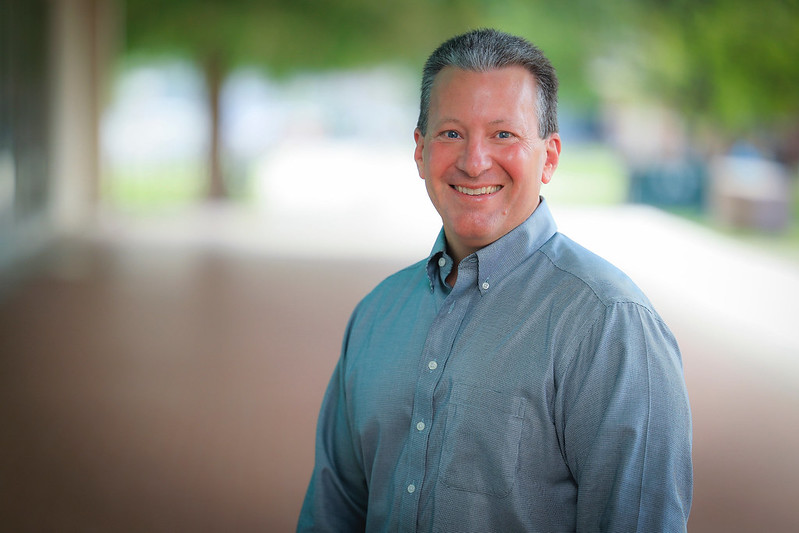
Listen to KC Sheperd visit with USDA NASS's Troy Marshall.
Two USDA reports important for grains were released on September 30, quarterly Grain Stocks and the annual Small Grains Summary. Farm Director KC Sheperd caught up with USDA National Agricultural Statistics Expert Troy Marshall to discuss the contents of the reports.
Wheat production increased significantly in Oklahoma, Texas, and Kansas, which Marshall attributed to weather conditions. Oklahoma showed 4.35 million planted acres in 2024, 2.85 million acres harvested, and 38 bushels to the acre yielded, and 108.3 million bushels of wheat were produced in the state.
"That production number is about a 58 percent increase over last year," he said.
Texas, in 2024, planted 5.5 million acres, down from 6.5 last year. Harvested acres totaled 2.6 million acres, up from 2.1 million last year; however, yield was down 6 bushels per acre from the 2023 numbers to 31 bushels per acre this year. Texas produced a total of 80.6 million bushels of wheat, compared to 77.7 million bushels last year.
Kansas planted 7.6 million acres of wheat, down from 8.1 million in 2023. 7.15 million of those acres were harvested which is up from 5.75 million acres last year. This year's yield was 43 bushels per acre as compared to 35 bushels per acre in 2023. Wheat production was up to 307 million bushels, a 53% increase from last year.
Oklahoma planted 98% hard red winter wheat, with the other 2% being soft red winter wheat, unchanged from last year. Texas's wheat was 95% hard red winter wheat, a 2% decrease from last year. Kansas planted 94% of their wheat fields with hard red winter wheat. Two percent was soft red and 4% was hard white winter wheat.
KC brought up the topic of rye production in Oklahoma, which saw a decrease in planted acres but an increase in harvested acres for grain.
"The big news for Oklahoma rye is that we know a lot of it gets used for forage and grazing, so when we look at the harvest report, it shows about seventy thousand acres being harvested for grain," Marshal explained. "That is up from about 45 thousand acres in 2023."
Yield increased to 27 bushels per acre from 17 bushels in 2023. Those harvested acres produced 1.9 million bushels total compared to 165 thousand bushels last year.
The final quarterly survey for spring-planted crops, including small grains, would be published in January, marking the start of tracking planted acres for wheat.
U.S. Highlights: United States winter wheat production for 2024 totaled 1.35 billion bushels, down 1 percent from last month but up 9 percent from 2023. Yield averaged 51.7 bushels per acre, 1 bushel higher than a year ago. Acreage to be harvested for grain totaled 26.1 million acres, up 6 percent from last year. Oat production is estimated at 67.8 million bushels, up 19 percent from 2023. Yield is estimated at 76.5 bushels per acre, up 7.9 bushels from the previous year. Barley production, at 144 million bushels, was down 23 percent from last year. Rye production is estimated at 14.7 million bushels, up 42 percent from 2023.
Winter Wheat Planted reached 39 percent, up 3 percentage points from the previous year and 1 point from the average. Winter Wheat Emerged reached 14 percent, up 1 point from a year ago and from the average.
Corn dented reached 96 percent, down 1 point from last year and up 1 point from the five-year average. Corn mature reached 75 percent, down 4 points from last year, but up 5 points from the average. Corn harvested reached 21 percent, equal to last year but up 3 points from the average. Corn conditions rated 64 percent good to excellent, 24 percent fair, and 12 percent poor to very poor. Last week's conditions rated 65 percent good to excellent, 23 percent fair, and 12 percent poor to very poor.
Soybeans dropping leaves reached 81 percent, down 1 point from last year, but up 8 points from the five-year average. Soybeans harvested reached 26 percent, up 6 points from last year and 8 points from the average. Soybean conditions rated 64 percent good to excellent, 25 percent fair, and 11 percent poor to very poor. Last week's conditions rated 64 percent good to excellent, 25 percent fair, and 11 percent poor to very poor.
Cotton Bolls Opening reached 72 percent, equal to a year ago and up 1 point from the five-year average. Cotton harvested reached 20 percent, up 3 points from a year ago and 4 points from the average. Cotton conditions rated 31 percent good to excellent, 32 percent fair, and 37 percent poor to very poor. Last week's conditions rated 37 percent good to excellent, 35 percent fair, and 26 percent poor to very poor.
Sorghum Coloring reached 96 percent, up 1 point from the previous year but equal to the average. Sorghum Mature reached 69 percent, up 2 points from last year and 5 points from the average. Sorghum harvested reached 35 percent, up 2 points from the previous year and 1 from the average. Sorghum conditions rated 45 percent good to excellent, 32 percent fair, and 23 percent poor to very poor. Last week's conditions rated 44 percent good to excellent, 34 percent fair, and 22 percent poor to very poor.
Winter Wheat Planted reached 22 percent, down 2 points from a year ago, and 10 points from the five-year average. Winter wheat emerged reached 7 percent, down 2 points from a year ago and 1 from the average.
Corn Mature reached 95 percent, up 14 points from a year ago, and 16 points from the five year average. Corn harvestedreached 62 percent, up 23 points from a year ago and 25 from the average. Corn conditions rated 61 percent good to excellent, 29 percent fair, and 10 percent poor to very poor. Last week's conditions rated 61 percent good to excellent, 29 percent fair, and 10 percent poor to very poor.
Sorghum Coloring reached 85 percent, equal to last year, but down 6 percentage points from the five-year average. Sorghum mature reached 51 percent, up 5 points from a year ago but down 5 points from the average. Sorghum harvested reached 34 percent, up 17 points from a year ago and 16 points from the average. Sorghum conditions rated 62 percent good to excellent, 25 percent fair, and 13 percent poor to very poor. Last week's conditions rated 59 percent good to excellent, 31 percent fair, and 10 percent poor to very poor.
Soybeans setting pods reached 92 percent, down 1 point from the previous year and the five-year average. Soybeans dropping leaves reached 36 percent, down 2 points from a year ago, but up 2 points from the average. Soybean conditions rated 42 percent good to excellent, 36 percent fair, and 22 percent poor to very poor. Last week's conditions rated 39 percent good to excellent, 38 percent fair, and 23 percent poor to very poor.
Cotton bolls opening reached 72 percent, up 1 point from last year and 25 points from the average. Cotton conditions rated 26 percent good to excellent, 50 percent fair, and 24 percent poor to very poor. Last week's conditions rated 28 percent good to excellent, 48 percent fair, and 24 percent poor to very poor.
Livestock conditions rated 61 percent good to excellent, 23 percent fair, and 16 percent poor to very poor. Last week's conditions rated 58 percent good to excellent, 25 percent fair, and 17 percent poor to very poor.
Pasture and range conditions rated 31 percent good to excellent, 35 percent fair, and 34 percent poor to very poor. Last week's conditions rated 33 percent good to excellent, 33 percent fair, and 34 percent poor to very poor.
Winter wheat planted was 32 percent, equal to both last year and the five-year average. Emerged was 10%, down 1 point from last year and the average.
Corn mature reached 92 percent, up 1 point from last year, and 9 from the average. Corn harvested reached 53 percent, down 6 points from last year and 14 points from the average.Corn conditions rated 31 percent good to excellent, 31 percent fair, and 32 percent poor to very poor. Last week's conditions rated 38 percent good to excellent, 32 percent fair, and 30 percent poor to very poor.
Soybeans dropping leaves reached 73 percent, down 3 points from last year, but up 10 points from the average. Soybeans harvested reached 11 percent, down 9 percentage points from last year and 1 point from the average. Soybean conditions rated 50 percent good to excellent, 31 percent fair, and 19 percent poor to very poor. Last week's conditions rated 51 percent good to excellent, 32 percent fair, and 17 percent poor to very poor.
Sorghum Coloring reached 95 percent, up 2 percentage points from both last year and the five-year average. Sorghum mature reached 60 percent, up 4 points from last year and 10 points from the average. Sorghum harvested reached 17 percent, equal to last year, and up 6 points from the average. Sorghum conditions rated 39 percent good to excellent, 36 percent fair, and 25 percent poor to very poor. Last week's conditions rated 38 percent good to excellent, 39 percent fair, and 23 percent poor to very poor.
Cotton bolls opening reached 81 percent, down 9 points from last year, but up 16 points from the average. Cotton harvested reached 8 percent, up 4 points from last year and 6 points from the average. Cotton conditions rated 49 percent good to excellent, 34 percent fair, and 17 percent poor to very poor. Last week's conditions rated 40 percent good to excellent, 37 percent fair, and 23 percent poor to very poor.
Pasture and range conditions rated 27 percent good to excellent, 43 percent fair, and 30 percent poor to very poor. Last week's conditions rated 33 percent good to excellent, 39 percent fair, and 28 percent poor to very poor.
Winter Wheat planted reached 43 percent, up 2 percentage points from a year ago and 4 points from the five-year average. Winter wheat emerged reached 15 percent, up 4 points from a year ago and the 5-year average.
Corn harvested reached 91 percent, up 14 points from last year and 15 points from the average. Corn conditions rated 41 percent good to excellent, 28 percent fair, and 31 percent poor to very poor. Last week's conditions rated 41 percent good to excellent, 28 percent fair, and 31 percent poor to very poor.
Cotton bolls opening reached 65 percent, equal to the previous year but up 1 point from the average. Cotton harvested reached 31 percent, up 4 points from the previous year, and 7 points from the average. Cotton conditions rated 20 percent good to excellent, 30 percent fair, and 50 percent poor to very poor. Last week's conditions rated 22 percent good to excellent, 30 percent fair, and 48 percent poor to very poor.
Sorghum harvested reached 90 percent, up 6 points from the previous year and 5 points from the average. Sorghum conditions rated 47 percent good to excellent, 31 percent fair, and 22 percent poor to very poor. Last week's conditions rated 47 percent good to excellent, 31 percent fair, and 22 percent poor to very poor.
Soybeans dropping leaves reached 86 percent, up 1 point from a year ago and equal to the average. Soybeans harvested reached 45 percent, equal to last year, but down 9 points from the average. Soybean conditions rated 29 percent good to excellent, 49 percent fair, and 22 percent poor to very poor. Last week's conditions rated 34 percent good to excellent, 48 percent fair, and 18 percent poor to very poor.
Pasture and range conditions rated 20 percent good to excellent, 33 percent fair, and 47 percent poor to very poor. Last week's conditions rated 17 percent good to excellent, 33 percent fair, and 50 percent poor to very poor.
Each week, Beltway Beef brings you the latest policy news affecting the U.S. cattle and beef industry. Hear from subject-matter experts, producers, and industry leaders on the topics that impact the business viability of farms and ranches across the country.
In this episode, we dive into two anti-agriculture ballot propositions up for a vote this fall in the City of Denver. Colorado Cattlemen's Association Executive Vice President Erin Karney Spaur shares the details of how ballot initiatives 308 and 309 would harm the western way of life and explains how these two votes serve as a test case for future action by radical animal rights activists.
Smithfield Foods, in partnership with the Oklahoma Pork Council, closed out Hunger Action Month today with an astounding 33,000-pound pork donation to the Regional Food Bank of Oklahoma.
"At Smithfield Foods, we take the honor of feeding our neighbors very seriously," said Cathy Vaughan, Smithfield's safety manager and Oklahoma Pork Council board member. "We are proud of the work we do, and what a joy it is to share our high-quality products with families in need. With hog production operations located in Laverne, Oklahoma, we continually look for ways to give within the local community, and we are grateful to also have broader opportunities like this one to make a huge impact across the state."
Each September, the Feeding America network of food banks celebrate Hunger Action Month (H.A.M.) to mobilize volunteers and solicit donations in a continued effort to reduce food insecurity.
Thanks to encouragement from Oklahoma Secretary of Agriculture Blayne Arthur in 2021 when noticing pork's potential spotlight thanks to the H.A.M. acronym, Oklahoma Pork has worked with our members to encourage large scale donations like this one during September over the past four years.
"There's so much to celebrate here," shared Kylee Deniz, Oklahoma Pork's executive director. "We have a fantastic champion of our state's livestock producers in Secretary Arthur. We have incredibly generous members like Cathy and her team at Smithfield Foods. And, we have an inspiring partner in the Regional Food Bank who will deploy this massive donation across our state in record time."
Smithfield's donation, equivalent to 132,000 servings of protein, included nutritious pork products of hams, bacon and more. The semi-truck full of food will be made available to the Regional Food Bank's network of partners in communities throughout 53 central and western Oklahoma counties.
"We are so grateful for this generous collaboration. This is the perfect end to Hunger Action Month and will help provide thousands of nutritious meals to rural and urban communities across central and western Oklahoma," said Stacy Dykstra, chief executive officer of the Regional Food Bank.
The Oklahoma Pork Council and Smithfield Foods encourage other pork producers to find opportunities to donate food, funds, or time to the Regional Food Bank or local feeding partners across the state. Click here to learn more.
U.S. farmers are increasing pressure on the Biden administration to allow vaccinations for chickens, turkeys, and cows to protect them from bird flu infections that have devastated flocks for three years.
This autumn, flocks in the $67 billion U.S. poultry industry for the first time face a double risk for infections from dairies and migrating birds that can spread the disease.
Bird flu, which is lethal for poultry and reduces milk output in dairy cows, has eliminated more than 100 million chickens and turkeys since 2022 in the biggest U.S. outbreak ever.
Rose Acre Farms, the second-biggest U.S. egg producer, wants the U.S. Department of Agriculture to allow vaccinations, CEO Marcus Rust told Reuters. The company lost millions of hens in outbreaks and is relocating an Indiana facility for breeding chickens because it sits across a highway from a wildlife refuge that attracts migratory ducks, he said.
"We're farmers. We want our animals to live," Rust said.
The virus' jump to cattle in 14 states and infections of 13 dairy and poultry farm workers this year have concerned scientists and federal officials about the risks to humans from further spread.
The nation's leading egg, turkey and dairy groups argued in an August letter to Agriculture Secretary Tom Vilsack that the economic toll of the outbreak justifies deploying a vaccine. And federal lawmakers say USDA should accelerate its vaccine research and develop new methods to help farmers avoid outbreaks.
"It is obvious that the current outbreak has no end in sight," a dozen members of Congress, led by Representatives Randy Feenstra, a Republican, and Democrat Jim Costa, said in another August letter to Vilsack.
A USDA spokesperson said the agency has been collaborating with state and federal agencies and researchers to protect livestock, farmers and farm workers and is researching animal vaccinations.
However, Vilsack said in a previously unreported March letter to members of Congress that a vaccine campaign would face challenges including potential barriers to exports. Many countries ban imports of vaccinated poultry because of concerns that the vaccine could mask the presence of the virus.
"Widespread vaccination of commercial poultry is not possible in the short term," Vilsack wrote in the letter, which the animal welfare group Farm Forward obtained through a public records request and shared with Reuters.
A growing number of countries are considering once-taboo vaccines. France last year began vaccinating ducks for bird flu. New Zealand, which has never had a case of bird flu, is testing a vaccine on five species of wild birds.
"The only use of a vaccine in the U.S. is in this particular case due to the endangered status of that wild bird," said Julianna Lenoch, a USDA wildlife disease expert. The U.S. vaccinated 94 condors and saw deaths from bird flu stop, she said on a Thursday webinar.
Bird flu eliminated 17 million egg-laying hens from April through July, according to USDA data. By August, retail egg prices eclipsed $3.20 per dozen and reached a 16-month high, federal data show.
The egg industry will need to increase supply to reduce prices and the migratory period creates uncertainty, said Brian Moscogiuri, a vice president for Eggs Unlimited.
The migration season for wild birds is underway and will last until December, with waterfowl flying south from northern states like Minnesota, experts said. Blue-winged Teal ducks can travel all the way to South America, said Andy Ramey, research scientist for the U.S. Geological Survey.
Brazil, the world's top chicken exporter, could see more cases in wild birds due to migrations, its poultry association said.
Migratory birds can carry the virus without dying and transmit it to poultry. However, it appears fewer wild birds are becoming infected, probably because they are building immunity, Ramey said.
"There is reason to have hope," he said.
(Reporting by Leah Douglas in Washington and Tom Polansek in Chicago; Additional reporting by Lucy Craymer in Wellington and Roberto Samora in Sao Paulo; Editing by Caroline Stauffer and Bill Berkrot)Article courtesy of Successful Farming
Join us on October 10th for a special Rancher's Thursday Lunchtime Session featuring a live zoom interview with pioneering cattle rancher and OSU alumna Minnie Lou Bradley, at her home in Childress, TX. This one-time event, organized by the Oklahoma State University Extension beef cattle team, is open to producers, industry professionals, students and educators.
The session will include a one-on-one Q&A with Bradley, led by OSU Extension experts Paul Beck, Rosslyn Biggs and David Lalman, focusing on cattle management and herd development in the challenging climate of southwest Oklahoma and the Texas Panhandle.
Oklahoma Farm Bureau has selected Kinsey Westwood to lead the organization's public policy department as senior director of public policy and has tapped Gage Milliman to join the policy department as a director of public policy.
Westwood has served as OKFB's senior public policy consultant since 2023 in addition to a previous stint with the organization from 2011-2012. In her new role, Westwood will oversee the advocacy efforts of Oklahoma's largest general farm organization at the state legislature and through the rulemaking and regulatory processes. Westwood will also work with Oklahoma's congressional delegation and federal agencies to advance OKFB's grassroots policies at the federal level.
Gage Milliman
"I am excited to help Oklahoma's family farmers and ranchers by amplifying their voices and grassroots policy through Farm Bureau's advocacy efforts," Westwood said. "I am proud to help make a difference for Oklahoma agriculture through OKFB's public policy initiatives across the state and in Washington, D.C."
Milliman will advocate for OKFB's grassroots member-developed policies at the state Capitol and beyond as director of public policy. Milliman will also work to connect Farm Bureau members from around the state with the legislative process.
Milliman previously served as the northeastern field representative for the organization since 2015 where he worked as a liaison between 14 northeastern county Farm Bureaus and the state organization. Milliman's agriculture background includes raising registered Charolais cattle with his wife, Trista, and son, Henry, in Nowata County.
"After nine years of working with our members and the agricultural community as a member of the OKFB field staff, I feel like I can continue to be an asset to Oklahoma Farm Bureau in our Public Policy Department," Milliman said. "I'm looking forward to getting started in my new role."
Kenneth R. Hartman Jr., a corn farmer from Waterloo, Ill., began his term this week as president of the National Corn Growers Association (NCGA).
During meetings with the media today, Hartman discussed the current economic challenges corn growers face and said he wanted to push for passage of a robust farm bill, expand markets and address tariffs that are being placed on ag supplies and passed on to farmers.
He also talked about the need to extend consumer access to higher blends of ethanol. Key to accomplishing these goals, he said, is building relationships.
"My theme as president is "Building Bridges," Hartman said. "We need to build on our ties with existing allies while cultivating new relationships with other organizations inside and outside agriculture. We also need to continue to reach out to policymakers and other leaders who may not represent rural communities but who benefit indirectly from the work of farmers. I strongly believe that coalition building is one of the most effective ways to get things done."
Hartman, a fifth-generation farmer, operates his farm along with his wife Anita, mother Joann and daughter Amanda.
Hartman has extensive experience in advocacy. He served on the NCGA board for six years in a variety of leadership roles, and he is a past president of the Illinois Corn Growers Association and past chairman of the Illinois Corn Marketing Board. He is also a member of the Illinois Leadership Council for Ag Education.
In 2021, Hartman was honored by Prairie Farmer magazine with the Master Farmer award for his exceptional agricultural production skills as well as his commitment to family and service.
Hartman takes the reins at NCGA as growers across the Corn Belt face rising input costs and lower commodity prices. To address the issue, Hartman said he will focus on several issues, including advancing ethanol legislation, working with U.S. officials to expand foreign markets and identifying new uses for corn.
NCGA's board elects a member of the board to serve as president each year. The term begins in early October, the start of NCGA's fiscal year.
Harold Wolle, the organization's immediate past president who hails from Minnesota, will now serve as chairman of the board.
USDA is forecasting old-crop corn ending stocks at 1.76 billion bushels, and old-crop soybean ending stocks came in at 342 million bushels. Both stocks came in at the lower end of the analysts' pre-report estimates.
USDA released its Small Grains Summary and quarterly Grain Stocks reports on Monday.
Allendale's Rich Nelson said The Grain Stocks report is a count of old crop remaining as of September 1. "For corn and soybeans this puts the stamp on official ending stocks for the completed 2023/24 marketing year. USDA's prior view, carried on the monthly supply/demand report, had been an estimate."
Also on this report, USDA issues revised 2023 fall production. For wheat, September 1 stocks represent old crop remaining after one quarter of use. There were 56,000 producers and 8,000 commercial grain facilities surveyed for Grain Stocks. The second report, Small Grains Summary, revises official production for wheat, barley, oats and rye. Surveys from 56,000 producers across 10 states were conducted.
Wheat:2024/25: The old crop marketing year for wheat ended on May 31. Both of today's reports cover only new crop information. The Small Grains Summary lowered USDA's new crop production view by 11 million bushels to 1.971 billion. The trade expected a decline to 1.766 (ALDL 1.993). USDA also released old crop stocks as of September 1. At 1.986 billion it was just over the 1.986 trade expectation (ALDL 2.015). Though there are clear concerns over winter wheat planting and likely 2025 production, the market remains pressured by still large near term exports from Russia and Ukraine.
Corn:2023/24: Old crop US corn ending stocks were finalized at 1.760 billion bushels. USDA's prior 9/12 estimate was 1.812. The trade had expected an increase to 1.844 (ALDL 1.822). Today's report lowered the prior stock estimate by 52 million bushels. For the fifth year in a row USDA has also included a revision of the prior fall harvest. That was lowered by a minimal 1 million bushel to now 15.341 billion. The coming October 11 supply/demand report will show a detailed view of USDA's revised import and demand numbers for old crop. For corn, with good known demand for corn for ethanol and crush today's report helps fill in the blank for Q4 feed/residual.
2024/25: There were no new crop numbers in today's Grain Stocks report, only old crop stocks and revised prior year production. Today's report simply lowers the beginning stock estimate for new crop by 52 million bushels. Though this will not be enough to change the general narrative of a year over year supply increase, it does trim numbers. Before assuming any further changes for the coming October 11 supply/demand it would lower new crop stocks from 2.057 billion bushels to 2.005. View Market Outlook For Pricing Updates
Soybeans:2023/24: Old crop US soybean ending stocks were finalized at 342 million bushels. The trade estimate was 351 (ALDL 359). USDA's prior estimate from September 12 was 340. For 20 years USDA has also included a revision to the prior fall harvest on this report. Today's revision was relatively minor at only 2 million to now 4.162 billion. The coming October 12 supply/demand report will show a detailed view of USDA's revised import and unknown demand numbers for old crop.
2024/25: There were no new crop numbers on today's Grain Stocks report, only old crop changes. For its impact for new crop, this will start beginning stocks with a minimal 2 million increase. Assuming no other changes it would push stocks up from 550 million to 552. View Market Outlook For Pricing Updates
SMALL GRAINS SUMMARY
All wheat production totaled 1.971 billion bushels in 2024, up from the 2023 total of 1.811 bb. All wheat yield came in at 51.2 bushels per acre, up from 48.7 bushels from 2023.
All wheat planted equaled 46.08 million acres, down from 49.58 million acres in 20230 and harvested acres came in at 38.47 million.
All winter wheat production was 1.349 billion bushels with yield at 51.7 bushels per acre. All winter wheat planted acreage came in at 33.39 million acres, and harvested acres came in at 26.1 million acres.
Hard red winter wheat production came in at 770.44 million bushels, up by 174 million bushels from a year ago.
Soft red winter wheat production is forecast at 342.44 million bushels, down from 449 million acres from one year ago.
White winter wheat production came in at 236 million bushels, down from 197 million bushels a year ago.
Spring wheat production was reported at 542.32 million bushels. Spring wheat acreage planted was 10.63 million acres and harvested acres came in at 10.33 million.
Durum wheat production was 80.1 million bushels and yield came in at 39.3 bpa. Planted durum acreage was 2.06 million acres and harvested acres were 2.04 million.
Here is Your Daily Oklahoma Farm and Ranch News Update:
Ensuring Your Farm's Future: Phil Nichols Discusses Legacy Planning
How 3-D Imaging Could Transform Beef Yield Grading: Dr. Dale Woerner Explains
Stabenow, Boozman Praise Senate Passage of Resolution Supporting the Designation of National 4-H Week
Ensuring Your Farm's Future: Phil Nichols Discusses Legacy Planning
U.S. Pork Producers, Veterinarians Protected from Misguided Antimicrobial Reduction Mandate
ASA Submits Coalition Comments, Farmer Petition on EPA's Insecticide Strategy
Why You Should Run for Your Cooperative Board
AFBF's Zippy Duvall Unhappy as 2018 Farm Bill Expires- With Inaction the Status Quo in the Halls of Congress
Today marks the expiration of the one-year extension of the 2018 farm bill, leaving farmers and ranchers anxious about whether Congress can secure a new, five-year reauthorization. Despite Congress giving themselves a full extra year to craft and pass a new farm bill, inaction remains the status quo in the halls of Congress.
"We are running out of time," said American Farm Bureau Federation President Zippy Duvall. "Farmers and ranchers were told lawmakers just needed more time to pass a five-year farm bill, but once again we find ourselves in a lurch without much-needed improvements to safety net and risk management programs. Meanwhile, America has lost 141,000 farms in five years. Low commodity prices, rising supply costs, inflation and outdated farm policy provisions threaten to destroy the dreams of thousands more.
"We applaud House Agriculture Committee Chairman GT Thompson for crafting and moving a bipartisan farm bill through committee. And we appreciate Ranking Member David Scott's commitment to achieving a full reauthorization of the farm bill instead of passing the buck with another extension. In the Senate, Chairwoman Debbie Stabenow and Ranking Member John Boozman have both released outlines and priorities.
"All of this is forward progress. But America's farmers and ranchers need results. Food doesn't appear on grocery store shelves because farmers put ideas on paper. Families in this country can purchase safe, nutritious and affordable food because farmers and ranchers take action every day of the year.
"Actions speak louder than words. I urge members of Congress and party leaders to put politics aside and pass a new, modernized farm bill. Show every family in America that ensuring a full pantry is the priority of those we elected to serve."
As the premier John Deere dealer across Oklahoma & Arkansas, P&K Equipment is proud to serve our 20 communities and the surrounding areas. From residential, small ag & hay, large ag, & compact construction equipment- the P&K team makes it easy to buy & own your John Deere equipment. You'll find transparent pricing & easy financing options on the website & in stores. You'll have technology, sales, parts, and service support long after the sale. So when you're ready to experience the ease of operating John Deere equipment- you can trust the experts at P&K Equipment.
How 3-D Imaging Could Transform Beef Yield Grading: Dr. Dale Woerner Explains
Senior Farm and Ranch Broadcaster Ron Hays is featuring comments from Dr. Dale Woerner, Cargill Endowed Professor in the Department of Animal and Food Sciences at Texas Tech University from a recent conversation he is featured in on the Angus at Work Podcast. Yesterday's BeefBuzz detailed the problems with the current yield grade system, and today, Woerner gets into potential solutions.
"Technology is the key," Woerner said. "Technology that can run at production speeds and give us the accuracy we are looking for."
He pointed out that medical technology has generally been a good starting point for the agricultural industry to look at precision measurements. He and his team at Texas Tech have evaluated CT scanning, MRI scanning, and DEXA scanning.
"X-ray technology allows us to look into the animal – fat, muscle, bone," Woerner continued. "Those technologies are not only accurate, but they are measurements of yield. We can use those measurements to quantify with a very high level of accuracy and confidence how much muscle, fat, and bone is in a carcass."
Stabenow, Boozman Praise Senate Passage of Resolution Supporting the Designation of National 4-H Week
U.S. Senators Debbie Stabenow (D-MI) and John Boozman (R-AR), Co-Chairs of the Senate 4-H Caucus, Thursday applauded the adoption of their resolution designating October 7 through October 12 as "National 4-H Week."
Stabenow said: "As a former 4-H'er myself, I know that 4-H prepares young people to thrive in their communities and be the next generation of leaders both on and off the farm. Through hands-on experience, 6 million 4-H'ers are learning the skills they need to tackle the critical issues we face today and in the future."
Boozman said: "4-H is a very special organization for the Boozman family. My three daughters were active 4-H members and were state record book winners. I can't think of any entity outside of church that played a larger role in influencing their lives. 4-H has been a positive influence on generations of young people, which is why I am proud to join Chairwoman Stabenow to lead this resolution honoring the organization. Join me in marking National 4-H Week by encouraging youth to continue participating and benefiting from this program."
4-H is a youth development program of the Cooperative Extension System of land-grant universities, and it is the largest youth development organization in the country. The organization provides experiences for nearly 6 million young people through hands-on projects in health, science, agriculture, and civic engagement.
For our farmers who have either- always have had cotton on their farms- or those who have more recently have added the fiber crop to their operations- we have a daily report heard on several of our Radio Stations- It's Called Cotton Talk!
Click on the Button below to listen to our most recent report
Great Plains Kubota is Oklahoma's family of full-line Kubota dealerships offering Kubota sales, service, and parts. As an Oklahoma Elite Kubota dealer, we have a large selection of Kubota Tractors, Kubota Mowers, Kubota Utility Vehicles, Kubota Construction Equipment and Kubota's line of Hay Tools. Give us a call today at 855-4KUBOTA or stop by any of our Kubota dealerships in Ada, Ardmore, Duncan, Edmond, Shawnee, Norman, Stillwater and our newest location serving western Oklahoma and beyond, Clinton. To schedule a DEMO with one of our Outside Salesmen, email gpsales@gpkubota.com Visit us and see why Great Plains Kubota is... the brand that serves!
School land auctions begin October 7. Click HERE for more info.
Ensuring Your Farm's Future: Phil Nichols Discusses Legacy Planning
Farm Director KC Sheperd spoke with Phil Nichols of the Black Oak Alliance Group about how farmers and ranchers can secure their legacies for the next generation.
Nichols advised that producers must begin by talking with their families about what they want to happen to their assets after their deaths and admitted that it is often the most difficult step.
"Communication is so critical, but you have to address a lot of things," he said. "Many folks aren't working actively in the operation anymore because they have moved on and begun careers in other areas. So that natural succession plan isn't an option."
Nichols laughed as he admitted that his group often serves as arbitrators in such situations at times. "We've been doing this for more than 30 years, so over the years, we have learned – the hard way sometimes – how to help get people to open up about these topics. They are hard topics."
With the understanding that no one wants to talk about the end of life, Nichols said that the responsible thing to ensure your legacy for your family is to have those conversations and review them often as things in life change.
We invite you to listen to us on great radio stations across the region on the Radio Oklahoma Ag Network weekdays-
if you missed this morning's Farm News - or you are in an area where you can't hear it- click below for this morning's Farm news from Ron Hays and KC Sheperd on RON.
The Oklahoma Wheat Commission promotes greater use of wheat in domestic and international markets through research, market development and public education.
Our Commissioners develop policy and programs, direct the funding, represent producer interests and, of course, promote Oklahoma wheat!
Learn more about the Oklahoma Wheat Commission by clicking here for their website.
U.S. Pork Producers, Veterinarians Protected from Misguided Antimicrobial Reduction Mandate
In a victory for America's pork producers and swine veterinarians, the National Pork Producers Council (NPPC) today celebrated the United Nations' (UN) decision to reject proposed on-farm target reductions of antimicrobials. Instead, the UN declaration on antimicrobial resistance invests in stewardship programs and strengthens veterinarians' roles on the farm, which NPPC strongly supports.
Without NPPC's leadership and science-based voice in these discussions, by 2030, the UN could have implemented a 30% global on-farm reduction in antimicrobials, as well as limits on the use of certain antibiotics in animal agriculture.
According to the U.S. Food and Drug Administration, domestic sales of all medically important antimicrobials intended for use in food-producing animals decreased by 33% between 2016 and 2017.
"Pork producers care about the health of their pigs, as healthy pigs ensure safe pork," said Dr. Ashley Johnson, NPPC director of food policy. "Efforts to dictate on-farm production practices – especially those not rooted in science – are harmful in nature and undermine veterinarians' ability to best care and treat animals."
ASA Submits Coalition Comments, Farmer Petition on EPA's Insecticide Strategy
ASA this week submitted documents to EPA on its draft Insecticide Strategy, including a coalition comment letter and a grower/applicator petition, urging the agency to ensure the framework is workable for U.S. agriculture.
The coalition letter, signed by over 200 organizations, raises concerns with EPA's denial of the request for comment period extension, highlighting that the agency received 27 request letters from more than 250 organizations and still denied the requests.
The groups underscored the importance of insecticides for farmers to avoid devastating pest damages and resistance management issues, also highlighting how insecticides are vital for maintaining certain conservation practices, such as cover crops and edge-of-field practices.
"U.S. agricultural producers stand to suffer tens of billions of dollars in crop losses and diminished conservation outcomes without continued access and meaningful use of these vital tools," groups state in the comments. "Further, consumers may face higher costs or decreased access to foods or textile products; livestock operations may face steeper prices for animal feed; fuel and energy prices could rise due to diminished supplies of biofuels feedstocks; among numerous other irreparable harms."
Serving on a cooperative board can be a thankless job. The pay is nominal and dissatisfied members find it easy to blame the board of directors. Despite those challenges, there is a lot of satisfaction and growth from both running for and serving on the board of directors.
Of course, being willing to run for the board of directors does not guarantee that you will be selected. That willingness to run is also a service to your fellow producers. As John Minton said: "They also serve who stand and wait!" By agreeing to run for the board you contribute to the democratic process of member control. Running for the board also broadens your connections with other producers and allows you to evaluate your own leadership and communication skills. Some cooperatives have associate board positions. Associate board members are usually appointed and serve for shorter terms. Associate board members attend meetings and participate in discussions but do not have a voting role. That can be a great way to get a trial view of being a board member.
Consider running for your cooperative board. You can improve your cooperative and become a better farmer!
OKC West is our Market Links Sponsor- they sell cattle three days a week- Cows on Mondays, Stockers on Tuesday and Feeders on Wednesday- Call 405-262-8800 to learn more.
Today's First Look:
Ron on RON Markets as heard on K101
mornings with cash and futures reviewed- includes where the Cash Cattle market stands, the latest Feeder Cattle Markets Etc.
Oklahoma National Stockyards had 5,312 head on the yards as of 9 PM last night. The sale will start at 6:30 am. We are expecting to start with 5,300 to 5,600.
According to USDA Market News Last Monday- Compared to the previous week: Feeder steers and steer calves unevenly steady except for 4 weight steers 20.00 higher. Three buyers had an order for 4 weight steers. Feeder heifers and heifer calves steady to 5.00 lower except 4 weight heifers 6.00 higher. Demand moderate. Quality was very plain until noon, then quality improved to average. The market started lower this morning and improved throughout the day. A cool front has come across Oklahoma yesterday and nights are in the 50s, calves are going to get harder to start.
Here's our regular feature that is a part of the Monday Daily Email- market commentary from Bob Rodenberger, a partner with Stockman Oklahoma Livestock Marketing.
Each afternoon we are posting a recap of that day's markets as analyzed by Justin Lewis of KIS futures - click below for the latest update on the Livestock and Grain Futures Trade..
Daily Oklahoma Cash Grain Prices- as reported by the Oklahoma Dept. of Agriculture- The report available after the close of the Futures Trade for that day.
Ron Hays, Senior Farm/Ranch Broadcaster and Editor
KC Sheperd, Farm Director and Editor
Dave Lanning, Markets and Production
Stevie White, Farm News and Email Editor
Pam Arterburn, Calendar and Template Manager
Podcasts From Oklahoma Farm Report and More
Two of our regular reports are also podcasts that you can subscribe to- Our daily Farm and Ranch News with KC Sheperd- available here on the Apple Podcast Platform
The second is our daily Beef Buzz with Ron Hays- available here on the Apple Podcast Platform
Periodically- we offer interviews on our Ag Perspectives Podcast series- this podcast is available here.
Ron has also has a series of podcasts from interviews with newsmakers at the Cattlemen's Congress- Click here or you can find them on your favorite Podcast platform- look for them by searching for Cattlemen's Congress Conversations.
We are making plans to jump back into regular installments of what has been called the Road to Rural Prosperity- a new name and fresh content is in the works- for now- click on the blue button below for one of our favorites that is a timeless classic.
The link below is one of our most recent podcasts- Ron spotlighting the Life and Times of Dr. Kim Anderson, who has just retired from OSU.
For your convenience, we have our sponsors' websites linked here- just click on their name to jump to their website- check their sites out and let these folks know you appreciate the support of this daily email, as their sponsorship helps us keep this arriving in your inbox on a regular basis- at NO Charge!
We invite you to check out our website at the link below too that includes an archive of these daily emails, audio reports and top farm news story links from around the globe.
Grants totaling more than $158 million have been approved by the Oklahoma Broadband Governing Board to bring reliable and affordable high-speed internet service to some 28,000 homes and businesses in Oklahoma.
Funded through the American Rescue Plan Act Capital Projects Fund (ARPA CPF), the board gave unanimous approval to 50 grants with 12 internet service providers (ISPs) for projects in 28 counties at a meeting on Thursday afternoon. The grants will be coupled with more than $109 million in matching funds from the ISPs.
Dr. Jim Meek, board chair, praised the work of the Oklahoma Broadband Office (OBO) and the internet service community.
"The partnership between the broadband office and our internet service providers has been essential in advancing vital projects for communities across the state," Meek said. "These grants will significantly enhance access to high-speed internet, improving economic opportunities and quality of life for tens of thousands of Oklahomans."
This is the second tranche of broadband grant funding approved by the board this year. Total awards from ARPA CPF and ARPA State and Local Fiscal Recovery Funds now top $500 million and will result in high-speed internet access to more than 66,000 locations in 57 of the state's 77 counties.
OBO Executive Director Mike Sanders said the hard work administering the two ARPA grant programs is paying off and data show it will provide service to almost 40 percent of the unserved and underserved homes and businesses in the state.
"These investments are a game changer for communities that have for far too long been left behind in the digital age," Sanders said. "We're moving closer to ensuring that every Oklahoman has access to the high-speed internet essential for success in today's world."
These grant awards will be followed by the final and largest broadband infrastructure program to be administered by the OBO. The Broadband Equity Access and Deployment (BEAD) program will provide more than $750 million in grants to further expand high-speed interest service throughout the state.
AgriGold provides tips for making the most of post-harvest time.
Yield maps can help farmers identify pinch points across their acres.
Getting a jump-start on the next season with fall fieldwork makes every farmer breathe a little easier. That's especially true for farmers in the Upper Midwest where the length of the growing season tends to be shorter.
"Getting a head start on the next corn planting season makes a huge difference here, especially in years like this past season when we had a lot of wet soils in the spring," says AgriGold Agronomist Jacob Gehrls. His territory includes the Dakotas and Minnesota. "Getting some of those tasks done in the fall eases tensions, especially in our far northern climates where we never know what spring will bring."
Soil testing tops the list of post-harvest priorities If farmers do nothing else in the fall, Gehrls urges them to have a soil testing plan in place. "I believe it's THE most important thing farmers can do with their fields," he says.
"Fertility is a major player when it comes to a field's yield potential," Gehrls continues. "Having a baseline understanding of its fertility gives farmers a better idea of how much they need to add to reach corn yield targets."
On the other hand, the potential losses a farmer might face by not fertilizing a field properly could far outweigh the cost of the soil test. The return on investment is certainly there, according to Gehrls.
Some farmers prefer to test soil in the spring. "The most important thing is being consistent. If you have always tested soil in the spring, keep doing it in the spring," Gehrls says. He recommends soil testing on an annual basis.
Gehrls encourages farmers to reach out to local agronomists they trust for reading and applying soil test results. Guidelines from in-state universities are another great resource. The recommendations soil testing companies provide can also be helpful, according to Gehrls.
Other fall punch list items During that post-harvest period, Gehrls says farmers should prioritize actions that will benefit fields the most next season. Yield maps can help them troubleshoot and improve.
"Pay attention to yield maps and areas that have been pinch points," Gehrls says. "Figuring out what the issue is on those areas, whether that's fertility or compacted soils or something else, helps you correct them." Identifying differences in areas with high yields versus low also helps farmers improve crop prospects across their acres.
Fall is also a good time for soil amendments, like remedying low soil pH levels in fields, if necessary. "Just make sure you use high-quality lime to balance pH levels," Gehrls advises.
This crop season especially, some farmers are facing compaction layers. "With the wetness that we've had and the number of spread applications that have gone on fields that were a little bit wetter than they should have been, there's potential for extra compaction," Gehrls explains. He encourages farmers to be aware of those issues and not make unnecessary passes through the field.
Winter is for planning "The winter is about planning for the upcoming corn planting season, picking the right hybrids for your acres and selecting the best fertility options for your fields," Gehrls says. That plan needs to be in place before farmers return to the field.
Crop plans should include what hybrids will go on each acre. "Each growing season varies, which is why it's important to have multiple hybrids with diverse genetics on the farm," he says.
"The goal is to put multiple Field GX™ families on your fields, tailoring placement to those acres," Gehrls says. That diverse mix of genetics helps spread risk for the wide assortment of weather challenges that could play out.
For help making the best hybrid choices for your acres, reach out to your local AgriGold agronomist or district sales manager.
Oklahoma Farm Bureau members are invited to share their stories of how the expiration of the Tax Cuts and Jobs Act will impact their operations ahead of a tax roundtable hosted by Congressman Kevin Hern on Tuesday, Oct. 29, in Oklahoma City.
The Tax Cuts and Jobs Act of 2017 sunsets at the end of 2025, meaning the end to many beneficial provisions for farmers and ranchers. The result will be increased taxes for most farm households, with the impact varying based on the type of farm.
Primary changes expected with the expiration of the TCJA include:
Income tax provisions (estimated increase of $4.5 billion)
Expiration of lower-income tax rates
Increased standard deduction
Cap on the deduction for state and local taxes
Elimination of the personal exemption
Business tax provisions
Elimination of the qualified business income deduction (estimated increase of $2.2 billion)
Phasing out of accelerated depreciation options for farm equipment
Federal estate and gift tax
The Tax Cuts and Jobs Act of 2017 doubled how much property could be transferred without paying federal estate tax
Expiration of the TCJA will lower this amount back to 2018 amounts, adjusted for inflation
A look at the numbers shows those owing estate taxes will see an increase from 0.3% to 1%. Federal estate taxes are expected to double – from $572 million to $1.2 billion. Farm estates required to file an estate tax return will increase from 1.1% to 3.9%
OKFB anticipates the act's expiration will have major effects on total tax liabilities of farm households, with moderate-sales households experiencing the largest percentage increase.
Farm Bureau members or agriculture small business owners with concerns about the effects of these eliminations are invited to submit their concerns or examples of potential impacts to OKFB's Kinsey Westwood at kinsey.westwood@okfb.org before Oct. 28.
CASFER is a collaborative research initiative focused on developing and implementing advanced technologies for sustainable fertilizer production. By bringing together leading academic institutions and industry partners, CASFER aims to create innovative solutions that address the global challenge of sustainable agriculture.
"We are thrilled to welcome Inside Out to the CASFER community," said Gerri Botte, CASFER director. "This collaboration aligns with our shared vision of innovating in sustainable agriculture and bringing those innovations to regions in need. Ultimately, this will enhance global food security and drive meaningful change."
Inside Out is dedicated to creating sustainable solutions across various sectors, including food, fashion, textiles, home, wellness and media, through pioneering science, technology and education. It focuses on delivering innovative, game-changing solutions that balance commercial returns with people's needs while also fostering creativity and driving lasting impact.
"We are honored to join forces with CASFER in this vital mission," said Suzy Amis Cameron, Inside Out CEO. "At Inside Out, we believe sustainable innovation is not only necessary but urgent. This partnership allows us to leverage groundbreaking research to create real-world solutions that support farmers and global food systems while reducing environmental impact. Together, we can make a significant shift toward a more sustainable, profitable and secure future for food production. We call this 'Business for the Environment,' ensuring both return on capital and return for the environment."
The strategic license agreement with Inside Out marks a significant advancement in this partnership, facilitating the transition of groundbreaking research into practical applications. For CASFER and Texas Tech, it ensures the innovative technologies developed at the center reach the market. For Inside Out, it provides access to cutting-edge research, accelerating advancements in sustainable fertilizer technology. This partnership exemplifies how academic and industry collaborations can foster innovation and address global challenges.
"This partnership between CASFER, Texas Tech and Inside Out is truly exciting," said Cameron Smith, assistant vice president of Research Commercialization at Texas Tech. "Collaborations like this empower universities to drive meaningful change on a global scale. We look forward to the advancements in fertilizer technology and the positive societal impact this partnership will create."
About CASFER
CASFER is one of only 19 NSF-funded Engineering Research Centers in the U.S. This $51-million, 10-year investment by the National Science Foundation (NSF) demonstrates a strong commitment to CASFER's transformative work. In collaboration with Case Western Reserve University, Florida A&M University, Georgia Institute of Technology, and the Massachusetts Institute of Technology, Texas Tech is spearheading efforts to enable resilient and sustainable food production. CASFER focuses on developing next-generation, modular, and efficient technologies for capturing, recycling and producing decarbonized nitrogen-based fertilizers.
Listen to Ron Hays talking with Bray Haven about the 2025 Cattlemen's Congress.
Senior Farm and Ranch Broadcaster Ron Hays caught up with Executive Vice President of Cattlemen's Congress Bray Haven to get an update on the 2025 show slated for January 4-16, 2025, in Oklahoma City.
The mission of the Cattlemen's Congress is to be an exhibitor-friendly show for cattlemen, by cattlemen. All of the major breed associations are involved and for many of them, Cattlemen's Congress is already one of the largest shows of the year. Several have added ancillary events to the 2025 show's lineup.
"Every year, it seems like someone wants to add something new," Haven said. "People are grasping the fact that we'll have cattlemen from all over the country here, and we need to be having our meetings and talking about issues and encouraging people to participate in all of the things that we have going on in the first two weeks of January."
Haven encouraged anyone interested in agriculture, especially beef cattle to go and spend a day exploring at Cattlemen's Congress as there is something for everyone. "It is really unique," he said. "You won't find anywhere, probably in the world, that you can see the diversity in the number of purebred, seedstock cattle that people are trying to bring out the best genetics in, all in one place."
Although this will only be the fifth year for the event, it draws crowds like shows that have been happening for decades. It also features a stellar tradeshow chock full of things to do and buy.
There is no gate fee and parking is free, and the full schedule of events can be found at cattlemenscongress.com.
The Beef Buzz is a regular feature heard on radio stations around the region on the Radio Oklahoma Ag Network and is a regular audio feature found on this website as well. Click on the LISTEN BAR at the top of the story for today's show and check out our archives for older Beef Buzz shows covering the gamut of the beef cattle industry today.
The event is open to the first 160 registered individuals and costs $175 per person. After Dec. 2, registration increases to $225. Refunds will not be issued, but substitutions are allowed if registrants cannot attend.
Certified crop advisor exam preparation will be held on Dec. 16. Meetings will begin at 10 a.m. on Dec. 17 and conclude in the afternoon on Dec.18. Twelve certified crop advisor continuing education credits as well as Oklahoma Department of Agriculture, Food and Forestry CEU credits will be offered. Lunch is also provided both days.
Sabanto, Inc., an innovator in agricultural technology, has announced a collaboration with King Ranch Ag & Turf, a division of the iconic King Ranch, Inc. This strategic alliance combines over a century of agricultural expertise with Sabanto, a company dedicated to creating simple, safe, and cost-effective technologies, strengthening the future of agriculture.
King Ranch Ag & Turf, a respected provider of John Deere lawn and garden, compact construction, and agricultural equipment across Texas, is now part of Sabanto's elite dealer network. This collaboration will transform the farming experience, blending King Ranch Ag & Turf's deep-rooted customer relationships with Sabanto's innovative technology.
"We are thrilled to bring Sabanto's groundbreaking AI solutions to our customers," said Lance Hancock, Vice President of King Ranch Ag & Turf. "This initiative allows us to offer our clients the best in farming technology, ensuring they can stay equipped for success in a competitive industry."
Sabanto's industry-leading autonomy system offers retrofit kits that seamlessly integrate with existing machinery, enabling operators to transform their current tractors into fully autonomous machines. This technology empowers farmers to maximize the efficiency and productivity of their operations without the cost of new equipment technology.
Craig Rupp, CEO of Sabanto, commented on the collaboration, "King Ranch Ag & Turf's commitment to excellence and their deep connection with the agricultural industry and community making them the ideal addition to our network. Together, we are paving the way for the future of farming, where precision and automation will redefine productivity and resource management."
Sabanto's extensive dealer network spans North America, allowing farmers across the continent to easily access and deploy autonomy into agriculture. With King Ranch Ag & Turf now on board, local farmers in Texas will benefit from world-class sales and support backed by decades of expertise in agricultural technology solutions.
Visit sabantoag.com to learn more about the company and the technology behind its autonomy platforms and to keep up with news as the company expands its product offerings throughout North America.
About Sabanto
Headquartered in Itasca, Illinois, Sabanto's mission is to accelerate autonomy in agricultural machinery to solve two primary problems: (i)the increasingly acute scarcity of labor in rural areas and (ii) ever-increasing capital expenses for modern ag machinery. Sabanto's core competency revolves around low-cost retrofits of existing agriculture machinery regardless of make or model, along with the development of necessary supporting software to maximize the utility of autonomous technology, thereby increasing producer ROI. Learn more at sabantoag.com.
About King Ranch Ag & Turf
Founded in 1913 as Robstown Hardware Company, King Ranch Ag & Turf has served Texas for more than a century. Today, King Ranch Ag & Turf has expanded to 14 locations across the Texas Gulf Coast Region. It offers sales, service, and parts for a full line of John Deere products. King Ranch Ag & Turf is an operation of King Ranch, Inc., a privately held agricultural production and resource management company established in 1853.
King Ranch, Inc., is a privately held agribusiness, real estate and natural resource management company established in 1853 with operations in Texas, Florida and California. Headquartered in Houston, Texas, and owner of the historic 825,000-acre King Ranch, its operations include various farming activities, livestock production, turfgrass production, as well as ownership of King Ranch Ag & Turf, the firm's John Deere dealership. The Company also operates the famous King Ranch Saddle Shop, www.krsaddleshop.com and is extremely proud of its 23-year partnership with Ford Motor Co. To learn more about King Ranch, Inc., visit https://king-ranch.com/.
Statewide Discussion: Most of Oklahoma received much needed rainfall just over one week ago with locations did measure wetting amounts temporarily boosting live herbaceous fuel moisture. The state is now seven days (or more in some areas) separated from wetting rains with persistent, underlying drought conditions and stressed fuels on the heels of a hot, dry summer. New wildfire occurrence increased over the weekend and that trend is expected to continue through the week with warm and dry conditions. While no critical fire weather is expected through the week, temperatures +/-10° above normal, ample daytime drying and a dry-front on Tuesday will support the expectation for increasing initial attack activity. Initial attack activity is expected to remain successful although few large fires (+300 acres) cannot be ruled. Probabilities for significant fire occurrence (+5,000 acres) remains very low.
Today: Good overnight moisture recovery will stall development of active burning conditions to some extent although above normal temperatures and afternoon relative humidity values ranging from the teens in the western Oklahoma Panhandle to around 35% further east. Overall, generally light winds will limit fire spread potential affording very good opportunity for successful initial attack.
Western One-Third of Oklahoma: Temperature will warm into the low- to mid-90°s with afternoon relative humidity values 16-25% yielding receptive fine-dead fuel moisture of 4% at many locations. Southerly winds sustained around 10 mph with limited gusts (western Panhandle could see afternoon gusts to 17 mph) will hold fire spread potential in a manageable range. Rangeland fuels will produce head fire rates of spread +/- 65 ft/min during peak burning conditions. As a dry cold front approaches overnight, winds will increase as they begin the clockwise shift however respectable moisture recovery should offset potential for increasing fire behavior.
Central Oklahoma (Middle 1/3rd): Temperature in the low-90°s under sunny skies with afternoon relative humidity values 25-32% will again support receptive fuels with 1-Hr. fuel moisture at 5% across the area. Light and variable winds over most of the area will limit fire spread potential although the variable nature will likely result in shifting spread direction. Grass-dominated fuels will support fire spread generally less than 50 ft/min.
Eastern Oklahoma: Light and variable winds will serve to limit fire spread potential with slope driven fire behavior dominating both rate of spread and spread direction. Temperature will top out in the 88°-92° range with afternoon relative humidity values 27-36% yielding fine-dead fuel moisture at 6% noting that some sites will tap 5% during the peak of the burning period. Fuels will support manageable rates of fire spread generally less than 45 ft/min., again noting that slope driven fire behavior may exhibit quicker rates of spread. While recent rainfall has set back the frequency of problematic fire behavior, firefighters should expect some single/group tree torching especially where pine/juniper species are prevalent.
Tuesday: A dry, cold front will slip into the state overnight resulting in increased wind speeds. Despite somewhat cooler temperatures, dry conditions persist as northerly winds increase prompting elevated fire weather over drier than normal fuels. Rates of fire spread will be increased over what has been experienced in recent days. Higher fire danger indices are expected across the state although the highest fire danger will develop midday along and north of I-44.
North/West of I-44: Temperature low-70°s to low-80°s under mostly-clear skies with relative humidity values 21-26% will yield 1-Hr. fuel moisture at 5% with some 4% observations possible. North to northeast winds will be strongest early in the burning period becoming sustained 10-16 mph I the afternoon gusting 18-23 mph. Rangeland fuels will exhibit head fire rates of spread 77-115 ft/min and flame lengths around 9 ft. Brush fuels will likely exhibit problematic fire behavior including single/group tree torching and short-range spotting. While initial attack may be more challenging, efforts will remain largely successful noting that large fire probability is increased.
South/East of I-44: Temperature 80°-90° and relative humidity values 26-36% will hold fine-dead fuel moisture above 5% with 6-7% observations likely. Northerly winds will increase into peak burning period sustained 8-15 mph with some gusts around 20 mph supporting increased fire behavior. Grass-dominated fuels will exhibit head fire rates of spread 65 95 ft/min with flame lengths +/-11 ft. Timber fuels will produce ROS nearer to 32 ft/min. Firefighters need to remain mindful of the potential for problematic fire behavior including group tree torching and short-range spotting. Short-crown runs cannot be ruled out in the pine-dominated forests where slope is aligned with wind direction. Wednesday/Thursday: As the cold front washes out, a warming trend begins with continued dry conditions that carries through the remainder of the week. Fire weather will be strongest in the Panhandle and northwestern counties while the driest fuels reside in southwestern and south-central counties. Despite the lack of alignment between fuels and fire weather, elevated fire danger remains a concern. In general, initial attack efforts are expected to be successful with rangeland fuels supporting rates of spread during peak burning conditions averaging 72 ft/min. It should be noted that some individual fires may exhibit increased ROS when wind and slope are aligned with available fuels.
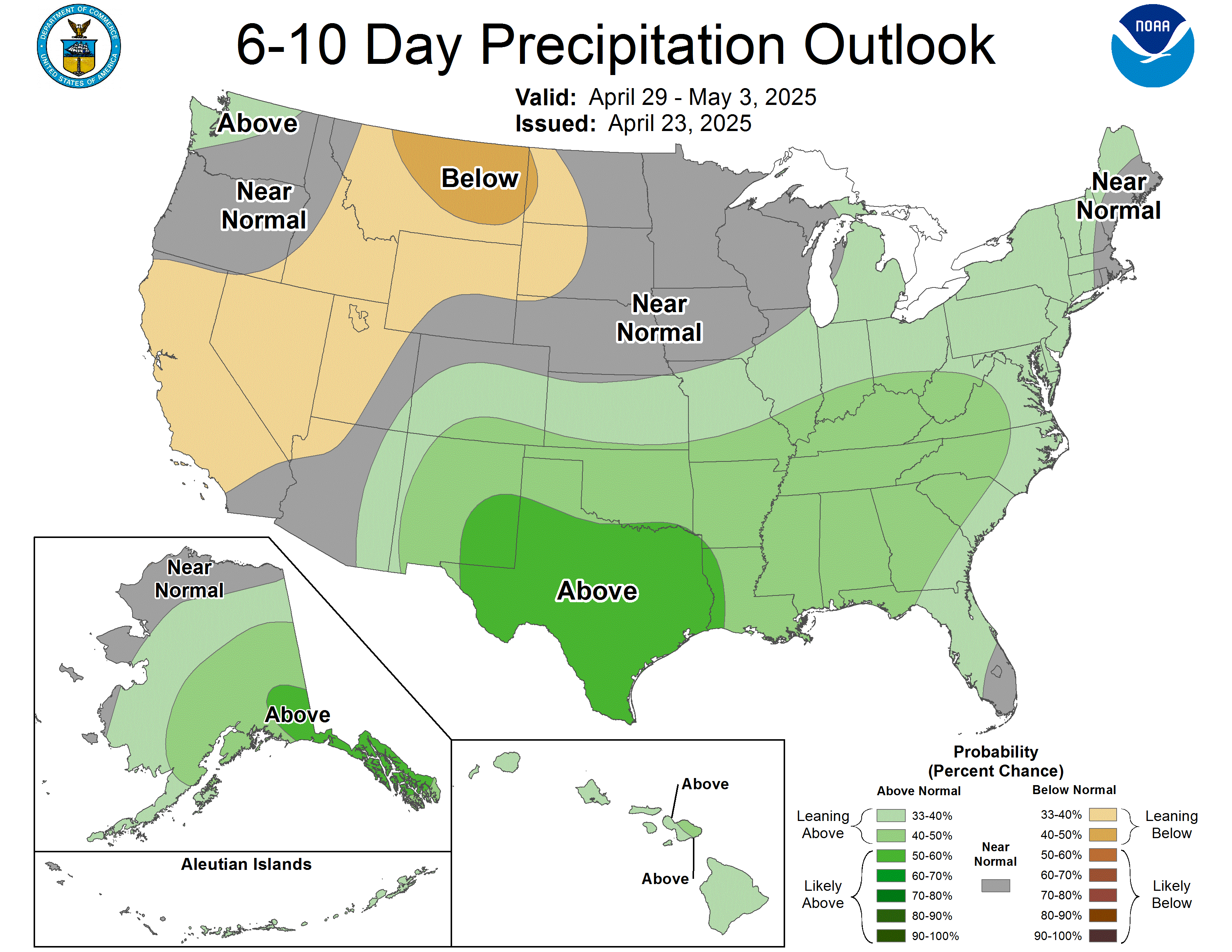
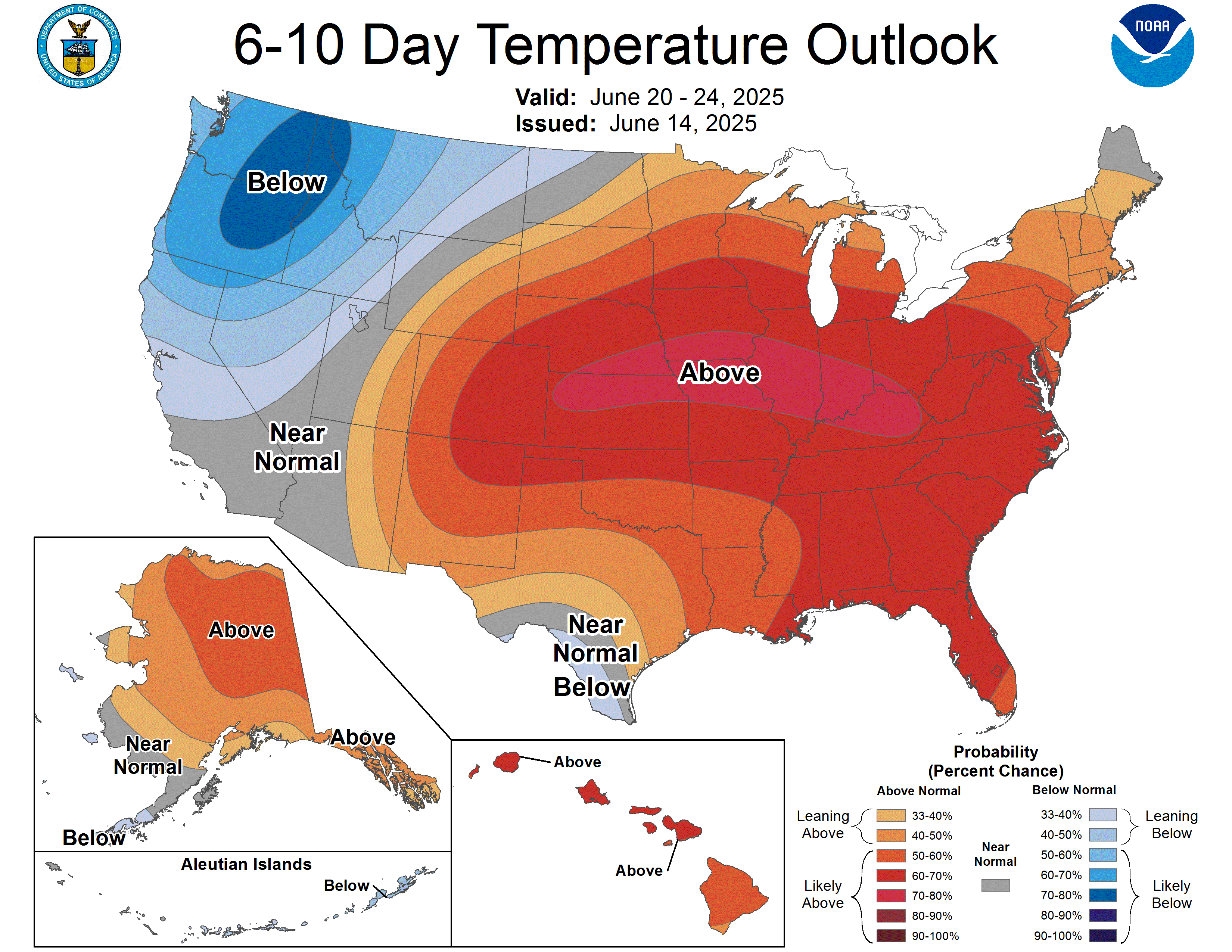
Near-Term: The current Quantitative Precipitation Forecast hold no optimism for rainfall through the next seven days. The 6-10 Day Temperature and Precipitation outlooks are equally pessimistic pointing to the likelihood of continued warmer/drier conditions. Currently no particular day or period stands out as presenting critical fire weather over dry fuels but continued drying as the growing season winds down will result in increasing wildfire occurrence trends and progression into increased likelihood of large fire emergence.
In response to ongoing work across related industries regarding the use of mRNA vaccines, the U.S. Cattlemen's Association has taken steps to include this new subject matter within its official Policy Book.
USCA initially adopted policy regarding the use of mRNA vaccines at the 2023 USCA Annual Meeting. In response to ongoing efforts and work regarding these technologies, the USCA Board of Directors adopted interim policy this August to address new and emerging issues.
As stated within the policy,
"...the U.S. Cattlemen's Association opposes the use of Ribonucleic Acid (RNA) Gene Therapy Platform Technology inoculations, e.g., messengerRNA (mRNA), modifiedRNA (modRNA), self-replicating RNA (sRNA) and self-amplifying RNA (saRNA) with or without misnomer vaccine, in meat or milk producing animals, until scientifically sound raw data is available for open review by researchers with no conflicts of interest and publicly available research studies are published and peer-reviewed on the short- and long-term health, safety and fertility effects in mRNA, modRNA, sRNA and saRNA inoculated animals and humans consuming the resulting meat or milk products"
USCA's basis for its policy focuses on the lack of sufficient research to understand the long-term risks associated with such technologies.
USCA, in holding with long standing policy regarding accurate and transparent labeling when it comes to beef products, includes in its policy that any vaccine products including RNA inoculations should be clearly labeled and include sufficient information to the administrator of the vaccine/product. Additionally, any meat or livestock product that is sold in the marketplace that has been treated with an mRNA or similar vaccine should also include appropriate labeling to ensure consumers understand exactly what they are purchasing.
USCA's policy was drafted with not only the producer in mind, but also the consumer. Ongoing consumer confidence in the health and safety of US beef products and the industry remains of utmost importance. Ensuring this technology remains transparent to those in the industry as well as those in the marketplace will be key to protecting both the domestic and international markets for US beef.
As other countries look into these new technologies, it will become vital to address this in terms of imported beef products and the importance that country of origin labeling will continue to play in ensuring consumer confidence in the marketplace.
USCA strongly supports efforts to limit animal disease transmissibility, but given the concerns noted above, cannot yet support this technology without comprehensive peer-review of short and long term studies. USCA will remain engaged in this important conversation and will continue to monitor these emerging technologies as needed research is completed.
USCA's official policy, and interim policy, on mRNA can be found in its Policy Book linked below.
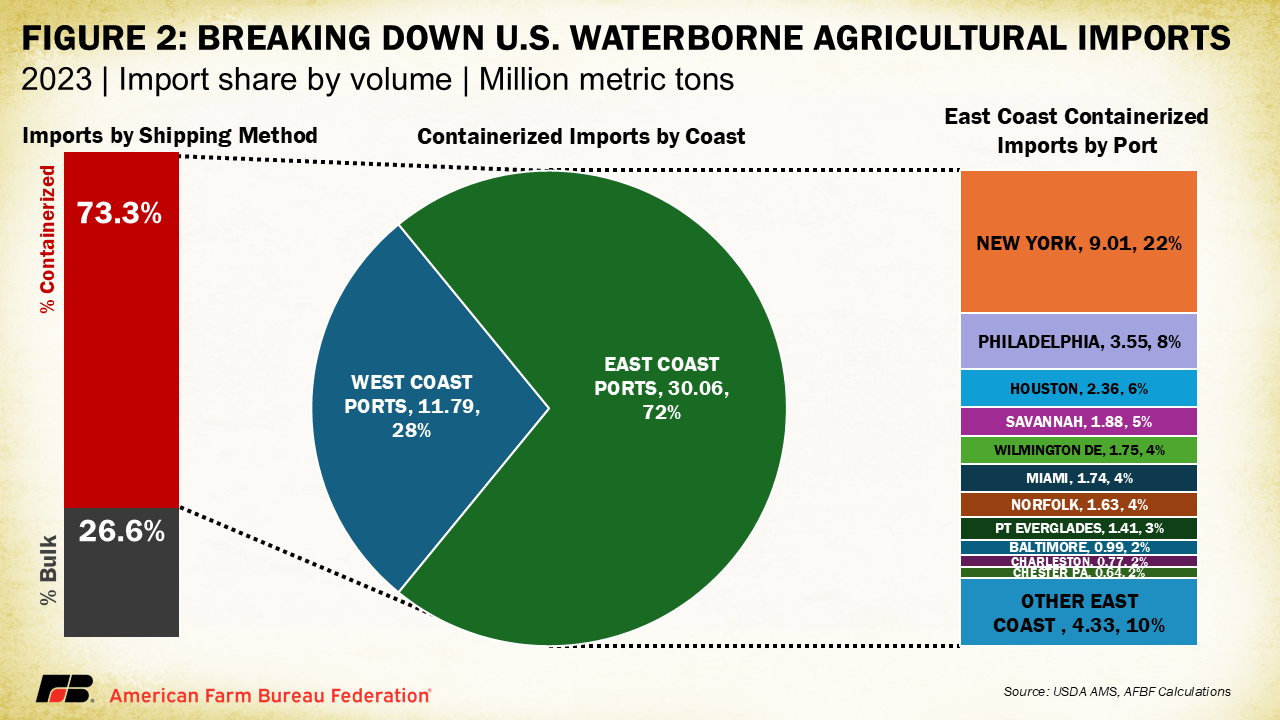
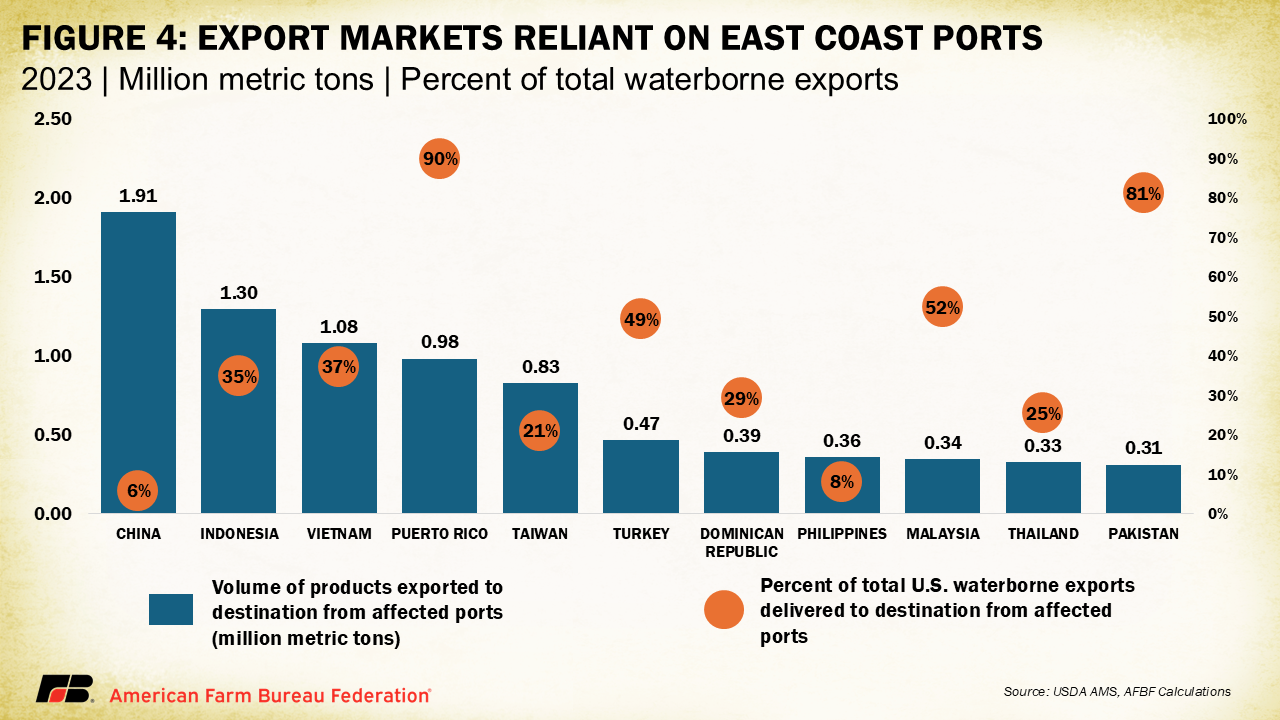
Longshoremen at ports along the East and Gulf Coasts are set to strike when their current labor contract expires at midnight tonight.
In this audio report, U.S. Meat Export Federation Vice President for Economic Analysis Erin Borror explains the significant economic impact a shutdown will have on the U.S. meat and livestock industries.
Forty-five percent of waterborne pork shipments and 30% of waterborne beef shipments move out of the affected ports at a pace of about $100 million worth of product weekly. Much of that product is handled by smaller companies serving very specific markets such as the Caribbean or Central and South America as well as variety meats like beef livers to Egypt. These are routes that do not have economically viable shipping alternatives.
Dr. Derrell Peel, Oklahoma State University Extension Livestock Marketing Specialist, offers his economic analysis of the beef cattle industry as part of the weekly series known as the "Cow Calf Corner," published electronically by Dr. Peel and Mark Johnson. Today, Dr. Peel gives an update on herd rebuilding.
The biggest question in the cattle industry continues to be that of herd rebuilding. Specifically, there are questions regarding the status of the beef cow herd in 2024 and, more importantly, how is the industry setting up for 2025 and beyond. Beef herd expansion involves two components: reduced cow culling and increased heifer retention. Direct measures of the cow herd inventory and replacement heifer inventories are only available in the January 1 USDA-NASS Cattle report, with the next release in late January 2025. In the meantime, it is challenging to determine what is happening in 2024.
There is data on beef cow slaughter through the year that does indicate the beef cow herd culling rate. The final rate is usually expressed annually as total annual beef cow slaughter as percent of the January 1 beef cow inventory. The annual beef cow slaughter total will not be available until after the end of the year. In the first 37 weeks of 2024, beef cow slaughter is down 16.3 percent year over year. Monthly beef cow slaughter can be expressed as a percentage of total cattle slaughter. On an annual basis, beef cow slaughter as a percent of total cattle slaughter is 97.5 percent correlated with the annual herd culling rate. A twelve-month moving average of this percentage provides an indication during the year of beef cow herd culling. The blue line in Figure 1 shows this moving average since 1987. The two major cyclical beef herd expansion in the 1990-1996 and 2014-2019 periods shows how beef cow herd slaughter behaves during herd expansion.
In the two previous herd rebuilds, beef cow slaughter bottomed in 1992 and in 2016. The moving average reflects the previous twelve months suggesting that beef cow slaughter was at a low in the first year of herd expansion in each of these cycles. Figure 1 indicates that beef cow slaughter is declining currently but has not bottomed and is not yet low enough to indicate herd expansion. Moreover, the rate of beef cow slaughter in 2024, although sharply lower year over year, is not down enough to offset the small bred beef heifer inventory at the beginning of the year. The beef cow herd is likely down year over year in 2024.
Figure 1 also contains a similar twelve-month moving average of heifer slaughter as a percentage of total cattle slaughter. Heifer slaughter goes down when heifer retention increases and there is a 72.5 percent correlation (negative) between this slaughter percentage and beef replacement heifer percentage (beef replacement heifers as a percent the beef cow herd inventory). The correlation is strong but less than for cows because heifer slaughter includes more than just beef heifers.
Figure 1 shows that the moving average of heifer slaughter also bottoms during herd expansion, typically about a year later than the cow slaughter moving average. In 2024, the twelve-month moving average of the heifer slaughter percentage of total cattle slaughter has not decreased at all thus far. Both of the measures in Figure 1 suggest that there is only minimal indication of industry movement towards herd rebuilding. The beef cow herd will likely be smaller on January 1, 2025 and has very limited potential to do anything other than stabilize and hold steady in 2025.
As part of President Biden's Investing in America agenda, the Biden-Harris Administration, through the U.S. Department of Energy (DOE) and U.S. Department of Agriculture (USDA), today announced more than $2.8 billion to support reliable, affordable, and clean power in the Midwest. DOE, through its Loan Programs Office (LPO), announced the closing of a loan guarantee of up to $1.52 billion under the Inflation Reduction Act's Energy Infrastructure Reinvestment (EIR) program to Holtec Palisades to help finance the restoration and resumption of service of an 800-MW nuclear generating station in Covert Township, Michigan. This represents a first of a kind effort by DOE to restart an American nuclear power plant—generating carbon pollution-free energy and saving and expanding a union workforce in Michigan while helping strengthen America's nuclear energy sector and advance core climate and domestic energy goals.
USDA also announced more than $1.3 billion in Empowering Rural America (New ERA) program awards for two rural electric cooperatives––Wolverine Power Cooperative and Hoosier Energy––to reduce the cost of electricity passed on to their members for clean power from Holtec Palisades and other clean energy sources. These awards reinforce the Administration's approach to achieving widespread deployment of advanced nuclear as described in the updated Pathways to Commercial Liftoff: Advanced Nuclear report, also just announced by DOE, as well as supporting a more prosperous future for rural communities by accelerating the transition to clean energy, keeping monthly bills low for American families, and investing in a strong rural workforce.
"Since day one of their Administration, President Biden and Vice President Harris have been clear that rural electric cooperatives are the backbone of our nation and investing in them is a top priority," said Agriculture Secretary Tom Vilsack. "Through the investments announced today under USDA's New ERA program, we can continue supporting a more prosperous future for rural communities by accelerating the transition to clean energy, keeping monthly bills low for American families and investing in a strong rural workforce."
"Nuclear power is America's largest source of carbon-free of electricity, supporting hundreds of thousands of direct and indirect jobs across the country and will play a critical role in tackling the climate crisis and protecting public health and the environment from its impacts," said U.S. Secretary of Energy Jennifer M. Granholm. "Under President Biden and Vice President Harris' leadership, DOE and our partners across the federal government are working around the clock to ensure this vital source of clean electricity—and the vibrant workforce it supports— continues to power our nation for generations to come."
"From Day One, President Biden and Vice President Harris have taken historic steps to keep existing nuclear plants from shutting down, restart previously shuttered nuclear plants, and bring new reactors online. The results are visible across the country – more clean power and more union jobs. It's a powerful clean energy comeback story that represents a chance to build our manufacturing capacity and rebuild our middle class. Today's announcement – which will catalyze the first recommissioning of a nuclear power plant in U.S. history – create hundreds of long-term union jobs, support workforce development, and feed our nation's energy demand while reducing emissions," said White House National Climate Advisor Ali Zaidi. "Working with two rural electric co-ops, we are also ensuring families and small businesses in rural communities can tap into this reliable and lower-cost power. This is the playbook for how Michigan, and America, wins the future."
"This project will bring a retired nuclear power plant back to life for the first time in American history and deliver reliable, affordable clean power to rural areas in Michigan, Wisconsin, Indiana and Illinois—showing how the Inflation Reduction Act is revitalizing communities across the Midwest," said John Podesta, Senior Advisor to the President for International Climate Policy. "Today's investments will create good-paying, union jobs—many of them for workers who've been at the plant for more than two decades."
The Palisades Nuclear Plant, which ceased operations in May 2022, will be brought back online and upgraded to produce clean baseload power until at least 2051, subject to U.S. Nuclear Regulatory Commission (NRC) licensing approvals. The NRC also issued new guidance to ensure the restart is performed safely and to high standards. Once complete, this project will be the first recommissioning of a retired nuclear power plant in U.S. history—underscoring President Biden and Vice President Harris' deep commitment to retaining and creating clean power jobs and advancing the U.S. nuclear industry while tackling the climate crisis and helping to achieve our domestic greenhouse gas reduction goals.
Later today, U.S. Deputy Secretary of Energy David M. Turk, USDA Deputy Secretary Xochitl Torres Small, and White House National Climate Advisor Ali Zaidi will join local, state, and labor leaders for a tour of Holtec Palisades Training Center. During the visit, DOE Deputy Secretary Turk, USDA Deputy Secretary Torres Small, and Advisor Zaidi will highlight how today's announcement reinforces the Biden-Harris Administration's whole-of-government approach to supporting good-paying, high-quality job opportunities in communities across the country while also expanding access to affordable clean energy resources that will protect public health and the environment from the impacts of climate change.
The restart of Holtec Palisades is projected to create or retain up to 600 high-quality jobs in Michigan––many of them filled by workers who have been at the plant for more than 20 years–– with approximately 45% of the workforce at the site being good-paying union labor upon restart. In addition to the workers supported by the facility's restart, the loan guarantee will support more than 1,000 jobs during the facility's regularly scheduled refueling and maintenance periods every 18 months. Holtec Palisades has a project labor agreement in place with 15 trade unions that are supporting the project.
In addition, the plant restart will also help fight the climate crisis with an anticipated 4.47 million metric tons of greenhouse gas emissions avoided per year for a total of 111 million metric tons of greenhouse gas emissions during the projected 25 years of operations—an amount roughly equivalent to the annual emissions of 882,000 homes. Reducing fossil fuel-based electricity generation also reduces other harmful pollution that is often released during the process and can cause or contribute to local health impacts.
Once operational, the Palisades Nuclear Plant will provide reliable, clean firm power generation around-the-clock with zero emissions––a vital addition to Midcontinent Independent System Operator's (MISO) resource mix as coal plants are retired. Holtec Palisades has already signed long-term Power Purchase Agreements for the full power output with rural electric co-ops Wolverine Power Cooperative and Hoosier Energy who serve rural communities in Michigan, Illinois, and Indiana. This will significantly reduce Hoosier's climate pollution and put Wolverine on track to reach 100 percent carbon-free energy before 2030, allowing rural communities across Michigan to lower their carbon footprint from grid-connected energy to zero.
USDA's investments will help lower energy costs for rural communities. As non-profit wholesale electric suppliers owned by their customers/members, Wolverine and Hoosier Energy will pass 100% of the New ERA grant funds directly through to the homes and businesses served by their member electric cooperatives. This means that every dollar will go straight to the communities they serve, helping to reduce wholesale power costs, provide community benefits and keep electricity reliable and affordable.
The project also supports President Biden's Justice40 Initiative, which established the goal that 40% of the overall benefits of certain federal investments, including LPO financing, flow to communities that are marginalized by underinvestment and overburdened by pollution. The Palisades Nuclear Plant is located in a disadvantaged community, where residents face higher energy costs than 97% of communities in the United States.
LPO works with all borrowers to create good-paying local jobs during construction, operations, and throughout the life of the loan and to adhere to a strong Community Benefits Plan that will provide information and opportunities for meaningful community input and engagement regarding the plant and its operations. Holtec is committed to remaining an actively engaged community partner to ensure the public and interested stakeholders are well informed of site activities and can seek information and provide feedback to the company, both directly to Holtec and through the relevant NRC restart process.
Across all LPO's programs, DOE has attracted 211 active applications for projects across the country totaling over $295.8 billion in requested loans and loan guarantees, as of August 2024. As of August 2024, LPO has issued $43.9 billion in loans and loan guarantees, creating over 47,000 permanent jobs. For more information about Holtec Palisades, read the conditional commitment blog post and visit LPO's portfolio project page.
In addition, the Department of Energy today released a new Pathways to Commercial Liftoff report on nuclear, which is an update to the report released last year. This new report includes updated analyses and insights, reflecting the rapid learning and progress made in the industry. Furthermore, Idaho National Laboratory and Oak Ridge National Laboratory published a report analyzing the potential to deploy nuclear at existing and recently retired nuclear and coal power plants around the United States. The report, which looked at a wide range of factors, identified 60 to 95 GW of deployment potential at nuclear plants and an additional 128 to174 GW at coal plants.
Energy Infrastructure Reinvestment Program
This announcement marks the first closing of a loan guarantee through the Energy Infrastructure Reinvestment (EIR) program under Title 17 Clean Energy Financing Section 1706, first authorized and appropriated by President Biden's historic Inflation Reduction Act. EIR can finance projects that retool, repower, repurpose, or replace energy infrastructure that has ceased operations or enable operating energy infrastructure to avoid, reduce, utilize, or sequester air pollutants or greenhouse gas emissions. Holtec Palisades will repower existing energy infrastructure that has been nonoperational and support reinvestment in the community, underscoring the Biden-Harris Administration's deep commitment to ensuring no community is left behind as we build America's clean energy future. As of September 30, 2024, $64.89 billion in Advanced Nuclear projects have submitted applications or are expected to submit applications in the next 120 days: $12.09 billion in Section 1703 projects and $52.8 billion in Section 1706 (EIR) projects.
USDA New ERA Funding Will Lower Rural Energy Costs
Today, USDA is announcing that the Wolverine Power Cooperative is being awarded more than $650 million in New ERA financing to purchase approximately 435 MW of clean, carbon-free wholesale energy from the Palisades Nuclear Power Plant to serve its members throughout rural Michigan. The project is also expected to support key initiatives such as low-income community solar, skilled trades training, agricultural investments and energy efficiency programs, which will benefit the members and communities it serves for decades to come.
Hoosier Energy is being awarded more than $675 million to lower the cost of purchasing approximately 370 MW of clean energy from the restart of Palisades Nuclear Plant and approximately 250 MW of solar energy to serve their members in Illinois and Indiana. The investment is expected to create nearly 800 short- and long-term jobs and provide annual estimated cost savings of $35 million to Hoosier Energy members. The project is also expected to allow Hoosier to invest in local cooperative community grant programs, increase investment and enrollment in critical training and safety programs, and grow university partnerships and scholarships. It will also expand highly effective energy efficiency and demand-side management programming for cooperative consumers, farmers, and agribusiness.
USDA's New ERA program, together with the Powering Affordable Clean Energy (PACE) program and other clean energy investments in the Biden-Harris Administration's Inflation Reduction Act, make up the largest investment in rural electrification since President Franklin Delano Roosevelt signed the Rural Electrification Act into law in 1936. USDA expects to continue making New ERA and Powering Affordable Clean Energy (PACE) program awards in the coming months.
USDA touches the lives of all Americans each day in so many positive ways. Under the Biden-Harris Administration, USDA is transforming America's food system with a greater focus on more resilient local and regional food production, fairer markets for all producers, and ensuring access to safe, healthy, and nutritious food in all communities. USDA is also building new markets and streams of income for farmers and producers using climate-smart food and forestry practices, making historic investments in infrastructure and clean energy capabilities in rural America, and committing to equity across the Department by removing systemic barriers and building a workforce more representative of America. To learn more, visit www.usda.gov.
In a letter sent to Congress, R-CALF USA and 45 other farming, ranching, and food groups urged immediate action to block the U.S. Department of Agriculture's (USDA) rule that mandates electronic ear tags for adult cattle and bison crossing state lines.
Set to take effect November 5, 2024, despite industry-wide opposition, the new rule amends the current Animal Disease Traceability (ADT) rule of 2013, which R-CALF USA says has been highly effective at disease traceback and allows producers to use their choice of animal identification best suited to their operation.
In the letter, the groups wrote that the USDA's new mandate "will unfairly burden small- and medium-scale producers, further consolidate our food supply in the hands of a few large meatpackers, and undermine our national food security."
The letter continued stating, "Multinational meatpacking corporations and high-tech companies are pushing mandatory electronic identification (EID) for livestock, claiming that it's an animal health measure and supports food safety – but neither is true. The real story is that it promotes international exports, thus maximizing the meatpacking companies' profits, while the high-tech companies will make millions selling tags, readers, and related infrastructure, all at the expense of farmers and ranchers."
The groups' letter discussed the concerns that rose following a USDA press release that claimed this mandate is an animal health program and is key to maintaining foreign markets but also described its intentions to create a "modern animal disease traceability system that tracks animals from birth to slaughter".
According to the letter, USDA had stated 70% of cattle would need to be traceable for full traceability in the instance of a foreign disease outbreak, yet the Agency estimated that this new rule would only apply to about 11% of cattle.
The letter concluded by urging Congress to pass H.J.Res.167, S.J.Res.98, and S.4282 to block the mandate, three pieces of legislation that have growing support, particularly in the House as nearly 30 congressmen have signed on in support of H.J.Res.167 led by Congresswoman Harriet Hageman (R-WY).
"The USDA's plan for animal traceability has faced widespread opposition from cow-calf producers and livestock owners across the entire country from its first attempted National Animal Identification System to this new rule," said R-CALF USA CEO Bill Bullard. "Despite the fact that producers overwhelmingly commented in opposition to the proposed rule, USDA chose to ignore the needs and concerns of American ranchers and push ahead with its preplanned agenda." "This mandate is only the start towards mandating EID tags on all livestock and total control," Bullard continued. "It will force thousands of farmers and ranchers out of business, and Congress must stop it now."
Today marks the expiration of the one-year extension of the 2018 farm bill, leaving farmers and ranchers anxious about whether Congress can secure a new, five-year reauthorization. Despite Congress giving themselves a full extra year to craft and pass a new farm bill, inaction remains the status quo in the halls of Congress.
"We are running out of time," said American Farm Bureau Federation President Zippy Duvall. "Farmers and ranchers were told lawmakers just needed more time to pass a five-year farm bill, but once again we find ourselves in a lurch without much-needed improvements to safety net and risk management programs. Meanwhile, America has lost 141,000 farms in five years. Low commodity prices, rising supply costs, inflation and outdated farm policy provisions threaten to destroy the dreams of thousands more.
"We applaud House Agriculture Committee Chairman GT Thompson for crafting and moving a bipartisan farm bill through committee. And we appreciate Ranking Member David Scott's commitment to achieving a full reauthorization of the farm bill instead of passing the buck with another extension. In the Senate, Chairwoman Debbie Stabenow and Ranking Member John Boozman have both released outlines and priorities.
"All of this is forward progress. But America's farmers and ranchers need results. Food doesn't appear on grocery store shelves because farmers put ideas on paper. Families in this country can purchase safe, nutritious and affordable food because farmers and ranchers take action every day of the year.
"Actions speak louder than words. I urge members of Congress and party leaders to put politics aside and pass a new, modernized farm bill. Show every family in America that ensuring a full pantry is the priority of those we elected to serve."
When the farm bill expires, some impacts will be felt immediately, while other consequences will be triggered in the coming months. New enrollment for some critical conservation programs, including the Conservation Reserve Program, will halt, affecting agriculture's work to meet sustainability goals. When the new year begins, Dairy Margin Coverage payments will cease, and farm safety net programs revert back to outdated 1940s policy that threatens to disrupt markets.
Congress must pass a new, modernized farm bill, but farmers need help now. Until a new bill is enacted, Farm Bureau calls on lawmakers to provide funds for natural disaster and economic assistance to bridge the gap.
Read a Market Intel on the impact of the farm bill expiration here.
Dairy Management Inc. (DMI) has launched www.dairycheckoff.com to more effectively communicate the full national and local impact of the dairy checkoff to farmers and importers.
Content focused toward these audiences previously was housed at www.USDairy.com, which will continue to serve as a go-to resource to reach consumer and thought leader audiences with information and research-backed information on dairy and its benefit on health and wellness and the environment.
The new site is designed in a way to focus on checkoff areas that are important to farmers, including:
Growing Demand for Dairy
Research and Innovation
Youth Wellness
Exports
Sustainability
Partnerships
Health & Nutrition
Farmer Image
"When we spoke with farmers we could see there was some confusion when we had just one website for the entirety of the checkoff and they didn't know how to get more information on programs that are delivering results for them," said Joanna Hunter, group executive vice president and head of farmer relations and outreach for DMI. "DairyCheckoff.com is developed with a farmer-first mindset and is categorized around how farmers think about the work that the checkoff does nationally and locally.
"I really believe there is something that every farmer cares about that the checkoff touches and this is a place where they can find deeper information and resources."
In addition to information on each of the key checkoff pillars, visitors will find episodes of the Your Dairy Checkoff Podcast, the latest checkoff news updates, DMI Board of Directors information, annual reports, budget and financials information and more. "The new website is an awesome one-stop shop for all things dairy checkoff," said Minnesota dairy farmer Charles Krause, who serves on the DMI board. "You can learn about the wide variety of ways that checkoff is working on farmers' behalf in a very easy to navigate format."
Dear Oklahoma friends and neighbors: Fall is in the air. Find some time to get out and enjoy our beautiful state parks this fall. Have you ever gone on the Talimena Drive in southeast Oklahoma? It's truly breathtaking in the fall. Learn more HERE about the best time to make this scenic drive through the Ouachita National Forest. Hearing Directly from Oklahomans During August Congress did not have scheduled votes, so I spent the month traveling across our beautiful state, from Guymon to Tahlequah, Poteau to Altus, and many great places in between, hearing directly from Oklahomans. I listened to concerns about the need for the Farm Bill to provide clarity in agriculture policy and the urgency of securing our southern border to stop the flow of human trafficking and drug smuggling. I also heard how the changes from the Biden Administration are negatively impacting our Oklahoma higher education institutions. All of September, I was back in Washington, DC, working on our budget, oversight of the Secret Service, and a tall stack of other issues. My office continues to serve Oklahomans through casework for veterans, Social Security, Medicare, the Postal Service, the IRS, and more. We are your hands and feet to solve the inefficiency in our federal bureaucracy. Please continue to share your opinions and solutions with me by calling or emailing my office. You can also reach out to my field representatives who are always out and about in Oklahoma when I'm in Washington, DC, for votes. UPDATE: Federal Funding and Our Skyrocketing National Debt This week, our national debt stands at $35.4 trillion—a dangerous national security risk. This year alone, Americans will pay over $1 trillion (with a T) in interest on that debt, and the amount continues to climb as our debt grows. This is not sustainable, and everyone knows it.
I've repeatedly introduced bills and amendments and delivered floor speeches urging my colleagues to address our soaring national debt and get our spending under control. It's a conversation I've had in Washington, DC since I first started serving, and I will continue to push for real solutions to rein in federal spending. We need to eliminate waste, fraud, and abuse wherever possible, focus on what is essential, and spend our tax dollars wisely.
Earlier this month, I gave a speech on the Senate floor reminding my colleagues of what real Oklahomans—and Americans—are talking about around their dinner tables. One of the top concerns is how to avoid government shutdowns and ensure that government operations are funded and efficient. CLICK HERE to watch my speech on the Senate floor.
On Wednesday, I voted to pass a Continuing Resolution (CR) to keep the government operating through December 20, 2024. Leader Schumer has not brought a single budget bill to the floor the entire year. The CR at least allows the government to operate, and it avoids a government shutdown. But it doesn't improve our fiscal situation. Our military, veterans, law enforcement, border personnel, and others rely on the continuity of essential services. Our national debt continues to grow, and runaway spending remains unchecked because we aren't taking the time to engage in real debate over how to responsibly manage taxpayer dollars.
Congress must get back to debating and passing individual appropriations bills to address both the immediate needs of the nation and plan for the future. I have a solution to our fiscal mess called the Prevent Government Shutdowns Act, which will force Congress to make spending decisions and get the work of funding the government done.
CLICK HERE to read more about my vote to keep the government functioning and to find additional information on my Prevent Government Shutdowns Act. 2025 Will be the "Year of the Tax" While traveling across Oklahoma last month, I heard from hundreds of Oklahomans and multiple Oklahoma small and large business leaders about their concerns that the Trump-era tax cuts will expire at the end of 2025, if those cuts are not extended, and taxes will go up on every American. Prices have already skyrocketed in the past three years of high inflation. Higher taxes will make that even worse. As a member of the Senate Finance Committee, I have the opportunity to work directly on this issue and bring the Oklahoma perspective to the Committee.
In a hearing a few weeks ago, I emphasized the importance of personal and business tax policies that encourage more hiring, more investment and more savings for every Oklahoman. I also spoke about my Charitable Act, which allows people who do not itemize their personal taxes to still deduct their charitable giving during the year. This policy change ensures that Americans who donate to charities, houses of worship, religious organizations, and other nonprofits can deduct their donations, even if they are not wealthy "itemizers." Oklahoma needs strong and independent nonprofits to care for the homeless, hurting, and hungry in our society.
CLICK HERE to learn more about the Charitable Act and the conservative tax priorities I'm working on for Oklahomans.
Last year, I published an op-ed in the Journal Record in Oklahoma to discuss some of my priorities for upcoming tax legislation. CLICK HERE to read it. Securing Tulsa's Postal Service We recently secured a major win for Green Country by preventing an unnecessary delay in Tulsa's mail delivery. The US Postal Service (USPS) had proposed rerouting mail through the Oklahoma City processing center before sending it to Tulsa, which would have caused significant delays.
Many seniors and veterans receive critical prescriptions, Social Security checks, and other official federal correspondence through the mail. My team and I took it directly to the leadership of the Postal Service for a solution.
I raised this issue multiple times in private and publicly with USPS leadership, including during the Senate Homeland Security and Governmental Affairs Committee with Postmaster General Louis DeJoy. CLICK HERE for more information. After months of working to keep our mail processing local, USPS has confirmed they will not relocate operations to OKC. This is a big win for the Tulsa community. Thank you to everyone from Green Country who spoke up about this issue, allowing us to show USPS how the proposal would have hurt Tulsans.
CLICK HERE to watch my video on social media discussing this win for Oklahomans.
National Farmers Union (NFU) President Rob Larew joined leaders from G7 countries' farmer organizations in Ortigia, Sicily, to emphasize the crucial role farmers play in shaping sustainable food systems.
Alongside the Canadian Federation of Agriculture (Canada), FNSEA (France), DBV (Germany), JA Zenchu (Japan), Coldiretti (Italy), CIA Agricoltori Italiani (Italy), and the National Farmers' Union (United Kingdom), with the support of the World Farmers Organization, this joint declaration highlights a critical time for the world to invest in sustainable, resilient, and competitive food systems.
"Family farms of the future cannot merely be environmentally sustainable – they must also be economically sustainable. It will take all of us to tackle the value chain, competition and resilience challenges farmers face across the globe," said NFU President Rob Larew. "NFU looks forward to working with our international partners to ensure future investments in agriculture, whether from the public or private sector, are voluntary, farmer-led and make progress toward greater fairness for farmers."
Key recommendations outlined in the declaration include greater public investment in sustainable and climate-friendly agricultural practices, the reinforcement of fair international trade based on reciprocity and transparency, and the advancement of farmer-centric innovation that bridges the gap between producers and the research community. The declaration advocates for a balanced approach to food systems, investing in both local, short value chains that support thriving communities and fair, international long value chains that bolster global food security and sustainability.
These measures are crucial not only for G7 countries but for the global effort to address the dual challenge of feeding a growing population while mitigating climate change. This unified call from global farm organizations underscores a powerful message: only through collaboration with farmers can governments ensure a peaceful, prosperous, and food-secure future for all.
NFU President Rob Larew was accompanied by North Dakota Farmers Union President Mark Watne and Minnesota Farmers Union President Gary Wertish.
The Oklahoma Water Resources Board is pleased to announce the fourth in a series of stakeholder input meetings, in locations across the state, focused on the 2025 update of the OCWP. While anyone may attend, we request participation from local officials, water utility suppliers, regulated industry, commercial agricultural producers, economic development entities, and representing organizations.
Round 4 will get feedback from participants on:
Potential water management strategies to address local water challenges
Preview policy ideas that have been collected throughout the engagement process.
Round 4 meetings will be held on the following dates and locations.
October 24, 1:00 – 4:00 p.m.| NE – Rogers State University – Dr. Carolyn Taylor Center, 1701 W. Will Rogers Blvd., Claremore, OK | Middle Arkansas, Grand, Eufaula, and Lower Arkansas OCWP Planning Regions
October 25, 9:00 a.m. – Noon| Central – Department of Public Safety Training Center, 3600 N. MLK Blvd., Oklahoma City, OK | Upper Arkansas and Central OCWP Planning Regions
October 28, 1:00 – 4:00 p.m. | NW – High Plains Technology Center, 3921 34th St., Woodward, OK | Panhandle OCWP Planning Region
October 29, 1:00 – 4:00 p.m.| SW – Quartz Mountain State Park Lodge, 22469 Lodge Rd., Lone Wolf, OK | West Central, Southwest, Beaver-Cache, and Lower Washita OCWP Planning Regions
October 30, 1:00 – 4:00 p.m.| SE – Massey Building, 200 West Main Street, Durant, OK | Blue-Boggy and Southeast OCWP Planning Regions
Missed the previous meetings or just want to refresh your memory? Summaries of meetings are on OWRB's water planning webpage under Public Meetings link.
In recent years, drought has been a common occurrence in many Southern states, including Texas, Oklahoma, Louisiana, Arkansas, Mississippi, Alabama, Florida, Georgia, South Carolina, North Carolina, Virginia, Maryland, Tennessee, and Kentucky. The U.S. Drought Monitor reported that approximately 65% of this area was experiencing some level of drought as of September 24, 2024 (Fig 1). Producers are increasingly adopting the USDA's Pasture, Rangeland, and Forage Insurance (PRF), recognizing its crucial role in supporting ranchers during these challenging times.
Figure 1. U.S. Drought Monitor, Southern Region 9-24-24
The PRF program was established in 2007 to help livestock and forage producers mitigate the risks associated with forage loss due to lower precipitation. The program is available in 48 states and covers over 247 million acres. The severity of droughts and the effectiveness of PRF have led to an increasing adoption of this risk management tool each year. According to the latest data, the average indemnity payment since 2011 from the region was similar to total premiums paid. During the droughts of 2021, 2022, and 2023, the indemnities paid were 14%, 69%, and 17% higher than the total premium paid, totaling $2.372 billion in indemnities versus $1.776 billion in total premiums during those three years. (Fig 2)
In the Southern Region, the adoption of this program has more than doubled since its inception, with enrolled acres increasing from 20.8 million in the first year to approximately 49.8 million in 2024. With its vast area of open rangeland, Texas dominates PRF acreage enrollment, followed by Oklahoma and Florida. These three states have seen significant increases in the adoption of PRF insurance, with Texas enrolling 42.8 million acres in 2024 (a 191% increase from 2011), Oklahoma enrolling around 4 million acres (a 1,491% increase from 2011), and Florida insuring 2.4 million acres in 2024 (a 344% increase from 2011). The other Southern Region states have also seen substantial increases in insured acres, indicating the growing recognition of the program's benefits (739% increase from 2011). (Fig 3). For more information on PRF, consult the USDA Fact Sheet. If you're considering purchasing this insurance, you can find a list of approved agents and insurance companies on the USDA website.
Figure 2. PRF Premiums Paid by Farmers vs Indemnities Received in the Southern States (*2024 Partial Results)
Figure 3. PRF Enrolled Acres in the Southern Region
Today marks the expiration of the one-year extension of the 2018 farm bill, leaving farmers and ranchers anxious about whether Congress can secure a new, five-year reauthorization. Despite Congress giving themselves a full extra year to craft and pass a new farm bill, inaction remains the status quo in the halls of Congress.
"We are running out of time," said American Farm Bureau Federation President Zippy Duvall. "Farmers and ranchers were told lawmakers just needed more time to pass a five-year farm bill, but once again we find ourselves in a lurch without much-needed improvements to safety net and risk management programs. Meanwhile, America has lost 141,000 farms in five years. Low commodity prices, rising supply costs, inflation and outdated farm policy provisions threaten to destroy the dreams of thousands more.
"We applaud House Agriculture Committee Chairman GT Thompson for crafting and moving a bipartisan farm bill through committee. And we appreciate Ranking Member David Scott's commitment to achieving a full reauthorization of the farm bill instead of passing the buck with another extension. In the Senate, Chairwoman Debbie Stabenow and Ranking Member John Boozman have both released outlines and priorities.
"All of this is forward progress. But America's farmers and ranchers need results. Food doesn't appear on grocery store shelves because farmers put ideas on paper. Families in this country can purchase safe, nutritious and affordable food because farmers and ranchers take action every day of the year.
"Actions speak louder than words. I urge members of Congress and party leaders to put politics aside and pass a new, modernized farm bill. Show every family in America that ensuring a full pantry is the priority of those we elected to serve."
When the farm bill expires, some impacts will be felt immediately, while other consequences will be triggered in the coming months. New enrollment for some critical conservation programs, including the Conservation Reserve Program, will halt, affecting agriculture's work to meet sustainability goals. When the new year begins, Dairy Margin Coverage payments will cease, and farm safety net programs revert back to outdated 1940s policy that threatens to disrupt markets.
Congress must pass a new, modernized farm bill, but farmers need help now. Until a new bill is enacted, Farm Bureau calls on lawmakers to provide funds for natural disaster and economic assistance to bridge the gap.
Read a Market Intel on the impact of the farm bill expiration here.
Ron Hays talks with Dr. Dale Woerner about the technology that could solve the problems with the current yield grade equation.
Senior Farm and Ranch Broadcaster Ron Hays is featuring comments from Dr. Dale Woerner, Cargill Endowed Professor in the Department of Animal and Food Sciences at Texas Tech University from a recent conversation he is featured in on the Angus at Work Podcast. Yesterday's BeefBuzz detailed the problems with the current yield grade system, and today, Woerner gets into potential solutions.
"Technology is the key," Woerner said. "Technology that can run at production speeds and give us the accuracy we are looking for."
He pointed out that medical technology has generally been a good starting point for the agricultural industry to look at precision measurements. He and his team at Texas Tech have evaluated CT scanning, MRI scanning, and DEXA scanning.
"X-ray technology allows us to look into the animal – fat, muscle, bone," Woerner continued. "Those technologies are not only accurate, but they are measurements of yield. We can use those measurements to quantify with a very high level of accuracy and confidence how much muscle, fat, and bone is in a carcass."
The cost of using such technology is the preeminent obstacle. So, Dr. Woerner's team has shifted their focus to technology that can predict what X-rays show. "The thing we are working on at Texas Tech is three-dimensional imaging. Three-dimensional images can be used to measure conformation, shape, and volume of carcasses. Then, through statistical modeling, and even some artificial intelligence models, we can estimate red meat yield with a really high level of accuracy."
Early models show 90% or greater accuracy with a 3-D image that can be captured in an instant. This could only benefit the beef industry.
"When we get a better market signal, we get a better measure to go back to producers with, then we can make progress for red meat yield," Woerner explained.
Woerner believes that the industry is energized enough on all levels to bolster the technology forward. He estimates three to five years to have something notable, visible, and functioning in plants.
"What are the obstacles?" Woerner speculated. "Time and resources. The type of work that we need to do to develop these technologies, like scanning carcasses and then cutting them into their pieces and components, takes a lot of manpower and time.
"Then, of course, collaboration from the industry. All of those pieces are coming together, but it's going to take some time to get it done. It is really more time than money at this point because the technology is already available."
Listen to the full Angus at Work Podcast here. The Beef Buzz is a regular feature heard on radio stations around the region on the Radio Oklahoma Ag Network and is a regular audio feature found on this website as well. Click on the LISTEN BAR at the top of the story for today's show and check out our archives for older Beef Buzz shows covering the gamut of the beef cattle industry today.
USDA climate expert shares key insights on frost risks, extended growing seasons and shifting rainfall patterns across the Corn Belt.
Changing precipitation patterns continue to challenge farmers across the Corn Belt, according to Dennis Todey, director of USDA's Midwest Climate Hub.
"As the agricultural landscape evolves, it's vital to keep farmers informed with the latest data and insights," said Todey. "Understanding changes in weather patterns and other factors empowers them to make better decisions and optimize their operations."
Speaking to farmers in the Pivot Bio booth at the 2024 Farm Progress Show, Todey covered a range of topics, from the potential threat of an early freeze to the changing dynamics of precipitation and its implications for growing seasons. Here are three key takeaways from Todey that every farmer should know to stay ahead of evolving weather patterns:
1. Early-Freeze Concerns Are Minimal
Todey reassured farmers that based on current weather models and historical data, there is no imminent threat of an early freeze this season. He highlighted that freeze-risk assessments are generally guided by trends such as seasonal temperature patterns and climatic conditions, which currently do not indicate a high probability of frost.
2. Growing Seasons Are Extended Due to Warming Trends
Warming trends have resulted in longer growing seasons, with the average dates for last spring and first fall freezes shifting. This provides more time for crop growth but also introduces new challenges for farmers, such as an increase in insects and weeds.
3. Rainfall Patterns Are Shifting
The Corn Belt will still experience moderate rains; however, farmers should expect larger intense rainfalls. These heavy rainfalls, especially in the spring, can lead to rapid soil saturation, runoff, and potential erosion, impacting crop health and soil structure. Todey says this change in rainfall distribution affects soil-moisture levels. Additionally, rainfall is becoming more variable as to when or where it occurs during the year.
"While farmers in the Corn Belt faced many challenges this year, the potential for nitrogen loss through leaching and denitrification was especially prevalent during the early planting season, when there was so much rain," said Clayton Nevins, Ph.D., Pivot Bio senior agronomic scientist.
"Not only is a farmer's nitrogen investment gone, but it can also lead to nitrogen deficiencies in crops. This is evident when we see standing water and yellow corn leaves, like we did this year. Our goal at Pivot Bio is to help farmers solve for a percentage of nitrogen loss by diversifying their fertilizer sources with nitrogen-fixing microbes that live on the plants' roots and provide consistent access to nitrogen."
About Pivot Bio
Pivot Bio is a leading sustainable agriculture company delivering farmers patented crop nutrition technologies that harness the power of nature to reliably and productively grow the food the world needs in the face of increasing volatility. Available in North America and soon in Brazil, Pivot Bio's efficiency-enhancing, purpose- built microbes optimize production through specifically placed and timed nitrogen delivery. The company's microbial nitrogen solutions seamlessly integrate with traditional nitrogen sources, enabling the replacement of the most inefficient forms of conventional fertilizer. As a foundational source, Pivot Bio optimizes nitrogen management, helping growers achieve better ROI, enhanced plant health and improved stewardship by delivering the right source at the right time. These solutions not only maximize fertilizer performance but also improve nitrogen use efficiency and mitigate risks associated with nitrogen loss, ensuring resilient and productive farming for today and tomorrow. Recognized twice by Time magazine on its annual list of best inventions and by Fast Company, CNBC and Fortune, Pivot Bio is at the forefront of sustainable agriculture innovation. For more information, visit PivotBio.com.
Two Michigan State University scientists have been awarded grants of more than $1 million each to address the emerging issue of per- and polyfluoroalkyl substances (PFAS) affecting agricultural operations.
Hui Li, professor in the MSU Department of Plant, Soil and Microbial Sciences.
Their teams will partner with Grostic Cattle Company, a 300-acre crop and livestock farm in Livingston County that stopped production due to the levels of PFAS found on the property after PFAS-contaminated biosolids were applied to the land.
PFAS chemicals — sometimes referred to as "forever chemicals" — are commonly used in industrial manufacturing, household applications and firefighting foam formulations because of their resistance to heat, grease, oil and water. However, their stability and mobility have led to their ubiquitous distribution throughout the environment and intake by humans, which has previously been shown to pose serious health risks such as cancers and immune system disorders.
While it's known PFAS can enter agricultural operations through land application of contaminated biosolids and irrigation of contaminated water, Li said there remains a large knowledge gap in understanding how PFAS chemicals move throughout farms and the severity of their impact.
"These projects will allow us to further examine the mechanisms and pathways PFAS enter crops through the environment, the extent to which PFAS are bioaccumulated in crops and livestock, and strategies for mitigating PFAS exposure to living organisms," Li said.
Along with Li and Murphy, the teams are composed of MSU scientists spanning multiple disciplines, including:
Today, Sept. 27, the U.S. Environmental Protection Agency announced selections for membership of the Science Advisory Board (SAB) and the Clean Air Scientific Advisory Committee (CASAC). The well-qualified experts bring a cross-selection of scientific disciplines and the experience needed to provide sound scientific advice to EPA leadership to help advance the agency's mission.
"Everything we do at EPA is grounded in the latest and best available science and adheres to the highest standard of scientific integrity," said EPA Administrator Michael S. Regan. "The Science Advisory Board and the Clean Air Scientific Advisory Committee will help ensure that EPA continues to receive sound, independent science-based advice. I want to thank those members leaving their positions for their outstanding service and welcome the newest members that will apply their widely-respected and trusted expertise to our work to protect public health and our environment."
The membership solicitation process resulted in 80 nominations for the SAB and 64 nominations for the CASAC. All candidates were evaluated by the Science Advisory Board Staff Office (SABSO) and recommendations were given by SABSO to the Administrator for him to consider for his selections.
EPA also announced today that Dr. Jeremy A. Sarnat, Associate Professor, Gangarosa Department of Environmental Health at the Rollins School of Public Health at Emory University, has been named chair of the CASAC.
"EPA had a diverse group of nominees this year, resulting in the selection of an outstanding group of scientists and technical experts to join both the SAB and the CASAC," said Thomas Brennan, Director of the SABSO.
New SAB Members
Dr. Jeremy Sarnat - Associate Professor, Gangarosa Department of Environmental Health, Rollins School of Public Health, Emory University.
SAB Member with Dual Appointment to the Agricultural Sciences Committee
Dr. Hui Li - Professor of Environmental Soil Chemistry, Department of Plant, Soil and Microbial Sciences, Michigan State University.
SAB Members with Dual Appointments to the Chemical Assessment Advisory Committee
Dr. John Groopman - Edyth H. Schoenrich Professor of Preventive Medicine, Department of Environmental Health and Engineering, Associate Director for Population Sciences, Sidney Kimmel Comprehensive Cancer Center, Johns Hopkins Bloomberg School of Public Health, Johns Hopkins School of Medicine, Johns Hopkins University.
Dr. Wendy Heiger-Bernays - Emeritus Clinical Professor, School of Public Health, Boston University.
Dr. Jade Mitchell - Professor and Associate Chair, Biosystems and Agricultural Engineering, Michigan State University.
Dr. Carla Ng - Associate Professor, Department of Civil and Environmental Engineering, University of Pittsburgh.
SAB Member with Dual Appointment to the Climate Science Committee
Dr. Lea Hildebrandt-Ruiz - Associate Professor, McKetta Department of Chemical Engineering, University of Texas at Austin.
SAB Member with Dual Appointment to the Drinking Water Committee
Dr. Elizabeth Boyer - Professor of Environmental Science, Department of Ecosystem Science and Management, Penn State University.
SAB Member with Dual Appointment to the Economic Analysis Committee
Dr. Joshua Graff Zivin - Pacific Economic Cooperation Chair in International Economic Relations, Department of Economics, School of Global Policy and Strategy, University of California, San Diego.
Chair of the CASAC
Dr. Jeremy A. Sarnat - Associate Professor, Gangarosa Department of Environmental Health, Rollins School of Public Health, Emory University.
New CASAC Members
Dr. Jennifer Peel - Professor of Epidemiology, Department of Environmental and Radiological Health Sciences, Colorado State University.
Dr. Mary B. Rice - Associate Professor of Medicine, Division of Pulmonary and Critical Care, Department of Medicine, Harvard Medical School, Beth Israel Deaconess Medical Center.
Dr. Barbara Turpin – Professor, Department of Environmental Sciences and Engineering, Gillings School of Global Public Health, University of North Carolina at Chapel Hill.
Growth Energy, the nation's largest biofuel trade association, commended a bipartisan group of House lawmakers for introducing a bill today that would allow for the year-round nationwide sale of E15—a fuel blend made with 15% American bioethanol that's more affordable and better for the environment than standard gasoline.
"E15 is one of the best ways to lower costs for consumers while also reducing our carbon emissions. For the past six summers, hardworking families across America have enjoyed big summer savings on E15 ranging from 10 to 30 cents per gallon, with some locations selling the fuel for more than a dollar less per gallon," said Growth Energy CEO Emily Skor. "But over the last three summers, those savings were only possible thanks to last-minute intervention by EPA. This bill will finally fix the outdated law that threatens to take E15 off the market when consumers need it most during the busy summer driving season.
"We thank Representative Smith (R-Neb.), Representative Craig (D-Minn), and the bipartisan group of cosponsors for their leadership to ensure we preserve consumer access to lower-carbon, more-affordable fuel options nationwide all year round. With bipartisan bills now introduced in both chambers of Congress, this is our chance to finally get this commonsense legislation across the finish line."
The bill introduced today is the House version of S. 2707, the Nationwide Consumer and Fuel Retailer Choice Act. The legislation would allow the year-round, nationwide sale of ethanol blends higher than 10%, provide limited retroactive relief to small refiners, and supersede a recent effort to ensure year-round access to E15 in eight Midwest states.
About E15
E15 is a fuel blend made of gasoline and 15% bioethanol. The U.S. Environmental Protection Agency (EPA) has approved its use in all cars, trucks, and sport utility vehicles (SUVs) made in model year 2001 and newer—representing more than 96% of all vehicles on the road today. E15 can be found at over 3,400 gas stations in 31 states and is legal for sale in every state except California. Last summer drivers saved 10 to 30 cents per gallon by filling up with E15 compared to regular, or E10. In some areas, E15 saved drivers as much as a dollar per gallon at the pump.
Today, the Departments of the Interior, Agriculture, and Commerce released a report outlining recommendations to enhance community-led economic development by creating jobs in the sustainable forest product sector and outdoor recreation while supporting healthy, resilient forests. This report was developed in response to climate change impacts, workforce and housing shortages, and barriers to intergovernmental coordination in rural forest-dependent communities and builds on President Biden's Executive Order on Strengthening the Nation's Forests, Communities, and Local Economies (E.O. 14072), which he signed on Earth Day 2022.
The report's release comes during Climate Week, as the Biden-Harris administration continues demonstrating its commitment to addressing the climate crisis.
America's forests provide millions of jobs and underpin local economies, particularly in rural communities. The Biden-Harris administration is mobilizing historic resources to help these forests and communities thrive. Through the Bipartisan Infrastructure Law, Inflation Reduction Act, and Great American Outdoors Act—in addition to annual appropriations—the Administration is providing historic funding for wildfire risk reduction, innovative forest products that create jobs, restoration and forest management to help our forests better withstand extreme weather events, outdoor recreation investments such as campgrounds, and research and development programs. The Department of the Interior's Bureau of Land Management's 21st Century Blueprint for Outdoor Recreation, USDA Forest Service's Reimagine Recreation initiative and Department of Commerce's U.S. Economic Development Administration's Travel, Tourism and Outdoor Recreation program are also advancing public lands management and the outdoor recreation and tourism industries, for the benefit of current and future rural communities.
Today's report provides recommendations to further these efforts by encouraging greater collaboration among federal agencies to deliver the resources and services that rural, forest-dependent communities need and to foster economic resilience.
"Across the country, outdoor recreation and wood products innovations are helping to support thriving local communities," said Agriculture Secretary Tom Vilsack. "To continue these opportunities and enhance their impact, we have to find ways to improve how we deliver the countless benefits that forests provide. This report will help guide us in better serving the rural communities that depend on healthy, resilient forests."
"Not only do America's public lands provide tremendous beauty and enjoyment, they are also essential economic drivers across our nation. In rural communities in particular, investments in these lands can provide transformational and enduring opportunities for businesses and workers," said Secretary of the Interior Deb Haaland. "This report outlines how we can build resilient, healthy forests in the face of the climate crisis, while also creating jobs and advancing rural economic development in forest-dependent communities."
"America's forests are hubs for travel and tourism and drivers of local economies across the country, particularly in rural communities," said Secretary of Commerce Gina Raimondo. "This report outlines how rural communities can sustainably grow our forests to make them more resilient and make our country more climate-ready – all while creating good jobs and keeping our green spaces and public lands safe for families to enjoy."
The report proposes fostering community resilience by better connecting communities with the many existing tools to navigate climate-based risks in a way that also builds sustainable economic development and healthy forest practices. In addition, coordination across the federal government and with partners can help communities tap into existing resources to pursue their economic development plans and address bottlenecks or barriers to delivering support.
The report also emphasizes how forests benefit underserved communities, including Tribes, which are disproportionately affected by climate impacts. For example, the Interior Department and Forest Service (PDF, 1.3 MB)'s Equity Action Plans seeks to enhance Tribal co-stewardship and promote equitable access to cultural and recreational opportunities for all communities.
The report also recommends that agencies:
· Connect the communities they serve to economic development support by leveraging existing community networks.
· Work with partners and communities to find innovative ways to adapt public recreation facilities and sustain local recreation economies facing climate change impacts.
· Make smart investments in wildfire risk reduction and reforestation to benefit local ecosystems, economies and communities.
· Utilize co-stewardship, Good Neighbor Agreements, and other relevant authorities to enhance Tribal capacity to drive and complement a sustainable forest products sector.
· Improve the forest products workforce pipeline by increasing training opportunities for truck drivers, equipment operators, and nursery developers.
· Explore housing initiatives to include construction with sustainable materials, with the aim of building and maintaining the workforce in these rural communities.
Through the Rural Partners Network, the Administration is also advancing all-of-government programs that helps rural communities find resources and funding to create jobs, build infrastructure and support long-term economic stability on their own terms
Here is Your Daily Oklahoma Farm and Ranch News Update:
Oklahoma Drought Ratings are a Mixed Bag in the Latest Drought Monitor Report
Reevaluating Beef's Yield Grade: Insights from Texas Tech's Dr. Dale Woerner
This Week on SUNUP: John Michael Riley Says Soybeans are Strong in the Market
Bart Fischer: The Losses are Mounting...and are Projected to get Worse
Global Research Suggests 75 Percent of Farmers are Open to Innovation to Cope with Climate Change
Radical vegan and animal rights activist groups raking in $800+ million in funding for anti-meat campaigns
From Farm Dogs to Lap Dogs: The Best Ways to Care for our 4 Legged Friends
Oklahoma's Ratings are a Mixed Bag in the Latest Drought Monitor Report
According to the latest Oklahoma drought monitor report, exceptional drought remains at zero percent, unchanged from the start of the calendar year.
Extreme drought or worsehas decreased to 6.82 percent, down from 7.56 percent last week.
Severe drought or worsehas increased to 33.22 percent, up from 31.78 percent last week.
Moderate drought or worse,decreased to 56.51 percent, down from 61.10 percent last week.
Abnormally dry or worsehave decreased to 74.25 percent, down from 78.95 percent last week.
As for our neighbors, Tennessee and Texas were notable for seeing large drought changes in both directions, with Tennessee noting drought deterioration in central and eastern areas and improvement in the west. Similarly, Texas saw improvement in some northern and central areas, along with a large expansion of abnormal dryness (D0) in the east-central part of the state. In Kansas, rainfall provided widespread drought relief.
Kansas Drought Monitor shows less than half of the state in Moderate Drought - 46.36% this week versus 65.05% last week. Texas Drought ratings saw a very slight reduction from 34.06% a week ago to 33.15%.
National Livestock was founded in 1932 in Oklahoma City. National's Marketing Division offers cattle for sale weekly at the Oklahoma National Stockyards in Oklahoma City. The Finance Division lends money to ranchers across several states for cattle production. The Grazing Division works with producers to place cattle for grazing on wheat or grass pastures.
National also owns and operates other livestock marketing subsidiaries including Southern Oklahoma Livestock Auction in Ada, Oklahoma, OKC West Livestock Market in El Reno, Oklahoma, and the nation's premier livestock video sale, Superior Livestock Auction. National offers customers many services custom made for today's producer. To learn more, click here for the website or call the Oklahoma City office at 1-800-310-0220.
Reevaluating Yield Grade: Insights from Texas Tech's Dr. Dale Woerner
Farm Director Ron Hays is featuring comments from Dr. Dale Woerner, Cargill Endowed Professor in the Department of Animal and Foor Sciences at Texas Tech University from a recent conversation he is featured in on the Angus at Work Podcast. Woerner is talking about problems with the current yield grade system.
Yield grade is a calculation that was developed using statistical regression techniques. Ultimately, the equation used hot carcass weight, ribeye area, fat thickness of the twelfth rib, then internal (pelvic, kidney, and heart fat). As those measurements are inputted into the equation, it computes a number scale ranging from 1 to 5 in yield grade. Yield grade 1 indicates the leanest, highest-yielding cattle and 5, the fattest, lowest-yielding cattle.
Dr. Woerner explained that the current yield grade was developed from research conducted in the late 1950s, was completed and published in 1960, and then implemented in 1962. Since then, cattle have changed drastically.
"We've gone from purebred Angus and Hereford cattle in the mix of cattle that were used to develop the yield grade equation," he said. "Clearly, we have evolved from that, not only in cattle genetics and type, but also in management."
This Week on SUNUP: John Michael Riley Says Soybeans are Strong in the Market
This week on SUNUP, OSU Agriculture Economist Dr. John Michael Riley discusses this week's grain markets after the last WASDE report.
Riley said that there weren't many surprises on the latest report. Wheat has been under pressure lately due to weak U.S. wheat exports, having dropped about forty cents after it surpassed the $6 mark. He said that winter wheat is about 25% planted nationwide, and 16% within the state.
About corn, he said that there is a very choppy market, despite alternately strong export numbers for U.S. corn. "That has helped boost the marketplace up about fifteen cents from the recent lows, but still only about three or four cents over the past few days."
Soybeans are strong with nothing to pinpoint. Exports aren't very strong, but prices are up about fifty cents from the recent lows.
"Cotton is also strong," Riley said. "It has been working higher over the last few days. Some of that has to do with weakness in the dollar. Anytime we get a weaker dollar, we export so much of our cotton, that is benefits from those positive exchange rates."
Riley also spoke about the Rural Economic Outlook Conference slated for October 16.
For our farmers who have either- always have had cotton on their farms- or those who have more recently have added the fiber crop to their operations- we have a daily report heard on several of our Radio Stations- It's Called Cotton Talk!
Click on the Button below to listen to our most recent report
School land auctions begin October 7. Click HERE for more info.
Bart Fischer: The Losses are Mounting...and are Projected to get Worse
The following is an op-ed from Texas A&M's head of their Ag Econ Department Dr. Bart Fischer along with his colleague Dr. Joe Outlaw.
"Over the last two weeks, row crop producers descended on the nation's capital, lobbying for passage of a new farm bill and highlighting the need for ad hoc disaster assistance. If you do not personally live with the constant barrage of challenges facing our nation's farmers and ranchers – ranging from droughts, wildfires, and hurricanes to inflation and market collapses – it's easy to grow numb to their plight. Besides, aren't farmers and ranchers always on Capitol Hill asking for assistance?
"We understand the cynicism, but most people do not realize that this is a direct consequence of the way farm bills are negotiated. While many federal programs are on autopilot (e.g., Social Security, Medicare, Medicaid, etc) – where we don't think about them until someone tries to change something – farm bills are negotiated roughly every 5 years on the premise that they need to be responsive to the needs of producers. Unfortunately, rather than responding to the needs of our nation's farmers and ranchers, farm bills now get caught up in annual spending fights with growers constantly having to defend the farm safety net from attacks.
"On top of that, the short-term nature of the farm bill leaves producers in a regular state of limbo about what the safety net will cover. For example, producers are planning for the 2025 crop year, but they still have no clue what the safety net will look like for the upcoming crop year (nor do they know if any assistance will be provided to help with 2023 and 2024 losses).
"If that were not enough, these dynamics have culminated in a situation where "direct government payments" to producers in 2024 are forecasted to hit a 42-year low. The last time we saw so little investment in direct producer support was in 1982 in the midst of the farm crisis of the 1980s. "
We invite you to listen to us on great radio stations across the region on the Radio Oklahoma Ag Network weekdays-
if you missed this morning's Farm News - or you are in an area where you can't hear it- click below for this morning's Farm news from Ron Hays and KC Sheperd on RON.
The Oklahoma Agriculture Mediation Program knows this is a hard time for farmers and ranchers. We want you to know we are still open, and we are still here for you. The Ag Mediation program is a free service that provides mediation to agriculture producers who may need help with ag-related disputes.
At Oklahoma Ag Mediation, we have been helping people in agriculture resolve conflicts since 1987. We know firsthand about working together to resolve conflicts, so you don't have to go through the court systems. Let our professional mediators help you. Mediation is allowed for lease issues, farmer/neighbor disputes, family farm transitions, and more. These services are available at no cost for Oklahoma farmers and ranchers in all 77 counties. For more information, you can go to ok.gov/mediation, or give us a call at 800 248 5465.
Global Research Suggests 75 Percent of Farmers are Open to Innovation to Cope with Climate Change
75 percent of farmers are already impacted by climate change or worried about its impacts, and 71 percent of them report reduced yields as a major concern. 6 out of 10 have already experienced significant revenue loss due to weather events out of the norm recently. As part of the solution, farmers count on innovation: 75 percent are open to implementing new technologies to better cope with climate change. Desire for better yields, resilient farms, and protected livelihoods are driving interest and adoption of more regenerative and technological approaches to farming. These are some of the key findings from the 2024 Farmer Voice survey, a study among 2,000 farmers across Australia, Brazil, China, Germany, India, Kenya, Ukraine, and the United States, conducted by global market research firm Kynetec on behalf of Bayer.
It reveals the challenges, aspirations, and needs of farmers in times of climate change, digitalization, and economic and political volatility. Rodrigo Santos, Member of the Board of Management of Bayer AG and President of the Crop Science Division, said: "The Farmer Voice study underlines that farmers continue to face accelerating economic and environmental challenges in their important work – providing food to the world. They want innovation to help them do their jobs better, and an environment in which they can increasingly turn towards regenerative practices making food systems more resilient – to the benefit of the planet, food security, and their livelihoods alike."
Farmers' most prevalent current challenges are driven by volatility and uncertainty. With regard to the next 3 years, more than a third reported weather volatility or extreme weather events (37%) and price/income volatility (36%) among their top-3 challenges. While these remained stable compared to 2023 findings, this year's survey revealed a notable increase of political or regulatory decisions as a key concern, with 29 percent of farmers citing that as a top-3 challenge, double the amount compared to last year. This corresponds with the answers they gave when asked what would most benefit their farm looking ahead.
Radical vegan and animal rights activist groups raking in $800+ million in funding for anti-meat campaigns
The Animal Agriculture Alliance issued two updated reports this week on the current state of the radical vegan and animal rights activist movement in the U.S. The Major Animal Activist Groups Web highlights the strategic, interconnected nature of the animal activist movement. The Radical Vegan Activism report details trends in activism and illuminates the true intentions of key players in the movement. View the reports here.
"Meat, dairy, poultry, eggs, and seafood play a critical role in our health and nutrition. We cannot afford to lose them as options on grocery store shelves or restaurant menus," said Hannah Thompson-Weeman, president and CEO, Animal Agriculture Alliance. "This is the goal of radical vegan and animal rights groups: to put livestock and poultry farmers out of business and eliminate consumer choice. These reports outline how highly connected, well-funded, and extreme these groups truly are, which is highly valuable information to everyone involved in animal agriculture and food production – and anyone who values food choices."
The Radical Vegan Activism report also states that nearly one-third of animal rights extremist attacks in recent years have targeted farmers and food workers, including 386 actions taken against in agriculture in 2023 and 33 against food services. Documented direct actions from 2023 include 61 incidences of vandalism, 32 criminal trespasses, 29 cases of animal theft, and 23 incidences of harassment and intimidation.
From Farm Dogs to Lap Dogs: The Best Ways to Care for our 4 Legged Friends
405Vet in Oklahoma City offers services for not only your cat and dogs, but also your bearded dragons, chickens, and even exotic pets like bunnies, reptiles, birds, small mammals, and oddly enough...the occasional skunk. Farm Director KC Sheperd spoke with OSU Graduate, Dr. Jarrod Roach, D.V.M, about the practice and some exciting new things they can offer for pets.
KC and Dr. Roach spoke briefly on the wide variety of dietary needs across different breeds and the various living conditions of those breeds from large outdoor farm dogs to small, pampered house dogs.
"There are complete pros and cons to every different type of dog food," Dr. Roach said. "Each dog's system is so different from the next. So many dogs now have food allergies, including both farm dogs and house dogs. There can be a lot of trial and error in finding which food works best for an individual dog."
The big news is that 405Vet is now offering Chemotherapy treatments for cancer patients with the help and guidance of a boarded veterinary oncologist. Dr. Roach said, "Not every vet clinic offers chemotherapy. That is one we have started offering here, recently."
OKC West is our Market Links Sponsor- they sell cattle three days a week- Cows on Mondays, Stockers on Tuesday and Feeders on Wednesday- Call 405-262-8800 to learn more.
Today's First Look:
Ron on RON Markets as heard on K101
mornings with cash and futures reviewed- includes where the Cash Cattle market stands, the latest Feeder Cattle Markets Etc.
Each afternoon we are posting a recap of that day's markets as analyzed by Justin Lewis of KIS futures - click below for the latest update on the Livestock and Grain Futures Trade..
Daily Oklahoma Cash Grain Prices- as reported by the Oklahoma Dept. of Agriculture- The report available after the close of the Futures Trade for that day.
Ron Hays, Senior Farm/Ranch Broadcaster and Editor
KC Sheperd, Farm Director and Editor
Dave Lanning, Markets and Production
Stevie White, Farm News and Email Editor
Pam Arterburn, Calendar and Template Manager
Podcasts From Oklahoma Farm Report and More
Two of our regular reports are also podcasts that you can subscribe to- Our daily Farm and Ranch News with KC Sheperd- available here on the Apple Podcast Platform
The second is our daily Beef Buzz with Ron Hays- available here on the Apple Podcast Platform
Periodically- we offer interviews on our Ag Perspectives Podcast series- this podcast is available here.
Ron has also has a series of podcasts from interviews with newsmakers at the Cattlemen's Congress- Click here or you can find them on your favorite Podcast platform- look for them by searching for Cattlemen's Congress Conversations.
We are making plans to jump back into regular installments of what has been called the Road to Rural Prosperity- a new name and fresh content is in the works- for now- click on the blue button below for one of our favorites that is a timeless classic.
The link below is one of our most recent podcasts- Ron spotlighting the Life and Times of Dr. Kim Anderson, who has just retired from OSU.
For your convenience, we have our sponsors' websites linked here- just click on their name to jump to their website- check their sites out and let these folks know you appreciate the support of this daily email, as their sponsorship helps us keep this arriving in your inbox on a regular basis- at NO Charge!
We invite you to check out our website at the link below too that includes an archive of these daily emails, audio reports and top farm news story links from around the globe.
The National Corn Growers Association (NCGA) applauded a bipartisan group of members of the U.S. House for introducing the "Consumer and Fuel Retailer Choice Act" today, providing consumers with year-round access to higher blends of ethanol.
"This legislation would remove needless limits on the sale of ethanol, particularly during the summer months, helping us further reduce greenhouse gas emissions, cut prices at the pump while helping corn growers by providing a steady market for ethanol." said Minnesota corn grower and NCGA President Harold Wolle. "The members of Congress introducing and co-sponsoring this legislation clearly care deeply about the economic wellbeing of farmers and rural America."
Reps. Adrian Smith (R-Neb.), Angie Craig (D-Minn.), Sharice Davids (D-Kan.), Dusty Johnson (R-S.D.), Nikki Budzinski (D-Ill.), and Mariannette Miller-Meeks (R-Iowa) are sponsoring the legislation.
Under current federal policy, 15% blends of ethanol, often called E15, cannot be sold at terminals during the summer months. But the Clean Air Act gives EPA authority to temporarily waive these requirements to address pressing concerns, such as fuel shortages.
The policy has left corn growers who rely on the sale of ethanol with a great deal of uncertainty. Drivers have also been faced with higher gas prices during the summer vacation season.
The Biden administration has issued waivers over the last few years. But growers and many Midwest governors have called for a permanent fix to the problem. Today's legislation would offer that solution.
Similar legislation, introduced by Sens. Deb Fischer (R-Neb.), Tammy Duckworth (D-Ill), Sen. Shelley Moore Capito (R-W.Va.) and Tammy Baldwin (D-Wis.), has been pending in the Senate. Corn grower leaders have also supported that legislation.
"Our champions in both chambers of Congress have sponsored and co-sponsored sound and sensible legislation that will remove a major market barrier, for us" Wolle said. "Now we call on their colleagues and the president to do what it takes to ensure this legislation becomes law."
Our thoughts and prayers are with the farmers and ranchers impacted by Hurricane Helene and the floods following her path. This Category 4 hurricane affects producers across the Southeast from Florida northward into the Appalachians. Below is a list of resources for cattlemen and women to give and seek aide.
Florida
Producers in Florida can find resources from the Florida Cattlemen's Association here.
For those wanting to donate to relief funds via check, please mail to:
Florida Cattlemen's Foundation Hurricane Helene Relief P.O. Box 421929 Kissimmee, FL 34742-199
Georgia
To support Georgia cattle producers, donations can be sent via mail to:
Georgia Cattlemen's Association 100 Cattlemen's Dr. Macon, GA 31220
Contact Georgia Cattlemen's Association at (478)-474-6560 or gca@gabeef.org.
Listen to KC Sheperd talk with Bob Rodenberger about the latest in the cattle markets.
KC Sheperd, Farm Director, is back talking with Bob Rodenberger, a Stockman Oklahoma Livestock Marketing partner, as he gives the latest on the cattle markets.
He said that despite recent rains, the cow market has gotten considerably cheaper. The decrease is seasonal, but also because the cows are thinner than they were thirty days ago due to weaning big calves and having less grass.
Also seasonal is the reduction in the calf market. "It's that time of year when these big, fat calves don't have a lot of friends, and the friends that they do have, after the rain, they are worried about getting wheat planted," Rodenberger said.
The feeder market was up slightly, and according to Rodenberger, southern fat cattle sold considerably higher on Thursday, $2 to $3 higher than expected.
Rodenberger expects the Oklahoma City sale to run seven to eight thousand head through its ring this upcoming Monday.
Listen to Phil Nichols talking with KC Sheperd about the importance of estate planning to America's producers.
At the OCA Convention, Farm Director KC Sheperd spoke with Phil Nichols of the Black Oak Alliance Group about how farmers and ranchers can secure their legacies for the next generation.
Nichols advised that producers must begin with talking with their families about what they want to happen to their assets after their deaths and admitted that it is often the most difficult step. "Communication is so critical, but you have to address a lot of things," he said. "Many folks aren't working actively in the operation anymore because they have moved on and begun careers in other areas. So that natural succession plan isn't an option."
Nichols laughed as he admitted that his group often serves as arbitrators in such situations at times. "We've been doing this for more than 30 years, so over the years, we have learned – the hard way sometimes – how to help get people to open up about these topics. They are hard topics."
With the understanding that no one wants to talk about the end of life, Nichols said that the responsible thing to ensure your legacy for your family is to have those conversations and review them often as things in life change.
Nichols said that the Black Oak Alliance Group welcomes such conversations as their goal is to ensure the legacy due to the recognition that the farming families, they serve feed, not only the nation but the world.
"With very basic, simple estate planning, you can avoid the public process of probate," he said. "Your wishes can be lawfully required to be followed."
He said that in situations where relatives have no intention of running the farm, there are still options to ensure that they get what they want and the farm continues to be productive.
"Leveraging life insurance is a great way to ensure that they are made whole as beneficiaries, and there are a lot of young people who want to get into ag, but don't have an easy path in to it," he explained. "Leveraging a very simple financial tool like life insurance can create the monies needed to make your heirs whole as your beneficiaries and transfer that legacy to another individual who wants to do it."
Nichols said that it is important to make these plans early to be sure you can qualify for life insurance and get it at a more affordable rate.
He said that the most basic step in estate planning is to have a will. He said that a will is necessary for anyone who owns more than a quarter million dollars in assets and for anyone who has minor children. "If you don't have a will, you don't get to decide who will raise your babies, if, God forbid, something happens to you. There is nothing more important than that. These are real simple things that can be handled, but people have to take that first step."
OCA Members can take the first step with Black Oak Alliance Group's guidance free of charge. They can be accessed at blackoakalliance.com/oca. "There are forms you can fill out and schedule an appointment online, or you can call us anytime. The first consultation is free. We will ask questions to hear what you want to do and what you have, and if you are in good shape, we will tell you, or if we can help you, we will let you know that, too," Nichols concluded.
Students in MSU's Hybrid Online MS Degree in Forestry program learn hands-on skills and techniques during a nine-day in-person introductory course.
When James Rivard, forest management instructor and coordinator of the Hybrid Online MS Degree in Forestry, designed the program with a committee of faculty and leaders from the Michigan State University Department of Forestry, the department envisioned it as an "on-ramp" into a forestry career.
The program, launched in summer 2022 with six students, has already seen graduates join the workforce in forestry careers around the country, including roles in the United States Forest Service as well as public and private forestry roles in Michigan and around the country.
The Hybrid Online MS in Forestry is a professional degree tailored to learners with a bachelor's degree in a non-forestry field who would like to pursue a career in forestry. Most courses are delivered online to provide maximum flexibility for those with existing personal and professional commitments.
James Rivard
"The course is catered to everyone. We had a couple of students who were already forest technicians and wanted to earn the degree to advance in their careers. We've had others who have come in with natural resources degrees in fields other than forestry, we've had a few people come into the program from education and teaching as well as folks with business, accounting, game design and computer technology backgrounds," Rivard said. "We are getting a number from around the country, from Pennsylvania, New Jersey, Washington, West Virginia, and one this year from Canada. It's great to see all the backgrounds come together and really be invested in forestry."
In 2022, Michigan's forest products industries provided direct employment to more than 40,000 people, leading to $16.2 billion in economic output. The total economic impact of the forest products industries in Michigan is more than $26 billion and supports over 88,000 jobs. Many of the graduates of the Hybrid Online MS in Forestry will pursue forestry careers in Michigan and contribute to the dynamic forestry sector but the program also has a national reach, with students from around the country pursuing careers in their home states.
Richard Kobe
"MSU's Hybrid Online MS is helping to meet the tremendous demand for forestry professionals in industry, state, and federal government," said Richard Kobe, professor and Chairperson of the Department of Forestry. "It is a win-win-win situation; a win for individuals who want to switch to an outdoors career, for employers seeking forestry professionals, and for the sustainability of forests in Michigan and beyond."
Joshua Harrison finished his bachelor's degrees in psychology and Spanish in 2008. The Ann Arbor, Mich., native struggled to carve out his career during a time of global economic uncertainty. "I was kind of out of luck in terms of starting my career when I graduated college – it was right in the middle of the housing crisis, and I ended up doing a lot of traveling, doing volunteer work and gigs in South America and eventually got into more farming and landscaping," he said.
He found his passion in working with trees. He began working for a tree service in the Detroit area, liked the work and wanted to learn more about trees, forests and forest management. "That was when I really felt like I found a field that I loved and truly connected with and began looking for avenues to either become a certified arborist or perhaps a forester."
Harrison's search led him to the Hybrid Online MS Degree in Forestry, and he was a member of the program's second cohort.
"It worked out perfectly. I owned a house and had a job making good income with the tree service, so the program allowed me to balance my work/study life," said Harrison, who finished his degree in May and currently works for Hydrolake, Inc. out of Cadillac, Mich.
Students choose the pace at which they plan to complete their coursework. Each cohort begins with an in-person, nine-day course designed to immerse the students into the fundamentals and basics of fieldwork and tree identification. Students come in with various levels of forestry knowledge, but Rivard said each is motivated and quick to learn and engage.
"The incoming students attend an intense, in-person field course that doubles are a big bonding experience," Rivard said. "Everyone gets to know each other well and you can see them become engaged right away with the material. The graduate students are very motivated and quickly become immersed with the work."
The degree program culminates with a capstone project that consists of a survey of forested land. Students present their findings to faculty, peers and representatives from Michigan's forestry industry and the Michigan Department of Natural Resources.
MSU faculty and staff that contributed to the program design and implementation include:
Rich Kobe, Chair MSU Department of Forestry
David Rothstein, Professor, Forest Ecology / Biogeochemistry
Aki Koyoma, Assistant Professor, Soil Microbiology and Biogeochemistry
Katie James, Research Administrator – Graduate Academic Program Coordinator
Emily Silver, Director of Graduate Studies, and Associate Professor, Human Dimensions of Forestry
Jessica Meisel, Associate Professor, Ecology, Evolution & Behavior Program
The program is designed to provide a fast-track and intensive graduate-level degree that does not lack for depth and application, according to Harrison. Rivard worked with MSU Forestry faculty, forestry industry professionals and stakeholders to create a curriculum that addresses relevant natural resources needs.
"Jim is just a great teacher. He's pretty stern and old school. He's not going to just give you an easy ride. You can really tell he's passionate about the field and cares a lot about the foresters MSU is putting out there," Harrison said. "He wants people coming out of his program to be the best, and he pushed us hard, and we learned a lot."
The third cohort of students just started the fall semester, completing the summer introductory course and starting their first online courses coupled with local field work in forests across the country. Students will apply basic principles and online coursework to forests and woodland areas near them, learning to identify species and issues relevant to their home states.
"Jim has done amazing job with the students. I think that when we first proposed this program, there was a natural skepticism about the ability to teach a master's level forestry course mostly online," said David Rothstein, professor in forestry ecology and Director of Graduate Studies in the Department of Forestry.
"It's a testament to the students who are coming into the program and the faculty who are pushing them online and in the field that our students are getting through this program with meaningful degrees and making an impact in forests around the country. Jim was made for this program."
In a victory for America's pork producers and swine veterinarians, the National Pork Producers Council (NPPC) today celebrated the United Nations' (UN) decision to reject proposed on-farm target reductions of antimicrobials. Instead, the UN declaration on antimicrobial resistance invests in stewardship programs and strengthens veterinarians' roles on the farm, which NPPC strongly supports.
Without NPPC's leadership and science-based voice in these discussions, by 2030, the UN could have implemented a 30% global on-farm reduction in antimicrobials, as well as limits on the use of certain antibiotics in animal agriculture.
According to the U.S. Food and Drug Administration, domestic sales of all medically important antimicrobials intended for use in food-producing animals decreased by 33% between 2016 and 2017.
"Pork producers care about the health of their pigs, as healthy pigs ensure safe pork," said Dr. Ashley Johnson, NPPC director of food policy. "Efforts to dictate on-farm production practices – especially those not rooted in science – are harmful in nature and undermine veterinarians' ability to best care and treat animals."
NPPC advocates for pork producers and veterinarians' freedom to judiciously establish and maintain herd health through a valid Veterinarian-Client-Patient Relationship (VCPR), including three times this year on a global stage (here, here, and here).
Through a VCPR, pork producers and veterinarians work together to customize a plan to protect both animal and human health, which may include using antimicrobials. A mandated reduction in antimicrobial use would compromise veterinarians' ability to provide the best possible care for pigs.
In addition to utilizing a VCPR, the pork industry participates in the multi-agency One Health collaborative to optimize the health of people, animals, and ecosystems on a local, regional, national, and global level. NPPC also supports increased antimicrobial stewardship programs that promote animal and human health, decrease antimicrobial resistance, and protect the food supply. To learn more about antimicrobial use, click here.
ASA this week submitted documents to EPA on its draft Insecticide Strategy, including a coalition comment letter and a grower/applicator petition, urging the agency to ensure the framework is workable for U.S. agriculture.
The coalition letter, signed by over 200 organizations, raises concerns with EPA's denial of the request for comment period extension, highlighting that the agency received 27 request letters from more than 250 organizations and still denied the requests.
The groups underscored the importance of insecticides for farmers to avoid devastating pest damages and resistance management issues, also highlighting how insecticides are vital for maintaining certain conservation practices, such as cover crops and edge of field practices.
"U.S. agricultural producers stand to suffer tens of billions of dollars in crop losses and diminished conservation outcomes without continued access and meaningful use of these vital tools," groups state in the comments. "Further, consumers may face higher costs or decreased access to foods or textile products; livestock operations may face steeper prices for animal feed; fuel and energy prices could rise due to diminished supplies of biofuels feedstocks; among numerous other irreparable harms."
The groups also highlight how complex the proposal is and the hundreds to thousands of calculations farmers and applicators would need to make to determine their compliance obligations; how even with an expanded number of mitigations, many of the practices still require modifications to fields and would be very costly for producers; and how there is likely to be insufficient labor to install these practices, among other issues.
The comments outline how EPA could add more practices not tied to crop type, geography, or require field modification that are more affordable to implement, including training courses, which could help address the complexity of the proposal. The groups also suggest how EPA could lighten its regulatory burden and that of producers if improvements are made to its risk assessment progress.
The producer petition submitted this week, signed by 772 growers, applicators and other ag professionals, expressed similar concerns and urged EPA to reconsider its "complex, flawed proposal" and consider the feedback from the ag industry. "Failing to do so will inflict significant, irreparable harm on the producers of our nation's food, fuel, and fiber, and the consumers we serve," the petition states.
Both letters also call on EPA to make significant revisions to its process for assessing risks to species, which the signers contend are overly conservative and inflate the alleged risks to species in a way that requires greater restrictions than are truly necessary to protect species. ASA encourages EPA to take these recommendations in consideration as it advances its Endangered Species Act framework and stands ready to assist the agency as it moves forward.
Serving on a cooperative board can be a thankless job. The pay is nominal and dissatisfied members find it easy to blame the board of directors. Despite those challenges, there is a lot of satisfaction and growth from both running for and serving on the board of directors. Here are the most compelling reasons you should run for your cooperative board.
One seldom mentioned perk is the self-satisfaction ofstepping up to help your fellow producers. It takes time and energy to oversee a cooperative's health and ensure that it is there for the next generation. There is personal satisfaction in being part of the solution.
You will gain an increased understanding of the cooperative. Board members open the hood and learn about the moving pieces, both operational and financial. It can be rewarding to better understand the organization that you use and own.
You will gain increased financial knowledge. Cooperative board members have fiduciary duties to protect the member's investment. That forces board members to up their game and take their financial skills to the next level. Many board members report that their time on the cooperative board made them better financial managers of their own operation.
You will have a chance to broaden your horizons and understanding of agriculture. Board members hear about members' needs and while that can be challenging, it also provides insights into how other producers manage their farming operation. Strategic planning sessions give board members the opportunity to explore the broader trends in the agricultural industry. Positioning the cooperative for the future goes hand in hand with future-proofing your own farming operation.
Of course, being willing to run for the board of directors does not guarantee that you will be selected. That willingness to run is also a service to your fellow producers. As John Minton said: "They also serve who stand and wait!" By agreeing to run for the board you contribute to the democratic process of member control. Running for the board also broadens your connections with other producers and allows you to evaluate your own leadership and communication skills. Some cooperatives have associate board positions. Associate board members are usually appointed and serve for shorter terms. Associate board members attend meetings and participate in discussions but do not have a voting role. That can be a great way to get a trial view of being a board member.
Consider running for your cooperative board. You can improve your cooperative and become a better farmer!
U.S. Senators Debbie Stabenow (D-MI) and John Boozman (R-AR), Co-Chairs of the Senate 4-H Caucus, Thursday applauded the adoption of their resolution designating October 7 through October 12 as "National 4-H Week."
Stabenow said: "As a former 4-H'er myself, I know that 4-H prepares young people to thrive in their communities and be the next generation of leaders both on and off the farm. Through hands-on experience, 6 million 4-H'ers are learning the skills they need to tackle the critical issues we face today and in the future."
Boozman said: "4-H is a very special organization for the Boozman family. My three daughters were active 4-H members and were state record book winners. I can't think of any entity outside of church that played a larger role in influencing their lives. 4-H has been a positive influence on generations of young people, which is why I am proud to join Chairwoman Stabenow to lead this resolution honoring the organization. Join me in marking National 4-H Week by encouraging youth to continue participating and benefiting from this program."
4-H is a youth development program of the Cooperative Extension System of land-grant universities, and it is the largest youth development organization in the country. The organization provides experiences for nearly 6 million young people through hands-on projects in health, science, agriculture, and civic engagement.
Stabenow and Boozman were joined in introducing the resolution by the following 38 Senators: John Barrasso (R-WY), Mike Braun (R-IN), Sherrod Brown (D-OH), Bill Cassidy (R-LA), Susan Collins (R-ME), John Cornyn (R-TX), Tom Cotton (R-AR), Kevin Cramer (R-ND), Mike Crapo (R-ID), Steve Daines (R-MT), Richard Durbin (D-IL), Joni Ernst (R-IA), John Fetterman (D-PA), Deb Fischer (R-NE), Chuck Grassley (R-IA), Bill Hagerty (R-TN), Martin Heinrich (D-NM), John Hoeven (R-ND), Cindy Hyde-Smith (R-MS), John Kennedy (R-LA), Angus King (I-ME), Amy Klobuchar (D-MN), James Lankford (R-OK), Ben Ray Lujan (D-NM), Cynthia Lummis (R-WY), Roger Marshall (R-KS), Jerry Moran (R-KS), Pete Ricketts (R-NE), James Risch (R-ID), Mike Rounds (R-SD), Marco Rubio (R-FL), Jeanne Shaheen (D-NH), Tina Smith (D-MN), Dan Sullivan (R-AK), Thom Tillis (R-NC), Raphael Warnock (D-GA), Roger Wicker (R-MS), and Todd Young (R-IN).
75 percent of farmers are already impacted by climate change or worried about its impacts, and 71 percent of them report reduced yields as a major concern. 6 out of 10 have already experienced significant revenue loss due to weather events out of the norm recently. As part of the solution, farmers count on innovation: 75 percent are open to implementing new technologies to better cope with climate change. Desire for better yields, resilient farms, and protected livelihoods are driving interest and adoption of more regenerative and technological approaches to farming. These are some of the key findings from the 2024 Farmer Voice survey, a study among 2,000 farmers across Australia, Brazil, China, Germany, India, Kenya, Ukraine, and the United States, conducted by global market research firm Kynetec on behalf of Bayer.
It reveals the challenges, aspirations, and needs of farmers in times of climate change, digitalization, and economic and political volatility. Rodrigo Santos, Member of the Board of Management of Bayer AG and President of the Crop Science Division, said: "The Farmer Voice study underlines that farmers continue to face accelerating economic and environmental challenges in their important work – providing food to the world. They want innovation to help them do their jobs better, and an environment in which they can increasingly turn towards regenerative practices making food systems more resilient – to the benefit of the planet, food security, and their livelihoods alike."
Farmers' most prevalent current challenges are driven by volatility and uncertainty. With regard to the next 3 years, more than a third reported weather volatility or extreme weather events (37%) and price/income volatility (36%) among their top-3 challenges. While these remained stable compared to 2023 findings, this year's survey revealed a notable increase of political or regulatory decisions as a key concern, with 29 percent of farmers citing that as a top-3 challenge, double the amount compared to last year. This corresponds with the answers they gave when asked what would most benefit their farm looking ahead.
Access to innovations like crop protection (41%) as well as seeds and traits (36%) rank highly, but farmers also clearly indicated that regulatory and policy changes would benefit their farms in the future, with 36 percent ranking it as a top-3 benefit. Farmers use digital technologies to tackle challenges and improve their businesses One way to cope with the different kinds of hurdles and make farming more productive lies in digitalization. Nearly two thirds of farmers already use digital tools, and another 25 percent plan to in the future. Farmers around the world are using digital tools for a range of diverse applications like forecasting, optimizing farm decisions, or precision application.
Principal factors driving digital adoption are economic: 88 percent see improved crop yields as a motivation to use digital applications, 85 percent cost savings, and 84 percent improved crop quality. Ensuring the longer-term sustainability of farming practices ranks a close fourth place (79%), highlighting farmers' dedication to land stewardship. But there is a clear digital divide between countries with a higher share of smallholder farmers compared to other markets. On average, globally 65 percent of farmers are using digital tools today, versus 49 percent in China, 42 percent in Kenya and only 8 percent in India. However, farmers in these countries plan to implement more digital tools in the future (China: 27%, Kenya: 42%, India: 85%). And with farmers' openness towards digital technologies, there comes the willingness to learn, also about AI. While 72 percent have little knowledge of current AI applications in agriculture, almost two thirds (62%) are interested to learn more.
Farmers harness regenerative practices to improve soil health and productivity The role of sustainability in farmers' motivation to use digital tools underlines the importance of digitalization in the transition towards a future of regenerative agriculture. Similar to the motivations for digitalization, farmers see yield increase and improved productivity among the most important outcomes that regenerative agriculture needs to bring, next to soil health. "One of the most pressing questions is how we can meet the demands of protecting the planet, producing enough food and making sure that farmers can make a living out of their operations," said Rodrigo Santos. "One answer to this lies in the concept of regenerative agriculture. To us this means increasing food production, farm incomes and resilience in a changing climate while renewing nature. This evolution will require a joint effort of farmers, society and businesses." And farmers have already begun that journey. Over 90 percent of them are using at least one regenerative farming practice in their operations. The average farmer uses almost seven out of a selection of 17 common regenerative farming practices, showing that there is also still a way to go. The most broadly implemented practices are crop rotation, maintaining soil fertility by adding nutrients, and soil health monitoring.
Spotlight: Smallholder farmers in India and Indonesia are grappling with challenges but remain confident In addition to the global Farmer Voice research, a separate survey was fielded with 1,450 smallholder farmers in India and Indonesia by Q&Q Research Insights, based on a similar questionnaire. The data from that study reveals that farmers in both countries are grappling with input costs, while also facing growing challenges posed by climate change. Among Indian smallholders, an increased threat of crop damage from pests, diseases, and resistance issues is most cited as a top-3 challenge (41%). For Indonesian smallholders, fertilizer costs ranked as their most prevalent challenge (73% top-3 mentions). Farmers in both countries are employing some regenerative agricultural practices so far, with about 80 percent of respondents indicating that they use at least one regenerative practice on their farms. Indian farmers use on average between 4 and 5 such practices, while Indonesian farmers are using between 2 and 3 on average. In both countries, a lack of knowledge as well as financial resources are cited among the main barriers to adopt more regenerative practices, although there is strong interest to do so. Despite all challenges smallholder farmers in India and Indonesia maintain a positive mindset. 89 percent in India and 91 percent in Indonesia consider farming to be a valuable career, taking pride in their role in ensuring food security.
Farmers believe their work is critical and want to be heard This mindset of smallholder farmers in India and Indonesia is also reflected in the global main Farmer Voice survey. Despite the broad range of challenges facing farmers, they do see the future potential and value of what they do. Farmers see themselves as critical to ensuring food security (95%), and accordingly think they deserve more credit for their role (91%). They also consider the work they do to be important for society overall (94%). This results in two thirds of them being willing to encourage future generations to pursue farming as a career. "Farmers want to be recognized for their contributions to society. We can all support their work, whether we work with farmers directly, develop suitable policies, or simply benefit from the fruits of their labor," said Rodrigo Santos. "The voice of the farmer is an important one. With big challenges ahead we need to continue to listen and learn from them."
The Farmer Voice survey, commissioned by Bayer, gathered insights from over 2,000 farmers across Australia, Brazil, China, Germany, India, Kenya, Ukraine, and the United States. Participants were randomly selected from each market, with the objective to obtain a representative sample covering accurately the diversity of crop farmer profiles. The survey was independently conducted by Kynetec, a global leader in data, analytics and insights in agriculture, animal health and nutrition. Respondents were unaware that the survey was being conducted on Bayer's behalf so as to not bias their answers. The interviews were conducted between June and July 2024.
New reports highlight the true intentions of organizations
The Animal Agriculture Alliance issued two updated reports this week on the current state of the radical vegan and animal rights activist movement in the U.S. The Major Animal Activist Groups Web highlights the strategic, interconnected nature of the animal activist movement. The Radical Vegan Activism report details trends in activism and illuminates the true intentions of key players in the movement. View the reports here.
"Meat, dairy, poultry, eggs, and seafood play a critical role in our health and nutrition. We cannot afford to lose them as options on grocery store shelves or restaurant menus," said Hannah Thompson-Weeman, president and CEO, Animal Agriculture Alliance. "This is the goal of radical vegan and animal rights groups: to put livestock and poultry farmers out of business and eliminate consumer choice. These reports outline how highly connected, well-funded, and extreme these groups truly are, which is highly valuable information to everyone involved in animal agriculture and food production - and anyone who values food choices."
Noted in the Radical Vegan Activism report, key vegan and animal rights groups have made the following statements:
"Ending speciesism is our ultimate goal. One strategy to end speciesism would be to end the use of animals as food." – Matthew Braun, manager of grassroots protest campaigns, People for the Ethical Treatment of Animals (PETA)
"Our mission is to end, end, industrial animal agriculture and to construct a just and sustainable food system." – Leah Garcés, president, Mercy for Animals
"The only way to end atrocities against animals is to work toward ending the consumption of and use of animal products altogether." – Richard Cuoto, founder, Animal Recovery Mission
The Radical Vegan Activism report also states that nearly one-third of animal rights extremist attacks in recent years have targeted farmers and food workers, including 386 actions taken against in agriculture in 2023 and 33 against food services. Documented direct actions from 2023 include 61 incidences of vandalism, 32 criminal trespasses, 29 cases of animal theft, and 23 incidences of harassment and intimidation.
The Major Animal Activist Groups Web includes a selection of the most active or extreme groups involved with or connected to the vegan and animal rights movement. Collectively, these organizations bring in more than $800 million in revenue annually to use for anti-animal agriculture campaigns according to publicly-filed financial records. Notable additions to the web for 2024 include the Center for Responsible Food Business, which was founded by the former director of corporate engagement at The Humane League, and Pro-Animal Future, the organization campaigning for a processing plant ban in Denver, Co. and connected to Direct Action Everywhere. Other additions include Advancing Law for Animals, Animal Activism Mentorship, Animal Policy Alliance, Free from Harm, Pax Fauna, and Social Compassion in Legislation.
Today, Sept. 26, the U.S. Environmental Protection Agency is announcing the winners of the 2024 Green Chemistry Challenge Awards for new and innovative green chemistry technologies. This year's winners have developed chemical products and processes that reduce or eliminate the generation and use of hazardous substances, use less energy, and are more sustainable.
"This year's Green Chemistry Challenge Award winners developed innovative technologies that are driving us forward in new ways to help prevent pollution and protect human health," said Jennie Romer, Deputy Assistant Administrator for Pollution Prevention in EPA's Office of Chemical Safety and Pollution Prevention. "EPA has been presenting awards for green chemistry for more than a quarter-century, and it's never been more important to recognize innovations that make our air cleaner, eliminate chemical waste and advance our progress in the fight against climate change."
An independent panel of technical experts convened by the American Chemical Society Green Chemistry Institute formally judged the 2024 submissions and made recommendations to EPA. The winners are being recognized at a ceremony today in New York City as part of Climate Week NYC.
The 2024 Green Chemistry Challenge Award winners are:
Academic Category: University of Delaware, Newark, Delaware, for developing a process to generate three classes of lubricant base oils commonly used in vehicles and industrial machinery. The new method makes the oil from plants rather than petroleum-based materials. This process also eliminates some hazardous chemicals used in the traditional process.
Design of Safer and Degradable Chemicals: Pro Farm Group, a Subsidiary of Bioceres Crop Solutions, Davis, California, for developing RinoTec™ Technology, an enhanced microbial pesticide for crops including corn, soybean, cotton and potatoes that reduces the environmental load of other pesticides.
EPA is currently accepting nominations for the 2025 Green Chemistry Challenge Awards, from companies or institutions that have developed a new green chemistry process or product that helps protect human health and the environment. Nominations are due to EPA by Friday, Dec. 13, 2024.
Since the inception of the awards more than a quarter century ago, EPA and the American Chemical Society, which co-sponsors the awards, have presented awards to 144 technologies that decrease hazardous chemicals and resources, reduce costs and protect public health. Winning technologies are responsible for reducing the use or generation of nearly one billion pounds of hazardous chemicals, saving over 20 billion gallons of water, and eliminating nearly eight billion pounds of carbon dioxide equivalents released to the air.
Here is Your Daily Oklahoma Farm and Ranch News Update:
Blayne Arthur Ends Her Year as President of NASDA
Lots of Ag Production Will Be Slammed Into by Helene- We Pray for Safety of Those Facing This Hurricane
Enhancing Cattle Herds: The Benefits of Intentional Heterosis
Hank Baker Talks Beekeeping and Its Benefits to Agricultural Production
Animal Agriculture Leaders Discuss Antimicrobial Resistance in Atlanta, GA
Port Strike Could Sink Access to Foreign Markets
National Ag Law Center analyzes potential impacts of overturning Chevron Doctrine on environmental regulations
Drummond launches Attorney General's 10 Most Wanted campaign to capture criminals
CORRECTED LINK- OSU's Ranchers Thursday Lunchtime Series to Feature Legendary Beef Producer Minnie Lou Bradley
Blayne Arthur Ends Her Year as President of NASDA
The National Association of State Departments of Agriculture (NASDA) recently held its annual meeting. This year, it was held in Indianapolis, and a lot was covered. Farm Director KC Sheperd spoke with the Oklahoma State Board Representatives who were at the meeting. Brent Bolen, from Idabel, represents the southeast district and Clay Burtrum, from Stillwater represents the northeast district. Both were appointed to their positions by Governor Kevin Stitt.
Burtrum highlighted the exceptional representation of Oklahoma by Ag Secretary and Commissioner Blaine Arthur, who was well respected by other attendees and at that event, handed her role as NASDA President over to Arkansas Department of Agriculture Secretary Wes Ward for the 2024-2025 term. He noted that despite the meeting being held in Indiana, Oklahoma was effectively hosting it. He also mentioned that the meeting showcased the common issues faced by different states, particularly those with animal agriculture.
"The theme was Cultivating Common Ground," Burtrum noted. "From my perspective, when you bring these various state officials together, it is about collaboration. From high-path avian influenza to drought management, and other things. It's a collaboration of how we can work together to tackle the problems within each state."
Dating back to 1891, Stillwater Milling Company has been supplying ranchers with the highest quality feeds made from the highest quality ingredients. Their full line of A & M Feeds can be delivered direct to your farm, found at their Agri-Center stores in Stillwater, Davis, Claremore and Perry or at more than 125 dealers in Oklahoma, Arkansas, Kansas and Texas. We appreciate Stillwater Milling Company's long time support of the Radio Oklahoma Ag Network and we encourage you to click here to learn more about their products and services.
Lots of Ag Production Will be Slammed Into by Helene
What is turning into a monster hurricane, Helene, is expected to slam into the Big Bend area of Florida by this evening- and it appears that it will roll with speed and power across a small sliver of Florida and then into south Georgia slamming towns like Valdosta and Albany before heading north toward Atlanta.
The area that has Helene has in its cross hairs is prime peanut country for US peanut production in both Florida and especially Georgia. USDA reported Florida peanut harvest was 19% done at the start of this week- while Georgia is just getting underway with 3% harvested- a lot of peanuts may be in jeopardy.
Also a worry- pecan orchards in Georgia- the high winds may well make short work of a lot of pecan operations that in Helen's path.
Prayers for all who face this storm in the next 24 hours- and that includes our farm friends in the southeast.
Enhancing Cattle Herds: The Benefits of Intentional Heterosis
Earlier this year, Senior Farm and Ranch Broadcaster Ron Hays talked with Bob Weaber of Kansas State University about being intentional with heterosis. This is the second part of the conversation; the first of which can be found here.
Both small and large herds can be improved with intentional heterosis, or mixing different breeds of cattle, but the methods and sophistication depend to some extent on the operations' infrastructure.
Weaber explained, "There may be a number of operations that use a two-breed rotation to build their replacement heifers. Once cows reach a certain age, they may be moved to another division of the ranch to get mated to terminal bulls."
Those operations would have the physical capacity to move animals around and the infrastructure to hold them in different areas.
Hank Baker Talks Beekeeping and Its Benefits to Agricultural Production
While attending the Women in Agriculture Conference in Edmond, Oklahoma, Stevie White spoke to Langston University Honey Bee Extension Officer Hank Baker to talk about the interesting and useful insects.
To get established as a beekeeper, Baker recommends taking a class first with one of the many beekeeping organizations in Oklahoma, such as the Central Oklahoma Beekeepers Association, the Northeast Oklahoma Beekeepers Association, or the Oklahoma Beekeepers Association. "They all offer classes," he said. "You can also reach out to someone like me who offers mentorships."
In addition to honey, a hive of bees can also provide other marketing opportunities such as beeswax, pollen – which is a strong, healthy protein commonly added to salads and yogurt, and once a hive becomes established and healthy, it will procreate a large number of bees providing bees, themselves, as a marketable product.
For our farmers who have either- always have had cotton on their farms- or those who have more recently have added the fiber crop to their operations- we have a daily report heard on several of our Radio Stations- It's Called Cotton Talk!
Click on the Button below to listen to our most recent report
School land auctions begin October 7. Click HERE for more info.
Animal Agriculture Leaders Discuss Antimicrobial Resistance in Atlanta, GA
The National Institute for Animal Agriculture (NIAA) convened animal agriculture leaders in Atlanta, Georgia to meet with human and animal health experts at the Centers for Disease Control and Prevention (CDC). This latest convening built on previous meetings that began in 2018. This discussion was timely, given the upcoming UN General Assembly High-level Meeting on Antimicrobial Resistance on September 26, 2024, in New York City.
The multi-day One Health discussion spanned animal agriculture priorities, foodborne illnesses, waterborne transmission, H5N1 updates and preparedness, fungal pathogens, worker safety, tours of CDC enteric pathogen laboratories, and more.
Through ongoing discussions and experiential learning tours with public health leaders, animal agriculture leaders identify opportunities to concretely improve One Health outcomes, like decreased occurrences of foodborne illness and decreased emergence and spread of antimicrobial resistance. During a similar convening in 2022, leaders identified joint research opportunities to foster greater understanding of potential transmission routes of Salmonella.
Conversations during this most recent engagement identified opportunities to better communicate One Health topics with a more unified voice. Additionally, farmers, ranchers, and veterinarians provided context about on-farm and ranch practices to increase CDC scientists' understanding to enhance investigations of foodborne, waterborne, and environmental disease outbreaks.
We invite you to listen to us on great radio stations across the region on the Radio Oklahoma Ag Network weekdays-
if you missed this morning's Farm News - or you are in an area where you can't hear it- click below for this morning's Farm news from Ron Hays and KC Sheperd on RON.
Midwest Farm Shows is proud to produce the two best Farm Shows in the State of Oklahoma annually- the Tulsa Farm Show each December and the Oklahoma City Farm Show each April.
The Tulsa Farm Show is Oklahoma's premier agricultural and ranching event- and returns to the SageNet Center (Expo Square) December, 12-13-14, 2024.
Now is the ideal time to contact the Midwest Farm Show Office at 507-437-7969 and book space at the 2024 Tulsa Farm Show. To learn more about the Tulsa Farm Show, click here.
Port Strike Could Sink Access to Foreign Markets
A looming U.S. east coast port strike would have severe consequences for food and many other farm products shipped from American farm and ranch families to international buyers. This article outlines the far-reaching effects that might result if the International Longshoremen's Association (ILA) and the United States Maritime Alliance (USMX) cannot come to an agreement before their contract expires on Sept. 30.
The ILA is the largest union of maritime workers in North America, representing nearly 85,000 longshoremen across the Atlantic and Gulf coasts, Great Lakes, major U.S. rivers, Puerto Rico, Eastern Canada and the Bahamas. Their members load and unload cargo at ocean port terminals, particularly in container and roll-on/roll-off operations. On the employer side, USMX represents approximately 40 ocean carriers and terminal operators where ILA members work.
The union is reportedly seeking wage increases exceeding the 32% won last year by the International Longshore and Warehouse Union, which represents many West Coast port workers. Additional demands include a higher starting wage for new employees, enhanced health care benefits, increased employer contributions to retirement plans and keeping provisions that prohibit automation to prevent job losses.
National Ag Law Center analyzes potential impacts of overturning Chevron doctrine on environmental regulations
At today's 2024 Annual Meeting, the National Association of State Departments of Agriculture hosted National Agricultural Law Center's Director Harrison Pittman, Senior Staff Attorney Rusty Rumley and Staff Attorney Brigit Rollins for a discussion on the potential impacts of the U.S. Supreme Court overturning the Chevron doctrine during the Natural Resources and Environment Policy Committee meeting.
The Chevron doctrine is a legal precedent that guided judicial deference to federal agency interpretations of ambiguous statutes for four decades. Established in the 1984 Supreme Court case Chevron U.S.A., Inc. v. Natural Resources Defense Council, Inc., the Chevron doctrine allowed federal agencies like the Environmental Protection Agency to implement and enforce regulations based on their interpretation of laws passed by Congress. When NASDA spoke with Pittman on this discussion, Pittman said the recent reversal could lead to significant changes in how environmental regulations are created, interpreted and enforced.
"This landmark decision will take years to fully play out, but the potential consequences for a host of laws applicable to agriculture, including the Endangered Species Act, wetlands regulation, the Clean Water Act and pesticide regulation cannot be understated," Pittman said.
State agriculture departments work closely with federal agencies to implement environmental programs, and in many cases, as co-regulators with other state agency counterparts.
"We're extremely proud to be a resource to NASDA on this and other important issues facing agriculture," Pittman said.
NASDA thanks Pittman for his insights to this developing situation and will continue to monitor the impacts of this decision. NASDA is committed to advocating for clear and effective environmental policies that enhance agricultural productivity and protect natural resources.
Drummond Launches Attorney General's 10 Most Wanted Campaign to Capture Criminals
Attorney General Gentner Drummond launched a new campaign today to help capture some of Oklahoma's most wanted fugitives from justice.
Drummond has partnered with the U.S. Marshals Service and other federal, tribal, state, county and local law enforcement agencies to identify 10 Most Wanted fugitives and to work to hold them accountable for their actions. Individuals on the Most Wanted list pose serious threats to public safety.
"The fugitives on this list are a threat to public safety. It is critical that we work together to hold these individuals accountable for their alleged crimes," Drummond said. "We hope to enlist the help of all Oklahomans in this campaign to get these dangerous criminals off the street."
In some cases, financial rewards ranging from $1,000 to $10,000 are offered for anyone who can provide information directly leading to the arrest of a fugitive on the Most Wanted list. These fugitives are wanted for murder, sex crimes, assault, drug trafficking, robbery and other serious offenses. Several of these fugitives should be considered armed and dangerous.
Bradley resides in Childress, Texas, where she and her family own and operate Bradley 3 Ranch. In 1953, she became the first woman to receive a bachelor's degree in animal husbandry from OSU, previously named Oklahoma A&M College. She was the first woman to compete on the OSU livestock judging team, winning the top beef cattle collegiate judging title at the 1952 American Royal livestock judging contest. Bradley also earned high individual at the Chicago International judging competition in 1952.
The Bradley family's ranching business dates back to the late 1800s with Longhorns and commercial Hereford cattle before Bradley's management input led to the integration of Angus genetics. Bradley was the first female president of the American Angus Association, the largest beef breed in the world.
She and her husband, Bill, established the third generation of the Bradley ranch, Bradley 3, with 20 cows and 3,300 acres in the southeastern Texas Panhandle. Their commercial Angus herd transitioned to an Angus seed stock operation in 1958. Today, the family's Angus and Charolais progenies are known nationwide for their high-performing genetic traits and resiliency in rugged terrain and harsh weather.
OKC West is our Market Links Sponsor- they sell cattle three days a week- Cows on Mondays, Stockers on Tuesday and Feeders on Wednesday- Call 405-262-8800 to learn more.
Today's First Look:
Ron on RON Markets as heard on K101
mornings with cash and futures reviewed- includes where the Cash Cattle market stands, the latest Feeder Cattle Markets Etc.
OKC West in El Reno had 6,800 head on Tuesday and Wednesday of this week
According to USDA Market News- "Compared to last week: Feeder steers and heifers sold 2.00-3.00 higher. Demand moderate to good. Steer and heifer calves that were weaned sold 2.00-4.00 higher. Un weaned calves sold with limited demand. Much more seasonable like weather has swept across the trade area."
Meanwhile, OKC West Manager Bill Barnhart offers these comments via their Facebook page- "The market continued to firm up this week at the auction on feeder cattle and weaned calves. Most classes sold 2.00-4.00 higher. Recent rains will enable farmers to get some wheat planted and will be busy doing so for the next couple of weeks. As we are now in culling season lots of cows are showing up at the markets. Prices are sharply lower from 30 days ago but are still high historically. Several fat cattle traded last week 1.00 higher. Last week's COF report had no real surprises and didn't affect the market but it did confirm that we have as many cattle on feed as a year ago. The only difference though is our kill weights are #30 per head more this year.."
Each afternoon we are posting a recap of that day's markets as analyzed by Justin Lewis of KIS futures - click below for the latest update on the Livestock and Grain Futures Trade..
Daily Oklahoma Cash Grain Prices- as reported by the Oklahoma Dept. of Agriculture- The report available after the close of the Futures Trade for that day.
Ron Hays, Senior Farm/Ranch Broadcaster and Editor
KC Sheperd, Farm Director and Editor
Dave Lanning, Markets and Production
Stevie White, Farm News and Email Editor
Pam Arterburn, Calendar and Template Manager
Podcasts From Oklahoma Farm Report and More
Two of our regular reports are also podcasts that you can subscribe to- Our daily Farm and Ranch News with KC Sheperd- available here on the Apple Podcast Platform
The second is our daily Beef Buzz with Ron Hays- available here on the Apple Podcast Platform
Periodically- we offer interviews on our Ag Perspectives Podcast series- this podcast is available here.
Ron has also has a series of podcasts from interviews with newsmakers at the Cattlemen's Congress- Click here or you can find them on your favorite Podcast platform- look for them by searching for Cattlemen's Congress Conversations.
We are making plans to jump back into regular installments of what has been called the Road to Rural Prosperity- a new name and fresh content is in the works- for now- click on the blue button below for one of our favorites that is a timeless classic.
The link below is one of our most recent podcasts- Ron spotlighting the Life and Times of Dr. Kim Anderson, who has just retired from OSU.
For your convenience, we have our sponsors' websites linked here- just click on their name to jump to their website- check their sites out and let these folks know you appreciate the support of this daily email, as their sponsorship helps us keep this arriving in your inbox on a regular basis- at NO Charge!
We invite you to check out our website at the link below too that includes an archive of these daily emails, audio reports and top farm news story links from around the globe.
The National Association of State Departments of Agriculture Foundation is excited to announce the launch of its 2024-2025 Farm2Food Accelerator program, with new cohorts planned for Nevada, Virginia and Colorado. This initiative builds on alumni success from previous years, supported by state Specialty Crop Block Grant Program funds from the U.S. Department of Agriculture.
The Farm2Food Accelerator is a comprehensive 15 module training program designed to support small-scale, historically underserved farmers and food entrepreneurs. The program aims to strengthen business capacity and facilitate market expansion for value-added food products, supporting food safety best practices and operational resilience.
"We are excited to expand the Farm2Food Accelerator program to new regions this year," NASDA Foundation Senior Director Chris Jones said. "With support from Specialty Crop Block Grant Program funds, we look forward to empowering farmers and food entrepreneurs in Nevada, Virginia and Colorado, continuing our commitment to fostering a diverse and resilient agricultural landscape."
The program covers core topics like food safety, regulatory compliance, costing and marketing. Adapted to meet the unique needs of each producer community, the 2024- 2025 Farm2Food Accelerator features state-specific delivery methods which include a mix of self-paced learning, consultations with experts, local speakers, in-person networking events and live online discussions with experts.
With funding from USDA's Regional Agricultural Promotion Program, the Farm2Food Accelerator is also expanding to include the development of a curriculum focused on supporting small-scale food producers in exploring viable pathways to export their goods to international markets. The 2024-2025 Farm2Food Accelerator program will be conducted in partnership with state agricultural departments in Nevada, Virginia and Colorado.
Ron Hays talks with Dr. Dale Woerner about problems with the current yield grade equation.
Farm Director Ron Hays is featuring comments from Dr. Dale Woerner, Cargill Endowed Professor in the Department of Animal and Food Sciences at Texas Tech University from a recent conversation he is featured in on the Angus at Work Podcast. Woerner is talking about problems with the current yield grade system.
Yield grade is a calculation that was developed using statistical regression techniques. Ultimately, the equation used hot carcass weight, ribeye area, fat thickness of the twelfth rib, then internal (pelvic, kidney, and heart fat). As those measurements are inputted into the equation, it computes a number scale ranging from 1 to 5 in yield grade. Yield grade 1 indicates the leanest, highest-yielding cattle and 5, the fattest, lowest-yielding cattle.
Dr. Woerner explained that the current yield grade was developed from research conducted in the late 1950s, was completed and published in 1960, and then implemented in 1962. Since then, cattle have changed drastically.
"We've gone from purebred Angus and Hereford cattle in the mix of cattle that were used to develop the yield grade equation," he said. "Clearly, we have evolved from that, not only in cattle genetics and type, but also in management."
He detailed that people have questioned the accuracy of yield grade since the 1960s. Since the early 2000s, it has been under even greater criticism.
"The yield grade equation is highly inaccurate in truly explaining differences in red meat yield, which is essentially the muscle, fat, and bone makeup of carcasses which translates to what we can sell from a carcass." Dr. Woerner stated.
He added that there isn't a good indicator with yield grade to separate and incentivize red meat yield in cattle because of the inaccuracy of the yield grade equation.
Yield and quality grade are the two primary factors outside of hot carcass weight in grid-based value systems. Graders are still very dependent on reliable marbling scores as an indicator of eating quality.
Even measuring the ribeye area as a quality indicator has its own issues. "Ribeye area is something our industry has utilized as an indication of muscling because of its relationship to yield grade calculations," Woerner said. "Unfortunately, the relationship between ribeye area and true carcass muscling has grown apart to the point where ribeye area doesn't explain very much at all about the true variation in muscularity."
He explained that if you take ribeye area and red meat yield from a carcass, it is only about 4% related. "That is because of bones and fats and a lot of other related variables. We've done a good job over the last several years of improving ribeye area," he said.
Watch for tomorrow's BeefBuzz to see what other technology Dr. Woerner knows to be better for the industry, and listen to the full Angus at Work Podcast here.
The Beef Buzz is a regular feature heard on radio stations around the region on the Radio Oklahoma Ag Network and is a regular audio feature found on this website as well. Click on the LISTEN BAR at the top of the story for today's show and check out our archives for older Beef Buzz shows covering the gamut of the beef cattle industry today.
Listen to Dr. John Michael Riley discuss this week's grain markets after the last WASDE report.
This week on SUNUP, OSU Agriculture Economist Dr. John Michael Riley discusses this week's grain markets after the last WASDE report.
Riley said that there weren't many surprises on the latest report. Wheat has been under pressure lately due to weak U.S. wheat exports, having dropped about forty cents after it surpassed the $6 mark. He said that winter wheat is about 25% planted nationwide, and 16% within the state.
About corn, he said that there is a very choppy market, despite alternately strong export numbers for U.S. corn. "That has helped boost the marketplace up about fifteen cents from the recent lows, but still only about three or four cents over the past few days."
Soybeans are strong with nothing to pinpoint. Exports aren't very strong, but prices are up about fifty cents from the recent lows.
"Cotton is also strong," Riley said. "It has been working higher over the last few days. Some of that has to do with weakness in the dollar. Anytime we get a weaker dollar, we export so much of our cotton, that is benefits from those positive exchange rates."
Riley also spoke about the Rural Economic Outlook Conference slated for October 16. Click the soundbar above to listen to his full commentary.
This week on SUNUP:
Eric DeVuyst, OSU Extension agricultural economist, continues his discussion on the economics of hay, giving guidance on its relative value.
Wes Lee, OSU Extension Mesonet agricultural coordinator, shows how the recent rainfall impacted soil moisture. State climatologist Gary McManus analyzes how much rain fell in areas that needed it the most.
Ty Gregson, OSU Extension opioid and substance use prevention specialist, discusses the tools and resources available to those needing assistance when it comes to mental health and farm stress. He also reminds viewers that the 988 mental health helpline is free and available to everyone.
Kris Hiney, OSU Extension equine specialist, has drought management tips for horse owners. She also has suggestions for avoiding blister beetles.
John Michael Riley, OSU Extension agricultural economist, says soybeans are performing well in the market. He also has the latest on wheat, corn and cotton prices.
Mark Johnson, OSU Extension beef cattle breeding specialist, looks at ways to add value to your cull cows.
Dave Lalman, OSU Extension beef cattle specialist, tells us why we should ride an ATV or walk to the pasture to check on new calves rather than drive the feed truck.
Finally, Marley Beem, OSU Extension aquaculture specialist, explains why fish kills happen in ponds and how you can prevent them.
Oklahoma Agriculture Starts at SUNUP!
Weekly Statewide Broadcast: Saturday at 7:30 a.m. & Sunday at 6 a.m. on OETA (PBS) Stream Anytime:YouTube.com/SUNUPtv
The Directions Group (formerly Aimpoint Research) has released a comprehensive report on the upcoming U.S. election, detailing multiple policy scenarios and associated impacts for agriculture. The 2024 U.S. Election Analysis for Agriculture Report is an impartial and balanced evaluation intended to help businesses and producers identify where positive returns can be earned no matter who controls the White House and Congress. Along with the report, The Directions Group will host a public webinar on October 1 to share results of the analysis.
"It is always important to monitor ag policy as a producer or business owner, but especially in an election year and the year following. In 2025, we are facing three hallmark pieces of legislation that will have a very real impact on our industry. The new Congress with the incoming administration will need to pass a new tax bill, approve a federal budget, and address the expiring Farm Bill," said Mark Purdy, The Directions Group Executive Vice President of Agri-Food. "Our goal with this analysis is to provide a deep line of sight into multiple scenarios and outcomes that could unfold after this election cycle. Armed with this information, businesses can put strategies in place that will allow them to maintain success no matter what unfolds."
The report outlines the likely policy positions for each party and subsequent scenarios for priority areas of agriculture, including regulatory agendas, budget and fiscal policies, tax reform, trade and tariffs, sustainability, energy, anti-trust, labor, as well as Farm Bill and food policy.
A new tax bill is a must do piece of legislation in 2025, as the current bill expires at the end of the year. Regardless of party control, a new tax code will require budgetary offsets to pay for new or different tax provisions. Analysts identified how a new tax bill could impact agriculture in key areas, including tariffs and estate tax.
Tariffs. Increasing tariffs as a budgetary offset will increase input costs, hurting gross margins. This will also position ag exports for retaliatory tariffs, hurting U.S. export competitiveness and softening domestic commodity prices.
Estate Tax. The current rate is 40 percent with an exemption of $13.6 million; after expiration, the rate would stay at 40 percent, but the exemption would drop to $5 million. For context, the $5 million exemption is equivalent in value to an inherited 422 acres in Iowa. Any more would be subject to the 40 percent tax rate.
"Regardless of election outcomes, we expect to see tariffs continue to play a role in trade policy. Paired with likely retaliatory tariffs, the trade outlook for agriculture will continue to feel pressure," said Dave Juday, executive advisor to The Directions Group and lead economist for the report. "We do see party positions differing on tax reform details, including estate tax and capital gains. Individually, each of these issues has the potential to impact ag businesses and producers significantly, and it's critical for producers and ag organizations to be prepared. 2025 is shaping up to be a pivotal year for ag policy."
The Directions Group will host a public webinar on October 1 at 1 p.m. EST/12 p.m. CST to dive deeper into the results of the 2024 U.S. Election Analysis for Agriculture Report. Purdy will moderate a discussion with veteran ag economist, Juday and retired multi-national executive, Mark Schweitzer on the factors shaping the ag policy agenda for 2025, including potential impacts from midnight regulations and Presidential Executive Orders, as well as the recent Supreme Court ruling that overturned the so-called "Chevron deference".
Juday is an executive advisor for The Directions Groups in economics and trade, having served as an agriculture and trade policy advisor in the U.S. Senate and White House. Schweitzer is the retired vice president, Global Economic Research, and previous vice president of Investor Relations, at ADM.
Visit AimpointResearch.com to register for the October 1 webinar and for more information on purchasing the full report.
Microbes are kept separate and vigorous until deployed at the point of use, when the plunger breaks the foil
Keeping microbes alive and vigorous is bringing big benefits to crops and farmers. And today Meristem Crop Performance® opened a wide path to broader benefits with the announcement of their new patent pending LIQUID BIO-CAPSULE® TECHNOLOGY™ delivery system.
"We've seen great yield results from thousands of farmers on millions of acres by keeping these biologicals protected with our dry planter box BIO-CAPSULE microbial delivery system," said Mitch Eviston, Meristem's Founder and CEO in sharing the news. "Now with our patent pending LIQUID BIO-CAPSULE, farmers will be able to conveniently pair dry solubles with liquids to bring new options to their sprayer applications."
Eviston says the LIQUID BIO-CAPSULE – a specially designed BIO-CAPSULE that has been designed to fit on top of a 2.5 gallon jug and other liquid containers – will be a game-changer just as Meristem's BIO-CAPSULE seed fluency delivery system was to the planter box, but perhaps with even more pest control possibilities for teaming biologicals with synthetic chemistry for new modes of action.
"There are so many biofungicides and bioinsecticides that have not been available to farmers simply because it's a challenge to keep them viable through the channel," explained Eviston. "Now for the first time, live beneficial microbes can be kept in a separate compartment on top of a jug and mixed with synthetics at the point of use."John Gertz, Meristem's Chief Operating Officer, says it solves several nagging problems in a convenient way.
"We know there are many very good biological technologies that can benefit farmers out there, but the challenge is having a dependable way to keep microbes vigorous all the way to the field level and in high enough concentration to provide the bang for the buck," Gertz says. "The new LIQUID BIO-CAPSULE meets that challenge in a way that's easy for farmers to use." He points to multiple benefits:
The patent pending liquid bio-capsule is designed to fit 2.5 gallon jugs and will provide farmers powerful new modes of action for pest control.
All-season Flexibility. Microbial technology can now be added to any liquid application. The LIQUID BIO-CAPSULE allows convenient delivery of beneficial biologicals to any spray application throughout the season.
Fast-track Innovation. The LIQUID BIO-CAPSULE is driven by co-pack regulatory strategy that allows faster EPA registration. That means more localized, cost-effective, field-specific remedies to crop production challenges.
Greater Market Access. Some biological companies, start-ups, and independent players have discovered beneficial microbes or have proprietary blends, but are struggling with the challenge of how to keep the microbe and biology alive all the way to the field. For these players, the LIQUID BIO-CAPSULE, along with Meristem's growing network of dealer/partners, provides a path forward. Or it can be licensed by those seeking to reach farmers with their own brands.
"Our patent pending BIO-CAPSULE TECHNOLOGY has clearly shown the power of biologicals when they are kept healthy to the point of impact," he says. "Now with the liquid version, we can bring those benefits conveniently to farmers all through the season, when they are applying crop protection, micronutrients, PGRs (plant growth regulators) and other liquid applications. It really does expand the whole playing field."
About Meristem Crop Performance
Meristem Crop Performance Group, LLC (www.meristemag.com) is one of the fastest-growing crop input companies in America. Meristem sources, formulates, licenses, and delivers high-quality crop inputs to farmers at a price point empowering them to gain real productivity by increasing yields and lowering their per unit production cost. Meristem is building a highly efficient channel to bring crop inputs to market, reducing waste and accelerating access to farm-ready innovations, such as their patent pending BioCapsule Technology™ and Microbilize Technology™ biological delivery systems. For more information, visitmeristemag.com, or follow Meristem Crop Performance onTwitter,Facebook,LinkedIn, andYouTube.
To view the latest Oklahoma drought map, CLICK HERE.
According to the latest Oklahoma drought monitor report, exceptional drought remains at zero percent, unchanged from the start of the calendar year.
Extreme drought has decreased to 6.82 percent, down from 7.56 percent last week.
Severe drought or worse has increased to 33.22 percent, up from 31.78 percent last week.
Moderate drought, or worseconditions decreased to 56.51 percent, down from 61.10 percent last week.
Abnormally dry or worse conditions have decreased to 74.25 percent, down from 78.95 percent last week.
According to the 6-to-10-day precipitation outlook map, statewide, Oklahoma is likely below a 60-70 percent chance of precipitation until October 6, 2024.
To view the United States Drought Map, CLICK HERE.
According to the latest U.S. Drought Monitor, following the previous drought-monitoring period's extensive rainfall associated with Hurricane Francine and Potential Tropical Cyclone Eight, drought-easing precipitation developed farther west, across portions of the central and southern Plains and the middle Mississippi Valley. Another area of significant precipitation fell across the northern High Plains and environs, including parts of Montana. However, large sections of the country remained dry, with worsening drought conditions. Some of the most notable increases in the coverage of dryness and drought occurred in the upper Midwest and the Northeast, as well as parts of the western Gulf Coast region and the interior Southeast. Nationally, nearly one-half (45%) of the rangeland and pastures were rated in very poor to poor condition on September 22, according to the U.S. Department of Agriculture, up from an early-summer minimum of 19%.
The Southern Plains, remained an odd mix of drought improvement and deterioration. Tennessee and Texas were notable for seeing large drought changes in both directions, with Tennessee noting drought deterioration in central and eastern areas and improvement in the west. Similarly, Texas saw improvement in some northern and central areas, along with a large expansion of abnormal dryness (D0) in the east-central part of the state. Oklahoma led the region on September 22 with statewide topsoil moisture rated 57% very short to short, followed by Texas and Tennessee both at 49%. Meanwhile, at least one-half of the rangeland and pastures were rated in very poor to poor condition in Tennessee (53%) and Texas (50%). Texas also led the U.S. with 48% of its cotton rated in very poor to poor condition on that date, well above the national value of 33%.
In The High Plains, aside from Kansas, where rainfall provided widespread drought relief, most experienced unchanged or worsening drought conditions. On September 22, topsoil moisture rated very short to short ranged from 29% in North Dakota to 84% in Wyoming, with values also above 50% in Colorado, Kansas, and Nebraska. Wyoming led the region on that date with 68% of its rangeland and pastures rated very poor to poor, followed by South Dakota at 44%.
In the West, there were only minor changes, aside from improvement due to heavy precipitation in parts of Montana. Dry conditions remained a concern in many areas, with statewide topsoil moisture rated very short to short on September 22 as high as 84% in Montana and 74% in Oregon. Northwestern rangeland and pastures remained largely in terrible shape, following a hot, dry summer, and by September 22 were rated more than 60% very poor to poor in Montana, Oregon, Washington, and Wyoming. Dry conditions also favored winter wheat seeding, with Washington leading the nation on September 22 with 54% of its intended acreage planted.
Looking ahead, Hurricane Helene is forecast to strike Florida's Big Bend late Thursday, with an intensity and pre-landfall path similar to that observed with Category 3 Hurricane Idalia, on August 30, 2023. Less than 2 months ago, Category 1 Hurricane Debby also moved ashore in the same general area of Florida. With Helene, a potentially catastrophic storm surge may occur along and to the east of where the eye crosses the Gulf Coast, with notable surge-related impacts also expected along the west coast of Florida's peninsula. In addition, a significant inland push of hurricane-force winds (74 mph or greater) is expected across north-central Florida and southwestern Georgia, with likely impacts on timber and crops such as cotton and pecans. Damaging winds could reach higher elevations of the southern Appalachians. After punching inland, Helene should veer northwestward and decelerate due to interaction with a disturbance over the lower Mississippi Valley, heightening the risk of Southeastern flooding. Storm-total rainfall could broadly reach 6 to 12 inches, with locally higher amounts. During the next 5 days, much of the remainder of the country will experience warm, dry weather, ideal for summer crop maturation and harvesting, as well as winter wheat planting. However, lack of soil moisture for the establishment of winter grains and cover crops will remain a concern in drought-affected areas.
The NWS 6- to 10-day outlook for October 1 – 5 calls for near- or above-normal temperatures nationwide, with the Southwest having the greatest likelihood of experiencing warm weather. Meanwhile, near- or below-normal precipitation across much of the country should contrast with wetter-than-normal weather a few areas, including western Washington, peninsular Florida, and much of the Northeast..
To view the 6-10 Day Precipitation Outlook Map, click here.
To view the 6-10 Day Temperature Outlook Map, click here.
To view the Monthly Drought Outlook Map, click here.
Listen to KC Sheperd talking with her vet, Dr. Jarrod Roach about 405Vet and the chemotherapy treatments they are now able to offer for pets.
405Vet in Oklahoma City offers services for not only your cat and dogs, but also your bearded dragons, chickens, and even exotic pets like bunnies, reptiles, birds, small mammals, and oddly enough...the occasional skunk. Farm Director KC Sheperd spoke with OSU Graduate, Dr. Jarrod Roach, D.V.M, about the practice and some exciting new things they can offer for pets.
KC and Dr. Roach spoke briefly on the wide variety of dietary needs across different breeds and the various living conditions of those breeds from large outdoor farm dogs to small, pampered house dogs.
Dr. Jarrod Roach
"There are complete pros and cons to every different type of dog food," Dr. Roach said. "Each dog's system is so different from the next. So many dogs now have food allergies, including both farm dogs and house dogs. There can be a lot of trial and error in finding which food works best for an individual dog."
The big news is that 405Vet is now offering Chemotherapy treatments for cancer patients with the help and guidance of a boarded veterinary oncologist. Dr. Roach said, "Not every vet clinic offers chemotherapy. That is one we have started offering here, recently."
He explained that chemotherapy in pets uses a different approach than that of human medicine. It is a common misconception that people believe that their pets will get really sick and lose their hair during treatment.
"In pets, when we diagnose cancer, they are older already, and it doesn't necessarily justify making them sick and causing them to lose their hair to prolong their lives, maybe a year or up to three years at most," Dr. Roach explained. "We use lower doses of chemo. The dogs we have been treating don't get sick, and if they do experience a little stomach upset, we adjust doses. However, in the first week of chemo, the owners of all of the pets we have treated are seeing improvements in the pet's cancer symptoms."
The palliative approach prolongs the pets' lives without affecting their quality of life and owners with pets suffering from lymphoma, tumors, bone cancer, and more have been pleased with the results.
Click the sound bar above to hear the complete conversation which includes more about diets, grape toxicity, and chocolate toxicity.
Reach out to 405 Vet to see if your pet could benefit.
Over the last two weeks, row crop producers descended on the nation's capital, lobbying for passage of a new farm bill and highlighting the need for ad hoc disaster assistance. If you do not personally live with the constant barrage of challenges facing our nation's farmers and ranchers – ranging from droughts, wildfires, and hurricanes to inflation and market collapses – it's easy to grow numb to their plight. Besides, aren't farmers and ranchers always on Capitol Hill asking for assistance?
We understand the cynicism, but most people do not realize that this is a direct consequence of the way farm bills are negotiated. While many federal programs are on autopilot (e.g., Social Security, Medicare, Medicaid, etc) – where we don't think about them until someone tries to change something – farm bills are negotiated roughly every 5 years on the premise that they need to be responsive to the needs of producers. Unfortunately, rather than responding to the needs of our nation's farmers and ranchers, farm bills now get caught up in annual spending fights with growers constantly having to defend the farm safety net from attacks. On top of that, the short-term nature of the farm bill leaves producers in a regular state of limbo about what the safety net will cover. For example, producers are planning for the 2025 crop year, but they still have no clue what the safety net will look like for the upcoming crop year (nor do they know if any assistance will be provided to help with 2023 and 2024 losses). If that were not enough, these dynamics have culminated in a situation where "direct government payments" to producers in 2024 are forecasted to hit a 42-year low. The last time we saw so little investment in direct producer support was in 1982 in the midst of the farm crisis of the 1980s. So, while it's easy to joke that farmers and ranchers are always asking policymakers for something, the system is designed to work that way. Whether or not that approach makes sense is open for debate, but we will save that conversation for another day.
In the meantime, between a stagnating farm bill process, a farm bill extension that is slated to provide virtually no help in 2024, and no ad hoc support from Congress over the last two years, an outside observer might quickly conclude that things must be going extraordinarily well in the farm economy. To the contrary, USDA's latest net farm income estimate showed a $35 billion decrease in crop cash receipts in 2024 alone, the largest single-year drop in the last 50 years (and the largest 2-year drop in history). 2025 is on track to be considerably worse.
As we noted above, farm bills are on a 5-year cycle because they are supposed to be responsive to the needs of farmers and ranchers. But, support levels are at 42-year lows and growers are facing the prospect of enormous losses. Congress passed a continuing resolution yesterday to extend current government funding levels through December 20th and promptly left town for the final stretch of the campaign season. When they return on November 12th, they will face a very short runway to wrap up farm bill negotiations and provide ad hoc disaster assistance. If Congress decides not to act – and absent a major rebound in the agricultural markets – many of our nation's producers will enter the New Year in arguably some of the most challenging financial circumstances they've faced in decades.
During the 2024 National Association of State Departments of Agriculture Annual Meeting, members elected their 2025 officers. Arkansas Department of Agriculture Secretary Wes Ward will serve as NASDA's 2024-2025 President.
"I am honored to continue serving this organization and proud to be elected as this year's president by my fellow NASDA members," Ward said. "Our theme for the 2025 NASDA Annual Meeting is 'Securing our Future through Agriculture,' and I look forward to continuing collaboration with agriculture leaders from across the 50 states and four U.S. territories to advance agriculture and support farmers and ranchers in producing a safe, affordable and abundant food supply for all."
NASDA's 2025 Board of Directors will also include:
Vice President: Maine Agriculture Commissioner Amanda Beal
Second Vice President: Washington Agriculture Director Derek Sandison
Secretary-Treasurer: Iowa Agriculture Secretary Mike Naig
At-Large: Oregon Agriculture Director Lisa Charpilloz Hanson
Past President: Oklahoma Agriculture Secretary Blayne Arthur
Connecticut Agriculture Commissioner Bryan Hurlburt, Tennessee Agriculture Commissioner Charles Hatcher, North Dakota Agriculture Commissioner Doug Goehring and Montana Agriculture Director Christy Clark will serve as the Northeastern, Southern, Midwestern and Western representatives respectively.
Following his election, Secretary Ward appointed the leadership of NASDA's six policy committees:
Marketing and International Trade Committee
Chair: New York Commissioner of Agriculture Richard A. Ball (Continuing)
Vice Chair: Kansas Secretary of Agriculture Mike Beam (Continuing)
Natural Resources and Environment Committee
Chair: New Mexico Secretary of Agriculture Jeff Witte (New position)
Vice Chair: Indiana Director of Agriculture Don Lamb (Newly appointed)
Animal Agriculture Committee
Chair: Tennessee Commissioner of Agriculture Charlie Hatcher (Continuing)
Vice Chair: Nebraska Director of Agriculture Sherry Vinton (Newly appointed)
A looming U.S. east coast port strike would have severe consequences for food and many other farm products shipped from American farm and ranch families to international buyers. This article outlines the far-reaching effects that might result if the International Longshoremen's Association (ILA) and the United States Maritime Alliance (USMX) cannot come to an agreement before their contract expires on Sept. 30.
The ILA is the largest union of maritime workers in North America, representing nearly 85,000 longshoremen across the Atlantic and Gulf coasts, Great Lakes, major U.S. rivers, Puerto Rico, Eastern Canada and the Bahamas. Their members load and unload cargo at ocean port terminals, particularly in container and roll-on/roll-off operations. On the employer side, USMX represents approximately 40 ocean carriers and terminal operators where ILA members work. The union is reportedly seeking wage increases exceeding the 32% won last year by the International Longshore and Warehouse Union, which represents many West Coast port workers. Additional demands include a higher starting wage for new employees, enhanced health care benefits, increased employer contributions to retirement plans and keeping provisions that prohibit automation to prevent job losses.
What's at Stake in a Port Strike
Exports
In 2023, over 143 million metric tons of agricultural products, worth over $122 billion were transported through ocean ports. This represented just over 70% of U.S. agricultural exports value and 75% of volume. On the import side, U.S. ports received over 39.4 million metric tons in agricultural products, worth over $110 billion and accounting for 56% of imports by value. These figures highlight how crucial ocean ports are to U.S. agricultural trade.
Should the threatened strike occur, the most significant disruptions would be felt in containerized agricultural exports, which compose just over 30% of U.S. waterborne agricultural exports by volume. The remaining 70% are raw, unprocessed commodities like grains, oilseeds, pulses, rice and animal feed, which are typically transported on specialized bulk carriers that are loaded and unloaded at dedicated facilities that often operate with non-ILA unions or independent workforces.
In addition, the strike will only impact U.S. ports with ILA workers, primarily along the East and Gulf coasts. Notably, about 46% of containerized agricultural exports, or 16.6 million metric tons, depart from East Coast ports. Of these, nine major ports account for nearly 94% of all East Coast containerized agricultural exports, with Norfolk and Savannah in the top two spots. In total, approximately 14% of all U.S. waterborne agricultural exports, by volume, would be at risk in the event of an ILA strike. Over a one-week period, the potential value of disrupted containerized ag exports is estimated at $318 million.
Imports
On the import side, containerized products play a much more significant role, representing 73% of all waterborne agricultural imports. The East Coast is crucial for these imports, handling 72% (30 million metric tons) of containerized agricultural imports. The top ports for these imports include New York, Philadelphia and Houston, with 11 ports accounting for nearly 90% of all containerized agricultural imports. In total, 53% of U.S. waterborne agricultural imports, by volume, could be affected by an ILA strike, leading to a potential economic impact of over $1.1 billion per week. Collectively, the value of containerized agricultural products passing through ILA-controlled ports, including both imports and exports, exceeds $1.4 billion per week.
Soybeans, Poultry and Other Commodities at Risk in Port Strike
While the bulk nature of grain shipping shields most grain exports from an ILA-related disruption, there are exceptions. Notably, 2.67 million metric tons of soybeans were exported through East Coast ports in containers in 2023, representing 6% of U.S. waterborne soybean exports, according to USDA-Agricultural Marketing Service data.
Cutting off this vital outlet for producers is particularly biting when soybean producers are expected to harvest a record crop, and estimates of stored soybean stocks were up 22% over last year. The most immediate economic consequence for producers facing logistical bottlenecks is a sharp decline in basis. Basis represents the difference between the local cash price of a commodity which a producer receives and its corresponding futures price. When producers are unable to move crops to market, the local supply builds up. This excess supply, coupled with limited demand due to export disruptions, widens the negative basis. Soybean producers near Norfolk, Virginia — which handles over 60% of East Coast containerized soybean exports — could feel the greatest impact. Slowing exports also exacerbates storage shortages, further depressing prices.
Other commodities will feel an even greater impact than soybeans. Nearly 80% of waterborne poultry exports would be jeopardized, lowering prices for poultry producers as they lose vital market access. Additionally, impacts to poultry production would create upstream effects for feed suppliers, especially those producing corn and soymeal, which are essential feed ingredients for broiler operations. The Port of Savannah is responsible for nearly 50% of East Coast containerized poultry exports.
In addition, a strike at these ports would also disrupt significant quantities of other agricultural exports, including hay, cotton, red meat, vegetables, dairy products and edible nuts.
Where are These Agricultural Products Headed?
In 2023, the U.S. exported 1.91 million metric tons of containerized agricultural goods to China, accounting for 6% of our total waterborne trade with the country. We also shipped 1.3 million metric tons to Indonesia, representing 35% of U.S. waterborne trade with this key partner, and 1.08 million metric tons to Vietnam, making up 37% of our waterborne trade there. These nations ranked as the first, eighth, and 10th largest trading partners by volume for U.S. agricultural exports in 2023, respectively.
Closer to home, the 3.2 million American citizens in Puerto Rico could face significant challenges during an ILA strike, as over 85% of the island's food supply comes from the mainland U.S., with 90% of those shipments passing through ILA-staffed ports.
Port Strike Will Affect Consumers, Too
Each year, more than 1.2 million metric tons of bananas arrive at ILA-handled ports, supplying over a fifth of the nation's bananas. Beyond bananas, delays and shortages would occur for a wide array of everyday items. Price increases are a possibility as well. Nearly 90% of imported cherries, 85% of canned foodstuffs, 82% of hot peppers and 80% of chocolate all come through containers offloaded at these ports. The situation is just as significant for beverages, with 80% of imported beer, wine, whiskey and scotch and 60% of rum arriving at East and Gulf coast ports. Over 100 other food categories also depend on the smooth operation of these ports.
Are There Other Options?
Redirecting exports through unaffected West Coast ports can provide relief to both producers and consumers. This strategy is particularly effective for the many products destined for Asia. Retailers and importers of non-agricultural goods have already accelerated shipments in anticipation of strike-related delays, hoping to secure holiday inventory ahead of time.
This shift is reflected in the changing container activity along both coasts as tracked by the USDA. Between May and June 2023 and the same period in 2024, agricultural product container volumes (measured in 20-foot equivalents) dropped at four of the top five East Coast ports but rose significantly at the top five West Coast ports handling agricultural trade. For example, agricultural exports from Los Angeles increased by 28%, Seattle by 26% and Oakland by 15%.
The critical challenge will be how effectively the domestic and global supply chains adapt to the shifting container movements, and whether certain regions might be left vulnerable, lacking access to efficient and cost-effective transportation options. Additionally, all ports face infrastructural limitations in how many containers they can process, meaning only a fraction of exports can realistically be rerouted.
Conclusion
With more than $1.4 billion in containerized agricultural goods passing through East and Gulf coast ports each week, a strike would create backlogs of exports, denying farmers access to a higher price in the world market, leading to a domestic oversupply, driving down prices for key commodities including meat and poultry, cotton, soybeans and specialty crops and further eroding farm profitability. On the import side, shortages and delays would raise costs for consumers — particularly for perishable goods.
While some relief may come from redirecting exports to West Coast ports, this strategy will be less helpful for regions that are further from these ports, increasing transportation costs and logistical hurdles for smaller producers. As the agricultural sector braces for rising operational costs, supply chain shifts and another likely downward pressure on commodity prices, U.S. farmers are finding themselves in an increasingly precarious position.
Concurrent Transportation Issues: In addition to the looming threat of a port strike, U.S. farmers are grappling with other significant transportation challenges that compound the risks to their livelihoods. A forthcoming article will delve deeper into these disruptions, including low water levels in the Mississippi River, now entering a third consecutive year. Additionally, inefficiencies in Mexico's major railways have slowed the flow of grains into one of our top export markets. These problems add to a complex web of uncertainties that threaten to erode the profitability and stability of U.S. farm operations.
Photo Credit: National Cattlemen's Beef Association
Provided by NCBA.
Each week, Beltway Beef brings you the latest policy news affecting the U.S. cattle and beef industry. Hear from subject-matter experts, producers, and industry leaders on the topics that impact the business viability of farms and ranches across the country.
On this episode, we take you inside the American versus British "Battle of the Beef" hosted by the National Cattlemen's Beef Association and the British Embassy in Washington. The event—attended by the British Embassy's Deputy Head of Mission, the U.S. Chief Agricultural Negotiator, and numerous policymakers—gave attendees the opportunity to sample high-quality American ribeye steaks and their British-raised competitors. While the event was lighthearted, it underscores NCBA's continued efforts to open the British market to American beef. NCBA Executive Director of Government Affairs Kent Bacus joins to highlight NCBA's work to build overseas demand for beef, open new markets to American cattle producers, and connect British consumers with the high-quality American beef they crave.
U.S. Department of Agriculture (USDA) Secretary Tom Vilsack today announced that USDA is moving forward in the awards process with eight new clean energy projects through the Powering Affordable Clean Energy (PACE) program. Secretary Vilsack announced that the projects, if approved, will receive more than $248 million to help lower electricity bills for households, expand reliable access to renewable energy and create jobs for rural families, small businesses and agricultural producers.
Also today, USDA Rural Utilities Service Administrator Andrew Berke joined White House Domestic Policy Advisor to the President, Neera Tanden, to highlight the projects at the Wisconsin Farmers Union's Investing in Rural Wisconsin event.
The funding for USDA's PACE program is from the Inflation Reduction Act, which is the largest investment in rural electrification since President Franklin Delano Roosevelt signed the Rural Electrification Act into law in 1936 as part of the New Deal. The Inflation Reduction Act partners with rural communities to deliver clean, reliable and affordable energy.
"Rural electric cooperatives and utilities are the backbone of America's power delivery and when we invest in them, we strengthen the nation's energy security," Secretary Vilsack said. "Under the leadership of the Biden-Harris Administration, USDA is proud to partner with these organizations to create a more affordable and sustainable future benefiting rural families, businesses and the health of our planet for generations to come."
The projects are listed below.
In Wisconsin, Dairyland Power Cooperative plans to use a $15.6 million investment to finance the installation of 2 megawatts of solar photovoltaic generation at two sites, which will be connected to a 4 megawatt-hour battery energy storage system in western Wisconsin. This is enough electricity to power up to 1,000 homes.
Also in Wisconsin, Stag Moose Solar LLC plans to use a $75.9 million investment to finance 22 ground-mounted solar arrays that will produce 62.75 megawatts of renewable energy in Iowa, Wisconsin and Minnesota, which is enough electricity to power approximately 16,000 homes. This project will support Wisconsin communities participating in the Biden-Harris Administration's Rural Partners Network (RPN).
In Colorado, Sandhills Energy's subsidiary SE Municipal Colorado, LLC plans to use a $12.1 million investment to finance four solar power facilities that will produce 7.8 megawatts of renewable energy across several communities in rural Colorado. This is enough electricity to power more than 1,700 homes.
In Iowa, Sandhills Energy's subsidiary SE Municipal Iowa LLC plans to use a $6.9 million investment to build three ground-mounted, single axis tracking solar photovoltaic facilities and power purchase agreements that will produce 7.5 megawatts of renewable energy across three cities. This is enough electricity to power more than 1,200 homes.
In Kansas, KPP Energy plans to use a $35 million investment to build nine facilities that will produce 18.5 megawatts of renewable energy across rural parts of the state. This is enough locally generated electricity to power 3,700 homes.
In Nevada, Harney Electric Cooperative plans to use a $13.3 million investment to finance a 5-megawatt solar power facility, which is enough electricity to power approximately 530 homes annually in Nevada and Oregon. This project will support RPN communities in Nevada.
In Tennessee, Bluestem Energy Solutions LLC, doing business as Lawrenceburg Solar, plans to use an $8.2 million investment to build a solar power facility that will produce 6.1 megawatts of renewable energy in rural portions of southern Tennessee. This will provide enough locally generated electricity to power 1,200 homes.
In Texas, Bluestem Energy Solutions LLC, doing business as ETEC Solar and Battery, plans to use a $81.5 million investment to finance renewable energy solar facilities and battery energy storage system facilities in nine rural counties in East Texas: Wood, Cherokee, Anderson, San Augustine, Nacogdoches, Rusk, Houston, Smith and Shelby Counties. The projects will generate enough energy to power 6,000 homes.
By using renewable energy from natural sources, these investments would make it more affordable for people to heat their homes, run their businesses, power cars, schools, hospitals and more.
In May 2023, USDA made $1 billion available through PACE to fund new clean energy projects and energy storage in rural America. This program provides low interest loans with up to 60% loan forgiveness to renewable energy developers, rural electric cooperatives and other rural energy providers for renewable energy storage and projects that use wind, solar, hydropower, geothermal and biomass.
It is part of the President's Justice40 Initiative, which aims to ensure 40% of the overall benefits of certain federal climate, clean energy and other investment areas flow to disadvantaged communities that are marginalized by underinvestment and overburdened by pollution.
To date, USDA has selected 27 projects totaling more than $916 million to move forward in the PACE application process.
USDA expects to continue making PACE awards in the coming months.
USDA Rural Development provides loans and grants to help expand economic opportunities, create jobs and improve the quality of life for millions of Americans in rural areas. This assistance supports infrastructure improvements; business development; housing; community facilities such as schools, public safety and health care; and high-speed internet access in rural, Tribal and high-poverty areas. Visit the Rural Data Gateway to learn how and where these investments are impacting rural America.
USDA touches the lives of all Americans each day in so many positive ways. Under the Biden-Harris Administration, USDA is transforming America's food system with a greater focus on more resilient local and regional food production, fairer markets for all producers, ensuring access to safe, healthy and nutritious food in all communities, building new markets and streams of income for farmers and producers using climate-smart food and forestry practices, making historic investments in infrastructure and clean energy capabilities in rural America, and committing to equity across the Department by removing systemic barriers and building a workforce more representative of America. To learn more, visit www.usda.gov.
Listen to Ron Hays talk with Bob Weaber about heterosis.
Earlier this year, Senior Farm and Ranch Broadcaster Ron Hays talked with Bob Weaber of Kansas State University about being intentional with heterosis. This is the second part of the conversation; the first of which can be found here.
Both small and large herds can be improved with intentional heterosis, or mixing different breeds of cattle, but the methods and sophistication depend to some extent on the operations' infrastructure.
Weaber explained, "There may be a number of operations that use a two-breed rotation to build their replacement heifers. Once cows reach a certain age, they may be moved to another division of the ranch to get mated to terminal bulls."
Those operations would have the physical capacity to move animals around and the infrastructure to hold them in different areas.
"The one I grew up in was a two-breed cross system. We divided cows up at branding time into breeding groups, so the Hereford-sired cows went with an Angus bull, and the Angus-sired cows went with a Hereford bull to get the flip-flop. After breeding season, we put all of the cows back together so we could manage them effectively in the grazing and range environment," Weaber shared.
He advised that thinking thoroughly about how the breeding pastures are managed to ensure that correct bulls are bred to the correct cows is key regardless of the operation.
He mentioned that the pork industry is already very coordinated in its breeding systems and is already breeding specifically for males or females intended for certain purposes. They have lines of genetics that are maternally focused to build replacement gilts and sows optimally suited for production circumstances. Then they breed the optimized females to boars that target end-product quality - meat attributes, feed efficiency, and the like.
He said that pressures on the beef industry to produce larger beef carcasses have resulted in substantially larger cows. Only forty or fifty years ago, mature cows weighed 1,000 to 1,100 pounds, which is around the size of modern-day heifers which will mature to be fourteen-to-sixteen-hundred-pound cows. Bigger cows require more resources.
"That changes stocking rates and a lot of things in sustainability and production capacity stances that a lot of people are starting to rethink," Weaber stated.
This way of thinking in the beef industry isn't new, and several large operations are already implementing intentional heterosis, but modern technology makes it possible for smaller operations to do so as well.
"Even if you have a hundred or two hundred cows, today it is possible to do this with advanced reproductive technology. The creation of gender-sorted semen is a magical thing," Weaber explained. "In many of the crossbreeding systems where we are trying to build the really optimal maternal component, the drain on the system is the decreased value of the maternal line male calves. By using gender-sorted semen to build the replacement heifers, we can really constrict the number of females allocated to the maternal production line without producing very many maternal steers."
The Beef Buzz is a regular feature heard on radio stations around the region on the Radio Oklahoma Ag Network and is a regular audio feature found on this website as well. Click on the LISTEN BAR at the top of the story for today's show and check out our archives for older Beef Buzz shows covering the gamut of the beef cattle industry today.
Listen to KC Sheperd talking with Oklahoma State Board of Agriculture Representatives Brent Bolen and Clay Burtrum.
The National Association of State Departments of Agriculture (NASDA) recently held its annual meeting. This year, it was held in Indianapolis, and a lot was covered. Farm Director KC Sheperd spoke with the Oklahoma State Board Representatives who were at the meeting. Brent Bolen, from Idabel, represents the southeast district and Clay Burtrum, from Stillwater represents the northeast district. Both were appointed to their positions by Governor Kevin Stitt.
Burtrum highlighted the exceptional representation of Oklahoma by Ag. Secretary Blaine Arthur, who was well respected by other attendees and serves as President of NASDA. He noted that despite the meeting being held in Indiana, Oklahoma was effectively hosting it. He also mentioned that the meeting showcased the common issues faced by different states, particularly those with animal agriculture.
"The theme was Cultivating Common Ground," Burtrum noted. "From my perspective, when you bring these various state officials together, it is about collaboration. From high-path avian influenza to drought management, and other things. It's a collaboration of how we can work together to tackle the problems within each state."
A key takeaway for Bolen was the session on Avian Influenza. Because of the complexity of the issue, the discussion seems to have no end. "It is still going to be a challenge from here on because we heard from experts in the field and it sounds like there are more unknowns than knowns," he explained.
Other sessions he mentioned covered topics such as emergency management and preparedness. "The number one thing to all of those different discussions was that pretty much every state has those challenges, or those issues, or those dynamics," he highlighted. "The other common thing was, no matter which type of food we are trying to produce, there is a disconnect between the producer and the consumer and we are all trying to reconnect that relationship."
"One highlight that really stuck with me was that they brought the Elgin FFA Chapter up, and they performed the FFA Opening ceremonies as part of our opening session," Burtrum added. "That just speaks wonders to what we do in Oklahoma for the 4-H and FFA sessions to have them be a part of bringing in the next generation of agriculture. Secretary Arthur does a great job of making the youth in Oklahoma a big part of that."
Members of the Elgin FFA Chapter with Ag Secretary Blayne Arthur
Because of his background with Farm Data Services, the CoBank session also stuck out to Burtrum. There, the position of the agriculture industry within the current economic recession was discussed. It also covered interest rates, the pending Farm Bill, and prices of commodities.
He described the officials from other states as just like himself and Bolen. He said, "They are forthcoming to talk to. They are producers like we are, and they need to know what's going on in the real world and how things work. For me, it's not being afraid to speak up and tell them what we need as producers. They need to know what's going on, what affects us, and what we do on a day-to-day basis on our farms and ranches."
Bolen emphasized the presence of foreign leaders and dignitaries who were there for trade saying that his eyes were opened to learn how curious they were about integral things done in each of their operations.
"It seems like something like trade should be really simple, right?" he said. "But it's not. It gets really convoluted and complicated in D.C. I enjoyed getting to rub shoulders with those different folks from different countries, and I think they were well-represented there. They were from Japan, France, the United Kingdom, and many other countries."
The U.S. Department of Agriculture (USDA) reminds communities, farmers and ranchers, families and small businesses in the path of Hurricane Helene that USDA has programs that provide assistance in the wake of disasters. USDA staff in the regional, state and county offices stand ready and are eager to help.
USDA partnered with FEMA and other disaster-focused organizations and created the Disaster Resource Center. This central source of information utilizes a searchable knowledge base of disaster-related resources powered by agents with subject matter expertise. The Disaster Resource Center website and web tool now provide an easy access point to find USDA disaster information and assistance. USDA also developed a disaster assistance discovery tool specifically targeted to rural and agricultural issues. The tool walks producers through five questions that generate personalized results identifying which USDA disaster assistance programs can help them recover from a natural disaster.
USDA also encourages residents and small businesses in impact zones to contact a local USDA office to determine which assistance programs might meet their individual needs.
Food safety guidance:
Severe weather forecasts often present the possibility of power outages that could compromise the safety of stored food. USDA encourages those in the path of the storm to take the following precautions:
During a power outage, if doors remain unopened, the refrigerator will keep food at a safe temperature (below 40°F) for up to 4 hours. A full freezer will hold a safe temperature for approximately 48 hours (24 hours if it is half full). Keep refrigerator and freezer doors closed to prevent cold air from escaping.
Keep an appliance thermometer in both the refrigerator and freezer in the event you do need to check the refrigerator or freezer temperatures.
Freeze water in small storage bags or containers prior to a storm. These containers are small enough to fit around the food in the refrigerator and freezer to help keep food cold.
Freeze refrigerated items, such as leftovers, milk and fresh meat and poultry that you may not need immediately—this helps keep them at a safe temperature longer.
Consider getting 50 pounds of dry or block ice if a lengthy power outage is possible. This amount of ice should keep a fully stocked 18-cubic-feet freezer cold for two days.
Group foods together in the freezer—this 'igloo' effect helps the food stay cold longer.
Keep a few days' worth of ready-to-eat foods that do not require cooking or cooling.
For questions about food safety, call the Meat and Poultry Hotline at 1-888-674-6854, Monday - Friday from 10 a.m. to 6 p.m. ET (English or Spanish), email MPHotline@usda.gov or live chat at Ask USDA.
USDA's Animal and Plant Health Inspection Service (APHIS) is urging everyone in the potential path of the hurricane to prepare now – not just for yourselves, but also for your pets and your livestock:
Plan for evacuation – know how you will evacuate and where you will go. If it is not feasible to evacuate your livestock, be sure to provide a strong shelter, and adequate food and water that will last them until you can return.
If you are planning to move livestock out of state, make sure to contact the State Veterinarian's Office in the receiving state before you move any animals. You also may contact APHIS Veterinary Services state offices for information and assistance about protecting and moving livestock.
Listen to emergency officials and evacuate if asked to do so.
Risk management and disaster assistance for agricultural operations:
USDA offers several risk management and disaster assistance options to help producers recover after disasters.
Producers who suffer losses and whose crops are covered for the 2021 crop year by the Federal Crop Insurance Program or the Noninsured Crop Disaster Assistance Program (NAP) are asked to report crop damage to their crop insurance agent or local FSA office, respectively, within 72 hours of discovering damage and follow up in writing within 15 days.
Livestock and perennial crop producers often have more limited risk management options available, so there are several disaster programs for them. Key programs offered by USDA's Farm Service Agency include:
The Tree Assistance Program provides cost share assistance to rehabilitate or replant orchards and vineyards when storms kill or damage the trees, vines or bushes. NAP or Federal Crop Insurance often only covers the crop and not the plant.
It is also critical that producers keep accurate records to document damage or loss and to report losses to their local USDA Service Center as soon as possible.
Additionally, USDA's Natural Resources Conservation Service can provide financial resources through its Environmental Quality Incentives Program to help with immediate needs and long-term support to help recover from natural disasters and conserve water resources. USDA can also assist local government sponsors with the cost of recovery efforts like debris removal and streambank stabilization to address natural resource concerns and hazards through the Emergency Watershed Protection Program.
USDA's Food and Nutrition Service (FNS) is also ready to work with the Federal Emergency Management Agency (FEMA), and standing by for requests for assistance from states and local authorities, to provide emergency nutrition assistance to people in need.
USDA touches the lives of all Americans each day in so many positive ways. In the Biden-Harris Administration, USDA is transforming America's food system with a greater focus on more resilient local and regional food production, fairer markets for all producers, ensuring access to safe, healthy and nutritious food in all communities, building new markets and streams of income for farmers and producers using climate smart food and forestry practices, making historic investments in infrastructure and clean energy capabilities in rural America, and committing to equity across the Department by removing systemic barriers and building a workforce more representative of America. To learn more, visit www.usda.gov.
Understanding retirement plans is crucial for securing financial stability in retirement, maximizing tax benefits, and making informed decisions about contributions and investments. It helps ensure long-term financial health and avoids common pitfalls that could lead to shortfalls in your retirement savings. In Oklahoma, the State Treasurer plays an essential role in overseeing the management of pension funds to ensure they are governed responsibly and transparently.
Pension funds pool money from employees and employers, which is then managed by professionals who grow the fund over time, providing retirees with guaranteed monthly payments for life. Because pension funds are long-term investors, they can take on larger, riskier investments, generating substantial returns over time.
401(k) Plans, by contrast, are managed at the individual level with portions of salary contributions. Retirement income is not guaranteed and risk on returns is as good or bad as the market performs. While employees can pool their investments in mutual funds or other collective investment vehicles, the individual account holder doesn't have the same influence as a large pension fund.
Due to their size, fund managers wield significant power in the financial markets because of the pension funds they manage. They manage billions or even trillions of dollars, giving them substantial influence over the companies and assets they invest in. Pension funds can take large stakes in companies, giving them a voice in corporate governance decisions, such as board appointments or major mergers.
The concentration of power in large pension funds can be both a blessing and a curse bringing in high risk of breach to fiduciary duty. While they have the ability to shape corporate policies and drive market trends, this power can also be misused. Fund managers might push companies to adopt policies that reflect their personal or political views, rather than focusing solely on maximizing returns for pensioners. This can lead to decisions that do not align with the best interests of the employees whose money is being invested. Transparency and accountability are crucial to ensure that pension funds are managed responsibly. Without proper oversight, risky investments or poor decision-making can threaten the financial security of retirees.
During an investment meeting last month for the Tobacco Settlement Endowment Fund, I, along with three other voting members, heard presentations from five nationally recognized investment firms, all focused on strategies to further grow the endowment fund. Managed similar to a pension fund, this process is essential in ensuring responsible allocation of dollars, diversify our portfolio, and make informed decisions to accelerate growth and maximize returns for the benefit of our stakeholders.
In Oklahoma, my office is working to ensure that pension funds are managed with the highest standards of governance. By serving on numerous state boards, the Treasurer helps oversee pension investments and enforce strict rules that protect the financial interests of public employees. With years of experience in governance laws and financial oversight, the Treasurer ensures that pension fund managers are held accountable and that their investment decisions are made with retirees' best interests in mind.
As the Oklahoma State Treasurer, I am actively involved in promoting transparency, reducing risks, and ensuring pension funds remain financially stable. This oversight is essential in safeguarding the retirement futures of Oklahomans, ensuring that pensioners receive the benefits they have earned without unnecessary risks or mismanagement. Photo: State Treasurer Todd Russ
Here is Your Daily Oklahoma Farm and Ranch News Update:
Farmers Almanac 2025: Entertainment With a Few Facts Thrown In
Dr. Derrell Peel Analyzes Pressures on Cow and Bull Prices
Agrispray Drones Bring New Opportunities to Ag with Affordable and Accessible Spraying Technology"
EPA Announces 2024 Safer Choice Partner of the Year Award Winners Includes Oklahoma's Choctaw Nation
Mark Johnson on the Financial Opportunities of Cull Cow Marketing
OKFB Hosts Record-Breaking State fair Livestock Judging Contest
USMEF Statement on Colombia Fully Reopening to U.S. Beef
OSU's Ranchers Thursday Lunchtime Series to Feature Legendary Beef Producer Minnie Lou Bradley
Farmers Almanac 2025: Entertainment with a Few Facts Mixed In
In a fun and intriguing conversation, Farm Director KC Sheperd discussed the content of the Farmer's Almanac with editor Sandi Duncan.
Duncan described it as a calendar of curiosities, weather forecasts, gardening and fishing. To her, it is a calendar, a book, a magazine, entertaining, and factual. "We call it a publication that comes out yearly, but it is also a brand. Over the years, we have tried to give people information that helps them plan their days and grow their lives. It really is something that you could pick up every single day and learn something new," she said.
The Farmer's Almanac was started in 1818 when technology and publications were scarce, and farmers were plentiful. Farmers in that era depended on the Almanac for weather patterns and for projected sunrise and sunset times. As it, and farming, has evolved, it has gained a more diverse audience. While it still appeals to farmers, it is also sought by backyard gardeners.
"We have a Gardening by the Moon Calendar that people look forward to," Duncan said. "We also have a Frost Calendar showing average frost dates, and obviously, our long-range weather forecast, where we try to give people an idea of what may come in the next four seasons ahead."
Invenergy is committed to Oklahoma, having completed its first project in the state in 2006. Today, Invenergy operates three wind energy centers in our state, employs over 60 Oklahomans and continues investing in our project communities. We believe building relationships is the key to being good community partners and we work to develop relationships to benefit our landowners, our employees, and our communities.
We invest in Oklahomans, and we take pride in their success. Our energy facilities provide jobs, tax revenues, landowner payments and other sources of local economic development.
Dr. Derrell Peel Analyzes Pressures on Cow and Bull Prices
Senior Farm and Ranch Broadcaster Ron Hays talked to OSU Extension Livestock Market Economist Dr. Derrell Peel after the latest USDA Cattle of Feed Report was released on Friday afternoon and reflected no surprises. They talked about the pressure on cattle and bull prices in this second part of the conversation. The first part was posted yesterday and can be found here.
Dr. Peel said that the pressure on those markets is seasonally expected albeit a bit stronger than expected at this time. He said, "Beef cow slaughter is running sixteen percent down on a year-over-year basis. Total cow slaughter is down about fifteen percent, because dairy cow slaughter has also been down."
Dr. Peel will watch the markets for the normal fall run of cull cows, but suspects that many may have already been moved. The October Cattle on Feed Report will provide the quarterly breakdown on steers and heifers on feed.
"We are still looking for some indication that the heifer numbers are dropping," he said. "Heifer slaughter, so far this year, is down about 2.1 percent. Which is about what it was last year, for the whole year. It is down more than steer slaughter is, so far this year, but it isn't down enough to suggest that we are really holding heifers. We will watch pretty keenly that heifer on feed number that comes out a month from now."
Agrispray Drones Bring New Opportunities to Ag with Affordable and Accessible Spraying Technology"
The Farm Progress Show held in Boone, Iowa always brings the latest and greatest Agriculture technology and gadgets. Covering the Farm Progress show, our own Maci Carter visited Maddee Gastler at Agrispray.
Agrispray Drones promotes drone use in rural America, emphasizing the control of timeliness of spraying it gives to farmers. They offer drones as an alternative to ground rigs, promising cost savings and ease of use. The drones are designed to operate without internet connectivity, relying on pre-downloaded maps.
"We are making sure that we are there to provide the training, support, and repair services, to producers using our drones," Gastler said. "We are there to help them through the registration process, through any FAA regulations, and we also have a great tech program for drone maintenance, repair, and to provide instruction on repairing your drone. We can overnight parts to producers. We are trying to make it as easy as possible when you are learning a technology that is so new."
For our farmers who have either- always have had cotton on their farms- or those who have more recently have added the fiber crop to their operations- we have a daily report heard on several of our Radio Stations- It's Called Cotton Talk!
Click on the Button below to listen to our most recent report
School land auctions begin October 7. Click HERE for more info.
EPA Announces 2024 Safer Choice Partner of the Year Award Winners Includes Oklahoma's Choctaw Nation
Today, Sept. 24, the U.S. Environmental Protection Agency announced 43 Safer Choice Partner of the Year award winners across 20 states and the District of Columbia, recognizing their achievements in the design, manufacture, promotion, selection and use of cleaners, detergents and other products with safer chemicals.
The Safer Choice program and label help consumers and purchasers at facilities find cleaning and other products with chemical ingredients that are safer for human health and the environment. Applicants for this year's awards were encouraged to show how their work promotes environmental justice, bolsters resilience to the impacts of climate change, results in cleaner air or water, improves drinking water quality or advances innovation in packaging.
"We all deserve to clean our homes, schools and other facilities with cleaning products that use safer ingredients, like those that have earned EPA's Safer Choice label," said EPA Office of Chemical Safety and Pollution Prevention Deputy Assistant Administrator for Pollution Prevention Jennie Romer. "I want to congratulate this year's Safer Choice Partner of the Year award winners for going above and beyond to protect public health and the environment and to show their support for making products with safer ingredients accessible for all people."
We invite you to listen to us on great radio stations across the region on the Radio Oklahoma Ag Network weekdays-
if you missed this morning's Farm News - or you are in an area where you can't hear it- click below for this morning's Farm news from Ron Hays and KC Sheperd on RON.
The vision of the Oklahoma Beef Council is to be a positive difference for Oklahoma's farming and ranching families and the greater beef community, and its mission is to enhance beef demand by strengthening consumer trust and exceeding consumer expectations.
To learn more, visit www.oklabeef.org. Also, don't forget to like its Facebook page at www.facebook.com/oklabeef for stories on Oklahoma's ranching families and great beef recipes.
And Check out this video below that helps you learn more about the Beef Checkoff: .
Mark Johnson on the Financial Opportunities of Cull Cow Marketing
Mark Johnson, Oklahoma State University Extension Beef Cattle Breeding Specialist, offers herd health advice as part of the weekly series known as the "Cow Calf Corner," published electronically by Dr. Peel, Mark Johnson, and Paul Beck. Today, Johnson talks about the financial opportunities of cull cow marketing.
We, as cow-calf producers, typically focus most of our marketing efforts on calves. Accordingly, little marketing effort is put into cull cows and bulls. While pregnancy and culling rates vary between operations; over time, the sale of cull breeding stock accounts for roughly 20 percent of gross revenue in a cow-calf production system. The ebb and flow of the cull cow market has proven to be extremely consistent (and predictable) over time, as shown in the graph below.
The seasonal pattern has been consistent for decades. The 20-year average break from the highs of summer to the low in November is 15 percent. Cull prices typically move higher in the early spring before peaking in the summer when strong seasonal grilling activity drives the demand for ground beef. This demand starts to soften in September and is followed by a large supply of spring calving cull cows hitting the market (after weaning and fall pregnancy checks), in October and November resulting in the fall lows. While many spring calving operations simply choose to dispose of culls as quickly and easily as possible, there is considerable potential to increase the salvage value of culls by 25 – 45 percent with some additional effort devoted to marketing and management. Additional value can be gained through added weight, improving the quality classification, and taking advantage of the seasonal price patterns.
OKFB Hosts Record-Breaking State Fair Livestock Judging Contest
Oklahoma Farm Bureau hosted 64 schools, totaling 2,023 4-H and FFA students for the annual state fair livestock judging contest on Thursday, Sept. 19, at the Oklahoma State Fair. Participants judged eight classes of cattle, hogs, sheep and goats.
Students evaluated eight breeding classes of cattle, sheep, goats and hogs. Participants also answered two sets of questions about one class of cattle and one class of hogs.
The top three individuals in the junior 4-H division were Bennett Landreth, Lomega 4-H: 462; Dax Inman, Mulhall-Orlando 4-H: 455; and Clancy Broome, Dover 4-H: 451. The top three teams were Fort Gibson 4-H: 1298, Dover 4-H: 1295 and Alfalfa County 4-H: 1275.
The top three individuals in the junior FFA division were Kendra Dillingham, Drummond FFA: 466; Raygen Greathouse, Fort Gibson FFA: 464; and Gracie Gist, Fort Gibson FFA: 463. The top three teams were Fort Gibson FFA: 1385, Checotah FFA: 1346 and Fairland FFA: 1317.
The top three individuals in the senior 4-H division were Madison Hood, Keys 4-H: 476; Berkley McKay, Mulhall-Orlando 4-H: 464; and Kaleb Flemming, Balko 4-H: 464. The top three teams were the Keys 4-H: 1374, Kay County 4-H: 1352 and Mulhall-Orland 4-H: 1345.
The top three individuals in the senior FFA division were Oakley Gross, Stillwater FFA: 480; Major Langley, Adair FFA: 478; and Dade Delozier, Adair FFA: 477. The top three teams were Adair FFA: 1412, Stillwater FFA: 1402 and Cushing FFA: 1389.
USMEF Statement on Colombia Fully Reopening to U.S. Beef
With the Colombian government recently lifting its ban on U.S. beef originating from states in which H5N1 was detected in dairy cows, the Export Library for Colombia has been updated to reflect restored access for beef from 13 states.
U.S. Meat Export Federation (USMEF) President and CEO
Dan Halstrom issued the following statement:
On behalf of USMEF's membership, I want to thank the U.S. government, and especially the teams at the USDA Animal and Plant Health Inspection Service (APHIS), Foreign Agricultural Service (FAS) and Food Safety and Inspection Service (FSIS) involved in the effort to restore full access for U.S. beef shipments to Colombia. The USDA staff posted in Bogota, in particular, worked tirelessly to get these restrictions lifted. We are also grateful to Colombian importers and customers who remained loyal to U.S. beef during this difficult time and who voiced their concerns to the Colombian government about the interruption in trade.
It is also important to note that effective USDA engagement with other trading partners helped prevent similar trade barriers from affecting additional export markets. While Colombia was the only destination to officially restrict imports of U.S. beef as a result of H5N1 findings in dairy cows, the impact on beef exports was substantial. Prior to the restrictions imposed in April, Colombia was a promising market averaging about $3 million per month in U.S. beef purchases. In July – the most recent month for which data is available – exports fell to less than $850,000. We look forward to rebuilding U.S. beef's presence in the Colombian market and meeting the needs of our valued customers.
Bradley resides in Childress, Texas, where she and her family own and operate Bradley 3 Ranch. In 1953, she became the first woman to receive a bachelor's degree in animal husbandry from OSU, previously named Oklahoma A&M College. She was the first woman to compete on the OSU livestock judging team, winning the top beef cattle collegiate judging title at the 1952 American Royal livestock judging contest. Bradley also earned high individual at the Chicago International judging competition in 1952.
The Bradley family's ranching business dates back to the late 1800s with Longhorns and commercial Hereford cattle before Bradley's management input led to the integration of Angus genetics. Bradley was the first female president of the American Angus Association, the largest beef breed in the world.
She and her husband, Bill, established the third generation of the Bradley ranch, Bradley 3, with 20 cows and 3,300 acres in the southeastern Texas Panhandle. Their commercial Angus herd transitioned to an Angus seed stock operation in 1958. Today, the family's Angus and Charolais progenies are known nationwide for their high-performing genetic traits and resiliency in rugged terrain and harsh weather.
OKC West is our Market Links Sponsor- they sell cattle three days a week- Cows on Mondays, Stockers on Tuesday and Feeders on Wednesday- Call 405-262-8800 to learn more.
Today's First Look:
Ron on RON Markets as heard on K101
mornings with cash and futures reviewed- includes where the Cash Cattle market stands, the latest Feeder Cattle Markets Etc.
OKC West in El Reno had 2,000 head on Tuesday for their stocker and calf sale.
Compared to last week: Steer and heifer calves that were weaned sold 2.00-4.00 higher. Un weaned calves sold with limited demand. Much more seasonable like weather has swept across the trade area.
Meanwhile for the Yearling Sale on Wednesday, 09/25/24
Each afternoon we are posting a recap of that day's markets as analyzed by Justin Lewis of KIS futures - click below for the latest update on the Livestock and Grain Futures Trade..
Daily Oklahoma Cash Grain Prices- as reported by the Oklahoma Dept. of Agriculture- The report available after the close of the Futures Trade for that day.
Ron Hays, Senior Farm/Ranch Broadcaster and Editor
KC Sheperd, Farm Director and Editor
Dave Lanning, Markets and Production
Stevie White, Farm News and Email Editor
Pam Arterburn, Calendar and Template Manager
Podcasts From Oklahoma Farm Report and More
Two of our regular reports are also podcasts that you can subscribe to- Our daily Farm and Ranch News with KC Sheperd- available here on the Apple Podcast Platform
The second is our daily Beef Buzz with Ron Hays- available here on the Apple Podcast Platform
Periodically- we offer interviews on our Ag Perspectives Podcast series- this podcast is available here.
Ron has also has a series of podcasts from interviews with newsmakers at the Cattlemen's Congress- Click here or you can find them on your favorite Podcast platform- look for them by searching for Cattlemen's Congress Conversations.
We are making plans to jump back into regular installments of what has been called the Road to Rural Prosperity- a new name and fresh content is in the works- for now- click on the blue button below for one of our favorites that is a timeless classic.
The link below is one of our most recent podcasts- Ron spotlighting the Life and Times of Dr. Kim Anderson, who has just retired from OSU.
For your convenience, we have our sponsors' websites linked here- just click on their name to jump to their website- check their sites out and let these folks know you appreciate the support of this daily email, as their sponsorship helps us keep this arriving in your inbox on a regular basis- at NO Charge!
We invite you to check out our website at the link below too that includes an archive of these daily emails, audio reports and top farm news story links from around the globe.
Today, the U.S. Department of Agriculture (USDA) entered into a first-ever Department-wide Memorandum of Understanding (MOU) with the Conference on Asian Pacific American Leadership (CAPAL) to increase awareness of USDA as an employer of choice among Asian American, Native Hawaiian, and Pacific Islander (AANHPI) college students, and to facilitate the recruitment, hiring and retention of a diverse workforce.
USDA Office of Partnerships and Public Engagement (OPPE) Director Dr. Lisa Ramirez signed the MOU today alongside CAPAL Executive Director Shaima Ahmad. The MOU builds on 30 years of collaboration between USDA and CAPAL to foster the next generation of USDA professionals through internship opportunities.
"This MOU, appropriately signed during Asian American and Native American Pacific Islander-Serving Institutions Week, demonstrates USDA's commitment to equity across the Department," said OPPE Director Dr. Lisa Ramirez. "By making it easier for Asian Americans to participate in valuable public service internship opportunities at USDA, it reinforces the steps we have already taken to improve equity and access and to build a workforce more representative of America."
Asian American and Native American Pacific Islander-Serving Institutions Week (Sept. 23-29) was first designated by Congress on September 27, 2007 to expand educational opportunities for low-income, first-generation Asian American, Native Hawaiian, and Pacific Islander students.
The Conference on Asian Pacific American Leadership provides internship opportunities for Asian American, Native Hawaiian and Pacific Islander students interested in federal service. This MOU outlines the general terms and conditions for the partnership between USDA and CAPAL to ensure equitable access to internships and employment, career enhancement opportunities and greater diversity for USDA's workforce. CAPAL and USDA commit to collaborate to equip the next generation of young people with the tools necessary to enter federal service opportunities in public management, agriculture, food, natural resources and nutrition.
The MOU will be administered by USDA's Office of Partnerships and Public Engagement (OPPE), which develops and maintains partnerships focused on solutions to challenges facing rural and underserved communities and connects those communities to the education, tools, and resources available to them through USDA programs and initiatives.
USDA touches the lives of all Americans each day in so many positive ways. In the Biden-Harris Administration, USDA is transforming America's food system with a greater focus on more resilient local and regional food production, fairer markets for all producers, ensuring access to safe, healthy, and nutritious food in all communities, building new markets and streams of income for farmers and producers using climate smart food and forestry practices, making historic investments in infrastructure and clean energy capabilities in rural America, and committing to equity across the Department by removing systemic barriers and building a workforce more representative of America. To learn more, visit www.usda.gov.
Deer can be spotted near roadways any time of the year, but drivers should be especially vigilant in the fall. AAA is reminding drivers that October through December marks deer-mating season, so the animals are more active and more likely to dart into the road, increasing the risk of a costly and potentially deadly collision.
Roughly 1.5 million deer-related vehicle collisions happen in the United States each year, according to the National Highway Traffic Safety Administration (NHTSA),
While the vast majority of deer strikes do not involve serious injury, according to the Insurance Institute for Highway Safety (IIHS), in the 10-year period from 2013-2022, almost 1,900 people nationwide were killed in crashes involving animals, including 53 here in Oklahoma.
With that in mind, AAA reminds drivers to stay focused and look out for deer, especially during the morning and evening hours when the distracted animals are most active and most likely to intersect with vehicles on the road.
"Safety is priority one, so first and foremost, AAA encourages motorists to adjust their driving behaviors to prevent a deer collision," said Rylie Fletcher, spokesperson for AAA Oklahoma. "Repairs for crashes involving animals are covered by comprehensive insurance, so drivers should talk to their insurer to understand and, if necessary, adjust their coverage as even minor collisions will likely lead to a major expense."
New Vehicle Technology Driving Up Cost of Repairs
According to the Insurance Agency at AAA, across Oklahoma, the average claim for an animal strike in 2023 for its policy-holders was $6,542.
While there are multiple factors at play, the high amount is due to, in large part, to new vehicle technology including cameras and sensors that may be in the windshield, bumper or rearview mirrors, driving up the cost of repairs.
"Deer can be unpredictable, so even the best drivers are at risk," Fletcher added. "In addition to the inconvenience of having your vehicle damaged and possibly unavailable to you for a time because of a deer collision, the cost of repairs may put a serious dent in your wallet if you don't have a comprehensive insurance policy with adequate coverage."
AAA Tips to Avoid an Animal Collision
Keep your eyes moving back and forth: Continuously sweep your eyes across the road for signs of animals. While the most likely accident is caused by an animal darting in front of you, one might also run into the side of your car.
Be especially attentive in early morning and evening: Many animals, especially deer, are most active during prime commuting hours – roughly 5-8 a.m. and 5-8 p.m.
Know where deer may be near: Reduce speed and be alert near wooded areas or green spaces such as parks or golf courses and near water such as streams or ponds. Deer crossing signs indicate where high levels of deer/vehicle crashes have occurred in the past.
At night, use high beams when there's no oncoming traffic: Your bright lights can help you spot animals sooner. The light reflecting off their eyes may also reveal their location.
Watch for other deer to appear: Deer rarely travel alone, so if you see one, there are likely to be one or more nearby.
Honk your horn with one long blast: A long blast on your horn may frighten large animals, such as deer, away from your vehicle. The Insurance Information Institute (I.I.I.) advises against relying on devices such as deer whistles and reflectors, which have not been proven to reduce collisions with animals.
Don't veer for deer: If an animal is in your path, stay in your lane. Swerving away from animals can confuse them so they don't know which way to run. It can also put you in the path of oncoming vehicles or cause you to crash into objects on the side of the road.
Always wear a seatbelt: According to the Insurance Information Institute, the chances of getting injured when hitting an animal are much higher if you don't have your seatbelt on.
In the event of a collision with an animal, Insurance at AAA recommends:
If possible, immediately move the vehicle to a safe location out of the roadway. Your safety and the safety of your passengers are most important.
Once you are in a safe location and no longer driving, call the police.
Put the vehicle's hazard lights on, whether it is light or dark outside.
Avoid making contact with the deer/animal. A frightened or wounded animal can hurt you or further injure itself.
Contact your insurance company as quickly as possible to report any damage to your car.
Take photos of the damage if you can do so safely and without entering the roadway.
Worker bee on the left and age-marked queen bee on the right.
Listen to Hank Baker talk about beekeeping.
While attending the Women in Agriculture Conference in Edmond, Oklahoma, Stevie White spoke to Langston University Honey Bee Extension Officer Hank Baker to talk about the interesting and useful insects.
To get established as a beekeeper, Baker recommends taking a class first with one of the many beekeeping organizations in Oklahoma, such as the Central Oklahoma Beekeepers Association, the Northeast Oklahoma Beekeepers Association, or the Oklahoma Beekeepers Association. "They all offer classes," he said. "You can also reach out to someone like me who offers mentorships."
In addition to honey, a hive of bees can also provide other marketing opportunities such as beeswax, pollen – which is a strong, healthy protein commonly added to salads and yogurt, and once a hive becomes established and healthy, it will procreate a large number of bees providing bees, themselves, as a marketable product.
Interestingly, honey bees are classified as livestock. "When they are classified as livestock, it means that they are not wild animals, so the beekeeper has a responsibility to care for and manage them properly. You have to make sure that they have food, resources, and diseases are properly cared for as well," Baker shared.
For crop producers, adding honey bees makes the most sense. "When hone bees are located next to your crop, you are going to get a lot more pollination to create a lot more produce," Baker said. "Bees have a small footprint and require a very low amount of work to provide for them, but you get a lot of benefits from the bees being on your property; not only for your crops but also for the natural environment around your location. Their role also makes our food less expensive."
While there are a lot of other natural pollinators in the environment, honey bees get the most attention because they are the only ones that can be managed by humans. "We can move them in large quantities next to fields where they are needed," Baker said. "We can move them from the south to the north to be constantly pollinating our crops. Probably the largest movement of honey bees to pollinate products would be on the almonds of California."
Now is the time to examine cows closely after weaning for physical problems that might interfere with performance or require extra labor or expense to get them through the winter. Some of these problems are correctable, however, in many cases, salvage is the most logical avenue.
· Check eyes closely at time of pregnancy testing to make sure no growths are present. These growths usually indicate the start of cancer-eye. If a cancer-eyed cow is culled early enough she can bring current market price per pound. If you wait, she will only bring $.0 to $.10 per pound. That's a big difference!!
· Excessive hoof growth can be temporarily treated by trimming but will often reoccur. If the female has been foundered, she should be removed from the herd. The tendency for this condition to expose itself can be passed on to future offspring. Cows exhibiting lameness not explained by a localized foot infection should also be culled.
· Antibiotic withdrawal times must be followed in cows salvaged after failure to respond to treatment. Typical of this type are injuries to joints of older cows, particularly in the shoulder and stifle. These injuries are normally not correctable and will often start a general decline in the cow's overall condition.
· During the fall months, be on the lookout for cows that are excessively thin for no apparent reason. It may be due to some physical problem that is not obvious. Worn-off teeth in older cows may interfere with chewing of roughage and feed. As a general rule, cows exhibiting an unthrifty condition that cannot be related to parasite infestation or management should be culled. It is best to receive some salvage value rather than to spend money and labor only to lose the cow later.
· Cull cows with udder problems could hinder calf health and/or performance. Eliminate such things as blind quarters, large teats, pendulous udders or other problems that may interfere with a newborn calf's first meal. If they are not removed from the herd, these cows will usually propagate these faults through their daughters.
Generally, cows should be sold immediately after they are culled. This is particularly true of cows that are being eliminated because of physical problems. However, cull cow prices are very strong, and cow prices are expected to continue very strong in the coming months. If you have excess forage this year you might benefit by feeding some of it to cull cows. If you do decide to hold the cows until after the first of the year, make sure you sell them. Often, after being kept this long, the temptation is to hang on and breed them again. Failure to sell these cows will weaken your total program.
The Cotton Board wants to see your best, calendar-worthy cotton photos. One winning photo will be selected and featured in The Cotton Board's 2025 Industry Calendar. "We are looking for creative, captivating images of cotton in any stage of production to include in the calendar. The cotton should be the focal point of submitted entries, and we ask that no people be in the images submitted," says Stacey Gorman, Director of Communications for The Cotton Board. "I am looking forward to submissions from across the Cotton Belt, as I know each region has its own unique and beautiful cotton landscapes," she said. Up to three entries per contestant will be considered.
Photos should be taken in a horizontal orientation and at least 300 dpi. Participants should email their high-res jpeg photos to sgorman@cottonboard.org. The contest ends on Monday, October 7, at 5 p.m. Central. Cotton Board staff will vote to determine the winning photo, and the winner will be announced on Wednesday, October 9, 2024.
The Cotton Board calendar is an industry staple mailed to every cotton producer and ginner in the U.S. The winner's photo, along with photo credit, will be featured in the 2025 calendar. The winner will also receive a cotton prize pack, including 25 copies of the calendar to share with friends and family.
Leaders across the food animal system met with the Centers for Disease Control and Prevention
The National Institute for Animal Agriculture (NIAA) convened animal agriculture leaders in Atlanta, Georgia to meet with human and animal health experts at the Centers for Disease Control and Prevention (CDC). This latest convening built on previous meetings that began in 2018. This discussion was timely, given the upcoming UN General Assembly High-level Meeting on Antimicrobial Resistance on September 26, 2024, in New York City.
The multi-day One Health discussion spanned animal agriculture priorities, foodborne illnesses, waterborne transmission, H5N1 updates and preparedness, fungal pathogens, worker safety, tours of CDC enteric pathogen laboratories, and more.
Through ongoing discussions and experiential learning tours with public health leaders, animal agriculture leaders identify opportunities to concretely improve One Health outcomes, like decreased occurrences of foodborne illness and decreased emergence and spread of antimicrobial resistance. During a similar convening in 2022, leaders identified joint research opportunities to foster greater understanding of potential transmission routes of Salmonella.
Conversations during this most recent engagement identified opportunities to better communicate One Health topics with a more unified voice. Additionally, farmers, ranchers, and veterinarians provided context about on-farm and ranch practices to increase CDC scientists' understanding to enhance investigations of foodborne, waterborne, and environmental disease outbreaks.
"Participating in this latest convening not only demonstrated NIAA's mission in action but more importantly fostered relationships that will continuously improve our food system through a true One Health approach. Since NIAA's inception, we have been the convener for 'hard conversations' and a space where those who do not usually interact come together to explore, discuss, learn, and develop shared knowledge. It is extremely rewarding to see first-hand the growing collaboration between animal agriculture leaders and public health leaders," shared NIAA executive director, J.J. Jones.
Leaders from the following organizations participated in the late August convening:
· Animal Agriculture Alliance
· American Horse Council
· American Sheep Industry Association
· American Veterinary Medical Association
· Cattlemen's Beef Board
· Meat Institute
· National Institute for Animal Agriculture
· National Institute of Antimicrobial Resistance Research & Education (NIAMRRE)
· National Pork Board
· United States Animal Health Association (USAHA)
· U.S. Poultry & Egg Association
"By sharing our respective priorities and challenges with animal agriculture leaders, we hope to demonstrate that CDC is eager to collaborate and further efforts to advance human, environmental and animal health and address the threat of antimicrobial resistance," said Alexandra Medley DVM, MPH, who serves as Associate Director for Antimicrobial Resistance for CDC's Division of Foodborne, Waterborne and Environmental Diseases. Medley also serves as NIAA's Antibiotics Council co-chair. "We appreciate the organizations that shared their perspectives and priorities, and listened to ours, to foster discussion about how we can work collectively to fight antimicrobial resistance with a true One Health approach."
NIAA will convene One Health leaders during the 14th Annual NIAA Antibiotics Symposium in Denver, Colorado, from November 19 – 21, 2024. To learn more about the Symposium and register to attend, visit AnimalAgriculture.org.
October is about to get a whole lot sweeter!. The California Date Commission is proud to announce the inaugural National California Date Month, set to take place this October. It will celebrate the delectable, nutritious, and oh-so-versatile California Dates as well as honor the hardworking farm workers who bring these sweet treats from the palm trees to plates across America and the world.
"Dates are more than just a fruit; they are a symbol of the hard work and resilience of our agricultural communities," said Gordon Chuchian, chairman of the California Date Commission. "This month-long celebration is a tribute to the dedication of our farm workers and the enduring legacy of date farming in California."
Throughout the month of October, all aspects of California Dates, from their nutritional value and delicious recipes to their contribution to California's agricultural richness and heritage will be celebrated with a variety of activities.
Why Celebrate Dates?
✅ Unbeatable taste and quality, packed with natural sweetness
✅ Full of nutrients
✅ Incredibly versatile in the kitchen
✅ Rich heritage with farming skills passed down through generations
California's date industry is a cornerstone of the state's agricultural landscape, producing over 85% of the dates grown in the United States. California's unique climate and rich soil make it the perfect place to grow superior dates renowned for their quality, taste, and nutritional benefits.
Happening Now for Consumers - A National Contest
Starting September 10th and continuing through the end of October, the California Date Commission will be holding a national consumer contest. Prizes include:
Boxes of California Dates with $100 grocery gift cards
A private online cooking class for contest winners hosted by California Dates ambassador and celebrity chef Aarti Sequeira.
A California Dates VIP Experience at the Palm Desert Food & Wine Festival (March 2025). The prize package includes a 3-night stay at an area hotel, tickets to the Celebrity Chef Farm Tour & Luncheon, tickets to the Saturday Grand tasting event, and a California Dates Swag bag. Consumers can enter the contest here.
What's Happening in October- Get Ready for a Month of Date-Filled Fun
Leading up to and throughout October there will be several exciting events and promotions to help people discover the wonders of California Dates including:
Culinary Experiences: Restaurants and bars throughout the Greater Palm Springs area will feature date-inspired menus all month long. From sweet and savory main dishes, sides, and desserts to creative date cocktails and the famous California Date Shakes, California Dates will be showcased in innovative and delicious ways, allowing patrons to experience the diverse culinary potential of this versatile fruit.
Virtual Spotlights: Chefs, mixologists, and nutritionists will be featured online, providing valuable insights to viewers, no matter where they are located.
Breakfast with Champions: A special event will honor the farm workers whose labor and dedication are the backbone of the date industry. Their contributions will be celebrated, acknowledging the vital role they play in bringing this nutritious fruit from farm to tables around the country.
Historical Significance
Dates have been cultivated in California since the early 1900s when farmers began planting date palms in the Coachella Valley. Over the years, the industry has grown and evolved, and plays a vital role in the state's economy, supporting thousands of jobs, from farm workers to distribution and retail.
For up-to-date information about National California Date Month events and promotions, follow California Dates on Facebook and Instagram (@datesaregreat) and visit the National California Date Month web page.
California Date Month is organized by the California Date Commission in collaboration with local date growers and producers. Everyone is invited to participate in the festivities and learn more about the remarkable journey of dates from farm to table.
About the California Date Commission
The California Date Commission is a commodity board working on behalf of all date producers within the Coachella Valley to oversee the quality development of dates and date products and provide field and nutrition research, regulatory support and generic marketing promotion. For more information about California Date Month, visit Californiadates.com.
Attorney General Gentner Drummond launched a new campaign today to help capture some of Oklahoma's most wanted fugitives from justice.
Drummond has partnered with the U.S. Marshals Service and other federal, tribal, state, county and local law enforcement agencies to identify 10 Most Wanted fugitives and to work to hold them accountable for their actions. Individuals on the Most Wanted list pose serious threats to public safety.
"The fugitives on this list are a threat to public safety. It is critical that we work together to hold these individuals accountable for their alleged crimes," Drummond said. "We hope to enlist the help of all Oklahomans in this campaign to get these dangerous criminals off the street."
In some cases, financial rewards ranging from $1,000 to $10,000 are offered for anyone who can provide information directly leading to the arrest of a fugitive on the Most Wanted list. These fugitives are wanted for murder, sex crimes, assault, drug trafficking, robbery and other serious offenses. Several of these fugitives should be considered armed and dangerous.
Those on the initial list include:
Alfonso Mondragon – wanted for murder.
Andrew Patrick Johnson – wanted for rape.
Jose D. Cuellar-Becerra – wanted for aggravated domestic assault, kidnapping, arson, drug trafficking, and possession of a firearm in commission of a felony.
Juan Jose Rivera-Pena – wanted for child molestation.
Keith Alan Grimes – wanted for domestic assault and battery by strangulation.
Rodolfo Jaime Gonzalez – wanted for lewd acts with a minor.
Jonathan Adrian Baez-Perez – wanted for assault and battery with a dangerous weapon, possession of a firearm after a former felony conviction, and larceny of a vehicle.
Virginia Alice Hubbard – wanted for neglect by caretaker and financial exploitation by caretaker.
Wenfred Louis Davis – wanted for trafficking in illegal drugs-fentanyl, possession of a controlled and dangerous substance-methamphetamine, and possession of paraphernalia.
Melvin Joe Stevenson – wanted for trafficking illegal drugs-methamphetamine and larceny of merchandise from a retailer.
The list will be updated periodically as fugitives are captured and as other criminals pose new threats to public safety.
The Mississippi River level measured at Memphis, TN, has dropped to severe low levels for the third year in a row. As of 11:35 AM on September 23, 2024, the river level fell to -10 feet. In the past ten years, the Mississippi River has fallen below the established zero level[1] during harvest (i.e., August 1 through November 30) seven times. However, the level has only fallen to the "low" stage – defined by the National Weather Service as -5 feet – four times (2015, 2017, 2022, and 2023). The river level has serious implications for cash basis, or the local cash price offered by a grain elevator less the futures price traded on a global market.
Barge freight rates are established by the U.S. Inland Waterway System using a percent of tariff system. Benchmark rates are based on the tariff rates from the Bulk Grain and Grain Products Freight Tariff No. 7, entered into in 1976 between the U.S. Department of Justice and Interstate Commerce Commission (USDA-AMS, 2024). While these rates are no longer directly applicable, they are still used to calculate the percent of tariff. Calculating the percent of tariff consists of dividing today's tariff rate by the 1976 tariff rate. The 3-year average percent of tariff rates indicates the weekly barge freight rate tends to be near 360 percent of tariffs, or about $11.23/ton[2] (USDA-AMS, 2024). Low Mississippi River levels have a negative effect on corn and soybean basis through the barge freight rate (Figure 1). For example, the week of September 26, 2023, the barge freight rate was 1,689 percent of tariff, or $53.03/ton, which means the cost to transport grain from Cairo, IL, or Memphis, TN, to the port of New Orleans was four times higher than the three-year average for the same week.
Figure 1. The relationship between the Mississippi River level and barge freight rates for moving cargo from Cairo, IL or Memphis, TN
Figure 1 plots the Mississippi River level measured at Memphis, TN, for the period August 1, 2023, through September 3, 2024. This figure also provides the weekly average freight, as well as the expected barge freight rate measured by the non-drought three-year average freight rate (i.e., 2019-2021). As the gage height falls, barge freight rates increase, and vice versa.
The relationship between the futures price and the price at local cash markets can change abruptly due to economic or environmental events, such as low river levels. Local cash bids offered by elevators on the Mississippi River tend to be influenced by river level in periods of drought, because it is more expensive to ship the same amount of grain in more loads due to reduced barge draft (Biram, et al., 2022; Biram, 2023; Gardner, Biram, and Mitchell, 2023). Figure 2 shows the soybean basis response to low river levels in Helena, AR, in 2022 and 2023 with another downward trajectory for 2024 as of September 20, 2024.
Figure 2. Daily Soybean Basis at Helena, AR in Harvest Window
Figure 2 shows the historical daily basis for soybeans during the months of July through November. The blue, orange, purple, and green lines denote the 2021, 2022, 2023, and 2024 crop years, respectively. The solid red line denotes the non-drought five-year average basis for a grain elevator in Helena, AR. The non-drought five-year-average provides the "normal," or "expected," basis. The dashed vertical line denotes the basis most recently reported (-26) on September 10, 2024, which is 5 cents below the five-year-average basis of -31 cents.
While it may appear that the current basis in the heart of the Midsouth Delta region is similar to the non-drought five-year-average, this should be interpreted with caution. Upon closer inspection, the 2022 crop year also saw relatively strong basis at this time, but a steep decline followed. The relatively strong basis in the first week of September is likely due to only 30% of the midsouth soybean crop being harvested with the remaining occurring by mid-November, along with recent rains, including those from Hurricane Francine.
A potential option farmers might have is to store grain in the bin and market grain in the post-harvest window as described at length in previous Southern Ag Today articles (Gardner, 2023; Gardner and Maples, 2023; Gardner, 2024). Historically, futures and basis tend to recover in the months when there is little domestic production to buy and stocks are drawn down. We note that the USDA Marketing Assistance Loan (MAL) program may be an additional tool to add to a post-harvest marketing strategy. A benefit to using MALs is the offered interest rates are below the market average saving potential interest expense. Since grain sitting in the bin is not paying off the operating loan taken at the beginning of the crop year, interest accrues on the operating loan, creating the opportunity cost of storage in addition to the explicit costs of handling and drying (Gardner, 2023; Smith, 2024).
[1] According to the National Weather Service, silt may deposit in a river channel filling it up, or the channel may be washed deeper due to strong currents. Establishing a gauge zero level maintains consistency in river level measurements over time (National Weather Service, 2024).
[2] This figure is found by multiplying the percent of tariff, which in this example is 3.60, by the benchmark rate for the Cairo-Memphis ports which is $3.14.
The National Association of State Departments of Agriculture hosted AgriSafe CEO Natalie Roy as a featured speaker during the Rural Development and Financial Security Committee meeting at the 2024 NASDA Annual Meeting. Roy delivered an impactful presentation on addressing farm stress, highlighting the urgent need to support the mental health and well-being of farmers, ranchers and rural communities through ensuring resources are accessible and providing avenues of support. NASDA spoke with Roy on the topic of her talk with the committee and the importance of enhanced resources for farmers.
During her talk, Roy shared insights on the unique stressors facing the agricultural community, including unpredictable weather, financial pressures and the physical demands of farming. She emphasized that addressing these challenges is not only crucial for individual health but also for the overall sustainability of the agricultural sector.
"Two years ago, seven state departments of agriculture funded and piloted the AgriStress Helpline in collaboration with the nonprofit organization AgriSafe Network. Their vision was to create a 24/7 crisis line that would save lives first and be a resource line second," Roy said. "It is critical that all stakeholders join forces to assure the AgriStress Helpline is adequately funded to serve agricultural communities across our nation."
The NASDA Annual Meeting brings together leaders, policymakers and stakeholders in the agriculture industry to address critical issues facing the industry. This year's meeting focused on 'Cultivating Common Ground,' with Roy's session on farm stress serving as a key subject to promote the importance of mental health in agriculture. NASDA members continue their commitment to improving rural mental health.
Today at the 2024 National Association of State Departments of Agriculture Annual Meeting, three key thought leaders joined the Food Systems & Nutrition Committee to share their insights on the integration of local and regional food systems into nutrition security programs. Fair Food Network Policy Lead Mark Nicholson, NourishedRx Vice President of Partnerships and Compliance Kendall Singleton and Urban School Food Alliance Cooperative Agreement Administrator Dottie Arnold joined the committee, and NASDA spoke with the speakers on the importance of their discussion.
Nicholson represented the Alliance for National Nutrition Incentives to emphasize the importance of the Gus Schumacher Nutrition Incentive Program, advocating for its continued support in the next farm bill.
"From September 2022 to August 2023, GusNIP programs generated $107.4 million in local economic impact, with over 40 percent - $43.4 million - supporting farm-direct businesses," Nicholson said. "Participants also increased fruit and vegetable consumption beyond the national average. As Congress debates the farm bill, there's an opportunity to enhance this proven model, benefiting more farmers and families."
Singleton emphasized the work of NourishedRx, a food-as-medicine company, in providing personalized food solutions and nutrition education for vulnerable populations, particularly those with diet-sensitive chronic conditions at risk of nutrition insecurity.
"At NourishedRx, we recognize that food access challenges are inherently local, varying significantly from one community to another," Singleton said, "Our comprehensive approach involves partnering with a diverse array of food suppliers, including local organizations, to develop tailored food-as-medicine programs that meet the unique needs of each participant."
Arnold focused on efforts to improve procurement practices for school districts of all sizes across the U.S., both rural and urban, through a USDA cooperative agreement launched in fall 2023.
"We had a lot of really amazing conversation today about food as medicine," Arnold said. "Going back to the start when kids are in school and making sure that all kids have access to good food so that someday they do have the opportunity to try broccoli or eat some new squash they've never had before. I think that's where my heart is for this project."
NASDA members work on a broad spectrum of issues related to food safety programs, nutrition security, resiliency of local and regional food systems and food waste prevention. During annual meeting, the three presenters highlighted emerging opportunities to boost economic stability in states while strengthening nutrition security and demand for rural producers across the U.S.
NASDA members hear perspectives on animal health and trade from UK Chief Veterinary Officer
Also During the 2024 National Association of State Departments of Agriculture Annual Meeting, United Kingdom Chief Veterinary Officer Christine Middlemiss addressed the Animal Agriculture Committee on the role of animal health and disease status in trade.
She emphasized the need to feed a growing population while asking the question, "how do we safely feed 10 billion people without using more land while lowering emissions?"
"We all recognize the importance and fragility of food security, and the critical role that biosecurity plays in providing resilience to livestock production and trade," Middlemiss said. "Effective animal health controls are crucial to safe and sustainable food supply. Trust and reassurance in our mutual biosecurity control systems minimizes risk and facilitates trade."
State departments of agriculture regulate and oversee animal health programs in the state, while being the first line of defense against animal disease outbreaks. NASDA is committed to working with intergovernmental agencies and industry stakeholders to foster a collaborative, One Health approach to animal health initiatives.
In comments submitted to the Department of Agriculture's (USDA) Natural Resources Conservation Service (NRCS), R-CALF USA expressed strong opposition to the "Sponsoring USDA Sustainability Targets in Agriculture to Incentivize Natural Solutions (SUSTAINS) Act of 2021".
The SUSTAINS Act was enacted under the Consolidated Appropriations Act of 2023. According to the Federal Register, the SUSTAINS Act "expands USDA's authority to accept contributions of private funds to support existing conservation programs and provides additional guidelines for those contributions."
In its comments, R-CALF USA expressed its belief that it is "fundamentally contrary to the principles of good government" to solicit private contributions from entities that the USDA regulates, to offer those entities benefits beyond targeted programs, and to engage in the false façade that private contributions don't facilitate special favors between the USDA and private corporations with a stake in targeted programs.
The group stated that the provisions of the SUSTAINS Act would exacerbate corporate control by granting private corporations access to USDA officials through their financial contributions, which independent livestock producers could not possibly match. It also stated that the Act could give considerable corporate influence over the daily management of independent farmers and ranchers based on public program participation, all sanctioned by the federal government.
R-CALF USA highlighted the concern of violations of the Constitution and America's notion of separation of powers should the Secretary of Agriculture be given the power to solicit private funds with which to carry out public programs and concluded the comments by requesting the NRCS urge the repeal of the SUSTAINS Act. "Our government has rules over how it treats citizens, big business is also limited by laws of conduct over its customers," said R-CALF USA President Brett Kenzy. "A law like the SUSTAINS Act unites corporate and government power, blurring those rules of legal and ethical behavior."
Today, the Fix Our Forests Act passed the U.S. House of Representatives in a bipartisan vote of 268 to 151. This legislation, introduced by Rep. Bruce Westerman (R-AR) and Rep. Scott Peters (D-CA) removes burdensome red tape from our nation's forests, supporting land management and protecting the West from devastating wildfire. Both the National Cattlemen's Beef Association (NCBA) and Public Lands Council (PLC) support this legislation.
"Over 6.5 million acres of the West have burned this year alone. These horrific wildfires destroy our beautiful natural resources, hurt rural communities, and threaten our farms and ranches," said NCBA President and Wyoming rancher Mark Eisele. "The Fix Our Forests Act would make it easier to manage our forests and use tools like livestock grazing to reduce the risk of wildfire. Farmers and ranchers are ready to be partners in protecting our western landscapes, and I am pleased that this legislation acknowledges our important role."
The Fix Our Forests Act simplifies the environmental review process, known as a National Environmental Policy Act (NEPA) review, that federal agencies must go through before making land management decisions. The bill also reduces frivolous lawsuits that may delay critical land management actions and supports grazing as a wildfire reduction tool. In total, the bill helps land managers take faster action to reduce overgrowth and protect our forests from catastrophic wildfire.
"Cattle and sheep grazing is an important tool for mitigating fire and we continue seeing research showing that grazing decreases flame height, limits fire spread, and reduces the risk of fire," said PLC President Tim Canterbury, a Colorado grazing permittee. "We are pleased that bipartisan leaders in Congress like Rep. Westerman and Rep. Peters are acknowledging the role of grazing in preventing wildfires. PLC urges the Senate to pass this bill next to ensure that land managers have every tool available before next year's wildfire season."
At today's 2024 Annual Meeting, the National Association of State Departments of Agriculture hosted National Agricultural Law Center's Director Harrison Pittman, Senior Staff Attorney Rusty Rumley and Staff Attorney Brigit Rollins for a discussion on the potential impacts of the U.S. Supreme Court overturning the Chevron doctrine during the Natural Resources and Environment Policy Committee meeting.
The Chevron doctrine is a legal precedent that guided judicial deference to federal agency interpretations of ambiguous statutes for four decades. Established in the 1984 Supreme Court case Chevron U.S.A., Inc. v. Natural Resources Defense Council, Inc., the Chevron doctrine allowed federal agencies like the Environmental Protection Agency to implement and enforce regulations based on their interpretation of laws passed by Congress. When NASDA spoke with Pittman on this discussion, Pittman said the recent reversal could lead to significant changes in how environmental regulations are created, interpreted and enforced.
"This landmark decision will take years to fully play out, but the potential consequences for a host of laws applicable to agriculture, including the Endangered Species Act, wetlands regulation, the Clean Water Act and pesticide regulation cannot be understated," Pittman said.
State agriculture departments work closely with federal agencies to implement environmental programs, and in many cases, as co-regulators with other state agency counterparts.
"We're extremely proud to be a resource to NASDA on this and other important issues facing agriculture," Pittman said.
NASDA thanks Pittman for his insights to this developing situation and will continue to monitor the impacts of this decision. NASDA is committed to advocating for clear and effective environmental policies that enhance agricultural productivity and protect natural resources.
The National Institute for Animal Agriculture (NIAA) convened animal agriculture leaders in Atlanta, Georgia to meet with human and animal health experts at the Centers for Disease Control and Prevention (CDC). This latest convening built on previous meetings that began in 2018. This discussion was timely, given the upcoming UN General Assembly High-level Meeting on Antimicrobial Resistance on September 26, 2024, in New York City.
The multi-day One Health discussion spanned animal agriculture priorities, foodborne illnesses, waterborne transmission, H5N1 updates and preparedness, fungal pathogens, worker safety, tours of CDC enteric pathogen laboratories, and more.
Through ongoing discussions and experiential learning tours with public health leaders, animal agriculture leaders identify opportunities to concretely improve One Health outcomes, like decreased occurrences of foodborne illness and decreased emergence and spread of antimicrobial resistance. During a similar convening in 2022, leaders identified joint research opportunities to foster greater understanding of potential transmission routes of Salmonella.
Conversations during this most recent engagement identified opportunities to better communicate One Health topics with a more unified voice. Additionally, farmers, ranchers, and veterinarians provided context about on-farm and ranch practices to increase CDC scientists' understanding to enhance investigations of foodborne, waterborne, and environmental disease outbreaks.
"Participating in this latest convening not only demonstrated NIAA's mission in action but more importantly fostered relationships that will continuously improve our food system through a true One Health approach. Since NIAA's inception, we have been the convener for 'hard conversations' and a space where those who do not usually interact come together to explore, discuss, learn, and develop shared knowledge. It is extremely rewarding to see first-hand the growing collaboration between animal agriculture leaders and public health leaders," shared NIAA executive director, J.J. Jones.
Leaders from the following organizations participated in the late August convening:
· Animal Agriculture Alliance
· American Horse Council
· American Sheep Industry Association
· American Veterinary Medical Association
· Cattlemen's Beef Board
· Meat Institute
· National Institute for Animal Agriculture
· National Institute of Antimicrobial Resistance Research & Education (NIAMRRE)
· National Pork Board
· United States Animal Health Association (USAHA)
· U.S. Poultry & Egg Association
"By sharing our respective priorities and challenges with animal agriculture leaders, we hope to demonstrate that CDC is eager to collaborate and further efforts to advance human, environmental and animal health and address the threat of antimicrobial resistance," said Alexandra Medley DVM, MPH, who serves as Associate Director for Antimicrobial Resistance for CDC's Division of Foodborne, Waterborne and Environmental Diseases. Medley also serves as NIAA's Antibiotics Council co-chair. "We appreciate the organizations that shared their perspectives and priorities, and listened to ours, to foster discussion about how we can work collectively to fight antimicrobial resistance with a true One Health approach."
NIAA will convene One Health leaders during the 14th Annual NIAA Antibiotics Symposium in Denver, Colorado, from November 19 – 21, 2024. To learn more about the Symposium and register to attend, visit AnimalAgriculture.org.
USDA's weekly Crop Progress Report shows that nationwide, the US Corn crop is unchanged from last week at 65 percent good to excellent. Soybeans are unchanged at 64 percent good to excellent - Cotton fell 2 points this week to 37 percent good to excellent and Sorghum fell 6 points to 44 percent good to excellent.
Winter Wheat in the Southern Plains is now 16 percent planted in Oklahoma and Kansas, and Texas is ahead at 29 percent planted with 5 percent of their crop already emerged.
Oklahoma's spring-planted crop conditions were mixed. Corn conditions fell 1 point this week to 61 percent good to excellent. Soybean conditions improved 4 points to 39 percent good to excellent. Cotton conditions rated 28 percent good to excellent, down 8 points from a week ago, and Sorghum conditions were unchanged from a week ago at 59 percent good to excellent.
The Oklahoma Corn crop is now 56% harvested versus 30% at this point a year ago- while the Oklahoma Grain sorghum crop is now 28% harvested versus 10% a year ago.
In Kansas, conditions are steady with corn and sorghum both unchanged at 38 percent good to excellent and cotton unchanged at 40 percent good to excellent. Conditions for soybeans improved 13 points to 51 percent good to excellent
Texas's spring-planted crop conditions are mixed as compared to last week with Corn conditions unchanged at 41 percent good to excellent, and Sorghum conditions unchanged at a 47 percent good to excellent rating. Cotton conditions declined to 22 percent good to excellent from last week's 28 percent rating. Soybean conditions improved to a 34 percent good to excellent rating from last week's 27 percent good to excellent.
Pasture and Range Conditions for the 48 states dropped two points from last week to 25 percent good to excellent. Oklahoma has declined 1 point to a 33 percent good to excellent rating - Kansas improved 1 point to 33 percent good to excellent - Texas declined 2 points to a 17 percent good to excellent rating.
Oklahoma AgCredit supports rural Oklahoma with reliable and consistent credit, today and tomorrow. We offer loans for land, livestock, equipment, operating costs and country homes (NMLSR #809962) to farmers, ranchers and rural businesses across 60 counties. As a cooperative, we are owned by the members we serve. Through our Patronage Program, we have returned more than $74 million to our members since 1997.
For more information on our services or to find a location near you, visit our website here.
Lucas, Mullin Welcome $5.5 Million Investment to OSU to Enhance Weather Prediction
The National Institute of Standards and Technology (NIST) awarded Oklahoma State University (OSU) $5.5 million as part of the Consolidated Appropriations Act of 2024. The purpose of these funds is to increase knowledge about local weather systems in the lower atmosphere, enabling the safe integration of small Unmanned Aerial Vehicles and Advanced Air Mobility aircraft into the National Airspace System.
Senator Mullin (R-OK) and Representative Lucas (OK-03) were the sponsors of the congressionally directed spending that made this funding possible. NIST's authority is under the jurisdiction of the House Science, Space, and Technology Committee, of which Congressman Lucas serves as Chairman. This project also received support from Stillwater Mayor Will Joyce and Payne County Commissioner Chris Reding.
"I've been proud to see my Alma Mater – Oklahoma State University – take initiatives in the aerospace industry and weather data sciences. I've spoken with President Shrum about the immense progress being made on campus in recent years, and it's clear this community-funded project will only further its impact," said Congressman Frank Lucas. "Those of us in Oklahoma know firsthand how important accurate weather predictions are to our livelihoods, and the funding made possible by this congressionally directed spending will enable OSU to take great strides in enhancing weather prediction through Unmanned Aircraft Systems. I'd like to thank President Shrum for her efforts and am excited to see what positive results this project will bring to our state."
How Intentional Heterosis Can Improve Reproductive Efficiency with Bob Weaber
Earlier this year, Senior Farm and Ranch Broadcaster Ron Hays talked with Bob Weaber of Kansas State University about being intentional with heterosis.
While crossbreeding has been around for quite a while, Weaber said heterosis capitalizes on having a breeding plan and what an operation wants to achieve with genetics. When structuring breeding systems to leverage heterosis and breed complementary, Weaber talked about how hybrid vigor becomes more prominent and intentional.
"Because of the really high input costs, producers are now interested again in proving reproductive
efficiency and longevity of cows," Weaber said.
For a few reasons such as high input costs or interest in sustainability, Weaber said the importance of managing efficiently through heterosis is becoming a priority in many operations. Regardless of the size of an operation, Weaber said a producer can be successful in using crossbreeding in a convenient way.
For our farmers who have either- always have had cotton on their farms- or those who have more recently have added the fiber crop to their operations- we have a daily report heard on several of our Radio Stations- It's Called Cotton Talk!
Click on the Button below to listen to our most recent report
School land auctions begin October 7. Click HERE for more info.
Cattle on Feed, Carcass Weights, Cattle Slaughter and Beef Production
Dr. Derrell Peel, Oklahoma State University Extension Livestock Marketing Specialist, offers his economic analysis of the beef cattle industry as part of the weekly series known as the "Cow-Calf Corner," published electronically by Dr. Peel and Mark Johnson. Today, Dr. Peel offers insights into the latest Cattle On Feed and more:
Dry conditions have continued to delay wheat planting. However, large swaths of the western two-thirds of Oklahoma received some rain in the past few days, supporting more wheat planting. Wheat pasture prospects are delayed, but still possible if planting is completed relatively soon.
The September USDA Cattle on Feed report showed that August placements were 98.6 percent of last year and marketings were 96.4 percent of one year ago. There was one less business day this August, so daily average marketings were actually up fractionally from last year. The September 1 on-feed total was 11.2 million head, 100.6 percent of one year ago. The report was well anticipated and should not cause a market reaction.
Feedlots have maintained inventories slightly higher in the first nine months of 2024, up an average of 0.6 percent compared to one year ago. However, total feedlot placements in the January – August period were down 1.9 percent year over year. The feedlot industry continues to find ways to hold inventory levels despite an ever-smaller feeder cattle supply. Continued heifer feeding is one key to that but increased days on feed is most important this year. The most recent monthly data from the Kansas Focus on Feedlots summary shows average days on feed for steers at 204 days and the current 12 month moving average continues to inch higher at 194 days. Increased days on feed means a slower feedlot turnover rate and helps feedlot maintain the inventory level despite a reduce throughput – feedlot marketings are down 1.0 percent year over year thus far in 2024.
We invite you to listen to us on great radio stations across the region on the Radio Oklahoma Ag Network weekdays-
if you missed this morning's Farm News - or you are in an area where you can't hear it- click below for this morning's Farm news from Ron Hays and KC Sheperd on RON.
Oklahoma Farm Bureau works to improve the lives of all Oklahomans by supporting our state's agriculture community. As Oklahoma's largest general farm organization led by Oklahoma farmers and ranchers, OKFB takes grassroots values and advocates for agriculture at the state Capitol and in Washington, D.C., to ensure our way of life continues for generations to come. Farm Bureau hosts leadership events, supports our state's agricultural youth and connects consumers with agriculture in order to build a brighter future for our state. Become an OKFB member today online at okfarmbureau.org/join. Together, we are rural Oklahoma.
New Monthly Oklahoma Retail Feed Cost Report Unveiled by AMS and ODAFF
On Friday, September 20, USDA Agricultural Marketing Service (AMS) Livestock, Poultry, and Grain Market News released the new Monthly Oklahoma Retail Feed Cost report. This new report provides producers of all sizes with current price information for the most common feeds and feed ingredients sold at retail feed distributor locations across Oklahoma in bagged and bulk (per ton) form, including organic corn and soy meal. Using this report, small and large producers alike can make more informed purchasing decisions tailored to the needs of their operation. The report will be released monthly and will include feed prices in effect during the month of release.
This new report, developed in partnership with the Oklahoma Department of Agriculture, complements the Bi-Weekly Oklahoma Production Cost report that provides current price information on the most common fertilizers and fuels used in farm production.
The first report shows that Bulk Cattle Cubes with 20% protein are priced at $342.71 per ton. Those same cubes in fifty-pound bags have a retail price of $10.44 per bag.
Bulk 14% protein creep pellets are on average across Oklahoma priced at $307.57 a ton while those same creep pellets in fifty-pound bags are priced at $9.00 per bag.
USDA Launches Assistance Network to Support Financially Distressed Farmers and Ranchers
The U.S. Department of Agriculture (USDA) is announcing the launch of the Distressed Borrowers Assistance Network, an initiative designed to provide personalized support to financially distressed farmers and ranchers across the nation. Through a series of Cooperative Agreements, this national network will connect distressed borrowers with individualized assistance to help them stabilize and regain financial footing. USDA's Farm Service Agency (FSA) made this announcement today at the Farm Aid Festival in Saratoga Springs, N.Y.
"I started my off-ranch career as a Farm Advocate, working hand-in-hand with other tireless farmer advocates. Having someone with experiences in ag finance help producers work through financial difficulties can be the difference between them losing the farm or prospering," said FSA Administrator Zach Ducheneaux. "The Distressed Borrowers Assistance Network underscores our dedication to farmers and ranchers receiving the tailored support they need. These partnerships also illustrate that USDA acknowledges the importance of these advocates and sees them as part of the solution to ensure program access for all farmers, ranchers, and producers."
Network partners include Farm Aid, Rural Advancement Foundation International, the University of Arkansas, the Socially Disadvantaged Farmers and Ranchers Policy Center at Alcorn State University, and the University of Minnesota. Through this initiative, we are collaborating with community-based organizations to better serve financially distressed producers. Network partners will provide farm loan policy training to the community-based organizations so the organizations can work alongside FSA to help producers understand financing available through FSA, ensuring that when they visit an FSA office, the partner organization representative and FSA staff can better assist.
Contract Broilers Growers Could See Changes in Their Pay Arrangements
The Poultry Grower Payment Systems and Capital Improvement Systems rule proposal is the latest effort by the Agricultural Marketing Service to address perceived inequities within the typical commercial broiler grower's contract arrangements with poultry companies like Tyson, Pilgrims, and others. This is in addition to the recently passed Transparency in Poultry Grower Contracting and Tournaments rule, which became active on February 12, 2024. The proposed new rule would also modify the Packers and Stockyard Act. If implemented, the new rule would affect poultry growers in two substantial ways: 1. It would change the primary way most contract broiler growers are paid by modifying or replacing the traditional "tournament pay ranking system" (only applies to companies using such a ranking system) and 2. it would establish documentation requirements for any additional capital improvements recommended or required by the company. The comment period for this rule closed on August 9, 2024. The final results of this proposed rule may be impacted by the recent SCOTUS decision in Loper Bright on federal agencies' rulemaking power to implement such rulings.
The traditional tournament pay system allows for the grower's pay per pound to be adjusted up or down, or "ranked", from a stated base pay rate according to the cost of growing the company's birds on individual contract farms. Broiler growers are typically subject to "pluses and minuses" above or below a stated base pay per pound. This ranked pay system has been in place for most contract growers in some form for several decades. The most often noted concern is that it can cause growers to receive a lower pay rate based on factors not fully in their control. Many companies recognize this potential and have contingency plans that offer growers relief from such situations, though not all agree on how those are handled or when they are appropriate.
OKC West is our Market Links Sponsor- they sell cattle three days a week- Cows on Mondays, Stockers on Tuesday and Feeders on Wednesday- Call 405-262-8800 to learn more.
Today's First Look:
Ron on RON Markets as heard on K101
mornings with cash and futures reviewed- includes where the Cash Cattle market stands, the latest Feeder Cattle Markets Etc.
Oklahoma National Stockyards had 6,300 head on Monday, September 23, 2024.
Compared to last week: Feeder steers and steer calves unevenly steady except for 4 weight steers 20.00 higher. Three buyers had an order for 4 weight steers. Feeder heifers and heifer calves steady to 5.00 lower except 4 weight heifers 6.00 higher. Demand moderate. Quality was very plain until noon, then quality improved to average. The market started lower this morning and improved throughout the day. A cool front has come across Oklahoma yesterday and nights are in the 50s, calves are going to get harder to start
The Joplin Regional Stockyards had a total run of 5,042 headon Monday September 23, 2024.
Compared to last week feeder steers sold 2.00-8.00 higher with feeder heifers selling from 5.00 lower to 8.00 higher. Supply was moderate with good demand
Click on the button below for details of the trade as compiled by the USDA Market News Service.
Each afternoon we are posting a recap of that day's markets as analyzed by Justin Lewis of KIS futures - click below for the latest update on the Livestock and Grain Futures Trade..
Daily Oklahoma Cash Grain Prices- as reported by the Oklahoma Dept. of Agriculture- The report available after the close of the Futures Trade for that day.
Ron Hays, Senior Farm/Ranch Broadcaster and Editor
KC Sheperd, Farm Director and Editor
Dave Lanning, Markets and Production
Stevie White, Farm News and Email Editor
Pam Arterburn, Calendar and Template Manager
Podcasts From Oklahoma Farm Report and More
Two of our regular reports are also podcasts that you can subscribe to- Our daily Farm and Ranch News with KC Sheperd- available here on the Apple Podcast Platform
The second is our daily Beef Buzz with Ron Hays- available here on the Apple Podcast Platform
Periodically- we offer interviews on our Ag Perspectives Podcast series- this podcast is available here.
Ron has also has a series of podcasts from interviews with newsmakers at the Cattlemen's Congress- Click here or you can find them on your favorite Podcast platform- look for them by searching for Cattlemen's Congress Conversations.
We are making plans to jump back into regular installments of what has been called the Road to Rural Prosperity- a new name and fresh content is in the works- for now- click on the blue button below for one of our favorites that is a timeless classic.
The link below is one of our most recent podcasts- Ron spotlighting the Life and Times of Dr. Kim Anderson, who has just retired from OSU.
For your convenience, we have our sponsors' websites linked here- just click on their name to jump to their website- check their sites out and let these folks know you appreciate the support of this daily email, as their sponsorship helps us keep this arriving in your inbox on a regular basis- at NO Charge!
We invite you to check out our website at the link below too that includes an archive of these daily emails, audio reports and top farm news story links from around the globe.
Today, Growth Energy praised the introduction of new legislation that would extend the 45Z clean fuels credit, which is currently slated to expire at the end of 2027.
The bipartisan bill, the Farmer First Fuel Incentives Act, is sponsored by Senators Roger Marshall (R-Kan.) and Sherrod Brown (D-Ohio), with companion legislation introduced by Representatives Tracey Mann (R-Kan.) and Marcy Kaptur (D-Ohio) in the House of Representatives. Senators Pete Ricketts (R-Neb.), Amy Klobuchar (D-Minn.), Deb Fischer (R-Neb.), Tammy Baldwin (D-Wisc.), and Tina Smith (D-Minn.) also cosponsored the legislation. The current tax credit would be extended for seven years, and new requirements would prioritize domestic feedstocks for low-carbon fuels, like bioethanol.
"This important bill sends a strong signal that extending the 45Z credit is going to be a top, bipartisan priority in this Congress and the next," said Growth Energy CEO Emily Skor. "We applaud Senators Brown, Marshall, and all our rural champions for working to give biofuel producers and our farm partners the long-term certainty we need to accelerate innovation in America's bioeconomy.
Passed as part of the Inflation Reduction Act (IRA), the 45Z tax credit is intended to incentivize the production of low-carbon fuels in transportation on the ground and in the air. If implemented properly, Growth Energy's own research demonstrates that the credit would add $21.2 billion to the U.S. economy, generate nearly $13.4 billion in household income, support more than 192,000 jobs across all sectors of the national economy, and provide farmers with a 10 percent premium price on low carbon corn used at an ethanol plant.
Listen to KC Sheperd talking with Sandi Duncan about the Farmer's Almanac.
In a fun and intriguing conversation, Farm Director KC Sheperd discussed the content of the Farmer's Almanac with editor Sandi Duncan.
Duncan described it as a calendar of curiosities, weather forecasts, gardening and fishing. To her, it is a calendar, a book, a magazine, entertaining, and factual. "We call it a publication that comes out yearly, but it is also a brand. Over the years, we have tried to give people information that helps them plan their days and grow their lives. It really is something that you could pick up every single day and learn something new," she said.
The Farmer's Almanac was started in 1818 when technology and publications were scarce, and farmers were plentiful. Farmers in that era depended on the Almanac for weather patterns and for projected sunrise and sunset times. As it, and farming, has evolved, it has gained a more diverse audience. While it still appeals to farmers, it is also sought by backyard gardeners.
"We have a Gardening by the Moon Calendar that people look forward to," Duncan said. "We also have a Frost Calendar showing average frost dates, and obviously, our long-range weather forecast, where we try to give people an idea of what may come in the next four seasons ahead."
Judging by the accuracy of short-term weather predictions, one may ask to create a long-range weather forecast that can be relied upon. To this, Duncan said, "The Farmer's Almanac bases its long-range forecast on a formula that dates back to 1818. It is a mathematical and astronomical formula. Our founding editor came up with it and was able to come up with a set of rules and followed celestial things in the sky with meteorological events. It looks at things like sunspot activity, tidal action of the moon, and position of the planets. While we have altered the formula somewhat over the years, we still pretty much follow his formula. Obviously, we bow to Mother Nature. She is still unraveling her mysteries, and we don't claim, by any means, 100 percent accuracy, but we do have about an eighty to eighty-five percent accuracy rate."
Sandi Duncan, Editor of Farmers Almanac
The Farmer's Almanac team also factors in things like El Nino and La Nina.
The Famer's Almanac tries to include something for every member of the family. "Little things like, 'When is the midpoint of winter?' Often people think it is Groundhog Day, but it is actually February 4th. Or, "Which season is shorter?' Many people might think winter is the longest, especially, people with harsh weather, but winter is actually the shortest of the seasons, and we tell people why in the Farmer's Almanac."
The 2025 Farmer's Almanac should be available in bookstores, newsstands, grocery stores, Tractor Supply Stores, and online at farmersalmanac.com. It's first date of weather predictions begin in September 2024 and continues through December 2025. It features all the things listed in this article as well as the Best Days Calendar, which is popular among farmers and parents of young children.
By watching moon cycles, predictions are made concerning the best days to complete various actions such as quitting a habit, potty training children, and weaning farm animals and toddlers. Users claim to get the best results possible by adhering to the Best Days Calendar.
The 2025 Almanac also features a new casserole recipe contest for recipes that include five ingredients or less. Winners may earn cash and get their recipe published in the next Farmer's Almanac. It includes astronomy, fishing, helpful hints, some trivia, gardening information, and lore.
The Almanac also includes astrological events such as meteor showers, full moons, and appearances of planets. Duncan shared, "An interesting thing about next year is we may see a red moon in March 2025 because there will be a lunar eclipse."
During their 56th Annual Meeting, the Public Lands Council (PLC) honored two individuals who have made outstanding contributions to the public lands ranching community. PLC selected Nevada Agriculture Director and federal grazing permittee Dr. J.J. Goicoechea as the 2024 President's Award recipient and longtime advisor and friend of ranching, Dick Loper, as the 2024 Friend of PLC.
PLC recognized Dr. J.J. Goicoechea, who has a family ranching history that goes back over 100 years. In addition to being Nevada's State Agriculture Director and managing his family ranch, JJ has served as a Eureka County Commissioner, veterinarian and has been active with livestock associations, including PLC and the National Cattlemen's Beef Association.
"No one wears more hats in this industry than Dr. Goicoechea and public lands ranchers are better off because of his tireless work. He has fought for our industry and has been an advocate for livestock producers for decades," said 2022-2024 PLC President Mark Roeber. "I am proud to be able to work alongside Dr. Goicoechea to protect and promote our ranching heritage and it is my honor to present this award to him, on behalf of all grazing permittees. His work to strengthen the livestock industry is unparalleled and he continues to be a national leader in all issues related to animal health, public lands, livestock production, and environmental stewardship."
2024-2026 PLC President Tim Canterbury recognized Dick Loper as the 2024 Friend of PLC. Since the early 1980s, Loper has worked in Wyoming as a range consultant, advocating for ranchers and the benefits grazing has on rangeland. His relationships with staff and political officials in the Departments of Agriculture and Interior provided key insight and opportunities to improve conditions for permittees and rural communities. During his legendary career, Loper has worked extensively with state and federal agencies, grazing permittees, and other agriculture organizations and his contributions continue to impact decisions today.
"Dick Loper is a great friend to all grazing permittees and worked tirelessly to improve range management on public lands for the land and for the ranchers. He has provided a tremendous amount of support for our industry and has consistently promoted all the benefits that grazing has on the landscape," said PLC President Tim Canterbury. "Sheep and cattle producers are so grateful to Mr. Loper for his commitment and service to this industry. Generations of ranchers will benefit from Loper's expertise and passion to better manage our nation's treasured natural resources."
Legislation was introduced in the U.S. House and Senate today that would extend a new sustainable aviation tax credit for biofuels for ten years and prevent foreign producers from accessing the credits.
The Senate bill was introduced by Sens. Roger Marshall (R-Kansas) and Sherrod Brown (D-Ohio) and the House bill was introduced by Reps. Tracey Mann (R-Kansas) and Marcy Kaptur (R-Ohio).
The National Corn Growers Association praised the development.
"Corn growers are making every effort to help the airline industry lower its greenhouse gas emissions through the use of corn ethanol," said Minnesota farmer and NCGA president Harold Wolle. "We are deeply appreciative of these leaders for introducing legislation that establishes requirements for the tax credit that will level the playing field for America's corn growers."
The tax credit, referred to as 45Z, is part of the Inflation Reduction Act, which was signed into law in 2022. The law provides tax incentives to refineries that produce biofuels that can be used in commercial aircraft and is part of the Biden administration's ambitious effort to address climate change.
The administration is still hashing out specifics about the credit, including who receives it. Many U.S. biofuel producers are concerned about foreign shipments of biofuels, which in some cases lack proper carbon accounting.
Growers have also voiced concerns about the requirements for acquiring the tax credits.
In May, the U.S. Department of Treasury released its guidance on eligibility for the credits, which has been met with continued concern by growers troubled that they would be required to implement environmental practices that are impractical in certain climates.
Corn grower leaders continue to work with Congress and administration officials to hammer out practical approaches that will help growers access the tax credits.
The U.S. Department of Agriculture will provide $466.5 million to strengthen global food security through its two premier international development programs, Agriculture Secretary Tom Vilsack announced today at the Clinton Global Initiative 2024 annual meeting.
For the McGovern-Dole International Food for Education and Child Nutrition Program, USDA is allocating $248 million in fiscal year 2024 funds to support projects in nine countries that will provide critical school meals and boost literacy and primary education, especially for girls. Through Food for Progress, USDA will provide $218.5 million to help seven countries strengthen their agricultural systems, adopt climate smart technologies, sustainably increase productivity and expand international trade.
"The McGovern-Dole and Food for Progress programs are the embodiment of USDA's multi-faceted approach to combatting hunger and poverty and addressing the effects of the climate crisis worldwide," Vilsack said. "Teaming up with both private- and public-sector partners, we're not only providing direct food assistance, but also fostering sustainable agricultural productivity growth, promoting climate-smart agriculture and enhancing developing countries' ability to engage in trade, which is critical to food security."
Under both programs, USDA purchases U.S.-grown commodities and provides them to implementing organizations, including the United Nations World Food Program. Food for Progress implementing partners sell the commodities locally and use the proceeds to support local development projects. McGovern-Dole partners use the commodities directly in school feeding programs. Of this year's $248 million McGovern-Dole allocation, $24 million will be used to support local and regional procurement of commodities to supplement the donated U.S. commodities, consistent with the provisions of the 2018 Farm Bill.
Through the McGovern-Dole Program, the United States is the largest donor to global school feeding programs. This year, USDA will provide more than 37,000 metric tons of U.S. commodities to support projects in Angola, Bangladesh, El Salvador, Ethiopia, Guatemala, Guinea-Bissau, Laos, Malawi and Rwanda, benefitting approximately 1.2 million children and their family members in more than 2,800 pre-primary and primary schools.
The Food for Progress projects funded this year will utilize 315,000 metric tons of U.S. commodities and ultimately benefit nearly 200,000 farmers in Benin, Cambodia, Madagascar, Rwanda, Sri Lanka, Tanzania and Tunisia and will focus on priority topics including climate-smart agriculture, food security, sanitary and phytosanitary standards, access to capital and trade facilitation.
More information about USDA's international food assistance and development programs can be found at: https://fas.usda.gov/topics/food-security. USDA's Foreign Agricultural Service will publish details of the fiscal year 2024 McGovern-Dole and Food for Progress funding allocations once all contracts are finalized.
Ron Hays talks with OSU's Dr. Derrell Peel about the pressures on cow and bull prices.
Senior Farm and Ranch Broadcaster Ron Hays talked to OSU Extension Livestock Market Economist Dr. Derrell Peel after the latest USDA Cattle of Feed Report was released on Friday afternoon and reflected no surprises. They talked about the pressure on cattle and bull prices in this second part of the conversation. The first part was posted yesterday and can be found here.
Dr. Peel said that the pressure on those markets is seasonally expected albeit a bit stronger than expected at this time. He said, "Beef cow slaughter is running sixteen percent down on a year-over-year basis. Total cow slaughter is down about fifteen percent, because dairy cow slaughter has also been down."
Dr. Peel will watch the markets for the normal fall run of cull cows, but suspects that many may have already been moved. The October Cattle on Feed Report will provide the quarterly breakdown on steers and heifers on feed.
"We are still looking for some indication that the heifer numbers are dropping," he said. "Heifer slaughter, so far this year, is down about 2.1 percent. Which is about what it was last year, for the whole year. It is down more than steer slaughter is, so far this year, but it isn't down enough to suggest that we are really holding heifers. We will watch pretty keenly that heifer on feed number that comes out a month from now."
Dr. Peel predicts that the markets will pick up again in the last quarter of the year, pending the outcome of current drought conditions in Oklahoma and across the U.S.
"It certainly has gotten drier nationwide and the prospects are threatening going forward," he cautioned. "That is something that producers will keep an eye on, not only for the rest of this year but more importantly, as they make plans for next year."
He predicted that cowherds will still be down in 2024, and the prospects for herd growth in 2025 are also very limited. He's hoping at least for stabilization if producers will save heifer calves this fall so that they may produce calves in 2026 and demonstrate herd growth.
The Beef Buzz is a regular feature heard on radio stations around the region on the Radio Oklahoma Ag Network and is a regular audio feature found on this website as well. Click on the LISTEN BAR at the top of the story for today's show and check out our archives for older Beef Buzz shows covering the gamut of the beef cattle industry today.
Listen to Ron Hays talk with Ben Hale about the latest in the cattle markets.
On Tuesdays, Senior Farm and Ranch Broadcaster, Ron Hays, visits with Ben Hale of Western Livestock Auctions as he talks about the latest in the markets and more. Established in 1995, Western has grown into a multi-generational family-owned and operated business and stands as a symbol of tradition, excellence, and a deep-rooted passion for the cattle industry. Western Livestock Auctions are located in Oklahoma City, Woodward, and Comanche.
Monday's sales at Oklahoma National Stockyards started slow, then picked up as the day went on. Hales thinks it was the softer kind of cattle that dominated the start of the sale.
"We had some soft, fleshy calves starting out, some with some ear and leather, too," he said. Some better cattle were seen as the day when on. Ben adds that there was a lot of talk about hopes for wheat pasture in the weeks ahead- "We get rain, and everybody thinks it's going to jump, but it takes a little time."
The fast weather changes Oklahoma has been experiencing lately create difficult conditions for ranchers trying to keep young calves alive.
He said that the high three- to low four-weight weaned steers seemed to be most in demand. Tight, long yearling, seven-weight steers also did well. Some home-raised steers from East Texas weighing 820 or so, brought $2.52 per pound. A group of 30-40 Angus steers weighing 725 that had been turned out all summer brought $2.55.
"This time of year, you'll have those seven- and eight-weight steers or heifers, but a lot of times, they'll just be 45 to 60 days weaned, so they are just big, weaned calves, not sure enough long yearlings. Some of those feedlot guys will back off on those a little bit wondering whether they will hold up once they put them in the lot," he shared.
He expects the Woodward cow and bull sale to have 350 head or more this week, and Comanche might be lighter than usual after receiving 3.5 inches of much-needed rain.
Hale can be contacted at 940-631-2333. Check out more about the marketing options that Western offers by clicking here.
Today, Sept. 24, the U.S. Environmental Protection Agency announced 43 Safer Choice Partner of the Year award winners across 20 states and the District of Columbia, recognizing their achievements in the design, manufacture, promotion, selection and use of cleaners, detergents and other products with safer chemicals.
The Safer Choice program and label help consumers and purchasers at facilities find cleaning and other products with chemical ingredients that are safer for human health and the environment. Applicants for this year's awards were encouraged to show how their work promotes environmental justice, bolsters resilience to the impacts of climate change, results in cleaner air or water, improves drinking water quality or advances innovation in packaging.
"We all deserve to clean our homes, schools and other facilities with cleaning products that use safer ingredients, like those that have earned EPA's Safer Choice label," said EPA Office of Chemical Safety and Pollution Prevention Deputy Assistant Administrator for Pollution Prevention Jennie Romer. "I want to congratulate this year's Safer Choice Partner of the Year award winners for going above and beyond to protect public health and the environment and to show their support for making products with safer ingredients accessible for all people."
Improving Access to Products with Safer Ingredients
Many Safer Choice partners recognized today have shown leadership in developing affordable products that use safer chemical ingredients and work well. Several winners made their Safer Choice-certified products available at low-cost retailers in stores and online. One winner highlighted the Safer Choice label in consumer product coupons. Another winner began reformulating their line of more affordable cleaning products to use safer ingredients. These efforts help ensure products with safer ingredients are accessible to more people at more affordable prices.
Using Products with Safer Ingredients in Communities
Winners also made achievements in protecting communities, including workers. For example, two cleaning service providers, including a minority-owned business, used Safer Choice-certified products in their facilities' cleaning work. These efforts help protect the workers who use cleaning products throughout the day and the people in the buildings being cleaned. In addition, Tribal and local and national nongovernmental organization winners advanced environmental justice by increasing awareness of the Safer Choice label among tribal elders and tribal facilities, childcare centers in disadvantaged communities and Spanish-speaking communities.
Advancing Innovation in Safer Chemistry and Sustainable Packaging
Winners of the Safer Choice Partner of the Year Award have also shown leadership and innovation in safer chemistry and sustainability. One innovator winner upcycled seafood waste to create two safer chemicals. These two chitosan-based chemicals can be used in wastewater treatment products and are now included on EPA's Safer Chemical ingredients list. Several winners also reduced plastic use with plastic-free packaging, concentrated formulas and reusable or refillable cleaning bottles. One winner offers refill cartridges for their reusable cleaning bottles that reduce plastic waste by 83% each time they are used.
Since 1980, the Governor's Water Conference has been the go-to event in water policy and science in Oklahoma. Each year, hundreds of attendees gather to hear from local and national water resources officials, scientists, authors, and trailblazers. This year, we want to hear from you.
The OWRB is looking to fill four 20-minute slots at our 1:30 p.m. Water Conference session on November 19, 2024. Presentations should focus on technology and innovations in water management, such as new developments in and practical uses of artificial intelligence, automation, drones, and sensors in any/all water use sectors. Anyone interested in sharing their experiences and ideas may submit a presentation proposal no later than Friday, October 11, 2024.
The Oklahoma Governor's Water Conference and Research Symposium is held annually to bring together experts in Oklahoma water policy and science from federal, state, and local agencies and organizations, as well as state and federal officials, industry leaders, and students. The event attracts hundreds of water officials, researchers, and others who share an avid interest in Oklahoma's water resources management, development, and protection. Current water issues, policies, and research are discussed by state, federal, and local experts. The Student Research Water Poster Competition, held concurrently, offers students from any institution of higher learning in Oklahoma the opportunity to share research or extension/outreach topics related to water resources in Oklahoma.
Oklahoma Farm Bureau hosted 64 schools, totaling 2,023 4-H and FFA students for the annual state fair livestock judging contest on Thursday, Sept. 19, at the Oklahoma State Fair. Participants judged eight classes of cattle, hogs, sheep and goats.
Students evaluated eight breeding classes of cattle, sheep, goats and hogs. Participants also answered two sets of questions about one class of cattle and one class of hogs.
The top three individuals in the junior 4-H division were Bennett Landreth, Lomega 4-H: 462; Dax Inman, Mulhall-Orlando 4-H: 455; and Clancy Broome, Dover 4-H: 451. The top three teams were Fort Gibson 4-H: 1298, Dover 4-H: 1295 and Alfalfa County 4-H: 1275.
The top three individuals in the junior FFA division were Kendra Dillingham, Drummond FFA: 466; Raygen Greathouse, Fort Gibson FFA: 464; and Gracie Gist, Fort Gibson FFA: 463. The top three teams were Fort Gibson FFA: 1385, Checotah FFA: 1346 and Fairland FFA: 1317.
The top three individuals in the senior 4-H division were Madison Hood, Keys 4-H: 476; Berkley McKay, Mulhall-Orlando 4-H: 464; and Kaleb Flemming, Balko 4-H: 464. The top three teams were the Keys 4-H: 1374, Kay County 4-H: 1352 and Mulhall-Orland 4-H: 1345.
The top three individuals in the senior FFA division were Oakley Gross, Stillwater FFA: 480; Major Langley, Adair FFA: 478; and Dade Delozier, Adair FFA: 477. The top three teams were Adair FFA: 1412, Stillwater FFA: 1402 and Cushing FFA: 1389.
With the Colombian government recently lifting its ban on U.S. beef originating from states in which H5N1 was detected in dairy cows, the Export Library for Colombia has been updated to reflect restored access for beef from 13 states.
U.S. Meat Export Federation (USMEF) President and CEO Dan Halstrom issued the following statement:
On behalf of USMEF's membership, I want to thank the U.S. government, and especially the teams at the USDA Animal and Plant Health Inspection Service (APHIS), Foreign Agricultural Service (FAS) and Food Safety and Inspection Service (FSIS) involved in the effort to restore full access for U.S. beef shipments to Colombia. The USDA staff posted in Bogota, in particular, worked tirelessly to get these restrictions lifted. We are also grateful to Colombian importers and customers who remained loyal to U.S. beef during this difficult time and who voiced their concerns to the Colombian government about the interruption in trade.
It is also important to note that effective USDA engagement with other trading partners helped prevent similar trade barriers from affecting additional export markets. While Colombia was the only destination to officially restrict imports of U.S. beef as a result of H5N1 findings in dairy cows, the impact on beef exports was substantial. Prior to the restrictions imposed in April, Colombia was a promising market averaging about $3 million per month in U.S. beef purchases. In July – the most recent month for which data is available – exports fell to less than $850,000. We look forward to rebuilding U.S. beef's presence in the Colombian market and meeting the needs of our valued customers.
Listen as Maddee Gastler of Agrispray visits with Maci Carter.
The Farm Progress Show held in Boone, Iowa always brings the latest and greatest Agriculture technology and gadgets. Covering the Farm Progress show, our own Maci Carter visited Maddee Gastler at Agrispray.
Agrispray Drones promotes drone use in rural America, emphasizing the control of timeliness of spraying it gives to farmers. They offer drones as an alternative to ground rigs, promising cost savings and ease of use. The drones are designed to operate without internet connectivity, relying on pre-downloaded maps.
"We are making sure that we are there to provide the training, support, and repair services, to producers using our drones," Gastler said. "We are there to help them through the registration process, through any FAA regulations, and we also have a great tech program for drone maintenance, repair, and to provide instruction on repairing your drone. We can overnight parts to producers. We are trying to make it as easy as possible when you are learning a technology that is so new."
Their dealer system supports farmers nationwide, offering demos and assistance across the country. The dealers are trained so they can answer questions and are providing demos in their areas upon request.
"It is significantly cheaper than a ground rig," Gastler said. "We aren't here to replace ground rigs; we are here to do the little pieces that they can't. Drones pay for themselves quickly by what they save producers."
The technology is particularly beneficial for smaller operations, farmers running trials, and younger farmers looking to innovate and stay on family farms. "We are here to empower rural America with new opportunities."
For learn more, producers can call (573) 519-5000 or view the website at agrispraydrones.com.
OSU Agriculture honors Minnie Lou Bradley with the Distinguished Alumni Award in 2015. Bradley is a trailblazer in the cattle industry and was the first woman to earn an OSU degree in animal husbandry. (Photo by Todd Johnson, OSU Agriculture)
Bradley resides in Childress, Texas, where she and her family own and operate Bradley 3 Ranch. In 1953, she became the first woman to receive a bachelor's degree in animal husbandry from OSU, previously named Oklahoma A&M College. She was the first woman to compete on the OSU livestock judging team, winning the top beef cattle collegiate judging title at the 1952 American Royal livestock judging contest. Bradley also earned high individual at the Chicago International judging competition in 1952.
The Bradley family's ranching business dates back to the late 1800s with Longhorns and commercial Hereford cattle before Bradley's management input led to the integration of Angus genetics. Bradley was the first female president of the American Angus Association, the largest beef breed in the world.
She and her husband, Bill, established the third generation of the Bradley ranch, Bradley 3, with 20 cows and 3,300 acres in the southeastern Texas Panhandle. Their commercial Angus herd transitioned to an Angus seed stock operation in 1958. Today, the family's Angus and Charolais progenies are known nationwide for their high-performing genetic traits and resiliency in rugged terrain and harsh weather.
Bradley was named a Graduate of Distinction by the OSU Department of Animal and Food Sciences in 1988 and received the department's Master Breeder Award in 2010.
The OSU Extension beef team, including Paul Beck, Rosslyn Biggs and David Lalman, will conduct a one-on-one Q&A session with Bradley on Zoom to discuss cattle management and herd development in the challenging climate of southwest Oklahoma and the Texas Panhandle.
Organic Payment Gateways, a leading provider of specialized payment solutions since 2018, has announced the launch of its new payment gateway and merchant account application, setup, and integration program tailored specifically for websites that sell hydroponic equipment and supplies.
This new support program addresses the unique challenges that online retailers in the hydroponics industry face when it comes to accepting credit card payments – in a way that reduces shopping cart abandonment – via simple integrations with most major website builders.
The new program provides seamless native integration with major e-commerce platforms such as Shopify, WooCommerce, and BigCommerce, along with tested solutions for other website builders, including Wix.
The goal, according to the Organic Payment Gateways website, is to allow hydroponics businesses to process transactions affordably, smoothly, and securely. This solution comes at a crucial time when many online hydroponics suppliers have faced difficulties with standard payment processors allowed-use restrictions, due to the specialized nature of their products.
"At Organic Payment Gateways, we understand that e-commerce website owners in the hydroponics industry require unique payment gateways and merchant accounts," said Alex Roy, owner of Organic Payment Gateways. "Our new program is designed to meet these specific needs, enabling businesses to focus on growth without payment hassles. Additionally, our support program is designed to reduce stress, not only for the website owner but also for their web designers too. To that end, this new program provides one-on-one support, from the application process, to integration, to ongoing support for years to come. We even provide customized screen-share sessions to enhance integration assistance whenever it's needed."
The company's tailored approach combines commonly integrated payment gateway software like Authorize.Net and NMI with merchant accounts specifically approved for hydroponic products. This unique combination allows businesses to maintain broad features and shopping cart integration while processing credit cards for commonly restricted products.
"Whether you're selling hydroponic systems, growing mediums, nutrient solutions, or lighting equipment, our payment gateways are designed to meet your needs," Alex Roy added. "We offer specifically underwritten payment solutions to ensure you can accept credit card payments for all types of hydroponic supplies without interruptions or complications due to allowed-use policy violations."
Key benefits of the new program include:
Flexible integration with nearly all major e-commerce platforms
Specialized support for businesses dealing in hydroponic equipment and supplies
Advanced security measures to ensure safe and reliable transactions
This new offering is particularly valuable for businesses that have been turned down or shut off by popular payment processors like Stripe, Square, or PayPal due to the nature of their products.
"Was your hydroponics supply website shut down or rejected by PayPal, Square, or Stripe? We're here to help," Roy emphasized. "Our goal is to provide a solution that allows hydroponics businesses to operate smoothly in the online marketplace without the constant worry of payment processing issues."
Organic Payment Gateways' new program is now available to hydroponics websites across the United States. You can learn more about their new program by visiting their "payment processing for hydroponic equipment and supplies" web page at https://organicpaymentgateways.com/payment-gateways-hydroponics/ for more information on applying for and integrating this solution into your e-commerce operations.
The Brenner Family:Chelsie and Jed in front (with Maya) and Brekklyn (hat), Briley, Lakin (with Kami), Payton and Aiden.
Kansas agronomic professional Jed Brenner has joined Meristem Crop Performance, one of the fastest-growing crop input suppliers in America. Brenner is now applying his skills as a senior sales representative for Meristem in Kansas, Oklahoma and Colorado.
"We continue to gain traction with our innovative products and see more and more farmers benefit from using them in every pass they make across the field," said Mitch Eviston, Meristem founder and CEO in announcing the hire. "Jed is another great addition to our team of all-stars in the Great Plains and it will be exciting to see him carry our growing line of high-quality products to more farmers there."
"Meristem is an innovative bunch and they are changing this industry for the better," said Brenner, "and I want to work with people who are always striving to be on the leading edge of continuous improvement in meeting the needs of farmers." As Brenner's first crop season with Meristem approaches harvest, he says he clearly saw the impact of their products in mitigating plant stress.
"It's been a tough year out here in terms of heat and lack of moisture and the use of these biologicals is the difference between a crop to harvest or a burned-up field with no grain worth harvesting at all," he says. Fields where they used REVLINE® HOPPER THROTTLE™ got a fast start and built big roots, he says, and could better deal with bad conditions as they occurred.
Brenner comes to Meristem from Innvictis BioScience, where he was senior account manager serving farmers in a big territory including Colorado, Iowa, Kansas, Missouri, Nebraska and Wyoming. "Yes, I guess I covered a lot of ground," he smiles. "I saw many different operations and I learned a lot about how biologicals interact with nutrients already in the ground and how they can make more of what's already there available to the plant. All of that experience will help me in bringing Meristem's wider product portfolio to more farmers."
Brenner has been involved in agriculture his entire life, growing up on a farm and ranch operation near Pratt, Kansas, where he "was involved in all operations and aspects of the business, such as caring for cow-calf operation, wheat production and pasture and feedlots. He and his wife Chelsie recently renovated the family farmhouse and now operate a cow-calf operation with the help of their children: Payton, Lakin, Aiden, Briley and Brekklyn.
"I'm a believer in bringing more innovation to crop production – when we are able to raise healthier plants, it makes healthier crops, healthier animals and more health across the whole system. I love the approach of using products that can make those nutrients you already have available to the next crop." Brenner says in order to gain better results, farmers have to be willing to try something new and evaluate the outcome.
"I do believe the most expensive words in farming are "that's the way we've always done it," he says. "You can't just do things the same old way and expect better results."
Meristem Crop Performance Group, LLC (www.MeristemAg.com) is one of the fastest-growing crop input companies in America. Meristem sources, formulates, licenses, and delivers high-quality crop inputs to farmers at a price point empowering them to gain real productivity by increasing yields and lowering their per unit production cost. Meristem is building a highly efficient channel to bring crop inputs to market, reducing waste and accelerating access to farm-ready innovations, such as their patented BioCapsule Technology™ and Microbilize Technology™ biological delivery systems. For more information, visit www.MeristemAg.com or follow Meristem Crop Performance onTwitter,Facebook,LinkedIn, andYouTube.
Mark Johnson, Oklahoma State University Extension Beef Cattle Breeding Specialist, offers herd health advice as part of the weekly series known as the "Cow Calf Corner," published electronically by Dr. Peel, Mark Johnson, and Paul Beck. Today, Johnson talks about the financial opportunities of cull cow marketing.
We, as cow-calf producers, typically focus most of our marketing efforts on calves. Accordingly, little marketing effort is put into cull cows and bulls. While pregnancy and culling rates vary between operations; over time, the sale of cull breeding stock accounts for roughly 20 percent of gross revenue in a cow-calf production system. The ebb and flow of the cull cow market has proven to be extremely consistent (and predictable) over time, as shown in the graph below.
The seasonal pattern has been consistent for decades. The 20-year average break from the highs of summer to the low in November is 15 percent. Cull prices typically move higher in the early spring before peaking in the summer when strong seasonal grilling activity drives the demand for ground beef. This demand starts to soften in September and is followed by a large supply of spring calving cull cows hitting the market (after weaning and fall pregnancy checks), in October and November resulting in the fall lows. While many spring calving operations simply choose to dispose of culls as quickly and easily as possible, there is considerable potential to increase the salvage value of culls by 25 – 45 percent with some additional effort devoted to marketing and management. Additional value can be gained through added weight, improving the quality classification, and taking advantage of the seasonal price patterns.
The summer of 2024 has seen cull cow values reach record-high prices. On the supply side, a decline in beef cow slaughter numbers reflects the current cowherd stabilization. Year-to-date, commercial beef cow slaughter is down 16 percent from 2023. From a demand standpoint, consumer preference for ground beef products has been robust even at current prices.
For fall calving herds, the seasonal pattern suggests the most profitable option is to market cull cows at the time of weaning/culling in the spring. There is little reason to expect anything different next year as the decreasing cowherd, and small supply of designated replacement heifers this past January, supports strong slaughter cow demand in 2025.
For spring calving operations, this fall represents an opportunity to increase the value of cull cows from the fall lows by retaining ownership into the new year. Improved cull cow marketing offers some of the most reliable return for producers in the uncertain world of cow-calf production. That being said, the cost, moisture conditions and risk of holding onto culls into 2025 must be weighed against the potential of capturing additional value.
The National Association of State Departments of Agriculture Foundation is excited to host the 2024 NASDA Next Generation program at the 2024 NASDA annual meeting in Indianapolis Sept. 22-25. This program is designed to engage college students with leaders in agricultural policy and industry, fostering professional connections and promoting exposure to state and federal policy discussions.
Launched in 2015, NASDA's Next Generation Program provides an opportunity for college students to interact directly with leaders who represent state departments of agriculture from around the country. The initiative aims to educate students about NASDA's role as a convener and advocate for states and offer insights to the broader landscape of agricultural policy through hands-on participation in NASDA's annual meeting. Since its inception, more than 85 students from across the nation have participated.
This year, the NNG Program will welcome students from diverse academic backgrounds and institutions to Indianapolis, where they will have the chance to engage with industry leaders, attend policy meetings and share their career motivations during introductory sessions with the state members.
"The unique and innovative perspectives of these students are an essential part of the conversation as we look to support more robust and resilient agricultural and food systems," NASDA Foundation Senior Director Chris Jones said. "With support from our program sponsors, we are proud of the connections and opportunities that this initiative continues to create for the next generation of agricultural leaders."
The 2024 NASDA Next Generation participants: Derek DeGroot, Oklahoma State University Presley Pullen, Oklahoma State University Nora Tiger, College of the Muscogee Nation Daniel Sanders, College of the Muscogee Nation Kourtney Otte, Purdue University Marley White, Purdue University Lilly Pryor, Huntington University Ryan Brown, Huntington University Katy Parcell, University of Missouri Lexi Ash, University of Missouri Drew Geiman, University of Iowa Kirby Miller, University of Illinois Viktoriya Dragnevska, University of Illinois Alex Woosley, Western Kentucky University
Corn dented reached 92 percent, down 2 points from last year and up 1 point from the five-year average. Corn mature reached 61 percent, down 4 points from last year, but up 6 points from the average. Corn harvested reached 14 percent, up 1 point from last year and 3 points from the average. Corn conditions rated 65 percent good to excellent, 23 percent fair, and 12 percent poor to very poor. Last week's conditions rated 65 percent good to excellent, 23 percent fair, and 12 percent poor to very poor.
Soybeans dropping leaves reached 65 percent, down 3 points from last year, but up 8 points from the five-year average. Soybeans harvested reached 13 percent, up 3 points from last year and 5 points from the average. Soybean conditions rated 64 percent good to excellent, 25 percent fair, and 11 percent poor to very poor. Last week's conditions rated 64 percent good to excellent, 25 percent fair, and 11 percent poor to very poor.
Cotton Bolls Opening reached 63 percent, up 1 point from last year and 3 points from the five-year average. Cotton harvested reached 14 percent, up 2 points from a year ago and from the average. Cotton conditions rated 37 percent good to excellent, 35 percent fair, and 26 percent poor to very poor. Last week's conditions rated 39 percent good to excellent, 35 percent fair, and 26 percent poor to very poor.
Sorghum Coloring reached 92 percent, up 2 points from the previous year and 1 point from the average. Sorghum Mature reached 60 percent, up 5 points from last year and 8 points from the average. Sorghum harvested reached 29 percent, up 2 points from the previous year and the average. Sorghum conditions rated 44 percent good to excellent, 34 percent fair, and 22 percent poor to very poor. Last week's conditions rated 50 percent good to excellent, 31 percent fair, and 19 percent poor to very poor.
Winter Wheat Planted reached 25 percent, up 2 percentage points from the previous year and 1 point from the average. Winter Wheat Emerged reached 4 percent, down 2 points from a year ago and 1 from the average.
Winter Wheat Planted reached 16 percent, equal to a year ago, but down 3 points from the five-year average.
Corn Mature reached 85 percent, up 20 points from a year ago. Corn harvestedreached 56 percent, up 26 points from a year ago. Corn conditions rated 61 percent good to excellent, 29 percent fair, and 10 percent poor to very poor. Last week's conditions rated 62 percent good to excellent, 29 percent fair, and 9 percent poor to very poor.
Sorghum Coloring reached 77 percent, up 7 points from last year, but down 6 points from the five-year average. Sorghum mature reached 43 percent, up 13 points from a year ago and 3 points from the average. Sorghum harvested reached 26 percent, up 16 points from a year ago and 17 points from the average. Sorghum conditions rated 59 percent good to excellent, 31 percent fair, and 10 percent poor to very poor. Last week's conditions rated 59 percent good to excellent, 25 percent fair, and 16 percent poor to very poor.
Soybeans setting pods reached 83 percent, down 3 points from the previous year and equal to the five-year average. Soybeans dropping leaves reached 27 percent, down 3 points from a year ago, but up 2 points from the average. Soybean conditions rated 39 percent good to excellent, 38 percent fair, and 23 percent poor to very poor. Last week's conditions rated 35 percent good to excellent, 42 percent fair, and 23 percent poor to very poor.
Cotton bolls opening reached 60 percent, up 8 points from last year and 5 points from the average. Cotton conditions rated 28 percent good to excellent, 48 percent fair, and 24 percent poor to very poor. Last week's conditions rated 36 percent good to excellent, 47 percent fair, and 17 percent poor to very poor.
Livestock conditions rated 58 percent good to excellent, 25 percent fair, and 17 percent poor to very poor. Last week's conditions rated 56 percent good to excellent, 27 percent fair, and 17 percent poor to very poor.
Pasture and range conditions rated 33 percent good to excellent, 33 percent fair, and 34 percent poor to very poor. Last week's conditions rated 34 percent good to excellent, 31 percent fair, and 35 percent poor to very poor.
Corn dented reached 98 percent, equal to a year ago and up 3 percentage points from the five-year average. Corn mature reached 85 percent, up 1 point from last year, and 14 from the average. Corn harvested reached 41 percent, up 6 points from last year and 15 points from the average.Corn conditions rated 38 percent good to excellent, 32 percent fair, and 30 percent poor to very poor. Last week's conditions rated 38 percent good to excellent, 30 percent fair, and 32 percent poor to very poor.
Sorghum Coloring reached 91 percent, up 3 percentage points from both last year and the five-year average. Sorghum mature reached 49 percent, up 7 points from last year and 15 points from the average. Sorghum harvested reached 11 percent, up 1 point from last year, and 6 points from the average. Sorghum conditions rated 38 percent good to excellent, 39 percent fair, and 23 percent poor to very poor. Last week's conditions rated 38 percent good to excellent, 37 percent fair, and 25 percent poor to very poor.
Soybeans dropping leaves reached 55 percent, down 9 points from last year, but up 8 points from the average. Soybeans harvested reached 5 percent, down 4 percentage points from last year and up 1 point from the average. Soybean conditions rated 51 percent good to excellent, 32 percent fair, and 17 percent poor to very poor. Last week's conditions rated 35 percent good to excellent, 42 percent fair, and 23 percent poor to very poor.
Cotton bolls opening reached 66 percent, down 21 points from last year, but up 13 points from the average. Cotton harvested reached 1 percent, equal to both last year and the average. Cotton conditions rated 40 percent good to excellent, 37 percent fair, and 23 percent poor to very poor. Last week's conditions rated 40 percent good to excellent, 31 percent fair, and 29 percent poor to very poor.
Pasture and range conditions rated 33 percent good to excellent, 39 percent fair, and 28 percent poor to very poor. Last week's conditions rated 32 percent good to excellent, 36 percent fair, and 32 percent poor to very poor.
Winter Wheat planted reached 29 percent, up 3 percentage points from a year ago and 2 points from the five-year average.
Corn harvested reached 85 percent, up 13 points from last year and 15 points from the average. Corn conditions rated 41 percent good to excellent, 28 percent fair, and 31 percent poor to very poor. Last week's conditions rated 41 percent good to excellent, 28 percent fair, and 31 percent poor to very poor.
Cotton bolls opening reached 55 percent, down 2 points from the previous year but equal to the average. Cotton harvested reached 26 percent, up 3 points from the previous year, and 6 points from the average. Cotton conditions rated 22 percent good to excellent, 30 percent fair, and 48 percent poor to very poor. Last week's conditions rated 28 percent good to excellent, 36 percent fair, and 28 percent poor to very poor.
Sorghum mature reached 95 percent, up 4 points from the previous year and 1 point from the average. Sorghum harvested reached 85 percent, up 6 points from the previous year and 5 points from the average. Sorghum conditions rated 47 percent good to excellent, 31 percent fair, and 22 percent poor to very poor. Last week's conditions rated 47 percent good to excellent, 31 percent fair, and 22 percent poor to very poor.
Soybeans dropping leaves reached 76 percent, down 5 points from a year ago and 3 points from the average. Soybeans harvested reached 31 percent, down 5 points from last year, and 13 points from the average. Soybean conditions rated 34 percent good to excellent, 48 percent fair, and 18 percent poor to very poor. Last week's conditions rated 27 percent good to excellent, 50 percent fair, and 23 percent poor to very poor.
Pasture and range conditions rated 17 percent good to excellent, 33 percent fair, and 50 percent poor to very poor. Last week's conditions rated 19 percent good to excellent, 33 percent fair, and 48 percent poor to very poor.
The U.S. Department of Agriculture (USDA) is announcing the launch of the Distressed Borrowers Assistance Network, an initiative designed to provide personalized support to financially distressed farmers and ranchers across the nation. Through a series of Cooperative Agreements, this national network will connect distressed borrowers with individualized assistance to help them stabilize and regain financial footing. USDA's Farm Service Agency (FSA) made this announcement today at the Farm Aid Festival in Saratoga Springs, N.Y.
"I started my off-ranch career as a Farm Advocate, working hand-in-hand with other tireless farmer advocates. Having someone with experiences in ag finance help producers work through financial difficulties can be the difference between them losing the farm or prospering," said FSA Administrator Zach Ducheneaux. "The Distressed Borrowers Assistance Network underscores our dedication to farmers and ranchers receiving the tailored support they need. These partnerships also illustrate that USDA acknowledges the importance of these advocates and sees them as part of the solution to ensure program access for all farmers, ranchers, and producers."
Network partners include Farm Aid, Rural Advancement Foundation International, the University of Arkansas, the Socially Disadvantaged Farmers and Ranchers Policy Center at Alcorn State University, and the University of Minnesota. Through this initiative, we are collaborating with community-based organizations to better serve financially distressed producers. Network partners will provide farm loan policy training to the community-based organizations so the organizations can work alongside FSA to help producers understand financing available through FSA, ensuring that when they visit an FSA office, the partner organization representative and FSA staff can better assist.
FSA, in collaboration with farm support organizations and land-grant institutions, will facilitate this network, which will provide the technical resources and guidance of USDA partners to experts from distressed and underserved communities. The network's approach includes integrating knowledgeable service providers to deliver one-on-one support to borrowers so they can best make plans and understand options to overcome their financial challenges.
The Distressed Borrowers Assistance Network will address the immediate needs of distressed borrowers and provide comprehensive, wraparound services aimed at addressing the unique challenges faced by financially distressed producers. Once stabilized financially, these borrowers will be better positioned to access new opportunities and continue contributing to the agricultural economy. These investments will also build a system of service providers that can better support agricultural communities for years to come. Investing in a network of agricultural financing service providers to help bridge access to FSA loans is a benefit for rural and agricultural communities.
Additional Farm Loan Programs Improvements
FSA recently announced significant changes to Farm Loan Programs through the Enhancing Program Access and Delivery for Farm Loans rule. These policy changes, to take effect Sept. 25, 2024, are designed to expand opportunities for borrowers to increase profitability and be better prepared to make strategic investments in enhancing or expanding their agricultural operations.
FSA also has a significant initiative underway to streamline and automate the Farm Loan Program customer-facing business process. For the over 26,000 producers who submit a direct loan application annually, FSA has made several meaningful improvements including:
The Loan Assistance Tool that provides customers with an interactive online, step-by-step guide to identifying the direct loan products that may fit their business needs and to understanding the application process.
The Online Loan Application, an interactive, guided application that is paperless and provides helpful features including an electronic signature option, the ability to attach supporting documents such as tax returns, complete a balance sheet, and build a farm operating plan.
An online direct loan repayment feature that relieves borrowers from the necessity of calling, mailing, or visiting a local USDA Service Center to pay a loan installment.
USDA encourages producers to reach out to their local FSA farm loan staff to ensure they fully understand the wide range of loan making and servicing options available to assist with starting, expanding, or maintaining their agricultural operation. To conduct business with FSA, producers should contact their local USDA Service Center.
FSA helps America's farmers, ranchers and forest landowners invest in, improve, protect and expand their agricultural operations through the delivery of agricultural programs for all Americans. FSA implements agricultural policy, administers credit and loan programs, and manages conservation, commodity, disaster recovery and marketing programs through a national network of state and county offices and locally elected county committees. For more information, visit fsa.usda.gov.
USDA touches the lives of all Americans each day in so many positive ways. In the Biden-Harris administration, USDA is transforming America's food system with a greater focus on more resilient local and regional food production, fairer markets for all producers, ensuring access to safe, healthy and nutritious food in all communities, building new markets and streams of income for farmers and producers using climate smart food and forestry practices, making historic investments in infrastructure and clean energy capabilities in rural America, and committing to equity across the Department by removing systemic barriers and building a workforce more representative of America. To learn more, visit usda.gov.
For the sixth year in a row, Governor Kevin Stitt (R-Okla.) has officially proclaimed September 23-27, 2024, as Clean Energy Week in Oklahoma. This proclamation was issued in conjunction with the 8th Annual National Clean Energy Week (NCEW).
"I commend Governor Stitt for recognizing Clean Energy Week in Oklahoma," said Heather Reams, chair of NCEW. "Advancing clean energy projects across the country is not only good environmental stewardship, but it is also economically prudent as it spurs the creation of jobs in local communities and strengthens state economies all while providing affordable, reliable clean energy to residents. Governor Stitt understands this, and I am encouraged by Oklahoma's potential to lead the rest of the nation in clean energy innovation and investment."
"The energy sector is the leading economic driver in Oklahoma, and the state's 'all-of-the-above' approach to energy production plays an important part in America's energy independence," Governor Stitt stated in the proclamation.
As Governor Stitt's proclamation highlights, the clean energy sector in Oklahoma provided more than 22,600 jobs last year, and the state's energy portfolio includes renewable sources such as wind, solar, hydropower and geothermal.
Last year, Governor Stitt was among the 37 governors and 49 municipalities that issued proclamations to recognize Clean Energy Week. Learn more about the state proclamations here.
Founded in 2017, NCEW serves as a bipartisan forum convening clean energy leaders and advocates from across the country. The week features dynamic programming, including the Policymakers Symposium—a free, two-day in-person event that spotlights elected officials, business leaders, advocates, policymakers, investors and trade association voices who are committed to promoting clean energy.
For more details on NCEW, including sponsorship opportunities, remote and in-person events, and registration for the Policymakers Symposium, please visit the NCEW website at www.nationalcleanenergyweek.org.
(from left) John Stika, CAB, Sharon, Hannah, Jerry Connealy, Bruce Cobb, CAB
When potential buyers fill the Connealy Angus sale barn, they're not just there for the genetics but the customer service guarantee.
The Connealys could easily go unnoticed if not for their customers. Their remote location paired with their quiet demeanor doesn't draw attention, but their character does.
"Your reputation is paramount," Jerry says. "You can't cut corners, you can't be shortsighted." Not if you want repeat customers, the family's measure of success.
For getting that and a lot more right, Connealy Angus was recognized with the 2024 Certified Angus Beef Seedstock Commitment to Excellence award at the brand's Annual Conference in September.
Jerry and Sharon Connealy moved back to the ranch in 1981 after graduating from the University of Nebraska-Lincoln.
A Place to Thrive In one of the toughest economic times for the cattle business, Jerry and his new bride Sharon moved back to his family's ranch.
"We've gone from survival mode in the '80s to making the right decisions so we can pass this on to the next generation and our customers," Jerry says. "We're now in a place where everybody can, not just survive, but thrive and make the land and everything we touch better."
Sharon, once a city girl, now manages accounting, payroll, data entry, purebred registry and sale catalog creation for two annual Angus bull sales.
Three of four children work full-time at the ranch.
Oldest son Jed's passion for merchandising spurred the creation of Connealy Marketing. He works with commercial customers daily to buy or place feeder calves with feedyards, and offers artificial insemination (AI) services for their herd and customers. His wife Jais is the ranch veterinarian.
Jed passes performance and carcass information back to Jerry and youngest son Gabriel, who followed his father's footsteps in caring for the cattle and an interest in genetics. His wife Becca is a nurse, but also actively assists with sale prep, event coordination, data entry and customer gifts.
Daughter Hannah's primary role is managing social media, data entry, event planning and Connealy Angus Meat Market. She also helps when an extra hand is needed moving cows or processing cattle.
"The kids returning home has been key to our ability to grow and to meet customer needs on a more personal level," Sharon says.
Recently, Connealy Angus leased a grow yard where they develop bulls and heifers. "This grow yard allows us to keep everything under our control so that we can really keep an eye on management and watch the cattle develop," Gabriel says.
Simple Strategy Angus have roamed Connealy pastures since 1961 when Jerry's dad first unloaded them there.
"Now, I look at my counterparts who have other breeds and wonder how they overcome their obstacles and compete against the Angus cow," Jerry says.
His ideal cow is the one he doesn't notice. It's the female that calves unassisted, raises a big calf and gets bred at the same time every year.
Preparing for breeding season, Jerry and Gabriel compare strengths and weaknesses of their chosen sires. Sharon exports custom reports from Angus Information Management Software comparing expected progeny differences (EPDs) and phenotypic scores. They also ask: What's changing in the marketplace and what direction do the cattle need to go?
"Not to sound too simplistic, but it all comes down to our commercial bull customer," Jerry says. "What traits each bull brings to the table that are ultimately going to make our commercial customers profitable."
Rather than positioning the herd as maternal or terminal, "we think we can do both within the same line of cattle," Gabriel says.
They pay attention to each of the EPDs and indexes offered through the American Angus Association® but evaluate some more than others. Their first focus is on the maternal side through calving ease direct (CED); then they look at growth via yearling weight. Finally, pressure is applied to the carcass through marbling, ribeye area and carcass weight.
They also DNA test each calf for an added measure of trust, Gabriel says.
Each animal gets an electronic identification (EID) tag for quick and accurate records. Using available technology allows them to make faster progress and avoid mistakes, Jerry says. It's an imperative investment as the cost of doing business rises.
"Jerry and I would have been stuck in a rut and we wouldn't have expanded like we have and we wouldn't have had all the new fresh ideas. Having the kids return has brought so much life to the ranch," Sharon says.
Customers First "For our customers' calves to ultimately be profitable, they need to ring the bells and whistles that bring back greater bonuses by performing at a higher level to get off the commodity list and into premium territory," Jerry says.
Through Connealy Marketing, Jed acts as broker to place groups of calves that match a feeder's goals. His relationship with feedyards allows him to share information with his family and their customers to make informed management decisions.
"There's undeniable pull-through demand for cattle genetically geared to make Certified Angus Beef," Jed says. "They demand a premium. If that premium's on the feeder cattle side, that guy sees it and he can take that premium and reinvest it to get even better."
M & M Feeders, Lexington, Neb., fills a lot of pens with Connealy genetics because co-owner and manager Daron Huyser knows what to expect.
"They put more energy into intramuscular fat [marbling] than external backfat, so we don't get discounted for yield grade fours and fives," Huyser says. Consistently, truckloads average 50 percent CAB and $100 per head premiums.
Knowing there's a higher chance to earn a payback drives confidence to make improvements at the ranch. If it was Connealy genetics that got them there, the same customers will be back the next time they need bulls or replacement females.
"The first 40 Angus heifers stepped out on the Nebraska Sandhills in 1961, brought by Jerry's dad. Jerry admits it was hard being different through the '60s and 70s when the exotic European cattle made their splash. Through sheer stubbornness and leveraging every bit of their assets, they stayed Angus.
Passing It On Even as the cattle business continues to evolve, they're evolving, too. Through genetics, using the available tools and technology and managing the cattle well, their product keeps getting better and better.
But their kindness and character remain why their reputation precedes them.
"How you define success isn't necessarily in your checkbook," Jerry says. Success is moving the industry forward, going to bed at night knowing you did the right thing and providing a service that keeps your customers in business.
On Friday, September 20, USDA Agricultural Marketing Service (AMS) Livestock, Poultry, and Grain Market News released the new Monthly Oklahoma Retail Feed Cost report. This new report provides producers of all sizes with current price information for the most common feeds and feed ingredients sold at retail feed distributor locations across Oklahoma in bagged and bulk (per ton) form, including organic corn and soy meal. Using this report, small and large producers alike can make more informed purchasing decisions tailored to the needs of their operation. The report will be released monthly and will include feed prices in effect during the month of release.
This new report, developed in partnership with the Oklahoma Department of Agriculture, complements the Bi-Weekly Oklahoma Production Cost report that provides current price information on the most common fertilizers and fuels used in farm production.
The first report shows that Bulk Cattle Cubes with 20% protein are priced at $342.71 per ton. Those same cubes in fifty pound bags have a retail price of $10.44 per bag.
Bulk 14% protein creep pellets are on average across Oklahoma priced at $307.57 a ton while those same creep pellets in fifty pound bags are priced at $9.00 per bag.
PORTFOLIO PERFORMANCE, DIVERSIFICATION, AND STRATEGY
"Yields will continue to grow as the portfolio sheds the older investments and takes on the influence of the new rate range. Total portfolio yields are lower than current yields due to the laddered structure of the investments over a 3 year average."--STATE TREASURER, TODD RUSS
TOTAL FUNDS INVESTED Funds available for investment at market value include the State Treasurer's investments at $12,414,070,023 and State Agency balances in OK Invest at $4,169,594,940, for a total of $16,583,664,963.
MARKET CONDITIONS
Treasury yields declined in August in anticipation of Fed cuts. The 2-year and 10-year yields dropped 34 basis points and 12.7 basis points respectively to 3.92% and 3.90%. The slope of the segment flipped for the first time since July 2022 indicating the beginning of a long-term trend toward a positively sloping yield curve; however, the 3-month treasury read 5.12%, a far cry from a positively sloping curve.
Year to date, the S&P 500, Dow Jones, and Nasdaq have gained 18.4%, 10.3%, and 18.0% respectively. The Dow Jones Industrial Average closed the month at an all-time high of 41,563.08, fueled by the market's anticipation of interest rate cuts and cheaper credit as more consumers and investors are buying into the soft-landing possibility.
The accumulation of economic data since the Fed's July meeting prompted them to lower rates by 50 basis points on September 18, 2024. Chairman Jerome Powell and the committee chose to move toward neutral monetary policy and stay ahead of the curve. The Fed has gotten close to its inflation mandate with early estimates for August inflation at 2.2% and chose to cut rates to remain in balance with unemployment levels.
ECONOMIC DEVELOPMENTS
The national unemployment rate rose to 4.3% in August after a downward revision of July's number to 4.2%. Non-farm payrolls increased 142,000 but, below Bloomberg consensus estimates of 165,000. The combined June and July non-farm payroll estimates were reduced by 86,000 jobs. With four consecutive downward revisions, the Bureau of Labor Statistics may be overestimating this number. The 3-month moving average non-farm payroll fell to 116,000 jobs added in contrast to average monthly job growth of 251,000 in 2023.
The consumer price index (CPI) fell to 2.5% for the year ending in August, the lowest reading on the index since February 2021 and core CPI, which excludes volatile food and energy prices, was 3.2% over the same period. The Bureau of Labor Statistics reported that rising housing costs made up 70% of the change in Core CPI. Core personal consumption expenditures (PCE), the Fed's preferred measure of inflation increased 2.6% over 12 months ending in July driven by a 3.7% increase in spending for services. The producer price index (PPI) increased 0.2% in August after revising July to no change. In August the final demand for goods was unchanged and final demand service prices rose 0.4% after declining 0.3% in July. Most of the rise in the final demand service index is attributable to services less trade, transportation, and warehousing where guestroom rental prices rose 4.8% Final demand indexes for furniture, machinery, vehicles, and fuel also rose.
Retail sales growth measured 0.1% in August and was revised upward to 1.1% in July. For the year ended in August, retail sales were up 2.1%, slower than July's year end of 2.9%. August growth came in above expectations of -0.2% per Reuters economists. Online store sales rebounded 1.4% last month after falling 0.4% in July. Gas station sales fell 1.2% reflecting lower gas prices and likely freeing up money to be spent across other sectors. Overall, consumer spending in August was not affected by soft employment data. The personal saving rate dropped to 2.9% in July, the lowest since June 2022 near lows not seen since 2008.
Existing home sales decreased by 2.5% in August to a seasonally adjusted annual rate of 3.86 million, down 4.2% from August 2023. Total housing inventory increased to 1.35 million which is up 22.7% from a year ago. Zillow.com writes that the average mortgage rate for prime borrowers fell to 6.35% at the end of August in anticipation of the cuts that the Fed delivered on. The median existing home sales price in August was $416,700, a decrease from July.
In second quarter of 2024 gross domestic product (GDP) growth was revised upward to 3.0%. Compared to first quarter GDP growth of 1.4%, Q2 saw a resilient acceleration in consumer spending and inventory growth. Gregory Daco Ernst & Young Chief Economist writes, "the major blemish in this report came from gross domestic income (GDI) only rising 1.3% in Q2". Despite this softer data point and the softer labor market, any US recession fears are overstated, and the economy is still moving forward at a moderate pace.
COLLATERALIZATION All funds under the control of this office requiring collateralization were secured at rates ranging from 100% to 110%, depending on the type of investment.
PAYMENTS, FEES AND COMMISSIONS Securities were purchased or sold utilizing competitive bidding. Bank fees and money market mutual fund operating expenses are detailed in the attached pages, as is the earnings split between the State Treasurer and the master custodian bank on securities lending income.
Best regards, TODD RUSS STATE TREASURER cc: The Honorable Kevin Stitt, Governor The Honorable Charles McCall, Speaker of the House The Honorable Greg Treat, President Pro Tempore The Honorable Gentner Drummond, Attorney General The Honorable Cindy Byrd, State Auditor and Inspector View full report below. 2024 August Investment Report.pdf
Here is Your Daily Oklahoma Farm and Ranch News Update:
Kylee Deniz Wins Oklahoma Ag Woman of the Year Award at Diamond Hats Gala
Derrell Peel- Latest Cattle on Feed Report Lines Up With Pre Report Guesses Perfectly
Oklahoma Congressman Kevin Hern Says Voters Need to Vote GOP to Keep Trump Tax Cuts
Corn Growers Applaud House Vote to Overturn Tailpipe Emissions
Best Rains for Many in Oklahoma Since August 11th
CFTC Carbon Guidance: NCFC and FACA Offer Two Thumbs Up
Biden-Harris Administration Announces Final Awards through Landmark Meat and Poultry Processing Investment
Ranch Conversations Coming Up September 26th in Beaver Oklahoma
Oklahoma Congressman Kevin Hern Says Voters Need to Vote GOP to Keep Trump Tax Cuts
Kylee Deniz Wins Oklahoma Ag Woman of the Year Award at Diamond Hats Gala
Senior Farm and Ranch Director Ron Hays emceed the 2024 Diamond Hats Gala, and while there, he caught up with the winner of the Oklahoma Ag Woman of the Year Award, Kylee Deniz, Executive Director of the Oklahoma Pork Council. The Diamond Hats Gala is to raise money to benefit 4-H and FFA members through scholarship opportunities, mentoring programs, and contributions to their projects.
"To think of the women who have won this award in the past makes it more special, and to receive an award from agriculturists is hard to put into words," Deniz said.
Deniz, an OSU graduate, has been a leader in the Oklahoma Pork Council for three and a half years, after serving many years on the National Pork Board. Having been a youth showing a pig before, she has focused her sights on elevating ag youth in the state.
She said, "I had a great experience through 4-H and FFA, and I met so many people. Because of that path, I am here in Oklahoma and getting to serve Oklahoma's pork producers in this role. Youth are important to me, our board of directors, and our staff as well."
The Oklahoma Wheat Commission promotes greater use of wheat in domestic and international markets through research, market development and public education.
Our Commissioners develop policy and programs, direct the funding, represent producer interests and, of course, promote Oklahoma wheat!
Learn more about the Oklahoma Wheat Commission by clicking here for their website.
Derrell Peel- Latest Cattle on Feed Report Lines Up With Pre Report Guesses Perfectly
Senior Farm and Ranch Broadcaster Ron Hays talked to OSU Extension Livestock Market Economist Dr. Derrell Peel after the latest USDA Cattle of Feed Report was released on Friday afternoon and reflected no surprises.
The September USDA Cattle on Feed Report pegged August Placements at 98.6% of last year; Marketings in August were 96.4% of last year, and the on-feed total as of September 1, was 100.6% of last year.
"Placements is always the wildcard in this. It's hard to know the timing of what's coming in," Dr. Peel said. "This time, at least collectively, the average trade guess was right on the money."
Because of that, he doesn't expect the report to impact the market much. "If you looked at the cattle futures trade last week, it was stellar. We've kind of been in the doldrums since about the first of August, with the stock market shock that hit all the markets."
According to Dr. Peel, the markets are moving past that event as both feeder and fed cattle were very strong last week in terms of futures trade. He expects a rise in the cash markets as well.
Oklahoma Wheat Commission Holds Their 2024 Best of Wheat Baking Contest on Final Day of State Fair in OKC
Kendallyn Gossen from Corn, OK in Washita County, placed first in the Other Wheat Bread Category of the Junior Division at the State "Best of Wheat" Bread Baking contest held on September 22nd at the Oklahoma State Fair. Her perfectly braided, fine textured entry of "Challah Bread" which was baked flawlessly throughout topped the Junior division also winning her the title of Grand Champion with her entry.(She is pictured above after she won the Junior Championship)
Sheila Blankenship from Hooker, OK in Texas County, placed first in the Other Wheat Breads Category of the Senior Division at the State "Best of Wheat" Bread Baking contest. Her entry of "Sourdough Bread" was made into an impeccable artisan loaf that was suitable for any picture-perfect display. Her consistent texture of the loaf throughout that had exquisite flavor allowed her loaf to be tapped in the final round of competition giving her the title of the Senior division Grand Champion with her entry.
The contest is an annual event sponsored by the Oklahoma Wheat Commission and Oklahoma State Fair. "We had 94 entries from 45 counties this year, all champion or reserve champion winners in the county contests," said Don Scheiber, Chairman of the Oklahoma Wheat Commission. "We had record breaking attendance and always enjoy the opportunity to award the top bread bakers in the state."
For our farmers who have either- always have had cotton on their farms- or those who have more recently have added the fiber crop to their operations- we have a daily report heard on several of our Radio Stations- It's Called Cotton Talk!
Click on the Button below to listen to our most recent report
The Oklahoma Cattlemen's Association is the trusted voice of the Oklahoma Cattle Industry. With headquarters in Oklahoma City, the OCA has a regular presence at the State Capitol to protect and defend the interests of cattlemen and cattlewomen.
Their Vision Statement explains the highest priority of the organization- "Leadership that serves, strengthens and advocates for the Oklahoma cattle industry."
To learn more about the OCA and how you can be a part of this forward-looking group of cattle producers, click here for their website. For more information- call 405-235-4391.
School land auctions begin October 7. Click HERE for more info.
Corn Growers Applaud House Vote to Overturn Tailpipe Emissions
The National Corn Growers Association applauded the U.S. House of Representatives today for passing a bill that would overturn tailpipe emissions standards by the U.S. Environmental Protection Agency that focus solely on using electric vehicles to lower greenhouse gas emissions.
"The members of Congress who passed this legislation understand well that there are many different tools that we can use to reduce greenhouse gas emissions," said Minnesota farmer and NCGA President Harold Wolle. "While it could take years to realize the potential that EVs offer, ethanol is an effective part of a portfolio of options for addressing climate concerns, and it is fully available for use today."
In May, the EPA released its final 2027-2032 emissions standards for sedans and light- and medium-duty trucks. NCGA has expressed deep concerns that the plan relies almost exclusively on the use of electric vehicles, requiring that a majority of the specified fleets are electric in less than a decade. A decision of this magnitude will have long-lasting negative implications for the rural economy because it ignores the benefits of ethanol.
It is uncertain whether the Senate will consider today's legislation before the end of the year. NCGA is litigating in federal court against the rule.
We invite you to listen to us on great radio stations across the region on the Radio Oklahoma Ag Network weekdays-
if you missed this morning's Farm News - or you are in an area where you can't hear it- click below for this morning's Farm news from Ron Hays and KC Sheperd on RON.
As the premier John Deere dealer across Oklahoma & Arkansas, P&K Equipment is proud to serve our 20 communities and the surrounding areas. From residential, small ag & hay, large ag, & compact construction equipment- the P&K team makes it easy to buy & own your John Deere equipment. You'll find transparent pricing & easy financing options on the website & in stores. You'll have technology, sales, parts, and service support long after the sale. So when you're ready to experience the ease of operating John Deere equipment- you can trust the experts at P&K Equipment.
Best Rains for Many in Oklahoma Since August 11th
It was not a total blanket across the state of rainfall- but lots of locations that desperately needed rainfall got it over the summer to fall weekend- the map above gives us a look at rainfall totals since this past Friday morning.
Norman won the rainfall totals championship with close to five inches of rain- areas around Norman and to the southwest of that Mesonet station got huge amounts of rain.
A lot of northwest Oklahoma got significant totals- and that should allow farmers in those areas to move forward with wheat planting.
You can click on the map above- as it is linked to the Mesonet three day rainfall totals as of early this morning- so you can check specific locations across Oklahoma.
CFTC Carbon Guidance: NCFC and FACA offer Two Thumbs Up
On Friday, the Commodity Futures Trading Commission approved final guidance regarding the listing for trading of voluntary carbon credit derivative contracts. It provides voluntary carbon market guidance.
The Food and Agriculture Climate Alliance expressed their approval by publishing the following statement, in part: We appreciate Chairman Behnam's leadership in ensuring these markets meet the needs of producers and look forward to reviewing the CFTC's new guidance on criteria for high–quality credits. As proposed in December, this would be a major step forward for building transparency, integrity and confidence in the marketplace.
Chuck Conner, president and CEO of the National Council of Farmer Cooperatives echoed that approval in this excerpt from his full statement, "This guidance will provide valuable direction as the carbon markets continue to develop by helping ensure that those exchange-traded contracts are credible and effective price discovery tools."
Biden-Harris Administration Announces Final Awards through Landmark Meat and Poultry Processing Investment
U.S. Department of Agriculture (USDA) Secretary Tom Vilsack announced today that USDA is awarding more than $35 million in grants to 15 independent meat processors in 12 states to increase processing capacity, spur competition to expand market opportunities for U.S. farmers and create jobs in rural areas. This marks the final investment in the Meat and Poultry Processing Expansion Program (MPPEP), funded by President Biden's American Rescue Plan, which was first launched in 2022.
"For the past four years, the Biden-Harris Administration has advanced a sustainable vision of agriculture that prioritizes the needs of the hardworking producers and small business owners who keep rural communities strong," Secretary Vilsack said. "Through investments like these, USDA is working to give farmers and ranchers a fair chance to compete in the marketplace, which will increase local food options and lower grocery costs for American families."
Since the beginning of the program, USDA has provided 74 awards totaling more than $325 million through MPPEP to expand processing capacity and strengthen the food supply chain.
Ranch Conversations Coming Up September 26th in Beaver Oklahoma
High Plains RC&D, Beaver County Conservation District and Comanche Pool Prairie Resource Foundation are pleased to host Ranch Conversations on September 26.
The focus of the Beaver Ranch Conversations will be to provide information to producers and community leaders about state and federal programs and possible funding opportunities and other assistance that might be available to them.
Agricultural producers and community leaders from neighboring states, Kansas, Texas, Colorado, and New Mexico, are encouraged to attend.
Lunch is compliments of the Crew at the Beaver County Stockyards and will be at the Stockyards Cafe!
Oklahoma Congressman Kevin Hern Says Voters Need to Vote GOP to Keep Trump Tax Cuts
The following is an Op-Ed written by Oklahoma Congressman Kevin Hern:
Most Americans have not heard a single word about the most important thing happening in Washington, DC, this year.
While many are familiar with President Trump's 2017 Tax Cuts and Jobs Act (TCJA), few know that some of the most important tax cuts in that bill are set to expire at the end of 2025. Some of the provisions have already expired.
This means that whoever wins this election – both in Congress and in the White House – will control what happens to the tax code next. That sentence should both scare and motivate you.
Over the past few months, I've met with leaders around the state to discuss the urgent need to renew the TCJA. It's no secret that those cuts have benefited millions of Americans by lowering income taxes and slashing the corporate tax rate from 35% to 21%.
OKC West is our Market Links Sponsor- they sell cattle three days a week- Cows on Mondays, Stockers on Tuesday and Feeders on Wednesday- Call 405-262-8800 to learn more.
Today's First Look:
Ron on RON Markets as heard on K101
mornings with cash and futures reviewed- includes where the Cash Cattle market stands, the latest Feeder Cattle Markets Etc.
Oklahoma National Stockyards had 5,782 head as of 9 PM last night. The sale will start at 6:30 am this morning. We are expecting to start with 5,600 to 6,000..
According to USDA Market News on Monday September 16- Compared to the previous week: Feeder steers and steer calves 3.00-8.00 higher. Feeder heifers 2.00-5.00 higher. Heifer calves 3.00-8.00 higher. Demand good. Quality average with a few fancy drafts. The market is holding together very nicely despite the heat and dry conditions through out much of Oklahoma.
Here's our regular feature that is a part of the Monday Daily Email- market commentary from Bob Rodenberger, a partner with Stockman Oklahoma Livestock Marketing.
Each afternoon we are posting a recap of that day's markets as analyzed by Justin Lewis of KIS futures - click below for the latest update on the Livestock and Grain Futures Trade..
Daily Oklahoma Cash Grain Prices- as reported by the Oklahoma Dept. of Agriculture- The report available after the close of the Futures Trade for that day.
Ron Hays, Senior Farm/Ranch Broadcaster and Editor
KC Sheperd, Farm Director and Editor
Dave Lanning, Markets and Production
Stevie White, Farm News and Email Editor
Pam Arterburn, Calendar and Template Manager
Podcasts From Oklahoma Farm Report and More
Two of our regular reports are also podcasts that you can subscribe to- Our daily Farm and Ranch News with KC Sheperd- available here on the Apple Podcast Platform
The second is our daily Beef Buzz with Ron Hays- available here on the Apple Podcast Platform
Periodically- we offer interviews on our Ag Perspectives Podcast series- this podcast is available here.
Ron has also has a series of podcasts from interviews with newsmakers at the Cattlemen's Congress- Click here or you can find them on your favorite Podcast platform- look for them by searching for Cattlemen's Congress Conversations.
We are making plans to jump back into regular installments of what has been called the Road to Rural Prosperity- a new name and fresh content is in the works- for now- click on the blue button below for one of our favorites that is a timeless classic.
The link below is one of our most recent podcasts- Ron spotlighting the Life and Times of Dr. Kim Anderson, who has just retired from OSU.
For your convenience, we have our sponsors' websites linked here- just click on their name to jump to their website- check their sites out and let these folks know you appreciate the support of this daily email, as their sponsorship helps us keep this arriving in your inbox on a regular basis- at NO Charge!
We invite you to check out our website at the link below too that includes an archive of these daily emails, audio reports and top farm news story links from around the globe.
Not Everyone got rain over the weekend, but quite a few folks received some much-needed moisture across the state. According to State Climatologist Gary McManus, "Some got a lot, a lot got some, and too many got too little...but it was rain,"
Norman won the rainfall totals championship with close to five inches of rain- areas around Norman and to the southwest of that Mesonet station got huge amounts of rain.
A lot of northwest Oklahoma got significant totals- and that should allow farmers in those areas to move forward with wheat planting.
Not only did rain sweep across the state, but finally some fall temperatures, and it looks like those temperatures may stick around for this week.
McManus says the other big news outside of the recent rain, is that there is now a tropical system forming, "The big news now, other than Fall falling on us, is the possibility of a tropical system forming into a tropical storm...Helene it will be called if it does form later this week. And it apparently has the Florida Coast in its sights."
McManus says we won't see a direct impact here in Oklahoma, but, "some of the model solutions have it rotating around an upper-low over Arkansas and headed towards us, which might mean some rainfall...at least across eastern Oklahoma!"
To read more from State Climatologist Gary McManus in his daily ticker, click here:
Today, Sept. 23, the U.S. Environmental Protection Agency announced a final rule to establish a new program to better manage, recycle, and reuse climate-damaging hydrofluorocarbons (HFCs) under the American Innovation and Manufacturing (AIM) Act. The final rule includes provisions that will reduce wasteful leaks from large refrigeration and air conditioning equipment and will support American leadership and innovation in the development of clean solutions to tackle these dangerous heat-trapping emissions.
Today's final rule, establishing the Emissions Reduction and Reclamation (ER&R) program, addresses the third part of the bipartisan AIM Act, and comes less than two years after President Biden signed the U.S. ratification of the Kigali Amendment to the Montreal Protocol, an international agreement to phase down climate-damaging HFCs and help avoid up to 0.5 degrees Celsius of global warming by 2100. By reducing leaks and promoting innovative reuse of existing HFCs, this final rule will help the nation achieve an 85% HFC phasedown by 2036 while boosting American leadership and competitiveness.
"American companies are leading the world in developing and innovating clean solutions to reduce climate-damaging HFCs," said EPA Administration Michael S. Regan. "This rule is the final foundational step in our strategy to address HFCs, building on programs to reduce HFC production and imports, and to guide technologies to safer alternatives. Our HFC programs embody the Biden-Harris Administration's strong belief that climate action opens up new opportunities for American technology and innovation."
"The Biden-Harris Administration has moved with urgency and ambition since Day One to implement the bipartisan AIM Act and deliver the massive climate benefits and American manufacturing opportunities of a rapid HFC phasedown," said White House National Climate Advisor Ali Zaidi. "Today's final rule will support a growing American industry for HFC recycling and reclamation, building on the Administration's successful implementation of a 10% HFC reduction step on production and imports in 2022 and 2023 and ongoing implementation of the 40% reduction step that started this year – major results that we have delivered while working in partnership with industry to create good-paying jobs and strengthen American leadership on innovative HFC alternatives."
"Alliance members welcome the completion of the Refrigerant Management and Reclaim rule," said Kevin Fay, Executive Director of the Alliance for Atmospheric Policy. "We look forward to reviewing the details of the final rule, which establishes a formal baseline for a unified Federal approach to refrigerant management. We recognize that much work remains to fulfill the implementation requirements and to grow the program to achieve refrigerant emission controls that are environmentally and economically effective."
"In AHRI's view, this Final Rule, which is an important part of the ongoing transition from hydrofluorocarbons (HFCs) to next-generation refrigerants, is the first, but important, step in refrigerant management policy for the HFC transition," said Air-Conditioning, Heating, and Refrigeration Institute President & CEO Stephen Yurek.
"EPA has taken an important step today in setting up the third leg of the American Innovation and Manufacturing Act. There are many measures necessary to effectively manage superpollutant hydrofluorocarbons (HFCs) and EPA will now require several of the most impactful. With this rule, EPA has laid the foundation for reducing leaks and increasing recovery and reuse of HFCs from equipment," said Richie Kaur, Senior Advocate, Natural Resources Defense Council.
"This landmark rule solidifies a strong regulatory foundation to drastically cut emissions - curbing demand for new super pollutant HFCs by incentivizing the reuse of HFCs already in circulation and penalizing their leaks. In addition to real emissions reductions at home, this provides a powerful example for other countries looking to regulate climate pollution from the cooling sector, especially as we push for robust refrigerant management globally, including at the Montreal Protocol," said Avipsa Mahapatra, Climate Campaign Director, Environmental Investigation Agency (EIA US).
The ER&R program will help minimize releases of HFCs from equipment by addressing leaks across the lifespan of refrigerant-containing equipment, such as air conditioners and refrigeration systems, while also maximizing the reuse of existing HFCs — supporting a growing American industry for recovering HFCs from existing equipment and reclaiming them to be used again, all while reducing lifecycle emissions. Earlier this year, EPA announced grant recipients for funding from President Biden's Inflation Reduction Act to support American innovation on HFC reclamation.
The final ER&R program includes requirements for repairing leaking equipment, the installation and use of automatic leak detection systems on large refrigeration systems, using reclaimed HFCs to service certain existing equipment, minimizing HFC releases from fire suppression equipment, fire suppression technician training, and removal of HFCs from disposable cylinders before they are discarded. The regulations also establish a standard that limits the amount of new, or virgin, HFCs that can be contained in reclaimed HFC refrigerants. Additionally, the EPA is establishing alternative standards under the Resource Conservation and Recovery Act for ignitable spent refrigerants when recycled for reuse.
EPA estimates that in addition to the benefits from prior HFC actions, from 2026 through 2050, this rule will provide additional cumulative greenhouse gas emissions reductions of approximately 120 million metric tons of carbon dioxide equivalent, an incremental net benefit of at least $6.9 billion.
Earlier this month, EPA also published another action regarding HFCs. The proposed rulemaking concerns the eligibility of the six applications listed in the AIM Act to continue to receive priority access to HFC allowances beyond 2025, and, among other things, includes targeted revisions to the methodology for allocating these application-specific allowances. This proposal builds on extensive EPA engagement with stakeholders, including manufacturers of semiconductors and metered dose inhalers, which can be used to deliver potentially life-saving medications, to support the continued availability of critical devices. EPA will accept comments on the proposed rulemaking, "Phasedown of Hydrofluorocarbons: Review and Renewal of Eligibility for Application-specific Allowances," through October 31.
The AIM Act authorizes EPA to address HFCs in three main ways, and EPA has now issued final rules to implement all three of these pillars: phasing down their production and consumption through an allowance allocation program – through which EPA is implementing a 40% reduction of HFCs that started this year; facilitating the transition to next-generation technologies through sector-based restrictions; and promulgating regulations for purposes of maximizing reclaiming and minimizing releases of HFCs from equipment and ensuring the safety of technicians and consumers.
A644-64 filling the ear all the way to the tip, maximizing kernel count.
Planting conditions were far from perfect in AgriGold Agronomist Nick Frederking's territory of southern Illinois, but he says adequate rains have helped compensate for compacted corn roots. If rain continues to fall and farmers work to help the crop finish strong, he expects them to bring in good corn yields.
"We want to start strong, and we want to finish strong," says Caleb Traugh, a crop consultant covering the tristate area of Georgia, Alabama and Florida. He cautions against yo-yo agronomy, where input investment fluctuates alongside market prices. "Often, it's the top 30 to 50 bushels per acre of a corn crop that represent farmers' profit. Cutting corners can cost them top-end yield and tighten profit margins."
To finish the season strong, they advise protecting against the following threats.
Diseases like tar spot (pictured) can result in a premature end to the growing season.
1. Decreased kernel weight The AgriGold lineup has corn hybrids that flex in different ways — by girth, length and depth.
Kernel-depth-flexing hybrids build yield by putting a tremendous amount of weight in each kernel. This flex type needs moisture late in the season to maximize yield potential.
Unless a farmer irrigates, there's not a lot he or she can do to control moisture. But farmers can control the amount of nitrogen available to that plant. "Late-season nitrogen loss compromises kernel depth," Frederking says.
In Traugh's area, irrigation is common and an important tool for filling kernels. He cautions against cutting off irrigation too soon.
"At the beginning of R5, only about 50% of the dry matter has accumulated inside kernels," Traugh says. "Farmers shouldn't terminate irrigation until they're sure there's enough moisture in the soil to carry the crop all the way to full black layer."
Full black layer is an important distinction for Traugh. "The corn ear matures from the top down, and it can take a week to get each kernel on an ear to black layer," he explains.
2. Premature plant death Disease or weather threats resulting in premature death can also limit crop prospects late in the season. This year, Frederking is concerned about gray leaf spot, northern corn leaf blight, southern rust and tar spot. Fusarium crown rot and anthracnose stalk rot are also threats after a wet and cool start to the season left corn vulnerable to infection.
"As the corn plant starts to experience stress from these diseases and stalk rots, the growth hormone ethylene will start to rise," Frederking says, likening it to a stress hormone in people.
A post-tassel fungicide application helps the plant maintain a healthy hormone load and suppress ethylene levels, Frederking explains. That, in turn, extends grain fill. A fungicide application can also help maintain stalk integrity, helping farmers bring in more corn yield per acre.
"With extended hours of leaf wetness in many areas across the country this season, we want to shore up plant health and make sure we don't have diseases like southern rust move in at the tail end of the season," Traugh says. "If the potential is there for high-yielding crops, make sure you're doing all you can to keep it healthy all the way to the finish line."
3. Late harvest It can be tempting to leave corn in the field to dry down, but that can trim yield. "Once black layer occurs, yield never goes up," Traugh observes. He encourages farmers to scout fields and determine harvest order.
This also gives farmers an opportunity to evaluate their current management program and seed selections, helping them to prepare for the next growing season. Traugh encourages farmers to get out of the combine when they encounter really good or really bad areas of the field.
"I like to drop a pin on those points in the field and come back and pull some soil samples," Traugh says. "These spots can contain valuable lessons. I'll examine the components of yield in those locations to see if there's something I should change for next year or if there's something I can mimic across my entire farm."
As yields come in and farmers reflect on hybrid choices, Frederking says it's important to understand hybrids flex in different ways and at different times. "That's why it's so important farmers plant different ear flex types on their farms," he says. "It gives them more control over something they don't have control over — the environment. It spreads their risk."
A timely harvest also allows for fall fieldwork and soil sampling that pave the way for a strong start to the 2025 season. It also helps fend off the mistakes that can occur when harvest is rushed.
As farmers head into the home stretch, Traugh has this advice: "Don't let your foot off the gas until the corn crop is mature. Pay attention to which fields are responding to higher management and prioritize your input investments accordingly."
For support helping your corn crop finish strong, reach out to your local AgriGold agronomist or district sales manager.
When the wind comes sweeping down the plains in Oklahoma, it's not unusual for it to take out a tree or carport, or send a trampoline flying into the neighbor's vehicle. When homeowners experience damage during a storm, they're quick to call their insurance agent and start a claim.
But what happens if the neighbor's tree causes the damage? That depends on several factors, said Mengya Wang, Oklahoma State University Extension finance specialist.
"Damage to your home caused by a healthy tree that falls during a storm is considered an act of nature in an insurance policy, and the homeowner with damage will need to file a claim with their insurance company," Wang said. "However, if the tree was unhealthy, it may be the neighbor's responsibility to repair the damage."
If the tree was dead, diseased or visibly leaning, and the neighbor was aware of the risk but didn't remove it, he or she is responsible for damages, if negligence can be proven.
She suggests taking pictures of the tree and sending a letter or email to the neighbors to bring the situation to their attention.
"In this case, it's a risk for the neighbors to not take the tree down," Wang said. "Photos can show signs of disease, decay or instability. Homeowners may want to obtain a tree professional's opinion or get an inspection. Keep these records along with correspondence from the neighbor regarding the tree's condition. The key is to show negligence on the neighbor's part."
However, if a homeowner's diseased tree falls on his or her house or car, the policy may not cover the damage, if the homeowner didn't initially address the issue.
"Insurers could deny your claim by saying you didn't take reasonable precautions to prevent the damage," Wang said.
Shelly Woolley, an insurance agent with The Woodlands Financial Group, said an insurance policy protects the biggest investment most people make. When homeowners shop for insurance, clearly define what a policy does and doesn't cover.
"When shopping for insurance, it's important to understand the terminology. Be sure to clarify if the policy is replacement cost or the value of the mortgage," Woolley said. "Potential and current homeowners need to understand flood damage and water damage are two different things. Flood damage is caused by rising water outside of the home. Water damage occurs when the washing machine overflows, pipes freeze and burst, or the water heater leaks."
In the event of a homeowner's property causing damage to a neighbor's property, the homeowners need to understand what their policy will and will not cover.
"In the case of a tree falling on your neighbor's car, house or fence, it depends on the condition of the tree," she said. "It's prudent to keep your property maintained so you won't be held responsible for damages. If the neighbor's tree is the issue, there may be physical or financial reasons they haven't maintained the property. Start by having a conversation with them."
Woolley said there have been a lot of changes in insurance policies in the past year, so understanding the coverage outlined in the policy is vital.
"You don't want to be surprised when filing a claim and find out something isn't covered," she said. "Sit down with the prospective agent to help gain a full understanding of the policies the agent offers."
Dealing with damage to a home or other personal property can be stressful, and Wang said knowing what's included in the policy can help homeowners be better prepared when something happens.
"Insurance policies put homeowners at ease, and how much they pay for the policy depends on the amount of risk they want to take," Wang said. "Lower costs can mean higher deductibles, so it's important for homeowners to have money available to pay those deductibles when needed. Also, insurance policies have a lot of terminology; therefore, it's important to educate yourself before purchasing a policy."
The Poultry Grower Payment Systems and Capital Improvement Systems rule proposal is the latest effort by the Agricultural Marketing Service to address perceived inequities within the typical commercial broiler grower's contract arrangements with poultry companies like Tyson, Pilgrims, and others. This is in addition to the recently passed Transparency in Poultry Grower Contracting and Tournaments rule, which became active on February 12, 2024. The proposed new rule would also modify the Packers and Stockyard Act. If implemented, the new rule would affect poultry growers in two substantial ways: 1. It would change the primary way most contract broiler growers are paid by modifying or replacing the traditional "tournament pay ranking system" (only applies to companies using such a ranking system) and 2. it would establish documentation requirements for any additional capital improvements recommended or required by the company. The comment period for this rule closed on August 9, 2024. The final results of this proposed rule may be impacted by the recent SCOTUS decision in Loper Bright on federal agencies' rulemaking power to implement such rulings.
The traditional tournament pay system allows for the grower's pay per pound to be adjusted up or down, or "ranked", from a stated base pay rate according to the cost of growing the company's birds on individual contract farms. Broiler growers are typically subject to "pluses and minuses" above or below a stated base pay per pound. (see fig 1) This ranked pay system has been in place for most contract growers in some form for several decades. The most often noted concern is that it can cause growers to receive a lower pay rate based on factors not fully in their control. Many companies recognize this potential and have contingency plans that offer growers relief from such situations, though not all agree on how those are handled or when they are appropriate. From a practical perspective, sometimes the exact cause of a high-cost flock of chickens is difficult to identify. Even so, growers often feel they are at the mercy of a system not designed with their best interests in mind. The proposed rule would attempt to remedy this situation by requiring all contracted growers to receive a minimum pay rate for every flock, regardless of a flock's cost to the company. The rule does not specify whether this pay must be per pound, per square foot of growing space, or any other specific method. It does specify that any pay system must be a "fair comparison among growers." The rule would allow positive pay incentives to be utilized, but only if all stipulations for receiving incentives meet the "fair comparison among growers" standard and are clearly documented.
Simply put, under the new rule, there could be competition for extra pay, but everyone gets the minimum pay first. Any grower who experiences a non-competitive situation out of their control would be required to be paid outside of any competition. It is suggested that a multiple flock average payment be employed in such cases. (Many poultry companies use a multi-flock average in such situations now.) The rule also stipulates that the minimum pay cannot be set arbitrarily low but must be sufficient to cover the average costs of growing birds in an area.
Whether or not a new pay system would increase the cost of growing birds for a company would depend on the system and rates chosen. However, if there is a minimum pay guarantee, it is plausible that minimum standards for raising the birds will be increased. It is also plausible that the highest pay rates a grower could earn might be decreased to cover company live-cost increases from a new system of pay.
The second part of the rule concerns capital assets on the farm. Often, companies recommend or require growers to make significant capital investments in equipment upgrades or structural improvements. Sometimes, these are simply "good maintenance" related, but often, they concern efficiency or cost-saving improvements that benefit the company as much as the grower. They could be the result of customer's demands or animal welfare guidelines. Under the new rule, companies that recommend or require additional capital improvements of $12,000 or more must provide documentation to the grower of why such expenditures are to be made, expected costs, potential benefits to the grower or the birds, the research or data that supports it, and what the grower should expect for financial return, if any. The rule does not eliminate the potential of a grower suffering a negative impact if a specific required capital improvement is not implemented. Nor does it require that all capital expenditures be financially beneficial to growers. It simply requires the documentation above with some financial explanation for any additional capital improvement coming from the company.
In addressing the overall purpose of this proposed rule, the following statement was made in summary by the AMS:
"The benefits that will accrue to growers from the proposed changes will result from increased clarity as growers will be informed of minimum compensation outcomes that can occur under the broiler grower arrangement. There is no expectation that aggregate payments to growers will increase."
Fig. 1: In a traditional tournament pay system, there could be a range of +/- 10% or more from base pay per pound delivered. A grower's pay could vary anywhere in this range based on their flock's cost. This doesn't sound like much variation, but when multiplied over the total pounds of a modern farm, the resulting gross revenue differential is substantial. In the examples below, if base pay is $0.070 / lb., top pay is $0.077 and bottom pay is $0.063 per pound under a traditional tournament system, the resulting pay variation a grower might experience flock to flock could be $8,650, or $50,178 total annually. Under the proposed rule, the base pay would now be the minimum per pound guaranteed to the grower. It is plausible that the resulting top pay might be lowered to +5% to help the company cover the potential increase in live-cost, resulting in lower potential top pay for growers. However, the potential variation might decrease to $14,337 annually under a "new" system, lessening the income risk of the grower by 60%.
Dr. Derrell Peel, Oklahoma State University Extension Livestock Marketing Specialist, offers his economic analysis of the beef cattle industry as part of the weekly series known as the "Cow-Calf Corner," published electronically by Dr. Peel and Mark Johnson. Today, Dr. Peel offers insights into the latest Cattle On Feed Report.
As of September 15, USDA reported that six percent of Oklahoma winter wheat was planted, compared to ten percent in the five-year average. Dry conditions have continued to delay wheat planting. However, large swaths of the western two-thirds of Oklahoma received some rain in the past few days, supporting more wheat planting. Wheat pasture prospects are delayed, but still possible if planting is completed relatively soon.
The September USDA Cattle on Feed report showed that August placements were 98.6 percent of last year and marketings were 96.4 percent of one year ago. There was one less business day this August, so daily average marketings were actually up fractionally from last year. The September 1 on-feed total was 11.2 million head, 100.6 percent of one year ago. The report was well anticipated and should not cause a market reaction.
Feedlots have maintained inventories slightly higher in the first nine months of 2024, up an average of 0.6 percent compared to one year ago. However, total feedlot placements in the January – August period were down 1.9 percent year over year. The feedlot industry continues to find ways to hold inventory levels despite an ever-smaller feeder cattle supply. Continued heifer feeding is one key to that but increased days on feed is most important this year. The most recent monthly data from the Kansas Focus on Feedlots summary shows average days on feed for steers at 204 days and the current 12 month moving average continues to inch higher at 194 days. Increased days on feed means a slower feedlot turnover rate and helps feedlot maintain the inventory level despite a reduce throughput – feedlot marketings are down 1.0 percent year over year thus far in 2024.
Steer and heifer carcass weights continue to advance sharply this year. Current weekly steer carcass weights are 941 pounds, up 24 pounds year over year. Steer carcass weight shave averaged 23 pounds heavier for the year to date. Heifer carcasses are currently 846 pounds, up 21 pounds from one year ago, with a year-to-date average 19 pounds above last year. Simultaneously, steer slaughter is down a scant 0.3 percent year over year, while heifer slaughter is down 2.3 percent for the year to date. Total fed slaughter is down 1.1 percent in the first 36 weeks of the year, a smaller decrease than previously expected. Higher than expected fed slaughter and sharply higher fed carcass weights put total fed beef production higher by 1.4 percent year over year. This is offset by a 12.9 percent year over year decrease in nonfed beef production resulting in a 1.1 percent year to date decrease in total beef production. Unexpectedly large fed beef production has changed expectations for annual beef production from earlier forecasts of a 4-5 percent year over year decrease to current estimates of a one percent decrease in total beef production.
The National Institute of Standards and Technology (NIST) awarded Oklahoma State University (OSU) $5.5 million as part of the Consolidated Appropriations Act of 2024. The purpose of these funds is to increase knowledge about local weather systems in the lower atmosphere, enabling the safe integration of small Unmanned Aerial Vehicles and Advanced Air Mobility aircraft into the National Airspace System.
Senator Mullin (R-OK) and Representative Lucas (OK-03) were the sponsors of the congressionally directed spending that made this funding possible. NIST's authority is under the jurisdiction of the House Science, Space, and Technology Committee, of which Congressman Lucas serves as Chairman. This project also received support from Stillwater Mayor Will Joyce and Payne County Commissioner Chris Reding.
"I've been proud to see my Alma Mater – Oklahoma State University – take initiatives in the aerospace industry and weather data sciences. I've spoken with President Shrum about the immense progress being made on campus in recent years, and it's clear this community funded project will only further its impact," said Congressman Frank Lucas. "Those of us in Oklahoma know firsthand how important accurate weather predictions are to our livelihoods, and the funding made possible by this congressionally directed spending will enable OSU to take great strides in enhancing weather prediction through Unmanned Aircraft Systems. I'd like to thank President Shrum for her efforts and am excited to see what positive results this project will bring to our state."
"Oklahoma State University is leading the way in the aerospace and aviation industry," said Senator Markwayne Mullin. "These funds will allow their innovation to continue as they expand research into weather sensors in commercial Unmanned Aerial Vehicles and Advanced Air Mobility aircraft. I'm thrilled to share this news, and I also want to thank President Shrum for her leadership."
"On behalf of Oklahoma State University and its Oklahoma Aerospace Institute for Research and Education (OAIRE), I would like to personally thank Senator Mullin and Representative Lucas for their support and tireless work in securing vital funding to further establish methods to standardize and trace commercial Unmanned Aerial Systems (UAS) and Advanced Air Mobility (AAM) atmospheric measurements," said OSU President Kayse Shrum. "This funding will provide enormous benefit to Oklahoma and the nation through facilitating the safe and sustainable integration of small Unmanned Aircraft Systems and Advanced Air Mobility into the National Airspace System. The enhanced coverage and precision of low-altitude weather data this project will provide will offer significant benefits to the helicopter-based Emergency Medical Services community operating within the same airspace, helping to lessen their operational risks. The meteorology community will be able to leverage this data to refine weather products and extend warning times for potentially hazardous conditions contributing to critical safety measures being employed. Oklahoma State University's OAIRE is a national leader in aerospace and aviation research and education and we are proud to be involved in this important project and owe Sen. Mullin and Rep. Lucas a debt of gratitude for making it possible."
BACKGROUND
The objective of this project is to increase knowledge about local weather systems in the lower atmosphere, enabling the safe integration of small Unmanned Aerial Vehicles and Advanced Air Mobility aircraft into the National Airspace System.
The researchers will create a method to standardize and trace commercial UAS and Advanced Air Mobility (AAM) atmospheric measurements. The project will develop protocols and standards for the Unmanned Aircraft Meteorological Data Report. The project will also evaluate existing maintenance operations that may support AAM operations, particularly related to weather impacts related to severe weather and fire. The researchers will also develop curricula to help the aviation community apply the new technology.
This project will demonstrate a novel, cost-effective method to support the integration of weather sensors in commercial UAS and AAM aircraft. The proposed system is essential for gathering local weather data and establishing a weather information dissemination network. The project will demonstrate dynamic path planning based on local weather data.
This project facilitates the safe and sustainable integration of small Unmanned Aircraft Systems and Advanced Air Mobility into the National Airspace System. The technological advancements will also benefit the broader aviation community. The enhanced coverage and precision of low-altitude weather data offer significant benefits to the helicopter-based Emergency Medical Services community operating within the same airspace, helping to mitigate their operational risks. The meteorology community will be able to leverage this data to refine weather products and extend warning times for potentially hazardous conditions contributing to safety measures for various stakeholders within the airspace ecosystem.
The Okfuskee County Cattlemen's Association (OCCA) is pleased to announce its yearly fundraising event will take place on Saturday, September 28, 2024 at 6 p.m. at the Okfuskee County Fairgrounds, in Okemah.
This free event will welcome beef industry vendors, a live auction, Pepino's Mexican Restaurant enchiladas, homemade desserts, and guest speaker Michael Kelsey, Executive Vice President of Oklahoma Cattlemen's Association. The enchilada dinner by Pepino's Mexican Restaurant is completely sponsored by American Exchange Bank in Okemah. No membership is required to attend. Please bring your families and friends to enjoy an evening of fun and good food together to raise money for a great cause.
Come join a group of beef producers from surrounding communities who help promote education and agriculture. This member led and driven organization has a vision to be the leadership that serves, strengthens, and advocates for the Oklahoma cattle industry. No ownership of cattle is required. If you enjoy a hamburger then you are a part of the cattle industry here in Oklahoma. Come join other producers and neighbors for an evening of education, community, and fun! This event funds our prize goals for local Okfuskee County 4-H and FFA members who participate in the OCCA Carcass Contest in the spring and for graduation scholarships. Weigh in for the Carcass Contest was September 7th and contestants are encouraged to bring their families for the Annual Banquet too.
To become a vendor, sponsor, or provide a homemade dessert for auction please contact Tom Goode at (940) 393-9815.
Kendallyn Gossen from Corn, OK receives her Grand Champion bread tray at the 2024 State Fair "Best of Wheat" Bread Baking Contest for Kendallyn's entry of Challah Bread. Oklahoma Wheat Commissioners Raymond Parrish, Vice-Chairman, Hunter; Don Schieber, Chairman, Ponca City; David Gammill, District 4 Member, Chattanooga; present the 1st place ribbon, grand champion ribbon, champion and grand champion trays along with 2024 state fair medallion.
Kendallyn Gossen from Corn, OK in Washita County, placed first in the Other Wheat Bread Category of the Junior Division at the State "Best of Wheat" Bread Baking contest held on September 22nd at the Oklahoma State Fair. Her perfectly braided, fine textured entry of "Challah Bread" which was baked flawlessly throughout topped the Junior division also winning her the title of Grand Champion with her entry.
Sheila Blankenship from Hooker, OK in Texas County, placed first in the Other Wheat Breads Category of the Senior Division at the State "Best of Wheat" Bread Baking contest. Her entry of "Sourdough Bread" was made into an impeccable artisan loaf that was suitable for any picture-perfect display. Her consistent texture of the loaf throughout that had exquisite flavor allowed her loaf to be tapped in the final round of competition giving her the title of the Senior division Grand Champion with her entry.
The contest is an annual event sponsored by the Oklahoma Wheat Commission and Oklahoma State Fair. "We had 94 entries from 45 counties this year, all champion or reserve champion winners in the county contests," said Don Scheiber, Chairman of the Oklahoma Wheat Commission. "We had record breaking attendance and always enjoy the opportunity to award the top bread bakers in the state."
The contest consists of 12 classes, 6 in the senior division and 6 in the junior division.
State Champions in the Junior division include: Clara Cartlidge, Kay County, white bread; Addyson Oathout, Noble County, dinner rolls; Kendallyn Gossen, Washita County, other wheat breads; Tayler Spray, Woodward County, sweet breads; Korben Gossen, Washita County, specialty shape breads and Kortney Campbell, Alfalfa County, bread machine.
State Champions in the Senior division include: Dianne Hogue, Seminole County, white bread; Don Robinson, Kingfisher County, whole wheat breads; June Shepherd, Kay County, dinner rolls; Sheila Blakenship, Texas County, other wheat breads; Nancy Barth, Harper County, sweet breads and Valerie Jones, Oklahoma County, bread machine.
A cookbook with the top 5 recipes of every class from the Best of Wheat competition will be available on-line January 2025 at www.okwheat.org.
The Oklahoma Wheat Commission is funded by Oklahoma wheat producers and promotes greater utilization of wheat in both domestic and international markets through research, market development and public education. Five wheat producers representing designated districts across the state serve as the Oklahoma Wheat Commission's board of directors. Current officers are Don Schieber, Chairman, Ponca City; Raymond Parrish, Vice-Chairman, Hunter; Jerry Wiebe Secretary-Treasurer, Hooker; Michael Peters, member, Okarche and David Gammill, member, Chattanooga.
Ron Hays talks September Cattle on Feed Report with OSU's Dr. Derrell Peel
Senior Farm and Ranch Broadcaster Ron Hays talked to OSU Extension Livestock Market Economist Dr. Derrell Peel after the latest USDA Cattle of Feed Report was released on Friday afternoon and reflected no surprises.
The September USDA Cattle on Feed Report pegged August Placements at 98.6% of last year; Marketings in August were 96.4% of last year, and the on-feed total as of September 1, was 100.6% of last year.
"Placements is always the wildcard in this. It's hard to know the timing of what's coming in," Dr. Peel said. "This time, at least collectively, the average trade guess was right on the money."
Because of that, he doesn't expect the report to impact the market much. "If you looked at the cattle futures trade last week, it was stellar. We've kind of been in the doldrums since about the first of August, with the stock market shock that hit all the markets."
According to Dr. Peel, the markets are moving past that event as both feeder and fed cattle were very strong last week in terms of futures trade. He expects a rise in the cash markets as well.
As is usual, in Oklahoma in September, the outlook depends on rainfall. There are small amounts of wheat sprouting across the state, but less than Dr. Peel would like to see. Adequate rain will sprout any dry wheat that was planted and may encourage producers who are waiting to go ahead and plant their fields.
"We still have a chance to do it," Dr. Peel said. "We are cutting into the grazing window with every week that passes dry, but if we can get some cooler temperatures and moisture, we still have a chance to see some wheat pasture for this winter."
If there isn't adequate winter wheat to graze, the market rate will certainly be affected. Lack of demand and the young ages of the calves generally seen this time of the year have already caused some weakness in the local calf auctions.
The Beef Buzz is a regular feature heard on radio stations around the region on the Radio Oklahoma Ag Network and is a regular audio feature found on this website as well. Click on the LISTEN BAR at the top of the story for today's show and check out our archives for older Beef Buzz shows covering the gamut of the beef cattle industry today.
American cattle producers are expected to gather Monday, Oct. 7 from 10 a.m. to 12:45 p.m. MDT at the Best Western Ramkota Hotel and Convention Center, located at 2111 N. Lacrosse St. in Rapid City, South Dakota, for the Livestock Producers Freedom Rally.
The event will include multiple presentations discussing the U.S. Department of Agriculture's (USDA) Animal and Plant Health Inspection Service (APHIS) final rule mandating the use of electronic identification (EID) eartags on adult cattle shipped across state lines.
R-CALF USA, America's largest organization exclusively representing independent cattle producers, has partnered with the South Dakota Stockgrowers Association and several other groups nationwide to highlight the broad opposition to the mandate.
Speakers for the event will include U.S. Rep. Harriet Hageman of Wyoming, South Dakota state Rep. Marty Overweg, Wyoming state Rep. Chip Neiman, R-CALF USA CEO Bill Bullard, "Feeder Flash" host Corbitt Wall, and United States Cattlemen's Association President Justin Tupper.
"The intention is to encourage Congress to pass the legislation that has already been introduced in Washington to overturn the EID mandate," noted Bullard referring to Senate and House bills S.4282, S.J.Res.98, and H.J.Res.167.
"Everyone is invited to attend and should know that your participation will make a huge difference in our ongoing effort to stop USDA's EID mandate," Bullard said. The event is open to the public and will be live-streamed at cattleusa.com and dvauction.com. View the event poster here.
We hope that you will join us for session three of the Cultivating Healthy Minds series. This sessions will be presented by Dr. Shannon Ferrell of Oklahoma State University!
Dr. Shannon Ferrell of Oklahoma State University will share ways that Oklahomans can recognize and deal with traumatic experiences to create a better state of wellbeing for themselves and their loved ones.
Our final webinar topic will help Oklahomans learn how to tackle trauma by becoming equipped to recognize traumatic experiences and approach them to create a better state of well-being.
Mums are a colorful addition to the fall landscape. (Photo by Todd Johnson, OSU Agriculture)
With the official arrival of the fall season, Oklahomans are ready for cooler temperatures and fall decorating. Mums are a favorite fall plant to add vibrant color to the landscape.
Mum selection and care:
Although some stores already have mums available for purchase, it's better to wait until the temperature has cooled off, said Lou Anella, director of The Botanic Garden at Oklahoma State University.
"Many mums available for sale now are already in full bloom. While the color of the mums is eye-catching now, the blooms won't last through the season," Anella said. "Wait until the weather is cooler and look for plants that aren't yet in bloom."
Leaving the mums in the original container is fine for gardeners who plan to use them only for fall decorations. Mums sold in the fall are potted in an artificial soil mix and can remain in those pots throughout the fall. However, Anella said gardeners who want to perennialize and grow them in the garden should plant them right away.
Plant mums in an area that receives at least six hours of direct sunlight. Mums thrive in well-drained soil enriched with organic matter. Keep the soil moist, especially during stretches of warmer temperatures, but avoid waterlogged soil because it promotes root rot. Add a layer of mulch to regulate soil temperature and control weeds.
"After the floral display is finished, trim the plants back to about 6 inches tall. Additional mulch will serve as an extra layer of protection from freezing winter temperatures," he said.
Oklahomans looking for mums can purchase them at The Botanic Garden at OSU from 8 a.m. to 5 p.m. on Sept. 27, and during GardenFest from 9 a.m. to 2 p.m. on Sept. 28. Approximately 2,000 mums were grown at the garden in preparation for the sale and GardenFest.
Plant trees and shrubs in the fall
While gardeners enjoy how mums bring fall colors to the landscape, this is also a good time of year to plant new trees and shrubs, said David Hillock, OSU Extension consumer horticulturist.
"The temperature has started to cool down and that means less stress on plants," he said. "Planting in early fall will give the root systems of trees and shrubs an opportunity to grow and become established before winter sets in. The root systems will continue to grow as long as the soil temperature is above 40 degrees F. If we have a mild winter, the root system should be well-established by spring."
Take care to properly handle new trees and shrubs before placing them in the ground by keeping the root ball moist. Handle the tree or shrub by the container, not the trunk or stem before planting.
Select the planting site and dig a hole two to three times the diameter of the root ball but no deeper than the root ball. Place the tree or shrub in the hole and fill with the removed soil. Hillock said it's not necessary to add amendments to the soil.
"Newly planted trees and shrubs should be watered well at planting and during establishment – about an inch per week. If it's exceptionally windy or we experience a warmer-than-normal fall, water requirements will increase," he said. "Add up to 3 inches of mulch but be sure to keep it about 4 inches away from the base of the plant."
While some gardening activities will slow down in the fall, gardeners can still keep the landscape colorful and interesting with mums and new trees and shrubs.
The following is an Op-Ed written by Oklahoma Congressman Kevin Hern:
Most Americans have not heard a single word about the most important thing happening in Washington, DC, this year.
While many are familiar with President Trump's 2017 Tax Cuts and Jobs Act (TCJA), few know that some of the most important tax cuts in that bill are set to expire at the end of 2025. Some of the provisions have already expired.
This means that whoever wins this election – both in Congress and in the White House – will control what happens to the tax code next. That sentence should both scare and motivate you.
Over the past few months, I've met with leaders around the state to discuss the urgent need to renew the TCJA. It's no secret that those cuts have benefited millions of Americans by lowering income taxes and slashing the corporate tax rate from 35% to 21%.
When I talk to most people about corporate taxes, their eyes start to glaze over, but here's why it's important for you: when TCJA cut the corporate rate, companies invested in their employees in massive numbers. You probably remember the headlines in 2018 – in the aftermath of the tax cuts, nearly every major employer across the nation raised wages, gave sizable bonuses to their workers, and re-invested their savings from the tax cuts in their people.
At the end of the day, the most important asset to any business is the people. That's why companies large and small took their savings from TCJA and gave it back to their employees.
Americans were experiencing relief from income tax cuts as well as the boon of corporate tax cuts. The harsh reality is that when these provisions expire in 2025, it's hardworking Americans who will feel the pain of added taxes as well as the burden on their employers.
If nothing happens, you can expect to pay about $3,000 more on your tax bill every year.
This is what's truly at stake in our election this November.
I spent this summer traveling across the state of Oklahoma, meeting with community and business leaders to discuss how these expiring tax cuts will impact communities across the state. As a member of the House Committee on Ways and Means, the committee with jurisdiction over the tax code, this issue has been my top priority both in Washington and in Oklahoma.
Our goal is to make permanent the tax cuts that help American families and fix anything in the tax code that might need tweaks.
Kamala Harris' agenda would crush American businesses and workers alike with higher taxes and reckless spending, driving up costs and pushing good jobs overseas. Her plan is simple: tax more, spend more, and leave hard-working Americans with less.
Donald Trump, as the original champion of the Tax Cuts and Jobs Act, wants to see these provisions extended and amplified. He wants to make TCJA permanent, giving businesses some consistency and reliability in the tax code, putting more money in your pocket, and encouraging growth and investment across the country.
Four years ago, Americans thrived under President Trump's economic policies. A second Trump term is our chance to stop the reckless agenda of Joe Biden and Kamala Harris and get our country back on track.
Oklahoma deserves consistent, principled leadership focused on keeping more money in your pockets. That's what I'm fighting for in Washington.
The stakes couldn't be higher this fall. We must return Donald Trump to the White House and elect a conservative majority in both the House and the Senate to help President Trump enact his agenda and provide permanent tax relief to the American people.
The Senate passed legislation authored by Senators James Lankford (R-OK), Gary Peters (D-MI), and Mitt Romney (R-UT) to reduce American reliance on China and other adversarial nations for critical minerals.
"The United States should not depend on communist China to keep our critical mineral supply chain running. Relying on China for critical minerals means relying on our adversary for batteries, medical supplies, and military equipment," said Lankford. "We need to prioritize American-produced energy solutions and give US suppliers a seat at the table."
"America must reduce its reliance on China and other adversaries for critical minerals and rare earth metals in order to stay competitive on the global economic stage —especially when it comes to the future of electric vehicles and the auto industry," said Peters. "Our nation's dependence on foreign sources for these materials creates a serious threat to our national and economic security. My bipartisan legislation will mitigate this growing threat by strengthening our domestic supply chain and creating more good paying jobs here at home."
"By relying on China for critical minerals, we continue to put our economic and national security at risk," Romney said. "Today's passage of our legislation is a strong step in the right direction to shore up our supply chains and bolster production of critical minerals here in the United States. I hope to see it passed by the House and signed into law by the President soon."
Critical minerals and rare earth metals are used to manufacture electric vehicle batteries, military equipment, and other technology that is vital to American economic competitiveness and homeland security. China remains the largest source for more than half of the critical minerals on the US Geological Survey's 2022 list that the United States imports, such as lithium and cobalt. The Senators' bill would address this threat to our manufacturing supply chains by creating an intergovernmental task force to identify opportunities to increase domestic production and recycling of critical minerals. The bill now moves to the House for consideration.
The Intergovernmental Critical Minerals Task Force Act creates a presidential task force with representatives from federal agencies who must consult with state, local, territorial, and Tribal governments to determine how to address national security risks associated with America's critical mineral supply chains. The task force will also identify new domestic opportunities for mining, processing, refinement, reuse, and recycling of critical minerals. The legislation would also require the task force to publish a report to Congress and publish findings, guidelines, and recommendations to combat the United States' reliance on China and other foreign nations for critical minerals.
The National Corn Growers Association applauded the U.S. House of Representatives today for passing a bill that would overturn tailpipe emissions standards by the U.S. Environmental Protection Agency that focus solely on using electric vehicles to lower greenhouse gas emissions.
"The members of Congress who passed this legislation understand well that there are many different tools that we can use to reduce greenhouse gas emissions," said Minnesota farmer and NCGA President Harold Wolle. "While it could take years to realize the potential that EVs offer, ethanol is an effective part of a portfolio of options for addressing climate concerns, and it is fully available for use today."
In May, the EPA released its final 2027-2032 emissions standards for sedans and light- and medium-duty trucks. NCGA has expressed deep concerns that the plan relies almost exclusively on the use of electric vehicles, requiring that a majority of the specified fleets are electric in less than a decade. A decision of this magnitude will have long-lasting negative implications for the rural economy because it ignores the benefits of ethanol.
It is uncertain whether the Senate will consider today's legislation before the end of the year. NCGA is litigating in federal court against the rule.
Here is Your Daily Oklahoma Farm and Ranch News Update:
Drought Conditions Worsen Across Oklahoma in the latest Drought Monitor Report
Diamond Hats Gala Raises a Quarter of a Million Dollars to Support 4-H and FFA Youth
CattleFax Trends+ Cow-Calf Webinar Reveals Record High Cow Prices Happening in 2024
October is National Farm to School Month
Price Perspectives: A Bounce from Four-Year Lows
OSU Students Discover the Roots of Economics on a Scottish Tour with Dr. Derrell Peel
First Seed Tests Provide Farmers with Objective Data on Crop Varieties
New era of value-added calf programs shows what buyers value
Drought Conditions Worsen Across Oklahoma in the latest Drought Monitor Report
According to the latest Oklahoma drought monitor report, exceptional drought remains at zero percent, unchanged from the start of the calendar year.
Extreme drought or worsehas increased to 7.56 percent, up from 5.62 percent last week.
Severe drought or worsehas increased to 31.78 percent, up from 28.36 percent last week.
Moderate drought or worse,has increased to 61.10 percent, up from 60.63 percent last week.
Abnormally dry or worsehave increased slightly to 78.95 percent, up from 78.58 percent last week.
As for our neighbors, Hurricane Francine delivered heavy rain across much of Mississippi, as well as parts of Arkansas, Louisiana, and Tennessee. A separate area of heavy rain, prior to Francine's arrival, soaked a small geographic area in southeastern Oklahoma, northeastern Texas, and southwestern Arkansas. However, areas outside the range of these downpours largely experienced worsening drought conditions. Several patches of extreme drought (D3) continued to affect key agricultural regions of both Oklahoma and Texas. In Texas' northern panhandle, record-setting highs for September 13 included 102°F in Borger and 101°F in Amarillo.
Kansas Drought Monitor shows more than half of the state in Moderate Drought - 65.05% this week versus 56.14% last week. Texas Drought ratings also saw drought expanding to 34.06% versus 32.16% a week ago.
The Oklahoma Agriculture Mediation Program knows this is a hard time for farmers and ranchers. We want you to know we are still open, and we are still here for you. The Ag Mediation program is a free service that provides mediation to agriculture producers who may need help with ag-related disputes.
At Oklahoma Ag Mediation, we have been helping people in agriculture resolve conflicts since 1987. We know firsthand about working together to resolve conflicts, so you don't have to go through the court systems. Let our professional mediators help you. Mediation is allowed for lease issues, farmer/neighbor disputes, family farm transitions, and more. These services are available at no cost for Oklahoma farmers and ranchers in all 77 counties. For more information, you can go to ok.gov/mediation, or give us a call at 800 248 5465.
Diamond Hats Gala
The 19th Annual 2024 Diamond Hats Gala brought together a lot of great supporters of 4-H and FFA youth in our state on Thursday evening- the fundraiser filled the Great Hall at the National Cowboy and Western Heritage Museum.
For 18 years, Diamond Hats has been impacting the lives of thousands of Oklahoma young people through scholarships, donations, leadership training and motivational events. The annual Gala is their biggest single fundraiser to make that all happen.
I was honored to be back as Emcee again- and it was a fun and busy night- at the end of the evening- we were able to announce that just over $250,000 had been raised to help the Diamond Hats support their efforts at the 2025 Oklahoma Youth Expo- congrats to Darla Reuter, President of the Diamond Hats and all of their members who care about the future of our state by investing their time and resources to encourage and support our rural youth.
And- congrats- to Kylee Deniz of the Oklahoma Pork Council- she was named as the 2024 Oklahoma Ag Woman of the Year by the group- we will spotlight her in a story in Monday's email.!
CattleFax Trends+ Cow-Calf Webinar Reveals Record High Cow Prices Happening in 2024
On Wednesday, September 18, CattleFax put on a Trends+ Cow-Calf webinar to discuss feedstuff markets and the cattle market outlook for the remainder of 2024 and early 2025. We are featuring some of the comments from CattleFax Market Analyst Matt McQuagge on commercial cow slaughter, bred cow values, and a strategy for cull cows for producers to consider.
During the webinar, McQuagge talked about commercial cow slaughter trends in 2024. He said that the count was down from a year ago numbers and expects close to a million head of commercial cows to have been slaughtered by the end of the year. To date, beef cows are down 375,000 head, a 16 percent reduction, and dairy cows are down 300,000 head, a 14 percent reduction.
"As we look at these decreases in numbers, this is translating to record high utility cow prices," McQuagge said. "So, within this year, we expect prices to average around one twenty-five per hundredweight for a utility grade cow. The season will decline into the October-November-December timeframe. We expect prices to end the year, or to find support, around that one twenty per hundredweight level, so, prices should come in and average around one thirty-five in the coming year."
He reiterated that the decline in harvest numbers and the increase in demand for ground beef have benefited prices. He recommends holding cull cows over to 2025 to take advantage of the projected high prices.
For our farmers who have either- always have had cotton on their farms- or those who have more recently have added the fiber crop to their operations- we have a daily report heard on several of our Radio Stations- It's Called Cotton Talk!
Click on the Button below to listen to our most recent report
Join us and thousands of schools, early care and education sites, farms, communities, and organizations across the country as we celebrate food education, school gardens and lunch trays filled with healthy, local ingredients.
National Farm to School Month is a time when schools, farms, and communities come together to share and celebrate the fantastic work being done to build farm to school throughout the country. No matter where you are in the state, National Farm to School Month offers opportunities for everyone to share in the festivities in some way!
Join the Fun: Participate in the Great Oklahoma Lunch Crunch! Celebrate National Farm to School Month by participating in the first annual Great Oklahoma Lunch Crunch! This exciting event is a fantastic opportunity for schools across the state to highlight the best of Oklahoma's local produce and meats while teaching our students about where their food comes from. What's the Great Oklahoma Lunch Crunch and Who Can Participate?
We invite you to listen to us on great radio stations across the region on the Radio Oklahoma Ag Network weekdays-
if you missed this morning's Farm News - or you are in an area where you can't hear it- click below for this morning's Farm news from Ron Hays and KC Sheperd on RON.
National Livestock was founded in 1932 in Oklahoma City. National's Marketing Division offers cattle for sale weekly at the Oklahoma National Stockyards in Oklahoma City. The Finance Division lends money to ranchers across several states for cattle production. The Grazing Division works with producers to place cattle for grazing on wheat or grass pastures.
National also owns and operates other livestock marketing subsidiaries including Southern Oklahoma Livestock Auction in Ada, Oklahoma, OKC West Livestock Market in El Reno, Oklahoma, and the nation's premier livestock video sale, Superior Livestock Auction. National offers customers many services custom made for today's producer. To learn more, click here for the website or call the Oklahoma City office at 1-800-310-0220.
Price Perspectives: A Bounce from Four-Year Lows
On August 26, 2024, CBOT, KBOT, and MGEX wheat futures prices declined to four-year lows, pressured by the Northern Hemisphere harvest, adequate supplies in aggressive exporters, and generally low prices for feed grains and oilseeds.
Since then, futures prices have sustained a multi-week rally, fueled by a weakening dollar, technical short covering from speculative funds, and a recent escalation in the Russia-Ukraine war. However, the question remains: has market sentiment shifted into a bullish market, or will the bearish trend hold? The following describes the current market factors and fundamentals influencing price trends.
Despite a cumulative 20.5 MMT drop in wheat production from the EU, Russia, and Ukraine, the September WASDE reported that the total output for major exporters was just 1% lower than the previous year and 1% below the five-year average. Source: September 2024 WASDE.
OSU Students Discover the Roots of Economics on a Scottish Tour with Dr. Peel
This week on SUNUP, OSU Extension livestock marketing specialist Dr. Derrell Peel talks about a statue that is very important to his field of study and expertise.
He recently took OSU students to study abroad via an agricultural tour in Scotland where they saw the "Father of Economics" statue, a rendition of 18th-century Scottish philosopher Adam Smith.
Smith wrote a book called An Inquiry into the Nature and Causes of the Wealth of Nations (1776). Dr. Peel said, "It described how markets worked and how people pursuing their self-interests will lead to increases in wealth based on trade and markets. It's the basis for most of our market economy."
First Seed Tests Provide Farmers with Objective Data on Crop Varieties
While attending Crop Progress, Oklahoma Farm Report's Maci Carter caught up with Jessie Bhalerao, of FIRST – Farmers Independent Research of Seed Technologies to find out what the organization is all about.
FIRST has been in business for more than 25 years doing on-farm research with variety trials, similar to those conducted by universities. The trials evaluate several varieties of hybrids, and soybean varieties in the same plot, literally head-to-head.
"It's a great way to determine what kind of seed you want to purchase for next season because a lot of the entries into our test are up-and-coming new varieties that seed companies will want to sell the next year," Bhalerao commented.
FIRST garners participation from seed companies to have varieties to test. Bhalerao said, "They pay a fee to be entered into the trials, so we are asking which products they want to place in the test. We then add some different varieties to compare to the ones they have entered, and we put them into a three replicant test, so that is a lot of information management in order to put the plants out there three times in each field, meanwhile, our field managers are looking for farmers willing to work with us to host the trials on their farms.
New era of value-added calf programs shows what buyers value
Quality nutrition is at a premium in an evolving feeder calf market. For several decades, value-added programs have emphasized health protocols and genetics. Now, nutrition is taking its rightful place by factoring into buying decisions.
"Cow-calf producers can certainly benefit from being involved with value-added programs that highlight nutrition," says Ted Perry, cattle nutritionist with Purina Animal Nutrition. "These programs truly make better cattle. The calves are hardier, have a better immune system and are more ready to go to the feedyards."
Mineral nutrition program
Last year, Purina Animal Nutrition introduced the Purina® Wind and Rain® Mineral Value-Added Program, one of the first feeder calf programs to provide buyers with calves that have a foundation built on quality mineral nutrition. Calves enrolled in the program receive vitamins and minerals from conception to weaning.
OKC West is our Market Links Sponsor- they sell cattle three days a week- Cows on Mondays, Stockers on Tuesday and Feeders on Wednesday- Call 405-262-8800 to learn more.
Today's First Look:
Ron on RON Markets as heard on K101
mornings with cash and futures reviewed- includes where the Cash Cattle market stands, the latest Feeder Cattle Markets Etc.
Each afternoon we are posting a recap of that day's markets as analyzed by Justin Lewis of KIS futures - click below for the latest update on the Livestock and Grain Futures Trade..
Daily Oklahoma Cash Grain Prices- as reported by the Oklahoma Dept. of Agriculture- The report available after the close of the Futures Trade for that day.
Ron Hays, Senior Farm/Ranch Broadcaster and Editor
KC Sheperd, Farm Director and Editor
Dave Lanning, Markets and Production
Stevie White, Farm News and Email Editor
Pam Arterburn, Calendar and Template Manager
Podcasts From Oklahoma Farm Report and More
Two of our regular reports are also podcasts that you can subscribe to- Our daily Farm and Ranch News with KC Sheperd- available here on the Apple Podcast Platform
The second is our daily Beef Buzz with Ron Hays- available here on the Apple Podcast Platform
Periodically- we offer interviews on our Ag Perspectives Podcast series- this podcast is available here.
Ron has also has a series of podcasts from interviews with newsmakers at the Cattlemen's Congress- Click here or you can find them on your favorite Podcast platform- look for them by searching for Cattlemen's Congress Conversations.
We are making plans to jump back into regular installments of what has been called the Road to Rural Prosperity- a new name and fresh content is in the works- for now- click on the blue button below for one of our favorites that is a timeless classic.
The link below is one of our most recent podcasts- Ron spotlighting the Life and Times of Dr. Kim Anderson, who has just retired from OSU.
For your convenience, we have our sponsors' websites linked here- just click on their name to jump to their website- check their sites out and let these folks know you appreciate the support of this daily email, as their sponsorship helps us keep this arriving in your inbox on a regular basis- at NO Charge!
We invite you to check out our website at the link below too that includes an archive of these daily emails, audio reports and top farm news story links from around the globe.
The Energy Futures Initiative Foundation (EFIF), led by Ernest J. Moniz, the 13th U.S. Secretary of Energy, today released a new study detailing pathways to further decarbonize ethanol to reach near net-zero carbon intensity by 2035 and negative carbon intensity by 2050.
"Low-carbon liquid fuels will be essential for decarbonizing transportation, and ethanol has been the leader in the move to affordable low-carbon fuels," said Ernest J. Moniz, the 13th Secretary of Energy. "Through this research, we identified a portfolio of relatively low-cost solutions that can take ethanol close to a net zero fuel by 2035. In addition to being the most effective, scalable, and affordable low-carbon fuel today for vehicles, decarbonized ethanol also has the potential to help provide Sustainable Aviation Fuel. This market can help sustain the ethanol supply chain as a major driver of the rural economy."
The research found nine currently available and affordable measures, which together could lower the carbon intensity (CI) score of renewable vehicle fuels to near-net-zero by 2035 and to net-zero or negative emissions by 2050. Effective measures included:
Carbon Capture, Utilization, and Storage (CCUS) of the fermentation process;
Low carbon energy use at biorefineries including using combined heat and power generation with biomass and using carbon-free electricity;
Climate smart agriculture practices, including planting cover crops, no-till farming, using enhanced efficiency fertilizers, and fertilizer management practices.
To accelerate adoption of these practices, the report outlines policy recommendations such as a call for timely guidance on the 45Z clean fuels production tax credit slated to take effect in 2025 under the Inflation Reduction Act.
The research also looks at the potential of lower-carbon ethanol to help reduce emissions for on-road fuels as well as to close the "emissions gap" in hard-to-abate sectors like aviation.
The research, sponsored by Growth Energy, included months of research by EFIF staff to analyze the carbon intensity reduction potential, feasibility, and cost-effectiveness of a total of 21 different measures taking place on farms and at biorefineries across the U.S. All of the nine initiatives ultimately recommended are currently in use at select facilities and farms.
EFIF's recommendations are as practical as they are robust, reflecting innovations our members and their farm partners are already embracing," said Emily Skor, CEO of Growth Energy, the largest ethanol trade association in the country. "We are proud of our industry's progress to date and look forward to seeing biofuels continue to deliver on ambitious carbon reduction goals."
The full study will be released in conjunction with the Clinton Global Initiative Annual Summit during Climate Week NYC.
While many in the Plains cotton Grower service region have recently had questions regarding the U.S. Department of Agriculture Risk Management Program (USDA-RMA), we wanted to provide a statement of clarification to the program. Initially, the re-implementation of the cotton monitoring program was to monitor and review early season losses. Plains Cotton Growers fully supports the cotton monitoring program as we believe the program helps preserve the integrity of the crop insurance program that our region depends upon.
In meeting recently with USDA-RMA, they disclosed that a notice was provided to Approved Insurance Providers (AIP's) stating that the initial portion of review is now closed and that daily report submissions will not be required at this time. However, the policies in which reappraisals were conducted are still open as RMA awaits final transmission of the policy files and claim documents. RMA is now moving on to a more targeted review of the crop and AIP's will be notified of policies where they request a pre-harvest inspection and claim review of producers based on their data mining and field work.
"I would like to applaud the CFTC for its efforts to provide voluntary carbon markets with a framework for transparency and integrity. This guidance will provide valuable direction as the carbon markets continue to develop by helping ensure that those exchange-traded contracts are credible and effective price discovery tools. I would particularly like to thank Chairman Behnam for his leadership on this issue and for fostering a collaborative approach that has been open to feedback from all stakeholders," said Chuck Conner, president and CEO of the National Council of Farmer Cooperatives."
About NCFC
Since 1929, NCFC has been the voice of America's farmer cooperatives. Our members are regional and national farmer cooperatives, which are in turn consist of nearly 2,000 local farmer cooperatives across the country. NCFC members also include 17state and regional councils of cooperatives. Farmer cooperatives allow individual farmers the ability to own and lead organizations that are essential for continued competitiveness in both the domestic and international markets.
America's farmer-owned cooperatives provide a comprehensive array of services for their members. These diverse organizations handle, process, and market virtually every type of agricultural commodity. They also provide farmers with access to the infrastructure necessary to manufacture, distribute, and sell a variety of farm inputs. Additionally, they provide credit and related financial services, including export financing.
The Public Lands Council (PLC) closed out their 56th Annual Meeting by announcing Colorado rancher Tim Canterbury as the new PLC President. Tim owns and operates his family ranch in Howard, Colorado, where his family has been ranching since 1879. He has previously served as a member of the PLC Board of Directors, President of the Colorado Cattlemen's Association (CCA), and chair of the Colorado Public Lands Council.
"As a fifth-generation rancher that has been involved in livestock associations for decades, I could not be more honored to serve as president and continue fighting for federal lands ranchers," said PLC President Tim Canterbury. "We are at a critical period in our industry, where it seems like every agency rulemaking will make it harder to continue ranching on public lands. At the same time, there are more scientific studies than ever showing the benefits ranching has on wildlife, native plants, and the landscape. It is important that we protect this industry from false narratives and defend the principles of multiple use against those that want to push livestock off of the landscape because we are proud to be stewards of these working lands."
"Tim is the consummate rancher and advocate for this industry, who always finds the time to promote public lands ranching. We have seen incredible engagement at Annual Meeting this week, with ranchers from every western state weighing in on policy that will affect the direction of PLC and the work the new officer team will take on," said PLC Executive Director Kaitlynn Glover. "Annual Meeting provides the perfect forum for ranchers from across the West to come together and decide how we tackle the distinctive issues that unnecessarily complicate the lives of permittees. Thank you to attendees that did the hard work to guide PLC for this coming year."
The 2024-2025 PLC officer team, approved by the PLC General Voting Delegates, assumed their new roles at the end of this year's Annual Meeting. Ron Cerri of Nevada was named Vice President and Robbie LeValley of Colorado was named Secretary.
Rancher Profile: Tim Canterbury
Tim Canterbury has five generations of family history that guide his approach on his Fremont County ranch. When the ranch first began in 1879, it was a cow/calf operation that sold cattle and beef to miners in Cripple Creek, Colorado, historically famous for its popularity among gold miners and views of the Rocky Mountains. Tim says those cows started their life in the Arkansas River Quarters and were pretty rowdy. Over the last hundred years, many things have changed about the cattle operation: the cattle have become gentler, people rush to the area for recreation, not gold, and the business aspect of the operation has changed tremendously.
Managing Challenges in God's Country
Across the country, farmers and ranchers face various management variables that affect their profitability: feed, fertilizer, fuel, and other inputs experience routine fluctuation. Western ranchers who utilize public lands grazing permits face those challenges as well as some added factors, like sharing the land for multiple uses such as camping, hiking, hunting, and off-roading. Tim's operation is in the heart of one of the highest recreational uses areas in the state. On any given day, 1,000 people may go through his grazing allotment. Tim knows why visitors are there: "Not all of us can live in God's backyard." While the recreationists motivations are clear, Tim's ancestors likely never anticipated managing people in these landscapes.
Public lands grazing allotments are home to cattle, sheep, wildlife, and all those who want to use the land for personal enjoyment. These lands are shared spaces, and sharing that spaces is a management variable for ranchers like Tim. Gates left open that should be closed – or closed when they should be open – are built into Tim's routine management plan. Tim has changed his operation to work with the factors around him: "It's the land of multiple use, we have to change how we do business to make this work." For Tim, understanding and incorporating the human demands, and working with them, are just as central to his success as factoring in the weather, markets, and hay prices.
Creative Tools for Changing Landscapes
Sometimes, this takes some creativity. Tim has challenged routine ways of doing things to create a more comprehensive management plans. Rather than trying to restrict recreational access to his allotment, Tim worked with his agency contacts to change his rotations to move cattle through different allotments at different times based on the intensity of recreational use. This year, technology has played a huge role in these rotations. Tim began experimenting with virtual fence to be able to adapt his grazing management to the needs of the land and of other users. "The technology behind virtual fencing is tremendous: you can watch and guide cattle movement on your phone." For ranchers like Tim, this presents a massive improvement in precision management: Tim's operation is stretched out across 62 miles, which is a lot of ground to cover in one day. However, with virtual fencing, Tim discusses how he can watch the cattle from his house and be able to plan where he wants them to go next. Like all things in ranching, it hasn't all gone smoothly: there have been some software glitches along the way, and Colorado winters are harsh. Only time will tell if this technology is another step in the evolution to continue grazing's role as an important public land management tool.
Tim joined the Public Lands Council Executive Committee as Vice President in 2022, after a period of significant change for the industry and how public lands are used and valued in this country. When asked what advice he would give to ranchers new to the industry, he said, "This is not a short-term money-making deal, it's a way of life and you have to be in it for the long haul." Tim often talks about how he strives to leave the land better than he found it. He believes that ranchers know the best practices to improve soil quality and the environment by using grazing as a management tool so that the next five generations see the value and opportunity in stewarding America's public lands.
Tim Canterbury is a fifth-generation rancher from Howard, Colorado. Tim and his wife, Rhonda, run the family hay and cow-calf operation, with use of both BLM and Forest Service permits. Since the 1990s, Tim has been actively involved in federal lands issues and with affiliated organizations. His leadership roles have included fifteen years on the CCA Board of Directors, CCA President from 2009-2010, and over two decades serving as the Colorado PLC Chairman. Tim has been a driving force behind the success of Colorado's BLM/Forest Service Liaison Committee and has also dedicated time to serve his local community.
The Food and Agriculture Climate Alliance (FACA) applauds the Commodity Futures Trading Commission (CFTC) for taking steps to drive more integrity and confidence in the evolving voluntary carbon marketplace. These markets are a promising opportunity for farmers, ranchers and forest owners across the country to access a new income stream for voluntarily adopting practices that reduce greenhouse gasses.
We appreciate Chairman Behnam's leadership in ensuring these markets meet the needs of producers and look forward to reviewing the CFTC's new guidance on criteria for high–quality credits. As proposed in December, this would be a major step forward for building transparency, integrity and confidence in the marketplace.
FACA members are united in support of federal climate policy that is voluntary, grounded in science, and market-driven. See the full list of member organizations at www.agclimatealliance.com.
Statewide Discussion: Storms in north-central/northeastern Oklahoma yesterday evening provided wetting rainfall centered around Osage County and some lighter rainfall this morning moving into northcentral Oklahoma will provide a bit of relief from wildfire concerns locally. However, composite fuel moisture is very dry with a receptive fuelscape for most areas of the state. Given storm chances in the forecast, lightning ignition remains a concern. Rain chances do extend further south into Saturday evening and Sunday providing some optimism for wetting amounts in the driest parts of Oklahoma. Today: A Heat Advisory spans most of central and eastern Oklahoma today, with temperatures nearly 20 degrees above normal, contributing to continued elevated wildfire danger across most of the state. The highest fire danger indices continue to be focused on the southwestern quarter of the state. Storm chances today are highest in the Panhandle and northwestern Oklahoma. Any lightning-caused wildfire will likely be influenced by storm outflow winds resulting in erratic fire behavior including rapidly changing directions of spread, flare-ups and problematic fire behavior including single/group tree torching and short-range spotting.
Southwestern Quarter of Oklahoma: A few isolated storms this morning may pass through the area this morning, coupled with good overnight moisture recovery, stalling the development of active burning conditions to some extent. Otherwise, temperature will again be in the upper-90°s to around 100° under mostly clear skies with afternoon relative humidity values 24-31% yielding fine-dead fuel moisture at 5% with some local 4% observations. South winds will be sustained 10-14 mph with some gusts around 18 mph. Established fires in rangeland fuels will exhibit head fire rates of spread 66-90 ft/min with flame lengths 7-9 ft.
Northwestern Oklahoma: Wetting rains occurred across most of the Panhandle and isolated wetting amounts in the northwestern counties will moderate concern some, although storm chances in the area will support potential for lightning ignition. In the northwestern counties, temperatures will tap the upper-90°'s with relative humidity values 24-29% this afternoon yielding receptive fine-dead fuels. Light and variable winds this morning will gradually become southerly sustained around 11 mph with some gusts approaching 20 mph. Erratic fire behavior should be expected in the vicinity of any storm cell. Generally, rangeland fuels will support head fire rates of spread 70-95 ft/min and flame lengths +/- 8 ft. Higher rates of spread and variable spread direction should be anticipated on any lightning ignition.
Central Oklahoma (Middle 1/3rd): Some locations may tap 100° again today with afternoon relative humidity values in the 30%'s. Grasses that have transitioned to dormancy will be readily receptive to ignition sources with fine-dead fuel moisture values at 5-6% across the area. Light winds into midday will become southerly sustained 7-10 mph supporting moderate fire spread potential. Grass-dominated fuels will exhibit rates of spread +/- 70 ft/min with flame lengths 10 ft. Fire behavior will moderate rapidly following sunset.
Eastern Oklahoma: Relative humidity values will struggle to dip below 35% today with many locations settling in around 40% despite temperature warming into the upper-90°'s and possible 100° at a few locations. Fine-dead fuel moisture at 7% will hold probability of ignition in check and fires should be readily contained with initial attack efforts. Of note however, areas where eastern redcedar are prevalent will have a tendency to exhibit single/group tree torching and short-range spotting. South winds sustained around 5 mph will hold spread potential in grass-dominated fuels to less than 50 ft/min generally. Timber fuel types will exhibit much slower rates of spread although expect increased mop up demands given large diameter fuel moisture.
Near-Term: The 3-Day QPF hold optimism for a wetting rainfall in the driest part of the state. Rain chances are highest Saturday evening through Sunday. Nearer to normal temperatures will be welcomed early in the week with some continued rain chances ahead of what currently looks like another dry stretch in the 6-10 day forecast period.
County Burn Bans:Click HERE for the most current burn ban information.
Listen to Ron Hays talking with Kylee Deniz about her being honored as the Ag Woman of the Year.
Senior Farm and Ranch Director Ron Hays emceed the 2024 Diamond Hats Gala, and while there, he caught up with the winner of the Oklahoma Ag Woman of the Year Award, Kylee Deniz, Executive Director of the Oklahoma Pork Council. The Diamond Hats Gala is to raise money to benefit 4-H and FFA members through scholarship opportunities, mentoring programs, and contributions to their projects.
"To think of the women who have won this award in the past makes it more special, and to receive an award from agriculturists is hard to put into words," Deniz said.
Deniz, an OSU graduate, has been a leader in the Oklahoma Pork Council for three and a half years, after serving many years on the National Pork Board. Having been a youth showing a pig before, she has focused her sights on elevating ag youth in the state.
She said, "I had a great experience through 4-H and FFA, and I met so many people. Because of that path, I am here in Oklahoma and getting to serve Oklahoma's pork producers in this role. Youth are important to me, our board of directors, and our staff as well."
Deniz, a sixth-generation ag enthusiast, has a long history with the Oklahoma Youth Expo which is also a large benefactor of the funds raised by the gala. She previously served as a showmanship judge, and now serves on the Swine Committee. The Diamond Hats, which she is a member of, makes purchases in the OYE Premium Sale, and hosts motivational events under the moniker This One's For The Girls.
"The kids talk about OYE being Spring Break Hawaii, and it is that for me, too, as an adult being part of my full-time role," Deniz said.
In addition to Oklahoma's youth, Deniz has two young children of her own to consider when making decisions that will affect future generations in agriculture.
Part of her work through the Pork Council is pushing back against those who would do harm to animal agriculture. She said, "The one thing that I love about agriculture is that things have been hard and things will get hard, but rather than looking at those things as challenges, we see them as opportunities. It is a great opportunity for the Pork Council to work to protect our producers' freedom to operate.
"Think of the Barnyard Coalition in Oklahoma. It is really quite special. It starts at the top with some of those folks that are appointed, but it is individuals that work at the different commodity groups, too, that make this state such a great place to live, work, and be a part of agriculture."
Listen to Ron Hays talk with Bob Weaber about heterosis.
Earlier this year, Senior Farm and Ranch Broadcaster Ron Hays talked with Bob Weaber of Kansas State University about being intentional with heterosis.
While crossbreeding has been around for quite a while, Weaber said heterosis capitalizes on having a breeding plan and what an operation wants to achieve with genetics. When structuring breeding systems to leverage heterosis and breed complementary, Weaber talked about how hybrid vigor becomes more prominent and intentional.
"Because of the really high input costs, producers are now interested again in proving reproductive efficiency and longevity of cows," Weaber said.
For a few reasons such as high input costs or interest in sustainability, Weaber said the importance of managing efficiently through heterosis is becoming a priority in many operations. Regardless of the size of an operation, Weaber said a producer can be successful in using crossbreeding in a convenient way.
"One of the things we always elevate is that different systems make sense for different sizes of operations," Weaber said.
For example, Weaber said buying crossbred replacement females and using a terminal bull is one system that is particularly well adapted to small producers but can work for larger producers as well.
"Getting some thoughtfulness into what size of cow, what lactation potential, what breed composition makes the most environmentally adaptive cow is the objective when you are looking at maternal heterosis size," Weaber said. "I encourage producers to think about what to mate those cows to."
When looking to add value to the calves that will be produced on an operation, Weaber said choosing what bull to breed the cows to is critical. To listen to the full conversation about being intentional when it comes to crossbreeding, click the listen bar above the story!
The Beef Buzz is a regular feature heard on radio stations around the region on the Radio Oklahoma Ag Network and is a regular audio feature found on this website as well. Click on the LISTEN BAR at the top of the story for today's show and check out our archives for older Beef Buzz shows covering the gamut of the beef cattle industry today.
Listen to KC Sheperd talk with Bob Rodenberger about the latest in the cattle markets.
KC Sheperd, Farm Director, is back talking with Bob Rodenberger, a Stockman Oklahoma Livestock Marketing partner, as he gives the latest on the cattle markets.
Rodenberger said the value of unweaned calves has dropped as is normal for the time of year, as producers don't yet have wheat pasture prospects. He said that without rainfall, the calf market will continue to drop but may stabilize if adequate rain does fall.
The feeder market is holding steady. Rodenberger said, "One thing that helped is they took a half percent off of interest rates, and the stock market went up five hundred points. The feeder market and the fat market had a rally, yesterday. It didn't really affect the market, but it returned a positive note."
The cattle-on-feed report will be published this weekend, and according to Rodenberger, the estimate is that 100 – 101 percent will still be on feed, placements will still be from 98 – 100 percent, and marketings are down 4 percent.
"It's shocking everybody that we are still placing the same amount of cattle and the same amount of cattle still on feed, but we have to consider that we are feeding these cattle 45 days longer, and as long as we have a cheap cost of gain, they'll keep these cattle until they get what they think is a fair bid," Rodenberger explained.
Zack Rendel and Brent Rendel of Rendel Farm, located in Ottawa County North of Miami, Oklahoma, regularly partner with Oklahoma State University on research studies on their operation. Over time, allowing OSU to conduct research has migrated to the Rendels doing some of their own research.
Dr. Brian Arnall, OSU's precision nutrient management extension specialist, and Dr. Josh Lofton, Assistant Professor and Cropping Systems Specialist, spoke with them in the Red Dirt Agronomy Podcast about on-farm research.
Brent appreciates the research on his place due to the uniqueness of the environment in Ottawa County due to the presence of rainfall and lack of extreme daytime heat and nighttime cool downs seen in other parts of the state. "There is just a host of other things that are unique to Northeast Oklahoma," he said. "It came down to, if I wanted to find answers that fit for my conditions, I could either try to do it myself or partner with OSU. I found out early on, that if I offered to perform a small part of the work, I could get whatever I wanted, and it was amazing!"
Rendel Farm has been working with OSU since 2002 or 2003, and on farm research has changed a lot since then. Zack said, "I consider myself a younger producer at 33 years old. It is a lot easier because I can come up with all of these crazy ideas, fun stuff to do and things to try, and it is as easy as hitting a button and mapping it in the machine as I'm going, and when we harvest, it's right there. There are a lot less orange flags in our fields because we don't have to stake them. We can see it on the iPad."
He said that the concept and reason to allow OSU to conduct on-farm research is always the same. "There are always questions and if you aren't asking questions every day, I don't think you are progressing," he said.
Zack believes that the fast-paced world that we live in today is the reason that more producers aren't partnered with the university. Brent believes that a certain level of fear comes into play for many. "It takes a little bit of pain to maximize the value of the information you get out of it. Yes, you do go out and abuse some of the crops, but the answers you gain from doing that pays so many dividends down the road," he said.
Zack agreed by saying, "You learn a lot more when things go wrong than when things go right. Eighty percent of what I've done wasn't a failure, but it wasn't what I was expecting the outcome to be."
Brent pointed out that at Rendel Farms, things don't always go as planned. Double cropped Soybeans are always planted the second week of June, sometimes circumstances cause them to not make it in the ground until the third week of July. "As the producer, I need to know what will happen when things don't go right. What are my odds? What are my risks? What are my rewards? When I do a little bit of that, it informs decisions in future years when things don't go as planned again. You learn that from those mistakes," he explained.
To make up for research projects that didn't go as planned, OSU occasionally loans various types of equipment to Rendel Farms to use. Most recently, it was a strip-till rig. "We've kind of played around with strip-till and thought about it, but now, we actually have a strip-till rig, and we are doing some work with it to find some answers."
Established in 1883, Rendel Farms has a long history of progressive farming. Brent believes that his Grandfather (Zack's Great Grandfather) was the first farmer in Eastern Oklahoma, if not in the state, who planted a commercial soybean crop on the advice of a county extension agent.
One thing that Brent is considering for the future of Rendel Farms is autonomous farming. "There are some companies around here that have gotten things all the way to marketability, such as Sabanto." he said. "When some larger companies started considering autonomy, they were thinking about really large pieces of equipment, but Sabanto is looking at small, nimble, and swarmed. I got to thinking about it, and for the current price of a new tractor and a twenty-four-row planter, I could buy an autonomous equivalent of that for two-thirds of the price."
Looking at it from an operating efficiency standpoint, Brent thinks that small autonomous equipment is the way to go.
The Rendels have already gotten mixed reviews from their peers and neighbors concerning their own research projects and those they partner with OSU on. "It kind of depends on which generation they are from," Zack said. "If they are from my generation, they are in a fast-paced mode. They want to know what I'm doing and what I'm seeing, but that costs money, and right now, we don't have that. We are just going to keep doing it Grandpa's way. There are some generations that are stuck in their ways. That's okay. Everybody does things differently, and I've always told myself that I won't be one to tell a farmer they're wrong."
Zack admitted that while there is still a legacy to honor, Rendel Farms is no longer "Grandpa's farm."
To listen to the full Red Dirt Agronomy Podcast, click here.
Texas & Southwestern Cattle Raisers Association Special Ranger Joe Aguilar Jr. testified before the Texas Senate Committee on Border Security on the implementation of the Attorney General's Landowner Compensation Program that was formed through the passage of Senate Bill 1133 during the 88th Texas Legislative Session and signed into law by Governor Greg Abbott Sept. 1, 2023.
Aguilar serves District 29 encompassing Cameron, Hidalgo, Jim Hogg, Starr, Webb, Willacy and Zapata counties along the Texas-Mexico border. He emphasized the need for landowner protection against criminal activity as border insecurity continues to rise.
"Our membership is deeply grateful to the Texas Legislature for passing Senate Bill 1133 as it marks a crucial step forward in addressing the challenges landowners along the Texas southern border experience," said Aguilar.
Trespassing and property damage only scratch the surface of the hardship landowners handle in this scenario. However, Aguilar called attention to the burdensome and time-consuming process a compensation program such as this can be to a landowner.
"We [TSCRA] urge the committee to consider adjustments to streamline the insurance declination process, eliminate unnecessary barriers and expand eligibility for direct payment to lessees," said Aguilar.
Texas & Southwestern Cattle Raisers Association supports strengthening state and federal laws to better protect landowners from illegal border activities and reimbursing landowners for property damages caused by illegal border activities.
"The proposed changes would allow SB 1133 to better serve those affected by border-related damage and strengthen the partnership between landowners, lessees and law enforcement as we work together to secure our border," said Aguilar.
Dr. Derrell Peel talks about a statue that is very important to his field of study and expertise.
This week on SUNUP, OSU Extension livestock marketing specialist Dr. Derrell Peel talks about a statue that is very important to his field of study and expertise.
He recently took OSU students to study abroad via an agricultural tour in Scotland where they saw the "Father of Economics" statue, a rendition of 18th-century Scottish philosopher Adam Smith.
Smith wrote a book called An Inquiry into the Nature and Causes of the Wealth of Nations (1776). Dr. Peel said, "It described how markets worked and how people pursuing their self-interests will lead to increases in wealth based on trade and markets. It's the basis for most of our market economy."
Wes Lee, OSU Extension Mesonet agricultural coordinator, discusses Mesonet tools available to producers. State climatologist Gary McManus looks at the recent rainfall maps to show how bad the lack of rainfall has been the past few weeks.
Derrell Peel, OSU Extension livestock marketing specialist, has more from the recent Ferguson College of Agriculture study abroad trip to Scotland. This week, Professor Peel has a history lesson on Adam Smith, who is considered the father of economics.
Dave Lalman, OSU Extension beef cattle specialist, discusses two OSU research studies looking at the differences each cow has in terms of efficiency in a herd. Then, Dr. Lalman previews the upcoming Rancher's Thursday Lunchtime Series with industry icon and legendary OSU alumna Minnie Lou Bradley.
Paul Beck, OSU Extension beef nutrition specialist, explains how to prepare for fall weaning.
High Plains RC&D, Beaver County Conservation District and Comanche Pool Prairie Resource Foundation are pleased to host Ranch Conversations on September 26.
The focus of the Beaver Ranch Conversations will be to provide information to producers and community leaders about state and federal programs and possible funding opportunities and other assistance that might be available to them.
Agricultural producers and community leaders from neighboring states, Kansas, Texas, Colorado, and New Mexico, are encouraged to attend.
Lunch is compliments of the Crew at the Beaver County Stockyards and will be at the Stockyards Cafe!
Treasurer Todd Russ announced today that Moody's Ratings upgraded the state's credit rating to Aa1 from Aa2. This upgrade, to the second highest possible rating, is a recognition of the state's strong financial position, low debt burden, and continued economic diversification. Oklahoma's robust reserves and responsible budgeting practices ensure the state remains well-positioned for future development and investment.
"It's no surprise Moody's continues to improve Oklahoma's credit rating. The rating upgrade is a reflection of the hard work the state, Governor Stitt and the Legislature have done to build and maintain a stable financial foundation while navigating challenges and continuing to foster economic growth," stated Treasurer Russ. "As Oklahoma continues its commitment to economic growth and financial stability, we look forward to sharing notable achievements like real GDP growth and improved resident income levels with the rating agencies. These advancements will point to enhancing the quality of life for all Oklahomans. I'm proud of the Debt Management team in my office who has worked tirelessly to share the Oklahoma story with Moody's and other rating agencies alongside the Governor and other state leaders."
In its press release, Moody's noted "a long trend of conservative budget management" and various "balance sheet strengths", in conjunction with extremely low "fixed costs from debt, pensions and retiree healthcare". Oklahoma received its last credit upgrade from Moody's in October of last year, and this consecutive upgrade further demonstrates the state's continued improvement and strong economic outlook. It highlights the state's ongoing commitment to financial stability and growth, reinforcing confidence in Oklahoma's fiscal future.
"Our new Aa1 rating from Moody's is validation of the conservative fiscal policies we champion in our state," said Governor Stitt. Fiscal responsibility is a win for every Oklahoman. To set the next generation up for success, we have to make good financial choices now. That's why Treasurer Russ and I are proud to report to Oklahomans that we're leaving our state in better fiscal shape than we found it."
The state was placed on Positive Outlook by three credit rating agencies last year. As noted in the Moody's press release, "the outlook has been revised to stable from positive in conjunction with the upgrade." The state looks forward to continued discussions with S&P Global Ratings and Fitch Ratings, who both have a Positive Outlook on the state's credit rating, as they consider resolving the credit outlook in the near term.
The upgrade will positively impact the upcoming bond issue by the Oklahoma Development Finance Authority (ODFA), with additional savings extending to certain colleges and universities. The upgrade will also benefit all future bond issues by ODFA as well as the Oklahoma Capitol Improvement Authority, the state's largest issuer of tax-backed debt.
On Sept. 18, Pennsylvania Agriculture Secretary Russell Redding testified before the U.S. Senate Agriculture Subcommittee on Food and Nutrition, Specialty Crops, Organics, and Research on behalf of the National Association of State Departments of Agriculture. His testimony emphasized the critical role of school meal programs in supporting U.S. agriculture, enhancing nutrition security and strengthening local and regional food systems for improved supply chain resilience.
"Across all states, a key focus - in full collaboration with our federal partners - has been on reinforcing the supply chain and creating resiliency at every level," Redding said. "Strengthening our local and regional food systems and expanding processing capacity for Pennsylvania farmers and agribusinesses has been crucial to our agriculture and nutrition security."
He praised recent USDA initiatives promoting local sourcing in school food procurement, highlighting their potential to drive economic growth while improving nutritional outcomes for students.
"I also want to commend the USDA's rule for its strong emphasis on 'local' foods and a reduction in non-domestic purchases," Redding said. "While this may result in some limitations on the varieties of foods that schools can serve, it will provide greater opportunities for U.S. companies to tailor their product lines for school settings and encourage greater connections between the school cafeteria and local farmers. Adding provisions to allow local sourcing in school food contracting procurement will send a strong signal to the marketplace, giving farmers and agribusinesses greater opportunities to make direct and consistent connections with schools."
Redding also spotlighted Pennsylvania's leadership in USDA commodity food purchases, particularly the National School Lunch Program. He stressed the importance of expanding opportunities for U.S.-grown foods and specialty crops in school meals, noting the benefits to both students and producers.
"Enhancing local sourcing and supporting regional food systems can maximize federal investments and reduce food waste," Redding said.
Redding called for greater USDA regulatory flexibility to address the challenges faced by school districts and supply chains, particularly related to infrastructure, logistics and administrative burdens. He advocated for bolstered support for initiatives such as the Farm to School Grant Program and Local Food Purchase Assistance, which can help strengthen local food procurement and support successful introductions of new foods into school meal settings.
"As we approach the upcoming Farm Bill, it's imperative that federal policies prioritize supply chain resilience, nutrition security and waste reduction," Redding said. "NASDA is eager to collaborate with the committee and our partners to ensure the continued success of the National School Lunch and School Breakfast Programs."
NASDA remains committed to advancing policies that support local agriculture and strengthen the nation's food system
– U.S. Department of Agriculture (USDA) Secretary Tom Vilsack announced today that USDA is awarding more than $35 million in grants to 15 independent meat processors in 12 states to increase processing capacity, spur competition to expand market opportunities for U.S. farmers and create jobs in rural areas. This marks the final investment in the Meat and Poultry Processing Expansion Program (MPPEP), funded by President Biden's American Rescue Plan, which was first launched in 2022.
"For the past four years, the Biden-Harris Administration has advanced a sustainable vision of agriculture that prioritizes the needs of the hardworking producers and small business owners who keep rural communities strong," Secretary Vilsack said. "Through investments like these, USDA is working to give farmers and ranchers a fair chance to compete in the marketplace, which will increase local food options and lower grocery costs for American families."
Since the beginning of the program, USDA has provided 74 awards totaling more than $325 million through MPPEP to expand processing capacity and strengthen the food supply chain.
Many projects are still in development and have already increased the processing capacity at these facilities by more than 800,000 cattle, 14,000 hogs, 23 million chickens and 5 million turkeys annually. Additionally these projects are serving almost 900 additional meat and poultry producers and have created more than 1,200 new jobs.
As part of today's announcement, the funding will help build new processing plants, create hundreds of jobs, give local producers and entrepreneurs better business opportunities, and give consumers more options at the grocery store. For example:
America's Heartland Packing is receiving a $10 million grant to build a large beef processing plant outside of St. Louis, Missouri. The plant will be LEED certified and will supply beef to domestic and international wholesalers, retailers, pet food companies and food manufacturers.
Mark's Custom Meats in Pennsylvania is receiving a $750,000 grant to double the size of their current meat processing facility, serving an additional 15 producers and creating four new full-time jobs.
Damian's Craft Meats is a Latinx-owned processor and is using a $4 million grant to build a new facility in southeastern Michigan to serve local cattle, hog, goat, and lamb producers. Damian's will offer fee-for-service processing and will also purchase animals from local producers through competitive and transparent pricing.
The awards will benefit people living in Arkansas, Colorado, Hawaii, Idaho, Indiana, Michigan, Minnesota, Missouri, Montana, Nebraska, New York and Pennsylvania.
Delivering on Fair, Competitive, and Transparent Markets
MPPEP is one of many actions that USDA is taking to expand processing capacity, create more revenue streams and market opportunities for producers, and improve the competitive landscape in food and agricultural markets. Under President Biden's historic Executive Order on Promoting Competition in America's Economy and as set out in our competition report, USDA has led a whole-of-USDA approach and partaken in a whole-of-government initiative to improve the competitive landscape in food and agricultural markets.
Since the start of the Biden-Harris Administration, USDA has invested over $1.4 billion to support new or expanded small-sized and medium-sized processing facilities and to create a more resilient, diverse and secure U.S. food supply chain. Additional information on all these programs is available at www.usda.gov/meat. In addition, USDA's Food Safety and Inspection Service (FSIS) has been holding small plant roundtables to assist small businesses with federal regulations. Between 2023 and 2024, 11 roundtables were held to provide an opportunity for communication and to help small plant owners and operations be successful.
USDA is also supporting greater transparency in markets, and in February 2024, finalized a new rule that only permits the voluntary "Product of USA" or "Made in the USA" claim to be applied to those FSIS-regulated meat and poultry products that are derived from animals born, raised, slaughtered and processed in the United States, which better aligns with consumer understanding of what the label means.
USDA Rural Development provides loans and grants to help expand economic opportunities, create jobs and improve the quality of life for millions of Americans in rural areas. This assistance supports infrastructure improvements; business development; housing; community facilities such as schools, public safety and health care; and high-speed internet access in rural, tribal and high-poverty areas. Visit the Rural Data Gateway to learn how and where these investments are impacting rural America. To learn more, visit www.usda.gov.
USDA touches the lives of all Americans each day in so many positive ways. Under the Biden-Harris Administration, USDA is transforming America's food system with a greater focus on more resilient local and regional food production, promoting competition and fairer markets for all producers, ensuring access to safe, healthy and nutritious food in all communities, building new markets and streams of income for farmers and producers using climate-smart food and forestry practices, making historic investments in infrastructure and clean energy capabilities in rural America, and committing to equity across the Department by removing systemic barriers and building a workforce more representative of America. To learn more, visit www.usda.gov. To subscribe to USDA Rural Development updates, visit GovDelivery subscriber page.
Bacon, bourbon, and good company. What more could you ask for? Join us for the Oklahoma Pork Council's Bacon & Bourbon Meal on November 8th!
Date: November 8, 2024
Location: VAST, Oklahoma City
Time: 6 pm Cocktails • 7 pm Dinner
Join us for an amazing 5 course meal. Each course will feature some type of pork and will be perfectly paired with bourbon. Limited tickets available - get your tickets today at: https://www.okpork.org/.../2024/11/8/2024-bacon-amp-bourbon
On August 26, 2024, CBOT, KBOT, and MGEX wheat futures prices declined to four-year lows, pressured by the Northern Hemisphere harvest, adequate supplies in aggressive exporters, and generally low prices for feed grains and oilseeds.
Since then, futures prices have sustained a multi-week rally, fueled by a weakening dollar, technical short covering from speculative funds, and a recent escalation in the Russia-Ukraine war. However, the question remains: has market sentiment shifted into a bullish market, or will the bearish trend hold? The following describes the current market factors and fundamentals influencing price trends.
Despite a cumulative 20.5 MMT drop in wheat production from the EU, Russia, and Ukraine, the September WASDE reported that the total output for major exporters was just 1% lower than the previous year and 1% below the five-year average. Source: September 2024 WASDE.
Supply and Demand
Despite a cumulative 20.5 MMT drop in wheat production from the EU, Russia, and Ukraine, according to the September World Agricultural Supply and Demand Estimates (WASDE), the total output for major exporters was just 1% lower than last year and 1% below the five-year average. Moreover, total world wheat output sits at a record 796.8 MMT as increased production forecasts from the U.S., Australia, Canada, India, and China balanced the declines.
As the northern harvest wraps up and harvest related price pressure eases, markets will closely monitor the Southern Hemisphere, especially with another possible La Niña weather event. The September WASDE raised Australian production estimates by 2.0 MMT to 32.0 MMT on beneficial weather, while Argentinian estimates sit at 18.0 MMT, a 14% increase from last year.
Meanwhile, world wheat imports are down 12.0 MMT year over year as major importers buy less. Most notably, Turkish imports are down 2.4 MMT from last year, after Türkiye temporarily banned wheat imports to protect their domestic market.
Despite the overall lackluster import forecast, world wheat consumption continues to outpace production by 8.0 MMT. Likewise, ending stocks in major exporting countries sit at 51.6 MMT, 9% below the five-year average and 29% below the recent high in 2016/17.
Major exporting countries hold ending stocks of 51.6 MMT, which is 9% below the five-year average and 29% below the recent high in 2016/17, indicating a tight underlying balance sheet. Source: USDA PSD.
Macro-Level Influences
In addition to basic supply and demand factors, broader influences on price such as interest rates, dollar strength, and risk premiums have bolstered wheat markets in recent weeks.
On September 18, the Federal Reserve cut its U.S. dollar interest rate by 50 basis points, the first cut in 4 years and the dollar has weakened in response to this change. While a weaker dollar has long-term benefits, such as making U.S. exports more competitive, it typically supports prices short-term as markets adjust. Lower interest rates also affect storage costs and calendar spreads for wheat futures moving forward.
The interest rate cut at the September Federal Reserve meeting causes the dollar to weaken. The weaker dollar boosts competitiveness by making U.S. currency cheaper for importers. Source: ProphetX.
Looking at risk premiums, renewed attention on the Russia-Ukraine war also helped support the recent rally. On September 12, Ukraine reported that a Russian missile struck a cargo ship transporting wheat to Egypt. If verified, this strike would mark the first attack on a grain vessel in open water and escalate tensions in the Black Sea. In response to the attack allegations, CBOT, KBOT, and MGEX wheat futures jumped an average of 14 cents. Speculative funds engaging in short covering have also intensified the upward pressure on markets, as investors look to benefit from the current rally.
What's Next
With the market breaking from the downward trend, supply and demand fundamentals will establish long-term direction. Overall, despite the underlying low stocks in the global balance sheet, adequate wheat supplies and sluggish demand weigh on prices, seeming to reinforce bearish market sentiment.
However, in the short term, Federal Reserve policy decisions will affect interest rates and competitiveness, while the easing of harvest related price pressure and a renewed war risk premium suggest a potential for further gains.
Here is Your Daily Oklahoma Farm and Ranch News Update:
Unlock the Future of Ag at the 2024 Oklahoma Rural Economic Conference
Oklahoma State PHD Candidate Alexis Main Working on an Animal Welfare Doctorate by this Coming Spring
John Deere Launches Autonomous Capabilities for Tillage Equipment
Grants Available for Climate Smart Sheep Producers
Small Business Group Calls on Congress to Act on Trump tax Cuts
Veteran Ag Economist John Newton Joins Terrain- Don Close Stays on to Follow Beef Industry
As November 5th Nears- TSCRA Plans Traceability Meetings- Including October First Webinar
Summer Heat Continues Til Fall Arrives Sunday- Fall Like Temps Appear Monday
Unlock the Future of Agriculture: Join the OSU 2024 Rural Economic Outlook Conference
Farm Director KC Sheperd caught up with Brent Ladd, OSU Assistant Extension Specialist for Agricultural Economics to talk about the 2024 Rural Economic Outlook Conference, slated for Wednesday, October 16, 2024, and held on the Oklahoma State University Campus in the Conoco Phillips Alumni Center.
Each year the event includes a great lineup of speakers including keynote speakers from outside of the OSU campus and also some speakers from within the faculty body.
"This year the two keynote speakers are Randy Daniels, Chief Risk Officer at Triangle Insurance, and Kenny Burdine, Extension Professor of Livestock Economics at the University of Kentucky."
Daniels will discuss the impact of the agricultural insurance market on the ag industry. Burdine will talk about livestock risk protection insurance for feeder cattle.
A much-anticipated event at the Conference is the rapid-fire panel. "This year Dr. Rodney Jones will do the ag finance update, and Dr. John Michael Riley will provide the grain markets update in place of Dr. Kim Anderson, since he recently retired," Ladd noted.
Everyone is invited to attend the Rural Economics Conference, but it will be especially geared toward producers, extension personnel, agricultural lenders, and policy makers.
Midwest Farm Shows is proud to produce the two best Farm Shows in the State of Oklahoma annually- the Tulsa Farm Show each December and the Oklahoma City Farm Show each April.
The Tulsa Farm Show is Oklahoma's premier agricultural and ranching event- and returns to the SageNet Center (Expo Square) December, 12-13-14, 2024.
Now is the ideal time to contact the Midwest Farm Show Office at 507-437-7969 and book space at the 2024 Tulsa Farm Show. To learn more about the Tulsa Farm Show, click here.
OSU Grad Student Alexis Main is a California transplant- having come from Modesto, California to finish her undergraduate degree in Animal Sciences at Oklahoma State- and then staying to work on a PHD in Stillwater as well. She's actually involved in a program has allowed her to go straight to work on a doctorate and is now closing in on that degree.
We caught up with the OSU Grad Student after we judged the DairyMAX Cow to Cone Homemade Ice Cream Contest this past Sunday at the State Fair of Oklahoma.
In today's Beef Buzz- Alexis tells Oklahoma Farm Report's Ron Hays about what has led her to this choice of engaging in pursuing a doctorate emphasizing animal welfare. "I interned with the Animal Ag Alliance and did their College Aggies Online program and that really helped me build my passion for advocating for animal agriculture and just sharing information with people- you don't realize how many people don't know why we do what we do- what practices we do and the science behind it- and so after that and few classes that I had taken- it just fell into my lap and I really loved it."
She is a big believer in telling the story of animal agriculture, saying it is important for the industry to be transparent as possible with the consumer- "It's very important. Especially coming from California, we have seen in Prop 2 and Prop 12 that if consumers don't understand what they are really voting for- it sounds good but they don't know the repercussions of that and what the actual impact is."
John Deere is Launching Autonomous Capabilities for its Tillage Equipment
Back at the John Deere booth at the Farm Progress Tradeshow in Boone, Iowa, our own Maci Carter found Michael Porter, Go-To Market Manager for Large Tractors, Tillage, and Scrapers, and spoke to him about some of John Deere's new tillage launches, like the MT or minimum till rippers and the CC or Coulter Chisel line up just launched the week before Farm Progress. The conversation also migrated to autonomous technology.
The new MT Series replaces the 2100 Minimum-Till Ripper and is a deep, subsoil, inline ripper that breaks up the compaction layer with minimal surface disruption. "With this new line up, we are excited to be bringing an MT11, or an eleven-shank inline ripper," Porter detailed. "Previously, with the 2100, we only had out to a nine-shank. This ripper isn't only a wider implement, but it also brings twice the wear life on all of our standards."
The CC Series is in answer to customer demand for a coulter chisel. The eleven-shank will fit a small row crop operation or the CC25, with 25 shanks, will fit nicely behind a higher-powered tractor like the new 9RX.
"Both implements have the TruSet Active technology," Porter explained. "It gives the ability to set it and forget it. That really plays into effect when we talk about the CC series which is also autonomy-ready from the factory. Autonomy-ready means that we are installing all of the harnessing, and any controllers needed for autonomy, including our StarFire Receiver nest. All the customer needs to do is add their StarFire Receiver and hook it to one of our autonomous tractors, and they will have an autonomous tillage solution."
For our farmers who have either- always have had cotton on their farms- or those who have more recently have added the fiber crop to their operations- we have a daily report heard on several of our Radio Stations- It's Called Cotton Talk!
Click on the Button below to listen to our most recent report
Producers enrolled in the program will be paid up to $7,000 to develop and implement Climate Smart Sheep management practices and measure and report emissions and life cycle analysis.
Possible Climate Smart practices to be implemented include prescribed grazing, cover crop planting, range planting, tree or shrub enhancement, silvopasture, cross-fencing and brush and pest (weed) management.
Producers accepted into the program will work with a technical assistance provider on environmental enhancements and practices. They will establish operational plans, implement recommended changes and organize farm data necessary to estimate emissions using the Greenhouse Gas Emissions Calculator developed by Michigan State University and ALB.
Applicants will be expected to establish farm records with the USDA Farm Service Agency, complete a Customer Data Worksheet to facilitate the collection of customer data for business partner records, certify highly erodible land and wetland conservation measures, certify they are not a foreign person, certify they are not receiving funds from other government programs such as EQIP for the same practices on the same land, and agree to share farm data.
We invite you to listen to us on great radio stations across the region on the Radio Oklahoma Ag Network weekdays-
if you missed this morning's Farm News - or you are in an area where you can't hear it- click below for this morning's Farm news from Ron Hays and KC Sheperd on RON.
Dating back to 1891, Stillwater Milling Company has been supplying ranchers with the highest quality feeds made from the highest quality ingredients. Their full line of A & M Feeds can be delivered direct to your farm, found at their Agri-Center stores in Stillwater, Davis, Claremore and Perry or at more than 125 dealers in Oklahoma, Arkansas, Kansas and Texas. We appreciate Stillwater Milling Company's long time support of the Radio Oklahoma Ag Network and we encourage you to click here to learn more about their products and services.
Small Business Group Calls on Congress to Act on Trump Tax Cuts
The National Federation of Independent Business (NFIB), the nation's leading small business advocacy organization, released two new impactful reports regarding the 20% Small Business Tax Deduction, which is scheduled to expire at the end of next year. The reports illustrate what will happen to the small business economy if Congress makes the 20% Small Business Deduction permanent or if it fails to act.
The Ernst & Young (EY) macroeconomic analysis, released in conjunction with NFIB, measured the impact on small business of permanently extending the 20% Small Business Deduction. The analysis concluded that small businesses would flourish by making the deduction permanent, creating 1.2 million new jobs each year for the first ten years and 2.4 million annually every year thereafter. It would also result in a $750 billion GDP increase in the small business sector over the first ten years, and a $150 billion increase annually after that. Without an extension, those benefits to small businesses and the broader economy would be lost.
Specifically in Oklahoma, the analysis estimates that making the deduction permanent would create 15,000 new jobs each year for the first ten years, and 29,000 annually every year thereafter.
The analysis also found that 33 million small pass-through businesses employ more than 68 million workers in the United States. Of those 33 million small pass-throughs, 25.9 million claimed the deduction in 2021.
John Newton, Ph.D., is the new Executive Head of Terrain, a team of industry-leading ag economists and analysts. As the leader, Newton will guide the team's endeavors to provide analysis and information important for the business decisions of U.S. agricultural producers.
Terrain serves the customers of AgCountry Farm Credit Services®, American AgCredit®, Farm Credit Services of America® and Frontier Farm Credit® with analysis of a large number of agricultural sectors – from cattle and corn to wine, dairy and tree nuts – as well as the macroeconomy and its impact on rural America.
A Ph.D. economist, John is known for his rigorous, data-driven analysis that is easily consumable for the agricultural industry. He was most recently the Republican Chief Economist for the U.S. Senate Committee on Agriculture, Nutrition & Forestry. He previously served as the Chief Economist at the American Farm Bureau Federation and at the National Milk Producers Federation, as an economist for the U.S. Department of Agriculture and as an award-winning faculty member at the University of Illinois.
John's tenure begins a leadership transition from Terrain's current head, Don Close. Assembling a team of respected ag economists and analysts, Don oversaw the establishment of Terrain, which launched in November 2022. Don will continue with Terrain and focus on what he loves the most: working as a cattle and beef analyst and providing thought leadership to the U.S. beef industry.
As November 5th Nears- Traceability Resources Available for Cattle Raisers
Texas & Southwestern Cattle Raisers Association (TSCRA), has announced the release of new educational resources to support livestock producers as they prepare to comply with updated regulations on animal disease traceability.
The available resources are designed to assist cattle raisers navigating new U.S. Department of Agriculture requirements, including the use of electronic identification (EID) tags for certain classes of livestock crossing state lines beginning Nov. 5.
The newly released resources from TSCRA provide important background about the rule, answer frequently asked questions about compliance and implementation and resources to help cattle raisers access free EID tags.
TSCRA is also offering events to both TSCRA members and the public to share helpful information and resources. An online webinar is scheduled for Oct.1. In-person events will be held in: Fredericksburg, Oct. 10; San Angelo, Oct.15; and Brenham Oct. 24.
To access animal disease traceability resources or to register for an event, visit tscra.org/animal-disease-
Summer Til Fall Arrives Sunday- THEN Fall Like Temps Take Over Monday
After near record heat the next few days, we get a nice cool down for the early part of next week. Here's the predicted temps on the western side of Oklahoma:
Let's Check The Markets!
OKC West is our Market Links Sponsor- they sell cattle three days a week- Cows on Mondays, Stockers on Tuesday and Feeders on Wednesday- Call 405-262-8800 to learn more.
Today's First Look:
Ron on RON Markets as heard on K101
mornings with cash and futures reviewed- includes where the Cash Cattle market stands, the latest Feeder Cattle Markets Etc.
OKC West in El Reno had 7,656 head on Tuesday and Wednesday of this week.
According to USDA Market News- Compared to last week: Feeder steers and heifers traded 3.00-5.00 higher. Demand good. Steer and heifer calves that were weaned sold fully steady to 4.00 higher. Demand remains good despite the heat and lack of moisture.
Meanwhile- OKC West Manager Bill Barnhart offers these comments from the market's Facebook page- " After a couple weeks of shaky sales the feeder market firmed up this week. Fall is here and calves are now coming to town most of which are of the unweaned variety. Demand is good for front end calves or long weaned ones with shots, not so much for the unweaned or unworked. Our trade area is in much need of rain so stocker operators can get wheat pastures planted. Feeders were higher on most classes this week. Fats traded steady to 1.00 higher last week with no trade reported so far this week."
Each afternoon we are posting a recap of that day's markets as analyzed by Justin Lewis of KIS futures - click below for the latest update on the Livestock and Grain Futures Trade..
Daily Oklahoma Cash Grain Prices- as reported by the Oklahoma Dept. of Agriculture- The report available after the close of the Futures Trade for that day.
Ron Hays, Senior Farm/Ranch Broadcaster and Editor
KC Sheperd, Farm Director and Editor
Dave Lanning, Markets and Production
Stevie White, Farm News and Email Editor
Pam Arterburn, Calendar and Template Manager
Podcasts From Oklahoma Farm Report and More
Two of our regular reports are also podcasts that you can subscribe to- Our daily Farm and Ranch News with KC Sheperd- available here on the Apple Podcast Platform
The second is our daily Beef Buzz with Ron Hays- available here on the Apple Podcast Platform
Periodically- we offer interviews on our Ag Perspectives Podcast series- this podcast is available here.
Ron has also has a series of podcasts from interviews with newsmakers at the Cattlemen's Congress- Click here or you can find them on your favorite Podcast platform- look for them by searching for Cattlemen's Congress Conversations.
We are making plans to jump back into regular installments of what has been called the Road to Rural Prosperity- a new name and fresh content is in the works- for now- click on the blue button below for one of our favorites that is a timeless classic.
The link below is one of our most recent podcasts- Ron spotlighting the Life and Times of Dr. Kim Anderson, who has just retired from OSU.
For your convenience, we have our sponsors' websites linked here- just click on their name to jump to their website- check their sites out and let these folks know you appreciate the support of this daily email, as their sponsorship helps us keep this arriving in your inbox on a regular basis- at NO Charge!
We invite you to check out our website at the link below too that includes an archive of these daily emails, audio reports and top farm news story links from around the globe.
Listen to Ron Hays featuring comments from Matt McQuagge on commercial cow slaughter, bred cow values, and a strategy for cull cows to consider.
Yesterday, September 18, CattleFax put on a Trends+ Cow-Calf webinar to discuss feedstuff markets and the cattle market outlook for the remainder of 2024 and early 2025. Senior Farm and Ranch Broadcaster Ron Hays is featuring some of the comments from CattleFax Market Analyst Matt McQuagge on commercial cow slaughter, bred cow values, and a strategy for cull cows for producers to consider.
During the webinar, McQuagge talked about commercial cow slaughter trends in 2024. He said that the count was down from a year ago numbers and expects close to a million head of commercial cows to have been slaughtered by the end of the year. To date, beef cows are down 375,000 head, a 16 percent reduction, and dairy cows are down 300,000 head, a 14 percent reduction.
"As we look at these decreases in numbers, this is translating to record high utility cow prices," McQuagge said. "So, within this year, we expect prices to average around one twenty-five per hundredweight for a utility grade cow. The season will decline into the October-November-December timeframe. We expect prices to end the year, or to find support, around that one twenty per hundredweight level, so, prices should come in and average around one thirty-five in the coming year."
He reiterated that the decline in harvest numbers and the increase in demand for ground beef have benefited prices. He recommends holding cull cows over to 2025 to take advantage of the projected high prices.
"Using a simple model we built, we evaluated the values of cows retained in November and held through February. It also assumed a little bit of weight gain through that winter feeding timeframe and also included items like vet/meds, interest expense, and a little bit of death loss. It shows us that, this winter, there is a lot of value to be gained by holding on to these cows if you have access to winter grazing," McQuagge explained. "Right now, the market is implying a break-even cost of gain of around $1.17 per pound for this scenario."
He cautioned that because his figures were based on a model, it could vary greatly between operations. He recommends a personal budget analysis for interested producers, as keeping these cows for another 100 days does create some risk exposure. He said, "Even if this is just done on a handful of thinner or lighter fleshed cows that have more opportunity for growth, there is potential to add quite a bit of value to the bottom line."
Shifting the conversation to bred cows, McQuagge said, "Looking at this long-term spread between bred cow prices and calf prices, or 550-pound steer prices, these tend to track very closely together across time. You can see the gap widened some over the past ten years as interest rates stabilized at lower levels and then tightened up in the past few years. As interest rates increased again, we have to remember that our bred cows are our fixed assets in the cow herd, so there are some financial or interest-attached considerations there that aren't necessarily in play when it comes to calves."
According to McQuagge, this lets producers know that as much as calves have grown, there is still room for bred cow values to increase even more through the next few years. Year to date, bred cows are bringing around $2,700 per head. Bred heifers are just above that, and pairs bring around $3,400 per head. Projected figures show these values to increase in the coming years.
When comparing bred cows to five-weight steers, McQuagge realized that the bigger picture was in the comparison of the price of bred cows today versus future calves. A model was created to track the number of calves it takes to break even on a female, and the long-term average is around 4.5 calves, noting that the bottom axis is the year of the first calf.
"According to the model, heifers retained in 2024 would have their first calf in 2026," he described. "Right now, despite high values for females, we think that will be offset enough by future calf prices to where females are still a good value."
Looking ahead to heifers retained in 2025, it will start to get a little more expensive. While retention is still expected to increase slightly next year, producers will have to get a few more calves to make that female pay for herself. The projected low speed of herd expansion will also limit the speed of price growth and reductions, as was seen in 2014-2015, when the value of females increased significantly as calf prices decreased significantly so many operations were stuck with females that could not pay for themselves.
"This means that there are some opportunities here moving forward, and we still have a little bit more room there," McQuagge said. "This also suggests that operations that have a little bit more grazing and the option to retain a few more heifers with the goal of selling them could benefit greatly in the next year as well."
The CattleFax organization is based out of Denver, Colorado, and more information, including the entire webinar video to be posted within the next few days, can be found on the website.
The Beef Buzz is a regular feature heard on radio stations around the region on the Radio Oklahoma Ag Network and is a regular audio feature found on this website as well. Click on the LISTEN BAR at the top of the story for today's show and check out our archives for older Beef Buzz shows covering the gamut of the beef cattle industry today.
Each week, Beltway Beef brings you the latest policy news affecting the U.S. cattle and beef industry. Hear from subject-matter experts, producers, and industry leaders on the topics that impact the business viability of farms and ranches across the country.
On this episode, we are joined by members of the Iowa Cattlemen's Association including their CEO Bryan Whaley and Shelby Cornelius, a young producer and participant in the Iowa Cattlemen's Leadership Program. Whaley explains the history and purpose of this leadership program, which includes the opportunity for producers to advocate for the cattle industry in Washington, D.C. Cornelius discusses his experience in Washington and the importance of sharing your story with D.C. policymakers.
To view the United States Drought Map, CLICK HERE.
According to the latest U.S. Drought Monitor, on September 11, Francine became the third and strongest hurricane of the season to strike the U.S. Gulf Coast, following Beryl (in Texas) in early July and Debby (in Florida) in early August. Francine briefly achieved sustained winds near 100 mph while making landfall around 5 pm CDT in Louisiana's Terrebonne Parish. Hurricane-force wind gusts (74 mph or higher) spread as far inland as New Orleans, where a gust to 78 mph was clocked at Louis Armstrong International Airport. Meanwhile, in the Mississippi Delta, antecedent dryness minimized flooding, although rainfall topped 4 inches in many locations and localized wind gusts briefly topped 50 mph. As the former hurricane drifted farther inland, days of locally heavy showers led to pockets of flash flooding, extending as far east as Alabama and the Florida Panhandle. Less than a week later, on September 16, Potential Tropical Storm Eight moved ashore in northeastern South Carolina and delivered flooding rainfall (locally a foot or more) across southeastern North Carolina. By the morning of September 17, the end of this drought-monitoring period, much of North Carolina and portions of neighboring states had received significant rain. The remainder of the country largely experienced dry weather, leaving widespread soil moisture shortages across the Plains and Midwest—a classic late-summer and early-autumn flash drought. In the western U.S., a cooling trend was accompanied by some rain and high-elevation snow, heaviest across the northern Rockies and environs. As the long-running Western heat wave subsided, late-season warmth replaced previously cool conditions across the Plains, Midwest, and Northeast. Nationally, nearly one-half (46%) of the rangeland and pastures were rated in very poor to poor condition on September 15, according to the U.S. Department of Agriculture, up from an early-summer minimum of 19%.
In the Southern Plains, Hurricane Francine delivered heavy rain across much of Mississippi, as well as parts of Arkansas, Louisiana, and Tennessee. On September 11, daily record totals included 7.33 inches in New Orleans, Louisiana, and 4.14 inches in Gulfport, Mississippi. For New Orleans, it was the second-wettest September day on record, behind only 7.52 inches on September 25, 2002. On September 12, Apalachicola, Florida, received a daily-record sum of 6.29 inches, helping to boost the 3-day (September 11-13) total to 12.77 inches. Elsewhere on the 12th, daily-record totals reached 4.22 inches in Memphis, Tennessee; 3.95 inches in Jonesboro, Arkansas; and 3.05 inches in Tupelo, Mississippi. By September 13, rain loosely associated with the remnants of Francine spread as far east as Georgia, where Columbus collected a daily-record total of 3.22 inches. In Alabama, daily record amounts for September 14 totaled 4.72 inches in Muscle Shoals and 3.63 inches in Birmingham. A separate area of heavy rain, prior to Francine's arrival, soaked a small geographic area in southeastern Oklahoma, northeastern Texas, and southwestern Arkansas. However, areas outside the range of these downpours largely experienced worsening drought conditions. On September 15, Oklahoma led the region with topsoil moisture rated 61% very short to short, followed by Texas at 54%. Meanwhile, Texas led the region with rangeland and pastures rated 48% very poor to poor, followed by Oklahoma at 35%. On that date, Texas led the country with 36% of its cotton rated very poor to poor, well above the national value of 26%. Several patches of extreme drought (D3) continued to affect key agricultural regions of both Oklahoma and Texas. In Texas' northern panhandle, record-setting highs for September 13 included 102°F in Borger and 101°F in Amarillo. For Amarillo, it was the latest triple-digit reading on record, supplanting 101°F on September 11, 1910. Both Borger (101°F) and Amarillo (100°F) logged triple-digit, daily-record highs again on September 14. Meanwhile, Texas led the region with rangeland and pastures rated 48% very poor to poor, followed by Oklahoma at 35%. On that date, Texas led the country with 36% of its cotton rated very poor to poor, well above the national value of 26%. Several patches of extreme drought (D3) continued to affect key agricultural regions of both Oklahoma and Texas. In Texas' northern panhandle, record-setting highs for September 13 included 102°F in Borger and 101°F in Amarillo. For Amarillo, it was the latest triple-digit reading on record, supplanting 101°F on September 11, 1910. Both Borger (101°F) and Amarillo (100°F) logged triple-digit, daily-record highs again on September 14.
In The High Plains, warm, mostly dry weather led to general expansion of abnormal dryness (D0) and various drought categories. Across the six-state region, topsoil moisture rated very short to short on September 15 ranged from 30% in North Dakota to 80% in Wyoming. In fact, values were above 50% in all states, except North Dakota. Some of the worst conditions—extreme drought (D3)—existed across northeastern Wyoming and southeastern Montana, an area still recovering from last month's Remington and House Draw Fires, which collectively burned across more than 370,000 acres of vegetation, including rangeland. Wyoming led the region on September 15 with 70% of its rangeland and pastures rated very poor to poor, followed by Nebraska at 45% and South Dakota at 42%.
In the West,despite widespread precipitation in the northern Rockies and environs, only slight drought improvement was introduced, as concerns related to poor vegetation health and water-supply shortages were ongoing. In one piece of good news, however, a summer-long Western heat wave effectively ended. On September 17, the maximum temperature of 93°F in Phoenix, Arizona, halted a record-setting, 113-day streak (May 27 – September 16) with afternoon readings of 100°F or greater. Given the turn toward cooler weather and the gradual increase in cool-season precipitation, the wildfire threat has diminished in some areas. In southern California, however, the Airport, Bridge, and Line Fires collectively burned more than 115,000 acres of vegetation earlier this month. On September 15, topsoil moisture in agricultural regions ranged from 54 to 80% very short to short in eight of eleven Western States—all but California, Arizona, and Utah. Similarly, rangeland and pastures were rated 40 to 70% very poor to poor in eight Western States—all but California, Utah, and Colorado.
Looking ahead during the next 5 days, active weather across the nation's mid-section could lead to significant precipitation from the central sections of the Rockies and Plains into the upper Midwest. While rain could slow agricultural fieldwork, including harvest activities, rangeland, pastures, and recently planted winter wheat will benefit from a boost in topsoil moisture. In contrast, generally dry weather will prevail across the remainder of the country, excluding the Atlantic Coast States. However, the western Caribbean Sea will need to be monitored for tropical cyclone development, with possible future implications for the eastern U.S.
The NWS 6- to 10-day outlook for September 24-28 calls for of near- or above-normal temperatures nationwide, with the West, North, and southern Texas having the greatest likelihood of experiencing warmer-than-normal weather. Meanwhile, near- or below-normal precipitation across the western and north-central U.S., as well as northern New England, should contrast with wetter-than-normal conditions from the central and southern Plains to the Atlantic Coast, extending as far north as the Ohio Valley and southern New England.
To view the 6-10 Day Precipitation Outlook Map, click here.
To view the 6-10 Day Temperature Outlook Map, click here.
To view the Monthly Drought Outlook Map, click here.
New mapping tool allows users to analyze water data and identify pollution problems in their communities including the potential polluters
Today, Sept. 18, the U.S. Environmental Protection Agency released the Water Quality Indicators (WQI) tool, the first EPA interface that allows users to compare millions of data records from water monitoring stations. Facilitated by a mapping tool, the WQI makes it easy to explore nutrient and pathogen data and identify the potential sources that are contributing to water quality problems.
The WQI allows users to see pollutant level trends from nearby monitoring stations and compare to other stations across the country. The tool provides data on facilities including compliance records and as well as environmental justice indicators gathered through EJScreen, EPA's environmental justice screening and mapping tool.
"Every community in the United States deserves healthy rivers and streams. Whenever that is not the case, EPA wants communities to have access to information about water pollution and possible sources of any unsafe conditions," said Assistant Administrator David M. Uhlmann for EPA's Office of Enforcement and Compliance Assurance. "EPA's new Water Quality Indicators Tool will help communities understand local nutrient and pathogen pollution and help communities develop solutions to water pollution challenges."
EPA's Office of Enforcement and Compliance Assurance (OECA) works with state regulatory partners to enforce permit limits for the Clean Water Act. The WQI tool is one of several included in OECA's Enforcement and Compliance History Online (ECHO) website. ECHO users can also view inspection, violation, and enforcement information for permitted dischargers.
The agency is developing a short video tutorial to help users get started with the WQI tool. The tutorial will be made available on the ECHO Video Tutorials page once it is completed.
Learn more about EPA's work to address nutrient pollution. Nutrient pollution occurs when excess nitrogen and phosphorus from agriculture, storm and wastewater facilities, use of fossil fuels, and daily domestic activities enter our waterways impacting human and environmental health and our economy.
EPA welcomes the public's help in protecting our nation's environment. EPA's Report an Environmental Violation web page provides a way for you to report suspected environmental violations or potentially harmful environmental activities in your community or workplace.
EPA will provide a webinar to demonstrate the webinar training WQI tool on Tuesday, Oct. 1, 2024, from 1:00 - 2:00 p.m. EST. Register for the webinar at the WQI Tool – Public Training page.
Cattle buyers recognize the value of calves fed quality mineral nutrition.
Quality nutrition is at a premium in an evolving feeder calf market. For several decades, value-added programs have emphasized health protocols and genetics. Now, nutrition is taking its rightful place by factoring into buying decisions.
"Cow-calf producers can certainly benefit from being involved with value-added programs that highlight nutrition," says Ted Perry, cattle nutritionist with Purina Animal Nutrition. "These programs truly make better cattle. The calves are hardier, have a better immune system and are more ready to go to the feedyards."
Mineral nutrition program
Last year, Purina Animal Nutrition introduced the Purina® Wind and Rain® Mineral Value-Added Program, one of the first feeder calf programs to provide buyers with calves that have a foundation built on quality mineral nutrition. Calves enrolled in the program receive vitamins and minerals from conception to weaning.
Ted Perry
Enrollment requirements for the Purina® Wind and Rain® Mineral Value-Added Program include:
Work with a local Purina® dealer to enroll in the program.
Feed dams Purina® Wind and Rain® Mineral or Purina® RangeLand® Pro mineral for the full year in which you are raising the calves. A minimum of two bags of loose mineral per cow or one 225-pound mineral tub per two cows must be fed for the year.
Qualifying calves receive Purina® mineral as part of their nutrition program from conception through sale delivery.
"It's one of the simplest yet effective value-added programs available," says Perry. "And, if you want to participate in other programs, you still have the option to pair it with the Purina® Wind and Rain® Mineral Value-Added Program."
Calves buyers want
By feeding a high-quality, complete mineral program, you help set calves up for optimal health and performance in the next phase, which helps drive profitability across the value chain. Buyers have the extra assurance that the calves they are purchasing will have a foundation for performance.
"Cattle buyers are looking for calves fed a complete mineral program so they'll have an active immune system," says Perry.
Superior Livestock Auction sales data from 2023 shows that by participating in the Purina® Wind and Rain® Mineral Value-Added Program, you could see sizable average premiums of up to $31 per head.[1]
"That's about 2% more value added to calves," says Perry. "It's worth it to me if I'm buying calves and they've been in this program because I know those calves will have a primed immune system."
Calves enrolled in the Purina® Wind and Rain® Mineral Value-Added Program are currently available for purchase at both Superior Livestock Auction and Western Video Market sales, along with participating local livestock auctions.
Contact your local Purina® dealer or visit purinamills.com/MVAP for more information on the Purina® Wind and Rain® Mineral Value-Added Program and how it could impact your bottom line.
Purina Animal Nutrition LLC (www.purinamills.com) is a national organization serving producers, animal owners and their families through more than 4,700 local cooperatives, independent dealers and other large retailers throughout the United States. Driven to unlock the greatest potential in every animal, the company is an industry-leading innovator offering a valued portfolio of complete feeds, supplements, premixes, ingredients and specialty technologies for the livestock and lifestyle animal markets. Purina Animal Nutrition LLC is headquartered in Arden Hills, Minn. and a wholly owned subsidiary of Land O'Lakes, Inc.
Listen to Maci Carter talking with Jessie Bhalerao about what FIRST is all about.
While attending Crop Progress, Oklahoma Farm Report's Maci Carter caught up with Jessie Bhalerao, of FIRST - Farmers Independent Research of Seed Technologies to find out what the organization is all about.
FIRST has been in business for more than 25 years doing on-farm research with variety trials, similar to those conducted by universities. The trials evaluate several varieties of hybrids, and soybean varieties in the same plot, literally head-to-head.
"It's a great way to determine what kind of seed you want to purchase for next season because a lot of the entries into our test are up-and-coming new varieties that seed companies will want to sell the next year," Bhalerao commented.
FIRST garners participation from seed companies to have varieties to test. Bhalerao said, "They pay a fee to be entered into the trials, so we are asking which products they want to place in the test. We then add some different varieties to compare to the ones they have entered, and we put them into a three replicant test, so that is a lot of information management in order to put the plants out there three times in each field, meanwhile, our field managers are looking for farmers willing to work with us to host the trials on their farms.
"The have to make space for that plot and are going to manage it in the same way as their own fields, so all the information we are getting is a very real world result."
Research managers do the planting and harvesting and arrange all of the seeds. The seed companies paying for the research, but the farmers give their time and effort to provide information about how they manage the farm such as fertility, tillage, pest management, and soil samples. Farmers benefit from receiving the results of the research, and the top thirty products' performance stats, and they keep the grain produced.
Seed companies have invested in a program to receive objective data on their seed, so they can provide it to consumers when they sell the seed. Every product is tested at least four different times, at four different locations so it experiences different weather conditions, soils, and management practices.
"It's a way for their sales force to have confidence in what they are selling. It's a way for them to market – a win, if they won the plot. So they get a lot out of it," Bhalerao said.
The data gained is occasionally offered to universities to help with certain research projects they may be conducting. One project was evaluating drought-tolerant seeds to combat climate change and used the years of research conducted by FIRST to learn interesting facts about GMO versus bred drought tolerance.
"Our data is going to become a really exciting thing to investigate, and we are hoping to have more collaboration with university partners," Bhalerao stated.
The staff at FIRST is excited about new trials going on in Western and Central Kansas, which has brought new researchers on board and bringing farmers willing to participate with them.
"We've expanded a little bit further West, and further North, so into the North Dakota, Minnesota Red River Valley, and we get inquiries from other people on into the Delta, but we can't expand there until we have a researcher that is willing to go and travel to all of our plots. It is a lot of work, and you have to have a lot of equipment," she said. "There are also new traits being tested, and many new varieties. Those things will be published this fall, and people can look at them to plan next year's crop."
More information can be found at firstseedtests.com. Research since 2008, is available on the website, as well as the methodology, product results, and other information about how research is conducted.
Join us and thousands of schools, early care and education sites, farms, communities, and organizations across the country as we celebrate food education, school gardens and lunch trays filled with healthy, local ingredients.
National Farm to School Month is a time when schools, farms, and communities come together to share and celebrate the fantastic work being done to build farm to school throughout the country. No matter where you are in the state, National Farm to School Month offers opportunities for everyone to share in the festivities in some way!
Join the Fun: Participate in the Great Oklahoma Lunch Crunch! Celebrate National Farm to School Month by participating in the first annual Great Oklahoma Lunch Crunch! This exciting event is a fantastic opportunity for schools across the state to highlight the best of Oklahoma's local produce and meats while teaching our students about where their food comes from. What's the Great Oklahoma Lunch Crunch and Who Can Participate?
It's a statewide celebration where school cafeterias showcase local Oklahoma foods on their lunch trays. Students will enjoy a delicious meal featuring homegrown produce or meats and then come together to 'crunch' into these nutritious goodies as a unified school community. It's all about making healthy eating fun and educational! You don't have to be a school to participate in the Lunch Crunch. We encourage anyone who wants to show support for local farmers and food to join in on the celebration. K-12 schools, early care and education sites, hospitals, colleges and universities, producers, state and local agencies, non-profit organizations, local businesses, groups, and even households can register to Crunch! To learn more about the Great Oklahoma Lunch Crunch and how to get involved visit the link below.
Great Oklahoma Lunch CrunchDon't Forget to Register Your Crunch! The best first step is to make your Lunch Crunch count. Be sure to register for the Great Oklahoma Lunch Crunch. All registered participants will be entered to win a special Farm to School prize!
The dairy checkoff has awarded 12 academic scholarships to students enrolled in programs that emphasize dairy and who have shown potential to become future dairy leaders.
The National Dairy Promotion and Research Board (NDB), through Dairy Management Inc., which manages the national dairy checkoff, annually awards $2,500 scholarships to 11 students. In addition, the NDB awards a $3,500 James H. Loper Jr. Memorial Scholarship to one outstanding scholarship recipient.
Eligible majors include journalism, communications/public relations, marketing, business, economics, nutrition, food science, animal science and agriculture education. Scholarship criteria include academic achievement, a career interest in a dairy-related discipline, along with demonstrated leadership, initiative and integrity.
Darcy Heltzel, an Iowa State University student who is majoring in food science, earned the James H. Loper Jr. Memorial Scholarship.
Students earning $2,500 scholarships are: Katie Hebdon (University of Idaho), Mary Lewandowski (University of Wisconsin-Green Bay), Anthony Agueda (California State University-Fresno), Sarah Hagenow (University of Minnesota-Twin Cities), Sienna Mahaffy (Oklahoma State University), Irene Nielsen (Iowa State University), Kylie Konyn (University of Wisconsin-Madison), Brianna Meyer (University of Wisconsin-Madison), Sara Kennedy (Penn State University-University Park), Jessemy Sharp (South Dakota State University) and Cydney Stables (Graceland University).
In previous Southern Ag Today articles, we reported on the rising U.S. agricultural trade deficit as forecasted by the U.S. Department of Agriculture (USDA). Last month (August), the USDA released new forecasts for the fiscal year (FY) 2025, indicating an even larger deficit than FY 2024. According to the USDA, the U.S. will conclude this fiscal year with agricultural exports at $173.5 billion and imports at $204.0 billion, resulting in a negative trade balance of $30.5 billion. For FY 2025, the USDA forecasts agricultural exports at $169.5 billion and imports at $212.0 billion. If these projections hold true, the continued decrease in exports and increase in imports will cause the U.S. agricultural trade deficit to rise to a record $42.5 billion (Kenner et al., 2024). As mentioned in previous articles, this is not necessarily a concern because we import high-value agricultural and food products that are very different from the bulk commodities that dominate U.S. exports. For instance, U.S. imports of beer, wine, and spirits accounted for more than half of this deficit in recent years (Muhammad and Hossen, 2024b). That said, the continued decline in U.S. agricultural exports should be a concern.
The differences between the latest FY 2024 and FY 2025 forecasts are reported in Table 1. Soybeans account for the largest expected decline at $1.5 billion, a decrease of over 6%. Beef and veal exports are expected to be lower by $1 billion, nearly an 11% decline. Other noted declines include cotton (-$900 million, -17%), soybean meal (-$700 million, -10%), and sorghum (-$400 million, -27%). While there are projected declines for several major commodities, some sectors are projected to increase, albeit the projected increases are smaller by comparison.
The shift from historical trade surpluses presents both challenges and opportunities for U.S. agricultural policy, with an increased urgency to address declining export sales. To mitigate the impact of declining exports, particularly to China, U.S. policymakers must focus on diversifying export markets. Exports to China have declined by 30.9% between 2021 and 2023 (Muhammad and Hossen, 2024a), and they are projected to fall further to $24.0 billion in FY 2025 from $27.0 billion in FY 2024. There is an urgent need to seek new markets in regions such as Southeast Asia, Africa, and Latin America. Negotiating new trade agreements with these emerging markets could open opportunities for U.S. agricultural products. Additionally, providing export promotion assistance and investing in market research will be essential in identifying and capitalizing on opportunities in untapped markets.
Table 1. Difference in USDA exports forecasts: FY 2025 versus FY 2025
Note: Change = FY2025 forecast – FY2024 forecast. Data Source: Kenner, Bart, Hui Jiang, James Kaufman, and Angelica Williams. (2024). Outlook for U.S. Agricultural Trade: August 2024. Report AES-129. U.S. Department of Agriculture. https://www.ers.usda.gov/publications/pub-details/?pubid=109831
Muhammad, Andrew, and Md Deluair Hossen. (2024a). "Understanding the Growing U.S. Agricultural Trade Deficit: The Fall in Exports." Southern Ag Today 4(26.4). June 27.
Muhammad, Andrew, and Md Deluair Hossen. (2024b). "Understanding the Growing U.S. Agricultural Trade Deficit (Part 2): What's Happening with Imports?" Southern Ag Today 4(30.4). July 25.
Pilgrim's Pride Corporation ("Pilgrim's") has agreed to settle a class action lawsuit brought against them by broiler chicken growers who allege that Pilgrim's unlawfully conspired with its competitors to artificially reduce the amounts all competitors paid to broiler chicken growers for Broiler Grow-Out Services. Broiler Grow-Out Services refers to arrangements in which Broiler chicken growers grow young chickens until the birds reach slaughtering age, under contract with companies that supply the young birds, commonly referred to as "Integrators." Pilgrim's denies that it did anything wrong and has asserted defenses to the claims against them.
Plaintiffs and members of the certified class are nationwide group of broiler chicken growers that raised broilers for Pilgrim's and other companies that contract with broiler chicken growers. The companies contracting with broiler chicken growers and which are alleged to have conspired in this lawsuit are referred to as "Defendants"1 or "Alleged Co-Conspirators."2 Pilgrim's is the last remaining Defendant and this Settlement, if approved, will finally resolve the case. Plaintiffs previously reached settlements with Tyson ($21 million), Perdue ($14.75 million), Koch ($15.5 million), and Sanderson ($17.75 million).
What does the Settlement provide? Pilgrim's will pay $100 million into a Settlement Fund to settle the class action antitrust and Packers and Stockyards Act ("PSA") claims against it. In addition, Pilgrim's has agreed to certain restrictions on its ability to enforce arbitration provisions against Broiler chicken growers and on its ability to enforce provisions restricting collective or class actions brought by broiler chicken growers against Pilgrim's. Pilgrim's denies any wrongdoing.
Am I eligible to receive a payment from the Settlement? You may be eligible to receive a payment if you reside in the U.S. or its territories and were paid by any Defendant or any Alleged Co-Conspirator to provide Broiler Grow-Out Services at any time between January 27, 2013 and December 31, 2019. To learn more about this case and the Defendants and Alleged Co-Conspirators, visit www.BroilerGrowersAntitrustSettlement.com.
How do I get a payment from the Settlement? If you received a Pre-Populated Claim Form and the information contained therein is correct, you do not need to do anything further to receive a payment. If you disagree with the information contained in the Pre-Populated Claim Form you received, you may submit the Claim Form with corrected information and documentation. If you received a blank Claim Form, you must complete and submit that Claim Form by April 17, 2025, to receive a payment from the Settlement Fund. You may access a Claim Form from the website and submit it online or download and mail it to the address on the Claim Form. Claim Forms are also available by calling 1-833-907-3700 or emailing Info@BroilerGrowersAntitrustSettlement.com.
What are my rights? If you are a Class member and do nothing, you will be bound by the Settlement and will give up any right to sue Pilgrim's in a separate lawsuit related to the legal claims in this lawsuit. If you want to keep your right to separately sue Pilgrim's, you must exclude yourself from the Settlement by December 3, 2024. If you do not exclude yourself, you may object to the Settlement and/or ask for permission to appear and speak at the Fairness Hearing but only if you do so by December 3, 2024. Complete information is available at www.BroilerGrowersAntitrustSettlement.com.
The Court's hearing. The Court will hold a hearing at 2:30 p.m. Central Standard Time on January 7, 2025 to decide whether to approve the Settlement, grant the requested attorneys' fees of up to one-third of the gross Settlement amount, unreimbursed litigation costs and expenses not to exceed $2 million, and the proposed plan of allocation and distribution. You or your own lawyer may appear and speak at the hearing at your own expense, but there is no requirement that you or your own lawyer do so. The hearing is presently scheduled to occur remotely, over a Zoom platform, or it may occur in person, at the United States District Court for the Eastern District of Oklahoma, located at 101 N. 5th St., Muskogee, OK 74401. Please check www.BroilerGrowersAntitrustSettlement.com for updates as to the location of the hearing.
Washington, DC – Today, House Science, Space, and Technology Committee Chairman Frank Lucas attended a Congressional Gold Medal Ceremony, where he had the opportunity to honor the Hidden Figures, a group of women crucial to the space race. These women helped calculate the Apollo 11 mission to land the first astronaut on the moon.
Medals were presented to the families of Katherine Johnson, Dr. Christine Darden, Dorothy Vaughan, and Mary Jackson. A fifth medal was presented to commemorate all Hidden Figures who contributed to NASA's success between 1930-1970.
H.R.1396, the Hidden Figures Congressional Gold Medal Act, was introduced by former House Science Committee Chairwoman Eddie Bernice Johnson and Chairman Lucas and signed into law in 2019. The Congressional Gold Medal is the highest civilian award in the U.S. It is awarded to those who have performed an achievement that has impacted American history and culture and is likely to be recognized in the recipient's field for years to come.
Chairman Lucas spoke at today's ceremony, which you can watch by clicking here or on the image below.
REMARKS AS PREPARED:
It's an honor to be here with the friends, families, and loved ones of today's Congressional Gold Medal recipients – Katherine Johnson, Dorothy Vaughan, Mary Jackson, and Christine Darden.
I was proud to join Eddie Bernice Johnson, the previous Chairwoman of the Science, Space, and Technology Committee, in cosponsoring the bill that awarded these medals.
Eddie Bernice knew a thing or two about being a trailblazer herself, having become the first woman and first African American to chair the Science Committee.
Honoring the Hidden Figures of the space race was an important cause for her, and I wish she could be with us today to see the results of her hard work and to celebrate the pioneering women of NASA.
For years, female computers, mathematicians, and engineers helped drive NASA's unprecedented achievements during the space race despite facing gender barriers.
They were paid less, received fewer opportunities for advancement, and were not recognized for their contributions, often having to submit their work anonymously.
Women of color like Katherine Johnson, Christine Darden, Dorothy Vaughan, and Mary Jackson faced even more disadvantages from segregation and racism.
And yet they persisted in their work, helping to send John Glenn into orbit, to land the first humans on the Moon, and to launch enduring scientific missions like the Voyager probes. Their achievements are all the more impressive given the challenges they faced.
Awarding them the Congressional Gold Medal honors their lives and work and ensures they will continue to inspire Americans for years to come.
When the first woman lands on the Moon in the Artemis program, she will follow a trail blazed by the women we honor today.
I'm proud to have played a small role in giving them the recognition they deserve.
We are excited to invite you to the 2024 Oklahoma Ag Expo Oktoberfest, happening October 28-30 at the Embassy Suites and Conference Center in Norman, OK.
Join us Monday evening at 5:30 p.m. for a special meet-and-greet social to kick off the event. Tuesday begins at 9:00 a.m. with a series of engaging speakers, followed by the grand opening of the trade show at 10:00 a.m. During lunch, we are honored to have Darren Shrum, OSU First Cowboy, as our special guest, sharing insights about our philanthropic partner this year, the OSU Student Farm.
On Tuesday evening at 5:00 p.m., enjoy beer, snacks, and great company as we kick off the AgPAC silent and live auction.
Wednesday will feature a lineup of industry speakers, with the event concluding at noon.
Don't miss this opportunity to network and enjoy some great times at the 2024 Oklahoma Ag Expo Oktoberfest. We look forward to seeing you there! Please RSVP by October 6th to Ashley Tucker Randolph using the link below.
At the Public Lands Council (PLC) Annual Meeting this week, the Bureau of Land Management (BLM) announced winners of the 2024 Rangeland Stewardship and Rangeland Innovation awards to recognize exemplary management and outstanding accomplishments in restoring and maintaining the health of public rangelands.
PLC and BLM have partnered for 19 years to honor BLM livestock grazing permittees and lessees who demonstrate exceptional management, collaboration, and communication that restores, conserves, or enhances our public lands and recognize their accomplishments at a gathering of their peers.
"Federal lands ranchers represent the most efficient and most cost-effective way to maintain western rangeland, while still producing a wholesome product for consumers. Grazing permittees partner with BLM to protect and build vital wildlife habitat, improve native plant life, while reducing invasive grasses, and helping to prevent catastrophic wildfires," said Public Lands Council President Mark Roeber. "This is a hard job, and it takes a tremendous amount of commitment to not only complete the work each day but also continuously work to get better. PLC congratulates the award recipients for their ranching and conservation excellence, showing the great tradition of environmental stewardship that our ancestors started over a century ago."
"The spirit of these awards honor generations of American ranchers who have promoted healthy public lands for the benefit of current and future generations," said BLM Director Tracy Stone-Manning. "The addition this year of the Rangeland Innovation Awards builds on this legacy by encouraging new grazing methods and technologies on public lands necessary for adapting to the challenges of a changing climate."
The Rangeland Stewardship Awards recognize the demonstrated use of beneficial management practices to restore, protect, or enhance rangeland resources while working with the BLM and other partners.
The 2024 Rangeland Stewardship Award – Permittee Category winner is the Fitzgerald family of Fitzgerald Ranch, Inc. of Plush, Oreg., nominated by the Lakeview Field Office, BLM Oregon/Washington.
This fifth-generation ranch in rural southern Oregon was one of eleven operations selected as a demonstration project in 2018 for the BLM's outcome-based grazing initiative and the first to implement outcome-based terms and conditions on the landscape. The Fitzgerald's goal has been to improve the ecological condition of these allotments to continue operating a viable economic ranch operation for future generations. They continue to work with local BLM personnel and partners to tell their story and promote the knowledge gained from their participation in the outcome-based grazing initiative.
The 2024 Rangeland Stewardship Award – Collaborative Team Category winner is Ranchers Stewardship Alliance (RSA) of Malta, Mont., nominated by the Malta and Glasgow field offices, BLM Montana/Dakotas.
RSA has been working with the BLM since 2017 on conservation projects and recently hosted a Restoration Landscape coordinator to assist BLM in restoration and conservation activities in the Hi-Line Sagebrush Anchor Restoration Landscape in northeastern Montana. Through building connections, relationships, and trust between conservation organizations and the local ranching community, RSA has brought around 120 local ranchers to discuss conservation issues and implement projects across the region.
RSA acts as an information hub using their strong relationships with more than 27 federal, state, and non-government organizations, to connect and partner with interested landowners to help achieve conservation and restoration goals holistically across public and private lands.
The Rangeland Innovation Awards recognize outstanding examples of demonstrated creativity, willingness to embrace change, and/or a modified perspective or approach to persistent rangeland stewardship challenges in addition to the accomplishments meriting the Rangeland Stewardship Award.
The 2024 Rangeland Innovation Award – Permittee Category winner are the families of Niels and John Hansen of PH Livestock in Rawlins, Wyo., nominated by the Rawlins Field Office, BLM Wyoming.
PH Livestock has assisted in monitoring their allotments for over 25 years and was another of the initial eleven operations chosen for the outcome-based grazing initiative demonstration projects. They've found the associated flexibility has greatly enhanced livestock management and improvement opportunities. Several range improvements have been completed to support the use of grazing flexibilities, and several more are identified for future projects.
PH Livestock thrives on innovative efforts to improve rangeland management and efficiency. They monitor water levels remotely using linked game cameras, well pump generators with timers to provide reliable water, and drones to locate cattle and check fences, gates, and trough water levels.
The Public Lands Council (PLC) opens up their 56th Annual Meeting today. This is where ranchers, policymakers, administration officials, and industry stakeholders from across the country will meet to discuss the most urgent issues facing the public lands ranching industry. For two days, federal grazing permittees will have the opportunity to shape PLC policies for the next year and hear from influential decisionmakers including U.S. Department of Agriculture's Wendy Anderson, Bureau of Land Management's Katie Stevens, and U.S. Fish and Wildlife Service's Matt Hogan.
"Annual meeting is where ranchers come together to tackle the issues our industry faces and how we can improve moving forward. Ranching on federal lands is not an easy job and it gets tougher every year, but this is the meeting where we work to strengthen the ranching industry for future generations," said PLC President Mark Roeber. "Each year, there are always advancements that can improve our production practices and make us better ranchers. This event is the premier event to meet the western grazing community and learn from experts, no matter if you are a veteran permittee or managing your first allotment."
This year's meeting takes place as grazing permittees are facing deadly wildfires and a host of other extreme weather conditions across the West, as well as several federal rulemakings that seriously threaten ranchers' ability to reliably access public lands.
"PLC's Annual Meeting is the industry's best opportunity to address generational issues that affect access and management of federal lands. This year is a perfect example: grazing permittees are dealing with wildfire, increased regulatory burden, and uncertainty from new uses of federal land that have put additional pressure on grazing operations," said PLC Executive Director Kaitlynn Glover. "The direction we receive this week from permittees will guide how PLC engages with lawmakers, agencies, and federal courts for the coming year. I am looking forward to robust policy debates this week, so PLC and federal grazing permittees are well-equipped for the political realities in the year ahead."
Here is Your Daily Oklahoma Farm and Ranch News Update:
Vanilla is Still King- the People's Choice at the DairyMAX Cow to Cone Homemade Ice Cream Contest
Gary McManus- Dryness Accelerates With a Hot Few Final Days of Summer
Dr. Glynn Tonsor Sees Lots of Red Ink Ahead for Feedlots This Fall and Into 2025
David Lalman on Estimating Feed Intake for Beef Cows
Farm Athletes Supports NCAA Student Athletes from Farm Backgrounds
Embrace Change- Diversity in Your Pastures is a Good Thing
We Got Webinars and Podcasts- OH MY!
Vanilla is Still King- and is the People's Choice at the DairyMAX Cow to Cone Homemade Ice Cream Contest
It's become a tradition for the first Sunday of the State Fair of Oklahoma in Oklahoma City- we are talking about the DairyMAX Cow to Cone Homemade Ice Cream Contest that was held in the Creative Arts Building at the 2024 State Fair of Oklahoma. Yours truly has participated as a judge most of the years the contest has been held since 2010.
The judges sorted through the three categories with a Vanilla Bean recipe winning first in the Vanilla category, a Peach Ice Cream winning in the Fruit Category and a delicious Caramel Apple Pecan Ice Cream grabbing all the first place votes in the Mixed Category
After the judges had rolled through the entries- the public was invited to pay a small fee and have the chance to sample all of the entries and vote for People's Choice. The winning entry and taking the People's Choice Purple ribbon was the top Vanilla entry- entered by Cammi Branch.
After the contest- Hays spent a few moments with third generation dairy farmer Lance Brown of Blanchard (pictured above)- one of the five judges. He and his family milk 250 cows twice a day and are the true definition of a family farm. He says that its not easy but that by growing their own feed and watching costs- they are making it.
Brown's wife Jamie has embraced the farm life- but did not grow up on a farm. She has taken on the job of raising four kids and telling her story on YouTube and other social media channels- where she is known as MrsMilkman. Check out her YouTube Channel by clicking here.Jamie has some great videos featuring REAL Life on a dairy farm!
The vision of the Oklahoma Beef Council is to be a positive difference for Oklahoma's farming and ranching families and the greater beef community, and its mission is to enhance beef demand by strengthening consumer trust and exceeding consumer expectations.
To learn more, visit www.oklabeef.org. Also, don't forget to like its Facebook page at www.facebook.com/oklabeef for stories on Oklahoma's ranching families and great beef recipes.
And Check out this video below that helps you learn more about the Beef Checkoff- .
Gary McManus- Dryness Continues to Accelerate with Plenty of Heat
We are know that our state climatologist Gary McManus has a "different" kind of sense of humor- but when it comes to hot dry conditions like we are dealing with- sometimes you just need someone to try to lighten the mood. (thus the picture above)
It's been a while since we've seen much meaningful moisture across the state. According to State Climatologist Gary McManus, we just haven't had many showers lately. "The dryness we saw over the summer has accelerated during September to go along with plenty of heat. You look over that last 30 days, which stretches into the second half of August, and you see lots of forlorn rain totals."
McManus said these numbers will keep going up by the day, but rainfall could be a possibility, "Relief is on the way!" I keep telling you that, but the rainfall keeps getting pushed to the latter parts of the 7-day forecast, which makes it darned near the fantasy-cast territory. Now we're looking at a dimmed rainfall forecast through the weekend, with our hopes switching to just after that period."
Dr. Glynn Tonsor Sees Lots of Red Ink Ahead for Feedlot Closeouts
In this edition of the Beef Buzz, we are featuring comments from Kansas State's Dr. Glynn Tonsor. Dr. Tonsor explains the feedlot closeouts that are ahead as well as recap domestic beef demand from the latest USDA data.
Tonsor has been saying for awhile that feedlot profitability was going to be a problem for many months ahead- and this week- he hasthe latest figures here in September that show we have hit red ink and will likely stay there through next April.
Back in July of this year- closeouts suggested a net return for slaughter steers in Kansas feedlots averaged $73.43 per head while slaughter heifers had a positive net return of $86.6 per head.
Fast forward to the August numbers which are the latest available and just released in that September report we referenced above- and it shows a negative $17.63 for steers and a negative $21.16 for heifers as the net return for August in Kansas feedlots.
The projections for September of this year through April of 2025 is solid red- with the peak in red ink expected to come in January 2025 when steers are expected to have a negative net return of $326.57 and heifers $286.91. The next chance for a net return that is positive comes in May 2025- $40.12 for steers and $31.46 for heifers.
Remember- Dr. Tonsor is doing this work based on Kansas feedlots- but red ink does not stop at the state line. What he is seeing in this segment of the cattle business will be happening in feedlots across the southern plains and the rest of the US.
For our farmers who have either- always have had cotton on their farms- or those who have more recently have added the fiber crop to their operations- we have a daily report heard on several of our Radio Stations- It's Called Cotton Talk!
Click on the Button below to listen to our most recent report
David Lalman Spotlights Estimating Feed Intake in Beef Cows
Dr. David Lalman, Oklahoma State University Professor and Harrington Chair, Extension Beef Cattle Nutrition Specialist regularly offers reports as part of the weekly series known as the "Cow Calf Corner." Today, Dr. Lalman is addressing feed intake for mama cows.
An accurate estimate of feed intake is a critical element in determining a cow's nutrient requirements at different stages of production. It is also necessary to establish appropriate stocking rate and carrying capacity of a given land base. For those reasons the National Academy of Sciences, Engineering and Medicine developed and published an equation in 1996 to predict feed intake in beef cows (Nutrient Requirements of Beef Cattle, Seventh Revised Edition).
One of our recent master's degree graduates, Megan Gross, reviewed the literature from which this important equation was developed. From her findings, Megan identified several important points. First, the equation was developed using beef cow intake data published between 1979 and 1993. Certainly, the U.S. cattle population has changed considerably since then. Second, the equation relies on numerous experiments where indigestible markers (such as chromic oxide or alkanes) were used to predict feed intake. This technique is a reasonably reliable method to rank animals or treatment on a relative basis, but it tends to underestimate feed intake. Another issue with the marker-based data is that feed intake is estimated for only a short period of time; usually around five to seven days. Currently, the Beef Improvement Federation is recommending a minimum period of 42 days to ensure 35 days of high-quality feed intake data.
We invite you to listen to us on great radio stations across the region on the Radio Oklahoma Ag Network weekdays-
if you missed this morning's Farm News - or you are in an area where you can't hear it- click below for this morning's Farm news from Ron Hays and KC Sheperd on RON.
Invenergy is committed to Oklahoma, having completed its first project in the state in 2006. Today, Invenergy operates three wind energy centers in our state, employs over 60 Oklahomans and continues investing in our project communities. We believe building relationships is the key to being good community partners and we work to develop relationships to benefit our landowners, our employees, and our communities.
We invest in Oklahomans, and we take pride in their success. Our energy facilities provide jobs, tax revenues, landowner payments and other sources of local economic development.
Farm Athletes Program Supports NCAA Student-Athletes from Ag Backgrounds
Zach Bosle, the CEO of Farm Athletes, has launched Tractor Tuesday, an initiative that offers Name, Image, and Likeness (NIL) deals to student-athletes from farm or ranch backgrounds. Farm Athletes is dedicated to supporting NCAA college athletes from farm and ranch backgrounds. It aims to empower these hardworking student-athletes to excel both on the field and in the classroom while honoring their agricultural roots, with no specific GPA or sports requirements.
Bosle also discussed the challenges walk-on athletes face and the potential for female athletes to excel in their respective sports. Additionally, he announced the launch of a new online auction platform, TractorTuesday.com, which is set to launch officially this week. "So Farm Athletes is an NIL initiative under our new startup company called Tractor Tuesday. What we're trying to accomplish with the farm athletes initiative is any farm or ranch student-athlete that's participating at the NCAA level, we want you to help represent our brand, tractor Tuesday, and we're offering nil deals to these great student-athletes all over the country."
The next steps include inviting student athletes to register at farm.tractortuesday.com if they are interested in becoming a Farm Athlete brand ambassador. "So as long as they're actively on a roster, they're participating, and they come from a farm or ranch background, as far as we're concerned at Tractor Tuesday, they are eligible to be a part of being a brand ambassador."
So far No Oklahoma Kids have been added to the Farm Athletes program, but Bosle said he knows Oklahoma has some good ones, "We're hoping we can get some great kids down in Oklahoma. And I know from my personal experience that a lot of those boys and girls, when they're in high school, are some of the meanest, best, and most dedicated down in Oklahoma. So we really would love them to be a part of it."
Transitioning your ranchland from a bermudagrass monoculture to more diverse native species is not a neat process. It involves embracing and managing the messiness that comes with change.
For ranchers focused on profit, animal health, soil health and wildlife, a shift from introduced grasses to more diverse native plants is essential to achieving these goals.
Mike Porter, senior regenerative ranching advisor at Noble Research Institute, explains that by working with nature rather than against it, ranchers can create more sustainable and resilient pasture systems.
The hallmark of good ranch management commonly has been perceived as well-manicured, monoculture pastures. These pastures, often dominated by bermudagrass, are kept looking pristine through regular fertilization, weed control and haying, mowing or grazing. However, this conventional approach comes with high costs and significant negative environmental impacts.
"Many ranchers now recognizethe limitations of this system andthe need for a different approach," Porter explains.
Oklahoma Secretary of Ag Blayne Arthur is a busy lady- and when she isn't flying around the country as the President of the National Associations of State Departments of Ag- or at a OSU Regents Board Meeting etc etc- she loves investing into the lives of young people.
FINALLY- Oklahoma State University Row Crop Pathologist Dr. Maira Duffeck talks with OSU's Red Dirt Agronomy Podcast Host Dave Deken about the significant effects of weather on crop health and management decisions.
Dr. Duffeck said that the beginning of the season was interesting due to increased rainfall and humidity. As the season progressed, however, temperatures have increased and soil moisture has decreased rapidly. A common saying among her peers is that when conditions are favorable for the development of the crop, they are also favorable for the development of their diseases, and the latter part of the season hasn't been favorable for either.
You want the dirt from Dave and Maira??? Click hereand we get you hooked up!
More Stories Are Up on Our Website to Check Out- Bookmark OklahomaFarmReport.Com to Stay Up to Date!!!!!!
Let's Check The Markets!
OKC West is our Market Links Sponsor- they sell cattle three days a week- Cows on Mondays, Stockers on Tuesday and Feeders on Wednesday- Call 405-262-8800 to learn more.
Today's First Look:
Ron on RON Markets as heard on K101
mornings with cash and futures reviewed- includes where the Cash Cattle market stands, the latest Feeder Cattle Markets Etc.
OKC West in El Reno had 3,000 head on Tuesday for their stocker and calf run.
Compared to last week: Steer and heifer calves that were weaned sold fully steady to 4.00 higher. Demand remains good despite the heat and lack of moisture.
Each afternoon we are posting a recap of that day's markets as analyzed by Justin Lewis of KIS futures - click below for the latest update on the Livestock and Grain Futures Trade..
Daily Oklahoma Cash Grain Prices- as reported by the Oklahoma Dept. of Agriculture- The report available after the close of the Futures Trade for that day.
Ron Hays, Senior Farm/Ranch Broadcaster and Editor
KC Sheperd, Farm Director and Editor
Dave Lanning, Markets and Production
Stevie White, Farm News and Email Editor
Pam Arterburn, Calendar and Template Manager
Podcasts From Oklahoma Farm Report and More
Two of our regular reports are also podcasts that you can subscribe to- Our daily Farm and Ranch News with KC Sheperd- available here on the Apple Podcast Platform
The second is our daily Beef Buzz with Ron Hays- available here on the Apple Podcast Platform
Periodically- we offer interviews on our Ag Perspectives Podcast series- this podcast is available here.
Ron has also has a series of podcasts from interviews with newsmakers at the Cattlemen's Congress- Click here or you can find them on your favorite Podcast platform- look for them by searching for Cattlemen's Congress Conversations.
We are making plans to jump back into regular installments of what has been called the Road to Rural Prosperity- a new name and fresh content is in the works- for now- click on the blue button below for one of our favorites that is a timeless classic.
The link below is one of our most recent podcasts- Ron spotlighting the Life and Times of Dr. Kim Anderson, who has just retired from OSU.
For your convenience, we have our sponsors' websites linked here- just click on their name to jump to their website- check their sites out and let these folks know you appreciate the support of this daily email, as their sponsorship helps us keep this arriving in your inbox on a regular basis- at NO Charge!
We invite you to check out our website at the link below too that includes an archive of these daily emails, audio reports and top farm news story links from around the globe.
Ron Hays talks with Alexis Main on the sidelines of the DairyMAX Cow to Cone Homemade Ice Cream Contest
OSU Grad Student Alexis Main is a California transplant- having come from Modesto, California to finish her undergraduate degree in Animal Sciences at Oklahoma State- and then staying to work on a PHD in Stillwater as well. She's actually involved in a program has allowed her to go straight to work on a doctorate and is now closing in on that degree.
We caught up with the OSU Grad Student after we judged the DairyMAX Cow to Cone Homemade Ice Cream Contest this past Sunday at the State Fair of Oklahoma.
Three of the Ice Cream Judges at 2024 State Fair of Oklahoma- Alexis Main, Paul Jackson and Ron Hays
In today's Beef Buzz- Alexis tells Oklahoma Farm Report's Ron Hays about what has led her to this choice of engaging in pursuing a doctorate emphasizing animal welfare. "I interned with the Animal Ag Alliance and did their College Aggies Online program and that really helped me build my passion for advocating for animal agriculture and just sharing information with people- you don't realize how many people don't know why we do what we do- what practices we do and the science behind it- and so after that and few classes that I had taken- it just fell into my lap and I really loved it."
She is doing two studies within her PHD work- one on swine and one on beef cattle. She explains her hopes for the outcome of her PHD work- "with animal welfare, it's really bringing in the reproduction, the nutrition, the genetics and how all those are interacting with the environment and how you can improve that environment to improve their performances."
She is a big believer in telling the story of animal agriculture, saying it is important for the industry to be transparent as possible with the consumer- "It's very important. Especially coming from California, we have seen in Prop 2 and Prop 12 that if consumers don't understand what they are really voting for- it sounds good but they don't know the repercussions of that and what the actual impact is."
Main adds that many of the animal husbandry practices that may be criticized by animal rights groups are actually the right way to handle an animal. "There's a reason behind them and it's usually animal welfare. We've done studies where an animal's stress is lower in this environment versus another one so we are just optimizing our handling practices- it's really important for consumers to understand that (and for me to understand that as a consumer) as it will drive food buying decisions."
Alexis Main is on track to finish her graduate studies in the spring of 2025- and hopes to find a position where she can interact with livestock producers and also help tell their story to the public.
The Beef Buzz is a regular feature heard on radio stations around the region on the Radio Oklahoma Ag Network and is a regular audio feature found on this website as well. Click on the LISTEN BAR at the top of the story for today's show and check out our archives for older Beef Buzz shows covering the gamut of the beef cattle industry today.
Listen to Maci Carter talking with Michael Porter about the new MT and CC Series Tillage equipment and the advancements of autonomous tractors.
Back at the John Deere booth at the Farm Progress Tradeshow in Boone, Iowa, our own Maci Carter found Michael Porter, Go-To Market Manager for Large Tractors, Tillage, and Scrapers, and spoke to him about some of John Deere's new tillage launches, like the MT or minimum till rippers and the CC or Coulter Chisel line up just launched the week before Farm Progress. The conversation also migrated to autonomous technology.
The new MT Series replaces the 2100 Minimum-Till Ripper and is a deep, subsoil, inline ripper that breaks up the compaction layer with minimal surface disruption. "With this new line up, we are excited to be bringing an MT11, or an eleven-shank inline ripper," Porter detailed. "Previously, with the 2100, we only had out to a nine-shank. This ripper isn't only a wider implement, but it also brings twice the wear life on all of our standards."
The CC Series is in answer to customer demand for a coulter chisel. The eleven-shank will fit a small row crop operation or the CC25, with 25 shanks, will fit nicely behind a higher-powered tractor like the new 9RX.
"Both implements have the TruSet Active technology," Porter explained. "It gives the ability to set it and forget it. That really plays into effect when we talk about the CC series which is also autonomy-ready from the factory. Autonomy-ready means that we are installing all of the harnessing, and any controllers needed for autonomy, including our StarFire Receiver nest. All the customer needs to do is add their StarFire Receiver and hook it to one of our autonomous tractors, and they will have an autonomous tillage solution."
With the autonomous tillage solution, the operator can take the first couple of passes, then they'll have their guidance lines imported from John Deere's Information Center, so the operator can exit the tractor, monitor its progress on his or her phone, and accomplish more value-added tasks on the farm while the tractor continues to till.
Porter added that it doesn't take a brand-new tractor to adopt autonomous farming. John Deere can incorporate autonomous technology into older tractors and equipment, although new tractors do come prepared for it from the factory.
While for many farmers, autonomy may be something new and different, John Deere has been engaged in a stairstep approach for the past decade. From initial guidance to automation of certain tasks like turning at the ends of rows and picking up and lowering implements to, now, introducing fully autonomous equipment.
"What our customers are telling us is that, especially in the busy seasons -spring and fall – time and people can be in short supply," Porter shared. "This allows them to take one person and pair them with one, two, or three autonomous tillage tractors to stay ahead of the planters in the spring or to rip the stalks in the fall behind the combine, while they go do things like haul grain away, keep the planters tended with seed, or have dinner with their families or catch their kid's sporting game."
In addition to benefitting farmers through time and labor savings, autonomous farming also provides for agronomic savings, such as planting nearer to the ideal windows, or ripping the stalks before the ground freezes.
"We want everyone to be able to embrace autonomy and some of these technologies on their farms, so with our precision upgrades, we are able to add a lot of the technologies to older equipment," Porter said.
He added that more information about the MT Series, CC Series, or autonomous tractors can be found at deere.com or your local John Deere dealership.
Zoetis ended the second quarter of 2024 with a $250,000 contribution to Folds of Honor. This brings the total contribution from Zoetis to $1.55 million over its three years of support to the organization. Proceeds from the sales of select Zoetis products continue to raise funds for Folds of Honor scholarships.
Folds of Honor provides academic scholarships to the spouses and children of men and women who have fallen or been disabled while serving in the U.S. armed forces or as first responders. Awarding recipients like Anne Bennett, who have a passion for agriculture and supporting the military, allows Zoetis to continue to support the future of agriculture and champion those who help protect our nation.
Bennett was a 2023 Folds of Honor scholarship recipient and studies Animal Science at Oklahoma State University. Just like Zoetis, she is proud to stand with those in the military and first responders.
Having Zoetis and Folds of Honor support each other in a way that makes a difference in the lives of military and first responder families is something Anne is proud to be a part of.
"Receiving the Folds of Honor scholarship meant a lot to me," said Anne. "It felt like a recognition for my dad, for the things he did and the things he is doing now serving as a deputy in the sheriff's department."
By purchasing select Zoetis products, producers can help support more families like Anne's and honor those who have served. Qualifying products include Draxxin® (tulathromycin injection) Injectable Solution, Draxxin® KP (tulathromycin and ketoprofen injection) Injectable Solution, Excede® (ceftiofur crystalline free acid) Sterile Suspension and Excenel® RTU EZ (ceftiofur hydrochloride) Sterile Suspension.
"Having Zoetis support the Folds of Honor scholarships is both of my worlds coming together—animal agriculture and military," said Anne. "It means a lot to me that they're supporting each other."
To read more about Anne's story and how Zoetis works with Folds of Honor, visit BornoftheBond.com.
Listen to KC Sheperd talking with Brent Ladd about the upcoming Rural Economic Outlook Conference.
Farm Director KC Sheperd caught up with Brent Ladd, OSU Assistant Extension Specialist for Agricultural Economics to talk about the 2024 Rural Economic Outlook Conference, slated for Wednesday, October 16, 2024, and held on the Oklahoma State University Campus in the Conoco Phillips Alumni Center.
Each year the event includes a great lineup of speakers including keynote speakers from outside of the OSU campus and also some speakers from within the faculty body.
"This year the two keynote speakers are Randy Daniels, Chief Risk Officer at Triangle Insurance, and Kenny Burdine, Extension Professor of Livestock Economics at the University of Kentucky."
Daniels will discuss the impact of the agricultural insurance market on the ag industry. Burdine will talk about livestock risk protection insurance for feeder cattle.
A much-anticipated event at the Conference is the rapid-fire panel. "This year Dr. Rodney Jones will do the ag finance update, and Dr. John Michael Riley will provide the grain markets update in place of Dr. Kim Anderson, since he recently retired," Ladd noted.
Everyone is invited to attend the Rural Economics Conference, but it will be especially geared toward producers, extension personnel, agricultural lenders, and policy makers.
"We'll often have a few people from the state department of banking and agriculture," Ladd said. "We'll have a number of ag lenders from across the state, and then of course, we do market it toward producers as well, so we'll have some of those show up every year."
Producers enrolled in the program will be paid up to $7,000 to develop and implement Climate Smart Sheep management practices and measure and report emissions and life cycle analysis.
Possible Climate Smart practices to be implemented include prescribed grazing, cover crop planting, range planting, tree or shrub enhancement, silvopasture, cross-fencing and brush and pest (weed) management. Producers accepted into the program will work with a technical assistance provider on environmental enhancements and practices. They will establish operational plans, implement recommended changes and organize farm data necessary to estimate emissions using the Greenhouse Gas Emissions Calculator developed by Michigan State University and ALB.
Applicants will be expected to establish farm records with the USDA Farm Service Agency, complete a Customer Data Worksheet to facilitate the collection of customer data for business partner records, certify highly erodible land and wetland conservation measures, certify they are not a foreign person, certify they are not receiving funds from other government programs such as EQIP for the same practices on the same land, and agree to share farm data.
Applicants that qualify as small or underserved will be given priority. Underserved producers include socially disadvantaged farmers, veteran farmers, limited-resource farmers, and women farmers.
"Adding on-farm research and data collection in the form of the Climate Smart grants not only extends the value of this research project, but it also provides sheep producers with resources and information they need to improve their livestock operations," said ALB Chairman Jeff Ebert.
Along with the on-farm portion of the program, Climate Smart Sheep utilizes a USDA Climate-Smart Commodities Grant to quantify the impacts of targeted sheep grazing at four universities on four sites in California, Texas, Montana and North Carolina. The university studies will monitor the impact of prescribed sheep grazing related to carbon sequestration, soil health, and other ecosystem factors. At least one site will be a solar grazing site.
Sustainability is a top priority for the check-off funded American Lamb Board, which finds it increasingly important to demonstrate to retail and food service customers and consumers its commitment to environmental stewardship and community well-being.
ALB Sustainability Director Camren Maierle, PhD, leads the organization's research and producer education initiatives, including developing and maintaining a nationally recognized solar grazing education program, cultivating other contract grazing opportunities, and working with industry partners to improve American Lamb sustainability. Maierle will also manage many aspects of the Climate Smart grant.
The producer program application can be found online at LambBoard.com. The application period ends on December 1. Accepted producers will be notified by December 15, and the program will begin on January 1, 2025.
John Deere (NYSE: DE) announced its See & Spray™ technology saved farmers an estimated 8 million gallons of herbicide mix* on more than 1 million acres applied during the 2024 growing season, delivering both cost savings and improved sustainability. To put that into perspective, these savings are the equivalent of 12 Olympic-sized swimming pools over an area larger than the state of Rhode Island. The AI-powered weed-sensing technology demonstrated an average herbicide savings of 59%** on corn, soybean and cotton fields across the U.S.
"We're spraying less chemical, it's [See & Spray] saving us money, and it's better for the environment," said Bill Came, a farmer from Salina, Kansas. "We ran through our herbicide costs we were going to have and dropped them by two-thirds. That is going to make our sprayer payment."
Introduced by John Deere in 2021, See & Spray technology activates individual spray nozzles when target weeds are "seen" by boom-mounted cameras. The cameras scan over 2,100 square feet of crop per second as the sprayer is in motion, at up to 15 mph. Onboard processors then determine whether an individual plant is a crop or weed and sends commands to individual ExactApply™ nozzles, which deliver a precise dose of herbicide only where the weed is recognized. The technology is currently available for application on corn, soybean, cotton and fallow fields.
Importantly, customers using See & Spray only pay for the acres where it is used. This enables farmers to only pay for what they need, and ensures they continue to see value as the technology improves over time. In 2025, John Deere will also introduce the Application Savings Guarantee, which will give customers added peace of mind by ensuring they only pay for the technology when there is a savings in application.
"We looked at what we were spending on postemergence weed control and felt we could justify this [technology] if we sprayed only 50% of our acres post," said Chad Buendorf, a farmer from New Richland, Minnesota. "In the end, we only sprayed 11% of our corn acres with postemergence herbicide and averaged only spraying 20% of our soybeans with both applications."
See & Spray technology gives farmers and custom applicators a powerful tool to maximize cost efficiency and in-field productivity. According to a recent Iowa State University study, See & Spray technology demonstrated an average of 76% product savings across all test fields and an economic savings of $15.7/ac.*** And by targeting herbicide application only to weeds in the field, farmers can better support land stewardship and sustainability practices as well.
See & Spray™ Ultimate, which includes a 120 ft. carbon fiber boom and dual-tank solution, is available on John Deere sprayers from the factory. See & Spray™ Premium is available on both John Deere and Hagie sprayers from the factory and as a Precision Upgrade on model year 2018 or newer John Deere sprayers with a 120 ft. steel boom with BoomTrac Pro 2, ExactApply™ nozzles and 15" or 20" row spacing.
For more information on See & Spray technology, visit your local John Deere dealer or deere.com.
Senator James Lankford (R-OK), member of the Senate Finance Committee, today put pressure on Pharmacy Benefit Managers (PBMs), the drug pricing middlemen, to lower the cost of prescription drugs during a hearing on health care costs and prescription drug innovation impacted by the Biden Administration's Inflation Reduction Act.
Witnesses for the hearing included Kirsten Axelsen, Nonresident Fellow at the American Enterprise Institute and Senior Policy Advisor at DLA Piper; Theo Merkel, Senior Research Fellow at the Paragon Health Institute and Senior Fellow at the Manhattan Institute; Judy Aiken, Retired Registered Nurse; Jeanne Lambrew, Ph.D., Director of Health Care Reform and Senior Fellow at The Century Foundation; Rena Conti, Ph.D., Dean's Research Scholar and Associate Professor, Markets, Public Policy and Law, Questrom School of Business, Boston University.
Lankford has worked for years to improve healthcare access and pursue workable solutions to lower prescription drug costs. Lankford introduced the Ensuring Access to Lower-Cost Medicines for Seniors Act which would ensure patients can benefit from lower-cost prescription drug products instead of being forced to pay for higher-priced drugs solely because of pricing gimmicks used by PBMs. He called on Senate leadership to reform PBMs in an effort to reduce the cost of prescription medications and urged the Federal Trade Commission (FTC) to complete its investigation into PBMs.
The American Simmental Association (ASA) recently honored the Brunner family's Cow Camp Ranch, Lost Sprigs, Kansas, with the World Simmental-Fleckvieh Federation (WSFF) Golden Book Award, the Association's highest honor. Selected by the ASA Board of Trustees, recipients of this award are lifelong promoters of the Simmental breed. The Brunner family was recognized during ASA's Fall Focus event, on Saturday, August 24, in Amarillo, Texas.
Cow Camp Ranch has been a leader in the Simmental breed and larger beef industry for over 50 years. Located on the western edge of the Flint Hills near Lost Springs, Kansas, brothers Kent, Tracy, and Mark have built a comprehensive beef cattle business, encompassing the cow-calf and feedlot sectors. Today the operation also includes their sons, Nolan, Bryant, and Tanner. Cow Camp Ranch was an early adopter of Simmental genetics, with membership number 003790.
The cow herd consists of 800 registered Simmental, SimAngus, and Angus cows that are run year-round on the native Kansas grassland. Cow Camp Ranch markets about 250 bulls each year, with the majority being sold through an annual spring bull sale the first Friday in February. A select group of females is also marketed. The Brunner family also owns and operates a 9,000-head commercial feedyard, where around 18,000 head are fed to finish each year.
The Brunner family has long championed the benefits of crossbreeding, and maintained a commitment to data collection and science. Through their seedstock program, Cow Camp Ranch markets bulls to seedstock and commercial producers across the country, and their CCR prefix is seen in many influential pedigrees. They have participated in many ASA programs, leading the way in data collection and utilization. Customer service has also remained a top priority, and Cow Camp Ranch assists their customers through a feedlot buyback program. The feedlot business, and collaboration with bull customers, allows the Brunner family to capture valuable carcass data.
The multi-generation family business has maintained a commitment to moving the beef industry forward using tried and true management practices and forward-thinking tools rooted in science.
Founded in 1968, the American Simmental Association is headquartered in Bozeman, MT. ASA is committed to leveraging technology, education, and collaboration to accelerate genetic profitability for the beef industry. In keeping with its commitment, ASA, along with its partners, formed International Genetic Solutions — the world's largest genetic evaluation of beef cattle. Learn more at www.simmental.org and internationalgeneticsolutions.com.
Dr. David Lalman, Oklahoma State University Professor and Harrington Chair, Extension Beef Cattle Nutrition Specialist regularly offers reports as part of the weekly series known as the "Cow Calf Corner," published electronically by Dr. Peel and Mark Johnson. Today, Dr. Lalman is addressing feed intake for mama cows.
An accurate estimate of feed intake is a critical element in determining a cow's nutrient requirements at different stages of production. It is also necessary to establish appropriate stocking rate and carrying capacity of a given land base. For those reasons the National Academy of Sciences, Engineering and Medicine developed and published an equation in 1996 to predict feed intake in beef cows (Nutrient Requirements of Beef Cattle, Seventh Revised Edition). This equation was recommended for use once again in the eighth revised edition published in 2016. That equation predicts increasing feed intake as cow size increases and as diet digestibility (energy density) increases. This equation is used to calculate and express nutrient requirements on a percent of daily diet dry matter intake basis in many publications and beef cattle nutrition software programs.
One of our recent master's degree graduates, Megan Gross, reviewed the literature from which this important equation was developed. From her findings, Megan identified several important points. First, the equation was developed using beef cow intake data published between 1979 and 1993. Certainly, the U.S. cattle population has changed considerably since then. Second, the equation relies on numerous experiments where indigestible markers (such as chromic oxide or alkanes) were used to predict feed intake. This technique is a reasonably reliable method to rank animals or treatment on a relative basis, but it tends to underestimate feed intake. Another issue with the marker-based data is that feed intake is estimated for only a short period of time; usually around five to seven days. Currently, the Beef Improvement Federation is recommending a minimum period of 42 days to ensure 35 days of high-quality feed intake data. Next, the original data set included studies where animals were housed in metabolism stalls or tie stalls. Our experience suggests that feed intake declines when animals are confined in these types of facilities. Finally, a few of the studies used in the original data set contained diets where protein requirements were determined to be insufficient. Diets low in protein reduce digestibility, passage rate, and feed intake.
Next, Megan reviewed the literature to find more recent beef cow feed intake publications. To be included in her data set, the following restrictions were required to be met:
1. Data either published or studies conducted between 2003 and 2022.
2. Cows had ad-libitum (free choice) access to feed.
3. No marker generated data.
4. No metabolism or tie stall data.
5. Only studies with adequate dietary protein were included.
Newer feed intake technology available over the last 20 plus years has increased the availability of beef cow feed intake data. Using the restrictions mentioned above, Megan was able to identify 85 different observations (or treatment means) from which she could test the original equation.
In general, the old equation predicted feed intake reasonably well when diet digestibility was low (55% TDN and lower). However, when diet digestibility was moderate to high (like grazing season conditions), feed intake was underestimated. Underprediction of feed intake was especially pronounced in lactating cows (Gross et al., 2024). Figure 1 provides a graphical representation of feed intake estimates over a range of diet digestibility (TDN) from the 1996 compared to the 2024 equation.
Figure 1. Predicted feed intake in 1,200 lb lactating beef cows over a
range in diet digestibility.
In general, this work suggests that beef cows consume considerably more moderate and high- quality feed or forage than expected...at least according to the widely used NASEM (1996 and 2016). In the next article, we will review validation results using a different set of guidelines established many years ago to predict feed intake in beef cows.
Ron Hays talks with Central Oklahoma Dairy Farmer Lance Brown on the sidelines of the Cow to Cone Homemade Ice Cream Contest
It's become a tradition for the first Sunday of the State Fair of Oklahoma in Oklahoma City- we are talking about the DairyMAX Cow to Cone Homemade Ice Cream Contest that was held in the Creative Arts Building at the 2024 State Fair of Oklahoma.
Five judges faced the challenge of sorting through nineteen entries in the 2024 contest in three categories- Vanilla, Fruit and Mixed. Four first time judges were led through the steps of judging each entry by the Oklahoma Farm Report's Ron Hays- who has been judging this contest since 2010. Other judges included Dairy Farmer Lance Brown, AFR State Secretary Paul Jackson, Dairy MAX's Adrian Castresana and OSU Grad Student working on her PHD in Animal Welfare, Alexis Main.
The judges sorted through the three categories with a Vanilla Bean recipe winning first in the Vanilla category, a Peach Ice Cream winning in the Fruit Category and a delicious Caramel Apple Pecan Ice Cream grabbing all the first place votes in the Mixed Category
After the judges had rolled through the entries- the public was invited to pay a small fee and have the chance to sample all of the entries and vote for People's Choice. The winning entry and taking the People's Choice Purple ribbon was the top Vanilla entry- entered by Cammi Branch. The winning recipe can be seen at the bottom of this story.
After the contest- Hays spent a few moments with third generation dairy farmer Lance Brown of Blanchard- one of the five judges. He and his family milk 250 cows twice a day and are the true definition of a family farm. He says that its not easy but that by growing their own feed and watching costs- they are making it.
Brown's wife Jamie has embraced the farm life- but did not grow up on a farm. She has taken on the job of raising four kids and telling her story on YouTube and other social media channels- where she is known as Mrs. Milkman. Check out her YouTube Channel by clicking here.
Listen to Lance's story by clicking on the Listen Bar at the top of this story- and take a look at the Vanilla Bean Ice Cream recipe that was declared the People's Choice on Sunday.
FREE webinar tomorrow! Make sure to register for the link to join. Will be discussing the feedstuff markets, cattle market outlook for the remainder of 2024 and early 2025, and supply expectations for the cattle and beef industry and competing proteins.
High prices coupled with better weather are building optimism in the cattle markets as the industry starts to eye the coming shift from stabilization to expansion. While higher prices do improve potential for profitability, particularly at the cow-calf level, increased market volatility creates added risk that impacts all stages of the beef cattle system. This increases the importance of understanding potential risks and strategies associated with navigating the approaching transition within the cattle cycle. The upcoming webinar will provide producers and industry leaders with a discussion on market factors affecting the cow-calf, stocker and backgrounding segments of the cattle industry this fall and winter.
The free CattleFax Trends+ Cow-Calf Webinar will take place on September 18, 2024, at 5:30 p.m. MT. To participate in the webinar and access program details, producers and industry leaders simply need to register online.
CattleFax analysts will discuss a variety of topics in the one-hour session, including: --In depth analysis and overview of the feedstuff markets --Cattle market outlook for the remainder of 2024 and early 2025 --Supply expectations for the cattle and beef industry and competing proteins
'The Trends+ webinar is designed to update cattle producers about current market realities and provide producers with decision-friendly information to assist in making intelligent marketing decisions. More than 10,000 producers have benefited from the analysis and strategies shared through the webinar series since fall 2013.
The National Federation of Independent Business (NFIB), the nation's leading small business advocacy organization, released two new impactful reports regarding the 20% Small Business Tax Deduction, which is scheduled to expire at the end of next year. The reports illustrate what will happen to the small business economy if Congress makes the 20% Small Business Deduction permanent or if it fails to act.
The Ernst & Young (EY) macroeconomic analysis, released in conjunction with NFIB, measured the impact on small business of permanently extending the 20% Small Business Deduction. The analysis concluded that small businesses would flourish by making the deduction permanent, creating 1.2 million new jobs each year for the first ten years and 2.4 million annually every year thereafter. It would also result in a $750 billion GDP increase in the small business sector over the first ten years, and a $150 billion increase annually after that. Without an extension, those benefits to small businesses and the broader economy would be lost.
Specifically in Oklahoma, the analysis estimates that making the deduction permanent would create 15,000 new jobs each year for the first ten years, and 29,000 annually every year thereafter. (See more state-specific data beginning on pg. 7)
The analysis also found that 33 million small pass-through businesses employ more than 68 million workers in the United States. Of those 33 million small pass-throughs, 25.9 million claimed the deduction in 2021.
The 2024 NFIB Tax Survey assessed small business owners' biggest tax challenges, implications of potential changes to the tax code, and how tax policy impacts business operations. Most notably, 59% of small business owners reported that eliminating the 20% Small Business Deduction would have a negative impact on their business, with 61% reporting they would likely raise prices, 44% reporting they would postpone or cancel capital investments, and 36% reporting they would postpone or cancel hiring additional employees.
Rep. Ken Luttrell, R-Ponca City, was recently elected to serve as the chairman of the Center for Legislative Energy and Environmental Research (CLEER).
The election came at the Energy Council's annual Global Energy and Environmental Issues Conference held in Tulsa, Oklahoma.
"It's an exciting time to be part of the Center for Legislative Energy and Environmental Research as CLEER turns 35," Luttrell said. "The Energy Council's membership includes a growing number of organizations, and the CLEER Board provides valuable input to the Council's legislators on energy and environmental policy matters."
The purpose of CLEER is to support the Energy Council, bring research and publications on energy policy issues to the Council's attention, and sponsor forums and other opportunities for dialogue on energy and related environmental issues. CLEER's support addresses energy and environmental questions. It consists of Legislative leaders from our national energy-producing states and three Canadian provinces.
In the fiscal year 2024-25, the Energy Council will meet three times to consider local, national and international concerns. Members of the CLEER University Advisory Board (UAB) will present seminars at the conferences. Experts will discuss the impact of natural disasters on energy production, the energy-water nexus, carbon sequestration and energy considerations for sustaining economic growth.
Luttrell is excited to chair CLEER's Board of Directors and looks forward to an informative year with CLEER and the Energy Council.
Luttrell's energy-producing House district, which includes parts of Kay and Osage counties, has oil and natural gas exploration and development, wind and coal power generation and Oklahoma's largest refinery, the Phillips 66 refinery in Ponca City.
In the Oklahoma House of Representatives, Luttrell serves as chair of the Appropriations & Budget Subcommittee for Select Agencies and also as a member of the Energy & Natural Resources Committee.
The U.S. Dairy Export Council (USDEC) and National Milk Producers Federation (NMPF) today expressed their strong disappointment with a preliminary ruling by Colombia's government that unfairly targets U.S. dairy exporters by advancing baseless claims that U.S. milk powder was unduly subsidized. The groups called on U.S. trade officials to take immediate action to challenge Colombia's unjust decision and defend American dairy farmers and exporters.
Based on the announcement by Colombia, the preliminary findings call for an additional 4.86% tariff to be implemented on U.S. milk powder exports.
USDEC and NMPF have been working closely with allies in Colombia as well as their members to demonstrate that no U.S. milk powder going to Colombia is subsidized and that Colombia's dairy sector challenges are due to a variety of other factors. Even the Colombian government acknowledged that there are "many elements that currently affect the Colombian dairy sector".
"It's extremely unfortunate that the Colombian government has chosen to use these politically motivated allegations to impose protectionist trade barriers, which will ultimately not only harm U.S. exporters, but Colombian companies and workers who rely on U.S. dairy products and ingredients," said Krysta Harden, president and CEO of USDEC. "The U.S. government must act promptly and forcefully to send a message that these sorts of tactics will not be tolerated."
"Today's preliminary findings show yet again that the current Colombian government does not respect its trade commitments," said Gregg Doud, president and CEO of NMPF. "Instead of working with the U.S. government and dairy industry to resolve this issue in a mutually beneficial way, Colombia has instead chosen to move forward with this meritless investigation. The U.S. government must use every tool at its disposal to counter the unwarranted tariffs on U.S. milk powder."
Colombia proceeded with the preliminary imposition of new tariffs on U.S. milk powder exports without evidence of damage caused by those products on its producers or any indication that government support to U.S. dairy farmers resulted in lower U.S. milk powder prices. The action follows a similar case Colombia initiated against U.S. ethanol exports, along with unwarranted import bans on U.S. poultry and beef exports.
The next steps in the investigation include the collection of further evidence by the Colombian government and a public hearing to consider arguments in the case near the end of the evidentiary period. The preliminary tariff will be in effect for four months as the investigation moves forward. A final determination to impose tariffs could be maintained for up to five years prior to review.
Growth Energy, the nation's largest biofuel trade association, today highlighted a number of issues currently plaguing the nation's rail service—which have resulted in delayed shipments, longer wait times, and higher costs for America's ethanol producers.
In testimony delivered to the Surface Transportation Board (STB) at a D.C. hearing today, Growth Energy Senior Vice President of Regulatory Affairs Chris Bliley outlined the scale of the problem. "With drivers facing high fuel prices and ethanol consistently trading significantly less than unfinished gasoline, at perhaps no other time has the need for timely and efficient ethanol rail service been more important," said Bliley. "Unfortunately, just two years ago, our members saw the most disrupted and inconsistent rail service since the weather-related service disruptions of the 'Polar Vortex' in 2014. Data posted by the STB shows that, in 2022, average dwell time for ethanol unit trains increased, average rail speed decreased, and average number of ethanol-loaded cars not moved increased—all negative trends that contribute to added costs and other negative consequences throughout the entire biofuel supply chain."
Bliley cited increasing rail rates, unfair dispute resolution practices, and unpredictable scheduling issues as major concerns for the American ethanol industry, which ships nearly 70% of what it produces via rail. In his testimony he said that timely and efficient rail service is essential to potential growth opportunities for the industry, as well as for freight rail.
"Looking ahead as an industry, we see tremendous potential for use of higher ethanol blends such as E15, E85, and midlevel ethanol blends like E30. We also see long-term opportunities to decarbonize the aviation sector through use of sustainable aviation fuel," said Bliley. "These growth opportunities for biofuels and American agriculture can also offer tremendous growth opportunities for freight rail as well. However, that is all dependent on timely and efficient rail service being able to deliver significant increases in rail traffic." Find a copy of Bliley's remarks here.
Ron Hays talks with Ben Hale of Western Livestock about the latest on the cattle market
Ben Hale with the Western Livestock Commission Company at the Oklahoma National Stockyards tells Oklahoma Farm Report's Ron Hays that the market and the mood at the Oklahoma National Stockyards was very upbeat on Monday with calves and yearlings both higher.
Hale says "we caught that rally from last week- after Monday (a week ago) it was better all week- and they were talking about Fats being bought forfour dollars less...but they ended up at $1.80 to $1.81 which ended up being about steady for the week." He says a lot of folks in the business are starting to focus out on the upcoming Cattle on Feed report that's coming at the end of the week.
Hale adds that there is a lot of pressure on unweaned calves coming thru the market- at the same time- value added calves are bringing a premium- "There's definitely a spread in it right now" and we will really see it if we could get some rain in Oklahoma and Texas.
Hale also talked about some of the expected strings of cattle for Comanche and Woodward this week. You can call Peyton Hale about the Comanche Market at 817-688-0657, Seth Hale about the Woodward Market at 940-256-0741 or Ben Hale about the Western Commission Company in Oklahoma City at 940-631-2333.
Click on the LISTEN BAR Above to listen to Ron and Ben talk cattle markets happening this week.
Western Livestock believes that they are large enough to serve you, small enough to know you.
At Western Livestock Auctions, we are a family dedicated to the values of trust, integrity, and exceptional service. Established in 1995, our journey began with a commitment to provide excellent customer service, trustworthy transactions, quality livestock and complete transparency. Today, Western has grown into a multi-generational family-owned and operated business and stands as a symbol of tradition, excellence, and a deep-rooted passion for the cattle industry.
This week, leaders from agInnovation, the network of agricultural experiment stations at the nation's land-grant universities, revealed a new 10-year Research Roadmap in Washington D.C.
The plan was created by a working group consisting of state agricultural experiment station directors from each of agInnovation's regions: North Central, Northeastern, Southern, Western and 1890 land-grant universities, as well as members of the Association of Public and Land-grant University's (APLU) Boards on Agriculture Assembly and Natural Resources, 1994 land-grant institutions and others.
The Roadmap will address some of the primary obstacles to a prosperous future, according to George Smith, Michigan State University AgBioResearch director and agInnovation chair.
Smith noted that 70% of publicly funded research and development is conducted by universities and other nonfederal institutions. Those research results deliver $20 of economic activity for every $1 invested. He said university-led research plays a critical role in the daily lives of all Americans, but there are limitations caused by current funding levels.
"We've constructed the 10-Year Research Roadmap around the themes of climate solutions, water resiliency and sustainable agriculture systems, which broadly encompass the central issues we need to grapple with," Smith said. "To do that, we need strategic investment from the federal government. As many of our nation's leaders have repeatedly said, food security is national security. The U.S. must devote greater resources to agricultural innovation to keep pace with countries like China, the top investor in the world in this area."
The Roadmap advocates for an increase in research funding over the next decade to agInnovation institutions that amounts to just 1% of the federal research and development budget, $1.9 billion per year.
The proposed funding will support agInnovation's core tenets, including ensuring food security, economic prosperity, protection of natural resources, and improving the health and well-being of all Americans.
"Since the enactment of the Hatch Act of 1887 that provided federal funds to state land-grant colleges to create a series of experiment stations across the country, agriculture research has been a foundation for productivity, food security and sustainability," said Doug Steele, vice president of Food, Agriculture and Natural Resources for the APLU. "The creation of a new 10-Year Research Roadmap will assist in directing a national research agenda that will continue to keep U.S. agriculture as a world leader in addressing the issues of today while adapting to the needs of tomorrow."
Woven throughout agInnovation's future plans is workforce development through training the next generation of agriculture scientists and leaders. The Roadmap proposes putting resources toward training an additional 20,000 students annually in food, agriculture and renewable natural resources.
Additionally, the organization has made a commitment to diversity in research and education, securing funding for world-class innovation, and improving climate resiliency.
"The Roadmap is crucial because it outlines strategic goals for advancing agricultural innovation, ensuring that investments in research and development yield maximum benefits for society," said Alton Thompson, executive director of the Association of 1890 Research Directors. "The 1890 institutions — historically Black land-grant universities — play a vital role in this effort by conducting research that tackles unique challenges faced by underserved communities, thus contributing to a more inclusive and sustainable agricultural system. Their involvement helps bridge gaps in innovation, ensuring that all regions and populations benefit from advancements in agriculture, climate, public health and the economy."
Leaders of agInnovation aren't simply asking for additional support without detailing specifically how it will be used. The 10-Year Research Roadmap outlines ambitious-but-achievable goals, powered by an outcome- and stakeholder-driven approach. Input from a diverse set of stakeholders, including federal science agencies, producers and nongovernmental organizations, is being collected through Nov. 1, 2024, in order to complete and implement the stakeholder-informed plan in early 2025.
"The Roadmap underscores our unwavering commitment to accountability," said Jeanette Thurston, executive director of agInnovation's North Central Regional Association. "The agInnovation leadership team has crafted a robust implementation strategy that includes ongoing progress reports and forward-thinking funding models, leveraging our collective expertise and strategic partnerships. Our goal is to ensure this investment delivers tangible, positive outcomes for the American people, and we are dedicated to proving that value consistently throughout this 10-year journey."
Climate solutions
According to the National Oceanic and Atmospheric Administration, July 2024 was the warmest July in its 175-year global database. It was the 14th consecutive month of record-high global temperatures.
Variable weather conditions and severe weather events — from wildfires to droughts and flooding — are on the rise, and the unpredictability has wreaked havoc on agriculture, natural resources, community economic vitality, and individual health and well-being.
"In response to these increasing weather extremes, we must prioritize climate-smart agriculture and natural resource management practices that improve soil health, sustain water resources and enhance biodiversity," said Linda Nagel, dean and professor in the S.J. and Jessie E. Quinney College of Natural Resources at Utah State University. "Failure to do so will have catastrophic consequences — reduced crop yields and increased vulnerability of forests, rangelands, livestock, fisheries and wildlife."
The 10-Year Research Roadmap describes a series of climate objectives that can be accomplished by reducing barriers among communities, researchers, farmers and policymakers, as well as employing new technologies such as gene editing. These include:
Improving yield stability and soil health through carbon sequestration, reducing the carbon footprint of agriculture by 40%.
Improving nitrogen fertilizer-use efficiency and minimize nutrient runoff, while reducing costs of production for farmers and related greenhouse gas emissions by 35%.
Fostering new forestry land management, land cover and harvesting approaches that promote forests resilient to fire and other extreme weather events, while aiding in the uptake of 30% of carbon dioxide emissions annually.
Improving adaptation of climate-smart practices and enhancing resilience of agriculture, rangeland and forest ecosystems. This could reduce federal crop insurance payments by 25% — $3.5 billion annually.
Water resiliency
Perhaps no topic transcends agricultural research as much as water. All communities require clean, safe drinking water. Nearly all aspects of agricultural operations involve water. And there is an enduring responsibility to protect the nation's precious natural water resources.
"It's important to consider that water resiliency goes far beyond agricultural research," George Smith said. "This is a public health and environmental issue. We can't afford less water to be available for drinking, irrigation or recreation. But there are additional, less obvious challenges. Increasing our withdrawal of groundwater can damage important infrastructure such as buildings, roads, bridges and water wells. It's imperative that we find water conservation-focused solutions."
Using novel agricultural applications of technology such as artificial intelligence-driven irrigation systems and drought-resistant crops, the Roadmap's goals in this area are:
Increasing water-use efficiency by 50% across food and agriculture systems.
Enhancing the health and U.S. Environmental Protection Agency compliance of our coastal waters, groundwater, lakes, rivers and streams by reducing water quality impairment within agricultural watersheds by 40%.
Enhancing agricultural system resilience by reducing production losses to drought, flooding and waterlogging by 50%.
Sustainable food systems
The Roadmap indicates that creating sustainable food systems means ensuring they are economically viable, environmentally conscious and socially just.
Supply chain disruptions caused by the COVID-19 pandemic, global conflicts and geopolitical turmoil have shocked food systems worldwide in recent years.
"Nutritional security is national security," said Max Teplitski, chief science officer for the International Fresh Produce Association. "An investment into research and development that advances the nutritional security of our nation and the globe affords the agriculture industry an opportunity to face and overcome challenges, from climate change to labor shortages. The Roadmap clearly delineates opportunities for future-proofing supplies of nutritious and safe foods grown sustainably for generations to come."
Leaders of agInnovation state this can be achieved through cost-benefit analyses and environmental impact surveys, as well as the development of diverse crop and livestock genetics to increase resiliency against diseases and pests.
The Roadmap presents objectives such as:
Producing 95% of food domestically, increasing local and regional farm revenues by 20% and reducing food waste by 50%.
Strengthening the supply chain by helping local and regional markets to meet between 15% to 25% of the local demand, while reducing the carbon footprint of food transportation by 25%.
Reducing food insecurity and decreasing diet-related diseases by 40%.
Increasing foods' nutritional value and protecting the food supply from foodborne contaminants and plant and animal disease outbreaks during production, processing, retail and transportation.
For more information about agInnovation and the 10-Year Research Roadmap, visit agInnovation.info.
BASF Tailors Innovative Solutions for Local Agronomic Needs
Oklahoma Rural Renewal Symposium Set for October
Co-Bank Report- Private Label Customers Came for Price- Stayed for Quality
Crop Progress Shows Oklahoma Wheat Planting Has Begun- 6% Now Planted
US Corn condition rose slightly while soybean and cotton conditions fell slightly last week as harvest progressed, according to USDA NASS' weekly national Crop Progress report released Monday.
Here in the southern plains- Kansas is now 9% planted, Texas 15% planted and Oklahoma reports for the first time at 6% planted for the 2025 crop- that dusted in and waiting for a rain.
Harvest in Oklahoma now stands at 35% harvest done for our corn crop and 18% of our grain sorghum harvested here in 2024.
Pasture and Range conditions continue to reflect the dry conditions found in many parts of the US- in the 48 states- pasture and range conditions are now at 27% good to excellent versus 29% a week ago and the poor to very poor numbers now show 44% nationally- up from 39% in last week's report.
Here in Oklahoma- 34% is now good to excellent- down three points from last week- Kansas is at 32% good to excellent- down 5 points from last week and Missouri is now 50% good to excellent- down 14 points from a week ago. Texas is actually up three points from last week on pasture and range ratings to 19% good to excellent.
Our neighbors over in New Mexico are actually in better shape with their end of summer pasture and range conditions than Oklahoma, Kansas and Texas at 37% good to excellent.
Oklahoma Farm Bureau works to improve the lives of all Oklahomans by supporting our state's agriculture community. As Oklahoma's largest general farm organization led by Oklahoma farmers and ranchers, OKFB takes grassroots values and advocates for agriculture at the state Capitol and in Washington, D.C., to ensure our way of life continues for generations to come. Farm Bureau hosts leadership events, supports our state's agricultural youth and connects consumers with agriculture in order to build a brighter future for our state. Become an OKFB member today online at okfarmbureau.org/join. Together, we are rural Oklahoma.
Wes Lee Says Oklahoma Mesonet is the Gold Standard of State Weather Data Systems
While attending the Women in Agriculture Conference, Farm Director KC Sheperd caught up with Mesonet Ag Coordinator Wes Lee to learn what the mesonet is and how to use it.
"The Mesonet is a set of 120 towers across the state that are fully automated to gather any kind of weather information you can imagine. We get an update from the towers every five minutes, so we have data collected nearby, and is frequently reported. Any weather data you want to look at, you can use our apps on Apple or Android, or our website at mesonet.org, free of charge," Lee explained.
Some examples of the weather data collected are rainfall, solar radiation, wind speed and direction, temperature, humidity, barometric pressure, soil temperature, and moisture. He said that rainfall and soil moisture are the most sought-after by members of the agricultural community."
Oklahoma's Mesonet is, in fact, the gold standard for other states. "There are about thirty-one other states that have some type of state-operated program, but we are the largest in the country and the oldest continually run weather networks in the world. Kentucky and New York have products similar to ours. New York has funding issues, so they'll build up after a big storm with federal dollars, and then they'll go away for a few years. We've been successful at operating continually for over thirty years."
With almost 5,000 Comments Submitted- USDA Has Lots to Consider Before Making Fairness Rule Final
The livestock industry flooded the digital inbox of USDA with comments about the USDA's Fair and Competitive Livestock and Poultry Markets proposed rule proposed rule in recent days- the comment period ended on September 11, 2024. In this edition of the Beef Buzz- we talk with Tanner Beymer, Executive Director of Government Affairs at the National Cattlemen's Beef Association about the comments they submitted and why this proposed rule is simply a re-run of what has been proposed before and has been shot down by the federal courts before.
Beymer tells us "What we have told them is the same thing that eight different federal circuit courts of appeals have told them over the last 16 years- that when Congress passed the Packers and Stockyards Act back in 1921- that they intended for demonstrations of competitive injuries to be included in order to establish a violation of the Packers and Stockyards Act and so basically we said that we oppose this rule based on the policy established by our members and if they move forward with it- it will directly result in reduced access to alternative marketing arrangements and ultimately cut into cattle producers' bottom lines."
Beymer says he is concerned that the USDA will simply push this rule out without giving adequate consideration to the over 4,900 comments that came in during the 75 day comment period. He says that "we are prepared to litigate on the basis of the Administrative Procedures Act- let alone the merits of the rule- if they are not properly following procedure in their mad dash to get this out before the end of the Biden Administration."
For our farmers who have either- always have had cotton on their farms- or those who have more recently have added the fiber crop to their operations- we have a daily report heard on several of our Radio Stations- It's Called Cotton Talk!
Click on the Button below to listen to our most recent report
Dr. Derrell Peel, Oklahoma State University Extension Livestock Marketing Specialist, offers his economic analysis of the beef cattle industry as part of the weekly series known as the "Cow Calf Corner," published electronically by Dr. Peel and Mark Johnson. Today, Dr. Peel talks about the rise in recent weeks of drought.
Drought conditions have increased rapidly in Oklahoma in recent weeks. The latest Drought Monitor shows that 78.58 percent of Oklahoma is abnormally dry or in some stage of drought. The Drought Severity Coverage Index (DSCI) is currently at 173 out of a possible value of 400. Drought is increasing across the state but is mostly moderate or less in severity at this time. This contrasts with early June when nearly 73 percent of the state was entirely free of dry or drought conditions. The DSCI in June reached a low of 43. The current conditions seem to be bearing out earlier forecasts of redeveloping La Niña conditions, which increases the probabilities of warmer, drier weather in the southern half of the country.
Because of the dry conditions, very little wheat has been planted at this time or it has been "dusted in" to await hoped-for rain. Prospects for winter wheat grazing are decreasing with each passing week. Wheat planted after mid-September will have less time to grow sufficient forage for winter grazing – assuming moisture is forthcoming. The start of winter grazing will be pushed back, and stocking rates will likely be reduced due to less available forage through the winter.
We invite you to listen to us on great radio stations across the region on the Radio Oklahoma Ag Network weekdays-
if you missed this morning's Farm News - or you are in an area where you can't hear it- click below for this morning's Farm news from Ron Hays and KC Sheperd on RON.
Oklahoma AgCredit supports rural Oklahoma with reliable and consistent credit, today and tomorrow. We offer loans for land, livestock, equipment, operating costs and country homes (NMLSR #809962) to farmers, ranchers and rural businesses across 60 counties. As a cooperative, we are owned by the members we serve. Through our Patronage Program, we have returned more than $74 million to our members since 1997.
For more information on our services or to find a location near you, visit our website here.
BASF Tailors Innovative Solutions for Local Agronomic Needs
While attending Crop Progress, our own Maci Carter met with Bryan Perry, U.S. Head of Seeds and Traits for BASF Agricultural Solutions. Perry's realm includes cotton, canola, and soybeans. Perry and BASF are launching a new soybean breeding program to benefit growers across the country.
Perry explained that roughly 98% of the soybean germplasm sold in the U.S. is produced in one of four soybean breeding programs and for the past decade, BASF has been investing and acquiring different sets of diverse germplasm, breeding, in egressing that with current traits and looking at how to innovate traits for the future. Next year, he and the BASF team, will be excited to bring new varieties to market to help growers get the highest yields possible.
Having been involved in agriculture for 26 years, Perry knows that producers are always facing new challenges and has the benefit of learning from three different crop systems. He pointed out that cotton country is different from soybean ground, which is different from canola, but most of the challenges their producers deal with are very similar.
"The producer's return on investment has become our core focus," he said. "Ag is a relationship business. There is a lot of trust that goes into it, but we really need to hear what the challenges are from our customers, so we know where to innovate. BASF spends about 11 percent of every dollar that a farmer invests back into research and development."
Community Leaders and Researchers Encouraged to Attend Rural Renewal Symposium
Registration is open for the 2024 Rural Renewal Symposium at Lake Murray Lodge Oct. 8-10, 2024 in Ardmore, Oklahoma.
Hosted by Oklahoma State University's Rural Renewal Initiative, the annual event raises awareness and promotes research to solve the challenges of today's rural communities.
Students, faculty, community members, nonprofit organizations, corporations, government leaders and tribal leaders nationwide are invited to learn about the latest trends and strategies for rural renewal.
The symposium will feature guest speakers, research presentations, panel discussions and networking opportunities. University faculty and rural community leaders nationwide will address the following topics:
The impacts of drought on rural communities
Educational needs in rural areas
Revitalizing rural capitals
Rural resilience to extreme weather events
Mapping health care access in rural Oklahoma
Rural Oklahoma's experience with the production and sales of medical marijuana
Strategies of resilience from the American Indian Culture
Youth perspectives on rural communities
Overview of the 2024 Rural Scholars program
Recognition of the 2024 Rural Renewal Research Prize, Rural Renewal Citizenship and Weckler Prize winners
Private Label Consumers Came for Price, Stayed for Quality
Private label grocery brands are gaining momentum as changing consumer perceptions and a widening customer base are fueling sales growth and market share gains. Once perceived as inferior to national brands, private label store brands reached an all-time high market share in dollar and unit sales during the first half of 2024 as quality perceptions have improved. Growing acceptance among younger and higher-income consumers is also propelling category growth.
Higher food prices and the inflationary environment over the last two years prompted more consumers to try private label products, given their lower prices and association with value. However, recent research shows consumers are increasingly citing quality, taste and variety as key drivers influencing their repeat purchases.
According to a new report from CoBank's Knowledge Exchange, grocery retailers are seizing on the growing popularity of private label products, which typically generate higher profit margins than national brands. The report suggests retailers will accelerate efforts to expand their private label offerings, targeting growth segments such as bakery, seafood and beverages.
"Quality perceptions of private label foods have improved considerably since the last surge in usage, which was around the 2008 recession," said Billy Roberts, food and beverage economist for CoBank. "Private label brands may be less expensive than national brands, but for consumers the notion that they're trading down or compromising on quality is subsiding. That suggests these brands have greater long-term staying power and grocery retailers will look to capitalize on the opportunity for attractive margins."
OKC West is our Market Links Sponsor- they sell cattle three days a week- Cows on Mondays, Stockers on Tuesday and Feeders on Wednesday- Call 405-262-8800 to learn more.
Today's First Look:
Ron on RON Markets as heard on K101
mornings with cash and futures reviewed- includes where the Cash Cattle market stands, the latest Feeder Cattle Markets Etc.
Oklahoma National Stockyards had 6,500 head on Monday, September 16, 2024.
Compared to last week: Feeder steers and steer calves 3.00-8.00 higher. Feeder heifers 2.00-5.00 higher. Heifer calves 3.00-8.00 higher. Demand good. Quality average with a few fancy drafts. The market is holding together very nicely despite the heat and dry conditions through out much of Oklahoma
The Joplin Regional Stockyards had a total run of 8,310 head on Monday, September 16, 2024
Compared to last week feeder steers under 650 lbs. sold steady to 8.00 lower with heavier weights selling 2.00-6.00 higher. Feeder heifers sold steady to 5.00 higher. Supply was heavy with very good demand. Unweaned and non vaccinated bulls calves had weak demand and received substantial discounts.
Click on the button below for details of the trade as compiled by the USDA Market News Service.
Each afternoon we are posting a recap of that day's markets as analyzed by Justin Lewis of KIS futures - click below for the latest update on the Livestock and Grain Futures Trade..
Daily Oklahoma Cash Grain Prices- as reported by the Oklahoma Dept. of Agriculture- The report available after the close of the Futures Trade for that day.
Ron Hays, Senior Farm/Ranch Broadcaster and Editor
KC Sheperd, Farm Director and Editor
Dave Lanning, Markets and Production
Stevie White, Farm News and Email Editor
Pam Arterburn, Calendar and Template Manager
Podcasts From Oklahoma Farm Report and More
Two of our regular reports are also podcasts that you can subscribe to- Our daily Farm and Ranch News with KC Sheperd- available here on the Apple Podcast Platform
The second is our daily Beef Buzz with Ron Hays- available here on the Apple Podcast Platform
Periodically- we offer interviews on our Ag Perspectives Podcast series- this podcast is available here.
Ron has also has a series of podcasts from interviews with newsmakers at the Cattlemen's Congress- Click here or you can find them on your favorite Podcast platform- look for them by searching for Cattlemen's Congress Conversations.
We are making plans to jump back into regular installments of what has been called the Road to Rural Prosperity- a new name and fresh content is in the works- for now- click on the blue button below for one of our favorites that is a timeless classic.
The link below is one of our most recent podcasts- Ron spotlighting the Life and Times of Dr. Kim Anderson, who has just retired from OSU.
For your convenience, we have our sponsors' websites linked here- just click on their name to jump to their website- check their sites out and let these folks know you appreciate the support of this daily email, as their sponsorship helps us keep this arriving in your inbox on a regular basis- at NO Charge!
We invite you to check out our website at the link below too that includes an archive of these daily emails, audio reports and top farm news story links from around the globe.
Nanovel, an Israeli AgTech startup, has unveiled an AI-powered autonomous fruit-harvesting robot capable of picking tree fruit for the fresh market. The robot offers a solution to growers worldwide dealing with farm labor shortage and rapidly increasing costs. According to a survey conducted by Western Growers organization, profitability and labor availability were ranked as the top two challenges faced by specialty crop growers.
Nanovel was established in 2018 by the company's CEO Isaac Mazor, a successful serial entrepreneur with over 30 years of experience in technology innovation, AI, computer vision, and robotics. Mazor was the Founder and CEO of Jordan Valley Semiconductors, which was acquired by Bruker International in 2015 (Nasdaq : BRKR).
The Nanovel AI-powered autonomous fruit-harvesting robot is the world's first-of-its-kind system designed to pick citrus fruit for fresh market in dense foliage, representing a high level of technological complexity. The system features a multi-arm platform, which will initially be towed by a tractor. Future versions are planned to include an internal driving unit and autonomous navigation capabilities. The robot's telescopic arms are equipped with edge computing, advanced vision systems, and AI to identify, assess, and selectively pick fruit with precision that meets fresh market quality standards. In the first phase, the robot is planned to harvest oranges, with later expansion to other types of citrus, the most widely cultivated fruit globally. The company's crop roadmap includes lemons, grapefruits, avocados, mangoes, peaches, and nectarines.
Each arm of the robot uses a patented end-effector with a vacuum gripper to cradle the fruit and then trim the stems using cutters without damaging the fruit. The fruit is then transported via conveyor belts to bins. The robot uses advanced edge computing to deliver real-time, AI-driven data necessary for fruit picking. This is a key component of Nanovel's technology, allowing the robot to pick fruit in dense foliage. Nanovel robots will prove invaluable to growers in the United States, where orange harvesting occurs year-round, allowing for high capital utilization.
With this in mind, the California Citrus Research Board (CRB) has signed a non-dilutive funding agreement with Nanovel, which includes the delivery of a robot after a series of field trials in California, totaling $900,000. The field trials are set to start in the spring of 2025, and will be conducted in cooperation with leading citrus growers
A key benefit of the Nanovel AI-powered autonomous fruit-harvesting robot is its ability to significantly reduce labor costs and minimize the logistical challenges associated with hiring seasonal workers. Studies show that manual harvesting is the single most labor-intensive task for fruit farmers, accounting for up to 50% of annual cultural costs in the citrus industry in developed countries. Additionally, the system can operate day and night, optimizing productivity and ensuring crops are picked at optimal times, potentially improving fruit quality and market value.
Furthermore, automating the harvesting process helps avoid the dangerous task of laborers picking fruit while on ladders. This alone supports a huge improvement in worker safety and reduces the risk of accidents and injuries. Additionally, the real-time collection of harvest data by the system, delivers invaluable insights that can be used for packing and marketing activities and can also provide important agronomic insights to growers.
Nanovel will showcase the AI-powered autonomous fruit harvesting robot at the World Agri-Tech Innovation Summit, which will take place in London between September 30 and October 1.
"Our mission is to secure the affordability of fresh fruit through autonomous harvesting," said Isaac Mazor, Founder and Chief Executive Officer of Nanovel. "Our goal is to deploy Nanovel's solution into major global citrus markets, particularly in the US and Southern European countries like Spain and Italy. We aim to set a new standard for fresh market harvesting, ensuring high quality and economic viability for growers."
Listen to KC Sheperd and Zach Bosle talk about Farm Athletes.
Zach Bosle, the CEO of Farm Athletes, has launched Tractor Tuesday, an initiative that offers Name, Image, and Likeness (NIL) deals to student-athletes from farm or ranch backgrounds. Farm Athletes is dedicated to supporting NCAA college athletes from farm and ranch backgrounds. It aims to empower these hardworking student-athletes to excel both on the field and in the classroom while honoring their agricultural roots, with no specific GPA or sports requirements.
Zach Bosle, CEO Farm Athletes
Bosle also discussed the challenges walk-on athletes face and the potential for female athletes to excel in their respective sports. Additionally, he announced the launch of a new online auction platform, TractorTuesday.com, which is set to launch officially on September 17th. "So Farm Athletes is an NIL initiative under our new startup company called Tractor Tuesday. What we're trying to accomplish with the farm athletes initiative is any farm or ranch student-athlete that's participating at the NCAA level, we want you to help represent our brand, tractor Tuesday, and we're offering nil deals to these great student-athletes all over the country."
The next steps include inviting student athletes to register at farm.tractortuesday.com if they are interested in becoming a Farm Athlete brand ambassador. "So as long as they're actively on a roster, they're participating, and they come from a farm or ranch background, as far as we're concerned at Tractor Tuesday, they are eligible to be a part of being a brand ambassador."
The Tractor Tuesday team will review the information submitted by student-athletes and contact them with contracts. Oklahoma student-athletes can also apply for the Farm Athletes program at tractortuesday.com.
So far No Oklahoma Kids have been added to the Farm Athletes program, but Bosle said he knows Oklahoma has some good ones, "We're hoping we can get some great kids down in Oklahoma. And I know from my personal experience that a lot of those boys and girls, when they're in high school, are some of the meanest, best, and most dedicated down in Oklahoma. So we really would love them to be a part of it."
Bosle added that being a representative for Farm Athletes is not hard, "So we just want other producers, other people in the industry, to know that, hey, these are actual farm and ranch student-athletes. These are the schools that they're participating at, and we want to shine a little bit of attention their way."
Farm athletes will then send the brand reps some Swag to show off, "When you get the hat in the mail, don't throw it away. Maybe you can post on social media with it if you feel comfortable with it. But we don't want to tell these student-athletes what they need to do. We're honestly just trying to give them a little bit of shine and recognition for all the great things they've accomplished along the way."
Bosle went on to say that Tractor Tuesday is a revolutionary online auction platform that allows producers to buy, sell and trade their farm equipment, "We're also providing and enabling every producer and equipment owner the opportunity to vouch, to represent and to speak on behalf of their own equipment. To literally be their own AUCTIONEER in a format that's ultimately, as fiar as can be. So, just go to tractortuesday.com to learn a little bit more. Whether you're a student-athlete or if you're a producer or equipment owner, we'd love for you to come to check us out and see everything that we have to offer."
Transitioning your ranchland from a bermudagrass monoculture to more diverse native species is not a neat process. It involves embracing and managing the messiness that comes with change. The following article is written by Maddy Bezner with the Noble Research Institute.
For ranchers focused on profit, animal health, soil health and wildlife, a shift from introduced grasses to more diverse native plants is essential to achieving these goals.
Mike Porter, senior regenerative ranching advisor at Noble Research Institute, explains that by working with nature rather than against it, ranchers can create more sustainable and resilient pasture systems.
The hallmark of good ranch management commonly has been perceived as well-manicured, monoculture pastures. These pastures, often dominated by bermudagrass, are kept looking pristine through regular fertilization, weed control and haying, mowing or grazing. However, this conventional approach comes with high costs and significant negative environmental impacts.
"Many ranchers now recognizethe limitations of this system andthe need for a different approach," Porter explains.
4 Strategies to Enhance Pasture Diversity:
Assessing and planning: Start by assessing your current pasture conditions. Identify the existing plant species and soil health. Set clear goals for what you want to achieve and develop a plan for how to get there.
Encouraging native species: Native plants are well-adapted to local conditions and are more likely to thrive. Consider managing for native grasses and other forbs in your pastures.
Grazing adaptively: Stocking appropriately and moving livestock through different paddocks while leaving adequate residue and providing adequate rest allows plants time to recover and grow. This approach also mimics natural grazing patterns, promoting a healthier ecosystem.
Planting cover crops: In simple ecosystems such as introduced pastures or commercial crops, cover crops can protect the soil during off-seasons and provide additional forage.
WHY PASTURE DIVERSITY IS ESSENTIAL
"People looking to make this change want to improve their profit by reducing inputs, to improve their soils and ecosystem processes and to enhance wildlife habitat," Porter says.
Bermudagrass monocultures require many inputs, such as fertilizers and herbicides, which are expensive and can degrade ecosystem processes. Switching to native grasses helps reduce these needs.
Jim Johnson, senior regenerative ranching advisor at Noble, also emphasizes cost savings from less reliance on synthetic inputs as another reason to make the transition.
"There are significant cost savings from reduced input use. Healthier livestock need less veterinary intervention due to a more diverse diet," Johnson says.
Native plants, with their deep root systems, improve soil structure and drought resilience. They also support a more robust wildlife habitat, boosting biodiversity.
"We're trying to increase diversity, and we're trying to reduce the need for inputs. The more diversity we have, the better the nutrient cycle works," Porter says. "Ranchers commonly destroy their profit by buying too many inputs: fertilizer, weed spray, hay, tillage, mowing, and those types of things."
Johnson and Porter agree the goal usually isn't to eliminate bermudagrass entirely but to increase plant diversity, creating a more resilient and sustainable pasture system.
THE RIGHT APPROACH FOR YOU
"There's no recipe, there's no prescription," Porter says. "You have to look at what you've got, where you want to go, and then figure out the most likely way to get there."
Different methods can achieve diversity, but the choice ultimately depends on your goals, resources and long-term vision for your ranch. Porter usually encourages managing the natural succession of pasture. Succession is the natural progressive process of change from simpler soils and plant communities to more complex and usually more productive soils and communities.
"Plant communities are dynamic.They do not stay the same. They're always changing," Porter says. "What we do with the natural-succession approach is we manage that change."
The natural-succession approach allows plant communities to change gradually without heavy inputs. This approach involves reducing most disturbances (e.g., fertilization, pesticides, mowing, haying and overgrazing), adjusting stocking rates and carefully managing grazing and recovery to encourage the growth of diverseplant species.
"This approach can be more practical for ranchers looking to reduce costs and negative environmental impacts than attempted total elimination of introduced pasture through tillage and pesticides and then attempted total replacement through planting," Porter says.
Ranchers may be familiar with a high-input approach to achieving diversity. While this approach can be practical for some, it probably is not practical for many, as it requires significant investment and major disturbances.
Brandon Baker, wildlife biologist at the Oklahoma Department of Wildlife Conservation, successfully used the high-input approach to reestablish areas of bermudagrass pasture to native grasses and forbs, in order to focus on wildlife habitat improvement.
"We're seeing turkey and quail specifically. Before there was no quail present at all because it was a monoculture bermudagrass," Baker says. "The native grass is also better for soil health. The root structure of native grasses establishes a lot deeper in the soil than bermudagrass."
The natural-succession approach is ideal for those looking to embrace regenerative practices and work closely with natural processes. Ultimately, your chosen path should align with your objectives and values for sustainable ranch management.
A MINDSET FOR SUCCESS
Transitioning from traditional pasture management to a more diverse and regenerative system requires more than just a change in management; it demands patience and a significant mindset shift.
"Ranchers need to understand if they're going down this path, it looks messy to those used to a manicured landscape," says Porter.
The transition to a diverse pasture system involves allowing native plants to grow, which usually appears untidy to those used to a manicured landscape, but such growth is crucial for long-term soil health and ecosystem balance.
Porter also points out that traditional overstocking practices aimed at maximizing short-term beef production are counterproductive in the long run.
"It takes grass to grow grass. The more leaves you leave on a plant, the more sunlight it captures and the more roots it maintains, so the more it can grow," he says.
Understanding and implementing proper grazing management — grazing only the top parts of plants and allowing sufficient recovery time — is vital for maintaining healthy pastures.
"The most profitable space for most people or most years is when they're right below carrying capacity," Porter says. "Carrying capacity is the number of animals that the land can support for the period of time you're grazing, without hurting the animals or landscape."
Ranchers can successfully navigate this transition toward more diverse forages through careful planning, monitoring and adaptability.
"Be patient. Have realistic goals, and educate yourself ahead of time on what's realistic," Johnson says.
EMBRACING THE PROCESS
Embracing diversity and regenerative practices means playing the long game. It's about working with nature, not against it.
"There's no one way to do it. It depends on the situational context and how the land reacts. It boils down to respecting and encouraging diversity, stocking appropriately below carrying capacity, and managing grazing and recovery," Porter says.
In the end, transitioning to diverse pastures isn't just about swapping bermudagrass for native grasses. It's about building a resilient, productive and sustainable ranching system that benefits the soil, livestock, wildlife and your bottom line.
Considerations for Managing Natural Succession:
Stop most spraying, fertilizing, mowing, haying and over-grazing: Stop spraying weeds and using synthetic fertilizers. These disturbances maintain the competitive edge of bermudagrass over natives.
Implement rest periods:Allow your pastures adequate time to recover between grazing periods.
Use prescribed fire: Fire is a natural ecological process that can facilitate natural succession.
Manage grazing well: Practice top grazing, where you graze only the top parts of the plants to help them recover faster and keep roots healthy.
The latest episode of "Young Ag Achievers" features a pair of young women who recently attended ODAFF's AgHERculture conference. Taylor Kelner of Oklahoma State Ferguson College of Agriculture and Kaylee Junghanns of Medford Oklahoma FFA Association talked about their ag backgrounds, their experiences at the AgHER conference, and how important it is to build connections!
Sec. Arthur and ODAFF PIO Lee Benson talk about the early signs of the fall, which includes the Oklahoma State Fair and their favorite fair foods.
Taylor Kelner and Kaylee Junghanns join the show to talk about their ag backgrounds. Both of them recently attended ODAFF's AgHERculture conference which is designed to help young women build their connections within the ag industry. They also talk about their time in 4H and FFA, and provide advice to others.
Sec. Arthur and Lee also recap the interview before discussing a new program that is designed to address the rural and large animal veterinary shortage in Oklahoma.
Ron Hays Beef Buzzes with Dr. Glynn Tonsor about the feedlot closeouts ahead that suggest lots of red ink
In this edition of the Beef Buzz, we are featuring comments from Kansas State's Dr. Glynn Tonsor, who talked at the start of this week with Shelby Varner on the K-State Radio Network. Click on the listen bar above to listen to Dr. Tonsor explain the feedlot closeouts as well as recap domestic beef demand from the latest USDA data.
Tonsor has been saying for awhile that feedlot profitability was going to be a problem for many months ahead- and this week- he has the latest figures here in September that show we have hit red ink and will likely stay there through next April.
Back in July of this year- closeouts suggested a net return for slaughter steers in Kansas feedlots averaged $73.43 per head while slaughter heifers had a positive net return of $86.6 per head.
Fast forward to the August numbers which are the latest available and just released in that September report we referenced above- and it shows a negative $17.63 for steers and a negative $21.16 for heifers as the net return for August in Kansas feedlots.
The projections for September of this year through April of 2025 is solid red- with the peak in red ink expected to come in January 2025 when steers are expected to have a negative net return of $326.57 and heifers $286.91. The next chance for a net return that is positive comes in May 2025- $40.12 for steers and $31.46 for heifers.
Tonsor offers one observation that will lessen the pain. All of these figures are cash to cash transactions- and there is no risk management associated with the figures shown in the charts above. That means no locking in feeder cattle, fed cattle or grain risk management that could help lessen the amount of red ink being seen in the next eight months.
Tonsor also talked about the latest USDA numbers for beef, pork and chicken- saying the index numbers for all three showed better demand in July of this year versus a month ago and versus a year ago. For choice beef- the July index was 14.8% better than June, 2024. Check out the full demand table by clicking on the link below.
The Beef Buzz is a regular feature heard on radio stations around the region on the Radio Oklahoma Ag Network and is a regular audio feature found on this website as well. Click on the LISTEN BAR at the top of the story for today's show and check out our archives for older Beef Buzz shows covering the gamut of the beef cattle industry today.
It's been a while since we've seen much meaningful moisture across the state. According to State Climatologist Gary McManus, we just haven't had many showers lately. "The dryness we saw over the summer has accelerated during September to go along with plenty of heat. You look over that last 30 days, which stretches into the second half of August, and you see lots of forlorn rain totals."
McManus said these numbers will keep going up by the day, but rainfall could be a possibility, "Relief is on the way!" I keep telling you that, but the rainfall keeps getting pushed to the latter parts of the 7-day forecast, which makes it darned near the fantasy-cast territory. Now we're looking at a dimmed rainfall forecast through the weekend, with our hopes switching to just after that period."
To read more from State Climatologist Gary McManus in his weekly ticker, click here:
The Colvin Scholarship Fund, dedicated to fostering the next generation of leaders in agriculture, achieved a milestone in 2024 by awarding a record-breaking $100,000 in scholarships to 26 students. With increased scholarships presented, more students than ever are being empowered to pursue careers that advance the beef industry. Scholarship recipients are each actively pursuing a career in production agriculture, industry research or other agricultural endeavors.
With their aspirations for success in the beef business, they are continuing the legacy of Certified Angus Beef's (CAB) co-founder and long-time executive director, Louis "Mick" Colvin. Since its inception 25 years ago, the Colvin Scholarship Fund has provided 176 scholarships totaling $633,500 to deserving students.
These future leaders exemplify a strong commitment and passion for the beef industry, making them worthy ambassadors of the brand. "It's inspiring to see students who truly embody what the Colvin Scholarship Fund stands for," said Danielle Matter, CAB director of brand experience and education. "They're passionate, articulate and hardworking. We're humbled to support them and can't wait to see the impact they'll make." The top recipients in each category were awarded $7,500 with additional scholarships recognizing educational merit and community involvement for production agriculture, undergraduate and graduate students. The 2024 recipients include:
Production Agriculture Awards: $7,500 – Carsten Loseke, University of Nebraska-Lincoln $6,000 – Alan George, West Texas A&M University $5,000 – Tucker Huseman, West Texas A&M University $4,000 – Tegan Macy, University of Idaho $3,000 – Karlee Sailer, Dickinson State University $2,500 – Caroline Gleghorn, Texas A&M University
Graduate Awards: $7,500 – Lauren Lee, Texas A&M University $6,000 – Megan Eckhardt, West Texas A&M University $5,000 – Becca Grimes Francis, South Dakota State University $4,000 – Colten Dornbach, Texas Tech University $3,000 – Taylor McAtee, Kansas State University $2,500 – Sydni Borders, South Dakota State University $2,000 – Clint Lee, University of Georgia $2,000 – Kasi Schneid, West Texas A&M University
Undergraduate Awards: $7,500 – Ryan Heitschmidt, West Texas A&M University $6,000 – Blake Robbins, Oklahoma State University $5,000 – Brittley Bowers, Texas A&M University $4,000 – Katelyn Engel, University of Illinois, Urbana-Champaign $3,000 – Hannah Dozier, University of Arkansas $2,500 – Clay Pelton, Kansas State University $2,000 – Jordan Oliver, University of Illinois, Urbana-Champaign $2,000 – Aaron Lane, Texas A&M University $2,000 – Sheridan Wilson, University of Nebraska-Lincoln $2,000 – Amelia Miller, Texas A&M University $2,000 – Helene Keiser, West Texas A&M University $2,000 – Wade Sanders, Texas Tech University
Carsten Loseke, production agriculture recipient, shared how his early experiences shaped his career path. "During my senior year of high school, we were sent home because of COVID-19," he said. "I planted most of our corn and soybeans between online calculus lectures." Now, as he looks forward to taking on a leadership role in his family's feedyard, Carsten emphasized the importance of hands-on involvement in production agriculture. "I believe that a broad and diverse cattle industry can generate more opportunities for small business and growth in rural communities. We still need people performing the daily tasks of production," he said. "As I take on a career in the feedyard sector of the beef industry, I hope to encourage young people to be actively involved in production agriculture."
Lauren Lee, graduate-level winner, is pursuing a Ph.D. in animal science, with a focus on the role of beef in human health. Her goal is to work with academia, government agencies and each sector of the beef industry to produce the safest, most nutritious beef all while communicating its importance in the diet to consumers. Lee's research is centered on improving meat consumption to support cognitive development and combat age-related muscle loss in the elderly. Her passion for bridging the gap between research and consumer education underscores the vital role of beef in a balanced diet. Ryan Heitschmidt, top undergraduate recipient, echoes Lauren's commitment to the intersection of nutrition and beef production. "Beef is an excellent protein source, rich in essential nutrients that can be incorporated as part of a healthy diet," Heitschmidt wrote.
He aspires to lead research that will further highlight beef's role in human nutrition and ensure consumers are informed about its benefit. Supporting the Future This year's success was made possible through funds raised at the 2023 CAB Annual Conference auction and golf outing. Top recipients from each category will receive an all-expenses-paid trip to the 2024 Annual Conference, where they will have an opportunity to network with brand partners and share their stories. The unwavering support continues to grow the impact of the Colvin Scholarship Fund, empowering the next generation of leaders in the beef industry. For more information about the Colvin Scholarship Fund visit https://certifiedangusbeef.com/en/colvin-scholarship.
In comments submitted to the Department of Agriculture's (USDA's) Agricultural Marketing Service (AMS), R-CALF USA, America's largest organization exclusively representing independent cattle producers, emphasized strong support of the agency's "Fair and Competitive Livestock and Poultry Markets" proposed rule.
Published on June 28, 2024, the proposal would revise the regulations under the Packers and Stockyards Act of 1921 (P&S Act). According to AMS, the proposed rule would "define unfair practices as conduct that harms market participants and conduct that harms the market."
"This rule is absolutely essential if we're going to stop the ongoing contraction of the U.S. cattle industry," said R-CALF USA CEO Bill Bullard. "When finalized, this rule will make it possible for farmers and ranchers to seek protections against trade practices within the highly concentrated meat packing industry that adversely affects them and their business operations."
In its comments, R-CALF USA agreed with AMS's interpretation that Congress fully intended the P&S Act to reach beyond previously enacted antitrust laws. The group indicated it strongly supported AMS's approach to defining the unfair practices under it, but the group added that additional clarity is needed to ensure consistency and predictability in the enforcement of the Act.
R-CALF USA offered suggestions for stronger enforcement regarding unfair practices that may impact both market participants and markets, the standards used for determining when both market participants and markets are subjected to unfair practices, and for determining the potential magnitude of injury that would trigger enforcement action.
Specific suggestions included that AMS eliminate completely the competitive injury standard that could render otherwise actionable unfair practices against cattle producers unenforceable, that AMS establish a dollar amount to initiate enforcement action under the Act, and that AMS eliminate the independent legitimate business reason for justifying otherwise unlawful practices.
The comments concluded by stating that with the suggested amendments the proposed rule "will clearly and definitively establish that the P&S Act provides meaningful protections to individual market participants from abusive market conduct regardless of whether the harm they endure also results in harm to competition, as well protections for the wider marketplace upon which they rely for their livelihoods."
John Newton, Ph.D., is the new Executive Head of Terrain, a team of industry-leading ag economists and analysts. As the leader, Newton will guide the team's endeavors to provide analysis and information important for the business decisions of U.S. agricultural producers.
Terrain serves the customers of AgCountry Farm Credit Services®, American AgCredit®, Farm Credit Services of America® and Frontier Farm Credit® with analysis of a large number of agricultural sectors – from cattle and corn to wine, dairy and tree nuts – as well as the macroeconomy and its impact on rural America.
"Our customers are navigating a complex business landscape," explains Tim Koch, Executive Vice President – Business Development for Farm Credit Services of America, AgCountry Farm Credit Services and Frontier Farm Credit. "Combining data analysis with Farm Credit's deep knowledge of agriculture, Terrain is bold in its outlooks on trends, economic activity, supply and demand, and other market-moving factors. John's extensive experience enhances the already exceptional talent at Terrain, by bringing a deep understanding of how governmental policy and risk management programs impact the bottom line of America's farming and ranching families."
In his career, John has spent more than two decades using data to answer questions and find solutions to agriculture's challenges.
A Ph.D. economist, John is known for his rigorous, data-driven analysis that is easily consumable for the agricultural industry. He was most recently the Republican Chief Economist for the U.S. Senate Committee on Agriculture, Nutrition & Forestry. He previously served as the Chief Economist at the American Farm Bureau Federation and at the National Milk Producers Federation, as an economist for the U.S. Department of Agriculture and as an award-winning faculty member at the University of Illinois.
In 2021, the Ohio State University recognized John with its Distinguished Alumni award.
"John brings immense energy and thought leadership in the ag econ space, and by extension to our customer-owners." says Gary Van Schuyver, Chief Banking Officer, American Ag Credit. "In the nearly two years that Terrain has been operating, our customers have been quick to recognize the value of the team's insights. Adding a leader of John's caliber is a testament to what Terrain has already achieved and its potential growth in the future. He's a proven leader who brings a clear vision for the exciting, next era of Terrain."
John's tenure begins a leadership transition from Terrain's current head, Don Close. Assembling a team of respected ag economists and analysts, Don oversaw the establishment of Terrain, which launched in November 2022. Don will continue with Terrain and focus on what he loves the most: working as a cattle and beef analyst and providing thought leadership to the U.S. beef industry.
Visit terrainag.com for Terrain's current perspective on consumer demand of beef, the compounding effects of lower visitor traffic at West Coast wineries, and the unintended consequences to avoid with changes to the federal milk marketing order.
Texas & Southwestern Cattle Raisers Association (TSCRA), the largest and oldest livestock association in the Southwest, today announced the release of new educational resources to support livestock producers as they prepare to comply with updated regulations on animal disease traceability.
The available resources are designed to assist cattle raisers navigating new U.S. Department of Agriculture requirements, including the use of electronic identification (EID) tags for certain classes of livestock crossing state lines beginning Nov. 5.
The newly released resources from TSCRA provide important background about the rule, answer frequently asked questions about compliance and implementation and resources to help cattle raisers access free EID tags.
TSCRA is also offering events to both TSCRA members and the public to share helpful information and resources. An online webinar is scheduled for Oct.1. In-person events will be held in: Fredericksburg, Oct. 10; San Angelo, Oct.15; and Brenham Oct. 24.
To access animal disease traceability resources or to register for an event, visit tscra.org/animal-disease-
Oklahoma State University Row Crop Pathologist Dr. Maira Duffeck talks with OSU's Red Dirt Agronomy Podcast Host Dave Deken about the significant effects of weather on crop health and management decisions.
Dr. Duffeck said that the beginning of the season was interesting due to increased rainfall and humidity. As the season progressed, however, temperatures have increased and soil moisture has decreased rapidly. A common saying among her peers is that when conditions are favorable for the development of the crop, they are also favorable for the development of their diseases, and the latter part of the season hasn't been favorable for either.
She said that early in the season, she got reports of seedling diseases mainly in sorghum and soybeans. Fusarium and Macrophomina were the main culprits. Those two diseases are typically seen when conditions are hot and dry, but if the soil is cold and wet enough in the early season, they can be present in seedlings.
"Producers who didn't have a seed treatment this year really felt the difference among the plots," she said. "It really made a difference in the stands of crops that we saw."
She said that corn fields planted in late April to May look healthy due to timely rainfall during that time, and recent conditions haven't been favorable for foliar diseases. She added that soybeans should continue to be monitored for disease as they were planted later in the season.
"Right now, I wouldn't recommend a fungicide application for any of those crops, but I can't tell the future, so we need to keep our eyes open and see what the conditions are going to tell us," she counseled.
She explained that most pathogens, such as the ones that cause Sudden Death Syndrome (SDS) or soybean charcoal rot, affect the plant when it is very young, but the symptoms don't present until the plant's reproductive stages. This makes determining the age at which the young plant is no longer susceptible to such diseases difficult.
While the pathogen that causes soybean charcoal rot can affect a wide range of crops, and often are seen simultaneously in soybeans and sorghum, but seems to be less so in corn in certain years. Dr. Duffeck explained this seeming phenomenon by saying, "The pathogen is there, and it is affecting the plant, but the symptoms aren't obvious in the same way as they are in soybeans and sorghum."
Although she has scouted fields for it, Dr. Duffeck hasn't yet seen the pathogen that causes aflatoxins in corn; however, she has seen some ear rot caused by Fusarium in fields that have received more rain. She recommended that growers in dryer areas stay vigilant for aflatoxins, as the lack of humidity favors its development.
She went on to explain that implementing crop rotation, effective seed treatments, and diligent disease monitoring are essential for managing crop health. These strategies can significantly mitigate risks associated with disease pressures.
To hear more from her and other experts, click here to listen to the full Red Dirt Agronomy Podcast episode.
Corn condition rose slightly while soybean condition fell slightly last week as harvest progressed, according to USDA NASS' weekly national Crop Progress report released Monday.
Corn was rated 65% in good-to-excellent condition, up 1 percentage point from 64% the previous week. Soybeans were rated 64% good to excellent, down 1 point from 65% the previous week.
Corn dented was 85%, mature was 45% and harvested was 9%. Soybeans were 44% dropping leaves and 6% harvested.
The US Cotton Crop is 39% good-to-excellent this week, down one point from a week ago but ten percentage points up from the same time a year ago. The US Cotton harvest is now 10% complete, with Texas at 22% harvested- five points ahead of their five year average.
Winter wheat was 14% planted. In the southern plains, Kansas is now 9% planted, Texas 15% planted and Oklahoma reports for the first time at 6% planted for the 2025 crop.
Click here for the US Crop Progress Report for September 16, 2024.
The Winter Wheat Crop planting has begun in the state- with 6% of the expected acreage planted versus zero last week- that is four points under the five year average.
For Our Row Crops- Corn harvested reached 35 percent, up 5 points from previous week and up 20 points from normal.
Sorghum mature reached 34 percent, up 14 points from last week and up 4 points from normal. Sorghum harvested reached 18 points, up 8 points from previous week and up 14 points from normal.
Soybeans blooming reached 95 percent, up 2 points from previous week. Soybeans setting pods reached 78 percent, up 9 points from previous week and up 2 from normal. Soybeans dropping leaves reached 17 percent, up 7 points from last week and up 1 point from normal.
Peanuts mature reached 44 percent, up 10 points from last week and up 8 points from normal.
Upland Cotton bolls opening reached 41 percent, up 13 points from last week but unchanged from normal.
Pasture and range conditions in Oklahoma continue to decline- now at 34% good-to-excellent this week versus 37% good-to-excellent last week.
The Kansas winter wheat crop is now 9% planted- versus 7% last year at this time and the five year average.
Row Crops- Corn condition rated 14% very poor, 18% poor, 30% fair, 29% good, and 9% excellent. Corn dented was 94%, equal to last year, and near 90% average. Mature was 72%, near 70% last year, and ahead of 55% average. Harvested was 26%, near 24% last year, and ahead of 17% average.
Soybean condition rated 6% very poor, 13% poor, 30% fair, 44% good, and 7% excellent. Soybeans setting pods was 97%, near 96% last year and 94% average. Dropping leaves was 37%, behind 48% last year, but ahead of 32% average.
Sorghum condition rated 10% very poor, 15% poor, 37% fair, 33% good, and 5% excellent. Sorghum coloring was 80%, near 77% both last year and average. Mature was 35%, near 31% last year, and ahead of 21% average. Harvested was 5%, near 6% last year and 3% average.
Cotton condition rated 8% very poor, 21% poor, 31% fair, 35% good, and 5% excellent. Cotton bolls opening was 53%, well behind 74% last year, but ahead of 42% average.
Pasture and range conditions are also declining in Kansas- standing now at 32% good to excellent- down 5 percentage points from a week ago.
Some producers in some parts of the state were preparing to plant winter wheat for grazing and production. Other producers were waiting for additional moisture to begin planting. Winter wheat planted reached 15 percent, up 8 points from the previous week, and up 2 points from normal.
For our row crops- Row crop progress continued across the state. In the Northern High Plains and the Blacklands, producers were harvesting corn and sorghum. Corn mature reached 97 percent, up 4 points from the previous week, and up 19 points from normal. Corn harvested reached 80 percent, up 5 points from the previous, and up 15 points from normal.
Sorghum mature reached 90 percent, up 5 points from the previous week and from normal. Sorghum harvested reached 81 percent, up 4 points from the previous week, and up 5 points from normal.
In the Northern High Plains, the Southern High Plains, and the Edwards Plateau, cotton bolls were opening. In the Edwards Plateau some bolls were falling off due to heavy rainfall and heat. Cotton bolls opening reached 47 percent, up 7 points from the previous week, but unchanged from normal. Cotton harvested reached 22 percent, up 4 points from the previous week, and up 5 points from normal.
In the Upper Coast, rice harvest was delayed due to rain. Rice harvest reached 93 percent, up 4 points from the previous week, and up 2 points from normal.
Peanuts mature reached 30 percent, up 9 points from the previous week, and up 8 points from normal.
In the Blacklands, soybeans were being harvested for forage. Soybeans dropping leaves reached 71 percent, up 10 points from the previous week, but unchanged from normal. Soybeans harvested reach 20 percent, up 11 points from the previous week, but down 14 points from normal.
Pasture and range conditions are at 19% good to excellent statewide- up one point from last week. In the Cross Timbers, the Edwards Plateau, and South Texas, pastures were greening up and improving due to recent rain. In the Blacklands and North East Texas, Bermuda stem maggots were reported in some hay. Some producers in the Coastal Bend, South Central Texas, and North East Texas, were building up hay inventory for winter grazing.
Registration is open for the 2024 Rural Renewal Symposium at Lake Murray Lodge Oct. 8-10, 2024 in Ardmore, Oklahoma.
Hosted by Oklahoma State University's Rural Renewal Initiative, the annual event raises awareness and promotes research to solve the challenges of today's rural communities.
Students, faculty, community members, nonprofit organizations, corporations, government leaders and tribal leaders nationwide are invited to learn about the latest trends and strategies for rural renewal.
The symposium will feature guest speakers, research presentations, panel discussions and networking opportunities. University faculty and rural community leaders nationwide will address the following topics:
The impacts of drought on rural communities
Educational needs in rural areas
Revitalizing rural capitals
Rural resilience to extreme weather events
Mapping health care access in rural Oklahoma
Rural Oklahoma's experience with the production and sales of medical marijuana
Strategies of resilience from the American Indian Culture
Youth perspectives on rural communities
Overview of the 2024 Rural Scholars program
Recognition of the 2024 Rural Renewal Research Prize, Rural Renewal Citizenship and Weckler Prize winners
The symposium will also highlight the final research results of the 16 2024 Rural Scholars. These students lived and worked in rural Oklahoma communities for 10 weeks over the summer, conducting research and community service projects. Conclusions from their summer research will be presented at the poster session, and one outstanding scholar will be awarded the Weckler Prize.
Following the symposium's program on Wednesday, Oct. 9, OSU's Rural Renewal Initiative will offer industry tours in the neighboring community of Madill. The tour will include three options: Landgraf Pecan Farm, Oklahoma Steel and Wire, and a new state-of-the-art agriculture education facility at Madill High School.
Attendees will reconvene at the high school for dinner, a panel discussion with community leaders, and the Rural Renewal Citizenship Prize winner presentation.
Rural Renewal Research Prize
Alex Red Corn, associate professor and director of the University of Kansas Indigenous Studies program and associate vice chancellor of Tribal Relations
Originally from Oklahoma and a member of the Osage Nation, Alex Red Corn received bachelor's and master's degrees from the University of Kansas in science and education and a doctorate from Kansas State University in educational leadership. He participates in advocacy work for indigenous education.
This award is distributed to a global leader in rural renewal research, education and engagement. Honorees are employed by colleges, universities or research institutions worldwide and nominated by their colleagues. The prize includes a plaque and cash award.
Rural Renewal Citizenship Prize
Suzanne Sullivan, founder and CEO of the Vian Community Charitable Trust
Suzanne Sullivan is a graduate of the University of Oklahoma with a bachelor's degree in English education and a master's degree in guidance and counseling. She has served as the community and economic development advisor for the Vian community and is the town's grant writer. Sullivan also established the Vian Junior Miss Scholarship Program and was director for 30 years.
This award recognizes a leader who has made important contributions to the renewal of one or more rural communities. The recipient is an exceptional role model, promotes community welfare and advocates for community needs. The prize includes a plaque and cash award.
Registration details and more information about the Rural Renewal Symposium are available online. To learn more, contact Linnea Harvey, Rural Renewal Initiative coordinator, at ruralrenewal@okstate.edu.
Private label grocery brands are gaining momentum as changing consumer perceptions and a widening customer base are fueling sales growth and market share gains. Once perceived as inferior to national brands, private label store brands reached an all-time high market share in dollar and unit sales during the first half of 2024 as quality perceptions have improved. Growing acceptance among younger and higher-income consumers is also propelling category growth.
Higher food prices and the inflationary environment over the last two years prompted more consumers to try private label products, given their lower prices and association with value. However, recent research shows consumers are increasingly citing quality, taste and variety as key drivers influencing their repeat purchases.
According to a new report from CoBank's Knowledge Exchange, grocery retailers are seizing on the growing popularity of private label products, which typically generate higher profit margins than national brands. The report suggests retailers will accelerate efforts to expand their private label offerings, targeting growth segments such as bakery, seafood and beverages.
"Quality perceptions of private label foods have improved considerably since the last surge in usage, which was around the 2008 recession," said Billy Roberts, food and beverage economist for CoBank. "Private label brands may be less expensive than national brands, but for consumers the notion that they're trading down or compromising on quality is subsiding. That suggests these brands have greater long-term staying power and grocery retailers will look to capitalize on the opportunity for attractive margins."
Dollar sales of private label products in the U.S. have grown more than a third since 2019 and are projected to surpass $250 billion in 2024, representing roughly 20% of grocery basket share according to data from Nielsen. Aldi and Trader Joe's lead large U.S. retailers in private label purchase share, with 80% and 69%, respectively, but private label options account for more than a quarter of grocery sales at Costco, Sam's Club, H-E-B and Walmart.
Recent survey data from the Private Label Manufacturers Association shows most consumers now believe private label products are equivalent to name brand products. That assessment was consistent across a wide swath of income and generational demographics. Even more telling, only 2% of consumers regard private label food and beverage products as inferior to name brands in quality.
Private label's largest penetration has traditionally been in categories where branding or innovation is less of a priority for consumers, particularly in perimeter areas of the grocery store such as produce, animal proteins, eggs and dairy. However, a host of new private label offerings from national retailers suggest name brands could face increasing competition in center-of-store categories.
Roberts says national brands will likely turn their attention to battling private label offerings, especially considering their broad acceptance among GenZ and higher-income consumers.
"Innovation has traditionally been a key to regaining lost share for name brands and it's clear consumer packaged goods companies are moving in that direction," said Roberts. "ConAgra, Hershey and others have recently announced initiatives to increase their innovative launches, principally to regain lost share and fend off further incursion by private label offerings."
Here is Your Daily Oklahoma Farm and Ranch News Update:
Commodity Groups Tell Congress- A 2024 Farm Bill & Updated Federal Farm Safety Net Needed NOW
Matti Carlile with Ok Pork Travels with USMEF Trade Team to Japan
Troy Sander Educates Congressional Staffers on Modern Cattle Marketing
Vilsack and Boozman Talk Prop 12 and Farm Bill Hopes with Nation's Pork Producers
Wheat Planting Done on One Central Oklahoma Wheat Farm- But Many Other Producers Wait on a Rain
AFR President Scott Blubaugh Feeling Frustrated With No Break in Farm Bill Talks on Horizon
John Deere Announces New Innovations for Their 6M Tractor Lineup
OSU Celebrates Grand Opening of New Ag Hall
Commodity Groups Tell Congress- An Updated Farm Bill and Adequate Federal Farm Safety Net is Needed NOW
It was a unique moment in farm policy history this past week as farmers and ranchers descended upon Capitol Hill with a single message- the time for patronizing the farm community is past- we need a new farm bill that has an adequate, updated federal farm safety net now. Tom Sell with Combest, Sell and Associates was one of the organizers of bringing in hundreds of farmers to Washington from a variety of commodity groups with that message. Add to that doing their own thing but with that same message was the American Farm Bureau, National Farmers Union and the National Pork Producers Council.
Sell was excited to see multiple commodity groups bring their members to Washington, who along with bankers and others in the agribusiness community, explained the dire situation that faces American agriculture here as clock counts down on 2024.
Sell adds that it's no longer a smart thing to be kicking the farm bill can further down the road as has been happening for two years- it's time to get it done. And he adds that another extension is not the right answer.
Oklahoma Farm Report's Ron Hays and Sell talked about the message given to lawmakers and their staffs and he explained that he believes that there is a window of opportunity to craft a 2024 Farm Bill this fall or perhaps in the lame duck session. He believes "that when they see the need(Congressional Leaders), they can do the work quickly.
"There's a of language that has to be worked through- but they have a really good starting place that G.T. Thompson has put together- and they put it all together quickly. Obviously, this is not going to be a traditional process- it's not going to get House floor time or Senate floor time- there just are not enough days left for that but there is a window to hitch a ride on some of the bigger end of year packages that are running this fall or in the lame duck session- this has happened before- it can happen again and we need to make it happen."
As the premier John Deere dealer across Oklahoma & Arkansas, P&K Equipment is proud to serve our 20 communities and the surrounding areas. From residential, small ag & hay, large ag, & compact construction equipment- the P&K team makes it easy to buy & own your John Deere equipment. You'll find transparent pricing & easy financing options on the website & in stores. You'll have technology, sales, parts, and service support long after the sale. So when you're ready to experience the ease of operating John Deere equipment- you can trust the experts at P&K Equipment.
OK Pork's Matti Carlile Joins USMEF Trade Mission to Japan
Matti Carlile, business coordinator for the Oklahoma Pork Board, had the opportunity to travel to Tokyo with the USMEF trade mission, with 21 delegates representing pork, beef, soybeans, and corn.
Farm director KC Sheperd visited with Carlile while in Japan and discussed all the things the USMEF Heartland Team has been experiencing: "We've covered a little bit of everything. It's been a really awesome experience. We've had some meetings and some retail visits, kind of just working on those relationships that we've built with Japan, and it's been incredible."
While in Tokyo, Carlile has had the opportunity to visit local retail and food service outlets and gain valuable insights from USMEF Japan staff and the U.S. Embassy in Japan. Carlile said representing Oklahoma Pork has been a great experience, "I'll tell you about one of those. We had brunch at a restaurant, and they served Tonkatsu, which is pork loin deep fried in some breadcrumbs. They told us that U.S. pork was being used, all U.S. pork, but one of their main companies was Seaboard. And you know how big Seaboard is in Oklahoma, so it was a really proud moment."
Troy Sander Educates Congressional Staffers on Value Added Cattle Marketing
Featured in this Beef Buzz is the President Elect of the Kansas Livestock Association Troy Sander. Sander is the chief operations manager for Heritage Beef, which operates feedyards in Haskell and Labette counties in Kansas. Sander is based in Oklahoma City.
In this Beef Buzz, Sander discusses his trip to Washington, D.C. to brief policymakers on cattle marketing and business issues. He shares his perspective on unique innovation and quality improvements in the cattle industry, and the future for greater beef demand. He says that it's important for those involved in policy work in our nation's capitol to understand that our complex marketing chain has fully taken advantage of the improved genetics of our beef cattle in the US- and that it helps provide value back to the owners of the cattle in the beef chain proportionate to the quality of the animals being raised.
Sander says the cattle industry has changed how we market cattle a great deal over the years- "How that has changed over the years and how we have differentiated ourselves by moving to alternative marketing agreements and different types of grid marketing and those things- and really the message for the day that they left with(the staffers) and the current policy that we have on the NCBA books right now- we are good stewards of our industry and we are good stewards in how we market our cattle and we want to keep those decision making processes within the producers' hands and not in the control of the government. We want to make sure we are the ones making marketing decisions and not the government making decisions for us."
For our farmers who have either- always have had cotton on their farms- or those who have more recently have added the fiber crop to their operations- we have a daily report heard on several of our Radio Stations- It's Called Cotton Talk!
Click on the Button below to listen to our most recent report
KIS FUTURES specializes in Futures and Options for Institutions, Commercials, Hedgers, and Individual Traders and executes trades for its clients in the following markets: Livestock, Grains, Energy, Metals, Softs, Financials, Currencies, and Stock Index Futures. For more information, please give them a call Toll Free at (800) 256-2555. Click here for their website to learn more.
And- their iPhone App, which provides all electronic futures quotes is available at the App Store- click here for the KIS Futures App for your iPhone.
Secretary Vilsack, Senator Boozman Talk Farm Bill Prospects, Prop 12 Impacts with Pork Leaders
Agriculture Secretary Tom Vilsack and Senator John Boozman (R-AR) met with 120 pork producers at the National Pork Producers Council's (NPPC) Fall Legislative Action Conference, discussing prospects for a 2024 Farm Bill and a federal solution to California's Proposition 12.
The Prop. 12 ballot initiative, which went into effect earlier this year, imposes serious financial burdens on pork producers, raises food prices on consumers, and sets a dangerous precedent enabling each state to develop differing regulations on out-of-state producers.
Due to Prop. 12, Californians are experiencing less pork and higher costs. Vilsack also acknowledged that pork producers don't have the luxury of deciding which state(s) to market their products into.
Boozman, the Ranking Member of the Senate Agriculture Committee, told NPPC members that he remains optimistic about a Farm Bill passing this year.
"We are working hard to get a Farm Bill done. I'm very concerned about Prop 12. Chair Stabenow and I have both shared frameworks, and importantly, G.T. Thompson got a bipartisan Farm Bill out of his committee," he said. "Agriculture needs to stick together... to get this done," he said.
We invite you to listen to us on great radio stations across the region on the Radio Oklahoma Ag Network weekdays-
if you missed this morning's Farm News - or you are in an area where you can't hear it- click below for this morning's Farm news from Ron Hays and KC Sheperd on RON.
The Oklahoma Wheat Commission promotes greater use of wheat in domestic and international markets through research, market development and public education.
Our Commissioners develop policy and programs, direct the funding, represent producer interests and, of course, promote Oklahoma wheat!
Learn more about the Oklahoma Wheat Commission by clicking here for their website.
Wheat Planting Done on One Central Oklahoma Farm- But Lots of Producers Waiting for Rain
It was a cloud of dust that was seen on Clay Burtrum's farm operation in and around Payne County- dust that came with his wheat drill rolling across the fields.
Clay posted several times on Facebook this past week or so and admitted it was a long dusty week.
But his philosophy was simple- Dust it in bust the bin or in our case make the cattle gain! It won't sprout in the bin!
Other farmers that we have talked to or listened in on their conversations are mostly waiting on a rain before they get fully engaged in planting the 2025 wheat crop- planting this early is primarily aimed to grow wheat pasture.
Last week- we still had zero percent planted according to NASS in the state of Oklahoma- we will see what Troy and his team come up with in a few hours in this week's Crop Progress Report.
AFR President Scott Blubaugh Expresses Frustration Over Lack of Progress on New Farm Bill
American Farmers and Ranchers of Oklahoma (AFR) traveled to Washington, D.C., for the 2024 Legislative Fly-In. They heard from USDA officials there, including U.S. Secretary of Agriculture Tom Vilsack and Farm Service Agency Administrator Zach Ducheneaux.
They also participated in a Capitol Hill briefing with Senate Agriculture Committee staff, Federal Trade Commission Chairman Lina Khan, Environmental Protection Agency Administrator Michael Regan, and Assistant Attorney General for Antitrust Jonathon Kanter.
Farm Director KC Sheperd spoke with AFR President Scott Blubaugh about his thoughts on this year's Fly-IN, and he said this year, the main focus was on getting a farm bill done, "You know, our farm bill expired about a year ago. And very, very little progress has been made since that time to get us a Farm Bill done. There are big holes in the farm safety net there right now. And we really need to get this done. But I will tell you, from all my visits up on Capital Hill and with the administration, I'm not very hopeful."
Despite meetings with Congress and the administration, he expressed pessimism about progress due to political gridlock. He highlighted the impact of inflation and reduced grain prices on farmers, noting that neither party seems willing to compromise, "We've never had a farm bill that was not bipartisan, and that's the only way we can get one because neither side has enough votes to pass a farm bill by themselves. They've got to have bipartisan support, or we won't get one. And there seems to be no willingness on either side to give an inch up there. So I am a little bit distraught."
John Deere Expands Customizable 6M Tractor Series with Advanced Technology Features
At the Farm Progress show held August 27-29, 2024,in Boone, Iowa, Oklahoma Farm Report's Maci Carter visited with John Deere Go-To Market Manager of Hay & Forage Kaylene Ballestero about John Deere's new 6M Series and the added value they bring to producers.
Ballesteros, along with her John Deere team, was excited to tell Carter and potential customers about the new 6M Series of utility tractors, which were just launched earlier this summer. She said that it is one of the most versatile of the John Deere's mid-size tractors.
"A new 6M paired with our balers and MoCos, really makes a powerful duo no matter what job you are doing," she said.
The hot topic about the 6M Series is that they are customizable tractors. "They allow a customer that doesn't want that ultimate, cab, spec-level experience of what our R Series is at an 'M' or midsize level, but without losing the performance they want," Ballesteros added.
OSU commemorated the grand opening of Agricultural Hall on Thursday with a celebration that included students, faculty, staff and university leaders.
"We have a lot to celebrate," said Jayson Lusk, OSU Agriculture vice president and dean. "Not only are we celebrating the opening of our new facility, but we also are proud of the work we are doing to embrace the land-grant mission to promote learning, advance knowledge, enrich lives and stimulate economic development."
OSU dubbed Sept. 9-13 Land-Grant Week — a celebration of the land-grant mission to serve the common good through research, teaching and Extension. Faculty, staff and students participated in a week of activities showcasing how OSU is helping advance the land-grant mission, culminating in the grand opening of the new, state-of-the-art facility.
When the final section of the original Agricultural Hall, now Legacy Hall, was formally dedicated in 1969, OSU dignitaries chose to break a loaf of bread rather than cut a ribbon to symbolize OSU Agriculture's commitment to feeding a hungry world. During Land-Grant Week, OSU President Kayse Shrum, OSU/A&M Board of Regents Chair Jimmy Harrel and Ferguson College of Agriculture Associate Dean Cynda Clary joined Lusk in breaking a 5-foot loaf of bread in new Agricultural Hall to continue that tradition.(seen above)
OKC West is our Market Links Sponsor- they sell cattle three days a week- Cows on Mondays, Stockers on Tuesday and Feeders on Wednesday- Call 405-262-8800 to learn more.
Today's First Look:
Ron on RON Markets as heard on K101
mornings with cash and futures reviewed- includes where the Cash Cattle market stands, the latest Feeder Cattle Markets Etc.
Oklahoma National Stockyards had 5,923 head at 9 PM on Sunday evening. The sale will start this morning at 6:30 am. We are expecting to start with 5,900 to 6,200.
Last Monday- September 9th-Compared to the last sale two weeks earlier: Feeder steers 1.00-5.00 lower. Feeder heifers over 800lbs lightly tested but a firm undertone noted. Feeder heifers under 800lbs 2.00-7.00 lower. Steer and heifer calves 5.00-10.00 lower. Demand moderate. Quality mostly plain. This week sees an increase of unweaned calves. Weigh up conditions were in the buyer's favor.
Here's our regular feature that is a part of the Monday Daily Email- market commentary from Bob Rodenberger, a partner with Stockman Oklahoma Livestock Marketing.
Each afternoon we are posting a recap of that day's markets as analyzed by Justin Lewis of KIS futures - click below for the latest update on the Livestock and Grain Futures Trade..
Daily Oklahoma Cash Grain Prices- as reported by the Oklahoma Dept. of Agriculture- The report available after the close of the Futures Trade for that day.
Ron Hays, Senior Farm/Ranch Broadcaster and Editor
KC Sheperd, Farm Director and Editor
Dave Lanning, Markets and Production
Stevie White, Farm News and Email Editor
Pam Arterburn, Calendar and Template Manager
Podcasts From Oklahoma Farm Report and More
Two of our regular reports are also podcasts that you can subscribe to- Our daily Farm and Ranch News with KC Sheperd- available here on the Apple Podcast Platform
The second is our daily Beef Buzz with Ron Hays- available here on the Apple Podcast Platform
Periodically- we offer interviews on our Ag Perspectives Podcast series- this podcast is available here.
Ron has also has a series of podcasts from interviews with newsmakers at the Cattlemen's Congress- Click here or you can find them on your favorite Podcast platform- look for them by searching for Cattlemen's Congress Conversations.
We are making plans to jump back into regular installments of what has been called the Road to Rural Prosperity- a new name and fresh content is in the works- for now- click on the blue button below for one of our favorites that is a timeless classic.
The link below is one of our most recent podcasts- Ron spotlighting the Life and Times of Dr. Kim Anderson, who has just retired from OSU.
For your convenience, we have our sponsors' websites linked here- just click on their name to jump to their website- check their sites out and let these folks know you appreciate the support of this daily email, as their sponsorship helps us keep this arriving in your inbox on a regular basis- at NO Charge!
We invite you to check out our website at the link below too that includes an archive of these daily emails, audio reports and top farm news story links from around the globe.
"We've had challenges from the start of the season," says LG Seeds Agronomist Robby Meeker, who covers east-central Illinois. Like much of the country, farmers in his area dealt with late planting as well as a mix of wet and dry spells. That set the stage for additional threats like disease, nitrogen deficiency and insect pressure.
Meeker urges farmers to scout fields now for disease, pests and intactness to protect corn yields.
Meeker is also concerned about stalk rot and nitrogen loss. "Especially in low-lying areas or side hills, corn is showing signs of nitrogen deficiency," he says.
Farmers have also fought heavy corn aphid pressure this season, which was a new experience for Meeker. He reports the pest can be found in most fields, with pressure ranging from minimal to as high as 40% of plants impacted. Aphids can typically be controlled with insecticide, but some fields were damaged before spraying occurred.
Check fields for disease and stalk rot When scouting fields for disease, Meeker says farmers should examine how green the plant is from top to bottom. "Those first two leaves will likely be pierced by the brace roots coming out and will show a little more yellow," he says. "Farmers should pay attention to the third and fourth leaves."
In August and September, those leaves should still be green. If they're yellowing, it likely signals they're running low on nitrogen.
Meeker also encourages farmers to keep an eye out for leaf diseases, paying close attention to the third, fourth and fifth leaf below the ear. "The majority of time, symptoms start below the ear," Meeker says.
Farmers should also keep an eye out for anthracnose, which can rot stalks and cause stalk death above the ear in the weeks after pollination.
Prepare for harvest and beyond At this point in the season, treatment options are likely limited. But knowing what's going on within your fields is important for three reasons:
Knowing what size of corn crop you'll likely bring in.
Prioritizing what fields need to be harvested first.
Planning for even better results next season.
Hybrids that shined this season Scouting gives farmers a chance to evaluate hybrid selection and management practices. "A season like this shows the importance of genetic diversity and having a multitude of hybrids on the farm to spread risk," Meeker says.
LG64C43 was a top performer in terms of plant health in the face of adversity this season, Meeker reports. He's also excited about LG62C73. "This new hybrid has maintained a deep green color, withstood a greensnap event, and defended against this season's aphid pressure and disease threats quite well."
Meeker also warns against making sweeping assessments about a hybrid based on a single year's performance. For example, a hybrid may struggle with gray leaf spot this year, but that disease could be a nonissue next season.
"Spread your risk with multiple hybrids because you never know what curveballs might come in," Meeker concludes.
For support making those hybrid selections, reach out to your local LG Seeds agronomist.
The NFIB Oklahoma PAC today endorsed 23 candidates running for seats in the Oklahoma Legislature. The political action committee, comprised solely of NFIB members throughout the state, endorsed 23 pro-small business candidates, including three Senate candidates and 20 House candidates.
"Small businesses are the foundation of our state's economy, creating good-paying jobs and thriving communities," NFIB State Director Jerrod Shouse said. "A recent NFIB survey found that rising costs are taking a serious toll on our job creators. Main Street Oklahomans need strong advocates in Oklahoma City. These candidates understand the challenges small business owners face and support policies that will make it easier to do business in our state.
"On behalf of our small business owner members, I'm proud to announce these endorsements for the 2024 general election and ask all Oklahomans to support these pro-small business candidates."
Early voting begins Wednesday, October 30. Election Day is Tuesday, November 5. For more information on voter registration and other FAQs, visit http://www.ok.gov/elections.
The NFIB Oklahoma PAC's endorsement is important to these campaigns. Small business owners and their employees vote in large numbers and are known for actively recruiting friends, family members, and acquaintances to go to the polls.
NFIB's political support is based on the candidates' positions and records on key small-business issues. CLICK HERE to view the 2024 NFIB Oklahoma Voting Record.
Endorsed candidates:
Senate
District 07 Warren Hamilton District 35 Joanna Dossett District 39 Dave Rader
House
District 01 Eddy Dempsey District 04 Bob Ed Culver District 12 Mark Chapman* District 26 Dell Kerbs District 37 Ken Luttrell District 38 John Pfeiffer District 41 Denise Crosswhite-Hader District 43 Jay Steagall District 62 Daniel Pae District 64 Rande Worthen District 66 Clay Staires District 70 Suzanne Schreiber District 74 Mark Vancuren District 70 Melissa Provenzano District 83 Eric Roberts District 84 Tammy West District 86 Tommy Hardin District 87 Ellyn Hefner District 95 Max Wolfley District 100 Marilyn Stark
Growth Energy, the nation's largest biofuel trade association, filed an amicus brief recently in a case in the U.S. Court of Appeals for the District of Columbia Circuit challenging the U.S. Environmental Protection Agency's (EPA) Multi-Pollutant Emissions Standards for Model Years 2027 and Later Light-Duty and Medium-Duty Vehicles, otherwise known as the "tailpipe emissions rule." In the brief, Growth Energy noted that EPA's rule was a missed opportunity to recognize the positive impact biofuels can have on reducing tailpipe emissions.
"As Congress recognized when it enacted the Renewable Fuel Standard (RFS) almost twenty years ago, biofuels offer numerous climate and other benefits. When compared with petroleum, corn ethanol emits only about half as much greenhouse gases (GHGs), and cellulosic ethanol, made from the waste components of crops, emits even less," Growth Energy said in the brief. "Ethanol and other biofuels also emit less particulate matter and other pollutants harmful to human health. And all these benefits are readily available right now, all while enhancing energy security and supporting U.S. jobs."
In EPA's rule, which is designed to reduce emissions of GHGs and other pollutants in vehicles for model years 2027 and later, the agency ignored biofuels and their enormous, congressionally-recognized benefits.
"EPA's analyses treated vehicles that operate on biofuels the same as vehicles that operate exclusively on fossil fuels. EPA failed to consider using or incentivizing higher biofuel blends in vehicles as a way to reduce emissions. And EPA's cost-benefit analysis looked only at the employment and energy security impacts of the petroleum industry, disregarding the biofuels industry entirely," the brief said. "For the agency that Congress entrusted to promote biofuels, EPA's total failure to acknowledge biofuels in the Rule is arbitrary and capricious." Read Growth Energy's full brief here.
(BROOKINGS, SD, September 16, 2024) – Renovo Seed® will offer eight elite alfalfa varieties and three of their famous AlfaGrass mixes in their 2025 product lineup. The products, which are tested in multi-year, multi-harvest plots prior to release, are poised to fit the specific forage needs of farmers and ranchers. "We're very excited about this year's alfalfa and AlfaGrass lineup," shared Justin Fruechte, Ag Product Expert for the brand. "It's an interesting time in the alfalfa market. Many brands are backing away from, or even completely eliminating, their alfalfa offering. Renovo is making sure we have excellent options. We have been a steady alfalfa supplier for many years, and we'll continue offering it for decades to come," he continued. Renovo Seed invests many years into alfalfa trials, ensuring the varieties in their lineup can be trusted for quality forage and strong persistence. "I've seen a lot of alfalfa in my days, but I've rarely seen a seed company invest this much into their alfalfa vetting process. We take the time to make sure the Renovo Seed alfalfa varieties are top tier, no matter what your conditions are. Whether you're in the western plains or the eastern corn belt, we have an alfalfa or AlfaGrass variety to fit your operation," shares Matt Metzger, Sales Account Manager for Renovo Seed. The Renovo Seed alfalfa lineup offers a variety of products, including everything from a Fall Dormancy 3 option for areas with harsh winters, to a non-dormant alfalfa suitable for southern climates. With forage quality top of mind, Renovo Seed alfalfa and AlfaGrass mixes take yield and persistence to the next level. The 2025 Renovo Seed alfalfa lineup includes:
SurvivorPlus – A 3.0 fall dormancy blend with diversity to ensure a great stand in a variety of situations. Hopper Stopper – This option is highly resistant to Potato Leaf Hopper pressure and comes in at a 3.7 fall dormancy. SalinityMax – Built for your high-moisture acres, this product was selected from saline seeps. It is rated at a 4.0 fall dormancy. Prime Cut – This 4.2 fall dormancy variety was selected for its lower lignin content and outstanding RFQ and digestible fiber scores. Final Answer – A yield leader when using conventionally bred alfalfa. This 4.3 fall dormancy is an excellent choice for beef and dairy producers. Paramount RR – If you need an alfalfa variety with Roundup Ready® Technology, this 4.4 fall dormancy variety is for you. Full Throttle – This beautiful, bushy plant is a 6.0 fall dormancy and offers a full pest resistance package. Scorpion– Coming in at a level 9 fall dormancy, Scorpion is suitable for hot southern climates, extremely persistent, and has quick recovery.
Renovo Seed's AlfaGrass options are:
Haymaker – This combination of alfalfa, pubescent wheatgrass, intermediate wheatgrass, and meadow brome creates quality hay and consistently produces in challenging dryland conditions. The Hamilton – Designed for high salinity areas, this seven-species combination is suitable for haying or grazing in otherwise unproductive areas. The Stockman – The Stockman combines the highest yielding, best quality grasses and alfalfa for excellent longevity and a great ratio of alfalfa to grass.
To learn more or to see agronomic details for each variety, visit RenovoSeed.com.
A successful preconditioning program will set calves up for optimal future health and performance while enabling producers to command full market value on their calves, said Phillip Kesterson, DVM, with Zoetis beef technical services and based in western Nebraska. Preconditioned calves are four times less likely to get sick in the feedyard, so it's the right thing to do from an animal stewardship perspective, too.1
"A strong preconditioning sets animals up for success in their next production stage," added Jeffrey Sarchet, DVM, Zoetis beef technical services. Sarchet works with cattle producers across sectors in Texas, Oklahoma and Kansas. He often sees firsthand how preconditioning programs pay off.
"Preconditioned calves are more equipped to handle stressful situations and will shrink approximately half as much as non-preconditioned calves," Sarchet said. "When we get paid by the pound, the extra pounds really pay."
And as calf prices continue to go up, preconditioning can add even more value.
"We're coming off a mild winter and a good forage year. Winter feed costs were down, and current calf prices are promising," Kesterson said. "Cow-calf producers can capitalize on this window of opportunity with a properly timed and well executed calf vaccination program."
Here are some of the veterinarians' top tips for ensuring preconditioning programs pay off:
Allow time for vaccinations to do their job. Administer vaccines between three and eight weeks prior to weaning to allow calves enough time to mount an effective immune response.
If calves are initially vaccinated at weaning, or only a week ahead of weaning, the time interval isn't adequate for a complete immune response. "Weaning is a stressful time for calves, and administering vaccines during that time is going to make it more difficult to achieve the level of immunity that we can achieve in a true pre-weaning preconditioning program," Kesterson said.
Select vaccines with proven efficacy against core diseases. During the pre-weaning stage of your calf's life, they're beginning to rely on their own immune system. Vaccinating against core diseases at this time can result in a better response and a greater boost to their immune system for the next, more stressful phases of their life.
"This is an area where it's important to consult your local veterinarian," Kesterson said. "He or she will bring a lot of regional wisdom and can help you develop a preconditioning strategy with the appropriate products, timing and dosage."
Ensure proper handling and storing of vaccines. One of the greatest threats to vaccine efficacy, and ultimately animal performance, is mishandling before the product is ever administered. "Far too often we use an old refrigerator that wasn't adequate for the house, and we dedicate that as a vaccine storage refrigerator," Kesterson said. One University of Arkansas study tested 191 on-farm refrigerators, and found 76% were unacceptable for storing pharmaceuticals, because temperatures were not consistently maintained between 35° F and 45° F.2
Identify ways to add value, protect calf well-being. "Vaccination timing can easily coincide with internal parasite control or implanting for greater labor efficiencies," Kesterson said. Administering a dewormer is a great way to protect calves against internal parasites that threaten weight gain and profit potential.
And depending on your operation's goals, you can drive additional calf value by implanting during this time. "A common misconception is that preconditioned calves get too soft or too fleshy and bring less money," Sarchet said. "Implants are an easy workaround to this scenario, because they enhance lean muscle development and help increase overall growth."
Consider alternative marketing options. The truth is that calves will get sold whether they are preconditioned or not, especially in this market. However, there are multiple ways that you can command greater value for your preconditioned calves. "One option is a SelectVAC® program," Sarchet said.
Selling cattle with a history in a verified preconditioning program, such as SelectVAC, provides transparency to buyers because the program documents which products were administered and when.
Western Video Market data shows the value of calves enrolled in SelectVAC over a recent five-year period: Calves enrolled in WeanVAC™ earned $17.27 per head more than non-enrolled calves, and calves enrolled in PreVAC+ earned $10.85 per head more than non-enrolled calves.3
Another simple marketing strategy that's growing in popularity is price insurance," Sarchet said. "If you're hesitant to hold calves, this method can help ensure you get the price you want for the calves when you're ready to sell them."
Consult local experts. "A preconditioning program is not as simple as checking a box on a sale listing," Kesterson concluded. Preconditioning programs do require some additional planning and, in many cases, an analysis of the market in your area.
"In addition to working with your local veterinarian, consult other producers who have seen success in preconditioning calves," Sarchet added. "They can tell you what works, what doesn't work, and what they're doing to ensure their calves bring a profit."
To learn more about developing a strong preconditioning program visit with your local veterinarian or go to BuildingHealthyHerds.com.
The U.S. Environmental Protection Agency is joining states, Tribes and local partners in celebrating SepticSmart Week from Sept. 16-20 and to provide homeowners and renters with information about protecting public health and properly maintaining septic systems. This weeklong, nationwide public education campaign is helpful for the one-fifth of U.S. households that use onsite septic systems or small community cluster septic systems to treat their wastewater.
"In small towns and rural communities across the country, septic systems are essential to safely managing wastewater. Being 'SepticSmart' helps keep these systems maintained to safeguard our families and neighbors from the health risks associated with exposure to untreated wastewater," said EPA Acting Assistant Administrator for Water Bruno Pigott. "SepticSmart Week reminds us that proactively maintaining these systems saves money and plays a vital role in protecting the health of our communities and the environment."
EPA and its partners are making educational resources available to homeowners, local organizations, and government leaders to explain how septic systems work and how to properly maintain them. Maintaining septic systems is critical to protecting public health and ecosystems in small and rural towns across the country. By being SepticSmart, homeowners can also avoid thousands of dollars in unnecessary repairs, while protecting local water quality.
To promote SepticSmart Week 2024, EPA encourages organizations and individuals to create public awareness about the event and share helpful tips, such as:
Think at the Sink! What goes down the drain has a big impact on your septic system. Fats, grease, and solids can clog a system's pipes and drain field.
Don't Overload the Commode! A toilet is not a trash can. Disposable diapers and wipes, feminine hygiene products, coffee grounds, cigarette butts, and cat litter can damage a septic system.
Don't Strain Your Drain! Use water efficiently and stagger use of water-based appliances. Too much water use at once can overload a system that hasn't been pumped recently.
Shield Your Field! Tree and shrub roots, cars, and livestock can damage your septic drain field.
Keep It Clean! Contamination can occur when a septic system leaks from improper maintenance. Be sure your drinking water is safe to drink by testing it regularly.
Protect It and Inspect It! Regular septic system maintenance can save homeowners thousands of dollars in repairs, and it protects public health.
Pump Your Tank! Ensure your septic tank is pumped at regular intervals as recommended by a professional and/or local permitting authority.
SepticSmart week also provides a valuable platform to highlight career opportunities in the water workforce. Decentralized systems need maintenance, and a skilled workforce is crucial to keeping residents safe and healthy. According to recent estimates, nearly one-third of the water sector workforce is eligible to retire in the next 10 years. EPA will spotlight the variety of positions and people that keep water infrastructure functioning properly, in addition to providing an infographic that highlights the benefits of working in this sector. Learn more about SepticSmart Week.
Background More than one-fifth of U.S. households use an individual onsite (septic) system or small community cluster septic system to treat their wastewater. These systems treat and dispose of relatively small volumes of wastewater and include a wide range of individual and cluster treatment options to process household and commercial sewage. These systems go by such names as septic, decentralized wastewater treatment, cluster, package plants, on-lot, individual sewage disposal, and private sewage. Onsite systems provide a cost-effective, long-term option for treating wastewater, particularly in sparsely populated areas. When properly installed, operated, and maintained, these systems help protect public health, preserve valuable water resources, and maintain a community's economic vitality.
Dr. Derrell Peel, Oklahoma State University Extension Livestock Marketing Specialist, offers his economic analysis of the beef cattle industry as part of the weekly series known as the "Cow Calf Corner," published electronically by Dr. Peel and Mark Johnson. Today, Dr. Peel talks about the rise in recent weeks of drought.
Drought conditions have increased rapidly in Oklahoma in recent weeks. The figure above shows drought conditions in Oklahoma as of September 10. The latest Drought Monitor shows that 78.58 percent of Oklahoma is abnormally dry or in some stage of drought. The Drought Severity Coverage Index (DSCI) is currently at 173 out of a possible value of 400. Drought is increasing across the state but is mostly moderate or less in severity at this time. This contrasts with early June when nearly 73 percent of the state was entirely free of dry or drought conditions. The DSCI in June reached a low of 43. The current conditions seem to be bearing out earlier forecasts of redeveloping La Niña conditions, which increases the probabilities of warmer, drier weather in the southern half of the country.
Because of the dry conditions, very little wheat has been planted at this time or it has been "dusted in" to await hoped-for rain. Prospects for winter wheat grazing are decreasing with each passing week. Wheat planted after mid-September will have less time to grow sufficient forage for winter grazing – assuming moisture is forthcoming. The start of winter grazing will be pushed back, and stocking rates will likely be reduced due to less available forage through the winter.
Oklahoma range and pasture conditions have deteriorated rapidly in the last month, with the percent of pastures rated poor to very poor increasing from 19 to 34 percent in the last four weeks. Going into the winter in drought is ominous and raises concerns about 2025 forage prospects. Fortunately, hay supplies are much improved this year, which will help with winter feed needs. The combination of this year's hay production and very large carryover stocks (May 1) from last year, leaves Oklahoma with record large total hay supplies this year - over 20 percent larger than the ten-year average.
The lack of wheat stocker demand and the beginning of the fall run of calves is putting pressure on cattle auction prices. Many unweaned calves are beginning to show up at auctions. Unweaned calves take a bigger discount, especially in the fall as variable weather increases animal health challenges and risks. There is time to add value to calves to be marketed this fall. Weaning (minimum 45 days), vaccinations, castration and dehorning will add value to calves marketed 45-90 days from now. Even better is documenting these practices in a certified preconditioning program that provides additional assurance to buyers. Many years of data confirms that preconditioned calves will bring premiums over unweaned calves. The 45-day cut-off for most fall Oklahoma Quality Beef Network (OQBN) sales is rapidly approaching in late September. Producers can find the sale schedule, program and sign-up information at Oklahoma Quality Beef Network | Oklahoma State University (okstate.edu).
This past week Plains Cotton Growers participated in 31 meetings and fundraisers in two days on Capitol Hill. It was a fast and furious fly-in as all commodity groups and associated industry swarmed Congress to advocate for farm policy. "This was a well-designed and strategically calculated effort by many national, state and regional groups," said PCG CEO Kody Bessent. "It was also unique — we don't typically see a cotton producer, wheat producer, sorghum producer, peanut producer etc. and a lending institution all walk into the same meeting, but that's what happened this week. We all worked together to paint the picture of farm country's suffering."
Members of Congress had been hearing from their constituency during the August recess and the timing of this fly-in couldn't be better as it was fresh on their minds and they were ready to work. There were several encouraging experiences that the PCG delegation witnessed.
"I was encouraged by Sen. Cruz listening to us and immediately instructing his staff to communicate our issues and put pressure on the Senate to work on a farm bill," said Travis Mires, PCG President. "I feel more optimistic about things than I did before we went."
"We walked into every meeting a little differently this year than in the past," said Brent Coker, PCG Vice President. "There wasn't any small talk — we got down to business. This week was productive, and I feel Congress began to really understand just how badly farmers are hurting."
"I was encouraged by all the collaboration that PCG had with the other commodity groups and organizations," said PCG Chairman Martin Stoerner. "We had one collective voice, and I felt that was powerful."
While the group was in D.C., a memo was issued by House Ag Committee Ranking Member David Scott to his democrat delegation. He stated, "We all know that Congress needs pressure to act. That is why Chairman Thompson, Chair Stabenow, Ranking Member Boozman and I agree we are better off without another extension at this point. The farm groups are also asking Congress to continue to work on passing a full farm bill this year and are not supporting any extension at this time."
Congress may have a limited number of days left in session to get a farm bill and disaster-economic assistance package accomplished by the end of the calendar year, but the pressure is real, and they understand the urgency and importance of getting it done. There are ongoing efforts for a continuing resolution to keep the government running at the end of this month, and we're optimistic that Congress will function and work for the people as is their charge.
That being said, we cannot let up on our own communication efforts. We must let them know continuously what agriculture needs. We are all ambassadors of our industry, so continue to engage with your U.S. Congressman and Senators in every way possible. Your call provides real-time information that helps them as legislators and helps drive federal policy for the betterment of our industry and nation.
Ron Hays Beef Buzzes with Tanner Beymer of NCBA on their comments submitted to USDA on the Fairness Rule Proposed by USDA
The livestock industry flooded the digital inbox of USDA with comments about the USDA's Fair and Competitive Livestock and Poultry Markets proposed rule in recent days- the comment period ended on September 11, 2024. In this edition of the Beef Buzz- we talk with Tanner Beymer, Executive Director of Government Affairs at the National Cattlemen's Beef Association about the comments they submitted and why this proposed rule is simply a re-run of what has been proposed before and has been shot down by the federal courts before.
Beymer tells Oklahoma Farm Report's Ron Hays "What we have told them is the same thing that eight different federal circuit courts of appeals have told them over the last 16 years- that when Congress passed the Packers and Stockyards Act back in 1921- that they intended for demonstrations of competitive injuries to be included in order to establish a violation of the Packers and Stockyards Act and so basically we said that we oppose this rule based on the policy established by our members and if they move forward with it- it will directly result in reduced access to alternative marketing arrangements and ultimately cut into cattle producers' bottom lines."
Beymer says he is concerned that the USDA will simply push this rule out without giving adequate consideration to the over 13,200 comments that came in during the 75 day comment period. He says that "we are prepared to litigate on the basis of the Administrative Procedures Act- let alone the merits of the rule- if they are not properly following procedure in their mad dash to get this out before the end of the Biden Administration."
Beymer adds "I don't know how USDA- with a straight face can tell us that they have effectively evaluated those all of those comments between now and when the next Administration is sworn in- but I would imagine that they will try and again we will litigate any violations of the Administrative Procedures Act that arise."
If this rule goes final- Beymer says it is a safe bet that it will be challenged in federal court. "Like I said, this harm to competition standard has been tried in court several times- and eight out of the twelve circuit courts have upheld the standard as part of Congress's intent when they passed the Packers and Stockyards act- and only Congress and not USDA has the authority to change that."
Beymer and Hays also discussed how this legal battle could play out under the spotlight of the Chevron Deference Supreme Court Decision from earlier here in 2024. Beymer believes that goes even further in saying USDA cannot make policy without the blessing of Congress.
The Beef Buzz is a regular feature heard on radio stations around the region on the Radio Oklahoma Ag Network and is a regular audio feature found on this website as well. Click on the LISTEN BAR at the top of the story for today's show and check out our archives for older Beef Buzz shows covering the gamut of the beef cattle industry today.
While attending Crop Progress, our own Maci Carter met with Bryan Perry, U.S. Head of Seeds and Traits for BASF Agricultural Solutions. Perry's realm includes cotton, canola, and soybeans. Perry and BASF are launching a new soybean breeding program to benefit growers across the country.
Perry explained that roughly 98% of the soybean germplasm sold in the U.S. is produced in one of four soybean breeding programs and for the past decade, BASF has been investing and acquiring different sets of diverse germplasm, breeding, in egressing that with current traits and looking at how to innovate traits for the future. Next year, he and the BASF team, will be excited to bring new varieties to market to help growers get the highest yields possible.
Bryan Perry
Having been involved in agriculture for 26 years, Perry knows that producers are always facing new challenges and has the benefit of learning from three different crop systems. He pointed out that cotton country is different from soybean ground, which is different from canola, but most of the challenges their producers deal with are very similar.
"The producer's return on investment has become our core focus," he said. "Ag is a relationship business. There is a lot of trust that goes into it, but we really need to hear what the challenges are from our customers, so we know where to innovate. BASF spends about 11 percent of every dollar that a farmer invests back into research and development."
BASF is looking ahead to the next growing season to evaluate regulatory legislation and new and evolving pests, to work ahead on new active ingredients, and chemistries, and to replace solutions lost to regulatory actions. From a seed standpoint, they are looking at ways to innovate new traits, such as the AxantFlex trait technology released in cotton last year. An upcoming chemical called Liberty ULTRA will be a new and improved version of Liberty to help with weed control.
Pic Cpurtesy of Bryan Perry
"Many Oklahomans would recognize the FiberMax brand of cotton," Perry said. "It is known for its high-fiber quality, high length and strength, and we are proud to be bringing that brand back with new varieties, and adding our diverse germplasm, new native traits that control pests – all of our new varieties will have native trait resistance to nematodes.
BASF is the largest canola producer in North America and has developed a "sister" of canola that can handle hotter, dryer conditions. Traditional canola is known as brassica napus, and the new variety is called brassica juncea. The new variety has performed well in trials in Kansas and will next be planted in Oklahoma where the hope is that it will be a viable alternative in a wheat-fallow rotation to increase revenue for the grower, bring in a new oil crop that is in demand for renewable biofuels, and help break up the ground because it is very deep-rooted.
"Provided that we can get the yields needed, and we probably need to be in the twenty-to-thirty-bushel range to make producers see it as a new revenue source," Perry admitted. "Right now, we are targeting a 2027 launch of the crop, but this would be a whole new crop grown in a different part of the country than it is traditionally seen in.
"We are looking at a lot of other areas outside the box," Perry said. "We've got seed and spray technologies. All different ways of helping growers across the entire U.S. that Oklahoma growers should be excited about as well."
Perry added that BASF checks a lot of boxes related to improving carbon credits and carbon score, and the best way is by growing better crops with higher yields. Producers still have to consider their inputs, and that is an area where BASF excels. Whether it be a fungicide in wheat, or a herbicide that reduces Palmer pigweed, or adding cotton or canola to boost yields.
"By focusing on what we love doing, it is helping growers grow the best crops possible, which has a positive impact on carbon scores, which helps on the sustainability front," Perry said. "We are also looking at places like the Xarvio FIELD MANAGER, a digital resource to help collect the information necessary to see the benefits that growers could get."
Perry encouraged producers interested in BASF products to contact their local BASF retailer. He also offered the web address as another option. It is basfagsolutions.com.
The National Pork Industry Foundation (NPIF), a nonprofit dedicated to advancing research and education within the pork industry, is now accepting applications for the Neil Dierks Scholarship. This scholarship honors Neil Dierks, the National Pork Producers Council's (NPPC) former longtime CEO, and his remarkable contributions to the industry.
The $5,000 scholarship is awarded annually to a graduate student enrolled in a land-grant university pursuing a field of study that directly supports the pork industry.
"We are honored to continue this scholarship in recognition of Neil's exceptional legacy," said Dwight Mogler, an Iowa pork producer and NPPC representative on the NPIF board. "Neil's unwavering commitment to mentoring the next generation of pork industry leaders was truly inspiring. Through this scholarship, we are committed to carrying forward his vision by empowering students who are passionate about shaping the future of our industry."
Applications for the Neil Dierks Scholarship, funded through generous contributions to the NPIF, are due by December 31, 2024. The recipient will be announced at the National Pork Industry Forum, scheduled for March 12-14, 2025, in Orlando, Florida.
This scholarship program complements the Lois Britt Memorial Pork Industry Scholarship, also sponsored by NPIF in partnership with the CME Group. The Lois Britt Scholarship awards $2,500 each to ten undergraduates pursuing careers in the pork industry, with recipients recognized annually at the National Pork Industry Forum.
For full eligibility requirements and to apply, check out NPPC's online form. If you have any questions, please contact Lucy Russell, NPPC Manager of Producer Engagement, at 515-864-7983 or russelll@nppc.org.
To learn more about the Neil Dierks Scholarship or to make a contribution to the National Pork Industry Foundation, please visit the NPIF webpage.
Senators James Lankford (R-OK), Bill Cassidy, M.D. (R-LA), and Jack Reed (D-RI) introduced a resolution designating September 2024 as "National Literacy Month" in an effort to raise awareness about the importance of literacy, to boost literacy support programs, and to encourage more Americans of all ages to read. The resolution passed the Senate unanimously this week.
"Reading and writing skills empower Oklahomans to thrive in the classroom, workforce, and community. Recognizing September as National Literacy Month celebrates continued education for learners at every level," said Lankford.
"Reading unlocks opportunity and strengthening literacy for Americans of all ages will help us build a stronger society," said Reed. "I'm proud to work with Senator Cassidy and our colleagues to introduce this important resolution that amplifies the need for more effective literacy instruction for students of all ages. We need to do a better job of reaching learners where they are and not letting them slip through the cracks."
"Our students deserve better. Unless reading proficiency improves, we are at risk of losing an entire generation of productive, successful adults," said Cassidy. "This resolution highlights this crucial issue and the importance of our work to improve child literacy."
The measure is being cosponsored by Senators Chris Van Hollen (D-MD), Marsha Blackburn (R-TN), Mike Braun (R-IN), Katie Britt (R-AL), Shelley Moore Capito (R-WV), Susan Collins (R-ME), John Cornyn (R-TX), Dick Durbin (D-IL), Martin Heinrich (D-NM), Cindy Hyde-Smith (R-MS), Angus King (I-ME), Mitt Romney (R-UT), Bernie Sanders (I-VT), Tommy Tuberville (R-AL), Tim Scott (R-SC), Sheldon Whitehouse (D-RI), and Roger Wicker (R-MS). Supporters of the resolution include the National Parents Union, Ed Trust, and Educators for Excellence.
Reading is a cornerstone for personal growth, economic opportunity, and a strong society. Reading proficiency by third grade is one of the most important predictors of whether a student will graduate high school and succeed in a career, according to the American Academy of Pediatrics. According to a 2020 study by Gallup in partnership with the Barbara Bush Foundation for Family Literacy, it is estimated that low levels of adult literacy could be costing America as much as $2.2 trillion a year. In recognition of National Literacy Month, throughout the month of September, schools, libraries, non-profits, and other organizations will host a variety of activities, events, and free workshops highlighting the importance of building and strengthening literacy skills and the benefits of reading on healthy development.
Changes to Federal Milk Marketing Orders being considered by USDA could hurt farmers the FMMO system is designed to protect.The American Farm Bureau Federation delivered that message in comments sent today to Agriculture Secretary Tom Vilsack. Farm Bureau President Zippy Duvall emphasized the analysis in a follow-up letter to Mr. Vilsack as well.
"The FMMO system relies on fairness and transparency, and we fear some of these changes could disrupt the balance that ensures producers and processors both benefit from the system," wrote President Duvall. "Producer trust in this system depends on its fairness and the help it provides in balancing the terms of trade between farmers and processors. If the system does not reward that trust, it is at risk."
Proposed changes that present serious concerns include the lack of an adjustment to the Class II differential, the introduction of a new milk class for extended shelf life (ESL) milk, and the delayed implementation of updated milk composition factors, which would undermine the economic viability of dairy farmers nationwide.
Of most concern are the large recommended increases in make allowances. "We understand that price formulas should allow for the true costs of dairy manufacturing, but the current proposals are based on biased, voluntary and incomplete survey data. They do not provide a reliable foundation for such significant changes," Duvall wrote.
AFBF is encouraged by several of the proposed recommendations including the return to the "higher-of" Class I base price, increases in Class I differentials, updates to milk composition factors, and the removal of 500-pound barrels from the National Dairy Products Sales Report.
To read AFBF's comments on proposed amendments to Federal Milk Marketing Orders, click here.
To read President Duvall's letter to USDA, click here.
It was a unique moment in farm policy history this past week as farmers and ranchers descended upon Capitol Hill with a single message- the time for patronizing the farm community is past- and we need a new farm bill that has an adequate, updated federal farm safety net now. Tom Sell with Combest, Sell and Associates was one of the organizers of bringing in hundreds of farmers to Washington from a variety of commodity groups with that message. Add to that doing their own thing but with that same message was the American Farm Bureau, National Farmers Union and the National Pork Producers Council. Read and Listen to our coverage of the NFU fly in with KC Sheperd and Scott Blubaugh by clicking here
Sell works with several commodity groups, helping represent them inside the Beltway, but one that he and Larry Combest have a special affinity for is the Southwest Council for Agribusiness- which brings together producers with main street business in Texas, Oklahoma, Southwest Kansas, Colorado and New Mexico. Sell tells Oklahoma Farm Report's Ron Hays that this organization has brought together the farm and ranch community with companies and groups that depend on their well being to thrive. He says "If the farmers aren't doing well- that has an expanded impact on the entire rural economy, So, these businesses saw the importance of standing up along side these farm groups. And, it brings a really nice coalitional effort to the table saying that farm policy is not just transferring dollars to farmers but it's about the broader farm economy- it's about national security, American culture, Entrepreneurial culture in our economy in the rural areas."
Listen to Hays and Tom Sell by clicking on this button below:
Ron Hays talks with Tom Sell of Combest, Sell and Associates about the efforts to move Congress closer to passing a 2024 Farm Bill
Sell was excited to see multiple commodity groups bring their members to Washington, who along with bankers and others in the agribusiness community, explained the dire situation that faces American agriculture here as clock counts down on 2024.
Sell adds that it's no longer a smart thing to be kicking the farm bill can further down the road as has been happening for two years- it's time to get it done. And he adds that another extension is not the right answer.
Hays and Sell talked about the message given to lawmakers and their staffs and he explained that he believes that there is a window of opportunity to craft a 2024 Farm Bill this fall or perhaps in the lame duck session. He believes "that when they see the need(Congressional Leaders), they can do the work quickly. There's a of language that has to be worked through- but they have a really good starting place that G.T. Thompson has put together- and they put it all together quickly. Obviously, this is not going to be a traditional process- it's not going to get House floor time or Senate floor time- there just are not enough days left for that but there is a window to hitch a ride on some of the bigger end of year packages that are running this fall or in the lame duck session- this has happened before- it can happen again and we need to make it happen."
Below is a letter sent by the Southwest Council for Agribusiness to Congressional leadership about the need for a 2024 Farm Bill ASAP.
As a result of recent unfulfilling public meetings and a growing series of unanswered questions, the National Chicken Council (NCC) today requested an additional 90-day extension to the comment period for FSIS' proposed Salmonella Framework in order to properly analyze the proposal and provide meaningful comments.
NCC was very pleased when the Agency announced in its Constituent Update two webinars "to share information about the science behind its Salmonella Framework for Raw Poultry Products proposed rule and determination to reduce Salmonella illnesses linked to raw poultry products," anticipating this would be an opportunity to learn more about the complex risk assessments, models, and reports, and how they all supported the proposal.
Further, as indicated in the August 16, 2024, Constituent Update, NCC appreciated the Agency's announcement that "participants will have an opportunity to ask clarifying questions or technical questions about the information shared during the webinar."
"Unfortunately, these webinars failed to provide meaningful insights or clarification on most of the clarifying and technical questions asked by participants, including representatives from very small, small, and large establishments, public health officials, trade association representatives, and other stakeholders," said Ashley Peterson, Ph.D., NCC senior vice president of scientific and regulatory affairs, in the letter. "NCC and our member companies made great efforts to develop and submit questions that would have been very helpful in aiding the industry's understanding of the proposal. However, these webinars failed to fulfill their announced goal, as most clarifying and technical questions remain unanswered. In sum, it is evident that there are more questions than answers at this point. The lack of clarity around many aspects of the proposal directly impedes NCC's and our members' ability to meaningfully comment on the proposal."
Peterson pointed out that the webinars clearly showed that FSIS has limited guidance to offer industry on how the Agency would expect to implement the proposal as written, which has the potential to negatively impact the entire industry, from the largest to the smallest broiler chicken companies, with minimal public health benefits.
Earlier this month, Congressional Chicken Caucus Co-chairs Representatives Steve Womack (R-AR) and Jim Costa (D-CA) sent a letter to USDA Secretary Vilsack formally requesting that the Agency extend the comment period for an additional 180 days.
"Again, although we appreciate the 30 days that were provided by the Agency extending the comment period until November 7, 2024, we reiterate the need to have an additional 90 days to provide a complete and comprehensive review of all aspects of the proposal," Peterson concluded. "The voluminous amount of information required to be read, digested, analyzed, and responded to requires considerable time, resources, and scientific expertise. In light of the Agency continuing to encourage feedback on the proposed Salmonella Framework, additional time is needed to provide the Agency with the type of feedback required for a proposal of this magnitude."
The full NCC extension request letter can be found here.
Listen to KC and Matti Carlile talk about her Tokyo Experience with USMEF.
Matti Carlile, business coordinator for the Oklahoma Pork Board, had the opportunity to travel to Tokyo with the USMEF trade mission, with 21 delegates representing pork, beef, soybeans, and corn.
Farm director KC Sheperd visited with Carlile while in Japan and discussed all the things the USMEF Heartland Team has been experiencing: "We've covered a little bit of everything. It's been a really awesome experience. We've had some meetings and some retail visits, kind of just working on those relationships that we've built with Japan, and it's been incredible."
While in Tokyo, Carlile has had the opportunity to visit local retail and food service outlets and gain valuable insights from USMEF Japan staff and the U.S. Embassy in Japan. Carlile said representing Oklahoma Pork has been a great experience, "I'll tell you about one of those. We had brunch at a restaurant, and they served Tonkatsu, which is pork loin deep fried in some breadcrumbs. They told us that U.S. pork was being used, all U.S. pork, but one of their main companies was Seaboard. And you know how big Seaboard is in Oklahoma, so it was a really proud moment."
One of the most significant differences between US and Tokyo consumers is their trips to the grocery store, "There's a large variety of Pork and a big selection of all kinds of meats. They care about freshness over here, so looking at the pork, it's really red and has a nice color, and they told us that was because of the freshness. People go to the grocery stores two or three times a week, where we only go to the grocery store about once a week."
Carlile's trip concluded with a seminar attended by over 400 people, showcasing the strong relationship between the US and Japan, particularly in pork consumption, "We've made a lot of connections. It was awesome to see what USMEF is doing, how big of a relationship the U.S. and Japan have, and how great that relationship is. And pork is in demand, and that's just so cool to see that they actually told us that pork is the most consumed red meat here. Also, another pork proud moment."
Statewide Discussion: Oklahoma remained dry through the week other than southeastern Oklahoma where Francine pushed some wetting rains into the far southeastern counties. The pockets of extreme drought increased in coverage while severe drought indices ramped up nearly 10% focused in southwestern and southern tier counties as the days since wetting rain continue to increase. The lack of rainfall has exacerbated soil moisture resulting in increased fuel availability. Locally moderate initial attack activity has remained largely successful lacking full alignment in the fire environment. While we return to summertime heat though the weekend, fire weather will fall below critical concern with windspeeds generally 12 mph or less, good overnight moisture recovery and moderate afternoon relative humidity values. Initial attack efforts are expected to remain successful with low probabilities of large fire occurrence.
Today: Based on forecast data, today has the strongest combination of fire weather through the weekend. The highest fire danger indices continue to reside in the southwestern counties noting that the wheatbelt counties are now nearing a month without wetting rains. Additionally, the Panhandle counties will see relative humidity values fall into the teens this afternoon enhancing fine-fuel receptiveness.
Southwestern Oklahoma: Temperature this afternoon in the mid- to upper-90°s with relative humidity values 27-33% under clear skies will yield fine-dead fuel moisture values at 5% - improved over recent days. South winds this afternoon sustained 8-12 mph with some higher gusts will support head fire rates of spread in rangeland fuels +/- 75 ft/min and flame lengths +/-8 ft. Relative humidity values begin to improve after sunset with very good overnight moisture recovery anticipated.
Northwestern/Oklahoma Panhandle: Most locations are now nearing two weeks since a wetting rain and increasing fuels availability. Temperature will climb into the mid- to upper-90°s later today with relative humidity values 15% in the western Panhandle to around 30% in the northwestern counties yielding fine-dead fuel moisture values 3-5% during peak burning conditions. Southwest to south winds sustained 9-14 mph with some higher gusts will support moderate rates of fire spread in rangeland fuels. Head fire ROS 50-85 ft/min with avg. flame lengths +/- 8 ft should be expected on fullyestablished wildfires. Very good overnight moisture recovery will support very good initial attack success probabilities.
Central/Eastern Oklahoma: Initial attack activity has increased some and that trend will continue into the weekend. Today, temperature in the low-90°s and afternoon relative humidity 29-36% will yield find-dead fuel moisture 5-6%. Variable winds will limit fire spread potential holding rates of spread generally less than 65 ft/min. Additionally, herbaceous live fuel moisture will serve as a heat sink in many areas further limiting spread potential offering very good opportunity for initial attack success. Saturday: The highest fire danger indices will remain in southwestern Oklahoma noting that somewhat more moist air will limit relative humidity values from falling below 25% excluding the far western Panhandle where observations around 20% are expected. Temperatures will approach 100° in southwestern Oklahoma while low-90°s are expected elsewhere. Generally, southeasterly winds less than 10 mph will also limit fire spread potential in grass-dominated fuels affording good initial attack opportunity. It is worth noting that there is a very slim chance for isolated thunderstorms to develop in far western Oklahoma. While the chances are very low, lightning ignition and storm influenced winds could prove problematic to fire behavior on any active fire in the vicinity of a storm. Sunday: Good overnight moisture recovery will stall development of the active burning period. Temperatures approaching 100° in the southwest and afternoon relative humidity values +/- 25% will hold the highest fire danger indices again over the southwestern counties. Southeast to easterly winds will hold fire spread potential below 80 ft/min continuing the expectation of initial attack success. Central and eastern Oklahoma should not see relative humidity values dip much below 40% reducing probability of ignition from previous days.
Near-Term: The current Quantitative Precipitation Forecast does not hold potential for widespread wetting rains, although a bit more active weather pattern early next week does prompt some rain chances with the best opportunities in western and northern Oklahoma Tuesday through Thursday.
Oklahoma State University Ferguson College of Agriculture Associate Dean Cynda Clary, OSU Agriculture Vice President and Dean Jayson Lusk, OSU President Kayse Shrum and OSU/A&M Board of Regents Chair Jimmy Harrel broke a 5-foot loaf of bread to celebrate the grand opening of Agricultural Hall, the new home of OSU Agriculture, and signify its mission to help feed the world. (Photo by Mitchell Alcala, OSU Agriculture)
OSU commemorated the grand opening of Agricultural Hall on Thursday with a celebration that included students, faculty, staff and university leaders.
"We have a lot to celebrate," said Jayson Lusk, OSU Agriculture vice president and dean. "Not only are we celebrating the opening of our new facility, but we also are proud of the work we are doing to embrace the land-grant mission to promote learning, advance knowledge, enrich lives and stimulate economic development."
OSU dubbed Sept. 9-13 Land-Grant Week — a celebration of the land-grant mission to serve the common good through research, teaching and Extension. Faculty, staff and students participated in a week of activities showcasing how OSU is helping advance the land-grant mission, culminating in the grand opening of the new, state-of-the-art facility.
When the final section of the original Agricultural Hall, now Legacy Hall, was formally dedicated in 1969, OSU dignitaries chose to break a loaf of bread rather than cut a ribbon to symbolize OSU Agriculture's commitment to feeding a hungry world. During Land-Grant Week, OSU President Kayse Shrum, OSU/A&M Board of Regents Chair Jimmy Harrel and Ferguson College of Agriculture Associate Dean Cynda Clary joined Lusk in breaking a 5-foot loaf of bread in new Agricultural Hall to continue that tradition.
"The opening of this facility is a transformational milestone for OSU Agriculture," Shrum said. "It further cements OSU's position as a leader in innovation and will help us continue to recruit promising students and world-class faculty. The work students and faculty will undertake at Agricultural Hall truly embodies our land-grant mission to address society's most pressing challenges and will elevate teaching, research and Extension efforts critical to the state's economy, citizens' safety and quality of life."
The New Frontiers public campaign to fund and build a new facility for OSU Agriculture began in 2020. Easton Fraser, an animal science senior from Grapevine, Texas, said he has been looking forward to the opening of Agricultural Hall since construction started in May 2021, and the new building has already proven to be more than he had hoped.
"Watching students, faculty and staff interact in the Ag Hall lobby or in line at Larry and Kay's Dairy Bar has been so refreshing," Fraser said. "Our new home provides many more opportunities for collaboration, connection and conversation, and that doesn't even start to describe the impact it will have. I have seen the engagement the space encourages in class, and I am excited about the advancements in research and Extension that will be possible with all the new resources."
The building, which received students for the first time as classes began this fall, prioritizes collaboration in strategically designed spaces. It features state-of-the-art research and teaching labs as well as interactive classrooms to harness energy and increase innovation.
"The state-of-the-art research laboratories, cutting-edge teaching classrooms and collaborative spaces — including the Dairy Bar, huddle rooms, and club and study spaces — make it a student-friendly building and will foster an enhanced, vibrant sense of community we've come to expect and love about OSU," Lusk said.
OSU Extension Associate Vice President Damona Doye and OSU Agriculture Vice President and Dean Jayson Lusk blow out candles on cupcakes to celebrate the 110th anniversary of OSU Extension during Land-Grant Week.
Other OSU Agriculture activities during Land-Grant Week included a Dean's Dialogue with special guest Robert Hodgen of King Ranch, a commemoration of the 110th anniversary of OSU Extension, an Oklahoma 4-H open house and the promotion of OSU Ag Research projects and initiatives.
The inaugural Land-Grant Week included tours of various on-campus labs and facilities, such as the College of Arts and Sciences' Costume Design Lab and Speech-Language-Hearing and Audiology clinics. It also featured an information campaign to raise public awareness about the land-grant mission and the many ways it impacts communities throughout Oklahoma and beyond. The three pillars of the land-grant mission are:
Instruction: OSU provides the highest quality education in various majors using the latest teaching methods. Faculty experts prepare OSU students for fulfilling careers and empower them to grow into community leaders.
Research: A Carnegie R1 research institution, OSU is creating the next generation of scientists, thinkers and scholars. OSU research is focused on finding solutions to the world's most pressing problems and leveraging cutting-edge research and discoveries to improve lives.
Extension: OSU's Cooperative Extension connects people worldwide with the latest research and practical solutions. OSU Extension makes a transformational impact by sharing practical education across Oklahoma — solving problems, developing skills and building a better future.
Cotton benchmarks were flat or higher over the past month.
After following a downward trend since April, the December NY/ICE futures contract found support around 67 cents/lb in the middle of August. Since then, values have been trading between 67 and 71 cents/lb.
The A Index was generally stable, holding to levels near 80 cents/lb.
The Chinese Cotton Index (CC Index 3128B) was also flat over the past month, holding near 94 cents/lb. In domestic terms, prices held between 14,700 and 15,000 RMB/ton. The RMB strengthened slightly against the dollar, from 7.17 to 7.11 RMB/USD.
Indian spot prices (Shankar-6 quality) increased from 86 to 90 cents/lb. In domestic terms, values rose from 56,500 to 59,900 INR/candy. The INR held near 84 INR/USD.
Pakistani spot prices increased from 76 to 81 cents/lb. In domestic terms, values rose from 17,400 to 18,500 PKR/maund. The PKR was steady around 279 PKR/USD.
SUPPLY, DEMAND, & TRADE
The latest USDA report featured decreases to estimates for global production (-1.2 million bales to 116.4 million) and mill-use in 2024/25 (-463,000 bales to 115.7 million). There was a series of revisions to figures for previous crop years that had the net effect of slightly lowering the figure for 2024/25 world beginning stocks (-163,000 bales to 75.6 million). The current forecast for 2024/25 ending stocks is 76.5 million bales, which is -1.1 million bales lower than the projection released in August. It nonetheless ranks among the highest values recorded outside of 2019/20 (COVID) and the crop years when Chinese reserves climbed to extreme levels (2012/13-2015/16).
The largest country-level changes for production were for the U.S. (-596,000 bales to 14.5 million), India (-500,000 bales to 24.0 million), Pakistan (-300,000 bales to 5.7 million), Mali (-150,000 bales to 1.2 million), Tanzania (-120,000 bales to 350,000), Uzbekistan (+100,000 bales to 3.0 million), Benin (+105,000 bales to 1.2 million), and China (+300,000 bales to 27.8 million).
For mill-use, there were only a couple notable changes. These included reductions for Vietnam (-200,000 bales to 6.9 million) and Turkey (-100,000 bales to 7.5 million).
The global trade forecast was lowered -645,000 bales to 43.0 million bales. In terms of imports, the largest updates were for China (-500,000 bales to 9.5 million), Vietnam (-200,000 bales to 6.9 million), Bangladesh (-100,000 bales to 7.7 million), Turkey (-100,000 bales to 4.7 million), and India (+300,000 bales to 2.3 million). For exports, the largest changes were for India (-200,000 bales to 1.3 million), the U.S. (-200,000 bales to 11.8 million), Mali (-150,000 bales to 1.2 million), Benin (+100,000 bales to 1.1 million).
PRICE OUTLOOK
Weather-related issues pulled production figures lower in several countries this month. Global supply remains ample, however, and a definitive improvement in the demand situation would likely be required to pull stocks tighter and prices higher.
Sluggish demand has been a feature for the past several crop years, since the stimulus-driven demand surge faded into concerns surrounding inflation and rising interest rates. The rise in interest rates appears to have succeeded in easing inflation, with the rate of price increases slowing notably in the important consumer markets of the U.S. and Europe. The reason higher interest rates can be used to treat inflation is because they can lower aggregate demand. Given the pullback in order placement in recent years, textiles and apparel appear to rank among the sensitive components of that aggregate.
Last crop year, the full consequences of weaker supply chain orders were partially masked by the strength of Chinese import demand. Chinese imports in 2023/24 were driven in large part by reserve policy rather than downstream orders. This has lasting importance for the market, extending into 2024/25, because the cotton that accumulated in China last crop year remains available to be put up against any eventual improvement in downstream-driven demand.
In the current crop year, government policy may, at least temporarily, again mask some of the weakness in order placement throughout the global supply chain. This crop year, the policy effects may originate from India. In India, there were a series of increases in the minimum support price (MSP) guaranteed to growers over the past several years.
When prices were higher and above guaranteed levels, there was little consequence of higher MSPs. Now that market prices are lower, it appears the Indian government will be challenged with the task of enforcing those price guarantees against a significant proportion of the Indian harvest. This involves the purchasing and storage of physical fiber supply, which can mean less domestic fiber available in the local market because growers will sell to government entities when it offers better prices than mills. If this can cause the price differential between domestic and international supplies to exceed tariffs, this may lend some support to import demand from India. However, these effects should be transient. In contrast to China, where the reserve system can hold onto cotton for periods extending to several years, the policy-related warehousing in India generally only extends for a period of months before it is released back into the market (at a potential loss).
In the meantime, the global market continues to wait for indications that mill-driven demand has finally turned higher. Lower inflation has already led to interest rate cuts in Europe, and it is widely expected that the Federal Reserve will lower U.S. interest rates after its next meeting (September 17-18). Rates likely will not drop to levels that could be considered stimulative, but the reversal of direction in interest rate policy may help lessen fears about further slowing in macroeconomic conditions. Eventually, this may help generate confidence about the outlook and lead to improved order placement.
WASHINGTON, DC – Senator James Lankford (R-OK) delivered remarks on the Senate Floor calling out the rewrite of history on the border bill negotiations and stressed the national security crisis at the southern border. Lankford serves as the lead Republican on the Homeland Security and Governmental Affairs Subcommittee on Government Operations and Border Management.
Last month, Lankford joined NewsNation to challenge the notion that Vice President Kamala Harris wants to secure the southern border, and has called attention to the deliberate actions the Biden Administration is taking to open the southern border.
Transcript
I ended up being a topic of conversation for the past month and a half or so, in a lot of political conversations about immigration and the border. So I want to be able to come to this body and to say the immigration issues are still unresolved. But there's been a lot of rewriting of what actually has happened in the past year, and all the negotiations. Vice President Harris made a comment publicly just a few weeks ago when she said, 'Let me be clear: after decades in law enforcement, I know the importance of safety and security, especially at our border. Last year, Joe and I brought together Democrats and conservative Republicans to write the strongest border bill in decades.' I mean no disrespect to the Vice President, but we had four months of negotiations, and she neither initiated those negotiations nor participated in a single second of those negotiations—not one second.
The Vice President's staff was never involved in any of the negotiations. The negotiations took four months because the people that sat down at the table all determined we're in a very bad place. We need to resolve the chaos that's happening at our southern border.
For the first six weeks of those negotiations, the White House refused to participate at all in the negotiation, either from the President's staff, the President or the Vice President, or Vice President's Staff.
So for the first six weeks of the four months of negotiations, the White House didn't want to discuss it. After six weeks, the White House then got involved in the negotiations. So it was three Senators and the White House to be able to walk through that and then again, for the next three months of our negotiations, it was a constant fight to get anything agreed to, to secure our southern border.
What we came up with and was the final agreement wasn't everything that I wanted, but it was enough to at least begin to make a change in what was happening at our southern border. It was a pretty straightforward process. Asylum is very difficult to achieve. Only about three percent of the people that actually go through the hearings actually achieve asylum. But you don't find out that until usually six or eight years after you've already been here and have already gone through this long process. So now we have thousands of people crossing our border asking for asylum. Not because they believe they qualify, but because they know they'll stay here somewhere between six and ten years while they wait for the hearing. And they at least get a decade in America. And then many of them then disappear.
So what we could get to agreement was, when you cross the border, you would cross the border, first person each day, they would have a much faster screening that would take hours or days and they'd be screened at the standard that was at the end. So instead of waiting six or eight years or ten years to get that final decision, you would get it rapidly.
So the first person that would cross each day would cross, would be quickly screened under a brand new process, and then 97 percent of them would be deported immediately because they don't qualify for asylum and everyone knows the joke. So first day, first person, you cross, quickly screened under a new process, deported immediately. But if we got 5,000 people crossing, we don't have enough staff to screen that many people. So we created a Border Emergency Authority that if you cross the border and you've got 5,000 people flooding the border and we don't have the staffing to do it, no one gets screened. You just get arrested and deported. So first person cross, screened, deported. If we're overwhelmed by the cartels with high numbers, you just are deported immediately and no one is screened.
That's what we could finally come up with an agreement. Now, I have to tell you, I felt like that would dramatically slow the flow at our southern border, and it would deal with the core issue that is the abuse of asylum. But there were a lot of issues I couldn't get agreement on that quite frankly, many of my colleagues on the Republican side were very frustrated that we couldn't make progress on. Some of those very common sense things. For instance, if you're going to request asylum, you have to request asylum at a port of entry.
You can't come across the border between the ports of entry in the open desert, or swim in the river, and then say, when you get caught, 'Oh, I want asylum'. It was obvious you were trying to sneak into the country. And you're saying, if you're a true asylum seeker and you believe you're requesting asylum, come to a port of entry. We thought that was a pretty common sense thing to say. We'll expedite your process to asylum, if you come to a port, not if we have to chase you in the desert. I couldn't get that agreement. My Democratic colleagues would not agree to that. That was a great frustration on the Republican side.
We wanted to be able to require the Remain in Mexico program. The Supreme Court had already spoken and said that had to be done. It was not being done, so that if we were flooded with people they're not waiting for eight or ten years here, they're actually waiting in another country to be able to come through the process. They'd still get their appointment. My Democratic colleagues would have none of that.
We also wanted an end to the two big parole programs that the Biden Administration has created. One of them is called CBP One. That is, if you come to a port of entry and tell DHS ahead of time, 'I'm coming,' then DHS, when you arrive at the port of entry, will quickly give you paperwork, will give you a work permit that day, and will release you into the country for a decade as you await your hearing. It was a fast-tracked process into the country that was actually inviting more people to illegally cross into the country.
We now have 1,500 people a day that are coming through that process. We have no idea if they qualify for asylum because they're not being screened for asylum. We wanted an end to that process because we felt like it's actually inviting more illegal immigration rather than trying to deter it. And it's not just us that's saying that. The Inspector General for the Department of Homeland Security made this statement. They felt that CBP did not gather intelligence or conduct sufficient analysis of data generated by CBP One appointments to protect against fraudulent applications, and misuse and public safety threats. That's not us saying that. That's the Inspector General saying that. We wanted an end to that program. Through the negotiations that were long and hard, I got agreement that program would end, that we would put a stop to that program.
But there was a second program called the CHNV Program. This is 30,000 people a month that are coming in. These are folks from Cuba, Haiti, Nicaragua, Venezuela—30,000 a month. This was another program that was wholly created out of the Biden Administration that's never existed in any other administration. It was a parole authority to say, if you'll contact us before you come from one of these countries and someone here in the United States will 'sponsor' you or at least say 'I know them,' then you can get into the country and be paroled into the country. This is not even an asylum request. This is just, you're just released into the country. We wanted to have a stop to that program as well, because there's all kinds of issues with that program. But at that one, my Democratic colleagues would not agree and said, 'No, we'll stop the CBP One Parole program. We won't stop the slowdown of Cubans, Haitians, Nicaraguans, Venezuelans coming in in very high numbers.' By the way, the deal was supposedly that we would take in 30,000 of those folks, and Mexico would take in 30,000 of those folks. The problem is, we've asked for the numbers that Mexico has taken in, and so far, our State Department won't give us an answer. DHS won't give us an answer. As far as we can tell, the Mexican side has been zero while we have 30,000.
Now, we felt there was a problem in the way the program was being run. And by the way, again, we're not the only ones that think that. DHS itself shut down that program for part of this summer because they found what they called 'egregious fraud problems.' That is some sponsor was sponsoring dozens of people to be able to come in and [we had] an overflow of individuals not being properly screened. There are major problems with the program. Unfortunately, the program has restarted again.
Now, why do I walk through this? I keep hearing this rewrite of history that it was President Trump himself that told all Republicans, 'It's a great deal, but don't do it.' Now, there's no doubt President Trump made a statement that it's not enough. He wanted everything in it, and he said, 'Don't do it.' No question that statement was made. But no question, that belief was already shared by several folks on my side of the aisle saying, 'We wanted an end to all these parole programs. We also want to stop applying between ports of entry, and if you're going to apply, only at ports of entry.' And several of my colleagues said the House bill, that was HR2, it was that or nothing. They wanted everything or nothing. And suddenly this whole system falls apart.
I stood here at this exact same spot saying to my colleagues on my side of the aisle, 'We should do as much as we can do. This is as much as we can get right now with a Democrat Senate with a Democrat White House. Let's do all we can to be able to stop it.' Obviously, I didn't win that part of the debate, but I also don't want people rewriting history and what actually occurred in the debate, because there were serious issues that were unresolved in the bill that are still out there. My frustration is, all of it is still out there. We still have the same issue with asylum that this bill would have fixed. We still have the same issue between ports of entry that's still unfixed, and we still have not one of those parole programs but both of those programs happening.
Interestingly enough, in the last couple of months, the numbers at the border have started slowing down. It's been very interesting. I don't know if you noticed, even during the presidential debate that happened earlier this week, ABC news asked Vice President Harris, 'The numbers in border crossings for illegal immigration was very high during your first three years, but they seem to have slowed down to the closer we're getting to the election, why?' She actually didn't answer that question at all. She totally skipped it, and ABC News didn't follow up with her, shockingly, to be able to do a follow up question to say, 'You didn't answer the initial question. You said everything else but why.'
Well, I can give you a couple things on that. Two things have occurred in this past few months. Mexico's had their elections, and we're having ours. And so suddenly Mexico is starting to enforce their border a little better, and this Administration's enforcing the border a little better with the authorities they already have.
Now, when I say a little better, it's gone from 5,000 people illegally crossing a day to about 3,400 people illegally crossing a day. That number is still five times what was crossing during the Obama Administration. My request has been the same for President Biden all along. If you won't enforce the border the same way President Trump enforced it, at least enforce it the same way President Obama enforced it. Under President Obama, we had half a million people illegally crossing a year. Now we have 2.5 million people illegally crossing in a year. Same law, same exact law. Enforced completely different.
Why is this an issue? It's not just an issue in our economy. It's not just an issue in our schools. It's not just an issue in crime in our communities. It's also a national security issue. In June, the FBI picked up eight ISIS affiliated individuals that were in our country that had come across our southern border and had asked for asylum. They were from Tajikistan, and they had gotten a quick review at the border and had been released like hundreds of thousands of others had that same month. But these eight were different. They're ISIS affiliated, and they scattered around the country to Philadelphia, New York and Los Angeles and began their plotting. Thankfully, our FBI picked them up, but of the 2.5 million people that have crossed just last year, how many did we miss?
I've been very outspoken on this issue. We moved from the border issue being just an issue about how do we manage our own border and legal immigration to a national security issue—3,400 people a day illegally crossing our border is still an epic high number. And while the media has looked away because now it's no longer 5,000 a day, 3,400 a day is still way too high. Our system is still overwhelmed, and we still have tens of thousands of people coming in of what this Administration calls 'Special Interest Aliens.' That is folks that by their own definition are considered a national security threat. But there's so many we don't have the opportunity to be able to follow all of them. That was those eight that were picked up that were ISIS affiliated, they had been designated as 'Special Interest Aliens.' Thankfully, we were later able to find them and pick them up. But there are thousands of them currently in the country. Hopefully they mean us no harm, but currently we have no idea. That's something that needs to change.
National security should not be a partisan issue. I understand it's an election year. This should not be a partisan issue. This should be a 'How do we fix this' issue. This should be 'How do we resolve this' issue. And if the numbers are going down after I was told that the numbers were sky high because of climate change—that was really what I was told by DHS. In fact, the White House in 2021 put out a report on climate change and migration saying that we have dramatically increased numbers because of climate change, not because of lack of border enforcement. My response to them now is well, if the numbers are going down at the border, apparently the climate is getting better worldwide because the numbers are coming down. It's not an issue of 'climate migration.' It's an issue of enforcement at our southern border. If that occurs, the numbers go down. If it doesn't, the numbers skyrocket because we're the United States of America, and people want to be able to be in the greatest country in the world. And I don't blame them.
We as Americans, though, also have the right to be able to know we live in security and the people that are coming into our country, we know who they are, we know where they're from, and we verified any kind of criminal background that may or may not be there. That's not an unfair request to be able to make.
One last thing. Currently, the House has passed what they call the SAVE Act, and there's an ongoing debate in the House right now on how this will fit. The SAVE Act as a pretty simple thing. The SAVE Act just says 'If you're not legally present in the United States, you can't vote.' Now, it's already federal law that no one who's a non-citizen can vote in federal elections. That's already the law. That's the trust part, though. There is no verify portion of this. It is the basic principle of trust but verify. Right now we're all trust. It's against the law, but there is no verification. The SAVE Act just says we're not going to just trust that people that are not legally present here don't vote. We're going to verify that. You can't register to vote until you can show that you're actually a citizen in the United States. That shouldn't be a radical concept. That should be straightforward. I've been one of the folks that have asked the current Attorney General, 'Can you show us any prosecutions or even any attempts to be able to prosecute individuals that were not legally present in the United States that attempted to vote?'
Because we know some stories. There's some newspaper stories scattered around the country of a few of those stories. We just asked the simple question, 'Can you tell us any prosecutions?' In Oklahoma, we have about 40 people every election across our state, about 40 people, vote twice. They'll do absentee voting, and then they'll show up and they'll vote again. You know what they get? They get a knock on the door from law enforcement a couple of months later saying, 'You violated state law. You voted twice.' We actually enforce our law. That discourages people in the future from then coming and trying that again because they know they're being enforced. So we thought it's a reasonable question to ask the Attorney General, 'How are you enforcing federal law in this area?' It's not that they're asking for something new, it's how we enforcing what's existing. So far, the Attorney General, after months of asking the question, has given us no answer.
I look forward to the day that this body can sit down with each other and to say, 'Let's solve the national security issues,' because we all know they're there. We all see it. We all go through the same briefings. Let's solve those. And let's have an immigration system where we honor illegal immigration and deter illegal immigration. That's what most countries do. But for some reason, our politics has gotten in the way of us solving this. So let's find a way to be able to solve this in the days ahead. I have no delusion it's going to get solved in the next two weeks, but we do need to sit down and resolve this in the days ahead.
Veterinarians are critical to the success of rural economies both as a service provider and small business. Veterinarians support food and fiber animal industries, maintain the health of companion animals, identify zoonotic diseases, and play a critical role in disease surveillance to protect US agriculture. Oklahoma State University (OSU) and its leadership remain committed to addressing challenges in rural communities including impacts to the veterinary workforce and animal agriculture.
In May 2024, the OSU College of Veterinary Medicine graduated its 73rd class. The percentage of OSU graduates entering food animal, equine, or mixed animal practice is routinely higher than the national average. From the Class of 2024 respondents, 27 percent of OSU grads entered large or mixed animal practices. As one class departs, another follows. The OSU CVM recently welcomed the Class of 2028. This class will have 111 students including 58 Oklahoma residents, and entered with a 3.64 undergraduate GPA. 14 students joined the class from the OSU Early Admissions Program.
Over the past several years, Oklahoma legislative and agricultural industry leaders have invested in supporting the OSU CVM, its students, and graduates. During the 2023 session, the OSU Veterinary Medicine Authority (OSUVMA) was created through House Bill 2863 for the purposes of supporting the educational, research, and practice activities of the CVM. The OSUVMA secures long-term support for clinical faculty, student training, and the veterinary teaching hospital, similar to how the OSU Medical Authority and the University Hospitals Authority support the state's medical schools.
Additionally, during the 2024 legislative session, House Bill 3196, the Dr. Lee Denney Act, was passed to provide financial support for students pursuing a veterinary medicine degree at OSU to practice in rural Oklahoma communities and receive training to meet the needs of livestock producers. Preference for awards will be given to those students who are focused on large animal veterinary medicine, who are Oklahoma residents, and who agree to serve in a community in Oklahoma which has a population not to exceed 25,000. HB 3196 also provides language for support of large animal veterinarians currently practicing in similarly sized communities.
Oklahoma State University is joining a new pilot program from Farm Journal Foundation (FJF) to support veterinary students and early career veterinary graduates in their professional development and address the national shortage of rural, food-supply veterinarians. The university is one of 10 schools participating in the Veterinary Workforce Solutions Program. The program supports veterinary students across a number of areas, including tackling student debt and financial planning, developing business management skills, and learning how to engage with rural communities. More information, including educational modules for undergraduates, veterinary students, and veterinarians can be found at ruralveterinaryworkforcesolutions.org.
The Oklahoma Department of Agriculture, Food, and Forestry is also collaborating with the FJF to assess Oklahoma's unique challenges, as well as mechanisms to support veterinarians, producers, and rural communities. Oklahoma is one of only three states participating in this initiative. Data collection is currently ongoing from veterinary and agricultural stakeholders. Information will be analyzed to develop measures to support the veterinary workforce and community readiness.
Here is Your Daily Oklahoma Farm and Ranch News Update:
Latest Drought Monitor Shows Severe Drought Expanding in Oklahoma
Oklahoma Farm Bureau Showcases Promising Rural Startups at Showcase Event
Allendale's Rich Nelson Tallks WASDE & More with KC Sheperd
Oklahoma Crop Production Shrinks in Hot Dry August Conditions
CattleCon Influencer Cheyenne Sparks Explains What's Gonna Be Happening in San Antonio
AFBF Asked...and Both Veep Harris and President Trump Both Responded About Ag Issues
On SUNUP- John Michael Riley Talks Dry Concerns as We Start Wheat Planting Season
More Stories Linked for Your Weekend Reading
Latest Drought Monitor Shows Severe Drought Expanding in Oklahoma
Drought expanded in Oklahoma again this week-- with over 60% of the state now in drought of one level or another.
According to the latest Oklahoma drought monitor report, exceptional drought remains at zero percent, unchanged from the start of the calendar year.
Extreme drought has increased to 5.62 percent, up from 5.31 percent last week.
Severe drought or worse has increased to 28.63 percent, up from 18.44 percent last week.
Moderate drought, or worse, has increased to 60.63 percent, up from 48.22 percent last week.
Abnormally dry or worse has increased to 78.58, up from last week's 74.36 percent.
To view the latest Oklahoma Drought Monitor map- click here or click on the map above.
Our neighbors in Kansas also saw a slight uptick in moderate drought- from 51.22 percent last week to 56.14 percent this week. Missouri has also gotten drier- moderate drought in Missouri is up to 36.89% this week versus 14.8% last week. Texas actually saw a third percentage point drought in moderate drought this week- from 35.9% to 32.16% this week. Click on the name of each state to see their respective Drought maps.
National Livestock was founded in 1932 in Oklahoma City. National's Marketing Division offers cattle for sale weekly at the Oklahoma National Stockyards in Oklahoma City. The Finance Division lends money to ranchers across several states for cattle production. The Grazing Division works with producers to place cattle for grazing on wheat or grass pastures.
National also owns and operates other livestock marketing subsidiaries including Southern Oklahoma Livestock Auction in Ada, Oklahoma, OKC West Livestock Market in El Reno, Oklahoma, and the nation's premier livestock video sale, Superior Livestock Auction. National offers customers many services custom made for today's producer. To learn more, click here for the website or call the Oklahoma City office at 1-800-310-0220.
Oklahoma Farm Bureau Showcases Promising Rural Startups at Demo Day
Oklahoma Farm Bureau's "Demo Day" was held yesterday. It was an event for six startups from rural Oklahoma, supported by the Oklahoma Farm Bureau. Farm Director KC Sheperd was on hand at the event to visit with Rural Economic Development Coordinator Amarie Bartel, who said that this event shows off six special innovators in Rural Oklahoma: "We really run the gamut in terms of the types of folks that we work with. For example, we have an online e-commerce platform for trading of agricultural commodities all the way to a device that can light your Charcoal grill in seconds."
These startups, ranging from an e-commerce platform for agricultural commodities to a device for lighting a Charcoal grill, are showcasing their progress and seeking investment and partnerships to establish a strong presence in rural Oklahoma.
The program has assisted these startups with both equity and debt funding, and the goal is for them to secure the necessary capital to grow and contribute positively to their communities, "Next Steps are to engage with the right capital partner for them. So we help folks with both dilutive and non-dilutive funding, meaning investors or debt, grants, you name it, we want to connect with those types of partners."
Allendale's Rich Nelson Talks WASDE & Crop Production with KC Sheperd
USDA released its September Crop Production and World Agricultural Supply and Demand Estimates (WASDE) reports on Thursday. Going against analysts' pre-report estimates, USDA raised corn production slightly, bumping the yield up to a record level.
Farm Director KC Sheperd visited with Rich Nelson at Allendale to discuss this month's numbers. Nelson said this month's report was neutral for wheat with no changes., "We are holding back on the wheat discussions until we see production revisions at the end of this month in the small grains summary."
Nelson said that for this month's report, corn and soybeans saw declines in stocks, but wheat remained neutral.
Nelson said the new crop numbers for stocks were lowered to 2.05 billion bushels. He noted that the USDA has a light decline in Russian production for this year and expects lower exports in the next few months, We are going to see lower production out of Russia and lower exports, which we haven't seen yet, but they will be coming in the next two or three months we will see that trend begin to change.
For our farmers who have either- always have had cotton on their farms- or those who have more recently have added the fiber crop to their operations- we have a daily report heard on several of our Radio Stations- It's Called Cotton Talk!
Click on the Button below to listen to our most recent report
Hot Dry August Shrunk Cotton, Soybean and Corn Prospects in Okla
The story told in the latest Oklahoma Crop Production report from USDA based on September first is one of mostly smaller crop potential in September versus August- but when you look at year over year- it's more of a mixed bag.
The Oklahoma Cotton crop may still be significantly larger than the 2023 crop which featured large numbers of abandoned acres. Oklahoma cotton farmers ended up harvesting just 180,000 acres last year and a final production of 210,000 bales. At this point- USDA continues to see a lot more acres to be harvested this season with the estimate at 315,000 acres. NASS did slice the expected pounds of lint per acre from 655 pounds predicted in August to 533 pounds of lint per acre for the September report, with the current estimate of 350,000 bales predicted to come out of Oklahoma cotton fields. The end of summer and early fall season will once again make or break the cotton crop in the state- but if the current estimate should become final- cotton producers will enjoy a 66% percent larger size crop than in 2023.
Oklahoma 2024 soybean production is currently expected to be 10% larger then in 2023 at 11,830,000 bushels. The September first estimate is based on 455,000 harvested acres and a yield of 26 bushels per acre. Yield and production potential is down compared to the 30 bushels per acre and 13,650,000 bushel crop predicted a month ago.
The Oklahoma Corn crop is on track to be seven percent larger than the crop grown in 2023- currently USDA sees a 54,200,000 bushel crop in the state- up from 50,660,000 produced a year ago. USDA currently predicts a 139 bushel per acre in the state versus 142 BPA back in August.
Fewer harvested acres of grain sorghum are expected here in 2024 compared to 2023- 285,000 acres this year versus 350,000 harvested in 2023. That's the main reason for a 22% smaller milo crop in the state- currently estimated at 12,800,000 bushels as of September first.
We invite you to listen to us on great radio stations across the region on the Radio Oklahoma Ag Network weekdays-
if you missed this morning's Farm News - or you are in an area where you can't hear it- click below for this morning's Farm news from Ron Hays and KC Sheperd on RON.
The Oklahoma Agriculture Mediation Program knows this is a hard time for farmers and ranchers. We want you to know we are still open, and we are still here for you. The Ag Mediation program is a free service that provides mediation to agriculture producers who may need help with ag-related disputes.
At Oklahoma Ag Mediation, we have been helping people in agriculture resolve conflicts since 1987. We know firsthand about working together to resolve conflicts, so you don't have to go through the court systems. Let our professional mediators help you. Mediation is allowed for lease issues, farmer/neighbor disputes, family farm transitions, and more. These services are available at no cost for Oklahoma farmers and ranchers in all 77 counties. For more information, you can go to ok.gov/mediation, or give us a call at 800 248 5465.
CattleCon Influencer Cheyenne Sparks Explains What's Gonna Be Happening in San Antonio
On this edition of the Beef Buzz, we feature an interview that KC Sheperd had this summer with Cheyenne Sparks about her role to be a CattleCon Influencer for the 2025 Cattle Industry Convention and NCBA Trade Show.
Former Oklahoma Cattlewoman President and current National Cattlemen's Beef Association's 2025 CattleCon influencer Cheyenne Sparks about her role.
"As influencers, we get to go around and tell people about the education, entertainment, and networking opportunities that you will find at the Cattle Convention down there in San Antonio, Texas, this year. You can grow as a producer, learn new technologies, learn about legislation, and anything else in the cattle industry that you are interested in. You are going to find it at CattleCon 2025," she said.
CattleCon will be February 4-6, 2025, and registration is now open at convention.ncba.org. For anyone interested in keeping up with activities and events to be held at CattleCon, Sparks invited them to follow her on Instagram @Twosparkscc or through her other social media channels.
AFBF Asked...and VP Harris and President Trump Both Answered
Vice President Kamala Harris and former President Donald Trump revealed their priorities for American agriculture in responses provided by their campaigns to a questionnaire distributed by the American Farm Bureau Federation.
Farm Bureau asked the Democratic and Republican presidential nominees to respond with their stances on several topics that directly affect farmers, ranchers and rural communities. Topics include crop insurance, taxes, labor and rural infrastructure.
"The challenges facing America's farmers and ranchers continue to mount, from falling commodity prices to stubbornly high supply costs," said AFBF President Zippy Duvall. "The next president will set the agenda for trade, regulatory reform, labor and sustainability. It is important that our members, and others in rural America, know where the presidential candidates stand on issues that will affect the vibrancy of their communities and their ability to pass farms to the next generation."
The questionnaire includes 14 questions. In addition to the topics listed above, it covers food system resiliency, regulatory reform, international trade, sustainability, energy and biotechnology.
The answers are presented unedited, to give members an unfiltered look at each candidate's platform. AFBF has invited candidates from both parties to respond to election questionnaires for more than 40 years. The survey responses are available now on FB.org/election2024.
On SUNUP- John Michael Riley Talks Weather Worries as We Hit Start of Wheat Planting Season
This week on SUNUP, John Michael Riley discusses the recent price movements in row crops, citing uncertainty among sellers and buyers. Riley says the price increases are attributed to a lack of sellers in the market, forcing buyers to initiate transactions.
Riley says Weather conditions in Oklahoma are a concern for wheat planting, with producers waiting for rain and soil moisture before making decisions. "I think the focus is on drying conditions here in Oklahoma. There has been a lot of conversation about what we do with wheat planting.
Oklahoma wheat planting as of September 8, was at zero, so we're normally around 4% planted." Producers are waiting to see what the soil moisture will look like and the forecast for rain.
Riley says producers are advised to consider their budgets and input costs before making decisions.
Click on the BlueButton below to hear John Michael and to see the lineup set for this weekend's SUNUP as produced by OSU Ag Communications.
OKC West is our Market Links Sponsor- they sell cattle three days a week- Cows on Mondays, Stockers on Tuesday and Feeders on Wednesday- Call 405-262-8800 to learn more.
Today's First Look:
Ron on RON Markets as heard on K101
mornings with cash and futures reviewed- includes where the Cash Cattle market stands, the latest Feeder Cattle Markets Etc.
Each afternoon we are posting a recap of that day's markets as analyzed by Justin Lewis of KIS futures - click below for the latest update on the Livestock and Grain Futures Trade..
Daily Oklahoma Cash Grain Prices- as reported by the Oklahoma Dept. of Agriculture- The report available after the close of the Futures Trade for that day.
Ron Hays, Senior Farm/Ranch Broadcaster and Editor
KC Sheperd, Farm Director and Editor
Dave Lanning, Markets and Production
Stevie White, Farm News and Email Editor
Pam Arterburn, Calendar and Template Manager
Podcasts From Oklahoma Farm Report and More
Two of our regular reports are also podcasts that you can subscribe to- Our daily Farm and Ranch News with KC Sheperd- available here on the Apple Podcast Platform
The second is our daily Beef Buzz with Ron Hays- available here on the Apple Podcast Platform
Periodically- we offer interviews on our Ag Perspectives Podcast series- this podcast is available here.
Ron has also has a series of podcasts from interviews with newsmakers at the Cattlemen's Congress- Click here or you can find them on your favorite Podcast platform- look for them by searching for Cattlemen's Congress Conversations.
We are making plans to jump back into regular installments of what has been called the Road to Rural Prosperity- a new name and fresh content is in the works- for now- click on the blue button below for one of our favorites that is a timeless classic.
The link below is one of our most recent podcasts- Ron spotlighting the Life and Times of Dr. Kim Anderson, who has just retired from OSU.
For your convenience, we have our sponsors' websites linked here- just click on their name to jump to their website- check their sites out and let these folks know you appreciate the support of this daily email, as their sponsorship helps us keep this arriving in your inbox on a regular basis- at NO Charge!
We invite you to check out our website at the link below too that includes an archive of these daily emails, audio reports and top farm news story links from around the globe.
AFR President Scott Blubaugh and KC Sheperd discuss the FLY-IN
American Farmers and Ranchers of Oklahoma (AFR) traveled to Washington, D.C., for the 2024 Legislative Fly-In. They heard from USDA officials there, including U.S. Secretary of Agriculture Tom Vilsack and Farm Service Agency Administrator Zach Ducheneaux.
They also participated in a Capitol Hill briefing with Senate Agriculture Committee staff, Federal Trade Commission Chairman Lina Khan, Environmental Protection Agency Administrator Michael Regan, and Assistant Attorney General for Antitrust Jonathon Kanter.
Farm Director KC Sheperd spoke with AFR President Scott Blubaugh about his thoughts on this year's Fly-IN, and he said this year, the main focus was on getting a farm bill done, "You know, our farm bill expired about a year ago. And very, very little progress has been made since that time to get us a Farm Bill done. There are big holes in the farm safety net there right now. And we really need to get this done. But I will tell you, from all my visits up on Capital Hill and with the administration, I'm not very hopeful."
AFR with Kevin Hearn
Despite meetings with Congress and the administration, he expressed pessimism about progress due to political gridlock. He highlighted the impact of inflation and reduced grain prices on farmers, noting that neither party seems willing to compromise, "We've never had a farm bill that was not bipartisan, and that's the only way we can get one because neither side has enough votes to pass a farm bill by themselves. They've got to have bipartisan support, or we won't get one. And there seems to be no willingness on either side to give an inch up there. So I am a little bit distraught."
AFR members had the chance to hear from Agriculture Secretary Tom Vilsack, and Blubaugh said he seems to feel the same way: "The House, the Senate, the Administration, everybody feels the same way, but neither side will give an inch."
Blubaugh says that while all the political rhetoric is going on, farmers and ranchers are the ones paying the price: "We're put in a bad position with the unknown. Bankers don't like unknowns. And when you're trying to do farm renewals on your loans, and all of that makes it tough for the bankers to say yes when we don't know if we have a farm safety net or not, and we don't know if we have a farm bill or if we are going to get one. Will we get a continuance of the same old bill we've had for six years now that's inadequate."
Blubaugh says things have changed pretty dramatically in six years, and the farm bill needs some new updates. "Let's just face it. Those price indexing there was based on numbers 6-7-8, years and old, and now here we are. We've had inflation that nobody expected. Grain prices are down 40% of what they were pre-COVID, and our interest rates are triple. So we have a lot of pressure on our grain farmers throughout the United States."
Looking past the Farm Bill Discussions, Blubaugh said he was very excited about upcoming Youth Activities for AFR, "we're starting our poster podcast out in the country for the little kids. We have about 18,000 of those posters go out to young kids, kindergarten and first grade, throughout the state. That's being kicked off. We're going to be at the Tulsa State Fair in just a few weeks."
District FFA speech contests will also start up in a few months with the State Finals being held at OSU in December, and then AFR County Meetings kick off in the first of October, "I'll be attending as many of those as I could possibly make through October and November."
Ron Hays Beef buzzes with Troy Sander of Heritage Feeders about his recent trip to Washington
Featured today in this Beef Buzz is the President Elect of the Kansas Livestock Association Troy Sander. Sander is the chief operations manager for Heritage Beef, which operates feedyards in Haskell and Labette counties. Sander is based in Oklahoma City.
His interest in the cattle feeding industry began early in life as he worked alongside his father, Vernon, who was the assistant manager at the former Hays Land and Cattle near Hays. Sander graduated from Fort Hays State University with a degree in animal science in 1991 and took a job as a management trainee with Continental Grain Company's XIT Feeders near Dalhart, TX.
After completing the training program, he continued gaining experience, first as the animal health manager at Grant County Feeders in 1995, then as assistant manager at Colorado Beef in 1999. After 12 years with Continental Grain Company, he moved to Heritage Beef, where he served as general manager at Heritage Feeders in Wheeler, TX, and eventually was promoted to his current role as operations manager. For nearly 20 years, he has been responsible for buying feeder cattle and overseeing marketing, operations and commodity procurement.
In this Beef Buzz, Sander discusses his trip to Washington, D.C. to brief policymakers on cattle marketing and business issues. He shares his perspective on unique innovation and quality improvements in the cattle industry, and the future for greater beef demand. He says that it's important for those involved in policy work in our nation's capitol to understand that our complex marketing chain has fully taken advantage of the improved genetics of our beef cattle in the US- and that it helps provide value back to the owners of the cattle in the beef chain proportionate to the quality of the animals being raised.
Sander says the cattle industry has changed how we market cattle a great deal over the years- "How that has changed over the years and how we have differentiated ourselves by moving to alternative marketing agreements and different types of grid marketing and those things- and really the message for the day that they left with(the staffers) and the current policy that we have on the NCBA books right now- we are good stewards of our industry and we are good stewards in how we market our cattle and we want to keep those decision making processes within the producers' hands and not in the control of the government. We want to make sure we are the ones making marketing decisions and not the government making decisions for us."
The Beef Buzz is a regular feature heard on radio stations around the region on the Radio Oklahoma Ag Network and is a regular audio feature found on this website as well. Click on the LISTEN BAR at the top of the story for today's show and check out our archives for older Beef Buzz shows covering the gamut of the beef cattle industry today.
Listen to KC and Bob Rodenberger talk about this weeks cattle market.
KC Sheperd, Farm Director, is back talking with Bob Rodenberger, a Stockman Oklahoma Livestock Marketing partner, as he gives the latest on the cattle markets.
Bob and KC discussed the current state of the livestock market, noting that it is cheaper than expected with killing cow prices holding better than the rest of March.
Bob mentioned that some producers are selling older cows to conserve water and hay. Despite these challenges, cattle prices remain high, with a packer cow potentially selling for $1,200 to $1,800. However, interest rates have doubled, which could impact producers trying to rebuild their herds.
Rodenberger said the biggest issues are drought and a lack of pond water. " They're out of water in a lot of these places. They said they had the best spring they'd ever had; their ponds were full. They thought they were in good shape. And sometime in that July-August period, they said, "We've run plum out of the water. So we're seeing a lot of calves come to town that normally wouldn't be here for another probably 30 days."
Looking over the next few weeks, Rodenberger said we will continue to see more of the same, "Apache's runs are not above, but they are way bigger than we thought we would have. I didn't think we would be seeing this many cows sell."
Listen to KC Sheperd talking to Wes Lee about the Oklahoma Mesonet.
While attending the Women in Agriculture Conference, Farm Director KC Sheperd caught up with Mesonet Ag Coordinator Wes Lee to learn what the mesonet is and how to use it.
"The Mesonet is a set of 120 towers across the state that are fully automated to gather any kind of weather information you can imagine. We get an update from the towers every five minutes, so we have data collected nearby, and is frequently reported. Any weather data you want to look at, you can use our apps on Apple or Android, or our website at mesonet.org, free of charge," Lee explained.
Some examples of the weather data collected are rainfall, solar radiation, wind speed and direction, temperature, humidity, barometric pressure, soil temperature, and moisture. He said that rainfall and soil moisture are the most sought-after by members of the agricultural community.
"We try to have something for everyone, so we also have several products for livestock producers," he said. We have a Cattle Comfort tool that is a glorified heat index and wind chill product. There are also dispersion maps that are important when spreading manure."
Oklahoma's mesonet is, in fact, the gold standard for other states. "There are about thirty-one other states that have some type of state-operated program, but we are the largest in the country and the oldest continually run weather networks in the world. Kentucky and New York have products similar to ours. New York has funding issues, so they'll build up after a big storm with federal dollars, and then they'll go away for a few years. We've been successful at operating continually for over thirty years."
Lee encouraged users to try the website first when looking for information. There is an Agriculture tab at the top which leads to all of the agricultural products and weather maps.
His second choice is the app. "You will notice that there are a lot of products that are on the website, including a lot of the ag tools that aren't on the app currently," Lee said.
Then about the website, he added, "It is customizable. You can look for products that you like, select those as favorites, and they will show up easier and more frequently. Also, you can pull sections of our website and add an icon to your phone or tablet to take you right into that part of the webpage so you don't have to search for it every time."
He cautioned users that it may take a little time to learn to navigate the website because it is enormous and is constantly being updated. He said that this is when saving favored products as either shortcuts or bookmarks becomes valuable.
September is National Family Meals Month—an ideal opportunity to inspire your friends and followers to bring beef into their family dinners at home! With beef options available to suit every budget, it's easier than ever for families to gather around for a tasty meal. Here's how you can help spread the word this month:
Quick & Easy Recipes: Share beef recipes that are ready in 30 minutes or less, or highlight delicious slow cooker meals.
Meal Prep Tips: Showcase how your family plans and prepares meals for the week. Share your favorite batch cooking tips and creative ways to use leftovers.
1 boneless beef Chuck Arm Roast (arm, shoulder, or blade), about 2-1/2 pounds
1 packet ranch dressing mix
1 packet dry onion soup mix
1 teaspoon freshly ground black pepper
2 teaspoon granulated garlic
4 to 6 pickled pepperoncinis
1 cup water
Cooking:
Place beef Chuck Arm Roast in a 4-1/2 to 5-1/2-quart slow cooker. Add ranch dressing mix, onion soup mix, black pepper, garlic, pepperoncinis and water. Cover and cook on HIGH 6 to 7 hours or on LOW 7 to 8 hours or until beef is fork-tender. (No stirring is necessary during cooking.)
Turn off slow cooker and remove roast. Shred roast and return to slow cooker; combine. Serve warm over couscous, mashed potatoes or noodles.
Safe Handling Tips:
Wash hands with soap and water before cooking and always after touching raw meat.
Separate raw meat from other foods.
Wash all cutting boards, utensils, and dishes after touching raw meat.
Do not reuse marinades used on raw foods.
Wash all produce prior to use.
Cook steaks and roasts until temperature reaches 145°F for medium rare, as measured by a meat thermometer, allowing to rest for three minutes.
Cook Ground Beef to 160°F as measured by a meat thermometer.
Above: Agriculture Secretary Tom Vilsack speaks with more than 120 NPPC members in Washington, D.C., at the organization's Fall Legislative Action Conference
Agriculture Secretary Tom Vilsack and Senator John Boozman (R-AR) met with 120 pork producers at the National Pork Producers Council's (NPPC) Fall Legislative Action Conference, discussing prospects for a 2024 Farm Bill and a federal solution to California's Proposition 12.
The Prop. 12 ballot initiative, which went into effect earlier this year, imposes serious financial burdens on pork producers, raises food prices on consumers, and sets a dangerous precedent enabling each state to develop differing regulations on out-of-state producers.
Due to Prop. 12, Californians are experiencing less pork and higher costs. Vilsack also acknowledged that pork producers don't have the luxury of deciding which state(s) to market their products.
Prop. 12 inflicts construction costs for producers up to $4,000 per sow and has already caused a 20 percent surge in California's pork prices. USDA economists also found that the volume of pork sales in California has declined significantly since the new law was implemented, with California now accounting for two percent less of total U.S. fresh pork sales.
Vilsack also emphasized that these price increases make it harder to include pork products in nutrition programs that support vulnerable populations and that shrinking farms mean more good jobs are likely to be exported out of state, or even out of the U.S.
Boozman, the Ranking Member of the Senate Agriculture Committee, told NPPC members that he remains optimistic about a Farm Bill passing this year.
"We are working hard to get a Farm Bill done. I'm very concerned about Prop 12. Chair Stabenow and I have both shared frameworks, and importantly, G.T. Thompson got a bipartisan Farm Bill out of his committee," he said. "Agriculture needs to stick together... to get this done," he said.
To educate policymakers on the critical need for a Farm Bill to pass this year with a fix to Prop 12, NPPC hosted a pop-up food truck on Capitol Hill offering maple bacon donuts and information on the existential threat of Prop. 12 and other similar laws. The "Food Truck from a Post-Prop 12 America" accepted "Bacon Bucks," highlighting the price hikes American consumers could face if Prop. 12 is left unchecked.
Boozman, House Agriculture Committee Chairman G.T. Thompson, Representatives Mark Alford (R-MO), Mike Bost (R-IL), Dusty Johnson (R-SD), John Moolenaar (R-MI), Zach Nuun (R-IA), Max Miller (R-OH), Jen Kiggans (R-VA), and congressional staff were among the hundreds who visited the food truck. To learn more about Prop. 12, visit FixProp12.com.
We are excited to announce that applications are now open for the next cohort of the American Agri-Women Road to Influence program! This unique leadership development initiative is designed to empower women in agriculture with the skills, knowledge, and networks they need to make a lasting impact on the industry.
The Road to Influence program offers participants a comprehensive curriculum that focuses on self-awareness, communication, persuasion, and collaboration. Through a series of in-person meetings, monthly virtual sessions, and hands-on projects, participants will have the opportunity to develop their leadership abilities, build strong connections with like-minded women across the country, and contribute meaningfully to the future of agriculture.
We are seeking women who are passionate about agriculture and committed to advancing their leadership skills. Whether you're involved in farming, ranching, agribusiness, or any other sector of agriculture, this program is designed to meet you where you are and help you grow into the leader you aspire to be.
Application Deadline: September 15, 2024
Don't miss this opportunity to join a community of women dedicated to driving positive change in agriculture. Space is limited, so we encourage you to apply early and secure your spot in this transformative program.
We look forward to welcoming the next group of leaders who will continue to shape the future of agriculture through the American Agri-Women Road to Influence program.
About American Agri-Women American Agri-Women (AAW) promotes the welfare of our national security through a safe and reliable food, fiber and mineral supply. Since 1974, AAW members have worked together to educate consumers; advocate for agriculture; and offer networking and professional development opportunities. For more information, or to join, visit AmericanAgriWomen.org. Find AAW on social media at: facebook.com/AgriWomen and twitter.com/Women4Ag.
U.S. Agriculture Secretary Tom Vilsack today visited two communities in Arizona to highlight U.S. Department of Agriculture (USDA) investments that protect communities and natural resources from wildfire and drought, expand access to clean energy and create jobs, and build stronger, more resilient communities.
"The Biden-Harris Administration understands that Western states like Arizona face unique challenges related to our changing climate," said Secretary Vilsack. "We are investing historic resources in innovative solutions to help Arizona communities reduce wildfire risk and adapt in the face of drought. At the same time, we are looking to the future by investing in clean energy infrastructure, creating new jobs, and building prosperity in rural communities."
In Marana, Secretary Vilsack hosted an Investing in America Town Hall at Trico Electric Cooperative that was attended by 150 Arizonans. During the event, Secretary Vilsack highlighted last week's announcement of $7.3 billion in financing for rural electric cooperatives to build clean energy for rural communities across the country through the Empowering Rural America (New ERA) Program. Funded by President Biden's Inflation Reduction Act, the investment is the largest in rural electrification since 1936.
As part of this financing, Arizona Electric Power Cooperative (AEPCO) has been selected to receive approximately $485 million to transform their power portfolio with large-scale investments in renewable power and energy storage throughout Arizona and the Southwest. These projects will reduce pollution by more than 1 million tons in carbon dioxide emissions without sacrificing electricity reliability or affordability. AEPCO also expects to expand consumer-based energy efficiency in rural communities and establish agrivoltaic educational programs so farmers can also benefit from clean energy projects.
Ultimately, AEPCO's projects will enable over $3 billion of investment, benefiting approximately 40 electric cooperatives and public power utilities across the Southwest. This investment will also create approximately 600 new jobs during construction, and 30 new long-term jobs through local worker retraining and by establishing a renewable jobs apprenticeship program with the International Brotherhood of Electrical Workers and local community colleges.
Additionally, Secretary Vilsack highlighted other clean energy investments made through USDA Rural Development programs:
Powering Affordable Clean Energy (PACE): Thanks to funding from the Inflation Reduction Act, USDA has funded two PACE projects in Arizona that make clean, affordable, and reliable energy accessible to rural communities. Trico Electric Cooperative received $83.5 million to expand its battery energy storage system capacity and provide reliable electricity to the growing number of people living in the surrounding areas of Tucson and the Pascua Yaqui Reservation, and Sierra Southwest Electric Cooperative received $55.2 million to finance three battery energy storage system projects totaling 35 megawatts.
Rural Energy for America Program (REAP): Since the start of the Biden-Harris Administration, USDA has invested $57.6 million through REAP in 50 renewable energy and energy efficiency projects that help rural business owners in Arizona lower energy costs, generate new income, and strengthen their resiliency of operations.
This morning in Tempe, Secretary Vilsack joined Phoenix Mayor Kate Gallego and local stakeholders at Salt River Project for a roundtable to hear firsthand from those who have experienced the devastating impacts of extreme heart, wildfire, long-term drought and water scarcity. During the roundtable, the Secretary highlighted several investments made to increase wildfire resilience and water savings in Western states, including Arizona.
Wildfire Crisis Strategy: Under the Biden-Harris Administration, USDA's Forest Service launched the Wildfire Crisis Strategy to target resources where wildfire risk poses the most immediate threat to communities, critical infrastructure, and natural resources. With three priority landscapes in Arizona, the strategy is mitigating risk to 86 at-risk communities through funding from the Bipartisan Infrastructure Law and Inflation Reduction Act, which provided $247 million in funding to implement risk reduction activities in Arizona.
Community Wildfire Defense Grants: Communities in Arizona have also received more than $7 million in Bipartisan Infrastructure Law funding through the Community Wildfire Defense Grant (CWDG) Program to support local partners in planning and implementation of hazardous fuels work on state and private lands.
Water-Saving Commodities: In August, USDA announced it will invest $400 million with at least 18 irrigation districts, including two in Arizona, to help farmers across the West conserve water and build drought resilience, while maintaining and creating market opportunities. The Central Arizona Irrigation and Drainage District in Elroy, AZ, and Maricopa-Stanfield Irrigation and Drainage District in Maricopa, AZ, will receive up to $15 million each to work with producers and expand usage of innovative water savings technologies and farming practices while producing water-saving commodities in the face of continued drought.
Western Water Framework: USDA's Natural Resources Conservation Service (NRCS) is helping producers and communities conserve water in Arizona and 16 other Western states manage and prepare for the effects of climate change and build drought resilience through the Western Water and Working Lands Framework for Conservation Action (Western Water Framework), which was launched in 2023. The Western Water Framework includes key NRCS conservation programs to target investments, including the Environmental Quality Incentives Program (EQIP), Conservation Stewardship Program (CSP), Agricultural Conservation Easement Program (ACEP), and Regional Conservation Partnership Program (RCPP).
USDA touches the lives of all Americans each day in so many positive ways. In the Biden-Harris Administration, USDA is transforming America's food system with a greater focus on more resilient local and regional food production, fairer markets for all producers, ensuring access to safe, healthy and nutritious food in all communities, building new markets and streams of income for farmers and producers using climate smart food and forestry practices, making historic investments in infrastructure and clean energy capabilities in rural America, and committing to equity across the Department by removing systemic barriers and building a workforce more representative of America. To learn more, visit www.usda.gov.
WASHINGTON, DC – Senator James Lankford (R-OK), member of the Senate Finance Committee, today emphasized the critical impact of the Tax Cuts and Jobs Act (TCJA) on American families and small businesses during a hearing on the 2025 tax policy debate and tax avoidance strategies.
Witnesses for the hearing included Jeff Brabant, Vice President, Federal Government Relations, NFIB; Daniel Bunn, President and CEO, The Tax Foundation; Bob Lord, Senior Advisor on Tax Policy, Patriotic Millionaires; Indivar Dutta-Gupta, Doris Duke Distinguished Visiting Fellow, McCourt School of Public Policy, Georgetown University.
During the hearing, Lankford explained how bonus depreciation impacts investment in manufacturing in America. He also discussed his Charitable Act,which would expand and extend the expired non-itemized deduction for charitable giving to ensure Americans who donate to charities, houses of worship, religious organizations, and other nonprofits of their choice are able to deduct that donation from their federal taxes at a higher level than the previous $300 deduction.
Excerpts
Lankford: I do want to spend some time talking about the Tax Cuts and Jobs Act from 2017, because obviously that's going to be a big issue for next year. There has been some conversation in presidential election politics lately of saying 'This only benefited the ultra-wealthy and that it wasn't a benefit to everyone.' In fact, Vice President Harris has been quoted by Bloombergas saying that she wants to...'Get rid of the whole thing' when she talks about the Tax Cuts and Jobs Act. So I do want to spend some time talking about what does that mean? Mr. Bunn, you had mentioned before a statistic about...what's the percentage of Americans that their taxes actually declined with the Tax Cuts and Jobs Act?
Bunn: So there were tax cuts across the board, and if this actually does expire, 62 percent of American households will see their taxes increase. And on average, across those households, across congressional districts, that's a tax increase of $2,800.
Lankford: So 62 percent of Americans, their taxes are going to increase. The conversation about that we're only going to do a tax increase for people of $400,000 and up—interestingly enough, $400,000 and up four years ago versus now is almost $500,000 based on inflation. That's just occurred in the last four years at this point. So $400,000 four years ago would be the equivalent of almost half a million now on that. But that number hasn't changed on it. It continues to be able to increase. For the qualified business income that Mr.Brabant you talked about, that's a pretty significant piece of the Tax Cuts and Jobs Act. You're talking about if the whole thing just goes away as Vice President Harris is calling for, you're talking about a very significant increase in taxes for every small business in America.
Brabant: Yep. That's 9 in 10 small businesses are passed through. And, over 26 million small businesses claim this in 2021. And they're going to look at a significant tax increase if it goes away.
Lankford: Thank you. I've also been very interested in the concept that the richest—the ultra-rich, super rich—I've heard all the different terms, are not paying in taxes. I'd love to bring some facts to the conversation on this, actually, from the Joint Committee on Taxation, the nonpartisancommittee that this committee has to be able to work with to be able to get our nonpartisanfacts. Yesterday, they put out a statement, just as they're looking back. They looked at 2017 tax bill, the first year after that, they've got all the records for it from 2019 now from that year to May. We'll look at it. What happened with the ultra-rich in 2019, they looked at the top .01 percent of earners—top .01 percent of earners—that's 16,000 filers in America, the top 16,000 filers in America. And they said their average federal tax rate for 2019 was a 34 percent tax rate...
Lankford: ... Several of you have mentioned actually the bonus depreciation piece, which is a piece I work on a lot. Mr. Bunn, talk to me a little bit about that bonus depreciation and what that means for investment in manufacturing in America.
Bunn: So among economists, this is the area where there's most agreement that from the Tax Cuts and Jobs Act, this was the biggest impact for investment—biggest bang for the buck. And looking forward we've done analysis looking at different options for extending the different policies in the Tax Cuts and Jobs Act, and it is the most impactful. You know, it is certainly still a tax cut, but for per dollar of tax cut, you're getting the most bang for the buck on growth. And it limits the amount of time that different businesses have to think about their depreciation schedules and what assets are in what class and when they're able to get their deductions. It's a real simplification and big bang for the buck on growth.
This week on SUNUP, John Michael Riley discusses the recent price movements in row crops, citing uncertainty among sellers and buyers. Riley says the price increases are attributed to a lack of sellers in the market, forcing buyers to initiate transactions. Cotton, however, faced downward pressure due to a strong dollar, "There seems to be an avoidance of sellers in the marketplace, which tends to allow prices to move higher. If you think about what's going on, you know, not many people are really aggressive with wanting to sell their corn, their beans, or wheat right now."
Riley says Weather conditions in Oklahoma are a concern for wheat planting, with producers waiting for rain and soil moisture before making decisions. "I think the focus is on drying conditions here in Oklahoma. There has been a lot of conversation about what we do with wheat planting. Oklahoma wheat planting as of September 8, was at zero, so we're normally around 4% planted." Producers are waiting to see what the soil moisture will look like and the forecast for rain.
Riley says producers are advised to consider their budgets and input costs before making decisions.
This week on SUNUP:
SUNUP host Lyndall Stout meets with a Pawnee County corn producer to see how harvest is progressing. We also hear from Rick Clovis, OSU Extension agricultural educator in Pawnee and Osage Counties.
Wes Lee, OSU Extension Mesonet agricultural coordinator, looks at how the drought is impacting moisture availability in the soil. State climatologist Gary McManus says that even though the drought is worsening, early fall rains could show up just in time for the State Fair.
Kris Hiney, OSU Extension equine specialist, offers guidance on avoiding livestock feed contamination.
John Michael Riley, OSU agricultural economist, says after a few weeks of a downturn in the crop markets, things are finally starting to move up.
SUNUP gets a behind-the-scenes look at what it takes to put on the agriculture and 4-H exhibits at the Oklahoma State Fair.
Finally, SUNUP's Kurtis Hair has another report from the Scotland study abroad trip, where he learns we're not the only country that likes to showcase its agriculture.
The story told in the latest Oklahoma Crop Production report from USDA based on September first is one of mostly smaller crop potential in September versus August- but when you look at year over year- it's more of a mixed bag.
The Oklahoma Cotton crop may still be significantly larger than the 2023 crop which featured large numbers of abandoned acres. Oklahoma cotton farmers ended up harvesting just 180,000 acres last year and a final production of 210,000 bales. At this point- USDA continues to see a lot more acres to be harvested this season with the estimate at 315,000 acres. NASS did slice the expected pounds of lint per acre from 655 pounds predicted in August to 533 pounds of lint per acre for the September report, with the current estimate of 350,000 bales predicted to come out of Oklahoma cotton fields. The end of summer and early fall season will once again make or break the cotton crop in the state- but if the current estimate should become final- cotton producers will enjoy a 66% percent larger size crop than in 2023.
Oklahoma 2024 soybean production is currently expected to be 10% larger then in 2023 at 11,830,000 bushels. The September first estimate is based on 455,000 harvested acres and a yield of 26 bushels per acre. Yield and production potential is down compared to the 30 bushels per acre and 13,650,000 bushel crop predicted a month ago.
The Oklahoma Corn crop is on track to be seven percent larger than the crop grown in 2023- currently USDA sees a 54,200,000 bushel crop in the state- up from 50,660,000 produced a year ago. USDA currently predicts a 139 bushel per acre in the state versus 142 BPA back in August.
Fewer harvested acres of grain sorghum are expected here in 2024 compared to 2023- 285,000 acres this year versus 350,000 harvested in 2023. That's the main reason for a 22% smaller milo crop in the state- currently estimated at 12,800,000 bushels as of September first.
Peanut production this season shows 17,000 acres this year- up from 15,000 a year ago. Yields are called 4,100 pounds this growing season and the expected production for the state is 69,700,000 for 2024 versus 58,500,000 pounds in 2023.
Nationally- Corn production is down, while soybean and cotton production is up from 2023, according to the Crop Production report issued today by USDA's National Agricultural Statistics Service (NASS). Corn production is down 1% from last year, forecast at 15.2 billion bushels; soybean growers are expected to increase their production 10% from 2023, forecast at 4.59 billion bushels; cotton production is up 20% from 2023 at 14.5 million 480-pound bales.
As is done every year in September, planted and harvested acreage estimates for corn, cotton, and soybeans were reviewed based on all available data, including the latest certified acreage data from the Farm Service Agency. As a result, area planted to corn is estimated at 90.7 million acres, unchanged from the previous estimate; area planted to soybeans is estimated at 87.1 million acres, unchanged from the previous estimate; and area planted to cotton is estimated at 11.2 million acres, up slightly from the previous estimate.
The average U.S. corn yield is forecast at 183.6 bushels per acre, up 0.5 bushel from last month's forecast, and up 6.3 bushels from last year. NASS forecasts record high yields in Illinois, Indiana, Iowa, Louisiana, Michigan, Mississippi, Nebraska, New York, South Dakota, and Wisconsin. Acres planted to corn, at 90.7 million, are down 4% from 2023. Area to be harvested for grain is forecast at 82.7 million acres, unchanged from last month, but 4% less than was harvested last year. As of Sept. 1, 65% of this year's corn crop was reported in good or excellent condition, 12 percentage points above the same time last year.
Area for soybean harvest is forecast at 86.3 million acres, unchanged from last month, but 5% more than was harvested last year. Planted area for the nation, estimated at 87.1 million acres, is up 4% from last year. Soybean yields are expected to average 53.2 bushels per acre, unchanged from last month's forecast, but up 2.6 bushels from 2023. If realized, the forecasted yields in Arkansas, Illinois, Indiana, Iowa, Mississippi, New York, and Texas will be record highs.
NASS forecasts all cotton area to be harvested at 8.63 million acres, up slightly from last month's forecast, and 34% more acres than were harvested last season. Yield is expected to average 807 pounds per harvested acre, down 33 pounds from last month's forecast, and down 92 pounds from 2023. Area planted to all cotton is estimated at 11.2 million acres, up 9% from last year.
NASS surveyed more than 6,900 producers across the country and conducted objective yield surveys for corn and soybeans in preparation for this report.
Eric Boles, a global expert in talent development, change management and cultural transformation, will address attendees as closing general session keynote speaker during the 2025 American Farm Bureau Convention on Monday, Jan. 27. Boles is founder and CEO of The Game Changers Inc., a leadership training and development company headquartered in Lakewood, Washington. Boles is a thought leader in business strategies, providing in-depth coaching and consulting to help organizational leaders increase productivity and attain peak performance from teams they lead, in addition to authoring "Moving to Great...Unleashing Your Best in Life and Work."
Prior to becoming a sought-after speaker and consultant, Boles learned principles of peak performance, team dynamics and leadership from his experience as a wide receiver with the National Football League's Green Bay Packers and New York Jets.
"In sports and agriculture, working as a team and continually driving forward are important, which is why Eric's message is such a good fit for our convention attendees," said AFBF President Zippy Duvall. "Again this year, our convention line-up is outstanding. We'll hear from great speakers and watch exciting competitions, in addition to hosting critical conversations about top priorities for agriculture, including the farm bill."
Convention Registration
"Step Up, Drive Forward" is the theme of AFBF's 106th convention, which will be held Jan. 24-29, 2025, in San Antonio, Texas, with Duvall giving his annual address to Farm Bureau members during the opening general session on Sunday morning, Jan. 26.
The Oklahoma Association of Conservation Districts and Potlikker Capital are pleased to announce the first annual Farm to School Summit in Shawnee, OK!
This Summit will address issues affecting the ability of agricultural producers to access local markets.
Producers will have the opportunity to meet with school districts interested in local food procurement.
All farmers interested in selling directly to schools are welcome to attend!
Here is Your Daily Oklahoma Farm and Ranch News Update:
Ag Groups Remain Opposed as Governor Stitt Puts State Question 832 on the Ballot...in 2026
Congressman Frank Lucas Leaders Debate on Adding Ag Secretary to CFIUS
Don Close of Terrain- Current Interest Rate Levels a Barrier to Rebuild Beef Cow Herd
OSU Expanding Molecular Research Thru a National Fellowship
From News on 6- Oklahoma Farmers in Washington Telling Congress We Need a Farm Bill- NOW
USDA Pushes Forward with the Packers And Stockyards Fairness Rules
National Chicken Council and the Meat Institute Among the Groups Offering Harsh Comments on Fairness Rule
Ag Groups Remain Opposed as Governor Stitt Puts State Question 832 on the Ballot...in 2026
State Question 832, a ballot measure to raise Oklahoma's minimum wage, has been set for 2026 instead of the November ballot.
SQ 832 aims to raise the minimum wage from $7.25 to $15 by 2029.
Both the Oklahoma Farm Bureau and the Oklahoma Cattlemen's Association confirmed their opposition to the State Question on Wednesday when contacted by the Oklahoma Farm Report.
Executive Vice President Michael Kelsey offered this statement of the cattle producer group being in opposition- "Earlier this spring, OCA adopted policy opposing the passage of State Question 832. While the main push of the question is to set a higher minimum wage and then tie it to annual increases based upon a federal index, OCA's main opposition is to striking the language protecting agriculture workers. The Question ignores the unique nature of working in agriculture which everyone in rural Oklahoma knows is not tied to a clock. SQ 832 will have devastating impacts on agriculture therefore OCA is strongly opposed."
Farm Director KC Sheperd talked to Oklahoma Farm Bureau President Rodd Moesel on Wednesday who told her "Our board has been very concerned and the word we have been hearing from our members is not so much the $15.00 an hour at the start...but it's setting a permanent increase that will be tied each year based on a federal cost of living index."
Moesel says the general farm group is also worried that it will remove all of the ag labor exemptions at the state level for overtime that can cause problems at harvest and more.
Dating back to 1891, Stillwater Milling Company has been supplying ranchers with the highest quality feeds made from the highest quality ingredients. Their full line of A & M Feeds can be delivered direct to your farm, found at their Agri-Center stores in Stillwater, Davis, Claremore and Perry or at more than 125 dealers in Oklahoma, Arkansas, Kansas and Texas. We appreciate Stillwater Milling Company's long time support of the Radio Oklahoma Ag Network and we encourage you to click here to learn more about their products and services.
Congressman Frank Lucas Leaders Debate on Adding Ag Secretary to CFIUS
Today, the U.S. House of Representatives considered H.R. 9456, the Protecting American Agriculture from Foreign Adversaries Act of 2024.
H.R. 9456, introduced by Congressman Dan Newhouse, will codify a set of policies that were enacted under the Consolidated Appropriations Act for Fiscal Year 2024, including Rep. Lucas's bill to add the Secretary of Agriculture as a member on the Committee on Foreign Investment in the United States (CFIUS), the Agricultural Security Risk Review Act. (Watch Congressman Lucas on the House Floor in the video above)
Congressman Frank Lucas led debate of H.R. 9456 on the House floor saying ""The bill is straightforward: It adds the Secretary of Agriculture as a permanent member to the Committee on Foreign Investment in the United States—CFIUS—for any transaction related to the purchase of agriculture land, agricultural biotechnology, or any other transaction related to the U.S. agriculture industry.
"The bill also provides a mechanism for USDA to notify CFIUS of particularly sensitive agriculture transactions. Then, the interagency process must determine whether a review is appropriate.
"This legislation guarantees that the Agriculture Secretary will have a seat at the table.
"Ag Secretary Perdue during the Trump Administration and Secretary Vilsack under this Administration both agree that being a permanent member of CFIUS is necessary."
Don Close of Terrain- Current Interest Rate Levels a Barrier to Rebuild US Beef Cow Herd
After a long period of 'cheap money" that a of farmers and ranchers have gotten used to- the recent increases in borrowing costs have added to the list of inputs that have risen over the last couple of years. That's the word from Don Close, Chief Research & Analytics Officer for Terrain.
Close talked about interest rates and their impact on beef cattle producers in a recent podcast for the American Angus Association- and Oklahoma Farm Report Senior Broadcaster Ron Hays features his comments in this edition of the Beef Buzz.
Close says that current interest rates are basically double that of just a couple of years ago- one of the reasons that there has been a huge push for the Federal Reserve to lower the basis, which may happen here in the short term.
But Close says that a couple of big picture influences will likely keep interest rates over the long haul closer to where they are today. He says "If you just look at the level of federal debt- if you look at the changing demographics of the baby boomers retiring out against the smaller Gen X- Gen Z workforce- those two factors alone will be pushing interest rates higher long term."
Click on the Blue Button below to read more and to listen toe Hays and Close on how interest rates are likely causing many cattle producers to rethink how quick they may start holding heifers back to rebuild the US beef cow herd.
For our farmers who have either- always have had cotton on their farms- or those who have more recently have added the fiber crop to their operations- we have a daily report heard on several of our Radio Stations- It's Called Cotton Talk!
Click on the Button below to listen to our most recent report
OSU Expanding Molecular Research Through National Fellowship
There is a reported shortage of professionals in natural resource and food conservation, and doctoral degree programs in specialty areas of genetic research are scarce.
The USDA-National Institute of Food and Agriculture is focused on remedying this problem through a fellowship program that promotes omics, a branch of science that includes the study of molecules and their structures to better understand the biological organisms of plants and animals. The National Needs Fellowship supports integrated omics, which includes areas like genomics, proteomics and metabolomics.
"United States agriculture and food systems need to transform in a sustainable way to meet future demands with limited land and water use," said Ranjith Ramanathan, professor and the Leo and Kathy Noltensmeyer Endowed Research Chair in the Oklahoma State University Department of Animal and Food Sciences. "While these areas of study have been incorporated into fundamental research at the molecular level, limited doctoral training programs have combined omics technology with multiple disciplines."
OSU's animal and food sciences and biochemistry and molecular biology departments support the National Needs Fellowship, and the Ferguson College of Agriculture now offers an academic course to integrate omics technologies. The fellowship emphasizes professional development, teaching experience, mentoring opportunities and STEM outreach activities.
We invite you to listen to us on great radio stations across the region on the Radio Oklahoma Ag Network weekdays-
if you missed this morning's Farm News - or you are in an area where you can't hear it- click below for this morning's Farm news from Ron Hays and KC Sheperd on RON.
Midwest Farm Shows is proud to produce the two best Farm Shows in the State of Oklahoma annually- the Tulsa Farm Show each December and the Oklahoma City Farm Show each April.
The Tulsa Farm Show is Oklahoma's premier agricultural and ranching event- and returns to the SageNet Center (Expo Square) December, 12-13-14, 2024.
Now is the ideal time to contact the Midwest Farm Show Office at 507-437-7969 and book space at the 2024 Tulsa Farm Show. To learn more about the Tulsa Farm Show, click here.
From News on 6- Oklahoma Farmers in Washington Telling Congress We Need a Farm Bill- NOW
Editor's Note- Alex Cameron is based in Washington by Griffin and he posted this story on the News on 6 website on Wednesday about the Oklahoma perspective on needing a farm bill NOW:
One of the things Congress needs to get done in the next few weeks is to pass an extension of the Farm Bill, parts of which will begin to expire at the end of the month.
But many who make their living in agriculture, including some from Oklahoma, have been in the nation's capital this week telling members an extension isn't good enough.
To be clear, farmers and ranchers are already operating under a yearlong extension of the 2018 Farm Bill and they trying to say, in one loud, clear voice, too much has changed in six years — passage of a new bill is critical
"We're under financial strain as farmers right now," said Alva's Kent Martin, a board member on the National Sorghum Producers.
Martin was one in a group of farmers
lobbying Wednesday in the office of Nebraska Congressman Adrian Smith. Together, the group represented several commodities, which he says is fairly unusual.
"This kind of push hasn't been done since the 80s, where multiple commodities all came together, all unified on one very, very loud and clear message," said Martin. "And that message is: get a Farm Bill done."
In the group with Martin was Sentinel's Jimmie Musick, past National Association of Wheat Growers president. He says Frank Lucas and the Oklahoma delegation understand what they're facing, but he says plenty of others in Congress don't--they think agriculture is doing well.
"They really don't understand in the slightest," Musick said in an interview, "that agriculture's not doing all right."
While inflation has pushed up input costs (fuel, fertilizer, seed, etc.), the prices of wheat, corn, soy and other major commodities are down more than 40% in the last two years.
Musick says the reference prices in the current Farm Bill are just too low.
"It's probably 20 or 30%, at a minimum, too low," Musick explained, "and farmers can't make it work like that."
USDA Pushes Forward with the Packers And Stockyards Fairness Rules
In efforts that actually began in his first time around as Secretary of Ag in the Obama Administration- Agriculture Secretary Tom Vilsack continues to push for the USDA packers and stockyards rules, noting four proposed rules, with a fifth in progress.
The transparency rule, which primarily affects the poultry line and requires more transparency about who the involved parties are doing business with, is finalized. The market integrity rule is finalized, saying you cannot discriminate or retaliate.
The Poultry tournament rule is under review after the comment period ended on August 6. That rule involves creating a more fair tournament system. Vilsack said they will review those comments, hoping to finalize the rule by the end of the year.
The fair competition rule, which the Secretary contends addresses harm to competition, has a comment period ending on September 11. Vilsack said they will analyze the comments once commenting has ended and then propose it for final. Vilsack said he would also like to see this rule complete by the end of the year.
National Chicken Council and the Meat Institute Among the Groups Offering Harsh Comments on Fairness Rule
Two groups released details of their comments that were submitted on the final day of comments being accepted by USDA for the Fair Competition rule as described by Secretary Vilsack in the story above.
The National Chicken Council (NCC) today strongly urged USDA's Agricultural Marketing Service (AMS) to withdraw its proposed rule, "Fair and Competitive Livestock and Poultry Markets," which reflects an impermissible attempt to make an end-run around established judicial precedent requiring a showing of injury to competition to sue and win under Section 202(a) or (b) of the Packers and Stockyards Act (PSA).
"Worse than a solution in search of a problem, the proposed rule would cause widespread confusion and inflict staggering costs on the meat and poultry industries, ultimately to the detriment of American consumers," said NCC Interim President Gary Kushner.
The Meat Institute today submitted comments documenting the many flaws and costs of the latest proposed rules change to the Packers and Stockyards Act (PSA) by the Biden Administration.
In the proposed rule, the U.S. Department of Agriculture (USDA) attempts to circumvent Congress and the courts to reverse the longstanding legal standard that a plaintiff must demonstrate harm to competition to sue and win under the Packers and Stockyards Act Section 202(a) or (b).
"This position was wrong before and is wrong now," said Mark Dopp, Chief Operating Officer and General Counsel of the Meat Institute.
In addition to documenting the legal precedent and the intent of Congress, the Meat Institute's comments show how the proposed rule violates the Constitution and the Administrative Procedure Act because of its breadth and vagueness.
"Changing the harm to competition standard requires Congressional action and that fact is highlighted by the Supreme Court's decision in West Virginia v. EPA," said Dopp. "In addition, the proposal includes standards so vague that, if adopted, it would be impossible for a regulated entity to know how to comply."
Read more about the comments submitted by the Meat Institute by clicking here
Let's Check The Markets!
OKC West is our Market Links Sponsor- they sell cattle three days a week- Cows on Mondays, Stockers on Tuesday and Feeders on Wednesday- Call 405-262-8800 to learn more.
Today's First Look:
Ron on RON Markets as heard on K101
mornings with cash and futures reviewed- includes where the Cash Cattle market stands, the latest Feeder Cattle Markets Etc.
OKC West in El Reno had 8,891 head on Tuesday and Wednesday of this week
According to USDA Market News- Compared to last week: Feeder steers sold 2.00-3.00 lower. Feeder heifers traded 6.00-10.00 lower. Demand light to moderate. Weaned steer and heifer calves sold mostly 2.00-4.00 lower, un-weaned calves fully 8.00-12.00 lower. Demand moderate. Fall run seems to be starting as many bawling fresh off the cow calves were on offer. Quality plain to average.
Each afternoon we are posting a recap of that day's markets as analyzed by Justin Lewis of KIS futures - click below for the latest update on the Livestock and Grain Futures Trade..
Daily Oklahoma Cash Grain Prices- as reported by the Oklahoma Dept. of Agriculture- The report available after the close of the Futures Trade for that day.
Ron Hays, Senior Farm/Ranch Broadcaster and Editor
KC Sheperd, Farm Director and Editor
Dave Lanning, Markets and Production
Stevie White, Farm News and Email Editor
Pam Arterburn, Calendar and Template Manager
Podcasts From Oklahoma Farm Report and More
Two of our regular reports are also podcasts that you can subscribe to- Our daily Farm and Ranch News with KC Sheperd- available here on the Apple Podcast Platform
The second is our daily Beef Buzz with Ron Hays- available here on the Apple Podcast Platform
Periodically- we offer interviews on our Ag Perspectives Podcast series- this podcast is available here.
Ron has also has a series of podcasts from interviews with newsmakers at the Cattlemen's Congress- Click here or you can find them on your favorite Podcast platform- look for them by searching for Cattlemen's Congress Conversations.
We are making plans to jump back into regular installments of what has been called the Road to Rural Prosperity- a new name and fresh content is in the works- for now- click on the blue button below for one of our favorites that is a timeless classic.
The link below is one of our most recent podcasts- Ron spotlighting the Life and Times of Dr. Kim Anderson, who has just retired from OSU.
For your convenience, we have our sponsors' websites linked here- just click on their name to jump to their website- check their sites out and let these folks know you appreciate the support of this daily email, as their sponsorship helps us keep this arriving in your inbox on a regular basis- at NO Charge!
We invite you to check out our website at the link below too that includes an archive of these daily emails, audio reports and top farm news story links from around the globe.
Listen to KC Sheperd and Rich Nelson discuss this month's WASDE.
USDA released its September Crop Production and World Agricultural Supply and Demand Estimates (WASDE) reports on Thursday. Going against analysts' pre-report estimates, USDA raised corn production slightly, bumping the yield up to a record level.
Farm Director KC Sheperd visited with Rich Nelson at Allendale to discuss this month's numbers. Nelson said this month's report was neutral for wheat with no changes., "We are holding back on the wheat discussions until we see production revisions at the end of this month in the small grains summary."
Nelson said that for this month's report, corn and soybeans saw declines in stocks, but wheat remained neutral.
Nelson said the new crop numbers for stocks were lowered to 2.05 billion bushels. He noted that the USDA has a light decline in Russian production for this year and expects lower exports in the next few months, We are going to see lower production out of Russia and lower exports, which we haven't seen yet, but they will be coming in the next two or three months we will see that trend begin to change."
Nelson also discussed the potential for moderate yield problems due to drought and the USDA's viewpoint for beef production. He concluded by mentioning that the next USDA report will likely see a light yield increase for corn and no major change for soybeans.
USDA expects farmers to harvest 1.982 bb of wheat in 2024-25, which is unchanged from last month's estimate. USDA will update its wheat production forecasts in its Small Grains Summary, which is scheduled to be released Sept. 30.
The projected season-average farm price remains at $5.70 per bushel.
USDA estimates U.S. ending wheat stocks at 828 million bushels for 2024-25, unchanged from August. The farm gate price of $5.70 per bushel also is unchanged.
Globally, USDA estimates world ending wheat stocks for 2024-25 at 257.22 mmt, increased from 256.62 mmt last month.
USDA estimates Ukraine's wheat exports at 15.0 mmt, an increase from 14.0 mmt last month. USDA estimates Russian exports at 48.0 mmt, unchanged from August.
USDA pegs Ukrainian wheat production at 22.3 mmt, an increase from last month's estimate of 21.6 mmt, while Russian production is unchanged at 83.0 mmt.
CORN
Corn production is projected at 15.186 billion bushels (bb), up 39 bushels from July, while the yield was pegged at a record 183.6 bushels per acre (bpa), up 0.5 bushel from last month.
Harvested acres remained at 82.7 million acres.
For demand, USDA projected total Feed and Residual use at 5.825 bb. Ethanol use is forecast at 5.45 bb. Total domestic use is forecast at 12.665 with a 15-million-bushel (mb) decline in Food, Seed & Industrial use.
Exports for the 2024-25 crop are forecast at 2.3 bb.
Ending stocks for the new crop are projected at 2.057 bb, down 16 mb from August.
The farmgate price for 2024-25 is projected at $4.10 a bushel, down 10 cents from last month.
Looking at the 2023-24 "old crop," ending stocks are pegged at 1.812 bb, down 55 mb in the carryover to the new crop.
Globally, USDA forecasts 2024-25 production at 1,218.57 million metric tons (mmt), down 1.25 mmt from August. Global ending stocks were pegged at 308.35 mmt, down 1.82 mmt from August. USDA forecasts 2024-25 Brazil's corn production at 127 mmt and Argentina at 51 mmt.
For the global 2023-24 crop, ending stocks are projected at 308.52 mmt. USDA also held Brazil's 2023-24 production at 122 mmt with exports pegged at 48 mmt. USDA also maintained Argentina's production to 50 mmt with 35 mmt in exports.
SOYBEANS
USDA made very few changes to soybean forecasts, lowering production by 3 million bushels and leaving the national average yield unchanged at 53.2 bpa. Total production is forecast at 4.586 bb.
Ending stocks for the 2024-25 season declined by 10 mb to 550 mb, toward the low end of pre-report expectations. USDA lowered beginning stocks by 5 mb and raised residual use by 2 mb. The national average farm gate price was unchanged at $10.80 per bushel.
For 2023-24 season, USDA lowered ending stocks by 5 mb to 340 mb. The change was due to an increase in crush. The national average farm gate price also unchanged at $12.50 per bushel.
Globally, ending stocks for the 2024-25 season inched upward less than 1 million metric ton to 134.58 mmt, making only minor adjustments throughout. USDA's forecast for Brazilian production, which is awaiting planting, is 169 mmt, while Argentina's is 51 mmt. Both are unchanged from last month.
For the 2023-24 season, USDA put ending stocks at 112.25 mmt. USDA left Brazilian production unchanged at 153 mmt, but lowered Argentina's crop by 0.9 mmt to 48.1 mmt.
LIVESTOCK
Thursday's WASDE report shared mixed news for the cattle and beef markets of 2024. Beef production for 2024 was raised by 59 million pounds as cow slaughter in the second half of the year is expected to increase, and fed steer and heifer carcass weights are heavier.
Third-quarter steer prices in 2024 are expected to average $188 (down $5 from last month) and fourth-quarter steer prices are expected to average $183 (down $7 from last month). In 2025, steer prices in the first quarter are now expected to average $186 (down $3 from last month) and steer prices in the second quarter are expected to average $196 (down $4 from last month).
2024 beef imports increased by 140 million pounds, and beef exports for 2024 increased by 50 million pounds. Beef imports for 2025 increased by 10 million pounds, and beef exports for 2025 were increased by 100 million pounds.
Congressman Josh Brecheen voted in favor of several bills this week that take on the rising threat of China and the Chinese Communist Party (CCP).
Congressman Brecheen voted in favor of the following:
HR 1425, No WHO Pandemic Preparedness Treaty Without Senate Approval Act, which ensures that any World Health Organization (WHO) pandemic agreement that affects the U.S. must first be ratified by the Senate, as is required by the Constitution.
HR 9456, Protecting American Agriculture from Foreign Adversaries Act, which allows the Department of Agriculture to review and potentially block purchases of farmland by foreign adversaries from China.
H.R. 1516, DHS Restrictions on Confucius Institutes and Chinese Entities of Concern Act, which prohibits our tax dollars from going to American universities that host a Confucius Institute or maintain relationships with the CCP.
H.R. 1398, Protect America's Innovation and Economic Security from CCP Act of 2024, which would establish a CCP Initiative (CCP-I) inside the National Security Division of the DOJ with a specific focus on countering economic threats from the Chinese Communist Party.
H.R. 7980, End Chinese Dominance of Electric Vehicles in America Act of 2024, which amends the Internal Revenue Code of 1986 to exclude vehicles with batteries that contain materials sourced from foreign entities of concern from the clean vehicle credit, requires the Treasury Department to follow the same definition of FEOC as the Commerce Department, closes the 'Chinese Billionaire Loophole' and the 'Chinese Manufacturing Loophole,' and expands FEOC limitations.
"China represents America's greatest foreign threat, and these bills send a message to the Chinese Communist Party (CCP) that they can no longer take advantage of the American taxpayer," said Congressman Josh Brecheen
The Woodward County Event Center is excited to announce its first-ever outdoor sports expo coming up this weekend, September 13th – 15th. For years there has been a void in Northwest Oklahoma, the Texas Panhandle, and Southern Kansas when it comes to marketing to hunting, fishing, and outdoor enthusiasts
Oklahoma parents strive to provide better lives for their children in a multitude of ways. One key way to fuel a child's passion and support their future goals is through educational opportunities beyond high school. Obtaining a higher education degree is transformational.
Graduates of higher education experience higher long-term earnings, more stable employment and increased skills to meet today's job market demands. According to the 2023 College Board report, Education Pays 2023: The Benefits of Higher Education for Individuals and Society, median earnings nationally for full-time, year-round workers age 25 and older with a bachelor's degree was $73,300, which is 65% higher than individuals in the same age group with a high school diploma.1 Additionally, unemployment rates among 25- to 34-year-olds with at least a bachelor's degree was 3.3%, compared with 8.3% for high school graduates in the same age group.
The State of Oklahoma has worked hard to keep college affordable with in-state choices at Oklahoma's public universities and private colleges, along with 1- to 2-year degree and certificate programs at community colleges and CareerTech Centers. Funds in Oklahoma 529 accounts may be used for any of these options. In Oklahoma, the 2024 average annual undergraduate tuition and fees is $6,397 for state residents, which is roughly 9% lower than the national average.2
September is designated nationally as College Savings Month. For Oklahomans, it serves as a reminder to consider the advantages of Oklahoma 529 – our state's official 529 education savings plan. In addition to tuition, Oklahoma 529 funds can be used for housing and food, fees, books, computers/tablets as well as equipment and supplies at eligible educational institutions in-state and nationwide. Oklahoma taxpayers also can reduce their state taxable income by up to $20,000 if married filing jointly ($10,000 filing single) from contributions made into an Oklahoma 529. This month, I encourage you to take time to learn about Oklahoma 529 and its benefits. Visit us at Oklahoma529.com.
Southern land-grant universities are working to feed the world.
More than 600 million people worldwide are projected to face hunger in 2030, according to the United Nations. One of the UN's 17 sustainable development goals is eradicating hunger, and the United States Food and Drug Administration has committed to reducing food loss and waste by 50% in 2030.
Land-grant institutions play a large role in accomplishing these national and international goals. The universities combat plant and animal diseases, food pathogens and food waste while improving crop and animal production through research.
The University of Georgia founded the Center for Food Safety in 1992 to promote food safety and its role in protecting the nation's agricultural system. Food safety is critical to ensuring food security. The Centers for Disease Control and Prevention estimates that there are 48 million cases of foodborne illness each year in the U.S., most of which are caused by viruses, bacteria and parasites. The UGA center has been a leader in multidisciplinary, innovative research to improve food safety with researchers developing ways to detect, control and eliminate harmful microorganisms and toxins from the food supply.
A team of researchers at the UGA Center for Food Safety is studying the potential uses of antimicrobial blue light to eliminate pathogens in manufacturing facilities. Initial findings have shown "consistent killing of Listeria monocytogenes' cells in liquid cultures on inert surfaces and biofilms using different blue light wavelengths and doses." The researchers are investigating the use of antimicrobial blue light in food processing facilities to sterilize hard-to-reach places that can harbor biofilms (clusters of bacteria) that can be difficult to eliminate.
Oklahoma State University is home to the Robert M. Kerr Food and Agricultural Products Center, which provides training and other services to support the food and agricultural business sectors. The facility also increases food safety and supports and enhances economic impact through research laboratories, pilot-processing facilities, educational programs and seminars.
The OSU Department of Animal and Food Sciences supports this mission through research to improve animal production and health and minimize food waste. One of the department's multi-disciplinary projects studies stress in cattle using artificial intelligence and sensor technologies. OSU researchers are researching how some cattle might be genetically predisposed to health conditions or exhibit meat discoloration when harvested due to physical stressors and animal-environment interactions. The project examines high-growth and moderate-growth cattle using artificial intelligence and sensor technologies by comparing physiological responses in cattle to their genetics and studying tissue samples from cattle that have died from sudden death syndrome.
This discoloration of meat, also known as dark cutter carcass, is one of the major reasons why beef steaks are rejected at the retail level. The beef industry loses $3.73 billion annually due to discoloration, and 428 million pounds of nutritious beef are discarded due to discoloration, which is the equivalent of 780,000 cattle wasted.
Researchers in Virginia Tech'sCollege of Agriculture and Life Sciences are also focusing on dark cutters but in a different way. Virginia Tech is improving food security through an improved, intelligent food packaging method called modified atmosphere packaging. The method is used in fresh meat packaging to extend shelf life, preserve food quality and reduce food waste. With high-oxygen packaging technology, the desirable cherry-red color of beef steaks is maintained throughout product distribution and shelf life. This type of packaging can also integrate tags into its film to monitor and indicate meat spoilage or fruit ripeness for consumers.
Fort Valley State University researchers in the College of Agriculture, Family Sciences and Technology are helping to provide a sustainable answer to food security concerns through a study on sunflower oil. With the recent global shortage of this popular cooking item, an alternative oil could reduce the high demand for sunflower oil and improve the quality of fried food products.
FVSU is developing a blended frying oil that preserves the unique flavor profile of cooking oil. The research involves determining the flavor stability and quality of formulated vegetable oils using potato chips as the test product. The process will include evaluating the consumer acceptance of formulated vegetable oils through sensory testing of potato chips fried in formulated oils.
The project will benefit the edible oil and snack food industries and create opportunities for student groups to gain hands-on experience modifying vegetable oils and frying processing technologies. Alternatives for reliable blended frying oils will help develop new oilseed varieties for plant scientists.
The University of Georgia, Oklahoma State University, Virginia Tech and Fort Valley State University are part of a system of agricultural research centers at land-grant universities in the southern U.S. where scientists collaborate to conduct research and outreach focused on conserving the region's natural resources and sustainably feeding a growing global population.
Vice President Kamala Harris and former President Donald Trump revealed their priorities for American agriculture in responses provided by their campaigns to a questionnaire distributed by the American Farm Bureau Federation.
Farm Bureau asked the Democratic and Republican presidential nominees to respond with their stances on several topics that directly affect farmers, ranchers and rural communities. Topics include crop insurance, taxes, labor and rural infrastructure.
"The challenges facing America's farmers and ranchers continue to mount, from falling commodity prices to stubbornly high supply costs," said AFBF President Zippy Duvall. "The next president will set the agenda for trade, regulatory reform, labor and sustainability. It is important that our members, and others in rural America, know where the presidential candidates stand on issues that will affect the vibrancy of their communities and their ability to pass farms to the next generation."
The questionnaire includes 14 questions. In addition to the topics listed above, it covers food system resiliency, regulatory reform, international trade, sustainability, energy and biotechnology.
The answers are presented unedited, to give members an unfiltered look at each candidate's platform. AFBF has invited candidates from both parties to respond to election questionnaires for more than 40 years. The survey responses are available now on FB.org/election2024.
To view the latest Oklahoma drought map, CLICK HERE.
According to the latest Oklahoma drought monitor report, exceptional drought remains at zero percent, unchanged from the start of the calendar year.
Extreme drought has increased to 5.62 percent, up from 5.31 percent last week.
Severe drought or worse has increased to 28.63 percent, up from 18.44 percent last week.
Moderate drought, or worse, has increased to 60.63 percent, up from 48.22 percent last week.
Abnormally dry or worse has increased to 78.58, up from last week's 74.36 percent.
According to the 6-to-10-day precipitation outlook map, most of Oklahoma is likely below a 40-50 percent chance of precipitation through September 17-21st. The western half of the panhandle and parts of the Southeast 40-50 percent chance of precipitation.
According to the latest U.S. Drought Monitor, There was a sharp difference in temperatures across the U.S. this week (Sep. 3 to Sep. 10). Temperatures in the West were above normal. In contrast, areas from Texas to Wisconsin and east saw temperatures of 3 to 9 degrees below normal. Very little precipitation fell, with Hurricane Francine providing most of it along the Gulf Coast. Overall, the central and eastern portions of the country saw continued deterioration, adding to already expansive decline from last week. The Ohio River Basin continues to be the epicenter of extremely dry conditions, though moderate and severe drought conditions are spreading through the southern Midwest into the Southeast. Improvements along the Gulf Coast were primarily due to the well-above-normal precipitation brought by Hurricane Francine. There were some other areas of improvement in New Mexico, northeastern Arizona, eastern Utah, southern Wyoming and northwestern Montana. Areas of the West that have not seen any meaningful precipitation in a while are beginning to see dropping streamflows and drying soils.
In the Southern Plains, The western portion of the South saw widespread improvements from central Texas to central Mississippi. Heavy rainfall from Hurricane Francine dropped 2 to 6 inches of rain, and the southeastern tip of Louisiana got as much as 14 inches of rain. Outside of the Gulf Coast, precipitation was lacking with precipitation hovering below normal. Temperatures were 2 to 6 degrees below normal, with localized areas being 6 to 8 degrees below normal. Central and southern Texas continued to see one-category improvements. Louisiana removed most of the abnormal dryness added last week due to abundant precipitation. Things started to degrade in Oklahoma, northeast Texas, Arkansas and northern Mississippi, where one-category degradations were widespread.
In The High Plains, The High Plains saw a mixed bag of improvements and degradations. The area remained hot and dry, except for eastern Nebraska and Kansas. Higher elevations of Colorado and Wyoming did receive some precipitation, but conditions remained mostly status quo. Kansas has experienced feast or famine precipitation since the beginning of summer. Some isolated, slow-moving thunderstorms provided good moisture in the center of the state, but abnormally dry or moderate drought conditions expanded along the Kansas western, southern and eastern borders. Eastern Colorado is beginning to show signs of a prolonged dry period, with moderate drought creeping further eastward from the Kansas border. Similarly, central and northern Wyoming are showing drier signals in the short-term, including soil moistures. These same conditions brought abnormally dry conditions along the North and South Dakota border and into southern and eastern Nebraska.
The Midwest continued to observe dry conditions this week, with the only improvements found in eastern Ohio and Michigan's Upper Peninsula, where some precipitation fell. Despite the much-needed reprieve in heat, with temperatures being 2 to 6 degrees below normal for most areas, numerous cities had one of their hottest summers on record and abnormal dryness saw vast expansion. Many areas of the Midwest are now in abnormally dry or worse conditions. Kentucky, eastern Missouri, southern Illinois, southern and eastern Indiana and western Ohio all saw one-category expansions, especially moderate drought. Soil moistures in the southern and eastern Midwest are beginning to show signs of deeper level drying, with no precipitation to provide relief. Despite Ohio seeing improvement along the Ohio river, exceptional drought shifted centrally.
The West remained mostly dry with little to no precipitation and above-normal temperatures, except for southern New Mexico, where conditions improved mainly on the residual effects of a wet few weeks and are aided by below-normal temperatures. Central and northeastern Arizona and southeastern Utah also saw some improvements. Arizona also saw the expansion of moderate drought, overflowing into southern California. Central California also saw abnormally dry conditions expand. Northern Nevada, eastern Oregon, and west-central Idaho saw widespread moderate drought expansion due to warm temperatures, lack of precipitation, and drying soils. Washington into northwestern Idaho saw severe conditions expand, but extreme dryness was removed in Grant County, Washington as conditions were similar to the surrounding severe drought conditions.
Looking Ahead
Over the next five days (September 11-16), precipitation is expected in the high elevation of Alberta Canada into Montana and Idaho, southern Arizona, and across the Gulf and southern Atlantic Coasts. Precipitation amounts of 2 to 5 inches are expected in Mississippi, northern Alabama, western Tennessee, the Florida Panhandle, and coasts of North and South Carolina.
The National Weather Service Climate Prediction Center's 6-10 day outlook heavily favors above-normal temperatures from the north-central to eastern Canadian border to the Texas-Mexican border, with Minnesota, Wisconsin, and Michigan 80 to 95% likely to see above-normal temperatures. Conversely, southern California and Arizona are 70 to 90% likely to see below-normal temperatures. Shifting northward towards the western Canadian border, there is a change of at- or slightly below-normal temperatures. Hawaii and northern Alaska are leaning toward above-normal temperatures.
The National Weather Service Climate Prediction Center's 6-10 day outlook heavily favors above-normal precipitation in Montana, central Idaho, and the Atlantic Coast of Maryland, Virginia, and North Carolina. Alaska and Hawaii are also leaning toward above-normal precipitation. Arizona, New Mexico, the Gulf Coast of Texas and Louisiana, and the Great Lakes region are leaning towards below-normal rainfall.
To view the 6-10 Day Precipitation Outlook Map, click here.
To view the 6-10 Day Temperature Outlook Map, click here.
To view the Monthly Drought Outlook Map, click here.
Oklahoma Farm Bureau's "Demo Day" was held yesterday. It was an event for six startups from rural Oklahoma, supported by the Oklahoma Farm Bureau. Farm Director KC Sheperd was on hand at the event to visit with Rural Economic Development Coordinator Amarie Bartel, who said that this event shows off six special innovators in Rural Oklahoma: "We really run the gamut in terms of the types of folks that we work with. For example, we have an online e-commerce platform for trading of agricultural commodities all the way to a device that can light your Charcoal grill in seconds."
These startups, ranging from an e-commerce platform for agricultural commodities to a device for lighting a Charcoal grill, are showcasing their progress and seeking investment and partnerships to establish a strong presence in rural Oklahoma.
The program has assisted these startups with both equity and debt funding, and the goal is for them to secure the necessary capital to grow and contribute positively to their communities, "Next Steps are to engage with the right capital partner for them. So we help folks with both dilutive and non-dilutive funding, meaning investors or debt, grants, you name it, we want to connect with those types of partners."
Bartel went on to say, she hopes the cohorts can build lasting relationships with those they would like to work with. "We hope that they secure the funding that they're after so that they can achieve success in their communities."
Interested individuals can find more information and apply for the next cohort on the Oklahoma Farm Bureau's website, OKFB.ORG. The next program starts in January 2025.
Now, let's meet this year's Co-Horts.
Aegis Production services system uses thermal and flash distillation to treat water. A single-unit system handles 320 daily barrels and can easily be moved around.
Lyle Carrick with Aegis Production Services Ty Day with Perfect Pose
Perfect Pose helps hunters achieve the perfect photo of their trophy animal. The Perfect Pose Device allows hunters of all ages and abilities to position their animals properly for a hands-free, perfectly posed photo.
Jarrod Linder with The Diabetes Revolution
The Diabetes Revolution provides personalized diabetes and weight loss care. It uses nutrition and technology to help clients reverse their diagnoses and eliminate their medications.
Bryce Everett Allied Innovation Partners
Allied Innovation Partners is a new type of market that blends e-commerce with traditional commodity exchanges. Sheperd also had the chance to visit with Bryce about his Start-up; click below to hear more from Allied Innovation Partners and how they got started.
Joseph Myers with Bay Block
The "Zac" by Bay Bock is the next generation of fall protection. With standard fall protection in use, if someone falls while tethered to a safety harness when working at a great height, they will hang until Found. The "Zac" by Bay Block uses Bluetooth to alert a chosen contact that the person wearing the device needs help.
Ron Hays Beef Buzzes with Cheyenne Sparks about being a 2025 CattleCon Influencer
On this edition of the Beef Buzz, Oklahoma Farm Report's Ron Hays features an interview that KC Sheperd had this summer with Cheyenne Sparks about her role to be a CattleCon Influencer for the 2025 Cattle Industry Convention and NCBA Trade Show.
Former Oklahoma Cattlewoman President and current National Cattlemen's Beef Association's 2025 CattleCon influencer Cheyenne Sparks about her role.
"As influencers, we get to go around and tell people about the education, entertainment, and networking opportunities that you will find at the Cattle Convention down there in San Antonio, Texas, this year. You can grow as a producer, learn new technologies, learn about legislation, and anything else in the cattle industry that you are interested in. You are going to find it at CattleCon 2025," she said.
KC Sheperd talks with NCBA CattleCon Influencer Cheyenne Sparks
Influencers hail from all parts of the United States and apply for the position. "You meet such amazing people, and although our title is influencers, but we are cattlepeople. Some are veterinarians, or nutritionists, and own communication companies. We are a very varied group, but as long as you have a connection to the cattle industry and a love for beef, you will fit right in with influencers," Sparks commented.
Nutritionists have been some of Sparks's favorite speakers at past events, but she said that the legislative sessions are also very important. "Legislation is a big deal right now, and as producers, we need to make sure that we have a say in what is going on in our industry. NCBA gives us that voice. When you go to cattle convention, you actually get to be there in the room and voice your opinions and hear about what is going on right now in cattle legislation," she explained.
Sparks also emphasized the importance of membership with the NCBA and the National Cattlewoman's Association because it gives producers a direct link to important information in the cattle industry. "They kind of break it down to where you can understand it even if you don't have a legislative background. Those memberships are highly recommended, but not required to attend CattleCon."
The Cattle ConventionTradeshow spans nine acres of booths, equipment, activities, and even a kids corral for the little cow pokes to enjoy.
CattleCon will be February 4-6, 2025, and registration is now open at convention.ncba.org. For anyone interested in keeping up with activities and events to be held at CattleCon, Sparks invited them to follow her on Instagram @Twosparkscc or through her other social media channels.
The Beef Buzz is a regular feature heard on radio stations around the region on the Radio Oklahoma Ag Network and is a regular audio feature found on this website as well. Click on the LISTEN BAR at the top of the story for today's show and check out our archives for older Beef Buzz shows covering the gamut of the beef cattle industry today.
Listen to Maci Carter talking with Kaylene Ballestero about John Deere's new 6M Series.
At the Farm Progress show held August 27-29, 2024,in Boone, Iowa, Oklahoma Farm Report's Maci Carter visited with John Deere Go-To Market Manager of Hay & Forage Kaylene Ballestero about John Deere's new 6M Series and the added value they bring to producers.
Ballesteros, along with her John Deere team, was excited to tell Carter and potential customers about the new 6M Series of utility tractors, which were just launched earlier this summer. She said that it is one of the most versatile of the John Deere's mid-size tractors.
"A new 6M paired with our balers and MoCos, really makes a powerful duo no matter what job you are doing," she said.
The hot topic about the 6M Series is that they are customizable tractors. "They allow a customer that doesn't want that ultimate, cab, spec-level experience of what our R Series is at an 'M' or midsize level, but without losing the performance they want," Ballesteros added.
The 6M Series upgrade came from customers wanting full fleets of equipment. The mid-spec level of tractor allows them to have more pieces of equipment, while making sure that their invested dollar is returned in the performance of the tractor. It also has the option to be upgraded with the JDLink which allows the user to upload data from the tractor such as maintenance, fuel efficiency, or operator efficiency, automatically to the John Deere Operations Center mobile app.
"If you are interested in machine health, operator efficiency, or even agronomic things such as bale documentation, mowing documentation, or what type of yield, weight, moisture you are seeing out in your field; it can all be automatically transferred if you have the JDLink modem in the tractor as you are doing that work," Ballesteros said.
John Deere is big on technology. It offers the John Deere Operations Center app and the Equipment Mobile app. Ballesteros explained, "Equipment Mobile is geared toward the equipment and machine health, where Operations Center is more focused on agronomics decisions and the operator's efficiency."
She recommended reaching out to a local John Deere dealer for more information about the 6M Series and John Deere's latest technology.
During every farm bill cycle, we get asked to provide updates at county, regional, state-wide, and national meetings in the years leading up to the bill, during bill development, and in instances where it appears progress has stalled – like now. Sometimes the message is not fun to deliver. But, it's the job, and it's better to give an honest assessment than to sugarcoat the situation and have a producer think things are better than they are and make a bad financial decision because we didn't want to come off as being too negative. One of us (the old one) has been referred to by just about everyone in Texas as Dr. Doom for most of his 30plus year career in agricultural policy, and he wouldn't have it any other way. Why? Because of the hundreds of producers that have told us we truly helped them by giving them our honest – and most of the times blunt – assessment of the situation.
A producer recently sent an email with the following questions. "If Congress doesn't value what we do enough to provide a meaningful safety net... why should we keep risking hundreds of thousands to millions of dollars per year trying to make a crop? Should I just quit and do something else?"
When we get these types of questions, it helps us remember that the approximately 300,000 to 350,000 producers in the United States who rely on agriculture for their living need to hear the positives too. The rest of the article summarizes the positive response to the producer's questions.
First, while not large in number, there are members in both the House of Representatives and Senate who truly understand how dire the situation is and are absolutely trying to help. It's all about money and timing, and in our opinion, if this wasn't an election year, a new farm bill would be signed into law by now.
Second, we feel strongly that Congress will also see the need and provide financial disaster assistance to help out in the short term since safety net enhancements that will be included in the new farm bill will not trigger payments until October 2026.
Third, it has taken a while, but all of the key agricultural stakeholders (general farm organizations, commodity groups, lenders, input suppliers, etc.) are working together and in unison, calling for the farm bill to be completed. It is important that members of Congress hear a consistent message.
And finally, agriculture profitability always has been and will continue to be cyclical. This means the bad times – just like the good times – don't last for more than a few years before some unforeseen event (e.g., drought, floods, war, or pandemic) around the world causes it to change. Things will get better.
Texas Agriculture Commissioner Sid Miller and the Texas Department of Agriculture (TDA) are proud to announce the launch of the "Texas Peace of Mind" campaign—a vital initiative dedicated to supporting the mental well-being of our state's farmers, ranchers, and agricultural workers. Through TDA's AgriStress Helpline, this campaign offers a lifeline to those who are the backbone of Texas agriculture.
The campaign will officially launch at the Texas State Fair, promoting optimism and resilience with inspiring messaging and powerful imagery. Visitors to the GO TEXAN Pavilion, presented by Southwest Dairy Farmers, will have the chance to learn more about the AgriStress Helpline, shop for local agricultural products, and engage in interactive activities that celebrate the strength and spirit of Texas agriculture.
"Our farmers and ranchers face challenges that most folks can't fathom, and their mental health is just as critical as their physical well-being," Commissioner Miller emphasized. "That's why we're teaming up with the AgriSafe Network in this essential campaign—because when we support our agriculture community, we're standing up for the future of Texas."
"Texas Peace of Mind" aims to reduce the stigma surrounding mental health issues within the agricultural community while promoting proactive stress management via the AgriStress Helpline. By offering a supportive and confidential platform, the AgriStress Helpline seeks to increase awareness of its services and encourage individuals to prioritize their mental health.
Farmers, ranchers, and agricultural workers face a serious mental health crisis. According to the National Center for Biotechnology Information, one in four people worldwide experiences mental health issues each year. If this statistic holds true for our agricultural community, it means that about 25 percent of farmers worldwide are grappling with mental health challenges. Recent studies indicate a sharp rise in stress and mental health issues among farmers, driven by economic pressures, climate change, and the isolation that comes with the job. These factors are creating a perfect storm, making it more critical than ever to address mental health in the agricultural sector.
"Our agricultural community is up against challenges like never before, and it's time we address the mental health needs of those who work day in and day out to feed this nation," said Commissioner Sid Miller. "With the 'Texas Peace of Mind' campaign, we aim to embrace open dialogue and unwavering support, ensuring our farmers, ranchers, and agriculture workers feel empowered to reach out when they need it most."
For more information on the AgriStress Helpline or additional resources that support the mental health of farmers and ranchers, visit AgriSafe.org.
General Revenue Fund collections in August totaled $603 million, which is $14.3 million, or 2.3%, below the monthly estimate. This is $6.1 million, or 1%, below collections in August 2023. Total GRF collections for the first two months of fiscal year 2025 are $1.2 billion, which is $3.5 million, or 0.3%, below the estimate and $10.9 million, or 0.9%, above prior year collections for the same period.
"Overall collections during the second month of fiscal year 2025 are generally aligned with estimates, positioning the state's General Revenue Fund slightly ahead of last year at this time," said OMES Director Rick Rose. "Lower than forecasted gas prices contributed to the decline in Oklahoma's gross production gas revenue, which fell short of the monthly estimate by 39%. With the rollout of the grocery tax reduction, we do expect sales tax proceeds to trend down in comparison to prior years but remain in line with estimates as the fiscal year progresses."
State Question 832, a ballot measure to raise Oklahoma's minimum wage, has been set for 2026 instead of the November ballot.
SQ 832 aims to raise the minimum wage from $7.25 to $15 by 2029.
Both the Oklahoma Farm Bureau and the Oklahoma Cattlemen's Association confirmed their opposition to the State Question on Wednesday when contacted by the Oklahoma Farm Report.
Executive Vice President Michael Kelsey offered this statement of the cattle producer group being in opposition- "Earlier this spring, OCA adopted policy opposing the passage of State Question 832. While the main push of the question is to set a higher minimum wage and then tie it to annual increases based upon a federal index, OCA's main opposition is to striking the language protecting agriculture workers. The Question ignores the unique nature of working in agriculture which everyone in rural Oklahoma knows is not tied to a clock. SQ 832 will have devastating impacts on agriculture therefore OCA is strongly opposed."
Farm Director KC Sheperd talked to Oklahoma Farm Bureau President Rodd Moesel on Wednesday who says "Our board has been very concerned and the word we have been hearing from our members is not so much the $15.00 an hour at the start...but it's setting a permanent increase that will be tied each year based on a federal cost of living index."
Moesel says the general farm group is also worried that it will remove all of the ag labor exemptions at the state level for overtime that can cause problems at harvest and more.
Listen to KC and Rodd Moesel by clicking on the LISTEN BAR below:
KC Sheperd talks with OkFB President Rodd Moesel about SQ 832
Gov. Stitt has set the date for the state question to appear on the gubernatorial primary ballot on June 16, 2026, bypassing more than a dozen possible election days before then.
The Governor's office said the decision saves $1.8 million dollars for the cost of a standalone, statewide election. Supporters of the measure, who are confident it will pass, complain the potential pay raise for 327,000 Oklahomans moves from January 1 of 2025, to January 2027.
"This is really disrespecting the will of the voters," said Amber England, who organized the Raise the Wage Oklahoma campaign.
The Oklahoma Secretary of State's Office officially verified 157,287 signatures for the ballot measure to raise the minimum wage in August. The signature count needed to reach a minimum of 92,263 signatures for State Question 832 to make the Oklahoma ballot.
While supporters of the measure were hopeful that it would appear on the November ballot, the governor has the discretion to call a special election or place the vote on any statewide election.
It is unclear how the date chosen will impact the bill's language, which would have required Oklahoma employers to pay a minimum of $9 an hour beginning in 2025 and increasing by $1.50 at an annual rate until reaching $15 an hour in 2029. The minimum wage would then increase automatically based on the increase in the cost of living as measured by the U.S. Department of Labor's Consumer Price Index. (Full Language Below)
With the vote now scheduled for 2026, employers would miss the first increase of the measure if it were approved by the people and jump straight to $12 and hour. The measure also states that it would go into effect in January following the election and would not be retroactive.
The National Chicken Council (NCC) today strongly urged USDA's Agricultural Marketing Service (AMS) to withdraw its proposed rule, "Fair and Competitive Livestock and Poultry Markets," which reflects an impermissible attempt to make an end-run around established judicial precedent requiring a showing of injury to competition to sue and win under Section 202(a) or (b) of the Packers and Stockyards Act (PSA).
"Worse than a solution in search of a problem, the proposed rule would cause widespread confusion and inflict staggering costs on the meat and poultry industries, ultimately to the detriment of American consumers," said NCC Interim President Gary Kushner.
In detailed comments, NCC highlighted the many flaws and costs associated with the proposed rule, including:
The fact that the proposed rule would try to fundamentally alter the nature of PSA Section 202(a) and (b) violations in a manner that exceeds AMS's authority;
That eliminating the injury to competition requirement from PSA Sections 202(a) and (b) is a major question that must be addressed by Congress;
Grossly underestimating the costs the industry will incur and ignoring entirely the staggering litigation costs that the proposed rule would impose;
AMS relying on misinterpretations of the relevant case law addressing the PSA's injury to competition requirement;
The fact that the proposed rule is vague, unworkable, arbitrary and capricious as it is not supported by the record;
Failing to establish that anticompetitive behavior is occurring in the poultry market; and
The fact that, contrary to the assertions in the proposed rule, data show the current poultry grower contracting system is profitable and works well for growers.
Kushner pointed out that all eight different federal circuit courts of appeal to have considered the issue unanimously concluded that PSA Section 202(a) and (b) violations require a showing of injury to competition and have uniformly and resoundingly rejected the position advanced by AMS in this proposed rule.
"This proposed rule is ill-advised, unconstitutionally vague, would inflict billions of dollars of economic harm on American agriculture, line the pockets of plaintiffs' lawyers, and increase costs for consumers who are already struggling with inflation in most of their everyday lives," Kushner concluded.
The Meat Institute today submitted comments documenting the many flaws and costs of the latest proposed rules change to the Packers and Stockyards Act (PSA) by the Biden Administration.
In the proposed rule, the U.S. Department of Agriculture (USDA) attempts to circumvent Congress and the courts to reverse the longstanding legal standard that a plaintiff must demonstrate harm to competition to sue and win under the Packers and Stockyards Act Section 202(a) or (b).
"This position was wrong before and is wrong now," said Mark Dopp, Chief Operating Officer and General Counsel of the Meat Institute.
In addition to documenting the legal precedent and the intent of Congress, the Meat Institute's comments show how the proposed rule violates the Constitution and the Administrative Procedure Act because of its breadth and vagueness.
"Changing the harm to competition standard requires Congressional action and that fact is highlighted by the Supreme Court's decision in West Virginia v. EPA," said Dopp. "In addition, the proposal includes standards so vague that, if adopted, it would be impossible for a regulated entity to know how to comply."
The comments include a repudiation of USDA's inadequate economic analysis given the agency had two years to conduct one. "AMS seems to think the fact that conducting an analysis is hard means the agency need not do one. AMS is certainly correct when it said, 'Applying a quantified dollar value to the improvement would be a difficult task.'"
"The inefficiencies and litigation that will result from implementing the proposal will increase the costs of domestic beef, pork, and poultry production," said Dopp. "Such a result would harm American consumers who would pay more for meat, and it would harm domestic livestock producers, poultry growers, packers, and dealers by decreasing demand for domestic products and hurting exports."
In fact, Dopp says, USDA simply decided not to even try to estimate the almost certain litigation costs regulated entities will incur if the proposal becomes a final rule.
Dopp concludes his comments with the reminder that increased litigation costs are not only the likely result of the rule, but they are part of the Administration's desired outcome.
"Assistant Attorney General for Antitrust Jonathon Kanter captured it best at the Center for American Progress event at which the rule was unveiled when he said he hopes plaintiffs 'will bring a PSA case, or two, or 20.'"
For more on the Packer and Stockyards Act proposed rules changes see:
Today, the U.S. House of Representatives considered H.R. 9456, the Protecting American Agriculture from Foreign Adversaries Act of 2024.
H.R. 9456, introduced by Congressman Dan Newhouse, will codify a set of policies that were enacted under the Consolidated Appropriations Act for Fiscal Year 2024, including Rep. Lucas's bill to add the Secretary of Agriculture as a member on the Committee on Foreign Investment in the United States (CFIUS), the Agricultural Security Risk Review Act.
Rep. Lucas led debate of H.R. 9456 on the House floor today, which you can read below.
Remarks as prepared for delivery:
"I rise in support of H.R. 9456, the Protecting American Agriculture from Foreign Adversaries Act. This important legislation would codify a new set of policies that were enacted under the Consolidated Appropriations Act for Fiscal Year 2024. H.R. 9456 would make those measures permanent.
"I would like to begin by thanking the gentleman from Washington, Mr. Newhouse, for offering this legislation.
"The bill is straightforward: It adds the Secretary of Agriculture as a permanent member to the Committee on Foreign Investment in the United States—CFIUS—for any transaction related to the purchase of agriculture land, agricultural biotechnology, or any other transaction related to the U.S. agriculture industry.
"The bill also provides a mechanism for USDA to notify CFIUS of particularly sensitive agriculture transactions. Then, the interagency process must determine whether a review is appropriate.
"This legislation guarantees that the Agriculture Secretary will have a seat at the table.
"Ag Secretary Perdue during the Trump Administration and Secretary Vilsack under this Administration both agree that being a permanent member of CFIUS is necessary.
"In fact, during a House Agriculture Committee hearing earlier this Congress, Secretary Vilsack discussed the implications of a permanent placement of the USDA Secretary on CFIUS, saying, 'being a permanent member would allow us to educate the other members of CFIUS what to look for, and what to be sensitive to, when it comes to agriculture and agricultural production.'
"I agree with the Secretary. USDA has unique expertise that can benefit the other CFIUS members. That's why this bill is so important.
"This bill is the combination of two pieces of legislation that received unanimous recorded votes as part of a Financial Services Committee markup last fall.
"My legislation—the inclusion of the Agriculture Secretary as a CFIUS member—and my colleague from Missouri, Blaine Luetkemeyer's legislation—the USDA referral system, both enjoyed unanimous bipartisan support.
"In addition, slightly modified versions of these measures were enacted in the FY24 appropriations in March. I was pleased to see the polices become the law-of-the-land.
"H.R. 9456 would permanently authorize them, rather than rely on the annual appropriations process.
"The bill focuses the government's limited resources on foreign adversaries: the People's Republic of China, Russia, Iran, and North Korea. It is not about closing off the United States from the rest of the world.
"For decades, Congress and the Executive Branch have upheld our country's commitment to an open investment climate. Foreign investment in the United States creates millions of jobs while boosting U.S. exports and expanding R&D budgets.
"This legislation is consistent with our core American values, and consistent with the unanimous bipartisan legislation passed in the Financial Services Committee.
"Since the 1970s, USDA has been responsible for the collection of foreign ownership in U.S. agricultural land. This piece of legislation, as with the bipartisan Committee-passed version and the provision currently in law as appropriations language, empowers USDA to flag foreign persons and entities for CFIUS to consider.
"To object to this legislation is to object with current law, existing practices, and bipartisan consensus.
"CFIUS's mandate remains clear: it must stay focused on national security threats, whether in agriculture or any other sector.
"I am hopeful that this bill will soon find its way to the President's desk so that the growing cooperation between CFIUS and USDA will continue—allowing CFIUS to take advantage of the subject-matter expertise housed at the Department of Agriculture.
"Food and agricultural security is a critical component of our national security, and this legislation recognizes that.
"I urge my colleagues to support this legislation, and I yield back the balance of my time."
There is a reported shortage of professionals in natural resource and food conservation, and doctoral degree programs in specialty areas of genetic research are scarce.
The USDA-National Institute of Food and Agriculture is focused on remedying this problem through a fellowship program that promotes omics, a branch of science that includes the study of molecules and their structures to better understand the biological organisms of plants and animals. The National Needs Fellowship supports integrated omics, which includes areas like genomics, proteomics and metabolomics.
"United States agriculture and food systems need to transform in a sustainable way to meet future demands with limited land and water use," said Ranjith Ramanathan, professor and the Leo and Kathy Noltensmeyer Endowed Research Chair in the Oklahoma State University Department of Animal and Food Sciences. "While these areas of study have been incorporated into fundamental research at the molecular level, limited doctoral training programs have combined omics technology with multiple disciplines."
OSU's animal and food sciences and biochemistry and molecular biology departments support the National Needs Fellowship, and the Ferguson College of Agriculture now offers an academic course to integrate omics technologies. The fellowship emphasizes professional development, teaching experience, mentoring opportunities and STEM outreach activities.
Doctoral students Keayla Harr and Mindy King are wrapping up the fellowship as they prepare to graduate in December.
"My research has focused on dark-cutting beef, specifically looking at varying shades of dark-cutting beef and how that impacts some of the biochemical color characteristics," said Harr, a student working under Ramanathan and Morgan Pfeiffer, assistant professor in animal and food sciences.
Dark-cutting beef, meat that does not display a bright red color when cut and exposed to air, causes $180 million in economic losses annually in the United States.
"The purpose of this is to investigate the underlying causes of dark-cutting beef and to use a holistic approach with how we evaluate the varying shades of discoloration to give us a strong idea of what's causing dark-cutting beef," Harr added.
As part of the fellowship, Harr presented her research at a conference in Brazil in August. She said the program has allowed her to dive into research she never thought she would do during her animal science studies.
"That has been a great aspect of this program," she said. "My family's livelihood is in production agriculture and raising cattle, so I want to go back and be involved in my family's operation but also have an academic or industry job that allows me to keep myself rooted in the beef industry. I want to make sure beef remains a valued part of consumer plates."
King's focus throughout her academic career has been on ruminant nutrition. Under the supervision of Andrew Foote, associate professor of animal and food sciences, King studies how to improve the efficient use of nutrients in cattle and the environmental and economic sustainability of the beef industry.
"I enjoyed the fellowship as a whole," King said. "To learn cutting-edge research techniques, such as phosphoproteomics, is a novel area of application in understanding nutrient utilization in cattle. This research has potential for a lot of application."
King has a job lined up as an assistant professor in ruminant nutrition at Kansas State University upon graduation. She will begin her new position in January.
Makenna McKendrick began the fellowship last year and anticipates graduating in 2028. Under the supervision of Darren Hagen, associate professor of animal and food sciences, McKendrick is studying micropeptides in cells taken from sheep, cattle and goats. Micropeptides are small proteins whose functions are not yet fully understood and have not been studied much in livestock species.
"I am working to identify the parts of the genome that have the potential to produce these micropeptides and then verifying them by isolating and analyzing the proteins found in the cultured cells," McKendrick said. "We hope to identify similar micropeptides across sheep, cattle and goats, which can lead to further studies in more animal species."
McKendrick said she feels very fortunate to join the fellowship early in her doctoral journey.
"I know what we do in our lab, but learning about Mindy and Keayla's work, visiting the different labs and seeing the same technologies applied in completely different areas of science has been eye-opening," she said. "It's been quite the learning curve. I'm excited for what's to come."
Ramanathan, the principal investigator of the grant, said he hopes to continue the program while adding other areas of research. Hagen, Steven Hartson and Gretchen Mafi are co-principal investigators on the five-year grant.
"It's been an amazing journey," Ramanathan said of the program. "Keayla will do amazing things, and Mindy already has a faculty position. We couldn't ask for more than that. We are so proud of each of them."
OSU Ag Research is Oklahoma's premier research and technology development agency in agriculture, natural resources and the life sciences.
Here is Your Daily Oklahoma Farm and Ranch News Update:
Broadband Coming to Slick, Oklahoma in Rural Creek County
Noble Research Institute Releases Updates on Year Two of a Multistate Soil Health Research Project
Uniting the Beef Industry: How Jan Lyons Helped Lead Through the Mad Cow Crisis
USDA Designates Six Oklahoma Counties as Primary Natural Disaster Areas for Drought
Agoro Carbon: Connecting Farmers and Corporations to Unlock the Power of Sustainable Agriculture
Post-Harvest Grain Marketing in a Low-Price Environment-
USDA Launches Online Debt Consolidation Tool for Farmers and Ranchers
Feeding Quality Forum: High-Quality Beef Production Takes Focus
Broadband Coming to Slick, Oklahoma in Rural Creek County
Two high-speed internet expansion projects worth $4.8 million were launched Tuesday afternoon in the town of Slick in Creek County by the Oklahoma Broadband Office (OBO) and ecoLINK fiber services.
The projects, funded through $2.9 million in federal grants administered by the OBO coupled with $1.9 million in matching funds from ecoLINK, a subsidiary of East Central Electric Coop, will connect 265 homes and businesses in Creek County with broadband internet using fiber optic technology. The awards from ARPA State and Local Fiscal Recovery Funds (SLFRF) were made earlier this year by the Oklahoma Broadband Governing Board.
After the ceremony at the Slick Baptist Church, Oklahoma Farm Report's Ron Hays got on the phone with Mike Sanders of the Oklahoma Broadband Office to talk about this and other projects like this that are bringing high speed internet to rural Oklahoma.
Sanders was especially excited about this project bringing broadband to a community that has never had this type of service before. He told Hays "Expanding broadband access in Slick and throughout rural Oklahoma will unlock new opportunities for education, healthcare, and business, fostering growth and innovation. This investment ensures that every resident can get connected and thrive in the modern digital age."
Invenergy is committed to Oklahoma, having completed its first project in the state in 2006. Today, Invenergy operates three wind energy centers in our state, employs over 60 Oklahomans and continues investing in our project communities. We believe building relationships is the key to being good community partners and we work to develop relationships to benefit our landowners, our employees, and our communities.
We invest in Oklahomans, and we take pride in their success. Our energy facilities provide jobs, tax revenues, landowner payments and other sources of local economic development.
Noble Research Institute Releases Updates on Year Two of a Multistate Soil Health Research Project
Two years into a five-year, $19 million research project investigating grazing management systems and their impact on ecosystems and producer well-being, a multi-institution team co-led by Noble Research Institute reports significant progress in data collection, added intensive monitoring at producer sites, and early insights gained from work completed through 2023.
"The 3M team continues to earnestly work on sites from Oklahoma to Texas up to Colorado and Wyoming and over to Michigan," said Dr. Jason Rowntree, C.S. Mott Professor of Sustainable Agriculture at Michigan State University and project co-lead. "Across this geological spread, we coordinate intensive samplings across more than 60 sites that result in hundreds of ecological samples, including soil cores, forage samples, energy flux measurements, and water impact-related measurements."
Uniting the Beef Industry: How Jan Lyons Helped Lead Through the Mad Cow Crisis
During her time in service as Chairman of the Cattleman's Beef Board and National Cattleman's Beef Association President, Jan Lyons represented the industry to the public during the Cow That Stole Christmas debacle of 2003 into 2004. Her handling of it was one of the many things she did to earn the Visionary Award at the Cattle Industry Summer Business Meeting this past summer. See more about that in part one of this conversation.
"We had a great network set up at that time with the State Beef Councils, Veterinarians, Farm Bureau people... it was just an all-hand-on-deck moment. The producers, also, were up to date on the talking points. We stayed on unified messages that were based on sound facts, so that was the story that was sent."
She said that the best news was that everyone in the industry pulled together and played a part. Also, rather than devastating the market, the incident reinforced and elevated the confidence that consumers had in the safety of beef.
Lyons maintains immense confidence in the industry and was especially impressed with the news of the $13.41 return on investment from the use of Beef Checkoff dollars. "We've gotten excellent returns, and in order for us to have places for our children and grandchildren, we have to grow demand. It is about taking care of our consumers, and providing them with what they want."
For our farmers who have either- always have had cotton on their farms- or those who have more recently have added the fiber crop to their operations- we have a daily report heard on several of our Radio Stations- It's Called Cotton Talk!
Click on the Button below to listen to our most recent report
USDA Designates Six Oklahoma Counties as Primary Natural Disaster Areas for Drought
This Secretarial natural disaster designation allows the United States Department of Agriculture (USDA) Farm Service Agency (FSA) to extend much-needed emergency credit to producers recovering from natural disasters through emergency loans. Emergency loans can be used to meet various recovery needs including the replacement of essential items such as equipment or livestock, reorganization of a farming operation, or to refinance certain debts.
Application Deadline: April 21, 2025
Impacted Area: Oklahoma
Primary Counties Eligible: Custer
Contiguous Counties Eligible:
Oklahoma: Beckham, Blaine, Caddo, Dewey, Roger Mills, Washita
Triggering Disaster 2: Drought
Application Deadline:April 28, 2025
Primary Counties Eligible: Blaine, Canadian, Dewey, Kingfisher, Major
We invite you to listen to us on great radio stations across the region on the Radio Oklahoma Ag Network weekdays-
if you missed this morning's Farm News - or you are in an area where you can't hear it- click below for this morning's Farm news from Ron Hays and KC Sheperd on RON.
The vision of the Oklahoma Beef Council is to be a positive difference for Oklahoma's farming and ranching families and the greater beef community, and its mission is to enhance beef demand by strengthening consumer trust and exceeding consumer expectations.
To learn more, visit www.oklabeef.org. Also, don't forget to like its Facebook page at www.facebook.com/oklabeef for stories on Oklahoma's ranching families and great beef recipes.
And Check out this video below that helps you learn more about the Beef Checkoff- .
Agoro Carbon: Connecting Farmers and Corporations to Unlock the Power of Sustainable Agriculture
The Farm Progress Show in Boone, Iowa brings together the latest innovations, demos, and industry leaders. While there, Maci Carter visited with Steve Hasselman, a certified Crop Advisor at Agoro Carbon Alliance, to talk about the company and what the Agoro Carbon representatives hope to accomplish at the Farm Progress show.
The voluntary carbon market is comprised of companies that have taken voluntary pledges to be emissions-neutral by a certain date. For most of those companies, it isn't possible to reach that status without buying offsets from companies like the Agoro Carbon Alliance.
"We are a carbon credit company working in ag in both the row crop and range and pasture settings," Hasselman explained. "We are kind of the conduit in carbon credit, so we connect the industry that needs to buy these carbon offsets to meet their emissions goals, and we can funnel those funds down to farmers and ranchers that are willing to take on various new ag conservation practices."
He said that the Agoro Carbon Alliance uses a combination of modeling and soil sampling to develop how much carbon is being built in the soil through organic matter.
He advised visiting the website at agorocarbon.com to find more information, resources for the promoted practices, and contact information for a salesman to obtain an estimate of how much money could be gained. "You will have a live person to help you every step of the way and throughout the duration of the contract," he assured.
Post-Harvest Grain Marketing in a Low-Price Environment
In the summer of 2024, two big price changes occurred in corn and soybean markets. First, price levels declined, beginning in June and continuing to the present. Figure 1 shows new-crop corn and soybean futures for delivery during the upcoming fall harvest period (the December 2024 corn and November 2024 soybean contracts) both fell by about 20% between the last week of May and late August.
The second big change over the same May to August period was the increase in calendar spreads, the difference between the price for delivery in early 2025 to the fall 2024 harvest-time price. Figure 2 shows the spread between March 2025 and harvest-time contracts roughly tripled for soybeans and doubled for corn. While the increase in soybean spreads was concurrent to the price decline, corn spreads only really began to increase in late June. This article discusses the implications of larger spreads for commodity marketing in the post-harvest period.
The explanation for lower prices and larger spreads is straightforward. The market will be adequately supplied in the near term. The coming US corn and soybean crop is expected to be historically large. No substantive new demand has emerged to meet this increase in supply. As such, spreads must rise so futures markets may perform one of their principal functions, allocating grain that is abundant now to post-harvest time periods where it is less so by incentivizing enough storage. The spread is commonly called the 'carry', since it represents the return to the act of 'carrying' or storing the grain over time.
USDA Launches Online Debt Consolidation Tool to Increase Farmer and Rancher Financial Viability
The U.S. Department of Agriculture (USDA) is announcing the launch of the Debt Consolidation Tool, an innovative online tool available through farmers.gov that allows agricultural producers to enter their farm operating debt and evaluate the potential savings that might be provided by obtaining a debt consolidation loan with USDA's Farm Service Agency (FSA) or a local lender.
"Providing producers with options to structure their debt in a manner that affords them every opportunity to meet the goals of their agricultural operation is the best way to ensure the nation's farmers and ranchers build financial equity and resilience," said FSA Administrator Zach Ducheneaux.
A debt consolidation loan is a new loan used to pay off other existing operating loans or lines of credit that might have unreasonable rates and terms. By combining multiple eligible debts into a single, larger loan, borrowers may obtain more favorable payment terms such as a lower interest rate or lower payments. Consolidating debt may also provide farmers and ranchers additional cash flow flexibilities.
USDA encourages producers to reach out to their local FSA farm loan staff to ensure they fully understand the wide range of loan and servicing options available to assist with starting, expanding, or maintaining their agricultural operation. To conduct business with FSA, please contact your local USDA Service Center.
Feeding Quality Forum: High-Quality Beef Production Takes Focus
The world has changed, cattle have changed and those managing them must keep up. The 19th annual Certified Angus Beef (CAB) Feeding Quality Forum in Dodge City, Kan., gave 260 attendees tools and information to do just that.
Farm revenue is down $69 billion, or 37%, since 2022.
Yet, the beef sector remains a bright spot. Cow-calf margins are estimated at more than $500 per head, and retail meat prices are at record highs. Since 2017, only 14 months have shown month-to-month declines.
"We are truly offering our customers to consumer a much better-quality product today than we ever have before, and it's responsible, I think, for that retail price increase trend," he said.
Today, 22% of all fed cattle qualify for the Certified Angus Beef ® brand, but there's still room for improvement. A full 10% of all Angus-type cattle entering packing plants today miss the brand's standards by just 30 degrees of marbling.
Shifting the grade makeup would add $46.94 per head to all cattle sold on a carcass basis versus the industry average, Dykstra said. Taking it a step further, improving the average marbling by 70 points would move the average to 20% USDA Prime and the premiums for the entire group to $65.74 per head.
OKC West is our Market Links Sponsor- they sell cattle three days a week- Cows on Mondays, Stockers on Tuesday and Feeders on Wednesday- Call 405-262-8800 to learn more.
Today's First Look:
Ron on RON Markets as heard on K101
mornings with cash and futures reviewed- includes where the Cash Cattle market stands, the latest Feeder Cattle Markets Etc.
OKC West in El Reno had 2,500 head of stockers and calves on Tuesday, September 10, 2024.
Compared to last week: Weaned steer and heifer calves sold mostly 2.00-4.00 lower, un-weaned calves fully 8.00-12.00 lower. Demand moderate. Fall run seems to be starting as many bawling fresh off the cow calves were on offer. Quality plain to average.
Daily Oklahoma Cash Grain Prices- as reported by the Oklahoma Dept. of Agriculture- The report available after the close of the Futures Trade for that day.
Each afternoon we are posting a recap of that day's markets as analyzed by Justin Lewis of KIS futures - click below for the latest update on the Livestock and Grain Futures Trade..
Ron Hays, Senior Farm/Ranch Broadcaster and Editor
KC Sheperd, Farm Director and Editor
Dave Lanning, Markets and Production
Stevie White, Farm News and Email Editor
Pam Arterburn, Calendar and Template Manager
Podcasts From Oklahoma Farm Report and More
Two of our regular reports are also podcasts that you can subscribe to- Our daily Farm and Ranch News with KC Sheperd- available here on the Apple Podcast Platform
The second is our daily Beef Buzz with Ron Hays- available here on the Apple Podcast Platform
Periodically- we offer interviews on our Ag Perspectives Podcast series- this podcast is available here.
Ron has also has a series of podcasts from interviews with newsmakers at the Cattlemen's Congress- Click here or you can find them on your favorite Podcast platform- look for them by searching for Cattlemen's Congress Conversations.
We are making plans to jump back into regular installments of what has been called the Road to Rural Prosperity- a new name and fresh content is in the works- for now- click on the blue button below for one of our favorites that is a timeless classic.
The link below is one of our most recent podcasts- Ron spotlighting the Life and Times of Dr. Kim Anderson, who has just retired from OSU.
For your convenience, we have our sponsors' websites linked here- just click on their name to jump to their website- check their sites out and let these folks know you appreciate the support of this daily email, as their sponsorship helps us keep this arriving in your inbox on a regular basis- at NO Charge!
We invite you to check out our website at the link below too that includes an archive of these daily emails, audio reports and top farm news story links from around the globe.
Senator James Lankford (R-OK) today announced two additions to his leadership team. Derek Osborn is coming back to Senator Lankford's team as Chief of Staff, and Maria Reynolds has come on board as Communications Director.
"I'm excited to see Derek Osborn step into his new role as Chief of Staff and to welcome Maria Reynolds to our team as Communications Director," said Lankford. "As we look ahead to the 119th Congress, these leadership additions will help further our work to serve the people of Oklahoma. Both Derek and Maria bring a wealth of experience and a commitment to service, and I have full confidence in their ability to help us achieve Oklahoma's goals."
Derek Osborn, a native of Norman, OK, started his career in 2012 as an intern in then-Congressman Lankford's Oklahoma City office while attending law school at the University of Oklahoma. After graduating, he was promoted to Legislative Assistant in Washington, DC, where he played a critical role in shaping policy and advancing key legislative initiatives. In 2018, he returned to Oklahoma, where he worked closely with local leaders and Oklahomans across the state. He was later promoted to Deputy State Director. Most recently, Derek served as Director of Federal Relations at Oklahoma State University. As Chief of Staff, Derek will lead the Senator's team in both Oklahoma and Washington, DC.
Maria Reynolds most recently served as Deputy Communications Director and Speechwriter for Senator Ted Cruz (R-TX), where she was instrumental in crafting impactful messaging on a range of state and national issues. Prior to her work with Senator Cruz, Maria served as Communications Director for Clout Public Affairs at Axiom Strategies, Communications Director for Congressman Walter Jones (R-NC), and Political Director for the National Federation of Republican Women.
Chairman Duncan, Ranking Member DeGette and members of the Committee, my name is Linda Pryor. I am a third-generation farmer in western North Carolina. My family's farm is diversified and fairly unique. We primarily grow apples and corn, along with hay, and we raise beef cattle. In addition to being a farmer, I am a wife, mother and the primary grocery shopper for my family. My farm business has become much more difficult to operate as my input costs have risen in recent years, and I know I'm not alone in that. As the USDA numbers released last week show, this will be the second consecutive year of negative growth for the farmers and ranchers.
The agricultural sector is facing unprecedented challenges due to rising costs to operate, particularly increased petroleum prices. These costs impact more than what we pay at the gas pump, they also increase the cost of crop inputs like seed and fertilizer, farm machinery parts, produce packaging and other essentials. Farmers are experiencing financial hits from both ends of the production process – our input costs are significantly higher than they were just a couple years ago - even when adjusting for inflation, farm expenses are up 9.5% if we're going back to 2019 - but the price people are able to pay for the food we grow has not kept pace with our production cost increases. One of the primary drivers of the increased costs is energy. Expensive energy makes everything else consumers want and need more expensive. We need affordable, diverse, scalable, reliable and long-term energy solutions for farmers to ensure that grocery shelves remain stocked with affordable options for American families.
The cost to run my family's farm has surged over the last few years. The fuel cost increase to operate our equipment and trucks has created a noticeable hardship for my farm since 2021, when we spent $57,000 for diesel and gasoline, compared to 2023 when we spent $83,600. Fuel prices have increased nationally by close to 30% since 2021, while the sale price for my corn and apples has decreased since 2021. This disparity threatens the economic sustainability of American farms. I do not know any farmers who have gone out of business due to lack of hard work. They go out of business due to lack of cash flow. Farmers are price-takers, not price-makers, and I am no exception. I cannot determine what my crops are worth and charge accordingly.
According to USDA, 70% of agricultural products are dependent on trucking. On my farm, 100% of our products are dependent on trucking, both to receive the materials that we need to operate and to move our crops off the farm. Trucking fresh produce requires dependable on-demand energy to operate. An hour-long stop for a battery charge is not workable with most agricultural products.
Once apples are harvested, we must move them quickly to avoid deterioration, and the apples that I grow go to multiple outlets. Some are sold for processing and become baby food, applesauce or other apple-based products. Some are sold to a company that slices and packages them for food service, and some go to a facility that prepares them to be sold fresh in grocery stores. The over 5 million pounds of apples that we grow travel an average of 775 miles just to their first destination. This same concept applies to our cattle once they are loaded: time is of the essence!
During harvest season we operate two-to-three tractor trailers ourselves and truck the 150,000 bushels of corn that we grow. Those trucks will leave our farm at 5:00 a.m. and travel 208 miles round trip to the mill in Newberry, South Carolina. Once they return to our farm, we use them to move the corn out of the field as it is harvested, transport the corn to our bins for storage, which may be up to 50 miles round-trip depending on the field location, and reload them for the next morning. We keep these trucks going until at least 9:00 p.m. Using diesel allows us to keep moving throughout those long days, rather than having to figure out how and when to charge an electric truck. The rural nature of farming means that we rarely have access to a location where electric trucks or equipment could be charged, and tractors/equipment often stay in a field or orchard for several days at a time.
Farming is diverse across the nation and there is no one-size-fits-all answer. Solutions need to be equally diverse and flexible.
Electric vehicles and equipment may offer environmental benefits, but their adoption should only happen when it makes economic sense for the end user. Farmers and ranchers have many concerns about an electric vehicle mandate including delays for perishable crops and animals, limited access to charging points and the durability of batteries in harsh farming conditions. There are numerous reports of batteries not performing to their charged range in cold weather, and cars bursting into flames when charging in the summer heat. When managing the investments into my business, I would need to see the long-term effect of harsh farming conditions on this type of equipment to feel comfortable with the investment. When farmers make large equipment purchases, they intend to operate this machinery for many years. And many, whether they are remotely located or resource constrained, need to be able to maintain the equipment themselves. The idea of having to purchase new equipment that would be too complex to maintain on the farm is out of the question for many farmers. Transitioning to equipment that is less dependent on a reliable source of energy is impractical for most farmers.
I value the role that technology plays on my farm and am always researching new technology. I am currently considering the purchase of a drone to apply certain products to our crops and to spread cover crop seeds. Incorporating a drone would not fully replace the equipment we currently use for these tasks, but it would greatly reduce the amount of fuel needed to complete them.
In addition to adopting more energy-efficient technology where we can, we also follow diligent land management practices to ensure that we keep our carbon footprint as small as possible. Annually, our orchards alone sequester up to 2,500 tons of carbon dioxide, release about 2,000 tons of oxygen and have significant cooling effects. We do many things that take more time and incur more expense to ensure we are responsible stewards of the land, like planting cover crops, rotational grazing, using no-till methods and minimizing grain handling as much as possible.
While solar energy may offer some benefits, it comes with its own set of challenges. One of those challenges is farmland loss, which pushes costs up. With less farmland, we must be creative to produce the same number of products to ensure that we keep up with the task of feeding America. Less productive agricultural land drives the value of the remaining land up even further, which can be a barrier to getting into agriculture for young farmers and ranchers looking to start their own operations. The increased value also impacts farms that are competing for leased land. Solar energy has its place in the energy toolbox, but it should not be deployed in a way that takes prime farmland out of production. If priority is placed on deploying solar on existing structures, we will be able to preserve valuable agricultural land and continue to provide food, fuel and fiber for the nation.
Addressing trade imbalances by supporting domestic production and processing could help American farmers compete with less expensive, but energy-intensive, imports. We can address trade imbalances with policies that incentivize the consumption of domestically grown and processed products, which would strengthen local economies, decrease the overall impact on the environment, and reduce reliance on energy-intensive imports. I compete against apple juice concentrate and apple puree concentrate from all corners of the world, predominantly Chile, Turkey and China. When crops travel shorter distances, less energy is required.
While additional tools in the energy production toolbox are welcome, unfunded mandates, premature deployment of new technology and increased regulatory burdens are raising costs for everyone. Rising costs of energy and other inputs ripple through the entire food chain, from the farm fields to the grocery store shelves.
Thank you and I look forward to your questions. Watch the hearing at 10am, Wednesday, September 11 here.
All 77 counties have applied for grant funding through a new program administered by Attorney General Gentner Drummond's office to bolster law enforcement services.
House Bill 2914 created the Oklahoma Sheriff's Office Funding Assistance Grant Program during this year's legislative session and appropriated $18 million to the fund. Counties were invited to apply for grants from $150,000 to $300,000, depending on their total tangible property valuation.
"This funding to all 77 counties will help sheriff's offices statewide strengthen their operations and enhance public safety," Drummond said. "I appreciate the work of the Oklahoma Sheriffs' Association in helping to ensure all counties receive support."
Drummond's office is reviewing all grant applications and will begin sending agreements to sheriffs and county commissioners later this month. Grants can be used for sheriff office operations including training, technology, equipment, capital improvements and more.
U.S. sales of 4-wheel-drive tractors increased 4.8% in August 2024 compared to the year before according to new data from the Association of Equipment Manufacturers. U.S. sales also increased 5.2% year-to-date.
Total U.S. Ag tractor sales decreased 19.4% compared to 2023, while combine sales dropped 19.6%.
"While the increase in 4-wheel-drive tractors is modest, it's indicative of the industry's resilience and the ongoing need for agricultural equipment," said AEM Senior Vice President Curt Blades. "The decline in the overall tractor market highlights the urgent need for a robust farm bill to support rural America and our agricultural community."
Canadian sales of 4-wheel-drive tractors increased 29.4% in August 2024 compared to 2023, and are up 18.1% year-to-date. Total Canadian Ag tractor sales fell 26.1% compared to last year, while total combine sales dropped 36.5%.
Today, the House Appropriations Agriculture, Rural Development, and Food and Drug Administration Subcommittee and House Agriculture Nutrition, Foreign Agriculture, and Horticulture Subcommittee held a joint oversight hearing on severe food distribution shortages in Tribal and elderly communities.
House Agriculture Nutrition, Foreign Agriculture, and Horticulture Subcommittee Chairman Brad Finstad (R-MN) said, "More than 770,000 individuals who rely on both USDA's Food Distribution Program on Indian Reservations and Commodity Supplemental Food Program were put in an avoidable but devastating situation by unelected D.C. bureaucrats who decided they knew better than the communities themselves. What's worse is that this avoidable, devastating situation happened under Secretary Vilsack's first go-around at the helm. While 2014 was not as egregious, one would certainly think the same mistake would not be made twice... I am appalled at the level of ongoing incompetence by the Department under its current leadership... This incompetence cost individuals access to food, and increased the expenditure to the American taxpayer by more than $45 million through use of the Commodity Credit Corporation."
Full remarks, as prepared for delivery, are available here.
Agriculture, Rural Development, Food and Drug Administration Subcommittee Chairman Andy Harris (R-MD) said, "This is a tragic situation that has been inflicted upon our Nation's tribes and elderly communities by the Biden-Harris USDA. As is typical for this Administration when they create a catastrophe that could have been avoided, no one is held accountable, and no one takes ownership for the egregious mistakes... We are frustrated that [Tribal communities] have been needlessly subjected to food shortages, expired food, delivery delays, and cancellations. We commend all of you for your leadership and determination to help FDPIR and CSFP participants, going above and beyond to provide food to vulnerable members of your Tribal communities."
Full remarks, as prepared for delivery, are available here.
House Appropriations Chairman Tom Cole (R-OK) said, "I sit at this dais in my role as Chairman of the Appropriations Committee, but my voice echoes with those at the table before us. As a proud member of the Chickasaw Nation of Oklahoma, I am resolute in my commitment to ensuring Tribes across our nation are heard, and we are here today making certain that happens... For months, people have been left without the food and resources they rely on. Missed and delayed deliveries, empty shelves, and bare warehouses have become commonplace. These are all dire consequences at the result of decisions made by the USDA, which have left communities hungry. Further, the department has neglected to implement a permanent fix or establish a timeline for effective operations to resume. The short-term solutions proposed by the USDA are not sufficient and put additional burdens on tribes. I'm extremely disturbed by these failures, which as we have learned were clearly preventable."
Full remarks, as prepared for delivery, are available here.
Today, September 11, the U.S. Environmental Protection Agency is announcing the launch of a new website, the Climate Resilience and Adaptation Funding Toolbox. CRAFT is a user-friendly resource for technical assistance providers working with federal funding applicants and recipients to develop, apply for and implement climate-resilient investments. The website provides simple, easy-to-understand resources that can help users consider climate adaptation and resilience before, during and after applying for EPA funding opportunities.
"This summer, communities across the nation have experienced more frequent and intense wildfires, heat waves, floods, droughts and other extreme weather events," said EPA Deputy Administrator Janet McCabe."These events often lead to billion-dollar disasters and can threaten public health and the social, environmental and economic fabric of our communities. This new toolbox will support EPA's collaboration with technical assistance providers, who have the expertise and reach to help states, Tribes, communities, and others proactively invest in climate resilience."
"Communities across the nation face increasing impacts of climate change. Investing in climate-smart projects and proactively managing climate change risks can help build local resilience while achieving other community goals," saidVicki Arroyo, Associate Administrator for EPA's Office of Policy."CRAFT can help technical assistance providers facilitate conversations with federal funding applicants and recipients about the resilience of their projects, before and after funding is secured."
EPA is taking important steps to help its programs and funding applicants invest in projects that can withstand the impacts of climate change. CRAFT is a resource for technical assistance providers helping to guide investments of federal funding – including the historic funding from the Bipartisan Infrastructure Law and Inflation Reduction Act – to local solutions, while also supporting investments that deliver results in the face of climate change.
The materials provided in CRAFT include:
Program overviews of EPA's financial assistance programs where climate-safe investment opportunities are available.
Climate risk tools and decision support resources that can inform the development, design and implementation of projects.
Communications materials to facilitate discussions about adaptation, resilience and environmental justice.
Meaningful engagement resources on how to perform targeted community engagement efforts effectively and intentionally when implementing climate-smart projects.
Definitions of common terms to use during technical assistance consultations, engagement efforts and the development of project proposals.
The information in CRAFT can help federal funding applicants and recipients consider climate-related challenges to their projects at the outset, so taxpayer dollars can be invested wisely. CRAFT also supports the development of projects that advance multiple policy goals, such as achieving local flood resilience, adopting nature-based infrastructure solutions, and protecting the people and places most vulnerable to climate change.
With CRAFT, interested parties can more easily navigate EPA's funding opportunities, consider climate resilience and adaptation as part of their investments, and meaningfully engage community members and other partners over the life of their projects.
A "triple threat" of low commodity prices, high input costs, and high interest rates creates a challenging financial environment for many producers. This is especially true for producers with little working capital and who rely on operating loans to finance their business activities. The good news is that one part of this "triple threat" may soon begin to ease.
The Federal Reserve began raising the federal funds rate in the first quarter of 2022 in response to rising inflation (see Figure 1). This started a series of rate increases that ended in August 2023. Since, then, the federal funds rate has held steady at 5.33%. As the federal funds rate increased, interest rates charged on agricultural loans went up from about 5% to around 9% (Figure 1).
However, in a speech on August 23, 2024, Federal Reserve Chair Jerome Powell indicated that the Federal Open Market Committee (FOMC) would begin to lower the federal funds rate, perhaps as early as their September meeting. As the FOMC lowers the federal funds rate, other interest rates will begin to fall as well. This will be a welcome reprieve for producers as the cost of borrowing to finance operations decreases. It also provides producers with opportunities to manage the debt they have incurred over the last few years at high interest rates. Two strategies that producers might use as interest rates fall are debt refinancing and debt consolidation.
When debt is refinanced, an existing loan is replaced by a new loan with different terms and conditions for repayment. The new loan pays off the remaining principal plus any accrued interest that is still owed on the old loan. The amount that is paid off becomes the principal owed on the new loan. Payments are then made on this new loan, ideally with lower periodic payments. Debt consolidation is a form of refinancing in which multiple debts are combined into a single loan. The new loan pays off the remaining principal and any accrued interest on all the old loans, and the amount that is paid off becomes the principal owed on the new loan.
The primary benefit of refinancing or consolidating debt is smaller monthly or periodic payments, which occurs for two reasons. First, refinancing or consolidating debt often involves extending the debt's repayment period. The amount owed is paid back over a longer period than the original loan(s) terms allowed for, so payments in each month are less. Second, refinancing or consolidating debt as interest rates decrease means the new loan should charge less in interest monthly than was charged on the old loan(s). The potential results of this benefit include improved monthly cash flow and an easier time making regular payments on debt.
Before a producer considers either of these strategies to help manage their debt, it is important to consider the potential pitfalls of refinancing or consolidation. First, extending the loan payment period may incur higher total interest costs. Although the amount owed in any single period is less, the fact that the loan principal is paid back over a longer time means interest accrues for longer as well. Therefore, there may be a tradeoff between lower periodic payments and higher overall costs for the loan. A second pitfall to consider is the closing costs and fees the producer must pay to initiate the new loan. Producers should consider whether they can pay these costs, and whether incurring these costs are worth any benefits of refinancing or consolidation, before initiating either process with their lender. Ultimately, producers will need to consult with their lenders to determine what refinancing or consolidations options are available to them and whether these options will be beneficial in the long run.
Figure 1. Changes in the Inflation rate, the Federal Funds Rate, and the Unemployment Rate, January 2018-February 2024
References
Board of Governors of the Federal Reserve System (US), Federal Funds Effective Rate [FEDFUNDS], retrieved from FRED, Federal Reserve Bank of St. Louis; https://fred.stlouisfed.org/series/FEDFUNDS, April 1, 2024.
Board of Governors of the Federal Reserve System (US), Agricultural Survey, retrieved from the Federal Reserve Bank of Dallas; https://www.dallasfed.org/research/surveys/agsurvey/2024/ag2401#tab-report.
Smithfield Foods donated 12 lifesaving grain bin rescue systems to local fire departments servicing nearby feed mills and grain elevators.
"Employee safety is a top priority at any farm or feed mill," said Steve Evans, vice president of community development for Smithfield Foods. "Many local fire and rescue departments operate on limited budgets and resources, so we are proud to do our part to ensure first responders have essential tools to quickly and effectively respond to life-threatening situations like grain bin entrapment."
The following fire departments received a grain rescue system: • Yuma Fire Department – Yuma, Colorado • Liberty Fire Department – LaPaz, Indiana • Bethany Fire Department – Bethany, Missouri • Mercer Fire Department – Princeton, Missouri • Compton Junction Fire Department – Nevada, Missouri • Trenton Fire Department – Trenton, Missouri • Bladenboro Fire Department – Bladenboro, North Carolina • Washington County Emergency Management – Creswell, North Carolina • Laurinburg Fire Department – Laurinburg, North Carolina • Warsaw Fire Department – Warsaw, North Carolina • Dillon Fire & Emergency Management Services – Dillon, South Carolina • Surry County Emergency Management – Waverly, Virginia The grain bin rescue system called the Great Wall of Rescue increases survival rates in the event of grain bin entrapment. The lightweight wall sections work by being placed around the entrapped victim. Once inserted, the Great Wall of Rescue will stop the flow of free-flowing grain towards the victim and block any additional pressure that may be created from rescuers. Rescuers can begin removing the grain around the victim and inside the tube to allow the victim to exit.
For more information about Smithfield's programs to support its local communities, please visit smithfieldfoods.com/helping-communities.
Listen to KC Sheperd, Gary Crawford and Ag Secretary Tom Vilsack
Agriculture Secretary Tom Vilsack updated the USDA packers and stockyards rules, noting four proposed rules, with a fifth in progress.
The transparency rule, which primarily affects the poultry line and requires more transparency about who the involved parties are doing business with, is finalized. The market integrity rule is finalized, saying you cannot discriminate or retaliate.
The Poultry tournament rule is under review after the comment period ended on August 6. That rule involves creating a more fair tournament system. Vilsack said they will review those comments, hoping to finalize the rule by the end of the year.
The fair competition rule, which addresses harm to competition, has a comment period ending on September 11. Vilsack said they will analyze the comments once commenting has ended and then propose it for final. Vilsack said he would also like to see this rule complete by the end of the year.
Vilsak said they are also working on a Fed Cattle Price Discovery tool, which he said will indicate where they think that rule should go. He hopes to get consideration for that before the end of the year.
Additionally, there is ongoing discussion about the possibility of passing a new farm bill, but it is challenging due to the need for bipartisan support without affecting nutrition programs. "What needs to happen is for folks to be in the room. By folks, I mean the leadership of the House and the Senate ag committees, with permission from their leadership to hammer out a deal."
Vilsack said a farm bill could raise farm program reference prices "but not to the point where it creates a circumstance where you have to take money from the nutrition programs or where you have to deal with budget gimmicks."
Vilsack said if lawmakers cannot compromise on a practical farm bill, "you're going to have a hard time" trying to get something passed by the end of the year.
Listen to Maci Carter talk with Natalie McCracken about 360 Pro
While at the Farm Progress Show in Boone, Iowa, our own Maci Carter caught up with Natalie McCracken at EarthOptics to discuss 360 Pro, which they partnered with Pattern Ag to develop.
360 Pro is a comprehensive soil profiling tool that provides detailed information on soil biology, compaction up to 18 inches deep, and high-resolution nutrient levels.
"Now people can do more precision nutrient placement and tillage which saves time and money," McCracken explained.
EarthOptics is a soil sensor technology that uses ground-penetrating radar to create detailed, high-resolution soil maps of a farmer's fields. Previously, producers could only see this information in 2.5-acre grids. Additionally, EarthOptics technicians will take soil samples to give producers the most accurate results on the market.
The technology is not sold as equipment but as a service provided to farmers and producers. "We aren't interested in selling somebody another piece of equipment," McCracken commented. "We get it, you have tons on your farm already. We want to make sure that our technology is the most up-to-date available. So, we don't want you to buy something, and three years later, there is another version of it."
EarthOptics offers two options: loaning the GroundOwl technology to large farmers who can load it onto their side-by-side and allow the technology to upload to the EarthOptics platform. Secondly, they provide a white-glove service where they handle everything and provide results.
"This is the first time that we are able to bring a complete profile of the soil to farmers and their advisers," McCracken said. "Now, you can look at soil nutrients, compaction, biology – which includes things like corn rootworm, soybean cyst nematode, foliar diseases. This allows you to do the optimal job of finding your seed selection, crop protection, and fertility planning."
EarthOptics is already working on its next ground owl which will feature a carbon cover so that it can be left on the implement with all sensors in place. GroundOwl 2.0 should be launching in a month or so. More information can be found at earthoptics.com, and more about the biology side can be found at pattern.ag.
From September 10-14, the National FFA Organization will be hosting its Next Gen Conference in Salt Lake City, Utah. The Next Gen Conferences prepare high school sophomores, juniors and seniors for the more than 350 careers in agriculture and help fill the talent pipeline. The topic of the conference is "Environmental Services and Natural Resources" and high school students and FFA members from across the country will learn through informational sessions, panels and tours.
Tour locations in Salt Lake City during the conference include:
Antelope Island
Rio Tinto Kennecott Copper Mine
The National FFA Organization recently announced its record-breaking milestone of having more than one million FFA members: 1,027,273. Utah was the top state for percent of membership growth compared to last year.
"It's exciting to know that this Next Gen Conference will take place in a state that has grown so much in membership this past year," said Ashli Weinrich, Program Specialist, Advocacy, Literacy, and Ag-Based Experiences, National FFA Organization. "With the conference topic being 'environmental service and natural resources,' it'll be great to see the students learn about and gain awareness around careers that affect our air, soil and water."
FFA, a nationally-recognized school-based student leadership development organization, prides itself on providing year-round educational opportunities like the Next Gen Conferences, which occur three times this year, to prepare our next generation of leaders through educational opportunities that highlight different career pathways.
For the September conference, these 75 high school students were selected through a competitive application process:
Alabama
Olidia Berrera, Crenshaw County FFA
Sandra Hall, Crenshaw County FFA
Paige Daniel, Crenshaw County FFA
Anna Foster, Crenshaw County FFA
Abigail Fergusen, Fort Payne FFA
Arizona
Owen Smorong, Buckeye Union FFA
Autumn Shanahan, Desert Edge FFA
California
Holly Speake, San Luis Obispo FFA
Arwen Adams, Susanville FFA
Delaware
Brody Masten, Smyrna High School FFA
Desiree Taylor, Smyrna High School FFA
Florida
Coral Stevenson, Oakleaf High School FFA
Alynza McBride, South Sumter Senior FFA
Brylee Wood, Oakleaf High School FFA
Madison Hope, West Nassau High School FFA
Aiden Kile, Oakleaf High School FFA
Illinois
Greyson Applebee, Maroa-Forsyth FFA
Toby Williams, Stark County FFA
Garrett Bruecks, Stark County FFA
Indiana
Logan McConnell, Greenfield Central FFA
Leah Manley-George, Fishers FFA
Louis Allyn, Mount Vernon FFA
Iowa
Easton Richards, Nashua Plainfield FFA
Sophie Berends, Aplington-Parkersburg FFA
Chase Sorenson, Forest City FFA
Parker Messerich, Northeast FFA
Alaina White, Central DeWitt FFA
Aidan Yaddof, Calamus-Wheatland FFA
Kansas
Makayla Smith, Junction City FFA
Landen Larson, Arkansas City FFA
Kentucky
Charlee Benton, Madison Southern FFA
Madison Young, Johnson Central FFA
Benjamin Bratcher, Butler County FFA
Christian Ashby, Nelson County Schools FFA
Riley Hall, Nelson County Schools FFA
Warren Zabenco, Nelson County Schools FFA
Owen Kelley, Nelson County Schools FFA
Louisiana
Jamira Guillory, Westlake FFA
Michigan
Karlie Goble, Marshall FFA
Lily McNabb, Laker FFA
Sterling Tomac, Chesaning FFA
Noah Smith, Laker FFA
Sydney Pawlowski, Harbor Beach FFA
Minnesota
Tessa Weber, Crookston FFA
Ellie Swart, Howard-Lake-Waverly-Winsted FFA
Leya Anderson, Menahga FFA
Chloe Kieser, Howard-Lake-Waverly-Winsted FFA
Missouri
Aiden Long, Neosho FFA
Landon Pottebaum, Montgomery County R-II FFA
Caroline Stallman, Glasgow FFA
Montana
Joel Standley, Missoula FFA
New York
Gabrielle Downey, Carthage FFA
North Carolina
Laiken Wilcox, Lumberton FFA
Claire Fields, Asheboro Zoo FFA
Madisyn Russell, Perquimans FFA
Oklahoma
Kane Mcculah, Adair FFA
Oregon
Robert Harris, Banks FFA
Pennsylvania
Elizabeth Eckenrode, Big Spring FFA
South Carolina
Elizabeth Viseth, SC's Governor's School for Agriculture FFA
South Dakota
Peyton Roskens, Bridgewater-Emery FFA
Tennessee
Maddie Shackelton, Lebanon FFA
Olivia See, Lebanon FFA
Isabelle Harville, Lebanon FFA
Caroline Garrell, Lincoln County High School FFA
Texas
Katie Turner, Llano FFA
Utah
Vannesa Vos, Granite Mountain FFA
Jacob Jensen, Granite Mountain FFA
Washington
Dane Booth, Oakesdale FFA
Wisconsin
Vanessa Paquette, Mishicot FFA
Tessa Kamien, Mishicot FFA
Owen Moore, Mishicot FFA
Alexa Heikamp, Bangor FFA
Riddik Weber, Bay Port FFA
Cecilia Rose, Bay Port FFA
Jozlyn Stuczynski, Amherst FFA
Level 1 Corporate Partners of FFA's Next Gen Conferences are Cargill, Domino's, General Mills, Wal-Mart, New Holland and Nestle. To learn more about the National FFA Organization, visit www.ffa.org, and to learn more about the Next Gen Conference, visit www.ffa.org/participate/next-generation-conference.
The U.S. Department of Agriculture (USDA) is now accepting applications through its updated Emergency Assistance for Livestock, Honeybees, and Farm-raised Fish Program (ELAP) to provide financial assistance to eligible dairy producers who incur milk losses due to Highly Pathogenic Avian Influenza, also known as H5N1 infection in their dairy herds. USDA's Farm Service Agency (FSA) expanded ELAP through the rule-making process to assist with a portion of financial losses resulting from reduced milk production when cattle are removed from commercial milking in dairy herds having a confirmed positive H5N1 test. Positive test results must be confirmed through the USDA's Animal and Plant Health Inspection Service (APHIS) National Veterinary Services Laboratories (NVSL).
"USDA remains committed to working with producers, state veterinarians, animal health professionals, and our federal partners as we continue to detect the presence of H5N1 in dairy herds and take additional measures to contain the spread of the disease," said Agriculture Secretary Tom Vilsack. "When something unexpected, like H5N1, threatens the economic viability of the producers we serve, we are committed to finding ways, where we have the authority to do so, to revisit existing program policies and provide the financial support needed to help producers recover and sustain production."
ELAP provides emergency relief to eligible producers of livestock, honeybees, and farm-raised fish to assist with losses due to disease, adverse weather, or other conditions, such as wildfires, that are not covered by other FSA disaster assistance programs.
H5N1 infections have been detected in 14 states including California, Colorado, Idaho, Iowa, Kansas, Michigan, Minnesota, New Mexico, North Carolina, Ohio, Oklahoma, South Dakota, Texas and Wyoming. Dairy producers in all states are reminded to stay vigilant and follow established APHIS biosecurity, detection and testing guidelines. In addition to testing, enhanced biosecurity is critical to containing this virus. USDA works closely with state animal health official, producers, and industry organizations to provide guidance and resources for cleaning and disinfection not only on affected farms but for all livestock producers as a part of practicing good biosecurity. APHIS has made available a number of biosecurity documents on its landing page.
ELAP Eligibility
Eligible adult dairy cattle must be:
Part of a herd that has a confirmed positive H5N1 test from NVSL;
Initially removed from commercial milk production at some point during the 14-day time period before the sample collection date for the positive H5N1 test date through 120 days after the sample collection date for the positive H5N1 test;
Milk-producing, currently lactating; and
Maintained for commercial milk production, in which the producer has a financial risk, on the beginning date of the eligible loss condition.
Applying for ELAP Assistance
To apply, producers need to submit the following to FSA:
Proof of herd infection through a confirmed positive H5N1 test (based on USDA's APHIS H5N1 case definition) on individual animal or bulk tank samples confirmed by NVSL;
A notice of loss indicating the date when the loss is apparent, which is the sample collection date for the positive H5N1 test; and
An application for payment certifying the number of eligible adult dairy cows, the month the cows were removed from production, and the producer's share in the milk production.
The final date to file a notice of loss and application for payment for eligible losses is 30 days after the end of the prior calendar year, which is January 30.
Calculating ELAP Payments
The per cow milk loss payment due to H5N1 will be determined based on an expected 21-day period of no milk production when a cow is removed from the milking herd, followed by seven days when the cow has returned to milking but produces 50% of the normal amount of production.
ELAP payments are determined using a per head payment rate calculated based on the monthly all-milk price and national milk production published by the National Agricultural Statistics Service and a standard number of days with reduced or no production — (per head payment rate x number of eligible adult dairy cows x producer's share in milk production x 90%)
To apply, producers should contact the FSA at their local USDA Service Center.
More Information
Details on updated ELAP policy to provide financial assistance for milk loss due H5N1 will publish in the Federal Register on Monday, July 1.
USDA continues to work with the Food and Drug Administration, Centers for Disease Control and Prevention, and State veterinary and public health officials to investigate H5N1 among cattle. APHIS continues to provide confirmatory testing for samples from livestock as well as guidance for producers, veterinarians, and state animal health officials. Learn more at APHIS' Highly Pathogenic Avian Influenza Detections in Livestock webpage.
USDA touches the lives of all Americans each day in so many positive ways. Under the Biden-Harris administration, USDA is transforming America's food system with a greater focus on more resilient local and regional food production, fairer markets for all producers, ensuring access to safe, healthy and nutritious food in all communities, building new markets and streams of income for farmers and producers using climate smart food and forestry practices, making historic investments in infrastructure and clean energy capabilities in rural America, and committing to equity across the Department by removing systemic barriers and building a workforce more representative of America. To learn more, visit usda.gov.
USDA is an equal opportunity provider, employer and lender.
2024 Net Farm Income for U.S. Agriculture is Down An Estimated $55.61 Billion
That's a 27% drop from 2022. Commodity market prices have fallen roughly 25% while total production costs remain near record-level highs. Interest rates are at the highest level seen in 40 years. According to most producers, "Breaking even isn't event a part of the conversation anymore." Farm country is suffering. We need a strong safety net in 2024 and economic assistance to bridge the gap.
How You Can Help
A delegation from Plains Cotton Growers is pounding the pavement on Capitol Hill this week advocating for the cotton industry. Let's help them spread awareness on the issues! Visit our Facebook page and comment on the top post. Tell Congress (several have been tagged) how badly we need a strong Farm Bill and why. Comment on our X (Twitter) post, too! And share, share, share!
The chairman of the House Administration Committee, Rep. Bryan Steil (R-WI), introduced legislation Tuesday in hopes of strengthening campaign finance laws and closing potential loopholes.
The Secure Handling of Internet Electronic Donations Act would prohibit, among other things, political committees from accepting contributions from debit or credit cards without a CVV or billing address and prohibit donations from prepaid credit or debit cards or gift certificates. Steil introduced the bill alongside Reps. Stephanie Bice (R-OK), Laurel Lee (R-FL), and Anthony D'Esposito (R-NY).
"American elections should always be free from foreign interference," Steil said in a statement. "The SHIELD Act will take a crucial next step in blocking foreign funding in our elections and certifying that every political contribution received is actually coming from the individual whose name is on the contribution. By passing the SHIELD Act, we will increase integrity and American trust in our elections."
Bice said the bill would address loopholes "that allow donors to contribute beyond the maximum limit under the law."
"As we wait to hear from the FEC about political entities like ActBlue, which do not require CVV verification and allow donations from pre-paid credit cards and gift cards, Congress must act. The SHIELD Act is an important step in closing these loopholes and preventing fraud in campaign donations, regardless of party," Bice said in a statement.
The proposed legislation comes as Steil asked the Federal Election Commission last month to close a "serious loophole" that he says allows Democrats' ActBlue fundraising platform to potentially raise money from illegal campaign contributions.
In his letter to the FEC, Steil said ActBlue confirmed to the House Administration Committee "that it does not require a CVV to donate."
"However, the vast majority of online transactions, including a donation to most political campaigns and to other large fundraising platforms, require a CVV number to reduce fraud and prevent unlawful foreign transactions. ActBlue's donor procedures are painfully outside the norm, and an emergency rulemaking is required to address them," Steil wrote.
Steil's office said the FEC has not since taken action to close the loophole.
In addition to requiring the use of a billing address and CVV verification and banning prepaid cards from being used in donations, the SHIELD Act would also prevent people from making a contribution in someone else's name.
Ron Hays Beef Buzzes with Don Close About Interest Rates and Their Impact on US Beef Cattle Producers
After a long period of 'cheap money" that a of farmers and ranchers have gotten used to- the recent increases in borrowing costs have added to the list of inputs that have risen over the last couple of years. That's the word from Don Close, Chief Research & Analytics Officer for Terrain.
Close talked about interest rates and their impact on beef cattle producers in a recent podcast for the American Angus Association- and Oklahoma Farm Report Senior Broadcaster Ron Hays features his comments in this edition of the Beef Buzz.
Close says that current interest rates are basically double that of just a couple of years ago- one of the reasons that there has been a huge push for the Federal Reserve to lower the basis, which may happen here in the short term.
But Close says that a couple of big picture influences will likely keep interest rates over the long haul closer to where they are today. He says "If you just look at the level of federal debt- if you look at the changing demographics of the baby boomers retiring out against the smaller Gen X- Gen Z workforce- those two factors alone will be pushing interest rates higher long term."
Don Close says an excellent example of how current higher interest rates versus a few years ago are impacting decisions down on the farm and ranch- you need to look no further than the beef cow herd rebuilding issue.
The US Beef Cow herd is at its lowest level in decades- but there is limited interest by cattle producers to start holding back heifers to rebuild those herds. The higher cost of money is one of the roadblocks to seeing the herd rebuild begin. "If you take replacement cow prices today and let's put them in the $2200 to $2600 head bracket- and if you are looking at that difference in interest rates from 4 to 5 percent rate and now talking 8 to 10 percent interest rate- it's a big influence on that increased breakeven cost for that cow."
With supplies of beef so tight- Close says the silver lining for the beef cattle business right now is that consumers continue to want to include beef in the meals they serve their families. "Even though prices are high- beef prices are very much in line with all other consumer products. So while there is sticker shock in going up to that case for that $22 ribeye- as an industry we worry about that price while consumers are saying 'hey, everything costs me more money' I think they are quicker to get over that shock than producers are."
You can hear the full conversation that Miranda Reiman had with Don Close by clicking here.
The Beef Buzz is a regular feature heard on radio stations around the region on the Radio Oklahoma Ag Network and is a regular audio feature found on this website as well. Click on the LISTEN BAR at the top of the story for today's show and check out our archives for older Beef Buzz shows covering the gamut of the beef cattle industry today.
Today, the National Cattlemen's Beef Association (NCBA) and Public Lands Council (PLC) announced their strong support for the ESA Amendments Act of 2024, introduced by Rep. Dan Newhouse (WA) and Rep. Bruce Westerman (AR). This legislation would reform the Endangered Species Act (ESA) to provide more timely conservation efforts on America's rangeland.
"For too long, the Endangered Species Act has been weaponized to list species under non-science-based criteria to the detriment of real conservation. Farmers and ranchers have witnessed the harm that comes from politically motivated species listings and the dangers that come from recovered predators that become a direct threat to producers' personal safety and economic success," said NCBA President and Wyoming rancher Mark Eisele. "NCBA is proud to endorse the ESA Amendments Act of 2024 and thanks Rep. Dan Newhouse and Rep. Bruce Westerman for their work to improve the ESA. This bill will make the ESA a real tool for conservation, foster transparency and accountability, and ensure that the environmental contributions from farmers and ranchers are properly recognized."
As the ESA has had its scope widened over the years, it is now coming in direct conflict with established science on wildlife conservation. There are now peer-reviewed studies showing that cattle help wildlife and the landscape by building robust habitat and increasing available forage through grazing. Current ESA rules can reduce critical conservation work, limit the presence of cattle on working lands, as well as hurting wildlife and the overall ecosystem. The ESA Amendments Act is the product of years of stakeholder meetings and input, designed to provide regulatory relief to ranchers and help support rural communities that can be negatively impacted by the ESA.
"Since it was passed into law over 50 years ago, the Endangered Species Act has undergone several rulemakings that have weaponized this conservation tool against ranchers and working lands. The ESA Amendments Act of 2024 will safeguard the efficient operation of farms and ranches across the West and stop government red tape from getting in the way of extensive, voluntary conservation work already happening on our public lands," said PLC President and Colorado rancher Mark Roeber. "This bill would modernize the ESA and help reform the law to make it an effective conservation tool, once again. The Public Lands Council and ranchers across the West thank Reps. Dan Newhouse and Bruce Westerman for introducing this legislation to give significant regulatory relief to livestock producers."
Groundbreaking for Rural Broadband Project Funded by Funds Distributed by the Oklahoma Broadband Office
Ron Hays talks with Mike Sanders, Executive Director of the Oklahoma Broadband Office about the latest project for citizens in and around Slick, Oklahoma
Two high-speed internet expansion projects worth $4.8 million were launched Tuesday afternoon in the town of Slick in Creek County by the Oklahoma Broadband Office (OBO) and ecoLINK fiber services.
The projects, funded through $2.9 million in federal grants administered by the OBO coupled with $1.9 million in matching funds from ecoLINK, a subsidiary of East Central Electric Coop, will connect 265 homes and businesses in Creek County with broadband internet using fiber optic technology. The awards from ARPA State and Local Fiscal Recovery Funds (SLFRF) were made earlier this year by the Oklahoma Broadband Governing Board.
After the ceremony at the Slick Baptist Church, Oklahoma Farm Report's Ron Hays got on the long line with Mike Sanders of the Oklahoma Broadband Office to talk about this and other projects like this that are bringing high speed internet to rural Oklahoma. You can hear their full conversation by clicking on the Listen Bar above.
Sanders was especially excited about this project bringing broadband to a community that has never had this type of service before. He told Hays "Expanding broadband access in Slick and throughout rural Oklahoma will unlock new opportunities for education, healthcare, and business, fostering growth and innovation. This investment ensures that every resident can get connected and thrive in the modern digital age."
With tens of thousands of locations to be served through OBO administered programs, the office is on pace to complete its mission of achieving statewide coverage. Sanders says that they are on a tight timeline with projects needing to completed and operational by the end of 2026.
Sanders adds "Ron, there's more to come."
Tuesday's event illustrates the progress being made statewide to get high-speed internet access to all Oklahomans. In Creek County, six SLFRF grants were awarded to five internet service providers (ISPs) to connect 1,602 locations with broadband service. The grant awards total $9.8 million and will be boosted by $22.4 million in matching funds provided by the companies.
OBO officials, along with local legislators, ecoLINK employees and staff of Oklahoma's congressional delegation attended the groundbreaking in the town of about 150 people southwest of Tulsa.
"Bringing high-speed internet service to Slick illustrates the exact purpose of our efforts and marks a pivotal step in bridging the digital divide for rural Oklahoma. This work will not only enhance connectivity but also empower the local community with new opportunities for progress and development," said Dr. Jim Meek, chair of the state's Broadband Governing Board.
"The Legislature directed grant funds be used for expanding broadband access because we recognized the crucial need for economic growth and educational opportunities in this district and throughout the state. By connecting our communities to the resources they need, we help them to prosper in the modern economy and ensure that no one is left behind," said House Speaker Pro Tempore Kyle Hilbert, R-Bristow.
"This groundbreaking in Slick is a testament to the Legislature's commitment to rural revitalization through strategic investments. By ensuring the availability of high-speed internet, we are laying the foundation for sustained economic growth and improved quality of life in Creek County and across Oklahoma," said Senator Roger Thompson, R-Okemah.
"This project is similar to when the co-ops first brought electricity to rural homes and farms. It made such a difference in the lives of those who had been overlooked or refused service. Now, over 85 years later, we are able to provide another valuable service to households across our territory thanks to the help of the Oklahoma Broadband Office," said Tim Smith, Chief Executive Officer of East Central Electric.
ARPA-SLFRF-awarded grant projects will result in some 50,000 homes and businesses statewide being served with affordable and reliable high-speed internet. But the growth of broadband access across Oklahoma is just beginning.
ISPs are currently competing in the Capital Projects Fund (CPF), which has $159 million available for infrastructure projects. Some 150 competitive proposals have been submitted by nearly 40 different companies.
Following CPF, ISPs will compete for more than $750 million in additional grant funds through the Broadband Equity Access and Deployment (BEAD) program.
The U.S. Department of Agriculture today announced an investment of nearly $121 million to advance research and Extension activities that aim to solve key challenges facing specialty crop and organic agriculture producers. The investment includes $70.4 million to support specialty crop production research across the United States and $50.5 million to support farmers and ranchers who grow and market high-quality organic food, fiber and organic products.
Specialty crops are defined in the Farm Bill as fruits and vegetables, tree nuts, dried fruits, and horticulture and nursery crops, including floriculture. This investment is part of the National Institute of Food and Agriculture's (NIFA) Specialty Crop Research Initiative.
"We know specialty and organic crops add nutrition to our diets and value to sustainable agriculture systems," said Dr. Chavonda Jacobs-Young, USDA Chief Scientist and Under Secretary for Research, Education and Economics. "These crops also play a vital role preserving cultural heritage and enhancing economic opportunities across local, regional and global food systems, making them great competitive funding investments that target some of the most difficult challenges facing specialty crop and organic producers nationwide."
NIFA's specialty crops production investment today builds on USDA's recently announced $82.3 million in grant funding through the Agricultural Marketing Service to enhance the competitiveness of specialty crops and support the industry's producers. The funding was awarded through USDA's Specialty Crop Block Grant Program (SCBGP) and the Specialty Crop Multi-State Grant (SCMP) Program. From market development to consumer education to research, these programs expand markets and increase competitiveness of the specialty crop industry and increase access to specialty crops for consumers.
Examples of the 17 projects funded by NIFA's Specialty Crop Research Initiative include:
North Carolina State University: Manual labor costs are significant in horticulture, including nursery crop production. A team of researchers will develop sustainable solutions for labor, efficiency, automation and production in the nursery industry. ($9.8 million)
Washington State University: Apple and pear crops are increasingly susceptible to devastating losses due to extreme temperatures driven by climate change. To address this challenge, researchers will develop mitigation strategies for current cultivars and knowledge to quickly assess new cultivars' suitability for future climate conditions. ($6.7 million)
NIFA's $50.5 million investment in 30 organic agriculture projects is part of NIFA's Organic Agriculture Program, which includes the Organic Agriculture Research and Extension Initiative (OREI) and the Organic Transitions Program. OREI projects fund research, education and Extension projects to improve yields, quality and profitability for producers and processors who have adopted organic standards. NIFA-funded Organic Transitions Program projects focus on research, education and Extension efforts to help existing and transitioning organic livestock and crop producers adopt organic practices and improve their market competitiveness.
"Organic agriculture plays a crucial role in promoting sustainable and healthy food systems that benefit people and the planet," said USDA NIFA Director Dr. Manjit Misra. "NIFA's investments in organic research and Extension programs help ensure farmers can meet growing demand for organic products, which provide valuable economic opportunities for growers and more choices for consumers."
Examples of the 23 projects funded by NIFA's OREI grants include:
Pennsylvania State University: Understanding the links between integrated crop management practices and certain food- and feed-quality endpoints is necessary for identifying market constraints and opportunities for small grain sequences within reduced-tillage organic grain systems. This integrated research and Extension project aims to improve the productivity and market potential of spring- and fall-sown organic small grains to increase ecological and economic resilience of organic grain production systems within Pennsylvania and the Northeast United States. ($1.9 million)
The Organic Center for Education and Promotion: There is a critical lack of racial diversity across the agricultural sector and the organic industry, especially apparent in the population of organic certifiers, organic inspectors, and in organizations and universities staffs who provide much of the nation's technical assistance and educational programming in agriculture. This workforce development project focuses on jumpstarting participation and motivation for a diverse representation in future organic leadership that helps make the organic sector more inclusive, equitable and just. ($705,000)
Examples of the 7 projects funded under NIFA's Organic Transitions Program include:
University of Wisconsin: Transitioning to organic farming in Wisconsin requires developing tailored soil health management practices guidelines to help organic farmers improve nutrient-use efficiency, increase crop-yield potential and mitigate climate-change impacts like drought. This research project seeks to leverage a statewide soil health dataset, enhanced by new field observations, remote sensing data and advanced machine learning models, to create a web tool offering region- and field-specific guidelines to assist organic grain farmers manage soil health and support climate-resilient farming. ($997,000)
Michigan State University: Organic tree fruit production east of the Mississippi river will not be sustainable without effective management of bacterial diseases including fire blight, bacterial canker and bacterial spot. Bacteriophages (phages) represent a promising tool for managing bacterial plant diseases; however, phages have not been commercially developed mainly due to reduced and inconsistent efficacy. Scientists will investigate the phage-disease dynamics on apple and cherry flowers for fire blight on apple trees and bacterial canker on cherry trees. ($1 million)
USDA touches the lives of all Americans each day in so many positive ways. In the Biden-Harris Administration, USDA is transforming America's food system with a greater focus on more resilient local and regional food production, fairer markets for all producers, ensuring access to safe, healthy, and nutritious food in all communities, building new markets and streams of income for farmers and producers using climate smart food and forestry practices, making historic investments in infrastructure and clean energy capabilities in rural America, and committing to equity across the Department by removing systemic barriers and building a workforce more representative of America. To learn more, visit www.usda.gov.
# USDA is an equal opportunity provider, employer, and lender.
The National Institute for Animal Agriculture (NIAA) will host the 14th Annual Antibiotics Symposium in Denver, Colorado at the Colorado State University's SPUR Campus from November 19-21, 2024. Led by NIAA's Antibiotics Council co-chairs, Dr. Heather Fowler and Dr. Alexandra Medley, the planning team is preparing a Symposium program that continues to lead animal agriculture's work in a One Health approach to antimicrobial stewardship and combatting antimicrobial resistance (AMR). The 2024 Symposium will focus on Combatting AMR Together: Shared Commitment, Shared Success.
Drs. Fowler and Medley recently accepted their roles as co-chairs and have wasted no time selecting a planning team and brainstorming topics One Health leaders will find most valuable. Symposium topics will include barriers to reduction and stewardship in production, surveillance of use and resistance across sectors – human, animal, environment, metrics beyond antimicrobial use measurement, regulatory updates, and more. Animal agriculture benefits from the expertise and guidance of those on the 14th Annual Antibiotics Symposium planning committee:
· Alexandra Medley, DVM, MPH, DACVPM - The Centers for Disease Control and Prevention
This year's program follows and builds upon multiple One Health engagements. In July, the National Pork Board (NPB) partnered with the National Institute for Animal Agriculture (NIAA) to convene a group of public health, animal health and swine professionals in Sioux Falls, South Dakota, to build relationships and explore opportunities for One Health collaborations. The One Health farm to fork experience spanned all phases of on-farm swine production, a feed mill, truck wash, and processing plants in Minnesota, South Dakota and Iowa. The educational tour focused on biosecurity, animal wellbeing, and sustainability to create a dialogue between human health, animal health, and food safety professionals.
In August, NIAA convened animal agriculture leaders in Atlanta, Georgia to meet with human and animal health experts at the Centers for Disease Control and Prevention (CDC) prior to their antimicrobial resistance discussion with leaders at the 79th UN General Assembly. This latest convening built on previous meetings that began in 2018. A multi-day One Health discussion spanned animal agriculture priorities, foodborne illnesses, waterborne transmission, H5N1 updates and preparedness, fungal pathogens, worker safety, tours of CDC enteric pathogen laboratories, and more.
Through ongoing discussions and experiential learning tours with public health leaders, like these mentioned, animal agriculture leaders identify opportunities to concretely improve One Health outcomes. Additionally, farmers, ranchers, and veterinarians provide context about on-farm and ranch practices to increase public health officials' understanding for enhanced investigations of foodborne, waterborne, and environmental disease outbreaks.
To register for the 14th Annual Antibiotics Symposium, please visit www.AnimalAgriculture.org. For assistance or media passes, please contact Morgan Young, Director of Communications and Outreach for the National Institute for Animal Agriculture at morgan.young@animalagriculture.org.
Today, Agriculture Secretary Tom Vilsack announced the Biden-Harris Administration is investing $100 million in 21 new projects to expand work on the USDA Forest Service's Wildfire Crisis Strategy to reduce the threat of wildfire in high-risk areas across the country.
The new projects span 14 states and 18 national forests and are part of the $3.2 billion investment in this comprehensive strategy made possible through President Biden's Inflation Reduction Act and Bipartisan Infrastructure Law.
"The challenging wildfires of this year have underscored the urgent need to continue to protect our communities and infrastructure by restoring forest health across the country," said Secretary Vilsack. "We have already made incredible progress, but there is still much to be done. Today's investment represents an important expansion of our Wildfire Crisis Strategy work to new areas and states."
The Collaborative Wildfire Risk Reduction Program uses hazardous fuels funds from the Inflation Reduction Act to treat additional areas of high wildfire risk where national forests and grasslands meet homes and communities, known as the Wildland-Urban Interface. The program allows national forests, in collaboration with Tribes, communities and partners in qualifying states to build local capacity for projects to reduce wildfire risk and improve forest health.
"There are 24 states that meet the criteria for this program, including 13 states in the South, Midwest and East, said Forest Service Chief Randy Moore. "The internal competitive process and collaborative design of these projects allows National Forests and partners to demonstrate their ability to move forward quickly on wildfire risk reduction actions to protect lives and livelihoods across vast, shared landscapes."
A full list of projects and qualifying states can be found on the program webpage.
This announcement is part of President Biden's Investing in America agenda to increase the resilience of lands facing the threat of catastrophic wildland fires and to better support federal wildland firefighters. The Bipartisan Infrastructure Law included $1.4 billion for the USDA Forest Service in wildfire risk reduction funds. The Inflation Reduction Act provided an additional $1.8 billion to reduce the risk of wildfire to neighborhoods, infrastructure, watersheds, and the many other benefits forests provide. Together these investments will help strengthen long-term fire preparedness, reduce catastrophic wildland fire risk across states, and invest in supporting the wildland firefighter workforce.
In January 2022, the Forest Service launched the Wildfire Crisis Strategy with the goal of safeguarding communities and the resources they depend on by increasing hazardous fuels treatments to reduce wildfire risk. This work includes the treatment of more than 1.5 million acres across the 21 Wildfire Crisis Strategy priority landscapes that is beginning to reduce wildfire risk for some 550 communities, 2,500 miles of high-voltage power lines, and 1,800 watersheds that supply drinking water to millions of Americans.
The Bipartisan Infrastructure Law also created the Wildland Fire Mitigation and Management Commission, charged with making recommendations to improve federal policies related to the mitigation, suppression, and management of wildland fires in the United States. In September 2023, the Commission released a comprehensive report (PDF, 5.3 MB) outlining 148 recommendations to improve the nation's relationship with wildfire. Today's funding advances many of those recommendations.
USDA touches the lives of all Americans each day in so many positive ways. Under the Biden-Harris Administration, USDA is transforming America's food system with a greater focus on more resilient local and regional food production, fairer markets for all producers, ensuring access to safe, healthy and nutritious food in all communities, building new markets and streams of income for farmers and producers using climate-smart food and forestry practices, making historic investments in infrastructure and clean energy capabilities in rural America, and committing to equity across the Department by removing systemic barriers and building a workforce more representative of America. To learn more, visit www.usda.gov.
National Land Realty (NLR), the nation's fastest-growing land brokerage firm specializing in farm, ranch, country estates, timber, recreational, and commercial development properties, has released its latest data on land sales across the United States. The report draws from NLR's network of over 400 agents and brokers in 48 states to provide a year-to-date analysis of Q1 and Q2 agricultural land sales for 2024. It demonstrates stability in the national aggregate for average price per acre (PPA), while highlighting notable trends within outliers like Louisiana, Florida, and California.
National Aggregate
The data from NLR's latest report showed that the average price per acre across the country remained relatively stable, having increased by only about 5% nationally. This comes in the wake of significant farmland appreciation over the past few years, with many parts of the country seeing record prices for farmland in 2023.
"Land prices have remained high in spite of increased input costs and interest rates, indicating significant demand across the country for irrigated and available farmland. This is largely due to massive consumer demand for produce, meat, dairy, and feed," said Ronnie Richardson, CEO at NLR.
"While further increases are unlikely for the moment, I believe these values will remain strong for the foreseeable future—barring extensive drought, natural disasters, or an industry-shaking event akin to the COVID-19 pandemic."
Louisiana
According to NLR, the data found that the average price per acre in Louisiana decreased by $10,866, primarily due to some of the larger landowners beginning to divest themselves of some farmland holdings.
"Louisiana is largely farmland, where land values are influenced by the same forces as elsewhere: supply and demand. Price adjustments occur when production costs rise and commodity prices fall," said Richardson. "Even with a slight decrease in price per acre, purchasing land remains attractive as divestments create opportunities for buyers to capitalize on economies of scale."
California
Data revealed that California's average price per acre dropped by $12,226 over the past year—a significant 27% decline. This decrease is likely driven by a combination of high interest rates and low commodity prices for popular crops like almonds and walnuts. Since prices are relatively high in California overall, percentage-based factors like tax or interest-rate hikes hit the California market harder than they do other states.
"Reports of an exodus from California real estate have little implications for the agricultural market, which remains generally unaffected by geopolitics. Taxes and interest rates are far more likely to influence the market," said Richardson.
"We do have a couple of large institutional investors looking to exit the California farmland market, but there are no buyers thus far. They may need to adjust their prices to match demand if they are serious about liquidating. With the average price per acre already down, I'd recommend watching the market closely and holding off on purchases for now."
Florida
In Florida, the average price per acre surged by $24,000 from 2023 to 2024, reflecting a remarkable 118% increase. This significant rise is driven primarily by the soaring demand for land in the state over the past year. Florida remains one of the top destinations for people moving to different states in the US, meaning this demand for available land in Florida isn't likely to change anytime soon.
"It's the same issue here: supply and demand," said Richardson. "Even though the price per acre is up, I would still recommend buying land in Florida as demand continues to rise. I would focus on transitional properties in particular as more people continue to move into the state. The key to Florida is simple: demand is driving everything."
Region
Δ% in Average PPA
United States
+4.79%
Louisiana
-68.97%
California
-27.01%
Florida
+118.28%
Methodological Note
The data in the report was derived from a compilation of land sales data provided by National Land Realty's network of agents across the United States. The report compares 2023 sales data to sales data from the first half of 2024. For the first half of 2024, the data is based on 6,963 land transactions.
About National Land Realty National Land Realty (NLR) is the nation's fastest-growing real estate land brokerage firm, specializing in farm, ranch, country estates, timber, recreational, and commercial development properties. Renowned for its innovative technology, NLR offers Land Tour 360® for immersive property tours and LandBase™ for advanced GIS land mapping. Established in 2007 in Greenville, S.C., NLR now operates over 80 offices across 48 states. Discover more by visiting www.nationalland.com or calling (855) 384-5263.
Here is Your Daily Oklahoma Farm and Ranch News Update:
Latest Crop Progress Shows Big Drops in Pasture and Range Ratings for Oklahoma, Kansas and MIssouri
The Legacy of Jan Lyons in the Cattle Industry
OSU Cotton Specialist Jenny Dudak Analyzes Oklahoma's Cotton Crop Conditions
Over 300 Groups Call on Congress to Pass Robust Farm Bill
OSU's Derrell Peel Explains the Evolution of US and Mexican Cattle and Beef Trade
BASF Offers Tailored Agronomic Solutions for Oklahoma Producers
Knowing the Genetics of Your Calves Gives You an Advantage on Sale Day
National Sorghum Producers Unveils Webinar Series on Crop Insurance and Economic Growth Opportunities
Latest Crop Progress Shows Big Drop for Pasture and Range Ratings in Oklahoma, Kansas and Missouri
Corn condition fell slightly last week, while soybean condition held steady, according to USDA NASS' weekly national Crop Progress report released Monday. Corn was rated 64% in good-to-excellent condition, down 1 point from 65% the previous week. Soybeans were rated 65% good to excellent, unchanged from the previous week.
The US Cotton crop is now rated at 40% good- to- excellent- slipping another four point this week versus last. Grain Sorghum is rated 48% good- to- excellent this week, down two points versus a week ago.
Pasture and Range Conditions in the lower 48 states is rated 49 percent in good- to- excellent condition- one point better than a week ago but four points worst than a year ago. However, here in the southern plains, both Oklahoma and Kansas pasture and range ratings took a nine point drop from a week ago- both at 37% good to excellent. Missouri also took a big drop- falling seven points to 64% good to excellent.
NASS has offered no early wheat plantings statsfor Oklahoma yet- we had four percent of the crop planted last September by this date. Kansas has four percent of the 2025 wheat crop now planted while Texas has 7% of their crop in the ground.
Harvest of corn and sorghum continues- corn harvest in Oklahoma now stands at 30% complete- up ten points from last week while grain sorghum harvest sits at 10%- up from 5% last week.
Oklahoma AgCredit supports rural Oklahoma with reliable and consistent credit, today and tomorrow. We offer loans for land, livestock, equipment, operating costs and country homes (NMLSR #809962) to farmers, ranchers and rural businesses across 60 counties. As a cooperative, we are owned by the members we serve. Through our Patronage Program, we have returned more than $74 million to our members since 1997.
For more information on our services or to find a location near you, visit our website here.
The Legacy of Jan Lyons in the Cattle Industry
Jan Lyons has held many leadership positions in the cattle industry including 1994 Kansas Livestock Association President, 1996 Cattleman's Beef Board Chair, and 2004 National Cattleman's Beef Association President. At the 2024 Cattle Industry Summer Business Meeting in San Diego, CA, she was presented with the Visionary Award which recognizes individuals in the beef industry who have demonstrated exemplary support of and commitment to the checkoff's goals and vison.
Lyons began as a leader in the local and county 4-H programs and for the Kansas Junior Angus Association. Her volunteer efforts only grew from there.
In the mid-90s, Lyons and other cattle industry leaders within the NCBA sent an authorization request to develop a crisis plan for BSE, long before it was ever-present in the U.S. The plan was approved by the joint operating committee and funded by the Beef Checkoff.
"The plan was so good that not only did we ramp up research on BSE – so we had facts and truth to present – but we had a dark web created so that if and when we took that off the shelf, we would open that up and allow consumers to see the real details about BSE from the research we had done," Lyons said.
OSU Cotton Specialist Jenny Dudak Analyzes Oklahoma's Cotton Crop Conditions
Farm Director KC Sheperd caught up with the new OSU Cotton specialist Jenny Dudak to see what is going on in Oklahoma's cotton fields.
Cotton farmers need to be thinking about harvest aids at this time. "If you are looking at drought-stressed cotton, those PPO harvest aids, such as Aim and Sharpen, are better options for you," she said. "We do have an extension publication on the OSU website regarding harvesting drought-stressed cotton, and the steps to take for your harvest aids."
She cautioned cotton farmers to make sure their cotton is either 60 to 70 percent opened or that the uppermost first position harvestable boll is four nodes above the uppermost first position cracked boll before spraying their cotton aids. "When I say most harvestable boll, that's the boll, when you cut it open, the seeds are not jelly anymore. They have that black or dark brown seed coat around the outside," she added.
According to Dudak, rainfall likely won't improve the crop at this point as the plant has retained as much fruit as it will retain and is currently in the transition period of shutting down.
For our farmers who have either- always have had cotton on their farms- or those who have more recently have added the fiber crop to their operations- we have a daily report heard on several of our Radio Stations- It's Called Cotton Talk!
Click on the Button below to listen to our most recent report
Over 300 Groups Call on Congress to Pass Robust Farm Bill
Citing worsening economic conditions impacting the nation's farmers, over 300 national and state groups sent a letter to congressional leaders today calling on them to pass the farm bill before year's end.
"It is critical that Congress pass a new farm bill that strengthens the safety net as many producers are facing multiple years of not being profitable, and this is causing their overall financial situation to deteriorate," the letter said. "Some will have challenges as they seek operating credit for the 2025 crop year."
"Since the 2018 Farm Bill was signed into law, we have realized considerable gaps in the farm safety net due to sharply changing conditions, including the trade war with China, the Russian invasion of Ukraine, COVID-19 and related supply chain challenges, rising foreign subsidies, tariffs, non-tariff trade barriers and other harmful practices," the letter said.
The letter noted that the outlook for farm country is even more daunting, as the USDA-projected market prices for the 2024 crop are well below costs of production, and current projections paint another bleak picture for 2025.
We invite you to listen to us on great radio stations across the region on the Radio Oklahoma Ag Network weekdays-
if you missed this morning's Farm News - or you are in an area where you can't hear it- click below for this morning's Farm news from Ron Hays and KC Sheperd on RON.
Oklahoma Farm Bureau works to improve the lives of all Oklahomans by supporting our state's agriculture community. As Oklahoma's largest general farm organization led by Oklahoma farmers and ranchers, OKFB takes grassroots values and advocates for agriculture at the state Capitol and in Washington, D.C., to ensure our way of life continues for generations to come. Farm Bureau hosts leadership events, supports our state's agricultural youth and connects consumers with agriculture in order to build a brighter future for our state. Become an OKFB member today online at okfarmbureau.org/join. Together, we are rural Oklahoma.
OSU's Derrell Peel Explains the Evolution of US and Mexican Cattle and Beef Trade
Dr. Derrell Peel, Oklahoma State University Extension Livestock Marketing Specialist, offers his economic analysis of the beef cattle industry as part of the weekly series known as the "Cow Calf Corner," published electronically by Dr. Peel and Mark Johnson. Today, Dr. Peel talks about the evolution of US Mexican Beef trade.
The U.S. and Mexican cattle industries have a long and somewhat colorful trade history that continues to evolve today. Cattle frequently served as the currency of trade between Mexico and the U.S. from the U.S. Civil War through the Mexican Revolution and World War I. In the last 25 years, an average of 1.15 million head of cattle have been imported from Mexico each year. These imports represent an average of 3.3 percent of the U.S. calf crop. Mexico has a comparative advantage in the production and export of feeder cattle with vast regions of forage production in arid and semi-arid regions as well as in the non-arable regions of dry and wet tropics in which cattle production is the main economic activity.
The growth of beef exports from Mexico is largely the result of the Mexican beef industry switching from carcass-based beef markets to boxed beef technology in the 2000s. Adoption of boxed beef was a huge change in beef markets in Mexico that opened up much more value as specific products could be targeted to specific markets, including export markets. Mexico has also seen significant growth in cattle feeding and packing infrastructure in the past two decades. Mexico is now a major beef export market and beef import source for the U.S. meaning that trade has evolved from one-way flow of beef to bilateral trade of diverse products, which adds value in both markets.
BASF Offers Tailored Agronomic Solutions for Oklahoma Producers
While viewing the latest in agricultural technology at the Farm Progress Show in Boone, Iowa, Oklahoma Farm Report's Maci Carter talked with Albre Brown, BASF Technical Marketing Manager, about how BASF is helping producers grow healthier and more viable crops.
"At BASF, we really want to be the whole acre recommendation for your agronomic needs, from seed-to-seed treatment, we want to talk to you about fungicide and insecticide offerings," Brown said.
BASF is a chemical company looking to do more with its formulations than generic modes of action. Brown said to treat pests on cotton, in particular, she recommends Sefina insecticides due to their unique mode of action that helps control both lygus and aphids. She said that cotton stressed by early-season drought becomes more susceptible to pest damage than plants with adequate water.
Revylok fungicide, just launched this year, is a FRAC group 3 and FRAC group 7 mode of action product, and research has shown that it increases root growth in treated plants which aids the plant in hot, dry conditions. It also helps with areolate mildew in cotton, but for target spot, Brown recommends Revytek fungicide, which is a group 3 mode of action that helps with all-acreage broad-spectrum disease control.
"We take pride in our local agronomic recommendations," Brown said. "We want to spend time with you as a technical team, looking at your farm, who you are on your acreage, and your geography, so we can recommend products that are tailored to your specific needs.
Knowing the Genetics of Your Calves Gives You an Advantage on Sale Day
A "missed opportunity" might best describe feeder calves sold without genetic information and millions are sold this way each year. Your feeder calves may be some of the best around but without objectively determined genetic information accompanying them into the marketplace, no one will know.
The first step is to determine where your genetics rank. There are two ways to make this determination: summarize seven to 10 years of EPD history on the bulls you've used in your herd or test some of your cattle with a commercial DNA test like Igenity Beef. You might discover your genetics are above average or you may find that improvements are needed by investing in bulls with higher genetic merit.
Here's the ideal situation: With help from a third party, you discover the genetics in your latest calf crop rank in the top 35% of the industry for post-weaning traits. Objective data has been used in making this assessment, removing guesswork and ambiguity. You now have information worth sharing with prospective buyers.
As they read the sales description, buyers understand your cattle have above-average genetics for traits that affect their bottom line. You have added value to your cattle by communicating your genetics to prospective buyers. Buyers will tend to react favorably to this message and in most cases, bid more aggressively. Your genetics are now working for you on sale day, instead of just sitting in the background.
National Sorghum Producers Unveils Webinar Series on Crop Insurance and Economic Growth Opportunities
National Sorghum Producers (NSP) announced the launch of an educational webinar series titled Essentials of Sorghum Crop Insurance, Innovation and Economic Opportunities that Lie Ahead.
Webinar Series Overview:
The webinar series includes three sessions, each focusing on different aspects of recent insurance policy updates and their practical implications for sorghum producers nationwide:
Session 1: "Building Resilient Systems and the Economic Impact of Double Crop Sorghum"
Date: September 17, 2024 at 12:30 pm central time
Speakers: Matt Durler, Managing Director of NSP Climate-Smart Sorghum, and John Duff from Serō Ag Strategies.
Session 2: "Navigating Double Crop Sorghum Production and Insurance"
Date: January 21, 2025
Speakers: Chris Cogburn, Manager of Sustainable Crop Insurance Services, LP, and Brent Bean, Ph.D., Agronomy Director at Sorghum Checkoff.
Session 3: "Sorghum Silage Insurance Options"
Date: January 28, 2025
Speaker: Chris Cogburn, Manager of Sustainable Crop Insurance Services, LP.
OKC West is our Market Links Sponsor- they sell cattle three days a week- Cows on Mondays, Stockers on Tuesday and Feeders on Wednesday- Call 405-262-8800 to learn more.
Today's First Look:
Ron on RON Markets as heard on K101
mornings with cash and futures reviewed- includes where the Cash Cattle market stands, the latest Feeder Cattle Markets Etc.
Oklahoma National Stockyards had 10,500 head on Monday, September 9, 2024
Compared to the last sale two weeks ago: Feeder steers 1.00-5.00 lower. Feeder heifers over 800lbs lightly tested but a firm undertone noted. Feeder heifers under 800lbs 2.00-7.00 lower. Steer and heifer calves 5.00-10.00 lower. Demand moderate. Quality mostly plain. This week sees an increase of unweaned calves. Weigh up conditions were in the buyer's favor
The Joplin Regional Stockyards had a total run of 14,228 head for Monday September 9, 2024.
Compared to the sale 2 weeks ago feeder steers sold from 5.00 lower to 6.00 higher. Feeder heifers sold 3.00-8.00 lower. Supply was heavy with good demand. The largest draft of the day was 468 steers weighing 944 lbs. that crossed the scales at 227.10, for a total of over one million dollars.
Click on the button below for details of the trade as compiled by the USDA Market News Service.
Each afternoon we are posting a recap of that day's markets as analyzed by Justin Lewis of KIS futures - click below for the latest update on the Livestock and Grain Futures Trade..
Daily Oklahoma Cash Grain Prices- as reported by the Oklahoma Dept. of Agriculture- The report available after the close of the Futures Trade for that day.
Ron Hays, Senior Farm/Ranch Broadcaster and Editor
KC Sheperd, Farm Director and Editor
Dave Lanning, Markets and Production
Stevie White, Farm News and Email Editor
Pam Arterburn, Calendar and Template Manager
Podcasts From Oklahoma Farm Report and More
Two of our regular reports are also podcasts that you can subscribe to- Our daily Farm and Ranch News with KC Sheperd- available here on the Apple Podcast Platform
The second is our daily Beef Buzz with Ron Hays- available here on the Apple Podcast Platform
Periodically- we offer interviews on our Ag Perspectives Podcast series- this podcast is available here.
Ron has also has a series of podcasts from interviews with newsmakers at the Cattlemen's Congress- Click here or you can find them on your favorite Podcast platform- look for them by searching for Cattlemen's Congress Conversations.
We are making plans to jump back into regular installments of what has been called the Road to Rural Prosperity- a new name and fresh content is in the works- for now- click on the blue button below for one of our favorites that is a timeless classic.
The link below is one of our most recent podcasts- Ron spotlighting the Life and Times of Dr. Kim Anderson, who has just retired from OSU.
For your convenience, we have our sponsors' websites linked here- just click on their name to jump to their website- check their sites out and let these folks know you appreciate the support of this daily email, as their sponsorship helps us keep this arriving in your inbox on a regular basis- at NO Charge!
We invite you to check out our website at the link below too that includes an archive of these daily emails, audio reports and top farm news story links from around the globe.
3M project members pull a 1-meter soil core to measure carbon & nitrogen stocks and soil health measurements
Two years into a five-year, $19 million research project investigating grazing management systems and their impact on ecosystems and producer well-being, a multi-institution team co-led by Noble Research Institute reports significant progress in data collection, added intensive monitoring at producer sites, and early insights gained from work completed through 2023.
Metrics, Management, and Monitoring: An Investigation of Pasture and Rangeland Soil Health and its Drivers, also known as the 3M project, is described as one of the most robust investigations of ecosystem function across time and space, diversity of landscapes and gradients of grazing management. It is led by renowned researchers from Noble Research Institute, Michigan State University, Colorado State University, University of Wyoming, Oregon State University, Texas A&M University, University of Leeds (UK), Quanterra Systems, The Nature Conservancy, Savory Institute, SnapLands and the USDA.
"The 3M team continues to earnestly work on sites from Oklahoma to Texas up to Colorado and Wyoming and over to Michigan," said Dr. Jason Rowntree, C.S. Mott Professor of Sustainable Agriculture at Michigan State University and project co-lead. "Across this geological spread, we coordinate intensive samplings across more than 60 sites that result in hundreds of ecological samples, including soil cores, forage samples, energy flux measurements, and water impact-related measurements."
"Even further, we balance this on the social side with producer interviews to understand behavior that influences management plus economics," said Rowntree. "With all said, the 3M project is the most forward-thinking, data-centric project that centers on the farmer and rancher and their respective operations in their operating environment."
"Land, forage, animal people – those are the key components of the 3M Project," said Dr. Isabella C. F. Maciel, systems researcher at Noble Research Institute and project co-lead. "I am excited to work with farmers and ranchers on the implications of their management to the health of the soil, their livelihoods and for climate change."
3M Project Progress and Early Insights
While data gathering and analysis are still in the early stages, the project team reported that at the end of 2023:
The project installed 30 additional flux towers to cover optimal locations on selected producer sites, bringing the tower total to 58. This is an unprecedented level of measurement across this geography and its participants. Sensors on the towers constantly monitor carbon dioxide concentrations, wind speed and direction, precipitation, air temperature, soil temperature and moisture, light and more. Preliminary data analysis suggests that the immediate impact of grazing events and other farm-level management practices may be detectable on very short timescales, reinforcing the requirement to collect as much management information as possible.
Soil samples were completed for half (30) of the producer sites in Michigan, Colorado, Wyoming, Texas and Oklahoma. Since the project's inception, the research team has collected more than 2 thousand soil cores — to a depth of nearly 36 inches — at locations across Oklahoma, Texas, Michigan, Wyoming and Colorado.
After producer recruitment, the team began its comprehensive interviews and surveys of participating farmers and ranchers across the five study states in fall 2023. Farmers and ranchers volunteered to participate in this research following an open call for participants in these key states. Interviews cover participant background, operation characteristics, management goals, grazing management practices, monitoring, relational values and producer well-being. The socioeconomic well-being survey data was used to calculate a well-being index score (WB index), ranging from 0 to 100, where a higher score indicates a better level of well-being. The initial results reveal a high level of well-being among farmers/ranchers across the ecoregions.
The Colorado State University team's model, Microbial Efficiency — Matrix Stabilization (MEMS) simulates grazing and is intended to provide a model for estimating the ecological impacts of grazing. While still in development, MEMS now considers the effect of elevated carbon dioxide levels on plant growth to represent a climate-related impact.
Soil moisture sensors have been installed on selected producer sites, totaling 522 sensors installed in the five study states. The sensors are constantly monitoring soil water content. The team is also performing water infiltration rates, and early observations have shown significant differences between fall and spring infiltration rates.
The project team verified their remote sensing products with in-field measurements suggesting they have a good response to climate drivers such as drought.
"Nothing of this scale in terms of grazing land soil science has ever been attempted before, which is part of what makes this project so special," said Dr. Paige Stanley, research scientist with the Cotrufo Soil Innovation Lab and Noble Research Fellow. "Collecting, processing, and analyzing the nearly 3,000 soil samples we've collected so far has been an incredible amount of work, but the 3M team has made it a blast at every step!"
Presenting on the Project
As work on the project continues, members of the 3M team spoke at the Society for Range Management's Change on the Range annual meeting in Sparks, Nevada, this past January. During a 1.5-hour symposium, the group spoke on several modules from the project, including water flux dynamics, producer profitability and financial well-being, and applied landscape monitoring and education.
3M speakers for the symposium include Dr. Jeff Goodwin, director of the Center for Grazinglands and Ranch Management and research assistant professor at Texas A&M; Dr. Paige Stanley, research scientist with the Cotrufo Soil Innovation Lab; Dr. Morgan MathisonSlee, post-doctoral research associate in Michigan State University's Department of Community Sustainability; Dr. Derek Scasta, rangeland extension specialist associate professor at the University of Wyoming; Nicki Nimlos, Ph.D. student in the College of Agriculture at the University of Wyoming, Dr. Ada Smith, postdoctoral scholar in the College of Earth, Ocean and Atmospheric Sciences at Oregon State University; Dr. Alex Kuhl, research associate in the Institute of Water Research at Michigan State University; and Zekuan Dong, Ph.D. student in the Department of Agricultural, Food and Resource Economics at Michigan State University.
Year 3 Project Meeting
The 3M project is characterized by more than great individual scientists, a comprehensive data collection and sampling protocol, and a sound research plan. At its core is a dedicated research team that enjoys working together to find answers to some of the most difficult questions in grazing land systems. This team spans multiple organizations and multiple states and countries brought together to identify key, measured ecological and human drivers that impact soil health and land stewardship.
In early March of this year, the entire project team came together in Michigan for the first in-person meeting since the research began. This year's meeting offered new project members the opportunity to learn about the origins of the research and how funding was secured. For the whole team, it allowed members to interact and receive project updates on research and outcomes across the project. This enables project members to view and assimilate research outcomes that may be outside their project-specific area of interest.
For one example of this, the meeting included a data scaffolding demonstration that showed how datasets from the study are being collected from the multiple science teams across the project and integrated for analysis and greater exploration. The data scaffolding is being developed and managed at Colorado State University.
"Beyond the invaluable contribution of each science team, what makes the 3M project so special is our effort to build a curated integrated data collection available online," said Dr. Francesca Cotrufo, professor in the Department of Soil and Crop Sciences at Colorado State University and project co-lead. "This effort expedites the holistic modeling and validation process by sharing our data collection in a highly accessible environment."
Looking Ahead
In year three, the team will continue project activities such as monitoring and collecting data at all "intensive sites" (working sites managed by Noble Research Institute, Michigan State University and the University of Wyoming), completing soil sampling at the almost 30 remaining producer sites (not collected in 2023), collecting additional data from producer sites, continuing model development and refinement, and conducting regional producer meetings.
Importantly, the project is more than data collection and modeling. At its conclusion, the project will provide farmers and ranchers with tools to simply and accurately measure soil health outcomes in grazing land environments. These tools will guide management decisions and quantify the impact of intentional management.
"Noble Research Institute's founder, Lloyd Noble, shared in 1948 his belief that 'the individual farmer, or landowner, must of necessity be the most powerful agent in conserving and improving our soil," said Steve Rhines, president and CEO of Noble Research Institute. "The 3M project is impactful. We are building the data-centric foundation to provide today's farmers and ranchers with unparalleled tools for assisting them make critical operating decisions to impact their land, livestock and livelihood across the United States."
The Metrics, Management, and Monitoring project is supported by the Foundation for Food and Agriculture Research, Noble Research Institute, The Jones Family Foundation, Greenacres Foundation and ButcherBox.
To learn more about Noble Research Institute and the 3M research project, visit www.noble.org/3m/.
The following story is authored by Joe Janzen of the University of Illinois as found on FarmDoc Daily
In the summer of 2024, two big price changes occurred in corn and soybean markets. First, price levels declined, beginning in June and continuing to the present. Figure 1 shows new-crop corn and soybean futures for delivery during the upcoming fall harvest period (the December 2024 corn and November 2024 soybean contracts) both fell by about 20% between the last week of May and late August.
The second big change over the same May to August period was the increase in calendar spreads, the difference between the price for delivery in early 2025 to the fall 2024 harvest-time price. Figure 2 shows the spread between March 2025 and harvest-time contracts roughly tripled for soybeans and doubled for corn. While the increase in soybean spreads was concurrent to the price decline, corn spreads only really began to increase in late June. This article discusses the implications of larger spreads for commodity marketing in the post-harvest period.
The explanation for lower prices and larger spreads is straightforward. The market will be adequately supplied in the near term. The coming US corn and soybean crop is expected to be historically large. No substantive new demand has emerged to meet this increase in supply. As such, spreads must rise so futures markets may perform one of their principal functions, allocating grain that is abundant now to post-harvest time periods where it is less so by incentivizing enough storage. The spread is commonly called the 'carry', since it represents the return to the act of 'carrying' or storing the grain over time.
Evaluating Current Futures Spreads
What do larger spreads mean? It helps to first understand what they are not. Positive carry observed in the futures market today should not be viewed as a guarantee of better prices later in the marketing year (relative to prices at harvest). There is continued fundamental price risk. For instance, March 2025 corn prices may be as likely to be below the current $4.25/bushel price as above it.
Instead of a forecast, futures spreads provide a guaranteed return for those willing to hold the commodity to that later date relative to what could be earned for selling for near-term delivery. The carry is what the market offers to those who would commit to providing the service of storing grain from now until a given future date. A common adage is that 'you can't capture the carry unless you sell the carry', that is the revenue is not guaranteed unless a sale for deferred delivery is made. The alternative, holding unpriced grain in storage, is simply speculating on the prospect that the commodity will be worth more in the future than the current price. This article offers no analysis relevant to the decision to hold unpriced grain in storage after harvest in 2024 or at any other time.
The decision to sell the carry or take the price given by the market at harvest must be evaluated relative to the costs of storage. These costs can generally be divided into two types: physical costs related to the handling, maintenance, and insurance of physical crop inventories, and the opportunity cost of giving up revenue from grain sales at harvest in favor of a higher price later. Note these costs of storage are incurred whether the commodity holder captures the carry or is speculating on unpriced inventory.
Table 1 provides a simple evaluation of the per-bushel profitability of corn and soybean storage given current futures spreads. The profit calculation is simply the price spread between two delivery dates (after and at harvest) less the assumed physical and opportunity costs of storage over the same period (explained further below). Note that per-bushel costs may vary more widely among different farm and commercial storers than is noted in Table 1. Even within a given business, the cost of storage may vary substantially with the quantity stored.
In Table 1, physical storage costs are based on a rate of four cents per bushel per month, which roughly approximates the current price charged to farmers by commercial elevators for storage in the Corn Belt, excluding additional fees or in-charges. Opportunity costs are based on two scenarios for the interest rate used to value foregone revenue (that is the current price for harvest delivery). The lower rate is 4.5%, roughly equal to the current return on high-yielding savings accounts. The implicit assumption here is that foregone revenue has no higher return than simply putting it in the bank. The higher rate is 8.5%, or roughly the current interest rate on new farm operating loans according to data from the Federal Reserve Bank of Chicago. The implicit assumption in this case is that foregone revenue could have been used to pay down operating loan debt.
These calculations suggest current spreads provide positive profit from storing for both corn and soybeans, but only if the estimated opportunity cost is relatively low. Under low opportunity cost assumption (interest rate is 4.5%), storers cover both physical and opportunity costs, penciling out a small profit of roughly two cents per bushel for corn and half a cent per bushel for soybeans. Under the high opportunity cost assumption, physical costs would need to be roughly one cent per bushel per month lower for corn and about three cents lower for soybeans for the current spread to cover all storage costs. This difference highlights how opportunity costs of storage are larger for soybeans than for corn on a per-bushel basis due to the higher per-bushel value of soybeans.
Implications
The analysis above provides a starting point for post-harvest marketing discussions about which crop gets stored first at harvest and which farms, commercial elevators, and locations are more likely to store than others. Notice that the physical costs of storage are essentially the same on a per-bushel/per-month basis. Commercial grain storage rates typically reflect roughly similar cost of a bushel of grain occupying what may be scarce storage space. However, opportunity costs vary substantially between corn and soybeans. While larger spreads in the soybean market make up some of this difference, they do not equilibrate the returns to storage among crops under current market conditions.
When should a farm or other commercial firm in the grain supply chain store corn or soybeans? Obviously, one time is when the firm wants to speculate on the future value of the commodity. As noted above, corn and soybean prices are now lower than past values, but this article provides no guidance on the likelihood of higher prices in the coming marketing year.
Profitable storage generally happens when the firm has available capacity both in terms of its physical space and financial ability to defer revenue. This capacity is greater for small quantities of storage; physical storage costs grow as storage space becomes scarce or storage and handling infrastructure becomes constrained. The logistics of crop movement at and after harvest may also play a role in storage decisions but these are difficult to quantify on a per-bushel basis like the calculations in Table 1.
The economics of the sell-versus store decision can be continuously monitored and evaluated. Changing market conditions affect the profitability of storage. Later this week, the USDA's September WASDE report may adjust the production and use projections. Perhaps more consequential for storage and post-harvest grain marketing will be the September 30 Grain Stocks report, where USDA will provide estimates for corn and soybean inventories as of September 1, the end of the 2023/24 marketing year and the beginning of the 2024/25 marketing year. The stocks report will provide an assessment of how old-crop grain stocks were drawn down going into the new marketing year and whether significant stocks remain on-farm, occupying what is likely to be scarce physical storage capacity for the upcoming harvest.
This project is part of over $15 million in total grant funding the EPA hopes will enable 10 institutions to discover methods of reducing PFAS in food, farmland and farming communities. PFAS are a group of man-made chemicals most people in the U.S. have been exposed to through soil, air, water and food. PFAS have been widely used in industry and consumer products (such as food packaging and stain-repellent coatings) since the 1940s and are resistant to environmental and metabolic degradation. This can lead to accumulation in the environment and organisms including humans.
In the case of humans, some PFAS are associated with health impacts such as increased risks of cancers. These environmental and human health risks are why Jennifer Guelfo, associate professor of environmental engineering in the Edward E. Whitacre Jr. College of Engineering, aims to develop strategies that will prevent PFAS impacts from happening at agricultural facilities and mitigate effects that already have occurred.
"PFAS are a growing challenge for those who own and operate agricultural facilities," Guelfo explained. "PFAS impacts have caused issues, including sick livestock, PFAS-impacted products (meat, dairy and produce) and loss of property value. Farmers have experienced health impacts, and if impacted products are inadvertently sold to the public, there is also a broader public health risk."
There are numerous ways PFAS are introduced to agricultural operations, including contaminated fertilizer, groundwater wells used for irrigation and drinking water, and impacted feed. Given the persistence and health hazard of PFAS, it is important to understand how these chemicals accumulate in agricultural plants and animals, potentially contaminating the food supply.
During the next four years, these researchers will:
Conduct a detailed survey and characterization of the impacts of manure and biosolid pre-application treatment or processing through lab and modeling studies
Use plant cultivation studies to measure PFAS partitioning and bioavailability as a function of soil type and biosolid amendment
Observe fish cultivation to measure PFAS uptake, partitioning, and elimination due to exposure to water and dietary sources among other potential PFAS sources
Analyze data from lab studies to form PFAS management strategies in agricultural settings
"Once a facility is impacted there are few options to help resume normal operation, which has led to extreme scenarios such as euthanizing entire herds of livestock, loss of property, and loss of livelihood," Guelfo said. "As an urban area in the middle of a very agricultural region, this project is a unique opportunity for Texas Tech to pursue research that will be beneficial at local, national and international levels.
"We are excited to work with local agricultural stakeholders who will review our strategies to help ensure they are realistic for implementation in real-world facilities." More details about Texas Tech's contribution to this EPA initiative can be found here.
The NFIB Small Business Optimism Index fell by 2.5 points in August to 91.2, erasing all of July's gain. This is the 32nd consecutive month below the 50-year average of 98. The Uncertainty Index rose to 92, its highest level since October 2020. Inflation remains the top issue among small business owners, with 24% of owners reporting it as their top small business operating issue, down one point from July.
"The mood on Main Street worsened in August, despite last month's gains," said NFIB Chief Economist Bill Dunkelberg. "Historically high inflation remains the top issue for owners as sales expectations plummet and cost pressures increase. Uncertainty among small business owners continues to rise as expectations for future business conditions worsen."
Although state-specific data is unavailable, NFIB State Director Jerrod Shouse urged Congress to stop the massive tax hike on Oklahoma job creators.
"Our small business owners remain very uncertain about the future. While Main Street grapples with increased cost pressures, lowered sales expectations, and unfilled job postings, it's incumbent on Congress to stop the massive tax hike on our job creators, by making the small business deduction permanent."
Key findings include:
The frequency of reports of positive profit trends was a net negative 37% (seasonally adjusted), seven points worse than in July and the lowest since March 2010.
Twenty-four percent of owners reported inflation as their single most important problem in operating their business, down one point from July.
The net percent of owners expecting higher real sales volumes fell nine points in August to a net negative 18% (seasonally adjusted). Real sales volume expectations were the largest contributor to the decline in the Optimism Index along with earning trends and expected business conditions.
A seasonally adjusted net 20% plan to raise compensation in the next three months, up two points from July.
The net percent of owners raising average selling prices fell two points from July to a net 20% seasonally adjusted.
As reported in NFIB's monthly jobs report, a seasonally adjusted 40% of all small business owners reported job openings they could not fill in their current period, up two points from July. Of the 62% of owners hiring or trying to hire in August, 90% reported few or no qualified applicants for the positions they were trying to fill.
Fifty-six percent of owners reported capital outlays in the last six months, up two points from July. Of those making expenditures, 40% reported spending on new equipment, 21% acquired vehicles, and 18% improved or expanded facilities. Eleven percent spent money on new fixtures and furniture and 5% acquired new buildings or land for expansion. Twenty-four percent (seasonally adjusted) plan capital outlays in the next six months, up one point from July.
A net negative 16% of all owners (seasonally adjusted) reported higher nominal sales in the past three months. The net percent of owners expecting higher real sales volumes fell nine points to a net negative 18% (seasonally adjusted).
The net percent of owners reporting inventory gains was unchanged at a net negative 9%, seasonally adjusted. Not seasonally adjusted, 11% reported increases in stocks and 18% reported reductions.
A net negative 5% (seasonally adjusted) of owners viewed current inventory stocks as "too low" in August, down one point from July. A net negative 1% (seasonally adjusted) of owners plan inventory investment in the coming months, down three points from July.
The net percent of owners raising average selling prices fell two points from July to a net 20% seasonally adjusted. Twenty-four percent of owners reported that inflation was their single most important problem in operating their business. Unadjusted, 15% reported lower average selling prices and 34% reported higher average prices.
Price hikes were the most frequent in the finance (52% higher, 3% lower), retail (47% higher, 8% lower), construction (33% higher, 16% lower), and manufacturing (33% higher, 7% lower) sectors. Seasonally adjusted, a net 25% plan price hikes in August.
Seasonally adjusted, a net 33% reported raising compensation, unchanged from July and the lowest reading since April 2021. A seasonally adjusted net 20% plan to raise compensation in the next three months, up two points from July. Nine percent of owners cited labor costs as their top business problem, unchanged from July and only four points below the highest reading of 13% reached in December 2021. Twenty-one percent said that labor quality was their top business problem, remaining behind inflation as the number one issue.
The frequency of reports of positive profit trends was a net negative 37% (seasonally adjusted), seven points worse than in July and the lowest since March 2010. Among owners reporting lower profits, 31% blamed weaker sales, 17% blamed the rise in the cost of materials, 13% cited labor costs, and 10% cited lower selling prices. For owners reporting higher profits, 45% credited sales volumes, 35% cited usual seasonal change, and 10% cited higher selling prices.
Three percent of owners reported that all their borrowing needs were not satisfied. Twenty-six percent reported all credit needs met and 60% said they were not interested in a loan. A net 7% reported their last loan was harder to get than in previous attempts.
Four percent of owners reported that financing was their top business problem in August, up one point from July.
The NFIB Research Center has collected Small Business Economic Trends data with quarterly surveys since the fourth quarter of 1973 and monthly surveys since 1986. Survey respondents are randomly drawn from NFIB's membership. The report is released on the second Tuesday of each month. This survey was conducted in August 2024.
This Secretarial natural disaster designation allows the United States Department of Agriculture (USDA) Farm Service Agency (FSA) to extend much-needed emergency credit to producers recovering from natural disasters through emergency loans. Emergency loans can be used to meet various recovery needs including the replacement of essential items such as equipment or livestock, reorganization of a farming operation, or to refinance certain debts. FSA will review the loans based on the extent of losses, security available, and repayment ability.
According to the U.S. Drought Monitor, these counties suffered from a drought intensity value during the growing season of 1) D2 Drought-Severe for eight or more consecutive weeks or 2) D3 Drought-Extreme or D4 Drought-Exceptional.
Ron Hays talks with Ben Hale of Western Livestock about cattle markets this week
Oklahoma Farm Report's Ron Hays caught Ben Hale of Western Livestock Auctions on Tuesday morning- fresh from the first ten thousand head cattle run at the Oklahoma National Stockyards since the spring.
Hale tells Hays "It was a good sale yesterday" adding "these mid- upper six weight heifers are still selling extremely well at around low to upper $2.40 while the 680 weight steer getting up to $2.50 to $2.60...a strong market and these cattle are dollaring out extremely well."
Hale also talked about some of the expected strings of cattle for Comanche and Woodward this week. You can call Peyton Hale about the Comanche Market at 817-688-0657, Seth Hale about the Woodward Market at 940-256-0741 or Ben Hale about the Western Commission Company in Oklahoma City at 940-631-2333.
Click on the LISTEN BAR Above to listen to Ron and Ben talk cattle markets happening this week.
Western Livestock believes that they are large enough to serve you, small enough to know you.
At Western Livestock Auctions, we are a family dedicated to the values of trust, integrity, and exceptional service. Established in 1995, our journey began with a commitment to provide excellent customer service, trustworthy transactions, quality livestock and complete transparency. Today, Western has grown into a multi-generational family-owned and operated business and stands as a symbol of tradition, excellence, and a deep-rooted passion for the cattle industry.
Statewide Discussion: The break from 100° temperatures has been welcomed although meaningful rainfall has eluded most locations in Oklahoma during the past week as dry conditions persist. Both live and dead fuel moisture values are showing the strain of lagging moisture while the Drought Monitor is now expressing expansion of Extreme Drought indices in southwestern Oklahoma. The separation from wetting rains in southwestern Oklahoma combined with hot, summertime temperatures has baked the fuels thrusting some areas into dormancy. Elevated fire weather is expected today and tomorrow afternoon/evening driving increasing potential for new fire occurrence. The highest concern will be focused in southwestern/western Oklahoma, although increasing separation from wetting rain and a dry airmass will pose elevated fire danger indices across most of Oklahoma.
Today: Moderate to marginal overnight moisture recovery in the western counties sets the stage for an extended burning period today. Central and eastern Oklahoma registered much better overnight moisture recovery although dry air will overspread the state resulting in enhanced fine-fuel receptiveness. Initial attack activity is expected to increase today, although large fire potential remains muted lacking wind-speeds supporting rapid fire growth and residual herbaceous live-fuel moisture.
Southwestern Oklahoma: Temperature today registering 88-91° with relative humidity values 16-20% under clear skies will yield fine-dead fuel moisture values tapping 3% in some locations with 4% observations widespread. South winds this afternoon sustained 8-11 mph with some higher gusts will support head fire rates of spread in rangeland fuels 55-78 ft/min and flame lengths +/-8 ft. Relative humidity values will be slow to recover supporting an extended burning period.
Western/Northwestern/North-Central Oklahoma: Comparatively higher live fuel moisture will retard fire spread potential offering good opportunity for initial attack success. Temperature will top out in the low 90°'s under clear skies with afternoon relative humidity 17-23% yielding fine dead fuel moisture values at 4% for most locations. South winds sustained 9-12 with some higher gusts will support moderate rates of spread in rangeland fuels. During peak burning conditions, head fire rates of spread around 55 ft/min should be anticipated. In those areas where separation from wetting rains exceeds 15 days, increased fire behavior potential is likely.
Southeastern Oklahoma: Increasing initial attack activity in recent days is expected to continue ahead of some rainfall potential associated with tropical system Francine. Today, temperature around 90° under mostly-clear skies and afternoon relative humidity values 26-32% will yield receptive fine fuels at 5%. Southeast winds sustained around 7 mph with limited gusts will limit overall fire spread potential offering good opportunity for successful initial attack. The more problematic fire behavior is reserved for the pine-dominated fuels where head fire rates of spread generally 25-35 ft/min and flame lengths averaging 5.5 ft. with some problematic fire behavior to be expected. Near-Term: While the tropical system named Francine poses some potential for rainfall in parts of southeastern and eastern Oklahoma late Wednesday into Thursday, no appreciable rainfall is expected over the bulk of the state. Initial attack activity is expected to persist with limitied large fire potential. On Wednesday, elevated fire weather will again develop focused in western/northwestern Oklahoma while higher relative humidity values will lessen potential in central and eastern counties. A warming trend into the weekend coupled with continued dry conditions will hold fire danger in place across most of the state with the highest indices continuing across southwestern Oklahoma. All eyes are potential for the next round of rain/stroms early next week being mindful of increased potential for lightning ignited wildfires in the west.
County Burn Bans: Click HERE for the most current burn ban information.
Growth Energy, the nation's largest biofuel trade association, welcomed industry leaders from across the U.S. to Washington, D.C. this week for the 15th annual Growth Energy Biofuels Summit (GEBS). The summit kicked off today and will continue through Thursday.
GEBS is the premier advocacy event for advancing biofuels policies and securing America's energy future. This year, attendees will participate in more than 100 meetings on Capitol Hill, giving lawmakers and rural champions the information and support they need to drive change and progress in the bioeconomy. The event program also features a lineup of influential guest speakers, including keynotes from U.S. Senator Tammy Duckworth (D-Ill.) and U.S. Senator Pete Ricketts (R-Neb.) and other sessions featuring government officials and energy industry leaders:
-U.S. Secretary of Agriculture Tom Vilsack will provide insights into the Administration's vision for biofuels in its broader decarbonization strategy.
-EPA Administrator Michael Regan and Growth Energy CEO Emily Skor will engage in a conversation about the successes and challenges facing the biofuel industry today.
-Ernest Moniz, 13th U.S. Secretary of Energy and CEO and founder of Energy Futures Initiative Foundation (EFIF), will preview the latest research on exciting opportunities to further decarbonize bioethanol.
"You aren't just representatives of a crucial sector," said Growth Energy CEO Emily Skor in her welcoming remarks this morning. "You are ambassadors for the future that our nation deserves ... Because what's good for biofuels, producers, and the entire bioeconomy is good for working families on a budget; good for energy security and independence; good for environmental stewardship and decarbonization; and good for economic development in communities that need it most."
In her keynote, Skor focused on policy priorities that deliver on values shared across the political spectrum. Those include finalizing timely and accurate guidance for the 45Z tax credit, setting Renewable Volume Obligations (RVOs) that align with current market conditions, and securing a permanent, year-round solution for E15 access nationwide.
On driving investment in America's rural communities:
"If growers and producers can count on RFS requirements that are timely, ambitious, and reliable, that economic stability ripples out into entire communities ... RFS, SREs, carbon capture: These aren't wish list items to help an industry. It's a platform to secure and strengthen the rural economy."
On giving American consumers greater choice and lower prices:
"Inflation and the cost of living are dominating kitchen-table conversations around the country — and biomanufacturers deliver relief straight to Americans' pocketbooks. Drivers across America deserve the freedom to maximize their savings at the pump. That means E15 access should be permanent, year-round, and nationwide. Period."
On accelerating innovation in America's bioeconomy:
"We are just scratching the surface of the new bioeconomy. We aren't competing over scarcity. We're unleashing abundance. We can't let 21st-century innovation be held back by messy bureaucracy or special interests pushing inaccurate science."
On securing American dominance in hard-to-electrify sectors:
"Air travel. Marine and freight transportation. These markets need different solutions ... Sustainable Aviation Fuel (SAF) is key to decarbonizing the skies. Both Republicans and Democrats understand this. The United States can choose to lead or choose to follow."
On unlocking foreign markets for American bioproducts:
"It won't be enough to bolster our bioeconomy here at home if we lack access to global markets. America is home to the most innovative biomanufacturers in the world. We need to be proactively knocking down barriers and opening new opportunities for them to compete and win." Skor's full speech, as prepared for delivery, is available here.
American Bird Conservancy (ABC) is launching its inaugural Untreated Seed Pilot Program (USPP). The program offers funding on a per-acre basis to American growers and producers interested in sourcing and using corn, soybean, and cereal crop seeds not coated with neonicotinoid insecticides, also known as neonics. By reducing or eliminating the use of neonic seed treatments in select cropping systems, the program aims to support beneficial insect populations which contribute to healthy habitats for birds, like the Western Meadowlark and Northern Bobwhite quail, and other wildlife.
"We began this program because the widespread use of neonics is known to significantly affect wild birds by causing their insect food sources to decline, as well as harm their health directly," said Hardy Kern, ABC's Director of Government Relations, Pesticides and Birds Campaign. "A single seed treated with neonics is enough to kill a songbird, as revealed in our reports. Through collaboration with growers, we hope to not only better understand the process of sourcing and using untreated seed in the United States, but to inspire adoption on a larger scale and create win-win outcomes for both people and birds."
ABC is interested in supporting Integrated Pest Management (IPM) practices and better understanding the seed supply chain. Similar to the Conservation Stewardship Program enhancements offered by the Natural Resource Conservation Service, ABC's program will provide growers and landowners an opportunity to make a real difference for struggling bird and pollinator populations. Pilot program participants will be paid $10 per acre of corn, $15 per acre of soybeans, and $15 per acre of wheat, with rates subject to adjustments depending on total acreage per grower and other considerations. Updates about progress will be monitored by ABC to better understand and address the challenges in reducing and eliminating the usage of neonicotinoids as seed coatings.
(Note: The program is focusing solely on seeds coated in neonics, not fungicides or other coatings, and other than use of neonic-free seed, participants can continue current agricultural practices used on crops.)
In North America, an astonishing 96 percent of all terrestrial bird species rely on insects, including the many non-target insects killed by neonic-based pesticides. These insects are especially important for young migratory birds, which require a steady diet of protein-rich insects like caterpillars to grow quickly and fuel up for their annual long-distance migratory journeys.
A recent study indicates that agricultural insecticides are significantly contributing to the decline of Monarchs and other butterfly species across the American Midwest. Meanwhile, other research reveals that neonics could impair seed-eating songbirds' ability to migrate. The birds most likely to be impacted are grassland species living on or near agricultural land, which have suffered the steepest declines of any North American bird group in the past 50 years. Grassland birds have diminishing natural habitat available and can be drawn to neonic-coated seeds spilled on farmland for nourishment. There is also increasing evidence of neonics entering waterways at harmful levels. Growers interested in trying different approaches to producing crops without the use of neonic-coated seeds are encouraged to apply for funds for the 2025 growing season. ABC is excited to partner with growers as they feed the world and steward the environment. For more information, please contact untreatedseedprogram@abcbirds.org.
This Presidential disaster declaration allows the United States Department of Agriculture (USDA) Farm Service Agency (FSA) to extend much-needed emergency credit to producers recovering from natural disasters through emergency loans. Emergency loans can be used to meet various recovery needs including the replacement of essential items such as equipment or livestock, reorganization of a farming operation, or to refinance certain debts. FSA will review the loans based on the extent of losses, security available, and repayment ability.
Impacted Area: Kansas
Triggering Disaster:Severe Storms, Straight-line Winds, Tornadoes, and Flooding occurring April 25 through April 30, 2024
Application Deadline: March 17, 2025
Primary Counties Eligible:Allen, Anderson, Bourbon, Chautauqua, Cherokee, Elk, Greenwood, Linn, Morris, Neosho, Pottawatomie, Wilson
Listen to Maci Carter talking with Steve Hasselman about what Agoro Carbon Alliance does for farmers.
The Farm Progress Show in Boone, Iowa brings together the latest innovations, demos, and industry leaders. While there, Maci Carter visited with Steve Hasselman, a certified Crop Advisor at Agoro Carbon Alliance, to talk about the company and what the Agoro Carbon representatives hope to accomplish at the Farm Progress show.
The voluntary carbon market is comprised of companies that have taken voluntary pledges to be emissions-neutral by a certain date. For most of those companies, it isn't possible to reach that status without buying offsets from companies like the Agoro Carbon Alliance.
"We are a carbon credit company working in ag in both the row crop and range and pasture settings," Hasselman explained. "We are kind of the conduit in carbon credit, so we connect the industry that needs to buy these carbon offsets to meet their emissions goals, and we can funnel those funds down to farmers and ranchers that are willing to take on various new ag conservation practices."
Hasselman and his team work on the ground with farmers guiding them through practice changes such as row crop tillage reductions, cover crop incorporations in pasture and range settings, fertilization, biodiversity – seeding new species into the pasture – or improved grazing practices.
"We help farmers take on these new challenges," he said. "We have a team of experts, agronomists and ranchers, who have had the experience of incorporating these new changes. We can get funding from the companies that need these voluntary credits to the farmer to help them along."
He said that the Agoro Carbon Alliance uses a combination of modeling and soil sampling to develop how much carbon is being built in the soil through organic matter.
He advised visiting the website at agorocarbon.com to find more information, resources for the promoted practices, and contact information for a salesman to obtain an estimate of how much money could be gained. "You will have a live person to help you every step of the way and throughout the duration of the contract," he assured.
He said that there are lots of different companies to help farmers navigate the carbon market, and each has different offerings. "Get with the salespeople and find out what their program entails. Ask them about flexibility, how payouts are made, and what kind of support you will receive along the way. Various publications have been made that compare and contrast different programs, but what we are finding is that there are so many changes that come so quickly, that a lot of that information becomes outdated quickly. So, its best to contact the company and get information right from the source," he concluded.
Oklahoma Farm Bureau members and guests continued their mental wellbeing journey with the second Cultivating Healthy Minds session Friday, Sept. 6.
The session, focused on managing relationships, featured Monica McConkey, founder of Eyes on the Horizon Consulting.
McConkey was raised on a farm and now has served 25 years working in the rural behavioral health field. She created Eyes on the Horizon Consulting in 2016 where she has been serving rural families in Minnesota.
During the session, McConkey defined many relationships in the lives of farmers and ranchers and explained the factors that could make them unhealthy, including frequent disrespect, lack of trust, poor communication, negativity, manipulation and lack of support.
She explained how unhealthy relationships can impact our lives, whether it be mentally, emotionally, physically or spiritually.
McConkey also emphasized how boundaries can play an important role in all relationships, whether they are healthy or unhealthy.
She explained why setting boundaries may be difficult for some people, including fearing coming off mean or rude, being a people pleaser, being anxious about future interactions after the boundary has been set, or simply having no idea where to start.
Much like the impacts of an unhealthy relationship, setting boundaries can have a similar impact, but for the better.
McConkey gave examples of what setting boundaries could look like with example words to use and explained the differences between an emotional, mental, physical or spiritual boundary.
At the end of the webinar, she gave an analogy of a school bus to illustrate healthy boundaries. McConkey encouraged Farm Bureau members, the bus drivers, to keep their close, healthy relationships in the front of the bus, their just-okay relationships in the middle, and their unhealthy relationships in the back.
In addition to the keynote speaker, the second session also featured a testimonial speaker, Gaye Pfeiffer, a Logan County Farm Bureau member.
She spoke about her family's tragic automobile accident in the early '90s and how community support can make a difference in a person's mental wellbeing.
Pfeiffer mentioned the extraordinary amount of care and help her family received after the accident from family, friends and neighbors in their small community. She also spoke about the importance of leaning on your community and support system in times of tragedy.
To watch a recording of the webinar, view the resources McConkey provided, and learn more about OKFB's Cultivating Healthy Minds program, visit okfb.news/chm24.
Today, 31 cattle, farm, rural, manufacturing, and consumer groups sent a joint letter to U.S. Trade Representative Katherine Tai requesting her help to restore mandatory country of origin labeling (MCOOL) for beef.
The letter precedes the U.S. Department of Commerce's Supply Chain Summit on Sept. 10 that will focus on strengthening supply chains so that they are more resilient and secure. The letter references Ambassador Tai's Financial Times article where she wrote that her office was committed to "breaking out of the technocrats' bubble to meet working people where they are, redesigning the incentive structure so that communities are not pitted against each other" and that her office would draw "on people's real experiences to best formulate trade rules that support such collective resilience, including on supply chains."
"This is precisely the help that ranchers and consumers need and consistent with your comments," the letter continues. "We respectfully request that you issue a statement to lawmakers regarding your office's position as to whether the United States has the authority to reinstate mandatory country of origin labeling for beef in the face of the substantive trade reforms you are seeking, including at the World Trade Organization."
The letter says, "Congress' effort to impart supply chain transparency for cattle producers and consumers, which helps facilitate the resiliency you seek, was thwarted in 2015 when the WTO Appellate Body issued an adverse decision regarding the labeling of beef per Section 281 of the Agricultural Marketing Act of 1946 (7 U.S.C. 1638)."
According to the letter, neither U.S. consumers nor U.S. cattle producers have any influence or control over the volume of foreign beef and beef from foreign cattle entering their domestic market because foreign beef and beef from foreign cattle remain indistinguishable from domestic beef in America's retail grocery store meat cases. The result is that global beef packers have full discretion in choosing from which country(s) to source the beef that will be offered to consumers in U.S. grocery stores.
"We and other groups have been advocating for the restoration of mandatory country of origin labeling for beef," the letter states. "The American Beef Labeling Act (S. 52) and the Country of Origin Labeling Enforcement Act (H.R. 5081) both require country of origin labels on beef sold in grocery stores. We believe this is the most important step Congress can take in the 2024 Farm Bill to stop the commoditization of beef, and the global race to the bottom in cattle and beef sourcing."
A fairly recent poll by Morning Consult found that 86 percent of registered voters supported mandatory country of origin labeling for beef and 77 percent believed it was important that the beef they purchased was born, raised and harvested in the United States.
The letter says that the biggest impediment to Congress moving the legislation forward is the "WTO illegal" talking point raised by the meatpacking industry, which is especially unfortunate as the 2015 WTO Appellate Body decision was egregious both on its effects and on WTO legal grounds.
"The WTO's decision on meat labeling was cited as one of three cases leading the United States to end the WTO Appellate Body," the letter further states.
"Simply put, American consumers and cattlemen were one of a few unlucky victims of a WTO Appellate Body that was so overzealous a decade ago that it led to three U.S. Presidents agreeing on the need to close their office entirely," the letter says. It goes on to state, "Since the shuttering of the Appellate Body, global trade relations have changed dramatically."
"Only your office conveys the authority necessary to reassure lawmakers on these points" the letter concludes, "For this reason, your help is desperately needed." Groups that joined the letter include: R-CALF USA, Buckeye Quality Beef Association, Campaign for Family Farms and the Environment, Coalition for a Prosperous America, Colorado Independent CattleGrowers Association, Colorado Land, Water & Food Alliance, Colorado Women Involved in Farm Economics, Consumer Federation of America, Dakota Rural Action, Egypt Valley Wasteland Organization, Farm Action Fund, Farm and Ranch Freedom Alliance, Food & Water Watch, Independent Beef Association of North Dakota, Independent Cattlemen of Missouri, Independent Cattlemen of Wyoming, International Texas Longhorn Association, Iowa Citizens for Community Improvement, Iowa Stock Growers Association, Missouri Rural Crisis Center, National Association of Farm Animal Welfare, National Family Farm Coalition, National Women Involved in Farm Economics, Northern Plains Resource Council, Northern Wisconsin Beef Producers, Northern Wisconsin Beef Producers, Oklahoma Independent Stockgrowers Association, Powder River Basin Resource Council, South Dakota Stockgrowers Association, Southern Colorado Livestock Association, and Western Organization of Resource Councils.
Following a busy summer travel season highlighted by record numbers of air travelers, according to the Transportation Security Administration (TSA), other travelers are choosing to vacation outside of high season when costs are more affordable and popular destinations are less crowded. The main driver cited for this uptick in interest and bookings is a need to scale budget and planning due to economic pressures and less discretionary income.
"While interest in travel is still very high, more travelers are looking for bargains. Shoulder season and off-season travel offers a variety of benefits, including more options for cost-conscious adventurers," said Rylie Fletcher, spokesperson for AAA Oklahoma. "And while many families must travel during the summer when the kids are out of school, other travelers purposefully choose autumn and winter when more affordable pricing to popular destinations is available and those locations are less overrun by tourists."
What is "shoulder" season?
Shoulder season is the time of year between a destination's peak season and its off-season. It can vary by destination, climate, and the main attraction, but it's usually spring (roughly March, April, and May) and fall (September and October) in the Northern Hemisphere. Also, while many people travel during the holidays to visit family and friends all over the country and world, many destinations see lower demand the week before or after a major end-of-year holiday and offer great deals for people who are able to travel at that time of year.
AAA Travel Advisors are still seeing a good deal of availability for many exciting destinations for shoulder season travel, including to Europe and the Caribbean, and recommend people reach out now and explore available options.
What is off-season travel?
The off-season in the travel industry is generally November through February in the Northern Hemisphere. Travel during this time of year has some advantages as well, while the weather is colder and wintry - ideal for some and undesirable for others.
Depending on destination, some attractions and business may close or have reduced operating hours during the off-season, for example boat tours in winter. One exception to the rule is the wide array of ski destinations who are in high season during the snowy winter months, which lasts into spring in some locations. Another exception is Thanksgiving week and Christmas through New Year's Day, which are considered peak travel times, when airlines, hotels and rental cars are in high demand. AAA Travel Advisors recommend booking now for the 2024 holiday season to ensure desired availability to meet travel needs.
Benefits of shoulder and off-season travel
Shoulder season travel provides a variety of advantages that many people enjoy while also being more affordable, including:
Smaller crowds, allowing you to explore at your own pace without feeling rushed
Shorter lines and less demand for tickets at popular attractions/destinations and more availability at tables in favorite restaurants
The intense summer heat has subsided in the Northern Hemisphere, allowing a less sweaty, more comfortable travel experience
Airline seat assignment and flight time availability is often better at booking that during high season
Better prices than at peak season, not only for airfare and tour packages, but also for hotels, rental cars and train tickets
Fewer tourists increase opportunities to interact with the locals and have a more authentic experience in the country or destination
Many theme parks, cities and regions host cultural and food festivals in the fall and spring, providing a festive and unique experience of local cuisines and traditions
AAA Travel Advisor tips and picks for shoulder/off-season destinations
There are a variety of advantages for shoulder season and off-season travel to just about any location, but AAA Travel Advisors have assembled a list of some of their favorite tips and places to visit during these times of year.
Domestic
The southern cities of New Orleans and San Antonio are fabulous during the fall, allowing travelers to enjoy their vibrant heritage and food scenes without the stifling summer heat
The National Parks located in the western United States(such as the Grand Canyon, Yosemite, Yellowstone, Grand Teton, Zion and Rocky Mountain), which are extremely crowded during the summer peak season are just as beautiful and more peaceful during the fall and winter months (please note that some roads or sections of the parks may be closed during winter, so plan ahead and check specific national park websites)
River cruises along waterways such as the Mississippi or the Columbia/Snake Rivers offer a unique way to see this part of America
Alaska cruises are extremely popular, and early fall is a good time to go; with sailings for this year extremely limited or sold out, now is the time to plan for 2025 or beyond
International
Springtime in Amsterdam, Netherlands is a wonderful time to enjoy the abundance of colorful tulips on a guided tour vacation
Autumn is the perfect time to sail along Europe's rivers, passing by vineyards and castles, then stopping in the ports of travelers' favorite cities onboard a European river cruise; popular river journeys include those on the Rhine, Rhone, Danube or Seine
Winter is extremely festive when filled with over a thousand Christmas markets in just as many European cities, with decorations and twinkling lights everywhere, and a huge array of sellers offering handmade ornaments and goods, and holiday foods like fresh gingerbread and hot chocolate
Spring and fall sees unique itineraries at value rates on repositioning cruises during off seasons, including transatlantic sailings (as ships change itineraries to/from Europe), Panama Canal to Hawaii cruises, and Hawaii to Vancouver cruises for the transition to Alaska cruise season
Enjoy the still-pleasant weather of the Mediterranean region, visiting the Greek islands, Italy, the south of France, Spain or Portugal and discover local celebrations in the off season, such as Three Kings Epiphany in Florence, Italy
Experience "fire and ice" landscapes, for instance, visiting volcanoes and hot springs to glaciers and black sand beaches during an Iceland tour
Unique seasonal experiences in fall and winter are available in Alpine European countries, including Octoberfest in Germany, ski season in Switzerland and Austria, and the beautiful and history-laden tours of Eastern Europe, including visits to Prague, Czech Republic, Budapest, Hungary, and Dubrovnik, Croatia
Why book with a travel advisor?
Using an experienced travel advisor – such as one from AAA Travel – to help book travel or a vacation provides support from a professional who can save you time, unlock savings and offer invaluable expertise and counsel that will help make the travel experience more enjoyable. AAA members also have access to booking benefits you may not have access to yourself, including onboard credits or discounted rates. Travel advisors also act as your advocate with vendors and can help you rebook or change travel plans if issues arise during your trip.
For more inspiration or to book a getaway this fall or winter, travelers may contact your local travel advisor to talk about options or visit AAA's free Trip Canvas planning tool to search vacation destinations or check out AAA Diamond hotels and restaurants, top trending tours and cruises.
It often seems that hay markets and prices are strictly local but, supplies and weather around the country can have far reaching effects. Understanding inventory in the hay market can be as easy as tagging a new calf with an unhappy mama. However, there is some data that can help, at least, provide an understanding of regional and national hay production. Depending on the forage base (cool season perennial, warm season perennial, or warm/cool season annual plantings), rain and fertility can be the primary contributors to yield expectations. Not to discount the impacts of natural disasters and insects. Understanding the total inventory on hand entering the production season, consumption of hay stocks, and impact of exporting hay stocks can help in forming some price expectations and suggest some earlier or later purchases.
Expanding and contracting drought conditions plagued the southern region during production periods for warm season perennials and annuals. Hay production regions in the south experienced some relief from hurricanes and tropical storms. Depending on production schedules Figs. 1-3 illustrates the impact of drought conditions on summer forages.
Figure 1.
Figure 2.
Figure 3.
May 1 U.S hay stocks and disappearance steadily decreased starting in 2020 (Fig 4). However, coming out of winter in 2024 hay stocks rebounded to 2020 stocks level. Hay disappearance is largely driven by hay feeding, winter's length and severity, and the size of the cow herd. Disappearance started decreasing in 2020 signaling reduced total hay needs. In 2024, use of hay returned to 2020 use levels.
Figure 4.
It often surprises people to learn that the U.S. exports a significant amount of hay, largely alfalfa and other high value specialty hays. The US hay export market moving three-year average valuation is $1.51 billion. As of 2023, the export market was valued at $1.34 billion. Total hay exports have trended downward since 2022, mainly driven by weak demand from China. The top four countries that import U.S hay stocks are China, Japan, Saudi Arabia, and South Korea.
So, are we just to expect the market to behave like 2020 due to stock levels? A notable difference in the southern region will be the potential production impacts from summer droughts. Hay prices are beginning to decline in parts of Texas due to abundant production from this year's rains. Hay markets do represent climate dynamics with a few large weather market issues thrown in. The storm forecasted for later this week could bring rains for grass growth in drought affected regions of the South. But it's very late in the growing season for much hay production. USDA will report a hay inventory estimate in December which will provide a good stock on hand estimate, so we will wait on that early Christmas present.
The National Children's Center for Rural and Agricultural Health and Safety is nearing three decades of preventing injuries associated with the agricultural worksite, one of the nation's most hazardous worksites and the only one where children of any age may be present.
Significant changes in agriculture and in rural communities require new approaches to safety, and leading the center into this evolving landscape is a new director, Andrea Swenson, Ph.D., associate research scientist, Marshfield Clinic Research Institute.
Swenson joined the National Children's Center in 2019 with training in human development and family science. Swenson's research focuses on intersections between family dynamics, individual development and social environments in agricultural and rural communities. She led the evaluation core for the center for the last five years and is currently principal investigator on a project researching barriers and motivators for use of the Agricultural Youth Work Guidelines, a tool to assist adults in assigning developmentally appropriate tasks for youth agricultural workers. In addition, Swenson leads projects on supporting youth health and safety curriculum for educators and family interactions with medical systems in rural communities.
"Having been raised on a dairy farm and having family members engaged in agriculture, I value the complex labor that farm families and farm workers engage in every day, and strive to improve the quality of programs designed to increase the safety and health of those working in agriculture," Swenson said.
Swenson is succeeding Barbara Lee, Ph.D., the only director in the center's 27-year history. Lee rallied national attention to the issue of childhood agricultural injuries in the 1990s.
"Barbara's work and commitment for safeguarding youth continues to save countless lives from death and injury," Swenson said. "Her leadership continues to drive and inspire needed policy and research to improve work and living conditions of youth around the country and internationally. I look forward to her mentorship and guidance as we continue her legacy of enhancing the health and safety of all children exposed to hazards associated with agricultural work and rural environments."
Lee was instrumental in establishing the National Children's Center in 1997, funded with a five-year competitive grant from the National Institute for Occupational Safety and Health (NIOSH), Centers for Disease Control and Prevention. The center is now one of 12 agricultural safety centers funded by NIOSH, and the only center dedicated to childhood agricultural injury prevention. The National Children's Center is a program of the National Farm Medicine Center, part of the Marshfield Clinic Research Institute in Marshfield, Wis.
Lee now serves as the National Children's Center's associate director, providing administrative guidance as needed. She will focus on several projects, with an emphasis on organizational and public policy. Additionally, Lee is the senior associate editor for the Journal of Agromedicine.
Before the National Children's Center, there were relatively few resources and virtually no guidance on strategies to safeguard working and non-working children on farms.
The national approach to childhood agricultural injury prevention has paid off. Among early Children's Center interventions was the development of guidelines for parents to match chores with their child's developmental and physical capabilities. Follow-up data demonstrated a 56% decline in youth farm injury rates from 1998 to 2009, which ranked among Morbidity and Mortality Weekly Report's Ten Great Public Health Achievements 2001-2010.
After thirty years of success throughout the United States and internationally, Redox today formally launched in the Midwest, through their Pathway Program for corn, soybeans and wheat. The program consists of three banner products that, when used sequentially, provide efficient, effective nutrition with biostimulants to help achieve plant charge balance.
"We couldn't be more excited about branching out to America's Heartland," stated Redox President, Colton Moon. "We have met with many growers in the region and have seen impressive results with our products through numerous trials. The future is incredibly bright, and we will be side by side with growers to ensure long, productive partnerships moving forward."
"Our Midwest agronomy team will provide customer service that is a hallmark of Redox," Moon added. "Our team members Tyler Jones and Aimee Burke are outstanding, and they bring an impressive track record of successful collaborations with growers."
The Redox Pathway – Midwest Program includes two flagship products and revolutionary new technology with a decade of research behind it. Banx™ is a powerful tool for increasing yield potential. It is specifically formulated with potassium, phosphorus, zinc and boron, as well as biostimulant properties, to aid phenolic compound production and provide stellar abiotic stress defense and nitrogen metabolism. Mainstay Si™ is a microencapsulated silicon and calcium-based product focusing on the synergy of silicon and calcium to improve cell wall structure. RDX-N™ has a patent-pending combination of biostimulants that increase nitrogen optimization, including a 50-percent reduction in synthetic liquid nitrogen applications while maintaining peak production and quality.
Interested parties can find out more at redoxgrows.com/midwest/, including details on our September 25 webinar and signing up to speak with a Redox Bio-Nutrients agronomist.
During her time in service as Chairman of the Cattleman's Beef Board and National Cattleman's Beef Association President, she represented the industry to the public during the Cow That Stole Christmas debacle of 2003 into 2004. Her handling of it was one of the many things she did to earn the Visionary Award at the Cattle Industry Summer Business Meeting this past summer. See more about that in part one of this conversation.
A dairy cow from Canada was tested at slaughter in Washington state and found to have Mad Cow Disease (BSE) on December 23, 2003. Upon the announcement from the USDA, Lyons and her cattle industry peers began their first of many daily conference calls to give the media the facts about BSE in order to avoid speculation.
"We had more than 110 media personnel from the Los Angeles Times to the New York Times and all across the country, people on those calls were asking questions and wondering where to get more information. We had daily conference calls all over Christmas and it was very effective. We did not want all of the rumors and speculation to be printed as facts.
Jan Lyons in 2004- serving as President of the NCBA
"We had a great network set up at that time with the State Beef Councils, Veterinarians, Farm Bureau people... it was just an all-hand-on-deck moment. The producers, also, were up to date on the talking points. We stayed on unified messages that were based on sound facts, so that was the story that was sent. It was tremendous because, after a slight drop in the markets, which was our real concern, the markets rebounded in a matter of a few days or a week or two and have kept going."
She said that the best news was that everyone in the industry pulled together and played a part. Also, rather than devastating the market, the incident reinforced and elevated the confidence that consumers had in the safety of beef.
"It was a very unified effort, and people like you, the broadcasters that were on those calls and were able to spread those stories across the country... it was a very significant effort and very successful for our industry," Lyons said.
Lyons maintains immense confidence in the industry and was especially impressed with the news of the $13.41 return on investment from the use of Beef Checkoff dollars. "We've gotten excellent returns, and in order for us to have places for our children and grandchildren, we have to grow demand. It is about taking care of our consumers, and providing them with what they want."
Jan Lyon's Story
Lyons grew up helping her father and brother on a small Angus farm in eastern Ohio. She loved working with the animals and showed them in 4-H. In 1977 after she married Frank, the two of them bought land near Ft. Riley, Kansas. With Frank's help and encouragement, they began a cattle herd and still remain there 47 years later.
Their daughters Debbie and Amy were nine and ten years old when they moved and grew up working on the ranch. The girls later married and started their own families, and all seven grandchildren are now involved with the family operation in one way or another.
The Beef Buzz is a regular feature heard on radio stations around the region on the Radio Oklahoma Ag Network and is a regular audio feature found on this website as well. Click on the LISTEN BAR at the top of the story for today's show and check out our archives for older Beef Buzz shows covering the gamut of the beef cattle industry today.
The Food Microbiology Workshop is open to the public and will feature industry experts on the intricacies of ensuring food safety through microbiological analysis. Participants will engage in comprehensive sessions covering various aspects of food microbiology, from regulatory compliance to practical laboratory exercises.
"Food microbiological testing needs can vary within the different production types. From testing methods to swabbing techniques, we are providing a workshop that covers the needs of the state's food manufacturing facilities," said Peter Muriana, a workshop instructor and Food and Agricultural Products Center food microbiologist. "In the planning stages, we conducted a survey, and as a result, we were able to construct the workshop around the requests of our constituents."
The workshop is designed to create an immersive and educational experience to enhance participants' understanding and skills in food microbiology for the safety and quality of food products.
The cost is $425 per participant, and lunch will be provided. Registration is limited to 20 participants.
For more information and registration, contact Karen Smith, workshop coordinator, at karenl.smith@okstate.edu or call 405-744-6277.
The Robert M. Kerr Food and Agricultural Products Center, a part of OSU's Division of Agricultural Sciences and Natural Resources, helps to discover, develop and deliver technical and business information that will stimulate and support the growth of value-added food and agricultural products and processing in Oklahoma.
Corn condition fell slightly last week, while soybean condition held steady, according to USDA NASS' weekly national Crop Progress report released Monday.
Corn was rated 64% in good-to-excellent condition, down 1 point from 65% the previous week. Soybeans were rated 65% good to excellent, unchanged from the previous week.
Corn was 95% in the dough stage, 74% dented, 29% mature and 5% harvested. Soybeans were 97% setting pods and 25% dropping leaves.
The US Cotton crop is now rated at 40% good- to- excellent- slipping another four point this week versus last. Grain Sorghum is rated 48% good- to- excellent this week, down two points versus a week ago.
Winter wheat was 6% planted.
Pasture and Range Conditions in the lower 48 states is rated 49 percent in good- to- excellent condition- one point better than a week ago but four points worst than a year ago. However, here in the southern plains, both Oklahoma and Kansas pasture and range ratings took a nine point drop from a week ago- both at 37% good to excellent. Missouri also took a big drop- falling seven points to 64% good to excellent.
Row Crops: Corn Crop conditions are now at 60% good to excellent versus 63% a week ago. Corn harvested reached 30 percent, up 10 points from previous week.
Sorghum crop conditions are now at 59% good to excellent- steady with last week. Sorghum mature reached 20 percent, up 7 points from last week but unchanged from normal. Sorghum harvested reached 10 percent, up 5 points from previous week and up 8 points from normal.
Soybean crop conditions are 35% good to excellent condition- down one point from last week. Soybeans blooming reached 93 percent, up 9 points from previous week and up 1 point from normal. Soybeans setting pods reached 69 percent, up 10 points from previous week and up 1 from normal.
Peanuts mature reached 34 percent, up 9 points from last week and up 6 points from normal.
Oklahoma cotton crop ratings are at 35% good to excellent- down two points from a week ago. Upland Cotton setting bolls reached 98 percent, up 5 points from previous week and up 3 points from normal. Upland Cotton bolls opening reached 28 percent, up 7 points from last week and up 1 point from normal.
Pasture and Livestock: Pasture and range condition was rated at 37 percent good to excellent- a drop of nine percentage points compared to last week..
Winter wheat planted was 4%, near 3% last year and 2% for the five-year average.
Corn condition rated 10% very poor, 17% poor, 32% fair, 32% good, and 9% excellent. Corn dented was 88%, near 87% last year, and ahead of 83% average. Mature was 55%, near 51% last year, and ahead of 39% average. Harvested was 14%, equal to last year, and near 10% average.
Soybean condition rated 4% very poor, 11% poor, 30% fair, 48% good, and 7% excellent. Soybeans setting pods was 93%, near 94% last year and 91% average. Dropping leaves was 23%, behind 32% last year, but near 20% average.
Sorghum condition rated 8% very poor, 14% poor, 36% fair, 37% good, and 5% excellent. Sorghum headed was 97%, near 94% last year and 95% average. Coloring was 67%, near 63% both last year and average. Mature was 22%, near 19% last year, and ahead of 11% average. Harvested was 2%, near 3% last year and 1% average.
Cotton condition rated 6% very poor, 15% poor, 27% fair, 44% good, and 8% excellent. Cotton bolls opening was 44%, behind 52% last year, but ahead of 30% average.
Pasture and Range Report: Pasture and range conditions rated 37% good to excellent- down nine points from a week ago.
Row Crops: Corn harvest was wrapping up in most parts of the state. In the Northern High Plains, some corn fields were experiencing ear worm pressure, while sorghum harvest was expected to begin in the coming week. Corn mature reached 93 percent, up 6 points from the previous week, and up 22 points from normal. Corn harvested reached 75 percent, up 5 points from the previous week, and up 16 points from normal.
Sorghum mature reached 85 percent, up 5 points from the previous week and from normal. Sorghum harvested reached 77 percent, up 4 points from the previous week, and up 5 points from normal.
In the Northern High Plains, aphids and spider mites were observed in some cotton fields, as some harvest aids were being applied to other fields. In South East Texas, cotton harvest was delayed due to wet field conditions from recent rains. Cotton bolls opening reached 40 percent, up 3 points from the previous week, and up 1 point from normal. Cotton harvested reached 18 percent, up 3 points from the previous week, and up 6 points from normal.
Peanuts mature reached 21 percent, up 7 points from the previous week, and up 6 points from normal. Soybeans dropping leaves reached 61 percent, up 9 points from the previous week, but down 1 point from normal. Soybeans harvested reach 9 percent, down 15 points from normal. Sunflowers harvested reached 68 percent, up 3 points from the previous week, and up 11 points from normal.
Range and Pasture: In the Northern High Plains, some pastures were improving from the recent rain, while forages in other pastures were going dormant due to dry conditions. In the Southern Low Plains, rain filled some tanks, while in the Cross Timbers, North East Texas, the Edwards Plateau, and South Texas pastures were greening up. In South Central Texas, South Texas and the Lower Valley, some livestock producers have reduced supplemental feeding due to pastures improving from recent rainfall. Statewide, Pasture and range conditions were rated at 18 good to excellent and 53 percent poor to very poor. The good to excellent rating was three points better than a week ago.
The U.S. Department of Agriculture (USDA) is announcing the launch of the Debt Consolidation Tool, an innovative online tool available through farmers.gov that allows agricultural producers to enter their farm operating debt and evaluate the potential savings that might be provided by obtaining a debt consolidation loan with USDA's Farm Service Agency (FSA) or a local lender.
"Providing producers with options to structure their debt in a manner that affords them every opportunity to meet the goals of their agricultural operation is the best way to ensure the nation's farmers and ranchers build financial equity and resilience," said FSA Administrator Zach Ducheneaux.
A debt consolidation loan is a new loan used to pay off other existing operating loans or lines of credit that might have unreasonable rates and terms. By combining multiple eligible debts into a single, larger loan, borrowers may obtain more favorable payment terms such as a lower interest rate or lower payments. Consolidating debt may also provide farmers and ranchers additional cash flow flexibilities.
The Debt Consolidation Tool is a significant addition to FSA's suite of improvements designed to modernize its Farm Loan Programs. The tool enhances customer service and increases opportunities for farmers and ranchers to achieve financial viability by helping them identify potential savings that could be reinvested in their farming and ranching operation, retirement accounts, or college savings accounts.
Producers can access the Debt Consolidation Tool by visiting farmers.gov/debt-consolidation-tool. The tool is built to run on modern browsers including Chrome, Edge, Firefox, or the Safari browser. Producers do not need to create a farmers.gov account or access the authenticated customer portal to use the tool.
Additional Farm Loan Programs Improvements
FSA recently announced significant changes to Farm Loan Programs through the Enhancing Program Access and Delivery for Farm Loans rule. These policy changes, to take effect September 25, 2024, are designed to better assist borrowers to make strategic investments in the enhancement or expansion of their agricultural operations.
FSA also has a significant initiative underway to streamline and automate the Farm Loan Program customer facing business process. For the over 26,000 producers who submit a direct loan application annually, FSA has made several impactful improvements including:
The Loan Assistance Tool that provides customers with an interactive online, step-by-step guide to identifying the direct loan products that may be a fit for their business needs and to understanding the application process.
The Online Loan Application, an interactive, guided application that is paperless and provides helpful features including an electronic signature option, the ability to attach supporting documents such as tax returns, complete a balance sheet, and build a farm operating plan.
An online direct loan repayment featurethat relieves borrowers from the necessity of calling, mailing, or visiting a local USDA Service Center to pay a loan installment.
USDA encourages producers to reach out to their local FSA farm loan staff to ensure they fully understand the wide range of loan and servicing options available to assist with starting, expanding, or maintaining their agricultural operation. To conduct business with FSA, please contact your local USDA Service Center.
FSA helps America's farmers, ranchers and forest landowners invest in, improve, protect and expand their agricultural operations through the delivery of agricultural programs for all Americans. FSA implements agricultural policy, administers credit and loan programs, and manages conservation, commodity, disaster recovery and marketing programs through a national network of state and county offices and locally elected county committees. For more information, visit fsa.usda.gov.
USDA touches the lives of all Americans each day in so many positive ways. In the Biden-Harris administration, USDA is transforming America's food system with a greater focus on more resilient local and regional food production, fairer markets for all producers, ensuring access to safe, healthy and nutritious food in all communities, building new markets and streams of income for farmers and producers using climate smart food and forestry practices, making historic investments in infrastructure and clean energy capabilities in rural America, and committing to equity across the Department by removing systemic barriers and building a workforce more representative of America. To learn more, visit usda.gov.
USDA is an equal opportunity provider, employer and lender.
Some 47.4 million Americans — roughly one of every seven — were food insecure during 2023, meaning they were unable at times to acquire enough food, said the Agriculture Department on Wednesday. It was a 40% increase in two years, and while the report did not suggest factors behind the rise, it coincided with the end of pandemic-era food assistance.
The number of food insecure Americans was the highest since 48.1 million in 2014. After years of improvement, the total reached a low of 33.8 million in 2021, during the pandemic, when SNAP benefits were increased and school meals were available for free to all students. The total has climbed by about 13.5 million since then.
Food insecurity is defined as having difficulty at some point during the year in obtaining enough food due to a lack of money or other resources. The USDA report is based on a Census Bureau survey of households in December. Respondents were asked if they could afford balanced meals or if they had to reduce or skip meals for lack of money or went hungry for a day, and how often.
"Without greater investments in anti-poverty and anti-hunger programs, hunger in this country will continue to climb," said Crystal FitzSimons of the Food Research & Action Center, an anti-hunger group. "The findings in USDA's report highlight the need to make significant investments in and expand proven programs like SNAP, healthy school meals for all, and the child tax credit. We have the tools to end hunger in America."
About 58% of food insecure households took part in at least one of the USDA's major public nutrition programs — SNAP, WIC, and school lunch — said the agency's annual Household Food Security in the United States report. The report was first published in 1995.
"In 2023, the typical food secure household spent 16% more on food than the typical food insecure household of the same size and composition," said the Economic Research Service report.
In percentage terms, 14.3% of individuals and 13.5% of households were food insecure during 2023. For households with children, the rate was 17.9%.
The food insecurity rate was highest in single-parent households with children, especially with women as the head of household, where it was 34.7%. That was followed by Black and Hispanic households, each above 21%; low-income households; households in the South; and households in rural areas and "principal cities," each above 15%.
Rates were lowest among married couples, with or without children; white households; suburban households; and households in the Northeast.
National Sorghum Producers (NSP) announced the launch of an educational webinar series titled Essentials of Sorghum Crop Insurance, Innovation and Economic Opportunities that Lie Ahead. This series is designed to provide sorghum producers with critical insights into the latest enhancements and opportunities within sorghum crop insurance and double crop production.
Webinar Series Overview:
The webinar series includes three sessions, each focusing on different aspects of recent insurance policy updates and their practical implications for sorghum producers nationwide:
Session 1: "Building Resilient Systems and the Economic Impact of Double Crop Sorghum"
Date: September 17, 2024 at 12:30 pm central time
Speakers: Matt Durler, Managing Director of NSP Climate-Smart Sorghum, and John Duff from Serō Ag Strategies.
Focus: This session will explore the role farm practices, including double crop sorghum, play in low carbon fuel and food premium markets, potential premiums under the Clean Fuel Production Credit, or 45Z, and how climate-smart production systems offer opportunity to increase farm resiliency and profitability.
Session 2: "Navigating Double Crop Sorghum Production and Insurance"
Date: January 21, 2025
Speakers: Chris Cogburn, Manager of Sustainable Crop Insurance Services, LP, and Brent Bean, Ph.D., Agronomy Director at Sorghum Checkoff.
Focus: Participants will receive detailed guidance on policy adjustments for double cropping, eliminating barriers for insuring double crop irrigated sorghum, practical advice for working with crop insurance agents, and management strategies for growing a successful crop.
Session 3: "Sorghum Silage Insurance Options"
Date: January 28, 2025
Speaker: Chris Cogburn, Manager of Sustainable Crop Insurance Services, LP.
Focus: This session will address recent simplifications made to the sorghum silage policy and how these benefit producers in various states, enhancing their insurance options and operational flexibility. Use of the annual forage policy for sorghum silage will also be covered in this session.
Registration and Participation:
Interested participants can register for the webinars at sorghumgrowers.com/webinar. These sessions are aimed at all sorghum producers and stakeholders interested in sustainable agricultural practices and enhancing the profitability and resilience of their operations through informed crop insurance choices.
This year broke record attendance with 260 registrants, with 164 of those their first time.
The world has changed, cattle have changed and those managing them must keep up. The 19th annual Certified Angus Beef (CAB) Feeding Quality Forum in Dodge City, Kan., gave 260 attendees tools and information to do just that.
For 17 years the United States' top trading partner was China, taking in $37 billion of U.S. agriculture goods every year. That's not the case today, and it has rippling effects, said Dan Basse, Ag Resource Co.
Farm revenue is down $69 billion, or 37%, since 2022.
Yet, the beef sector remains a bright spot. Cow-calf margins are estimated at more than $500 per head, and retail meat prices are at record highs. Since 2017, only 14 months have shown month-to-month declines.
"Talk about demand, what a change, but a testament to everything that Certified Angus Beef in the industry is doing to get the consumer to pay higher prices over time," Basse said.
Those who pay attention to all the details could reap additional rewards, said Paul Dykstra, CAB director for supply management and analysis.
"We are truly offering our customers to consumer a much better-quality product today than we ever have before, and it's responsible, I think, for that retail price increase trend," he said.
Today, 22% of all fed cattle qualify for the Certified Angus Beef ® brand, but there's still room for improvement. A full 10% of all Angus-type cattle entering packing plants today miss the brand's standards by just 30 degrees of marbling.
Shifting the grade makeup would add $46.94 per head to all cattle sold on a carcass basis versus the industry average, Dykstra said. Taking it a step further, improving the average marbling by 70 points would move the average to 20% USDA Prime and the premiums for the entire group to $65.74 per head.
The genetic effect
Cattlemen often ask, "But if I select for that much marbling, what will it do to my cow herd?"
For Randall Spare, veterinarian with the Ashland (Kan.) Veterinary Center, it's not an either/or choice.
"We can have it all, people," said Spare, who said he enjoys consulting with clients on matters beyond treatment protocols to enhance profitability.
"I would encourage you to think about the whole picture when we look at marbling," he continued. Spare shared results from herds using genomic technology to help cut the bottom 20% and move the results of the whole population.
Conveying that investment in genetics to the next segment has historically been a challenge, but the feeder panel discussed ways they use that information today. Tom Fanning, Pratt Feeders; Grant Morgan, Pokey Feeders; and Troy Marshall, American Angus Association director of commercial industry relations, covered tools from genomic testing to the AngusLinkSM Genetic Merit ScorecardSM that give feeders more information about the cattle coming into their yards.
"If they've got great genetics, then what we can do is we can leave them there or we can mess it up, and that last part gets really expensive," Fanning said.
Marshall said the scorecard allows for that data flow without having to study pedigrees, making it more readily available to make decisions on. "I think having the information to incorporate genetics into our management and marketing protocols is really the key to profitability," he said.
Making use of data, technology Yet, the key components of the profitability equation are different than they were decades ago.
Consulting nutritionist Pete Anderson, Midwest PMS, told the audience to rethink the way they calculate when to sell cattle. Regardless of whether the cattle are sold live or on a carcass basis, that carcass cost of gain (COG) is an important number.
"Very simply, profitability increases until the incremental cost of gain exceeds the sale price," he said. "Yield grade premiums are nice, but they don't drive your grid results. It's all about quality."
Justin Gleghorn, Cactus Feeders and A.J. Tarpoff, Kansas State University, talked technology—everything from growth to management types.
"We look for opportunities to utilize new technologies and put them into production as quickly as we can," Gleghorn said. The Texas-based cattle-feeding company does extensive research with its own internal team on anything it's about to implement.
"We can go out there and find opportunities to increase margin or capitalize on efficiencies. That gives us what we believe is buying power out there in the feeder market," he said.
Packer perspective
Being competitive in marketplace is top of mind for Chad Barker, National Beef Packing Company, as the packer looks to buy as many CAB and Prime-producing cattle as possible.
To solidify its commitment to quality, National recently announced a $5-per-head premium for all cattle that come into its plants with an AngusLink Genetic Merit Scorecard Beef Score of 100 or greater.
"I spend just as much time forecasting grade with our production scheduler as I do about anything, because he's putting availability out to all of our sales guys and they're trying to sell that product," Barker said. Having more predictability in how those cattle will grade empowers those marketing it down the line.
Packers are also using more data in the evaluation side of the business, too.
A trio of experts—Abram Babcock, Adams Land & Cattle; Glen Dolezal, Cargill Protein; Derek Vote, grading consultant—spoke on the evolutions in objective grading systems. They noted that all major packing plants in the U.S. are now using camera-based grading, with oversight by the USDA.
"It's extremely important that we get accurate, consistent data back from that because we use that information to purchase external cattle," Babcock said. "What we see with the camera is a very consistent outcome, as far as that it removes some of the subjectivity."
Dale Woerner, Texas Tech University, explained the current yield grade (YG) equation and its limitations. Based on old data, today's standard for predicting red meat yield misses the mark.
"Ribeye area alone only explains 3% of the total variation in true red meat yield coming from these carcasses," Woerner said. "We have to begin to transition our mindset."
He shared options currently in development to get 3-D imaging on carcasses. New technology that does a better job accurately assessing red meat yield is important as breeders think about making genetic change, he said.
The beef industry has a history of letting research help steer its course.
Bob Smith, Veterinary Research Consulting Services LLC, closed the program with improvements that the National Beef Quality Audit (NBQA) and Beef Quality Assurance (BQA) programs have stewarded through the decades.
"I view the Beef Quality Assurance program as not something that's a single event," Smith said.
Injection-site lesions are almost a thing of the past and the quality grade has skyrocketed to meet consumer demand. "It is an evolution, not necessarily a revolution, and it is a continual improvement through the years."
Dr. Derrell Peel, Oklahoma State University Extension Livestock Marketing Specialist, offers his economic analysis of the beef cattle industry as part of the weekly series known as the "Cow Calf Corner," published electronically by Dr. Peel and Mark Johnson. Today, Dr. Peel talks about the evolution of US Mexican Beef trade.
The U.S. and Mexican cattle industries have a long and somewhat colorful trade history that continues to evolve today. Cattle frequently served as the currency of trade between Mexico and the U.S. from the U.S. Civil War through the Mexican Revolution and World War I. U.S. imports of Mexican cattle were important all through the 20th century and continues today (Figure 1). In the last 25 years, an average of 1.15 million head of cattle have been imported from Mexico each year. These imports represent an average of 3.3 percent of the U.S. calf crop. Mexico has a comparative advantage in the production and export of feeder cattle with vast regions of forage production in arid and semi-arid regions as well as in the non-arable regions of dry and wet tropics in which cattle production is the main economic activity.
The next phase of beef industry trade between the U.S. and Mexico was the growth of beef exports to Mexico which began in the 1990s and accelerated sharply in the late part of the decade. By the late 1980s, Mexico was the third largest beef export market because there simply weren't many export markets (Japan accounted for 70 percent of total exports.) Mexico was roughly six percent of total U.S. beef exports at that time. Growing rapidly after 1996, Mexico rose quickly to become the number two export destination and accounted for an average of 23.3 percent of exports from 2000-2003 (Figure 2).
After the BSE case in late 2003, Mexico was the only beef export market that did not close or greatly reduce. Mexico accounted for 72.4 percent of total beef exports in 2004 and averaged 59.4 percent of exports from 2004-2007. Mexico was the number one beef export market from 2004-2010 before other markets recovered. Mexico was the number two or three export market each year from 2011-2020 and averaged 15.0 percent of beef exports over the period. Recently Mexico dropped to the number 4 market with an average share of 9.2 percent of total exports from 2021-2023.
The economics that drove the increase in beef exports to Mexico in the 1990s and 2000s was largely a matter of supplementing deficit beef supplies in the country as consumption outpaced domestic beef production in the country. In other words, it was mostly a matter increasing the quantity of beef in Mexico.
The final phase that has been added to increasingly integrated U.S. and Mexican beef markets is Mexico's emergence as a major global beef exporter. U.S. imports of beef from Mexico accelerated rapidly after 2009, with the country jumping to the number four place as a beef import source in 2010 (Figure 2). Mexican beef imports continued to grow with the country moving into the number three spot as a beef import source by 2017 and number two in 2021.
The growth of beef exports from Mexico is largely the result of the Mexican beef industry switching from carcass-based beef markets to boxed beef technology in the 2000s. Adoption of boxed beef was a huge change in beef markets in Mexico that opened up much more value as specific products could be targeted to specific markets, including export markets. Mexico has also seen significant growth in cattle feeding and packing infrastructure in the past two decades. Mexico is now a major beef export market and beef import source for the U.S. meaning that trade has evolved from one-way flow of beef to bilateral trade of diverse products, which adds value in both markets.
Figure 3 shows beef trade with Mexico in recent months. Mexico has been anomaly among U.S. beef trade markets in 2024 with exports increasing, despite decreasing exports to most other markets, and decreasing imports from Mexico, despite increasing imports from other major import sources. Numerous factors are no doubt contributing to current beef trade with Mexico, including Mexican macroeconomic conditions and domestic beef market conditions, along with a Mexican Peso that strengthened against the dollar from 2022 through 2023 before weakening recently.
This week, Growth Energy, the nation's largest biofuel trade association, filed two petitions for rehearing with the U.S. Court of Appeals for the D.C. Circuit regarding the Court's decision – unsealed in August – on small refinery exemptions (SREs) under the Renewable Fuel Standard (RFS).
The first petition seeks to have the court correct errors that led to its rejection of the U.S. Environmental Protection Agency's (EPA) decision to deny several oil refiners' SRE petitions. The second petition asserts Growth Energy's standing to challenge EPA's decision to excuse some of those same refiners from RFS biofuel blending obligations.
"These petitions are consistent with how the RFS should work," said Growth Energy CEO Emily Skor. "Congress clearly intended for SREs to provide rare relief for refineries, and only those seeking to comply in good faith with their RFS blending obligations. If the D.C. Circuit's opinion stands, guardrails to ensure good faith compliance will disappear, allowing refineries to gamble on RIN markets, pocket any windfalls, and lean on the U.S. government when those gambles don't go their way."
Skor stated further that it's clear that Growth and other biofuels producers have standing to participate in RFS disputes, including disputes about SREs. "Every SRE granted by EPA directly and negatively impacts biofuels blending, biofuels production, and our industry's bottom line," she added. "That type of competitive injury can't be ignored, and we deserve to be able to protect our members' interests in court." Read the first petition here and the second one here.
Listen to KC Sheperd talking with Jenny Dudak about the current state of Oklahoma's cotton fields.
Farm Director KC Sheperd caught up with the new OSU Cotton specialist Jenny Dudak to see what is going on in Oklahoma's cotton fields.
Dudak maintains that irrigated cotton fields still look good, but Tillman County's outlook is poor for the third year in a row.
About the Tillman County irrigation district, she said, "We had a good soil moisture profile starting off the year, and everything was looking pretty promising, then the rain shut off and we weren't able to fill the lake to the levels that we needed, so we weren't able to get any irrigation to that district this year."
She added that pivots are running out of water in Jackson County, and it's likely that some fields won't be harvestable there and in some other areas. She said that spraying should begin around the end of September or early October, and harvest will begin a few weeks later.
Cotton farmers need to be thinking about harvest aids at this time. "If you are looking at drought-stressed cotton, those PPO harvest aids, such as Aim and Sharpen, are better options for you," she said. "We do have an extension publication on the OSU website regarding harvesting drought-stressed cotton, and the steps to take for your harvest aids."
She cautioned cotton farmers to make sure their cotton is either 60 to 70 percent opened or that the uppermost first position harvestable boll is four nodes above the uppermost first position cracked boll before spraying their cotton aids. "When I say most harvestable boll, that's the boll, when you cut it open, the seeds are not jelly anymore. They have that black or dark brown seed coat around the outside," she added.
She said that insects are no longer a concern once the bolls have hardened, but bollworms and stink bugs could be present on softer bolls. She cautioned against over-fertilizing fields before the harvest to allow the plants time to shut down, and that irrigation is cut off in a timely manner.
"When you are looking at harvest aids, you want to be sure you are looking at the forecasted temperatures as well," she warned. "Defoliants work better when they are used in warm, sunny conditions. Another thing to think about as far as use rates go is that you can increase your use rates according to the label, but I would not recommend going higher than what the label says because it can cause some leaf stick."
According to Dudak, rainfall likely won't improve the crop at this point as the plant has retained as much fruit as it will retain and is currently in the transition period of shutting down.
Here is Your Daily Oklahoma Farm and Ranch News Update:
Farm Policy Facts Sees Desperate Need for Farm Bill
Southwest Oklahoma sees Extreme Drought as Conditions Worsen
Luke Bowman Calls the Simmental Breed Truth Seekers in the Quest for Profitability in the Cattle Business
OSU Football Win over Arkansas Wins Wager for OSU Dean of Ag Jayson Lusk
Chairman Thompson's Statement on Declining Farm Income
American Soybean Association Leads Coalition Letter to EPA on Vital Insecticide
Oklahoma Gross Receipts Shows Steady Growth in Tax Revenue
Register Now for Sept. 19 Sourdough Bread-making Workshop
Farm Policy Facts Sees Desperate Need for Farm Bill
Following is an Op-ed from Farm Policy Facts.
The 2018 Farm Bill, signed into law in December of 2018, expired on September 30, 2023. An extension at the tail end of last year shifted that expiration date to September 30, 2024. The current situation in farm country looks vastly different than it did in 2018, and the conditions for a farm financial crisis are brewing on the horizon.
Key agriculture groups have repeatedly sounded the alarm, making clear the untenable situation that many are facing after years of rising input prices, declining commodity prices, and natural disasters. Yet, some lawmakers still say that they feel there is not enough time to pass a new bill by the end of the year.
Here at Farm Policy Facts, we deal in facts. And the fact is that farm country can't wait. We need a Farm Bill NOW.
Why? Let's start with the fact that farmers are facing skyrocketing input prices and plummeting crop prices, and – as a result – are quickly depleting their liquidity and working capital.
The Oklahoma Wheat Commission promotes greater use of wheat in domestic and international markets through research, market development and public education.
Our Commissioners develop policy and programs, direct the funding, represent producer interests and, of course, promote Oklahoma wheat!
Learn more about the Oklahoma Wheat Commission by clicking here for their website.
Southwest Oklahoma sees Extreme Drought as Conditions Worsen
According to State Climatologist Gary McManus, drought continues to intensify across the state, especially in Southwest Oklahoma, where Extreme drought now covers 47% of that area, the highest coverage since October 24th of last year. Conditions have worsened over the last two months, and those changes aren't confined to just SW OK."
McManus says we have seen some improvements, but those are mainly concentrated in the strips of heavier rainfall that we've seen in specific places across the state over the last month or so, " Mangum has gone 94 consecutive days without at least a quarter-inch of rain in a single day!"
McManus says we are on the cusp of seeing some exceptional drought reintroduced into the state if we don't see showers pretty soon, "Should we start getting those dry fall cold fronts with the low humidity and strong SW to NW winds...watch out."
With hot, dry conditions comes the risk of fire danger, so McManus reminds folks to stay weather aware on those windy days as our vegetation is going backward this year, "Easy to see from OK-FIRE's relative greenness map that our vegetation is going backward a bit early this year, acting like it's fall already when the growing season is still going strong."
Luke Bowman Calls the Simmental Breed Truth Seekers in the Quest for Profitability in the Cattle Business
On today's Beef Buzz, Oklahoma Farm Report's Ron Hays features comments from a recent conversation that Farm Director KC Sheperd had with Luke Bowman, Director of SimGenetic Development with the American Simmental Association to rehash the Simmental Fall Focus event known to provide solid information for producers.
"Fall Focus is a great fellowship option for folks that aren't in the Junior business," Bowman said. "We have our National Classic which is the Junior Fan Fare that we have every summer. Fall Focus is a learning seminar for our adult membership tied with our fall board meetings so members can participate in the meetings."
The event, held in Amarillo, Texas, focused on where the industry is going in terms of the marketing of beef cattle currently and in the future. It featured a great lineup of speakers including speakers from the University of Missouri and West Texas A&M University talking about in-product merit and comparing current beef cattle marketing methods with past ones.
"We had some folks who felt like it was very refreshing because they've been living in West Kansas, West Texas, or the panhandle of Oklahoma where all the cattle are fed. They focused on carcass traits for a long time, so they enjoyed what they heard," Bowman said. "But some folks from the outer parts of the country, like the far East or the far North, where they don't feed a lot of cattle were trying to connect the dots and see how through the use of high-quality life cycle indexes, they can make genetic progress, and that's what people felt good about."
For our farmers who have either- always have had cotton on their farms- or those who have more recently have added the fiber crop to their operations- we have a daily report heard on several of our Radio Stations- It's Called Cotton Talk!
Click on the Button below to listen to our most recent report
Great Plains Kubota is Oklahoma's family of full-line Kubota dealerships offering Kubota sales, service, and parts. As an Oklahoma Elite Kubota dealer, we have a large selection of Kubota Tractors, Kubota Mowers, Kubota Utility Vehicles, Kubota Construction Equipment and Kubota's line of Hay Tools. Give us a call today at 855-4KUBOTA or stop by any of our Kubota dealerships in Ada, Ardmore, Duncan, Edmond, Shawnee, Norman, Stillwater and our newest location serving western Oklahoma and beyond, Clinton. To schedule a DEMO with one of our Outside Salesmen, email gpsales@gpkubota.com Visit us and see why Great Plains Kubota is... the brand that serves!
OSU Football Win Over Arkansas Wins Bet for OSU Dean Jayson Lusk
Bumpers College Dean Jeff Edwards and Oklahoma State Ferguson College of Agriculture Dean Jayson Lusk agreed to a friendly wager based on the outcome of this past Saturday's football game.
The Arkansas Razorbacks played the Oklahoma State Cowboys in Stillwater on Saturday at 11 a.m. It was a battle of two of the best Land Grant schools in America.
The deans agreed both will wear school colors of the winning team to the office on Monday. It appears that America's brightest orange will be seen in both Stillwater and Fayetteville later today.
Editor's note- I believe that Dr. Edwards should still have some great OSU gear in his closet after his many years on campus in Stillwater.
Edwards was head of OSU's Plant and Soil Sciences Department before returning to the U of A, where he earned two degrees, as head of the Department of Crop, Soil and Environmental Sciences in 2022.
In addition, to promote agriculture and support meeting the needs of both campus communities, both are donating $100 to their respective food pantries. Dean Edwards is contributing to the Jane B. Gearhart Full Circle Food Pantry while Dean Lusk is contributing to OSU's Pete's Pantry.
Both pantries serve students, staff and faculty on their respective campuses.
We invite you to listen to us on great radio stations across the region on the Radio Oklahoma Ag Network weekdays-
if you missed this morning's Farm News - or you are in an area where you can't hear it- click below for this morning's Farm news from Ron Hays and KC Sheperd on RON.
As the premier John Deere dealer across Oklahoma & Arkansas, P&K Equipment is proud to serve our 20 communities and the surrounding areas. From residential, small ag & hay, large ag, & compact construction equipment- the P&K team makes it easy to buy & own your John Deere equipment. You'll find transparent pricing & easy financing options on the website & in stores. You'll have technology, sales, parts, and service support long after the sale. So when you're ready to experience the ease of operating John Deere equipment- you can trust the experts at P&K Equipment.
House Ag Committee Chair Thompson's Statement on Declining Farm Income
Following the release of the USDA's Economic Research Service (ERS) farm income and balance sheet estimates, House Committee on Agriculture Chairman Glenn "GT" Thompson (PA-15) issued the following statement:
"USDA's September update to the farm financial outlook continues to present a bleak picture. Declining commodity prices, record farm production costs driven by the reckless spending of the Biden-Harris Administration, the largest agricultural trade deficit on record, and an outdated farm safety net threaten to wipe out family farms across the country.
"These numbers are more than data points on spreadsheets, they tell a story of struggling American farmers desperate for relief, certainty, and stability. The bipartisan Farm, Food, and National Security Act of 2024 is the legislative remedy our rural communities so desperately need.
"It's time to put partisan bickering and red lines aside and pass a farm bill."
American Soybean Association Leads Coalition Letter to EPA on Vital Insecticide
Last week, ASA led a coalition letter expressing great concern with EPA's proposed interim decision for the insecticide, dimethoate.
Dimethoate is an organophosphate insecticide registered for use in soybeans and several dozen other specialty and row crops. In soybeans, it is registered to treat loopers, aphids, bean leaf beetles, leafhoppers, Mexican bean beetles, spider mites, three-cornered alfalfa hoppers, and grasshoppers.
EPA proposes terminating uses of dimethoate in soybeans due to an ecological risk assessment that found it and about a dozen other uses to be too low in benefit relative to the alleged risks they pose.
Dimethoate is an important tool for many U.S. farmers and other users. It is relatively affordable, effective, and is a vital component to the insect management strategy of thousands of farmers and businesses across the country.
Oklahoma Gross Receipts Shows Steady Growth in Tax Revenue
Oklahoma's tax revenues have grown steadily over the last 12 months, reflecting a 0.12% increase, according to the latest Gross Receipts Report. This slight growth comes after a 0.30% rise in July and highlights the state's continued economic resilience. In August alone, Oklahoma brought in $1.27 billion in tax revenue, an increase of $24.2 million, or 1.9%, from the same month last year.
Oklahoma families likely contributed to the increase in sales tax through back-to-school shopping, purchases made during the state's tax-free weekend, and spending on last-minute summer trips. These trends show that many Oklahomans are continuing to invest in their households, even during times of economic uncertainty.
State Treasurer Russ commented, "As the Federal Reserve prepares to adjust interest rates, many taxpayers might see lower costs on mortgages and loans. However, those with savings and investments should expect lower returns. Balancing financial decisions will be key in the months ahead."
Renee Albers-Nelson, Food and Agricultural Products Center milling and baking program manager, will provide tips and tricks on making delicious sourdough bread. The Playing in the Dough Workshop is open to the public, and no previous bread-making knowledge is required.
"Learning about how to keep a sourdough starter sounds ominous," said Albers-Nelson. "However, we are going to try to take the mystery out of it for you."
Participants will learn about the history of using whole wheat and refined white flour throughout the sourdough bread-making process. The workshop is designed to help participants gain hands-on experience making artisan sourdough bread using a provided starter.
OKC West is our Market Links Sponsor- they sell cattle three days a week- Cows on Mondays, Stockers on Tuesday and Feeders on Wednesday- Call 405-262-8800 to learn more.
Today's First Look:
Ron on RON Markets as heard on K101
mornings with cash and futures reviewed- includes where the Cash Cattle market stands, the latest Feeder Cattle Markets Etc.
Oklahoma National Stockyards had 9,484 head on the yards as of 9 PM last night. The sale will start at 6:30 am. We are expecting to start with at least 9,600.
Compared to two weeks ago: Steers steady to 2.00 lower. Heifers unevenly steady. Demand moderate to good. The market held together better than expected even with mostly plain quality cattle and the Oklahoma heat. Cattle futures closed higher.
Here's our regular feature that is a part of the Monday Daily Email- market commentary from Bob Rodenberger, a partner with Stockman Oklahoma Livestock Marketing.
Each afternoon we are posting a recap of that day's markets as analyzed by Justin Lewis of KIS futures - click below for the latest update on the Livestock and Grain Futures Trade..
Daily Oklahoma Cash Grain Prices- as reported by the Oklahoma Dept. of Agriculture- The report available after the close of the Futures Trade for that day.
Ron Hays, Senior Farm/Ranch Broadcaster and Editor
KC Sheperd, Farm Director and Editor
Dave Lanning, Markets and Production
Stevie White, Farm News and Email Editor
Pam Arterburn, Calendar and Template Manager
Podcasts From Oklahoma Farm Report and More
Two of our regular reports are also podcasts that you can subscribe to- Our daily Farm and Ranch News with KC Sheperd- available here on the Apple Podcast Platform
The second is our daily Beef Buzz with Ron Hays- available here on the Apple Podcast Platform
Periodically- we offer interviews on our Ag Perspectives Podcast series- this podcast is available here.
Ron has also has a series of podcasts from interviews with newsmakers at the Cattlemen's Congress- Click here or you can find them on your favorite Podcast platform- look for them by searching for Cattlemen's Congress Conversations.
We are making plans to jump back into regular installments of what has been called the Road to Rural Prosperity- a new name and fresh content is in the works- for now- click on the blue button below for one of our favorites that is a timeless classic.
The link below is one of our most recent podcasts- Ron spotlighting the Life and Times of Dr. Kim Anderson, who has just retired from OSU.
For your convenience, we have our sponsors' websites linked here- just click on their name to jump to their website- check their sites out and let these folks know you appreciate the support of this daily email, as their sponsorship helps us keep this arriving in your inbox on a regular basis- at NO Charge!
We invite you to check out our website at the link below too that includes an archive of these daily emails, audio reports and top farm news story links from around the globe.
Nominations are now being accepted for the National Cattlemen's Beef Association Environmental Stewardship Award. Established in 1991, the Environmental Stewardship Award Program (ESAP) annually recognizes outstanding stewardship practices and conservation achievements of cattle producers across the nation.
"Every day cattle producers across the country are implementing stewardship practices that improve wildlife habitat and protect the environment for generations to come," said NCBA President Mark Eisele. "This distinguished award is our opportunity to celebrate their hard work and share those efforts with fellow producers."
Any individual, group or organization is eligible to nominate one individual or business raising or feeding cattle. Individuals and families may not nominate themselves, although nominees should be involved in the preparation of the application. Past nominees are encouraged to resubmit applications; however, previous winners may not reapply.
Along with a typed application, one nomination letter and three letters of recommendation highlighting the nominee's leadership in conservation are required. There is a new earlier deadline of Feb. 17, 2025. Nominees do not have to be members of NCBA but should support the objectives of their state and national organization.
Award winners are selected by a committee of representatives from universities, cattle production, conservation organizations as well as federal and state agencies. For guidance, the judges consider the management of water, wildlife, vegetation, air, and soil along with leadership abilities and the sustainability of the business. Regional winners will be recognized at CattleCon 2026 in Nashville, Tennessee, in February 2026, and the national winner will be announced later in 2026.
The Environmental Stewardship Award Program is an initiative of the National Cattlemen's Beef Association and the National Cattlemen's Foundation and is made possible with generous support from USDA Natural Resources Conservation Service (NRCS), Corteva Agriscience, and U.S. Fish and Wildlife Service. For more information and to download the nomination packet, visit www.environmentalstewardship.org.
Ghost plants have been popping up in fields since August, a spooky sign crown rot could haunt cornfields this fall. These "ghosts" refer to a solitary cornstalk that dies off quickly, taking on a brown and pinkish color that makes it stand out from the healthy, green corn plants around it. They're an ominous sign that crown or stalk rot may be causing problems in cornfields.
AgriGold Agronomist Brett Leahr is concerned crown rot in corn will be widespread in the Corn Belt this fall, especially in his territory that stretches from northern Missouri to central Illinois, encompassing multiple soil types, environments, rain patterns and planting dates.
Wet spring left corn prone to infection Infection by the fungus Fusarium occurs early in the season, though the corn crown rot it causes doesn't develop until later. Infections tend to occur in years when continuous rain saturates fields — conditions many Midwest farmers battled this spring. Poorly drained areas of fields are especially vulnerable.
Another contributor is soil compaction. That, too, has been an issue this season. "In recent years, we haven't had harsh winters with freeze and thaw cycles that break up the soil," Leahr says. Consequently, layers of compaction have been building.
Deficiencies and disease compound the problem While conditions early in the season dictate whether infection occurs, how much the fungus impacts the crop also depends on plant health. All the rain has increased nitrogen leaching. Unfortunately, Fusarium piggybacks on that.
When a crop is deficient in nitrogen, it's also more vulnerable to other diseases like tar spot, which happens to be another way to compound the threat posed by crown rot. Leahr explains it in this way: "If you come down with the flu (corn crown rot) and you get hit in the nose (tar spot), it handicaps your body's ability to fight back." Tar spot will increase the degradation of that crown and the cornstalk.
Adding to concern is the fact tar spot moved in earlier than ever this year. "I saw it at about 1,000 growing degree units (GDUs) this year. For maturities in this area, that's three leaves away from tassel!" Leahr says. Tar spot will likely reignite in the canopy once fungicide residual wears off.
"If a big corn crop is in the works, corn plants will try to pull everything they can from the stalk, crown, leaves, etc., to build that grain," Leahr explains. "If those plants are weakened by crown rot, nitrogen deficiency, tar spot or all three, they may start falling and breaking off at the ground. The yield hit could be huge."
The yield impact goes beyond downed corn. Leahr recently used a digital caliper to compare ear size on a Fusarium-infected plant to an ear from a healthy plant. In that instance, the kernel size was 27% smaller on the infected plant. "When you compare those ears, you can see the milk line on the Fusarium-impacted plant is farther along than on the plant that's not affected." Leahr says. "Because so many of today's hybrids are kernel-flex products that build yield during that grain fill period, that can be significant."
Ghost hunting in cornfields Farmers should get out in their cornfields and determine whether crown rot is a threat. "If you see anthracnose top dieback in fields, that's a good indicator of an early infection of disease with the wet conditions," Leahr says. "You'll see the plant dying and yellowing from the top down."
Plants that are brown and completely dead — ghost plants — signal Fusarium has hit, Leahr explains. The leaves will have a light pink tinge, which he says is likely a "dead giveaway" for Fusarium crown rot.
These symptoms typically start to appear during the second half of August in his area.
Protect corn yields and prepare for harvest "If you see a lot of ghosted plants in the field, consider making plans to harvest it early," Leahr says, detailing that he'd use a threshold of 5%. And once a field has it, he warns more is likely coming. "Farmers with cornstalk rot may need to prioritize harvest, getting infected fields out before they start to lean and lodge."
Another priority is soil fertility, especially nitrogen levels. "Tissue sampling can show farmers where their nitrogen is, especially at an early stage," he says. "Making sure nitrogen is adequate late in the growing season is key to minimizing risk."
Genetic diversity also helps in a year like this, Leahr says. "Mixing it up with hybrids that flex by girth and length and kernel depth spreads risk when it comes to disease development that affects grain filling." Improving the drainage of soggy areas can also help.
Otherwise, he encourages farmers to keep an eye out for new products that could help mitigate infection.
If you'd like to learn more about protecting cornfields against damage from crown rot or other diseases, reach out to your local AgriGold agronomist.
Citing worsening economic conditions impacting the nation's farmers, over 300 national and state groups sent a letter to congressional leaders today calling on them to pass the farm bill before year's end.
Signatories included groups representing farmers, livestock and specialty crop producers, lenders and other essential stakeholders in agricultural communities across the U.S. Commodity and lending groups will head to the Capitol en masse this week to advocate for passage of the legislation with a stronger agricultural safety net.
"It is critical that Congress pass a new farm bill that strengthens the safety net as many producers are facing multiple years of not being profitable, and this is causing their overall financial situation to deteriorate," the letter said. "Some will have challenges as they seek operating credit for the 2025 crop year."
The farm bill is typically passed every five years and supports the nation's farmers, ranchers and forest stewards through a variety of safety net, credit, conservation and other critical programs. The law was originally scheduled for reauthorization in 2023. Last November, Congress voted to extend the existing legislation to September 30, 2024. Since that point, the leadership from both parties on the Senate and House Agriculture Committees have worked to push the legislation forward.
As the farm bill has faced delays, producers across the country have experienced headwinds, ranging from extreme weather to high input costs to uncertain global demand to supply chain disruptions.
Since the beginning of the year, the harvest price of major crops traded on the Chicago Mercantile Exchange and the Intercontinental Exchange have fallen by an average of 21% while total production costs remain near record levels.
Farmers and their allies say these challenges have exposed areas of the farm bill that need to be strengthened.
"Since the 2018 Farm Bill was signed into law, we have realized considerable gaps in the farm safety net due to sharply changing conditions, including the trade war with China, the Russian invasion of Ukraine, COVID-19 and related supply chain challenges, rising foreign subsidies, tariffs, non-tariff trade barriers and other harmful practices," the letter said. "These conditions seriously tested the effectiveness of the 2018 Farm Bill, and it was only by the aggressive use of supplemental assistance that many farms survived."
The letter noted that the outlook for farm country is even more daunting, as the USDA-projected market prices for the 2024 crop are well below costs of production, and current projections paint another bleak picture for 2025.
"The farm bill reauthorization provides an opportunity for Congress to address serious challenges in agriculture," the letter said. "A durable farm safety net, along with risk management tools like a strong federal crop insurance program, voluntary and locally led incentive-based conservation programs, and enhanced international marketing and promotion programs, will be critical in shoring up America's farm families and rural communities, which otherwise face an uncertain – and potentially calamitous – future."
Listen to Ron Hays talking with Jan Lyons about her service to the cattle industry.
Senior Farm and Ranch Broadcaster Ron Hays visits Kansas Rancher Jan Lyons in this first of a two-part series. Watch for part two to be posted tomorrow.
Lyons has held many leadership positions in the cattle industry including 1994 Kansas Livestock Association President, 1996 Cattleman's Beef Board Chair, and 2004 National Cattleman's Beef Association President. At the 2024 Cattle Industry Summer Business Meeting in San Diego, CA, she was presented with the Visionary Award which recognizes individuals in the beef industry who have demonstrated exemplary support of and commitment to the checkoff's goals and vison.
Lyons, along with her husband, Frank, began raising cattle south of Manhattan, Kansas, over 40 years ago. She grew up helping her father and brother take care of a small Angus herd in eastern Ohio, and she and Frank wanted to raise their daughters, Debbie and Amy, to understand the value of good cattle and the ideals and work ethics that go along with raising them.
Lyons began as a leader in the local and county 4-H programs and for the Kansas Junior Angus Association. Her volunteer efforts only grew from there.
During the late 1980s and into the 1990s when Lyons was serving, the cattle industry was riddled with demand issues and the emergence of Mad Cow Disease (BSE). "It was an all-hands-on-deck moment," Lyons said. "We were fortunate to have a plan in place to increase demand when it was hitting its lowest in 1998. We focused on the consumer as well as demand and with joint activity from the industry, were able to increase demand. With checkoff dollars, our own self-help program, we were able to utilize authorizations and programs that were able to change that profile."
During the time of the Beef Checkoff's inception in 1986, Lyons was Chair of the Seed Stock Council in Kansas and represented them on the Kansas Beef Board. "I was so enthralled with Jo Ann Smith's efforts that when she came to Kansas, I said, 'We've got to get on-board with that.' So, yeah, we rounded up people for the second vote that would take place at the extension offices. We were able to get that passed, and by having those dollars available, it has certainly made a difference in our operations and way of life."
Lyons understood that her leadership position meant that she had to have a plan, not only to be successful, but also for potential crisis. "BSE was the number one potential crisis on our list because we had seen what happened in the United Kingdom with cattle being slaughtered and dying from BSE. Their industry was, quite frankly, devastated. It took them months to rebuild trust in the safety of their product."
In the mid-90s, Lyons and other cattle industry leaders within the NCBA sent an authorization request to develop a crisis plan for BSE, long before it was ever-present in the U.S. The plan was approved by the joint operating committee and funded by the Beef Checkoff.
"The plan was so good that not only did we ramp up research on BSE – so we had facts and truth to present – but we had a dark web created so that if and when we took that off the shelf, we would open that up and allow consumers to see the real details about BSE from the research we had done," Lyons said.
She emphasized that it was an all-out effort across the country, and targeted messages ensured the participation of the entire industry. The plan had the industry as ready as it could be when December 23, 2003 arrived when USDA Secretary of Ag Ann Veneman announced that BSE had arrived in the US with the Cow that Stole Christmas.
Tomorrow in part two- Lyons will share how that plan helped the US Beef Cattle Industry stay afloat after BSE was discovered in the US.
The Beef Buzz is a regular feature heard on radio stations around the region on the Radio Oklahoma Ag Network and is a regular audio feature found on this website as well. Click on the LISTEN BAR at the top of the story for today's show and check out our archives for older Beef Buzz shows covering the gamut of the beef cattle industry today.
Listen to Maci Carter talking with Albre Brown about the latest innovations at BASF Agriculture Solutions.
While viewing the latest in agricultural technology at the Farm Progress Show in Boone, Iowa, Oklahoma Farm Report's Maci Carter talked with Albre Brown, BASF Technical Marketing Manager, about how BASF is helping producers grow healthier and more viable crops.
"At BASF, we really want to be the whole acre recommendation for your agronomic needs, from seed-to-seed treatment, we want to talk to you about fungicide and insecticide offerings," Brown said.
BASF is a chemical company looking to do more with its formulations than generic modes of action. Brown said to treat pests on cotton, in particular, she recommends Sefina insecticides due to their unique mode of action that helps control both lygus and aphids. She said that cotton stressed by early-season drought becomes more susceptible to pest damage than plants with adequate water.
Revylok fungicide, just launched this year, is a FRAC group 3 and FRAC group 7 mode of action product, and research has shown that it increases root growth in treated plants which aids the plant in hot, dry conditions. Composed of Revysol and Xemium, It also helps with areolate mildew in cotton, but for target spot, Brown recommends Revytek fungicide, which is a group 3 mode of action that helps with all-acreage broad-spectrum disease control.
"We take pride in our local agronomic recommendations," Brown said. "We want to spend time with you as a technical team, looking at your farm, who you are on your acreage, and your geography, so we can recommend products that are tailored to your specific needs.
"A big part of agriculture is agronomics which is local soil fertility, local environments, weather conditions, etc. At BASF, we are going to offer a recommendation for a specific acre, not just a broad recommendation that isn't based on technical acumen."
Brown is currently working on a heat-stress research trial to help producers reach their sustainability goals. The research team is using infrared monitors to look at heat stress response with crops that were treated with BASF fungicides and those that were not.
"You can see the difference in the drought-stress and heat-stress mitigation with the fungicide application," she said. "It does this by helping with water retention and improving root growth, which is water uptake. They also reduce stress caused by diseases."
The research has allowed the benefits of the fungicides to be monitored very acutely. They will ultimately increase yield, which lowers the carbon footprint of the producer to increase the sustainability of their on-fam practices.
BASF has a team devoted to sustainable practices. Published research can be found on the BASF sustainability website. Additional information can also be found at growsmartlive.com where local agronomists and BASF representatives can post what they are seeing.
The USDA Economic Research Service released the 2024 Farm Sector Income Forecast report, and I'm starting to think the Secretary of Agriculture is living in an alternate reality.
Today's farm sector income forecast shows that, while the projection shows a decline from the 2022 record high, 2024 is expected to close out a four-year streak of net farm income that's above the 20-year average...
Oh yea, farm income for 2024 is going to be above the 20-year average — let's all celebrate. Because the 20-year average is what farmers are concerned about. The 20-year average is going to keep farm operations in business. The 20-year average is going to save America.
NO ONE CARES ABOUT THE 20-YEAR AVERAGE!
Here's what we know. Inflation is insane. Interest rates are insane. Cost of goods is insane. Cost of production is insane. Commodity prices are insane. It doesn't matter where our current farm income sits in comparison to any average you come up with, row crop farmers aren't profitable — much less breaking even.
Even Agri-Pulse sniffed that out, saying:
"But the rosier forecast masks tremendous variation between sectors. Unexpected gains in the livestock and poultry sectors are helping offset huge drops in sales across major row crops, including corn, soybeans, cotton and wheat."
For the prior four years, net farm income was consistently at or below that historic average, even before the COVID-19 pandemic...
Cue the election year sensationalism. In translation, Vilsack claims farmers were not making money under the Trump Administration. Farmers were suffering under the Trump Administration compared to the Biden Administration. And honestly? No one cares about that either. The smoke and mirrors routine is getting old.
Let's stick to the matter at hand: profitability for row crop farmers is nonexistent in 2024 and at the current trajectory, not looking good for 2025, either.
Without question, despite a softening of input costs, returns to crop producers remain a challenge as we recover from shocks in the market, such as Russia's war in Ukraine.
When did input costs "soften?" Once a cost goes up it rarely comes back down. Let me know if you've noticed costs of goods and services going down in your business operating budgets. And I have no doubt that the Russia-Ukraine conflict affected the market. However, he's omitting one of the biggest reasons we have market issues. Our trade deals flat out suck. Our trade deficit is higher than it ever has been, and we're letting other countries run over us when it comes to agricultural exports.
...farmers will continue to see declining production expenses led by feed, fuel and fertilizer helping to offset lower commodity prices. Farmers' equity in their farm operations also continues to increase, rising 2.7% since last year.
I think it's inaccurate to apply data universally to farming. Farm operations are different depending on how you farm, what you farm, where you farm, etc. Applying the equity increases that livestock producers have experienced to all farmers unilaterally is dishonest.
The Biden-Harris Administration continues to fight for a system where family farms work for the family, not the other way around. Our investments in climate-smart conservation, on-farm renewable energy, domestic fertilizer production, expanded local meat processing, organic markets, and procurement from local and smaller-sized operations are contributing to a more resilient, robust and diversified food and farm sector so that all farms can thrive, not just the top earners. In addition to expanding access to crop insurance, which is vital in the face of increasing natural disasters and global disruption to markets, the next Farm Bill must cement this approach to investing in farms of all sizes, and move us away from a dangerous 'get big or get out' approach.
This is Vilsack's story and he is stickin' to it.
The idea that the big farms, the "top earners" are corporate farms is a myth — 98% of U.S. farms are family owned (ironically the source for this statistic is USDA). The large-scale family farms are responsible for 90% of the production. That doesn't make them big farmer monsters preying on the small rooftop tomato growers. It means they assume 90% of the risk as well.
Originally when this country was founded, the American dream was to work hard, and pass that work ethic on to your kids. Provide them with a legacy to protect and pass on to their children. That's why people flocked to America: the freedom to build something that would last. According to Vilsack, the American dream is "dangerous" and needs to be punished with weird calculations, dishonest averaging and a farm bill that penalizes those who have built generations of equity. The circumstances of 2024 are threatening the American dream. The cost of doing business compared to the profitability of said business is killing the American dream. However, it's the American dream — the 10% of farms providing 90% of this nation's production — propping this country up amid all the crises she's currently drowning in.
So, in the end, is Secretary Vilsack clueless? I don't think he is. I think he knows exactly what he's doing and it's time to call a spade a spade. Weaponizing USDA against the very people it was designed to support is shameful. The election year antics are getting ridiculous.
Get your crap together man. Before most of the farms are gone rendering nutrition programs and small farmers pointless. You care about the hungry? Prove it.
What happened: NPPC Chief Legal Strategist Michael Formica in August led a coalition of agricultural groups in an appeal before the National Fire Protection Association (NFPA)'s Standards Council over a decision earlier this summer to change the fire code to require livestock barns to install sprinkler systems.
The coalition was supported in its appeal by the insurance industry, the Farm Credit Council, the American Association of Swine Veterinarians, and others. The sprinkler requirement was introduced by the Sprinkler Fitters Union and the Animal Welfare Institute (AWI). In 2012, a similar version of this language, introduced by the Humane Society of the United States, was rejected by NFPA.
NPPC detailed the numerous procedural irregularities in the development and adoption of the standard and provided examples of biosecurity risks and how sprinklers would do more harm in farm operations. NPPC discussed the need for data-driven fire solutions to better understand the cause of fires in barns and designing solutions to address those risks to prevent fires. NPPC also pointed out that AWI's interests are putting farmers out of business, resulting in AWI revising their mission statement and the Sprinkler Fitters Union distancing themselves from AWI during the hearing.
Made up of representatives of the fire sprinkler industry and other fire professionals, the Standards Council has historically granted very few of the appeals.
NPPC's take: If allowed to stand, producers would begin to see state fire code changes after 2025 that require installation of fire sprinkler systems in new barns and those undergoing major retrofitting.
Preliminary estimates have shown sprinkler systems to run approximately $9-$15 per square foot, which would also need to have a dedicated source of water to allow the system to run until the fire department's arrival to extinguish the fire. Sprinkler systems also require periodic inspections and significant maintenance, especially in an environment such as a livestock barn, which creates biosecurity concerns.
Finally, NFPA research indicates that the operation of ventilation systems, in conjunction with a sprinkler, reduces the functionality and will likely shut down ventilation systems for sprinklers to work properly, creating severe animal welfare concerns.
Why it matters: The care and protection of their animals, including from fires, is the top priority for pork producers. The pork industry continues to invest in research to understand all risks on the farm, including fires, and supports additional research in identification of fire risks and designing systems to eliminate them. The fire code includes numerous recommendations for the construction and design of barns, which pork producers, in conjunction with their insurers, already implement. A blanket sprinkler requirement for all farms, without a scientific basis and disregard of feasibility, is improper and should be reversed.
Katelee Martin interviewing Oklahoma Senator Markwayne Mullin
Last week, National Sorghum Producers board director Kent Martin from Alva, Oklahoma, and his daughter Katelee Martin took part in a townhall meeting hosted by Oklahoma Senator Markwayne Mullin who answered questions relating to the farm bill and provided an outlook for the remainder of the legislative session.
Katelee is a junior at Alva High School and is the Alva FFA Chapter Reporter. Here's an excerpt from an article she wrote covering the event:
LOVE THE PEOPLE, LOVE THE CALL "'You'll never change anything you're willing to tolerate.' - Senator Markwayne Mullin. On August 29, 2024, Senator Mullin visited Alva, Oklahoma for a town hall meeting. He spoke on new and upcoming topics in the Senate and gave foresight on possible government changes based on the upcoming election.
Katelee Martin, Jansen Shirley, Brady Lott, and Avery McMurphy, four Alva FFA officers, attended the meeting and spoke with Senator Mullin. Mullin grew up on a farm and reminisced about waking up at 3 a.m. to milk cows as a child. He still participates with the family farm and works on it when he isn't in Washington D.C. Mullin said the decision to move from farm life to senator life was difficult, but he felt that God called him to the change. Mullin was shocked by the difference between the big city and the Oklahoma countryside. He lives by the adage, "Love the people, love the call." Mullin's love for the people of Oklahoma and the United States of America fueled his decision to become a senator to be a voice for the state of Oklahoma.
Katelee Martin, Alva FFA Chapter Reporter, asked Senator Mullin how he thinks FFA members will impact the future of the government and society. Mullin believes that agriculture students will hold many positions of leadership in the future. "Ag kids know the value of hard work, and they know there is no excuse to not go out and work hard every day." He spoke of the leadership skills that FFA members gain through their FFA experience that many other students don't have the opportunity to learn. Mullin pointed out that some of the most well spoken kids he has conversations with are FFA members. Mullin believes that as Generation Z becomes old enough to participate in politics as senators, representatives, or even presidents, many of them will be former ag kids and FFA members."
The USDA is currently forecasting a record national average corn yield of 183.1 bushels per acre for 2024 (Figure 1). Record yield and flat demand have contributed to projected ending stocks of over 2 billion bushels, pushing December corn futures contract prices from $4.80/bu in May to a low of $3.85/bu at the end of August. Additionally, record yields across many regions will provide a weaker than typical basis for many corn producers. USDA will continue to modify yield estimates as additional harvest data are collected this fall and winter. The USDA's final yield estimate will be provided in January 2025. This article examines national corn yields and changes in percent yield deviation from a trendline over time.
Figure 1. U.S. corn average yield, linear trendline yield, and percent deviation from trendline, 1945-2024
* 2025 yield is trendline forecast.
Since 1945, U.S. national average corn yield has increased an average of 1.9 bushels per acre per year, or 19 bushels every 10 years. Drought is typically responsible for substantial negative deviations from the trendline (-25% in 1988 and -22.5% in 2012; Figure 1). Severe widespread droughts will continue to negatively impact national average corn yields in the future, presenting as large deviations from a long term trendline. However, there are patterns that emerge in the yield deviation from trendline data. There is a tendency to have multiple years of deviation above trend (2003-2009 and 2014-2018) or below trend (1995-1997 and 2010-2013). The number of years differs, and can contain a contradictory year, but there is a pattern. This is not to say that the current yield indicates that for the next few years yields will be above trendline. The second is there is a smaller percent deviation (positive or negative) from trendline in recent decades. From 1965-1994, U.S. corn yields deviated (+ or -) from trendline by more than 10% in 11 years and by more than 7.5% in 20 out of 30 years (Table 1). By contrast, from 1995-2024, yields deviated by greater than 7.5% in only 3 years. The average percent deviation from trendline from 1995-2024 was 3.7% compared to 9.4% from 1965-1994. Thus, with the exception of a few extreme years, yield in the past 30 years has been following a long term trendline. National average yield impacts the prices producers receive. Understanding long term national, state, and regional yield trends and patterns can assist in formulating a risk management and marketing strategy.
Table 1. The number of years from 1965-1994 and 1995-2024 with national corn yields 10%, 7.5%, 5%, or 2.5% higher or lower than the linear trendline
The AAA Foundation for Traffic Safety released its 2023 American Driving Survey, providing insights into U.S. daily driving trends after the initial impact of the COVID-19 pandemic. The survey reveals that overall driving patterns have rebounded from the depths of the pandemic.
Stable Driving Patterns
The percentage of Americans who drove at least occasionally remained steady at 95.3% compared to 2022. Driving trips averaged slightly less than 2.5 per day, with a duration of just over an hour and nearly 30 miles. These figures continue the trends observed in the past two years. Most driving trips in 2023 were undertaken to run errands (31.1%) while commuting to and from work comprised 22.5% of driving trips. Most trips began between either 11 am–2:59 pm (26.1%) or 3–6:59 pm (27.6%). Very few driving trips began between 3–6:59 am (6.7%) and 11 pm–2:59 am (4.5%).
Variations by Demographics
The survey highlights some demographic differences. People living in metropolitan areas and those with higher education levels tend to drive newer vehicles. Conversely, teenagers and those with lower education are more likely to drive older vehicles. Several emerging driving patterns that appeared after the onset of the COVID-19 pandemic in 2020 continued in 2023. Drivers with a high school education or GED drove more miles than those with a bachelor's degree. Hispanic/Latino drivers had the highest driving durations and miles compared to all other ethnic groups in 2023. Like pre-pandemic data, men spent substantially more time driving daily than women did in 2023.
Safety Concerns with Older Vehicles
The increased use of newer vehicles for longer trips is positive as they typically come equipped with advanced safety features. However, the survey raises concerns as nearly 40% of trips involve vehicles older than ten years. These vehicles often lack modern safety features and may be in poorer mechanical condition, potentially contributing to a higher risk of crashes. Those living in the Midwest, West, and South were likelier to drive older vehicles than those in the Northeast. Additionally, respondents who were divorced or separated and those who were never married were more likely to drive older vehicles than those who were married.
According to S&P Global Mobility, the average age of vehicles on U.S. roads in 2024 is 12.6 years, up by two months over 2023. Breaking out passenger cars from the total, the average age jumps up to 14 years. That's 53% higher than back in 2000 when the average age of passenger vehicles was 9.1 years.
"No matter how old your car is, it's important to stay on top of recalls that could affect the safety and drivability of the vehicle," said Rylie Fletcher, Manager of Public and Government Affairs for AAA Oklahoma. "Owners who've purchased the vehicle on the used market may not be getting notifications on it like an original owner would have when they purchased it from a dealer."
Vehicle owners can easily search for recalls on their vehicle by searching their make and model or by inputting their VIN number on the NHTSA recall website.
The day commercial producers sell their feeder calves is quite possibly the most important day of the year. A large percentage of their annual income is on the line. Everything needs to be right. Hopefully, the market is strong and the marketing venue as well as the agent you selected for the job has worked hard to connect with potential buyers.
There are many things to think about when preparing for this important event. Has the producer provided all relevant positive information that accurately reflects the attributes of his or her calves? For instance, has detailed information about the calves' vaccination program been provided? Buyers like to know and regularly pay more for weaned and vaccinated calves.
The next important question pertains to genetics. Do the calves' genetics rank as poor, average or at the top of the bell curve? The truth is most commercial producers don't know where their genetics rank. So, they market their calves without objective genetic information.
A "missed opportunity" might best describe feeder calves sold without genetic information and millions are sold this way each year. Buyers struggle, because they have no way to assess the calves' potential for growth and carcass traits. Your feeder calves may be some of the best around but without objectively determined genetic information accompanying them into the marketplace, no one will know. Furthermore, genetics are important, determining 35% to 40% of performance and financial outcomes in the feedlot and on the rail.
That brings us to the concept expressed in the title of this article. Most producers don't even consider using genetic information as a marketing tool--but they should. If your genetics are above industry average for growth and carcass potential, you have a favorable story to tell. Buyers will reward you by paying more for your calves.
The first step is to determine where your genetics rank. There are two ways to make this determination: summarize seven to 10 years of EPD history on the bulls you've used in your herd or test some of your cattle with a commercial DNA test like Igenity Beef. Either method is suitable for finding where you rank on the industry bell curve. You might discover your genetics are above average or you may find that improvements are needed by investing in bulls with higher genetic merit.
Here's the ideal situation: With help from a third party, you discover the genetics in your latest calf crop rank in the top 35% of the industry for post-weaning traits. Objective data has been used in making this assessment, removing guesswork and ambiguity. You now have information worth sharing with prospective buyers. It could be as simple as including a statement like, "This group of feeder calves has been objectively verified to rank in the top 35% of the industry for growth and carcass genetics."
As they read the sales description, buyers understand your cattle have above-average genetics for traits that affect their bottom line. You have added value to your cattle by communicating your genetics to prospective buyers. Buyers will tend to react favorably to this message and in most cases, bid more aggressively. Your genetics are now working for you on sale day, instead of just sitting in the background.
Final note: This article outlines two steps a commercial cow-calf producer may take to ensure their genetics work favorably on sale day. The first step is discovering how your herd's genetics measure up. If those genetics rank above average, add this message to the sale description of your feeder calves, allowing buyers to assess their value more effectively. If the discovery portion of this exercise reveals below-average genetics in your herd, take action to improve your genetics before publicly sharing the information when marketing your calves.
The 2018 Farm Bill, signed into law in December of 2018, expired on September 30, 2023. An extension at the tail end of last year shifted that expiration date to September 30, 2024. The current situation in farm country looks vastly different than it did in 2018, and the conditions for a farm financial crisis are brewing on the horizon.
Key agriculture groups have repeatedly sounded the alarm, making clear the untenable situation that many are facing after years of rising input prices, declining commodity prices, and natural disasters. Yet, some lawmakers still say that they feel there is not enough time to pass a new bill by the end of the year.
Here at Farm Policy Facts, we deal in facts. And the fact is that farm country can't wait. We need a Farm Bill NOW.
Why? Let's start with the fact that farmers are facing skyrocketing input prices and plummeting crop prices, and – as a result – are quickly depleting their liquidity and working capital.
This situation will likely have dire consequences, as Dr. Dana Allen-Tully, President of the Minnesota Corn Growers Association, told the House Agriculture Committee on July 23: "I don't want to be discouraging this morning, but it's important to provide a glimpse at today's economic picture for agriculture. Unless conditions change, we're facing a perfect storm, though I don't think it will be fully understood until early next year, when farmers are unable to secure loans because they can't cashflow."
There's a lot at stake, which is why we've compiled the top 10 reasons we feel a Farm Bill must be passed this year.
1 – The Farm Bill is already past due. Did you know that the 2018 Farm Bill expired on September 30, 2023?
The current farm safety net is woefully outdated and has not seen a significant investment – except by ad hoc measures enacted by Congress or unilaterally implemented by the Secretary of Agriculture – in over two decades. A strong Farm Bill is absolutely necessary to ensure our nation's hardworking farm and ranch families are able to cash flow and secure loans to continue to operate.
2 – Interest rates are at a 23-year high. Did you know that farm interest expenses are the fastest growing production expense for producers, hitting nearly $35 billion in 2023? That's a nearly $10 billion increase over the year before.
While all Americans have felt the squeeze of higher interest rates and rising inflation, America's farm and ranch families have been hit the hardest; many producers will borrow more capital in one year than most Americans will in their entire lifetime. Our producers need the certainty of a 5-year Farm Bill in this volatile time, including a robust safety net under the commodity and crop insurance titles.
Farmer sentiment plummeted in August as producers expressed concerns over weakening farm income prospects, largely citing declining crop prices despite an expected strong fall harvest for many crops. Part of this is due to the lack of action on a strong, new Farm Bill – or effective ad hoc assistance since 2021. Total farm sector debt is projected to reach its highest level since at least 1970. Rural America depends on a vibrant, growing farm economy. A Farm Bill that invests in critical infrastructure for our rural communities is past due.
4 – Farmers are facing a record decline in net farm income. Did you know that net farm income has declined by nearly 41 percent since 2022?
Net farm income, a broad measure of earnings by USDA, is projected to fall to $116 billion in 2024, an $80 billion collapse since 2022. America's farm and ranch families are facing increasing input costs, rising interest rates, natural disasters, declining crop prices, and more. The next Farm Bill must provide a strengthened safety net for the producers who feed, fuel, and clothe the nation and much of the world and who are reeling from this record decline.
5 – The agricultural trade deficit is at a record level – and growing. Did you know that the agricultural trade deficit is projected to reach a staggering $42.5 billion in FY 2025?
Agriculture has historically contributed a trade surplus – but in recent years has faced a growing deficit. A robust trade agenda is needed to support growing market access for America's farm and ranch families. Approximately 20 percent of U.S. agricultural production is exported to foreign markets. By funding programs such as the Foreign Market Development program and Market Access Program, the Farm Bill helps producers promote their products and expand market access abroad. Farm Bill proposals, including the Farm, Food, and National Security Act of 2024, would double the funding for both of these crucial programs.
6 – A growing global population demands a robust agriculture sector. Did you know that the global population is expected to reach 10 billion by 2050 and we will need new arable land the size of India to feed everyone unless producers can produce more with less?
America's farmers and ranchers are the best in the world at what they do and are consistently looking for ways to do more with less. According to USDA, total farm output nearly tripled between 1948 and 2021 even as the amount of land, labor, and other inputs used in farming declined. Technological advancements and investment in agricultural research encourages on-farm innovation – in fact, for every dollar invested in agricultural research, there is a return on investment of $20. However, we are still facing unprecedented rates of hunger. If producers are to continue producing more with less to feed this growing population, the Farm Bill must invest in enhanced agricultural research programs and provide a background of support for the innovative producers who pioneer new technologies.
7 – America's farm and ranch families – and those who work in agriculture – need a strong Farm Bill.Did you know that 10.4 percent of U.S. employment can be attributed to agriculture, food, and related sectors?
According to USDA, 22.1 million full and part-time jobs were related to the agricultural and food sectors in 2022. Those who work in agriculture are part of the critical infrastructure that is relied upon daily to feed America while supporting millions of jobs across the country. Even in times of uncertainty, America's farm and ranch families roll up their sleeves to get the job done. We owe it to these hardworking men and women to get a strong Farm Bill across the finish line.
8 – The agriculture sector is a key contributor to the U.S. economy.Did you know that agriculture, food, and related sectors made up nearly 6 percent of the U.S. GDP in 2023?
The U.S. agriculture sector is responsible for nearly 6 percent of the U.S. Gross Domestic Product (GDP). Food security is national security, and our agriculture sector is essential to a strong economy. Americans spend less of their disposable income on food than any other nation. The farm safety net, which accounts for less than ¼ of 1 percent of the federal budget, provides a backing of support for these incredibly efficient and productive farm and ranch families. Strengthening the farm safety net ensures that the agriculture sector can maintain its status as a key contributor to the U.S. economy.
9 – The average age of farmers is increasing, and we need to attract a new generation of those who will grow our crops, raise livestock, and take care of the land and soil.Did you know that the average age of the farmer is over 58 years old?
The 2022 Census of Agriculture confirmed that the average age of the farmer is increasing. The number of producers aged 35-64 declined by 9 percent from 2017 to 2022, while the number of producers over the age of 65 increased by 12 percent. Young and beginning farmers and ranchers face steep barriers to entry, including limited access to land, capital, and an increasingly complex regulatory burden. The next Farm Bill must support the next generation of farmers by ensuring access to a strong safety net, including a strong commodity title, ample credit, crop insurance, and other key tools.
10 – Farming and ranching isn't just a job – it's a way of life. Did you know that 97% of farms are family owned and operated?
Farm and ranch families and rural communities represent the best of America. These families are innovators, entrepreneurs, and stewards of the land; and they play a key role in continuing the great story of American agriculture. A strong Farm Bill with a meaningful farm safety net ensures that the next generation will have the opportunity to keep the tradition going.
When it comes to the federal budget, there is no better investment than smart farm policy. We encourage you to share this information with your networks and on social media to help get the message out that we need a Farm Bill NOW!
Gary Crawford and Spiro Stafanou, Administrator of USDA's Economic Research Service.
The USDA's new farm income forecast for the year includes a surprise with lower projected production expenses. USDA's Spiro Stefano from the USDA Economic Research Service notes that crop prices for farmers are declining, with a projected 12% drop in crop receipts.
However, production expenses have been revised downward for several inputs, including fertilizer, pesticides, and fuels, but some costs, such as labor, interest, and livestock, are still rising. The cost of labor, interest, and livestock purchases is still increasing. The USDA projects a 12% drop in crop receipts, but this is partially offset by a minimal 1% decrease in production.
The overall trend indicates a mixed picture, with some costs decreasing while others continue to rise.
The commercial cattlemen scholarship program helps support students using Angus genetics in a commercial operation.
"It is more than just a cow show." A statement that is echoed through the halls of the American Angus Association®. Five young cattlemen and women are perfect examples of their involvement in the cattle industry outside of the show ring.
Kellum Carnahan, Cash Fuesz, Emma Houck, Anna Houck and Coy Stamm are recipients of the 2024 Angus Foundation Commercial Cattlemen's scholarship. The scholarships are awarded to students using Angus sires in their commercial cattle operations. Recipients must be pursuing an undergraduate degree or enrolled in a vocational program at an accredited institution of higher education.
"This scholarship program is designed to support students with a commercial cattle background in the beef industry," said Jaclyn Boester, executive director of the Angus Foundation. "Supporting youth in their education is an important part of the Foundation's mission."
Two Angus Foundation representatives, two Angus industry representatives and one beef cattle industry leader make up the Angus Foundation's scholarship selection committee, which reviews applications. Emphasis is placed on the applicant's knowledge of the cattle industry and their perspective of the Angus breed.
Since 1998, the Angus Foundation has awarded over $4.9 million in undergraduate and graduate scholarships. For more information on the Commercial Cattlemen scholarship, visit AngusFoundation.org. Applications for the next scholarship cycle will be due May 1, 2025. 2024 Commercial Cattlemen Scholarship recipients: Kellum Carnahan of Julesburg, Colorado, has raised Angus cattle since he was eight because of the popularity of the Angus bull. Although his family's beginning in the breed was half-hearted, he says he has been a die-hard since he bought his first Angus cow.
"The reason I continue to utilize Angus genetics is simple," Carnahan said. "They offer everything I want."
Carnahan attends Kansas State University, majoring in animal sciences and industry, with a production agriculture specialization and is a member of the livestock judging team. After graduating he plans to combine his skills learned through livestock judging and his love for Angus cattle to raise high-quality seedstock and commercial cattle, to increase profitability for the commercial cattleman. Cash Fuesz of Eureka, Kansas, is what one could call a traditional cattleman. With a love for both horses and Angus cows, Fuesz has seen the benefits of using Angus genetics within his family's herd to improve the overall quality.
"Dad and I have seen the performance, feed efficiency, and perhaps most importantly the maternal strength, longevity and mothering ability of the cowherd improve because of the increase of Angus genetics we utilize," Fuesz said.
Fuesz will graduate from Weatherford College in 2026 with a bachelor's degree in organizational leadership. He says he hopes that his education and life experiences will set him up to promote, advocate and support the western lifestyle and equine and cattle industries. Anna Houck of Rogersville, Tennessee, grew up immersed in agriculture from alfalfa and tobacco production to beef cattle, her youth has been filled with learning opportunities, especially ones involving Angus cattle.
"I understand the correlation between genetics and the beef industry," Houck said. "The Angus breed has been and will continue to be an important component in the beef industry."
Houck currently attends Walters State Community College in Morristown, Tennessee, with the goal of one day obtaining her Doctor of Veterinary Medicine degree at Richard A. Gillespie College of Veterinary Medicine at Lincoln Memorial University in Harrogate, Tennessee. She believes her upbringing in agriculture sparked her interest in veterinary medicine. Emma Houck of Rogersville, Tennessee, is very similar to her twin sister, as she also believes in the power of Angus genetics within their commercial herd and sees the benefits through high-quality meat production.
"I have realized just how important EPDs are within cattle herds," Houck said. "Having registered Angus cattle allows for us to implement the EPDs through the passing down of genetic traits. The meat quality that is passed down through generations has developed an exceptional reputation."
Like her sister, Emma currently attends Walters State Community College Morristown, Tennessee. She also plans to pursue a Doctor of Veterinary Medicine degree at Richard A. Gillespie College of Veterinary Medicine at Lincoln Memorial University in Harrogate, Tennessee. She credits her success in her education and future career goals to her leadership involvement in 4-H and FFA. Coy Stamm of Washington, Kansas, is simply passionate about production agriculture and Angus cattle. His family has over 350 commercial Angus cows and they utilize the benefits of EPDs and crossbreeding to meet their customers' demands. They also background around 1,000 head a year, and Stamm notes that this is a testament to the economic benefits of Angus genetics.
"When it's time to sell, the Angus calves consistently outperform other cattle in the market, indicating their high demand and superior performance," Stamm said. "This market success reinforces our confidence in the economic viability of Angus Genetics."
Stamm is a junior at Kansas State University, majoring in agronomy with a dual minor in animal sciences and industry and ag sales. Post-graduation, Stamm hopes to work in the commercial agriculture sector with the long-term goal of returning to the family farm and cattle operation to be the fifth generation to run cattle on their land.
CAB is Center of the Plate at the Pro Football Hall of Fame Celebration
Fall Finance Chores with Scott Clawson
More Stories to Check Out- Your Weekend Reading and Listening List
The Latest Drought Monitor Report Shows Worsening Conditions Across Oklahoma
According to the latest Oklahoma drought monitor report, exceptional drought remains at zero percent, unchanged from the start of the calendar year.
Extreme drought or worsehas increased to 5.31 percent, up from 4.56 percent last week.
Severe drought or worsehas increased to 18.44 percent, up from 17.52 percent last week.
Moderate drought or worse,has increased to 48.22 percent, up from 47.55 percent last week.
Abnormally dry or worseconditions are unchanged at 74.36 percent from last week.
As for our neighbors, parts of central Texas saw 8 to 12 inches of rain. This moisture reversed much of the abnormally dry conditions introduced last week in central and southeastern Texas and western Louisiana. Northeast Kansas saw both abnormally dry and moderate drought conditions expand despite precipitation this week, due to longer-term dryness. Southwestern Kansas has been seeing conditions continue to improve, leading to the trimming of abnormally dry, moderate and severe drought.
Kansas Drought Monitor continues to show roughly half of the state in Moderate Drought- 51.22% this week versus 50.07% last week. Texas Drought ratings improved 12.2 percentage points to 35.93% versus 48.13% a week ago.
The Oklahoma Agriculture Mediation Program knows this is a hard time for farmers and ranchers. We want you to know we are still open, and we are still here for you. The Ag Mediation program is a free service that provides mediation to agriculture producers who may need help with ag-related disputes.
At Oklahoma Ag Mediation, we have been helping people in agriculture resolve conflicts since 1987. We know firsthand about working together to resolve conflicts, so you don't have to go through the court systems. Let our professional mediators help you. Mediation is allowed for lease issues, farmer/neighbor disputes, family farm transitions, and more. These services are available at no cost for Oklahoma farmers and ranchers in all 77 counties. For more information, you can go to ok.gov/mediation, or give us a call at 800 248 5465.
Momentum Continues for U.S. Beef Exports; Record Value to Mexico Fuels Strong Month for Pork
Exports of U.S. beef continued to build momentum in July, according to data released by USDA and compiled by the U.S. Meat Export Federation (USMEF). Pork exports were also well above year-ago levels in July, led by a value record for shipments to Mexico.
Key Asian markets and Mexico fuel strong month for beef exports
July beef exports totaled 110,419 metric tons (mt), up 7% from a year ago and the second largest of 2024. Export value climbed 12% to $910.9 million, also the second highest this year. July growth was fueled primarily by strengthening demand in Japan, Taiwan, Mexico and the Middle East and ASEAN regions.
For January through July, beef export value increased 6% from a year ago to $6.13 billion, despite a 2% decline in volume (754,152 mt).
Beef Industry Leaders Gather in Denver for Crucial 2025 Budget Planning Session
Ten members from the Cattlemen's Beef Promotion Board met with ten Federation of State Beef Council board members on, September 4-5, 2024, in Denver, Colorado, for what is known as the Operating Committee Meeting. Senior Farm and Ranch Broadcaster Ron Hays caught up with Chairman of the Cattleman's Beef Promotion Board Andy Bishop to talk about the meeting.
The Operating Committee meeting is to organize a spending plan for the 2025 fiscal year Dollar a Head Beef Checkoff which begins in October.
According to Bishop, the Beef Board and the Federation first viewed the contractors' authorization requests (AR) at the Summer Business Meeting earlier this summer.
Bishop said that the contractors gave them reports on what ARs they wanted to be approved for the next fiscal year. The committees scored those, ranked them, and gave the contractors feedback. The contractors changed their requests slightly and sent them to the Operating Committee which chooses how those dollars are allocated and at what levels – if the contractors get funding, and in some cases, do not get funding.
For our farmers who have either- always have had cotton on their farms- or those who have more recently have added the fiber crop to their operations- we have a daily report heard on several of our Radio Stations- It's Called Cotton Talk!
Click on the Button below to listen to our most recent report
American Farm Bureau Federation President Zippy Duvall weighed in on USDA's net farm income data, which shows a 23% drop in on-farm income since 2022.
"The drop in net farm income is not just an economic hiccup, it's evidence of an agricultural downturn. High inflation, severe weather and plummeting crop prices should serve as a wake-up call for Congress to finally step up and do the right thing by modernizing the farm bill.
"We've lost 141,000 farms in five years—is Congress going to wait to act until we lose another 150,000 or 300,000? It has been two years of kicking the can down the road when it comes to the farm bill, and there is no road left for some farmers in light of the current economic realities and antiquated safety net programs. Congress is failing America's families, not just on the farm, but in every home that relies on the safe, affordable food grown by the men and women who work year-round to provide it.
"It's been more than 100 days since the House Agriculture Committee passed a bipartisan bill that addresses the needs of farm and ranch families. Since then, there has been no action in either chamber. I call on our elected leaders to show they are capable of putting politics aside—as they have in the past—to pass a new modernized farm bill. It can be done. It must be done."
Even when net farm income was higher, more than half of the farms in the U.S. were not profitable, according the 2022 Census of Agriculture. Currently, farmers are paying the highest dollar amount ever on interest, labor and taxes based on today's USDA report.
We invite you to listen to us on great radio stations across the region on the Radio Oklahoma Ag Network weekdays-
if you missed this morning's Farm News - or you are in an area where you can't hear it- click below for this morning's Farm news from Ron Hays and KC Sheperd on RON.
National Livestock was founded in 1932 in Oklahoma City. National's Marketing Division offers cattle for sale weekly at the Oklahoma National Stockyards in Oklahoma City. The Finance Division lends money to ranchers across several states for cattle production. The Grazing Division works with producers to place cattle for grazing on wheat or grass pastures.
National also owns and operates other livestock marketing subsidiaries including Southern Oklahoma Livestock Auction in Ada, Oklahoma, OKC West Livestock Market in El Reno, Oklahoma, and the nation's premier livestock video sale, Superior Livestock Auction. National offers customers many services custom made for today's producer. To learn more, click here for the website or call the Oklahoma City office at 1-800-310-0220.
Oklahoma Farm Report's Stevie White caught up with Micaela Halverson, Agritourism Coordinator for the Department of Agriculture, Food and Forestry, to talk about all of the exciting ways to explore agritourism in Oklahoma this fall.
Pumpkin patches are ripe for visitors in the fall, and Halverson has 44 on her roster that are spread across the state. They are fun for the whole family and often provide a great backdrop for those fall family photos. Depending on the venue, some also feature corn mazes, hayrides, games, interactive experiences with animals, such as alpacas, pigs, rabbits, pigs, and horses, food sampling, live music, cookouts, and more depending on the venue.
A popular tour for adults is the Oklahoma Wine Trails. "We have nine different regional trails throughout Oklahoma, and we just started a new passport program," Halverson explained.
The trails have been broken down into roughly six wineries in close proximity. Wine enthusiasts can go to the winery, pick up a passport, get a stamp or sticker at each location proving that they've been there, and mail it back to the Oklahoma Department of Agriculture, Food and Forestry to get a prize once the passport is complete. It doesn't have to be accomplished in one day, so the tour could potentially span the entire season.
Certified Angus Beef (CAB) showcased the best Angus beef at the Pro Football Hall of Fame Enshrinement Festival in Canton, Ohio. The first weekend of August saw CAB's involvement in two-key activations: the Enshrinees' Gold Jacket Dinner and the Class of 2024 Unscripted & Tailgate.
A highlight of the week's festivities was the presence of Virginia Angus rancher, past American Angus Association® president and CAB board member, Chuck Grove.
"The Angus farmers and ranchers across this country are responsible for providing the genetics that make Certified Angus Beef a reality," he said during the event. "They're at it 24/7, very much like any NFL player, committed to providing the best seedstock possible so we can provide worldwide consumers the best beef.
Grove's son, Jake Grove, is a retired NFL center who played for the Oakland Raiders and Miami Dolphins, making the Hall of Fame festivities particularly meaningful.
"To make it to the Hall of Fame, they're the crème de la crème," he added. "We're committed to providing you the best beef in the world, and that starts with the best Angus cattle.
On today's Cow-Calf Corner, Scott Clawson, M.S., Oklahoma State University Cooperative Extension Service NE Area Agricultural Economics Specialist writes about fall finance chores.
As we transition from running hay equipment to preparing for the winter-feeding season, it provides a great opportunity to catch our breath and glance at our financial condition.
Why now?
The August to September period is a prime time for a spring calving cow-calf operation to experience a cash flow issue. This can be attributed to a collection of timing and seasonal ranch operations. The first potential cause is our calving and marketing season. Most operations are spring calving and then market calves in the fall. This results in most operations receiving the largest portion of their annual revenue in the fall of the previous year. We then funded any debt obligations due and purchased supplements for the cowherd last winter. We then moved into hay season. Capital expenditures along with diesel, fertility, net wrap, repairs and maybe labor are all consuming cash.
OKC West is our Market Links Sponsor- they sell cattle three days a week- Cows on Mondays, Stockers on Tuesday and Feeders on Wednesday- Call 405-262-8800 to learn more.
Today's First Look:
Ron on RON Markets as heard on K101
mornings with cash and futures reviewed- includes where the Cash Cattle market stands, the latest Feeder Cattle Markets Etc.
Each afternoon we are posting a recap of that day's markets as analyzed by Justin Lewis of KIS futures - click below for the latest update on the Livestock and Grain Futures Trade..
Daily Oklahoma Cash Grain Prices- as reported by the Oklahoma Dept. of Agriculture- The report available after the close of the Futures Trade for that day.
Ron Hays, Senior Farm/Ranch Broadcaster and Editor
KC Sheperd, Farm Director and Editor
Dave Lanning, Markets and Production
Stevie White, Farm News and Email Editor
Pam Arterburn, Calendar and Template Manager
Podcasts From Oklahoma Farm Report and More
Two of our regular reports are also podcasts that you can subscribe to- Our daily Farm and Ranch News with KC Sheperd- available here on the Apple Podcast Platform
The second is our daily Beef Buzz with Ron Hays- available here on the Apple Podcast Platform
Periodically- we offer interviews on our Ag Perspectives Podcast series- this podcast is available here.
Ron has also has a series of podcasts from interviews with newsmakers at the Cattlemen's Congress- Click here or you can find them on your favorite Podcast platform- look for them by searching for Cattlemen's Congress Conversations.
We are making plans to jump back into regular installments of what has been called the Road to Rural Prosperity- a new name and fresh content is in the works- for now- click on the blue button below for one of our favorites that is a timeless classic.
The link below is one of our most recent podcasts- Ron spotlighting the Life and Times of Dr. Kim Anderson, who has just retired from OSU.
For your convenience, we have our sponsors' websites linked here- just click on their name to jump to their website- check their sites out and let these folks know you appreciate the support of this daily email, as their sponsorship helps us keep this arriving in your inbox on a regular basis- at NO Charge!
We invite you to check out our website at the link below too that includes an archive of these daily emails, audio reports and top farm news story links from around the globe.
EPA increasing civil and criminal enforcement efforts due to the global phasedown of HFCs, a climate super pollutant
Today, Sept. 6, the U.S. Environmental Protection Agency issued an Enforcement Alert regarding its work under the American Innovation and Manufacturing Act (AIM Act) to phase down production and consumption of hydrofluorocarbons (HFCs). The agency's new alert provides information on common compliance issues observed with the importation of bulk HFCs and highlights recent civil and criminal enforcement actions. The alert is intended to help address the climate crisis and ensure that companies comply with the law and take the necessary steps to avoid potential EPA enforcement actions.
HFCs are potent, super polluting greenhouse gases with a global warming potential that can be hundreds to thousands of times greater than carbon dioxide that are commonly used in refrigeration, air conditioning, and other sectors. EPA's efforts under the AIM Act are part of a global HFC phasedown that when fully implemented, is expected to reduce global warming by up to 0.5 degrees Celsius.
"After another summer of record-breaking heat, the urgency of the climate crisis continues to accelerate. The Biden-Harris administration is committed to meeting our goals to phasedown HFCs, which contribute dramatically to near-term climate change, so that our children and grandchildren can have a sustainable future," said Assistant Administrator David M. Uhlmann, of EPA's Office of Enforcement and Compliance Assurance. "EPA and its law enforcement partners will police our borders and ports to halt HFC smuggling to protect our nation from the harmful effects of climate super pollutants."
The AIM Act of 2020 mandates an 85 percent phasedown of HFCs from historic baseline levels by the year 2036 and authorizes the EPA to place limits on production and consumption (including imports), facilitate the transition to next-generation technologies, and minimize releases from equipment using HFCs while maximizing the re-use of existing HFCs. EPA's enforcement office ensures the HFC phasedown rules are being followed and works to maintain a level playing field for regulated companies. The alert highlights EPA's recent pursuit of entities that sought to unlawfully import HFCs without the required allowances, submitted false or misleading information, or failed to report required information under the AIM Act.
The United States is committed to its obligations under the Kigali Amendment to the Montreal Protocol on Substances that Deplete the Ozone Layer. The AIM Act was passed by Congress to implement the U.S. commitments to the Kigali Amendment that the U.S. officially ratified in October 2022.
So far in fiscal year 2024, EPA has completed nine civil settlements to resolve claims of unlawful imports of HFCs. The most recent settlements were against five companies – Clean Venture, Inc., HVAC Services, Liferafts Incorporated of Puerto Rico, Little Leaf Farms, LLC, and Parker Engineering and Mechanical, Inc. Each of these companies imported HFCs without allowances in violation of the AIM Act. If released into the atmosphere, the combined HFCs prevented from these cases are equivalent to over 24 thousand metric tons of CO2, or about the same amount of CO2 produced from powering over 14 thousand homes with electricity for a year. The companies will pay a combined total of $115,551 in civil penalties to resolve the alleged violations. In addition, criminal enforcement actions have also been taken in fiscal year 2024.
More information related to HFCs, the AIM Act, and the Mitigating Climate Change National Enforcement and Compliance Initiative are available on EPA's website:
If you suspect someone is illegally importing HFCs, tell EPA at its Report Environmental Violations webpage. Information you submit will be forwarded to EPA environmental enforcement personnel or to the appropriate regulatory authority.
Oklahoma's tax revenues have grown steadily over the last 12 months, reflecting a 0.12% increase, according to the latest Gross Receipts Report. This slight growth comes after a 0.30% rise in July and highlights the state's continued economic resilience. In August alone, Oklahoma brought in $1.27 billion in tax revenue, an increase of $24.2 million, or 1.9%, from the same month last year.
Taxpayer Impact:
Income Tax: Grew by $0.7 million (0.2%), stemming from higher wages.
Sales and Use Tax: Up by $8.6 million (1.4%), fueled by back-to-school spending and tourism.
Gross Production Tax: Rose by $1.6 million (2%), reflecting strong oil and gas production.
Motor Vehicle Tax: Jumped $4.3 million (5.7%) due to steady vehicle sales.
Other Tax Sources: Increased by $9 million (7%), showing diverse economic activities.
Oklahoma families likely contributed to the increase in sales tax through back-to-school shopping, purchases made during the state's tax-free weekend, and spending on last-minute summer trips. These trends show that many Oklahomans are continuing to invest in their households, even during times of economic uncertainty.
State Treasurer Russ commented, "As the Federal Reserve prepares to adjust interest rates, many taxpayers might see lower costs on mortgages and loans. However, those with savings and investments should expect lower returns. Balancing financial decisions will be key in the months ahead."
On the national front, U.S. payrolls grew by 142,000 jobs, which was lower than expected but understandable given the current high-interest rates. Another sign of a slower job market came from the U.S. Unemployment rate which fell by 0.1% in August, after increasing 0.2% in July. Unemployment in Oklahoma rose by 0.1% in July after a decrease in June, matching trends seen across the country. According to the Labor Department, fewer Americans are filing for unemployment, and businesses are slowing their hiring efforts.
These small but steady increases in tax revenue are a reflection of Oklahoma's resilient economy and the ongoing efforts of taxpayers to contribute to the state's growth.
For more information about the Oklahoma Gross Receipts Report for August and how it may affect Oklahoma, contact the Treasurer's Office at 405-522-4263.
Today, September 6, the U.S. Environmental Protection Agency announced the availability of $7.5 billion of Water Infrastructure Finance and Innovation Act (WIFIA) funding. The WIFIA program offers long-term loans to help communities implement critical water infrastructure projects, which protect public health, deliver environmental benefits, create over 60,000 good-paying jobs, protect waterways including drinking water sources, and support local economies, at a lower cost.
"Good infrastructure is the foundation for delivering clean, safe water to people across the country," said EPA Administrator Michael S. Regan. "The Biden-Harris administration has prioritized water infrastructure investment with this $7.5 billion infrastructure funding through WIFIA, on top of the unprecedented $50 billion in funding the Biden-Harris Administration secured under the Bipartisan Infrastructure Law. With these resources, communities will keep building on progress to replace lead pipes, cut PFAS pollution, and protect people from climate change."
The WIFIA program provides its borrowers with creative, affordable financing options. It can fund the planning, design, and construction of a wide range of water infrastructure projects and offers the ability to combine multiple projects into a single loan. By streamlining the funding process, communities can accelerate their infrastructure projects. The WIFIA program offers interest rate resets, debt structuring, and fast disbursements, benefits not traditionally offered with other financing sources. For example, borrowers may defer repayment for up to five years following construction completion, and then customize their repayment schedule through the 35-year loan term. This flexibility provides borrowers with immediate funding to implement projects while helping to keep rates more affordable.
This is the eighth round of funding available, and it includes $6.5 billion available through WIFIA and $1 billion available through the State Water Infrastructure Financing Authority, known as SWIFIA. EPA is accepting letters of interest for WIFIA and SWIFIA loans. To date, EPA's WIFIA program has closed loans totaling more than $20 billion to help finance $44 billion in projects across the country. More than 100 borrowers nationwide are utilizing WIFIA loan to finance projects that benefit over 64 million Americans. Completed WIFIA-financed projects show positive health and environmental outcomes, as well as the advantages of financing with WIFIA loans. For example:
• Orange County Water District (California) customers have a more drought-proof drinking water supply and are less reliant on imported water due to the completion of the Groundwater Replenishment System Expansion project. When interest rates lowered in 2020, the district was able to lower its interest rate, saving it an additional $75 million in financing costs.
• City of Wichita (Kansas) residents benefit from more reliable drinking water because of its new Northwest Water Treatment Facility. Due to WIFIA financing, the project was initiated seven years sooner than originally planned and now delivers clean drinking water to the community.
• City of Tacoma Sewer Utility (Washington) customers have a more reliable, resilient wastewater treatment system because of the completion of the Electrical Distribution System Replacement Project, which modernized the treatment plant's electrical system. By deferring WIFIA loan repayment for four years after construction completion, the city can pay off existing state-revolving fund (SRF) loans prior to repaying their WIFIA loan.
The funding announcement demonstrates EPA's continued commitment to water infrastructure improvements that ensure all communities have access to clean and safe drinking water. For this round of funding, EPA has identified the following priority areas:
• Increasing investment in disadvantaged communities and improving health and livability.
• Making rapid progress on lead service line replacement.
• Addressing PFAS – known as "forever chemicals" – and emerging contaminants.
• Strengthening climate resilience in the water sector.
Established by the Water Infrastructure Finance and Innovation Act of 2014, the WIFIA program is a federal loan program administered by the EPA. The WIFIA program aims to accelerate investment in the nation's water infrastructure by providing long-term, low-cost supplemental credit assistance for regionally and nationally significant projects. The WIFIA program has an active pipeline of pending applications for projects that will result in billions of dollars in water infrastructure investment and thousands of jobs. EPA accepts requests for WIFIA financing on an ongoing basis. Learn more about submitting a letter of interest for a WIFIA loan.
The WIFIA program also advances the Biden-Harris Administration's Justice40 Initiative, which set a goal that 40% of the overall benefits of certain federal investments in climate, clean energy, the development of critical clean water and wastewater infrastructure, and other areas flow to disadvantaged communities that are marginalized by underinvestment and overburdened by pollution. Learn more about submitting a letter of interest for a WIFIA loan.
In addition to WIFIA loans, President Biden's Bipartisan Infrastructure Law made a once-in-a-generation investment in the nation's water infrastructure and made many types of federal funding resources available for communities and utilities to improve vital water and wastewater resources.
Listen to KC Sheperd talk with Bob Rodenberger about the latest in the cattle markets.
KC Sheperd, Farm Director, is back talking with Bob Rodenberger, a Stockman Oklahoma Livestock Marketing partner, as he gives the latest on the cattle markets.
This week's sales in Oklahoma City were closed for Labor Day, but the rest of the sales Rodenberger took note of were steady to a year ago, but with a significant reduction in the calf market due to margin loss and the ongoing drought.
"We did see a lot of calves yesterday and they were mostly fleshy five and six-weight calves that brought $1,050 to $1,400. We still have a good market, but we've taken a lot of the fluff out of it." Rodenberger said.
He added, "The cow market was still $5 - $7 cheaper than where we were two weeks ago for killing cows but, there is still some demand for long-bred cows. They are still bringing $1,800 to $2,300 for a four-year-old to a seven-year-old."
He predicted that the market would continue to see runs similar to the current situation, with people selling their cows quicker and deeper than usual if the drought conditions continue as the weather forecasters predict.
Last week, ASA led a coalition letter expressing great concern with EPA's proposed interim decision for the insecticide, dimethoate.
Dimethoate is an organophosphate insecticide registered for use in soybeans and several dozen other specialty and row crops. In soybeans, it is registered to treat loopers, aphids, bean leaf beetles, leafhoppers, Mexican bean beetles, spider mites, three-cornered alfalfa hoppers, and grasshoppers.
EPA proposes terminating uses of dimethoate in soybeans due to an ecological risk assessment that found it and about a dozen other uses to be too low in benefit relative to the alleged risks they pose.
Dimethoate is an important tool for many U.S. farmers and other users. It is relatively affordable, effective, and is a vital component to the insect management strategy of thousands of farmers and businesses across the country.
In the letter, the groups sound the alarm on EPA conducting a Tier 1 ecological risk assessment, which uses very conservative values and is designed to overstate risks without conducting higher tiered assessments to verify whether those risks genuinely exist. EPA also declined a request from the registrants asking the agency to conduct a higher tiered assessment in public comments, stating the Tier 1 assessment was sufficient.
"We are greatly concerned EPA is arbitrarily proposing to curtail or end uses based on overly conservative ecological models intended for risk screening without doing its due diligence to verify that risks genuinely exist by using higher tiered modeling and using real-world data available to the agency," the groups state in the letter. "This is even more troubling given that it is the sole justification for restricting uses, as EPA did not identify any risks of concern from the agency's revised human health risk assessment."
The letter, signed by 28 organizations, further emphasizes that EPA has an obligation to work with stakeholders and technical registrants to revise uses to address risks before proposing to eliminate them.
ASA will continue to engage with EPA on the importance of dimethoate stands ready to assist the agency during the registration review process.
The Playing in the Dough Workshop will feature tips and tricks on making sourdough bread. (Photo by Emma Grace Nowotny, Food and Agricultural Products Center)
Renee Albers-Nelson, Food and Agricultural Products Center milling and baking program manager, will provide tips and tricks on making delicious sourdough bread. The Playing in the Dough Workshop is open to the public, and no previous bread-making knowledge is required.
"Learning about how to keep a sourdough starter sounds ominous," said Albers-Nelson. "However, we are going to try to take the mystery out of it for you."
Participants will learn about the history of using whole wheat and refined white flour throughout the sourdough bread-making process. The workshop is designed to help participants gain hands-on experience making artisan sourdough bread using a provided starter.
At the end of the workshop participants will take home their own starter and a loaf of bread. The cost is $75 per participant, and lunch will be provided. Registration closes on Sep. 13, and spaces are limited.
"This workshop is more than just following a recipe. It provides hands-on help in perfecting the art of making sourdough bread with the help of our milling and baking specialist," said Erin Johnson, Food and Agricultural Products Center business and marketing client coordinator.
For more information and registration contact Karen Smith, Food and Agricultural Products Center workshop coordinator, at karenl.smith@okstate.edu or call 405-744-6277.
Following the release of the USDA's Economic Research Service (ERS) farm income and balance sheet estimates, House Committee on Agriculture Chairman Glenn "GT" Thompson (PA-15) issued the following statement:
"USDA's September update to the farm financial outlook continues to present a bleak picture. Declining commodity prices, record farm production costs driven by the reckless spending of the Biden-Harris Administration, the largest agricultural trade deficit on record, and an outdated farm safety net threaten to wipe out family farms across the country.
"These numbers are more than data points on spreadsheets, they tell a story of struggling American farmers desperate for relief, certainty, and stability. The bipartisan Farm, Food, and National Security Act of 2024 is the legislative remedy our rural communities so desperately need.
"It's time to put partisan bickering and red lines aside and pass a farm bill."
Listen to Dan Halstrom talking about meat exports.
Exports of U.S. beef continued to build momentum in July, according to data released by USDA and compiled by the U.S. Meat Export Federation (USMEF). Pork exports were also well above year-ago levels in July, led by a value record for shipments to Mexico.
As USMEF President and CEO Dan Halstrom explains in this audio report, July beef exports totaled 110,419 metric tons (mt), up 7% from a year ago and the second largest of 2024. Export value climbed 12% to $910.9 million, also the second highest this year. July growth was fueled primarily by strengthening demand in Japan, Taiwan, Mexico and the Middle East and ASEAN regions.
For January through July, beef export value increased 6% from a year ago to $6.13 billion, despite a 2% decline in volume (754,152 mt).
Pork exports reached 241,210 mt in July, up 10% from a year ago. Export value jumped 13% to $710.5 million, fueled in part by a record $244.5 million for leading market Mexico. July exports also trended substantially higher year-over-year in most Latin American markets and in South Korea.
Through the first seven months of 2024, pork exports were 4% above last year at 1.76 million mt. Export value was just under $5 billion – up 6% from a year ago, when pork exports set an annual value record of $8.16 billion.
A detailed summary of the January-July export results for U.S. beef, pork and lamb, including market-specific highlights, is available from the USMEF website.
As fall approaches, so does hunting season. As hunters are scouting for the best locations, landowners may be searching for opportunities to generate additional revenue from agricultural and forested property. Outdoor recreation such as hunting, fishing, camping, and hiking can provide additional opportunities for landowners, depending upon the property and the willingness of the landowner to go down this path. Not all landowners are willing to accept strangers walking around their property so recreational leases are not a perfect fit for everyone. The leases can also be challenging as they differ significantly from traditional agricultural leases.
When considering these leases, landowners must make decisions on what types of activities and limitations they are willing to allow. Some of the issues to decide include:
How do you price your recreational opportunities?
How many people have permission to enter the property?
Can the lessees camp and build campfires on the property?
What species are being hunted?
Are there limits on the amount of game that can be taken?
How do you allow for recreational use while protecting growing crops and livestock?
However, there are other issues that may be addressed through the lease as well as other means. For example, what about liability in case someone is injured on your property? Insurance is a readily available and cost-effective means to reduce liability. Based on my conversations with insurance underwriters over the years, many claims submitted for hunting accidents involve tree stands and ATVs. In addition to insurance, simple changes to a lease agreement such as forbidding ATVs and limiting tree stands to only ones that they personally install, may help to mitigate those and other risks.
Even with this information, I strongly recommend that an attorney draft your recreational lease, specific to your property, your boundaries and your situation. For tips on finding an attorney, please visit this Southern Ag Today article.
Oklahoma State University is out with a new variety that offers unrivaled scab resistance and plans to release within the year a higher yielding version of Doublestop, the most widely planted variety in the state, according to OSU's chief wheat geneticist Dr. Brett Carver.
Carver appeared at several producer meetings, including serving as keynote speaker at the Oklahoma Wheat Growers Association annual meeting in Enid, where he gave a recap of research results from the past year and discussed future plans for the breeding program.
OSU Scab Stryker, released in March, is intended for areas of the state where wheat is planted directly into corn residue. Corn harbors a fungal disease that can be triggered in wheat heads when moisture conditions are right.
"It's not like stripe rust, where it blows in from Mexico. It's got to originate on some kind of plant tissue we have out in the field," Carver said.
The new variety is still susceptible to stripe and leaf rust, which are more common. But it's cheaper and easier to control those diseases than to treat scab, which requires precise timing and a more expensive fungicide, Carver explained.
OSU's first foray into scab resistance is as robust as anything on the market. Kansas State University also offers some good options, including Everest and Zenda.
OSU and K-State are currently collaborating on the next generation of scab resistance, which promises to deliver even better protection in the future, Carver said.
Future releases
Also nearing release is an experimental line that represents the next generation of Doublestop. It performed at the top of this year's statewide trials, along with High Cotton, Showdown and Paradox.
Doublestop was first released in 2013 and currently makes up around 10 percent of all Oklahoma wheat acreage planted to known varieties.
While it's already a dependable dual-purpose wheat with high protein potential and built-in herbicide tolerance, the new and improved version will boost yields, Carver said.
The big story disease-wise in 2024 was stripe rust, which invades Oklahoma fields roughly three years out of ten.
On that score, Smith's Gold, one of the state's four most planted varieties, came through with flying colors.
Carver said he is currently testing a derivative of Smith's Gold, made up of 50 percent Romanian germplasm, which could eventually serve as a replacement.
"Smith's Gold has great stripe rust resistance and grazes well, but I would like to get the yield potential up. I think this might be the one to do that," he said.
Over the past decade, resistance to leaf and stem rust has improved overall, Carver noted, which gives new varieties more longevity.
Another vexing problem in the southern plains is grassy weed control. To help provide more options, OSU is getting ready to launch the program's first herbicide tolerant wheat bred to fit the CoAxium system, originally developed at Colorado State University as an alternative to Clearfield technology.
Certification of herbicide tolerance requires eight separate trials over two years, and OSU is now entering the second year of that process, Carver said.
"We need to thin the troops and get it down to one candidate from six. We were at 33, so we're going in the right direction," he said.
Grazing calculations
The past year's data corroborated Carver's suspicion that genetic selection is leading to varieties that can be grazed longer without a negative effect on grain yield.
"We need to make sure we don't pull cattle off before we have to. I think this year we pulled cattle a little too early on average," he said.
Doublestop and Unchartered could have been grazed a week or more longer, he noted, while Strad had yield losses of up to 45 percent after being grazed too long.
The common threshold for removing cattle is first hollow stem, which refers to the stage of growth when the open stem between the crown of the root and the developing grain head reaches the same length as the diameter of a dime.
OSU Extension provides fact sheets and videos on how to take the measurement. The Oklahoma Mesonet provides a mapping tool that shows progression of maturity across the state, broken out by variety.
The map relies on data provided by the OSU Extension Service. But those measurements are typically taken on wheat planted in mid-September without being grazed or continuously clipped, Carver said. Nine times out of ten that wheat will break dormancy earlier than grazed or clipped wheat that was planted at the same time, he said.
"We need to think about a better approximation of hollow-stem arrival time relative to the actual crop that's out there being grazed," Carver said.
He recommended growers scout their fields carefully in the spring and make pull-off decisions based on their own observations, noting maturity rates can vary by as much as three weeks.
OSU leads the nation in the development of dual-purpose wheat and guidelines for how to manage it, a feature that garners interest beyond the state's borders.
In Texas, for example, OSU varieties are now planted on a quarter of the state's wheat acreage.
"I tell my customers they can do multiple things with OSU varieties, and they are really impressed by that," said Kevin Igo, a diversfied farmer and seed supplier based in the Texas panhandle at Plainview.
Just as notably, OSU varieties were among the top three highest yielding in every Texas trial where they were tested last year.
Carver said selecting for grazing tolerance makes for better adapted plants overall, with greater ability to recover from late freezes, drought and disease or pest infestations.
He also said nutrient management strongly influences how varieties perform, with later fertilization offering some advantages.
Last year, fields in which the total applied nitrogen was split between planting and mid-winter had dramatically less stripe rust in the canopy.
"There is a price to pay for applying all the nitrogen up-front," he observed. "Wait until January, even if the plants don't look that good early on."
Upward and onward
This year's Oklahoma wheat harvest exceeded expectations, coming in at 105.3 million bushels, based on an average yield of 39 bushels harvested from 2.7 million acres, up 54 percent from the previous year.
That beat an early industry forecast of 98.8 million bushels, made a month before harvest.
Brodie Bush, of Alva, who is entering his second year as a seed dealer, said it was good to return to historical averages following two years of drought.
While producers were slow to book seed early on, he expected the pace to pick up going into the fall.
Originally a cattle producer, he saw an opportunity to enter the wheat seed business in 2023.
"When I started farming, I would go and pick up seed from dealers, and I always found it an interesting process, just the science behind it. I decided maybe that was something I was interested in. So I started my own dealership," he said.
"There's a need right now for young seed dealers who are willing to step up and take this on," he added. "I've enjoyed it. It's a new adventure. It's been good to us."
Interest in OSU varieties is at an all-time high, and he's impressed with the new genetics on the horizon.
Since 2000, OSU has released 36 varieties and recently launched a campaign to fund a new Agronomy Discovery Center, which will include 12 state-of-the-art research greenhouses, labs and classroom space.
"Lots of great varieties are coming out right now, and producers are excited about it," Bush said. "Our biggest issue is weather. But it's a little difficult to order the right amount of rain at just the right time."
Ron Hays Beef Buzzes with Luke Bowman with the Simmental Breeed.
On today's Beef Buzz, Oklahoma Farm Report's Ron Hays features comments from a recent conversation that Farm Director KC Sheperd had with Luke Bowman, Director of SimGenetic Development with the American Simmental Association to rehash the Simmental Fall Focus event known to provide solid information for producers.
"Fall Focus is a great fellowship option for folks that aren't in the Junior business," Bowman said. "We have our National Classic which is the Junior Fan Fare that we have every summer. Fall Focus is a learning seminar for our adult membership tied with our fall board meetings so members can participate in the meetings."
Luke Bowman
The event, held in Amarillo, Texas, focused on where the industry is going in terms of the marketing of beef cattle currently and in the future. It featured a great lineup of speakers including speakers from the University of Missouri and West Texas A&M University talking about in-product merit and comparing current beef cattle marketing methods with past ones.
"We had some folks who felt like it was very refreshing because they've been living in West Kansas, West Texas, or the panhandle of Oklahoma where all the cattle are fed. They focused on carcass traits for a long time, so they enjoyed what they heard," Bowman said. "But some folks from the outer parts of the country, like the far East or the far North, where they don't feed a lot of cattle were trying to connect the dots and see how through the use of high-quality life cycle indexes, they can make genetic progress, and that's what people felt good about."
Bowman inferred that at the top of most attendees' minds was the fact that smaller cows require less feed, so the cow-calf producer is putting downward pressure on cow size while feedlots want to process cows at nearly 2,000 lbs.
"What we are seeing is, more of what Simmental has preached since 1968, when we started, cross-breeding is superior," he said. "You can half maternal lines, you can use terminal breeds to make cattle that are smaller on the maternal side, but rear a much heavier steer to sell after weaning or at slaughter."
Since its founding, the American Simmental Association has been a group of truth seekers. "We know that one breed can't do everything," he added. "Therefore, we encourage folks to cross-breed, and our herd book is open, meaning we can register cattle of other breeds in our herd book. We want to make people the most profitable that they can be, and using Simmental genetics is always a positive."
Bowman shared that he likes Simmental genetics because the founders weren't cow calf producers, but rather people who ran bull tests in Montana so they have always been science-driven.
"Sure we have the show side, and that's a great way to recruit a lot of juniors into our breed," He said. "But, really, we put pencil to paper and focus on profit, and that's our number one goal."
Coming up soon is the Progress Through Performance Simmental Show Circuit, which ranges from the American Royal to the North American in Louisville, Cattlemen's Congress in Oklahoma City, National Western in Denver, and Ft. Worth. They have recently added the Dixie National in Mississippi to the circuit.
The Beef Buzz is a regular feature heard on radio stations around the region on the Radio Oklahoma Ag Network and is a regular audio feature found on this website as well. Click on the LISTEN BAR at the top of the story for today's show and check out our archives for older Beef Buzz shows covering the gamut of the beef cattle industry today.
Weekly, Oklahoma State University Extension Beef Cattle Nutrition Specialist Paul Beck offers his expertise on the beef cattle industry. This is a part of the weekly series known as the "Cow-Calf Corner." Today, he lays out the dates and locations of the Five-State Beef Conference.
The Beef Extension teams of Oklahoma, Kansas, Colorado, New Mexico, and Texas have announced the dates and locations for the upcoming 5 State Beef Conference. The annual conferences cover topics important to beef cattle producers with locations rotating among the states each year.
This year the meeting series will kick off at the Cimarron County Fair Building in Boise City, Oklahoma on Monday September 30. For more information about registering for the Boise City meeting contact Kierra Ortega (Cimarron County Ag Educatory) at 580-544-3399 or Britt Hicks (OSU Panhandle Area Livestock Specialist) at 580-338-7300.
The meeting will also be held at the Coldwater Veteran's Building/City Building (239 East Main) in Coldwater, Kansas on Tuesday, October 1, for more information about registering for the Coldwater, Kansas meeting contact Levi Miller (Camanche County Kansas Ag Educator) at 620-582-2411 or Britt Hicks (OSU Panhandle Area Livestock Specialist) at 580-338-7300.
Experts from across the region will present on a range of topics with registration starting at 1:30 pm and the program ending at 7 pm with a beef dinner at each location. There will be a registration fee of $20 with a preregistration deadline by September 23.
According to State Climatologist Gary McManus, drought continues to intensify across the state, especially in Southwest Oklahoma, where Extreme drought now covers 47% of that area, the highest coverage since October 24th of last year. Conditions have worsened over the last two months, and those changes aren't confined to just SW OK."
McManus says we have seen some improvements, but those are mainly concentrated in the strips of heavier rainfall that we've seen in specific places across the state over the last month or so, " Mangum has gone 94 consecutive days without at least a quarter-inch of rain in a single day!"
McManus says we are on the cusp of seeing some exceptional drought reintroduced into the state if we don't see showers pretty soon, "Should we start getting those dry fall cold fronts with the low humidity and strong SW to NW winds...watch out."
With hot, dry conditions comes the risk of fire danger, so McManus reminds folks to stay weather aware on those windy days as our vegetation is going backward this year, "Easy to see from OK-FIRE's relative greenness map that our vegetation is going backward a bit early this year, acting like it's fall already when the growing season is still going strong."
McManus says we still may see t a La Nina pattern possibly in the mix for later this fall and Winter, "that would not be good news either as that ocean-atmospheric coupling phenomenon from the Equatorial Pacific waters off the West Coast of South America tends to bring us drier than normal conditions during the cool season. We should get the latest ENSO forecast next week, so we'll have a better idea on prospects for that La Nina possibility."
Until we do see sufficient rain, McManus says to practice conservation techniques and remember the danger of wildfires.
https://ticker.mesonet.org/To read more from State Climatologist Gary McManus on is mesonet ticker, click here:
"I'm here representing the 20,000 Angus breeders and producers, family-owned farmers and ranchers, from all over the United States," Grove said during the Enshrinees' Gold Jacket Dinner. "We provide a lot of energy, effort and dedication to produce this product for you."
Certified Angus Beef (CAB) showcased the best Angus beef at the Pro Football Hall of Fame Enshrinement Festival in Canton, Ohio. The first weekend of August saw CAB's involvement in two-key activations: the Enshrinees' Gold Jacket Dinner and the Class of 2024 Unscripted & Tailgate.
A highlight of the week's festivities was the presence of Virginia Angus rancher, past American Angus Association® president and CAB board member, Chuck Grove.
"The Angus farmers and ranchers across this country are responsible for providing the genetics that make Certified Angus Beef a reality," he said during the event. "They're at it 24/7, very much like any NFL player, committed to providing the best seedstock possible so we can provide worldwide consumers the best beef.
Grove's son, Jake Grove, is a retired NFL center who played for the Oakland Raiders and Miami Dolphins, making the Hall of Fame festivities particularly meaningful.
"To make it to the Hall of Fame, they're the crème de la crème," he added. "We're committed to providing you the best beef in the world, and that starts with the best Angus cattle.
Certified Angus Beef ® filet served with a rich mushroom fondue, creamy potato gratin and seasonal buttered haricot vert served at the Enshrinees' Gold Jacket Dinner.
At the Enshrinees' Gold Jacket Dinner, Certified Angus Beef® filet mignon was served to more than 3,000 attendees that included some of the most respected names in football. The beef, sourced by Ohio distributor Blue Ribbon Meats, was a standout, earning praise from attendees and further elevating the brand's reputation.
"The more we can get the label, logo and information out to the consumer and let them try our product, there's no question," Grove said. "We're really in the food business and we're supplying the cattle that make this product possible."
The second major event, the Class of 2024 Unscripted & Tailgate, co-hosted by CAB and retail partner Giant Eagle, continued to highlight the best Angus beef with dishes like Certified Angus Beef® shaved steak, kabobs, strip roast and frankfurters served to 1,500 football fans.
"I know firsthand the dedication it takes to not only compete in the NFL, but to truly stand out and be enshrined into the Pro Football Hall of Fame," Grove shared on the main stage for the Gold Jacket Dinner. "Your commitment to the game is not unlike the commitment it takes to raise the best beef you'll enjoy tonight.
A major contributor to the ongoing contraction of America's independent, family-scale cattle and sheep farms and ranches can be traced back to the early 90s. It was in 1994 that America deliberately kowtowed to the global elites and struck out blindly on a journey to see how long it would take before the most efficient and productive food production system the world has ever known is rendered unrecognizable. That production system, of course, was America's widely dispersed family farm and ranch system of agriculture.
Globalism was an effective, though sinister process devised by global elites, and its adverse effect could be described as death by a thousand cuts because it was implemented incrementally.
First was the elimination of tariffs on imported commodities, which meant the competitive advantage flowed to whichever nations had lower wages, weaker environmental standards, weaker production standards, and weaker currencies.
Next was the surrendering of our national sovereignty to an international tribunal consisting of unelected and unappointed global officials who could literally cause the United States to abandon Congress' constitutionally passed laws. This happened just a year after the North American Free Trade Agreement (NAFTA) was passed as it was 1995 when the U.S. agreed to be overwatched by the World Trade Organization (WTO).
Then came the unthinkable, and even today many people refuse to believe this really happened. Admittedly, it sounds far-fetched to think that the U.S. Department of Agriculture (USDA) would systematically relax our U.S. food safety standards for no other reason than to help facilitate more and more imports into the United States. But that's exactly what happened.
It was right after entering NAFTA that the USDA finalized a rule to relax our requirements for foreign meat inspection systems. Since 1995, the U.S. no longer requires foreign meat inspection systems to be "at least equal to" the United States meat inspection system. Now foreign inspection systems need only be close to our U.S. system, under a relaxed equivalency standard.
Two years later, in 1997, the U.S. lifted its restrictions on countries with ongoing disease outbreaks under what is called "regionalization." Under this scheme, foreign countries with ongoing disease problems can carve out regions within their boundaries where the dangerous disease has not yet been detected and it can export meat to the United States sourced from these carved-out regions.
And then a few years later, in 2004, the U.S. concluded that it wasn't fair to foreign countries for the U.S. to continue conducting monthly on-site inspections of foreign meat packing plants that export meat to the U.S. So, monthly inspections of foreign meat packing plants have ceased and the U.S. is now conducting only periodic inspections.
And then remember when the USDA assured Americans that the U.S. food supply was safe because the U.S. prohibited the importation of beef and beef products anywhere that BSE or mad cow disease was known to exist. Well, that too was relaxed in 2005 even while Canada and other countries that export beef to the United States were continuing to experience outbreaks of the classical form of BSE.
So globalism means this to our domestic food production and food safety: U.S. cattle and sheep farmers and ranchers are forced to compete on an unlevel playing field, with the advantage going to countries that don't have to comply with America's economic and environmental cost structures.
And it means that the U.S. can no longer maintain its more stringent food safety, food inspection, and disease mitigation standards that the United States deemed reasonable and necessary right up to and until it fell under the globalists' spell.
But now it's election time. It's a time when failed ideologies and baseless obsessions can and should be called out and the country redirected. Globalism, as exemplified by NAFTA, was an abject failure on its economic, environmental, food safety, and disease protection fronts.
But wait a minute! Wasn't NAFTA renegotiated to become what is now the U.S.-Mexico-Canada Agreement or USMCA? Indeed, some of it was, but not the provisions impacting cattle and sheep producers. Today's USMCA provisions for American cattle and sheep farmers and ranchers were unchanged during the NAFTA renegotiation process.
And that means the dismantling of our widely dispersed and independent family-scale farm and ranch system of agriculture that began under NAFTA continues through today. So, urge your members of Congress and your favorite candidates to reverse the failed NAFTA and USMCA. If you're looking for a place to start, tell them to pass mandatory country of origin labeling for beef (MCOOL) so consumers can at least choose under what countries' food safety system they want their beef produced.
Updated map loads more quickly, includes additional information to help protect people from wildfire smoke
Today, Sept. 5, the U.S. Environmental Protection Agency and the U.S. Department of Agriculture's Forest Service released an updated version of the popular AirNow Fire and Smoke Map to provide millions of people in the U.S. with more information they can use to protect themselves from wildfire smoke.
"As millions of Americans have experienced, wildfire smoke can travel for hundreds of miles, including from Canada, affecting people anywhere in the U.S.," said EPA Assistant Administrator for Air and Radiation Joseph Goffman. "The updated AirNow Fire and Smoke Map makes even more information available about wildfire smoke and air quality – information anyone across the country can use to reduce their exposure and protect their health."
"As we continue the important work to confront the wildfire crisis, we are committed to working with federal, state, tribal and local health departments and air quality agencies to protect public health," said Forest Service Chief Randy Moore. "This updated map is a valuable resource for people taking action to protect themselves and their families from smoke impacts."
The updated Fire and Smoke Map has a new look and feel, is designed to load more quickly, and includes information not available in the previous versions, such as:
Air quality monitoring information on coarse particle pollution and ozone, both of which can increase because of wildfire smoke.
More information on individual wildland fires, including the type of fire and level of fire activity, when available.
Information from low-cost fine particle sensors in Canada, in cooperation with Environment and Climate Change Canada.
The new version of the map allows users to see activity recommendations at a glance – or to expand the information to see more, including more information on actions to take to protect your health, charts showing how air quality has changed over the past week, and whether there are other fires within 30 miles of their locations. The map makes Smoke Outlook alerts more prominent and links to these forecasts, where available, to help the public better understand the possible impacts of smoke over the next several days. The Forest Service-led Interagency Wildland Fire Air Quality Response Program issues Smoke Outlooks for certain large fires.
EPA and the Forest Service made a beta version of the map available for public review in July; the new version reflects changes the agencies have made to date in response to public feedback.
EPA and the Forest Service developed the Fire and Smoke Map to provide the public information on fire locations, smoke plumes, near real-time air quality, Smoke Outlooks for large U.S. wildfires, and protective actions to take -- all in one place. To give users the most localized air quality information possible, the map pulls data from monitors that regularly report to AirNow, temporary monitors such as those the Forest Service and air agencies have deployed near fires, and crowd-sourced data from nearly 15,000 low-cost sensors that measure fine particle pollution, the major harmful pollutant in smoke. The map shows this data in the familiar color-coding of the U.S. Air Quality Index.
You can view the Fire and Smoke Map on the AirNow website or select the smoke icon on the bottom right of the AirNow smartphone app. To view the map in Spanish or to select a modified AQI color scale for users with certain color vision deficiencies, click the settings icon at the top right corner of the map.
Today, September 5, the U.S. Environmental Protection Agency announced the release of the final Achieving Health and Environmental Protection Through EPA's Meaningful Engagement Policy. The new policy outlines updates on how the agency intends to engage with the public and provide meaningful public participation opportunities in all of its programs and regions. This policy is grounded in the acknowledgment that EPA's actions to protect public health and the environment are stronger when they are informed by and reflect the lived experiences of the communities and individuals the agency serves.
"EPA's ability to deliver critical public health and environmental protections to all communities depends on the meaningful input that our stakeholders share with us," said Theresa Segovia, Principal Deputy Assistant Administrator for EPA's Office of Environmental Justice and External Civil Rights."The Biden-Harris Administration has made it a priority to engage with and hear from the American people, and our updated policy brings EPA one step closer to meeting our mission and solving some of the most pressing environmental challenges of our lifetimes."
EPA's Meaningful Engagement Policy highlights three steps to help EPA staff design appropriate and effective processes for meaningful engagement and public participation for a particular action or situation, recognizing that engagement processes will need to be tailored to meet different program or decision contexts, and the people we serve. The three steps include:
Understanding EPA actions and key issues the public can inform.
Identifying the expected level of participation using EPA's public participation spectrum.
Identifying the appropriate engagement tools and practices using EPA's public participation model.
Although this document does not create new legal requirements or mandatory obligations for EPA, the recommendations finalized in the policy provide the public with meaningful engagement opportunities for program and regional needs. This final policy updates and supersedes EPA's 2003 "Public Involvement Policy." It builds on EPA's foundational commitment to ensuring that the public has timely, accessible, and accurate information about EPA programs, and that EPA teams provide opportunities for participation that foster a spirit of mutual trust, confidence, and openness between the agency and the public. The final policy also advances the Biden-Harris Administration's commitment to meaningful engagement and President Biden's Executive Orders 13985, 14094 (supported by the guidance Broadening Public Participation and Community Engagement in the Regulatory Process (pdf)), and 13990, 14008 and 14096 to revitalize our nation's commitment to environmental justice.
To learn more about the final policy, please visit EPA's website.
Background
In 1981, recognizing the requirements for meaningful public engagement in authorizing statutes and executive orders, EPA issued its Public Participation Policy (pdf), addressing public participation in decision-making, rulemaking, and program implementation by the Agency and entities carrying out EPA programs. In 2003, the agency published its updated Public Involvement Policy (pdf), resulting from the multi-year effort of the cross-agency "Review of EPA Public Participation Policies" Workgroup established in 1999. EPA had success with hosting regular meetings of a cross-agency community of practice, building a web portal, developing training, publishing a newsletter, documenting case studies, and collecting information on customer satisfaction.
Read the Federal Register Notice containing the updated policy. EPA's Response to Comments document addresses comments received during the 60-day public and Tribal consultation period from November 16, 2023, to January 16, 2024, and is also available in the Federal Register and on EPA's website.
Exports of U.S. beef continued to build momentum in July, according to data released by USDA and compiled by the U.S. Meat Export Federation (USMEF). Pork exports were also well above year-ago levels in July, led by a value record for shipments to Mexico.
Key Asian markets and Mexico fuel strong month for beef exports
July beef exports totaled 110,419 metric tons (mt), up 7% from a year ago and the second largest of 2024. Export value climbed 12% to $910.9 million, also the second highest this year. July growth was fueled primarily by strengthening demand in Japan, Taiwan, Mexico and the Middle East and ASEAN regions.
For January through July, beef export value increased 6% from a year ago to $6.13 billion, despite a 2% decline in volume (754,152 mt).
"It is very gratifying to see demand for U.S. beef trending upward in Asian markets, with Japan and Taiwan leading the way and an outstanding showing in the ASEAN region," said USMEF President and CEO Dan Halstrom. "U.S. beef has weathered severe headwinds in Asia and especially in Japan, but the outlook for the remainder of the year is encouraging. July was also another impressive month for Mexico, which continues to display excellent demand for an expanding range of U.S. beef cuts and variety meats."
Record value for Mexico headlines robust month for pork exports
Pork exports reached 241,210 mt in July, up 10% from a year ago. Export value jumped 13% to $710.5 million, fueled in part by a record $244.5 million for leading market Mexico. July exports also trended substantially higher year-over-year in most Latin American markets and in South Korea.
Through the first seven months of 2024, pork exports were 4% above last year at 1.76 million mt. Export value was just under $5 billion – up 6% from a year ago, when pork exports set an annual value record of $8.16 billion.
"Mexico was definitely the pacesetter for U.S. pork again in July, but demand was also outstanding in Central America, Colombia and the Caribbean," Halstrom said. "Pork exports to Korea also continued to perform well in what is shaping up to be a record year."
July lamb exports increase in value despite lower volume
July exports of U.S. lamb totaled 173 mt, down 12% from a year ago, but still achieved a 13% increase in value to $1.05 million. For January through July, lamb exports climbed 9% in volume (1,658 mt) and 18% in value ($9.1 million), with shipments trending higher to the Caribbean, Mexico, the Philippines and Canada.
A detailed summary of the January-July export results for U.S. beef, pork and lamb, including market-specific highlights, is available from the USMEF website. For questions, please email Joe Schuele or call 303-547-0030.
Vermeer has forged an alliance with G.T. Bunning & Sons Ltd, a UK-based leader in manure spreader manufacturing. This partnership integrates Bunning spreaders into the comprehensive Vermeer lineup serving North American hay, forage and livestock producers.
"This alliance with Bunning strengthens our ability to address the evolving needs of agricultural producers," said Shane Rourke, managing director of Vermeer Forage Solutions. "It's a natural extension of our commitment to keeping farmers and ranchers productive and efficient. By combining Vermeer forage expertise and dealer network with Bunning's 40-year legacy in premium spreader technology, we're positioned to offer producers equipment that truly meets their needs."
Bunning, with a century-long history, brings valuable experience to the partnership. Both companies share a vision for meeting farmer and rancher needs through ongoing innovation and have parallel histories of quality, innovation and customer-focused solutions.
"This partnership with Vermeer marks a significant milestone for Bunning in the United States and Canada," said Chris Druce, sales director for Bunning. "This collaboration underscores both companies' commitment to supporting agricultural operations of all sizes with innovative solutions that can help improve productivity and streamline operations."
The initial product line will feature spreaders from 300 ft3 to 1,400 ft3 (8.5 m3 to 40 m3), catering to operations of various sizes, from small family farms to large commercial operations.
"Farmers can expect the same level of support and expertise for these spreaders that they've come to rely on with all Vermeer products," Rourke added. "It's about delivering equipment that performs, backed by reliable service. When investing in a Vermeer manure spreader, our customers can be confident they're getting a top-quality product that combines proven technology with full support from the Vermeer dealer network."
This partnership aligns with the Vermeer history of pioneering solutions that address the challenges farmers and ranchers face. From introducing the revolutionary large round baler to now expanding into premium manure spreaders, Vermeer continues to help farmers and ranchers work more efficiently.
American Farm Bureau Federation President Zippy Duvall commented today on USDA's net farm income data, which shows a 23% drop in on-farm income since 2022.
"The drop in net farm income is not just an economic hiccup, it's evidence of an agricultural downturn. High inflation, severe weather and plummeting crop prices should serve as a wake-up call for Congress to finally step up and do the right thing by modernizing the farm bill.
"We've lost 141,000 farms in five years—is Congress going to wait to act until we lose another 150,000 or 300,000? It has been two years of kicking the can down the road when it comes to the farm bill, and there is no road left for some farmers in light of the current economic realities and antiquated safety net programs. Congress is failing America's families, not just on the farm, but in every home that relies on the safe, affordable food grown by the men and women who work year-round to provide it.
"It's been more than 100 days since the House Agriculture Committee passed a bipartisan bill that addresses the needs of farm and ranch families. Since then, there has been no action in either chamber. I call on our elected leaders to show they are capable of putting politics aside—as they have in the past—to pass a new modernized farm bill. It can be done. It must be done."
Even when net farm income was higher, more than half of the farms in the U.S. were not profitable, according the 2022 Census of Agriculture. Currently, farmers are paying the highest dollar amount ever on interest, labor and taxes based on today's USDA report.
Here is Your Daily Oklahoma Farm and Ranch News Update:
FAPRI Updates Baseline- Showing Big Crops- Big Stocks and Stagnant (at best) Prices
Beef Board Chair Andy Bishop – Passionate About Serving Fellow Cattlemen
Mark Johnson on the Positive Impact of the Beef Quality Assurance
New Insight into How Farming Practices Can Help Mitigate Climate Change
News of contaminated deli meat highlights consumer concerns, food science expert supplies safety tips
CAB Insider: Don't Fade the Trend
New Vehicle Pre-Registration Process is Now in Effect: What Oklahomans Need to Know
Farmers Business Network Releases Price Transparency Reports
FAPRI Updates Baseline- Showing Big Crops, Big Stocks and Stagnant (at best) Farmgate Prices
The Food and Agricultural Policy Research Institute (FAPRI) at the University of Missouri updated its baseline projections based on information as of mid-August and current government policies. FAPRI said, "In the absence of new shocks to the weather, the macroeconomy or policy, projected prices generally remain near current levels over the next five years."
Among the results that point to a weaker farm economy:
Increased acreage and record yields result in a record 2024 U.S. soybean crop. Even with a significant increase in crush and a rebound in exports, projected year‐end stocks of soybeans increase sharply, pushing projected 2024-25 soybean farm prices down to $9.99 per bushel, below the levels USDA reported in its August World Agricultural Supply and Demand Estimates (WASDE).
Record yields result in the second consecutive 15-billion-bushel U.S. corn crop in 2024, despite a 4 million acre decline in planted area. The projected $4.10 per bushel 2024/25 farm price of corn is 37% below the price just two years ago.
Projected prices for wheat, cotton, rice, sorghum and many other crops decline in 2024-25 in the face of large global crop supplies. The value of crop sales declines in 2024, as the effect of lower prices outweighs the effect of increased production for multiple crops.
While crop agriculture has many negative talking points- the cattle sector looks more promising.
The cattle sector is the most important exception to the pattern of declining commodity prices. Past years of drought and low returns have resulted in a smaller U.S. beef cow herd, reducing beef production and pushing up prices for feeder and slaughter animals.
Beef production declines again in 2025, although not as much as projected by USDA in its August WASDE report.
The cow herd begins to expand in 2026, resulting in more production and lower prices.
Midwest Farm Shows is proud to produce the two best Farm Shows in the State of Oklahoma annually- the Tulsa Farm Show each December and the Oklahoma City Farm Show each April.
The Tulsa Farm Show is Oklahoma's premier agricultural and ranching event- and returns to the SageNet Center (Expo Square) December, 12-13-14, 2024.
Now is the ideal time to contact the Midwest Farm Show Office at 507-437-7969 and book space at the 2024 Tulsa Farm Show. To learn more about the Tulsa Farm Show, click here.
Beef Board Chair Andy Bishop – Passionate About Serving Fellow Cattlemen
Senior Farm and Ranch Broadcaster Ron Hays caught up with Chairman of the Cattleman's Beef Promotion Board Andy Bishop about why he wants to serve on the Beef Board and as a chairman.
In 2007, Bishop moved back to Kentucky, the state he was raised in, and immediately got involved in the Kentucky Cattleman's Association through a close friend. "I fell in love with the camaraderie and the friendships that I saw at my first Cattleman's Convention, and that passion got fueled more by the Checkoff work that was going on," Bishop said. "That got me started as the Beef Council Chair. I served in that role in Kentucky for three years. I got to get out and meet with consumers, but also more producers and kind of bridged the gap, there. I've been really passionate about it since then."
When the opportunity to move to the beef board presented itself to him, Bishop jumped at the chance. "I love getting out and meeting other producers, seeing how things are going across the United States on the production side, but more importantly, sharing our message with consumers across the country," he said.
His work must be worthwhile because the Beef Checkoff's most recent ROI study returned some impressive numbers. There was a $13.41 per dollar spent return on investment for beef producers. The number is up from $11.91 in the last study presented five years ago. "That speaks volumes," he said. "On your own operation, any time you can get a $13 return on your investment, you would double down and try to do more things to continue to get that return."
Mark Johnson on the Positive Impact of the Beef Quality Assurance
Mark Johnson, Oklahoma State University Extension Beef Cattle Breeding Specialist, offers herd health advice as part of the weekly series known as the "Cow Calf Corner," published electronically by Dr. Peel, Mark Johnson, and Paul Beck. Today, Johnson talks about the positive impact of the Beef Quality Assurance Program.
Consumer market research conducted by the National Cattlemen's Beef Association reveals great information about the positive impact of Beef Quality Assurance (BQA) certification.
Bottomline: GET BQA CERTIFIED AND STAY CERTIFIED – it's the closest thing you can do as a rancher to standing in a grocery store and saying, "I take pride in how I raise cattle so that you (the consumer) can enjoy a safe and delicious steak tonight."
For our farmers who have either- always have had cotton on their farms- or those who have more recently have added the fiber crop to their operations- we have a daily report heard on several of our Radio Stations- It's Called Cotton Talk!
Click on the Button below to listen to our most recent report
New insight into how farming practices can help mitigate climate change
With carbon dioxide levels in the atmosphere increasing in recent decades, there is a growing urgency to find strategies for capturing and holding carbon.
Researchers from Kansas State University (K-State) are exploring how different farming practices can affect the amount of carbon that gets stored in soil. Using the Canadian Light Source (CLS) at the University of Saskatchewan (USask) and the Advanced Light Source in Berkeley, California, they analyzed soil from a cornfield in Kansas that had been farmed with no tilling for the past 22 years. During that time, the farm used a variety of different soil nitrogen management practices, including no fertilizer, chemical fertilizer, and manure/compost fertilizer.
"We were trying to understand what the mechanisms are behind increasing soil carbon storage using certain management practices," says Dr. Ganga Hettiarachchi, professor of soil and environmental chemistry at Kansas State University. "We were looking at not just soil carbon, but other soil minerals that are going to help store carbon."
As has been shown in other studies, the K-state researchers found that the soil enhanced (treated) with manure or compost fertilizer stores more carbon than soil that received either chemical fertilizer or no fertilizer. More exciting though, says Hettiarachchi, the ultrabright synchrotron light enabled them to see how the carbon gets stored: they found that it was preserved in pores and some carbon had attached itself to minerals in the soil.
We invite you to listen to us on great radio stations across the region on the Radio Oklahoma Ag Network weekdays-
if you missed this morning's Farm News - or you are in an area where you can't hear it- click below for this morning's Farm news from Ron Hays and KC Sheperd on RON.
Dating back to 1891, Stillwater Milling Company has been supplying ranchers with the highest quality feeds made from the highest quality ingredients. Their full line of A & M Feeds can be delivered direct to your farm, found at their Agri-Center stores in Stillwater, Davis, Claremore and Perry or at more than 125 dealers in Oklahoma, Arkansas, Kansas and Texas. We appreciate Stillwater Milling Company's long time support of the Radio Oklahoma Ag Network and we encourage you to click here to learn more about their products and services.
News of contaminated deli meat highlights consumer concerns, food science expert supplies safety tips
An outbreak of listeriosis has been linked back to people consuming deli meat contaminated with Listeria monocytogenes, hospitalizing 57 people. Nine have died. The Centers for Disease Control and Prevention (CDC) continues to investigate this outbreak, and it, along with other agencies, will keep the public updated on any changes to the guidance. Nonetheless, concerned consumers may wonder what steps they should take.
"Food businesses generally work hard to grow, process, prepare, and serve safe food for you to consume. Many food businesses have teams of people focused on the food safety aspects to the products being prepared," said Virginia Tech Associate Extension Specialist Lester Schonberger.
"Unfortunately, outbreaks continue to happen for many reasons, and the related recalls have significant ripple effects," he said. "If you have concerns food you purchased could be part of a recall, you should take the time to check. If it is, take whatever steps are outlined in the recall notice."
Schonberger provided tips that can apply to any incident involving potential food contamination.
The past two weeks have featured increases in total federally inspected cattle harvest with 608,000 and 611,000 head counts. Last week's increase was logically a bit larger due to this week's holiday-shortened production schedule. Packers continue to operate well below capacity, lessening the importance of holiday throughput, relative to the volume of weekly production.
As August drew to a close, the fed cattle market continued to show price weakness from the pressure of three factors: heavy carcass weights, relatively weak cutout values, and the dramatic devaluation of Live Cattle futures. As a consequence, fed cattle traded more than a $1/cwt. lower on a live basis last week with latest prices just a couple of dollars per hundredweight higher than a year ago.
Live Cattle (LC) futures have charted a course toward recovery from the tumultuous August action that saw the current, front-month October contract drop from $186/cwt. on August 1 to the low of $174/cwt. on August 22. The recovery through mid-week positioned the October LC contract $4.99/cwt. higher than the August low at a current $179/cwt.
New Vehicle Pre-Registration Process is Now in Effect: What Oklahomans Need to Know
Sept. 1 marked the launch of the new pre-registration process for recently purchased vehicles in Oklahoma.
Under the new quick and secure vehicle pre-registration process for a safer Oklahoma, all vehicles purchased at a dealership or through a private seller must be pre-registered with the state within two business days of the purchase. Oklahomans will then have ten days from the date of purchase to get metal license plates with pre-registration decals on their vehicles.
Oklahomans still have two months from the date of purchase to obtain the title, pay sales and excise tax and fully register the vehicle. The pre-registration process does not apply to vehicles purchased before Sept. 1, 2024.
"We've developed the 'Ready, Set, Tag!' Checklist as a user-friendly online resource to assist Oklahomans in navigating the process of buying, selling, or transferring a vehicle," said Diedra O'Neil, Chief Strategy & Operating Officer of Service Oklahoma. "With the Mason Treat Act (Senate Bill 2035) now in effect, our goal is to ensure that the pre-registration process is easy and accessible for everyone in the state."
FBN Releases Price Transparency Reports and Announces New Tool for Farmers
Farm Director KC Sheperd caught up with Charles Baron, a Co-Founder of the Farmer's Business Network (FBN), to talk about the business and what it does. The Farmer's Business Network is composed of more than 85,000 farms in the United States and Canada.
The purpose of the network is to help farmers buy inputs smarter to lower their cost of production. It also helps them market their grain, capture sustainability premiums, obtain financing, and use analytics and data to make independent, unbiased decisions.
"Essentially, we connect those farmers and give them more power in the market," Baron said.
To further empower farmers, the FBN created the Ag Chemical Price Transparency Report after farmers were consistently asking how to know if they were getting a fair price when buying farm chemicals.
OKC West is our Market Links Sponsor- they sell cattle three days a week- Cows on Mondays, Stockers on Tuesday and Feeders on Wednesday- Call 405-262-8800 to learn more.
Today's First Look:
Ron on RON Markets as heard on K101
mornings with cash and futures reviewed- includes where the Cash Cattle market stands, the latest Feeder Cattle Markets Etc.
OKC West in El Reno had 6,139 head on Tuesday and Wednesday of this week.
According to USDA Market News- Compared to last week: Feeder steers and heifers sold steady to 2.00 lower. Demand moderate. Few trades of calves sold steady. Demand moderate. Much cooler weather swept across the trade area over the weekend bringing highs in the upper 80's and low 90's.
Meanwhile, OKC West Manager Bill Barnhart offers these comments via the market's Facebook page- "6,100 sold this week at OKC West. Not much follow through from last week's higher market. The market is having a hard time staging a comeback rally as momentum has faded. Calves were weaker Tuesday on 1600 mostly unweaned with many unworked calves. Wednesday's feeder sale was steady to 3.00 cheaper in spots on 4500 head. Many producers are now weaning calves that will sell later in the fall. Stocker operators are getting ready to plant wheat for grazing."
Each afternoon we are posting a recap of that day's markets as analyzed by Justin Lewis of KIS futures - click below for the latest update on the Livestock and Grain Futures Trade..
Daily Oklahoma Cash Grain Prices- as reported by the Oklahoma Dept. of Agriculture- The report available after the close of the Futures Trade for that day.
Ron Hays, Senior Farm/Ranch Broadcaster and Editor
KC Sheperd, Farm Director and Editor
Dave Lanning, Markets and Production
Stevie White, Farm News and Email Editor
Pam Arterburn, Calendar and Template Manager
Podcasts From Oklahoma Farm Report and More
Two of our regular reports are also podcasts that you can subscribe to- Our daily Farm and Ranch News with KC Sheperd- available here on the Apple Podcast Platform
The second is our daily Beef Buzz with Ron Hays- available here on the Apple Podcast Platform
Periodically- we offer interviews on our Ag Perspectives Podcast series- this podcast is available here.
Ron has also has a series of podcasts from interviews with newsmakers at the Cattlemen's Congress- Click here or you can find them on your favorite Podcast platform- look for them by searching for Cattlemen's Congress Conversations.
We are making plans to jump back into regular installments of what has been called the Road to Rural Prosperity- a new name and fresh content is in the works- for now- click on the blue button below for one of our favorites that is a timeless classic.
The link below is one of our most recent podcasts- Ron spotlighting the Life and Times of Dr. Kim Anderson, who has just retired from OSU.
For your convenience, we have our sponsors' websites linked here- just click on their name to jump to their website- check their sites out and let these folks know you appreciate the support of this daily email, as their sponsorship helps us keep this arriving in your inbox on a regular basis- at NO Charge!
We invite you to check out our website at the link below too that includes an archive of these daily emails, audio reports and top farm news story links from around the globe.
Market Update Glynn Tonsor, Kansas State University
Dairy x Beef: Understanding Feedlot performance and Carcass Characteristics Casey Maxwell, Cactus Feeders
Optimizing Forage Efficiency: Enhancing Reproductive Performance & Development in Cattle Emma Briggs, Kansas State University
Building Your Beef Herd: How Trace Minerals Can Improve Profitability Ddee Haynes, Technical Sale Representative, Axiota® Animal Health
Research Updates:
Justin Waggoner, Kansas State University
Paul Beck, Oklahoma State University
Glenn Duff, Clayton Livestock Research Center, New Mexico State University (only at Bosie City)
Corey Moffet, USDA/ARS Southern Plains Range Research Station; Woodward, OK (only at Coldwater)
Beef Dinner and Proceedings Will Be Provided
Registration fee: $20/individual. Registration Deadline: Monday, September 23
For more information about registration, call: Kierra Ortega (Cimarron County OK AG Educator) at 580-544-3399 Levi Miller (Comanche County, KS) at 620-582- 2411 Britt Hicks (OSU Area Livestock Specialist) at 580-338-7300.
Listen to Ron Hays talking with Andy Bishop about the Operating Committee meeting going on in Denver, CO.
Ten members from the Cattlemen's Beef Promotion Board are meeting with ten Federation of State Beef Council board members on, September 4-5, 2024, in Denver, Colorado, for what is known as the Operating Committee Meeting. Senior Farm and Ranch Broadcaster Ron Hays caught up with Chairman of the Cattleman's Beef Promotion Board Andy Bishop to talk about the meeting.
The Operating Committee meeting is to organize a spending plan for the 2025 fiscal year Dollar A Head Beef Checkoff which begins in October.
According to Bishop, the Beef Board and the Federation first viewed the contractors' authorization requests (AR) at the Summer Business Meeting this past summer.
Bishop said that the contractors gave them reports on what ARs they wanted to be approved for the next fiscal year. The committees scored those, ranked them, and gave the contractors feedback. The contractors changed their requests slightly and sent them to the Operating Committee which chooses how those dollars are allocated and at what levels - if the contractors get funding, and in some cases, do not get funding.
The ARs that the Operating Committee is deliberating over this year are $9 million more than the money they will have to spend at the start of fiscal year 2025. The Operating Committee will have to make some hard choices to find a balanced result.
"Unlike our federal government, we have to balance the budget," Bishop stated. "We can't just print more money. It's a tough process. We are passionate about each and every one of those projects, but at the end of the day, some of them have to go."
At the end of the Operating Committee meeting this week- the final decisions of the cattle producers will be submitted to USDA for final approval before being implemented in the new fiscal year that begins October 1.
Bishop's focus is on domestic marketing, which includes the Beef. It's What's for Dinner promotion and the Northeast Beef Initiative promotion. "More importantly, though, when you look at international marketing and what the U.S. Meat Export Federation has done, they have managed to take our dollars, and their return on investment is about 24 to 1 – pretty paramount. The amount of export market that they have grown and the impact it has on our producers today – they are adding about $410 to the carcass value and that trickles down to our producers all the way through the segment. That is huge."
To view the latest Oklahoma drought map, CLICK HERE.
According to the latest Oklahoma drought monitor report, exceptional drought remains at zero percent, unchanged from the start of the calendar year.
Extreme drought has increased to 5.31 percent, up from 4.56 percent last week.
Severe drought or worse has increased to 18.44 percent, up from 17.52 percent last week.
Moderate drought, or worse, has increased to 48.22 percent, up from 47.55 percent last week.
Abnormally dry or worse conditions are unchanged at 74.36 percent from last week.
According to the 6-to-10-day precipitation outlook map, most of Oklahoma is likely below a 60 – 70 percent chance of precipitation through September 14th. The western half of the panhandle and the Southeast corner of the state are leaning below a 40 – 50 percent chance of precipitation.
To view the United States Drought Map, CLICK HERE.
According to the latest U.S. Drought Monitor, above-normal temperatures dominated the eastern United States, with areas along the Ohio River seeing temperatures upwards of 6 degrees above normal. The West and High Plains were a patchwork of above-, near- and below-normal temperatures. Isolated areas of southern New Mexico experienced temperatures of 5 degrees below normal. Overall, precipitation for most of the United States was within 1 inch of above- or below-normal conditions. This combination of hot and dry conditions led to continued drying in the Ohio River Basin, where conditions are dire. From Lake Superior southward to Alabama, drought conditions expanded with top and mid soil moisture and streamflow struggling. Texas and the western Gulf Coast saw over 8 to 10 inches of rain in some areas, quickly improving recent drying trends. In the West, there were dry conditions in the south and improving conditions in the Northwest.
In the Southern Plains, massive amounts of precipitation fell over Texas and along the Gulf Coast of Texas and Louisiana. Parts of central Texas saw 8 to 12 inches of rain. This moisture reversed much of the abnormally dry conditions introduced last week in central and southeastern Texas and western Louisiana. Northern Texas and Oklahoma missed out on meaningful precipitation, and with persistent dry conditions saw expansion of moderate and severe drought along the Texas-Oklahoma border. Precipitation deficits and drying soil moisture led to Tennessee seeing eastward expansion of abnormal dryness and moderate drought.
In The High Plains, parts of the eastern High Plains received precipitation. The areas of North Dakota and South Dakota in need of precipitation missed the 1 to 3 inches that fell in the central and eastern parts of the states. Abnormal dryness spread towards central Nebraska as the precipitation this week was very spotty. Southeast Nebraska into north-central and northeast Kansas saw both abnormally dry and moderate drought conditions expand despite precipitation this week, due to longer-term dryness. Southwestern Kansas has been seeing conditions continue to improve, leading to the trimming of abnormally dry, moderate and severe drought. The eastern foothills and plains of Colorado experienced little to no rain this week, leading to the expansion of moderate drought. Along the western Colorado border with Utah, abnormal dryness was removed with increased streamflows aiding conditions.
The West was a mixture of improvements in the northwest and Four Corners areas and degradations in in the desert areas of Nevada, Arizona, and California, plus isolated areas of the northern Rockies. South and central New Mexico received moisture, allowing some of the longer-term impacts to improve slightly. Utah saw some improvements on the eastern border with Colorado but did see abnormally dry conditions expand in Juab County and Millard County. In the Southwest, along with southern Nevada, western Arizona and southern California, abnormally dry and moderate drought conditions expanded. Moisture deficits continued in these areas, with not enough precipitation to aid in current dry conditions. Conditions from northwestern Washington southward along the Pacific Coast into northern California have seen improvements in short-term dryness, with streamflows and soil moistures improving. In central and northern Washington, there is still some lingering long-term drought but these, similarly to areas of short-term drought, are showing improvement.
Looking ahead over the next five days (September 4-9) the West and High Plains are likely to see little to trace amounts of precipitation, except for areas in the higher elevation of the southern Rocky Mountains. There is a better chance for precipitation in the Great Lakes region. There are three tropical waves in the Atlantic, with two having a 40 to 60% chance of developing into a tropical or sub-tropical cyclone within the next seven days. With these tropical waves the Gulf Coast states are likely to see 2 to 3 inches of rain.
The National Weather Service Climate Predication Center's 6-10 day outlook heavily favors above-normal temperatures from the north-central Canadian border to Arizona-Mexican border. Surrounding areas to the west and east are leaning towards above-normal temperatures. From western Texas into Maryland the temperatures are expected to be near normal, with slightly increasing probability of cooler temperatures southward. Central and southern Florida are likely to see warmer-than-normal temperatures, along with the northern part of Alaska. The 6-10 day precipitation outlook is similar to the temperature outlook, though slightly shifted to the east. Areas of the northern Midwest are likely to see below-normal precipitation, with probability decreasing into the Rocky Mountains and Appalachian Mountains. There is a stronger probability that the Pacific Northwest and eastern Gulf Coast will see above normal precipitation. Hawaii and Alaska are also leaning toward above-normal precipitation.
To view the 6-10 Day Precipitation Outlook Map, click here.
To view the 6-10 Day Temperature Outlook Map, click here.
To view the Monthly Drought Outlook Map, click here.
Listen to Stevie White talking with Micaela Halverson about fun fall agritourism activities.
Oklahoma Farm Report's Stevie White caught up with Micaela Halverson, Agritourism Coordinator for the Department of Agriculture, Food and Forestry, to talk about all of the exciting ways to explore agritourism in Oklahoma this fall.
Pumpkin patches are ripe for visitors in the fall, and Halverson has 44 on her roster that are spread across the state. They are fun for the whole family and often provide a great backdrop for those fall family photos. Depending on the venue, some also feature corn mazes, hayrides, games, interactive experiences with animals, such as alpacas, pigs, rabbits, pigs, and horses, food sampling, live music, cookouts, and more depending on the venue.
A popular tour for adults is the Oklahoma Wine Trails. "We have nine different regional trails throughout Oklahoma, and we just started a new passport program," Halverson explained.
The trails have been broken down into roughly six wineries in close proximity. Wine enthusiasts can go to the winery, pick up a passport, get a stamp or sticker at each location proving that they've been there, and mail it back to the Oklahoma Department of Agriculture, Food and Forestry to get a prize once the passport is complete. It doesn't have to be accomplished in one day, so the tour could potentially span the entire season.
"This is a really fun one, and we are excited to be working on this campaign and getting more people out to try our wonderfully made Oklahoma wine," Halverson said.
It is already time for country lovers to book an Oklahoma Country Stay for fall break. The cabins and homes are located in rural settings and may feature agricultural activities, such as livestock interactions, and nature explorations, to allow people to take a break from the hustle and bustle of city life.
Agritourism also has a new category blooming: You Pick Flowers. Halverson shared, "Once it cools off in the fall a little bit, we might see some more You Pick Flower events popping up. You can go pick your own bouquet and arrange them there on the farm. Some of them only have sunflowers and have a Sunflower Festival as well, so the best place to look for those is on our website in our You Pick or Horticulture category, and on our Facebook page as well because we like to reshare each individual farm's events."
She added that most of the state's farmers markets will close around the end of October, so it is a good time to visit one of the 63 across the state if you haven't already, or even if you have! "Go shop for local produce, homemade goods, and all kinds of other items that you can purchase locally from the farmer's market.
For Producers
Oklahoma Agritourism is the first resource for producers interested in agritourism. After a producer reaches out, an agent will visit the farm and help the producer analyze their plans, including business ventures, farm attraction layouts, and more.
The Oklahoma Agritourism marketing program is free for signed producers. "Once you are listed with us, you are a part of all of our marketing channels, you will have your own profile on our website, and we work hard to get that information out to our consumers, which include both Oklahomans and people traveling from outside the state," Halverson said. "We make sure that we get your farm's information out for people to find you and see what fun things there are to do in Oklahoma."
She added that both she and her counterpart, Whitney Wilkinson, welcome phone calls and emails from producers so they can answer any questions and concerns.
Agritourism is a great way for producers to diversify and increase their income on their farms. "If they aren't sure what to do with the back forty, they have, or they need a seasonal operation to bring in some extra income, exploring all of the different options that we have within our agritourism industry is a really niche opportunity to educate people about agriculture, and to have some fun while making a little extra money. We are here to help with those things, and brainstorm ideas. We've been to farms all across our state and across the country and have seen anything and everything, and we are happy to figure out what works best for you and your farm."
The website for both producers and consumers is oklahomaagritourism.com, and it features 18 different categories to help enthusiasts find what they are looking for, from Pumpkin Patches to wineries to horseback riding to the horticulture flower farms. More than 400 different farms are listed on the website and can be searched by region or activity. There are pictures of each farm and links to each farm's social media pages and websites. Facebook and Instagram are also good ways to keep up with current and seasonal events.
Seventeen individuals will be honored with National FFA's VIP Citation during the National FFA Convention & Expo, held in Indianapolis, Oct. 23-26, 2024. VIP Citation recipients will be recognized during the fourth General Session on Friday, Oct. 25th. The VIP Citation recognizes individuals' significant contributions to FFA and agricultural education.
NATIONAL FFA VIP CITATION 2024 RECIPIENTS:
Sidney Bell, Watkinsville, Ga. Jose Bernal, Rio Roco, Ariz. Bruce Bye, Beech Grove, Ind. Richard Gearhart, Atascadero, Calif. Patrick Healy, Overland Park, Kans. Steve Pruitt, Indianapolis, Ind. Janet Rosequist, Penn Yan, N. Y. Dennis Rudat, Atascadero, Calif. Andy Seibel, Blacksburg, Va. Nikki Setzler, Columbia, S. C. H. Julian Smith, Goldston, N. C. Mary Snapp, Seattle, Wash. Michelle Stuttgen, Middleton, Wis. Ronald Tilford, Hamilton, Ohio Doug Vannurden, Linton, N. Dak. Randall Williams, San Antonio, Tex. Mark Zidon, Platteville, Wis.
The VIP Citation honors the dedicated individuals who contribute to the FFA mission of student success through their hard work and cooperation.
The National FFA Organization is a school-based national youth leadership development organization of more than 1,027,200 student members as part of 9,235 local FFA chapters in all 50 states, Puerto Rico and the U.S. Virgin Islands.
To learn more about the National FFA Organization, visit www.ffa.org.
On today's Cow-Calf Corner, Scott Clawson, M.S., Oklahoma State University Cooperative Extension Service NE Area Agricultural Economics Specialist writes about fall finance chores.
The scorching sun is setting quickly on August. As we transition from running hay equipment to preparing for the winter-feeding season, it provides a great opportunity to catch our breath and glance at our financial condition.
Why now?
The August to September period is a prime time for a spring calving cow-calf operation to experience a cash flow issue. This can be attributed to a collection of timing and seasonal ranch operations. The first potential cause is our calving and marketing season. Most operations are spring calving and then market calves in the fall. This results in most operations receiving the largest portion of their annual revenue in the fall of the previous year. We then funded any debt obligations due and purchased supplement for the cowherd last winter. We then moved into hay season. Capital expenditures along with diesel, fertility, net wrap, repairs and maybe labor are all consuming cash.
What should we do?
The easiest step would be to sit down and estimate ranch expenses from now until we intend to sell calves. Then take our cash balances, room on our revolving credit line, any anticipated cash inflows and add them together. Subtract the anticipated expenses from the anticipated inflows. If positive, our short-term cash position is likely adequate. If not, we need to consider how to meet that cash need.
Calculating working capital at this point would also be helpful. Working capital is a liquidity measure and shows us how effectively we will be able to cover our short-term obligations. This includes any operating costs we have on the horizon and any upcoming debt obligations we need to be ready for. AGEC-790 Evaluating Financial Performance and Position is a great OSU fact sheet that discusses this in more depth.
A strong cash or working capital position allows us to be opportunistic. We may be able to purchase assets (cattle, equipment, etc.) that are undervalued in the market. Furthermore, we could make investments that may yield greater profits later. Items like pasture fertility for stockpiling forage, backgrounding, or retaining ownership on calves could be examples to explore. For more information on farm business management issues, contact your local OSU Extension Educator.
The United States has led world cotton exports since the 1980s. After the 1990s, the U.S. shipped most of its cotton production to foreign markets. As domestic processing capacity shrank, U.S. cotton farmers became more dependent on international markets. Brazil expanded cotton production and exports in this context, challenging the U.S. leadership in cotton. We briefly contrast the U.S. and Brazilian cotton markets in two parts: the first highlights trade and the second production.
The importance of international markets for U.S. cotton farmers has grown in recent decades. In 1995, the World Trade Organization (WTO) implemented the Agreement on Textiles and Clothing (ATC). The ATC gradually phased out quotas on textile imports over ten years. Since the ATC's implementation, U.S. exports jumped from 37% to 72% of total supply in 2023, underscoring the U.S.'s competitiveness overseas. Brazil exhibited a similar trajectory, reaching 66% of its total supply exported in 2023. Total supply includes beginning stocks, production, and imports. Figure 1 illustrates the upward trend of export relevance to cotton farmers.
Figure 1 – Cotton Exports as a Percentage of Total Supply.
Notes: Total supply is the sum of beginning stocks, production, and imports. ATC: Agreement on Textiles and Clothing. 2024 are estimated values. Source: FAS/USDA/PSD.
Brazil surpassed U.S. cotton exports in 2023. The U.S. exported 11.75 M bales in the 2023 crop season, and Brazil shipped 12.1 M bales, leading cotton exports for the first time (USDA, 2024). Figure 2 shows the growth of Brazilian exports while U.S. exports stagnated. Factors such as Asian demand, favorable exchange rates, government support, and competitive prices fueled Brazilian exports. The U.S.-China trade war (2018-19) further shifted trade dynamics.
Figure 2 – U.S. and Brazil Cotton Exports.
Notes: ATC: Agreement on Textiles and Clothing. 2024 are estimated values. Source: FAS/USDA/PSD.
Before the U.S.-China trade war, China ranked third among the largest importers; today, it tops the list. China now serves as the primary destination for U.S. and Brazilian cotton. According to U.N. Comtrade (2024), Brazil's share of the Chinese market surged from 9% in 2014 to 37% in 2023, matching the U.S.[1]From 2022 to 2023, Brazilian cotton shipped to China jumped 49%, while U.S. exports dropped 33%. However, in the first half of 2024, the U.S. increased its exports to the Asian country by 79% compared to the same period last year.
The continued growth of Brazil's cotton exports will likely challenge U.S. dominance further. Understanding the surge in Brazilian supply is particularly relevant for Southern growers, which are facing prices below $0.70 per pound, less than half of the May 2022 peak. Also, modest economic growth and high interest rates have constrained consumer spending worldwide, depressing the global demand for cotton. In part 2, we will review yield and production trends and how they may shape the export outlook.
The U.S. Department of Agriculture's (USDA) National Institute of Food and Agriculture (NIFA) announced today an investment of $17.6 million to advance agricultural research that protects the health and welfare of agricultural animals. These projects include high-priority research on highly pathogenic avian influenza (HPAI) and African swine fever (ASF). These projects are part of USDA's "One Health" efforts, an integrated, collaborative approach to address issues that impact the health of people, plants, animals and our ecosystems.
"Protecting the health and welfare of agricultural animals is integral to ensuring a safe, sustainable, resilient and ethically-sound food system," said NIFA Director Dr. Manjit Misra. "Healthy livestock are more productive and less likely to harbor and spread diseases that can affect humans. In addition, properly managed livestock systems help maintain biodiversity and sustainable land use."
The awards include $12.7 million for 27 projects funded through NIFA's Agriculture and Food Research Initiative's (AFRI) Diseases of Agricultural Animals program and $4.8 million for 10 projects funded through AFRI's Welfare of Agricultural Animals program.
The AFRI Diseases of Agricultural Animals program focuses on maintaining healthy agricultural animals to ensure a safe and adequate food supply. The program supports research in whole-animal health, including disease prevention and control.
Several projects focus on research related to vaccines that could mitigate the spread of HPAI and ASF. HPAI is a major threat to animal health, trade and the economy worldwide. ASF is a deadly pig disease that spreads rapidly and affects domestic and wild swine. While not a threat to human health, the virus could devastate America's swine industry and food supply if it entered the United States.
Examples of the 27 funded projects include:
University of Georgia researchers aim to develop mass vaccination strategies against a prevalent HPAI subtype. The potential benefits extend beyond avian influenza, paving the way for similar studies on other respiratory viruses affecting poultry and livestock.
Massachusetts Institute of Technology scientists will design and evaluate ASF engineered vaccine antigens. This work will ultimately lead to development of a vaccine against ASF to aid in disease control and swine health.
University of Missouri researchers plan to develop safer and more effective swine influenza vaccines, with the potential to reduce both animal and human influenza infections, and block potential zoonotic transmission from swine to humans.
The AFRI Welfare of Agricultural Animals program supports projects that evaluate current animal agriculture production practices and/or development of new or enhanced management approaches that safeguard animal welfare and adaption to climate change.
Purdue University researchers will investigate the most effective indicator traits and breeding strategies to enhance heat tolerance in ducks. Scientists plan to develop guidelines that outline optimal management and breeding strategies to improve heat tolerance in poultry—offering a potential long-term solution to climate change impacts on poultry production globally.
University of Vermont scientists will investigate how early-life calf management affects long-term behavioral development, emotional states and physiological stress in dairy cattle. The results will benefit the dairy cattle industry by increasing longevity and improving animal welfare and care standards.
This research investment underscores USDA's commitment to strengthening our food supply while protecting human, animal and environmental health.
This Fiscal Year 2023 investment is also part of NIFA's Agriculture and Food Research Initiative (AFRI), the nation's leading and largest competitive grants program for agricultural sciences.
NIFA is building a better future by nurturing innovation in the food and agricultural sciences and cultivating equitable change in communities across the nation. Through investment in science as a solution to our greatest challenges, USDA NIFA collaborates with partners to drive research, education and Extension — improving lives, supporting livelihoods and sustaining the planet. In FY 2023, NIFA's total investment was $2.5 billion. Visit X: @USDA_NIFA; LinkedIn: USDA-NIFA. To learn more about NIFA's impact on agricultural science, visit www.nifa.usda.gov/impacts
Visit the American Angus Association's new web presence for more tools and resources
The American Angus Association recently launched a redesign of their website, Angus.org. The site has new tools available to commercial cattleman and is designed to be an intuitive resource for all users of Angus genetics.
Sometimes websites get a refresh to modernize their look and sometimes they are reorganized to make them more intuitive. Angus.org recently got a complete redesign to do both, while becoming more of an industry-wide resource.
The American Angus Association launched its newly retooled web presence to make the site easier to navigate, and to become an even better place for members and commercial producers using Angus genetics.
"We have a very robust website, and we know that breeders know where to go to find what they need, but anybody who hasn't navigated around it for years has a tougher time getting where they need to go," says Holly Martin, director of communications for the American Angus Association.
She says the organization's site was also overdue for a modernization of the design and better mobile optimization.
"Let's start with what's not changing: your ability to do business with the American Angus Association and some of the most highly trafficked parts of the website — including Login, EPD look up and sale books — will be exactly the same or look very similar," Martin says.
"However, many of your favorite tools or ways to access news are in completely new places as we tried to make it all more intuitive for visitors."
Clicking through the website, buttons for "find an animal," "find a breeder" and Member Login, among others, are anchored in the upper righthand corner.
The main homepage gives visitors three main action points at the start: learn about Angus advantages, go to the commercial cattlemen's corner or head to the member center. Each section has links, news and resources specifically curated for different types of Angus producers.
"We would like this to be everybody's landing page. If you wake up with a cup of coffee or sit down to peruse the news in the evening, you're going to Angus.org," says Darrell Stevenson, a board director from White Sulphur Springs, Mont.
The main pages should refresh often with the latest articles and podcasts from the Angus Journal® and Angus Beef Bulletin®, along with other timely updates from the breed.
Both from the main navigation or other links on the homepage, users can quickly get to landing pages for each of the entities — Angus Foundation, Angus Genetics Inc.® (AGI), Angus Media and Certified Angus Beef® (CAB) — along with major programs of interest, such as Angus Herd Improvement Records® (AHIR) and Angus University.
"Each of these pages has its own personality and provides a spot to drill down as deep as you want to go," Martin says. "In addition to the in-depth sub-navigation, we've updated our search function to search more effectively."
The Association's first website launched in 1996 and has evolved many times since, but this is the biggest redesign to date.
"We had nice outreach to the breeder members, but our industry has evolved and our family has gotten bigger," Stevenson says, especially noting the focus on the commercial producer and programs such as AngusLinkSM that helps them market their calves and see value differentiation for investing in Angus.
The main navigation features six main sections, and commercial cattlemen might find these three especially helpful: - Tools & Resources: This section brings together the National Cattle Evaluation resources, searches and calculators, and DNA testing information. - News: Find easy ways to get to the Angus Journal, Angus Beef Bulletin or Angus TV YouTube channel, or get all the latest news from every communication channel in one spot. - Marketplace: For anyone doing business with the Association, all the needed pages are in one spot. All three of the stores (Angus Brand Store, Tag Store and Angus Supply Store) are accessible from this page, along with sale books, sale reports and the sale calendar.
The beef business is changing at a faster-than-ever rate, so the website is built with the ability to be flexible. As the year unfolds, the team will continue to add new functionality.
"It did not happen overnight. It's been a multi-year project to improve membership services and outreach and I'm so proud of where we have landed," Stevenson says.
Visit Angus.org to see the improvements and find resources.
NRCS accepts applications year-round for ACEP Agricultural Land Easements (ACEP-ALE) and Wetland Reserve Easements (ACEP-WRE). Interested producers, landowners, and partners should apply by the next two ranking dates, Oct. 4, 2024, or Dec. 20, 2024, at their local NRCS office, to be considered for these two state-led funding cycles. In addition, any application submitted to NRCS that was unfunded in fiscal year 2024 will be automatically re-considered during the October 4 funding cycle.
In fiscal year 2025, states will receive Inflation Reduction Act funding and all eligible applications within a state will compete. The current ACEP priorities for the Inflation Reduction Act funding are unchanged from last fiscal year and are available in all states. Depending on location, NRCS may also have a state-specific priority. The Inflation Reduction Act funding is in addition to the funding authorized and available under the Farm Bill.
U.S. exporters of certain cheeses and meats will continue to be able to use those terms in Chile.
The Consortium for Common Food Names (CCFN), National Milk Producers Federation (NMPF) and U.S. Dairy Export Council (USDEC) commended the passage into law of commitments by the Chilean National Congress today that safeguards the rights of U.S. cheese and meat exporters to use certain common names – such as "parmesan" and "prosciutto" – to market and sell their products in the Chilean market.
The agreement came together following an exchange of letters between U.S. Trade Representative Katherine Tai and Chile's Undersecretary of International Economic Relations Claudia Sanhueza on June 21, which confirmed a mutual understanding and agreement that U.S. exporters will be able to continue to market their products in Chile using a number of common cheese and meat terms.
Certain provisions under the EU-Chile trade agreement signed in December 2023 enabled the unfair treatment of U.S. meat and dairy products by abusing geographical indication protections. In response, CCFN, NMPF and USDEC worked closely with U.S. and Chilean government officials to address the U.S.-Chile Free Trade Agreement's (FTA) threats to U.S. cheese and meat products.
Included in the agreement is a mutual understanding regarding "prior users" of certain cheese and meat terms in the market. For a limited number of products that the EU allowed to be grandfathered and that American exporters had exported to Chile prior to the updated FTA, all U.S. producers of those products will have the right to continue to use those terms in Chile. In addition, an extensive list of common names will also be protected for use in Chile for all U.S. producers. The exchange of letters is now integrated into the FTA between the two countries and is subject to its provisions, including the FTA's enforcement measures.
"CCFN applauds the Administration for their initiative to negotiate the protection of parmesan and a number of other key products," said Jaime Castaneda, executive director for CCFN. "We greatly appreciate USTR and USDA's work with the Chilean government and urge the Administration to continue its efforts to push back against the European Union's strategic monopolization of common names. To that end, it's vital that the U.S. establish a firm policy of proactively seeking protections for common name products with key trading partners all around the world."
"Chile is a critical market and partner for U.S. dairy in Latin America," said Krysta Harden, president and CEO of USDEC. "We greatly appreciate USTR and USDA for their hard work to strengthen this relationship, which will directly help U.S. producers grow their businesses in Chile. We look forward to continuing to work together to create new avenues for U.S. dairy exports and to avoid similar challenges from cropping up in other international markets."
"This agreement is a milestone for U.S. dairy producers," said Gregg Doud, president and CEO of NMPF. "It ensures that many of our products will maintain fair access to the Chilean market, supporting the growth and success of American dairy farmers on a global scale. Now, we need to build on that momentum by securing agreements with other trading partners to protect export opportunities for even more U.S. cheeses."
The agreement will enter into force 90 days from the National Congress' Sept. 3 approval.
Last week, the Oklahoma State Work Permits and Visas Task Force published their report, making several recommendations to the legislature for immigration-related bills. Sen. Dusty Deevers, R-Elgin, spoke forthrightly against the recommendations and encouraged his fellow legislators to do likewise.
"As legislators, we must look out first and foremost for the well-being of Oklahomans," Deevers said. "I'm afraid these recommendations fail to do that."
The Task Force's first recommendation was an Office of New Oklahomans, pointing to Utah's Center for New Americans as a good example.
"While helping those here legally is an admirable goal, there are problems with the suggested Office of New Oklahomans," Deevers said. "The report points to other states with similar programs and specifically highlights Utah. We must be clear-eyed about what is happening in Utah. Utah's New Americans Task Force highlights wanting to naturalize 60,000 immigrants as a goal to be achieved. Utah has loosened E-Verify requirements. They recently repealed a law making English the sole language on government documents. Illegal immigrants have access to a plethora of state benefits in education, health care, and other areas. On May 31, 2023, the Salt Lake City Field Office of U.S. Immigration and Customs Enforcement (ICE) officially designated Utah as a sanctuary state because of state policies friendly to illegal immigrants. The Oklahoma Task Force's decision to highlight Utah as a good example of what they are striving for with the Office of New Oklahomans raises major red flags."
The Task Force also recommended issuing "Driving Privilege Cards" to qualified non-citizens. They would have to prove legal residency in the U.S. (like a work visa, for instance) and have no criminal record to be eligible.
"Even with assurances that illegal immigrants are not what the Task Force had in mind, this is concerning. Again, this idea comes from Utah, which does assign these cards to illegal immigrants. Further, legal immigrants in Oklahoma can already obtain a driver's license by providing documentation of legitimate residency. So why are these cards being brought up if not because the Task Force had illegal immigrants in mind? That question puzzles both me and KOCO, who reported that "Oklahoma Task Force Recommends Undocumented Immigrants Be Allowed to Get 'Driving Privilege Cards.'"
Deevers also objected to the Task Force's choice of expert testimony.
"The Task Force report highlights testimony from three outside supposed experts, one of whom is a part of Utah's disastrous immigration project, one who used to work for a liberal advocacy group that advocates open borders policies, and one who, according to the meeting minutes, argued that 'the aim is to implement a state-level work permit program that offers undocumented immigrants a legal pathway to work and live in Oklahoma.' This is simply unacceptable. The liberal policy advocacy that is evident throughout the meeting minutes is a serious cause for skepticism toward the report, even about programs that appear less objectionable on the surface," Deevers said.
"The people of Oklahoma deserve a State government that protects their economic and social interests first and foremost. If we are headed down a path to becoming like Utah on immigration, we have taken a wrong turn. Given the current invasion at the border enabled by President Biden and former Border Czar Kamala Harris, now is the time to strengthen our immigration policies, not weaken them. I respectfully oppose implementing the unhelpful recommendations of this Task Force which do not align with an Oklahoma First policy or the bill that we just passed into law."
The Oklahoma Grassroots Rural and Ag Business Accelerators program is set to host Demo Day Wednesday, Sept. 11, from 2:30-5 p.m. at the Hamm Institute for American Energy.
Demo Day will be an opportunity for the six rural entrepreneurs in the program's Activate Oklahoma cohort to pitch their innovations in front of an audience of investors and business community members in hopes of taking their businesses to the next level.
Each innovator will give a five-minute presentation and will field questions from the audience. The event will also include time for one-on-one networking after all pitches have concluded.
Demo Day serves as the capstone event and graduation for the Activate Oklahoma cohort.
The Oklahoma Grassroots Rural & Ag Business Accelerators program is a collaborative rural development initiative from Oklahoma Farm Bureau along with national and state-level partners that develops Oklahoma-based innovators creating ideas, technologies and products creating economic opportunities in rural Oklahoma.
The Activate Oklahoma pipeline connects innovative rural Oklahoma businesses with resources and assistance with curriculum supported by Oklahoma Small Business Development Center and other partner organizations from around the state.
The Activate Oklahoma track is designed for any rural-based business from an Oklahoma community with a population of 50,000 or less with an innovation or product that will bring economic opportunities to Oklahoma's rural communities.
The past two weeks have featured increases in total federally inspected cattle harvest with 608,000 and 611,000 head counts. Last week's increase was logically a bit larger due to this week's holiday-shortened production schedule. Packers continue to operate well below capacity, lessening the importance of holiday throughput, relative to the volume of weekly production.
As August drew to a close, the fed cattle market continued to show price weakness from the pressure of three factors: heavy carcass weights, relatively weak cutout values, and the dramatic devaluation of Live Cattle futures. As a consequence, fed cattle traded more than a $1/cwt. lower on a live basis last week with latest prices just a couple of dollars per hundredweight higher than a year ago.
Live Cattle (LC) futures have charted a course toward recovery from the tumultuous August action that saw the current, front-month October contract drop from $186/cwt. on August 1 to the low of $174/cwt. on August 22. The recovery through mid-week positioned the October LC contract $4.99/cwt. higher than the August low at a current $179/cwt.
Carcass cutout values in Urner Barry's weekly average data were lower last week as spot market demand just ahead of the Labor Day holiday did not spark any uptick. As well, in several recent years, August cutout values have been characterized by large retailers increasing middle meat purchases for long-term "deep chill" storage (winter holiday supply needs.) If spot market price is any indicator, this does not seem to have been the trend in the past month. In most recent data, ribeye and tenderloin prices have been pressured to lower wholesale values, down 14% and 17% respectively, lower than a year ago.
Don't Fade the Trend In 2024, wholesale carcass cutout values have signaled an unfulfilled gap for lean beef in the supply chain. The Choice-Select price spread has long been held as the industry's barometer for the differential in consumer demand for high-quality, well-marbled beef and the leaner counterpart consisting of only slight degrees of marbling. However, using the current Choice carcass premium to Select as a guage for consumer demand is misleading.
In the first 35 weeks of the year, the Choice-Select spread has averaged $11.68/cwt., a 37% decline from a year ago. A decline of this magnitude suggests consideration of a significant shift in demand. This change is even more notable given that the Choice carcass premium has essentially quadrupled in the past 15 years with a $5/cwt. average in 2009 and a $23/cwt. average in 2023, according to USDA. All of this while the "Choice and higher" quality grades simultaneously grew from 62% of fed cattle product to 82%.
In the same 15-year period, the Choice-Select spread has marked an annual decrease in just three years. Similar to this year's supply scenario, 2015 was marked by a significant reduction in domestic cull cow harvest as the industry began the rebuilding phase. The other dip in the Choice-Select spread was in 2020, a year forever remembered due to the COVID-19 impacts to the supply chain and wildy erratic price trends.
The supply and price spread data combine to illustrate that this year's muted Choice-Select spread is an indication of 90% lean trim supply suffering from the decline in cull cow harvest, down 16% year-to-date and 20% for the period in 2022. This has resulted in the 90% lean trim price rocketing to record-highs, currently 20% higher than a year ago. This void in grinding trim has partially been filled with Select end meats from the fed steer and heifer supply. Consequently, the Select carcass cutout price has temporarily been propped up in relation to Choice carcasses. This condition is likely to persist until cull cow volume increases, likely many months in the future.
By contrast, the CAB carcass cutout, relative to Choice, remains robust in 2024 at a year-to-date average of $15.82/cwt., just 3% below last year for the same period. This, with the brand's certification rate for Angus-type carcasses more than 39% since January 1, on pace for a record year. Although current supply metrics continue to boost the value of Select carcasses, it does not mean that consumers are showing preference toward Select whole muscle cuts. Feed costs and other input resources in the fed cattle sector continue to find the highest return as carcass quality grades and CAB carcass certification percentages increase. We need more cows in the supply chain, not Select grade steers and heifers. Any directional shift away from the long-term trend toward marbling-rich quality grades and brands that deliver on an exceptional eating experience would be misguided.
Today, September 4, 2024, the U.S. Environmental Protection Agency announced over $15 million in research grant funding to ten institutions for research to reduce per-and polyfluoroalkyl substances exposure from food and protect our farmlands and farming communities. These community-engaged research projects will collect PFAS bioaccumulation data in agricultural plants and livestock and explore strategies for reducing PFAS exposure, which are important parts of EPA's commitment to protecting human health and the environment from PFAS.
"Farming communities are the lifeblood of this nation," said Christopher Frey, Assistant Administrator for EPA's Office of Research and Development. "The research supported by these grants will increase our knowledge of how PFAS is impacting our farmlands and food supply and help ensure our farming communities stay viable for years to come."
"Harmful 'forever chemicals' pose a significant threat to our food supply, farming communities, and public health, making it critical that we take bold steps to understand and mitigate their impacts. While Maine has been leading the nation in combating PFAS contamination, there is much to learn to be able to effectively address the threats created by the presence of these chemicals. Federal investments in research are essential to finding innovative solutions, and I am thrilled that this funding will support the University of Maine's and the Passamaquoddy Tribe's research projects. As other states begin to navigate PFAS contamination, this research will serve as a valuable resource and model for how we can effectively reduce contamination nationwide," said Congresswoman Chellie Pingree (ME-01).
PFAS, also known as 'forever chemicals,' are prevalent and persistent in the environment. PFAS are a category of chemicals used since the 1940s to repel oil and water and resist heat, which makes them useful in everyday products. Some PFAS do not easily degrade and can bioaccumulate – or build up – in the environment and the human body over time resulting in potential adverse health impacts. Given their persistence and potential health impacts, it is important to understand how PFAS may impact our food system and people living in agricultural areas so we can develop strategies to reduce and prevent these exposures.
Using EPA's funding, research teams will investigate topics including how PFAS accumulates in crops and livestock; the effects of biosolids, compost and irrigation water on PFAS plant uptake and accumulation; and strategies to reduce the risks of PFAS contamination in the food supply. The following institutions have been selected for awards, which are contingent on completion of all legal and administrative requirements relating to the grant:
Michigan State University, East Lansing, Michigan - Comprehensive Evaluation of Fate, Transport, Bioaccumulation and Management Solution of PFAS on a Crop and Livestock Farm that Received Biosolids.
Passamaquoddy Tribe, Sipayik Environmental Department, Pleasant Point, Maine - PFAS Accumulation in Finfish and Shellfish Species within the Coastal and Inland Waters of the Peskotomuhkati (Passamaquoddy) Homelands.
Temple University, Philadelphia, Pennsylvania - Investigating the Effects of Irrigation Water, Compost and Biosolid Qualities on PFAS Uptake by Edible Crops in Urban Gardens and Farms.
Texas A&M University, College Station, Texas - PFAS-MAPS: PFAS Mitigation and Monitoring in Amended Plant Systems.
Texas Tech University, Lubbock, Texas - Evaluating and Mitigating Bioaccumulation of PFAS in Plant, Mammalian and Aquaculture Systems.
University at Albany, State University of New York Albany, New York - Practical Management of PFAS Contaminated Agricultural Soil Using an Innovative Platform Integrating Experimental Research and Machine Learning Approaches.
University of Illinois, Urbana, Illinois - Plant Uptake and Mitigation of PFAS Associated with Sewage Effluent and Biosolids Application in Tile-Drained Field.
University of Maine, Orono, Maine - Developing Integrated Mitigation Strategies to Help Farmers Reduce PFAS Risks in Forage and Livestock Systems.
University of Utah, Salt Lake City, Utah - PFAS in Land-applied Biosolids in Agricultural Settings: A Mechanistic Understanding on Fate and Mitigation.
University of Virginia, Charlottesville, Virginia - Novel, Bio-enabled Strategies to Prevent Per- and Polyfluoroalkyl Substances Accumulation in Crops and Food Webs.
USDA's weekly Crop Progress Report shows that nationwide, the US Corn crop stands at 65% good to excellent - unchanged from last week. Soybeans fell 3 points this week to a 65% good to excellent rating - Cotton improved 4 points this week to 44% good to excellent and Sorghum improved 2 points to 50% good to excellent.
Oklahoma's spring-planted crop conditions mostly headed south. Soybean conditions rated 36 percent good to excellent - a 9 point drop from last week. Cotton conditions rated 37 percent good to excellent, down 8 points from a week ago, and Sorghum conditions rated 59 percent good to excellent- which is down 10 points from a week ago. The lone exception- corn crop conditions- improved three points to 63% good to excellent.
We do have corn and sorghum harvest numbers- the Oklahoma corn harvest is 20% complete- up from 14% last week while the first sorghum harvest number of the season shows 5% now harvested.
Kansas's conditions all improved except for cotton which declined 9 points to 46 percent good to excellent. Soybeans rated at 61 percent good to excellent, up one point from last week, and Sorghum conditions rated 46 percent good to excellent, up 4 points from last week. Corn rated 48 percent good to excellent, up 3 points from last week.
Texas's spring-planted crop conditions are mixed as compared to last week with Corn conditions unchanged at 41 percent good to excellent. Cotton conditions improved to 36 percent good to excellent from last week's 26 percent rating. Sorghum conditions are unchanged at a 47 percent good to excellent rating. Soybean conditions rated 27 percent good to excellent, up 1 point from last year.
Pasture and Range Conditions for the 48 states dropped two points from last week to 28 percent good to excellent. Oklahoma has declined 1 point to a 46 percent good to excellent rating - Kansas improved 3 points to 46% good to excellent - Texas improved 2 points to 15% good to excellent while Missouri declined 7 points to a 71% good to excellent rating.
The vision of the Oklahoma Beef Council is to be a positive difference for Oklahoma's farming and ranching families and the greater beef community, and its mission is to enhance beef demand by strengthening consumer trust and exceeding consumer expectations.
To learn more, visit www.oklabeef.org. Also, don't forget to like its Facebook page at www.facebook.com/oklabeef for stories on Oklahoma's ranching families and great beef recipes.
And Check out this video below that helps you learn more about the Beef Checkoff.
Mood on the Farm Darkens- Purdue CME Ag Economy Barometer Shows Big Drop
In a sharp turnaround from July, farmer sentiment nose-dived in August. The August Purdue University-CME Group Ag Economy Barometer fell 13 points vs. July, leaving the index at 100, while the Index of Current Conditions fell 17 points to 83, and the Index of Futures Expectations shed 11 points to a reading of 108. Weakening farm income prospects weighed on farmer sentiment as the outlook for a bountiful fall harvest were more than offset by declining crop prices. This month's decline in the barometer takes farmer sentiment back to the average level observed from fall 2015 to winter 2016, a period when farm incomes were declining sharply. The weakness in farmer sentiment could indicate that farmers expect this year's farm income downturn to last for an extended period. Data collection for the August survey took place from August 12-16, 2024.
Over the last several months, farmers' concerns about weakening commodity prices have become more evident in barometer surveys. In the August survey, producers' concerns about commodity prices nearly eclipsed what has consistently been their top concern: high input prices. This month, 30% of respondents picked lower commodity prices as a top concern compared to 33% who chose high input costs. This was a marked departure from a year earlier when just 20% of survey respondents pointed to weak commodity prices as a top concern for their farm operation. At the same time, fewer respondents chose rising interest rates as a top concern. This month, 17% of respondents pointed to interest rates as a top issue, down from 24% a year ago.
Kent Bacus Calls for US Government to Reengage in Trade Negotiations
Senior Farm and Ranch Broadcaster, Ron Hays, is talking with National Cattlemen's Association executive director of government affairs, Kent Bacus, about U.S. Trade deals.
According to Bacus, the overall government approach to pursuing new trade agreements has seen a shift. "When you go back to previous administrations, from Bush and Clinton, all the way up to the Obama Administration, you had a lot of traditional trade agreements that would have the approval of Congress and were negotiated by the executive branch. It helped open up a lot of export markets. Under Trump, you saw a lot of bilateral agreements merge, and you saw a lot of executive agreements that didn't necessarily bypass Congress, but were able to accomplish similar results with a different path forward."
He went on to explain that the Biden administration took the position for the first two years of their leadership that they were going to step back and review what has been done. Since they have come forward Bacus, has heard comments suggesting that trade agreements are outdated and the U.S. government needs to shift the way that it engages with trade agreements.
"Sadly, in that transition, they have set aside market access," Bacus stated. "By that, I mean tariff reductions and moving tariff barriers for our products into other countries. For the cattle industry, that is huge. Prior to the creation of a Free Trade Agreement, we had a forty percent markup on our products into Korea, into Japan, it was 38.5 percent, into Columbia, it was eighty percent. Because of trade agreements, we could move those barriers. Now we have much more competitive access into those markets."
For our farmers who have either- always have had cotton on their farms- or those who have more recently have added the fiber crop to their operations- we have a daily report heard on several of our Radio Stations- It's Called Cotton Talk!
Click on the Button below to listen to our most recent report
Dr. Derrell Peel, Oklahoma State University Extension Livestock Marketing Specialist, offers his economic analysis of the beef cattle industry as part of the weekly series known as the "Cow Calf Corner," published electronically by Dr. Peel and Mark Johnson. Today, Dr. Peel talks about the impact of beef and dairy cross calves.
The most common question I get at market outlook presentations is "What is the market impact of all these beef on dairy calves?" There seems to be a perception that these calves represent an additional number of cattle beyond the traditionally available cattle inventory data.
Historically the dairy industry bred all cows to dairy genetics, using the 50 percent heifer calf crop to ensure sufficient heifers from which to select the best genetics for the milking herd. The male calves and culled females became part of the beef industry. The growing production of beef x dairy crossbred calves in recent years is the result of increased commercial feasibility of sexed-semen technology. With sexed-semen, dairy producers can target the production of dairy replacement heifers in a subset of genetically superior cows. This frees up the remaining dairy cows to utilize beef genetics and produce crossbred calves.
Straightbred dairy steers and heifers are heavily discounted in beef markets because the light muscled animals produce carcasses with less desirable muscle conformation. Beef x dairy crossbred calves are significantly more valuable because the resulting carcasses have improved muscling and carcass conformation. Straightbred dairy calves not used for milk replacements previously entered the beef market simply as a residual, with limited or, sometimes no, value in the beef industry. In contrast, beef x dairy cross calves are a significant source of revenue for dairy producers and are subject to management choices regarding genetics and production. Numbers are uncertain but a significant percentage of potential non-replacement dairy calf production today are beef x dairy crosses.
We invite you to listen to us on great radio stations across the region on the Radio Oklahoma Ag Network weekdays-
if you missed this morning's Farm News - or you are in an area where you can't hear it- click below for this morning's Farm news from Ron Hays and KC Sheperd on RON.
Invenergy is committed to Oklahoma, having completed its first project in the state in 2006. Today, Invenergy operates three wind energy centers in our state, employs over 60 Oklahomans and continues investing in our project communities. We believe building relationships is the key to being good community partners and we work to develop relationships to benefit our landowners, our employees, and our communities.
We invest in Oklahomans, and we take pride in their success. Our energy facilities provide jobs, tax revenues, landowner payments and other sources of local economic development.
Cheyenne Sparks on the Importance of Ag Mediation for Oklahoma Farmers
At the OCA Conventionthis summer, Intern Kate Munson caught up with Cheyenne Sparks, Oklahoma Ag Mediation Program Officer Manager, to talk about what she does and the importance of ag mediation in the industry today.
The program, started in the 1980s, during the agricultural crisis of that era to help lenders, USDA, and producers be successful in their operations. "We are a nonprofit organization, so you will never get a bill from us. We help to resolve conflicts and create a perfect relationship moving forward so that everybody is profitable in the end," Sparks explained.
Organic discussions, lease agreements, and family farm transitions, are just a few of the situations that are mediated by the program. "Anything that can cause conflict on your operation is something that we are going to discuss. If you have an ag conflict, bring it to us," Sparks offered.
The Oklahoma Ag Mediation Program is a part of the Coalition of Ag Mediation Programs, which provides an environment to discuss conflicts that may arise in the future on agricultural operations.
Two Ranches Selected as Oklahoma Leopold Conservation Award Finalists
Two finalists have been selected for the 2024 Oklahoma Leopold Conservation Award®. The award honors farmers, ranchers, and forestland owners who go above and beyond in their management of soil health, water quality, and wildlife habitat on working land.
Named in honor of renowned conservationist Aldo Leopold, this award recognizes landowners who inspire others with their dedication to environmental improvement. In his influential 1949 book, A Sand County Almanac, Leopold called for "a land ethic," an ethical relationship between people and the land they own and manage.
The finalists are:
Scotty and Jo Herrimanof South Coffeyville in Nowata County and Cody Sloan of Gore in Sequoyah, Muskogee and LeFlore counties.
The award recipient, who receives $10,000, will be recognized this winter.
Feeder Heifer Imports from Mexico and U.S. Herd Rebuilding
Cattle prices have reached record highs, and the cattle herd is the smallest since the 1950s. USDA predicts high domestic prices will result in increasing imports in the coming years. The U.S. is an attractive market, particularly for lean beef trimmings for ground beef. This article briefly discusses the recent spike in live animals, fresh/chilled, and frozen meat imports.
During the first half of 2024, imports of beef and live cattle soared. From January to June 2024, the U.S. imported 175,441 more head of cattle than in the same period last year, a 19% increase, reaching 1.12 million animals (Fig. 1). Over the same span, imported Fresh/Chilled and Frozen beef rose 11% and 29%, totaling 331,550 and 365,067 metric tons (MT), respectively (Fig. 1). Tight lean supplies along with high domestic beef prices help explain the growth in foreign acquisitions.
As the U.S. cattle herd declines, live animal imports have increased, mostly from Mexico (Fig. 2). Drought in Mexico and high U.S. cattle prices helped fueled more U.S. feeder cattle imports. In 2023, Mexican sales to the U.S. jumped 43%. That is 375,879 more head of cattle than in 2022. The Mexican herd has been stable recently, with FAS-PSD/USDA forecasting 0.4% growth in 2024.
Imported fresh or chilled beef has been growing over the past decade (Fig. 3). In 2023, the U.S. imported more than double the quantity it did in 2013 (Fig. 3). During this period, Canada provided, on average, half of the U.S. imported fresh/chilled meat while Mexico had, on average, 34% of market share. FAS-PSS/USDA predicts Canada stocks will drop 2% in 2024, down to 11.06 million head.
He will help lead the Food and Ag Products Center through a renovation of its processing facilities while identifying new research and outreach opportunities to support Oklahoma's growing food industry. Holcomb will continue working with the center's clients and focus on research in food safety technology, consumer perceptions of food technologies and food labels.
"It is a well-deserved promotion for Dr. Holcomb to lead client support, entrepreneurial, and business development," said Roy Escoubas, director of the Food and Ag Products Center. "He has many years of experience and is a respected leader in the food and agribusiness sectors across America."
Holcomb is a professor in the OSU Department of Agricultural Economics and a food economics specialist for OSU Extension. A member of the OSU faculty since 1997, Holcomb specializes in agribusiness development with research projects in value-added manufacturing economics and market evaluations. He is an Oklahoma AgCredit board member and leads OSU agribusiness management courses.
OKC West is our Market Links Sponsor- they sell cattle three days a week- Cows on Mondays, Stockers on Tuesday and Feeders on Wednesday- Call 405-262-8800 to learn more.
Today's First Look:
Ron on RON Markets as heard on K101
mornings with cash and futures reviewed- includes where the Cash Cattle market stands, the latest Feeder Cattle Markets Etc.
OKC West in El Reno had 1,500 head of calves and stockers on Tuesday, September 3rd.
Compared to last week: Few trades of calves sold steady. Demand moderate. Much cooler weather swept across the trade area over the weekend bringing highs in the upper 80's and low 90's.
Each afternoon we are posting a recap of that day's markets as analyzed by Justin Lewis of KIS futures - click below for the latest update on the Livestock and Grain Futures Trade..
Daily Oklahoma Cash Grain Prices- as reported by the Oklahoma Dept. of Agriculture- The report available after the close of the Futures Trade for that day.
Ron Hays, Senior Farm/Ranch Broadcaster and Editor
KC Sheperd, Farm Director and Editor
Dave Lanning, Markets and Production
Stevie White, Farm News and Email Editor
Pam Arterburn, Calendar and Template Manager
Podcasts From Oklahoma Farm Report and More
Two of our regular reports are also podcasts that you can subscribe to- Our daily Farm and Ranch News with KC Sheperd- available here on the Apple Podcast Platform
The second is our daily Beef Buzz with Ron Hays- available here on the Apple Podcast Platform
Periodically- we offer interviews on our Ag Perspectives Podcast series- this podcast is available here.
Ron has also has a series of podcasts from interviews with newsmakers at the Cattlemen's Congress- Click here or you can find them on your favorite Podcast platform- look for them by searching for Cattlemen's Congress Conversations.
We are making plans to jump back into regular installments of what has been called the Road to Rural Prosperity- a new name and fresh content is in the works- for now- click on the blue button below for one of our favorites that is a timeless classic.
The link below is one of our most recent podcasts- Ron spotlighting the Life and Times of Dr. Kim Anderson, who has just retired from OSU.
For your convenience, we have our sponsors' websites linked here- just click on their name to jump to their website- check their sites out and let these folks know you appreciate the support of this daily email, as their sponsorship helps us keep this arriving in your inbox on a regular basis- at NO Charge!
We invite you to check out our website at the link below too that includes an archive of these daily emails, audio reports and top farm news story links from around the globe.
On Thursday, Sept. 5, U.S. Environmental Protection Agency Administrator Michael S. Regan will join Secretary of the Interior Deb Haaland for an embargoed press briefing announcing the recipients of $300 million from EPA's Climate Pollution Reduction Grants competition for Tribes, Tribal consortia, and territories. Funded by the Biden-Harris Administration's Investing in America agenda, selected Tribal governments and territories will receive federal resources to implement community-driven solutions that address climate change, reduce air pollution, advance environmental justice, and accelerate America's clean energy transition.
President Biden's Investing in America agenda is deploying record investments to provide affordable high-speed internet, safer roads and bridges, modern wastewater and sanitations systems, clean drinking water, reliable and affordable electricity, and good paying jobs in every Tribal community.
Who:
EPA Administrator Michael S. Regan
Secretary of the Interior Deb Haaland
When: Thursday, Sept. 5, at noon EDT.
RSVP: Media who wish to participate should sign up hereno later than 10 a.m. EDT on Thursday, Sept. 5.
Press who RSVP will receive an embargoed press release with additional details before the call. These details and the call will be embargoed until 1 p.m. EDT on Thursday, Sept. 5.
Listen to KC Sheperd talk with Charles Baron about how FBN is empowering farmers.
Farm Director KC Sheperd caught up with Charles Baron, a Co-Founder of the Farmer's Business Network (FBN), to talk about the business and what it does. The Farmer's Business Network is composed of more than 85,000 farms in the United States and Canada.
Charles Baron-FBN Co Founder
The purpose of the network is to help farmers buy inputs smarter to lower their cost of production. It also helps them market their grain, capture sustainability premiums, obtain financing, and use analytics and data to make independent, unbiased decisions.
"Essentially, we connect those farmers and give them more power in the market," Baron said.
To further empower farmers, the FBN created the Ag Chemical Price Transparency Report after farmers were consistently asking how to know if they were getting a fair price when buying farm chemicals.
"So many times, the prices are hidden from farmers when they go to in to talk to a retailer. The prices aren't posted online, and everything is negotiated. They had no way of comparing to see if they were getting a good price or not," Baron remarked. "So we created a system where farmers could share invoices anonymously and confidentially, and then we would aggregate that price intelligence and they could figure out if they were getting a fair price or not. We tabulated that data nationally and have found some really remarkable things about the chemical market, and that is what the report highlights."
One of the things the report exposed was the extreme ranges of prices that farmers were paying for chemicals. There was a 468% price difference in what they were paying for things like AMS, and with more popular products, like 2,4-D, there was a 197% difference in prices. Even from one retailer, prices vary as much as 40% for the same product. In a single state, you can see more than a 1.5 times difference in prices for a single product within that state.
"That is because farmers are unaware of what competitive offers are out there from other retailers," Baron explained. "So that lack of transparency is what causes farmers to overpay for chemicals around the market. We try to simplify that and make it as easy and accessible as possible to all farmers around the country."
Baron explained that branded and generic products also account for some of the price differences, which varied as much as 35% nationally. "That is quite substantial savings if farmers haven't started using or looking at generic products, but even within any branded product, even with a big one like Roundup PowerMAX, we'd see nearly a 72% average price difference around the country that farmers are paying."
To participate and make use of the Ag Chemical Price Transparency Report, farmers simply share their invoices at FBN.com, where they can see the price trends nationally and also product by product. It is all free for all members to use.
FBN also has its own national price transparency system for buying chemicals, so anyone can get on the website, see the fair market price from FBN, and it will be the price delivered to their farm. Baron added, "We do that for hundreds of crop production products that we ship direct to the farm all over the country."
Baron added, "There is potentially a whole lot of money being left on the table when farmers are buying chemical. So, we definitely recommend that they sharpen their pencils, do their homework, and buy as smart as they can."
Researchers from Kansas State University determine mechanism by which soils treated with organic fertilizers store more carbon
Front of Canadian Light Source building
With carbon dioxide levels in the atmosphere increasing in recent decades, there is a growing urgency to find strategies for capturing and holding carbon.
Researchers from Kansas State University (K-State) are exploring how different farming practices can affect the amount of carbon that gets stored in soil. Using the Canadian Light Source (CLS) at the University of Saskatchewan (USask) and the Advanced Light Source in Berkeley, California, they analyzed soil from a cornfield in Kansas that had been farmed with no tilling for the past 22 years. During that time, the farm used a variety of different soil nitrogen management practices, including no fertilizer, chemical fertilizer, and manure/compost fertilizer.Video: New insight into how farming practices can help mitigate climate change
"We were trying to understand what the mechanisms are behind increasing soil carbon storage using certain management practices," says Dr. Ganga Hettiarachchi, professor of soil and environmental chemistry at Kansas State University. "We were looking at not just soil carbon, but other soil minerals that are going to help store carbon."
As has been shown in other studies, the K-state researchers found that the soil enhanced (treated) with manure or compost fertilizer stores more carbon than soil that received either chemical fertilizer or no fertilizer. More exciting though, says Hettiarachchi, the ultrabright synchrotron light enabled them to see how the carbon gets stored: they found that it was preserved in pores and some carbon had attached itself to minerals in the soil.
The team also found that the soil treated with manure or compost contained more microbial carbon, an indication that these enhancements support more microorganisms and their activities in the soil. In addition, they identified special minerals in the soil, evidence Hettiarachchi says, that the treatments contribute to active chemical and biological processes.
"To my knowledge, this is the first direct evidence of mechanisms through which organic enhancements improve soil health, microbial diversity, and carbon sequestration."
Because synchrotron imaging is non-destructive, the K-state researchers were able to observe what was going on in soil aggregate (clumps) without having to break up the soil; essentially, they were looking at the carbon chemistry in its natural state.
"Collectively, studies like this are going to help us to move forward to more sustainable, more regenerative agriculture practices that will protect our soils and environment as well as help feed growing populations, says Hettiarachchi. "As well, understanding the role of the different minerals, chemicals, and microbes involved will help improve models for predicting how different farming practices affect soil carbon storage."
The National Association of State Departments of Agriculture Foundation has been awarded a $3 million cooperative agreement from the U.S. Environmental Protection Agency to implement the Pesticide Inspector Residential Training Program. This funding, effective Aug. 2, will significantly expand the nationwide educational training provided to pesticide inspectors and enforcement staff over the next five years.
PIRT is designed to provide comprehensive educational training to pesticide inspectors and enforcement staff from state-led agencies, territories and tribes that operate under Federal Insecticide, Fungicide and Rodenticide Act cooperative agreements. The program aims to support participants in designing and implementing effective pesticide regulatory programs, along with addressing complex issues related to pesticide enforcement.
With this cooperative agreement, the NASDA Foundation will double the number of PIRT courses offered annually, including a new bi-annual tribal PIRT training.
"The PIRT Program plays a crucial role in ensuring that our state inspectors are well prepared to meet regulatory standards," NASDA Foundation Senior Director Chris Jones said. "This expansion of PIRT reflects the NASDA Foundation's long-standing commitment to promoting sensible environmental management practices."
Amy Sullivan and Cary Giguere, bringing decades of expertise in managing state pesticide programs and leading cross-state collaborative initiatives, will serve as PIRT administrators under the cooperative agreement.
Listen to Ron Hays talking with Andy Bishop about Bishop's passion for serving on the Beef Board.
Senior Farm and Ranch Broadcaster Ron Hays caught up with Chairman of the Cattleman's Beef Promotion Board Andy Bishop about why he wants to serve on the Beef Board and as a chairman.
In 2007, Bishop moved back to Kentucky, the state he was raised in, and immediately got involved in the Kentucky Cattleman's Association through a close friend. "I fell in love with the camaraderie and the friendships that I saw at my first Cattleman's Convention, and that passion got fueled more by the Checkoff work that was going on," Bishop said. "That got me started as the Beef Council Chair. I served in that role in Kentucky for three years. I got to get out and meet with consumers, but also more producers and kind of bridged the gap, there. I've been really passionate about it since then."
When the opportunity to move to the beef board presented itself to him, Bishop jumped at the chance. "I love getting out and meeting other producers, seeing how things are going across the United States on the production side, but more importantly, sharing our message with consumers across the country," he said.
His work must be worthwhile because the Beef Checkoff's most recent ROI study returned some impressive numbers. There was a $13.41 per dollar spent return on investment for beef producers. The number is up from $11.91 in the last study presented five years ago. "That speaks volumes," he said. "On your own operation, any time you can get a $13 return on your investment, you would double down and try to do more things to continue to get that return."
He believes that it is a testament to what the Beef Checkoff's contractors are doing and the laser focus they have had over the past ten to fifteen years. He said that the entire framework of the promotions process has built demand for beef, and consumer satisfaction and confidence in beef.
The number was predicted to have been less due to there being less dollars available to work with, but those predictions were happily wrong. "When you look at the 1985 dollar, that dollar has the buying power today of thirty-two cents. We are getting pretty lean with what we can do with that dollar, but we are being very efficient. Our cow herd has gotten smaller, and because of that, our checkoff receipts are lower, therefore we have to get really creative with what we are doing, while still keeping the consumer and the end goal in mind."
The Beef Buzz is a regular feature heard on radio stations around the region on the Radio Oklahoma Ag Network and is a regular audio feature found on this website as well. Click on the LISTEN BAR at the top of the story for today's show and check out our archives for older Beef Buzz shows covering the gamut of the beef cattle industry today.
An outbreak of listeriosis has been linked back to people consuming deli meat contaminated with Listeria monocytogenes, hospitalizing 57 people. Nine have died. The Centers for Disease Control and Prevention (CDC) continues to investigate this outbreak, and it, along with other agencies, will keep the public updated on any changes to the guidance. Nonetheless, concerned consumers may wonder what steps they should take.
"Food businesses generally work hard to grow, process, prepare, and serve safe food for you to consume. Many food businesses have teams of people focused on the food safety aspects to the products being prepared," said Virginia Tech Associate Extension Specialist Lester Schonberger.
"Unfortunately, outbreaks continue to happen for many reasons, and the related recalls have significant ripple effects," he said. "If you have concerns food you purchased could be part of a recall, you should take the time to check. If it is, take whatever steps are outlined in the recall notice."
Schonberger provided tips that can apply to any incident involving potential food contamination.
Q: How can consumers find out if they have purchased or consumed the affected product?
"Always be aware of the foods you have in your home. When you see headlines on the news about a recalled food, and you buy something that has been recalled, it can be a good time to go into your fridge or pantry and double check whether you have it."
"Sometimes you'll receive a notice from your grocery store that a food you've purchased has been recalled. This is why it can be great to have a frequent shopper's card so stores can keep those records and contact you."
"Keep receipts of the foods you've purchased so you can have a record to go back to. If you use a shopper's card or place orders for grocery pickup, sometimes there are electronic copies in your online account."
"Recall notices will include identifying information about that food product – the brand name(s), lot code(s) or facility identification number(s) you can look for on that food package."
Q: What should consumers do with any affected product they have on-hand?
"Always refer to the recall notice for those instructions. Often, those instructions tell someone to either throw it away or return it to the store. With some recalls, the notices will also let you know if you should clean and sanitize your fridge, pantry, and any containers that have come into contact with that food."
Q: Why is listeria an issue in the food processing industry?
"Listeria monocytogenes is a bacterium commonly found in soil, water, sewage, and decaying plant material. L. monocytogenes is a particularly hardy pathogen, capable of surviving in damp areas, and on stainless steel and glass within the food processing environment. Once established on the surface, it is difficult to eliminate and may often be the cause of post-process food contamination."
"Like many bacteria, it can be easily killed using heat. It is unique among foodborne pathogens, however, because refrigeration does not prevent the growth of this organism. In fact, L. monocytogenes not only survives but can grow at refrigeration temperatures."
Q: Until government authorities give an all clear, what are alternative choices to make for lunches, etc. that don't involve lunch meat?
"You can choose other classic and sandwich choices, such as nut or seed butter and jelly or grilled cheese."
"Take this opportunity to branch out into something new. Salads, soups or vegetables with dip might become your new go-to lunch. Or take this as an opportunity to try making yourself some of the foods you would buy prepared, like roast beef or turkey breast."
"Whatever you make, be sure to keep it stored properly until you can enjoy it at your lunch. Virginia Cooperative Extension has some recommendations in our Safe Brown Bag Lunches publication."
Q: What other steps would you recommend?
"While it would not have prevented the illnesses caused by this outbreak, we encourage the use of safe food handling practices at home, including thorough handwashing and preparing food on clean surfaces with clean utensils. Separate raw foods that require cooking from cooked or ready-to-eat foods. Cook foods to safe internal temperatures and refrigerate leftovers within two hours."
About Schonberger Lester Schonberger is an Associate Extension Specialist in the Department of Food Science and Technology at Virginia Tech. He supports programs related to home food preservation, general consumer food handling, food service food handling, food donation, and produce safety, among other topics. He also coordinates the Virginia Cooperative Extension Master Food Volunteer Program, which helps Extension reach more Virginians with up-to-date, research-based knowledge of food preparation, nutrition, food safety, and physical activity. His work centers on increasing everyone's ability to access and prepare safe, quality food. Read more about him here.
Mark Johnson, Oklahoma State University Extension Beef Cattle Breeding Specialist, offers herd health advice as part of the weekly series known as the "Cow Calf Corner," published electronically by Dr. Peel, Mark Johnson, and Paul Beck. Today, Johnson talks about the positive impact of the Beef Quality Assurance Program.
Consumer market research conducted by the National Cattlemen's Beef Association reveals great information about the positive impact of Beef Quality Assurance (BQA) certification. Did you know?
71% of consumers say they consider how the food was raised or grown when making purchasing decisions, however only 26% say they know a lot about how cattle are raised for food. The primary consumer concern is animal welfare.
Farmers and ranchers are viewed as the most credible sources of information when it comes to US meat production practices with a 62% level of trust expressed by consumers. Veterinarians (60%) and government officials (57%) finished 2nd and 3rd in credibility in the eyes of consumers.
Fitness professionals and dieticians (41%), conservation groups (39%), animal rights organizations (such as PETA or HSUS) (37%), celebrity chefs (36%), google search (36%), newspapers and magazines (28%), and large media outlets (such as The New York Times or FoxNews (26%) ranked below farmers and ranchers in credibility.
Learning about BQA made consumers more confident in beef safety and animal welfare. Because BQA is nationwide, consumers understand that it represents the beef they are buying. Positive perceptions among consumers improved by 26 points after exposure to basic BQA information.
Consumers perception of how cattle are raised for food changed dramatically in response to viewing the Beef. It's What's For Dinner video titled "It Takes and Industry." 31% of consumers had a positive perception before of how cattle are raised for food prior to watching the video, the positive perception jumped to 74% after watching the video.
"clicks equals transparency" in today's connected world, so BQA fits well since it can provide more information through additional clicks, all the way through the BQA program website, http://www.bqa.org, if consumers are interested.
Most farmers and ranchers don't want to do consumer outreach and beef promotion.
Bottomline: GET BQA CERTIFIED AND STAY CERTIFIED – it's the closest thing you can do as a rancher to standing in a grocery store and saying, "I take pride in how I raise cattle so that you (the consumer) can enjoy a safe and delicious steak tonight."
Reference: Consumer Market Research done by NCBA and funded by the Beef Checkoff
Corn that has reached the mature stage reached 19% this week and is 6 points ahead of the five year average and four points ahead of last year. Corn at dough stage reached 90 percent, down 2 points from last year, but equal to the five-year average. Corn dented reached 60 percent, down 2 points from last year and up 2 points from the average. Corn mature reached 19 percent, up 4 points from last year and 6 points from the average. Corn conditions rated 65 percent good to excellent, 23 percent fair, and 12 percent poor to very poor. Last week's conditions rated 65 percent good to excellent, 22 percent fair, and 13 percent poor to very poor.
Soybeans setting pods reached 94 percent, equal to last year, and up 1 point from the average. Soybeans dropping leaves reached 13 percent, equal to last year and up 3 points from the average. Soybean conditions rated 65 percent good to excellent, 25 percent fair, and 10 percent poor to very poor. Last week's conditions rated 68 percent good to excellent, 24 percent fair, and 9 percent poor to very poor.
Cotton setting bolls reached 95 percent, up 2 points from the previous year and 1 point from the average. Cotton Bolls Opening reached 37 percent, up 7 points from last year and 6 points from the average. Cotton conditions rated 44 percent good to excellent, 32 percent fair, and 24 percent poor to very poor. Last week's conditions rated 40 percent good to excellent, 32 percent fair, and 28 percent poor to very poor.
Sorghum headed reached 95 percent, up 3 percentage points from the previous year and 1 point from the five-year average. Sorghum Coloring reached 62 percent, up 5 points from the previous year and up 3 points from the average. Sorghum Mature reached 30 percent, up 4 points from last year and the average. Sorghum harvested reached 19 percent, up 1 point from the previous year but down 1 point from the average. Sorghum conditions rated 50 percent good to excellent, 31 percent fair, and 19 percent poor to very poor. Last week's conditions rated 48 percent good to excellent, 32 percent fair, and 20 percent poor to very poor.
Corn Harvest reached 20%- up from 14% from last week. Corn dentedreached 86 percent, up 26 points from a year ago and 30 from the average. Corn conditions rated 63 percent good to excellent, 25 percent fair, and 12 percent poor to very poor. Last week's conditions rated 60 percent good to excellent, 27 percent fair, and 13 percent poor to very poor.
Sorghum harvested was reported for the first time- at 5% complete. Sorghum headed reached 85 percent, up 9 points from the previous year, but down 2 points from the five-year average. Sorghum Coloring reached 49 percent, up 16 points from last year, and 2 points from a year ago. Sorghum conditions rated 59 percent good to excellent, 27 percent fair, and 14 percent poor to very poor. Last week's conditions rated 69 percent good to excellent, 25 percent fair, and 6 percent poor to very poor.
Soybeans blooming reached 85 percent, up 1 point from the previous year and from normal. Soybeans setting pods reached 59 percent, down 6 points from the previous year and equal to the average. Soybean conditions rated 36 percent good to excellent, 45 percent fair, and 19 percent poor to very poor. Last week's conditions rated 45 percent good to excellent, 38 percent fair, and 17 percent poor to very poor.
Cotton setting bolls reached 93 percent, up 5 points from the previous year and 3 points from the average. Cotton bolls opening reached 21 percent, up 8 points from last year and 7 points from the average. Cotton conditions rated 37 percent good to excellent, 40 percent fair, and 23 percent poor to very poor. Last week's conditions rated 45 percent good to excellent, 35 percent fair, and 20 percent poor to very poor.
Livestock conditions rated 62 percent good to excellent, 28 percent fair, and 10 percent poor to very poor. Last week's conditions rated 62 percent good to excellent, 22 percent fair, and 16 percent poor to very poor.
Pasture and range conditions rated 46 percent good to excellent, 27 percent fair, and 27 percent poor to very poor. Last week's conditions rated 47 percent good to excellent, 30 percent fair, and 23 percent poor to very poor.
Corn dough was 96 percent, up 3 percentage points from last year and 4 points from the average. Corn dented was 76 percent, down 2 points from last year but up 5 from the average. Corn mature was 36 percent, up 2 points from the previous year and 12 from the average. Corn conditions rated 48 percent good to excellent, 29 percent fair, and 23 percent poor to very poor. Last week's conditions rated 45 percent good to excellent, 30 percent fair, and 25 percent poor to very poor.
Soybeans blooming reached 95 percent, down 2 percentage point from last year and 1 point from the average. Soybeans setting pods reached 86 percent, down 4 points from last year, and up 1 point from the average. Soybean conditions rated 61 percent good to excellent, 25 percent fair, and 14 percent poor to very poor. Last week's conditions rated 60 percent good to excellent, 26 percent fair, and 14 percent poor to very poor.
Sorghum headed was 93 percent, up 5 percentage points from last year and 2 points from the average. Sorghum coloring was 53 percent, up 7 points from last year and the five-year average. Sorghum conditions rated 46 percent good to excellent, 25 percent fair, and 18 percent poor to very poor. Last week's conditions rated 42 percent good to excellent, 37 percent fair, and 21 percent poor to very poor.
Cotton setting bolls reached 95 percent, up 7 points from last year and 9 points from the average. Cotton Bolls opening reached 18 percent, up 3 points from last year and 5 points from the average. Cotton conditions rated 46 percent good to excellent, 30 percent fair, and 18 percent poor to very poor. Last week's conditions rated 55 percent good to excellent, 27 percent fair, and 18 percent poor to very poor.
Pasture and range conditions rated 46 percent good to excellent, 35 percent fair, and 24 percent poor to very poor. Last week's conditions rated 43 percent good to excellent, 35 percent fair, and 22 percent poor to very poor.
Corn dented reached 95 percent, up 10 points from last year and 9 points from the average. Corn mature reached 87 percent, up 19 points from last year, and 22 points from the average. Corn harvested reached 70 percent, up 15 points from last year and 16 points from the average. Corn conditions rated 41 percent good to excellent, 28 percent fair, and 31 percent poor to very poor. Last week's conditions rated 41 percent good to excellent, 28 percent fair, and 41 percent poor to very poor.
Cotton setting bolls reached 94 percent, up 3 points from the previous year, and 2 from the average. Cotton bolls opening reached 37 percent, up 5 points from the previous year and 3 from the average. Cotton harvested reached 15 percent, equal to the previous year, but up 8 points from the average. Cotton conditions rated 36 percent good to excellent, 33 percent fair, and 31 percent poor to very poor. Last week's conditions rated 26 percent good to excellent, 33 percent fair, and 41 percent poor to very poor.
Sorghum mature reached 80 percent, up 4 points from the previous year and the average. Sorghum harvested reached 73 percent, up 7 points from the previous year and 5 points from the average. Sorghum conditions rated 47 percent good to excellent, 31 percent fair, and 22 percent poor to very poor. Last week's conditions rated 47 percent good to excellent, 31 percent fair, and 22 percent poor to very poor.
Soybeans setting pods reached 91 percent, up 3 points from a year ago and 5 points from the average. Soybean conditions rated 27 percent good to excellent, 49 percent fair, and 24 percent poor to very poor. Last week's conditions rated 26 percent good to excellent, 48 percent fair, and 26 percent poor to very poor.
Pasture and range conditions rated 15 percent good to excellent, 27 percent fair, and 46 percent poor to very poor. Last week's conditions rated 13 percent good to excellent, 29 percent fair, and 58 percent poor to very poor.
Scholarship program starts September 9; refer a friend for the chance to win $100
Emily Schaapman
Influencer and fitness expert Emily Schaapman (@DairyGirlFitness) and Pennsylvania dairy farmer Jessica Peters (@SeeJessFarm) are slated to serve as mentors during the first week of the 2024 College Aggies Online (CAO) scholarship program, kicking off September 9. Undergraduate, graduate, and pre-professional students, collegiate clubs and classes are encouraged to sign up. More than $20,000 in scholarship awards are available for the 2024 program. Help spread the word about the program by referring a friend to sign up. Each referral will be entered to win a $100 Amazon gift card.
The 2023 program saw major success, with participants rating an increase in confidence communicating about agriculture from 6.5 out of 10 before participating in CAO up to 9.0 out of 10 after participation. This success would not have been possible without the support of platinum sponsor Dairy Management Inc. (DMI), who is returning as a sponsor in 2024. "At Dairy Management Inc., we recognize the importance of fostering and empowering the next generation of agriculture communicators and leaders," said Lisa McComb, SVP of communications at DMI and incoming Alliance board chairperson. "We're proud to support College Aggies Online because it equips students with the tools and confidence needed to be effective communicators for agriculture in their future careers – whether that's on the farm, in the plant, or with an organization."
Jessica Peters
CAO consists of individual and club divisions. The individual division is a completely virtual experience with students receiving guidance from industry experts and farmer mentors on how to create viral social media posts, edit TikTok and Instagram Reels, design eye-catching graphics, and so much more. During week one, Peters will share recommendations on how to engage about dairy online, and Schaapman will provide tips and tricks for creating short-form videos for social media.
The club division provides both in-person and virtual engagement opportunities for collegiate clubs and classes to connect with peers about agriculture. The "Undeniably Dairy" challenge, sponsored by DMI, is one of several challenges available for participating groups to choose from to earn points toward scholarship awards. In the "Undeniably Dairy" challenge, groups are encouraged to partner with local dairy farmers and checkoffs to share the nutritional benefits of dairy and how it is produced with students on campus who may not be familiar with agriculture. Additional examples of club challenges include organizing a farm tour, hosting an "Ask a Farmer" panel, bringing agriculture to a local K-12 class, or collaborating with campus dining staff.
Students interested in networking with industry professionals and learning from successful agriculture influencers while strengthening their communication skills are invited to sign up today. In addition to scholarship awards, the top participants at the conclusion of the program will be invited to attend the Alliance's 2025 Stakeholders Summit, set for April 30-May 2 in Arlington, Va., for national recognition.
In addition to DMI, the Alliance also thanks 2024 CAO sponsors: CHS Foundation, National Pork Industry Foundation, National Corn Growers Association, John K. Vanier Foundation, Institute for Feed Education and Research, Culver Franchising System, Domino's Pizza LLC, Ohio Poultry Association, and National Chicken Council. To learn more about sponsorship opportunities, email Logan Hall at lhall@animalagalliance.org.
At the OCA Convention, Intern Kate Munson caught up with Cheyenne Sparks, Oklahoma Ag Mediation Program Officer Manager, to talk about what she does and the importance of ag mediation in the industry today.
The program, started in the 1980s, during the agricultural crisis of that era to help lenders, USDA, and producers be successful in their operations. "We are a nonprofit organization, so you will never get a bill from us. We help to resolve conflicts and create a perfect relationship moving forward so that everybody is profitable in the end," Sparks explained.
Organic discussions, lease agreements, and family farm transitions, are just a few of the situations that are mediated by the program. "Anything that can cause conflict on your operation is something that we are going to discuss. If you have an ag conflict, bring it to us," Sparks offered.
The Oklahoma Ag Mediation Program is a part of the Coalition of Ag Mediation Programs, which provides an environment to discuss conflicts that may arise in the future on agricultural operations.
"Our goal is to minimize litigation," Sparks said. While legal representation isn't required in mediation, if a person is already working with a lawyer, the lawyer is welcome to attend.
"Courts can be very expensive," Sparks cautioned. "So that is something that we are trying to minimize. So hopefully mediation will allow you to work everything out before heading to that venue."
Mediation services through the Oklahoma Ag Mediation Program are open to all Oklahomans with any type of agricultural operation in the state, from a farm stand to acres of wheat fields to a small or large herd of cattle, and anything in between. Services may also be requested by the USDA or a lender. More information can be found at oklahoma.gov/oamp.html.
Research unveils more insight into canola meal's nutrient profile and impact on the dairy animal.
Canola meal has become a common feed ingredient in dairy rations across the United States. Yet, while inclusion of this protein is growing, there are still several misconceptions around its nutrient composition and uses.
"Canola meal is an excellent source of protein, amino acids and energy for dairy cows at any life stage," said Essi Evans, Ph.D., E+E Technical Advisory Services. "Understanding the complete nutrient profile is essential to ensure producers and nutritionists can make informed decisions when comparing feed ingredients."
The following are three of the most common myths surrounding canola meal for dairy cows:
Myth No. 1: Your tried-and-true resources are good/accurate
As global demand for canola oil and meal continues to grow, so too does the body of research available on canola meal use in dairy rations. Make sure you're referencing the most up-to-date information when considering canola meal for your farm or your customers' farms. The Canola Meal Dairy Feeding Guide is updated every few years to ensure the latest research is available, noted Dr. Evans.
While a nutrient analysis is often conducted for forages, feed value for concentrate ingredients is generally obtained from tabular data with values assigned by ration balancing programs or the feed provider. Tabular data can become outdated, resulting in producers and nutritionists overlooking these ingredients as economical nutrient sources.
For newer ingredients, or newer varieties of ingredients, feed values may not even be available. For example, the former Nutrient Research Council (NRC) publication1 didn't list solvent-extracted canola meal. Make sure tabular data represent all available ingredients when making ration decisions.
"New protein analysis methods continue to be developed, and the results can make a big difference for some ingredients," said Dr. Evans. For example, canola meal was previously assumed to provide little escape protein (or bypass protein), however newer research shows canola meal is an exceptional source of escape protein.
Finally, research data can only take you so far. Seek out input from other farmers who have used canola meal on their dairy and consider an on-farm trial to help you better understand how your cows will respond to canola meal.
Myth No. 2: Canola meal is just for lactating cows
Canola meal can be fed to calves, growing heifers and dry cows as well as cows in lactation. Canola meal is highly palatable for animals after weaning. Although well-suited on a nutritional basis, canola meal is less likely to be included in calf starter diets due to concerns over palatability.
"With canola meal, calves may be a little slow to eat it, but research studies have shown they're still eating a similar amount as diets with other protein ingredients," said Dr. Evans. Research has also shown that sweeteners can be useful to improve acceptance in feeds containing canola meal, particularly during pre-weaning.2
Feeding calves canola meal has also been demonstrated to support healthy gut development, Dr. Evans added. Rapid rumen development can be influenced by not just the grain, but also the protein ingredients in the diet.
In university feeding trials,3 calves were given diets that provided either 24% soybean meal or 35% canola meal. Calves were slaughtered at 72 days of age, and the rumen lining was examined. There was less rumen lining sloughing when calves received the canola meal diet.
In a follow-up study,4 calves received diets with levels of canola meal ranging from 0% to 20.7% of the dry matter. The canola meal replaced 0%, 15%, 30%, 45% or 60% of the soybean meal in the supplement without affecting digestibility immediately post-weaning (see Table 1).
Myth No. 3: Canola meal's energy value is too low to feed to early-lactation cows
"Many producers and nutritionists have misconceptions about the energy value of canola meal because, in the past, it has been undervalued in many publications and feed formulation programs," Dr. Evans explained. "In fact, like most concentrate ingredients, canola meal is a good energy source."
Since 2016, there have been four research studies showing that cows given canola meal in early lactation produced greater quantities of milk (see Table 2).
Dr. Evans noted that lignin was previously used to adjust fiber digestibility, and, while lignin isn't digestible, it doesn't affect the digestibility of the remaining fiber in canola meal. Energy values must be calculated using true fiber digestibility data, which is high for canola meal.
Canola meal is an excellent source of protein for dairy cow and calf rations. It often provides economic advantages by lowering ration costs and increasing productivity and should be considered when formulating diets.
Ten start-up companies offering agricultural innovations are now vying for a top prize of $100,000 in the 2025 Farm Bureau Ag Innovation Challenge. The American Farm Bureau Federation, in partnership with Farm Credit, continues to elevate the importance of entrepreneurship in agriculture through the contest.
"New ideas and innovative businesses have continually pushed the boundaries of what's possible in farming," said AFBF President Zippy Duvall. "We doubled the prize and the impact for this competition, which helps entrepreneurs grow their ideas into products that support farmers and ranchers in their mission to provide the food, fuel and fiber we all rely on."
The competition provides an opportunity for individuals to showcase ideas and business innovations in agriculture. This is the 11th year of the Challenge, which was the first national business competition focused exclusively on rural entrepreneurs launching agriculture- and food-related businesses. Farm Bureau is offering $145,000 in start-up funds throughout the course of the competition.
The 10 semi-finalist teams will participate in a virtual pitch round with three judges representing various sectors of the agricultural supply chain. The 10 semi-finalist teams are:
The four finalist teams advancing to the final round each receive $10,000 and will be announced Oct. 17. The finalist teams will compete at the AFBF Convention on Sunday, Jan. 26, in front of a live audience of Farm Bureau members, investors and industry representatives, competing for top titles and prizes:
Farm Bureau Ag Innovation Challenge Winner, total of $100,000
Farm Bureau Ag Innovation Challenge Runner-up, total of $25,000
Sept. 1 marked the launch of the new pre-registration process for recently purchased vehicles in Oklahoma.
Under the new quick and secure vehicle pre-registration process for a safer Oklahoma, all vehicles purchased at a dealership or through a private seller must be pre-registered with the state within two business days of the purchase. Oklahomans will then have ten days from the date of purchase to get metal license plates with pre-registration decals on their vehicles.
Oklahomans still have two months from the date of purchase to obtain the title, pay sales and excise tax and fully register the vehicle. The pre-registration process does not apply to vehicles purchased before Sept. 1, 2024.
"We've developed the 'Ready, Set, Tag!' Checklist as a user-friendly online resource to assist Oklahomans in navigating the process of buying, selling, or transferring a vehicle," said Diedra O'Neil, Chief Strategy & Operating Officer of Service Oklahoma. "With the Mason Treat Act (Senate Bill 2035) now in effect, our goal is to ensure that the pre-registration process is easy and accessible for everyone in the state."
Convenient Ready, Set, Tag! Checklist To help Oklahomans understand the steps they need to take when buying, selling or transferring a vehicle starting Sept. 1, Service Oklahoma is excited to introduce the user-friendly Ready, Set, Tag Checklist. Oklahomans can use the online Ready, Set, Tag! Checklist to get a personalized list of the steps they need to take as a vehicle buyer or seller in the state.
The checklist provides useful information pertaining to the Oklahoma vehicle registration process and guides users through a series of questions to ensure they receive the most relevant information for their specific situation.
Similar to Service Oklahoma's REAL ID Checklist, once users have completed the checklist, they can choose to email the personalized instructions to their inbox for safekeeping. Oklahomans can find the Ready, Set, Tag Checklist at ReadySetTag.com/Checklist.
In 2023, approximately 700,000 new vehicle registrations would have required pre-registration across the state, highlighting Oklahoma's significant automotive market. This volume emphasizes the importance of the continued effort in educating Oklahomans on the new pre-registration process for all vehicles purchased on or after Sept. 1, 2024.
The Mason Treat Act The new vehicle pre-registration process comes after the passage of SB2035, also known as the Mason Treat Act, as Senate Pro Tem Greg Treat's son was critically injured in January 2024 during a routine traffic stop. Canadian County Deputy Jose Tayahua-Mendoza was also seriously injured in the accident. The bill aims to improve road safety for drivers and law enforcement officers by limiting the amount of time temporary paper tags are on vehicles.
Service Oklahoma encourages all potential vehicle buyers and sellers to familiarize themselves with the new process and take advantage of the resources available at ReadySetTag.com.
Service Oklahoma: Oklahomans Helping Oklahomans Service Oklahoma's mission is to ease the stress of navigating government services while providing a best-in-class customer experience. Service Oklahoma provides driver license and motor vehicle services on behalf of the state both online and in-person. Service Oklahoma's partnership with licensed operators (formerly tag agents) provides essential services in all 77 counties at 270 locations across the state.
Here is Your Daily Oklahoma Farm and Ranch News Update:
Potts Family Foundation Expands Support for Early Childhood in Rural Oklahoma Communities
John Deere Unveils Advanced Gator Utility Vehicles with Cutting-Edge Technology
Exploring the Challenges of Rebuilding the Beef Cow Herd: Insights by Livestock Analyst Abbi Prins
Updated EID Tag Requirements for Disease Traceability
Livestock Nutrition Releases Statement on Tainted Feed Shipped to Beutler Brothers Rodeo
More than 50% of Ag Economists Now Believer Ag Economy has Hit a Recession
OSU Rural Economic Conference Set for October 16 in Stillwater
Potts Family Foundation Expands Support for Early Childhood in Rural Oklahoma Communities
Senior Farm and Ranch Broadcaster Ron Hays caught up with Former Senator AJ Griffin, current CEO of the Potts Family Foundation, to talk about the Potts Family Foundation and its recent gift to rural Oklahoma Communities. Potts Family Foundation was created in 1980 and is a private operating foundation begun by the Ray and Pat Potts family. Since Ray's passing, Pat and her three sons and daughter continue philanthropic work in communities.
The mission of the Potts Family Foundation is two-fold: They are the largest funder of the Oklahoma Center for Non Profits, and Pat was its founder. "We are very concerned about non profit sustainability and making sure the non profit community across the state is healthy and vibrant," Griffin said.
The other major area of focus is early childhood – the first five years of life. "Ray and Pat adopted one of their children, and as they raised her, they learned the importance of the years when she wasn't part of their family. So, Pat has made it a personal mission to help families provide the very best early experience for their children."
Research has shown that events that occur during a child's prenatal period and up to the fifth year of life can permanently impact the development of the individual's brain. "We do a lot of trauma training and trauma information work all across the state as a key component of our mission at Potts Family Foundation," she added. "We also support innovation in early childhood programs through grants, training and support, technical assistance, and helping with collaborations."
Oklahoma Farm Bureau works to improve the lives of all Oklahomans by supporting our state's agriculture community. As Oklahoma's largest general farm organization led by Oklahoma farmers and ranchers, OKFB takes grassroots values and advocates for agriculture at the state Capitol and in Washington, D.C., to ensure our way of life continues for generations to come. Farm Bureau hosts leadership events, supports our state's agricultural youth and connects consumers with agriculture in order to build a brighter future for our state. Become an OKFB member today online at okfarmbureau.org/join. Together, we are rural Oklahoma.
John Deere Unveils Advanced Gator Utility Vehicles with Cutting-Edge Technology
Eric Halfman, Go-To-Market Manager for John Deere Gator Utility Vehicles, discusses the new XUV845 gas and XUV875 diesel models showcased at the Farm Progress Show with Oklahoma Farm Report's Maci Carter.
In July, John Deere launched their XU845 and XU875 SUV Signature Edition John Deere Gators. The XU845 is the gas-powered version, and the XU875 runs on diesel. The full-size crossover machines are designed for production precision ag, livestock, and rural lifestyle customers.
Key features include HVAC cab comfort, optional Green Star Ready for boundary mapping, and an auto-track ready option for spraying applications.
"Yes, you can auto-track with a Gator," Halfman said. "Specifically, a great opportunity for that would be in a spraying application where you can hook up a tow-behind sprayer, and rate control with that sprayer."
Exploring the Challenges of Rebuilding the Beef Cow Herd: Insights by Livestock Analyst Abbi Prins
Senior Farm and Ranch Broadcaster, Ron Hays, caught up with Abbi Prins, Livestock Industry Analyst with CoBank, who, like many experts believes that herd rebuilding will be slow. Prins authored an article for CoBank regarding the current status of the U.S. beef cow herd and the challenges of rebuilding it.
Prins said the project was begun to see what the beef cow inventory is doing in regards to cow-calf operators, rather than from a feedlot standpoint. "We did this because the cow calf producers are providing the next generation of animals to become our beef supply," Prins said. "How many beef cows do we have? How productive are they? What are their offspring doing to support the beef supply over the next few years?"
She said that the study showed that numbers have been dwindling since the peak in the 1970s, so the question becomes, when will this turn around in the 2020 – 2030-year range?
Through financial analysis, it is apparent that the cow calf producer isn't in any hurry to begin rebuilding. Record high calf prices create an inviting cash flow for them and allow them to pay down debt from high feed prices and high interest rates.
For our farmers who have either- always have had cotton on their farms- or those who have more recently have added the fiber crop to their operations- we have a daily report heard on several of our Radio Stations- It's Called Cotton Talk!
Click on the Button below to listen to our most recent report
Webinar Set for This Thursday on Updated EID Tag Requirements for Disease Traceability
In April 2024, USDA-APHIS issued a final rule updating their existing 2013 regulations on animal disease traceability (ADT). The updated rule will take effect on November 5, 2024. This update now requires ear tags to be used as official animal identification for the interstate movement of covered classes of cattle to be both visually and electronically readable. For more than a decade, NCBA has been at the forefront of this regulatory discussion, working to ensure that a nationally significant ADT system works for our producers, protects their data, operates at the speed of commerce, and strengthens our ability to respond to the growing threat of a foreign animal disease outbreak. Dr. Alex Turner, DVM, Director of the National Animal Disease Traceability and Veterinary Accreditation Center at USDA-APHIS Veterinary Services and Sigrid Johannes, NCBA Senior Director of Government Affairs will be leading the discussion.
The webinar will be this Thursday, September 5th at 6:00 PM Central time.
Join us to hear more about what this updated rule means for you!
We invite you to listen to us on great radio stations across the region on the Radio Oklahoma Ag Network weekdays-
if you missed this morning's Farm News - or you are in an area where you can't hear it- click below for this morning's Farm news from Ron Hays and KC Sheperd on RON.
Oklahoma AgCredit supports rural Oklahoma with reliable and consistent credit, today and tomorrow. We offer loans for land, livestock, equipment, operating costs and country homes (NMLSR #809962) to farmers, ranchers and rural businesses across 60 counties. As a cooperative, we are owned by the members we serve. Through our Patronage Program, we have returned more than $74 million to our members since 1997.
For more information on our services or to find a location near you, visit our website here.
Livestock Nutrition Center Acknowledges Sending Contaminated Feed to Beutler Brothers
On Saturday, the President of Livestock Nutrition Center, Ronnie Castlebury, released a letter acknowledging they had shipped a load of feed to Beutler Brothers in Elk City that contained monensin- the contaminated feed resulting in the death of an estimated 70 performance horses.
Dr. Castlebury's full statement follows:
"We are truly sorry for what the Beutler family is going through. Our preliminary tests show a load of feed delivered to Beutler and Son Rodeo Company in Elk City contained monensin, which can be toxic to horses. This likely occurred due to a combination of a failed cleanout procedure and a sensor malfunction. We have confirmed this is an isolated incident to this single load of feed from a single facility and no other feed has been impacted and is safe for animal consumption.
"We take this seriously and are working with the State Departments of Agriculture in Oklahoma and Kansas and the FDA to get to the root cause of the problem and will take any and all corrective actions needed.
"Words are cheap but we are dedicated to assist and support the Beutler family and make this right because our customers and employees expect and deserve it.
"Our deepest sympathies go out to Mr.'s Bennie and Rhett Beutler and family and everyone affected by the recent tragic event at their ranch. The loss of so many valued animals is devastating."
Ronnie Castlebury, Ph.D-President of Livestock Nutrition Center
The Oklahoma Department of Ag says the feed in question originated in Kansas. A state inspector took a feed sample, sent it off for testing, and notified the Kansas Department of Agriculture about the feed. Those results should be revealed in two to three weeks.
According to a report from News9 in Oklahoma City, Ranch Owner Randy Beutler says they are caring for the 140 horses they still have, including the very young, ones that lost their mothers. Four of the foals were born just 10 days ago, and Beutler says will have to be bottle-fed.
More Than 50% of Ag Economists Now Think the U.S. Ag Economy is Already In a Recession
U.S. corn prices hit a four-year low as the prospect for record corn and soybean crops takes shape in the field. The eroding outlook also appeared in the August Ag Economists' Monthly Monitor as more economists are concerned U.S. agriculture is either already in a recession or on the brink of one, but economists point out if it weren't for strong cattle prices, the ag economic picture would look even worse.
"When you look at, what we said for both, relative to last month or last year, some of the most pessimistic readings we've had, since we've been surveying here on 2024," said Scott Brown, interim director, Rural and Farm Finance Policy Analysis Center (RaFF), University of Missouri who also helps author the Monthly Monitor each month.
The latest Ag Economists' Monthly Monitor tried to get a better gauge of the risk of financial stress in agriculture, and asked the more than 70 economists surveyed if agriculture is on the brink of a recession. Nearly 60% said "yes."
"Maybe what was even more surprising to me is the responses to the question, 'Are we already in a recession?' More than 50% said 'yes, we're already in a recession.' That's a big change from where we were just 16 to 24 months ago, and it shows a lot of folks are worried about where we sit today."
Rural Economic Outlook Conference Coming up October 16, at OSU
Producers, lenders, and policy-makers seeking to gain insight into the rural agricultural economy and make more informed decisions will be interested in attending the 2024 Rural Economic Outlook Conference, Wednesday, October 16 at the Conoco Phillips OSU Alumni Center in Stillwater. This annual one day conference features outside keynote speakers plus OSU faculty. Kenny Burdine, Extension Professor in Livestock Economics at the University of Kentucky is a featured keynote speaker providing an update on Livestock Risk Protection Insurance for Feeder Cattle.
Another featured keynote speaker, Randy Daniels, Chief Risk Officer at Triangle Insurance will discuss the Impact of the Agricultural Insurance Market on the Ag Industry.
Participants also have an opportunity to hear from OSU experts about departmental research, value-added enterprises, and updates on the livestock market as well as faculty views on Ag finance and grain markets.
The registration fee is $50 and includes breakfast, lunch, and breaks.
OKC West is our Market Links Sponsor- they sell cattle three days a week- Cows on Mondays, Stockers on Tuesday and Feeders on Wednesday- Call 405-262-8800 to learn more.
Today's First Look:
Ron on RON Markets as heard on K101
mornings with cash and futures reviewed- includes where the Cash Cattle market stands, the latest Feeder Cattle Markets Etc.
Here's our regular feature that is normally a part of the Monday Daily Email - market commentary from Bob Rodenberger, a partner with Stockman Oklahoma Livestock Marketing.
Each afternoon we are posting a recap of that day's markets as analyzed by Justin Lewis of KIS futures - click below for the latest update on the Livestock and Grain Futures Trade..
Daily Oklahoma Cash Grain Prices- as reported by the Oklahoma Dept. of Agriculture- The report available after the close of the Futures Trade for that day.
Ron Hays, Senior Farm/Ranch Broadcaster and Editor
KC Sheperd, Farm Director and Editor
Dave Lanning, Markets and Production
Stevie White, Farm News and Email Editor
Pam Arterburn, Calendar and Template Manager
Podcasts From Oklahoma Farm Report and More
Two of our regular reports are also podcasts that you can subscribe to- Our daily Farm and Ranch News with KC Sheperd- available here on the Apple Podcast Platform
The second is our daily Beef Buzz with Ron Hays- available here on the Apple Podcast Platform
Periodically- we offer interviews on our Ag Perspectives Podcast series- this podcast is available here.
Ron has also has a series of podcasts from interviews with newsmakers at the Cattlemen's Congress- Click here or you can find them on your favorite Podcast platform- look for them by searching for Cattlemen's Congress Conversations.
We are making plans to jump back into regular installments of what has been called the Road to Rural Prosperity- a new name and fresh content is in the works- for now- click on the blue button below for one of our favorites that is a timeless classic.
For your convenience, we have our sponsors' websites linked here- just click on their name to jump to their website- check their sites out and let these folks know you appreciate the support of this daily email, as their sponsorship helps us keep this arriving in your inbox on a regular basis- at NO Charge!
We invite you to check out our website at the link below too that includes an archive of these daily emails, audio reports and top farm news story links from around the globe.
Listen to Ron Hays talking with Kent Bacus about U.S. beef trade.
Senior Farm and Ranch Broadcaster, Ron Hays, is talking with National Cattlemen's Association executive director of government affairs, Kent Bacus, about U.S. Trade deals.
According to Bacus, the overall government approach to pursuing new trade agreements has seen a shift. "When you go back to previous administrations, from Bush and Clinton, all the way up to the Obama Administration, you had a lot of traditional trade agreements that would have the approval of Congress and were negotiated by the executive branch. It helped open up a lot of export markets. Under Trump, you saw a lot of bilateral agreements merge, and you saw a lot of executive agreements that didn't necessarily bypass Congress, but were able to accomplish similar results with a different path forward."
He went on to explain that the Biden administration took the position for the first two years of their leadership that they were going to step back and review what has been done. Since they have come forward Bacus, has heard comments suggesting that trade agreements are outdated and the U.S. government needs to shift the way that it engages with trade agreements.
"Sadly, in that transition, they have set aside market access," Bacus stated. "By that, I mean tariff reductions and moving tariff barriers for our products into other countries. For the cattle industry, that is huge. Prior to the creation of a Free Trade Agreement, we had a forty percent markup on our products into Korea, into Japan, it was 38.5 percent, into Columbia, it was eighty percent. Because of trade agreements, we could move those barriers. Now we have much more competitive access into those markets."
He explained that the Biden Administration has shifted from agreements to Trade Frameworks, which focus on technical aspects such as non-tariff trade barriers. While those are important and have resulted in significant gains in other markets, and the non-tariff barriers are addressed in a broader comprehensive trade agreement. However, without market access on the table, it has been difficult to access new trade partners.
"We aren't expecting a lot of action out of the administration in the last part of 2024," he concluded. "Hopefully, we can get some technical access into Australia, and some other things across the finish line, but really, we need to see a whole government approach to reengage and have the United States lead in international trade policies. We stepped back, and China filled the void. Without the U.S. truly engaging and trying to build stronger relationships, it will be very difficult for us moving forward."
He added that no matter which administration wins in November, it needs to garner the support of Congress and reengage in international trade.
In January 2020, President Trump met with Chinese Vice Premier Liu He at the White House, and they both signed the "Phase One'' trade deal. Of this Bacus said, "The Trump did a great job of building on the success of previous administrations trying to reopen the market that we had lost in 2003. We were successful getting our foot back in the door, and through the Phase One agreement, we were able to open that even further. It really removed a tremendous amount of barriers and is now a $2.5 billion dollar market for us. It is our second largest, only to Korea. It was a great opportunity for us, but unfortunately, China hasn't delivered on its promises."
As a result of China's failure to deliver, the U.S. beef industry has seen some non-tariff barriers such as disputes over ractopamine, which is a feed additive that China promised to establish a maximum residue level on, but didn't adhere to. China has also delisted some significant meat packing facilities with claims that they are detecting ractopamine.
"They even delisted a cold storage facility, which I don't have any idea how that would actually be relevant, but this is China playing games," Bacus said. "China is an important market for us, but it's not the only market for us. We definitely want to diversify. We want to be able to sell to as many other places as possible, but we can't do that without market access which is why we need the government to reengage. Otherwise, we just have big markets that we have to focus on and that gives those countries potential leverage over the United States. We need to diversify and you do that through sound trade policies.
The Beef Buzz is a regular feature heard on radio stations around the region on the Radio Oklahoma Ag Network and is a regular audio feature found on this website as well. Click on the LISTEN BAR at the top of the story for today's show and check out our archives for older Beef Buzz shows covering the gamut of the beef cattle industry today.
The application period is open for the 4th Cohort of NIAA's leadership program.
The National Institute for Animal Agriculture (NIAA) has begun accepting nominations and applications for the fourth Cohort of the Advanced Training for Animal Agriculture Leaders. Applications and nominations are due November 17 at 11:59 p.m.
The 16-month leadership program blends in-person and virtual working sessions to focus on four areas of development: critical thinking, leadership development, connecting and relating skills, and operational excellence. Members of the program work together on applied-learning, small-group capstone projects, which will incorporate topics of interest in animal agriculture.
"Through NIAA's Advanced Training for Animal Agriculture Leaders program, I have gained an interdisciplinary group of colleagues that are equally passionate about agriculture and using science to further our industry," said Hanna Robbins, Butterball and member of Cohort 3.
Since its inception in 2021, the program has represented a wide range of agricultural sectors and provided opportunities to gain next-level leadership and professional development training specifically focused on animal agriculture. The program empowers professionals in the early to midpoint of their careers to build on previous leadership development experiences and collaborate with peers across the industry to advance animal agriculture's role in today's food system.
The United Soybean Board serves as the founding sponsor of the Advanced Training for Animal Agriculture Leaders program, with additional financial support provided by Farm Credit, NIAA and its members and partners. Participant investment for the leadership program is $2,500. With sponsor and participant investments, the leadership program provides an estimated $10,000 in training, resources, and NIAA membership during the length of the program.
More information about how to nominate or apply for the leadership program is available here. If you are interested in the applying for NIAA's leadership program or making a nomination but have questions, please reach out to Jessie Wadle at Jessie.Wadle@animalagriculture.org.
American Agri-Women (AAW), the nation's leading coalition of women in agriculture, is excited to announce that applications are now open for the next cohort of the Road to Influence program. This innovative leadership development initiative is designed to empower women in agriculture by providing them with the tools, skills, and networks needed to influence policy, advocate for the industry, and assume leadership roles within their communities and beyond.
Application Deadline: September 15, 2024
The Road to Influence program offers a comprehensive curriculum that focuses on six key competencies, including self-awareness, communication, persuasion, and collaboration. Participants will engage in a blend of in-person meetings, monthly virtual sessions, and hands-on projects, all designed to enhance their leadership abilities and build strong connections with like-minded women from across the country.
Heather Hampton+Knodle, past president of American Agri-Women, who was instrumental in developing the program, emphasized its importance: "The Road to Influence program is about more than just leadership development—it's about creating a community of empowered women who are ready to make a lasting impact in agriculture. We are looking for women who are passionate, driven, and ready to take their leadership to the next level."
Who Should Apply: The Road to Influence program is ideal for women involved in any aspect of agriculture, whether they are farmers, ranchers, agribusiness professionals, or advocates for the industry. Applicants should be passionate about agriculture and committed to advancing their leadership skills to drive positive change.
How to Apply: Applications are being accepted until September 15, 2024. Interested candidates can apply online by visiting www.americanagriwomen.org/road-to-influence. Space is limited, so early application is encouraged.
As the summer district work-period ends, Congressman Josh Brecheen has now hosted 106 in-person town halls during his first term in Congress.
Congressman Brecheen has held town halls in Adair, Antlers, Atoka, Bartlesville, Beggs, Broken Bow, Caddo, Checotah, Chelsea, Chouteau, Claremore, Coalgate, Commerce, Dewey, Durant, Eufaula, Fairland, Fort Gibson, Grove, Hartshorne, Haskell, Heavener, Henryetta, Holdenville, Hugo, Idabel, Inola, Jay, Kansas, Krebs, Locust Grove, Madill, McAlester, Miami, Morris, Muldrow, Muskogee, Nowata, Okemah, Okmulgee, Oologah, Panama, Pocola, Poteau, Pryor, Ramona, Roland, Salina, Sallisaw, Stigler, Stilwell, Tahlequah, Talihina, Tishomingo, Verdigris, Vian, Vinita, Wagoner, Warner, and Wilburton. Congressman Brecheen held an in-person town hall in every county in Oklahoma's 2nd Congressional District in both 2023 and so far in 2024.
"It is important that Members of Congress host live, in-person town halls so we can be held accountable to our constituents," said Congressman Josh Brecheen. "It has been an honor traveling across the district and hearing personal stories from constituents, receiving feedback, and taking in new ideas for legislation."
Free meetings, open to the public, registration required
After overwhelming success in 2023, the Office of the Oklahoma Attorney General is partnering again with the Oklahoma Press Association to host seminars on the state's open meeting and open records laws in five locations across Oklahoma beginning late this month.
The seminars will be presented by Thomas R. Schneider, deputy general counsel to Attorney General Gentner Drummond.
"Aside from the ballot box, these two invaluable acts serve as the most potent insurance for citizens to hold government accountable," Schneider said. "At the same time, this training provides an opportunity for public body members to develop a deeper understanding and appreciation of these acts and their important role in safeguarding democracy and preserving integrity in government at all levels."
Schneider will answer questions concerning the state's open meeting and records laws and inform elected or appointed officials about their responsibility under the acts. He will also discuss requirements on access to public records and the conduct of public meetings.
Drummond has made openness and transparency in government among his top priorities in office.
"It is important to establish the standard of transparency to ensure our public officials are acting with honesty and integrity," he said. "I am thankful for the hardworking individuals in my office who are also dedicated to these principles, and who work tirelessly to educate others about the Open Meeting and Open Records Acts across the state."
Seminars will be held from 1 to 4 p.m. at five locations:
September 23 Lawton, Cameron University, 501 SW University Dr.
October 7 Woodward, High Plains Technology Center, 3921 34 St.
October 21 Tulsa, Tulsa Technology Center Riverside Campus, 801 E 91 St.
November 18 McAlester, Eastern Oklahoma State College, 1802 E College Ave.
December 16 Oklahoma City, Metro Tech Conference Center, 1900 Springlake Dr.
The seminars are free and open to the public, but pre-registration is now required due to overwhelming demand last year. Please visit okpress.com/seminars to save your seat.
Continuing education credits are available for attendance. Attorneys will receive three CLE credit hours. New school board members can get three credit hours from the Oklahoma State Department of Education, and new technology center board members can earn three credit hours from the State Department of Career and Technology Education. Law enforcement officials are eligible to receive three credit hours from the Council on Law Enforcement Education and Training.
Texas & Southwestern Cattle Raisers Association, the largest and oldest livestock association in the Southwest, announced applications are now open for the spring 2025 internship programs.
These unique internship programs provide students with opportunities to work alongside Texas & Southwestern Cattle Raisers Association staff and industry leaders. Students will expand their professional network and learn and grow from staff across administration, communications and marketing, education and events departments.
Spring 2025 opportunities include:
TSCRA Internship: Semester-long internship in Fort Worth offers a variety of opportunities in administration, communications, education, events, membership and more. Interns will gain firsthand experience in the day-to-day functions of the association and get a behind-the-scenes look at hosting the 2025 Cattle Raisers Convention & Expo, the largest agricultural event in the Southwest.
TSCRA Government Relations Internship: Semester-long internship in Austin during the 89th Legislative Session focusing on federal and state policy-related issues, including private property rights, natural resources, animal health and more.
Applications for the spring 2025 internship opportunities are due Oct. 1, 2024. Additional details including submission instructions are accessible at https://tscra.org/who-we-are/employment/.
At the annual Farm Progress Show in Boone, Iowa, Secretary Vilsack announced on Wednesday that USDA is partnering with American business owners to expand innovative domestic fertilizer production, creating jobs in rural communities, strengthening local economies, and lowering input costs for producers. As part of President Biden's commitment to strengthen the U.S. fertilizer industry and further American energy independence, USDA announced $35 million for seven projects in seven states through the Fertilizer Production Expansion Program (FPEP), which is funded by the Commodity Credit Corporation.
To date, USDA has invested $286.6 million in 64 projects across 32 states through FPEP. These projects have created 768 new jobs in communities across the country and will increase domestic fertilizer production by over 5.6 million tons. These investments will boost domestic fertilizer production and lower costs for U.S. farmers.
On Thursday, Secretary Vilsack was in North Liberty, Iowa, to hold an Investing in America Town Hall where he met with Iowans and discussed efforts by USDA to create additional income opportunities for producers and entrepreneurs by building more, new, and better markets.
The Dairy Management Inc. (DMI) New Product Competition for college students is accepting entries for 2025. The competition seeks innovative dairy product concepts and is open to undergraduate and graduate students in the U.S.
This year's contest theme aligns with checkoff-led insights that show consumers are seeking dairy products that deliver health-related benefits. Successful entries will meet competition criteria, demonstrate innovation and provide consumer value in one or more of these areas:
Heart Health
Metabolic Health
Weight Management
A combined $27,000 in cash prizes will be awarded:
Platinum Dairy Innovator Award – $10,000 (first place)
Gold Dairy Innovator Award – $7,000 (second place)
Silver Dairy Innovator Award – $4,000 (third place)
Dairy Innovator Award – $2,000 each for remaining three teams to reach the top six and successfully complete Phase 2 of the competition.
The deadline entry is Jan. 13, 2025, and winning teams will be recognized at the American Dairy Science Association's annual meeting in Louisville, Ky., June 22-25, 2025.
More information is available here or by contacting Dr. Rohit Kapoor, vice president of product research for DMI, at rohit.kapoor@dairy.org
In a sharp turnaround from July, farmer sentiment nose-dived in August. The August Purdue University-CME Group Ag Economy Barometer fell 13 points vs. July, leaving the index at 100, while the Index of Current Conditions fell 17 points to 83, and the Index of Futures Expectations shed 11 points to a reading of 108. Weakening farm income prospects weighed on farmer sentiment as the outlook for a bountiful fall harvest were more than offset by declining crop prices. This month's decline in the barometer takes farmer sentiment back to the average level observed from fall 2015 to winter 2016, a period when farm incomes were declining sharply. The weakness in farmer sentiment could indicate that farmers expect this year's farm income downturn to last for an extended period. Data collection for the August survey took place from August 12-16, 2024.
Figure 1. Purdue/CME Group Ag Economy Barometer, October 2015-August 2024.Figure 2. Indices of Current Conditions and Future Expectations, October 2015-August 2024.
Over the last several months, farmers' concerns about weakening commodity prices have become more evident in barometer surveys. In the August survey, producers' concerns about commodity prices nearly eclipsed what has consistently been their top concern: high input prices. This month, 30% of respondents picked lower commodity prices as a top concern compared to 33% who chose high input costs. This was a marked departure from a year earlier when just 20% of survey respondents pointed to weak commodity prices as a top concern for their farm operation. At the same time, fewer respondents chose rising interest rates as a top concern. This month, 17% of respondents pointed to interest rates as a top issue, down from 24% a year ago. In a related question, two-thirds (68%) of respondents said they expect interest rates to fall during the upcoming year, while only 19% said they look for rates to rise.
Figure 3. Biggest Concerns for Your Farming Operation, June 2023-August 2024.
The August Farm Financial Performance Index fell 9 points below a month earlier and was 14 points lower than a year ago. This month's reading was the weakest response to the financial performance question since July 2020, when COVID-related lockdowns still dominated the headlines. Consistent with expectations for weak financial conditions, producers again signaled that the investment climate in production agriculture is also poor as the Farm Capital Investment Index fell 7 points to 31. This month's investment index was also 6 points lower than a year earlier and matched the index's all-time lowest reading.
Figure 4. Farm Financial Performance Index, January 2021-August 2024.Figure 5. Farm Capital Investment Index, October 2015-August 2024.
Producers' perspective on farmland values weakened considerably in August compared to July as the Short-Term Farmland Value Expectations Index fell 13 points to 105. This month's decline left the investment index 21 points below a year ago and 41 points below three years ago when the index was near its peak. The sharp turnabout in the index this month was primarily attributable to an increase in the percentage of producers who think farmland values will decline in the next year, which rose from 13% in July to 24% in August. The long-term farmland index also weakened, falling 4 points below July's index to a reading of 142.
Figure 6. Short-Term Farmland Value Expectations Index, January 2018-August 2024.
Despite concerns about the farm income outlook, most farmers in our survey still say they expect farmland cash rental rates for the 2025 crop year to remain unchanged. This month, 70% of U.S. crop farmers in our survey said they expect farmland cash rental rates to stay about the same, with just 16% of respondents reporting that they anticipate declining lease rates.
Figure 7. Expectations for Farmland Cash Rental Rates in 2025, July-August 2024.
Wrapping Up
Farmer sentiment weakened sharply in August as the Ag Economy Barometer index fell 13 points compared to July. The August reading of 100 places farmer sentiment on par with sentiment in late 2015 and early 2016 when the U.S. ag economy was in the early stages of a downturn. Farmers were most pessimistic about near-term conditions, as the current index fell 17 points below a month earlier. Sentiment weakness was driven by expectations for weak farm financial performance and extended to a weak outlook for capital expenditures by farm operations. Although the short-term farmland index remained above 100, signaling that more survey respondents still expect values to rise over the next year than look for values to decline, it's clear that farmers are less optimistic about farmland values this summer than in recent years. Notably, the short-term farmland index posted its lowest reading since spring 2020. Despite the weakness in farmer sentiment and expectations for weak farm financial performance, 70% of crop farmers in this month's survey said they expect farmland cash rental rates to remain about the same in 2025 as in 2024.
In April 2024, USDA-APHIS issued a final rule updating their existing 2013 regulations on animal disease traceability (ADT). The updated rule will take effect on November 5, 2024. This update now requires ear tags to be used as official animal identification for the interstate movement of covered classes of cattle to be both visually and electronically readable. For more than a decade, NCBA has been at the forefront of this regulatory discussion, working to ensure that a nationally significant ADT system works for our producers, protects their data, operates at the speed of commerce, and strengthens our ability to respond to the growing threat of a foreign animal disease outbreak. Dr. Alex Turner, DVM, Director of the National Animal Disease Traceability and Veterinary Accreditation Center at USDA-APHIS Veterinary Services and Sigrid Johannes, NCBA Senior Director of Government Affairs will be leading the discussion.
Join us to hear more about what this updated rule means for you!
Scotty Herriman of South Coffeyville in Nowata County
Two finalists have been selected for the 2024 Oklahoma Leopold Conservation Award®.
The award honors farmers, ranchers, and forestland owners who go above and beyond in their management of soil health, water quality, and wildlife habitat on working land.
Named in honor of renowned conservationist Aldo Leopold, this award recognizes landowners who inspire others with their dedication to environmental improvement. In his influential 1949 book, A Sand County Almanac, Leopold called for "a land ethic," an ethical relationship between people and the land they own and manage.
Scotty and Jo Herriman of South Coffeyville in Nowata County: The Herrimans are dryland farmers growing corn, soybeans, milo, wheat, and rye. Their use of no-till practices and growing cover crops has improved their soil's resiliency to rebound from severe droughts and major floods. In addition to winning statewide dryland corn yield contests, Scotty is a long-time advocate of voluntary conservation, having served as president of the Oklahoma Association of Conservation Districts and the Oklahoma Soybean Association.
Cody Sloan of Gore in Sequoyah, Muskogee and LeFlore counties
Cody Sloan of Gore in Sequoyah, Muskogee and LeFlore counties: Cody Sloan grows diverse rotations of cotton, watermelons, cantaloupe, pumpkins, and sweet corn to keep soil healthy. He uses strip-till practices on corn fields, and no-till for wheat and soybeans. Planting soybeans into wheat stubble helps with weed control, prevents erosion, and helps retain valuable moisture. He prevents pastures from being overgrazed by his beef cattle with cross fencing. Cody has restored four ponds, and acres of unharvested crops for wildlife to graze over the winter.
Oklahoma landowners were encouraged to apply, or be nominated, for the award. An independent panel of Oklahoma agricultural and conservation leaders reviewed the applications. The award recipient, who receives $10,000, will be recognized this winter.
"These two families epitomize the conservation ethic of Aldo Leopold. What wonderful role models for all of us in agriculture. The Herrimans and Sloans have a long tradition of taking care of Oklahoma's land and protecting the state's water," said Trey Lam, Oklahoma Conservation Commission Executive Director.
"These outstanding farmers are living proof that environmental stewardship and financial success can go hand in hand on a working farm," said Dusky Terry, President of ITC GP. "At ITC, we are deeply committed to environmental responsibility, and we are proud to support farmers whose dedication to conservation is making Oklahoma a better place for everyone."
"The finalists for the Leopold Conservation Award demonstrate firsthand how diverse conservation practices protect both Oklahoma's resources and farm profits," said Oklahoma NRCS State Conservationist, Jeanne Jasper. "Their commitment to the practices and advocacy for conservation benefits all Oklahomans."
"These award finalists are examples of how Aldo Leopold's land ethic is alive and well today. Their dedication to conservation shows how individuals can improve the health of the land while producing food and fiber," said Kevin McAleese, Sand County Foundation President and CEO.
"As the national sponsor for Sand County Foundation's Leopold Conservation Award, American Farmland Trust celebrates the hard work and dedication of the New Mexico award finalists," said John Piotti, AFT President and CEO. "At AFT we believe that conservation in agriculture requires a focus on the land, the practices and the people and this award recognizes the integral role of all three."
"Farmers and ranchers have long been called to be good stewards of the land and natural resources within their care," said David VonTungeln, Oklahoma Farm Bureau Foundation for Agriculture President. "These finalists for the Oklahoma Leopold Conservation Award are a testament to the hard work agriculturalists put in each and every day to ensure a bright future for our state and our industry."
Emergent Connext, a leading provider of LoRa IoT network solutions dedicated to enhancing agricultural efficiency and rural community resilience, is pleased to announce the appointment of Bob Trogele, Joyce Hunter, Lamar Steiger, Jay Vroom, and Phil Maag to its strategic advisory board. These industry veterans bring a wealth of expertise that will be instrumental in advancing Emergent's mission to connect rural America.
"We are thrilled to welcome Bob, Joyce, Lamar, Jay, and Phil to the Emergent team. Their combined experience and deep understanding of agriculture, critical infrastructure, and rural telecom landscape will be invaluable as we expand our network and bring state-of-the-art IoT connectivity to the rural markets and industries," said Mike Roudi, CEO of Emergent.
"Our mission at Emergent is to elevate agriculture and rural community resilience and sustainability though enabling millions of connected IoT devices. The addition of these distinguished advisors aligns perfectly with our vision and will help us accelerate the deployment of IoT solutions in rural areas," said David Alpert, Co-Founder of Emergent. Meet the Board of Advisors: Bob Trogele, PhD, is a master of personal and organizational reinvention. He went from professional basketball player to a university professor to executive officer of several Fortune 500 companies serving as an operational president, managing director and chairman in Europe, the Americas, and Asia Pacific. Bob has been a juggernaut in agriculture for over 40 years, successfully applying his intellect, business acumen, creativity, and entrepreneurial vision to Aventis, Bayer, FMC, and most recently, American Vanguard.
"Emergent's innovative approach to leveraging IoT technology for the agricultural sector will be a force multiplier for the adoption of AgTech and deliver the potential of enhanced productivity and sustainability through connected solutions. I am excited to contribute to Emergent's mission and help drive the transformation of rural connectivity and agricultural practices," said Trogele. Joyce Hunter is the Executive Director of Mission Critical, a nonprofit that focuses on cybersecurity and critical infrastructure. She is the former USDA Deputy CIO for Policy and Planning and interim CIO in the Obama administration, and the founder of the Science Technology Engineering Agriculture and Math (STEAM) camp, for underserved, underrepresented and under resourced youth which is celebrating its 10th year of operation.
"The integration of IoT technology into rural infrastructure is a game-changer. Emergent's work is not only innovative but also essential for the advancement of rural economies. I am eager to help guide their strategic initiatives," said Hunter. "Emergent's mission resonates deeply with my commitment to leveraging technology for public good. Their innovative solutions address critical challenges in rural America, and I am excited to contribute to this impactful journey." Lamar Steiger, a world-renowned Angus breeder and owner of 808 Ranch has served as Wal-Mart's beef supply chain consultant for over a decade. He has been driving transformative change in cattle ranching and supply chain management the entirety of his career. His consultancy extends to significant retailers including global AgTech firms and ranchers across the nation, specializing in ranch-to-retail beef supplies and profitable ranch management.
"Emergent's commitment to rural communities and its focus on improving agricultural practices through advanced technology is inspiring. The integration of IoT solutions into the agricultural landscape will revolutionize how we manage and optimize our operations, from ranch to retail. I am excited to be part of a team that is dedicated to driving positive change and ensuring the sustainability and profitability of the agriculture industry," Steiger said.
Jay Vroom has been advocating for and advising modern agriculture for more than 45 years as a family farmer, former CEO of CropLife America, Chairman of the Advisory Board for Farm Journal's Trust in Food and America's Conservation Ag Movement initiatives. He shared, "Emergent's vision of a connected farm is critical for the future of agriculture. I am excited to support their efforts in creating a more efficient and profitable agricultural landscape."
"Throughout my career, I have seen the transformative power of technology in agriculture. Emergent's innovative solutions have the potential to revolutionize how we approach farming and rural development. I am honored to be part of this journey and to contribute to the advancement of sustainable and profitable agriculture," said Vroom.
Phil Maag has been a prominent leader in the rural telecom and broadband industry for over 20 years. He serves as Chairman and CEO of MetaLINK Technologies, Emergent's infrastructure partner in northwest Ohio and Indiana. Maag has driven growth at MetaLINK through innovation and relentless customer satisfaction, helping bridge the rural digital divide, enhancing connectivity and economic development in northwest Ohio.
He joined Emergent's strategic advisory board because, "Emergent's vision to bring low cost, long range IoT connectivity to rural communities, agriculture and adjacent industries through ISP partnerships is a win-win-win for rural internet service providers, rural America and Emergent. By integrating IoT technology into rural infrastructure, we can significantly enhance economic development and now extend connectivity into the fields of our Agriculture customers to help them automate and optimize their operations. I am excited to join this forward-thinking team and contribute to their vision of a connected and prosperous rural America."
Emergent's new strategic advisors will play a crucial role in guiding the company's direction, fostering partnerships, and driving innovation in the deployment of its LoRa IoT network. Their collective expertise will support Emergent's goal of enhancing the sustainability and profitability of rural communities across the United States. About Emergent:
Emergent is a pioneer in LoRa IoT network solutions, dedicated to improving the efficiency, reliability, and profitability of agricultural operations and rural communities. By partnering with rural internet service providers, Emergent addresses critical issues such as soil health, climate resilience, and water pollution, fostering a more sustainable and connected rural America.
Four National FFA corporate partners will be honored with the Distinguished Service Citation during the National FFA Convention & Expo in Indianapolis, Oct. 23-26.
Ball Horticultural Company, Blue Diamond, Domino's and Wrangler will be celebrated during an onstage ceremony on Friday, Oct. 25, this year during the event.
For over a decade, Ball Horticultural Company has partnered with the National FFA Organization in the floriculture career development event. Along with supplying materials for members to use during the event, they allow employees to take time away from the office to judge events. They have also created informative, creative, informative growing procedure videos to provide invaluable instruction to participants. Their dedication ensures that the floriculture career development meets industry standards.
Since 2017, Blue Diamond Growers has played a crucial role in amplifying the impact of the organization's Give the Gift of Blue Program. They have donated more than $175,000 in matching funds while gaining support from growers, industry leaders, alums and others, encouraging widespread commitment to the initiative. This support network has resulted in California FFA being able to give more than 5,000 FFA Blue Jackets through the program.
Domino's Pizza LLC joined FFA as a corporate sponsor in 2017 and has continued to make a difference in the lives of our members. They played an active role at the CEO roundtable and serve on the National FFA Foundation Sponsors' board. As well as, host annual visits with the National Officer teams. In addition, the company engages at the local, state and national level through various programs, and supports the National FFA scholarship program as well.
Over the past three years, Wrangler has transformed their relations with FFA by giving back more to the organization while leveraging their partnerships with their celebrity line-up. Most recently, they connected with Trace Adkins to promote Give FFA Day and then connected FFA with Kendra Scott to collaborate on the Yellow Rose collection. In addition, they have worked on leveraging their media communications team to continue to promote National FFA.
The National FFA Organization is a school-based national youth leadership development organization of more than 1,027,200 student members as part of 9,235 local FFA chapters in all 50 states, Puerto Rico and the U.S. Virgin Islands.
The Oklahoma Farm Bureau Young Farmers and Ranchers committee is set to host the 2024 Oklahoma State Fair Livestock Judging Contest Thursday, Sept. 19 at the state fairgrounds in Oklahoma City.
The annual competition offers 4-H and FFA members the opportunity to exhibit their livestock judging skills in both market and breeding classes of beef, sheep and swine. While no oral reasons will be given during the competition, participants will be asked to answer at least one set of questions.
Students in third through seventh grade will compete as juniors and students in grades eighth through 12th grade will compete as seniors. Students can compete as individuals and in teams.
The high individual and high team members of each division will be presented with an award and premium. Second and third place individuals and first through third place teams will also receive an award.
Registration begins at 9 a.m. in the Performance Arena Grandstand Sept. 19. The contest will begin at 10 a.m. in the Barn 8 Arena. Participants should come prepared with a pencil.
FFA chapters and 4-H clubs can receive complimentary gate admission by filling out this survey before Sept. 10. Late registration will be available after this deadline and on the day of the contest. For more information, visit the 2024 Oklahoma State Fair Competition Guide.
Cattle prices have reached record highs, and the cattle herd is the smallest since the 1950s. USDA predicts high domestic prices will result in increasing imports in the coming years. The U.S. is an attractive market, particularly for lean beef trimmings for ground beef. This article briefly discusses the recent spike in live animals, fresh/chilled, and frozen meat imports.
During the first half of 2024, imports of beef and live cattle soared. From January to June 2024, the U.S. imported 175,441 more head of cattle than in the same period last year, a 19% increase, reaching 1.12 million animals (Fig. 1). Over the same span, imported Fresh/Chilled and Frozen beef rose 11% and 29%, totaling 331,550 and 365,067 metric tons (MT), respectively (Fig. 1). Tight lean supplies along with high domestic beef prices help explain the growth in foreign acquisitions.
As the U.S. cattle herd declines, live animal imports have increased, mostly from Mexico (Fig. 2). Drought in Mexico and high U.S. cattle prices helped fueled more U.S. feeder cattle imports. In 2023, Mexican sales to the U.S. jumped 43%. That is 375,879 more head of cattle than in 2022. The Mexican herd has been stable recently, with FAS-PSD/USDA forecasting 0.4% growth in 2024.
Imported fresh or chilled beef has been growing over the past decade (Fig. 3). In 2023, the U.S. imported more than double the quantity it did in 2013 (Fig. 3). During this period, Canada provided, on average, half of the U.S. imported fresh/chilled meat while Mexico had, on average, 34% of market share. FAS-PSS/USDA predicts Canada stocks will drop 2% in 2024, down to 11.06 million head.
The amount of foreign frozen beef increased by 20% from 2022 to 2023, totaling 0.57 MMT last year (Fig. 3). In 2013, Australia and New Zealand each held 41% of the frozen imported beef market. However, their market shares declined to 28% and 29% over the last decade. A two-year drought (2019-20) affected Australia's supply. Since 2020, shipments from Brazil expanded, reaching 90,303 MT in 2023, representing 16% of the market share. When China temporarily banned Brazilian beef imports in 2021, Brazil diverted its products to other countries, including the U.S. According to FAS-PSD/USDA, Brazil's (-0.92%) and New Zealand's (-1.66%) cattle herds are expected to decrease in 2024, while Australia's stock is projected to increase by 4.93%.
U.S. beef imports are likely to continue ahead of last year as fewer cows are culled, and lean beef supplies continue to shrink. Drought in Mexico will be a major factor in feeder cattle imports in coming months.
Figure 1. The U.S. Total Imported of Live Animals, Fresh/Chilled and Frozen Beef, Quantity: Jan – Jun 2023 vs. Jan – Jun 2024.
Source: FAS-USDA (2024).
Figure 2. U.S. Live Cattle Imports from Canada and Mexico, 2013-2023.
Source: FAS-USDA (2024). Note: Total quantity imported of live cattle other than purebred or those imported (HS code: 1022940).
Figure 3. The U.S. Total Imported Fresh/Chilled and Frozen Beef, Quantity: 2013-2023
Source: FAS-USDA (2024).
References
FAS-PSD/USDA (2024). PSD Reports. Livestock and Poultry. Retrieved from: https://apps.fas.usda.gov/psdonline/app/index.html#/app/downloads
FAS-USDA (2024). Standard Query. Retrieved from: https://apps.fas.usda.gov/gats/ExpressQuery1.aspx
Dr. Derrell Peel, Oklahoma State University Extension Livestock Marketing Specialist, offers his economic analysis of the beef cattle industry as part of the weekly series known as the "Cow Calf Corner," published electronically by Dr. Peel and Mark Johnson. Today, Dr. Peel talks about the impact of beef and dairy cross calves.
The most common question I get at market outlook presentations is "What is the market impact of all these beef on dairy calves?" There seems to be a perception that these calves represent an additional number of cattle beyond the traditionally available cattle inventory data.
Historically the dairy industry bred all cows to dairy genetics, using the 50 percent heifer calf crop to ensure sufficient heifers from which to select the best genetics for the milking herd. The male calves and culled females became part of the beef industry. The growing production of beef x dairy crossbred calves in recent years is the result of increased commercial feasibility of sexed-semen technology. With sexed-semen, dairy producers can target the production of dairy replacement heifers in a subset of genetically superior cows. This frees up the remaining dairy cows to utilize beef genetics and produce crossbred calves.
Straightbred dairy steers and heifers are heavily discounted in beef markets because the light muscled animals produce carcasses with less desirable muscle conformation. Beef x dairy crossbred calves are significantly more valuable because the resulting carcasses have improved muscling and carcass conformation. Straightbred dairy calves not used for milk replacements previously entered the beef market simply as a residual, with limited or, sometimes no, value in the beef industry. In contrast, beef x dairy cross calves are a significant source of revenue for dairy producers and are subject to management choices regarding genetics and production. Numbers are uncertain but a significant percentage of potential non-replacement dairy calf production today are beef x dairy crosses.
USDA-NASS estimated the January 1, 2024 inventory of dairy cows at 9.36 million head. The dairy herd is relatively stable and has only varied by 130 thousand head, or 1.4 percent, from maximum to minimum in the last ten years. The dairy industry contributes an average of roughly 26 percent of the total U.S. calf crop each year. The contribution of the dairy industry to beef production does not change significantly year to year although the relative share of dairy in beef production increases slightly when the beef industry declines cyclically. Growth in production of beef x dairy crossbred calves does not represent any net additional production of cattle but rather a change in the genetic composition of dairy calf production.
Dairy production, including beef x dairy calves, are included in the cattle inventory and production data that are routinely available. Calf crop, cattle on feed, and slaughter data and other data include beef and dairy sectors and therefore already account for the beef x dairy calves now being produced in the dairy sector. Beef x dairy calf production is not having much impact on total beef production and market prices beyond what is already considered in market analysis. There are some impacts in specific meat markets because the beef cuts from beef x dairy carcasses may have access to markets previously closed to dairy beef. Arguably, the biggest impact of beef x dairy production is the blurring of the historical demarcation between beef and dairy sectors in the U.S.
Rodney Holcomb's responsibilities in the Food and Ag Products Center include identifying research and outreach opportunities to support sectors of the Oklahoma food industry. (Photo by Todd Johnson, OSU Agriculture)
He will help lead the Food and Ag Products Center through a renovation of its processing facilities while identifying new research and outreach opportunities to support Oklahoma's growing food industry. Holcomb will continue working with the center's clients and focus on research in food safety technology, consumer perceptions of food technologies and food labels.
"It is a well-deserved promotion for Dr. Holcomb to lead client support, entrepreneurial, and business development," said Roy Escoubas, director of the Food and Ag Products Center. "He has many years of experience and is a respected leader in the food and agribusiness sectors across America."
Holcomb is a professor in the OSU Department of Agricultural Economics and a food economics specialist for OSU Extension. A member of the OSU faculty since 1997, Holcomb specializes in agribusiness development with research projects in value-added manufacturing economics and market evaluations. He is an Oklahoma AgCredit board member and leads OSU agribusiness management courses.
He has received local and state awards for his technical service knowledge in food business training, industry analyses, market evaluations and venture feasibility assessments. Holcomb is a recipient of the U.S. Department of Agriculture Plow Honor Award for Exceptional Service, the highest award given by the U.S. Secretary of Agriculture. He graduated from Texas A&M University with a bachelor's degree and doctorate in agricultural economics.
Holcomb said he hopes to transform the Food and Ag Products Center's facilities, equipment and personnel to continue serving as a valuable resource for the state's food industry and the faculty and students of OSU Agriculture.
"The Food and Ag Products Center is such a unique facility. There's nothing else like it in Oklahoma or the U.S.," he said. "It's always been a pleasure to be part of the team and now it's an honor to play a role in shaping the center's future."
He will help lead the Food and Ag Products Center through a renovation of its processing facilities while identifying new research and outreach opportunities to support Oklahoma's growing food industry. Holcomb will continue working with the center's clients and focus on research in food safety technology, consumer perceptions of food technologies and food labels.
"It is a well-deserved promotion for Dr. Holcomb to lead client support, entrepreneurism and business development," said Roy Escoubas, director of the Food and Ag Products Center. "He has many years of experience and is a respected leader in the food and agribusiness sectors across America."
Holcomb is a professor in the OSU Department of Agricultural Economics and a food economics specialist for OSU Extension. A member of the OSU faculty since 1997, Holcomb specializes in agribusiness development with research projects in value-added manufacturing economics and market evaluations. He is an Oklahoma AgCredit board member and leads OSU agribusiness management courses.
He has received local and state awards for his technical service knowledge in food business training, industry analyses, market evaluations and venture feasibility assessments. Holcomb is a recipient of the U.S. Department of Agriculture Plow Honor Award for Exceptional Service, the highest award given by the U.S. Secretary of Agriculture. He graduated from Texas A&M University with a bachelor's degree and doctorate in agricultural economics.
Holcomb said he hopes to transform the Food and Ag Products Center's facilities, equipment and personnel to continue serving as a valuable resource for the state's food industry and the faculty and students of OSU Agriculture.
"The Food and Ag Products Center is such a unique facility. There's nothing else like it in Oklahoma or the U.S.," he said. "It's always been a pleasure to be part of the team and now it's an honor to play a role in shaping the center's future."
It's Time to Enter the National Sorghum Yield Contest! Get ready to showcase your hard work and crop success! National Sorghum Producers invites you to enter the 2024 National Sorghum Yield Contest. Whether you're from the east or the west, we have a spot for you in one of our diverse contest divisions: irrigated, dryland no-till, dryland tillage, and a special category for food grade sorghum. Don't miss this opportunity to see how your sorghum stacks up against the nation's best. Entries must be submitted by November 26 and all required forms are due by December 3, 2024. For the full crop of details and to enter, visit SorghumGrowers.com/yieldcontest. Harvest the win—enter today!
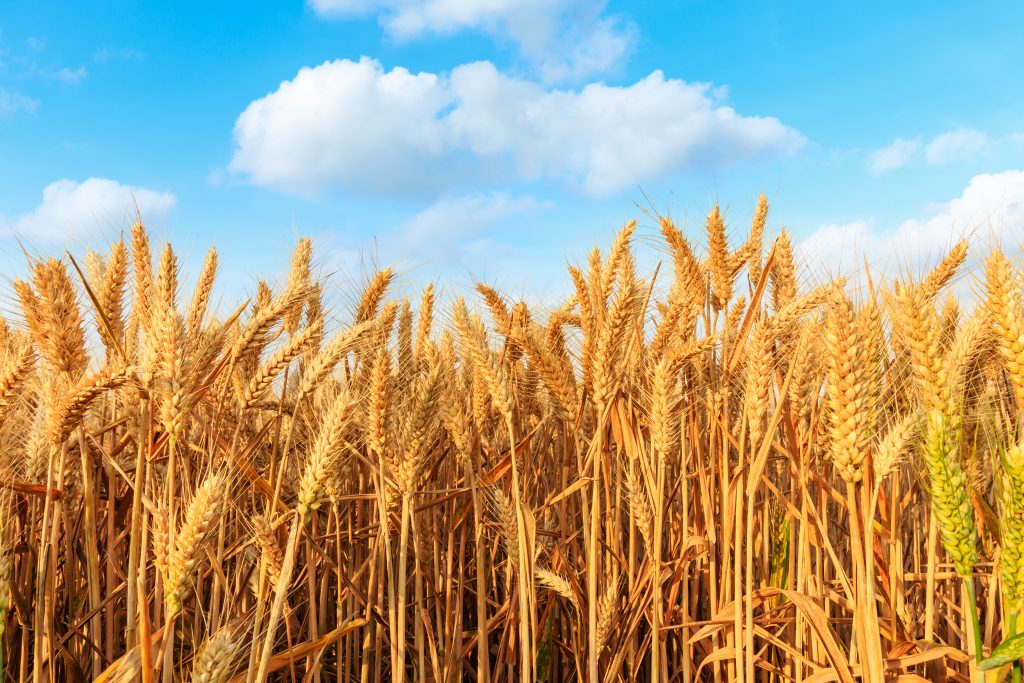
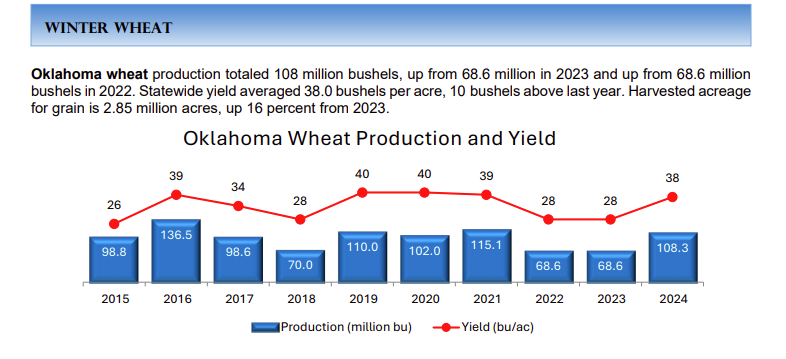
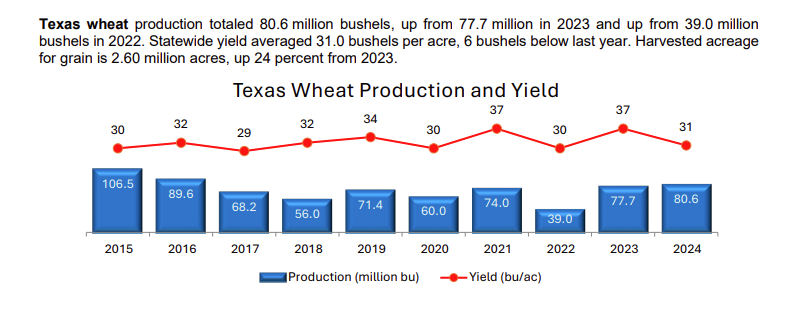
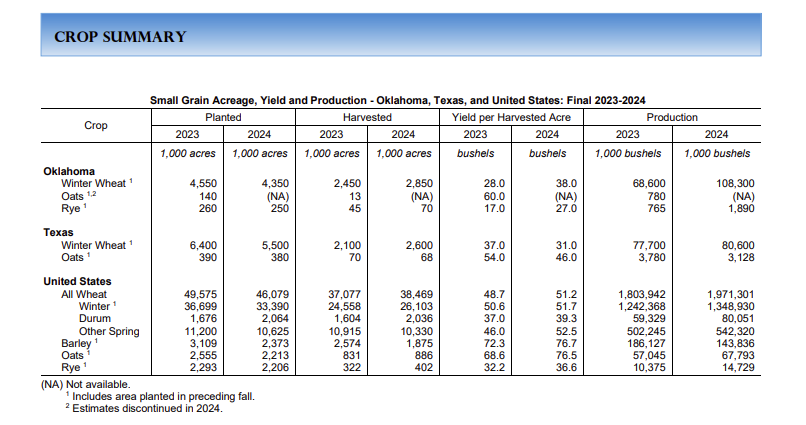
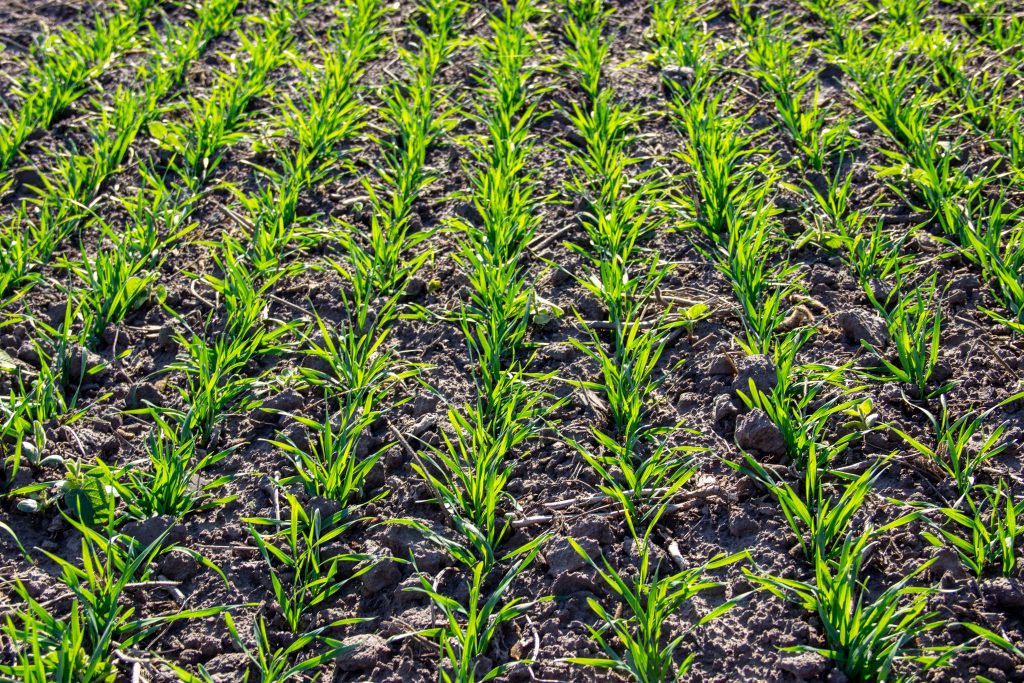
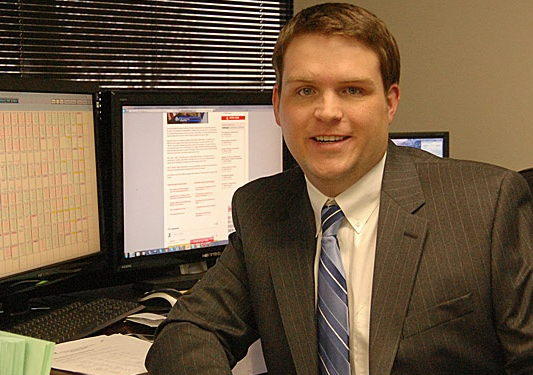

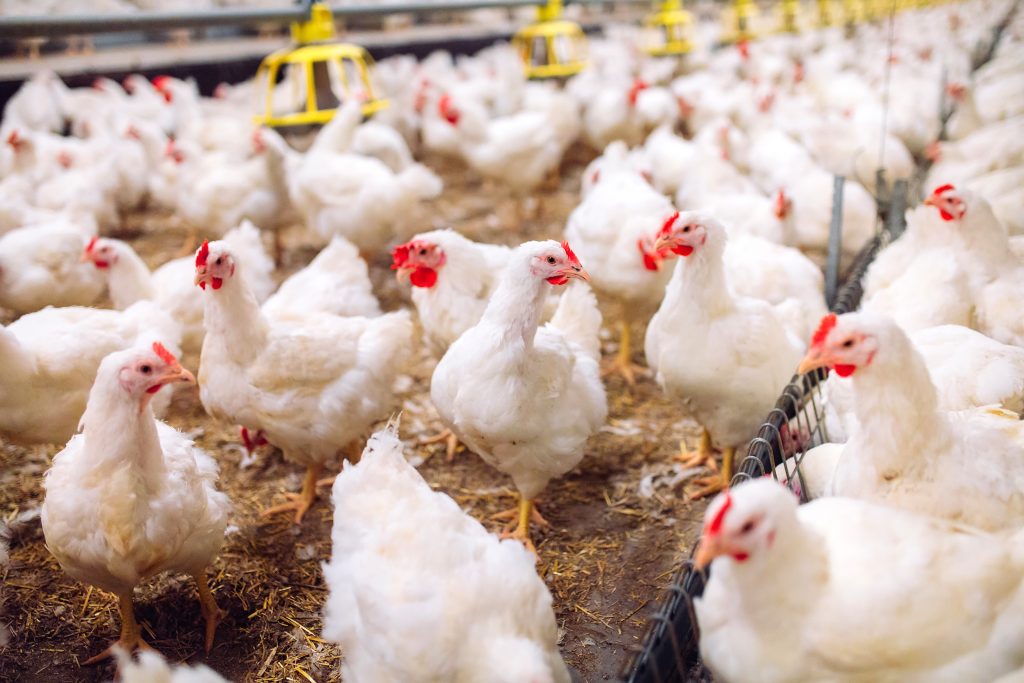
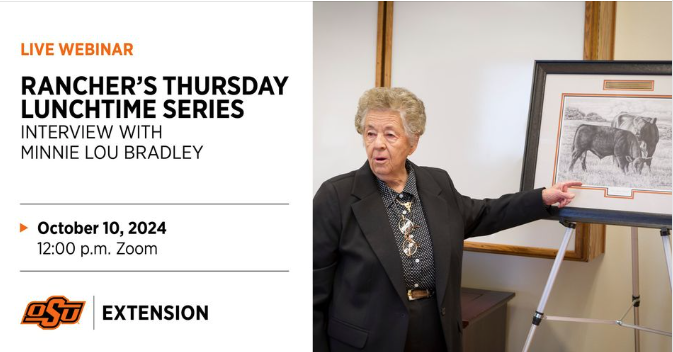
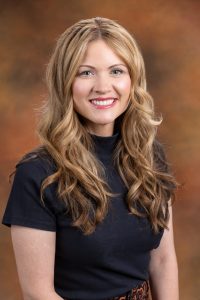
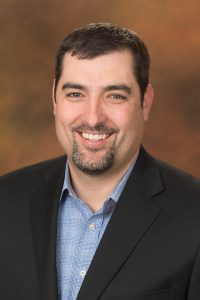
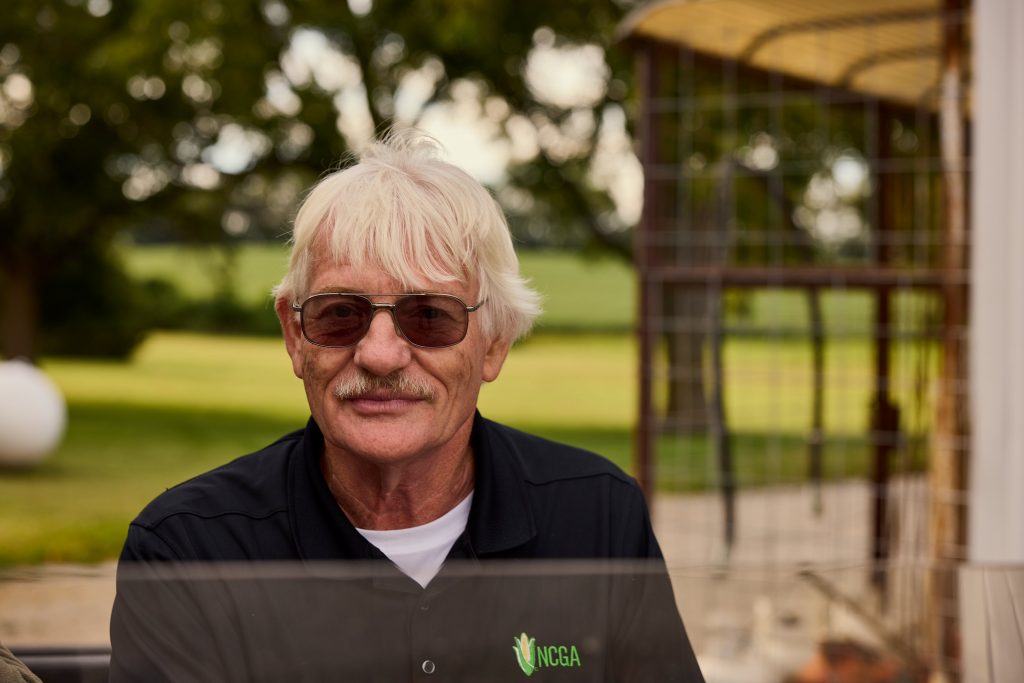
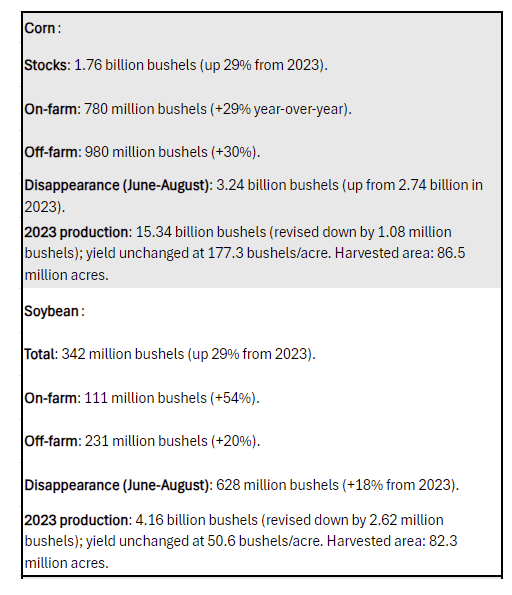
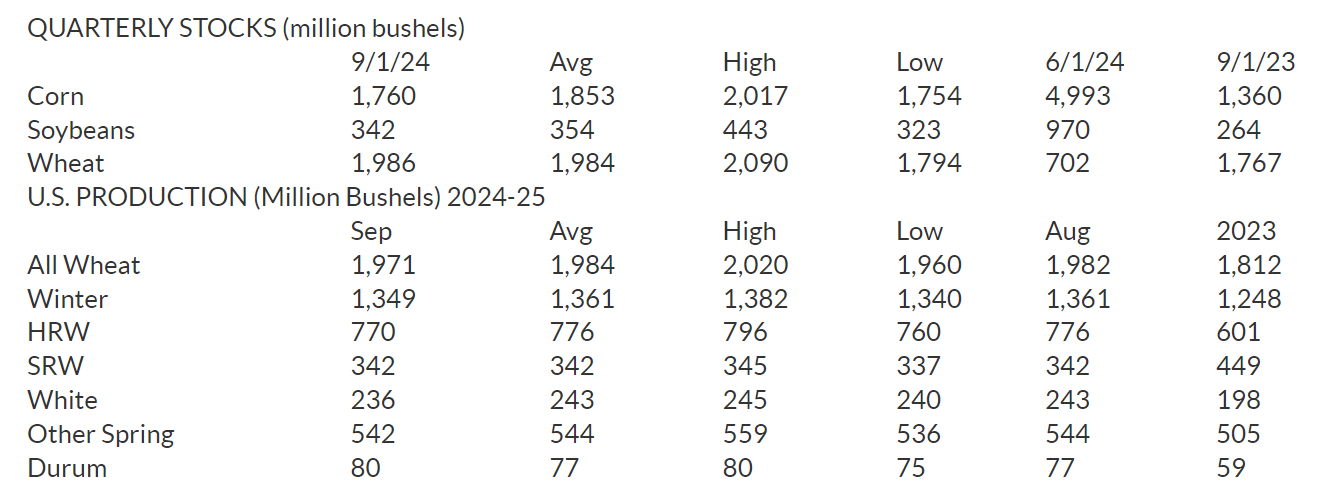









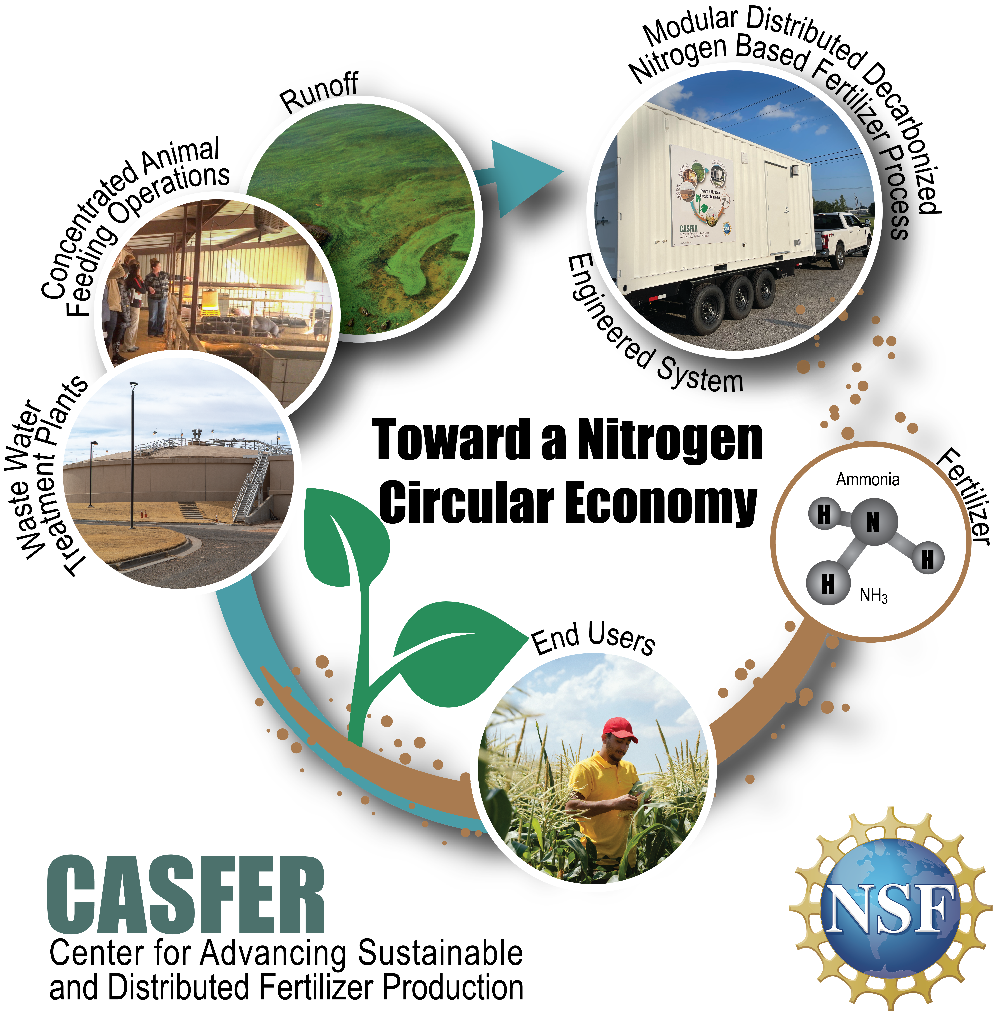
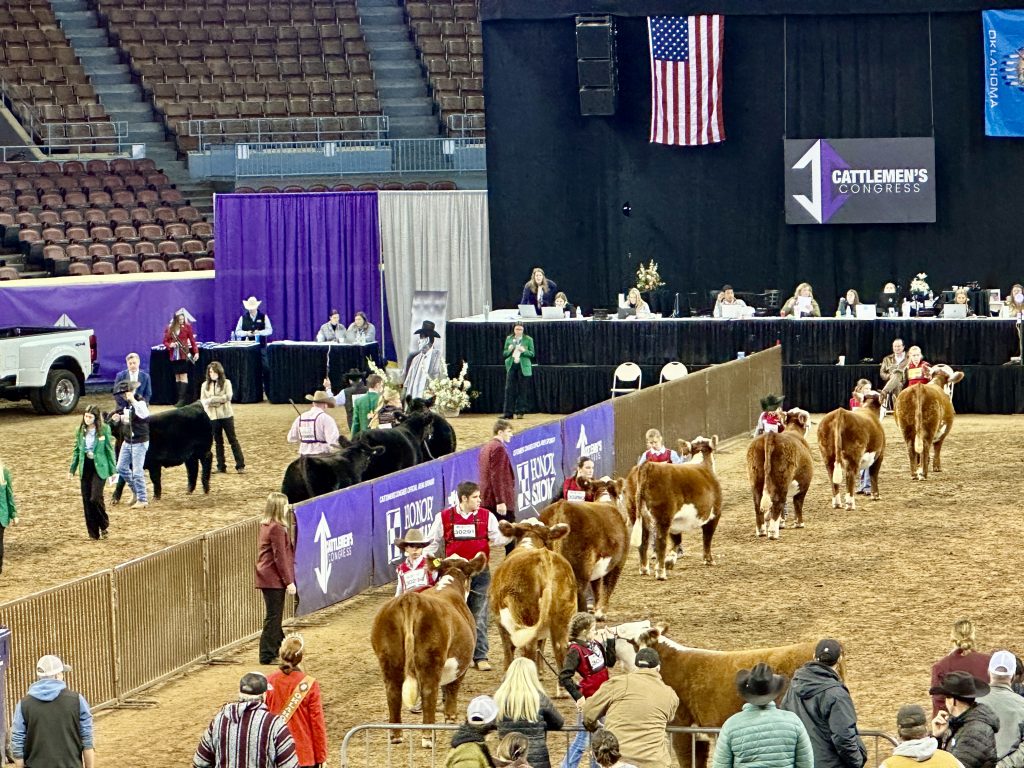

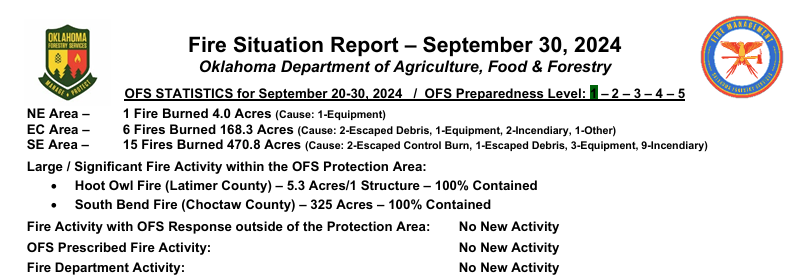
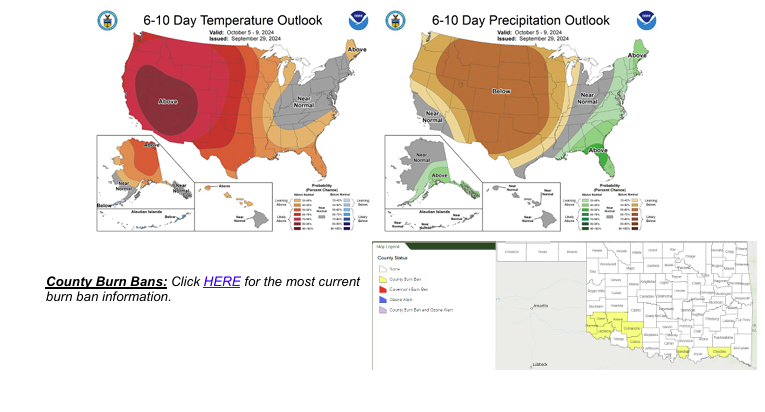

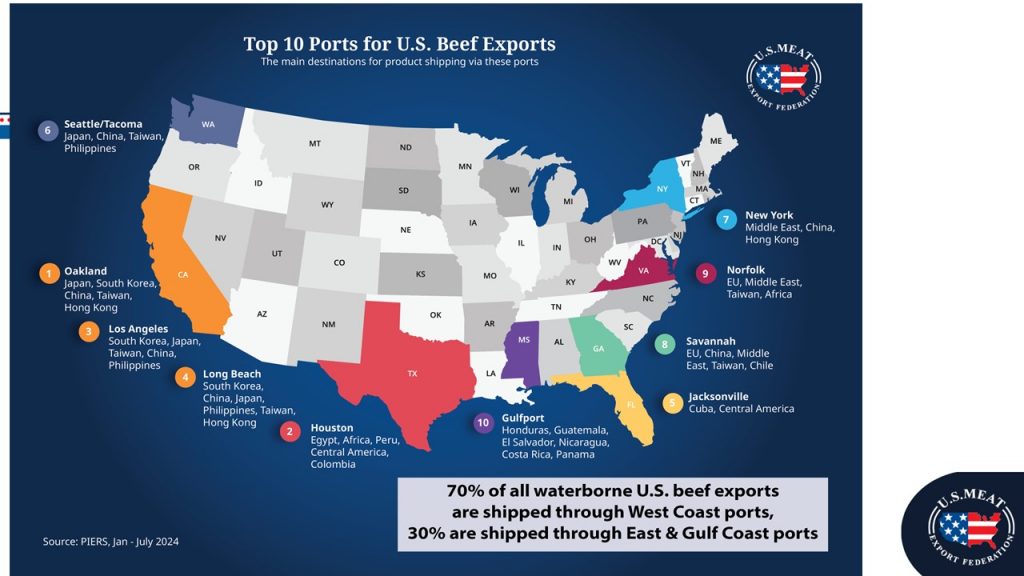
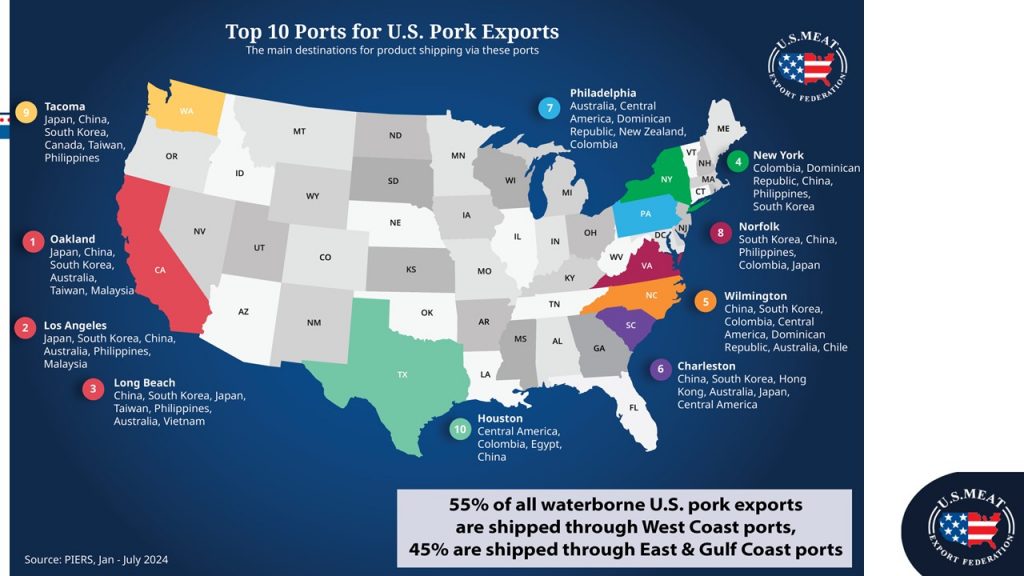
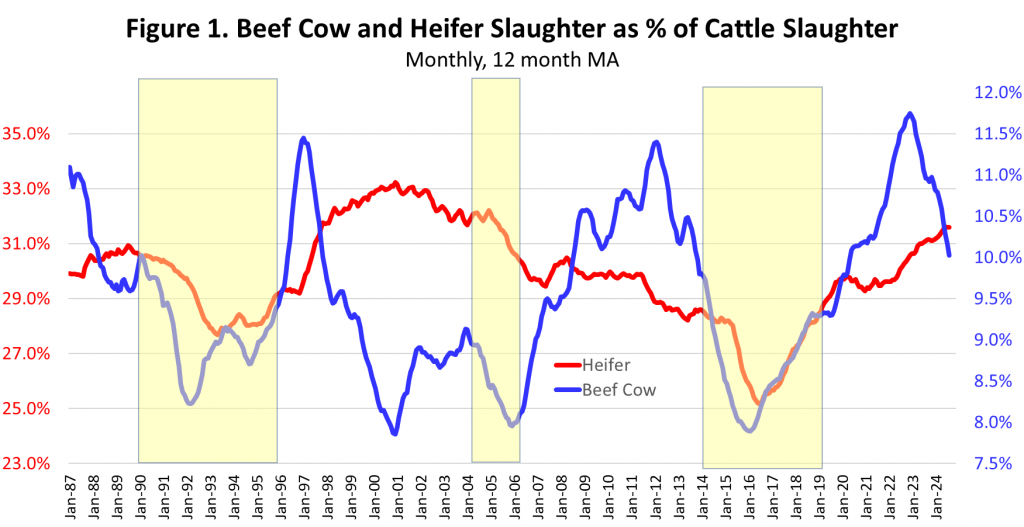




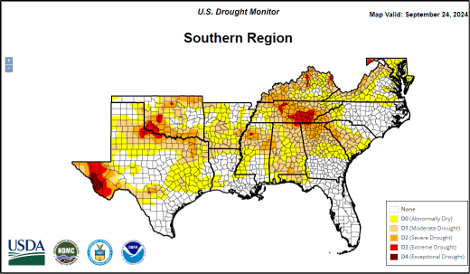
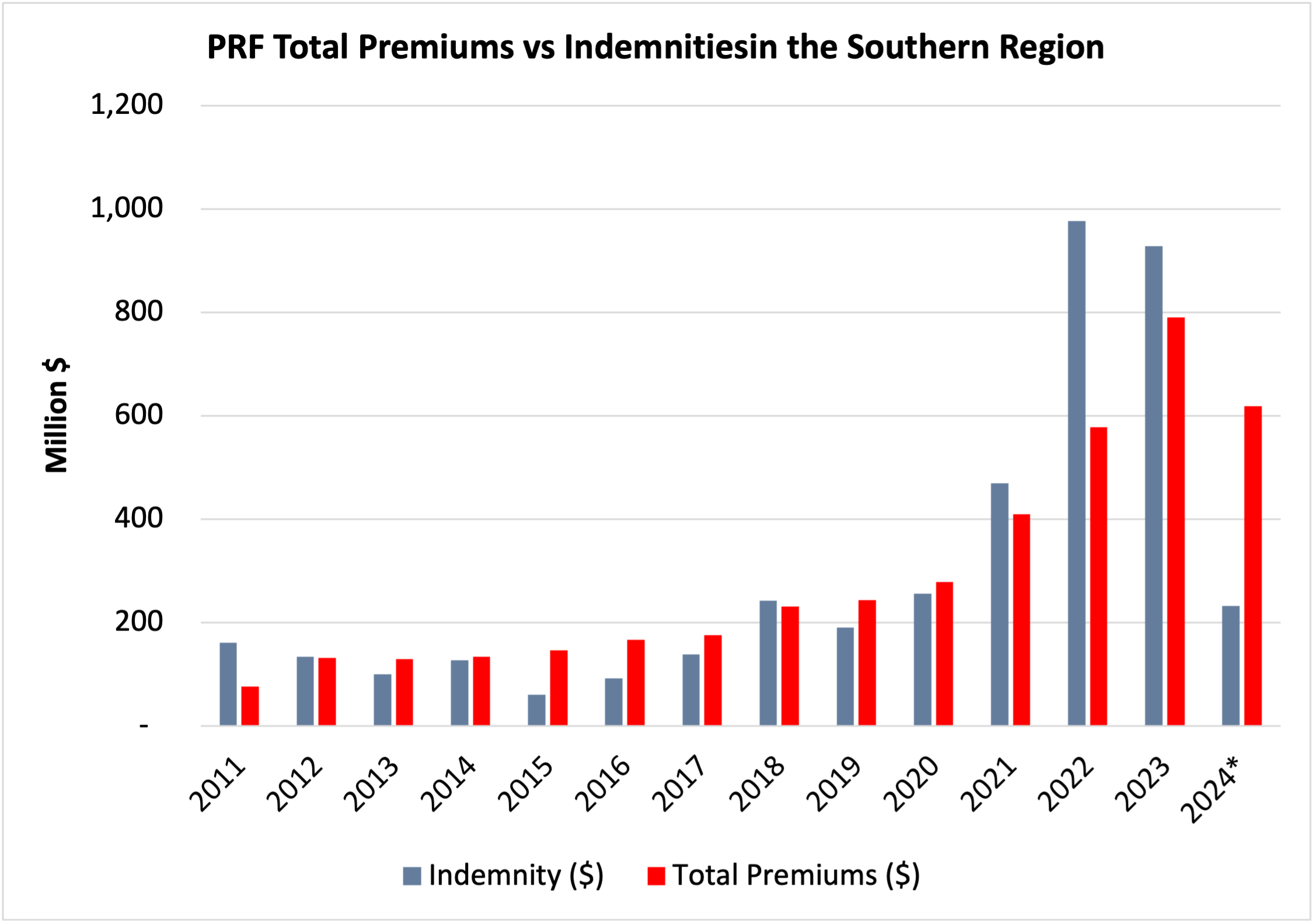
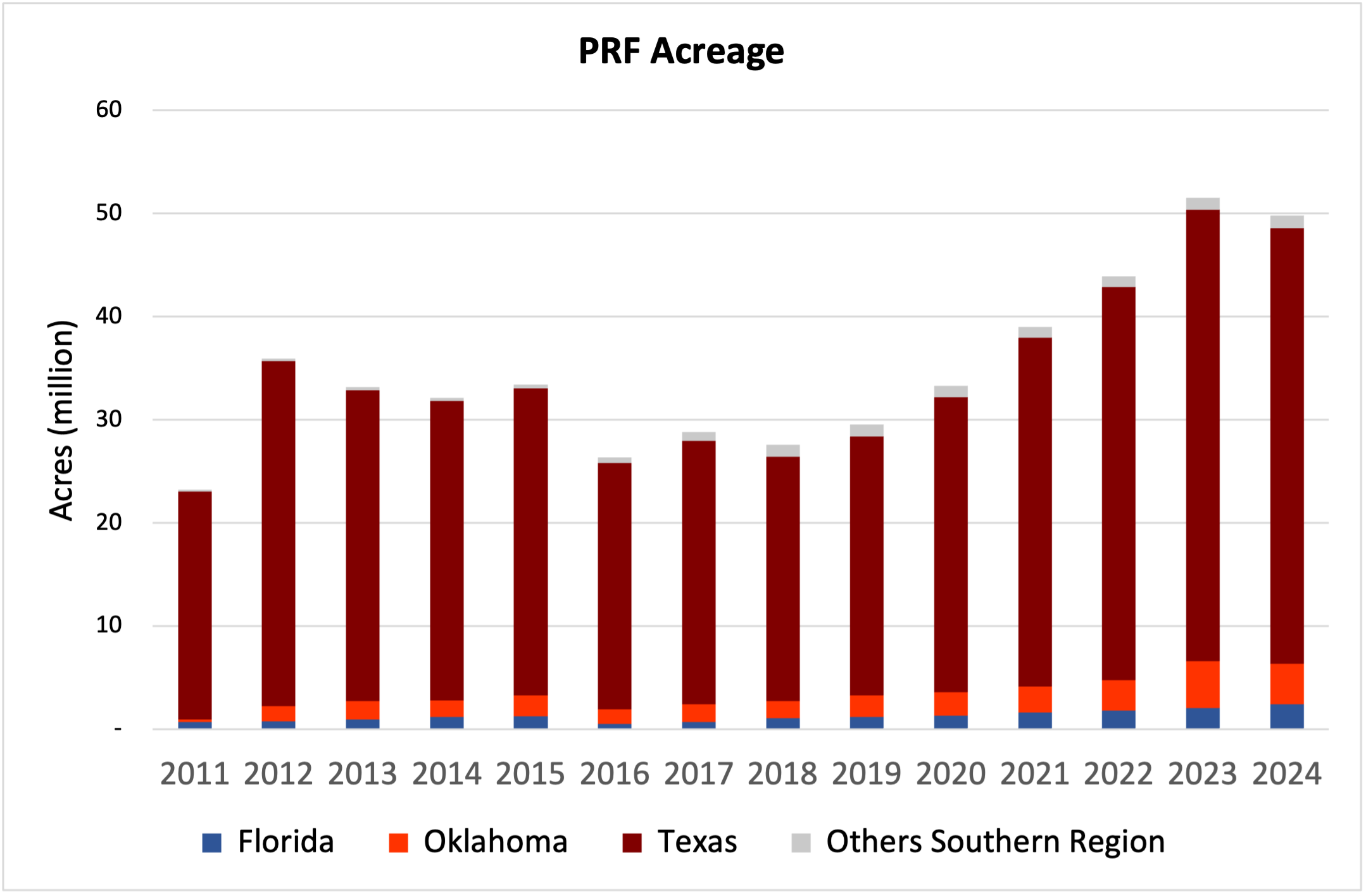
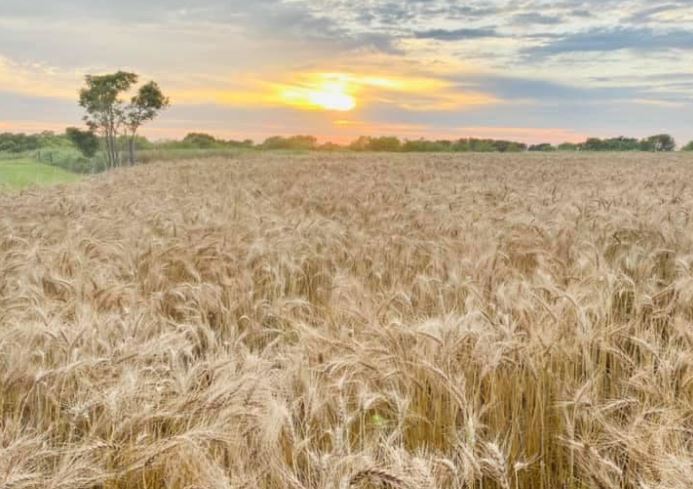
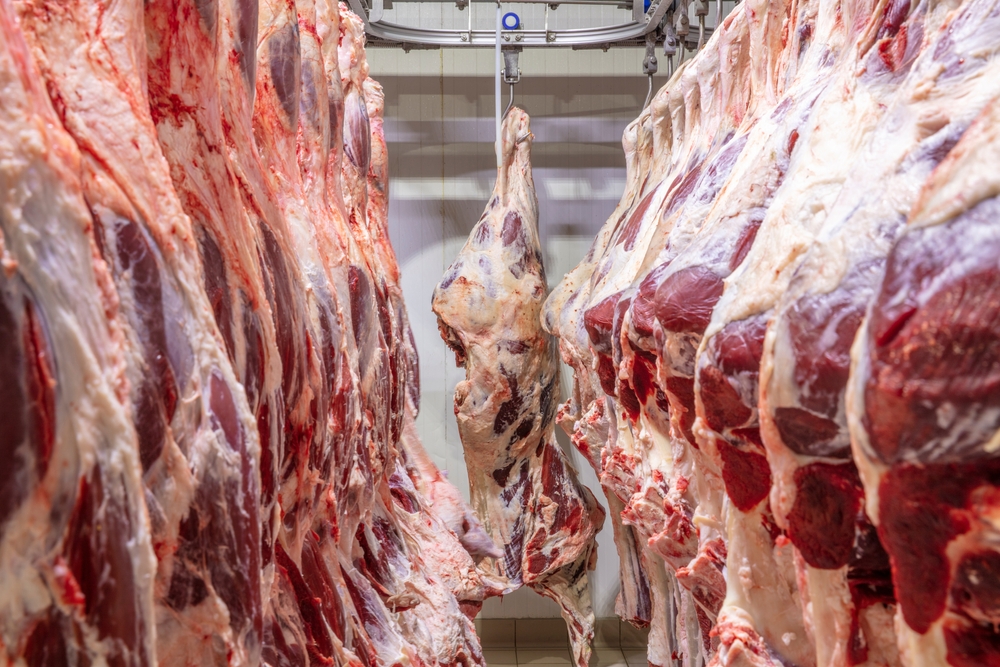





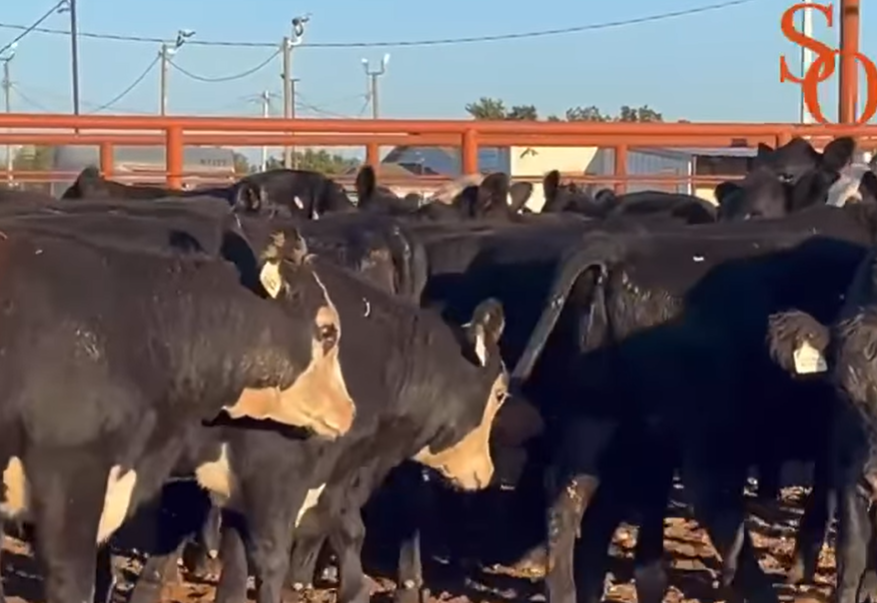
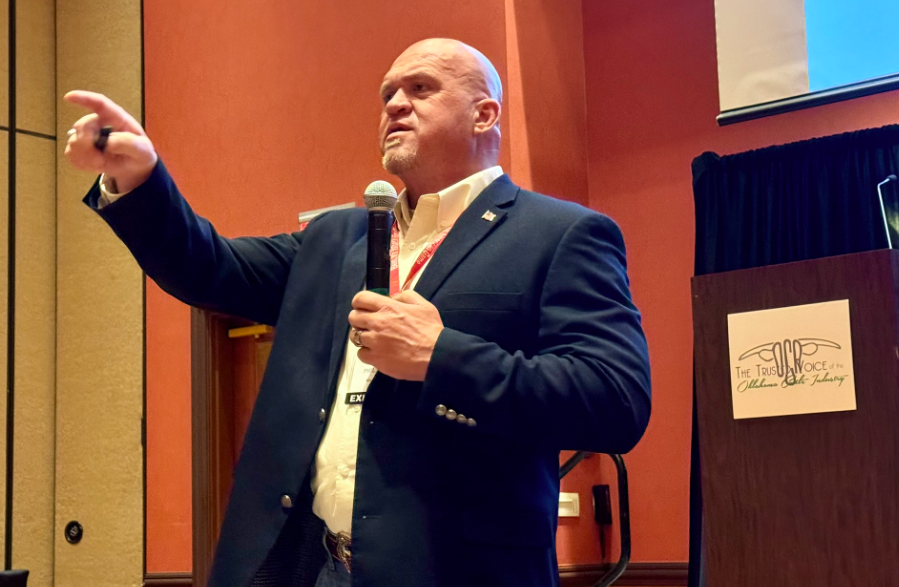
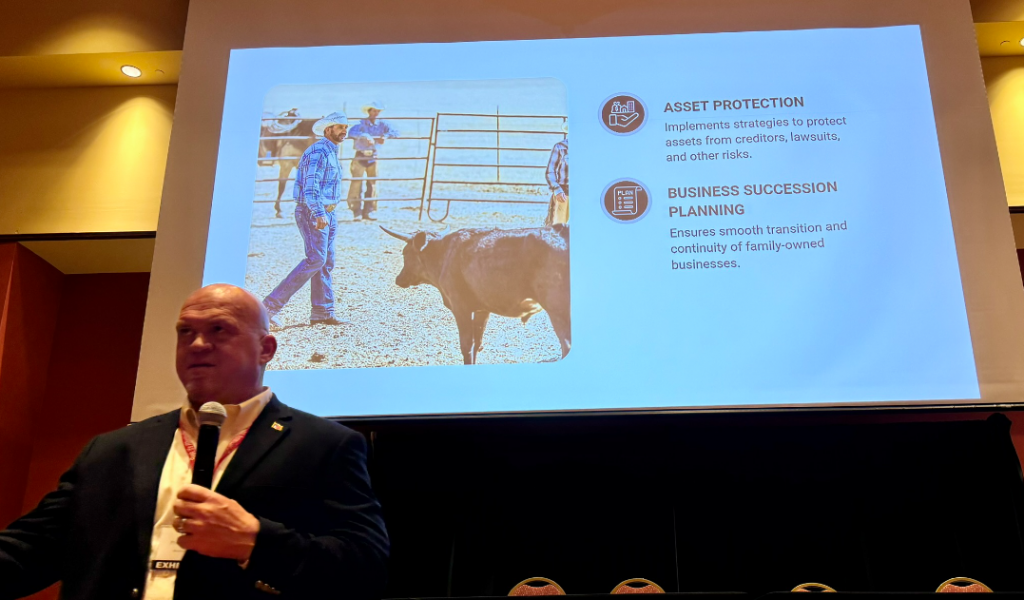
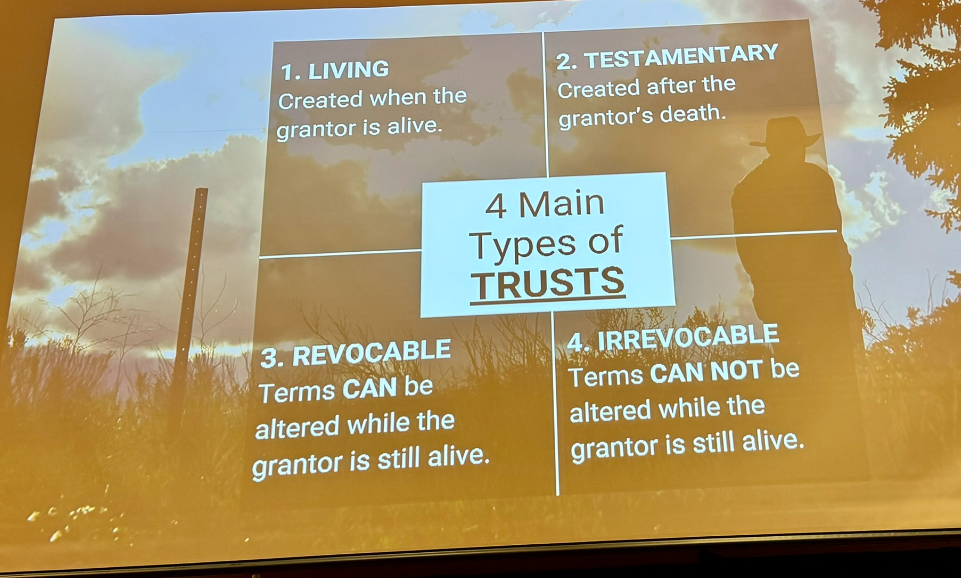



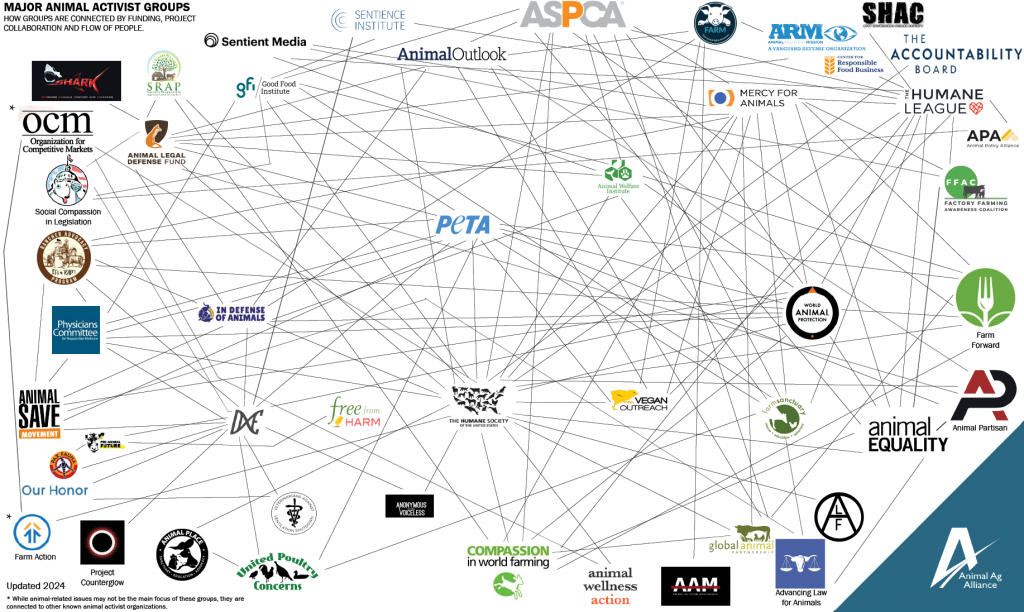


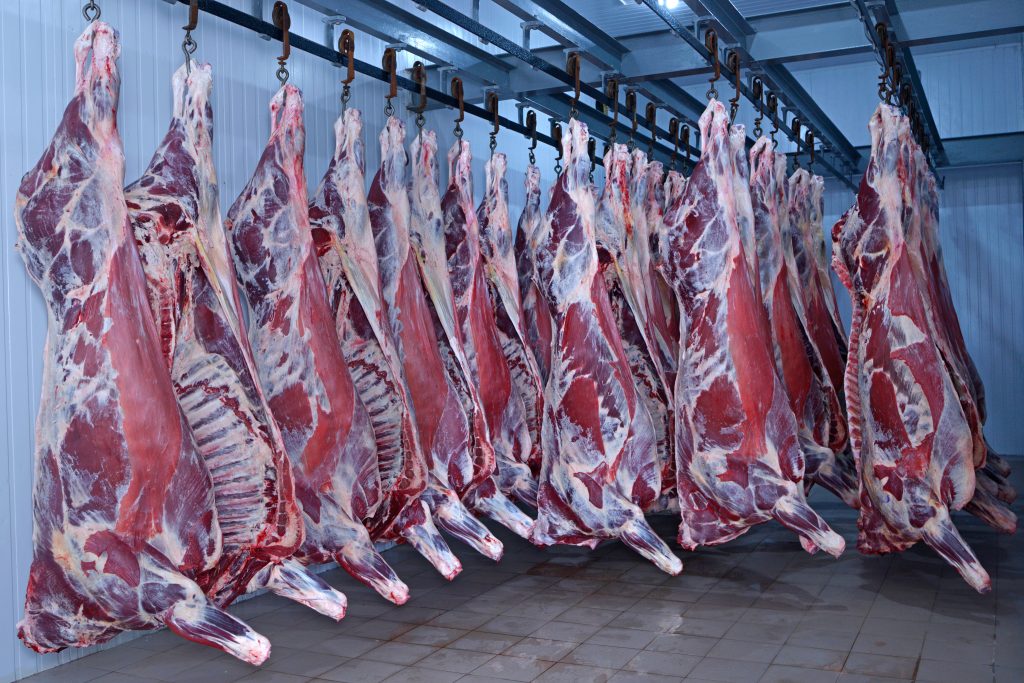

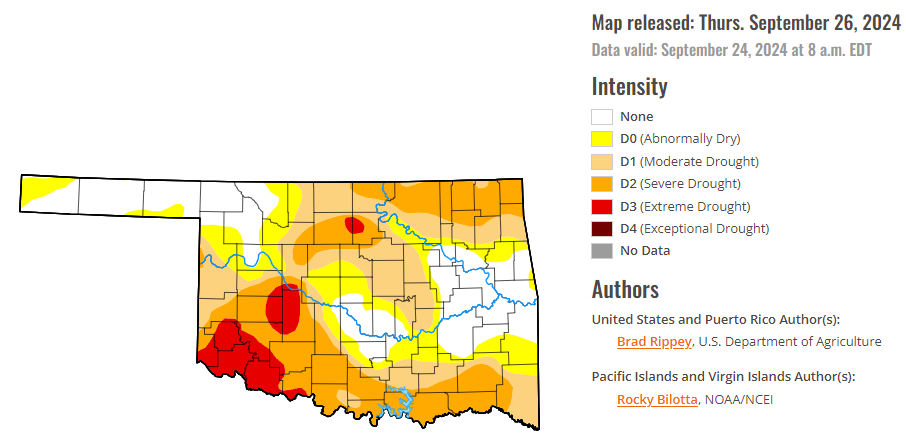
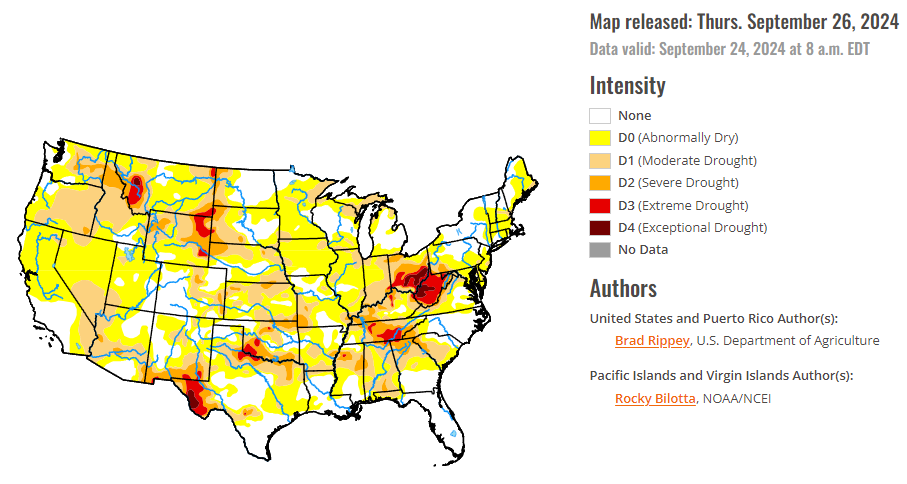

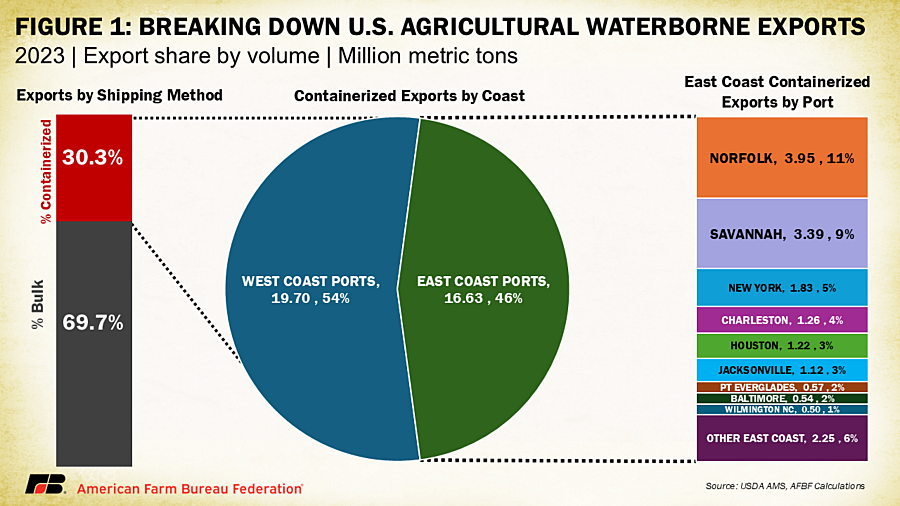
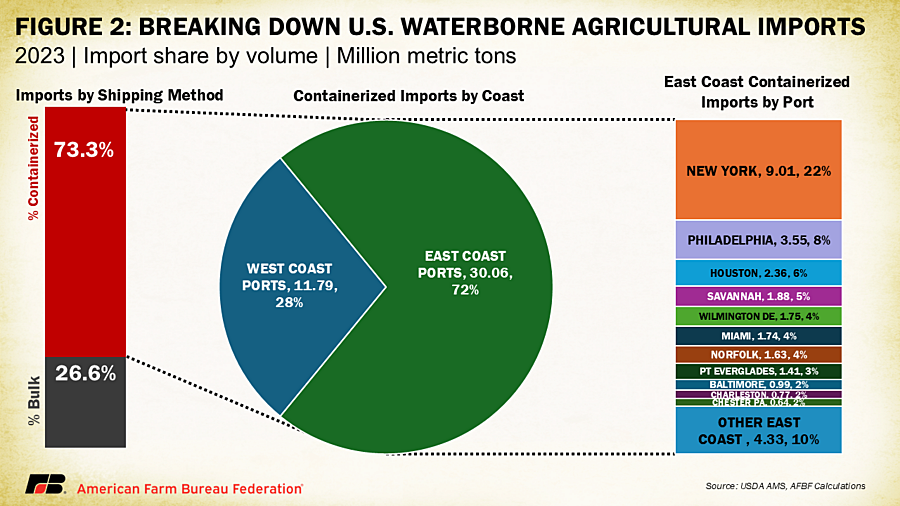
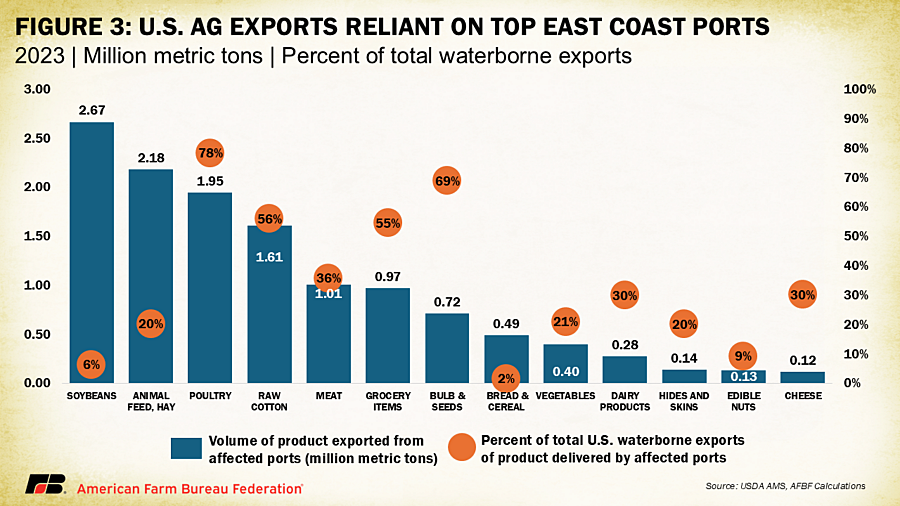
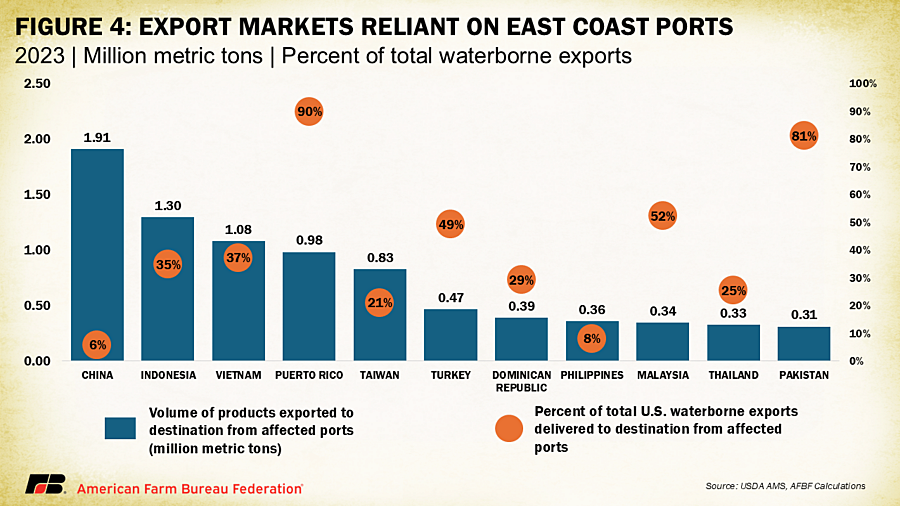
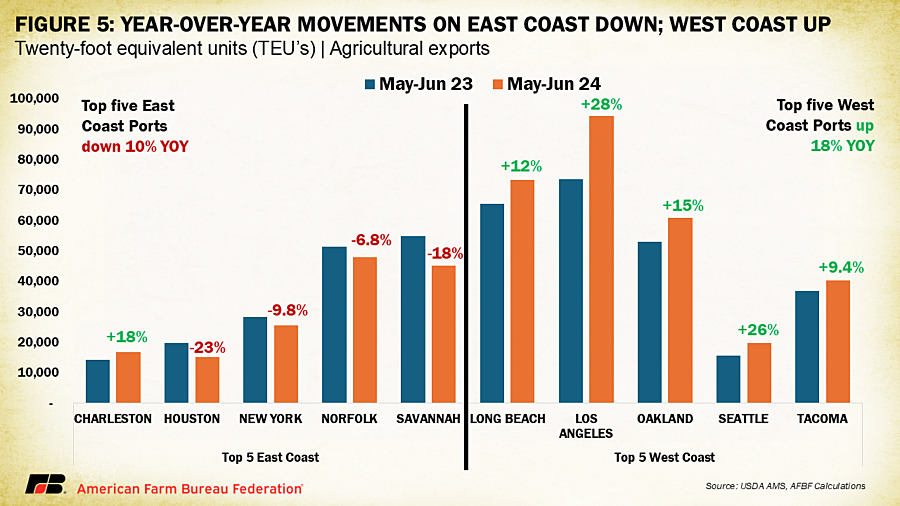
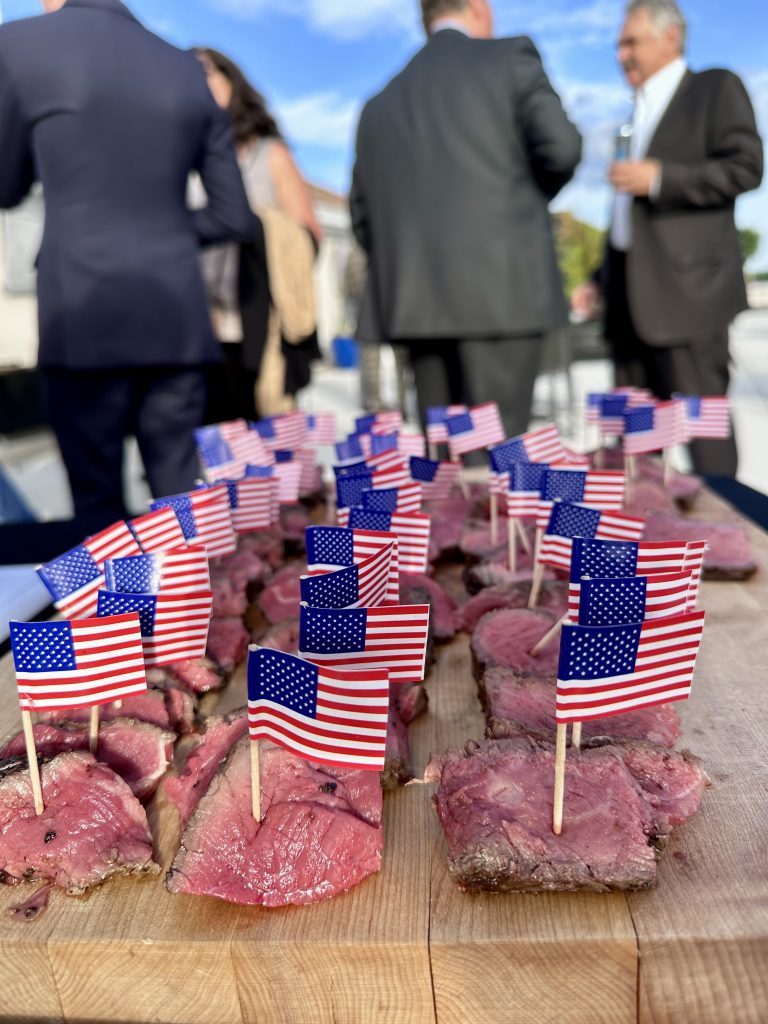


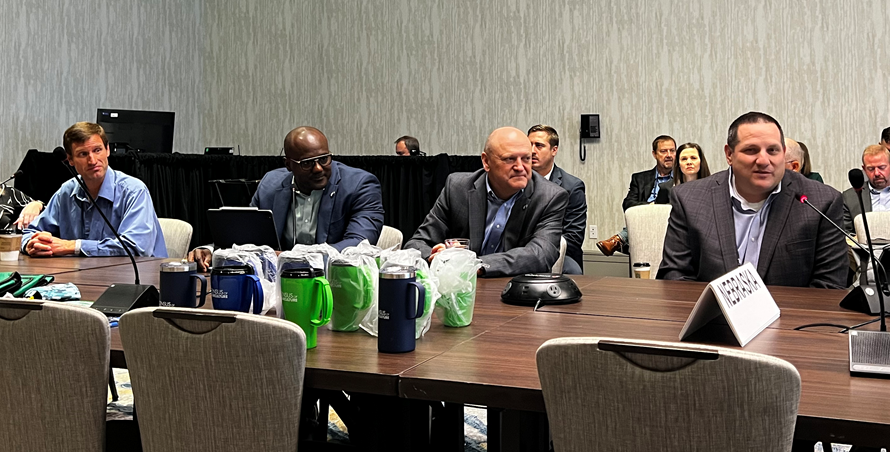



 Roughly 1.5 million deer-related vehicle collisions happen in the United States each year, according to the National Highway Traffic Safety Administration (NHTSA),

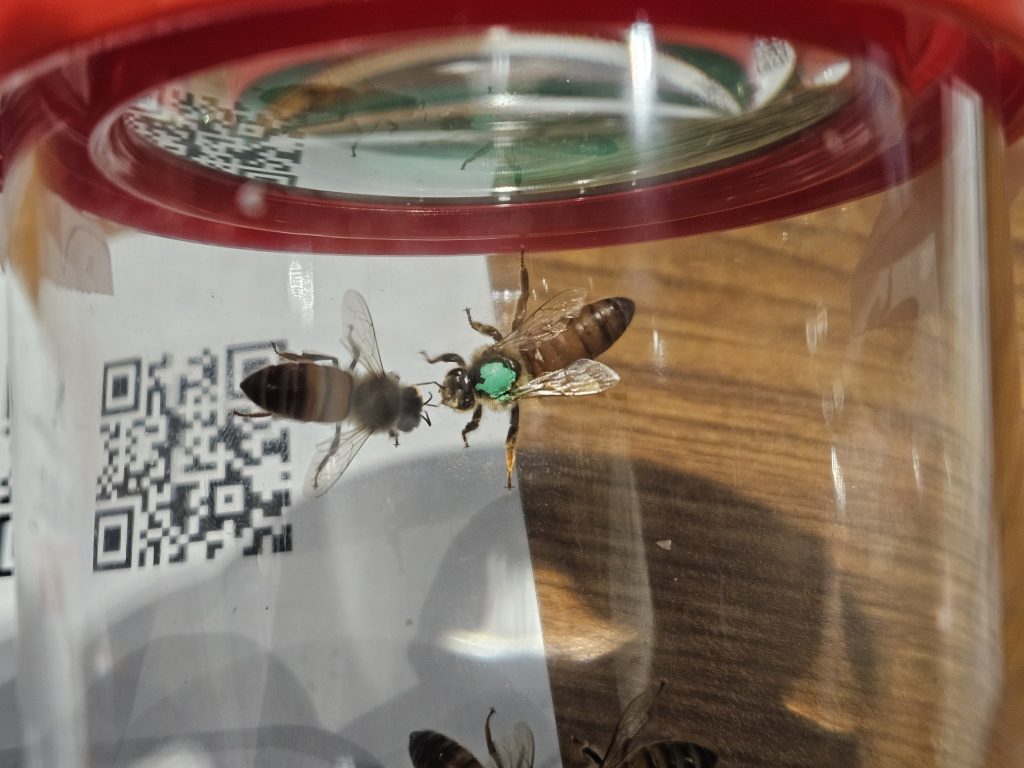

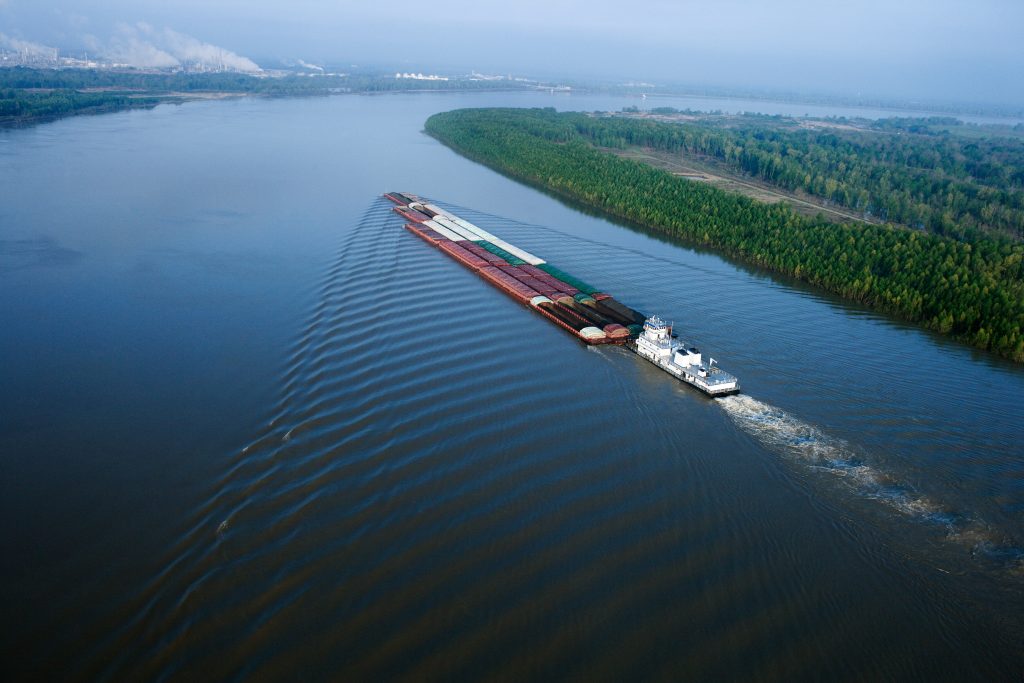
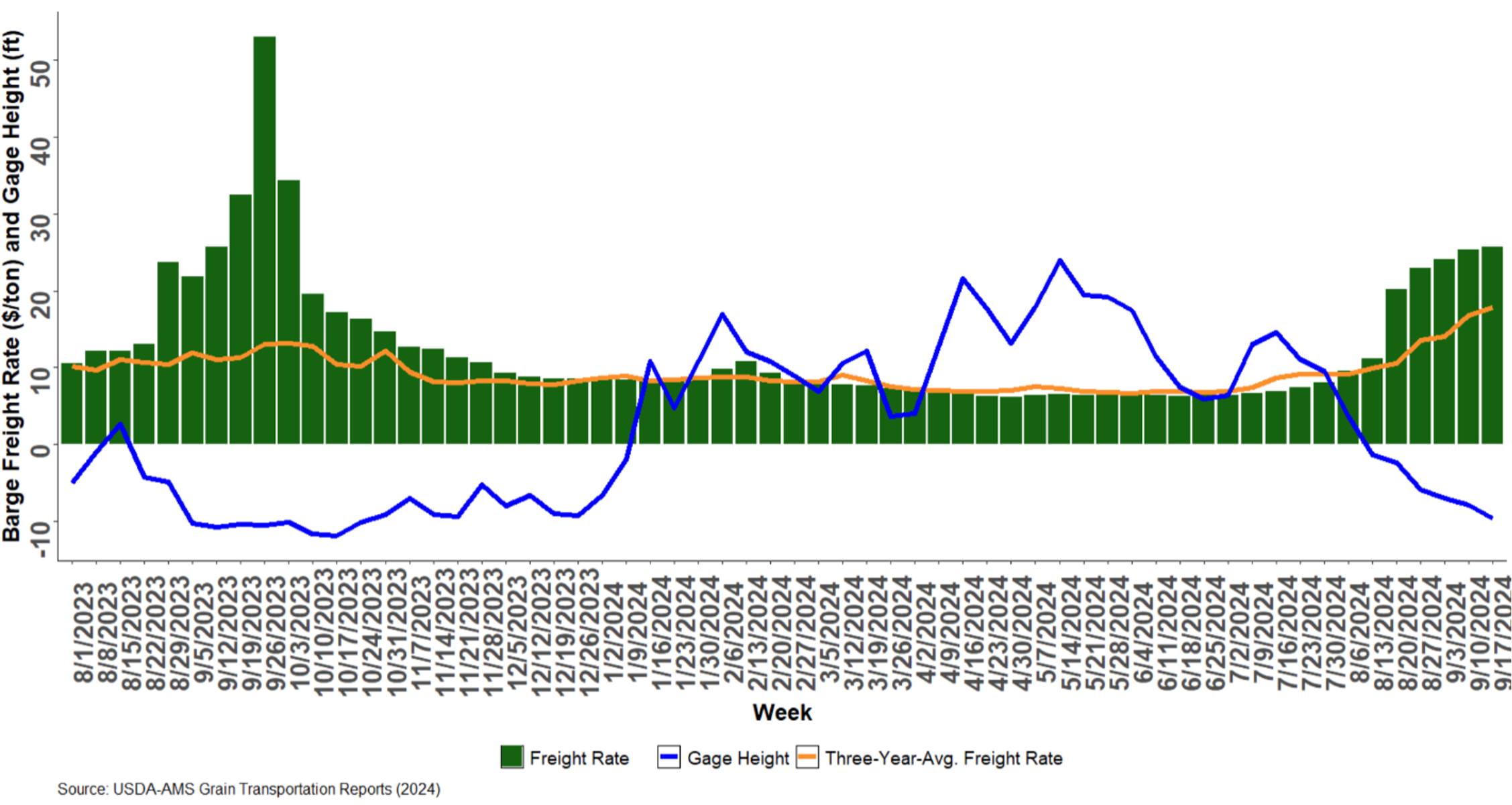
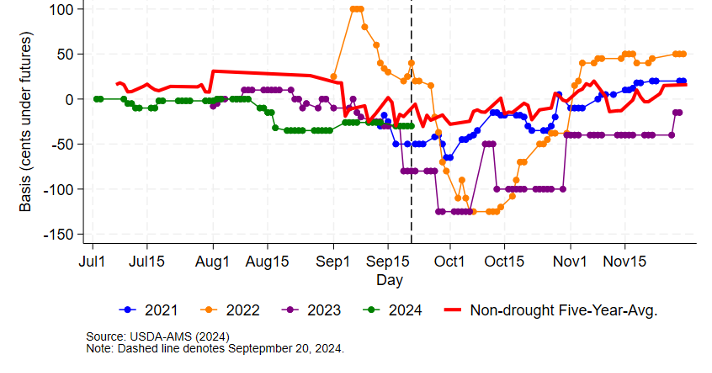

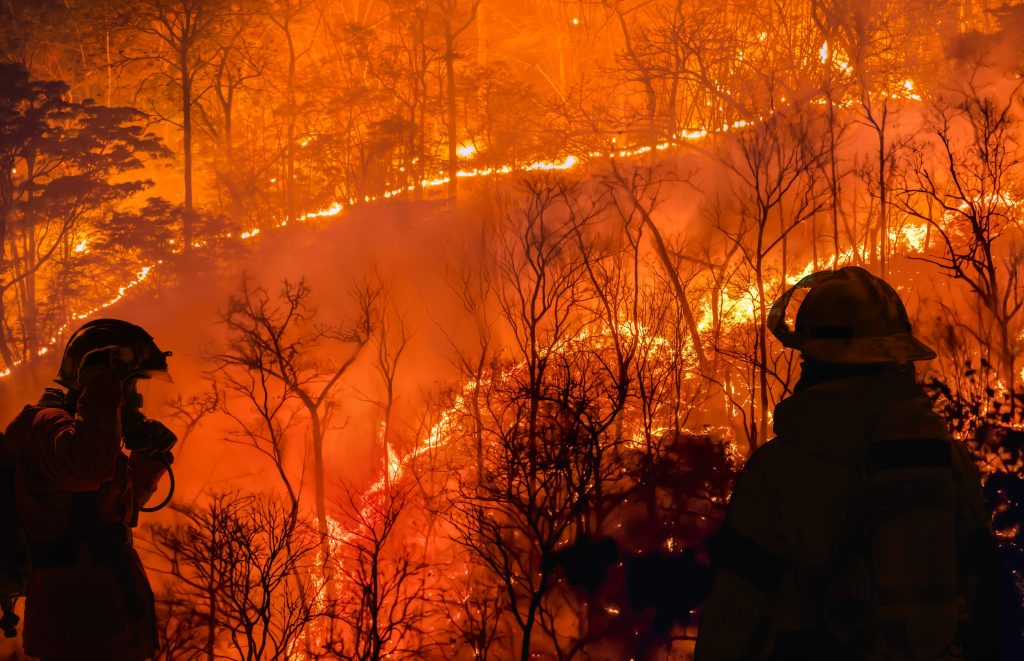
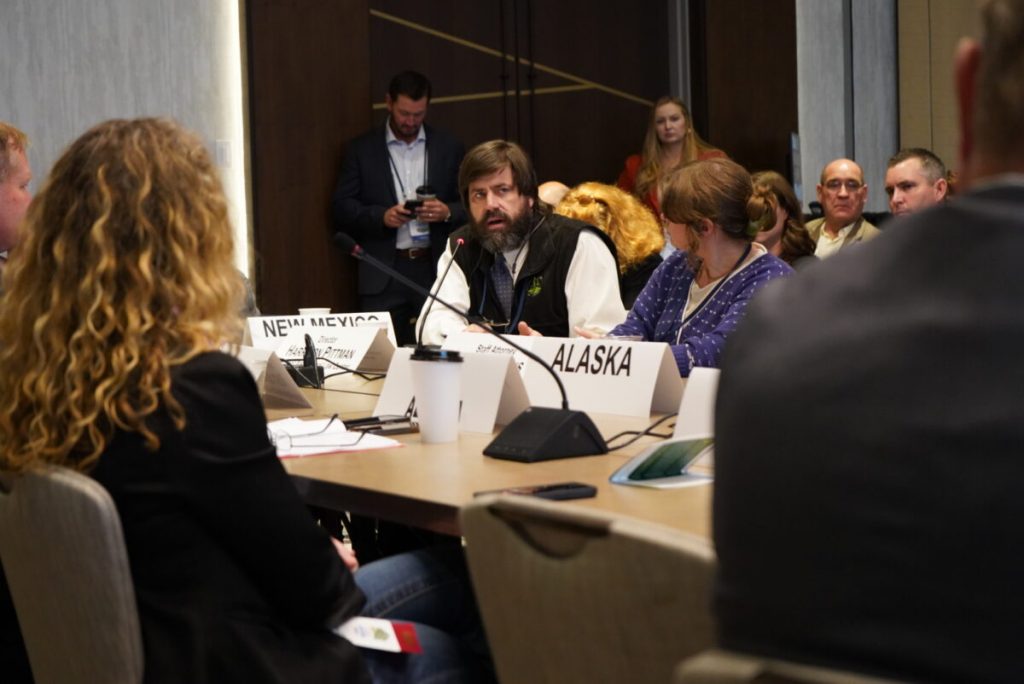



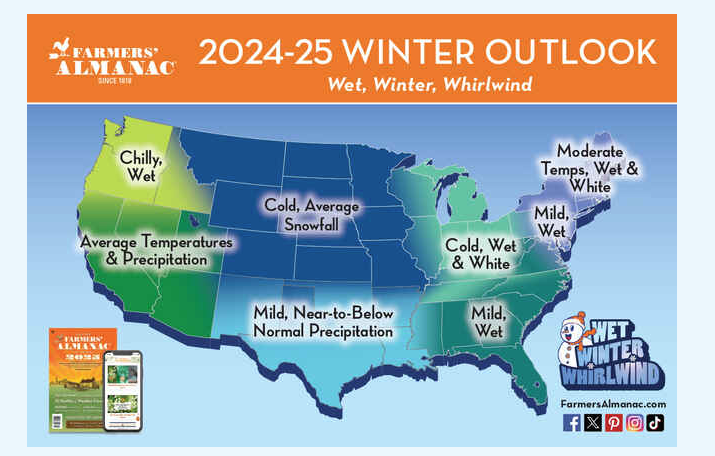



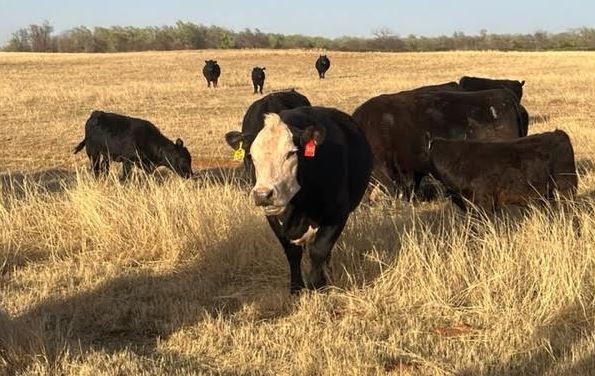
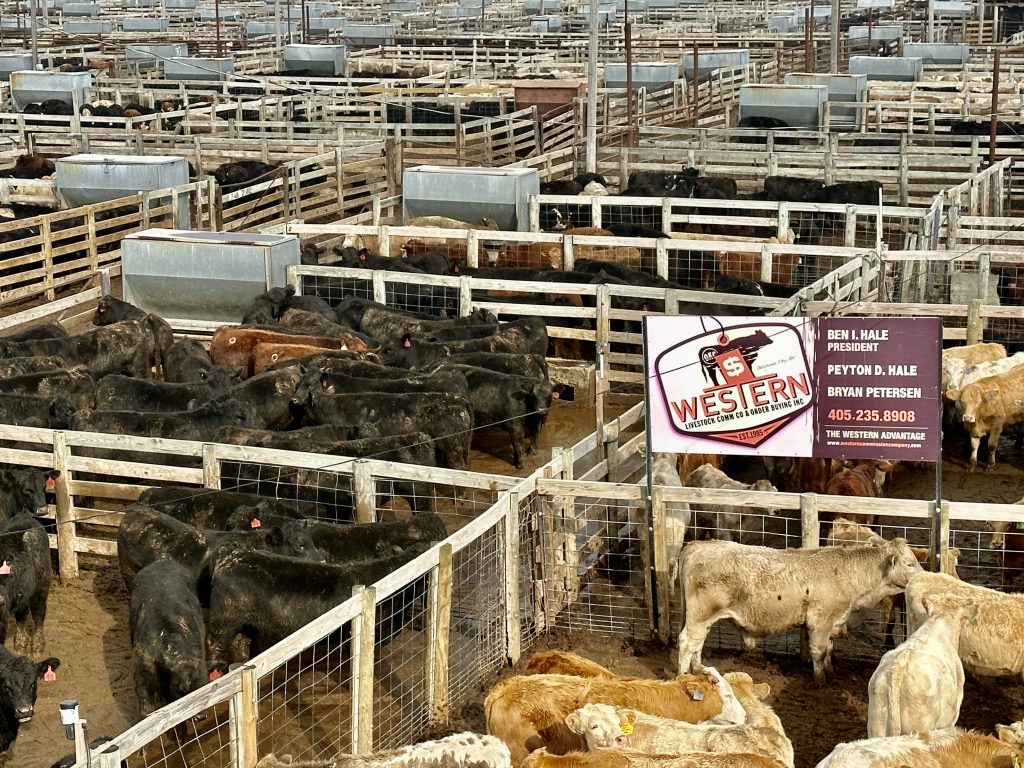
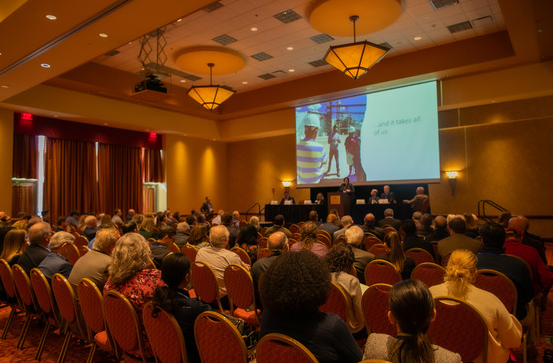


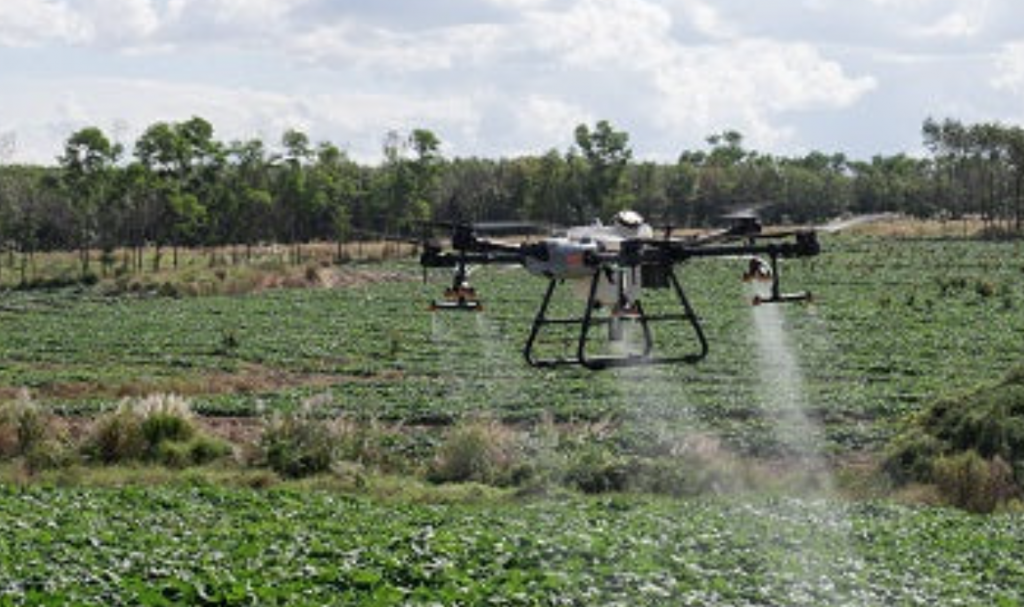
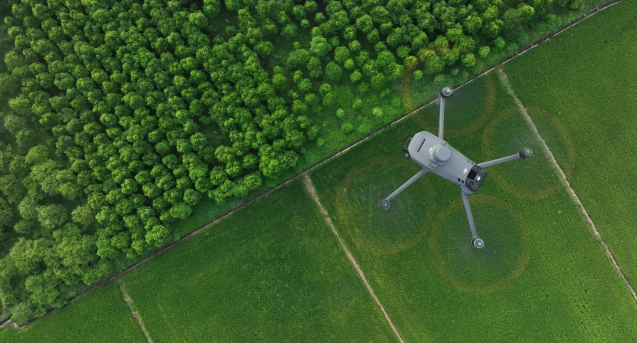
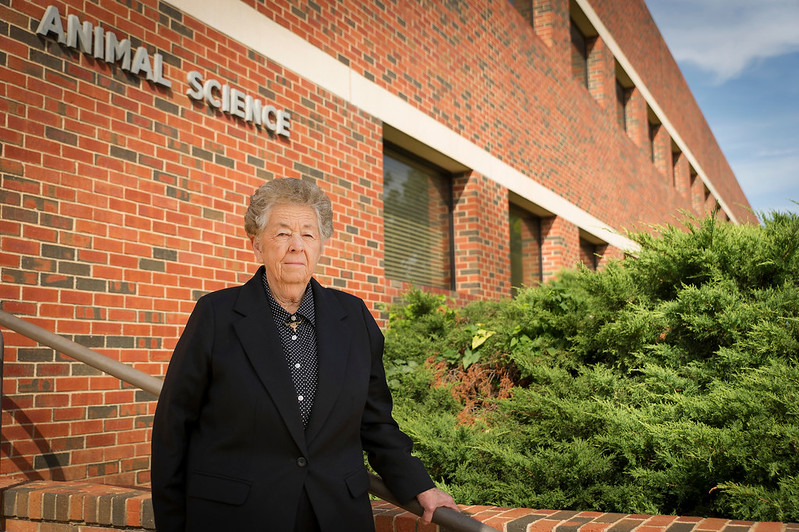
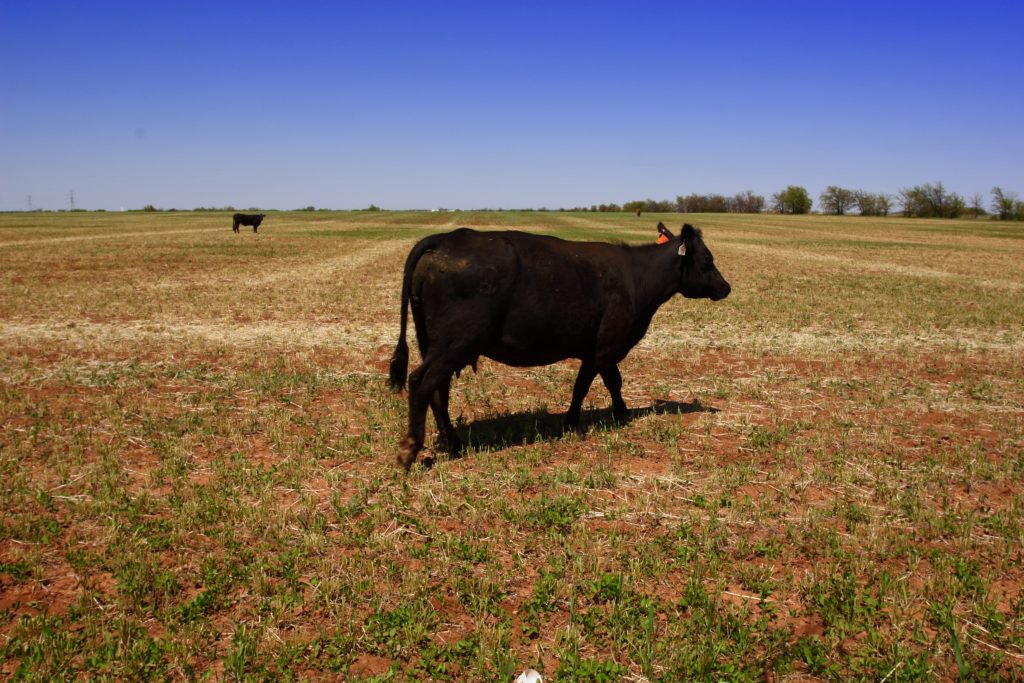
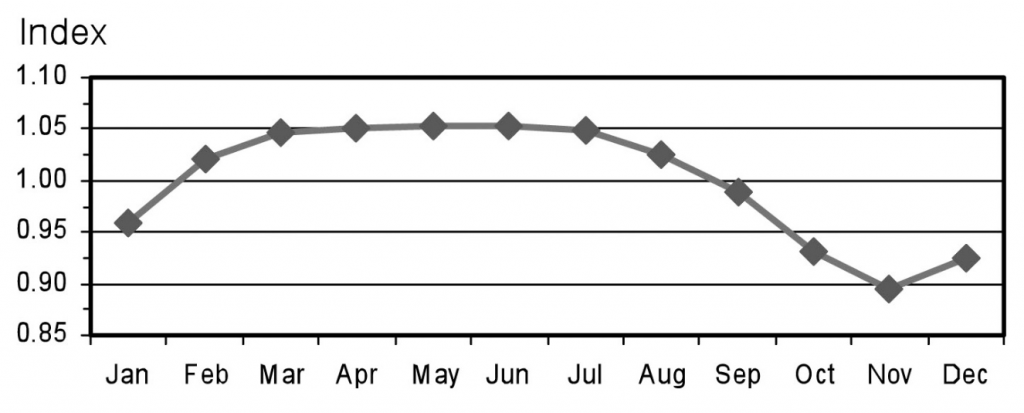
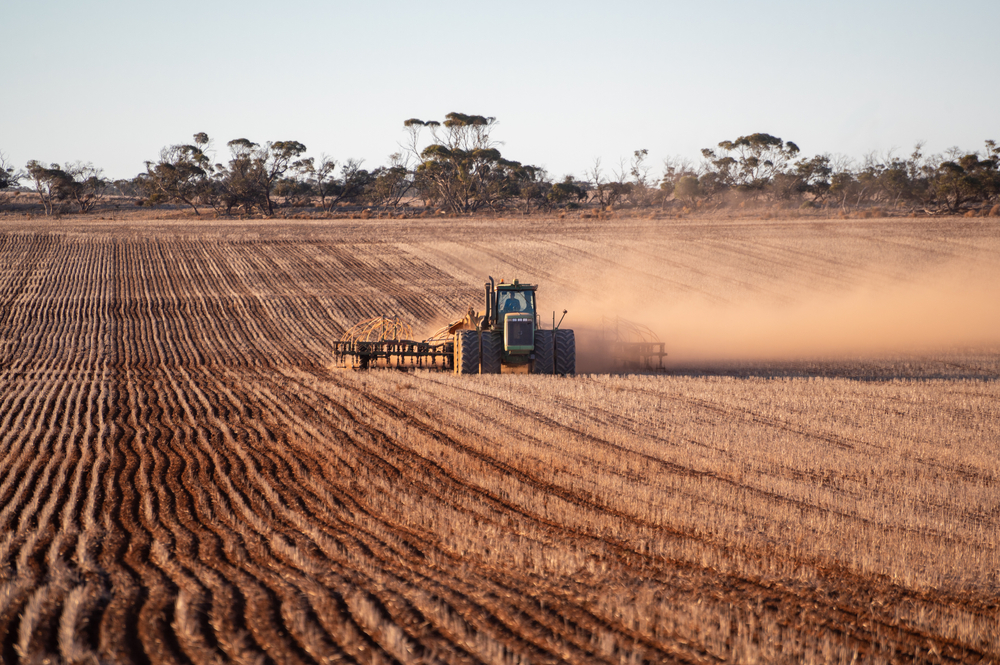
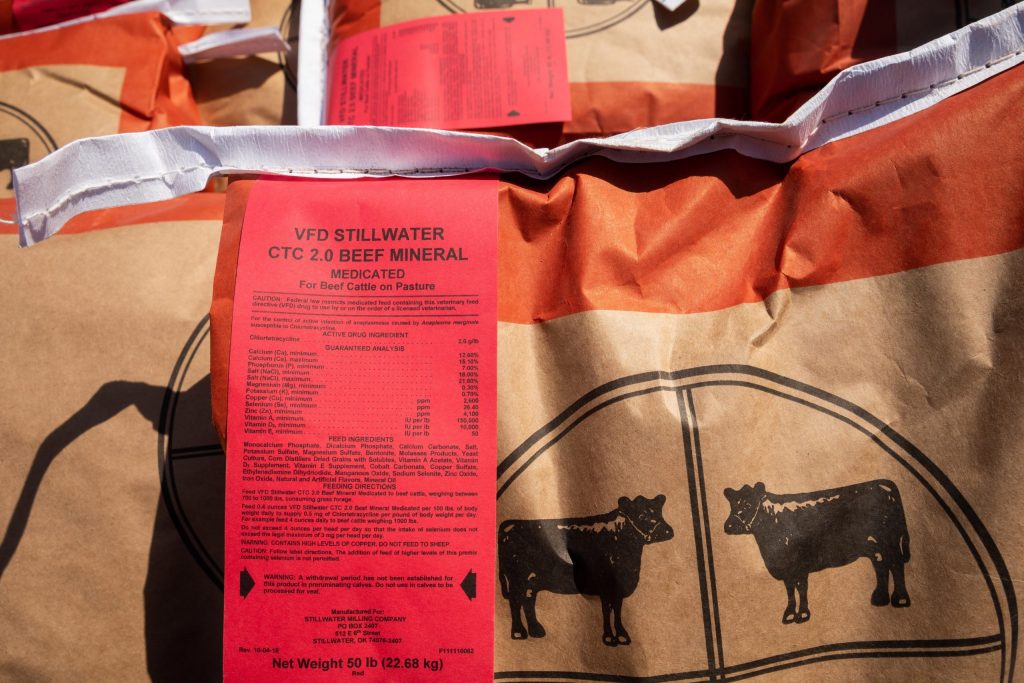



 TODD RUSS


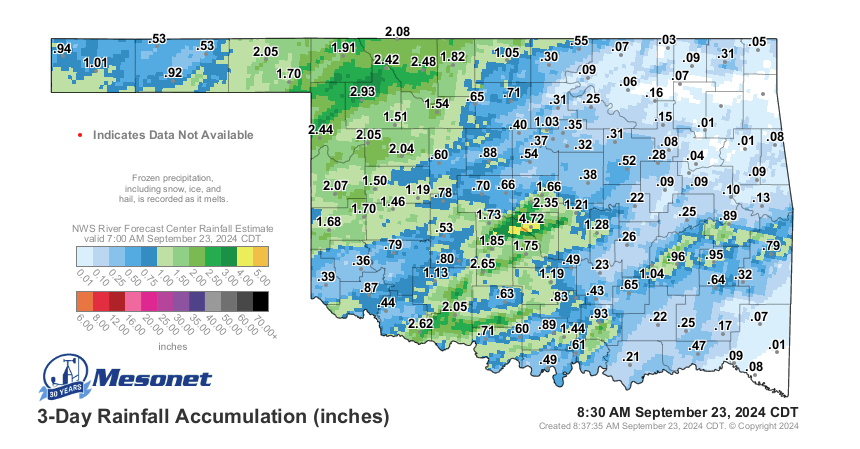
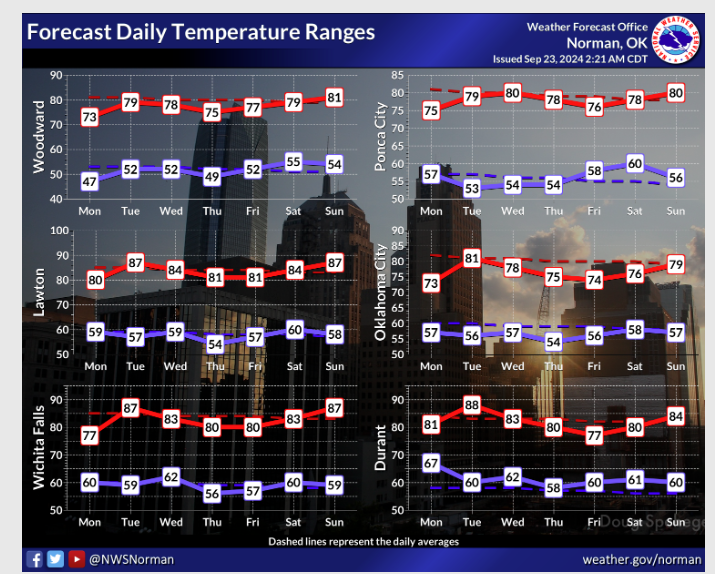
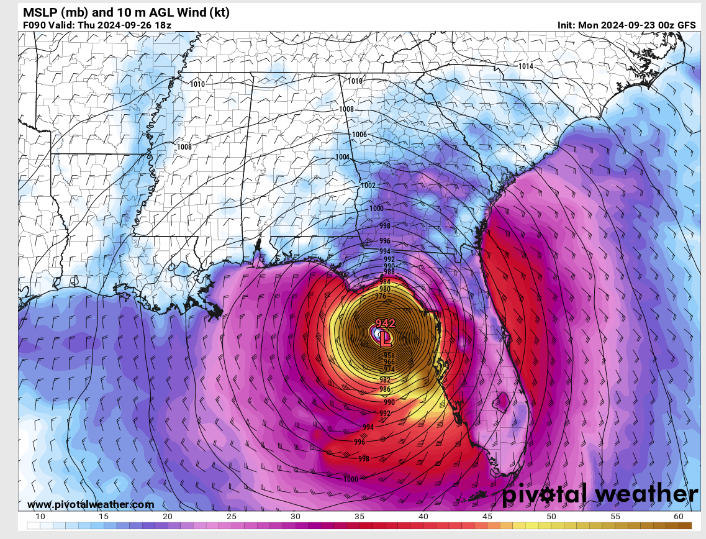
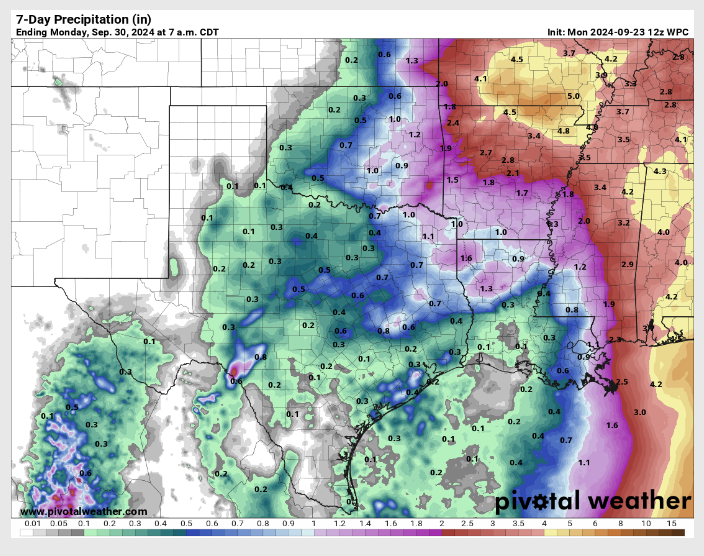
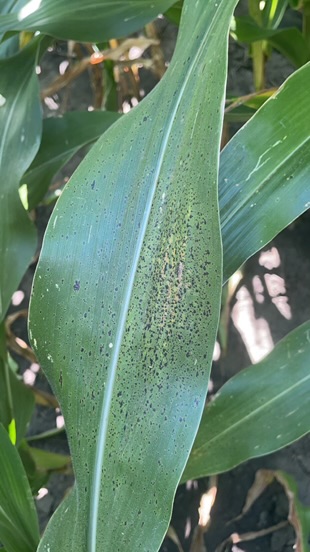
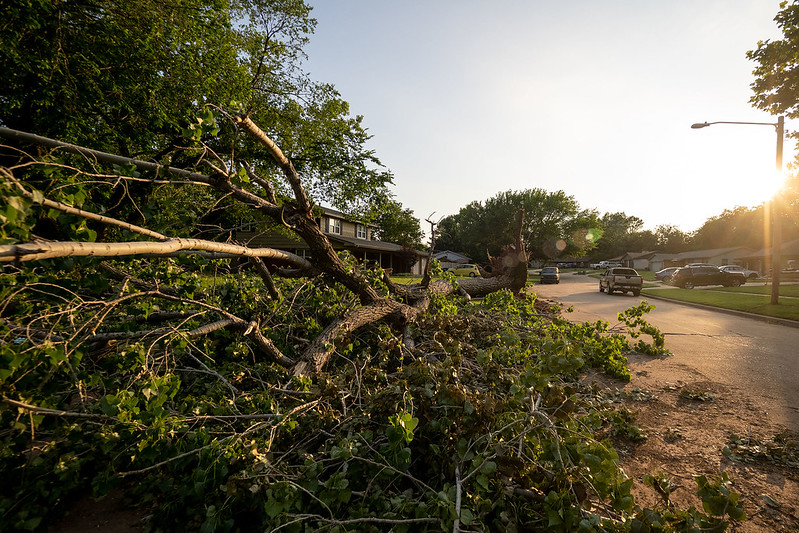
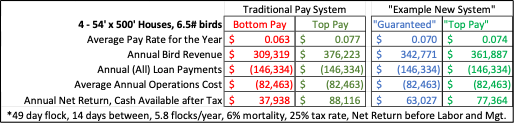
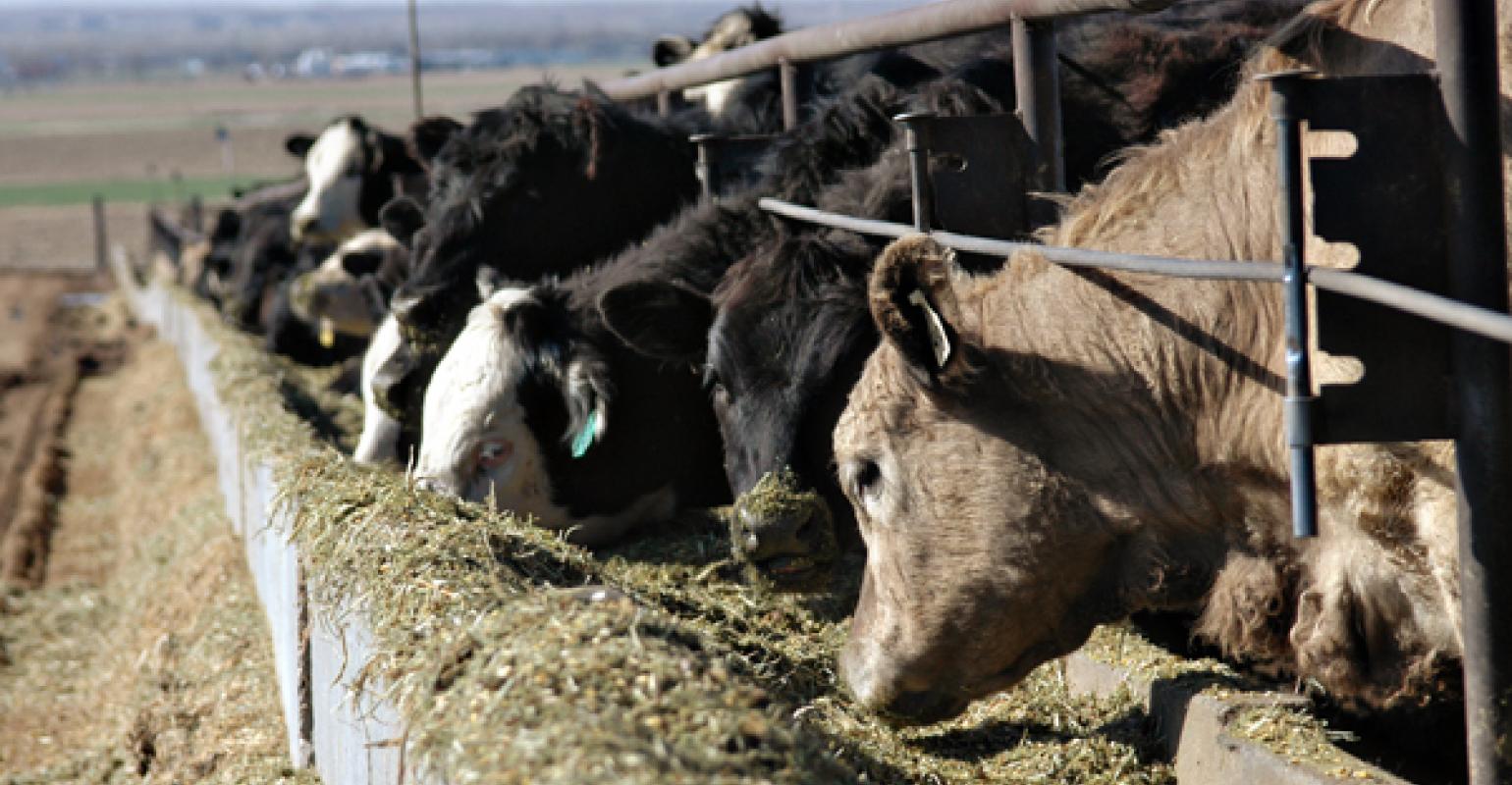

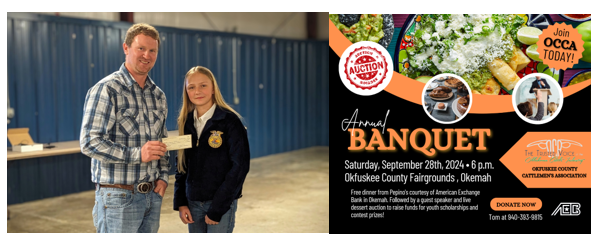
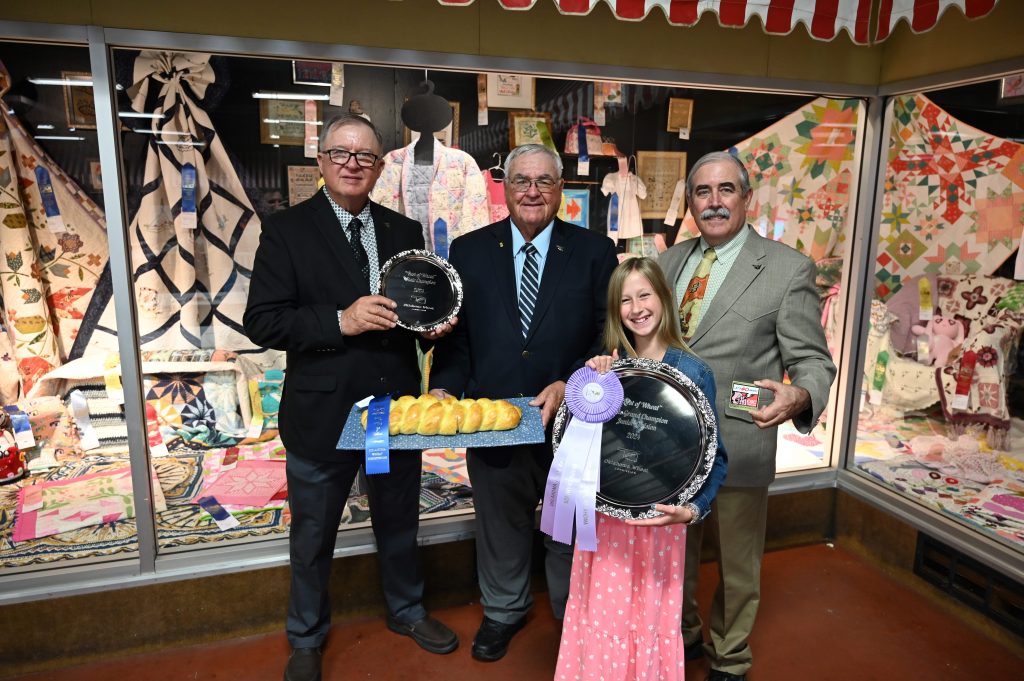
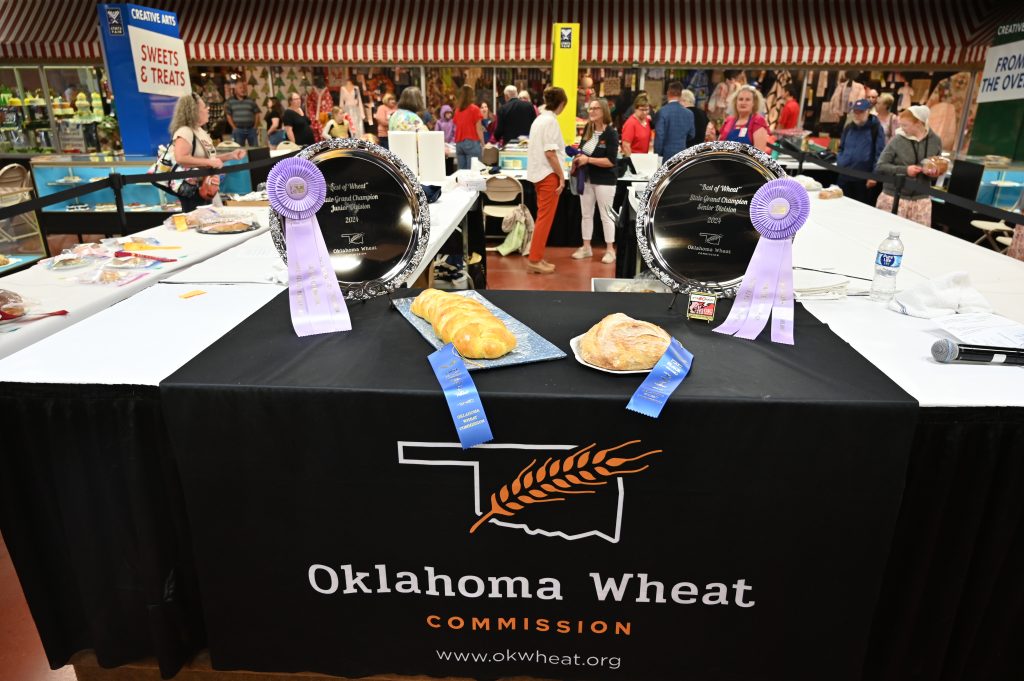
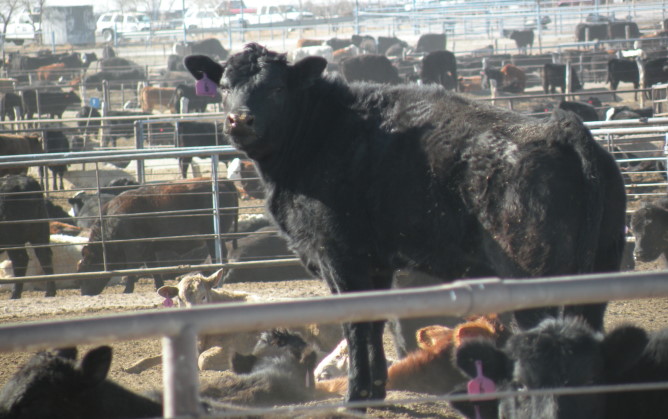

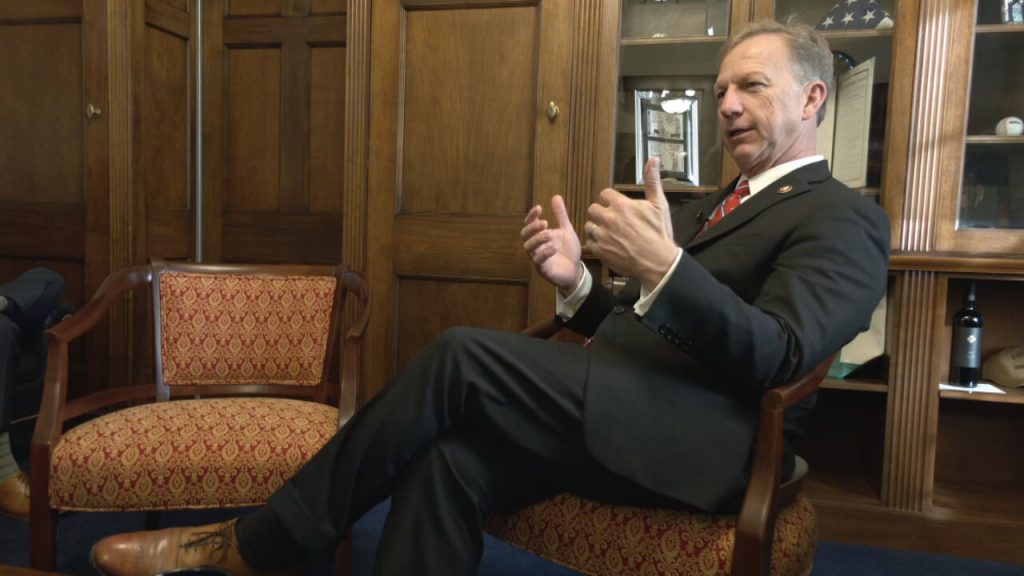
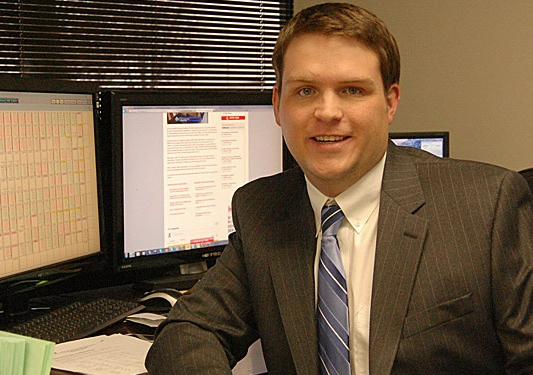



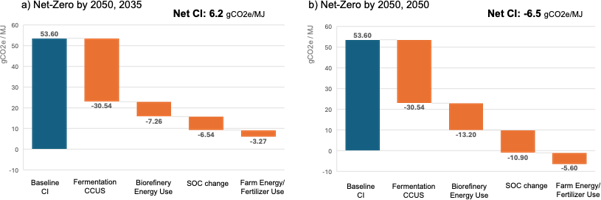
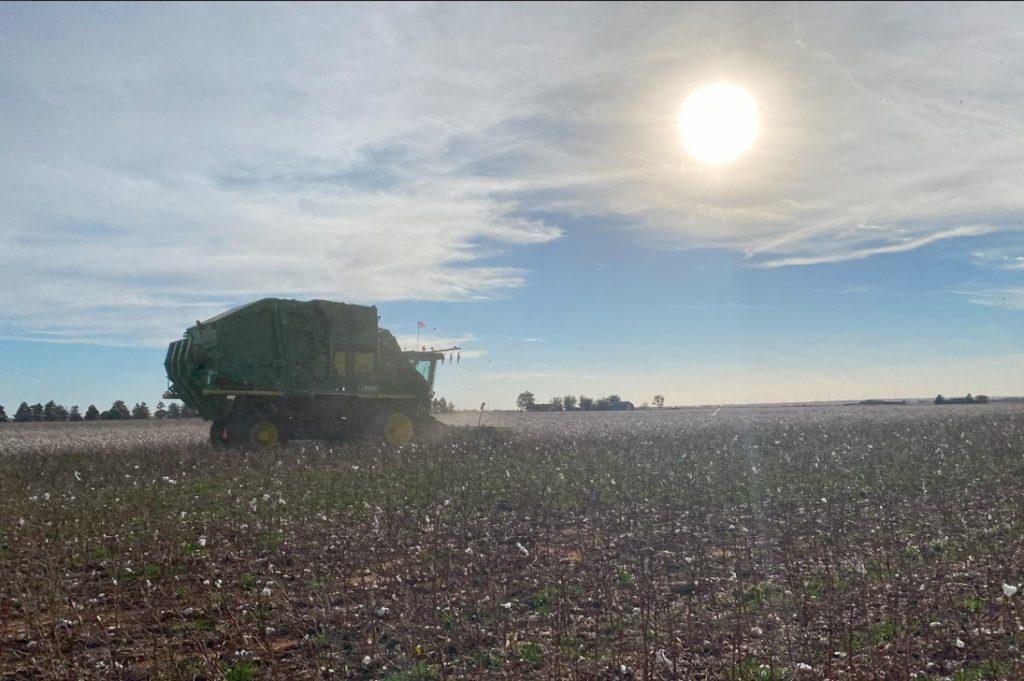

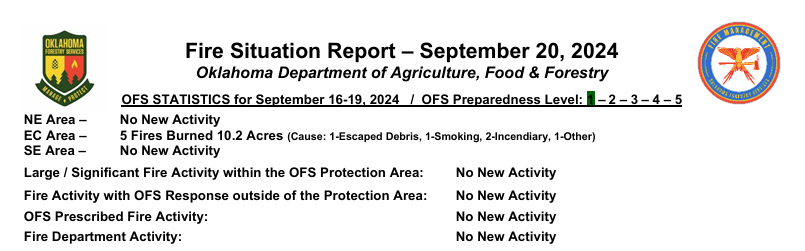
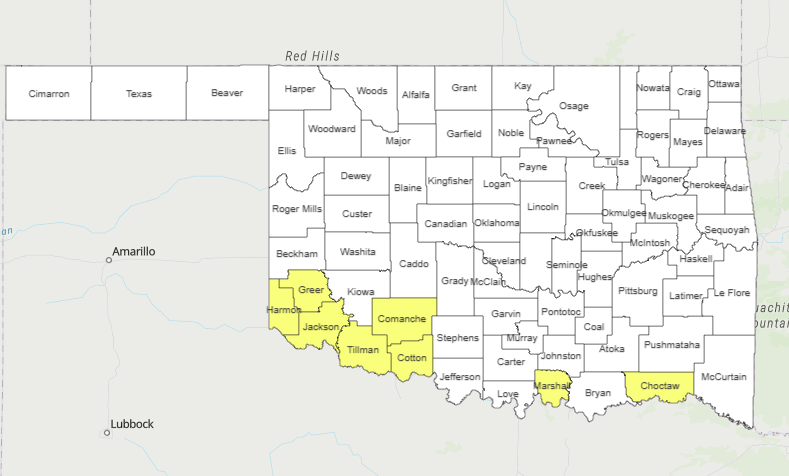

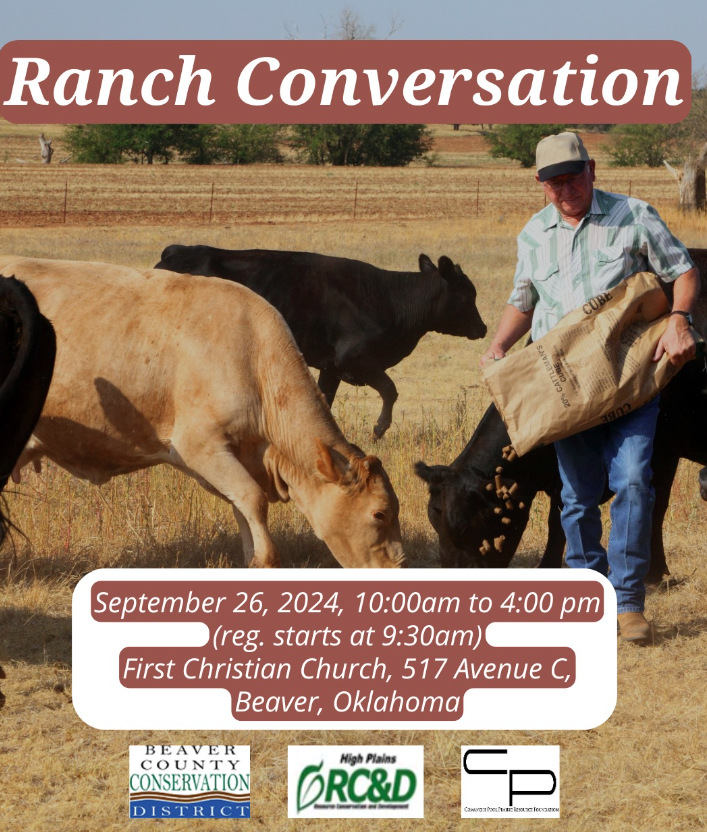
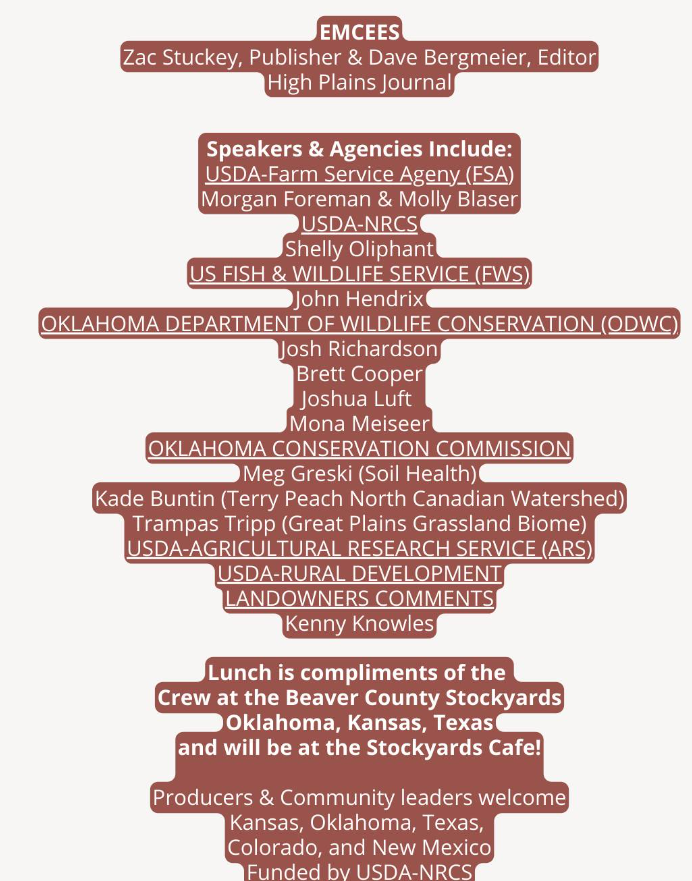





 Date: November 8, 2024

 Time: 6 pm Cocktails • 7 pm Dinner



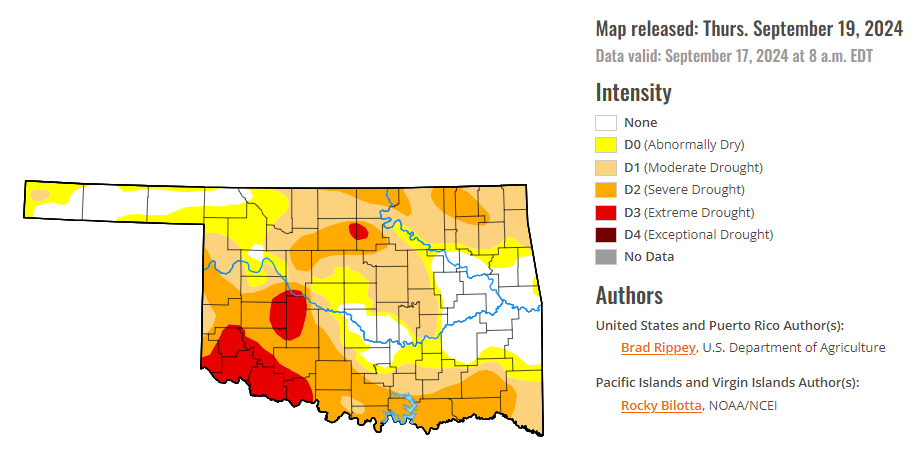
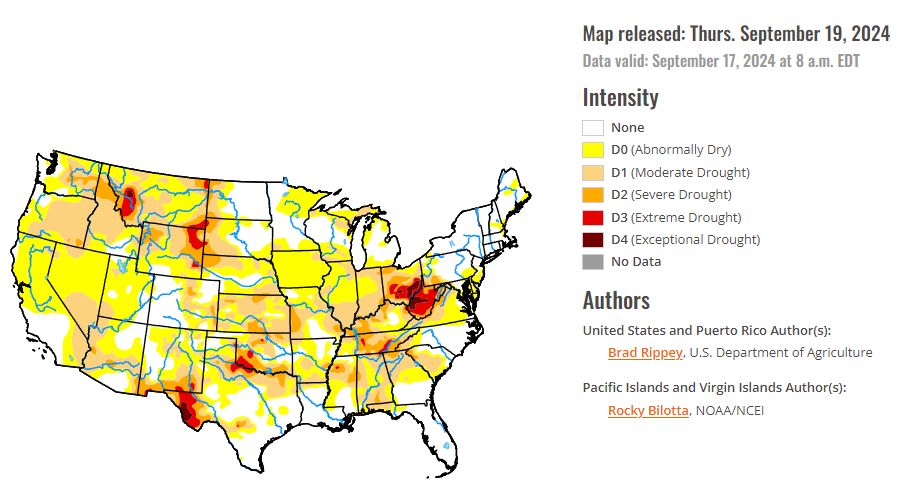
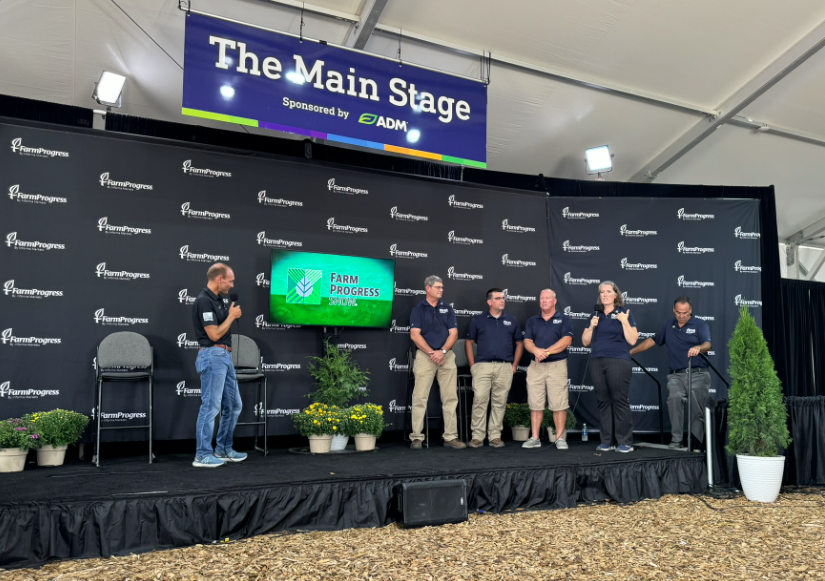

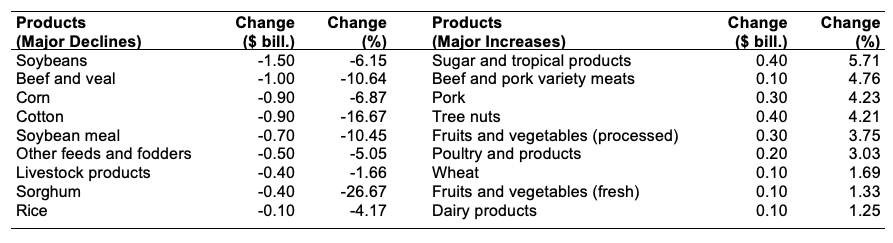
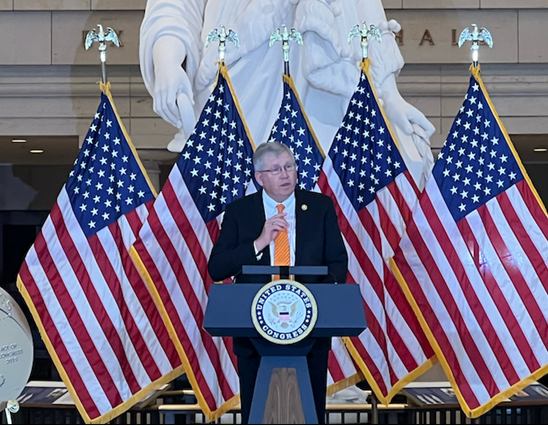

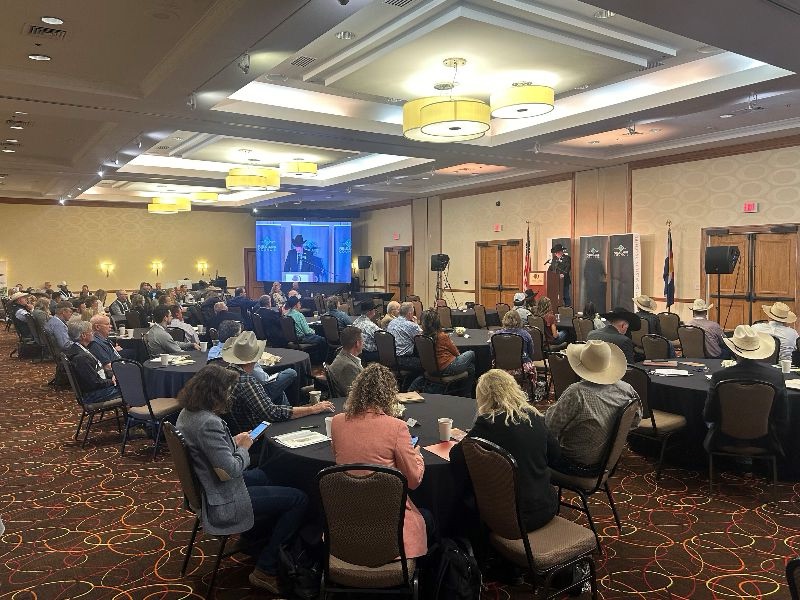


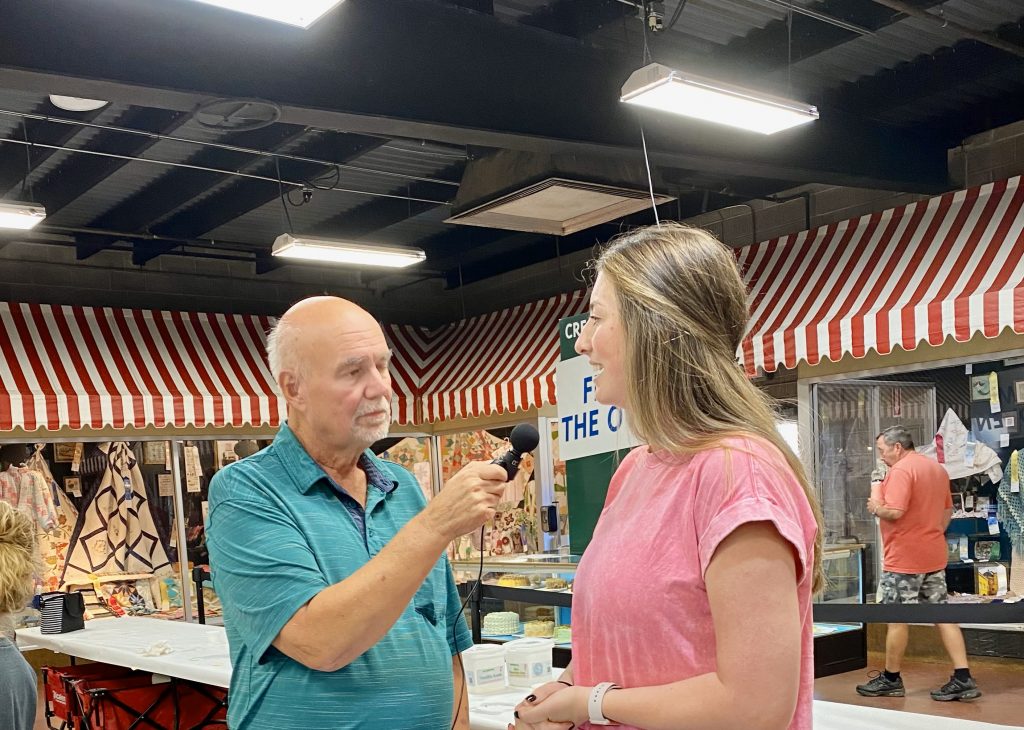
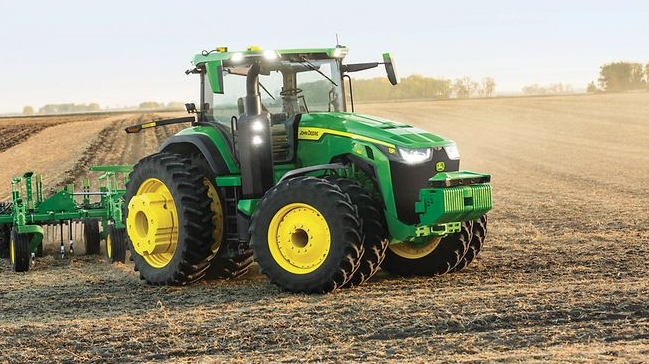
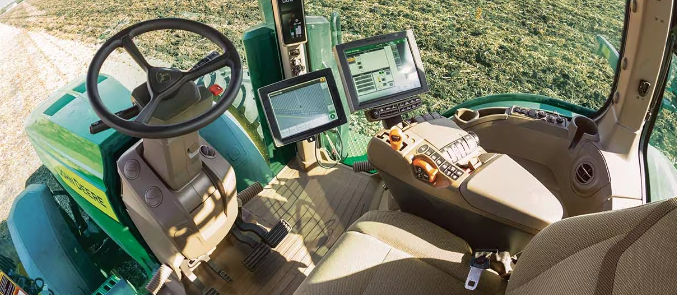
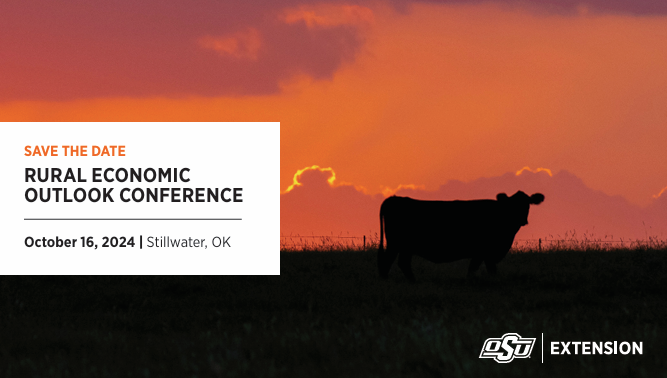
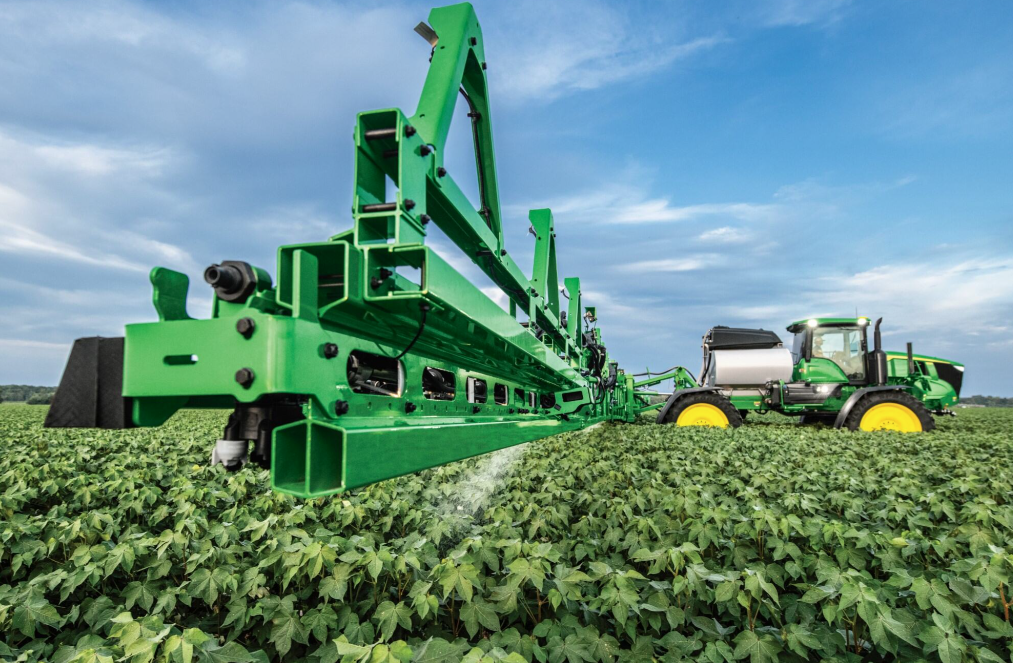
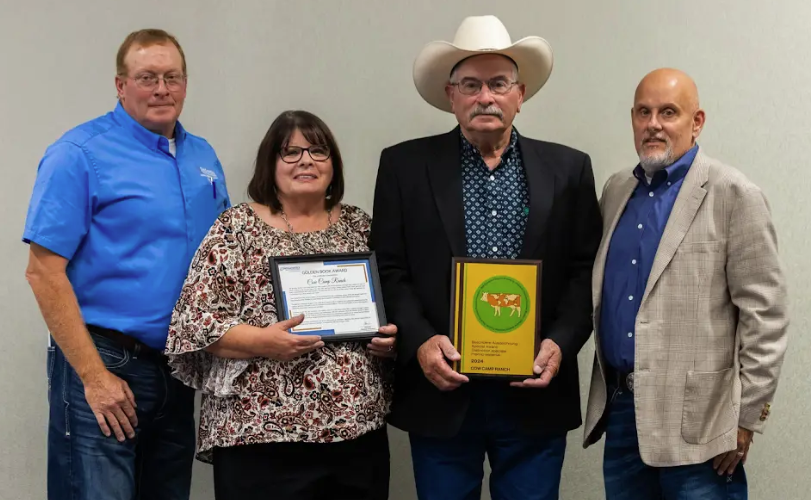
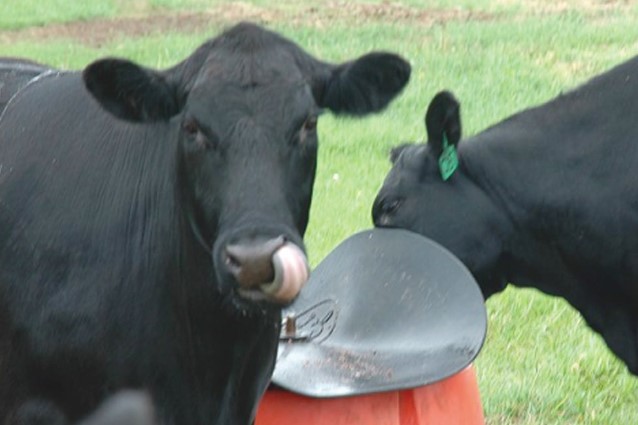
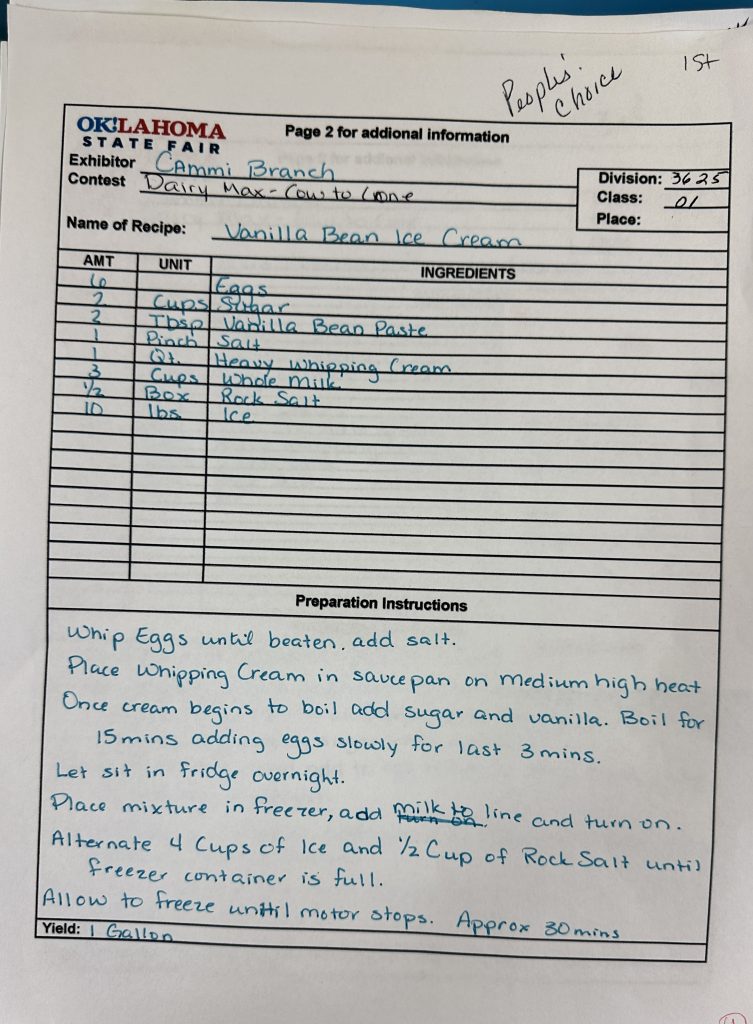





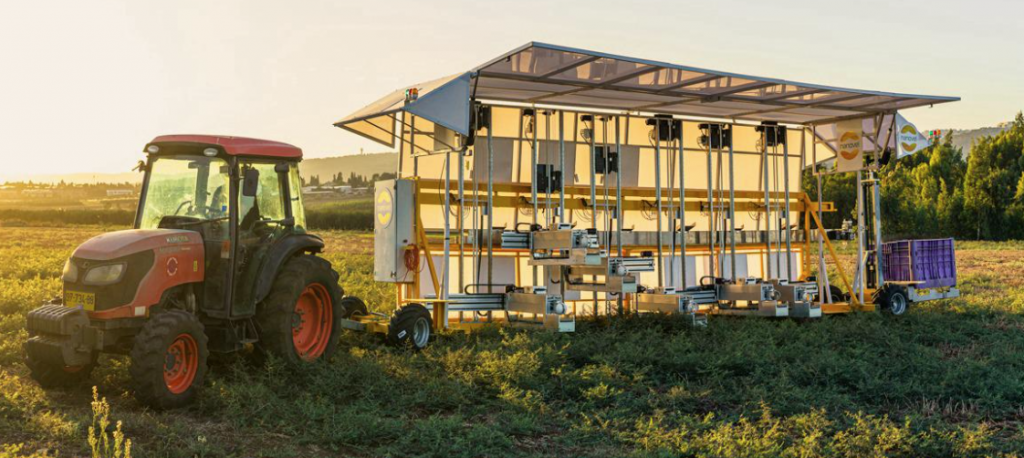


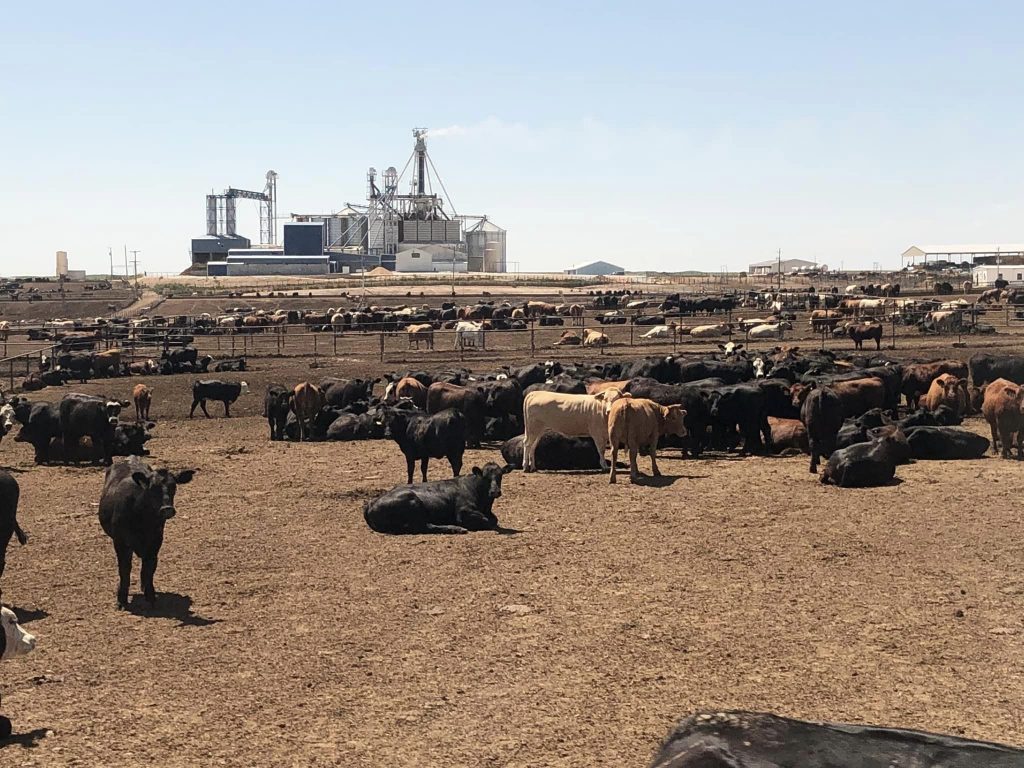
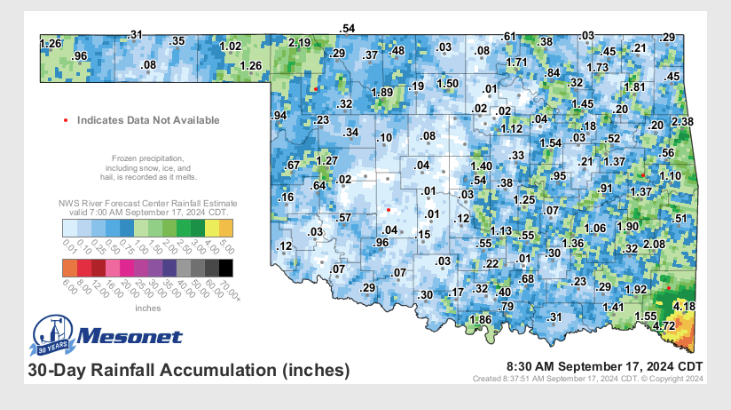
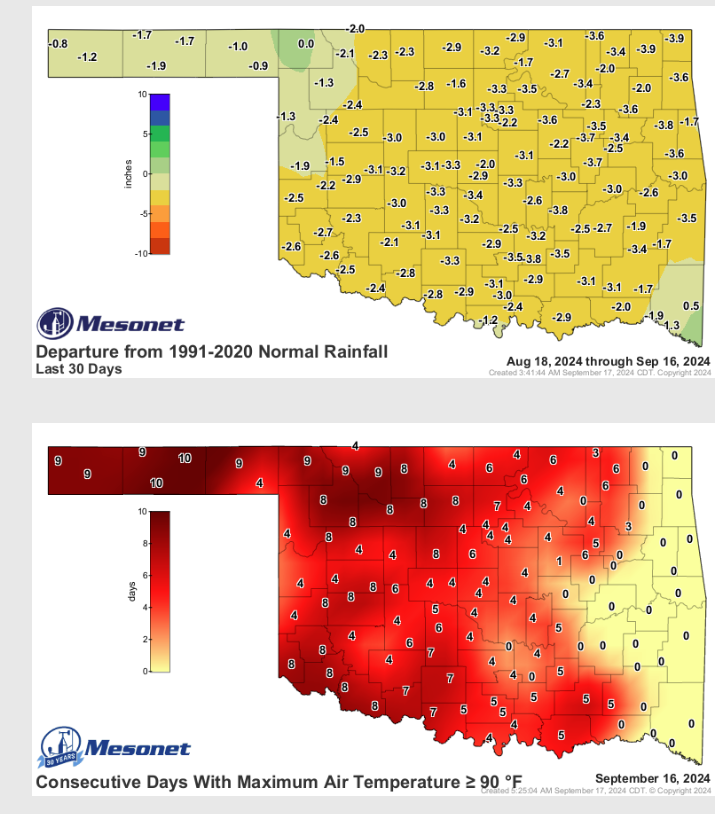
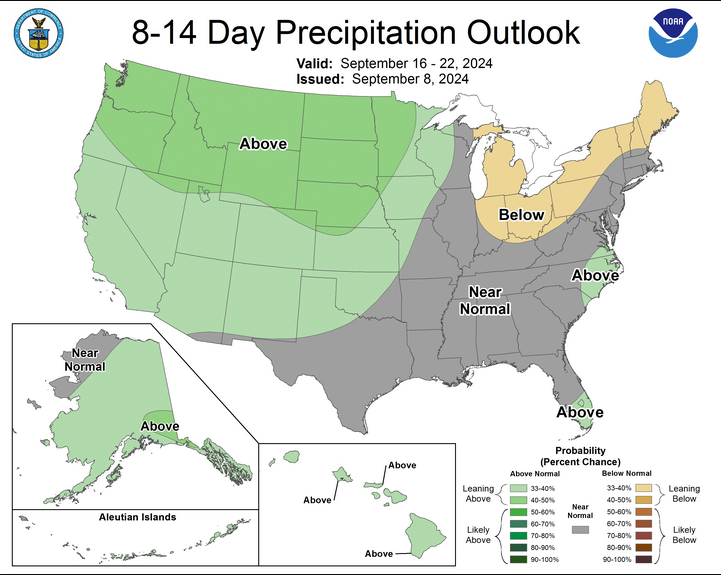
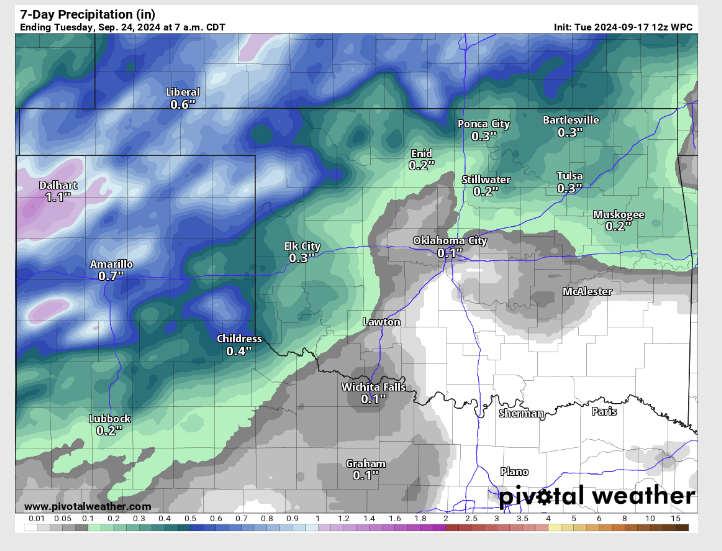


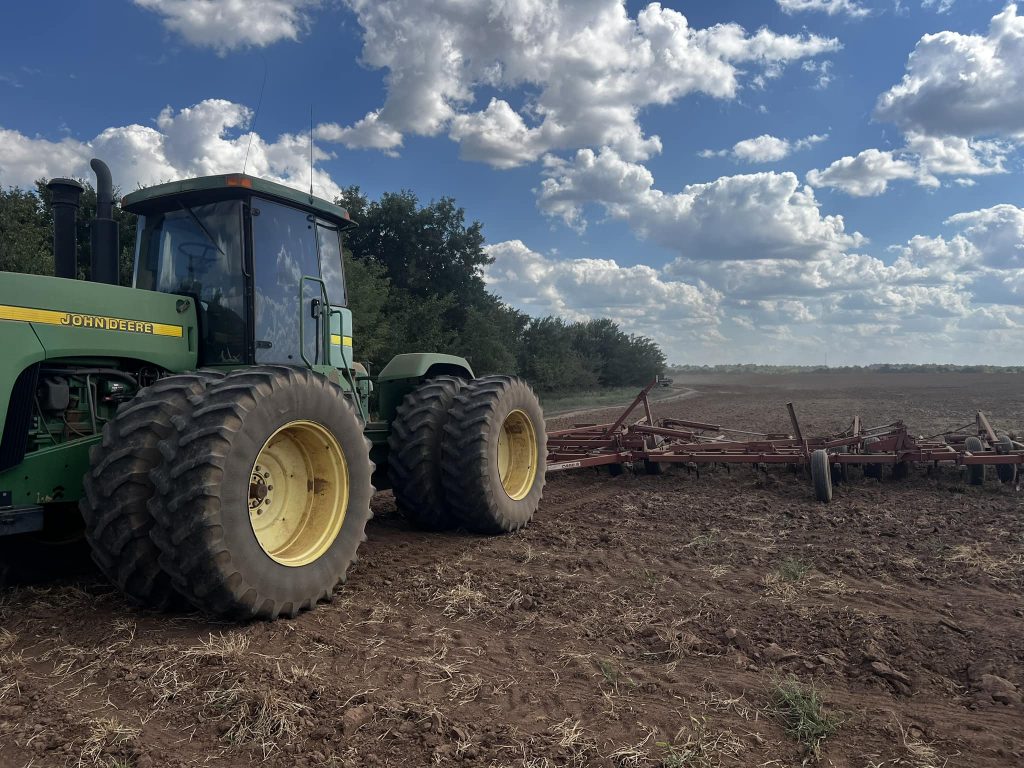
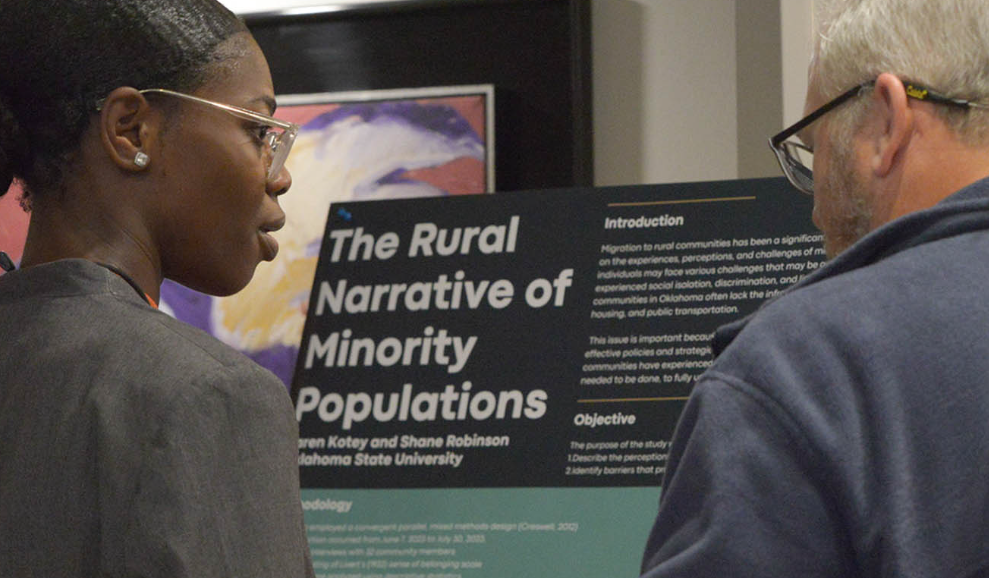



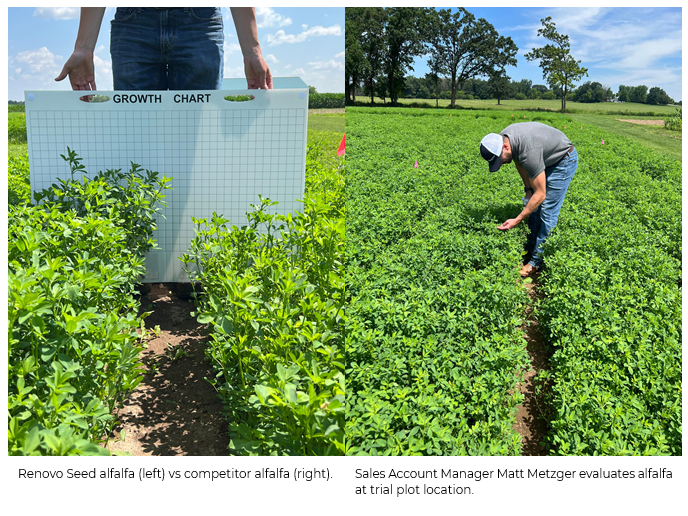

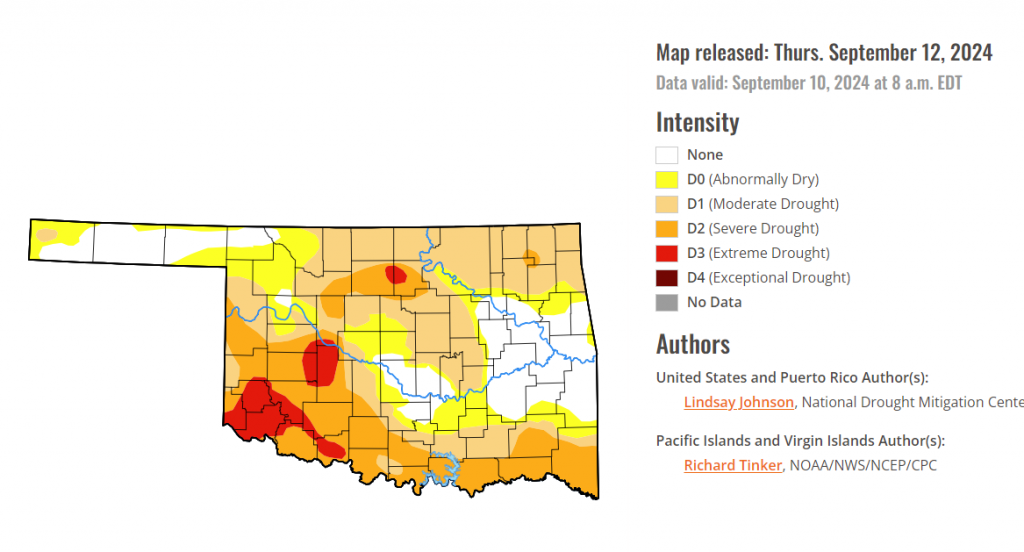
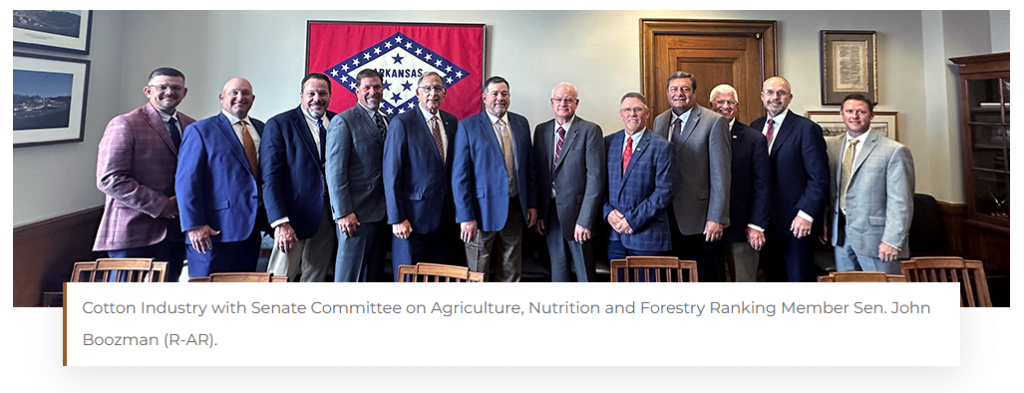
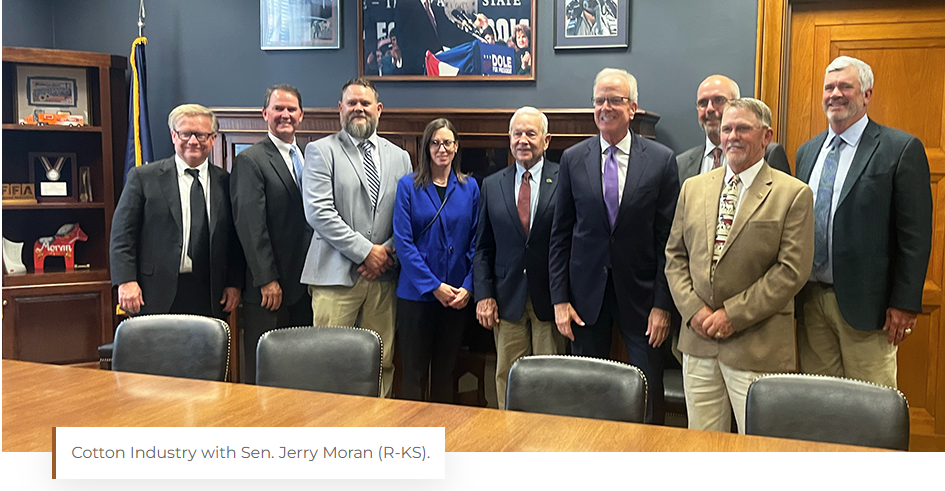
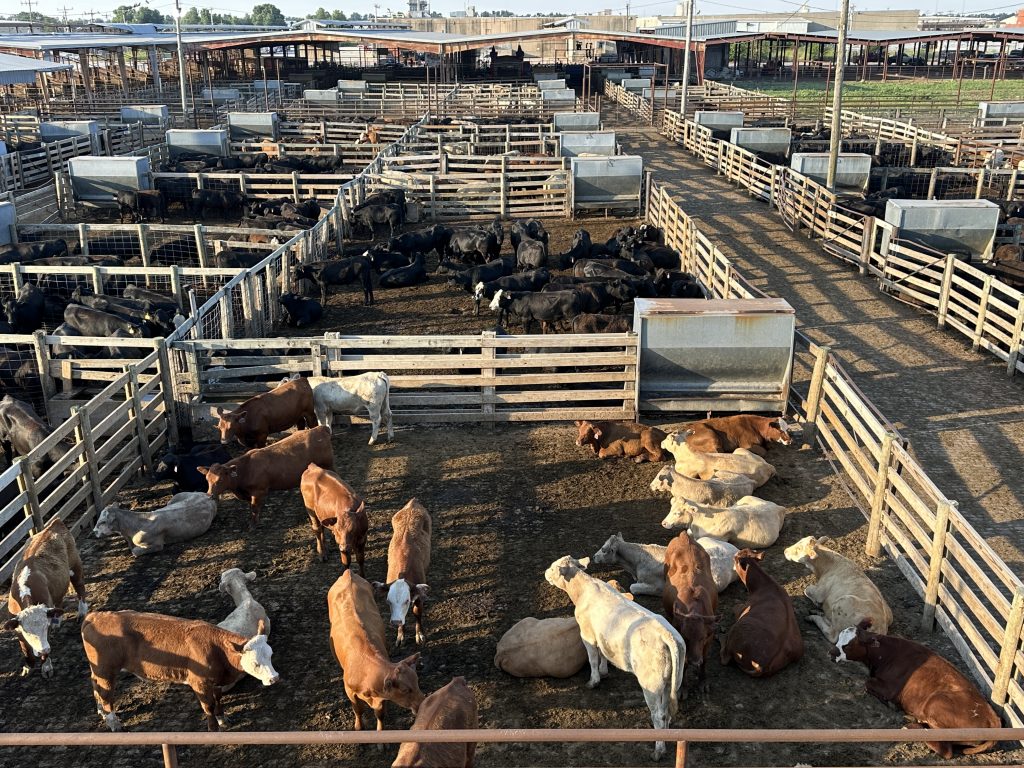
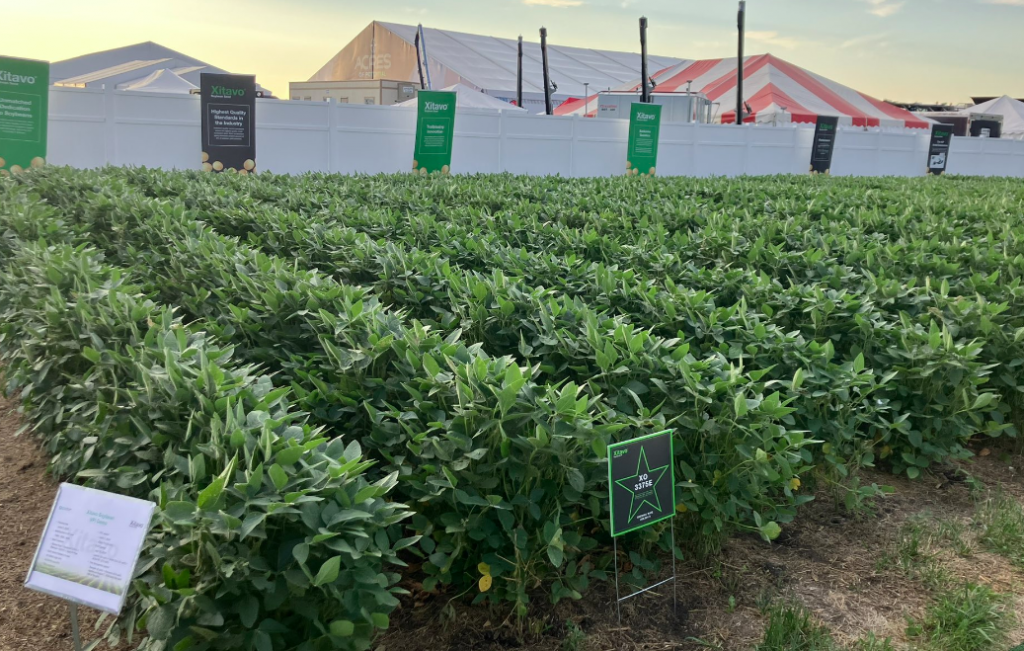
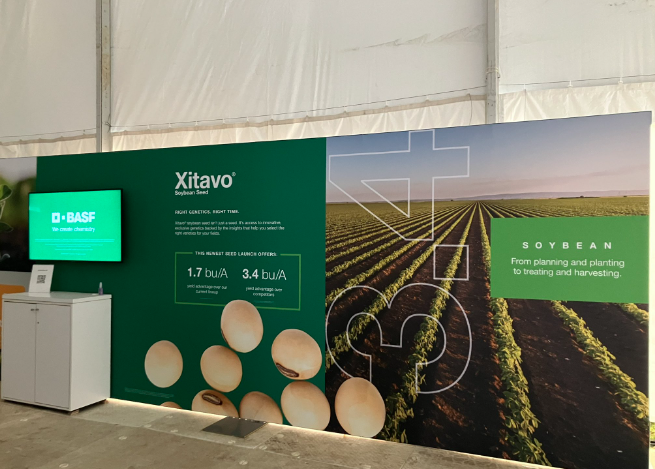


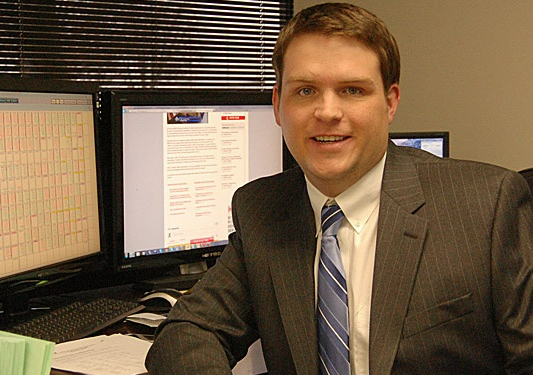
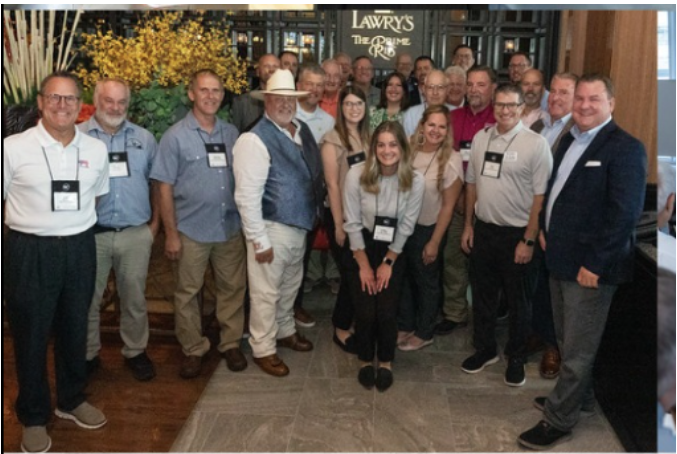
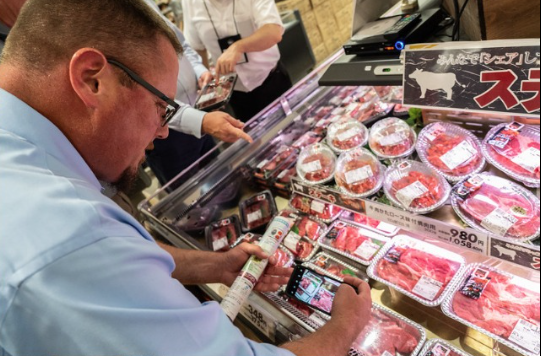
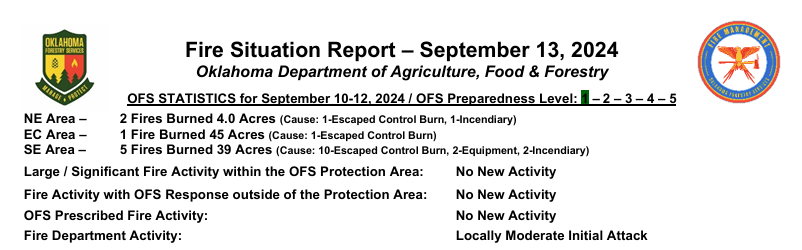
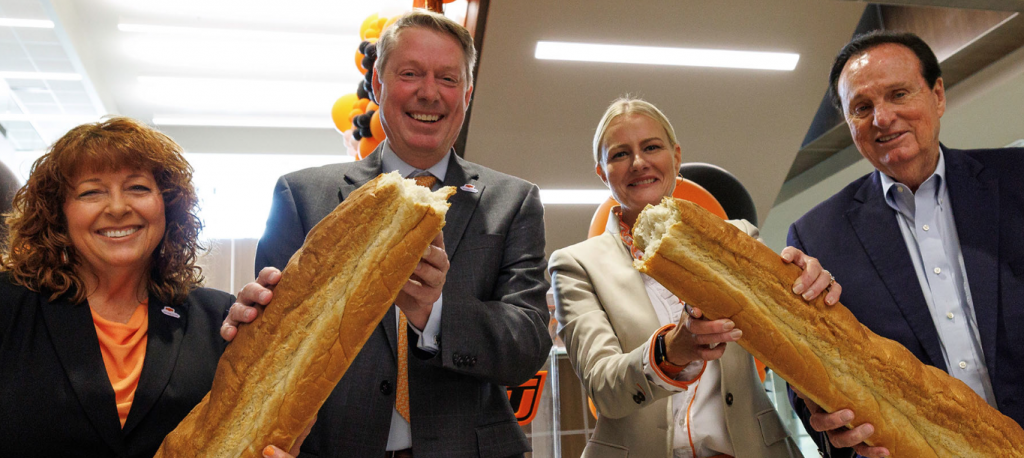

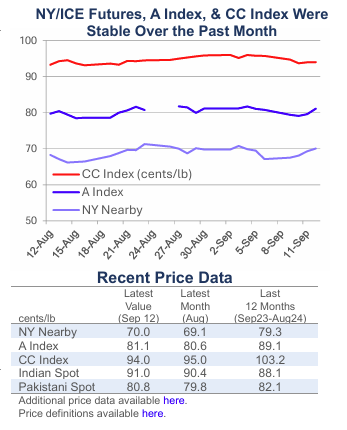
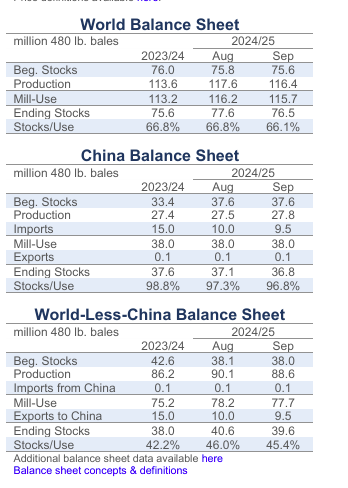


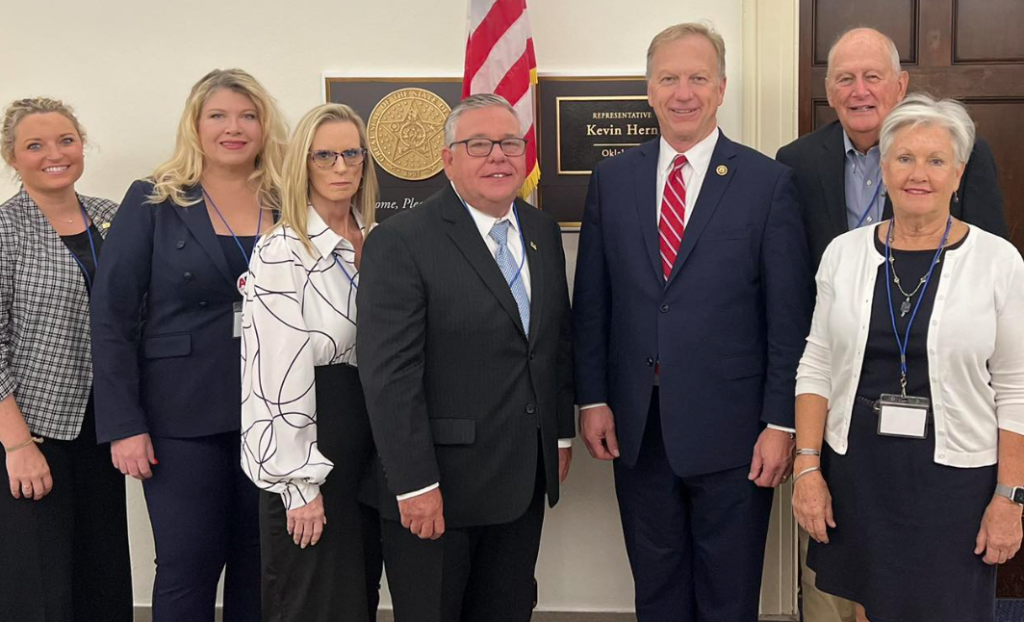
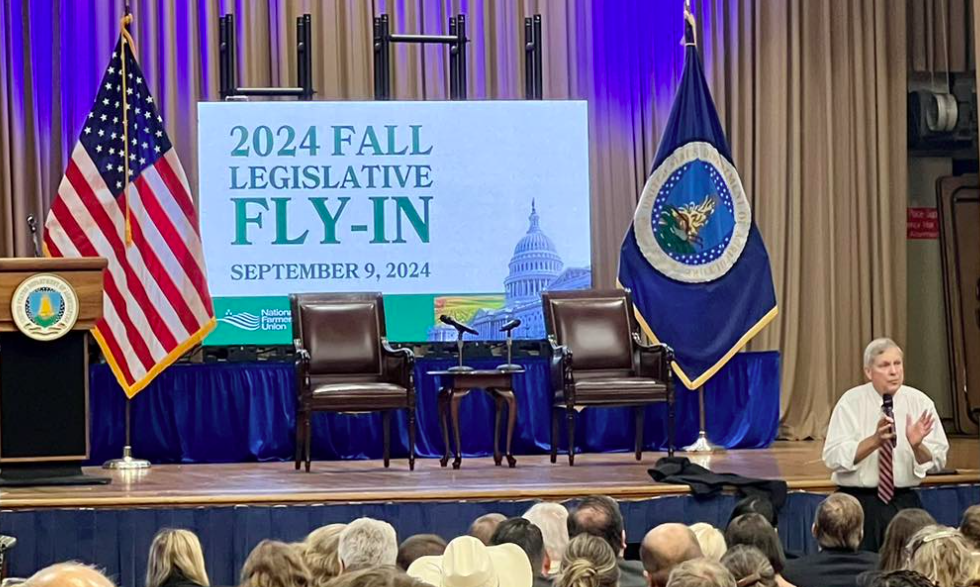
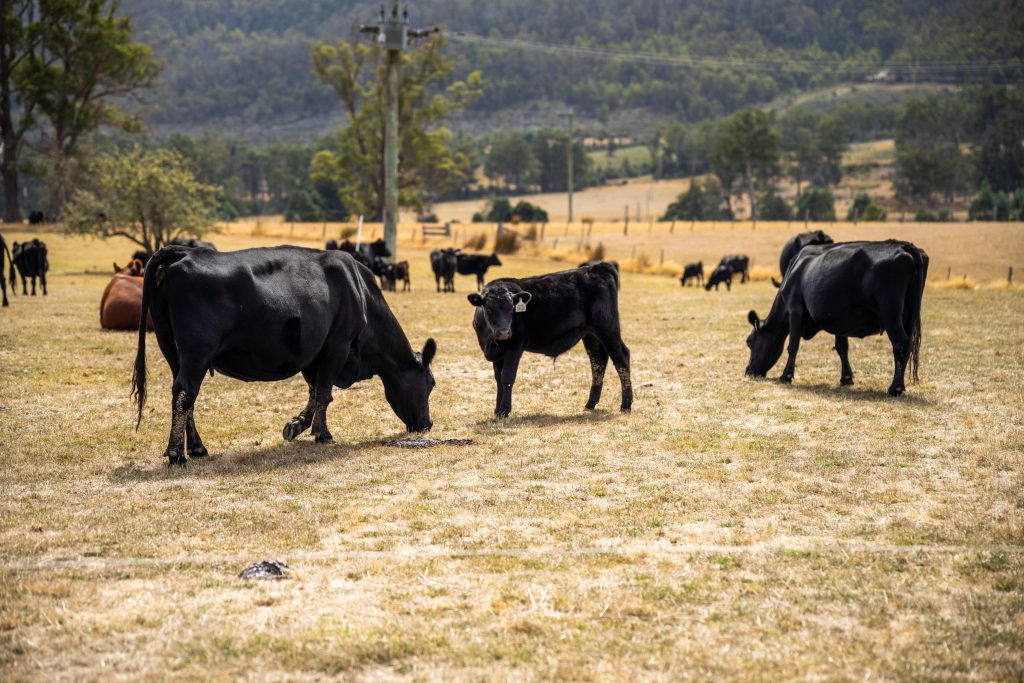
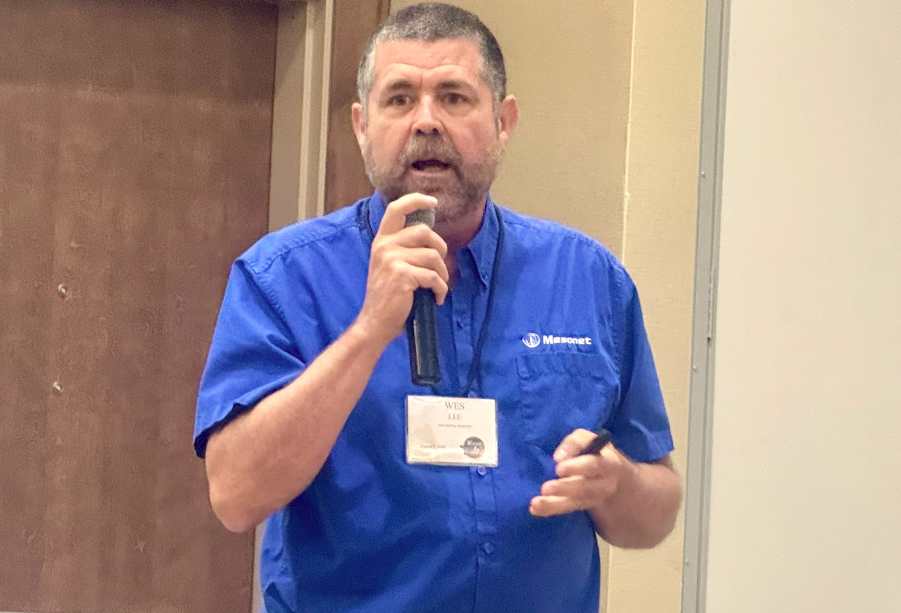
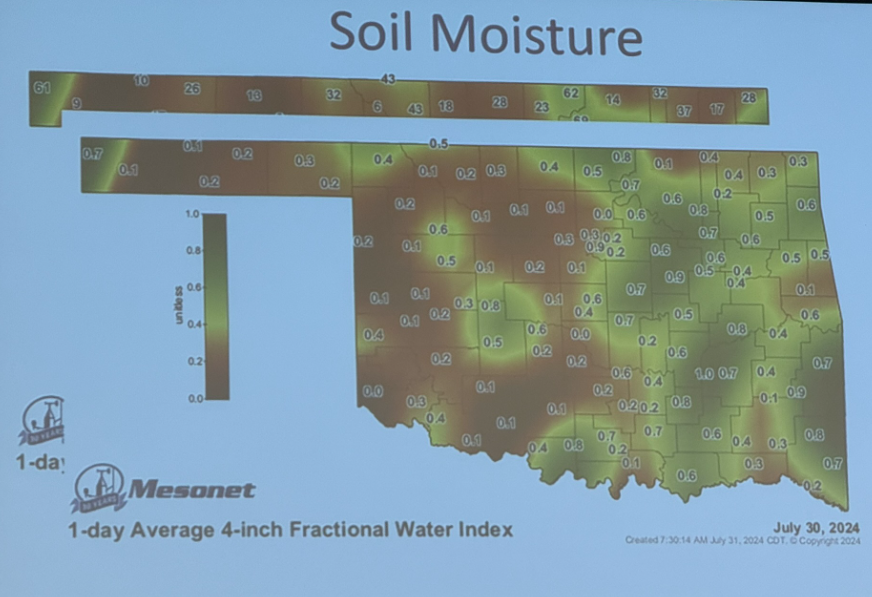
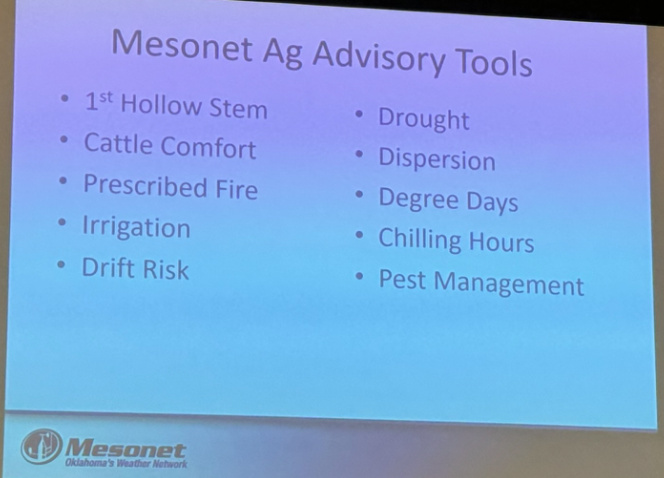

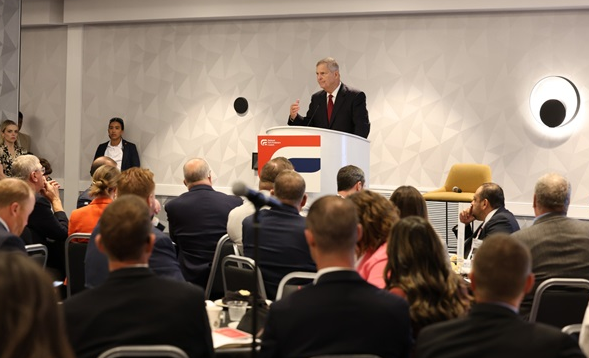
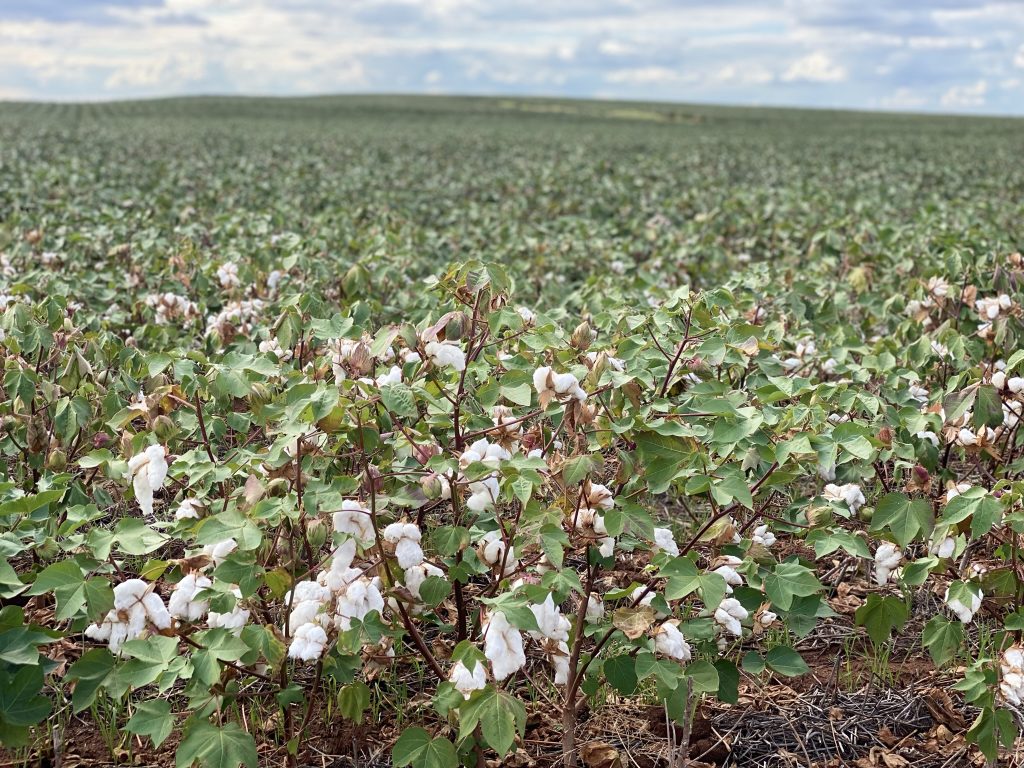
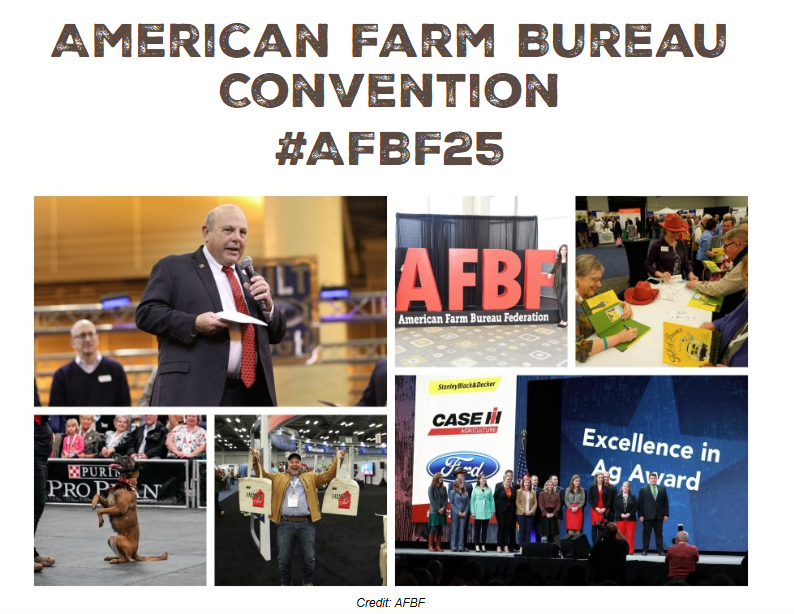
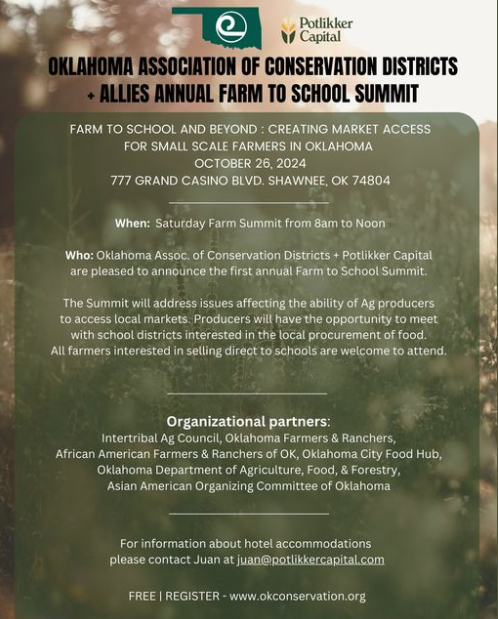


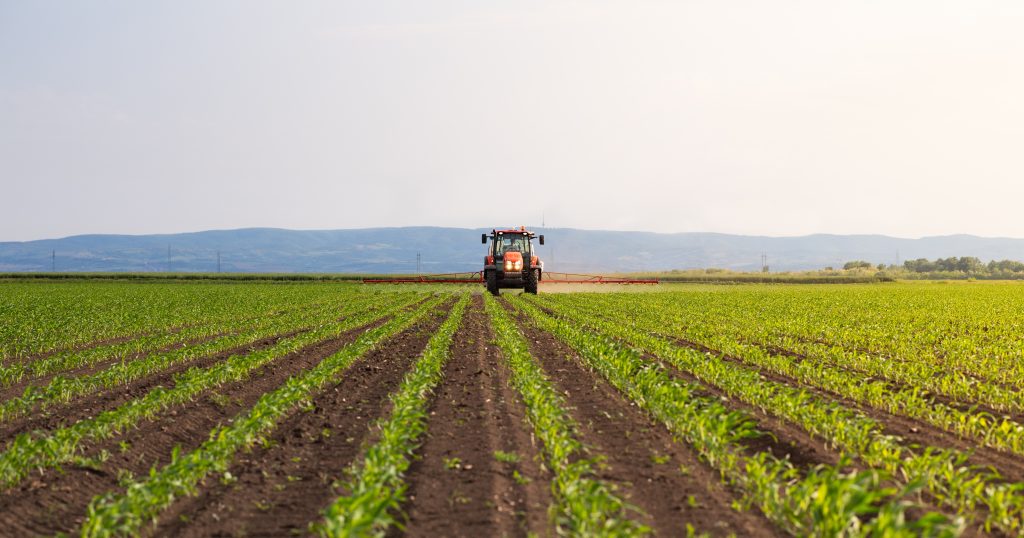
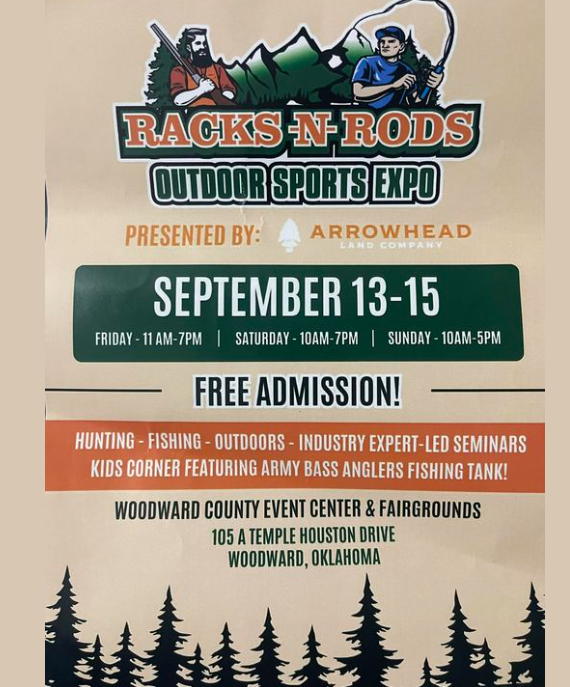
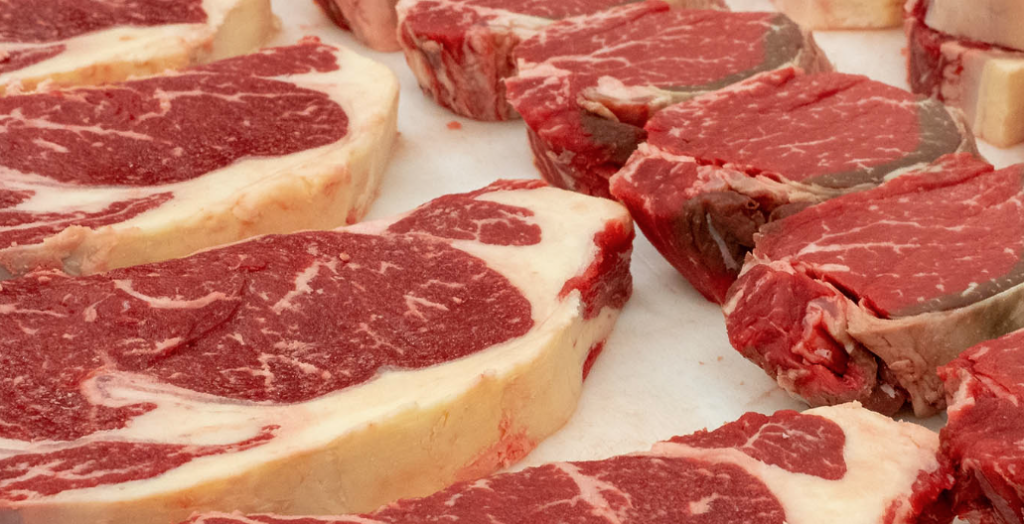

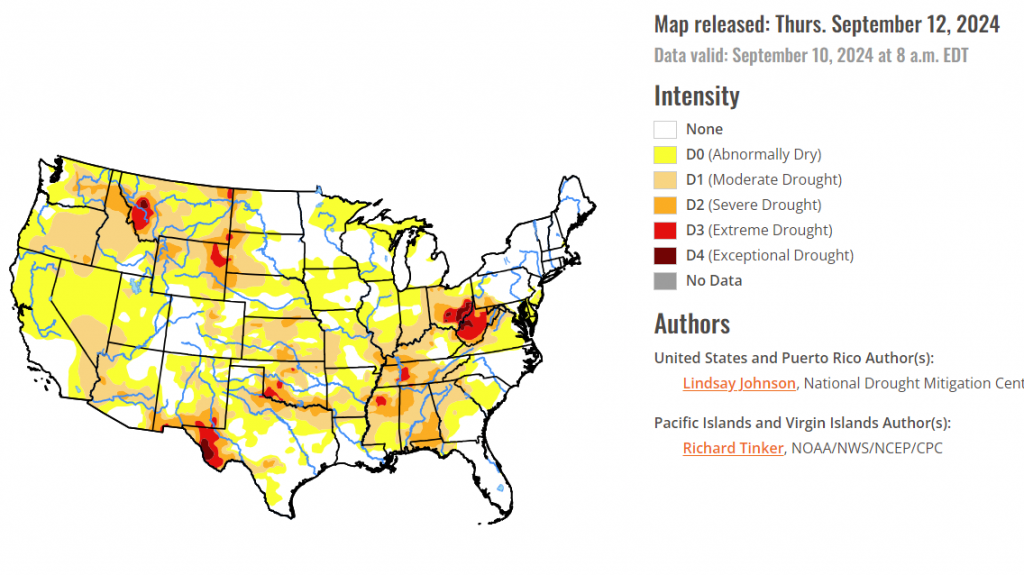
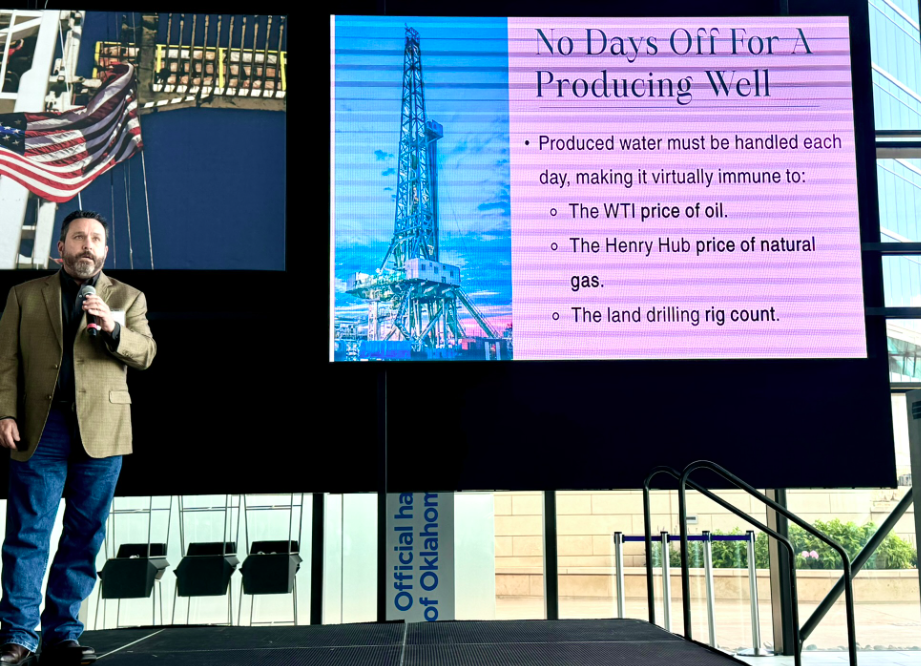
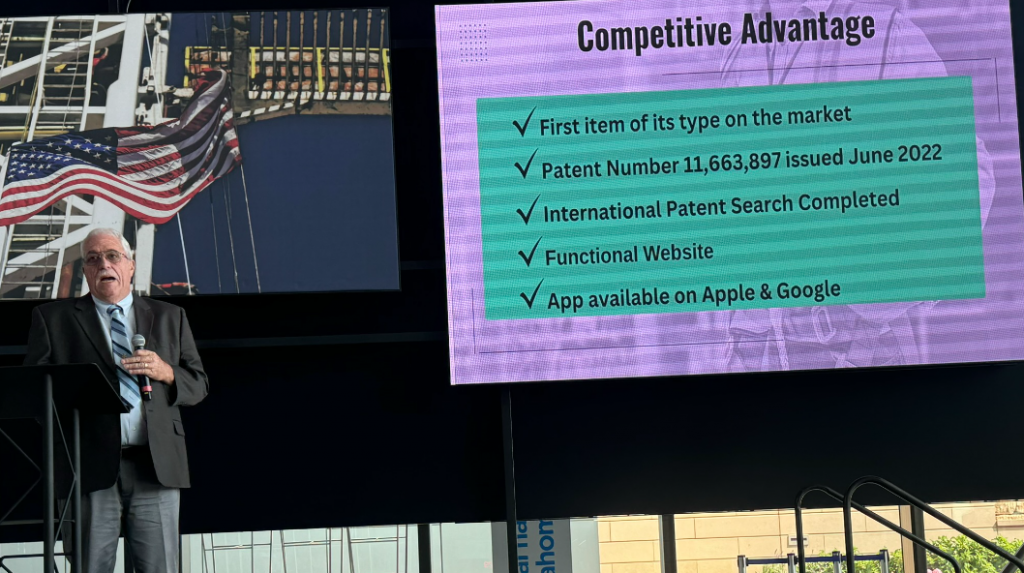
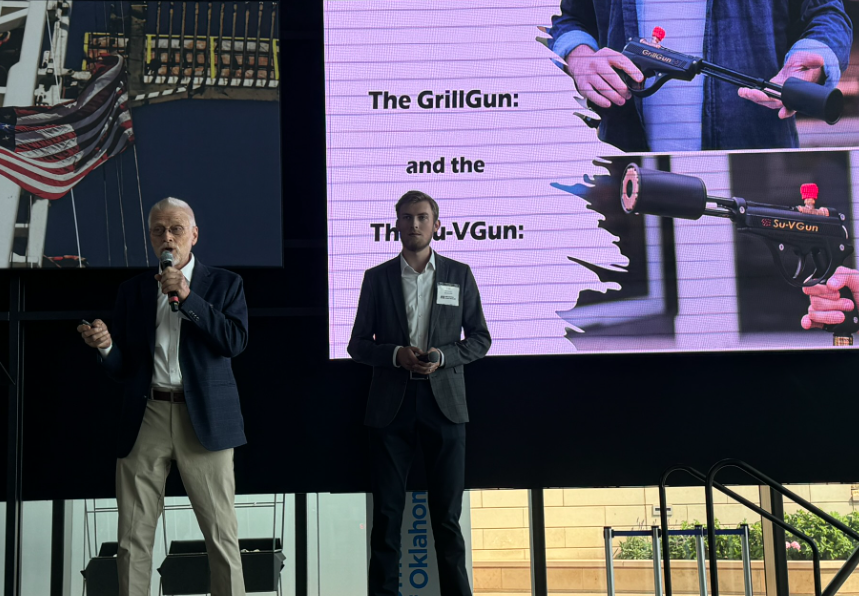





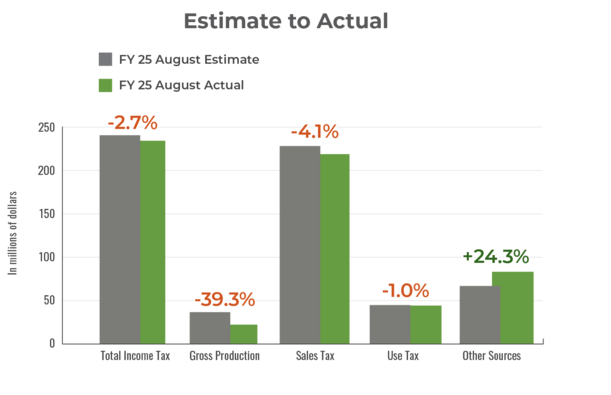
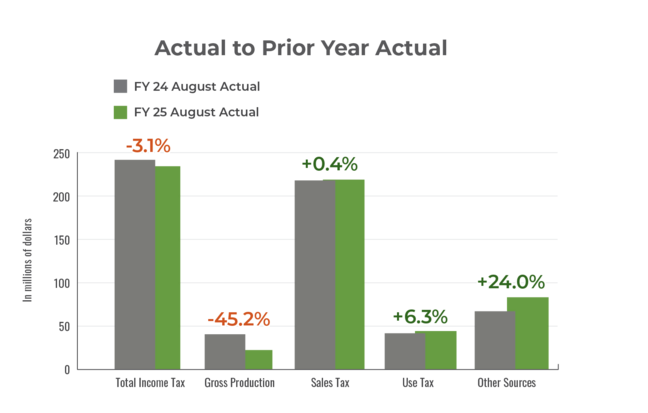
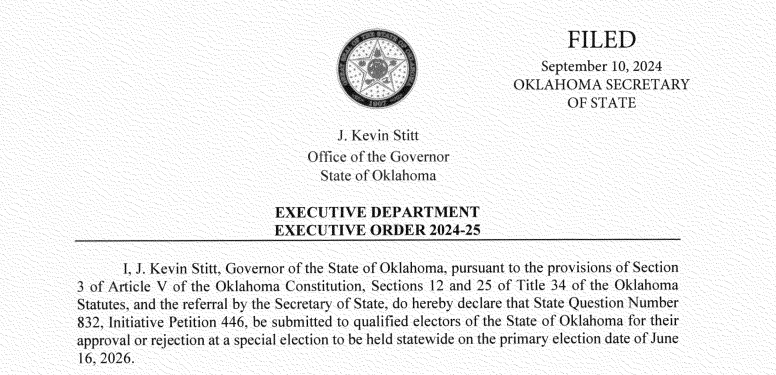
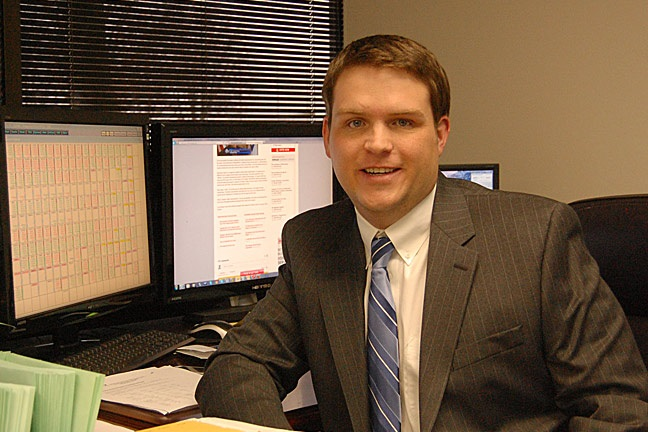
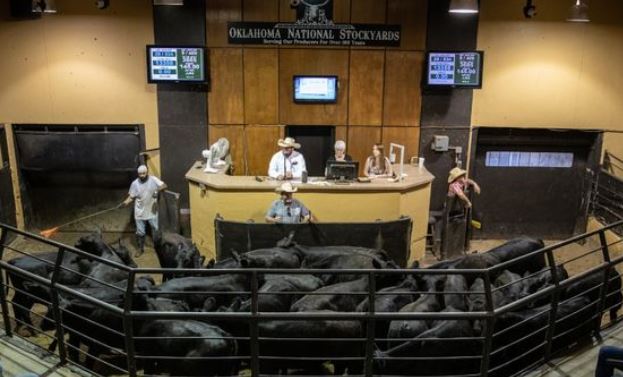
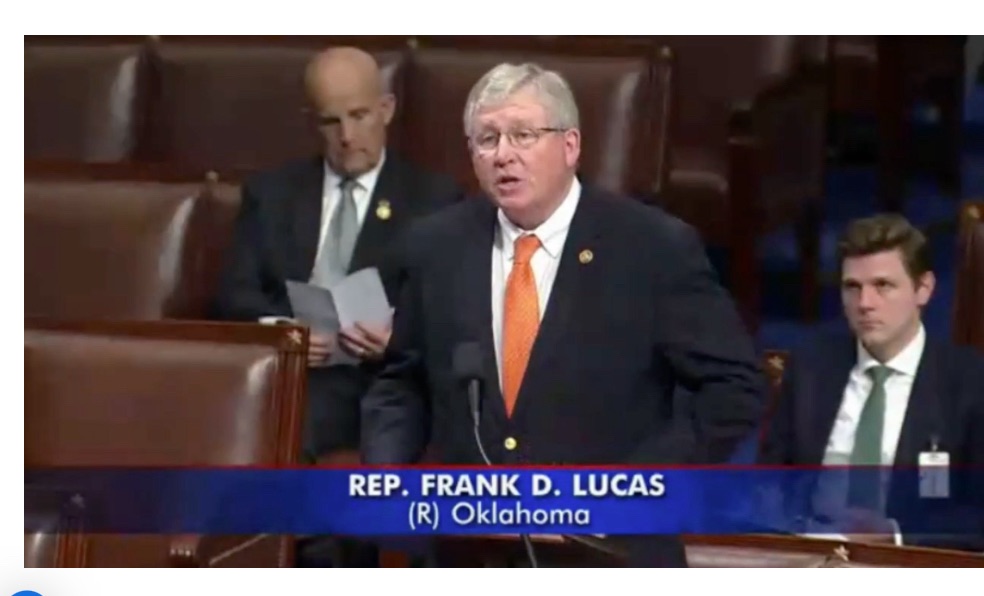




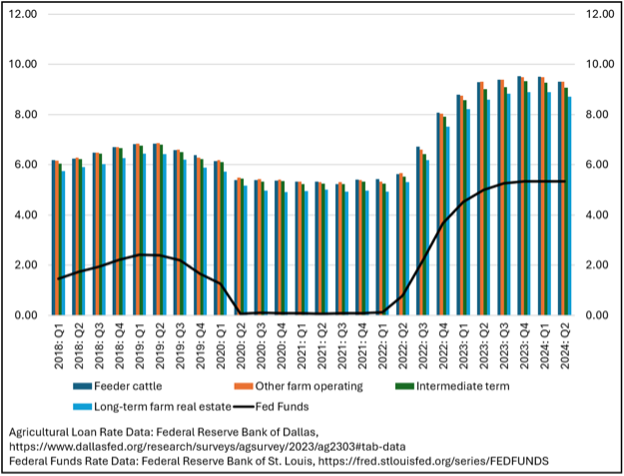
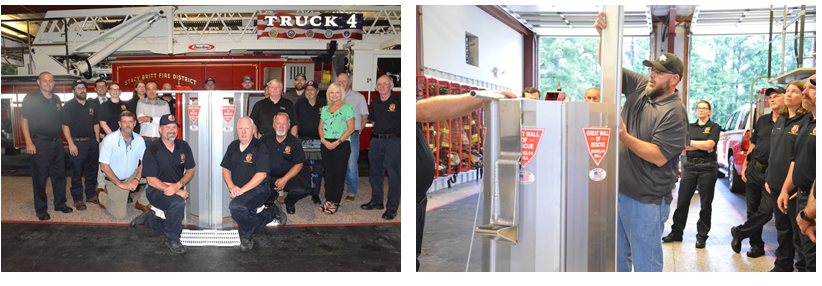

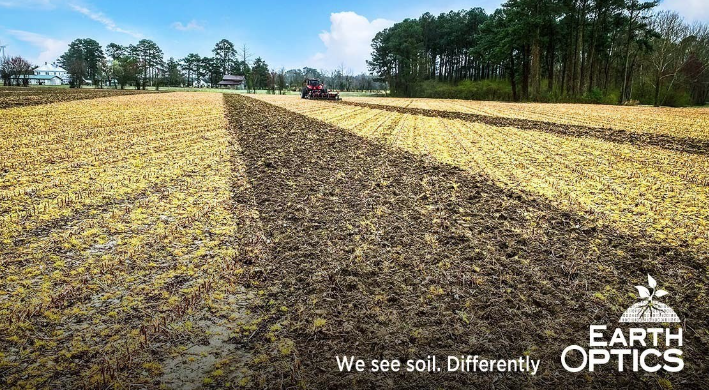

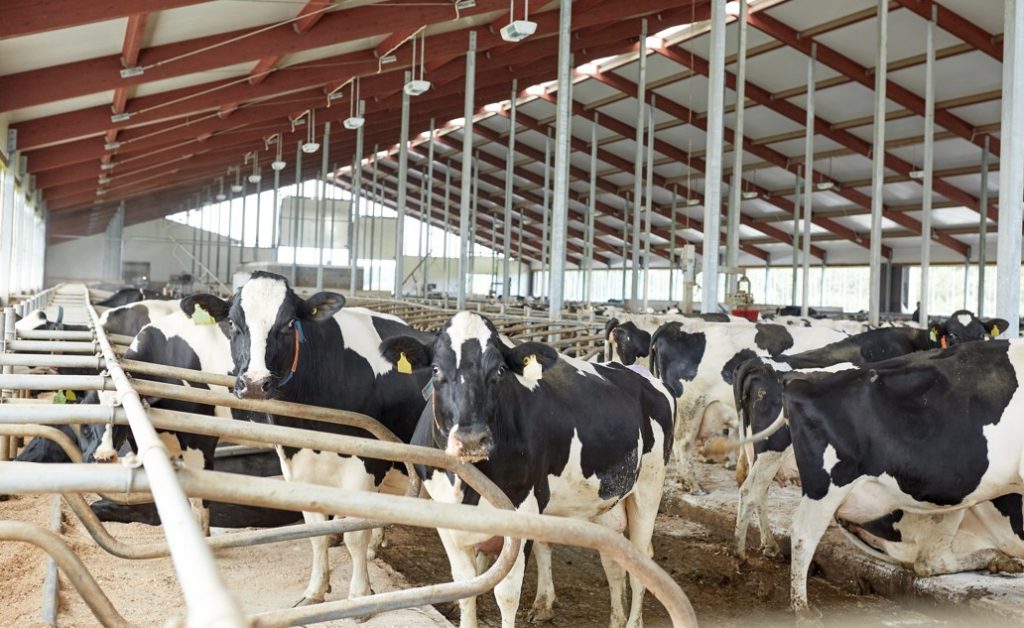


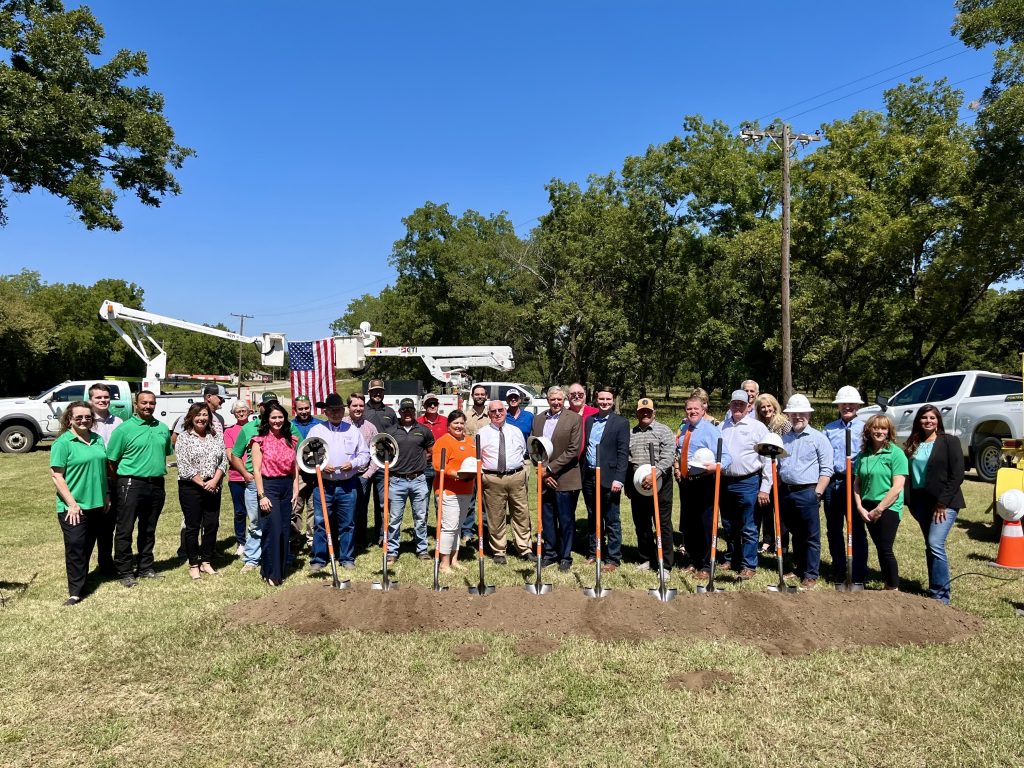
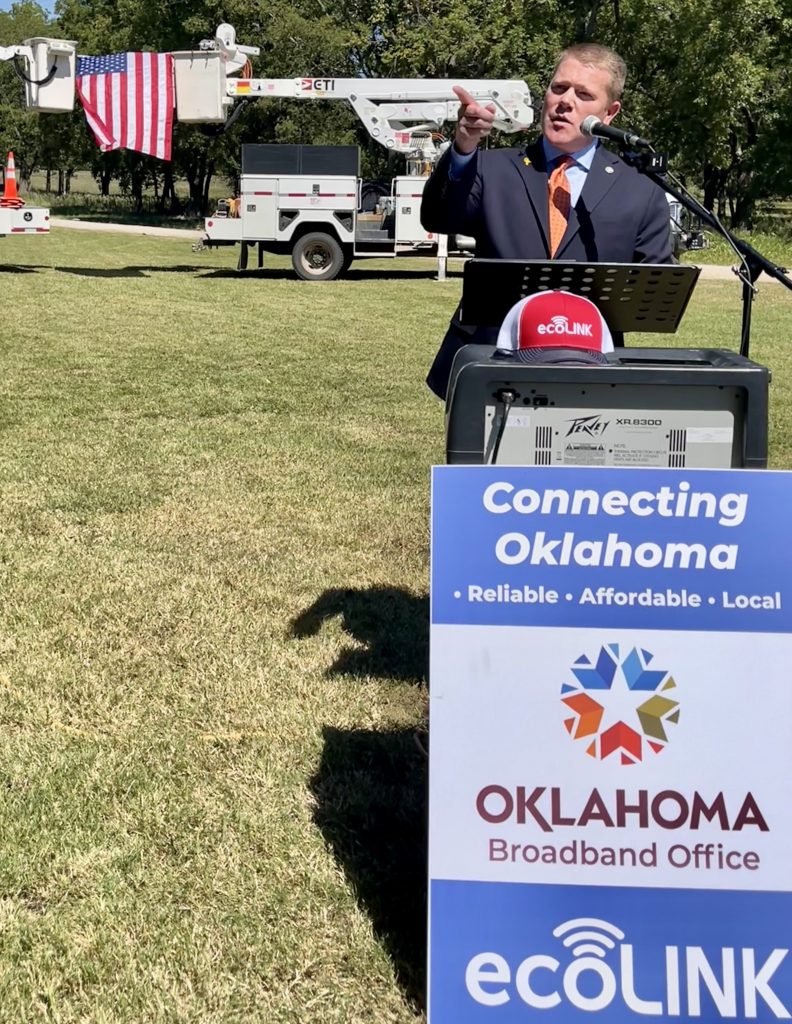
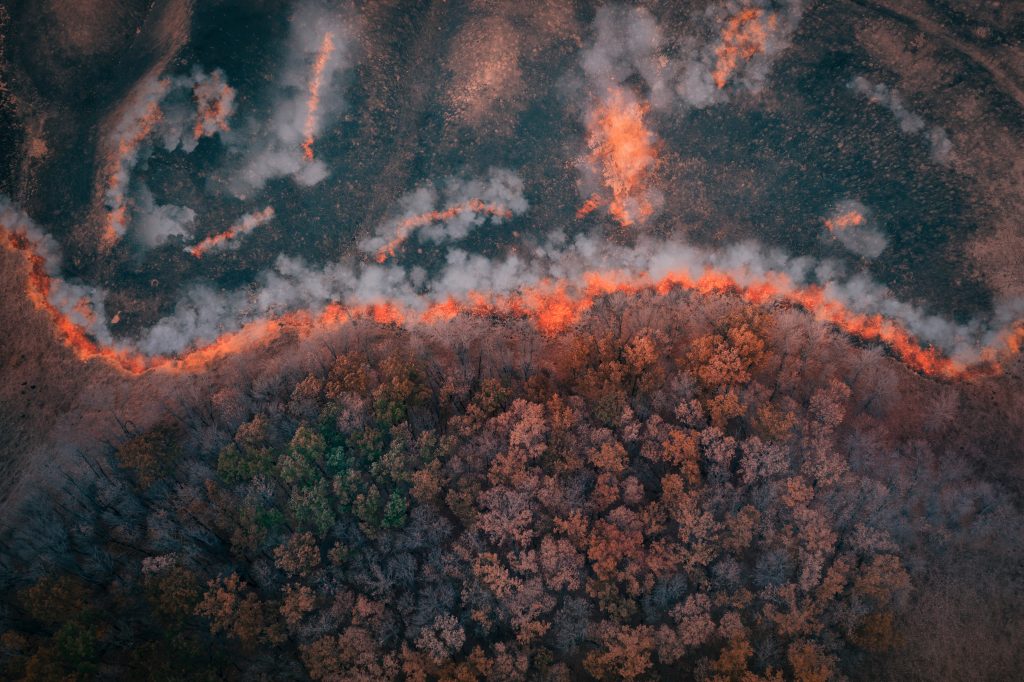


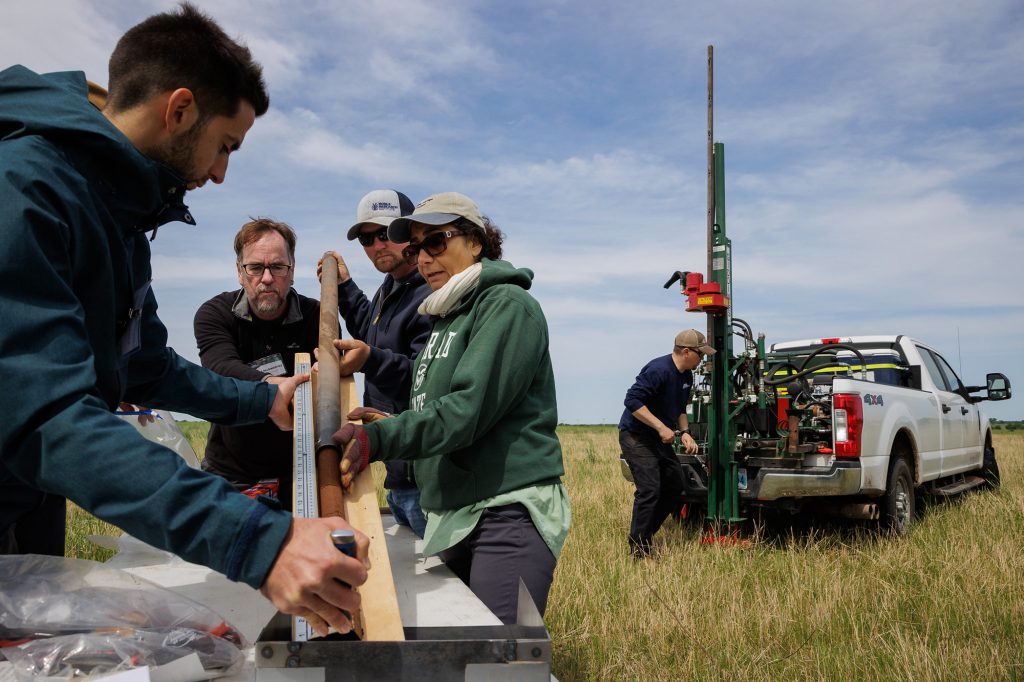
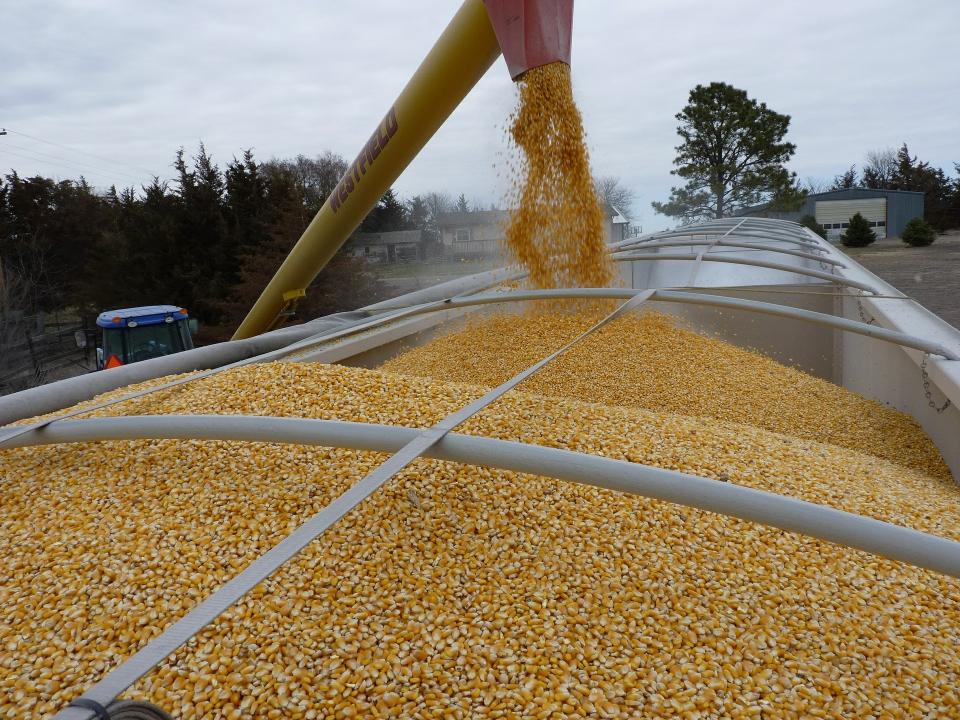
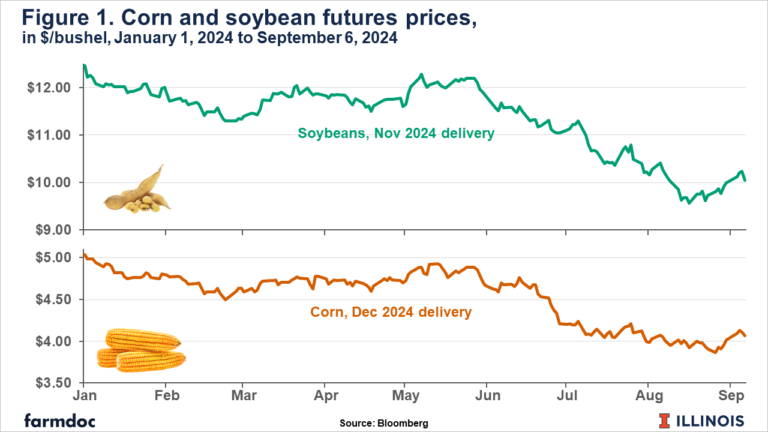
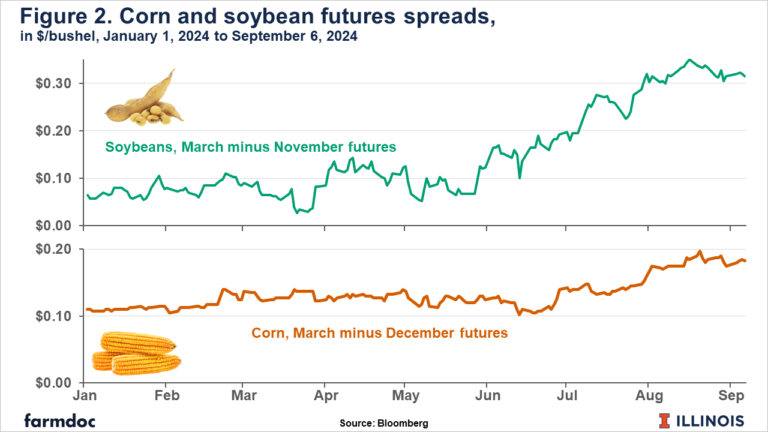
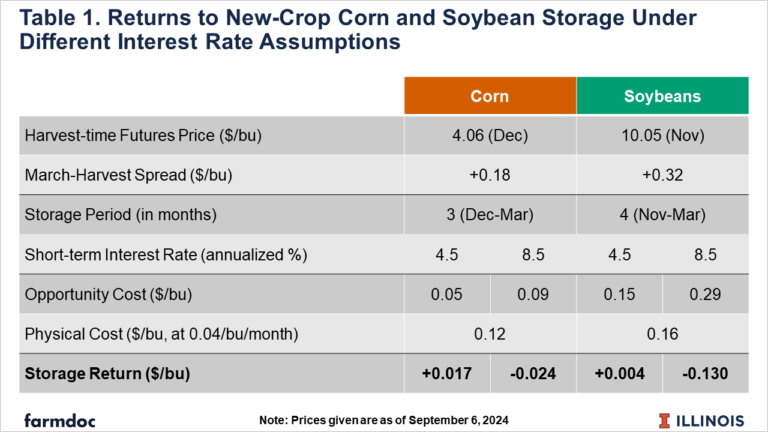
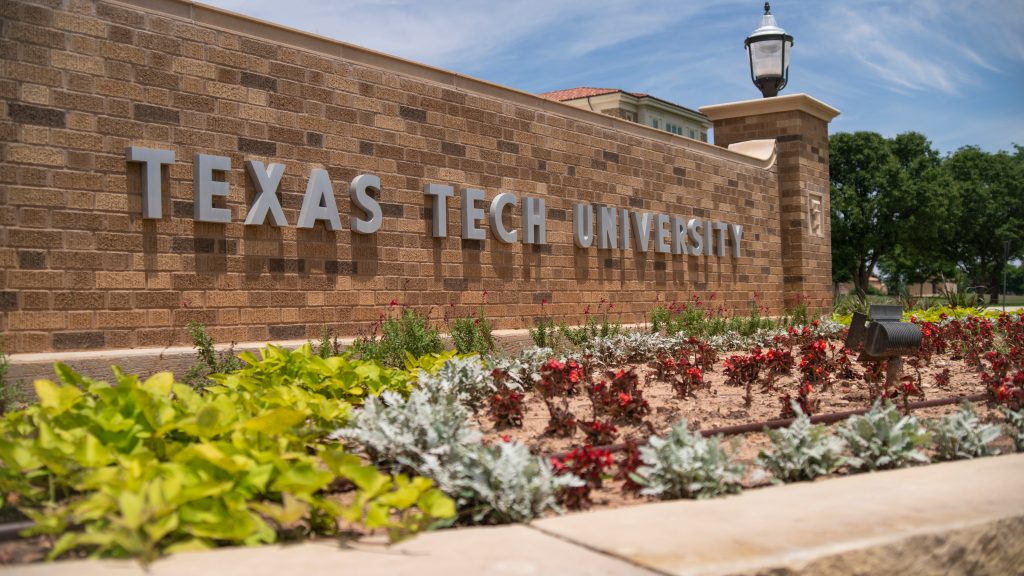

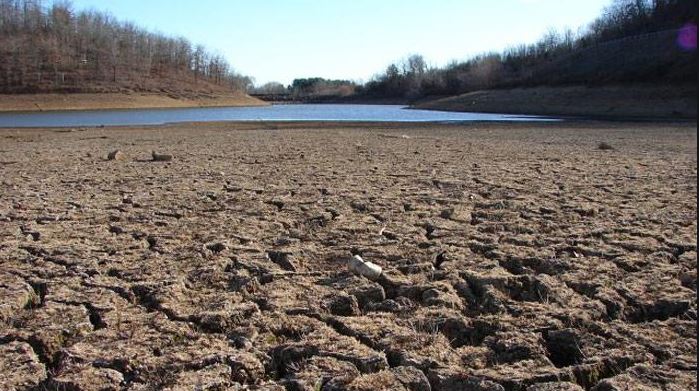
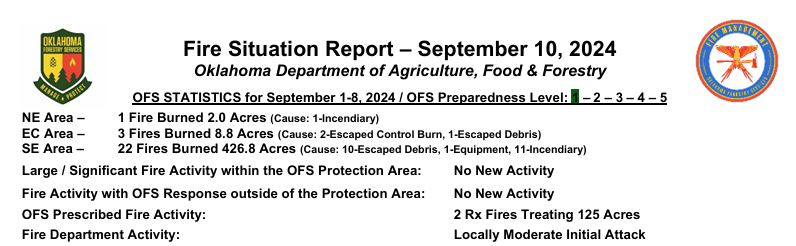
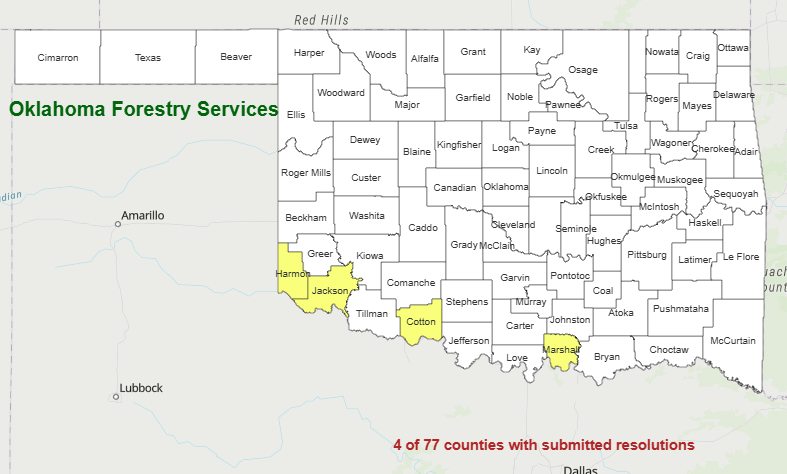

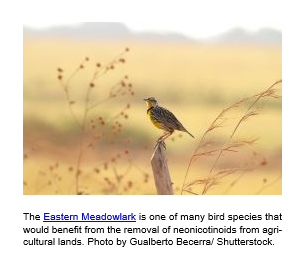
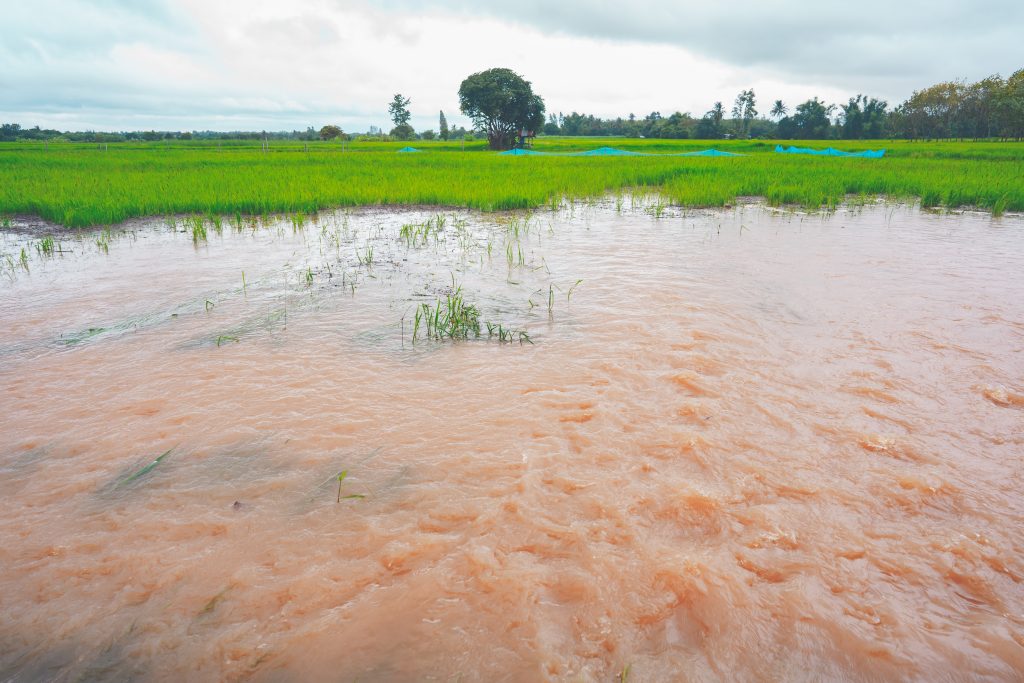
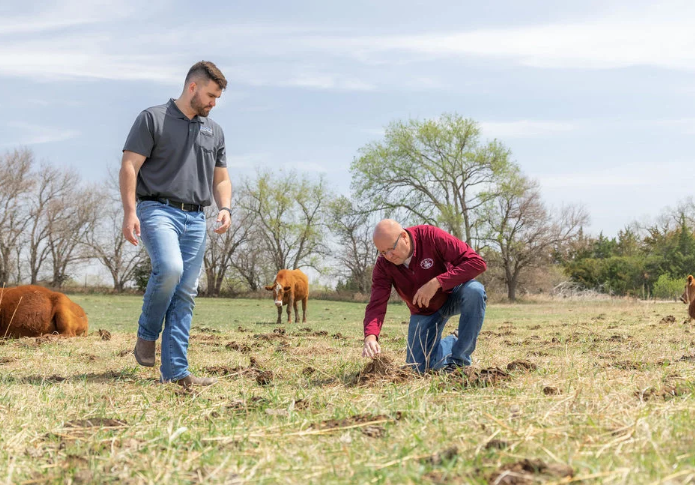
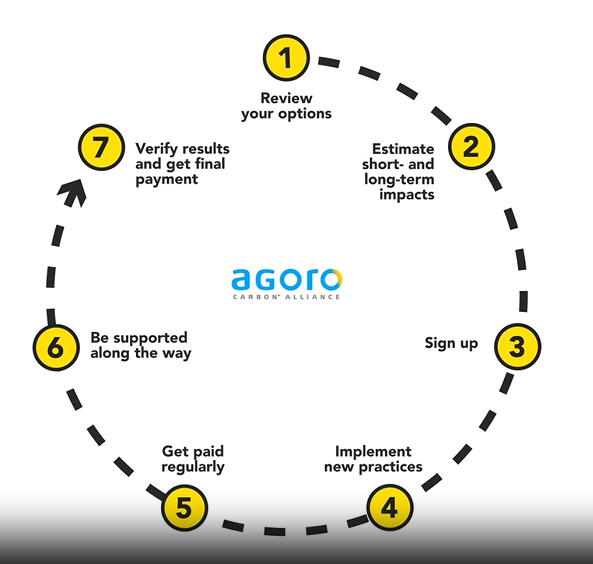




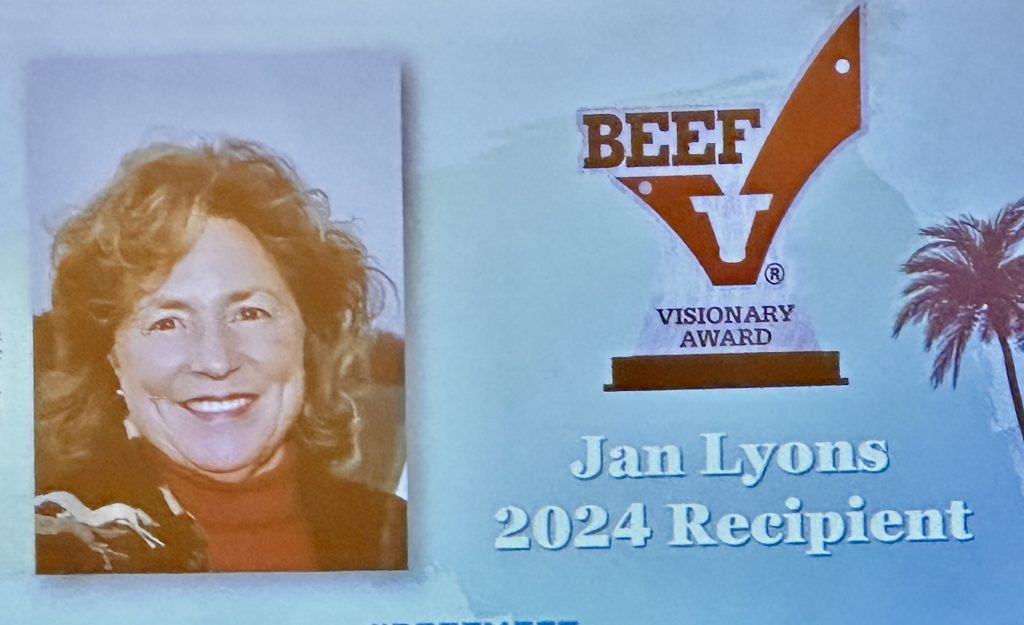

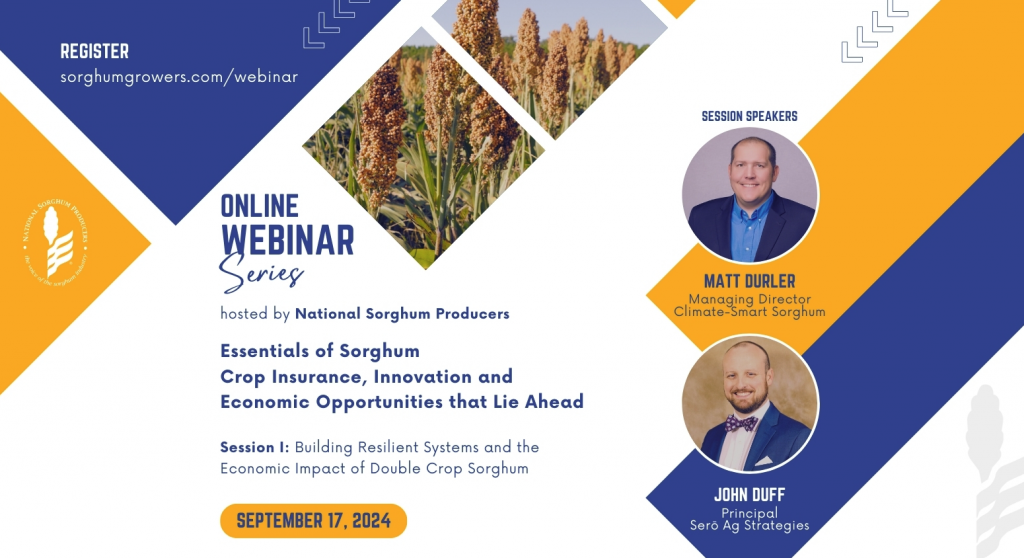
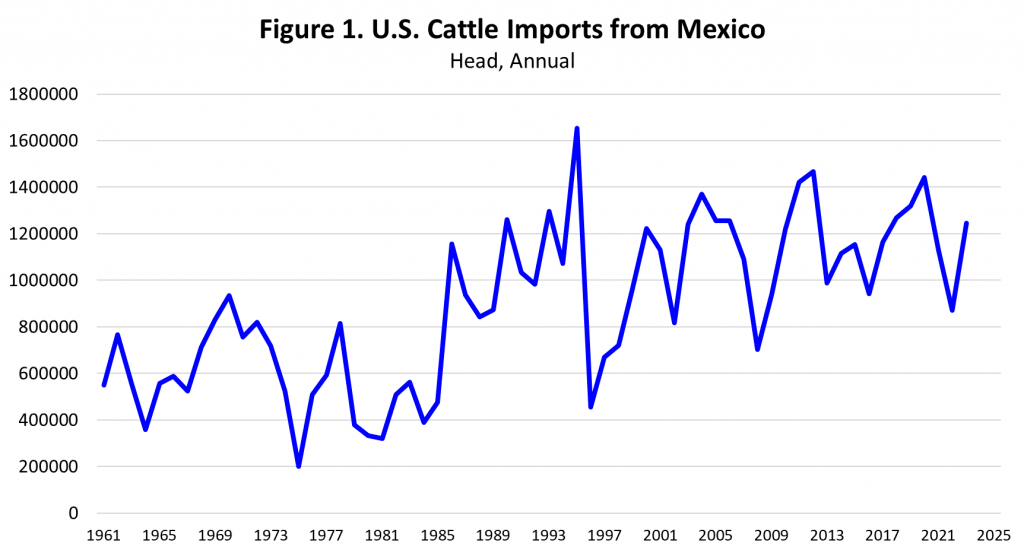
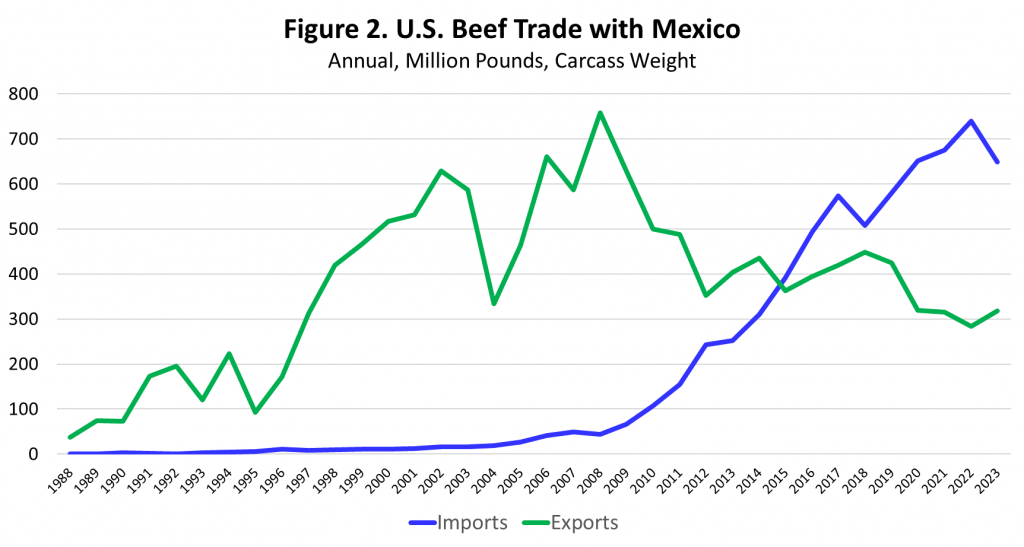
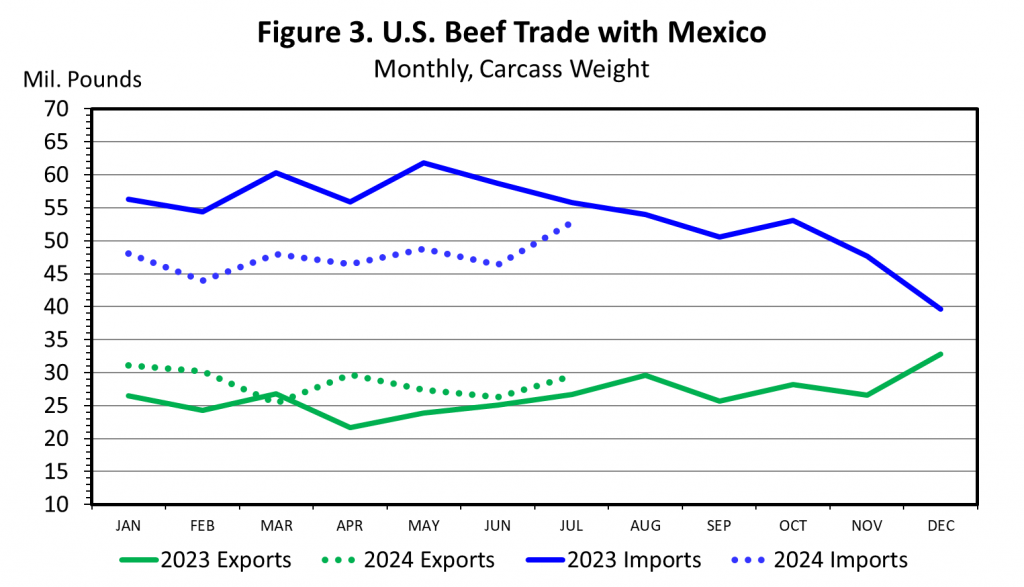
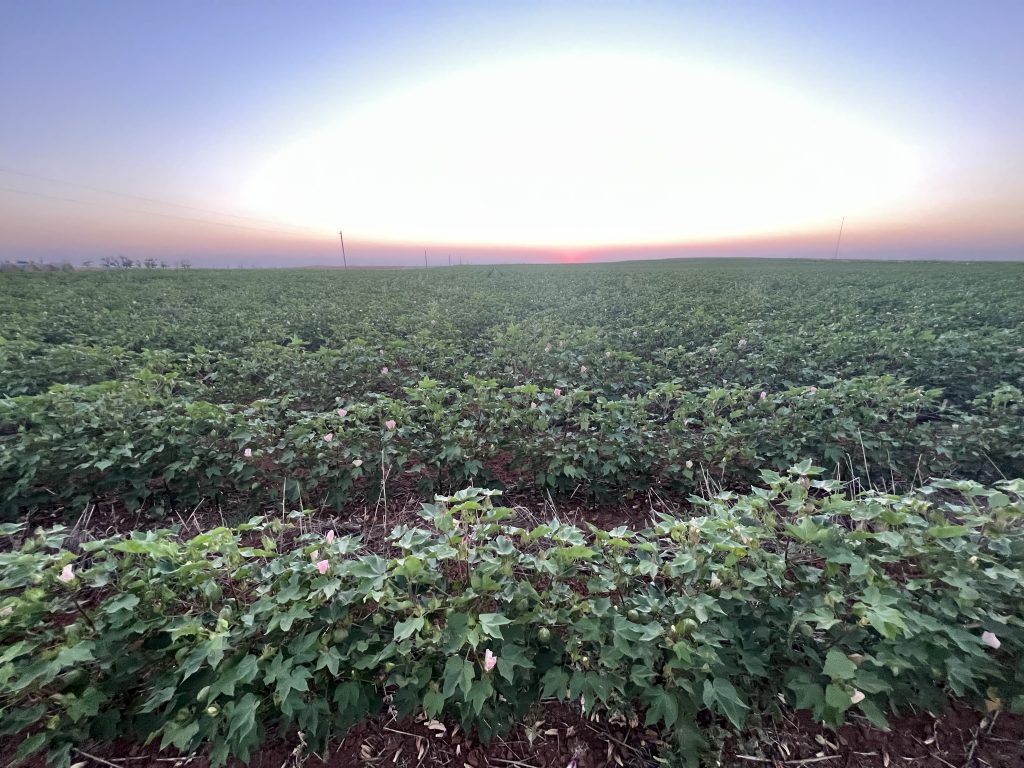




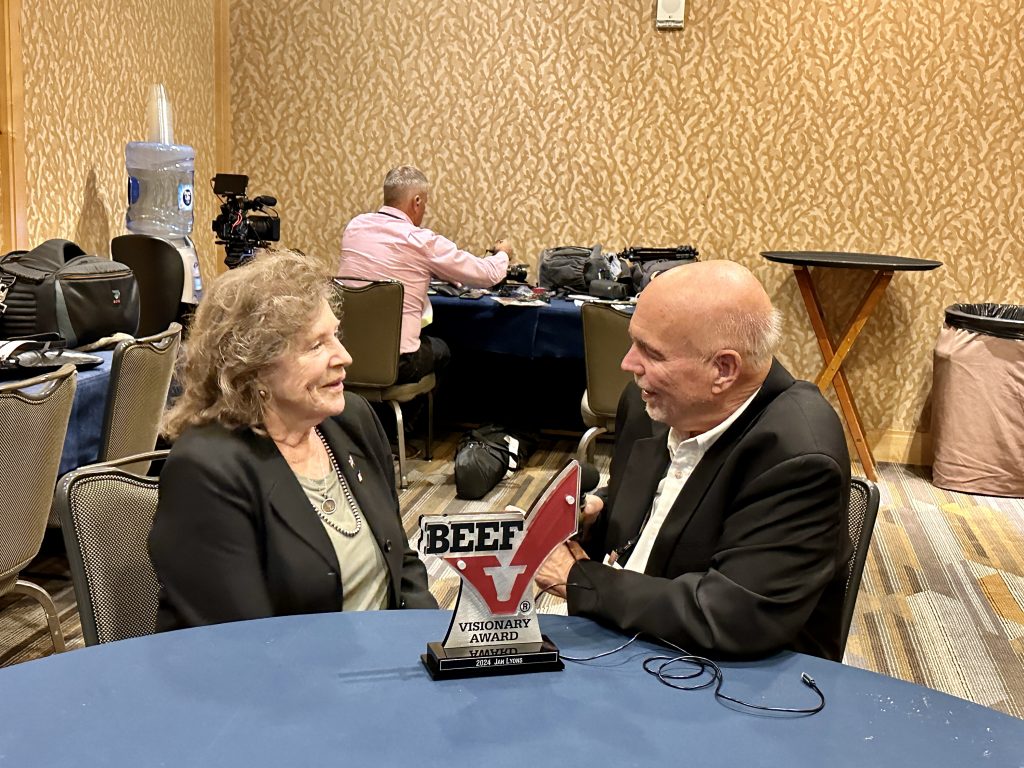
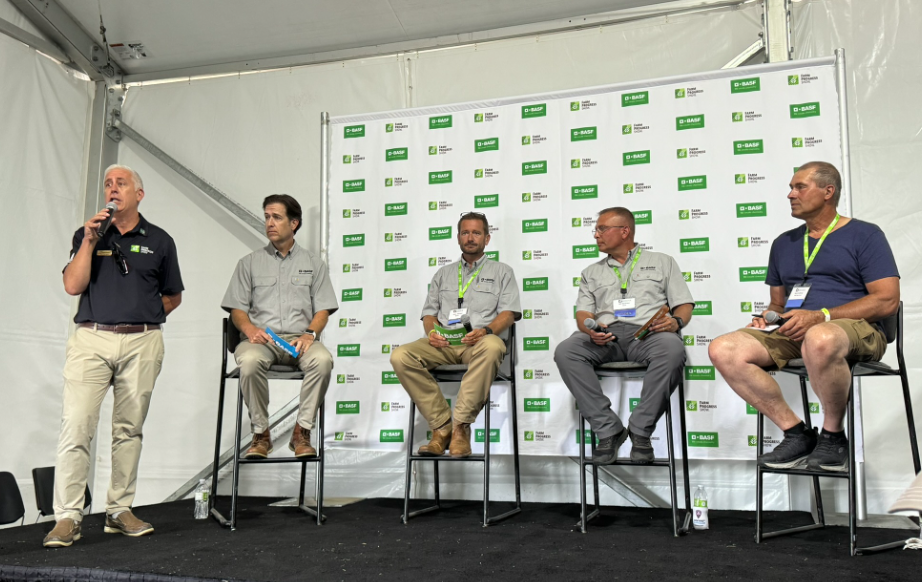


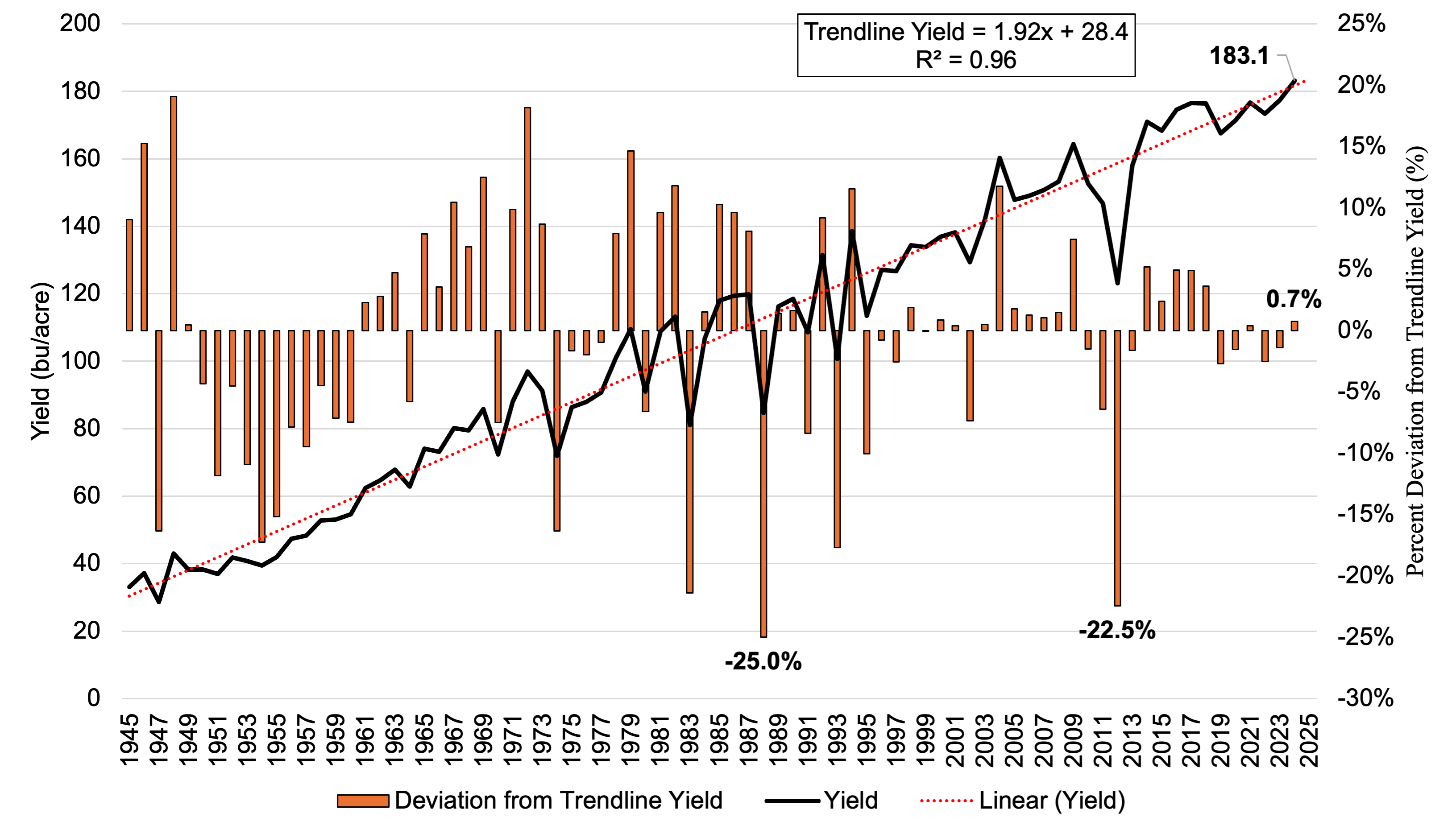
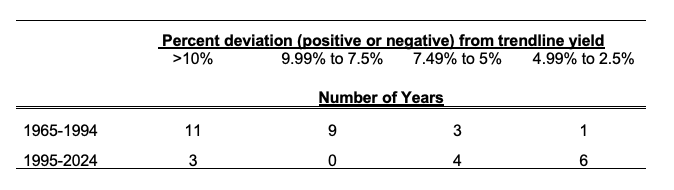
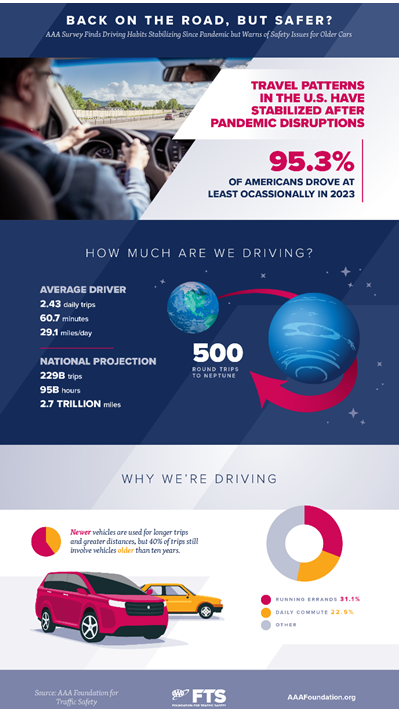




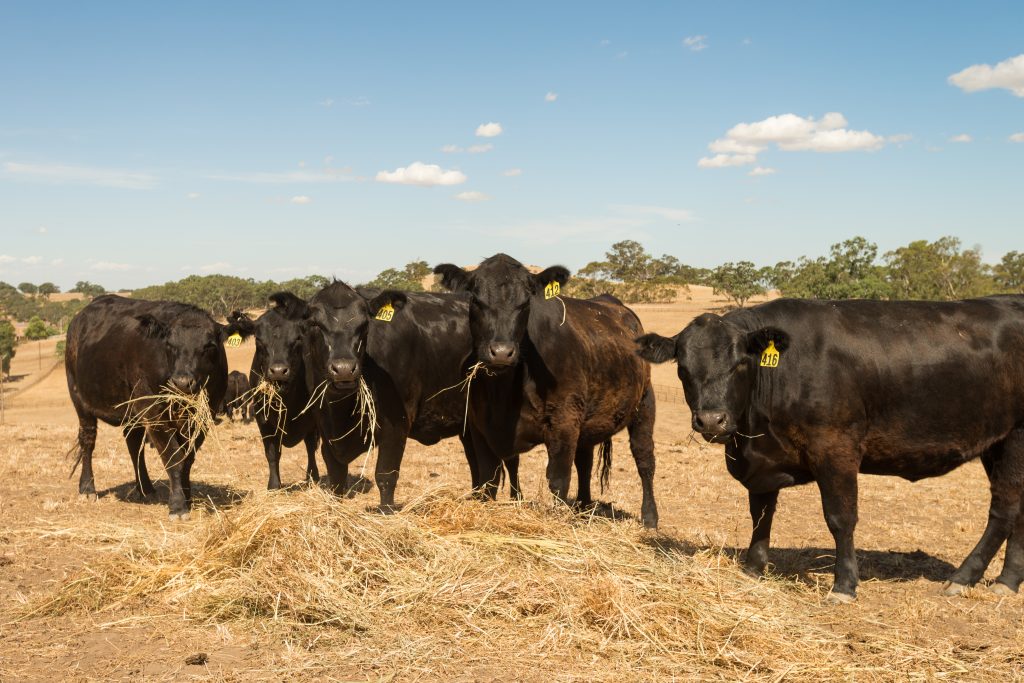
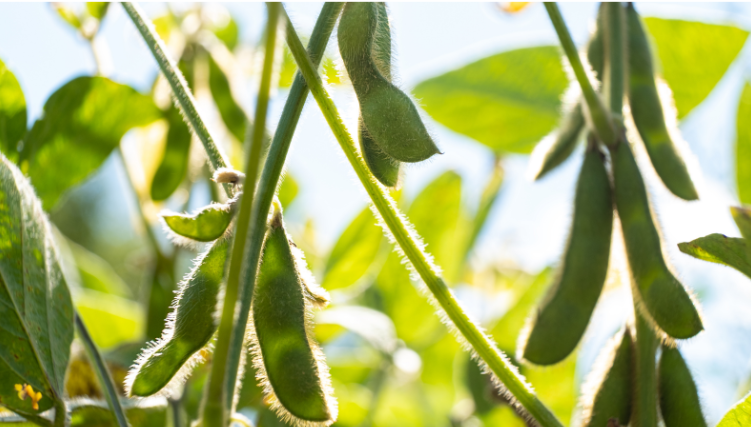

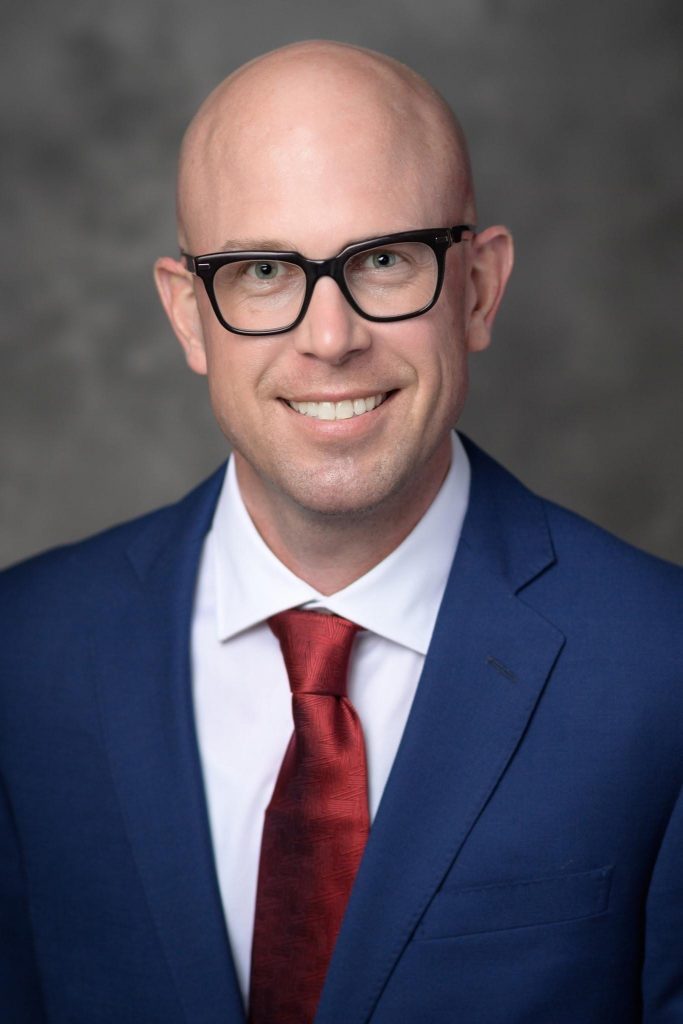
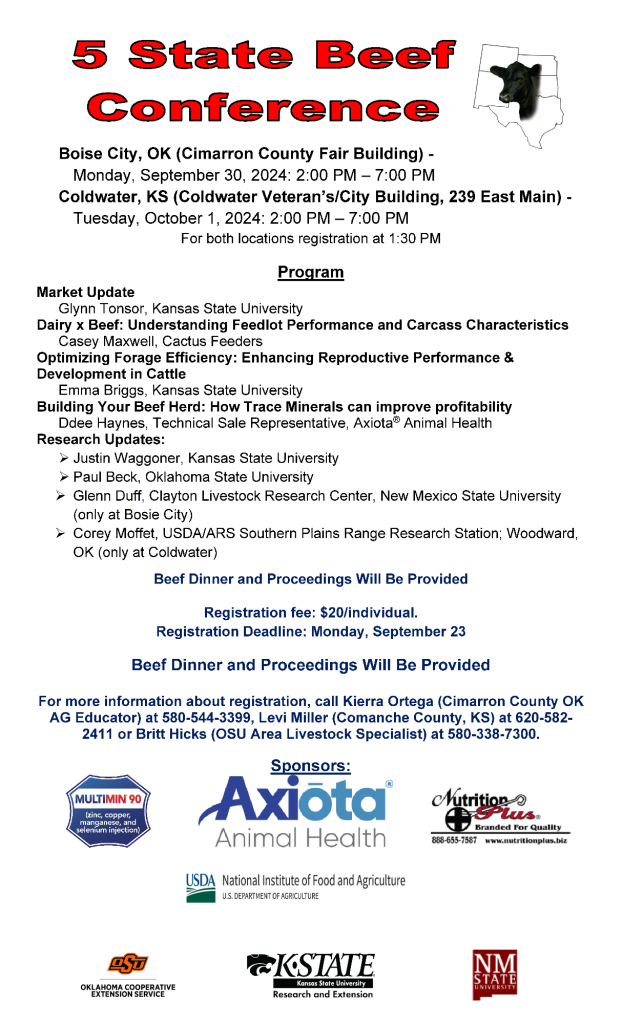
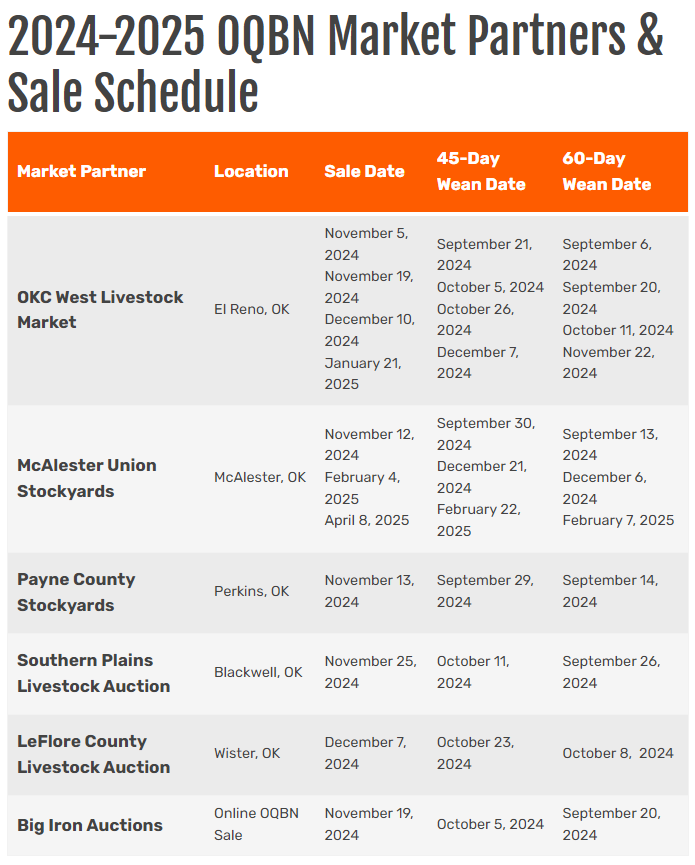
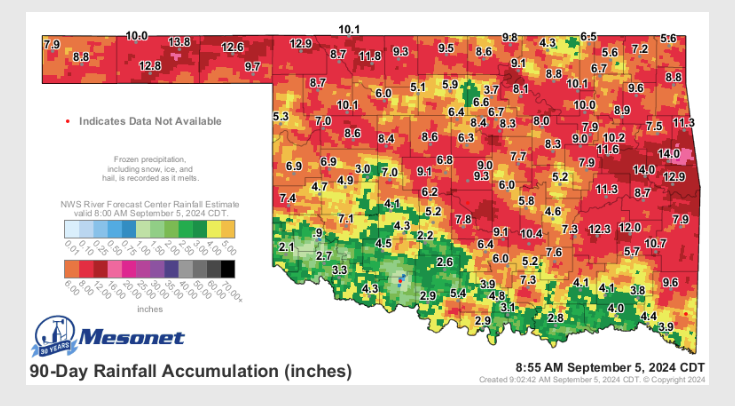
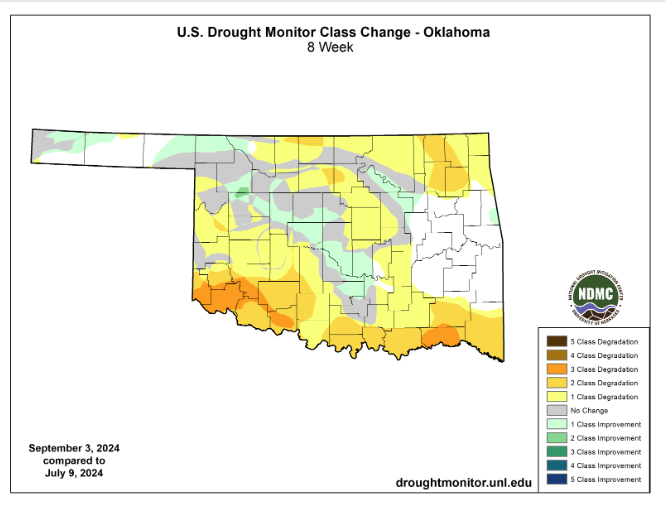
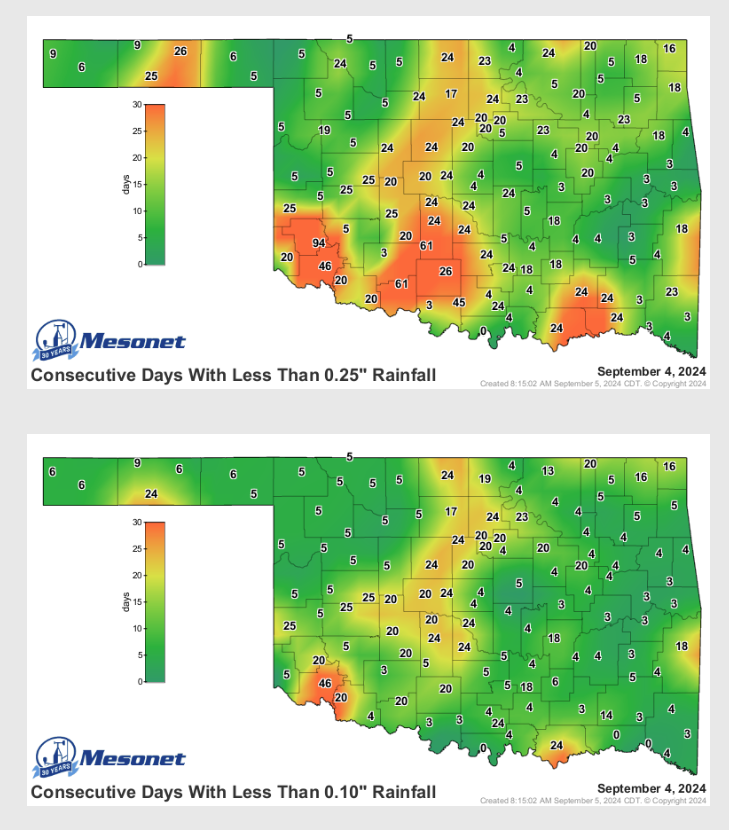
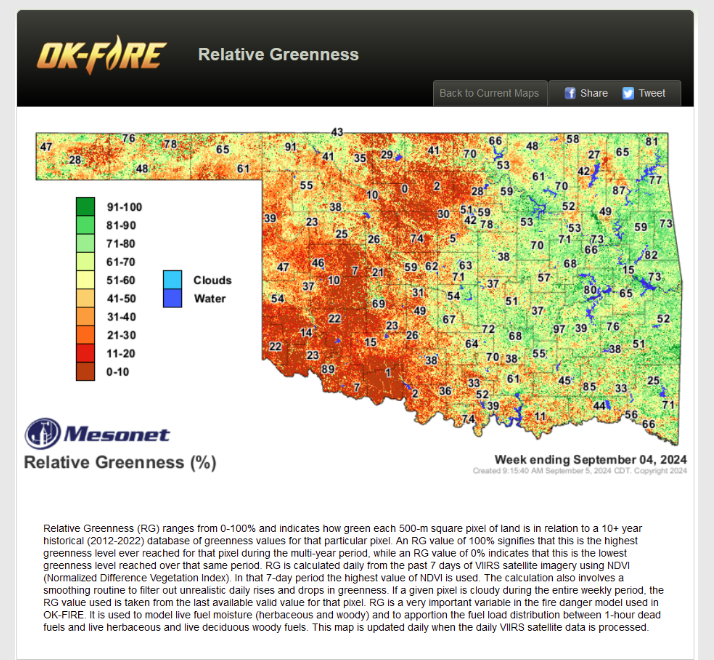
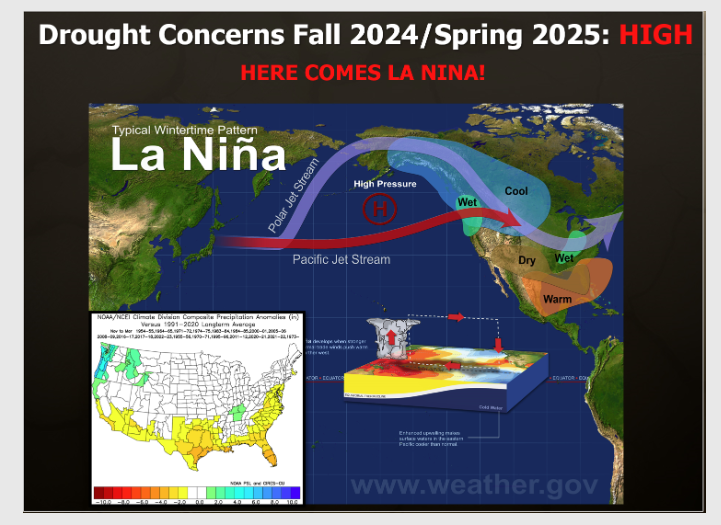
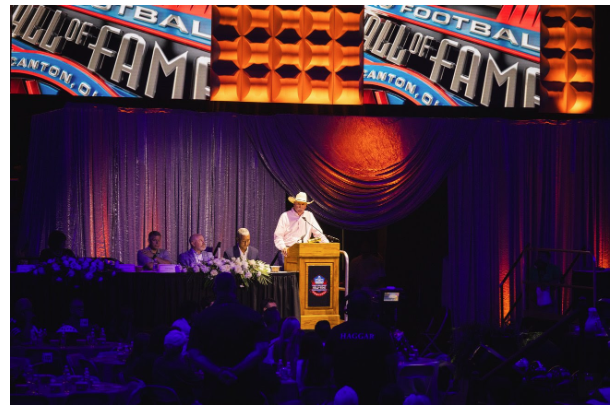
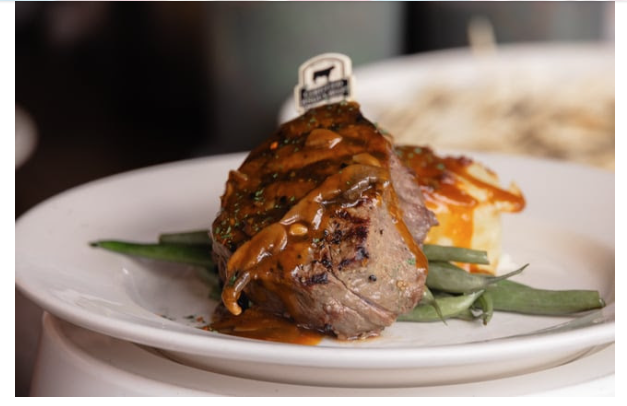


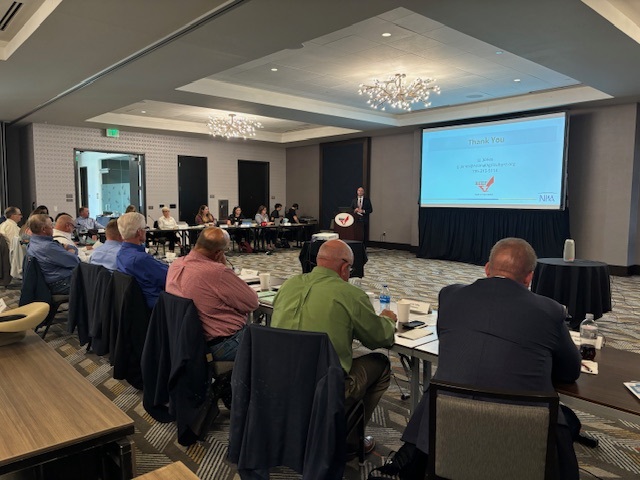
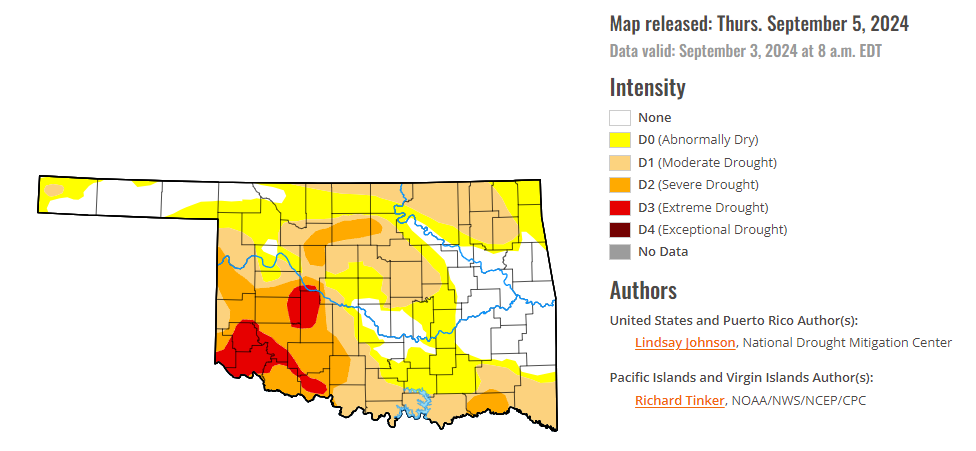
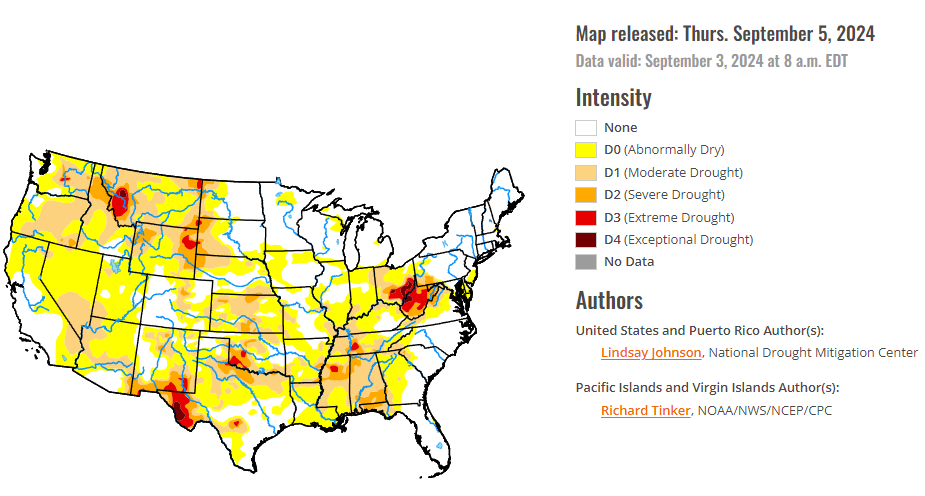

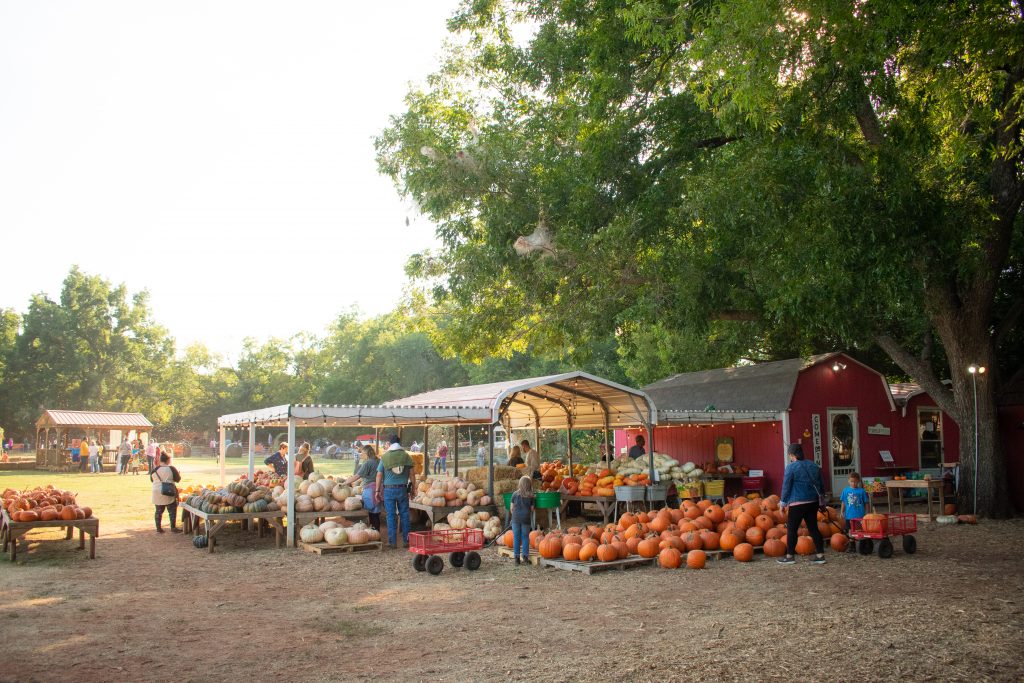


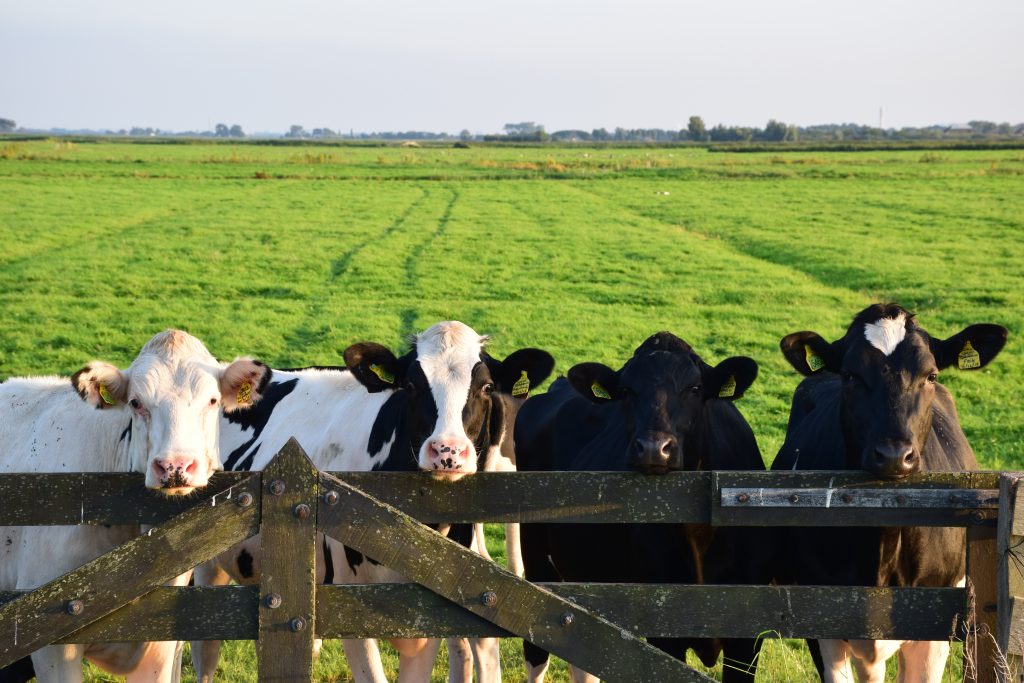

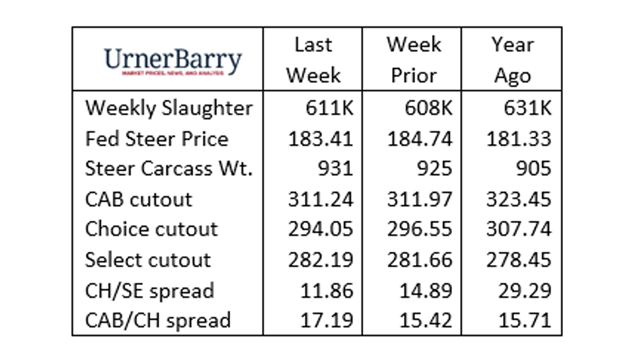
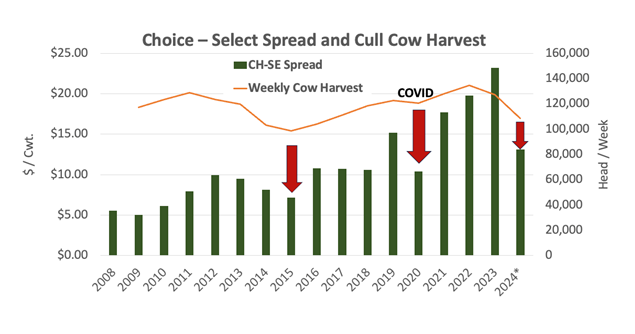
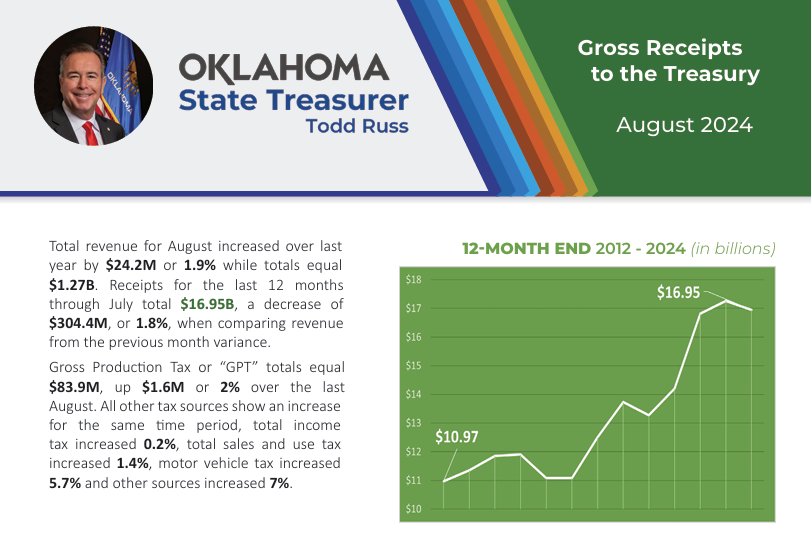
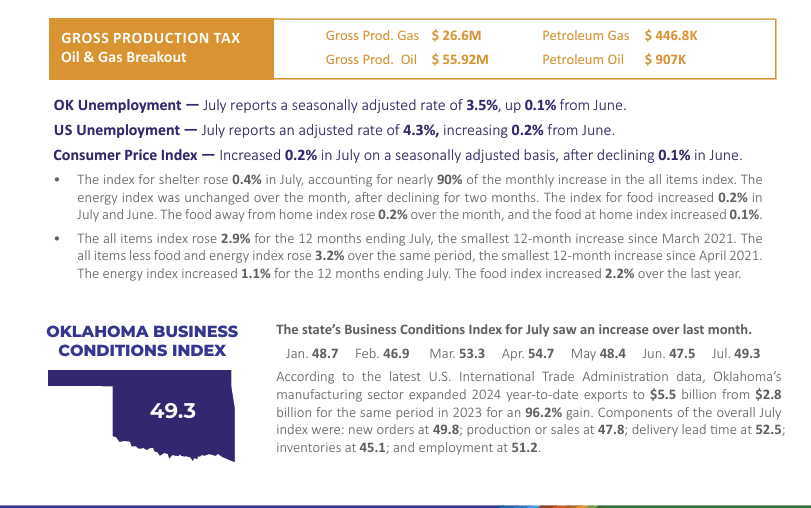
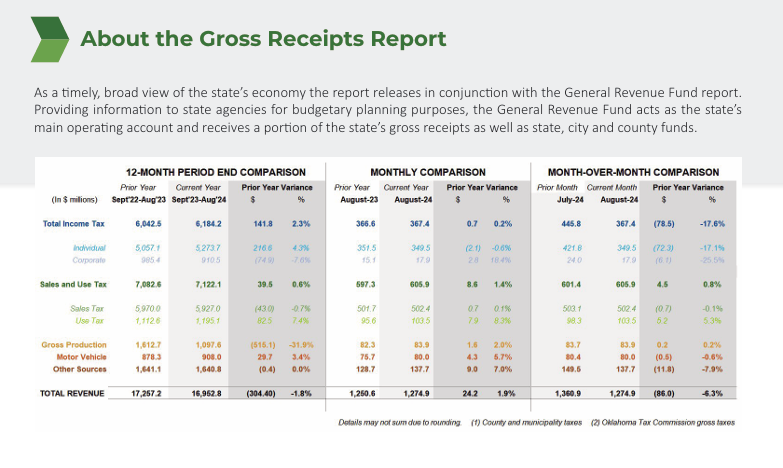
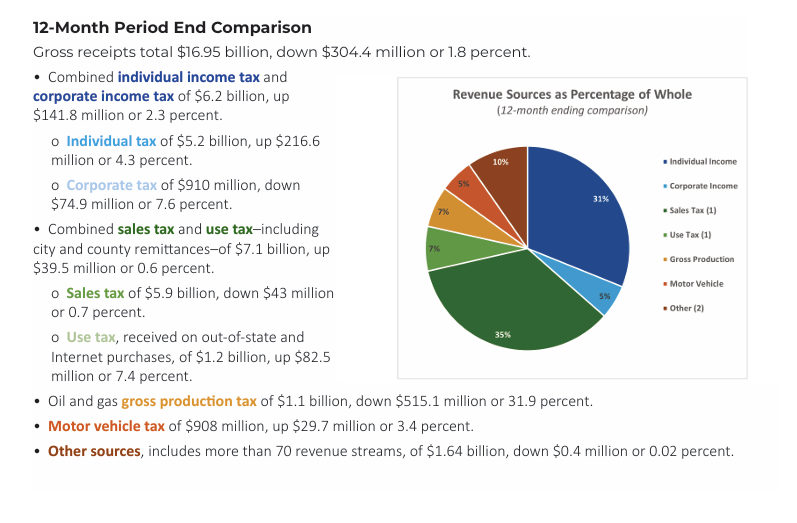
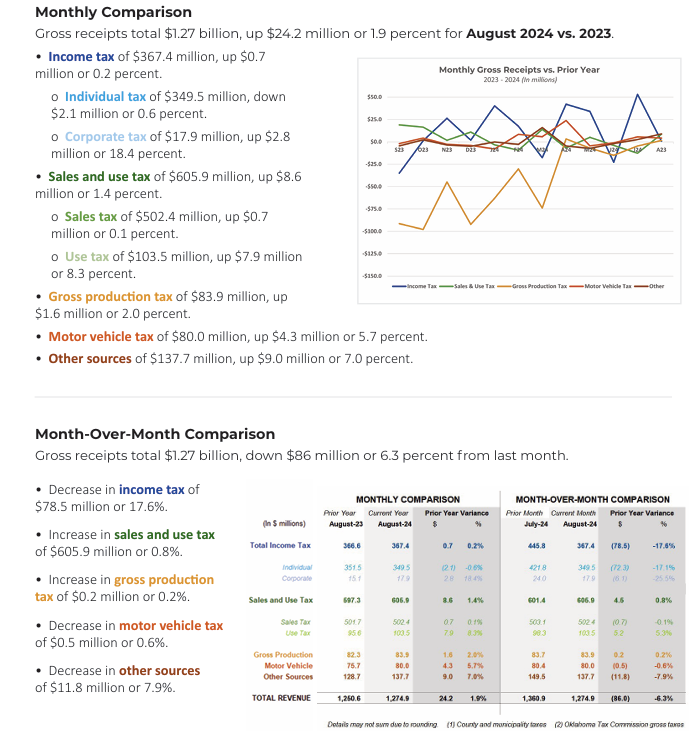


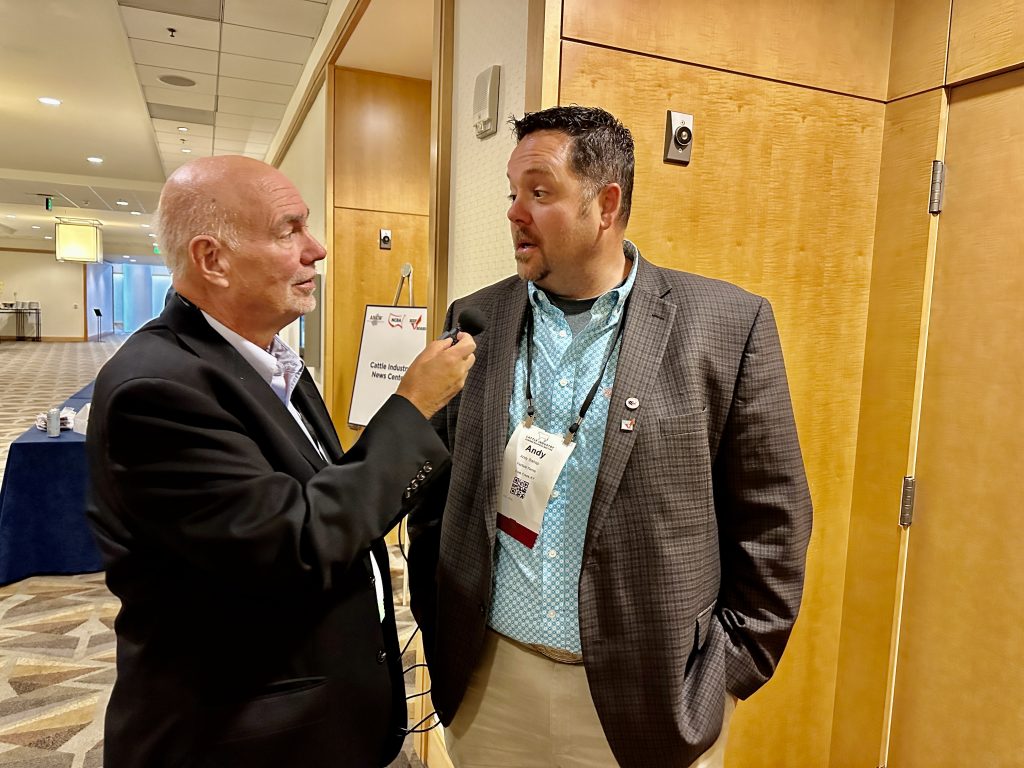
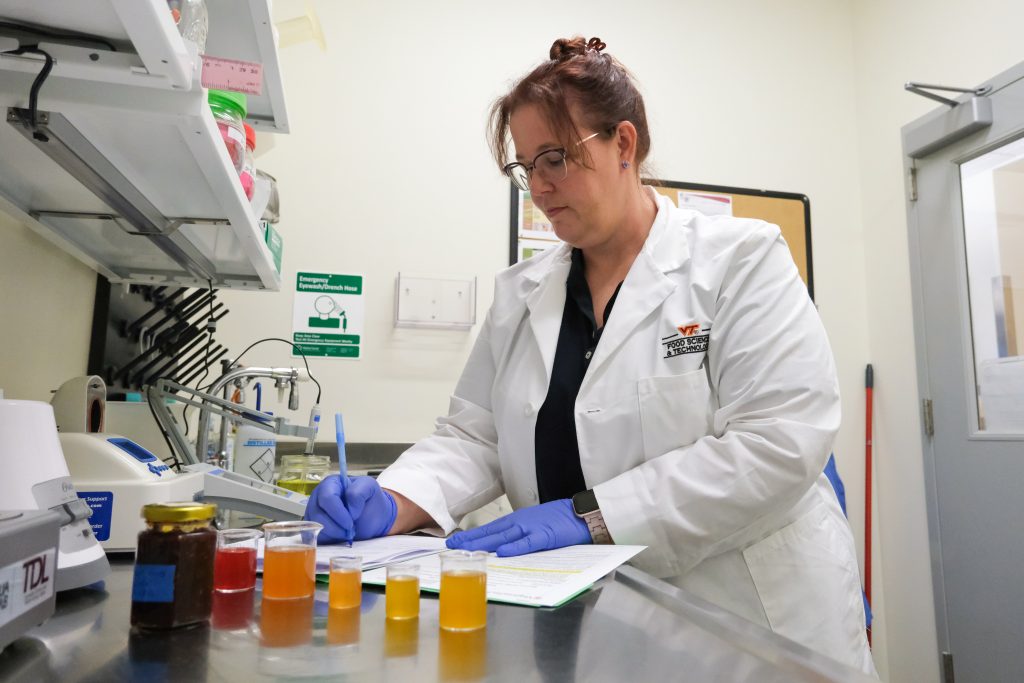

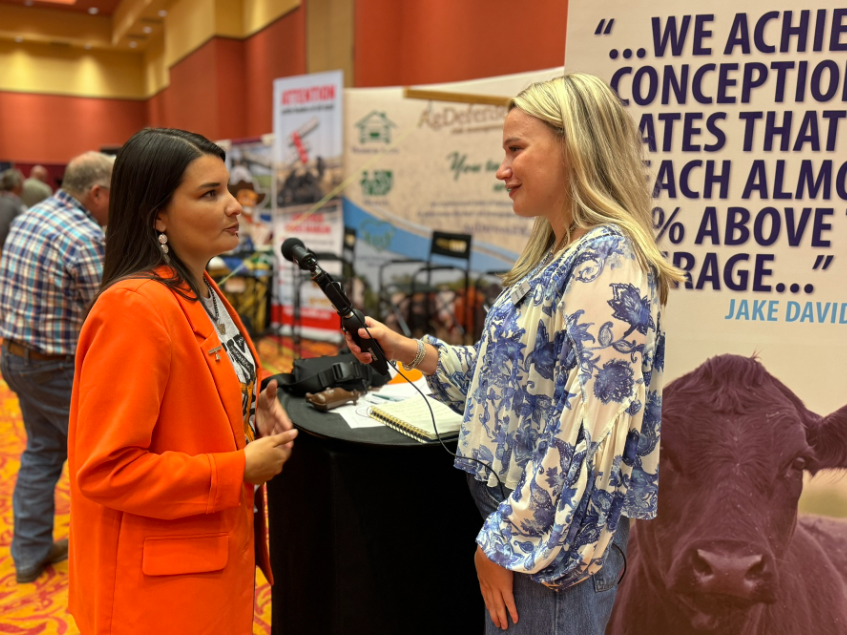
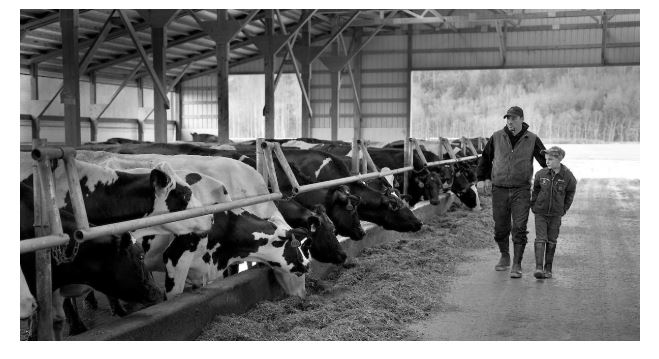


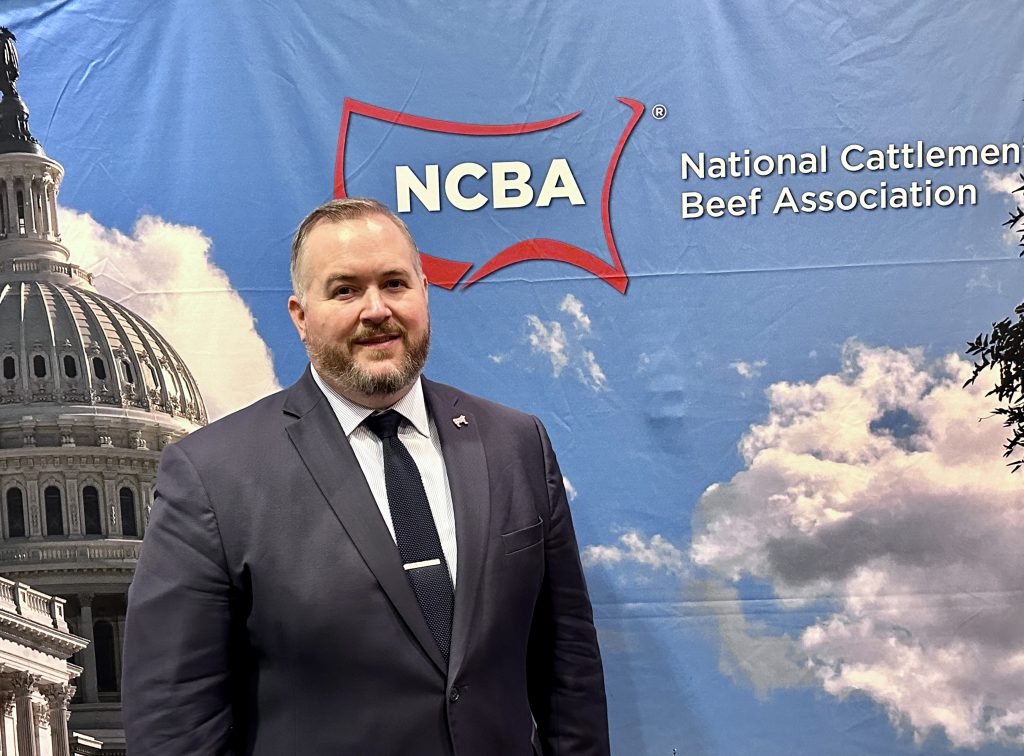
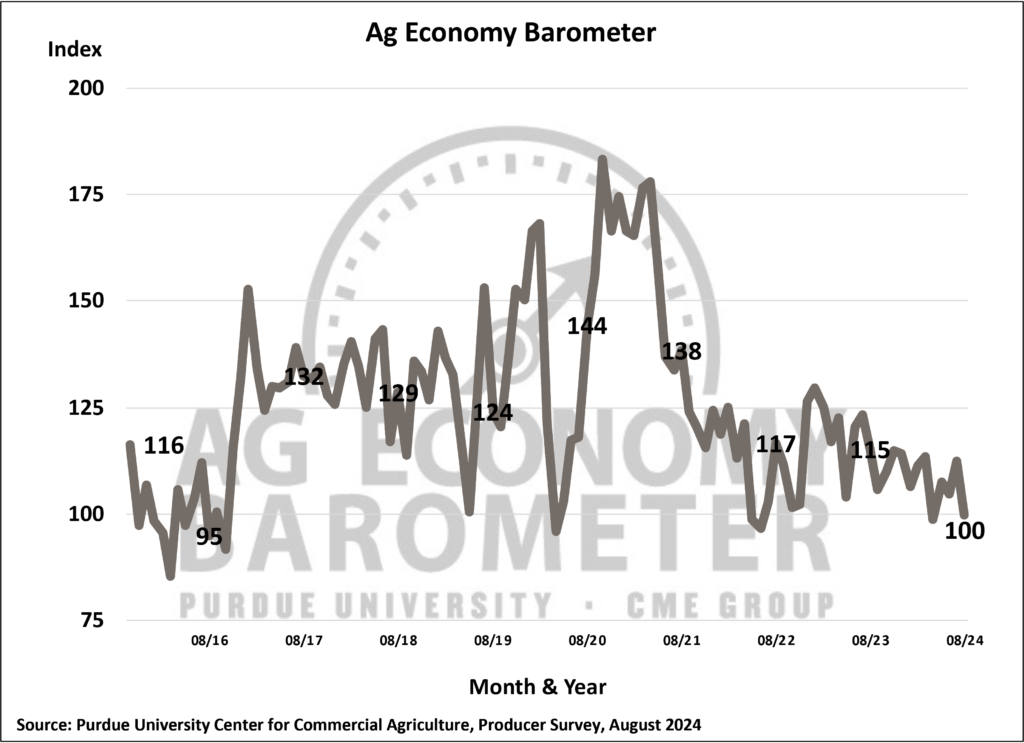
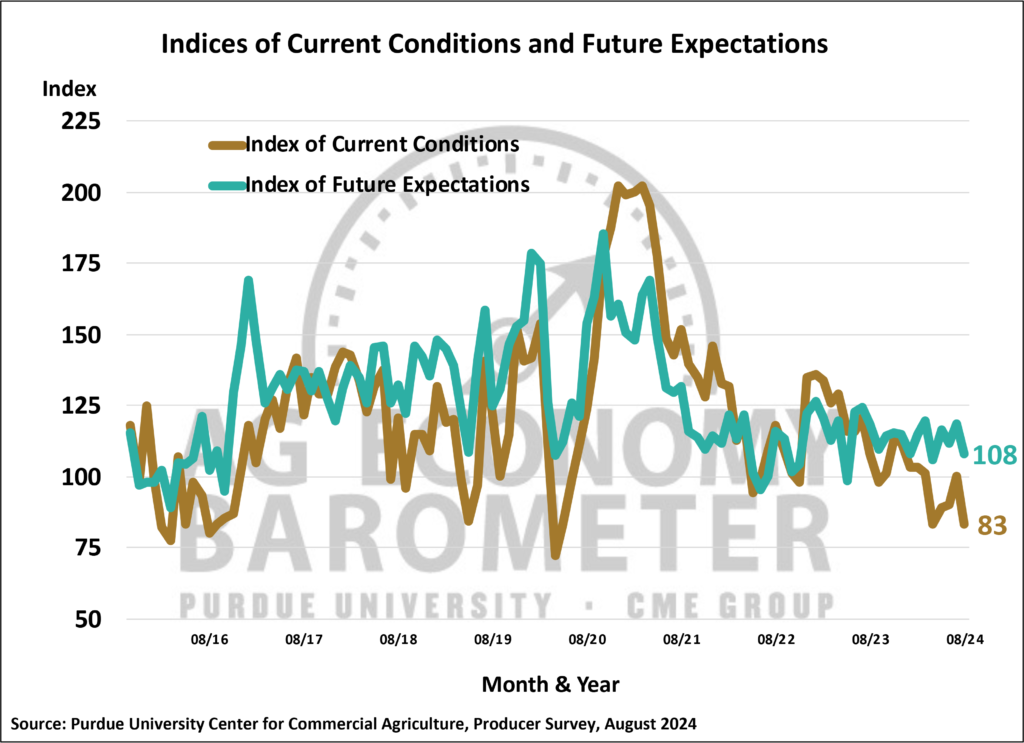
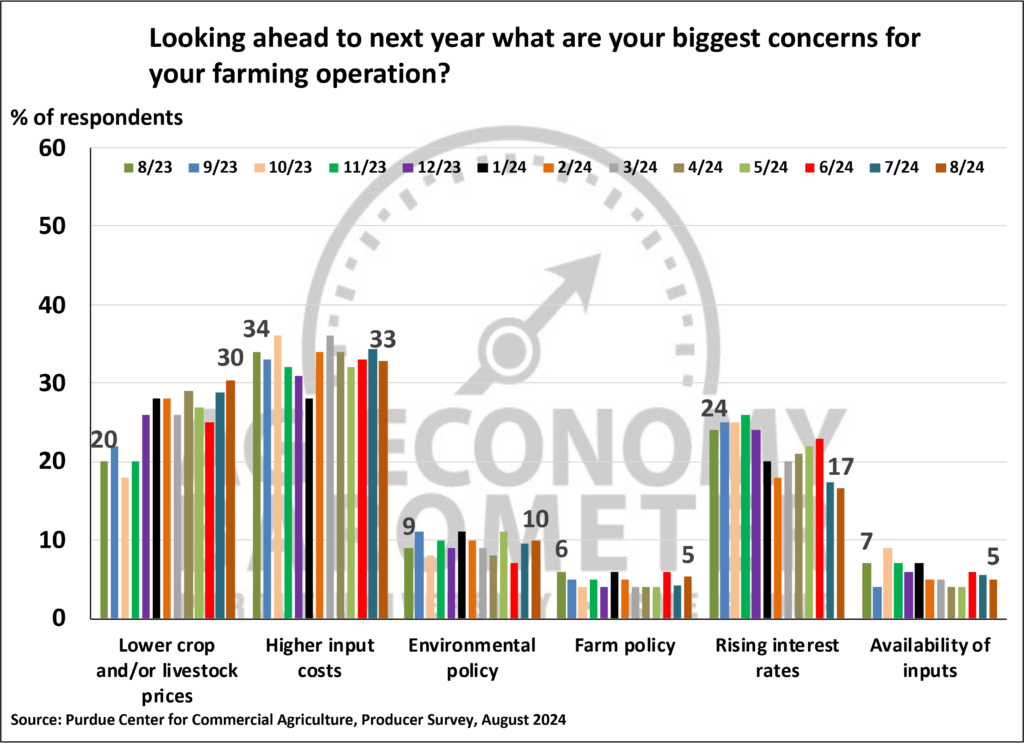
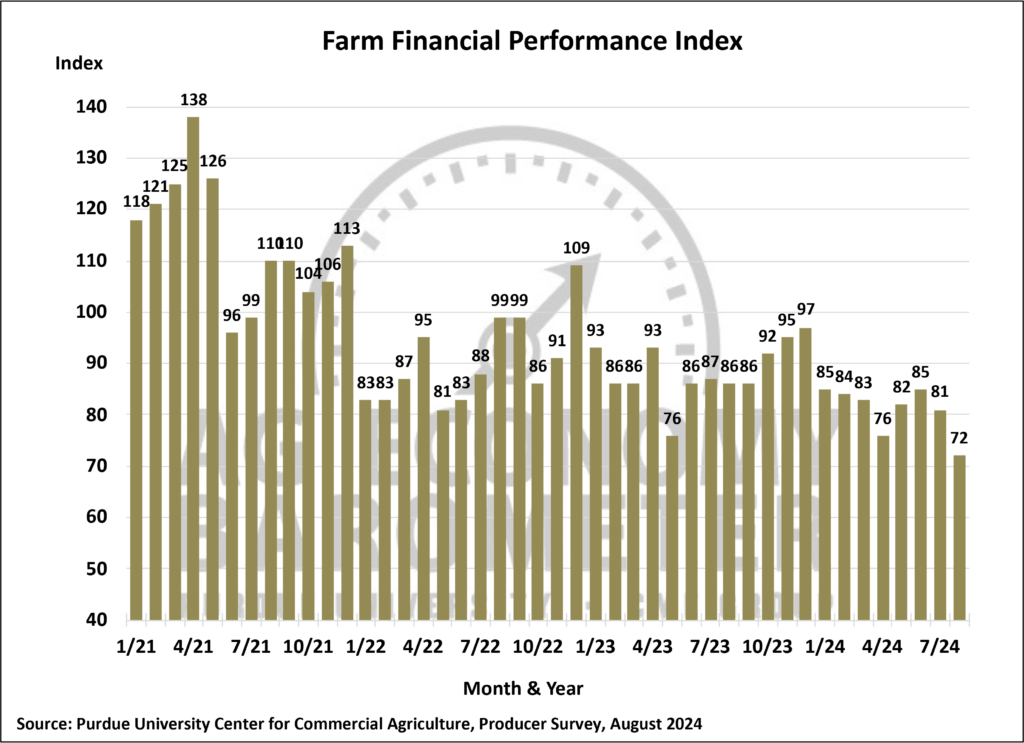
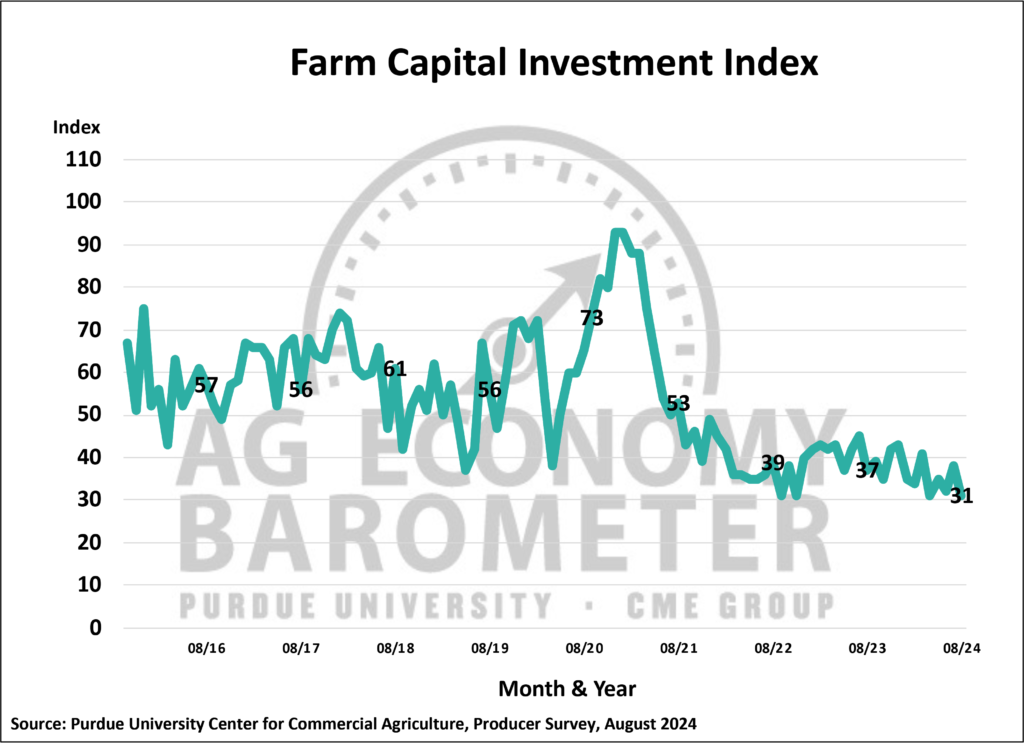
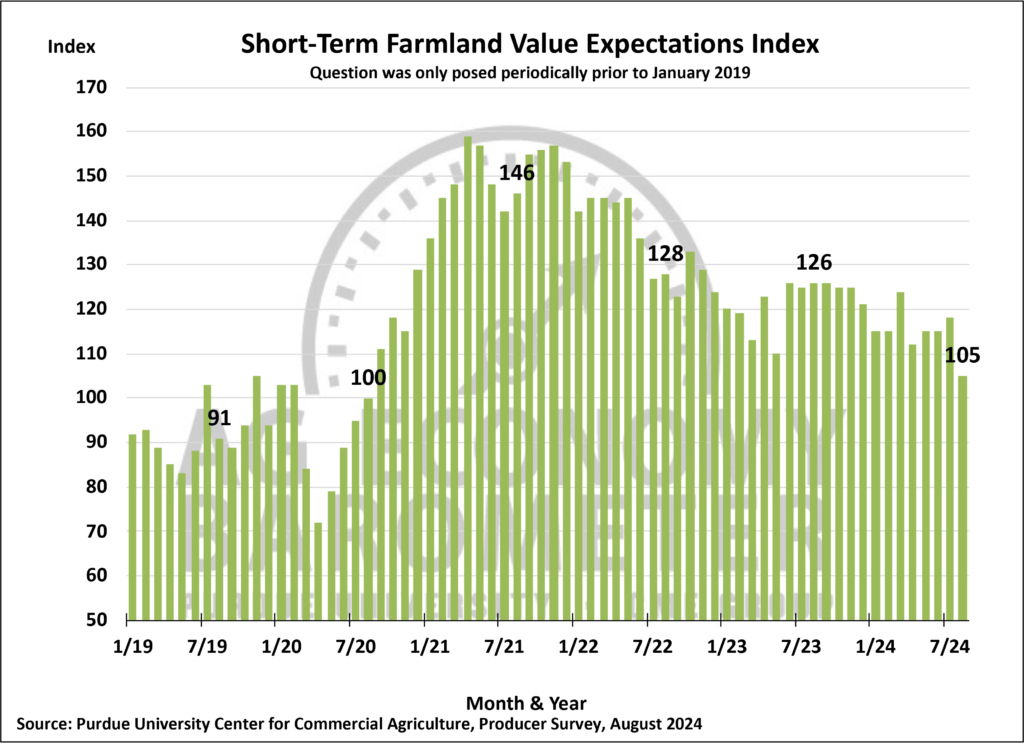
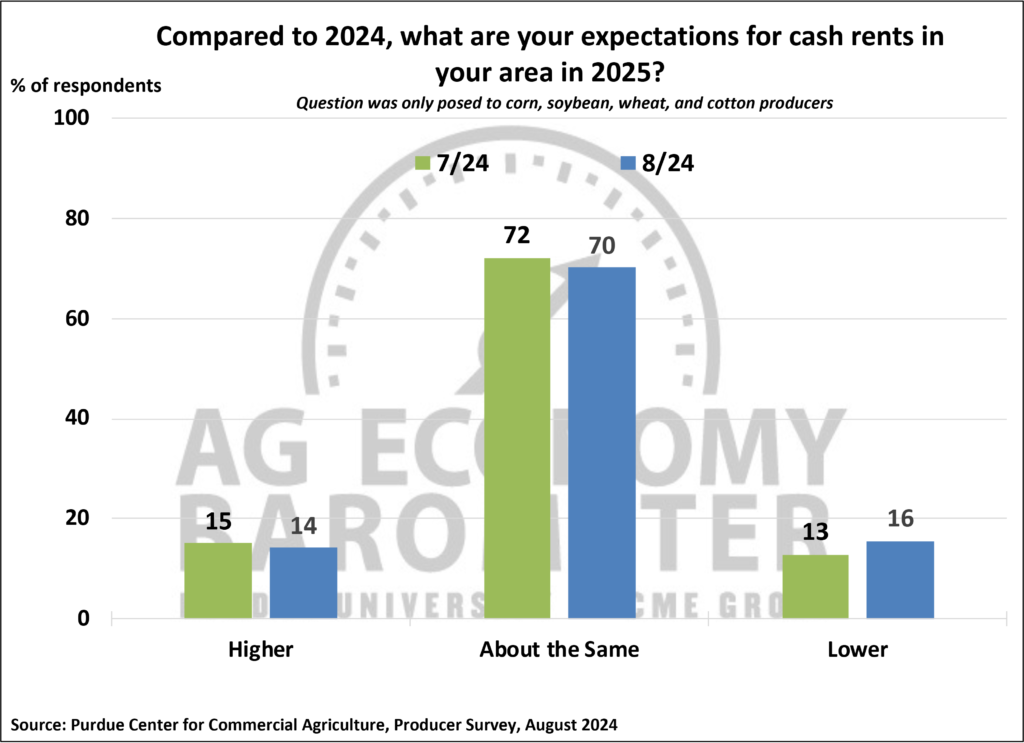
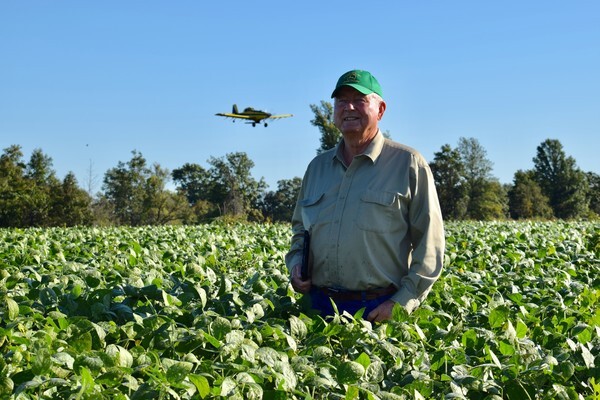
 Bob Trogele, PhD, is a master of personal and organizational reinvention. He went from professional basketball player to a university professor to executive officer of several Fortune 500 companies serving as an operational president, managing director and chairman in Europe, the Americas, and Asia Pacific. Bob has been a juggernaut in agriculture for over 40 years, successfully applying his intellect, business acumen, creativity, and entrepreneurial vision to Aventis, Bayer, FMC, and most recently, American Vanguard.
 Joyce Hunter is the Executive Director of Mission Critical, a nonprofit that focuses on cybersecurity and critical infrastructure. She is the former USDA Deputy CIO for Policy and Planning and interim CIO in the Obama administration, and the founder of the Science Technology Engineering Agriculture and Math (STEAM) camp, for underserved, underrepresented and under resourced youth which is celebrating its 10th year of operation.
 Lamar Steiger, a world-renowned Angus breeder and owner of 808 Ranch has served as Wal-Mart's beef supply chain consultant for over a decade. He has been driving transformative change in cattle ranching and supply chain management the entirety of his career. His consultancy extends to significant retailers including global AgTech firms and ranchers across the nation, specializing in ranch-to-retail beef supplies and profitable ranch management.
 Jay Vroom has been advocating for and advising modern agriculture for more than 45 years as a family farmer, former CEO of CropLife America, Chairman of the Advisory Board for Farm Journal's Trust in Food and America's Conservation Ag Movement initiatives. He shared, "Emergent's vision of a connected farm is critical for the future of agriculture. I am excited to support their efforts in creating a more efficient and profitable agricultural landscape."
 Phil Maag has been a prominent leader in the rural telecom and broadband industry for over 20 years. He serves as Chairman and CEO of MetaLINK Technologies, Emergent's infrastructure partner in northwest Ohio and Indiana. Maag has driven growth at MetaLINK through innovation and relentless customer satisfaction, helping bridge the rural digital divide, enhancing connectivity and economic development in northwest Ohio.