American Farm Bureau Federation President Zippy Duvall commented today on the benefits to farmers of a U.S. Supreme Court ruling that strikes down Chevron deference. Chevron deference instructed courts to defer to federal agencies' arguments about the scope of their own authority. In essence, it multiplied the power of federal agencies and undermined the principles of separation of powers.
"Farm Bureau applauds the U.S. Supreme Court for recognizing the damage Chevron deference has caused to the federal government's balance of power. For decades, Congress has passed vague laws and left it to federal agencies and the courts to figure out how to implement them. AFBF has been a leading voice on this issue and has argued on behalf of farmers who are caught in a regulatory back and forth when administrations change the rules based on political priorities instead of relying on the legislative process. We are pleased the Court heard those concerns.
"The Constitution built a system of checks and balances among three branches of government, to prevent any one branch from becoming too powerful. The legislative branch creates the laws, the executive branch enforces the laws, and the judicial branch interprets the laws. Chevron deference created a super-branch of government. The Supreme Court restored balance with today's decision."
In April, four national wildlife refuges — including Muleshoe — received support from the federal government to expand their acreage. The original boundary set by the government limited potential growth, so the U.S. Department of Interiors lifted the boundary limitations.
However, there is no eminent domain process involved. It is all freedom of choice as to whether someone wants to sell their land to the refuge.
"Some of my best friends are cotton farmers," said Jude Smith, manager of the Muleshoe National Wildlife Refuge and overseer of the expansion project. "We're just looking to expand our conservation endeavors for wildlife and wetlands, but we're not taking it by force."
He went on to say some of the information being distributed by the American Stewards of Liberty group is a little misleading. The nonprofit champions private property rights and has dedicated a page of their website to what they call the "Muleshoe Land Grab."
While the new plan allows the refuge to expand up to 700,000 acres in the Southern High Plains of West Texas and Eastern New Mexico, it doesn't mean that the land will automatically be given to them or taken by force from the landowner. The plan will take decades to reach the goal set, according to Smith, and "will hopefully provide a flexible plan into the future for everyone involved."
"Yes, it's voluntary," said Margaret Byfield, executive director of the American Standards of Liberty. "However, we are concerned that land will be taken under federal control through conservation easements or regulatory pressure from the government.
They create the problem for landowners by regulating practices through the Endangered Species Act, and then they come in with the solution: we'll buy your land and then you won't have to worry about it."
Byfield goes on to say that conservation easements can potentially yield all control to the government as well. If entering a conservation easement contract, it's important to read the fine print, and, according to Jay Bragg, associate director of Commodity and Regulatory Activities for Texas Farm Bureau, consult with your attorney, family and heirs. "This is a big decision," agreed Smith. "No one should ever feel rushed to enter into an agreement."
However, if landowners pay careful attention to their contracts should they desire to enter into one, they still retain ownership of the property even if they sell their development right through a conservation easement.
Byfield claims this plan was enacted to achieve the goals of the Biden Administration's "America the Beautiful" initiative — also known as the 30x30 vision within Biden's climate crisis executive order issued shortly after he took office in 2020. The 30x30 vision aims for the U.S. to conserve at least 30% of U.S. lands and freshwater and 30% of U.S. ocean areas by 2030.
"It's all about government control, which will decimate local economies by taking land out of production and out of local County tax revenue," Byfield added.
Smith emphasized the choice behind this plan. "It's just an option for landowners who have been asking for this for more than a decade. They don't have to sell, and we won't take the land from them."
PCG Key takeaways from visiting with both the American Stewards of Liberty and the Muleshoe National Wildlife Refuge:
Read all the fine print from both sides.
Talk to both parties before coming to an opinion.
Calling this plan a land grab is inaccurate.
There isn't a "removal of acreage" — it's an optional transaction should someone wish to sell or contract a conservation easement.
If you "cross your t's and dot your i's" on the conservation easement contractual agreement, then you retain ownership rights of property.
When evaluating land sales to the refuge or conservation easement, consult an attorney. Eminent domain is not involved in this process.
Listen to Ron Hays talk with Rich Nelson about USDA's Grain Stocks and Acreage Reports.
The USDA released the latest Grain Stocks and Acreage reports on Friday, June 28, 2024. Senior Farm and Ranch Broadcaster Ron Hays is talking with Allendale's Rich Nelson about key takeaways from both reports.
Starting with acreage numbers for the spring planted crops, Nelson said 1.4 million acres was added to the prior estimate of planted acres of corn in March- now at 91.5 million acres. Nelson said Soybeans were lowered from the March estimate, now at 86.1 million acres.
A minor change was seen in planted acres of wheat, Nelson said, down about 258,000 acres from the prior March survey.
"Overall, a little surprise for the corn," Nelson said. "Soybean and wheat numbers were relatively okay."
Nelson noted that the planting pace as of June 1st for corn and soybeans does not match up well with the changes seen in the latest acreage report.
"Oftentimes, we do get some dramatic surprises which are a bit unknown," Nelson said. "Let us also make a second point- we won't get the most accurate numbers until we incorporate those farm program acreage numbers in the August or October timeframe."
Regarding the quarterly grain stocks report, Nelson said the numbers released in the latest report represent usage after three-quarters of usage for corn and soybeans. Nelson added the report also "puts the stamp" on old crop ending stocks for wheat.
"As far as numbers here today, corn old crop stocks were just about 5 billion bushels," Nelson said. "This was higher than the trade estimate and would have implied maybe a little weaker feed residual usage in this past quarter."
Nelson said numbers for soybeans were relatively close to trade expectations at 972 million bushels and there were no surprises regarding general usage this past quarter.
"We did have a small surprise for the wheat side," Nelson said. "Wheat was 702 million bushels for old crop stocks. This would imply maybe a bit weaker feed usage and feed residual than we expected to see, so a little surprise for corn and wheat on this report"
On the corn side, Nelson said the numbers do not include the ten weeks of relatively good sales in recent weeks. Those sales will be shipped in the current fourth quarter period, Nelson added.
"We will have a little positive discussion for corn exports by the end of the year," Nelson said.
Looking at weak sales on the soybean side, Nelson said there is concern that fourth-quarter sales for soybeans might be a problem.
"Keep in mind that with Brazil's price discount, which does extend into the new crop year, we do have some moderate concerns there," Nelson said.
Overall, Nelson said the quarterly grain stocks report brings a few challenges to light for those producers of spring-planted crops, as many have been waiting for a rebound.
"Unless we have a more serious nationwide yield concern, this does take that hope out of the picture right now," Nelson said.
On the positive side, Nelson said lower soybean acres do raise the potential bottom for fall lows. Looking ahead, Nelson said the weather this summer will play a large role in these numbers going forward.
View the latest Acreage and Quarterly Grain Stocks Reports from USDA below:
Senator Debbie Stabenow, Chairwoman of the Senate Agriculture, Nutrition, and Forestry Committee
Senator Debbie Stabenow, Chairwoman of the Senate Agriculture, Nutrition, and Forestry Committee, released the following statement on the SNAP payment error rate.
"While states faced many challenges ensuring access to SNAP during the pandemic and unwinding temporary pandemic benefits and flexibilities, the national error rate reported today is unacceptable. The SNAP payment error rate measures the accuracy of SNAP benefits paid and eligibility determinations by the states, not fraud. In otherwords, this is about accuracy not fraud. It is critical that the program is accurate to protect program integrity and ensure people receive the assistance they need to put food on the table.
"SNAP is the foundation of the safety net for nearly 42 million Americans, providing about $6 a day to help them buy food to feed their families. The program has a rigorous quality control system that we strengthened in the 2018 Farm Bill, and I urge USDA to continue working with states to address the root causes of these overpayments and underpayments. The Rural Prosperity and Food Security Act would provide even more tools and resources to states to identify the causes of errors, improve data reporting, and develop a plan to reduce payment errors."
As Americans prepare to celebrate Independence Day with family gatherings and festive cookouts, NFU released the updated "Farmer's Share of the Food Dollar" for items typically enjoyed during a Fourth of July cookout. These figures reveal how much family farmers earn compared to the amount consumers pay at the grocery store.
NFU President Rob Larew emphasized,
"When consumers stock up on their favorite Independence Day cookout essentials this year, they're likely to notice increased costs for certain products. These increased costs are not reflected in what America's family farmers and ranchers are paid. Decades of mergers and acquisitions have resulted in agriculture and food supply chains that are not only uncompetitive and fragile but also fail to fairly compensate farmers. Corporate monopolies control the vast majority of the processing, distribution, and marketing of our food, and dominate the market for crop inputs, seeds, and farm machinery."
"As we celebrate the Fourth of July along with the hard work of our family farmers and ranchers, we must recognize the challenges they face. Family farmers and ranchers deserve a fair share of the consumer food dollar."
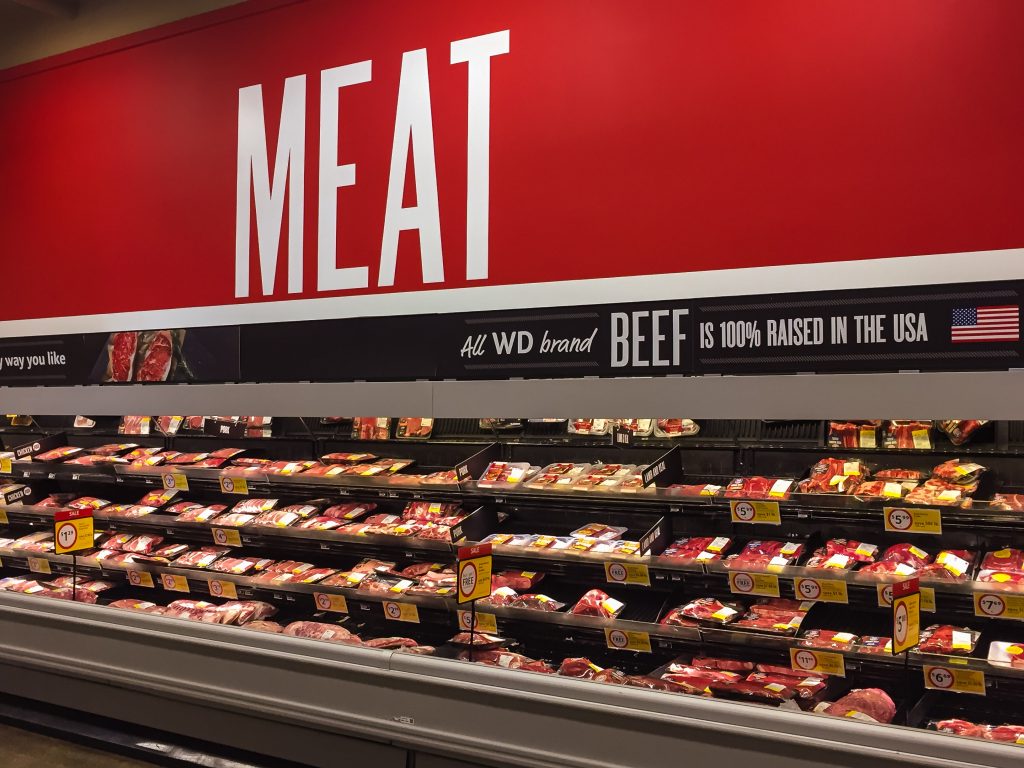
The iconic cheeseburger, a staple of many July 4th celebrations, is a prime example. For each dollar spent at retail on the components of a cheeseburger—beef patty, bun, cheese, onion, lettuce, and tomato—family farmers receive only a small fraction. Similarly, other popular cookout items like potato salad and potato chips also reflect a minimal share for the farmers who produce the raw ingredients.
Included in the 2024 Farmer's Share of July 4th Cookout are:
NFU's Fairness for Farmers campaign is actively addressing the monopoly crisis in food and agriculture. By advocating for stronger antitrust enforcement and greater transparency, the campaign aims to increase the farmer's share of the food dollar and ensure fairness for both farmers and consumers.
Data for this publication was sourced from USDA NASS and other industry sources.
Today the Supreme Court overruled its longstanding Chevron precedent, which has instructed courts to afford federal agencies deference when interpreting laws they are tasked with carrying out.
Today's decision will enable judges to substitute their own interpretation of ambiguous statutory text for those of agency experts when considering agency authority under key environmental, public health, and consumer protection laws. This will make it easier for polluters to challenge regulations in friendly courts, and could have a chilling effect on agencies tasked with carrying out these laws.
In response, Food & Water Watch Executive Director Wenonah Hauter issued the following statement:
"Today's reckless but unsurprising decision from this far-right court is a triumph for corporate polluters that seek to dismantle common-sense regulations protecting clean air, clean water and a livable climate future. This decision brings into sharp relief the critical importance of electing presidents who will appoint Supreme Court justices guided by science and sound legal precedent.
"Despite today's misguided opinion, our strong environmental laws give EPA and other federal agencies authority to move forward with ambitious plans to protect our air, water, and climate. They must use it."
Senator James Lankford (R-OK) today issued a statement following the Supreme Court decision in Loper Bright Enterprises v. Raimondo and Relentless v. Department of Commerce, which overruled its 1984 decision in Chevron v. Natural Resources Defense Council. The Court's ruling voids precedent that the courts will defer to federal agencies to interpret the law if a statue is unclear. Lankford has long been critical of the use of Chevron deference and the power it has given federal agencies.
"For far too long the courts have given federal agencies too much power in what's been affectionally referred to as 'Chevron deference.' Today's ruling by the Supreme Court overturned a longtime precedent that gave federal bureaucrats power and has tipped the scales of power back to the American people through their elected representatives. This will stop any Administration from using overreaching rules and regulations to harm businesses, and ultimately harm consumers. It is important that Congress corrects any imbalance in federal laws by passing legislation that ensures the legislative branch makes laws, not federal agencies."
Christi Evans, Oklahoma State University Extension assistant food safety specialist, said keeping cold foods cold during transport to the cookout site is vital.
The summer season is full of fun with outdoor activities such as swimming, riding bikes and catching fireflies. It is also a time for picnics and cookouts, and safety must be paramount to avoid any health risks.
Christi Evans, Oklahoma State University Extension assistant food safety specialist, said keeping cold foods cold during transport to the picnic or cookout site is vital. Also, prepare before leaving home. If burgers are on the menu, make ground beef or turkey into patties ahead of time.
"Pack the coolers with plenty of ice or frozen gel packs. Cold foods should be stored at 40 F or below to prevent bacterial growth," Evans said. "Normally, perishable foods should never be left at room temperature for more than two hours, but the heat of an Oklahoma summer cuts that timeframe in half."
A hot summer day will require plenty of cold beverages for everyone. Have separate coolers for food and drinks. This will keep perishable foods from being exposed to the warmer temperatures when coolers are opened frequently.
Evans suggests keeping an appliance thermometer in the food coolers to eliminate the guesswork of determining if the potato salad and deviled eggs maintained a temperature of less than 40 F and are safe to eat.
"When packing the coolers, keep raw meat, poultry and seafood separate from the ready-to-eat food you've prepared for the cookout. This will help avoid cross-contamination," she said.
While food safety is important, so is cleanliness. Evans suggests bringing an extra jug of water, soap and paper towels for a dedicated hand-washing station. Moist, disposable towelettes are another option.
"Once you've arrived at the cookout or picnic site, ensure your hands are clean before handling any food," she said.
"It's always a good idea to use a food thermometer to ensure meat is thoroughly cooked to a safe temperature," he said. "If grill space is limited and meats are cooked in phases, use a disposable chafing dish to keep the hot foods at above 140 F. At a minimum, wrap cooked foods tightly in foil and keep near the grill. Be sure to serve cooked food promptly."
For safe food consumption, meats must be cooked to the following temperatures (in Fahrenheit):
Beef, pork, lamb and veal: 145 F (allow three minutes to rest before consuming)
Ground meats: 160 F
Chicken: 165 F
"Always use a clean platter when removing meats and poultry from the grill or smoker to avoid spreading bacteria," Jadeja said. "Also, discard any leftover meat marinades. Don't use them as a dipping sauce because the juice can contain bacteria, making it unsafe for consumption."
Food safety doesn't stop once the food is cooked. Consumers should put all leftover food back into the coolers no more than one hour after cooking and preferably just as soon as everyone is finished eating.
"Summertime is a great time for hosting a cookout at the lake, on a campout or in your backyard," Jadeja said. "Following proper food-handling and safety tips will ensure it's not only fun but safe."
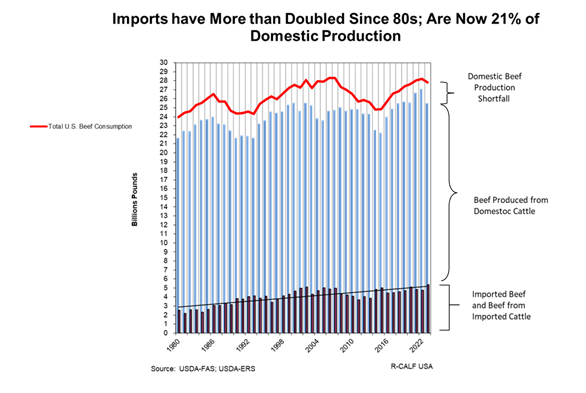
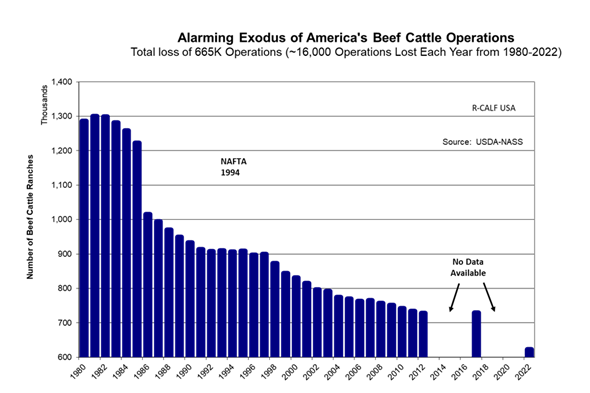
There are two important initiatives underway in Washington, D.C., to help America's cattle farmers and ranchers. One is intended to ensure that mandatory country of origin labeling (MCOOL) for beef is included in the 2024 Farm Bill. The other is to ensure that the Department of Agriculture's (USDA's) new rule that mandates the use of electronic identification (EID) eartags is overturned. Let's discuss both, but first...
Despite all the rhetoric and propaganda to the contrary, there are two separate and distinct industries that comprise the multisegmented beef supply chain. You have the cattle industry, the supplier of live cattle; and you have the beef industry, the buyer of live cattle and manufacturer and seller of beef. These industries sell different kinds of products: The cattle industry sells live cattle, and the beef industry sells beef.
Now, of course, there's an exception and it includes live cattle producers who sell beef directly to consumers by retaining ownership of the animal and the carcass all the way through the beef supply chain. But this is the exception rather than the rule, although we recognize it is a growing segment and we wish that growing segment well.
But back to the general rule where the two industries are separate and distinct. Since one industry sells (the cattle industry) and one industry buys (the beef industry), there is a natural antagonism between the two: the cattle industry wants to sell high, and the beef industry wants to buy low. We have a name for this natural antagonism, we call it competition.
Because we know the economic interests of the two distinct industries are different, it's no surprise that their policy interests are different as well. Here's two examples: MCOOL for beef and mandatory EID eartags for cattle.
Now the beef industry opposes MCOOL while fully supporting mandatory EID eartags. It's kind of funny that their argument about MCOOL is that they don't want the government involved in their business, so they oppose MCOOL. But they do want mandatory EID because they think it's the only way to convince all those cattle producers to comply.
Unsurprisingly, this is the same reason they support the mandatory beef checkoff program...it's a mindset in which they believe that live cattle producers just don't know what's best for them.
Well, cattle producers disagree strongly. They know the only way beef sold in grocery stores will bear a country-of-origin label is if Congress requires that all beef, both imported and domestic, must bear a country-of-origin label. You see, mandatory country of origin labeling is a mandate on the beef industry that sells beef, not on the cattle industry that sells cattle. And, it is the cattle industry and consumers that benefit from such a mandate.
But the EID mandate is a mandate on the cattle industry that benefits the beef industry because the beef industry thinks it can export more beef if every cattle producer is forced to use an EID eartag. This gives the beef industry the ability to claim the beef it sells is traceable. Now there's a value to this "traceable" claim but the beef industry doesn't want to pay cattle producers for this additional value, and so they went to the U.S. Department of Agriculture knowing the agency also wants to mandate the use of EID.
So, what a mess we're in! But there are a few champions in Congress that understand the differences between the cattle and beef industries, and they're willing to help the cattle farmers and ranchers whose political clout pales in comparison to the powerful beef industry.
Here's what our champions are doing:
First, we have Sen. Mike Rounds (R-SD) circulating a bipartisan letter among his colleagues urging them to join in the request to include mandatory country of origin labeling for beef in the 2024 Farm Bill. You can go to the website www.rounds.senate.gov/mcool2024 and see if your two senators are on this important letter. If they are not, please give them a call and urge them to join Sen. Rounds' MCOOL letter.
Second, we have the entire congressional delegation from Wyoming – a state with lots of cattle but no big beef packers, leading a resolution of disapproval that, when passed by Congress and signed by the President, will overturn the USDA's EID eartag mandate. Led by Congresswoman Harriet Hageman and Sens. Cynthia Lummis and John Barrasso (all R-WY), the House version of the resolution has 16 cosponsors. The House resolution is H.J. Res. 167. We urge you to call both your senators and your representative to urge them to support the resolution to overturn USDA's EID eartag mandate.
Commentary by Bill Bullard, CEO, R-CALF USA. Article provided by R-CALF-USA.
NCBA Chief Counsel Mary-Thomas Hart joins to recap the Supreme Court's decision to end Chevron deference.
Each week, Beltway Beef brings you the latest policy news affecting the U.S. cattle and beef industry. Hear from subject-matter experts, producers, and industry leaders on the topics that impact the business viability of farms and ranches across the country as it was provided by the National Cattleman's Beef Association.
On this episode, NCBA Chief Counsel Mary-Thomas Hart joins to recap the Supreme Court's decision to end Chevron deference, a legal concept that granted federal agencies broad latitude to craft regulations without explicit direction from Congress. Over the last 40 years, Chevron has led to Congress ceding authority to federal agencies who institute an increasingly greater number of regulations, including rules that impact cattle producers. Hart provides analysis of the Supreme Court's ruling in Loper Bright Enterprises v. Raimondo, explains how the decision will impact ongoing rulemakings, and describes how Congress' role may change moving forward.
Here is Your Daily Oklahoma Farm and Ranch News Update:
This Week's Oklahoma Drought Monitor Sees Decreases in Some Categories
Lance Zimmerman says Heifer Retention is the Next Step in Stabilizing Cattle Markets
Dangerous Heat Conditions on Tap for this Weekend
Federal Emergency Management Agency Designates 24 Oklahoma Counties as Primary Natural Disaster Areas
Kim Anderson Expects Increases in Wheat Prices to Come
US Hog Numbers in June Up One Percent- But Oklahoma's Herd Drops Five Percent
Pollinators Support Agriculture Profitability
CAB Insider: Packer Margins Back in the Black
This Week's Oklahoma Drought Monitor Sees Decreases in Some Categories
According to the latest Oklahoma drought monitor report, exceptional drought and extreme drought remain at zero percent, unchanged from the start of the calendar year.
Severe drought or worse is now at 1.03 percent, slightly down from last week's 1.20 percent.
Moderate drought or worse is now at 20.48 percent, slightly down from last week's 20.82 percent.
Abnormally dry or worse conditions are now at 52.12 percent, up from last week's 37.17 percent.
Our neighbors in Kansas continue to have more drought covering their state than Oklahoma- 60.8% of Kansas is abnormally dry or worse- up from 55% a week ago. The Moderate Drought or worse status actually improved in Kansas- dropping four percentage points this week versus last to 28%- a year ago- Kansas was suffering 85% in D1 or worse.
Texas also has about one fourth of their state in moderate drought or worse- at 25% this week- a drop from 29% from a week ago.
Oklahoma AgCredit supports rural Oklahoma with reliable and consistent credit, today and tomorrow. We offer loans for land, livestock, equipment, operating costs and country homes (NMLSR #809962) to farmers, ranchers and rural businesses across 60 counties. As a cooperative, we are owned by the members we serve. Through our Patronage Program, we have returned more than $74 million to our members since 1997.
For more information on our services or to find a location near you, visit our website here.
Lance Zimmerman says Heifer Retention is the Next Step in Stabilizing Cattle Markets
In this episode of Beef Buzz, I am visiting with senior beef and cattle market research analyst at Rabo AgriFinance, Lance Zimmerman, about midterm movement in the beef markets. He said that although April and May retail prices were just short of $8 per pound, a record high, beef demand has held up exceptionally well. While higher prices were expected this year, most thought it would be because supplies were going to be down.
Certain aspects of supplies are behaving as expected, slaughter being the main one. From a year-to-date, year and a half to slaughter is down about a percentage point. Beef cow slaughter is down 17% year to date in the weekly data, and total cow and bull slaughter, including dairy cows and bulls, is down similarly at 15% to 16%.
Zimmerman explained how producers have offset those declines with increases in carcass weights, saying, "Although steer carcass weights should be at their seasonal lows, right now, and perhaps they are for the second quarter, they are well above the lows we entered in late January and early February after some of those winter storms, and about 20 pounds plus above where we were a year ago."
The reason weights are higher is because of the spread between the fed cattle market and the current cost to gain in feed yards is incredibly wide. The feed yard has every incentive in the world to keep feeding the cattle they have longer. The opportunity to bring new placements into the feed yards at a guaranteed profit, based on where the futures market is today, is a tough sell. Bringing new placements in this summer and looking to market them later this winter is risky.
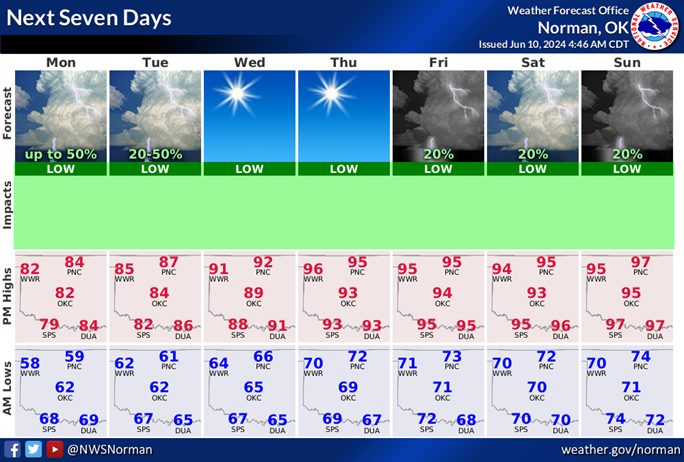
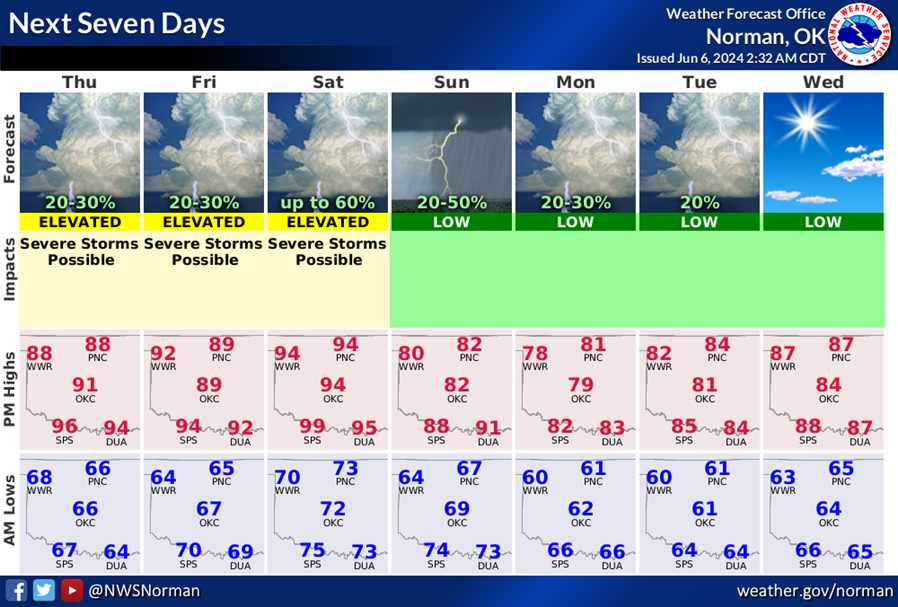
Even though it is summer in Oklahoma, extreme heat has settled in much earlier than we had hoped. According to State Climatologist Gary McManus, "There's a natural order of things in weather and climate that even Mother Nature tends to follow here in Oklahoma. Not always, of course. That's where we get extremes. Extremes, like yesterday, upend the normal order of things and cause problems. We usually get a ramp-up of the heat over June into July that allows some acclimation. Not that there's really too much acclimation to 117 degrees, but when it's suddenly hitting the heat index maps after just a few days of oppressive heat, it's all the more dangerous."
So even while most Oklahomans are used to the summer heat, McManus says extreme this early is not a normal occurrence. McManus said this is an extreme for June, and it is dangerous to the health and safety of Oklahomans. We have already seen excessive heat watches start to pop up across the state, "NWS Tulsa already has part of its region in an Excessive Heat Watch for tomorrow, and expect much of the state to follow suit for Friday."
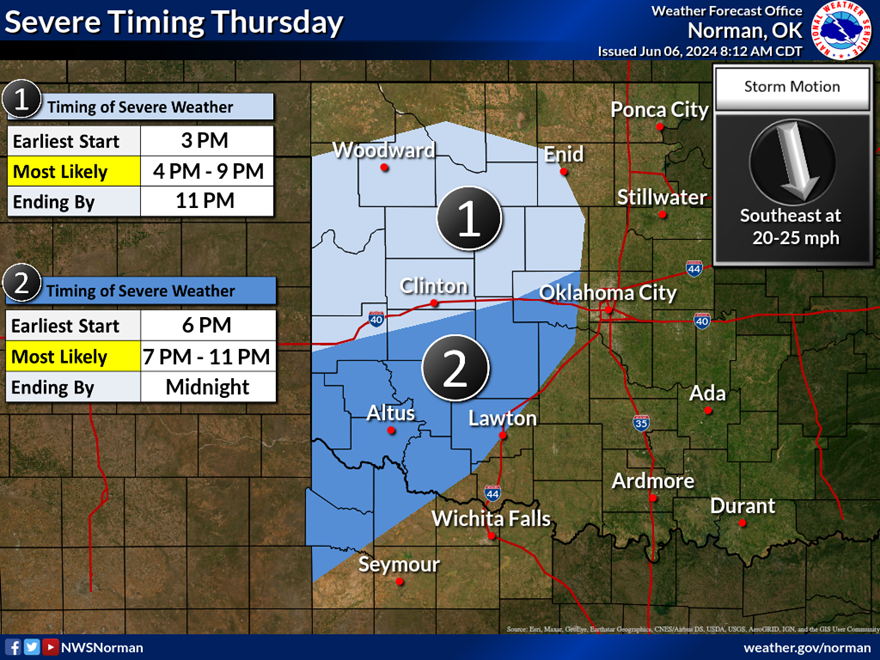
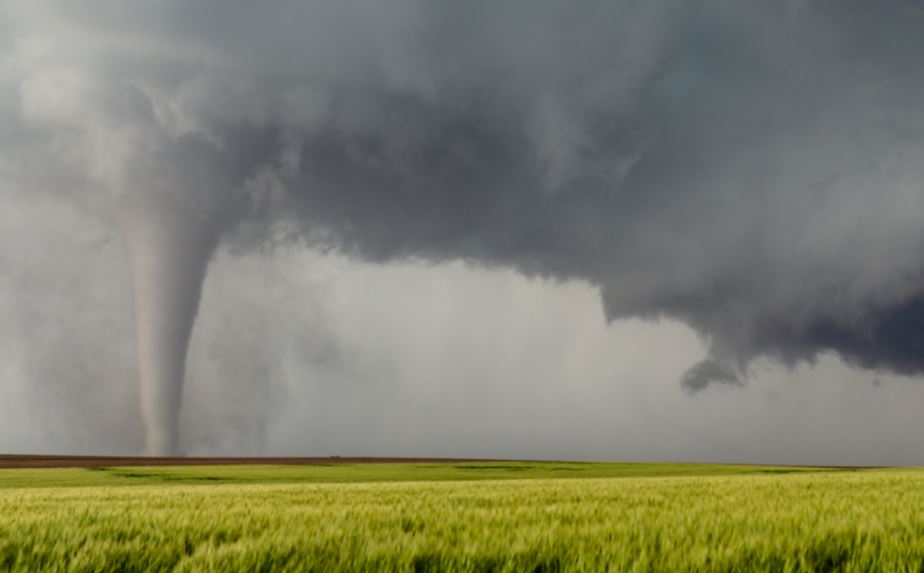
McManus says we may also see some thunderstorms pop up across the state with the possibility of hail and high winds, "All this heat and humidity should continue generating some storms over the next few days..."
For our farmers who have either- always have had cotton on their farms- or those who have more recently have added the fiber crop to their operations- we have a daily report heard on several of our Radio Stations- It's Called Cotton Talk!
Click on the Button below to listen to our most recent report
Federal Emergency Management Agency Designates 24 Oklahoma Counties as Primary Natural Disaster Areas
This Presidential disaster declaration allows the United States Department of Agriculture (USDA) Farm Service Agency (FSA) to extend much-needed emergency credit to producers recovering from natural disasters through emergency loans. Emergency loans can be used to meet various recovery needs including the replacement of essential items such as equipment or livestock, reorganization of a farming operation, or to refinance certain debts. FSA will review the loans based on the extent of losses, security available, and repayment ability.
Impacted Area: Oklahoma
Triggering Disaster: Severe storms, straight-line winds, and tornadoes that occurred on April 24, 2024 and continuing
We invite you to listen to us on great radio stations across the region on the Radio Oklahoma Ag Network weekdays-
if you missed this morning's Farm News - or you are in an area where you can't hear it- click below for this morning's Farm news from Ron Hays and KC Sheperd on RON.
Oklahoma Farm Bureau works to improve the lives of all Oklahomans by supporting our state's agriculture community. As Oklahoma's largest general farm organization led by Oklahoma farmers and ranchers, OKFB takes grassroots values and advocates for agriculture at the state Capitol and in Washington, D.C., to ensure our way of life continues for generations to come. Farm Bureau hosts leadership events, supports our state's agricultural youth and connects consumers with agriculture in order to build a brighter future for our state. Become an OKFB member today online at okfarmbureau.org/join. Together, we are rural Oklahoma.
Kim Anderson Expects Increases in Wheat Prices to Come
This week on SUNUP is Oklahoma State University Extension grain market economist Kim Anderson. During this week's edition, Anderson talks about the latest in the crop markets.
The world wheat market is around 40 to 45 percent complete at this time which speaks for strong production outcomes. Wheat prices could easily see an increase in the coming months. Russia's wheat harvest is down to 2.9 billion bushels from January/February's 3.4 billion which helps out on wheat prices.
Anderson said, "We came in June 1 around $6.65, and we've peaked out around $6.85 in mid-May. Now, at the end of June, we are down to around $5.35, so they've gone down. The average harvest price for Oklahoma is $5.85. That is June, July, and August. We've averaged that since 2009."
Anderson advises wheat producers to have a mechanical strategy and move it in the market over time.
While India harvested a record crop this year, reports indicate a supply problem with wheat. Norway plans to build stocks. Wheat harvest pressure hasn't ended, yet, but market indicators should mean increased wheat prices.
US Hog Numbers in June Up One Percent- But Oklahoma's Herd Drops Five Percent
United States inventory of all hogs and pigs on June 1, 2024, was 74.5 million head. This was up 1% from June 1, 2023, and up slightly from March 1, 2024, USDA NASS reported on Thursday. Click herefor the complete report.
Breeding inventory, at 6.01 million head, was down 3% from last year, and down slightly from the previous quarter.
Oklahoma breeding sow numbers grew by two percent compared to a year ago- with the state now home to 480,000 sows- the sixth largest state in the US in breeding hog numbers. Many of the weaned pigs produced by Oklahoma farmers are shipped north into the corn belt where feed supplies are more plentiful. Total hog numbers in the state as of June first was five percent smaller than June of 2023 at 2.08 million head- making the state the tenth largest total hog inventory state in the US.
Pollinators improve the quality and quantity of farmers' crop yields, adding an estimated $18 billion in crop production revenue annually. While honey bees are the most common commercial pollinator in the U.S., pollinators also include birds, bats, lizards, rodents, moths, butterflies and other insects. Pollinators are vital to pollinating more than 100 commonly grown crops. Additionally, pollinators are crucial elements within healthy and biodiverse ecosystems. However, as significant pollinators are to our ecosystems, their numbers continue to decline.
Pollinator species are at risk because of a variety of factors including a changing climate, pesticides, pathogens and land use change. With funding from a number USDA's National Institute of Food and Agriculture programs including both competitive and capacity programs, Land-grant Universities across the nation are working together to improve habitats and protect pollinators.
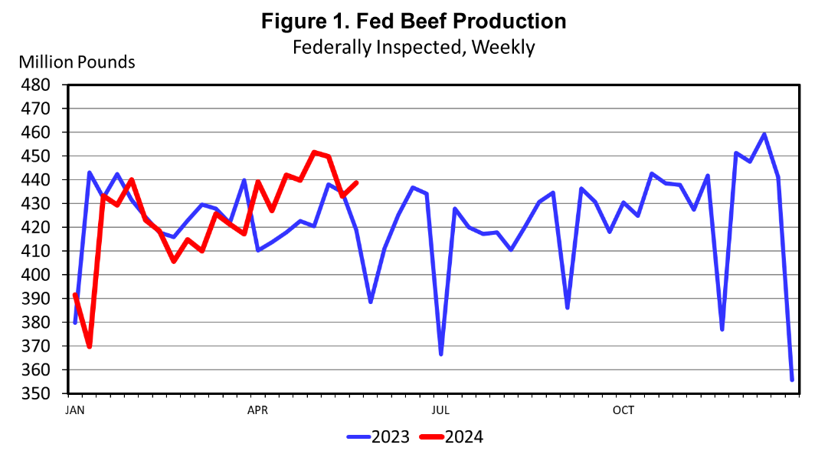
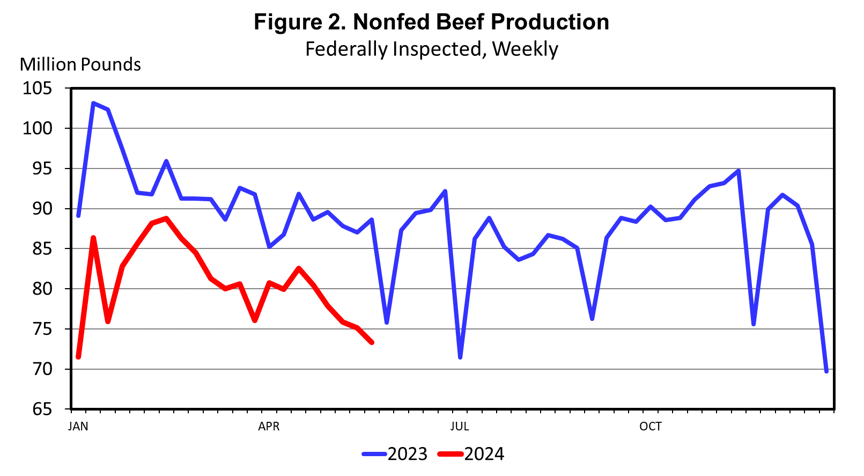
Last week's federally inspected cattle harvest came in a bit larger at 620,000 head, the largest sum since the week of April 29. June, however, tends to be one of the largest harvest months of the year so this uptick is within seasonal expectations.
Analyst estimates of packer margins are indicating returns in the general range of plus $20/cwt. in recent days. This is a good sign for the supply chain, regardless of sector, given the importance of profitability to incentivize throughput with record-heavy carcass weights.
Fed cattle prices have been exciting lately as Nebraska and Iowa prices have topped the market in the $199/cwt. range on a live basis over the past two weeks. This level is a feature of a region that's running short on market-ready cattle supply.
OKC West is our Market Links Sponsor- they sell cattle three days a week- Cows on Mondays, Stockers on Tuesday and Feeders on Wednesday- Call 405-262-8800 to learn more.
Today's First Look:
Ron on RON Markets as heard on K101
mornings with cash and futures reviewed- includes where the Cash Cattle market stands, the latest Feeder Cattle Markets Etc.
Each afternoon we are posting a recap of that day's markets as analyzed by Justin Lewis of KIS futures - click below for the latest update on the Livestock and Grain Futures Trade..
Daily Oklahoma Cash Grain Prices- as reported by the Oklahoma Dept. of Agriculture- The report available after the close of the Futures Trade for that day.
Ron Hays, Senior Farm/Ranch Broadcaster and Editor
KC Sheperd, Farm Director and Editor
Dave Lanning, Markets and Production
Reagan Calk, Farm News and Email Editor
Pam Arterburn, Calendar and Template Manager
Podcasts From Oklahoma Farm Report and More
Two of our regular reports are also podcasts that you can subscribe to- Our daily Farm and Ranch News with KC Sheperd- available here on the Apple Podcast Platform
The second is our daily Beef Buzz with Ron Hays- available here on the Apple Podcast Platform
Periodically- we offer interviews on our Ag Perspectives Podcast series- this podcast is available here.
Ron has also has a series of podcasts from interviews with newsmakers at the Cattlemen's Congress- Click here or you can find them on your favorite Podcast platform- look for them by searching for Cattlemen's Congress Conversations.
We are making plans to jump back into regular installments of what has been called the Road to Rural Prosperity- a new name and fresh content is in the works- for now- click on the blue button below for one of our favorites that is a timeless classic.
For your convenience, we have our sponsors' websites linked here- just click on their name to jump to their website- check their sites out and let these folks know you appreciate the support of this daily email, as their sponsorship helps us keep this arriving in your inbox on a regular basis- at NO Charge!
We invite you to check out our website at the link below too that includes an archive of these daily emails, audio reports and top farm news story links from around the globe.
Officials from the Office of the U.S. Trade Representative hammered arguments made by Mexican representatives this week during oral arguments over Mexico's ban on imports of genetically modified corn used in some food products.
The ban was issued in early 2023. USTR filed a dispute settlement under the U.S.-Mexico-Canada Agreement over the issue in August of that year after the National Corn Growers Association (NCGA) and state corn groups spent months pushing for action.
"The science overwhelmingly shows that genetically modified corn is safe for consumers and does not harm native plants," said Minnesota farmer and NCGA President Harold Wolle. "U.S. officials did an excellent job of making their case, and more importantly they successfully argued that the Mexican government does not have the scientific evidence to support its actions or claims."
During the hearing, which was held on Wednesday and Thursday in Mexico City, U.S. officials made several convincing arguments, according to Wolle, including that Mexico did not conduct a risk assessment to support its claims and the documentation they provided was over 20 years old and lacked scientific rigor. They also argued that Mexico's regulatory agencies have previously determined that genetically modified corn is safe for use and this abrupt deviation from those determinations is a way to restrict trade and target imports.
The panel hearing the case is expected to render a decision toward the end of November.
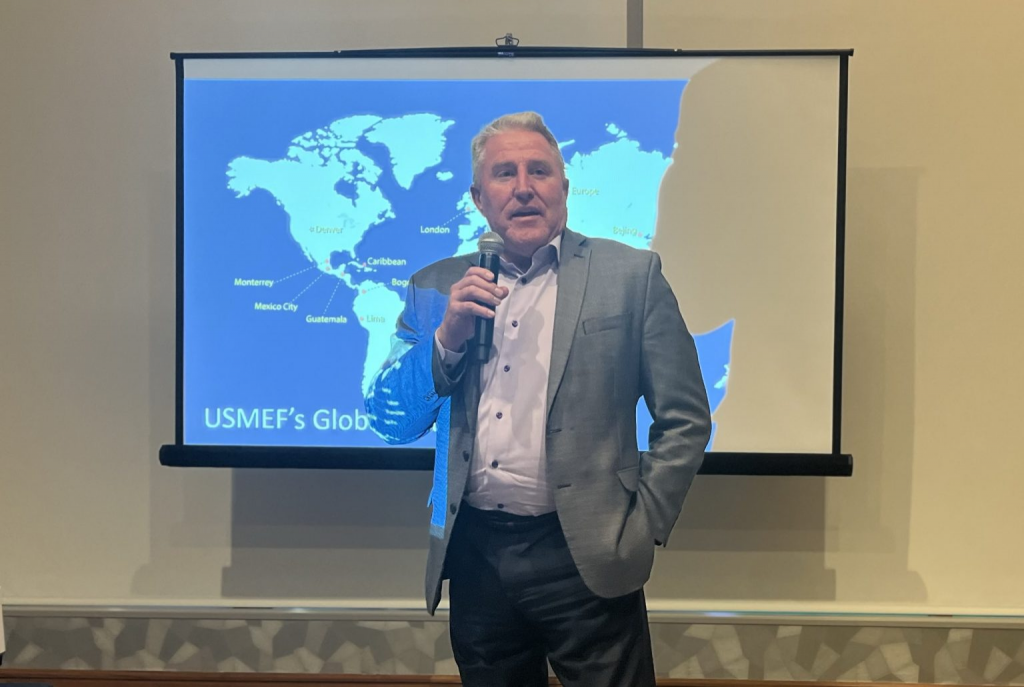
USMEF President and CEO Dan Halstrom speaks at the inaugural l U.S. Red Meat Symposium in Mexico City.
With U.S. red meat exports reaching record levels in Mexico, the U.S. Meat Export Federation (USMEF) held the inaugural U.S. Red Meat Symposium in Mexico City June 13-14 to examine its economic and political climate, highlight the market's continued growth potential and explore emerging opportunities for U.S. red meat. USMEF Chair Randy Spronk and Secretary/Treasurer Dave Bruntz participated, along with key USMEF staff from Mexico and the Denver headquarters, to emphasize the industry's commitment to this critical market.
"Mexico is a very important customer for us, especially with its potential for undervalued cuts," says Spronk. "The turnout for this symposium was outstanding, we even had to limit the number of importers who could attend. I expect it will become a recurring event for the industry."
An important component of the symposium was the face-to-face networking opportunities for U.S. suppliers and Mexican importers, including product displays and samplings. Also featured were influential speakers who offered assessments on U.S.-Mexico trade relations, Mexico's agricultural production and digital trends in the meat industry.
"There's uncertainty on exporters' minds related to the recent presidential election, while importers were asking about our cattle cycle," says USMEF President and CEO Dan Halstrom. "But mostly, buyers and sellers were talking about demand. Some may see Mexico as a mature market, but it is still a growing market. As reflected by the market tours, presentations and trade discussions these past two days, there are new and emerging opportunities here for our products."
Jonn Slette, the director of USDA's Agricultural Trade Office in Mexico City, also sees Mexico as a growth market.
"I would say that Mexico is still a developing market. Over 60% of Mexicans are still at or below the poverty line and as they move into the middle class, that's where our growth is going to be," says Slette.
Funding support for the symposium was provided by the National Pork Board, the Beef Checkoff Program, Indiana Soybean Alliance, Wisconsin Soybean Marketing Board, Nebraska Beef Council and USDA's Market Access Program.
Listen to Ron Hays talk with Lance Zimmerman about consumer attitudes towards beef.
Rabobank's senior beef analyst, Lance Zimmerman, talked in depth with Oklahoma Farm Report's Ron Hays about consumers and their attitudes towards beef. Overall, he says that the consumer is "hanging in there" despite current financial stressors and concerns about the future.
"When we look at the consumer, I always like to remind producers that demand has two elements to it. One, is what their expectation is for the future," Zimmerman explained. "What we've seen play out over the last eighteen months – even as we've seen heightened geopolitical risks, sky-high inflation, and challenges with interest rates – is when you look at the consumer sentiment data, they show that the consumer said, 'Our situation is okay today. It's not great. It's not dire. It's just okay."
He went on to say how the consumer's concerns for the future have been the "looming cloud" over demand discussion for some time. The consumer is keeping their personal finances in order proving they are stressd, but he consumer seems to realize that although they are worried, they aren't helplessly sinking, so in essence, they are treading water.
"I think that is why beef demand has been so good," Zimmerman added. "Consumers told us time and time again, as long as their income situation doesn't change, even if beef prices keep going up, they are going to continue buying beef."
Retailers are helping to keep the margins between pork and poultry and beef on a narrower spread because although pork and poultry prices have come down considerably, their retail prices haven't. While the competitive price margin is still there, consumers seem to think that premium beef prices are still worth it.
"When the consumer is looking at restaurant prices that keep ratcheting higher, because restaurants can't hide higher labor prices in their menu items to near the extent that retail can in the meat case, the consumer transitions from buying beef products at restaurants, and instead, buys at retail," Zimmerman explained. "We are getting a lot of competition at the retail level this grilling season to maintain foot traffic of those consumers and put beef in feature ads. That is good news for the beef producer today."
Cyclically, the U.S. consumer hands more of their dollars all the way back to the cow/calf producer. Those dollars transition from the packer, to the feedyard, to the stocker background, or ultimately to the cow/calf man. That transition was seen this past winter.
"Costs are still pretty high for a lot of producers, but they are getting more reasonable. Grain stocks are ample. We are in a period of time right now, where I think producers can have confidence that good margins are ahead of them," Zimmerman added. "We don't have an abundance of pond water and stream water across a lot of major cow/calf country, but pastures have been green so far. If Mother Nature will help us out, there's going to be a real opportunity to rebuild the cow herd over the next several years."
Zimmerman noted that the consumer still loves the product being produced, and while there is still a little concern about recession risks, it is becoming less as time goes on. He projects that beef prices will keep getting higher and the cattle market will continue to be very strong into the fourth quarter of this year. He is hopeful that in 2025, increased heifer retention will provide the next leg of support for the beef market.
The Beef Buzz is a regular feature heard on radio stations around the region on the Radio Oklahoma Ag Network and is a regular audio feature found on this website as well. Click on the LISTEN BAR for today's show and check out our archives for older Beef Buzz shows covering the gamut of the beef cattle industry today.
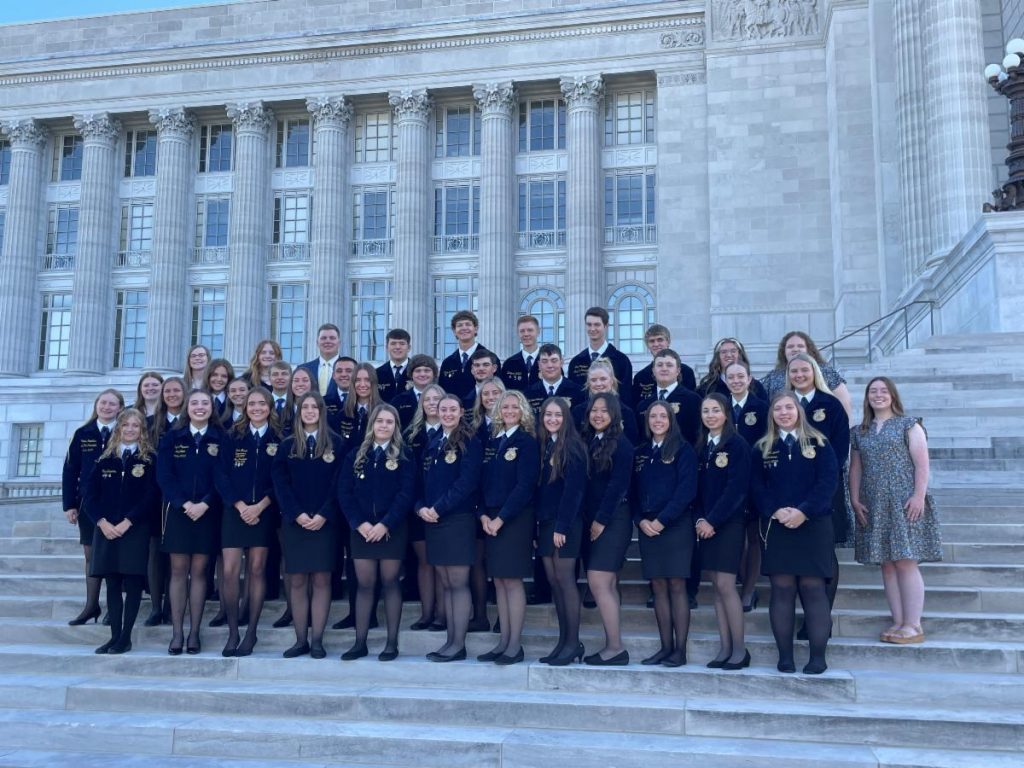
Thirty high school seniors from across Missouri completed the tenth annual Helping Youth Prepare for Excellence (HYPE) FFA Academy June 25-27 in Jefferson City, Mo. Sponsored by the Missouri Corn Merchandising Council, the three-day academy is designed to inform and empower agriculture students to effectively engage in issues impacting today's industry.
Thirty high school seniors from across Missouri completed the tenth annual Helping Youth Prepare for Excellence (HYPE) FFA Academy June 25-27 in Jefferson City, Mo. Sponsored by the Missouri Corn Merchandising Council, the three-day academy is designed to inform and empower agriculture students to effectively engage in issues impacting today's industry.
"When we look to the future, preparing the next generation of young leaders is vital to our success," notes MCMC Chairman Matt Lambert. "These talented students and their ability to share firsthand agriculture experiences can help shape the discussions on issues important to our way of life. We are confident HYPE FFA Academy graduates will be a strong voice for our industry as they continue to hone their skills and work toward their careers."
Students learned how to effectively talk about their experiences in farming, overcome obstacles, and develop their communication and personal skills. Learning sessions included advocacy training, communication basics, and social media outreach. Students hear from farmers, industry representatives, and social media influencers on how to effectively advocate on issues. The group also toured the Missouri Soybean Center for Innovation to learn more about the advancements and research being done on behalf of farmers.
Wrapping up the academy, participants put their skills into action during mock legislative hearings at the Missouri State Capitol. Students presented key issues to Missouri Sen. Mike Bernskoetter and Reps. Willard Haley, Kent Haden, Jim Schulte, Emily Weber, Peggy McGaugh, and Bridget Walsh Moore. Students also had the chance to meet with Missouri Director of Agriculture Chris Chinn.
"This academy provides our members with the skills and confidence to grow their advocacy on behalf of agriculture," notes Missouri FFA State Advisor Keith Dietzschold. "As seniors, these students have the opportunity to not only share what they've gained with their home chapter, but also reach a much broader audience as they head to college and future careers. We are grateful for Missouri Corn's investment in these young leaders and look forward to sending these new advocates out to share agriculture's voice."
The Missouri Corn Merchandising Council is an organization of corn growers dedicated to developing and expanding corn markets, educating growers and customers, and exploring new research opportunities. Learn more at www.mocorn.org. The National FFA Organization makes a positive difference in the lives of students by developing their potential for premier leadership, personal growth, and career success through agricultural education. Learn more about the HYPE Academy by contacting Missouri Corn Associate Director of Communications Hilary Black at (573) 893-4181 or hblack@mocorn.org.
The Agricultural Retailers Association (ARA) President & CEO Daren Coppock released a statement following the U.S. Supreme Court's decision in "Loper Bright Enterprises v. Raimondo" to reverse the Chevron defense.
"For the past 40 years, the Chevron doctrine has provided an opportunity for federal regulatory agencies to expand their regulations beyond the intent of Congress. If Congress was not specific in limiting an agency's authority in statute, Chevron provided deference to the agency in interpreting its own authorizing statute.
"This decision from the Supreme Court is important because it will require an agency to have specific statutory authority in order to submit private citizens or businesses to a regulatory requirement.
"We are proud to have been part of the amicus brief filed last year requesting the Supreme Court to consider this case. For our member companies who operate under these regulations, the clarity and certainty that result from this change are very valuable."
Today, the National Cattlemen's Beef Association (NCBA) welcomed the Supreme Court's decision in the case Loper Bright Enterprises v. Raimondo—a decision that reins in the legal concept of Chevron deference and reduces overreaching regulations from federal agencies that lack congressional authority.
"Our elected officials in Congress should be making our laws, not unelected bureaucrats at federal agencies," said NCBA President Mark Eisele, a Wyoming cattle rancher. "Cattle producers have experienced numerous instances of federal agencies enacting overreaching regulations on our farms and ranches, exceeding their authority granted by Congress. I am glad the Supreme Court is reining in these federal agencies and putting power back in the hands of those elected to represent us in Washington."
While the case of Loper Bright Enterprises v. Raimondo does not directly involve cattle production, the case challenged a legal concept known as Chevron deference, which gives federal agencies the authority to interpret statues they consider vague. Chevron deference takes its name from the Supreme Court case Chevron U.S.A., Inc. v. Natural Resources Defense Council where the court decided that as long as Congress has not directly spoken on an issue and legal statutes are open to interpretation, courts should defer to federal agencies. Federal agencies have frequently used Chevron deference to implement a number of regulations without specific legislation being passed by Congress.
"In the last four decades, Congress has ceded authority to unelected federal bureaucrats who make the regulations that impact farmers and ranchers every day," said NCBA Chief Counsel Mary-Thomas Hart. "Long-term, this decision will impact almost every regulation that NCBA has worked on. The decision puts Congress back in the driver's seat for crafting policy, reins in the administrative state, and strengthens accountability by ensuring that the people we elect are the ones crafting our nation's laws."
NCBA previously joined other national agricultural and business organizations in submitting an amicus brief to the Supreme Court arguing for the overruling of Chevron deference.
As fair season approaches, it's important to remember that biosecurity is critical, especially at locations where the public interfaces with animals, such as shows, agritourism sites, and petting zoos.
Although these venues offer a highly valuable educational opportunity and better understanding of agriculture for both participants and spectators, disease risk from animal to animal and animal to humans still exists. Animal owners and event managers have the opportunity to enhance biosecurity and protect both animal and human health while still showcasing animal agriculture.
In a 2007 study by Thunes, involving the 2005 California State Fair, 137 exhibitors were surveyed. Exhibitors showed all livestock species and represented 40 of 58 California counties. Results indicated that biosecurity precautions were minimal, with 7% of respondents indicating that they did not follow any precautions prior to exhibiting, and 10% reporting there were no major precautions during the event. For all species, the most common guidelines followed were no equipment sharing and no direct physical contact with other animals. Only 26% of respondents reported quarantining after the event. 97% of respondents returned their animals to their home premises. Although these results are several years old, they remain a good reminder that improvement is often needed for show related biosecurity.
Biosecurity plans for public livestock venues contain the major elements of most other types of plans, but may also include additional considerations depending on the location of the venues, species present, activities conducted, and types of people involved. Biosecurity measures and plans should be customized and event specific.
Plans should be developed by venue management with significant veterinary input following disease risk assessment. Plans should be practiced and evaluated during the course of an event and reviewed at least annually.
During events, biosecurity should be a primary focus. Show management and the event veterinarian must define animal health requirements. Consultation with public and animal health officials is advised to ensure minimum requirements are included. Pre-arrival expectations should be well promoted and published.
Care should be taken to avoid commingling of groups of animals in common areas such as inspection/weighing stations, wash racks, and tie outs without appropriate cleaning and disinfection.
Additionally, exhibitors and caretakers are advised to limit their exposure to only their specific livestock. Equipment and supplies, especially water buckets and feed pans, should not be shared between groups of animals.
Shows and fairs are exciting times, and it is recognized that livestock owners may forget, or not fully follow recommended biosecurity practices due to their familiarity with their animals and focus on the event itself.
This group may also inadvertently take part in risk associated behavior such as eating, drinking, or sleeping near their livestock or skipping daily biosecurity routines due to intense event schedules. Each member of the team must commit to and exercise practices outlined in the biosecurity plan.
All individuals, including animal owners, at public livestock venues are at some level of zoonotic disease risk or physical injury. Other major groups to consider when developing biosecurity measures include: event personnel and the public.
A particular focus for event management should concentrate on segments of the population in high-risk groups including: young children, pregnant individuals, and those with compromised immune systems. All groups should receive education and training on biosecurity risks and preventative practices. Working together, we can provide a safe, quality experience and educate the next generation of livestock owners and the public.
Share the story of how conservation is fundamental to your farm operation and you could be recognized with a Conservation Legacy Award. This honor celebrates U.S. soybean growers who are maximizing the profitability and longevity of their farm through a variety of conservation-minded management practices. Examples include but are not limited to cover crops; reduced tillage; nutrient management; irrigation management; diversified crop rotations; buffer implementation; terraces and waterways; precision agriculture and consumer engagement.
All U.S. soybean farmers are eligible to apply. Entries are judged on soil, water, input and environmental management, conservation and sustainability.
The selection process for these awards is divided into four regions: Midwest, Upper Midwest, Northeast and South. A farmer from each of these regions will be recognized as a Regional Conservation Legacy Award winner at the 2025 Commodity Classic in Denver, CO, and one of those four will be named the 2025 National Conservation Legacy Award recipient.
Regional Conservation Legacy Award winners receive:
An expense-paid trip for two to Commodity Classic Feb. 28-March 4, 2025, in Denver.
Recognition at the ASA Awards Celebration at Commodity Classic.
A feature story on their farm promoted to agriculture media outlets.
Video produced at their farm showcasing their unique conservation practices.
The Conservation Legacy Awards are sponsored by the American Soybean Association, BASF, Bayer, Nutrien, the United Soybean Board/Soy Checkoff and Valent U.S.A.
Applications must be submitted by Aug. 15, 2024.
To apply, fill out the form here. To nominate someone else for the award, please fill out this form.
The Agricultural Retailers Association (ARA) President & CEO Daren Coppock released a statement following the U.S. Supreme Court's decision in "Loper Bright Enterprises v. Raimondo" to reverse the Chevron defense.
"For the past 40 years, the Chevron doctrine has provided an opportunity for federal regulatory agencies to expand their regulations beyond the intent of Congress. If Congress was not specific in limiting an agency's authority in statute, Chevron provided deference to the agency in interpreting its own authorizing statute.
"This decision from the Supreme Court is important because it will require an agency to have specific statutory authority in order to submit private citizens or businesses to a regulatory requirement.
"We are proud to have been part of the amicus brief filed last year requesting the Supreme Court to consider this case. For our member companies who operate under these regulations, the clarity and certainty that result from this change are very valuable."
Oklahoma, a state deeply intertwined with the oil and gas industry, relies on this sector to clothe, feed, house, and support both businesses and taxpayers. The push against Environmental, Social, and Governance (ESG) issues has become a pivotal debate, particularly for states like Oklahoma, where traditional industries form the backbone of the economy. It is crucial to understand the negative impacts that ESG initiatives can have on critical sectors such as electricity, agriculture, and banking, while emphasizing the importance of data transparency and responsible media.
Oklahoma's energy sector, primarily driven by oil and gas, ensures a reliable and affordable supply of electricity. The push for ESG compliance often demands a rapid shift to renewable energy sources, which, while possibly beneficial in the long run, can lead to instability and increased costs in the short term. Fossil fuels currently provide a stable energy base, and a hasty transition could jeopardize energy reliability, leading to higher electricity costs and potential shortages. By fighting against stringent ESG mandates, Oklahoma and the entire United States can maintain energy security and protect its citizens from the volatility of energy transitions.
Agriculture is another cornerstone of Oklahoma's economy, and ESG policies aimed at reducing carbon footprints can have unintended consequences for this sector too. Farmers rely on affordable energy and fertilizer to produce and distribute food. Stricter environmental regulations can increase operational costs, leading to higher food prices, lower yields and reduced food security. Ensuring that ESG policies do not devastate the agriculture is essential to keep food affordable and accessible for all Americans.
The commercial banking sector has seen a trend towards de-banking companies that do not align with certain ESG criteria. This practice can have severe consequences for Oklahoma industries, limiting their access to capital and financial services. By resisting policies that lead to de-banking, Oklahoma can safeguard its key industries from financial exclusion and ensure that businesses have the necessary resources to thrive. Maintaining a non-bias financial system is critical for economic stability and growth.
For the Office of the State Treasurer, financial transparency is fundamental in strengthening decision-making and accountability. Providing clear, accessible, and accurate financial data allows for better oversight and informed decision-making. Transparency helps build trust with taxpayers and ensures that public funds are managed effectively. By improving the value, quality, and availability of financial data, the state can make more strategic investments and policy decisions that benefit all Oklahomans.
The media plays a crucial role in shaping public perception and policy debates. Responsible and non-bias journalism is essential to provide an honest view of ESG issues and their impacts. Sensationalism and biased reporting can mislead the public and drive unwarranted fears or unrealistic expectations. Authentic news sources that present comprehensive and nuanced information are vital for fostering an informed and engaged citizenry. The media must strive to cover ESG issues with integrity, ensuring that all perspectives are considered and accurately represented.
Fighting against ESG issues does not mean ignoring environmental, social, and governance concerns. Instead, it involves advocating for a balanced approach that considers the value and unique economic landscape of states like Oklahoma. By prioritizing energy reliability, food security, financial inclusion, data transparency, and responsible media practices, Oklahoma can protect its economic foundation while letting the free market deliver more sustainable practices instead of political activist putting their finger on the scales.
Oklahoma's prosperity depends on a thoughtful and pragmatic approach to ESG issues. Ensuring that policies are tailored to the state's specific needs and challenges will safeguard the well-being of businesses and taxpayers alike. Let's commit to a future where Oklahoma remains a leader in energy and agriculture, while also embracing transparency and responsible governance, ensuring a stable and prosperous economy for generations to come.
Listen to Ron Hays talk with Mike Schulte about the latest work of the Oklahoma Wheat Commission.
Senior Farm and Ranch Broadcaster Ron Hays is talking with the Oklahoma Wheat Commission's Mike Schulte about working with influencers to promote Oklahoma's wheat and upcoming events relating to Oklahoma's wheat industry.
"We have had a busy spring at the Oklahoma Wheat Commission in conjunction with our variety trials across the state," Schulte said. "We did at the Oklahoma Academy of Registered Dieticians Annual Spring Meeting in April have a producer panel that consisted of agricultural producers as well as some of our research scientists at Oklahoma State University discussing the wheat industry and soil health initiatives that we focus on with our research and development programs."
At the Registered Dieticians seminar, Schulte said influencers had the chance to learn more about how Oklahoma's farmers produce a healthy and safe product for consumers. Schulte said attendees also learned about the health benefits of wheat regarding high fiber and high antioxidants in new varieties.
"We also have been working in conjunction with the Family and Consumer Science Leaders of America teachers and culinary instructors with career tech, taking them on farm tours and showing some of the things we are working on with our variety development program and in flour usage of products that are made with OSU wheat varieties, which is at Chisolm Trail Milling in Enid as well as Shawnee Mills in Shawnee, Oklahoma," Schulte said.
Schulte also talked about the 4-H Parent Volunteer Conference and Pre-Conference which was held at OSU's Food and Agricultural Products Center (FAPC). The goal of the workshop was to better prepare parents, volunteers, and Extension staff to engage and retain youth in the 4-H youth development effort.
"We do have the Junior Wheat Show Competition visual portion of the competition that is going to be taking place at the Payne County Fairgrounds on July 17th," Schulte said. "If you want to look at the rules for that and if 4-H and FFA students want to submit their ten-pound samples you can go to the Oklahoma Wheat Commission website at okwheat.org under the Outreach and Education tab to see the Junior Wheat Show rules of what is required to send those samples in for the judging of the visual competition."
After the visual portion of the competition, Schulte said samples are taken to OSU's FAPC for milling and baking analysis, and then the final awards will be given out on December 4th at the Junior Wheat Show Banquet. Schulte added there will be over $15,000 worth of scholarships available for the top five entrees on the 4-H and FFA sides.
"It really gives students a plethora of opportunities to see that maybe they don't have to be in the field only growing the wheat and that there are other career opportunities that exist in agriculture," Schulte said.
American Farm Bureau Federation President Zippy Duvall commented today on USDA's announcement that the department will compensate dairy farmers for 90% of the value of milk production lost due to highly pathogenic avian influenza. AFBF requested support for impacted dairy farmers and met several times with USDA officials to discuss the potential parameters of such a program.
"We appreciate that USDA listened when we requested this type of support for dairy farmers whose herds are affected by HPAI. While America's dairy farmers are working to rapidly increase biosecurity on their farms to prevent the spread of the virus, this assistance will help farmers recover in the event of an outbreak. Ultimately, it will also help ensure the continued safety and affordability of our nation's milk supply."
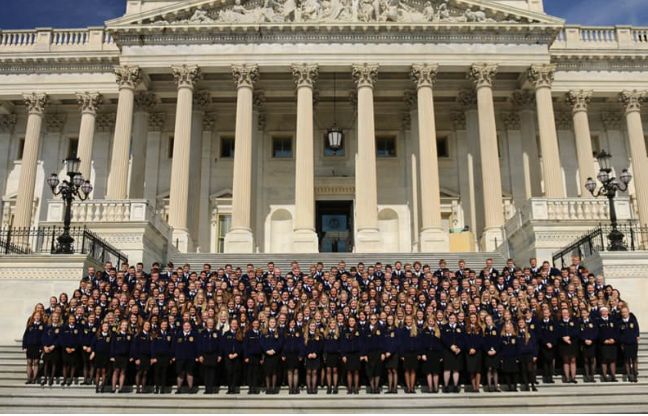
During June, three outstanding members of the Alva FFA Chapter were given the opportunity to travel to Washington D.C. for the Washington Leadership Conference. WLC is a conference for incoming senior FFA members across that nation that inspires members to become change makers in their community throughout one of the six weeks of the conference.
Jansen Shirley and Brady Lott attended WLC June 9-17, and agriculture instructor and FFA advisor Adam Lloyd also attended as a sponsor this week. Avery McMurphy attended June 16-24. During this week, FFA members visited several iconic American monuments, Arlington National Cemetery, the U.S. Capitol, along with various museums. They also were given the chance to speak with one of Oklahoma's U.S. Senators.
This is what Avery McMurphy had to say about her experience in Washington D.C.: "Attending the Washington Leadership Conference in Washington D.C. for a week was an incredible experience. We started by developing our capabilities to be effective change makers and learned strategies to bring these qualities back to our hometown chapters. The conference also included visits to several iconic monuments and a trip to the Capitol, providing a powerful visual representation of change makers throughout history. This experience not only enhanced our leadership skills, but also inspired is to make a meaningful impact in our communities." Brady Lott had a similar view of WLC saying, "I would highly recommend WLC to anyone. It was one of the fastest weeks of my like and it was so enjoyable."
WLC puts a strong focus on bringing back skills and inspiration for the betterment of member's local communities. Jansen Shirley stated, "During WLC we started a community service plan and went in depth on how to accomplish our goals within the plan." WLC is a great way for our local FFA and community leaders to get excited for a new year and gain the skills that will help them in their current life, and in the rest of their future.
United States inventory of all hogs and pigs on June 1, 2024, was 74.5 million head. This was up 1% from June 1, 2023, and up slightly from March 1, 2024, USDA NASS reported on Thursday. Click here for the complete report.
Breeding inventory, at 6.01 million head, was down 3% from last year, and down slightly from the previous quarter.
Market hog inventory, at 68.5 million head, was up 2% from last year, and up slightly from last quarter.
The March-May 2024 pig crop, at 34.0 million head, was up 2% from 2023. Sows farrowing during this period totaled 2.94 million head, up slightly from 2023. The sows farrowed during this quarter represented 49% of the breeding herd. The average pigs saved per litter was 11.56 for the March-May period, compared to 11.36 last year.
Oklahoma breeding sow numbers grew by two percent compared to a year ago- with the state now home to 480,000 sows- the sixth largest state in the US in breeding hog numbers. Many of the weaned pigs produced by Oklahoma farmers are shipped north into the corn belt where feed supplies are more plentiful. Total hog numbers in the state as of June first was five percent smaller than June of 2023 at 2.08 million head- making the state the tenth largest total hog inventory state in the US.
Iowa is the easily the largest pork producing state in the US- with 24.6 million head- three percent more than a year ago. Iowa is also the largest breeding sow state but saw a ten percent drop in sow numbers in this report to 820,000 sows as of June first.
United States hog producers intend to have 2.96 million sows farrow during the June-August 2024 quarter, down 3% from the actual farrowings during the same period one year earlier, and down 4% from the same period two years earlier. Intended farrowings for September-November 2024, at 2.94 million sows, are down 1% from the same period one year earlier, and down 5% from the same period two years earlier.
Listen to Kim Anderson talk about the latest in the crop markets on OSU's SUNUP.
This week on SUNUP is Oklahoma State University Extension grain market economist Kim Anderson. During this week's edition, Anderson talks about the latest in the crop markets.
The world wheat market is around 40 to 45 percent complete at this time which speaks for strong production outcomes. Wheat prices could easily see an increase in the coming months. Russia's wheat harvest is down to 2.9 billion bushels from January/February's 3.4 billion which helps out on wheat prices.
Anderson said, "We came in June 1 around $6.65, and we've peaked out around $6.85 in mid-May. Now, at the end of June, we are down to around $5.35, so they've gone down. The average harvest price for Oklahoma is $5.85. That is June, July, and August. We've averaged that since 2009."
Anderson advises wheat producers to have a mechanical strategy and move it in the market over time.
While India harvested a record crop this year, reports indicate a supply problem with wheat. Norway plans to build stocks. Wheat harvest pressure hasn't ended, yet, but market indicators should mean increased wheat prices.
Wes Lee, OSU Extension Mesonet agricultural coordinator, shows how the lack of rainfall is impacting soil moisture. State climatologist Gary McManus says drought is expanding.
Ryan DeSantis, OSU Extension forestry specialist, says though firewood for our homes may be the furthest thing from our minds during the summer, now is the best time to prepare for winter.
Darren Scott, OSU food scientist, explains the usefulness of scales in the kitchen.
Kim Anderson, OSU Extension grain marketing specialist, discusses the recent, strange movements in the crop markets.
New Holland, a brand of CNH (NYSE: CNH), and Bluewhite, a leading autonomous technology company enabling AI-driven autonomous farming, announced today a multi-phase partnership to collaborate on distribution, manufacturing and integration of Bluewhite's autonomous solutions for New Holland tractors in North America. This partnership will enable New Holland tractors to operate fully autonomously in orchards, vineyards and other specialty crop operations.
"Bluewhite has proven to be the leader in terms of implementing autonomy in the specialty crops space, a market in great demand for this type of innovation. The integration of Bluewhite into our technology stack allows our customers to access much-needed autonomous technology in an attainable aftermarket solution," said Carlo Lambro, Brand President of New Holland.
"With our leadership position in specialty crops, the partnership with Bluewhite complements our mission to continue to better serve our customers, elevate their capabilities and bring more autonomy to their operations," said Lambro.
Bluewhite, formerly Blue White Robotics, drives the growth of resilient farms by bringing sustainable autonomous innovation to permanent crop growers worldwide. The company's AI-driven autonomous farm solution leverages AI, sensor fusion, advanced vehicle integration and precision implements control to help growers manage their fleets and data -- and, ultimately, produce more with less.
Bluewhite works with over 20 leading permanent crop growers, enabling autonomous farming on multiple crops and tractor models across 150,000 acres in the U.S. Founded in 2017 by Ben Alfi, Yair Shahar and Aviram Shmueli, Bluewhite is headquartered in Tel Aviv with offices in Fresno, California.
"We're incredibly excited about collaborating with CNH and New Holland to accelerate the adoption of autonomous technologies in the field that not only improve productivity and profitability for growers but also promote safe and sustainable methods of producing food," said Ben Alfi, Chief Executive Officer, Bluewhite.
"Our long-term partnership with CNH and New Holland combining leading autonomous technology with the best tractors and harvesters in the orchards and vineyards sector is a milestone in achieving our mission of making cutting-edge innovation accessible to the agriculture sector. We have an exciting journey ahead of us and we look forward to working with partners like CNH and New Holland to continue bringing value to our customers and growers everywhere," said Alfi.
The proven capabilities of Bluewhite in orchards and vineyards bolsters New Holland's strategy to bring autonomous solutions across all segments it serves, especially in the specialty crop market. Building on its parent company CNH's acquisitions of Raven, Augmenta, and Hemisphere, which are driving New Holland's autonomy offerings for row crop and broad acre farmers, Bluewhite's unique technology helps New Holland customers address immediate challenges, such as labor shortages and rising operational costs in the specialty crop market.
Depending on the specific use case, Bluewhite technology has proven to reduce operational costs by up to 85% through a combination of savings in inputs, labor and maintenance costs.
"With this tech, we're not only helping address the financial aspect of an operation by freeing up an operator to tackle other tasks; we're alleviating some of the biggest pain points growers contend with every day that slow them down during the most critical times in the growing season," stated Paul Welbig, precision product marketing director for New Holland Agriculture North America. "When a grower is hard-pressed to secure labor or schedules don't align, a difference in hours or a day can significantly set an operation back financially and agronomically. This technology brings relief to those situations."
This strategic partnership includes a three-phase, multi-year initiative that advances the development and integration of Bluewhite technology across the New Holland portfolio. Beginning immediately, select New Holland dealers in the western U.S. have the rights to sell, distribute and service Bluewhites's aftermarket kits for existing New Holland tractors.
Order writing will begin in summer 2024, with future regional and global expansion to come to ensure broader New Holland customer access. New Holland and Bluewhite are also exploring future possibilities for factory-installed solutions.
Physical loss loans through the United States Department of Agriculture's (USDA) Farm Service Agency (FSA) can help producers repair or replace damaged or destroyed physical property essential to the success of the agricultural operation, including livestock losses. Examples of property commonly affected include essential farm buildings, fixtures to real estate, equipment, livestock, perennial crops, fruit and nut bearing trees, and harvested or stored crops and hay.
Impacted Area: Arkansas
Triggering Disaster, 1: Excessive rain, flash flooding, high winds, and lightning that occurred April 25, 2024 through April 29, 2024
Application Deadline: February 7, 2025
Primary Counties Eligible: Benton, Carroll, Franklin, Madison, White
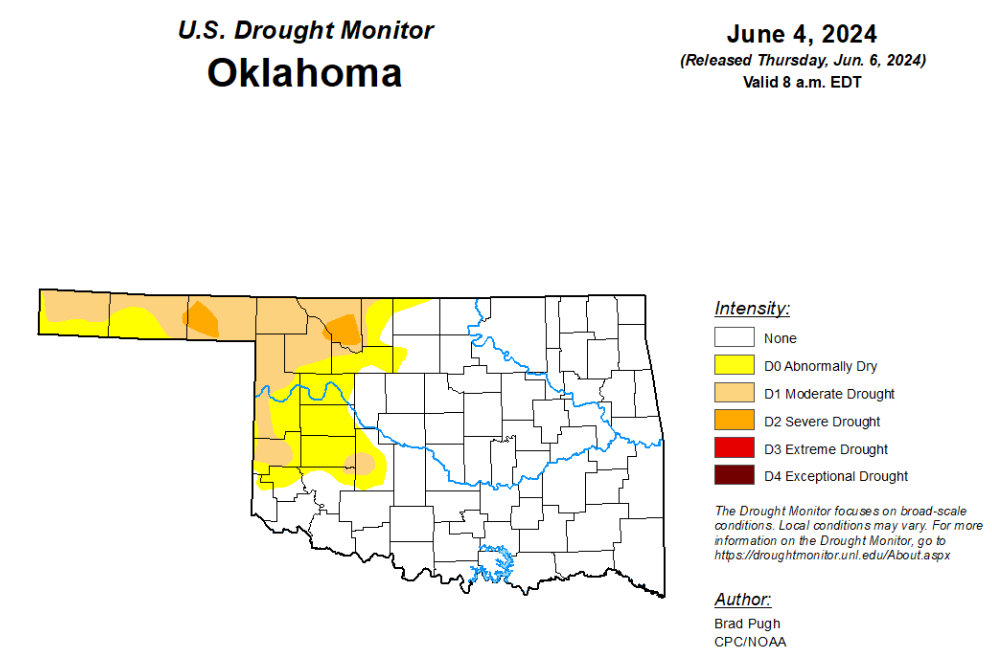
To view the latest Oklahoma drought map, CLICK HERE.
According to the latest Oklahoma drought monitor report, exceptional drought and extreme drought remain at zero percent, unchanged from the start of the calendar year.
Severe drought or worse is now at 1.03 percent, slightly down from last week's 1.20 percent.
Moderate drought or worse is now at 20.48 percent, slightly down from last week's 20.82 percent.
Abnormally dry or worse conditions are now at 52.12 percent, up from last week's 37.17 percent.
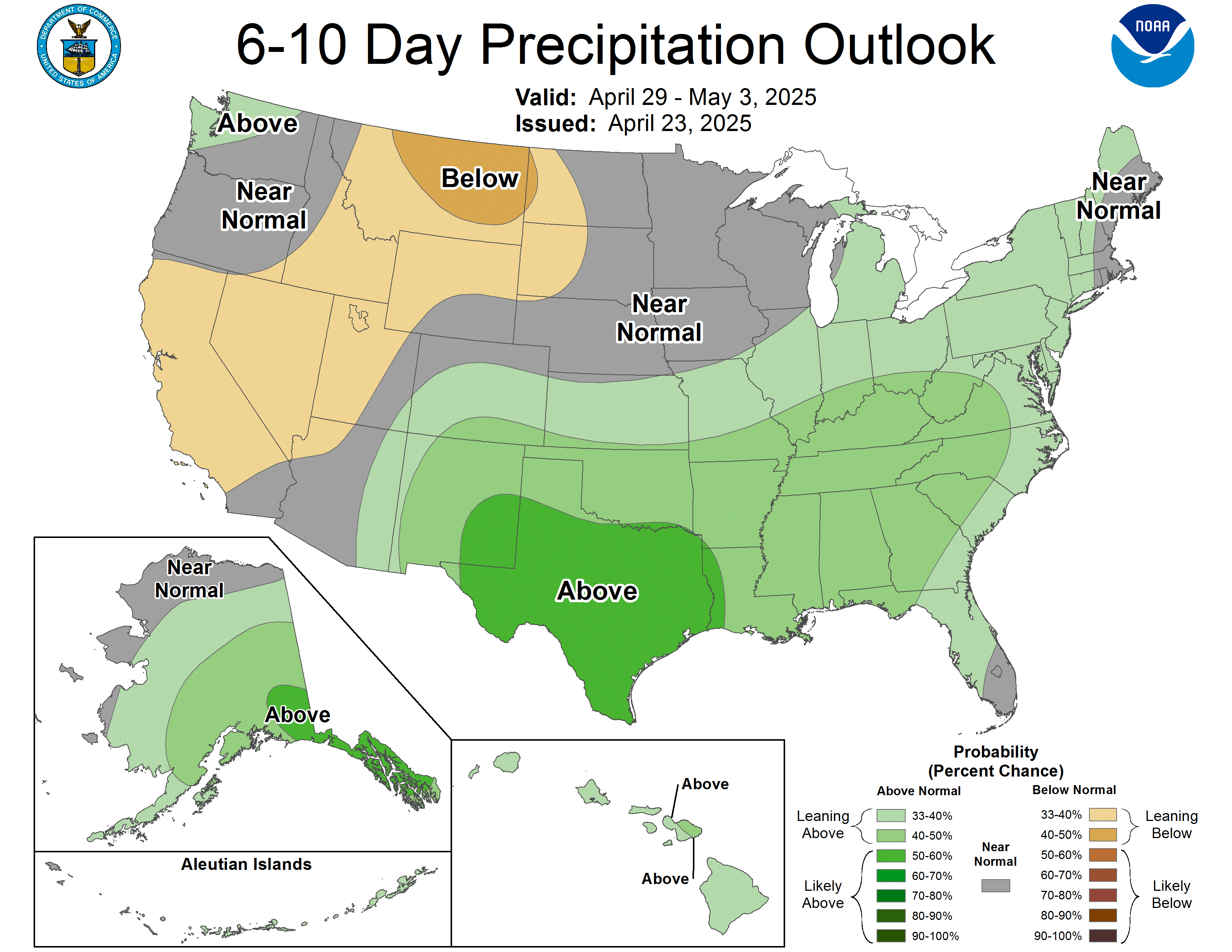
According to the 6-to-10-day precipitation outlook map, the majority of the state aside from the panhandle and the southeast corner is near normal chances of precipitation through July 6th. The panhandle is leaning above a 33 to 40% chance of precipitation through July 6th, while the extreme southeast corner is leaning below a 40 to 50 percent chance of precipitation through that July 6th date.
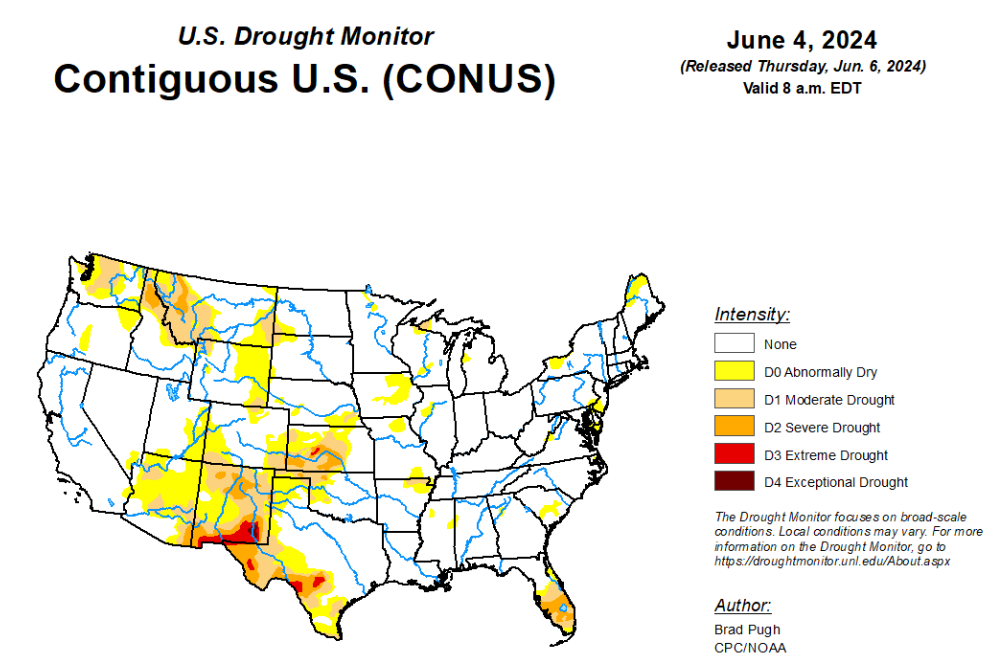
To view the United States Drought Map, CLICK HERE.
According to the latest U.S. Drought Monitor, Much of the eastern contiguous U.S. (CONUS), south of the Great Lakes, received little to no rainfall, and this is on top of several weeks of below normal rainfall leading up to last week. In addition, temperatures have remained hot for many locations. This combination of antecedent dryness, much below normal rainfall, and hot temperatures has resulted in rapidly deteriorating conditions, particularly across the Ohio Valley, Mid-Atlantic, and Southeast, with large increases in abnormally dry (D0) and moderate drought (D1) conditions. Conversely, southern Texas, the Four Corners region, and the Upper Midwest and Northern Plains experienced several rounds of heavy rainfall. Some locations across southern Texas (associated with Tropical Storm Alberto) and the north-central CONUS received well in excess of 5 inches of rainfall that led to flash and river flooding, as well as improvements to drought conditions. Some localized flooding also occurred in portions of the Four Corners region, associated with a surge of tropical moisture from the remnants of Tropical Storm Alberto that came ashore in northern Mexico late last week. Across much of the western CONUS, conditions are starting to dry out a bit, particularly in the Pacific Northwest and northern Rockies. In Alaska, moderate drought was introduced in the eastern interior Mainland, where warm and dry weather continues, elevating fire concerns. In Hawaii, trade winds are lacking moisture resulting in below normal rainfall across the islands and the widespread expansion of abnormal dryness. Puerto Rico continues to remain drought-free.
In the Southern Plains, the passage of Tropical Storm Alberto in northern Mexico resulted in a large influx of moisture into southern Texas, with widespread 5 inch rainfall totals (locally upwards of 8 inches for some locations). This heavy rainfall caused localized flash flooding and resulted in large improvements to soil moisture. However, leading up to last week, southern Texas was experiencing abnormally dry and moderate drought conditions, so despite some large improvements (2-category improvements in some cases), some parts of southern Texas remain abnormally dry given the rainfall deficits leading up to Alberto's landfall. Heavy rainfall also fell across portions of the Oklahoma Panhandle, with several locations receiving in excess of 5 inches of rain, warranting some targeted 2-category improvements to the drought depiction there as well. Elsewhere in the Southern region, conditions are rapidly deteriorating, as rainfall has been lacking entirely over the past few weeks for many locations. Persistent heat has exacerbated the ongoing dryness, leading to degradations across parts of the Tennessee and Lower Mississippi Valleys, western Texas, and northern Oklahoma. Following a very wet May, the last few weeks have been very dry across eastern Texas and this area will need to be monitored in the coming weeks if warmer than normal temperatures persist.
The High Plains region experienced a mixture of both deteriorating and improving drought conditions last week, which has predominantly been the case over at least the last month. High pressure over the eastern U.S. and an active storm track across the northern tier of the lower 48 states have been able to funnel moisture northward over the past few weeks, but precipitation has been hit-and-miss from week to week. However, last week was a little different from prior weeks, as some of the moisture from Tropical Storm Alberto was funneled northward into the Four Corners region and then into the Central and Northern Plains. Southeastern South Dakota received in excess of 5 inch rainfall surpluses for the week leading to flooding along the Missouri River and some of its tributaries. Heavy rain also fell across parts of southeastern Colorado and southwestern Kansas last week, associated with the surge of moisture from Alberto, leading to some targeted improvements to the drought depiction in those areas as well. Elsewhere in the High Plains region, targeted degradations are warranted due to antecedent dryness, below normal weekly precipitation, and predominantly above normal temperatures (with the exception of northern Montana and the Dakotas).
In the West, a surge of moisture from Tropical Storm Alberto led to widespread, localized heavy rainfall across portions of the Four Corners region, leading to localized flash flooding and targeted drought improvements across Arizona, New Mexico, and southeastern Colorado. Conversely, targeted degradations are warranted across parts of the interior Pacific Northwest and northern Rockies, where warm and dry weather prevailed. Elsewhere in the West, conditions are largely drying out, but the influx of tropical moisture from Alberto has helped to stall the progression of the dryness a bit for many locations.
Looking ahead, during the next five days (June 27 - July 1), a couple of storm systems and trailing frontal boundaries are forecast to bring periods of rainfall to portions of the eastern U.S. These storm systems are likely to usher in some cooler than normal air behind them, particularly across the northern tier of the lower 48 states. Temperatures are expected to remain predominantly warmer than normal across the southern tier of the U.S., with excessive heat also possible across the Gulf Coast states.
The Climate Prediction Center's 6-10 day outlook (valid July 2 - 6), favors enhanced chances of above average temperatures across the southern two-thirds of the lower 48 states and near to below normal chances across the northern tier states. Near to below normal temperatures are also favored in the Desert Southwest, due to the increased potential for above normal precipitation. Below normal precipitation is favored across parts of California and Nevada, and across the southeastern U.S. Increased above normal precipitation chances are favored elsewhere across the lower 48 states, with the highest chances across portions of the Southwest and Midwest.
To view the 6-10 Day Precipitation Outlook Map, click here.
To view the 6-10 Day Temperature Outlook Map, click here.
To view the Monthly Drought Outlook Map, click here.
Here is Your Daily Oklahoma Farm and Ranch News Update:
Cost of Summer Cookout Reaches Record High
NCBA's Ethan Lane Sees USDA's Packers and Stockyards Rule as an Attack on Producer Profitability
Michael Kelsey Offers Legislative Session and June Primary Review- AND Previews the 72nd Annual Convention of the OCA
OSU Agriculture names 2024 Distinguished Alumni
NAWG President Keeff Felty Provides Testimony for Senate Agriculture Subcommittee on Drought Issues
The Value of Reputation with OSU's Kellie Raper
NCGA Joins Other Organizations in Filing Latest Lawsuit Challenging Administration's Vehicle Mandates
Last Call to Get BQA'd in Woodward on Friday
Cost of Summer Cookout Reaches Record High
Families celebrating the 4th of July holiday will continue to find stubbornly high prices at the grocery store. An Independence Day cookout will cost $71.22 for 10 guests this year, based on the 2024 American Farm Bureau Federation annual marketbasket survey.
The grocery bill is up 5% from 2023, and almost 30% from just five years ago. A $7.12 per-person cost represents a record high since AFBF began the survey in 2013. The cookout favorites include cheeseburgers, chicken breasts, pork chops, homemade potato salad, strawberries and ice cream, among other products.
"Higher prices at the grocery store reflect a number of challenges facing America's families. Lower availability of some cookout staples and inflation are hitting people in their wallets," said AFBF Chief Economist Roger Cryan. "Farmers are also feeling the effects of high prices. They're price takers, not price makers. Their share of the retail food dollar is just 15%, but they still pay elevated fuel, fertilizer and other supply prices."
The marketbasket survey shows a year-to-year double-digit increase in the cost of beef and lemonade, while there are drops in the cost of chicken breasts and potato salad.
Dating back to 1891, Stillwater Milling Company has been supplying ranchers with the highest quality feeds made from the highest quality ingredients. Their full line of A & M Feeds can be delivered direct to your farm, found at their Agri-Center stores in Stillwater, Davis, Claremore and Perry or at more than 125 dealers in Oklahoma, Arkansas, Kansas and Texas. We appreciate Stillwater Milling Company's long time support of the Radio Oklahoma Ag Network and we encourage you to click here to learn more about their products and services.
NCBA's Ethan Lane Sees USDA's Packers and Stockyards Rule as an Attack on Producer Profitability
As NCBA reviews this new rule from USDA page by page, Lane said it appears that the rule seeks to define unfair practices under the Packers and Stockyards Act.
"When you read through the rule and the preamble, it is an incredibly vague rulemaking that essentially says anything that differentiates product for cattle producers based on price, on quality, on innovation is unfair and uncompetitive and could be open for challenge under this new rule," Lane said. "Without question, this is an attack on producer profitability. This is intended to do away with the idea of producers being able to seek additional premiums on their cows and seek profit on their cattle based on changes they make to their production practices."
Lane said the new rule aims to eliminate premiums and lock in uniform prices throughout the industry.
"We are still reading through the rule, but the way this is written, the broad approach that is taken here absolutely would bring, in our opinion, anything that looks like differentiating your product in the marketplace would be called into question under these rules," Lane said.
Michael Kelsey Offers Legislative Session and June Primary Review- AND Previews the 72nd Annual Convention of the OCA
In our latest Ag Perspectives Podcast- It's a wide-ranging conversation I had with the Executive Vice President of the OCA, Michael Kelsey...
The conversation starts by talking about the 2024 Oklahoma legislative session- offering a good time to review it all now that the dust has settled from all the crazy things that happened at the capitol in 2024. We discuss tax policy, the poultry bill, anti-animal ag groups at the capitol, the legacy efforts of two term limited leaders- both in the House and the Senate and more. Then, we moved on to the give and take between the Governor and the Legislature over a board position that needs to be filled for the A&M Regents and then got into the June primary election results- and how several state Senate races are going to change the dynamic of the State Senate in the next session in 2025. Michael also offered his thoughts on the U.S. House races here in 2024 and how they matter to Oklahoma agriculture and the cattle industry- and even reviewed what the Corporation Commission will look like in the new year, too.
Part two of the conversation was all about the 72nd annual meeting of the Oklahoma Cattlemen's Association that is coming up July 19 and 20 at the Embassy Suites in Norman. Michael got into the convention theme in depth- talking about why the concept of Legacy is so important to the cattle business at this time.
For our farmers who have either- always have had cotton on their farms- or those who have more recently have added the fiber crop to their operations- we have a daily report heard on several of our Radio Stations- It's Called Cotton Talk!
Click on the Button below to listen to our most recent report
Jami Longacre, Ed Moydell, Mary and Rob Shuey, and Carl Thoma are recipients of the 2024 Distinguished Alumni Award. The honorees will be officially recognized during the OSU Agriculture Honors ceremony on Oct. 11.
"These individuals have impacted the Ferguson College of Agriculture and contributed to their communities, the state and the university through their careers," said Jayson Lusk, vice president and dean of OSU Agriculture. "We are honored to present these alumni with such an esteemed award."
Established in 1983, the Distinguished Alumni Award recognizes individuals whose accomplishments serve as a model for current and future Ferguson College of Agriculture students.
"These honorees are committed to serving their industries daily through their words and actions," said Cynda Clary, associate dean for the Ferguson College of Agriculture. "Our college and its students are fortunate to have these role models as examples of impactful service and excellence."
We invite you to listen to us on great radio stations across the region on the Radio Oklahoma Ag Network weekdays-
if you missed this morning's Farm News - or you are in an area where you can't hear it- click below for this morning's Farm news from Ron Hays and KC Sheperd on RON.
As the premier John Deere dealer across Oklahoma & Arkansas, P&K Equipment is proud to serve our 20 communities and the surrounding areas. From residential, small ag & hay, large ag, & compact construction equipment- the P&K team makes it easy to buy & own your John Deere equipment. You'll find transparent pricing & easy financing options on the website & in stores. You'll have technology, sales, parts, and service support long after the sale. So when you're ready to experience the ease of operating John Deere equipment- you can trust the experts at P&K Equipment.
NAWG President Keeff Felty Provides Testimony for Senate Agriculture Subcommittee on Drought
Yesterday, The National Association of Wheat Growers' (NAWG) President Keeff Felty provided written testimony for the record for the Senate Agriculture Subcommittee on Conservation, Climate, Forestry, and Natural Resources during the "Hearing on the High Plains: Combating Drought with Innovation" field hearing in Burlington, CO.
"NAWG appreciates the opportunity to submit written testimony for the record expressing the concerns of wheat growers within the High Plains and Western regions. It is vital that we collectively come together to discuss innovation and methods to combat drought and maintain a strong and successful agriculture industry."
Felty emphasized NAWG's number one farm bill policy priority, protecting crop insurance. NAWG recommends strengthening crop insurance by increasing premium support for higher levels of crop insurance coverage and improving the Supplemental Coverage Option by increasing premium support and expanding coverage.
On today's Cow-Calf Corner, Kellie Curry Raper, Oklahoma State University Extension Livestock Marketing Specialist in the Department of Agricultural Economics writes about reputation when buying and selling cattle.
"Reputation cattle" is a term you'll hear often when cattle prices are discussed. In a survey of Oklahoma cattle buyers, 64% said that seller reputation played a part in their last feeder calf purchasing decision (Boline 2016). What is "reputation" in the cattle market? How do you build it? And what is it worth?
What is it?
Reputation has several puzzle pieces that come together to create the whole picture. The biggest puzzle piece is how cattle perform for the buyer. If a buyer has a positive experience with a seller's cattle, that buyer is more likely to raise a hand to bid the next time that seller's cattle come through the ring and may be willing to pay a premium for those cattle. That seller is building a positive reputation with the buyer – and other buyers – for cattle performance. If the calves were a train wreck, trust that buyers have a very long memory. Cattle performance encompasses a lot of things, including gains, health, and handling ease to name a few – and different cattle buyers will value certain attributes more than others.
NCGA Joins Other Organizations in Filing Latest Lawsuit Challenging Administration's Vehicle Mandates
The National Corn Growers Association (NCGA) and the Texas Corn Producers Association(TCPA), along with other groups, filed a lawsuit today in the Fifth Circuit Court of Appeals challenging the National Highway Traffic Safety Administration Corporate Average Fuel Economy standard for model year 2027-2032 passenger cars and light-duty trucks.
The CAFE rule mandates stringent new standards that appear designed to phase out liquid fuel-powered vehicles. Today's filing follows two recent lawsuits led by NCGA, the American Farm Bureau Federation, the American Petroleum Institute and auto dealerships challenging the EPA's light-duty and heavy-duty vehicle rulemakings.
"Once again, we have a federal agency trying to force a one-size-fits-all solution on the American consumer through the final NHTSA CAFE rule and fuel efficiency standard, which favors electric vehicles," said Minnesota farmer and National Corn Growers Association President Harold Wolle. "Because ethanol effectively lowers greenhouse gas emissions and combats climate change, it accounts for one-third of corn growers' demand. We are concerned that NHTSA could be putting the country on the path to eliminating this demand, which would be a major financial blow to corn growers."
Beef Quality Assurance (BQA) certification is an easy and effective way to pursue continued education in the cattle business. Oklahoma ranchers can become BQA certified, or renew an expired certification, on Friday, June 28, at the Woodward Livestock Auction in Woodward, Okla.
As a nationally coordinated, state-implemented program, BQA offers up-to-date best management strategies with a commitment to quality through every segment of the beef industry.
Registration opens at 1:30 p.m. As guests arrive, they can participate in a meet-and-greet with Alan Bowman from Oklahoma State University (OSU) football. Sessions start with a brief introduction at 2:00 p.m. sharing the history of BQA. Rotations will include: Biosecurity, herd health, cow/calf and stock cattle nutrition, and a meat cutting demonstration.
Attendees will complete the BQA exam at 6:00 p.m. Complete the BQA exam to be entered for a chance to win registration to Feeding Quality Forum, including a one-night hotel stay in Dodge City, Kan., for the event. Other giveaways include a Yeti cooler filled with Certified Angus Beef® steaks. The program concludes with a Certified Angus Beef ® brand dinner and a market update from Paul Dykstra from CAB.
The event will be hosted by CAB and Sysco, along with Woodward Livestock Auction, Oklahoma Beef Council, Oklahoma Cattlemen's Association and OSU Extension.
Let's Check The Markets!
OKC West is our Market Links Sponsor- they sell cattle three days a week- Cows on Mondays, Stockers on Tuesday and Feeders on Wednesday- Call 405-262-8800 to learn more.
Today's First Look:
Ron on RON Markets as heard on K101
mornings with cash and futures reviewed- includes where the Cash Cattle market stands, the latest Feeder Cattle Markets Etc.
OKC West in El Reno had 9,395 head on Tuesday and Wednesday of this week.
According to USDA Market News- Compared to last week: Feeder steers sold 5.00-8.00 higher. Feeder heifer traded fully steady. Demand good. Several large strings of feeder cattle were on offer. Steer and heifer calves that were weaned sold mostly steady. Un weaned or short weaned calves sold with a lower undertone. Demand moderate.
Meanwhile- OKC West Manager Bill Barnhart offers these comments on the OKC West Facebook page: A very nice run of feeder cattle at the auction this week brought stronger prices. As cash trades higher the futures are forced to keep up and were sharply higher today. With 197 fats in the north today the table is set for southern feeders to up the ante. Several nice strings of yearlings were offered today and were met with active demand particularly from northern buyers. Most sales were 2.00-5.00 higher. Due to the July 4th holiday next week we will only have the Monday Cow sale.
Each afternoon we are posting a recap of that day's markets as analyzed by Justin Lewis of KIS futures - click below for the latest update on the Livestock and Grain Futures Trade..
Daily Oklahoma Cash Grain Prices- as reported by the Oklahoma Dept. of Agriculture- The report available after the close of the Futures Trade for that day.
Ron Hays, Senior Farm/Ranch Broadcaster and Editor
KC Sheperd, Farm Director and Editor
Dave Lanning, Markets and Production
Reagan Calk, Farm News and Email Editor
Pam Arterburn, Calendar and Template Manager
Podcasts From Oklahoma Farm Report and More
Two of our regular reports are also podcasts that you can subscribe to- Our daily Farm and Ranch News with KC Sheperd- available here on the Apple Podcast Platform
The second is our daily Beef Buzz with Ron Hays- available here on the Apple Podcast Platform
Periodically- we offer interviews on our Ag Perspectives Podcast series- this podcast is available here.
Ron has also has a series of podcasts from interviews with newsmakers at the Cattlemen's Congress- Click here or you can find them on your favorite Podcast platform- look for them by searching for Cattlemen's Congress Conversations.
We are making plans to jump back into regular installments of what has been called the Road to Rural Prosperity- a new name and fresh content is in the works- for now- click on the blue button below for one of our favorites that is a timeless classic.
For your convenience, we have our sponsors' websites linked here- just click on their name to jump to their website- check their sites out and let these folks know you appreciate the support of this daily email, as their sponsorship helps us keep this arriving in your inbox on a regular basis- at NO Charge!
We invite you to check out our website at the link below too that includes an archive of these daily emails, audio reports and top farm news story links from around the globe.
Listen to Ron Hays talk with Lance Zimmerman about movement in the beef markets.
Senior Farm and Ranch Broadcaster Ron Hays is visiting with senior beef and cattle market research analyst at Rabo AgriFinance, Lance Zimmerman, about midterm movement in the beef markets. He said that although April and May retail prices were just short of $8 per pound, a record high, beef demand has held up exceptionally well. While higher prices were expected this year, most thought it would be because supplies were going to be down.
Certain aspects of supplies are behaving as expected, slaughter being the main one. From a year-to-date, year and a half to slaughter is down about a percentage point. Beef cow slaughter is down 17% year to date in the weekly data, and total cow and bull slaughter, including dairy cows and bulls, is down similarly at 15% to 16%.
Zimmerman explained how producers have offset those declines with increases in carcass weights, saying, "Although steer carcass weights should be at their seasonal lows, right now, and perhaps they are for the second quarter, they are well above the lows we entered in late January and early February after some of those winter storms, and about 20 pounds plus above where we were a year ago."
The reason weights are higher is because of the spread between the fed cattle market and the current cost to gain in feedyards is incredibly wide. The feedyard has every incentive in the world to keep feeding the cattle they have longer. The opportunity to bring new placements into the feedyards at a guaranteed profit, based on where the futures market is today, is a tough sell. Bringing new placements in this summer and looking to market them later this winter is risky.
"The idea is, 'Let's keep feeding the one we have into a profit, rather than bring one in that we have to gamble on a little bit.' So as long as weights stay strong, that's going to keep these supplies elevated," Zimmerman explained. "Then you have to look at the slaughter side of it. So, essentially, when can we get slaughter to decline enough to offset the weight increases that we are seeing."
He believes we are still in a situation where, as he looks at the cattle that are on feed today, there are a substantial number of heifers among them. The situation is similar to the April 1 cattle-on-feed report where the volume of heifers on feed was very similar to the past few years and the percentage of that mix was still very elevated historically. There are more beef on dairy cattle in that mix that are keeping that heifer number perhaps more elevated than in prior history.
"The bottom line is that the cattle that are on feed today represent a population with a cow/calf guy that was still letting go of heifers rather than retaining them," Zimmerman said. "That being said, we are seeing the first big runs of video auction market cattle for the summer. We are starting to see some volume of heifers among those feeder cattle and calf sales on video that are actually a little bit down from a year ago by a couple of percentage points."
By using the video auction markets as a projection to the fall run that the market may start to see a little more heifer retention than has been done over the last five years. Although it may not be enough to lean into a very robust rebuild, Zimmerman is hopeful that it will be enough to get to where, looking at January 1, 2026 cow numbers, he will be able to talk about a herd that is steady to higher.
He said that the first step in gaining heifer retention is to get cow slaughter to stop, which is being seen in the current markets through 17% year-over-year declines in beef cow slaughter. There is a dramatic reduction in liquidation.
The second step is to get producers into a trend of heifer retention in the fall run. The final step is to tighten up on feed supply and fed slaughter. While these changes may not be as robust as what was seen in 2014 and 2015, but it will provide another element of support to the beef markets as they move into the second stage of the later part of the cattle cycle.
An additional offset to the slaughter decreases is stronger imports. Imports year to date are up double-digit percentages. Net beef imports are up over 150% year to date which offsets a lot of the decline in the domestic supply component, enough so that April and May per capita supplies are going to be above a year ago, and year-to-date numbers will be nearly identical to a year ago.
Zimmerman added, "So when you look at these record high beef prices in light of the fact that we have plenty of consumption available for beef due to those supply metrics, it has been a phenomenal year."
The Beef Buzz is a regular feature heard on radio stations around the region on the Radio Oklahoma Ag Network and is a regular audio feature found on this website as well. Click on the LISTEN BAR for today's show and check out our archives for older Beef Buzz shows covering the gamut of the beef cattle industry today.
On July Fourth, the aroma of barbecue will fill the air as the festivities bring together family and friends to celebrate with quintessential American cooking pastimes: grilling and smoking. Food is the biggest staple when it comes to celebrating Independence Day, aside from the fireworks. Whether you're sizzling burgers on the grill or slow-cooking ribs in the smoker, the U.S. Department of Agriculture's (USDA) Food Safety and Inspection Service is urging everyone to take food safety precautions during food preparations.
"Fourth of July is a great time to use the grill and smoker to cook delicious meats and poultry," said Under Secretary for Food Safety Dr. Emilio Esteban. "Whichever method you use, reduce your risk of foodborne illness by using a food thermometer to measure the safe minimum internal temperature, and reduce cross-contamination by using separate utensils for raw and cooked meat and poultry."
Here are grilling and smoking food safety tips to keep in mind during your celebratory cookout:
Thaw meat or poultry first. Smoking uses low temperatures to cook food, and frozen food would take too long to reach a safe internal temperature before bacteria can start to multiply. Frozen foods can be grilled safely, but they will take longer and may cook unevenly.
Marinate in the refrigerator. Marinating tenderizes and flavors meat and poultry before grilling and smoking. Always marinate in the refrigerator and NOT on the counter. If basting meat and poultry during grilling or smoking, and you want to use some of the marinade as a sauce, you should put aside a portion of the marinade that has not been in contact with the raw meat or poultry. If using a marinade that has already been used on raw meat or poultry, boil first to destroy harmful bacteria.
Keep raw meat and poultry separate. Use different cutting boards and utensils for raw meats and poultry and food that is fully cooked or is ready to eat to avoid cross-contamination with bacteria.
Keep the smoker and grill at a safe temperature. If you are using a smoker or grill to smoke meats, you will need two types of thermometers: one for the food to determine safe internal temperature and an oven-safe thermometer to monitor that the air temperature in the smoker or grill stays between 225 and 300 F throughout the cooking process.
Cook meats to a safe internal temperature as measured by a food thermometer.
· Cook all raw beef, pork, lamb and veal steaks, chops, and roasts to a minimum internal temperature of 145 F before removing meat from the heat source. For safety and quality, allow meat to rest for at least three minutes before carving or consuming.
· Cook all raw ground beef, pork, lamb, and veal to an internal temperature of 160 F.
· Cook all poultry to a safe minimum internal temperature of 165 F.
If you have food safety questions, call the USDA Meat and Poultry Hotline at 1-888-MPHotline (1-888-674-6854), email MPHotline@usda.gov or chat live at www.ask.usda.gov 10 a.m. to 6 p.m. Eastern Time, Monday through Friday.
USDA touches the lives of all Americans each day in so many positive ways. In the Biden-Harris Administration, USDA is transforming America's food system with a greater focus on more resilient local and regional food production, fairer markets for all producers, ensuring access to safe, healthy and nutritious food in all communities, building new markets and streams of income for farmers and producers using climate smart food and forestry practices, making historic investments in infrastructure and clean energy capabilities in rural America, and committing to equity across the Department by removing systemic barriers and building a workforce more representative of America. To learn more, visit www.usda.gov.
EXCAVATOR AMS: All-in-one surfactant system, faster nutrient release, reduced tillage, better carbon index score. WATCH Ben Sheaffer Here.
Meristem Crop Performance® today announced EXCAVATOR® AMS, a new, more convenient formulation of EXCAVATOR powered by patented MICROBILIZE™ designed to break down residue and cover crops faster, speed nutrient release, reduce labor and improve the efficacy of herbicide applications. The new formulation includes ammonium sulfate (AMS), making it the first all-in-one surfactant, water conditioner, residue breakdown and nutrient release product.
"We just put our MICROBILIZE Technology on steroids when we put the AMS with it," explained Joe Gednalske, Meristem's Product Development Lead. "And this formulation has a duplicate of our best AQUADRAFT formula, so you are truly getting it all: the best surfactant, water conditioner and the nitrogen to speed decomposition."
Gednalske led Meristem's development of MICROBILIZE™ Technology, and is credited with 41 US and international patents for adjuvants, spray application technology and other crop inputs. He's spent his lifetime helping farmers and applicators hit their target with exactly the right surfactant, drift control and water conditioner and says this new product has three key improvements:
· A more aggressive biological consortium to break down crop residue faster than any other similar product,
· AMS and a non-ionic surfactant to make burndown of weeds and cover crops more effective and more convenient, and
· EXCAVATOR® and AQUADRAFT® PREMIUM in one tote or jug, reducing mixing hassles and opening more space on the spray trailer.
"It's time to fight back and take cost out of your synthetic fertilizer spend by unlocking the plant nutrition you already own," said Mitch Eviston, Meristem Founder and CEO in announcing the new formulation. "Additionally,we are giving the farmer a best-in-class water condition and surfactant system for free and a nitrogen kicker making EXCAVATOR AMS the best residue breakdown product on the market."
In the past five years, one of the fastest growing practices farmers have adopted is residue management with biologicals that pay out in plant nutrition, reduced tillage, improved stands. "Many farmers we work with are seeing $60 to $80 of value an acre by spending less than $15 per acre," Eviston says. "EXCAVATOR AMS is another step-change, allowing all those benefits, plus saving another $2 per acre on adjuvant and nitrogen with this all-in-one product. It's what we're all about—more bushels for less."
Better plant nutrition is why Iowa farmer Kelly Garrett says he has made EXCAVATOR a standard practice in his crop production systems. "After 230 bushel per acre corn, there's over 200 pounds of potassium in that residue and that potassium is so much better than potash you would apply," Garrett, an XtremeAg farmer says. "And the phosphorus you get from that residue is so much better than what you get out of 11-52-0. That's the kind of nutrition that we want for our crops."
Peter Rousonelos, Senior VP of Business Development for Meristem, who coined the phrase "Biology Is Fertility™," wants farmers to understand that investing in EXCAVATOR AMS is investing in better plant nutrition. "It's really a fertilizer spend," he says. "Independent research shows that EXCAVATOR releases 40 to 60 pounds of NPK from residue 45 to 60 days after application." He adds that the formulation with AMS will work even better and be even more convenient to use. "We know our farmer customers want to go fast," he smiles. "With EXCAVATOR AMS, they can go even faster."
Josh McClain, farmer and owner/operator of Firebolt Ag near Norton, Kansas, is an example. He sees Meristem's products going hand in hand with sequestering carbon and bringing farmers a win-win: improved ROI and a better carbon score. "Reducing tillage is a quick way to qualify every acre, and it pays out extremely well in the carbon industry," says McClain. "So, if a farmer uses EXCAVATOR® AMS and cuts out a tillage pass, that offsets the cost of that product plus amps up their bottom line." WATCH Josh McClain here
"Take $30 to $50 out of your fertilizer budget and use it to ignite this 'biology-is-fertility' system," urges Rousonelos. "You will improve your ROI (return on investment), and an added benefit is how it meshes with the regenerative agriculture approach already approved by many who are buying carbon credits from farmers." Rousonelos offers a step-by-step plan for "more bushels for less:"
Take Out Cost and Make The Most of Nutrients You Already Own.
"Timely unlock and make available to the growing crop valuable pounds of NPK bound up in crop residue and cover crops with EXCAVATOR® AMS, powered by MICROBILIZE™. You can save fuel and labor with one less tillage pass. This stuff works."
Manage Nitrogen for Just-in-time Delivery.
"Meristem's MAINTAIN™ ELITE captures and maintains more nitrogen in the upper root zone, increasing nitrogen uptake and utilization by the plant and N-GEAR™ DUAL-ACTION provides the same benefits paired with the additional protection of nitrogen from volatility loss."
Boost the Plant's Focus on Building Massive Root Systems.
"At planting, use REVLINE® HOPPER THROTTLE™, powered by ETHER™ Enzyme Technology, to deliver active, lively microbes to build massive root structures and boost nutrient availability. Growers that have liquid systems on the planter should use UPSHIFT® C liquid fertilizer concentrate to dramatically reduce the cost compared to traditional starters and jumpstart biologicals that make nutrients available."
While Meristem's "Biology Is Fertility" approach is drawing favor from many who are boosting their carbon sequestration and adopting more regenerative agriculture concepts at field level, Meristem Founder Mitch Eviston says the mission remains clear: helping farmers raise more bushels for less.
"We know our high-yield farmers are facing headwinds in the coming year and we're doing everything we can to help them take out costs and still swing for the fences," he says.
Meristem Crop Performance Group, LLC (www.MeristemAg.com) is one of the fastest-growing crop input companies in America. Meristem sources, formulates, licenses, and delivers high-quality crop inputs to farmers at a price point empowering them to gain real productivity by increasing yields and lowering their per unit production cost. Meristem is building a highly efficient channel to bring crop inputs to market, reducing waste and accelerating access to farm-ready innovations, such as their patented BioCapsule Technology™ and Microbilize Technology™ biological delivery systems. For more information, visit www.MeristemAg.com or follow Meristem Crop Performance onTwitter,Facebook,LinkedIn, andYouTube.
This Presidential disaster declaration allows the United States Department of Agriculture (USDA) Farm Service Agency (FSA) to extend much-needed emergency credit to producers recovering from natural disasters through emergency loans. Emergency loans can be used to meet various recovery needs including the replacement of essential items such as equipment or livestock, reorganization of a farming operation, or to refinance certain debts. FSA will review the loans based on the extent of losses, security available, and repayment ability.
Impacted Area: Oklahoma
Triggering Disaster: Severe storms, straight-line winds, and tornadoes that occurred on April 24, 2024 and continuing
Even though it is Summer in Oklahoma, extreme heat has settled in much earlier than we had hoped. According to State Climatologist Gary McManus, "There's a natural order of things in weather and climate that even Mother Nature tends to follow here in Oklahoma. Not always, of course. That's where we get extremes. Extremes, like yesterday, upend the normal order of things and cause problems. We usually get a ramp-up of the heat over June into July that allows some acclimation. Not that there's really too much acclimation to 117 degrees, but when it's suddenly hitting the heat index maps after just a few days of oppressive heat, it's all the more dangerous."
So even while most Oklahomans are used to the Summer heat, McManus says extreme this early is not a normal occurrence. McManus said this is an extreme for June, and its dangerous to the health and safety of Oklahomans. We have already seen excessive heat watches start to pop up across the state, "NWS Tulsa already has part of its region in an Excessive Heat Watch for tomorrow, and expect much of the state to follow suit for Friday."
McManus says we may also see some thunderstorms pop up across the state with the possibility of hail and high winds, "All this heat and humidity should continue generating some storms over the next few days, with severe weather a possibility later this afternoon into tonight. Chances for severe weather are highest across northern Oklahoma, but anywhere in the shaded regions have the possibility for that to occur. So stay weather-aware today."
McManus says the rain over the past few days May help stave off some areas of the state that are starting to see flash drought, "Notice that D1 stayed about the same with around 20% of the state in moderate drought (D1). And in good news, the heavy rains in the Panhandle relieved much of the drought pressure in that area."
Right now, McManus said statewide high temperatures have been about 5 degrees above normal over the last week or so (dark color) and that the "Normal" early June Maximum heat index isn't the same as the late June maximum heat index. But adding in the humidity is nearly doubling that anomaly (orange color).
The U.S. Department of Agriculture (USDA) will begin accepting applications starting on Monday, July 1 through its updated Emergency Assistance for Livestock, Honeybees, and Farm-raised Fish Program (ELAP) to provide financial assistance to eligible dairy producers who incur milk losses due to Highly Pathogenic Avian Influenza, also known as H5N1infection in their dairy herds. USDA's Farm Service Agency (FSA) expanded ELAP through the rule-making process to assist with a portion of financial losses resulting from reduced milk production when cattle are removed from commercial milking in dairy herds having a confirmed positive H5N1 test. Positive test results must be confirmed through the USDA's Animal and Plant Health Inspection Service (APHIS) National Veterinary Services Laboratories (NVSL).
"USDA remains committed to working with producers, state veterinarians, animal health professionals, and our federal partners as we continue to detect the presence of H5N1 in dairy herds and take additional measures to contain the spread of the disease," said Agriculture Secretary Tom Vilsack. "When something unexpected, like H5N1, threatens the economic viability of the producers we serve, we are committed to finding ways, where we have the authority to do so, to revisit existing program policies and provide the financial support needed to help producers recover and sustain production."
ELAP provides emergency relief to eligible producers of livestock, honeybees, and farm-raised fish to assist with losses due to disease, adverse weather, or other conditions, such as wildfires, that are not covered by other FSA disaster assistance programs.
H5N1 infections have been detected in 12 states including Colorado, Idaho, Iowa, Kansas, Michigan, Minnesota, New Mexico, North Carolina, Ohio, South Dakota, Texas and Wyoming. Dairy producers in all states are reminded to stay vigilant and follow established APHIS biosecurity, detection and testing guidelines. In addition to testing, enhanced biosecurity is critical to containing this virus. USDA works closely with state animal health official, producers, and industry organizations to provide guidance and resources for cleaning and disinfection not only on affected farms but for all livestock producers as a part of practicing good biosecurity. APHIS has made available a number of biosecurity documents on its landing page.
ELAP Eligibility
Eligible adult dairy cattle must be:
Part of a herd that has a confirmed positive H5N1 test from NVSL;
Initially removed from commercial milk production at some point during the 14-day time period before the sample collection date for the positive H5N1 test date through 120 days after the sample collection date for the positive H5N1 test;
Milk-producing, currently lactating; and
Maintained for commercial milk production, in which the producer has a financial risk, on the beginning date of the eligible loss condition.
Applying for ELAP Assistance
To apply, producers need to submit the following to FSA:
Proof of herd infection through a confirmed positive H5N1 test (based on USDA's APHIS H5N1 case definition) on individual animal or bulk tank samples confirmed by NVSL;
A notice of loss indicating the date when the loss is apparent, which is the sample collection date for the positive H5N1 test; and
An application for payment certifying the number of eligible adult dairy cows, the month the cows were removed from production, and the producer's share in the milk production.
The final date to file a notice of loss and application for payment for eligible losses is 30 days after the end of the prior calendar year, which is January 30.
Calculating ELAP Payments
The per cow milk loss payment due to H5N1 will be determined based on an expected 21-day period of no milk production when a cow is removed from the milking herd, followed by seven days when the cow has returned to milking but produces 50% of the normal amount of production.
ELAP payments are determined using a per head payment rate calculated based on the monthly all-milk price and national milk production published by the National Agricultural Statistics Service and a standard number of days with reduced or no production — (per head payment rate x number of eligible adult dairy cows x producer's share in milk production x 90%)
To apply, producers should contact the FSA at their local USDA Service Center.
More Information
Details on updated ELAP policy to provide financial assistance for milk loss due H5N1 will publish in the Federal Register (PDF, 279 KB) on Monday, July 1.
USDA continues to work with the Food and Drug Administration, Centers for Disease Control and Prevention, and State veterinary and public health officials to investigate H5N1 among cattle. APHIS continues to provide confirmatory testing for samples from livestock as well as guidance for producers, veterinarians, and state animal health officials. Learn more at APHIS' Highly Pathogenic Avian Influenza Detections in Livestock webpage.
USDA touches the lives of all Americans each day in so many positive ways. Under the Biden-Harris administration, USDA is transforming America's food system with a greater focus on more resilient local and regional food production, fairer markets for all producers, ensuring access to safe, healthy and nutritious food in all communities, building new markets and streams of income for farmers and producers using climate smart food and forestry practices, making historic investments in infrastructure and clean energy capabilities in rural America, and committing to equity across the Department by removing systemic barriers and building a workforce more representative of America. To learn more, visit www.usda.gov.
The recent (May 2024) trade outlook report published by the Economic Research Service and Foreign Agricultural Service – agencies of the U.S. Department of Agriculture (USDA) – is projecting the highest agricultural trade deficit on record for fiscal year (FY) 2024 (October – September). The FY2024 forecast have U.S. agricultural exports at $170.5 billion, unchanged from the February forecasts, but imports at $202.5 billion, up from the previous forecast of $201.0 billion. If these projections hold true, the resulting trade deficit would be a record $32 billion. To put this in context, U.S. agricultural exports have far exceeded imports in past years. It is only in recent years that U.S. agricultural trade became more balanced. FY2023 was the first year the U.S. experience a significant agricultural trade deficit ($16.7 billion), which is half the projected deficit for FY2024 (Kaufman et al., 2024). Given concerns about the rising trade deficit in U.S. agricultural trade, we plan to discuss this issue in a series of articles focused on explaining recent export declines, rising imports, and the status of U.S. agricultural trade based on the most recent data in 2024. In this article, we explore the export side of the rising trade deficit.
Figure 1 shows U.S. agricultural exports in quantity terms and the unit value (reflecting average prices) from 2010 – 2023. Note that exports, measured in million metric tons (MMT), reached a record high of 230 MMT in 2021. The unit-value in 2021 was $769/MT, resulting in a total value of $177 billion. While exports decreased the following year to around 216 MMT, prices increased significantly that year resulting in record exports in value terms ($196 billion in 2022). Prices, on average, remained relatively steady in 2023, but there was a significant volume decline in 2023 to 190 MMT. The figure shows that exports volume has been trending downward for the last three years. While U.S. agricultural export volumes decreased by 17.5% from 2021 to 2023, total export value only fell by 1.4% over the same period due to significant higher prices in 2022 and 2023 (USDA, 2024).
What is the reason for the decline in exports since peaking in 2021? Table 1 shows the percentage change in U.S. agricultural export volumes between 2021 and 2023 by major destination country or region. China was our leading agricultural export market in 2021, accounting for 26.4% of the total export volume that year. The next highest country, Mexico, only accounted for 17.4%. During the period 2021-2023, U.S. agricultural exports to China decreased by 30.9%. Other noted declines include exports to Southeast Asia/ASEAN (‑14.2%), Japan (‑26.6%), South Korea (‑34.6%), Taiwan (‑17.9%), and Guatemala (‑22.2%).
As far as product, U.S. corn exports to China fell 70% in 2023 when compared to 2021, down from record export levels. Exports of other coarse grains were down 34% and wheat was down 57% during this period. U.S. ethanol exports to China were down nearly 100% in 2023 when compared to 2021 (USDA, 2024). Although exports were also down in other countries (e.g., U.S. corn exports down by 72% in South Korea), declining exports to China explain the major share of the overall decline in U.S. agricultural exports in recent years.
Figure 1. U.S. Agricultural Export Volume and Unit-Value: 2010-2023
Source: U.S. Department of Agriculture (USDA, 2024).
Table 1. Percentage Change in U.S. Agricultural Export Volumes by Major Destination Market
% Change 2021-2023
World Total
-17.5%
China
-30.9%
Mexico
1.0%
ASEAN
-14.2%
Japan
-26.6%
Canada
-6.3%
EU-27
25.0%
Colombia
0.1%
South Korea
-34.6%
Taiwan
-17.9%
Guatemala
-22.2%
Source: U.S. Department of Agriculture (USDA, 2024).
Pollinators improve the quality and quantity of farmers' crop yields, adding an estimated $18 billion in crop production revenue annually. While honey bees are the most common commercial pollinator in the U.S., pollinators also include birds, bats, lizards, rodents, moths, butterflies and other insects. Pollinators are vital to pollinating more than 100 commonly grown crops. Additionally, pollinators are crucial elements within healthy and biodiverse ecosystems. However, as significant pollinators are to our ecosystems, their numbers continue to decline.
Pollinator species are at risk because of a variety of factors including a changing climate, pesticides, pathogens and land use change. With funding from a number USDA's National Institute of Food and Agriculture programs including both competitive and capacity programs, Land-grant Universities across the nation are working together to improve habitats and protect pollinators.
Highlighted Efforts
Trapping wild bees is essential to studying them. University ofArkansas researchers tested which colors — yellow, red or blue — worked best to attract bees to vane traps. Different light wavelengths and reflectivity influenced bee species capture rates, and blue vane traps captured the greatest diversity of species. These results can help optimize wild bee sampling methods and ultimately aid in conservation and management practices. Hatch funds supported this project in part.
Cornell Extension educated communities about beneficial insects, especially ladybird beetles. The project included ladybird beetle releases in 10 New York counties. The project had economic, environmental and social/psychological benefits by reducing losses from insect pests, reducing the use of pesticides and providing an opportunity to have a positive interaction with beneficial insects. By engaging with diverse audiences and providing resources and tools for successful ladybird beetle management, the project helped promote the conservation and preservation of this important insect species. This outreach project was supported by Smith-Lever funds.
University of Puerto Rico Agricultural Extension Service, collaborating with several partners organized the First Puerto Rico Pollinator Fair at the university's botanical garden. Educational activities created awareness about the benefit that pollinators provide to food production and the importance of protecting pollinators and their habitat. Topics included Integrated Pest Management in farms and forests, the role of hummingbirds and bats as pollinators, edible gardens that attract pollinators, and how to establish pollinator gardens. This outreach effort was supported by Smith-Lever funds.
Since 2022, a University of Vermont Extension pollinator program has worked with farmers to enhance understanding of pollinator habits and help implement practices that support pollinator health and habitat. With on-farm trials, they have identified cover crop varieties that support soil health while providing needed flowers and nectar for pollinators. This project was supported in part by Smith-Levers funds as well as other USDA competitive grants.
Mississippi State University is leading an effort to develop pollinator-friendly lawns for pollinators. This project, the Partnership for Pollinator Friendly Lawns in the Southeastern United States, aims to create and promote best management practices for sustainable turfgrass systems that support pollinator health. This work was supported by NIFA's Agriculture and Food Research Initiative.
Montana State University researchers are investigating ways to reduce honey bee colony losses by understanding the effects of viruses on bee health. Their goal is to reduce honey bee colony losses caused by virus infections by advancing the understanding of the effects of viruses on bee health and may lead to new strategies that minimize colony losses and improve colony health. This research is supported by Hatch funds.
University of Minnesota Extension distributed Pollinator Educator Toolkits across 60 Minnesota counties, reaching an estimated 100,000 Minnesotans annually. More than 400 educators across the world have accessed the digital version of the Pollinator Education Toolkit, with an estimated annual reach of 180,000. The Pollinator Ambassadors Program for Gardens has reached educators and underserved audiences in more than 60% of the state's counties. This outreach effort was supported by Smith-Lever funds.
Ohio State University research found that insecticides and spray adjuvants, common additives to pesticide applications, can cause harm to bees led to changes in production recommendations for almonds. The new recommendations resulted in a 70% reduction in insecticide use during almond bloom and pollination. Additionally, researchers demonstrated the importance of urban green spaces as habitat for urban bees. A season-long, citywide bee forage can be achieved by monthly mowing of vacant land. Weedy plants such as red clover and chicory as well as pocket prairies of native wildflowers in vacant lots can provide a high-quality habitat to support bee health and reproductive success. This work was supported by NIFA's Agriculture and Food Research Initiative.
Penn State researchers are the first to demonstrate the role of agriculture as an evolutionary force acting on a wild insect pollinator and may have implications for food security. The project was supported by Hatch funds.
In his June 5 opinion in Drovers, "Speer: Protectionists Plagued By Wool Blindness," Nevil Speer objects to R-CALF USA's characterization of the U.S. sheep industry as the cattle industry's canary in the coal mine. Populated with over a generation's worth of annual data, R-CALF USA's chart reveals that imports have supplanted domestic lamb and mutton production since the early '90s; and U.S. consumers must now rely mostly on foreign imports to satisfy their appetite for lamb. I stated that in 2022, about 74 percent of the lamb consumed in America was foreign and that excessive imports have decimated our domestic sheep industry. I then presented a chart (column 4) showing that cattle and beef imports have more than doubled during the past four decades. Hence, I concluded the sheep industry is the cattle industry's canary in the coal mine. But Speer argues that isn't so and only if my sheep chart had gone back farther in time could the truth be known. So, Speer constructed his own chart to disprove mine. But his chart fails. Speer's chart doesn't include consumption. Thus, it cannot identify when the market functioned properly – when domestic production was responsive to changes in domestic demand; nor, when market failure occurred – when imports relegated the domestic industry unresponsive to changes in consumer demand. So, below I've added another decade of data to my chart to reinforce what is manifestly true. The addition of 1970-1979 data reinforces the fact that the market functioned properly until the early '90s as domestic production was clearly responsive to changes in domestic demand (rising and falling with consumption), and it did so even with directionless, year-to-year imports. But market failure occurred in the '90s, when globalization caused policymakers to relax import restrictions for foreign meat, including our food safety standards and foreign meat plant inspection standards, and when the heretofore directionless imports had a decisive new direction – skyward! Globalism's free trade ushered in steadily rising imports (except during Australia's drought) and those imports supplanted domestic production to an extent never before seen. Never has there been such a huge spread between domestic production and domestic consumption as there is today. Speer's omission of consumption data renders his chart and accompanying narrative meaningless to the discussion of whether the sheep industry has been decimated by imports. As demonstrated above, it most certainly has. But Speer tries to ascribe other factors to the sheep industry's decline: loss of the wool incentive program and not implementing a checkoff program until 2002. But Speer again misses the forest for the trees. In our capitalistic economy, an industry experiencing significant demand growth for its products will increase the availability of those products to meet the new demand. And the sheep industry did just that, but not with domestic production. Instead, the industry met the growing demand with imports. Why? Was it because exporting countries have a functioning wool incentive program or a longer serving checkoff? Of course not. The answer is revealed below. Imported lamb enters the U.S. market at prices far too low to sustain our domestic sheep industry. If the U.S. wants a viable domestic sheep industry it must establish a meaningful tariff system to level the playing field for domestic sheep producers.
The failed free trade experiment decimated our commercial sheep industry. If we don't begin regulating cheaper beef imports from countries like Brazil, Argentina, Uruguay, Australia, and others, the decline in the number of U.S. cattle producers, cattle, and family-sized feedlots will continue. And, while Speer shifts his narrow focus on trees within the sheep industry to the cattle industry, as evidenced by his claim that "Year-to-date, beef production on the fed side of the business is running ~2% ahead of 2023," it's important to note how this impressive feat was accomplished. The CME Group stated, "The increase in fed cattle weights is a direct result of cattle spending more days on feed." which is also why cattle are grading more prime and choice than last year. See CME Group, Daily Livestock Report, Vol. 22, No. 107 /June 5, 2024. The cattle industry must heed the canary's warning.
**Note to editors: This op-ed first appeared on Drovers.com.Bill Bullard is the CEO of R-CALF USA, the nation's largest nonprofit trade association exclusively representing U.S. cattle producers in the multi-segmented beef supply chain.Bllard's
Last week's federally inspected cattle harvest came in a bit larger at 620,000 head, the largest sum since the week of April 29. June, however, tends to be one of the largest harvest months of the year so this uptick is within seasonal expectations.
Analyst estimates of packer margins are indicating returns in the general range of plus $20/cwt. in recent days. This is a good sign for the supply chain, regardless of sector, given the importance of profitability to incentivize throughput with record-heavy carcass weights.
Fed cattle prices have been exciting lately as Nebraska and Iowa prices have topped the market in the $199/cwt. range on a live basis over the past two weeks. This level is a feature of a region that's running short on market-ready cattle supply.
At the same time the price spread from north to south has been exceptionally large with a $188/cwt. to $190/cwt. range capturing much of Texas and Kansas prices. Kansas has been a bit of a split market from a price perspective with some of those cattle moving north to Nebraska and consequently priced a bit higher to match the destination.
June Live Cattle futures have struggled to keep up with the cash market and as of this Monday, the contract traded at $188/cwt. That was only good enough to match the low end of the cash trading range in Texas. This Wednesday June Live Cattle shot up $2.65/cwt. with the current $192/cwt. valuation just short of the contract high set back in September.
Last Friday's June 1 Cattle on Feed report indicated a much higher number for May cattle placements in feedlots compared to analysts' forecasts. The average of the forecasts came in at 98.7% of a year ago but the report stated placements in May were 104.3% of a year ago. May placements are typically quite large in comparison to other months and the two prior months were quite reduced compared to last year.
Summer Turns Up with Grinds
Beef market veterans know the onset of summer brings on the "dog days of summer" for beef consumption trends. This means that middle meat steak items, perfect for grilling during spring holidays, begin to take a backseat. As temperatures heat up consumers change focus toward lighter fare, focusing beef demand trends toward ground beef for burgers, especially ahead of Independence Day.
Although carcass cutout values continue to increase in recent data, they remain several cents below a year ago. This is not so for ground beef prices, as declining domestic cull cow slaughter only pressures 90% lean grinding material supply.
Fed steer and heifer cuts, primarily from the round primal, are being called upon to lend more support than normal to the lean grind supplies. This is evidenced by many weeks of elevated values on peeled knuckles and outside round, otherwise known as bottom round flat.
As well, the Choice/Select price spread is much more narrow than in 2023, currently at $16.64/cwt. Middle meats typically drive more value differentiation between the Choice and Select cutout values in late spring/early summer. Yet grinding material demand for lean end cuts has diminished the premium for Choice carcasses.
The Certified Angus Beef premium over USDA Choice is performing as expected in last week's summary. The $16.42/cwt. wholesale premium for carcasses certified for the brand is equal to that of a year ago with latest weekly production tonnage 3% larger than a year ago.
This is largely the reason that fed cattle trades in Nebraska and Iowa have been, on average, valued near $10/cwt. higher than those in Texas for the past few weeks. The typical percentage of USDA Prime, CAB® Prime and traditional CAB® carcasses in the northern states runs much higher than in the south. While market-ready cattle supply is a basic driver of the historically large price difference, the market is also distributing larger premiums to cattle that can achieve CAB® and Prime at high percentages, rather than simply USDA Choice.
U.S. Department of Agriculture (USDA) Rural Development and Oklahoma State Director Kenneth Corn announced today more than $5.1 million in grants to agriculture producers and rural small businesses to make investments in renewable energy and energy efficiency improvements that will lower their energy costs, generate new income, and strengthen the resilience of their operation.
The projects advance President Biden's Investing in America agenda to grow the nation's economy from the middle out and bottom up. They will create jobs and spur economic growth in rural communities through clean energy projects that lower energy costs for agriculture producers and rural small businesses and families.
"President Biden is committed to making America more energy independent and at the same time putting more money into the pockets of rural farm operations and small businesses," Corn said. "Investing in clean energy in rural Oklahoma is becoming a key pillar in rebuilding Oklahoma's economy, by investing it directly in the types of small business operations and family farms that will build from the bottom up and middle out a better and more resilient economy."
The Department is awarding the loans and grants through the Rural Energy for America Program (REAP), including funding from the Inflation Reduction Act. The REAP program helps agricultural producers and rural small business owners expand their use of wind, solar, geothermal and small hydropower energy and make energy efficiency improvements. These innovations help them increase their income, grow their businesses, address climate change and lower energy costs for American families.
In Oklahoma 32 businesses, entities and agricultural producers received grant funding. These projects include wind turbines, solar panels, energy efficient heating and cooling systems and other energy efficiency improvements.
"Since the inception of President Biden's landmark Inflation Reduction Act's enactment, we can expect more than a 100 Oklahoma businesses and agriculture producers combined to save more than a million dollars a year on energy costs due to these investment in clean energy," Corn said. "These are real dollars that will make real impacts for strengthening our Oklahoma economy for many more years to come. There is still an opportunity for applicants to reach out to us for future grant announcements by contacting our State Office at okenergy@usda.gov."
The following businesses, producers and entities in Oklahoma received grant funding during this round:
When it comes to their stamina for paying historically high food prices, U.S. consumers are gassed. Having borne the brunt of a protracted post-pandemic inflation runup with extraordinary resilience, Americans have finally hit the wall.
Over the past five years, a series of macro factors have catapulted prices higher, weighing on their wallets and testing their endurance. These hurdles included geopolitical crisis, severe drought, higher restaurant overhead and wages, rising interest rates and higher inflation throughout the supply chain.
As a result, food inflation jumped 25% from 2019 to the end of 2023. But the additional inflation we have seen in the first half of 2024 on top of that, albeit far more modest, has been the tipping point. Many consumers who stayed the course by continuing to spend in the face of 40-year highs in food prices are now pulling back and reevaluating their budgets.
"The consumer is waving the white flag on food inflation," said Tom Bailey, senior consumer foods analyst at Rabobank. "With an added 2% in price hikes in 2024 coupled with the cost disparity between dining out and cooking at home at its widest margin in history, we're seeing heightened fatigue and frugality."
Indeed, while the overall pace of inflation has moderated to more normal levels since last summer, prices are still moving higher. The 2024 Rabobank BBQ Index, which measures the cost of staple ingredients for a 10-person barbecue, shows that it will cost $99 to host a cookout on the Fourth of July this year, up from $97 last year and $73 in 2018 (see chart: Staying Hot). This year, beer, beef, soda and lettuce account for a hefty 64% of total barbecue cost (see chart: Barbecue Breakdown). That brings the inflation gain for a Fourth of July barbecue up to 32% since 2019.
Not surprisingly, fewer Americans are choosing to eat out as restaurants have passed along higher input costs, wholesale food prices, rent and employee wages to their customers. A reported 68% of people polled by Vericast say they are switching from restaurants—where the tab is up 4.4% annually—to grocery stores, which have seen only a 1.1% price hike. In 2022, U.S. consumers spent more than 11% of their disposable income on food—whether at home or at a restaurant—marking a 30-year high.
For most people, the sticker shock of going out to eat is difficult to stomach. In 2023, 81% of restaurant operators surveyed reported raising their prices in the prior six months. While that number is trending lower this year, prices continue to rise.
In many ways, the impact of the rising cost of food is emblematic of the broader economic trend in consumption. Retail sales, a vital sign of the health of the U.S. economy, were weaker than expected in May as higher borrowing rates and inflation discouraged purchase decisions. In the second half of the year, look for more of the same. "Retail sales will likely remain soft throughout 2024," Bailey said.
Undoubtedly, the duration of inflation has taken a psychological toll. Consumer sentiment, as measured by the University of Michigan's index, fell to 69.1 in May, marking its lowest level since November 2023. Personal balance sheets have gotten messier too as wages have not kept pace with inflation. Credit card debt, on average, sits at $10,479 per household—up from $8,763 in 2021—but still below its all-time high of $12,424. Some 41% of Americans polled by WalletHub say they have more credit card debt now than they did 12 months ago.
Further, excess savings, which soared to an all-time high during Covid, have now sunk to an all-time low as government aid, such as SNAP payments, the child tax credit, increased unemployment benefits and a suspension of student loan payments have ended. To be sure, people under the age of 35 have been hit the hardest. Credit card delinquencies in this demographic are at their highest level since 2011, according to the Federal Reserve. And rent hikes have eroded the savings that some consumers squirreled away during Covid lockdowns.
"Fiscal fitness is now more of a focus," Bailey said. "Saddled with mounting credit card debt, waning savings and lower real income, consumers are spending less."
The bottom line: A consumer's dollar is not going as far as it did just a few years ago. Consider that the average American has to work an hour to earn enough money for a six-pack of beer and a burger today, up from 51 minutes in 2019 (see chart: Beer Money). And they'll have to work nine hours to pay for a barbecue this year, up 32% since 2019.
Against this backdrop, families preparing for the time-honored tradition of a backyard barbecue this Fourth of July are increasingly hunting for bargains. In the first half of 2024, many consumers have traded down, reducing the size of their purchases, taking advantage of promotions or delaying big-ticket purchases such as cars and appliances. This trend proved consistent across age groups but was more pronounced among Gen Z and millennials, according to a McKinsey & Company consumer insights survey. Fifty-six percent of Gen Z and millennial shoppers polled—compared with 45% of older generations—said their primary strategy was to reduce the quantity or package size of the items on their grocery list.
Still, millennials remain prone to giving in to their urge to splurge. Their well-documented willingness to travel and attend pricey concerts reflect this reality even as they have become more selective under the prevailing financial constraints. A reported 78% of Gen Y respondents polled said they would rather spend money on an experience than material goods. Perhaps the prospect of student loan forgiveness, the pending wealth transfer from the Baby Boomer generation and a "you only live once" mentality may be boosting their penchant for "experiences over things."
Let's Make a Deal
With many consumers forced to exercise more discipline, savvy shopping will come in handy before firing up the grill. "To find bargains in beef this grilling season, look for featured promotions at your local supermarket or club store," said Lance Zimmerman, senior beef analyst at Rabobank. "Beef prices may be at historical highs but many store owners are willing to take a loss by putting various cuts of meat on sale knowing shoppers will fill their carts with other menu items—beer, burgers, hot dogs, sides and salads. They want to boost foot traffic and win loyal customers."
Looking to save a few bucks on proteins? Prefer chicken as your barbecue centerpiece? You can trim your budget by trading breast meat for parts, such as drumsticks, wings and thighs. "In tough times, chicken maintains its value," said Christine McCracken, senior poultry analyst at Rabobank. "Right now, dark meat is gaining popularity. Consumers are finding that thigh meat can be just as tasty as breast meat—and it's less challenging to grill."
Fortunately for consumers, despite suffering from fatigue from the inflation marathon, they can find attractive deals on quality meats and drinks this summer. Recreating a restaurant experience at home is now more palpable as the food industry has made strides in enhancing taste, efficiency and safety.
"The quality of beef available to the consumer has never been better," Zimmerman says. "In the past 20 years, we've seen the availability of USDA prime and choice meat increase 60% as improved cattle management has created more marbling. Those fatty flecks pack a lot of tenderness and flavor while making it easier to grill. Even if you overcook quality meats a little, they won't turn into shoe leather."
Where's the Beef?
The expectation of tighter U.S. beef supplies is leading the market higher as severe drought and challenging business conditions forced U.S. cow-calf producers to liquidate cows over the last five years. Consumer prices should continue to ratchet higher, hitting new record highs throughout the summer grilling season. Higher U.S. prices have caused beef exports to shrink but domestic beef demand has held up well. Trading down to different cuts and grades of beef—like switching from steaks to burgers—can offset the pinch consumers are feeling from inflation and economic hardship.
In poultry, demand for chicken has improved as consumers seek lower-cost, high-value proteins. Rising beef prices have led many restaurants to offer more chicken options on their menus. Retail stores are also putting more chicken on sale. Breast meat has found its way back to the top of the circular, while lower-cost thigh meat and legs are getting good traction as budget-friendly protein alternatives.
Bloated Inventory
The beer industry is coping with a series of issues including a glut of inventory, an inability to raise prices after 14 years of hikes and a continuing long-term trend of losing market share to spirits and ready-to-drink cocktails. Nearly every beer category, except imports, saw negative growth in 2023. However, for the diehards, no barbecue would be complete without a cold beer as evidenced by its 27% share of the total barbecue cost. Non-alcoholic beer has been a surprising new revenue stream for brewers, pacing the 31% rise in sales across non-alcoholic adult beverages in 2023. Look for this newbie to find a place at the barbecue table this year.
Americans Love Their Cheese
U.S. consumers can't get enough cheese, especially in the summer. Consumption continues to grow as a whole and across nearly every cheese variety. U.S. dairy processors are investing in new capacity, with new cheese plants opening this year to meet growing demand—both at home and abroad. Adding cheese to your burger this Fourth of July will be cheaper than the nachos served during a December football game but it is still marginally more expensive than it was a year ago.
Demand for butter remains robust, pulling cream away from ice cream in recent months. Ice cream prices are up from year-ago levels, contributing to the increase in the total index. Consumption is not as high as it once was as competition among desserts continues to intensify, with some consumers shying away from ice cream in pursuit of a healthier diet. Still, a recent International Dairy Foods Association survey showed that more than 97% of Americans enjoy ice cream, with vanilla as the most popular flavor.
Flat Is the New Up
Soda prices have held up well with increases still sitting above inflation. Sales volumes are flat, which is fairly solid performance given above-inflation pricing and tough economic conditions. Soda has benefitted from flavor innovation, tailored sizes and package types and a focus on gut health—a notable source of growth. Meanwhile, energy drinks and sports drinks have been the standouts among non-alcoholic beverages, powered by strong innovation and newer entrants taking market share.
A Mixed Bag
Last year, we saw elevated inflation across the board and fresh produce was no exception. California's drought sent lettuce prices to more than $100 a carton, well above the average range of $15 to $20 per carton. Prices have since come down significantly, which is good news for consumers stocking up on the popular burger topping. We expect leafy greens to have steady supplies, good quality and decent prices. Potatoes, also hit hard by drought, bounced back due to an aggressive planting season and increased water availability in 2023. This year, grocery shoppers have seen potato prices drop to about half of what they were a year ago. Yet, we're still seeing sticky inflation in potato chips with prices rising more than 25% in the past two and a half years.
Separately, tomato prices have moved higher in 2024 as dry weather in Mexico has curtailed production and overall availability. There has been a lot of change within the category as snacking tomatoes have become a larger portion of overall production. Their chief characteristics—smaller, sweeter and multi-colored—make them more appealing to families with kids who can bring them to school as a snack or grab a handful at this year's barbecue.
Premium Buns for the Win
Bakery goods have felt the impact of price increases in 2023, resulting in lower sales volumes. It's not that Americans are eating fewer burgers—they eat more than 50 billion every year—but they became more aware of waste and opted for smaller packages. Hamburger and hot dog bun prices have been stable, in line with overall grocery inflation. Recent price hikes have been a boon for private-label bread and premium baked goods, as consumers trading down from eating at restaurants opt for differentiated products at home. Don't be surprised if you see a pretzel bun at this year's Fourth of July barbecue.
Rationale and Methodology
The Rabobank Barbecue Index assumes an average American BBQ situation—a mix of family and friends—on Fourth of July weekend. That includes 10 adults with each consuming the same amount of food and beverages. We assume each person will consume one cheeseburger with lettuce and tomato, one chicken sandwich with lettuce, tomato and a slice of cheese, two handfuls of chips, two beers, a soda and a few scoops of ice cream. As a means of comparison, the BBQ Index parallels the Bureau of Labor Statistics as a data source. We selected the monthly data series "average price index, U.S. city average."
About Rabobank
Rabobank Group is a global financial services leader providing wholesale and retail banking, leasing, and real estate services in more than 38 countries worldwide. Founded over a century ago, Rabobank today is one of the world's largest banks with over $660 billion in assets. In the Americas, Rabobank Wholesale Banking North America is a premier corporate and investment bank to the food, agribusiness, commodities and energy industries.
Rabo AgriFinance, a subsidiary of Rabobank, is a leading financial services provider for farmers, ranchers and agribusinesses in the United States. Together, we provide sector expertise, strategic counsel and tailored financial solutions to clients across the entire value chain. Visit www.RabobankWholesaleBankingNA.com and www.RaboAg.com
Today, Clean Fuels welcomed the Hon. Tom Vilsack, U.S. Agriculture Secretary, as he announced a Request for Information regarding climate smart ag practices for biofuel feedstocks. These practices can further lower the lifecycle carbon scores of advanced biofuels like biodiesel, renewable diesel, and sustainable aviation fuel. According to Vilsack's remarks, USDA is seeking information on crops, crop practices, and how they can be documented, certified and traced.
Kurt Kovarik, Clean Fuels Vice President of Federal Affairs, said, "We greatly appreciate Secretary Vilsack joining us today and acknowledging our industry's need for both timely and accurate rules on climate smart ag practices. In speaking to our members, the Secretary delivered a message to representatives from the entire value chain of clean fuel production, from soy and canola farmers and feedstock producers to biodiesel, renewable diesel, and SAF producers and users."
Clean Fuels hosted 100 industry representatives this week, Monday, June 24 – Wednesday, June 26, at its annual June Membership in Washington, D.C.
Kovarik continued, "We appreciate the fact that Secretary Vilsack understands the importance of having guidance for 45Z well in advance of January 1, 2025, so farmers, producers and fuel customers have the certainty to continue to produce and use low-carbon biomass-based diesel. While this request for information will have broader applications than just guidance on next year's Clean Fuel Production Credit, it can inform the modeling and measurement of lifecycle carbon scores at the center of the credit. As Secretary Vilsack noted, farmers are already employing practices that continually improve the environmental profile of their operations and the carbon lifecycle for clean fuel production. We welcome his call for our industry to get that message to other federal stakeholders."
U.S. Department of Agriculture (USDA) Secretary Tom Vilsack today announced that USDA is partnering with rural Americans on hundreds of clean energy projects to lower energy bills, expand access to clean energy and create jobs for U.S. farmers, ranchers and agricultural producers. Many of the projects are funded by President Biden's Inflation Reduction Act, the nation's largest-ever investment in combating the climate crisis. USDA also unveiled the "Rural Energy Resource Guide" to make it easier for rural communities to identify federal funding for clean energy, including programs made possible by President Biden's historic Inflation Reduction Act.
The projects advance President Biden's Investing in America agenda to grow the nation's economy from the middle out and bottom up. They will create jobs and spur economic growth in rural communities through clean energy projects that lower energy costs for agriculture producers and rural small businesses and families.
"The Biden-Harris Administration and USDA are committed to expanding access to modern clean energy systems and fueling options that strengthen the nation's energy independence while creating good-paying jobs and saving rural Americans money," Secretary Vilsack said. "We are excited to partner with hundreds more family farms and small businesses as well as rural electric cooperatives and local clean energy developers to address the impacts of climate change, grow the economy and keep rural communities throughout the country strong and resilient."
In all, USDA is providing more than $375 million in funding through the Powering Affordable Clean Energy Program (PACE) and the Rural Energy for America Program (REAP). Both of these programs are part of the President's Justice40 Initiative, which aims to ensure 40% of the overall benefits of certain federal climate, clean energy and other investment areas flow to disadvantaged communities that are marginalized by underinvestment and overburdened by pollution.
Background: PACE
Vilsack announced more than $275 million to rural electric cooperative projects moving forward in the awards process through the Powering Affordable Clean Energy program to expand access to clean energy for communities in Alaska, Arizona, Kentucky and Nebraska.
By using renewable energy from natural sources such as the sun and wind, the projects will make it more affordable for people to heat their homes, run their businesses and power cars, schools, hospitals and more. For example:
In Fairbanks, Alaska, Golden Valley Electric Association, Inc. has been selected to receive $100 million to build a 46-megawatt battery energy storage system. This energy storage is essential to provide rural Alaskans with reliable clean energy when the sun isn't shining or the wind isn't blowing. It is a critical part of the people of Alaska's efforts to create a transformative clean energy economy that protects their natural environment while providing reliable, affordable energy to their communities.
The Alaska Electric and Energy Cooperative Inc. has also been selected to receive $100 million to install a 45-megawatt four-hour battery energy storage system adjacent to its Soldotna Substation. The cooperative is a wholly owned subsidiary of Homer Electric Association Inc., a distribution electric utility serving over 24,330 members across more than 3,000 square miles in Alaska's western and southern Kenai Peninsula.
In Benson, Arizona, Sierra Southwest Cooperative Services Inc. has been selected to receive approximately $55.2 million to finance three battery energy storage system projects totaling 35 megawatts and lasting for four hours in duration.
In Estill County, Kentucky, Lock 11 Hydro Partners LLC has been selected to receive approximately $16.6 million to build a new 3-megawatt run-of-river hydroelectric plant at Lock and Dam 11 on the Kentucky River. This project will use modern run-of-river energy practices that limit the environmental impact of hydropower and ensure affordable, clean energy for rural Kentuckians.
In Nebraska, Bluestem Energy Solutions LLC has been selected to receive approximately $3.6 million to build a 2-megawatt community solar facility with the City of Madison electric utility.
In May 2023, Congress made $1 billion available through PACE to fund new clean energy projects and energy storage in rural America. The program provides low interest loans with up to 60% loan forgiveness to renewable energy developers, rural electric cooperatives and other rural energy providers for renewable energy storage and projects that use wind, solar, hydropower, geothermal and biomass. Prior to today's announcement, Secretary Vilsack announced five PACE applications totaling $139 million moving forward at the National Rural Electric Cooperative Association's PowerXchange annual meeting in San Antonio, Texas in March 2024. Earlier this month, Secretary Vilsack announced two more projects in Colorado totaling more than $81 million.
USDA expects to continue making Powering Affordable Clean Energy awards in the coming months.
Background: REAP
Vilsack announced nearly $100 million in loans and grants through REAP to support 473 projects in 39 states and Puerto Rico.
The REAP program helps agricultural producers and rural small business owners expand their use of wind, solar, geothermal and small hydropower energy and make energy efficiency improvements. These innovations help them increase their income, grow their businesses, address climate change and lower energy costs for American families.
These investments will cut energy costs for family farms and other businesses, increasing their resiliency and allowing them to invest back into their communities by creating new jobs and other opportunities. For example:
In Auxvasse, Missouri, Stormy Hollow LLC, will use a $84,274 grant to install energy efficient heating mats and LED Lights. This project is expected to save $25,073 per year. It will replace 358,194 kilowatt hours (kWh) (39.17 percent of the business's energy use) per year, which is enough energy to power 33 homes.
In St. Lawrence County, New York, Wilson Dairy LLC will use a $82,939 grant to purchase and install an energy efficient grain dryer. This project will save $22,905 per year and will replace 434,395 kilowatt hours (kWh) (69 percent energy savings) per year.
Mal Enterprises Inc. will use a $500,000 grant to purchase and install lighting sensors, HVAC controls, HVAC & refrigeration cases in three grocery stores in Hamlin, Spur, and Tahoka, Texas. The improvements will reduce 77 percent of the energy used by the three stores and save $32,956 annually.
USDA is making the REAP awards in Alaska, Alabama, Arkansas, Arizona, California, Colorado, Delaware, Georgia, Hawaii, Iowa, Idaho, Illinois, Indiana, Kansas, Kentucky, Louisiana, Maryland, Michigan, Missouri, Mississippi, Montana, North Carolina, North Dakota, New Hampshire, New Mexico, Nevada, New York, Ohio, Oklahoma, Pennsylvania, South Carolina, South Dakota, Tennessee, Texas, Utah, Virginia, Vermont, Washington, West Virginia, Wyoming and Puerto Rico.
Since the start of the Biden-Harris Administration, USDA has invested more than $2.1 billion through REAP in 7,216 renewable energy and energy efficiency improvements that will help rural business owners lower energy costs, generate new income, and strengthen their resiliency of operations.
USDA continues to accept REAP applications and will hold funding competitions quarterly through Sept. 30, 2024. The funding includes a dedicated portion for underutilized renewable energy technologies. For additional information, contact a local energy coordinator.
A complete list of all REAP projects can be found online.
Background: Rural Energy Resource Guide
Today, USDA also unveiled the "Rural Energy Resource Guide" which will make it easier for rural communities to identify federal funding for clean energy, including programs made possible by President Biden's historic Inflation Reduction Act.
The guide showcases USDA Rural Development programs that are helping individuals and organizations finance renewable energy systems and infrastructure across rural America. Programs featured in the guide offer funding to:
Make energy-efficient home repairs.
Finance small- or large-scale energy infrastructure.
Fund energy efficiency equipment for business and industry.
Generate emergency energy in rural areas.
Produce clean energy from sources such as biobased materials.
The Rural Energy Resource Guide also includes stories from Rural Development customers on ways USDA programs and services have helped them meet their clean energy needs.
USDA Rural Development provides loans and grants to help expand economic opportunities, create jobs and improve the quality of life for millions of Americans in rural areas. This assistance supports infrastructure improvements; business development; housing; community facilities such as schools, public safety and health care; and high-speed internet access in rural, tribal and high-poverty areas. Visit the Rural Data Gateway to learn how and where these investments are impacting rural America. To subscribe to USDA Rural Development updates, visit the GovDelivery Subscriber Page.
USDA touches the lives of all Americans each day in so many positive ways. Under the Biden-Harris Administration, USDA is transforming America's food system with a greater focus on more resilient local and regional food production, fairer markets for all producers, ensuring access to safe, healthy and nutritious food in all communities, building new markets and streams of income for farmers and producers using climate-smart food and forestry practices, making historic investments in infrastructure and clean energy capabilities in rural America, and committing to equity across the Department by removing systemic barriers and building a workforce more representative of America. To learn more, visit www.usda.gov.
Listen to Hally Parks talk about the upcoming OCA Convention and Trade Show and the Lasting Legacy Campaign.
Farm Director KC Sheperd recently had the chance to talk with the Oklahoma Cattlemen's Foundation Events and Constituent Relations Consultant Hally Parks about the 72nd Annual OCA Convention and Trade Show set for July 19-20 at the Embassy Suites in Normal, Oklahoma.
Offering two days of education, networking and more, the OCA convention and trade show is a can't-miss event for Oklahoma cattle producers and industry partners. To access information about registration, hotel room block, exhibitor information, and more, click here.
"We have some fun speakers this year," Parks said.
A few of the speakers at this year's event will include Vice President and Dean of OSU Agriculture, Dr. Jayson Lusk, OSU Livestock Market Economist Dr. Derrell Peel, and Dirt Road Dietician Sherri Glazier. To view the agenda for this year's convention and trade show, click here.
"We will have Black Oak Alliance as one of our speakers, which is new this year," Parks said. "As you may have seen in our email blasts or in the Cowman, we now partner with Black Oak Alliance, and so they will be bringing us a cattlemen's education series on insuring your legacy."
Parks said new to the Foundation and Oklahoma Cattlemen's Junior Association (OCJA) is a cattlemen's education series on Friday, July 19 from 3 p.m. to 4 p.m. The series will talk about the Steer Carcass Challenge. Directly after the cattlemen's education series from 4 p.m. to 5 p.m., Parks said the Steer Carcass Challenge reception will take place.
Parks also gave an update on the Oklahoma Cattlemen's Foundation's Lasting Legacy Campaign for a new OCA headquarters.
"Our building has been well-loved for many years, and we do not want to tear it down, but we want to give it a bit of a facelift," Parks said. "The cool thing about this campaign is that we have been partnering with some amazing construction architectural companies, so we are still going to be able to see the true architecture and true personality of the building we have now."
To learn more about the Lasting Legacy Campaign, click here.
For registration, exhibitor info, hotel info, registration, and more for the upcoming OCA Convention and Trade Show, click here.
Here is Your Daily Oklahoma Farm and Ranch News Update:
USDA Proposes New Rule to Clarify Unfair Practices in the Livestock, Meat, and Poultry Industries
NCBA and Meat Institute Disapprove of USDA's Fairness Proposal- NFU Cheers Move
Long Road Ahead for America's Cattle Herd Rebuilding According to OSU's Derrell Peel
AFR Applauds DOJ Expansion to Focus on Agriculture Issues
Calving Management with Dr. Rosslyn Biggs at Cattlewomans Boot Camp
OSU Dean Lusk Receives Prestigious Farm Foundation Award
Noble Transitions Team: Digging for Data in the Dirt
Kansas Wheat Harvest Report, Day 7
USDA Proposes New Rule to Clarify Unfair Practices in the Livestock, Meat, and Poultry Industries
Continuing to push on livestock competition issues, USDA on Tuesday proposed a new Packers and Stockyards Act rule targeting how "injury to competition" should be interpreted in lawsuits brought by producers against packers. USDA's Fair and Competitive Livestock and Poultry Markets proposed rule would tackle longstanding challenges around interpretations of unfairness and competitive injury for the livestock, meat, and poultry sectors.
Secretary Tom Vilsack made the announcement during an event at the Center for American Progress showcasing the Administration's agenda to create more affordable and competitive agricultural markets.
According to coverage by DTN- The secretary said the rule would translate unfair practices to mean "individual harm" to a specific operation."
"We know at the end of the day folks may very well challenge what we're proposing, so it's important for us to get it right," Vilsack said. He added, "The rule we proposed today, it's been a difficult one. It's one that's challenged folks for quite some time. With the Department of Justice's help, we fashioned a way in which we see a roadmap to how an individual producer can receive the protections of the Packers & Stockyards (Act)."
In the final days of the Obama administration in 2016, Agriculture Secretary Tom Vilsack pushed to finalize the "Farmer Fair Practice Rules" that included similar language. USDA had been blocked for years from implementing the rule because of riders in funding bills that prevented USDA from trying to finalize the rule. The Trump administration then froze the rule and rewrote it, which also restarted the regulatory process. The Trump rules went into effect in December 2020 and were then pulled when the Biden administration took office and Vilsack reclaimed the Cabinet post.
The proposed rule is being published in the Federal Register and comes with a 60 day comment period. It's expected that thousands of comments will be filed on both sides of this debate.
If President Biden wins the November election- it's likely a final rule will be published and then challenged in the courts- if Trump wins- this Fairness campaign of Tom Vilsack's will likely be shelved once again.
National Livestock was founded in 1932 in Oklahoma City. National's Marketing Division offers cattle for sale weekly at the Oklahoma National Stockyards in Oklahoma City. The Finance Division lends money to ranchers across several states for cattle production. The Grazing Division works with producers to place cattle for grazing on wheat or grass pastures.
National also owns and operates other livestock marketing subsidiaries including Southern Oklahoma Livestock Auction in Ada, Oklahoma, OKC West Livestock Market in El Reno, Oklahoma, and the nation's premier livestock video sale, Superior Livestock Auction. National offers customers many services custom made for today's producer. To learn more, click here for the website or call the Oklahoma City office at 1-800-310-0220.
NCBA and Meat Institute Disapprove of USDA's Fairness Proposal- NFU Cheers Move
Yesterday, the National Cattlemen's Beef Association Vice President of Government Affairs Ethan Lane released a statement on the U.S. Department of Agriculture's latest proposed Packers and Stockyards rule Fair and Competitive Livestock and Poultry Markets:
"USDA's newly proposed rule is a direct attack on cattle producer profitability. By creating criteria that effectively deems any innovation or differentiation in the marketplace improper, USDA is sending a clear message that cattle producers should not derive any benefit from the free market but instead be paid one low price regardless of quality, all in the name of so-called fairness." (We talked to Lane late Tuesday and he is being featured in the Wednesday Beef Buzz on our radio network)
The Meat Institute also released a statement saying the proposed changes to the Packers and Stockyards Act Rules will hurt meat poultry producers and consumers:
"Unfortunately for the Biden Administration, Secretary Vilsack has tried these changes before," said Julie Anna Potts, President and CEO of the Meat Institute. "They have failed before the courts, conflict with Congressional intent and are a blatant attempt to pick winners and losers in the marketplace."
One group that is pleased with the announcement by Secretary Vilsack is the National Farmers Union.NFU President Rob Larew expressed appreciation for the announcement: "We commend Secretary Vilsack and the Biden-Harris Administration for the continued progress in issuing important updates to the P&S Act. Family farmers and ranchers continue to face unfair practices at the hands of monopolistic meatpackers, and they need P&S Act rules that are clear, durable, and enforceable."
Long Road Ahead for America's Cattle Herd Rebuilding According to OSU's Derrell Peel
In this episode of Beef Buzz, I am back talking with Oklahoma State University Extension Livestock Marketing Specialist Dr. Derrell Peel about the rebuilding of America's cowherd.
Peel said the rebuilding process will be a long haul, especially with extremely tight female numbers.
"There is a lot of tendency to compare this to a decade ago, but one of the big differences is that we are in a fundamentally tighter situation, particularly from the female side, so the process of putting together herd rebuilding is a slower process," Peel said. "I think we are looking at multiple years to get herd rebuilding done once we start, and that means we are going to be at elevated prices for an extended period of time. Longer than what we saw in 2014 and 2025."
Aside from tighter female numbers, Peel said there is still potential for more drought, which is another contributing factor to an extended rebuilding process.
For our farmers who have either- always have had cotton on their farms- or those who have more recently have added the fiber crop to their operations- we have a daily report heard on several of our Radio Stations- It's Called Cotton Talk!
Click on the Button below to listen to our most recent report
AFR Applauds DOJ Expansion to Focus on Agriculture Issues
The U.S. Department of Justice (DOJ) Antitrust Division announced a significant expansion of its efforts to address agricultural issues, with a plan to increase staffing dedicated to civil and criminal enforcement in the sector. Michael Kades, Deputy Assistant Attorney General for the DOJ Antitrust Division, made this announcement at R-CALF USA's 2024 Annual National Convention June 21 in Deadwood, S.D.
The DOJ intends to expand hiring of lawyers for its Chicago office; they will primarily focus on antitrust, competition and fairness issues within agricultural supply chains. This new team, the first of its kind in the Midwest, will be tasked with enforcing laws related to agriculture.
American Farmers & Ranchers (AFR) Cooperative has been a longtime, steadfast supporter of increased antitrust enforcement, particularly regarding the agriculture sector. AFR Cooperative President Scott Blubaugh believes the new Chicago-based DOJ antitrust, competition and fairness team is a significant step in the right direction:
"DOJ's increased interest in agriculture is very encouraging. Agriculture antitrust has taken a backseat in recent decades, but we're glad to see the industry's monopolies facing scrutiny once again.
The monopolistic practices that have made our markets dysfunctional for so long have caught the attention of today's DOJ. We hope their increased focus on agriculture improves competition in the marketplace and provides opportunity for family farms to be profitable once again."
We invite you to listen to us on great radio stations across the region on the Radio Oklahoma Ag Network weekdays-
if you missed this morning's Farm News - or you are in an area where you can't hear it- click below for this morning's Farm news from Ron Hays and KC Sheperd on RON.
The Oklahoma Agriculture Mediation Program knows this is a hard time for farmers and ranchers. We want you to know we are still open, and we are still here for you. The Ag Mediation program is a free service that provides mediation to agriculture producers who may need help with ag-related disputes.
At Oklahoma Ag Mediation, we have been helping people in agriculture resolve conflicts since 1987. We know firsthand about working together to resolve conflicts, so you don't have to go through the court systems. Let our professional mediators help you. Mediation is allowed for lease issues, farmer/neighbor disputes, family farm transitions, and more. These services are available at no cost for Oklahoma farmers and ranchers in all 77 counties. For more information, you can go to ok.gov/mediation, or give us a call at 800 248 5465.
Calving Management with Dr. Rosslyn Biggs at OSU Extension Cattlewomans Boot Camp
Radio Oklahoma Ag Network Intern Kate Munson is talking with Beef Cattle Extension Specialist, Rosslyn Biggs, at the 2024 Cattlewoman's Boot Camp presented by Oklahoma State University Extension. On Monday, June 10, Dr. Biggs spoke to cattlewoman about calving management with the assistance of a calving simulator.
Dr. Barry Whitworth, Area Food and Animal Quality Health Specialist, initially obtained the simulator some years ago, according to Dr. Biggs. With the assistance of the simulator, Dr. Biggs guided cattlewomen through the important aspects of calving.
"I just want them to know what normal feels like," Dr. Biggs said. "If you know what normal feels like, then when abnormal shows up you can call in the reserves."
The three-day boot camp covered various topics including estate planning, record keeping, equipment safety and culling management. While the event has only occurred two years prior, the opportunities for connection and education run deep within the program.
Since the mid-1990s, the R.J. Hildreth Public Policy Award has recognized career achievement in government service, education or agricultural policy research. The award is given to individuals who embody the mission and vision of the Farm Foundation and have made a significant impact on policy or education through their research.
"I'm honored to be part of such a prestigious group of individuals presented with the R.J. Hildreth Public Policy Award," Lusk said. "I hold the Farm Foundation in high regard. I'm pleased to see the organization recognize individuals who are involved in not only ag policy but also food policy."
Lusk received a bachelor's degree in food science and technology from Texas Tech University, where he discovered his passion for food policy, and later pursued a doctorate in agricultural economics at Kansas State University.
Noble Transitions Team: Digging for Data in the Dirt
The Noble Transitions Team is monitoring soil health at 136 sample sites across all seven Noble Ranches, hoping to put "hard numbers" to the changes that come with regenerative grazing and management.
Spring is soil-sampling time on the Noble Ranches – 13,500 acres of working ranchlands across seven properties, including two pecan orchards. In multiple trips to 136 sample sites, Noble research associates and graduate students pull soil cores, measure water infiltration and count dung beetles, native bees, earthworms and more to get a detailed picture of soil health.
This is no casual effort, but just one part of the intensive multi-year ecological field research being conducted by the Noble Transitions Team.
With the start of Noble Research Institute's decision in 2021 to manage all of its grasslands, grazing operations and orchards using regenerative practices based on soil health principles came the commitment to collect and record ecological, production and financial information. The ranch management team tracks livestock and pecan production and the economics of the operations, while monitoring the ecological changes falls mainly to the Transitions Team.
This is day 7 of the Kansas Wheat Harvest Reports, brought to you by the Kansas Wheat Commission, Kansas Association of Wheat Growers, Kansas Grain and Feed Association and the Kansas Cooperative Council.
According to the June 23, 2024 USDA/NASS Kansas Crop Progress and Condition Report, winter wheat harvested was 53%, well ahead of 17% last year and 25% for the five-year average. Winter wheat mature was 94%, well ahead of 53% last year and 65% average. Kansas winter wheat condition rated 8% very poor, 15% poor, 35% fair, 36% good and 6% excellent.
Wheat harvest is just getting started in northwest Kansas, while south central areas are wrapping things up after last week's rains.
The central parts of Kansas — from Dodge City to Great Bend to Hutchinson and beyond — were hit hard with the drought this spring.
After missing rain during most of the growing season, John Hildebrand of Stafford reports rain finally came a couple weeks ago — after the wheat was ripe, which delayed the beginning of harvest. The Hildebrands were able to start harvest on June 13 and were in the home stretch on the afternoon of June 24.
OKC West is our Market Links Sponsor- they sell cattle three days a week- Cows on Mondays, Stockers on Tuesday and Feeders on Wednesday- Call 405-262-8800 to learn more.
Today's First Look:
Ron on RON Markets as heard on K101
mornings with cash and futures reviewed- includes where the Cash Cattle market stands, the latest Feeder Cattle Markets Etc.
OKC West in El Reno had 1,800 head of calves on Tuesday, June 25th..
According to USDA Market News- Compared to last week: Steer and heifer calves that were weaned sold mostly steady. Un weaned or short weaned calves sold with a lower undertone. Demand moderate.
For the yearling sale today- Wednesday 06/25/24
Expecting 7,000
2,500 Feeder Heifers
3,500 Feeder Steers
Looking to next week and the Fourth of July Holiday- The OKC West Livestock auction will be closed next week 07/02-03/24. Sales will resume 07/08/24. There will be a slaughter cow and bull auction Monday 07/01/24
Daily Oklahoma Cash Grain Prices- as reported by the Oklahoma Dept. of Agriculture- The report available after the close of the Futures Trade for that day.
Ron Hays, Senior Farm/Ranch Broadcaster and Editor
KC Sheperd, Farm Director and Editor
Dave Lanning, Markets and Production
Reagan Calk, Farm News and Email Editor
Pam Arterburn, Calendar and Template Manager
Podcasts From Oklahoma Farm Report and More
Two of our regular reports are also podcasts that you can subscribe to- Our daily Farm and Ranch News with KC Sheperd- available here on the Apple Podcast Platform
The second is our daily Beef Buzz with Ron Hays- available here on the Apple Podcast Platform
Periodically- we offer interviews on our Ag Perspectives Podcast series- this podcast is available here.
Ron has also has a series of podcasts from interviews with newsmakers at the Cattlemen's Congress- Click here or you can find them on your favorite Podcast platform- look for them by searching for Cattlemen's Congress Conversations.
We are making plans to jump back into regular installments of what has been called the Road to Rural Prosperity- a new name and fresh content is in the works- for now- click on the blue button below for one of our favorites that is a timeless classic.
For your convenience, we have our sponsors' websites linked here- just click on their name to jump to their website- check their sites out and let these folks know you appreciate the support of this daily email, as their sponsorship helps us keep this arriving in your inbox on a regular basis- at NO Charge!
We invite you to check out our website at the link below too that includes an archive of these daily emails, audio reports and top farm news story links from around the globe.
Thursday, May 30, marked the end of the 2024 Oklahoma legislative session as state lawmakers adjourned sine die in Oklahoma City.
A legislative session that began with thousands of bills available for consideration became a two-issue session for Oklahoma Farm Bureau when the focus turned to poultry growers and groundwater permitting right out of the gate.
Poultry nutrient management plans
SB 1424 by Sen. Brent Howard and Rep. John Pfeiffer became a prominent conversation at the state Capitol at the beginning of February and crossed the finish line just before session ended in May. The bill protects poultry growers who are following a state-approved nutrient management plan from unnecessary litigation. It also increases fines for violating a nutrient management plan from $200 per violation to $10,000 per violation, per day.
The bill was a hard-earned victory for poultry growers and agriculturalists alike, and OKFB is proud to have led the charge in conversations throughout the legislative session. Farm Bureau members' swift response to OKFB's action alerts helped get the measure to the governor's desk.
Groundwater metering
Oklahoma Farm Bureau worked throughout the 2024 legislative session to gather input from our farm and ranch family members, rural Oklahomans and key stakeholders about several bills introduced in the Oklahoma legislature that focused on water policy, and specifically, water metering.
This year, HB 3194 by Rep. Carl Newton and Sen. Brent Howard sought to require all groundwater permit-holders to have meters or alternative measuring systems and would have implemented a five-year maximum annual yield allocation.
OKFB was actively engaged in conversations with lawmakers and other stakeholders to find a reasonable and workable solution to ensure responsible water usage across the state, but when the measure unexpectedly passed the House and landed on the governor's desk at the last minute, Farm Bureau played an integral role in getting the legislation vetoed.
OKFB is committed to responsible water use and conservation, and we look forward to working on this shared goal with the legislature in the future.
4-H activities
As long-standing supporters of agriculture youth, OKFB members understand the key role that organizations like 4-H and FFA play in the lives of young people.
Until this year, 4-H activities, unlike FFA, were not guaranteed excused absences for students missing school. Thanks to HB 1006 by Rep. Rick West and Sen. Casey Murdock, 4-H activities are now recognized as excused absences beginning at the end of August. OKFB would like to extend a special thanks to Sen. Adam Pugh, who played a crucial role in getting this measure through the Senate this session.
Farm permit driver's licenses
The state legislature decided in 2023 to allow those as young as 14 to apply for a farm permit driver's license, a move that was applauded by OKFB. This year, the legislature added to this measure with SB 1766 by Sen. Chuck Hall and Rep. Dell Kerbs, which allows those seeking a farm permit license to enroll in driver's education courses.
The measure takes effect this November, and OKFB is hopeful the legislation will help many farm and ranch families across the state.
Rural Oklahoma
Another notable piece of legislation that passed in late May was HB 1105 by House Speaker Charles McCall and Sen. Julie Daniels. HB 1105 increases the window of time to file objections to an initiative petition from 10 to 90 days, which creates a less expensive and more realistic protest time frame while still allowing Oklahomans an avenue to put measures on the ballot.
Initiative petition reform in the state of Oklahoma has long been a priority issue for Farm Bureau members, making HB 1105 a welcome start to a complex process.
Sen. Brent Howard and Rep. Charles McCall took steps against foreign ownership of land in Oklahoma with SB 1705. The measure prohibits foreign government adversaries designated as hostile from owning land in Oklahoma. The bill, which takes effect November 1, authorizes certain designees to execute affidavits when registering deeds with the county clerk and clarifies when an affidavit is required.
Two bills were passed and signed into law that allocate funds to help rural Oklahoma including HB 2889, which appropriates $20 million to help with water improvements in Texas County, and HB 2937, which appropriates $10 million to the Oklahoma Water Resources Board to establish a grant program and match tribal investment in rural water infrastructure projects
OKFB also tracked SB 453, which would have increased compensation and retirement benefits for volunteer firefighters, but it was vetoed by Gov. Stitt.
Eminent Domain
OKFB members have long considered private property rights to be a priority issue, and those rights are rarely more threatened than through matters of eminent domain.
During the 2024 legislative session, OKFB saw the passage of two bills relating to eminent domain, including HB 3159 by Rep. Eric Roberts and Sen. Todd Gollihare. HB 3159 gives landowners who had property taken via eminent domain the right of first refusal if the land is later sold by the acquiring entity, unless the land is transferred to another state agency.
OKFB also monitored HB 2191 by Rep. Kevin West and Sen. Todd Gollihare, which would have stipulated that land can only be taken by eminent domain in the state for a public use and outlines what is not public use, including an increase in tax base, tax revenues, employment and general economic health. The bill died during legislative session.
Livestock
OKFB was pleased to see several bills involving livestock advance to the governor, including HB 3196 by Rep. Carl Newton and Sen. Darcy Jech, which removes the maximum number of students accepted into the rural Oklahoma veterinary training program and gives funding preference to students with a focus in large animals. Increasing funding for rural veterinary programs and incentivizing large-animal veterinarians has been a priority issue for Farm Bureau members for many years.
HB 2986 by Rep. John Kane and Sen. Jerry Alvord allows landowners with land on either side of roads that qualify as "open pasture roads" to request the county commissioner erect cattle crossing signage to alert drivers of the presence of cattle on open pasture roads. Through this legislation, neither the property owner nor the livestock owner can be held liable for damages related to collisions with livestock on open pasture roads.
Gov. Stitt also signed HB 3756, which removes the provisions in the Swine Feeding Operations Act that require the implementation of a points system in order to assess points prior to suspension, revocation or non-renewal of a license.
Although official business has come to a close at the state Capitol, OKFB members now turn to policy development season, where Farm Bureau members will begin developing ideas and resolutions for new OKFB policy to benefit agriculture and rural Oklahoma.
For more information on the upcoming policy development season, contact the OKFB public policy department at (405) 523-2300.
The U.S. Cotton Trust Protocol has today announced that Carhartt, Inc. is the latest brand to join its sustainable cotton program. Carhartt, known for producing durable gear designed to serve and protect all hardworking people for more than 135 years, has chosen to join the Trust Protocol as part of its strategy to source more responsibly grown cotton.
Carhartt's Membership in the Trust Protocol will also provide transparency as the company works to gain greater insight into their supply chain by allowing full traceability of the U.S. cotton in their gear.
"Continuous improvement is a key part of our philosophy, which is why we're eager to help our members work towards greater sustainability by providing measurable and verifiable farm-level data, as well as traceability of the U.S. cotton they are sourcing," said Daren Abney, Executive Director of the Trust Protocol. "We're thrilled that we can support Carhartt on their own continuous improvement journey towards sourcing more sustainable cotton."
The Trust Protocol is recognized by Textile Exchange and Forum for the Future, and part of the Cascale, Textile Exchange's 2025 Sustainable Cotton Challenge, Cotton 2040, and Cotton Up initiatives. It has also been published in the International Trade Centre Standards Map, recognized as a standard for sustainable cotton by the Partnership for Sustainable Textiles, approved as a standard for sustainable cotton by German Federal Government, and confirmed as an ISEAL Community Member.
Today, The National Association of Wheat Growers' (NAWG) President Keeff Felty provided written testimony for the record for the Senate Agriculture Subcommittee on Conservation, Climate, Forestry, and Natural Resources during the "Hearing on the High Plains: Combating Drought with Innovation" field hearing in Burlington, CO.
"NAWG appreciates the opportunity to submit written testimony for the record expressing the concerns of wheat growers within the High Plains and Western regions. It is vital that we collectively come together to discuss innovation and methods to combat drought and maintain a strong and successful agriculture industry."
Felty emphasized NAWG's number one farm bill policy priority, protecting crop insurance. NAWG recommends strengthening crop insurance by increasing premium support for higher levels of crop insurance coverage and improving the Supplemental Coverage Option by increasing premium support and expanding coverage. Felty also stressed the need to invest in research on new and innovative wheat germplasm and called on Congress and the USDA to reevaluate how they can better support growers in maintaining their no-till operations during periods of drought. Felty also thanked Chairman Bennet and Ranking Member Marshall for introducing legislation that would allow farmers to insure wheat enterprise units by fallow and continuous, while still offering a combined option for those who it would benefit.
"Innovation to combat drought is going to be a significant feat, but it is feasible when working collectively to strengthen crop insurance, support voluntary conservation programs, maintain access to crop protection tools, and invest in research. Further collaboration and investment will be necessary for the region's long-term future. We look forward to continuing to work with you on passing a bipartisan farm bill this year that supports wheat growers and our nation."Watch the hearing or review Keeff Felty's full written testimony
At the recent three-day Celebration of Modern Agriculture on the National Mall, dairy industry leaders highlighted the growing impact of technology on dairy farming and its role in promoting environmental sustainability.
The Association of Equipment Manufacturers collaborated with leaders from BouMatic, Delaval, and Lely North America, for a panel discussion focused on how technology contributes to environmental sustainability in the dairy industry.
"The surge of technology on farms is a notable trend," said Carey Alberg, the Eastern Regional Development Manager at Lely North America. "Our technology focuses on the cow's well-being, promoting sustainability through improved farm and economic impacts."
Alberg emphasized that modern technology allows cows to live longer, healthier lives, and helps farmers manage their operations more efficiently.
"Technology fosters generational transfer, encouraging the next generation to return to farming by reducing traditional burdens," said Alberg.
Patrick Wiltzius, Milking Systems Development Manager at Delaval discussed the ease of integrating new technologies into existing operations. Wiltzius emphasized how they work with producers to make technology adoption seamless, enhancing daily management practices without drastic changes.
"Technology doesn't necessarily mean starting with a new robotic milking instillation, it can be as easy as putting activity monitors on cows to gain better insights into their health," said Wiltzius.
The panel also addressed challenges faced by smaller-scale operations. Contrary to expectations, Alberg noted that smaller farms have been early adopters of new technologies, driven by work/life balance and profitability challenges.
Climate impact was a key topic, with the panelists exploring how dairy equipment can help achieve the industry's climate neutrality goals by 2050.
"Sustainability and high performance are our priorities," said Brooke Trustem, Marketing and Events Coordinator at BouMatic. "Reducing antibiotic use is an exciting byproduct of healthier cows."
Alberg highlighted the collaborative efforts needed to acheiev these goals. Sharing that AEM's diverse member companies must work together, building on each other's innovations to make lasting change in the industry.
New technologies, such as sensors on cows, robotics, and advanced software solutions are transforming dairy farms. These innovations provide critical data to improve cow health and farm efficiency. However, managing the influx of data can be challenging, and AI integration aims to streamline decision-making.
Panelists also acknowledged the financial hurdles in adopting new technologies. Trustem emphasized the importance of legislative support and sustainable financial practices for farmers to invest in innovative solutions.
"One of the biggest challenges is funding these new technologies," said Trustem. "There's a lot of work being done on the federal milk orders, but its critical to have a sustainable way for farmers to make money, in order to invest in solutions for the greater good."
Reflecting on climate change, Trustem and Wiltzius stressed the importance of industry collaboration and storytelling to policymakers.
"Dairy will be a case study in leveraging technologies from various industries to meet 2050 sustainability goal", said Wiltzius. "Whether it is the other on farm technologies here on the mall, processing, transportation, regulators, and the general public collaboration will be necessary to reach net neutrality by 2050."
As the dairy industry navigates these advancements, the focus remains on health, sustainability, and efficient production. The Celebration of Modern Agriculture underscored the ongoing commitment to innovation and environmental stewardship in dairy farming.
About the Celebration of Modern Agriculture on the National Mall:
More than 15,000 people flocked to the National Mall for the second Celebration of Modern Agriculture on the National Mall. The three-day event featured 26 organizations showcasing combine harvesters, milking equipment, sprayers and planters, irrigation equipment, tractors big and small, as well as dozens of interactive and hands-on exhibits by two dozen grower groups and agriculture innovators. This year's theme, the Future of Food and Farming, showcased the advances that drive American agriculture's long history of producing more while reducing its environmental footprint.
About the Association of Equipment Manufacturers (AEM):
AEM is the North America-based international trade group representing off-road equipment manufacturers and suppliers with more than 1,000 companies and more than 200 product lines in the agriculture and construction-related industry sectors worldwide. The equipment manufacturing industry in the United States supports 2.3 million jobs and contributes roughly $316 billion to the economy every year.
The National Corn Growers Association (NCGA) and the Texas Corn Producers Association (TCPA), along with other groups, filed a lawsuit today in the Fifth Circuit Court of Appeals challenging the National Highway Traffic Safety Administration Corporate Average Fuel Economy standard for model year 2027-2032 passenger cars and light-duty trucks.
The CAFE rule mandates stringent new standards that appear designed to phase out liquid fuel-powered vehicles. Today's filing follows two recent lawsuits led by NCGA, the American Farm Bureau Federation, the American Petroleum Institute and auto dealerships challenging the EPA's light-duty and heavy-duty vehicle rulemakings.
"Once again, we have a federal agency trying to force a one-size-fits-all solution on the American consumer through the final NHTSA CAFE rule and fuel efficiency standard, which favors electric vehicles," said Minnesota farmer and National Corn Growers Association President Harold Wolle. "Because ethanol effectively lowers greenhouse gas emissions and combats climate change, it accounts for one-third of corn growers' demand. We are concerned that NHTSA could be putting the country on the path to eliminating this demand, which would be a major financial blow to corn growers."
The Texas Corn Producers Association also weighed in on the development.
"On behalf of Texas corn farmers – and family farms across the nation, TCPA is joining this petition on the NHTSA CAFE final rule that threatens existing fuel infrastructure, including ethanol," said TCPA President Jim Sugarek. "Not only does this rule endanger the ethanol demand that is important to our corn farmers' markets, it poses a risk to the liquid fuel industry as a whole. We simply can't allow a federal agency to dictate rules that jeopardize the viability of both the agriculture and energy sectors that drive the Texas economy."
The American Petroleum Institute, American Farm Bureau Federation, Texas Farm Bureau and a group of six auto dealers representing sixteen brands and collectively operating dozens of dealerships in major markets across the country joined NCGA as co-petitioners in today's lawsuit.
NHTSA's final CAFE rule for passenger cars and light trucks requires passenger cars to reach 66.4 miles per gallon by 2032 and light trucks to 46.2 MPG, an overall fleet fuel economy average of 51.4 MPG. Comparatively, current CAFE standards for model years 2021-2026 require an overall average of 40 MPG by 2026.
Oklahoma State University Agriculture will recognize recipients of the 2024 Distinguished Alumni Award during its annual Honors celebration on Oct. 11. (Photo by Mitchell Alcala, OSU Agriculture)
Jami Longacre, Ed Moydell, Mary and Rob Shuey, and Carl Thoma are recipients of the 2024 Distinguished Alumni Award. The honorees will be officially recognized during the OSU Agriculture Honors ceremony on Oct. 11.
"These individuals have impacted the Ferguson College of Agriculture and contributed to their communities, the state and the university through their careers," said Jayson Lusk, vice president and dean of OSU Agriculture. "We are honored to present these alumni with such an esteemed award."
Established in 1983, the Distinguished Alumni Award recognizes individuals whose accomplishments serve as a model for current and future Ferguson College of Agriculture students.
"These honorees are committed to serving their industries daily through their words and actions," said Cynda Clary, associate dean for the Ferguson College of Agriculture. "Our college and its students are fortunate to have these role models as examples of impactful service and excellence."
Longacre graduated with a bachelor's degree in agricultural economics from OSU in 1993. During her senior year, she served as the OSU agricultural legislative intern at the Oklahoma State Capitol, opening the door to a career in public policy and advocacy.
Following graduation, Longacre worked for the Oklahoma secretary of agriculture and later became the director of policy and governmental affairs for the Oklahoma Cattlemen's Association. Longacre then served as the first female executive director of the Oklahoma Beef Council, where she initiated several programs, including the nationally coordinated, state-implemented Beef Quality Assurance program and the first Oklahoma Beef Quality Summit in 1999 in conjunction with OSU, as well as implementing the national "Beef. It's What's For Dinner." campaign.
After leaving the Oklahoma Beef Council, Longacre returned to the State Capitol and continued her career as a lobbyist. She launched a full-service legislative consulting firm, Longacre Inc., where she serves as president. While growing her business, she had the honor to work with the late Clem McSpadden and his son, the late Bart McSpadden.
Longacre and her husband, John, are devoted supporters of OSU and the Ferguson College of Agriculture. They have sponsored several scholarships and organizations and donated to the New Frontiers campaign to help build a new home for OSU Agriculture. They live on a ranch in Kellyville with their son, Turner, a current OSU Ferguson College of Agriculture student studying animal science and agribusiness and continuing their family's OSU legacy.
Ed Moydell, Cleveland, Ohio
Moydell graduated with a bachelor's degree in public horticulture from OSU in 2003, followed by a master's degree in public horticulture from the University of Delaware in 2006. He has since had an influential career in public horticulture across the country.
Moydell served as associate director of the Center of Public Horticulture at the University of Delaware, where he established the center as an official university-recognized institute.
In 2007, he began working as the associate director at the Bloedel Reserve on Bainbridge Island, Washington. Within a year of taking the position, he was promoted to the Richard A. Brown president and CEO at the Bloedel Reserve. During his tenure, Moydell transformed the organization from a cloistered, underfunded, richly historic institution to a vibrant, financially healthy, relevant, community-owned, non-profit organization.
In 2023, Moydell began a new position as the president and CEO of Holden Forests and Garden in Ohio, overseeing the Holden Arboretum and Cleveland Botanical Garden.
Rob and Mary Shuey, Dakota Dunes, South Dakota
Rob and Mary Shuey, originally from Springfield, Ohio, and Chandler, Oklahoma, respectively, graduated with bachelor's degrees in animal science from OSU in 1981. The couple met as members of the OSU meat judging team. Rob Shuey also was a member of the OSU livestock judging team.
The couple's time and involvement with OSU and their passion for encouraging the future of agriculture have led them to support the OSU Department of Animal and Food Sciences and the OSU Animal Science Alumni Association. They also provide scholarships for the meat and livestock judging teams as well as the Rob and Mary (Kalka) Shuey Animal and Food Sciences Endowed Graduate Student Fellowship Fund.
The Shueys had successful careers following their time at OSU; Rob Shuey worked at IBP Inc./Tyson Foods Inc. for nearly 41 years and retired as senior vice president of Fresh Meats International. Mary Shuey spent her career as a high school educator, teaching science classes, primarily biology, and retired after 30 years of education in the South Sioux City, Nebraska, and Dakota Valley, South Dakota, school districts.
The couple received the 2022 Dr. Robert Totusek Brand of Excellence Award from the OSU Animal Science Alumni Association, where Rob Shuey serves on the board. They also are major gift donors to the New Frontiers campaign, which helped build a new teaching, research and Extension facility for OSU Agriculture.
Carl Thoma, Dallas, Texas
Thoma graduated with a bachelor's degree in agricultural economics from OSU in 1971 and a master's in business administration from Stanford in 1973. He grew up on a cattle ranch in the panhandle of Oklahoma and learned about agriculture at an early age. He continues his family ranch of more than 100 years in northeast New Mexico.
Thoma began his career at Arizona-Colorado Land & Cattle Co. The company owned ranches, feedlots, farm implement entities and meat packing companies in Arizona, Nevada and Colorado. He then transitioned to the private equity industry and worked for First National Bank of Chicago. He is the founder and managing partner of Thoma Bravo LLC, a private equity management firm and one of the largest software-focused investors in the world with a 40-plus-year history and more than $138 billion in assets.
Thoma and his wife, Marilynn, also own and operate Van Duzer Vineyards, a winery established in the Willamette Valley in Oregon in 1998. He became intrigued by the wine industry during college.
While at OSU, Thoma represented the Ferguson College of Agriculture on the Student Senate. He remains involved at OSU by serving on the Riata Center for Entrepreneurship Advisory Board, McKnight Center for the Performing Arts Board and the OSU Museum of Art Advisory Board. Most recently, he served on the OSU Presidential Search Committee in 2020. Thoma also supports numerous scholarships, including the John W. Goodwin Endowed Agricultural Economics Scholarship Fund.
Americans will be gathering on the Fourth of July for a day of fireworks, food, parades and more. But as you celebrate with your friends and family this Independence Day, your cookout bill will be a bit higher.
Volunteers from across the United States contributed to this year's American Farm Bureau Fourth of July market basket survey to determine the average cost of summer cookout staples. The survey pulls prices for a complete, homemade cookout consisting of cheeseburgers, chicken breasts, pork chops, potato chips, pork and beans, fresh strawberries, homemade potato salad, fresh-squeezed lemonade, chocolate chip cookies and ice cream. With plenty of options to feed a hungry crowd, a group of 10 this year can expect to pay $71.22 for their celebration, up 5% from last year and up 30% from five years ago. Nationally, this means we are surpassing $7 per person for the first time, with the total meal coming to $7.12 a person. Only two dishes decreased in price while everything else on your table rose, on average. Your grocery bill may be a shock, but it is in line with the inflation that has roiled the economy – including the farm economy – over the last several years.
On the Grill
Meat will put the biggest dent in your grocery budget. Ground beef, pork chops and chicken breast account for 50% of the total cookout cost, as we see changes in the pork and beef industries having a big impact on supermarket prices.
This year, 2 pounds of ground beef will cost an average of $12.77, up more than $1, or 11%, from last year. While there are higher numbers of fed cattle in the supply chain this spring compared to 2023, the overall cattle inventory is the smallest it has been in 73 years and beef in cold storage is setting record lows for recent years. As we head into the heart of the summer, fewer cattle are being placed on feed, but more are heading to the grocery store shelves. Fewer cattle also mean there won't be as much beef available to replace our shrinking supplies in cold storage. Although short-run supply boosts from available cold storage and near-record cattle weights should keep beef prices from skyrocketing, high summer demand for beef and improved drought and forage conditions across the country have given farmers and ranchers a reason to retain breeding animals; when this happens, there will be fewer cattle on feed for beef supplies, further supporting higher beef prices. With the discontinuation of NASS' July cattle inventory survey, the beef industry may have a more difficult time judging the available cattle supplies.
California's Proposition 12 bans in-state meat sales from animals whose production didn't meet California's animal welfare standards, regardless of where they were raised. This is the first year it has been in full effect, and many have anxiously awaited its impact on pork prices. Unsurprisingly, our pork chops rose 8% nationally, up over $1 from last year, to $15.49. Pork chop prices in California were even higher, at $19.91.
Increased broiler production will save your wallet from some of these other protein price increases as 2 pounds of chicken breast will cost you an average of $7.83, a 4% decrease since 2023 and down over 13% from the record high in 2022. Outbreaks of highly pathogenic avian influenza (HPAI) in 2022 sent poultry and egg prices skyrocketing. While the virus still affects some flocks - and now dairy herds - producers have been strengthening biosecurity measures to help poultry flocks recover and stop the spread in dairy. Farmers have increased hatchings and bird weights to mitigate losses and keep prices affordable.
The Fixins
Some say a good cookout is truly made by the sides, but your favorite side dish recipes might see the most drastic price differences from Independence Day 2023.
It's not just ground beef prices driving the cost of cheeseburgers up. One package of hamburger buns will cost you $2.71, 7% more than 2023. Ending stocks of wheat are at an eight-year low, but increased production should pull wheat and wheat-product prices down as we finish the harvest season. Wheat genetics are notoriously complex and breeding improvements don't rely on the use of hybrids that seed companies can patent and profit from, most wheat strains and shortages in research to develop new wheat varieties make it a difficult crop to adapt to supply challenges. The U.S. is falling behind other countries in public sector ag research with spending falling by a third from 2002 to 2019. It's important to prioritize ag research to help keep America a top world provider of agricultural products.
Slow-to-negative milk production growth in recent months has increased the all-milk price, leading the prices for the dairy items up. American cheese slices were relatively stable, only up 1% to $3.57 this year versus $3.53 in 2023. However, a half-gallon of ice cream will add $5.65 to your grocery bill, up 7% from last year.
Lemon production is estimated to fall over 16% this year, due to a citrus greening disease outbreak in California, where most U.S. lemons are produced, in late 2023. In addition to disease effects on citrus trees, regulatory quarantines in the area to mitigate its spread have increased costs to producers. These supply effects have raised lemon prices 13% on average from last year to $3.20 for 1.5 pounds. Sugar prices increased by 11% due to lower global production and increased high-tier tariff imports from Mexico. Made by combining 1.5 pounds of lemons with 1 pound of sugar, fresh-squeezed lemonade had the most drastic price increase on the Fourth of July table at $4.19 total, 12% higher than last year.
The second price decrease in this year's survey, after chicken, is potato salad, down 4% from last year. The recipe is balancing out higher egg prices with lower potato prices. Two pounds of potatoes will cost an average of $1.53, 17% less than last year, recovering from record-high prices due to weather-related production decreases in recent years. Egg prices are lower than the all-time high in 2022 caused by initial HPAI outbreaks; but egg layer inventories are still under pressure from HPAI, so egg prices are likely to remain above historical averages.
Pork and beans, potato chips, chocolate chip cookies, and strawberries round out our shoppers' Independence Day tables. Pork and beans are up 2% from 2023 but are still down from 2022. The quantity of chocolate chip cookies our shoppers are asked to price is also down from the record in 2022 but is 2% higher than last year. Strawberries and potato chips are both higher than the last two years. Two pints of strawberries cost $4.61 on average, less than its high in 2021. Labor shortages and wage increases across the supply chain are just one factor increasing food costs, and strawberries are a labor-intensive crop that are likely sensitive to this rising input cost. A large bag of chips costs $4.90 on average, up 8% from last year. Many of our shoppers reported sales on potato chips in their grocery store runs. So, don't give up hope on summer sales as many retailers place your favorite cookout items on sale to encourage purchases of summertime classics.
Coast to Coast
Depending on where you live, your grocery prices may differ from these national averages. In the majority of the country, you will still pay less than $7 per person. Those in the Northeast will feed a hungry crowd of 10 for the low of $63.54. Southerners and Midwesterners will spend an average of $68.33 and $68.26, respectively. Unfortunately for those in the Western U.S., your grocery bill will be nearly $1 per person higher than the national average - $80.88 for a party of 10.
Inflation is an Issue Across the Supply Chain
The increases in the cost of our cookout items reflect a number of broader economic factors. General inflation has been highly disruptive to the whole economy, leaving behind many whose incomes haven't kept pace. Rising supply costs and global uncertainties have created new challenges for farmers and everyone in the food supply chain. While food price increases slowedin 2023 after skyrocketing in 2022, the our cookout cost has increased 30% in just five years. Consumers nationwide still view inflation and high food prices as ongoing problems. When adjusted for inflation, our survey total is 5% lower than the previous record year of 2022; but inflation reduces the purchasing power of your dollar over time, making it a problem for consumers and producers alike.
In important ways, Americans still have access to the most affordable food system in the world. The average American spends 6.7% of their total expenditures on food and non-alcoholic beverages, the lowest of any country in the world. Nevertheless, for many, the nutrition programs in the farm bill are critical support.
Despite rising prices in grocery stores, farm finances remain a concern for producers across the U.S. Farm income dropped 17% in 2023 and is expected to decrease another 25% this year. At the same time, production expenses have reached record highs in recent years. Interest rate hikes, which the Federal Reserve uses to rein in inflation, raised farm interest expenditures by 43% from 2022 to 2023. These expenditures are the highest since the 1980s when the U.S. was also plagued by extreme inflation. Farmers and ranchers face high capital costs to operate, and high interest rates not only increase credit costs, but also limit access. Combined with weather uncertainty and volatile commodity prices, farmers and ranchers are vulnerable to significant impacts to their businesses' bottom line. Higher food prices do not equal higher income for farmers; less than 15 cents of every dollar spent on food goes to the farm once you take into account processing, transportation and marketing.
How the Farm Bill can Help
The farm bill is crucial to providing risk management tools such as crop insurance, marketing or operating loans, and commodity programs. Global challenges have affected consumers and producers alike, and the latest farm bill does not reflect the unique challenges that have developed in recent years. High inflation has made many commodity reference prices too low, undermining the effectiveness of the farm price safety net. Research funding within the bill ensures the industry is advancing innovation that increases productivity, but is tied to fixed dollar amounts. Despite the remarkable effectiveness of our food system, for many the nutrition programs in the farm bill are critical support. The 2018 farm bill has already been extended a year, making our farm programs six years old. That extension expires in September, so it is vital to pass a new farm bill that modernizes these important programs to provide stability for farmers and ranchers while continuing food security for our nation and world.
Conclusion
Our volunteer shoppers had their most expensive Fourth of July grocery bill in the history of the survey this year. However, when adjusted for the high inflation rates plaguing the United States in recent years, the real value of their Independence Day party has not surpassed the previous record set in 2022. Though faced with disease outbreaks, inventory shortages and operating challenges, farmers and ranchers have adapted to increased demand across the world for U.S. products, providing safe, affordable food for your Independence Day celebration and every other day, showcasing the resilience of the American food system. Congress must prioritize the passage of a new farm bill that effectively supports farmers in their work to provide sustainable food, fiber and fuel for the globe. So, as you fix your plate this Fourth of July, don't just thank the cook, thank the farmers and ranchers who work tirelessly to provide the food on your plate.
As NCBA reviews this new rule from USDA page by page, Lane said it appears that the rule seeks to define unfair practices under the Packers and Stockyards Act.
"When you read through the rule and the preamble, it is an incredibly vague rulemaking that essentially says anything that differentiates product for cattle producers based on price, on quality, on innovation is unfair and uncompetitive and could be open for challenge under this new rule," Lane said. "Without question, this is an attack on producer profitability. This is intended to do away with the idea of producers being able to seek additional premiums on their cows and seek profit on their cattle based on changes they make to their production practices."
Lane said the new rule aims to eliminate premiums and lock in uniform prices throughout the industry.
"We are still reading through the rule, but the way this is written, the broad approach that is taken here absolutely would bring, in our opinion, anything that looks like differentiating your product in the marketplace would be called into question under these rules," Lane said.
Explaining this new idea of "fairness" emphasized by the Biden Administration, Lane said the new rule looks to see that everyone gets the same price for their cattle, regardless of effort to deliver the best product to the consumer.
"You have got a lot of folks out there in the populist end of the world, both Republicans and Democrats, who have really latched onto this idea of fairness," Lane said. "They just hate the idea that somebody putting forth effort or investment in their operation might mean they, next door, make less on their cattle."
Countless times Lane said the USDA has tried to pass rules similar to this one throughout the years, and they have lost in federal court each time.
"It is going to be a long road ahead of us to fight this rule on behalf of our members across the country who have made investments in their cattle and want to get premiums because of it," Lane said. "Undercutting that in the quest for some kind of undeserved fairness in the marketplace is misguided. We are going to fight this every chance we can."
Lane said the next step will be a 60-day comment period. Comments will close in August, then it will take a few months to incorporate those comments and responses into a final rule.
"The time is ticking away on this and any of the regulations pushed forward at this point in this administration depending on what happens in November," Lane said.
To read NCBA's statement on the latest USDA Packers and Stockyards rule, click here.
The Beef Buzz is a regular feature heard on radio stations around the region on the Radio Oklahoma Ag Network and is a regular audio feature found on this website as well. Click on the LISTEN BAR at the top of the story for today's show and check out our archives for older Beef Buzz shows covering the gamut of the beef cattle industry today.
- Families celebrating the 4th of July holiday will continue to find stubbornly high prices at the grocery store. An Independence Day cookout will cost $71.22 for 10 guests this year, based on the 2024 American Farm Bureau Federation annual marketbasket survey.
The grocery bill is up 5% from 2023, and almost 30% from just five years ago. A $7.12 per-person cost represents a record high since AFBF began the survey in 2013. The cookout favorites include cheeseburgers, chicken breasts, pork chops, homemade potato salad, strawberries and ice cream, among other products.
"Higher prices at the grocery store reflect a number of challenges facing America's families. Lower availability of some cookout staples and inflation are hitting people in their wallets," said AFBF Chief Economist Roger Cryan. "Farmers are also feeling the effects of high prices. They're price takers, not price makers. Their share of the retail food dollar is just 15%, but they still pay elevated fuel, fertilizer and other supply prices."
The marketbasket survey shows a year-to-year double-digit increase in the cost of beef and lemonade, while there are drops in the cost of chicken breasts and potato salad.
The retail price for 2 pounds of ground beef increased 11% to $12.77. Lemonade will cost $4.19, up 12% from 2023. Several factors influence these increases, which reflect the sort of challenges farmers face on a regular basis. Drought conditions in recent years forced ranchers to sell many of their cattle early last year, reducing the amount of beef available for the summer grilling season. Higher lemon prices can be attributed to citrus greening, which has spread to California after devastating Florida's citrus industry.
Our survey found two exceptions to the price increases. Chicken is down 4% from last year, at $7.83 for 2 pounds. Potato salad is also 4% less expensive than last year, at $3.32. Chicken supplies have stabilized, and potato crops have recovered from the previous year's poor weather.
Although historically high at $7.12 per person, when put in a global context, Americans dedicate a smaller percentage of their spending to food than any other country.
AFBF President Zippy Duvall said, "As we celebrate this nation's independence, we also celebrate America's food independence. And while all families in America are paying more for food than before, we still have one of the most affordable food supplies in the world. In the United States, we are blessed with the tools to grow the food, fiber and renewable fuel to meet the needs of every family across the country.
"The success of America's farmers is due in part to partnerships in research, conservation and farm safety net programs that are made possible through a strong farm bill. It's crucial that as we celebrate the holiday we also urge members of Congress to return to Washington and pass a new, modernized five-year farm bill. We cannot afford more delays and short-term extensions. Farmers, and every family in America, are relying on them to get the job done to ensure America continues to lead the world in agriculture."
The federal government's broader Consumer Price Index report for food at home shows an overall increase of 1% compared to a year ago. Farm Bureau's informal marketbasket survey examines only those foods commonly associated with summer cookouts.
The July 4th cookout survey is part of the Farm Bureau marketbasket series, which also includes the popular annual Thanksgiving Dinner Cost Survey of common food staples Americans use to prepare a holiday meal at home.
Volunteer shoppers across the country, including Farm Bureau members and others, collected data from stores in every state and Puerto Rico.
Individual Prices, AFBF 2024 Summer Cookout
2 pounds of ground beef, $12.77 (+11%)
2 pounds of chicken breasts, $7.83 (-4%)
3 pounds of pork chops, $15.49 (+8%)
1 pound of cheese, $3.57 (+1%)
1 package of hamburger buns, $2.41 (+7%)
2 ½ pounds of homemade potato salad, $3.32 (-4%)
32 ounces of pork and beans, $2.49 (+2%)
16 ounces of potato chips, $4.90 (+8%)
13-ounce package of chocolate chip cookies, $3.99 (+2%)
½ gallon of ice cream, $5.65 (+7%)
2 pints of strawberries, $4.61 (+1%)
2 ½ quarts of lemonade, $4.19 (+12%)
Full analysis of the 2024 4th of July cookout survey will be available soon on the Market Intel page at fb.org.
Ron Hays and Michael Kelsey talk politics, elections, regents and other fun stuff in and around state government- and also preview the 2024 OCA Annual Convention coming in July
It's a wide ranging conversation that Radio Oklahoma Ag Network's senior farm and ranch broadcaster Ron Hays has with the Executive Vice President of the OCA, Michael Kelsey.
The start by talking about the 2024 Oklahoma legislative session- offering a good time to review it all now that the dust has settled from all the crazy things that happened at the capitol in 2024. They discuss tax policy, the poultry bill, anti animal ag groups at the capitol, the legacy efforts of two term limited leaders- both in the House and the Senate and more. They moved on to the give and take between the Governor and the Legislature over a board position that needs to be filled for the A&M Regents and then got into the June primary election results- and how several state Senate races are going to change the dynamic of the State Senate in the next session in 2025. Michael also offered his thoughts on the US House races here in 2024 and how they matter to Oklahoma agriculture and the cattle industry- and even reviewed what the Corporation Commission will look like in the new year, too.
Part two of the conversation was all about the 72nd annual meeting of the Oklahoma Cattlemen's Association that is coming up July 19 and 20 at the Embassy Suites in Norman. Michael got into the convention theme in depth- talking about why the concept of Legacy is so important to the cattle business at this time.
On today's Cow-Calf Corner, Kellie Curry Raper, Oklahoma State University Extension Livestock Marketing Specialist in the Department of Agricultural Economics writes about reputation when buying and selling cattle.
"Reputation cattle" is a term you'll hear often when cattle prices are discussed. In a survey of Oklahoma cattle buyers, 64% said that seller reputation played a part in their last feeder calf purchasing decision (Boline 2016). What is "reputation" in the cattle market? How do you build it? And what is it worth?
What is it?
Reputation has several puzzle pieces that come together to create the whole picture. The biggest puzzle piece is how cattle perform for the buyer. If a buyer has a positive experience with a seller's cattle, that buyer is more likely to raise a hand to bid the next time that seller's cattle come through the ring and may be willing to pay a premium for those cattle. That seller is building a positive reputation with the buyer – and other buyers - for cattle performance. If the calves were a train wreck, trust that buyers have a very long memory. Cattle performance encompasses a lot of things, including gains, health, and handling ease to name a few – and different cattle buyers will value certain attributes more than others.
How do you build it?
"You can't build a reputation on what you are going to do." Henry Ford
What you do today influences the reputation of your cattle tomorrow. A positive reputation for quality cattle is built over time by marketing cattle that perform well for buyers' needs. That performance is linked to cattle genetics, herd management protocols, and calf management practices, among others. Work toward improving the overall quality of your cattle and toward implementing important health management protocols that strengthen immune systems of calves moving through the system.
Cattle buyers are very good at their craft and are particularly good at judging the visible attributes of cattle and what that indicates about potential. However, cattle also have attributes that are not easily observed. These attributes are known as credence attributes. The buyer is left to decide whether attributes that may be announced but are not physically observable are present. When sellers have established their reputation, buyers see management claims as more credible.
Some of you believe that you have to be a large operation to establish a positive reputation, even if you are "doing all the right things." If you are a smaller operation and feel the struggle of establishing a reputation, there is evidence that third-party certification of the preconditioning bundle of calf management practices at least partially substitutes for an established reputation when it comes to market value.
What is it worth?
While the market value of seller reputation in cattle markets is considered to be a key component of the price paid by the buyer, it is elusive to measure in standard auction data. Boline (2016) interviewed cattle buyers on-site at livestock auctions and found that reputation does matter, but also that third-party verification can act as a proxy for reputation (Figure 1). Cattle buyers were willing to pay similar premiums, on average, for certified cattle with an unknown reputation ($2.52/cwt) and uncertified cattle with a positive reputation ($2.86/cwt). Certified cattle from a reputation seller averaged $10.42/cwt in stated premiums. It is also important to note that negative reputations were discounted more heavily than positive reputations were rewarded and that even certified cattle from a seller with a negative reputation were still discounted quite heavily. For cattle with an unknown reputation, only 2% would not consider those cattle if certified, but if cattle were uncertified, 9% of buyers would not consider purchasing them. However, 25% of buyers would not consider purchasing cattle with a negative reputation, regardless of certification.
Figure 1. Cattle Buyer Willingness to Pay Based on Seller Reputation
"It takes many good deeds to build a good reputation, and only one bad one to lose it." Benjamin Franklin
Cattle buyers talk, so reputation will also be built around the coffee pot at the livestock market café or the feedyard. Whenever possible, get feedback from buyers about cattle they have purchased from you. If things went well, figure out what you did right. If things went south, figure out what needs corrected. Remember that reputations can be positive or negative, so take care that you are making management decisions that continue to build up the positive reputation of your cattle.
Boline, Amy Ranae. 2016. Essays on Beef Calf Management Practices and the Market Value of Seller Reputation. M.S. Thesis, Oklahoma State University.
The U.S. Department of Agriculture (USDA) is seeking information from the public on procedures for quantifying, reporting, and verifying the effect of climate-smart farming practices on the greenhouse gas (GHG) emissions associated with U.S.-grown biofuel feedstock crops. The input is being collected through a Request for Information to establish voluntary standards for biofuel feedstocks grown with practices that mitigate GHG emissions and/or sequester soil carbon. These standards, authorized by section 2709 of the Food, Conservation, and Energy Act of 2008, would be available for consideration in international, national, or state clean transportation fuel policies to further incentivize climate-smart biofuel feedstock crops.
Growing crops as feedstocks for biofuels contributes to greenhouse gas emissions and using climate-smart practices, such as cover crops or no-till, can reduce on-farm GHG emissions. Currently, clean fuel transportation policies do not distinguish between how crops are grown - whether with all conventional practices or one or more climate-smart practices. Following the issuance of U.S. Treasury's guidance on the Sustainable Aviation Fuel (SAF) tax credit, including the USDA Climate-Smart Agriculture Pilot Program, this Request for Information will help inform options for a robust standard that creates additional market opportunities for U.S. farmers and provides reliable environmental benefits. Through this RFI, USDA is interested in seeking feedback on opportunities to better reflect lower GHG emissions for biofuel feedstocks grown with climate-smart practices. Doing so would help tackle climate change by incentivizing practices that reduce GHG emissions - and it would be a win for farmers and rural communities.
"By creating opportunities for biofuels policies to reflect climate-smart farming practices, we are enabling new markets for American producers and incentivizing more greenhouse gas emissions reductions," said Agriculture Secretary Tom Vilsack. "This request for information lays the foundation for policies that would bring economic benefits to rural and farm communities while also helping in the fight against climate change."
A greater adoption of climate-smart farming practices could lower overall GHG emissions associated with biofuel production and provide other environmental benefits, such as improved water quality and soil health. Accurate quantification and verification are important to ensure that net GHG emissions reductions are real. Improving the ability to accurately quantify and verify the GHG outcomes of climate-smart farming practices can also provide additional benefits, including improved credibility and confidence in a variety of climate-smart markets.
USDA's RFI will publish in the Federal Register on June 27, 2024 and is seeking feedback on topics including:
Biofuel feedstock crops and practices for consideration in USDA's analysis.
Scientific data, information, and analysis for consideration in quantifying the greenhouse gas emissions outcomes of climate-smart agricultural practices and conventional farming practices.
Records, documentation, and data necessary to provide sufficient evidence to verify practice adoption and maintenance.
Systems used to trace feedstocks throughout the biofuel supply chain.
Third-party verification of practice adoption and maintenance.
The Request for Information is available for public inspection today and comments may be submitted starting tomorrow, June 27. Interested parties may submit comments during the 30-day public comment period, which will end on July 26, 2024.
USDA touches the lives of all Americans each day in so many positive ways. In the Biden-Harris administration, USDA is transforming America's food system with a greater focus on more resilient local and regional food production, fairer markets for all producers, ensuring access to safe, healthy and nutritious food in all communities, building new markets and streams of income for farmers and producers using climate smart food and forestry practices, making historic investments in infrastructure and clean energy capabilities in rural America and committing to equity across the department by removing systemic barriers and building a workforce more representative of America. To learn more, visit www.usda.gov.
AAA projects that more than 600,000 Oklahomans will travel a distance of 50 miles or more over the Independence Day Weekend*, up 5.2% over last year and setting a new record for the holiday. For the first time, AAA looked at the entire July 4th week, plus the Saturday before and the Sunday after the holiday.
More than 85% of travelers - or more than 550,000 Oklahomans - will be hitting the road for the holiday, up 4.6% over last year. Air travel is up 6.5% over last year, with AAA projecting more than 60,000 Oklahomans, 9.4% of local travelers, will take to the skies. And, travel by other modes of transportation, which was slowest to recover from the pandemic, is up 13.9% over last year, with more than 30,000 Oklahomans, 5% of local travelers, training, busing or cruising to their holiday destinations.
"With school out for the summer and remote work flexibility for many people, this July 4th week will be the busiest ever as Americans prioritize extended travel opportunities around the holiday," said Rylie Fletcher, Manager of Public and Government Affairs for AAA Oklahoma. "Independence Day is always the busiest travel holiday of summer, with this year looking at the highest number of travelers on record."
2024 Projected Independence Day Holiday Travelers – Oklahoma
NUMBER OF TRAVELERS
Total Population
2024 Travelers
Percent of population traveling
Percent change vs. 2023
Oklahoma TOTALAuto, Air & Other
4,053,824*
644,558
15.9%
+5.2%
Oklahoma Auto
85.5% of people travel by car
551,320
13.6%
+4.6%
Oklahoma Air
9.4% of people travel by air
60,807
1.5%
+6.5%
Oklahoma Other(train, bus, cruise, etc.)
5.0% of people travel by other modes
32,431
0.8%
+13.9%
National TOTAL
335.3 million*
70.9 million
21.2%
+5.2%
National Auto
85.4% of people travel by car
60.6 million
18.1%
+4.8%
National Air
8.1% of people travel by air
5.74 million
1.7%
+6.8%
National Other(train, bus, cruise, etc.)
6.5% of people travel by other modes
4.62 million
1.4%
+9.0%
*U.S. Census Bureau (v2023)/IHS Markit
Nationally, AAA projects 70.9 million travelers will head 50 miles or more from home over the Independence Day holiday travel period*. This year's projected number of travelers for that time period is a 5% increase compared to 2023 and an 8% increase over 2019.
AAA projects a record 60.6 million people will travel by car over Independence Day week – that's an additional 2.8 million travelers compared to last year. This year's number also surpasses 2019 when 55.3 million people traveled by car over July 4th week. Gas prices are lower than last year when the national average was $3.53. Pump prices will likely continue going down leading up to Independence Day. At that point, they will likely level off and remain relatively stable until after Labor Day, similar to last year. An important caveat is hurricane season – underway now – which could affect gas prices should a storm negatively impact Gulf Coast oil production and refining centers.
The number of air travelers is also expected to set a new record. AAA projects 5.74 million people will fly to their July 4th destinations. That's an increase of nearly 7% compared to last year and a 12% increase over 2019. AAA booking data shows domestic airfare is 2% cheaper this Independence Day week compared to last year, and the average price for a domestic roundtrip ticket is $800. Airports will be packed throughout the week. AAA recommends arriving 2 hours early, reserving parking ahead of time, and traveling with carry-on luggage versus checked bags to save time and money.
More than 4.6 million people are expected to travel by other modes of transportation, including buses, cruises, and trains. This category is seeing an increase of 9% compared to last year, but this year's number is shy of 2019's figure of 4.79 million. Cruising continues its remarkable post-pandemic comeback. This time of year, Alaska cruises are in high demand, making Seattle and Anchorage top domestic destinations. Cruise travelers are also finding deals this summer. With new ships coming onto the market – and going for a premium – some cruise lines have been offering targeted discounts to fill older inventory for remaining cabins.
Best/Worst Times to Drive
INRIX, a provider of transportation data and insights, says the worst times to travel by car before and on July 4th are between 2pm and 7pm. Drivers should hit the road in the morning, and travelers returning on Monday, July 8th should avoid rush hour traffic in the morning and afternoon.
"Drivers in large metro areas can expect the worst traffic delays on Wednesday, July 3rd, as they leave town, and Sunday, July 7th, as they return," said Bob Pishue, transportation analyst at INRIX. "Road trips over the holiday week could take up to 67% longer than normal. Travelers should monitor 511 services, local news stations, and traffic apps for up-to-the-minute road conditions."
Best and Worst Times to Travel by Car
Date
Worst Travel Time
Best Travel Time
Monday, Jul 1
Minimal Traffic Impact Expected
Tuesday, Jul 2
2:00 - 6:00 PM
After 7:00 PM
Wednesday, Jul 3
2:00 - 7:00 PM
Before Noon
Thursday, Jul 4
2:00 - 7:00 PM
Before Noon
Friday, Jul 5
11:00 AM - 4:00 PM
Before 10:00 AM
Saturday, Jul 6
10:30 AM - 2:30 PM
Before 10:00 AM
Sunday, Jul 7
2:00 - 8:00 PM
Before 11:00 AM
Monday, Jul 8
1:00 - 5:00 PM
After 7:00 PM
Source: INRIX
Family Road Trip Checklist
With road trips expected to set a new record this July 4th week, AAA teamed up with Chicco to share safety tips for families with small children.
Check car seat fit. Before you hit the road, check your child's weight and height to ensure they're in the right seat and mode of use – especially when it comes to transitioning from rear to forward-facing. Children should remain rear-facing as long as possible for better protection of their head, neck, and spine in the event of a crash. If you are unsure which car seat is best for your child, Chicco offers a car seat comparison guide.
Double check car seat installation. Even if your car seat is already installed in the car, it's worth checking everything is safe and secure. An easy at-home way to do this is with the "inch test." Simply grab the seat at the car seat belt path and pull side to side and front to back. If it moves more than one inch in any direction, uninstall and start over until a secure fit is achieved. For any questions, utilize the car seat manual, QR codes, or online resources like those offered by Chicco.
Secure loose items in the car. Take time to organize and clean up your car before hitting the road. Storage organizers that secure to the back of the driver and passenger seats are simple solutions to make sure everything has a spot, especially loose items that can become projectiles in case of a sudden stop.
Be prepared for the unexpected. Pack an emergency kit with first-aid supplies, water, snacks, blankets, jumper cables, and flares. Make sure your phone is fully charged - and keep a charger in the car – to call AAA or request roadside assistance digitally if your battery dies, you lock yourself out, or you need a tow.
Map your route. Families with young children should plan for frequent and longer stops along the way. Map out your route ahead of time with AAA TripTik and browse hotels, restaurants, and other activities along the way on AAA Trip Canvas.
Bring entertainment. Make sure to place toys and books within reach to keep children entertained. If your kids use tablets or other electronics, make sure the devices are fully charged and pre-downloaded before leaving home. Another fun way to get the whole family excited for the road trip is to create a family playlist of everyone's favorite songs!
Holiday Forecast Methodology
Travel Forecast
In cooperation with AAA, S&P Global Market Intelligence (SPGMI) developed a unique methodology to forecast actual domestic travel volumes. The economic variables used to forecast travel for the current holiday are leveraged from SPGMI's proprietary databases. These data include macroeconomic drivers such as employment, output, household net worth, asset prices, including stock indices, interest rates, housing market indicators, and variables related to travel and tourism, including gasoline prices, airline travel, and hotel stays. AAA and SPGMI have quantified holiday travel volumes going back to 2000.
Historical travel volume estimates come from DK SHIFFLET's TRAVEL PERFORMANCE/MonitorSM. The PERFORMANCE/MonitorSM is a comprehensive study measuring the travel behavior of U.S. residents. DK SHIFFLET contacts over 50,000 U.S. households each month to obtain detailed travel data, resulting in the unique ability to estimate visitor volume and spending, identify trends, and forecast U.S. travel behavior, all after the trips have been taken.
The travel forecast is reported in person-trips. In particular, AAA and SPGMI forecast the total U.S. holiday travel volume and expected mode of transportation. The travel forecast presented in this report was prepared the week of May 27, 2024.
Because AAA forecasts focus on domestic leisure travel only, comparisons to TSA passenger screening numbers should not be made. TSA data includes all passengers traveling on both domestic and international routes. Additionally, TSA screens passengers each time they enter secured areas of the airport, therefore each one-way trip is counted as a passenger tally. AAA focuses on person-trips, which include the full round-trip travel itinerary. As a result, direct comparisons of AAA forecast volumes and daily TSA screenings represent different factors.
*Independence Day Holiday Travel Period
For this forecast, the Independence Day holiday travel period is defined as the nine-day period from Saturday, June 29 to Sunday, July 7. Historically, the Independence Day holiday period included only one weekend. This is the first year the Independence Day holiday travel period is a longer timeframe with two weekends included.
On Tuesday, June 25, 2024, the National Wheat Foundation and Maryland wheat grower Eric Spates, hosted a wheat farm tour for congressional staff and USDA employees. The attendees had the opportunity to explore the farm, witness the wheat harvesting process, and listen to speakers who specialize in the agriculture industry. The discussions centered around crucial topics such as risk management, conservation, pesticide programs, environmental issues, and what happens to the wheat when it leaves Eric's farm.
"Wheat harvest is an exciting time. Being here on the Spates' farm to see first-hand the fields and combine running is always a memorable experience. Wheat accounts for 20% of the calories consumed worldwide, so it is a vital food crop. It's essential that everyone understands the complex issues that impact farmers daily and how that can affect our food supply. One of the Foundation's main goals is educating people about wheat and farming. We are thankful to Eric Spates for having a real farm serve as a classroom during wheat harvest," said Bernard Peterson, Chairman of the National Wheat Foundation and a Kentucky farmer.
The objectives of the tour were focused on strengthening participants' appreciation for the intricacies of farming. It aimed to provide firsthand exposure to the meticulous stewardship practices concerning land, water, soil, air usage, and other vital natural resources crucial to the farm's success.
Eric Spates is a dedicated board member of various state and national farm organizations, including the National Association of Wheat Growers and Maryland Grain Producers Association. During the tour he expressed appreciation to the attendees who joined to learn more about wheat. He emphasized the importance of raising awareness about the complex issues that impact farmers on a daily basis and how these issues can ultimately affect our food. The National Wheat Foundation extends gratitude to all of the participants, The North American Millers' Association, speakers, and experts who contributed their time and knowledge to the event at Spates' farm. Special thanks are reserved for Eric Spates for his generous dedication and unwavering attention to making this tour a success.
Agriculture Secretary Tom Vilsack announced Tuesday additional updates to the Packers and Stockyards Act (P&S Act) rules at an event with Assistant Attorney General for Antitrust Jonathan Kanter. The "Fair and Competitive Livestock and Poultry Markets" proposed rule is meant to strengthen P&S Act enforcement by creating a framework to assess "unfair practices" claims by family livestock producers who are harmed by meatpackers.
National Farmers Union (NFU) President Rob Larew expressed appreciation for the announcement: "We commend Secretary Vilsack and the Biden-Harris Administration for the continued progress in issuing important updates to the P&S Act. Family farmers and ranchers continue to face unfair practices at the hands of monopolistic meatpackers, and they need P&S Act rules that are clear, durable, and enforceable. NFU looks forward to fully reviewing the rule to ensure it protects farmers from abuses in the marketplace."
NFU's Fairness for Farmers campaign has brought the devastating impact of monopolies on family agriculture into the national spotlight. Updating and strengthening enforcement of the P&S Act is a central priority of the campaign and NFU's grassroots policy.
This proposed rule is the fourth in a series of P&S Act updates issued by USDA in recent years, with two of the rules finalized over the past year. The rules have addressed issues of discrimination, retaliation and deception against livestock producers by meatpackers, and several issues specific to poultry contracting.
The United States Department of Agriculture (USDA) today announced its "Fair and Competitive Livestock and Poultry Markets" proposed rule that would attempt to change the legal standard that parties must demonstrate harm to competition and make it easier to sue and win under the Packers and Stockyards Act (PSA).
In response to the announcement of the proposed rule, NCC Interim President Gary Kushner released the following statement: "This latest rulemaking retreads a failed proposal from more than a decade ago, which was written by a plaintiff's lawyer who made his money suing poultry companies. This current facelift to the 'Harm to Competition' rule would open the floodgates to frivolous and costly litigation. This was largely confirmed today by Assistant Attorney General Jonathan Kanter during the unveiling of the rule when he said that he hopes plaintiffs 'will bring a PSA case, or two, or 20' against poultry processing companies.
"Eight different federal circuit courts of appeal have addressed the key issue underpinning the proposed rule—the need to establish injury to competition to demonstrate a violation—and they have uniformly and resoundingly rejected the position advanced by USDA in this proposed rule. USDA participated directly in many of those cases. Rather than accept the courts' decisions, however, Secretary Vilsack and this administration are trying to circumvent Congress and misuse the rulemaking process to achieve what they have not won in court and what Congress has never authorized – all under the guise of somehow lowering costs for consumers.
"Today's livestock and poultry contracting and marketing practices are already and remain regulated by USDA's Agricultural Marketing Service, which administers and enforces the Packers and Stockyards Act to protect farmers, ranchers and consumers.
"This proposal is ill-advised, would inflict billions of dollars of economic harm on American agriculture, line the pockets of plaintiffs' lawyers, exceed USDA's statutory authority, and increase costs for consumers who are already struggling with inflation in most of their everyday lives."
American Farm Bureau Federation President Zippy Duvall commented today on USDA's release of the Fair and Competitive Livestock and Poultry Markets proposed rule, intended to improve fairness and competition in the livestock, meat and poultry sectors. This is the fourth rule issued by USDA to address fairness and competitiveness in livestock markets under the Packers and Stockyards Act.
"We appreciate USDA's ongoing work to bring fairness to the marketplace for America's farmers and ranchers. The proposed rule may impact growers differently depending on their business structure, location and animal species. Our focus is to ensure USDA understands the positive and potential negative aspects of this complex proposed rule. Farm Bureau will review the rule carefully and provide comments consistent with our member-developed policy."
Listen to Ron Hays talk with Ben Hale about the latest in the cattle markets.
On Tuesdays, Senior Farm and Ranch Broadcaster, Ron Hays, visits with Ben Hale of Western Livestock Auctions as he talks about the latest in the markets and more. Established in 1995, Western has grown into a multi-generational family-owned and operated business and stands as a symbol of tradition, excellence, and a deep-rooted passion for the cattle industry. Western Livestock Auctions is located in Oklahoma City, Woodward, and Comanche.
"Feeder steers are considerably higher again, and we had some of those 930 weight steers bring 250," Hale said. "Everything else was off a little bit, but all and all just a really stout market. We had about 5200 compared to 6900 a year ago."
Hale said Comanche is expected to have a good run this week, along with Woodward, which already has some good feeder steers on site for sale.
"I kind of look for this market to stay like it is, except for on these soft calves, short weaned calves, or calves with some hair- they are going to come under some pressure," Hale said.
Regarding the markets and morale of producers, Hale said those he has talked to are quite satisfied with prices at the moment.
Today, National Cattlemen's Beef Association Vice President of Government Affairs Ethan Lane released a statement on the U.S. Department of Agriculture's latest proposed Packers and Stockyards rule Fair and Competitive Livestock and Poultry Markets:
"USDA's newly proposed rule is a direct attack on cattle producer profitability. By creating criteria that effectively deems any innovation or differentiation in the marketplace improper, USDA is sending a clear message that cattle producers should not derive any benefit from the free market but instead be paid one low price regardless of quality, all in the name of so-called fairness."
The latest proposed rule change to the Packers and Stockyards Act by the Biden Administration is attempting to set meat production back decades by encouraging litigation and limiting how livestock producers can market their animals to packers.
In the proposed rule, USDA attempts to circumvent Congress and the courts to reverse the longstanding legal standard that parties must demonstrate harm to competition to sue and win under the Packers and Stockyards Act Section 202(a) or (b).
Removing the need to show harm to competition will encourage frivolous lawsuits. To protect themselves, meat packers may be forced to curtail the use of Alternative Marketing Agreements (AMAs) to minimize these costly litigation risks.
"Unfortunately for the Biden Administration, Secretary Vilsack has tried these changes before," said Julie Anna Potts, President and CEO of the Meat Institute. "They have failed before the courts, conflict with Congressional intent and are a blatant attempt to pick winners and losers in the marketplace. Under these proposed rules, everyone loses, the livestock producer, the packer and ultimately the consumer."
Portrayed as an effort to increase competition, this government interference comes when fed cattle prices were at record levels for most of 2023, surpassing the 2014-2015 previous record highs, and now, well into 2024, cattle prices remain at record levels.
"What is the Biden Administration trying to fix?" said Potts.
And the cattle price outlook for 2024 continues to be bullish, with USDA projecting the annual average price of cattle to increase over the 2023 record based on a smaller cattle supply.
Contrary to USDA's assertion, these changes would introduce uncertainty into the market and de-couple the demand signals producers receive from beef consumers, including consumers' willingness to pay for value-added attributes. At low points in the cattle cycle, like this year's historically small cattle herd, it puts at risk the value producers earn from sustained beef demand, and as the expansion phase of the cattle cycle begins it would undermine the benefits earned from growing beef demand.
"In response to consumer demands for value-added meat products like 'no antibiotics ever,' 'grass-fed,' or even someday 'carbon neutral,'" said Potts, "AMAs have rewarded livestock producers for investing in these attributes while ensuring meat packers can make the high-quality products consumers want to feed their families."
In addition, the Meat Institute believes the proposed change violates the "major questions doctrine," as articulated in the Supreme Court's ruling in West Virginia vs. Environmental Protection Agency, because the U.S. Department of Agriculture is acting without the permission of Congress and proposing administrative rules that will have a dramatic effect on all stakeholders in the meat and poultry markets.
"The President and his Administration continue to pursue policies that will increase costs for consumers. From Secretary Vilsack's proposed changes to the Packers and Stockyards Act's rules to USDA's delayed modernization of pork inspection to EPA's proposed wastewater guidelines, these policies will prove costly to the 98 percent of American households who purchase meat to feed their families," said Potts.
Share of the Consumer Dollar U.S. Secretary of Agriculture Tom Vilsack today said the share of the consumer dollar received by farmers and ranchers was dropping. In the beef market, the share of the consumer dollar is steady with the meat packer and processor receiving the smallest share.
Listen to Ron Hays talk with Derrell Peel about rebuilding the cowherd.
Senior Farm and Ranch Broadcaster Ron Hays is back talking with Oklahoma State University Extension Livestock Marketing Specialist Dr. Derrell Peel about the rebuilding of America's cowherd.
Peel said the rebuilding process will be a long haul, especially with extremely tight female numbers.
"There is a lot of tendency to compare this to a decade ago, but one of the big differences is that we are in a fundamentally tighter situation, particularly from the female side, so the process of putting together herd rebuilding is a slower process," Peel said. "I think we are looking at multiple years to get herd rebuilding done once we start, and that means we are going to be at elevated prices for an extended period of time. Longer than what we saw in 2014 and 2025."
Aside from tighter female numbers, Peel said there is still potential for more drought, which is another contributing factor to an extended rebuilding process.
"A big one is just finance costs," Peel said. "Interest rates are so much higher now in cost, and after what happened in 2014 and 2015, both producers and bankers are very logically being somewhat cautious going forward. I don't think they are in a real big hurry to do this."
Peel said he believes there is a strong chance of growing the herd back to the same numbers as in 2019. From a global market standpoint, Peel said there is plenty of market value for the cattle industry to be just as large in numbers once again.
As for peak cattle numbers, Peel said he expects to see those levels in 2025 or 2026. For now, Peel added consumers continue to pay record-high prices for beef.
"We are reducing beef production because we simply do not have the numbers to maintain production," Peel said. "So, some people are going to eat less beef, but that is just the market rationing tighter supplies. There are other people that will continue to pay whatever it takes to enjoy their beef, and I think they will pay higher prices going forward."
The Beef Buzz is a regular feature heard on radio stations around the region on the Radio Oklahoma Ag Network and is a regular audio feature found on this website as well. Click on the LISTEN BAR at the top of the story for today's show and check out our archives for older Beef Buzz shows covering the gamut of the beef cattle industry today.
A new article researched and co-authored by American Soybean Association staff explores how farmers can potentially benefit from new biotechnology innovations. The piece offers promising options for America's half a million soy growers and was recently reviewed and published in the journal Frontiers in Plant Sciences. The article by ASA Director of Government Affairs Kyle Kunkler and Chief Economist Scott Gerlt, Ph.D., is part of a research topic symposium hosted by the journal. It considers how plant molecular farming can benefit U.S. soybean farmers and create new markets for consumers and the most successful ways to launch these varieties.
Molecular farming is when plants are genetically engineered for the purpose of creating new proteins that are not native to the plant; those proteins are then harvested at scale to meet a unique market purpose. Plant molecular farming is not a new technology and has long been considered by pharmaceutical manufacturers for producing vaccines and other biomedical compounds. In recent years, the technology has gained interest for food and feed applications. While there are other ways to produce these proteins, the article analyzes how growing them at scale in soybeans or another crop can be a more cost-effective option, especially for applications seeking to minimize production expenses.
Kunkler, head of ASA's regulatory portfolio and an expert in biotechnology and crop production innovations, shared, "There is growing support for using plant molecular farming to enhance food or feed products. For our industry alone, potential uses range from creating more realistic soy-based alternative food products to enhancing the qualities of soybeans to develop better livestock feed. Given their high protein and oil content, soybeans are a natural fit for numerous plant molecular farming applications. That means there is enormous potential for U.S. soybean farmers to create new markets and income opportunities through this technology."
An important point of the article is how U.S. farming operations could create new income opportunities by growing plant molecular farming specialty varieties relative to bulk commodity soybeans. After considering case studies, such as the roll-out of high oleic soybeans beginning in 2010, the article makes clear there may be significant premium possibilities for farmers who opt to grow these varieties in the years ahead.
Gerlt validated these opportunities, saying, "U.S. soybean farmers frequently run narrow profit margins. In markets like the one in which we currently find ourselves when commodity prices are down, many farms are at risk of very low profits and may need to look to alternative revenue sources to stay in the black. While potential premiums will vary significantly, plant molecular farming of specialty soybean varieties can create a meaningful source of extra on-farm income and help keep farm operations economically sustainable."
The article also considers potential risks of plant molecular production that could require management. For example, if biotech varieties have not been approved by export partners and are inadvertently comingled with bulk commodity soybeans, it could lead to significant trade disruption.
Kunkler said of the potential risks identified, "There are certain risks, but we believe they can be carefully managed. Risks will vary depending on the application, but working with regulators and the farmer community in advance of launch to identify those challenges and how to best manage them will be vital for product success. A strong, closed-loop system may be necessary to prevent comingling for many products."
Gerlt highlighted how closed-loop, identity preserved systems can be a winning proposition for farmers, product manufacturers and the public. "A manufacturer does not want to lose precious supplies of a specialty product any more than a farmer wants to lose that premium product they worked hard to grow. So long as closed-loop systems are robust and farmers are sufficiently compensated for helping to maintain those systems, these methods can be a win for everyone." ASA looks forward to working with the developer community and regulators to create a pathway for these innovations. With care and forethought, advancements in plant molecular farming can provide income opportunities for farmers and new markets for consumers, all while safeguarding the bulk commodity markets U.S. soybean farmers continue to serve.
Dr. Biggs and camp attendees apply safe calving practices with the assistance of a calving simulator.
Listen to Kate Munson talk to Dr. Rosslyn Biggs about Cattlewomans Boot Camp and calving management.
Radio Oklahoma Ag Network Intern Kate Munson is talking with Beef Cattle Extension Specialist, Rosslyn Biggs, at the 2024 Cattlewoman's Boot Camp presented by Oklahoma State University Extension. On Monday, June 10, Dr. Biggs spoke to cattlewoman about calving management with the assistance of a calving simulator.
Dr. Barry Whitworth, Area Food and Animal Quality Health Specialist, initially obtained the simulator some years ago, according to Dr. Biggs. With the assistance of the simulator, Dr. Biggs guided cattlewomen through the important aspects of calving.
"I just want them to know what normal feels like," Dr. Biggs said. "If you know what normal feels like, then when abnormal shows up you can call in the reserves."
The three-day boot camp covered various topics including estate planning, record keeping, equipment safety and culling management. While the event has only occurred two years prior, the opportunities for connection and education run deep within the program.
Here is Your Daily Oklahoma Farm and Ranch News Update:
USDA Crop Progress- Oklahoma Winter Wheat Harvest 95% Complete- Kansas Passes Half Way Mark
Oklahoma Wheat Harvest at 95% Complete with Panhandle Producers Getting Back into the Fields this Week
Allendale's Rich Nelson- Higher Placements in June Cattle on Feed
Scotland's Livestock Industry with OSU's Derrell Peel
Broadband Office Opens Second Round of High-Speed Internet Grant Competition
The Ripple Effect When Farm Incomes Fall
Texas & Southwestern Cattle Raisers Association concludes 2024 Summer Meeting
USDA Crop Progress- Oklahoma Winter Wheat Harvest 95% Complete While Kansas at 53% Done
USDA's weekly Crop Progress Report reports that In Oklahoma, winter wheat harvest reached 95 percent, up 12 points from the previous week and up 30 points from the five year average.
The Kansas wheat harvest is also moving quickly according to the Crop Progress numbers- Kansas has reached the half way point in harvest already at 53%- well ahead of the five year average.
For our spring planted crops in Oklahoma- our good to excellent readings are all in the 60s except for cotton- which is in the 70s: Corn conditions rated 66 percent good to excellent, Sorghum conditions rated 60 percent good to excellent, Soybeans conditions rated 68 percent good to excellent, and Cotton conditions rated 75 percent good to excellent, .
Pasture and range for the 48 states dropped one point this week versus last and is now at 47% good to excellent- Oklahoma checks in at 58 percent good to excellent- down three points from last week- Kansas is up five points to 60% good to excellent this week- Texas is at 31% good to excellent- down one point from a week ago and our neighbors in Missouri are rated at 82% good to excellent- off one point from a week ago.
The worst places in the US for Pasture and Range ratings are close by- New Mexico stands at 69% poor to very poor while Texas checks in at 41% poor to very poor in this weeks Crop Progress.
The Oklahoma Cattlemen's Association is the trusted voice of the Oklahoma Cattle Industry. With headquarters in Oklahoma City, the OCA has a regular presence at the State Capitol to protect and defend the interests of cattlemen and cattlewomen.
Their Vision Statement explains the highest priority of the organization- "Leadership that serves, strengthens and advocates for the Oklahoma cattle industry."
To learn more about the OCA and how you can be a part of this forward-looking group of cattle producers, click here for their website. For more information- call 405-235-4391.
Oklahoma Wheat Harvest at 95% Complete with Panhandle Producers Getting Back into the Fields this Week
Below is the latest harvest report from the Oklahoma Wheat Commission released on June 24, 2024:
Oklahoma wheat harvest made good progress in the remaining parts of North Central and Northeast Oklahoma this past week and is pretty well wrapped up in the state except in the Panhandle. Some producers started test cutting again yesterday in the Panhandle and hope to start back up in the fields later this afternoon after the huge rain event last week. No reports on how test weights and yields have been impacted, but we hope to have a better idea with our planned harvest report on Monday, July 1, 2024.
At the time of reporting, test weights across the state were ranging from 58 to 64 lbs. per bushel. Most test weights are now ranging from 60lbs. to 61 lbs. per bushel across the state. Proteins ranging from 9% to 13.5%with an overall average of proteins being at 11.8% as of today. Yields being reported at 40 to 50 bushels per acre in most regions. Higher yields being reported on intensively managed wheat with some yields on a few fields being reported in the mid 60's to low 80's.
Early-harvested, irrigated wheat in the Panhandle on Tuesday afternoon had reports on wheat making 75 to 85 bushels per acre. Test weights were reported at 59 lbs. to 61 lbs. per bushel on that early-harvested irrigated wheat. A more in-depth report on yields and data will be published next week from the Panhandle once harvest gets moving again in that region. The Oklahoma Wheat Commission is calling the state 95% complete with harvest.
Allendale's Rich Nelson: Higher Placements in June Cattle on Feed
In this episode of Beef Buzz, I am talking with Allendale's Rich Nelson about the latest USDA Cattle on Feed Reportreleased June 21, 2024.
Nelson said USDA gave a small surprise with May placements, at 4 percent over last year. Nelson added it is important to keep in mind there have been several months of placement declines in previous reports.
"The trade did look for a little bit lower number, so we might have a small easing of some concern lined up for first quarter and fourth quarter supplies up ahead," Nelson said.
The on-feed number came out slightly lower than last year, Nelson said, at .01 percent lower. Nelson said these declining numbers did not appear in the report as quickly as expected.
Nelson also talked about heavier carcasses and noted weights are running close to 4 percent higher than last year.
"We do have, at least for now, a temporary period until the end of summer of some adequate beef supplies until numbers do start tightening up again," Nelson said.
For our farmers who have either- always have had cotton on their farms- or those who have more recently have added the fiber crop to their operations- we have a daily report heard on several of our Radio Stations- It's Called Cotton Talk!
Click on the Button below to listen to our most recent report
Scotland's Livestock Industry with OSU's Derrell Peel
Dr. Derrell Peel, Oklahoma State University Extension Livestock Marketing Specialist, offers his economic analysis of the beef cattle industry as part of the weekly series known as the "Cow Calf Corner," published electronically by Dr. Peel and Mark Johnson. Today, Dr. Peel talks about livestock production in Scotland.
Sheep production is the largest livestock industry in all of Scotland with sheep outnumbering cattle by 4 to 1. Census data from 2023 shows that the total sheep inventory in Scotland is 6.6 million head compared to the total cattle inventory of 1.68 million head. Nevertheless, cattle production is important and in many ways is symbolic of Scottish agriculture. Last week, we visited the Royal Highland Show (RHS), which is a large four-day agricultural event reminiscent of the state fairs at any major U.S. agricultural state. The logo of the RHS (in web story) depicts the most iconic cattle breed in Scotland, Highland cattle (photo in web story).
We invite you to listen to us on great radio stations across the region on the Radio Oklahoma Ag Network weekdays-
if you missed this morning's Farm News - or you are in an area where you can't hear it- click below for this morning's Farm news from Ron Hays and KC Sheperd on RON.
Midwest Farm Shows is proud to produce the two best Farm Shows in the State of Oklahoma annually- the Tulsa Farm Show each December and the Oklahoma City Farm Show each April.
The Tulsa Farm Show is Oklahoma's premier agricultural and ranching event- and returns to the SageNet Center (Expo Square) December, 6-7-8, 2024.
Now is the ideal time to contact the Midwest Farm Show Office at 507-437-7969 and book space at the 2024 Tulsa Farm Show. To learn more about the Tulsa Farm Show, click here.
Broadband Office Opens Second Round of High-Speed Internet Grant Competition
The Oklahoma Broadband Office (OBO) is now accepting competitive proposals for a second round of grants to expand high-speed internet access throughout the state, OBO Executive Director Mike Sanders announced yesterday.
Eligible internet service providers can now submit proposals through a portal on the OBO's website for a chance to be awarded part of $159 million in federal grant funds through the American Rescue Plan Act's Capital Project Fund (ARPA CPF). The portal launched on Monday, June 24, and will close Monday, July 8.
This latest round follows grants awarded from $374 million in ARPA State and Local Fiscal Recovery Funds. In January, the Oklahoma Broadband Governing Board approved projects to serve more than 50,000 homes and businesses in 57 of the state's 77 counties.
"The response from our first program exceeded our expectations, so we're looking forward to building on that momentum," Sanders said. "For far too long, thousands of Oklahomans have been without this essential service. We have talked about bridging the gap for years and now it is happening."
What happens on the farm doesn't stay on the farm. Ask almost any small-town restaurant, implement dealer, or hardware store in America.
Too many Americans pay too little attention to agriculture. Most don't own a farm, have any relatives who work on one, or prioritize agricultural operations in their investment portfolio. But what is taking place in smaller communities across the country may force more people to focus their attention on farmers' well-being.
People are far more connected to farm factors than they understand.
Good times don't last forever, especially not really good times. Farm incomes soared in 2022 (aid from the federal government helped), but they have collapsed since then. Not all farm owners and operators shared in the prosperity, of course. That is always the case.
But numbers show that 2022 was a strong one, a record year, for the industry overall.
Texas & Southwestern Cattle Raisers Association concludes 2024 Summer Meeting
Texas & Southwestern Cattle Raisers Association concluded its 2024 Summer Meeting Saturday, June 22, gathering the association's board of directors, executive committee, four policy committees and its political action committee who laid the framework for the future of the association and the beef industry.
"As we approach the 89th Texas Legislative Session, we must strategically think about what is ahead for our industry," said Texas & Southwestern Cattle Raisers Association President Carl Ray Polk, Jr. "This effort must be guided by our membership, who have a vested interest in the future of land and livestock in the Southwest."
Committee meetings held earlier this spring provided a platform where members presented and drafted policies. These policies were then presented to the board of directors who passed, updated and renewed these policies for issues including property tax, animal health vaccines, groundwater rights, and wildfire prevention, mitigation and response.
OKC West is our Market Links Sponsor- they sell cattle three days a week- Cows on Mondays, Stockers on Tuesday and Feeders on Wednesday- Call 405-262-8800 to learn more.
Today's First Look:
Ron on RON Markets as heard on K101
mornings with cash and futures reviewed- includes where the Cash Cattle market stands, the latest Feeder Cattle Markets Etc.
Oklahoma National Stockyards had 5,200 head on Monday, June 24, 2024.
Compared to last week: Feeder steers 1.00-3.00 higher. Steer calves 3.00-5.00 lower. Feeder heifers 2.00-5.00 lower. Heifer calves 5.00-8.00 lower. Quality plain to average. Demand Moderate. Calf buyers were more cautious this week because of the heat and drying conditions. Supply included:
The Joplin Regional Stockyards had a total run of 9,031 head for their Monday run- with the sale starting at midnight Monday morning- June 24, 2024.
Compared to last week feeder steer calves sold 7.00-14.00 lower. Yearling steers over 725 lbs. sold steady to 6.00 higher. Feeder heifer calves sold 2.00-4.00 lower. Yearling heifers over 700 lbs. sold steady to 10.00 higher. The bulk of the offering consisted of yearling type cattle with calves only lightly tested, which contributed to the lower trade. Supply was heavy with good demand. With a heat wave coming and a large run expected, Joplin Regional Stockyards made an unprecedented decision to move their sale time to midnight in an effort to keep both the cattle and the cowboys safe in extreme conditions. A larger crowd than one might have expected was on hand through the early morning hours as load after load made their way through the ring before daylight. The largest draft of the day was 718 head of steers weighing 891 lbs. that went across the scales at 261.50.
Click on the button below for details of the trade as compiled by the USDA Market News Service.
Each afternoon we are posting a recap of that day's markets as analyzed by Justin Lewis of KIS futures - click below for the latest update on the Livestock and Grain Futures Trade..
Daily Oklahoma Cash Grain Prices- as reported by the Oklahoma Dept. of Agriculture- The report available after the close of the Futures Trade for that day.
Ron Hays, Senior Farm/Ranch Broadcaster and Editor
KC Sheperd, Farm Director and Editor
Dave Lanning, Markets and Production
Reagan Calk, Farm News and Email Editor
Pam Arterburn, Calendar and Template Manager
Podcasts From Oklahoma Farm Report and More
Two of our regular reports are also podcasts that you can subscribe to- Our daily Farm and Ranch News with KC Sheperd- available here on the Apple Podcast Platform
The second is our daily Beef Buzz with Ron Hays- available here on the Apple Podcast Platform
Periodically- we offer interviews on our Ag Perspectives Podcast series- this podcast is available here.
Ron has also has a series of podcasts from interviews with newsmakers at the Cattlemen's Congress- Click here or you can find them on your favorite Podcast platform- look for them by searching for Cattlemen's Congress Conversations.
We are making plans to jump back into regular installments of what has been called the Road to Rural Prosperity- a new name and fresh content is in the works- for now- click on the blue button below for one of our favorites that is a timeless classic.
For your convenience, we have our sponsors' websites linked here- just click on their name to jump to their website- check their sites out and let these folks know you appreciate the support of this daily email, as their sponsorship helps us keep this arriving in your inbox on a regular basis- at NO Charge!
We invite you to check out our website at the link below too that includes an archive of these daily emails, audio reports and top farm news story links from around the globe.
Today, the U.S. Department of Agriculture announced new action to support the Biden-Harris Administration's plan for a fairer, more competitive, and more resilient meat and poultry supply chain. USDA's Fair and Competitive Livestock and Poultry Markets proposed rule would tackle longstanding challenges around interpretations of unfairness and competitive injury for the livestock, meat, and poultry sectors. This will support farmers and growers, and continues President Biden's work to lower food costs for consumers.
Secretary Vilsack made the announcement during an event at the Center for American Progress showcasing the Administration's agenda to create more affordable and competitive agricultural markets. The event highlighted USDA's wide-ranging progress to enhance the Department's ability to enforce the Packers and Stockyards Act, including previous rulemaking and an enforcement partnership with the Department of Justice. The event also provided a look back at USDA's successful Investing in America Agenda efforts to enhance independent meat and poultry and other diversified food processing capacity; expand domestic, innovative fertilizer production; create a fairer market for seeds and other agricultural inputs; and support more robust and resilient supply chains. USDA also released a fact sheet highlighting its actions under the Biden-Harris Administration to spur competition in the agriculture sector.
"Entrenched market power and the abuses that flow from it remain an obstacle to achieving lower prices for consumers and fairer practices for producers," said Agriculture Secretary Tom Vilsack. "Today's proposed rule stands for clear, transparent standards so that markets function fairly and competitively for consumers and producers alike. With our whole-of-government approach to competition and resiliency, the Biden-Harris Administration is fighting every day to lower costs for American families and give farmers a fairer shake."
The proposed rule will better protect farmers, ranchers, and other covered market participants by making clearer how prohibitions on unfair practices will be enforced under the Packers and Stockyards Act. Specifically, the rule provides clearer tests and frameworks around unfair practices that harm market participants individually and unfair practices that harm markets overall. If finalized, this rule would better enable USDA's Agricultural Marketing Service to carry out its legal obligation to ensure fair and competitive national livestock, meat, and poultry markets and ensure livestock producers and poultry growers can secure the full value for their products and services.
"Farmers, ranchers, consumers, and smaller processors all depend upon the Packers & Stockyards Act to protect them from bad actors in the marketplace," said USDA's Senior Advisor for Fair and Competitive Markets Andy Green. "It's time to provide the regulatory clarity and simplicity needed to put an end to unfair conduct that harms the market or that harms market participants."
The proposal is based on USDA's extensive administrative case law and builds off of precedent established under other unfair practices laws. The proposal follows well-understood approaches to unfair practices and unfair methods of competition.
The proposed rule will be published in the Federal Register for public comment. Upon publication, the public can submit comments at Regulations.gov for 60 days. All comments submitted will be considered as USDA develops a final rule. The final rule will be published in the Federal Register.
USDA touches the lives of all Americans each day in so many positive ways. In the Biden-Harris Administration, USDA is transforming America's food system with a greater focus on more resilient local and regional food production, fairer markets for all producers, ensuring access to safe, healthy and nutritious food in all communities, building new markets and streams of income for farmers and producers using climate smart food and forestry practices, making historic investments in infrastructure and clean energy capabilities in rural America, and committing to equity across the Department by removing systemic barriers and building a workforce more representative of America. To learn more, visit www.usda.gov.
The Noble Transitions Team is monitoring soil health at 136 sample sites across all seven Noble Ranches, hoping to put "hard numbers" to the changes that come with regenerative grazing and management.
Spring is soil-sampling time on the Noble Ranches – 13,500 acres of working ranchlands across seven properties, including two pecan orchards. In multiple trips to 136 sample sites, Noble research associates and graduate students pull soil cores, measure water infiltration and count dung beetles, native bees, earthworms and more to get a detailed picture of soil health.
This is no casual effort, but just one part of the intensive multi-year ecological field research being conducted by the Noble Transitions Team.
With the start of Noble Research Institute's decision in 2021 to manage all of its grasslands, grazing operations and orchards using regenerative practices based on soil health principles came the commitment to collect and record ecological, production and financial information. The ranch management team tracks livestock and pecan production and the economics of the operations, while monitoring the ecological changes falls mainly to the Transitions Team.
The team's scientists monitor changes in several scientific metrics, covering the broad categories of vegetation, soils, water and wildlife. The hope is to, over time, be able to put "hard numbers" to what's happening in the ranch ecosystems now that chemical inputs are no longer used and adaptive, multi-species grazing is in use.
MEASURING SOIL HEALTH ON NOBLE RANCHES
The team started the transitions soil research in 2022 with a series of tests that will be repeated in the fifth year of testing, with a subset being done every year in between.
In year one, the following tests and analysis were done on soil samples taken at depths of 0 to 6 inches and 6 to 12 inches:
Haney soil health test, which integrates chemical and biological measurements to assess plant-available nutrients, soil respiration and water-soluble fractions of organic carbon and organic nitrogen and the ratio between them.
PLFA, or phospholipid fatty acids, test, which gives a representation of living soil microbial biomass.
Conventional or routine soil tests, measuring things like pH, soluble-salt and organic-matter content, nitrate-nitrogen and key mineral levels.
Bulk density analysis to determine compaction levels.
Aggregate stability analysis – how well the structure of the soil holds together.
Soil color assessment.
At each site, the team also collected and stored what they call "legacy "samples, says Brian Williams, Noble research associate.
"Those are samples from each site that we set aside in a -80 (degrees) freezer and as dry samples for later use if there is a new soil health metric or new science we could use" to analyze and compare samples, he says.
Mike Proctor, Noble senior research associate and Transitions Team member, says the team is not only gathering data to measure changes in soil health on Noble Ranches, "but we're gathering way more data than any rancher would need to do. The dust hasn't settled on which of these tests is the best, so that's some of what we're looking at."
He says he hopes they can learn which tests deliver the most valuable information and also which are the easiest and most economical for ranchers to do, "so we can get to the point where we can drop a few metrics and make it (soil health testing) easier on ranchers and easier to understand, as complex as it is."
TOO SOON TO REPORT RESULTS
Both Proctor and Williams say that with only two years of samples so far, 2022 and 2023, it's too early to draw conclusions about soil health changes.
That being said, it appears that "carbon levels are rising," Williams says, "but it's tough to say when you only have two data points to go between." Proctor says he wouldn't have expected to see any changes yet, but "you can kind of see some stuff changing out there in terms of carbon and organic matter. You can kind of see it's trying to go in the right direction."
Two graduate students are working with the team on taking dung-beetle and native pollinator (native bee) counts, and Proctor says he expects to see a difference there within a year.
"I know we've already figured out we've got way more dung beetles at Red River Ranch than we thought," he says. "Orders of magnitude greater."
CONSIDERING CONTEXT
When asked what other changes he expects to see with the transition to regenerative, Proctor says it depends on the ranch, especially due to differences in land-use history. Coffey Ranch, for example, was already being managed more regeneratively and was in better shape to start with, he says, while Red River's sandy soils and history of intensive cultivation years ago means "it probably has had some pretty good abuse."
Williams notes that while all the Noble Ranches are using adaptive grazing, some managers are trying different approaches to their pastures and the species they are grazing, which may also account for differences in soil health as the years progress.
Both team members say they hope to be able to demonstrate that regenerative practices work to improve soil health, add to ranch income and, "ultimately...keep the ranchers on the land," Proctor says. He hopes ranchers can benefit as Noble shares that "No. 1, it (regenerative) does work, and it can be implemented, even if it's not necessarily simple.
"In the end, if we can demonstrate that this really does make a difference in lifestyle and in how you manage and can pass the land down to your children," he hopes more ranchers and farmers will consider managing regeneratively, he says. "And there are likely to be economic incentives for things regenerative can support, like helping water infiltration for the aquifers."
THE UNIQUE REAL-WORLD LAB OF NOBLE RANCHES
There's a lot written about the benefits of regenerative ranching in "popular literature," Proctor says, "but very little done in the hard sciences. The sciences struggle with this, because it can't be reduced to simple parameters. It doesn't work with controls. It only functions when you have all of these variables going together.
"You can't do it in a lab. It only works out here in the pasture."
And that's where you'll find the Transitions Team most days from spring through fall, digging and counting and collecting data across the large-scale, real-world lab of the Noble Ranches.
The report analyzed more than 2,400 unique pricing data points from 2024. Prices spanned 33 states and represented over 120 insecticides, fungicides, herbicides, and adjuvant products.
The report found:
National Pricing Extremes: Among the 120 products analyzed nationwide, there was a 72% median difference between the highest and lowest price paid. 25 products had a 50% or greater difference between pricing extremes, and seven products saw at least a 100% price difference.
State Level Price Differences: Within a single state, farmers can experience up to a 400% price difference between the lowest and highest price paid for chem products. These differences happen locally as well - one Minnesota farmer paid 27% more for the same product, purchased in the same location, than his neighbor.
Switching to Generics Offered Substantial Savings: Farmers could have saved substantially by purchasing generic alternatives to branded chem products, including 35% savings by replacing Roundup PowerMAX® with FBN generic alternative Willowood Glypho 6 and up to 33% savings by replacing Explorer® herbicide with FBN's Willowood Mesotrione 4SC.
"Hidden pricing is a major issue for farmers, the report highlights just how much price variance exists, and how much growers are overpaying from the fragmented, opaque nature of the chemical market farmers are battling," said Charles Baron, Co-Founder, FBN. "Price Transparency has been a core belief of FBN since our inception. "
FBN also launched a completely revamped price intelligence system for farmers, providing more information on chemical product pricing, trends, and benchmarks so growers can easily compare their prices to other farms.
FBN's new price transparency system allows farmers to see aggregated price statistics from invoices shared by FBN members for comparable products with the same active ingredient.
Now producers can see pricing timelines, seasonal price trends, and benchmark their pricing to national averages and FBN current market prices – helping FBN members gain transparency and build confidence around the optimal time to purchase.
FBN also released its Canadian Ag Chemical Transparency insights, which exclusively reveals national price trends for popular chem products including Liberty 150® SN Herbicide, Vibrance® Quattro, and Conquer® II Herbicide.
The price discrepancy for Liberty 150® SN Herbicide, for example, was as low as $9.03 and as high as $15.75, or a 74% price difference.
Generic alternatives can be found on FBN Direct, which provides farmers with both high quality generic and brand-name products at competitive, transparent list prices. Providing price transparency on chemical markets and buying trends provides farmers confidence and competitive markets.
FBN's unique chemical purchasing system enables growers to select & plan chemical programs, compare alternative products, see list prices and select delivery timing, get product support, and choose their financing options. FBN Direct now partners with hundreds of nationwide Community Builders who work with farmers locally as sales agents, providing farmers online convenience with local support.
Download the free U.S. Ag Chem Price Transparency Report here.
Read the detailed Canadian ag chem pricing insights here.
The U.S. Department of Agriculture (USDA) National Institute of Food and Agriculture (NIFA) announced today an investment of $70 million in seven creative and visionary agricultural projects to transform the U.S. food and agricultural system and sustainably increase agricultural production in ways that also reduce its environmental footprint.
The innovative program focuses on a broad range of needed research, education and Extension solutions – from addressing agricultural workforce challenges and promoting land stewardship to addressing climate change impacts in agriculture and filling critical needs in food and nutrition.
"Agriculture is facing a multitude of complex challenges," said Dr. Chavonda Jacobs-Young, USDA Chief Scientist and Under Secretary for Research, Education and Economics. "We need all hands on deck developing creative, sustainable and strategic ways to feed, clothe and fuel future generations."
The $10 million awards are for coordinated agricultural projects (CAPs), which are larger-scale and longer-term investments that integrate research, education and Extension efforts. These projects promote collaboration, open communication, information exchange and reduce duplication efforts by coordinating activities among individuals, institutions, states and regions.
"These research investments support exciting projects that integrate innovative systems-based thinking, methods and technologies to establish robust, resilient, and climate-smart food and agricultural systems," said NIFA Director Dr. Manjit Misra. "These visionary projects will improve the local and regional supply of affordable, safe, nutritious and accessible food and agricultural products, while fostering economic development and rural prosperity in America."
At the University of Wisconsin-Madison, Dr. Erin Silva is leading a collaboration with the Great Lakes Intertribal Food Coalition, the Wisconsin Tribal Conservation Advisory Council, and the Menominee Nation on a transdisciplinary project that aims to scale up traditional Indigenous food production practices — practices that for generations have already been climate-smart and sustainable — by expanding production, processing, storage, and distribution systems, as well as education and Extension programs, that are needed to support integrated crop-livestock systems, cover crops, and rotationally-grazed cattle and pastured chickens.
At the University of Maine, Dr. Hemant Pendse is leading an integrated research, education and Extension effort to advance the bioeconomy by developing biorefinery technologies that will make the millions of tons of available low-grade woody biomass – which currently has a very limited market – more commercially viable in both the sustainable aviation fuel and fish feed sectors.
At Texas A&M AgriLife Research, Dr. Muthu Bagavathiannan is leading a project that seeks to transform cotton production in the southern United States into a more sustainable, climate-smart enterprise by applying improved precision management practices to increase carbon sequestration and reduce greenhouse gas emissions; enhance pest control, and nutrient and water management; and address labor challenges while creating new market opportunities.
AFRI, which also makes grants in the Foundational and Applied Sciences and Education and Workforce Development program areas, is designed to improve plant and animal production and sustainability, and human and environmental health. Grants are available to eligible colleges, universities, and other research organizations.
NIFA is building a better future by nurturing innovation in the food and agricultural sciences and cultivating equitable change in communities across the nation. Through investment in science as a solution to our greatest challenges, USDA NIFA collaborates with partners to drive research, education and Extension — improving lives, supporting livelihoods and sustaining the planet. In FY 2023, NIFA's total investment was $2.5 billion.
Visit X: @USDA_NIFA; LinkedIn: USDA-NIFA. To learn more about NIFA's impact on agricultural science, visit www.nifa.usda.gov/impacts.
Mark Johnson, Oklahoma State University Extension Beef Cattle Breeding Specialist, offers herd health advice as part of the weekly series known as the "Cow Calf Corner," published electronically by Dr. Peel, Mark Johnson, and Paul Beck. Today, Johnson talks about protecting your assets during the summer months.
The U.S. beef cowherd has been in liquidation since the last cycle peak of nearly 32 million head in 2019, to the present just over 28 million head. This is the lowest beef cow inventory since the early 1960s. This long-term liquidation has primarily been the result of drought but also largely influenced by a lack of profitability, until last year. The lack of profitability has correspondingly influenced a low rate of heifer retention in recent years. At present, it appears as though cow herd numbers have stabilized and data does not indicate that restocking or expansion is taking place at this point.
Currently the forces opposing expansion include age of producers, interest rates, labor availability, and the outlook for a return of the La Nina weather pattern. In addition, the cost of taking on cow or bred heifer inventory with the increase of female prices is a hindrance.
Cyclically, the market is one year into the cycle of higher prices. In the current market the value of cattle is historically robust and should remain so for several calf crops to come.
Summer has arrived. Consider the following in your summer management plan in order to protect your assets and/or add value in the weeks and months ahead:
Fly and Tick Control
Anaplasmosis Control
Water Supply
Remove Bulls from breeding pastures in a timely fashion to control the length of calving season
Cut native grass hay meadows by early July for the best trade-off of Quality and Quantity.
Manage pastures and prepare for drought. Many Oklahoma pastures are still in drought recovery. A dryer (La Nina) weather pattern is predicted for the next several months. Manage accordingly. Scout pastures now to identify weeds and plan your weed control program for next year.
Dehorning, castration and a vaccination program leading to premiums for health are all management practices that add value to calves. As well, assurance of specific cattle handling and health product use like those verified through Beef Quality Assurance (BQA) can be documented to add value. Cattle health is the foundation of specific marketing programs buyers seek to reduce risk. While a variety of programs exist, most all start with a first round of vaccinations when calves are two to four months of age while still nursing cows. The first round of vaccinations for all would include the first dose of clostridial and respiratory vaccines.
The U.S. Department of Justice (DOJ) Antitrust Division announced a significant expansion of its efforts to address agricultural issues, with a plan to increase staffing dedicated to civil and criminal enforcement in the sector. Michael Kades, Deputy Assistant Attorney General for the DOJ Antitrust Division, made this announcement at R-CALF USA's 2024 Annual National Convention June 21 in Deadwood, S.D.
The DOJ intends to expand hiring of lawyers for its Chicago office; they will primarily focus on antitrust, competition and fairness issues within agricultural supply chains. This new team, the first of its kind in the Midwest, will be tasked with enforcing laws related to agriculture.
American Farmers & Ranchers (AFR) Cooperative has been a longtime, steadfast supporter of increased antitrust enforcement, particularly regarding the agriculture sector. AFR Cooperative President Scott Blubaugh believes the new Chicago-based DOJ antitrust, competition and fairness team is a significant step in the right direction: "DOJ's increased interest in agriculture is very encouraging. Agriculture antitrust has taken a backseat in recent decades, but we're glad to see the industry's monopolies facing scrutiny once again. The monopolistic practices that have made our markets dysfunctional for so long have caught the attention of today's DOJ. We hope their increased focus on agriculture improves competition in the marketplace and provides opportunity for family farms to be profitable once again."
American Farmers & Ranchers Cooperative is a membership services organization established in 1905 as Oklahoma Farmers Union. AFR provides educational, legislative and cooperative programs across the state and serves as a watchdog for Oklahoma's family farmers and ranchers and rural communities. The organization is actively supportive of the state's agricultural industry and rural population with membership consisting of farmers actively involved in production agriculture and non-farmers adding their voice in support of AFR principles.
Jeremy Leister of Fairmont, Oklahoma, represented the Angus breed at the National Cattlemen's Beef Association's (NCBA) 2024 Young Cattlemen's Conference (YCC), May 30 through June 6. Each year, a young Angus breeder is chosen and sponsored by the Angus Foundation to attend the conference.
Leister was one of the 67 chosen to be a part of the 2024 YCC class. The group of young cattlemen traveled through Colorado, Iowa, Nebraska, Ohio and Washington, D.C. over the span of eight days. During their travels, the class was able to experience the vitality of beef production in different aspects of the country, visiting the National Cattlemen's Beef Association (Denver, Colo.), Five Rivers Feeders (Kersey, Colo.), Greeley Hat Works (Greeley, Colo.) Certified Angus Beef (Wooster, Ohio), Giant Eagle and Meijer Grocery Stores (Ohio), Tyson Foods (Sioux City, Iowa), and Empirical Foods (South Sioux City, Nebraska). Leister, alongside his class, ended the trip on Capitol Hill to discuss the issues and importance centered around the cattle and beef production industries in America. Leister shared this experience with representatives from several different states ranging from Montana, California, Washington D.C., and Hawaii.
"It's a great honor to be chosen. It's humbling to get to see all the different facets of the beef business and all the people that you get to meet over that eight-day period," said.
YCC is an opportunity for cattlemen of all different agricultural backgrounds to come together to share experiences and dive deeper into the niche aspects the industry.
Leister shared that he was impressed by the amount of beef advocates that were willing to dedicate their time to learning about different sections of the beef business.
Pic Courtesy of Jeremy Leister Facebook Page
"It motivates me and inspires me for what the future is for everybody in the industry," he said.
As the 2024 YCC representative, Leister brings a wealth of experience and knowledge to the table. As a graduate of Oklahoma State University with a degree in Animal Science, he carried his passion for the Angus breed through his involvement as Director at Large for Oklahoma Angus Association and being a part of the National Beef Institute Class of 2017. Leister has taken on leadership roles through workshops and conferences, offering his expertise to the younger generation of cattlemen. Leister has traveled across the nation for YCC and several other industry opportunities, but has actively stayed connected to his home state and alma mater, proudly serving on the Oklahoma State University Animal Science Alumni Board, and is a member of both Payne County Cattlemen's Association and Farm Bureau.
Leister described his past experiences as a "labor of love" leading him to a variety of opportunities within the industry today.
"You always want to try and engage in everything that you can. You have to be willing to devote the time and engage in certain activities" says Leister.
Leister shared that his experience with the YCC class has put those words into action.
When asked about the highlight of the trip for Leister, he found it hard to choose just one, noting the tour of the CAB office in Wooster, Ohio, and his travels to Washington D.C.
"Getting to be in the capitol and see a lot of representatives was pretty cool," he said.
Each year, the Angus Foundation carefully chooses a promising young cattleman to serve as the breed's representative at the conference. Selection is based on applicants' leadership background and their engagement with the American Angus Association and the beef industry. The selected attendee's expenses are fully covered by the Angus Fund, which generously supports the Foundation's efforts in promoting Angus education, youth and research.
"Jeremy is a prime candidate of a young cattlemen who contributes to the Angus breed locally and nationally. We were honored to have him represent the Angus Foundation," said Jaclyn Boester, Angus Foundation executive director. "With the help of generous donors, we are able to support programs like YCC that provide opportunity for cattlemen to expand their industry knowledge and leadership."
Applications to represent the Angus breed at the 2025 YCC will be due in January of the upcoming year. To learn more about this opportunity and the work of the Angus Foundation, visit www.AngusFoundation.org.
Eight students will be celebrated as the first cohort of students in Oklahoma for the Federation for Advanced Manufacturing Education (FAME) program at a signing ceremony this Wednesday, June 25, from 3:30 to 5 p.m. at Oklahoma State University-Oklahoma City's STEM Technologies Building. FAME, a national, highly successful hybrid academic and training program originally created by Toyota, helps fill the manufacturing pipeline by providing global-best workforce development.
FAME prepares students for highly skilled, globally competitive jobs in the manufacturing world. To provide hands-on experience for students, OKC FAME has partnered with IDEX Energy – Advanced Flow Solutions (fuel measurement and movement devices), Climate Control Group (HVAC), Canoo (automobiles) and OMADA International (aerospace).
"We could not be more thrilled to welcome the first students to the OKC FAME program. We look forward to having these students learn on the job skills while supporting their educational goals," said John Behrend, senior HR director at Climate Control Group. "This effort has been an exciting partnership between employers and education, and we look forward to seeing it grow."
The Greater Oklahoma City Chamber is excited to assist in launching Oklahoma's first chapter of the FAME program. The Chamber will act as the convening partner for OKC FAME, while OSU-OKC will act as the educational partner.
Students will be able to work directly with these employers 24 hours a week at a pay rate of at least $16 an hour. With a schedule such as FAME's, students can pay for the program while they are enrolled, and they also gain experience before accepting a full-time position at a manufacturing company.
"At IDEX, we take pride in our winning culture where people are encouraged to be the best version of themselves every day," said Cheri Goodman, HR coordinator - IDEX. "We are excited to help these impressive students kick-start their careers in manufacturing."
Specifically, OMADA International provides its students with aerospace manufacturing experience.
"As a leading aerospace manufacturer, it is crucial for us to grow the industry in Oklahoma City, starting with the workforce," said Jason Jentsch, director of operations - OMADA. "We are excited to welcome the first students to OKC FAME and help them pursue an exciting career in aerospace manufacturing."
The Chamber believes with the presence of OKC FAME and its talented students, Oklahoma City will increase its numbers of much needed high-tech workers for the city to grow further economically.
"As we are starting up and rapidly increasing our production, we understand the significance of attracting top talent from our schools and universities to pursue a career in manufacturing," said Dustin Whidden, recruitment manager - Canoo. "We take pride in being a part of the FAME Oklahoma City Chapter and welcome these students to the program."
Outside of working for one of the program's four employers, students will visit the OSU-OKC campus two days a week for course lectures.
Kyle Wray, OSU senior vice president of system affairs, explained how OKC FAME is an ideal fit for OSU Polytech, which encompasses applied technical education programming in Oklahoma across the OSU system.
"OSU has been the undisputed leader on Polytech education for more than 60 years, making OKC FAME and Polytech work seamlessly into the construct of OSU's commitment as a modern land-grant university," Wray said. "Programs such as OKC FAME are an excellent way to bring together the best from the classroom and the 'real world' to produce students who are ready to work day-one following graduation."
Dr. Ronna Vanderslice, OSU-OKC interim provost and vice provost of academic affairs of the OSU System, said the combination of OKC FAME and OSU-OKC intersects education and paid training to help students earn an associate degree and the certifications needed to land jobs in a modern manufacturing workforce.
"This partnership with the Greater Oklahoma City Chamber and a growing number of outstanding Oklahoma industrial companies is helping Oklahoma address its shortage of high-tech workers and spark a revolution of hiring and economic growth," Vanderslice said.
Please join us for the FAME Resource Presentation and signing ceremony this Wednesday, June 25 from 3:30 to 5 p.m. at OSU-OKC STEM Technologies Building at 900 North Portland Avenue, Oklahoma City, OK 73107.
Today, Clean Fuels filed a formal petition asking the Environmental Protection Agency to reconsider Renewable Fuel Standard volumes for 2024 and 2025. The agency set biomass-based diesel and overall advanced volumes significantly below actual production of the fuels, ignoring available data on the rapid build out of production capacity. The low volumes are discouraging production, sacrificing greenhouse gas emission reductions, and undercutting the economic benefits intended under the program.
"As the agency set the RFS rule last year, Clean Fuels asked EPA to support achievable growth in biomass-based diesel of 500 million gallons a year. That request was very conservative, since the industry's achieved growth of 4.6 billion gallons is significantly higher," said Kurt Kovarik, Vice President of Federal Affairs for Clean Fuels Alliance America. "We warned EPA that the 'no growth' rule they set would undercut investments, economic opportunities for our industry and environmental benefits. Unfortunately, we're seeing those consequences now."
(billion gallons)
2023
2024
2025
EPA's volumes
2.82
3.04
3.35
Clean Fuels' original ask
3.26
3.76
4.26
Actual fuel produced
4.6
Kovarik continued, "Clean Fuels is asking EPA to use the industry's demonstrated production in 2023 as a baseline and allow additional growth in 2024 and 2025. Clean Fuels believes that EPA should set the biomass-based diesel volume for 2024 at 5.1 billion gallons and for 2025 at 5.6 billion gallons, with proportional increases for the overall advanced and overall renewable fuel volumes."
Clean Fuels' petition highlights data available to EPA at the time the RFS rule was finalized that signaled aggressive growth in available volumes of biomass-based diesel:
Data from EPA's Moderated Transaction System (EMTS) shows that qualifying biomass-based diesel production increased by more than 30% — or 400 million gallons – in the first five months of 2023, compared to the same period in 2022.
The U.S. Energy Information Administration's (EIA) Short Term Energy Outlook (STEO) for June 2023 projected increases in U.S. production of biodiesel and renewable diesel of more than 800 million gallons in 2023 and 900 million gallons in 2024.
Companies made significant investments in new production capacity prior to the set rule. Those companies have followed through to bring planned capacity online.
U.S. companies made significant investments in new oilseed processing capacity prior to the set rule. Profit margins for processing and prices for all fats and oils across the board have dropped, due to the lack of demand drivers.
USDA Foreign Ag Service data showed values for imported fats and oils doubled from 2021 to 2023, prior to the set rule. Yet EPA discounted availability of imported feedstocks that would support the industry's growth.
Clean Fuels' petition further highlights the negative impacts that will continue to materialize if EPA does not revise the 2024 and 2025 volumes. Due to the squeeze on available market space for advanced biofuels:
116 million gallons of annual biodiesel production capacity has idled and 12 million gallons has permanently closed.
Approximately 1.4 billion gallons per year of planned renewable diesel capacity has been delayed. Nearly 350 million gallons of announced capacity has been reduced or canceled.
Approximately 800 million gallons of planned SAF production has been delayed.
Combined, biodiesel and renewable diesel production is running about 1.28 billion gallons below existing capacity. This difference equates to an opportunity cost of 40,768 jobs and almost $14 billion in economic activity.
If the RVO was aligned with today's production capacity, the United States could avoid an additional 11 million metric tons of CO2e relative to today's actual production volumes.
Many analysts expect the beef cattle industry to expand the cowherd in 2025. This won't be confirmed until the release of the January 2026 Cattle Inventory Report. When herd expansion begins, replacement heifers and bred cows will become increasingly valuable. As one might expect, replacement heifer and bred cow prices are correlated with feeder cattle prices.
Cows that are open but otherwise healthy can enter two marketing channels: cull cow or bred cow markets. In most circumstances, cows leaving a cow-calf operation are sold as open cull cows. However, cyclical cattle inventories and supply dynamics provide scenarios where the value of bred cows dominates the value of open cull cows because of herd expansion.
The orange line in the figure is the price of a Breaking 75-80% cull cow sold in Joplin, MO. Breaker cows correlated approximately to a cow with a body condition score of 7-8. So, a cow that is open but in good condition. The green line in the figure is the price of a cow that is 4-9 months bred and sold in Joplin, MO. The blue line is the price of a bred cow compared to that of a cull cow. A price ratio that is less than one indicates that a cow is worth more as an open cull cow. A price ratio greater than one indicates that bred cow value dominates cull cow value. An increase in the price ratio implies that bred cow prices have increased faster than cull cow prices. This increase in the ratio is a function of where the industry finds itself in the cattle cycle.
This is day 7 of the Kansas Wheat Harvest Reports, brought to you by the Kansas Wheat Commission, Kansas Association of Wheat Growers, Kansas Grain and Feed Association and the Kansas Cooperative Council.
According to the June 23, 2024 USDA/NASS Kansas Crop Progress and Condition Report, winter wheat harvested was 53%, well ahead of 17% last year and 25% for the five-year average. Winter wheat mature was 94%, well ahead of 53% last year and 65% average. Kansas winter wheat condition rated 8% very poor, 15% poor, 35% fair, 36% good and 6% excellent.
Wheat harvest is just getting started in northwest Kansas, while south central areas are wrapping things up after last week's rains.
The central parts of Kansas — from Dodge City to Great Bend to Hutchinson and beyond — were hit hard with the drought this spring.
After missing rain during most of the growing season, John Hildebrand of Stafford reports rain finally came a couple weeks ago — after the wheat was ripe, which delayed the beginning of harvest. The Hildebrands were able to start harvest on June 13 and were in the home stretch on the afternoon of June 24.
Overall, it was a hard year, due to lack of moisture and weed pressure.
"We have weed pressure in our area," Hildebrand said. "Thin stands and rain before harvest is the perfect recipe for weeds to come through."
Hildebrand reports yields to be about the same as last year, which was also below average. Test weights range from 56 pounds per bushel to 59 pounds per bushel.
In Rice County, near Chase, Doug Keesling says this year's crop is three times better than last year; however, last year's yields were only in the single digits.
"In general, this wasn't a perfect crop, but this was the best crop we've been able to harvest in the past three years," Keesling said, "We need to be thankful for the blessings that we have, and this year we were able to get a decent harvest." Two-thirds of his acres last year were abandoned due to drought.
Keesling farms in both Rice and Barton counties and his best-performing wheat variety, Bob Dole, yielded an average of 25 bushels per acre, had a test weight of 57 pounds per bushel and had an average of 13.5% protein this year.
Keesling started cutting his wheat on June 7 and only has a mud spot left before he wraps up. While wrapping up wheat harvest, he still has some catching up to do with his double crop sorghum and soybeans.
"We are able to plant a lot faster than we're able to spray our double crop," he said. "The wind storms we had last week and the strong winds lately have put a pause on us spraying; otherwise, we'd be done double-cropping."
Mike Jordan of Beloit in Mitchell County got his combines rolling on June 14 and is about halfway done with harvest. He reported a wide range of yields that will probably result in an overall average harvest for the year. After a year of sparse rain in his area, Jordan was pleasantly surprised as he started cutting.
"The wheat is better than it looks, which is a tribute to the genetics," Jordan said, "When we finally got the rain this spring, we got the bushels there."
He is hoping for an average of 50 bushels per acre with conditions of fields on both ends of the spectrum. Some of the lower-yielding fields had a delayed start and did not come up until January; luckily there was some late rain that rescued those fields. He reported proteins ranging from 12 percent to 15 percent and test weights around 61 pounds per bushel. Jordan said his star variety was Westbred's WB 4401.
Variability continues to be the theme of this year's wheat harvest across the state. Keep watch for the next Kansas Wheat harvest report on Tuesday, June 25, 2024.
The 2024 Harvest Reports are brought to you by the Kansas Wheat Commission, Kansas Association of Wheat Growers, Kansas Grain and Feed Association and the Kansas Cooperative Council. To follow along with harvest updates, use #wheatharvest24 on social media. Tag us at @kansaswheat on Facebook, Instagram and Twitter to share your harvest story and photos.
The white liquid from cows that you can pick up in stores is jam-packed with proteins, fat, vitamins and minerals. For the Kennetts, awareness of these various milk components is very important for their business, Liberty Hill Farm near Rochester, VT.
"Well, it doesn't pay to haul water, unless you're in the water business," Dave Kennett said. "Butter fat is important, obviously for butter production, and protein's really important in cheese production and all your other dairy products."
Dave owns and operates Liberty Hill Farm with his parents, Bob and Beth Kennett. The dairy has grown from a 34-cow operation in 1979 to 100 milking cows and roughly 270 total in the herd today. The Agri-Mark, Inc. member-owners' milk is used to make Cabot cheese, making high-protein milk important, Kennett said.
Dairy farmers are not being paid as much as they could be for their increases in milk components. Modernizing Federal Milk Marketing Orders to keep up with improving milk quality will help farmers' bottom line – and finance further improvements, Kennett said.
For the rest of the Liberty Hill Farm story and a deeper look at milk components and pricing, or to view other stories in our Farmer Focus series, check out NMPF's Sharing Our Story page.
Today, Clean Fuels filed a formal petition asking the Environmental Protection Agency to reconsider Renewable Fuel Standard volumes for 2024 and 2025. The agency set biomass-based diesel and overall advanced volumes significantly below actual production of the fuels, ignoring available data on the rapid build out of production capacity. The low volumes are discouraging production, sacrificing greenhouse gas emission reductions, and undercutting the economic benefits intended under the program.
"As the agency set the RFS rule last year, Clean Fuels asked EPA to support achievable growth in biomass-based diesel of 500 million gallons a year. That request was very conservative, since the industry's achieved growth of 4.6 billion gallons is significantly higher," said Kurt Kovarik, Vice President of Federal Affairs for Clean Fuels Alliance America. "We warned EPA that the 'no growth' rule they set would undercut investments, economic opportunities for our industry and environmental benefits. Unfortunately, we're seeing those consequences now."
(billion gallons)
2023
2024
2025
EPA's volumes
2.82
3.04
3.35
Clean Fuels' original ask
3.26
3.76
4.26
Actual fuel produced
4.6
Kovarik continued, "Clean Fuels is asking EPA to use the industry's demonstrated production in 2023 as a baseline and allow additional growth in 2024 and 2025. Clean Fuels believes that EPA should set the biomass-based diesel volume for 2024 at 5.1 billion gallons and for 2025 at 5.6 billion gallons, with proportional increases for the overall advanced and overall renewable fuel volumes."
Clean Fuels' petition highlights data available to EPA at the time the RFS rule was finalized that signaled aggressive growth in available volumes of biomass-based diesel:
Data from EPA's Moderated Transaction System (EMTS) shows that qualifying biomass-based diesel production increased by more than 30% — or 400 million gallons – in the first five months of 2023, compared to the same period in 2022.
The U.S. Energy Information Administration's (EIA) Short Term Energy Outlook (STEO) for June 2023 projected increases in U.S. production of biodiesel and renewable diesel of more than 800 million gallons in 2023 and 900 million gallons in 2024.
Companies made significant investments in new production capacity prior to the set rule. Those companies have followed through to bring planned capacity online.
U.S. companies made significant investments in new oilseed processing capacity prior to the set rule. Profit margins for processing and prices for all fats and oils across the board have dropped, due to the lack of demand drivers.
USDA Foreign Ag Service data showed values for imported fats and oils doubled from 2021 to 2023, prior to the set rule. Yet EPA discounted availability of imported feedstocks that would support the industry's growth.
Clean Fuels' petition further highlights the negative impacts that will continue to materialize if EPA does not revise the 2024 and 2025 volumes. Due to the squeeze on available market space for advanced biofuels:
116 million gallons of annual biodiesel production capacity has idled and 12 million gallons has permanently closed.
Approximately 1.4 billion gallons per year of planned renewable diesel capacity has been delayed. Nearly 350 million gallons of announced capacity has been reduced or canceled.
Approximately 800 million gallons of planned SAF production has been delayed.
Combined, biodiesel and renewable diesel production is running about 1.28 billion gallons below existing capacity. This difference equates to an opportunity cost of 40,768 jobs and almost $14 billion in economic activity.
If the RVO was aligned with today's production capacity, the United States could avoid an additional 11 million metric tons of CO2e relative to today's actual production volumes.
The cooperative business model has been pivotal in the development and stability of the U.S. agricultural industry. Cooperatives provide a platform for farmers to pool resources, preserve market access, share risk and enjoy economies of scale, which is important to maintaining leverage and bargaining power. Cooperatives also provide a unique opportunity for their members to participate in governance activities and management decisions important to ensuring the organization's decisions reflect the will of its members and holding its executives accountable. This article delves into the cooperative business structure, underscores their benefits and highlights the importance of active farmer engagement in their governance.
Background
What is a cooperative? It's a business entity owned and controlled by its members, who both patronize the firm and express formal ownership of the assets of the firm through management rights and the right to the firm's earnings. Management rights are often provided in the form of democratic voting rights, by a one-member, one-vote rule or based on the level a member-owner utilizes the products or services offered by the cooperative business. For example, in the case of a dairy marketing cooperative, voting rights may be based on the volume of milk supplied and marketed through the firm.
The right to any leftover earnings (called residual earnings) in a cooperative depends on two main factors: how much money members are required to invest (capital equity requirements) and how much they use the cooperative's services. The capital invested by members helps pay for business development and infrastructure costs, which are essential for running the cooperative. Based on these factors, the cooperative can distribute its net earnings to members in two ways. The most commonly used method is patronage refunds, which are based on how much each member uses the cooperative. The second method is dividends, which are based on how much money each member has invested. The ultimate goal of a cooperative business is to further the collective economic well-being of its member-owners.
Agricultural cooperatives can be broadly categorized into several types based on their functions and services:
Marketing Cooperatives: These cooperatives assist farmers in processing, packaging and selling their products. By pooling the goods they produce, farmers can access larger markets and negotiate better prices. Examples include dairy cooperatives like Land O'Lakes and Cabot Creamery, fruit cooperatives like Ocean Spray and Sunkist Growers and nut cooperatives like Blue Diamond Growers.
Supply Cooperatives: Supply cooperatives provide farmers with essential inputs such as seeds, fertilizers and equipment. By purchasing in bulk, these cooperatives can offer inputs at lower prices. An example is Southern States Cooperative, which supplies agricultural inputs to farmers in the Southeast. CHS Inc. is the largest cooperative business in the United States and supplies energy, crop nutrients, seed and crop protection products as part of its business.
Service Cooperatives: These cooperatives offer various services to farmers, including transportation, storage and financial services. Cooperative banks and credit unions specifically serve the financial needs of farmers, providing loans and credit at favorable terms. The Farm Credit system functions as a service cooperative in this manner. Supply cooperatives like CHS and Growmark also offer marketing services for members, which places them under multiple categories.
Some popular consumer retailers like recreational goods provider REI and grocer Shoprite are also both cooperatives. For REI, members pay a one-time fee to join and receive benefits such as annual dividends based on their purchases, exclusive sales and access to outdoor events and classes. Individual Shoprite stores are owned and operated by independent retailer members. These member-owners benefit from collective purchasing power, shared resources and marketing efforts, which helps them compete with larger supermarket chains.
Why be a Cooperative Member?
Any decision to become a cooperative member is generally dependent on a belief that membership will result in an economically preferable outcome. In general, individual farmers are at a disadvantage when it comes to access to information about buyers and sellers, access to large sums of capital and the ability to negotiate contracts and prices. A dairy farmer who has invested in milking equipment and milk cows cannot suddenly shift their production to produce another product if milk prices are low. Sticking with this example, dairy cows do not stop producing milk when prices drop, their milk must find a market or be dumped. Therefore, a marketing cooperative, in this circumstance, reduces the costs associated with the dairy farmer's specialized product by providing market power (through the coalition of multiple farmers) and market access. The same concept can be applied to growers of nuts, fruits and vegetables and any other crop. Generally speaking, marketing co-ops will accept and market all the supply produced by their members. Guaranteed market access is often cited as the number one reason farmers join and maintain their cooperative membership.
Being part of a cooperative also means that farmers can pool their resources to achieve economies of scale. This means that by working together, they can reduce costs and increase efficiency in ways that wouldn't be possible individually. This is apparent in the structure of a supply cooperative, which can buy supplies in bulk at a discount and offer those supplies to members at a reduced cost. Many marketing cooperatives purchase their own processing and packaging facilities, acquisitions that would otherwise be untenable for one producer. Additionally, pooled resources often result in the ability to hire professional staff to improve the effectiveness and efficiency of a cooperative. This could include marketing staff that focus on contract and price negotiation and brand management that allows members to capture the value of selling under a consumer-recognized brand.
Governance responsibilities, such as voting on the board of directors (BOD) may also provide members a participatory satisfaction not shared in a more traditional producer- independent buyer relationship. In most U.S. cooperatives, the management team of hired staff, led by the CEO, handles day-to-day decisions, while the BOD, made up of current members, oversees the CEO's performance. Voting for the BOD allows members to have some managerial control and to hold the executives accountable, reducing risks for member-owners. However, this only works if members understand and are kept aware of the complex decisions required to run the cooperative. The division of decision-making between the BOD and management means that formal management authority lies with the BOD, but perceptions of real authority can shift depending on member engagement. How often members engage with the cooperative affects how much input they have in its efficiency and success.
Cooperatives also contribute to the development and stability of rural communities by creating jobs, supporting other local businesses and investing in community infrastructure. Traditional investor-owned firms often extract value from areas of high agricultural production and shift it to their stockholders who often reside in urban areas. Cooperatives often counteract this by providing income to their investor-owners, allowing more of that wealth to remain local and near the source of production supply.
Why is Active Engagement Important Yet Challenging?
As described, cooperative members are granted governance rights that allow them to participate in the management of the organization. A cooperative's bylaws will specify the structure of its board of directors, its composition, term dynamics, responsibilities and power limitations. Farmer-members are then obliged to exercise those control rights by voting for directors, on large changes in the business (such as mergers) and on any other decisions defined by the bylaws. Like any form of representative government, the governing body (BOD) will only represent the will of those who vote and/or are engaged. Engaging can be difficult, however, especially as organizations get larger and more interests are at play. Data from USDA's Rural Business-Cooperative Service shows there were 1,621 agricultural cooperatives in 2022, down 86% from 1929 when the total number peaked at 12,000. During the same timeframe the volume of business has increased from $2.5 billion to $300.56 billion (which includes sales, service and other operating income, patronage refund and non-operating income).
Over this period, many cooperatives merged, bringing in more members in a wider and wider geographic distribution. As new members are added, the membership of a cooperative becomes more diverse with farms of different sizes, differing production and marketing characteristics and different general interests. At times these interests may clash, making the job of effective governance more difficult. Members may feel they are not being adequately represented. Additionally, communication of important governance decisions or coverage of a director's actions can easily become diluted in the structure of a cooperative. This means members may not have the best information available to make an informed vote or to effectively engage in their cooperative. It is therefore extremely important that member-owners actively maintain communication with their elected representatives within their cooperative.
Failing to actively engage upward puts member-owners at risk of being left out in decision-making activities. Dissatisfaction with the direction of a cooperative or decisions being made by their management team should be checked by ousting directors that do not reflect the interests of members. Newly elected directors can then lead management staff changes needed to shift the direction of a cooperative.
The ability for famers to come together under a cooperative structure is partly granted by the Capper-Volstead Act (1922), which provides partial immunity from antitrust liability for joint ventures between groups of producers. Cooperatives are often viewed as one producer in legal situations, giving them certain flexibilities. For instance, in the Federal Milk Marketing Order system, cooperatives are exempt from certain minimum pricing requirements. Since the entity is owned and governed by producers, payment decisions made by the cooperative should reflect farmers' interests. This, however, only remains true if members are actively engaged and decisions reflect the will of the cooperative's membership. All cooperative members have some stake in the assets of their firm and therefore are incentivized to promote good governance behaviors.
2022 Cooperative Statistics
The latest available data from USDA's annual survey of the nation's agricultural cooperatives is for fiscal year 2022. According to the survey, there were 1,671 agricultural cooperatives in 2022, a decrease from 1,699 in 2021 — a reduction of 28 cooperatives (1.6%). USDA attributes this decline primarily to mergers aimed at achieving greater economies of scale and expanding regional reach. Over the past decade, the number of agricultural cooperatives has dropped by 23.6%. Minnesota ranked first in terms of number of agrocultural co-ops doing business in the state in 2022 (182 co-ops), followed by Texas (161) and North Dakota (129).
In 2022, 867 cooperatives (52%) were primarily involved in marketing commodities, while the remaining 804 comprised 696 farm supply cooperatives and 108 service cooperatives. Among the marketing cooperatives, 348 cooperatives focused on grain and oilseeds, 115 on cotton and cottonseed, 97 on fruits and vegetables, 89 on milk and milk products, 53 on livestock and poultry (including eggs), and 38 on fish. The other 127 cooperatives marketed a variety of commodities, including wool, dry beans and peas, nuts, rice, tobacco and various other products.
Cooperative memberships were reported at 1.84 million in 2022, down by 4,597 members from 2021. Many farmers are members of more than one cooperative meaning memberships may double-count individuals. Kentucky had the most cooperative memberships in 2022 with 157,684, followed by Missouri (125,227) and Minnesota (125,028).
In 2022 cooperatives achieved the highest revenue year ever with over $300 billion in total gross business volume. This record number is linked to the year's high commodity prices. By co-op sales that occurred within each state, Iowa yielded the highest ag co-op business volume with $30.5 billion, followed by Minnesota ($25.5 billion) and Illinois ($19.25 billion).
The database shows the longevity of the remaining agricultural cooperatives: 391, or 23.4% of all agricultural cooperatives, are 100 or more years old. Fifty-four percent (903 co-ops) are 75 years or older and 77.3% are more than 50 years old.
Conclusion
Agricultural cooperatives play a vital role in supporting the U.S. agricultural industry. By providing a platform for farmers to pool resources, share risks and access markets, the cooperative model not only helps farmers reduce costs and improve efficiency but contributes to the stability and development of rural communities through a grassroots management structure. Active engagement from members is crucial for the effective governance of cooperatives, ensuring that decisions reflect the collective interests of member-owners. Despite challenges such as the diverse interests of a growing membership base and corresponding communication shortfalls, the cooperative structure remains important to fostering economic well-being and resilience among producers. The continued success and adaptability of agricultural cooperatives, as evidenced by their significant business volumes, consumer-recognized brands and long-standing presence, underscore their importance in the U.S. agricultural sector.
Jayson Lusk, vice president and dean of Oklahoma State University Agriculture, receives the R.J. Hildreth Public Policy Award from the Farm Foundation. Pictured are Farm Foundation Chair Dan Basse, Lusk, and Farm Foundation President and CEO Shari Rogge-Fidler. (Photo Provided by Farm Foundation)
Since the mid-1990s, the R.J. Hildreth Public Policy Award has recognized career achievement in government service, education or agricultural policy research. The award is given to individuals who embody the mission and vision of the Farm Foundation and have made a significant impact on policy or education through their research.
"I'm honored to be part of such a prestigious group of individuals presented with the R.J. Hildreth Public Policy Award," Lusk said. "I hold the Farm Foundation in high regard. I'm pleased to see the organization recognize individuals who are involved in not only ag policy but also food policy."
Lusk received a bachelor's degree in food science and technology from Texas Tech University, where he discovered his passion for food policy, and later pursued a doctorate in agricultural economics at Kansas State University.
Lusk's research surrounding food policy, emerging food issues, consumer behaviors and more has set him apart as a leader in the industry. He has published more than 270 articles and authored six books.
His research focuses on what people eat and why they eat it. Lusk's research is beneficial to both the scientific community and the public for bringing a positive light to the importance of science, technology and entrepreneurship in the food and agricultural industry.
Before beginning his role as the vice president and dean of OSU Agriculture in July 2023, Lusk served Purdue University as a distinguished professor and head of the Agricultural Economics Department for six years. From 2005 to 2017, Lusk worked at OSU as an agricultural economics professor, Willard Sparks Endowed Chair and later as a regents professor.
Lusk accepted the award at the Farm Foundation Round Table Chairman's Dinner in Broomfield, Colorado, on June 20.
Trey Malone, assistant professor in agricultural economics and agribusiness at the University of Arkansas, nominated Lusk for the esteemed award.
"Dr. Jayson Lusk exemplifies the spirit of the R.J. Hildreth Award through his impactful research, policy engagement and mentorship," Malone said. "I can think of no one more deserving of this honor."
The Farm Foundation is a 501(c)(3) non-profit with a mission to build trust and understanding at the intersections of agriculture and society. They work across the food and agricultural industries to find practical solutions for major challenges they are facing.
Oklahoma wheat harvest made good progress in the remaining parts of North Central and Northeast Oklahoma this past week and is pretty well wrapped up in the state except in the Panhandle. Some producers started test cutting again yesterday in the Panhandle and hope to start back up in the fields later this afternoon after the huge rain event last week. No reports on how test weights and yields have been impacted, but we hope to have a better idea with our planned harvest report on Monday, July 1, 2024.
General ReportAt the time of reporting today, test weights across the state were ranging from 58 to 64 lbs. per bushel. Most test weights are now ranging from 60lbs. to 61 lbs. per bushel across the state. Proteins ranging from 9% to 13.5%with an overall average of proteins being at 11.8% as of today. Yields being reported at 40 to 50 bushels per acre in most regions. Higher yields being reported on intensively managed wheat with some yields on a few fields being reported in the mid 60's to low 80's. Early-harvested, irrigated wheat in the Panhandle on Tuesday afternoon had reports on wheat making 75 to 85 bushels per acre. Test weights were reported at 59 lbs. to 61 lbs. per bushel on that early-harvested irrigated wheat. A more in-depth report on yields and data will be published next week from the Panhandle once harvest gets moving again in that region. The Oklahoma Wheat Commission is calling the state 95% complete with harvest. The next Oklahoma Wheat Commission Harvest report will be published on Monday, July 1, 2024.
Below see the Tuesday evening Thunderstorm potential for the Panhandle and Northwest Oklahoma.
Winter wheat headed reached 97 percent, up 1 percentage point from the previous year and up 2 points from the five-year average. Harvested reached 40 percent, up 19 points from the previous year and up 15 points from the average. Winter wheat conditions rated 52 percent good to excellent, 33 percent fair and 15 percent poor to very poor. Last week's conditions rated 49 percent good to excellent, 34 percent fair and 17 percent poor to very poor.
Corn emerged for the U.S. reached 97 percent, down 1 percentage point from the previous year and up 1 point from the five-year average. Corn silking reached 4 percent, up 1 point from the previous year and the average. Corn conditions rated 69 percent good to excellent, 24 percent fair and 7 percent poor to very poor. Last week's conditions rated 72 percent good to excellent, 23 percent fair and 5 percent poor to very poor.
Soybeans planted reached 97 percent, down 2 percentage points from the previous year and up 2 points from the five-year average. Soybeans emerged reached 90 percent, down 5 points from the previous year and up 3 from the average. Soybean conditions rated 67 percent good to excellent, 25 percent fair and 8 percent poor to very poor. Last week's conditions rated 70 percent good to excellent, 25 percent fair and 5 percent poor to very poor.
Cotton planted reached 94 percent, up 1 percentage point from the previous year and down 2 points from the five-year average. Cotton squaring reached 30 percent, up 5 points from the previous year and up 2 from the average. Cotton setting bolls reached 8 percent, up 4 points from the previous year and up 3 from the average. Cotton conditions rated 56 percent good to excellent, 30 percent fair, and 14 percent poor to very poor. Last week's conditions rated 54 percent good to excellent, 33 percent fair and 13 percent poor to very poor.
Sorghum planted reached 90 percent, up 8 percentage points from the previous year and up 3 points from the five-year average. Sorghum headed reached 17 percent, up 1 point from the previous year and even with the five-year average. Sorghum conditions rated 61 percent good to excellent, 33 percent fair and 6 percent poor to very poor. Last week's conditions rated 58 percent good to excellent, 35 percent fair and 7 percent poor to very poor.
Winter wheat harvested reached 95 percent, up 12 points from the previous week and up 30 points from normal. Winter wheat conditions rated 61 percent good to excellent, 27 percent fair and 12 percent poor to very poor. Last week's conditions rated the same.
Corn silking reached 31 percent, up 19 points from the previous week and up 20 points from normal. Corn conditions rated 66 percent good to excellent, 29 percent fair and 5 percent good to excellent. Last week's conditions rated 69 percent good to excellent, 27 percent fair and 4 percent poor to very poor
Sorghum planted reached 91 percent, up 17 points from the previous week and up 23 points from normal. Sorghum conditions rated 60 percent good to excellent, 37 percent fair and 3 percent poor to very poor. Last week's conditions rated 62 percent good to excellent, 37 percent fair, and 1 percent poor to very poor.
Soybeans planted reached 83 percent, up 8 points from the previous week and up 17 points from normal. Soybeans emerged reached 57 percent, up 32 points from the previous week and up 16 points from normal. Soybean conditions rated 68 percent good to excellent, 28 percent fair and 4 percent poor to very poor. Last week's conditions rated 58 percent good to excellent, 37 percent fair and 5 percent poor to very poor.
Cotton planted reached 91 percent, up 21 points from the previous week and up 3 points from normal. Cotton squaring reached 5 percent, up 5 points from the previous week but down 2 points from normal. Cotton conditions rated 75 percent good to excellent, 21 percent fair and 4 percent poor to very poor. Last week's conditions rated 84 percent good to excellent, 15 percent fair and 1 percent poor to very poor.
Livestock conditions rated 77 percent good to excellent, 18 percent fair and 5 percent poor.
Pasture and range conditions rated 58 percent good to excellent, 28 percent fair and 14 percent poor to very poor.
Winter wheat mature was 94 percent, well ahead of 53 percent last year and 65 percent for the five-year average. Harvested was 53 percent, well ahead of 17 percent last year and 25 percent average. Winter wheat conditions rated 42 percent good to excellent, 35 percent fair and 23 percent poor to very poor. Last week's conditions rated 39 percent good to excellent, 36 percent fair and 25 percent poor to very poor.
Soybeans planted was 92 percent, equal to last year, and near 90 percent average. Emerged was 82 percent, near 84 percent last year and 79 percent average. Blooming was 1 percent, near 3 percent both last year and average. Soybean conditions rated 72 percent good to excellent, 24 percent fair and 4 percent poor to very poor. Last week's conditions rated 72 percent good to excellent, 26 percent fair and 2 percent poor to very poor.
Sorghum planted was 86 percent, ahead of 73 percent last year, and near 82 percent average. Headed was 1 percent, near 3 percent last year and 2 percent average. Sorghum conditions rated 58 percent good to excellent 37 percent fair and 5 percent poor to very poor. Last week's conditions rated 53 percent good to excellent, 42 percent fair and 1 percent poor to very poor
Cotton squaring was 30 percent, ahead of 25 percent last year and 18 percent average. Cotton conditions rated 61 percent good to excellent, 30 percent fair and 9 percent poor to very poor. Last week's conditions rated 58 percent good to excellent, 39 percent fair and 3 percent poor to very poor.
Pasture and range conditions rated 60 percent good to excellent, 29 percent fair and 11 percent poor to very poor. Last week's conditions rated 55 percent good to excellent, 31 percent fair and 14 percent poor to very poor.
Winter wheat harvested reached 74 percent, up 3 percentage points from the previous year and up 2 from the five-year average.
Corn emerged reached 99 percent, up 2 percentage points from the previous year and the five-year average. Corn silked reached 67 percent, up 1 point from the previous year and up 7 points from the average. Corn dough reached 43 percent, up 18 points from the previous year and the average. Corn conditions rated 53 percent good to excellent, 32 percent fair and 15 percent poor to very poor. Last week's conditions rated 59 percent good to excellent, 26 percent fair and 15 percent poor to very poor.
Cotton planted reached 92 percent, up 2 points from the previous year and down 4 from the five-year average. Cotton squaring reached 28 percent, up 7 points from the previous year and up 3 from the average. Cotton setting bolls reached 11 percent, up 5 points from the previous year and up 3 from the average. Cotton conditions rated 49 percent good to excellent, 32 percent fair and 19 percent poor to very poor. Last week's conditions rated 43 percent good to excellent, 39 percent fair and 18 percent poor to very poor.
Peanuts planted reached 96 percent, up 6 percentage points from the previous year and the five-year average. Peanuts pegging reached 7 percent, up 5 points from the previous year and the average. Peanut conditions rated 58 percent good to excellent, 38 percent fair and 4 percent poor to very poor. Last week's conditions rated 47 percent good to excellent, 52 percent fair and 1 percent poor to very poor.
Sorghum planted reached 98 percent, up 1 percentage point from the previous year and the five-year average. Sorghum mature reached 30 percent, up 28 points from the five-year average. Sorghum conditions rated 60 percent good to excellent, 28 percent fair and 12 percent poor to very poor. Last week's conditions rated 61 percent good to excellent, 26 percent fair and 13 percent poor to very poor.
Soybeans planted reached 91 percent, even with the previous year and down 1 point from the five-year average. Soybeans emerged reached 83 percent, up 1 from the previous year and even with the average. Soybean conditions rated 39 percent good to excellent, 57 percent fair and 4 percent poor to very poor. Last week's conditions rated 26 percent good to excellent, 64 percent fair and 10 percent poor to very poor.
Pasture and range conditions rated 31 percent good to excellent, 28 percent fair and 41 percent poor to very poor. Last week's conditions rated 32 percent good to excellent, 27 percent fair and 41 percent poor to very poor.
At the National Rural Grocer's Summit today, USDA Rural Development Oklahoma State Director Kenneth Cole announced that USDA and Reinvestment Fund are launching a new program under the Healthy Food Financing Initiative (HFFI) to increase access to healthy foods in communities underserved by grocery stores. Funding for the new Food Access and Retail Expansion Fund (FARE Fund) is made possible by President Biden's American Rescue Plan Act.
"Access to affordable and healthy sustainable foods in rural Oklahoma grocery stores is a key priority of President Biden's commitment to restoring fairness for the American family," Corn said. "With the leadership through Secretary Vilsack's office within the USDA, the Biden-Harris Administration is partnering with food retailers across rural America to ensure that everyone has access to affordable, delicious foods while also supporting local farmers and ranchers. Fairness starts at the dinner table and this investment underscores the President's priority of delivering a fair shake for all Americans regardless of their zip code."
Through the HFFI FARE Fund, USDA and the Reinvestment Fund are making available $60 million in loans, grants and technical assistance for food retail and food retail supply chain projects that increase access to healthy food in communities underserved by grocery stores. Funding will be available for the next five years.
Eligible organizations include food retailers and food retail suppliers.
Applicants may apply for loans ranging from $500,000 to $5 million to implement healthy food projects. Funds may be used to support predevelopment, land acquisition, renovations and equipment purchases.
Applicants may also apply for grants up to $250,000 to implement healthy food projects. Funds may be used to support project management, equipment purchases and construction.
The program also offers funding for business support, or technical assistance, to support projects in their early stages. Funds may be used to support market and feasibility studies, business planning and store design.
Potentially eligible projects can check for eligibility now and sign up to be notified when the program begins accepting applications at: www.investinginfood.com/fare-fund.
With vacation season in full swing, AAA is reminding motorists that summer travel is where the rubber meets the road when it comes to tire maintenance.
"Your safety is riding on your tires. They are the only components of your car that have direct contact with the road surface. Tires play a critical role in how your vehicle brakes and how it handles," said Kevin Freeman, local manager, AAA Car Care. "Before taking to the road, take time to ensure your tires are road-ready."
With July expected to be a busy time for summer road trips, AAA is taking the opportunity during National Tire Safety Week ― June 24 through July 3 ― to remind drivers to inspect their tires before hitting the highway.
Summer's heat is hard on tires
While winter's cold temperatures can make it more difficult for tires to grip the road, summer brings its own challenges to your vehicle's tires, leading to potential performance and safety problems. The sun's heat, combined with normal friction from the road's surface, can take its toll, causing tires to wear irregularly, wear out faster and be more prone to blowouts.
Hot pavement can lead to rubber degradation, increasing the potential for cracking, belt separation and tread irregularities. Heat can also cause dry-rot, or sidewall cracking, which occurs when the oils in the tire's rubber evaporate. Dry tires are more susceptible to cracking and blowouts.
Summer's soaring temperatures also affect tire pressure, one of the most important aspects of tire safety. Proper pressure for your tires is based on your tires when cool. For every 10-degree increase in temperature, tires can gain 1 to 2 pounds per square inch (PSI) of pressure. Overinflated tires not only wear prematurely, but are more prone to blowouts. Traction is reduced, increasing the risk of skidding. If tires are underinflated, however, friction can increase, raising temperatures within the tire and making a blowout more likely.
Worn tires take a heavy toll Driving on worn tires increases the likelihood of a vehicle crash due to the impact on vehicle maneuverability and braking. Summer heat and rainy weather can compound the problem.
Research from AAA reveals that driving on worn tires at highway speeds in wet conditions can increase average stopping distances by a staggering 43 percent, or an additional 87 feet ― more than the length of a semi-trailer truck — when compared to new tires. With nearly 800,000 crashes occurring on wet roads each year and Americans now holding on to their cars longer than ever before, this is cause for concern.
AAA's research also shows that in addition to increased stopping distance, worn tires reduce handling ability by about 30%.
"Well-maintained tires are the best defense against tire-related crashes," Freeman said.
While safety is the most important consideration for maintaining your vehicle's tires, there are economic benefits as well. Proper tire pressure can save as much as 11 cents per gallon of fuel. Regular maintenance, including balance and alignment as well as rotation, helps tires last longer. Keeping tires properly inflated can extend the average life of a tire by 4,700 miles, according to NHTSA.
Inspect tires at least monthly
AAA recommends motorists get into a routine of checking their tires on a monthly basis, not only as an important safety step but to protect their investment. If potholes and road debris are a common hazard or drivers routinely drive long distances, tires should be inspected even more frequently.
"The more frequently these inspections are performed, the easier it will be to find a small problem, such as a nail in your tire, and have it fixed before it becomes a safety risk or a more expensive fix," Freeman added.
The vehicle owner's manual or the decal attached to the driver's door jamb will provide you with the proper pressure for each of your vehicle's tires. Use a tire gauge or the displayed tire pressures in the vehicle's instrument cluster to determine when tire pressure needs correcting rather than relying solely on the vehicle's tire pressure monitoring system (TPMS), which may only illuminate when tires are severely underinflated.
Good tire tread helps vehicles maintain traction with the road surface and shed water on wet roads. Check tread with a simple tread depth gauge available at any auto parts store or use the George Washington quarter test. Slip an upside-down quarter between your tire grooves, then look at Washington's head. If you can see all of it, it's time to start shopping for new tires.
How to identify common tire issues
Tire inspection should involve checking tire pressure, as well as conducting a visual inspection of all four tires. Follow the owner's manual to schedule regular tire rotation and balance and alignment at a AAA-approved car care center. Here are the most common tire problems to look for during a visual inspection:
Over inflation: Too much air pressure causes the tire's middle section to be the primary point of contact with the road, causing it to wear faster than the edges.
Under inflation: Inadequate pressure causes the tire's outer edges to be the main point of contact with the road, causing it to wear more quickly than the middle area.
Tread wear on one edge of the tire: This typically signals that the wheels are out of alignment.
Erratic tread wear: This is often called cupping and may mean the wheel is out of balance. It can also occur when shock absorbers or other suspension components need to be replaced.
Bubble or bulge: A bubble or bulge that forms on the tire sidewall or tread indicates one of the belts inside the tire has separated from those around it. Replace the tire as soon as possible.
Sidewall cuts and tears: Cosmetic damage can usually be ignored, unless accompanied by a bubble or bulge. If cords of the tire are exposed and damaged, have the tire replaced.
While on the road, these changes in your vehicle may indicate a tire problem:
Unusual vibration or thumping noise: Vibration or thumpingnoises can indicate a number of issues, including a flat tire, an out-of-balance tire, a flat spot on the tread or a tire with a separated belt.
Pulling to one side: Pulling to one side while driving at a steady speed may indicate an underinflated or damaged tire on that side. The pull could also be caused by poor wheel alignment or a brake problem.
What to do in the event of a blowout
Although proper tire maintenance goes a long way toward preventing tire blowouts, not all blowouts are preventable. If you experience a tire blowout, don't panic. Overreaction, such as slamming on the brakes or abruptly letting up on the accelerator, will make it more difficult to control your vehicle. Instead, follow these steps:
Keep both hands on the steering wheel.
Maintain vehicle speed if possible and if it's safe to do so.
Gradually let up on the accelerator.
Correct the steering as needed to stabilize your vehicle and regain control. Look in the direction you want the vehicle to go and steer in that direction.
Once your vehicle is stabilized, continue to slow down and pull off the road where it's safe to do so
Here is Your Daily Oklahoma Farm and Ranch News Update:
Ag Secretary Blayne Arthur touches on Consumer Engagement, Historic Panhandle Rains and NASDA
Trust In Beef Sustainable Ranchers Tour Helps Producers Build Regenerative Ranching Network
From a Dust Storm to a 1000 Year Rain- Goodwell and Guymon in the Process of Recovering
OKFB YF&R 2024 Shotgun Shoot Fundraiser registration now open
U.S. Headed for Record Ag Trade Deficit
Panda Biotech celebrates Grand Opening of the Panda Hemp Gin of Wichita Falls, Texas
Service Determines Kiamichi Crayfish Does Not Warrant Listing Under the Endangered Species Act
Ag Secretary Blayne Arthur touches on Consumer Engagement, Historic Panhandle Rains and NASDA
At the Ranchers Sustainable Tour hosted by Clay Burtrum, Oklahoma Farm Report Intern Kate Munson spoke with Ag Secretary Blayne Arthur following her welcome address at the Sustainable Ranchers Tour in Stillwater on June 20.
One focus of the Sustainable Ranchers Tour is to teach producers how to interact with and meet consumers' needs in the age of sustainable understanding.
"It is really important to the consumer how we are managing our environment," said Arthur.
The beef cattle industry "has a great story to tell, and for a long time we didn't have to worry about telling that story, but now consumers are very engaged. They want to ask those questions, they want to have that information," she added.
Arthur also spoke on the historic panhandle rains and the challenges of receiving half of the average rainfall within 12 hours.
"From a state perspective, we have emergency management teams that were out there yesterday," Arthur said. "From the ag side of things, we're trying to see what resources they need immediately."
Invenergy is committed to Oklahoma, having completed its first project in the state in 2006. Today, Invenergy operates three wind energy centers in our state, employs over 60 Oklahomans and continues investing in our project communities. We believe building relationships is the key to being good community partners and we work to develop relationships to benefit our landowners, our employees, and our communities.
We invest in Oklahomans, and we take pride in their success. Our energy facilities provide jobs, tax revenues, landowner payments and other sources of local economic development.
Trust In Beef Sustainable Ranchers Tour Helps Producers Build Regenerative Ranching Network
At the Trust In Beef Sustainable Ranches Tour at Burtrum Ranches, LLC in Stillwater, I had the chance to catch up with nationally recognized no-till farmer, regenerative rancher, and soil-health expert Jimmy Emmons to talk about the Trust In Beef program led by Farm Journal.
Trust in Beef is led by Farm Journal's social purpose initiative, Trust In Food, and its industry-leading beef brand, Drovers. Recently, Farm Journal welcomed Emmons as senior vice president of climate-smart programs. Emmons is leading Trust In Food's Partnerships for Climate-Smart Commodities Connected Ag Project, America's Conservation Ag Movement, and Trust In Beef, coalition-driven conservation programs developed to accelerate the adoption of conservation agriculture at scale.
Trust In Beef works across two program streams to secure a sustainable future for beef including empowerment of producers on their journey and connecting consumers to beef's sustainable story.
"What we are trying to do is connect all of the dots together and help ranchers understand they are a big part of the picture, but not the whole part of the picture," Emmons said. "There are consumers, processors, and retailers all on this train. Then, all of these partners we have trying to get ranches and the whole gamut of the complete circle to understand what sustainability is."
From Dust Storm to a 1000 Year Rain- Goodwell- Guymon After the Storm
This past week- in the early morning hours on Wednesday- the Mesonet station at Goodwell recorded 7.5 inches of rain in about five hours- that actually is more than they got in all of 2022 at that location.
Our friend Vicki Portman is with Invenergy and lives on a horse ranch at the edge of Goodwell- and she and her husband experienced the fury of the storm that dumped so much rain into Texas County. She says total rainfall on their place approached ten inches!
The picture above is looking back towards their house a couple of days after the storm- waters had dropped about two feet from their peak. She says by this point horses were standing in only six inches of water instead of up to their chest(and higher).
Vicki writes "What is so crazy is literally the morning of the flooding we had severe dust storms with 70mph winds and pile ups on the highways due to the dust storms and then all the rain."
For a lot of folks- they have spent the weekend cleaning up and starting to assess the damage. Lots of damage in both Goodwell and Guymon is being seen- and loss of crops and livestock will become more apparent this week.
Oklahoma Baptist Disaster Relief is planning to be in the Panhandle this week to assist folks- you can donate to their efforts by clicking here.
One picture that captures the crazy amount of rain that was received in this area is from near Highway 54 close to Goodwell- OEM workers in a boat rescue of several horses- Vicki says this was close to their ranch but not their horses- wow!
For our farmers who have either- always have had cotton on their farms- or those who have more recently have added the fiber crop to their operations- we have a daily report heard on several of our Radio Stations- It's Called Cotton Talk!
Click on the Button below to listen to our most recent report
OKFB YF&R 2024 Shotgun Shoot Fundraiser registration now open
The Oklahoma Farm Bureau Young Farmers & Ranchers will host their annual Shotgun Shoot Fundraiser Friday, August 9, at Silverleaf Shotgun Sports near Guthrie.
The fundraiser features a sporting-clays-style shoot with proceeds benefitting the work of the Oklahoma Farm Bureau Foundation for Agriculture.
Registration is now open through Friday, August 2, on the OKFB website for sponsors, teams and individuals who will compete in one of three divisions for youth shooters, collegiate shooters and an open division.
The day will start with registration at 8 a.m. followed by a required safety meeting at 9 a.m. Shooting will start immediately following the safety meeting, and ammunition will be provided to shooters. Prizes will be awarded in the three divisions along with a prize for the overall high shooter.
We invite you to listen to us on great radio stations across the region on the Radio Oklahoma Ag Network weekdays-
if you missed this morning's Farm News - or you are in an area where you can't hear it- click below for this morning's Farm news from Ron Hays and KC Sheperd on RON.
The vision of the Oklahoma Beef Council is to be a positive difference for Oklahoma's farming and ranching families and the greater beef community, and its mission is to enhance beef demand by strengthening consumer trust and exceeding consumer expectations.
To learn more, visit www.oklabeef.org. Also, don't forget to like its Facebook page at www.facebook.com/oklabeef for stories on Oklahoma's ranching families and great beef recipes.
And Check out this video below that helps you learn more about the Beef Checkoff- .
U.S. Headed for Record Ag Trade Deficit
After decades of substantial U.S. agricultural trade surpluses, the U.S. is forecast to experience a record trade deficit for the second year in a row. American Farm Bureau Federation economists analyzed the factors contributing to the deficit in their latest Market Intel report.
According to the analysis, the forecast $32 billion deficit is caused by a multitude of factors, one of which is rising imports of fresh fruits and vegetables. American produce farmers face significant challenges in competing with less expensive foreign-grown produce, most notably a lack of affordable and available farm labor.
"Production of many fresh fruits and vegetables is extremely labor intensive," AFBF economist Betty Resnick writes in the Market Intel. "For U.S. agricultural production broadly, labor accounts for about 10% of expenses. For fruit and vegetable production – labor costs accountfor 38.5% and 28.8% of input costs, respectively."
Factors contributing to decreased agricultural export values include falling commodity prices for American crops and a strong U.S. dollar.
Panda Biotech celebrates Grand Opening of the Panda Hemp Gin of Wichita Falls, Texas
On Wednesday, June 12, Panda Biotech, along with Panda Hemp Gin equity partner, The Southern Ute Indian Tribe, celebrated the grand opening of its Wichita Falls, Texas industrial hemp facility. Friends and colleagues from around the world gathered for an official hemp denim ribbon-cutting ceremony and celebratory barbeque lunch inside of the 500,000 square foot Panda Hemp Gin facility in the heart of Wichita Falls. Ceremony speakers included Wichita Falls Chamber of Commerce CEO Ron Kitchens, Panda Biotech President Dixie Carter, Panda Biotech Chief Operating Officer Scott Evans, Southern Ute Indian Tribe Chairman Melvin J. Baker, and Texas Agriculture Commissioner Sid Miller.
Panda Biotech President Dixie Carter opened the ceremony noting Chairman and CEO Robert W. Carter's astounding vision to build a large-scale, top-tier processing facility here in the United States for domestic industrial hemp decortication. Bob Carter's signature "no excuses" leadership style inspired the Panda Biotech team to persevere through a number of challenges including a global pandemic to arrive at this momentous day.
Noteworthy guests included Paul Guez, long-considered the "father of denim" who launched the first brand of designer jeans with his brand Sasson, as well senior executives from the world's largest textile spinning mills, textile importers and exporters; regional agriculture leaders and producers; members of the esteemed Southern Ute Tribal Council; Mayor Tim Short and other city officials.
"We will lead the nation in industrial hemp!" proclaimed Texas Agriculture Commissioner Sid Miller with Wichita Falls Chamber of Commerce CEO Ron Kitchens adding, "Today, we celebrate the courage of entrepreneurs who said over and over again, we believe in you, Wichita Falls."
Fish and Wildlife Determines Kiamichi Crayfish Does Not Warrant Listing Under the Endangered Species Act
After a thorough review of the best available scientific and commercial information, the U.S. Fish and Wildlife Service has determined that the Kiamichi crayfish is not warranted for listing under the Endangered Species Act.
The Kiamichi crayfish is a small, olive to reddish brown crayfish found in the headwaters and tributaries of the upper Kiamichi River in Southeastern Oklahoma. It is highly adapted to shallow and rocky riffles but finds refuge in deeper pools during dry periods. The species has historically faced elevated threats from sedimentation, but the majority of the species' range was acquired by the U.S. Forest Service, where management maintains predominantly stable soil conditions.
On June 18, 2007, the Service received a petition to list the Kiamichi crayfish under the Endangered Species Act. On Dec. 16, 2009, the Service published a 90-day finding in the Federal Register that the petition presented substantial scientific or commercial information indicating that listing the Kiamichi crayfish may be warranted. This "not warranted" decision represents the Service's 12-month finding.
OKC West is our Market Links Sponsor- they sell cattle three days a week- Cows on Mondays, Stockers on Tuesday and Feeders on Wednesday- Call 405-262-8800 to learn more.
Today's First Look:
Ron on RON Markets as heard on K101
mornings with cash and futures reviewed- includes where the Cash Cattle market stands, the latest Feeder Cattle Markets Etc.
Oklahoma National Stockyards had 4,050 head on the yards as of 9 PM Sunday evening. The sale will start at 8:00 am. We are expecting to start with 4,000 to 4,500 head. .
Looking at the sale last Monday, June 17th- Compared to last week: Steers and heifers 4.00-9.00 higher with instances of up to 15.00 higher. . Demand very good. Quality average.
Click below for the complete closing report from June 17, 2024.
Here's our regular feature that is a part of the Monday Daily Email- market commentary from Bob Rodenberger, a partner with Stockman Oklahoma Livestock Marketing.
Each afternoon we are posting a recap of that day's markets as analyzed by Justin Lewis of KIS futures - click below for the latest update on the Livestock and Grain Futures Trade..
Daily Oklahoma Cash Grain Prices- as reported by the Oklahoma Dept. of Agriculture- The report available after the close of the Futures Trade for that day.
Ron Hays, Senior Farm/Ranch Broadcaster and Editor
KC Sheperd, Farm Director and Editor
Dave Lanning, Markets and Production
Reagan Calk, Farm News and Email Editor
Pam Arterburn, Calendar and Template Manager
Podcasts From Oklahoma Farm Report and More
Two of our regular reports are also podcasts that you can subscribe to- Our daily Farm and Ranch News with KC Sheperd- available here on the Apple Podcast Platform
The second is our daily Beef Buzz with Ron Hays- available here on the Apple Podcast Platform
Periodically- we offer interviews on our Ag Perspectives Podcast series- this podcast is available here.
Ron has also has a series of podcasts from interviews with newsmakers at the Cattlemen's Congress- Click here or you can find them on your favorite Podcast platform- look for them by searching for Cattlemen's Congress Conversations.
We are making plans to jump back into regular installments of what has been called the Road to Rural Prosperity- a new name and fresh content is in the works- for now- click on the blue button below for one of our favorites that is a timeless classic.
For your convenience, we have our sponsors' websites linked here- just click on their name to jump to their website- check their sites out and let these folks know you appreciate the support of this daily email, as their sponsorship helps us keep this arriving in your inbox on a regular basis- at NO Charge!
We invite you to check out our website at the link below too that includes an archive of these daily emails, audio reports and top farm news story links from around the globe.
The Oklahoma Broadband Office (OBO) is now accepting competitive proposals for a second round of grants to expand high-speed internet access throughout the state, OBO Executive Director Mike Sanders announced today.
Eligible internet service providers can now submit proposals through a portal on the OBO's website for a chance to be awarded part of $159 million in federal grant funds through the American Rescue Plan Act's Capital Project Fund (ARPA CPF). The portal launched on Monday, June 24, and will close Monday, July 8.
This latest round follows grants awarded from $374 million in ARPA State and Local Fiscal Recovery Funds. In January, the Oklahoma Broadband Governing Board approved projects to serve more than 50,000 homes and businesses in 57 of the state's 77 counties.
"The response from our first program exceeded our expectations, so we're looking forward to building on that momentum," Sanders said. "For far too long, thousands of Oklahomans have been without this essential service. We have talked about bridging the gap for years and now it is happening."
"Oklahomans are seeing generational change happen in real time," said Dr. Jim Meek, Board Chairman. "Not only will investments lead to better connectivity, but lives will be changed because of the economic growth that is coming."
ARPA CPF is one of three broadband infrastructure grant programs to be administered by the OBO. The programs will provide more than $1.3 billion for high-speed internet expansion.
Well it looks as if the heat dome has settled above Oklahoma over the next week. According to State Climatolgoist Gary McManus we will see high heat index values up into the 110's off and on over the next five days.
McManus says while it is hot this week, there is some hope for change, "Those outlooks can and will change as the heat dome from hades meanders about, and our dim rainfall hopes could also improve as that occurs. As it is now, we see chances for some storms to fire up to the north and head down our way pretty much each night for the next week, but this is pretty iffy right now. We'll hold out hope on this as well."
McManus said the worst part about the summer forecast is when its so hot throughout the day, its harder to cool down in the evenings, "Without the ability to refresh overnight and lose the heat stress of the day, that just exacerbates the following day's heat stress. So it's a cumulative impact on living things, from plants and livestock to us humans. So when you see lows like this this morning, and what's expected overnight tonight, be sure to check on your vulnerable friends and family, as well as pets and livestock."
Even though Oklahomans expect to see high temperatures and hot forecasts throughout the summer in Oklahoma, McManus said that the summer could be even hotter this year: "When we see patterns like this setup, it can be a harbinger of things to come. There's a difference between being hot and being ABOVE NORMAL hot. Above normal temperatures, so sought after in the winter, are a curse during the summer. And we've seen all types of summers just over the last 3 years."
Even though Oklahoma has seen "mild" summers in the past, McManus says this year is looking more like the summer of 2022, which was the hottest in the state since 2011. " There was really very little relief from the heat, and it led to an intense flash drought in early June. Summer pretty much lasted through mid-fall that year."
McManus said there is still a possibility the weather pattern could switch up, but so far he isn't seeing signs of that just yet. To read more from State Climatologist Gary Mcmanus on his daily ticker, click here:
Listen to Ron Hays talk with Rich Nelson about the latest Cattle on Feed report.
Senior Farm and Ranch Broadcaster, Ron Hays, is talking with Allendale's Rich Nelson about the latest USDA Cattle on Feed Report released June 21, 2024.
Nelson said USDA gave a small surprise with May placements, at 4 percent over last year. Nelson added it is important to keep in mind there have been several months of placement declines in previous reports.
"The trade did look for a little bit lower number, so we might have a small easing of some concern lined up for first quarter and fourth quarter supplies up ahead," Nelson said.
The on-feed number came out slightly lower than last year, Nelson said, at .01 percent lower. Nelson said these declining numbers did not appear in the report as quickly as expected.
Nelson also talked about heavier carcasses and noted weights are running close to 4 percent higher than last year.
"We do have, at least for now, a temporary period until the end of summer of some adequate beef supplies until numbers do start tightening up again," Nelson said.
After these placement declines, Nelson said we are probably due for a slight change as we go into the fall period for supplies. Looking ahead to the July report, Nelson said the breakdown regarding numbers on feed will be looked at more.
"Keep in mind that for the month of April, heifers were about 38 and a half percent of the feedlot by historical standards, which is pretty high," Nelson said. "They once were down to about 31 to 32 percent back when we were doing expansion here."
Nelson said the trade is looking for a sign of change that the expansion process has begun, but that has not shown up in the numbers yet.
"We are still probably looking at beef supply declines probably all the way through 2026 here as it stands," Nelson said.
The Beef Buzz is a regular feature heard on radio stations around the region on the Radio Oklahoma Ag Network and is a regular audio feature found on this website as well. Click on the LISTEN BAR for today's show and check out our archives for older Beef Buzz shows covering the gamut of the beef cattle industry today.
Attorney General Gentner Drummond's office will offer its annual Employment Law Conference with a July 11 session in Tulsa and a July 18 session in Oklahoma City. Registration for the free event is now open.
Hosted by the agency's Office of Civil Rights Enforcement, the conference will focus on emerging issues in employment law discrimination, including updates on equal employment practices, navigating social and political expression in the workplace and handling religious accommodations within employee dress codes. Continuing Education Credits will be available.
"We've assembled a terrific group of attorneys to provide sessions on a variety of employment law topics," said Eric Di Giacomo, acting chief of the Civil Rights Enforcement division at the attorney general's office. "We look forward to bringing this program into the community to promote compliance among small businesses, human resources professionals and attorneys."
Speakers will include representatives from the Office of the Attorney General, the U.S. Equal Employment Opportunity Commission and nationally recognized lawyers who practice employment law.
The conference is open to everyone interested in employment law. It begins at 9 a.m. and concludes at 4 p.m. each day. In Tulsa, the conference will be held at the Oklahoma State University – Tulsa Auditorium, 700 N. Greenwood Ave; and in Oklahoma City, at the Oklahoma Bar Center, 1901 N. Lincoln. To register for either session, visit the registration page or email ocre.event@oag.ok.gov. For more information, call 405-521-3921.
The U.S. Department of Agriculture (USDA) today announced resource enhancements designed to simplify and streamline access to contracting information for businesses interested in selling their products and services to USDA. These substantial updates include the addition of new and targeted contracting information on USDA.gov, along with improved functionality that makes it easier for businesses and individuals to quickly find and access procurement opportunities, and a portal for businesses to share the scope of their capabilities with USDA more easily.
"Doing business with the U.S. Department of Agriculture should be straightforward, particularly for our nation's small businesses," said Agriculture Deputy Secretary Xochitl Torres Small. "Unfortunately, researching and identifying relevant procurement opportunities can be extremely challenging, confusing, and time-consuming. That's why the Biden-Harris Administration is announcing new tools and resources that will make it easier to contract with the USDA to serve American farmers and all of us who count on the food they grow."
The creation of a new "Contracting with USDA" site that offers information, resources, and links for businesses that want to contract with USDA, in a helpful Q&A format. The site addresses commonly asked questions such as "What does USDA typically buy?", "What are the most common ways USDA buys what it needs?" and "How do I find current opportunities to contract with USDA?"
An updated Vendor Capability Submission Portal that allows suppliers and merchants to submit their business capabilities to USDA via a web form. Portal submissions are shared with contracting officers across the Department.
Updates to the previously deployed USDA Procurement Forecast, a tool that assist businesses and individuals with identifying procurement opportunities with USDA. Launched in June 2023, the Procurement Forecast now has a user-friendly way to search and filter procurement opportunities. Currently, the tool includes nearly 6,000 planned contract opportunities for Fiscal Year (FY) 2024.
"USDA has a long history of contracting with a wide variety of businesses to help us deliver our mission to the American people. In addition, we have an unwavering support for businesses, large, mid-size and small. We hope the deployed contracting resources will help even more businesses navigate the complex process of contracting with the federal government," said Malcom Shorter, USDA Assistant Secretary for Administration.
In FY 2023, USDA obligated more than $11 billion in 67,000 contract activities spanning a wide variety of industries and contract types. In FY 2024, USDA estimates a comparable obligation amount and contract awards to our industry partners.
USDA purchasing extends well beyond agricultural commodities. Last fiscal year, the Department awarded contracts to nearly 12,000 businesses from a wide range of industries for $4.9 billion in food, $4.2 billion in services, $1.7 billion in Information Technology contracts, a half a billion in goods, and nearly a half billion in construction contracts.
The Department strongly supports procurement initiatives that promote equity and remove barriers to procurement opportunities. To encourage growth, USDA plans to award 57.5% or more of its contract dollars to small businesses this year, including 27.85% to small, disadvantaged businesses. USDA's collective efforts to support small businesses garnered an A+ Rating on the U.S. Small Business Administration's FY2023 Small Business Procurement Scorecard.
Businesses interested in contracting with USDA should visit Contracting with USDA for access to these and other resources.
USDA touches the lives of all Americans each day in so many positive ways. Under the Biden-Harris Administration, USDA is transforming America's food system with a greater focus on more resilient local and regional food production, promoting competition and fairer markets for all producers, ensuring access to safe, healthy and nutritious food in all communities, building new markets and streams of income for farmers and producers using climate-smart food and forestry practices, making historic investments in infrastructure and clean energy capabilities in rural America, and committing to equity across the Department by removing systemic barriers and building a workforce more representative of America. To learn more, visit www.usda.gov.
What happens on the farm doesn't stay on the farm. Ask almost any small-town restaurant, implement dealer, or hardware store in America.
Too many Americans pay too little attention to agriculture. Most don't own a farm, have any relatives who work on one, or prioritize agricultural operations in their investment portfolio. But what is taking place in smaller communities across the country may force more people to focus their attention on farmers' well-being.
People are far more connected to farm factors than they understand.
Good times don't last forever, especially not really good times. Farm incomes soared in 2022 (aid from the federal government helped), but they have collapsed since then. Not all farm owners and operators shared in the prosperity, of course. That is always the case.
But numbers show that 2022 was a strong one, a record year, for the industry overall.
RELATED: Agricultural Economic Insights offered some thoughts on 2022's farm income surge. Read that here.
These numbers from the USDA show a rapid decline in farm incomes since 2022.
The USDA summarized farm income projections for 2022-2024. Here is the synopsis by the numbers:
"Net farm income, a broad measure of profits, is forecast at $116.1 billion in calendar year 2024, a decrease of $39.8 billion (25.5 percent) relative to 2023 in nominal (not adjusted for inflation) dollars. This follows a forecast decrease of $29.7 billion (16.0 percent) from 2022 to $155.9 billion in 2023. After adjusting for inflation, net farm income is forecast to decrease $43.1 billion (27.1 percent) in 2024 relative to 2023. With this expected decline, net farm income in 2024 would be 1.7 percent below its 20-year average (2003–22) of $118.2 billion and 40.9 percent below the record high in 2022 in inflation-adjusted dollars.
Net cash farm income is forecast at $121.7 billion in 2024, a decrease of $38.7 billion (24.1 percent) relative to 2023 (not adjusted for inflation). This follows a forecast decrease of $41.8 billion (20.7 percent) from 2022 to 2023. When adjusted for inflation, 2024 net cash farm income is forecast to decrease by $42.2 billion (25.8 percent) from 2023. In 2024, net cash farm income is forecast to be 13.7 percent below its 2003–22 average of $141.0 billion and 43.2 percent below the record high in 2022. Net cash farm income encompasses cash receipts from farming as well as cash farm-related income (including Federal Government payments) minus cash expenses. It does not include noncash items (including changes in inventories, economic depreciation, and gross imputed rental income of operator dwellings) reflected in the net farm income measure."
Rural town Main Street, U.S.A. was bound to feel this. And it is.
Reuters focused on Kansas and how wheat woes extend beyond the grain field. Kansas grows more wheat annually than any other state in the country.
"Lower prices and uncertain demand: navigating choppy waves of wheat markets in 2024" is the title of the podcast by S & P Global in March. The podcast examined falling wheat prices, export changes, and geopolitical factors that impact wheat producers in 2024.
So, for Kansas communities that means that the situation has been tough for the wheat world, but it could get better as the year progresses?
There are so many factors to consider that don't get discussed enough in mainstream media or politicians' talking points. If farm incomes drop by the largest yearly decline ever – like the USDA projects – that could strap smaller communities. Many of them have already experienced decades of population decline.
RELATED: Here is the Reuters article that lays out how falling farm income causes an avalanche of anxiety in other areas. One example is how the owner of "Pete's" in a small Kansas town can't afford to turn on his air conditioner at home because farmers aren't frequenting his restaurant as much as they previously did. Read that here.
The Nonrecourse Marketing Assistance Loan Program (MAL) is a marketing tool available for select commodities. Authorized through Title I of the farm bill, MALs provide cash to producers at harvest to allow storage and marketing of the crop for a nine-month period following harvest. Producers repay the MAL (with interest) or forfeit the crop that was pledged as collateral to the Commodity Credit Corporation (CCC). MAL rates are defined in the farm bill for each eligible commodity and are thus a point of negotiation in farm bill debates.
On May 1, 2024, the Senate Majority released their farm bill position, which details an escalator based on the percentage increase in cost of production compared to the previous five years, as estimated by the USDA Economic Research Service (ERS). There is a cap in the Senate Majority position of a 10% increase over the 2018 Farm Bill loan rates.
The House Committee on Agriculture then proposed new loan rates that are predominately 10% higher than the existing loan rates for the major crops listed in Table 1. This proposal passed out of Committee on May 24, 2024. Details of the two farm bill positions can be found in the May 24, 2024 Southern Ag Today article.
The purpose of this article is to explore the differences between the Senate Majority position and the House Ag Committee bill, as well as to illustrate the degree to which the MAL can be used as a marketing tool to cover operating costs of production. Table 1 shows the ERS cost of production estimates, FAPRI projected commodity prices, the current loan rate, and the proposed Senate and House MAL rates. The "percentage increase in operating cost" compares the 2024 estimate to the five-year average 2019-2023 operating costs. In all crops listed there is at least a 10% increase in operating costs compared to the previous five-year average, with rice operating costs estimated at a 16.7% increase. Therefore, the Senate position would trigger the 10% cap on the increase in MAL rates. This means that both the Senate position and House committee bill would result in the same loan rate at the present time for all but peanuts and cotton. There is an additional $0.50/ton in the Senate position for peanuts compared to the House bill. The calculation of the upland cotton loan rate is more complicated than illustrated in the Senate summary document. The 2018 Farm Bill specifies a range of $0.45-$0.52/lb for the loan rate. At a 10% increase, that would result in the Senate position of $0.50-$0.57/lb. The House bill specifies $0.55/lb, thus being higher or lower than the Senate position, depending on how it is implemented. Furthermore, the Senate position would require an annual calculation for all loan rates and then an adjustment based on the current 2018 Farm Bill loan rates.
The other question is the degree to which the MAL can be used as a marketing tool to provide short term funding compared to the operating cost of production for these crops. Table 2 shows the ratio of the 2018 loan rate to the 2018 operating cost per unit. For all but sorghum and upland cotton, the ratio was greater than 1.0, indicating coverage greater than 100% of the operating cost of production at the time the 2018 Farm Bill was written. The Senate proposal at the 10% loan rate increase and the House bill produce the same ratios for all but upland cotton. In both of these bills, there is a decrease in the ratio of the loan rate to the operating cost per unit for all crops other than barley and upland cotton. In fact, corn, oats, rice, sorghum, and upland cotton all have a ratio below 1, indicating loan amounts less than 100% of the operating cost of production. Farmers who use this marketing tool should consider this relationship to better understand how much of their operating costs can expected to be covered at harvest by this program.
Texas & Southwestern Cattle Raisers Association concluded its 2024 Summer Meeting Saturday, June 22, gathering the association's board of directors, executive committee, four policy committees and its political action committee who laid the framework for the future of the association and the beef industry.
"As we approach the 89th Texas Legislative Session, we must strategically think about what is ahead for our industry," said Texas & Southwestern Cattle Raisers Association President Carl Ray Polk, Jr. "This effort must be guided by our membership, who have a vested interest in the future of land and livestock in the Southwest."
Committee meetings held earlier this spring provided a platform where members presented and drafted policies. These policies were then presented to the board of directors who passed, updated and renewed these policies for issues including property tax, animal health vaccines, groundwater rights, and wildfire prevention, mitigation and response.
"Issues both at the state and federal level have far reaching impacts to ranchers, landowners and wildlife managers," Polk said. "Working to ensure fundamental private property rights are protected, regulatory overreach is avoided and safeguards are in place to protect the industry are top of mind."
The meeting provided a platform to discuss many of these issues. Attendees heard from Rep. Ken King, chairman of the Investigative Committee on the Panhandle Wildfires, who discussed findings from the investigation and the need for policy to prevent future disasters. Other speakers throughout the event included: Parks Brown, Uhl Fitzsimmons, PLCC; Kent Bacus, National Cattlemen's Beef Association; Elizabeth Rumley, National Agricultural Law Center; Stacey Steinbach, Texas Water Conservation Association; and Dr. Alex Turner, National Animal Disease Traceability and Veterinary Accreditation Center, Veterinary Services.
The emergence of corn tassels is a pivotal moment in the life cycle of the corn plant. AgriGold Agronomist Chris Ouzts says supporting this key growth phase can significantly enhance yield potential and crop success.
"The appearance of the tassel signifies a major change as plants switch gears from vegetative to reproductive," Ouzts says. "It's basically the halfway point in the plant's life cycle — and it's where all the moisture and fertility inputs pay off."
During tassel and early reproductive stages, corn is highly susceptible to stress. "VT/R1 is when the corn is most vulnerable to adverse weather conditions. Leaves produce energy for ear and kernel development, and if leaves are injured then yield is compromised."
High temperatures are a main concern and can significantly impact pollination. "Heat increases transpiration rates, which, when coupled with drought conditions, can cause pollination problems and impact silk health. When temperatures get above 95 degrees, you start to see pollen viability reduce and silks can die off due to desiccation."
Achieving optimal corn yield requires a strategic approach to supporting tassel development, which Ouzts says includes mitigating stress through moisture and fertility management.
Water supply and moisture management Increased transpiration rates from higher temperatures cause stress and create a moisture deficit. "Corn uses water to cool itself through transpiration — like air conditioning in your house. Corn transpires around .25 to .5 inch of water a day, which could easily be higher during grain fill."
To mitigate stress, maintaining adequate water supply and soil moisture is vital. "Don't let your crop run out of moisture if you can help it — you need adequate water for nutrient uptake and to help keep the plant cool."
Fertility and nutrient considerations To ensure corn has the nutrients it needs for optimal tassel development, Ouzts says soil testing and timely fertility management are essential.
"Get soil tested to see what your needs are and have all fertility out by 1,200 Growing Degree Units (GDUs) for dryland and 1,400 GDUs for irrigated corn. That way the plant has everything it needs regarding fertility."
Scouting for signs of tassel stress Regular field scouting helps identify and address issues early. Ouzts suggests scouting corn weekly, from emergence to the black layer. "Look for insect damage, disease, soil moisture conditions and fertility problems — anything that's going to impact yield — so you can intervene early."
Hybrid selection Selecting hybrids with strong disease tolerance/resistance and including fungicides in management plans, when necessary, can provide an additional layer of protection against yield-limiting factors.
"One good defense is to select a hybrid that has a solid disease package," Ouzts says. "If you know you're going to have a problem with whatever disease or the hybrid you plant is not as strong on a certain disease, then include a fungicide in your management plans."
The development of corn tassels is a pivotal moment in the life cycle of the corn plant. Understanding the dynamics of this stage and implementing effective stress mitigation and fertility management strategies can significantly enhance yield potential.
For more support navigating this season's challenges, reach out to your local AgriGold agronomist.
Nutrien, a leading crop inputs and services provider, recently committed $1 million over four years to support sustainable agriculture practices for rice growers in Arkansas, Louisiana, Mississippi, Missouri, Texas and California. Through the USA Rice and Ducks Unlimited decade-long Rice Stewardship Program, we have built a field team of partners who have worked on more than 1,000 rice farms spanning nearly one million acres, improving agricultural and environmental performances.
"Our collaboration with Nutrien is a vital step towards achieving widespread adoption of sustainable agriculture practices among rice farmers," said Ducks Unlimited Director of Agriculture Support Scott Manley. "This partnership will focus on working with local agricultural communities to promote the benefits of sustainable farming and conservation efforts. The support of industry-leading corporations, like Nutrien, demonstrates a strong commitment to sustainability and is critical to our ability to make this level of change happen."
The U.S. rice industry produces 20 billion pounds of rice annually with 80 percent of all rice consumed in the U.S. being grown on U.S. soil. The Rice Stewardship works to bring about meaningful and long-term improvements to three of the nation's critical natural and economic resources: working rice lands, water and waterfowl.
"Something that is very important to our team at Nutrien is not only to serve and take care of our customers, but to also serve and take care of the communities we live and work in," says Jeff Tarsi, president of Global Retail for Nutrien. "I'm proud to say that we are supporters of Ducks Unlimited and look forward to collaborating with their team through the Rice Stewardship Partnership to protect and care for the rice lands, water, and wetlands in the South."
Nutrien's interest in the Rice Stewardship stems from a desire to promote nutrient stewardship at the producer level. On-farm improvements and management practices through sustainable initiatives and integrations can increase food production for future generations. Rice Stewardship supports farmers in adopting sustainable practices on their farms by conducting ongoing research and monitoring to measure the impact of crop health, soil quality and water resources. Working together with Nutrien and other corporations invested in sustainable initiatives for growers, we are paving the way for a more prosperous future for agriculture.
"We are excited to have Nutrien as a program partner with Rice Stewardship," said Josh Hankins, USA Rice director, Grower Relations and Rice Stewardship Partnership. "Their support will help us to foster the implementation of sustainable initiatives across the rice community."
USA Rice and Ducks Unlimited, along with project partner the National Black Growers Council, recently secured an $80 million Climate-Smart Commodities grant. This grant will continue to positively impact landscapes vital to rice production and waterfowl habitat.
Rice Stewardship funders include the USDA Natural Resources Conservation Service, National Fish and Wildlife Foundation, Walmart Foundation, the Mosaic Company Foundation, Nestle Purina PetCare, Chevron U.S.A., RiceTec, Entergy, Nutrien, Anheuser-Busch InBev, Freeport-McMoRan Foundation, Irene W. and C.B. Pennington Foundation, BASF, American Rice, Inc. Riviana Foods, Inc., Joe W. and Dorothy Dorsett Brown Foundation, Delta Plastics, Riceland Foods, Corteva Agriscience, Valley Irrigation, Cargill, Wells Fargo, Farmers Rice Milling Company, Horizon Ag, Turners Creek & Bombay Hook Farms, MacDon Industries, Farm Credit Associations of Arkansas, Ben Link Farms, and Ducks Unlimited major sponsors.
Dr. Derrell Peel, Oklahoma State University Extension Livestock Marketing Specialist, offers his economic analysis of the beef cattle industry as part of the weekly series known as the "Cow Calf Corner," published electronically by Dr. Peel and Mark Johnson. Today, Dr. Peel talks about livestock production in Scotland.
Sheep production is the largest livestock industry in all of Scotland with sheep outnumbering cattle by 4 to 1. Census data from 2023 shows that the total sheep inventory in Scotland is 6.6 million head compared to the total cattle inventory of 1.68 million head. Nevertheless, cattle production is important and in many ways is symbolic of Scottish agriculture. Last week, we visited the Royal Highland Show (RHS), which is a large four-day agricultural event reminiscent of the state fairs at any major U.S. agricultural state. The logo of the RHS (below) depicts the most iconic cattle breed in Scotland, Highland cattle (photo below).
In addition to Highland cattle, many other cattle breeds can be found at the RHS, some familiar and some not so familiar. Familiar continental breeds are popular for terminal crosses including Limousin, Charolais and Simmental. Less familiar are Belgian Blue cattle, heavily muscled cattle not used in the U.S. but popular in Europe. The cattle are known as British Blue in the U.K. following Brexit. Other British breeds found at the RHS include Shorthorn, Belted Galloway, Hereford and, of course, the namesake of the city I arrived at on the ferry this morning: Aberdeen Angus. The photo below is a view of Angus cattle and the countryside near Edinburgh.
I'm finishing this article on a train from Aberdeen to Glasgow, Scotland. Below is a beautiful view of the coastline in Bressay Island in Shetland.
NFU President Rob Larew, along with Farmers Union Enterprises (FUE) representatives Darin Von Ruden, Wisconsin Farmers Union President; Walter Schweitzer, Montana Farmers Union President; Mark Watne, North Dakota Farmers Union President; Gary Wertish, Minnesota Farmers Union President; and Dave Velde, FUE CEO and NFU General Counsel, this week attended the World Farmers' Organization (WFO) General Assembly in Rome. WFO represents farm organizations and ag co-ops from across the globe, and Farmers Union played an important role in the organization's founding.
The General Assembly is WFO's annual meeting to set the organization's policy priorities. The entire FUE delegation participated actively in the policy process and ensured WFO's policy platform reflects American family farmers' priorities.
President Wertish, chairman of the WFO Livestock Working Group, updated delegates on its activities. Velde used his Farmers Union-honed procedural skills to effectively moderate the policy discussion.
The Oklahoma Farm Bureau Young Farmers & Ranchers will host their annual Shotgun Shoot Fundraiser Friday, August 9, at Silverleaf Shotgun Sports near Guthrie.
The fundraiser features a sporting-clays-style shoot with proceeds benefitting the work of the Oklahoma Farm Bureau Foundation for Agriculture.
Registration is now open through Friday, August 2, on the OKFB website for sponsors, teams and individuals who will compete in one of three divisions for youth shooters, collegiate shooters and an open division.
The day will start with registration at 8 a.m. followed by a required safety meeting at 9 a.m. Shooting will start immediately following the safety meeting, and ammunition will be provided to shooters. Prizes will be awarded in the three divisions along with a prize for the overall high shooter.
Sponsorships are available at three levels including $1000 title sponsorships, $750 platinum sponsorships and $500 gold sponsorships. Title sponsors receive two four-person teams along with sponsor signs and logo recognition; platinum sponsors receive one four-person team along with sponsor signs and logo recognition; and gold sponsors receive one four-person team in addition to a sponsor sign.
Four-person teams can register for $450 per team, and individual shooters can register for $125 per person. Registration fees are due the day of the event.
Each registration includes a lunch, and additional lunch tickets can be purchased for $10 each. Golf carts can be reserved for the day of the shoot for $100 on a first-come, first-served basis.
On Wednesday, June 12, Panda Biotech, along with Panda Hemp Gin equity partner, The Southern Ute Indian Tribe, celebrated the grand opening of its Wichita Falls, Texas industrial hemp facility. Friends and colleagues from around the world gathered for an official hemp denim ribbon-cutting ceremony and celebratory barbeque lunch inside of the 500,000 square foot Panda Hemp Gin facility in the heart of Wichita Falls. Ceremony speakers included Wichita Falls Chamber of Commerce CEO Ron Kitchens, Panda Biotech President Dixie Carter, Panda Biotech Chief Operating Officer Scott Evans, Southern Ute Indian Tribe Chairman Melvin J. Baker, and Texas Agriculture Commissioner Sid Miller.
Panda Biotech President Dixie Carter opened the ceremony noting Chairman and CEO Robert W. Carter's astounding vision to build a large-scale, top-tier processing facility here in the United States for domestic industrial hemp decortication. Bob Carter's signature "no excuses" leadership style inspired the Panda Biotech team to persevere through a number of challenges including a global pandemic to arrive at this momentous day.
Noteworthy guests included Paul Guez, long-considered the "father of denim" who launched the first brand of designer jeans with his brand Sasson, as well senior executives from the world's largest textile spinning mills, textile importers and exporters; regional agriculture leaders and producers; members of the esteemed Southern Ute Tribal Council; Mayor Tim Short and other city officials.
"We will lead the nation in industrial hemp!" proclaimed Texas Agriculture Commissioner Sid Miller with Wichita Falls Chamber of Commerce CEO Ron Kitchens adding, "Today, we celebrate the courage of entrepreneurs who said over and over again, we believe in you, Wichita Falls."
With the ability to process 22,000 lbs. of hemp fiber per hour, the Panda Hemp Gin is the largest industrial hemp processing facility in the Western Hemisphere and second largest in the world.
Listen to intern Kate Munson talk to Commissioner Blayne Arthur.
At the Ranchers Sustainable Tour hosted by Clay Burtrum, Oklahoma Farm Report Intern Kate Munson spoke with Ag Secretary Blayne Arthur following her welcome address at the Sustainable Ranchers Tour in Stillwater on June 20.
One focus of the Sustainable Ranchers Tour is to teach producers how to interact with and meet consumers' needs in the age of sustainable understanding.
"It is really important to the consumer how we are managing our environment," said Arthur.
The beef cattle industry "has a great story to tell, and for a long time we didn't have to worry about telling that story, but now consumers are very engaged. They want to ask those questions, they want to have that information," she added.
Arthur also spoke on the historic panhandle rains and the challenges of receiving half of the average rainfall within 12 hours.
"From a state perspective, we have emergency management teams that were out there yesterday," Arthur said. "From the ag side of things, we're trying to see what resources they need immediately."
However, Arthur is excited to see how this impacts producers' decision-making on promoting and protecting soil health.
"Mother Nature is a tough business partner," she added. "But we all have to make the best decisions depending on what situation happens."
Secretary Arthur also serves as the current president of the National Association of State Departments of Agriculture (NASDA). She said NASDA has been very busy, stating that people have been optimistic about a farm bill. However, where optimism lies, she emphasized there is also a need to be realistic.
"We will be surprised if we get a farm bill in 2024, but we've spent a significant amount of time on the farm bill and bringing forward NASDA priorities to policymakers at the federal level," said Arthur.
NASDA is also focusing on mitigating the "unique" HPAI situation in dairy cattle and reminding consumers that the product is safe to consume.
Here is Your Daily Oklahoma Farm and Ranch News Update:
Wheat Harvest Nearing Finish Line at 91% with Rain Setbacks in Panhandle and Northern Oklahoma
This Week's Oklahoma Drought Monitor Sees Increases in Some Categories
John Stika Applauds Certified Angus Beef for Being Valued by Consumers As They Crave Flavor and Taste
USDA Releases Updated Climate Adaptation and Resilience Plan
Kim Anderson Sees No Big Surprises With Wheat Prices as Wheat Harvest in Oklahoma Nears End
Bid On Beef- First of Its Kind Auction Platform Launched
Randy Gilbert and Jack Staats to be Inducted into Oklahoma Career Tech Hall of Fame
Wheat Harvest Nearing Finish Line at 91% with Rain Setbacks in Panhandle and Northern Oklahoma
Oklahoma wheat harvest made good progress in most areas at the beginning of the week, but harvest has been hindered in the Panhandle portions and parts of North Central Oklahoma due to heavy rains in the Panhandle and lighter rains in North Central Oklahoma late Tuesday evening, early Wednesday morning. Minor cutting still continues in parts of Southwest Oklahoma down by Walters, Altus and Duke where rain hindered harvest in select areas. Elevator locations reporting a lot of movement prior to the beginning of this week from South Central to North Central Oklahoma, progress has also been made in Northeast Oklahoma.
In the Panhandle producers have made good progress on dryland wheat harvest and were just getting started on irrigated wheat harvest before the 1,000 year rain event reported by the Oklahoma Mesonet. Oklahoma Wheat Commission is calling wheat harvest for the state 91% complete.
At the time of reporting, test weights were ranging from 58 to 64 lbs. per bushel for the most part. Most test weights are now ranging from 60lbs. to 61 lbs. per bushel across the state. Proteins ranging from 9% to 13.5%, with an overall average of proteins being at 11.8% as of today. Yields being reported at 40 to 50 bushels per acre in most regions. Higher yields being reported on intensively managed wheat with some yields on a few fields being reported in the mid 60's to low 80's. Early harvested irrigated wheat in the Panhandle on Tuesday afternoon had reports on wheat making 75 to 85 bushels per acre. Test weights were reported at 59 lbs. to 61 lbs. per bushel on that early harvested irrigated wheat. The next Oklahoma Wheat Commission Harvest report will be published on Monday, June 24, 2024.
Oklahoma Farm Bureau works to improve the lives of all Oklahomans by supporting our state's agriculture community. As Oklahoma's largest general farm organization led by Oklahoma farmers and ranchers, OKFB takes grassroots values and advocates for agriculture at the state Capitol and in Washington, D.C., to ensure our way of life continues for generations to come. Farm Bureau hosts leadership events, supports our state's agricultural youth and connects consumers with agriculture in order to build a brighter future for our state. Become an OKFB member today online at okfarmbureau.org/join. Together, we are rural Oklahoma.
This Week's Oklahoma Drought Monitor Sees Increases in Some Categories
According to the latest Oklahoma drought monitor report, exceptional drought and extreme drought remain at zero percent, unchanged from the start of the calendar year.
Severe drought or worse is now at 1.20 percent, unchanged from last week.
Moderate drought or worse is now at 20.82 percent, up from last week's 15.79 percent.
Abnormally dry or worse conditions are now at 37.17 percent, up from last week's 27.22 percent.
According to the6-to-10-day precipitation outlook map, the majority of the state aside from the panhandle and the southeast corner is leaning above a 40 to 50 percent chance of precipitation through June 29th. The panhandle and the far southeast corner are leaning above a 33 to 40 percent chance of precipitation through that June 29th date.
John Stika Applauds Certified Angus Beef for Being Valued by Consumers As They Crave Flavor and Taste
In this episode of Beef Buzz, I am visiting with the President of Certified Angus Beef, John Stika, about domestic beef demand and the taste and quality that CAB brings to the table.
"I think we are all probably very pleased with the position that beef in general is in at the moment," Stika said. "Grade is pretty good. Probably, the biggest question I continue to get especially from the production sector is, 'Where are we at with consumer demand?'"
To answer that question, Stika said there is clearly a craving for high-quality beef.
"We continue to see our Certified Angus Beef sales remain extremely strong," Stika said. "Some of the best months in our history are being experienced right now."
During peak grilling time this summer, Stika said he expects to see more ground beef consumption than higher-end items due to rising beef costs. Make no mistake, Stika said the demand is still there for those more expensive cuts of beef.
For our farmers who have either- always have had cotton on their farms- or those who have more recently have added the fiber crop to their operations- we have a daily report heard on several of our Radio Stations- It's Called Cotton Talk!
Click on the Button below to listen to our most recent report
USDA Releases Updated Climate Adaptation and Resilience Plan
Yesterday, the U.S. Department of Agriculture (USDA) joined more than 20 federal agencies to release its updated Climate Adaptation Plan and expand the Biden-Harris Administration's efforts to ensure federal operations are increasingly resilient to climate change impacts. The updated adaptation plans advance the Biden-Harris Administration's National Climate Resilience Framework, which helps to align climate resilience investments across the public and private sector through common principles and opportunities for action to build a climate resilient nation.
Communities from coast to coast are experiencing the impacts of climate change firsthand through crop yields depleted by droughts; businesses, homes, and roadways washed away by floods; and entire communities destroyed by deadly wildfires. In light of these impacts, the Biden-Harris Administration is taking action to assess, manage, and reduce the risks that climate change poses to the nation. USDA is developing a mission-wide approach to climate adaptation, establishing protocols to promote climate resilience in agricultural production, natural resource and land management, rural development, food security and safety, and science and innovation. For example, USDA's Forest Service is seeking to reduce climate-driven wildfire risk through the implementation of the Wildfire Crisis Strategy (WCS) and support post-wildfire recovery through climate-informed actions in its Reforestation Strategy.
"USDA has taken a Department-wide approach to considering the impacts of climate change on our mission delivery and those we serve," said Agriculture Secretary Tom Vilsack. "From USDA headquarters to field offices nationwide, these efforts enable USDA to support the agriculture and forestry sectors and diverse communities across the country as they confront the impacts of climate change."
We invite you to listen to us on great radio stations across the region on the Radio Oklahoma Ag Network weekdays-
if you missed this morning's Farm News - or you are in an area where you can't hear it- click below for this morning's Farm news from Ron Hays and KC Sheperd on RON.
Oklahoma AgCredit supports rural Oklahoma with reliable and consistent credit, today and tomorrow. We offer loans for land, livestock, equipment, operating costs and country homes (NMLSR #809962) to farmers, ranchers and rural businesses across 60 counties. As a cooperative, we are owned by the members we serve. Through our Patronage Program, we have returned more than $74 million to our members since 1997.
For more information on our services or to find a location near you, visit our website here.
Kim Anderson Sees No Big Surprises with Wheat Prices as Oklahoma Wheat Harvest Nears End
Oklahoma State University's grain crop market analysist Dr. Kim Anderson talked wheat, corn, soybean and cotton prices and where they might be headed post harvest for wheat and during the growing season for the three spring planted crops. Listen to Lydall Stout and and Dr. Anderson talk crop markets in a segment that can also be seen on this weekend's SUNUP by clicking on the Blue Button below.
We also have the full lineup for the TV Show produced by OSU Ag Communications for this weekend- the show will feature a segment from Scotland with Dr. Derrell Peel who is hosting a group of OSU students on an international study tour over there- and will also feature our friend Lyndall Stout talking with Tyler Schnaithman of Garber as they review the 2024 wheat harvest from a Garfield County perspective.
Bid On Beef- First of Its Kind Auction Platform Launched
On June 1, CK6 Consulting, along with strategic partners Texas Beefhouse, launched the first-of-its kind auction platform for beef sales.
Bid on Beef is the vision of Chris Earl, owner of Reverse Rocking R Ranch and CK6 Consulting in New Mexico. Working with beef cattle producers across the nation. CK6 Consulting has conducted $150 million in sales through price discovery in auctions, and now the team is taking that same concept directly to the consumer.
"The vertically integrated beef supply food chain is not working for every cattleman and woman in America," says Bid on Beef founder, Chris Earl. "We believe getting closer to the consumer retail dollar, through the free market, will directly impact ranchers' bottomline and help create pathways of profitability back to the families we serve Bid on Beef will carefully vet sellers on our platform and our focus will be delivering consistently high-quality Angus and Wagyu beef to our customers. From pasture to plate, the beef will be born, raised, fed, harvested, packaged, and delivered by American cattle ranchers."
Cattle auctions date back to the iconic American cattle drives along the Chisholm Trail, and Bid on Beef will invite shoppers to buy beef the cowboy way, through an honest bidding process where consumers have the are in the drivers' seat to pick the ranch, pick the beef cuts, and pick the price.
Randy Gilbert and Jack Staats to be Inducted into Oklahoma Career Tech Hall of Fame
The Oklahoma CareerTech Foundation has opened ticket sales for its Hall of Fame banquet in October, when the foundation will honor six inductees.
This year's Oklahoma Career and Technology Education Hall of Fame inductees are Tom Friedemann, Randy Gilbert, Velta Reed-Johnston, Denise Morris, Joe Robinson and Jack Staats. Banquet tickets and sponsorships are available at https://form.jotform.com/241424586226154.
"Oklahoma is home to the best CareerTech system in the nation, and these six Hall of Fame honorees contributed much to the vision that has shaped career and technology education in Oklahoma," said CareerTech State Director Brent Haken. "Each of these honorees played starring roles in the state's journey to becoming the best in career and technology education. They have advanced the mission of CareerTech in unique and extraordinary ways."
Randy Gilbert has served on the State Board of Career and Technology Education for 20 years. He taught agricultural education and served as FFA adviser at Lawton High School from 1983 to 1988 and has since been operations manager and vice president of Gilbert and Sons Trucking Co. in Tecumseh. He is also co-owner of Crossing Hearts Ranch, an agritourism venue.
Jack Staats worked in agricultural education for 50 years. He taught for 34 years, beginning his career at Freedom High School. He also taught in Buffalo before helping start a two-teacher ag ed program at Alva High School, where he taught for 30 years before becoming state program administrator for agricultural education and state FFA adviser at ODCTE. He retired in 2020 and began teaching agricultural education at Northwestern Oklahoma State University.
Staats proudest achievements were helping create or promoting programs such as Blue Coats to White Coats with the OSU medical school, AET recordkeeping system, FFA affiliated membership, national proficiency award participation and agriscience research participation.
OKC West is our Market Links Sponsor- they sell cattle three days a week- Cows on Mondays, Stockers on Tuesday and Feeders on Wednesday- Call 405-262-8800 to learn more.
Today's First Look:
Ron on RON Markets as heard on K101
mornings with cash and futures reviewed- includes where the Cash Cattle market stands, the latest Feeder Cattle Markets Etc.
Each afternoon we are posting a recap of that day's markets as analyzed by Justin Lewis of KIS futures - click below for the latest update on the Livestock and Grain Futures Trade..
Daily Oklahoma Cash Grain Prices- as reported by the Oklahoma Dept. of Agriculture- The report available after the close of the Futures Trade for that day.
Ron Hays, Senior Farm/Ranch Broadcaster and Editor
KC Sheperd, Farm Director and Editor
Dave Lanning, Markets and Production
Reagan Calk, Farm News and Email Editor
Pam Arterburn, Calendar and Template Manager
Podcasts From Oklahoma Farm Report and More
Two of our regular reports are also podcasts that you can subscribe to- Our daily Farm and Ranch News with KC Sheperd- available here on the Apple Podcast Platform
The second is our daily Beef Buzz with Ron Hays- available here on the Apple Podcast Platform
Periodically- we offer interviews on our Ag Perspectives Podcast series- this podcast is available here.
Ron has also has a series of podcasts from interviews with newsmakers at the Cattlemen's Congress- Click here or you can find them on your favorite Podcast platform- look for them by searching for Cattlemen's Congress Conversations.
We are making plans to jump back into regular installments of what has been called the Road to Rural Prosperity- a new name and fresh content is in the works- for now- click on the blue button below for one of our favorites that is a timeless classic.
For your convenience, we have our sponsors' websites linked here- just click on their name to jump to their website- check their sites out and let these folks know you appreciate the support of this daily email, as their sponsorship helps us keep this arriving in your inbox on a regular basis- at NO Charge!
We invite you to check out our website at the link below too that includes an archive of these daily emails, audio reports and top farm news story links from around the globe.
Ron Hays talks with Lance Zimmerman of Rabobank- June 21, 2024
Rabobank's senior beef analyst, Lance Zimmerman, talked in depth with Oklahoma Farm Report's Ron Hays about the Global and Domestic beef and beef cattle marketplace- they covered topics like current price outlook, heifer retention, consumers and their current love affair with the high quality beef that is being produced by the US Cattle Producer and more.
Listen to their full interview by clicking on the link above.
Each week, Beltway Beef brings you the latest policy news affecting the U.S. cattle and beef industry. Hear from subject-matter experts, producers, and industry leaders on the topics that impact the business viability of farms and ranches across the country.
On this episode, NCBA Senior Director of Government Affairs Sigrid Johannes joins to discuss the Department of Defense's (DoD) plan to fund research on lab-grown protein. NCBA has voiced opposition to feeding our nation's soldiers like lab rats with this untested product. Johannes highlights the work being done by Congressman Don Bacon, a retired Air Force General, to counter this DoD plan and explains how cattle producers can weigh in on this issue as well.
Listen to Ron Hays talk with Jimmy Emmons about Trust In Beef.
At the Trust In BeefTM Sustainable Ranches Tour at Burtrum Ranches, LLC in Stillwater, Farm and Ranch Broadcaster, Ron Hays, had the chance to catch up with nationally recognized no-till farmer, regenerative rancher, and soil-health expert Jimmy Emmons to talk about the Trust In Beef program led byFarm Journal.
Trust in Beef is led by Farm Journal's social purpose initiative, Trust In Food, and its industry-leading beef brand, Drovers. Recently, Farm Journal welcomed Emmons as senior vice president of climate-smart programs. Emmons is leading Trust In Food's Partnerships for Climate-Smart Commodities Connected Ag Project, America's Conservation Ag Movement, and Trust In Beef, coalition-driven conservation programs developed to accelerate the adoption of conservation agriculture at scale.
Trust In Beef works across two program streams to secure a sustainable future for beef including empowerment of producers on their journey and connecting consumers to beef's sustainable story.
"What we are trying to do is connect all of the dots together and help ranchers understand they are a big part of the picture, but not the whole part of the picture," Emmons said. "There are consumers, processors, and retailers all on this train. Then, all of these partners we have trying to get ranches and the whole gamut of the complete circle to understand what sustainability is."
When it comes to being more sustainable, Emmons said ranchers can start by homing in on animal care, and land and ranch management (keeping the cattle moving). Emmons said prioritizing these practices is the first step in working towards better soil health.
After the Trust In Beef event which was held in Stillwater where ranchers had the chance to learn more about regenerative ranching practices, Emmons said attendees will receive a virtual follow-up. Utilizing a collaborative app, Emmons said attendees will be able to share their regenerative experiences and hear about practices others are implementing on their own operations.
"We want this network to be another tool like BQA (Beef Quality Assurance) to help you in the future of marketing beef," Emmons said.
To listen to an earlier edition of Beef Buzz featuring nationally recognized no-till farmer, regenerative rancher, and soil-health expert Jimmy Emmons talking more about Farm Journal's Trust In Beef initiative, CLICK HERE.
The Beef Buzz is a regular feature heard on radio stations around the region on the Radio Oklahoma Ag Network and is a regular audio feature found on this website as well. Click on the LISTEN BAR for today's show and check out our archives for older Beef Buzz shows covering the gamut of the beef cattle industry today.
Combines are moving again after heavy rain slowed HRW harvest progress from Texas to Kansas; 85 samples are now in the lab. Record-breaking high temperatures are being set across the Eastern U.S., accelerating SRW harvest and crop maturity. The HRS, SW and northern durum crops look promising under mostly favorable weather conditions.
Kansas wheat farmers have faced many weather challenges this harvest season, as this photo from KWCH in Wichita shows. According to Kansas Wheat, widespread rains shut down much of the hard red winter wheat (HRW) areas this week, but parts of eastern Kansas were still able to make progress.
"LMA said it was the largest crowd they have ever had at an auctioneer contest," Rodenberger said.
Following the contest, Rodenberger said there were only 4,000 head sold on Monday, which was to be expected. At Apache, Rodenberger said numbers were 800 head over a year ago.
"The feeder market was higher if you can believe that," Rodenberger said. "The calf market was higher again. There is just tremendous demand. Even though this meat is high, we are still moving meat."
Regarding USDA's Cattle on Feed Report to be released, Rodenberger said he expects fewer placements and fewer cattle on feed.
"In general, if you are in the livestock business or the cattle business, you have got to be loving it," Rodenberger said. "The cow-calf producer is in the driver's seat."
After decades of substantial U.S. agricultural trade surpluses, the U.S. is forecast to experience a record trade deficit for the second year in a row. American Farm Bureau Federation economists analyzed the factors contributing to the deficit in their latest Market Intel report.
According to the analysis, the forecast $32 billion deficit is caused by a multitude of factors, one of which is rising imports of fresh fruits and vegetables. American produce farmers face significant challenges in competing with less expensive foreign-grown produce, most notably a lack of affordable and available farm labor.
"Production of many fresh fruits and vegetables is extremely labor intensive," AFBF economist Betty Resnick writes in the Market Intel. "For U.S. agricultural production broadly, labor accounts for about 10% of expenses. For fruit and vegetable production – labor costs account for 38.5% and 28.8% of input costs, respectively."
Factors contributing to decreased agricultural export values include falling commodity prices for American crops and a strong U.S. dollar.
"The strong U.S. dollar is making U.S. products less competitive on currency exchange alone," Resnick explains. "For instance, Japan is consistently a top-5 market for U.S. agricultural products. The Japanese yen is the lowest it has been against the U.S. dollar since 1990 and half of its value from only 12 years ago, in 2012. While this exchange rate is great for U.S. tourists visiting Japan, it is very difficult for Japanese consumers seeking to purchase quality U.S. products."
Further complicating matters, the U.S. has not entered into trade agreements with new countries since 2012 while other countries have signed agreements of their own.
"This is a difficult time to be a farmer, and looking ahead at another year with a record ag trade deficit proves that," said AFBF President Zippy Duvall. "Our farmers are facing high labor costs — if they can hire help at all, competition from growers in other countries and stagnant, outdated trade agreements. I hope Congress and the administration see this historic deficit as a wake-up call and work to implement policy changes to address these challenges."
This is the fourth time in six years the U.S. has faced an agricultural trade deficit. Prior to fiscal year 2019, the U.S. had not experienced an agricultural trade deficit since at least 1967, and possibly not in its entire history.
U.S. Department of Agriculture (USDA) Rural Development Oklahoma State Director Kenneth Corn announced today that USDA is making available $25 million through the Broadband Technical Assistance (BTA) Program to help local organizations, cooperatives and Tribes expand affordable, high-speed internet projects in rural communities. The Department will begin accepting applications on June 21, 2024.
Funding is made possible through President Biden's historic Bipartisan Infrastructure Law. It reflects the goals of the President's Investing in America agenda to rebuild the economy from the bottom up and middle out, and to strengthen the nation's infrastructure.
"President Biden is committed to making sure that people, no matter where they live, have access to high-speed internet," Corn said. "Through the Biden-Harris Administration, USDA is partnering with small towns, Tribal Nations, local utilities, rural cooperatives, and private companies to bring access to healthcare, education and financial institutions to rural communities, who have been left behind in the digital era. This how we grow the economy – not just in rural communities, but across the nation."
The BTA program provides funding to help communities and organizations receive or deliver broadband technical assistance and training that will expand high-speed internet into rural and Tribal communities. This includes providing funding for feasibility studies, network designs, hiring efforts, application development assistance and more.
Through this program, USDA is helping rural communities identify and pursue opportunities to meet the Administration's goal to connect every community in America with affordable, reliable, high-speed internet.
Today's announcement marks the second round of funding for the program. In its first round, the program received 96 applications requesting a total of $44.5 million.
In this second round, applicants must apply through one of two funding categories.
Under the Technical Assistance Providers category, applicants must propose to deliver broadband technical assistance that will benefit rural communities. Up to $15 million is available. The minimum award is $100,000. The maximum is $1 million.
Under the Technical Assistance Recipients category, applicants must be the recipients of the broadband technical assistance. Up to $10 million is available. The minimum award is $50,000. The maximum is $500,000.
Applications must be submitted electronically using Grants.gov no later than 11:59 p.m. Eastern Time on August 20, 2024.
Additional information is available on page 52012 of the June 21, 2024, Federal Register.
Harvest in Jackson County early in the season- from the farm of Matt Muller
Oklahoma State University's grain crop market analysist Dr. Kim Anderson talked wheat, corn, soybean and cotton prices and where they might be headed post harvest for wheat and during the growing season for the three spring planted crops. Listen to Lydall Stout and and Dr. Anderson talk crop markets by clicking on the LISTEN BAR above.
Dr. Anderson's comments are a part of the weekly SUNUP show that is produced weekly by OSU Ag Communications. Here's the rundown for this week's show that airs starting Saturday morning on OETA:
Josh Lofton, OSU Extension cropping systems specialist, says producers managing their double-crop systems should be looking for chinch bugs, grasshoppers and worms.
Wes Lee, OSU Extension Mesonet agricultural coordinator, looks at rainfall totals, the drought monitor and the rainfall outlook. State Climatologist Gary McManus says La Nina may return later this year.
SUNUP'S Kurtis Hair and Derrell Peel, OSU Extension livestock marketing specialist, are on location for a study abroad trip in Scotland but still have time to cover the U.S. cattle markets.
Kim Anderson, OSU Extension grain marketing specialist, analyzes wheat, corn, soybean and cotton prices.
Mark Johnson, OSU Extension beef cattle breeding specialist, looks at the impact of a cow's mature weight on profit potential.
Pic courtesy of Casey D. Swecker, Marshall University Huntington
After a thorough review of the best available scientific and commercial information, the U.S. Fish and Wildlife Service has determined that the Kiamichi crayfish is not warranted for listing under the Endangered Species Act.
The Kiamichi crayfish is a small, olive to reddish brown crayfish found in the headwaters and tributaries of the upper Kiamichi River in Southeastern Oklahoma. It is highly adapted to shallow and rocky riffles but finds refuge in deeper pools during dry periods. The species has historically faced elevated threats from sedimentation, but the majority of the species' range was acquired by the U.S. Forest Service, where management maintains predominantly stable soil conditions.
On June 18, 2007, the Service received a petition to list the Kiamichi crayfish under the Endangered Species Act. On Dec. 16, 2009, the Service published a 90-day finding in the Federal Register that the petition presented substantial scientific or commercial information indicating that listing the Kiamichi crayfish may be warranted. This "not warranted" decision represents the Service's 12-month finding.
The Service's findings are based on a recently completed Species Status Assessment of the species and include input and review from academia, state agencies, species experts, and others. An in-depth review of the species' taxonomy, habitat, stressors, and resources needed to maintain long-term persistence will be available at the species profile site.
A notice of the not warranted finding on the petition to list the Kiamichi crayfish can be found in the Federal Register on June 20th, 2024.
Oklahoma wheat harvest made good progress in most areas at the beginning of the week, but harvest has been hindered in the Panhandle portions and parts of North Central Oklahoma due to heavy rains in the Panhandle and lighter rains in North Central Oklahoma late Tuesday evening, early Wednesday morning. Minor cutting still continues in parts of Southwest Oklahoma down by Walters, Altus and Duke where rain hindered harvest in select areas. Elevator locations reporting a lot of movement prior to the beginning of this week from South Central to North Central Oklahoma, progress has also been made in Northeast Oklahoma.
In the Panhandle producers have made good progress on dryland wheat harvest and were just getting started on irrigated wheat harvest before the 1,000 year rain event reported by the Oklahoma Mesonet. Oklahoma Wheat Commission is calling wheat harvest for the state 91% complete.
Southwest and Western Oklahoma
Grandfield/Chattanooga/Lawton- Test weights have dropped slightly in all regions with some weights now coming in at 57lbs. to 59lbs. per bushel. It should be noted that some 60 lb. per bushel test weight wheat is still being taken in after rains. It has been reported by producers some varieties have certainly been better at holding test weights. (A large portion of this region was harvested before the heavy rains, so this area will still be looking at above 60 plus test weights for the harvest season.) Some harvest going on in these regions where producers have been fighting mud, but for the most part harvest is complete. Yields are still favorable ranging from the low 40's to low 50's. Protein averages being reported from 10.5% to 12%, with overall average at 11.0% to 11.2% These locations reporting 98% complete.
Altus/Roosevelt/Lone Wolf/Hobart- Most of this region is complete with some minor cutting going on around the Altus and Duke areas where producers have fought mud. Test weights have dropped slightly this week but still holding a 60 plus average for the entire region. Yields reported as ranging from the low 40's to mid 50's. Some higher intensively managed wheat making in the low 60's to low 70's. Proteins in the region ranging from 9% to 14%. Protein average for the region coming in at 11.8%. These locations are reported at 98% complete.
Sentinel/Rocky- Harvest in this region is all but complete. Test weights are still holding up ranging from 60lbs. to 62lbs. per bushel for the most part. Yields ranging from the mid 40's to mid 50's. Some highly intensive managed production have reports of some fields making in the 70's. Proteins in this area are averaging 11.5% to 12%. These locations are reporting 99% complete
Central Oklahoma
El Reno- Yields in the region ranging from the mid 40's to the mid 50's for the most part. Test weights averaging 60 lbs. per bushel and above. Proteins varying across the board from 9% to 13%. More higher than lower proteins reported for the region calling the average 11.5% to 12%. This location is reported at 99% complete.
Reeding/Kingfisher/Omega/Loyal/Okeene- Test weights ranging from 60 lbs. to 62 lbs. per bushel, as they have dropped slightly with the rains but overall are holding up. Yields ranging from mid 40's to low 50's for the most part. Some higher yields have been noted in low to mid 60's on fields with some pushing 70 on wheat that was intensively managed. Protein ranging from 9% to 13.5%. Right now it is looking like an 11.5% to 11.8% average for the region. Harvest in the Kingfisher and Reeding locations reported at 99% complete. Harvest at Omega is 99% complete, Harvest in Loyal and Okeene considered 98% complete.
Northern Oklahoma
Kremlin/Hunter/Lamont- Harvest has made strong progress prior to the beginning of the week but light showers in areas have slowed progress. Test weights ranging from 60lbs. to 62 lbs. per bushel. Yields ranging in the low 40's to low 50's for the most part. Fields with high management intensive systems being reported with yields as high as 70 bushels per acre, with some yields being reported in the high 80's and low 90's. The higher yields are management and variety dependent. Early reports on protein showing an 11.5% to 12% average. These locations reported at 93% complete.
Tonkawa/Blackwell/Ponca City- Harvest had good movement over the weekend and at the beginning of the week in this region. Light rains on Tuesday and Wednesday brought harvest to a standstill but producers are hopeful to get back into fields later today or tomorrow. Test weights have been favorable at 60lbs. per bushel and above. Yields being reported in the mid 40's to mid 50's for the most part. Protein being reported at 11.5% to 13.5%. These locations reported at 90% complete.
Burlington-A lot of movement took place in this area over the past week. Test weights are ranging from 59lbs. to 62lbs. per bushel depending on variety. Most test weights are still 60lbs. per bushel and above. Yields in the region are ranging from the low 40's to mid 50's for the most part. Fields that struggled due to lack of rain earlier had been abandoned so those numbers are not in this report. Proteins being reported at 11.2% to 11.8% This location is reported at 99% complete.
Camargo/Shattuck/Fort Supply- Producers made great progress in this area over the weekend and the beginning of this week. Much of this region had extreme drought conditions although the wheat in the Camargo area is reported to be doing better as they had more moisture over the season. Test weights reported at 61 lbs. per bushel and above. Yields being reported at 25 bushels per acre for the most part, but down by Camargo some higher yields around 40 bushels per acre have been reported. Proteins averaging 11% to 11.8%. Harvest was also hindered by rains in this region late Tuesday, early Wednesday this week. These locations are reported at 65% complete.
Panhandle of Oklahoma
Turpin/Baker/Hooker- Producers made good movement on dryland wheat in these regions over the weekend, but heavy rains across the Panhandle Tuesday evening and Wednesday morning have delayed much progress from what was reported on Monday. Dryland harvest for the most part has wrapped up and as producers were just getting started on irrigated wheat, many places in the Panhandle got 5 to 11 inches of moisture depending on locations and reports from producers. Dryland yields reported from the low 20's to mid 50's for the most part depending on rainfall and management practices. Irrigated wheat yields on early test cuttings showed fields to be making 75 to 85 bushels per acre. Test weights ranging from 60 lbs. to 62 lbs. per bushel on dryland wheat and 59 to 60 plus on irrigated wheat, prior to all the rains this week. Proteins ranging from 12.5% to 13%. These locations reported at 50 to 60% complete.
Northeast Oklahoma
Afton/Miami- Harvest made good strides in the region this past week. Yields on the Hard Red Winter (HRW) reported at 50 to 70 bushels per acre. Yields on the Soft Red Winter (SRW) reported at 60 to 90 bushels per acre. Test weights ranging from 58 lbs. to 60 lbs. per bushel, with some higher test weights being reported as they get into better wheat. No proteins reported for the wheat in this area. In this region 40% of the production will be HRW and 60% will be SRW wheat. These locations reported at 95% complete.
Wheat Classes And What They Are Used For
Hard Red Winter (HRW) – A versatile wheat with excellent milling and baking characteristics for pan bread. Hard Red Winter wheat is also a choice for Asian noodles, hard rolls, flat breads, general purpose flour and cereal.
Soft Red Winter (SRW)– A versatile, weak-gluten wheat with excellent milling and baking characteristics suited for cookies, crackers, pretzels, pastries and flat breads.
General ReportAt the time of reporting today test weights were ranging from 58 to 64 lbs. per bushel for the most part. Most test weights are now ranging from 60lbs. to 61 lbs. per bushel across the state. Proteins ranging from 9% to 13.5%, with an overall average of proteins being at 11.8% as of today. Yields being reported at 40 to 50 bushels per acre in most regions. Higher yields being reported on intensively managed wheat with some yields on a few fields being reported in the mid 60's to low 80's. Early harvested irrigated wheat in the Panhandle on Tuesday afternoon had reports on wheat making 75 to 85 bushels per acre. Test weights were reported at 59 lbs. to 61 lbs. per bushel on that early harvested irrigated wheat. The Oklahoma Wheat Commission is calling the state 91% complete with harvest. The next Oklahoma Wheat Commission Harvest report will be published on Monday, June 24, 2024.
Below, see the 7-day forecast provided by the Oklahoma Mesonet for Central Oklahoma and the 5-day forecast for the Panhandle region. Also slight rain chances predicted for the Panhandle this afternoon, with the 1,000 year rain fall recording in the Panhandle.
It's the Longest Day of the Year- Summer Solstice is 3:50 PM
Howdy Neighbors!
Here is Your Daily Oklahoma Farm and Ranch News Update:
Record-Breaking Rains in the Panhandle
Checkoff Investments Capitalize on Nutritional and International Value of U.S. Beef
LMA Board Member Jake Parnell Talks about Producer Profitability
Selling Your Beef Direct to Consumer
Gov Kevin Stitt Pulls Regent Nomination for Mike Holder- and Pivots to Jennifer Callahan
Grass Mowing Season Brings Injuries
Useful Apps for Regenerative Ranching
Oklahoma Cattlemen's Association Announces Speaker List for the 72nd Annual Convention
Record-Breaking Rains in the Panhandle
The Panhandle has been waiting a long time to see these rains come through. According to State Climatologist Gary McManus, we are seeing a 1000-year rainfall.
"That 7.52″ of rain in Goodwell- that fell since 10:50 p.m. last night (Tuesday night), so just around 8 hours," McManus said. "In actuality, most of it fell between 10:50 p.m. and 6 a.m., but it won't change the return interval much. The average 1000-year recurrence interval (an average precipitation recurrence interval of 1000 years means that a rainfall event of a certain magnitude is expected to occur, on average, once every 1000 years) in Goodwell, Oklahoma, over 6 hours is 6.78 inches, and the 12-hour 1000-year rain is 7.54 inches. The 8-hour 1000-year rainfall amount is approximately 7.2"
One of the challenges that the rains have brought is the stopping of wheat harvest in irrigated wheat fields. Most dryland wheat had already seen harvest in the hardest hit areas of heavy rainfall.
According to Mike Schulte with the Oklahoma Wheat Commission- wheat producers and industry folks are saying it may be next Monday before these fields will be able to support combines in them- assuming we get little or not rainfall. It's too early to tell what sort of quality and yield damage that the five to eight inches of rain did to those fields.
Those historic rains in the Guymon area have provided images never seen in the Texas County community- Mignon Lambley of Hooker has provided this shot from a drone- it's a picture that is truly worth a thousand words:
As the premier John Deere dealer across Oklahoma & Arkansas, P&K Equipment is proud to serve our 20 communities and the surrounding areas. From residential, small ag & hay, large ag, & compact construction equipment- the P&K team makes it easy to buy & own your John Deere equipment. You'll find transparent pricing & easy financing options on the website & in stores.
You'll have technology, sales, parts, and service support long after the sale. So when you're ready to experience the ease of operating John Deere equipment- you can trust the experts at P&K Equipment.
Checkoff Investments Capitalize on Nutritional and International Value of U.S. Beef
In this episode of Beef Buzz, I am back talking with the CEO of the Cattlemen's Beef Promotion Board, Greg Hanes, about key investments of the Beef Checkoff.
"Some of the highlights that are coming up is that this year, "Beef. It's What's For Dinner." is the title sponsor at the Little League World Series in Pennsylvania, so that is a great opportunity to reach out to a wide audience and also a lot of youth, and really emphasize how important beef is for performance and your health and everything."
Research conducted by the Beef Checkoff has been key in that message about beef's nutritional value, Hanes said, especially in the development of infants and small children. Hanes said as always, there is work on the education front with teachers and curriculum administrators.
"They are actually building curriculums now where they can go and get this and show how beef is using technology and science every day in these courses," Hanes said. "They also bring the teachers out to the farms and the fields so they can see how it is put into action."
LMA Board Member Jake Parnell Talks about Producer Profitability
At the Livestock Market Association convention, Radio Oklahoma Ag Network Intern Kate Munson spoke with LMA board member Jake Parnell about advocating for the agriculture industry and producer profitability. With an emphasis on producers telling their story, the Galt, California auction barn operator talked about how as a united front, cattle producers can come together to face the issues impacting the majority of ranchers rather than focusing on small disagreements.
As many groups within the cattle industry become caught up in disagreements on issues such as fed cattle marketing, animal disease traceability and more, Parnell emphasized the need for the industry to come together and fight for the issues that most can agree on, such as the death tax, for example.
"So many times in our industry, we spend all of our time arguing and fighting about the small percentage of things we disagree on," Parnell said. "The one thing we all can agree on is that we want cattle producers to be profitable, to stay in business, and to continue to produce the purest, most wholesome-nutritious protein that they can for the United States food supply."
For our farmers who have either- always have had cotton on their farms- or those who have more recently have added the fiber crop to their operations- we have a daily report heard on several of our Radio Stations- It's Called Cotton Talk!
Click on the Button below to listen to our most recent report
On today's Cow-Calf Corner, Courtney Bir, Oklahoma State University Agricultural Economics, Extension Specialist Farm Management and Agricultural Finance Rodney Holcomb, Oklahoma State University Agricultural Economics, Extension Food Industry Economist talk about selling beef direct to consumer.
Facing tight margins, many producers may be considering marketing alternatives. One option that has increased in popularity since the COVID-19 pandemic is selling direct-to-consumers. When you sell directly to consumers, it's a big change. You are no longer selling livestock (agricultural commodity), you are marketing beef (packaged food product). This may seem like a small difference but feeding out (or grazing longer) cattle for slaughter and selling beef to the end consumer adds complexities to your cow-calf or stocker operation. Plus, the end consumer may have certain expectations or preferences for the beef consumed by their family.
One of the first steps to considering direct-to-consumer beef sales is understanding the different types of meat inspection. Custom exempt may be the easiest option to start with. Under custom exempt processing, the animal is not processed under any form of inspection and cannot be sold as individual cuts. This meat can only be consumed by the buyer of the live animal and non-paying guests, which is why the packaging is marked "not for resale." You are selling the live animal to the end consumer. You may have multiple buyers, for example- 4 different families each purchasing one quarter. You may even take the sold animal to the processor for the buyer.
We invite you to listen to us on great radio stations across the region on the Radio Oklahoma Ag Network weekdays-
if you missed this morning's Farm News - or you are in an area where you can't hear it- click below for this morning's Farm news from Ron Hays and KC Sheperd on RON.
Dating back to 1891, Stillwater Milling Company has been supplying ranchers with the highest quality feeds made from the highest quality ingredients. Their full line of A & M Feeds can be delivered direct to your farm, found at their Agri-Center stores in Stillwater, Davis, Claremore and Perry or at more than 125 dealers in Oklahoma, Arkansas, Kansas and Texas. We appreciate Stillwater Milling Company's long time support of the Radio Oklahoma Ag Network and we encourage you to click here to learn more about their products and services.
Governor Kevin Stitt Pulls Mike Holder Nomination to A&M Board of Regents- and Nominates Jennifer Callahan
Governor Kevin Stitt continues to work on getting the seat on the A&M Board of Regents that has been held by Rick Davis of Guthrie filled. His efforts have brought him back around to attorney and rancher Jennifer Callahan.
A little more than a week after appointing Mike Holder to the board of regents, Stitt withdrew the nomination. Stitt also tried to appoint businesswoman Susan Bergen to the role during the legislative session, but the state Senate rejected the nomination.
Stitt then called a special session to discuss Holder's nomination, but the Senate didn't take up a hearing for the former Oklahoma State University golf coach and athletics director.
One of the challenges in replacing Davis is to find a candidate that can meet the state law requirement that a majority of the regents must be a farmer or rancher- "A majority of the members appointed by the Governor shall be farmers, who are actually engaged in farming and/or livestock growing as their principal business or occupation in earning a livelihood."
In our conversation with the Governor this past week- we asked about his consideration of Jennifer Callahan to become a regent. He saw her as a top tier candidate who was reluctant to per her name into the political muck of a Senate confirmation. That apparently has changed and the nomination for the regents position has been amended to advance Callahan's name to the Senate.
The ball seems to be back in the Senate's court.
Grass Mowing Season Brings Injuries
In an effort to cut both grass and injury rates, the Childhood Agricultural Safety Network (CASN) is launching a national lawn mower safety campaign that asks if youth are 'Mow Ready'? Despite improvements in engineering and safety features, pediatric lawn mower-related injury rates have remained constant over the past 40 years. Nearly 10,000 child/youth lawn mower injuries occur in the United States annually, including lacerations, burns and eye injuries. Approximately 5 percent of injuries result in amputation.
Mowing grass is a common chore for teenagers, both in the household and for hire.
On farms, mowing is often the first job involving machinery that is assigned to young people.
"Injuries associated with mowers can happen in an instant, so it is important to be safety prepared," said Andrea Swenson, Ph.D., director of the National Children's Center for Rural and Agricultural Health and Safety, which manages CASN.
The Childhood Agricultural Safety Network announced the lawn mower safety campaign at the International Society for Agricultural Safety and Health (ISASH) annual conference taking place this week in Portland, Ore.
For many ranchers, sale day is their primary marker of progress. But the price called after the gavel drops or you shake hands on the deal doesn't always tell the full story.
Noble Research Institute's regenerative ranching manager Josh Gaskamp says a handful of simple, free smartphone applications can help streamline monitoring and measurement efforts on your way to your regenerative ranching goals.
"A lot of these are tools ranchers can use to track their progress," Gaskamp says. "You get a snapshot in time that tells you what plants you're seeing in your pasture, when you moved those cattle to what paddock, what the condition of your soil was before you started a new management practice."
Whatever that data point is, if it is stored in your smartphone or a digital app, it's easily accessible and searchable to track progress over time.
Gaskamp and several Noble regenerative ranching advisors share how they use these (mostly) free apps on the ranch...
Oklahoma Cattlemen's Association Announces Speaker List for the 72nd Annual Convention
The Oklahoma Cattlemen's Association (OCA) proudly announces the speaker lineup for the highly anticipated 72nd Annual Convention and Trade Show on July 19-20 at the Embassy Suites Convention Center in Norman. Themed "Building our Beef Legacy," this year's event promises to be a dynamic gathering of industry leaders, producers, and enthusiasts eager to celebrate and advance Oklahoma's vibrant cattle industry.
Kicking off the Convention in the Opening General Session will be Oklahoma State University's Ferguson College of Agriculture Dean Jayson Lusk and College of Veterinary Medicine Dean Carlos Risco. They will share highlights from their respective colleges and how they are collaborating for the good of the Oklahoma beef cattle industry.
The Closing Session on Saturday promises to be outstanding with a family legacy panel discussion with the Jim Davis Angus Ranch family and a Washington DC update with NCBA Vice President of Government Affairs Ethan Lane.
"We are excited about our speakers and educational sessions for our 72nd Annual Convention and Trade Show," said Dr. Troy Shelby, President of the Oklahoma Cattlemen's Association. "These folks are experts in the respective fields and are set to provide excellent information and insight to our members attending Convention."
OKC West is our Market Links Sponsor- they sell cattle three days a week- Cows on Mondays, Stockers on Tuesday and Feeders on Wednesday- Call 405-262-8800 to learn more.
Today's First Look:
Ron on RON Markets as heard on K101
mornings with cash and futures reviewed- includes where the Cash Cattle market stands, the latest Feeder Cattle Markets Etc.
OKC West in El Reno had 7,677 head on Tuesday and Wednesday of this week.
According to USDA Market News- Compared to last week: Feeder steers sold mostly steady from last week's sharply higher market. Feeder heifers traded 1.00-3.00 higher. Demand remains good. Quality plain to average. Steer and heifer calves sold mostly steady. Demand moderate to good.
Meanwhile- OKC West Manager Bill Barnhart offers these comments via Facebook: "The feeder market held last week's sharp gains and pushed higher in spots again. Last week's higher fat cattle trade particularly in the north is making aggressive bidders out of cattle feeders at today's sale. Most of what we are seeing now are graze out wheat feeders who then went to grass and are showing nice feeding condition. We will continue to see some nice offerings in the next few weeks except for 4th of July week which we will only have a Monday cow sale. No fat trade yet this week but optimism is high."
Click below for the complete closing report from USDA Market News.
Daily Oklahoma Cash Grain Prices- as reported by the Oklahoma Dept. of Agriculture- The report available after the close of the Futures Trade for that day.
Ron Hays, Senior Farm/Ranch Broadcaster and Editor
KC Sheperd, Farm Director and Editor
Dave Lanning, Markets and Production
Reagan Calk, Farm News and Email Editor
Pam Arterburn, Calendar and Template Manager
Podcasts From Oklahoma Farm Report and More
Two of our regular reports are also podcasts that you can subscribe to- Our daily Farm and Ranch News with KC Sheperd- available here on the Apple Podcast Platform
The second is our daily Beef Buzz with Ron Hays- available here on the Apple Podcast Platform
Periodically- we offer interviews on our Ag Perspectives Podcast series- this podcast is available here.
Ron has also has a series of podcasts from interviews with newsmakers at the Cattlemen's Congress- Click here or you can find them on your favorite Podcast platform- look for them by searching for Cattlemen's Congress Conversations.
We are making plans to jump back into regular installments of what has been called the Road to Rural Prosperity- a new name and fresh content is in the works- for now- click on the blue button below for one of our favorites that is a timeless classic.
For your convenience, we have our sponsors' websites linked here- just click on their name to jump to their website- check their sites out and let these folks know you appreciate the support of this daily email, as their sponsorship helps us keep this arriving in your inbox on a regular basis- at NO Charge!
We invite you to check out our website at the link below too that includes an archive of these daily emails, audio reports and top farm news story links from around the globe.
A gardening endeavor spearheaded by the Oklahoma State University ExtensionTulsa County Master Gardeners program provides residents at the Tulsa Boys' Home with skills they can use throughout their lives.
Brian Jervis, Oklahoma State University Extension horticulture and 4-H youth development educator in Tulsa County, had been looking for an organization to involve Tulsa County Master Gardeners. When the group took part in a Hope Tour at the Tulsa Boys' Home in Sand Springs, Oklahoma, in January 2023, he found what he was looking for and identified Master Gardener Danielle Adkins to take on the challenge of establishing a gardening program.
What started with building a few raised vegetable garden beds in April 2023 has evolved today into something bigger than anyone imagined. In the summer of 2023, Adkins began teaching a gardening class five days a week as part of the boys' required educational curriculum. She also leads a voluntary gardening club the boys may participate in provided they maintain their grades and demonstrate good behavior. The club is so popular it has a waiting list.
With regular assistance from 25 to 30 Tulsa County Master Gardeners and the home's 62 residents, the campus now features lush flower beds and productive vegetable gardens. Joe Schulte, owner of Southwood Landscape and Garden Center in Tulsa, has been instrumental in providing garden plants for the effort. The Tulsa Master Gardeners group provides the vegetable plants.
Jervis said he had high hopes for the project.
"I knew it would take someone like Danielle to take this and run, and it has been very successful," Jervis said. "I also knew it would be valuable for the boys, but I didn't know how valuable it would be. They get right in there and help with all aspects of gardening, and they love it."
Adkins, who has been a Tulsa Master Gardener since 2018, admitted that some boys were less than enthusiastic initially.
"They thought gardening was for girls or for old people, but it wasn't long before they were taking ownership in what we were doing," Adkins said. "I broke it down for them with real-world examples. If they wanted to become a chef, they'd need to know how to choose the freshest produce. Because we are measuring lumber when we build beds, I explained this is a skill they'd need to be an architect or construction worker. What we do with gardening connects with everything they're learning in their other classes. They're using critical thinking skills."
Tulsa County Master Gardener Danielle Adkins takes care of some weeding tasks in one of the gardens at the Tulsa Boys' Home in Sand Springs, Oklahoma. She teaches a gardening class five days a week and leads the gardening club. (Photo by Mitchell Alcala, OSU Agriculture)
Gardening lessons don't stop in the off-season. Adkins said she incorporates all aspects of education into her classes.
"We've learned how people from around the world have gardened and learned how to grow what they grow. Then we make a dish from those cultures," she said. "We look at seed magazines in the off-season, and we talk about garden plans and draw gardens to scale."
The boys made lip balm with bees' wax obtained from beehives at John 3:16 Mission in Tulsa, along with other natural ingredients. They've also learned how to make lotions and salsa. They'll grow mums to sell in the fall, and the proceeds will be invested into their gardening curriculum.
"Gardening really helps me rest my brain and learn some amazing things," said one resident. "I never thought I'd get a chance to do this kind of stuff, and I'm learning hobbies I'll carry on the rest of my life."
Another resident said he plans to use the skills and knowledge he has obtained when he has his own home.
"We learn stuff here that other kids don't get to learn," he said. "We're learning to become adults and gaining a lot of independent living skills."
Greg Conway, executive director and CEO of the nationally accredited Tulsa Boys' Home, said he developed the Hope Tours as a way for the public to learn more about the operation and purpose of the home, and that effort has paid off.
"A lot of people don't fully understand what we do here. These tours are a way for the public and groups such as the Master Gardeners to learn more about us," Conway said. "Through the tour in January 2023, we've developed this wonderful partnership that is beneficial to everyone involved. Danielle and what we call her posse are here every day sharing their knowledge with the boys, and they have breathed new life into this whole horticultural and gardening piece of the puzzle. Danielle connects with the boys and we build on that each day."
Once Master Gardeners were involved, the home's greenhouse became more fully utilized, and the site's gardens, installed to encourage healing, took on a more robust, colorful glow.
"Now our campus has the wow factor," Conway said. "We want the best and the brightest working with our boys, and we have that."
Conway said the boys helped build the raised beds and have grown sweet potatoes, tomatoes, zucchini and other vegetables. They eat lunch and dinner together five days a week in the main kitchen where some of the garden harvest is prepared for cooking. The boys also take some of the vegetables back to their lodges for breakfasts and weekend meals.
"They're prideful in the fact that they helped grow the food that's on the table because they were involved with the production from seed to the table," Conway said. "They enjoy the fruits of their labor. Some of the boys didn't like vegetables, but now they're picking a cucumber and eating it right off the vine. They've made the connection of where their food comes from."
Jervis said the project aligns perfectly with the Master Gardener mission and is one of the most rewarding projects he has implemented in his 22-year Extension career.
"Our mission is to share our love of gardening with others, and we're giving the boys an opportunity to learn new things," Jervis said. "Showing these boys that there's more to life, that they can enjoy gardening and it's therapeutic is a win-win for everyone involved."
Conway said he is grateful for how the Hope Tour in 2023 initiated such a meaningful partnership.
"Danielle, Brian and the Master Gardeners have been a tremendous gift and blessing to the Tulsa Boys' Home," he said. "They've helped the boys develop a skillset they can take when they leave here."
The Tulsa Boys' Home was founded in 1918 and is the largest residential treatment facility serving troubled boys in Oklahoma. The facility currently houses 50 residents between the ages of 13 and 18 who have been placed by the Department of Human Services, and another 12 boys who are privately placed by parents or legal guardians. The mission of the Tulsa Boys' Home is to provide the highest quality of residential care for boys needing placement outside their homes for the purpose of developing well-adjusted, responsible adults and strengthening the family. Visit the Tulsa Boys' Home website to learn more.
Growth Energy, the nation's largest biofuel trade association, kicked off a new ad campaign today, inviting consumers across the Midwest to lower their emissions and their costs by picking Unleaded 88 at the fuel pump. Launched under the banner of Growth Energy's consumer marketing initiative Get Biofuel, the campaign lets drivers know that "nature will thank you" for choosing Unleaded 88, a fuel blend made with 15% American bioethanol (also known as E15).
"Nature will thank you for making the simple decision to choose Unleaded 88 when filling up this summer," said Growth Energy CEO Emily Skor. "Not only does this fuel option lower carbon emissions, it also saves consumers money, and best of all it can be used in 96% of cars on the road today."
"We're excited to launch this new campaign and hope it encourages more and more drivers to choose the more-affordable, cleaner-burning option at the fuel pump. Consumers don't need to buy a new vehicle to reduce carbon emissions—all they have to do is select Unleaded 88 to know they're making a difference," Skor added.
The Get Biofuel initiative raises awareness around fuel blends like Unleaded 88, educating and engaging target audiences via social media, digital content, and search to drive users to the Get Biofuel Fuel Finder, a location tool that helps drivers navigate to stations that sell this earth-friendly fuel option.
"For drivers looking to reduce their carbon footprint and save money at the pump, Unleaded 88 is an increasingly popular option," said Lance Klatt, Executive Director of Minnoco Fuels. "This campaign will help us deliver that message and encourage our customers to take advantage of the cost savings offered by this lower-carbon fuel. We're proud to partner with Growth Energy as they lead this industry effort to expand the market for low-cost, low-carbon biofuels."
AAA projects 70.9 million travelers will head 50 miles or more from home over the Independence Day holiday travel period*. For the first time, AAA looked at the entire July 4th week, plus the Saturday before and the Sunday after the holiday. This year's projected number of travelers for that time period is a 5% increase compared to 2023 and an 8% increase over 2019.
"With summer vacations in full swing and the flexibility of remote work, more Americans are taking extended trips around Independence Day," said Paula Twidale, Senior Vice President of AAA Travel. "We anticipate this July 4th week will be the busiest ever with an additional 5.7 million people traveling compared to 2019."
AAA projects a record 60.6 million people will travel by car over Independence Day week – that's an additional 2.8 million travelers compared to last year. This year's number also surpasses 2019 when 55.3 million people traveled by car over July 4th week. Gas prices are lower than last year when the national average was $3.53. Pump prices will likely continue going down leading up to Independence Day. At that point, they will likely level off and remain relatively stable until after Labor Day, similar to last year. An important caveat is hurricane season – underway now – which could affect gas prices should a storm negatively impact Gulf Coast oil production and refining centers.
The number of air travelers is also expected to set a new record. AAA projects 5.74 million people will fly to their July 4th destinations. That's an increase of nearly 7% compared to last year and a 12% increase over 2019. AAA booking data shows domestic airfare is 2% cheaper this Independence Day week compared to last year, and the average price for a domestic roundtrip ticket is $800. Airports will be packed throughout the week. AAA recommends arriving 2 hours early, reserving parking ahead of time, and traveling with carry-on luggage versus checked bags to save time and money.
More than 4.6 million people are expected to travel by other modes of transportation, including buses, cruises, and trains. This category is seeing an increase of 9% compared to last year, but this year's number is shy of 2019's figure of 4.79 million. Cruising continues its remarkable post-pandemic comeback. This time of year, Alaska cruises are in high demand, making Seattle and Anchorage top domestic destinations. Cruise travelers are also finding deals this summer. With new ships coming onto the market – and going for a premium – some cruise lines have been offering targeted discounts to fill older inventory for remaining cabins.
Best/Worst Times to Drive
INRIX, a provider of transportation data and insights, says the worst times to travel by car before and on July 4th are between 2pm and 7pm. Drivers should hit the road in the morning, and travelers returning on Monday, July 8th should avoid rush hour traffic in the morning and afternoon."Drivers in large metro areas can expect the worst traffic delays on Wednesday, July 3rd, as they leave town, and Sunday, July 7th, as they return," said Bob Pishue, transportation analyst at INRIX. "Road trips over the holiday week could take up to 67% longer than normal. Travelers should monitor 511 services, local news stations, and traffic apps for up-to-the-minute road conditions."
Top Destinations This July 4th week, travelers are cooling off in the Pacific Northwest and Alaska – and by the ocean! Seattle, Vancouver, and Anchorage are top destinations because of the popularity of Alaska cruises this time of year. Beaches in South Florida, Honolulu, Punta Cana, and Barcelona are in high demand. Historical sites in European cities like London, Rome, Dublin, Paris, and Athens are also popular. The top 10 domestic and international destinations below are based on AAA booking data.
Family Road Trip Checklist
With road trips expected to set a new record this July 4th week, AAA teamed up with Chicco to share safety tips for families with small children.
Check car seat fit. Before you hit the road, check your child's weight and height to ensure they're in the right seat and mode of use – especially when it comes to transitioning from rear to forward-facing. Children should remain rear-facing as long as possible for better protection of their head, neck, and spine in the event of a crash. If you are unsure which car seat is best for your child, Chicco offers a car seat comparison guide.
Double check car seat installation. Even if your car seat is already installed in the car, it's worth checking everything is safe and secure. An easy at-home way to do this is with the "inch test." Simply grab the seat at the car seat belt path and pull side to side and front to back. If it moves more than one inch in any direction, uninstall and start over until a secure fit is achieved. For any questions, utilize the car seat manual, QR codes, or online resources like those offered by Chicco.
Secure loose items in the car. Take time to organize and clean up your car before hitting the road. Storage organizers that secure to the back of the driver and passenger seats are simple solutions to make sure everything has a spot, especially loose items that can become projectiles in case of a sudden stop.
Be prepared for the unexpected. Pack an emergency kit with first-aid supplies, water, snacks, blankets, jumper cables, and flares. Make sure your phone is fully charged - and keep a charger in the car – to call AAA or request roadside assistance digitally if your battery dies, you lock yourself out, or you need a tow.
Map your route. Families with young children should plan for frequent and longer stops along the way. Map out your route ahead of time with AAA TripTik and browse hotels, restaurants, and other activities along the way on AAA Trip Canvas.
Bring entertainment. Make sure to place toys and books within reach to keep children entertained. If your kids use tablets or other electronics, make sure the devices are fully charged and pre-downloaded before leaving home. Another fun way to get the whole family excited for the road trip is to create a family playlist of everyone's favorite songs!
Today, the U.S. Department of Agriculture (USDA) joined more than 20 federal agencies to release its updated Climate Adaptation Plan and expand the Biden-Harris Administration's efforts to ensure federal operations are increasingly resilient to climate change impacts. The updated adaptation plans advance the Biden-Harris Administration's National Climate Resilience Framework, which helps to align climate resilience investments across the public and private sector through common principles and opportunities for action to build a climate resilient nation.
Communities from coast to coast are experiencing the impacts of climate change firsthand through crop yields depleted by droughts; businesses, homes, and roadways washed away by floods; and entire communities destroyed by deadly wildfires. In light of these impacts, the Biden-Harris Administration is taking action to assess, manage, and reduce the risks that climate change poses to the nation. USDA is developing a mission-wide approach to climate adaptation, establishing protocols to promote climate resilience in agricultural production, natural resource and land management, rural development, food security and safety, and science and innovation. For example, USDA's Forest Service is seeking to reduce climate-driven wildfire risk through the implementation of the Wildfire Crisis Strategy (WCS) and support post-wildfire recovery through climate-informed actions in its Reforestation Strategy.
"USDA has taken a Department-wide approach to considering the impacts of climate change on our mission delivery and those we serve," said Agriculture Secretary Tom Vilsack. "From USDA headquarters to field offices nationwide, these efforts enable USDA to support the agriculture and forestry sectors and diverse communities across the country as they confront the impacts of climate change."
"As communities face extreme heat, natural disasters and severe weather from the impacts of climate change, President Biden is delivering record resources to build climate resilience across the country," said Brenda Mallory, Chair of the White House Council on Environmental Quality. "Through his Investing in America agenda and an all-of-government approach to tackling the climate crisis, the Biden-Harris Administration is delivering more than $50 billion to help communities increase their resilience and bolster protections for those who need it most. By updating our own adaptation strategies, the federal government is leading by example to build a more resilient future for all."
At the beginning of his Administration, President Biden tasked federal agencies with leading whole-of-government efforts to address climate change through Executive Order 14008, Tackling the Climate Crisis at Home and Abroad. Following the magnitude of challenges posed by the climate crisis underscored last year when the nation endured a record 28 individual billion-dollar extreme weather and climate disasters that caused more than $90 billion in aggregate damage, USDA continues to be a leader and partner in adaptation and resilience.
USDA released its initial Climate Adaptation Plan in 2021 and progress reports outlining advancements toward achieving their adaptation goals in 2022. In coordination with the White House Council on Environmental Quality and the Office of Management and Budget, agencies updated their Climate Adaptation Plans for 2024 to 2027 to better integrate climate risk across their mission, operations, and asset management, including:
Combining historical data and projections to assess exposure of assets to climate-related hazards including extreme heat and precipitation, sea level rise, flooding, and wildfire;
Expanding the operational focus on managing climate risk to facilities and supply chains to include federal employees and federal lands and waters;
Broadening the mission focus to describe mainstreaming adaptation into agency policies, programs, planning, budget formulation, and external funding;
Linking climate adaptation actions with other Biden-Harris Administration priorities, including advancing environmental justice and the President's Justice40 Initiative, strengthening engagement with Tribal Nations, supporting the America the Beautiful initiative, scaling up nature-based solutions, and addressing the causes of climate change through climate mitigation; and
Adopting common progress indicators across agencies to assess the progress of agency climate adaptation efforts.
USDA touches the lives of all Americans each day in so many positive ways. In the Biden-Harris Administration, USDA is transforming America's food system with a greater focus on more resilient local and regional food production, fairer markets for all producers, ensuring access to safe, healthy and nutritious food in all communities, building new markets and streams of income for farmers and producers using climate smart food and forestry practices, making historic investments in infrastructure and clean energy capabilities in rural America, and committing to equity across the Department by removing systemic barriers and building a workforce more representative of America. To learn more, visit www.usda.gov.
To view the latest Oklahoma drought map, CLICK HERE.
According to the latest Oklahoma drought monitor report, exceptional drought and extreme drought remain at zero percent, unchanged from the start of the calendar year.
Severe drought or worse is now at 1.20 percent, unchanged from last week.
Moderate drought or worse is now at 20.82 percent, up from last week's 15.79 percent.
Abnormally dry or worse conditions are now at 37.17 percent, up from last week's 27.22 percent.
According to the 6-to-10-day precipitation outlook map, the majority of the state aside from the panhandle and the southeast corner is leaning above a 40 to 50 percent chance of precipitation through June 29th. The panhandle and the far southeast corner are leaning above a 33 to 40 percent chance of precipitation through that June 29th date.
To view the United States Drought Map, click here.
According to the latest U.S. Drought Monitor, there were big changes in the Drought Monitor depiction of dryness and drought this week compared to last, primarily across the contiguous U.S. east of the Mississippi River. Inundating tropical rains literally washed away the entrenched moderate to severe drought (D1 to D2) that had covered southern Florida. The opposite was the case farther north across most of the Eastern States. Rainfall has been generally below-normal across a majority of this region for the past 1 to 2 months, with subnormal rainfall dating back 3 or more months in some areas. Increasingly, above-normal temperatures have accompanied the dryness, which has added to the rate of surface moisture depletion. Temperatures have had the greatest impact on conditions in the climatologically-hotter areas across the South until late this past week, when excessive heat started to engulf the Great Lakes and Northeast. Declining streamflows and dropping soil moisture started to become obviously apparent this past week over large sections of the East, and as a result, there was an expansive increase in new D0 coverage east of the Mississippi River and north of central Florida, with only small spots in Georgia and Maine experiencing any discernable relief. Farther west, although changes were not as expansive, both south-central and north-central portions of the Plains and Rockies also saw significant areas where dry conditions developed or intensified. There were other areas of heavy rain outside southern Florida, but most of it fell on sections of the Upper Midwest that have received consistently above-normal precipitation for at least several weeks, thus bringing no changes to areas of dryness and drought. West of the Mississippi River, limited improvement was introduced in relatively small swaths in northeastern Arkansas, central and western Kansas, southern Nebraska, southwestern Montana, and a few adjacent locales.
In the Southern Plains, D0 expansion was observed in this region as well, but mostly near and east of the Mississippi River, and not nearly to the extent seen farther north and east. New, relatively small areas of D0 were brought into south-central Tennessee and part of east-central Tennessee, with abnormal dryness expanding from the areas covered last week into somewhat larger parts of north-central Mississippi, and portions of northern and western Arkansas. In contrast, light to moderate rains (up to 1.5 inches) eased brought just enough relief to prompt 1-category improvements in parts of northeastern Arkansas, and scattered moderate rains (1 inch or more) with isolated heavy amounts (up to 3 inches) moistened parts of the northeastern fringes of the D0 region in central Texas, and some patches in eastern New Mexico and western Texas. Meanwhile, growing short-term deficits have begun to quickly reduce surface moisture levels in western Oklahoma east of the Panhandle, so this entire region has been placed in moderate drought (D1). Streamflows declined significantly this past week, with several locations reporting flows more indicative of D2 to D4 conditions if no other parameters were considered, especially over the southern half of this area. Declining streamflows and increasing short-term rainfall deficits prompted new D0 areas in parts of northern and western Arkansas where little or no rain fell last week, and similarly low streamflows were observed in parts of this region as well.
In the High Plains, moderate to heavy rains soaked a sizeable part of the High Plains Region last week. Most fell on locations not experiencing antecedent dryness and therefore provided no relief, but several areas that have been entrenched in drought did record enough rainfall to consequentially improve conditions. Heavy rainfall totals of 2 to locally 4 inches were fairly common over a fairly broad swath from northeastern to southwestern Kansas, making this one of the few states to experience more relief than deterioration last week. Patches of 1-catregory improvements were introduced where heavier rains fell, continuing a general trend of decreasing dryness observed since mid-May. At that time, almost one-third of the state was covered by severe drought (D2) or worse. Four weeks later, less than 8 percent of the state is similarly dry. Farther north, heavy rains also affected parts of areas experiencing antecedent dryness in southern Nebraska. Generally 1 to 3 inches of rain eliminated moderate drought (D1) in south-central Nebraska, and whittled away some D0 in some other parts of south-central Nebraska. Moderate to heavy rains also ended D0 conditions in a few small areas in central South Dakota as well. Farther west, however, continued dry and warm weather engendered areas of deterioration in central portions of the Rockies and High Plains, as has been scattered across these areas occasionally for the past several weeks. Burgeoning 60- to 90-day precipitation shortfalls along with acute root-zone moisture and ground water deficits led to a broad expansion of moderate drought (D1) in eastern Wyoming and western Nebraska. The dry week compounded by recent heat and increasing short-term precipitation shortfalls also led to some lesser D0 and D1 expansion in other parts of Wyoming and a few areas across Colorado and the central and western portions of South Dakota.
In the West, conditions were seasonably dry in this broad region, so in sharp contrast to areas farther east, very few changes were made. But one area of deterioration was in part of New Mexico, based on high wildfire danger and ongoing fires that are threatening dwellings and other structures near the town of Ruidoso. Unusually dry, hot, and windy weather combined with low fuel moisture are abetting favorable conditions for the rapid development and spread of wildfires near and south of Ruidoso, so the D1 through D3 areas in this region were expanded somewhat to the northwest. Meanwhile, improving soil moisture and some recent light to moderate precipitation – especially at higher elevations – prompted improvement from moderate drought (D1) to D0 in southwestern Montana and a small part of adjacent Wyoming.
Looking ahead, in the 24 hours after the valid period for this Drought Monitor ended (8 a.m. EDT Tuesday June 18, 2024), excessive to historically heavy rains fell on the central Oklahoma Panhandle and some adjacent locales in Texas and, to a lesser extent, Kansas. Over 7 inches of rain inundated some sites in the central Oklahoma Panhandle during the 24-hour period. Climatologically, these amounts are expected only once every few hundred years, at most, in this region. During the next five days (June 20-24, 2024), moisture from the first named tropical system in the Atlantic basin this year (Tropical Storm Alberto) is expected to stream into southern Texas, dropping 3 to locally 8 inches of rain from Webb County (north of Laredo) and San Patricio County (north of Corpus Christi) southward into Mexico. An inch or more is possible as far north as Del Rio and East Matagorda Bay. Farther north, heavy to excessive rains of 3 to 6 inches are expected to drench a swath from southeastern South Dakota through much of southern Minnesota and into part of northern Wisconsin – an area frequently affected by heavy rains over the past several weeks – and a smaller area over southwestern Colorado. Amounts exceeding 1.5 inches are forecast from parts of the north-central Great Plains eastward through the upper Mississippi Valley and the northern and western Great Lakes region, with similar amounts expected over much of New England and adjacent eastern New York, part of northeastern Florida and some adjacent areas, and scattered higher elevations in northern New Mexico and western Colorado. In contrast, fairly dry weather – featuring a few tenths of an inch of precipitation at best – is expected in the areas of dryness and drought affecting the Far West, Intermountain West, central and northern Texas, most of Oklahoma, interior portions of the lower Mississippi Valley and Southeast, the lower Ohio and Tennessee Valleys, and the mid-Atlantic Piedmont. Other locations across the contiguous United States are forecast to receive near typical amounts for a week in mid-June.
Most of the contiguous states are expected to average warmer than normal for the 5-day period, with all areas north and east of the middle and lower Mississippi Valley, the immediate Gulf and South Atlantic Coasts, and Florida forecast to average at least 2 deg. F above normal. Similar anomalies are anticipated in the central and south-central Plains, the northern half of the Rockies, the Intermountain West, and the Far West. Parts of interior California, the northern Great Basin and adjacent northern Intermountain West, south-central Great Plains, and a large swath from the middle Mississippi Valley eastward through the mid-Atlantic and adjacent regions are expected to average 6 to 10 deg. F above normal. Subnormal mean temperatures should be confined to Deep South Texas, much of the Rio Grande Valley, much of the Big Bend, part of the upper Mississippi Valley, and portions of the immediate Pacific Coast
The Climate Prediction Center's 6-10 day outlook (valid June 25-29, 2024) favors a continuation of above-normal temperatures over a vast majority of the contiguous states, with the greatest odds (over 80 percent) across much of the Four Corners region, and farther east over most of the Carolinas and Virginia. Enhanced chances for below-normal temperatures are restricted to part of the Pacific Northwest. Somewhat enhanced chances for abnormally high temperatures also cover most of Mainland Alaska while below-normal temperatures are favored in southeastern Alaska and across Hawaii. A large part of the contiguous states also show elevated chances for above-normal precipitation, although in most areas the shift of the odds is modest. There is a 33 to near 50 percent chance of surplus precipitation in the Pacific Northwest, most of the Four Corners region, and from the Plains eastward through the Mississippi and lower Oho Valleys, Great Lakes region, southern Appalachians, Southeast, and Florida. Odds for wetter than normal weather exceed 50 percent in much of Arizona and New Mexico. Neither abnormal wetness nor dryness is favored in the Northeast, mid-Atlantic region, northern Rockies, and Southwest while drier than normal conditions are only favored in the Great Basin and adjacent areas in the northern Intermountain West and California. Meanwhile, there are slightly increased odds for above-normal precipitation over the southeastern two-thirds to three-quarters of Alaska and throughout Hawaii.
To view the 6-10 Day Precipitation Outlook Map, click here.
To view the 6-10 Day Temperature Outlook Map, click here.
To view the Monthly Drought Outlook Map, click here.
Bid on Beef team L-R: Wes Tiemann, Amanda Radke, Chris Earl, and Kody Fleeman
On June 1, CK6 Consulting, along with strategic partners Texas Beefhouse, launched the first-of-its-kind auction platform for beef sales.
Bid on Beef is the vision of Chris Earl, owner of Reverse Rocking R Ranch and CK6 Consulting in New Mexico. Working with beef cattle producers across the nation. CK6 Consulting has conducted $150 million in sales through price discovery in auctions, and now the team is taking that same concept directly to the consumer.
"The vertically integrated beef supply food chain is not working for every cattleman and woman in America," says Bid on Beef founder, Chris Earl. "We believe getting closer to the consumer retail dollar, through the free market, will directly impact ranchers' bottomline and help create pathways of profitability back to the families we serve Bid on Beef will carefully vet sellers on our platform and our focus will be delivering consistently high-quality Angus and Wagyu beef to our customers. From pasture to plate, the beef will be born, raised, fed, harvested, packaged, and delivered by American cattle ranchers."
Cattle auctions date back to the iconic American cattle drives along the Chisholm Trail, and Bid on Beef will invite shoppers to buy beef the cowboy way, through an honest bidding process where consumers have the are in the drivers' seat to pick the ranch, pick the beef cuts, and pick the price.
"We'll take care of the quality, and the buyers will take care of the price," says Aaron DuVall, Bid on Beef partner and owner of Texas Beefhouse in Whitehouse, TX.
"Since we launched our platform on June 1, the excitement from producers and consumers alike has been tremendous," adds Amanda Radke, Bid on Beef partner and rancher from Mitchell, S.D. "We are delighted to invite consumers to be part of the excitement of the auction tradition, and we are committed to bringing to the forefront the very best beef experience for participants on our platform. Consumer choice is a great thing, and we believe Bid on Beef will become a trusted source for American ranchers and consumers."
Listen to Ron Hays talk with John Stika about Certified Angus Beef.
Senior Farm and Ranch Broadcaster, Ron Hays, is visiting with the President of Certified Angus Beef, John Stika, about domestic beef demand and the taste and quality that CAB brings to the table.
"I think we are all probably very pleased with the position that beef in general is in at the moment," Stika said. "Grade is pretty good. Probably, the biggest question I continue to get especially from the production sector is, 'Where are we at with consumer demand?'"
To answer that question, Stika said there is clearly a craving for high-quality beef.
"We continue to see our Certified Angus Beef sales remain extremely strong," Stika said. "Some of the best months in our history are being experienced right now."
During peak grilling time this summer, Stika said he expects to see more ground beef consumption than higher-end items due to rising beef costs. Make no mistake, Stika said the demand is still there for those more expensive cuts of beef.
"Consumers continue to tell us that flavor and taste is what they are looking for," Stika said. "We are going to learn again as we did during the economic downturn that the purchasing decision on beef is the price in relation to value decision. It is not just a price decision alone."
When it comes to marketing to consumers, Stika said it is important to communicate the value that sets CAB apart from other products at the grocery store.
"If it is not certified, it is not the best," Stika said.
From an advertising standpoint, Stika said CAB utilizes digital media in a targeted manner to give consumers that extra push to purchase Certified Angus Beef.
"A big portion of our budget is also dedicated to education," Stika said. "Education lasts a long time, and if we can teach those who are representing our brand through restaurant tours and when communicating with consumers to tell the brand's story in a way that really encourages consumers to purchase the product, then over the long hall, that is what has been a big part of our success."
The Beef Buzz is a regular feature heard on radio stations around the region on the Radio Oklahoma Ag Network and is a regular audio feature found on this website as well. Click on the LISTEN BAR for today's show and check out our archives for older Beef Buzz shows covering the gamut of the beef cattle industry today.
Governor Kevin Stitt continues to work on getting the seat on the A&M Board of Regents that has been held by Rick Davis of Guthrie filled. His efforts have brought him back around to attorney and rancher Jennifer Callahan.
A little more than a week after appointing Mike Holder to the board of regents, Stitt withdrew the nomination. Stitt also tried to appoint businesswoman Susan Bergen to the role during the 2024 legislative session, but the state Senate rejected the nomination.
Stitt then called a special session to discuss Holder's nomination, but the Senate didn't take up a hearing for the former Oklahoma State University golf coach and athletics director.
One of the challenges in replacing Davis is to find a candidate that can meet the state law requirement that a majority of the regents must be a farmer or rancher- "A majority of the members appointed by the Governor shall be farmers, who are actually engaged in farming and/or livestock growing as their principal business or occupation in earning a livelihood."
In our conversation with the Governor this past week- Oklahoma Farm Report's Ron Hays asked about his consideration of Jennifer Callahan to become a regent. The Governor saw her as a top tier candidate who was reluctant to put her name into the political muck of a Senate confirmation. That apparently has changed and the nomination for the regents position has been amended to advance Callahan's name to the Senate.
Listen to Ron Hays talk with Greg Hanes about Beef Checkoff investments.
In this episode of Beef Buzz, Senior Farm and Ranch Broadcaster, Ron Hays, is back talking with the CEO of the Cattlemen's Beef Promotion Board, Greg Hanes, about key investments of the Beef Checkoff.
To listen to part one of the conversation with Greg Hanes talking about the Beef Checkoff's Return on Investment study, click here.
"Some of the highlights that are coming up is that this year, "Beef. It's What's For Dinner." is the title sponsor at the Little League World Series in Pennsylvania, so that is a great opportunity to reach out to a wide audience and also a lot of youth, and really emphasize how important beef is for performance and your health and everything."
Research conducted by the Beef Checkoff has been key in that message about beef's nutritional value, Hanes said, especially in the development of infants and small children. Hanes said as always, there is work on the education front with teachers and curriculum administrators.
"They are actually building curriculums now where they can go and get this and show how beef is using technology and science every day in these courses," Hanes said. "They also bring the teachers out to the farms and the fields so they can see how it is put into action."
Hanes added that digital platforms have been a key tool for the Checkoff in targeting audiences at specific locations. One interesting thing to note is that producers may not see Checkoff advertising as much as those targeted audiences because it is well-known they are already eating beef.
Regarding international markets, Hanes said that even with tighter supplies and higher exchange rates, the returned value is incredibly high.
"We can send these cuts that don't have any demand here and send them for high value and high demand items in these other markets, and that really helps bring value back to our market here," Hanes said. "Export markets I think are really critical for that whole impact of what we get for the producers."
The Beef Buzz is a regular feature heard on radio stations around the region on the Radio Oklahoma Ag Network and is a regular audio feature found on this website as well. Click on the LISTEN BAR at the top of the story for today's show and check out our archives for older Beef Buzz shows covering the gamut of the beef cattle industry today.
For many ranchers, sale day is their primary marker of progress. But the price called after the gavel drops or you shake hands on the deal doesn't always tell the full story.
Noble Research Institute's regenerative ranching manager Josh Gaskamp says a handful of simple, free smartphone applications can help streamline monitoring and measurement efforts on your way to your regenerative ranching goals.
"A lot of these are tools ranchers can use to track their progress," Gaskamp says. "You get a snapshot in time that tells you what plants you're seeing in your pasture, when you moved those cattle to what paddock, what the condition of your soil was before you started a new management practice."
Whatever that data point is, if it is stored in your smartphone or a digital app, it's easily accessible and searchable to track progress over time.
Gaskamp and several Noble regenerative ranching advisors share how they use these (mostly) free apps on the ranch.
START WITH THE APPS YOU ALREADY HAVE ON YOUR PHONE
The most useful apps on your smartphone may be the ones you already have. No matter what your ranch and soil health goals are – increased diversity, ground cover, grazing capacity, etc. – your camera app may be the most powerful tool for tracking them.
"It's a cliché, but a picture really is worth a thousand words," Gaskamp says. If you organize your digital photos in specific folders or albums – for example, "Range monitoring, west school section," – you can easily compare and contrast between years at each site.
Your paper calving notebook might be your front-pocket guide to tracking your herd, but what if you took a photo of each page as it fills? Put it in an appropriately labeled digital folder, too, and you'll have a copy that can't get smeared with muck or become soggy beyond recognition (or lost). Plus, you can search "1175" in your photo library and image recognition will likely find the photo containing the tag number you want for quick reference.
It may help to place images into your phone's default note-taking app, too, and then record information and data points alongside the photos.
Your notes app can also serve as a running log of ranch activities that becomes keyword-searchable. If you jot down a sentence or a few bullet points about activities or events on the ranch each day, you can later search for "vaccine" to find your vaccine order from last year, or search "Smith pasture" to remember what date you moved those pairs.
SET REMINDERS TO BUILD NEW HABITS
Putting a new app to good use or introducing a new habit to your existing app use often fails because it's not routine. Gaskamp suggests using another standard, pre-installed app to aid in habit formation: the calendar app.
For example, he's working to transfer his personal ranch information into a digital bookkeeping system. Rather than just tossing receipts in the visor of his pickup after each purchase, his goal is to get in the habit of snapping a photo to upload to his bookkeeping app that syncs the proof of purchase with his banking statement. He may not remember to do it every time, but he can set a weekly reminder in his calendar. The reminder could be as specific as asking his phone to remind him every Friday when he gets home to clear the visor and process receipts before he walks in the door.
Set annual or quarterly repeating calendar reminders for rangeland monitoring; note appointments with your ranch team to review annual goals; or prompt a quick, monthly financial data review to make sure your new enterprise is on budget.
APPS FOCUSED ON THE SOIL HEALTH PRINCIPLES
The South Dakota Soil Health Coalition's Soil Health Assessment app offers a quick overview of soil health principles, plus a self-assessment tool to track and evaluate qualities like ground cover, erosion, soil structure, disturbance, diversity and more.
The Soil Web app was developed by the California Soil Resource Lab at UC Davis in collaboration with the USDA. It indicates soil taxonomy, soil properties, land classification, hydraulic and erosion ratings, forest productivity and soil suitability ratings using either GPS location data or searchable locations. This information may offer indicators of your progress on your ranch, or offer additional information when you're considering buying or leasing new land.
Land PKS, another free app, offers similar information plus historic vegetation trends, historical weather data, and places to add your own data about soil texture, slope, infiltration, other soil health monitoring data as well as land management and farm recordkeeping.
IDENTIFY AND MEASURE PLANT AND WILDLIFE DIVERSITY
One of Will Moseley's favorite apps is the SEEK app by iNaturalist. He uses the free app to identify plants, trees, insects, birds and more as he helps ranchers in their regenerative journey and in his own backyard.
"Monitoring and tracking what plants or animal species are on your land can indicate information about the success of your management on the land," says Moseley, Noble regenerative ranching advisor.
Apps like this are often less accurate in early growth stages of grasses, but if you find a plant with a flower or seedhead, he's found the app to be fairly accurate. You may need to employ other resources for more detailed plant identification.
The presence of grassland birds also serves as an indicator of a healthy ecosystem. The free Merlin app helps identify birds based on audio recordings with calls and photos.
MAP AND MEASURE FOR GRAZING PLANS
Gaskamp and other Noble leaders have found Google Earth to be a powerful, free place to map and measure pastures and paddock grazing cells.
On his home ranch, Gaskamp uses Google Earth to map, measure and track grazing events. It's a simple, intuitive, free way to get started without committing to one of the more advanced, grazing-specific app tools with subscription services.
Steven Smith, Noble regenerative ranching advisor, also uses the free app Mapulator to measure, map and create layers of grazing unit history.
BOOST REGENERATIVE EFFORTS ON CROP GROUND
If you've delved into cover-cropping to regenerate cropland or incorporate livestock on cash-crop land, Oklahoma State University offers some free apps that might help.
Noble's Jim Johnson uses the Canopeo app to estimate bare ground cover. Originally developed to help small grain producers calculate bare ground verses cover in fields, he has also found it a useful tool to quickly assess and monitor ground cover in some pasture situations, too.
While OSU offers a variety of different agriculture-specific apps, other Noble advisors have found Grain Drill Calculator an especially handy tool to calibrate drills for cover-crop seeding.
APPS FOR BUILDING A PROFITABLE BUSINESS
If you're going to spend money to purchase an app or software, Gaskamp suggests it be one to sharpen your ranch business.
"We're aiming for all these soil health principles, and that is very important," Gaskamp says, "But at the end of the day, the most important thing for most ranchers is profitability."
Quicken and Quickbooks are two of the most common accounting and financial software available. Both come with mobile-friendly apps that put the process of tracking expenses, business mileage and financial analysis statements in the palm of your hand.
There are plenty of other financial apps out there, so the most important thing is to find one you'll actually use and stick with, Gaskamp says.
"These are tools to help us study and see our business expenses in real-time so you don't have to wait until the end of the year to realize, 'That enterprise wasn't making any money,' or, 'That input expense isn't sustainable,'" he says. "That's the kind of information we need to make sure we're truly making a profit along the way."
Intern Kate Munson interviewing LMA board member Jake Parnell after producer profitability panel.
Listen to intern Kate Munson Speak to Jake Parnell after the panel on producer profitability.
At the Livestock Market Association convention, Radio Oklahoma Ag Network Intern Kate Munson spoke with LMA board member Jake Parnell about advocating for the agriculture industry and producer profitability. With an emphasis on producers telling their story, the Galt, California-native talked about how as a united front, cattle producers can come together to face the issues impacting the majority of ranchers rather than focusing on small disagreements.
As many groups within the cattle industry become caught up in disagreements on issues such as fed cattle marketing, animal disease traceability and more, Parnell emphasized the need for the industry to come together and fight for the issues that most can agree on, such as the death tax, for example.
"So many times in our industry, we spend all of our time arguing and fighting about the small percentage of things we disagree on," Parnell said. "The one thing we all can agree on is that we want cattle producers to be profitable, to stay in business, and to continue to produce the purest, most wholesome-nutritious protein that they can for the United States food supply."
During the panel, the passion for advocacy in the room was undeniable. Parnell challenged members to get out and tell their story. Along with other panel members, Parnell discussed topics such as estate planning, the beef checkoff, and the future of producer profitability.
"We face big battles that we can come together and fight," Parnell said.
For more information on the LMA, or how you can join the conversation on producer profitability, click here.
A Reminder- Today is a Federal Holiday- Banks, Ag Futures, Stock Market and Federal Offices Are Closed
Howdy Neighbors!
Here is Your Daily Oklahoma Farm and Ranch News Update:
GOP Primary- Lucas, Cole and Hern Cruise to Victory- Oklahoma Senate Will Look for New Leader
Mike Schulte Excited This Year's Winter Wheat Harvest is Best in Several Years
Greg Hanes Gives Preview of Beef Checkoff Return on Investment Study to be Released Soon
Farm Service Agency Seeking Nominations for Farmers and Ranchers to Serve on Local County Committees
NCGA, AFBF and Coalition Partners File Lawsuit to Stop EPA's Emissions Rule for New Heavy-Duty Vehicles
Bipartisan, Bicameral NEPA CRA will Provide Relief to Ranchers
The Cowboy Math of Mature Cow Size and Calf Revenue Generated
Understanding Edge Effect on Corn Fields
GOP Primary- Lucas, Cole and Hern Cruise to Victory- Oklahoma Senate Will Look for New Leader
The Oklahoma Congressional delegation is well on its way to staying solid red- and all incumbent. One of the five has punched his ticket to represent Oklahoma again in 20025-2026- that's Frank Lucas who beat two GOP challengers on Tuesday and has no opponents in November.
Both Tom Cole and Kevin Hern beat their challengers on Tuesday as well- but they will have opposition in November.
Cole withstood a huge tsunami of out of state cash to win the GOP nomination- as challenger Paul Bondar spent millions but only mustered 26% of the Fourth District GOP vote- the winners there were the media outlets who cashed his checks.
Both Josh Brecheen and Stephanie Bice had no GOP challenge- but will face opponents in November.
As for Congressman Lucas- I talked with him last night and he's excited to focus on work and not another election the rest of this year- especially helping GT Thompson figure out a way to get the 2024 Farm Bill to a vote in the full US House. Listen to our conversation by clicking on the Blue Button below.
One BIG surprise came in the Senate District 13 race- NonDoc's tres Savage writes "Senate Floor Leader Greg McCortney (R-Ada) fell to veteran Jonathon Wingard, a political unknown who reported raising only $26,100 and who benefited from conservative furor over the Senate's decision not to vote on an income tax cut and other topics. Wingard finished with 51.78 percent of the vote, topping McCortney's 48.22 percent. In all, 7,348 Republicans voted in the SD 13 primary."
McCortney was Greg Treat's choice to replace him as the Pro Tem. The Senate will now vote on a new leader January 7, 2025.
The Oklahoma Agriculture Mediation Program knows this is a hard time for farmers and ranchers. We want you to know we are still open, and we are still here for you. The Ag Mediation program is a free service that provides mediation to agriculture producers who may need help with ag-related disputes.
At Oklahoma Ag Mediation, we have been helping people in agriculture resolve conflicts since 1987. We know firsthand about working together to resolve conflicts, so you don't have to go through the court systems. Let our professional mediators help you. Mediation is allowed for lease issues, farmer/neighbor disputes, family farm transitions, and more. These services are available at no cost for Oklahoma farmers and ranchers in all 77 counties. For more information, you can go to ok.gov/mediation, or give us a call at 800 248 5465.
Mike Schulte Excited This Year's Winter Wheat Harvest is Best in Several Years
Yesterday I had the chance to talk with Oklahoma Wheat Commission's Mike Schulte about an overview of this year's hard red winter wheat harvest in Oklahoma. With close to 90 percent of the state complete with harvest, Schulte said this year's crop was around two weeks ahead of schedule from normal.
The weather presented a few challenges at the beginning of harvest for some parts of the state, but they were able to pick back up and keep harvest rolling, producing high-quality wheat to be marketed. Moisture was a common trend in this year's harvest, causing a few pauses along the way for producers.
Inthe latest crop progress report released from USDA-NASS, winter wheat harvested reached 83 percent (slightly lower than Oklahoma Wheat Commission's estimate at 87 percent), up 35 points from the previous week and up 46 points from normal (Last year was 40 percent).
Based on his observations and what he has heard around the state, Schulte also talked about the latest USDA Crop Production report which estimated Oklahoma to yield 38 bushels per acre, up 10 bushels from last year.
"I think we will be better than 38 (bushels per acre) just based off of what we have heard," Schulte said. "I want to go ahead and try to be positively optimistic for that, so I am going to say 40 to 42. I think it is maybe going to be even closer to 42 than 40."
Greg Hanes Gives Preview of Beef Checkoff Return on Investment Study to be Released Soon
In this episode of Beef Buzz, I am talking with the CEO of theCattlemen's Beef Promotion Board, Greg Hanes, about the Beef Checkoff's Return on Investment study. Released every five years, the study highlights the impacts and returns of the Checkoff on the industry.
"Dr. Harry Kaiser from Cornell University has been putting this together," Hanes said. "We are getting the initial results."
The latest Return on Investment report will be released at the 2024 Cattle Industry Summer Business Meeting set for July 8-10 at the Hilton San Diego Bayfront in San Diego, California.
"What we have been seeing is pretty good," Hanes said. "Last time, if you look at every dollar invested, the impact we got on the industry was about $11.91. This year, it is looking like it is going to be $13.40 (for each dollar invested.)"
In the latest report which will be released soon, Hanes said there will be even more focus on details of the impact of the Beef Checkoff than previous reports.
For our farmers who have either- always have had cotton on their farms- or those who have more recently have added the fiber crop to their operations- we have a daily report heard on several of our Radio Stations- It's Called Cotton Talk!
Click on the Button below to listen to our most recent report
FSA Seeking Nominations for Farmers and Ranchers to Serve on Local County Committees
Nominations are now being accepted for farmers and ranchers to serve on local U.S. Department of Agriculture (USDA) Farm Service Agency (FSA) county committees. These committees make important decisions about how federal farm programs are administered locally. All nomination forms for the 2024 election must be postmarked or received in the local FSA office by Aug. 1, 2024.
"Serving on a Farm Service Agency county committee is your chance to ensure that other producers who share your interests, your production practices, and your perspective are represented. County committee service is a unique opportunity in the federal government for citizen stakeholders to participate in the implementation of policy and programs at the local level," said FSA Administrator Zach Ducheneaux. "Nominations are now open, and elections will begin in November; don't miss this chance to help FSA serve all producers."
Elections for committee members will occur in certain Local Administrative Areas (LAA). LAAs are elective areas for FSA committees in a single county or multi-county jurisdiction and may include LAAs that are focused on an urban or suburban area.
We invite you to listen to us on great radio stations across the region on the Radio Oklahoma Ag Network weekdays-
if you missed this morning's Farm News - or you are in an area where you can't hear it- click below for this morning's Farm news from Ron Hays and KC Sheperd on RON.
National Livestock was founded in 1932 in Oklahoma City. National's Marketing Division offers cattle for sale weekly at the Oklahoma National Stockyards in Oklahoma City. The Finance Division lends money to ranchers across several states for cattle production. The Grazing Division works with producers to place cattle for grazing on wheat or grass pastures.
National also owns and operates other livestock marketing subsidiaries including Southern Oklahoma Livestock Auction in Ada, Oklahoma, OKC West Livestock Market in El Reno, Oklahoma, and the nation's premier livestock video sale, Superior Livestock Auction. National offers customers many services custom made for today's producer. To learn more, click here for the website or call the Oklahoma City office at 1-800-310-0220.
NCGA, AFBF and Coalition Partners File Lawsuit to Stop EPA's Emissions Rule for New Heavy-Duty Vehicles
The National Corn Growers Association, American Farm Bureau Federation and the Owner-Operator Independent Drivers Association joined the American Petroleum Institute today in filing a lawsuit in the D.C. Circuit Court of Appeals challenging the U.S. Environmental Protection Agency's heavy-duty vehicle emissions standards for model years 2027-2032.
The groups said EPA exceeded its congressional authority with the regulation with targets that rely too heavily on electrification and do not fully appreciate the role low-carbon fuels like ethanol play in the transportation sector.
"EPA has tried to impose a one-size-fits-all approach to addressing climate change by prioritizing electric vehicles over other climate remedies like corn ethanol," said Minnesota farmer and National Corn Growers Association President Harold Wolle. "But while it could take decades to get enough electric vehicles on the road to make a dent in GHG emissions, lower carbon fuels such as ethanol are critical and effective climate tools that are available now. Ethanol is not only critical in the climate fight, but it also saves consumers money at the pump while benefiting America's rural economies. We look forward to making this case in court."
Bipartisan, Bicameral NEPA CRA will Provide Relief to Ranchers
Yesterday, the National Cattlemen's Beef Association (NCBA) and Public Lands Council (PLC) praised Senate and House introduction of paired Congressional Review Act resolutions that would nullify the Biden Administration's Phase 2 National Environmental Policy Act (NEPA) rule.
"The Biden Administration blatantly ignored Congressional authority and took NEPA processes to new levels of inefficiency with their Phase 2 rule. This bicameral, bipartisan resolution will help prevent further weaponization of the federal rulemaking process and allow ranchers to complete critical conservation projects in a timely manner," said Kaitlynn Glover, NCBA Executive Director of Natural Resources and PLC Executive Director. "Thank you to Representative Graves, Senator Manchin and Senator Sullivan for sending a clear message to the Administration that their efforts to stymie environmental reviews and add regulatory red tape are unacceptable."
The Cowboy Math of Mature Cow Size and Calf Revenue Generated
Mark Johnson, Oklahoma State University Extension Beef Cattle Breeding Specialist, offers herd health advice as part of the weekly series known as the "Cow Calf Corner," published electronically by Dr. Peel, Mark Johnson, and Paul Beck. Today, Johnson talks about cow and calf weights in relation to revenue.
I recently attended the 2024 Beef Improvement Federation meetings in Knoxville, TN. Interesting topics covered by an excellent panel of speakers from which I pulled some information together for this week's topic. Did you know?
The U.S. cow herd has been steadily increasing in mature weight for several decades. Excess mature weight of cows has several downsides. The focus of this article is its impact on profitability in commercial cow-calf operations.
For each 100 head of 1,000 pound cows you could run in your cow-calf operation, the same forage base (and feed input cost) would sustain 71 head of 1,400 pound cows.
For each 100 pound increase in mature weight, cows average approximately 10 more pounds of calf weaning weight produced.
Stunted, yellowing corn plants along field edges have been attributed to herbicide drift, insect feeding and soil compaction over the years, but research suggests it's something called edge effect.
Edge effect is commonly caused by corn microclimate and weather patterns. When air initially meets the corn field, it is dryer at the field edge. Due to plant respiration, the air collects more moisture as it passes further into the field. Thus, corn respiration rates are higher along field edges and, over time, that increase leads to elevated drought stress.
This effect is most pronounced when soybeans, hay or pasture are located adjacent to the corn field. Additionally, the effect is seen more on the southern or western sides of the field.
"Competition for water resources between corn plants, neighboring field crops or grass from the ditch can be the main cause of edge effect," explains Matt Montgomery, Pioneer Field Agronomist. "This issue is only intensified during bouts of high wind and dryness."
OKC West is our Market Links Sponsor- they sell cattle three days a week- Cows on Mondays, Stockers on Tuesday and Feeders on Wednesday- Call 405-262-8800 to learn more.
Today's First Look:
Ron on RON Markets as heard on K101
mornings with cash and futures reviewed- includes where the Cash Cattle market stands, the latest Feeder Cattle Markets Etc.
Each afternoon we are posting a recap of that day's markets as analyzed by Justin Lewis of KIS futures - click below for the latest update on the Livestock and Grain Futures Trade..
Daily Oklahoma Cash Grain Prices- as reported by the Oklahoma Dept. of Agriculture- The report available after the close of the Futures Trade for that day.
Ron Hays, Senior Farm/Ranch Broadcaster and Editor
KC Sheperd, Farm Director and Editor
Dave Lanning, Markets and Production
Reagan Calk, Farm News and Email Editor
Pam Arterburn, Calendar and Template Manager
Podcasts From Oklahoma Farm Report and More
Two of our regular reports are also podcasts that you can subscribe to- Our daily Farm and Ranch News with KC Sheperd- available here on the Apple Podcast Platform
The second is our daily Beef Buzz with Ron Hays- available here on the Apple Podcast Platform
Periodically- we offer interviews on our Ag Perspectives Podcast series- this podcast is available here.
Ron has also has a series of podcasts from interviews with newsmakers at the Cattlemen's Congress- Click here or you can find them on your favorite Podcast platform- look for them by searching for Cattlemen's Congress Conversations.
We are making plans to jump back into regular installments of what has been called the Road to Rural Prosperity- a new name and fresh content is in the works- for now- click on the blue button below for one of our favorites that is a timeless classic.
For your convenience, we have our sponsors' websites linked here- just click on their name to jump to their website- check their sites out and let these folks know you appreciate the support of this daily email, as their sponsorship helps us keep this arriving in your inbox on a regular basis- at NO Charge!
We invite you to check out our website at the link below too that includes an archive of these daily emails, audio reports and top farm news story links from around the globe.
The Oklahoma CareerTech Foundation has opened ticket sales for its Hall of Fame banquet in October, when the foundation will honor six inductees.
This year's Oklahoma Career and Technology Education Hall of Fame inductees are Tom Friedemann, Randy Gilbert, Velta Reed-Johnston, Denise Morris, Joe Robinson and Jack Staats. Banquet tickets and sponsorships are available at https://form.jotform.com/241424586226154.
"Oklahoma is home to the best CareerTech system in the nation, and these six Hall of Fame honorees contributed much to the vision that has shaped career and technology education in Oklahoma," said CareerTech State Director Brent Haken. "Each of these honorees played starring roles in the state's journey to becoming the best in career and technology education. They have advanced the mission of CareerTech in unique and extraordinary ways."
Friedemann began his 49-year career and technology education career as a marketing education teacher at Putnam City West High School, where he led the DECA chapter to state Chapter of the Year titles two years in a row. He joined Oklahoma CareerTech — then the Oklahoma Department of Vocational and Technical Education — in 1974 as a curriculum specialist.
Friedemann went on to serve in the state agency as assistant state supervisor for distributive education, state DECA adviser, assistant state coordinator for technology centers and assistant state director, with a brief interruption when he worked in administration at Great Plains Technology Center in Lawton. Ten technology centers were established under his direction at ODCTE.
He became chief of state at Francis Tuttle Technology Center in 1997 and retired as superintendent in 2019.
Friedemann received Oklahoma Association of Career and Technology Education's Arch Alexander Award in 2009 and Francis Tuttle Career Excellence Award in 2013.
Gilbert has served on the State Board of Career and Technology Education for 20 years. He taught agricultural education and served as FFA adviser at Lawton High School from 1983 to 1988 and has since been operations manager and vice president of Gilbert and Sons Trucking Co. in Tecumseh. He is also co-owner of Crossing Hearts Ranch, an agritourism venue.
He also serves on the Oklahoma Youth Expo board of directors and is past chairman of the Oklahoma FFA Foundation. He is a lifetime member of the FFA Alumni Association and has received the Oklahoma FFA VIP Award. He is also a recipient of the Honorary American, State and Chapter FFA Degree.
Gilbert received the OkACTE Bob Funk Advocate of Excellence Award in 2023.
Reed-Johnston spent more than 30 years as an educator and leader, beginning her career as a home economics teacher in Beaver. She also taught in Forgan, Washington and Harrah. She was the first female administrator in Harrah Public Schools and helped build Eastern Oklahoma County Technology Center, serving as assistant superintendent of secondary programs.
She was the Oklahoma CareerTech system's first female superintendent when she joined Western Technology Center; she retired in 1997 as Pioneer Technology Center superintendent.
Reed-Johnston received the National Educator of the Year in Vocational Technical Education and the Francis Tuttle Career Excellence Award.
Morris became the Oklahoma Family, Career and Community Leaders of America state adviser in 1999; she retired from the position in 2020. She previously taught family and consumer sciences, beginning her teaching career at Helena-Goltry High School and finishing at her alma mater, Chisholm High School.
During her teaching career, she was named Teacher of the Year at both Helena-Goltry and Chisholm high schools, OkACTE Outstanding New Teacher and FCCLA Master Adviser.
She received National State Adviser of the Year awards, served on the National FCCLA Board of Directors as board chair, served as chair of the National Competitive Events Advisory Team and recently received the National Honorary Member Award. She also served as the Southern Region State Leadership Team representative, acting as the voice for all state advisers in the Southern Region.
Since retiring, she has served as an FCCLA competitive events evaluator and has collaborated to write two new competitions. She has also substituted at Autry Technology Center and Chisholm High School.
Robinson began his 47-year career as a marketing education teacher before serving in various administrative positions at Great Plains Technology Center, Tulsa Technology Center, Indian Capital Technology Center and Meridian Technology Center. He held many leadership roles in professional CTE organizations and was a member of many local, state and national boards and committees. He took pride in mentoring new educators throughout his career.
He joined ODCTE in 2001 as a field service coordinator before leaving in 2003 to be assistant principal at East Valley Institute of Technology in Mesa, Arizona. He returned to ODCTE in 2006 as associate state director, retiring in 2016. He received the OkACTE Arch Alexander Award in 2013.
Robinson served as ACTE Region IV vice president and a member of the ACTE national board of directors from 1994 to 1997.
Staats worked in agricultural education for 50 years. He taught for 34 years, beginning his career at Freedom High School. He also taught in Buffalo before helping start a two-teacher ag ed program at Alva High School, where he taught for 30 years before becoming state program administrator for agricultural education and state FFA adviser at ODCTE. He retired in 2020 and began teaching agricultural education at Northwestern Oklahoma State University.
Staats proudest achievements were helping create or promoting programs such as Blue Coats to White Coats with the OSU medical school, AET recordkeeping system, FFA affiliated membership, national proficiency award participation and agriscience research participation.
The 2024 class of inductees will increase the Hall of Fame membership to 92. The Hall of Fame, which is sponsored by the Oklahoma Foundation for Career and Technology Education, was founded in 1990.
South Dakota Sen. Mike Rounds is inviting other senators to join him on a letter calling on Congress to include mandatory country of origin labeling (MCOOL) for beef in the 2024 Farm Bill. We would like everyone reading this message to call their two U.S. senators to urge them to cosign Sen. Rounds' letter. And here's why.
A trade attorney friend said that U.S. cattle ranchers were the ultimate victim of the World Trade Organization (WTO) Appellate Body, who acted as a puppet for global meat packers. But I would submit that U.S. consumers were likewise the ultimate victims of the WTO's misconduct because it was the WTO's ruling that caused Congress to stop informing them as to the origins of the beef they buy for their families.
Now Congress repealed MCOOL for beef in 2015. It kowtowed to the WTO and deprived every U.S. consumer of their right to know from which of the 20 or so countries their beef came from.
And almost immediately after Congress repealed MCOOL for beef, the multinational beef packers began putting a "Product of the USA" label on beef that was exclusively born, raised, and slaughtered in a foreign country, like Uruguay, Costa Rica, Brazil, Mexico, and Canada.
We tried to prevent this huge consumer deception by filing a lawsuit against the Department of Agriculture (USDA) for allowing multinational beef packers to cheat consumers with the USDA's false and misleading labels.
But the USDA defended the rights of packers to continue deceiving consumers, and the court ruled we were time barred from winning our case.
So, the USDA won, packers were allowed to continue deceiving consumers, and the court said only Congress could fix what was broken.
You see, when MCOOL was in place, the multinational packers could not deceive consumers because the law required that the country-of-origin labels on imported beef had to remain on the beef product through retail sale. That meant all the way to the consumer. So, it was unlawful when MCOOL was in place for the multinational beef packers to throw away the foreign label and replace it with the "Product of USA" label.
But with MCOOL repealed, the multinational packers are authorized to continue putting their false and misleading "Product of USA" label on beef produced exclusively in a foreign country.
This may sound unbelievable because it's so wrong, but it is true. You just can't make this stuff up.
Now the fix is an easy one. All Congress needs to do is reinstate MCOOL for beef, so like your chicken, lamb, fish and shellfish, and fruits and vegetables, beef would also bear a label informing consumers as to where the animal had been born, raised, and slaughtered.
But Congress has so far refused to act. It seems Congress can't decide if its loyalties are to the American people or to the unelected and unappointed international tribunal known as the World Trade Organization.
The latest three presidents - Presidents Biden, Trump, and Obama, all recognized the WTO had gone off its rails, and all three presidents took steps to shut the WTO down by not allowing it to appoint any members to its Appellate Body. But it was too late, the rogue WTO had already ruled against MCOOL
Just before Memorial Day, over 470 military veterans wrote Congress and urged it to stand up for America by reinstating MCOOL for beef so American consumers could choose to support American ranchers.
And last week, Sen. Mike Rounds (R-SD) drafted a letter to the U.S. Senate agriculture committee urging that MCOOL for beef be included in the 2024 Farm Bill. Sen. Rounds is inviting other senators to join his letter.
The letter points out that MCOOL for beef is essential to ensure transparency in the marketplace, by creating a level playing field for U.S. cattle producers. It states that, "Producers of foreign beef should not receive an unfair advantage when engaging in our domestic markets, especially as our competitors do not always meet American animal health and consumer safety standards."
The letter also states that it was a coalition of large meatpacking companies and foreign beef interests that worked to repeal MCOOL, and they accomplished that through the ungovernable WTO. With dozens of U.S. senators cosigning Sen. Rounds' letter, we can turn the tide and convince Congress to stand up for America. I hope every American that reads this message calls their two senators and urges them to cosign Sen. Rounds' letter that urges Congress to restore mandatory country of origin labeling for beef or MCOOL in the 2024 Farm Bill.
Today, the National Cattlemen's Beef Association (NCBA) and Public Lands Council (PLC) praised Senate and House introduction of paired Congressional Review Act resolutions that would nullify the Biden Administration's Phase 2 National Environmental Policy Act (NEPA) rule.
"The Biden Administration blatantly ignored Congressional authority and took NEPA processes to new levels of inefficiency with their Phase 2 rule. This bicameral, bipartisan resolution will help prevent further weaponization of the federal rulemaking process and allow ranchers to complete critical conservation projects in a timely manner," said Kaitlynn Glover, NCBA Executive Director of Natural Resources and PLC Executive Director. "Thank you to Representative Graves, Senator Manchin and Senator Sullivan for sending a clear message to the Administration that their efforts to stymie environmental reviews and add regulatory red tape are unacceptable."
Background
On May 1, 2024, the White House Council on Environmental Quality (CEQ) published the final rule implementing new NEPA regulations, styled as "Phase 2" of the ill-advised repeal-and-replace strategy. This rule is the product of the Biden Administration's efforts to rollback NEPA reforms the previous administration that made NEPA processes more streamlined and allowed ranchers to be able to make range improvements sooner. Congress directed CEQ to include several provisions that would streamline NEPA as part of passage of the Fiscal Responsibility Act (FRA) in June 2023. In this final rule, CEQ largely ignored the FRA requirements and added so much additional process that the clarity sought by the FRA is nearly unrecognizable. The final rule will be effective on July 1, 2024.
When Wade Leist first came back to the family's stockyards from auctioneer school in 2004, his dad didn't exactly turn the auctions over to him — and he says that's a good thing. Instead, the elder Leist started his son out selling a few baby calves here and there, and spending plenty of time working in the back.
The tactic paid off, as 20 years later, Leist came out on top in the World Livestock Auctioneer Championship, hosted by Livestock Marketing Association. It was the ninth time to compete for the auctioneer who regularly sells at Mitchell Livestock Marketing, Mitchell, South Dakota, United Producers Inc., St. Louis, Michigan, and his family's Northern Michigan Livestock, Gaylord, Michigan.
The bid-caller earned his spot in the contest by winning the Torrington, Wyoming, qualifier last fall. He and 29 other semi-finalists battled it out in Oklahoma City June 12-15, participating in an interview competition and then selling on the block at the Oklahoma National Stockyards.
As the new champion, Leist will spend the next year traveling the country, sharing his auctioneering skills with other livestock auction markets and acting as a spokesperson on behalf of the association and the livestock marketing industry. It's something he looks forward to — and a responsibility he doesn't take lightly.
"I can't wait to go to work," he said. "Both for the people who have supported me along the way, but also those who have never heard of me and are just excited to have the champion come sell.
"Auction market owners care for and work hard for their producer customers. That they would invite me to come and represent them means a tremendous amount to me."
Dakota Davis, Waukomis, Oklahoma, was named reserve champion, and Dean Edge, Rimbey, Alberta, Canada, was runner-up. Jace Thompson, Billings, Montana, was the high score rookie and Barrett Simon, Rosalia, Kansas, had the top interview score. Rounding out the top 10 were: Justin Dodson, Welch, Oklahoma; Eric Drees, Caldwell, Idaho; Brennin Jack, Virden, Manitoba, Canada; Sixto Paiz, Portales, New Mexico; and Zach Zumstein, Marsing, Idaho. A one-hour highlight show from the 2024 competition will air on RFD-TV July 8. The 2025 World Livestock Auctioneer Championship will be held June 4-7 in Dunlap, Iowa.
The Oklahoma Cattlemen's Association (OCA) proudly announces the speaker lineup for the highly anticipated 72nd Annual Convention and Trade Show on July 19-20 at the Embassy Suites Convention Center in Norman. Themed "Building our Beef Legacy," this year's event promises to be a dynamic gathering of industry leaders, producers, and enthusiasts eager to celebrate and advance Oklahoma's vibrant cattle industry.
Kicking off the Convention in the Opening General Session will be Oklahoma State University's Ferguson College of Agriculture Dean Jayson Lusk and College of Veterinary Medicine Dean Carlos Risco. They will share highlights from their respective colleges and how they are collaborating for the good of the Oklahoma beef cattle industry. Convention Educational Sessions include:
How Quickly Do We Dry Out From La Nina with Meteorologist Matt Makens
The Cattle Market Outlook from Dr. Derrell Peel
OSU Research Update with four faculty and graduate students
Insuring your Legacy with Black Oak Alliance
Steer Carcass Challenge Educational Session with the Oklahoma Cattlemen's Foundation and the Junior Cattlemen's Association
The Closing Session on Saturday promises to be outstanding with a family legacy panel discussion with the Jim Davis Angus Ranch family and a Washington DC update with NCBA Vice President of Government Affairs Ethan Lane.
A continued popular offering throughout the trade show schedule will be the Learning Lounges. These four short sessions are power packed with information in a more informal setting.
"We are excited about our speakers and educational sessions for our 72nd Annual Convention and Trade Show," said Dr. Troy Shelby, President of the Oklahoma Cattlemen's Association. "These folks are experts in the respective fields and are set to provide excellent information and insight to our members attending Convention."
OCA is proud to once again partner with the National Cattlemen's Beef Association through a partnership with the National Cattlemen's Foundation and Cargill Protein to provide the Rancher Resilience Grant for qualified attendees. Members can receive the grant of up to $500 to cover the costs of registration and hotel for the event. The deadline to register for the grant is June 28th.
Registration for the 72nd Annual Convention and Trade Show is now open, with early bird discounts available for those who register before July 1st. To learn more and secure your spot at this premier event, visit www.okcattlemen.org/convention-trade-show.
The OCA is the trusted voice of the Oklahoma Cattle Industry and works to protect and empower Oklahoma cattlemen today, to serve tomorrow. OCA is the only voice that speaks solely for the cattlemen of Oklahoma and represents beef producers in all 77 counties across the state. The OCA officers, board of directors and membership encourages you to join us in our advocacy efforts to ensure less government intervention, lower taxes, and a better bottom line. For more information about OCA membership, the theft reward program or activities call 405-235-4391 or visit www.okcattlemen.org.
The Panhandle has been waiting a long time to see these rains come through. According to State Climatologist Gary McManus, we are seeing a 1000 year rainfall.
"That 7.52" of rain in Goodwell- that fell since 10:50 p.m. last night, so just around 8 hours," McManus said. "In actuality, most of it fell between 10:50 p.m. and 6 a.m., but it won't change the return interval much. The average 1000-year recurrence interval (an average precipitation recurrence interval of 1000 years means that a rainfall event of a certain magnitude is expected to occur, on average, once every 1000 years) in Goodwell, Oklahoma, over 6 hours is 6.78 inches, and the 12-hour 1000-year rain is 7.54 inches. The 8-hour 1000-year rainfall amount is approximately 7.2"
Rain continued to fall across the Panhandle last night and into the morning to set rainfall records, says McManus.
"So now we're up to the 12-hour 1000-year rain as well," McManus said. "Goodwell's highest daily rainfall total on record is 5.38 from June 8, 1942, so that's also blown completely out of the water. Their all-time daily record rainfall total is absolutely shattered. Goodwell's normal yearly total is 16.7 inches, Goodwell's total of 7.52 inches of rain in 8 hours would already rank as the 4th-wettest month on record for Goodwell (July 1950's 9.21 inches is in top spot), and those records go back to 1910!"
McManus said Beaver, and Hooker also set some records last night with rain.
"It started raining 9:20 p.m. last night in Hooker, and by midnight 5.35 inches had fallen," McManus said. "Hooker's daily rainfall record alone is 5 inches even from Aug. 24, 1972, so they blew that out of the water in just 2 hours and 40 minutes, so 5.35 inches of rain in just under 3 hours for that location is right around the 3-hour 500-year return interval total of 5.59 inches. They're up to 6.94 inches in just about 10 hours now, still right around the 500-year interval total."
McManus said Beaver, Oklahoma, is close to its 100-year rainfall record, with its previous Record of 5.07 inches back in June of 1983. Last night and this morning, Beaver got about 5.63 inches in 9 hours.
In an effort to cut both grass and injury rates, the Childhood Agricultural Safety Network (CASN) is launching a national lawn mower safety campaign that asks if youth are 'Mow Ready'? Despite improvements in engineering and safety features, pediatric lawn mower-related injury rates have remained constant over the past 40 years. Nearly 10,000 child/youth lawn mower injuries occur in the United States annually, including lacerations, burns and eye injuries. Approximately 5 percent of injuries result in amputation.
Mowing grass is a common chore for teenagers, both in the household and for hire. On farms, mowing is often the first job involving machinery that is assigned to young people.
"Injuries associated with mowers can happen in an instant, so it is important to be safety prepared," said Andrea Swenson, Ph.D., director of the National Children's Center for Rural and Agricultural Health and Safety, which manages CASN.
The Childhood Agricultural Safety Network announced the lawn mower safety campaign at the International Society for Agricultural Safety and Health (ISASH) annual conference taking place this week in Portland, Ore.
CASN has published two sets of campaign fact sheets and posters: one set is for youth, and the other set is for the adults who supervise them. Both sets of materials include illustrations of key safety topics covering supervision, personal protective equipment, appropriate shoes, bystanders and debris in the grass. Campaign materials include resources for traditional (gas/diesel) mowers. Resources on electric mowers will be released later this year.
Previous CASN campaigns have focused on keeping kids off tractors, all-terrain vehicle and utility task vehicle safety, and media guidelines for safe depiction of agricultural practices.
CASN is a coalition of organizations that work together to help keep children safe on the farm. These organizations represent the agricultural community, child injury prevention, minority-serving associations and related industry organizations.
To learn more about the Childhood Agricultural Safety Network, including free membership, participating in the online community and free access and use of all campaign materials, visit https://cultivatesafety.org/casn/.
Lawn mower safety strategies featured in resources on the CASN website include:
Children younger than 12 should not operate push-style lawn mowers. It is recommended no one younger than 16 operate a riding mower.
Never let a second person ride or jump on a mower while it's running.
Always wear sturdy, closed-toe shoes. Do not mow in sandals or with bare feet.
Before mowing, scan the lawn to remove toys, hoses, tools and large rocks — they could become projectiles.
Consumers who purchase beef directly from ranchers can custom order their cuts of meat at the processing plant to fill home freezers with product not intended for individual sale. (Photo by Mitchell Alcala, OSU Agriculture)
On today's Cow-Calf Corner, Courtney Bir, Oklahoma State University Agricultural Economics, Extension Specialist Farm Management and Agricultural Finance Rodney Holcomb, Oklahoma State University Agricultural Economics, Extension Food Industry Economist talk about selling beef direct to consumer.
Facing tight margins, many producers may be considering marketing alternatives. One option that has increased in popularity since the COVID-19 pandemic is selling direct-to-consumers. When you sell directly to consumers, it's a big change. You are no longer selling livestock (agricultural commodity), you are marketing beef (packaged food product). This may seem like a small difference but feeding out (or grazing longer) cattle for slaughter and selling beef to the end consumer adds complexities to your cow-calf or stocker operation. Plus, the end consumer may have certain expectations or preferences for the beef consumed by their family.
One of the first steps to considering direct-to-consumer beef sales is understanding the different types of meat inspection. Custom exempt may be the easiest option to start with. Under custom exempt processing, the animal is not processed under any form of inspection and cannot be sold as individual cuts. This meat can only be consumed by the buyer of the live animal and non-paying guests, which is why the packaging is marked "not for resale." You are selling the live animal to the end consumer. You may have multiple buyers, for example- 4 different families each purchasing one quarter. You may even take the sold animal to the processor for the buyer. The end consumer works with the processor on filling out the cut sheet (carcass breakdown instructions). It would be a good idea to be familiar with the cut sheet of the processor you commonly use, as consumers may reach out to you with questions before making their purchase. The consumer will pay for the processing and pick up the meat when it is ready. There are more custom exempt processors in the state of Oklahoma than state and federally inspected- which increases your options. Custom exempt is easier to price, you must sell on a per head or live weight basis, so it is easier to determine your costs and add an appropriate profit margin. Additionally, you are only selling a whole animal or shares of the animal in comparison to selling many individual cuts of meat.
State inspected plants have an ODAFF inspector performing pre- and post-mortem inspections of the animal/carcass, and this allows you to sell individual cuts of meat within the state of Oklahoma. Under federal (USDA) or Talmadge Aiken Act (USDA/ODAFF partnership) inspection, you can sell products across state lines and maybe internationally (requires additional global certification). Selling individual cuts of meat may require additional freezer space, or a location where consumers can shop. Other options would include a subscription service or online sales. One point of difficulty is pricing. It can be difficult to price several individual cuts of meat, knowing there is a relationship in price (for example hamburger tends to be cheaper than steaks) while trying to attract customers and ensure a profit.
In general, direct-to-consumer meat sales can be a good option for some producers. Things to keep in mind include- the costs of feeding out cattle, the proximity of processing plants that have the type of inspection you want and finding market outlets for every animal or cut of beef. You may be driving long distances for processing depending on the location of your operation. Where are your customers, and what are their preferences? They are likely to purchase from you because they like local foods or are interested in your story.
Congressman Frank Lucas and wife Lynda on their Roger Mills County Farm
There was no drama for Oklahoma Congressman Frank Lucas in his bid for reelection in the Republican Primary on Tuesday- early on after the polls had closed- the Associated Press and other media outlets quickly declared him the winner- and with no other opponents on the November ballot- Lucas has been elected for his eighth term as a US Congressman.
With all votes counted, Congressman Lucas had over 73% of the 50,000 GOP votes cast in the Third District.
Oklahoma Farm Report's Ron Hays talked with Lucas after his victory was assured- and they discussed what may lie ahead for him in the new 119th Congress- no matter which party is in control. He will be contending for the top GOP leadership on the Financial Services Committee. He hopes to remain as the Senior member of the House Ag Committee in the new year, especially if they have to start over and develop a 2025 Farm Bill.
But Lucas says he starts tomorrow on getting the 2024 Farm Bill passed through the US House- and he believes that will light a fire under Senate Ag Committee Chair Stabenow to get something through the Senate in order to get to a Conference with the House and the however slight it may be chance of completing a 2024 Farm Bill yet this year.
Listen to Hays and Congressman Lucas talk about his reelection and what he has on his plate the rest of this year and into the new year of 2025. Click on the Listen Bar below:
Today, Clean Fuels asked the U.S. Court of Appeals for the D.C. Circuit to review the Environmental Protection Agency's final Greenhouse Gas Emissions Standards for Heavy-Duty Vehicles-Phase 3. In the final rule, EPA evaluated a range of potential alternative fuel and engine configurations for 2027-2032 heavy duty vehicles. However, the agency specifically declined to consider biodiesel and renewable diesel in combination with existing engines that are already widely available.
"EPA put its thumb on the scale to favor electric and hybrid vehicles that are not guaranteed to be widely available in the timeframe addressed by this rule," said Kurt Kovarik, Vice President of Federal Affairs for Clean Fuels Alliance America. "The agency refused to consider the increasing availability of biodiesel and renewable diesel as an achievable, affordable technology for meeting the goals of the heavy-duty truck rule by 2032."
Cynda Clary, associate dean for Academic Programs, and Jayson Lusk, vice president and dean of OSU Agriculture, present Hannah Shear (middle) with the Early Career Award for Excellence in Teaching. (Photo provided by Genesee Photo Systems)
Hannah Shear, assistant professor in the Oklahoma State University Department of Agricultural Economics, is the recipient of the 2024 Ferguson College of Agriculture Early Career Award for Excellence in Teaching. Shear was recognized in April at the annual Ferguson College Scholarships and Awards Banquet.
Shear has been a faculty member in the Ferguson College since 2021, teaching Introduction to Agricultural Economics, Farm and Agribusiness Management, Domestic Agricultural Production Tours and more. Students enrolled in her courses come from a variety of academic disciplines in the college.
Cheryl DeVuyst, agricultural economics department head, describes Shear as a driven and enthusiastic educator.
"Dr. Shear's ability to engage students is remarkable," DeVuyst said. "She has a combination of intellect, humor, compassion and real-world experiences that translate into incredibly effective classroom teaching."
A component of Shear's teaching philosophy is relating to students beyond her role as an assistant professor. She said she shares her own experiences in agricultural economics and agribusiness to help students connect coursework to the diverse agricultural operations they come from.
"When my students have a better understanding of who I am and what I do beyond the classroom, they can relate to me and, eventually, the course material," Shear said. "They are more likely to remember the concepts and see similar applications in their own lives."
Shear said she prioritizes connecting with students and structuring her courses to meet their needs.
"Dr. Shear has made a positive impact on students in the Ferguson College," said Cynda Clary, associate dean of the Ferguson College of Agriculture. "She creates a welcoming environment in the classroom by building relationships with students and delivering lessons that enhance their engagement and learning."
In addition to teaching, Shear advises and mentors undergraduate and graduate students. She also is the advisor for the Aggie-X Club and coach for the Aggie-X Quiz Bowl Team.
"The extracurriculars that I get to lead allow me to interact with students and create learning opportunities for them outside of the classroom," Shear said.
Shear's favorite aspects of her career are seeing students grow and helping them navigate through challenges and successes in college.
"Ferguson College students are determined to get the most out of what they can by being here, and I've enjoyed seeing such a large student body be so invested in their college," Shear said.
Today, the National Cattlemen's Beef Association (NCBA) and Public Lands Council (PLC) praised Senate and House introduction of paired Congressional Review Act resolutions that would nullify the Biden Administration's Phase 2 National Environmental Policy Act (NEPA) rule.
"The Biden Administration blatantly ignored Congressional authority and took NEPA processes to new levels of inefficiency with their Phase 2 rule. This bicameral, bipartisan resolution will help prevent further weaponization of the federal rulemaking process and allow ranchers to complete critical conservation projects in a timely manner," said Kaitlynn Glover, NCBA Executive Director of Natural Resources and PLC Executive Director. "Thank you to Representative Graves, Senator Manchin and Senator Sullivan for sending a clear message to the Administration that their efforts to stymie environmental reviews and add regulatory red tape are unacceptable."
Background
On May 1, 2024, the White House Council on Environmental Quality (CEQ) published the final rule implementing new NEPA regulations, styled as "Phase 2" of the ill-advised repeal-and-replace strategy. This rule is the product of the Biden Administration's efforts to rollback NEPA reforms the previous administration that made NEPA processes more streamlined and allowed ranchers to be able to make range improvements sooner. Congress directed CEQ to include several provisions that would streamline NEPA as part of passage of the Fiscal Responsibility Act (FRA) in June 2023. In this final rule, CEQ largely ignored the FRA requirements and added so much additional process that the clarity sought by the FRA is nearly unrecognizable. The final rule will be effective on July 1, 2024.
It's Primary Election Day in Oklahoma- VOTE!!!!!!!!
Howdy Neighbors!
Here is Your Daily Oklahoma Farm and Ranch News Update:
Oklahoma Wheat Harvest Nears Completion- 87% in the Bin
Harvest in Southern Plains States Well Ahead of Last Year's Progress
Technology Enhanced Cattle Marketing is a Win-Win for Producers and Consumers
The North American Cattle Trade with Dr. Derrell Peel
Primary Election Day has Arrived
Rancher Resilience Grant Available
USDA Recognizes National Pollinator Week
Bayer to Deliver Ten Blockbusters in Ten Years
Oklahoma Wheat Harvest Nears Completion- Now 87% in the Bin
Below is the latest wheat harvest report from the Oklahoma Wheat Commission, released on Monday, June 17, 2024:
Oklahoma wheat harvest continues to move along in all areas of the state. Minor cutting continues in parts of Southwest Oklahoma down by Walters, Altus and Duke where rain hindered harvest in select areas. Elevator locations reporting a lot of movement over the weekend from South Central to North Central Oklahoma, progress has also been made in Northeast Oklahoma. In the Panhandle producers have made good progress with dryland harvest and are hoping to start in irrigated wheat over the next couple of days. Oklahoma Wheat Commission is calling wheat harvest for the state 87% complete.
At the time of reporting, test weights were ranging from 58 to 64 lbs. per bushel for the most part. Most test weights are now ranging from 60lbs. to 61 lbs. per bushel across the state. Proteins ranging from 9% to 13.5%, with an overall average of proteins being at 11.8% as of today. Yields being reported at 40 to 50 bushels per acre in most regions. Higher yields being reported on intensively managed wheat with some yields on a few fields being reported in the mid 60's to low 80's.
Midwest Farm Shows is proud to produce the two best Farm Shows in the State of Oklahoma annually- the Tulsa Farm Show each December and the Oklahoma City Farm Show each April.
The Tulsa Farm Show is Oklahoma's premier agricultural and ranching event- and returns to the SageNet Center (Expo Square) December, 6-7-8, 2024.
Now is the ideal time to contact the Midwest Farm Show Office at 507-437-7969 and book space at the 2024 Tulsa Farm Show. To learn more about the Tulsa Farm Show, click here.
Harvest in Southern Plains States Well Ahead of Last Year's Progress
In the United States, winter wheat harvested reached 27 percent, up 14 percentage points from the previous year and up 13 points from the five-year average.
Oklahoma's winter wheat harvested reached 83 percent, up 35 points from the previous week and up 46 points from normal (Last year was 40 percent).
In Kansas, mature winter wheat was 76 percent, well ahead of 36 percent last year and 38 percent average. Harvested was 28 percent, well ahead of 6 percent last year and 8 percent average.
In Texas, winter wheat harvested reached 63 percent, up 16 points from the previous week, and 8 points from normal(Last year'sharvest was at 62 percent during this time).
Technology Enhanced Cattle Marketing is a Win-Win for Producers and Consumers
At the2024 LMA Convention and World Livestock Auctioneer Championshipin OKC over the weekend, I had the chance to talk with former WLAC champion Charly Cummings about marketing different types of beef cattle, technology in the cattle marketing industry, and more.
After winning the championship, Cummings said he had the chance to travel the county to meet individuals from different sale barns and producers from all over.
"It is just a family," Cummings said. "Everybody has the same goals in mind."
Cummings said he started with Superior Livestock Auctions in 2011 soon after he was awarded WLAC champion. In his time with Superior, Cummins noted the unique value of the group and the growth that has occurred over the years- especially technology-wise.
"Today, we can do everything electronically," Cummings said. "I can consign a load of cattle in about 30 to 45 seconds just right off of my phone, whereas back in the day, we had to sign them up, we had to take the video with the video camera on our shoulder, and we are doing that with our iPhones now."
For our farmers who have either- always have had cotton on their farms- or those who have more recently have added the fiber crop to their operations- we have a daily report heard on several of our Radio Stations- It's Called Cotton Talk!
Click on the Button below to listen to our most recent report
The North American Cattle Trade with Dr. Derrell Peel
Dr. Derrell Peel, Oklahoma State University Extension Livestock Marketing Specialist, offers his economic analysis of the beef cattle industry as part of the weekly series known as the "Cow Calf Corner," published electronically by Dr. Peel and Mark Johnson. Today, Dr. Peel talks about the cattle trade in North America.
Canada, Mexico and the U.S. make up the bulk of the North American cattle industry and consists of 116.1 million head, with the U.S. representing 75.1 percent (87.16 million head); Mexico with 15.4 percent (17.8 million head) and Canada with 9.5 percent (11.1 million head). Cattle trade between these three countries is part of the increasingly integrated cattle and beef market on the continent.
Total annual U.S. imports of cattle has averaged 1.93 million head in the past decade with an average of 1.16 million head from Mexico (60.5 percent) and Canada averaging 0.764 million head (39.5 percent). In the first four months of 2024, cattle imports were 762,450 head, up 17.1 percent year over year. Cattle imports from Mexico were up 17.3 percent and imports from Canada were up 16.8 percent over one year ago. Cattle imports from January-April consisted mostly of feeder cattle (69.9 percent) with 90 percent of those from Mexico. Cattle imports from Mexico are almost entirely feeder cattle (99.4 percent), with just a few breeding and slaughter cattle. Feeder cattle make up just 18.9 percent of cattle imports from Canada. In addition, cattle imports from Canada include 60 percent fed cattle for slaughter and 19.6 percent slaughter cows and bulls.
We invite you to listen to us on great radio stations across the region on the Radio Oklahoma Ag Network weekdays-
if you missed this morning's Farm News - or you are in an area where you can't hear it- click below for this morning's Farm news from Ron Hays and KC Sheperd on RON.
KIS FUTURES specializes in Futures and Options for Institutions, Commercials, Hedgers, and Individual Traders and executes trades for its clients in the following markets: Livestock, Grains, Energy, Metals, Softs, Financials, Currencies, and Stock Index Futures. For more information, please give them a call Toll Free at (800) 256-2555. Click here for their website to learn more.
And- their iPhone App, which provides all electronic futures quotes is available at the App Store- click here for the KIS Futures App for your iPhone.
Primary Election Day Has Arrived
It's election day- with the polls open at 7 AM- closing at 7 PM.
Oklahoma's primaries are closed, meaning you must vote in the party's primary in which you are registered, except that Independent voters may vote in the Democratic primary.
There's plenty on the ballot, from the state wide Corporation Commission race to Congressional and State House and Senate seats down to numerous local offices up for grabs.
Our friends at the Oklahoma Cattlemen's Association have done a great job in pulling together a document that shows the statewide, Congressional and Legislative races for 2024. Click here for this very useful tool as voters head for the polls today- and a BIG shoutout to OCA Summer Intern Annabella Aitken for putting this together!
One political action committee did make some formal endorsements for today- here's that announcement from the Oklahoma Farm Bureau Ag PAC:
The Oklahoma Farm Bureau Ag PAC political action committee has endorsed five congressional candidates ahead of Oklahoma's primary election on Tuesday, June 18.
The state Ag PAC board – a group of Farm Bureau members selected by their respective OKFB districts – met in late May to discuss candidates based on feedback gathered from county and districtwide PAC meetings throughout the month of May.
The PAC has endorsed the following candidates for United States Congress:
Kevin Hern – U.S. House District 1
Josh Brecheen – U.S. House District 2
Frank Lucas – U.S. House District 3
Tom Cole – U.S. House District 4
Stephanie Bice – U.S. House District 5
Rancher Resilience Grant Available
This grant is designed to support cattle producers' attendance at impactful educational events. It is made possible by a partnership between the National Cattlemen's Foundation and Cargill Protein and is administered by the National Cattlemen's Beef Association.
During the week of June 17-23, 2024, the U.S. Department of Agriculture (USDA) is recognizing and celebrating National Pollinator Week. Pollinator species, such as bees, other insects, birds and bats play a critical role in producing more than 100 crops grown in the United States.
"Our nation's farmers depend on a vibrant ecosystem to feed and fuel communities, and pollinators are an important part of that ecosystem," said Agriculture Secretary Tom Vilsack. "This week and every week, it is critically important that we protect pollinators and their habitats. Healthy pollinator populations are essential to the continued success and well-being of agricultural producers, rural America and the entire U.S. economy because without them, many of our nation's crops wouldn't be able to produce as many fruits, nuts or vegetables."
USDA supports the critical role pollinators play in our food system through research, data collections, diagnostic services, pollinator health monitoring, pollinator habitat enhancement programs, pollinator health grants, and financial assistance programs. As part of USDA's commitment, USDA established a Pollinator Subcommittee earlier this year that will identify annual USDA strategic pollinator priorities and will make pollinator health-related recommendations to strengthen USDA pollinator research efforts in support of USDA's Science and Research Strategy.
Bayer aims to launch ten blockbuster products in the next ten years to support farmers worldwide, the company announced at its 2024 Crop Science innovation update in Chicago. Each blockbuster is expected to contribute more than 500 million euros of the over 32-billion-euros peak sales potential in the R&D pipeline – unparalleled across the global agricultural industry. Farmers will benefit from new technologies that will help them produce more while restoring nature through innovations that power regenerative agriculture.
Bayer is on its way to scale regenerative agriculture on more than 400 million acres globally by the middle of the next decade. The company considers regenerative agriculture as an outcome-based production model, with improving soil health as a key component, leading to increased resilience. Other key aspects include increased productivity; adaption and mitigation of climate change through reductions in greenhouse gas emissions; increased carbon sequestration in the soil; maintaining, preserving or restoring on-farm biodiversity; conserving water resources through improved water retention, reduction in water run-off, as well as improved social and economic well-being of farmers and their communities. In addition, Bayer is capitalizing on the opportunity to double its accessible market to more than 200 billion euros, driven by global market growth and investments into ag-adjacent spaces like biofuels, crop fertility, as well as digital platforms and marketplaces.
"Agriculture needs to change for the better, there's no relying on what has been working in the past. We deliver a combination of unmatched innovation that goes hand in hand with key regenerative practices to help address two of the biggest challenges of our time: ensuring food security for a growing population and fighting climate change," said Frank Terhorst, Head of Strategy and Sustainability at Bayer's Crop Science Division.
OKC West is our Market Links Sponsor- they sell cattle three days a week- Cows on Mondays, Stockers on Tuesday and Feeders on Wednesday- Call 405-262-8800 to learn more.
Today's First Look:
Ron on RON Markets as heard on K101
mornings with cash and futures reviewed- includes where the Cash Cattle market stands, the latest Feeder Cattle Markets Etc.
Oklahoma National Stockyards had 4,000 head on Monday after the 10,000 head that were sold on Saturday at the World Livestock Auctioneer Championship.
On Monday- according to USDA Market News- Compared to last week: Steers and heifers 4.00-9.00 higher with instances of up to 15.00 higher. Demand very good. Quality average. Supply included: 100% Feeder Cattle (47% Steers, 49% Heifers, 4% Bulls). Feeder cattle supply over 600 lb.
The Joplin Regional Stockyards had a total run of 6,645 head for Monday, June 17, 2024
Compared to last week feeder steer calves sold 10.00-20.00 higher with yearling steers selling 2.00-8.00 higher. Feeder heifer calves sold 8.00-15.00 higher with yearling heifers selling steady
Click on the button below for details of the trade as compiled by the USDA Market News Service.
Each afternoon we are posting a recap of that day's markets as analyzed by Justin Lewis of KIS futures - click below for the latest update on the Livestock and Grain Futures Trade..
Daily Oklahoma Cash Grain Prices- as reported by the Oklahoma Dept. of Agriculture- The report available after the close of the Futures Trade for that day.
Ron Hays, Senior Farm/Ranch Broadcaster and Editor
KC Sheperd, Farm Director and Editor
Dave Lanning, Markets and Production
Reagan Calk, Farm News and Email Editor
Pam Arterburn, Calendar and Template Manager
Podcasts From Oklahoma Farm Report and More
Two of our regular reports are also podcasts that you can subscribe to- Our daily Farm and Ranch News with KC Sheperd- available here on the Apple Podcast Platform
The second is our daily Beef Buzz with Ron Hays- available here on the Apple Podcast Platform
Periodically- we offer interviews on our Ag Perspectives Podcast series- this podcast is available here.
Ron has also has a series of podcasts from interviews with newsmakers at the Cattlemen's Congress- Click here or you can find them on your favorite Podcast platform- look for them by searching for Cattlemen's Congress Conversations.
We are making plans to jump back into regular installments of what has been called the Road to Rural Prosperity- a new name and fresh content is in the works- for now- click on the blue button below for one of our favorites that is a timeless classic.
For your convenience, we have our sponsors' websites linked here- just click on their name to jump to their website- check their sites out and let these folks know you appreciate the support of this daily email, as their sponsorship helps us keep this arriving in your inbox on a regular basis- at NO Charge!
We invite you to check out our website at the link below too that includes an archive of these daily emails, audio reports and top farm news story links from around the globe.
On Thursday, June 13, the Foreign Trade Chamber at Brazil's Ministry of the Economy (CAMEX) upheld an 18 percent tariff on U.S. ethanol.
With support from the Brazil Association of Fuel Importers (ABICOM), the U.S. ethanol industry and the U.S. government previously submitted comments advocating for permanent tariff removal during a public consultation period that ended on April 11. Together, the U.S. ethanol industry – including Growth Energy, the U.S. Grains Council, and the Renewable Fuels Association—reacted to CAMEX's decision with the following statement:
"We remain extremely disappointed with this result and urge CAMEX and the Brazilian government to remove tariff barriers on U.S. ethanol and use this as an opportunity to strengthen the bilateral agenda and stimulate trade cooperation between Brazil and the United States. This tariff has placed a heavy financial burden on Brazilian consumers in a misdirected effort to protect the domestic Brazilian ethanol industry, which enjoys free and increasing access to the U.S. market.
"The U.S. industry remains united in seeking parity with Brazilian exports with reciprocal market access and will seek to take additional measures to rectify this unfair tariff treatment.
"We are committed to striving for fair and balanced trade in ethanol with Brazil."
Listen to Ron Hays talk with Mike Schulte about Oklahoma's 2024 hard red winter wheat harvest.
Senior Farm and Ranch Broadcaster, Ron Hays, is talking with Oklahoma Wheat Commission's Mike Schulte about an overview of this year's hard red winter wheat harvest in Oklahoma. With close to 90 percent of the state complete with harvest, Schulte said this year's crop was around two weeks ahead of schedule from normal.
The weather presented a few challenges at the beginning of harvest for some parts of the state, but they were able to pick back up and keep harvest rolling, producing high-quality wheat to be marketed. Moisture was a common trend in this year's harvest, causing a few pauses along the way for producers.
"We might get an inch to three-tenths of moisture, then it would dry out and producers would get to cut the next day, then we would get the same thing the following day," Schulte said. "Every other day, producers were going out into the field in southwest and central Oklahoma. Despite those challenges, we are still far ahead of schedule compared to where we are on the five-year average for USDA."
In the latest crop progress report released from USDA-NASS, winter wheatharvested reached 83 percent (slightly lower than Oklahoma Wheat Commission's estimate at 87 percent), up 35 points from the previous week and up 46 points from normal (Last year was 40 percent).
Talking with elevator managers and individual producers, Schulte said most are saying with the help of some rains in April and May, along with high-quality genetics, the crop yielded better than some expected.
"I am hearing a lot of yields in the mid-40s to mid-50s in southern Oklahoma up into northern Oklahoma," Schulte said. "There are those instances few and far between where we have some really intensive management producers that have tried to push the yield envelope with the inputs of the crop. In those areas, it was not uncommon to have some 70- and 80-bushel yields. I have heard of some as high as 90 and maybe 110. Again, those are few and far between instances where they really put the inputs to the crop."
Hitting again on those high-quality genetics, Schulte commended the ability of the varieties planted this year to produce great yields, protein and to withstand drought and disease.
"Overall, the quality of the crop is going to be good from this region and certainly something millers and bakers are going to want to take a look at when we go into that marketing here in the future once we get the crop quality summaries out from U.S. Wheat in September," Schulte said.
Based on his observations and what he has heard around the state, Schulte also talked about the latest USDA Crop Production report which estimated Oklahoma to yield 38 bushels per acre, up 10 bushels from last year.
"I think we will be better than 38 (bushels per acre) just based off of what we have heard," Schulte said. "I want to go ahead and try to be positively optimistic for that, so I am going to say 40 to 42. I think it is maybe going to be even closer to 42 than 40."
To view the latest Oklahoma Wheat Commission harvest report released on June 17, click here. The next Oklahoma Wheat Commission Harvest report will be published on Thursday, June 19, 2024.
Listen to Ron Hays talk with Greg Hanes about the Beef Checkoff's Return on Investment study.
Senior Farm and Ranch Broadcaster, Ron Hays, is talking with the CEO of the Cattlemen's Beef Promotion Board, Greg Hanes, about the Beef Checkoff's Return on Investment study. Released every five years, the study highlights the impacts and returns of the Checkoff on the industry.
"Dr. Harry Kaiser from Cornell University has been putting this together," Hanes said. "We are getting the initial results."
The latest Return on Investment report will be released at the 2024 Cattle Industry Summer Business Meeting set for July 8-10 at the Hilton San Diego Bayfront in San Diego, California.
"What we have been seeing is pretty good," Hanes said. "Last time, if you look at every dollar invested, the impact we got on the industry was about $11.91. This year, it is looking like it is going to be $13.40 (for each dollar invested.)"
In the latest report which will be released soon, Hanes said there will be even more focus on details of the impact of the Beef Checkoff than previous reports.
"The numbers look really good, so it shows how positive the impact of the Checkoff is, and how important it is to our industry," Hanes said. "We have to keep that going."
Hanes said the Return-on-Investment study provides value for the industry because it keeps track of and highlights how well Checkoff programs are doing.
"When we see that return or impact that we have to the industry is almost $13.50, that is big," Hanes said. "When we are creating 49,000 jobs in the U.S. because of the extra work, these are extra jobs because of the Checkoff. Some of those numbers we are looking at like domestic sales are probably about 2.4 billion pounds more per year because of the Checkoff."
Looking ahead to the Summer Business Meeting, Hanes said members of the Cattlemen's Beef Promotion Board will give feedback and ask questions to potential program contractors to consider the final funding in September. There will also be a dynamic set of speakers discussing an in-depth report of the Return on Investment Study, the immense impacts of the Beef Checkoff, and more information on issues pertinent to the industry.
For more information about the 2024 Cattle Industry Summer Business Meeting, click here!
The Beef Buzz is a regular feature heard on radio stations around the region on the Radio Oklahoma Ag Network and is a regular audio feature found on this website as well. Click on the LISTEN BAR at the top of the story for today's show and check out our archives for older Beef Buzz shows covering the gamut of the beef cattle industry today.
Jennifer Crosthwait, a kindergarten teacher at Skyline Elementary in Stillwater, has been selected for the 2024 National Excellence in Teaching About Agriculture Award. Crosthwait is one of eight teachers across the United States who received the honor.
The National Agriculture in the Classroom Organization (NAITCO), U.S. Department of Agriculture's National Institute of Food and Agriculture (USDA-NIFA), and Farm Credit partner each year to honor teachers in pre-kindergarten through 12th grade (Pre-K-12) from around the country for the innovative ways they use agricultural concepts to teach reading, writing, math, science, social studies, STEM, STEAM and more.
"We are so excited Jennifer was chosen as a 2024 National Excellence in Teaching About Agriculture Award winner," said Oklahoma Ag in the Classroom State Coordinator Emily Ague."Jennifer's passion for agriculture shines in her classroom and throughout her Ag in the Classroom experience."
Crosthwait is also the 2023 Oklahoma Ag in the Classroom Teacher of the Year.
"Jennifer is constantly creating new experiences for her students," said Ague. "She has incorporated a garden and chickens into her classroom, while also teaching her students the importance of giving back to their own community."
Crosthwait will be honored along with the seven other winners at the 2024 National Agriculture in the Classroom Conference. The conference is scheduled for June 24-27 in Salt Lake City.
It's Election Day for voters across the state! Voters head to the polls for the June 18 Primary Election. The polls are open from 7 a.m. to 7 p.m.
Voters are reminded that Oklahoma has modified closed primaries, so not every voter in every precinct will have an election. In order to vote in party's primary election, you must be a registered voter of that party. However, state law provides all recognized parties the opportunity to open its primary elections to Independents. For the 2024-2025 election years, the Democratic Party has opened its primaries to registered Independents. The Republican and Libertarian parties have chosen to keep their primaries closed. Independent voters wishing to vote a Democratic ballot should let the poll worker know when they check in at their polling place. More information about primary elections is available on the State Election Board website.
As a reminder, there are local elections on the ballot in some precincts. All voters, regardless of party affiliation, may participate in nonpartisan elections.
Voters can find their polling place and confirm their eligibility with the OK Voter Portal. (Voters who have a sample ballot available in the OK Voter Portal have an election.) The election list is available on the State Election Board website.
Proof of identity is required when you check in at your polling place. More information on proof of identity and a list of accepted identification is available on the State Election Board website. Those without a valid ID may request to vote a provisional ballot.
Some voters may need assistance to vote because they are blind or visually disabled, physically disabled or infirmed, or illiterate. Such individuals may request to have an assistant or vote privately and independently using the ATI device attached to the voting device. Those who require assistance should talk to their precinct official or contact their County Election Board directly for instructions.
The maturity of a hybrid and its underlying genetics are major determinants of whether a hybrid snaps.
Picture this: Your corn crop looks beautiful. You've had the perfect mix of sunshine and rain, and pollination is right around the corner. Then bam. A thunderstorm packing high winds rolls through, snapping stalks and making a mess of fields.
That reality is all too common for farmers in certain areas of the country. "I don't think I've had a summer without greensnap," observes Mark Grundmayer, an LG Seeds agronomist based in Nebraska with nearly three decades of experience.
That experience makes him well-versed on what farmers can do to lower the odds of greensnap and limit its impact when it hits.
Ideal growing conditions can set the stage "Unfortunately, greensnap occurs when you have good growing conditions — adequate nitrogen, moisture, sunlight and heat," Grundmayer says. In contrast, years when drought stress results in shorter plants typically results in fewer greensnap incidents.
"When a corn plant responds to favorable conditions and grows fast, it might not have a chance to get lignin developed between the nodal plates," he explains, likening lignin to the ligaments in your knee. If wind hits before that material has connected those nodes, greensnap can occur.
There are two main windows when greensnap happens: V5-V8 and V12-VT. The latter is more common because there's more plant material to catch the wind at those stages.
The risk factor rises if a crop has recently received rain or is under pivot irrigation. When a plant is swollen with water, its cells are more prone to snapping.
Protect your fields Use of a growth-regulator product a few days before a wind event can make corn plants more vulnerable to greensnap. Grundmayer advises making applications of products like dicamba, 2,4-D and clopyralid prior to V4. "They all work really well for an early post-application," he says.
Another thing farmers in areas with elevated greensnap risk can consider is row orientation. "Storms typically come from the northwest," Grundmayer says. "Avoiding whatever row direction plays into the wind side can help."
Fields with lower planting population also tend to have less snapping because those plants don't have to stretch as much and the stalks are thicker.
But the biggest determinant is the hybrid's genetics. "Farmers in at-risk areas should select hybrids with strong greensnap ratings, but they shouldn't plant the entire farm to it," Grundmayer says. "Hybrid diversity is important."
What's behind greensnap ratings Greensnap is tricky to measure. There are a lot of environmental factors at play and normalized data is limited, explains Mike Popelka, hybrid product breeding manager at AgReliant Genetics. His team breeds one-of-a-kind genetics that LG Seeds offers to farmers.
"Anytime there's a greensnap event, we're taking scores on all the hybrids in the test plots," Popelka says. "And we're always exploring new screening methods — like using a helicopter to simulate high winds."
Each hybrid is different. "One might be prone to snapping at the V5 to V8 period, but then it's rock solid in the pre-tassel period. The opposite might be true for another hybrid," Popelka says. "We spend a lot of time making sure our scores are right."
Popelka says farmers can feel confident in LG Seeds' greensnap ratings because 1) they are backed by multiple years of data and 2) many people are involved in the decision-making process regarding what products are commercialized.
"At the precommercial level, hybrid product breeders, product development, brand agronomists and brand product managers are involved. All those influences come together when we advance hybrids," Popelka explains. "Years of data along with multi-person experience with the product provide more confidence and stability in our greensnap scores."
He's especially excited about the potential for LG61C28 to fortify farmers' defenses when it hits the market next season. "We advanced the product with the western geography in mind," he continues. "It has the greensnap tolerance we want, along with drought tolerance. It does well under irrigation. It yields well."
When greensnap hits When greensnap downs crops, Grundmayer encourages farmers assessing fields to make sure they're not just looking at the worst spot. "You need to get a good handle on exactly how much broke within the field," he says, adding that damage often isn't as bad as feared. "Drones are fantastic for assessing damage."
Of course, the biggest impact of greensnap is lost yield. But snapped corn also opens the canopy to more sunlight, increasing weed pressure.
Harvestability can be a problem and rows may be tough to distinguish. "Get in early if you can," Grundmayer recommends. "Whatever you can do to get everything that's out there in the combine and into the bin helps the bottom line."
Looking for more support dealing with this season's challenges? Reach out to your local LG Seeds agronomist.
The U.S. Cotton Trust Protocol announced that U.S. cotton growers can now enroll in Climate Smart Cotton Program Level 2. This program, led by the Trust Protocol, gives Level 1 growers the opportunity to receive additional financial support for implementing Climate Smart Practice Changes into their operations.
With implementation of Climate Smart Practice Changes, growers can be eligible to receive up to $45 per acre for three years.
Qualify for $35/acre for three years if you plant any cover crop, single or mixed species for the first time in the past three years.
Qualify for $5/acre if you begin to manage a field with no-till or strip-till farming practices for the first time.
Qualify for $5/acre if you add your nutrient management plan information in addition to implementing a new cover crop or tillage practice.
"Participating in Level 2 of the Climate Smart Cotton Program gives growers the opportunity to de-risk the implementation and adoption of Climate Smart Agriculture practices," said Charles "Chaz" Holt, U.S. Cotton Trust Protocol Director of Field Programs. "Additional practice options were also added this year increasing the number of growers eligible to participate in the level."
To qualify for Level 2, growers must meet Level 1 requirements, adopt a new Climate Smart Agriculture practice, verify practice adoption, participate in soil health target setting, and quantify greenhouse gas emissions on all practice change acres.
Grower Enrollment Specialists are also available to help every step of the way. Email info@trustuscotton.org to be connected with the representative for your region.
Agricultural producers in Oklahoma should make an appointment with their local Farm Service Agency (FSA) office to complete crop acreagereports before the applicable deadline after planting is complete.
"Many USDA programs require producers to file an accurate crop acreage report by the applicable deadline in order to receive program benefits," said Steve Kouplen, State Executive Director in Oklahoma. "Once planting is complete, call your local FSA office to make an appointment to report your acreage. We also encourage you to take care of any other FSA- related business during your appointment."
An acreage report documents a crop grown on a farm or ranch, its intended use and location. Filing an accurate and timely acreage report for all crops and land uses, including failed acreage and prevented planted acreage, can prevent the loss of benefits.
How to File a Report
The following acreage reporting dates are applicable in Oklahoma:
July 15, 2024 perennial grass, alfalfa, soybeans, corn, and other spring- planted feed grains, CRP and all other crops
July 31, 2024 Hemp
To file a crop acreage report, producers need to provide:
Crop and crop type or variety
Intended crop use
Number of crop acres
Map with approximate crop boundaries
Planting date(s)
Planting pattern, when applicable
Producer shares
Irrigation practice(s)
Acreage prevented from planting, when applicable
Other required information
Acreage Reporting Details
The following exceptions apply to acreage reporting dates:
If the crop has not been planted by the acreage reporting date, then the acreage must be reported no later than 15 calendar days after planting is completed.
If a producer acquires additional acreage after the acreage reporting date, then the acreage must be reported no later than 30 calendar days after purchase or acquiring the lease. Appropriate documentation must be provided to the county office.
Noninsured Crop Disaster Assistance Program (NAP) policy holders should note that the acreage reporting date for NAP-covered crops is the earlier of the dates listed above or 15 calendar days before grazing or crop harvesting begins.
Prevented Planted Acreage
Producers should also report crop acreage they intended to plant but were unable to because of a natural disaster, including drought. Prevented planted acreage must be reported on form CCC-576, Notice of Loss, no later than 15 calendar days after the final planting date as established by FSA and USDA's Risk Management Agency (RMA).
FSA recently updated policy that applies to prevented planted acreage due to drought. To certify prevented planted acreage due to drought, all of the following must apply:
The area that is prevented from being planted has insufficient soil moisture for seed germination on the final planting date for non-irrigated acreage.
Prolonged precipitation deficiencies that meet the D3 or D4 drought intensity level as determined by the U.S. Drought Monitor.
Verifiable information must be collected from sources whose business or purpose is recording weather conditions as determined by FSA.
Continuous Certification Option for Perennial Forage
Agricultural producers with perennial forage crops have the option to report their acreage once, without having to report that acreage in subsequent years, as long as there are no applicable changes on the farm. Interested producers can select the continuous certification option after FSA certifies their acreage report. Examples of perennial forage include mixed forage, birdsfoot trefoil, chicory/radicchio, kochia (prostrata), lespedeza, perennial peanuts and perennial grass varieties.
Once the continuous certification option is selected, the certified acreage will roll forward annually with no additional action required by the producer in subsequent years unless the acreage report changes.
Farmers.gov Portal
Producers can access their FSA farm records, maps, and common land units through the farmers.gov customer portal. The portal allows producers to export field boundaries as shapefiles and import and view other shapefiles, such as precision agriculture boundaries within farm records mapping. Producers can view, print and label their maps for acreage reporting purposes. Level 2 eAuthentication or login.gov access that is linked to a USDA Business Partner customer record is required to use the portal.
Producers can visit farmers.gov/account to learn more about creating an account. Producers who have authority to act on behalf of another customer as a grantee via an FSA-211 Power of Attorney form, Business Partner Signature Authority or as a member of a business can now access information for the business in the farmers.gov portal.
USDA touches the lives of all Americans each day in so many positive ways. In the Biden-Harris administration, USDA is transforming America's food system with a greater focus on more resilient local and regional food production, fairer markets for all producers, ensuring access to healthy and nutritious food in all communities, building new markets and streams of income for farmers and producers using climate smart food and forestry practices, making historic investments in infrastructure and clean energy capabilities in rural America and committing to equity across the department by removing systemic barriers and building a workforce more representative of America. To learn more, visit usda.gov.
USDA is an equal opportunity provider, employer and lender.
The National Corn Growers Association, American Farm Bureau Federation and the Owner-Operator Independent Drivers Association joined the American Petroleum Institute today in filing a lawsuit in the D.C. Circuit Court of Appeals challenging the U.S. Environmental Protection Agency's heavy-duty vehicle emissions standards for model years 2027-2032.
The groups said EPA exceeded its congressional authority with the regulation with targets that rely too heavily on electrification and do not fully appreciate the role low-carbon fuels like ethanol play in the transportation sector.
"EPA has tried to impose a one-size-fits-all approach to addressing climate change by prioritizing electric vehicles over other climate remedies like corn ethanol," said Minnesota farmer and National Corn Growers Association President Harold Wolle. "But while it could take decades to get enough electric vehicles on the road to make a dent in GHG emissions, lower carbon fuels such as ethanol are critical and effective climate tools that are available now. Ethanol is not only critical in the climate fight, but it also saves consumers money at the pump while benefiting America's rural economies. We look forward to making this case in court."
The groups also noted that EPA's standard will put America's farmers and their livestock at risk.
"Farmers rely on heavy-duty trucks to transport livestock long distances, and they choose the most efficient routes to ensure the animals in their care remain on the vehicle for as little time as possible," said American Farm Bureau Federation President Zippy Duvall. "Unfortunately, heavy-duty vehicles that are powered by batteries have short ranges and require hours to charge. Impractical regulations will extend the amount of time on the road, putting the health and safety of drivers and livestock at risk if they need to stop for long periods of time to charge."
The groups further emphasized the impact the agency's standards would have on America's supply chain and on its small-business truckers.
"Small business truckers makeup 96% of trucking and could be regulated out of existence if the EPA's unworkable heavy-duty rule comes into effect," said Todd Spencer, president, Owner-Operator Independent Drivers Association. "This rule would devastate the reliability of America's supply chain and ultimately increase costs for consumers. Mom-and-pop trucking businesses would be suffocated by the sheer cost and operational challenges of effectively mandating zero-emission trucks, but this administration appears intent on forcing through its deluge of misguided environmental mandates. As the voice of over 150,000 small-business truckers, we owe it to our members and every small-business trucker in America to leave no stone unturned in fighting these radical environmental policies."
Leaders at API highlighted the repercussions EPA's standard will have on consumers.
"Today, we are standing up for consumers who rely on trucks to deliver the goods they use every single day," said API Senior Vice President and General Counsel Ryan Meyers. "The EPA is forcing a switch to technology that simply does not presently exist for these kinds of vehicles – and even if it were someday possible, it will almost certainly have consequences for your average American. This is sadly yet another example of this administration pushing unpopular policy mandates that lack statutory authority, and we look forward to holding them accountable in court."
In March, the Biden administration finalized new federal emissions standards for heavy-duty vehicles (including commercial vehicles). In the final rule, EPA projects that there would need to be significant deployment of zero-emission vehicles throughout the heavy-duty fleet to meet emissions standards. For example, over 40% of vocational vehicles (work trucks) would need to be zero-emission vehicles by model year 2032. Additionally, long-haul tractors (semi-trucks), which currently have no ZEV deployment, would need to go from zero percent today to 25% of the fleet by model year 2032.
USDA's next cattle on feed report is to be released on Friday, June 21st. This one is coming out against a backdrop of rising fed cattle prices, higher Choice beef cutout values, and beef production that is slightly larger than last year. It's going to be an interesting report because it should continue to show declining numbers of cattle in feedlots and indicate falling beef supplies in coming months.
Market analysts who publish pre-report estimates generally expect May feedlot placements to be smaller than those last May. The range of estimates runs from placements down 5 percent to up 1 percent (I'm the analyst who is down 5 percent on placements). USDA reports that the number of feeder cattle going through auctions, video and internet sales, and direct sales were down 4.8 percent compared to those last May. The number of feeder cattle in May reported as part of the CME feeder cattle index was down 19.5 percent compared to a year ago. Contrasting those data points, feeder cattle imports from Mexico were about 30,000 head larger than last year.
Feedlot marketings should be about even with a year ago. Daily steer and heifer slaughter during May was 100.4 percent of last May, with the same number of work days in the month. Continued near record dressed weights of those cattle marketed, largely due to longer feeding periods, is adding to beef production.
Combining placements and marketings should leave the number of cattle in feedlots on June 1 about 1.7 percent smaller than last year. June 1 should mark the second straight month of smaller cattle inventories. The number of cattle on feed for longer than 120 days should continue to decline, as well. Shrinking cattle inventories will begin to cut into beef production in coming months limiting the impact of heavier weights on supplies. On balance, fewer cattle on feed will keep pressure on for higher cattle and calf prices.
Article Courtesy of David Anderson: Anderson, David. "A Cattle On Feed Preview." Southern Ag Today 4(25.2). June 18, 2024. Permalink
Stunted, yellowing corn plants along field edges have been attributed to herbicide drift, insect feeding and soil compaction over the years, but research suggests it's something called edge effect.
Edge effect is commonly caused by corn microclimate and weather patterns. When air initially meets the corn field, it is dryer at the field edge. Due to plant respiration, the air collects more moisture as it passes further into the field. Thus, corn respiration rates are higher along field edges and, over time, that increase leads to elevated drought stress.
This effect is most pronounced when soybeans, hay or pasture are located adjacent to the corn field. Additionally, the effect is seen more on the southern or western sides of the field.
"Competition for water resources between corn plants, neighboring field crops or grass from the ditch can be the main cause of edge effect," explains Matt Montgomery, Pioneer Field Agronomist. "This issue is only intensified during bouts of high wind and dryness."
Higher temperatures naturally increase crop water demand by creating a higher vapor pressure deficit (VPD) between the saturated leaf interior and the ambient air. Corn plants respond to higher VPD by closing their stomata and preserving water. However, this reduces the rate at which plants take in CO2, lowering the rate of photosynthesis and potentially hurting yield.
Greater evaporative demand also increases soil water supply depletion, which can cause longer-term stress on the crop. Plants on field edges may also be at greater risk for sunscald, which occurs when evaporative demand increases faster than the plant is able to respond, causing leaf tissue to die.
"The environment we run into day in and day out is dynamic," said Montgomery. "Understanding that plants are constantly competing for many of the same nutrients and moisture helps explain yellowing corn and edge effect." While the yield impact of edge effect is often minimal, drought stressed corn – especially during grain fill – can lead to yield loss.
Foreign investment in U.S. agricultural land is a hot topic, largely spurred by media reports raising concerns about bad actors from adversarial nations purchasing land for potentially hostile purposes. For most, understanding of the formal processes for reviewing foreign investments and tracking existing ownership dynamics is limited. Under the authorities granted to it by the Agricultural Foreign Investment Disclosure Act of 1978 (AFIDA), USDA is required to track information pertaining to foreign ownership of U.S. agricultural land. Successful monitoring of investments and enforcement of the law by USDA, however, has been challenging and the Government Accountability Office (GAO) recently released recommendations outlining how USDA can improve their data collection and processes. A deep dive into AFIDA and the data available can be reviewed in a previous article: Foreign Investment in U.S. Ag Land – The Latest Numbers.
Though USDA plays an important role in tracking foreign-owned farm, ranch and forest land, the Committee on Foreign Investment in the United States (CFIUS) is the primary entity authorized to review and potentially block transactions involving foreign investment. Farm bill frameworks released by both Senate and House Agriculture committees include specifications related to improving AFIDA and bolstering the effectiveness of CFIUS. Today's article describes the CFIUS process and highlights the recent upward trend in the number of actions the committee has been tasked with reviewing.
History
CFIUS traces back to concerns during the Cold War, when foreign investments, particularly from adversarial nations, began raising alarms about potential threats to U.S. national security. In response, President Gerald Ford issued Executive Order 11858 in 1975, establishing CFIUS to monitor and evaluate the impact of foreign investments. Initially, CFIUS had limited authority and acted primarily as an advisory body, often to dissuade Congress from enacting burdensome restrictions that could hinder U.S. economic growth. Original interagency members included representatives from the departments of State, Defense, Treasury and Commerce, and the Office of the U.S. Trade Representative. The executive office of the president also had representation.
As the geopolitical landscape evolved over the following decades, so did the nature of foreign investments. High-profile acquisitions by foreign entities, such as the Japanese purchase of significant American assets in the semiconductor, telecommunications and automotive industries in the 1980s, prompted Congress to enhance CFIUS' powers. The Omnibus Trade and Competitiveness Act of 1988 included the Exon-Florio amendment, which granted the president of the United States the authority to block or unwind foreign acquisitions, mergers or takeovers of U.S. companies if current laws were inadequate to protect national security in the situation and there was credible evidence that the foreign investment could impair national security. This power was utilized in 1990 when the Bush administration directed China National Aero-Technology Import and Export Corporation to divest acquisition of Mamco Manufacturing Inc., a Seattle-based firm producing metal parts and assemblies for aircraft.
Post-9/11, the security paradigm shifted again, and the Foreign Investment and National Security Act (FINSA) of 2007 further strengthened CFIUS. FINSA provided statutory authority to many of the committee's practices and required more rigorous reporting to Congress, reflecting the increasing complexity and importance of national security considerations in foreign investment reviews. FINSA also added the secretaries of Energy and Labor and director of national intelligence as ex officio members.
Regulations released in 2008 created a voluntary system of notification by parties to an acquisition and allowed for notices by agencies that are members of CFIUS. Entities that potentially fall under CFIUS' jurisdiction and do not voluntarily notify the committee remain indefinitely subject to possible divestment or actions by the president. This incentivizes entities to voluntarily notify the committee of investment actions for a form of immunity to future CFIUS review.
In 2018, Congress and the Trump administration enacted the Foreign Investment Risk Review Modernization Act (FIRRMA) to address growing concerns about national security risks posed by foreign investments in critical U.S. industries and technologies, which can include significant agricultural assets. FIRRMA significantly expanded CFIUS' authority and resources, allowing it to review a broader range of transactions, including non-controlling investments and real estate transactions near sensitive sites. It introduced mandatory reporting requirements for some transactions involving critical technologies and established clearer timelines and procedures for reviews. Mandatory declarations are required if a foreign person has a "substantial interest" in a U.S. business and a foreign government holds a "substantial interest" in the foreign entity making the investment. The regulations define "substantial interest" as a voting power threshold of 25% between a foreign person and a U.S. business and 49% or greater between a foreign government and foreign person.
The Review Process
CFIUS has the power to review transactions, whether they are pending or already completed, even if the involved parties did not voluntarily file for review. This can occur, informally, if a committee member believes the transaction falls under CFIUS' jurisdiction and might present national security concerns. The formal CFIUS review process begins when parties submit a notice or declaration regarding a foreign investment in a U.S. business. CFIUS has 30 days to review a declaration or written notification to determine if a transaction involves a foreign person in which a foreign government has a substantial interest. If any risk is revealed, a 45-day review period is initiated, during which CFIUS examines the transaction for potential national security risks. If further concerns are identified, a 45-day investigation phase is launched. This phase can be extended up to 60 days under "extraordinary circumstances." If the transaction is deemed a threat to national security, CFIUS may negotiate a mitigation agreement that is imposed as a requirement for approval for the investment or recommend the president block or unwind the deal. If unresolved risks persist, the president has an additional 15 days to decide on the transaction. Throughout the 135–150-day process, CFIUS communicates with the involved parties, requesting necessary information and updates to ensure a comprehensive assessment.
Trends in CFIUS Reviews and Notifications
Under FINSA starting in 2008, CFIUS is required to release annual reports to Congress to enhance transparency and accountability regarding its activities. These reports include detailed information on the transactions reviewed, national security concerns identified, and measures taken to mitigate those concerns. The latest report available covers transactions reviewed up until and through 2022.
In 2022, CFIUS reviewed 286 notices, a 5% increase from 272 in 2021 but 131 (84%) more than in 2008. The committee conducted investigations for 162 of these notices, which was up 25% from 2021 when they conducted 130 investigations. This is seven times higher than in 2008 when the committee conducted just 23 investigations. The percentage of notices formally investigated has increased from a low of 14% in 2008 to 56% in 2022. The highest percentage of notices investigated occurred under the Trump administration in 2017 when nearly 73% of all notices were investigated by CFIUS. There also has been a notable increase in the number of mitigation measures imposed, with 52 instances in 2022 compared to 31 in 2021 and just two in 2008, indicating a more aggressive stance on mitigating potential security threats. In general, CFIUS has received more notices, conducted more investigations and put in place more mitigation agreements in recent years as compared to when reporting began in 2008 (Figure 2). The number of notices withdrawn has also increased substantially. Notifying parties may withdraw a notification if they need more time to provide details to address CFIUS' concerns, they would like to restructure the deal to alleviate concerns or they believe concerns cannot be resolved and do not want to be blocked in a presidential decision (which can be very public in nature).
The 2022 report also noted that Singapore was the most frequent country of origin for filed notices, followed by China and the United Kingdom. The number of filings from Chinese investors decreased, possibly due to heightened U.S.-China geopolitical tensions and increased scrutiny of such investments.
Notably, there have been only six presidential decisions since 2008 and all six resulted in a block. Combined with the block by President Bush in 1990, a presidential decision to block a transaction under CFIUS has only occurred seven times. That said, the rigorous review process, pressure to comply and the public nature of the process incentivize investors to resolve concerns or withdraw their investment before reaching the president. Notices may also be rejected by CFIUS if they do not satisfy the requirements or there is a material change that contradicts information provided in the notice. Presidential decisions and notices rejected by presidential administrations are displayed in Figure 3.
In its annual reports to Congress, CFIUS also reports on notices by industry sector. In 2022, the finance, information and services sector accounted for 52%, or 149 of the 286 CFIUS notifications. Professional, scientific and technical services was the largest subsector, accounting for 44% of the sector's notifications. Telecommunications followed with 22 notices.
In 2022, the manufacturing sector accounted for 29%, or 84 of the 286 CFIUS notifications. Computer and electronic manufacturing accounted for 37% of all manufacturing notices, with the next-largest subsector accounting for 17%. Food manufacturing is included in this sector, but no food manufacturing notices occurred in 2022 or 2021.
Mining, utilities and construction had the third-largest segment of notifications at 13%, or 36 of the 286 CFIUS notifications. The utilities subsector accounted for 67% of this sector, followed by support activities for agriculture and forestry subsector, oil and gas extraction subsector and specialty trade contractors subsector, all of which had three notices each.
Finally, the wholesale trade, retail trade and transportation sector accounted for 6%, or 16 of the 286 CFIUS notifications, in 2022. Support activities for transportation was the largest subsector in this category with 44% of the sector's total. It was followed by merchant wholesalers and durable goods with 31% of the sector's total (which includes food retail). Between 2020 and 2022 only seven notices have come from food manufacturing, retail or support for agriculture and forestry industries.
The Secretary of Agriculture
CFIUS is an interagency committee chaired by the secretary of the Treasury, with eight other members including the secretaries of State, Homeland Security, Commerce, Defense and Energy; attorney general, U.S. trade representative; and director of the Office of Science and Technology Policy. Additionally, the secretary of Labor and director of national intelligence hold positions as ex officio members. Five White House offices are observers in CFIUS, often including the National Security Council. The president can appoint other officials to serve on a case-by-case basis.
Though historically the secretary of Agriculture has not played an active role in CFIUS, growing concerns about foreign purchases of agricultural land, not to mention the link between secure domestic agricultural production and national security, prompted lawmakers to allow the Secretary of Agriculture to participate in CFIUS reviews on a case-by-case basis for transactions involving agricultural land, biotechnology, and the agricultural industry. This change was codified this March in the Consolidated Appropriations Act of 2024.
2024 Farm Bill
The Farm, Food, and National Security Act of 2024 passed by the House Agriculture Committee and the farm bill framework offered by Senate Agriculture Committee Ranking Member Sen. John Boozman include provisions that would require USDA to implement several GAO recommendations to improve coordination with CFIUS member agencies. AFIDA data is not regularly part of CFIUS review, so GAO recommends USDA establish a process to provide detailed and timely AFIDA transaction data relevant to foreign investments in agricultural land to CFIUS member agencies, including the departments of Defense and Treasury. Such information could include whether a party has filed a disclosure, who filed it, and when it was filed. Text in the bill passed by the House Agriculture Committee would enforce a memorandum of understanding between USDA and CFIUS under which the secretary of Agriculture would provide CFIUS with all relevant information relating to reports on foreign ownership of U.S. agricultural land submitted under AFIDA. The farm bill framework released by Senate Agriculture Committee Chairwoman Stabenow also addresses limitations with AFIDA that would improve access to data useful to improving CFIUS' mission.
Summary
Foreign investment in U.S. agricultural land has garnered significant attention due to concerns about purchases by adversarial nations and individuals. The Agricultural Foreign Investment Disclosure Act of 1978 and the Committee on Foreign Investment in the United States are key mechanisms used to track and review these investments. CFIUS, established in 1975 during the Cold War, has evolved significantly, gaining more authority to address national security threats posed by foreign investments. Key legislative acts, such as the Exon-Florio Amendment and the Foreign Investment and National Security Act, expanded CFIUS' powers. The Foreign Investment Risk Review Modernization Act of 2018 further broadened CFIUS' scope, including mandatory reporting for certain transactions. The CFIUS review process is thorough, involving multiple phases and the possibility of presidential intervention. Recent trends show an increase in reviews, investigations and mitigation measures, reflecting heightened scrutiny. Additionally, the secretary of Agriculture was added on a case-by-case basis to CFIUS this year, and ways to improve the committee's effectiveness have been central to ongoing farm bill conversations, highlighting the importance of agricultural security in national security considerations.
For more information on CFIUS and its history please refer to the Congressional Research Service reportutilized as a resource for this Market Intel.
Mark Johnson, Oklahoma State University Extension Beef Cattle Breeding Specialist, offers herd health advice as part of the weekly series known as the "Cow Calf Corner," published electronically by Dr. Peel, Mark Johnson, and Paul Beck. Today, Johnson talks about cow and calf weights in relation to revenue.
I recently attended the 2024 Beef Improvement Federation meetings in Knoxville, TN. Interesting topics covered by an excellent panel of speakers from which I pulled some information together for this week's topic. Did you know?
The U.S. cow herd has been steadily increasing in mature weight for several decades. Excess mature weight of cows has several downsides. The focus of this article is its impact on profitability in commercial cow-calf operations.
For each 100 head of 1,000 pound cows you could run in your cow-calf operation, the same forage base (and feed input cost) would sustain 71 head of 1,400 pound cows.
For each 100 pound increase in mature weight, cows average approximately 10 more pounds of calf weaning weight produced.
The Cowboy Math
For the sake of this article, some assumptions are necessary, these are:
- the 1,000 pound cows will wean calves weighing 450 pounds
- a value of $3.00/pound for calf weaning weight
- a 90% calf crop weaned for both groups of cows
Therefore, the 100 head of 1,000 pound cows will wean 40,500 pounds of calf pay weight with a total value of $121,500. For example: (100 cows x 90% x 450 pounds x $3 per pound)
The 71 head of 1,400 pound cows will wean 64 calves weighing 490 pounds for a total of 31,360 pounds of calf pay weight with a total value of $94,080. (71 cows x 90% rounded up to 64 calves) x 490 (assuming an extra 10 pounds of weaning eight per 100 pounds of mature cow weight) x $3 per pound.
Bottomline
Yes, the Cowboy Math tells us the same forage base and feed cost could result in $27,420 more revenue generated annually. No, the 490 pound (heavier) weaned calves will not be worth as much per pound as the 450 pound calves. Taking that into account would exaggerate the difference in revenue generated to the advantage of the more moderate size cows.
This fall at weaning I encourage producers to weigh your cows and your calves. Those measurements can help to determine if excess mature cow weight is robbing profit potential from your operation.
References:
Beef Improvement Federation Symposium. Cow Longevity: Economics & Genetic Solutions. Dr. Bob Weaber. June 11, 2024
Beef Improvement Federation Symposium. The Full Picture of Cow Efficiency. Dr. David Lalman. June 11, 2024
After serving for more than 13 years, Mike Brown has retired from his role as President of the National Chicken Council (NCC), NCC Chairman Randy Day announced today.
"We thank Mike for his work in building a strong foundation at NCC and for his years of work to promote the chicken industry in Washington, D.C.," said Day, who is the retired former CEO of Perdue Farms. "We are now turning our attention to conducting a nationwide search to choose the right person to lead this organization and this great industry into the next decade and beyond."
Day also announced that the NCC Executive Committee has appointed Gary Jay Kushner to serve as interim President. Kushner, who recently retired from the partnership of the law firm Hogan Lovells US LLP, served as NCC's outside general counsel for more than 40 years. Prior to that, Kushner served as in-house legal counsel to several food industry trade associations, including as general counsel to what was then the American Meat Institute. "Gary knows inside and out the chicken industry and the issues that will shape our future," said Day. "He is a proven leader with a steady hand and the right person to guide NCC as we select our next president."
"NCC has a fantastic team that is laser-focused on our mission of advocating on behalf of America's chicken producers. I look forward to getting to work together once more while the organization puts in place its leadership for the future," said Kushner.
Nominations are now being accepted for farmers and ranchers to serve on local U.S. Department of Agriculture (USDA) Farm Service Agency (FSA) county committees. These committees make important decisions about how federal farm programs are administered locally. All nomination forms for the 2024 election must be postmarked or received in the local FSA office by Aug. 1, 2024.
"Serving on a Farm Service Agency county committee is your chance to ensure that other producers who share your interests, your production practices, and your perspective are represented. County committee service is a unique opportunity in the federal government for citizen stakeholders to participate in the implementation of policy and programs at the local level," said FSA Administrator Zach Ducheneaux. "Nominations are now open, and elections will begin in November; don't miss this chance to help FSA serve all producers."
Elections for committee members will occur in certain Local Administrative Areas (LAA). LAAs are elective areas for FSA committees in a single county or multi-county jurisdiction and may include LAAs that are focused on an urban or suburban area.
Customers can locate their LAA through a geographic information system locator tool available at fsa.usda.gov/elections and determine if their LAA is up for election by contacting their local FSA office.
Agricultural producers may be nominated for candidacy for the county committee if they:
Participate or cooperate in a USDA program.
Reside in the LAA that is up for election this year.
A cooperating producer is someone who has provided information about their farming or ranching operation to FSA, even if they have not applied or received program benefits.
Individuals may nominate themselves or others and qualifying organizations may also nominate candidates. USDA encourages minority, women, urban and beginning farmers or ranchers to nominate, vote and hold office.
Nationwide, more than 7,700 dedicated members of the agricultural community serve on FSA county committees. The committees are made up of three to 11 members who serve three-year terms. Committee members are vital to how FSA carries out disaster recovery, conservation, commodity and price support programs, as well as making decisions on county office employment and other agricultural issues.
Urban and Suburban County Committees
The 2018 Farm Bill directed USDA to form urban county committees and make other advancements related to urban agriculture, including the establishment of the Office of Urban Agriculture and Innovative Production. FSA established county committees specifically focused on urban agriculture that work to encourage and promote urban, indoor and other emerging agricultural production practices. Additionally, the county committees may address food access, community engagement, support of local activities to promote and encourage community compost and food waste reduction.
Urban committee members are nominated and elected to serve by local urban producers in the same jurisdiction. Urban county committee members provide outreach to ensure urban producers understand USDA programs, serve as the voice of other urban producers and assist in program implementation that support the needs of the growing urban community.
The 27 cities with urban county committees are listed at fsa.usda.gov/elections and farmers.gov/urban. Of these, ten urban county committees will hold an inaugural election this cycle.
More Information
Producers should contact their local FSA office today to register and find out how to get involved in their county's election, including if their LAA is up for election this year. To be considered, a producer must be registered and sign an FSA-669A nomination form. This form and other information about FSA county committee elections are available at fsa.usda.gov/elections.
All nomination forms for the 2024 election must be postmarked or received in the local USDA Service Center by the Aug.1, 2024, deadline. Election ballots will be mailed to eligible voters in November 2024.
USDA touches the lives of all Americans each day in so many positive ways. Under the Biden-Harris administration, USDA is transforming America's food system with a greater focus on more resilient local and regional food production, fairer markets for all producers, ensuring access to safe, healthy and nutritious food in all communities, building new markets and streams of income for farmers and producers using climate smart food and forestry practices, making historic investments in infrastructure and clean energy capabilities in rural America, and committing to equity across the Department by removing systemic barriers and building a workforce more representative of America. To learn more, visit usda.gov.
USDA is an equal opportunity provider, employer and lender.
Winter wheat harvested reached 27 percent, up 14 percentage points from the previous year and up 13 points from the five-year average. Winter wheat conditions rated 49 percent good to excellent, 34 percent fair and 17 percent poor to very poor. Last week's conditions rated 47 percent good to excellent, 34 percent fair and 19 percent poor to very poor.
Corn emerged reached 93 percent, down 2 percentage points from the previous year and up 1 point from the five-year average. Corn conditions rated 72 percent good to excellent, 23 percent fair and 5 percent poor to very poor. Last week's conditions rated 74 percent good to excellent, 21 percent fair and 5 percent poor to very poor.
Soybeans planted reached 93 percent, down 4 percentage points from the previous year and up 2 points from the five-year average. Soybeans emerged reached 82 percent, down 8 points from the previous year and up 3 from the average. Soybean conditions rated 70 percent good to excellent, 25 percent fair and 5 percent poor to very poor. Last week's conditions rated 72 percent good to excellent, 24 percent fair and 4 percent poor to very poor.
Cotton planted reached 90 percent, up 3 percentage points from the previous year and down 1 point from the five-year average. Cotton squaring reached 22 percent, up 5 points from the previous year and up 4 points from the average. Cotton conditions rated 54 percent good to excellent, 33 percent fair and 13 percent poor to very poor. Last week's conditions rated 56 percent good to excellent, 36 percent fair and 8 percent poor to very poor.
Sorghum planted reached 80 percent, up 10 percentage points from the previous year and up 5 points from the five-year average. Sorghum headed reached 15 percent, up 1 point from the previous year and even with the five-year average. Sorghum conditions rated 58 percent good to excellent, 35 percent fair and 7 percent poor to very poor. Last week's conditions rated 56 percent good to excellent, 37 percent fair and 7 percent poor to very poor.
Winter wheat harvested reached 83 percent, up 35 points from the previous week and up 46 points from normal (Last year was 40 percent). Winter wheat conditions rated 61 percent good to excellent, 27 percent fair, and 12 percent poor to very poor. Last week's conditions rated 57 percent good to excellent, 27 percent fair and 16 percent poor to very poor.
Corn silking reached 12 percent, up 7 points from the previous week and up 8 points from normal. Corn conditions rated 69 percent good to excellent, 27 percent fair and 4 percent poor to very poor. Last week's conditions rated 74 percent good to excellent, 22 percent fair and 4 percent poor to very poor.
Sorghum planted reached 74 percent, up 20 points from the previous week and up 21 points from normal. Sorghum conditions rated 62 percent good to excellent, 37 percent fair and 1 percent poor to very poor. Last week's conditions rated 50 percent good to excellent, 40 percent fair and 10 percent poor to very poor.
Soybeans planted reached 75 percent, up 25 points from the previous week and up 16 points from normal. Soybeans emerged reached 25 percent, up 18 points from the previous week. Soybean conditions rated 58 percent good to excellent, 37 percent fair and 5 percent poor to very poor. Last week's conditions rated 45 percent good to excellent, 40 percent fair and 15 percent poor to very poor.
Peanuts planted reached 95 percent, up 5 points from the previous week and up 15 points from normal. Peanut conditions rated 94 percent good to excellent, 5 percent fair and 1 percent poor to very poor.
Cotton planted reached 70 percent, up 16 points from the previous week and up 1 point from normal. Cotton conditions rated 84 percent good to excellent, 15 percent fair and 1 percent poor to very poor. Last week's conditions rated 79 percent good to excellent, 16 percent fair and 5 percent poor to very poor.
Pasture and range conditions rated 61 percent good to excellent, 24 percent fair and 15 percent poor to very poor. Last week's conditions rated 58 percent good to excellent, 29 percent fair and 13 percent poor to very poor.
Livestock conditions rated 77 percent good to excellent, 19 percent fair and 4 percent poor to very poor. Last week's conditions rated 70 percent good to excellent, 25 percent fair and 5 percent poor to very poor.
Winter wheat coloring was 98 percent, well ahead of 77 percent last year, and ahead of 84 percent for the five-year average. Mature was 76 percent, well ahead of 36 percent last year and 38 percent average. Harvested was 28 percent, well ahead of 6 percent last year and 8 percent average. Winter wheat conditions rated 39 percent good to excellent, 36 percent fair and 25 percent poor to very poor. Last week's conditions rated 32 percent good to excellent, 35 percent fair and 33 percent poor to very poor.
Corn emerged was 94 percent, near 90 percent last year, and ahead of 89 percent average. Silking was 1 percent, equal to average. Corn conditions rated 63 percent good to excellent, 31 percent fair and 6 percent poor to very poor. Last week's conditions rated 65 percent good to excellent, 30 percent fair and 5 percent poor to very poor.
Soybeans planted was 86 percent, near 89 percent last year and 83 percent average. Emerged was 73 percent, behind 79 percent last year, but ahead of 67 percent average. Soybean conditions rated 72 percent good to excellent, 26 percent fair and 2 percent poor to very poor. Last week's conditions rated 72 percent good to excellent, 25 percent fair and 3 percent poor to very poor.
Sorghum planted was 73 percent, ahead of 59 percent last year and 65 percent average. Sorghum conditions rated 53 percent good to excellent, 42 percent fair and 1 percent poor to very poor.
Cotton planted was 95 percent, ahead of 86 percent last year, and near 94 percent average. Squaring was 10 percent, near 14 percent last year and 9 percent average. Cotton conditions rated 58 percent good to excellent, 39 percent fair and 3 percent poor to very poor. Last week's conditions rated 68 percent good to excellent,27 percent fair and 5 percent poor to very poor.
Pasture and range conditions rated 55 percent good to excellent, 31 percent fair and 14 percent poor to very poor. Last week's conditions rated 51 percent good to excellent, 33 percent fair and 16 percent poor to very poor.
Winter wheat harvested reached 63 percent, up 16 points from the previous week, and 8 points from normal(Last year's harvest was at 62 percent during this time). Winter wheat conditions rated 28 percent good to excellent, 55 percent fair and 17 percent poor to very poor.
Corn emerged reached 97 percent, up 6 points from the previous week, and up 2 points from normal. Corn silked reached 63 percent, up 2 points from the previous week, and up 7 points from normal. Corn dough reached 20 percent, up 10 points from the previous week, and up 7 points from normal. Corn conditions rated 59 percent good to excellent, 26 percent fair and 15 percent poor to very poor. Last week's conditions rated 57 percent good to excellent, 27 percent fair and 16 percent poor to very poor.
Sorghum planted reached 94 percent, up 7 points from the previous week, but unchanged from normal. Sorghum headed reached 54 percent, up 8 points from the previous week, and up 5 points from normal. Sorghum coloring reached 30 percent, up 15 points from the previous week, and up 12 points from normal. Sorghum mature reached 15 percent, up 14 points from normal. Sorghum conditions rated 61 percent good to excellent, 26 percent fair and 13 percent poor to very poor. Last week's conditions rated 55 percent good to excellent, 32 percent fair and 13 percent poor to very poor.
Cotton planted reached 88 percent, up 14 points from the previous week, but unchanged from normal. Cotton squaring reached 23 percent, up 6 points from the previous week, and up 5 points from normal. Cotton conditions rated 43 percent good to excellent, 39 percent fair and 18 percent poor to very poor. Last week's conditions rated 44 percent good to excellent, 45 percent fair and 11 percent poor to very poor.
Peanuts planted reached 90 percent, up 11 points from the previous week, and up 8 points from normal. Peanut conditions rated 47 percent good to excellent, 52 percent fair and 1 percent poor to very poor. Last week's conditions rated 49 percent good to excellent, 47 percent fair and 4 percent poor to very poor.
Soybeans planted reached 85 percent, up 14 points from the previous week, but down 2 points from normal. Soybeans emerged reached 70 percent, up 15 points from the previous week, but down 5 points from normal. Soybeans blooming reached 27 percent, up 15 points from the previous week, and up 6 points from normal. Soybean conditions rated 26 percent good to excellent, 64 percent fair and 10 percent poor to very poor. Last week's conditions rated 30 percent good to excellent, 65 percent fair and 5 percent poor to very poor.
Pasture and range conditions rated 32 percent good to excellent, 27 percent fair and 41 percent poor to very poor. Last week's conditions rated 33 percent good to excellent, 26 percent fair and 41 percent poor to very poor.
Bayer aims to launch ten blockbuster products in the next ten years to support farmers worldwide, the company announced at its 2024 Crop Science innovation update in Chicago. Each blockbuster is expected to contribute more than 500 million euros of the over 32-billion-euros peak sales potential in the R&D pipeline – unparalleled across the global agricultural industry. Farmers will benefit from new technologies that will help them produce more while restoring nature through innovations that power regenerative agriculture.
Bayer is on its way to scale regenerative agriculture on more than 400 million acres globally by the middle of the next decade. The company considers regenerative agriculture as an outcome-based production model, with improving soil health as a key component, leading to increased resilience. Other key aspects include increased productivity; adaption and mitigation of climate change through reductions in greenhouse gas emissions; increased carbon sequestration in the soil; maintaining, preserving or restoring on-farm biodiversity; conserving water resources through improved water retention, reduction in water run-off, as well as improved social and economic well-being of farmers and their communities. In addition, Bayer is capitalizing on the opportunity to double its accessible market to more than 200 billion euros, driven by global market growth and investments into ag-adjacent spaces like biofuels, crop fertility, as well as digital platforms and marketplaces.
"Agriculture needs to change for the better, there's no relying on what has been working in the past. We deliver a combination of unmatched innovation that goes hand in hand with key regenerative practices to help address two of the biggest challenges of our time: ensuring food security for a growing population and fighting climate change," said Frank Terhorst, Head of Strategy and Sustainability at Bayer's Crop Science Division.
Bob Reiter, Head of R&D, added: "The age of single and isolated technologies is over. We are focusing on closely connected agricultural systems that combine seeds, traits, crop protection and digital solutions in a smart way to benefit the farmers and the environment. To this end, we are leveraging key technology platforms like gene editing, precision breeding, small molecules and biologicals to deliver products that farmers need to make agriculture more productive while reducing the carbon footprint and fostering biodiversity at a global scale."
Unparalleled R&D pipeline as a basis for a systems approach to solutions
Bayer's R&D pipeline is driving the transformation to regenerative agriculture through three pillars. The first is through an annual portfolio refresh of new germplasm and new crop protection formulations that help farmers compete in a changing environment, which contributes over half the value of the portfolio to fuel core business growth. "This includes the deployment of 400 to 500 seed hybrids and varieties annually. For crop protection, we expect to introduce 90 to 100 new formulations over the next decade," said Bob Reiter.
The second pillar refers to completely new products like seed and trait technologies or novel crop protection solutions with blockbuster potential, fueling stable long-term growth. By building on Bayer's established leading germplasm, market positions, and innovation expertise the company will bring the next generations of solutions that will power step-changes of capability and progress on farms around the world.
The third pillar consists of key collaborations on technologies like gene editing and biological solutions with strategic partners that are complementing Bayer's in-house R&D efforts. With its unique genomic library, know-how from scientists, broad regulatory expertise and the ability to scale, Bayer brings important assets to the table that help bring innovation into the market fast. Leveraging this open innovation approach, Bayer has over 50 assets under evaluation for new collaborations or in-licensing.
Smart technologies for corn production
The Preceon Smart Corn System will transform global corn production. With its improved standability in high winds and challenging weather conditions due to its shorter height, Preceon has the potential to attain more than 1.5 billion euros in peak sales and the opportunity to reach more than 220 million acres globally. Farmers benefit from better protection of their crops, better access during the season and higher yields. Bayer's 2023 Groundbreaker trials in the U.S., which included 365 growers, resulted in more than 80 percent reporting they would plant Preceon Smart Corn again. The targeted commercial launch of the conventional breeding short-stature corn approach earlier this year is also paralleled with progress on the biotech version which has now advanced to R&D phase 4. Bayer expects the biotech version to be available in 2027. Furthermore, the company is working on a gene-edited version of Preceon in partnership with Pairwise to appeal to various global markets. Gene editing will also enable faster innovation and development cycles going forward.
To protect corn against devastating pests, Bayer's pipeline will deliver next-generation insect control traits with a combined peak sales potential of over 1 billion euros. This includes the fourth and fifth generation of Lepidoptera control as well as the new fourth-generation trait against corn rootworm – a pest that can cause up to 45 percent of yield loss to U.S. farmers when present. Two new modes of action, coupled with RNAi technology highlights the fourth-generation corn rootworm trait (CRW4). It is currently in R&D phase 4 and will be included in several corn systems, including in the SmartStax and the VT4Pro system. Also featured in SmartStax PRO, RNAi technology blocks a specific gene in the pest's genome, inhibiting its growth and eventually destroying the pest. CRW4 is expected to effectively help manage corn rootworm with built-in protection, potentially reducing insecticide application, reducing the impact on non-target organisms and contributing to increased biodiversity. The launch for the new insect control traits is expected for late this decade and early next decade.
Soybean systems with improved resistance mechanisms
Bayer's leading soybean systems for Latin America and for North America are delivering excellent productivity and quality that is combined with various pest control traits and herbicide tolerance options. With these systems, farmers are not only able to reduce insecticide application but also perform no-till farming at a large scale, which is beneficial for soil health, helps sequester carbon and prevents soil erosion.
The new traits from Bayer's R&D pipeline provide further resistance mechanisms for farmers going forward. The third-generation insect protection trait IP3 (currently in phase 4) is delivering multiple modes of action for insect control to be launched in 2028. The fourth-generation insect protection trait IP4 (phase 2), with a focus on the Brazilian market, will use multiple modes of action to further enhance the leading Intacta franchise. The fourth-generation herbicide tolerance trait HT4 (phase 4) will add additional herbicide tolerant traits to give growers enhanced flexibility with more choices than ever in their weed management. The fifth-generation herbicide tolerance trait HT5 (phase 3) adds an additional herbicide tolerance trait to give growers a total of six options for weed management that will also help them prevent resistance. All these traits are expected to generate a peak sales potential of more than 3 billion euros.
Transforming the cultivation of the world's most important food crops
In October 2023, Bayer announced the introduction of its direct-seeded rice (DSR) system at the 6th International Rice Congress in Manila. Moving from transplanted puddled rice cultivation to direct-seeded rice can help farmers reduce water use by up to 40 percent, greenhouse gas emissions by up to 45 percent and reduce farmers' dependence on scarce and costly manual labor by up to 50 percent. Driven by these advantages, DSR has the potential to be transformational, with 75 percent of total rice fields in India expected to switch to this cultivation method by 2040, in comparison to roughly 11 percent today. By 2030, Bayer plans to bring the DSR system to nearly 2.5 million acres in India, supporting over two million early-adopter smallholder rice farmers through its DirectAcres program.
Bayer is also working on transforming wheat, the world's largest crop. The development of Hybrid Wheat represents a major opportunity to secure and drive sustainable production as well as support global food security. To address this significant opportunity for the business and humanity, Bayer is successfully progressing with its internal Hybrid Wheat breeding program for the U.S. and – since April 2021 – for European markets with a strategic R&D partnership with RAGT, a leading European player in varietal wheat. RAGT's best-in-class germplasm and rich portfolio of native traits, combined with Bayer's wide array of R&D assets, leading crop protection portfolio, and seed production expertise is a superior strategic fit. First launches are targeted for the end of this decade.
Introducing CropKey to develop next generation crop protection products like Icafolin
CropKey is Bayer's entirely new breakthrough approach to developing the next generation of crop protection chemistry. "It offers new opportunities in precision, safety and sustainability, and goes above and beyond current standards to set a new benchmark for the industry," said Bob Reiter.
Instead of manually screening for molecules that could be the next crop protection solution, Bayer researchers, using virtual screening and computational modeling, are designing new molecules that fit exactly the target protein of a weed, a fungus or a pest – like a key to a lock. The CropKey approach is leading to an enrichment of the research pipeline across all indications. Bob Reiter: "If we take the example of early research only, we today have at least three times the number of new modes of action compared to ten years ago and CropKey is just in its beginnings. As our AI tools learn alongside us, every generation of solutions will be smarter and come faster than the ones that came before." This pace of breakthrough discovery is unprecedented in the agricultural industry.
The first product that is leveraging the CropKey approach is Icafolin, the first new post-emergent herbicide mode of action for broadacre crops in 30 years with a peak sales potential of over 750 million euros. It is expected to launch in 2028 in Brazil first before expanding to other countries. The active ingredient demonstrates effective broad spectrum weed control including for key resistant grasses, for example, ryegrass, goosegrass and sourgrass and for tough-to-control weeds such as waterhemp. Icafolin will be used in soybeans first but allows for use in various market segments including cotton, corn, and sunflower, as well as horticulture, offering growers new options for integrated weed management.
Another CropKey product is a broad-spectrum fungicide with a new mode of action. It is able to control key leaf spot fungi and offers opportunities to extend beyond horticulture to cereals, oil seed rape and seed treatment. It is currently in R&D phase 2 and is expected to have a peak sales potential of more than 200 million euros. On top, the pipeline also includes a new broad-spectrum fungicide with a proven mode of action for global use in cereals, corn, fruits and vegetables. With the ability to control a multitude of diseases and its favorable regulatory profile, it will be a fit for multiple markets. The fungicide is currently R&D phase 3 and has a peak sales potential of over 1 billion euros.
Regarding new and innovative insecticides with blockbuster potential, Bayer is presenting Plenexos, the first ketoenol insecticide expected to offer both foliar and soil uses, with first launches from 2025 onwards. Plenexos will be suitable for application in arable and horticulture crops, including soybeans, cotton and fruits and vegetables, making for wide use cases and a fit for many operations. This broad set of uses, and flexible application for a highly effective suite of future products, means that Plenexos offers a peak sales potential of approximately 500 million euros and offers farmers effective options to protect their crops.
Bringing all of these options together and helping growers to make the right decisions at the right time will require strong data-driven support and Bayer is also developing technologies and tools to enable informed crop protection applications. Currently in pre-commercial development, the Delaro Showcase is a unique data-science driven solution that projects outcomes and offers field-level recommendations for fungicide use in corn and soy to ensure that growers can confidently decide how to manage their crop against changing disease.
Biologicals are complementing synthetic products
By tapping into a worldwide open innovation ecosystem, Bayer has accelerated its Biologicals R&D pipeline substantially. Through multi-year strategic research and development partnerships with Ginkgo Bioworks, Kimitec, MustGrow and others, Bayer is accelerating the delivery of breakthrough biological innovations in the areas of next-generation nitrogen fixation, crop protection and biostimulant products – all while continuing to deliver innovative new products through leading development platforms.
Ibisio, a biological bird control which uses black pepper oleoresin as its active ingredient, was advanced to Phase 4 and is expected to launch in Europe where it will help to protect freshly sown fields prevent attacks from crows, pigeons, pheasants and other birds. In 2023, about 20 percent of the total corn area in the EU and the UK was protected with a seed treatment solution including bird repellents and there are very few remaining crop protection products to address the problem. Farmers need a new solution that's future-proof, with a good environmental and regulatory profile. With an excellent crop safety profile, and efficacy on par with chemical alternatives, this repellant is an innovative biological seed treatment that will help farmers maintain yield and protect their crop.
Bob Reiter: "Within a rapidly growing market, we expect the sales of biological products to grow to more than 1.5 billion euros in 2035, a more than seven-fold increase versus the 200 million euros sales baseline in 2022."
As part of growing biologicals, Bayer's approach to partnerships includes accelerating the delivery of products to market more quickly through distribution agreements with leading innovators. As previously announced, Bayer and AlphaBio Control are working together to launch the first ever bio-insecticide for arable crops, including oilseed rape and cereals, which is expected to launch in 2028. With regulatory expertise, established distribution channels, and a systems approach that can integrate products into holistic toolsets these products will help Bayer to scale the biological contribution to regenerative agriculture.
AI is speeding up R&D and delivering digital offerings
Digitalization has become one of agriculture's most exciting frontiers through advances in application technology and data science. Bayer is leveraging the latest Artificial Intelligence (AI) technology and expertise to speed up the development of seeds, traits and crop protection as well as to provide cloud-based solutions for the food value chain.
"AI is a core technology in powering the digital transformation of agriculture, which helps tackle climate change and ensure global food security," explained Jeremy Williams, Head of Digital Farming for Bayer's Crop Science Division.
Advancements in precision agriculture and digital farming technology are helping farmers maximize the productivity and sustainability of their land and agricultural practices. Climate FieldView has become an essential decision tool with subscriptions on more than 250 million crop acres globally. It is the largest database of grower and field trial seed performance data in the industry.
Together with Microsoft, Bayer developed AgPowered Services based on Microsoft's Azure Data Manager for Agriculture. They provide ready-to-use capabilities for businesses and organizations of all sizes to license and use for their own internal or customer-facing digital solutions. Another example of the collaboration with Microsoft is the pilot of an expert GenAI system to benefit farmers and up-level agronomists in their daily work. Bayer has been using proprietary agronomic data to train a large language model (LLM) with years of internal data, insights from thousands of trials within its vast testing network, and centuries of aggregated experience from Bayer agronomists around the world. The result is an expert system that quickly and accurately answers questions related to agronomy, farm management, and Bayer agricultural products.
Note to editors: The presentations of Crop Science Senior Executives in Chicago can be followed via livestream. This includes the possibility to ask questions. It starts at 2:15 pm CT.
An overview of the 10 blockbusters that will be delivered by Bayer's Crop Science Division can be found here.
About Bayer Bayer is a global enterprise with core competencies in the life science fields of health care and nutrition. In line with its mission, "Health for all, Hunger for none," the company's products and services are designed to help people and the planet thrive by supporting efforts to master the major challenges presented by a growing and aging global population. Bayer is committed to driving sustainable development and generating a positive impact with its businesses. At the same time, the Group aims to increase its earning power and create value through innovation and growth. The Bayer brand stands for trust, reliability and quality throughout the world. In fiscal 2023, the Group employed around 100,000 people and had sales of 47.6 billion euros. R&D expenses before special items amounted to 5.8 billion euros. For more information, go to www.bayer.com.
Photo submitted by Colton Castle, harvesting late at night in Jet, OK
Below is the latest wheat harvest report from the Oklahoma Wheat Commission, released on Monday, June 17, 2024:
Oklahoma wheat harvest continues to move along in all areas of the state. Minor cutting continues in parts of Southwest Oklahoma down by Walters, Altus and Duke where rain hindered harvest in select areas. Elevator locations reporting a lot of movement over the weekend from South Central to North Central Oklahoma, progress has also been made in Northeast Oklahoma. In the Panhandle producers have made good progress with dryland harvest and are hoping to start in irrigated wheat over the next couple of days. Oklahoma Wheat Commission is calling wheat harvest for the state 87% complete.
Southwest and Western Oklahoma
Grandfield/Chattanooga/Lawton- Test weights have dropped slightly in all regions with some weights now coming in at 57lbs. to 59lbs. per bushel. It should be noted that some 60 lb. per bushel test weight wheat is still being taken in after rains. It has been reported by producers some varieties have certainly been better at holding test weights. (A large portion of this region was harvested before the heavy rains, so this area will still be looking at above 60 plus test weights for the harvest season.) Some harvest going on in these regions where producers have been fighting mud, but for the most part harvest is complete. Yields are still favorable ranging from the low 40's to low 50's. Protein averages being reported from 10.5% to 12%, with overall average at 11.0% to 11.2% These locations reporting 98%complete.
Altus/Roosevelt/Lone Wolf/Hobart- Most of this region is complete with some minor cutting going on around the Altus and Duke areas where producers have fought mud. Test weights have dropped slightly this week but still holding a 60 plus average for the entire region. Yields reported as ranging from the low 40's to mid 50's. Some higher intensively managed wheat making in the low 60's to low 70's. Proteins in the region ranging from 9% to 14%. Protein average for the region coming in at 11.8%. These locations are reported at 98% complete.
Sentinel/Rocky- Harvest in this region is all but complete and should be wrapped up by Wednesday. Test weights are still holding up ranging from 60lbs. to 62lbs. per bushel for the most part. Yields ranging from the mid 40's to mid 50's. Some highly intensive managed production have reports of some fields making in the 70's. Proteins in this area are averaging 11.5% to 12%. These locations are reporting 99% complete
Central Oklahoma
El Reno- Yields in the region ranging from the mid 40's to the mid 50's for the most part. Test weights averaging 60 lbs. per bushel and above. Proteins varying across the board from 9% to 13%. More higher than lower proteins reported for the region calling the average 11.5% to 12%. This location is reported at 99% complete.
Reeding/Kingfisher/Omega/Loyal/Okeene- Test weights ranging from 60 lbs. to 62 lbs. per bushel, as they have dropped slightly with the rains but overall are holding up. Yields ranging from mid 40's to low 50's for the most part. Some higher yields have been noted in low to mid 60's on fields with some pushing 70 on wheat that was intensively managed. Protein ranging from 9% to 13.5%. Right now it is looking like an 11.5% to 11.8% average for the region. Harvest in the Kingfisher and Reeding locations reported at 99% complete. Harvest at Omega is 99% complete, Harvest in Loyal and Okeene considered 95% complete.
Northern Oklahoma
Kremlin/Hunter/Lamont- Harvest has made strong progress in this area over the past few days. Test weights ranging from 60lbs. to 62 lbs. per bushel. Yields ranging in the low 40's to low 50's for the most part. Fields with high management intensive systems being reported with yields as high as 70 bushels per acre, with some yields being reported in the high 80's and low 90's. The higher yields are management and variety dependent. Early reports on protein showing an 11.5% to 12% average. These locations reported at 90% complete.
Tonkawa/Blackwell/Ponca City- Harvest had good movement over the weekend in this region. Test weights have been favorable at 60lbs. per bushel and above. Yields being reported in the mid 40's to mid 50's for the most part. Protein being reported at 11.5% to 13.5%. These locations reported at 80% complete.
Burlington-A lot of movement took place in this area over the past week. Test weights are ranging from 59lbs. to 62lbs. per bushel depending on variety. Most test weights are still 60lbs. per bushel and above. Yields in the region are ranging from the low 40's to mid 50's for the most part. Fields that struggled due to lack of rain earlier had been abandoned so those numbers are not in this report. Proteins being reported at 11.2% to 11.8% This location is reported at 99% complete.
Camargo/Shattuck/Fort Supply- Producers made great progress in this area over the weekend. Much of this region had extreme drought conditions although the wheat in the Camargo area is reported to be doing better as they had more moisture over the season. Test weights reported at 61 lbs. per bushel and above. Yields being reported at 25 bushels per acre for the most part, but down by Camargo some higher yields around 40 bushels per acre have been reported. Proteins averaging 11% to 11.8%. These locations are reported at 65% complete.
Panhandle of Oklahoma
Turpin/Baker/Hooker- Producers have made good movement on dryland wheat in these regions, over the weekend. Dryland harvest for the most part seems to be going better than expected Dryland yields now being reported from the low 30's to mid 50's for the most part depending on rainfall and management practices. Test weights ranging from 60 lbs. to 62 lbs. per bushel. Proteins ranging from 12.5% to 13%. No reports of irrigated wheat harvest have been made at this time. It is thought irrigated wheat harvest will later today or tomorrow in some parts of the region. These locations reported at 25% complete.
Northeast Oklahoma
Afton/Miami- Harvest made good strides in the region this past week. Yields on the Hard Red Winter (HRW) reported at 50 to 70 bushels per acre. Yields on the Soft Red Winter (SRW) reported at 60 to 90 bushels per acre. Test weights ranging from 58 lbs. to 60 lbs. per bushel, with some higher test weights being reported as they get into better wheat. No proteins reported for the wheat in this area. In this region 40% of the production will be HRW and 60% will be SRW wheat. These locations reported at 80% complete.
Wheat Classes And What They Are Used For
Hard Red Winter (HRW) – A versatile wheat with excellent milling and baking characteristics for pan bread. Hard Red Winter wheat is also a choice for Asian noodles, hard rolls, flat breads, general purpose flour and cereal.
Soft Red Winter (SRW)– A versatile, weak-gluten wheat with excellent milling and baking characteristics suited for cookies, crackers, pretzels, pastries and flat breads.
General ReportAt the time of reporting today test weights were ranging from 58 to 64 lbs. per bushel for the most part. Most test weights are now ranging from 60lbs. to 61 lbs. per bushel across the state. Proteins ranging from 9% to 13.5%, with an overall average of proteins being at 11.8% as of today. Yields being reported at 40 to 50 bushels per acre in most regions. Higher yields being reported on intensively managed wheat with some yields on a few fields being reported in the mid 60's to low 80's. The Oklahoma Wheat Commission is calling the state 87% complete with harvest. The next Oklahoma Wheat Commission Harvest report will be published on Thursday, June 19, 2024.
Below, see the 7-day forecast provided by the Oklahoma Mesonet, with wind advisories for Western part of the state along with storm alerts for the Panhandle region this Monday evening.
From the mid-seventeenth century till the early twentieth century, Indian boarding schools were used as a tool to assimilate Native American children away from their rich culture. Yet, for far too long, the history, policies, and devastating impacts of these schools have been unknown. As an enrolled member of the Chickasaw Nation of Oklahoma and the longest serving Native American in the House of Representatives, it is not lost on me the duty I have to educate and spread awareness about Indian boarding schools and other tribal issues.
The first Indian boarding school was created in 1801, and many came to follow. In fact, according to recent accounting, at least 523 institutions, the overwhelming majority of which were operated and located in my home state of Oklahoma, were part of the nationwide network of boarding schools for Native American children – and at least 408 of these schools received federal funding.
Soon after, tribal families were deceived that these schools would offer prosperous conditions and future opportunities for their children. Yet, in reality, hundreds of thousands of Native American children were taken – oftentimes forcibly - from their families and homes and placed into these boarding schools, where they were treated egregiously.
At these schools, assimilation was the primary principle. Almost immediately upon arrival, Indian children were renamed, stripped of their tribal clothing and hairstyle, and forced to stop speaking their ancestral language. From that point forward, these children suffered from physical, sexual, cultural, spiritual, and sometimes even deadly abuse at the boarding schools.
Sadly, most Native American children never returned home from Indian boarding school and their fates have yet to be accounted for by the United States government.
It is time for Congress to act on this issue. This is why I, along with my colleague Congresswoman Sharice Davids, who is a member of the Ho-Chunk Nation of Wisconsin, have introduced H.R. 7227, the Truth and Healing Commission on Indian Boarding School Policies Act of 2024. This legislation will establish a commission to investigate, document, and report on the histories of Indian boarding schools, Indian boarding school policies, and the long-term impacts of Indian boarding schools on Native American communities.
As two of the very small number of Native Americans serving in Congress, Congresswoman Davids and I have a very unique understanding of tribal issues and are committed to ensuring these issues are at the forefront of our congressional colleagues' minds. We believe that establishing this Commission is essential to bringing Native American communities one step closer to healing and peace for themselves, their families, and future generations, and are pleased to see this bill pass through the House Education and Workforce Committee with strong bipartisan support just last week – and, hopefully, this momentum continues.
We must bring light to this dark chapter in our nation's history.
Responding to the U.S. Department of Justice lawsuit challenging House Bill 4156, Attorney General Gentner Drummond contends the Biden Administration's opposition amounts to "speculative assumptions about how HB 4156 will be implemented, spurious legal conclusions about the law's underpinnings, and fundamental misconceptions about a state's sovereign rights and duties in a federalist system of government."
The Attorney General's June 13 filing in federal court argues that Oklahoma's new immigration reform law is important because the nation's porous border has imperiled public safety statewide.
"The damage to Oklahoma might have been ameliorated had the [federal] government made a priority of securing the country's border. But an unprecedented crisis has been met with unconscionable inaction," reads the brief.
As a result, Chinese crime syndicates and Mexican drug cartels have invaded the state's medical marijuana industry.
"The border crisis has swamped Oklahoma with an unprecedented onslaught of criminal activity," reads the filing. "It takes the form of 'illegal marijuana grow operations, which have exploded in number in recent years.' ... It brings 'fentanyl distribution, sex trafficking, and labor trafficking' at the hands of 'organized crime, such as drug cartels, [that] have no regard for Oklahoma's laws or public safety.' ... Oklahoma's communities are being harmed and harassed, while its law enforcement officers are overburdened and overwhelmed."
HB 4156, which is slated to take effect July 1, enables state law enforcement to arrest and incarcerate illegal immigrants.
Listen to Ron Hays talk with Charly Cummings about livestock marketing and more.
At the 2024 LMA Convention and World Livestock Auctioneer Championship in OKC over the weekend, Senior Farm and Ranch Broadcaster Ron Hays had the chance to talk with former WLAC champion Charly Cummings about marketing different types of beef cattle, technology in the cattle marketing industry, and more.
After winning the championship, Cummings said he had the chance to travel the county to meet individuals from different sale barns and producers from all over.
"It is just a family," Cummings said. "Everybody has the same goals in mind."
Cummings said he started with Superior Livestock Auctions in 2011 soon after he was awarded WLAC champion. In his time with Superior, Cummings noted the unique value of the group and the growth that has occurred over the years- especially technology-wise.
"Today, we can do everything electronically," Cummings said. "I can consign a load of cattle in about 30 to 45 seconds just right off of my phone, whereas back in the day, we had to sign them up, we had to take the video with the video camera on our shoulder, and we are doing that with our iPhones now."
During the convention, Cummings had the chance to speak on a few panels discussing the marketing of different types of cattle from dairy beef to Mexican cattle. Cummings talked about how having the chance to market some of these different beef types creates value for consumers who want to get the best price at the grocery store, but also great taste.
"I think the greatest thing is the end product," Cummings said. "What we are seeing in these beef on dairy and that end product that is there; the consumers are going to love it."
When talking with producers, Cummings said a common topic of conversation is how long the cattle markets will stay strong.
"We have heard it from Dr. Peel-this thing could last for three to five years, and I think it will, but more importantly, the word or the message I would like to tell producers is to get your risk management and get it covered," Cummings said. "There is some opportunity with what LRP is bringing forth, there is opportunity with the CME and hedging, and a lot of opportunity in the business."
Looking ahead on the technology front, Cummings said he looks forward to having the ability to spend more time working on organization and speed within the business. Coming up on June 20th, Cummings said he will be at the Tallgrass Video Auction in El Dorado, Kansas.
The Beef Buzz is a regular feature heard on radio stations around the region on the Radio Oklahoma Ag Network and is a regular audio feature found on this website as well. Click on the LISTEN BAR at the top of the story for today's show and check out our archives for older Beef Buzz shows covering the gamut of the beef cattle industry today.
Nutrien Ag Solutions announces the acquisition of Suncor Energy's AgroScience assets, which consists of several patented and patent pending technologies in the area of biocontrol.
The acquisition is aligned with Nutrien Ag Solutions' strategy to invest in novel, patented, and effective biocontrol technologies through its Loveland Products business. The proprietary technology for use in the global agriculture industry aims to offer a new mode of action, plus advantages in resistance management. Categorized as a biocontrol tool, research and field-trial data show the technology as having market-competing potential in delivering efficacy, stability, and economic value comparable to traditional synthetic crop protection inputs.
"We're excited to further develop this new technology which is expected to help accelerate Loveland Product's efforts in delivering a broader range of solutions that aim to help maximize yields," says Casey McDaniel, Vice President of Loveland Products. "As the biocontrol market grows, we believe farmers will increasingly demand bio-based solutions that work within existing management practices to achieve bottom-line benefits in yield and efficiency and support efforts to improve sustainability."
"We believe that biologicals are important next-step tools for elevating the potential in every field. In the coming months and years, we aim to bring more of these types of offerings to market under the Loveland brand or partner brands for farmers of all scales and in all geographies."
The new chlorin-based photosensitizer formulations are expected to launch in certain global markets by 2025. Product submissions to the EPA in the U.S. are anticipated by 2026. Nutrien Ag Solutions plans to market these products as part of the Loveland Products portfolio.
.S. Department of Agriculture (USDA) Secretary Tom Vilsack today announced that USDA is making new clean energy investments in Colorado through the Powering Affordable Clean Energy (PACE) program as part of President Biden's Investing in America Agenda. The selected applications total more than $81 million in partially forgivable loans from the Inflation Reduction Act—the largest investment in climate and rural clean energy in history— to partner with rural communities to deliver clean, affordable energy to rural Coloradans.
"Rural communities are the backbone of America, and the Biden-Harris Administration is proud to partner with them to create a more affordable and sustainable future that will benefit rural families, businesses and the health of our planet for generations to come," Secretary Vilsack said. "The projects we're announcing today will create good-paying jobs, lower energy costs for consumers, reduce greenhouse gas emissions and strengthen the resiliency of our nation's electric grid."
Secretary Vilsack made the announcement in Fort Collins, where Poudre Valley Rural Electric Association has been selected to receive a $9 million partially forgivable loan to build two community solar and battery energy storage projects that will benefit the people of Weld County.
In western Colorado, Delta Montrose Electric Association has been selected to receive a $72 million partially forgivable loan to finance a grid-connected solar photovoltaic system. This project will provide rural communities in western Colorado with affordable and reliable clean power.
The PACE program advances President Biden's Justice40 Initiative, which aims to deliver 40% of the overall benefits of federal climate, clean energy and other investments to communities that have been marginalized by underinvestment and overburdened by pollution.
By using renewable energy from natural sources such as the sun and wind, the projects will make it more affordable for people to heat their homes, run their businesses and power cars, schools, hospitals and more.
In May 2023, USDA made $1 billion available through PACE to fund new clean energy projects and energy storage in rural America. The program provides low interest loans with up to 60% loan forgiveness to renewable energy developers, rural electric cooperatives and other rural energy providers for renewable energy storage and projects that use wind, solar, hydropower, geothermal and biomass. Prior to today's announcement, Secretary Vilsack announced five PACE applications totaling $139 million moving forward at the National Rural Electric Cooperative Association's PowerXchange annual meeting in San Antonio, TX in March 2024.
USDA expects to continue making PACE awards in the coming months. Through this program, USDA Rural Development provides partially forgivable loans to help expand economic opportunities, create jobs and improve the quality of life for millions of Americans in rural areas.
USDA Rural Development provides loans and grants to help expand economic opportunities, create jobs and improve the quality of life for millions of Americans in rural areas. This assistance supports infrastructure improvements; business development; housing; community facilities such as schools, public safety and health care; and high-speed internet access in rural, Tribal and high-poverty areas. Visit the Rural Data Gateway to learn how and where these investments are impacting rural America.
USDA touches the lives of all Americans each day in so many positive ways. Under the Biden-Harris Administration, USDA is transforming America's food system with a greater focus on more resilient local and regional food production, fairer markets for all producers, ensuring access to safe, healthy and nutritious food in all communities, building new markets and streams of income for farmers and producers using climate-smart food and forestry practices, making historic investments in infrastructure and clean energy capabilities in rural America, and committing to equity across the Department by removing systemic barriers and building a workforce more representative of America. To learn more, visit www.usda.gov.
The Elgin FFA will be holding their Ag Mechanics Auction coming up on June 29th at the Elgin Ag Ed Building. See the Pics below of what they will be auctioning off.
Here is Your Daily Oklahoma Farm and Ranch News Update:
Wade Leist of Michgan Wins 2024 World Livestock Auctioneer Contest at ONSY
Governor Stitt Defends Special Session for A&M Regent Selection
Marketing Your Cull Cows to Achieve the Best Profit with OSU's Derrell Peel
Gentner Drummond Applies Pressure to Local Prosecutors to Crack Down on Cattle Theft
Former Oklahoma Senate Approps Chair Roger Thompson Resigns
Coal County Man Arrested for Cattle Theft
NCBA Responds to FDA's Longitudinal Study on the Yuma Valley Leafy Greens Growing Region
Five Rural Businesses Selected for 2024 AgCelerate Oklahoma Agricultural Innovation Cohort
Wade Leist of Michigan Wins 2024 World Livestock Auctioneer Championship at ONSY
After three preliminary qualifiers around the US with over 100 auctioneers competing from across the US and Canada- the thirty best traveled to Oklahoma City this past week to compete in the 2024 World Livestock Auctioneer Championship at the Oklahoma National Stockyards. The thirty semifinalists were narrowed to ten finalists on Saturday afternoon- and Wade Leist, Boyne City, Michigan heard his name called Saturday night at the awards banquet. Wade will spend the next year driving the custom-wrapped World Livestock Auctioneer Championship pickup all over the country to showcase his auctioneering talents and promote the livestock industry.
At the banquet, I got the first media interview with the new champion- and Leist says he was shocked to hear his name called- "You look around the room- you see thirty guys who could win it- you know there is only ten in the running at that point- the reserve and runner up have been named- you keep looking around and think which of these other 8 are going to win it-I guess I was the last one that I really thought would so it feels good."
Number two in the world is an Oklahoma auctioneer- Dakota Davis of Waukomis. He and his wife own and operate the Enid Livestock Market- and Davis was named the Reserve Champion of the contest. Dakota actually drew first in the contest lineup and we captured some of his work selling the first drafts of the 2024 world contest- it's up on our Facebook page- click here to go and check it out.
We have interviews with Wade and Dakota- some video of Wade selling and more in our story linked below.
The vision of the Oklahoma Beef Council is to be a positive difference for Oklahoma's farming and ranching families and the greater beef community, and its mission is to enhance beef demand by strengthening consumer trust and exceeding consumer expectations.
To learn more, visit www.oklabeef.org. Also, don't forget to like its Facebook page at www.facebook.com/oklabeef for stories on Oklahoma's ranching families and great beef recipes.
And Check out this video below that helps you learn more about the Beef Checkoff- .
Governor Stitt Defends Special Session for A&M Regent Selection
This past Friday- I had the chance to talk with Governor Kevin Stitt about some of his latest work, from an open seat on the A&M Board of Regents to bills he signed during the 2024 legislative session.
First and foremost, Stitt talked about his call for a Special Session of the Senate regarding an appointment to the A&M Board of Regents. One name surfaced for the Governor that he has sent forward as a nomination- former OSU Director of Athletics Mike Holder. Governor Stitt says he believes the Regents need a person who can help navigate the new world of college athletics and hopes that OSU can rise and become a leader within the Big 12 in the days to come. He contends Mike Holder will help that be a reality.
I asked about one name that was mentioned a lot during the search for a candidate- Jennifer Callahan. Governor Stitt said Mrs. Callahan would absolutely be a great choice- but that she chose not to allow her name to be put forward for consideration by the Senate at this time. That makes Holder the nominee for the Governor to push forward.
Regarding the 2024 Legislative Session, Stitt said he was happy to quickly sign the final budget deal approved by the House and Senate- saying he had promised leadership he would sign if they gave him certain things he felt were important- they are in the final package and he was pleased to honor his promise and sign the bill. Stitt says the process to pass the budget was a transparent process, and he was pleased with the elimination of the grocery tax.
Marketing Your Cull Cows to Achieve the Best Profit with OSU's Derrell Peel
At the 2024 LMA Convention and World Livestock Auctioneer Championship in OKC, I caught up with Dr. Derrell Peel, Oklahoma State University Extension Livestock Marketing Specialist, and talked about marketing cull cows to achieve the highest profit, heifer retention, and more.
Peel emphasized the value of feeding cull cows a little longer to improve their grade, and increase profit on those individual cows. For the average cow-calf operation, Peel said 15 to 20 percent of their total revenue comes from cull animals.
"From a producer standpoint, it is kind of a tradeoff," Peel said. "Do you have the time, and the resources and the facilities to keep those cows? You are going to have to feed them a little bit."
For our farmers who have either- always have had cotton on their farms- or those who have more recently have added the fiber crop to their operations- we have a daily report heard on several of our Radio Stations- It's Called Cotton Talk!
Click on the Button below to listen to our most recent report
Gentner Drummond Applies Pressure to Local Prosecutors to Crack Down on Cattle Theft
At the 2024 LMA Convention and World Livestock Auctioneer Championship in OKC, I had the chance to talk with Oklahoma's Attorney General Gentner Drummond about cattle rustling, illegal grow operations, and pushing back on regulations from the Biden Administration.
"From the law enforcement side, we have got a lot of cattle rustling and thievery that needs to be prosecuted," Drummond said. "Our local prosecutors are busy with rapes, murders and things like that. I am delivering the message to them that this is a crime that you must prosecute, and if you will not prosecute it, I will."
Going through Oklahoma's Multi-County Grand Jury, Drummond said there is currently a significant cattle rustling operation being prosecuted, which he believes will end in a successful prosecution.
"I am available for every Oklahoman in all 77 counties to enforce this law," Drummond said.
We invite you to listen to us on great radio stations across the region on the Radio Oklahoma Ag Network weekdays-
if you missed this morning's Farm News - or you are in an area where you can't hear it- click below for this morning's Farm news from Ron Hays and KC Sheperd on RON.
Invenergy is committed to Oklahoma, having completed its first project in the state in 2006. Today, Invenergy operates three wind energy centers in our state, employs over 60 Oklahomans and continues investing in our project communities. We believe building relationships is the key to being good community partners and we work to develop relationships to benefit our landowners, our employees, and our communities.
We invest in Oklahomans, and we take pride in their success. Our energy facilities provide jobs, tax revenues, landowner payments and other sources of local economic development.
Former Oklahoma Senate Approps Chair Roger Thompson Resigns
On Friday- Oklahoma Senator Roger Thompson of Okemah announced that he was resigning from the State Senate effective November first.
According to Non Doc- Thompson resigned about six weeks after he was suddenly removed as chairman of the Senate Appropriations and Budget Committee.
Thompson (R-Okemah) was first elected in 2014, meaning he had two years left in a third and final term that would have expired in 2026. His resignation will become effective Nov. 1.
"I am grateful and honored to have had the opportunity to serve the people of Senate District 8 for the last 10 years," Thompson wrote in a brief resignation letter addressed to Senate President Pro Tempore Greg Treat.
Treat said nothing of the removal of Thompson in his comments on Friday about the resignation- "His faithful stewardship of the budget the past several years has led to record savings and record investments in education, behavioral health and infrastructure. Sen. Thompson has also helped navigate the Legislature through many difficult times, especially through the ARPA process. His work on developing the Legislative Office of Fiscal Transparency as co-chair has been instrumental in the successful outcomes we have seen come out of this office."
Senator Treat is in his final months as Pro Tem. Greg McCortney, R-Ada,has been selected as the Pro Tem Designee after Pro Tem Treat terms out of office in November of this year.
Coal County man arrested for cattle theft
Mark Henry Blanchard, a resident of Tupelo, Oklahoma, was arrested and charged with five counts of larceny of a domestic animal after stealing cattle and selling them at local livestock auctions for profit.
The arrest comes after an investigation led by Texas & Southwestern Cattle Raisers Association Special Ranger Cody Hyde and the Coal County Sheriff's Office looking into a possible cattle theft in Coal County after the victim reported his cattle missing.
After running a sale history at the auction, Hyde discovered Blanchard, an employee of the victim, sold cattle each time the victim sold cattle. The checks written to Blanchard after the sale aligned with the missing livestock owned by the victim.
Over the course of the investigation, Blanchard was questioned about the suspicious activity.
NCBA Responds to FDA's Longitudinal Study on the Yuma Valley Leafy Greens Growing Region
On June 5, 2024, the U.S. Food and Drug Administration (FDA) released preliminary findings from a multi-year study investigating the spread of bacteria to leafy greens being grown in Yuma County, Arizona.
The study was undertaken after a 2018 E. coli outbreak that was linked to romaine lettuce from the Yuma, AZ, growing area. The investigation into that outbreak found samples of canal water that tested positive for the outbreak strain of E. coli. However, that strain of E. coli was not found at a nearby cattle feeding operation and the investigation ultimately found "no obvious route for contamination" from the feeding operation.
"Despite those 2018 investigative findings, we are concerned that some have erroneously interpreted the new FDA study as suggesting that the cattle industry is responsible for the outbreak, even though the scientific evidence does not support such a conclusion," said NCBA CEO Colin Woodall. "In fact, FDA has expressly stated that the multi-year study did not identify the specific source and route of contamination that contributed to the 2018 outbreak."
Five Rural Businesses Selected for 2024 AgCelerate Oklahoma Agricultural Innovation Cohort
Oklahoma Farm Bureau has selected five rural-Oklahoma businesses to be part of the 2024 AgCelerate Oklahoma cohort through the Oklahoma Grassroots Rural and Ag Business Accelerators program.
The accelerators program is a collaborative rural development initiative from OKFB along with national and state-level partners that develops Oklahoma-based innovators creating ideas, technologies and products creating economic opportunities in rural Oklahoma.
Members of the 2024 AgCelerate Oklahoma cohort include BioAdvantage Recycling Company of Shawnee, which removes and repurposes waste products from processed cattle; E2C Cattle Company of Wagoner, which has created a nutritional supplementation calculator for beef cattle; Advanced Avigation of Fairview, a company that installs drone sensors to detect invasive plant species; Burgess Aerospace Innovations of Stillwater, which has created an AI-powered aerial drone technology to provide real-time data to livestock owners; and Blackjack Legacy of Minco, which promotes and markets superior beef products.
OKC West is our Market Links Sponsor- they sell cattle three days a week- Cows on Mondays, Stockers on Tuesday and Feeders on Wednesday- Call 405-262-8800 to learn more.
Today's First Look:
Ron on RON Markets as heard on K101
mornings with cash and futures reviewed- includes where the Cash Cattle market stands, the latest Feeder Cattle Markets Etc.
Oklahoma National Stockyards had 10,0000 head of cattle this past Saturday at the World Livestock Auction Championship.
According to USDA Market News- "Very large crowd of both buyers and sellers was on hand. All classes of feeder cattle and calves sold with very good demand. Quality average to attractive. Supply included: 100% Feeder Cattle (68% Steers, 31% Heifers, 0% Bulls). Feeder cattle supply over 600 lbs was 85%."
There will be a smaller than normal Monday sale at the Oklahoma National market today following the Saturday sale. As of 9 PM Sunday night- there were 3,276 head on the yards. The sale will start at 8:00 am. We are expecting to start with 3,200 to 3,600.
Click below for the complete closing report from the Saturday Auctioneer Championship.
Here's our regular feature that is a part of the Monday Daily Email- market commentary from Bob Rodenberger, a partner with Stockman Oklahoma Livestock Marketing.
Each afternoon we are posting a recap of that day's markets as analyzed by Justin Lewis of KIS futures - click below for the latest update on the Livestock and Grain Futures Trade..
Daily Oklahoma Cash Grain Prices- as reported by the Oklahoma Dept. of Agriculture- The report available after the close of the Futures Trade for that day.
Ron Hays, Senior Farm/Ranch Broadcaster and Editor
KC Sheperd, Farm Director and Editor
Dave Lanning, Markets and Production
Reagan Calk, Farm News and Email Editor
Pam Arterburn, Calendar and Template Manager
Podcasts From Oklahoma Farm Report and More
Two of our regular reports are also podcasts that you can subscribe to- Our daily Farm and Ranch News with KC Sheperd- available here on the Apple Podcast Platform
The second is our daily Beef Buzz with Ron Hays- available here on the Apple Podcast Platform
Periodically- we offer interviews on our Ag Perspectives Podcast series- this podcast is available here.
Ron has also has a series of podcasts from interviews with newsmakers at the Cattlemen's Congress- Click here or you can find them on your favorite Podcast platform- look for them by searching for Cattlemen's Congress Conversations.
We are making plans to jump back into regular installments of what has been called the Road to Rural Prosperity- a new name and fresh content is in the works- for now- click on the blue button below for one of our favorites that is a timeless classic.
For your convenience, we have our sponsors' websites linked here- just click on their name to jump to their website- check their sites out and let these folks know you appreciate the support of this daily email, as their sponsorship helps us keep this arriving in your inbox on a regular basis- at NO Charge!
We invite you to check out our website at the link below too that includes an archive of these daily emails, audio reports and top farm news story links from around the globe.
Registration is now open for the Public Lands Council's (PLC) 56th Annual Meeting that will be held in Grand Junction, Colorado from September 17-19.
"At a time when federal lands ranchers are facing tremendous government overreach, I cannot think of a better time to come together to coordinate our policy and advocacy efforts. In the last year, federal rulemakings finalizing regressive changes to the Endangered Species Act and NEPA, along with the Bureau of Land Management's Public Lands rule, have posed threats to the foundation of our livelihoods," said PLC President Mark Roeber. "I am honored to host annual meeting in my home state, near the grazing allotments my family have worked on since 1889 and hope that all federal permittees attend as we work to safeguard our industry for the next hundred years."
In Washington, D.C., PLC defends the rights and interests of cattle and sheep producers who utilize federal lands and grazing permits as part of their operations. Every year PLC's Annual Meeting brings these ranchers together in the West to discuss emerging issues and craft policy to direct policymakers in federal agencies and Congress.
Registration for the three-day in-person event is $375, with discounted rates available for family members, students, and media. The entire event will be hosted in the DoubleTree Hilton.
During the week of June 17-23, 2024, the U.S. Department of Agriculture (USDA) is recognizing and celebrating National Pollinator Week. Pollinator species, such as bees, other insects, birds and bats play a critical role in producing more than 100 crops grown in the United States.
"Our nation's farmers depend on a vibrant ecosystem to feed and fuel communities, and pollinators are an important part of that ecosystem," said Agriculture Secretary Tom Vilsack. "This week and every week, it is critically important that we protect pollinators and their habitats. Healthy pollinator populations are essential to the continued success and well-being of agricultural producers, rural America and the entire U.S. economy because without them, many of our nation's crops wouldn't be able to produce as many fruits, nuts or vegetables."
USDA supports the critical role pollinators play in our food system through research, data collections, diagnostic services, pollinator health monitoring, pollinator habitat enhancement programs, pollinator health grants, and financial assistance programs. As part of USDA's commitment, USDA established a Pollinator Subcommittee earlier this year that will identify annual USDA strategic pollinator priorities and will make pollinator health-related recommendations to strengthen USDA pollinator research efforts in support of USDA's Science and Research Strategy.
USDA is keen to understand the collective set of stressors that impact pollinators, including pests and pathogens; pollinator habitat; and climate change. This requires that we better understand pollinator needs around climate adaptation and the entire agricultural ecosystem.
USDA will host a Pollinator Expo on Friday, June 21, 2024 (no rain date), from 10:00 a.m. to 2:00 p.m. (EDT) on the Jaime L. Whitten lawn, on Jefferson Drive, SW (next to the Smithsonian Metro Station), in conjunction with the USDA Farmers Market. The event is an opportunity for the public to explore and learn about pollinator health and how these powerhouses help bring food to your table.
USDA touches the lives of all Americans each day in so many positive ways. USDA is transforming America's food system with a greater focus on more resilient local and regional food production, fairer markets for all producers, ensuring access to safe, healthy and nutritious food in all communities, building new markets and streams of income for farmers and producers using climate smart food and forestry practices, making historic investments in infrastructure and clean energy capabilities in rural America, and committing to equity across the Department by removing systemic barriers and building a workforce more representative of America. To learn more, visit www.usda.gov.
The American Soybean Association would like to recognize exceptional soy volunteers and leaders and requests your help with candidate nominations. During the 2025 Commodity Classic, individuals will be honored for state association volunteerism, distinguished leadership achievements, and long-term, significant contributions to the soybean industry. The nomination period is open through Oct. 25.
ASA Recognition Awards categories include:
Outstanding State Volunteer Award: Recognizes the dedication and contributions of individuals who have given at least three years of volunteer service in any area of their state soybean association's operation.
ASA Distinguished Leadership Award: Visionary leadership within ASA or a state soybean association is recognized by this award, which is presented to either a soybean grower-leader or association staff leader with at least five years of leadership service.
ASA Pinnacle Award: An industry-wide recognition of those individuals who have demonstrated the highest level of contribution and lifetime leadership within the soybean family and industry.
For more information and to submit nominations, click here. All nominations must be received online no later than Friday, Oct. 25. Nominations by telephone, email, or other means will not be accepted. A judging committee will make final selections. Awards will be presented to the winners at the 2025 Commodity Classic, March 1, in Denver.
Dr. Derrell Peel, Oklahoma State University Extension Livestock Marketing Specialist, offers his economic analysis of the beef cattle industry as part of the weekly series known as the "Cow Calf Corner," published electronically by Dr. Peel and Mark Johnson. Today, Dr. Peel talks about the cattle trade in North America.
Canada, Mexico and the U.S. make up the bulk of the North American cattle industry and consists of 116.1 million head, with the U.S. representing 75.1 percent (87.16 million head); Mexico with 15.4 percent (17.8 million head) and Canada with 9.5 percent (11.1 million head). Cattle trade between these three countries is part of the increasingly integrated cattle and beef market on the continent.
Total annual U.S. imports of cattle has averaged 1.93 million head in the past decade with an average of 1.16 million head from Mexico (60.5 percent) and Canada averaging 0.764 million head (39.5 percent). In the first four months of 2024, cattle imports were 762,450 head, up 17.1 percent year over year. Cattle imports from Mexico were up 17.3 percent and imports from Canada were up 16.8 percent over one year ago. Cattle imports from January-April consisted mostly of feeder cattle (69.9 percent) with 90 percent of those from Mexico. Cattle imports from Mexico are almost entirely feeder cattle (99.4 percent), with just a few breeding and slaughter cattle. Feeder cattle make up just 18.9 percent of cattle imports from Canada. In addition, cattle imports from Canada include 60 percent fed cattle for slaughter and 19.6 percent slaughter cows and bulls.
The U.S. does export some cattle to Mexico and Canada. The vastly larger size of the U.S. market means that imports inevitably far exceed cattle exports. Cattle exports to Mexico and Canada have averaged 13.8 percent of imports in the past decade but were as high as 28.8 percent of the level of imports in 2021. In that year, total cattle exports were 0.511 million head with 77.1 percent to Canada, 18.1 percent to Mexico, and 4.8 percent to other destinations. From January-April this year, a total of 116,084 head of cattle have been exported from the U.S. with 90.9 percent destined for Canada (82.0 percent) and Mexico (8.9 percent).
Cattle prices in the U.S. are currently at or near record levels and moving higher. International markets generally respond to U.S. cattle and beef market conditions in a predictable and expected manner. High U.S. cattle prices will attract more cattle from available sources and it is not surprising for cattle imports to increase somewhat in this situation. However, it is important to remember that the relative sizes of the North American markets limit the extent of possible trade flow changes. The U.S. cattle industry is nearly five times the size of the Mexican cattle industry and nearly eight times the size of the Canadian industry. Changes in trade will result in relatively minor market adjustments but will not change the level or trajectory of U.S. cattle prices.
With FDA's review complete, Elanco's Bovaer is getting ready for the U.S. marketplace. But the methane-reducing feed additive's success will be as much about economic as environmental sustainability, said Katie Cook, Elanco's Vice President of Livestock Sustainability and Farm Animal Marketing, in a Dairy Defined podcast released today.
"The biggest thing, and the thing that's most important, is not only are we making sure that we're providing an environmental sustainability practice to our producers, but most importantly we're providing them with additional profitability," Cook said. "It's a key tool as we think about telling our dairy story and the value that our dairy products bring to consumers. But more importantly, as a producer, it's also giving you an additional revenue stream as we think about the economic viability of our farms' longer term."
You can find and subscribe to the Dairy Defined podcast on Apple Podcasts and Spotify under the podcast name "Dairy Defined."
To listen to the latest podcast episode, click here!
This grant is designed to support cattle producers' attendance at impactful educational events. It is made possible by a partnership between the National Cattlemen's Foundation and Cargill Protein and is administered by the National Cattlemen's Beef Association.
Step 1: Select an event that qualifies for the grant and complete the scholarship application form (scroll down). Submit the application at least 21 days prior to the event you wish to attend. (one grant per family/household)
If an event you are interested in attending is not on our approved event list, submit an event application to provide information so that we can reach out to event organizers to review content for possible qualification.
Step 2: We will reach out via email within fourteen business days of your application submission. The amount we approve is fixed for each specific event based on reimbursement of registration and housing costs. Recipients will need to cover any other expenses, such as travel, and meals not covered in the event registration.
Step 3: Visit learning.usrsb.org and complete one of the approved module sets.
You will need to create a login to register for the modules on the USRSB website (learning.USRSB.org). Save your certificate of completion once you have completed all of the tracks within the module category to provide with the W9 Form.
Step 4: Attendance at the event is mandatory for reimbursement eligibility. To successfully receive your reimbursement:
When at the event, take a selfie photo of yourself that shows you at the event (with a program or by some event signage). Come back to this page to complete the survey and upload the photo (Complete the Survey).
Complete a W-9 Form for our records (consult your tax advisor to understand any tax liability you may incur by receiving this grant).
Steps 1-4 must be completed within thirty (30) days of the event, or the grant will not be distributed.
Wade Leist selling cattle in the finals Saturday afternoon at the World Livestock Auctioneer Championship at ONSY
After three preliminary qualifiers around the US with over 100 auctioneers competing from across the US and Canada- the thirty best traveled to Oklahoma City this week to compete in the 2024 World Livestock Auctioneer Championship at the Oklahoma National Stockyards. The thirty semifinalists were narrowed to ten finalists on Saturday afternoon- and Wade Leist, Boyne City, Michigan heard his name called Saturday night at the awards banquet. Wade will spend the next year driving the custom-wrapped World Livestock Auctioneer Championship pickup all over the country to showcase his auctioneering talents and promote the livestock industry.
At the banquet, Oklahoma Farm Report's Ron Hays got the first media interview with the new champion- and Leist says he was shocked to hear his name called- "You look around the room- you see thirty guys who could win it- you know there is only ten in the running at that point- the reserve and runner up have been named- you keep looking around and think which of these other 8 are going to win it-I guess I was the last one that I really thought would so it feels good."
Leist adds that the passion to be an auctioneer and sell cattle for a living is about helping cattle producers succeed financially- saying that is based on growing up on a small cow calf operation- "I know what it's like to look at cows at midnight and check cows at 4 am and I know what it's like to try to nurse a calf back on a heifer that is not accepting it- and I want them to get paid for that work and to be appreciated for that work and I want them to get the best possible price through a competitive market- that's why I love what I do." Listen to Hays and Leist by clicking on the listen button below:
Wade Leist in the auction block at the Oklahoma National Stockyards on Saturday
Leist was sponsored by Mitchell Livestock Marketing of Mitchell, South Dakota; Northern Michigan Livestock of Gaylord, Michigan(Owned by his family) and United Producers of St. Louis, Michigan.
This video clip above is Leist selling in the World Finals on Saturday afternoon at the Oklahoma National Stockyards, where 10,000 cattle consigned by cattle producers from the region were sold as the auctioneers were judged on their skills and presentation. Each of the ten finalists easily sold more than a million dollars of cattle in the twenty drafts they auctioned off to the high bidder.
Also being honored on Saturday night by the LMA- Reserve Champion Dakota Davis, Waukomis, Oklahoma; Runner-Up Dean Edge, Rimbey, Alberta, Canada; High Score Rookie Jace Thompson, Billings, Montana; and High Score Interview Barrett Simon, Rosalia, Kansas.
Reserve Champion Dakota Davis who sells regularly for the Enid Livestock Market- selling a draft of cattle in the World Finals of the WLAC on Saturday
Hays talked with Dakota Davis after he had learned he had made the finals in Oklahoma City- listen to their conversation here:
Ron Hays talks with Dakota Davis at the WLAC in Oklahoma City
The awards banquet concluded the 2024 annual meeting of the Livestock Marketing Association- they will meet in Omaha, Nebraska for the 2025 convention next June.
U.S. sales of 4-Wheel-Drive tractors increased 9.4% in May compared to 2023, according to new data from the Association of Equipment Manufacturers (AEM). This increase follows April 2024's uptick of 24% compared to the year before. The data also indicates U.S. year-to-date sales of 4-Wheel-Drive tractors are up 3.2%.
Total U.S. agriculture tractor sales dropped 11.5% compared to May 2023, while combine sales dropped 17.7% compared to last year.
"After the resilience of the last five years we're starting to see softness in pockets of the market," said AEM Senior Vice President Curt Blades. "Although the total year over year numbers show declines, subcategories of the market remain strong, particularly larger equipment. The subcompact tractor market shows some year over year challenges following record highs during the pandemic. We will continue to advocate for agriculture and rural America, with a focus on the swift passage of a robust farm bill, as it provides the certainty farmers need to make longer term capital investments in equipment."
Canadian sales of 4-Wheel-Drive tractors also increased year-to-date in May, with an uptick of 5.7%, but fell 7.5% compared to May 2023. Total Canadian sales of combines jumped 58.4% compared to May 2023, and are up 23.8% year-to-date. Total Canadian agriculture tractor sales are down 10.7% compared to last year and dropped 14.5% year-to-date.
As summer temperatures begin to rise, so does the threat of summer heat stress. Heat stress has a negative impact on animal welfare and a health impact on cattle caused by the relationship between temperature, humidity and air flow. Heat stress can impact performance and reproductive efficiency along with health outcomes in livestock. Heat stress is an animal welfare concern in all operations from cow-calf to the feedlot. Taking preventative measures can mitigate risk of death and loss of production.
The relationship between temperature, humidity, and air flow is important when considering heat stress. Humans generally have a higher threshold for heat than cattle. When temperatures rise above 85 degrees F, cattle may begin to experience stress, and if humidity is high, heat impacts may start at even lower temperatures.
All cattle are at risk of heat related stress, but some may be more susceptible than others. Animal age, hair coat length, hair coat color, and nutritional status interact with environmental factors to influence the severity of heat stress on individual animals. Younger and older cattle, along with those who have pre-existing conditions such as lameness, pregnancy, or other illness like bovine respiratory disease may be significantly less tolerant to heat. Black hided cattle and those approaching harvest weight may also be predisposed to heat stress.
As heat stress begins, clinical signs may not be noticeable or may remain very subtle. Possible signs include decreased appetite, lethargy, restlessness, and weakness. As the condition progresses, rapid breathing, panting, or drooling are often noticed. As cattle seek relief, they may walk more, leading to lameness, or group together, which may amplify hot conditions.
Water resources need increased during times of potential heat stress. For each 10 degrees increase in ambient temperature above 40 degrees Fahrenheit, cattle consume about 1 more gallon of water per day. Individual animal needs will vary. For instance, cows nursing calves need to drink an additional gallon of water for every gallon of milk produced.
Water should be clean, free from contaminants, and readily accessible. All water sources should be checked daily. Taking for granted that an automatic waterer is functioning can lead to devastating results. Troughs should be cleaned on a regular basis.
Monitoring nutrition during temperature extremes is always important. Rations and types of forage intake may need to be adjusted during summer months. Additionally, if cattle are receiving concentrates, the amount and timing of feeding can make a difference in their ability to regulate temperature.
Shade, ventilation, and other cooling mechanisms can also assist cattle in temperature management. Generally, there needs to be enough shade for all cattle to have comfortable access at one time. Approximately 20 to 40 square feet per animal is recommended. Ventilation and airflow are also important, especially if cattle are kept indoors. Fans, misting systems or sprinklers can help to alleviate the heat.
The Cattle Comfort Advisor, which is part of the Oklahoma Mesonet (mesonet.org) system, is a readily accessible tool to monitor both temperature related stress year-round. This tool evaluates the level of heat stress and takes into consideration air temperature, relative humidity, solar radiation, and wind speed.
The U.S. Department of Agriculture (USDA) announced that agricultural producers and private landowners can now sign up for the Grassland Conservation Reserve Program (Grassland CRP). The signup runs from today through June 28, 2024. Grassland CRP, offered by USDA's Farm Service Agency (FSA), is a voluntary working lands conservation program that enables participants to conserve grasslands and provide important conservation benefits for wildlife, soil health and carbon sequestration, all while continuing most grazing and haying practices.
"Grassland CRP is a vital conservation tool that supports two of USDA's top priorities: the wellbeing of American agriculture and the health of America's grasslands, which provide critical environmental benefits for wildlife and carbon sequestration," said Steve Kouplen, FSA State Executive Director in Oklahoma. "Over the past three years, we have seen historic interest in the Grassland Conservation Reserve Program with producers signing up to conserve over 6.8 million acres. This historic interest from agriculture has proven that agricultural productivity and conservation priorities are not exclusive from one another, but can coexist and, more importantly, complement and enhance one another."
More than 2.3 million acres from agricultural producers and private landowners were accepted through the 2023 Grassland CRP signup. That signup reflects the continued success and value of investments in voluntary, producer-led, working lands conservation programs. The current total participation in Grassland CRP is 8.64 million acres, which is part of the 24.8 million acres enrolled in CRP opportunities overall.
On Nov. 16, 2023, President Biden signed into law H.R. 6363, the Further Continuing Appropriations and Other Extensions Act, 2024 (Pub. L. 118-22), which generally extended the Agriculture Improvement Act of 2018 (Pub. L. 115-334), more commonly known as the 2018 Farm Bill, through Sept. 30, 2024. This extension allows authorized programs, including CRP, to continue operating.
Landowners and producers interested in CRP should contact their local USDA Service Center to learn more or to apply for the program before the June 28 deadline.
Other CRP Options
FSA is also accepting applications for the Continuous CRP signup, which opened in January 2023. Under this enrollment, producers and landowners can enroll in CRP throughout the year. Offers are automatically accepted provided the producer and land meet the eligibility requirements and the enrollment levels do not exceed the statutory cap.
Additionally, FSA also offers financial assistance to producers and landowners enrolled in CRP to improve the health of their forests through the Forest Management Incentive (FMI), which can help participants with forest management practices, such as brush management and prescribed burning.
Producers with expiring CRP acres can use the Transition Incentives Program (TIP), which incentivizes producers who sell or enter a long-term lease with a beginning, veteran, or socially disadvantaged farmer or rancher who plans to sustainably farm or ranch the land.
More Information
Signed into law in 1985, CRP is one of the largest voluntary private-lands conservation programs in the United States. It was originally intended to primarily control soil erosion and potentially stabilize commodity prices by taking marginal lands out of production. The program has evolved over the years, providing many conservation and economic benefits.
USDA touches the lives of all Americans each day in so many positive ways. Under the Biden-Harris administration, USDA is transforming America's food system with a greater focus on more resilient local and regional food production, fairer markets for all producers, ensuring access to safe, healthy and nutritious food in all communities, building new markets and streams of income for farmers and producers using climate smart food and forestry practices, making historic investments in infrastructure and clean energy capabilities in rural America, and committing to equity across the Department by removing systemic barriers and building a workforce more representative of America. To learn more, visit usda.gov.
USDA is an equal opportunity provider, employer and lender.
Listen to Ron Hays talk with Governor Stitt about the open seat for the A&M Board of Regents and more.
Senior Farm and Ranch Broadcaster Ron Hays is talking with Governor Kevin Stitt about some of his latest work, from an open seat on the A&M Board of Regents to bills he signed during the 2024 legislative session.
First and foremost, Stitt talked his call for a Special Session of the Senate regarding an appointment to the A&M Board of Regents. One name surfaced for the Governor that he has sent forward as a nomination- former OSU Director of Athletics Mike Holder. Governor Stitt says he believes the Regents need a person that can help navigate the new world of college athletics and hopes that OSU can rise and become a leader within the Big 12 in the days to come. He contends Mike Holder will help that be a reality.
Hays asked about one name that was mentioned a lot during the search for a candidate- Jennifer Callahan. Governor Stitt said Mrs. Callahan would absolutely be a great choice- but that she chose not to allow her name to be put forward for consideration by the Senate at this time. That makes Holder the nominee for the Governor to push forward.
Regarding the 2024 Legislative Session, Stitt said he was happy to quickly sign the final budget deal approved by the the House and Senate- saying he had promised leadership he would sign if they gave him certain things he felt were important- they are in the final package and he was pleased to honor his promise and sign the bill. Stitt says the process to pass the budget was a transparent process, and he was pleased with the elimination of the grocery tax.
"Rural Oklahomans are hurting when you think about everything with inflation," Stitt said. "That is the least we can do is to eliminate the grocery tax."
Stitt also said he would like to see lower income tax and property tax in future years. He commended the state for being business-friendly and said this provides ample reason for people to move to Oklahoma.
"Like Ronald Reagan said, 'Government is not the answer- most of the time government is the problem,'" Stitt said.
Another bill signed by Stitt was Senate Bill 1424, otherwise known as the Poultry Bill, which can be viewed as a promise honored to growers and farmers that if they play by the rules, they will be protected.
Finally, Hays asked Governor Stitt about the move to remove the Secrtary titles from his Cabinet and instead call those agency heads as Chief Advisors. They talked about Blayne Arthur's role in the Stitt administration as she remains as the head of the Department of Ag and has been renamed as the Chief Agricultural Advisor of the Governor. The Governor says that whatever you want to call key players like Blayne Arthur- she and others are trusted advisors and he is happy to have their counsel.
Click the listen bar above to hear the full conversation!
Oklahoma State University Extension will partner with the Oklahoma Department of Environmental Quality and the U.S. Department of Agriculture-Rural Development to host a free Oklahoma Environmental Law Enforcement Training Seminar in Durant, Oklahoma, on July 25. (Photo by Shutterstock)
What: Law enforcement professionals, city officials, tribal environmental representatives, county commissioners and anyone interested in learning about environmental law enforcement are invited to participate in the free workshop. Chad Keller, senior environmental specialist at the Oklahoma Department of Environmental Quality, will instruct the class. He has been an investigator with the DEQ for 29 years and is a sergeant with the Criminal Investigation Unit.
When and where: 8:30 a.m. to 5 p.m., July 25, at the Choctaw Nation of Oklahoma Headquarters, 1802 Chukka Hina Dr., Durant, Oklahoma. Testing and certification will take place from 4 to 5 p.m. There is a one-hour break from noon to 1 p.m. for lunch on your own.
Why: Roadside dumpsites are not only unsightly and illegal, but they also wreak havoc on the environment. These sites can cause contamination of soil, groundwater, drinking water wells, streams and rivers. Other side effects include possible injury to children playing in or around the site, damage to plant and wildlife habitats, and a decrease in the quality of life for nearby residents and the local community. Participants will gain expertise in environmental crime investigations involving the following topics and more:
What is environmental crime
Dealing with hazardous waste
Air and water pollution
Safe Drinking Water Act
Oklahoma's littering and dumping laws
Agency jurisdictional issues
Open burning
Participants will also learn more about identifying resources for improving local enforcement programs and have an opportunity to network with others involved in law enforcement.
For more information or to register for the free workshop, contact Keima Borsuah at 405-744-9827.
OSU Extension uses research-based information to help all Oklahomans solve local issues and concerns, promote leadership and manage resources wisely throughout the state's 77 counties. Most information is available at little to no cost.
Oklahoma Farm Bureau has selected five rural-Oklahoma businesses to be part of the 2024 AgCelerate Oklahoma cohort through the Oklahoma Grassroots Rural and Ag Business Accelerators program.
The accelerators program is a collaborative rural development initiative from OKFB along with national and state-level partners that develops Oklahoma-based innovators creating ideas, technologies and products creating economic opportunities in rural Oklahoma.
Members of the 2024 AgCelerate Oklahoma cohort include BioAdvantage Recycling Company of Shawnee, which removes and repurposes waste products from processed cattle; E2C Cattle Company of Wagoner, which has created a nutritional supplementation calculator for beef cattle; Advanced Avigation of Fairview, a company that installs drone sensors to detect invasive plant species; Burgess Aerospace Innovations of Stillwater, which has created an AI-powered aerial drone technology to provide real-time data to livestock owners; and Blackjack Legacy of Minco, which promotes and markets superior beef products.
All five businesses are located in towns with populations of less than 50,000. Each founder has completed initial bootcamp training and a practice pitch day. Founders are in the process of being paired with a business mentor and are preparing to apply for OKFB's Activate Oklahoma pipeline or the AgLaunch 365 accelerator program.
AgCelerate Oklahoma, formerly Cultivate Oklahoma, focuses on innovations and technologies that have an on-farm or production agriculture application in an effort to diversify opportunities for farmers with a farmer-focused and farmer-led development program. The AgCelerate Oklahoma track prepares businesses to apply for the AgLaunch 365 national accelerator program, which offers assistance with on-farm innovation testing and more.
Yesterday, the Public Lands Council (PLC) and other livestock groups filed comments on the Bureau of Land Management's (BLM) draft Environmental Impact Statement (EIS) and draft Resource Management Plans (RMP) related to Greater Sage-Grouse habitat management.
"The Greater Sage-Grouse has been a political football for decades and it needs to stop. The science clearly shows that livestock grazing on public lands helps sage grouse populations by protecting important habitat and increasing available forage," said PLC President and Colorado rancher Mark Roeber. "Instead of fully embracing grazing as a management tool, BLM proposes huge restrictions on grazing and range improvements, and instead seems more willing to draw arbitrary ACEC lines on a map and call it a day. Ranchers have cared for America's western landscapes and wildlife since the 1800s – we are a conservation solution, not an inconvenience to be removed from the landscape."
Background
Over the last 90 days, BLM repeatedly denied requests for comment extensions, including one submitted by PLC and our partners, despite uncertainty in other rules that will have a direct impact on these sage grouse plans. As a result, PLC's comments raise significant issues about the apparent burden BLM expects grazing to bear regarding habitat indicators and mitigation, potential land designations totally more than 11 million acres, and unclear language that would result in loss of grazing activity.
There is ample scientific evidence to support the fact that livestock grazing improves sagebrush habitat and helps to conserve the species. Grazing reduces the risk of wildfires that kill birds and destroy habitat, reduces the encroachment of invasive species that degrade sagebrush ecosystems, and increases the biomass and diversity of insects that the sage grouse eats. PLC will continue advocating for the positive role of cattle grazing in sage grouse conservation and will fight to protect access and ranchers' permits on BLM lands.
Senate Pro Tem Greg Treat, R-Oklahoma City, today released the following statement after Senator Roger Thompson, R-Okemah, submitted his resignation letter, effective November 1.
"Senator Roger Thompson has been a wonderful friend and great partner in the Senate over the last 10 years," Pro Tem Treat said. "His faithful stewardship of the budget the past several years has led to record savings and record investments in education, behavioral health and infrastructure. Sen. Thompson has also helped navigate the Legislature through many difficult times, especially through the ARPA process. His work on developing the Legislative Office of Fiscal Transparency as co-chair has been instrumental in the successful outcomes we have seen come out of this office. Senator Thompson has a servant's heart through and through. Even before coming to the Senate, he served in numerous roles in his community, including as a pastor for his local ministry and as a missionary in overseas outreach.
"Senator Thompson has served his state well and while I look forward to continuing our friendship moving forward, the Senate is losing a valued member of our family. I wish him and his wife, Pamela, well on whatever is in store next for them."
To read Sen. Roger Thompson's resignation letter, click here.
To read more about Senator Roger Thompson, click here.
USDA estimates winter wheat production at 1.29 billion bushels (35.2 MMT), an increase of 1% from last month; spring and durum wheat production estimates are expected in July. Hot weather is accelerating HRW harvest and crop maturity; the first 45 HRW samples from Texas and Oklahoma have arrived at the lab for testing. The SRW harvest is 14% complete and preliminary data is included in this week's report. The HRS and durum crops have mostly emerged and are in excellent condition so far. The PNW SW crop is progressing and looks healthy.
Mark Henry Blanchard, a resident of Tupelo, Oklahoma, was arrested and charged with five counts of larceny of a domestic animal after stealing cattle and selling them at local livestock auctions for profit.
The arrest comes after an investigation led by Texas & Southwestern Cattle Raisers Association Special Ranger Cody Hyde and the Coal County Sheriff's Office looking into a possible cattle theft in Coal County after the victim reported his cattle missing.
After running a sale history at the auction, Hyde discovered Blanchard, an employee of the victim, sold cattle each time the victim sold cattle. The checks written to Blanchard after the sale aligned with the missing livestock owned by the victim.
Over the course of the investigation, Blanchard was questioned about the suspicious activity.
Blanchard ultimately confessed to unlawfully taking possession of four steers and one bull from a rural property located southwest of Tupelo and selling them without the owner's knowledge over a period from January 2023 to March 2024.
Following his confession, Hyde arrested and booked Blanchard in the Coal County jail May 21, 2024.
Texas & Southwestern Cattle Raisers Association thanks the Oklahoma Department of Agriculture, Coal County Sheriff's Department and Coal County District Attorney's Office for their joint efforts throughout the investigation.
Here is Your Daily Oklahoma Farm and Ranch News Update:
Oklahoma Wheat Harvest Moves Along With Great Progress, Now 75% Complete
This Week's Oklahoma Drought Monitor Shows Minor Changes
2023 WLAC Champion Jacob Massey Looks Back on His Year Marketing Cattle Across the Countryside
NCGA, AFBF and Coalition Partners File Lawsuit to Counter EPA's Electric Vehicle Mandate
State Climatologist Gary McManus says Oklahoma is Moving Back into La Niña Pattern
WASDE and Crop Production Analysis from OSU's Kim Anderson
American Meat Science Association Holding Annual Conference in OKC Starting Sunday
Early Voting Underway Today and Saturday for Oklahoma Primary Election
Oklahoma Wheat Harvest Moves Along With Great Progress, Now 75% Complete
Below is the latest wheat harvest report released by the Oklahoma Wheat Commission on June 13, 2024:
Oklahoma wheat harvest continues to move along in all areas of the state. Elevator locations reporting a lot of movement in all areas with many of the Southern and Central regions getting closer to the finish line. Great progress has also been made the last few days in North Central and Northeastern Oklahoma. Oklahoma Wheat Commission is calling wheat harvest for the state 75% complete.
At the time of reporting, test weights were ranging from 58 to 64 lbs. per bushel for the most part. Most test weights are now ranging from 60lbs. to 61 lbs. per bushel across the state. Proteins ranging from 9% to 13.5%, with an overall average of proteins being at 11.8% as of today. Yields being reported at 40 to 50 bushels per acre in most regions. Higher yields being reported on intensively managed wheat with some yields on a few fields being reported in the mid 60's to low 70's. The next Oklahoma Wheat Commission Harvest report will be published on Monday, June 17, 2024.
Oklahoma AgCredit supports rural Oklahoma with reliable and consistent credit, today and tomorrow. We offer loans for land, livestock, equipment, operating costs and country homes (NMLSR #809962) to farmers, ranchers and rural businesses across 60 counties. As a cooperative, we are owned by the members we serve. Through our Patronage Program, we have returned more than $74 million to our members since 1997.
For more information on our services or to find a location near you, visit our website here.
This Week's Oklahoma Drought Monitor Shows Minor Changes
According to the latest Oklahoma drought monitor report, exceptional drought and extreme drought remain at zero percent, unchanged from the start of the calendar year.
Severe drought or worse is now at 1.20 percent, down from last week's 1.41 percent.
Moderate drought or worse is now at 15.79 percent, up from last week's 14.51 percent.
Abnormally dry or worse conditions are now at 27.22, virtually unchanged from last week's 27.23 percent.
According to the 6-to-10-day precipitation outlook map, the majority of the state aside from the western half of the panhandle is standing at a "near normal" chance of precipitation through June 22nd. The western half of the panhandle is leaning above a 33 to 40 percent chance of precipitation through June 22nd.
After being crowned champion at last year's competition in Florida, Massey said he hit the ground running, traveling to a wide variety of livestock markets that make up the cattle industry landscape. Massey talked about how his title did not come overnight, as he has been competing in the WLAC competition for over a decade.
In his travels this year, Massey said he was able to play a role in marketing the livelihood of producers across the country. On Saturday's competition at the OKC National Stockyards, Massey said 31 contestants will be in the same role, as the competition utilizes cattle consigned by actual producers.
"Everyone is welcome to come," Massey said.
Massey added that seating will be limited at the sale ring on Saturday, but there will be live streaming available to watch at the Stockyards. To watch the contest from anywhere, tune-in to the livestream on the Livestock Marketing Association's YouTube page at https://www.youtube.com/@SellatAuction.
By the way- this is the fifth time that the World Livestock Auctioneer Championship has been held in Oklahoma- the third time for the Oklahoma National Stockyards and one time each at the Tulsa Stockyards and OKC West in El Reno. The most recent stop in Oklahoma was in 2010.
For our farmers who have either- always have had cotton on their farms- or those who have more recently have added the fiber crop to their operations- we have a daily report heard on several of our Radio Stations- It's Called Cotton Talk!
Click on the Button below to listen to our most recent report
NCGA, AFBF and Coalition Partners File Lawsuit Against EPA's Electric Vehicle Mandate
The National Corn Growers Association, American Farm Bureau Federation and six auto dealers representing 16 brands and collectively operating dozens of dealerships in major markets across the country joined the American Petroleum Institute today in filing a lawsuit in the D.C. Circuit Court of Appeals challenging the U.S. Environmental Protection Agency's light-duty and medium-duty vehicle emissions standards for model years 2027-2032.
The groups said EPA exceeded its congressional authority with the regulation and rendered a decision that values one tool for fighting climate change over others.
"By approving tailpipe standards that focus exclusively on electric vehicles, EPA has ignored the proven benefits corn ethanol offers in reducing greenhouse gas emissions and combatting climate change," Minnesota farmer and National Corn Growers Association President Harold Wolle said. "While it could take decades to get enough electric vehicles on the road to significantly lower GHG emissions, ethanol is a critical and effective climate solution that is available now. We have tried to make this case to EPA to no avail, and now we will make our case in court."
We invite you to listen to us on great radio stations across the region on the Radio Oklahoma Ag Network weekdays-
if you missed this morning's Farm News - or you are in an area where you can't hear it- click below for this morning's Farm news from Ron Hays and KC Sheperd on RON.
Oklahoma Farm Bureau works to improve the lives of all Oklahomans by supporting our state's agriculture community. As Oklahoma's largest general farm organization led by Oklahoma farmers and ranchers, OKFB takes grassroots values and advocates for agriculture at the state Capitol and in Washington, D.C., to ensure our way of life continues for generations to come. Farm Bureau hosts leadership events, supports our state's agricultural youth and connects consumers with agriculture in order to build a brighter future for our state. Become an OKFB member today online at okfarmbureau.org/join. Together, we are rural Oklahoma.
State Climatologist Gary McManus says Oklahoma is Moving Back into La Niña Pattern
Farm Director KC Sheperd is talking with State Climatologist Gary McManus about the resurgence of La Niña and what to expect in the coming months.
While some may believe the state may have received more moisture than it did this time last year, McManus explained that may not be the case.
"Last year, we had really good rain from May through basically mid-July in Oklahoma and we had record rainfall in some cases," McManus said. "When we look at this year, we have had pretty good moisture in all areas except northwest Oklahoma, so it kind of moves around as we go from season to season and year to year."
As we move into the July through September period, McManus said La Niña is expected to develop. McManus added that according to the Climate Prediction Center, there is a 65 percent chance that La Niña will surface during that period.
WASDE and Crop Production Analysis from OSU's Kim Anderson
This week on SUNUP is Oklahoma State University Extension grain market economist Kim Anderson. During this week's edition, Anderson talks about the latest WASDE report, USDA Crop Production, and an update on crop prices.
"U.S. wheat production was projected to be 1.88 million bushels compared to 1.81 last year an average of 1.89," Anderson said. "World wheat production was projected to be 29.1 billion bushels, which is a near record. It was 28.9 last year and your average is 28 million."
Winter wheat production for the U.S. is forecast at 1.29 billion bushels, up 1 percent from the May 1 forecast and up 4 percent from 2023. As of June 1, the United States yield is forecast at 51.4 bushels per acre, up 0.7 bushels from last month and up 0.8 bushels from last year's average yield of 50.6 bushels per acre.
"You have really got average U.S. wheat, above average world wheat production and below average or right at average hard red winter wheat," Anderson said. "The important numbers for wheat are the stocks to use ratios. If you look at U.S. wheat for '24 and '25, it is projected to be 39.4 percent. It was 37.5 last year and the average is 40.8."
Reciprocal Meat Conference Coming to OKC- Starts Sunday
Farm Director KC Sheperd talked earlier this week with the Communications Resource Officer at the American Meat Science Association, Christi Calhoun, about the association's role in advancing scientific knowledge in the meat industry. The Reciprocal Meat Conference will be held at the OMNI Hotel and Convention Center in Oklahoma City on June 16-19. The conference, which celebrates its 77th anniversary, provides a platform for researchers, academics, and industry professionals to exchange information and learn about the latest developments in meat science.
"We are a professional society of about 2300 members associated with the meat industry in some way," Calhoun said.
The Reciprocal Meat Conference will feature a lineup of dynamic speakers, Calhoun said, with expert views on many different facets of the industry. To see the lineup of speakers, click here.
Early Voting for the Oklahoma Primary Underway Friday and Saturday
Early voting, also known as in-person absentee voting, begins today for voters across the state! Early voting locations will be open Friday, June 14 from 8 a.m. to 6 p.m. Early voting will also be available Saturday, June 15 from 8 a.m. to 2 p.m. No excuse is needed to vote early, but you must vote at an early voting location in the county where you are registered to vote. A list of early voting locationsis available on the State Election Board website.
Voters are reminded that Oklahoma has modified, closed primary elections. In order to participate in a political party's primary election, you must be a registered voter of that political party – unless the party has chosen to open its primaries to Independent (unaffiliated) voters. There are three recognized political parties in Oklahoma: Republican, Democratic, and Libertarian.
For the 2024-2025 election years, the Democratic Party has chosen to open its primaries to Independent voters. The Republican and Libertarian parties have chosen to keep their primaries closed.
OKC West is our Market Links Sponsor- they sell cattle three days a week- Cows on Mondays, Stockers on Tuesday and Feeders on Wednesday- Call 405-262-8800 to learn more.
Today's First Look:
Ron on RON Markets as heard on K101
mornings with cash and futures reviewed- includes where the Cash Cattle market stands, the latest Feeder Cattle Markets Etc.
Each afternoon we are posting a recap of that day's markets as analyzed by Justin Lewis of KIS futures - click below for the latest update on the Livestock and Grain Futures Trade..
Daily Oklahoma Cash Grain Prices- as reported by the Oklahoma Dept. of Agriculture- The report available after the close of the Futures Trade for that day.
Ron Hays, Senior Farm/Ranch Broadcaster and Editor
KC Sheperd, Farm Director and Editor
Dave Lanning, Markets and Production
Reagan Calk, Farm News and Email Editor
Pam Arterburn, Calendar and Template Manager
Podcasts From Oklahoma Farm Report and More
Two of our regular reports are also podcasts that you can subscribe to- Our daily Farm and Ranch News with KC Sheperd- available here on the Apple Podcast Platform
The second is our daily Beef Buzz with Ron Hays- available here on the Apple Podcast Platform
Periodically- we offer interviews on our Ag Perspectives Podcast series- this podcast is available here.
Ron has also has a series of podcasts from interviews with newsmakers at the Cattlemen's Congress- Click here or you can find them on your favorite Podcast platform- look for them by searching for Cattlemen's Congress Conversations.
We are making plans to jump back into regular installments of what has been called the Road to Rural Prosperity- a new name and fresh content is in the works- for now- click on the blue button below for one of our favorites that is a timeless classic.
For your convenience, we have our sponsors' websites linked here- just click on their name to jump to their website- check their sites out and let these folks know you appreciate the support of this daily email, as their sponsorship helps us keep this arriving in your inbox on a regular basis- at NO Charge!
We invite you to check out our website at the link below too that includes an archive of these daily emails, audio reports and top farm news story links from around the globe.
Click here to listen to Ron Hays talk with Gentner Drummond about cattle rustling, illegal grow operations and more.
At the 2024 LMA Convention and World Livestock Auctioneer Championship in OKC, Senior Farm and Ranch Broadcaster Ron Hays had the chance to talk with Oklahoma's Attorney General Gentner Drummond about cattle rustling, illegal grow operations, and pushing back on regulations from the Biden Administration.
"From the law enforcement side, we have got a lot of cattle rustling and thievery that needs to be prosecuted," Drummond said. "Our local prosecutors are busy with rapes, murders and things like that. I am delivering the message to them that this is a crime that you must prosecute, and if you will not prosecute it, I will."
Going through Oklahoma's Multi-County Grand Jury, Drummond said there is currently a significant cattle rustling operation being prosecuted, which he believes will end in a successful prosecution.
"I am available for every Oklahoman in all 77 counties to enforce this law," Drummond said.
On the medical marijuana scene, Drummond said on average, he and his task force have been shutting down 15 illegal grow houses per day for the last 12 months.
"We are almost to the point of being manageable, but there is still a lot of those sneaky fellas out there," Drummond said. "Any listener that believes they know where an illegal grow facility is can go to the Oklahoma Attorney General's website and there is a secure link you can click to anonymously provide detail. We will assign a case number, we will investigate, and we will prosecute."
Drummond said the battle continues, pushing back against the Biden Administration's attempts to overregulate Oklahoma's farmers and ranchers. Click the listen bar above to hear the full conversation!
Congressman Frank Lucas (OK-03) released the following statement after the U.S. House of Representatives passed the FY25 National Defense Authorization Act (NDAA). Lucas voted in favor of the legislation.
"Today, on the 249th birthday of the U.S. Army, House Republicans fulfilled our duty to support America's servicemembers and bolster our national security. Not only does the FY25 NDAA protect Oklahoma installations and military families, but it also ensures America's military readiness is at full strength amidst increased global instability," said Congressman Frank Lucas. "I join Oklahomans everywhere in applauding House Armed Services Committee Chairman Mike Rogers for his efforts in passing this legislation and ensuring it includes critical funding for Oklahoma's Third District."
BACKGROUND:
The NDAA passed the House today 217-199 and now heads to the Senate. It includes:
A 19.5% pay raise for junior enlisted servicemembers and supports a 4.5% pay raise for all other servicemembers.
Continued training program of the KC-135 program at Altus Air Force Base.
Border security funds to conduct cyber operations to disrupt cartels/trafficking
Voters head to the polls Tuesday for the June 18 Primary Election and several nonpartisan elections. The State Election Board offers these tips and reminders to Oklahoma voters ahead of the June 18 Election.
ELECTION DAY VOTING Polls are open from 7 a.m. to 7 p.m. on Election Day. Lines at the polls are typically longest before work, during the lunch hour, and after work. All eligible voters in line by 7 p.m. will be permitted to vote.
CLOSED PRIMARIES Voters are reminded that Oklahoma has modified, closed primaries. However, for the 2024-2025 election years, the Democratic Party has opened its primaries to registered Independents (unaffiliated voters). The Republican and Libertarian parties have chosen to keep their primaries closed. Independent voters wishing to vote a Democratic ballot should let the poll worker know when they check in at their polling place. Independent voters may not vote a Republican or Libertarian primary ballot. More information about primary elections is available on the State Election Board website.
As a reminder, there are nonpartisan elections on the ballot in some precincts. All voters, regardless of party affiliation, may participate in nonpartisan elections. You do not need to participate in a primary election to vote a nonpartisan ballot.
Note: Not every voter in every precinct will have an election in June.
VERIFY POLLING PLACE All voters should verify their polling place before heading to the polls. Voters can verify their polling place using the OK Voter Portal or by contacting their County Election Board or the State Election Board. The State Election Board reminds voters that you must vote at your assigned polling place.
BE PREPARED Study the candidates and issues before going to the polls. View your sample ballot using the OK Voter Portal. You can also use the portal to find your polling place and track the status of your absentee ballot. The election list is available on the State Election Board website.
PROOF OF IDENTITY Oklahoma law requires every voter who votes in person to show proof of identity before receiving a ballot.
There are three ways to show proof of identity under the law (only one proof of identity is required):
Show a valid photo ID issued by the federal, state, or tribal government; or
Show the free voter identification card issued to every voter by their County Election Board; or
Sign an affidavit and vote a provisional ballot. (If the information on the affidavit matches official voter registration records, the ballot will be counted after Election Day.)
ACCESSIBILITY Some voters may need assistance to vote because they are blind or visually disabled, physically disabled or infirmed, or illiterate. Such individuals may request to have an assistant or vote privately and independently using the ATI device attached to the voting device. Those who require assistance should talk to their precinct official or contact their County Election Board directly for instructions.
BALLOT STATUS It is common for voters to ask, "How do I know my vote counted?" Ballots cast in person are counted when the voter inserts his or her marked ballot into the voting device. The precinct-based ballot scanner reads the ballot and the device indicates that the ballot was accepted. Information regarding ballot status can be found on the State Election Board website, along with details regarding Oklahoma's voting devices and security procedures.
Voters may verify their voter history credit in the OK Voter Portal. Voters are reminded that voter history indicates only that a voter participated in an election. It does not indicate how the individual voted.
Voters are also reminded that voter history for each individual is manually entered into the OK Voter Portal following the election and may take several weeks to be recorded.
ELECTION RESULTS Election results will be available on the State Election Board website after the polls close at 7 p.m. on election night. The State Election Board recommends setting results on "auto-refresh."
BEWARE OF MISINFORMATION/DISINFORMATION During election time, misinformation and disinformation can run rampant. Voters are asked to be wary of information that seeks to promote false claims of fraud, voter suppression and/or other problems. However, if you experience an issue or believe an election or voting crime has been committed, your first action should be to notify your precinct officials and contact your County Election Board while the incident is in progress. County Election Board officials will take immediate action to resolve the issue and/or contact local law enforcement.
Agriculture Secretary Tom Vilsack announced today that the U.S. Department of Agriculture (USDA) is awarding $50 million to 141 awardees in 40 states and Puerto Rico, through the Farm Labor Stabilization and Protection Pilot Program (FLSP Program), reaching 177 unique agricultural operations and over 11,000 workers. The awards will help improve the resiliency of the U.S. food supply chain by addressing agriculture labor challenges and instability, strengthen protections for farmworkers, and expand legal pathways for labor migration. This program delivers on a commitment made as part of the Los Angeles Declaration on Migration and Protection and furthers the Administration's commitment to a regional approach to migration in the hemisphere.
"These awards will largely support small and mid-sized farms to ensure they can hire and retain the workers they need to be competitive in the market, while also lifting up rural communities across the country," said Agriculture Secretary Tom Vilsack. "Farmworkers make an incredibly important contribution to food and agriculture and ensure we have food on our tables every day. Improving working conditions and quality of life for farmworkers, both U.S. based workers and those that come to our country to work, is one key step in building a stronger, more resilient food supply chain. The Farm Labor Stabilization and Protection Pilot Program demonstrates the Biden-Harris Administration's commitment to supporting employers and farmworkers alike."
USDA announced the FLSP Program in September 2023, in coordination with other federal agencies, to help address workforce needs in agriculture; promote a safe and healthy work environment, as well as ethical recruitment for farmworkers; and support lawful migration pathways for workers, including expansion of labor pathways for workers from Northern Central America, through the H-2A visa program. FLSP was designed with significant input from immigration, labor, and agricultural stakeholders – informed by the experiences of farmworkers and farmers themselves.
The FLSP Program grants will support a range of required and elective supplemental commitments to expand benefits and protections for all employees. Examples of awardee commitments include:
Establishing robust pay-related benefits that have the potential to raise earnings for thousands of workers, as well as provide them more time with their families or taking care of their health through policies such as personal and paid sick time off, and mid-season vacation leave;
Markedly improving working and living conditions by strengthening employer-employee engagement, such as establishing Collaborative Working Groups with robust farmworker representation and partnerships with external organizations that have longstanding experience collaborating with farmworkers;
Providing additional worker-friendly benefits, such as advancement and management training opportunities, driver's license training, no-cost English classes for employees, and additional recreation spaces in housing facilities;
Supporting Know-Your-Rights-and-Resources training sessions for all workers to ensure they understand their legal rights as workers in the United States;
Participation in Worker-driven Social Responsibility programs – a proven model for improving workplace environments – such as the Fair Food Program;
Disclosing recruitment practices and advancing ethical, safe recruitment practices that are essential to protecting workers from illegal fees, undue debt, exploitation, and even human trafficking;
60 percent of employer awardees that plan to utilize the H-2A visa program committed to recruiting workers from Northern Central America.
USDA touches the lives of all Americans each day in so many positive ways. In the Biden-Harris Administration, USDA is transforming America's food system with a greater focus on more resilient local and regional food production, fairer markets for all producers, ensuring access to safe, healthy, and nutritious food in all communities, building new markets and streams of income for farmers and producers using climate smart food and forestry practices, making historic investments in infrastructure and clean energy capabilities in rural America, and committing to equity across the Department by removing systemic barriers and building a workforce more representative of America. To learn more, visit www.usda.gov.
Listen to Ron Hays talk with Derrell Peel about culling cows and heifer retention.
At the 2024 LMA Convention and World Livestock Auctioneer Championship in OKC, Senior Farm and Ranch Broadcaster, Ron Hays, caught up with Dr. Derrell Peel, Oklahoma State University Extension Livestock Marketing Specialist, and talked about marketing cull cows to achieve the highest profit, heifer retention, and more.
Peel emphasized the value of feeding cull cows a little longer to improve their grade, and increase profit on those individual cows. For the average cow-calf operation, Peel said 15 to 20 percent of their total revenue comes from cull animals.
"From a producer standpoint, it is kind of a tradeoff," Peel said. "Do you have the time, and the resources and the facilities to keep those cows? You are going to have to feed them a little bit."
"Absolutely sure that we are going to get somewhat smaller going into next year," Peel said. "Even if we start trying to save some heifers and thinking about herd rebuilding, we will probably start with heifer calves that don't add anything next year. It is going to take two years to get those heifers in production, so there is not a lot of odds of growing the herd in 2025."
Peel said culling rates for cows peaked in 2022, and came down slightly in 2023. Right now, Peel noted that the number of heifers in feedlots is still above average.
"We would expect to see those culling rates drop significantly more when we are actually trying to rebuild the herd," Peel said.
The Beef Buzz is a regular feature heard on radio stations around the region on the Radio Oklahoma Ag Network and is a regular audio feature found on this website as well. Click on the LISTEN BAR at the top of the story for today's show and check out our archives for older Beef Buzz shows covering the gamut of the beef cattle industry today.
Listen to KC Sheperd talk with Bob Rodenberger about the latest in the cattle markets.
Farm Director KC Sheperd is visiting with Bob Rodenberger, a partner with Stockman Oklahoma Livestock, as he gives the latest on the cattle markets.
"We started out this week with normal runs for this time of year," Rodenberger said. "We are seeing less cattle coming in off of wheat, but that is normal."
The market is extremely good this week, Rodenberger added, and there was good demand for all classes of cattle.
"On the light cattle, all of us thought we might have a chance to buy some of these lighter cattle cheaper, but it seems like they are not any cheaper," Rodenberger said. "They are fully steady."
Rodenberger anticipates the market will remain steady throughout the summer due to lower cattle numbers.
National advertising campaigns asking if you've "Got Milk?" or telling you "Beef. It's What's for Dinner" generated a lot of buzz – and sales of dairy and beef, respectively. Though they may be some of the most recognized initiatives from industry checkoffs, the work of these programs representing agricultural products ranging from dairy and beef to peanuts, popcorn, paper and Christmas trees have been a catalyst for innovation across numerous commodities. In this Market Intel, we'll explore the history of checkoffs and their role in promoting agriculture.
Research and Promotion Programs
The best-known checkoff programs are research and promotion (R&P) programs, run by R&P boards with a mission to maintain and expand markets for a specific commodity. Originally, these programs existed on a voluntary basis; farmers and ranchers had the option to check a box when they sold a product that gave part of their revenue to research and promotion of the commodity, hence the term "checkoff." As these programs grew, a classic free-rider problem developed as farmers and ranchers who did not contribute to checkoffs were still receiving all the benefits to the industry that checkoffs provided. Federal R&P programs became a solution to this issue. Today, there are 22 active R&P programs.
Of the 22 active R&P programs, 10 are authorized under the Commodity Promotion, Research, and Information Act of 1996. The other programs are authorized under commodity-specific federal legislation. The oldest federal R&P program is the Cotton Board, which was established in 1966 to reestablish markets for cotton as synthetic fabrics were beginning to replace cotton fabric. Today, all producers of cotton are assessed at $1 per bale and 0.5% of the value of the cotton bale. Cotton importers are also assessed a comparable amount based on the weight of cotton or cotton products imported. In addition to promotion efforts such as The Seal of Cotton™, a logo that has been around since 1973 and is one of the most recognized logos in the country, the Cotton Board has sponsored pioneering research that led to the cotton module builder, which builds the large compact bales you'll see in cotton country at harvest. The Cotton Board also supported research that has made cottonseed a popular and effective feed for cattle. With this research, cottonseed has gone from an unwanted byproduct to an increasingly important part of the crop's value.
R&P Program Rules
R&P programs are self-funded by the industry. USDA's Agricultural Marketing Service provides oversight for the programs to ensure fiscal accountability and program integrity. The programs reimburse AMS for the oversight through industry assessments, so no taxpayer dollars are used to fund the oversight of R&P programs. All R&P programs are required to exempt organic products from assessment requirements. Additionally, a majority of R&P programs provide assessment exemptions to small producers and small importers[BR1][EM2] , the definition of which is different for each commodity program.
All R&P programs carry out their mission to maintain and expand markets for their specific commodity through research and development, domestic and international promotion, and consumer and industry education. They are explicitly banned from using assessment or "checkoff" funding for lobbying or to promote specific brands. Instead, the R&P programs must focus on promoting the sector as a whole, including imports, if importers are also assessed.
For example, the U.S. Highbush Blueberry Council (USHBC) does not promote exclusively U.S.-grown blueberries as an assessment is also placed on imported blueberries. Instead, USHBC promotes blueberries broadly with the goal of making them the most consumed berry worldwide. Since the council's inception in 2000, domestic blueberry consumption and production have skyrocketed. Between 2000-2002 and 2018-2020, average per capita blueberry consumption grew to 2.2 pounds per person – an increase of 574%. The increase in consumption is fueled by both an increase in domestic production (+283% to 343 million pounds) and an increase in imports (+919% to 450 million pounds).
All R&P programs undergo independent annual audits, and are subject to referendum, though the referendum rules vary by commodity. Referendums take place to establish a new R&P program and to affirm continuation of existing R&P programs. All R&P programs authorized under the Commodity Promotion, Research, and Information Act of 1996 are required to hold a referendum every five years. Others, authorized under previous legislation, are subject to their own rules for referendum.
The United Soybean Board requires AMS to conduct a request for referendum every five years and recently conducted a request for referendum between May 6 and May 31. For a referendum to be requested, 10% of all soybean growers (41,336 in total) would need to return a completed form to their county Farm Service Agency office by May 31. No more than 20% of total petitions may be from the same state. While results of the 2024 request for referendum are not yet public, when it was last held in 2019, only 703 total requests were received, representing only 0.13% of all eligible soybean farmers.
The Beef Promotion and Research Order, established by the 1985 farm bill and approved by national referendum vote in 1988, authorizes the Cattlemen's Beef Promotion and Research Board. The program requires a referendum only if a representative group comprising 10% or more of total cattle producers signs a petition for referendum within a 12-month period. A petition for referendum was launched on July 2, 2020, and ultimately failed to validate the 88,269 signatures required at the time. According to the 2022 Census of Agriculture, there were 732,123 farms producing cattle at the time of the census, so future petitions would require at least 73,212 signatures to conduct a referendum.
How is Money Spent?
Money from R&P programs can be used in a variety of ways. Typically, it is spent on research, promotion or education to build demand and expand markets for each respective commodity. For example, the purpose of the Cattlemen's Beef Board is to "stimulate beef sales and consumption through a combination of initiatives including consumer advertising, research, public relations and new-product development." Traditionally, these programs used advertising as one of the pillars of programming, but as the cost of advertising has increased, spending has moved toward scientific research and education.
R&P programs use money for various aspects of research by funding projects and publishing their results. Some of these projects are done through universities or Extension in the land-grant university system. Others may be done in collaboration with industry partners. One example of R&P research is that conducted by the National Dairy Promotion and Research board, more commonly known as the "Dairy Checkoff." The Dairy Checkoff conducted scientific research that has led to the reevaluation of the nutritional benefits of animal fats. The results of this research are then used to educate the public and stimulate demand for nutritional dairy products such as milk and cheese. In another example, the National Peanut Board invested research on addressing peanut allergies.
Checkoffs promote products both at home and abroad. The U.S. Meat Export Federation is a trade association largely funded by a coalition of checkoffs including those for the pork, beef, lamb, soybean and corn industries. USMEF has offices throughout the world to boost exports of U.S. red meat by connecting buyers and sellers, working on market access for U.S. products, and marketing in foreign markets. A variety of tactics are used for in-country promotion: from helping a Korean food chain transition to using 100% U.S. beef, to creating culturally relevant recipes for underutilized cuts of meat, to teaming up with local food influencers to educate the public on cooking techniques to maximize pork flavor.
Federal Marketing Orders
Federal marketing orders were established under the Agricultural Marketing Agreement Act of 1937 to establish minimum standards of quality, maintain grading and inspection requirements and, in rare instances, manage supply. Many federal marketing orders, including nearly all the orders regulating the marketing of fruits, vegetables and other specialty crops, also have research and promotion functions like the R&P-only programs. Both take the form of orders that must be voted for by producers and both are administered by USDA, funded by a per-unit fee imposed when the product covered by the order is sold, and can be considered "self-help" programs for the industry. They must be initially approved by a majority of producers of a specific commodity and re-approved every five years through a referendum. The only two federal marketing orders for specialty crops without a research and promotion component are potatoes and pistachios, which both focus on quality regulation.
Marketing orders are binding regulations for an entire industry in a specific geographic region. There are currently 25 federal marketing orders for fruits, vegetables and specialty crops (FVSC).
Voting
R&P programs and federal marketing orders are both subject to referendum, through which farmers and program members can influence what checkoff dollars get used. However, voting can be conducted differently for different R&P programs and federal marketing orders.
Dairy, for example, is an industry with a high rate of cooperative membership. The Dairy Checkoff uses a system called modified bloc voting. Under this system, when changes are proposed, a cooperative may bloc vote on behalf of its members. If it does, it must notify its members that the cooperative intends to cast a bloc vote ballot. If any producer wishes to cast a ballot individually, the cooperative must inform the producer of procedures to cast an individual and confidential ballot. The cooperative may then vote on behalf of all members who have not opted to cast an individual ballot. This allows freedom for individual producers to have their vote counted and their voice heard, but respects many farmers' decision to make marketing decisions through their cooperative association.
State Checkoffs and Marketing Orders
Several states maintain similar programs, often referred to as commodity boards or commissions. State programs layer assessments on top of those established by federal entities and provide more localized research and marketing. For instance, state checkoffs can better focus research on pests or climate particular to a single state. For some products that predominantly grow in only one state, like table grapes, a state commission is the main checkoff program for that commodity. In this instance, the California Table Grape Commission maintains and expands markets for fresh California grapes both domestically and abroad. Often state-level programs also have a focus on data collection.
Summary and Conclusions
R&P programs and the research and promotion elements of federal marketing orders, commonly known as "checkoff" programs, operate by taking a small assessment from the sale of each unit of a given commodity to fund research and promotion of the commodity as a whole. AMS oversees the programs for accountability and integrity.
Legally, messages delivered by R&P entities are protected government speech and not all stakeholders may agree with the messages these programs deliver, or even the fact that they exist. The members of the boards that run these programs are not elected; although they must be nominated by producer (or importer) organizations, they are chosen by the secretary of agriculture. Farmers can only have direct democratic influence by voting to create, continue or terminate a research and promotion program or a marketing order, or to approve or disapprove changes in assessment rates. Despite some controversy, most checkoffs have overwhelming support from commodity producers and continue to support a variety of research and promotion efforts that help maintain and expand both domestic and global markets for the livestock and crops our country's farmers produce.
The servicemembers who put their lives on the line every day for their country deserve to have their nation put them first. The National Defense Authorization Act (NDAA) is one of the most important pieces of legislation that Congress works on every year. This bill not only funds our brave men and women's salaries but also helps prepare our military to meet the challenges faced from adversaries across the globe.
The FY25 NDAA bill focuses on improving our servicemembers' quality of life whether they are deployed or serving here at home. Recent reports found poor housing conditions for military members, which ultimately is a serious detriment to their health, wellness, and quality of life. In this legislation, my colleagues and I have implemented new housing requirements and funding to help physically improve these living conditions. Alongside these funds are new implementations for servicemembers' access to medical care and childcare. It is critical that we continue to prioritize the physical and mental health of our servicemembers and veterans. When it comes to military spouses, we also work to increase quality of life by expanding employment opportunities. Finally, the salaries for junior enlisted servicemembers will receive a 19.5% raise in this year's legislation.
While quality of life for servicemembers and their families is extremely important, we must also ensure that our military remains a lethal and combat-ready fighting force. This starts by restoring our military to its original intent, to protect and safeguard our nation. This legislation requires merit-based promotion, ends affirmative action at service academies, and works to stop the politicization of the military.
We must also address the growing threats we face in the Indo-Pacific. This bill combats adversarial aggression by investing in new innovative technologies in hypersonics, AI, cyber, and directed energy. It works to enhance military readiness, strengthen our defenses against military espionage, and support our allies like Israel. When it comes to our own borders, this legislation expands DoD counternarcotics and fully funds our National Guard troops who are working to combat the effects of Biden's border crisis.
I anticipate supporting the NDAA bill in its current form this week and prioritizing our military and those who serve. The men and women who put their lives on the line every day deserve the best support and care during and after their service.
Listen to KC Sheperd talk with Christi Calhoun about the 2024 Reciprocal Meat Conference.
Farm Director KC Sheperd is talking with the Communications Resource Officer at the American Meat Science Association, Christi Calhoun, about the association's role in advancing scientific knowledge in the meat industry. The Reciprocal Meat Conference will be held at the OMNI Hotel and Convention Center in Oklahoma City on June 16-19. The conference, which celebrates its 77th anniversary, provides a platform for researchers, academics, and industry professionals to exchange information and learn about the latest developments in meat science.
"We are a professional society of about 2300 members associated with the meat industry in some way," Calhoun said.
Christi Calhoun
With a focus on science first, Calhoun said The American Meat Science Association prioritizes serving the industry, with an emphasis on attracting student talent to the meat industry through education and outreach.
"Everything for us comes back to science and creating facts and information for decision-making," Calhoun said.
The Reciprocal Meat Conference will feature a lineup of dynamic speakers, Calhoun said, with expert views on many different facets of the industry. To see the lineup of speakers, click here.
During the conference, Calhoun said there will also be a workshop on communicating science and being prepared to handle conversations that may not align with the views of others. There will also be a service project taking place at this year's conference, Calhoun said, where close to 800 protein-goodie bags will be put together for the Ronald McDonald House charities.
"We have a record number this year of 1,000 registrants, so it is going to be our biggest meeting ever," Calhoun said.
To see the schedule for this year's event, click here!
Listen to Kim Anderson talk about the latest in the crop markets and more.
This week on SUNUP is Oklahoma State University Extension grain market economist Kim Anderson. During this week's edition, Anderson talks about the latest WASDE report , USDA Crop Production, and an update on crop prices.
"U.S. wheat production was projected to be 1.88 million bushels compared to 1.81 last year an average of 1.89," Anderson said. "World wheat production was projected to be 29.1 billion bushels, which is a near record. It was 28.9 last year and your average is 28 million."
Winter wheat production for the U.S. is forecast at 1.29 billion bushels, up 1 percent from the May 1 forecast and up 4 percent from 2023. As of June 1, the United States yield is forecast at 51.4 bushels per acre, up 0.7 bushels from last month and up 0.8 bushels from last year's average yield of 50.6 bushels per acre.
"You have really got average U.S. wheat, above average world wheat production and below average or right at average hard red winter wheat," Anderson said. "The important numbers for wheat are the stocks to use ratios. If you look at U.S. wheat for '24 and '25, it is projected to be 39.4 percent. It was 37.5 last year and the average is 40.8."
This week on SUNUP:
We talk with Joe Caughlin in Kay County to see how harvest is going on his family farm and for the Oklahoma Foundation Seed Stocks producers he works with.
Wes Lee, OSU Extension Mesonet agricultural coordinator, explains various Mesonet agricultural tools available to producers.
Mark Johnson, OSU Extension beef cattle breeding specialist, discusses management strategies cattle producers can take to limit carbon emissions.
Kim Anderson, OSU Extension grain marketing specialist, looks at the latest WASDE report.
Kris Hiney, OSU Extension equine specialist, has information on how to limit heat stress in horses.
SUNUP travels to Kingfisher County to meet a farming family using all their resources to beat the rain and get their wheat in the bin. We also hear from Bryan Kennedy, OSU Extension county ag educator, about how harvest is going in the area.
We wrap up the show with highlights from OSU President Kayse Shrum and OSU Agriculture Vice President Jayson Lusk's visit this week for wheat harvest with the Kisling Family in Alfalfa County.
Oklahoma Agriculture Starts at SUNUP!
Weekly Statewide Broadcast: Saturday at 7:30 a.m. & Sunday at 6 a.m. on OETA (PBS) Anytime:YouTube.com/SUNUPtv
The National Corn Growers Association's (NCGA) Corn Board has elected Jed Bower, of Washington Court House, Ohio, as the organization's next first vice president for the new fiscal year, which begins October 1, 2024.
"It is an honor to be elected to this role by my fellow board members," Bower said. "With a new strategic plan in place, this is an exciting time to serve in a leadership role on the board. I look forward to working with my fellow board members, in partnership with grower leaders and staff from across our national and state partner organizations, to lead NCGA toward a future that I am confident will best serve U.S. corn growers"
Bower raises corn and soybeans with his wife Emily and children Ethan and Emma on their fifth-generation family farm.
Bower is a current NCGA board member, who serves as board liaison to the organization's Stewardship Action Team, Field to Market and the National Coalition for Food and Agriculture research. He also serves on the Governance Committee.
Oklahoma wheat harvest continues to move along in all areas of the state. Elevator locations reporting a lot of movement in all areas with many of the Southern and Central regions getting closer to the finish line. Great progress has also been made the last few days in North Central and Northeastern Oklahoma. Oklahoma Wheat Commission is calling wheat harvest for the state 75% complete.
Southwest and Western Oklahoma
Grandfield/Chattanooga/Lawton- Test weight have dropped slightly in all regions with some weights now coming in at 57lbs. to 59lbs. per bushel. It should be noted that some 60 lb. per bushel test weight wheat is still being taken in after rains. It has been reported by producers some varieties have certainly been better at holding test weights. (A large portion of this region was harvested before the heavy rains, so this area will still be looking at above 60 plus test weights for the harvest season.) Yields are still favorable ranging from the low 40's to low 50's. Protein averages being reported from 10.5% to 12%, with overall average at 11.0% to 11.2% These locations reporting 95%complete.
Altus/Roosevelt/Lone Wolf/Hobart- A large amount of progress has been made the last couple of days but in some areas at the beginning of the week it was slower to start due to heavy rains. Test weights have dropped slightly this week but still holding a 60 plus average for the entire region. Yields reported as ranging from the low 40's to mid 50's. Some higher intensively managed wheat making in the low 60's to low 70's. Proteins in the region ranging from 9% to 14%. Protein average for the region coming in at 11.8%. These locations are reported at 85% complete.
Sentinel/Rocky- Harvest in the area has made further progress over the past few days. Test weights are still holding up ranging from 60lbs. to 62lbs. per bushel for the most part. Yields ranging from the mid 40's to mid 50's. Some highly intensive managed production have reports of some fields making in the 70's. Proteins in this area are averaging 11.5% to 12%. These locations are reporting 96% complete
Central Oklahoma
El Reno- Harvest in this region made better progress over the past couple of days. Yields in the region ranging from the mid 40's to the mid 50's for the most part. Test weights averaging 60 lbs. per bushel and above. Proteins varying across the board from 9% to 13%. More higher than lower proteins reported for the region calling the average 11.5% to 12%. This location is reported at 90% complete.
Reeding/Kingfisher/Omega/Loyal/Okeene- Test weights ranging from 60 lbs. to 62 lbs. per bushel, as they have dropped slightly with the rains but overall are holding up. Yields ranging from mid 40's to low 50's for the most part. Some higher yields have been noted in low to mid 60's on fields with some pushing 70 on wheat that was intensively managed. Protein ranging from 9% to 13.5%. Right now it is looking like an 11.0% to 11.8% average for the region. Harvest in the Kingfisher and Reeding locations reported at 95% complete. Harvest at Omega is 85% complete, Harvest in Loyal and Okeene considered 75% complete.
Northern Oklahoma
Kremlin/Hunter/Lamont- Harvest has made strong progress in this area over the past few days. Test weights ranging from 60lbs. to 62 lbs. per bushel. Yields ranging in the low 40's to low 50's for the most part. Fields with high management intensive systems being reported with yields as high as 70 bushels per acre, with some yields being reported in the high 80's and low 90's. The higher yields were management and variety dependent. Early reports on protein showing an 11.5% to 12% average. These locations reported at 70% complete.
Tonkawa/Blackwell/Ponca City- Harvest had good movement over the weekend in this region. Test weights have been favorable at 60lbs. per bushel and above. Yields being reported in the mid 40's to mid 50's for the most part. Protein being reported at 11.5% to 13.5%. These locations reported at 30% to 35% complete.
Burlington-A lot of movement took place in this area over the week. Test weights are ranging from 59lbs. to 62lbs. per bushel depending on variety. Most test weights are still 60lbs. per bushel and above. Yields in the region are ranging from the low 40's to mid 50's for the most part. Fields that struggled due to lack of rain earlier had been abandoned so those numbers are not reported in this report. It is expected custom harvesters will be pulling out of the area on Friday. Proteins being reported at 11.2% to 11.8% This location is reported at 80% complete.
Camargo/Shattuck/Fort Supply- Producers also got rolling in these areas over the weekend. Much of this region had extreme drought conditions although the wheat in the Camargo area is reported to be doing better as they had more moisture over the season. Test weights reported at 61 lbs. per bushel and above. Yields being reported at 25 bushels per acre for the most part, but down by Camargo some higher yields around 40 bushels per acre have been reported. Proteins averaging 11% to 11.8%. These locations are reported at 35-40% complete.
Panhandle of Oklahoma
Turpin/Baker/Hooker- Producers have made good movement on dryland wheat in these regions, but are just getting a good start. It is thought irrigated wheat harvest will be a little slower than what was predicted earlier in the week, but right now producers are thinking harvest on irrigated wheat will be in 10 days. Dryland yields being reported from high 20's to mid 40's for the most part depending on rainfall and management practices. Test weights ranging from 60 lbs. to 61 lbs. per bushel. Proteins ranging from 12.5% to 13%. These locations reported at 15% complete.
Northeast Oklahoma
Afton/Miami- Harvest made good strides in the region this past week. Yields on the Hard Red Winter (HRW) reported at 50 to 70 bushels per acre. Yields on the Soft Red Winter (SRW) reported at 60 to 90 bushels per acre. Test weights ranging from 58 lbs. to 60 lbs. per bushel, with some higher test weights being reported as they get into better wheat. No proteins reported for the wheat in this area. In this region 40% of the production will be HRW and 60% will be SRW wheat. These locations reported at 50% complete.
Wheat Classes And What They Are Used For
Hard Red Winter (HRW) – A versatile wheat with excellent milling and baking characteristics for pan bread. Hard Red Winter wheat is also a choice for Asian noodles, hard rolls, flat breads, general purpose flour and cereal.
Soft Red Winter (SRW)– A versatile, weak-gluten wheat with excellent milling and baking characteristics suited for cookies, crackers, pretzels, pastries and flat breads.
General ReportAt the time of reporting today test weights were ranging from 58 to 64 lbs. per bushel for the most part. Most test weights are now ranging from 60lbs. to 61 lbs. per bushel across the state. Proteins ranging from 9% to 13.5%, with an overall average of proteins being at 11.8% as of today. Yields being reported at 40 to 50 bushels per acre in most regions. Higher yields being reported on intensively managed wheat with some yields on a few fields being reported in the mid 60's to low 70's. The Oklahoma Wheat Commission is calling the state 75% complete with harvest. The next Oklahoma Wheat Commission Harvest report will be published on Monday, June 17, 2024.
Below, see the 7-day forecast provided by the Oklahoma Mesonet, with storm alerts for the Panhandle and Northwestern Oklahoma for this Thursday afternoon/evening.
Are you ready to pick greatness? This is your chance to experience true farm-to-table, as you collect awesome local produce and take it home to create a jarful of sticky sweet memories.
Request your free Jelly Making Trails Brochure from TravelOK here! Be sure to tag us in your social posts and follow us on Instagram and Facebook!
Listen to KC Sheperd talk with Gary McManus about La Nina.
Farm Director KC Sheperd is talking with State Climatologist Gary McManus about the resurgence of La Niña and what to expect in the coming months.
While some may believe the state may have received more moisture than it did this time last year, McManus explained that may not be the case.
"Last year, we had really good rain from May through basically mid-July in Oklahoma and we had record rainfall in some cases," McManus said. "When we look at this year, we have had pretty good moisture in all areas except northwest Oklahoma, so it kind of moves around as we go from season to season and year to year."
McManus said that now the state has entered ENSO neutral conditions, which basically means the temperatures in the eastern Pacific do not have an impact on weather patterns- so El Niño has faded.
As we move into the July through September period, McManus said La Niña is expected to develop. McManus added that according to the Climate Prediction Center, there is a 65 percent chance that La Niña will surface during that period.
While there may not be any noticeable impacts from La Niña later this summer, McManus said it will be more evident in the fall of 2024 through early to mid-spring of 2025. McManus added that La Niña tends to bring warmer than normal temperatures during the cool season and dryer than normal conditions.
"Famously, if you look back through the last 50 years or so when we have these La Niña's, they tend to be drought starters, "McManus said.
While drought is not guaranteed, McManus urged producers to plan for the increased probability of drier conditions in a few months.
"Every La Niña does not act the same, so this one, even though it brings us an increased chance of drought as we get into the fall, that doesn't necessarily mean we are going to see drought, but it tilts those odds," McManus said.
In the next week to ten days, McManus said to expect temperatures in the upper 90s and lower 100s. There is a chance for severe weather today in northwest Oklahoma, he added.
Here is Your Daily Oklahoma Farm and Ranch News Update:
USDA June Crop Production Sees Oklahoma Winter Wheat Production 2.7% Above May Forecast
USDA Holds Pat on June Supply and Demand Numbers; Rich Nelson Notes Unusually Low Movement in Report
Policy Update from Chelsea Good at the 2024 LMA Convention and WLAC
Get BQA'd at Woodward Livestock Auction
Census Data Reports Latest Trends in Ag Land Use, Cattle Herd Size and More
USDA Offers Disaster Recovery Assistance to Agricultural Producers in Oklahoma Impacted by Recent Tornadoes
Early Voting Begins Thursday for the June 18 Primary Election
USDA June Crop Production Sees Oklahoma Winter Wheat Production 2.7% Above May Forecast- Kansas Up 5.6%
The latest Crop Production report was released on June 12, 2024, by the National Agricultural Statistics Service (NASS), Agricultural Statistics Board, United States Department of Agriculture (USDA). Associate Farm Editor Reagan Calk had the chance to talk with Oklahoma State Statistician for USDA NASS, Troy Marshall about highlights from this latest report. To view the May 2024 report, click here.
Winter wheat production for Oklahomais forecast at 98.8 million bushels, up 44 percent from last year. This forecast is up 2.6 million from the Oklahoma May forecast. Yield per acre is expected to average 38.0 bushels, up one bushel from the May forecast and ten bushels better than last year's drought stressed crop.
The Kansas crop also is seeing improvement from May to June- now being called at 282 million bushels, 5.6% higher than the May forecast- primarily because of a two bushel per acre bump to 40 bushels per acre now in the Sunflower State.
As of Monday, the winter wheat harvest in Oklahoma was called 55 percent complete according to the Oklahoma Wheat Commission. According to USDA's Troy Marshall, next months production(July Crop Production on July 12) in Oklahoma will be dependent on weather conditions.
"Weather conditions definitely have not been in our favor," Marshall said. "We had those rains within the first ten days of this month, and that is right when harvest times were really hitting and going pretty strong."
Dating back to 1891, Stillwater Milling Company has been supplying ranchers with the highest quality feeds made from the highest quality ingredients. Their full line of A & M Feeds can be delivered direct to your farm, found at their Agri-Center stores in Stillwater, Davis, Claremore and Perry or at more than 125 dealers in Oklahoma, Arkansas, Kansas and Texas. We appreciate Stillwater Milling Company's long time support of the Radio Oklahoma Ag Network and we encourage you to click here to learn more about their products and services.
USDA Holds Pat on June Supply and Demand Numbers; Rich Nelson Notes Unusually Low Movement in Report
USDA largely held pat on its June supply and demand numbers despite expectations that there would be lower corn ending stocks and lower production in South America as well. The numbers should surprise the grain trade, which was expecting some movement in the supply side.
Farm Director KC Sheperd discussed the latest World Agricultural Supply and Demand Estimate report with Allendale's Rich Nelson, noting little change in grain production despite concerns over old crop export sales. They also observed a drop in the Russian and Ukrainian crops and emphasized the potential of US wheat supply and exports to manage larger stock numbers. Lastly, they discussed developments on the livestock side, including a drop in beef production and potential increases in pork and chicken, and advised monitoring weather and export numbers closely in the future.
Nelson said that in this June report, UDSA is hesitant to make new crop yield changes- the case is generally the same for July. Despite this trend, Nelson said this report has unusually low movement.
"Good news for the wheat side," Nelson said. "Despite the fact that USDA did raise production on this report, for the U.S. wheat crop, which is very valid because we have a very good crop right now, they actually more than offset that with an increase for exports."
The 2024 LMA Convention is now underway through Saturday in Oklahoma City at the Omni Oklahoma City Hotel, and the World Livestock Auctioneer Championship will be held at Oklahoma National Stockyards. For more information, click here.
"LMA is interested in some of the livestock provisions," Good said. "In particular, livestock auction owners unfortunately cannot own or invest in small or medium-sized meat processors. All three of the frameworks that have come out so far would correct that piece, including what passed out of the House Ag Committee."
Good also talked about animal disease traceback and said there was a final rule out that will require beef cows and bulls crossing state lines to have an electronic ear tag starting in November. USDA will continue to pay for those electronic tags and infrastructure, Good added, which LMA considers essential to making that workable.
For our farmers who have either- always have had cotton on their farms- or those who have more recently have added the fiber crop to their operations- we have a daily report heard on several of our Radio Stations- It's Called Cotton Talk!
Click on the Button below to listen to our most recent report
Beef Quality Assurance (BQA) certification is an easy and effective way to pursue continued education in the cattle business. Oklahoma ranchers can become BQA certified, or renew an expired certification, on Friday, June 28, at the Woodward Livestock Auction in Woodward, Okla.
As a nationally coordinated, state-implemented program, BQA offers up-to-date best management strategies with a commitment to quality through every segment of the beef industry.
Registration opens at 1:30 p.m. As guests arrive, they can participate in a meet-and-greet with Alan Bowman from Oklahoma State University (OSU) football. Sessions start with a brief introduction at 2:00 p.m. sharing the history of BQA. Rotations will include: Biosecurity, herd health, cow/calf and stock cattle nutrition, and a meat cutting demonstration.
Attendees will complete the BQA exam at 6:00 p.m. Complete the BQA exam to be entered for a chance to win registration to Feeding Quality Forum, including a one-night hotel stay in Dodge City, Kan., for the event. Other giveaways include a Yeti cooler filled with Certified Angus Beef ® steaks. The program concludes with a Certified Angus Beef ® brand dinner and a market update from Paul Dykstra from CAB.
We invite you to listen to us on great radio stations across the region on the Radio Oklahoma Ag Network weekdays-
if you missed this morning's Farm News - or you are in an area where you can't hear it- click below for this morning's Farm news from Ron Hays and KC Sheperd on RON.
As the premier John Deere dealer across Oklahoma & Arkansas, P&K Equipment is proud to serve our 20 communities and the surrounding areas. From residential, small ag & hay, large ag, & compact construction equipment- the P&K team makes it easy to buy & own your John Deere equipment. You'll find transparent pricing & easy financing options on the website & in stores. You'll have technology, sales, parts, and service support long after the sale. So when you're ready to experience the ease of operating John Deere equipment- you can trust the experts at P&K Equipment.
Census Data Reports Latest Trends in Ag Land Use, Cattle Herd Size and More
Taken once every five years, the census counts the land and people involved in U.S. agricultural operations earning $1,000 or more in products raised or sold during the census year. The Census of Agriculture examines land use and ownership, production practices, income and expenditures, among other factors.
Amy Hagerman, OSU Extension ag policy specialist, said the census is useful information that can help people better understand how county trends compare to the rest of the state or country.
Hagerman explained the data was collected in 2022 when drought riddled much of the southern Plains.
"We have to be careful when interpreting any decline in crop acreage or livestock numbers because the census is a snapshot in time (during drought)," she said.
USDA Offers Disaster Recovery Assistance to Agricultural Producers in Oklahoma Impacted by Recent Tornadoes
The U.S. Department of Agriculture (USDA) has technical and financial assistance available to help farmers and livestock producers across Oklahoma recover from recent tornadoes and severe weather. Impacted producers should contact their local USDA Service Center to report losses and learn more about program options available to assist in their recovery from crop, land, infrastructure, and livestock losses and damages.
USDA Disaster Recovery Assistance:
Producers who experience livestock deaths in excess of normal mortality or sell injured livestock at a reduced price may be eligible for theLivestock Indemnity Program (LIP). To participate in LIP, producers will have to provide acceptable documentation of death losses or evidence of reduced sales resulting from an eligible adverse weather event and must submit a notice of loss to the USDA Farm Service Agency (FSA) no later than the annual program payment application date, which is 60 calendar days following the calendar year in which the loss occurred. The LIP payment application and notice of loss deadline is March 3, 2025, for 2024 calendar year losses.
Meanwhile, the Emergency Assistance for Livestock, Honeybees, and Farm-Raised Fish Program (ELAP) provides eligible producers with compensation for feed and grazing losses. For ELAP, producers are required to complete a notice of loss and a payment application to their local FSA office no later than Jan. 30, 2025, for 2024 calendar year losses.
Early Voting Begins Thursday for the June 18 Primary Election
Early voting for the June 18 Primary Election begins Thursday at 8 a.m. for voters across the state. Early voting, officially known as in-person absentee voting, will be held Thursday, June 13 and Friday, June 14 from 8 a.m. to 6 p.m. and Saturday, June 15 from 8 a.m. to 2 p.m. A list of early voting locationsis available on the State Election Board website. Voters must vote in the county where they are registered to vote.
CLOSED PRIMARIES:
Voters are reminded that Oklahoma has modified, closed primaries. Not every voter in every precinct will have an election in June.
In order to participate in a party's primary election, you must be a registered voter of that party – unless the party chooses to open its primaries to Independents (unaffiliated voters). There are three recognized political parties in Oklahoma: Republican, Democratic, and Libertarian.
For the 2024-2025 election years, the Democratic Party has chosen to open its primaries to Independent voters. The Republican and Libertarian parties have chosen to keep their primaries closed.
OKC West is our Market Links Sponsor- they sell cattle three days a week- Cows on Mondays, Stockers on Tuesday and Feeders on Wednesday- Call 405-262-8800 to learn more.
Today's First Look:
Ron on RON Markets as heard on K101
mornings with cash and futures reviewed- includes where the Cash Cattle market stands, the latest Feeder Cattle Markets Etc.
OKC West in El Reno had 7,067 head on Tuesday and Wednesday of this week.
According to USDA Market News- Compared to last week: Feeder steers sold 8.00-12.00 higher. Feeder heifers traded 2.00-4.00 higher. Demand very good for feeders. Seers and heifer calves sold steady on very limited comparable offerings. Demand good.
Meanwhile- OKC West Manager Bill Barnhart offered this commentary via the market's Facebook page- "Despite a lackluster futures market and no good news on the fat trade the feeder market picked up steam this week. Last week fats traded late 1.00 lower, (185), in the South as cattle feeders caved in to packers bids. In the north however the market was much better, mostly 190-192. Southern yards will surely price cattle higher this week. Cattle feeders sense the end of the graze out run with tighter numbers ahead and were aggressive bidders today. In a very impressive sale spots were 10.00 higher."
Each afternoon we are posting a recap of that day's markets as analyzed by Justin Lewis of KIS futures - click below for the latest update on the Livestock and Grain Futures Trade..
Daily Oklahoma Cash Grain Prices- as reported by the Oklahoma Dept. of Agriculture- The report available after the close of the Futures Trade for that day.
Ron Hays, Senior Farm/Ranch Broadcaster and Editor
KC Sheperd, Farm Director and Editor
Dave Lanning, Markets and Production
Reagan Calk, Farm News and Email Editor
Pam Arterburn, Calendar and Template Manager
Podcasts From Oklahoma Farm Report and More
Two of our regular reports are also podcasts that you can subscribe to- Our daily Farm and Ranch News with KC Sheperd- available here on the Apple Podcast Platform
The second is our daily Beef Buzz with Ron Hays- available here on the Apple Podcast Platform
Periodically- we offer interviews on our Ag Perspectives Podcast series- this podcast is available here.
Ron has also has a series of podcasts from interviews with newsmakers at the Cattlemen's Congress- Click here or you can find them on your favorite Podcast platform- look for them by searching for Cattlemen's Congress Conversations.
We are making plans to jump back into regular installments of what has been called the Road to Rural Prosperity- a new name and fresh content is in the works- for now- click on the blue button below for one of our favorites that is a timeless classic.
For your convenience, we have our sponsors' websites linked here- just click on their name to jump to their website- check their sites out and let these folks know you appreciate the support of this daily email, as their sponsorship helps us keep this arriving in your inbox on a regular basis- at NO Charge!
We invite you to check out our website at the link below too that includes an archive of these daily emails, audio reports and top farm news story links from around the globe.
To listen to Ron Hays talk with Massey last year after he was awarded the top honors of the 2023 contest, click here.
After being crowned champion at last year's competition in Florida, Massey said he hit the ground running, traveling to a wide variety of livestock markets that make up the cattle industry landscape. Massey talked about how his title did not come overnight, as he has been competing in the WLAC competition for over a decade.
"The first one I competed in was in 2010, and I didn't even make the semifinals then," Massey said. "I went back in 2011, made the semifinals, went back in 2012, and didn't make it. I sat out in 2013, and then I have been coming since 2014."
In his travels this year, Massey said he was able to play a role in marketing the livelihood of producers across the country. On Saturday's competition at the OKC National Stockyards, Massey said 31 contestants will be in the same role, as the competition utilizes cattle consigned by actual producers.
"Everyone is welcome to come," Massey said.
Massey added that seating will be limited at the sale ring on Saturday, but there will be live streaming available to watch outside. To watch the contest from anywhere, tune-in to the livestream on the Livestock Marketing Association's YouTube page at https://www.youtube.com/@SellatAuction.
The Beef Buzz is a regular feature heard on radio stations around the region on the Radio Oklahoma Ag Network and is a regular audio feature found on this website as well. Click on the LISTEN BAR at the top of the story for today's show and check out our archives for older Beef Buzz shows covering the gamut of the beef cattle industry today.
On June 5, 2024, the U.S. Food and Drug Administration (FDA) released preliminary findings from a multi-year study investigating the spread of bacteria to leafy greens being grown in Yuma County, Arizona.
The study was undertaken after a 2018 E. coli outbreak that was linked to romaine lettuce from the Yuma, AZ, growing area. The investigation into that outbreak found samples of canal water that tested positive for the outbreak strain of E. coli. However, that strain of E. coli was not found at a nearby cattle feeding operation and the investigation ultimately found "no obvious route for contamination" from the feeding operation.
"Despite those 2018 investigative findings, we are concerned that some have erroneously interpreted the new FDA study as suggesting that the cattle industry is responsible for the outbreak, even though the scientific evidence does not support such a conclusion," said NCBA CEO Colin Woodall. "In fact, FDA has expressly stated that the multi-year studydid not identify the specific source and route of contamination that contributed to the 2018 outbreak."
On the surface, cattle operations appear to be an easy target, but cattle and beef producers are already subject to countless local, state, and federal regulations that govern their operations to minimize the environmental impact and ensure that the food supply is safe.
"The cattle and beef industry takes its responsibility for food and consumer safety seriously. Clearly, more scientific data is needed, but we must not allow ourselves to get ahead of science and play the blame game," said Woodall. "Farmers and ranchers dedicate significant resources toward identifying and implementing practices that protect the environment, while also supporting food safety."
A team of Michigan State University researchers has received a $750,000 grant from the U.S. Department of Agriculture's National Institute of Food and Agriculture to investigate the climate change mitigation potential of switchgrass cropping systems.
The group is led by Christopher Blackwood, a professor in the departments of Plant Biology and Plant, Soil and Microbial Sciences (PSM), as well as the Ecology, Evolution and Behavior Program.
Joining Blackwood from MSU are Andrey Guber and Alexandra Kravchenko, professors in PSM, and David Lowry, an associate professor in the Department of Plant Biology.
Native to North America, switchgrass is one of the primary species occurring in tall grass prairies east of the Rocky Mountains. Traditionally used as animal feedstock and as a plant that supports wildlife restoration, switchgrass has become popular in the renewable energy sector in recent years.
Switchgrass has been recognized as a good candidate for biofuel production due to its high yields and resilient characteristics. It does not require a multitude of inputs, while growing in a variety of soil types and climatic conditions.
Despite its many qualities, Blackwood said that switchgrass is notoriously slow at generating soil carbon gains, which promote soil health and environmental sustainability. Researchers want to better understand what can be done to develop solutions that bolster carbon sequestration.
"We think there are a couple of ways to approach this problem," said Blackwood, whose research is also supported in part by MSU AgBioResearch. "First, we can identify characteristics of the various switchgrass cultivars that promote soil carbon gains and breed for those. Secondly, we believe the diversification of switchgrass cropping systems can help address this issue. Growing switchgrass by itself may not yield the carbon gains we want, but when grown alongside complementary plants, we think there could be some promising results."
For the first objective, Blackwood and his colleagues will evaluate the soil carbon accrual potential of several switchgrass cultivars across three locations: Michigan, Missouri and Texas. These spots were chosen due to their vast differences in climates, soils and overall environmental conditions.
Blackwood said that each of these switchgrass stands has been in place for roughly six years, providing enough time to generate detectable differences in soil structure and carbon.
"The general concept of our study is built on plant-soil-microbial interactions as the multifaceted driver of soil carbon gains," he said. "These belowground interactions among plant roots, mycorrhizae (fungus) and soil pore structure all dictate carbon capture. We hypothesize that switchgrass cultivars and their root structures interact differently in various types of soils, as well as with different types of plants around them, so it's a complex system that we need to learn more about to classify what the ideal conditions are. Once these traits are identified, we can ultimately share this information with plant breeders."
The second objective is to assess which prairie plants can be added to switchgrass systems to most effectively bolster soil carbon, then measure how long it takes to see gains. These studies will be conducted in collaboration with the W.K. Kellogg Biological Station's (KBS) ongoing switchgrass neighbor experiment. At KBS, switchgrass is grown alongside forbs (herbaceous non-grasses), grass and legumes.
Researchers will observe if switchgrass root systems change depending on neighboring plants and if fungal species colonize both switchgrass and other species in advantageous ways.
The third objective will allow the team to take the information from the first two and explore causative effects on soil carbon capture from the identified soil and root characteristics.
Once the project has concluded, researchers will share findings across multiple platforms, utilizing communication and extension resources from KBS and MSU more broadly. Target audiences include farmers, commodity organizations, policy makers and the general public.
"The exciting thing about this research is that it will provide a holistic view of the mechanisms that determine soil carbon capture," Kravchenko said. "We've assembled a great interdisciplinary team with complementary expertise, in addition to some additional partnerships with KBS and the Great Lakes Bioenergy Research Center.
"We think this work can add economic value to switchgrass cropping systems and promote them as an environmentally sustainable agricultural commodity."
To view the latest Oklahoma drought map, CLICK HERE.
According to the latest Oklahoma drought monitor report, exceptional drought and extreme drought remain at zero percent, unchanged from the start of the calendar year.
Severe drought or worse is now at 1.20 percent, down from last week's 1.41 percent.
Moderate drought or worse is now at 15.79 percent, up from last week's 14.51 percent
Abnormally dry or worse conditions are now at 27.22, virtually unchanged from last week's 27.23 percent.
According to the 6-to-10-day precipitation outlook map, the majority of the state aside from the western half of the panhandle is standing at a "near normal" chance of precipitation through June 22nd. The western half of the panhandle is leaning above a 33 to 40 percent chance of precipitation through June 22nd.
To view the United States Drought Map, click here.
According to the latest U.S. Drought Monitor, a highly variable precipitation pattern was noted across the contiguous 48 states this past week, resulting in a significant number of changes in the Drought Monitor depiction. Another week of heavy rain June 4-11 continued to ease drought and abnormal dryness in parts of the central and southern Plains, with excessive amounts resulting in 2-category improvements in portions of central Kansas. Moderate to heavy rainfall also brought improvements to portions of the middle and upper Mississippi Valley, the Northeast, the Washington Cascades, and southernmost Florida. Meanwhile, deficient rainfall caused abnormal dryness and drought to expand or intensify in parts of southern New England, the mid-Atlantic region, the interior Southeast, the central and northern Florida Peninsula, a few scattered areas across Texas, part of the central Rockies, the northern High Plains, some sections of interior Washington and Oregon, and a small region in northeastern Alaska. Other areas were unchanged, including Hawaii and Puerto Rico.
In the Southern Plains, widespread dryness and drought continued to cover western Oklahoma, the western Texas Panhandle, and most other areas across southern and western Texas. Rainfall totals were generally unremarkable across western Oklahoma, keeping D0 to D2 conditions generally unchanged, save for a couple of small patches near the central part of the state. In contrast, rainfall was highly variable in the areas of Texas that have been affected by dryness and drought (D0 to D3) recently, leading to sizeable areas that felt both deterioration and improvement. Most of the dry areas in the Texas Panhandle received at least moderate rain last week (1.5 inches or more), with several patches soaked by 3 to 5 inches of rain. As a result, improvement was introduced in many locations across this region. Farther south, moderate to locally heavy rains were observed in portions of the southern Edwards Plateau and southward through parts of Bandera, Medina, and Bexar Counties. Totals of 1-2 inches were fairly common in this region, although a few swaths received more, up to 4 inches at a few isolated locations. Improvement was also introduced in significant parts of this region, although less broadly than farther north since heavier totals were not as widespread. In sharp contrast, dry and hot weather across Deep South Texas and western parts of the Edwards Plateau led to broad-scale deterioration in these regions. Agricultural interests in the western Edwards Plateau report slowed planting due to quickly depleting surface moisture, resulting in blowing sand and dirt with little or no soil moisture. Over the past 90 days, a broad area from the southern Big Bend southward along the Rio Grande Valley into Maverick County recorded only 10 to 50 percent of normal rainfall, with similar amounts reported across portions of the western Edwards Plateau. The remainder of the South region is nearly free of notable dryness. Moderate drought is restricted to a couple of patches in northeastern Arkansas, with abnormal dryness covering the remainder of northeastern Arkansas and a large part of northern Mississippi. Moderate rains brought limited improvement to portions of northeastern Arkansas this past week, but only light rains fell across northern Mississippi, increasing short-term moisture deficits and prompting an increase in D0 coverage. Northwestern Mississippi has recorded near or just over one-half of normal rainfall since mid-April.
In the High Plains, parts of the southern High Plains Region were hit by heavy to excessive rains, bringing widespread improvement to the entrenched dryness and drought affecting much of Kansas and eastern Colorado. The heaviest amounts soaked a swath across central Kansas, with more scattered heavy rains observed farther north in Kansas and across eastern Colorado. Between 5 and 8 inches fell on central Rice, eastern McPherson, central Marion, and much of Chase Counties in central Kansas, prompting some 2-category improvements there. D3 conditions were eliminated from the High Plains Region, and severe drought (D2) is now limited to a few several-county south and west of the band where the heaviest rains fell last week. Moderate rains (over 1.5 inch) reached into southern Nebraska as well, improving conditions in southeastern Nebraska. Farther north and west, conditions were considerably drier, and most sites recorded several tenths of an inch of rain at best. This kept conditions essentially unchanged in most areas, although some D0 expansion was introduced in north-central Colorado, western Nebraska and adjacent South Dakota, and north-central South Dakota. A dry week also allowed conditions to deteriorate in part of southwestern Colorado, with moderate drought (D1) expanding northward into west-central Colorado. There was an additional, small area of improvement in part of Laramie County in southeastern Wyoming, where a mesoscale heavy rain event (2.0 to 4.5 inches) eased D0 to D1 conditions.
In the West, similar to western Texas, moderate to heavy precipitation also doused much of eastern New Mexico last week, inducing widespread 1-category improvement. The heaviest amounts (4.5 to locally 8.0 inches) fell on southern and west-central Guadalupe County, but most of the eastern half of the state reported at least 0.5 inch. Another area that experienced some drought relief was the higher elevations of the Cascades in Washington. During the past 30 days, 8 to 15 inches of precipitation has fallen on the peaks, with the largest totals observed in Snohomish County. Another 0.5 to 2.0 inches fell along and just east of the highest elevations last week. As a result, moderate drought was reduced to abnormal dryness there. However, across the northern tier of the region to the south and east of the Washington Cascades, persistently below-normal precipitation in many areas led to the expansion of abnormal dryness (D0) and moderate drought (D1) in a few areas, in particular the north-central Oregon Cascades, part of interior southeastern Oregon, part of the central and eastern Washington plains, and a broad area of northern and central Montana from east of the Rockies to near North Dakota. Soil moisture and some streamflows have begun to reflect the past few weeks of subnormal rainfall across portions of central and eastern Montana.
Looking ahead, during the next five days (June 13-17, 2024), tropical moisture is expected to interact with mid-level low pressure across southern Florida, resulting in heavy rain. Flood watches are currently in effect, and 3 to 5 inches of rain are expected before precipitation tapers off later in the period. Tropical moisture from the Gulf of Mexico may also push into the central Gulf Coast region, bringing 1.5 to 2.5 inches of rain to the Louisiana Bayou and southern Mississippi. Farther north, thunderstorms along a frontal boundary are expected to drop 1.5 to 3.5 inches of rain on parts of the northeastern Great Plains and Upper Mississippi Valley. Moderate precipitation is expected in other parts of the northern Great Plains, upper and middle Mississippi Valley, western Great Lakes region, eastern New England, northern Florida Peninsula, southern lower Mississippi Valley, and higher elevations of the northern Rockies and Cascades. Meanwhile, the summer's first extended period of excessive heat is forecast to develop toward the end of the period in the central Great Plains, expanding eastward across the middle and upper Mississippi Valley, the Ohio Valley, the mid-Atlantic region, and the Northeast by the end of the period. Highs well into the 90s should be widespread by the end of the period, and warm nighttime lows are expected, providing little relief. Subnormal temperatures are forecast to be limited to the Pacific Northwest.
The Climate Prediction Center's 6-10 day outlook (valid June 18-22, 2024) favors above-normal temperatures from the southern Rockies and most of the Plains eastward to the Atlantic Ocean, with the most prohibitive odds (over 80 percent) across the Northeast and New England away from the immediate Atlantic Coast. There is a good chance that excessive heat will continue through at least part of the period across central and northern parts of the U.S. from the Mississippi Valley eastward. Farther west, subnormal temperatures are favored in many areas, but only slightly, with odds remaining below 40 percent (climatological odds are 33 percent). Below-normal precipitation is favored across the mid-Atlantic region, the Carolinas, the upper Southeast, and the Ohio Valley, as well as southeastern Alaska. However, odds tilt toward above-normal precipitation over a larger area encompassing the Gulf Coast region, the northern and southern Great Plains, the High Plains, the Great Lakes Region, the southern Rockies, the northern tier of the contiguous U.S. from the northern Rockies to the Pacific Coast, northeastern Alaska, and Hawaii. The best chances for surplus rainfall (50 to 70 percent) cover southern Texas.
To view the 6-10 Day Precipitation Outlook Map, click here.
To view the 6-10 Day Temperature Outlook Map, click here.
To view the Monthly Drought Outlook Map, click here.
The National Corn Growers Association, American Farm Bureau Federation and six auto dealers representing 16 brands and collectively operating dozens of dealerships in major markets across the country joined the American Petroleum Institute today in filing a lawsuit in the D.C. Circuit Court of Appeals challenging the U.S. Environmental Protection Agency's light-duty and medium-duty vehicle emissions standards for model years 2027-2032.
The groups said EPA exceeded its congressional authority with the regulation and rendered a decision that values one tool for fighting climate change over others.
"By approving tailpipe standards that focus exclusively on electric vehicles, EPA has ignored the proven benefits corn ethanol offers in reducing greenhouse gas emissions and combatting climate change," Minnesota farmer and National Corn Growers Association President Harold Wolle said. "While it could take decades to get enough electric vehicles on the road to significantly lower GHG emissions, ethanol is a critical and effective climate solution that is available now. We have tried to make this case to EPA to no avail, and now we will make our case in court."
The groups also noted that EPA's standard will hurt America's farmers.
"Farmers answered the call to help America be more sustainable by growing the crops necessary for renewable fuels. Now, the rug is being pulled out from underneath them with unrealistic emissions goals that put years of investment at risk," American Farm Bureau Federation President Zippy Duvall said. "Impractical standards for light-duty and medium-duty trucks will drive up the cost of farm vehicles and force farmers to rely on a charging network that does not yet exist in rural areas."
Leaders at API emphasized the impact the agency's standards would have on American consumers.
"Today, we are taking action to protect American consumers, U.S. manufacturing workers and our nation's hard-won energy security from this intrusive government mandate," API Senior Vice President and General Counsel Ryan Meyers said. "EPA has exceeded its congressional authority with this regulation that will eliminate most new gas cars and traditional hybrids from the U.S. market in less than a decade. We look forward to making our case in court."
In March, the Biden administration finalized new federal vehicle emissions standards for light- and medium-duty vehicles that require 68% of new passenger vehicles and 43% of new medium-duty trucks and vans to be electric by 2032.
Early voting, also known as in-person absentee voting, begins today for voters across the state! Early voting locations will be open Thursday, June 13 and Friday, June 14 from 8 a.m. to 6 p.m. Early voting will also be available Saturday, June 15 from 8 a.m. to 2 p.m. No excuse is needed to vote early, but you must vote at an early voting location in the county where you are registered to vote. A list of early voting locations is available on the State Election Board website.
Voters are reminded that Oklahoma has modified, closed primary elections. In order to participate in a political party's primary election, you must be a registered voter of that political party – unless the party has chosen to open its primaries to Independent (unaffiliated) voters. There are three recognized political parties in Oklahoma: Republican, Democratic, and Libertarian.
For the 2024-2025 election years, the Democratic Party has chosen to open its primaries to Independent voters. The Republican and Libertarian parties have chosen to keep their primaries closed.
Independent voters who wish to participate in the Democratic Primary, must request a Democratic Primary ballot from election workers. Independent voters may not vote a Republican Primary ballot or a Libertarian Primary ballot.
Some voters may also have nonpartisan elections on the ballot. Voters should be sure to check the OK Voter Portal or the election list for nonpartisan elections and/or propositions on the ballot. Voters do not have to participate in a primary election in order to vote a nonpartisan ballot.
Voters should be prepared to show a valid form of identity when checking in with election officials at their early voting location. More information on proof of identity can be found on the State Election Board website.
"There's not a farmer or rancher I know who doesn't need more pollinators on their land," Steve Swaffar, regenerative ranching advisor at Noble Research Institute, says.
Ranchers who are turning to regenerative principles of increasing diversity, covering the soil and maintaining living roots in the system at all times will especially benefit from more pollinators on their land.
"Once we start to minimize the use of some of those more destructive tools that aim to kill everything – our tillage, our herbicides, pesticides, insecticides, etc. – we start to see a natural increase in the survivability of our pollinators. Then those pollinators can go out there and do their job with their ecosystem services, pollinating flowers and plants that add value and diversity and life to the land," Swaffar says.
The Food and Agriculture Organization of the United Nations says pollination is the highest agricultural contributor to yields worldwide, far beyond any other agricultural management practice.
"That's why I say everyone should have beeson their place. But not everyone should have a bee enterprise," Swaffar cautions.
Most will choose to keep bees as a hobby, which will add value to your land in and of itself. However, if you decide to make beekeeping an enterprise on your regenerative ranch, be prepared to treat it as such.
"In many ways, bees are just another form of livestock. It's like any other agricultural enterprise. You have to be really smart about it, and you have to develop your markets. You have to take care of it and be willing to commit the time."
DO YOUR RESEARCH, THEN FIND A CLASS, CLUB OR MENTOR
Whether as a hobby or an enterprise, most who have an interest in beekeeping will naturally start investigating what the buzz is all about.
"There's just a ton of information out there," Herb Surber says. Surber works in fleet services at Noble Research Institute and has been keeping bees with his wife, Brandi, and his brother-in-law, Eric Dunn, for several years.
It started when Dunn caught a swarm one spring, and all three were soon hooked. Brandi started reading beekeeping books, they listened to beekeeping podcasts and watched hours of YouTube videos. They joined a local bee club to connect with other apiary enthusiasts in their area.
Similarly, Swaffar's interest in beekeeping was first piqued in college when a friend asked for his help extracting honey. Nearly 30 years later, the curiosity was still there, and he signed up for a two-day beekeeping class to get a basic understanding of bee biology and life cycles, the basic parts of a hive and the tools needed to get started.
But his biggest growth as a beekeeper came through connecting with an experienced beekeeper who helped evaluate his hives and mentored him through the process.
"Everybody should have a bee mentor," Swaffar says. "Just like we tell people who want to get into regenerative ranching: find someone else who's doing it the way you want to and go see what they're doing."
WHY DO BEES SWARM, ANYWAY?
You may wonder why bees swarm in the first place – you may have seen swarms in a tree or had them try to move into your attic.
Swaffar says bees naturally swarm to proliferate their genetics and to keep the hive from having too many bees and idle workers. When a hive starts to become full, the queen sends scout bees to seek a new home with ample local pollen and nectar resources.
If the scouts are successful, the queen takes a portion of the worker bees with her to establish the new hive. This group of bees is the "swarm" that may offer a resource opportunity to the beekeeper. In the original hive, the queen has left behind a queen cell and workers to attend the remaining brood. Once those bees have hatched, the bees gather honey and pollen until the new queen begins laying eggs to keep the original hive going.
Many beekeepers work hard to prevent this natural swarming behavior among their hives for fear of losing too many bees and honey production. But swarming can break the life cycle of pests like mites that otherwise plague hives, and it focuses the remaining bees on rebuilding their resources – honey – while they wait for the new queen to take rein.
"It's a balancing act," Surber says. "It's their nature to swarm so they can keep growing, but we usually want to keep them in place so we can get all their honey."
HARNESSING THE POWER OF THE SWARM
Both Surber and Swaffar say they now try to work with the process. They've learned that capturing swarms can expand their beekeeping efforts, keep their bees naturally healthy, and boost honey production in the long run. So to make the most of swarming behavior, they have focused on catching swarms and putting the new hives to good use.
Bees typically swarm in the spring. You can set swarm traps – an empty box or hive, sometimes baited with a dab of lemongrass oil to lure them in or a comb from another hive to start with. However, just having a healthy environment that bees can thrive in and the right-sized tree or other cavity for them to fill may work, too.
In the Surbers' case, they found their first swarm on a tree limb on their property. They cut the limb and carefully lowered the swarm into a temporary holding box. They ran to the local farm supply store; bought a very basic, commercial beehive; transferred the newly caught swarm into the hive; and began their beekeeping journey. By capturing swarms, they went from one hive to five in their first season, and by a couple of years later, Brandi and Herb were tending 55 hives.
Swaffar started his beekeeping by purchasing bee packages and nucleus colonies (nucs). A package is a bundle which includes a new queen and 3 to 5 pounds of worker bees. A nuc includes an established queen, bees of all stages of development and several frames of resources. Both are well-established forms of beekeeping startup, but Swaffar says he now believes catching a swarm is the best method to develop and grow a beekeeping enterprise.
He's learned that bees he catches near him do best in their established environment, and they lower the start-up costs of purchasing bees.
"What you really want are locally adapted bees, and you get those by catching swarms," Swaffar says.
STUDY BEEKEEPING SYSTEMS THAT WORK BEST FOR YOUR GOALS
The standard starter kits they initially bought at the farm supply store worked well, Surber says, but if you continue with and grow your beekeeping, he recommends investing in high-quality equipment and doing some extended research on the hive options available.
The most popular and widely available beekeeping system is a Langstroth-style hive, which uses vertically stacked boxes containing frames for the bees to build comb into. As the colony grows, a beekeeper adds boxes to the stack, eventually adding a barrier between the queen and the top honey 'super' box to prevent her from laying eggs, leaving that box for honey collection. These boxes were designed to make accessing and transporting hives convenient for beekeepers, making them understandably popular.
Swaffar recently began experimenting with beehives that expand by adding frames horizontally in a larger and longer rectangular box. These arrangements more closely mimic how the bees would build in a natural hive. These Layens-style boxes are often more heavily insulated, which helps keep the bees cool in the summer heat and warm in the depths of winter. As he experiments with different systems, Swaffar believes he'll land on a hybrid that incorporates the aspects of several systems that work best for him.
DON'T SKIMP ON SAFETY GEAR
No matter how you source your bees or what hive system you select, both Swaffar and Surber say the most important purchase a new beekeeper must make will be high-quality safety gear, including a bee jacket, hood, gloves and pants.
"When they're swarming, they're very calm, and they will fool you," Surber says. "They've got enough resources that they're out looking for more space, so they're happy."
Don't let their calm disposition one day let you get complacent, he warns, because "later in the summer when they're protecting their resources, they'll nail you."
Swaffar agrees, saying "Don't get into beekeeping if you don't think you can handle getting stung. It will happen, no matter how docile you think your bees are."
Most people balk at the entry-level prices of good safety equipment, but Swaffar and Surber emphasize that this is not the place to skimp.
TO MAKE IT AN ENTERPRISE, PLAN TO DIVERSIFY
If you plan to make your beekeeping more than a hobby, you'll likely need to look for multiple ways to generate income from your hives.
"To be honest, most commercial beekeepers are not making big profits from honey," Swaffar says. It is possible, but most commercial beekeepers bring in needed revenue by adding pollination services or selling bees as packages or nucs.
Do your research, run a cost analysis, and be prepared to focus on ways to help reduce your start-up costs. If you're handy with carpentry and mechanical skills, it helps to build or be able to customize some of your own equipment, as Surber has.
If you're not prepared to dive into beekeeping yourself but want to add the value of their ecosystem services to your regenerative ranch, consider offering your land to a local beekeeper for lease. In any case, it's still worthwhile to learn more about the behavior and environmental needs of bees to boost their presence and well-being on your land, Swaffar says.
In his May 1 opinion in Drovers, "Protectionism and Principles (Or Lack Thereof)," Nevil Speer opines that protectionism is bad and preventing trade in goods between countries is what he means by "protection."
But who is advocating for the curtailment of trade between countries? It isn't R-CALF USA. To R-CALF USA, trade is not an end in itself; but rather, it's a means of acquiring goods we can't or don't produce domestically and providing goods abroad that the recipient country can't or doesn't produce.
Just as economists often assume that "perfect competition" exists within an industry when evaluating potential effects of a new policy proposal, here I've described "perfect trade" that results in a win-win for both trading parties.
But perfect trade only exists between the import and export of certain goods. The purchase of bananas from and sales of beef to the Philippines is an example.
Importantly, we recognize that most trade is imperfect and can be both beneficial and detrimental to the wellbeing of our U.S. cattle and sheep industries. And it is the detrimental effects of trade policy that we fight to reform so as to maximize trade's potential benefits for our members.
For example, among the thousands of cattle producing members of R-CALF USA are those participating in the Non-Hormone Treated Cattle (NHTC) Program that enables them to export beef derived from their cattle to the European Union, and they receive a handsome price premium on their cattle for doing so. We also have members who couldn't get a bid to sell their cattle for many weeks because the beef packers were choosing to slaughter lower cost imported cattle from Canada and Mexico.
But Speer uses the state of Montana to make his point that globalism's free trade is good for all, asserting that such trade equals about $3B in economic impact for Montana (though he doesn't mention the countervailing impact of imports).
However, in my first article (column 1) I demonstrate that the U.S. maintains a persistently huge deficit in the trade of cattle and beef and this deficit has proven detrimental to U.S. cattle producers. In column 2, I provided a case study on the impacts of imported cattle in the Pacific Northwest that showed alarming declines in the number of domestic beef cattle operations and beef cows. And in column 3, I showcased the U.S. sheep industry as the first U.S. livestock sector to be decimated by unregulated imports. Now back to Montana. I charted the declines in the number of Montana beef cow ranches and beef cows, and sheep ranches and sheep during the period when the U.S. was neck deep into this failed globalist experiment called free trade (meaning unregulated trade between countries). This period coincides with Speer's Montana chart. Below are the results.
So, while Speer basks in what he calls a free trade win for Montana's cattle industry, Montana lost over 3,600 beef cow ranches, nearly 214,000 beef cows, nearly 1,400 sheep ranches, and nearly 437,000 sheep. How many billions of dollars in economic activity has Montana surrendered from its combined loss of nearly 5,000 beef cow and sheep ranches just to have a seat at the globalists' table? This is why Montana's rural communities have been continuously hollowed out.
Importantly, any economist worth his or her salt will recognize these long-term, downward trending charts as predictive for the future.
It's time to face the music. If the U.S. does not take corrective action to prevent excessive imports from reducing profitable opportunities for U.S. cattle and sheep producers, their exodus will be continual and our nation's food security will be imperiled.
Oh, and about retaliation: Since when does the big bull in the pen cower to a snorting yearling? The U.S. simply needs to stand up and do what's right for our domestic cattle and sheep producers.
A bipartisan group of 18 Senators, led by Sens. Amy Klobuchar (D-MN) and Chuck Grassley (R-IA), sent a letter to EPA Administrator Michael Regan encouraging the agency to complete 2026 RFS rules and raise volumes for biomass-based diesel and advanced biofuels to levels that are consistent with production and availability. The letter points to the discouraging market signal EPA sent with the 2023-2025 volumes and the negative impact on local economies and jobs in the clean fuels industry.
"America's environmental and energy security depend on the widespread production, availability, and use of biofuels. Biofuels play a particularly critical role in emissions reduction for heavy-duty transportation — including aviation, shipping, rail, and trucking — while opening up economic opportunities for American farmers," the Senators wrote. "A strong RFS and broad availability of homegrown agricultural feedstocks bolster the domestic fuel supply and are critical for ensuring we keep up the progress we have made in decarbonizing our roads, seas, railways, and skies."
"Iowa businesses are bearing the consequences of the Biden EPA's 2023 rule that set extraordinarily low RFS volumes. To give you an example of the impacts, a plant in Ralston was forced to shut down as a result, which cost local jobs and hurt Iowa families," Grassley said. "The EPA ought to embrace biofuels by correcting its past mistake and increasing 2026 levels in line with market data. Our producers are ready to supply communities with clean, bio-based fuels — if only the federal government would help facilitate their work rather than institute burdens."
Kurt Kovarik, Vice President of Federal Affairs for Clean Fuels Alliance America, added, "More and more heavy-duty transportation industries are looking for reliable, cost-effective, low-carbon solutions that are available now. U.S. clean fuels producers and feedstock suppliers have made significant investments to build the capacity to deliver those solutions right now. Those investments expand markets for U.S. agriculture, support domestic energy security, and drive economic opportunities for rural communities. EPA must act in a timely manner on the 2026 RFS volumes and utilize the best available production data to support advanced biofuel market adoption." The letter is available on cleanfuels.org.
Speaker Charles McCall, R-Atoka, issued the following statement following Gov. Kevin Stitt's signing of the FY25 Budget:
"We appreciate Gov. Stitt honoring his commitment to sign and support a strong budget made possible due to the economic environment created by Conservative leadership in the House.
Overall, spending is down 5.3% compared to last year, while only exercising 89% of overall budget authority. The House is proud to have championed, for a third straight year, a personal income tax cut and a path to zero as future revenues rise, in addition to the repeal of the states grocery tax. We appreciate Gov. Stitt's support of these efforts as well, and hope to see them prioritized in the future."
Senate Pro Tem Greg Treat, R-Oklahoma City, today issued the following statement after the governor signed the state budget for FY '25.
"I am proud the Senate showed true leadership in the budget transparency process and pleased the governor decided to sign it into law, while backing down from a tax cut that would have put the state on an unsustainable financial path for future legislators. I'm also proud to have co-authored the largest tax cut in state history in eliminating the state portion of the grocery tax. Once it goes into effect, it will represent more money in the pockets of all 4 million Oklahomans." - Pro Tem Greg Treat
In 2019, China became the largest beef importing country in the world ($8.2 billion). By 2022, China imported a record $18.0 billion in beef and beef products. To provide some background, China's imports were negligible over a decade ago, less than $150 million in 2010 and 2011. The remarkable growth in China's beef imports since that time has benefited major exporting countries, most notably Brazil. However, U.S. exporters have also benefited, particularly since China lifted its ban on U.S. beef due to BSE concerns in 2016. China is now the third leading market for U.S. beef exports (See previous SAT article in 2023).
Figure 1 shows China's beef imports since 2010 in terms of quantity and value and by exporting country. Since 2010, China's beef imports have increased from 33 million metric tons to 2.8 billion metric tons by 2023, which is an increase of 8,000%. As the figure shows, Brazil accounts for the largest share of total imports (1.2 billion metric tons). Since 2019, U.S. beef exports to China increased from 10 million metric tons ($85 million) to 192 million metric tons ($1.8 billion) by 2022.In late May, China lifted bans on Australian beef companies raising questions about the competitiveness of U.S. beef in China moving forward. Recall that these bans were imposed during a period of rising tensions when Australia's former Prime Minister called for an investigation into the first outbreak of COVID-19 in central China. Tensions between Australia and China began to ease in 2022 with the election of the new Prime Minister (Hoyle, 2024). The ease in tensions and the lifting of ban on Australian companies have resulted in increased imports from Australia in recent years. But what does the data show for U.S. beef? In 2023, U.S. beef exports to China decline from 192 to 166 million metric tons, while imports from Australia increased from 185 to 228 million metric tons. That said, Uruguay (decrease of 84 million metric tons) and New Zealand (decrease of 10 million metric tons) also experienced declines in the Chinese beef market in 2023, even as beef imports from Argentina, Brazil, and the Rest of World increased. Year-to-date (January-April) imports in 2024 suggests a different story. As of April 2024, China's beef imports are down 18% when compared to imports during the same period in 2023. Beef imports from Australia were down 26% as of April 2024. However, imports of U.S. beef were up 7% as of April of this year. Only time will tell if these trends continue throughout the year.
Figure 1. China's Beef Imports by Major Exporting Country: 2010-2023
References
Hoyle, R. (2024). "China Lifts Ban on Most Australian Beef Exporters, Australian Officials Say" Wall Street Journal(May 29, 2024).
oday, a bipartisan group of 18 Senators, led by Sens. Amy Klobuchar (D-MN) and Chuck Grassley (R-IA), sent a letter to EPA Administrator Michael Regan encouraging the agency to complete 2026 RFS rules and raise volumes for biomass-based diesel and advanced biofuels to levels that are consistent with production and availability. The letter points to the discouraging market signal EPA sent with the 2023-2025 volumes and the negative impact on local economies and jobs in the clean fuels industry.
"America's environmental and energy security depend on the widespread production, availability, and use of biofuels. Biofuels play a particularly critical role in emissions reduction for heavy-duty transportation — including aviation, shipping, rail, and trucking — while opening up economic opportunities for American farmers," the Senators wrote. "A strong RFS and broad availability of homegrown agricultural feedstocks bolster the domestic fuel supply and are critical for ensuring we keep up the progress we have made in decarbonizing our roads, seas, railways, and skies."
"Iowa businesses are bearing the consequences of the Biden EPA's 2023 rule that set extraordinarily low RFS volumes. To give you an example of the impacts, a plant in Ralston was forced to shut down as a result, which cost local jobs and hurt Iowa families," Grassley said. "The EPA ought to embrace biofuels by correcting its past mistake and increasing 2026 levels in line with market data. Our producers are ready to supply communities with clean, bio-based fuels — if only the federal government would help facilitate their work rather than institute burdens."
Kurt Kovarik, Vice President of Federal Affairs for Clean Fuels Alliance America, added, "More and more heavy-duty transportation industries are looking for reliable, cost-effective, low-carbon solutions that are available now. U.S. clean fuels producers and feedstock suppliers have made significant investments to build the capacity to deliver those solutions right now. Those investments expand markets for U.S. agriculture, support domestic energy security, and drive economic opportunities for rural communities. EPA must act in a timely manner on the 2026 RFS volumes and utilize the best available production data to support advanced biofuel market adoption."
Beef Quality Assurance (BQA) certification is an easy and effective way to pursue continued education in the cattle business. Oklahoma ranchers can become BQA certified, or renew an expired certification, on Friday, June 28, at the Woodward Livestock Auction in Woodward, Okla.
As a nationally coordinated, state-implemented program, BQA offers up-to-date best management strategies with a commitment to quality through every segment of the beef industry.
Registration opens at 1:30 p.m. As guests arrive, they can participate in a meet-and-greet with Alan Bowman from Oklahoma State University (OSU) football. Sessions start with a brief introduction at 2:00 p.m. sharing the history of BQA. Rotations will include: Biosecurity, herd health, cow/calf and stock cattle nutrition, and a meat cutting demonstration.
Attendees will complete the BQA exam at 6:00 p.m. Complete the BQA exam to be entered for a chance to win registration to Feeding Quality Forum, including a one-night hotel stay in Dodge City, Kan., for the event. Other giveaways include a Yeti cooler filled with Certified Angus Beef® steaks. The program concludes with a Certified Angus Beef ® brand dinner and a market update from Paul Dykstra from CAB.
The event will be hosted by CAB and Sysco, along with Woodward Livestock Auction, Oklahoma Beef Council, Oklahoma Cattlemen's Association and OSU Extension.
Raised with Respect™
The Oklahoma BQA workshop is the final training and certification opportunity from the first year of the partnership between CAB and Sysco.
In 2023, CAB and Sysco launched a cattle care partnership and a new campaign, Raised with Respect™. This campaign leans into the decades old practices of cattle care to tell a stronger ranch story to Sysco's customers in a way that builds confidence and trust in high-quality beef.
"Certified Angus Beef supports BQA because it's a credible and effective way for producers to communicate animal welfare to people on the opposite end of the beef supply chain," says Bruce Cobb, CAB executive vice president of production. "By building trust with this segment and consumers, we can help secure the strong beef demand we've been experiencing into the future."
Listen to Reagan Calk talk with USDA's Troy Marshall about the June Crop Production report.
The latest Crop Production report was released on June 12, 2024, by the National Agricultural Statistics Service (NASS), Agricultural Statistics Board, United States Department of Agriculture (USDA). Associate Farm Editor Reagan Calk had the chance to talk with Oklahoma State Statistician for USDA NASS, Troy Marshall about highlights from this latest report. To view the May 2024 report, click here.
As of Monday, the winter wheat harvest in Oklahoma was called 55 percent complete according to the Oklahoma Wheat Commission. According to USDA's Troy Marshall, next months production in Oklahoma will be dependent on weather conditions.
"Weather conditions definitely have not been in our favor," Marshall said. "We had those rains within the first ten days of this month, and that is right when harvest times were really hitting and going pretty strong."
Winter wheat production is forecast at 1.29 billion bushels, up 1 percent from the May 1 forecast and up 4 percent from 2023. As of June 1, the United States yield is forecast at 51.4 bushels per acre, up 0.7 bushels from last month and up 0.8 bushels from last year's average yield of 50.6 bushels per acre.
Winter Wheat production for Oklahoma is forecast at 98.8 million bushels, up 44 percent from last year. This forecast is up 2.6 million from the Oklahoma May forecast. Yield per acre is expected to average 38.0 bushels, up 10.0 bushels from the previous year. Acres expected to be harvested for grain, at 2.60 million acres, are up 6 percent from 2023.
Winter Wheat production for Texas is forecast at 71.4 million bushels, down 8 percent from last year. This forecast is unchanged from the Texas May forecast. Yield per acre is expected to average 34.0 bushels, down 3.0 bushels from 2023. Harvested acreage for grain, at 2.10 million acres, is unchanged from the previous year.
Kansas Winter Wheat Production:
Winter wheat production in Kansas is forecast at 282 million bushels, up from the May 1 estimate of 267.9 million bushels and up 40 percent from 2023. As of June 1, the winter wheat yield in Kansas is forecast at 40 bushels per acre, up 2 bushels per acre from the May 1 forecast and up 5 bushels per acre from 2023.
Tech Hub LIVE Conference and Expo, the premier event for ag retailers, agronomists, precision leaders, and distributors, is thrilled to announce that Ted McKinney, Chief Executive Officer of the National Association of State Departments of Agriculture (NASDA), will deliver the opening Keynote Presentation. The event will take place from July 29-31, 2024, at the Iowa Events Center in Des Moines, Iowa.
This year's theme, "Tech-Driven. Customer-Focused. Smart Solutions for Modern Agriculture," will be front and center as Ted McKinney kicks off the event with his keynote address. McKinney will draw from his extensive experience in agricultural leadership to discuss the transformative impact of advanced technologies, sustainable practices, and the latest policy developments. His insights will provide valuable strategies for ag retailers and other industry professionals to leverage smart solutions for growth and efficiency. "We are at a pivotal moment in agriculture where technology and sustainability must go hand in hand," said Ted McKinney."
Ever.Ag, this year's Education Partner, is also excited about the event's potential to drive knowledge and growth in the industry. "Our partnership with Tech Hub LIVE underscores our commitment to advancing education and technology in agriculture," said Mike Moore, EVP of Agribusiness. "We are thrilled to support this event and help equip attendees with the tools and insights
Advances in technology and lower installation costs continue to contribute to the growth of wind electricity generation in the U.S., especially in rural areas.
According to a report from the U.S. Department of Energy and Lawrence Berkeley National Laboratory, the cost of installing wind turbines has fallen more than 40% since its peak in 2010. In 2022, wind energy provided 10% of total electricity nationwide. In Iowa, more than 60% of power comes from wind energy systems. Wind energy generates more than 40% of the power in South Dakota, Kansas, and Oklahoma.
"Wind energy development continues to bring numerous benefits to nearby communities, such as increased tax revenue, new job opportunities, and lease payments to landowners," said Cora Hoffer, policy associate with the Center for Rural Affairs. "Wind energy also provides a low-cost, reliable energy source for residents and businesses and makes a positive economic contribution by offsetting energy costs."
However, Hoffer said the increase in development raises questions about what happens to wind turbines when they reach the end of their operational lifespan.
The Center's new "Decommissioning Wind Energy Systems Resource Guide," written by Hoffer, outlines several management options to assist county officials, wind developers, and project owners working with the public and local government on a wind project.
Hoffer said there are several ways to address wind energy systems that have reached their operational lifespan, which is estimated between 25 and 40 years, and those no longer in active operation.
"Owners and developers may choose to fully decommission the project—which includes repurposing material, recycling, and disposing of wind turbines—or repowering the system to extend its life," Hoffer said. "While relatively few systems are decommissioned each year, state and county governing bodies should set decommissioning standards during the planning process. Landowners and developers may consider establishing additional requirements." To read and download a copy of the Center's "Decommissioning Wind Energy Systems Resource Guide," visit cfra.org/decommissioning-wind-energy-systems
The federally inspected slaughter total of 614,000 head last week was moderate when considering the prior week's shortened production schedule for Memorial Day. Focusing on fed cattle alone, there was a more positive throughput total with the week's 499,000 head of steers and heifers. That represented the largest total since the week of May 6.
The past few weeks, prices have been relatively steady in the fed cattle sector. Trade developed late on Friday to yield a slightly softer market with the northern region achieving $190/cwt. on a live basis ($301/cwt. Dressed,) while southern feedlots settled at $185/cwt. on light volume.
The carcass weight anomaly of 2024 seems like it will never relent. Latest confirmed weights show combined steer/heifer carcasses averaged 892 lb., a 34 lb. increase over the past year. Using last week's total fed harvest number of 499,000 head, this yields 16.9 million additional pounds equivalent to 19,020 added carcasses for the week. The supply implications of this reality should not be overlooked.
Cull cow and bull harvest, on the other hand, has been running 12-15% smaller than a year ago. This continues to push 90% lean trim prices higher as grinders struggle to capture raw material.
Carcass cutout values were slightly higher last week, but the market generally took on a sideways tone. It should be noted that USDA's weighed average cutout price quotes have been at least $15/cwt. higher than Urner Barry's simple averages reprinted in the Insider.
Price spreads between quality grades are beginning to seasonally widen—as expected this time of year—but the magnitude of the spread movement is less pronounced than in recent years.
Robust Carcass Quality Implications
The contra-seasonal carcass weight trend, stemming from the February turnaround, remains one of the top supply chain factors in the 2024 fed cattle market. The most recent data indicates that increased steer and heifer carcass weights has filled the void of dramatically lower fed cattle slaughter numbers. Aside from the added carcass tonnage, the leap in carcass weight-driven by extra days on feed-has generated a noted shift in carcass marbling and quality grade achievement. We haven't seen spring carcass quality this rich since the fed cattle backlog of 2020. As a matter of fact, the COVID backlog anomaly is the only supply chain event in history resulting in May/June quality grades as high as they are currently. Anomaly supply events often generate a mixture of positive and negative outcomes. From a pure supply viewpoint the "carcass weight effect," as we might term the current scenario, has fulfilled production volume needs for downstream users. This is true to the extent that pure pounds of carcasses hanging in packing coolers exceeds that of a year ago, just below 2021 and 2022 levels. When the increase comes in the form of a 33% surge in Prime tonnage, the end-users who are focused on high-quality beef will benefit.
Certified Angus Beef ® brand production volume has been underpinned by heavy carcass weights as well, but to a much smaller extent. For the past 6 weeks, the Certified Angus Beef ® brand Prime carcasses have inched up to 14% of the brand's total certified carcasses. The total USDA Choice grade percentage dipped below a year ago in April and May, giving up market share to the rising Prime grade. Yet the share of eligible, upper 2/3's Choice carcasses meeting the brand's standards held up well. Again, the extra carcass weight per head pushed total brand production tonnage to new heights for the April-May period. The cattlemen's perspective differs from end-user's experience, as carcass weight drives high-quality carcass tonnage upward. Lower fed cattle slaughter head counts have culminated in increased cattle prices, but that trend has hit a ceiling due to heavy weights. Larger premiums for highly marbled carcasses are historically a feature of the May-June market when the seasonal grade tends to drop, colliding with with heightened grilling demand. Yet, carcass quality remains abnormally high this year, supported by stubbornly sideways trending carcass weights. This has recently muted the magnitude of quality premiums paid on market-sensitive grids. The latest USDA report pins the Prime cutout premium at $19.83/cwt. over Choice. This is 30% smaller than a year ago but still ahead of the similarly large Prime supply periods of 2020 and 2021. Even though in late May Choice carcass tonnage was more closely aligned with recent years, the Choice/Select spread has been slow to climb this spring, but rapidly heating up with a move to $17/cwt. this week. Finally, rib prices struggled to show much demand through most of this spring. After a modest holiday demand uptick in May, they have now turned lower again. Tenderloins have been met with very soft demand at a 7% lower wholesale, year-to-date price point than a year ago. These cuts carry the largest premiums of any throughout the carcass, as quality grade and premium branded classification moves higher. Dampened demand for ribs and tenderloins has been a bit of a drag on cutout price spreads¾although they combine for less than 15% of total carcass weight.
Advances in technology and lower installation costs continue to contribute to the growth of wind electricity generation in the U.S., especially in rural areas.
According to a report from the U.S. Department of Energy and Lawrence Berkeley National Laboratory, the cost of installing wind turbines has fallen more than 40% since its peak in 2010. In 2022, wind energy provided 10% of total electricity nationwide. In Iowa, more than 60% of power comes from wind energy systems. Wind energy generates more than 40% of the power in South Dakota, Kansas, and Oklahoma.
"Wind energy development continues to bring numerous benefits to nearby communities, such as increased tax revenue, new job opportunities, and lease payments to landowners," said Cora Hoffer, policy associate with the Center for Rural Affairs. "Wind energy also provides a low-cost, reliable energy source for residents and businesses and makes a positive economic contribution by offsetting energy costs."
However, Hoffer said the increase in development raises questions about what happens to wind turbines when they reach the end of their operational lifespan.
The Center's new "Decommissioning Wind Energy Systems Resource Guide," written by Hoffer, outlines several management options to assist county officials, wind developers, and project owners working with the public and local government on a wind project.
Hoffer said there are several ways to address wind energy systems that have reached their operational lifespan, which is estimated between 25 and 40 years, and those no longer in active operation.
"Owners and developers may choose to fully decommission the project—which includes repurposing material, recycling, and disposing of wind turbines—or repowering the system to extend its life," Hoffer said. "While relatively few systems are decommissioned each year, state and county governing bodies should set decommissioning standards during the planning process. Landowners and developers may consider establishing additional requirements."
Here is Your Daily Oklahoma Farm and Ranch News Update:
Senator John Boozman Unveils Senate Ag Republicans More Farm in the Farm Bill Plan
Ag Groups React to Boozman's Farm Bill Outline
Red Angus Association Works to Utilize More Gene-Editing Applications to Promote Herd Health
House Ag Leadership Reacts to Boozman's Farm Bill Framework
Clay Burtrum of Farm Data Services Gives Update on LRP Changes and Program Details
Farm Credit Associations Fund Media Wall in New Home for OSU Agriculture
Noble Research Institute Hosts Noble Grazing Essentials in Miami, Oklahoma, Next Week
Today Through Saturday- Livestock Market Association (LMA) Gathers in OKC
Boozman Unveils Senate Ag Republicans Framework Answering Call to Put More Farm in the Farm Bill
U.S. Senator John Boozman (R-AR), ranking member of the U.S. Senate Committee on Agriculture, Nutrition, and Forestry, released the following statement after unveiling the Senate Republican-drafted framework answering the call for a farmer-focused farm bill.
"From the onset of this process, we have sought to draft a farm bill that reflects the needs of stakeholders. The world has changed dramatically since the 2018 bill became law, and the unprecedented challenges and economic uncertainty that farmers face now are only projected to get worse in the coming years.
This is why producers have been calling on senators to put more farm in the farm bill.
Our framework released today meets that call by modernizing the farm safety net, facilitating the expansion of access to overseas markets, fostering breakthroughs in agricultural research and growing the rural communities our farmers, ranchers and foresters call home – all while making a historic investment in conservation and protecting nutrition programs that help Americans in need..."
National Livestock was founded in 1932 in Oklahoma City. National's Marketing Division offers cattle for sale weekly at the Oklahoma National Stockyards in Oklahoma City. The Finance Division lends money to ranchers across several states for cattle production. The Grazing Division works with producers to place cattle for grazing on wheat or grass pastures.
National also owns and operates other livestock marketing subsidiaries including Southern Oklahoma Livestock Auction in Ada, Oklahoma, OKC West Livestock Market in El Reno, Oklahoma, and the nation's premier livestock video sale, Superior Livestock Auction. National offers customers many services custom made for today's producer. To learn more, click here for the website or call the Oklahoma City office at 1-800-310-0220.
Ag Groups React to Boozman's Farm Bill Outline
Below is a statement from the National Cattlemen's Beef Association:
NCBA welcomed the Farm Bill framework released by Senate Agriculture Committee Ranking Member John Boozman (R-AR). Included in the framework are top priorities for cattle producers, similar to the bipartisan House Farm Bill, such as funding to protect the U.S. cattle herd from foreign animal disease, continued support for voluntary conservation programs, and other critical food security provisions.
"Thank you to Ranking Member Boozman for building on the successful, bipartisan work of Chairman GT Thompson, to put forward a Farm Bill that cattle producers across the country can proudly support," said NCBA President and Wyoming rancher Mark Eisele. "This Senate Farm Bill framework understands the full threat of a foreign animal disease outbreak on U.S. soil and acknowledges that cattle farmers and ranchers carry out vital work, through voluntary conservation programs, to preserve our Nation's natural resources. NCBA welcomes this positive step forward and urges the Senate to follow the Ranking Member's lead, as the policy ideas in this framework have already received bipartisan support in the House."
To read more reactions, click individual group names below:
Red Angus Association Works to Utilize More Gene-Editing Applications to Promote Herd Health
In this episode of Beef Buzz, I am back talking with the CEO of the Red Angus Association, Tom Brink- this time focusing on gene editing.
According to Brink, the Red Angus Association has already moved forward with some applications for gene-edited animals within the breed registry. Like other breeds of cattle, Brink explained there is still work to be done regarding registration logistics.
"A lot of us are trying to figure out exactly what is the right way to handle this new technology, and to potentially bring some of those animals into our database," Brink said. "We have decided at Red Angus that we are going to look at this new technology one gene edit at a time, and each one will be evaluated on an individual merit."
Currently, Brink said the naturally occurring slick gene and black-to-red gene edits have been approved by the Red Angus Association. Brink said the black-to-red gene edit is especially useful in hotter climates as there is an 11-degree difference in black-hided cattle compared to red-hided cattle.
For our farmers who have either- always have had cotton on their farms- or those who have more recently have added the fiber crop to their operations- we have a daily report heard on several of our Radio Stations- It's Called Cotton Talk!
Click on the Button below to listen to our most recent report
House Ag Leadership Reacts to Boozman's Farm Bill Framework
Following the release of U.S. Senate Republican's farm bill framework, Chairman Glenn 'GT' Thompson (PA-15) issued the following statement:
"Ranking Member Boozman and Senate Agriculture Republicans have put forward a slate of thoughtful proposals that must be addressed in the next farm bill. Their framework elevates the urgent needs voiced by diverse stakeholders across the country, and articulates common-sense solutions in response, an approach the House Committee on Agriculture took in developing and advancing the bipartisan Farm, Food, and National Security Act of 2024. House Republicans are eager to build on this momentum and enact a comprehensive farm bill that meets the needs across the agricultural value chain."
NOT SO PLEASED with the Boozman proposal was the top Democrat of the House Agriculture Committee- David Scott, who released the following statement after Senator John Boozman published a farm bill summary that mimics the House Republicans' partisan farm bill.
"By copying the approach taken by House Agriculture Republicans, the Senate Agriculture Republican minority has chosen to ignore Democratic warnings by putting forth policies, particularly on nutrition, that Democrats cannot and will not accept. The worst-kept secret in the agriculture community is that a farm bill with the Republican proposal on the Thrifty Food Plan will never become law. Who will acknowledge this reality first, House or Senate Republicans? Or will they continue to place their ideological obsession with making massive cuts to SNAP over the real need of our farmers to enact a farm bill this year?"
We invite you to listen to us on great radio stations across the region on the Radio Oklahoma Ag Network weekdays-
if you missed this morning's Farm News - or you are in an area where you can't hear it- click below for this morning's Farm news from Ron Hays and KC Sheperd on RON.
The Oklahoma Agriculture Mediation Program knows this is a hard time for farmers and ranchers. We want you to know we are still open, and we are still here for you. The Ag Mediation program is a free service that provides mediation to agriculture producers who may need help with ag-related disputes.
At Oklahoma Ag Mediation, we have been helping people in agriculture resolve conflicts since 1987. We know firsthand about working together to resolve conflicts, so you don't have to go through the court systems. Let our professional mediators help you. Mediation is allowed for lease issues, farmer/neighbor disputes, family farm transitions, and more. These services are available at no cost for Oklahoma farmers and ranchers in all 77 counties. For more information, you can go to ok.gov/mediation, or give us a call at 800 248 5465.
Clay Burtrum of Farm Data Services Gives Update on LRP Changes and Program Details
As there have been a few new changes to the Livestock Risk Protection Program (LRP), Farm Director KC Sheperd is talking with the Vice President of Operations at Farm Data Services and Oklahoma cattle producer Clay Burtrum about an update.
Burtrum explained that the new changes to LRP allow producers to ensure unborn cattle and expand the limits of the Chicago Mercantile Exchange. He emphasized the importance of LRP as a form of insurance to protect against unpredictable market fluctuations.
"One of the big changes is that billing is not due until after the end of the insurance period," Burtrum said. "You can ensure unborn cattle. Many of us will be pregnancy-checking our cattle later this fall and you can ensure those calves on the cow. You can ensure cattle from 100 pounds to 599 pounds under Weight 1. Weight 2 is 599 pounds to 1,000 pounds. This is just so important when you look at the cost of cattle we are dealing with right now."
Regarding expanded limits of the Chicago Mercantile Exchange, Burtrum said when looking at feeder cattle, the current limit was $8.25. The newly expanded limits for one-day trading are now $13.75 per cwt.
Farm Credit Associations Fund Media Wall in New Home for OSU Agriculture
The Farm Credit Associations of Oklahoma have joined forces to support the Oklahoma State University New Frontiers campaign to help build a new home for OSU Agriculture.
American AgCredit, Farm Credit of Western Oklahoma and Oklahoma AgCredit collectively contributed to the effort and chose to fund the media wall.
"The Farm Credit Associations of Oklahoma believe that partnering with OSU Agriculture in their roles of teaching, research and Extension is a new way to support agriculture and rural America," said Dan Childs, member of the board of directors for the Farm Credit Council and Oklahoma AgCredit. "This partnership will allow the Farm Credit Associations of Oklahoma to advocate for agriculture and rural communities in a way that has not been possible in the past."
Noble Research Institute Hosts Noble Grazing Essentials in Miami, Oklahoma, this June
Noble Research Institute, the nation's largest nonprofit agricultural research organization, will host its next Noble Grazing Essentialscourse at the Miami Nation in Miami, Oklahoma, on June 18-20, 2024.
The Miami course, facilitated by Noble's regenerative ranching advisors and ag experts, Devlon Ford and Travis Jones, will lead attendees through techniques to revitalize their grazing lands' natural resources for improved soil health, increased drought resistance and increased biodiversity. Developed with both classroom learning and hands-on application, attendees can take the knowledge they gain from the classroom and engage in practical activities in the field.
"I enjoyed going out in the field work and being able to ask questions on the spot," said James Pratt, a previous Noble Grazing Essentials attendee. "Being able to actually reach into the ground, pull things up, look at things, and be able to make those comparisons to your own property and have an idea as a watermark on what you need to do for the connections."
Today Through Saturday- Livestock Market Association Gathers in Oklahoma City
The LMA Convention & WLAC is happening in Oklahoma June 12-15, 2024. The convention will be held in Oklahoma City at the Omni Oklahoma City Hotel, and the World Livestock Auctioneer Championship will be held at the Oklahoma National Stockyards. As the trade group that represents the livestock market companies in the US- LMA advocates for the livestock marketing industry and provides a voice on state and federal legislative and regulatory issues.
Chelsea Good is Vice President of LMA- and ahead of the start of meetings the next couple of days- she sat down with me to talk about some of the issues important to the group and their membership.
Check out our visit by clicking on the blue button- and click here for more details from their website about the convention and 60th WLAC that happens this Saturday at the Oklahoma National Stockyards. By the way- the truck pictured above
OKC West is our Market Links Sponsor- they sell cattle three days a week- Cows on Mondays, Stockers on Tuesday and Feeders on Wednesday- Call 405-262-8800 to learn more.
Today's First Look:
Ron on RON Markets as heard on K101
mornings with cash and futures reviewed- includes where the Cash Cattle market stands, the latest Feeder Cattle Markets Etc.
Each afternoon we are posting a recap of that day's markets as analyzed by Justin Lewis of KIS futures - click below for the latest update on the Livestock and Grain Futures Trade..
Daily Oklahoma Cash Grain Prices- as reported by the Oklahoma Dept. of Agriculture- The report available after the close of the Futures Trade for that day.
Ron Hays, Senior Farm/Ranch Broadcaster and Editor
KC Sheperd, Farm Director and Editor
Dave Lanning, Markets and Production
Reagan Calk, Farm News and Email Editor
Pam Arterburn, Calendar and Template Manager
Podcasts From Oklahoma Farm Report and More
Two of our regular reports are also podcasts that you can subscribe to- Our daily Farm and Ranch News with KC Sheperd- available here on the Apple Podcast Platform
The second is our daily Beef Buzz with Ron Hays- available here on the Apple Podcast Platform
Periodically- we offer interviews on our Ag Perspectives Podcast series- this podcast is available here.
Ron has also has a series of podcasts from interviews with newsmakers at the Cattlemen's Congress- Click here or you can find them on your favorite Podcast platform- look for them by searching for Cattlemen's Congress Conversations.
We are making plans to jump back into regular installments of what has been called the Road to Rural Prosperity- a new name and fresh content is in the works- for now- click on the blue button below for one of our favorites that is a timeless classic.
For your convenience, we have our sponsors' websites linked here- just click on their name to jump to their website- check their sites out and let these folks know you appreciate the support of this daily email, as their sponsorship helps us keep this arriving in your inbox on a regular basis- at NO Charge!
We invite you to check out our website at the link below too that includes an archive of these daily emails, audio reports and top farm news story links from around the globe.
Listen to KC Sheperd talk with Allendale's Rich Nelson about the latest WASDE report.
USDA largely held pat on its June supply and demand numbers despite expectations that there would be lower corn ending stocks and lower production in South America as well. The numbers should surprise the grain trade, which was expecting some movement in the supply side.
Farm Director KC Sheperd discussed the latest World Agricultural Supply and Demand Estimate report with Allendale's Rich Nelson, noting little change in grain production despite concerns over old crop export sales. They also observed a drop in the Russian and Ukrainian crops and emphasized the potential of US wheat supply and exports to manage larger stock numbers. Lastly, they discussed developments on the livestock side, including a drop in beef production and potential increases in pork and chicken, and advised monitoring weather and export numbers closely in the future.
Nelson said that in this June report, UDSA is hesitant to make new crop yield changes- the case is generally the same for July. Despite this trend, Nelson said this report has unusually low movement.
"Good news for the wheat side," Nelson said. "Despite the fact that USDA did raise production on this report, for the U.S. wheat crop, which is very valid because we have a very good crop right now, they actually more than offset that with an increase for exports."
With a higher supply of U.S. wheat, Nelson said the total supply for world wheat is seeing a slight drop.
"Our hope is that with this net decline in total non-U.S. supply, perhaps we may be able to export our way out of some of these larger stock numbers that we will have this year," Nelson said.
USDA's domestic estimate of 1.875 billion bushels of 2024-2025 wheat production was an increase from 1.858 bb in the May report, with average yield estimated at 49.4 bushels per acre is an increase from 48.9 bpa in May.
New-crop ending stocks are estimated at 758 million bushels, a decrease from 766 million bushels in May.
Food, seed and residual use for new crop is estimated at 1.124 bb, an increase from May at 1.899 bb, with exports estimated at 800 mb, increased from 775 mb in May.
U.S. farm gate prices were pegged at $6.50, an increase from $6.00 in the May estimate.
Winter wheat production is forecast at 1.29 billion bushels, up 1% from the May 1 forecast and up 4% from 2023. As of June 1, the United States yield is forecast at 51.4 bushels per acre, up 0.7 bushel from last month and up 0.8 bushel from last year's average yield of 50.6 bushels per acre.
Hard red winter production at 726 million bushels, is up 3% from last month. Soft red winter at 342 million bushels, is down less than 1% from the May forecast. White winter at 226 million bushels is down 1% from last month.
Global wheat production for 2024-2025 is estimated at 790.75 mmt, a drop from 798.19 mmt in May. Old-crop wheat production is estimated at 787.59 mmt, down from 787.72 mmt last month.
World wheat production in 2024-2025 is estimated at 130.5 mmt in the European Union; 83.0 mmt in Russia; 19.5 mmt in Ukraine; 34.0 mmt in Canada; 29.0 mmt in Australia; and 17.5 mmt in Argentina.
CORN
USDA pegged the 2024-25 "new crop" for corn at 14.86 billion bushels (bb) with a yield of 181 bushels per acre (bpa) on 90 million planted acres, holding pat on the numbers released in May.
For demand, USDA projected total feed and residual use at 5.75 bb. Ethanol use is forecast at 5.45 bb. Total domestic use is forecast at 12.605 billion bushels.
Exports for the 2024-25 crop are forecast at 2.2 billion bushels.
Ending stocks for the new crop are projected at 2.102 billion bushels.
The farmgate price for 2024-25 is projected at $4.40 a bushel.
Looking at the 2023-24 "old crop," corn ending stocks were pegged at 2.022 bb. The pre-trade report had expected some lowering of old-crop ending stocks.
Ethanol use is forecast at 5.45 bb. Total domestic use is forecast at 12.55 bb
Exports for the 2023-24 corn crop are pegged at 2.15 bb.
Globally, ending stocks for the 2023-24 crop were pegged at 312.39 million metric tons (mmt), down 0.66 metric tons.
USDA held Brazil's 2023-24 production at 122 mmt. Exports remain pegged at 50 mmt.
USDA Also held Argentina's production at 53 mmt. Export volume remained at 38 mmt.
For the 2024-25 crop, USDA pegs production at 1,220.54 mmt, up .61 mmt and ending stocks at 310.77 mmt, down 1.5 mmt.
SOYBEANS
USDA forecast new-crop, 2024-25 marketing year soybean production at 4.45 billion bushels with a national average yield of 52 bushels per acre. The production estimate was unchanged from pre-report estimates.
On the new-crop domestic supply and demand balance sheet, USDA boosted ending stocks by 10 million bushels to 455 mb. The only change from last month's estimates was a 10-mb increase in beginning stocks, reflecting changes to old-crop ending stocks. The national average farm gate price was unchanged at $11.20 per bushel.
For the 2023-24, old-crop marketing year, USDA pinned ending stocks at 350 million bushels, compared to May's 340 mb estimate. The adjustment was due to a 10-mb reduction in estimated crush demand. The national average farm gate price was unchanged at $12.55 per bushel.
Globally, USDA updated its soybean estimate for the crop Brazil just finished harvesting (2023-24), estimating it 1 million metric tons lower than last month at 153 mmt. Argentina's old-crop estimate was 50 mmt, unchanged from last month.
Old-crop global ending stocks were adjusted to 111.07 mmt, a decline of less than 1 mmt from last month.
For the new-crop, 2024-25 marketing year, USDA put ending stocks at 127.9 mmt, within the range of pre-report expectations and 0.6 mmt less than last month. Brazil and Argentina production was left unchanged at 169 mmt and 51 mmt, respectively.
LIVESTOCK
Wednesday's WASDE report was mostly favorable to the cattle and beef markets, said DTN Livestock Analyst ShayLe Stewart. Beef production for 2024 fell by 5 million pounds as the market is currently seeing slower chain speeds but that won't gravely affect production as heavier carcass weights will offset the market's slower throughput. Steer prices in the remaining three quarters of the year saw mostly higher price trends compared to last month's report. Steers in the second quarter of 2024 are expected to average $186 (up $2 from last month), steers in the third quarter are expected to average $183 (up $1 from last month), and the fourth quarter of 2024 is the only quarter that saw a price reduction from last month as steers are now expected to average $186 (down $1 from last month). Beef imports remained steady at 4,171 million pounds for 2024, and beef exports remained steady at 2,818 million pounds for 2024.
Wednesday's WASDE report shared mixed results for the hog and pork markets, Stewart said. 2024 pork production grew by 42 million pounds as current slaughter speeds are more aggressive than originally assumed and carcass weights are heavier as well. Quarterly hog prices saw a slight reduction from last month's estimates as second quarter hog prices in 2024 are now expected to average $66 (down $2 from last month), third quarter hog prices are expected to average $68 (down $3 from last month) and fourth quarter prices were unchanged at $56. 2024 pork imports grew by 10 million pounds, but 2024 pork exports grew by 100 million pounds.
Taken once every five years, the census counts the land and people involved in U.S. agricultural operations earning $1,000 or more in products raised or sold during the census year. The Census of Agriculture examines land use and ownership, production practices, income and expenditures, among other factors.
Amy Hagerman, OSU Extension ag policy specialist, said the census is useful information that can help people better understand how county trends compare to the rest of the state or country.
Hagerman explained the data was collected in 2022 when drought riddled much of the southern Plains.
"We have to be careful when interpreting any decline in crop acreage or livestock numbers because the census is a snapshot in time (during drought)," she said.
She and OSU Extension colleagues JJ Jones and Andrew Van Leuven identified the following takeaways in the latest U.S. Census of Agriculture.
Oklahoma trends
Relative to the national average, Oklahoma had a greater decline in producers overall and a greater decline in agricultural land.
In 2022, 21.4 million acres were used for pastureland, and 10.9 million acres were used for cropland, compared to 19.5 million acres and 11.7 million acres in 2017.
In 1997, wheat made up 34% of cropland. By 2022, wheat was 24% of cropland – a decline of 51%.
"We need to understand the role of urbanization in land moving out of agriculture and determine if the usage of permanent ag easement programs is increasing," Hagerman said. "That would indicate people are concerned about land removed from agricultural use. Is there an interest in preserving more land for ag in the future? This needs to be explored with research."
Percentage changes in operation size and overall ag operations: the acreage of an ag operation in the Oklahoma City area is shrinking while other parts of the state, such as northwestern Oklahoma, are growing in operation size.
"The number of operations statewide is declining significantly more quickly than the total acres in agricultural operations, suggesting consolidation among operations," Hagerman said.
Ag operations along the Interstate 44 corridor are increasing, especially for female producers. Female producers also account for a larger share in multi-producer operations, implying more operation partnerships.
Beef inventory and beef operations are declining, but the average herd size is increasing.
Forty-six percent of people in Oklahoma who own cattle own less than 20 head.
Seventy-five percent of cattle producers own less than 50 head.
"Smaller producers are growing beef for their own consumption or for show animals, student projects or for a hobby," Hagerman said. "On the other hand, consolidated operations are multi-generational family farms with large herds. We're seeing less middle-sized cattle herds because making the profit margin is difficult."
Agricultural households report lower levels of broadband access in the northwestern part of the state compared to other areas of Oklahoma.
"I'm surprised to see broadband adoption numbers decrease slightly in the panhandle," said Brian Whitacre, OSU Extension specialist in rural economic development. "Ever since COVID hit, we've seen those numbers increase as people realize how important broadband access is."
Whitacre said Oklahoma has improved broadband access for residents statewide, and broadband adoption in agricultural households overall is growing. In fact, the percentage of all Oklahoma households with a broadband connection rose from 83.6% in 2019 to 88.6% in 2022 – an impressive 5% jump in three years.
The average age of an Oklahoma ag producer is the late 50s. The age is older in the panhandle and younger in central and western Oklahoma.
"The average producer age has been trending up slightly or fairly flat for several census years, but the number of new and beginning producers replacing older ones or working alongside them in northwest and western Oklahoma is surprising," Hagerman said. "It's encouraging to see younger producers, especially in parts of the state with larger operations. That might be an indicator that people are returning to the farm."
OSU Extension uses research-based information to help all Oklahomans solve local issues and concerns, promote leadership and manage resources wisely throughout the state's 77 counties. Most information is available at little to no cost.
Listen to Ron Hays talk with Chelsea Good about LMA policy priorities.
As the stage is set for the 2024 LMA Convention and World Livestock Auctioneer Championship in OKC, Senior Farm and Ranch Broadcaster Ron Hays had the chance to catch up with the vice president of government and industry affairs at the Livestock Marketing Association, Chelsea Good.
June 12-15, the LMA Convention will be held in Oklahoma City at the Omni Oklahoma City Hotel, and the World Livestock Auctioneer Championship will be held at Oklahoma National Stockyards. For more information, click here.
"LMA is interested in some of the livestock provisions," Good said. "In particular, livestock auction owners unfortunately cannot own or invest in small or medium-sized meat processors. All three of the frameworks that have come out so far would correct that piece, including what passed out of the House Ag Committee."
On the Senate side, in Chairwoman Debbie Stabenow's framework, Good said there is a piece regarding prompt payment, which supports electronic forms of payment to buyers at auctions.
"It is probably something that is not as well-developed as the A-PLUS Act in terms of there being no marker bills out there, but it is a problem we have been talking about for a while," Good said. "The mail service is slowing down, so the auctions will pay producers that day. They are waiting longer and longer to receive that payment from buyers which is putting them in a poor financial position. We are trying to encourage more electronic forms of payment."
Good also talked about animal disease traceback and said there was a final rule out that will require beef cows and bulls crossing state lines to have an electronic ear tag starting in November. USDA will continue to pay for those electronic tags and infrastructure, Good added.
"That is definitely something I think this administration wanted to get out well in advance of the election because it is a sensitive topic," Good said.
On Our Latest Ag Perspectives Podcast- Ron Hays talks with Chelsea Good of Livestock Market Association in OKC Ahead of Their 2024 Meeting. Click Here to listen to the full conversation!
The Beef Buzz is a regular feature heard on radio stations around the region on the Radio Oklahoma Ag Network and is a regular audio feature found on this website as well. Click on the LISTEN BAR at the top of the story for today's show and check out our archives for older Beef Buzz shows covering the gamut of the beef cattle industry today.
A new Farm Journal poll conducted on behalf of Invest in Our Land across 10 leading agricultural states shows that American farmers and ranchers overwhelmingly believe conservation funding has an important role to play in building their operations' resilience to increasingly extreme weather and addressing the effects of climate change.
The poll — which surveyed 1,019 farmers, ranchers and producers across Pennsylvania, Arkansas, Georgia, Minnesota, Iowa, Colorado, South Dakota, Michigan, Montana, and Wisconsin — also revealed that, by a double-digit margin, farmers and ranchers want Congress to protect $20 billion in conservation funding originally authorized by the Inflation Reduction Act (IRA) and ensure those funds remain dedicated to climate-smart practices in the upcoming Farm Bill.
A supermajority of farmers believe conservation funding has an important role to play in building farms' resilience to extreme weather and addressing the impacts of climate change. 85% of respondents said that conservation funding plays an important role in helping farmers and ranchers adapt in the face of increasingly extreme weather. Similarly, two-thirds (67%) said that conservation funding plays an important role in protecting our planet from the effects of our changing climate.
Two-thirds of farmers say conservation programs increase farms' resilience to extreme weather. 66% of respondents said they agree that conservation programs "help farmers implement practices and make on-farm upgrades that can increase operational resilience in the event of extreme weather events (such as droughts, floods, etc.)"
6 in 10 farmers support the IRA's investment in conservation funding. Sixty percent of respondents indicated that they support the IRA's $20 billion investment in agricultural conservation programs. By contrast, only 18% oppose this investment.
Farmers oppose removing climate-smart requirements from IRA conservation funding by a double-digit margin. 41% of respondents said they would oppose congressional efforts to remove the requirement that the $20 billion in IRA conservation funding be directed only toward conservation practices that have proven to be more effective in reducing carbon emissions (the so-called "climate guardrails"), while only 28% said they would support such an action — representing a 13-point margin in favor of keeping the dollars dedicated to climate-smart conservation. (24% of respondents had no opinion.)
In 2022, Congress made a historic investment through the IRA to help America's farmers and ranchers adopt tried-and-tested conservation practices that boost their businesses and strengthen their farms for the long haul. In 2023 alone, demand by farmers for conservation programs exceeded the additional funding allocated to them.
Farm Bill reauthorization is underway now, which could affect these programs. The House Committee on Agriculture recently reported out a bill that diverts funds away from climate-smart conservation practices.
"Nobody works harder than the American farmer. But right now, many of them are facing serious challenges — including drought, floods, and other increasingly extreme weather that not only threatens our farmers' livelihoods today, but also puts the future of their farms and their families at risk," said Joe Hack, spokesperson for Invest in Our Land. "The data is clear: America's farmers and ranchers know firsthand that climate-smart conservation funding is a crucial tool in helping their farms weather these storms, along with other impacts of a changing climate. As Congress continues to work on these issues in the weeks ahead, we encourage them to continue to listen to the voices of our hard-working farmers and protect climate-smart conservation in the Farm Bill."
"Time and again, we see U.S. farmers and ranchers stepping up to be good stewards of our nation's land, air, and water. What this data tells us is that they consider the Farm Bill's conservation programs to be an important tool in helping them meet these goals," said Amy Skoczlas Cole, President of Trust In Food at Farm Journal. "While the private sector is increasingly involved in climate-smart agriculture, our experience is that the USDA conservation programs play a steadying and reliable role in helping farmers manage a changing market environment."
Farmers and ranchers across the country are facing serious challenges, from plummeting profits to skyrocketing costs to increasingly extreme weather. According to the American Farm Bureau Federation, major disasters and extreme weather events — such as drought, floods, and wildfires — caused over $21 billion in crop losses for American farmers and ranchers in 2023 alone.
This new survey shows that farmers and ranchers want to address these issues in the Farm Bill — and they see climate-smart conservation as a key tool for doing so.
Today, Senate Committee on Agriculture Ranking Member John Boozman released a framework outlining Senate Republican farm bill priorities. NACD commends that the framework supports NACD's top farm bill request by calling for the incorporation of all remaining Inflation Reduction Act (IRA) conservation investments into the conservation title of the bill. The framework also supports NACD priorities to simplify and streamline conservation programs, bolster Natural Resources Conservation Service watershed programs, and incentivize the enrollment of marginal land within the Conservation Reserve Program.
"NACD appreciates that Ranking Member Boozman's framework calls to integrate all IRA conservation investments into the conservation title, which will allow more producers across the country to adopt effective, locally led conservation practices for decades to come," said NACD President Kim LaFleur. "We are thrilled that this request has bipartisan support from the leaders of the agriculture committees, but Congress has limited time to take advantage of this huge opportunity to integrate IRA funding. We urge these leaders to work together to pass a final bill this year that includes this proposal and additional priorities supporting our country's locally led conservation delivery system."
The release of Ranking Member Boozman's framework follows the Senate Committee on Agriculture Chairwoman Debbie Stabenow introducing a farm bill framework and the House Committee on Agriculture voting to advance a full farm bill.
Early voting for the June 18 Primary Election begins Thursday at 8 a.m. for voters across the state. Early voting, officially known as in-person absentee voting, will be held Thursday, June 13 andFriday, June 14 from 8 a.m. to 6 p.m. and Saturday, June 15 from 8 a.m. to 2 p.m. A list of early voting locations is available on the State Election Board website. Voters must vote in the county where they are registered to vote.
CLOSED PRIMARIES
Voters are reminded that Oklahoma has modified, closed primaries. Not every voter in every precinct will have an election in June.
In order to participate in a party's primary election, you must be a registered voter of that party – unless the party chooses to open its primaries to Independents (unaffiliated voters). There are three recognized political parties in Oklahoma: Republican, Democratic, and Libertarian.
For the 2024-2025 election years, the Democratic Party has chosen to open its primaries to Independent voters. The Republican and Libertarian parties have chosen to keep their primaries closed.
Independent voters who wish to participate in the Democratic Primary, must request a Democratic Primary ballot from election workers. Independent voters may not vote a Republican Primary ballot or Libertarian Primary ballot.
HOW PRIMARIES WORK
A primary election is held if more than one candidate from the same recognized political party files for a single office. Candidates who receive the majority of the votes cast for their office in their respective party's primary election will advance to the general election on November 5. If more than two candidates file, and no candidate receives a majority of the votes, the two candidates receiving the highest number of votes will advance to the runoff primary election on August 27.
If candidates from only one recognized political party file for an office, the elected official will be chosen during the primary election or runoff primary election. (Primary election laws apply.) A general election will not be held.
NONPARTISAN ELECTIONS
Some voters may have nonpartisan elections on the ballot. All voters, regardless of party affiliation, may participate in nonpartisan elections. Voters should be sure to check the OK Voter Portal or the election list for nonpartisan elections and/or propositions in their precinct. (Voters do not have to participate in a primary election in order to vote a nonpartisan ballot.) A link to the OK Voter Portal and the election list are available on the State Election Board website.
Envelix™ Prime First Product Using Next Generation Biological Platform Technology.
DPH Biologicals, a leading developer and supplier of agricultural biologicals, has launched EnvelixTM Prime, a patented, biological nutrient enhancer designed to uniformly cover bulk dry fertilizer, delivering a robust biological consortium paired with fertilizer in a single application.
"Envelix Prime enables both retailers and growers to seamlessly unlock the value of biologicals on a broader scale," said Mick Messman, DPH Bio President & CEO. "Just one pound of Envelix Prime evenly covers a ton of dry fertilizer, giving retailers a way to differentiate their fertilizer blends with biology while giving growers a single-purchase, single application route to enhanced performance and an increased return on their fertilizer investment."
Envelix Prime contains naturally occurring beneficial bacterial and fungal microorganisms designed to accelerate and maximize fertility release using a patented carrier to adhere microorganisms to the fertilizer prill. In a tissue sample taken from a 2023 corn trial at the V3 leaf stage, Envelix Prime increased nutrient uptake of several macro and micronutrients when applied to MESZ fertilizer, including:
An 18% increase in phosphorus.
A 10% increase in sulfur.
A 9% increase in boron.
An 8% increase in copper.
Envelix Prime is DPH Bio's first product to be powered by Prime™, a one-of-a-kind, patented spore priming technology that germinates beneficial bacteria faster, and in harsher conditions, enabling more consistent biological performance. In a recent corn trial, Prime enabled more than 70% of spores to germinate at temperatures as high as 98.6 degrees, while those without Prime germinated less than 10%. Additionally, nearly all spores with Prime germinated in high salt environments, while those that were not treated with Prime did not germinate.
Envelix Prime mixes seamlessly with MAP, DAP & Urea, offering improved flowability and less bridging at application.
"We are excited to get Envelix Prime out on the broad acre this fall enabling many growers the opportunity to experience the benefits of biologicals for the first time. This integrated approach requires no change in practice for the grower and, with the addition of Prime, we are confident that growers will consistently see the benefits this dynamic product unlocks both in the field and to their bottom line," said Messman.
Envelix Prime is available now to retail partners and fertilizer blending facilities. For more information about DPH Bio's technology platforms – RegenAphex™ and Prime, as well as DPH Bio's expanded product portfolio, visit www.dphbio.com.
About DPH Biologicals
DPH Biologicals, LLC attracts, develops and scales technologies improving broad market access and simplifying the grower experience with biologicals. Based on investments in scientific research, field testing, partner relationships and product development, and leadership-owned since 2024, DPH Bio yields success through science and relationships, standing at the leading edge of clarity, trust and proven, profitable solutions for agricultural biologicals. For more information, visit www.dphbio.com
Weekly, Oklahoma State University Extension Beef Cattle Nutrition Specialist Paul Beck offers his expertise on the beef cattle industry. This is a part of the weekly series known as the "Cow-Calf Corner." Today, he talks about gas flux technology.
The 2024 Oklahoma State University Department of Animal and Food Sciences Research Summaries are currently in press, we look forward to their release in time for the Annual OCA Convention in July. The publication will provide summaries of the cutting-edge research being produced in our department. Look forward to highlights of different research in this column in the upcoming months. This week we will feature research by Emma Briggs, a PhD student working with Dr. David Lalman at the OSU Range Cow Research Center- North Range Unit, "Using Gas-Flux Data to Estimate Dry Matter Intake for Cattle on a Grass-Hay Diet".
New open-circuit gas flux technology has allowed measurement of enteric gas emissions for cattle in a pasture-based setting. If a significant relationship exists between feed intake and gas emissions, this system could be used to rank grazing cattle for forage intake and forage utilization efficiency much easier than previous methods. Therefore, the objective of this research was to evaluate the relationship between gas emissions and forage intake using 100 Angus and Angus x Herford heifers over a three-year period.
Feeders designed to measure individual animal hay intake (C-Lock Inc., Rapid City, SD) were stocked at a rate of 3.6 heifers per feeder to ensure heifers had ad libitum access to hay. Heifers were also used for collection of gas flux data using an open-circuit, portable, gas-quantification system (GreenFeed, C-Lock Inc., Rapid City, SD) to measure oxygen consumption, carbon dioxide production, and methane production. Heat production was calculated using carbon dioxide and methane output along with oxygen intake.
Phenotypic correlations of hay dry matter intake with carbon dioxide, methane, oxygen, and calculated heat production were 0.72, 0.49, 0.64, and 0.72, respectively. Average daily gain combined with the estimate of daily carbon dioxide production accounted for 58% of the variation in DMI. Thus far, results suggest that forage intake can be predicted using the GreenFeed gas quantification system along with average daily gain. The similarity of equations developed using average daily gain plus carbon dioxide or average daily gain plus heat production (which requires measurement of carbon dioxide, methane, and oxygen) suggests flexibility in gas quantification methods used. In conclusion, these results suggest that there is an opportunity for using heifer average daily gain along with either calculated heat production or carbon dioxide as a method to rank individual animals for dry matter intake in a forage-based system.
Below, Dave Lalman, OSU Extension beef cattle specialist, talks about OSU research that can assist with determining exactly how much a beef cow will eat on SunUpTV from May 20, 2024.
U.S. Senator Debbie Stabenow (D-MI), Chairwoman of the Senate Agriculture, Nutrition, and Forestry Committee, Tuesday released the following statement after Ranking Member Boozman released the Senate Republican Farm Bill framework.
"Ranking Member Boozman and I have had several conversations about getting our ideas on paper, so this is a welcome development.
"Now it is time to build upon the areas where we share common ground, of which there are many, and do the hard work of reaching a bipartisan compromise so we can finish our work.
"Unfortunately, the framework follows the same flawed approach as Chairman Thompson's proposal in the House and splits the broad Farm Bill coalition. It makes significant cuts to the family safety net that millions of Americans rely on and walks away from the progress we have made to address the climate crisis. Similar to the House, the framework also appears to propose spending far in excess of available funding.
"A strong Farm Bill is one where all farmers benefit – not just the largest farmers or a handful of commodities. The only path forward is to hold together the broad food and farm coalition that has always been the foundation of a successful Farm Bill. I look forward to working with Ranking Member Boozman and our partners in the House to finish our work by the end of the year."
The National Cotton Council commends Senate Agriculture, Nutrition, and Forestry Committee Ranking Member John Boozman for releasing a Farm Bill framework that significantly boosts the safety net for production agriculture. Now that two Senate proposals have been released – and a strong Farm Bill has passed the House Agriculture Committee with bipartisan support – the NCC urges all parties to work together to ensure a final Farm Bill is enacted in the coming months.
Many segments of our industry are struggling as they weather high production costs and uncertain global demand. Simply put, farmers need assistance this year, and an extension of the current law is unacceptable.
Using gasoline to start or keep a fire burning is an extremely dangerous act that is all too common in American barnyards and backyards.
Jane Allsup, of Winterset, Iowa, lost her 10-year-old son, Christopher, when an outdated portable gasoline container exploded as he attempted to rekindle the previous night's fun sitting by the fire on their family farm. Newspaper and matches didn't work, so Christopher sprinkled the damp, smoldering logs with gasoline. He unknowingly stood in a cloud of highly flammable vapors escaping from an old, unsafe container, and the vapors ignited when contacted by an ember.
Since that tragic day in 2013, Jane Allsup and The Legacy of Christopher Allsup Foundation have told Christopher's story. Thanks to Allsup and others' safety advocacy, gasoline handling policy and education have improved. However, due to the prevalence of gasoline in farm work, yard work, and recreation, the risk of explosion remains.
Thousands of Americans are treated each year for burn injuries related to gasoline. Safe practices, such as never using gasoline to start a fire, are key to reducing injuries. But what of those plastic gasoline containers? Tens of millions of them, many outdated and unsafe, line the shelves of rural and suburban America.
The U.S. Consumer Product Safety Commission (CPSC) now requires all new gas cans and other fuel containers to have flame mitigation devices, known as flame arrestors. A flame arrestor could have saved Christopher's life. A flame arrestor is a mesh screen built into the spout. It allows gasoline to flow out of a portable gas container but will dissipate flashback flames and prevent an explosion.
One gallon of gasoline is estimated to possess the explosive force of 14 sticks of dynamite.
"The dangers of gasoline are often unknown or underestimated by those handling it," said Allsup, whose foundation conducts gas can exchanges each year. "People don't realize they are standing in a highly flammable vapor cloud. This can lead to tragedy, particularly in the agricultural community where onsite fueling is common and where youth are often involved in the handling and using gasoline."
Christopher was a loving, vibrant, happy young man, Allsup said. She and her family miss his hugs, smiles, and conversations. She draws some strength from raising awareness about gasoline container safety.
"If I can get people to think about this and talk to their children about gasoline safety, that keeps me going, knowing that I might save a life."
Christopher's story and more information about gasoline handling safety can be found at Telling the Story Project. The project features personal accounts, embedded with prevention messages, of families and individuals directly affected by injuries and close calls.
Telling the Story Project is a collaboration of three agricultural safety centers funded by the National Institute for Occupational Safety and Health (NIOSH): the National Children's Center for Rural and Agricultural Health and Safety; Central States Center for Agricultural Safety and Health, University of Nebraska Medical Center; and Upper Midwest Agricultural Safety and Health Center, University of Minnesota. Also partnering is the National Farm Medicine Center, Marshfield Clinic Research Institute, Marshfield, Wis.
The National Institute for Animal Agriculture (NIAA) has released the white paper from the 13th Annual Antibiotics Symposium - Thriving in a Changing Landscape.The White Paper provides a summary of the science-based information presented regarding the use of antibiotics in food-animals, public and environmental health implications, and the next steps of stewardship. Though antibiotic stewardship in human and livestock medicine will continue to play an important role, other focus areas emerged throughout the symposium. The intimate relationship between people and their pets presents an ideal opportunity to transfer antimicrobial resistance between animals and humans. These intimate relationships also build strong bonds, often resulting in the pursuit of medical interventions that mirror human medicine, including the use of high-powered antibiotics.
Symposium topics included an industry report on the current state of antibiotic stewardship from producer to processor to grocer, information on the latest antimicrobial stewardship and resistance research, the multi-dimensional aspects of antibiotic stewardship and AMR, regulatory updates, and One Health collaborations. True to the NIAA mission, the Symposium convened animal agriculture experts and allies in a collaborative setting to explore, discuss, learn, and develop knowledge that fosters interdisciplinary cooperation for the improvement and continuous progress of animal agriculture. The closing keynote, Dr. Karen Smith, speaker and independent consultant with decades of public health experience, left the attendees with this point to ponder, "The best and most effective policies are built through collaboration with those who will be most affected by the policy."
NIAA serves as a contractor to the Cattlemen's Beef Board and the Antibiotics Symposium is made possible in part by the Beef Checkoff. The 2023 Symposium program set the stage for two other collaborative efforts from NIAA happening in 2024. The Pork Checkoff is supporting a One Health pork tour in Minnesota that will convene veterinary, public health, and Centers for Disease Control and Prevention (CDC) leaders on a tour to multiple swine facilities to learn about biosecurity, stewardship practices, and more. The second convening will connect farmers and ranchers with CDC officials in Atlanta, GA prior to the UN General Assembly meeting on antimicrobial resistance (AMR). This meeting will support CDC delegates as they provide informed One Health information that includes perspectives and practical applications from experts and professionals in the animal agriculture sector.
To learn more about the upcoming 14th Annual Antibiotics Symposium to be held in Denver, CO at the Colorado State University SPUR Campus, November 19-21, 2024 or any of the One Health convenings, please contact Morgan Young, Director of Communications and Outreach for the National Institute for Animal Agriculture at morgan.young@animalagriculture.org.
Ron Hays talks with Chelsea Good of the Livestock Marketing Association in OKC about policy issues LMA has prioritized in 2024
The LMA Convention & WLAC is happening in Oklahoma June 12-15, 2024! The convention will be held in Oklahoma City at the Omni Oklahoma City Hotel, and the World Livestock Auctioneer Championship will be held at Oklahoma National Stockyards. As the trade group that represents the livestock market companies in the US- LMA advocates for the livestock marketing industry and provides a voice on state and federal legislative and regulatory issues. We represent over 80 percent of all viable, regular-selling (minimum 1 sale per week) livestock markets in the United States.
Chelsea Good is Vice President of LMA- and ahead of the start of meetings the next couple of days- she sat down with Oklahoma Farm Report's Ron Hays to talk about some of the issues important to the group and their membership.
The Agricultural Retailers Association (ARA) President & CEO Daren Coppock released the following statement on recent progress toward a 2024 Farm Bill:
"ARA is encouraged to see positive momentum to craft and pass a Farm Bill this year following the framework released by Senate Agriculture Committee Chairwoman Debbie Stabenow, D-Mich., and Ranking Member John Boozman, R-Ark.
"Agricultural producers are at the mercy of weather, markets, geopolitical events, labor shortages, and supply chain issues more than many other industries. The Farm Bill is an essential safety net that protects our food, energy and fiber supply, while investing in nutrition programs, conservation, research, rural development, trade promotion and other important priorities.
"ARA thanks the House, Senate, and staffers for their progress on this critical legislation so far. We urge swift action to pass a bipartisan Farm Bill that protects and enhances the farm safety net needed to supply a healthy, safe and abundant food supply for the nation's consumers and the world."
View the framework released by Senator Boozman here. View the summary released by Senator Stabenow here. View bipartisan language that recently passed the House Agriculture Committee as amended here.
The U.S. Department of Agriculture (USDA) has technical and financial assistance available to help farmers and livestock producers across Oklahoma recover from recent tornadoes and severe weather. Impacted producers should contact their local USDA Service Center to report losses and learn more about program options available to assist in their recovery from crop, land, infrastructure, and livestock losses and damages.
USDA Disaster Recovery Assistance
Producers who experience livestock deaths in excess of normal mortality or sell injured livestock at a reduced price may be eligible for the Livestock Indemnity Program (LIP). To participate in LIP, producers will have to provide acceptable documentation of death losses or evidence of reduced sales resulting from an eligible adverse weather event and must submit a notice of loss to the USDA Farm Service Agency (FSA) no later than the annual program payment application date, which is 60 calendar days following the calendar year in which the loss occurred. The LIP payment application and notice of loss deadline is March 3, 2025, for 2024 calendar year losses.
Meanwhile, the Emergency Assistance for Livestock, Honeybees, and Farm-Raised Fish Program (ELAP) provides eligible producers with compensation for feed and grazing losses. For ELAP, producers are required to complete a notice of loss and a payment application to their local FSA office no later than Jan. 30, 2025, for 2024 calendar year losses.
"Staff at your local FSA county office will connect you with the programs best suited to meet your needs based on your reported losses or damages," said Steve Kouplen, State Executive Director for FSA in Oklahoma. "To help us assist you, please be prepared to provide documents, such as farm records, herd inventory, receipts and pictures of damages or losses, and report damages and losses as soon as you are able to evaluate disaster impacts on your operation."
FSA also offers a variety of direct and guaranteed farm loans, including operating and emergency farm loans, to producers unable to secure commercial financing. Producers in counties with a primary or contiguous disaster designation may be eligible for low-interest emergency loans to help them recover from production and physical losses. Loans can help producers replace essential property, purchase inputs like livestock, equipment, feed and seed, cover family living expenses or refinance farm-related debts and other needs. Additionally, FSA offers several loan servicing options available for borrowers who are unable to make scheduled payments on their farm loan programs debt to the agency because of reasons beyond their control.
Risk Management
Producers who have risk protection through federal crop insurance or FSA's NAP should report crop damage to their crop insurance agent or FSA office, respectively. If they have crop insurance, producers should provide a notice of loss to their agent within 72 hours of initial discovery of damage and follow up in writing within 15 days.
For NAP covered crops, a Notice of Loss (CCC-576) form must be filed within 15 days of the loss becoming apparent, except for hand-harvested crops, which should be reported within 72 hours.
"Because there is always the possibility of losses from tornadoes and other natural disasters, USDA offers crop insurance and risk management to help producers mitigate the financial impact of losses resulting from disaster events, like these, that are beyond their control," said James Bellmon, Director of RMA's Regional Office that covers Oklahoma. "Our agents, loss adjusters, and Approved Insurance Providers are prepared to support you through the challenging disaster recovery process."
Conservation
FSA's Emergency Conservation Program (ECP) can assist landowners with financial and technical assistance to remove debris from farmland such as woody material, sand, rock and materials from collapsed hoop houses/high tunnels on cropland or pastureland. Through the program, FSA can provide assistance toward the restoration or replacement of fences including livestock cross fences, boundary fences, cattle gates or wildlife exclusion fences on agricultural land.
USDA's Natural Resources Conservation Service (NRCS) is always available to provide technical assistance during the recovery process by assisting producers to plan and implement conservation practices on farms, ranches and working forests impacted by natural disasters. The Environmental Quality Incentives Program (EQIP) can help producers plan and implement conservation practices on land impacted by natural disasters.
Assistance for Communities
NRCS also administers the Emergency Watershed Protection (EWP) program, which provides assistance to local government sponsors with the cost of addressing watershed impairments or hazards such as debris removal and streambank stabilization. The EWP Program is a recovery effort aimed at relieving imminent hazards to life and property caused by floods, fires, windstorms and other natural disasters. All projects must have an eligible project sponsor. NRCS may bear up to 75% of the eligible construction cost of emergency measures (90% within county-wide limited-resource areas as identified by the U.S. Census data). The remaining costs must come from local sources and can be in the form of cash or in-kind services.
EWP is designed for installation of recovery measures to safeguard life and property as a result of a natural disaster. Threats that the EWP Program addresses are termed watershed impairments. These include, but are not limited to:
Debris-clogged waterways.
Unstable streambanks.
Severe erosion jeopardizing public infrastructure.
Wind-borne debris removal.
Eligible sponsors include cities, counties, towns or any federally recognized Native American tribe or tribal organizations. Sponsors must be able to provide the local construction share, obtain permits and site access and agree to perform operations and maintenance of the constructed projects. Willing sponsors must submit a formal request (by mail or email) to the state conservationist for assistance within 60 days of the natural disaster occurrence or 60 days from the date when access to the sites become available. For more information, potential sponsors should contact their local NRCS office.
"NRCS can be a very valuable partner to help communities with their recovery efforts," said Jeanne Hamilton, NRCS State Conservationist in Oklahoma. "Our staff will work one-on-one with landowners to make assessments of the damages and develop approaches that focus on effective recovery of the land."
USDA touches the lives of all Americans each day in so many positive ways. In the Biden-Harris administration, USDA is transforming America's food system with a greater focus on more resilient local and regional food production, fairer markets for all producers, ensuring access to safe, healthy and nutritious food in all communities, building new markets and streams of income for farmers and producers using climate-smart food and forestry practices, making historic investments in infrastructure and clean energy capabilities in rural America, and committing to equity across the Department by removing systemic barriers and building a workforce more representative of America. To learn more, visit www.usda.gov.
USDA is an equal opportunity provider, employer and lender.
American Farm Bureau Federation President Zippy Duvall commented on Senator John Boozman's release of a farm bill outline in the Senate Agriculture Committee.
"Farm Bureau appreciates Senator Boozman's release of an outline for a new, modernized farm bill that increases investments in the farm safety net and advances voluntary conservation efforts. His plan, combined with Senator Stabenow's previously released outline, brings into better focus each party's vision for this important legislation.
"This is encouraging progress in the Senate, but there is much work to be done. There are stark differences between the two outlines and we urge Chairwoman Stabenow and Ranking Member Boozman to find common ground on the important issues that farmers and ranchers face. We urge the Senate Agriculture Committee to use these outlines to draft a bipartisan farm bill that updates the farm safety net and makes crop insurance more accessible, and to schedule a Committee markup soon. The farm bill benefits every family in America. They're relying on Congress to get the job done."
The three-day, in-person course will be held June 18-20 at the Miami Nation.
Noble Research Institute, the nation's largest nonprofit agricultural research organization, will host its next Noble Grazing Essentials course at the Miami Nation in Miami, Oklahoma, on June 18-20, 2024.
The Miami course, facilitated by Noble's regenerative ranching advisors and ag experts, Devlon Ford and Travis Jones, will lead attendees through techniques to revitalize their grazing lands' natural resources for improved soil health, increased drought resistance and increased biodiversity. Developed with both classroom learning and hands-on application, attendees can take the knowledge they gain from the classroom and engage in practical activities in the field.
"I enjoyed going out in the field work and being able to ask questions on the spot," said James Pratt, a previous Noble Grazing Essentials attendee. "Being able to actually reach into the ground, pull things up, look at things, and be able to make those comparisons to your own property and have an idea as a watermark on what you need to do for the connections."
Farmers and ranchers interested in attending the Miami, Oklahoma, class can register here. Course discounts are available for current college students, tribal nation members, active-duty military members and veterans.
Noble is committed to assisting producers as they explore and implement regenerative management practices. Both the Noble Grazing Essentials and the Noble Land Essentials courses offer attendees an immersive, in-person approach to learning key principles needed to enhance and restore the soil, improve the resilience of grazing land and reach livestock grazing goals through regenerative management.
Registration is also open for the following upcoming 2024 courses, dates and locations:
To learn more about Noble Research Institute and its educational programs, please visit www.noble.org.
About Noble Research Institute
Noble Research Institute is the nation's largest nonprofit agricultural research organization, serving farmers and ranchers with research, education and mentorship for regenerating soil health to improve their land, livestock and livelihood. Since 1945, Noble Research Institute has been a leading, trusted resource in agricultural research and education dedicated to land stewardship. Demonstrating our ongoing commitment to regenerating our nation's grazing lands, Noble actively manages 13,500 acres of working ranchlands to provide real-world insights and applications for farmers and ranchers.
To learn more about Noble Research Institute, visit www.noble.org.
The National Pork Producers Council (NPPC) supports the 2024 Farm Bill framework introduced by U.S. Senate Committee on Agriculture, Nutrition, and Forestry Ranking Member John Boozman (R-AR).
"On behalf of America's 60,000+ pork producers, we thank Ranking Member Boozman for a farm bill framework that listens to and answers producers' calls for foreign animal disease prevention resources, market access expansion, relief from burdensome multi-state regulations, and more," said NPPC President Lori Stevermer, a pork producer from Easton, Minn. "After a successful markup of the House Agriculture Committee's Farm Bill, we urge swift action by Chairwoman Stabenow and Ranking Member Boozman to protect producers from a patchwork of regulations across 50 states and provide certainty to the food supply chain."
All NPPC priorities were addressed in Ranking Member Boozman's Farm Bill framework including:
A legislative solution to the host of problems triggered by California's Proposition 12.
A 2018 California ballot initiative, Proposition 12, prohibits the sale of uncooked whole pork meat not produced according to the state's arbitrary housing dimensions. Recent data from USDA economists indicate price spikes as high as 41% for pork in California.
Strengthening of necessary resources to protect the nation's food supply through foreign animal disease (FAD) prevention, including:
National Animal Vaccine and Veterinary Countermeasures Bank
National Animal Health Laboratory Network
National Animal Disease Preparedness and Response Program
National Veterinary Stockpile
Increase in market access program funding for U.S. pork.
The Market Access Program (MAP) and Foreign Market Development Program (FMD) build export markets for U.S. agricultural products through generic marketing and promotion and the reduction of foreign import constraints. For every $1 spent on MAP and FMD programs, U.S. agriculture saw $24.50 in export gains and contributed to the creation of 225,800 full-and part-time jobs across the U.S. economy.
Boost in resources for feral swine eradication to protect the health of our herds.
Established in the 2018 Farm Bill, the hugely successful Feral Swine Eradication and Control Pilot Program helps address the threat feral swine pose to agriculture, ecosystems, and human and animal health, especially through FADs like African swine fever.
Authorization of the National Detector Dog Training Center.
The center is the primary training facility for the "Beagle Brigade," which serves as the first line of defense for early detection at the nation's ports of entry and is critical in keeping foreign animal diseases, like African swine fever, out of the United States.
Secures the ability of processors to run at safe and efficient line speeds.
Pork processors are facing regulatory uncertainty related to the speeds at which harvest plants can operate. Making the line speed program permanent is critical for all producers. Failure to secure the current line speed program could cost producers approximately $10 per head.
In May, the U.S. House Agriculture Committee passed its Farm Bill, which included 100% of NPPC's priorities. NPPC encourages leadership to provide the Farm Bill with Floor time for consideration by the full House.
Listen to Ron Hays talk with Ben Hale about the latest in the cattle markets.
On Tuesdays, Senior Farm and Ranch Broadcaster, Ron Hays, visits with Ben Hale of Western Livestock Auctions as he talks about the latest in the markets and more. Established in 1995, Western has grown into a multi-generational family-owned and operated business and stands as a symbol of tradition, excellence, and a deep-rooted passion for the cattle industry. Western Livestock Auctions is located in Oklahoma City, Woodward, and Comanche.
"We had about 6500 yesterday compared to a little over 10,000 a year ago," Hale said. "The market was stronger. We had the board up over $3.00 yesterday and held it to the close."
Steers weighing over 850 pounds went quite a bit higher, Hale said, and the market was strong for other classes of cattle overall. When talking with his customers and cattle producers across the state, Hale said everyone is pleased with the market.
"Dollars per head is extremely strong right now," Hale said.
Regarding pasture and range conditions, Hale said things are looking good across the region and ponds are starting to look fuller. Hale said he expects good markets and runs in Woodward in Comanche this week.
"Very lucky for all of our producers in this area to get the opportunity," Hale said. "We have a few spots left where we can get some cattle in, but it is filling up pretty quickly."
Today, U.S. Senator John Boozman (R-AR), Ranking Member of the Senate Committee on Agriculture, Nutrition, and Forestry, released a five-year farm bill proposal. The National Association of Wheat Growers (NAWG) President Keeff Felty provided the following statement in response:
"NAWG commends Ranking Member Boozman for continuing to move the process forward by releasing his version of a farm bill. We appreciate his farm bill proposal, which protects crop insurance and incorporates policies we advocated for. This is a step in the right direction and will hopefully lead to Senate action soon."
"The farm bill is one of the most impactful pieces of legislation when it comes to protecting our food supply and food security, advancing conservation and environmental stewardship, and ensuring the farmers who produce our food can feed a growing population."
"We will continue to review this proposal and urge members in both chambers to get a bipartisan farm bill signed into law this year."
NAWG will continue to underscore the need to get a Farm Bill done, which works for wheat growers and rural America. These priorities include:
Protecting crop insurance that serves as the cornerstone of the farm safety net.
Working to strengthen and enhance Title I and crop insurance to protect farmers better.
Supporting financial and technical assistance through voluntary conservation cost-share programs for producers in all climates and wheat-producing regions.
Encouraging additional investment in agricultural trade promotions and US commodities as part of the Farm Bill's trade title.
Supporting wheat research programs authorized under the Farm Bill and robust funding as part of the annual appropriations process.
Macroeconomic Overview: The latest International Monetary Fund's (IMF) World Economic Outlook report highlighted divergence in economic growth and policy. While GDP growth and inflation rates in major economies followed different trajectories in 2023, recent decisions by central banks demonstrate a separation in interest rate policy. In early June, the European Central Bank (ECB) made its first rate cut since the fight against inflation began in early 2022. The move by the ECB followed rate cuts in Canada and a couple of other European countries outside the Euro Zone. ECB officials have not outlined a clear path for European interest rates. Economic growth in Europe has been sluggish, but the latest inflation figures remain above the target of two percent.
The decisions by central banks to cut rates in Europe and a few other locations contrast with the evolved outlook for Federal Reserve policy. A series of rate cuts were widely expected to occur in 2024, but those projections have been revised due to a combination of stronger-than-expected economic growth and stronger-than-expected inflation. The core inflation measure targeted by the Fed remains above the target of two percent (the latest reading for April was 2.7%).
Meanwhile, economic growth has expanded at an average annual rate of 3.1% over the past four quarters (the average annual growth rate in the five years before COVID was 2.7%). In addition, the labor market continues to be solid. The unemployment rate ticked up to four percent in May, but it held below that historically low level for 27 months, which is the longest stretch in at least 50 years. Control over inflation is just one of the Federal Reserve's mandates. The other is to maintain employment at its maximum sustainable level. Persistent strength in the labor market has supported consumer spending and overall economic growth and has given the Federal Reserve room to hold rates higher-for-longer in pursuit of price stability.
This differs from other markets, such as those in Europe, where other central banks are facing slower economic growth. The emerging divergence in interest rate policies may cause instability in exchange rates. Shifts in exchange rates can influence trade flows and can also influence inflation.
Employment: The U.S. economy is estimated to have added +272,000 new jobs in May. This was significantly stronger than the +165,000 positions added in April (current figure is -10,000 relative to the estimate released last month) but below the +310,000 jobs added in March (current figure is -5,000 relative to the estimate released last month). The current twelve-month average is +230,000.
The unemployment rate increased marginally from 3.9% to 4.0% month-over-month in May. This is the highest rate in more than two years, but four percent is a low level by historical standards. Since the Federal Reserve began increasing interest rates in March 2022, the unemployment rate has shifted about 0.4 percentage points higher.
Wages increased +4.1% year-over-year in May. This is higher than the +4.0% growth registered in April, but it may just represent an upward bump in the longer-term downward trend in wage growth that has been in place since the Fed began increasing interest rates. When rates started to rise in March 2022, wages were up +6.0% year-over-year. During that time, inflation was surging and the rate of increases in salaries was lower than the rate of increases in consumer prices. Since then, price increases have slowed faster than wage growth, and a result has been that wages have been rising at a faster rate than inflation since May 2022.
Consumer Confidence & Spending: After three months of decreases, the Conference Board's Index of Consumer Confidence increased in May (+4.5 points). The current value of 102.0 is a little lower than the mid-point of the range between 95 and 115 that has contained values since the second half of 2021. The long-term average for the index is near 93.0.
In inflation-adjusted terms, overall consumer spending was essentially flat month-over-month in April (-0.1%). Year-over-year, overall spending was +2.6% higher. The average annual growth rate over the past twelve months is +2.4%.
Consumer spending on apparel decreased -1.5% month-over-month in April but was +1.5% higher year-over-year.
Consumer Prices & Import Data: The CPI for garments rose +1.5% month-over-month in April. This followed a +0.7% month-over-month rise in March. These represent the strongest rates of price increases since late 2021, when inflation was surging. Year-over-year, average retail prices for apparel were +1.4% higher. Relative to the average in 2019 (pre-COVID), prices for clothing were +6.4% higher in April.
Average import costs, represented by the price per square meter equivalent (SME) of cotton-dominant apparel, increased +1.9% month-over-month in April (seasonally-adjusted). Year-over-year import prices were down -5.1%. Relative to the average in 2019, sourcing costs for cotton-dominant apparel in March were +6.2% higher.
"I would like to commend Senate Agriculture Committee Ranking Member John Boozman for putting forward a draft farm bill framework earlier today. The proposal would make significant investments to strengthen farmers and ranchers and bolster rural communities. Having the Senate committee taking up a farm bill is the next logical step in the process of passing a farm bill this year. With both the majority and minority leaders of the committee having now released frameworks, we hope that they will come together soon to work on a farm bill that can gain strong bipartisan support."
About NCFC
Since 1929, NCFC has been the voice of America's farmer cooperatives. Our members are regional and national farmer cooperatives, which are in turn consist of nearly 2,000 local farmer cooperatives across the country. NCFC members also include 17state and regional councils of cooperatives. Farmer cooperatives allow individual farmers the ability to own and lead organizations that are essential for continued competitiveness in both the domestic and international markets.
America's farmer-owned cooperatives provide a comprehensive array of services for their members. These diverse organizations handle, process and market virtually every type of agricultural commodity. They also provide farmers with access to infrastructure necessary to manufacture, distribute and sell a variety of farm inputs. Additionally, they provide credit and related financial services, including export financing.
Following the release of U.S. Senate Republican's farm bill framework, Chairman Glenn 'GT' Thompson (PA-15) issued the following statement:
"Ranking Member Boozman and Senate Agriculture Republicans have put forward a slate of thoughtful proposals that must be addressed in the next farm bill. Their framework elevates the urgent needs voiced by diverse stakeholders across the country, and articulates common-sense solutions in response, an approach the House Committee on Agriculture took in developing and advancing the bipartisan Farm, Food, and National Security Act of 2024. House Republicans are eager to build on this momentum and enact a comprehensive farm bill that meets the needs across the agricultural value chain."
The Agricultural Retailers Association (ARA) opened registration with a rejuvenated schedule for its annual Conference & Expo, to be held Dec. 3-5 in Houston, Texas.
ARA Board Chair Amy Asmus, co-owner of Asmus Farm Supply, encourages industry leaders to join the conversations at the ARA Conference this year:
"The ever-changing landscape of ag retail presents us with many opportunities as well as challenges. Attendees will leave knowing how to evaluate and react to fluctuations in a way that helps their businesses and our industry thrive."
Powering Ag Retail's Next Frontier is this year's theme to honor our host city's reputation as the energy capital of the world while reflecting our industry's dedication to building a brighter future in agriculture for generations to come.
"Those who have been to the ARA Conference in recent years will see a few changes that we hope will bring an even more positive experience to our attendees," says ARA President & CEO Daren Coppock.
By starting the General Session with keynote speaker messages on Tuesday rather than on Wednesday, ARA is dedicating Thursday morning to special programming in the Expo.
"The most notable change will be attendees gathering around a stage set in the center of the Expo on Thursday morning to hear inspiring stories on leadership, teamwork, and safety from retired astronaut Mike Mullane before concluding ARA Conference week with a tour of a major port in Houston," says Coppock.
Another change is that Wednesday breakout sessions will run concurrently rather than back-to-back. One breakout session will tackle Carbon Intensity scoring and another will share what the agriculture industry can expect following the 2024 elections.
Early bird registration rates end Oct. 15. To learn more about the 2024 ARA Conference & Expo, go to www.aradc.org/conference.
Today, the National Cattlemen's Beef Association (NCBA) welcomed the Farm Bill framework released by Senate Agriculture Committee Ranking Member John Boozman (R-AR). Included in the framework are top priorities for cattle producers, similar to the bipartisan House Farm Bill, such as funding to protect the U.S. cattle herd from foreign animal disease, continued support for voluntary conservation programs, and other critical food security provisions.
"Thank you to Ranking Member Boozman for building on the successful, bipartisan work of Chairman GT Thompson, to put forward a Farm Bill that cattle producers across the country can proudly support," said NCBA President and Wyoming rancher Mark Eisele. "This Senate Farm Bill framework understands the full threat of a foreign animal disease outbreak on U.S. soil and acknowledges that cattle farmers and ranchers carry out vital work, through voluntary conservation programs, to preserve our Nation's natural resources. NCBA welcomes this positive step forward and urges the Senate to follow the Ranking Member's lead, as the policy ideas in this framework have already received bipartisan support in the House."
U.S. Department of Agriculture (USDA) Rural Development Oklahoma State Director Kenneth Corn invited applications for grants to help organizations improve housing, community facilities, and community and economic development in rural areas.
USDA is providing grants available under the Rural Community Development Initiative program. The program provides funding to organizations that provide financial and technical assistance for housing, community facilities, or community and economic development projects.
"This grant opportunity is a way for a nonprofit, Tribal Nation or qualifying private organizations can make a positive impact in underserved communities in rural Oklahoma," Corn said. "President Biden is committed to uplifting all Americans regardless of one's zip code, and by partnering with organizations sharing this belief we can make real impacts in low-income rural areas across Oklahoma."
Eligible applicants include public (including Tribal) organizations, nonprofit organizations and qualified private organizations. Grants may be used to train sub-grantees to conduct educational training on homeownership or minority-owned business entrepreneurship. Funds also may be used to provide technical assistance to sub-grantees on:
strategic plan development
accessing alternative funding sources
training and resources for board operations, management, financial systems and information technology
The minimum grant award is $50,000 and the maximum award amount is $500,000. Awardees must contribute matching funds equal to the amount of the grant.
Additional information on these key priorities is available at http://www.rd.usda.gov/priority-points. Electronic applications must be submitted via Grants.gov by 11:59 p.m. Eastern time on July 10, 2024. The deadline for paper applications is 4 p.m. local time, July 15, 2024. Additional information is available on page 48870 of the June 10, 2024 Federal Register or by contacting the Oklahoma State Office for USDA Rural Development office.
The 2024 American Agri-Women (AAW) Fly-In, a groundbreaking event that brought together women from across the agricultural and natural resource industries, took place this past week in the nation's capital. The AAW Fly-In was opened to all women in these fields for the first time in its history, offering a unique platform to engage with legislators, agencies, and professionals on critical agricultural issues and policies.
The annual June event, organized by the American Agri-Women Fly-In Committee and the AAW Road to Influence Leadership Program, aimed to amplify women's voices in agriculture and natural resources. Participants had the opportunity to speak directly with their legislators, attend high-level agency roundtables, and explore key historical sites in Washington, D.C.
AAW President Rose Tryon said about the event, "Our annual Fly-In is one of our most important events of the year. For the first time in our history, we opened this event to women outside of our membership because it is important for us to speak with a united voice about issues and policies affecting agriculture."
Event Highlights:
Attendees received valuable insights from speakers on Sunday. The event featured notable speakers, including David R. Legates from the Cornwall Alliance for the Stewardship of Creation, who discussed the impact of climate change on agriculture, highlighting that extremism is not helpful in this arena. Rob Gordon, a conservation expert, spoke on the Endangered Species Act.
A panel moderated by AAW President Rose Tryon, featuring Mindy Patterson of The Cavalry Group LLC, Debbie Bacigalupi, a cattle rancher, and Chrissy Wozniak, host of the North American Ag Spotlight podcast, discussing the real-life implications of agricultural policies.
Insightful speakers made their presentations on Monday during the American Agri-Women's 29th annual Symposium titled, "Climate Change... At What Cost?" Deputy Secretary of Agriculture Xochitl Torres Small opened the 2024 AAW Symposium with a message of hope and gratitude for the agricultural community. Other influential speakers included AAW Past President Heather Hampton+Knodle, William Hohenstein from the Office of Energy & Environmental Policy, Darci Vetter of PepsiCo, Rebekah Adock from the International Fresh Produce Association, Kelsey Barnes of the Farm Journal Foundation, and Anthony Watts from the Heartland Institute.
Agency, Senate and Congressional Visits:
Attendees met with regulatory agencies and various members of Congress to discuss AAW's priority issues and their concerns.
The EPA roundtable was held on Monday afternoon. Rod Snyder, Senior Advisor for Agriculture, and Venus Welch-White, Acting Deputy Director of the Office of Agriculture and Rural Affairs (OARA), welcomed attendees to the EPA. Members also heard from Mae Wu, Deputy Assistant Administrator for Water, and Michal Ilana Freedhoff, Assistant Administrator forthe Office of Chemical Safety and Pollution Prevention.
The annual USDA Roundtable was held on the final day of Fly-In. It featured discussions with representatives from the Natural Resources Conservation Service (NRCS), USDA Forest Service (USFS), APHIS, Agriculture Future for America (AFA), and NASS. This roundtable emphasized the importance of a united voice in advocating for agricultural interests. The 2024 AAW Fly-In successfully wrapped up with the annual Congressional Reception, a hallmark of the Fly-In. At this reception, members network with legislators and industry leaders while celebrating the achievements of two Congressmen who have made an exceptional contribution to agriculture with the Champion of Ag Award. The Congressional Reception also gave the women a chance to celebrate a week of impactful discussions, learning, and advocacy. The event underscored the power of uniting women across agriculture and natural resources to influence policy and drive positive change.
About American Agri-Women American Agri-Women (AAW) promotes the welfare of our national security through a safe and reliable food, fiber and mineral supply. Since 1974, AAW members have worked together to educate consumers; advocate for agriculture; and offer networking and professional development opportunities. For more information, or to join, visit AmericanAgriWomen.org. Find AAW on social media at: facebook.com/AgriWomen and twitter.com/Women4Ag.
From Gregg Doud, President and CEO, National Milk Producers Federation:
"Dairy farmers and their cooperatives commend Senate Agriculture Committee Ranking Member John Boozman, R-AR, for issuing a strong farm bill framework that marks another important step toward enacting a bipartisan farm bill into law this year. Ranking Member Boozman's framework includes numerous dairy priorities, such as reauthorizing and updating the vital Dairy Margin Coverage safety net and advancing NMPF-led bipartisan bills to spur approval of innovative feed ingredients, protect the use of common food names, and boost consumption of nutritious milk among our nation's youth. "A five-year farm bill provides producers with certainty as they manage their risk and resources and feed consumers at home and abroad. We stand ready to continue working with House and Senate Ag leaders in both parties to complete the job this year."
Listen to KC Sheperd talk with Clay Burtrum about Livestock Risk Protection.
As there have been a few new changes to the Livestock Risk Protection Program (LRP), Farm Director KC Sheperd is talking with the Vice President of Operations at Farm Data Services and Oklahoma cattle producer Clay Burtrum about an update.
Burtrum explained that the new changes to LRP allow producers to ensure unborn cattle and expand the limits of the Chicago Mercantile Exchange. He emphasized the importance of LRP as a form of insurance to protect against unpredictable market fluctuations.
"One of the big changes is that billing is not due until after the end of the insurance period," Burtrum said. "You can ensure unborn cattle. Many of us will be pregnancy-checking our cattle later this fall and you can ensure those calves on the cow. You can ensure cattle from 100 pounds to 599 pounds under Weight 1. Weight 2 is 599 pounds to 1,000 pounds. This is just so important when you look at the cost of cattle we are dealing with right now."
Regarding expanded limits of the Chicago Mercantile Exchange, Burtrum said when looking at feeder cattle, the current limit was $8.25. The newly expanded limits for one-day trading are now $13.75 per cwt.
"That is a big limit change when we talk about the expanded limits of the Chicago Mercantile," Burtrum said. "That is why LPR is important when you look at those expanded limits and how we manage our day-to-day business."
Using the example of the recent outbreak of Highly Pathogenic Avian Influenza and its impacts on the cattle markets, Burtrum said utilizing LRP is a great way to stay protected in case of unforeseen events.
"We have a lot of variables we can work with and make these prices work for you," Burtrum said.
For those looking to change their livestock agents for the new crop year, Burtrum said the deadline is June 30th. To reach Clay Burtrum at Farm Data Services, call 405-747-9865 or through the Apache Farmers Coop in Apache, Oklahoma.
Below is the latest wheat harvest report released by the Oklahoma Wheat Commission on June 10, 2024:
Oklahoma wheat harvest made good progress in most regions over the weekend. Rain showers in parts of the Panhandle region delayed harvest on dryland production, but producers are hopeful to get moving again later today or tomorrow. Some light showers in other parts of Western Oklahoma and Southern Oklahoma delayed producers in some parts, but for the most part it did not hinder combines from rolling over the weekend in those areas. Elevator locations reporting a lot of movement in all areas. Harvest still moving from the Oklahoma/Texas border to the Oklahoma/Kansas border, with larger percentages completed in Southwest, Western and Central Oklahoma. The Oklahoma Wheat Commission is calling wheat harvest for the state 55% complete.
At the time of reporting, test weights were ranging from 58 to 64 lbs. per bushel for the most part. Most test weights are now ranging from 60lbs. to 61 lbs. per bushel across the state. Proteins ranging from 9% to 13.5%, with an overall average of proteins being at 11.8% as of today. Yields being reported at 40 to 50 bushels per acre in most regions. Higher yields being reported on intensively managed wheat with some yields on a few fields being reported in the mid 60's to low 70's. The next Oklahoma Wheat Commission Harvest report will be published on Thursday, June 13, 2024.
Great Plains Kubota is Oklahoma's family of full-line Kubota dealerships offering Kubota sales, service, and parts. As an Oklahoma Elite Kubota dealer, we have a large selection of Kubota Tractors, Kubota Mowers, Kubota Utility Vehicles, Kubota Construction Equipment and Kubota's line of Hay Tools. Give us a call today at 855-4KUBOTA or stop by any of our Kubota dealerships in Ada, Ardmore, Duncan, Edmond, Shawnee, Norman, Stillwater and our newest location serving western Oklahoma and beyond, Clinton.
To schedule a DEMO with one of our Outside Salesmen, email gpsales@gpkubota.com Visit us and see why Great Plains Kubota is... the brand that serves!
From USDA NASS- US Corn Crop Ratings Strong- Oklahoma's Wheat Harvest Presses On
The US Corn crop slipped one point in the latest Crop ratings in the major 18 US Corn producing states. This weeks good to excellent ratings are at 74% nationally versus 75% last week. Best state in the US on corn condition? Nebraska at 84% good to excellent- with 27% in Excellent.
U.S. winter wheat harvested reached 12 percent, up 5 points from the previous year and up 6 points from the average.
In Oklahoma, winter wheat harvested reached 48 percent, up 26 points from the previous week and up 31 points from normal. Winter wheat conditions rated 57 percent good to excellent, 27 percent fair and 16 percent poor to very poor.
In Kansas, wheat harvested was 5 percent, near 1 percent both last year and the average. Winter wheat conditions rated 32 percent good to excellent, 35 percent fair and 33 percent poor to very poor.
In Texas, winter wheat harvested reached 47 percent, up 14 points from the previous week, and 8 points from normal. Winter wheat conditions rated 30 percent good to excellent, 52 percent fair and 18 percent poor to very poor.
Tom Brink Highlights All-Around Quality of Red Angus Traits for Crossbreeding
In this episode of Beef Buzz, I am talking with the CEO of the Red Angus Association, Tom Brink about the value of Red Angus in crossbreeding and demand for Red Angus.
Brink said the Red Angus Association strongly supports crossbreeding and has close connections with other breeds.
"The Meat Animal Research Center, as most people know, has done a great job of researching that and putting out a lot of good data that shows the benefits of crossbreeding," Brink said. "It is undeniable, and it is very important from a fertility and longevity standpoint, which are two of the most important profit drivers at the ranch level."
Brink said Red Angus offers many functional traits to a herd, especially on the cow side.
"It is a maternal breed, high fertility, and our heifers breed up," Brink said. "We have done studies within our database, and you don't have to make those heifers gain two pounds per day to get them to breed at 15 months of age to calve at two years of age. They have a lot of natural fertility, longevity, and reasonable frame sizes for the most part."
Aside from great maternal traits, Brink also highlighted the high-quality marbling and carcass merit of the breed.
For our farmers who have either- always have had cotton on their farms- or those who have more recently have added the fiber crop to their operations- we have a daily report heard on several of our Radio Stations- It's Called Cotton Talk!
Click on the Button below to listen to our most recent report
Fed Beef Production Steady; Nonfed Beef Production Down in 2024
Dr. Derrell Peel, Oklahoma State University Extension Livestock Marketing Specialist, offers his economic analysis of the beef cattle industry as part of the weekly series known as the "Cow Calf Corner," published electronically by Dr. Peel and Mark Johnson. Today, Dr. Peel talks about beef production.
Total beef production thus far in 2024 is 10.6 billion pounds, down 2.0 percent year over year. This follows a 4.7 percent year over year reduction in beef production in 2023 from record levels in 2022. Cattle slaughter in the first 21 weeks of 2024 is down 4.5 percent year over year but cattle carcass weights have averaged 21.8 pounds higher than last year thus far. Beef production will be down year over year in 2024 but by less than previously forecast. There are also some interesting dynamics across types of beef production.
Steer slaughter is down 2.1 percent in the first 21 weeks of the year compared to one year ago. Heifer slaughter is down 1.6 percent year over year thus far in 2024. Total fed (steer plus heifer) slaughter is down 1.9 percent from last year. However, steer carcass weights have averaged 920 pounds, up 20.4 pounds this year and heifer carcasses are averaging 843 pounds, 15.9 pounds heavier year over year. Carcass weights have not shown the typical seasonal decline in the first half of the year resulting in even greater year over year discrepancies in recent weeks. Weekly data from late May shows steer carcass weights 37 pounds (heifers, 29 pounds) heavier than last year. Total fed beef production for the year to date is 8.92 billion pounds, up 0.2 percent from one year ago. Increased steer and heifer carcass weights are offsetting decreased slaughter to result in a fractional increase in fed beef production for the year to date with significant increases in recent weeks.
We invite you to listen to us on great radio stations across the region on the Radio Oklahoma Ag Network weekdays-
if you missed this morning's Farm News - or you are in an area where you can't hear it- click below for this morning's Farm news from Ron Hays and KC Sheperd on RON.
Midwest Farm Shows is proud to produce the two best Farm Shows in the State of Oklahoma annually- the Tulsa Farm Show each December and the Oklahoma City Farm Show each April.
The Tulsa Farm Show is Oklahoma's premier agricultural and ranching event- and returns to the SageNet Center (Expo Square) December, 6-7-8, 2024.
Now is the ideal time to contact the Midwest Farm Show Office at 507-437-7969 and book space at the 2024 Tulsa Farm Show. To learn more about the Tulsa Farm Show, click here.
OKFB's Fall 2024 Oklahoma Grassroots Rural and Ag Business Accelerators Activate Oklahoma Cohort Open for Applications!
"Oklahoma Grassroots Rural and Ag Business Accelerators program is a program designed to empower and come alongside Oklahoma's rural and agricultural business innovators," Bartel said. "We work with anyone from a community of 50,000 individuals or less, and we work with companies as early as the ideation stage. If you have an idea on a napkin or maybe a prototype sitting in the shop, you are a great fit for us. We scale to working with companies as advanced as early revenue stages."
Baseline rules are simple, Bartel said, as applicants simply must come from a community of 50,000 or less. The application process is cost-free, Bartel added.
"The state of the company is of lesser importance to us," Bartel said. "We just want to be a resource that can come alongside and equip Oklahoma's rural founders, so they feel supported to continue to do great things for our state."
An estimated 12,000 people attended the 36th annual World Pork Expo — the world's largest pork industry-specific trade show — at the Iowa State Fairgrounds in Des Moines June 5-6.
The NPPC event brought together pork producers and industry professionals from around the globe for two days of education, innovation, networking, and pork. Dozens of media attended, and more than 400 pork industry exhibitors from North America, Europe, and Asia displayed their products throughout the fairgrounds.
Highlights of Expo included an NPPC policy panelwhere its board officers and staff experts discussed the pork industry's current legislative, regulatory, legal, and trade priorities. Among the topics covered were the 2024 Farm Bill, California Proposition 12, agricultural labor, an enhanced swine traceability system, international trade, and foreign animal disease preparation and prevention.
BELOW- here are some of the members of the OkPork team that participated in the World Pork Expo activities.
Kubota Tractor Gives Back to Farmers Veterans- Adam Cason of Sulphur Among Those Honored
In honor of Military Appreciation month, Kubota Tractor Corporation and the Farmer Veteran Coalition (FVC) today announced the selection of the 2024 "Geared to Give" farmer veteran recipients of new Kubota equipment. This year's five awardees, which include both veterans and currently serving members of the Armed Forces, were honored during a special ceremony on the dirt at the 2024 PBR (Professional Bull Riders) World Finals at AT&T Stadium in Arlington, Texas, on Saturday's commemoration of Armed Forces Day.
This year's honorees are:
Adam Cason, U.S. Army veteran, Sulphur, Oklahoma
Lieutenant Col. Rob Moore, U.S. Marine Corps, Fredonia, New York
Chris Pedersen, U.S. Army National Guard veteran, Almena, Wisconsin
Capt. Blaine Underwood, U.S. Air Force, Westville, Florida
Master Sgt. Pangia Xiong, California Army National Guard, Fresno, California
"The 'Geared to Give' program is Kubota's way of honoring our Nation's veterans for their service in the military, but also to empower them with the tools they need as they serve their communities a second time, by helping to feed them," said Alex Woods, Kubota Senior Vice President and a veteran of the Army National Guard. "Veterans play an important role in strengthening our rural communities and we are honored to be a part of their journey by providing them with much-needed tools to build their farming operations so they, too, can give back to the areas they serve."
OKC West is our Market Links Sponsor- they sell cattle three days a week- Cows on Mondays, Stockers on Tuesday and Feeders on Wednesday- Call 405-262-8800 to learn more.
Today's First Look:
Ron on RON Markets as heard on K101
mornings with cash and futures reviewed- includes where the Cash Cattle market stands, the latest Feeder Cattle Markets Etc.
Oklahoma National Stockyards had 6,500 head on Monday, June 10, 2024
Compared to last week: Feeder Steers over 850 lbs 1.00-6.00 higher. Feeder steers under 850 lbs 2.00-7.00 lower. Steer calves 5.00-10.00 higher. Feeder heifers steady to 4.00 higher. Heifer calves 4.00-9.00 lower. Demand moderate to good. Feeder cattle futures up over 3.00 today. The market was up and down all day. Some northern buyers were not here today leaving some holes in the market
The Joplin Regional Stockyards had a total run of 8,001 head for Monday June 10, 2024
Compared to last week feeder steers under 750 lbs. sold steady with heavier weights steady to 3.00 higher. Feeder heifers sold from 6.00 lower to 2.00 higher. Supply was heavy with good demand.
Click on the button below for details of the trade as compiled by the USDA Market News Service.
Each afternoon we are posting a recap of that day's markets as analyzed by Justin Lewis of KIS futures - click below for the latest update on the Livestock and Grain Futures Trade..
Daily Oklahoma Cash Grain Prices- as reported by the Oklahoma Dept. of Agriculture- The report available after the close of the Futures Trade for that day.
Ron Hays, Senior Farm/Ranch Broadcaster and Editor
KC Sheperd, Farm Director and Editor
Dave Lanning, Markets and Production
Reagan Calk, Farm News and Email Editor
Pam Arterburn, Calendar and Template Manager
Podcasts From Oklahoma Farm Report and More
Two of our regular reports are also podcasts that you can subscribe to- Our daily Farm and Ranch News with KC Sheperd- available here on the Apple Podcast Platform
The second is our daily Beef Buzz with Ron Hays- available here on the Apple Podcast Platform
Periodically- we offer interviews on our Ag Perspectives Podcast series- this podcast is available here.
Ron has also has a series of podcasts from interviews with newsmakers at the Cattlemen's Congress- Click here or you can find them on your favorite Podcast platform- look for them by searching for Cattlemen's Congress Conversations.
We are making plans to jump back into regular installments of what has been called the Road to Rural Prosperity- a new name and fresh content is in the works- for now- click on the blue button below for one of our favorites that is a timeless classic.
For your convenience, we have our sponsors' websites linked here- just click on their name to jump to their website- check their sites out and let these folks know you appreciate the support of this daily email, as their sponsorship helps us keep this arriving in your inbox on a regular basis- at NO Charge!
We invite you to check out our website at the link below too that includes an archive of these daily emails, audio reports and top farm news story links from around the globe.
Today, House Agriculture Committee Ranking Member David Scott released the following statement after Senator John Boozman published a farm bill summary that mimics the House Republicans' partisan farm bill.
"By copying the approach taken by House Agriculture Republicans, the Senate Agriculture Republican minority has chosen to ignore Democratic warnings by putting forth policies, particularly on nutrition, that Democrats cannot and will not accept. The worst-kept secret in the agriculture community is that a farm bill with the Republican proposal on the Thrifty Food Plan will never become law. Who will acknowledge this reality first, House or Senate Republicans? Or will they continue to place their ideological obsession with making massive cuts to SNAP over the real need of our farmers to enact a farm bill this year?"
This conceptional rendering shows what the Farm Credit Associations of Oklahoma Media Wall could look like in the new home for Oklahoma State University Agriculture. (Rendering Provided)
TheFarm Credit Associations of Oklahoma have joined forces to support the Oklahoma State University New Frontiers campaign to help build a new home for OSU Agriculture.
American AgCredit, Farm Credit of Western Oklahoma and Oklahoma AgCredit collectively contributed to the effort and chose to fund the media wall.
"The Farm Credit Associations of Oklahoma believe that partnering with OSU Agriculture in their roles of teaching, research and Extension is a new way to support agriculture and rural America," said Dan Childs, member of the board of directors for the Farm Credit Council and Oklahoma AgCredit. "This partnership will allow the Farm Credit Associations of Oklahoma to advocate for agriculture and rural communities in a way that has not been possible in the past."
It will broadcast news and announcements from OSU Agriculture's three mission areas, share dialogue surrounding agricultural topics, encourage conversations and promote agricultural literacy. Additional uses include sharing personalized welcome greeting messages to prospective students, donors, alumni and other tour groups.
"We appreciate the generous support from the Farm Credit Associations to the New Frontiers project and specifically to fund the media wall in our state-of-the-art facility," said Jayson Lusk, vice president and dean of OSU Agriculture. "This new feature will provide a multitude of opportunities to reach faculty, staff and students, as well as alumni and friends who visit the building."
The new facility will open in the fall and advance OSU Agriculture's land-grant mission by creating opportunities for life-changing discoveries, heightening research capabilities, providing hands-on learning experiences and preparing students for their careers.
"The land-grant system is a great model to strengthen the agricultural industry and improve the rural way of life," Childs said. "There is no better way to advocate and support this cause than partnering and supporting an institution like OSU. A strong land-grant system makes for a strong agricultural industry."
Childs said employees who are OSU alumni are their top performers. He believes the media wall will be a beneficial way to share information about the organizations while supporting OSU Agriculture.
The Farm Credit system supports rural communities and the agricultural industry with reliable and consistent credit and financial services.
"Both OSU and the Farm Credit system value strong rural communities and agricultural industries," Childs said. "It is exciting to see the investment made in the Ferguson College of Agriculture. It positions OSU to continue to attract strong faculty, staff and students, which will have an impact for generations to come."
The New Frontiers campaign was launched in January 2020 to build a new state-of-the-art facility for OSU Agriculture. The new building, expected to open in fall 2024, further advances teaching, research and Extension efforts that are critical to the state's economy, citizens' safety and quality of life. By advancing OSU Agriculture and its programs, New Frontiers is fostering innovation to help feed the world.
In today's fast-paced and interconnected world, staying ahead of market trends is essential for success in the agricultural industry. Dan Basse will offer his expertise to provide valuable insights into the global market landscape. Whether you're a cow/calf producer, cattle feeder or other industry professional, this session will equip you with the knowledge and tools needed to navigate the challenges and opportunities presented worldwide.
Register today to secure your spot at the 2024 Feeding Quality Forum. You'll hear from industry experts, so you can go home with new insight to apply in your cattle business. View the entire agenda, registration options and more at FeedingQualityForum.com.
Today, U.S. Senate Committee on Agriculture, Nutrition and Forestry Ranking Member John Boozman (R-AR) unveiled his comprehensive 2024 Farm Bill proposal. National Sorghum Producers Chairman Craig Meeker, a sorghum farmer from Wellington, Kansas, released the following statement in response:
"National Sorghum Producers (NSP) warmly welcomes Senator Boozman's forward-thinking farm bill proposal, tailored to meet the urgent and evolving needs of America's hardworking farmers and ranchers. It is imperative now more than ever to ensure that the next farm bill truly reflects the essential role of farming within our national infrastructure. The message has been clear: 'we need more farm in the farm bill,' and this framework sets a strong foundation for delivering on that need.
We are encouraged by this action in the Senate, and look forward to working with the full committee as details become further refined, ensuring reference prices accurately mirror the real and rising costs of production for U.S. sorghum farmers and that the overall safety net is enhanced."
U.S. Senator John Boozman (R-AR), ranking member of the U.S. Senate Committee on Agriculture, Nutrition, and Forestry, released the following statement after unveiling the Senate Republican-drafted framework answering the call for a farmer-focused farm bill.
"From the onset of this process, we have sought to draft a farm bill that reflects the needs of stakeholders. The world has changed dramatically since the 2018 bill became law, and the unprecedented challenges and economic uncertainty that farmers face now are only projected to get worse in the coming years.
This is why producers have been calling on senators to put more farm in the farm bill.
Our framework released today meets that call by modernizing the farm safety net, facilitating the expansion of access to overseas markets, fostering breakthroughs in agricultural research and growing the rural communities our farmers, ranchers and foresters call home – all while making a historic investment in conservation and protecting nutrition programs that help Americans in need.
Following on the House Committee on Agriculture's bipartisan passage of farmer-focused farm bill, we are putting forth a framework that exhibits a shared common ground with our Democrat counterparts on several key priorities and offers a path forward in the places where we differ.
Our framework builds on the momentum from committee passage in the House and Chairwoman Stabenow's release of Senate Democrats' priorities. I am eager to follow the House's lead and draft a bill that will garner support on both sides of the aisle.
I have been proud to partner with Chairwoman Stabenow on priority issues and shepherd significant reforms into law, particularly the accomplishments focused on climate and nutrition. These accomplishments would not have been possible without a commitment to working together as good faith partners. Senate Republicans have every intention of continuing farm bill negotiations in the same manner and remain committed to advancing a bipartisan farm bill that meets the needs of farmers, ranchers, foresters, rural communities and consumers nationwide."
An overview of the framework and title by title highlights are available through the links below.
Listen to Ron Hays talk with Tom Brink about gene editing.
In this episode of Beef Buzz, Senior Farm and Ranch Broadcaster, Ron Hays is back talking with the CEO of the Red Angus Association, Tom Brink about gene editing.
According to Brink, the Red Angus Association has already moved forward with some applications for gene-edited animals within the breed registry. Like other breeds of cattle, Brink explained there is still work to be done regarding registration logistics.
"A lot of us are trying to figure out exactly what is the right way to handle this new technology, and to potentially bring some of those animals into our database," Brink said. "We have decided at Red Angus that we are going to look at this new technology one gene edit at a time, and each one will be evaluated on an individual merit."
Currently, Brink said the naturally occurring slick gene and black-to-red gene edits have been approved by the Red Angus Association. Brink said the black-to-red gene edit is especially useful in hotter climates as there is an 11-degree difference in black-hided cattle compared to red-hided cattle.
"We have some of those in our registry already, so it is open for those two edits, and we will look at any additional edits one at a time," Brink said. "We will catalog those and identify them individually so they will be identified with a unique identifier in the database."
As this technology progresses, Brink said the regulatory side will be the factor that takes the most time. The potential to improve animal health is a big incentive to utilize this technology, Brink explained.
The Beef Buzz is a regular feature heard on radio stations around the region on the Radio Oklahoma Ag Network and is a regular audio feature found on this website as well. Click on the LISTEN BAR at the top of the story for today's show and check out our archives for older Beef Buzz shows covering the gamut of the beef cattle industry today.
Before the lazy days of summer kick in, log on to Zoetis Learning Solutions (ZLS) and enroll in a course. New content both with and without CE have been added in several of the catalogs. In between the BBQs and beach days, don't get the summer slide, fire up the brain and start learning today!
Don't forget to follow us on social media for more updates!
LEARNING PLANOptimizing Cattle Productivity with Implants Selecting the right implant for the performance goals is important for all segments of beef production. Learn more about the product offering from Zoetis, as well as tips for proper administration.Enroll today!
LEARNING PLANUnderstanding the Bacteria Influencing Respiratory Disease Bovine respiratory disease is a complex issue. This course covers the common bacteria that cause BRD in cattle and how the bacteria act in the animal. There is also discussion of preventing BRD, as well as how to effectively treat BRD in cattle.Enroll today!
ON-DEMAND COURSEiLeadership Development Workshop The iLDW is a self-paced course that will help you effectively lead your team and grow your business. The iLDW consists of 7 modules:• Delivering Feedback • Delegation • GROW Model for Coaching• Self-Regulation • Effective Communications• Decision Making • Change ManagementAvailable RACE & CVPM - Approved CE Credit: 2Enroll today!
LEARNING PLANDairy Manager's Guide to Understanding Regulations Around Worker Safety
This course provides a brief overview of applicable OSHA guidelines and then learners spend time applying these guidelines to common situations. Enroll today!
The NFIB Small Business Optimism Index reached the highest reading of the year in May at 90.5, a 0.8-point increase but still the 29th month below the historical average of 98. The Uncertainty Index rose nine points to 85, the highest reading since November 2020. Twenty-two percent of owners reported that inflation was their single most important problem in operating their business, unchanged from April and the top business problem among owners.
"The small business sector is responsible for the production of over 40% of GDP and employment, a crucial portion of the economy," said NFIB Chief Economist Bill Dunkelberg. "But for 29 consecutive months, small business owners have expressed historically low optimism and their views about future business conditions are at the worst levels seen in 50 years. Small business owners need relief as inflation has not eased much on Main Street."
Though state-specific data is unavailable, NFIB State Director Jerrod Shouse said: "There's no doubt our small business owners need meaningful relief. As our job creators descend on our nation's capital, they're asking for just that: tax and regulatory relief. Small business owners need Congress to cut their taxes permanently and end the 'beneficial ownership' mandate. In this challenging and uncertain economic environment, lawmakers must stand up for Main Street businesses."
Key findings include:
A net negative 8% (seasonally adjusted) of owners viewed current inventory stocks as "too low" in May, down four points from April and the lowest reading since October 1981.
Owners' plans to hire rose three points in May to a seasonally adjusted net 15%, the highest reading of the year.
Seasonally adjusted, a net 28% plan price hikes in May, up two points from April.
Six percent of owners reported that financing was their top business problem in May, up two points from April. The last time financing as a top business problem was this high was in June 2010.
As reported in NFIB's monthly jobs report, a seasonally adjusted net 18% plan to raise compensation in the next three months, down three points from April and the lowest reading since March 2021. Forty-two percent (seasonally adjusted) of all owners reported job openings they could not fill in the current period.
Fifty-eight percent of owners reported capital outlays in the last six months, up two points from April. Of those making expenditures, 40% reported spending on new equipment, 25% acquired vehicles, and 16% improved or expanded facilities. Eleven percent spent money on new fixtures and furniture and 6% acquired new buildings or land for expansion. Twenty-three percent (seasonally adjusted) plan capital outlays in the next six months, up one point from April.
A net negative 14% of all owners (seasonally adjusted) reported higher nominal sales in the past three months. A net percent of owners expecting higher real sales volumes fell one point to a net negative 13% (seasonally adjusted).
The net percent of owners reporting inventory gains fell one point to a net negative 7%. Not seasonally adjusted, 11% reported increases in stocks and 15% reported reductions.
A net negative 8% (seasonally adjusted) of owners viewed current inventory stocks as "too low" in May, the lowest reading since October 1981. A net negative 6% (seasonally adjusted) of owners plan inventory investment in the coming months, unchanged from April.
The net percent of owners raising average selling prices was unchanged from April at a net 25% seasonally adjusted. Twenty-two percent of owners reported that inflation was their single most important problem in operating their business. Unadjusted, 12% reported lower average selling prices and 40% reported higher average prices.
Price hikes were the most frequent in the retail (55% higher, 6% lower), finance (50% higher, 3% lower), construction (42% higher, 9% lower), manufacturing (42% higher, 12% lower), and services (37% higher, 6% lower) sectors. Seasonally adjusted, a net 28% plan price hikes in May.
Seasonally adjusted, a net 37% reported raising compensation, down one point from April. A seasonally adjusted 18% plan to raise compensation in the next three months, down three points from April and the lowest reading since March 2021. Ten percent of owners cited labor costs as their top business problem, only three points below the highest reading of 13% reached in December 2021. Twenty percent said that labor quality was their top business problem, just behind inflation as the number one issue.
The frequency of reports of positive profit trends was a net negative 30% (seasonally adjusted), three points worse than April and a very poor reading. Among owners reporting lower profits, 32% blamed weaker sales, 15% blamed the rise in the cost of materials, 14% cited labor costs, and 11% cited lower selling prices. For owners reporting higher profits, 41% credited sales volumes, 23% cited usual seasonal change, and 10% cited higher selling prices.
Three percent of owners reported that all their borrowing needs were not satisfied. Twenty-nine percent reported all credit needs met and 58% said they were not interested in a loan. A net 6% reported their last loan was harder to get than in previous attempts.
Six percent of owners reported that financing was their top business problem in May, up two points from April. The last time financing as a top business problem was this high was in June 2010.
The NFIB Research Center has collected Small Business Economic Trends data with quarterly surveys since the fourth quarter of 1973 and monthly surveys since 1986. Survey respondents are randomly drawn from NFIB's membership. The report is released on the second Tuesday of each month. This survey was conducted in May 2024.
From June 25-28, the National FFA Organization will be hosting its summer Next Gen Conference in Minneapolis, Minnesota. The topic of the conference is "Food Products and Processing Systems" and high school student attendees will learn through informational sessions, panels and tours.
Tour locations in Minneapolis during the conference include:
"We're really looking forward to the students learning more about the value of food products and processing systems during the upcoming Next Gen Conference," said Joe Martin, Program Specialist, Advocacy, Literacy, and Ag-Based Experiences, National FFA Organization. "One of the key goals of FFA is to equip our future workforce pipeline with talent that will feed, fuel and clothe the world. The conference is an educational opportunity for high school sophomores, juniors and seniors that meets this goal."
FFA, a school-based national youth leadership development organization, prides itself on providing year-round educational opportunities like the Next Gen Conferences, which occur three times this year, to prepare our next generation of leaders.
With FFA student membership at 945,000 and growing, those who are interested in attending Next Gen Conferences are selected through a competitive application process. For the June conference, 68 high school students were selected:
Arizona
Carolyn Meade, Yuma Catholic FFA
Dawson Rice, Mingus Union FFA
California
Mark Gutierrez, Bakersfield Mira Monte FFA
Dayr Salazar Galvez, Woodlake FFA
Illinois
Logan Goerks. Stark County FFA
Cheley Stotler, Stark County FFA
Tyler Worthey, Neoga FFA
Indiana
Curtis Davis, Western FFA
Akayla Eichmiller, Northeast Dubois FFA
Tristian Galbraith, Hope FFA
Emma Hosfield, Western Boone FFA
Loriese Myers, Cascade FFA
Ambrielle Sendejas, Fishers FFA
Iowa
Matthew Horstman, South Winn FFA
Ashley Mose, North Scott FFA
Kelsey Timp, South Winneshiek FFA
Kansas
Lauren Jones, Seaman FFA
Kentucky
Cyrus Bivens, LaRue County FFA
Stephen Lemon, Western Hills FFA
Miguel Salazar, LaRue County FFA
Mireya Villanos, LaRue County FFA
Minnesota
Grace Bayerl, Howard Lake-Waverly-Winsted FFA
Brianna Fisher, Pierz FFA
Katlyn Gotvald, Pierz FFA
Bailee Gronau, Royalton FFA
Alisha Karst, Pierz FFA
Caleb Michels, Howard Lake Waverly Winsted FFA
Hannah Pawlu, Pierz FFA
Bethany Posch, Rocori FFA
Addisyn Schiller, Crookston FFA
Ellie Swart, Howard Lake-Waverly-Winsted FFA
Lauren Vandenheuvel, Pierz FFA
Missouri
Skylar Calhoun, Saxony Lutheran High School FFA
Ada Mabary, Skyline FFA
Katherine Moulton, Russellville FFA
Matayah Steinman, Russellville FFA
Shea Stille, Montgomery County R-II FFA
Peyton Stubinger, Russellville FFA
Amelia Wilson, Saxony Lutheran High School FFA
Nebraska
Esther VanOverbeke, Waverly FFA
New Mexico
Nellanei Kee, Shiprock FFA
North Dakota
Acelynn Lagerquist, Central Cass FFA
Simon Schneider, Central Cass FFA
Ohio
Savannah Durheim, Big Walnut - DACC FFA
Elaine Rhoades, Brookville- MVCTC FFA
Oklahoma
Jace Melugin, Pryor FFA
Kale Melugin, Pryor FFA
Oregon
Matthew Averill, TillamookFFA
Gracie Baker, Sandy FFA
Jacob Winchester, Harrisburg FFA
Pennsylvania
Abigail Beiler, Pequea Valley FFA
Jaylene Everhart, State College Little Lions FFA
Parker Yocum, Conrad Weiser FFA
South Dakota
Katrina Thon, Bridgewater - Emery FFA
Tennessee
Daniel Light, Stewarts Creek High School FFA
Kaitlyn Robichaud, Riverdale FFA
Utah
Lucy Draper, Delta FFA
JW Silcox, North Summit FFA
Kinley Warnick, Delta UT FFA
Wisconsin
Savannah Bailey, Luxemburg-Casco FFA
Alexis DeFlorin, Hudson FFA
Tessa Kamien, Mishicot FFA
Landon Ploeckelman, Abbotsford FFA
Faith Sopa, Amherst FFA
Jakayla Steinhorst, Luxemburg-Casco FFA
Elisha Vogel, Denmark FFA
Lauren Weed, Bay Port FFA
Corporate sponsors of June's Next Gen Conference are Cargill, CNH, Dominos and Nestle. To learn more about the National FFA Organization, visit www.ffa.org, and to learn more about the Next Gen Conference, visit www.ffa.org/participate/next-generation-conference.
Mark Johnson, Oklahoma State University Extension Beef Cattle Breeding Specialist, offers herd health advice as part of the weekly series known as the "Cow Calf Corner," published electronically by Dr. Peel, Mark Johnson, and Paul Beck. Today, Johnson talks about the impact of management on the Carbon footprint.
It is possible that Oklahoma farm and ranch operations may someday pay attention to the price of carbon in the same way they track market reports of commodities and input costs. At present we do not because the price of carbon is low. That being said, in voluntary carbon markets, where buyers can choose to pay people to reduce their greenhouse gas emissions, agriculture producers can earn money by participating. Even with currently low prices for carbon, the reality is that operations are playing a role in reducing greenhouse gas emissions. How? Production practices such as no-till or reduced tillage, climate friendly grazing practices - such as rotational grazing or adaptive multi-paddock grazing (AMP), as well as breeding programs utilizing cows with less mature size are examples of effectively lowering the carbon footprint of beef production.
From 2011 – 2018, researchers at Michigan State University utilized AMP while examining the weaning weight of calves relative to the mature weight of cows and determined:
Cows of smaller mature weight were more efficient. At equal body condition scores, smaller cows weaned off a higher percentage of their mature body weight.
Smaller cows (closer to 950 pound mature weight) had a higher net present value than larger cows (closer to 1450 pound mature weight).
The smaller, more biologically efficient cows were responsible for producing less methane per unit of land.
They concluded that AMP led to grazing forages in the green, vegetative state, and low in lignin resulting in higher energy diets for the cattle, increased digestibility and reduced enteric methane production all of which worked together to increase soil carbon sequestration.
Management does play a role in the carbon footprint of beef production. There is still much to "sort out" in terms of carbon markets for land stewards and beef producers. Long-term, the metrics, management and monitoring of pasture and rangeland soil health has the potential to add an additional revenue stream to cow-calf producer's earnings.
References:
Blueprint For The Future – Part 2 Cattle Conference. The Impacts of Management on the Carbon Footprint of Beef. Dr. Jason Rowntree. Regenerative Ranching Panel Discussion. May, 2024
Oklahoma Cooperative Extension Fact Sheet AGEC-9501. Oklahoma Agriculture's Role in Reducing Greenhouse Gas Emissions.
Winter wheat headed reached 89 percent, up 2 percentage points from the previous year and up 3 points from the five-year average. Winter wheat harvested reached 12 percent, up 5 points from the previous year and up 6 points from the average. Winter wheat conditions rated 47 percent good to excellent, 34 percent fair and 19 percent poor to very poor- not changed much from last week. This time last year, conditions rated 38 percent good to excellent, 31 percent fair and 31 percent poor to very poor.
Corn planted reached 95 percent, down 3 percentage points from the previous year and even with the five-year average. Corn emerged reached 85 percent, down 6 points from the previous year the up 1 point from the average. Corn conditions rated 74 percent good to excellent, 21 percent fair and 5 percent poor to very poor. Last week's conditions rated 75 percent good to excellent, 21 percent fair and 4 percent poor to very poor.
Soybeans planted reached 87 percent, down 8 percentage points from the previous year and up 3 points from the five-year average. Soybeans emerged reached 70 percent, down 13 percentage points from the previous year and up 4 points from the average. Soybean conditions rated 72 percent good to excellent, 24 percent fair and 4 percent poor to very poor.
Cotton planted reached 80 percent, up 2 percentage points from the previous year and even with the five-year average. Cotton squaring reached 14 percent, up 4 points from the previous year and up 2 points from the average. Cotton conditions rated 56 percent good to excellent, 36 percent fair and 8 percent poor to very poor. Last week's conditions rated 61 percent good to excellent, 31 percent fair and 8 percent poor to very poor.
Sorghum planted reached 65 percent, up 5 percentage points from the previous year and the five-year average. Sorghum conditions rated 56 percent good to excellent, 37 percent fair and 7 percent poor to very poor.
Winter wheat harvested reached 48 percent, up 26 points from the previous week and up 31 points from normal. Winter wheat conditions rated 57 percent good to excellent, 27 percent fair and 16 percent poor to very poor. Last week's conditions rated 56 percent good to excellent, 31 percent fair and 13 percent poor to very poor. This time last year, wheat conditions rated 40 percent good to excellent, 35 percent fair and 25 percent poor to very poor.
Corn conditions improved across the state due to recent rains. Corn emerged reached 96 percent, up 9 points from the previous week and up 22 points from normal. Corn silking reached 5 percent, up 5 points from the previous week and up 4 points from normal. Corn conditions rated 74 percent good to excellent, 22 percent fair and 4 percent poor to very poor. Last week's conditions rated 80 percent good to excellent, 18 percent fair and 2 percent poor to very poor.
Sorghum planted reached 54 percent, up 7 points from the previous week and up 14 points from normal. Sorghum conditions rated 50 percent good to excellent, 40 percent fair and 10 percent poor to very poor.
Soybeans planted reached 50 percent, up 13 points from the previous week but down 2 points from normal. Soybean conditions rated 45 percent good to excellent, 40 percent fair and 15 percent poor to very poor.
Peanuts planted reached 90 percent, up 20 points from the previous week and up 30 points from normal. Peanut conditions rated 95 percent good to excellent, 4 percent fair and 1 percent poor to very poor. Last week's conditions rated the same.
Cotton planted reached 54 percent, up 6 points from the previous week and up 4 points from normal. Cotton conditions rated 79 percent good to excellent, 16 percent fair and 5 percent poor to very poor. Last week's conditions rated 82 percent good to excellent, 14 percent fair and 4 percent poor to very poor.
Pasture and range conditions rated 58 percent good to excellent, 29 percent fair and 13 percent poor to very poor. Last week's conditions rated 56 percent good to excellent, 34 percent fair and 10 percent poor to very poor.
Livestock conditions rated 70 percent good to excellent, 25 percent fair and 5 percent poor to very poor. Last week's conditions rated 73 percent good to excellent, 23 percent fair and 4 percent poor to very poor.
Winter wheat coloring was 90 percent, well ahead of 59 percent last year and 62 percent for the five-year average. Mature was 52 percent, well ahead of 18 percent last year and 12 percent average. Harvested was 5 percent, near 1 percent both last year and the average. Winter wheat conditions rated 32 percent good to excellent, 35 percent fair and 33 percent poor to very poor. Last week's conditions rated 34 percent good to excellent, 32 percent fair and 34 percent poor to very poor. This time last year, conditions rated 14 percent good to excellent, 30 percent fair and 56 percent poor to very poor.
Corn planted was 96 percent, near 95 percent last year and 94 percent average. Emerged was 87 percent, near 83 percent last year, and ahead of the 81 percent average. Corn conditions rated 65 percent good to excellent, 30 percent fair and 5 percent poor to very poor. Last week's conditions rated 64 percent good to excellent, 30 percent fair and 6 percent poor to very poor.
Soybeans planted was 78 percent, behind 86 percent last year, but ahead of the 71 percent average. Emerged was 60 percent, behind 72 percent last year, but ahead of 53 percent average. Soybean conditions rated 72 percent good to excellent, 25 percent fair and 3 percent poor to very poor.
Sorghum planted was 54 percent, ahead of 44 percent both last year and the average. Sorghum conditions rated 53 percent good to excellent, 43 percent fair and 4 percent poor to very poor.
Cotton planted was 92 percent, ahead of 78 percent last year and 87 percent average. Squaring was 4 percent, near 7 percent last year, and equal to the average. Cotton conditions rated 68 percent good to excellent,27 percent fair and 5 percent poor to very poor. Last week's conditions rated 67 percent good to excellent, 27 percent fair and 6 percent poor to very poor.
Pasture and range conditions rated 51 percent good to excellent, 33 percent fair and 16 percent poor to very poor. Last week's conditions rated 49 percent good to excellent, 32 percent fair and 19 percent poor to very poor.
Winter wheat harvested reached 47 percent, up 14 points from the previous week, and 8 points from normal. Winter wheat conditions rated 30 percent good to excellent, 52 percent fair and 18 percent poor to very poor. Last week's conditions rated 36 percent good to excellent, 45 percent fair and 19 percent poor to very poor. This time last year, conditions rated 36 percent good to excellent, 32 percent fair and 32 percent poor to very poor.
Corn emerged reached 91 percent, up 3 points from the previous week, but down 1 point from normal. Corn silked reached 61 percent, up 11 points from the previous week, and up 9 points from normal. Corn dough reached 10 percent, up 3 points from the previous year, and up 7 points from normal. Corn conditions rated 57 percent good to excellent, 27 percent fair and 16 percent poor to very poor. Last week's conditions rated 63 percent good to excellent, 23 percent fair and 14 percent poor to very poor.
Sorghum planted reached 87 percent, up 3 points from the previous week, but down 3 points from normal. Sorghum headed reached 46 percent, up 2 points from the previous week, and up 3 points from normal. Sorghum conditions rated 55 percent good to excellent, 32 percent fair and 13 percent poor to very poor.
Cotton planted reached 74 percent, up 12 points from the previous week, and unchanged from normal. Cotton squaring reached 17 percent, up 4 points from the previous week, and up 3 points from normal. Cotton conditions rated 44 percent good to excellent, 45 percent fair and 11 percent poor to very poor. Last week's conditions rated 53 percent good to excellent, 37 percent fair and 10 percent poor to very poor.
Peanuts planted reached 79 percent, up 3 points from the previous week, but down 6 points from normal. Peanut conditions rated 49 percent good to excellent, 47 percent fair and 4 percent poor to very poor. Last week's conditions rated 41 percent good to excellent, 55 percent fair and 4 percent poor to very poor.
Soybeans planted reached 71 percent, up 7 points from the previous week, but down 10 points from normal. Soybeans emerged reached 55 percent, up 9 points from the previous week, but down 11 points from normal. Soybeans blooming reached 12 percent, up 5 points from the previous year, and up 2 points from normal. Soybean conditions rated 30 percent good to excellent, 65 percent fair and 5 percent poor to very poor.
Pasture and range conditions rated 33 percent good to excellent, 26 percent fair and 41 percent poor to very poor. Last week's conditions rated 36 percent good to excellent, 32 percent fair and 32 percent poor to very poor.
BASF Agricultural Solutions has introduced Nemasphere™ nematode resistance trait, the most groundbreaking innovation in soybean cyst nematode (SCN) management in over 60 years. Nemasphere is the first and only biotechnology trait for SCN, the number one yield-robbing pest in soybeans in the United States. Harnessing a completely novel mode of action, Nemasphere will be stacked with the Enlist E3® technology and available in a full range of the top-performing and best-yielding soybean seed varieties, allowing farmers unmatched SCN resistance without compromising yield potential.
Nematodes are the leading cause of soybean yield loss in the United States, costing growers an estimated $1.5 billion in yield annually.[1] Compounding the problem, the effectiveness of native SCN traits is declining significantly. To combat this problem, Nemasphere produces a novel Cry14 protein that is ingested by nematodes, interfering with nutrient uptake in their intestines and leading to the nematodes' death. BASF is the first company to develop a transgenic (genetically modified) trait to control SCN. To ensure the long-term durability of the Nemasphere trait and nematode control in general, BASF has been working closely with researchers and regulatory authorities to develop a multi-faceted stewardship plan.
"BASF is committed to helping farmers doing the Biggest Job on Earth through innovation and bringing impactful solutions to market," said Scott Kay, Vice President of U.S. Agricultural Solutions at BASF. "We are thrilled to unveil Nemasphere, an innovation that will become the new standard of nematode management. Nemasphere offers a completely different level of protection and yield potential to soybean farmers, providing them with the solution they have been waiting for from SCN yield loss in an effective, reliable and easy to use trait."
BASF is in its eighth year of advanced field testing of Nemasphere in North America, including more than 200 field trials in the United States. On average, Nemasphere boosts yield potential by 8%. As the yield gap widens each year due to increasing SCN resistance to native traits, the boost Nemasphere delivers in bushels will be critical to help growers hit their full harvest potential and make it possible to achieve full genetic yield potential.
In addition to offering industry-leading SCN resistance, Nemasphere is a single-locus trait which enables breeders to incorporate into a full range of high-yielding seed varieties with no compromises to overall agronomic performance and access to use the Enlist weed control system.
Soybean growers have been longing for a new solution to protect their fields from SCN for decades. With the introduction of Nemasphere, growers are finally getting a tool to go on offense against this invisible threat. Nemasphere is anticipated to be available in 2028, pending regulatory approval.
Two new research projects led by Michigan State University scientists will be supported by two sustainable agriculture funds, the Douglas and Maria Bayer New Initiatives Fund for Sustainable Agriculture and the Sustainable Michigan Fund.
The Bayer Fund is supporting James DeDecker, director of the Upper Peninsula Research and Extension Center, along with colleagues from Northern Michigan University and Full Plate Farm — a local vegetable farm in the U.P. — who will explore reduced tillage methods in organic vegetables and how they might positively affect soil health and greenhouse gas emissions.
The Sustainable Michigan Fund will back research from Ilce Medina Meza, an assistant professor in the Department of Biosystems and Agricultural Engineering, and collaborators from MSU and Iowa State University, who will investigate how nanotechnology and the antimicrobial properties of grape pomace can be used to thwart the development of sour rot, a poorly understood disease of wine grapes.
The Bayer Fund was established in 2015 with a $1 million pledge from MSU alumni Doug and Maria Bayer. Administration of the fund is provided by MSU AgBioResearch. The Sustainable Michigan Fund is a College of Agriculture and Natural Resources-supported grant program that helps address emerging sustainability and environmental issues in Michigan.
This seed funding — roughly $50,000 per project over two years — is intended to promote collaborative research projects in sustainable agriculture and food systems that bring researchers together from MSU and outside of the university, with the ultimate goal of landing larger external grants.
"These two new projects represent tremendous opportunities for partnerships that will advance our agricultural industries," said George Smith, director of MSU AgBioResearch. "Agriculture faces a multitude of short- and long-term threats, including emerging pests and diseases, soil health issues, and questions about water use and availability. The projects will work to address some of these challenges in key Michigan agricultural industries."
Reduced tillage in organic vegetable crops
Organic vegetable growers in the U.P. and across the country often rely on tillage for soil preparation and weed control. DeDecker said this practice can degrade soil health and contribute to climate change, as tillage damages soil structure, promotes erosion and releases greenhouse gasses.
Current tillage reduction techniques available to organic farmers include rolling and crimping of cover crops; zone tillage, in which a narrow band is tilled where planting occurs leaving soil between rows undisturbed; and occultation, which involves using dark-colored tarps to kill weeds and prepare beds.
DeDecker noted there is limited research-based information available to help farmers successfully implement these approaches. MSU researchers will work with partners at Northern Michigan University and Full Plate Farm to assess how variations of these practices affect soil health and fertility, weed management, greenhouse gas emissions, extreme weather resilience and vegetable crop production.
"We are very happy to partner with the Bayer Fund to identify successful strategies for organic growers to reduce tillage and capture all the potential economic and environmental benefits of doing so, while producing bountiful vegetable crops," DeDecker said. "Working with researchers at Northern Michigan University and local growers like Full Plate Farm will help ensure our work is relevant to U.P. stakeholders and the wider organic industry."
Nanotechnology and sour rot
Like all farmers, Michigan wine grape growers face a number of pest and disease challenges. Sour rot has proven to be one of the more destructive in recent years, especially in light of a changing climate.
Cool and humid conditions at harvest time encourage disease development, turning both red and white grape varieties a brown color. The fruit eventually softens and drips fermented pulp onto other grapes in the cluster, spreading the disease's effects.
Medina Meza said commercial fungicides are the current treatment for sour rot, but researchers have identified grape pomace — the seeds, skins and stems that remain after processing — as a sustainable source of antimicrobial properties and potential fungicide alternative.
Medina Meza and Paolo Sabbatini, a professor in the Department of Horticulture, will partner with researchers from Iowa State University. The team will use nanotechnology to develop carriers of grape pomace antimicrobial compounds and evaluate their controlled release and performance in grapevines.
"We truly appreciate the support from the Sustainable Michigan Fund," Medina Meza said. "Sour rot is a significant problem for wine growers in Michigan and beyond. There is an urgent need to find sustainable solutions, and this funding will help us do that."
The Okfuskee County Cattlemen's Association (OCCA) would like to thank the community for attending our Saturday, June 8, 2024 meeting at the Okfuskee County Fairgrounds. Sixty-seven Cattlemen, family, and friends gathered together to enjoy delicious wagyu burgers donated by Leaning Oak Ranch, an excellent and informative presentation on Johnson Grass from our county OSU Extension Educator, Brice Callahan, and a contest of five homemade ice creams.
Comments from around the room were a testament to the high quality beef being raised in our community by our Cattlemen. The meal was sponsored by Leaning Oak Ranch and the ice cream by the Cattlemen themselves. "If you have all five types of ice cream, you can be a judge." was the all inclusive attitude of Association President, Buck Rich. Though the actual title to the Ice Cream Contest is always self proclaimed by the Cattlemen who make the ice cream, the real winners were those who enjoyed the evening together. A special thank you to Ok Real Estate in Okemah and multiple families for sponsoring door prizes for this event.
The OCCA will begin fundraising for their Annual Banquet in September. The Annual Banquet is the only fundraising event of the year that allows the OCCA to host the Carcass Contest and give out youth scholarships in the Spring, as well as provide free meals and guest speakers throughout the year.
If you or your business would like to sponsor a door prize of any size, please contact Tom Goode at (940) 393-9815 for more information. We look forward to seeing you all at our Annual Banquet on September 28, 2024 at 6 p.m. at the Okfuskee County Fairgrounds.
Photo submitted by Curtis McMahan with his daughter Autumn driving a grain cart in Cherokee, Oklahoma.
Below is the latest wheat harvest report released by the Oklahoma Wheat Commission on June 10, 2024:
Oklahoma wheat harvest made good progress in most regions over the weekend. Rain showers in parts of the Panhandle region delayed harvest on dryland production, but producers are hopeful to get moving again later today or tomorrow. Some light showers in other parts of Western Oklahoma and Southern Oklahoma delayed producers in some parts, but for the most part it did not hinder combines from rolling over the weekend in those areas. Elevator locations reporting a lot of movement in all areas. Harvest still moving from the Oklahoma/Texas border to the Oklahoma/Kansas border, with larger percentages completed in Southwest, Western and Central Oklahoma. The Oklahoma Wheat Commission is calling wheat harvest for the state 55% complete.
Southwest and Western Oklahoma
Grandfield/Chattanooga/Lawton- Producers made great progress in the area over the weekend after heavy rains early last week delayed harvest. Test weight has dropped slightly in all regions with some weights now coming in at 57lbs. to 59lbs. per bushel. (A large portion of this region was harvested before the heavy rains, so this area will still be looking at above 60 plus test weights for the harvest season.) Yields are still favorable ranging from the low 40's to low 50's. Protein averages being reported from 10.5% to 12%, with overall average at 11.0% to 11.2% These locations reporting 85%-90%complete.
Altus/Roosevelt/Lone Wolf/Hobart- A large amount of progress was made in these areas over the weekend. Test weights have dropped slightly this week but still holding a 60 plus average for the entire region. Yields reported as ranging from the low 40's to mid 50's. Some higher intensively managed wheat making in the low 60's to low 70's. Proteins in the region ranging from 9% to 14%. Protein average for the region coming in at 11.5%. These locations are reported at 70% complete.
Sentinel/Rocky-A large amount of the area was cut out over the weekend in this region. Test weights are still holding up ranging from 60lbs. to 62lbs. per bushel for the most part. Yields ranging from the mid 40's to mid 50's. Some highly intensive managed production have reports of some fields making in the 70's. Proteins in this area are averaging 11.5% to 12%. These locations are reporting 60% complete
Central Oklahoma
El Reno- Producers made a great deal of progress in this region over the weekend. Yields in the region ranging from the mid 40's to the mid 50's for the most part. Test weights averaging 60 lbs. per bushel and above. Proteins varying across the board from 9% to 13%. More higher than lower proteins reported for the region calling the average 11.5% to 12%. This location is reported at 70% complete.
Reeding/Kingfisher/Omega/Okeene- Test weights ranging from 60 lbs. to 62 lbs. per bushel, as they have dropped slightly with the rains but overall are holding up. Yields ranging from mid 40's to low 50's for the most part. Some higher yields have been noted in low to mid 60's on fields with some pushing 70 on wheat that was intensively managed. Protein ranging from 9% to 13.5%. Right now it is looking like an 11.0% to 11.2% average for the region. Harvest in the Kingfisher and Reeding locations reported at 60 to 65% complete. Harvest in the Omega and Okeene regions reported at 30 to 40% complete.
Northern Oklahoma
Kremlin/Hunter/Lamont- Harvest had good movement over the weekend in this region. Test weights ranging from 60lbs. to 62 lbs. per bushel. Yields ranging in the low 40's to low 50's on early cuttings. Fields with high management intensive systems being reported with yields as high as 70 bushels per acre. Early reports on protein showing an 11.5% to 12% average. These locations reported at 25 percent complete.
Tonkawa/Blackwell/Ponca City- Harvest had good movement over the weekend in this region. Test weights have been favorable at 60lbs. per bushel and above. Yields being reported in the mid 40's to mid 50's for the most part. Protein being reported at 11.5% to 13.5%. These locations reported at 20 percent complete.
Burlington-A lot of movement took place in this area over the weekend. Test weights are ranging from 59lbs. to 62lbs. per bushel depending on variety. Most test weights are still 60lbs. per bushel and above. Yields in the region are ranging from the low 40's to mid 50's for the most part. Fields that struggled due to lack of rain earlier had been abandoned so those numbers are not reported in this report. Proteins being reported at 11.2% to 11.5% This location is reported at 30% to 40% complete.
Camargo/Shattuck/Fort Supply- Producers also got rolling in these areas over the weekend. Much of this region had extreme drought conditions although the wheat in the Camargo area is reported to be doing better as they had more moisture over the season. Test weights reported at 61 lbs. per bushel and above. Yields being reported at 25 bushels per acre for the most part, but down by Camargo some higher yields around 40 bushels per acre have been reported. Proteins averaging 11% to 11.2%. These locations are reported at 10% complete.
Panhandle of Oklahoma
Turpin/Baker/Hooker- Rains in these regions delayed harvest over the weekend on dryland production. It is thought producers might start getting into irrigated wheat by the end of this week. Dryland yields being reported from high 20's to mid 40's depending on rainfall and management practices. Test weights ranging from 60 lbs. to 61 lbs. per bushel. Proteins ranging from 12.5% to 13%. These locations reported at 10% complete.
Northeast Oklahoma
Afton/Miami- Harvest made a good start in the region beginning on last Thursday. Yields on the Hard Red Winter (HRW) reported at 60 to 70 bushels per acre. Yields on the Soft Red Winter (SRW) reported at 70 to 90 bushels per acre. Test weights ranging from 58 lbs. to 60 lbs. per bushel, with some higher test weights being reported as they get into better wheat. No proteins reported for the wheat in this area. In this region 40% of the production will be HRW and 60% will be SRW wheat. These locations reported at 30% complete.
Wheat Classes And What They Are Used For
Hard Red Winter (HRW) – A versatile wheat with excellent milling and baking characteristics for pan bread. Hard Red Winter wheat is also a choice for Asian noodles, hard rolls, flat breads, general purpose flour and cereal.
Soft Red Winter (SRW)– A versatile, weak-gluten wheat with excellent milling and baking characteristics suited for cookies, crackers, pretzels, pastries and flat breads.
General ReportAt the time of reporting today test weights were ranging from 58 to 64 lbs. per bushel for the most part. Most test weights are now ranging from 60lbs. to 61 lbs. per bushel across the state. Proteins ranging from 9% to 13.5%, with an overall average of proteins being at 11.8% as of today. Yields being reported at 40 to 50 bushels per acre in most regions. Higher yields being reported on intensively managed wheat with some yields on a few fields being reported in the mid 60's to low 70's. The Oklahoma Wheat Commission is calling the state 55% complete with harvest. The next Oklahoma Wheat Commission Harvest report will be published on Thursday, June 13, 2024.
Below, see the 7-day forecast provided by the Oklahoma Mesonet. No storm alert advisories for the week were published at the time of this report.
Since the founding of our great nation, patriotic men and women have selflessly chosen to serve our country as a part of the Armed Forces. These brave men and women are deserving of all our respect and appreciation, and we must make it a priority of ours in Congress to fight for the servicemembers who fight for us.
As the son of an Air Force veteran, Chairman of the House Appropriations Committee, which oversees defense spending, and the representative for two military installations in Oklahoma's Fourth District, Tinker Air Force Base and Fort Sill Army Installation, as well as several National Guard facilities, I know just how important it is to provide our servicemembers with everything they need to ensure they are prepared and ready to serve when called to action – and this week, the House will consider legislation that will do just that.
The Fiscal Year 2025 National Defense Authorization Act (NDAA) will equip our military with the tools and resources they need to deter Communist China, restore lethality in our military by abolishing DEI bureaucracy at DoD schools and requiring promotions be based on merit, fully fund the deployment of National Guard troops at the southwest border, save $30 billion by cutting inefficient programs, obsolete weapons, and Pentagon bureaucracy, restore American deterrence, and more. This legislation is critical to making sure our servicemembers are armed with the most robust equipment and weaponry to provide them with the best chance of success when they are away fighting for us, and I look forward to voting in favor of it on the House Floor this week.
In addition to ensuring they are provided with the best resources, it is also important to prioritize quality-of-life for our brave servicemembers, as well as their families – and I am proud to share that the NDAA will improve servicemember quality-of-life as well. This legislation will give junior enlisted servicemembers a 19.5% pay raise, expand allowances for housing and food, and improve the cost-of-living calculation. Additionally, it ensures better access to medical care, increases access to childcare, enhances support for military spouses, and improves military housing.
However, it is not enough to only support our military heroes while they are in uniform. We must continue to aid and assist them as veterans, as they have already met their duty to us, and we must now uphold our obligation to them.
This is why, just last week, I voted in favor of the Military Construction, Veterans Affairs, and Related Agencies Appropriations bill for Fiscal Year 2025, which fully funds health care programs for our veterans, as well as veterans' benefits and other VA programs.
At the end of the day, as a Congress and a country, we can truly never do enough to honor those who serve us, both past and present. However, we must do all we can to support our troops, our veterans, and strengthen the defense of the United States of America. I am proud to have made this a priority of mine in Congress, as our brave men and women of the Armed Services are some of America's finest and I will always fight for them.
Dr. Derrell Peel, Oklahoma State University Extension Livestock Marketing Specialist, offers his economic analysis of the beef cattle industry as part of the weekly series known as the "Cow Calf Corner," published electronically by Dr. Peel and Mark Johnson. Today, Dr. Peel talks about beef production.
Total beef production thus far in 2024 is 10.6 billion pounds, down 2.0 percent year over year. This follows a 4.7 percent year over year reduction in beef production in 2023 from record levels in 2022. Cattle slaughter in the first 21 weeks of 2024 is down 4.5 percent year over year but cattle carcass weights have averaged 21.8 pounds higher than last year thus far. Beef production will be down year over year in 2024 but by less than previously forecast. There are also some interesting dynamics across types of beef production.
Steer slaughter is down 2.1 percent in the first 21 weeks of the year compared to one year ago. Heifer slaughter is down 1.6 percent year over year thus far in 2024. Total fed (steer plus heifer) slaughter is down 1.9 percent from last year. However, steer carcass weights have averaged 920 pounds, up 20.4 pounds this year and heifer carcasses are averaging 843 pounds, 15.9 pounds heavier year over year. Carcass weights have not shown the typical seasonal decline in the first half of the year resulting in even greater year over year discrepancies in recent weeks. Weekly data from late May shows steer carcass weights 37 pounds (heifers, 29 pounds) heavier than last year. Total fed beef production for the year to date is 8.92 billion pounds, up 0.2 percent from one year ago. Increased steer and heifer carcass weights are offsetting decreased slaughter to result in a fractional increase in fed beef production for the year to date with significant increases in recent weeks (Figure 1).
By contrast, nonfed beef production is down sharply in 2024. Nonfed beef makes up 20 percent of total beef production on average. Total cow slaughter is down 14.1 percent year over year through the first 21 weeks of the year, with dairy cow slaughter down 13.4 percent and beef cow slaughter down 14.8 percent from last year. Cow carcass weights are averaging 646.8 pounds, up 10 pounds over one year ago. Bull slaughter is down 7.0 percent year over year, with bull carcass weights up 28.7 pounds over year over year and averaging 892 pounds. Total nonfed slaughter through May is down 13.6 percent and total nonfed beef production is 1.69 billion pounds, down 12.0 percent compared to last year (Figure 2).
Fed beef will likely decline in the second half of the year. Fed slaughter is expected to decrease more in late 2024, though carcass weights will likely remain elevated. Heifer retention may be starting which would lead to a larger decline in heifer slaughter by the end of the year. Beef cow slaughter may also drop more sharply in the last part of the year. Herd rebuilding typically results in decreased heifer and beef cow slaughter. Moisture conditions through the summer and into the fall will be critical to determine if, and how much, herd rebuilding gets started and the impact on 2024 beef production.
Below, Derrell Peel, OSU Extension livestock marketing specialist, says the recent widespread rain has given pastures a much-needed boost on SunUpTV from June 8, 2024.
U.S. Wheat Associates (USW) announces a new addition to its team in its regional Singapore Office. Sam Yap joins the organization this month as a bakery technician with a regional focus in South and Southeast Asia. "We are excited to welcome a talented baker with valuable industry experience and insight to support customers in markets where demand for high-quality U.S. wheat continues to grow," said Joe Sowers, USW Regional Vice President for South and Southeast Asia. "USW has a strong legacy of dependable technical service in this region led by Roy Chung. With Roy as their mentor, Sam joins Ivan Goh and Adrian Redondo in carrying on that exceptional work into the future." "I am excited to join the U.S. Wheat Associates team and use my skills and experience to support the increasing demand for high-quality U.S. wheat in South and Southeast Asia," said Yap.
Head Baker Nearly a decade of experience in high-end bakeries and hotels equips Yap to have an immediate impact on the region. Most recently, he spent five years at Keong Saik Bakery in Singapore, a leading traditional Chinese bakery. As head baker of the bread team, Yap was involved in all aspects of bakery production and management—experience that will help him relate to and understand the needs of U.S. wheat customers.
Yap has a diploma in culinary skills from SHATEC – Singapore and is currently working toward a diploma in applied science focused on nutrition and food science at Republic Polytechnic. In addition, Yap has completed several courses and certifications across South Asia, further developing his skills and knowledge of breads, pastries, baking with kefir probiotics, and more. In addition to his professional experience, Yap is fluent in Mandarin, Bahasa, and English.
South and Southeast Asian Wheat Exports Major wheat markets in USW's South and Southeast Asian region include the Philippines, Indonesia, Thailand, Vietnam, Malaysia, Singapore, Myanmar, and Sri Lanka. At the end of the 2023/24 marketing year, U.S. wheat commercial sales to the region totaled 4.5 million metric tons of hard red spring, soft white, hard red winter, and soft red winter wheat, representing 24% of total U.S. commercial sales.
U.S. Wheat Associates' (USW) mission is to "develop, maintain, and expand international markets to enhance wheat's profitability for U.S. wheat producers and its value for their customers." USW activities in more than 100 countries are made possible through producer checkoff dollars managed by 17 state wheat commissions and cost-share funding provided by USDA's Foreign Agricultural Service. USW maintains 15 offices strategically located around the world to help wheat buyers, millers, bakers, wheat food processors and government officials understand the quality, value, and reliability of all six U.S. wheat classes. For more information, visit www.uswheat.org.
"Oklahoma Grassroots Rural and Ag Business Accelerators program is a program designed to empower and come alongside Oklahoma's rural and agricultural business innovators," Bartel said. "We work with anyone from a community of 50,000 individuals or less, and we work with companies as early as the ideation stage. If you have an idea on a napkin or maybe a prototype sitting in the shop, you are a great fit for us. We scale to working with companies as advanced as early revenue stages."
Baseline rules are simple, Bartel said, as applicants simply must come from a community of 50,000 or less. The application process is cost-free, Bartel added.
"The state of the company is of lesser importance to us," Bartel said. "We just want to be a resource that can come alongside and equip Oklahoma's rural founders, so they feel supported to continue to do great things for our state."
The Activate Oklahoma track is designed for any rural-based business with an innovation or product that will bring economic opportunities to Oklahoma's rural communities. Activate Oklahoma applications are open now through August 2! To apply to the 2024 Activate Oklahoma Fall Cohort, visit https://www.okfarmbureau.org/acceleratorapp/.
"Our program is what we describe as a boot camp, a pre-accelerator, and an accelerator combined," Bartel said. "Basically, what that means is we start with an early-stage curriculum, and we scale up to a more advanced curriculum over time. We want this to be accessible to founders, and we want to build them on a firm foundation."
Through classroom-style learning, Bartel said founders have the opportunity to grow their knowledge of market opportunities, customer discovery, intellectual property, and more. Another priority of the program Bartel mentioned is growing each founder's network.
"Some of the stages of our curriculum involve connecting them with mentors or connecting them with a small business development center advisor, which is one of our cherished strategic partners," Bartel said. "We use a combination of both classroom-style learning and hands-on learning where we bring in experts to help the founder feel supported to move through the curriculum."
To finish the program off, Bartel said founders will have the chance to pitch their business plans on a demo day to a room full of real investors. Bartel noted that funding is not guaranteed, but the opportunity to connect with funding decision-makers is guaranteed.
"We want to expose them to a room full of opportunities where they can network and choose the investing mechanism that is right for them," Bartel said.
Bartel also talked about the AgCelerate Oklahoma pipeline, which is open for applications in January of 2025.
The AgCelerate Oklahoma pipeline, formerly Cultivate Oklahoma, focuses on innovations and technologies that have an on-farm or production agriculture application in an effort to diversify opportunities for farmers with a farmer-focused and farmer-led development program. The AgCelerate Oklahoma track prepares businesses to apply for the AgLaunch365 national accelerator program, which offers assistance with on-farm innovation testing and more. For founders who aren't quite ready to hit the national stage, AgCelerate Oklahoma can be a launchpad for an agriculturally-enriched version of our Activate Oklahoma program.
Oklahoma-based innovators and businesses can apply to participate in either track, and successful applicants will become part of the pipeline cohort that best suits their innovation. Each track includes a multi-day hybrid development session for cohort members, followed by additional programming.
Here is Your Daily Oklahoma Farm and Ranch News Update:
Blayne Arthur's Job Title Changes- But Not Her Role in the Stitt Administration
April Pork Exports Largest in Nearly Three Years; Beef Exports Also Trend Higher
NCBA's Samantha Werth Sees Potential for Sustainability Growth and Profitability in the Beef Industry
Dustin Mielke with OKFB Talks about Upcoming Summer Events
Collaboration for Dam Rehabilitation at Historic Research Station
Extension educators discuss extensive wildfire recovery in western Oklahoma
Cattle Producers Condemn Feeding Our Military Lab-Grown Meat
BUSY Week- Wheat Harvest Rolls, World Livestock Auctioneeer Championship and MORE
Blayne Arthur's Job Title Changes- But Not Her Role in the Stitt Administration
She is no longer Oklahoma's Secretary of Agriculture- but that does not change the day to day duties of Blayne Arthur as she continues to serve as the Oklahoma Commissioner of Agriculture and the President of the State Board of Agriculture. Instead of being called Secretary of Ag- she is now officially called the Chief Agricultural Advisor to the Governor.
Earlier this year, Oklahoma Attorney General Gentner Drummond responded with an opinion requested by a legislator on whether former Transportation Secretary Tim Gatz could also serve as director of the Oklahoma Department of Transportation and the Oklahoma Turnpike Authority simultaneously. Drummond said the law doesn't allow for it.
That impacted other cabinet secretaries for Governor Kevin Stitt. They sued. The state legislature weighed in on behalf of Commissioner Arthur and another member of the Stitt Cabinet, Susan Winchester, by granting them an exemption and permitting them to be dual office holders. Governor Stitt vetoed SB1196 back in March– saying he believed that the Secretary of Agriculture and other cabinet secretaries could continue to hold a Cabinet Seat and be an agency head- and at the time- he contended in his veto message that the courts would side with him.
The courts did not.
The Governor has decided to rename the job titles that most of his cabinet Secretaries had held- including Secretary of Ag Arthur. That position has been apparently eliminated and on the Governor's website- those positions are now being called "Advisors."
In case of Arthur- she is now Governor Stitt's Chief Agricultural Advisor. According to the webpage on the Governor's Advisors- "Blayne Arthur currently serves as the Chief Agricultural Advisor. Arthur is the state's first female to hold the position. She acts as Governor Stitt's chief advisor on policy development and implementation related to agriculture, food and forestry."
Invenergy is committed to Oklahoma, having completed its first project in the state in 2006. Today, Invenergy operates three wind energy centers in our state, employs over 60 Oklahomans and continues investing in our project communities. We believe building relationships is the key to being good community partners and we work to develop relationships to benefit our landowners, our employees, and our communities.
We invest in Oklahomans, and we take pride in their success. Our energy facilities provide jobs, tax revenues, landowner payments and other sources of local economic development.
April Pork Exports Largest in Nearly Three Years; Beef Exports Also Trend Higher
April exports of U.S. pork reached the highest volume and value since May 2021, according to data released by USDA and compiled by the U.S. Meat Export Federation (USMEF). It was also a robust month for U.S. beef exports, which were the largest in 10 months and valued at just under $900 million.
Fueled by a record performance in leading market Mexico, pork exports totaled 277,910 metric tons (mt) in April, up 14% from a year ago and the fifth largest on record. Export value climbed 18% to $778.8 million, the third highest on record. For January through April, exports increased 8% to 1.04 million mt, valued at $2.89 billion – up 10% from last year's record pace.
April beef exports totaled 111,580 mt, up slightly from a year ago and the largest since June 2023. Export value increased 5% to $898.7 million, also the highest since June. Through the first four months of 2024, beef export value was also up 5% year-over-year to $3.38 billion, despite a 3% decline in volume (423,445 mt).
"Mexico also continued to shine on the beef side, along with the Caribbean, Central America and the Middle East," said USMEF President and CEO Dan Halstrom. "These markets are benefiting from foodservice demand and currency advantages compared to the main Asian markets. The headwinds in Asia remain formidable, but the tourism boom in Japan has helped solidify demand and exports have stabilized this year, despite the continued weakness in the yen and strong competition from Australia. Robust retail and e-commerce demand has helped U.S. chilled beef continue to dominate in Korea and Taiwan."
NCBA's Samantha Werth Sees Potential for Sustainability Growth and Profitability in the Beef Industry
In this special "Best Of" edition of Beef Buzz, I am featuring my conversation from back in March with the Director of Sustainability at the National Cattlemen's Beef Association, Samantha Werth, talking about sustainability in the beef industry.
NCBA launched sustainability goals in November of 2021, Werth said, and since that time, one focus of NCBA has been defining what sustainability means for the cattle industry.
"For us, that comes down to the animals, the people, and the planet," Werth said. "We are really focused on what we can do as a cattle ranching and producing community to advance sustainability initiatives, continuously improve as we have been for decades, and be able to leverage that work we are doing to share across the broader industry."
When it comes to talking to producers about sustainability efforts, Werth said profitability is a big concern.
"If we are talking about a new grazing management strategy that is going to help with enhancing biodiversity on the land, are there ways we can enhance biodiversity for producers to help get them paid, essentially, for that work they are doing to enhance biodiversity," Werth said. "In anything we are doing, we are looking at what are the opportunities to get support and what are the ways we are going to improve profitability for a producer if we are implementing sustainability practices."
For our farmers who have either- always have had cotton on their farms- or those who have more recently have added the fiber crop to their operations- we have a daily report heard on several of our Radio Stations- It's Called Cotton Talk!
Click on the Button below to listen to our most recent report
Dustin Mielke with OKFB Talks about Upcoming Summer Events
Farm Director KC Sheperd is talking with the Vice President of Communications and Public Relations at the Oklahoma Farm Bureau, Justin Mielke, about upcoming summer events.
"At Farm Bureau, we used to say summer is when things slow down, and of course, that doesn't happen anymore," Mielke said. "We have tons of stuff going on all summer long."
OKFB events this summer will not only be for adults, Mielke said, as there are plenty of youth-centered events that have been added to the calendar.
"Coming up this summer, we have our Capitol Camp, which is coming up June 12th and 13th. That is a really cool event where we have high school incoming juniors and seniors primarily pulled from 4-H and FFA members around the state and they get to go to the Oklahoma State Capitol and go through the legislative process themselves in person."
We invite you to listen to us on great radio stations across the region on the Radio Oklahoma Ag Network weekdays-
if you missed this moning's Farm News - or you are in an area where you can't hear it- click below for this morning's Farm news from Ron Hays and KC Sheperd on RON.
The vision of the Oklahoma Beef Council is to be a positive difference for Oklahoma's farming and ranching families and the greater beef community, and its mission is to enhance beef demand by strengthening consumer trust and exceeding consumer expectations.
To learn more, visit www.oklabeef.org. Also, don't forget to like its Facebook page at www.facebook.com/oklabeef for stories on Oklahoma's ranching families and great beef recipes.
And Check out this video below that helps you learn more about the Beef Checkoff- .
Collaboration for Dam Rehabilitation at Historic Research Station
The Oklahoma and Central Plains Agricultural Research Center (OCPARC) Livestock, Forage and Pasture Management Research Unit (LFPMRU), formerly the Southern Great Plains Field Station (SGPFS), was established by the USDA in 1913 in Woodward, Oklahoma.
At the founding, the stated reason for choosing the location for research and development of plant cultivation techniques couldn't have been simpler- "if crops grew here, they would grow anywhere." The facility grew in scope and acreage under the support of newly created USDA agencies like the Soil Erosion Service, now the Natural Resources Conservation Service (NRCS), and was operated by the USDA's Agriculture Research Service (ARS).
Within the first 20 years, the research facility had become so valuable to local farmers and ranchers that they successfully lobbied Congress in 1934 to prevent its closure and reinstate its funding as part of the New Deal program. In 1938, to provide irrigation for the research efforts to improve the forages and other crops important to the Southern Great Plains, construction began on the Field Station Lake Dam (also called Experiment Lake Dam), along Spring Creek on the station's acreage. The dam project was completed in 1939.
Over the next several decades, the LFPMRU research focus fully shifted from field crops and trees-including jujubes, to grazing management and experimental grass breeding and growing. Methods developed at the research station were used to reclaim over 5 million acres of grazing land ravaged during the Dust Bowl. After years of reconstruction, on May 20, 2024, ARS and NRCS agency representatives joined with local Woodward stakeholders and national officials, including Congressman Frank Lucas, R-OK, in a ceremony to celebrate and dedicate the new Experiment Lake Dam structure.
Extension educators discuss extensive wildfire recovery in western Oklahoma
The damage was heartbreaking when the Smokehouse Creek Fire tore through western Oklahoma, the Oklahoma Panhandle and Texas in late February. Livestock, forage, hay and fencing were destroyed, and it will take years for producers and their operations to bounce back.
Unfortunately, western Oklahoma is familiar with the threat and destruction of wildfire. Oklahoma State University Extension asked the Extension agriculture educators in Roger Mills, Ellis and Beaver counties to reflect upon the 2024 Smokehouse Creek Fire and other wildfire events that affected the land and its residents to discuss how OSU Extension supports wildfire recovery.
Danny Cook (Roger Mills), Dana Bay (Ellis) andLoren Sizelove (Beaver)partnered with county emergency management agencies, community groups and other disaster response organizations to offer logistics support during and after the wildfires. From organizing supply donations and running transport to providing information on livestock and forage needs, Extension educators connect with local producers to help them navigate some of the darkest moments of their lives.
Cattle Producers Condemn Feeding Our Military Lab-Grown Meat
On this past Friday, the National Cattlemen's Beef Association (NCBA) condemned a Department of Defense (DOD) sponsored research grant that will fund the development of lab-grown meat products by manufacturing company BioMADE.
"It is outrageous that the Department of Defense is spending millions of taxpayer dollars to feed our heroes like lab rats. U.S. cattle producers raise the highest-quality beef in the world, with the lowest carbon footprint – and American troops deserve to be served that same wholesome, natural meat and not ultra-processed, lab-grown protein that is cooked up in a chemical-filled bioreactor," said NCBA Vice President of Government Affairs Ethan Lane. "This misguided research project is a giant slap in the face to everyone that has served our country. Our veterans and active-duty troops deserve so much better than this."
BUSY Week- Wheat Harvest Rolls, World Livestock Auctioneer Contest and LMA National Convention and More
We have finally put together a few days of dry weather to allow wheat harvest to jump into road gear in multiple spots around the state of Oklahoma. Here's a great sunset shot from Brittany Hukill of Hinton- it reminds me of our conversations over the years with her dad Jeff and granddad Wayne about harvest and life.
We will have the Crop Progress stats on harvest tomorrow morning and a detailed Oklahoma Wheat Commission harvest report on our website on Tuesday and in our email on Wednesday morning- that's a day later than we originally planned- but Wheat Commission Exec Mike Schulte has some duties that are pushing back our report by a day. Be watching for that.
ALSO this week- check out all he things that Oklahoma Farm Bureau has going in the days ahead in the story up higher in the email with Dustin Mielke- including Capitol Camp later this week.
AND- we are excited to welcome livestock market operators from across the United States as the Livestock Marketing Association gathers this week in downtown OKC at the Omni and will hold their 60th World Livestock Auctioneer Championship this weekend at the Oklahoma National Stockyards on June 15th. Check out our visit with Ben Hale about that by clicking here.
Let's Check The Markets!
OKC West is our Market Links Sponsor- they sell cattle three days a week- Cows on Mondays, Stockers on Tuesday and Feeders on Wednesday- Call 405-262-8800 to learn more.
Today's First Look:
Ron on RON Markets as heard on K101
mornings with cash and futures reviewed- includes where the Cash Cattle market stands, the latest Feeder Cattle Markets Etc.
Oklahoma National Stockyardshad 5.863 head on the yards as of 9 PM Sunday night. The sale will start at 6:30 am. We are expecting to start with close to 6,000.
On Monday June 3rd-Compared to the previous sale two weeks earlier: Steers over 750lbs steady to 3.00 higher. Steers under 750lbs 3.00-7.00 higher. Heifers over 650lbs 1.00-3.00 lower. Heifers under 650lbs 3.00-7.00 higher. Demand moderate to good. Quality average with a few drafts attractive.
Here's our regular feature that is a part of the Monday Daily Email- market commentary from Bob Rodenberger, a partner with Stockman Oklahoma Livestock Marketing.
Each afternoon we are posting a recap of that day's markets as analyzed by Justin Lewis of KIS futures - click below for the latest update on the Livestock and Grain Futures Trade..
Daily Oklahoma Cash Grain Prices- as reported by the Oklahoma Dept. of Agriculture- The report available after the close of the Futures Trade for that day.
Ron Hays, Senior Farm/Ranch Broadcaster and Editor
KC Sheperd, Farm Director and Editor
Dave Lanning, Markets and Production
Reagan Calk, Farm News and Email Editor
Pam Arterburn, Calendar and Template Manager
Podcasts From Oklahoma Farm Report and More
Two of our regular reports are also podcasts that you can subscribe to- Our daily Farm and Ranch News with KC Sheperd- available here on the Apple Podcast Platform
The second is our daily Beef Buzz with Ron Hays- available here on the Apple Podcast Platform
Periodically- we offer interviews on our Ag Perspectives Podcast series- this podcast is available here.
Ron has also has a series of podcasts from interviews with newsmakers at the Cattlemen's Congress- Click here or you can find them on your favorite Podcast platform- look for them by searching for Cattlemen's Congress Conversations.
We are making plans to jump back into regular installments of what has been called the Road to Rural Prosperity- a new name and fresh content is in the works- for now- click on the blue button below for one of our favorites that is a timeless classic.
For your convenience, we have our sponsors' websites linked here- just click on their name to jump to their website- check their sites out and let these folks know you appreciate the support of this daily email, as their sponsorship helps us keep this arriving in your inbox on a regular basis- at NO Charge!
We invite you to check out our website at the link below too that includes an archive of these daily emails, audio reports and top farm news story links from around the globe.
In 2014, Feikema Farms encountered a crisis as heavy rain led to major soil erosion, resulting in crop loss and financial setbacks. To avoid a repeat, they took a bold step to enhance soil fertility and reduce erosion.
Founded on traditional farming methods, Feikema Farms in Luverne, Minnesota, carries a legacy spanning three generations. To ensure the farm's long-term prosperity, owners Shawn and Mike Feikema, alongside Shawn's wife Becky, adopted new approaches to improving soil health by implementing strip-till and no-till farming, along with cover cropping. While this departed from the teachings of their families, it saved their land.
Feikema Farms specializes in land stewardship practices that build fertility and reduce erosion. The Feikemas are cattle producers and grow corn, soybeans, and small grains while incorporating cover crops like spices, oats, rye, cherries, and kale to further enhance soil fertility.
Opting for strip-till and no-till farming following the 2014 floods was a risky decision, as the advantages typically emerge over a span of seven to eight years. However, the risk paid off.
"We've seen soil that was hard, compacted, wouldn't drain even though it was tile, and it's now turned into a sponge," explained Shawn. "We can now get these [large] rain events and the water doesn't pond. The water infiltrates."
Even with dry conditions, the Feikemas have seen success with these innovative practices, and with advancements in seed genetics. "I love it when it's dry," Shawn shared. "We have dry years like this year, and our crops do extremely well."
When asked about their 2023 achievements, Shawn and Becky attribute their success to resilience in face of extreme conditions as well as collaborative processes. They draw knowledge from generational insights, soil specialists, seed suppliers, and equipment dealers, to adopt and improve farming practices. "It's this giant community of learning," explained Shawn.
The story of Feikema Farms is featured in a new documentary "From the Heartland" which highlights their journey to sustainable farming practices. The film, sponsored by John Deere and others, has received recognition from festivals like the Most Sustainable Solution award from the Ceres Food Film Festival in New York City. It is also being played in-flight on Delta Airlines.
"We agreed to do the documentary to show the general public who we are, what we do and how our families and communities are directly impacted by agriculture," Shawn shared. "We want our peers in farming to see the film because it shows both the struggle and pressure of today's agriculture but also the rewards it brings to all rural America."
About Deere & Company Deere & Company (www.JohnDeere.com) is a global leader in the delivery of agricultural, turf, construction, and forestry equipment. We help our customers push the boundaries of what's possible in ways that are more productive and sustainable to help life leap forward. Our technology-enabled products including the John Deere Autonomous 8R Tractor, See & Spray™, and E-Power Backhoe are just some of the ways we help meet the world's increasing need for food, shelter, and infrastructure. Deere & Company also provides financial services through John Deere Financial. For more information on Deere & Company, visit us at www.deere.com/en/news.
In honor of Military Appreciation month, Kubota Tractor Corporation and the Farmer Veteran Coalition (FVC) today announced the selection of the 2024 "Geared to Give" farmer veteran recipients of new Kubota equipment. This year's five awardees, which include both veterans and currently serving members of the Armed Forces, were honored during a special ceremony on the dirt at the 2024 PBR (Professional Bull Riders) World Finals at AT&T Stadium in Arlington, Texas, on Saturday's commemoration of Armed Forces Day. This year's honorees are:
Adam Cason, U.S. Army veteran, Sulphur, Oklahoma
Lieutenant Col. Rob Moore, U.S. Marine Corps, Fredonia, New York
Chris Pedersen, U.S. Army National Guard veteran, Almena, Wisconsin
Capt. Blaine Underwood, U.S. Air Force, Westville, Florida
Master Sgt. Pangia Xiong, California Army National Guard, Fresno, California
"The 'Geared to Give' program is Kubota's way of honoring our Nation's veterans for their service in the military, but also to empower them with the tools they need as they serve their communities a second time, by helping to feed them," said Alex Woods, Kubota Senior Vice President and a veteran of the Army National Guard. "Veterans play an important role in strengthening our rural communities and we are honored to be a part of their journey by providing them with much-needed tools to build their farming operations so they, too, can give back to the areas they serve."
In addition to receiving new Kubota equipment, the five farmer veteran recipients and their guests received an all-expenses-paid trip to Arlington, Texas, to attend the 2024 PBR World Finals in Kubota's dirt suite. As part of the weekend's events, the group also met with Kubota executives, received a behind-the-scenes PBR tour at AT&T Stadium, and were brought out onto the dirt for a special ceremony during the PBR World Finals. Kubota is the Official Tractor of the PBR Unleash The Beast, Pendleton Whisky Velocity Tour, and Camping World Team Series.
"PBR wants to thank farmer veterans for their service to our country and their hard work putting food on our tables," said Josh Baker, Chief Revenue Officer, PBR. "We also extend our gratitude to our valued partners at Kubota for supporting farmer veterans in a meaningful way through the 'Geared to Give' program."
The 2024 "Geared to Give" program received more than 500 applications through FVC's Farmer Veteran Fellowship Fund, and in the end, one recipient was selected by and for each of Kubota's five operating divisions across the U.S.
Central Division: Adam Cason served seven years in the U.S. Army which included four deployments in support of Operation Iraqi Freedom. Adam and his wife, Stephanie, own and operate Little Coos Cattle Company, a cow/calf operation, in Sulphur, Oklahoma, where they raise American Highland Cattle Association-registered, mini- and micro-mini Scottish Highland cows and beef cattle. Kubota is awarding Adam an M7060 utility tractor and a Land Pride bale spear and rotary tiller. Adam is supported by his local dealer, Great Plains Kubota in Ardmore, Oklahoma.
Northern Division: Lieutenant Col. Rob Moore currently serves in the U.S. Marine Corps and has more than 19 years of combined service in the Marines and U.S. Army, which includes two deployments in support of Operation Iraqi Freedom and one deployment in support of Operation Enduring Freedom. Rob and his partners, Marine 1st Lieutenant Ryan Deas, and Markus Deas, a commercial airline pilot, own and operate Range Ranch in Fredonia, New York, where they raise chickens, dairy cows, and bees, and grow concord grapes and hay. Kubota is awarding Robert a BV4160 PREM hay baler and he is supported by his local Kubota dealer, Monroe Tractor in Springville, New York.
Midwest Division: Chris Pedersen served more than 20 years in the U.S. Army National Guard which included two deployments in support of Operation Iraqi Freedom and Operation Spartan Shield. Chris and his wife, Abbey, who currently serves in the active-duty Army, own and operate Snowshoe Valley Christmas Tree Farm in Almena, Wisconsin. Kubota is awarding Chris an L3902 compact tractor and a Land Pride rotary cutter, stump grinder, and pallet forks. Chris is supported by his local Kubota dealer, Johnson Tractor in Baldwin, Wisconsin.
Southeast Division: Captain Blaine Underwood is in his eighth year of service as an engineer in the U.S. Air Force. Blaine and his wife, Robin, own and operate Underwood Farm LLC, a grass-fed cattle and sheep farm, in Westville, Florida. Kubota is awarding Blaine an MX5400 utility tractor and a Land Pride bale spear, rotary cutter, and rear auger. Blaine is supported by his local Kubota dealer, Crystal Tractor & Equipment in Panama City, Florida.
Western Division: Master Sgt. Pangia Xiong has been serving in the California Army National Guard since 2005. Pangia and her husband, Ge, who also currently serves in the California Army National Guard, own and operate Sunshine's Farm, a U-Pick strawberry farm in Fresno, California. Kubota is awarding Pangia an RTV-X1140 utility vehicle and a variety of accessories including a canopy, winch kit, and front and rear LED work lights. Pangia is supported by her local Kubota dealer, Pioneer Equipment Co., in Fresno, California.
"Kubota is an amazing longtime partner of the Farmer Veteran Coalition," said FVC CEO Jeanette Lombardo. "Over the years, our work together on the core mission of FVC has continued to expand and the original project that started it all was the 'Geared to Give' program, which is the highlight of my year. The impact that Kubota makes on the lives of our beginning farmers and ranchers and their families is lifechanging. To witness someone being given keys to a new tractor is heart-warming and a moment filled with emotion and hope. I'm so grateful for Kubota and its continued support for our members, their futures, and their dreams."
Every year, one veteran from each of Kubota's five operating divisions is selected to receive new Kubota equipment through the "Geared to Give" program, and since it was established in 2015, Kubota has provided more than $1 million to FVC in the form of organizational support and grants to veterans, along with an additional 46 pieces of donated Kubota equipment to farmer veterans.
The Kubota program also offers exclusive discounts to Veteran Members of the Farmer Veteran Coalition with instant customer rebates for purchasing select Kubota equipment at all 1,100 authorized-Kubota dealerships nationwide.
Each year, farmer veterans can apply to the FVC Fellowship Fund to be considered for donated Kubota equipment through the "Geared to Give" program. For more information on FVC's 2025 application process, visit farmvetco.org. For more information on the "Geared to Give" program, visit Kubota Cares.
Listen to Ron Hays talk with Tom Brink about the value of Red Angus.
Senior Farm and Ranch Broadcaster, Ron Hays is talking with the CEO of the Red Angus Association, Tom Brink about the value of Red Angus in crossbreeding and demand for Red Angus.
Brink said the Red Angus Association strongly supports crossbreeding and has close connections with other breeds.
"The Meat Animal Research Center, as most people know, has done a great job of researching that and putting out a lot of good data that shows the benefits of crossbreeding," Brink said. "It is undeniable, and it is very important from a fertility and longevity standpoint, which are two of the most important profit drivers at the ranch level."
Brink said Red Angus offers many functional traits to a herd, especially on the cow side.
"It is a maternal breed, high fertility, and our heifers breed up," Brink said. "We have done studies within our database, and you don't have to make those heifers gain two pounds per day to get them to breed at 15 months of age to calve at two years of age. They have a lot of natural fertility, longevity, and reasonable frame sizes for the most part."
Aside from great maternal traits, Brink also highlighted the high-quality marbling and carcass merit of the breed.
"We call it an all-traits maternal leaning breed, and I think that really is what it is, so it can contribute to success for all segments, but of course, that starts at the ranch," Brink said.
Looking back on this past year, Brink said while prices of Red Angus cattle are high, the herd size is noticeably smaller.
"Some people that had expanded their offerings of bulls left a few unsold and I think that is because people are looking for good bulls, and they are certainly looking for replacement bulls, but there is not any herd expansion going on," Brink said. "Heifer bull demand is probably not quite as strong as it would be otherwise and that is probably going to pick up gradually over the next couple of years."
The Beef Buzz is a regular feature heard on radio stations around the region on the Radio Oklahoma Ag Network and is a regular audio feature found on this website as well. Click on the LISTEN BAR at the top of the story for today's show and check out our archives for older Beef Buzz shows covering the gamut of the beef cattle industry today.
Yellow striping of leaves may be a sign of zinc deficiency in corn.
While macronutrients like nitrogen, phosphorus and potassium often take the spotlight, LG Seeds Agronomist Shane Irlbeck reminds farmers not to overlook the essential role of micronutrients for optimal corn yields.
"With the longer emergence period due to cooler and wet conditions, it's likely we'll see more deficiencies showing up in the coming weeks," Irlbeck says. "While we can't control nature, we can take steps to help ensure crops have the best possible start."
Required in much smaller quantities, micronutrients are involved in nearly every critical process during the corn growing season. These include iron, manganese, zinc, copper, boron, molybdenum and chlorine. Each plays a vital role in corn plant development, disease resistance and overall productivity.
Given their importance, it's essential to manage micronutrient levels effectively. Irlbeck shares his management recommendations, including consideration of soil pH, moisture and inputs.
Spotting micronutrient deficiencies Deficiency symptoms appear on the newest leaves or plant tissues first, as the plant transitions from relying on the seed for energy and establishing roots. "The most common deficiencies we're seeing now are zinc, manganese and boron," says Irlbeck.
Zinc plays a key role in cell elongation and division. A clear sign of zinc deficiency is pale yellow striping on leaves and stunted growth.
Manganese is crucial for photosynthesis and helps in forming chlorophyll. With manganese deficiency, look for interveinal chlorosis, or yellowing of the leaves, and weak stands.
Boron is essential for reproductive development. It plays a bigger role in pollination and flowering, enabling silks to get pollen from tassels to kernels.
The detection of a micronutrient deficiency in corn can be difficult. Both soil testing and plant tissue analysis are often necessary to diagnose a micronutrient deficiency.
Irlbeck says farmers should consider tissue testing for a more accurate view of what's going on in fields. "There may be a case where the field has plenty of nutrients, but they're not in the plants yet. More information helps us identify what the cause of the issue is — whether that's an uptake issue or deficiency."
Evaluating soil health and drainage Soil health and pH are key factors affecting the uptake and availability of micronutrients to plants. "Make sure your soil pH is ideal for nutrient availability — in the 6.5 to 6.8 range for corn."
Regular soil tests can help identify micronutrient deficiencies before they become a problem, and they also allow for targeted fertilization strategies. "If pH is lower or on the more acidic side, corn is more susceptible to micronutrient deficiencies. Adding lime can help get pH where it needs to be."
In his area of central and southern Minnesota, Irlbeck tends to see more high pH soils. "In a lot of our areas, there's excess salts from lack of drainage. If soil pH is more alkaline, 7.5 to 8, consider how tile might help flush those salts through the soil profile and get pH back down."
Another big part of soil health and nutrient cycling is making sure there's plenty of oxygen in the soil. "With this year's wet, cool spring, drainage issues are a big challenge."
In many fields throughout the Midwest, ponding creates a dry crust in the top half inch of soil while underneath stays wet. "Lack of oxygen causes poor emergence, so put tile in the right areas of the field where oxygen is lacking."
Plan for success Keep a close eye on soil's micronutrient levels and consider them an integral part of a crop nutrition strategy. In some cases, Irlbeck says a foliar rescue treatment can be an effective way to address deficiencies quickly, especially during critical growth stages.
Farmers should balance their management plan to get the full potential out of corn plants. "Look at your soil test before the year, compare it to tissue samples and find where micronutrient balance is needed."
Ensuring plants have the right balance of micronutrients throughout the growing season helps optimize corn vigor, stress resistance and yield. Reach out to your local LG Seeds agronomist for help in evaluating field conditions and management decisions.
It's hard to have National Dairy Month without dairy, and it's hard to have dairy without dairy farmers – and that's why it's important to treat them well.
But what hasn't worked out well for milk producers since 2019 is the current formula for the Class I mover – the formula that helps set the price of fluid milk under Federal Milk Marketing Orders — was changed in the 2018 Farm Bill. Under current rules, which were adjusted so that milk processors could better manage pricing risk, dairy producers have lost an estimated $1.2 billion compared to the previous formula.
The losses are occurring because farmers now bear a disproportionate part of the burden when prices turn volatile. That wasn't foreseen when the change to the formula went into effect. It wasn't the intention of what was meant to be a revenue-neutral adjustment, and it isn't fair. And fairness to farmers is what makes dairy work.
Fortunately, momentum for relief is building. NMPF's proposal before the USDA's Federal Milk Marketing Order hearing restores the old formula, and the farm bill that passed the House Agriculture Committee also brings it back. That's more than just relief for farmers – it's the right thing to do. And it would be a great thing to raise a glass to this Dairy Month.
Growth Energy CEO Emily Skor issued the following statement after the U.S. Department of Transportation's National Highway Traffic Safety Administration today issued new vehicle fuel economy standards:
"This is yet another missed opportunity by NHTSA to recognize the importance of high-octane, low-carbon bioethanol blends in meeting the administration's climate goals. Using high-octane midlevel bioethanol blends in conjunction with future engine technology holds tremendous potential for increasing vehicle efficiency and ultimately reducing greenhouse gas emissions. The carbon intensity of American bioethanol continues to go down, making it more and more useful as a decarbonization tool for on-road applications. Investing in biofuels now will not only decrease carbon emissions from the cars on the road today, but set the stage for greater carbon reductions years from now. The President himself said that 'you can't get to net zero without biofuels' but this final rule will make it harder for American biofuels to live up to their potential.
"Ultimately, as we've said before, this proposal unfortunately ignores the potential of bioethanol to help reduce greenhouse gas emissions. We will continue to build the market for American bioethanol and grow the biofuels sector into an even more critical part of America's low-carbon economy."
Left to right: Chip Flory from Farm Journal Media and AgriTalk (public policy panel host), NPPC CEO Bryan Humphreys, NPPC President Lori Stevermer, NPPC Assistant Vice President of Domestic Policy Chase Adams, NPPC Vice President of Government Affairs Maria Zieba, and NPPC Director of Animal Health Dr. Anna Forseth.
An estimated 12,000 people attended the 36th annual World Pork Expo — the world's largest pork industry-specific trade show — at the Iowa State Fairgrounds in Des Moines June 5-6.
The NPPC event brought together pork producers and industry professionals from around the globe for two days of education, innovation, networking, and pork. Dozens of media attended, and more than 400 pork industry exhibitors from North America, Europe, and Asia displayed their products throughout the fairgrounds.
Highlights of Expo included an NPPC policy panel where its board officers and staff experts discussed the pork industry's current legislative, regulatory, legal, and trade priorities. Among the topics covered were the 2024 Farm Bill, California Proposition 12, agricultural labor, an enhanced swine traceability system, international trade, and foreign animal disease preparation and prevention.
Distinguished guests at Expo included Jennifer Moffitt, Under Secretary for Marketing and Regulatory Programs at the U.S. Department of Agriculture, and Iowa Agriculture Secretary Mike Naig, both of whom spoke at two exclusive NPPC Strategic Investment Program (SIP) luncheons. Additionally, Canada's Minister of Agriculture and Agri-Food, Lawrence MacAulay, was in attendance at the Expo.
NPPC also launched the "Young Pork Advocates Issues Meet," a speaking competition for young people aged 17-22. Competitors engaged in open dialogues on the pork industry's most pressing issues, discussed solutions, and developed motions for addressing the issues, a method identical to NPPC's process. After two rounds of competition on Wednesday, four finalists vied for top honors on Thursday, with Emma Kuhns winning a $2,500 scholarship and a trip to Washington, D.C., for NPPC's fall legislative fly-in. The second-, third-, and fourth-place finalists — Amanda Ostrem, Graca Goettsch, and Bella Stouffer, respectively — also received scholarships.
Why it matters: World Pork Expo is the pork industry's occasion to showcase its latest products, innovations, and technologies, exchange ideas, and educate the public about pork production and its challenges and opportunities.
She is no longer Oklahoma's Secretary of Agriculture- but that does not change the day to day duties of Blayne Arthur as she continues to serve as the Oklahoma Commissioner of Agriculture and the President of the State Board of Agriculture. Instead of being called Secretary of Ag- she is now officially called the Chief Agricultural Advisor to the Governor.
Earlier this year, Oklahoma Attorney General Gentner Drummond responded with an opinion requested by a legislator on whether former Transportation Secretary Tim Gatz could also serve as director of the Oklahoma Department of Transportation and the Oklahoma Turnpike Authority simultaneously. Drummond said the law doesn't allow for it.
That impacted other cabinet secretaries for Governor Kevin Stitt. They sued. The state legislature weighed in on behalf of Commissioner Arthur and another member of the Stitt Cabinet, Susan Winchester, by granting them an exemption and permitting them to be dual office holders. Governor Stitt vetoed SB1196 back in March- saying he believed that the Secretary of Agriculture and other cabinet secretaries could continue to hold a Cabinet Seat and be an agency head- and at the time- he contended in his veto message that the courts would side with him.
Oklahoma Commissioner of Agriculture Blayne Arthur with Governor Kevin Stitt at the Oklahoma Youth Expo
They did not. According to an article in the Oklahoma Voice, "Cabinet Secretaries are office holders or officers of the state of Oklahoma and are not excepted from the dual office holding prohibition under law," wrote Oklahoma County District Judge Richard C. Ogden in a May 31 order.
"The action came after Drummond issued a Feb. 28 opinion saying Tim Gatz could not hold three posts at once. At the time, he was serving as Stitt's transportation secretary, and as head of both the Oklahoma Department of Transportation and Oklahoma Turnpike Authority.
"Gatz then resigned his cabinet post and was reappointed as the Oklahoma Department of Transportation executive director.
"Lt. Gov. Matt Pinnell resigned as Stitt's secretary of workforce development."
The Governor has decided to rename the job titles that most of his cabinet Secretaries had held- including Secretary of Ag Blayne Arthur. That position has been apparently eliminated and on the Governor's website- those positions are now being called "Advisors."
In case of Arthur- she is now the Governor Stitt's Chief Agricultural Advisor. According to the webpage on the Governor's Advisors- "Blayne Arthur currently serves as the Chief Agricultural Advisor. Arthur is the state's first female to hold the position. She acts as Governor Stitt's chief advisor on policy development and implementation related to agriculture, food and forestry."
Commissioner Arthur could offer no comment as she indicated that the litigation is still active. She did confirm there are no longer Secretaries in the Stitt Administration- just advisors.
Midwest Dairy is pleased to announce Trudy Wastweet has been named Chief Strategy Officer (CSO). Wastweet previously served as Midwest Dairy's Chief Operating Officer (COO). In this new position, Wastweet will guide Midwest Dairy's strategic performance and enhance organizational health. She will lead strategic planning that delivers value to Midwest Dairy farmers through innovation, focus, and reportable impact measures. She will continue to build a positive work culture by developing processes or resources that improve employee work experience. Additionally, she will create development and training opportunities that grow job skills and add to career and professional development for Midwest Dairy staff.
A South Dakota native, Wastweet's dedication to the agriculture industry is evident in her professional journey. She earned her Bachelor of Science in Agriculture Education from South Dakota State University and brings many years of professional experience to this position. Wastweet joined Midwest Dairy in 2017 and previously held the position of COO within the organization. Prior to Midwest Dairy, she served as a Director of Congressional Relations for the American Farm Bureau Federation, Deputy Secretary of Agriculture at the South Dakota Department of Agriculture, National Policy Advisor at the Iowa Farm Bureau Federation, and Assistant Executive Director at the Minnesota Pork Producers Association.
"Trudy's contribution to Midwest Dairy has been instrumental in the strategic direction of the organization to date and she can be credited with leading the efforts in identifying business objectives that deliver the most value to the investment of our Midwest Dairy farmers in recent years. I am confident that Trudy's passion for Midwest Dairy's mission and her strategic vision will guide the organization in a rapidly evolving dairy industry," said Corey Scott, Chief Executive Officer of Midwest Dairy.
April exports of U.S. pork reached the highest volume and value since May 2021, according to data released by USDA and compiled by the U.S. Meat Export Federation (USMEF). It was also a robust month for U.S. beef exports, which were the largest in 10 months and valued at just under $900 million.
Fueled by a record performance in leading market Mexico, pork exports totaled 277,910 metric tons (mt) in April, up 14% from a year ago and the fifth largest on record. Export value climbed 18% to $778.8 million, the third highest on record. For January through April, exports increased 8% to 1.04 million mt, valued at $2.89 billion – up 10% from last year's record pace.
"While Mexico was definitely the pacesetter in a tremendous month for pork exports, it was only part of the story," said USMEF President and CEO Dan Halstrom. "Demand continued to build in South Korea, Central America, Colombia, Australia and the ASEAN, and we saw very encouraging growth in Japan. It was also great to see export value per head above the $70 mark for the second consecutive month."
April beef exports totaled 111,580 mt, up slightly from a year ago and the largest since June 2023. Export value increased 5% to $898.7 million, also the highest since June. Through the first four months of 2024, beef export value was also up 5% year-over-year to $3.38 billion, despite a 3% decline in volume (423,445 mt).
"Mexico also continued to shine on the beef side, along with the Caribbean, Central America and the Middle East," Halstrom said. "These markets are benefiting from foodservice demand and currency advantages compared to the main Asian markets. The headwinds in Asia remain formidable, but the tourism boom in Japan has helped solidify demand and exports have stabilized this year, despite the continued weakness in the yen and strong competition from Australia. Robust retail and e-commerce demand has helped U.S. chilled beef continue to dominate in Korea and Taiwan."
Through April, U.S. beef accounted for 69% of Korea's chilled imports and 72% for Taiwan.
Record shipments to Mexico bolster April pork exports
Pork exports to Mexico reached new heights in April, climbing 34% from a year ago to a record 107,594 mt, as Mexico's buying surged following the Easter holiday. Export value soared 61% to $240.5 million – also a record. For January through April, exports to Mexico achieved double-digit growth over last year's record pace, surging 11% in volume to 388,855 mt and 18% in value to $815.6 million.
Mexico's domestic pork prices are strong, and poultry and pork production have been impacted by productivity challenges, limiting availability of domestic product at a time of strong demand and economic growth.
South Korea continued to show strong demand for U.S. pork in April, with exports reaching 26,286 mt – up 23% from a year ago and the fourth largest on record. Export value totaled $88.9 million, up 33% and the third largest on record. These results pushed January-April exports to Korea 44% above last year's pace at 95,738 mt, with value soaring 51% to $316.5 million. As USMEF noted last month, Korea has surpassed Canada as the fourth largest export destination for U.S. pork, trailing only Mexico, China and Japan. U.S. share of Korea's pork imports has increased from 29.5% last year to 37% in 2024.
April pork exports to Japan were the largest in two years at 34,569 mt, up 3% from a year ago, while value increased 5% to $138.7 million. Through April, exports to Japan remained slightly below last year's pace at 123,042 mt, with value steady at $496.4 million. While the persistently weak yen continues to weigh on Japan's demand for imported meat, domestic pork prices jumped in May, up 11% from last year, and inventories of imported pork at the end of April were down almost 15% from a year ago. Japanese customers have also been looking to U.S. pork to offset limited availability from the European Union.
Other January-April results for U.S. pork exports include:
Led by outstanding results in Honduras, Guatemala, Costa Rica, Nicaragua, and El Salvador, April pork exports to Central America soared 50% from a year ago to 14,769 mt, the fifth highest on record, while export value jumped 55% to $44.2 million – fourth highest on record. Through April, exports to the region raced to a record pace at 52,450 mt, up 28% from a year ago, with value up 37% to $159.1 million.
While down from the red-hot pace established in the first quarter, April pork exports to Colombia still climbed 23% from a year ago to 7,650 mt. Export value was $20.7 million, up 34% from a year ago but the lowest since August. Through April, shipments to Colombia were 44% above last year's pace at 39,662 mt, with value up 57% to $108.7 million.
With substantial growth in both Australia and New Zealand, April pork exports to Oceania totaled 8,950 mt, up 33% from a year ago, while value increased 36% to $31.1 million. Through April, exports to the region more than doubled from a year ago in both volume (37,221 mt, up 107%) and value ($132.9 million, up 103%). Exports to Oceania began regaining momentum in the second quarter of last year, so the market is likely to show smaller year-over-year gains going forward when compared to the strengthening totals posted from April through December 2023.
Led by larger shipments to the Philippines, Malaysia and Vietnam, April exports to the ASEAN reached 7,669 mt, up 15% from a year ago, valued at $16.3 million (up 7%). For January through April, exports to the region increased 9% from a year ago to 22,480 mt, though value fell 5% to just under $50 million. Most U.S. pork enters the Philippines at a 25% duty, which is lower than the normal out-of-quota rate of 40%. This reduced rate is set to expire at the end of 2024, but Philippine President Ferdinand Marcos Jr. is currently weighing a proposal that would extend the rate reduction through 2028.
Pork exports to China/Hong Kong trended substantially lower in the first four months of 2024, falling 15% from a year ago to 154,403 mt, while export value declined 23% to $363.7 million. The region is still the largest destination for U.S. pork variety meat, and shipments of these products have declined less rapidly. Through April, pork variety meat exports to China/Hong Kong were down 3% in volume (110,859 mt) and 13% in value ($262.1 million).
April pork export value equated to $72.46 per head slaughtered, up 7% from a year ago and the third highest on record. The January-April average was $66.28, also up 7% from a year ago. Exports accounted for 33.3% of total April pork production and 28.8% for muscle cuts only. These ratios were the highest since May 2021 and increased from 32% and 27.7%, respectively, in April 2023. For January through April, exports accounted for 30.7% of total production and 26.5% for muscle cuts, up from 29.1% and 24.9%, respectively, in the first four months of 2023.
Western Hemisphere and Middle Eastern markets drive April beef exports
Bolstered by strong foodservice and retail demand, April beef exports to Mexico climbed 46% from a year ago to 21,031 mt. Export value increased 48% to $120.8 million – the highest since December 2020 and the seventh highest on record. Coming off a strong rebound in 2023, January-April exports to Mexico increased 19% to 77,530 mt, while value jumped 24% to $454.3 million. This included an outstanding performance for beef variety meat exports, which increased 23% from a year ago in volume (40,490 mt) and 16% in value ($108.7 million).
With a severe drought situation and surging imports of corn, Mexico is exporting more feeder cattle to the United States, exporting less beef to the United States and importing more U.S. beef.
Beef exports to the Caribbean continued to shine in April, reaching 2,891 mt – up 47% from a year ago and the fourth largest on record. Export value increased 17% to just under $23 million. January-April exports to the region totaled 11,928 mt, up 24% from a year ago, valued at $99.3 million (up 15%). Beef variety meat exports increased 25% through April to 2,066 mt, valued at $4.8 million (up 22%), led by outstanding growth in Trinidad and Tobago and a continued rebound in shipments to Jamaica, the region's top destination for beef variety meats.
April beef exports to Japan increased 6% from a year ago in volume (21,028 mt) and 11% in value ($162.9 million). For January through April, shipments to Japan were still down 6% from a year ago at 83,720 mt, but value achieved a 2% increase at $632.7 million. Japan remains the leading value destination for beef variety meat exports, mainly purchasing tongues and skirts. These exports increased 2% through April to 15,042 mt, while value climbed 19% to $162.3 million. Inventories of imported beef at the end of April were down 16% from a year ago and Japan's purchases of U.S. beef are expected to remain relatively steady, as has been the case through the first four months of the year. The weak yen is a significant challenge, especially when combined with Japan's high import duties, but there is still demand for grain-fed U.S. beef at retail and foodservice.
Other January-April results for U.S. beef exports include:
April exports of beef variety meat jumped 14% from a year ago to 25,242 mt, while value increased 9% to $97.6 million. Through April, variety meat exports increased 4% to 94,661 mt, valued at $367.7 million (up 5%). In addition to the gains achieved in Mexico, the Caribbean and Japan, exports also rebounded from last year's low levels to Egypt and increased to Peru, Gabon, Chile, Honduras and Morocco.
Sharply higher beef muscle cut exports to the United Arab Emirates, Kuwait and Qatar, along with larger variety meat shipments to Egypt, fueled a strong April for U.S. beef in the Middle East. April exports increased 26% to 4,882 mt, valued at $25 million (up 32%). Despite ongoing logistical and economic challenges in the region, January-April exports climbed 37% from a year ago to 19,444 mt, valued at $86.4 million (up 38%), driven by strong foodservice demand and an increase in tourism in areas away from the Red Sea, as well as emerging retail demand.
Led by growth in Panama and Honduras, April beef exports to Central America increased 20% from a year ago to 1,784 mt, while value was up 3% to $11.9 million. January-April exports to the region increased 8% in volume (7,492 mt) and 12% in value ($54.4 million) as export volume continued to increase to top market Guatemala and trended higher to Honduras, Nicaragua, and Panama.
April beef exports to Canada totaled 8,247 mt, up just 1% from a year ago, but value climbed 18% to $77.3 million. January-April exports followed a similar trend, increasing 17% in value to $271.6 million despite a slight decline in volume (30,327 mt, down 1%).
Beef exports to leading value market Korea trended lower in April, down 20% to 19,929 mt, while export value fell 8% to $186.1 million. Through the first four months of the year, shipments to Korea declined 11% in volume to 78,897 mt, but still climbed 5% in value to $740.1 million. As noted above, the U.S. remains Korea's dominant supplier of chilled beef, capturing 69% of the imported chilled market.
April beef exports to Taiwan fell 4% from a year ago to 5,402 mt, but volume was the highest since August. April export value achieved a slight increase at $58.8 million. January-April exports to Taiwan fell 14% to 17,514 mt and were down 4% in value to $191.5 million. As also noted above, the U.S. continues to dominate Taiwan's imports of high-quality chilled beef with 72% market share.
While beef exports to China/Hong Kong were down 12% from a year ago at 18,665 mt and value fell 9% to $170 million, exports to China (16,526 mt) were the largest since May 2023. Through April, exports to the China/Hong Kong declined 9% in volume (69,787 mt) and 4% in value ($639.8 million). Chinese demand for U.S. beef continues on a separate track from that of the massive volumes of grass-fed beef from South America. Although export prices for Brazilian beef have recently fallen by one-third and volumes have soared, China is buying more consistent volumes of U.S. beef, with vast premiums compared to prices paid for competitors' products.
April beef export value equated to $416.87 per head of fed slaughter, down 6% from a year ago, but the January-April average was still up 5% to $410.25. Exports accounted for 14.1% of total April beef production and 11.7% for muscle cuts – down from the high ratios reported a year ago (15.7% and 13.5%, respectively). For January through April, exports accounted for 13.9% of total production and 11.6% of muscle cuts, each down about one-half percentage point from a year ago.
April lamb exports above last year, but lowest of 2024
April exports of U.S. lamb totaled 224 mt, up 33% from a year ago but the lowest since December. Export value was up 21% to $1.25 million. January-April exports increased 1% from a year ago to 1,043 mt, while value climbed an impressive 19% to $5.9 million. Growth was driven primarily by the Caribbean and Mexico, but shipments also increased year-over-year to Canada, the Philippines and Taiwan.
Complete January-April export results for U.S. pork, beef and lamb are available from USMEF's statistics web page.
For questions, please contact Joe Schuele or call 303-547-0030.
Today, the National Cattlemen's Beef Association (NCBA) condemned a Department of Defense (DOD) sponsored research grant that will fund the development of lab-grown meat products by manufacturing company BioMADE.
"It is outrageous that the Department of Defense is spending millions of taxpayer dollars to feed our heroes like lab rats. U.S. cattle producers raise the highest-quality beef in the world, with the lowest carbon footprint – and American troops deserve to be served that same wholesome, natural meat and not ultra-processed, lab-grown protein that is cooked up in a chemical-filled bioreactor," said NCBA Vice President of Government Affairs Ethan Lane. "This misguided research project is a giant slap in the face to everyone that has served our country. Our veterans and active-duty troops deserve so much better than this."
Yes, Chinese companies have financial interests in the overall food supply in the United States. But their ownership of American farmland is dramatically overstated by politicians, according to a new research report.
These three researchers led the study:
"Mapping and Contextualizing Foreign Ownership and Leasing of U.S. Farmland" pushes back on political assertions that Chinese companies are acquiring vast amounts of farmland and threatening U.S. food production and supplies.
The report's authors wrote, "Recently, public concern around this issue has been escalating due to the increasing foreign interests in U.S. farmland during the past two decades and the growing attention of public media and politicians on 'adversary countries.'"
The report acknowledges that foreign interests in American farmland have increased this century. But it provides context about the nature of those interests.
The authors wrote, "Our investigation reveals that over the past two decades, while foreign interests in U.S. agricultural land have demonstrated a steady increase, a significant portion of the recently acquired farmland by foreign entities is held under long-term leases rather than in full ownership."
Those long-term leases, the report found, often focus on energy production rather than food.
"Furthermore, our findings indicate that the primary acquirers of agricultural land are energy development and natural resource entities, as opposed to entities primarily engaged in agricultural or food production. This distinction holds particularly true for those entities holding long-term leases."
The report cites "the emergence of wind and solar energy farms" and called it "a notable trend of the recent foreign investment in U.S. agricultural land."
However, the authors concluded that those foreign investments have limited impact on the area of greatest concern: food production. "...their effect on the U.S. food supply chain is likely limited," the authors wrote.
State legislatures and members of Congress have prioritized efforts to restrict foreign investment, particularly China, of American farmland over the past several years.
RELATED: Harrison Pittman, director of The National Agricultural Law Center at the University of Arkansas at Little Rock, studies legislative efforts to restrict foreign ownership of American farmland. Watch his interview with American Farmland Owner here.
"Foreign ownership of U.S. farmland has been a concern among rural communities for a long time," the study's authors wrote. "While there is no outright ban on foreign land ownership at the federal level, the Agricultural Foreign Investment Disclosure Act (AFIDA) of 1978 requires foreign investors who acquire, transfer, or hold an interest in U.S. agricultural land, including leasehold interests of 10 years or more, report such holdings and transactions to the Secretary of Agriculture on Form FSA-153."
The authors sum up several other studies that laid out concerns that some have about foreign farmland ownership:
Entry cost to potential farmers
Increasing absentee ownership
Disruption of the traditional union between farm ownership and operation
Economic well-being of rural communities
But some of those concerns could be emotionally driven rather than economic. "There has also been an ongoing debate about whether the increasing farmland price should be attributed to the foreign purchases of U.S. farmland, but there is no common agreement toward the potential effect as little study has directly addressed this issue," the report stated.
The Oklahoma and Central Plains Agricultural Research Center (OCPARC) Livestock, Forage and Pasture Management Research Unit (LFPMRU), formerly the Southern Great Plains Field Station (SGPFS), was established by the USDA in 1913 in Woodward, Oklahoma. At the founding, the stated reason for choosing the location for research and development of plant cultivation techniques couldn't have been simpler- "if crops grew here, they would grow anywhere." The facility grew in scope and acreage under the support of newly created USDA agencies like the Soil Erosion Service, now the Natural Resources Conservation Service (NRCS), and was operated by the USDA's Agriculture Research Service (ARS).
Within the first 20 years, the research facility had become so valuable to local farmers and ranchers that they successfully lobbied Congress in 1934 to prevent its closure and reinstate its funding as part of the New Deal program. In 1938, to provide irrigation for the research efforts to improve the forages and other crops important to the Southern Great Plains, construction began on the Field Station Lake Dam (also called Experiment Lake Dam), along Spring Creek on the station's acreage. The dam project was completed in 1939.
Over the next several decades, the LFPMRU research focus fully shifted from field crops and trees-including jujubes, to grazing management and experimental grass breeding and growing. Methods developed at the research station were used to reclaim over 5 million acres of grazing land ravaged during the Dust Bowl. The 50-acre capacity lake not only provided irrigation for the new grasses being grown and tested, but also provided water to the cattle at the research station's dairy and grazing operations. Thanks in part to stocking efforts by the Oklahoma Fish and Game Department in the 1940's, Experiment Lake also became a favorite fishing and recreation spot for many Woodward residents.
At the time of construction, the Experiment Lake Dam was classified as a low hazard structure. However, in 2011, an inspection by NRCS Civil Engineer Monte Jones confirmed the new potential for loss of life if the dam were to breach, and consequently the site was reclassified as high hazard according to the Oklahoma Water Resources Board dam safety requirements. To reduce risk and bring the dam to current state safety standards, a rehabilitation project was proposed in 2019, and funding was provided by Congress.
Because of their longstanding collaborative relationship in Oklahoma, ARS partnered with NRCS to design the dam rehabilitation and administer the construction contracting for the project as part of an interagency agreement. The NRCS Design Engineer at the time (current Planning Engineer), Valerie Glasgow, and then Project Engineer (current State Conservation Engineer), Diana Perry, were overseen in those roles by now retired NRCS State Conservation Engineer, Chris Stoner. Construction on the new dam began in 2022 under the helm of NRCS Construction Inspector, Charlie Banning.
The modern design of the dam features a new 415-foot-wide concrete spillway based on ARS scientific research to safely convey flows over the dam during flood events. A new drain and pumping system were included in the project to provide irrigation more efficiently to the research fields of the station. The dam will also be part of a pilot program to monitor the performance and safety of earthen dams.
On May 20, 2024, ARS and NRCS agency representatives joined with local Woodward stakeholders and national officials, including Congressman Frank Lucas, R-OK, in a ceremony to celebrate and dedicate the new Experiment Lake Dam structure. NRCS State Conservationist Jeanne Hamilton noted the importance of recognizing structure rehabilitation projects like this one, "With 2107 watershed dams, Oklahoma has the most of any US State. While not initially built with flood control as the concern, the Experiment Lake Dam represents perfectly how NRCS has, thanks to the research of our USDA partner ARS, supported, designed, and constructed these dams to ensure their structural integrity for the next 100 years. In doing so, the people and the land adjacent to this dam continue to be protected."
Article: Carrie Chlebanowski, State Public Affairs Specialist, USDA-Natural Resources Conservation Service, Stillwater, Oklahoma
Listen to KC Sheperd talk with Dustin Mielke about upcoming OKFB events.
Farm Director KC Sheperd is talking with the Vice President of Communications and Public Relations at the Oklahoma Farm Bureau, Justin Mielke, about upcoming summer events.
"At Farm Bureau, we used to say summer is when things slow down, and of course, that doesn't happen anymore," Mielke said. "We have tons of stuff going on all summer long."
OKFB events this summer will not only be for adults, Mielke said, as there are plenty of youth-centered events that have been added to the calendar.
"Coming up this summer, we have our Capitol Camp, which is coming up June 12th and 13th. That is a really cool event where we have high school incoming juniors and seniors primarily pulled from 4-H and FFA members around the state and they get to go to the Oklahoma State Capitol and go through the legislative process themselves in person."
Prior to the camp, students have the opportunity to write a piece of legislation about an issue important to them with help from mentors through a series of Zoom calls. Students will then discuss, lobby, and vote on their legislation during the two-day camp.
"Those kids get really passionate about the issues they bring up and the ideas they bring with them," Mielke said. "It is always neat to see what is on their minds, of course, when it comes to bills and issues."
Also ahead is the 2024 OKFB FFA Communications Conference set for July 23. The conference will equip students with knowledge of basic communications techniques and concepts in areas including writing, photography, social media and more, all taught by leading Oklahoma communications professionals.
"That is a one-day event where we bring FFA members and chapter officers from across the state to Oklahoma City and get them in front of real communications professionals from around the ag industry," Mielke said. "The idea there is that they learn skills in sharing the FFA story and the agriculture story that they can use in their upcoming school year."
The conference is designed for students of all communications experience levels – from FFA members who have experience telling their FFA story to students who are new to communicating for the organization.
"Oklahoma Farm Bureau understands that these young leaders are the future leaders," Mielke said. "They are already leaders in their communities, they are already students that are engaged in community service events and activities, and numerous projects throughout rural Oklahoma. We know they are leaders today and are developing skills to be our industry leaders tomorrow."
The OKFB Young Farmers and Ranchers Conference is also coming up on July 26th through 28th in Tulsa. Every summer, young agriculturalists from around Oklahoma gather for the annual OKFB YF&R Summer Conference. YF&R members visit and tour a different area of the state every year, broadening their agricultural horizons and allowing them to connect with fellow YF&R members from around the state. The conference includes agriculture tours, seminars, speakers and plenty of time to relax and enjoy the company of fellow young farmers, ranchers and agriculturalists.
"It is a great time of fellowship, it is a great time of learning, and growing," Mielke said.
Lastly, Mielke said the Young Farmers and Ranchers Shotgun Shoot Fundraiser will be held on Friday, August 9, at Silverleaf Shotgun Sports near Guthrie. The fundraiser features a sporting-clays-style shoot with proceeds benefitting the work of the Oklahoma Farm Bureau Foundation for Agriculture.
Here is Your Daily Oklahoma Farm and Ranch News Update:
Harvest Rolling Again in Majority of the State-Oklahoma Wheat Commission Calls Harvest 25 % Complete
Severe Drought Conditions See Significant Improvements in this Week's Oklahoma Drought Monitor
Farm and Ranch Preparedness Before Extreme Weather Events with OSU's Rosslyn Biggs
OKFB Ag PAC Issues Additional Endorsements for Congressional Candidates Ahead of June Primary
Latest Meat Monitor Reveals Over 85 Percent of Americans Consume Meat- and the Number is Growing
Oklahoman Francie Tolle Selected to Serve as USDA RMA Deputy Administrator for Compliance
More Selling Tips for Wheat Producers from Kim Anderson as Prices Sit Above Average
USDA Offers Disaster Recovery Assistance to Agricultural Producers in Oklahoma Impacted by Recent Tornadoes
Harvest Rolling Again in Majority of the State-Oklahoma Wheat Commission Calls Harvest 25 % Complete
Below is the latest wheat harvest report issued by the Oklahoma Wheat Commission on June 6, 2024:
Oklahoma wheat harvest just got started again late yesterday afternoon and last night in most regions, with a lot of test cutting going on in Northern Oklahoma. Producers in all regions of the state are hopeful to get moving today. Harvest will be moving from the Oklahoma/Texas border to the Oklahoma/Kansas border. The Oklahoma Wheat Commission is calling wheat harvest for the state 25% complete.
Reports in all locations show test weights ranging from 59 to 65 lbs. per bushel for the most part. We have some regions now reporting some 58lb. to 59 lb. test weights in parts of Southern Oklahoma, but overall most test weights are still holding at 60lbs. or higher across the state. Proteins ranging from 9% to 13.5%, with an overall average of proteins being reported higher than last week now at 11.7%. Early yields being reported at 40 to 50 bushels per acre in most regions. Higher yields being reported on intensively managed wheat with some yields on a few fields being reported in the mid 60's to low 70's. It is thought that in parts of Northwest Oklahoma the wheat in some areas has recovered, however there are still several parts in far Northwest Oklahoma and the Panhandle that will have lower yields due to persistent drought. The Oklahoma Wheat Commission is calling the state 25% complete with harvest. The next Oklahoma Wheat Commission Harvest report will be published on Monday, June 10, 2024.
Oklahoma AgCredit supports rural Oklahoma with reliable and consistent credit, today and tomorrow. We offer loans for land, livestock, equipment, operating costs and country homes (NMLSR #809962) to farmers, ranchers and rural businesses across 60 counties. As a cooperative, we are owned by the members we serve. Through our Patronage Program, we have returned more than $74 million to our members since 1997.
For more information on our services or to find a location near you, visit our website here.
Severe Drought or Worse Conditions See Significant Improvements in this Week's Oklahoma Drought Monitor
According to the latest Oklahoma drought monitor report, exceptional drought and extreme drought remain at zero percent, unchanged from the start of the calendar year.
Severe drought or worse is now at 1.41 percent, down from last week's 6.72 percent.
Moderate drought or worse is now at 14.51 percent, down from last week's 14.68 percent.
Abnormally dry or worse conditions are now at 27.23 percent, down from 29.60 percent.
According to the 6-to-10-day precipitation outlook map, the eastern third of the state is leaning below a 33 to 40 percent chance of precipitation through June 15th. The central third of the state is standing at a near-normal chance of precipitation through June 15th. The western part of the state along with the panhandle is leaning above a 33 to 40 percent chance of precipitation through June 15th.
Farm and Ranch Preparedness Before Extreme Weather Events with OSU's Rosslyn Biggs
Farm Director KC Sheperd recently had the chance to catch up with Oklahoma State University Extension Beef Cattle Specialist, Dr. Rosslyn Biggs to discuss strategies for ensuring animal and human safety during extreme weather events, with a focus on tornadoes, wildfires, and droughts.
Ideally, Biggs said producers should have made preparations before storm season in Oklahoma to ensure the safety of their livestock and themselves.
"We want to think about human safety first, and animal safety next and have a plan for those things- particularly if we need to evacuate," Biggs said. "As we enter later summer, depending upon if we have had rain or haven't had rain, we want to be thinking about wildfires as well. How we are going to respond to that is really kind of top of mind in being prepared."
Later into the summer, Biggs said being aware of how rainfall amounts will impact prussic acid or nitrate levels in forages is critical.
"Our classic kind of grass we are worried about there is Johnson grass, and those indications of how that can impact animals grazing directly, and/or how we are going to hay those, and things related to the prussic acid, which is cyanide and nitrates as well," Biggs said.
For our farmers who have either- always have had cotton on their farms- or those who have more recently have added the fiber crop to their operations- we have a daily report heard on several of our Radio Stations- It's Called Cotton Talk!
Click on the Button below to listen to our most recent report
OKFB Ag PAC Issues Additional Endorsements for Congressional Candidates Ahead of June Primary
The Oklahoma Farm Bureau Ag PAC political action committee has endorsed five congressional candidates ahead of Oklahoma's primary election on Tuesday, June 18.
The state Ag PAC board – a group of Farm Bureau members selected by their respective OKFB districts – met in late May to discuss candidates based on feedback gathered from county and districtwide PAC meetings throughout the month of May.
The PAC has endorsed the following candidates for United States Congress:
Kevin Hern – U.S. House District 1
Josh Brecheen – U.S. House District 2
Frank Lucas – U.S. House District 3
Tom Cole – U.S. House District 4
Stephanie Bice – U.S. House District 5
The Ag PAC board will meet after the June primary election and again after the primary runoff on Aug. 27 to discuss additional candidate support before the general election on Nov. 5.
The Oklahoma Farm Bureau Ag PAC is OKFB's political action committee that supports candidates seeking public office in Oklahoma who understand agriculture and the importance of rural Oklahoma. The Ag PAC is a grassroots committee formed of OKFB members from around the state. Input is gathered from county Farm Bureau representatives, and the OKFB Ag PAC board decides support based on this local, grassroots input.
We invite you to listen to us on great radio stations across the region on the Radio Oklahoma Ag Network weekdays-
if you missed this morning's Farm News - or you are in an area where you can't hear it- click below for this morning's Farm news from Ron Hays and KC Sheperd on RON.
Oklahoma Farm Bureau works to improve the lives of all Oklahomans by supporting our state's agriculture community. As Oklahoma's largest general farm organization led by Oklahoma farmers and ranchers, OKFB takes grassroots values and advocates for agriculture at the state Capitol and in Washington, D.C., to ensure our way of life continues for generations to come. Farm Bureau hosts leadership events, supports our state's agricultural youth and connects consumers with agriculture in order to build a brighter future for our state. Become an OKFB member today online at okfarmbureau.org/join. Together, we are rural Oklahoma.
Latest Meat Monitor Reveals Over 85 Percent of Americans Consume Meat- and the Number is Growing
In this episode of Beef Buzz, I am visiting with Kansas State University Extension Livestock Market Economist, Dr. Glynn Tonsor, about the latest K-State Meat Demand Monitor. The MDM project is funded in-part by the beef checkoff and the pork checkoff and has been produced regularly since February of 2020.
To check out the latest Meat Demand Monitor released on May 29, 2024, click here!
In the latest report, Tonsor said in May compared to April of 2024, willingness to pay for retail (grocery store purchases to prepare at home) was higher in five out of the eight categories tracked in the monitor. Food service demand had a different trend, Tonsor said, as demand for eating out during dinner meals was down in seven out of eight categories tracked.
Tonsor said lower demand for eating out is consistent with financial sentiment and concerns that are ongoing.
Regarding a figure called "Protein Values" in each MDM report, Tonsor said consumers rate their top four priorities and least four priorities when purchasing meat portion out of 12 choices: taste, freshness, safety, price, nutrition, health, appearance, convenience, hormone or antibiotic-free, animal welfare, origin traceability, environmental impact.
"Taste, freshness, safety and price regularly are top determinants for the typical or middle-of-the-road U.S. resident," Tonsor said. "The more production practices- sometimes we call them social issue items-such as environmental impact, origin traceability, animal welfare, and use of hormones or antibiotics have negative numbers on these charts."
Oklahoman Francie Tolle Selected to Serve as USDA RMA Deputy Administrator for Compliance
Below is a statement from Marcia Bunger, the Administrator of USDA's Risk Management Agency (RMA), regarding Francie Tolle's new position within USDA RMA:
I am so pleased and excited to announce the selection of a new Deputy Administrator for Compliance, Francie Tolle.
She brings to the role so many areas of expertise, including time with the Farm Service Agency, as well as RMA Insurance Services and Product Management.
Perhaps most importantly, in my opinion, she has decades of personal knowledge and hands on experience as a farmer and rancher. Along with her husband Chuck, and two married sons, she operates a farm in Oklahoma, growing wheat, row crops, and raising cattle among other things.
"Over the last nine years at RMA, I have appreciated and enjoyed the opportunities to collaborate with the Compliance staff on numerous projects," says Francie, who has directed the Product Administration and Standards Division for the past six years. "Now, as I start the position as the new Deputy Administrator, I am excited about the future of working alongside and leading a team that plays such a vital role in strengthening the crop insurance program."
Bunger adds that RMA is extremely fortunate to have Francie's broad knowledge and experience to lead this critical Compliance mission!
More Selling Tips for Wheat Producers from Kim Anderson as Prices Sit Above Average
This week on SUNUP is Oklahoma State University Extension grain market economist Kim Anderson. During this week's edition, Anderson talks about tips for selling wheat and the crop markets.
"We had a good run up in wheat at about $1.85," Anderson said. "Everybody is excited. It has backed off about 35 to 40 cents- somewhere around $6.50 per bushel in Pond Creek. It will be about 40 cents less down in the Altus/Snyder area, or if you go up to Weatherford, probably 30 cents less. The panhandle is 10 cents less."
During the June through August time period, Anderson said the average price for winter wheat in Oklahoma is $5.80. Currently, the price is above average, and the stocks-to-use ratio for the U.S. and the world is at about average.
Regarding wheat harvest, Anderson said rains have slowed things down a bit, but when harvest began, things were ahead of schedule.
"I think harvest has come along relatively well," Anderson said.
As always, Anderson recommends producers sell their wheat during the June through August time period.
USDA Offers Disaster Recovery Assistance to Agricultural Producers in Oklahoma Impacted by Recent Tornadoes
The U.S. Department of Agriculture (USDA) has technical and financial assistance available to help farmers and livestock producers across Oklahoma recover from recent tornadoes and severe weather. Impacted producers should contact their local USDA Service Center to report losses and learn more about program options available to assist in their recovery from crop, land, infrastructure, and livestock losses and damages.
USDA Disaster Recovery Assistance:
Producers who experience livestock deaths in excess of normal mortality or sell injured livestock at a reduced price may be eligible for the Livestock Indemnity Program (LIP). To participate in LIP, producers will have to provide acceptable documentation of death losses or evidence of reduced sales resulting from an eligible adverse weather event and must submit a notice of loss to the USDA Farm Service Agency (FSA) no later than the annual program payment application date, which is 60 calendar days following the calendar year in which the loss occurred. The LIP payment application and notice of loss deadline is March 3, 2025, for 2024 calendar year losses.
Meanwhile, the Emergency Assistance for Livestock, Honeybees, and Farm-Raised Fish Program (ELAP) provides eligible producers with compensation for feed and grazing losses. For ELAP, producers are required to complete a notice of loss and a payment application to their local FSA office no later than Jan. 30, 2025, for 2024 calendar year losses.
"Staff at your local FSA county office will connect you with the programs best suited to meet your needs based on your reported losses or damages," said Steve Kouplen, State Executive Director for FSA in Oklahoma. "To help us assist you, please be prepared to provide documents, such as farm records, herd inventory, receipts and pictures of damages or losses, and report damages and losses as soon as you are able to evaluate disaster impacts on your operation."
OKC West is our Market Links Sponsor- they sell cattle three days a week- Cows on Mondays, Stockers on Tuesday and Feeders on Wednesday- Call 405-262-8800 to learn more.
Today's First Look:
Ron on RON Markets as heard on K101
mornings with cash and futures reviewed- includes where the Cash Cattle market stands, the latest Feeder Cattle Markets Etc.
Each afternoon we are posting a recap of that day's markets as analyzed by Justin Lewis of KIS futures - click below for the latest update on the Livestock and Grain Futures Trade..
Daily Oklahoma Cash Grain Prices- as reported by the Oklahoma Dept. of Agriculture- The report available after the close of the Futures Trade for that day.
Ron Hays, Senior Farm/Ranch Broadcaster and Editor
KC Sheperd, Farm Director and Editor
Dave Lanning, Markets and Production
Reagan Calk, Farm News and Email Editor
Pam Arterburn, Calendar and Template Manager
Podcasts From Oklahoma Farm Report and More
Two of our regular reports are also podcasts that you can subscribe to- Our daily Farm and Ranch News with KC Sheperd- available here on the Apple Podcast Platform
The second is our daily Beef Buzz with Ron Hays- available here on the Apple Podcast Platform
Periodically- we offer interviews on our Ag Perspectives Podcast series- this podcast is available here.
Ron has also has a series of podcasts from interviews with newsmakers at the Cattlemen's Congress- Click here or you can find them on your favorite Podcast platform- look for them by searching for Cattlemen's Congress Conversations.
We are making plans to jump back into regular installments of what has been called the Road to Rural Prosperity- a new name and fresh content is in the works- for now- click on the blue button below for one of our favorites that is a timeless classic.
For your convenience, we have our sponsors' websites linked here- just click on their name to jump to their website- check their sites out and let these folks know you appreciate the support of this daily email, as their sponsorship helps us keep this arriving in your inbox on a regular basis- at NO Charge!
We invite you to check out our website at the link below too that includes an archive of these daily emails, audio reports and top farm news story links from around the globe.
Combines are rolling again in Texas and Oklahoma after rain delays and harvest has begun in southern Kansas. The first HRW samples arrived at the lab this week for analysis. SRW harvest is also slowly progressing due to rain delays; the first quality samples arrived this week. HRS and durum farmers are planting their last fields with the crops mostly emerged and in excellent condition so far. Beneficial rains boosted conditions of the PNW SW crop.
Crop Progress: Rain hindered harvest progress last week but combines are rolling again in Texas and Oklahoma, where harvest is 33% and 22% complete, respectively. The Kansas crop is 70% colored with test cutting on the southern border. An estimated 60% of the HRW crop is headed; development of the northern and PNW growing regions is progressing with some areas 7-10 days behind average. The first samples have arrived in the lab with preliminary data expected in the next few weeks.
• Crop Conditions: HRW crop conditions are holding steady with 57% of the crop in good to excellent condition. By state, conditions are variable from 34% good to excellent in Kansas to 76% in South Dakota. Early reports indicate better than expected yields, average protein of 10.5-12.0% (12% mb) and average test weights of 60.0-62.0 lb/bu (78.9-81.5 kg/hl). Overall, drought conditions have improved since last year, with USDA estimating 21% of winter wheat production area experiencing drought conditions compared to 47% this time last year.
• Weather: The warming trend will continue for the entire HRW growing region, pushing crop development. In the southern Plains, record temperatures of 100°F+ (38°C+) with isolated chance for precipitation are forecast.
• Disease/Pest Pressure: Minimal disease and pest pressures have been reported, including stripe rust and sawfly. Quality issues are isolated and are being closely monitored.
The National Milk Producers Federation Board of Directors has selected five graduate students researching in areas that benefit dairy cooperatives and producers to receive scholarships as part of the 2024 NMPF National Dairy Leadership Scholarship Program. Scholarship recipients include:
Agustin Olivo, a doctoral candidate in Animal Science at Cornell University in Ithaca, NY. Olivo's research focuses on evaluation and dissemination of system analysis tools and performance indicators to improve environmental outcomes of New York dairies.
Ana Beatriz Montevecchio Bernardino, a doctoral candidate in Veterinary Clinical Sciences at the University of Florida in Gainesville. Montevecchio Bernardino is studying the effect of a novel non-steroidal anti-inflammatory formulation on welfare of Holstein cows challenged with E. coli.
Grant Fincham, a master's of science candidate in Ruminant Nutrition at the University of Nebraska-Lincoln. Fincham's research looks at whole animal energy utilization and manure biogas production in feeding dried distillers grains with solubles to lactating dairy cattle.
Lynn Olthof, a doctoral candidate in Animal Science-Dairy Management at Michigan State University. Olthof is studying the economic implications of dairy farm management decisions.
Megan Lauber, a doctoral candidate in Dairy Science at the University of Wisconsin-Madison. Lauber is investigating an integrated approach to optimize sexed semen in dairy herds.
"Congratulations to each recipient of this year's NMPF scholarships," said NMPF President and CEO Gregg Doud. "Supporting high-quality dairy research benefits our members and cooperatives, which fundamentally is what NMPF strives to do every day. We look forward to the contributions these scholars will make to the dairy community and are thrilled to help these students succeed." The recipients were confirmed as part of NMPF's Board of Directors meeting held in Arlington, VA, on June 5-6. To learn more about and contribute to the NMPF National Dairy Leadership Scholarship program, please visit: www.nmpf.org/programs/scholarship
Listen to KC Sheperd talk with Bob Rodenberger about the latest in the cattle markets.
Farm Director KC Sheperd is visiting with Bob Rodenberger, a partner with Stockman Oklahoma Livestock, as he gives the latest on the cattle markets. Together, discussed the impact of recent weather patterns on the livestock industry in Oklahoma, with mixed results of improved crop yields and livestock conditions but potential challenges from an upcoming heatwave. They also touched on the financial constraints many farmers are facing, leading to the decision to continue selling cattle to meet cash needs.
"We've had good rain, and there is a lot of wheat being cut in places," Rodenberger said. "I haven't really got a feel of how it is turning out, but a few people have told me they are getting better than average yields."
In general, Rodenberger said everyone is in better shape than they were six months ago. Looking at the number of cows being eliminated, Rodenberger said soon he expects runs to be much lighter compared to last year.
"The market is still good," Rodenberger said. "There is not any slack in that calf market. They are buying some calves, and our margins are getting slimmer based on what we can insure them for."
Regarding the potential for rebuilding the cattle herd, Bob indicated that many producers are still hesitant due to concerns about future weather conditions.
Listen to Ron Hays talk with NCBA's Samantha Werth about sustainability in the beef industry.
In this special "Best Of" edition of Beef Buzz, Senior Farm and Ranch Broadcaster Ron Hays is featuring his conversation from back in March with the Director of Sustainability at the National Cattlemen's Beef Association, Samantha Werth, talking about sustainability in the beef industry.
NCBA launched sustainability goals in November of 2021, Werth said, and since that time, one focus of NCBA has been defining what sustainability means for the cattle industry.
"For us, that comes down to the animals, the people, and the planet," Werth said. "We are really focused on what we can do as a cattle ranching and producing community to advance sustainability initiatives, continuously improve as we have been for decades, and be able to leverage that work we are doing to share across the broader industry."
When it comes to talking to producers about sustainability efforts, Werth said profitability is a big concern.
"If we are talking about a new grazing management strategy that is going to help with enhancing biodiversity on the land, are there ways we can enhance biodiversity for producers to help get them paid, essentially, for that work they are doing to enhance biodiversity," Werth said. "In anything we are doing, we are looking at what are the opportunities to get support and what are the ways we are going to improve profitability for a producer if we are implementing sustainability practices."
By keeping conversations centered around what is viable for producers, Werth said NCBA works to help producers implement ways to be sustainable while still being plenty profitable. As for the cattle industry's goal to be carbon neutral by 2040, Werth said things are on track.
One of the key conversational elements for the cattle industry when it comes to climate change and the carbon footprint is methane. Werth said the cattle industry has a great story to tell when it comes to methane.
"There is a lot we can be doing on both the cow-calf side and the feedyard side to really help in that conversation, and it really does support that goal towards climate neutrality," Werth said.
Werth said NCBA has been creating resources around grazing management planning because it is an easy option for producers to assess the state of their land, livestock, and operation goals. With the help of a grazing management plan, Werth said producers can achieve many goals, including being more sustainable.
"There are a lot of great USDA-funded programs that are out there," Werth said. "We work with an entity called Trust in Beef, and they are doing a lot right now in that space of connecting producers to climate-smart commodity projects that will help producers get paid if they implement new practices."
Werth said the biggest component of reaching these sustainability goals is raising awareness and providing opportunities for producers to keep doing what they do best. When it comes to being regenerative, Werth said she likes to think of regenerative agriculture as a piece of sustainability.
Regarding those who are against animal agriculture, Werth said it is important to remember that beef production has a great story to tell regarding land use.
"We use land that cannot be used for any other purpose other than grazing livestock," Werth said. "In doing that, we support the ecosystems, we support biodiversity on those lands, and help enhance the quality of those lands."
The Beef Buzz is a regular feature heard on radio stations around the region on the Radio Oklahoma Ag Network and is a regular audio feature found on this website as well. Click on the LISTEN BAR at the top of the story for today's show and check out our archives for older Beef Buzz shows covering the gamut of the beef cattle industry today.
Here's the $60 million dollar question: Why is the U.S. losing so many cattle farmers and ranchers and so many mother cows during a time when the industry is making so many gains in terms of producing more with less, improving quality and increasing exports?
To answer this, let's look at the period after we entered the era of globalization in a big way. The starting point is 1994 when the U.S. entered the North American Free Trade Agreement or NAFTA. The promise then was that because 95 percent of the world's population lives outside the United States, what the U.S. cattle industry needs to do is open its border up to more imports, which will cause other countries to reciprocate, and we will have more access to beef eating consumers abroad. And once we have that increased access abroad, U.S. cattle producers will roll in prosperity.
Since the census came out in 2022, we'll look at the gains our industry has made by comparing where the industry was at the start of NAFTA, which was 1994, and where it was in 2022.
And here are the gains:
We've increased carcass weights by 17 percent and are now producing more beef with fewer cattle.
The U.S. population increased nearly 27 percent, so there are many more beef eaters in the United States.
Domestic beef consumption has increased by 12 percent.
Beef demand has increased 4 percent.
Consumers have continued their willingness to pay more for beef, with all-fresh retail beef prices rising 175 percent. Consumers paid $2.65 per pound on average in 1994 and $7.30 per pound in 2022.
The volume of cattle and beef exports increased an impressive 81 percent.
The total value of cattle and beef exports jumped a whopping 305 percent.
The per pound value of exports jumped 124 percent, from $1.54 per pound in 1994 to $3.45 per pound in 2022.
So, these all seem to be significant gains for the industry in terms of carcass weights, beef demand, consumer's perception of increased quality, more potential beef consumers in the domestic market and increased access abroad as measured by increases in the volume and value of exports.
With all these gains, you'd expect that U.S. cattle farmers and ranchers have been both profitable and prosperous over the past 28 years, which is the time span between 1994 and 2022.
But that's not what happened.
Even with a 17 percent increase in carcass weights, increased consumption, increased demand, and a huge increase in exports, domestic production from cattle born and raised in the United States increased a paltry 17 percent.
Since NAFTA, over 280,000 cattle farmers and ranchers exited the industry, representing a 31 percent decline. And, the U.S. beef cow herd was reduced by over 4.6 million mother cows, representing a 13 percent decline in cattle inventories.
So, what are we missing here that might help explain this counterintuitive outcome?
Well, while domestic production increased a paltry 17 percent in the face of all the promising gains, the volume of imported cattle and beef increased nearly 26 percent.
The volume of cattle and beef imports was over 4 billion pounds in 2022.
Using the Beef Checkoff Program's live animal conversion factor of 592 pounds of beef to equal one live animal, the 4 billion pounds of imported beef is the equivalent of nearly 6.8 million cattle. So, that means that the 4.6 million mother cows removed from our herd since NAFTA were replaced by the equivalent of nearly 6.8 million head of imported cattle in 2022.
And you do know that imported cattle and beef hit an all-time record high last year in 2023, right?
When faced with a shrinking domestic industry despite very favorable economic fundamentals, responsible industry organizations and industry analysts should begin searching for the cause or causes of the problem.
So where are they? Why isn't anyone from the conventional cattle and beef organizations evaluating the extent to which imported live cattle and imported beef might be reducing profitable opportunities for U.S. cattle producers? You should start asking those analysts and industry representatives whose silence has been deafening, "If imports are not a contributor to the ongoing shrinking of our U.S. cattle industry, then what is?"
Listen to Kim Anderson talk about the latest in the crop markets on OSU's SUNUP.
This week on SUNUP is Oklahoma State University Extension grain market economist Kim Anderson. During this week's edition, Anderson talks about tips for selling wheat and the crop markets.
"We had a good run up in wheat at about $1.85," Anderson said. "Everybody is excited. It has backed off about 35 to 40 cents- somewhere around $6.50 per bushel in Pond Creek. It will be about 40 cents less down in the Altus/Snyder area, or if you go up to Weatherford, probably 30 cents less. The panhandle is 10 cents less."
During the June through August time period, Anderson said the average price for winter wheat in Oklahoma is $5.80. Currently, the price is above average, and the stocks-to-use ratio for the U.S. and the world is at about average.
For 2024 harvested corn, Anderson said there was a good rally, putting corn at $4.75. Now, 25 cents has come off of that price, putting it around $4.40. The average price for corn in Oklahoma is $4.80.
Anderson said soybeans are at $10.80, which is the average price for Oklahoma. Cotton prices have fallen in the last couple of weeks, Anderson added.
Regarding wheat harvest, Anderson said rains have slowed things down a bit, but when harvest began, things were ahead of schedule.
"I think harvest has come along relatively well," Anderson said.
As always, Anderson recommends producers sell their wheat during the June through August time period.
This week on SUNUP:
Amanda Silva, OSU Extension small grains specialist, explains how much the recent rains have slowed down wheat harvest.
Wes Lee, OSU Extension Mesonet agricultural coordinator, analyzes the soil moisture and saturation across the state. State climatologist Gary McManus says northwestern Oklahoma is still in severe drought.
Derrell Peel, OSU Extension livestock marketing specialist, says the recent widespread rain has given pastures a much-needed boost.
Mark Johnson, OSU Extension beef cattle breeding specialist, discusses new developments in the science of livestock gene editing.
Kim Anderson, OSU Extension grain marketing specialist, continues his discussion on the best times to sell wheat during this year's harvest.
SUNUP is in Oklahoma County to talk with Courtney Brown, OSU Extension ag leadership specialist, and others about a program to get young people interested in agriculture and a better understanding of where their food comes from.
Oklahoma Agriculture Starts at SUNUP!
Weekly Statewide Broadcast: Saturday at 7:30 a.m. & Sunday at 6 a.m. on OETA (PBS) Anytime:YouTube.com/SUNUPtv
Oklahoma wheat harvest just got started again late yesterday afternoon and last night in most regions, with a lot of test cutting going on in Northern Oklahoma. Producers in all regions of the state are hopeful to get moving today. Harvest will be moving from the Oklahoma/Texas border to the Oklahoma/Kansas border. The Oklahoma Wheat Commission is calling wheat harvest for the state 25% complete.
Southwest and Western Oklahoma
Grandfield/Chattanooga/Lawton- This region has been plagued by heavy rains this past week. Areas around Chattanooga received 4 to 5 inches of moisture while Grandfield and Lawton also received 1 inch to 1 ½ inches of moisture. Test weight has dropped slightly in all regions with some weights now coming in at 58lbs. to 59lbs. per bushel. Yields are still favorable ranging from the low 40's to low 50's. Protein averages being reported from 10.5% to 12%, with overall average at 11.0% to 11.2% These locations reporting 60 percent complete.
Altus/Roosevelt/Lone Wolf/Hobart- Wheat harvest in this region has been slowed by rains and high humidity days early in the week, but in most of these locations harvest got rolling again yesterday. Test weights have dropped slightly this week but this region still holding 61lb. to 62lb. test weight averages depending on location. Yields reported as ranging from the low 40's to mid 50's. Some higher intensively managed wheat making in the low 60's to low 70's. Proteins in the region ranging from 9% to 14%. Protein average for the region coming in at 11.5%. These locations reporting 30 to 35 percent complete.
Apache- Harvest has been slower to start in this region with the on and off rains the past two weeks. Before the rains test weights were 61lbs. to 63lbs. per bushel. Test weights have dropped some but certain varieties are proving to hold up better. Yields being reported making low 40's to low 50's. Some highly intensive managers reporting yields in the 60's to 70's at this location, which tends to always be a bright spot for production. Early protein reports show an average of 11.2% to 11.5%. This area is 7 percent complete.
Cordell-Harvest got started again late yesterday afternoon in this area. Test weights have dropped slightly with the rains this past week and are ranging from 59lbs. to 61lbs. per bushel. Many varieties are still holding up well even with the rains. Yields ranging from the mid 40's to mid 50's. Proteins in this area are averaging 12%. This location is reporting 15 to 20 complete.
Central Oklahoma
Reeding/Kingfisher/Omega/Okeene- Test weights ranging from 60 lbs. to 62 lbs. per bushel, as they have dropped slightly with the rains but overall are holding up. Yields ranging from mid 40's to low 50's for the most part. Some higher yields have been noted in low to mid 60's on fields with some pushing 70 on wheat that was intensively managed. Protein ranging from 9% to 13.5%. Right now it is looking like an 11.0% to 11.2% average for the region. Harvest in the Kingfisher locations reported at 20 percent complete. Rains in the Omega/Loyal and Reeding areas hindered progress and are 10% complete.
Northern Oklahoma
Kremlin/Hunter/Lamont- Early cuttings showing test weight ranging from 60lbs. to 62 lbs. per bushel as producers got into fields late yesterday in this area. Yields ranging in the low 40's to low 50's on early cuttings. Early reports on protein showing an 11.5% to 12% average. These locations reporting less than 5 percent complete.
Tonkawa/Blackwell- Harvest still at a standstill at the time of this report today, due to heavy rains. These regions reporting less than 5 percent complete.
Burlington- Last night harvest got a good start in this region. Test weights are ranging from 59lbs. to 62lbs. per bushel depending on variety. No yields on early cutting being reported but it is thought in some areas that production will be better than what was previously thought. Locations based on rainfall and planting dates are showing their will be two different crops in this region. Early protein reports ranging from 12% to 14%. This region reporting less than 5% complete.
Panhandle of Oklahoma
Turpin/Baker/Hooker- Cutting on dryland wheat has begun out by Turpin and Baker. Nothing had been taken in at Hooker as of this morning. Yields ranging from 20 to 50 bushels depending on location and planting date. No test weights or proteins reported at this time.
Northeast Oklahoma
Afton/Miami- No wheat has been taken in at these locations as of today. Producers were hopeful to start cutting late this afternoon.
General Report
Reports in all locations show test weights ranging from 59 to 65 lbs. per bushel for the most part. We have some regions now reporting some 58lb. to 59 lb. test weights in parts of Southern Oklahoma, but overall most test weights are still holding at 60lbs. or higher across the state. Proteins ranging from 9% to 13.5%, with an overall average of proteins being reported higher than last week now at 11.7%. Early yields being reported at 40 to 50 bushels per acre in most regions. Higher yields being reported on intensively managed wheat with some yields on a few fields being reported in the mid 60's to low 70's. It is thought that in parts of Northwest Oklahoma the wheat in some areas has recovered, however there are still several parts in far Northwest Oklahoma and the Panhandle that will have lower yields due to persistent drought. The Oklahoma Wheat Commission is calling the state 25% complete with harvest. The next Oklahoma Wheat Commission Harvest report will be published on Monday, June 10, 2024.
Below, see the 7-day forecast and storm potential outlook for this evening thru the weekend provided by the Oklahoma Mesonet.
The U.S. Department of Agriculture (USDA) has technical and financial assistance available to help farmers and livestock producers across Oklahoma recover from recent tornadoes and severe weather. Impacted producers should contact their local USDA Service Center to report losses and learn more about program options available to assist in their recovery from crop, land, infrastructure, and livestock losses and damages.
USDA Disaster Recovery Assistance
Producers who experience livestock deaths in excess of normal mortality or sell injured livestock at a reduced price may be eligible for the Livestock Indemnity Program (LIP). To participate in LIP, producers will have to provide acceptable documentation of death losses or evidence of reduced sales resulting from an eligible adverse weather event and must submit a notice of loss to the USDA Farm Service Agency (FSA) no later than the annual program payment application date, which is 60 calendar days following the calendar year in which the loss occurred. The LIP payment application and notice of loss deadline is March 3, 2025, for 2024 calendar year losses.
Meanwhile, the Emergency Assistance for Livestock, Honeybees, and Farm-Raised Fish Program (ELAP) provides eligible producers with compensation for feed and grazing losses. For ELAP, producers are required to complete a notice of loss and a payment application to their local FSA office no later than Jan. 30, 2025, for 2024 calendar year losses.
"Staff at your local FSA county office will connect you with the programs best suited to meet your needs based on your reported losses or damages," said Steve Kouplen, State Executive Director for FSA in Oklahoma. "To help us assist you, please be prepared to provide documents, such as farm records, herd inventory, receipts and pictures of damages or losses, and report damages and losses as soon as you are able to evaluate disaster impacts on your operation."
FSA also offers a variety of direct and guaranteed farm loans, including operating and emergency farm loans, to producers unable to secure commercial financing. Producers in counties with a primary or contiguous disaster designation may be eligible for low-interest emergency loans to help them recover from production and physical losses. Loans can help producers replace essential property, purchase inputs like livestock, equipment, feed and seed, cover family living expenses or refinance farm-related debts and other needs. Additionally, FSA offers several loan servicing options available for borrowers who are unable to make scheduled payments on their farm loan programs debt to the agency because of reasons beyond their control.
Risk Management
Producers who have risk protection through federal crop insurance or FSA's NAP should report crop damage to their crop insurance agent or FSA office, respectively. If they have crop insurance, producers should provide a notice of loss to their agent within 72 hours of initial discovery of damage and follow up in writing within 15 days.
For NAP covered crops, a Notice of Loss (CCC-576) form must be filed within 15 days of the loss becoming apparent, except for hand-harvested crops, which should be reported within 72 hours.
"Because there is always the possibility of losses from tornadoes and other natural disasters, USDA offers crop insurance and risk management to help producers mitigate the financial impact of losses resulting from disaster events, like these, that are beyond their control," said James Bellmon, Director of RMA's Regional Office that covers Oklahoma. "Our agents, loss adjusters, and Approved Insurance Providers are prepared to support you through the challenging disaster recovery process."
Conservation
FSA's Emergency Conservation Program (ECP) can assist landowners with financial and technical assistance to remove debris from farmland such as woody material, sand, rock and materials from collapsed hoop houses/high tunnels on cropland or pastureland. Through the program, FSA can provide assistance toward the restoration or replacement of fences including livestock cross fences, boundary fences, cattle gates or wildlife exclusion fences on agricultural land.
USDA's Natural Resources Conservation Service (NRCS) is always available to provide technical assistance during the recovery process by assisting producers to plan and implement conservation practices on farms, ranches and working forests impacted by natural disasters. The Environmental Quality Incentives Program (EQIP) can help producers plan and implement conservation practices on land impacted by natural disasters.
Assistance for Communities
NRCS also administers the Emergency Watershed Protection (EWP) program, which provides assistance to local government sponsors with the cost of addressing watershed impairments or hazards such as debris removal and streambank stabilization. The EWP Program is a recovery effort aimed at relieving imminent hazards to life and property caused by floods, fires, windstorms and other natural disasters. All projects must have an eligible project sponsor. NRCS may bear up to 75% of the eligible construction cost of emergency measures (90% within county-wide limited-resource areas as identified by the U.S. Census data). The remaining costs must come from local sources and can be in the form of cash or in-kind services.
EWP is designed for installation of recovery measures to safeguard life and property as a result of a natural disaster. Threats that the EWP Program addresses are termed watershed impairments. These include, but are not limited to:
Debris-clogged waterways.
Unstable streambanks.
Severe erosion jeopardizing public infrastructure.
Wind-borne debris removal.
Eligible sponsors include cities, counties, towns or any federally recognized Native American tribe or tribal organizations. Sponsors must be able to provide the local construction share, obtain permits and site access and agree to perform operations and maintenance of the constructed projects. Willing sponsors must submit a formal request (by mail or email) to the state conservationist for assistance within 60 days of the natural disaster occurrence or 60 days from the date when access to the sites become available. For more information, potential sponsors should contact their local NRCS office.
"NRCS can be a very valuable partner to help communities with their recovery efforts," said Jeanne Hamilton, NRCS State Conservationist in Oklahoma. "Our staff will work one-on-one with landowners to make assessments of the damages and develop approaches that focus on effective recovery of the land."
More Information
Additional USDA disaster assistance information can be found on farmers.gov, including USDA resources specifically for producers impacted by tornadoes. Those resources include the Disaster Assistance Discovery Tool, Disaster-at-a-Glance fact sheet and Loan Assistance Tool. Additionally, FarmRaise offers an FSA educational hub with LIP and ELAP decision tools as well as farm loan resource videos. For FSA and NRCS programs, producers should contact their local USDA Service Center. For assistance with a crop insurance claim, producers and landowners should contact their crop insurance agent.
USDA touches the lives of all Americans each day in so many positive ways. In the Biden-Harris administration, USDA is transforming America's food system with a greater focus on more resilient local and regional food production, fairer markets for all producers, ensuring access to safe, healthy and nutritious food in all communities, building new markets and streams of income for farmers and producers using climate-smart food and forestry practices, making historic investments in infrastructure and clean energy capabilities in rural America, and committing to equity across the Department by removing systemic barriers and building a workforce more representative of America. To learn more, visit www.usda.gov.
USDA is an equal opportunity provider, employer and lender.
The Oklahoma Farm Bureau Ag PAC political action committee has endorsed five congressional candidates ahead of Oklahoma's primary election on Tuesday, June 18.
The state Ag PAC board – a group of Farm Bureau members selected by their respective OKFB districts – met in late May to discuss candidates based on feedback gathered from county and districtwide PAC meetings throughout the month of May.
The PAC has endorsed the following candidates for United States Congress:
Kevin Hern – U.S. House District 1
Josh Brecheen – U.S. House District 2
Frank Lucas – U.S. House District 3
Tom Cole – U.S. House District 4
Stephanie Bice – U.S. House District 5
The Ag PAC board will meet after the June primary election and again after the primary runoff on Aug. 27 to discuss additional candidate support before the general election on Nov. 5.
The Oklahoma Farm Bureau Ag PAC is OKFB's political action committee that supports candidates seeking public office in Oklahoma who understand agriculture and the importance of rural Oklahoma. The Ag PAC is a grassroots committee formed of OKFB members from around the state. Input is gathered from county Farm Bureau representatives, and the OKFB Ag PAC board decides support based on this local, grassroots input.
Listen to Glynn Tonsor talk about the latest Meat Demand Monitor.
Senior Farm and Ranch Broadcaster, Ron Hays, is visiting with Kansas State University Extension Livestock Market Economist, Dr. Glynn Tonsor, about the latest K-State Meat Demand Monitor. The MDM project is funded in-part by the beef checkoff and the pork checkoff and has been produced regularly since February of 2020.
To check out the latest Meat Demand Monitor released on May 29, 2024, click here!
In the latest report, Tonsor said in May compared to April of 2024, willingness to pay for retail (grocery store purchases to prepare at home) was higher in five out of the eight categories tracked in the monitor. Food service demand had a different trend, Tonsor said, as demand for eating out during dinner meals was down in seven out of eight categories tracked.
Tonsor said lower demand for eating out is consistent with financial sentiment and concerns that are ongoing.
"In May, only 16 percent indicated their household finances were better than they were in May of 2023," Tonsor said. "The rest say their finances are stable or 37 percent have said they have been declining, which is not good."
The punchline for meat, Tonsor added, is that the consumption of the major proteins tracked by the MDM (beef, pork, chicken, and fish/seafood) are all consumed more for those who report their finances are improving.
"What we need to see from our macroeconomic perspective is more people in the public saying my finances are improving, and therefore you kind of have a wealth effect and comfort with your finance effect that would pull additional consumption and demand for these meat products," Tonsor said.
Regarding a figure called "Protein Values" in each MDM report, Tonsor said consumers rate their top four priorities and least four priorities when purchasing meat portion out of 12 choices: taste, freshness, safety, price, nutrition, health, appearance, convenience, hormone or antibiotic-free, animal welfare, origin traceability, environmental impact.
"Taste, freshness, safety and price regularly are top determinants for the typical or middle-of-the-road U.S. resident," Tonsor said. "The more production practices- sometimes we call them social issue items-such as environmental impact, origin traceability, animal welfare, and use of hormones or antibiotics have negative numbers on these charts."
Lastly, Tonsor said consumers are asked how they self-declare their diet. Tonsor said most of the population considers themselves regular consumers of animal products (75% of the public.) Tonsor said 12 percent of the population are flexitarians, which means they consume meat, just not as regularly as others may.
"If you sum that up, that is over 85 percent of the public that is a regular meat consumer," Tonsor said.
This means that only a small portion of the public is vegetarian, Tonsor said, and that number of vegetarians continues to decline.
"We definitely live in a meat-consuming country," Tonsor said.
To check out the latest Meat Demand Monitor released on May 29, 2024, click here!
The Beef Buzz is a regular feature heard on radio stations around the region on the Radio Oklahoma Ag Network and is a regular audio feature found on this website as well. Click on the LISTEN BAR for today's show and check out our archives for older Beef Buzz shows covering the gamut of the beef cattle industry today.
Here is Your Daily Oklahoma Farm and Ranch News Update:
Oklahoma Ag in the Classroom's Annie Davis Presents New Agricultural-Based Children's Book
International Demand for U.S. Beef Remains Strong Amid Tight Cattle Supplies
Farm Bill Spotlights Pork Producer Priorities at World Pork Expo
USDA Takes Step Toward Fairness for Poultry Farmers
Farmer Sentiment Recovers in May; Interest in Solar Leasing Rising
Nori Announces Carbon Credit Issuance through Bayer Carbon Program
Theileria Orientalis Ikeda: An Emerging Risk in Cattle
Remembering the Greatest Generation on D-Day- 80 Years Ago on June 6, 1944
Oklahoma Ag in the Classroom's Annie Davis Presents New Agricultural-Based Children's Book
Farm Director KC Sheperd recently talked with the Curriculum Coordinator for Oklahoma Ag in the Classroom, Annie Davis, about a glimpse of her new agricultural-themed book with characters Flat Aggie and Flat Annie.
"These are twin characters in a children's book that I wrote based around agriculture," Davis said. "Flat Aggie and Flat Annie, they actually start out as just two farm kids in Oklahoma, and a big wind comes with the barn door, so they become flat and have so many adventures, problems, and solutions throughout the book."
Davis said although the story is fiction, all the agriculture information within the book is factual.
"We hope that this book will connect classrooms, connect different states, connect 4-H groups, connect FFA groups with their writing skills, and share different agriculture around the world," Davis said.
There will be different versions of the book for different grade levels, Davis said, starting with a picture book for younger children and then a more advanced reading option for older students.
Dating back to 1891, Stillwater Milling Company has been supplying ranchers with the highest quality feeds made from the highest quality ingredients. Their full line of A & M Feeds can be delivered direct to your farm, found at their Agri-Center stores in Stillwater, Davis, Claremore and Perry or at more than 125 dealers in Oklahoma, Arkansas, Kansas and Texas. We appreciate Stillwater Milling Company's long time support of the Radio Oklahoma Ag Network and we encourage you to click here to learn more about their products and services.
International Demand for U.S. Beef Remains Strong Amid Tight Cattle Supplies
In this episode of Beef Buzz, I am featuring Farm Director KC Sheperd's interview with the CEO of the United States Meat Export Federation, Dan Halstrom, about U.S. beef exports and demand.
Halstrom emphasized that every country has a different perspective when it comes to the value of U.S. beef exports, which works to the U.S. cattle industry's advantage. One important thing to note about international trade, Halstrom said, is that other countries value variety meats highly, whereas in America some of those cuts are less popular.
"The example I use is that our center of the plate, which centers heavily around middle meats, tenders, and ribeyes- that is not necessarily the case in a lot of these countries," Halstrom said. "In Egypt, the center of the plate is beef liver. In a place like Peru, beef tripe is the center of the plate."
Halstrom said the demand for U.S. beef from international countries is a testament to the high-quality product produced by American ranchers.
"The key to maximizing the cutout and the value for the U.S. beef industry and the whole supply chain is selling the entire carcass," Halstrom said.
Farm Bill Spotlights Pork Producer Priorities at World Pork Expo
The National Pork Producers Council (NPPC) hosted a policy panel discussion yesterday at the 2024 World Pork Expo, where producer-leaders and experts highlighted the need to work with both sides of the aisle to support America's pork producers.
Preparing for and preventing foreign animal diseases (FADs), navigating challenges posed by California Proposition 12, increasing market access programs for U.S. pork, and protecting herd health are the key priorities that NPPC has successfully advocated for within the farm bill.
"Having a proactive, producer-focused advocacy plan has enabled NPPC to elevate our common interests to impact inclusions in the 2024 House Farm Bill," said NPPC President Lori Stevermer, a pork producer from Easton, Minnesota. "We appreciate our legislators addressing the issues facing the agriculture industry because they hold real-world implications for farms across the country."
Our longtime friend Chase Adams, NPPC assistant vice president of domestic policy, discussed the complications created by California Proposition 12 in potentially opening the door to a web of 50 different, often conflicting, standards on how food is produced. "NPPC urges Congress to adopt a legislative solution in the farm bill to mitigate further impacts to both farmers and consumers," he said, noting the legislation has led to price spikes as high as 41% for fresh pork in California and is negatively impacting consumers. (Editor's note- Adams knows animal agriculture like few others in DC do- he has worked for the cattle, sheep and now hog industries in his career.)
For our farmers who have either- always have had cotton on their farms- or those who have more recently have added the fiber crop to their operations- we have a daily report heard on several of our Radio Stations- It's Called Cotton Talk!
Click on the Button below to listen to our most recent report
USDA Takes Step Toward Fairness for Poultry Farmers
American Farm Bureau Federation President Zippy Duvall commented yesterday on USDA's proposed rule to make changes to the poultry tournament system.
"Farm Bureau appreciates USDA's work to bring more transparency to the poultry industry. AFBF has long advocated for changes to ensure poultry farmers who contract with processing companies are treated fairly, and we're glad to see many of our concerns addressed in the new rule.
"The current poultry tournament system puts tremendous pressure on farmers, while providing them little information and recourse throughout the contracting process. We are thoroughly reviewing the proposed rule to understand its full implications and look forward to submitting comments."
We invite you to listen to us on great radio stations across the region on the Radio Oklahoma Ag Network weekdays-
if you missed this morning's Farm News - or you are in an area where you can't hear it- click below for this morning's Farm news from Ron Hays and KC Sheperd on RON.
As the premier John Deere dealer across Oklahoma & Arkansas, P&K Equipment is proud to serve our 20 communities and the surrounding areas. From residential, small ag & hay, large ag, & compact construction equipment- the P&K team makes it easy to buy & own your John Deere equipment. You'll find transparent pricing & easy financing options on the website & in stores. You'll have technology, sales, parts, and service support long after the sale. So when you're ready to experience the ease of operating John Deere equipment- you can trust the experts at P&K Equipment.
Farmer Sentiment Recovers in May; Interest in Solar Leasing Rising
Farmer sentiment recovered somewhat in May following a sharp drop-off in April. The May reading of the Purdue University-CME Group Ag Economy Barometer came in at 108, up 9 points compared to April. Both of the barometer's sub-indices rose as well, with the biggest improvement coming from the Index of Future Expectations, which climbed 11 points to 117, while the Current Conditions Index rose 6 points. Strengthening crop prices was a factor in this month's sentiment improvement. For example, Eastern Corn Belt cash corn prices in mid-May were 6 to 7% higher than when the April survey was conducted, while cash soybean prices improved by 2 to 3% over the same period. The improvement in prices coincided with good corn and soybean planting progress as USDA reported the planting pace in mid-May matched the 5-year average. This month's Ag Economy Barometer survey was conducted from May 13-17, 2024.
The Farm Financial Performance Index climbed to 82, up 6 points compared to April. The index is based on a question that asks producers to compare their farm's expected financial performance to last year. Despite this month's improvement in the index, it remained 15 points lower than at the end of last year indicating that producers still expect 2024 to be a more challenging year financially than 2023.
Nori Announces Carbon Credit Issuance through Bayer Carbon Program
Nori announced the issuance of over 125,000 Regenerative Tonnes from the Bayer Carbon Program in the U.S. in its marketplace, marking the largest single issuance of credits in the company's history. The credits represent an unprecedented expansion to Nori's carbon removal supply and add significant supply across the soil organic carbon industry as a whole. With this volume of credits, climate conscious companies have the opportunity to support regenerative agriculture and carbon removal at scale. In addition, there are more than 240,000 tonnes in the pipeline to be issued as carbon credits later this year.
Each Regenerative Tonne represents the removal of approximately one tonne of carbon dioxide from the atmosphere through regenerative farming practices, with the carbon stored for 10+ years. The credits are third-party verified and boast co-benefits such as supporting soil health, helping reduce erosion, and increasing soil water availability.
The more than 125,00 credits issued and more than 240,000 credits in the pipeline are the result of regenerative practices adopted on over 190,000 acres of land across the U.S. by farmers enrolled in the Bayer Carbon Program. The program pays farmers for implementing regenerative practices, which include no-till, strip-till, and cover crops. The carbon is verified by an independent verification party, then Regenerative Tonnes are issued in accordance with Nori's U.S. Croplands methodology.
Theileria Orientalis Ikeda: An Emerging Risk in Cattle
In the latest Cow-Calf Corner, Rosslyn Biggs, DVM,OSU College of Veterinary Medicine, State Beef Cattle Extension Specialist talks about a tickborne infection, Theileria orientalis Ikeda.
Cattle producers and veterinarians continue to fight anaplasmosis in herds across the United States. However, a new emerging infection may pose a similar if not greater threat. Theileria orientalis Ikeda is a tickborne infection, and when identified in United States herds has been associated with the Asian longhorned tick, Haemaphysalis longicornis, a relatively new tick species for the United States. T. orientalis Ikeda has caused major economic losses in Asia, New Zealand, and Australia primarily as a result of deaths or illness in beef and dairy cattle and other associated production losses. Fortunately, T. orientalis Ikeda poses no known human health risks. Neither the tick nor T. orientalis Ikeda has been identified in Oklahoma at this time.
Remembering the Greatest Generation- the 80th Anniversary of D-Day
Today is one of those days in history that very few of you that are reading this lived through.
I did not- I am the child of a World War II Vet who fought in the Pacific. But the incredible operation that resulted in turning all of World War II around- and hurling the Allies to eventual victory against both Germany and Japan is now 80 years in our rear view mirrors.
In an op-ed piece in the New York Times- Garrett Graff writes "D-Day was a titanic enterprise, perhaps the largest and most complex single operation in human history — an effort to launch a force of more than a million men across the English Channel on more than 3,000 planes and more than 7,000 ships; to methodically transport entire floating harbors, a herculean secret project known as the Mulberries, as well as 300,500 gallons of drinking water and 800,000 pints of blood plasma."
June 6, 2024, will mark the 80th anniversary of the D-Day landings along the Normandy coast during World War II. This event, which ultimately led to the liberation of Europe, will be commemorated at Normandy American Cemetery.
Individuals wishing to view the 80th anniversary of the D-Day livestream may do so by clicking on ABMC's YouTube channel- it starts early at 5:30 AM Central time.
We lost some 2,500 Americans on the beaches of France on that day- we are grateful for their ultimate sacrifice as we remember June 6, 1944.
Let's Check The Markets!
OKC West is our Market Links Sponsor- they sell cattle three days a week- Cows on Mondays, Stockers on Tuesday and Feeders on Wednesday- Call 405-262-8800 to learn more.
Today's First Look:
Ron on RON Markets as heard on K101
mornings with cash and futures reviewed- includes where the Cash Cattle market stands, the latest Feeder Cattle Markets Etc.
OKC West in El Reno had 8,472 head this week on Tuesday and Wednesday in the calf and yearling sales.
According to USDA Market News- "Compared to last week: Feeder steers sold 1.00-3.00 higher. Feeder heifers traded 2.00-4.00 higher. Demand good for feeders. Steer and heifer calves sold steady to firm. Demand good to very good."
Meanwhile, OKC West Manager Bill Barnhart offers these comments ont he OKC West Facebook page last night- "The market remained strong this week at the auction. Most classes sold 2-3 higher on a nice run of feeder cattle. The futures are having a hard time finding any footing despite the pushy cash market. For the most part cattle feeders have been content to feed cattle longer. Carcass weights are up #35 over year ago levels. With total head numbers drastically lower beef production is only down 1.9%. June Live Cattle is trading 4.00-5.00 discount to last week's cash price of 186."
Each afternoon we are posting a recap of that day's markets as analyzed by Justin Lewis of KIS futures - click below for the latest update on the Livestock and Grain Futures Trade..
Daily Oklahoma Cash Grain Prices- as reported by the Oklahoma Dept. of Agriculture- The report available after the close of the Futures Trade for that day.
Ron Hays, Senior Farm/Ranch Broadcaster and Editor
KC Sheperd, Farm Director and Editor
Dave Lanning, Markets and Production
Reagan Calk, Farm News and Email Editor
Pam Arterburn, Calendar and Template Manager
Podcasts From Oklahoma Farm Report and More
Two of our regular reports are also podcasts that you can subscribe to- Our daily Farm and Ranch News with KC Sheperd- available here on the Apple Podcast Platform
The second is our daily Beef Buzz with Ron Hays- available here on the Apple Podcast Platform
Periodically- we offer interviews on our Ag Perspectives Podcast series- this podcast is available here.
Ron has also has a series of podcasts from interviews with newsmakers at the Cattlemen's Congress- Click here or you can find them on your favorite Podcast platform- look for them by searching for Cattlemen's Congress Conversations.
We are making plans to jump back into regular installments of what has been called the Road to Rural Prosperity- a new name and fresh content is in the works- for now- click on the blue button below for one of our favorites that is a timeless classic.
For your convenience, we have our sponsors' websites linked here- just click on their name to jump to their website- check their sites out and let these folks know you appreciate the support of this daily email, as their sponsorship helps us keep this arriving in your inbox on a regular basis- at NO Charge!
We invite you to check out our website at the link below too that includes an archive of these daily emails, audio reports and top farm news story links from around the globe.
Below is a statement from Marcia Bunger, the Administrator of USDA's Risk Management Agency (RMA), regarding Francie Tolle's new position within USDA RMA:
Francie Tolle Deputy Administrator for Compliance
I am so pleased and excited to announce the selection of a new Deputy Administrator for Compliance, Francie Tolle.
She brings to the role so many areas of expertise, including time with the Farm Service Agency, as well as RMA Insurance Services and Product Management.
Perhaps most importantly, in my opinion, she has decades of personal knowledge and hands on experience as a farmer and rancher. Along with her husband Chuck, and two married sons, she operates a farm in Oklahoma, growing wheat, row crops, and raising cattle among other things.
"Over the last nine years at RMA, I have appreciated and enjoyed the opportunities to collaborate with the Compliance staff on numerous projects," says Francie, who has directed the Product Administration and Standards Division for the past six years.
"Now, as I start the position as the new Deputy Administrator, I am excited about the future of working alongside and leading a team that plays such a vital role in strengthening the crop insurance program."
RMA is extremely fortunate to have Francie's broad knowledge and experience to lead this critical Compliance mission!
– Marcia
Marcia Bunger is the Administrator of USDA's Risk Management Agency (RMA). Prior to her appointment, she served as a County Executive Director for USDA's Farm Service Agency. A native South Dakotan, Bunger is also the owner and operator of a 2000-acre farm, a cum laude graduate of Augustana College, and the first member of the Asian American and Pacific Islander community and first woman to serve as RMA Administrator.
To view the latest Oklahoma drought map, CLICK HERE.
According to the latest Oklahoma drought monitor report, exceptional drought and extreme drought remain at zero percent, unchanged from the start of the calendar year.
Severe drought or worse is now at 1.41 percent, down from last week's 6.72 percent.
Moderate drought or worse is now at 14.51 percent, down from last week's 14.68 percent.
Abnormally dry or worse conditions are now at 27.23 percent, down from 29.60 percent.
According to the 6-to-10-day precipitation outlook map, the eastern third of the state is leaning below a 33 to 40 percent chance of precipitation through June 15th. The central third of the state is standing at a near-normal chance of precipitation through June 15th. The western part of the state along with the panhandle is leaning above a 33 to 40 percent chance of precipitation through June 15th.
To view the United States Drought Map, click here.
According to the latest U.S. drought monitor report, following a stormy pattern with frequent periods of heavy precipitation and severe weather outbreaks, major drought improvement occurred this spring across the Great Plains and Mississippi Valley. Recent heavy precipitation from May 28 to June 3 resulted in additional improvements to parts of the central and southern Great Plains. A dry start to the thunderstorm season and above-normal temperatures continued to result in drought expansion and intensification across the southern half of the Florida Peninsula. Anomalously heavy precipitation for late May into the beginning of June led to drought improvement across parts of Washington, northern Idaho, and western Montana. Alaska and Puerto Rico remain drought-free, while drought of varying intensity persists for parts of Maui and the Big Island of Hawaii.
In the Southern Plains, widespread heavy precipitation (2 to 5 inches, locally more) this past week generally occurred outside of existing Dx areas of the South region. However, the heavy precipitation did overspread a few of the Dx areas. Heavy precipitation along with considerations of NDMC drought blends supported a 1-category improvement to parts of northwestern Oklahoma, Texas Panhandle, and south-central Texas. Also, a slight reduction in abnormal dryness (D0) was warranted for northeastern Arkansas and western Tennessee. 30 to 60-day SPEI and soil moisture indicators led to a 1-category degradation to parts of southern Texas and the middle Rio Grande Valley. Maximum temperatures have averaged 4 to 8 degrees F above normal during the past two weeks across the middle to lower Rio Grande Valley which is likely drying out topsoil and a factor in worsening drought conditions.
In the West, the climatology becomes much drier during May through the beginning of June across California, the Great Basin, and Southwest. There was little to no change in Dx coverage throughout these areas. Heavy precipitation (1.5 inches or more) this past week supported a 1-category improvement to parts of northeastern New Mexico. Recent precipitation with a relatively cool late spring and SPIs at multiple time scales resulted in a 1-category improvement to western Montana and adjacent areas of northern Idaho. Unusually heavy precipitation (locally more than 3 inches) for the late spring led to a decrease in abnormal dryness (D0) and moderate drought (D1) coverage across parts of Washington. However, much of the existing moderate drought area of north-central Washington remained unchanged with precipitation averaging less than 50 percent of normal since October 1, 2023.
Looking ahead, during the next five days (June 6-10, 2024), multiple cold fronts are forecast to progress across the eastern and central contiguous U.S. The heaviest precipitation (more than 1 inch) is forecast for the Northeast, Tennessee Valley, and Ozarks region. Locally heavy rainfall may accompany thunderstorms across the central to southern Great Plains. Dry weather, typical for this time of year, is forecast for the Southwest, California, and the Pacific Northwest. A heat wave will affect the Southwest and Central Valley of California during early June.
The Climate Prediction Center's 6-10 day outlook (valid June 11-15, 2024) favors above-normal temperatures across most of the West, Great Plains, New England, and Florida. Below-normal temperatures are most likely for the Ohio and Tennessee Valleys and central to southern Appalachians. Below-normal precipitation probabilities are slightly elevated for much of the Corn Belt, Mississippi Valley, and Pacific Northwest. Above-normal precipitation is favored for the central to southern Rockies and high Plains along with the coastal Southeast and Florida.
To view the 6-10 Day Precipitation Outlook Map, click here.
To view the 6-10 Day Temperature Outlook Map, click here.
To view the Monthly Drought Outlook Map, click here.
Scouting fields for pests like corn earworm (pictured) is especially critical in years when crops are planted late.
When wet weather slows planting, it's easy for farmers to doubt the potential of their crops, says AgriGold Agronomist Josh Johnston. "I want them to take comfort knowing they can still grow really good corn and soybeans."
"If we lose yield by planting late, we can gain it back by slowing the corn crop down in the fall," Johnston says. "August tends to bring some cooler nights, and corn loves finishing in that."
The season and your management strategy will dictate how crops turn out.
Soils are less forgiving with late-planted crops Farmers working to manage the workload of a growing season on a condensed time frame should think critically about what they can push and what they can't. Planting and working ground are two areas that shouldn't be rushed, according to Johnston. "Mistakes with either of these will have season-long ramifications."
Soils typically stay moist and are, therefore, more forgiving of mistakes in March and April. "There's more heat intensity later in the season, so a horizontal layer will turn into concrete that roots can't penetrate," Johnston says. "Unless it rains often, you'll face trouble."
Also, keep in mind it takes fewer growing degree units (GDUs) to reach black layer with later-planted crops. "Corn requires 6.8 fewer GDUs to reach black layer each day planting goes past May 1, according to Purdue University," Johnston says. "That's important to know when calculating if it's too late to plant/replant."
Dial back corn and scale up soybean populations For those still waiting to get seed in the ground, Johnston's No. 1 recommendation for corn is to reduce the seeding population by 1,500 to 2,000 plants per acre.
"We typically have more heat with late planting, so we usually get a good stand," he says. "Plus, lowering your plant population will help alleviate some of that stress during critical time frames like pollination when heat and drought are more likely."
He recommends the opposite for soybeans. The reason for that goes back to the differences between corn and soybeans. Corn is a day-neutral plant that's solely driven by heat. Soybeans, on the other hand, are short-day plants. "As the day length shortens, they're triggered to go into reproduction," Johnston explains.
He advises increasing soybean planting populations and modifying maturities to keep soybeans in the vegetative stages deeper into the season.
Be vigilant and proactive when it comes to threats Late planting comes with an elevated risk of insect or disease injury. "The No. 1 line of defense for both threats is heavy crop monitoring," Johnston says.
His primary concern for northern farmers is tar spot. In recent years, the crop has been more mature when the disease ramped up, limiting the toll. But later planting dates for some areas paired with more conducive conditions for the disease could result in a harder hit this season.
Johnston's main concern for farmers in southern areas of the country is southern rust. "Exposure to the disease will likely be longer than normal due to the planting delays."
Pests could also cause more damage to late-seeded crops — namely corn earworm pressure in the South and corn rootworm to the north. Last season, Johnston says Kentucky faced "extremely high levels of earworm." Because this spring has been a "carbon copy" of last year, he's bracing for another major battle with the pest.
The likelihood of diseases like tar spot (pictured) to the north and southern rust to the south climbs with late-planted crops.
Corn rootworm is a major concern for northern areas of the Corn Belt. Those regions are running a few GDUs ahead of the norm, which could result in earlier hatching of corn rootworm, Johnston warns. "Pair that with younger corn with a smaller root system, and those larvae could cause a lot of trouble."
Farmers need to be proactive with their fungicide program and any insecticide applications. "Make applications before you see pressure in the fields for better control," Johnston advises.
He also encourages farmers to stay the course with their fertility plans. With late planting, it can be tempting to rein in fertility to save money. "If you create a nutrient deficiency by pulling back some of your fertility, and then you add in the likelihood of increased environmental stress, you're putting yourself in a losing situation," Johnston says.
Harvest considerations Later-planted corn is always taller, making it more vulnerable to greensnap and storm damage. "Farmers should consider what they can do to limit those risks, such as adjusting their row direction," Johnston says.
Those with late-planted corn should also plan on drying more corn. "Once we get into November, it's virtually impossible to naturally drive moisture out of the crop," Johnston says.
Want more support navigating this season's challenges? Reach out to your local AgriGold agronomist.
Service Oklahoma is reminding boat owners across the State that boat registrations and renewals must be completed by July 1st.
Additionally, all motorized boats that renew their registration will receive a carbon monoxide poisoning warning decal to be displayed on the boat along with an informational pamphlet. In accordance with OK HB2010 (2023) also know as "Andy's Law," boat owners will receive a carbon monoxide poisoning warning decal on their first renewal after Nov. 1, 2023.
Andy's Law, OK HB2010 (2023): House Rep. Dean Davis in District 98 and Sen. Chuck Hall of District 20 co-authored OK HB2010 to warn against the dangers of open-air carbon monoxide poisoning. The bill was passed by the House and Senate, then signed into law by Governor Kevin Stitt with the effective date of Nov. 1, 2023. July 1st is the annual boat registration renewal deadline, making this the first time since the bill went into effect for many motorized water vessels to display the carbon monoxide poisoning warning decal in plain view.
All boats with motors, motorized vessels and outboard motors with an excess of 10 horsepower require title and registration. Oklahomans have the choice of registering their boat for one-year or three-years at a time.
Service Oklahoma is committed to ensuring seamless operations and facilitating compliance for all motorized watercraft owners in the Sooner State and has made it easy to register a boat and receive the carbon monoxide poisoning warning decal.
Boat owners can register and renew their boats at their local licensed operator location or have the option of renewing online at service.ok.gov. For any online boat registration renewals, a carbon monoxide poison warning decal will be sent in the mail. To find the nearest licensed operator, visit service.ok.gov/locations, and for more information about boat registrations visit service.ok.gov/boats.
2023 Boating Quick Facts
73,970 boats registered for one-year in 2023.
44,076 boats registered for three-years in 2023.
OK HB2010 requires motorized boats and outboard motor vessels to have a carbon monoxide warning decal in plain view on the interior of the vessel.
Boat owners must carry the current registration in the boat while in operation.
Boats and outboard motors must be registered separately.
When wet weather slows planting, it's easy for farmers to doubt the potential of their crops, says AgriGold Agronomist Josh Johnston. "I want them to take comfort knowing they can still grow really good corn and soybeans."
"If we lose yield by planting late, we can gain it back by slowing the corn crop down in the fall," Johnston says. "August tends to bring some cooler nights, and corn loves finishing in that."
The season and your management strategy will dictate how crops turn out.
Soils are less forgiving with late-planted crops Farmers working to manage the workload of a growing season on a condensed time frame should think critically about what they can push and what they can't. Planting and working ground are two areas that shouldn't be rushed, according to Johnston. "Mistakes with either of these will have season-long ramifications."
Soils typically stay moist and are, therefore, more forgiving of mistakes in March and April. "There's more heat intensity later in the season, so a horizontal layer will turn into concrete that roots can't penetrate," Johnston says. "Unless it rains often, you'll face trouble."
Also, keep in mind it takes fewer growing degree units (GDUs) to reach black layer with later-planted crops. "Corn requires 6.8 fewer GDUs to reach black layer each day planting goes past May 1, according to Purdue University," Johnston says. "That's important to know when calculating if it's too late to plant/replant."
Dial back corn and scale up soybean populations For those still waiting to get seed in the ground, Johnston's No. 1 recommendation for corn is to reduce the seeding population by 1,500 to 2,000 plants per acre.
"We typically have more heat with late planting, so we usually get a good stand," he says. "Plus, lowering your plant population will help alleviate some of that stress during critical time frames like pollination when heat and drought are more likely."
He recommends the opposite for soybeans. The reason for that goes back to the differences between corn and soybeans. Corn is a day-neutral plant that's solely driven by heat. Soybeans, on the other hand, are short-day plants. "As the day length shortens, they're triggered to go into reproduction," Johnston explains.
He advises increasing soybean planting populations and modifying maturities to keep soybeans in the vegetative stages deeper into the season.
Be vigilant and proactive when it comes to threats Late planting comes with an elevated risk of insect or disease injury. "The No. 1 line of defense for both threats is heavy crop monitoring," Johnston says.
His primary concern for northern farmers is tar spot. In recent years, the crop has been more mature when the disease ramped up, limiting the toll. But later planting dates for some areas paired with more conducive conditions for the disease could result in a harder hit this season.
Johnston's main concern for farmers in southern areas of the country is southern rust. "Exposure to the disease will likely be longer than normal due to the planting delays."
Pests could also cause more damage to late-seeded crops — namely corn earworm pressure in the South and corn rootworm to the north. Last season, Johnston says Kentucky faced "extremely high levels of earworm." Because this spring has been a "carbon copy" of last year, he's bracing for another major battle with the pest.
Corn rootworm is a major concern for northern areas of the Corn Belt. Those regions are running a few GDUs ahead of the norm, which could result in earlier hatching of corn rootworm, Johnston warns. "Pair that with younger corn with a smaller root system, and those larvae could cause a lot of trouble."
Farmers need to be proactive with their fungicide program and any insecticide applications. "Make applications before you see pressure in the fields for better control," Johnston advises.
He also encourages farmers to stay the course with their fertility plans. With late planting, it can be tempting to rein in fertility to save money. "If you create a nutrient deficiency by pulling back some of your fertility, and then you add in the likelihood of increased environmental stress, you're putting yourself in a losing situation," Johnston says.
Harvest considerations Later-planted corn is always taller, making it more vulnerable to greensnap and storm damage. "Farmers should consider what they can do to limit those risks, such as adjusting their row direction," Johnston says.
Those with late-planted corn should also plan on drying more corn. "Once we get into November, it's virtually impossible to naturally drive moisture out of the crop," Johnston says.
Want more support navigating this season's challenges? Reach out to your local AgriGold agronomist.
Listen to KC Sheperd talk with Dr. Rosslyn Biggs about safety during extreme weather events.
Farm Director KC Sheperd recently had the chance to catch up with Oklahoma State University Extension Beef Cattle Specialist, Dr. Rosslyn Biggs to discuss strategies for ensuring animal and human safety during extreme weather events, with a focus on tornadoes, wildfires, and droughts.
Ideally, Biggs said producers should have made preparations before storm season in Oklahoma to ensure the safety of their livestock and themselves.
"We want to think about human safety first, and animal safety next and have a plan for those things- particularly if we need to evacuate," Biggs said. "As we enter later summer, depending upon if we have had rain or haven't had rain, we want to be thinking about wildfires as well. How we are going to respond to that is really kind of top of mind in being prepared."
Later into the summer, Biggs said being aware of how rainfall amounts will impact prussic acid or nitrate levels in forages is critical.
"Our classic kind of grass we are worried about there is Johnson grass, and those indications of how that can impact animals grazing directly, and/or how we are going to hay those, and things related to the prussic acid, which is cyanide and nitrates as well," Biggs said.
Water availability is critical at all times of the year, but Biggs said animals are more susceptible to heat stress and other ailments when they do not have access to proper amounts of water. Ensuring cattle have access to clean and fresh water should be a top priority, Biggs said, along with checking that availability daily.
"The heat is coming for sure, and we want to think about how that impacts our cattle, particularly those that are black-hided," Biggs said. "We worry about things like water deprivation, especially when dealing with automatic waters."
Some parts of the state have received immense amounts of rainfall lately, and Biggs said those parts need to be watching for issues such as foot rot.
"The thing about foot rot is that it is not always foot rot, so if we are not seeing a response to treatment for foot rot, we really need to get those cattle up and take a closer look at those feet themselves, and have some veterinary intervention there," Biggs said.
For those still wrapping up their calving season, Biggs said producers must pay close attention to keeping those calves in dry areas. When it comes to situations such as lighting strikes during storms causing fatalities or tornadoes, Biggs said she recommends producers consider insuring their herd.
"We want to be cognizant in monitoring those animals," Biggs said.
Coming up, Biggs also talked about the third annual Cattlewomen's Bootcamp which will be hosted in Stillwater, Oklahoma on June 10-12! For registration info, CLICK HERE!
To listen to KC Sheperd talk with Oklahoma State University Area Agricultural Economics Specialist, JJ Jones about Cattlewomen's Bootcamp details and more, CLICK HERE!
The Oklahoma Farm Bureau Ag PAC political action committee has endorsed 30 state candidates ahead of Oklahoma's primary election on Tuesday, June 18.
The state Ag PAC board – a group of Farm Bureau members selected by their respective OKFB districts – met in late May to discuss candidates based on feedback gathered from county and districtwide PAC meetings throughout the month of May.
The PAC has endorsed the following candidates for statewide, Oklahoma Senate and Oklahoma House of Representatives races:
Statewide
Brian Bingman – Oklahoma Corporation Commission
Oklahoma Senate
Blake "Cowboy" Stephens – Senate District 3
Greg McCortney – Senate District 13
Jeff Boatman – Senate District 25
Casey Murdock – Senate District 27
Julie Daniels – Senate District 29
Jessica Garvin – Senate District 43
Oklahoma House of Representatives
Eddy Dempsey – House District 1
Bob Ed Culver – House District 4
Judd Strom – House District 10
Tim Turner – House District 15
Dell Kerbs – House District 26
Kevin Wallace – House District 32
John Talley – House District 33
John Pfeiffer – House District 38
Jay Steagall – House District 43
Matt Watson – House District 45
Tammy Townley – House District 48
Carl Newton – House District 58
Daniel Pae – House District 62
Trey Caldwell – House District 63
Rande Worthen – House District 64
Toni Hasenbeck – House District 65
Eric Roberts – House District 83
Tammy West – House District 84
David Hardin – House District 86
Matt Echols – House District 90
Chris Kannady – House District 91
Preston Stinson – House District 96
Robert Manger – House District 101
The Ag PAC board will meet after the June primary election and again after the primary runoff on Aug. 27 to discuss additional candidate support before the general election on Nov. 5.
The Oklahoma Farm Bureau Ag PAC is OKFB's political action committee that supports candidates seeking public office in Oklahoma who understand agriculture and the importance of rural Oklahoma. The Ag PAC is a grassroots committee formed of OKFB members from around the state. Input is gathered from county Farm Bureau representatives, and the OKFB Ag PAC board decides support based on this local, grassroots input
Smithfield Foods, an American food company with a leading position in packaged meats and fresh pork products, has entered into a definitive agreement to purchase a premier dry sausage production facility in Nashville, Tennessee, from Cargill. The transaction will fuel Smithfield's strategy of continued growth in the value-added packaged meats segment, enhancing its ability to serve growing demand for high-quality pepperoni, deli, charcuterie and other dry sausage products.
The terms of the agreement were not disclosed. The transaction is expected to close by the end of July 2024 and is subject to customary closing conditions.
"This transaction is a testament to our continued focus on growing our packaged meats business by staying ahead of and delivering on our customers' preferences. Dry sausage is one of our fastest-growing categories, and acquiring this facility from Cargill will better position us to improve sales, drive volume and increase our capacity to bring high-quality dry sausage products to the foodservice, industrial and retail sectors," said Steve France, president of packaged meats for Smithfield Foods. "We look forward to serving this facility's existing customers and welcoming a new group of team members to Smithfield Foods," France added.
Production from the Nashville facility will support Smithfield's existing portfolio of dry sausage brands, including Margherita, Carando and Armour, adding dry sausage production capacity of 50 million pounds per year. The U.S. retail/deli dry sausage segment is projected to grow from $4.7 billion in 2023 to $6.9 by 2030. In the foodservice segment, 65% of pizzeria operators expect gross annual sales to be up over the next 12 months, with 44% expecting sales to be up 5% or more.
Smithfield will make formal offers of employment to the approximately 160 active Cargill Nashville employees for the same positions they currently hold, with no changes to their current base pay, and provide a benefits package that includes comprehensive medical coverage, a free-tuition program and other benefits.
A load of hay rolls through Shattuck to assist cattle producers affected by the Smokehouse Creek Fire in Ellis County in February 2024. (Photo by Mitchell Alcala, OSU Agriculture)
The damage was heartbreaking when the Smokehouse Creek Fire tore through western Oklahoma, the Oklahoma Panhandle and Texas in late February. Livestock, forage, hay and fencing were destroyed, and it will take years for producers and their operations to bounce back.
Unfortunately, western Oklahoma is familiar with the threat and destruction of wildfire. Oklahoma State University Extension asked the Extension agriculture educators in Roger Mills, Ellis and Beaver counties to reflect upon the 2024 Smokehouse Creek Fire and other wildfire events that affected the land and its residents to discuss how OSU Extension supports wildfire recovery.
Danny Cook (Roger Mills), Dana Bay (Ellis) and Loren Sizelove (Beaver) partnered with county emergency management agencies, community groups and other disaster response organizations to offer logistics support during and after the wildfires. From organizing supply donations and running transport to providing information on livestock and forage needs, Extension educators connect with local producers to help them navigate some of the darkest moments of their lives.
It's been three months since the wildfire. How are you all doing?
Danny Cook: We are doing fine; with wildfire and rain, we are recovering. I can't express how much this wildfire has changed my view of heroes and what they do to help. They leave their homes, farms and work and head to the fire. Truckers and haulers moved things out of harm's way. People stepped up with fuel cards for the haulers and those trying to get home after helping. We are blessed with a broadcaster, Jimmy Clark on 96.5 FM in Elk City, on farm radio who called for help from western Oklahoma producers. His message led many caravan trips and loads to our area and into Texas. Thank you to all the fire departments, county employees, Oklahoma Department of Wildlife members, and national grassland firefighters in western Oklahoma and the Texas Panhandle who have fought wildfires in the past decade.
What phase of recovery are your county residents currently navigating?
Dana Bay: There are still a lot of fence repairs to do, miles and miles of it. Temporary fixes are still in place right now.
Cook: Rangeland is recovering. With time and rain, we should have cattle back on the pastures in late June. We have had a good cool season hay crop to start building back hay supplies.
Loren Sizelove: Fencing is the primary issue now. Finding help or labor is one of the main problems.
In your county, what did fires impact the most? Where do you personally see the most impact from the fire?
Sizelove: Producers are more aware of the need for insurance for cattle, fences and forage.
How are producers who lost cattle navigating purchasing replacements when current cattle markets are so high?
Bay: Most are holding off on buying. They may not have the forage, pasture or fencing ready yet. A couple of people I know of lost a significant number of herd bulls and had to rapidly locate new bulls.
Compare the Smokehouse Creek Fire to the Rhea Fire and others from recent years. How were they different? How were they similar?
Cook: Roger Mills County has been involved in all the largest wildfires over the past few years: Amarillo Wildfire, Rhea Wildfire, Oklahoma Kansas Fire and Texas Smokehouse Fire.
The more wildfires we have had, the more it has prepared us for the next one. The Smokehouse Fire and other wildfires in northwest Oklahoma required and received the most help of all the wildfires. The key to this wildfire event was logistics involving the private sector, farm organizations, community and state leaders, and organizing professionals from various backgrounds. All the wildfires in our area have been fueled by cedar trees and rangeland that used to be farmland.
What have you learned as an educator while supporting communities and residents during and after wildfire events?
Bay: Any time you have a natural disaster like this in rural areas, people come together. They support one another – it's neighbors helping neighbors. People pour in from outside to help with donations of items, their time and labor. It always amazes me how people in the agriculture and farming communities are willing to step up.
Cook: The hardest thing to do is help a producer because they always think someone else needs the help worse. The older the farmer or rancher, the harder it is to help them because they think the younger one needs it more.
In what ways has your county office supported wildfire victims?
Bay: We're still here to provide information and education on how to handle cattle. We can provide rations if producers are trying to dry-lot cattle and feed them until they find a place to move them. We're trying to educate as much as possible on government programs and what's available. Also, it's important to be a sounding board and a listening ear for producers. They know we care, and many of them know they can come to us with questions, concerns, or to simply let off steam.
If they have spent their life building a cattle herd affected by wildfire and then have to go out and put down some of those animals, it's pretty tough. It can be really hard on someone. They may not think it affects them, but it catches up with them.
Do you have any other thoughts on your experience as an Extension educator experiencing wildfire recovery?
Cook: It is OK to take a moment and shed a tear or two when disaster happens, and it's important to listen when wildfire victims want to talk. They are our volunteers, friends and families.
How does the experience help you prepare for future wildfire events?
Bay: Sometimes we get set up for the perfect storm. If we have a good year in terms of rainfall and forage production the year before, we grow a lot of grass and have a lot of standing forage out there. That means you also have a lot of standing fuel load as we go throughout the winter and approach the spring. That's what happened this year. We had a lot of standing forage that was just ripe and ready to burn.
We as producers need to be proactive and prepared by clearing things away and mowing around our barns and structures. If there is a fire, make a stand and block a fire from hitting your structures and homes. Have hoses and sprinklers on hand, and keep sprinklers running. Make a plan for livestock and pasture. Is there a place I can call my cows to that they would be safer? Where's the closest wheat field where I can lead cattle? If you can take time when you're not in an emergency to plan and evaluate pastures, it's worth it.
Rural people are resilient and strong. Most of our producers will be back.
Cook: Every wildfire teaches you something – a case of bottled water, towels or a broom handle may save your home until help can arrive. Remove every western cedar or combustible plant near your home or escape route. Plastic stock tanks and solar systems are gone after wildfires. We need assistance funding for stock ponds and concrete galvanized stock tanks. We need hay to feed cattle and tube feeders for calves injured after a wildfire.
OSU Extension uses research-based information to help all Oklahomans solve local issues and concerns, promote leadership and manage resources wisely throughout the state's 77 counties. Most information is available at little to no cost.
The Oklahoma Farm Bureau Ag PAC political action committee has endorsed 30 state candidates ahead of Oklahoma's primary election on Tuesday, June 18.
The state Ag PAC board – a group of Farm Bureau members selected by their respective OKFB districts – met in late May to discuss candidates based on feedback gathered from county and districtwide PAC meetings throughout the month of May.
The PAC has endorsed the following candidates for statewide, Oklahoma Senate and Oklahoma House of Representatives races:
Statewide
Brian Bingman – Oklahoma Corporation Commission
Oklahoma Senate
Blake "Cowboy" Stephens – Senate District 3
Greg McCortney – Senate District 13
Jeff Boatman – Senate District 25
Casey Murdock – Senate District 27
Julie Daniels – Senate District 29
Jessica Garvin – Senate District 43
Oklahoma House of Representatives
Eddy Dempsey – House District 1
Bob Ed Culver – House District 4
Judd Strom – House District 10
Tim Turner – House District 15
Dell Kerbs – House District 26
Kevin Wallace – House District 32
John Talley – House District 33
John Pfeiffer – House District 38
Jay Steagall – House District 43
Matt Watson – House District 45
Tammy Townley – House District 48
Carl Newton – House District 58
Daniel Pae – House District 62
Trey Caldwell – House District 63
Rande Worthen – House District 64
Toni Hasenbeck – House District 65
Eric Roberts – House District 83
Tammy West – House District 84
David Hardin – House District 86
Matt Echols – House District 90
Chris Kannady – House District 91
Preston Stinson – House District 96
Robert Manger – House District 101
The Ag PAC board will meet after the June primary election and again after the primary runoff on Aug. 27 to discuss additional candidate support before the general election on Nov. 5.
The Oklahoma Farm Bureau Ag PAC is OKFB's political action committee that supports candidates seeking public office in Oklahoma who understand agriculture and the importance of rural Oklahoma. The Ag PAC is a grassroots committee formed of OKFB members from around the state. Input is gathered from county Farm Bureau representatives, and the OKFB Ag PAC board decides support based on this local, grassroots input.
Farmer sentiment recovered somewhat in May following a sharp drop-off in April. The May reading of the Purdue University-CME Group Ag Economy Barometer came in at 108, up 9 points compared to April. Both of the barometer's sub-indices rose as well, with the biggest improvement coming from the Index of Future Expectations, which climbed 11 points to 117, while the Current Conditions Index rose 6 points. Strengthening crop prices was a factor in this month's sentiment improvement. For example, Eastern Corn Belt cash corn prices in mid-May were 6 to 7% higher than when the April survey was conducted, while cash soybean prices improved by 2 to 3% over the same period. The improvement in prices coincided with good corn and soybean planting progress as USDA reported the planting pace in mid-May matched the 5-year average. This month's Ag Economy Barometer survey was conducted from May 13-17, 2024.
Figure 1. Purdue/CME Group Ag Economy Barometer, October 2015-May 2024.Figure 2. Indices of Current Conditions and Future Expectations, October 2015-May 2024.Figure 3. Farm Financial Performance Index, April 2018-May 2024.
The Farm Financial Performance Index climbed to 82, up 6 points compared to April. The index is based on a question that asks producers to compare their farm's expected financial performance to last year. Despite this month's improvement in the index, it remained 15 points lower than at the end of last year indicating that producers still expect 2024 to be a more challenging year financially than 2023.
Producers' outlook on capital investments improved in May, but producers maintained a cautious attitude towards investments as the Farm Capital Investment Index came in at a reading of 35. Although the 4-point rise pulled the index off its all-time low reading of 31, this month's survey still indicated that 77% of respondents feel it's a bad time to make large investments, while just 12% of respondents said it was a good time to invest. Interest rates and relatively high prices for farm machinery and new construction were the two primary reasons cited for this being a bad time to make large investments. Among those producers who think it's a good time to invest, nearly half (45%) said they felt that way because of high inventories at machinery dealers.
Figure 4. Farm Capital Investment Index, October 2015-May 2024.
Producers' perspective on farmland values changed little in May compared to a month earlier as the Short-Term Farmland Value Expectations Index rose just 3 points. Reviewing producers' short-term farmland value outlook over the last several months and comparing it to results from last fall reveals a weaker outlook among producers in 2024 than in fall 2023. During the first five months of 2024, the index averaged 116 compared to an average of 124 during October-December 2023, a decline of 6%. Producers who expect values to rise over the next year consistently point to non-farm investor demand and inflation as the top two reasons for their optimistic outlook on farmland. In both the April and May surveys, the question's response categories were expanded to include energy production from wind and solar installations. Interestingly, in May, 12% of the bullish respondents pointed to energy production as a key reason for their outlook, up from 8% in the April survey.
Figure 5. Short-Term Farmland Value Expectations Index, January 2018-May 2024.
Partly in response to tax credits included in the Inflation Reduction Act, interest among ethanol plants to pursue Carbon Capture and Storage (CCS) projects has been increasing. To learn more about CCS, this month's survey asked respondents if they or one of their landowners had been approached about a possible Carbon Capture and Storage project from an ethanol plant. Seven percent of respondents said they had been in contact about a CCS project. Payment rates reported per acre varied widely, ranging from less than $26 per acre to, in some cases, more than $50 per acre. Future surveys will focus on obtaining more information about CCS projects.
Interest in leasing farmland for solar energy production continues to rise. In both the April and May surveys approximately 20% of survey respondents, up from just 12% in March, said they have discussed leasing farmland for solar energy production in the last six months. Like April's survey results, over half (55%) of respondents said they were offered a long-term lease rate of $1,000 per acre or more, and 27% said they were offered more than $1,250 per acre. Combining results from both the April and May barometer surveys, approximately 30% of respondents who have discussed leasing with a company have signed a solar energy lease on farmland they control.
Figure 6. Annual Payment Rates Offered for Leasing Farmland for Solar Energy Production, May 2024.
Wrapping Up
Farmer sentiment improved in May following a sharp decline in April. Increases in crop prices provided producers with a somewhat more optimistic financial outlook, which helped boost producer sentiment. Although sentiment and financial performance expectations improved in May compared to April, they both remain weak from a longer-term perspective. There was a small uptick in the Short-Term Farmland Value Expectation Index in May, but sentiment about farmland values in 2024 remains weaker than last fall. Interest in leasing farmland for solar energy production continues to rise as 1 out of 5 survey respondents reported discussing a solar energy lease with a company in just the last six months.
American Farm Bureau Federation President Zippy Duvall commented today on USDA's proposed rule to make changes to the poultry tournament system.
"Farm Bureau appreciates USDA's work to bring more transparency to the poultry industry. AFBF has long advocated for changes to ensure poultry farmers who contract with processing companies are treated fairly, and we're glad to see many of our concerns addressed in the new rule.
"The current poultry tournament system puts tremendous pressure on farmers, while providing them little information and recourse throughout the contracting process. We are thoroughly reviewing the proposed rule to understand its full implications and look forward to submitting comments."
National Milk Producers Federation leadership expressed confidence that farmers would soon see a fairer federal system for milk pricing and highlighted dairy farmers' robust response to the challenge of H5N1 influenza in dairy cattle at the organization's Board of Directors meeting, which concluded today.
"Even with all the stresses on the farm, there's still not a better industry," said Randy Mooney, a dairy farmer from Rogersville, MO, and a member of the Dairy Farmers of America cooperative, in remarks at the meeting. "I'm proud of where we're at, producing high quality, nutritious food for the consumer. It's amazing how dairy farmers do it."
The U.S. Department of Agriculture is expected to release its plan for Federal Milk Marketing Order modernization at the beginning of July. NMPF has led the push for updated rules that reflect the current industry, a three-year effort that culminated in a 49-day FMMO hearing late last year.
Board members spent two days reviewing recent policy developments, including the progress of the 2024 Farm Bill, and receiving up-to-date information on H5N1, which has led to significant federal and farmer investments in biosecurity and testing. NMPF Chief Science Officer Dr. Jamie Jonker led discussion on an issue that is critical to dairy's future.
The meeting was held with NMPF's annual Young Cooperators fly-in, in which young dairy farmers meet with lawmakers to advocate for the industry. Dairy farmers urged passage of a Farm Bill, expanded market access for U.S. dairy products and federal action toward integrity in milk labeling, restricting the use of dairy terms to animal products in line with Food and Drug Administration standards.
The Board also examined potential improvements to the NMPF-led Cooperatives Working Together program, the 21-year-old farmer self-help initiative that is up for renewal after 2024. A member task force has been weighing a range of options to expand the use of CWT's export assistance program. The NMPF Board approved a series of five directional goals for CWT as it considers the program's parameters in 2025 and beyond.
At the meeting, the board also elected three new members: Dave Peterson of Minnesota, representing Associated Milk Producers, Inc.; Alex Peterson of Missouri, representing Dairy Farmers of America; and Mike Schoneveld of Washington, representing Darigold.
AgriTalk host Chip Flory (left) moderated a policy panel on pork priorities at World Pork Expo in Des Moines. NPPC panelists included (from left): Bryan Humphreys, CEO; Lori Stevermer, president; Chase Adams, assistant vice president of domestic policy; Maria C. Zieba, vice president of government affairs; and Dr. Anna Forseth, director of animal health.
The National Pork Producers Council (NPPC) hosted a policy panel discussion today at the 2024 World Pork Expo, where producer-leaders and experts highlighted the need to work with both sides of the aisle to support America's pork producers.
Preparing for and preventing foreign animal diseases (FADs), navigating challenges posed by California Proposition 12, increasing market access programs for U.S. pork, and protecting herd health are the key priorities that NPPC has successfully advocated for within the farm bill.
"Having a proactive, producer-focused advocacy plan has enabled NPPC to elevate our common interests to impact inclusions in the 2024 House Farm Bill," said NPPC President Lori Stevermer, a pork producer from Easton, Minnesota. "We appreciate our legislators addressing the issues facing the agriculture industry because they hold real-world implications for farms across the country."
Dr. Anna Forseth, NPPC director of animal health, highlighted the importance of preserving FAD risk and prevention programs, which include National Animal Vaccine and Veterinary Countermeasures Bank; National Animal Health Laboratory Network; National Animal Disease Preparedness and Response Program; and National Veterinary Stockpile.
"Pork producers continue to face threats from foreign animal disease like African swine fever," Forseth said. "Farm bill funding can address these risks and help mitigate an outbreak that could lead to billions of dollars in losses, food shortages, and immediate closure of export markets."
Chase Adams, NPPC assistant vice president of domestic policy, discussed the complications created by California Proposition 12 in potentially opening the door to a web of 50 different, often conflicting, standards on how food is produced. "NPPC urges Congress to adopt a legislative solution in the farm bill to mitigate further impacts to both farmers and consumers," he said, noting the legislation has led to price spikes as high as 41% for fresh pork in California and is negatively impacting consumers.
Additional resources are needed for feral swine eradication, authorization of the National Detector Dog Training Center, and funding for the USDA's Market Access Program (MAP).
"Exports create significant opportunities for the U.S. pork industry. USDA's MAP program is designed to build commercial export markets for U.S. agricultural products," said Maria C. Zieba, NPPC vice president of government affairs. "NPPC values the role international marketing plays in developing markets for U.S. pork."
As the pork industry continues to bounce back from historic economic losses, producers need certainty and peace of mind in other areas of their businesses."
"NPPC continues to work on a range of policy issues that protect herd health and safeguard producers' farming businesses," said Bryan Humphreys, NPPC CEO. "As it relates to ongoing discussions around the farm bill, we want to continue the momentum set by inclusions in the House version and encourage Congress to finalize a bipartisan bill this year that reflects the needs of pork producers."
Farm Director KC Sheperd with Flat Aggie and Flat Annie.
Listen to KC Sheperd talk with Annie Davis about her new agriculture-based children's book.
Farm Director KC Sheperd recently talked with the Curriculum Coordinator for Oklahoma Ag in the Classroom, Annie Davis, about a glimpse of her new agricultural-themed book with characters Flat Aggie and Flat Annie.
"These are twin characters in a children's book that I wrote based around agriculture," Davis said. "Flat Aggie and Flat Annie, they actually start out as just two farm kids in Oklahoma, and a big wind comes with the barn door, so they become flat and have so many adventures, problems, and solutions throughout the book."
Davis said although the story is fiction, all the agriculture information within the book is factual.
"We hope that this book will connect classrooms, connect different states, connect 4-H groups, connect FFA groups with their writing skills, and share different agriculture around the world," Davis said.
There will be different versions of the book for different grade levels, Davis said, starting with a picture book for younger children and then a more advanced reading option for older students.
"We hope that classrooms will connect all over Oklahoma and share different parts because we are so diverse here in Oklahoma in agriculture, and students really need to know that it is not just in our own area what other things happen in Oklahoma," Davis said.
Davis said those in attendance at the Oklahoma Ag in the Classroom summer conference on July 30th will receive their very own picture book, chapter book, and resource guide.
To become involved in Ag In The Classroom, visit the website by CLICKING HERE! To visit the Facebook page, CLICK HERE. For Instagram, CLICK HERE!
Bolen, Burtrum Reappointed to State Board of Agriculture
Gene Editing in Beef Cattle with OSU's Mark Johnson
Red Dirt Agronomy Podcast Presents the Magic of Grain, Crops, and Grazing in Northeast Oklahoma
USDA Proposes Next Steps to Promote Fairer Poultry Markets, Protect Producers, and Enhance Transparency
FFA Leadership Conference Underway in Washington, D.C.
For Many in Oklahoma Wheat Country- We Wait
Our friend Allen Entz of Hydro shared this picture with us last night- the email subject was "HARVEST"
The message with the picture showing lots of sky and a line of equipment that needs to be busy with 2024 wheat harvest was short and sweet:
Allen writes:
The cow pastures look great, but for the wheat we wait!
We are sitting on go, just watching the clouds every day."
For Hydro and a lot of other communities from southern Oklahoma to well into Kansas- once the ground dries enough to support a combine- they will roll- as they are all sitting on GO!
Thanks Allen!
Applications Now Open for Fall 2024 Activate Oklahoma Rural Development Cohort
Applications are now open for Oklahoma Farm Bureau's fall 2024 Oklahoma Grassroots Rural and Ag Business Accelerators Activate Oklahoma cohort.
The Activate Oklahoma rural innovation pipeline provides resources and assistance for innovative rural Oklahoma businesses that have an innovation or product that will bring economic opportunities to rural Oklahoma.
Activate Oklahoma cohort members will have the opportunity to participate in multiple training sessions that begin in September. The trainings include boot camps that connect entrepreneurs with Oklahoma-focused business resources and curriculum to grow and expand their businesses. Additional training will follow the initial boot camps to provide a well-rounded experience for innovators.
Graduates of the program will have the opportunity to pitch their ideas for an opportunity to receive equity investment from the program's partnering organizations. The Activate Oklahoma pipeline will also prepare innovators for additional funding opportunities such as grants, loans and creative funding mechanisms.
National Livestock was founded in 1932 in Oklahoma City. National's Marketing Division offers cattle for sale weekly at the Oklahoma National Stockyards in Oklahoma City. The Finance Division lends money to ranchers across several states for cattle production. The Grazing Division works with producers to place cattle for grazing on wheat or grass pastures.
National also owns and operates other livestock marketing subsidiaries including Southern Oklahoma Livestock Auction in Ada, Oklahoma, OKC West Livestock Market in El Reno, Oklahoma, and the nation's premier livestock video sale, Superior Livestock Auction. National offers customers many services custom made for today's producer. To learn more, click here for the website or call the Oklahoma City office at 1-800-310-0220.
On this episode of Beef Buzz, I am back talking with Bob Weaber of Kansas State University about strategic crossbreeding in beef cattle operations. Whether a producer's herd is large or small, Weaber emphasized there is a great opportunity to improve genetics by utilizing multiple breeds.
To listen to part one of the conversation with Bob Weaber talking about heterosis, click here!
"In some cases, the sophistication comes in the planning and physical organization of the ranch," Weaber said.
As every ranch is different in terms of size, build, and number of head, Weaber said strategic crossbreeding is all about thinking through managing breeding pastures effectively. Through focused coordination, Weaber said an operation can zero in on desired traits.
Bolen, Burtrum Reappointed to State Board of Agriculture
The Oklahoma State Senate approved and confirmed the reappointment of Brent Bolen and Clay Burtrum as members of the State Board of Agriculture last Wednesday. Bolen and Burtrum have served on the State Board of Agriculture since 2020 following an appointment by Governor Kevin Stitt and confirmation by the Oklahoma Senate.
They will each serve a new four-year term.
"I'm very glad to know Brent Bolen and Clay Burtrum are set to serve another term on the State Board of Agriculture," said Oklahoma Secretary of Agriculture Blayne Arthur. "These gentlemen have represented the state exceptionally well and have brought a valuable perspective to the Board. I look forward to continuing our work to strengthen Oklahoma agriculture."
The Oklahoma Department of Agriculture, Food and Forestry is governed by the State Board of Agriculture. The Board consists of five members appointed by the Governor with approval of the Oklahoma Senate.
For our farmers who have either- always have had cotton on their farms- or those who have more recently have added the fiber crop to their operations- we have a daily report heard on several of our Radio Stations- It's Called Cotton Talk!
Click on the Button below to listen to our most recent report
Gene Editing in Beef Cattle with OSU's Mark Johnson
Mark Johnson, Oklahoma State University Extension Beef Cattle Breeding Specialist, offers herd health advice as part of the weekly series known as the "Cow Calf Corner," published electronically by Dr. Peel, Mark Johnson, and Paul Beck. Today, Johnson talks about gene editing technology.
Clustered Regularly Interspaced Short Palindromic Repeats (CRISPR) is a powerful tool for editing genomes. It allows researchers to easily alter DNA sequences and modify gene function. These "intended alterations" accomplished through editing are another potential tool in the tool box of cattle breeders. This technology is primarily useful for simply inherited traits (influenced at one locus of the genome).
CRISPR technology has many potential applications that facilitate sustainability, animal welfare and efficiency. These include:
– The opportunity to repair deleterious genetic conditions
– The opportunity to introduce naturally occurring useful alleles into breed germplasm. Specifically, to potentially bring a useful gene from one breed to another breed.
We invite you to listen to us on great radio stations across the region on the Radio Oklahoma Ag Network weekdays-
if you missed this morning's Farm News - or you are in an area where you can't hear it- click below for this morning's Farm news from Ron Hays and KC Sheperd on RON.
The Oklahoma Agriculture Mediation Program knows this is a hard time for farmers and ranchers. We want you to know we are still open, and we are still here for you. The Ag Mediation program is a free service that provides mediation to agriculture producers who may need help with ag-related disputes.
At Oklahoma Ag Mediation, we have been helping people in agriculture resolve conflicts since 1987. We know firsthand about working together to resolve conflicts, so you don't have to go through the court systems. Let our professional mediators help you. Mediation is allowed for lease issues, farmer/neighbor disputes, family farm transitions, and more. These services are available at no cost for Oklahoma farmers and ranchers in all 77 counties. For more information, you can go to ok.gov/mediation, or give us a call at 800 248 5465.
Red Dirt Agronomy Podcast Presents the Magic of Grain, Crops, and Grazing in Northeast Oklahoma
The Red Dirt Agronomy Podcast produces new episodes close to every other week that focus on what is happening in the world of crops, soils, and whatever else Oklahoma producers should be thinking about when it comes to getting the most out of their land. The show's hosts, Brian Arnall Ph.D., Dave Deken, Jason Warren Ph.D. and Josh Lofton Ph.D grew up in Oklahoma and understand what it is like to work hard to grow crops in the red dirt.
On this featured episode, the group had the privilege of visiting the Rendell Farm in Ottawa County, Oklahoma, where they sat down with Brian Pugh, the OSU Northeast Area Agronomist. Brian's insights into forage management and wheat production were truly enlightening.
Brian Pugh talks about his Graze 365 program in Perkins, Oklahoma, where he focuses on growing forage to meet a cow's dry matter intake requirements and nutritional requirements.
Also featured is Dr. Amanda Silva, OSU Extension Small Grain Specialist, who offers a comprehensive wrap-up of the 2024 wheat season. Dr. Silva shares her insights from her extensive travels across the state, discussing the challenges and successes of this year's crop. Tune in to gain a deeper understanding of the factors that shaped the wheat harvest and what lessons can be learned for future growing seasons!
USDA Proposes Next Steps to Promote Fairer Poultry Markets, Protect Producers, and Enhance Transparency
The U.S. Department of Agriculture (USDA) today announced next steps it is proposing to address the many, complex competition issues in agricultural markets and create a fairer playing field for poultry growers and farmers. USDA is proposing the rule Poultry Grower Payment Systems and Capital Improvement Systems, to address a range of abuses that have occurred in relation to grower ranking (commonly known as "tournament") payment systems and additional capital investment requirements that poultry companies commonly ask of their contract growers for broiler chicken. This rule is the third in a suite of Packers and Stockyards Act rules that USDA has undertaken to create fairer markets, which ultimately can lead to lower grocery prices for hardworking families. USDA is also announcing new publicly available cattle market transparency tools. These and previous actions are intended to enhance transparency, stop retaliation and discrimination, reduce costs, and support market fairness in a range of circumstances, furthering the Department's efforts as part of President Biden's historic Executive Order on Promoting Competition in the American Economy.
"Under the direction of President Biden, USDA has sought to utilize every tool at its disposal to uphold fair competition, protect producers, lower costs for consumers, and combat unfair, deceptive, and discriminatory practices," said Agriculture Secretary Tom Vilsack. "As part of this effort, USDA committed to issuing new, stronger rules under the Packers and Stockyards Act, to provide greater clarity and strengthen enforcement under the Act. And, by continuing to provide more market transparency tools, we are also continuing to pull back the curtain to ensure every producer has access to the market information they need. With these actions, USDA is holding steadfast to this commitment, and is building ever more momentum towards delivering the fairer markets that those who raise America's livestock and poultry deserve."
FFA Leadership Conference Underway in Washington, D.C.
For more than 50 years, thousands of FFA members from across the country have converged in our nation's capital each summer to engage with legislators, hone civic engagement and leadership skills, and create community impact projects to take back to their cities and towns.
The National FFA Organization's Washington Leadership Conference (WLC) will take place from June 4-July 20 at the Omni Shoreham, with six, week-long sessions for FFA members to choose from. More than 1,700 FFA members from across the country are expected to attend the 2024 conference, the second-largest student experience that the National FFA Organization hosts each year, only behind the National FFA Convention & Expo which draws more than 70,000 attendees.
FFA members will spend the week under the guidance of agricultural and leadership professionals, facilitators, and FFA staff who will guide them through workshops, seminars, and small group activities, with the goal of leaving feeling equipped and empowered to impact their local communities and beyond. Students will also visit national landmarks such as the National Mall, Arlington National Cemetery, Smithsonian Museums, and the U.S. Capitol. Each day of the conference focuses on a different principle taught through the context of our nation's capital: exploration, encouragement, advocacy and service.
OKC West is our Market Links Sponsor- they sell cattle three days a week- Cows on Mondays, Stockers on Tuesday and Feeders on Wednesday- Call 405-262-8800 to learn more.
Today's First Look:
Ron on RON Markets as heard on K101
mornings with cash and futures reviewed- includes where the Cash Cattle market stands, the latest Feeder Cattle Markets Etc.
Each afternoon we are posting a recap of that day's markets as analyzed by Justin Lewis of KIS futures - click below for the latest update on the Livestock and Grain Futures Trade..
Daily Oklahoma Cash Grain Prices- as reported by the Oklahoma Dept. of Agriculture- The report available after the close of the Futures Trade for that day.
Ron Hays, Senior Farm/Ranch Broadcaster and Editor
KC Sheperd, Farm Director and Editor
Dave Lanning, Markets and Production
Reagan Calk, Farm News and Email Editor
Pam Arterburn, Calendar and Template Manager
Podcasts From Oklahoma Farm Report and More
Two of our regular reports are also podcasts that you can subscribe to- Our daily Farm and Ranch News with KC Sheperd- available here on the Apple Podcast Platform
The second is our daily Beef Buzz with Ron Hays- available here on the Apple Podcast Platform
Periodically- we offer interviews on our Ag Perspectives Podcast series- this podcast is available here.
Ron has also has a series of podcasts from interviews with newsmakers at the Cattlemen's Congress- Click here or you can find them on your favorite Podcast platform- look for them by searching for Cattlemen's Congress Conversations.
We are making plans to jump back into regular installments of what has been called the Road to Rural Prosperity- a new name and fresh content is in the works- for now- click on the blue button below for one of our favorites that is a timeless classic.
For your convenience, we have our sponsors' websites linked here- just click on their name to jump to their website- check their sites out and let these folks know you appreciate the support of this daily email, as their sponsorship helps us keep this arriving in your inbox on a regular basis- at NO Charge!
We invite you to check out our website at the link below too that includes an archive of these daily emails, audio reports and top farm news story links from around the globe.
Listen to USMEF's Dan Halstrom talk about U.S. beef exports and demand.
In this episode of Beef Buzz, Senior Farm and Ranch Broadcaster Ron Hays is featuring Farm Director KC Sheperd's interview with the CEO of the United States Meat Export Federation, Dan Halstrom, about U.S. beef exports and demand.
Halstrom emphasized that every country has a different perspective when it comes to the value of U.S. beef exports, which works to the U.S. cattle industry's advantage. One important thing to note about international trade, Halstrom said, is that other countries value variety meats highly, whereas in America some of those cuts are less popular.
"The example I use is that our center of the plate, which centers heavily around middle meats, tenders, and ribeyes- that is not necessarily the case in a lot of these countries," Halstrom said. "In Egypt, the center of the plate is beef liver. In a place like Peru, beef tripe is the center of the plate."
Halstrom said the demand for U.S. beef from international countries is a testament to the high-quality product produced by American ranchers.
"The key to maximizing the cutout and the value for the U.S. beef industry and the whole supply chain is selling the entire carcass," Halstrom said.
Although prices rise with lower cattle numbers in the U.S., Halstrom said there is still high international demand for U.S. beef.
"Demand has been good for several years now, and hopefully we can continue that run on the beef side," Halstrom said.
The Beef Buzz is a regular feature heard on radio stations around the region on the Radio Oklahoma Ag Network and is a regular audio feature found on this website as well. Click on the LISTEN BAR for today's show and check out our archives for older Beef Buzz shows covering the gamut of the beef cattle industry today.
Katie Stenmark, a doctoral student in the OSU Department of Horticulture and Landscape Architecture. speaks at a hops field day in 2023. The Growing Hops & Grapes in Oklahoma Field Day on July 19 will cover a variety of hops topics, such as cultivar selection and trellis construction. (Photo by Mitchell Alcala, OSU Agriculture)
The Growing Hops & Grapes in Oklahoma Field Day will be an opportunity for Oklahoma residents and potential growers to learn more about the state's specialty crops.
"We are hopping into year three in the Cimarron Valley Research Station hopyard," said Katie Stenmark, a doctoral student in the OSU Department of Horticulture and Landscape Architecture. "We will discuss all things hops – cultivar selection, trellis construction, seasonal management, harvest and post-harvest handling."
Afterward, attendees will learn about OSU undergraduate research on grapes and grape disease management.
Who: Oklahoma hops and grapes growers and potential growers
What: GrowingHops & Grapes in Oklahoma Field Day
When: 11:30 a.m., Friday, July 19
Where: Cimarron Valley Research Station, 1003 E. 104th St., in Perkins
Registration: Begins at 8:30 a.m. the day of the event.
The event will conclude with an open invitation for a discounted brewery tour (all ages) and beer/wine tasting (21+) at the Iron Monk Brewing Company, 519 S. Husband St. in Stillwater.
Today, Congressman Tom Cole (OK-04) released the following statement after voting in favor of the Military Construction, Veterans Affairs, and Related Agencies Appropriations bill for the Fiscal Year 2025:
"One of America's greatest differentiators are the men and women who have selflessly answered the call to serve. These men and women bravely met their duty to us, and, with this legislation, we have yet another opportunity to uphold our obligation to them. This bill reflects our deep gratitude to our military heroes by fully funding health care and benefits for our veterans, enhancing the quality of life of our troops and their families, and investing in key deterrence measures in the Indo-Pacific," said Congressman Cole. "My vote in favor of this bill is simple: I support our veterans, our troops, and strengthening the defense of the United States. I am proud to represent so many veterans in Oklahoma's fourth district and I will always stand up for our servicemembers, both past and present."
In today's Cow-Calf Corner, Rosslyn Biggs, DVM,OSU College of Veterinary Medicine, State Beef Cattle Extension Specialist talks about a tickborne infection, Theileria orientalis Ikeda.
Cattle producers and veterinarians continue to fight anaplasmosis in herds across the United States. However, a new emerging infection may pose a similar if not greater threat. Theileria orientalis Ikeda is a tickborne infection, and when identified in United States herds has been associated with the Asian longhorned tick, Haemaphysalis longicornis, a relatively new tick species for the United States. T. orientalis Ikeda has caused major economic losses in Asia, New Zealand, and Australia primarily as a result of deaths or illness in beef and dairy cattle and other associated production losses. Fortunately, T. orientalis Ikeda poses no known human health risks. Neither the tick nor T. orientalis Ikeda has been identified in Oklahoma at this time.
As T. orientalis Ikeda invades the red and white blood cells of cattle, it creates clinical signs of disease like those of anaplasmosis including anemia, jaundice, weakness, and even death. Cattle are believed to become infected within three weeks after turnout in pastures with ticks carrying the agent. Signs as previously mentioned appear similarly to those of anaplasmosis including fever, anemia, pale mucous membranes, weakness, and loss of appetite. As the disease progresses, excitement, jaundice, incoordination, and death may be seen. Abortions and retained placentas may also increase. Unlike anaplasmosis which is most often seen in older cattle T. orientalis Ikeda is seen in both young and adult animals with death rates of 5% especially in calves and pregnant heifers.
Diagnosis of T. orientalis Ikeda typically involves blood testing. At this time, there is no approved treatment for the agent. Prevention of infection focuses on tick and other vector control on cattle and in the environment. Additionally, the organism has the potential to be spread through the use of contaminated needles so appropriate biosecurity measures should be taken.
Producers and veterinarians should monitor cattle closely for ticks and signs consistent with T. orientalis Ikeda infection. As this is an emerging disease, producers and their veterinarians are encouraged to report any unusual species of ticks or signs of disease in cattle to their State Veterinarian.
Congressman Tom Cole (OK-04) released the following statement after President Biden announced an "border crackdown" executive order yesterday afternoon:
"Three and a half years ago, President Biden assumed the presidency with an aggressive immigration agenda. He took 94 executive actions in just his first 100 days in office, including removing Title 42 and Remain in Mexico, halting border wall construction, and reinstating Catch-and-Release, all in an attempt to make it easier for immigrants to illegally enter and stay in our nation. As expected, these calculated actions have resulted in a raging illegal immigration disaster, creating a serious national security crisis and giving the cartels free reign to push deadly fentanyl into every community throughout the United States," said Congressman Cole.
"Now, just three weeks before the presidential debate, President Biden has finally decided to address this self-made border catastrophe. However, this announcement is not enough, as it does nothing to end Catch-and-Release, nothing to reinstate Remain in Mexico, and nothing deport the massive surges of illegal migrants who have already poured into our nation. This is simply a band-aid solution for a very serious border crisis, and the American people who are bearing the brunt of his wide-open border policies will see right through it," said Congressman Cole.
Smithfield Foods has donated $500,000 to fund SUN Bucks in North Carolina, a newly established, permanent USDA program that provides food assistance to children and families during the summer.
"Fighting food insecurity and hunger is a top priority for Smithfield," said Steve Evans, vice president, community development for Smithfield Foods. "We're humbled to do our part in the communities where we live and work so our neighbors can continue to access healthy and nutritious food throughout the summer when schools aren't in session."
Launching in summer 2024, SUN Bucks, also known as Summer Electronic Benefit Transfer Program for Children (Summer EBT), will be administered by the North Carolina Department of Health and Human Services (NCDHHS) in partnership with the North Carolina Department of Public Instruction. Families will receive $120 per eligible child on a pre-loaded SUN Bucks card they can use to purchase groceries, such as fruit, vegetables and protein, at retail locations currently accepting EBT.
"Good nutrition is the foundation for good health. The SUN Bucks program gives more than a million school children in North Carolina access to the healthy food they need to thrive this summer," said North Carolina Health and Human Services Secretary Kody H. Kinsley. "NCDHHS is grateful to Smithfield Foods for their contributions to SUN Bucks and for supporting our mission to improve health and well-being for all North Carolinians."
The SUN Bucks program is anticipated to feed nearly one million school-aged children in North Carolina this summer and have an estimated economic impact of $120 million.
Learn more about North Carolina's SUN Bucks program details and eligibility here.
Smithfield's hunger relief program, Helping Hungry Homes®, has provided hundreds of millions of servings of protein all 50 U.S. states, as well as in Poland, Romania and Mexico, since 2008. Smithfield donated nearly 28 million servings of protein to food banks, disaster relief efforts and community outreach programs across the U.S. in 2023 and has pledged to donate 200 million servings of protein by 2025. For more information about Smithfield's programs to support local communities, please visit smithfieldfoods.com/helping-communities.
Compared to the last report: We have had several storms across Ok-lahoma which have slowed down some hay trade as well as hay bal-ing. Wheat hay movement has picked up but not enough to say the demand is high. Old-crop hay continues to move lower in price as we enter the new hay season. We still have barns full of old-crop hay that are trying to be sold and emptied for new-crop hay. Wheat har-vest has started in parts of Oklahoma. The rest of Oklahoma's wheat harvest will begin in the coming weeks, which might slow down more trade.
Trends: Alfalfa Large squares $175-$200 a ton - New Crop Alfalfa Rounds - No Trend Grinding hay - No Trend Bermuda 5x6 rounds - $60-$75 a bale - Year Old Hay Bermuda Large Squares - No Trend Wheat Hay 5x6 Round - $75-$100 a Ton - New Crop Wheat Hay Large Squares - $75-$100 a Ton - New Crop Grass Hay 4x5-4x6 - $50-$60 a bale - Year Old Hay Grass Hay 5x6 - $60-$70 a bale - Year Old Hay Rough Grass Hay any size $30-$40 a bale - Year Old Hay The Oklahoma Mesonet Drought Monitor shows we are at 0 percent in exceptional drought, 0 percent in an extreme drought, 5.91 percent in severe drought, 11.37 percent in moderate, 29.60 percent in abnor-mally dry conditions, and 70.40 percent that has no drought condi-tions.
Pivot Bio, a leading sustainable agriculture company, today announced its customers, since the beginning of 2022, reduced carbon dioxide equivalent (CO2e) emissions by over 932,000 metric tons (MT). The savings, the result of their using Pivot Bio's microbial nitrogen to improve the efficiency of their nitrogen management plans, is equivalent to the annual emissions of two-and-one-half gas-fired power plants — a leading pace of emissions reductions in agriculture.
The data comes from the company's latest Impact Report, which looks back on 2023 and provides in-depth evidence demonstrating the critical role microbial nitrogen plays in permanent on-farm decarbonization. Last year alone, growers who used Pivot Bio products avoided the emission of more than 700,000 MT of CO2e — nearly 20x the annual capacity of the world's most advanced direct air capture facility in Iceland.
"Nitrogen is an essential building block for life and agriculture, necessary to produce the food needed to meet global demand. But the status quo in nitrogen management is not enough," said Karsten Temme, Pivot Bio co-founder and chief innovation officer. "The data is clear — when our microbial-produced nitrogen is a foundational pillar of a holistic crop nutrition plan, growers can substantially reduce greenhouse gas emissions and make a positive on-farm impact that extends across global supply chains."
The 2023 Impact Report also highlights the company's N-OVATORTM program, the first-ever insetting initiative to focus on nitrous oxide emissions by connecting growers with companies looking to draw down Scope 3 emissions.
In 2023 alone, Pivot Bio matched nearly 400,000 grower acres with downstream partners, including major consumer packaged goods companies, ingredient suppliers, spirit producers and grain buyers. In the process, it enabled the reduction of nearly 140,000 MT of permanent, nonreversible Scope 3 emissions. Pivot Bio expects the 2024 acreage will be higher once it finalizes additional downstream programs for corporate customers.
Through N-OVATORTM,Pivot Bio partnered with over a half-dozen companies to develop programs that returned dollars to growers for the CO2 and N2O reductions and watershed improvements they delivered. Many of the growers received payments that resulted in up to 35% of their product cost coming back to them as cash payments. The net effect of these payments to growers typically makes Pivot Bio products their cheapest form of nitrogen — across all sources of nitrogen.
"Building a more sustainable future for agriculture hinges on leveraging strategic partnerships like the ones being built through our N-OVATORTM program," said Pivot Bio CEO Chris Abbott. "Transforming agriculture isn't a zero-sum game. If we can find creative ways to work together, it will benefit us all. From growers, ag input partners and complementary technology companies to commodity brands, the fuels market and even traditional fertilizer manufacturers, there is opportunity to create value across the supply chain with improved sustainable impact and economic advantages. That is the power of technology."
Nitrogen is a critical component of the global food system, with synthetic nitrogen fertilizer credited for supporting the caloric needs of nearly half of the world's population. However, the manufacturing, transportation and application of synthetic fertilizer accounts for 2.5% of the world's greenhouse gas emissions and is a significant source of water use and nitrate leaching. Pivot Bio products are used across several million acres in the United States, typically providing up to 25% of a plant's nitrogen needs while improving growers' profitability, sustainability and productivity as they work to feed a growing population.
About Pivot Bio Pivot Bio is a leading sustainable agriculture company delivering to farmers patented crop nutrition technologies that harness the power of nature to reliably and productively grow the food the world needs in the face of increasing volatility. Currently available in North America and soon in Brazil, the company's products are a breakthrough innovation. They are among the industry's most promising climate solutions. The company's nitrogen is weatherproof, safer to handle, and does not leach or contribute to nitrous oxide emissions. Pivot Bio has been recognized twice by Time magazine on its annual list of best inventions, by Fast Company on its World Changing Ideas and World's 50 Most Innovative Companies lists, by CNBC in its Disruptor 50 list of private companies, and by Fortune on its Impact 20 list of startups driving social good. For more information, visit PivotBio.com.
Nori announced the issuance of over 125,000 Regenerative Tonnes from the Bayer Carbon Program in the U.S. in its marketplace, marking the largest single issuance of credits in the company's history. The credits represent an unprecedented expansion to Nori's carbon removal supply and add significant supply across the soil organic carbon industry as a whole. With this volume of credits, climate-conscious companies have the opportunity to support regenerative agriculture and carbon removal at scale. In addition, there are more than 240,000 tonnes in the pipeline to be issued as carbon credits later this year.
Each Regenerative Tonne represents the removal of approximately one tonne of carbon dioxide from the atmosphere through regenerative farming practices, with the carbon stored for 10+ years. The credits are third-party verified and boast co-benefits such as supporting soil health, helping reduce erosion, and increasing soil water availability. The more than 125,00 credits issued and more than 240,000 credits in the pipeline are the result of regenerative practices adopted on over 190,000 acres of land across the U.S. by farmers enrolled in the Bayer Carbon Program. The program pays farmers for implementing regenerative practices, which include no-till, strip-till, and cover crops. The carbon is verified by an independent verification party, then Regenerative Tonnes are issued in accordance with Nori's U.S. Croplands methodology. "We have enjoyed partnering with the team at Bayer to issue hundreds of thousands of new soil carbon credits. The pairing of Bayer's expansive regenerative farm network with Nori's vertically integrated issuing program, registry and marketplace enables us to significantly scale regenerative agriculture adoption together — a key step towards mitigating climate change."--Radhika Moolgavkar, Nori's VP of Supply and Methodology
"Being able to establish relationships like the one we have with Nori is essential to helping turn farmers' regenerative agriculture efforts into tangible credits that can provide monetary value to these practices and further help stand up carbon markets," said Leo Bastos, Senior Vice President and Head of Global Ecosystem Services at Bayer. "This squarely aligns with Bayer's goal of scaling regenerative agriculture to help farmers produce more while helping restore the planet." To get back to 300ppm of carbon dioxide in the atmosphere and ultimately help reverse climate change, we collectively need to remove over one trillion tonnes of carbon dioxide from the atmosphere. The IPCC has indicated that carbon sequestration in agriculture is one of the top four climate change mitigation opportunities in the near term, with the potential to address more than 3 gigatons (3 billion tonnes) of carbon dioxide per year. Nori is excited to continue scaling soil carbon removal to reach gigaton status alongside partners like Bayer.
Jonathan Cammack specializes in decomposition ecology and livestock parasitology, researching how to combat traditional pests like horn flies, stable flies and ticks. (Photo by Mitchell Alcala, OSU Agriculture)
Decomposition ecology specialist Jonathan Cammack is settling into his first year as the new livestock entomologist for Oklahoma State University Extension.
Since January 2024, Cammack has taught the livestock entomology class in the Ferguson College of Agriculture, offered expertise at OSU Extension events statewide, recorded podcast episodes with OSU Extension animal science specialists and met with Oklahoma producers to learn what pests pose the biggest challenges to their animals.
As an entomologist knowledgeable in livestock parasitology, Cammack is researching ways to combat traditional pests like horn flies, stable flies and ticks on beef and dairy cattle, and darkling beetles found in poultry.
"In addition to reducing the pressure of these pests in Oklahoma agriculture, I'm also interested in decomposition ecology — how I can use my insect knowledge to break down and recycle decomposing material to help enhance the sustainability of agriculture," he said.
The strategic use of insects can help recycle waste streams at animal production facilities or animal processing plants, Cammack explained, whether that involves manure, food waste or a food processing byproduct. The goal is to recapture nutrients via insects and use them in animal feed products.
Originally from Texas, Cammack was first exposed to livestock and agriculture at age 10 when his family moved to a small farm.
"I was always interested in insects and participated in 4-H entomology contests in the eighth grade and high school," he said. "It made sense to study insects in college."
His entomology education includes an undergraduate degree from Texas A&M University, master's degree from Clemson University and a doctorate from North Carolina State University. Cammack spent five years conducting post-doctoral research at Texas A&M in general decomposition ecology.
"I studied decomposing animals, animal manure and food waste, looking at the interaction between flies, bacteria and the decomposing source, with the ultimate goal of reducing the environmental impacts of food waste and improving manure management."
Cammack's research involved both small- and large-scale farms and examined the black soldier fly to decompose organic waste streams, animal manure, spent grains from beer brewing, and food waste. After his post-doctoral work, he co-founded and managed an insect agriculture company. He then joined the Agricultural and Environmental Safety Unit of Texas A&M AgriLife Extension Service in 2023 as part of its pesticide safety education program.
Cammack's experience in forensic entomology at NC State and his Extension background at Texas A&M will help Oklahoma livestock producers protect their animals and better manage their operations.
OSU Extension uses research-based information to help all Oklahomans solve local issues and concerns, promote leadership and manage resources wisely throughout the state's 77 counties. Most information is available at little to no cost.
Smithfield Foods has donated $500,000 to fund SUN Bucks in North Carolina, a newly established, permanent USDA program that provides food assistance to children and families during the summer.
"Fighting food insecurity and hunger is a top priority for Smithfield," said Steve Evans, vice president, community development for Smithfield Foods. "We're humbled to do our part in the communities where we live and work so our neighbors can continue to access healthy and nutritious food throughout the summer when schools aren't in session."
Launching in summer 2024, SUN Bucks, also known as Summer Electronic Benefit Transfer Program for Children (Summer EBT), will be administered by the North Carolina Department of Health and Human Services (NCDHHS) in partnership with the North Carolina Department of Public Instruction. Families will receive $120 per eligible child on a pre-loaded SUN Bucks card they can use to purchase groceries, such as fruit, vegetables and protein, at retail locations currently accepting EBT.
"Good nutrition is the foundation for good health. The SUN Bucks program gives more than a million school children in North Carolina access to the healthy food they need to thrive this summer," said North Carolina Health and Human Services Secretary Kody H. Kinsley. "NCDHHS is grateful to Smithfield Foods for their contributions to SUN Bucks and for supporting our mission to improve health and well-being for all North Carolinians."
The SUN Bucks program is anticipated to feed nearly one million school-aged children in North Carolina this summer and have an estimated economic impact of $120 million.
Learn more about North Carolina's SUN Bucks program details and eligibility here.
Smithfield's hunger relief program, Helping Hungry Homes®, has provided hundreds of millions of servings of protein all 50 U.S. states, as well as in Poland, Romania and Mexico, since 2008. Smithfield donated nearly 28 million servings of protein to food banks, disaster relief efforts and community outreach programs across the U.S. in 2023 and has pledged to donate 200 million servings of protein by 2025.
Applications are now open for Oklahoma Farm Bureau's fall 2024 Oklahoma Grassroots Rural and Ag Business Accelerators Activate Oklahoma cohort.
The Activate Oklahoma rural innovation pipeline provides resources and assistance for innovative rural Oklahoma businesses that have an innovation or product that will bring economic opportunities to rural Oklahoma.
Activate Oklahoma cohort members will have the opportunity to participate in multiple training sessions that begin in September. The trainings include boot camps that connect entrepreneurs with Oklahoma-focused business resources and curriculum to grow and expand their businesses. Additional training will follow the initial boot camps to provide a well-rounded experience for innovators.
Graduates of the program will have the opportunity to pitch their ideas for an opportunity to receive equity investment from the program's partnering organizations. The Activate Oklahoma pipeline will also prepare innovators for additional funding opportunities such as grants, loans and creative funding mechanisms.
There is no cost to participate, and successful candidates must attend all provided training sessions.
Successful applicants must have significant business operations in Oklahoma and be located in a community with a population of 50,000 or less.
OKFB will co-host three "Ask Me Anything" webinars with the Oklahoma Small Business Development Center for potential applicants to ask questions about the program. Webinars will be held at 9:30 a.m. on June 20, July 19 and August 1. More information can be found on the SBDC website.
The Oklahoma Grassroots Rural & Ag Business Accelerators program is a collaborative rural development effort between Oklahoma Farm Bureau and state and national partners. The program creates economic opportunities for rural Oklahomans and supports Oklahoma agriculture through innovation and business development for rural entrepreneurs. Partner organizations include AgLaunch Initiative, Ag Ventures Alliance, Oklahoma CareerTech, Oklahoma SBDC, Oklahoma i2E, Oklahoma Center for Advancement of Science and Technology, Oklahoma State University's Food and Agricultural Products Center, Noble Research Institute and Cortado Ventures.
Oklahoma Farm Bureau recently welcomed two new employees to the organization's communications and public relations department.
Mickinzi Ferguson joined OKFB as communications specialist in late May. In her role, Ferguson will help share the Farm Bureau and Oklahoma agriculture story by creating social media content, managing the website, generating photography and video assets, producing written content and providing support for other communications projects.
"Coming from a family deeply rooted in agriculture for generations and the Farm Bureau organization, I am grateful to share the stories of our farmers, ranchers, and producers in the state of Oklahoma," Ferguson said. "I look forward to learning more about Oklahoma agriculture and meeting OKFB members around the state."
Originally from Walkersville, MD, Ferguson was raised on her family's farm where she raised and exhibited show pigs. She graduated from Oklahoma State University in May with dual degrees in agricultural communications and animal science.
Kate Jackson joined OKFB as the organization's publications specialist. In her role, she will produce the organization's Perspective Newsletter and quarterly Oklahoma Country magazine. She will also create a variety of communications products for OKFB including written articles, photography, video assets and design projects.
Jackson is from Mountain View, OK, where she grew up on her family's farm. She recently graduated from OSU with a degree in agricultural communications. Jackson's family has been heavily involved in the OKFB organization at numerous levels.
"Growing up on a farm in rural Oklahoma gave me my passion for agriculture and a passion to tell agriculture's story," Jackson said. "I am excited to join Oklahoma Farm Bureau, which is a dream come true for me."
Listen to Ron Hays talk with Bob Weaber about intentional crossbreeding.
On this episode of Beef Buzz, Senior Farm and Ranch Broadcaster Ron Hays is back talking with Bob Weaber of Kansas State University about strategic crossbreeding in beef cattle operations. Whether a producer's herd is large or small, Weaber emphasized there is a great opportunity to improve genetics by utilizing multiple breeds.
To listen to part one of the conversation with Bob Weaber talking about heterosis, click here!
"In some cases, the sophistication comes in the planning and physical organization of the ranch," Weaber said.
As every ranch is different in terms of size, build, and number of head, Weaber said strategic crossbreeding is all about thinking through managing breeding pastures effectively. Through focused coordination, Weaber said an operation can zero in on desired traits.
"Our system is under enough stress and pressure to make really big, fed cattle and large beef carcasses that we have made cows substantially bigger over time," Weaber said. "If you go back to the 70s and the 80s, it wasn't uncommon to have 1000 or 1100-pound cows. We are breeding heifers at 1000 or 1100 pounds and making 1400, 1500 or 1600-pound mature cows. That changes stocking rate and a lot of things from a sustainability and production capacity sense that many people are starting to rethink."
When considering what factors to prioritize in a breeding program, Weaber also talked about how breeding for smaller cattle can yield numerous benefits, including greater stocking rates.
"You can run a lot smaller cows on an operation, and that contributes better to profit than many big cows do, often," Weaber said.
The Beef Buzz is a regular feature heard on radio stations around the region on the Radio Oklahoma Ag Network and is a regular audio feature found on this website as well. Click on the LISTEN BAR for today's show and check out our archives for older Beef Buzz shows covering the gamut of the beef cattle industry today.
Applications are now open for Oklahoma Farm Bureau's fall 2024 Oklahoma Grassroots Rural and Ag Business Accelerators Activate Oklahoma cohort.
The Activate Oklahoma rural innovation pipeline provides resources and assistance for innovative rural Oklahoma businesses that have an innovation or product that will bring economic opportunities to rural Oklahoma.
Activate Oklahoma cohort members will have the opportunity to participate in multiple training sessions that begin in September. The trainings include boot camps that connect entrepreneurs with Oklahoma-focused business resources and curriculum to grow and expand their businesses. Additional training will follow the initial boot camps to provide a well-rounded experience for innovators.
Graduates of the program will have the opportunity to pitch their ideas for an opportunity to receive equity investment from the program's partnering organizations. The Activate Oklahoma pipeline will also prepare innovators for additional funding opportunities such as grants, loans and creative funding mechanisms.
There is no cost to participate, and successful candidates must attend all provided training sessions.
Successful applicants must have significant business operations in Oklahoma and be located in a community with a population of 50,000 or less.
OKFB will co-host three "Ask Me Anything" webinars with the Oklahoma Small Business Development Center for potential applicants to ask questions about the program. Webinars will be held at 9:30 a.m. on June 20, July 19 and August 1. More information can be found on the SBDC website.
The Oklahoma Grassroots Rural & Ag Business Accelerators program is a collaborative rural development effort between Oklahoma Farm Bureau and state and national partners. The program creates economic opportunities for rural Oklahomans and supports Oklahoma agriculture through innovation and business development for rural entrepreneurs. Partner organizations include AgLaunch Initiative, Ag Ventures Alliance, Oklahoma CareerTech, Oklahoma SBDC, Oklahoma i2E, Oklahoma Center for Advancement of Science and Technology, Oklahoma State University's Food and Agricultural Products Center, Noble Research Institute and Cortado Ventures.
The Red Dirt Agronomy Podcast produces new episodes close to every other week that focus on what is happening in the world of crops, soils, and whatever else Oklahoma producers should be thinking about when it comes to getting the most out of their land. The show's hosts, Brian Arnall Ph.D., Dave Deken, Jason Warren Ph.D. and Josh Lofton Ph.D grew up in Oklahoma and understand what it is like to work hard to grow crops in the red dirt.
On this featured episode, the group had the privilege of visiting the Rendell Farm in Ottawa County, Oklahoma, where they sat down with Brian Pugh, the OSU Northeast Area Agronomist. Brian's insights into forage management and wheat production were truly enlightening.
Brian Pugh talks about his Graze 365 program in Perkins, Oklahoma, where he focuses on growing forage to meet a cow's dry matter intake requirements and nutritional requirements.
"When we look at expenditures on cow herds, we know about half of what a producer spends on a cow is feed that goes in the front end of her," Pugh said. "That could be forage, hay, and supplement."
Also featured is Dr. Amanda Silva, OSU Extension Small Grain Specialist, who offers a comprehensive wrap-up of the 2024 wheat season. Dr. Silva shares her insights from her extensive travels across the state, discussing the challenges and successes of this year's crop. Tune in to gain a deeper understanding of the factors that shaped the wheat harvest and what lessons can be learned for future growing seasons!
To listen to this episode on "The Magic of Grain, Crops, and Grazing in Northeast Oklahoma," on Apple podcasts, click here. To listen on Spotify, click here.
Red Dirt Agronomy Podcast episodes can be downloaded on Apple Podcasts, Spotify and Amazon. To visit the website and see all podcast episodes, click here.
Making a Plan When it Comes to Crossbreeding with Kansas State's Bob Weaber
The Impact of Better Forage Conditions
Producers and Landowners Can Now Sign Up for USDA's Grassland Conservation Reserve Program
Statewide Rain for May, 45th Wettest Since 1895
NFU's Mike Stranz Discusses Educational Efforts to Support the Next Generation of Farmers and Ranchers
US Corn Crop Looks Awesome in First Rating of the Season as We Watch Wheat Harvest Edge Forward As It Rains
For the U.S., it's the first week for corn crop ratings nationally- and the 2024 crop has started off with a bang!In the 18 major corn production states- the crop is rated 75% good to excellent- 11 points better than a year ago. Two states jump out early with ratings in the twenties in the excellent category- Illinois with a fourth of their crop (26%) rated excellent and Nebraska at 21% excellent. In fact that Nebraska crop is rated 80% good to excellent. While Oklahoma is not a major corn producing state- our 2024 crop is also doing super good- matching Nebraska's 80% good to excellent!
Meanwhile here in the southern great plains- our focus remains on the HRW wheat crop as we struggle to get the crop harvested around rain storms.
In Oklahoma, wheat harvested reached 22 percent, up 10 points from the previous week and up 16 points above normal. Winter wheat conditions rated 56 percent good to excellent, 31 percent fair and 13 percent poor to very poor. Last week's conditions rated 53 percent good to excellent, 32 percent fair and 15 percent poor to very poor. This time last year, winter wheat conditions rated 37 percent good to excellent, 37 percent fair and 26 percent poor to very poor.
In Kansas, wheat conditions rated 34 percent good to excellent, 32 percent fair and 34 percent poor to very poor. NASS has no harvest stats for Kansas as of yet.
In Texas, winter wheat harvested reached 33 percent and conditions rated 36 percent good to excellent, 45 percent fair and 19 percent poor to very poor.
The Oklahoma Cattlemen's Association is the trusted voice of the Oklahoma Cattle Industry. With headquarters in Oklahoma City, the OCA has a regular presence at the State Capitol to protect and defend the interests of cattlemen and cattlewomen.
Their Vision Statement explains the highest priority of the organization- "Leadership that serves, strengthens and advocates for the Oklahoma cattle industry."
To learn more about the OCA and how you can be a part of this forward-looking group of cattle producers, click here for their website. For more information- call 405-235-4391.
On Monday, June 3, the Oklahoma Wheat Commission released an updated wheat harvest report on Southwest and Western Oklahoma with specific harvest information on towns in those parts of the state.
Oklahoma wheat harvest moved at an extremely slow pace over the weekend in most regions due to continued rains and high humidity. We had a few locations take in large amounts in the Central part of the state late Saturday afternoon. The wheat across the state is ready in most all regions, but rainfall is keeping producers from making progress. We had some small amounts taken in as far North as Shattuck, and have heard test cutting on dryland wheat in the Panhandle, but no reports on what was harvested in the Panhandle out by Hooker.
If it turns dry it is thought dryland wheat harvest in the Panhandle will get a good start either the middle of this week or by late week. In the Northeast part of the state over by Afton and Miami the wheat will most likely be ready by the end of the week, once things dry out.
The Oklahoma Wheat Commission is calling wheat harvest for the state 21% complete.
Making a Plan When it Comes to Crossbreeding with Kansas State's Bob Weaber
At the recent Cattlemen's Conference in Stillwater, Oklahoma, I had the chance to talk with Bob Weaber of Kansas State University about being intentional with heterosis.
While crossbreeding has been around for quite a while, Weaber said heterosis capitalizes on having a breeding plan and what an operation wants to achieve with genetics. When structuring breeding systems to leverage heterosis and breed complementary, Weaber talked about how hybrid vigor becomes more prominent and intentional.
"Because of the really high input costs, producers are now interested again in proving reproductive efficiency and longevity of cows," Weaber said.
For a few reasons such as high input costs or interest in sustainability, Weaber said the importance of managing efficiently through heterosis is becoming a priority in many operations. Regardless of the size of an operation, Weaber said a producer can be successful in using crossbreeding intentionally.
For our farmers who have either- always have had cotton on their farms- or those who have more recently have added the fiber crop to their operations- we have a daily report heard on several of our Radio Stations- It's Called Cotton Talk!
Click on the Button below to listen to our most recent report
Dr. Derrell Peel, Oklahoma State University Extension Livestock Marketing Specialist, offers his economic analysis of the beef cattle industry as part of the weekly series known as the "Cow Calf Corner," published electronically by Dr. Peel and Mark Johnson. Today, Dr. Peel talks about forage conditions and heifer retention.
With the growing season well underway, pasture and range conditions in the U.S. are generally good. Nationwide, just eight percent of range and pasture is rated very poor, with 14 percent rated poor. According to the Drought Monitor, there is less drought in the country than anytime since April 2020. Several important beef cow areas continue to experience drought including much of Kansas, much of New Mexico, Arizona and southwest Texas, central and western Montana, and southern Florida. Percentages of range and pasture reported as poor to very poor are highest in New Mexico (70 percent); Texas (38 percent), Florida (32 percent), Arizona (27 percent), Kansas (21 percent), and Montana (18 percent).
Most of Oklahoma has gotten rain in the past month, with some of the driest areas in the northwest and Panhandle receiving rain this past week. Just seven percent of Oklahoma pasture and range is rated poor to very poor, with 57 percent rated good to excellent. Hay harvest, along with winter wheat harvest is proceeding despite some interruptions due to recent rains.
We invite you to listen to us on great radio stations across the region on the Radio Oklahoma Ag Network weekdays-
if you missed this morning's Farm News - or you are in an area where you can't hear it- click below for this morning's Farm news from Ron Hays and KC Sheperd on RON.
Midwest Farm Shows is proud to produce the two best Farm Shows in the State of Oklahoma annually- the Tulsa Farm Show each December and the Oklahoma City Farm Show each April.
The Tulsa Farm Show is Oklahoma's premier agricultural and ranching event- and returns to the SageNet Center (Expo Square) December, 6-7-8, 2024.
Now is the ideal time to contact the Midwest Farm Show Office at 507-437-7969 and book space at the 2024 Tulsa Farm Show. To learn more about the Tulsa Farm Show, click here
Producers and Landowners Can Now Sign Up for USDA's Grassland Conservation Reserve Program
The U.S. Department of Agriculture (USDA) announced that agricultural producers and private landowners can now sign up for the Grassland Conservation Reserve Program (Grassland CRP). The signup runs from today through June 28, 2024. Grassland CRP, offered by USDA's Farm Service Agency (FSA), is a voluntary working lands conservation program that enables participants to conserve grasslands and provide important conservation benefits for wildlife, soil health and carbon sequestration, all while continuing most grazing and haying practices.
"Grassland CRP is a vital conservation tool that supports two of USDA's top priorities: the wellbeing of American agriculture and the health of America's grasslands, which provide critical environmental benefits for wildlife and carbon sequestration," said FSA Administrator Zach Ducheneaux. "Over the past three years, we have seen historic interest in the Grassland Conservation Reserve Program with producers signing up to conserve over 6.8 million acres. This historic interest from agriculture has proven that agricultural productivity and conservation priorities are not exclusive from one another, but can coexist and, more importantly, complement and enhance one another."
More than 2.3 million acres from agricultural producers and private landowners were accepted through the 2023 Grassland CRP signup. That signup reflects the continued success and value of investments in voluntary, producer-led, working lands conservation programs. The current total participation in Grassland CRP is 8.64 million acres, which is part of the 24.8 million acres enrolled in CRP opportunities overall.
While we have seen several severe weather occurrences across the state this year, rain has been the story for the past few months. There is a chance of severe weather this week, but at the time of writing this, rain again was the leader.
According to State Climatologist Gary McManus, we could see more severe weather this week.
"Those have a chance to pulse on and off severe, but it's the outflow boundary from those storms that'll be left that could set off discrete supercells later this afternoon that will come with the risk of all severe hazards," McManus said.
The overachieving severe season continues in Oklahoma. According to McManus the state recorded four more storm-related fatalities in May, bringing the total to eight in 2024, along with hundreds of injuries. At least 43 tornadoes touched down in May, following a record-breaking 55 tornadoes in April, surpassing the previous high of 54 in 2012.
"With two additional tornadoes in March, the preliminary total for 2024 stands at 100, a number that may rise as National Weather Service personnel continue to assess storm damage," McManus said. "The supercell thunderstorms that generated these tornadoes also brought numerous reports of hail, severe winds, and flash flooding. At times, the hail was larger than softballs, and damaging winds reached speeds of nearly 100 mph. Overall, there was at least one severe storm report collected by Oklahoma's local NWS offices on 22 out of 31 days in May."
NFU's Mike Stranz Discusses Educational Efforts to Support the Next Generation of Farmers and Ranchers
At the National Association of Farm Broadcasters (NAFB) annual Washington Watch event in Washington, D.C., Farm Director KC Sheperd had the chance to talk with the National Farmers UnionVice President of Advocacy, Mike Stranz, about the Farm Bill, NFU conventions, and the key takeaways from the latest Census of Agriculture, specifically regarding the next generation of farmers and ranchers.
"Those trends in the Ag Census are not encouraging," Stranz said. "The total amount of farmers that have gone out of business since 2017 clocking in at about 150,000 just in the five years of the census was really shocking."
Regarding this decline, Stranz said farmers and ranchers around the country are aware that encouraging the next generation is critical.
"We saw some trends related to that baked into the census, and I think there are some glimmers of hope there in how we can foster that and encourage some growth," Stranz said.
As NFU advocates for the success of the younger generation in agriculture, Stranz said one of the ways that growth is being promoted is through education.
OKC West is our Market Links Sponsor- they sell cattle three days a week- Cows on Mondays, Stockers on Tuesday and Feeders on Wednesday- Call 405-262-8800 to learn more.
Today's First Look:
Ron on RON Markets as heard on K101
mornings with cash and futures reviewed- includes where the Cash Cattle market stands, the latest Feeder Cattle Markets Etc.
Oklahoma National Stockyards had 7,200 head on Monday, June 3, 2024.
Compared to the last sale two weeks ago: Steers over 750lbs steady to 3.00 higher. Steers under 750lbs 3.00-7.00 higher. Heifers over 650lbs 1.00-3.00 lower. Heifers under 650lbs 3.00-7.00 higher. Demand moderate to good. Quality average with a few drafts attractive.
The Joplin Regional Stockyards had a total run of 13,367 head for Monday, June third.
Compared to the sale 2 weeks ago feeder steers under 600 lbs. sold steady to 5.00 lower with heavier weights selling 3.00-7.00 higher. Feeder heifers under 600 lbs. sold 2.00-7.00 lower. Heavier weights sold 2.00-8.00 higher. Supply was heavy with very good demand. 13,367 head went across the scales in 17 hours.
Click on the button below for details of the trade as compiled by the USDA Market News Service.
Each afternoon we are posting a recap of that day's markets as analyzed by Justin Lewis of KIS futures - click below for the latest update on the Livestock and Grain Futures Trade..
Daily Oklahoma Cash Grain Prices- as reported by the Oklahoma Dept. of Agriculture- The report available after the close of the Futures Trade for that day.
Ron Hays, Senior Farm/Ranch Broadcaster and Editor
KC Sheperd, Farm Director and Editor
Dave Lanning, Markets and Production
Reagan Calk, Farm News and Email Editor
Pam Arterburn, Calendar and Template Manager
Podcasts From Oklahoma Farm Report and More
Two of our regular reports are also podcasts that you can subscribe to- Our daily Farm and Ranch News with KC Sheperd- available here on the Apple Podcast Platform
The second is our daily Beef Buzz with Ron Hays- available here on the Apple Podcast Platform
Periodically- we offer interviews on our Ag Perspectives Podcast series- this podcast is available here.
Ron has also has a series of podcasts from interviews with newsmakers at the Cattlemen's Congress- Click here or you can find them on your favorite Podcast platform- look for them by searching for Cattlemen's Congress Conversations.
We are making plans to jump back into regular installments of what has been called the Road to Rural Prosperity- a new name and fresh content is in the works- for now- click on the blue button below for one of our favorites that is a timeless classic.
For your convenience, we have our sponsors' websites linked here- just click on their name to jump to their website- check their sites out and let these folks know you appreciate the support of this daily email, as their sponsorship helps us keep this arriving in your inbox on a regular basis- at NO Charge!
We invite you to check out our website at the link below too that includes an archive of these daily emails, audio reports and top farm news story links from around the globe.
The National Cotton Council (NCC) has scheduled tour dates and locations for the 2024 Producer Information Exchange (P.I.E.) Program.
Launched in 1989, the program has enabled more than 1,200 U.S. cotton producers to go to Cotton Belt regions different than their own where they learn about their peers' innovative production practices.
Sponsored by BASF through a grant to The Cotton Foundation, the P.I.E. program has a goal of helping U.S. cotton producers maximize production efficiency and improve yields and fiber quality by: 1) gaining new perspectives in such fundamental practices as land preparation, planting, fertilization, pest control, irrigation and harvesting; and 2) observing diverse farming practices and the unique ways in which other resourceful producers have adopted new and existing technology. A unique program benefit is that the participants get to interact with the producers they visit on the tours and with producers from their own region that they travel with during the week.
During the week of July 28-August 2, producers from the Mid-South and Southeast will see farming operations in California. The second tour, set for August 4-9, will enable Southwest and West producers to travel to the Southeast and observe farming operations in Georgia.
The NCC's Member Services staff, in conjunction with local producer interest organizations, conducts the P.I.E. program, including participant selection.
The concept of fetal programming has been evolving in the beef industry for several decades as more research is done.
"Fetal programming is the time when tissues and organs are created during embryonic and fetal development," says Jason Sewell, Ph.D., cattle nutritionist with Purina Animal Nutrition. "During this time, improper nutrition can permanently alter various metabolic and physiological functions of the fetus as it grows into an adult."
Recently, Purina® Wind and Rain® mineral was featured in a gestational nutrition research study by North Dakota State University.[1] The study aimed to illustrate the importance of providing minerals and vitamins during gestation and its impact on fetal programming.
Study design
Replacement heifers were synchronized and bred with sexed semen to create heifer calves. The resulting heifer calves were grown to a breeding age of 15 months upon conclusion of the study.
"The only difference between groups was in the gestational nutrition of the dams, where Wind and Rain® mineral was fed to the study group at a rate of 4 ounces per head per day. The control group didn't receive any supplemental mineral during gestation," says Sewell.
Throughout the study, both groups of dams were fed a basal diet of silage, hay and dried distillers grain to gain 1 pound per head per day. The basal diet wasn't deficient in minerals compared to National Research Council requirements for cattle. Liver biopsies of both the control and study heifers were adequate for trace mineral profiles.
"Following calving, both the study and control groups received mineral supplementation," says Sewell.
Research results
The supplementation of Wind and Rain® mineral significantly increased colostrum volume and weight compared to the control heifers. The dams supplemented with Wind and Rain® mineral produced 50% more colostrum than the control dams. The test calves received 1.5 times more trace minerals via colostrum because of the increased volumes, helping ensure they would get off to a good start.
At weaning, the heifer calves born from dams receiving Wind and Rain® mineral had larger ribeye area, chest and abdominal circumference than the controls. Weaning weights for the study calves were 36 pounds higher.
"It can be theorized that the calves from dams fed Wind and Rain® mineral could be more reproductively mature because of those improvements," says Sewell.
Additionally, the study calves carried out the weight advantage from weaning until the study stopped at 15 months of age.
"An advantage in weight gain and ribeye area could also be expected if those calves had been utilized for terminal production, yielding more pounds of beef produced," says Sewell.
Importance of research
Third-party, university research is vital to help validate the findings from Purina's own research at the Purina Animal Nutrition Center and on-farm or ranch research done with producers. Purina didn't sponsor this particular study, but there have been many other university research studies Purina has sponsored to help verify findings.
"The significance of mineral and vitamin supplementation is often overlooked. Something as small as feeding 4 ounces of a mineral and vitamin product per head per day profoundly impacts the offspring's performance and productivity," says Sewell. "This study does a fantastic job of quantifying the benefits of feeding a mineral and vitamin supplement during a critical development period."
See the difference mineral supplementation can have by doing a Proof Pays™ feeding trial. Visit proofpays.com or contact your local Purina® dealer to get started.
Purina Animal Nutrition LLC (www.purinamills.com) is a national organization serving producers, animal owners and their families through more than 4,700 local cooperatives, independent dealers and other large retailers throughout the United States. Driven to unlock the greatest potential in every animal, the company is an industry-leading innovator offering a valued portfolio of complete feeds, supplements, premixes, ingredients and specialty technologies for the livestock and lifestyle animal markets. Purina Animal Nutrition LLC is headquartered in Arden Hills, Minn. and a wholly owned subsidiary of Land O'Lakes, Inc.
The Oklahoma Department of Agriculture, Food and Forestry has selected 15 high school seniors from across Oklahoma to serve on the 2024-25 Oklahoma Agriculture Youth Council.
The council was created in 2019 by Oklahoma Secretary of Agriculture Blayne Arthur to develop future agricultural leaders by teaching professional skills, exposing members to diverse agricultural operations, and offering short-term job experience in agriculture fields. Below is a list of the 2024-25 Agriculture Youth Council members.
Council members will serve a year-long term, with approximately seven sessions and multiple volunteer opportunities throughout the year. Sessions will include visits to Oklahoma agricultural companies and organizations, opportunities to learn about the legislative process and job shadows with industry professionals.
National Sorghum Producers presented Michael Lenz and Larry Richardson with awards for Outstanding Achievement in Sorghum Improvement at the Sorghum Improvement Conference of North America. These awards, presented at the biennial gathering of the U.S. sorghum research community, acknowledge and honor their exemplary service and achievements in the sorghum industry.
Lenz's career began following his graduation from Iowa State University in 1980, leading him to significant roles at several prominent companies in the sorghum industry. His innovative breeding strategies have significantly shaped the sorghum landscape, addressing critical issues such as greenbug biotypes and ergot. His work has led to the release of over 50 commercial hybrids under 25 unique sorghum brands, making a substantial impact on the U.S. sorghum industry.
"Not only can we contribute the release of many new commercial hybrids to Mike Lenz and his work with sorghum," NSP CEO Tim Lust said, "but he also led the development of molecular markers for downy mildew resistance and eliminating tall off-types in sorghum fields, which have set new standards for crop uniformity and disease resistance."
Michael Lenz
The second award recipient, Larry Richardson, has dedicated his career to advancing the sorghum seed industry through his leadership at Richardson Seeds. Since his start in 1981, Richardson has steered the company to become a frontrunner in producing food-grade and ultra-short grain sorghum varieties. Richardson Seed was also one of the first companies to commercialize and promote BMR sorghum for silage as well as the grazing and hay markets.
"Richardson's commitment extends beyond his company and work with the seed industry," Lust said. "He has been a fervent leader through many organizations, including the NSP board of directors, and his integrity and proactive leadership continue to influence industry standards and practices, earning him widespread respect and admiration across the sorghum industry."
The award for Outstanding Achievement in Sorghum Improvement was first presented in 1961. Recipients include, among others, the forefathers of the modern hybrid sorghum industry. As of today, more than 60 individuals have received this award. Visit SorghumGrowers.com/recognition to view past award recipients.
Listen to Ron Hays talk with Ben Hale about the latest in the cattle markets.
On Tuesdays, Senior Farm and Ranch Broadcaster, Ron Hays, visits with Ben Hale of Western Livestock Auctions as he talks about the latest in the markets and more. Established in 1995, Western has grown into a multi-generational family-owned and operated business and stands as a symbol of tradition, excellence, and a deep-rooted passion for the cattle industry. Western Livestock Auctions is located in Oklahoma City, Woodward, and Comanche.
Hale said runs at the Oklahoma National Stockyards on Monday were about 3,000 lighter than one year ago, but some of this may be due to weather.
"The market was extremely strong on all steers and was very active," Hale said. "Over 650 pounds on the heifers they called a little softer, but under 650 seemed a foot higher. It was an extremely stout market yesterday."
Regarding the morale of cattle producers, Hale said ranchers are happy to be selling cattle for higher prices. After recent rains, Hale also noted while there have been improved pasture conditions for many parts of the state, there are some parts that are still in need of additional moisture to fill ponds.
The markets in Woodward and Comanche have been exceptionally strong as well this week, Hale added. There will be Beef Quality Assurance training at the Woodward Livestock Auction on June 28th. To learn more about the upcoming BQA training and to register, click here.
DPH Biologicals, a leading developer and supplier of agricultural biologicals, announced its new Prime platform that uses a patented production process for Bacillus spp., a leading plant growth rhizobacterium, to accelerate the germination of bacteria spores, supporting overall plant development while providing crops with more consistent resilience against heat, drought, and alkaline and saline soil conditions.
"Historically biologicals have been dinged for inconsistent performance when used in a variety of environmental conditions. By utilizing a unique manufacturing process, we've enabled Bacillus spores to germinate faster resulting in more consistent performance especially in stressful conditions. Ultimately, Prime gives channel partners and growers more confidence in biologicals and allows them to differentiate from the plethora of microbial-based products on the market," said Mick Messman, DPH Bio President and CEO.
Kept in a dry, dormant state to germinate quicker, Prime spores colonize the root zone faster, capturing nitrogen while solubilizing potassium and phosphorus for more effective nutrient uptake. In a lab trial, Prime enabled more than 70% of Bacillus spores to germinate at temperatures as high as 98.6 degrees Fahrenheit, while those without Prime germinated less than 10% after 50 minutes. Additionally, nearly all spores with Prime germinated in high salt environments, while those that were not treated with Prime did not germinate.
With exclusive rights, DPH Bio is the first to offer Prime-based products and has recently integrated Prime into several existing biofertilizers in its TerraTrove™ product line, including Envelix Prime available this fall and Essential™ Prime PAK available for the 2025 crop season.
"We are excited to see results coming through our science-based approach to support our channel partners and growers. Powered by Prime, the next generation of biologicals delivers higher quality sustainable options that consistently work," said Messman.
For more information about DPH Bio's technology platforms – RegenAphex™ and Prime, as well as DPH Bio's expanded product portfolio, visit www.dphbio.com.
Caption for photo: "DPH Biological's Prime technology platform uses an innovative patented production process to greatly accelerate the germination of bacteria spores, even in high temperatures, resulting in the more consistent performance of biologicals especially in stressful conditions."
Mark Johnson, Oklahoma State University Extension Beef Cattle Breeding Specialist, offers herd health advice as part of the weekly series known as the "Cow Calf Corner," published electronically by Dr. Peel, Mark Johnson, and Paul Beck. Today, Johnson talks about gene editing technology.
Clustered Regularly Interspaced Short Palindromic Repeats (CRISPR) is a powerful tool for editing genomes. It allows researchers to easily alter DNA sequences and modify gene function. These "intended alterations" accomplished through editing are another potential tool in the tool box of cattle breeders. This technology is primarily useful for simply inherited traits (influenced at one locus of the genome).
CRISPR technology has many potential applications that facilitate sustainability, animal welfare and efficiency. These include:
- The opportunity to repair deleterious genetic conditions
- The opportunity to introduce naturally occurring useful alleles into breed germplasm. Specifically, to potentially bring a useful gene from one breed to another breed.
- Introduce traits that change sex ratio of heifers versus bulls.
- Enable breeding schemes to accelerate genetic progress
- Gene edits for disease resistance
As of now, the successful gene edits accomplished in cattle include:
- The first gene edited beef calf with reduced susceptibility to a major viral pathogen, Bovine Viral Diarrhea Virus (BVDV)
- Knock out of the Myostatin gene to increase lean muscle yield
- Intraspecies Polled allele substitution
- Intraspecies Slick hair allele and gene for diluted coat color to improve heat tolerance
The use of this technology in the United States beef industry likely hinges on the regulatory framework imposed. On a global basis, this varies dramatically from country to country. The future of genome editing will likely be governed by the development of a fit-for-purpose, risk-based regulatory framework that fosters innovation, supports trade, creates profit potential and promotes public acceptance.
Reference: Blueprint For The Future – Part 2 Cattle Conference. The Evolution of Technology, Successful Gene Edits, How It Works and the Approval Process Panel Discussion. May, 2024
Employees at the OSU Student Farm plant potatoes and onions in February as the operation's second year kicked off. (Photo by Mitchell Alcala, OSU Agriculture)
Department head Justin Quetone Moss leads the project and secured a partnership with Rachael Condley, director of Stillwater's Our Daily Bread Food and Resource Center, to deliver fruits and vegetables to the food center and serve Payne County residents. Fresh produce is also supplied to Pete's Pantry, the food bank located on campus.
Co-managers Matt Beartrack and Lynda Carrier work alongside a small group of OSU Extension assistants and student employees to harvest a variety of cool- and warm-season crops. Located on the west side of campus on Highway 51 in Stillwater, the site's initial 2 1/2 acres produced more than 54,000 pounds of food for residents in 2023. This spring, the team doubled its planted acreage with seasonal favorites featuring cabbage, Swiss chard, broccoli, cauliflower, squash, sweet corn, spinach, potatoes and onions. New additions this year include sweet potatoes and Irish potatoes.
The OSU Student Farm is a hands-on living classroom for employees and volunteers involved in all aspects of vegetable production from planting, irrigating and fence building to weeding and harvesting. Beartrack said the team has improved the logistics of its daily deliveries to Our Daily Bread Food and Resource Center in Stillwater.
"This year, we're more streamlined and communicating better about how much space we have for cold storage and what can be delivered," he said.
Installation of a post-harvest wash station is expected by August to prepare fruits and vegetables for distribution to food banks in Oklahoma's metropolitan areas. This new feature is made possible through a partnership with the OSU Innovation Foundation and support from OSU's Human Performance and Nutrition Research Institute.
As the original site of the OSU Swine Research and Education Center, the land, swine barn and caretaker's house sat vacant for over a decade before OSU began transforming the space. The house now serves as the farm's headquarters and has undergone minor renovations, such as painting, cleaning, and repairs on the home's water and central heat and air systems.
Beartrack said additional expansion with an organic focus is planned for later this fall; an OSU doctorate student will oversee the production of an acre of certified natural-grown produce.
"We're about to plant summer crops on it and finish the fence," he said. "The irrigation is in, the pipe poles are set and we'll be ready to grow strawberries on it this fall."
Even the most experienced gardeners face challenges with growing vegetables, and the Student Farm is no exception. Despite the team's attempt to rotate the planting location of its cool and warm season crops, squash bugs and other common insects keep the gardening crew on alert. Although some of the produce is smaller this year compared to 2023, abundant rainfall has required less irrigation, and the farm's crop is thriving.
"The quality of the produce – like our cauliflower, cabbage and broccoli – is awesome this year, and we've received a lot of positive feedback from the public on watching the season's progress as they drive by the farm," Carrier said.
Read about the mission of the OSU Student Farm in the winter 2023 issue of STATE magazine.
Alltech has introduced Levelset, an innovative solution designed to reinforce gut health in pigs. Levelset consists of a blend of key technologies that synergistically supports natural resistance against diarrhea challenges while enhancing overall enteric health. Designed for maximum impact during three different life stages of production, pre-farrow sows, suckling pigs and weaned pigs — Levelset is an exceptional tool in any production strategy.
"Across the industry, pathogen resistance is an ever-growing challenge, and solutions to reduce reliance on conventional antibiotics are of critical importance," said Andy Rash, general manager of Alltech's U.S. swine business. "Levelset is an innovative blend of carefully developed technologies that minimizes undesirable organisms within the gut, thus promoting the overall health and productivity of pigs."
To learn more about Levelset at World Pork Expo, visit the Alltech Pork Team at the Alltech Booth #V419 and the Hospitality Tent #EV420. Experts from Alltech, Hubbard and Ridley Feed Ingredients will be on site to discuss proactive nutrition strategies and solutions, new technologies, upcoming research and development, and trending industry topics. For more information, visit go.alltech.com/swine-research.
U.S. Department of Agriculture (USDA) Rural Development Oklahoma State Director Kenneth Corn announced today the Department is accepting applications to help rural communities expand their capacity to access financial resources to help build or upgrade essential community facilities.
The funding is being made available under the Community Facilities Technical Assistance and Training Grant Program. The grants will assist nonprofits, federally recognized Tribes and a variety of non-federal government institutions to provide hands-on support or training to rural communities to build or improve community facilities. "President Biden believes that the best way to grow the economy for Rural Oklahoma is to grow from the bottom up and middle out by investing in critical infrastructure needs in our rural communities," Corn said. "This grant allows for funding to get to the people who know rural Oklahoma communities the best to reach out to potential stakeholders, who might not know about how USDA Rural Development can make a positive change for their community."
Additional information on these key priorities is available at www.rd.usda.gov/priority-points. Electronic applications will be accepted via Grants.gov until 11:59 p.m. Eastern time on July 3, 2024. Paper submissions will be accepted until 4:00 p.m. local time on July 8, 2024. For additional information, see page 47510 of the June 3, 2024, Federal Register.
USDA touches the lives of all Americans each day in so many positive ways. Under the leadership of the Biden-Harris Administration, USDA is transforming America's food system with a greater focus on more resilient local and regional food production, fairer markets for all producers, ensuring access to safe, healthy and nutritious food in all communities, building new markets and streams of income for farmers and producers using climate-smart food and forestry practices, making historic investments in infrastructure and clean energy capabilities in rural America, and committing to equity across the Department by removing systemic barriers and building a workforce more representative of America. To learn more, visit https://www.rd.usda.gov/ok.
The Oklahoma Farm Bureau Young Farmers and Ranchers committee recently awarded nine $1,000 scholarships to one high school senior from each OKFB district and a $1,000 scholarship to a Collegiate Farm Bureau member.
The scholarships were awarded to students who plan to pursue a degree in an agriculture-related field at an Oklahoma college or university and who desire to contribute to agriculture and rural Oklahoma.
"The future of the agriculture industry depends on strong young leaders," said Jacob Beck, OKFB YF&R chair. "We are proud to help support these 10 students in their endeavors as they further their education and pave the way as leaders both in the agriculture industry and beyond."
Bruce Trammell was the winner of the Collegiate Farm Bureau scholarship. He is studying agricultural leadership at Oklahoma State University.
The nine high school scholarship recipients are:
Ashlee Purvine, Dewey County, District 1
Rylan Harris, Kiowa County, District 2
Casyn Larman, Logan County, District 3
Cora Sullivan, Comanche County, District 4
Colten Luke DeLozier, McCurtain County, District 5
Courtney Blagg, Rogers County, District 6
Connor Mack, Garfield County, District 7
Lauren Earp, Garvin County, District 8
Caden Messenger, Washington County, District 9
All nine high school students plan to attend Oklahoma State University with a variety of study areas, including animal science, agribusiness, plant and soil sciences, agricultural communications and more.
Stratovation Group, a diversified Midwest-based research, marketing, and communications firm with roots firmly planted in the agricultural sector has partnered with Farm Rescue, a non-profit that has provided aid to farmers and their families experiencing a crisis since 2005.
Stratovation will support numerous aspects of Farm Rescue's communication efforts.
"We wholeheartedly believe in the work Farm Rescue does to care for farmers and ranchers across the United States, whether that's sending in a crew to help with planting on the front end, or helping with harvest at season's end," said Cam Camfield, Founder and CEO at Stratovation Group. "It's only natural that we would want to collaborate with Farm Rescue to support their mission: helping farmers in times of need.
"Surprisingly, they think their biggest hurdle to being more effective is a lot of farmers who might need field help for one reason or another just don't know about them. Our media specialists are among the best in the business and in perfect position to help Farm Rescue get the word out."
"Farm Rescue continually looks to expand our impact and reach," said Dan Erdmann, marketing program manager at Farm Rescue. "Our hope is that if a farmer or family member is in need, they know we have resources available to assist their operation and they are willing to accept that help."
Farm Rescue has accomplished much since its founding 19 years ago. Last year alone, 10,424 service hours were completed by 148 highly specialized and trained volunteers from across the United States. Throughout its history, Farm Rescue has provided tangible assistance to more than 1,100 family farming operations.
"We look forward to providing strategic communication support to the Farm Rescue team so that they can spend more time focusing on farmers and their families in times of emergency or need," said Mace Thornton, Partner and COO at Stratovation Group.
Stratovation Group is a Gold Sponsor for Farm Rescue through this partnership, providing in-kind marketing services to support Farm Rescue's efforts. About Farm Rescue: Farm Rescue was founded in 2005 and has helped more than 1,100 families since its inception. The organization's mission is to help farmers and ranchers who have experienced a major illness, injury, or natural disaster by providing the necessary equipment and volunteer labor to perform time-sensitive services. Applications for assistance are currently being accepted and can be obtained at www.farmrescue.org or by calling 701-252-2017.
About Stratovation Group: Stratovation Group is a forward-thinking marketing research, business consulting and strategic planning and communications firm that specializes in helping businesses achieve success through innovative solutions and strategic partnerships. With a focus on driving growth and fostering long-term success, Stratovation Group empowers clients to navigate the complex business landscape with confidence.
Throughout his May 8 opinion in Drovers, "Protectionists, Tariffs And Bananas," Nevil Speer repeatedly reemphasizes his view that "tariffs are a solution in search of a problem." Thankfully, Speer got the first part right as tariffs are indeed "a solution."
Let's look at what problems tariffs can resolve. But first we should discuss the two types of tariffs: revenue tariffs and protective tariffs.
Revenue tariffs are just that. They are a tax on imported goods that generate revenues for our U.S. treasury, potentially offsetting some of the revenues our government is compelled to collect from citizens in the form of taxes.
Protective tariffs do more than raise revenues, they are typically set at a higher rate than revenue tariffs as their purpose is to stimulate and promote industries vulnerable to losing sufficient market share when their output is undercut by excessive imports; or, industries vital to our national security and for which we desire a high level of self-sufficiency or complete self-sufficiency. Import quotas and tariff rate quotas can be used in conjunction with protective tariffs to augment their effect.
We should start with bananas since Speer intimates by example that the use of tariffs to address trade imbalances would somehow reduce the availability of food in the domestic market. According to The Packer, the U.S. imported $1.96 billion worth of bananas in 2022. Fresh and dried bananas arrive in the U.S. tariff free, but prepared or preserved bananas are subject to a 0.8% tariff. This example informs us that tariffs are a unique economic tool that can be targeted at specific industries and at specific commodities within an industry to accomplish our national interests. In this case, our national interest is met by encouraging the importation of fresh bananas with a zero tariff because, other than in Hawaii, the U.S. does not have a commercial banana production industry that it can or even needs to stimulate or promote. But we can prepare and process bananas here; hence the tariff on such banana-based imports.
But bananas are very different than cattle, beef, sheep, and mutton and lamb, which are staple food commodities produced commercially by domestic industries, and for which the U.S. must maintain a high level of production self-sufficiency to ensure our national food security interest is met.
In my last response to Speer's musings is a chart showing that lamb imports have substantially displaced domestic lamb production, even in the face of increasing lamb consumption. As a result, excessive imports have now captured about 70 percent of the domestic lamb market.
We have a choice: We can just let it go, meaning we can continue allowing unlimited imports to further hollow out our domestic sheep industry and the rural communities it supports. Or, we can deploy targeted tariffs (along with quantity limiting quotas) to stimulate and promote our domestic sheep industry by providing it the space needed to begin rebuilding; as well as to counterbalance our domestic industry's inherent disadvantage when trading with countries with low currency valuations and low production costs. Now, if you compare the sheep chart linked above with the cattle chart below, you'll see that like what occurred in the sheep industry until the mid-'90s, beef and cattle imports are steadily increasing while domestic production is still vacillating up and down in synchrony with consumption. Arguably, the U.S. cattle industry is today where the sheep industry was up until the mid-'90s. The sheep industry, which has now lost over 60 percent of its flock and full-time sheep producers, is the cattle industry's canary in the coal mine.
Now look at this second chart showing that, similar to the sheep industry, the cattle industry has lost 52 percent of its cattle farmers and ranchers.
Are we to just let it go? Not Speer nor anyone else will solve a problem they won't admit exists.
Well... "Houston, we have a problem," and tariffs and accompanying quotas are the correct economic solution.
But, if you think they are not, then please, pray tell, what is?
The National Association of Conservation Districts (NACD) is pleased to announce that its Northeast Mid-Atlantic Forests and Water Partnership project has been awarded a $585,824 grant from the U.S. Department of Agriculture (USDA) Forest Service's Landscape Scale Restoration (LSR) program. This grant will enable the Partnership to continue to advance its mission to create a collaborative network that leverages resources to manage, restore, and conserve forests and protect water resources. The vision of resilient and well-managed forests that improve water resources and create healthy watersheds will guide this effort.
The Northeast Mid-Atlantic Forests and Water Partnership is an interagency, multi-partner collaboration dedicated to enhancing forest and water priorities across a 13-state footprint, from Maine to West Virginia and Ohio. Established in 2023, this partnership leverages the expertise of the U.S. Forest Service (USFS), Environmental Protection Agency (EPA), Natural Resources Conservation Service (NRCS), U.S. Fish and Wildlife Service (USFWS), state agencies, non-governmental organizations, and conservation districts.
"This grant highlights the importance of our work at a time when conservation efforts are more vital than ever," said Annica McGuirk, NACD's Forestry Program Manager. "Collaboration is the key to our shared success, and this landscape-scale approach allows us to achieve greater conservation impacts by uniting the efforts of diverse partners."
Building on the foundation established with the initial LSR grant in 2023, the new funding will enable the Partnership to expand its collaborative efforts and bring new partners into the fold. This includes projects in Pennsylvania focusing on the installation of riparian forest buffer demonstration sites and associated maintenance, as well as landowner education and outreach. Projects in Pennsylvania will welcome the Pennsylvania Association of Conservation Districts and The Alliance for Chesapeake Bay as incoming partners. In West Virginia, the focus will be on supporting the NRCS Working Lands for Wildlife aquatics framework, emphasizing landowner engagement and conservation practices that support forested watersheds. New partners supporting this work in West Virginia include the West Virginia Association of Conservation Districts and Trout Unlimited.
"This new grant allows us to build on the successful work that began last year," said Kim LaFleur, NACD President. "The continued collaboration among our partners underscores the crucial role of conservation districts in promoting shared stewardship and conservation on all lands. The involvement of grassroots partners remains the foundation of our success."
As part of the anticipated work, the Partnership will develop and deliver training initiatives for natural resource professionals and landowners, creating communication tools and resources to support on-the-ground outcomes. These efforts are crucial for a regional partnership, ensuring consistent messaging and outreach across the region.
The overarching goal is robust and effective partnerships focused on northeast forest-water conservation. The growing partnership continues to leverage the network of conservation districts and regional conservation professionals, moving towards achieving greater conservation impact. As the Partnership continues to develop, lead on-the-ground implementation efforts, and look ahead toward a successful 13-state regional model, the members remain committed to their mission to create a collaborative network that leverages resources to manage, restore, and conserve forests and protect water resources, and their vision of resilient and well-managed forests that improve water resources and create healthy watersheds.
For more information about the Northeast Mid-Atlantic Forests and Water Partnership and its restoration initiatives, please visit nacdnet.org.
For more than 50 years, thousands of FFA members from across the country have converged in our nation's capital each summer to engage with legislators, hone civic engagement and leadership skills, and create community impact projects to take back to their cities and towns.
The National FFA Organization's Washington Leadership Conference (WLC) will take place from June 4-July 20 at the Omni Shoreham, with six, week-long sessions for FFA members to choose from. More than 1,700 FFA members from across the country are expected to attend the 2024 conference, the second-largest student experience that the National FFA Organization hosts each year, only behind the National FFA Convention & Expo which draws more than 70,000 attendees.
FFA members will spend the week under the guidance of agricultural and leadership professionals, facilitators, and FFA staff who will guide them through workshops, seminars, and small group activities, with the goal of leaving feeling equipped and empowered to impact their local communities and beyond. Students will also visit national landmarks such as the National Mall, Arlington National Cemetery, Smithsonian Museums, and the U.S. Capitol. Each day of the conference focuses on a different principle taught through the context of our nation's capital: exploration, encouragement, advocacy and service.
FFA members will have the unique opportunity to advocate for agriculture through congressional visits during the week with legislators from their states. Members can share concerns and challenges from their communities, as well as discuss agricultural-related legislation and opportunities they see based on their own unique perspectives.
The capstone of the conference is the development of a Living to Serve Plan, a civic engagement project that participants will implement in their communities after returning home.
To develop this Living to Serve Plan, members are asked to analyze the needs of their communities before attending WLC. Students can lean on their FFA chapter advisors to implement the plan upon returning home. Examples of projects in recent years include promoting agricultural literacy, collecting and distributing shoes to individuals in Haiti, and creating a hunger awareness plan.
2023-2024 LIVING TO SERVE SUCCESS STORIES
CALIFORNIA - Patrick Palmer of the Clovis FFA Chapter was inspired by WLC to create Agriculture on Wheels, where he travels to Fresno-area elementary schools and teaches science lessons related to the students' current subject matter. Palmer's lessons are designed to be fun, hands-on and engaging.
FLORIDA - After Hope Storter of the Strawberry Crest FFA Chapter in Hillsborough County attended WLC, she was driven to educate young people in her community about agriculture. She started an interactive program at a local elementary school, teaching monthly lessons on different topics in agriculture and equipping them to start their own home produce garden.
MICHIGAN - Karlie Goble of Michigan FFA designed her Living to Serve plan centered around educating young minds in her community about the Power and Structural Systems pathway of agricultural education, including welding and industrial trades.
2024 WASHINGTON LEADERSHIP CONFERENCE PARTNERS
The 2024 Washington Leadership Conference is sponsored by Farm Credit, Growth Energy, Rabo AgriFinance and Syngenta.
Agribusiness professionals offer a lot of value-added services and information to producers. Sometimes, I think suppliers are even taken for granted or don't receive the revenue or margins they earn through these activities. As someone who spends a lot of time with agribusiness sales professionals, I've given some thought as to why this is and have realized there's another possibility. Maybe the areas producers feel they need help aren't the ones suppliers are addressing. In August of 2023, we asked farmers where they wanted help on their farms—and where they didn't—on several different topics. I want to share what they said in this post.
Figure 1 shows the rating results by farm type. It is interesting that responses from both crop and livestock producers are similar. Among the tasks listed, "Marketing and Trading" received the highest rating for seeking help, followed by "Information Gathering." Conversely, "Purchase, Delivery, and Storage" was rated the lowest. However, for crop producers, both "Marketing and Trading" and "Information Gathering" were nearly equal, with ratings of 5.21 and 5.20 out of 9, respectively.
Taking a deeper dive into the results, Figures 2 and 3 compare the rating of tasks by different farm sizes for crop and livestock farms, respectively.
The farm size categories are based on gross revenue according to the 2017 Census of Agriculture: Farm Typology:
Large: Gross revenue more than $5 million
Commercial: Gross revenue between $1 million and $5 million
Mid-size: Gross revenue between $150,000 and $1 million
The ratings for production and planning tasks vary across different farm sizes. For example, large crop farms rated "Marketing and Trading" as the task they most seek help with, whereas commercial and mid-size crop farms rated "Information Gathering" highest. The task that large crop farms least seek help with is "Strategy and Planning for Production," while mid-size crop farms least seek help with "Production Management" (Figure 2).
Large livestock producers rated "Marketing and Trading" at 5.8 out of 9, indicating the highest need for help among all farm types and sizes. They seem to not seek for help with "Production Management" compared to the other tasks. The order differs for commercial and mid-size livestock producers (Figure 3).
INSIGHTS AND IMPLICATIONS FOR AGRIBUSINESSES Agribusinesses can use these insights to tailor their services and support based on the specific needs of different types and sizes of farms. At the end of the day, of course, averages don't matter as much as what individual farmers want to receive. But from a strategic marketing and sales perspective, understanding that large farms may prioritize marketing and trading assistance, while smaller farms may need more help with information gathering, can guide the development of targeted solutions and advisory services.
ABOUT THE RESEARCH The Center for Food and Agricultural Business conducted a new research project last year as an extension of the 2021 Large Commercial Producer (LCP) survey. This research, titled the Farmer Decision-Making Survey, is a deeper dive into the farmer decision-making process. The objective of the survey was to understand who influences producers' decisions and explore when and how decisions are made on the farm. Conducted March to August 2023, the survey collected data from 603 U.S. producers of various crops and livestock across the nation, including corn/soybean, wheat/barley, cotton, fruit/nut/vegetable, dairy, hogs and cattle.
The Oklahoma State Senate approved and confirmed the reappointment of Brent Bolen and Clay Burtrum as members of the State Board of Agriculture last Wednesday. Bolen and Burtrum have served on the State Board of Agriculture since 2020 following an appointment by Governor Kevin Stitt and confirmation by the Oklahoma Senate.
They will each serve a new four-year term.
"I'm very glad to know Brent Bolen and Clay Burtrum are set to serve another term on the State Board of Agriculture," said Oklahoma Secretary of Agriculture Blayne Arthur. "These gentlemen have represented the state exceptionally well and have brought a valuable perspective to the Board. I look forward to continuing our work to strengthen Oklahoma agriculture."
Bolen, who resides in Idabel, represents southeast Oklahoma. He and his family are chicken, cattle, and hay producers in McCurtain County. Bolen is a strong advocate for Oklahoma producers and has served on the Oklahoma Agriculture Advisory Committee, Vice President of the McCurtain County Farm Bureau, and president of the Idabel School Board.
"It has definitely been an honor and a privilege to serve the agricultural industry in this capacity for the past four years thanks to Governor Kevin Stitt and Secretary of Agriculture Blayne Arthur," said Bolen. "Serving as a board member has certainly opened my eyes to the inner workings of the agency and I'm constantly impressed by the staff's dedication and commitment to agriculture. I'll do my absolute best to continue to represent agriculture from my unique vantage point."
Burtrum represents northeast Oklahoma and operates a cow/calf and beef stocker operation in Payne and Pawnee counties. He also co-owns a managerial accounting firm serving the needs of farmers, ranchers, and rural businesses. Burtrum has served as chairman of the Oklahoma Beef Council and has been a district director of the Oklahoma Cattlemen's Association.
"I'm very passionate about all things agriculture and do my best to advocate for the industry," said Burtrum. "It's an honor and a privilege to continue to serve the northeast area of Oklahoma on the State Board of Agriculture."
The Oklahoma Department of Agriculture, Food and Forestry is governed by the State Board of Agriculture. The Board consists of five members appointed by the Governor with approval of the Oklahoma Senate.
Winter wheat headed reached 83 percent, up 4 percentage points from the previous year and up 5 points from the five-year average. Harvested reached 6 percent, up 3 points from the previous year and the average. Winter wheat conditions rated 49 percent good to excellent, 33 percent fair and 18 percent poor to very poor- not changed much from last week. This time last year winter wheat conditions in the U.S. rated 36 percent good to excellent, 30 percent fair and 34 percent poor to very poor.
Corn planted reached 91 percent, down 4 percentage points from the previous year and up 2 points from the five-year average. Corn emerged reached 74 percent, down 7 percentage points from the previous year and up one point from the average. Corn conditions rated 75 percent good to excellent, 21 percent fair and 4 percent poor to very poor.
Soybeans planted reached 78 percent, down 11 percentage points from the previous year and up 5 points from the five-year average. Soybeans emerged reached 55 percent, down 14 percentage points from the previous year and up 3 points from the five-year average.
Cotton planted reached 70 percent, up 2 percentage points from the previous year and even with the five-year average. Cotton squaring reached 9 percent, up 4 percentage points from the previous year and up one point from the five-year average. Cotton conditions rated 61 percent good to excellent, 31 percent fair and 8 percent poor to very poor. Last week's conditions rated 60 percent good to excellent, 31 percent fair and 8 percent poor to very poor.
Sorghum planted reached 51 percent, up 4 percentage points from the previous year and up 5 points from the five-year average.
Pasture and range conditions rated 51 percent good to excellent, 30 percent fair and 19 percent poor to very poor (not changed much from last week.) This time last year, conditions rated 45 percent good to excellent, 35 percent fair and 20 percent poor to very poor.
Winter wheat harvested reached 22 percent, up 10 points from the previous week and up 16 points from normal. Winter wheat conditions rated 56 percent good to excellent, 31 percent fair and 13 percent poor to very poor. Last week's conditions rated 53 percent good to excellent, 32 percent fair and 15 percent poor to very poor. This time last year, winter wheat conditions rated 37 percent good to excellent, 37 percent fair and 26 percent poor to very poor.
Corn planted reached 96 percent, up 5 points from the previous week and up 17 points from normal. Corn emerged reached 87 percent, up 6 points from the previous week and up 23 points from normal. Corn conditions rated 80 percent good to excellent, 18 percent fair and 2 percent poor to very poor. Last week's conditions rated 81 percent good to excellent, 17 percent fair and 2 percent poor to very poor.
Sorghum planted reached 47 percent, up 7 points from the previous week and up 17 points from normal.
Soybeans planted reached 37 percent, up 8 points from the previous week but down 7 points from normal.
Peanuts planted reached 70 percent, up 21 points from the previous week and up 30 points from normal. Peanut conditions rated 95 percent good to excellent, 4 percent fair and 1 percent poor to very poor.
Cotton planted reached 48 percent, up 10 points from the previous week and up 12 points from normal. Cotton conditions rated 82 percent good to excellent, 14 percent fair and 4 percent poor to very poor.
Livestock conditions rated 70 percent good to excellent, 27 percent fair and 3 percent poor to very poor. Last week's conditions rated 73 percent good to excellent, 23 percent fair and 4 percent poor to very poor.
Pasture and range conditions rated 56 percent good to excellent, 34 percent fair and 10 percent poor to very poor. Last week's conditions rated 57 percent good to excellent, 36 percent fair and 7 percent poor to very poor. This time last year, range and pasture conditions rated 53 percent good to excellent, 35 percent fair and 12 percent poor to very poor.
Winter wheat headed was 97 percent, ahead of 90 percent last year, and near 95 percent for the five-year average. Winter wheat conditions rated 34 percent good to excellent, 32 percent fair and 34 percent poor to very poor. Last week's conditions rated 32 percent good to excellent, 36 percent fair and 32 percent poor to very poor. This time last year, conditions rated 12 percent good to excellent, 23 percent fair and 65 percent poor to very poor.
Corn planted was 92 percent, near 88 percent last year, and ahead of 87 percent average. Emerged was 79 percent, ahead of 72 percent last year and 70 percent average. Corn conditions rated 64 percent good to excellent, 30 percent fair and 6 percent poor to very poor.
Cotton planted was 84 percent, ahead of 66 percent last year and 72 percent average. Cotton conditions rated 67 percent good to excellent, 27 percent fair and 6 percent poor to very poor. Last week's conditions rated 64 percent good to excellent, 33 percent fair and 3 percent poor to very poor.
Pasture and range conditions rated 49 percent good to excellent, 32 percent fair and 19 percent poor to very poor. Last week's conditions rated 46 percent good to excellent, 33 percent fair and 21 percent poor to very poor.
Winter wheat harvested reached 33 percent, up 7 percentage points from the previous year and down 3 points from the five-year average. Winter wheat conditions rated 36 percent good to excellent, 45 percent fair and 19 percent poor to very poor. Last week's conditions rated 36 percent good to excellent, 44 percent fair and 20 percent poor to very poor. This time last year, conditions rated 29 percent good to excellent, 34 percent fair and 37 percent poor to very poor.
Corn planted reached 95 percent, up 2 percentage points from the previous year and down 1 point from the five-year average. Corn emerged reached 88 percent, up 2 points from the previous year and down 2 points from the average. Corn silked reached 50 percent, up 5 points from the previous year and the average. Corn conditions rated 63 percent good to excellent, 23 percent fair and 14 percent poor to very poor. Last week's conditions rated 63 percent good to excellent, 27 percent fair and 10 percent poor to very poor.
Cotton planted reached 62 percent, up 5 percentage points from the previous year and down 1 point from the five-year average. Cotton squaring reached 13 percent, up 6 points from the previous year and up 2 points from the average. Cotton conditions rated 53 percent good to excellent, 37 percent fair and 10 percent poor to very poor. Last week's conditions rated 9 percent good to excellent, 44 percent fair and 7 percent poor to very poor.
Peanuts planted reached 76 percent, up 17 percentage points from the previous year and up 15 points from the five-year average. Peanut conditions rated 41 percent good to excellent, 55 percent fair and 4 percent poor to very poor. Last week's conditions rated 45 percent good to excellent, 54 percent fair and 1 percent poor to very poor.
Sorghum planted reached 84 percent, even with the previous year and down 1 point from the five-year average. Sorghum headed reached 44 percent, up 6 points from the previous year and the average.
Soybeans planted reached 64 percent, down 4 percentage points from the previous year and down 9 points from the five-year average. Soybeans emerged reached 46 percent, up 4 points from the previous year and down 11 points from the average.
Range and pasture conditions rated 36 percent good to excellent, 32 percent fair and 32 percent poor to very poor. Last week's conditions rated 31 percent good to excellent, 31 percent fair and 38 percent poor to very poor.
Oklahoma wheat harvest moved at an extremely slow pace over the weekend in most regions due to continued rains and high humidity. We had a few locations take in large amounts in the Central part of the state late Saturday afternoon. The wheat across the state is ready in most all regions, but rainfall is keeping producers from making progress. We had some small amounts taken in as far North as Shattuck, and have heard test cutting on dryland wheat in the Panhandle, but no reports on what was harvested in the Panhandle out by Hooker. If it turns dry it is thought dryland wheat harvest in the Panhandle will get a good start either the middle of this week or by late week. In the Northeast part of the state over by Afton and Miami the wheat will most likely be ready by the end of the week, once things dry out. The Oklahoma Wheat Commission is calling wheat harvest for the state 21% complete.
Southwest and Western Oklahoma
Grandfield/Chattanooga/Lawton- Wheat harvest made some progress in this region before the weekend, but heavy rains delayed much greater progress from being made from previous reports. Yields ranging from the low 40's to low 50's. Heavily grazed wheat having the lower yields in the high 20's to low 30's. It has been noted some intensively managed fields have been yielding 50, with a few yields in the lower 70's being reported. Test weights ranging from 60lbs. to 65lbs. per bushel with an occasional 59 lb. test weight now being reported. Protein averages being reported from 10.5% to 12%, with the overall average being around 11.0% to 11.2%. These locations reporting 50 to 60 percent complete.
Altus/Roosevelt/Lone Wolf/Hobart- Wheat harvest in this region has been slowed by rains and high humidity days. Some places around Altus received 2 to 3 inches of moisture over the weekend. Test weights on wheat cuttings prior to the rains this weekend were 61 plus for the area. Yields reported as ranging from the low 40's to mid 50's. Some higher intensively managed wheat making in the low 60's to low 70's. Proteins in the region ranging from 9% to 14%. Protein average for the region coming in at 11.5%. These locations reporting 25 percent complete.
Sentinel/Rocky-Producers had a good start last weekend but high humidity days and moisture over the past week have hindered much progress from being made. Test weights ranging from 60 to 62 lbs. per bushel. Yields being reported from 30 bushels to mid 50's. The lower yields are on heavily grazed fields. Some higher yields are expected once producers start getting into better wheat. Proteins in this region have been favorable ranging from 12% to 15%. They are calling the average in this region at 13%. These locations reporting 5 percent complete.
The U.S. Department of Agriculture (USDA) announced that agricultural producers and private landowners can now sign up for the Grassland Conservation Reserve Program (Grassland CRP). The signup runs from today through June 28, 2024. Grassland CRP, offered by USDA's Farm Service Agency (FSA), is a voluntary working lands conservation program that enables participants to conserve grasslands and provide important conservation benefits for wildlife, soil health and carbon sequestration, all while continuing most grazing and haying practices.
"Grassland CRP is a vital conservation tool that supports two of USDA's top priorities: the wellbeing of American agriculture and the health of America's grasslands, which provide critical environmental benefits for wildlife and carbon sequestration," said FSA Administrator Zach Ducheneaux. "Over the past three years, we have seen historic interest in the Grassland Conservation Reserve Program with producers signing up to conserve over 6.8 million acres. This historic interest from agriculture has proven that agricultural productivity and conservation priorities are not exclusive from one another, but can coexist and, more importantly, complement and enhance one another."
More than 2.3 million acres from agricultural producers and private landowners were accepted through the 2023 Grassland CRP signup. That signup reflects the continued success and value of investments in voluntary, producer-led, working lands conservation programs. The current total participation in Grassland CRP is 8.64 million acres, which is part of the 24.8 million acres enrolled in CRP opportunities overall.
On Nov. 16, 2023, President Biden signed into law H.R. 6363, the Further Continuing Appropriations and Other Extensions Act, 2024 (Pub. L. 118-22), which generally extended the Agriculture Improvement Act of 2018 (Pub. L. 115-334), more commonly known as the 2018 Farm Bill, through Sept. 30, 2024. This extension allows authorized programs, including CRP, to continue operating.
Landowners and producers interested in CRP should contact their local USDA Service Center to learn more or to apply for the program before the June 28 deadline.
Other CRP Options
FSA is also accepting applications for the Continuous CRP signup, which opened in January 2023. Under this enrollment, producers and landowners can enroll in CRP throughout the year. Offers are automatically accepted provided the producer and land meet the eligibility requirements and the enrollment levels do not exceed the statutory cap.
Additionally, FSA also offers financial assistance to producers and landowners enrolled in CRP to improve the health of their forests through the Forest Management Incentive (FMI), which can help participants with forest management practices, such as brush management and prescribed burning.
Producers with expiring CRP acres can use the Transition Incentives Program (TIP), which incentivizes producers who sell or enter a long-term lease with a beginning, veteran, or socially disadvantaged farmer or rancher who plans to sustainably farm or ranch the land.
More Information
Signed into law in 1985, CRP is one of the largest voluntary private-lands conservation programs in the United States. It was originally intended to primarily control soil erosion and potentially stabilize commodity prices by taking marginal lands out of production. The program has evolved over the years, providing many conservation and economic benefits.
USDA touches the lives of all Americans each day in so many positive ways. Under the Biden-Harris administration, USDA is transforming America's food system with a greater focus on more resilient local and regional food production, fairer markets for all producers, ensuring access to safe, healthy and nutritious food in all communities, building new markets and streams of income for farmers and producers using climate smart food and forestry practices, making historic investments in infrastructure and clean energy capabilities in rural America, and committing to equity across the Department by removing systemic barriers and building a workforce more representative of America. To learn more, visit usda.gov.
USDA is an equal opportunity provider, employer and lender.
On May 28, 1924, the Labor Appropriations Act passed through Congress, officially creating the United States Border Patrol. Since then, Border Patrol agents have been responsible for securing our borders and carrying out the mission of "protect the American people, safeguard our borders, and enhance the nation's economic prosperity."
This means that just last week was the 100th year anniversary of our Border Patrol. Yet, thanks to the Biden Administration, 100 years later, the need for border security is more important than ever.
Massive surges of illegal immigrants have consistently swarmed our southern border over the past four years. Hundreds of individuals whose names appear on the terrorist watchlist have tried to enter our nation undocumented. Traffickers, drug cartels, and dangerous criminals are taking advantage of the Administration's open-border policies. Deadly fentanyl is being pushed into every community throughout the United States, driving an unprecedented opioid epidemic that is killing far too many Americans. An illegal immigrant that entered our nation unvetted violently murdered an innocent University of Georgia student, Laken Riley.
It is very clear – this is a crisis. We must secure our borders and give our brave Border Patrol agents the tools necessary to do so.
This is why, last March, I voted in favor of providing additional funds and tools to our United States Border Patrol. Specifically, this legislation funded the hiring of 22,000 Border Patrol agents, the highest level ever funded, provided increases to Border Patrol overtime pay, increased funding for new border security technology, funded a detention bed level of 41,500, which was 16,500 above what President Biden requested, provided funds for additional illegal alien removal operations, and more.
However, although this is a start, we cannot stop here. We must continue to support our Border Patrol agents and reverse the Biden Administration's blatant neglect of the chaos at the southern border. So, as we celebrate 100 years of the very vital United States Border Patrol, I want to thank our hardworking Border Patrol agents who work every day to keep our nation safe, and I urge the Administration to finally give these agents the resources they need to bring this border crisis to an end.
While we have seen several severe Weather occurrences across the state this year, Rain has really been the story the past few months. There is a chance of severe weather this week, but at the time of writing this, rain again was the leader.
According to State Climatologist Gary McManus, we could see more severe weather this week, "Those have a chance to pulse on and off severe, but it's the outflow boundary from those storms that'll be left that could set off discrete supercells later this afternoon that will come with the risk of all severe hazards."
The Overachieving Severe Season continues in Oklahoma. According to McManus, "The state recorded four more storm-related fatalities in May, bringing the total to eight in 2024, along with hundreds of injuries. At least 43 tornadoes touched down in May, following a record-breaking 55 tornadoes in April, surpassing the previous high of 54 in 2012. With two additional tornadoes in March, the preliminary total for 2024 stands at 100, a number that may rise as National Weather Service personnel continue to assess storm damage. The supercell thunderstorms that generated these tornadoes also brought numerous reports of hail, severe winds, and flash flooding. At times, the hail was larger than softballs, and damaging winds reached speeds of nearly 100 mph. Overall, there was at least one severe storm report collected by Oklahoma's local NWS offices on 22 out of 31 days in May."
Rain has been a big factor this spring, with the state-wide average rainfall for May being 5.43", .5 " above normal, ranking as the 45th wettest May since records began back in 1895. Idabel led the way with a total of 11.65", "Fifty of the Mesonet's 120 sites recorded at least 6 inches of rainfall during May, and another 27 recorded at least 5 inches. Eva had the lowest total at 1.29 inches, joining four other sites with less than 2 inches. Climatological spring, which runs from March 1 through May 31, ended as the 47th wettest in Oklahoma with a statewide average of 11.29 inches, matching the seasonal normal. Deficits of 2-5 inches were noted across the northwestern quarter of the state and from central through northeastern Oklahoma. Meanwhile, widespread surpluses of 2-4 inches spread across much of southern and eastern Oklahoma. As in May, Idabel led all sites with a spring total of 24.1 inches—8.6 inches above normal—while Eva recorded the lowest at 1.7 inches. "
McManus says The first five months of the year finished with 14.93 inches, 0.38 inches above normal, ranking as the 45th wettest January-May on record.
The Rain has been a blessing for producers across the state as the drought monitor has continued to look up as drought has diminished considerably through May, going from around 28% of the state at the end of April to less than 15% at the end of May. McManus said, "While drought had disappeared throughout most of Oklahoma, it continued to spread west through the Panhandle and south into far western areas of the state. The Climate Prediction Center's June drought outlook calls for most of the drought in the state to improve through the month, except in the western half of the Panhandle. The CPC's June precipitation and temperature outlooks indicate increased odds of both for the month."
The U.S. Department of Agriculture (USDA) today announced next steps it is proposing to address the many, complex competition issues in agricultural markets and create a fairer playing field for poultry growers and farmers. USDA is proposing the rule Poultry Grower Payment Systems and Capital Improvement Systems, to address a range of abuses that have occurred in relation to grower ranking (commonly known as "tournament") payment systems and additional capital investment requirements that poultry companies commonly ask of their contract growers for broiler chicken. This rule is the third in a suite of Packers and Stockyards Act rules that USDA has undertaken to create fairer markets, which ultimately can lead to lower grocery prices for hardworking families. USDA is also announcing new publicly available cattle market transparency tools. These and previous actions are intended to enhance transparency, stop retaliation and discrimination, reduce costs, and support market fairness in a range of circumstances, furthering the Department's efforts as part of President Biden's historic Executive Order on Promoting Competition in the American Economy.
"Under the direction of President Biden, USDA has sought to utilize every tool at its disposal to uphold fair competition, protect producers, lower costs for consumers, and combat unfair, deceptive, and discriminatory practices," said Agriculture Secretary Tom Vilsack. "As part of this effort, USDA committed to issuing new, stronger rules under the Packers and Stockyards Act, to provide greater clarity and strengthen enforcement under the Act. And, by continuing to provide more market transparency tools, we are also continuing to pull back the curtain to ensure every producer has access to the market information they need. With these actions, USDA is holding steadfast to this commitment, and is building ever more momentum towards delivering the fairer markets that those who raise America's livestock and poultry deserve."
"Poultry growers deserve a fair shake and consumers deserve fair prices," said USDA Senior Advisor for Fair and Competitive Markets Andy Green. "This proposed rule is intended to provide growers with a clear base price in contracts, a contracting partner that designs and operates any comparisons fairly, and access to the information that growers—and USDA—need to identify and halt coercive investment demands before growers take on large debts. We look forward to taking comment from all interested parties."
The proposed rule Poultry Grower Payment Systems and Capital Improvement Systems would, if finalized, prohibit deductions from the base price in contracts for broiler chicken growers, permitting only bonuses for performance. It would also provide critical tools to enable growers to better identify risks that may arise on capital improvement practices and enhance the ability for USDA to enforce existing prohibitions on unfair capital improvement practices. The rule would also establish a duty of fair comparison to ensure grower comparisons (tournaments) are conducted in a reasonable and equitable way that does not disadvantage specific growers.
The proposed rule is posted on the AMS website in advance of formal publication in the Federal Register when it will be available for public comment. Stakeholders and other interested parties have 60 days from the date of publication in the Federal Register to submit comments via the Regulations.gov web portal. All comments submitted will be considered as USDA develops a final rule. The final rule will be published in the Federal Register.
USDA is finalizing a series of rules under the Packers and Stockyards Act as part of President Biden's historic Executive Order on Promoting Competition in America's Economy, a key pillar of Bidenomics. These rules complement a series of other all-encompassing actions by USDA to increase competition in agricultural markets, create a fairer playing field for farmers, lower grocery costs for consumers, and strengthen local and regional food systems. Actions include enhancing independent meat and poultry and other diversified food processing capacity, expanding domestic, innovative fertilizer production, creating a fairer market for seeds and other agriculture inputs, investing in State Attorney General enforcement capacity and supporting more robust and resilient supply chains. These investments will create better economic opportunities, which will result in more affordable prices and choices for consumers at the grocery store, in addition to more opportunities and revenue for producers. These rules complement a series of other all-encompassing actions by USDA to increase competition in agricultural markets, create a fairer playing field for farmers, lower grocery costs for consumers, and strengthen local and regional food systems. Actions include enhancing independent meat and poultry and other diversified food processing capacity, expanding domestic, innovative fertilizer production, creating a fairer market for seeds and other agriculture inputs, investing in State Attorney General enforcement capacity to crack down on practices including unfair pricing, and supporting more robust and resilient supply chains. These investments will create better economic opportunities, which will result in more affordable prices and choices for consumers at the grocery store, in addition to more opportunities and revenue for producers.
Livestock Mandatory Reporting (LMR) Live Cattle Data Dashboard
To complement these regulatory actions, USDA is launching a new data visualization tool, the Livestock Mandatory Reporting (LMR) Live Cattle Data Dashboard, providing users the ability to view and access LMR live cattle market information in a manner that is easy to use and understand. AMS also will begin publishing additional information on the actual net premiums and discounts paid to cattle producers by packers under formula marketing arrangements and detailed quality grade price distribution information. In the last several years, AMS has offered this data in new and modern ways to ensure all stakeholders have access to the information they need to efficiently market their agricultural products. The enhanced insight gained from these powerful tools places producers on a more equal footing with large volume data users and fosters a fairer and more competitive marketplace. This dashboard is another new tool offered by USDA that aims to make access to AMS Market News information more user-friendly. AMS is conducting demos and testing with interested stakeholders. Public access to this dashboard will be available this summer.
USDA touches the lives of all Americans each day in so many positive ways. In the Biden-Harris Administration, USDA is transforming America's food system with a greater focus on more resilient local and regional food production, fairer markets for all producers, ensuring access to safe, healthy and nutritious food in all communities, building new markets and streams of income for farmers and producers using climate smart food and forestry practices, making historic investments in infrastructure and clean energy capabilities in rural America, and committing to equity across the Department by removing systemic barriers and building a workforce more representative of America. To learn more, visit www.usda.gov.
Listen to KC Sheperd talk with NFU's Mike Stranz about the Farm Bill, Census of Ag and more.
At the National Association of Farm Broadcasters (NAFB) annual Washington Watch event in Washington, D.C., Farm Director KC Sheperd had the chance to talk with the National Farmers Union Vice President of Advocacy, Mike Stranz, about the Farm Bill, NFU conventions, and the key takeaways from the latest Census of Agriculture, specifically regarding the next generation of farmers and ranchers.
"Those trends in the Ag Census are not encouraging," Stranz said. "The total amount of farmers that have gone out of business since 2017 clocking in at about 150,000 just in the five years of the census was really shocking."
Regarding this decline, Stranz said farmers and ranchers around the country are aware that encouraging the next generation is critical.
"We saw some trends related to that baked into the census, and I think there are some glimmers of hope there in how we can foster that and encourage some growth," Stranz said.
As NFU advocates for the success of the younger generation in agriculture, Stranz said one of the ways that growth is being promoted is through education.
"We have our Beginning Farmers Institute applications that are being accepted right now, so if you are a beginning farmer or rancher, or even thinking about getting into farming and ranching, we have got a great education opportunity," Stranz said. "You could be part of a cohort of about 20 others- similarly situated people across the country. There are about ten days of in-person programming via an NFU convention, coming to D.C. for events, some other educational opportunities, along with some virtual meetings in education."
To learn more about the NFU Beginning Farmers Institute, visit nfu.org/bfi.
NFU's national convention recently took place in Scottsdale, Arizona. During the convention, policymakers and educators spoke on topics ranging from fair and competitive markets, to cooperatives, engaging the next generation, biofuels, and more.
Stranz said most of the conversations during the 2024 convention centered around the Farm Bill and the continuing wait for it to be completed, as a safety net is of utmost importance.
"There are a lot of variables out there that cause volatility in the agricultural markets, and that is what is so harmful to family farmers and ranchers," Stranz said. "We need a safety net that is going to address those needs. We have seen some bills come up in the last few weeks on that."
Other issues discussed at the convention included conservation, Fairness for Farmers, and the need for keeping a Farm Bill coalition strong and united, which Stranz said means people from outside of production agriculture need to be on the same page as the agriculture industry.
Stranz said next year's NFU convention will take place in Oklahoma City! To visit the NFU website to learn more, CLICK HERE.
Here is Your Daily Oklahoma Farm and Ranch News Update:
Trust In Beef Sustainable Ranches Tour Coming up at Burtrum Ranches, LLC in Stillwater
Make Plans to Attend this Year's Cattlewoman's Boot Camp
USDA Announces $824 Million in New Funding to Protect Livestock Health; Launches Voluntary H5N1 Dairy Herd Status Pilot Program
Milk Producers Statement on New Funding to Protect Livestock Health Amid H5N1 Outbreak
CAB Insider: Seasonal Cutout High
Tyler Mason offers urban ag expertise as new Extension specialist
US Ag Exports Falling Like a Rock- China Buying From Brazil and Not US
Trust In Beef Sustainable Ranches Tour Coming up at Burtrum Ranches, LLC in Stillwater
In this episode of Beef Buzz, I am featuring Farm Director KC Sheperd's chat with Vice President of Operations at Farm Data Services and Oklahoma cattle producer Clay Burtrum talking about an upcoming Trust In Beef Sustainable Ranchers Tour held June 19-20 on his ranch in Stillwater, Oklahoma.
Trust In Beef is an organization that provides technical resources for producers to support the management of their ranches and natural resources. Part of this mission includes a 5-state tour, where attendees can hear from ranchers and farmers who are implementing regenerative practices while managing challenges of farming today. For registration info and more, click here!
"We all know that everybody has a different definition of what sustainability is as we talk about building a better beef system in this beef production system that we talk about, and what does it mean on your ranch," Clay Burtrum.
Beef production systems are now doing more with less, Burtrum said, as the industry evolves and changes. Part of Farm Journal's initiative, the tour will talk about the "ins and outs" of sustainability and what that may look like on different operations.
"They have put this all together in a one-stop area where you can have these resources as a farmer and rancher as you come about these tours," Burtrum said.
Invenergy is committed to Oklahoma, having completed its first project in the state in 2006. Today, Invenergy operates three wind energy centers in our state, employs over 60 Oklahomans and continues investing in our project communities. We believe building relationships is the key to being good community partners and we work to develop relationships to benefit our landowners, our employees, and our communities.
We invest in Oklahomans, and we take pride in their success. Our energy facilities provide jobs, tax revenues, landowner payments and other sources of local economic development.
Make Plans to Attend this Year's Cattlewoman's Boot Camp
Farm Director KC Sheperd is talking with the Oklahoma State University Area Agricultural Economics Specialist, JJ Jones, about the upcoming OSU Cattlewomen's Bootcamp set for June 10-12. Jones said the workshop is open to everyone who is interested in learning more about cattle production.
"This is a three-day camp where we basically talk about anything cattle-related, but we teach it from the Cattlewomen's perspective," Jones said. "Not that it is much different from anyone else's perspective, but there is a project we used to do called Annie's project that basically was kind of focused around female producers and female owners. It was taught from the female perspective. We took that concept and applied it to the cow-calf bootcamp."
The OSU Cattlewomen's Boot Camp is a project that combines elements of two successful programs, Annie's Project and the Oklahoma Livestock Boot Camps. Using previous agendas from the boot camps and the teaching model of Annie's Project, the program intends to create an informative and engaging learning experience for female producers covering various methods on how to manage the production, financial, and market risks when operating a beef cow/calf operation.
USDA Announces $824 Million in New Funding to Protect Livestock Health; Launches Voluntary H5N1 Dairy Herd Status Pilot Program
The U.S. Department of Agriculture announced it is taking several additional actions to ensure the health and viability of the nation's livestock and poultry. In the two months since the initial detection of H5N1 in dairy cattle, USDA has worked quickly and in concert with its federal and state partners to better understand the virus and contain the disease and remains committed to seeking additional ways to collect the data needed to better understand and mitigate the risk created by this outbreak. USDA is adding an additional $824 million in emergency funding from the Commodity Credit Corporation (CCC) to bolster these efforts and is launching a new Voluntary H5N1 Dairy Herd Status Pilot Program to give dairy producers more options to monitor the health of their herds and move cows more quickly while providing on-going testing and expanding USDA's understanding of the disease.
Emergency Funding to Build on Response Efforts:
To help ensure the Animal and Plant Health Inspection Service (APHIS) can continue to provide critical rapid response activities, Secretary Vilsack approved the transfer of $824 million from the CCC to APHIS to directly support the response efforts. This funding allows APHIS to continue its critical work with state and local partners to quickly identify and address cases of HPAI/H5N1 in poultry and livestock. The funding will support anticipated diagnostics, field response activities, pre-movement testing requirements, other necessary surveillance and control activities, surveillance in wildlife for APHIS, the Agricultural Research Service's (ARS) work in developing vaccines for HPAI in cattle, turkeys, pigs, and goats, and ARS and the Food Safety and Inspection Service's food safety studies.
For our farmers who have either- always have had cotton on their farms- or those who have more recently have added the fiber crop to their operations- we have a daily report heard on several of our Radio Stations- It's Called Cotton Talk!
Click on the Button below to listen to our most recent report
Milk Producers Statement on New Funding to Protect Livestock Health Amid H5N1 Outbreak
From Gregg Doud, President and CEO, National Milk Producers Federation:
"We thank USDA for its leadership and important work with dairy farmers in meeting the challenges posed by H5N1. Collaboration and communication across all levels of government, and among all segments of the livestock industry, is critical in making sure that producers can continue to feed Americans and the world with safe, nutritious food. We look forward to working with USDA and all of dairy's stakeholders to ensure that these challenges are met."
We invite you to listen to us on great radio stations across the region on the Radio Oklahoma Ag Network weekdays-
if you missed this morning's Farm News - or you are in an area where you can't hear it- click below for this morning's Farm news from Ron Hays and KC Sheperd on RON.
The vision of the Oklahoma Beef Council is to be a positive difference for Oklahoma's farming and ranching families and the greater beef community, and its mission is to enhance beef demand by strengthening consumer trust and exceeding consumer expectations.
To learn more, visit www.oklabeef.org. Also, don't forget to like its Facebook page at www.facebook.com/oklabeef for stories on Oklahoma's ranching families and great beef recipes.
And Check out this video below that helps you learn more about the Beef Checkoff- .
CAB Insider: Seasonal Cutout High
Two weeks ago, total cattle harvest was moderate at 607,000 head with last week's holiday-shortened harvest schedule to follow. Fed cattle values have advanced in a moderate fashion over the past few weeks with the two-week ago six-state fed steer price at $189.92/cwt., up $2/cwt. over the prior week. Fed steers in Nebraska, Iowa and Minnesota traded for $192/cwt. while Kansas and Texas prices were at $187/cwt. late in the week. (Editor's Note- the latest Cash cattle trade in Texas, Oklahoma and New Mexico was down a dollar from a week ago at $186- according to TCFA)
The most recent Cattle on Feed Report, published last Friday, was very friendly to the cattle market. Cattle placed on feed during April were just 94% of a year ago following the 88% placement rate in March.
The number of cattle marketed in April was 110% of the number sold in April 2023. This large disparity needs qualified with the fact that April 2023 was the second smallest marketing month of 2023 behind September.
The total "on feed" number for May 1 was 11.6 million head, just 99% of a year ago. This marks the first monthly report in 2024 where feedlot inventories slipped below 2023 levels. With the last two months of placements significantly lower than a year ago on a sharp downward trend it's becoming clear that projections for notably smaller fed cattle supplies late in the third quarter through the fourth quarter of this year are accurate.
A native of Indiana, Mason was exposed to horticulture as an urban resident and chose to focus on agriculture education during his undergraduate degree at Purdue University. While there, he also received an associate degree in horticulture. He moved to Cheyenne, Wyoming, and worked as the assistant education director for the Cheyenne Botanic Gardens.
"That's where I fell in love with urban agriculture," Mason said. "I knew I wanted to spend my professional time working on vegetables and crops and teaching people sustainable practices."
He received a master's degree in Extension education and a doctorate in horticulture with an emphasis on vegetable crops from Colorado State University. He later served one year in the Alabama Cooperative Extension System as a county educator, specializing in urban ag and natural resources.
US Ag Exports Falling Like a Rock- China Buys From Brazil- Not the US
The total value of U.S. ag exports is plummeting- and that's largely because China has recently pumped the breaks on buying a lot of our ag products.
"Generally speaking, our exports are struggling," said USDA's chief economist Seth Meyer following the release of the agency's U.S. Ag Trade Outlook issued on May 29.
Exports are down $8.2 billion from last year at $170.5 billion this year, leading to an overall ag trade deficit of $32 billion.
As for the decline in our ag exports, Meyer says China played a big role. It's now buying less corn and soybeans from the U.S. and more from Brazil. "I think the interesting headline story from this is China falls to our number three trading partner and we're seeing a lot of competition with Brazil into that Chinese market and that is what is driving our bulk export values," he said, as U.S. food and ag exports to China will fall by $6 billion this fiscal year.
Mexico and Canada will surpass China as the top U.S. export markets for ag products, according to USDA. Exports to Mexico are forecast to rise by $300 million to $28.7 billion, whereas exports to Canada are forecast up $400 million to $28.4 billion, both record highs.
"So, unchanged for the new forecast for 2024. But we're still down pretty sharply from the prior year. On the import side, there actually was an upward revision of imports of 1.5 billion dollars. And that's up from 195.4 billion the prior year," he said. "So, you're talking about a $7.1 billion increase in imports year over year and a $8.2 billion decline in exports."
OKC West is our Market Links Sponsor- they sell cattle three days a week- Cows on Mondays, Stockers on Tuesday and Feeders on Wednesday- Call 405-262-8800 to learn more.
Today's First Look:
Ron on RON Markets as heard on K101
mornings with cash and futures reviewed- includes where the Cash Cattle market stands, the latest Feeder Cattle Markets Etc.
Oklahoma National Stockyards had 6,541 head on the yards as of 9 PM Sunday evening. . The sale will start at 6:30 am. We are expecting to start with 6,500 to 6,800 head.
On May 20, 2024- Compared to the previous week: Steers 3.00-6.00 higher. Heifers 4.00-8.00 higher. Heifers light 8 weights up to 12.00 higher. Demand good. Quality average. .
Here's our regular feature that is a part of the Monday Daily Email- market commentary from Bob Rodenberger, a partner with Stockman Oklahoma Livestock Marketing.
Daily Oklahoma Cash Grain Prices- as reported by the Oklahoma Dept. of Agriculture- The report available after the close of the Futures Trade for that day.
Ron Hays, Senior Farm/Ranch Broadcaster and Editor
KC Sheperd, Farm Director and Editor
Dave Lanning, Markets and Production
Reagan Calk, Farm News and Email Editor
Pam Arterburn, Calendar and Template Manager
Podcasts From Oklahoma Farm Report and More
Two of our regular reports are also podcasts that you can subscribe to- Our daily Farm and Ranch News with KC Sheperd- available here on the Apple Podcast Platform
The second is our daily Beef Buzz with Ron Hays- available here on the Apple Podcast Platform
Periodically- we offer interviews on our Ag Perspectives Podcast series- this podcast is available here.
Ron has also has a series of podcasts from interviews with newsmakers at the Cattlemen's Congress- Click here or you can find them on your favorite Podcast platform- look for them by searching for Cattlemen's Congress Conversations.
We are making plans to jump back into regular installments of what has been called the Road to Rural Prosperity- a new name and fresh content is in the works- for now- click on the blue button below for one of our favorites that is a timeless classic.
For your convenience, we have our sponsors' websites linked here- just click on their name to jump to their website- check their sites out and let these folks know you appreciate the support of this daily email, as their sponsorship helps us keep this arriving in your inbox on a regular basis- at NO Charge!
We invite you to check out our website at the link below too that includes an archive of these daily emails, audio reports and top farm news story links from around the globe.
New combine provides cutting-edge harvesting technology and premium cabin comfort.
John Deere (NYSE: DE) introduces the new T6 800 walker combine. In addition to the S7 Series of combines introduced earlier this year, the T6 800 combine offers operators outstanding harvesting performance and the ultimate operator experience.
The new T6 800 walker combine includes many features from the X9 and S7 Series combines with the latest integrated precision ag technology; larger, quieter cab; increased unloading rate and improved efficiency.
"The T6 800 combine provides farmers a significant step forward in harvesting technology," said Bergen Nelson, John Deere go-to-market manager for harvesters. "With these combines, farmers will have the tools they need to enhance productivity and efficiency in the field."
High-performance harvesting The feeder house, engineered to the same width as the rest of the crop channel, eliminates flow restrictions throughout the combine. Together with the large threshing and separation area, it delivers outstanding harvesting performance. The T6 800 walker combine delivers the following:
Larger grain tank size (+23%)
Faster Unloading reate (+20%)
Efficiency gains (+6%)
Additionally, operators can benefit from the adjustable spout, enabling more control over unloading into grain carts and trailers. The unloading speed at peak performance reaches up to 150L/sec, allowing for fast unloading of 10 tons of grain in just 90 seconds. Moreover, HillMaster™ leveling technology with a compensation of up to 22% incline is available; providing more confidence on steep slopes with better harvesting results.
Improved productivity with precision harvesting The new T6 800 combine is fitted with advanced John Deere Precision Ag technology, including the StarFire 7500 integrated receiver, the G5Plus CommandCenter™ display and JDLink modem. The G5Plus CommandCenter provides operators with a large high-definition 12.8" display, featuring intuitive menu functionalities, offering ultimate control and visibility during harvesting. Additionally, operators have the option to equip the combine with the G5Plus extended monitor, allowing operators to control more functions simultaneously, such as viewing vehicle control functions on the primary display and the precision farming application such as AutoPath™, Machine Sync or Grain Sensing on the extended monitor. In addition to the new G5Plus CommandCenter, there's a new corner post display allowing customers to change the interface by adding or removing information and new features to the screen.
Available automation options allow operators to concentrate on the task at hand, with less worry over settings and ground speed. Options include:
Ground speed automation continuously evaluates inputs and helps maintain a consistent feed rate by automatically adjusting the combine's ground speed based on operator inputs and operator-defined limits on variables such as grain loss, engine power and rotor pressure.
Terrain settings automation provides stable cleaning shoe performance in varying terrain by automatically adjusting cleaning fan speed, and chaffer and sieve openings based on combine fore/aft pitch. This helps reduce losses and increases machine performance in hilly terrain when driving up and downhill, maintaining combine performance and reducing operator stress.
"The technology added to this combine gives the farmer the power to execute, monitor and analyze every stage of their harvesting operation," Nelson said. "In addition, the technology solutions pave the way for the new automation features and functionality."
The T6 Series combine: corner-office comfort Because a comfortable operator is a more productive operator, John Deere designed these combines to be among the most comfortable ever produced. The new operator's station offers more storage space, more cupholders, more heat for the feet, a more comfortable seat and more glass for better visibility – all designed for the operator to remain alert and focused through even the longest days of harvest.
"The new cab with the improved creature comforts serve an important purpose," Nelson said. "The comfort and convenience updates help reduce distractions that can take the operator's attention away from the task at hand. This is a win for farmers, custom harvesters and their operators. Combined with the X9 and S7 Series combines, we now have a combine for any harvesting need for farmers of all scales."
To learn more about the new T6 800 combines, visit JohnDeere.com or contact your local John Deere dealer.
About Deere & Company Deere & Company (www.JohnDeere.com) is a global leader in the delivery of agricultural, turf, construction, and forestry equipment. We help our customers push the boundaries of what's possible in ways that are more productive and sustainable to help life leap forward. Our technology-enabled products including the John Deere Autonomous 8R Tractor, See & Spray™, and E-Power Backhoe are just some of the ways we help meet the world's increasing need for food, shelter, and infrastructure. Deere & Company also provides financial services through John Deere Financial. For more information on Deere & Company, visit us at www.deere.com/en/news.
Dr. Derrell Peel, Oklahoma State University Extension Livestock Marketing Specialist, offers his economic analysis of the beef cattle industry as part of the weekly series known as the "Cow Calf Corner," published electronically by Dr. Peel and Mark Johnson. Today, Dr. Peel talks about forage conditions and heifer retention.
With the growing season well under way, pasture and range conditions in the U.S. are generallygood. Nationwide, just eight percent of range and pasture is rated very poor, with 14 percent rated poor. According to the Drought Monitor, there is less drought in the country than anytime since April 2020. Several important beef cow areas continue to experience drought including much of Kansas, much of New Mexico, Arizona and southwest Texas, central and western Montana, and southern Florida. Percentages of range and pasture reported as poor to very poor are highest in New Mexico (70 percent); Texas (38 percent), Florida (32 percent), Arizona (27 percent), Kansas (21 percent), and Montana (18 percent).
Most of Oklahoma has gotten rain in the past month, with some of the driest areas in the northwest and Panhandle receiving rain this past week. Just seven percent of Oklahoma pasture and range is rated poor to very poor, with 57 percent rated good to excellent. Hay harvest, along with winter wheat harvest is proceeding despite some interruptions due to recent rains.
Better forage conditions remove one of the barriers to stabilizing and rebuilding the beef cow herd. Cattle producers, in many cases, can begin retaining heifers...but are they? What producers want to do at this point is unclear. Cattle producer expectations are influenced by several considerations. Despite improved current forage conditions, the threat of rebuilding La Niña conditions later in the year is likely tempering some production plans. Moreover, while higher calf prices provide incentives to increase calf production, it's not clear that producers are yet reacting to long term profitability prospects (to retain heifers) as much as short-term revenue from selling more calves now.
I suspect some heifer retention is beginning but we will not have any direct data until next year because the July Cattle Inventory has been cancelled. Heifer slaughter data, along with quarterly heifer feedlot inventories will eventually show the impact of increased heifer retention. However, current heifer slaughter reflects feedlot placement decisions made roughly six months ago and thus will indirectly reflect heifer retention only well after the fact. Moreover, heifer slaughter data includes both beef and dairy heifers; and the dynamics of beef on dairy crossbreeding is likely confounding heifer slaughter data somewhat. While it is possible that some yearling heifers from last year may be in development for breeding in 2024, it appears that if (when) heifer retention begins more earnestly this year, it will be with heifers from the current calf crop. This could include some fall-born heifers being weaned now but is more likely to be spring calves weaned this fall. Most of these heifer calves will not breed until 2025 and enter the herd in 2026.
Regardless of whether heifer retention is beginning now, the beef cow herd is likely to be smaller yet on January 1, 2025, with limited (at best) herd growth prospects in 2026. The question of when heifer retention begins is important in two respects. First, heifer retention will further squeeze feeder supplies and push feeder cattle prices higher. That is likely to happen later this year. Secondly, the longer it takes to start heifer retention, the longer the industry will continue to see reduced cattle inventories, smaller beef production, and high average cattle and beef price levels.
Listen to Ron Hays talk with Bob Weaber about heterosis.
At the recent Cattlemen's Conference in Stillwater, Oklahoma, Senior Farm and Ranch Broadcaster Ron Hays had the chance to talk with Bob Weaber of Kansas State University about being intentional with heterosis.
While crossbreeding has been around for quite a while, Weaber said heterosis capitalizes on having a breeding plan and what an operation wants to achieve with genetics. When structuring breeding systems to leverage heterosis and breed complementary, Weaber talked about how hybrid vigor becomes more prominent and intentional.
"Because of the really high input costs, producers are now interested again in proving reproductive efficiency and longevity of cows," Weaber said.
For a few reasons such as high input costs or interest in sustainability, Weaber said the importance of managing efficiently through heterosis is becoming a priority in many operations. Regardless of the size of an operation, Weaber said a producer can be successful in using crossbreeding in a convenient way.
"One of the things we always elevate is that different systems make sense for different sizes of operations," Weaber said.
For example, Weaber said buying crossbred replacement females and using a terminal bull is one system that is particularly well adapted to small producers but can work for larger producers as well.
"Getting some thoughtfulness into what size of cow, what lactation potential, what breed composition makes the most environmentally adaptive cow is the objective when you are looking at maternal heterosis size," Weaber said. "I encourage producers to think about what to mate those cows to."
When looking to add value to the calves that will be produced on an operation, Weaber said choosing what bull to breed the cows to is critical. To listen to the full conversation about being intentional when it comes to crossbreeding, click the listen bar above the story!
The Beef Buzz is a regular feature heard on radio stations around the region on the Radio Oklahoma Ag Network and is a regular audio feature found on this website as well. Click on the LISTEN BAR for today's show and check out our archives for older Beef Buzz shows covering the gamut of the beef cattle industry today.
The long-awaited Farm Bill debate has finally begun. As someone who has played a role in drafting one Farm Bill as a Senate Agriculture Committee staffer and stood on the sidelines here in Washington for five other Farm Bill debates, I've learned that the roads to success in passing farm bills through both houses of Congress can be long and challenging. Still, the path is always worthwhile: It's critical to have a strong and stable farm policy that supports our industry and helps us overcome the challenges we face.
That's why I am grateful to the House Agriculture Committee, under the leadership of Rep. Glenn "GT" Thompson, R-PA, for passing a 2024 Farm Bill that includes critical dairy priorities that will help us grow and thrive. As the first major step in the legislative process of approving a new law, it's one that's positive for dairy and should set a productive tone for developments moving forward.
The plan approved by the House Agriculture Committee on May 23 reflects much of the input we have received from our members. NMPF has worked closely with lawmakers from both parties to ensure the bill addresses the needs and concerns of dairy producers of all sizes, in all regions.
Some of the key provisions of the House Farm Bill that would benefit dairy are:
Extending the Dairy Margin Coverage (DMC) program through 2029, with updated production histories and a 25% premium discount for locking five years of coverage. The DMC program, created at our urging in the 2018 Farm Bill, has been a lifeline for many dairy farmers who have faced low milk prices and high feed costs. By extending the program with this update, the House plan provides more certainty for dairy farmers who want to manage their risk and protect their income.
Restoring the "higher of" Class I mover to reinstate orderly milk marketing, as well as requiring plant cost studies every two years to provide better data to inform future make allowance conversations. These are two key components of NMPF's Federal Milk Marketing Order modernization proposal. The Class I mover is the formula that determines the minimum price that processors pay for fluid milk. After significant producer losses after a change to the formula in 2019, the House Farm Bill would restore the previous formula and ensure that dairy farmers receive a fair price for their milk. The House plan would also require the USDA to conduct regular studies on the costs of processing milk, which are used to inform the make allowances that affect the prices paid to dairy farmers. These studies would provide more transparency and accuracy in the pricing system and allow for adjustments based on changing market conditions.
Supporting the bipartisan, House-passed Whole Milk for Healthy Kids Act to reverse the underconsumption of nutritious milk in our schools. The Whole Milk for Healthy Kids Act allows schools to offer 2% and whole milk as part of the school lunch and breakfast programs, giving students more choices and encouraging them to drink more milk.
Boosting funds for critical dairy trade promotion programs and protecting the use of common food names worldwide. The bill would increase the funding for the Foreign Market Development program and the Market Access Program, which help U.S. dairy exporters develop and maintain overseas markets. The plan would also support the efforts of the U.S. government and the dairy industry to defend the use of common cheese names, such as parmesan and feta, against the European Union's attempts to restrict them through geographical indications.
Supporting voluntary, producer-led conservation programs, such as the Environmental Quality Incentives Program (EQIP) and improve the certification of Third-Party Service Providers with technical expertise related to conservation planning to better assist producers participating in National Resources Conservation Service (NRCS) programs. The committee-passed bill recognizes the environmental stewardship of dairy farmers and provides them with more resources and assistance to implement conservation practices on their farms. The House Farm Bill would also maintain the EQIP 50% livestock set-aside and allow states to offer larger payments for methane-reducing projects. Enhancing conservation programs and services available to dairy farmers helps them improve their environmental performance and sustainability, important components of meeting industry Net Zero goals.
And also of note, given the H5N1 outbreak the industry currently faces, the bill also would increase funding for animal health programs, such as the National Animal Health Laboratory Network and the National Animal Disease Preparedness and Response Program, that help protect the health and welfare of dairy cows and other livestock from diseases and pests.
These are just some of the highlights of the House Farm Bill that demonstrate its strong support for the U.S. dairy industry. I commend Chairman Thompson and committee members from both parties for their hard work and bipartisan cooperation in crafting and approving this legislation. I also need to call out the efforts of NMPF staff who, working with our member cooperatives, tirelessly worked to shape legislation that, if adopted, would greatly benefit our industry.
So now we've made the opening lap around the field with the House Agriculture Committee's approval of its bill. But keep in mind the current farm law itself is the result of a one-year extension of the previous bill, and uncertainty abounds given the political calendar this year. I urge the full House and the Senate to follow their lead and get down to work crafting and passing a new Farm Bill as soon as possible.
We know that dairy is well-served by what the House Agriculture Committee has approved. Let's all take that as positive momentum moving forward.
By:
Gregg Doud President and CEO National Milk Producers Federation
The U.S. cattle industry underproduces for the domestic market. We simply don't have enough cattle to satisfy America's demand for beef. And yet, our industry has bought into the counterintuitive argument that imports and exports are the deciding factor in producer profitability.
We've all been told how we need to import a lean grinding product to mix with our higher quality trim to make ground beef, how we export higher quality cuts that command higher prices abroad than what we can sell them for here, and how exports add value to every head of cattle sold in the United States.
Let's look at some real trade data from 2023 and I'll be doing rounding to keep it simple.
The No. 1 beef product imported from around the world was unprocessed, frozen, boneless beef. It represented 34 percent of total world beef imports. We imported 449,528.2 metric tons of this frozen, boneless beef at a total value of $2,442,906,000. So, the per unit cost of this No. 1 imported product was $5,434 per metric ton.
Now, the second ranked beef product imported from around the world was unprocessed, fresh or chilled, boneless beef. It represented 15 percent of total world beef product imports. We imported 206,573.9 metric tons of this fresh or chilled boneless beef at a total value of $1,336,350,000. So, the per unit cost of this No. 2 imported product was $6,469 per metric ton.
So, frozen and fresh or chilled boneless beef comprised just under 50 percent of beef commodity imports. This is what the industry tells us is the lean grinding product that we must import to mix with our higher quality trim to make ground beef.
Now let's look at our two leading commodity beef products that we export around the world.
Our No. 1 leading commodity beef export is unprocessed, frozen, boneless beef. Yes, you heard that right. It's the same category of commodity beef that we import. It represents 34 percent of our total world commodity beef exports. Yes, you heard that right too. Our exports of unprocessed, frozen, boneless beef represents the same percentage of our exports as it does our imports. We exported 417,823.4 metric tons of this product at a total value of $3,075,183,000. So, the per unit price received for this No. 1 exported beef product was $7,360 per metric ton.
Our second ranked beef product that we export around the world is – you guessed it – unprocessed, fresh or frozen, boneless beef. It represented 24 percent of our total world beef product exports. We exported 296,046.8 metric tons of this fresh or chilled boneless beef and sold it for $3,254,254,000. So, the per unit value received for this No. 2 exported beef product was $10,992 per metric ton.
So, frozen and fresh or chilled boneless beef comprised just under 60 percent of our beef commodity exports.
I've thrown out a lot of numbers so let's recap: About 50 percent of U.S. beef product imports are frozen, and fresh or chilled boneless beef and we buy it for $3,779,256,000, or $5,760 per metric ton. Now this is about $2.61 per pound.
And, about 60 percent of U.S. beef product exports are frozen and fresh or chilled boneless beef that we sell for $6,329,437,000, or $8,866 per metric ton. Now this is about $4.02 per pound.
To distill this down even further, our No. 1 and No. 2 exports are the same type of beef product as our No. 1 and No. 2 imports, but our exports of that same type of product command about $1.41 per pound more than our imports.
Now where have we seen this before?
That's right, let's revisit our imports and exports of beef tongues.
The U.S. imported 3,107,163.24 pounds of tongues in 2023 at a total cost of $12,846,000, which is $4.13 per pound.
Then, the U.S. turned around and exported 17,585,873.74 pounds of tongues and sold them for $85,051,000, which is $4.84 per pound.
It looks like the importers and exporters (who, for the most part are one in the same) are simply following the No. 1 rule in the retail business: buy low and sell high.
Our Beef Checkoff Program tells us that U.S. beef is coveted the world over and that USA tongues command a higher price abroad, but we know that the U.S. produces more tongues than we can use domestically. So why do we import more tongues?
The answer is obvious: the U.S. beef packer can sell tongues in the world market for more than it costs them to import: They're buying low and selling high.
But we also know that U.S. cattle producers do not benefit at all from this profitable import/export scheme that exclusively benefits the beef packers.
Are the U.S. beef packers doing the same thing with frozen, and fresh or chilled boneless beef, our most voluminous imported and exported beef product? Well, we should certainly try to find out.
The National Dairy Farmers Assuring Responsible Management (FARM) Program today announced that it has opened the nomination period for the 2024 FARM Excellence Awards. These prestigious awards spotlight participating farms and FARM Evaluators that demonstrate excellence in their engagement with the FARM Program.
Awards are divided into four categories: Animal Care & Antibiotic Stewardship, Environmental Stewardship, Workforce Development and FARM Evaluator of the Year.
"These awards serve as a thank you to farmers and Evaluators for their efforts in ensuring best management practices in on-farm social responsibility," Emily Yeiser Stepp, executive director of the FARM Program, said. "Farmers and Evaluators are at the core of the FARM Program, and they lead by example with their dedication to providing high-quality milk to our nation."
Nominations are accepted from fellow dairy farmers, members of the community, extensions, cooperative or processor staff, veterinarians, themselves or others. Nominations are open until 11:59 p.m. PDT Aug. 1 through the online form on the FARM website.
Nominated farms must have a current FARM Program evaluation in the respective category area and must be in good standing with the program. Evaluators nominated must be FARM Program certified in any program areas as of June 1, 2024. Nominees must be willing to have their names and images used in promotional materials if they receive the award for their category. The awards are judged by a committee of FARM Farmer Advisory Council members and other subject matter experts. Winners in each category will receive a hotel room and travel for two individuals to attend the Dairy Joint Annual Meeting Oct. 20-23 in Phoenix, AZ, where awards will be presented during a special luncheon. Visit the FARM Excellence Awards page for more details.
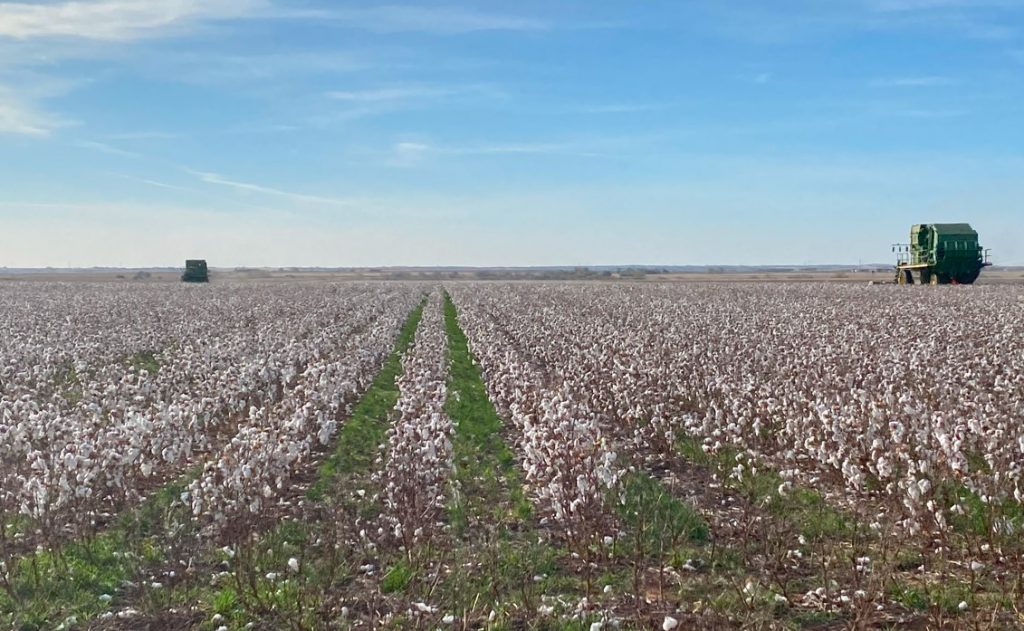
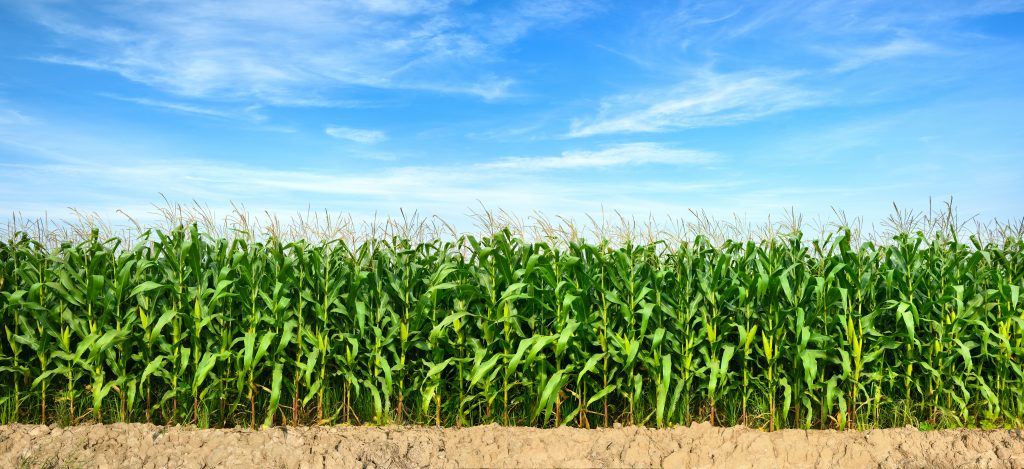

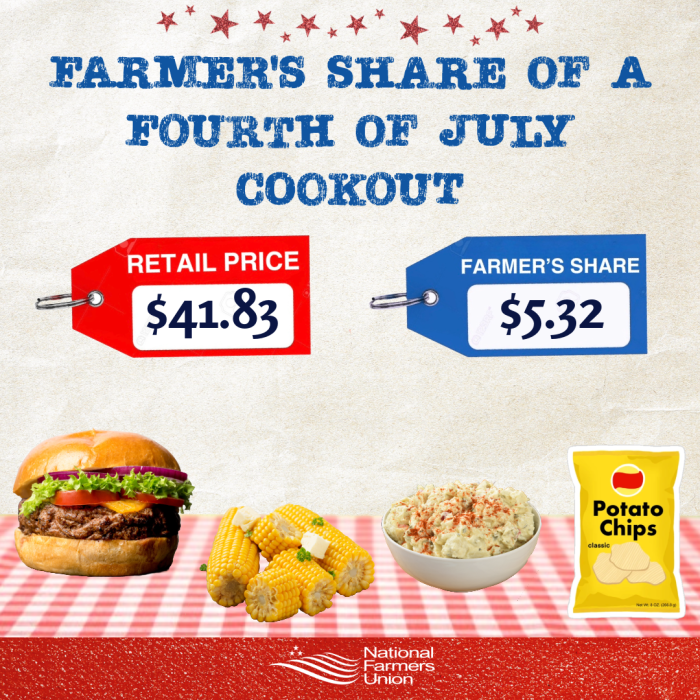


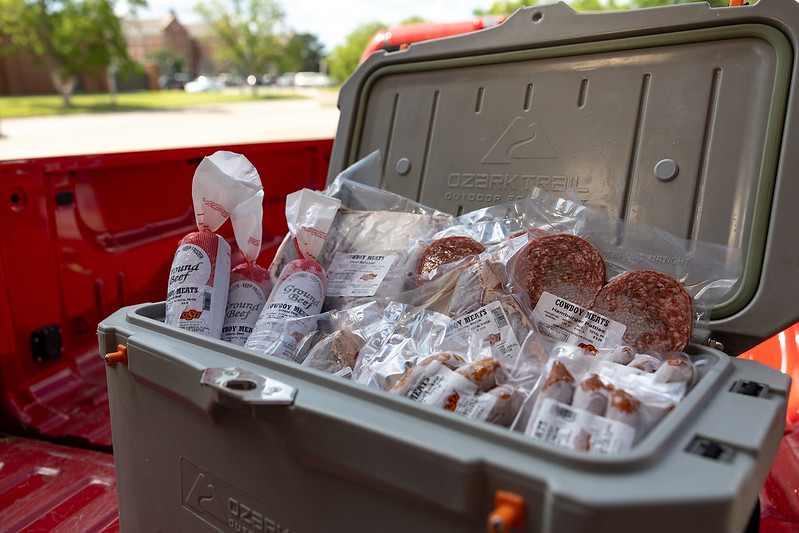
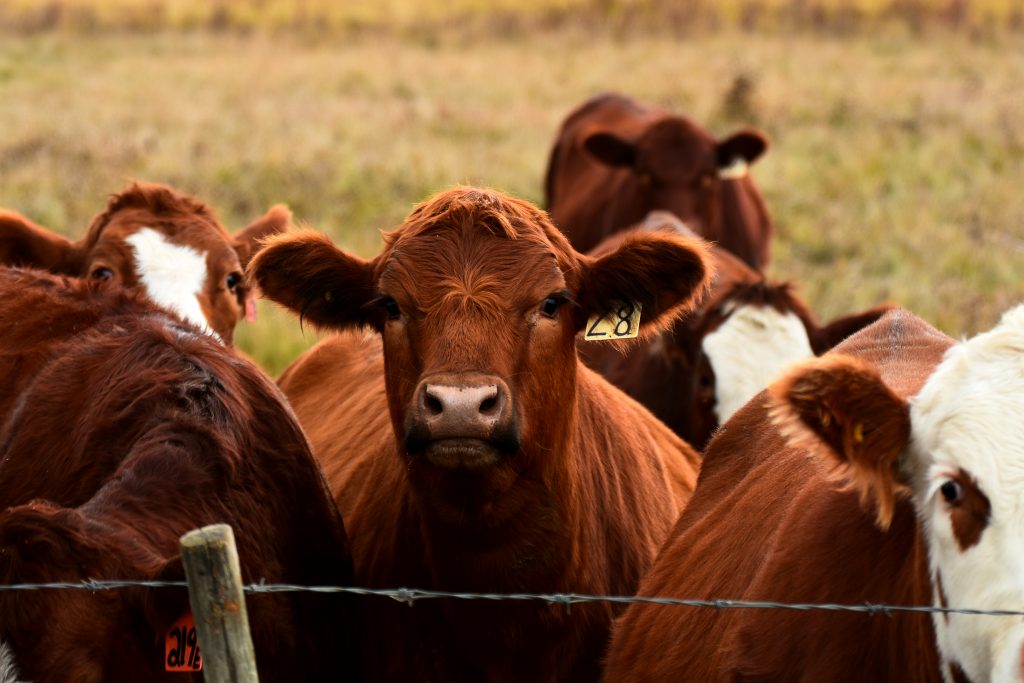
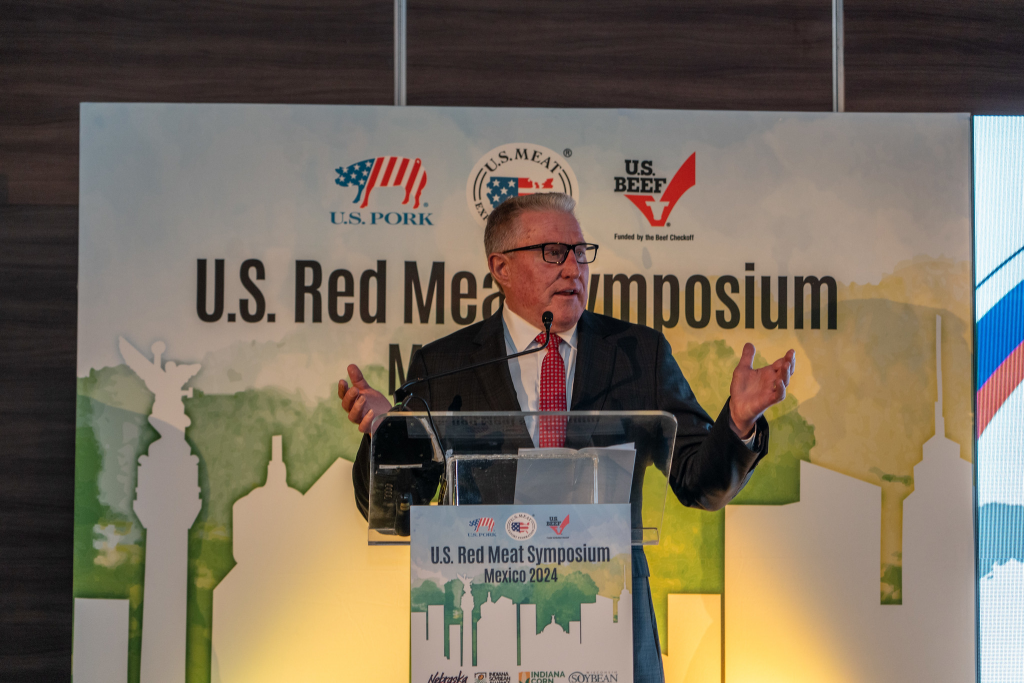
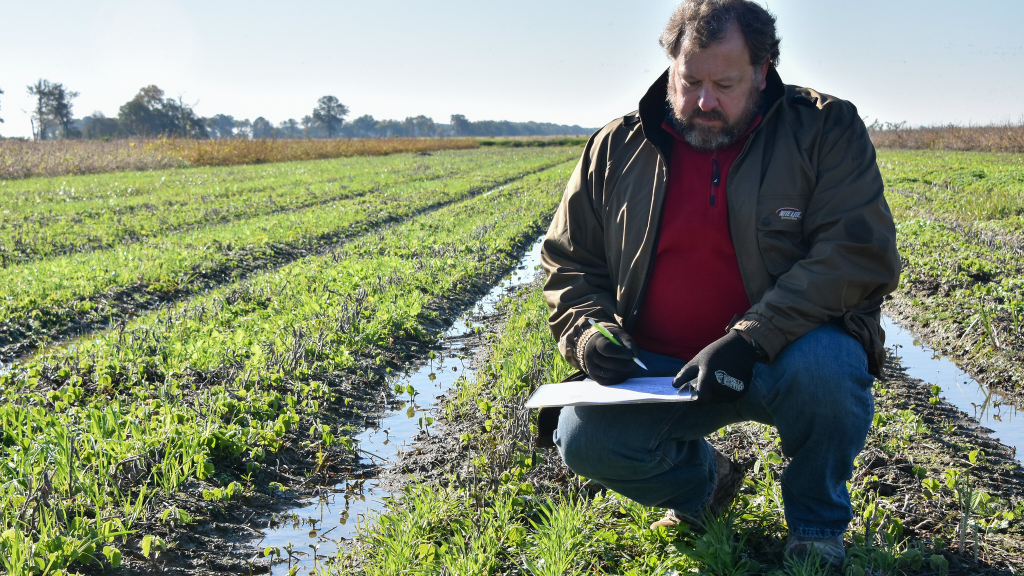

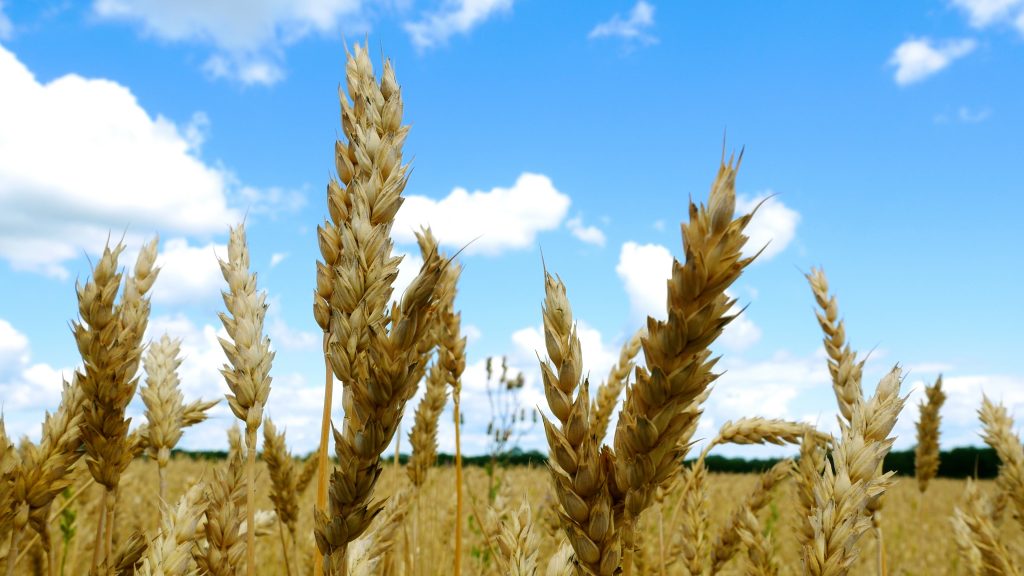
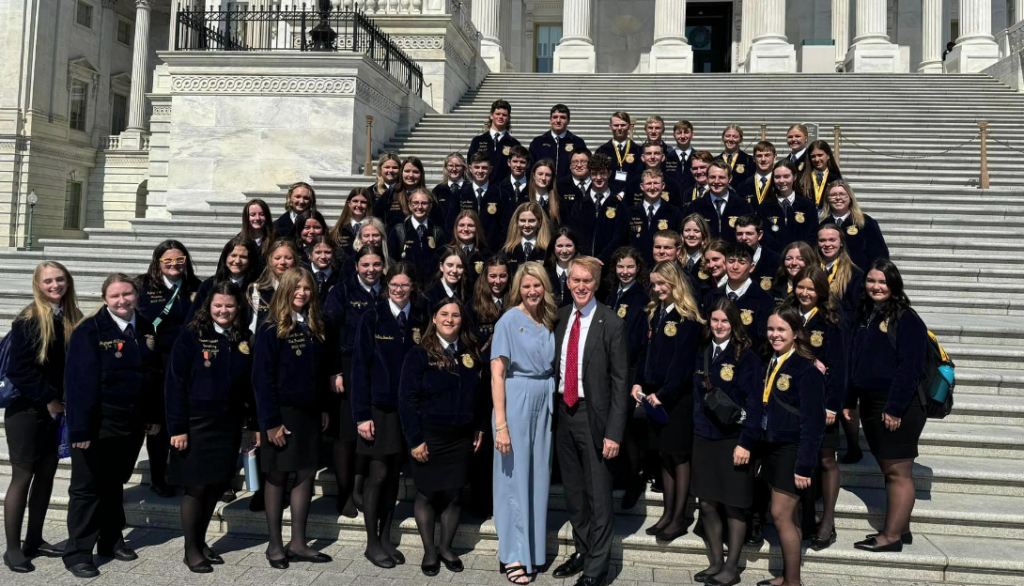
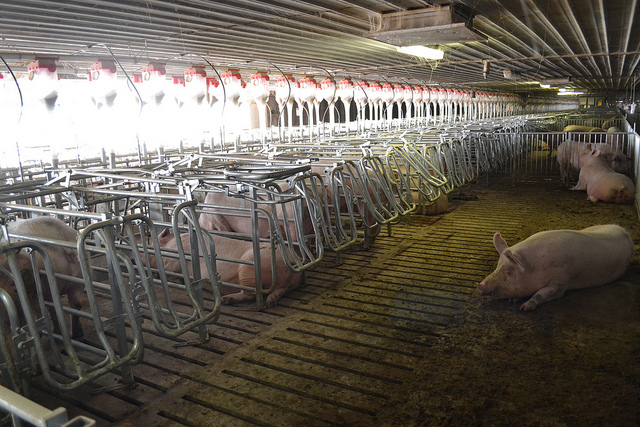
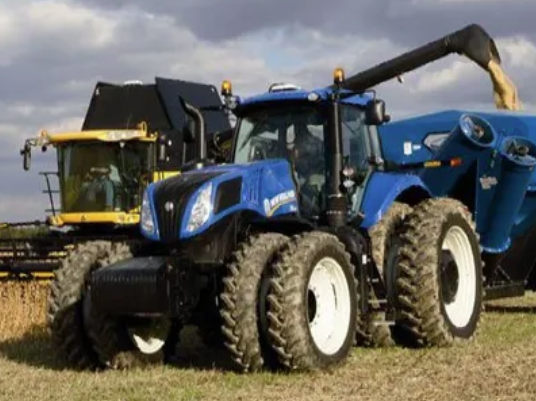
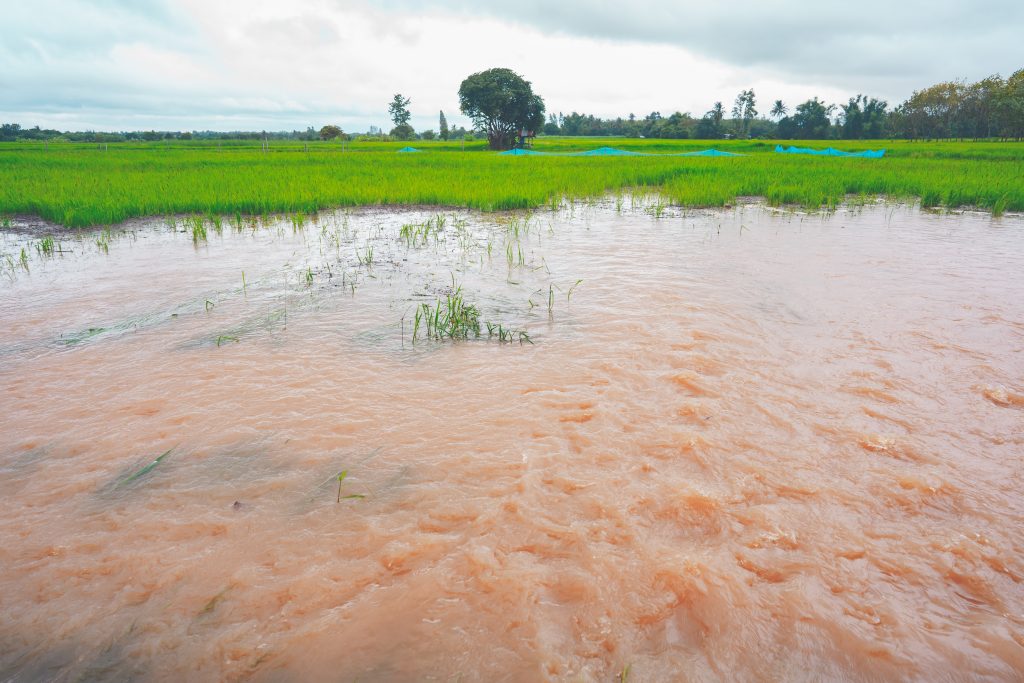
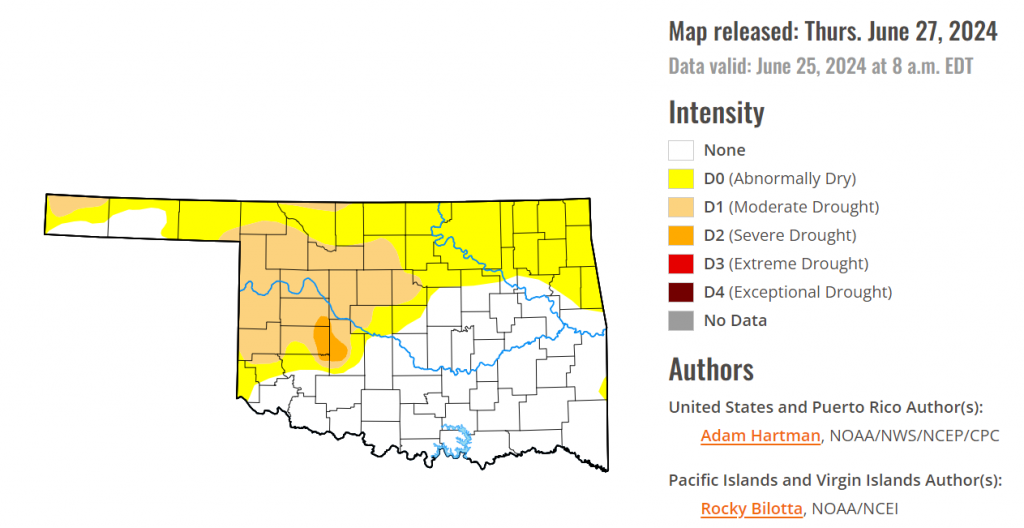
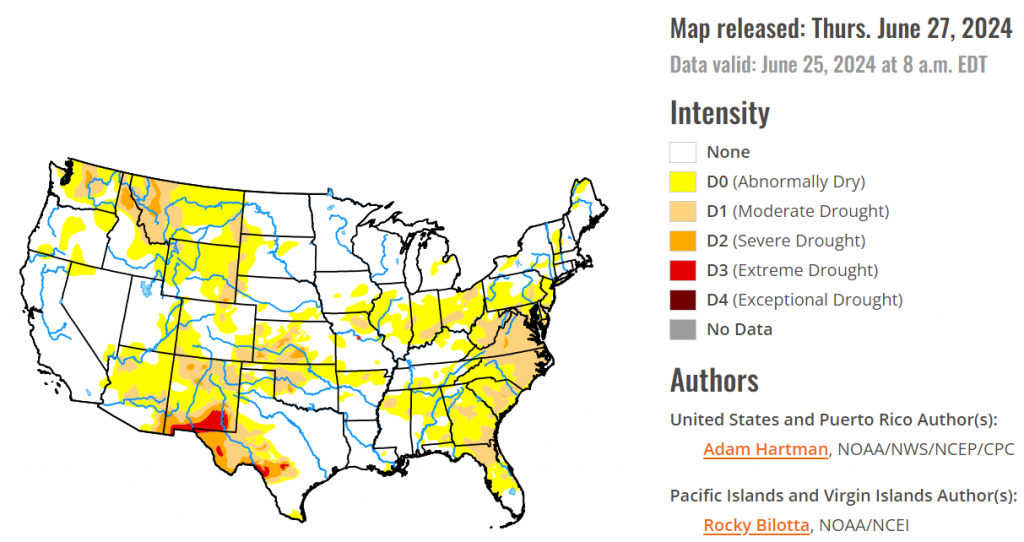
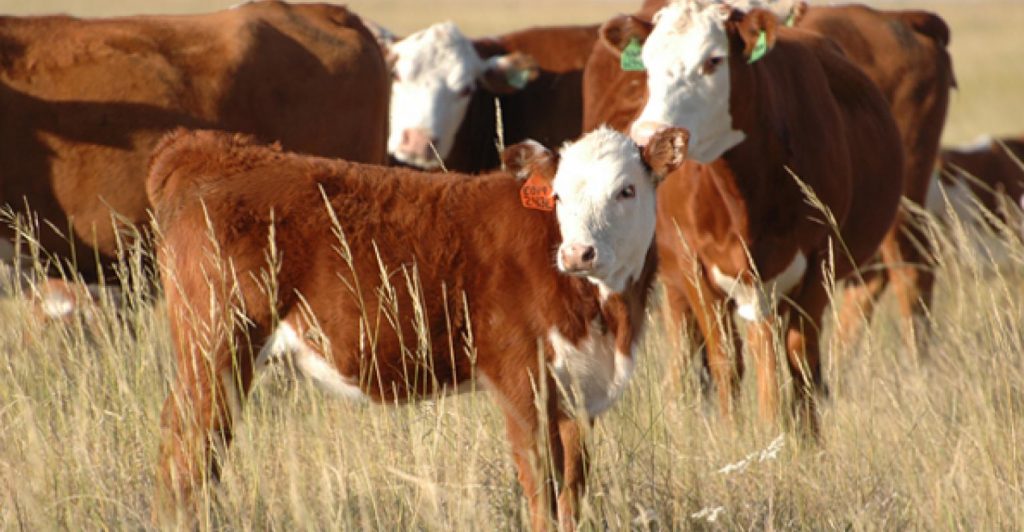
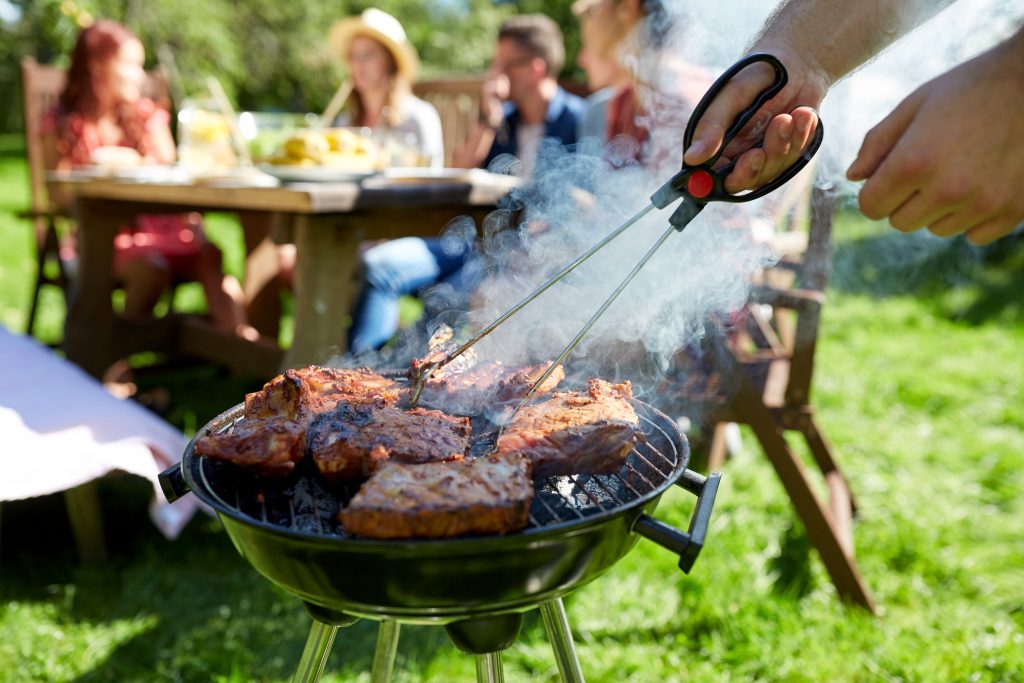
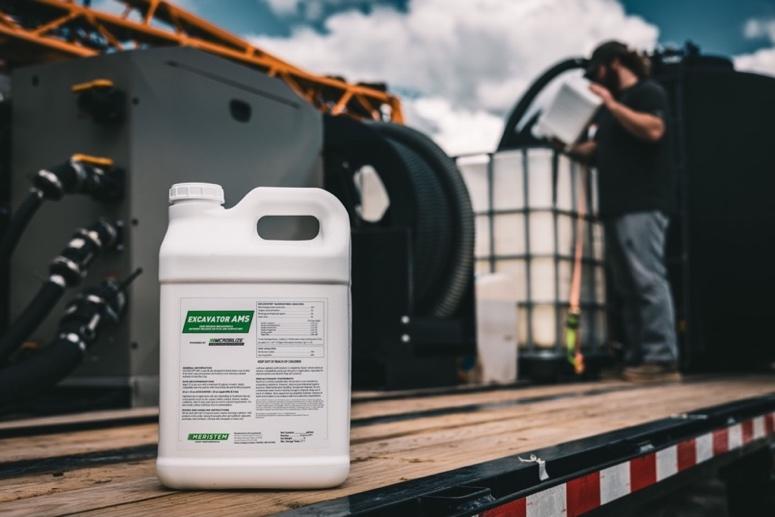
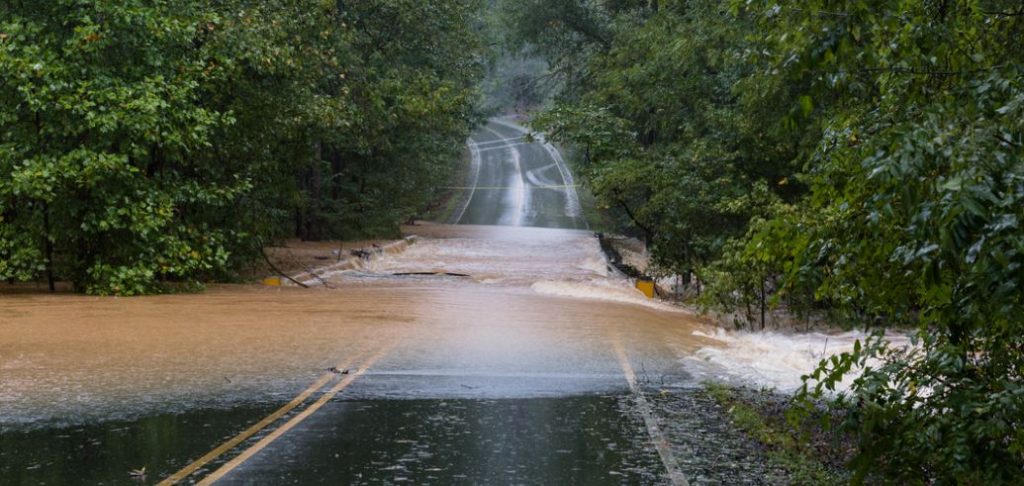
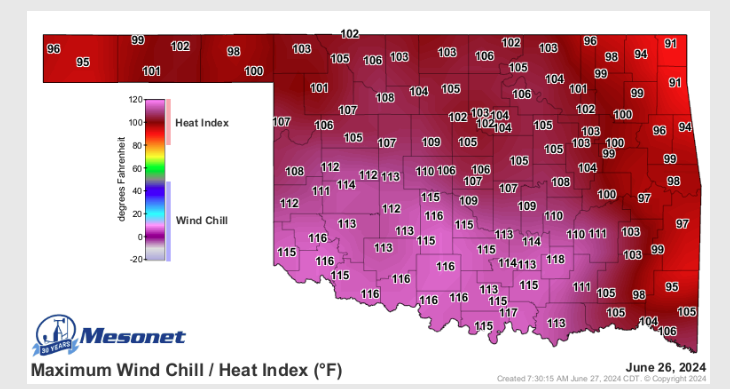
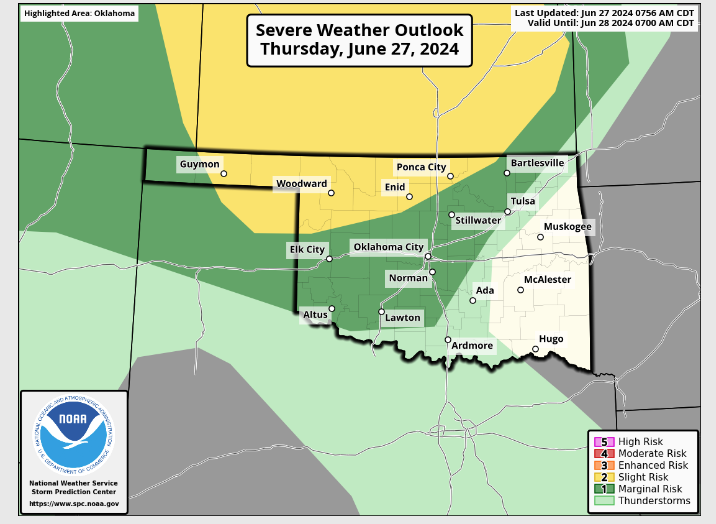
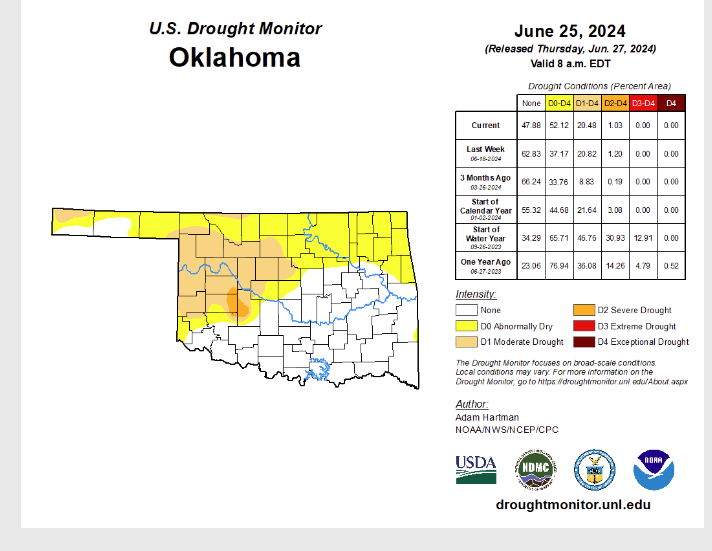
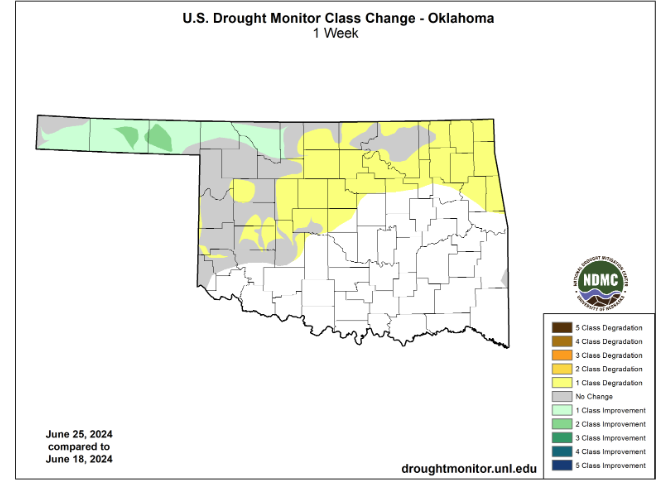
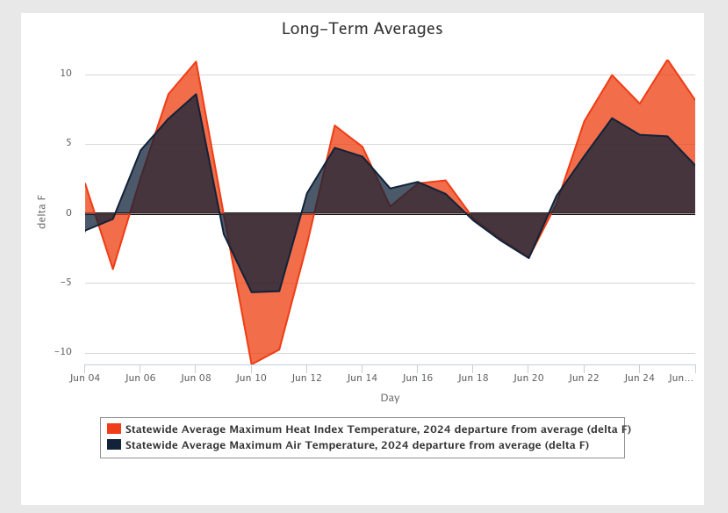
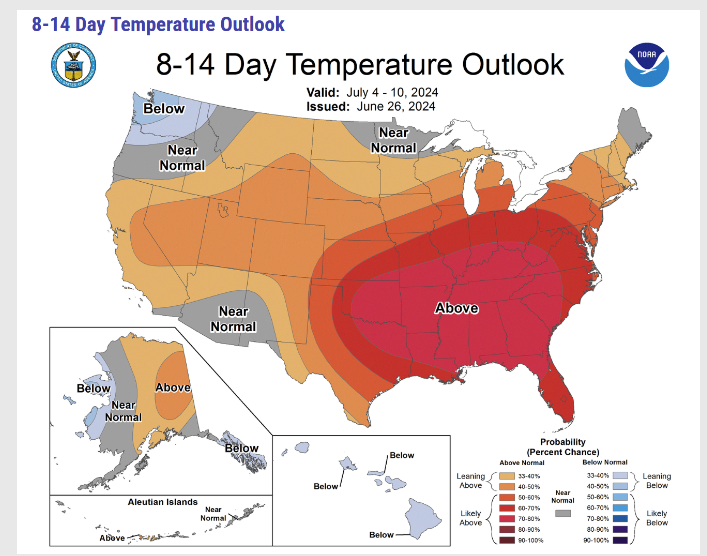
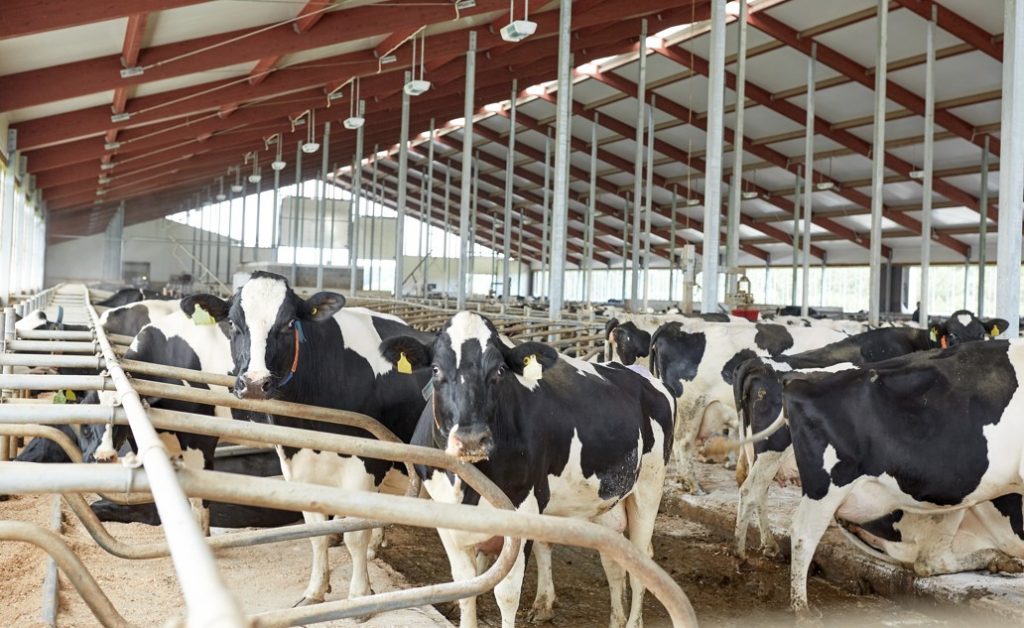

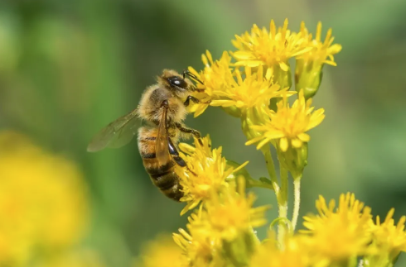


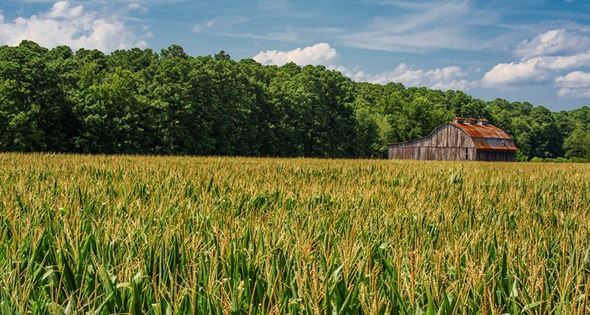
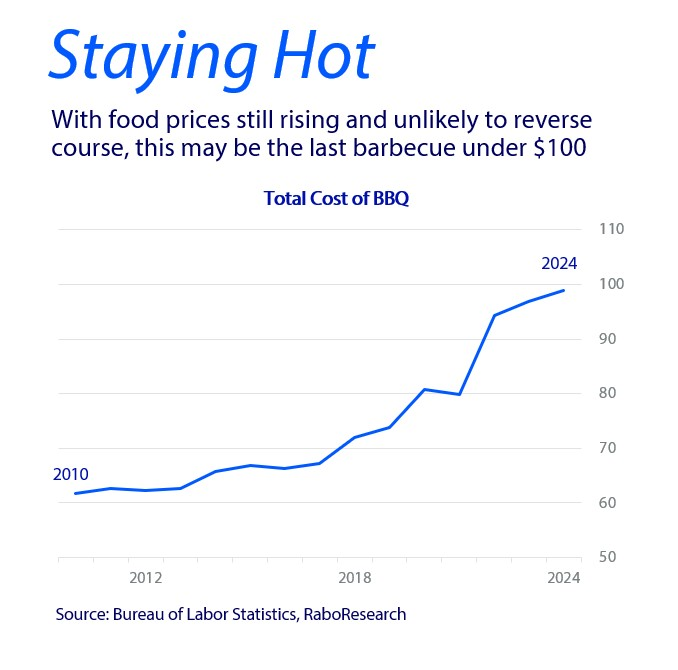
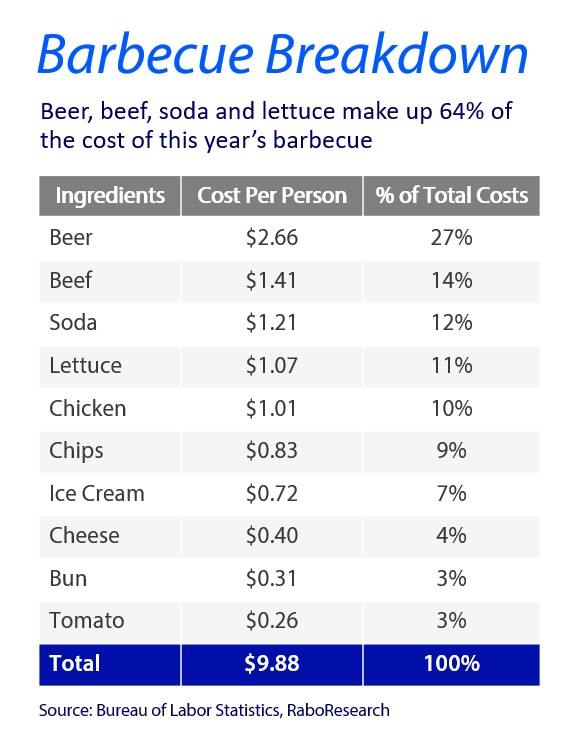
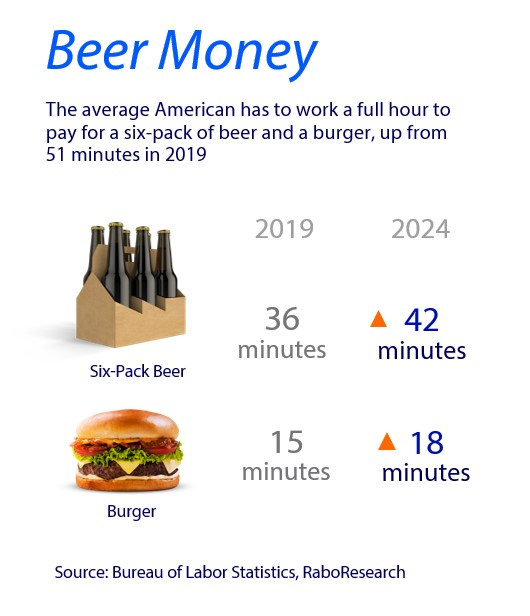

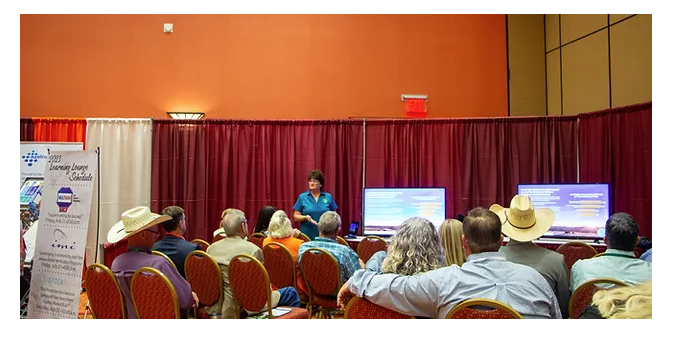
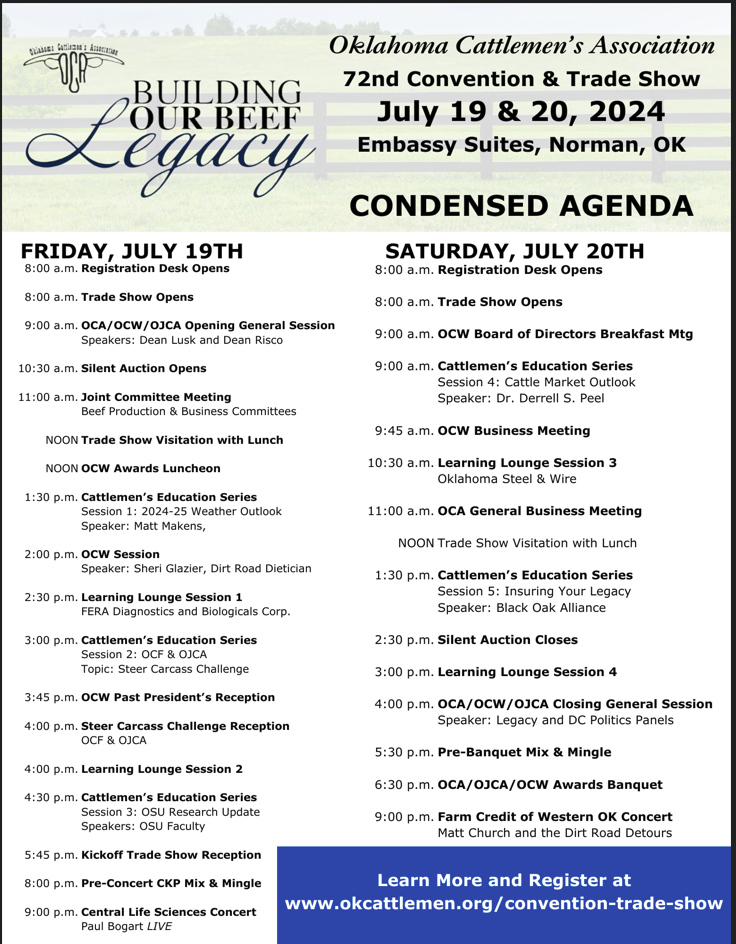





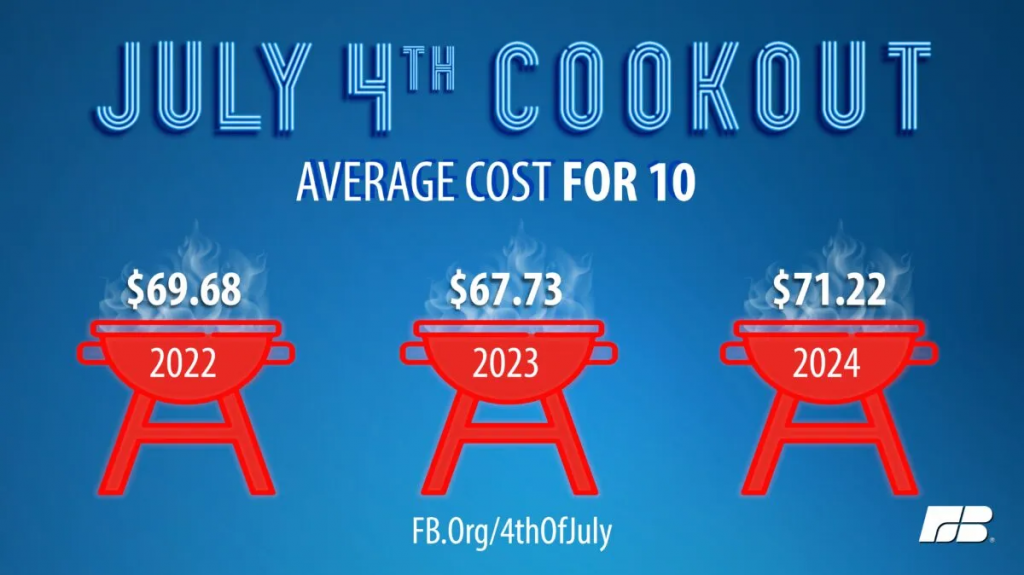

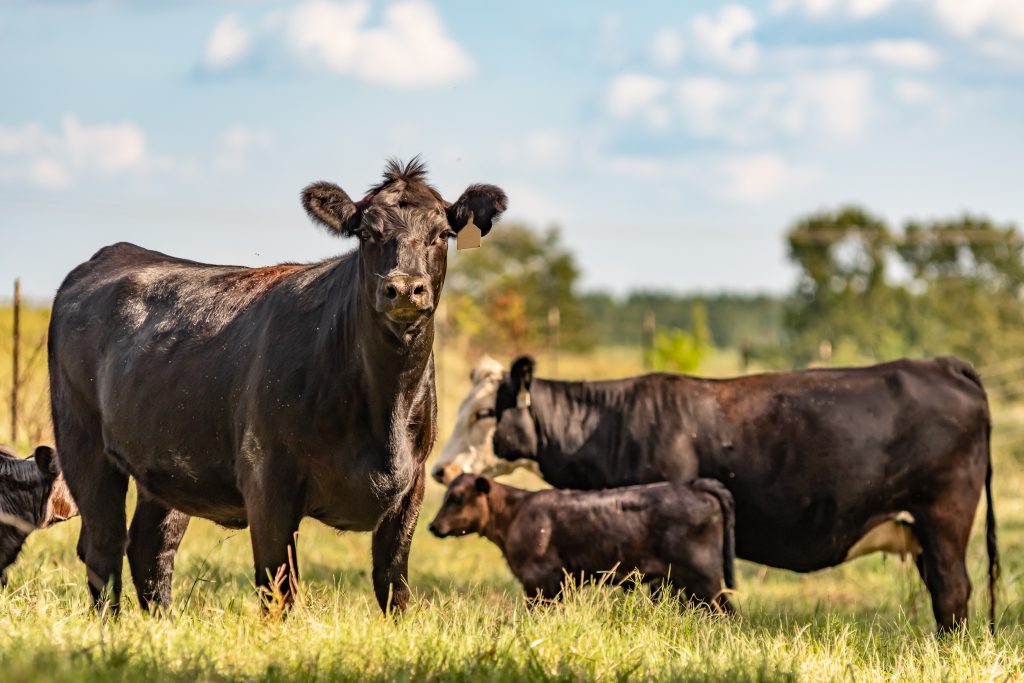

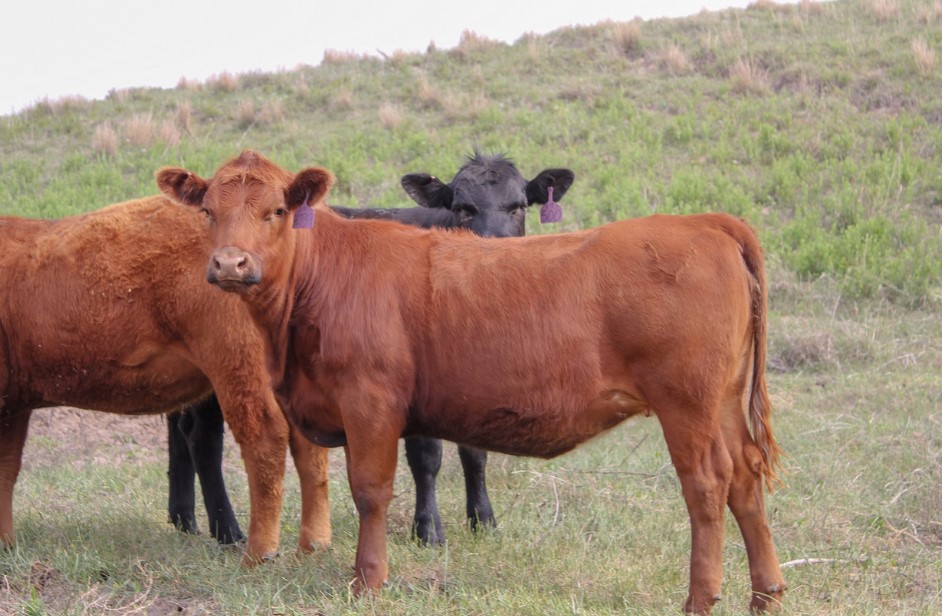
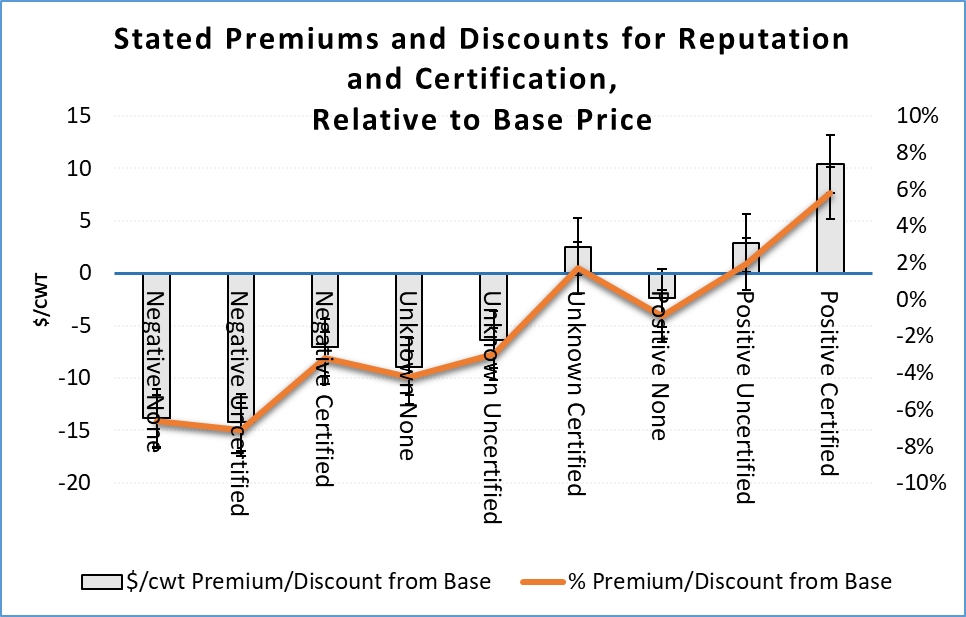
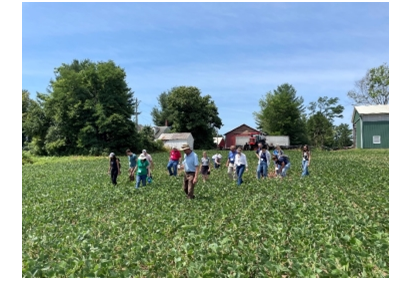
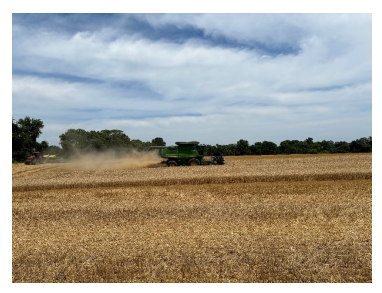
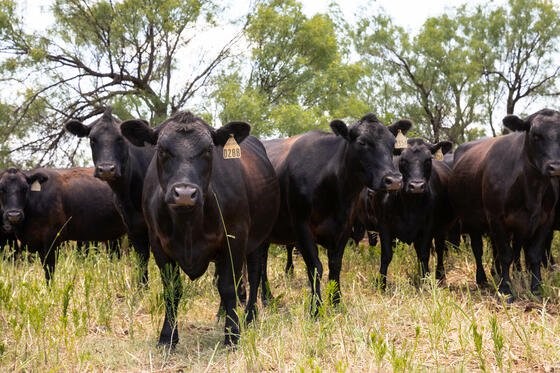


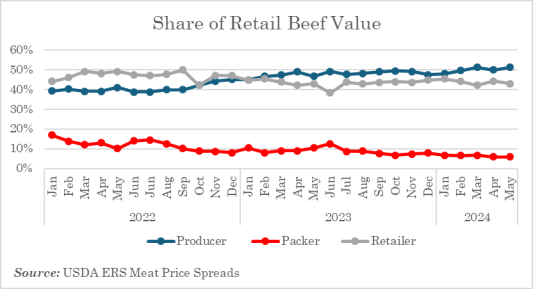
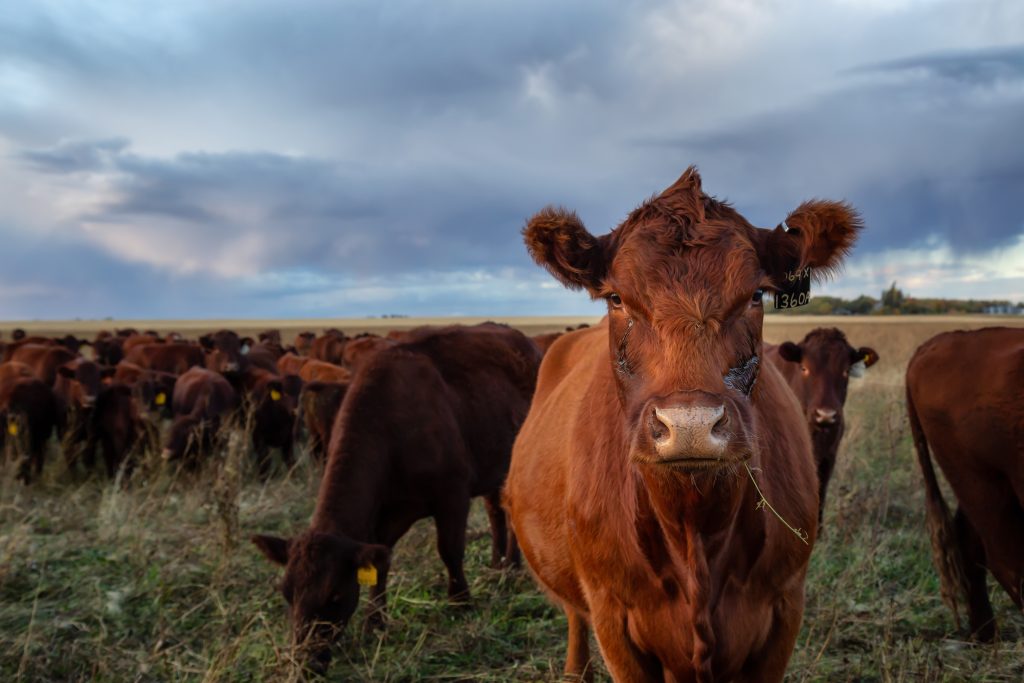
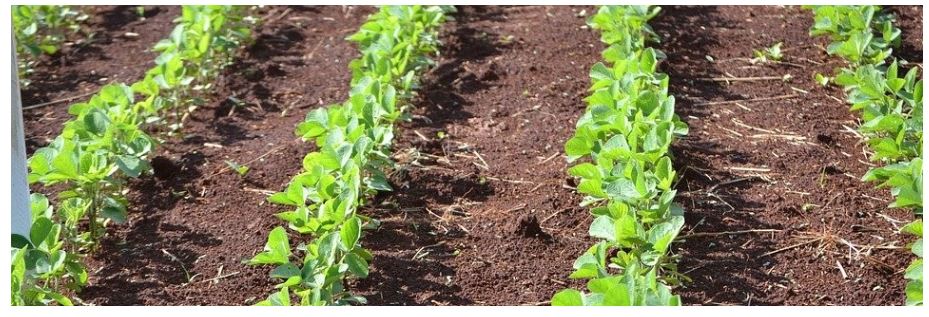
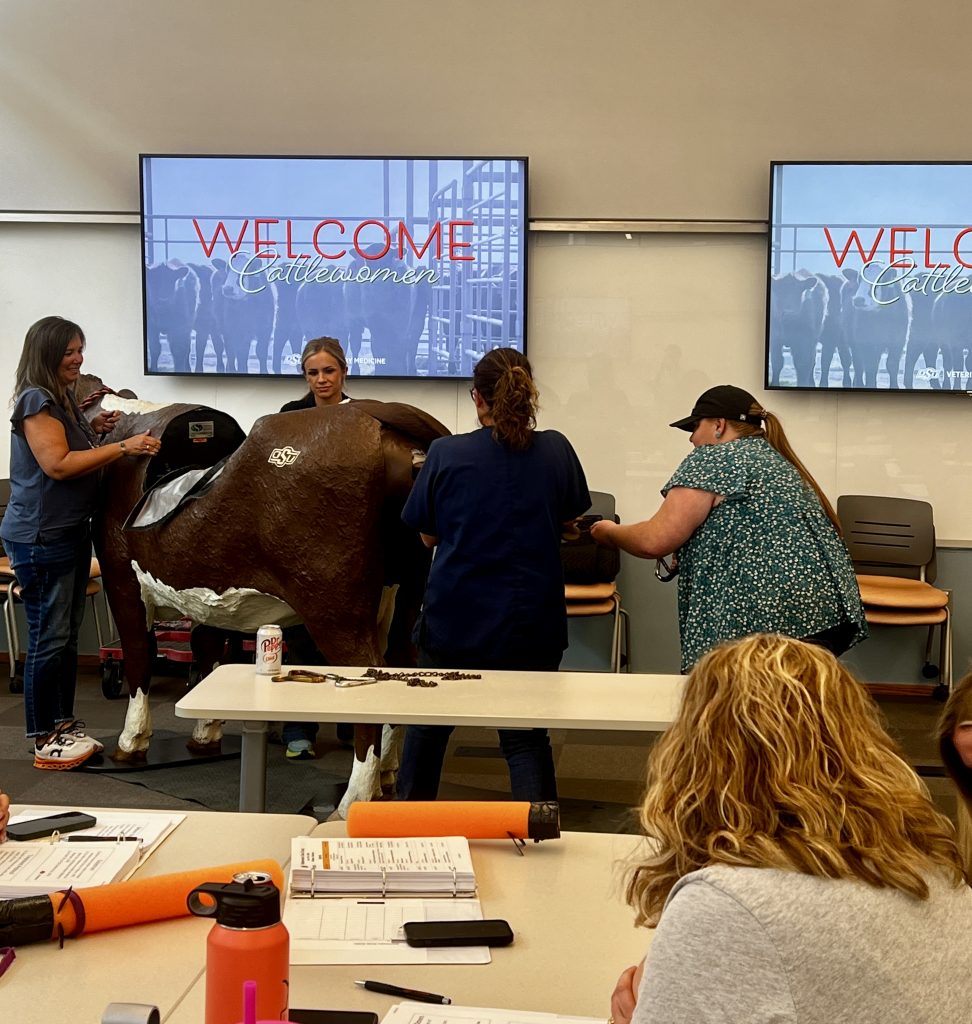
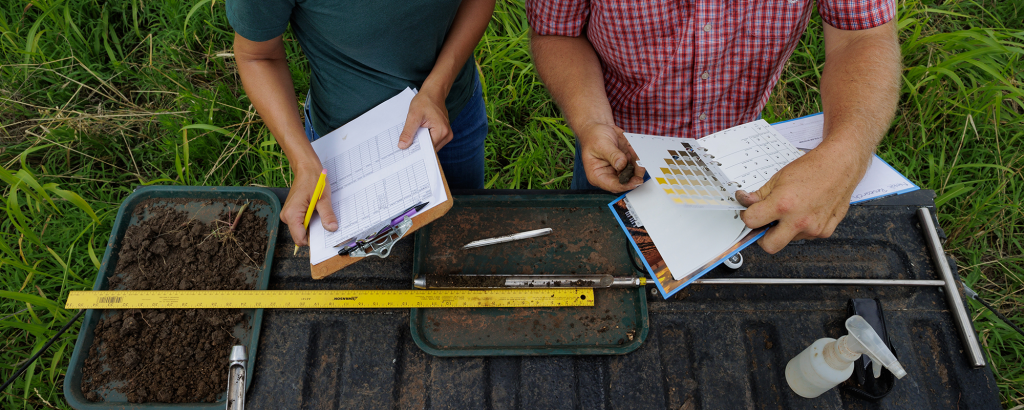


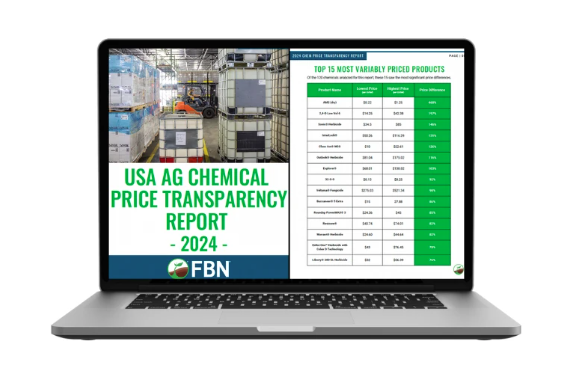
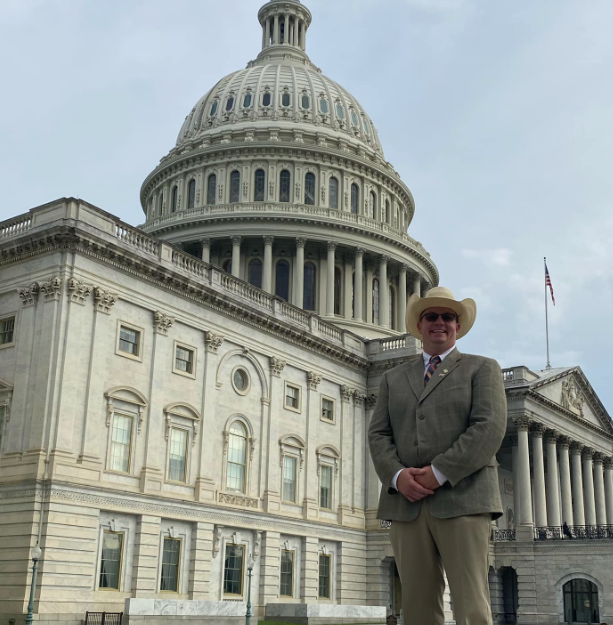
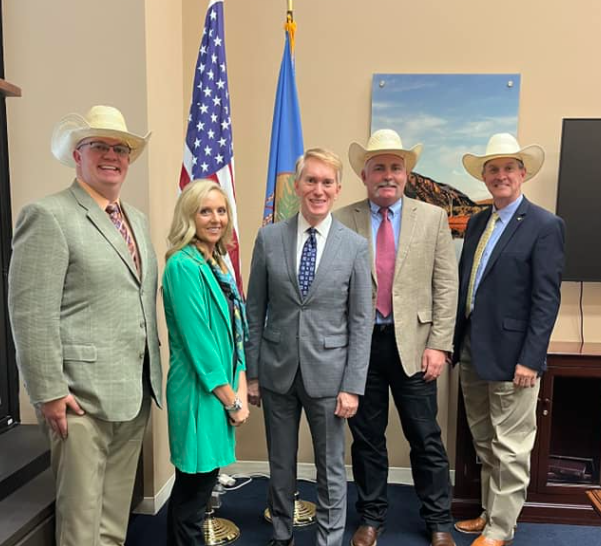


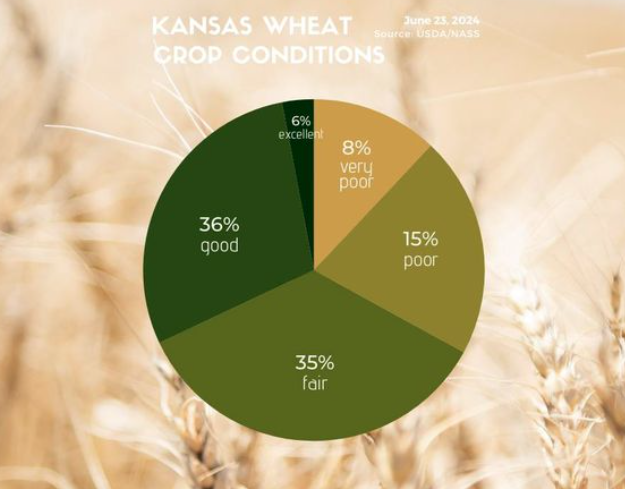
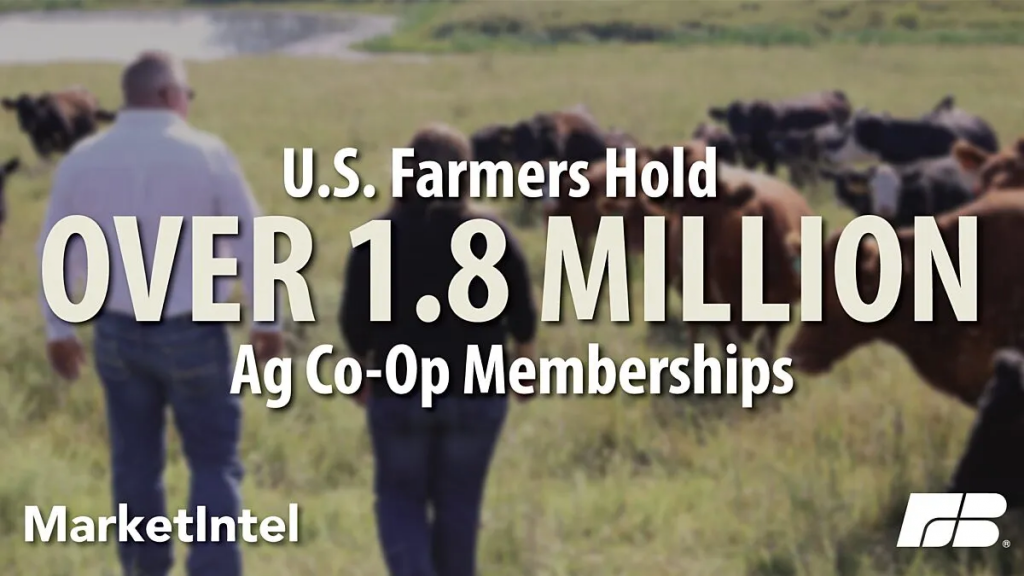


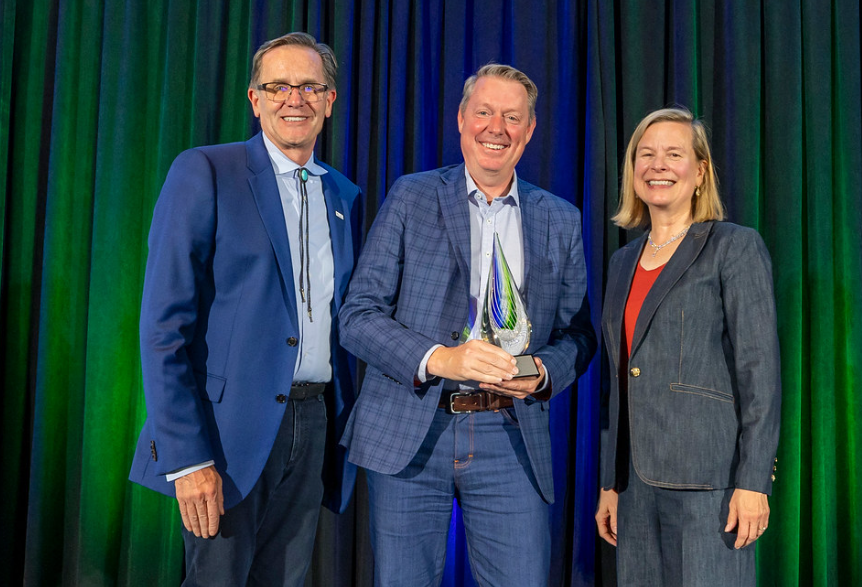
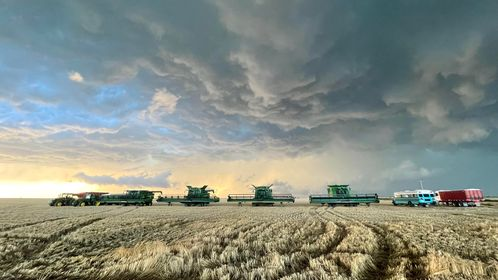
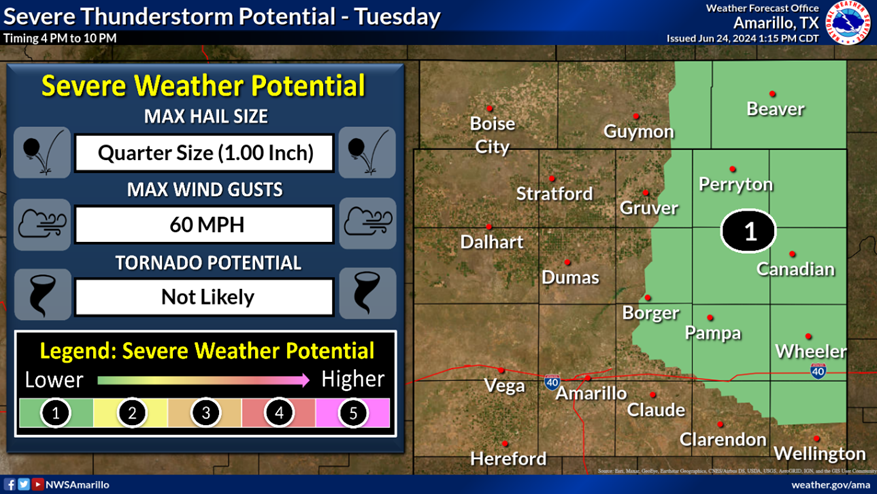
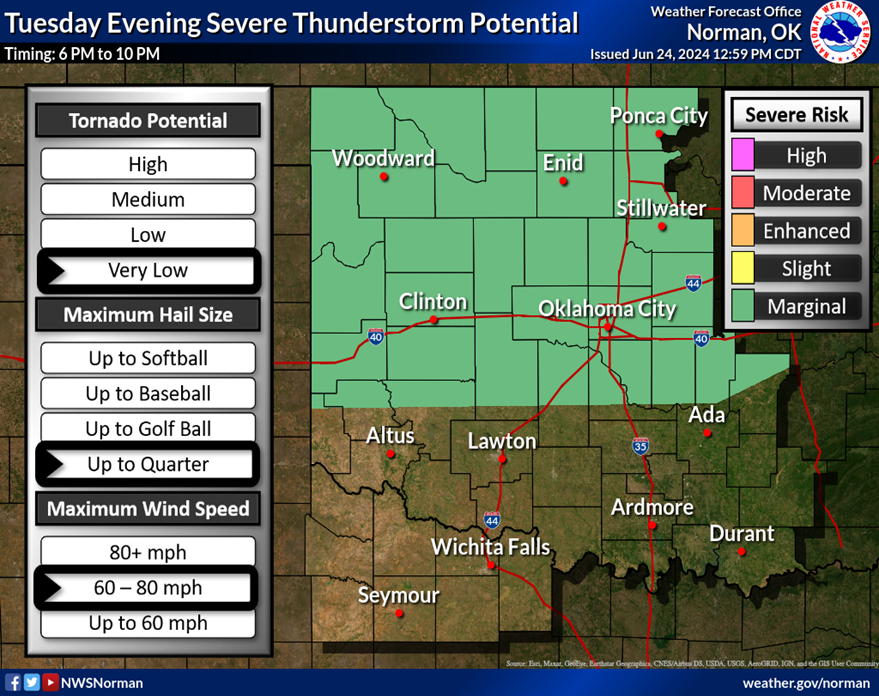
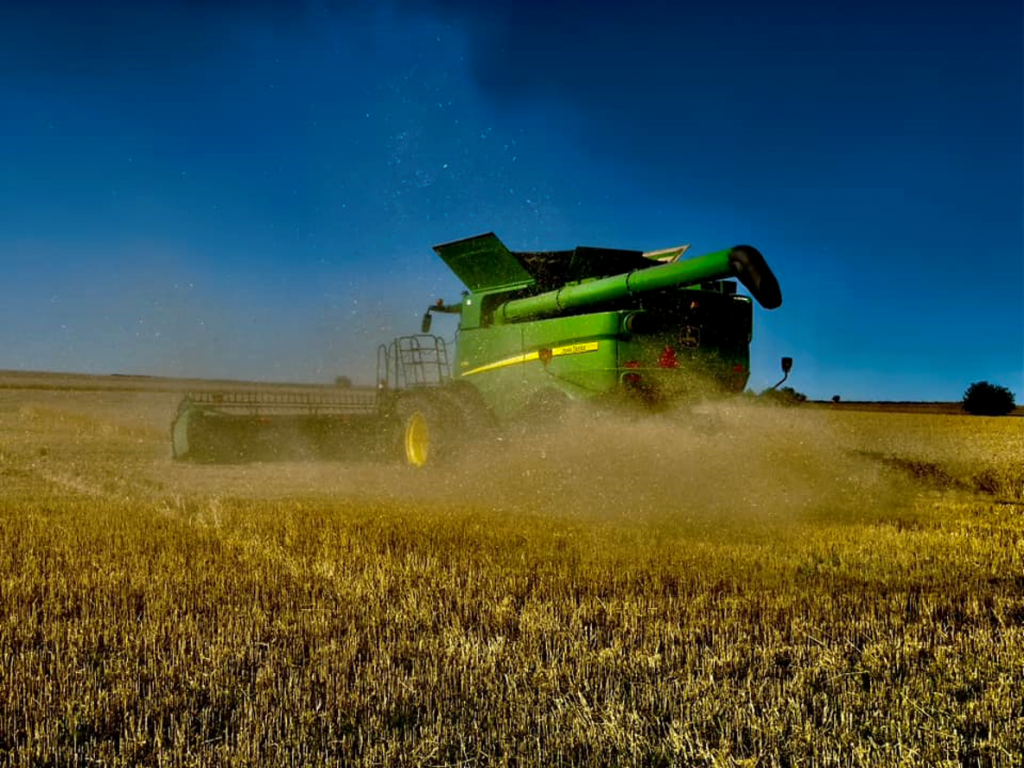
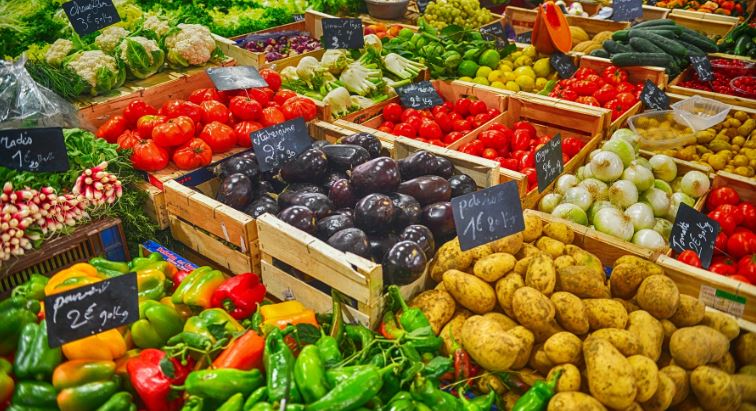


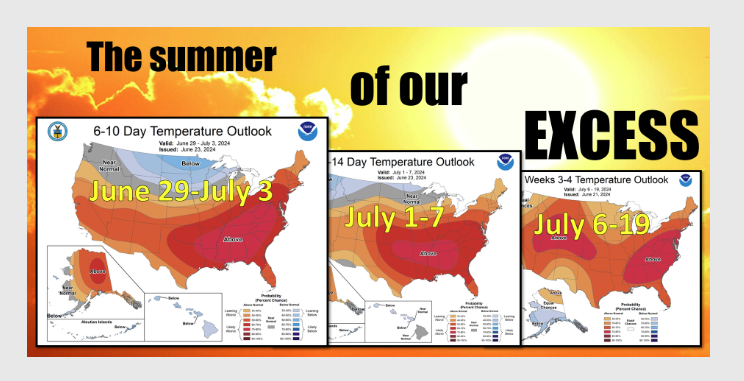
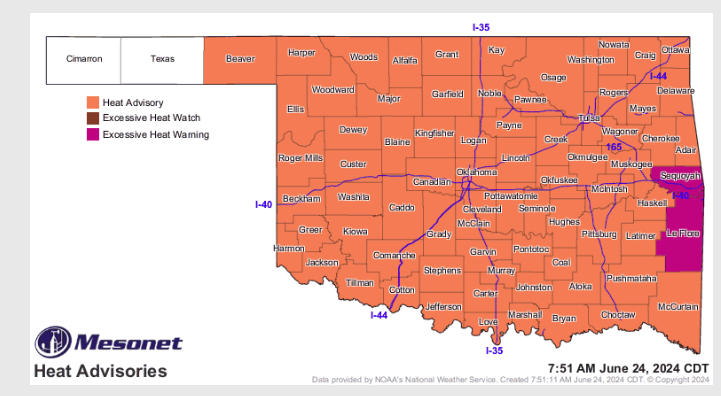
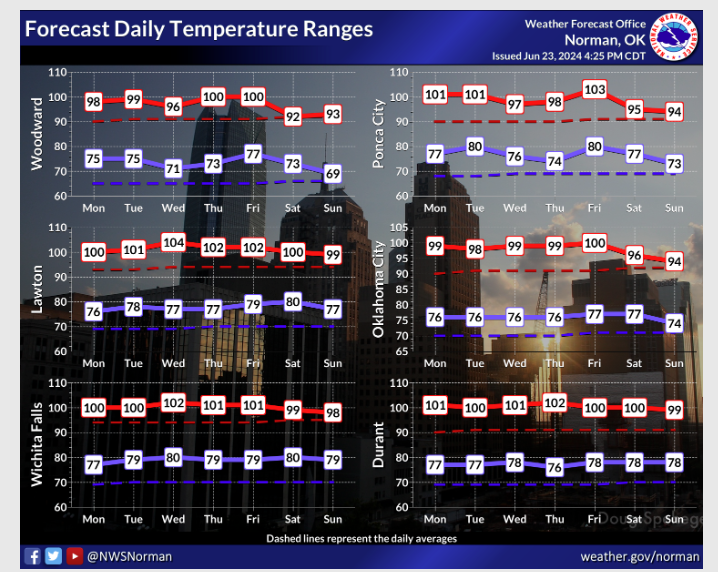
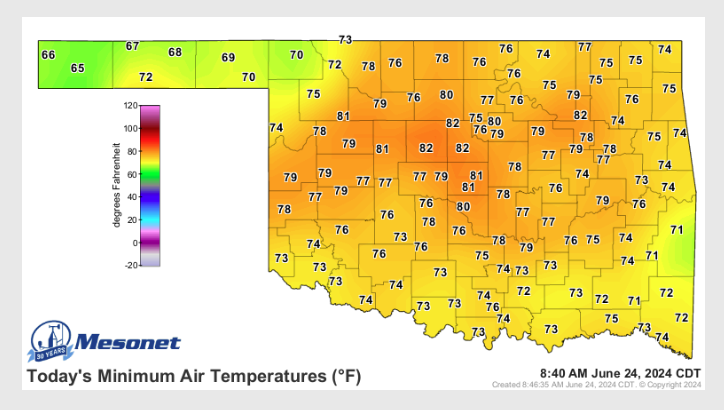
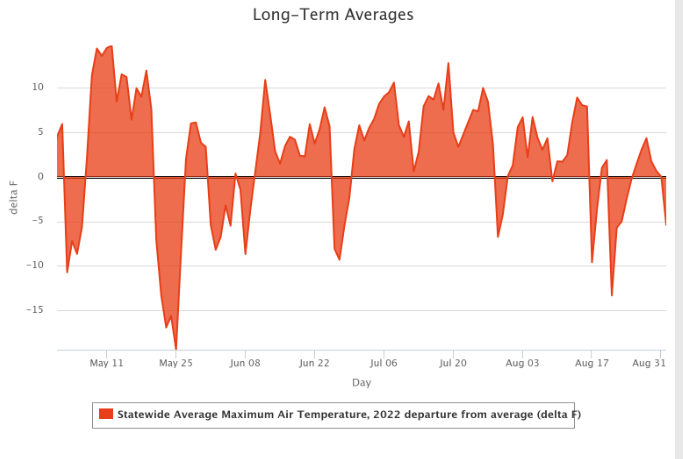
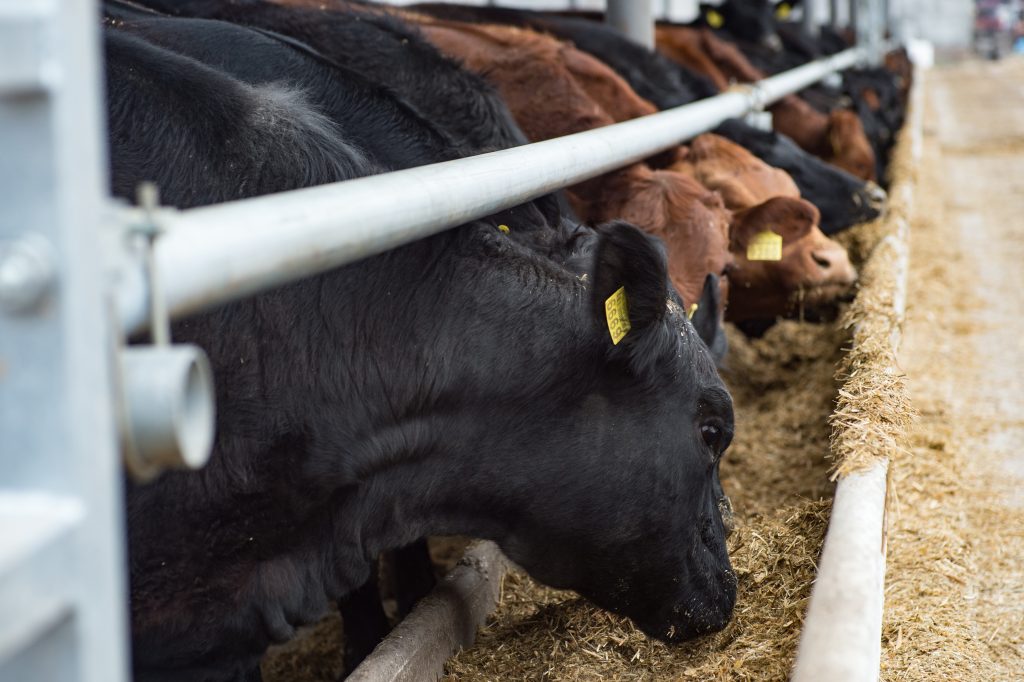






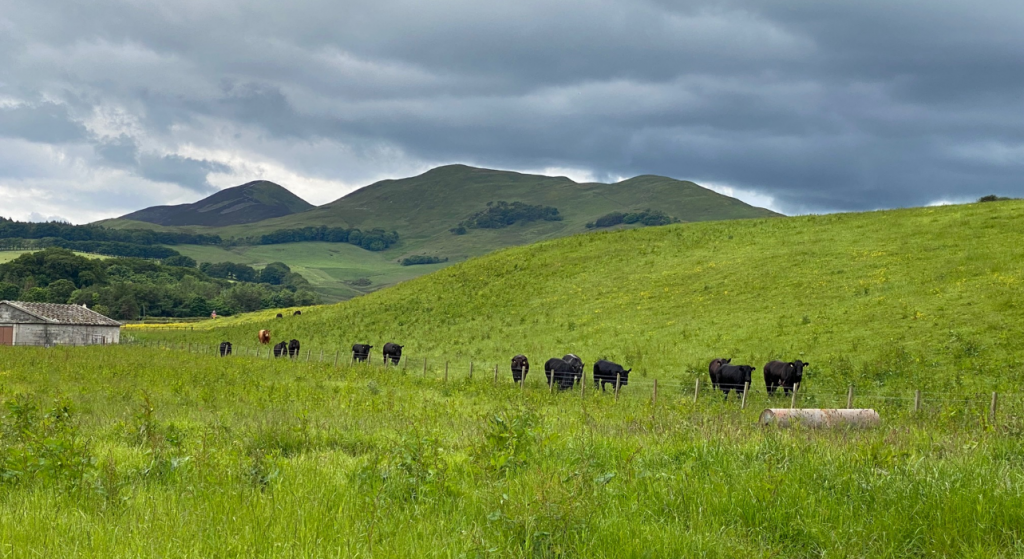

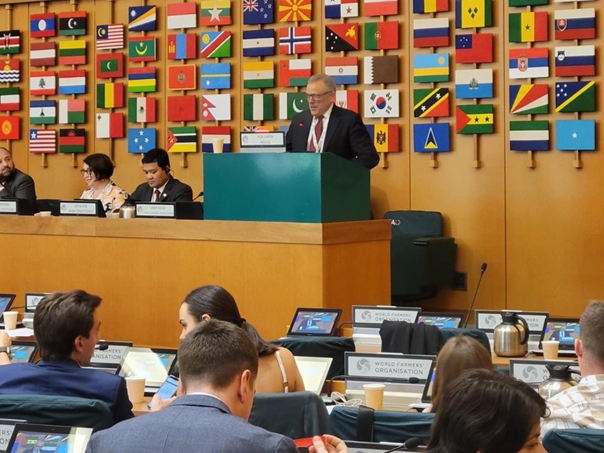

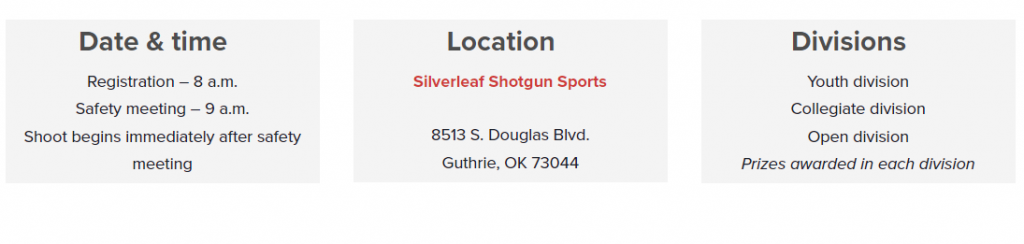
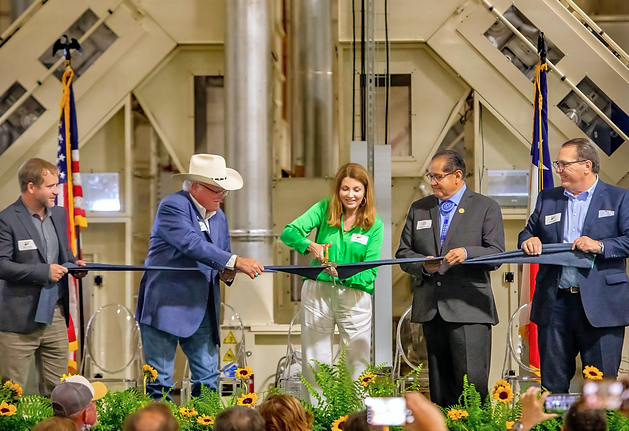

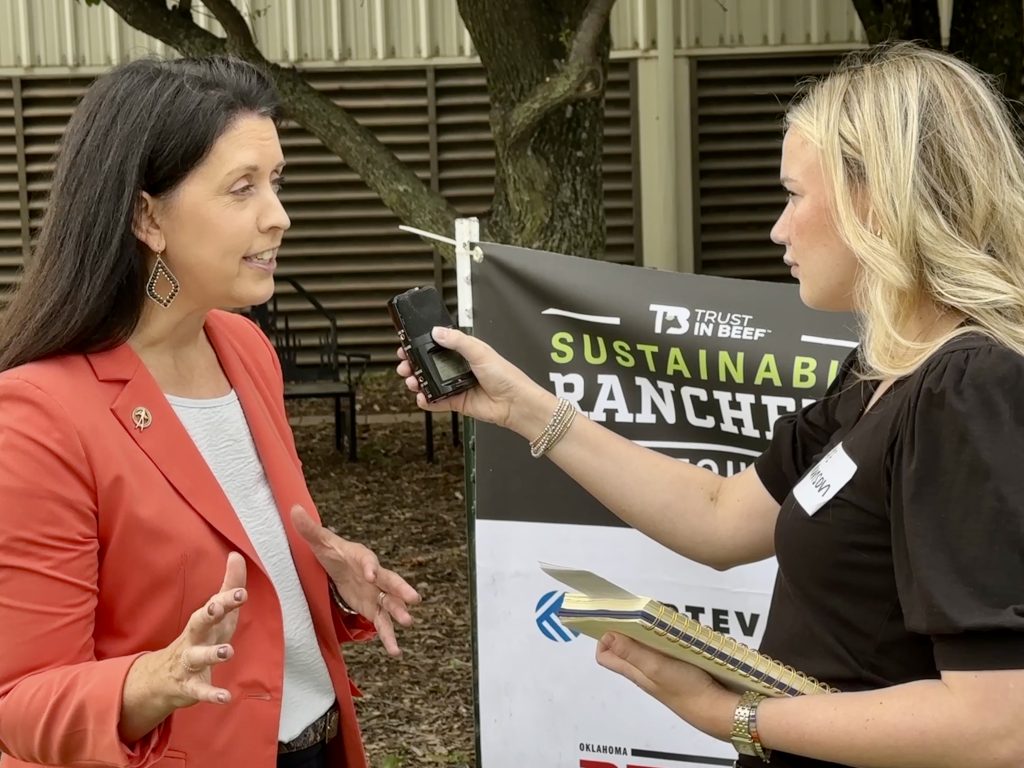
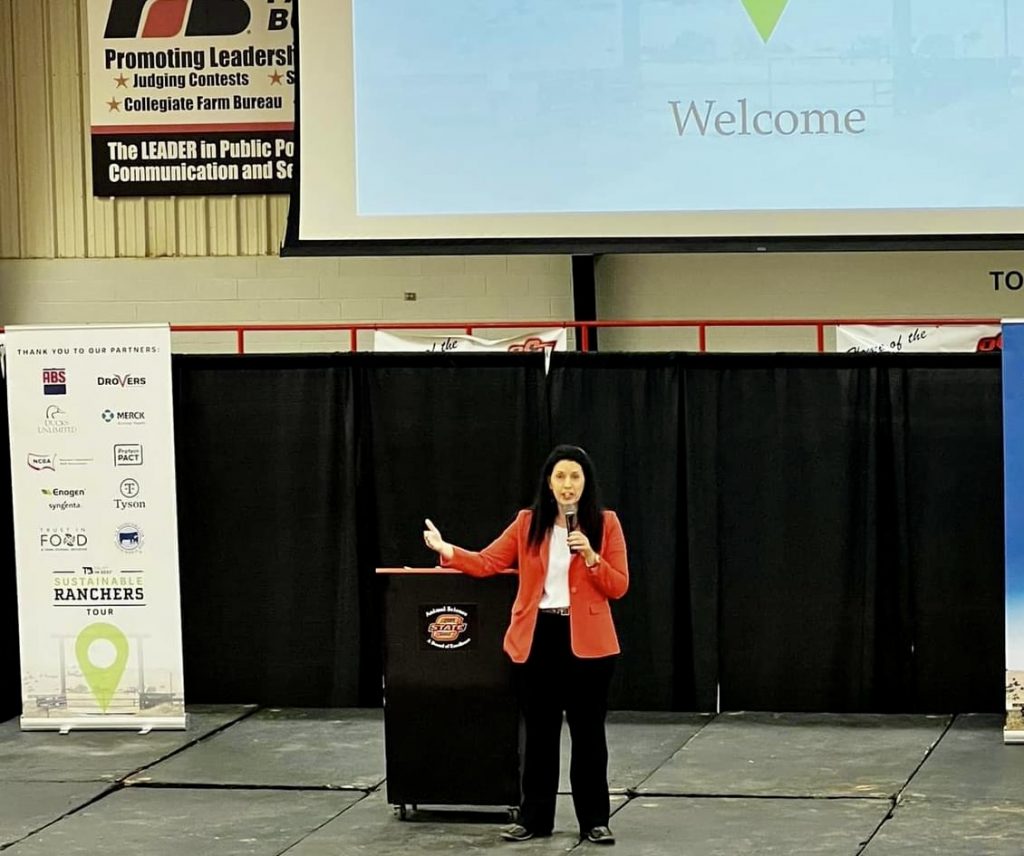

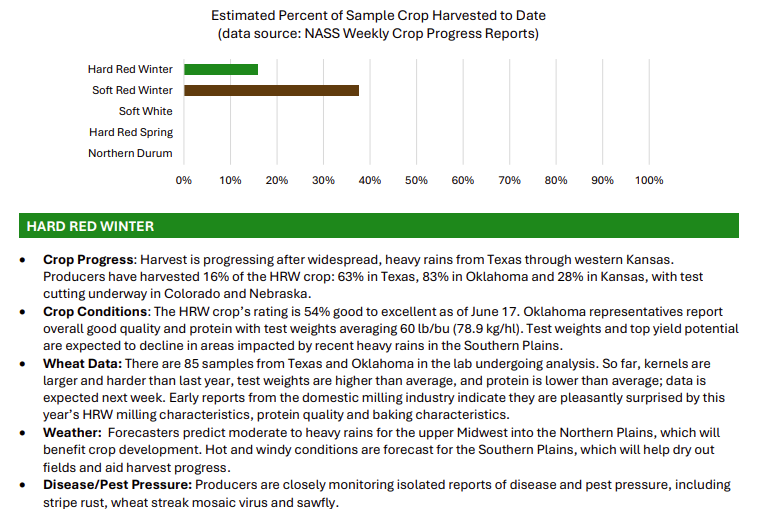
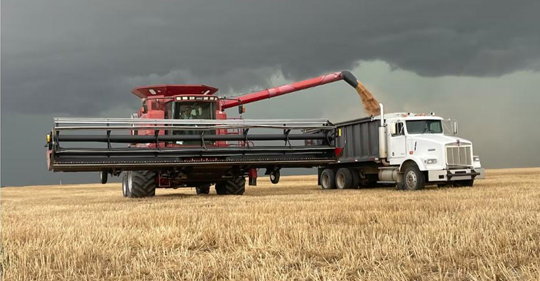
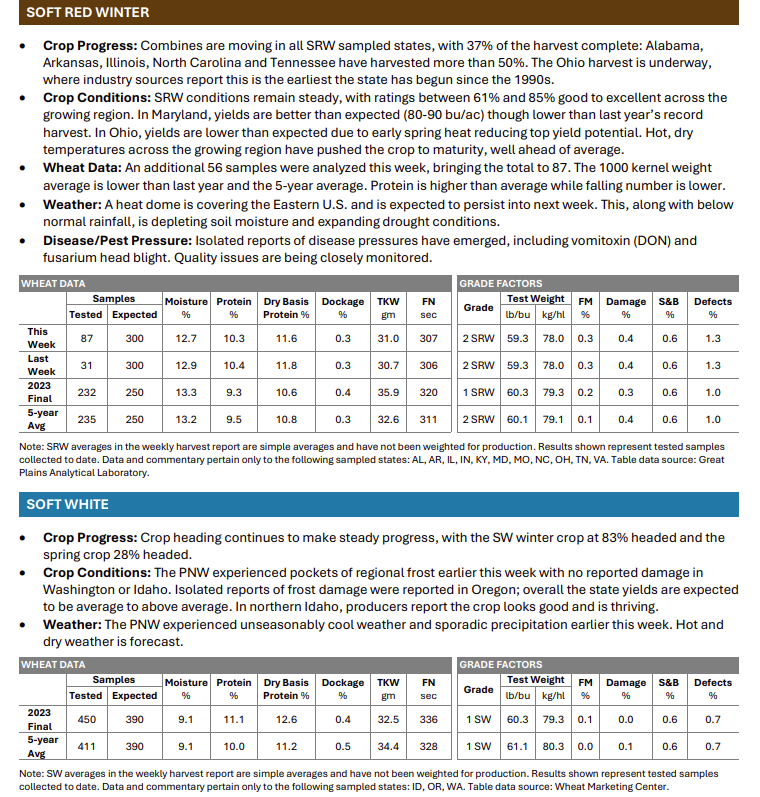
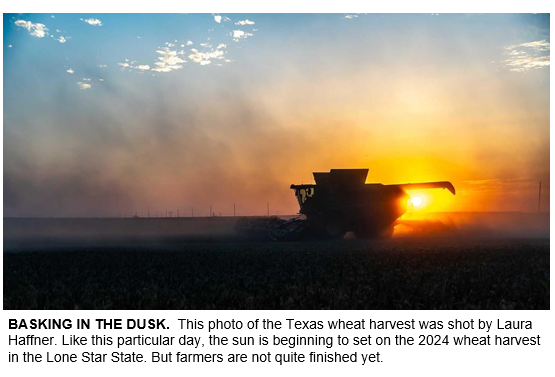
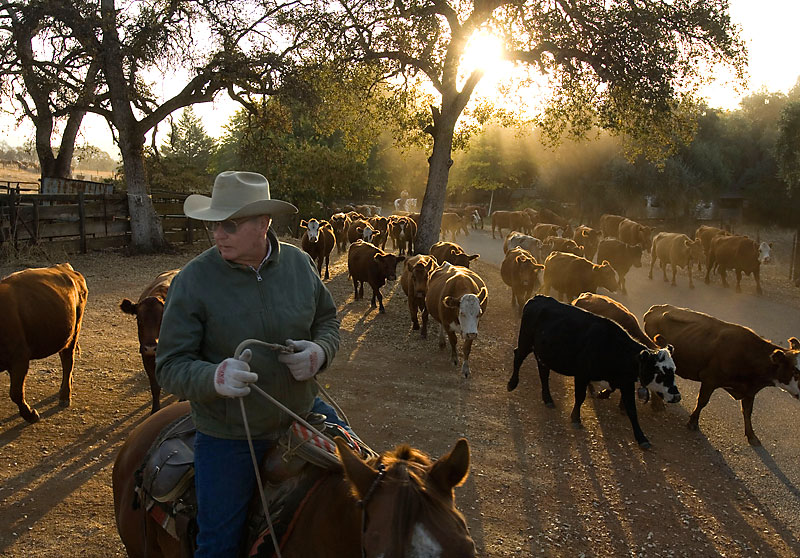

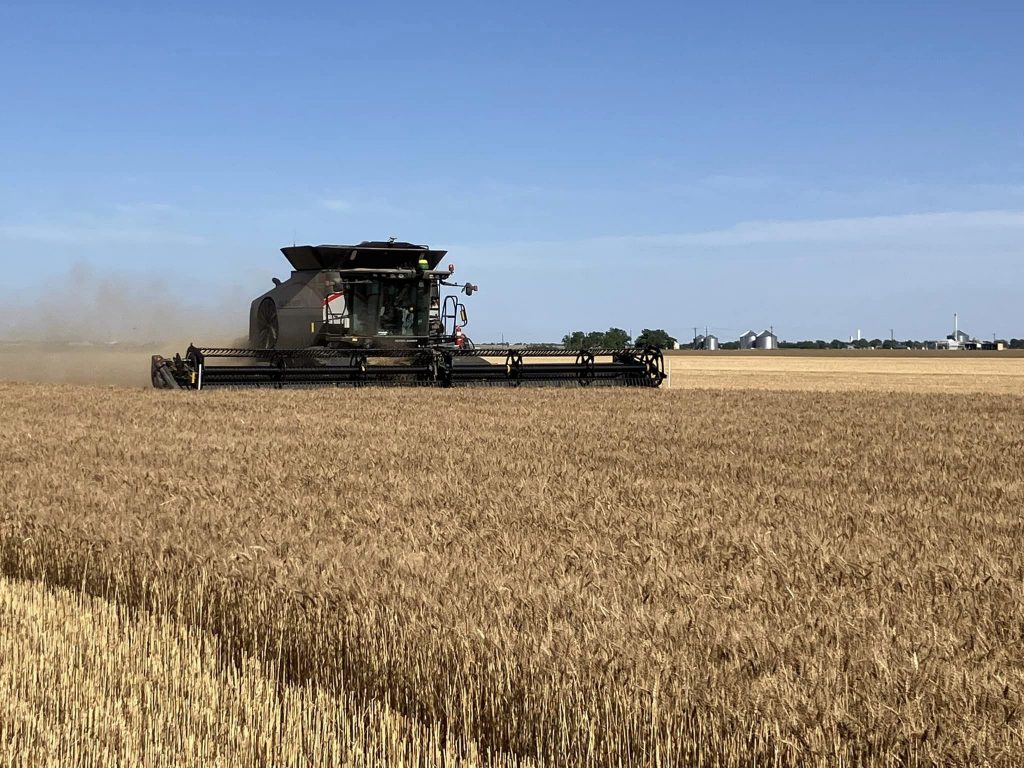

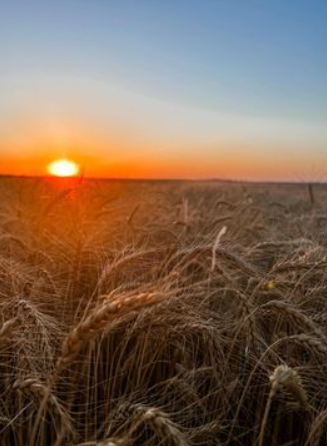
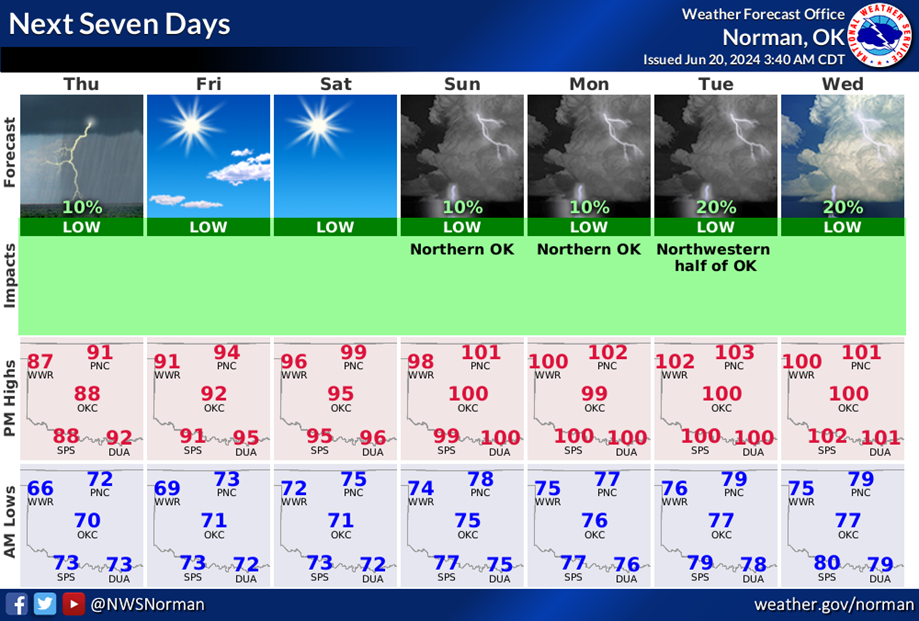
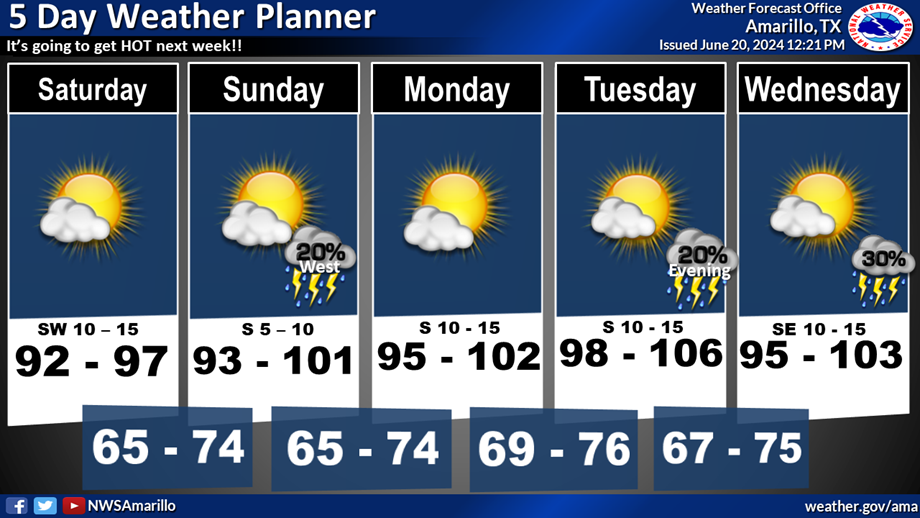
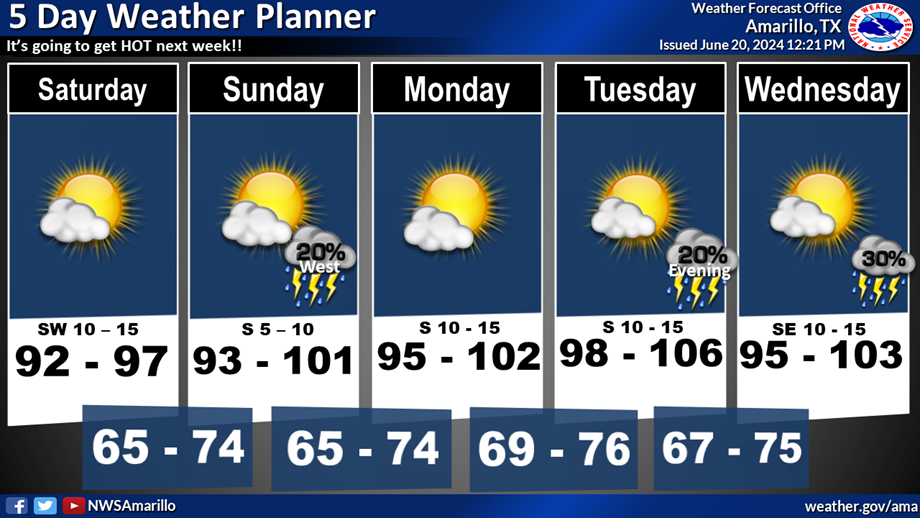
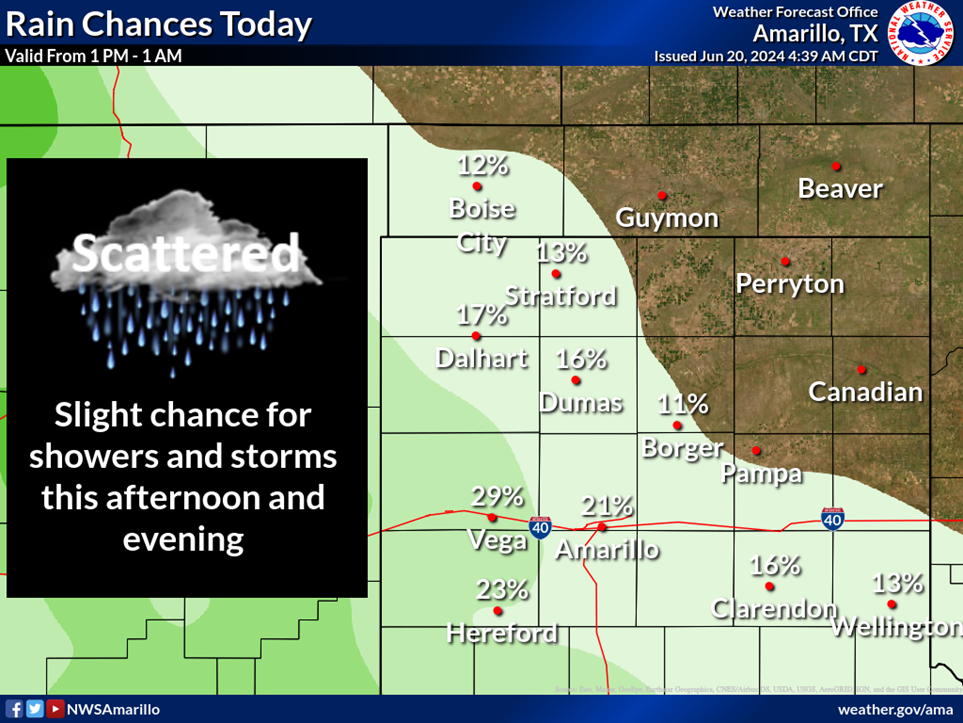
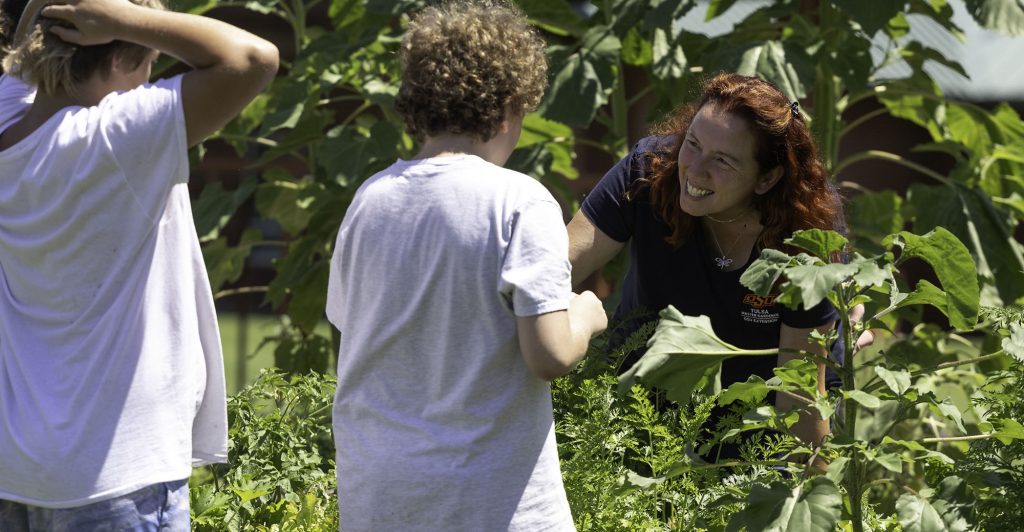
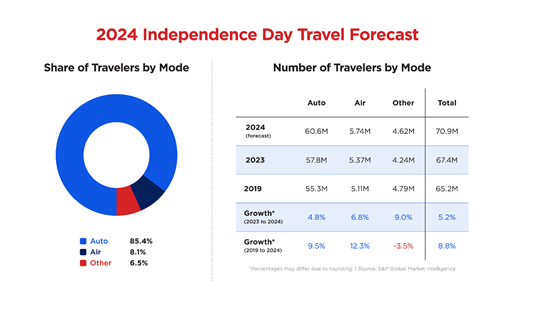
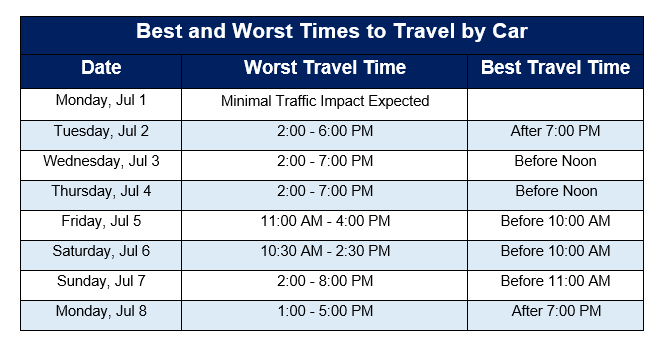
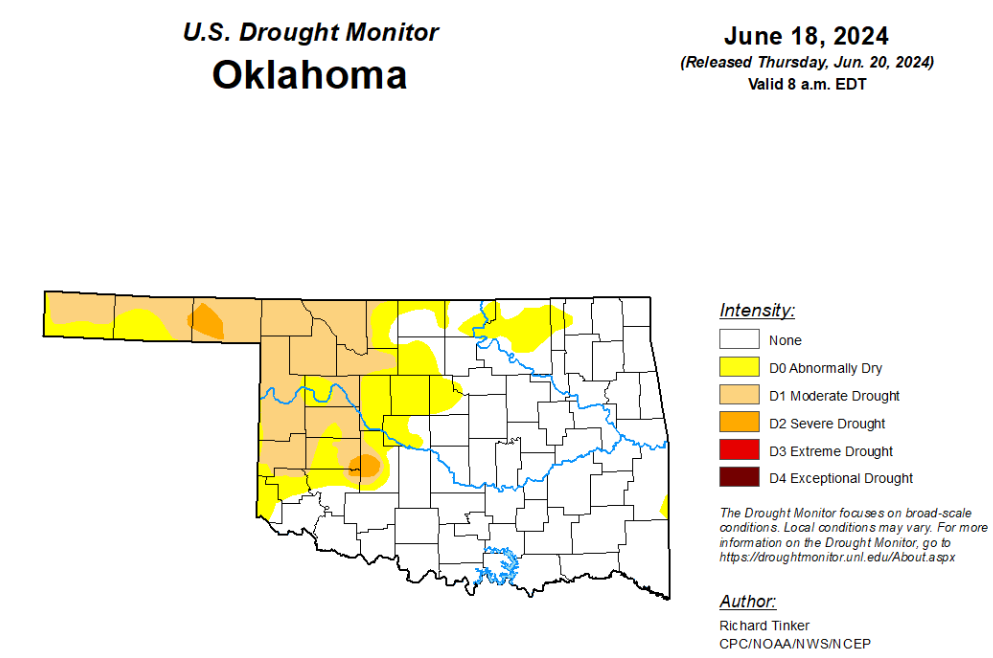
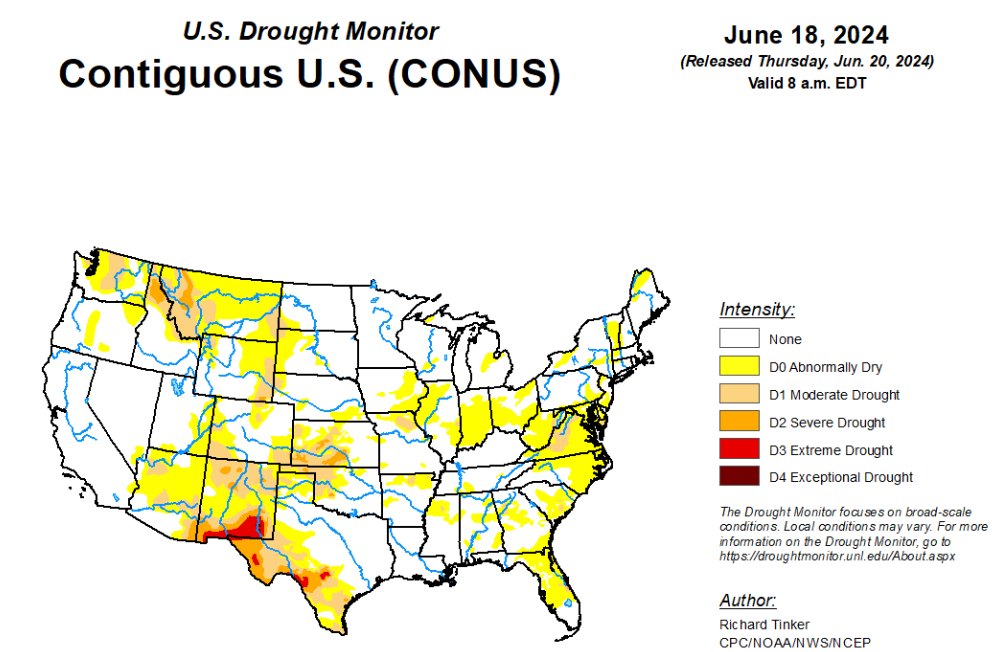
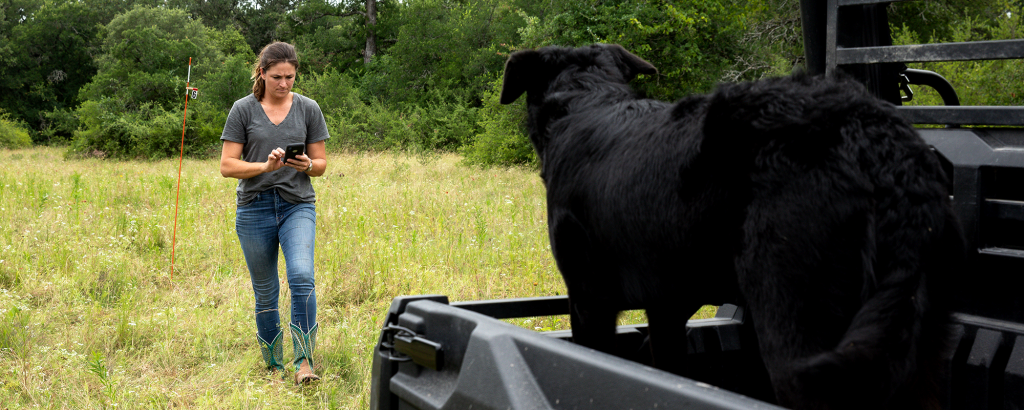


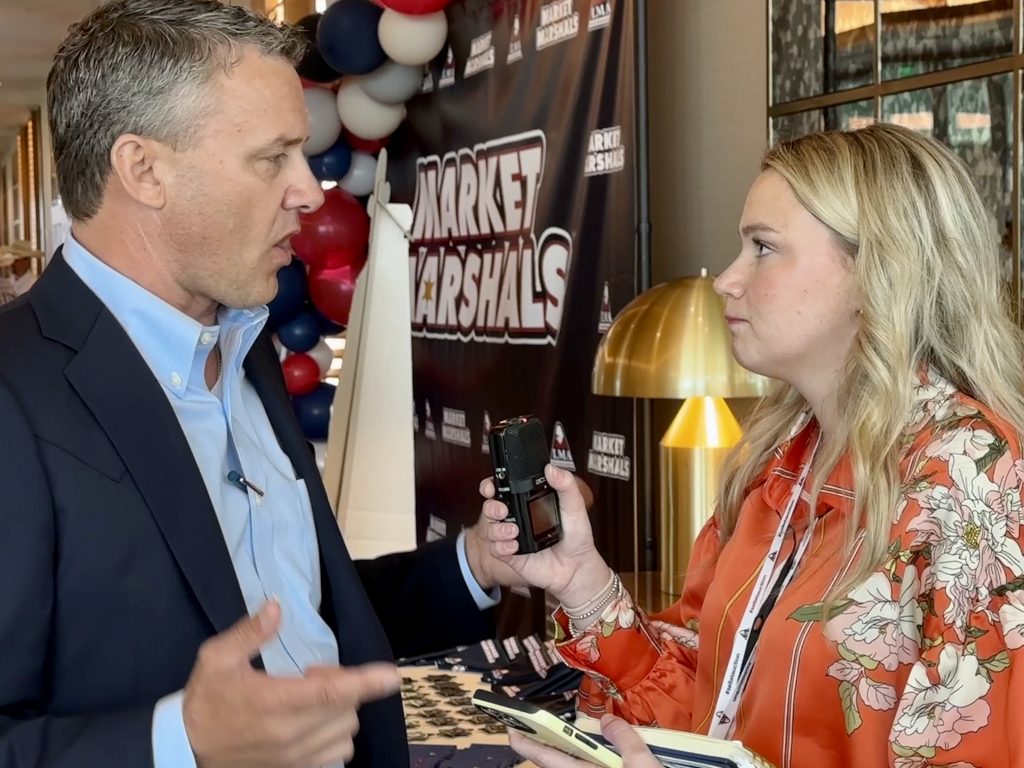
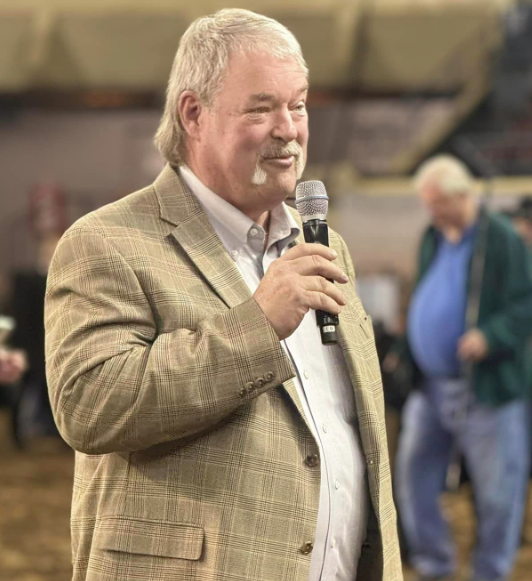
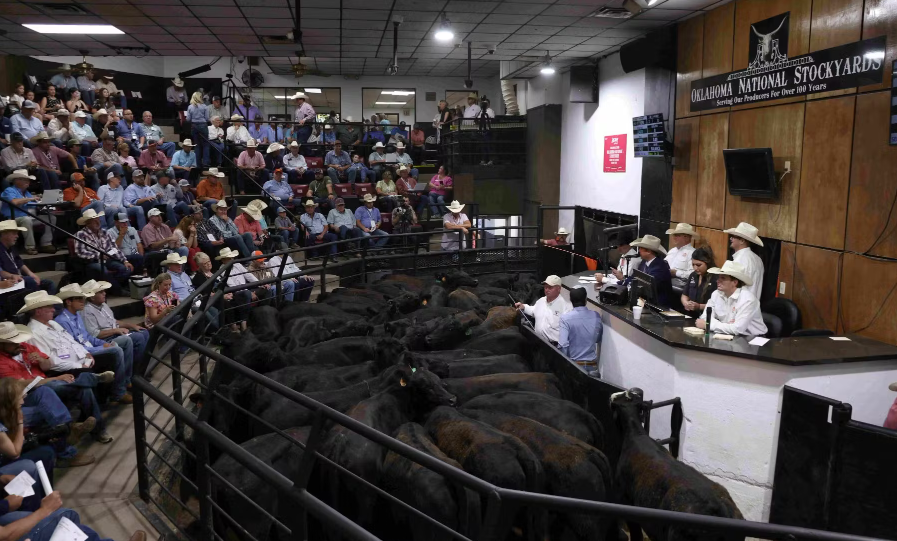
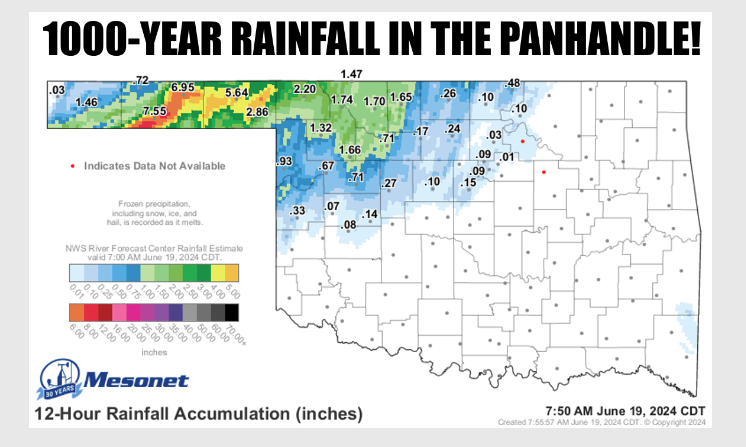
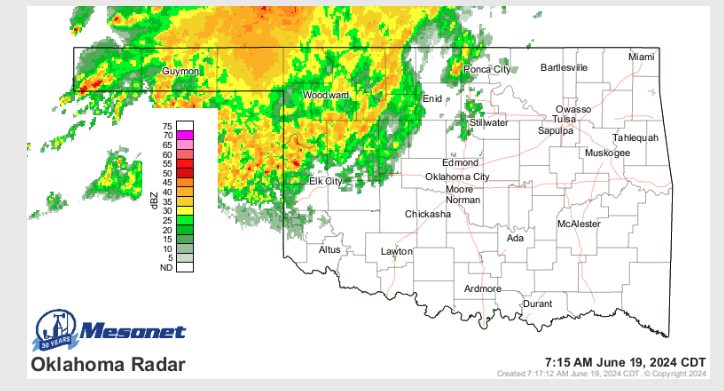

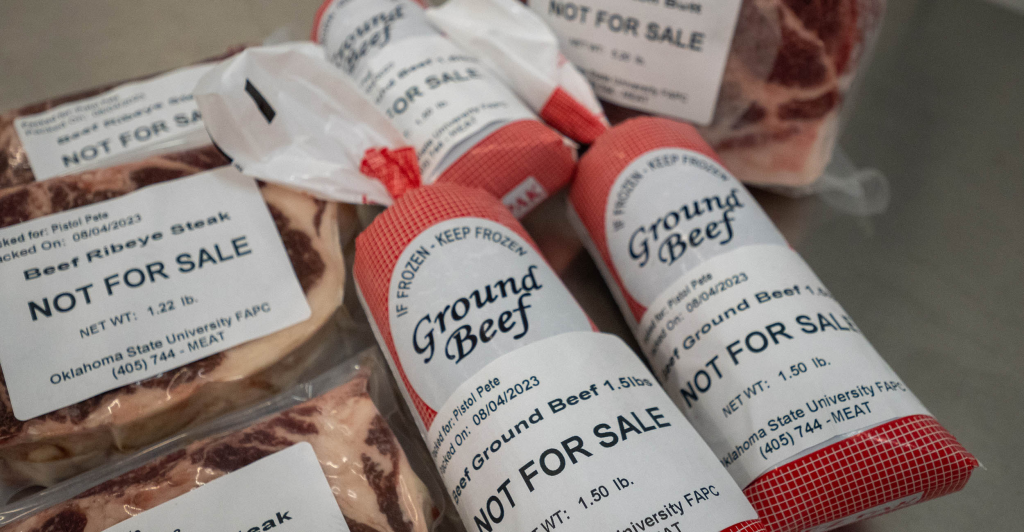
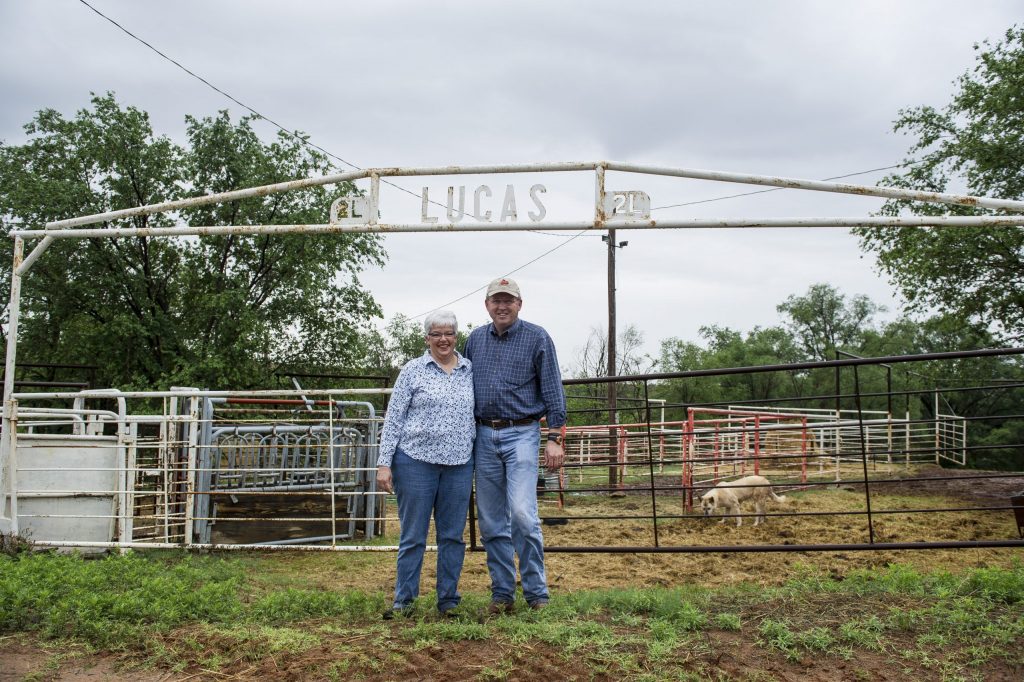
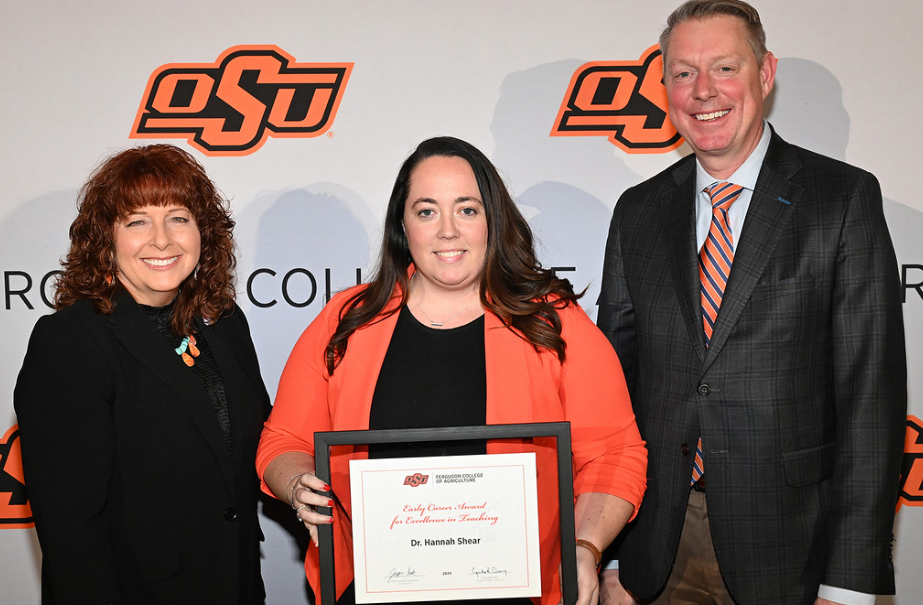
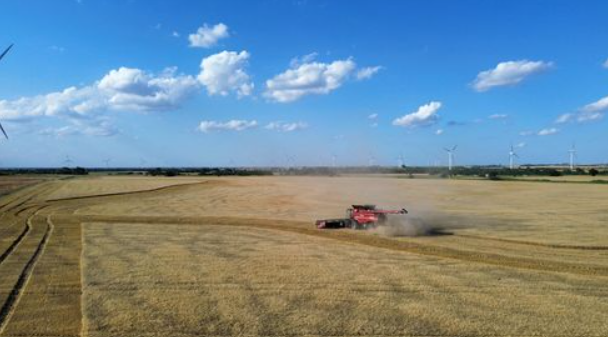


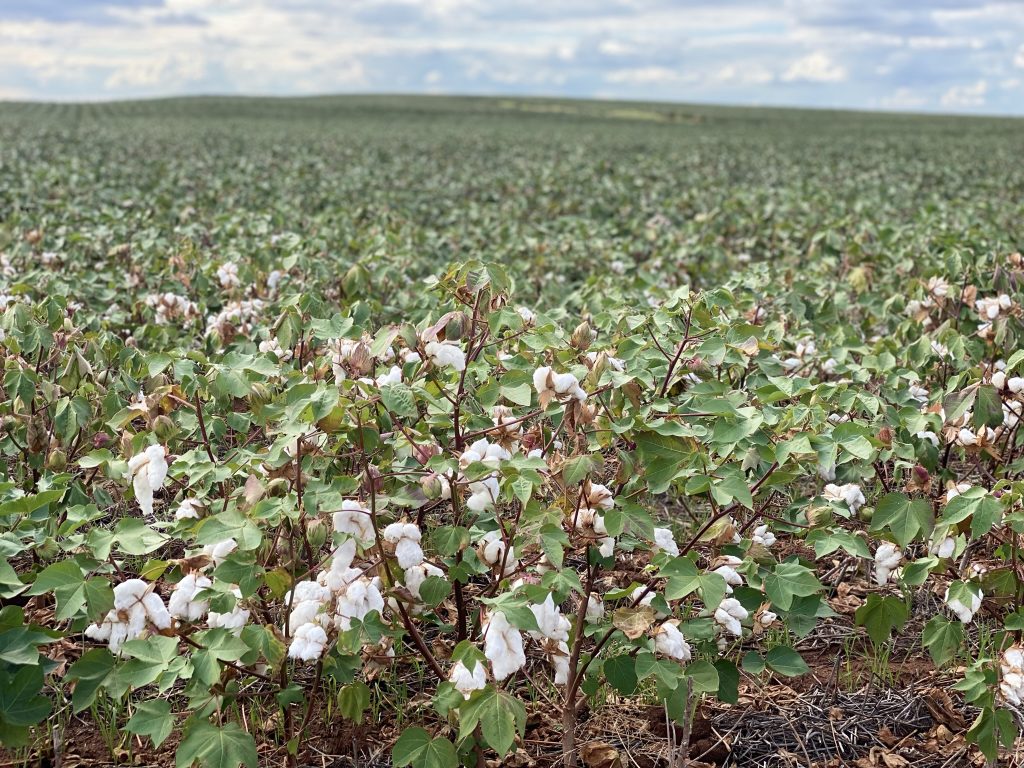
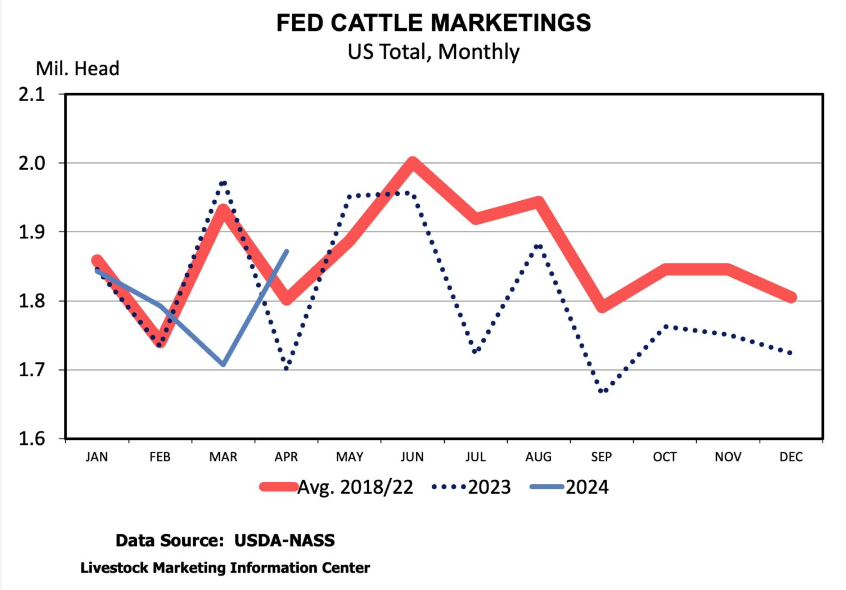
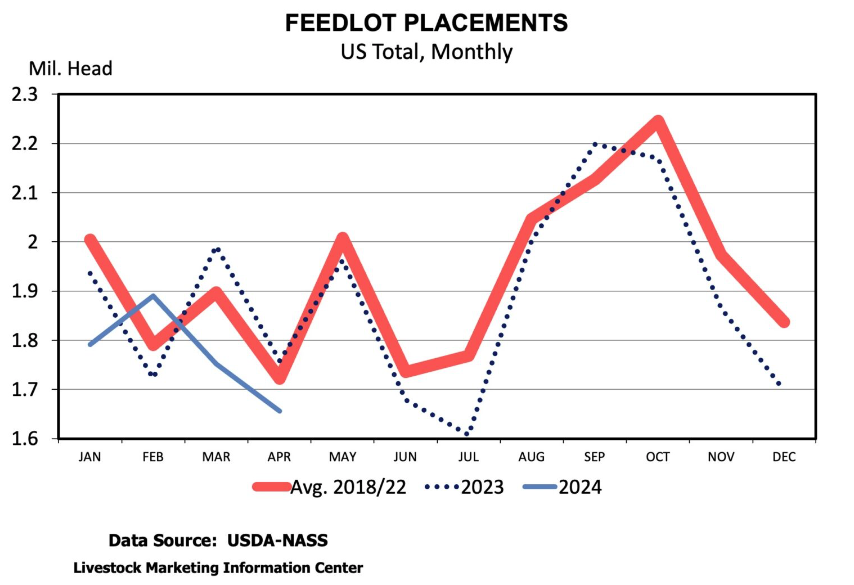
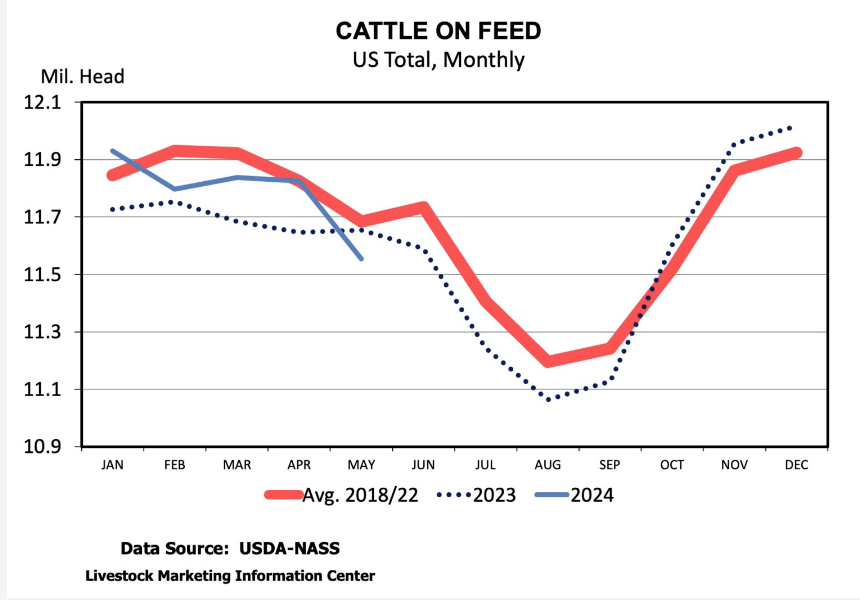
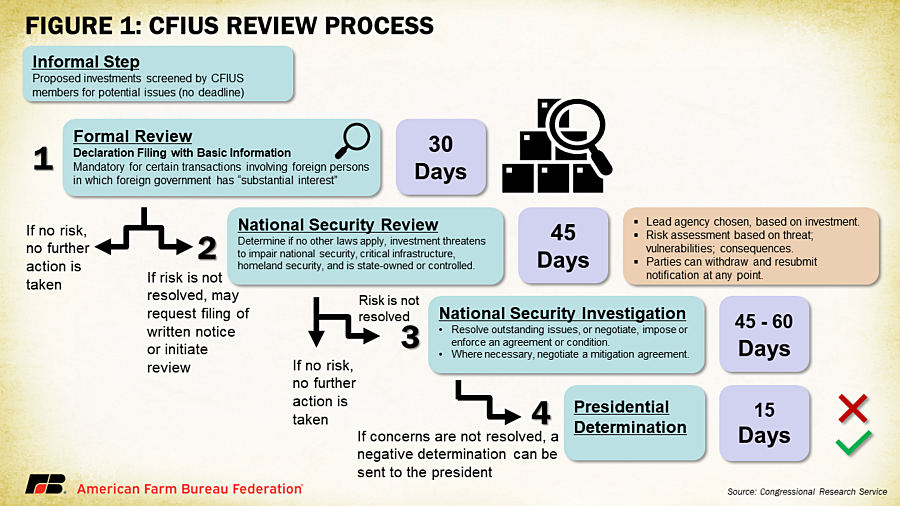
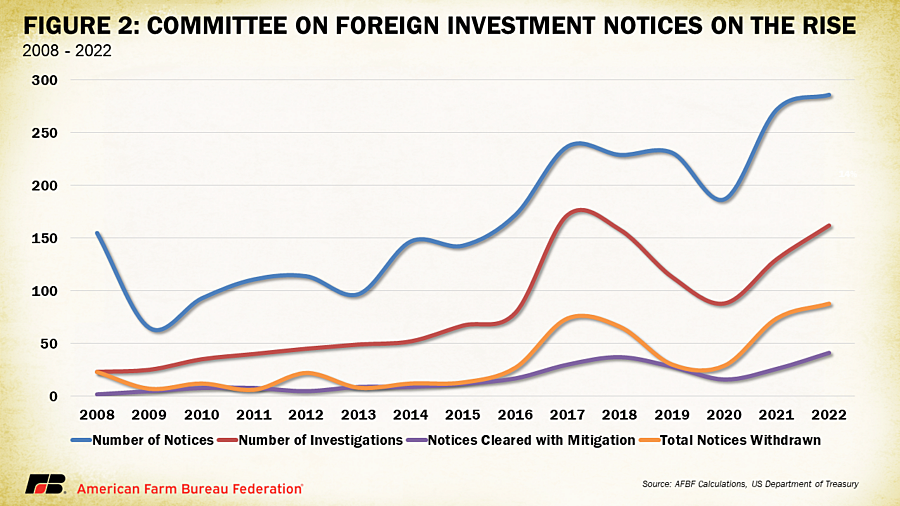
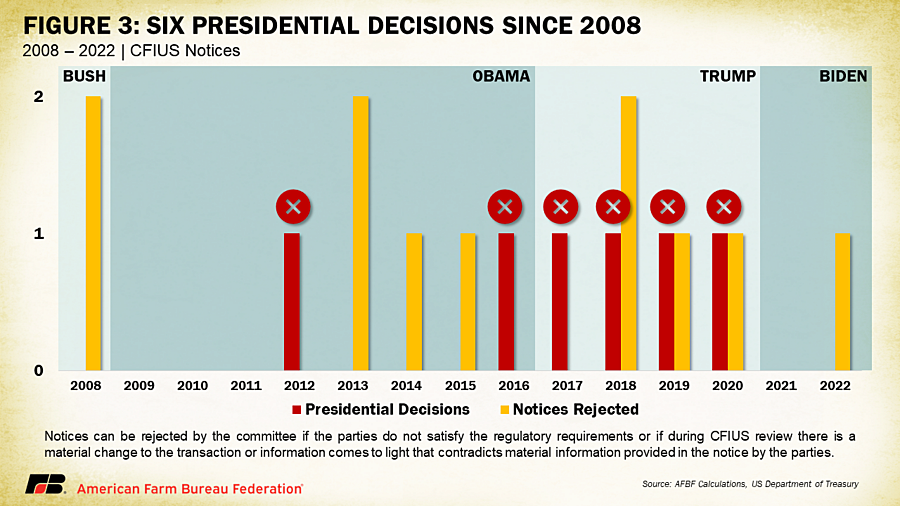
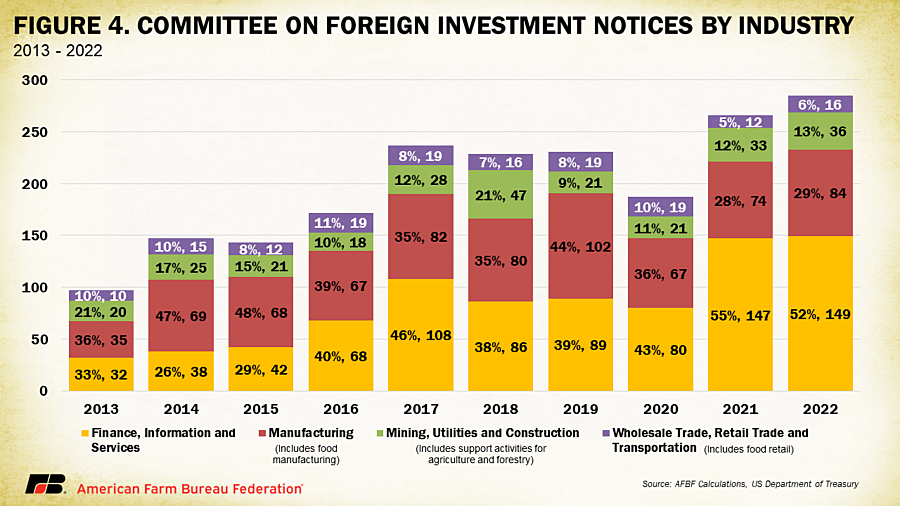
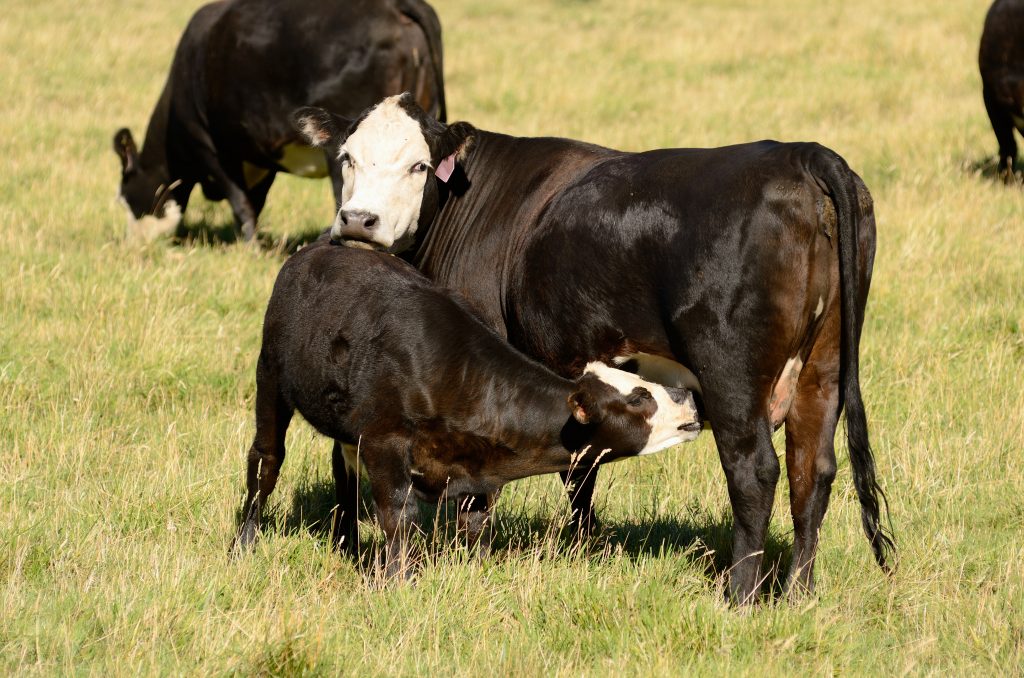

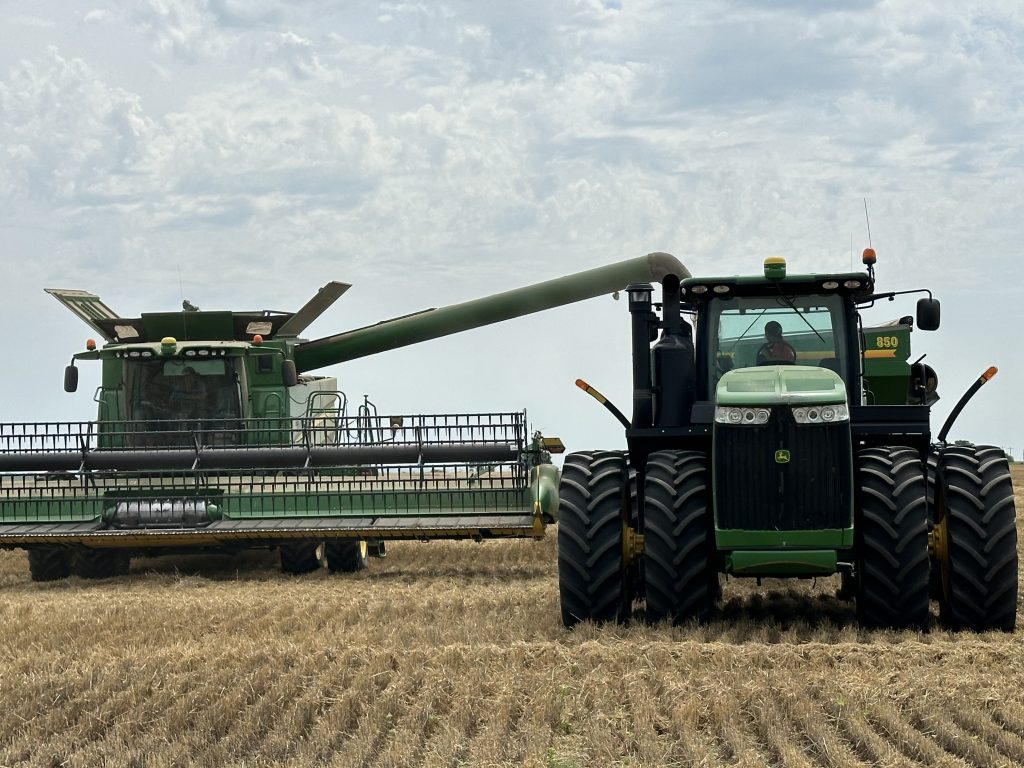

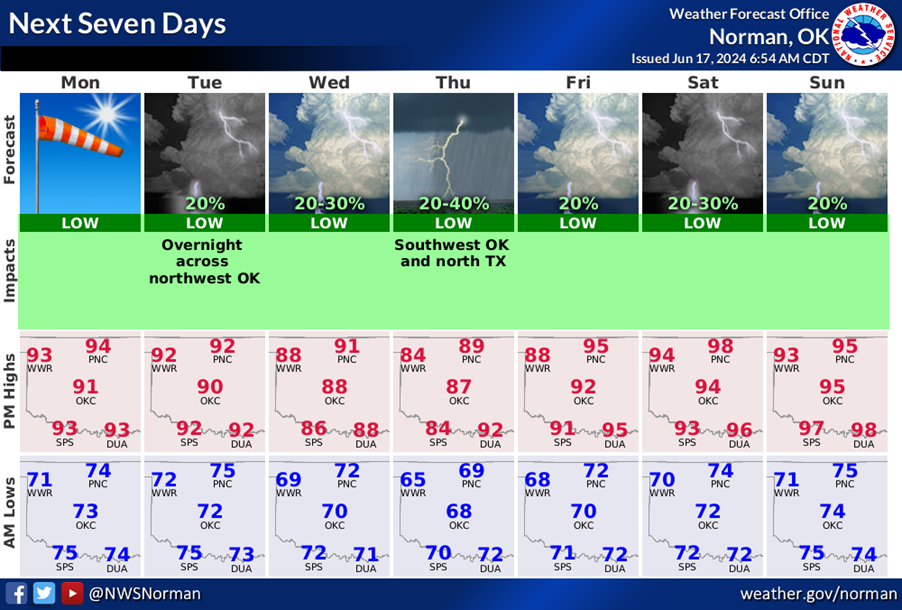
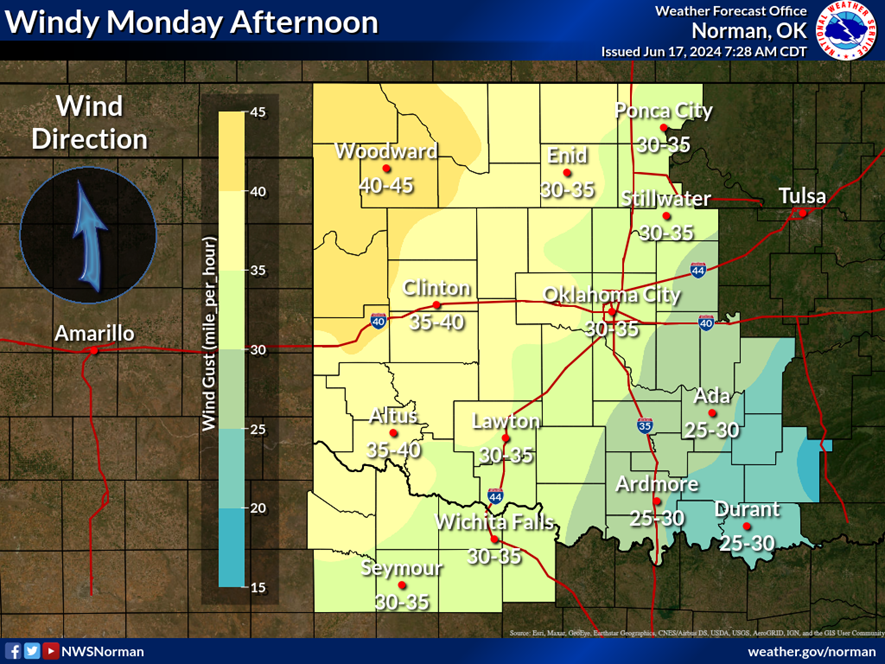
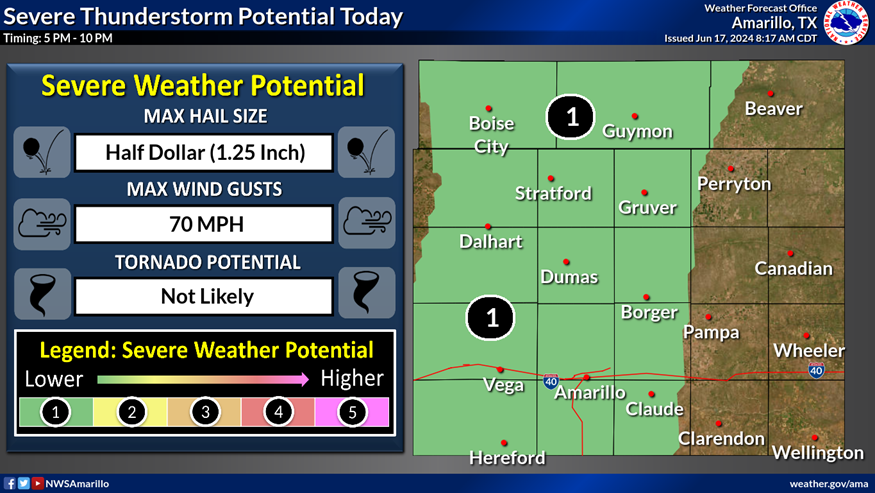




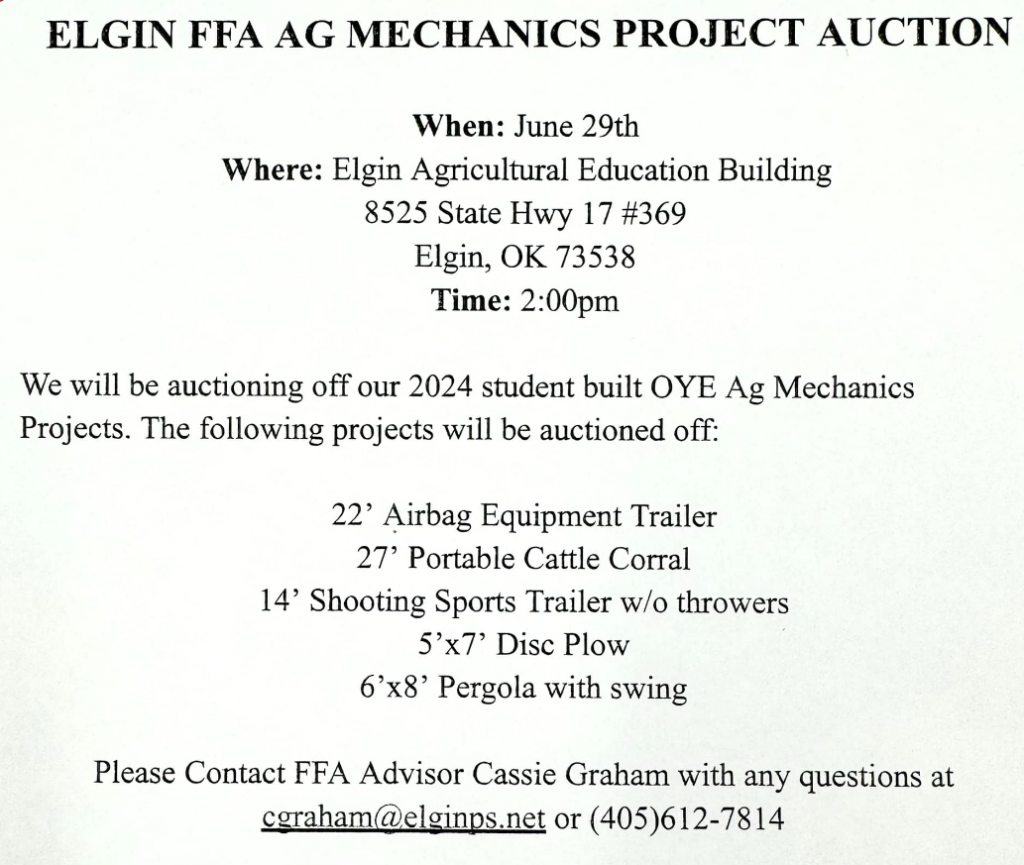
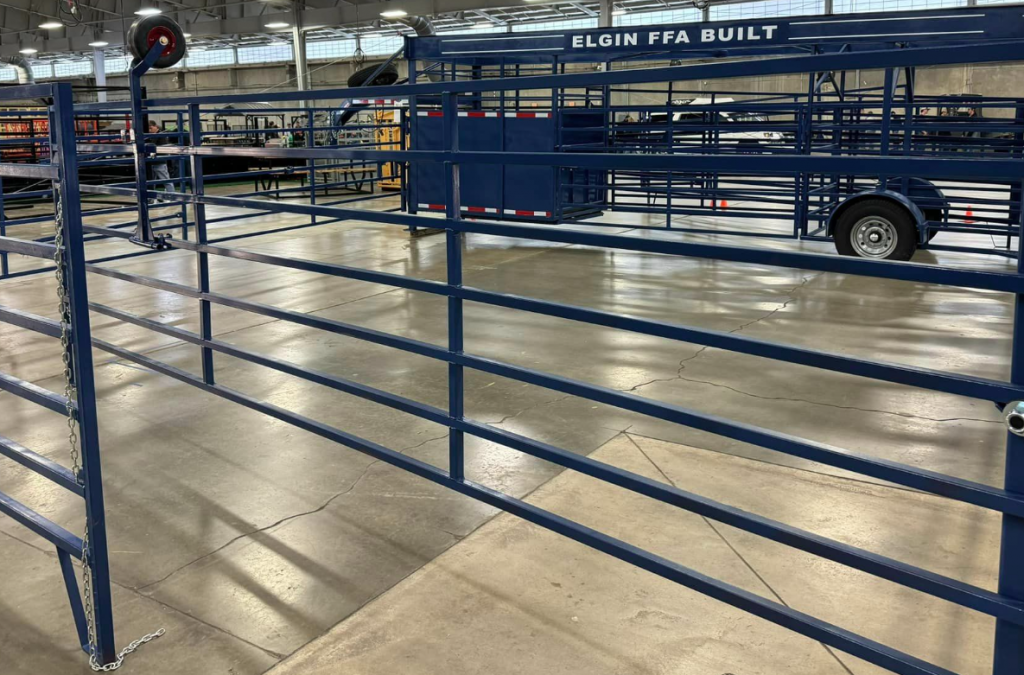


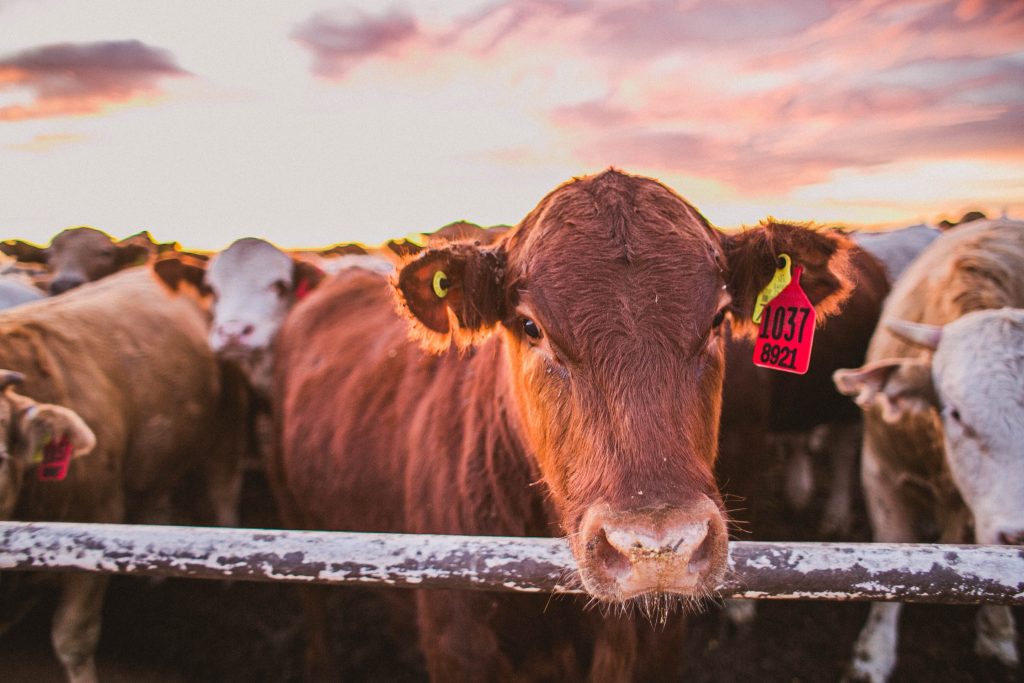

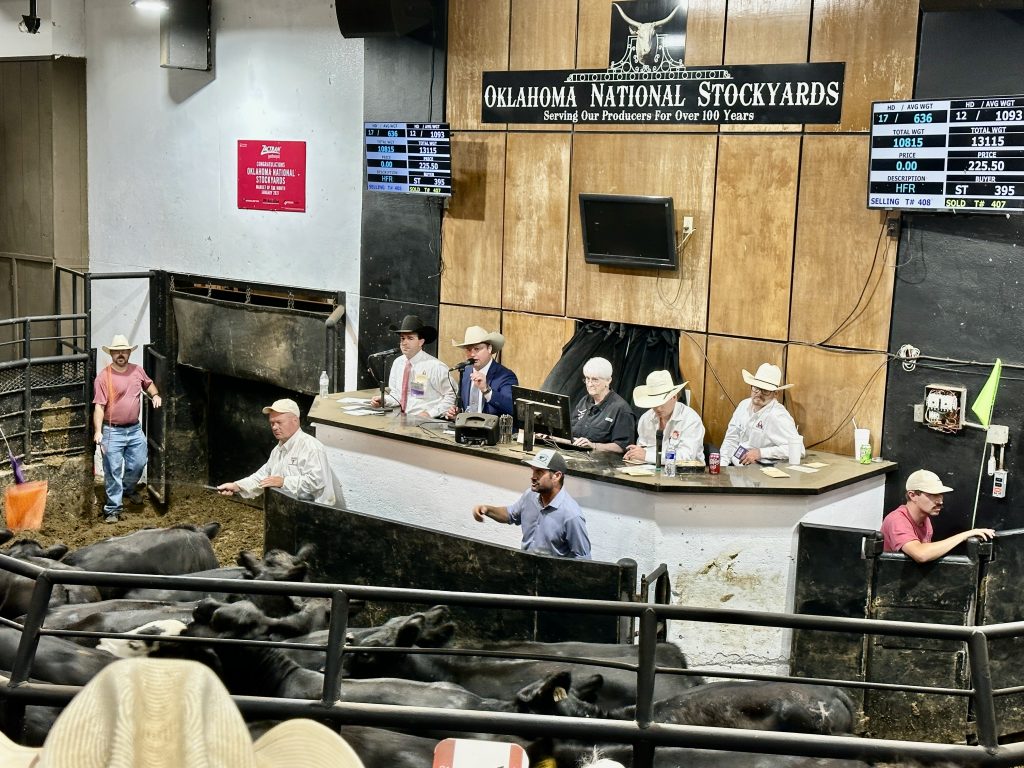
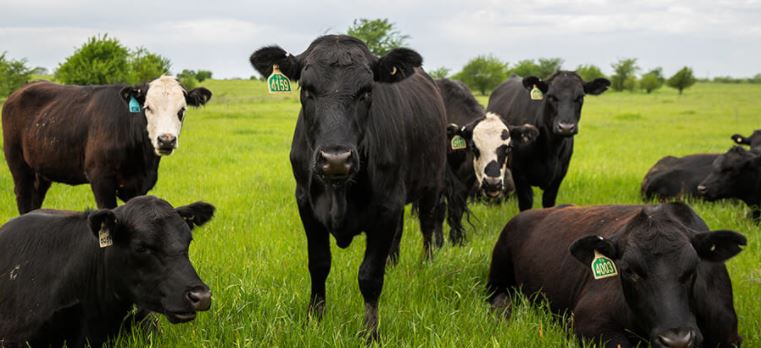
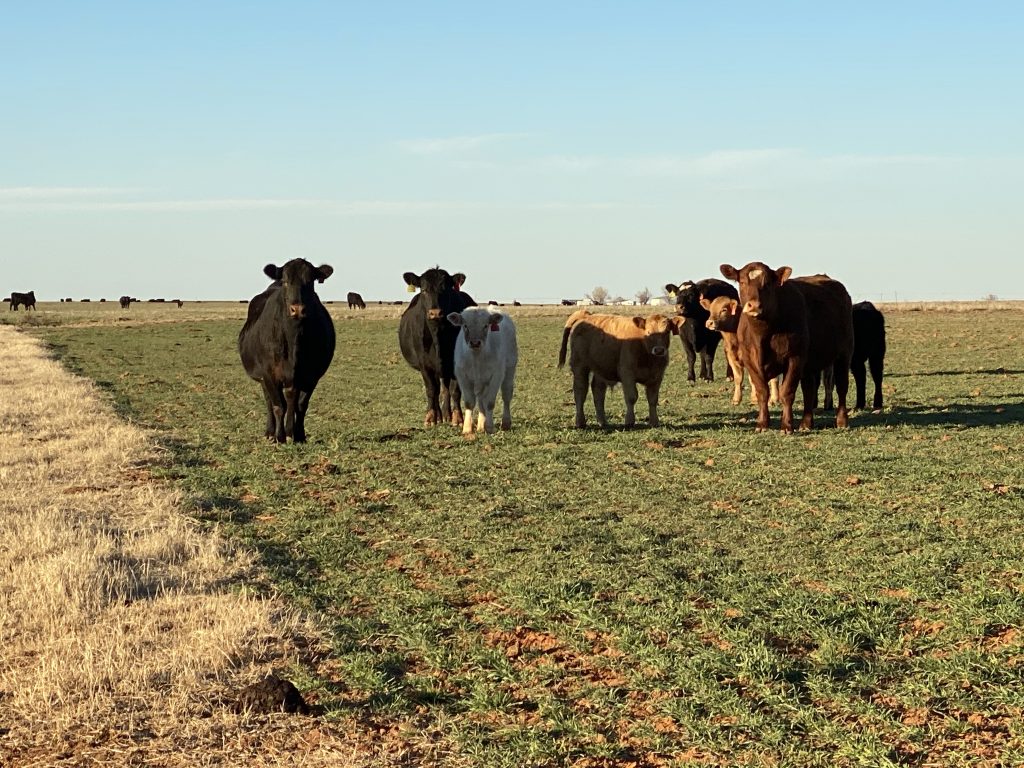



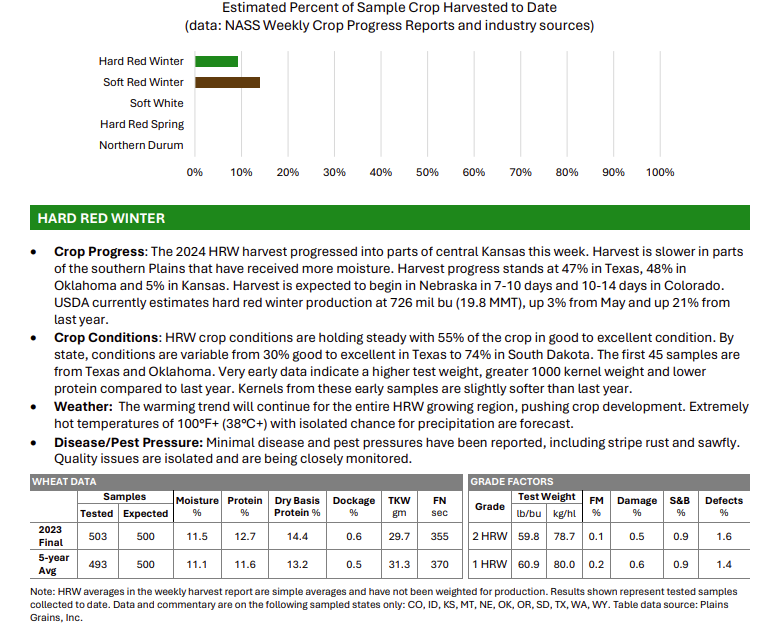
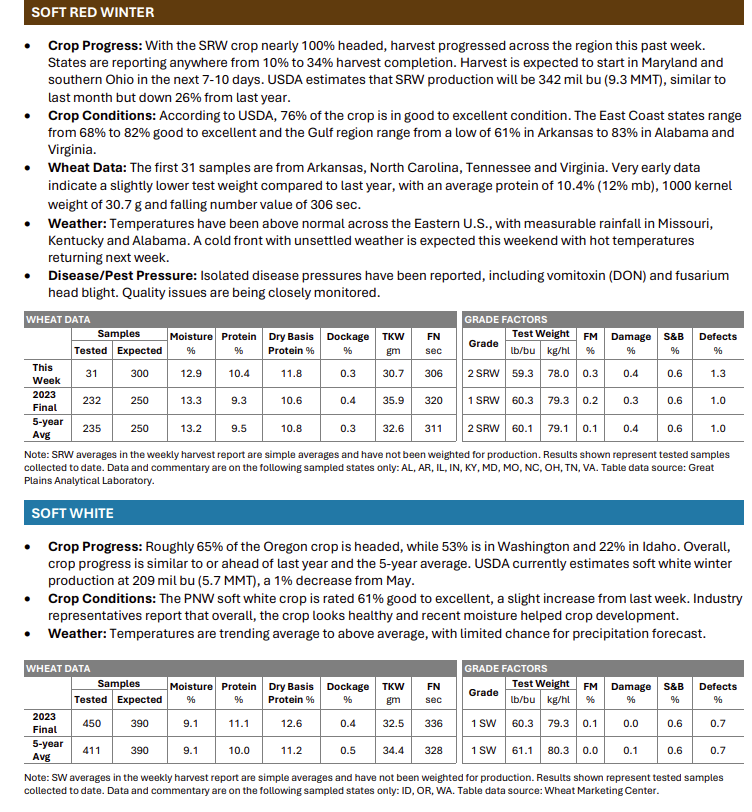
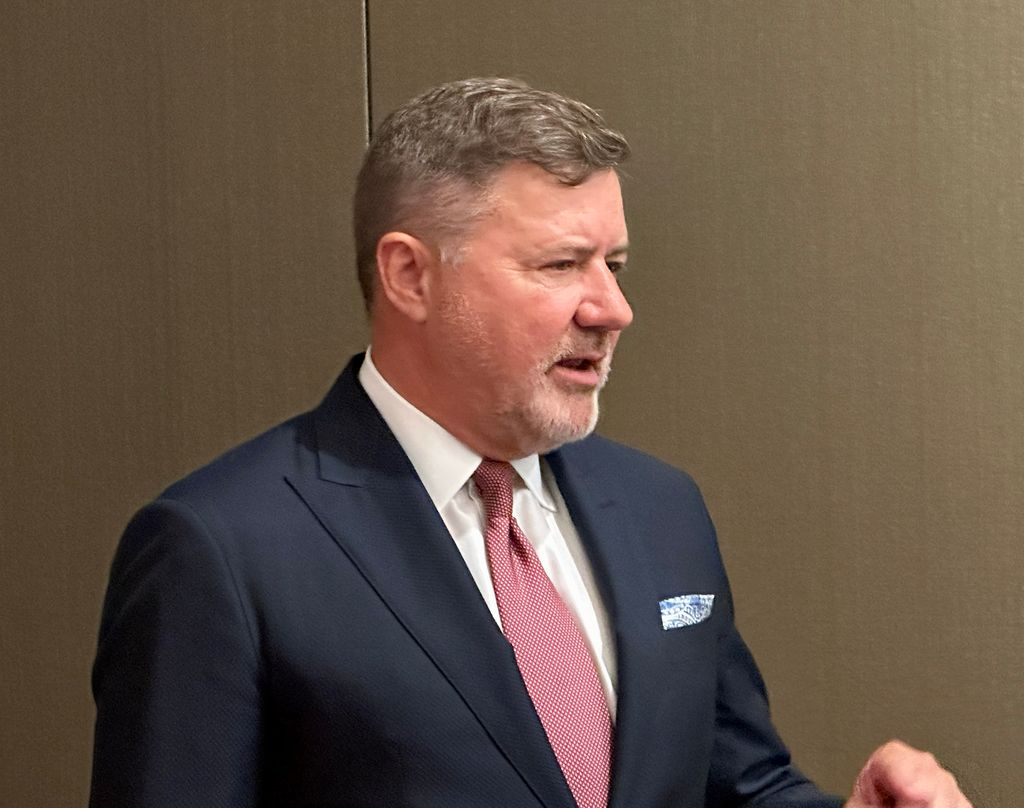
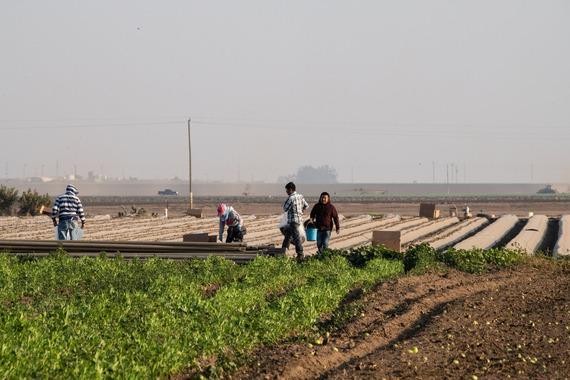
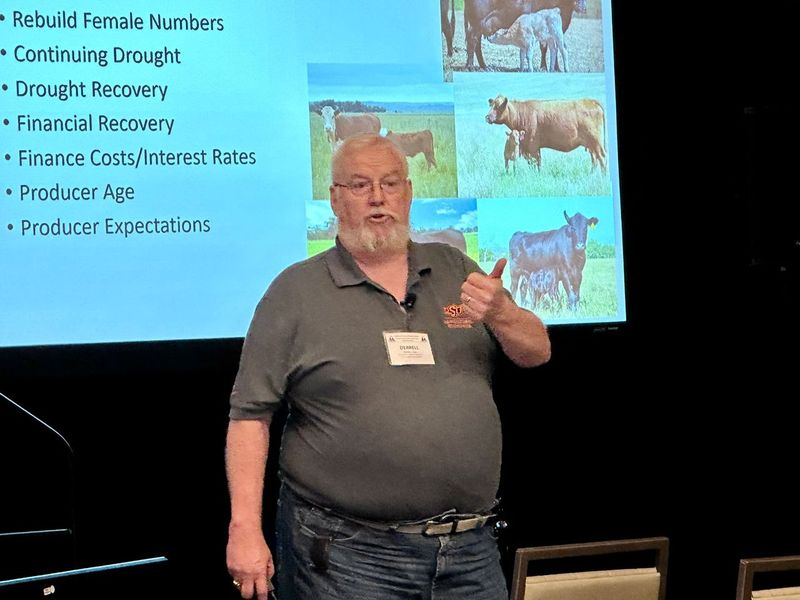


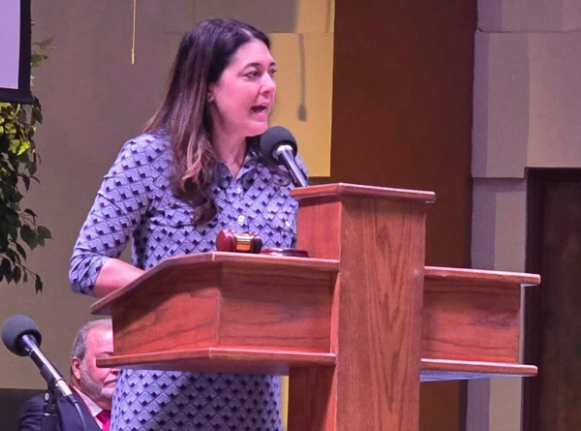
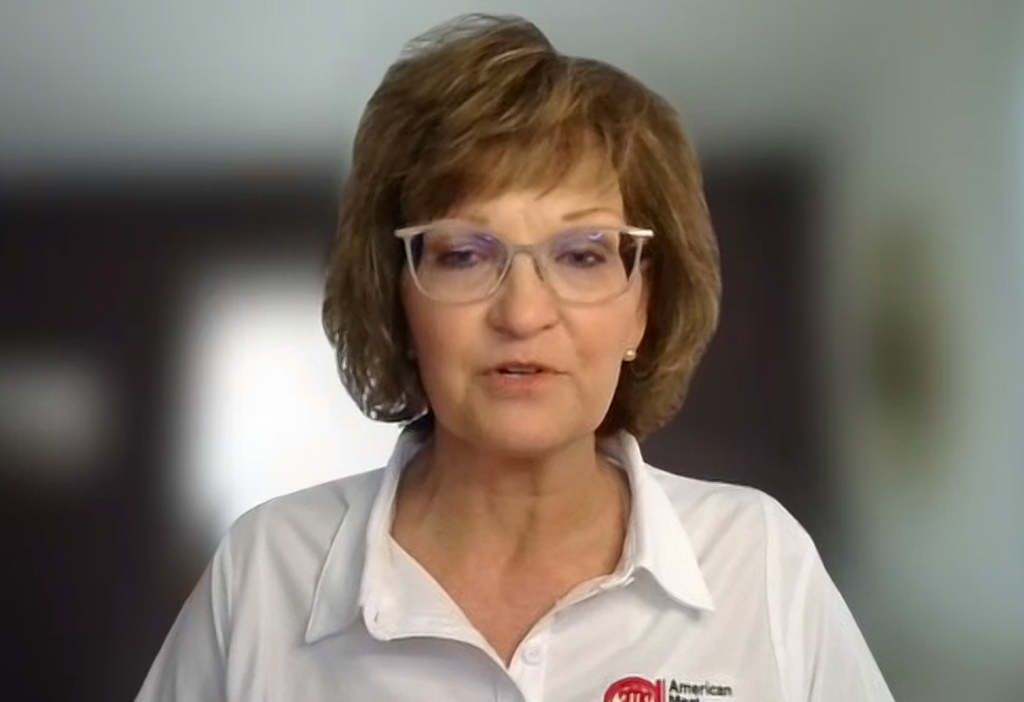

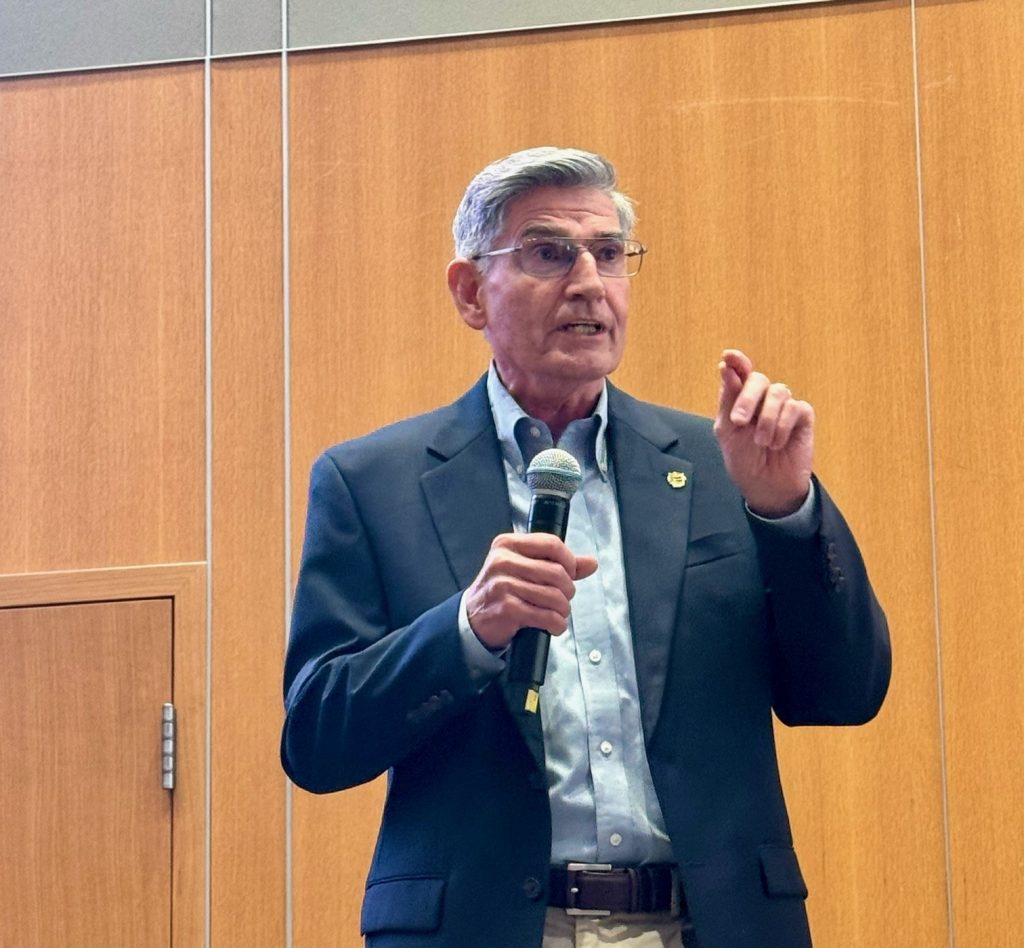
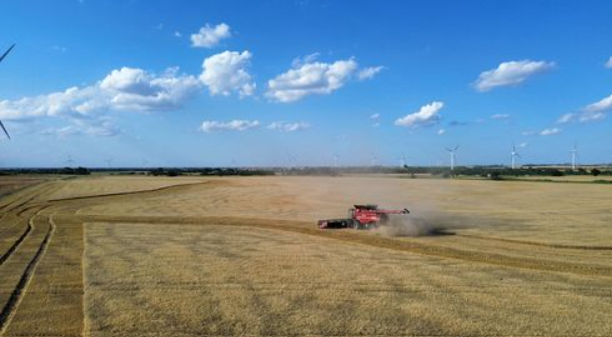
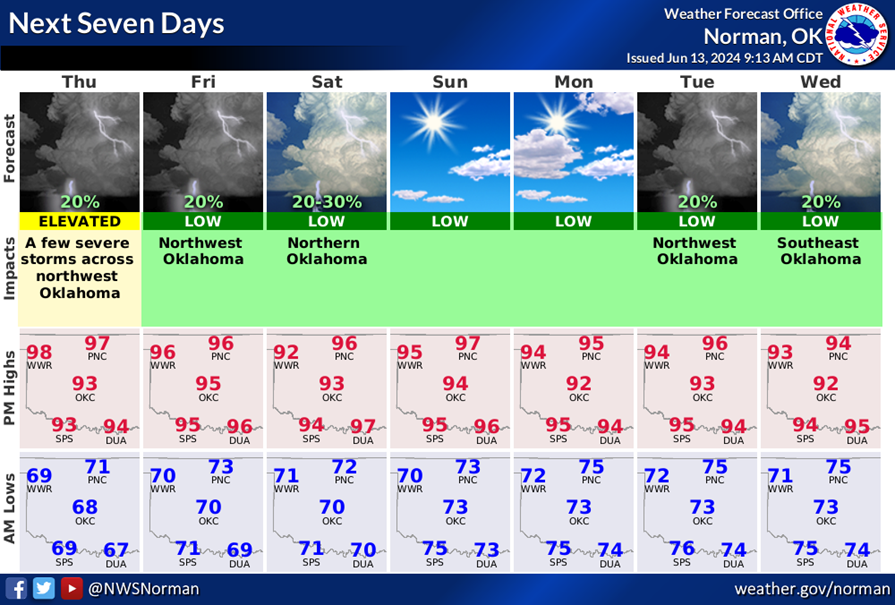
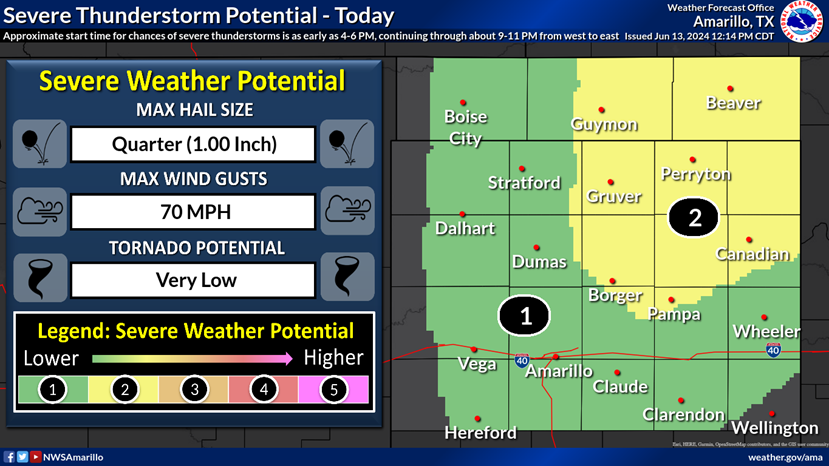
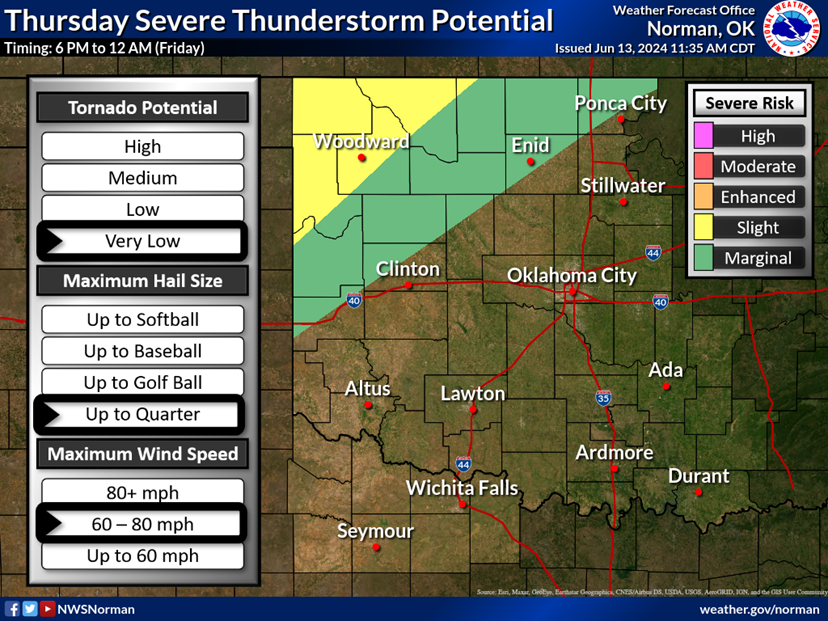
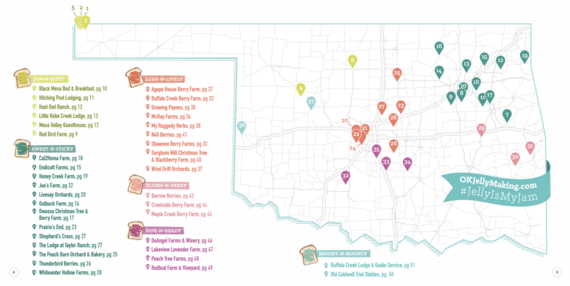
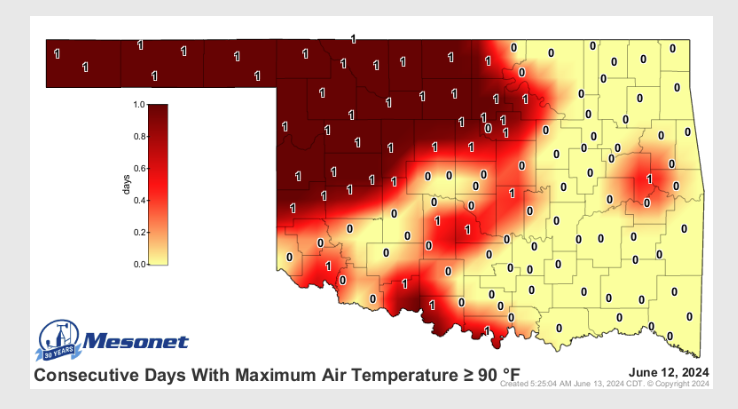
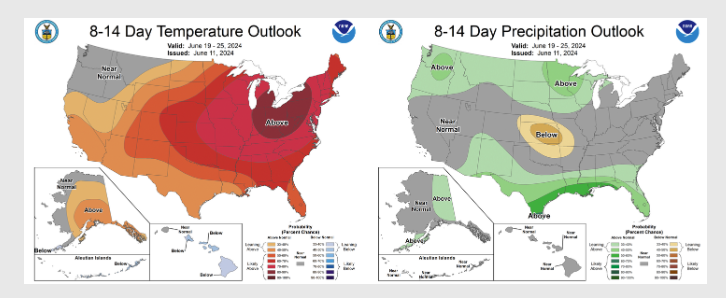
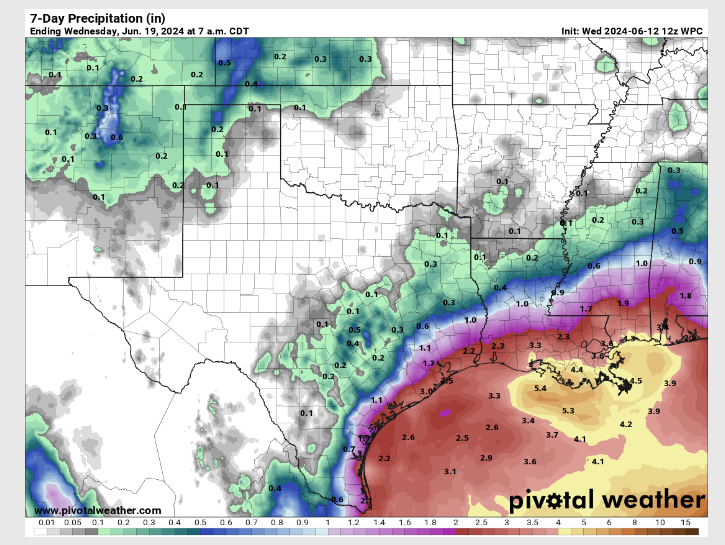
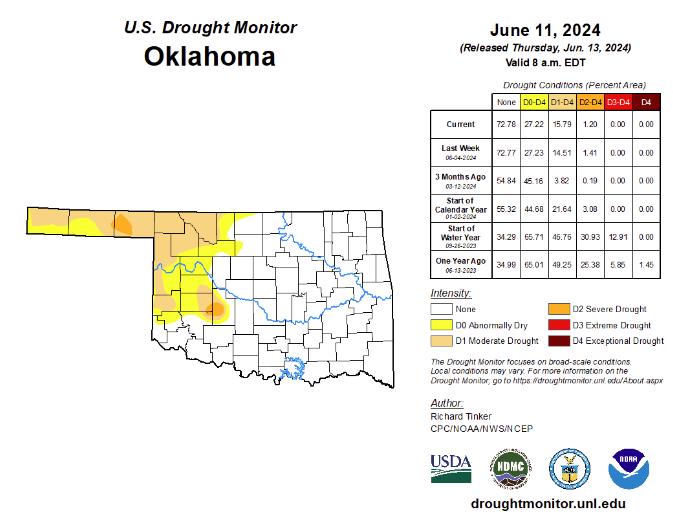
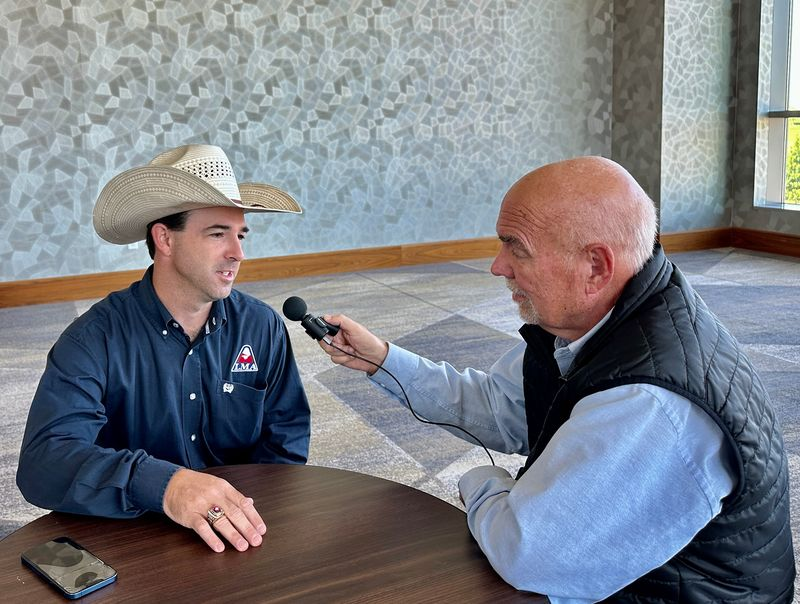
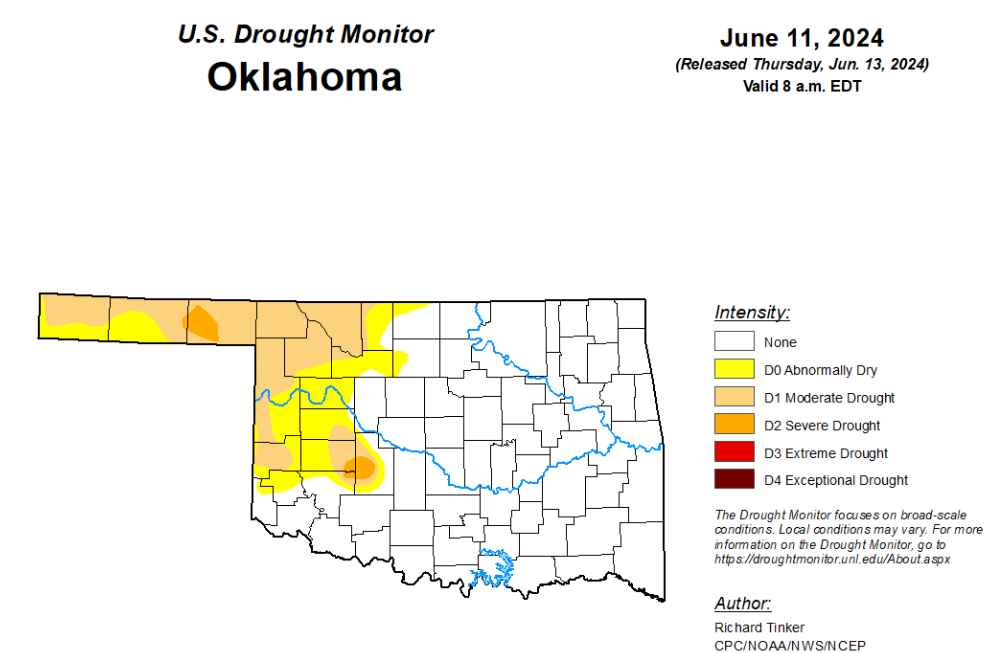
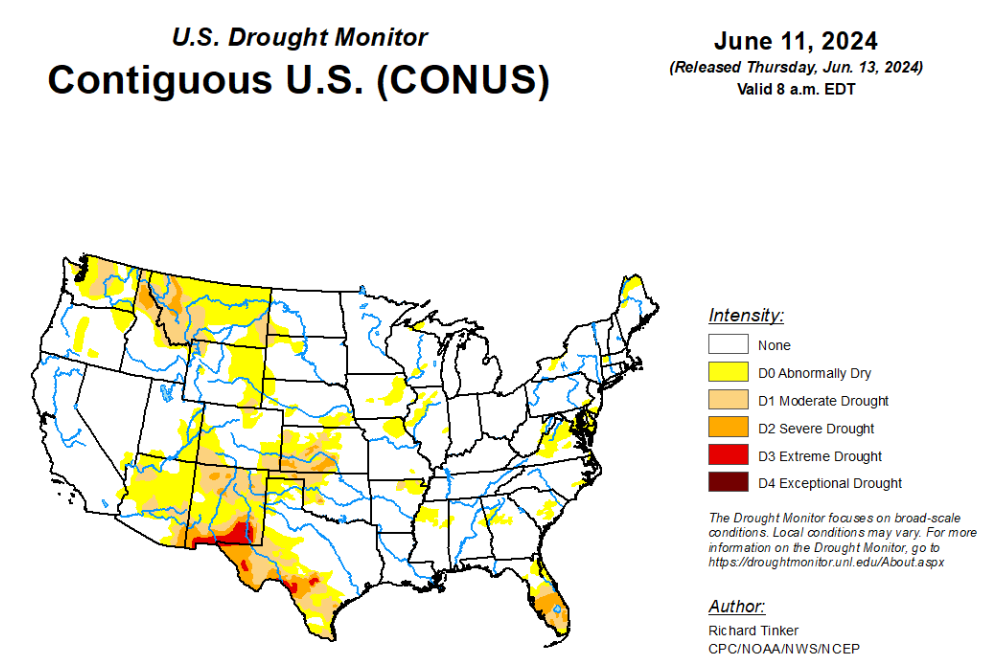




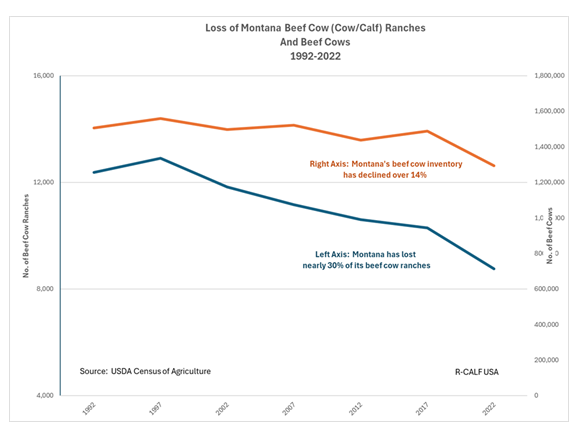
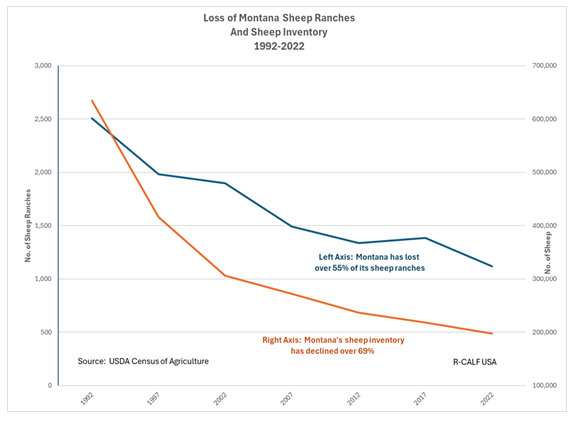


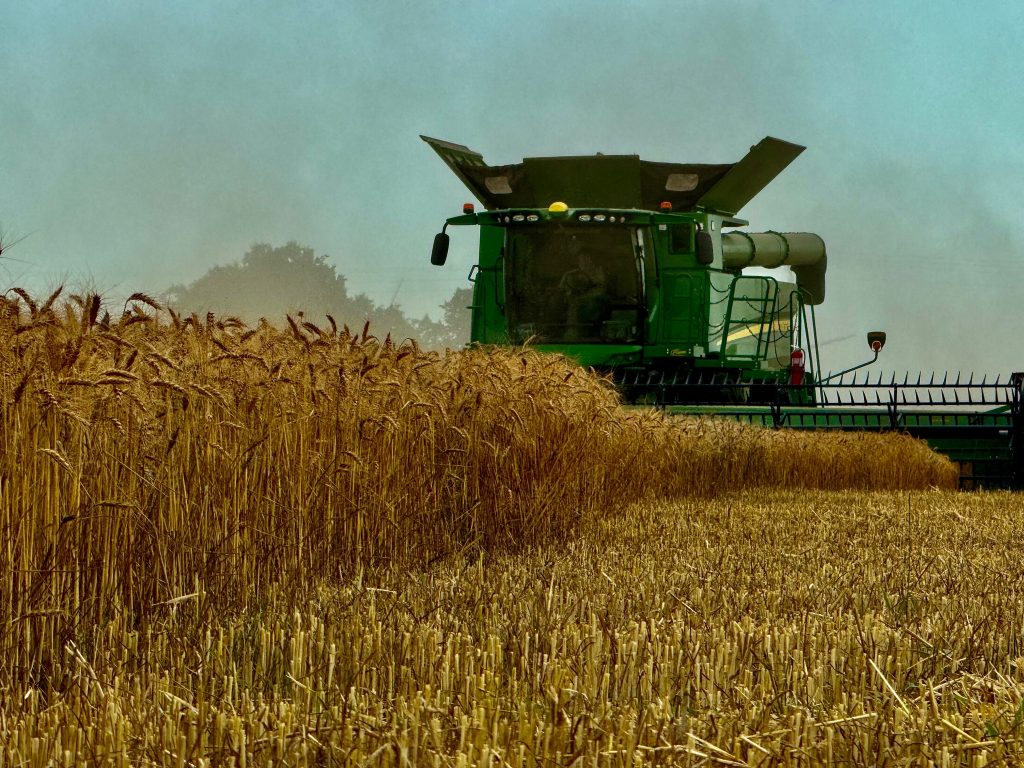
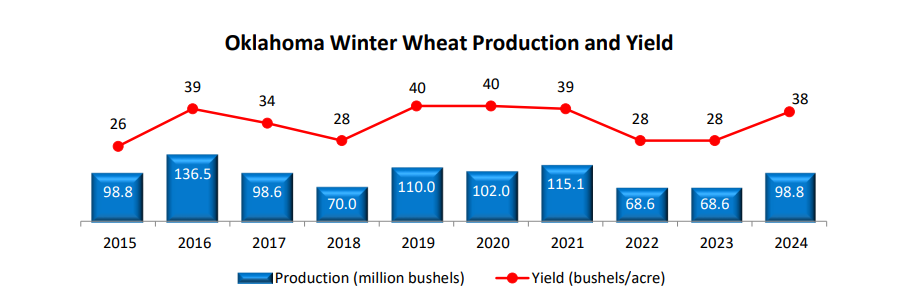
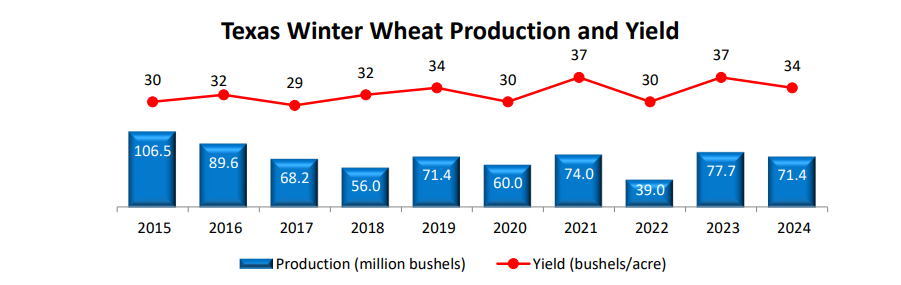

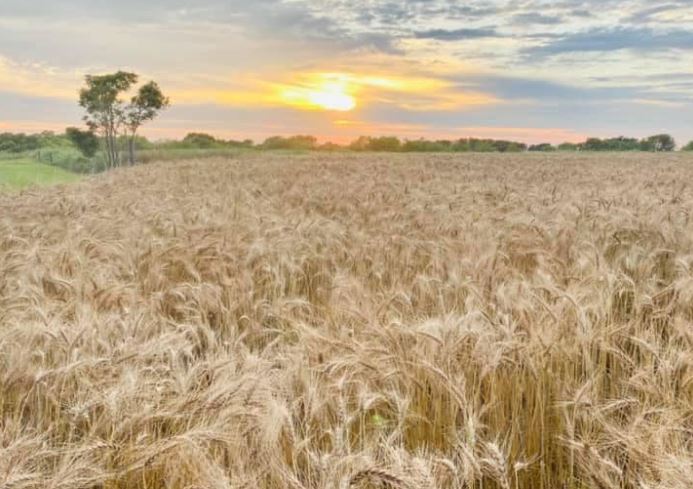
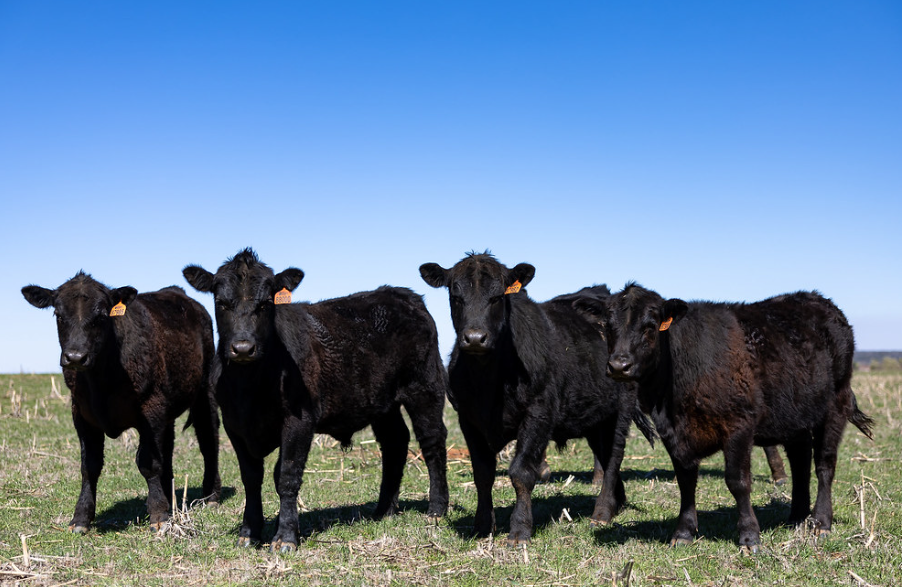

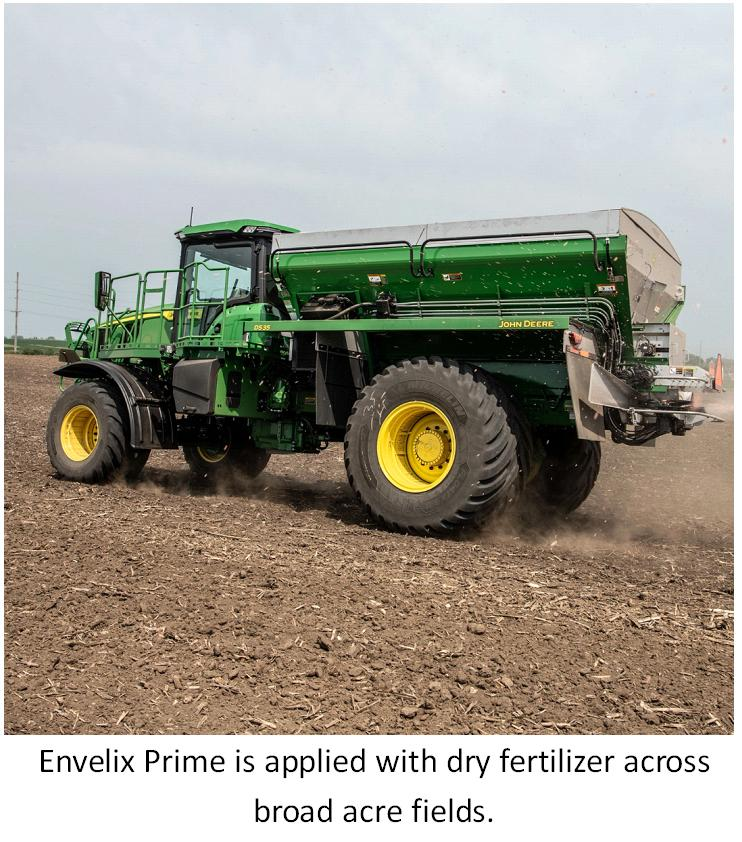
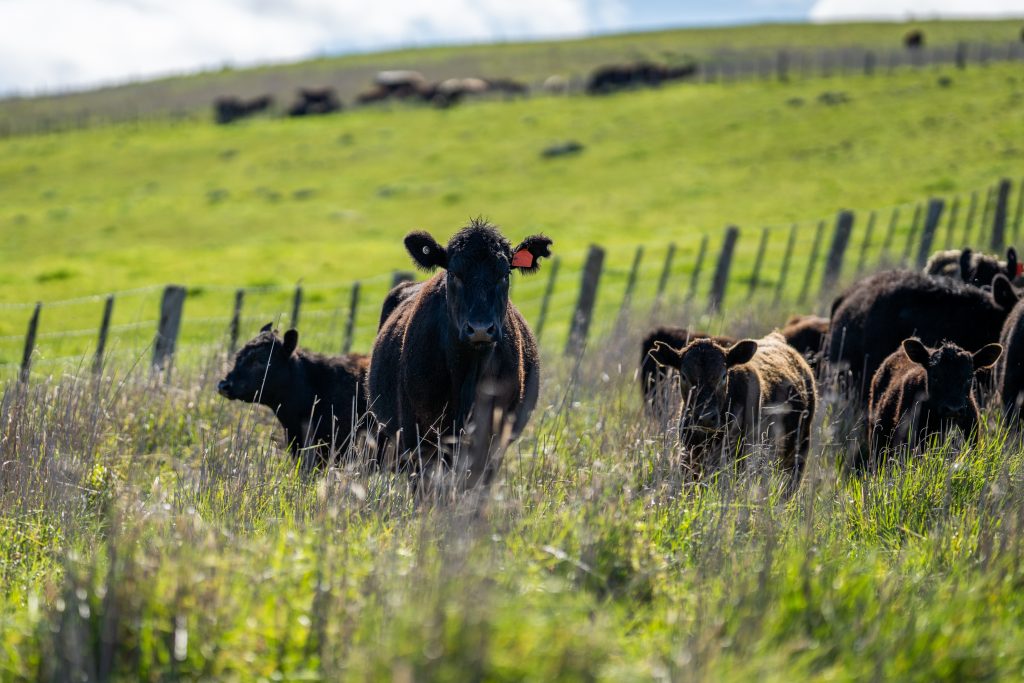
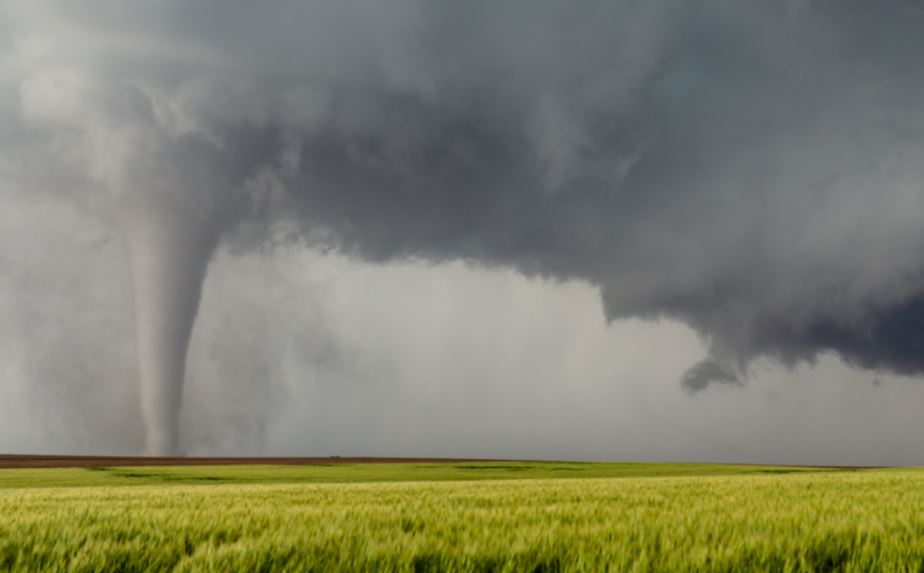
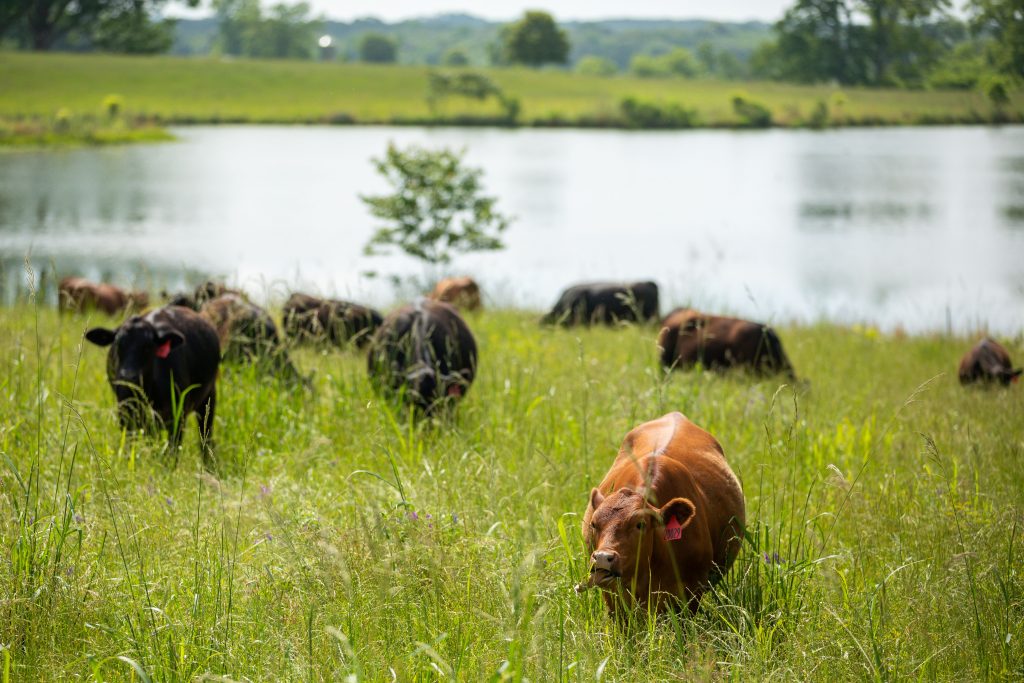
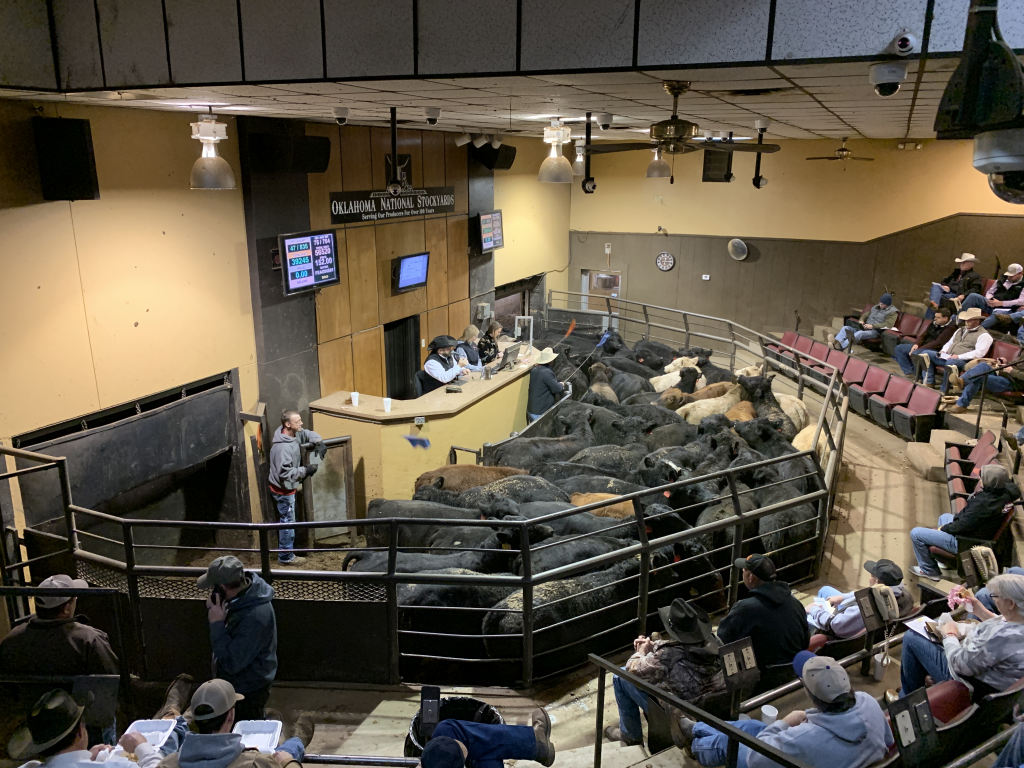

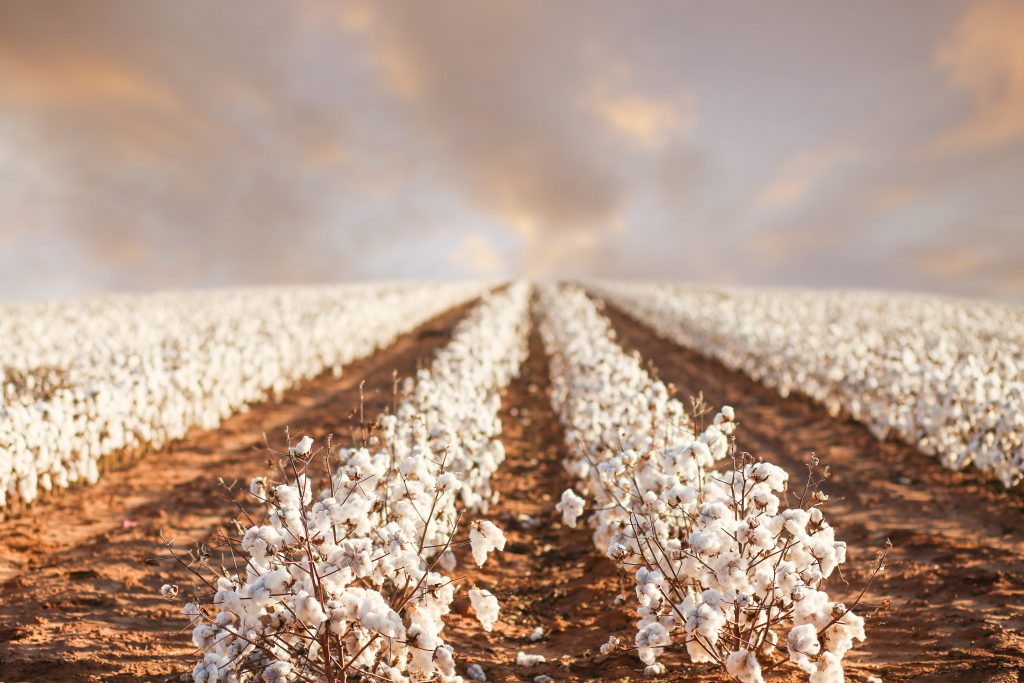

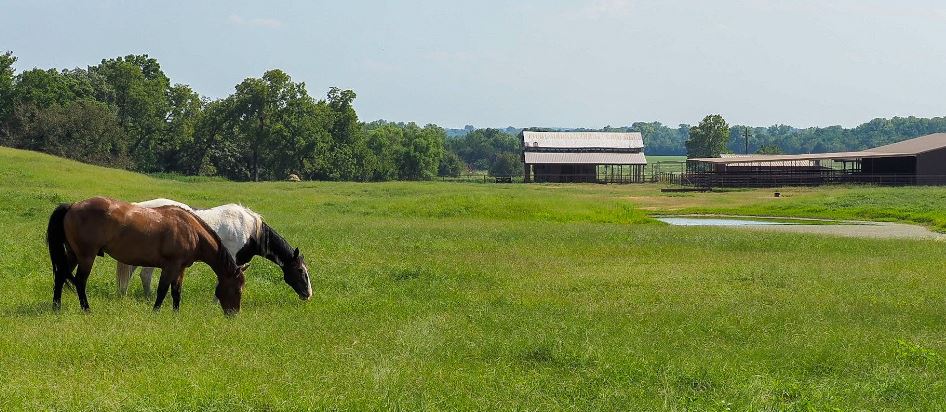
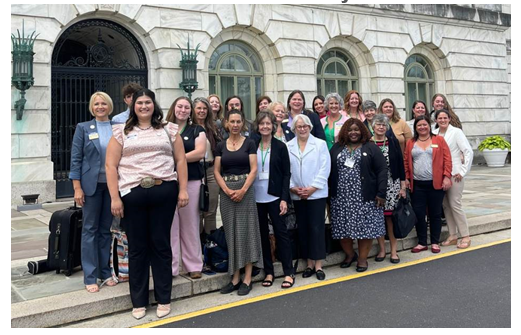
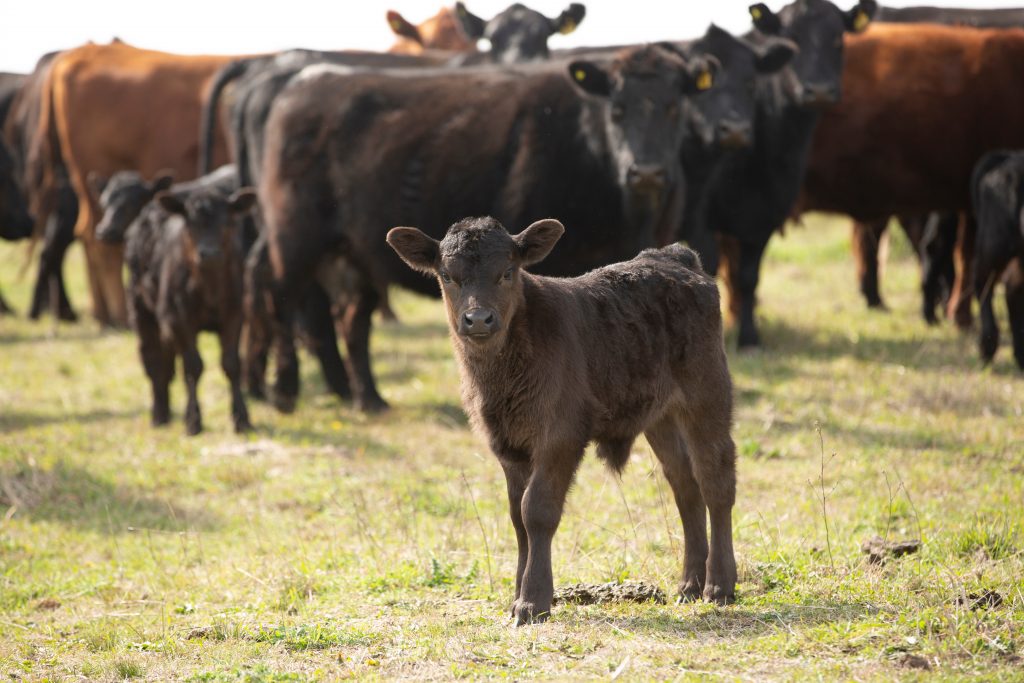


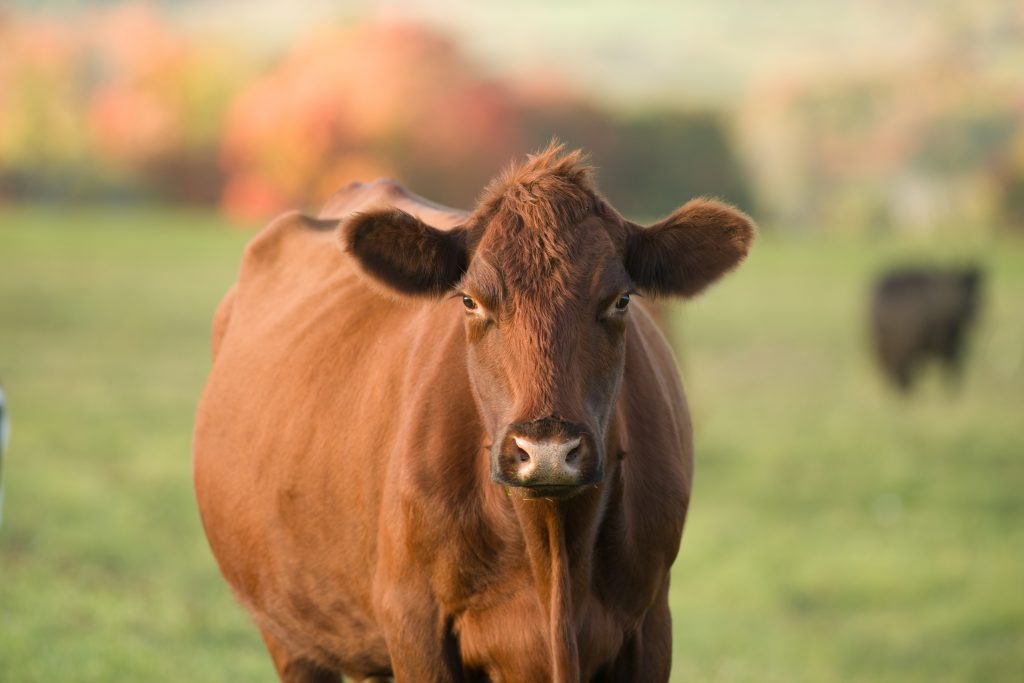


 LEARNING PLAN Understanding the Bacteria Influencing Respiratory Disease Bovine respiratory disease is a complex issue. This course covers the common bacteria that cause BRD in cattle and how the bacteria act in the animal. There is also discussion of preventing BRD, as well as how to effectively treat BRD in cattle. Enroll today!
 ON-DEMAND COURSE iLeadership Development Workshop The iLDW is a self-paced course that will help you effectively lead your team and grow your business. The iLDW consists of 7 modules: • Delivering Feedback • Delegation • GROW Model for Coaching • Self-Regulation • Effective Communications • Decision Making • Change Management Available RACE & CVPM - Approved CE Credit: 2 Enroll today!