Ag News

Federal Judge Rejects Second Proposed Settlement in Oklahoma Poultry Pollution Lawsuit

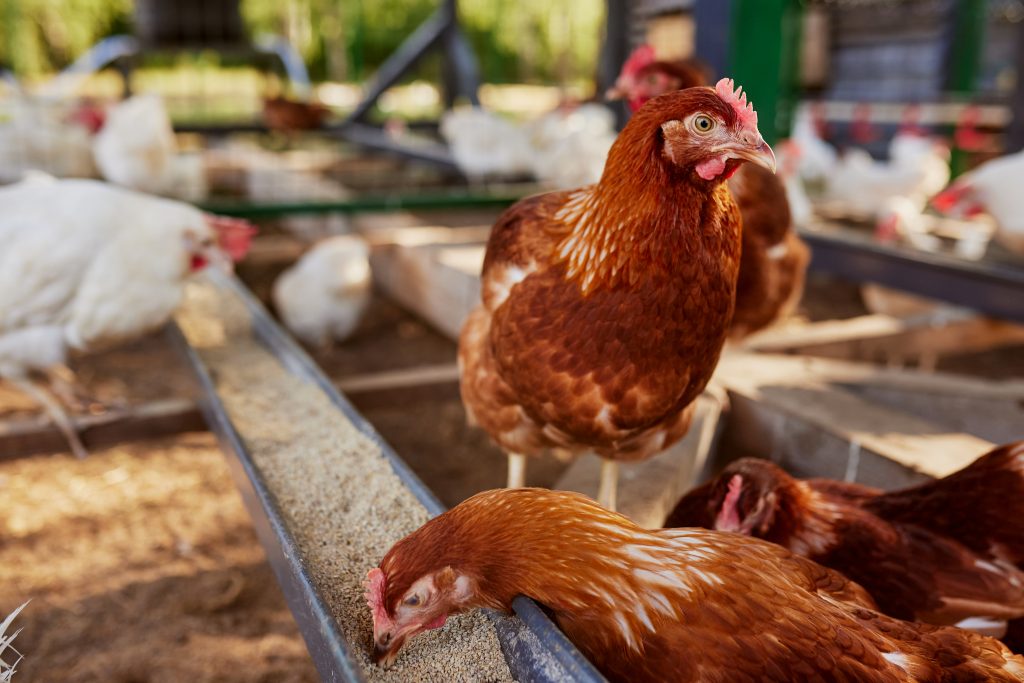
A federal judge's refusal to set aside his previous judgment in Oklahoma's long-running poultry litter lawsuit has left eastern Oklahoma contract growers and rural communities facing months of additional legal and operational uncertainty.

In an order filed November 18 in the U.S. District Court for the Northern District of Oklahoma, Judge Gregory Frizzell denied a joint motion from Attorney General Gentner Drummond and six major poultry companies to vacate his December 2025 liability judgment. That ruling effectively blocks a nearly $44 million settlement reached in July 2026 between the state and Tyson Foods, Cargill, Cal-Maine, George's, Peterson Farms, and Simmons Foods.

Why the Court Rejected the Joint Motion

In his written opinion, Judge Frizzell stated that throwing out a final court judgment requires "exceptional circumstances" that neither the state nor the poultry integrators demonstrated. According to the court filing, Judge Frizzell concluded that replacing his December 2025 order with the July 2026 settlement would not serve the public interest, pointing to three main concerns.

First, the judge noted that the proposed agreement lacked strict caps on the total volume of poultry litter that can be applied as fertilizer across the Illinois River Watershed. Second, he characterized the settlement's oversight framework as "nebulous," finding that it lacked firm guardrails on how remediation funds would be administered. Third, Judge Frizzell stated that the settlement's seven-year window fell well short of the 30-year cleanup timeline ordered in his original judgment.

Judge Frizzell also wrote that the timing of the state's push to settle suggested "the influence of political pressures over substance," citing the nearly two-decade history of the litigation.

The Fight Moves to the 10th Circuit

With the district court refusing to vacate its original order, the case now rests squarely with the U.S. Court of Appeals for the 10th Circuit.

Attorney General Drummond and the poultry companies have the option to ask the 10th Circuit to overturn Judge Frizzell's November 18 ruling, throw out the December 2025 judgment, and allow the $44 million settlement to move forward. If the appellate panel declines to step in or affirms Judge Frizzell's decision, both sides will be locked back into a full appeal over the December 2025 liability ruling itself. While the 10th Circuit issued a temporary stay pausing enforcement of the judgment in August 2026 while appeals play out, the underlying order remains on the books.

What It Means for Oklahoma Producers

For family farms raising broilers in eastern Oklahoma, the ruling prolongs a high-stakes waiting game that directly affects farm contracts, litter management, and local economic stability.

Contract security remains top of mind for growers in the watershed. The rejected July 2026 settlement included specific protections barring integrators from using the lawsuit or settlement terms as grounds to cancel or refuse to renew contracts with eastern Oklahoma growers. Without that agreement in place, producers worry that severe court-ordered penalties could push integrators to reduce bird placements or shift processing capacity out of the region.

On-farm litter application rules also hang in the balance. If the 10th Circuit ultimately upholds Judge Frizzell's December 2025 judgment, growers will operate under a strict 30-year remediation program managed by a court-appointed special master. That mandate requires phased reductions in land-applied poultry litter within the watershed, which would force farmers to transport more litter out of the area at added expense.

Agricultural organizations, including the Oklahoma Farm Bureau, have voiced frustration over the setback, maintaining that the July settlement struck a workable balance between protecting water quality and keeping family poultry operations viable. State lawmakers representing eastern Oklahoma and farm leaders are now looking to the 10th Circuit for a timely resolution that gives producers clear rules to plan around.

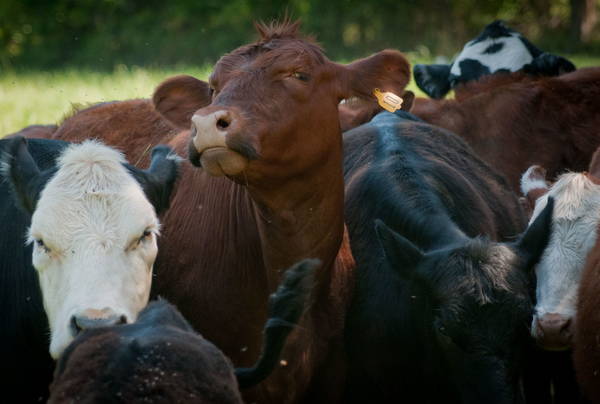
Cattle herd

USDA Puts Ranchers First with BRAND Approval, Securing American Beef Herd Retention

Today, U.S. Secretary of Agriculture Brooke L. Rollins announced the approval of the Beef Retention and National Development (BRAND) Endorsement, fulfilling the Trump Administration's continued commitment to support America's ranchers. BRAND is a key part of the Ranchers First Initiative, a broad set of actions to strengthen the Great American Cattle Herd and keep ranchers central to the nation's food supply and further builds upon the Plan to Fortify the American Beef Industry. The Livestock Risk Protection (LRP) Endorsement, a new coverage option developed under BRAND, will help ranchers manage the financial risk of retaining eligible heifers for breeding rather than selling them for slaughter. This coverage will protect the value of heifers during critical herd development years and help producers maintain and rebuild the nation's cattle herd. Additionally, Product of the USA labeling is now in all 50 states.

"As promised, President Trump and the Trump Administration are delivering for American ranchers. The approval of BRAND reinforces our commitment to ensuring our cattle producers have the tools and protections they need to manage risk, stay resilient and remain competitive" said Secretary of Agriculture Brooke L. Rollins. "America's ranchers work tirelessly to feed our nation. This action puts Ranchers First and will provide a sturdy safety net so they can continue doing what they do best: producing the high-quality beef that consumers depend on."

The endorsement is expected to be available to all ranchers in early 2027. USDA's Risk Management Agency (RMA) worked with a private submitter to develop BRAND coverage under LRP. The endorsement was reviewed and approved by the Federal Crop Insurance Corporation (FCIC) Board of Directors today. FCIC manages and oversees RMA programs, ensuring all Federal crop insurance coverage remains actuarially sound and is delivered in a fair and consistent manner.

About the Endorsement

On August 31, 2026, Secretary Rollins announced BRAND as an integral part of the Ranchers First Initiative.

Using the endorsement, ranchers will be able to insure the economic value of retaining a heifer for breeding. This will be a tool that gives ranchers the security to rebuild their herd, rather than forcing them to choose between today's cattle prices and tomorrow's beef supply.

Once available, policyholders will be able to obtain coverage for two consecutive years from a developing heifer to the first calf. Coverage periods range from 43 to 52 weeks and are intended to align with reproductive and herd-retention decisions.

Additional details will be announced for this endorsement once the program materials are available.

Learn more about current livestock risk management options available for ranchers.

More Information

RMA secures the future of agriculture by providing world class risk management tools to rural America through Federal crop insurance and risk management education programs. RMA provides policies for more than 130 crops and is constantly working to adjust and create new policies based on producer needs and feedback.

Contact a crop insurance agent to see how Federal crop insurance can meet the specific needs of your operation. Producers can learn more about crop insurance and the modern farm safety net at rma.usda.gov.

Building on a Record of Delivery for America's Ranchers

Since taking office, President Trump and Secretary Rollins have taken more than 44 aggressive actions for American cattle ranchers, providing the most support for the industry in a generation:

October 2025: Secretary Rollins, alongside the Departments of the Interior and Health and Human Services and the Small Business Administration, launched the Plan to Fortify the American Beef Industry, a whole-of-government commitment to the American rancher.
March 2026: USDA and the Department of the Interior signed a Memorandum of Understanding to expand grazing access and cut permitting delays on public lands.
June 2026: USDA launched the Small Processors Action Plan and opened a fourth round of the Meat and Poultry Processing Expansion Program with $60 million to expand American processing capacity.
June 2026: The U.S. Forest Service issued a Department-wide grazing directive protecting the roughly 23,000 permittees and lessees who depend on public rangelands.
June 2026: Secretary Rollins announced the Strengthening Processing for U.S. Ranchers (SPUR) Program, providing up to $500 million to independent and regional beef slaughter facilities.
June 2026: Secretary Rollins announced the $500 million Fertilizer Investment & Expansion for Long Term Domestic Supply (FIELDS) Program, to onshore domestic fertilizer production and lower prices for our farmers and ranchers.
2026: USDA launched and continues to expand awareness of the Product of USA label, so families can identify beef born, raised, harvested, and processed in the United States. Product of the USA (POTUSA) has now been adopted by more than 30 companies and brands available across all 50 states.


August 2026: USDA and Health and Human Services announced the Harvest to Hallways initiative to put more American-raised beef and local product into school meals.
November 2026: Secretary Rollins announces the approval and development of BRAND, securing tomorrow's herd for American ranchers.

For more information on the Trump Administration's actions to support America's ranchers, please visit usda.gov/ranchers-first.

Oklahoma Pecan Harvest Underway as Growers Assess Crop Quality

Oklahoma pecan growers are beginning to bring in this year's crop, with early reports pointing to a larger harvest than last year. However, harvest conditions have been uneven, and dry weather late in the growing season has raised questions about quality. B.W. Savage, president of the Oklahoma Pecan Growers Association, said in a conversation with associate farm reporter Carli Davenport that growers are encouraged by the number of nuts on trees but are watching closely to see how well those pecans filled out.

"It's pretty early in the harvest. So far, it's going pretty well. I mean, there is a lot of nuts this year," Savage said. "Really, the main factor right now is just the weather, it kind of withheld some rain on us there at the end, late August, September, when those kernels were trying to fill out."

Because of the lack of moisture during that important stage of development, Savage said some pecans may not have fully developed kernels. "So it's just going to be more than likely pretty spotty," he said. "Some of these pecans may not be filled out, but so far the market looks good. Everybody's pretty hopeful at this point."

Dry Weather Creates Questions About Pecan Quality

Savage said Oklahoma received good rainfall earlier in the growing season, which helped produce more pecans. This year's crop also follows a lighter production year, as pecan trees typically experience alternating on and off years. "Last year was our off year, so this year we had plenty of rain. So pretty a lot of nuts early," Savage said. "So really, it's just if it's going to fill out or not."

Recent rainfall has also temporarily slowed harvest activities for some producers. Savage said a slow, soaking rain left fields wet enough to keep some growers out of their orchards for several days. "On our farm, we're going to pick back up tomorrow, but we've been off the last two days," he said.

When comparing this year's crop with previous years, Savage expects production to be considerably better than last year, although quality remains the biggest concern. "Last year was so light. It will definitely be a better year than last year," Savage said. "As far as the amount of pecans, it's just again kind of back to those quality issues, thats what everyone's concerned about."

He explained that rainfall differences from one location to another have created inconsistent growing conditions across the state. "Your neighbor might have got three quarters of an inch, and you hadn't seen anything in, you know, 30, 40 days," Savage said. "So we are picking up those pockets where there is a good kernel fill. That's kind of what we're seeing right now."

Labor and Equipment Remain Challenges for Growers

Beyond weather, Savage said Oklahoma pecan producers continue to face challenges with labor availability. "Just kind of the typical things that we can't control. As far as obviously the weather, but the labor is a continual issue," he said.

He said industry supporters are working to address labor challenges through equipment improvements and automation. "Industry supporters are really trying to combat that with more equipment and better equipment, automating systems, as far as irrigation, things like that," Savage said.

However, he noted that much of Oklahoma's pecan industry is built around native pecan production, which can make some improvements more difficult to implement. "The Oklahoma grower is pretty well based around the native pecan. So there again, it's kind of hard to irrigate those guys," he said.

Oklahoma Pecan Growers Association Plans Annual Meeting

Looking ahead, Savage said the Oklahoma Pecan Growers Association will hold its annual meeting during the first week of June. The gathering will take place at Savage Equipment in Madill and will give producers an opportunity to connect and discuss industry developments. "It's just an opportunity for growers to get together, share some industry insights, kind of what's going on," Savage said.

He also highlighted opportunities available through the Chickasaw Nation, including microgrants through its AMP program.

Savage encouraged interested growers to contact their local Farm Service Agency office to learn more about eligibility. "Anyone in the Chickasaw Nation territory, it'll be available to them. And then anyone who is a Chickasaw Nation member, they can apply for that grant." he said.

Where Consumers Can Find Oklahoma-Grown Pecans

For consumers interested in purchasing locally grown pecans this season, Savage said there are several Oklahoma businesses and farms offering pecans throughout the state.

He recommended Miller Pecan on Route 66 in Afton, which he said has an impressive retail store for consumers in the Tulsa area.

Savage also mentioned Hoffman Farm in Stillwater and Mason's near Interstate 35 in the Oklahoma City area.

For consumers in southern Oklahoma, Savage said his operation also has a retail store in Madill.

He added that Pecan Farm may have a retail location in downtown Tulsa, although he was unsure of the exact details. "There's plenty," Savage said. "They're really kind of spotted all throughout the state."

Savage encouraged consumers to look for local options when purchasing pecans this year, noting that a quick online search can help them find a nearby source for Oklahoma-grown pecans.

Alpha-Gal Syndrome Raises Concerns for Farmers and Ranchers as Tick-Borne Cases Increase

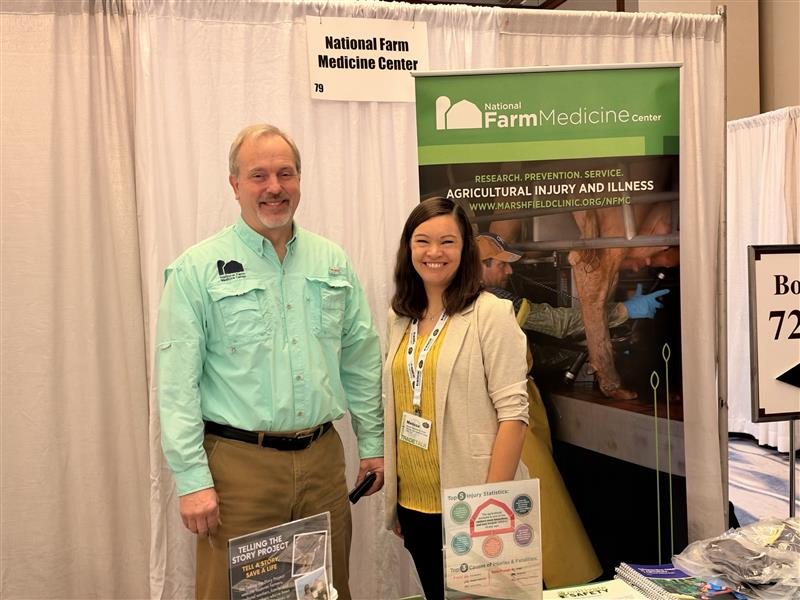
Alpha-Gal syndrome is becoming a growing concern for farmers and ranchers as tick bites lead to more diagnoses across the United States. Melissa Ploeckelman, Research Education Outreach Specialist with the Marshfield Clinic, recently discussed the condition with Farm Director KC Sheperd, highlighting how the allergy can affect not only a person's diet but also their ability to work around livestock.

"There was a great study done in Nebraska about the number of people that are being diagnosed with Alpha Gal from tick bites, and nearly half a million Americans are now diagnosed with alpha-gal," Ploeckelman said. "Which means they can't eat meat sometimes."

However, the effects can reach beyond food restrictions. Ploeckelman said people with Alpha-Gal syndrome can also experience reactions to animal dander, potentially making it difficult for them to work with livestock. "The other thing is their lifestyle; they can't work with their livestock because the dander can affect them," she said. "And we need to start talking about this and figuring it out because we love our farmers and we want them to be able to do what they do best, and that's work with their livestock."

Alpha-Gal Can Be Difficult to Diagnose

One of the biggest concerns Ploeckelman highlighted is how difficult it can be for patients to receive an accurate diagnosis.

She explained that symptoms can initially resemble common digestive problems, leading patients and physicians to overlook the possibility of Alpha-Gal syndrome. "A lot of times somebody goes in, they have a stomach ache, or maybe they have diarrhea, so they think okay, well, you might just maybe you ate something wrong," Ploeckelman said.

She noted that patients may be sent home without a diagnosis and have to make multiple trips to the doctor before the condition is identified. "It takes like three visits to a doctor to figure out what it is," she said. "And farmers do not have time, and they don't go to the doctor."

Ploeckelman said increased awareness among physicians could help shorten that process and make it easier for patients to recognize what is happening.

She also pointed to another finding that surprised her: symptoms tend to be more severe in females. "We do see that actually females have stronger symptoms and more severe symptoms," Ploeckelman said.

For farmers who suspect they may have Alpha-Gal syndrome, she recommended telling their physician about any known tick bites and specifically asking about testing for the condition. "If a farmer knows that they've been bit by a tick, then yes, mention that," she said. "Bring it up to your physician and say, 'Can you please check for alpha gal? See if that's the, see if that's what it is.'"

Keeping track of meals and symptoms can also help physicians identify a possible connection. "I recommend farmers actually have a notebook and write down what you ate and when did you feel sick?" Ploeckelman said. "Because that can help a doctor diagnose you."

Lone Star Ticks Linked to Alpha-Gal Syndrome

Ploeckelman explained that the Lone Star tick is the primary tick associated with Alpha-Gal syndrome, making tick identification an important part of understanding potential exposure.

Through the Marshall Clinic Research Institute, she said researchers have a citizen-science study that allows people to mail in ticks for identification.

While participants will not receive results showing whether a tick carried a particular disease, researchers can provide information about the tick's age, gender and type. "That's the other important thing is the type because it's the Lone Star tick that can give you this alpha gal," Ploeckelman said.

She added that keeping a tick after removal and taking it to a physician can be helpful. She also discussed the importance of removing ticks properly rather than attempting to burn them off. "A lot of farmers try to burn their ticks out," Ploeckelman said. "Oh, that is a bad idea. Please do not do that."

Instead, she recommended using tweezers to grasp the tick near its head and pull it out.

"When people try to burn it out with a match or a lighter, it does back itself out," she explained. "But before it backs out, it throws up everything in its system," Ploeckelman said that process can expose a person to illnesses or diseases the tick may be carrying.

Tick Prevention Important for Agricultural Workers

Farmers and ranchers can be particularly vulnerable to tick bites because of the amount of time they spend working outdoors in areas where ticks live.

Ploeckelman recommended several prevention practices, including wearing long pants and long sleeves, tucking pants into socks, and treating clothing with permethrin.

She also encouraged landowners to mow down long grasses in areas that are not being used for pasture or fields.

Another important step is checking for ticks every evening after spending time outdoors. "Just every night when you get in, do a tick check and make sure that you look at the most vulnerable places," she said. Those areas include around the waistband, armpits, ankles and hair.

Ploeckelman also noted that Lone Star ticks are becoming more prevalent in additional areas of the country.

She said milder winters may be contributing to their spread because ticks are less likely to die off during cold weather. "Now we have more mild winters, so we're not freezing off the ticks. They're not dying, so yeah, they can migrate further and they can spread faster because they can just reproduce and continue living," she said.

Symptoms Can Become More Severe Over Time

While digestive problems after eating red meat may be one of the more recognizable signs of Alpha-Gal syndrome, Ploeckelman emphasized that symptoms can vary significantly.

People may experience anything from mild nausea after eating to severe allergic reactions.

The condition can also affect individuals through exposure to animal dander, creating additional challenges for those who work closely with livestock.

Ploeckelman cautioned that allergic reactions can become more severe with repeated exposure. "If you notice that you're getting sick when you're eating proteins, the red meats, the venison, the beef, the pork, then you want to stop because it's just going to get worse the more you do it," she said.

Currently, there is no known cure for Alpha-Gal syndrome, although the condition can be diagnosed. Ploeckelman said researchers are continuing to learn more about the condition as diagnoses become more common. "We can diagnose it, but we do not have a cure yet," she said.

She added that Alpha-Gal syndrome is not necessarily a lifelong condition for everyone, but more research is needed to understand why some people recover and others continue experiencing symptoms.

Where to Learn More About Alpha-Gal Syndrome

Ploeckelman encouraged farmers and ranchers to learn more about Alpha-Gal syndrome and the risks associated with tick exposure.

The research article she discussed is available through the Journal of Agromedicine as an open-access publication. The study was led by Sean Cross of Nebraska.

Ploeckelman said increasing awareness among agricultural producers and medical professionals is an important step toward better recognition, diagnosis and understanding of Alpha-Gal syndrome.

Union Pacific Train

Ag Retailers Oppose Union Pacific-Norfolk Southern Merger

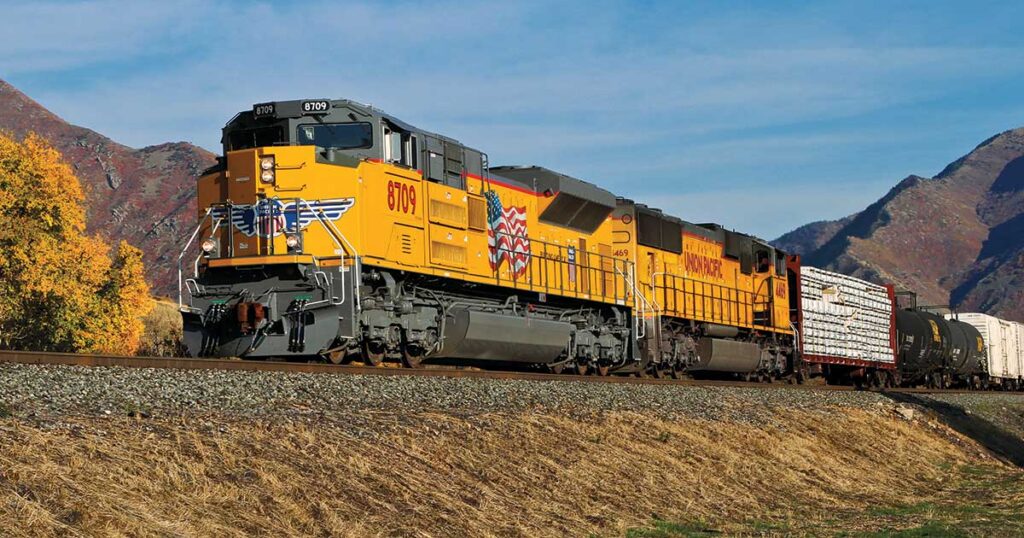
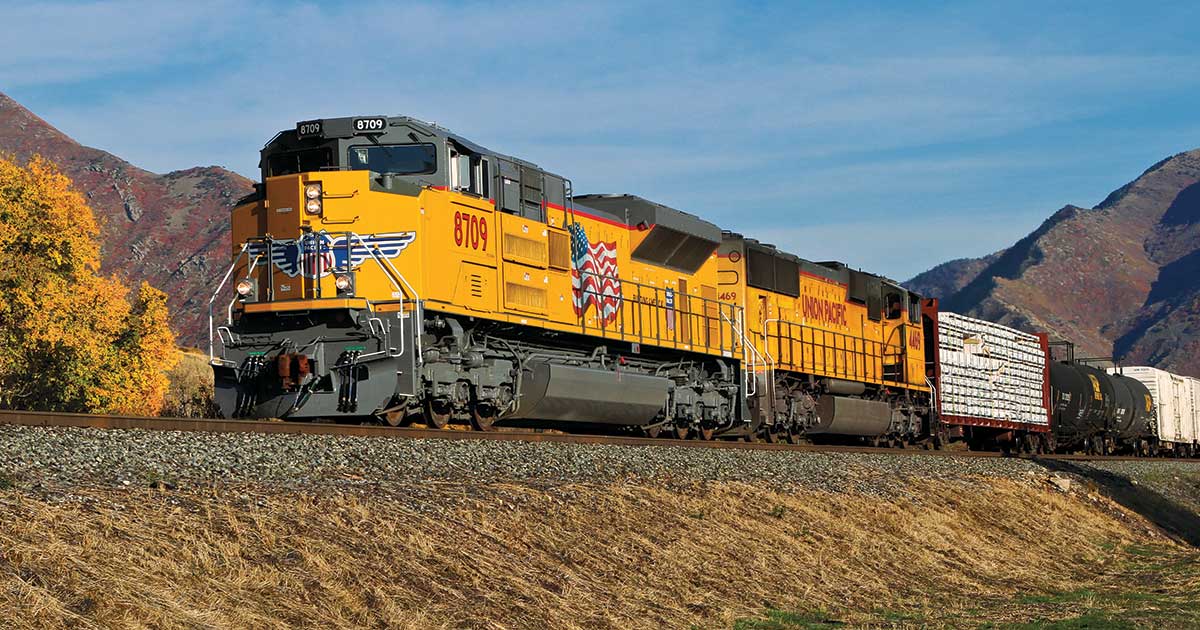
The Agricultural Retailers Association has filed comments with the Surface Transportation Board (STB) opposing the proposed Union Pacific/Norfolk Southern (UP/NS) merger. 

"ARA members' request is straightforward: preserve the rail competition that remains and provide shippers with a common carrier obligation they can rely on. Agricultural shippers report higher transportation costs, less frequent and less predictable service, limited equipment availability, weak accountability, and few practical alternatives. A proposed merger of this scale should not be approved on promises alone,"ARA stated. "ARA respectfully requests that the Board deny the revised application."

ARA did not identify any specific member companies in its comments after UP CEO Jim Vena indicated that he would consider raising rates on shippers who opposed the merger.

"ARA does not ask the Board to draw any conclusion from that matter here. It does, however, reinforce why agricultural shippers should be able to provide candid information through their trade association without publicly identifying individual facilities, routes, rates, or commercial relationships,"ARA commented.

ARA's full comments can be accessed here.

Ethan Lane Discusses Beef Prices, Political Pressure and NCBA's Priorities in Washington

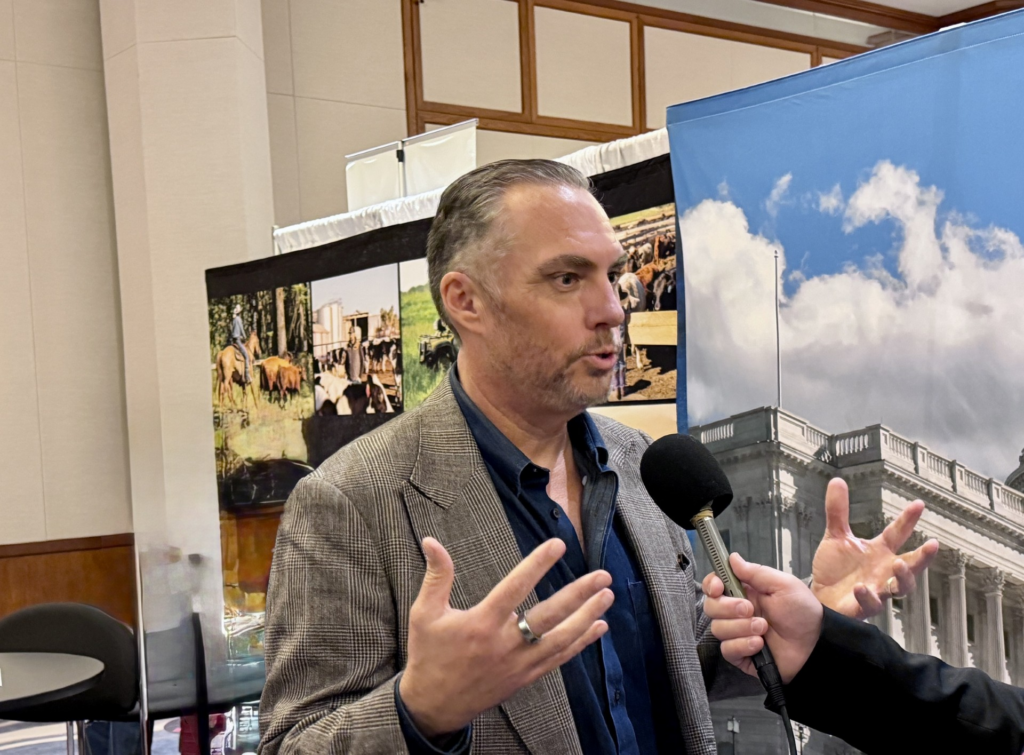
In today’s Beef Buzz, senior farm and ranch broadcaster Ron Hays spoke with Ethan Lane, head of the Washington, D.C., office of the National Cattlemen’s Beef Association (NCBA), about the political debate surrounding beef prices, the impact of recent political rhetoric on cattle producers and how NCBA plans to work with a changing group of lawmakers in Washington.

Consumers Continue Choosing Beef Despite Higher Prices

Lane said the price of beef at retail had a role to play in the recent Senate race in Mississippi, where the Republican incumbent Cindy Hyde-Smith lost in a major upset to Democrat Scott Colom. He addressed comments made during the campaign about less expensive protein options and said consumers continue to demonstrate the value they place on beef. “I think the point that the senator was making is a solid one. It's one that I've made, perhaps a bit differently articulated than she did,” Lane said. Senator Elect Colom seized on the comments made by the incumbent and produced this commercial.

He emphasized that beef continues to hold a strong position with consumers, even with higher prices at the meat case. “Beef is in such high demand because it's worth it, because the quality is there, and because consumers are stepping up and buying it, even though there are cheaper proteins sitting in the meat case right next to them,” Lane said.

Lane added that consumers are choosing beef with their purchasing power, saying they choose beef 75% of the time with their protein dollar when shopping at the meat case. “Hey, White House, we don't need your help getting beef prices down. Consumers are fine with it, and they're paying it. They'll stop buying it when it gets too high for them,” Lane said. “But in the meantime, we have a product we're awfully proud of, and a relationship with consumers that we're just as proud of.”

Cattle Producers Have Paid the Price for Political Rhetoric

Lane also discussed the impact political messaging and headlines surrounding beef prices have had on cattle producers. He said producers have taken a financial hit as the industry has been caught up in the political conversation. “Cattle producers have absolutely footed the bill for this,” Lane said.

He pointed to political headlines, press conferences and what he described as heated media coverage, saying the financial consequences were felt directly at the sale barn. “The price for that was cattle producers taking a two, three, or $400 per head hit at the sale barn for their cattle, and that price was paid in real time,” Lane said. “And that's a shame for those producers around the country that had nothing to do with the political antics that were going on around the country.”

Lane said he believes voters across rural America recognized those concerns and expressed their frustration through the election results.

NCBA Preparing to Work With New Lawmakers

With a new group of lawmakers preparing to take office, Lane said NCBA is already seeing increased interest from elected officials wanting to hear directly from the cattle industry. “Our phone's ringing off the hook,” Lane said. “We have a lot of people interested in what the actual industry has to say. What cattle producers and 44 state affiliates across the country have on their mind right now.”

He explained that NCBA works through a policy process designed to bring together producers with different perspectives and production methods to find common ground. “Recognizing that we raise cattle in different ways all across the country, and that you have to create a forum for people to bring those ideas together and find some common ground,” Lane said.

He added that there is no single approach to raising cattle or selling beef that represents every producer. Lane said lawmakers coming into Washington have questions about beef prices and other industry issues, giving NCBA an opportunity to provide information and explain the priorities of cattle producers.

Changes in Washington Could Affect Industry Advocacy

Lane also addressed questions about NCBA's ability to communicate with the Trump administration after restrictions were placed on lobbyists accessing the White House complex. “They banned all the lobbyists from the administration, so I don't really know how that changes what we've been doing,” Lane said.

He said the organization is still evaluating what the restrictions could mean for access to administration officials and federal agencies.

In the meantime, Lane said NCBA will continue advocating for cattle producers through elected representatives and senators on Capitol Hill. “We'll certainly continue to push our message up on Capitol Hill with those elected representatives from across the country, and those senators, and certainly willing to sit at any table that will have us to represent the views of producers around the country,” Lane said.

He also highlighted the importance of the cattle industry's grassroots network, noting that producers regularly interact with lawmakers and administration officials through roundtables, state fairs and other events. “It's one of the greatest strengths that we have in a grassroots network like that,” Lane said. “You can't go far without running into one of us.”

Adapting NCBA's Message to a Changing Congress

Looking ahead to CattleCon and the next congressional session, Lane said NCBA will continue communicating the industry's priorities while adapting its approach to the lawmakers in office.

He said recent election results and market conditions have reinforced the importance of the information and policy positions NCBA has been sharing. “Whether people choose to listen to that or not is up to them, but I don't know that that's a change in strategy,” Lane said.

Lane noted that every two years brings a different group of lawmakers and priorities, requiring the organization to adjust how it communicates with Congress. “The only constant is change,” Lane said. “Every two years, we know we're going to be dealt a slightly different hand of cards than the one we're just wrapping up.”

Ultimately, Lane said lawmakers need to focus on the constituents they represent rather than simply the political dynamics inside Washington. “These folks are just trying to make sure they're doing right by the 700,000 constituents that they respectively represent, and the more they think about those 700,000 rather than the 435 they're serving with, the better off they're going to be,” Lane said.

The Beef Buzz is a regular feature heard on radio stations around the region on the Radio Oklahoma Ag Network and is a regular audio feature found on this website as well. Click on the LISTEN BAR above for today’s show and check out our archives for older Beef Buzz shows covering the gamut of the beef cattle industry today.

OSU Releases 2026 Animal and Food Sciences Research Summary

The 2026 Oklahoma State University Department of Animal and Food Sciences Annual Research Summary has been published and is now available online through OSU Extension. The report provides producers, industry partners, and other interested readers an opportunity to learn about research being conducted at OSU to address challenges and opportunities facing animal agriculture and the food industry.

The Research Summary includes 13 reports highlighting research conducted by OSU faculty, graduate students, and Extension professionals, often in collaboration with other universities, industry partners, and cooperating producers. These studies were conducted at OSU livestock research facilities, laboratories, and cooperating farms and ranches across Oklahoma.

The mission of our research program is to solve problems and capitalize on opportunities in animal agriculture, companion animals, and the food industry. Our research efforts range from fundamental scientific discovery to applied research designed to provide practical solutions that improve productivity, efficiency, and profitability for livestock producers.

The studies in this year's report address questions that directly affect Oklahoma beef cattle operations. Research topics include improving forage utilization and efficiency in beef cows, reducing feed costs through more accurate supplementation, winter wheat forage production, summer cover crops for stocker grazing, and comparisons of supplementation strategies. Other reports examine beef quality and processing, including opportunities to improve the marketability of dark-cutting beef.

An important part of the OSU research mission is providing graduate and undergraduate students with opportunities to participate in research addressing real-world problems. These students gain valuable experience while helping develop new information and technologies for animal agriculture.

Over the coming months, we will highlight several individual studies from this report in Cow-Calf Corner articles. We encourage producers to review the complete summary and explore research that may be useful in their own operations.

The 2026 Annual Research Summary for the Department of Animal and Food Sciences (P-1064) is available online at the OSU Beef Extension website (extension.okstate.edu/programs/beef-extension)

https://extension.okstate.edu/fact-sheets/2026-annual-research-summary-for-the-department-of-animal-and-food-sciences

SunUpTV attended the 2026 Livestock and Range Field Day. See the video at https://www.youtube.com/watch?v=HvxDF2WPia4

Agricultural Data and Its Sovereignty

Modern farming increasingly relies upon technology for efficiency, productivity, and consistency. While producers create commodities, technology inherently creates data. Planters, combines, drones, and soil sensors constantly record yields, seed and chemical applications, field boundaries, and equipment performance. Much of this data flows to manufacturers, software platforms, and agribusiness firms. This raises a significant question of who owns this information and who has the right to use, sell, and benefit from it.

          One of the primary issues regarding agricultural data is ownership. Farmers generate the data, but terms-of-service agreements often give manufacturers and data platforms broad rights to utilize it, and often to outright own it. Another issue is secondary use: taking the information collected by a producer and repurposing it. For example, data collected to service a tractor can be sold or shared with third parties, such as input suppliers or commodity traders, who may gain a market advantage over the producer who actually created the data. Additionally, researchers at the University of Nebraska noted that sensors, GPS, and cloud technology are beneficial to producers, but they also create entry points for cyber threats (Simmons). 

Beyond the issue of data ownership, legal scholars have addressed "data sovereignty," defined as the right of producers to determine the conditions under which their data is collected, utilized, monetized, etc., independently of private contracts (Ruiz at 4.1). While in theory, all contracts are negotiable, producers often find themselves with little bargaining power for the utilization of technology integral to their operations. While the European Union has taken aggressive data privacy measures throughout the past decade, including the Data Governance Act, General Data Protection Regulation, and the EU Code of Conduct for Agricultural Data Sharing, the U.S. has not followed suit.

Prior to this year, no state or federal law specifically addressed ownership of or rights to agricultural data. Instead, voluntary industry commitments such as the 2014 Privacy and Security Principles for Farm Data created by the American Farm Bureau Federation along with commodity groups, farm organizations and agriculture technology providers serve as primary industry standards (Ag Data Transparent). Updated in 2024, these guidelines are entirely voluntary. These guidelines are implemented by Ag Data Transparent ("ADT"), an organization created to certify whether agriculture technology companies comply with these voluntary guidelines, which are rooted in the belief that producers should own the information originating from their operations Id.

Nebraska is the first and only state to-date which has enacted legislation addressing the ownership and use of agricultural data. Governor Jim Pillen signed the Agricultural Data Privacy Act (the "Act") on April 14, 2026, after it cleared Nebraska's legislature by unanimous vote. Neb. Rev. Stat. § 87-1401, et seq. It is the first law in the United States to establish ownership rights and safeguards for the wide range of data which producers generate. 

The Act treats agricultural data as proprietary business assets and declares that the producer (the owner, lessee, or renter of the land, livestock, device, or equipment that generates the data) owns such data. Controllers and processors receive only a nonexclusive right of control, limited to providing services, maintaining equipment, or processing data as the producer authorizes. Importantly, these nonexclusive rights do not include the right to sell the data. A sale requires the producer's express written consent, given through a disclosure which must be separate from the main terms of service. The Act provides exceptions to this requirement for disclosures to processors and affiliates, legal obligations, fraud and cybersecurity response, and transfers which the producer directs. The Act also requires reasonable security safeguards. Beginning January 1, 2027, new contracts must include a clause barring sales of agricultural data without consent. Notably, any contract term that waives the Act's protections is void. Id.

          Three other midwestern states, Missouri, Iowa and Colorado, recently saw proposed legislation aimed at protecting agricultural data, however, these bills have yet to successfully pass through their respective legislatures. (See MO HB 3409, IA HB 8407, and CO HB 26-1270). This issue spans not only across agronomy, equipment, and crops, but also livestock, employment, land, management, and more. This issue raises interesting questions among all agricultural sectors, including antitrust questions. 

As DNA analysis is becoming more and more critical to the livestock industry, the ownership and data sovereignty of DNA samples and resulting data is under increasing scrutiny. In June of 2026, the Texas Supreme Court denied an appeal from a purebred livestock producer claiming $30M in damages against a breed association for refusing to provide access to historic genetic samples intended to prove (or disprove) parentage of the plaintiff's herd. See American Akaushi Assoc., Inc., et al. v. Twinwood Cattle Co., Inc., No. 14-21-00701-CV (Tex. App. Feb. 11, 2025). Although the appellate court dismissed the claims primarily due to a previous contractual agreement in which the court found that the plaintiff already agreed to lay such claims to rest, the merits of this case and others like it reflect the contentious landscape for both those generating data, such as producers, and those processing and analyzing the data. While additional data protection laws are considered and developed, producers should continue maximizing existing legal tools to protect proprietary data. 

Outside of Nebraska's ag data privacy Act, contracts remain the primary tool for negotiating data ownership and use. A few practical steps can help ensure that producers know who has access to the data they generate and how it may be used. Producers should read all agreements in their entirety before signing, paying particular attention to provisions regarding data ownership, whether collected data can be sold or shared, and what happens to the data when the contractual relationship ends. Producers utilizing complimentary software may also find more negotiating power and greater data protections in paid subscriptions agreements. 

Before data privacy issues arise, producers should talk with their suppliers and providers and consult experienced legal counsel. It is imperative to not rely upon statements made by corporate representatives, but rather ensure that all terms and understandings are clearly stated within an enforceable written agreement.

Hardin Responds to Court's Rejection of Poultry Settlement

Rep. David Hardin, R-Stilwell, issued the following statement after a federal judge denied a motion to vacate a previous judgment to allow a proposed $44 million settlement in the long-running Illinois River Watershed poultry litigation.

"It's disappointing to see another setback in a case that has already gone on for more than 20 years," Hardin said. "This directly affects their livelihoods and the communities they call home. I remain hopeful that we can reach a resolution that protect our natural resources while providing some much-needed stability for the people who depend on poultry production."

U.S. District Judge Gregory Frizzell denied the motion to vacate the December 2025 judgment Wednesday. The Oklahoma Attorney General and six poultry companies may now appeal that decision to the 10th U.S. Circuit Court of Appeals. If appealed, the court could vacate the December 2025 judgement and approve the settlement . The settlement remains pending as legal proceedings continue

Regional Survey Evaluates Farmer Adoption of Precision Weed Management Technologies

Weed scientists at the University of Nebraska have launched a regional survey to assess how farmers and applicators view precision weed management technologies, and University of Illinois Extension Weed Scientist Aaron Hager is encouraging growers to participate.

The research project aims to determine farmer and applicator awareness and the practical utility of various precision tools, such as optical recognition spray systems. According to Hager, adoption rates vary widely depending on the individual and location, with some producers readily adopting optical sprayers while others remain reluctant to continue using them after trying the technology.

"Nobody's really done this before," Hager said. "We tend to hear different, I guess, scenarios depending on, you know, the person, the individual, the location. It would seem that some have readily adopted things like these optical sprayers, and others have tried them, but seem to be a little bit reluctant to continue to use them. And so the survey will try to assess, you know, how aware people are of these types of technologies."

The survey comes as growers across the Midwest continue to battle herbicide-resistant weeds. Hager noted that these ongoing resistance issues are forcing producers and retail applicators to consider a wider range of management options beyond traditional spraying, including late-season weed electrocution to reduce weed seed production.

"I think it really would shed light on, you know, some of the direction that, you know, farmers and applicators are willing to go as they continue to face increasing challenges, especially around herbicide resistance," Hager said. "It's not a problem that's necessarily going to get any easier to solve."

Hager added that current optical sprayers are likely just the first step. As imaging and recognition technologies improve, future systems could eventually identify and manage crops at the individual plant level—potentially referencing every seed dropped in a field to allow for targeted feeding or pest control applications.

"I think the future of the technology really hasn't really got many limits to it," Hager said.

For Oklahoma farmers and ranchers, these developments mirror urgent on-the-ground challenges across the Southern Plains and Midwest. Local producers are contending with aggressive, herbicide-resistant weeds—such as Palmer amaranth, waterhemp, kochia, Italian ryegrass, and cheatgrass—that increasingly threaten winter wheat, soybeans, cotton, and pastureland. In response, regional researchers and Oklahoma State University Extension specialists are advancing integrated weed management strategies that pair multi-mode herbicide rotations and stacked-trait crops with emerging precision technologies and free statewide resistance screening. As optical sprayers, targeted spot-application systems, and non-chemical alternatives like late-season weed electrocution gain traction across the Midwest and Southern Plains, input from Oklahoma growers and applicators is critical to ensuring these next-generation tools are practical and economically viable for regional operations.

The Weed Control Technology Survey aims to capture where farmers stand on these tools and identify the economic factors influencing their willingness to adopt new technology. Growers and applicators interested in participating can take the survey online at go.illinois.edu/weedcontrol.

What About Weeds? - OSU Extension
features an Oklahoma State University Extension weed management specialist discussing local weed control challenges and research relevant to Oklahoma producers.

Union Pacific Train

Ag Retailers Oppose Rail Merger

The Agricultural Retailers Association has filed comments with the Surface Transportation Board (STB) opposing the proposed Union Pacific/Norfolk Southern (UP/NS) merger. 

"ARA members' request is straightforward: preserve the rail competition that remains and provide shippers with a common carrier obligation they can rely on. Agricultural shippers report higher transportation costs, less frequent and less predictable service, limited equipment availability, weak accountability, and few practical alternatives. A proposed merger of this scale should not be approved on promises alone," ARA stated. "ARA respectfully requests that the Board deny the revised application."

ARA did not identify any specific member companies in its comments after UP CEO Jim Vena indicated that he would consider raising rates on shippers who opposed the merger.

"ARA does not ask the Board to draw any conclusion from that matter here. It does, however, reinforce why agricultural shippers should be able to provide candid information through their trade association without publicly identifying individual facilities, routes, rates, or commercial relationships," ARA commented.

ARA's full comments can be accessed here.

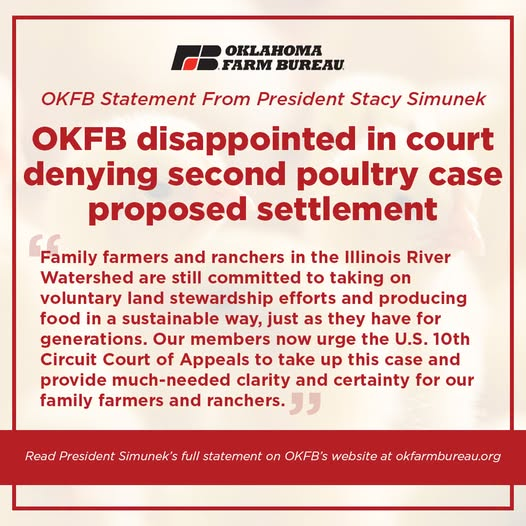
OKFB disappointed in court denying second poultry case proposed settlement

Oklahoma Farm Bureau President Stacy Simunek released the following statement after the U.S. District Court for the Northern District of Oklahoma rejected the state of Oklahoma's second negotiated settlement with poultry companies that would have settled charges against the companies in the decades-old State of Oklahoma v. Tyson Foods, Inc., et al., lawsuit regarding the application of chicken litter in the Illinois River Watershed.

"Oklahoma Farm Bureau members are disappointed that the U.S. District Court for the Northern District of Oklahoma rejected a second proposed settlement that the state of Oklahoma negotiated in good faith with the poultry companies after family poultry farmers have faced decades of uncertainty with the state's poultry case hanging over their heads.

"This negotiated settlement that the court denied would have provided a clear path forward to protect our shared natural resources, support family poultry producers and ensure the vibrance of local communities by ensuring poultry farms can continue to play an important role in the watershed by producing food for Oklahomans and people around our country.

"Family farmers and ranchers in the Illinois River Watershed are still committed to taking on voluntary land stewardship efforts and producing food in a sustainable way, just as they have for generations. Our members now urge the U.S. 10th Circuit Court of Appeals to take up this case and provide much-needed clarity and certainty for our family farmers and ranchers. Oklahoma Farm Bureau will continue to work with our members, legislators and all those affected by the ongoing litigation."

Ferguson College's Terry Receives Teaching Award

 Dr. Robert Terry Jr., the Rodger Howell Memorial Professor of Agricultural Education in Oklahoma State University's Ferguson College of Agriculture, was named a regional recipient of the Association of Public and Land-grant Universities' 2026 Excellence in College and University Teaching Award for Food and Agricultural Sciences. 

This national recognition is a partnership between the United States Department of Agriculture and APLU and is awarded to faculty members from public institutions in the U.S. who have demonstrated excellence in agricultural sciences teaching and student engagement.

For Terry, teaching is a family tradition. Growing up in Stillwater, Oklahoma, surrounded by educators and agriculture, he developed an early appreciation for the impact teachers can have on students. 

His involvement in FFA, particularly through public speaking and agricultural projects, helped shape his interest in education. However, it was the influence of his own teachers that inspired him to pursue a career in agricultural education. 

"Growing up around educators, I saw firsthand the influence teachers have on young people," Terry said. "My experiences in agricultural education and FFA only strengthened my interest in becoming a teacher."

Throughout his career, Terry has embraced both the science and artistry of teaching.

"Teaching is both an art and a science," he said. "The science gives us research-based principles to guide our instruction, but the art is how we bring those principles to life through passion, creativity and connecting with students."

Terry has taught undergraduate and graduate courses focused on the philosophies and foundations of agricultural education, encouraging students to explore the characteristics of effective teachers and develop their own approaches to instruction.

"I like to think about teaching methods as the teacher's toolbox," Terry said. "The more tools you have, the better you are as far as being able to connect and make the learning permanent." 

Terry emphasizes the importance of adapting teaching methods to meet the needs of different students, subjects and learning environments.

"We have all kinds of different challenges to face as educators, so we better develop a mastery of a variety of tools," he said. 

Terry's innovative approach to teaching, attention to student learning and commitment to excellence have made a lasting impact on countless students, said Dr. Cynda Clary, associate dean of the Ferguson College of Agriculture.

"He has a special ability to make learning meaningful through thought, creativity and care in every class he teaches," Clary said. "He always keeps student success at the center of his work."

As a professor preparing future educators, Terry said he hopes his students leave his classroom not only with knowledge but also with the skills and confidence to influence others. 

For Terry, some of the most rewarding moments in his career come after students leave his classroom and begin making an impact of their own.

One recent experience provided a powerful reminder, Terry said. A former student who graduated with an agricultural education degree in May returned to campus with six FFA members from the school where he now teaches. Watching the interaction between the new teacher and his students reinforced the significance of the profession. 

"I was impressed to see how those kids looked up to him, being less than a semester into his career," Terry said. "It's clear he's already developed a connection with those kids as their teacher. He's the person they look up to. He's embraced that role, and they've embraced him in that role. That was inspirational for me."

Terry said moments like these affirm the importance of preparing the next generation of educators who will continue shaping the future of agricultural education.

Terry credits much of his success to the support of his family, especially his wife, Anne, as his responsibilities extend far beyond the traditional classroom, including advising student organizations and leading study away and study abroad experiences. 

"My wife has been incredibly supportive of the extra hours. Teaching goes way beyond the classroom."

Reflecting on his career, Terry remains grateful to work at an institution that continues to elevate teaching alongside research and innovation.

"At OSU, we still believe teaching matters and students are important," he said. "We're an R1 research institution, great at creating knowledge and innovation, but this is still a place where teaching really matters."

The Ferguson College of Agriculture believes in the value of hands-on education and the importance of having a well-rounded student experience. The college's award-winning faculty members are dedicated to developing students and are passionate about adding value to the total educational experience. With 16 majors, a variety of study options and more than 60 student organizations, the college is committed to expanding minds and inspiring purpose. Learn more at agriculture.okstate.edu

STORY BY: Elisabeth Moser, master's student in agricultural communications

Sandstone Creek Historical Marker

New Historical Marker Dedicated to Sandstone Creek Watershed

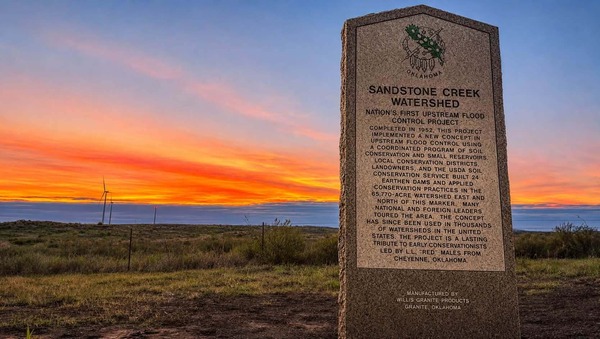
On Tuesday, November 17, 2026, a new historical marker was dedicated by the Oklahoma Conservation Historical Society identifying Sandstone Creek Watershed as the nation's first upstream flood-control project. Completed in 1952, this project brought together local conservationists, landowners, conservation districts, and the USDA Soil Conservation Service (now known as the Natural Resources Conservation Service, or NRCS) to build 24 earthen dams across a 65,770-acre watershed between Cheyenne, Sayre, Elk City and Hammon.

Today, the Sandstone Creek Watershed project has grown to 42 flood-control dams, with 23 in Roger Mills County and 19 in Beckham County. This project initially began after an April 1934 storm resulted in tragedy, with 17 lives taken due to flooding around Hammon, Oklahoma. With 184 flood-producing storms occurring between 1920 and 1939, local leaders, including Lowell Lawrence "Red" Males, advocated for change. As a result, Sandstone Creek was the first watershed to complete its entire planned system of dams and conservation practices.

"We are grateful to the Oklahoma Conservation Historical Society for providing this dedication, recognizing and remembering a monumental win for our state. We are proud to carry on the legacy of Sandstone Creek and continue the work of the conservationists that came before us," said Tammy Sawatzky, OCC Director of Conservation Programs.

The Oklahoma Conservation Commission, along with local conservation districts within the watershed and partners like NRCS, actively manages, rehabilitates, and maintains the flood control dams, protecting approximately 4,700 acres of floodplain, 60 farms and ranches, reducing sediment by around 296,000 tons every year, and providing an estimated $356,500 in average annual benefits from reducing flood damage in the area.

Learn more about the history behind Sandstone Creek Watershed here: Sandstone Creek - Nation's First Small Watershed Project — Oklahoma Conservation Historical Society

Lankford Announces New State Director

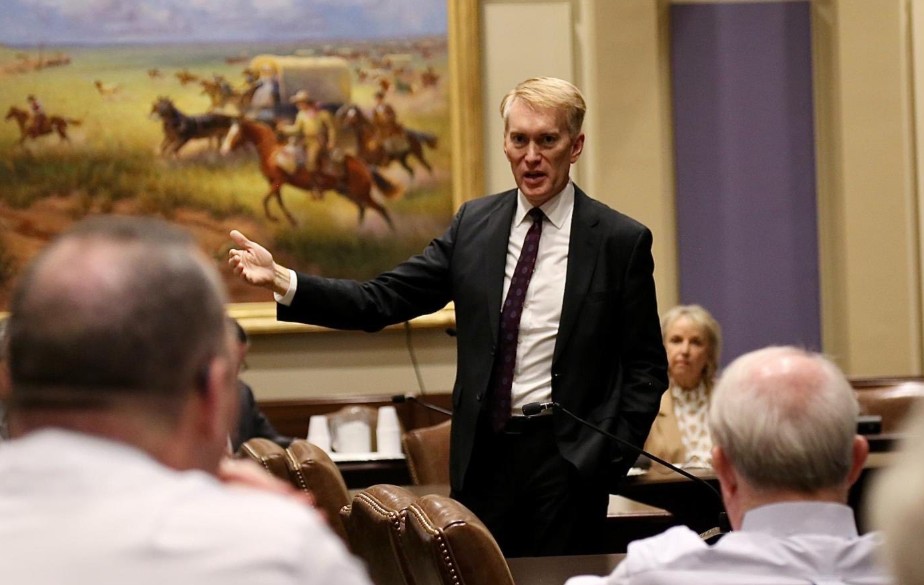
US Senator James Lankford (R-OK) today announced former Speaker of the Oklahoma House of Representatives Jeffrey W. Hickman, from Fairview, Oklahoma, will serve as State Director, overseeing the Senator's Oklahoma City and Tulsa field offices.

"I'm excited to have Jeff Hickman join our team as State Director," said Lankford. "He understands this state because he has lived it from the family farm to the state Capitol. Jeff's background will be an asset to our team and his heart to serve families will be a blessing for all Oklahomans. I'm grateful for his willingness to lead our fantastic state team."

Hickman most recently served as president and CEO of the Oklahoma Grain and Feed Association. He also recently completed a nine-year term on the Oklahoma State Regents for Higher Education. A fifth-generation farmer, Hickman continues to help run his family's operation near Dacoma and Cherokee in northwest Oklahoma.

"I'm grateful for the opportunity to continue serving Oklahomans in the role of State Director for Senator James Lankford," said Hickman. "Senator Lankford's state offices are staffed by dedicated field representatives and caseworkers who stay with a problem until it's solved. I look forward to supporting that work and making sure every Oklahoman who calls on our offices is heard and helped."

Background

Elected to the Oklahoma House of Representatives in 2004, Hickman served as Speaker of the House for three legislative terms, from 2014 to 2016. He spent seven years working in higher education at the University of Oklahoma, where he served as university press secretary, public affairs special projects coordinator, and as special assistant to the director of athletics.

Hickman earned his bachelor's degree in journalism with distinction from the University of Oklahoma. He and his wife, Jana, live in Fairview, Oklahoma, and have three children.

Electric Cooperatives Select Brent Howard as In-House General Counsel

The Oklahoma Association of Electric Cooperatives (OAEC) is pleased to welcome Brent Howard as its first in-house general counsel, bringing a wealth of legal experience, public service and deep-rooted connections to rural Oklahoma to the association representing the state's 30 electric cooperatives.

For Howard, joining the cooperative family is more than a career change. It's a natural extension of a lifetime spent rooted in rural Oklahoma, shaped by public service and connected to the people and communities electric cooperatives serve.

A fifth-generation Oklahoman, Howard was raised in southwest Oklahoma on the same farmland homesteaded by his great-great-grandfather, A.L. Howard, before statehood. His family's wheat, cattle and hay operation is powered by Southwest Rural Electric Association, where Howard has been a lifelong member and grew up attending the co-op's annual meetings. He has also served as contract attorney for Harmon Electric Association, headquartered in Hollis.

His connection to public service began early. Growing up, Howard watched both of his parents serve their community. His father balanced work on the family farm with eight years as a county commissioner, while his mother worked in a law office and served eight years as county treasurer. Some of Howard's earliest memories include stopping by the law office after school and piano lessons while his mother finished her workday. Those experiences helped plant the seed for what would become his career in law.

After graduating from small rural Navajo High School, where his class included just 44 students, Howard earned bachelor's degrees in economics and accounting from Oklahoma State University. He went on to earn his Juris Doctor from the University of Oklahoma College of Law and a Master of Laws (LL.M.) in Taxation from New York University.

After a short stint working for two law firms in Oklahoma City, Howard chose to return to southwest Oklahoma, establishing a law practice near his family's farm and the agricultural community he knew so well. His practice focused primarily on taxation, estate planning and business planning, giving him a firsthand understanding of the legal and financial challenges facing Oklahoma families, businesses and agricultural operations.

Howard also graduated from Class 16 of the Oklahoma Agricultural Leadership Program, where he met his wife, Jennifer. The two married in 2016.

His commitment to public service eventually led him to the Oklahoma Senate. After launching his campaign for Senate District 38 in 2017, Howard won election in 2018 and began serving the 57th Oklahoma Legislature.

During his eight years in the Senate, Howard focused on civil procedure, government oversight, rural development, water and resource management. He played a key role in some of the state's most consequential legislative discussions, including legislation addressing open meetings during the pandemic. He became chair of the Senate Judiciary Committee at the beginning of his fourth year and was named chief presiding officer of the Senate in his fifth year.

Howard considers one of his most meaningful contributions in Senate to be preventing harmful legislation from advancing. Throughout his tenure, he remained a strong friend and advocate of electric cooperatives, recognizing their vital role in powering lives and empowering communities across Oklahoma.

"Brent Howard is a man of integrity who fits naturally into the cooperative family," said Nicki Fuller, OAEC general manager and CEO. "We needed someone with his legacy of service, strong values and understanding of rural Oklahoma to help advocate for our electric cooperatives. His legal expertise, legislative experience and personal connection to the cooperative way of life make him an incredible asset to our organization. We are grateful he is bringing his talents to the cooperative movement full time."

After eight years in the Oklahoma Senate, Howard began considering what the next chapter of his career would look like. With his five-year-old daughter, Estelle, preparing to begin kindergarten, the opportunity to serve Oklahoma's electric

cooperatives offered a meaningful way to bring together his professional experience and lifelong commitment to rural communities.

"I'm truly looking forward to this new chapter," Howard said. "I have always been a champion of the rural way of life. This is an exciting time to join the electric cooperative family. I look forward to serving the cooperatives and helping shape policy surrounding large loads, technology and generation resources while protecting the quality of life in rural Oklahoma."

Howard and his wife, Jennifer, currently live in Altus with their daughter, Estelle. The family plans to relocate to the Oklahoma City metro area in the future.

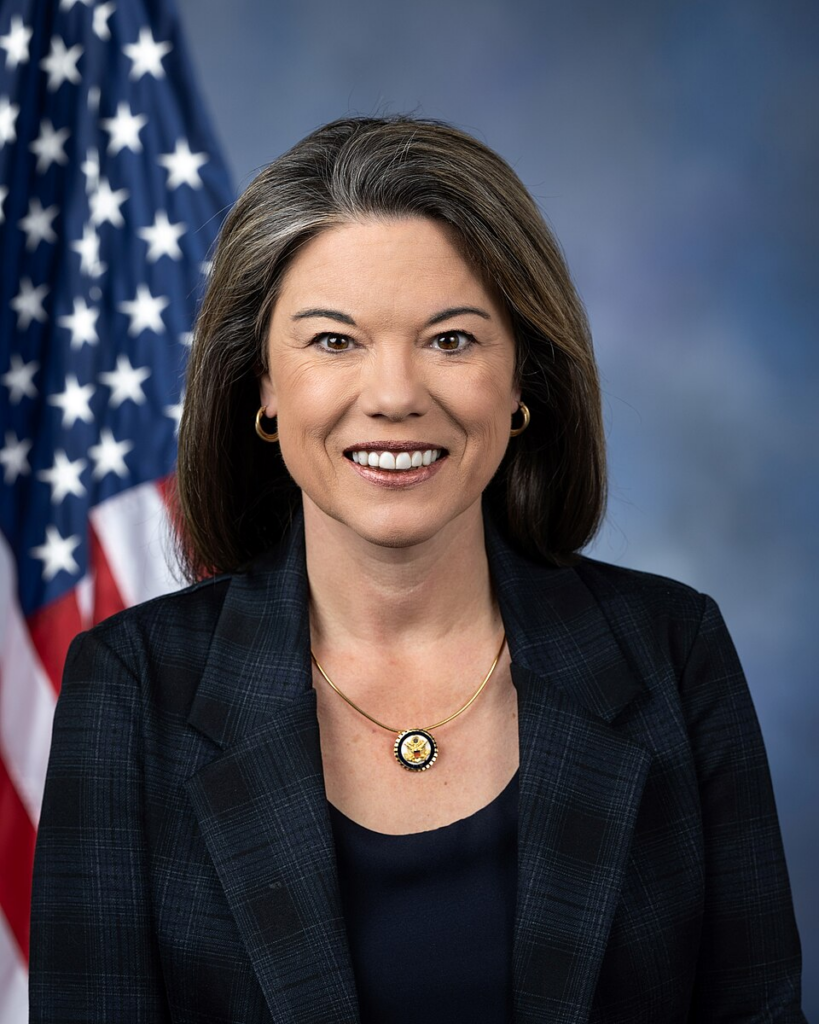
Ranking Member Angie Craig Opening Statement at Rural Development Hearing

Today, House Agriculture Committee Ranking Member Angie Craig (MN-02) delivered the following opening statement at a Subcommittee on Commodity Markets, Digital Assets, and Rural Development hearing entitled "Strengthening Rural America Through USDA Rural Development Programs and Partnerships." Watch the hearing here.

[As prepared for delivery.]

Thank you, Chairman Johnson and Ranking Member Davis, for holding today's hearing, and a thank you to our witnesses for being here today to discuss the power and promise of USDA Rural Development. I am especially excited to see Ms. Lori Blair here from my home state of Minnesota.

The United States Department of Agriculture touches every family in America. Whether you're a farmer growing food or a working parent trying to put dinner on the table – USDA programs and policies stretch from the farmgate to the grocery store shelf.

President Lincoln called it the "People's Department." Today, it is living up to that nickname. Anchored in its network of local offices,  USDA has one of the most widespread footprints of any federal department.  

USDA field offices and staff are present – and have roots – in almost every county, no matter how rural, no matter how geographically remote, no matter the population size.

USDA staff don't just work in rural America; they live there. They know their neighbors; they know the pressures and concerns of their local communities.

That makes USDA uniquely situated not only to understand and connect with, but also to help rural communities, whether it's providing technical assistance for farmers or helping someone afford their first home.

That is why I, and many of my colleagues, have forcefully opposed this administration's reorganization efforts, which courts have at least for now stayed on legal grounds. Whether it's relocating offices, closing offices or downsizing staff, this reorganization hurts rural America.

For the same reason, taking Rural Development away from USDA and placing it elsewhere, like the Small Business Administration, will undermine its mission and make it harder for farmers, rural business owners, working people and municipalities to access Rural Development programs.

We say that in rural America, "neighbors help neighbors." And yet, there are some in this country who would like to see our neighbors fired, our neighborhood offices closed and the experts that know the neighborhood issues outsourced to strangers hundreds of miles away.

The work USDA Rural Development does matters because the communities it serves matter. The people who live there are important. Abandoning them by downsizing vital staff and relocating USDA Rural Development programs sends the wrong message.

I look forward to hearing your testimony and to learning more about the amazing things you are doing in partnership with USDA RD.

Thank you again for being here today, and I yield back.

Oklahoma Cattlemen's Association Calls for Postponement of State Wind Lease Auctions

The Oklahoma Cattlemen's Association (OCA) is calling on the Oklahoma Commissioners of the Land Office (CLO) to postpone its December 7, 2026, auction of seven proposed wind energy leases encompassing approximately 169,000 acres of state trust land in Cimarron County.


In a letter to CLO Acting Secretary John Fischer and the five Commissioners, OCA expressed concerns regarding the proposed 55-year commercial leases and their potential impacts on existing agricultural operations, private property rights, and surrounding communities.


"Our concern is not with wind energy development itself. We have consistently defended the rights of private property owners to determine the best use of their land," said Ford Drummond, OCA President. "However, when the state considers committing this much land to 55-year agreements, it has a responsibility to thoroughly evaluate the consequences for agricultural producers and neighboring landowners." Of primary concern is how the proposed 55-year wind leases would interact with existing agricultural leases, which are limited to five-year terms. OCA questions how agricultural lessees will be protected when conflicts arise over property access, construction activities, infrastructure placement, compensation for damages, and future agricultural improvements.


OCA also raised concerns regarding the transmission infrastructure that may be necessary to deliver electricity generated by the proposed developments. Additional transmission lines could require easements across privately owned agricultural lands, potentially involving the use of eminent domain authority. OCA is requesting additional information regarding anticipated transmission routes, interconnection arrangements, and potential impacts on private landowners.


"Ranchers leasing state land make significant investments in their operations, yet they operate under five-year agreements while a wind developer could receive rights extending more than half a century," Drummond said. "We need to understand how those rights will coexist and whether additional transmission infrastructure could place private landowners in the position of having to defend their property rights."


The association also questioned whether Cimarron County and its residents would receive economic benefits proportionate to the impacts of the proposed developments.

ARA Files Formal Opposition to Proposed UP/NS Merger

The Agricultural Retailers Association has filed comments with the Surface Transportation Board (STB) opposing the proposed Union Pacific/Norfolk Southern (UP/NS) merger. 

"ARA members' request is straightforward: preserve the rail competition that remains and provide shippers with a common carrier obligation they can rely on. Agricultural shippers report higher transportation costs, less frequent and less predictable service, limited equipment availability, weak accountability, and few practical alternatives. A proposed merger of this scale should not be approved on promises alone,"ARA stated. "ARA respectfully requests that the Board deny the revised application."

ARA did not identify any specific member companies in its comments after UP CEO Jim Vena indicated that he would consider raising rates on shippers who opposed the merger.

"ARA does not ask the Board to draw any conclusion from that matter here. It does, however, reinforce why agricultural shippers should be able to provide candid information through their trade association without publicly identifying individual facilities, routes, rates, or commercial relationships,"ARA commented.

ARA's full comments can be accessed here.


Ron salutes our daily email sponsors!

Upcoming Events

November

S M T W T F S
1 2 3 4 5 6 7
8 9 10 11 12 13 14
15 16 17 18 19 20 21
22 23 24 25 26 27 28
29 30          

Visitor Polls

Do you like the new website?
Add a Comment
(Fields are Optional)

Your email address is never published.