Farmer sentiment improved in October, with the Purdue University-CME Group Ag Economy Barometer (AEB) Indexincreasing from 123 points in September to 126 points (see Figure 1). The Index of Current Conditions increased by 16 points, while the Index of Future Expectations dropped by 2 points (see Figure 2). High input costs remain the biggest concern. Despite this concern, the Farm Financial Performance Index increased from 90 to 94, and the Farm Capital Investment Index increased from 39 to 55 in October. The increase in the Index of Current Conditions coincided with the rollout of the USDA Agriculture Risk Coverage-County (ARC-CO) and Price Loss Coverage (PLC) payments in October. Continued concerns about the long-run policy environment, which will be further discussed below, are likely impacting producer expectations. The October barometer survey was conducted among 400 farmers across the country from October 12 to 16, 2026.
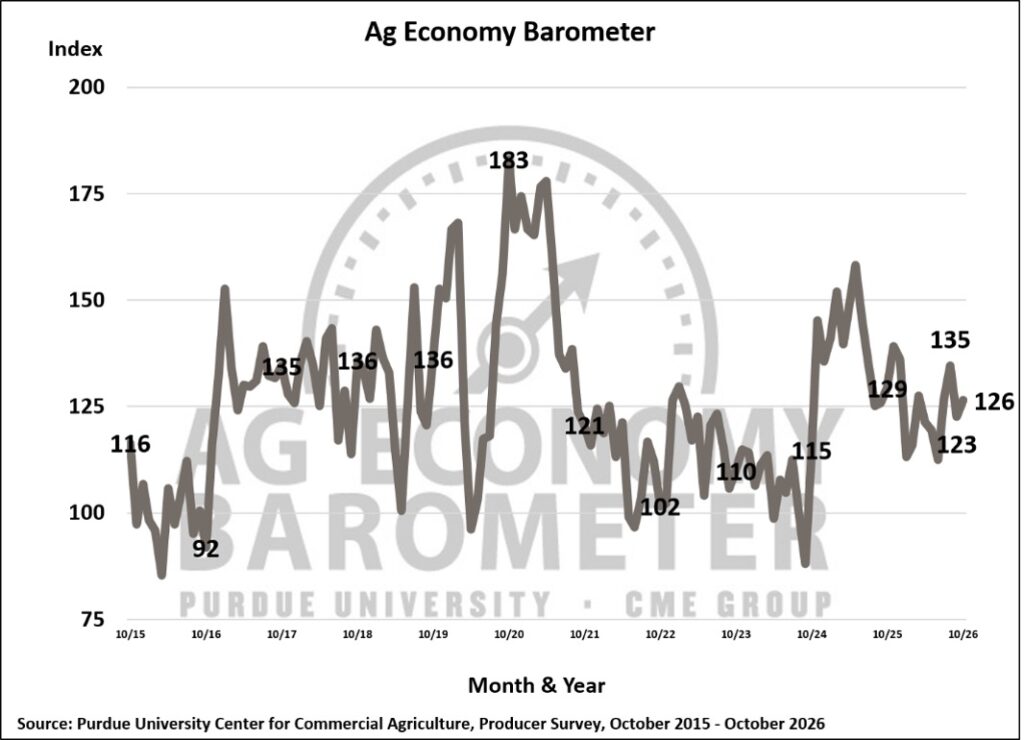
Figure 1. Purdue/CME Group Ag Economy Barometer, October 2015-October 2026.
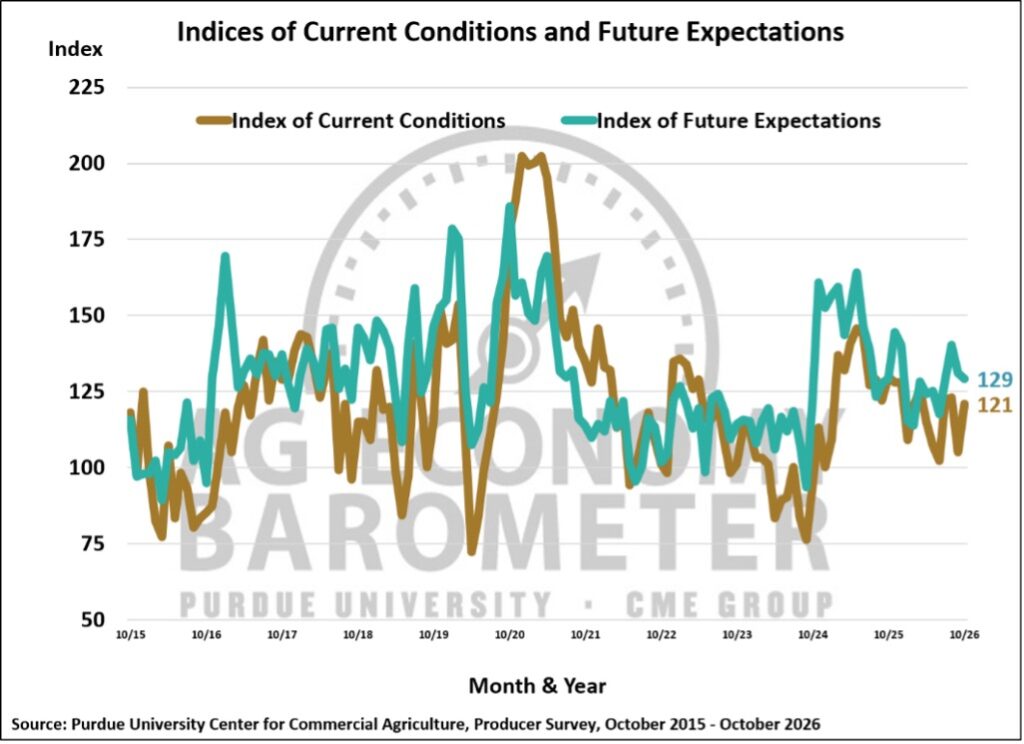
Figure 2. Indices of Current Conditions and Future Expectations, October 2015-October 2026.
Although the Farm Financial Performance Index rose from 90 to 94 in October, it remains below its 2026 peak of 103 reached in August. The Farm Capital Investment Index increased from 39 to 55, reaching its highest level since last December (see Figure 3). However, it is important to note that only 20% of respondents in October indicated that it was a good time to make investments in machinery and buildings.
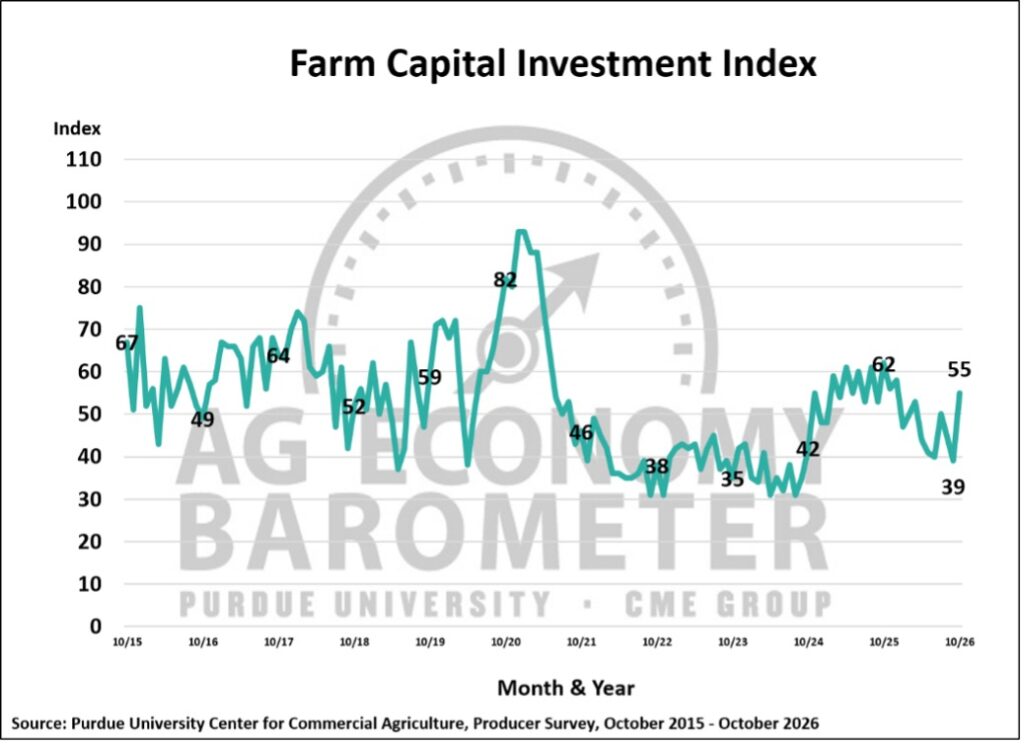
Figure 3. Farm Capital Investment Index, October 2015-October 2026.
This month's survey included questions about farm resilience or the ability to withstand market shocks. Approximately 62% of respondents agreed or strongly agreed with the following statement: "We have a strong balance sheet" (see Figure 4). In January of this year, 76% of respondents indicated that they have a strong balance sheet. In a related question, 60% of respondents this month either agreed or strongly agreed that their farm had a solid working capital position (see Figure 5).
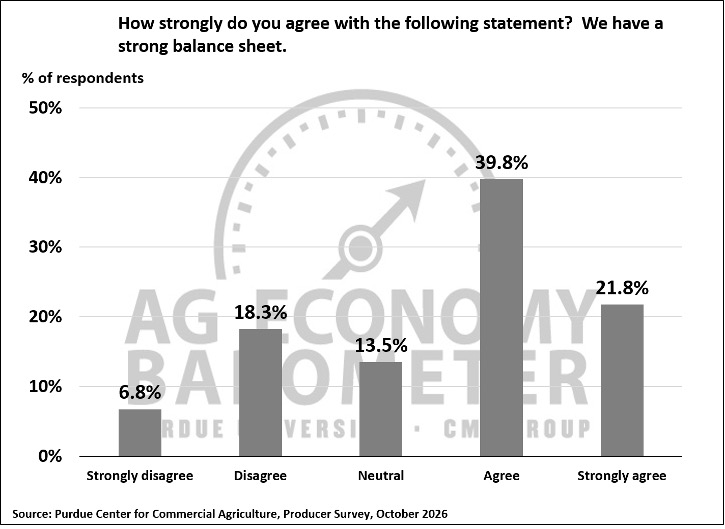
Figure 4. Relative Strength of Farm Balance Sheet, October 2026.
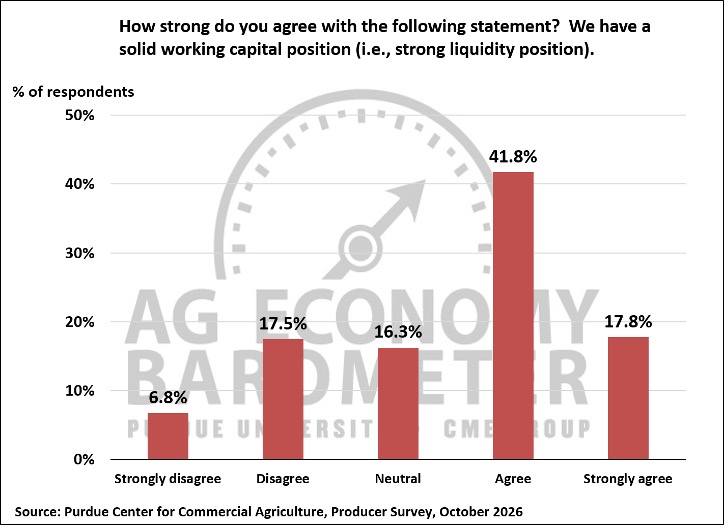
Figure 5. Relative Strength of Farm Working Capital Position, October 2026.
The Short-Term Farmland Value Expectations Index declined by 1 point to 125 in October (see Figure 6), while the Long-Term Farmland Value Expectations Index fell by 6 points to 162. Alternative investments, interest rates, and inflation were cited as the three factors with the greatest influence on farmland values.
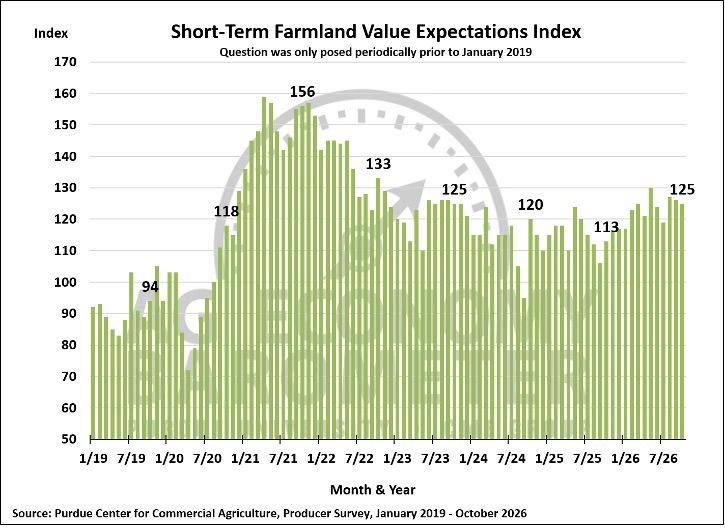
Figure 6. Short-Term Farmland Value Expectations Index, January 2019–October 2026.
Two questions in this month's survey gauged sentiment regarding the long-run policy environment. The first question asked respondents whether they expected the increased use of tariffs in the U.S. to strengthen or weaken the U.S. agricultural economy in the long run. Only 35% of respondents thought the increased use of tariffs would strengthen the long-run agricultural economy (see Figure 7). When this question was asked in previous surveys, between 49% and 70% of respondents indicated that tariffs would strengthen the U.S. agricultural economy in the long run.
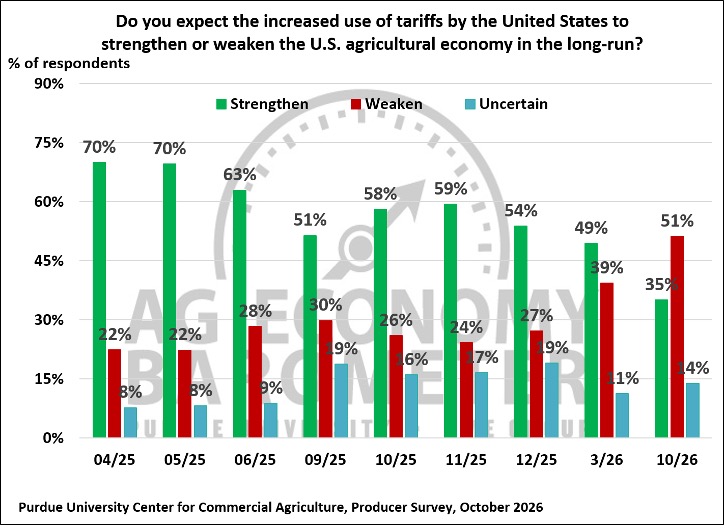
Figure 7. Expectations Related to the Increased Use of Tariffs by the U.S., April 2025-October 2026.
The second question that was used to measure sentiment regarding the long-run policy environment asked respondents whether they think the U.S. is headed in the "right direction" or on the "wrong track." The share of respondents who thought the U.S. was heading in the right direction averaged more than 60% from July 2025 to June 2026 but fell below 50% in both the September and October AEB surveys (see Figure 8).
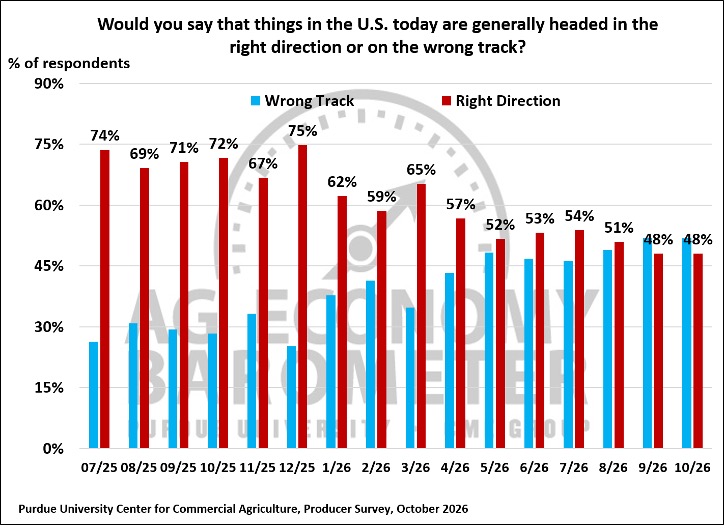
Figure 8. Are Things in the U.S. Today Headed in the Right Direction or on the Wrong Track?
Wrapping Up
Farmer sentiment increased from 123 to 126 in October due to an improvement in sentiment regarding current conditions. The Index of Current Conditions increased by 16 points, while the Index of Future Expectations dropped by 2 points. Respondents were more optimistic about their financial prospects and the investment environment. Despite the improvement in sentiment, the share of producers reporting a strong balance sheet declined from 76% in January to approximately 62% in October, suggesting that financial pressures remain.
Long-run policy concerns are mitigating optimism regarding long-term sentiment. Only 35% of respondents thought the increased use of tariffs by the U.S. would strengthen the agricultural economy in the long run. Likewise, less than 50% of respondents indicated that the U.S. is headed in the "right direction." Despite declines in both farmland value expectations indices, respondents remained optimistic about farmland values over the next five years.