Extreme late-season heat and sustained drought have accelerated the Oklahoma cotton crop toward an earlier harvest, leaving producers navigating defoliation decisions, tough yield realities, and future seed selection, according to Oklahoma State University Extension Cotton Specialist Jenny Dudak (now Jenny Ebers).
While scattered recent rainfall brought welcome moisture across parts of the state, it arrived far too late to build cotton yields. Instead, it has introduced potential late-season management hurdles as growers finalize harvest-aid applications.
"Just because we got some of that rain, sometimes that can spur some regrowth situations depending on what products you use," Ebers explained. "Make sure we're keeping an eye on that and trying to keep our cotton clean before we harvest."
Heat Fast-Tracks Maturity and Harvest Pace
Unlike past drought years, the defining characteristic of this growing season was intense heat unit accumulation extending through late summer and early fall.
"We've faced drought conditions before, but I think what was different this year is just the sheer amount of heat units that we accumulated between July and August, and then into September as well," Ebers said. "It really pushed our cotton along quickly, which led to earlier harvesting times in some of our areas."
While the rapid heat accumulation may have aided northern Panhandle acreage in filling out a top crop in a typically short season, it drastically curtailed overall state condition ratings. Current USDA estimates place Oklahoma's good-to-excellent cotton condition near just 9%.
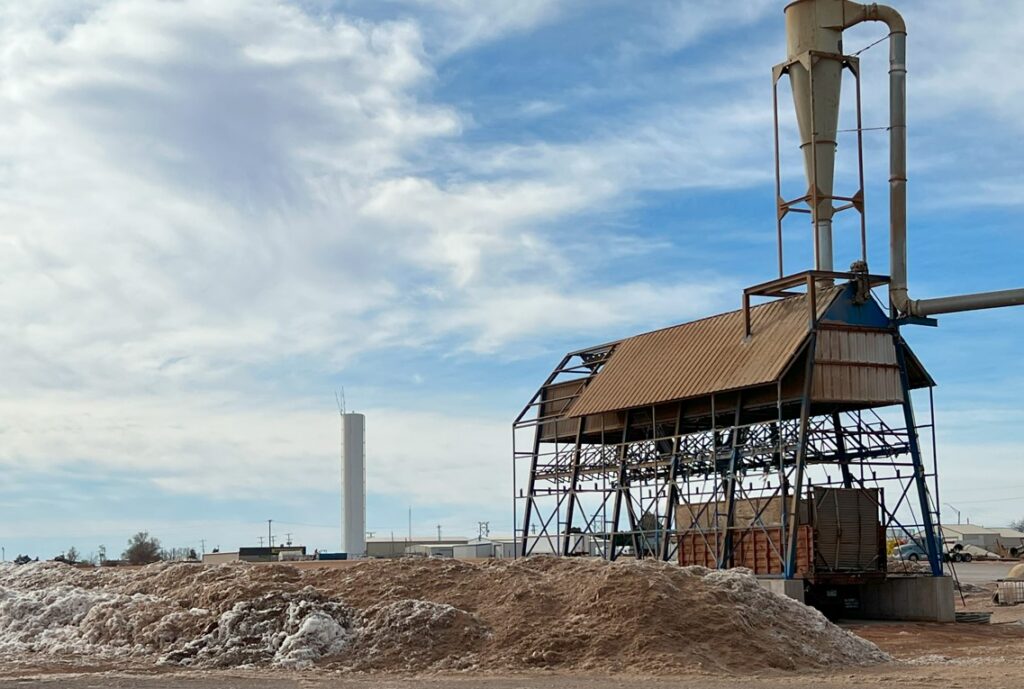
Harvest equipment is already rolling well ahead of last year's calendar pace, with pickers and strippers active and round modules appearing field-side. Still, many producers are actively calculating whether low prospective yields justify field operations against current market prices and harvesting costs.
Harvest Aids on Drought-Stressed Crop
For fields heading to harvest, product efficacy remains a key consideration. Defoliating drought-stressed leaves requires careful chemical selection to ensure clean bolls and avoid leaf stick.
"With our drought-stressed cotton, there's different options, such as our PPOs, that work a little bit better," Ebers noted, adding that most producers are managing harvest-aid timing proactively despite tricky leaf conditions.
Looking Forward: 2027 Variety Selection
With harvest underway, post-harvest field management will follow standard protocols, but Ebers encourages growers to turn their attention early toward variety and herbicide trait planning for next season. Because widespread trial failures hit OSU's test plots due to extreme heat and drought, published university variety data will be limited this winter.
"Unfortunately, this year, just because of the heat and the drought, OSU is not going to have a whole lot of variety data that comes out to be published, because a lot of our trials failed out," Ebers noted. "Talking to your seed companies and sales representatives about variety selection on your farm would be some place that I would be starting right now."
Note: Congratulations to Jenny Dudak on her recent marriage, now stepping into the field as Jenny Ebers!